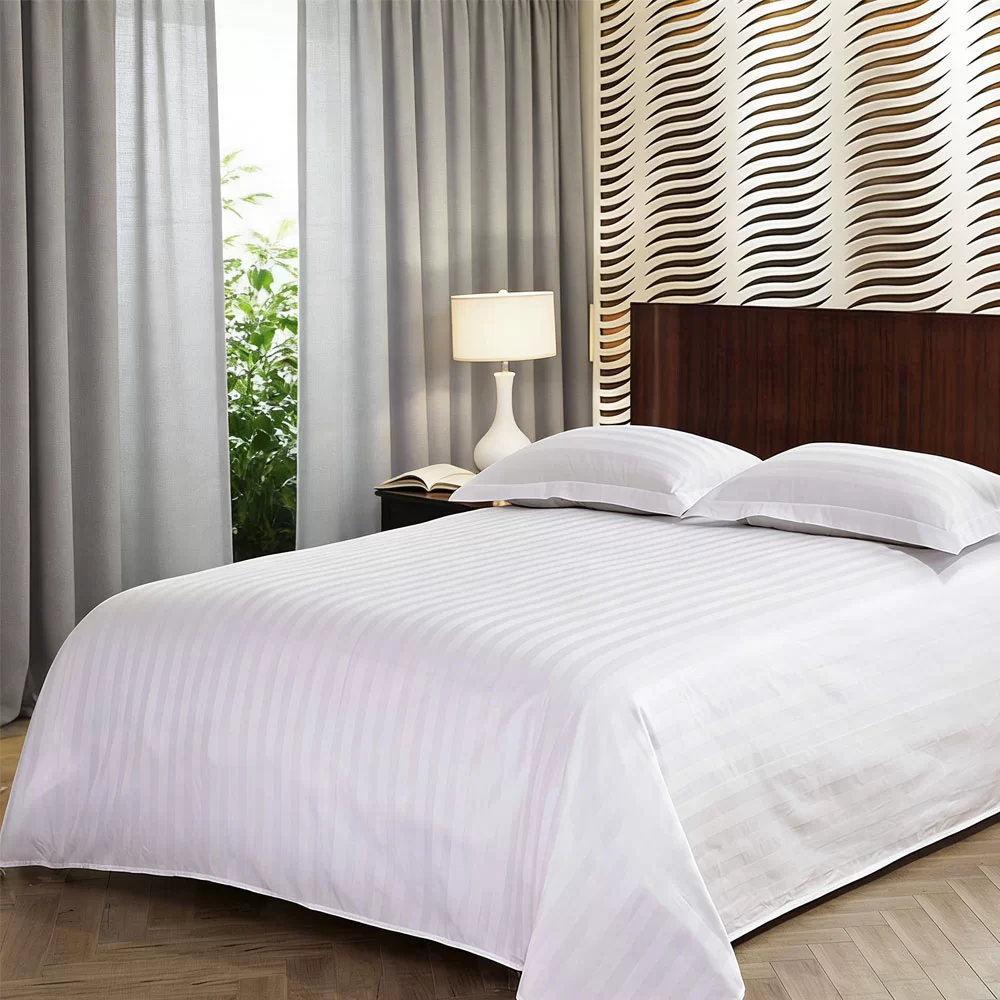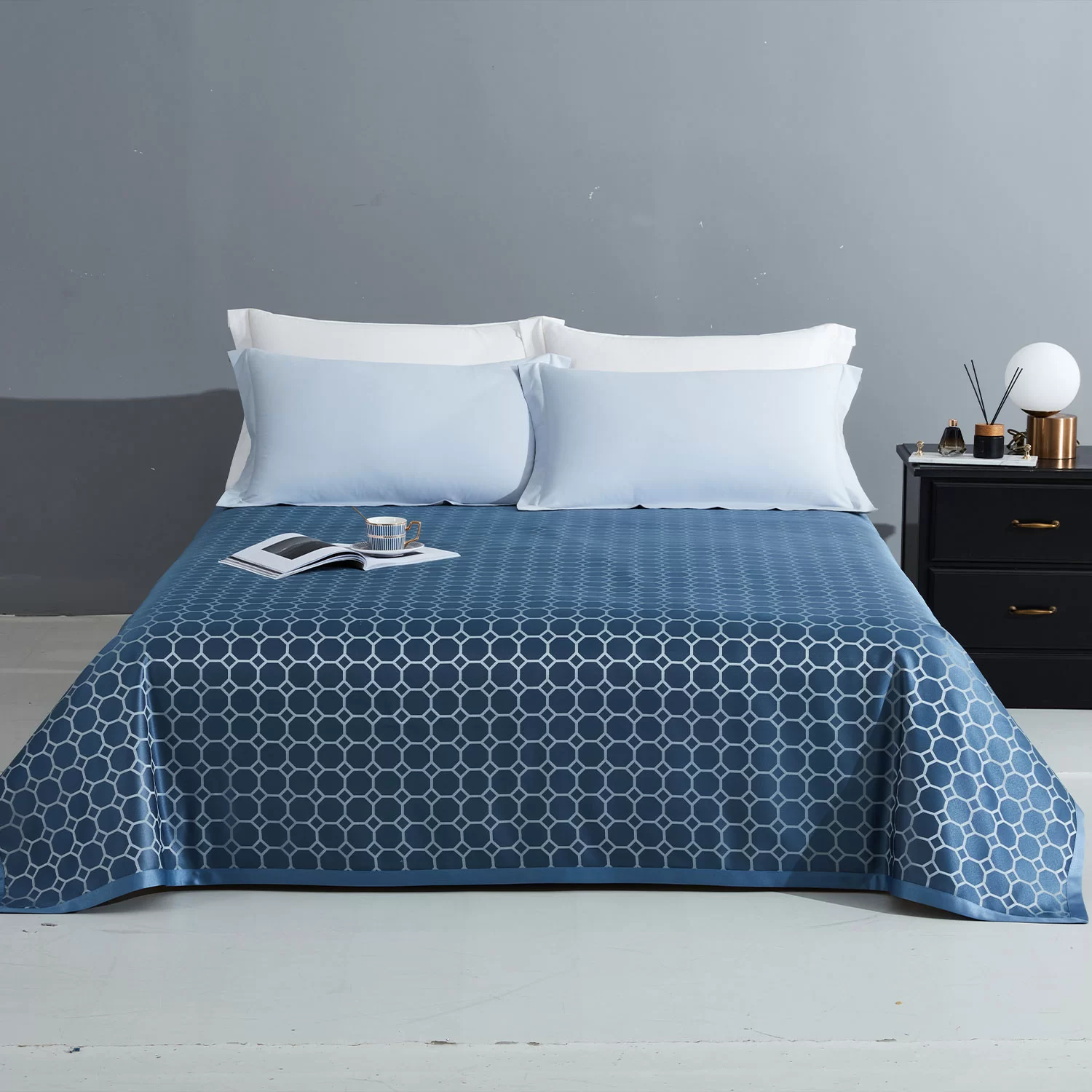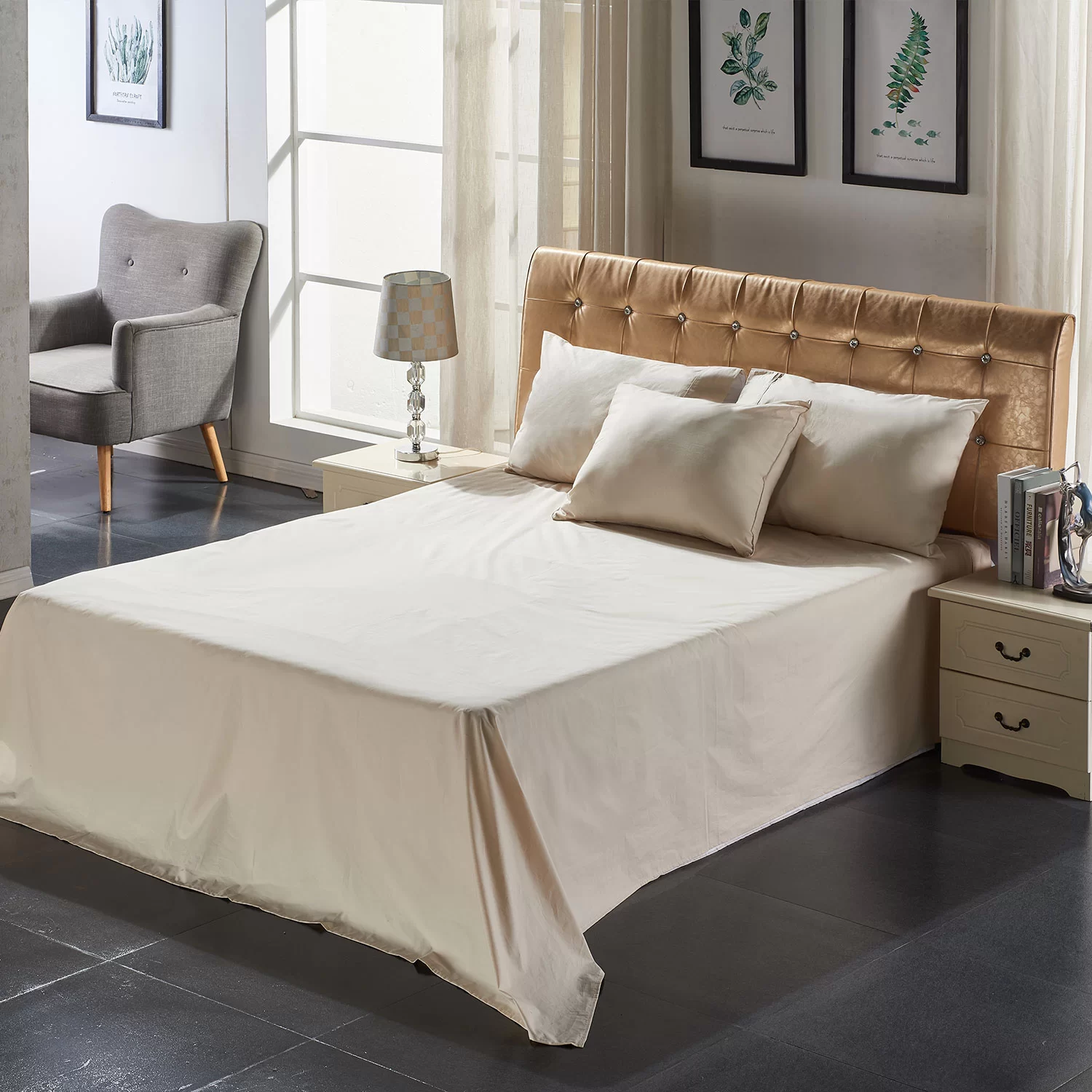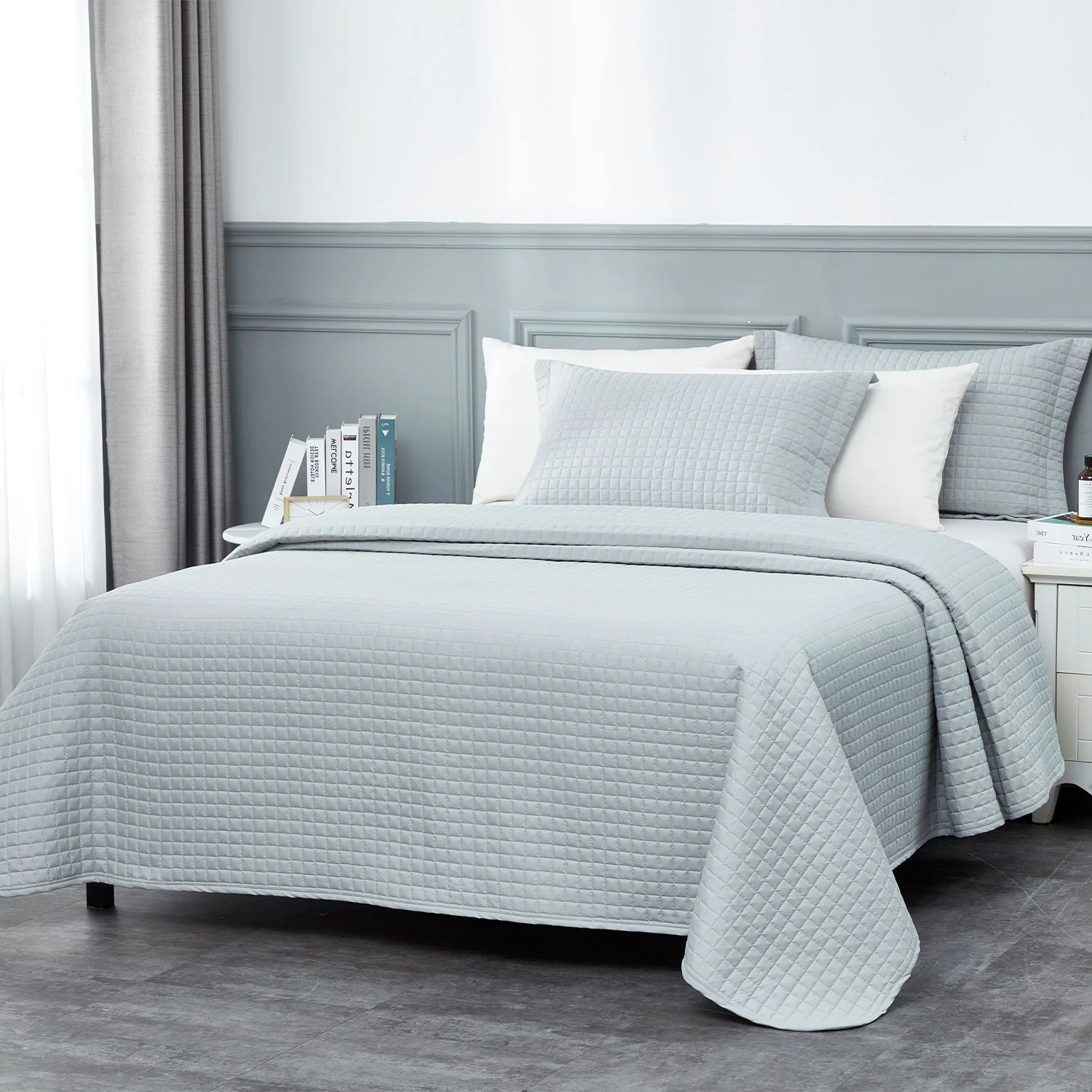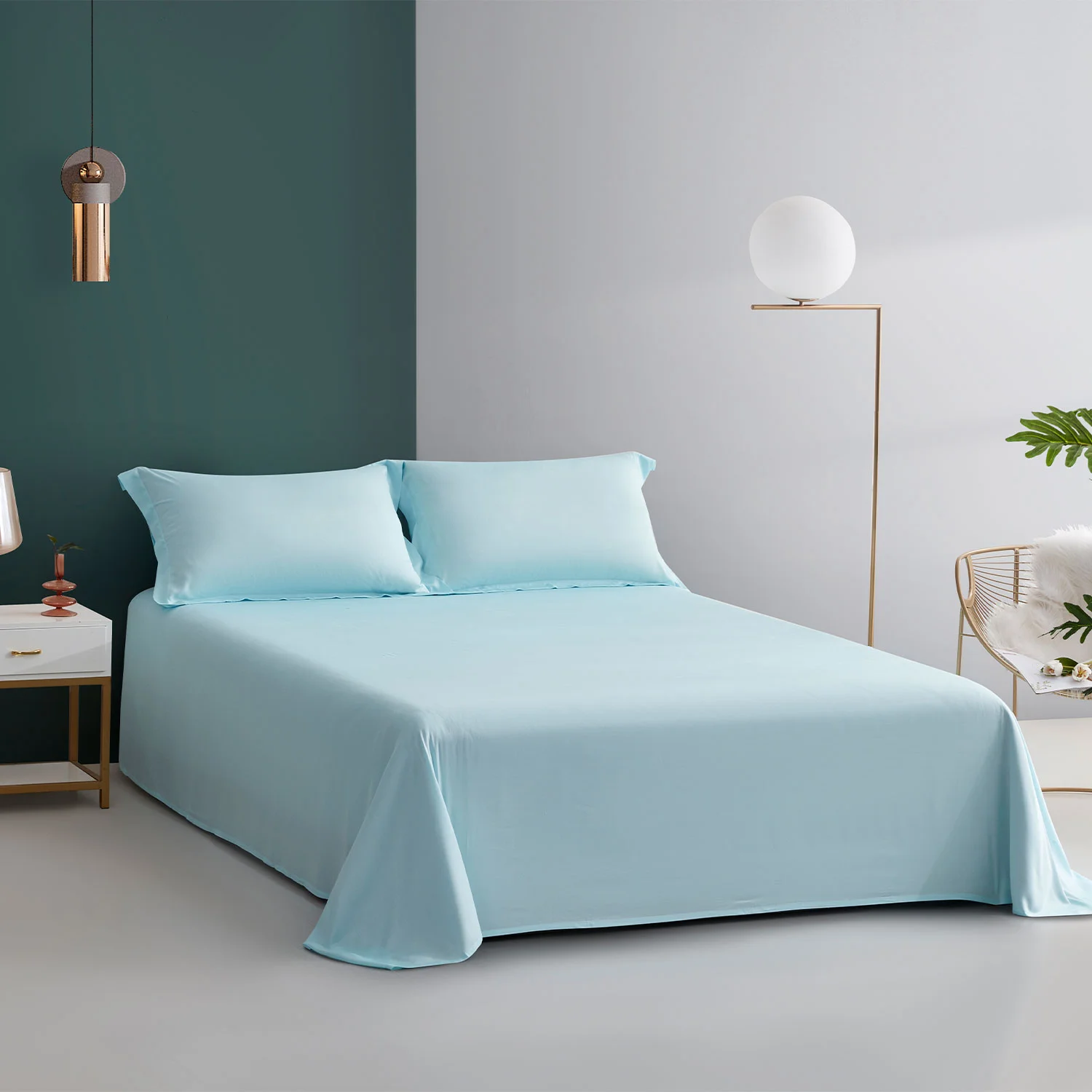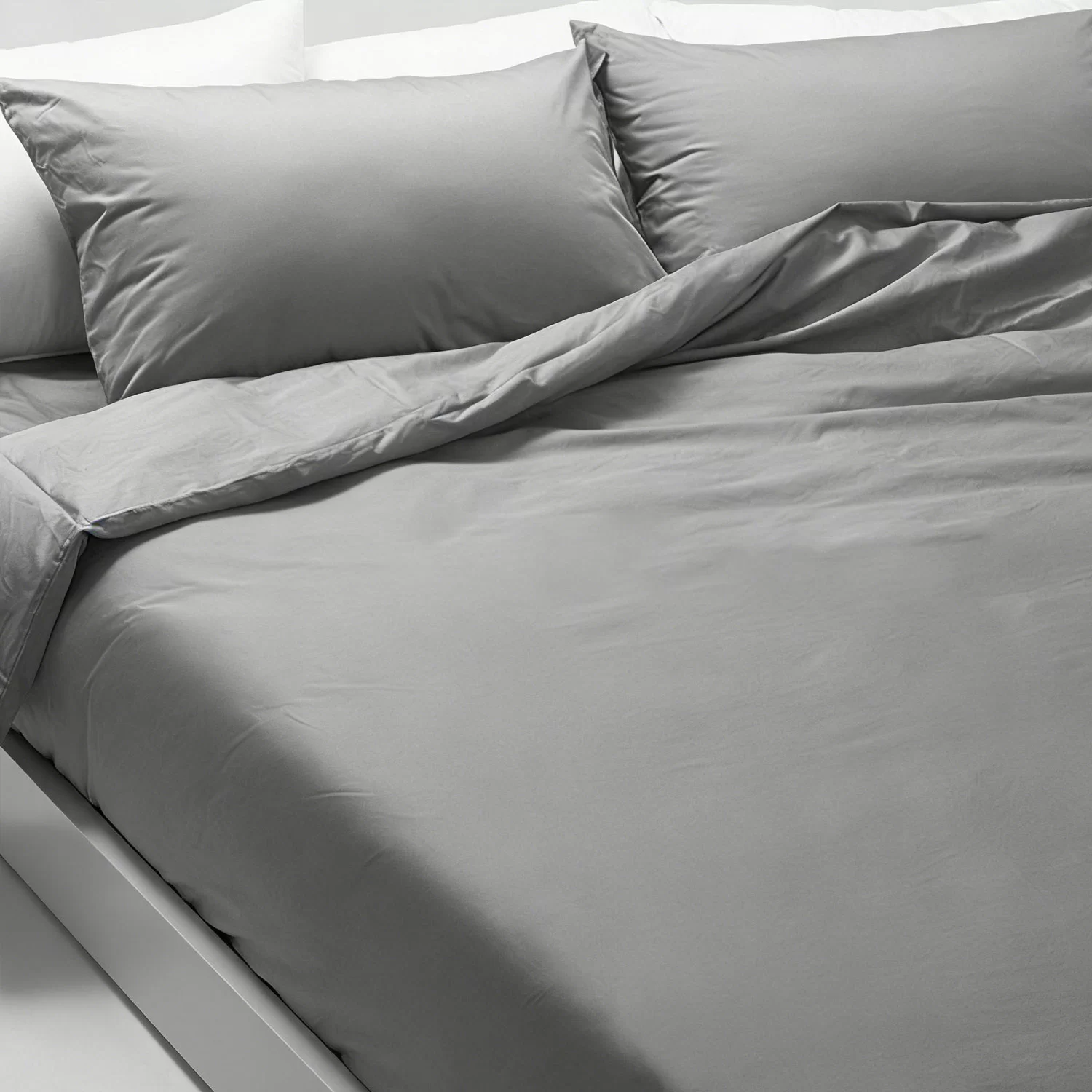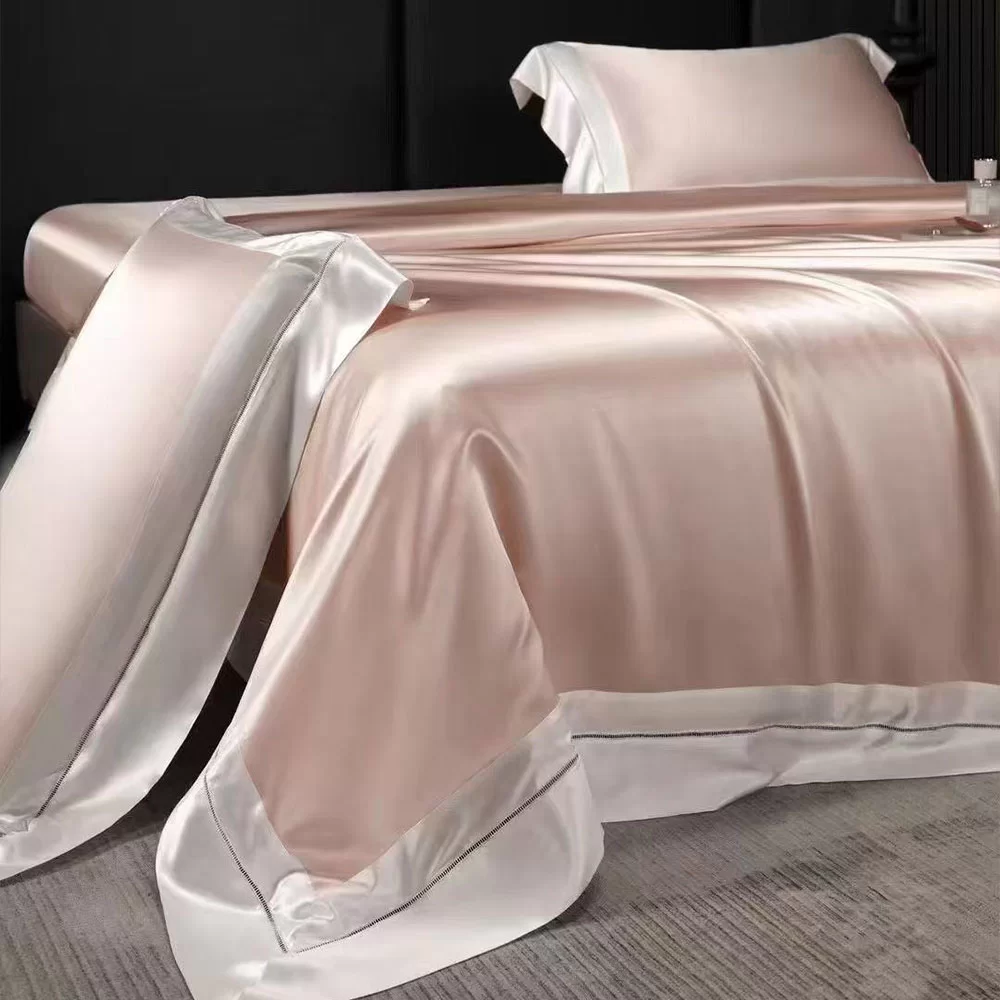
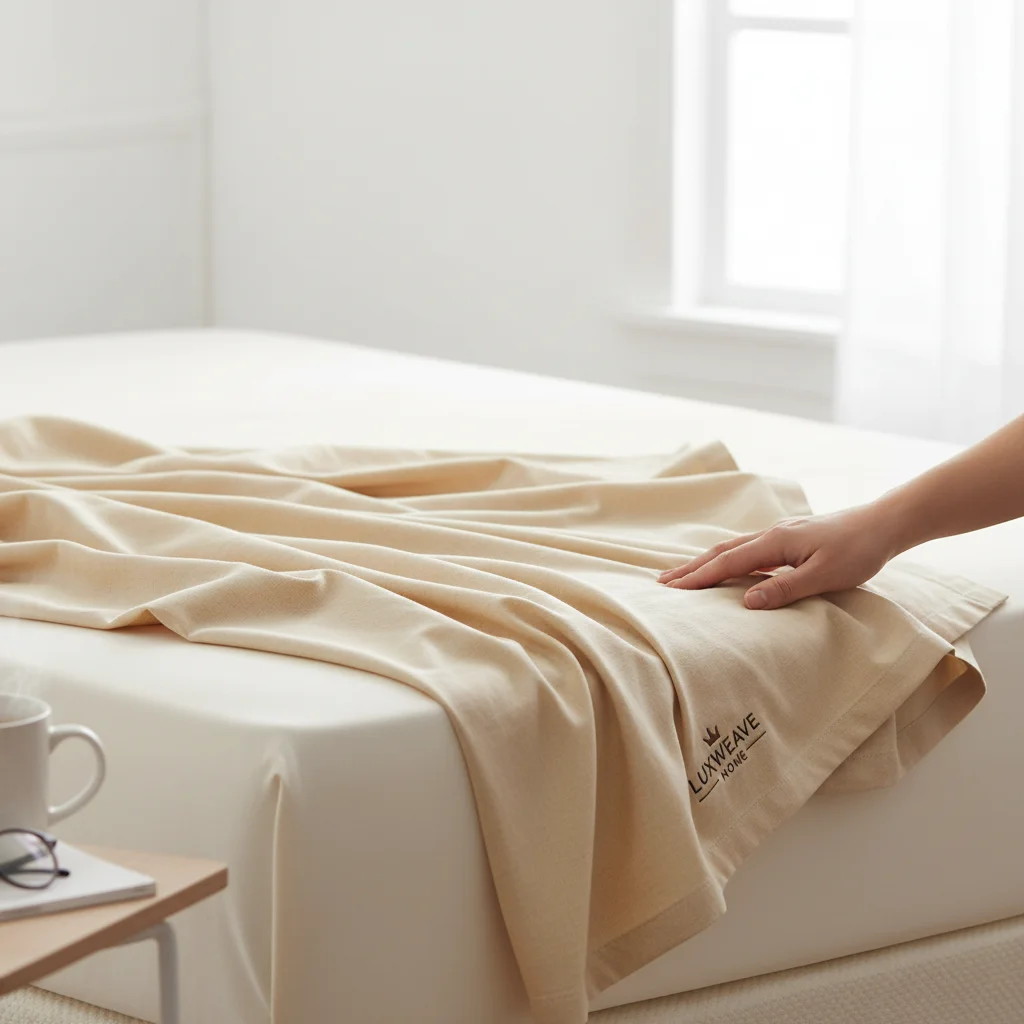
Organic cotton flat sheets are experiencing a surge in popularity as consumers become increasingly aware of the environmental and health impacts of their choices. These sheets, crafted from cotton grown without the use of synthetic pesticides, herbicides, or genetically modified organisms, offer a softer, more breathable, and sustainable alternative to conventionally grown cotton. The demand for organic cotton flat sheet isn't just a trend; it represents a fundamental shift towards conscious consumption and a desire for products that align with ethical and ecological values. Globally, the organic cotton market is expanding, driven by growing environmental concerns and a rising middle class in developing countries. According to the Textile Exchange, organic cotton production represented approximately 1% of global cotton production in 2020, but continues to grow steadily. This growth is supported by certifications like the Global Organic Textile Standard (GOTS) which provides assurance of organic integrity throughout the supply chain. The increased focus on traceability and transparency within the textile industry further fuels the demand for certified organic options like an organic cotton flat sheet. The benefits of opting for an organic cotton flat sheet extend beyond personal health and environmental protection.
 By:Daniel Wilson - February 11, 2026
 By:Michael Thompson - February 10, 2026
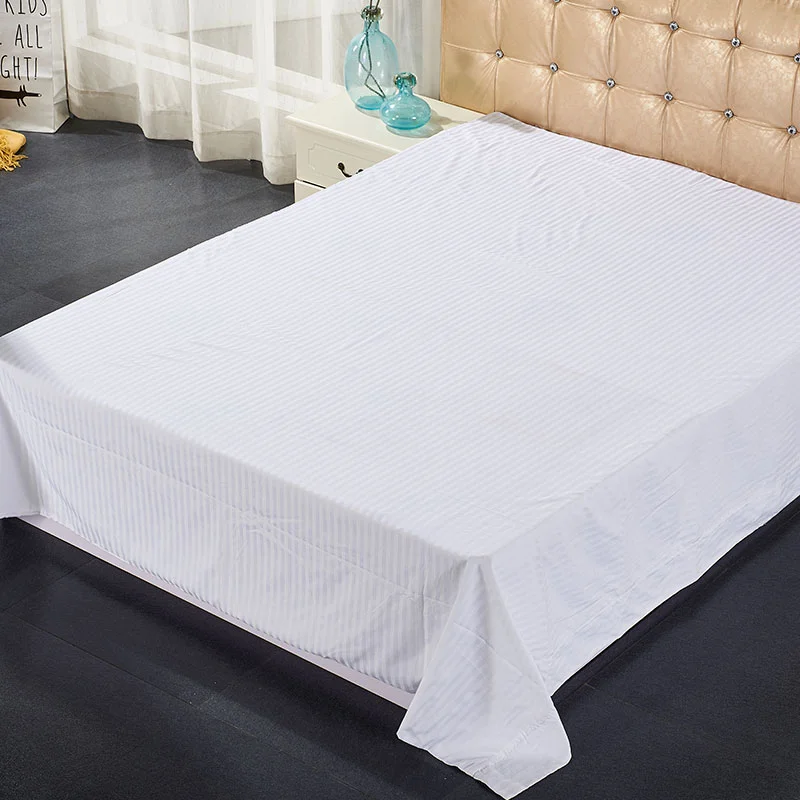
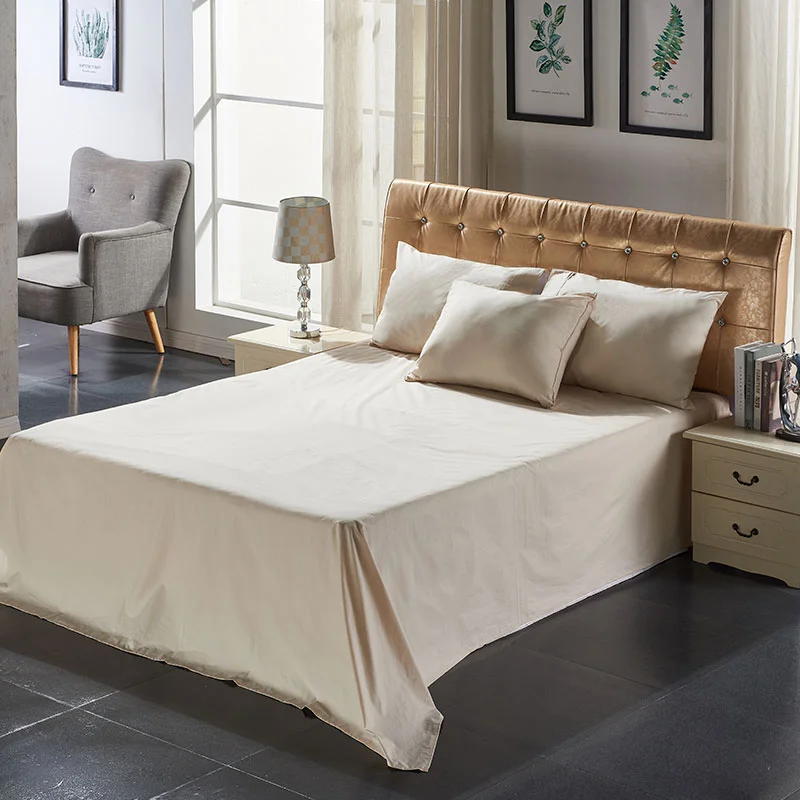
The quest for a comfortable and restful night’s sleep is universal, and a cornerstone of achieving this is the quality of bedding. Among the various components, the queen size flat sheet stands out as a fundamental element. Its impact extends beyond simple comfort, influencing sleep quality, hygiene, and even overall well-being. Understanding the nuances of a good queen size flat sheet – its materials, weave, and care – empowers consumers to make informed choices that truly enhance their sleep experience. Globally, the demand for quality bedding, including the queen size flat sheet, is continuously rising, fueled by increasing disposable incomes and a growing awareness of the importance of sleep health. According to market research, the global home textile market was valued at approximately $95.97 billion in 2023 and is projected to reach $128.58 billion by 2030. This growth underscores the critical role bedding plays in modern lifestyles. However, variations in quality and production standards present challenges for consumers seeking genuinely beneficial products. A queen size flat sheet is a rectangular piece of fabric, typically woven from cotton, linen, silk, or synthetic blends, designed to cover the upper surface of a mattress measuring 60 inches wide and 80 inches long.
By:Michael Thompson - February 9, 2026
 By:Kevin Rodriguez - February 8, 2026
 By:Kevin Rodriguez - February 7, 2026
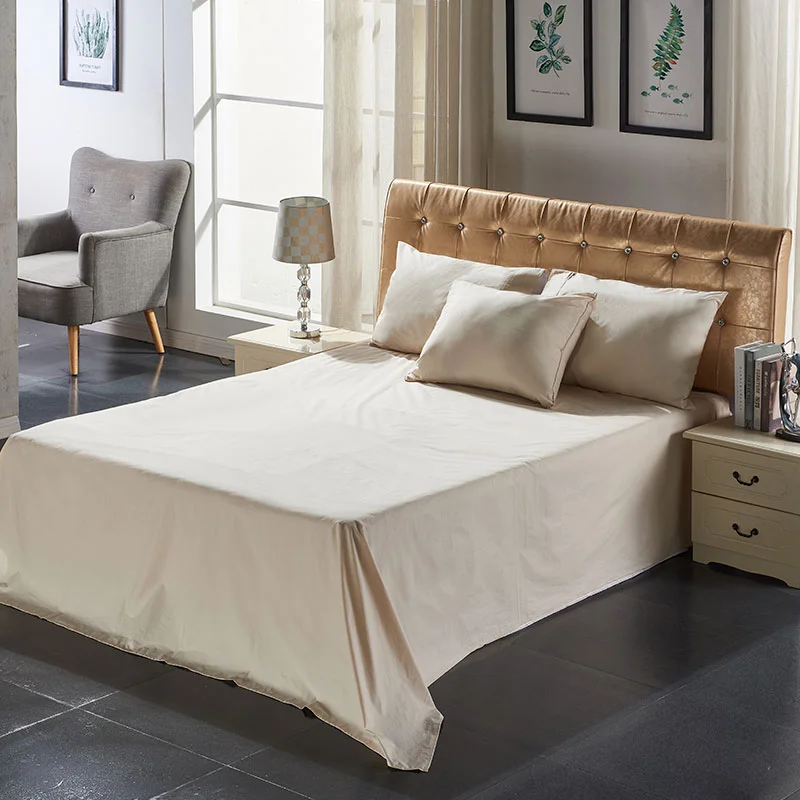
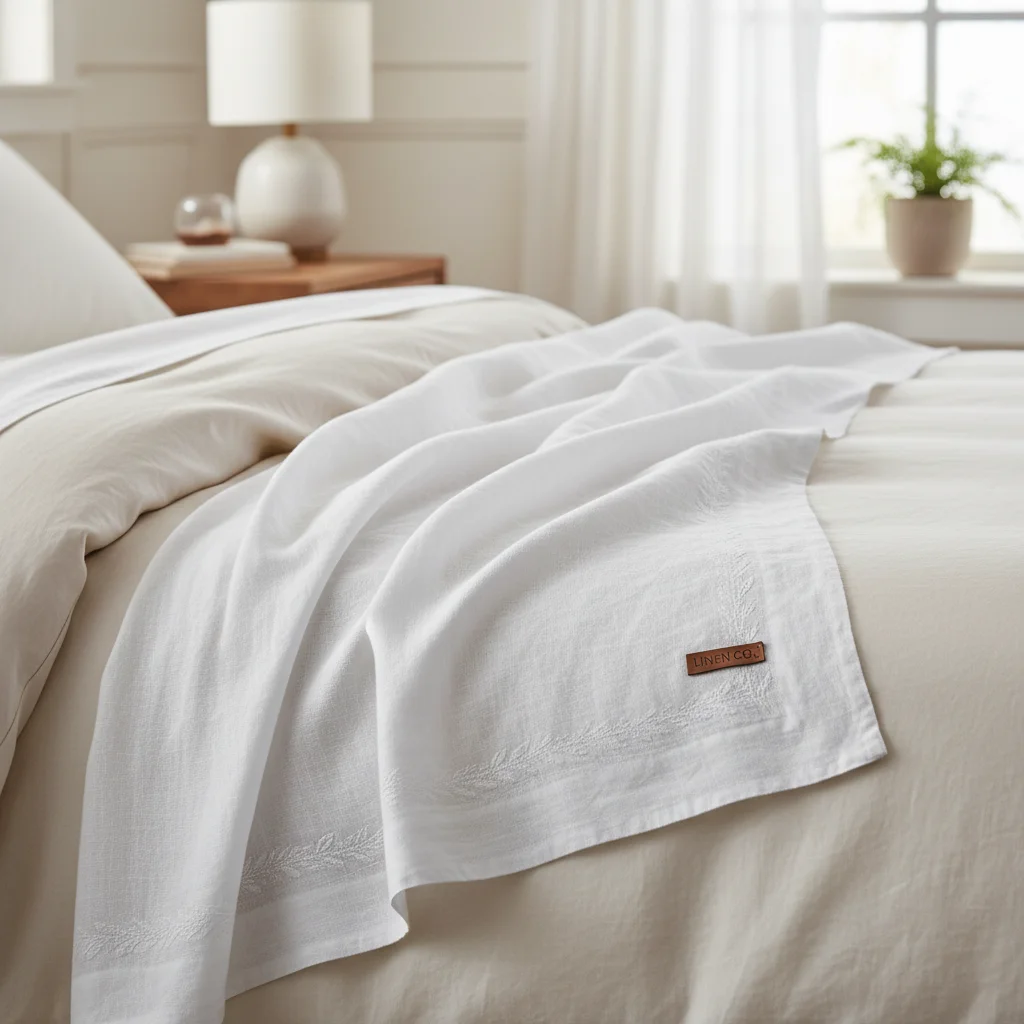
The allure of a luxurious night’s sleep is universal, and at the heart of that experience lies the quality of your bedding. Among the many choices available, a linen flat sheet king stands out as a timeless investment in comfort, durability, and style. Understanding the benefits and features of this premium bedding option is crucial for anyone seeking to elevate their sleep environment. The appeal extends beyond mere comfort; linen represents a commitment to sustainable and ethically produced textiles, gaining prominence in a world increasingly conscious of its environmental impact. Globally, the demand for high-quality linen is steadily increasing, driven by a growing awareness of its unique properties. According to recent industry reports, the linen market is projected to reach significant growth in the coming years, with a particular surge in demand for king-size linen flat sheets. This reflects a broader trend towards prioritizing natural materials and investing in long-lasting home goods. However, sourcing authentic, high-quality linen can be challenging, as variations in flax cultivation and manufacturing processes impact the final product. A linen flat sheet king isn't just a bed covering; it's an experience. It’s a breathable, durable, and naturally hypoallergenic option for discerning sleepers.
 By:David Chen - February 6, 2026
 By:Robert Miller - February 5, 2026

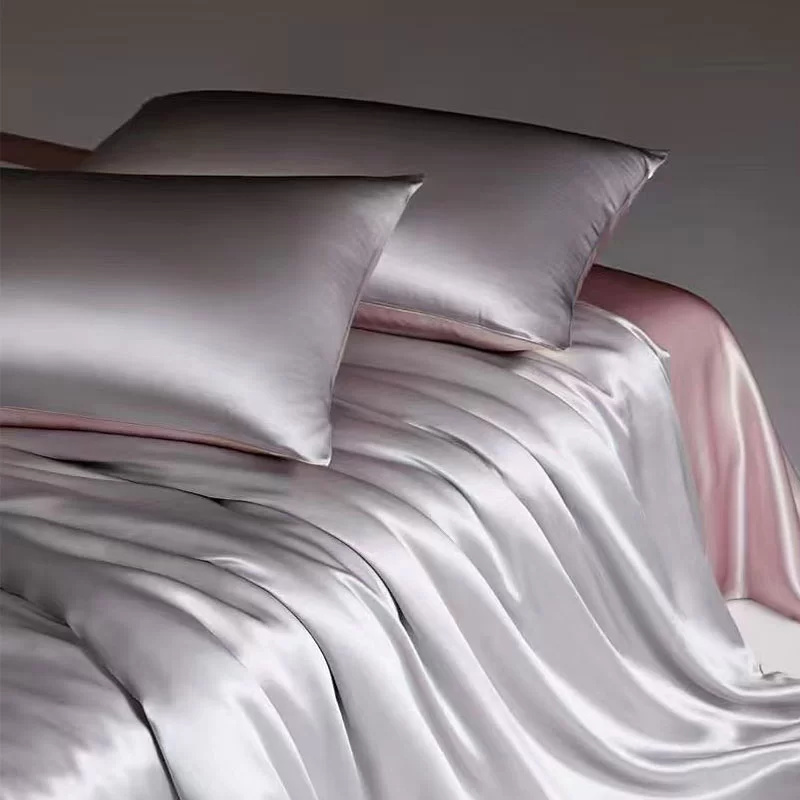
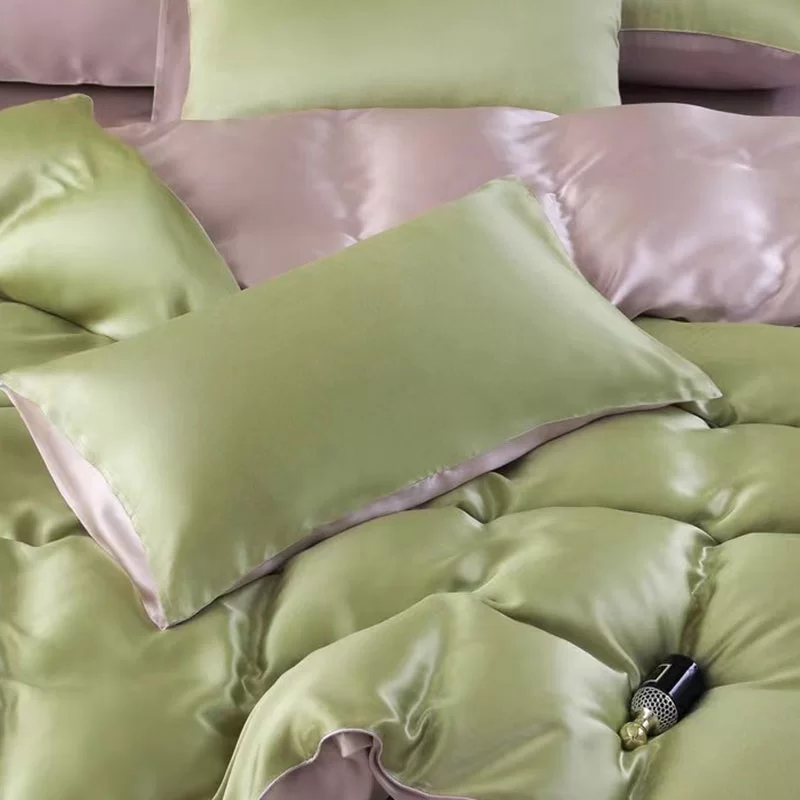
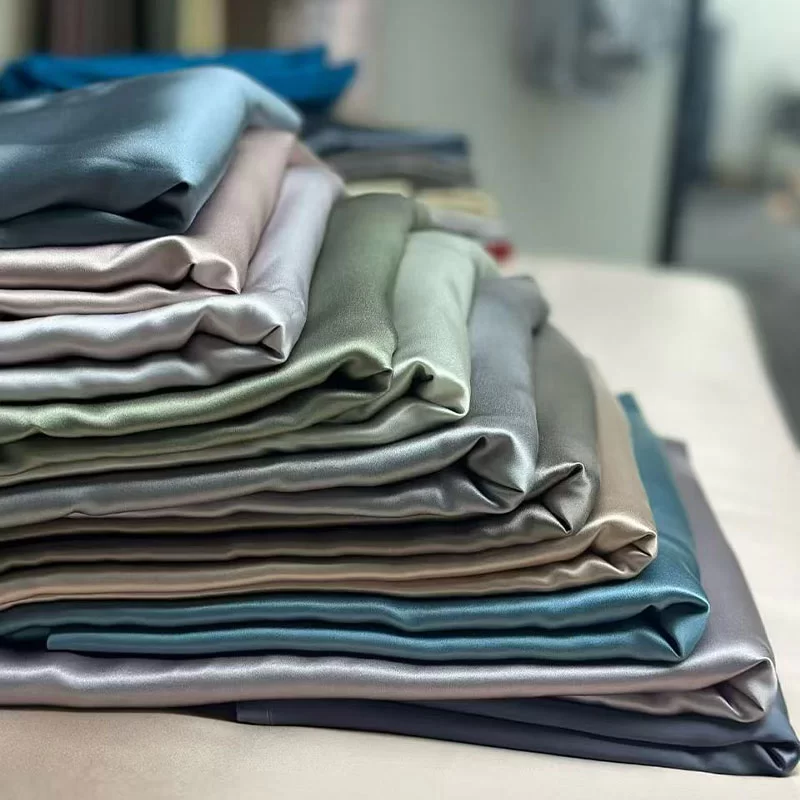
Silk flat sheets, crafted from the luxurious fibers of the silkworm, represent a pinnacle of comfort and elegance in bedding. Their global popularity stems from a unique combination of properties – unparalleled softness, breathability, and a naturally hypoallergenic nature – making them a sought-after choice for discerning consumers worldwide. Understanding the nuances of silk flat sheet production, quality, and care is increasingly important as demand rises and sustainable practices become paramount. The silk flat sheet market is a significant component of the broader textile industry, with major production occurring in countries like China and India, which collectively account for over 80% of global silk production (FAOSTAT, 2022). The demand for these sheets is driven by rising disposable incomes, an increasing focus on wellness and sleep quality, and a growing awareness of the benefits of natural materials. This demand presents both opportunities and challenges, including maintaining ethical sourcing practices and ensuring consistent quality.
By:Michael Thompson - February 4, 2026
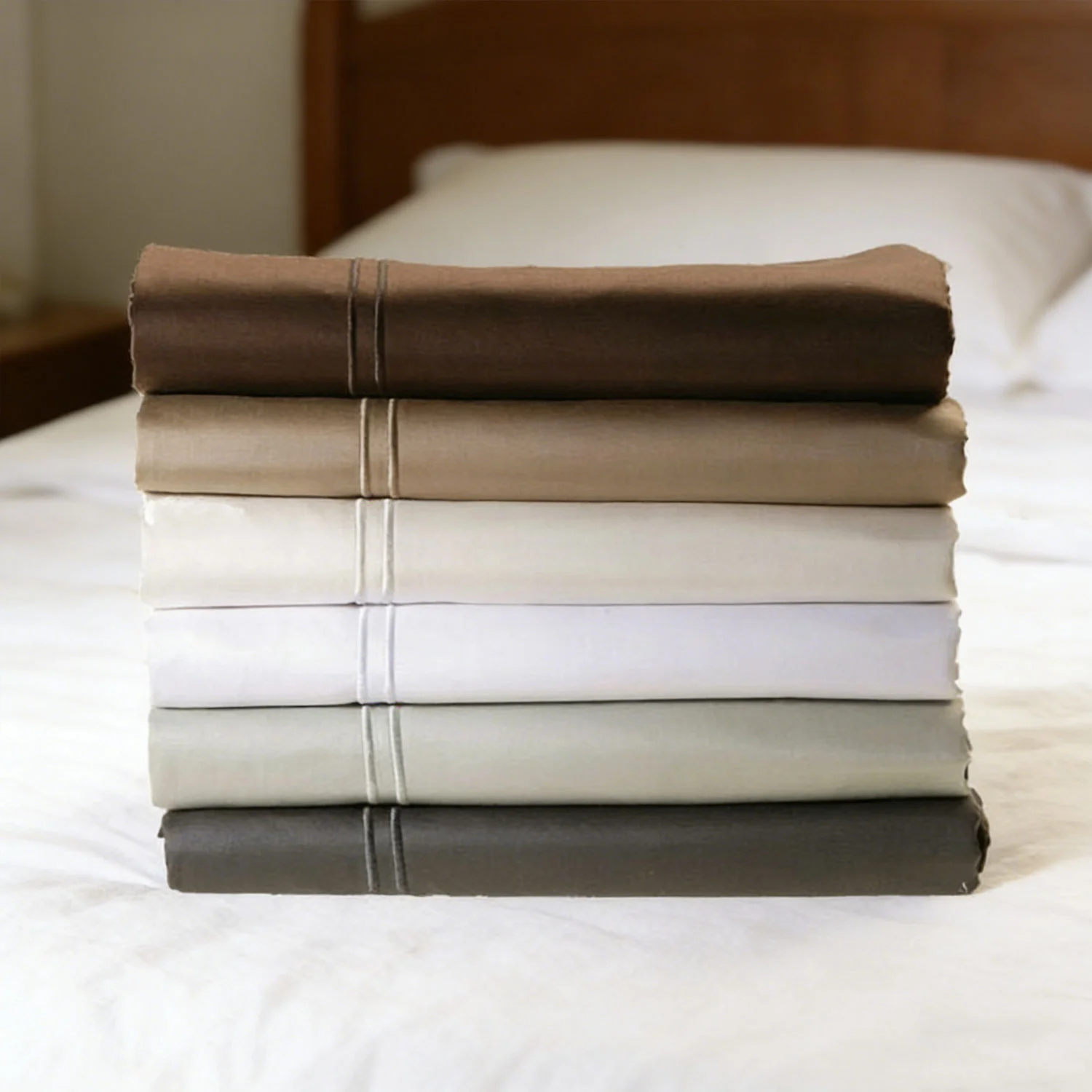
To be honest, these days everyone's talking about 'smart' everything. Smart homes, smart factories, even smart…well, you name it. But on the ground, what really matters is still stuff that just works, day in and day out. Brushed cotton flat sheets - sounds simple, right? It is. But there’s a lot more to it than people think. We’ve been seeing a real push for softer, more comfortable options, especially in hospitality and high-end rentals. Folks want that hotel feel at home, you know? Have you noticed how everyone wants everything faster, cheaper, and better? It's relentless. It's a constant battle against cutting corners. We've had folks come to us asking for unbelievably low thread counts, thinking they can save a buck, and then complain about the sheets pilling after a single wash. It’s like, “Sir, you get what you pay for.” Seriously. Anyway, I think a lot of designers forget what it's like to actually work with textiles. They’ll spec something out on a computer screen that sounds great, but when it gets to the factory floor, it’s a nightmare to produce. And then they wonder why it costs so much.
By:Daniel Wilson - February 3, 2026
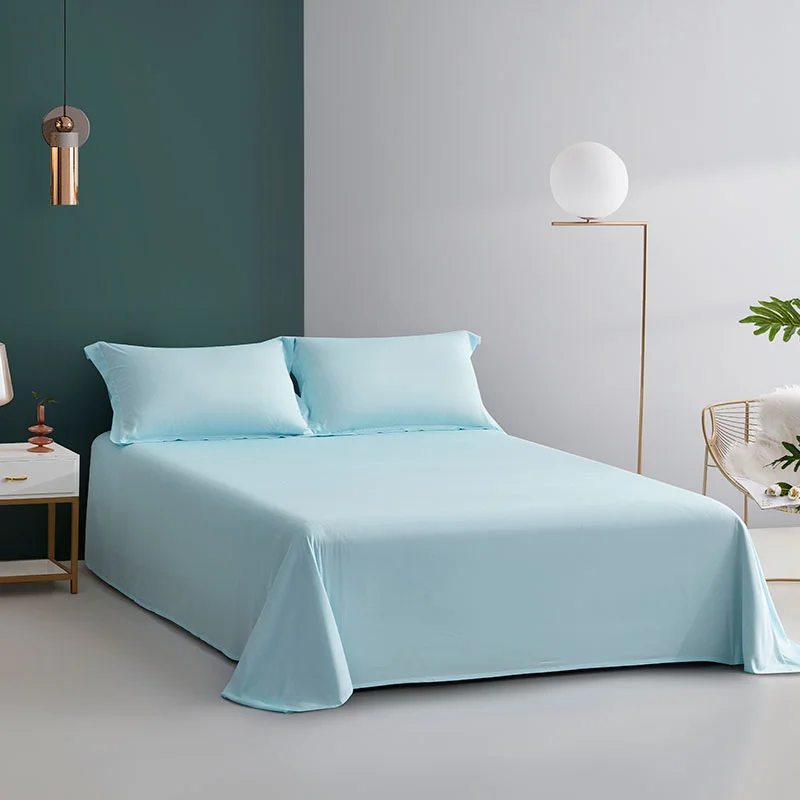
Honestly, everyone’s talking about miniaturization these days. Smaller, lighter, more integrated – that’s the buzz. But you go out to a real job site, and you quickly realize folks still need stuff that feels solid. These super king size bed sheets…they’ve gotten surprisingly sophisticated. Not just thread count anymore, you know? It’s funny, because the designs are getting so complex, it’s easy to fall into traps. I saw a guy try to spec out some incredibly fancy sateen weave last year, thinking it was the height of luxury. Turns out, it snagged on everything. Everything! Practicality, right? It’s always about practicality. The materials… that’s where it gets interesting. We’re using a lot of long-staple Egyptian cotton, naturally. Feels different, doesn't it? A bit heavier, smoother. And there's this new Tencel Lyocell stuff. Smells…kind of like wood pulp when you first open the bales. Strangely pleasant. It drapes beautifully, super soft, but it needs a careful hand during production – prone to stretching if you’re not watching.
By:Michael Thompson - February 1, 2026

To be honest, the whole industry's been buzzing about lightweighting lately. Everyone wants thinner, stronger, cheaper. Sounds easy, right? It’s not. Have you noticed how everyone jumps on the composite bandwagon? Carbon fiber, fiberglass…looks great in the brochures, but then you get to a site and it’s a nightmare. Chips and cracks easier than you’d think, especially with the rough handling we see. It’s all about finding the balance. I encountered this at a factory in Dongguan last time, they were bragging about their new "revolutionary" plastic housing. Turned out, it warped in the summer heat. Warped! And the smell… that burnt plastic smell sticks to everything. Anyway, I think people underestimate the importance of UV resistance. It’s a small detail, but it makes a huge difference. We primarily work with high-density polyethylene – HDPE. Feels kinda waxy, smells faintly chemical, but it’s tough. Properly formulated, anyway. We’ve also got polypropylene – PP – a bit more brittle, but cheaper.
By:Robert Miller - January 30, 2026
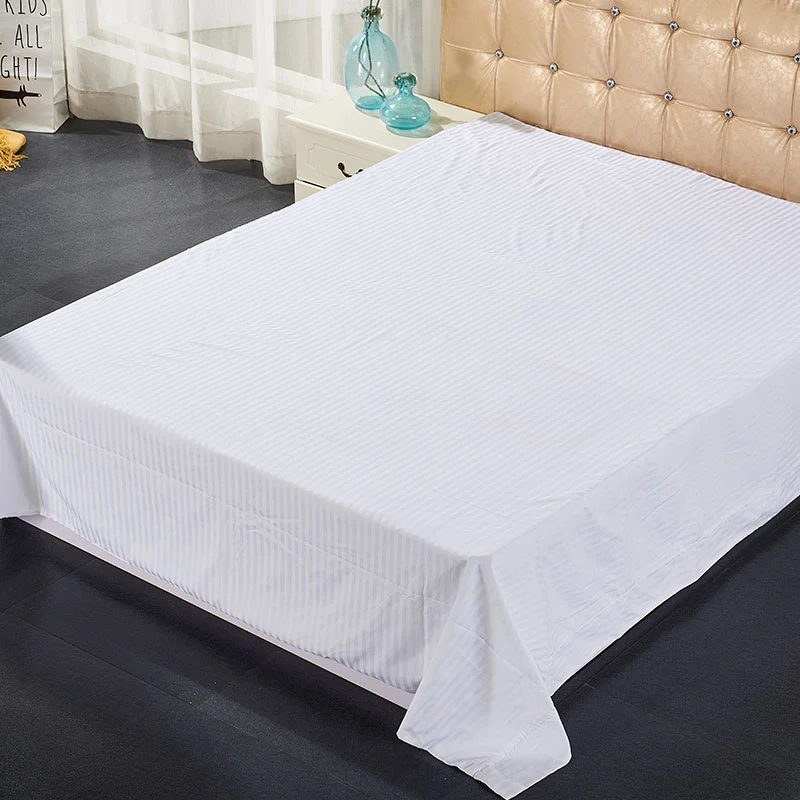
You know, things are moving fast these days. Everyone’s chasing lighter, stronger, more…something. Lately, it's all about prefabrication, modular stuff. Less waste, faster build times. Sounds good on paper, right? But honestly, I’ve seen a lot of pre-fab that falls apart the second you look at it wrong. The devil's in the details, as they say. Have you noticed how everyone wants everything to be “smart” now? Even the single flat sheet they’re trying to embed sensors into. Sensors! Like a worker is going to be reading data off his tarp. Anyway, I think there’s a real push towards sustainability too. Not just the buzzword kind, but genuinely trying to reduce the environmental impact. It's starting to trickle down, slowly. The single flat sheet… It seems simple, doesn't it? But it's surprisingly complex when you start digging into it. It's not just slapping some polyethylene together. It's about the weave, the denier, the coating. And the coating is huge. Because if the coating isn’t right, you get cracking, splitting, and a whole lot of frustration.
By:Kevin Rodriguez - February 2, 2026


Contact Us
Email: inforhometextile@126.com
Email: helenkou@126.com
Address
Zerun Building,No.122 Fengshou Road,Chang'an District,Shijiazhuang City,Hebei Province,China
If you are interested in our products, you can choose to leave your information here, and we will be in touch with you shortly.