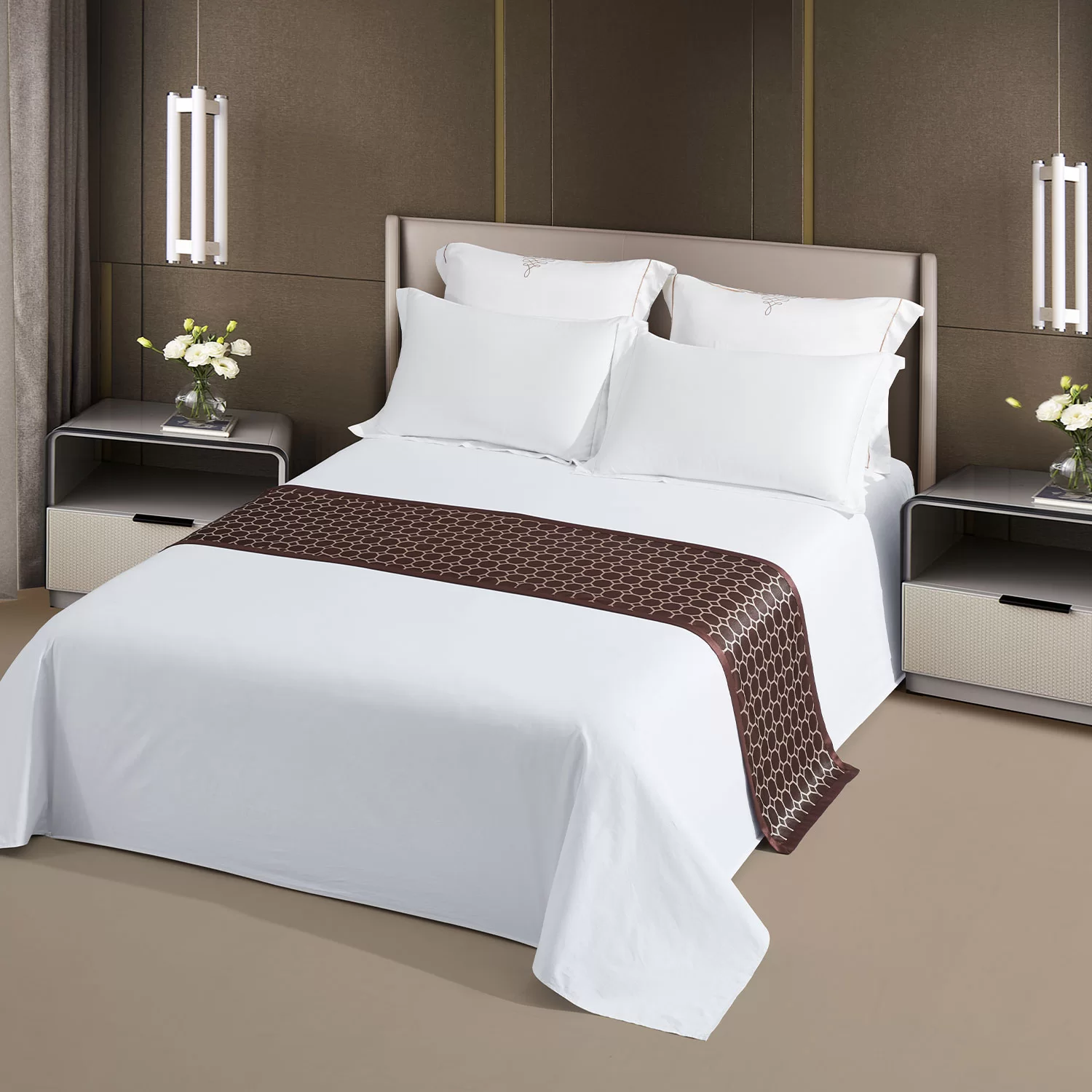
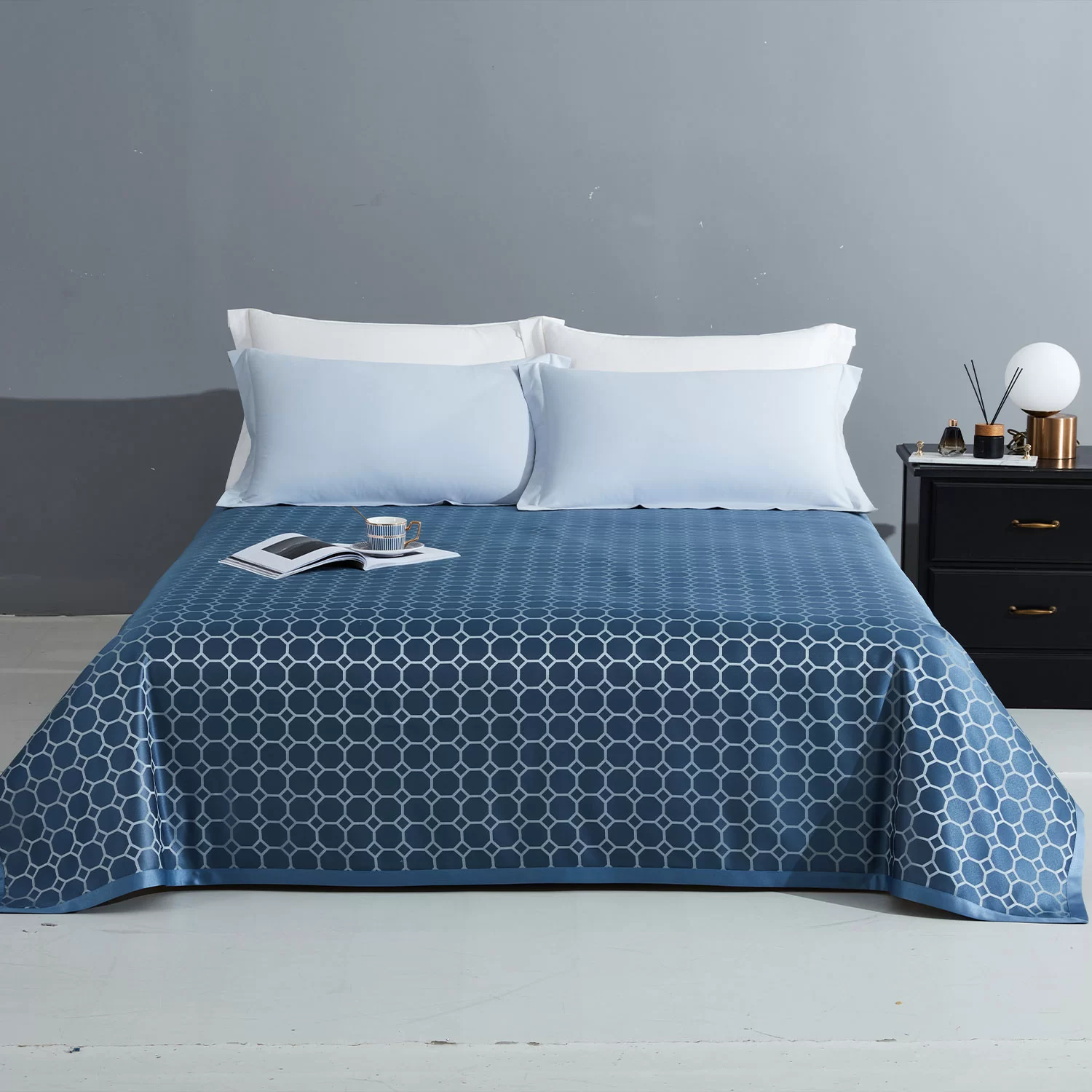
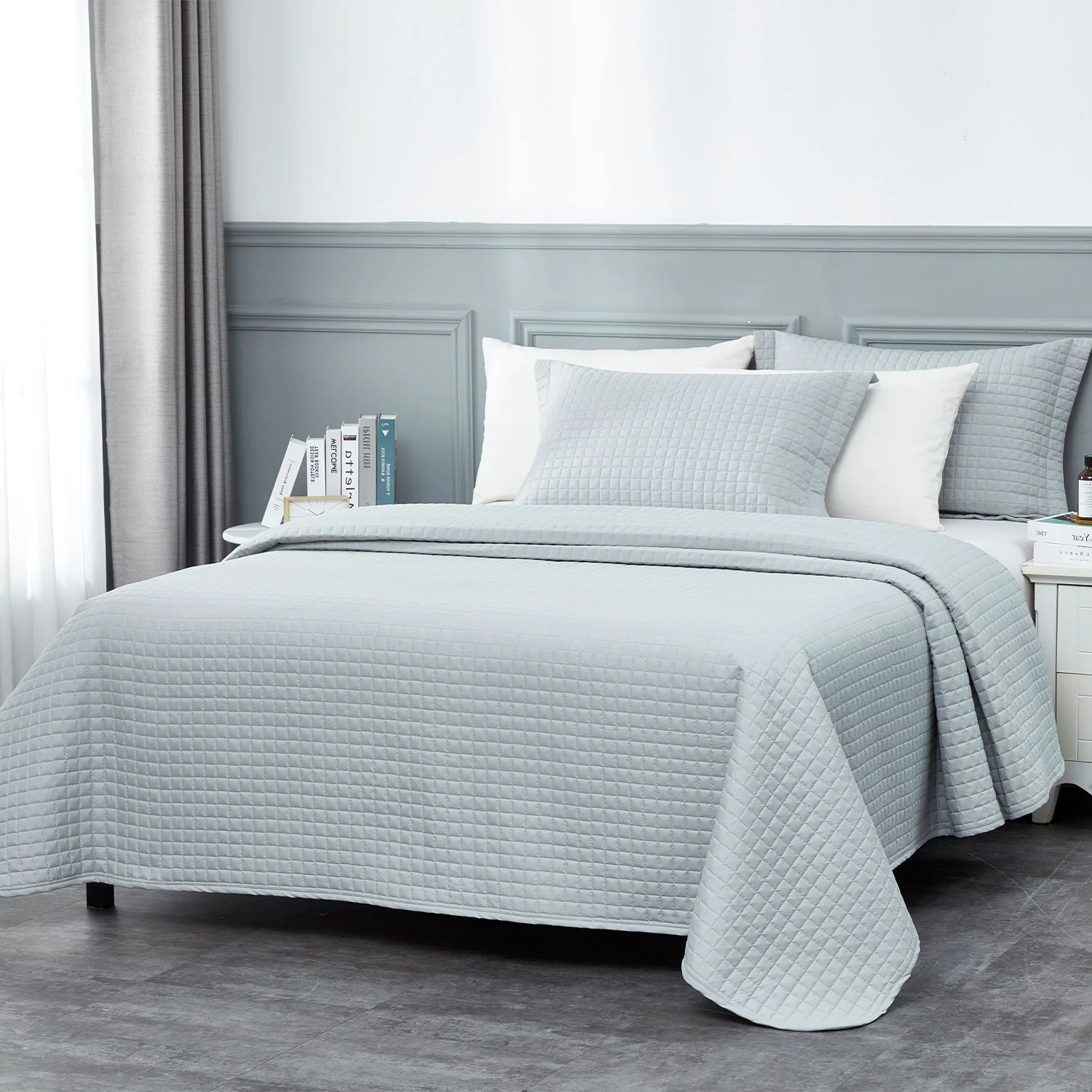
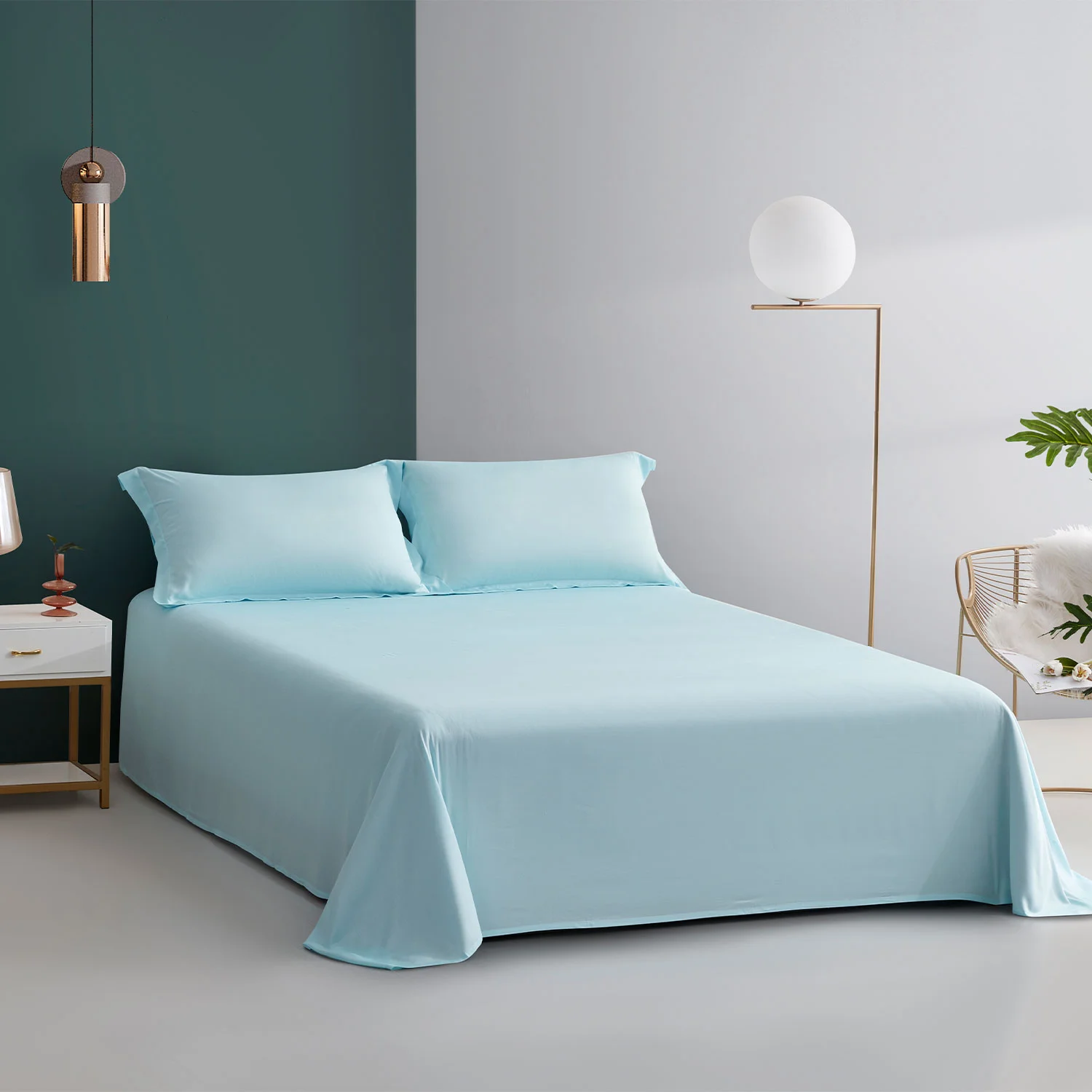
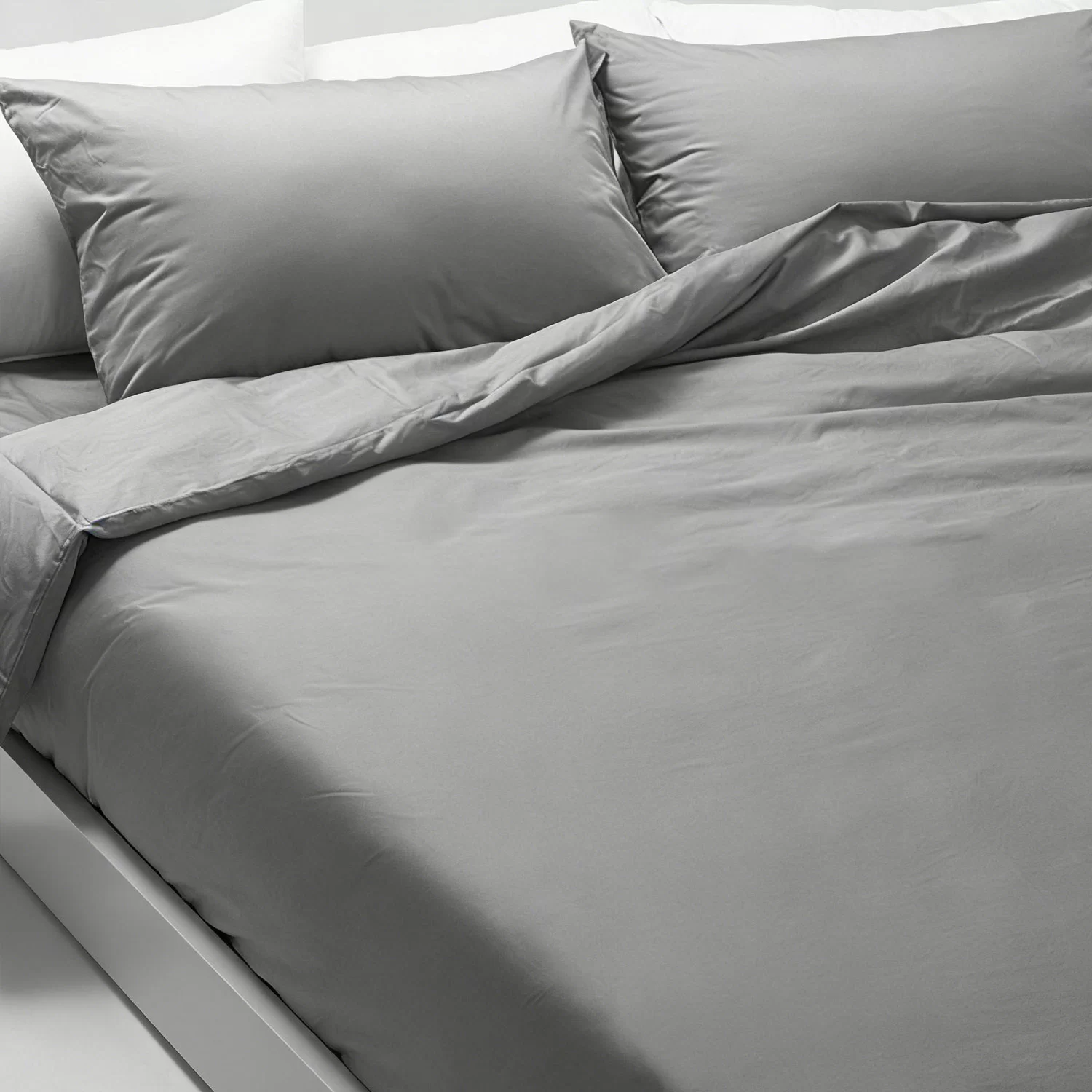
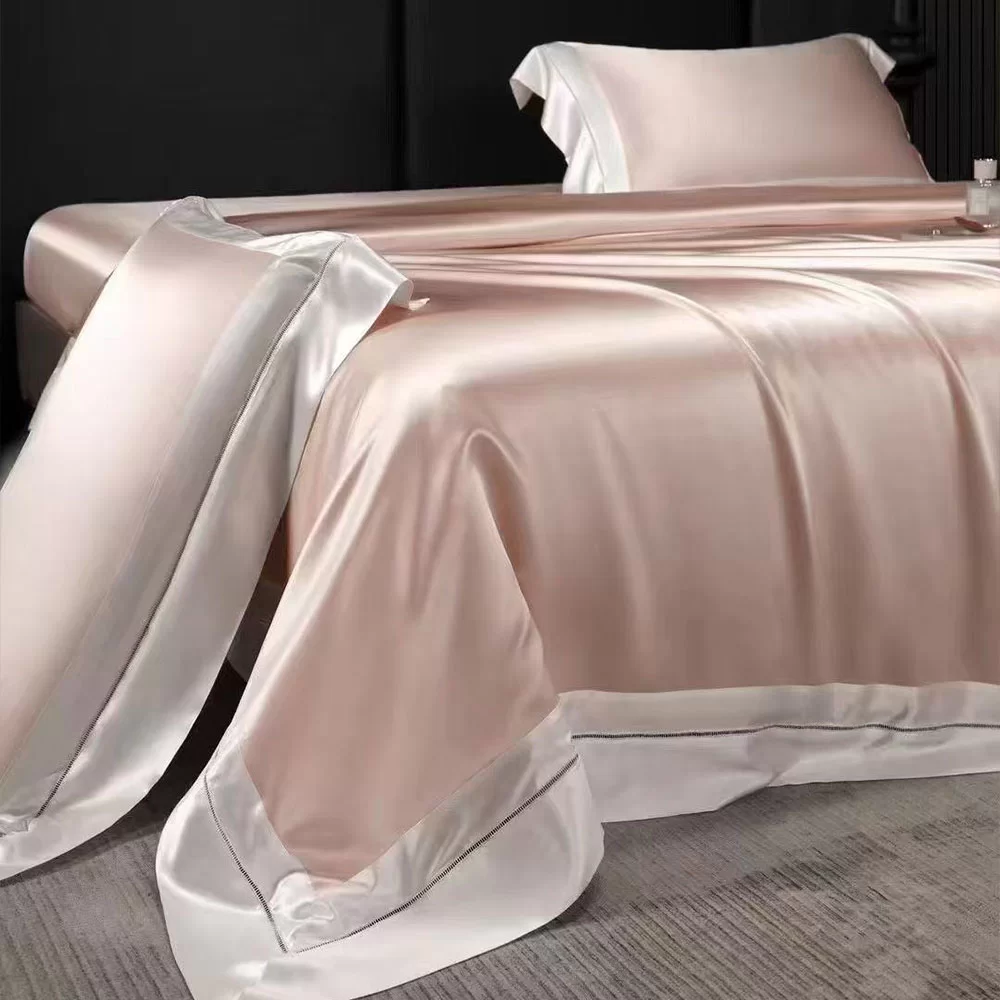
Linen top sheets represent a growing trend in the bedding industry, increasingly sought after for their unique blend of comfort, durability, and sustainability. Historically favored for their coolness and breathability in warmer climates, modern linen top sheets are experiencing a resurgence as consumers prioritize natural and eco-friendly materials. This demand is driven by a desire for high-quality sleep experiences and a conscious effort to reduce environmental impact, pushing linen from a luxury item to a mainstream choice for discerning customers.
The global textile market is currently valued at over $1 trillion, with a significant portion dedicated to home textiles like bed linens. The UN Sustainable Development Goals emphasize responsible consumption and production, influencing consumer choices towards more sustainable options such as linen. However, challenges remain in scaling up linen production to meet increasing demand, ensuring fair labor practices throughout the supply chain, and educating consumers about the unique benefits of this natural fiber.
Investing in understanding linen top sheets isn't simply about bedding; it’s about understanding a shift towards mindful consumption and a more sustainable future for the textile industry. By exploring the properties, applications, and future of linen, we can better appreciate its potential to contribute to both personal well-being and environmental responsibility.
The Defining Characteristics of Linen Top Sheets
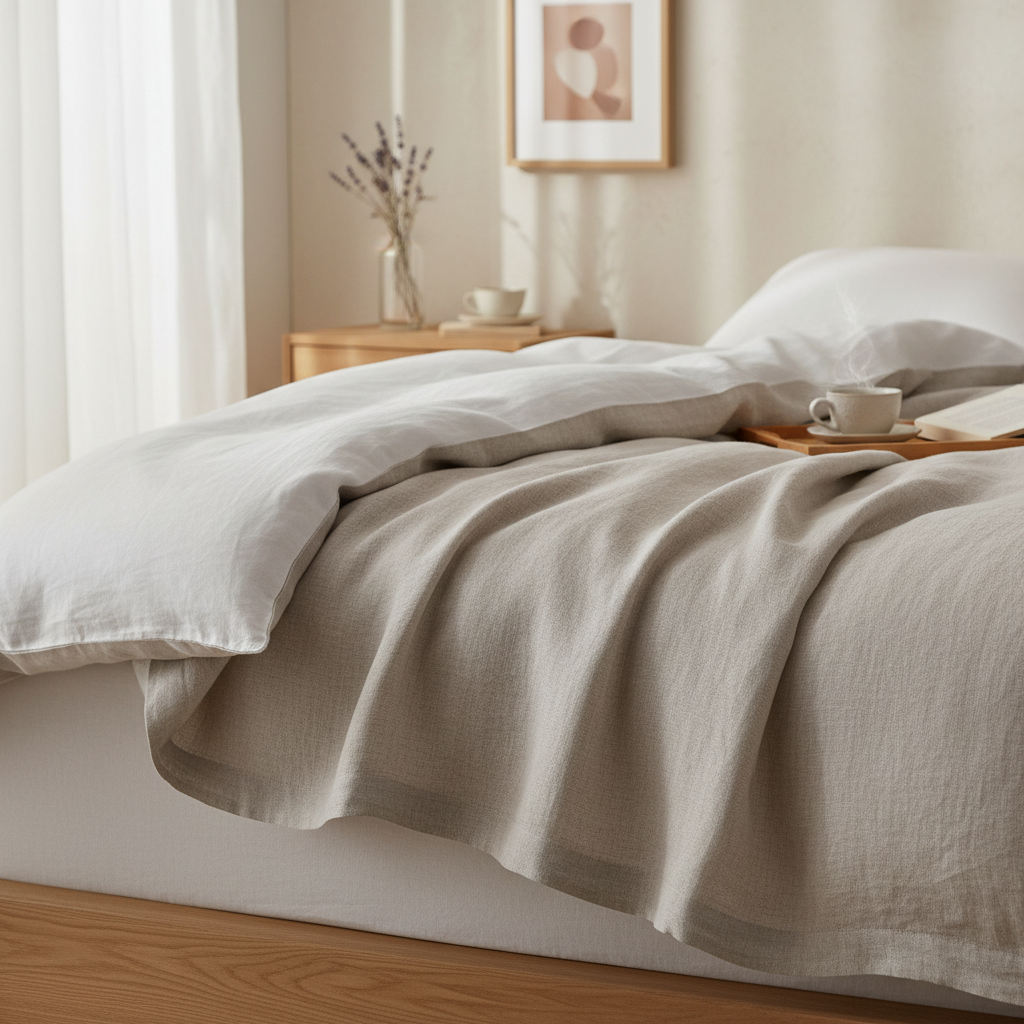
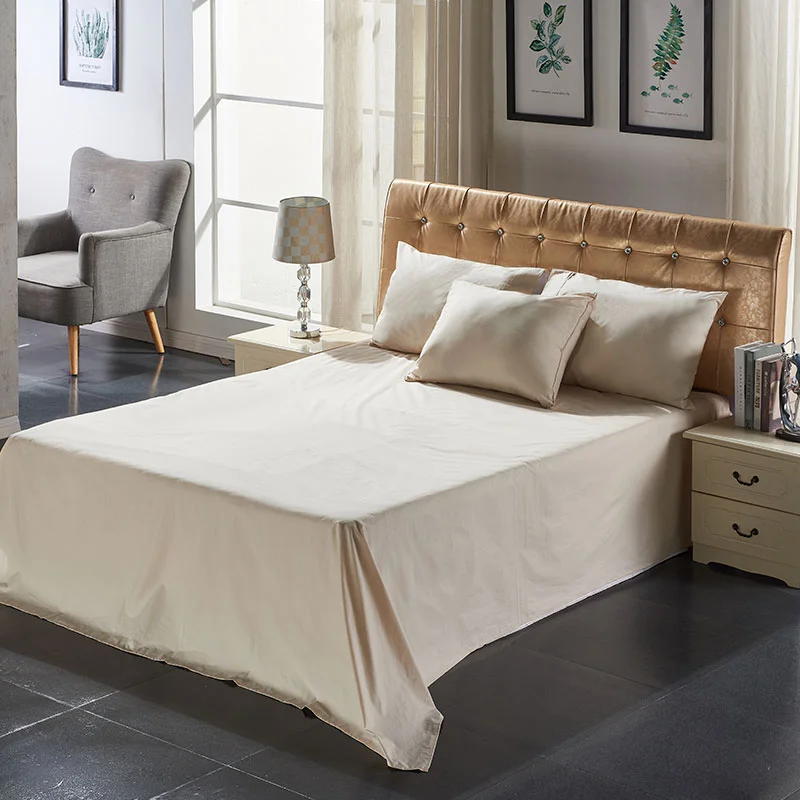
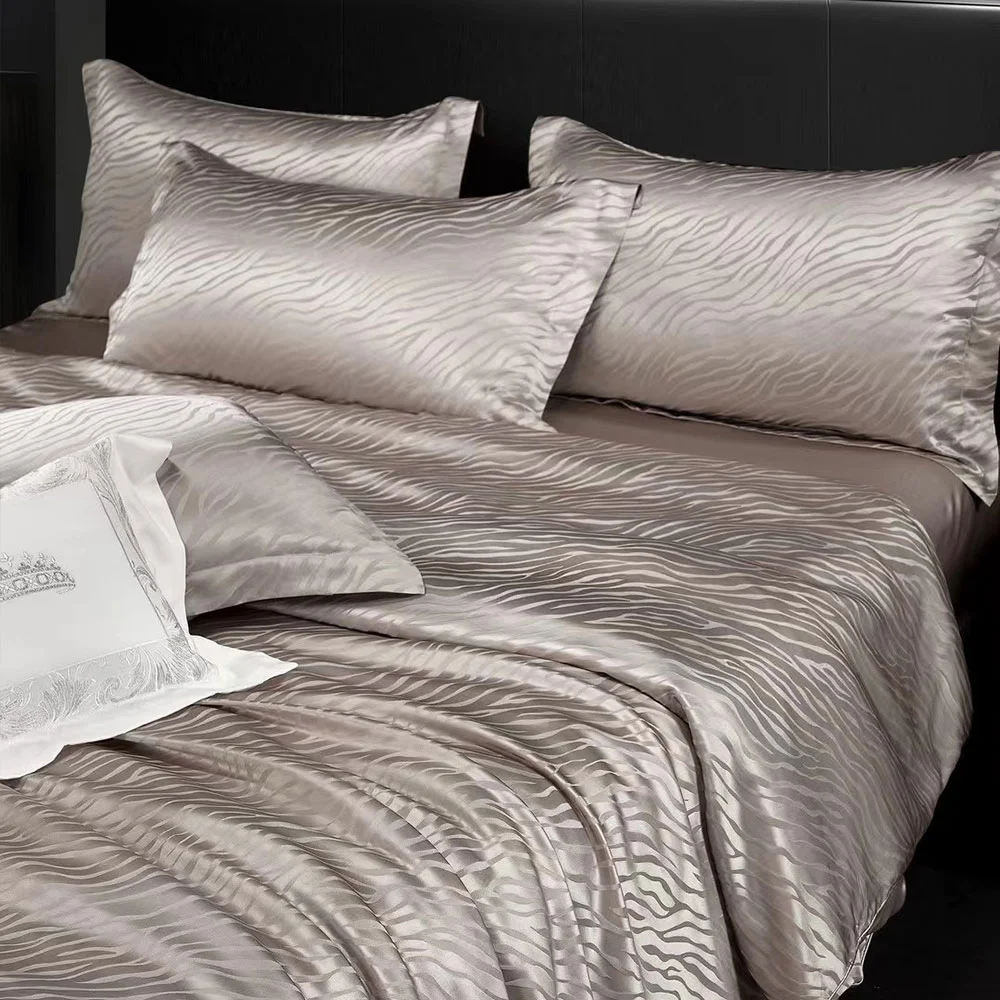
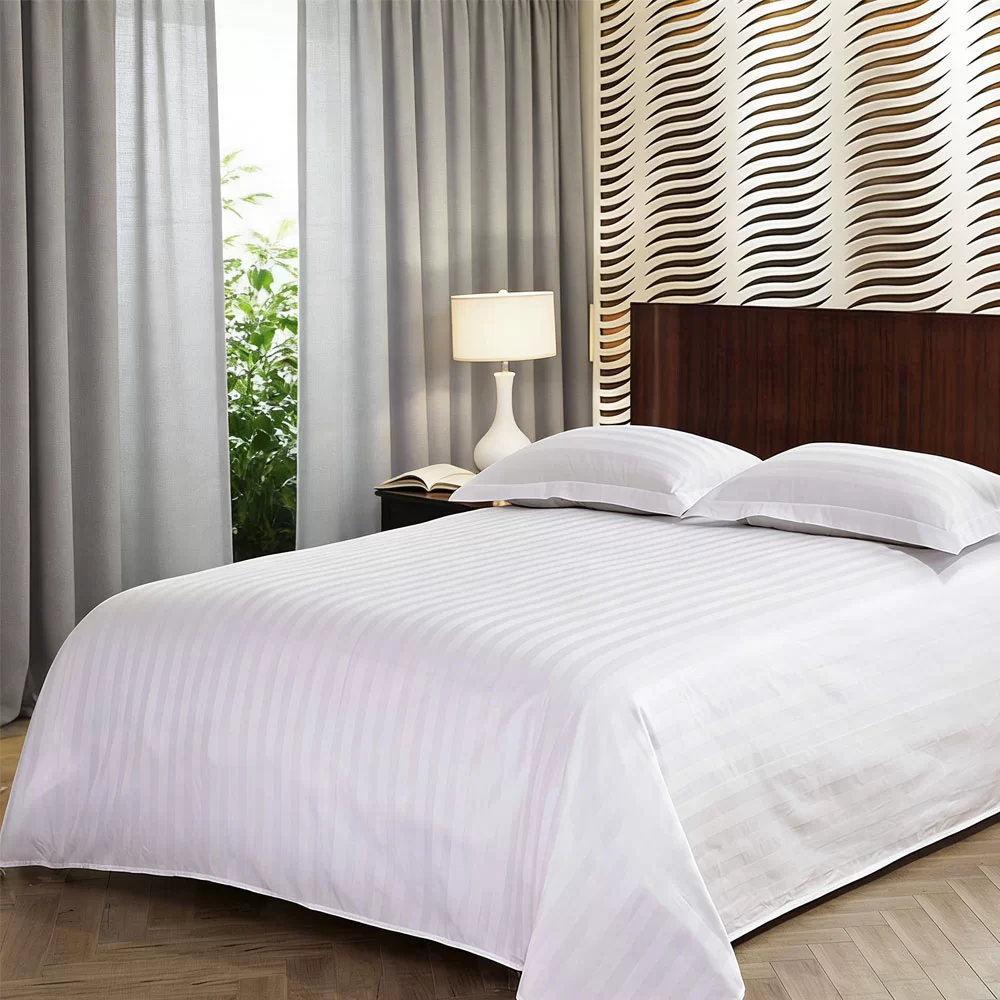
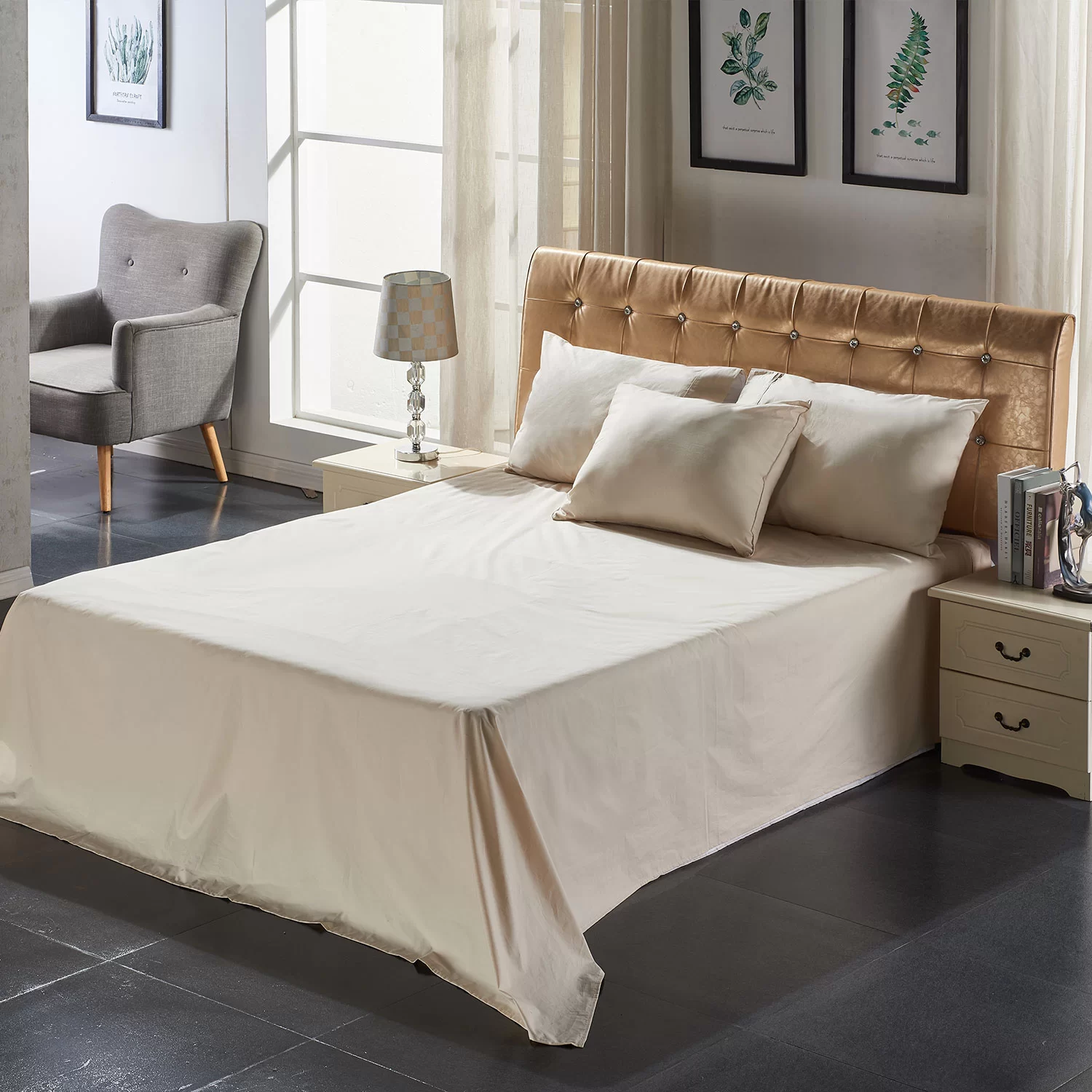
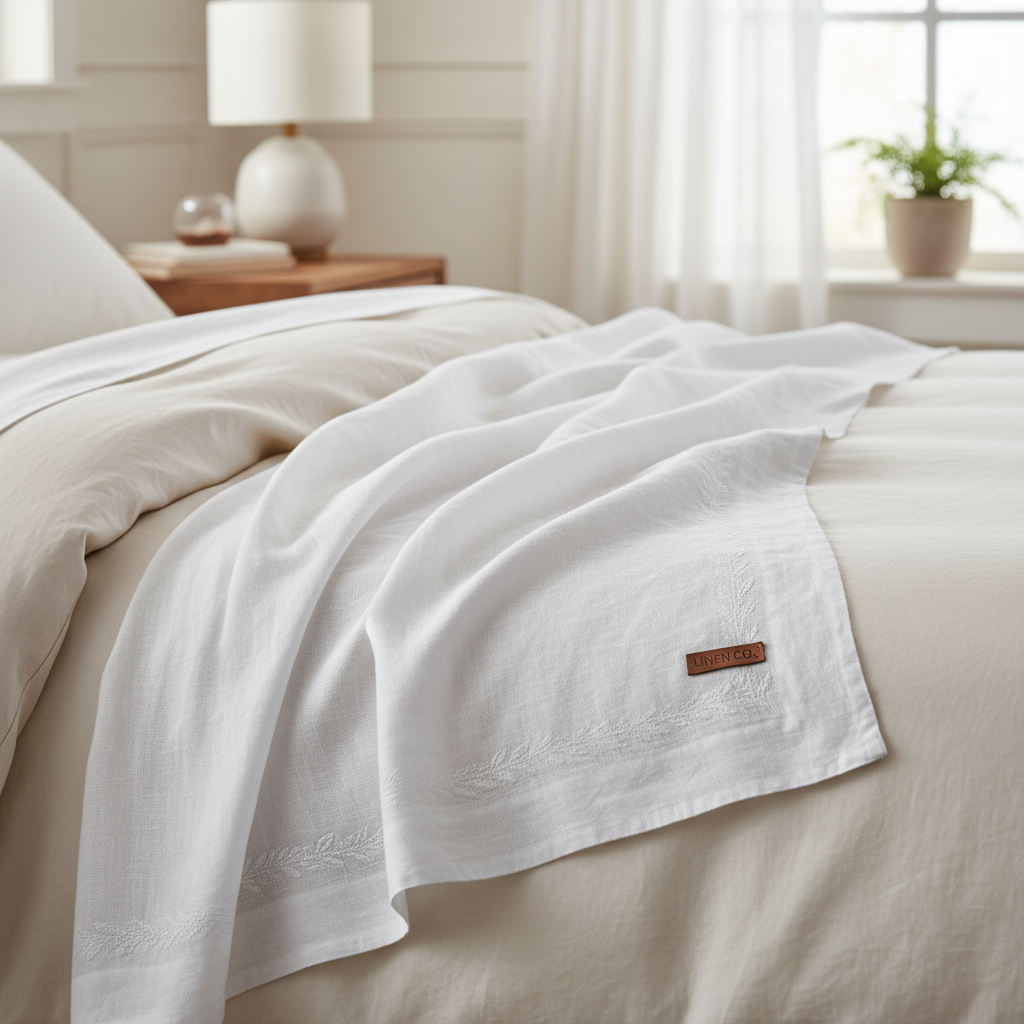
A linen top sheet is a flat sheet crafted from flax fibers, renowned for its distinctive texture and exceptional comfort. Unlike cotton, linen fibers are extracted from the stem of the flax plant rather than the seed pod, resulting in a significantly different feel and performance. The inherent strength of these fibers contributes to the longevity of a linen top sheet, making it a worthwhile investment for the discerning consumer.
The production of a quality linen top sheet involves a meticulous process, from harvesting the flax plant to spinning, weaving, and finishing the fabric. These traditional methods, combined with modern quality control, ensure a product that not only feels luxurious but also withstands the test of time. A linen top sheet’s inherent qualities make it a popular choice for those seeking a naturally breathable and comfortable sleep environment.
Linen Top Sheet Production and Global Supply
The primary regions for flax cultivation, and subsequently linen top sheet production, are Europe—particularly France, Belgium, and the Netherlands—and increasingly, China. European linen is often considered the highest quality, benefiting from centuries of expertise and favorable growing conditions. However, China is rapidly increasing its production capacity, becoming a major player in the global linen market, offering competitive pricing.
The global supply chain for linen top sheets is complex, involving farmers, processors, weavers, manufacturers, and retailers. Ensuring ethical and sustainable practices throughout this chain is a growing concern for consumers and brands alike. Transparency and traceability are becoming increasingly important, with initiatives like the European Flax® certification providing assurance of responsible sourcing and production.
Fluctuations in weather patterns and demand can significantly impact the supply and price of linen top sheets. Climate change, in particular, poses a threat to flax cultivation, highlighting the need for sustainable agricultural practices and innovative solutions to ensure a consistent and reliable supply of this valued natural fiber.
The Unique Properties of a Linen Top Sheet
Linen top sheets are celebrated for their exceptional breathability, making them ideal for use in warm climates or for individuals who tend to sleep warm. The natural fibers allow for excellent airflow, wicking away moisture and preventing overheating. This inherent property ensures a comfortable and restful sleep experience throughout the night.
Beyond breathability, linen possesses remarkable strength and durability. A well-cared-for linen top sheet can last for decades, becoming softer and more comfortable with each wash. This longevity not only makes it a cost-effective choice in the long run but also reduces textile waste, aligning with sustainable consumption patterns.
Linen also exhibits natural antibacterial and hypoallergenic properties, making it a suitable choice for individuals with sensitive skin or allergies. Its ability to inhibit the growth of bacteria contributes to a healthier sleep environment, promoting overall well-being. The unique structure of linen fibers allows it to resist dirt and dust, further enhancing its hygienic qualities.
Performance Metrics of Linen Top Sheets
Evaluating the performance of a linen top sheet requires considering several key metrics, from its initial texture and drape to its durability after repeated washing. These metrics not only inform consumer choices but also provide benchmarks for manufacturers striving to improve product quality and consistency.
Different weaving techniques and finishing processes can significantly impact the performance characteristics of a linen top sheet. A tighter weave will result in a more durable and less transparent fabric, while a softer finish will enhance its comfort and drape.
Linen Top Sheet Performance Comparison
Global Applications of Linen Top Sheets
While traditionally associated with warmer climates, linen top sheets are gaining popularity worldwide due to their versatility and comfort. In hospitality, high-end hotels are increasingly incorporating linen bedding to enhance the guest experience and project an image of luxury and sustainability.
In the healthcare sector, the hypoallergenic and antibacterial properties of linen make it a preferred choice for bedding in hospitals and care facilities, contributing to a cleaner and more sanitary environment. Additionally, linen top sheets are frequently used in baby bedding due to their softness and breathability.
The Long-Term Value Proposition of Linen Top Sheets
Investing in a linen top sheet isn't merely a purchase; it's an investment in long-term comfort, quality, and sustainability. Its remarkable durability means fewer replacements are needed over time, reducing overall costs and minimizing environmental impact. The fabric's ability to improve with age—becoming softer and more luxurious with each wash—adds to its enduring appeal.
Furthermore, the timeless aesthetic of linen complements any bedroom décor, adding a touch of sophistication and elegance. Its natural texture and subtle variations in color create a relaxed and inviting atmosphere, promoting a sense of calm and well-being. The inherent qualities of linen support a healthier and more comfortable sleep experience, ultimately enhancing quality of life.
The increasing consumer demand for sustainable and ethically produced goods further strengthens the value proposition of linen top sheets. By choosing linen, consumers are actively supporting responsible agricultural practices and reducing their carbon footprint.
Sustainability and the Future of Linen Top Sheet Manufacturing
The linen industry is increasingly focused on sustainable practices, from reducing water consumption during flax cultivation to minimizing chemical usage in processing and dyeing. Innovations in farming techniques, such as rainwater harvesting and organic fertilization, are helping to reduce the environmental impact of linen production.
The development of closed-loop manufacturing systems, where waste materials are recycled and reused, is another key area of focus. Furthermore, the exploration of alternative natural dyes and eco-friendly finishing treatments is contributing to a more sustainable and circular linen supply chain.
Looking ahead, the future of linen top sheet manufacturing will likely involve greater transparency and traceability, allowing consumers to make informed choices about the origin and production of their bedding. Continued investment in research and development will drive further innovation, leading to even more sustainable and high-performing linen products.
Summary of Linen Top Sheet Sustainability Attributes
| Environmental Impact |
Resource Efficiency |
Social Responsibility |
Long-Term Durability |
| Low water usage compared to cotton |
Flax plant requires minimal pesticides & fertilizers |
Supports local farming communities in Europe |
Can last for decades with proper care |
| Biodegradable and compostable at end-of-life |
Utilizes all parts of the flax plant |
Promotes fair labor practices |
Reduces textile waste compared to fast fashion |
| Lower carbon footprint than synthetic materials |
Natural fibers require less energy to process |
Supports sustainable agriculture |
Requires fewer replacements over time |
| Reduced reliance on harmful chemicals |
Efficient land use for flax cultivation |
Promotes economic sustainability |
Increases the value of sustainable products |
| Minimizes pollution during production |
Flax can grow in poor soil conditions |
Empowers local artisans |
Enhances a circular economy |
| Supports biodiversity |
Reduced water waste |
Raises awareness of sustainable choices |
Contributes to a slower, more mindful lifestyle |
FAQS
Linen top sheets are made from flax fibers, while cotton top sheets are made from cotton fibers. Linen is significantly stronger, more breathable, and more absorbent than cotton. It also has a unique texture that softens with each wash, unlike cotton which can pill. Linen offers superior temperature regulation, making it ideal for all seasons, and is naturally hypoallergenic.
Linen top sheets are surprisingly easy to care for. Machine wash in cold or lukewarm water on a gentle cycle. Avoid using bleach, as it can damage the fibers. Tumble dry on low heat or hang to dry. Linen wrinkles easily, which is part of its charm, but you can iron it on a medium setting if desired. With proper care, a linen top sheet will last for many years.
Linen top sheets typically cost more than cotton top sheets initially. However, their exceptional durability means they last significantly longer, making them a more cost-effective investment in the long run. Consider it a long-term investment in quality and sustainability rather than a short-term expense.
Yes, linen is known for its natural tendency to wrinkle. This is due to the fiber structure and is considered part of linen’s unique aesthetic. Many people embrace the relaxed, lived-in look of wrinkled linen. If you prefer a smoother appearance, you can iron the sheet on a medium setting after washing.
Absolutely! Linen is naturally hypoallergenic and antibacterial, making it an excellent choice for people with sensitive skin or allergies. Its breathable nature also helps to regulate body temperature and prevent skin irritation. Linen doesn't retain moisture like cotton, creating a drier, more comfortable sleep environment.
The majority of high-quality linen comes from Europe, particularly France, Belgium, and the Netherlands, where generations of expertise have been refined. China is also a growing producer of linen. Look for certifications like European Flax® to ensure the linen is sourced responsibly and sustainably.
Conclusion
In conclusion, the linen top sheet represents a compelling intersection of comfort, durability, sustainability, and style. Its unique properties—breathability, strength, and hypoallergenic qualities—make it a superior choice for discerning consumers seeking a high-quality sleep experience. Its increasing popularity reflects a growing awareness of the environmental and social impacts of our purchasing decisions, driving demand for more responsible and sustainable textile options.
Looking ahead, continued innovation in linen production and processing will further enhance its appeal and accessibility. By embracing sustainable practices and supporting responsible sourcing, we can ensure the long-term viability of this remarkable natural fiber and enjoy the benefits of a linen top sheet for generations to come. Visit our website to explore our collection of luxurious and sustainable linen bedding: www.infortextile.com