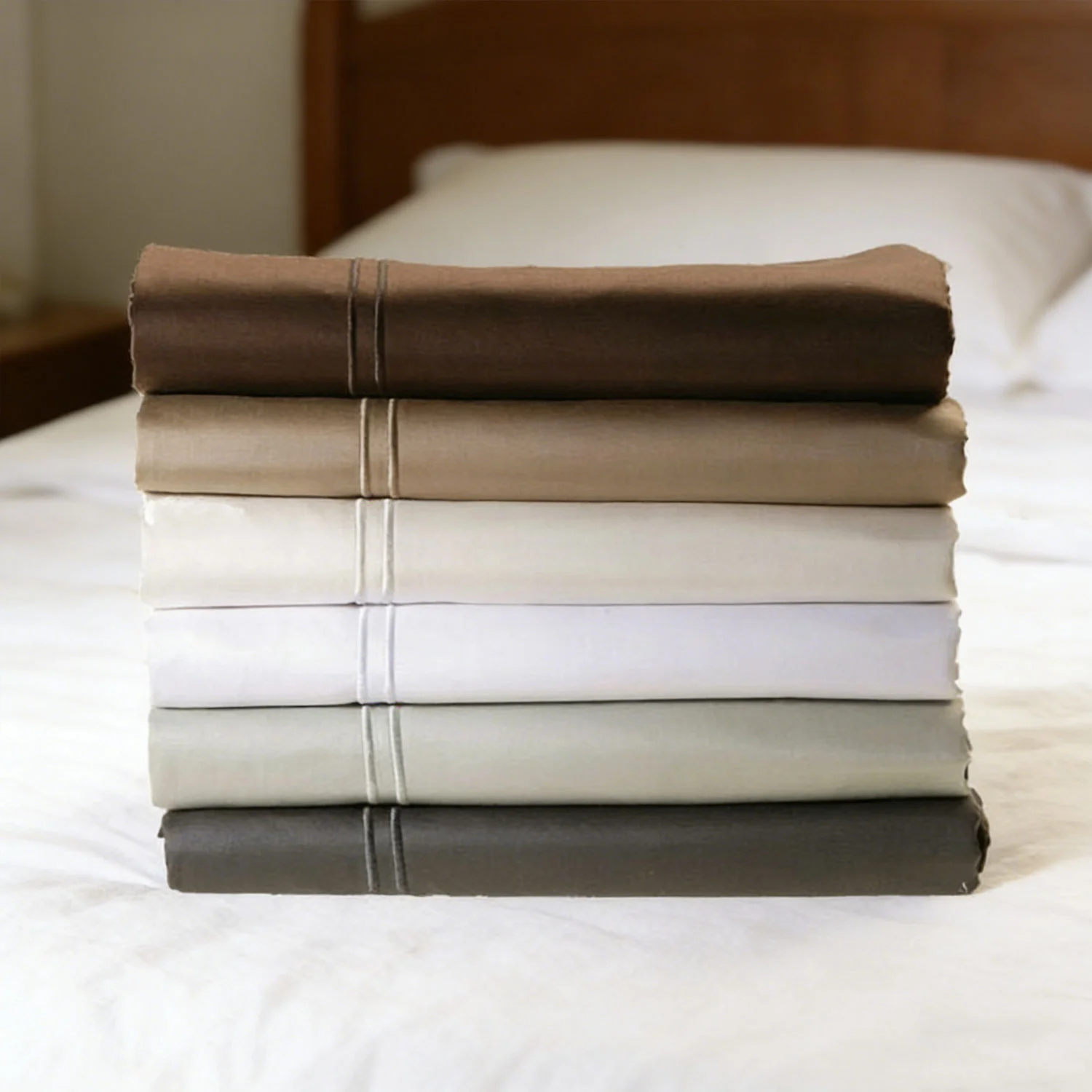
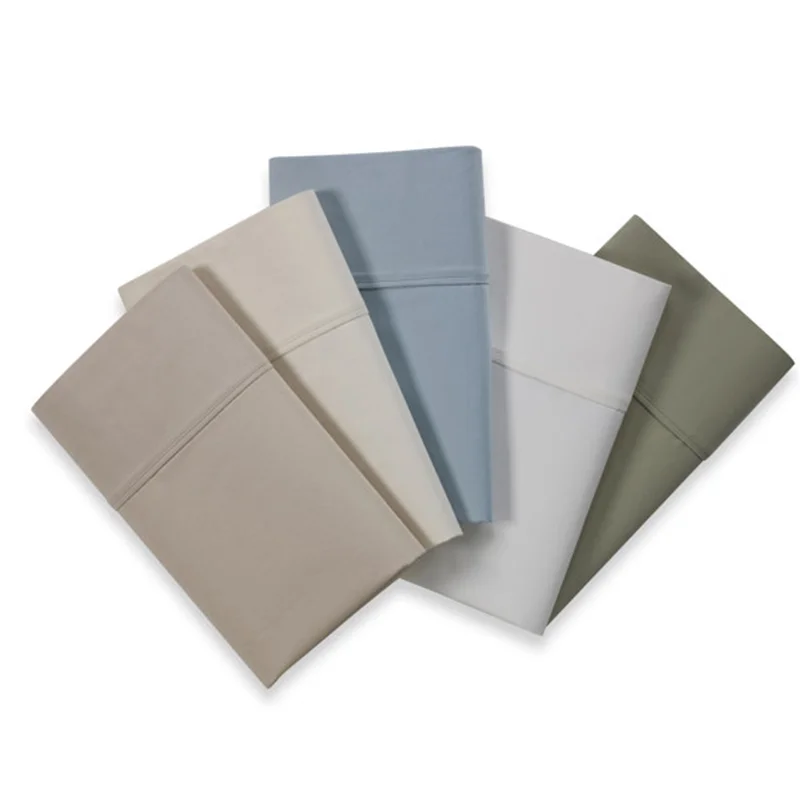
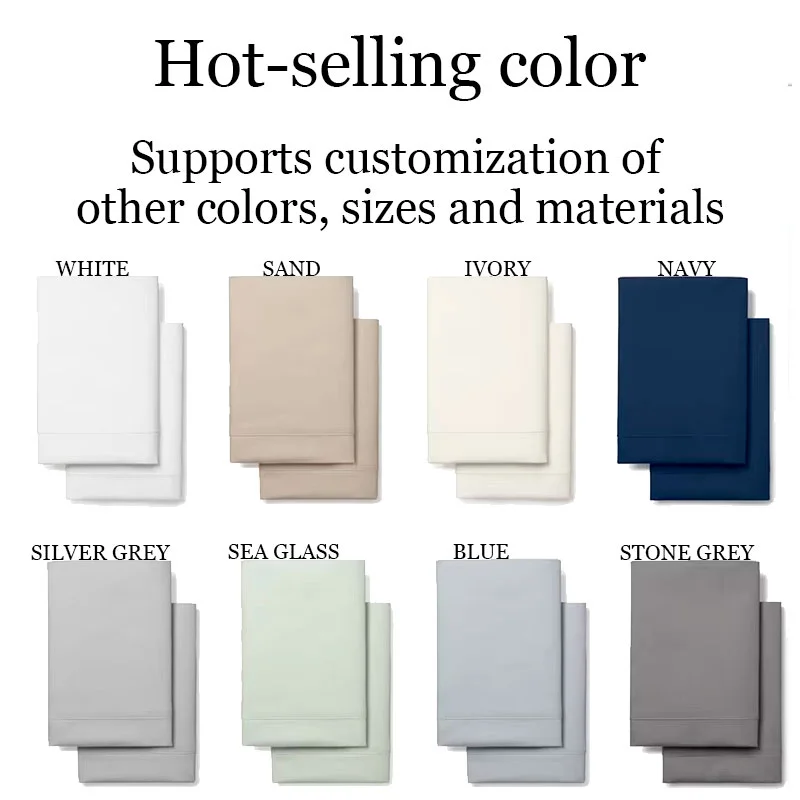
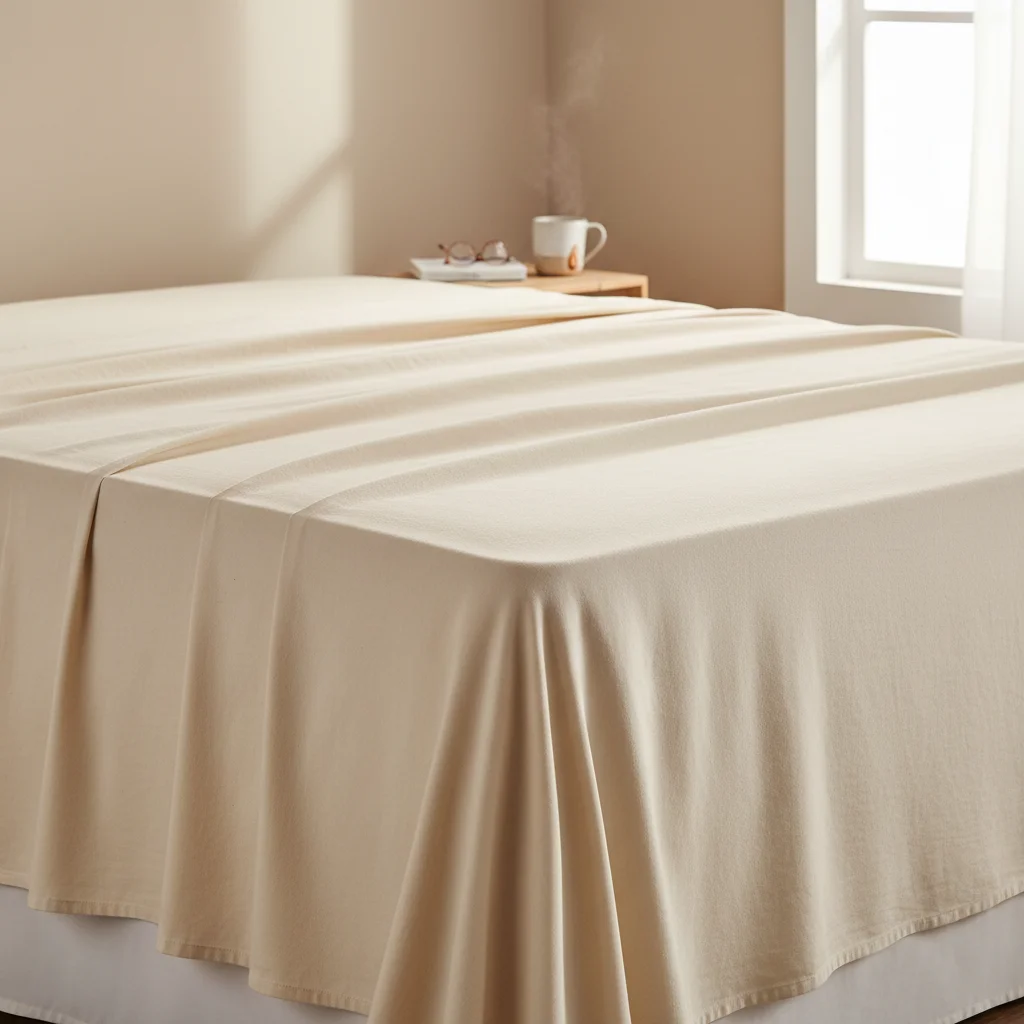
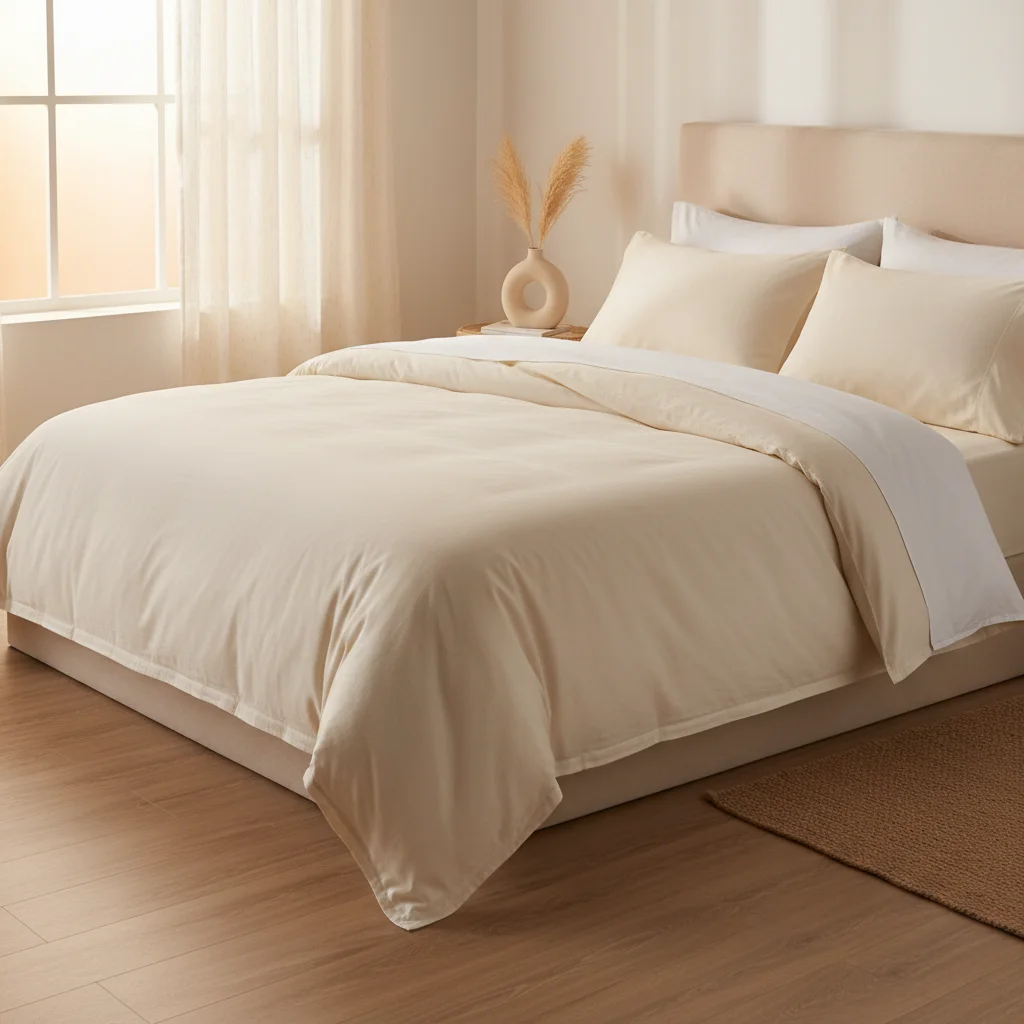
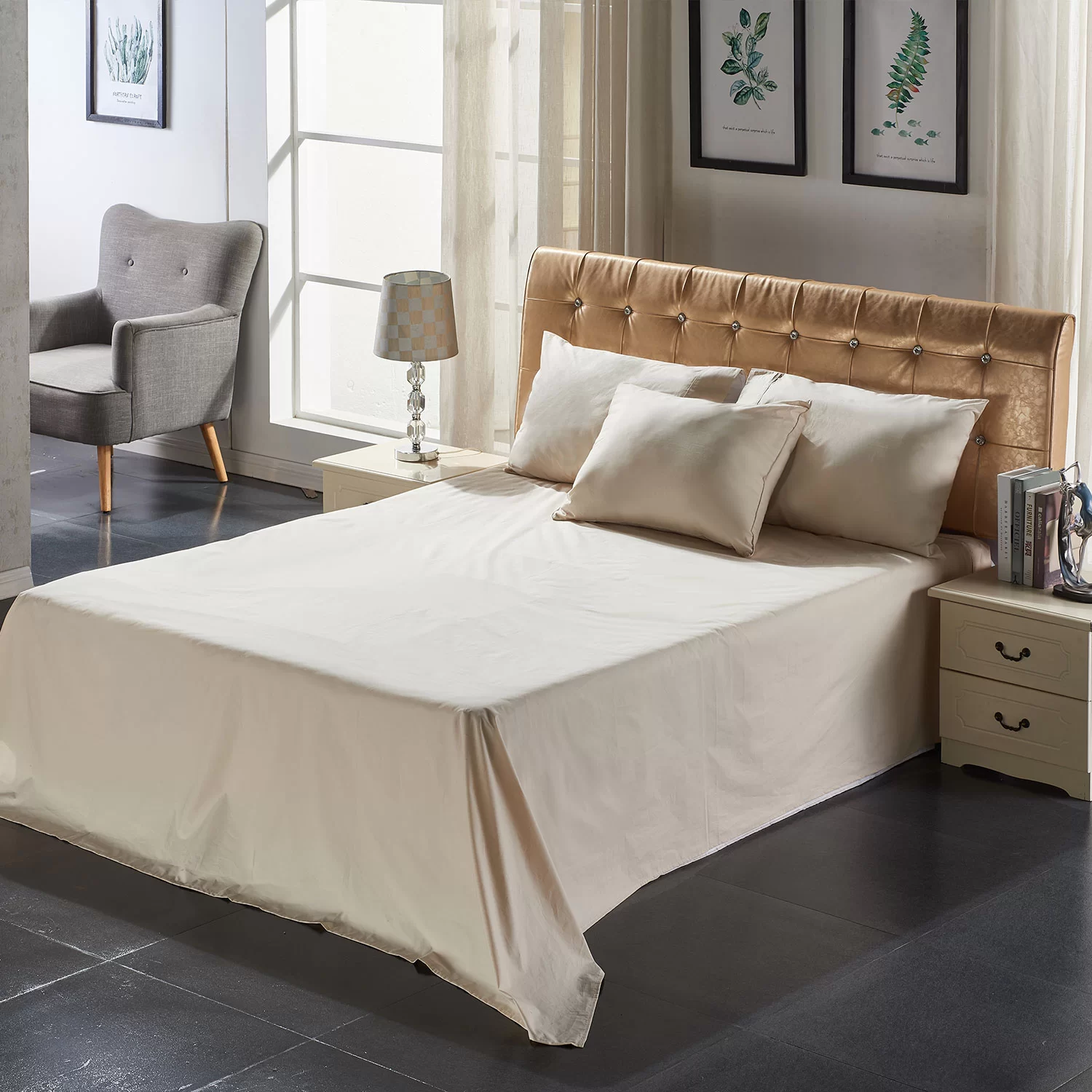
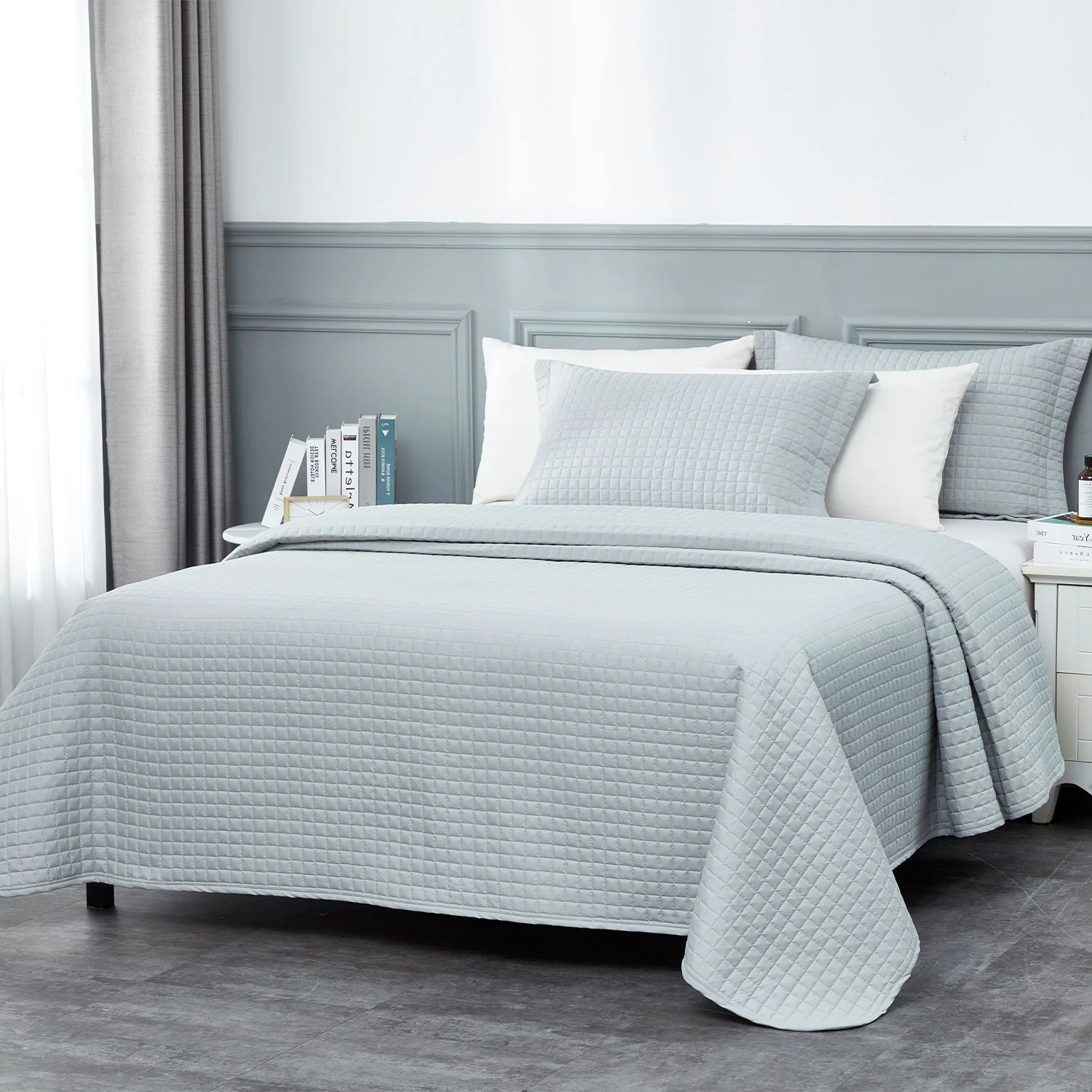
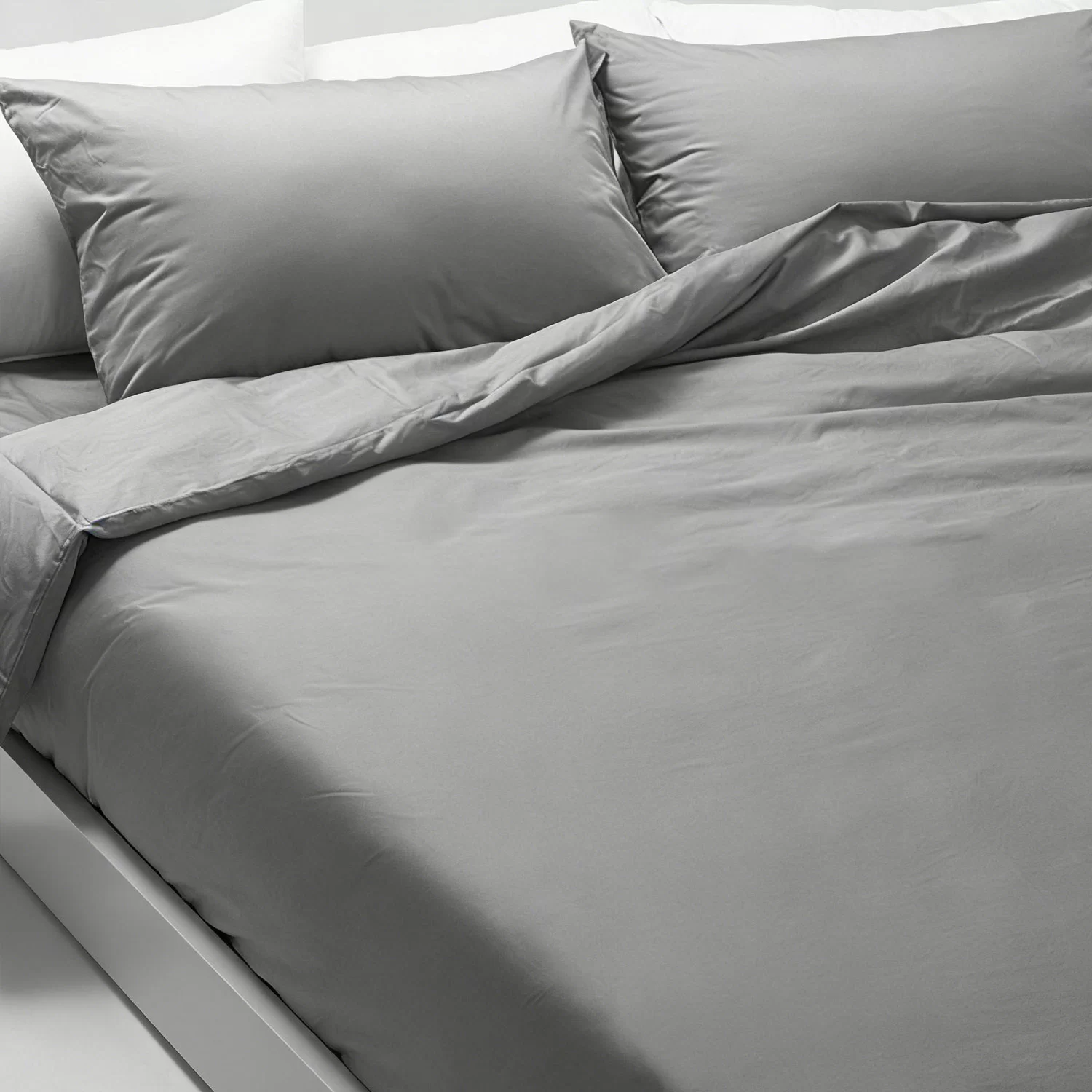
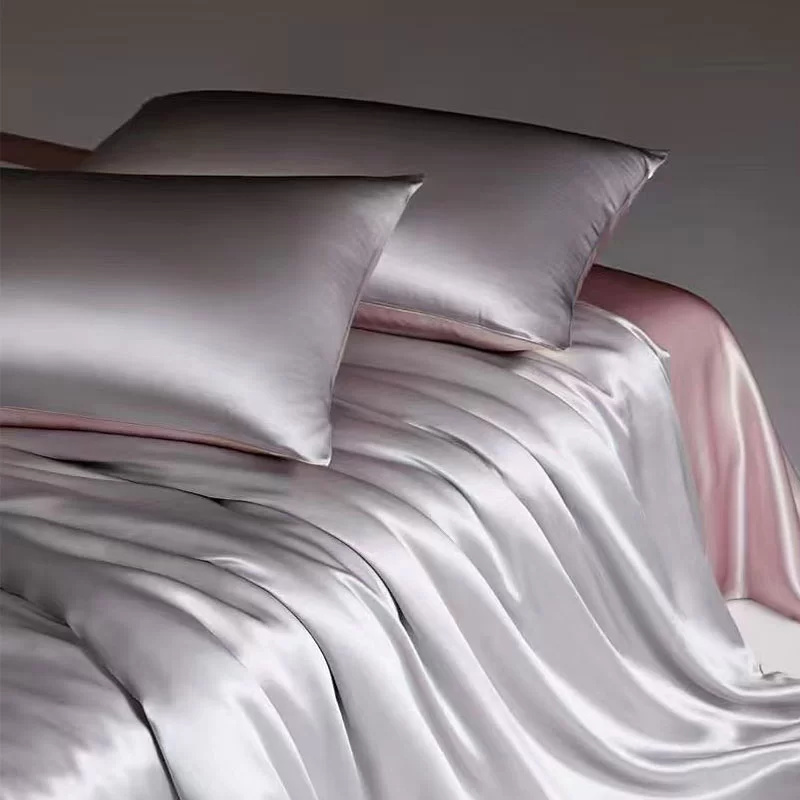
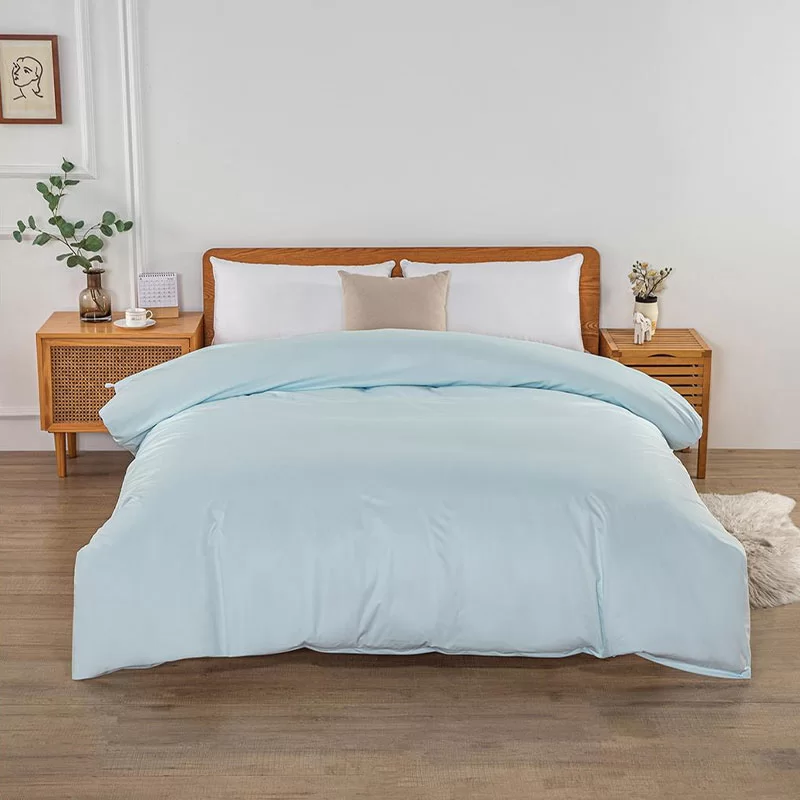
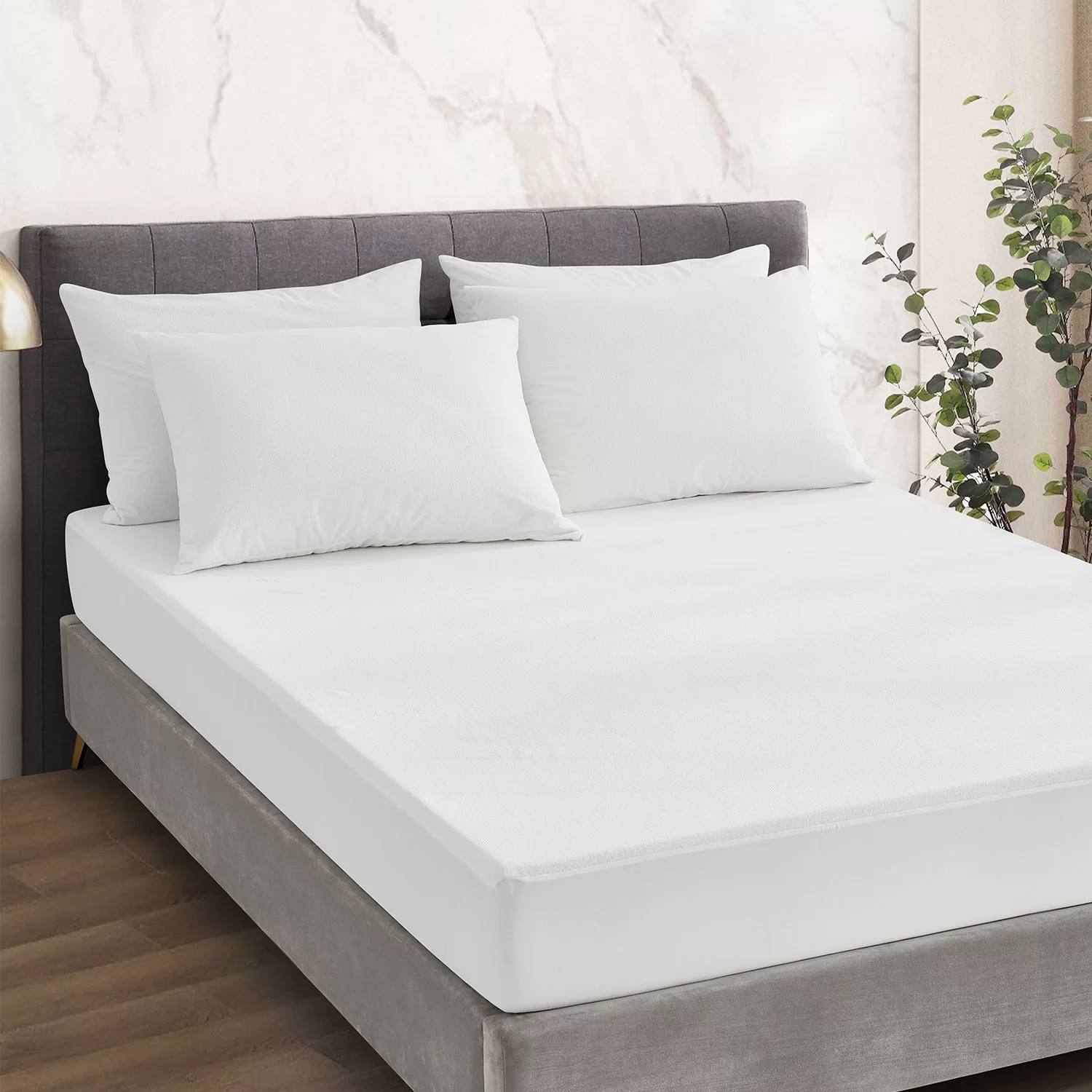
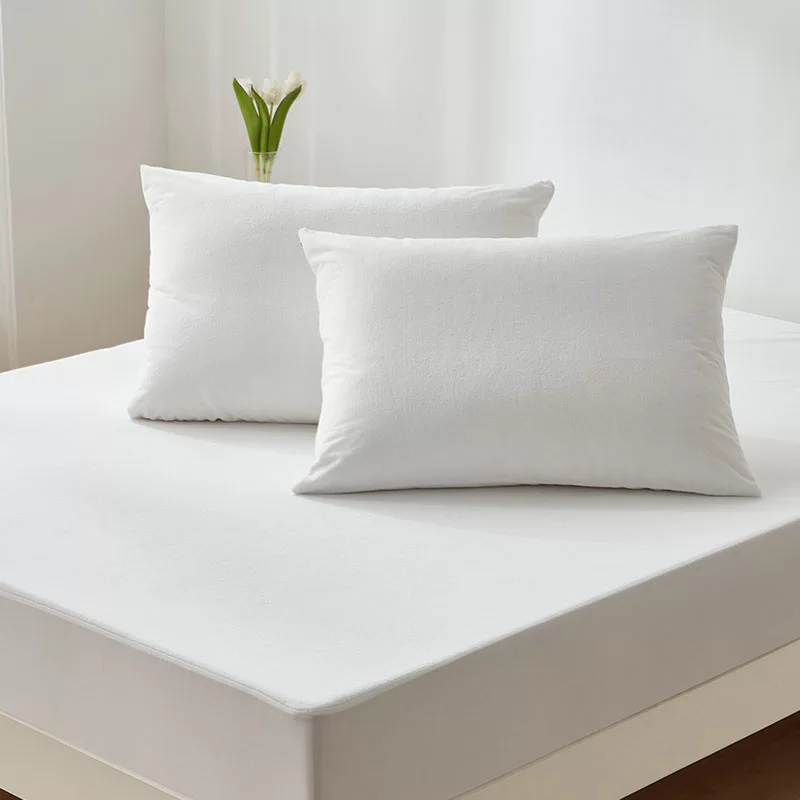
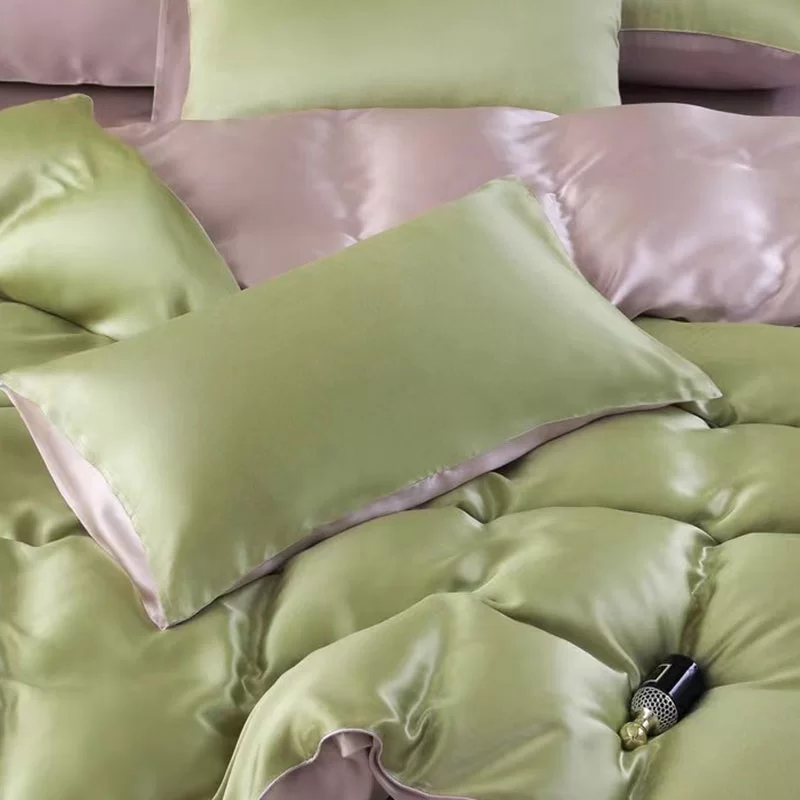
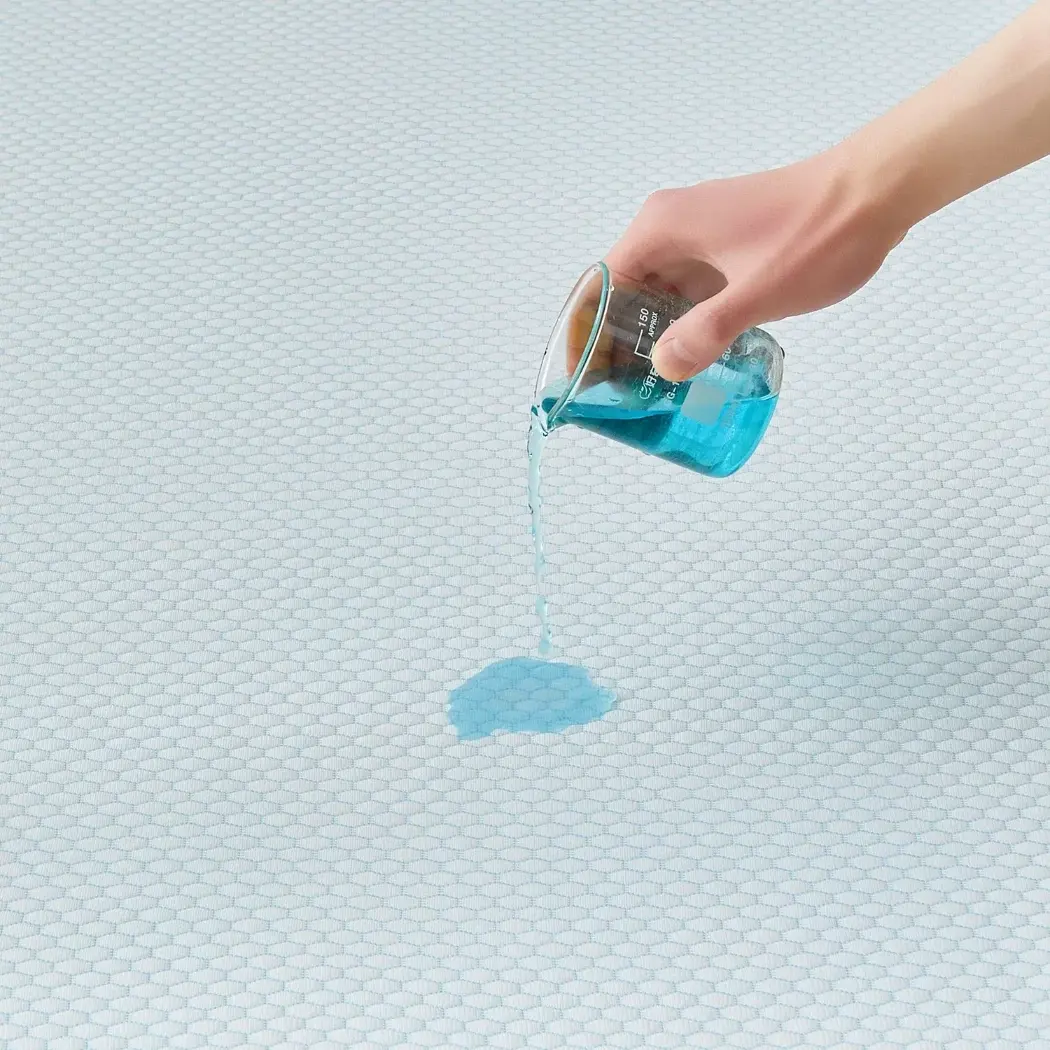
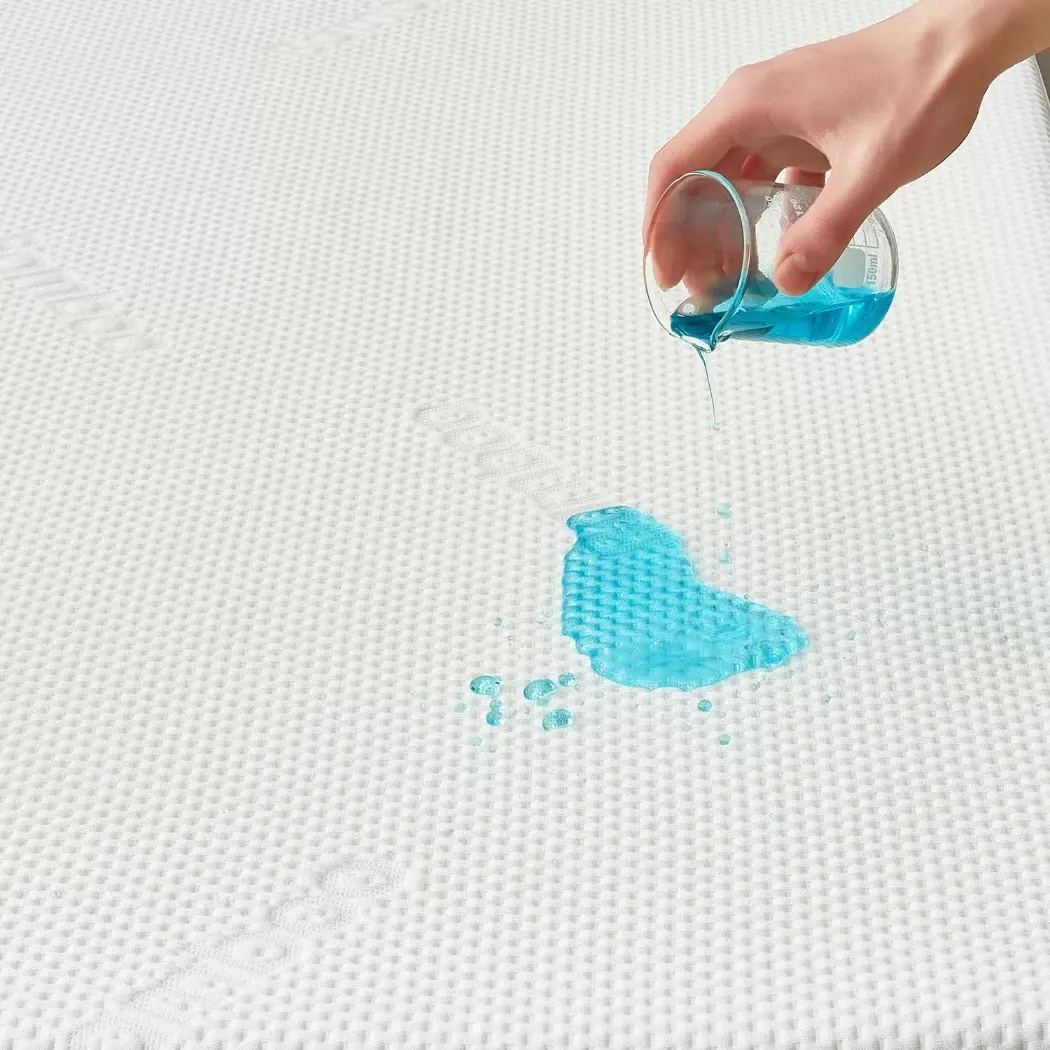
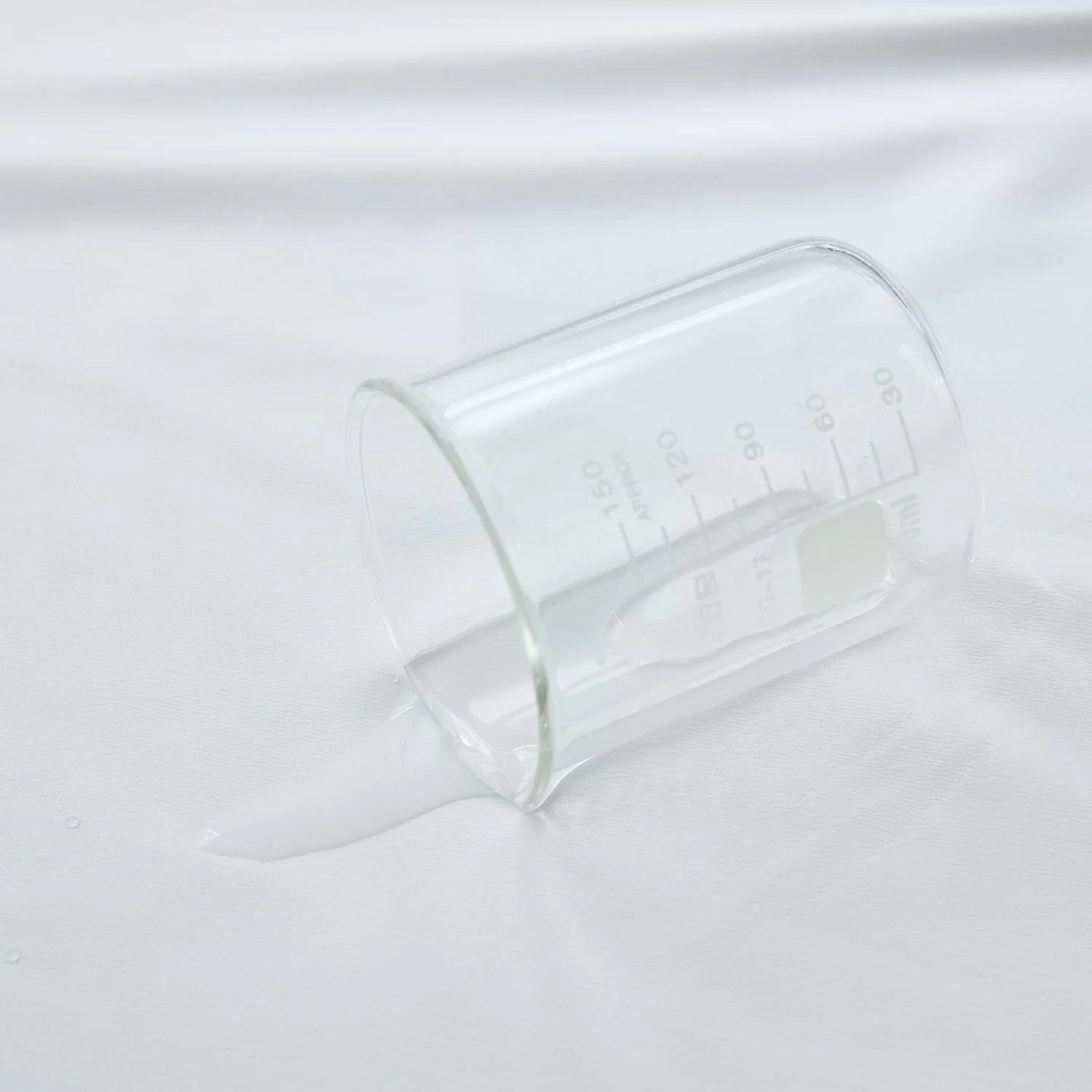
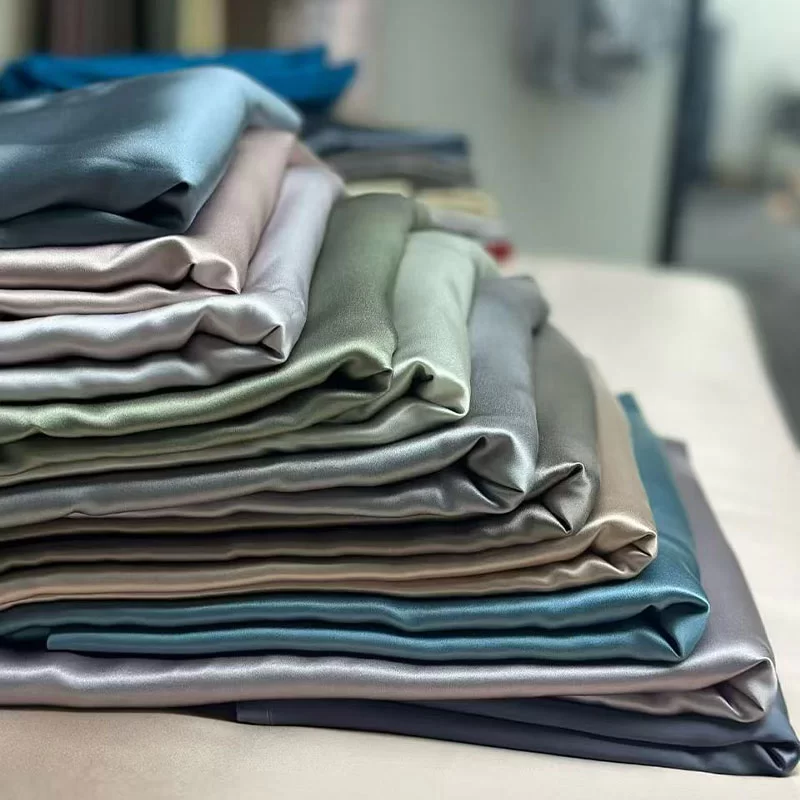
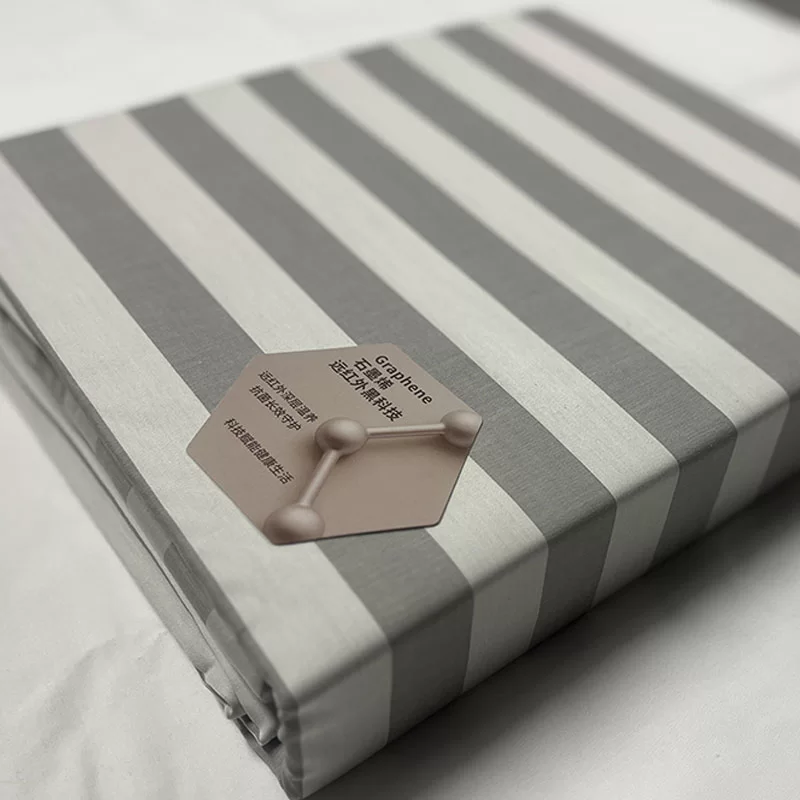
Organic cotton flat sheets are experiencing a surge in popularity as consumers become increasingly aware of the environmental and health impacts of their choices. These sheets, crafted from cotton grown without the use of synthetic pesticides, herbicides, or genetically modified organisms, offer a softer, more breathable, and sustainable alternative to conventionally grown cotton. The demand for organic cotton flat sheet isn't just a trend; it represents a fundamental shift towards conscious consumption and a desire for products that align with ethical and ecological values.
Globally, the organic cotton market is expanding, driven by growing environmental concerns and a rising middle class in developing countries. According to the Textile Exchange, organic cotton production represented approximately 1% of global cotton production in 2020, but continues to grow steadily. This growth is supported by certifications like the Global Organic Textile Standard (GOTS) which provides assurance of organic integrity throughout the supply chain. The increased focus on traceability and transparency within the textile industry further fuels the demand for certified organic options like an organic cotton flat sheet.
The benefits of opting for an organic cotton flat sheet extend beyond personal health and environmental protection. Supporting organic cotton farming practices promotes biodiversity, improves soil health, and provides fairer working conditions for farmers. As awareness of these multifaceted benefits grows, so does the market for organic textiles, paving the way for a more sustainable and responsible future for the textile industry.

Introduction: Global or Industry Context
The global textile industry is a significant contributor to environmental pollution, largely due to conventional cotton farming practices. These practices rely heavily on synthetic pesticides and fertilizers, leading to soil degradation, water contamination, and harm to biodiversity. The growing awareness of these issues is driving a substantial demand for more sustainable alternatives, with organic cotton flat sheet taking center stage.
The demand for eco-friendly textiles isn’t limited to affluent markets. Increasingly, consumers in emerging economies are seeking healthier and more ethically produced goods. Organizations like the Fairtrade Foundation and the World Wildlife Fund (WWF) are actively promoting organic cotton production to support sustainable livelihoods and protect ecosystems. This convergence of environmental consciousness and social responsibility is accelerating the shift towards organic cotton, benefiting both producers and consumers.
The challenge lies in scaling up organic cotton production to meet the growing demand. While organic cotton offers a compelling solution, it often comes with higher production costs and lower yields compared to conventional cotton. Addressing these challenges through innovation, investment, and supportive policies is crucial to making organic cotton flat sheet more accessible and mainstream.
Definition & Meaning
An organic cotton flat sheet is a bedsheet made from cotton fibers that have been grown in accordance with strict organic agricultural standards. These standards prohibit the use of synthetic pesticides, herbicides, genetically modified organisms (GMOs), and chemical fertilizers. The goal is to cultivate cotton in a way that protects the environment, conserves natural resources, and promotes biodiversity.
This definition extends beyond simply avoiding harmful chemicals; it encompasses a holistic approach to farming that emphasizes soil health, water conservation, and fair labor practices. Certifications like GOTS ensure that the entire supply chain, from farm to finished product, adheres to these standards. Choosing an organic cotton flat sheet signifies a commitment to these principles.
In the context of modern industry and humanitarian needs, organic cotton represents a paradigm shift. It's a move away from resource-intensive, polluting practices towards a more regenerative and ethical model. This is particularly important in regions where conventional cotton farming has had devastating impacts on both human health and the environment.
Key Factors or Core Components
Several key factors contribute to the quality and value of an organic cotton flat sheet. First, fiber length and strength are crucial determinants of the sheet’s durability and softness. Longer staple cotton fibers generally result in smoother, more luxurious fabrics. Secondly, weave density impacts the feel and breathability of the sheet; higher thread counts don’t always equate to better quality but can influence the fabric’s texture.
Thirdly, certification standards, such as GOTS, ensure the authenticity and integrity of the organic cotton production process. This provides consumers with confidence that the sheet truly meets organic criteria. Lastly, dyeing and finishing processes play a significant role in the sheet’s environmental impact. Utilizing low-impact, non-toxic dyes is essential for maintaining the organic integrity of the final product.
These components directly relate to practical applications. A sheet with a high fiber length and strong weave will withstand repeated washing and use, offering long-lasting value. GOTS certification is particularly important for consumers seeking verifiable organic products and for businesses aiming to meet sustainability goals. Understanding these core components allows consumers to make informed choices and select an organic cotton flat sheet that aligns with their needs and values.
Beyond the fabric itself, the manufacturing processes and supply chain transparency are vital components. Ethical sourcing and fair labor practices ensure that the sheets are produced in a responsible manner. A transparent supply chain allows consumers to track the journey of their organic cotton flat sheet, from the farm to their bedroom, promoting accountability and trust.
Global Applications & Use Cases
Organic cotton flat sheets are utilized across diverse sectors, from hospitality to healthcare. Hotels are increasingly adopting organic linens to appeal to eco-conscious travelers and enhance their brand image. Hospitals and healthcare facilities are turning to organic cotton sheets to provide a hypoallergenic and gentle bedding option for patients with sensitive skin.
In the retail market, organic cotton flat sheets are gaining popularity amongst consumers seeking healthier and more sustainable bedding options. Online marketplaces and brick-and-mortar stores are expanding their organic cotton offerings to meet this growing demand. For example, in Europe, demand is particularly high due to stringent environmental regulations and a strong consumer base prioritizing sustainable products.
Furthermore, organic cotton flat sheets are used in disaster relief efforts, providing comfort and hygiene to individuals affected by natural disasters. In remote areas with limited access to conventional textiles, they represent a sustainable and ethical bedding solution.
Organic Cotton Flat Sheet Performance Metrics
Advantages & Long-Term Value
The advantages of choosing an organic cotton flat sheet are numerous. Tangibly, they are often softer and more durable than conventional cotton sheets, offering a longer lifespan and reducing the need for frequent replacements. The absence of harsh chemicals makes them ideal for individuals with allergies or sensitive skin, promoting better sleep and overall well-being.
From a sustainability perspective, organic cotton farming reduces water consumption, minimizes soil erosion, and promotes biodiversity. These environmental benefits contribute to a healthier planet for future generations. The ethical aspect is equally significant – supporting organic cotton farmers ensures fair wages and safe working conditions. This fosters a more equitable and just textile industry.
Future Trends & Innovations
Several exciting trends and innovations are shaping the future of organic cotton flat sheets. Advancements in fiber processing and weaving technologies are leading to even softer and more durable fabrics. The development of innovative dyes derived from natural sources offers a more sustainable alternative to synthetic dyes.
Furthermore, the integration of blockchain technology is enhancing supply chain transparency, allowing consumers to trace the origin of their organic cotton flat sheet and verify its authenticity. The focus on circular economy principles is also gaining momentum, with initiatives promoting the recycling and reuse of textile waste.
Challenges & Solutions
Despite its numerous benefits, organic cotton faces challenges. The higher production costs associated with organic farming often translate to a higher price point for consumers. Scalability remains a concern, as organic cotton production currently represents a small fraction of global cotton production.
Solutions include investing in research and development to improve organic cotton yields and reduce production costs. Government subsidies and incentives can encourage farmers to transition to organic practices. Raising consumer awareness about the long-term value and benefits of organic cotton flat sheet can drive demand and support market growth.
Finally, fostering collaboration between farmers, brands, and retailers is crucial for building a more resilient and sustainable organic cotton supply chain.
Summary of Solutions for Organic Cotton Flat Sheet Challenges
| Challenge | Impact on Organic Cotton Flat Sheet | Proposed Solution | Implementation Level (1-10) |
|---|
| High Production Costs | Increased retail price, limited accessibility | Invest in yield-enhancing technologies | 7 |
| Limited Scalability | Insufficient supply to meet growing demand | Government subsidies for organic farmers | 8 |
| Lack of Consumer Awareness | Reduced demand, slower market growth | Educational marketing campaigns | 6 |
| Supply Chain Complexity | Difficulty verifying organic integrity | Blockchain technology for traceability | 9 |
| Water Usage in Processing | Environmental impact, resource depletion | Invest in water-efficient processing techniques | 7 |
| Certification Costs | Barrier to entry for small farmers | Subsidized certification programs | 5 |
FAQS
Organic cotton flat sheets are made from cotton grown without synthetic pesticides, herbicides, or GMOs. This contrasts with conventional cotton, which often relies heavily on these chemicals. Organic cotton is generally softer, more breathable, and better for sensitive skin. Choosing organic also supports sustainable farming practices and reduces environmental impact.
Typically, organic cotton flat sheets are more expensive than their conventional counterparts. This is due to the higher production costs associated with organic farming, which involves more labor and lower yields. However, the long-term benefits – durability, health, and environmental sustainability – often justify the initial investment.
Organic cotton flat sheets are generally easy to care for. Machine wash them in cold water with a mild detergent. Avoid using bleach or fabric softeners, as these can damage the fibers. Tumble dry on low heat or hang to dry. Proper care will help maintain the softness and longevity of your sheets.
The Global Organic Textile Standard (GOTS) is the gold standard for organic textiles. Look for the GOTS certification label to ensure the entire supply chain, from farm to finished product, meets strict organic criteria. Other certifications like OEKO-TEX Standard 100 also indicate the absence of harmful chemicals.
Yes, organic cotton flat sheets are often a good choice for people with allergies or sensitive skin. The absence of harsh chemicals and dyes reduces the risk of irritation and allergic reactions. Organic cotton is naturally hypoallergenic and breathable, promoting a more comfortable sleep.
Yes, organic cotton farming significantly benefits the environment. It reduces water consumption, minimizes soil erosion, promotes biodiversity, and eliminates the use of harmful pesticides and herbicides. Choosing organic cotton supports a more sustainable and responsible textile industry.
Conclusion
In conclusion, organic cotton flat sheet represent a significant step towards a more sustainable and ethical textile industry. From their environmental benefits and health advantages to their support of fair labor practices, these sheets offer a compelling alternative to conventional cotton. Understanding the key factors, global applications, and future trends surrounding organic cotton empowers consumers to make informed choices.
Looking ahead, continued innovation, increased investment, and supportive policies are crucial for scaling up organic cotton production and making it more accessible. By embracing organic cotton, we can contribute to a healthier planet, a more equitable society, and a more comfortable night's sleep. Visit our website at www.infortextile.com to explore our range of premium organic cotton bedding.