



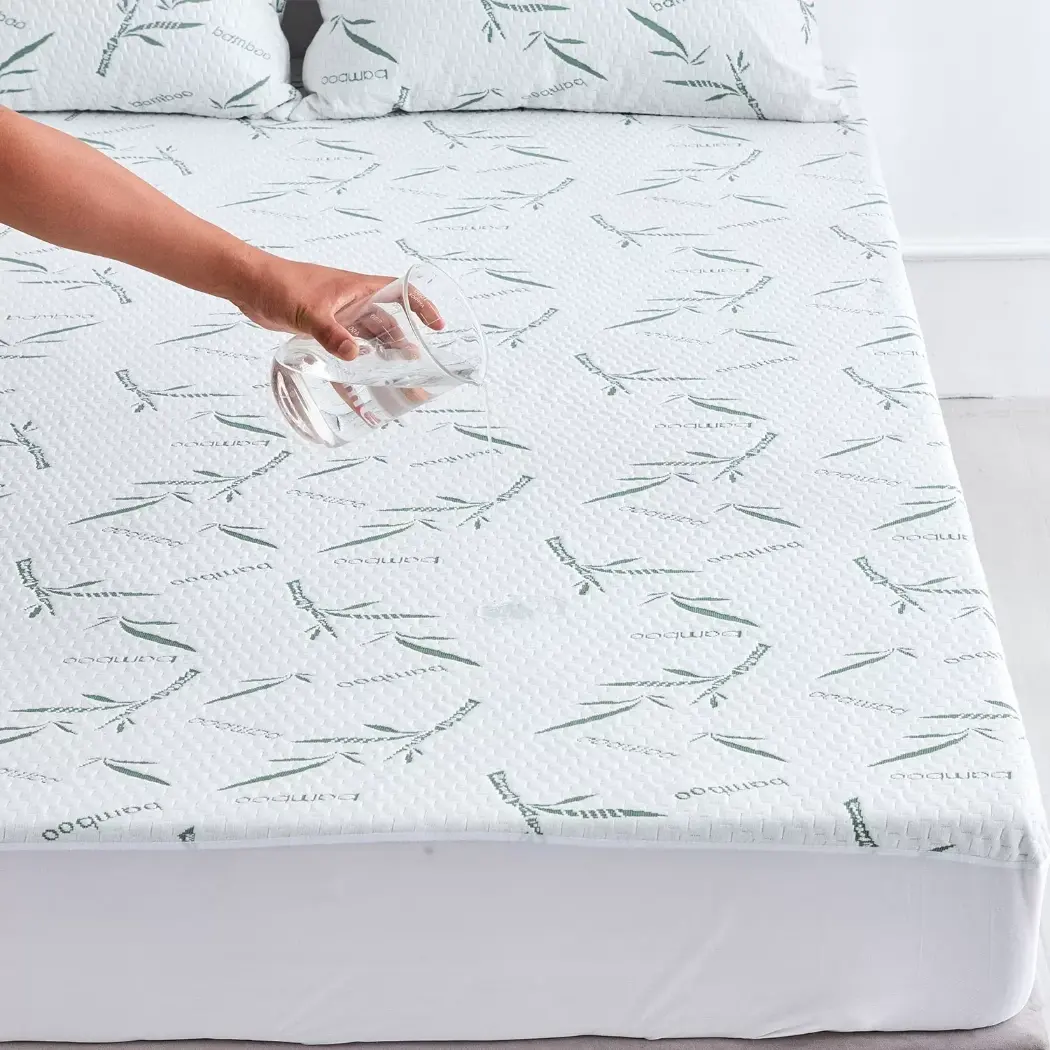
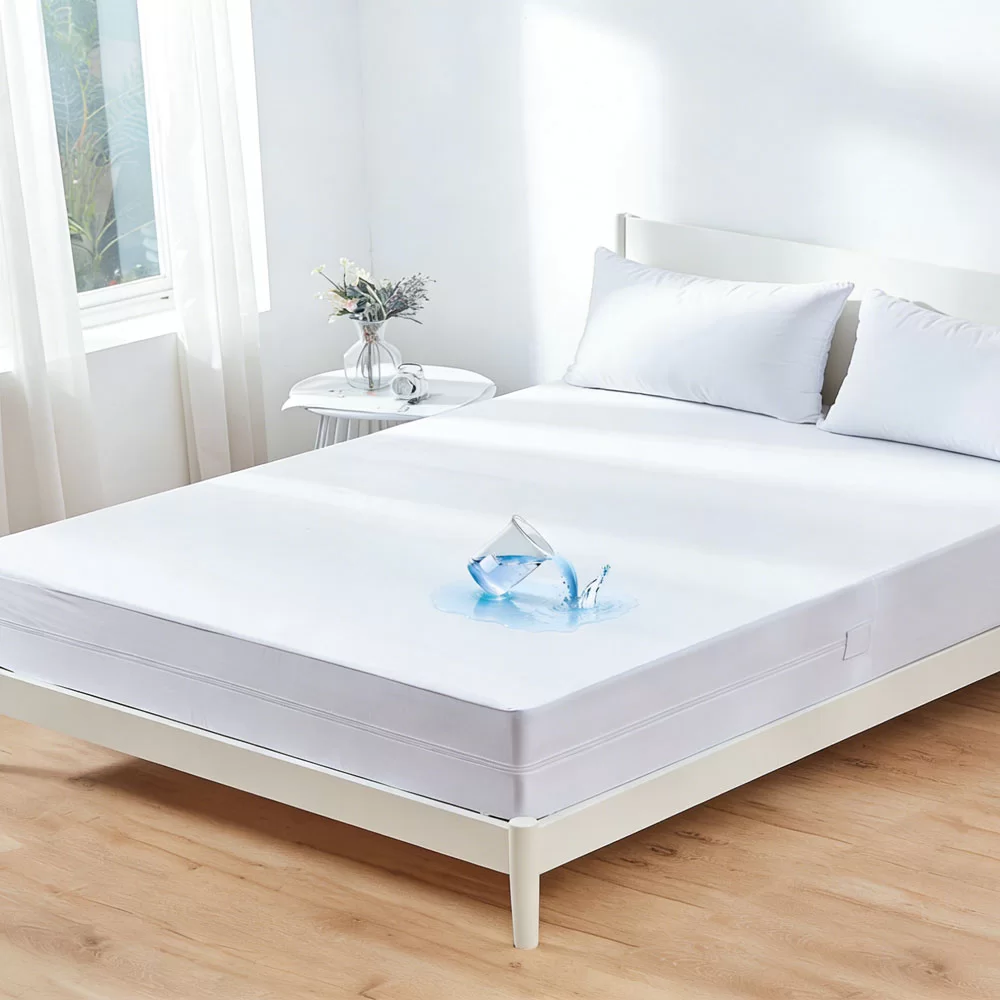
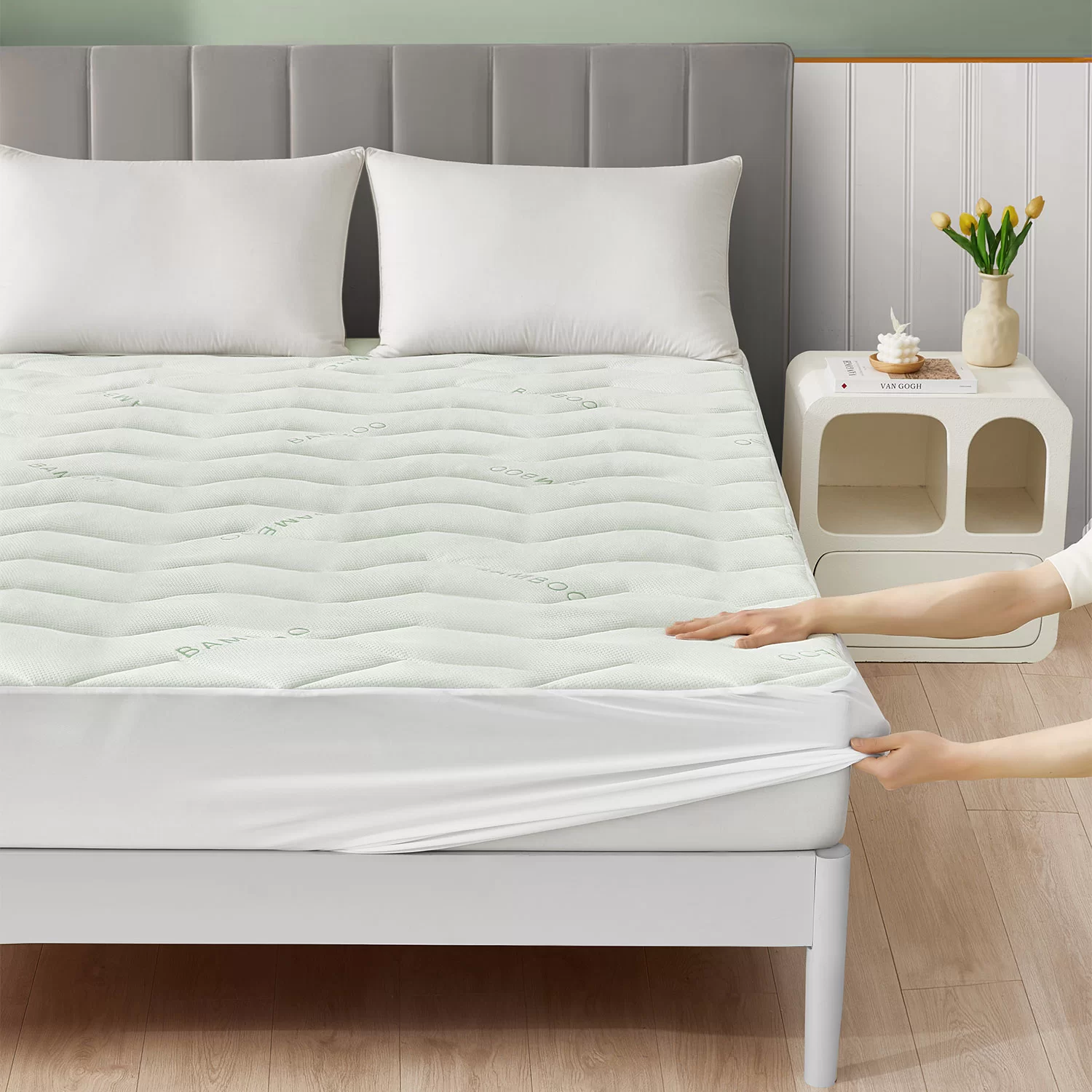
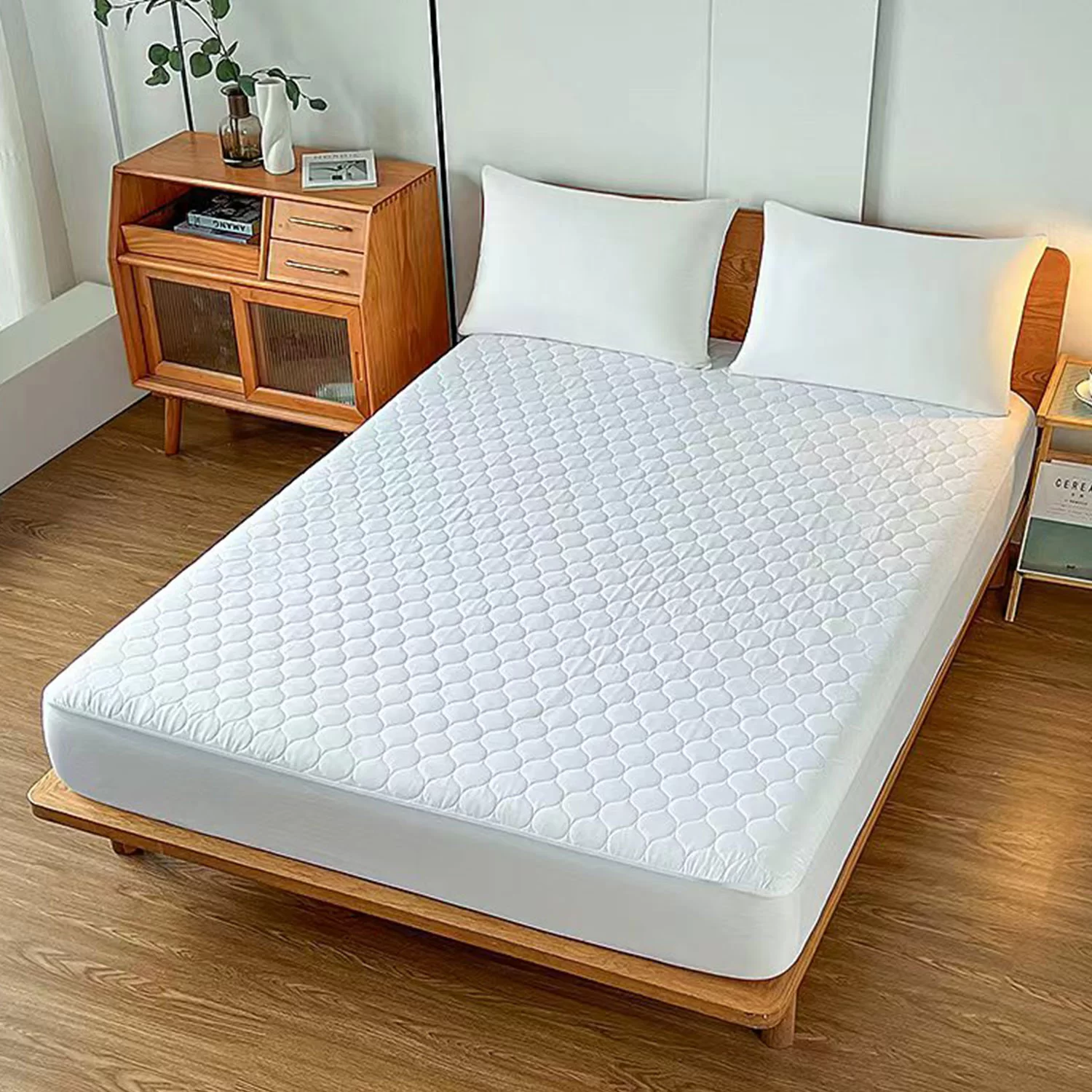
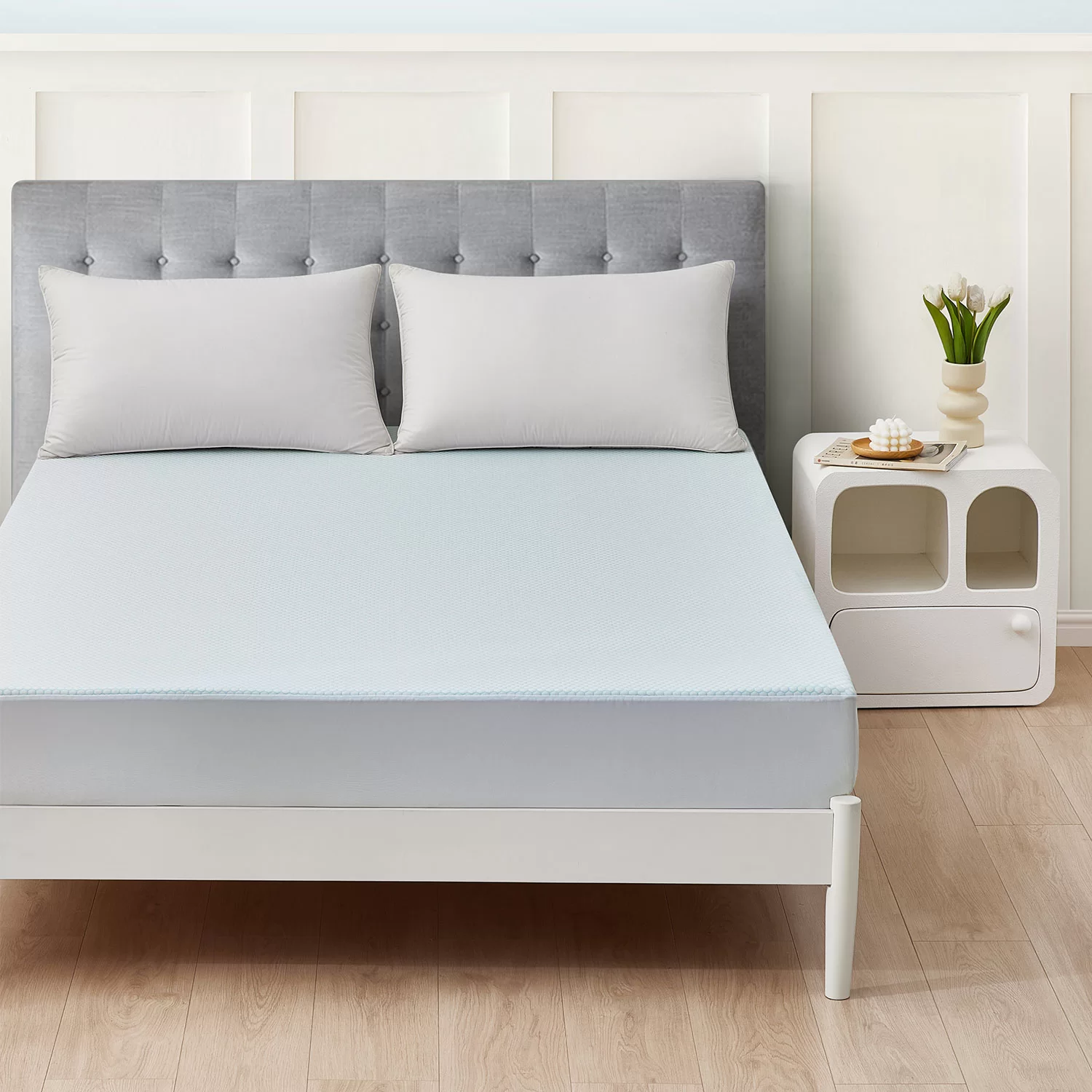
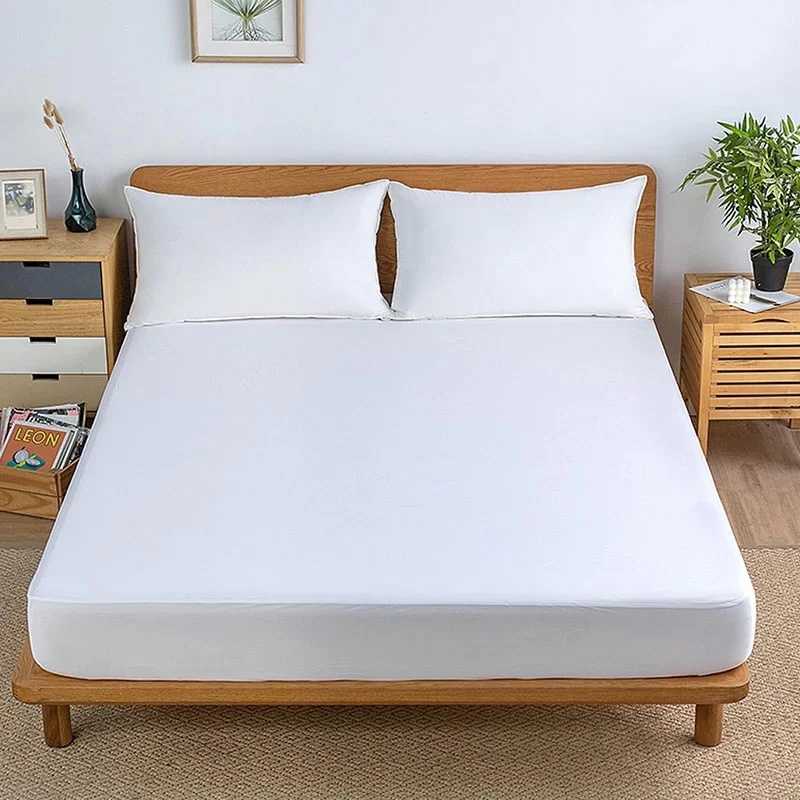
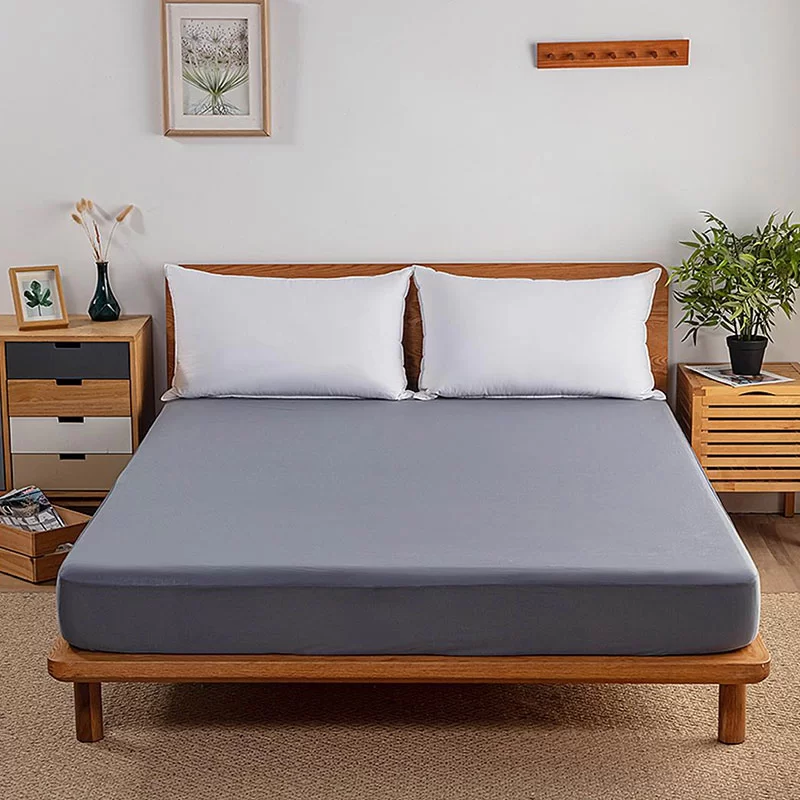
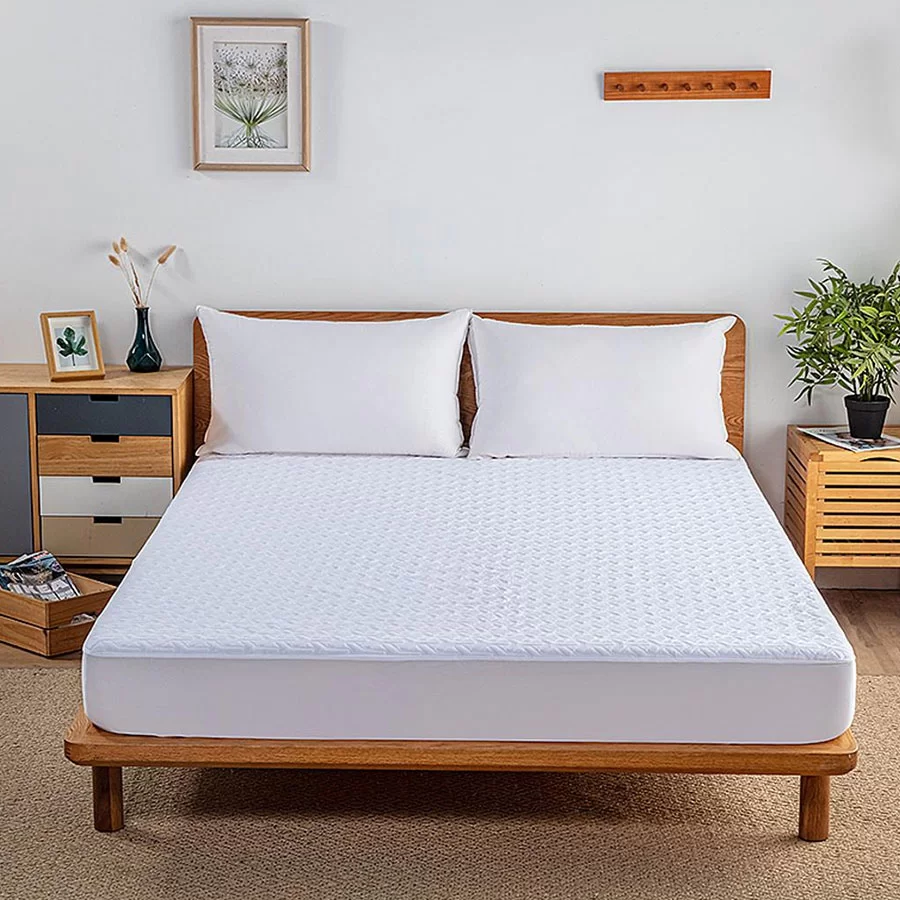
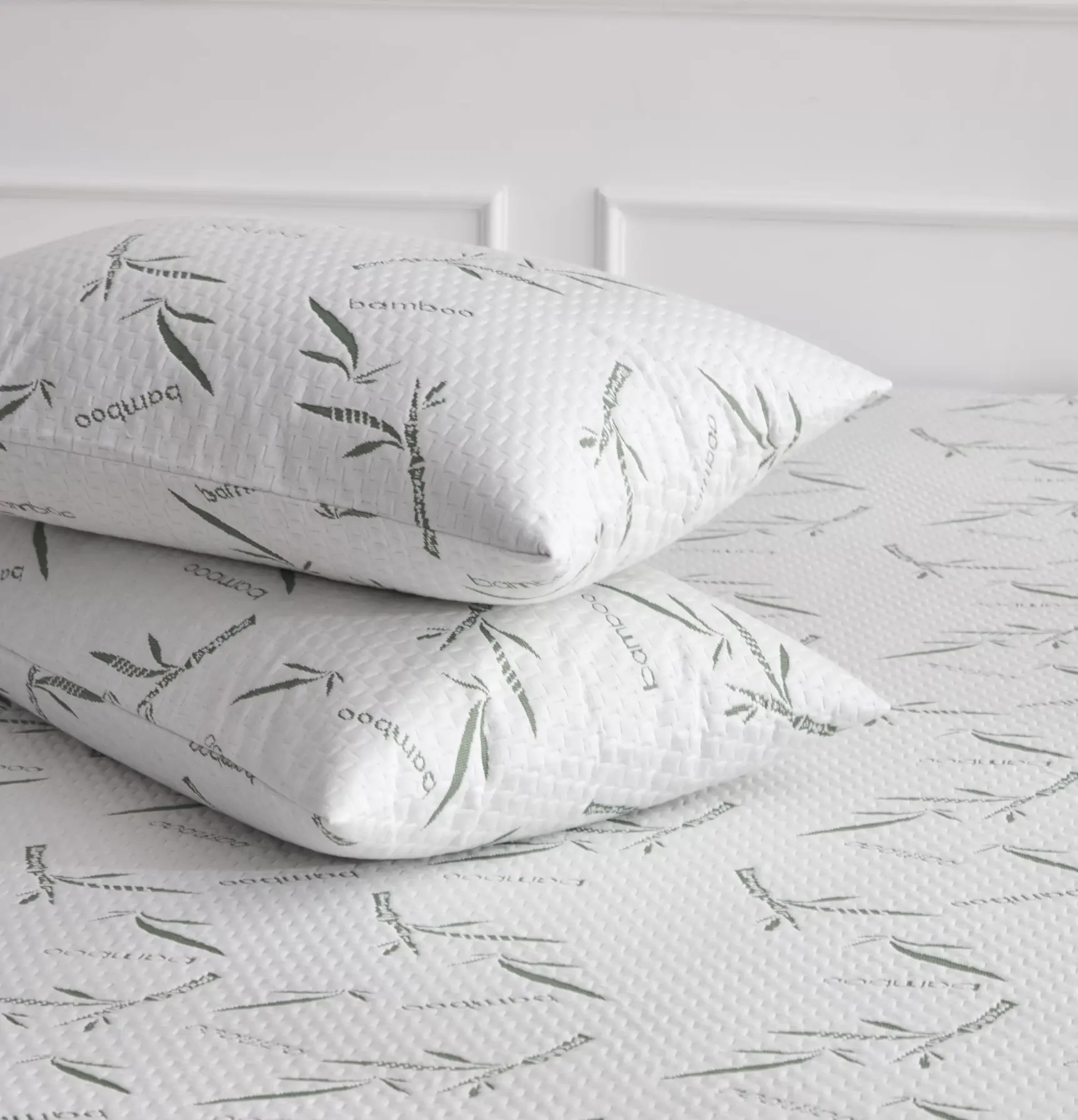
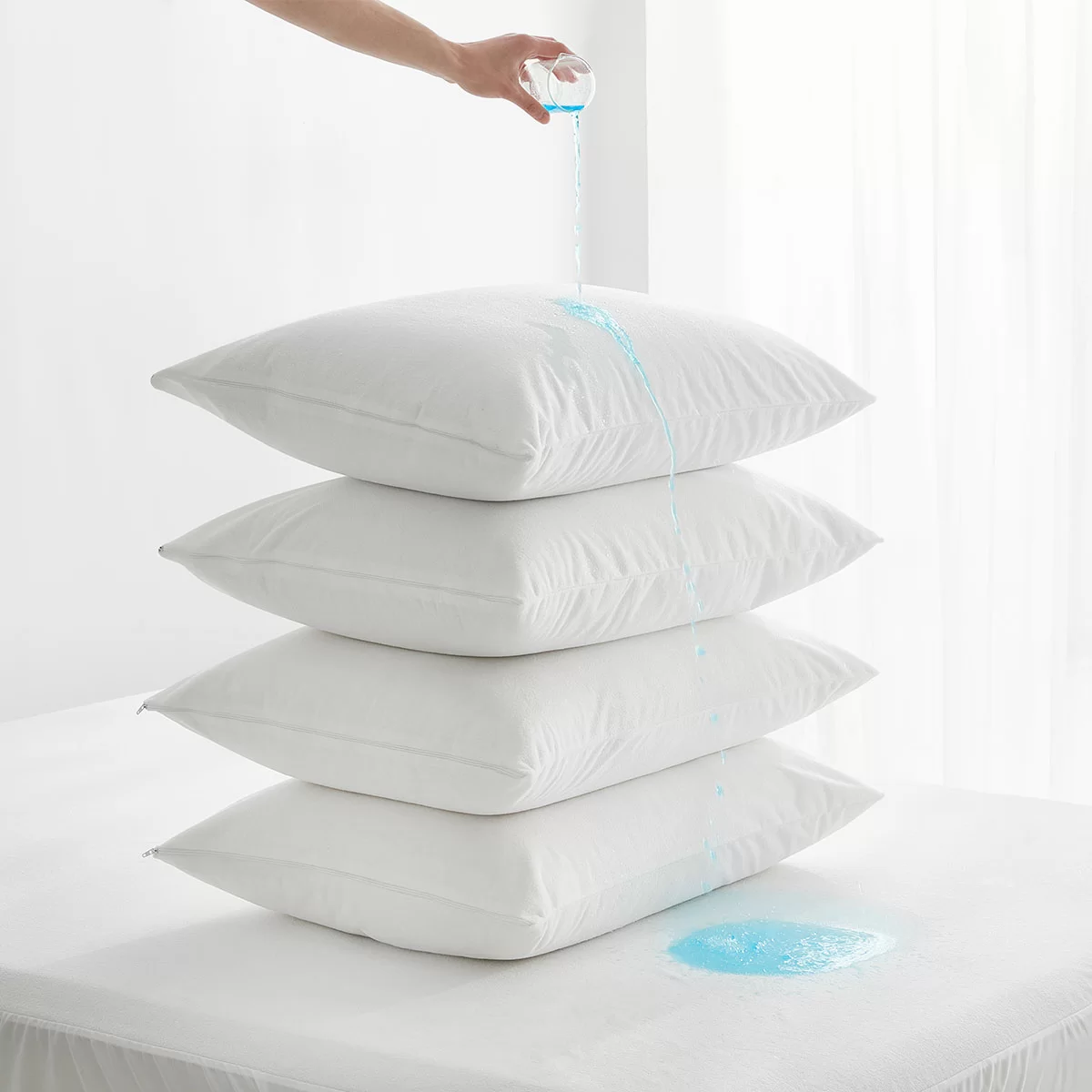
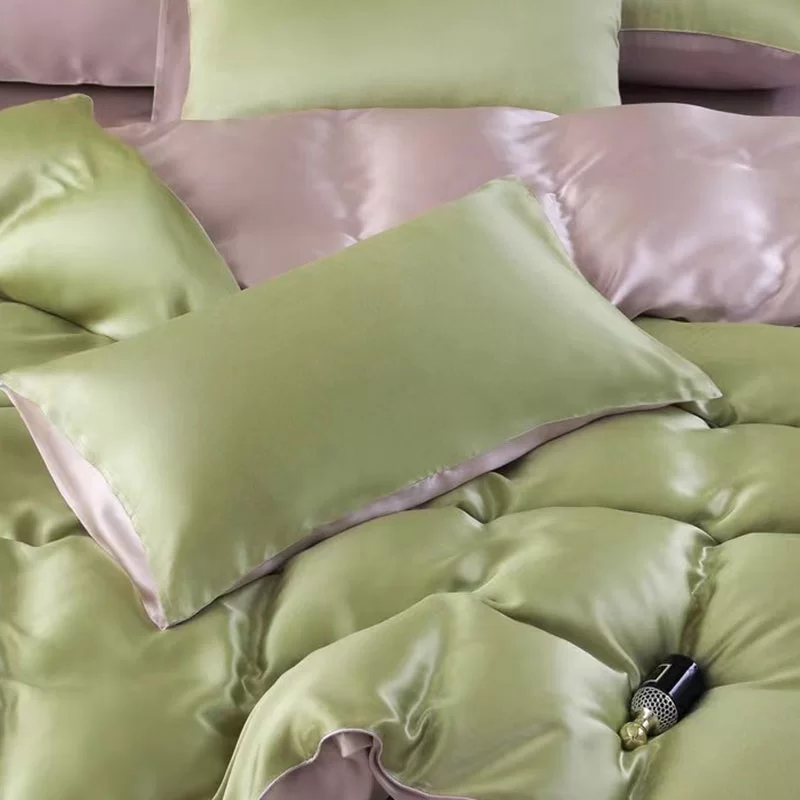
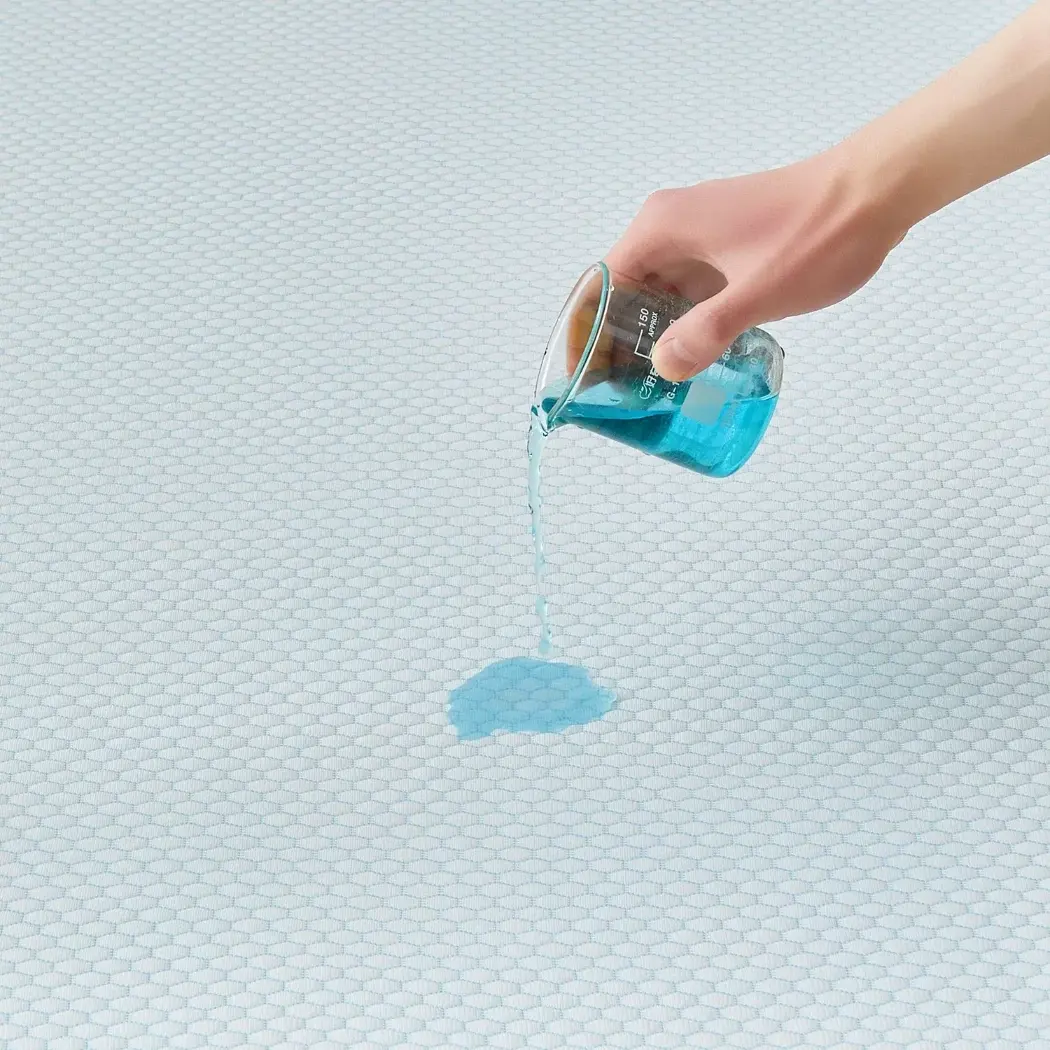
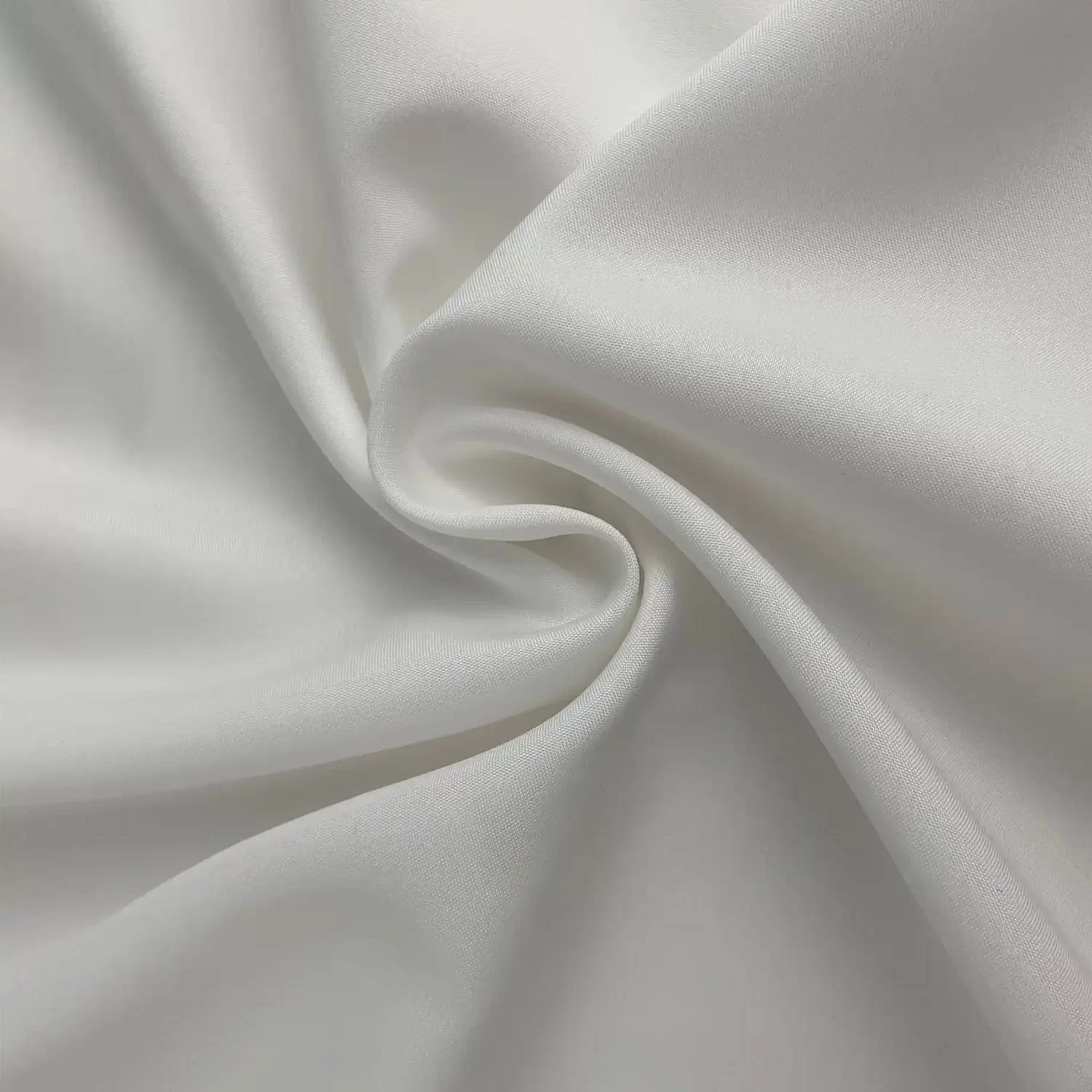
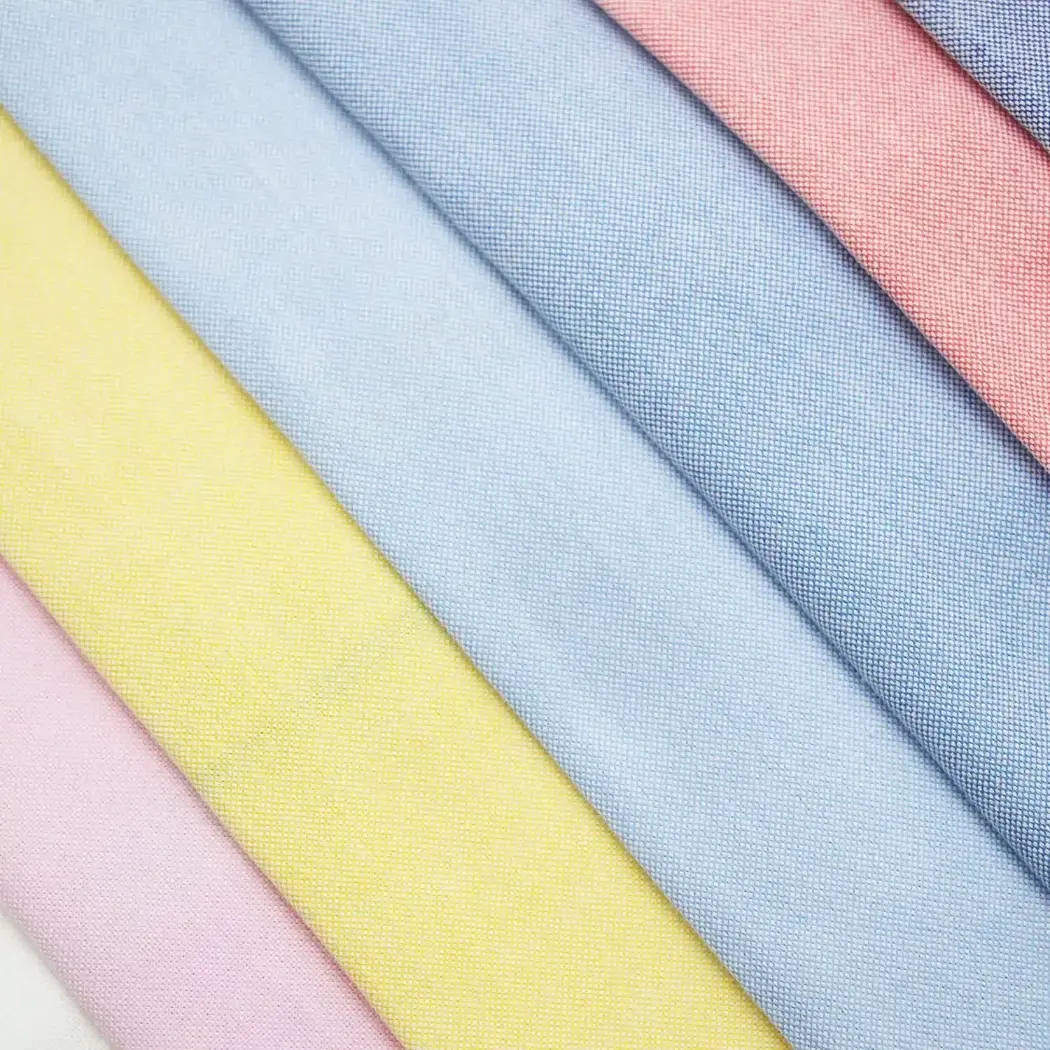
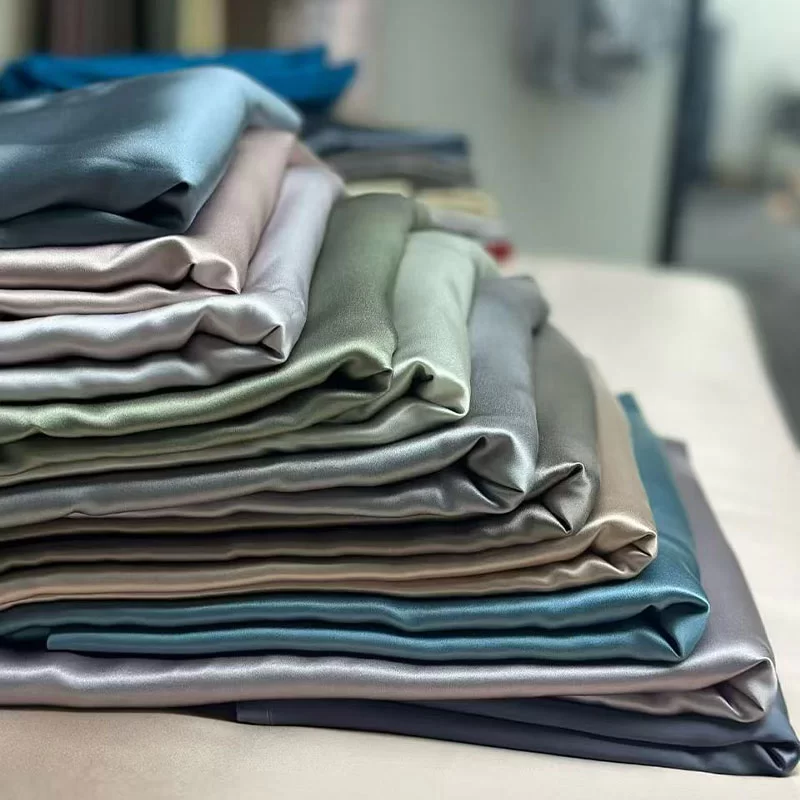
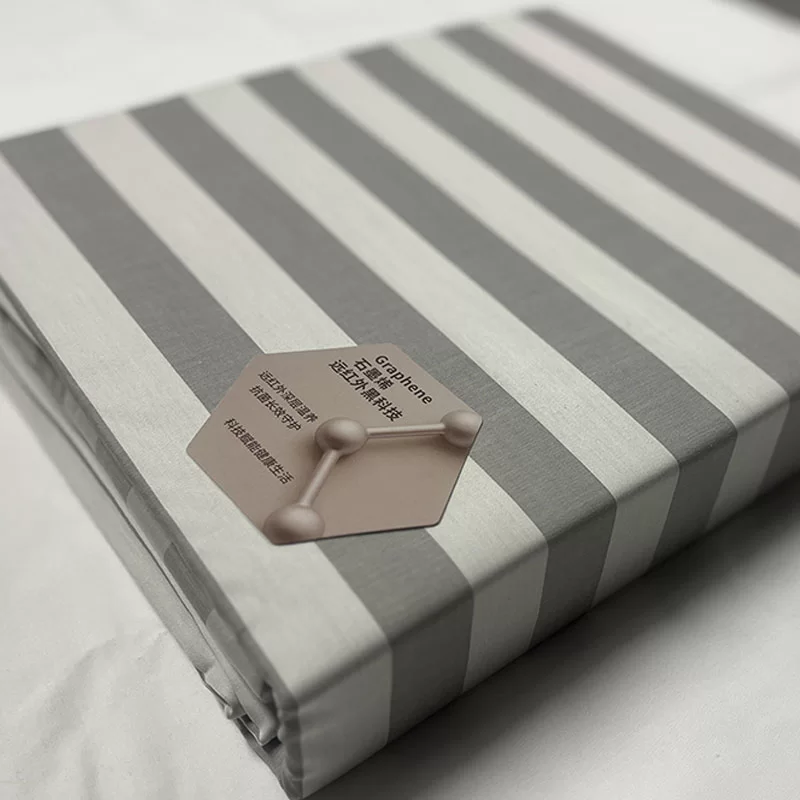


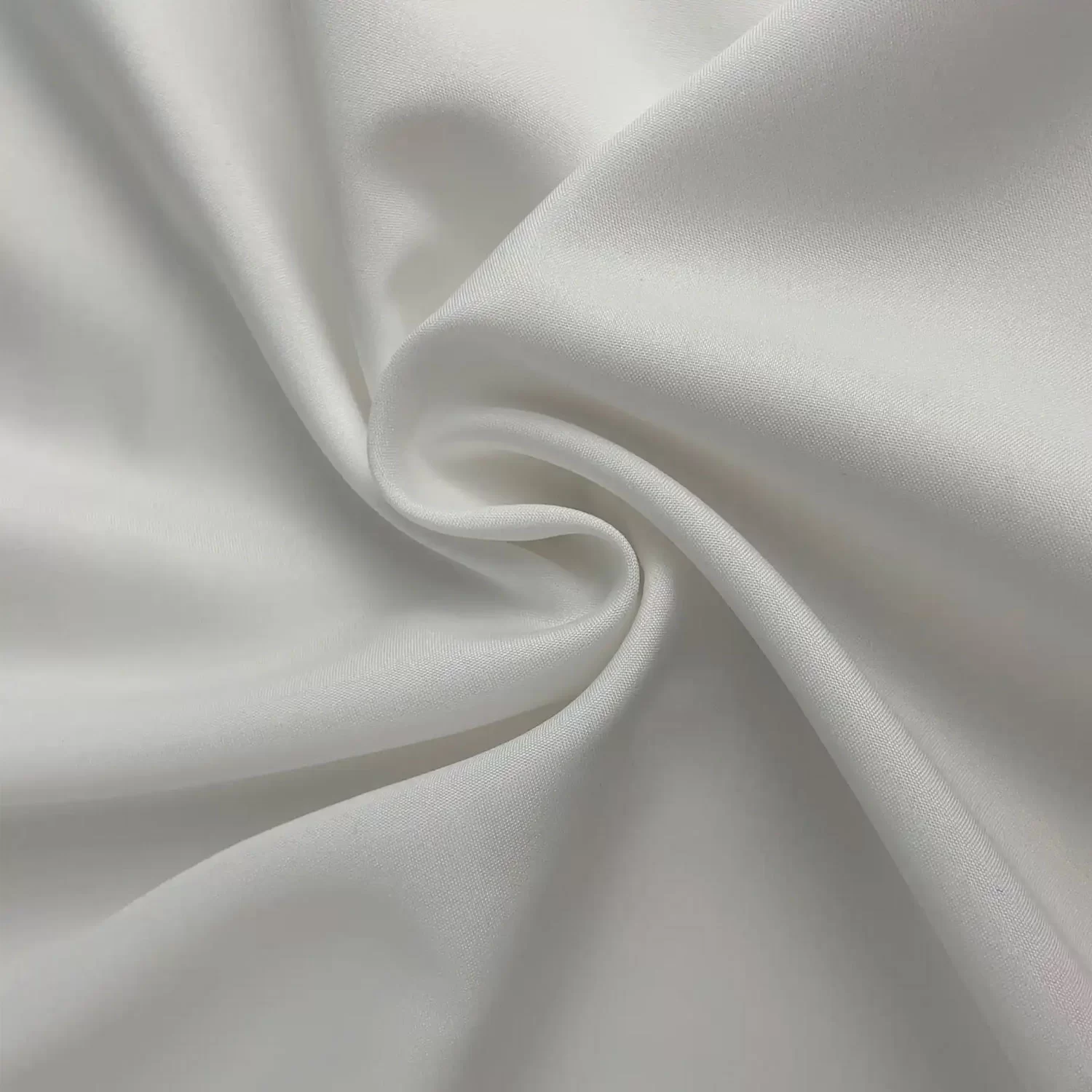
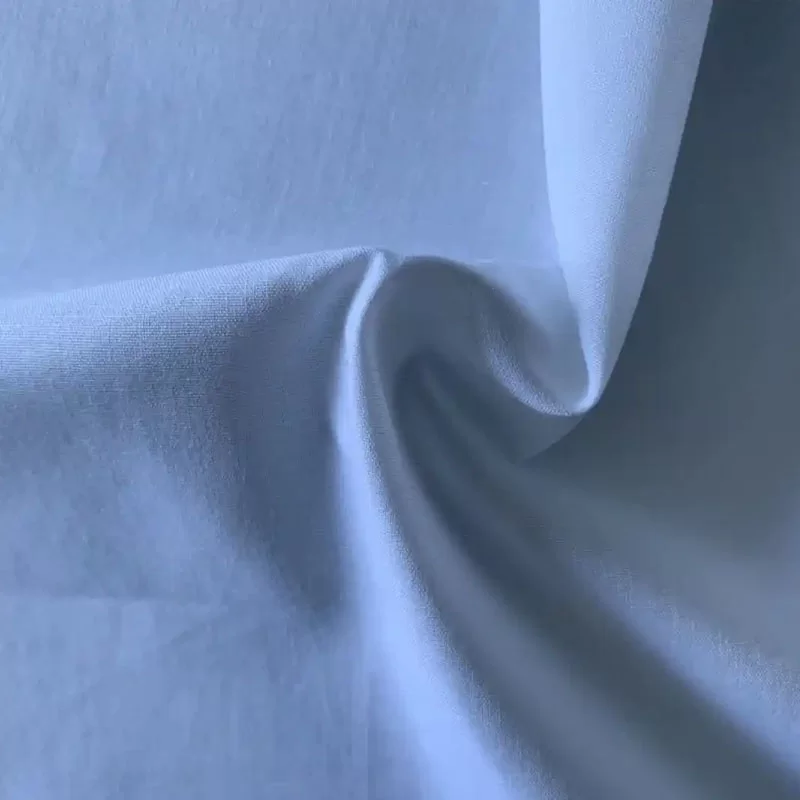
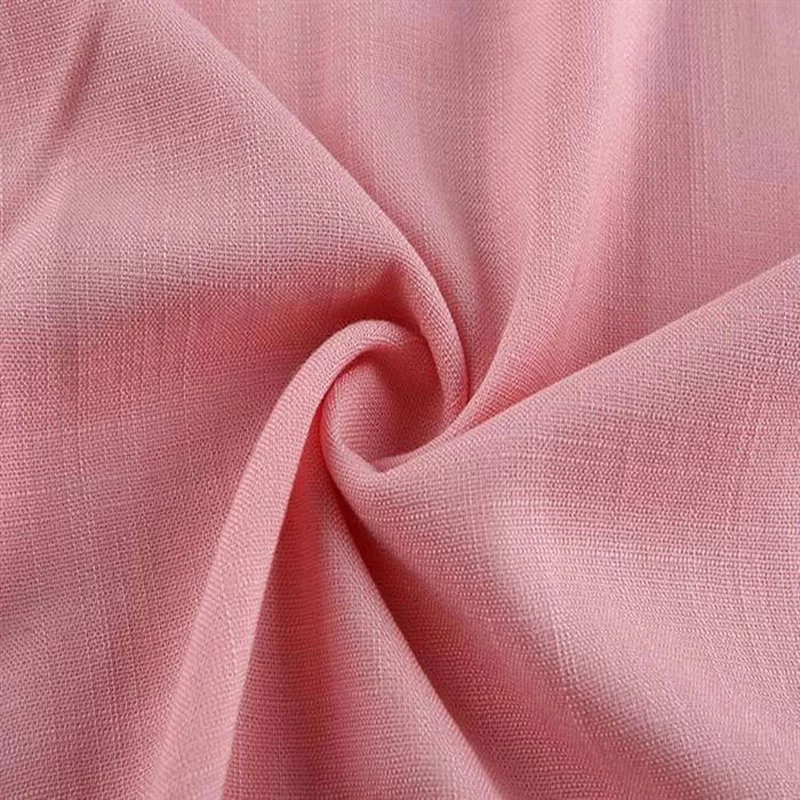
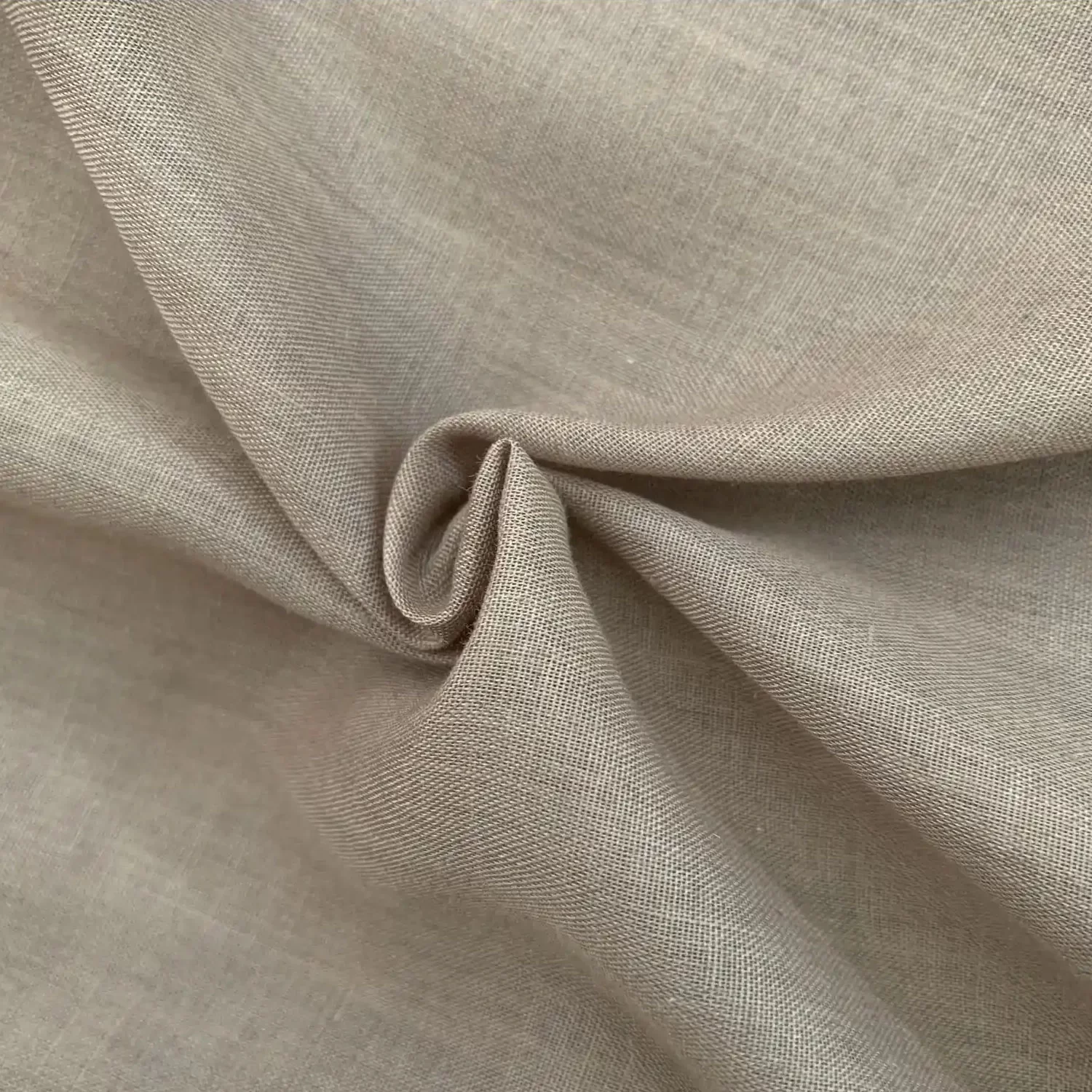
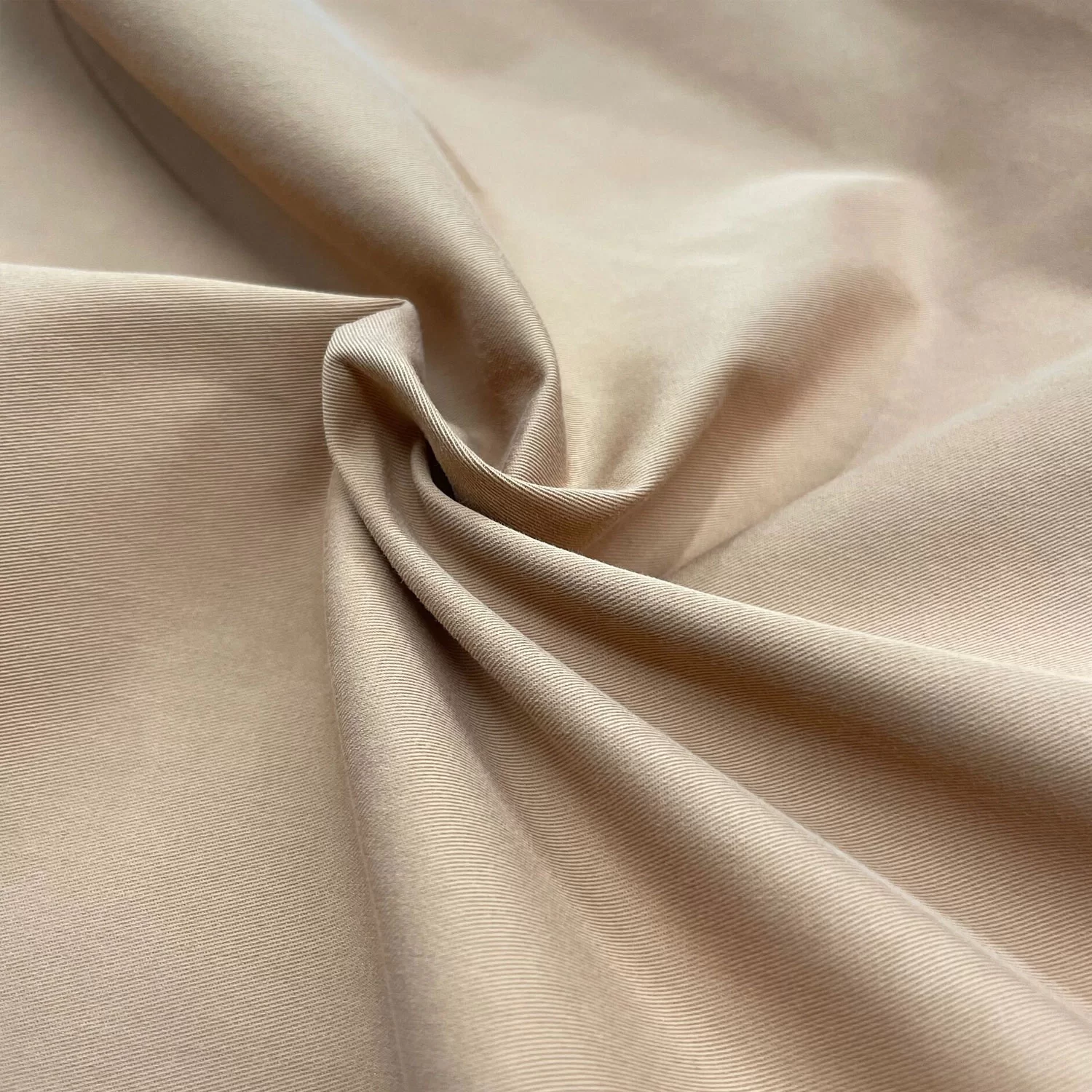
Polycotton Fabric
In Stock Fashion Style Textiles Elastic Wrinkle Resistance Polycotton Fabrics
POLYCOTTON FABRIC: The Perfect Blend of Durability and Comfort, a versatile and widely acclaimed textile, is a strategic blend of polyester and cotton—two of the most popular fibers in the textile industry. By combining the inherent strengths of both materials, polycotton overcomes the limitations of single-fiber fabrics, making it a top choice for diverse applications ranging from apparel to home textiles and industrial uses. Below is a detailed breakdown of its key features, benefits, and practical applications.
As the name suggests, polycotton is a blended fabric composed of polyester (a synthetic fiber derived from petroleum) and cotton (a natural, plant-based fiber). The ratio of polyester to cotton varies to suit specific needs, with common blends including 50/50 (equal parts polyester and cotton), 65/35 (more polyester for enhanced durability), and 80/20 (higher cotton content for superior softness). This customizable ratio is what gives polycotton its adaptability to different use cases.
In a market filled with single-fiber and blended fabrics, polycotton stands out for its versatility and practicality. It offers the natural comfort of cotton without the hassle of excessive wrinkling or shrinkage, and the durability of polyester without the synthetic stiffness. Whether you’re looking for clothing that lasts, linens that stay neat, or commercial textiles that withstand frequent use, polycotton delivers on all fronts.
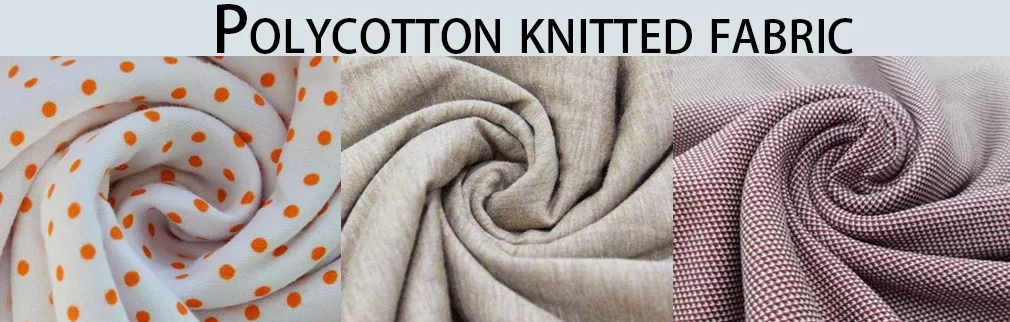
Core Advantages
Polycotton’s popularity stems from its ability to merge the best qualities of polyester and cotton while minimizing their weaknesses. Here are its standout benefits:
Balanced Durability and Softness:Cotton is beloved for its natural softness and breathability, but it tends to wrinkle easily and shrink when washed.Polyester, on the other hand, is strong, wrinkle-resistant, and shrink-proof but can feel stiff or "synthetic" against the skin.Polycotton resolves this trade-off: the cotton component ensures a gentle, comfortable touch, while polyester reinforces the fabric’s strength, reducing tearing and extending its lifespan.
Wrinkle Resistance & Easy Care:One of the most sought-after features of polycotton is its low-maintenance nature.Unlike 100% cotton, which requires frequent ironing to look neat, polycotton retains its shape and resists wrinkles even after washing and drying. It also dries much faster than pure cotton, making it ideal for busy lifestyles or travel.
Shrinkage Control:Pure cotton fabrics often shrink by 5-10% after the first wash, which can ruin the fit of clothing or linens.Polyester is inherently shrink-resistant, so blending it with cotton significantly reduces shrinkage—typically to less than 3%.This makes polycotton a reliable choice for items where consistent sizing is critical, such as workwear or bed sheets.
Color Retention & Versatility:Polyester fibers have excellent dye absorption and retention, meaning polycotton fabrics hold their color vibrantly even after repeated washes and exposure to sunlight.Additionally, the fabric can be woven or knitted into various textures—from lightweight sheers to heavy-duty twills—adapting to a wide range of design needs.
Breathability & Moisture Management:While polyester alone can trap moisture, the cotton content in polycotton enhances breathability, allowing air to circulate and keeping the wearer cool.This makes it a great alternative to pure polyester for warm-weather clothing or items that come into direct contact with the skin.

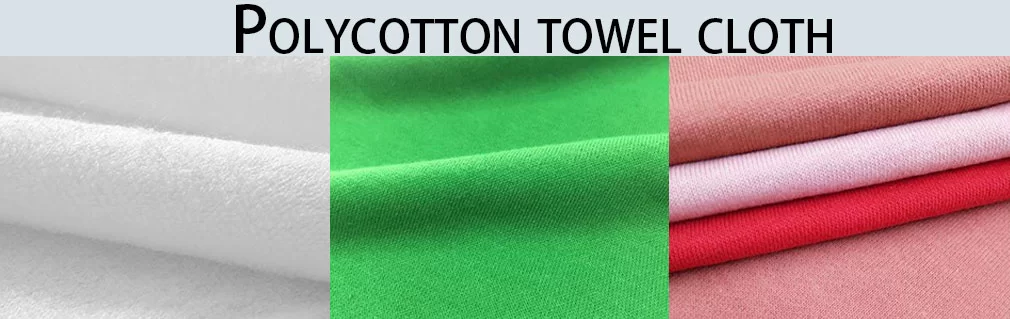
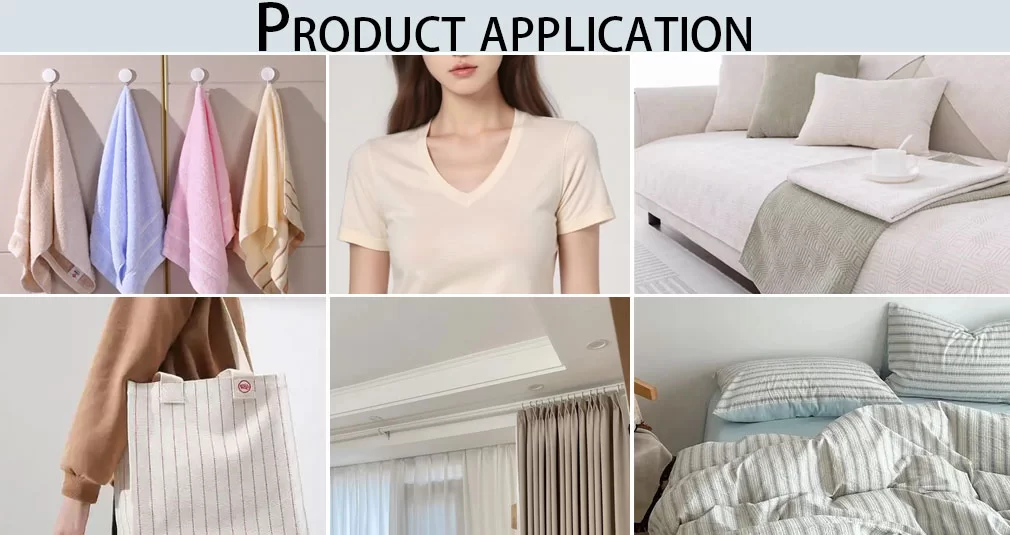
Applications
Polycotton’s versatility makes it a staple in multiple industries.
Apparel:From everyday clothing to specialized wear, polycotton is a go-to choice. It's used in t-shirts, shirts, dresses, skirts, shorts, and activewear—offering comfort for daily use and durability for frequent wear. Workwear (e.g., uniforms for hospitality, construction, or healthcare) also relies on polycotton for its strength and easy care.
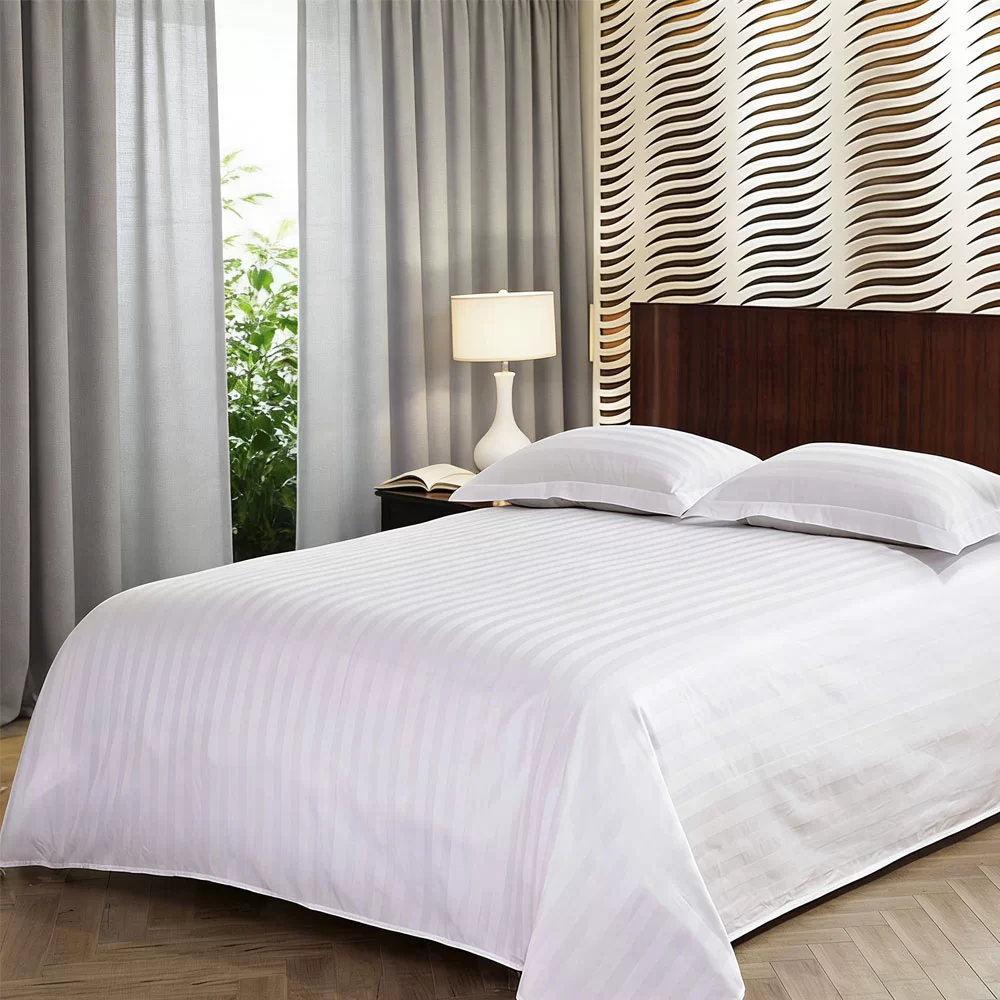
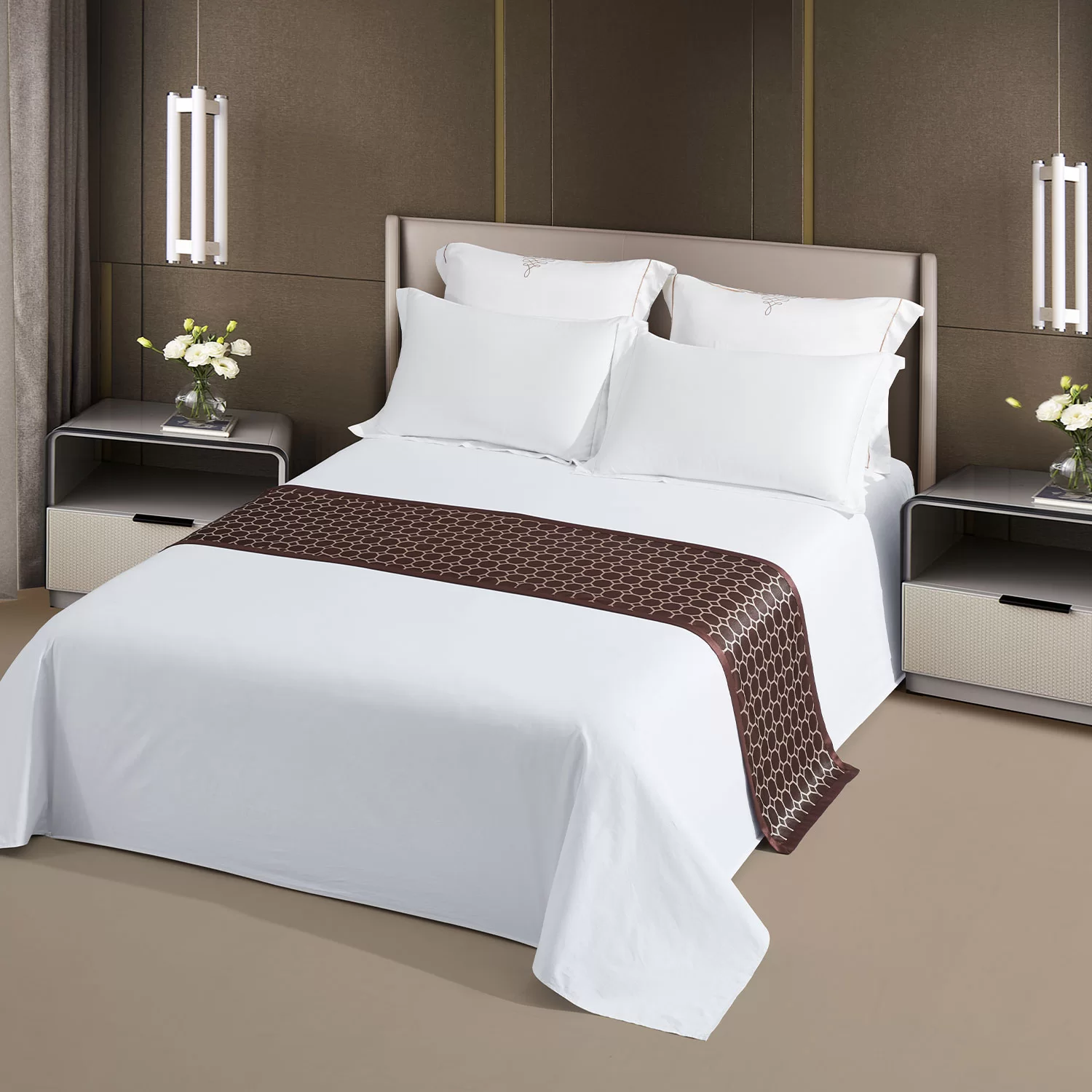
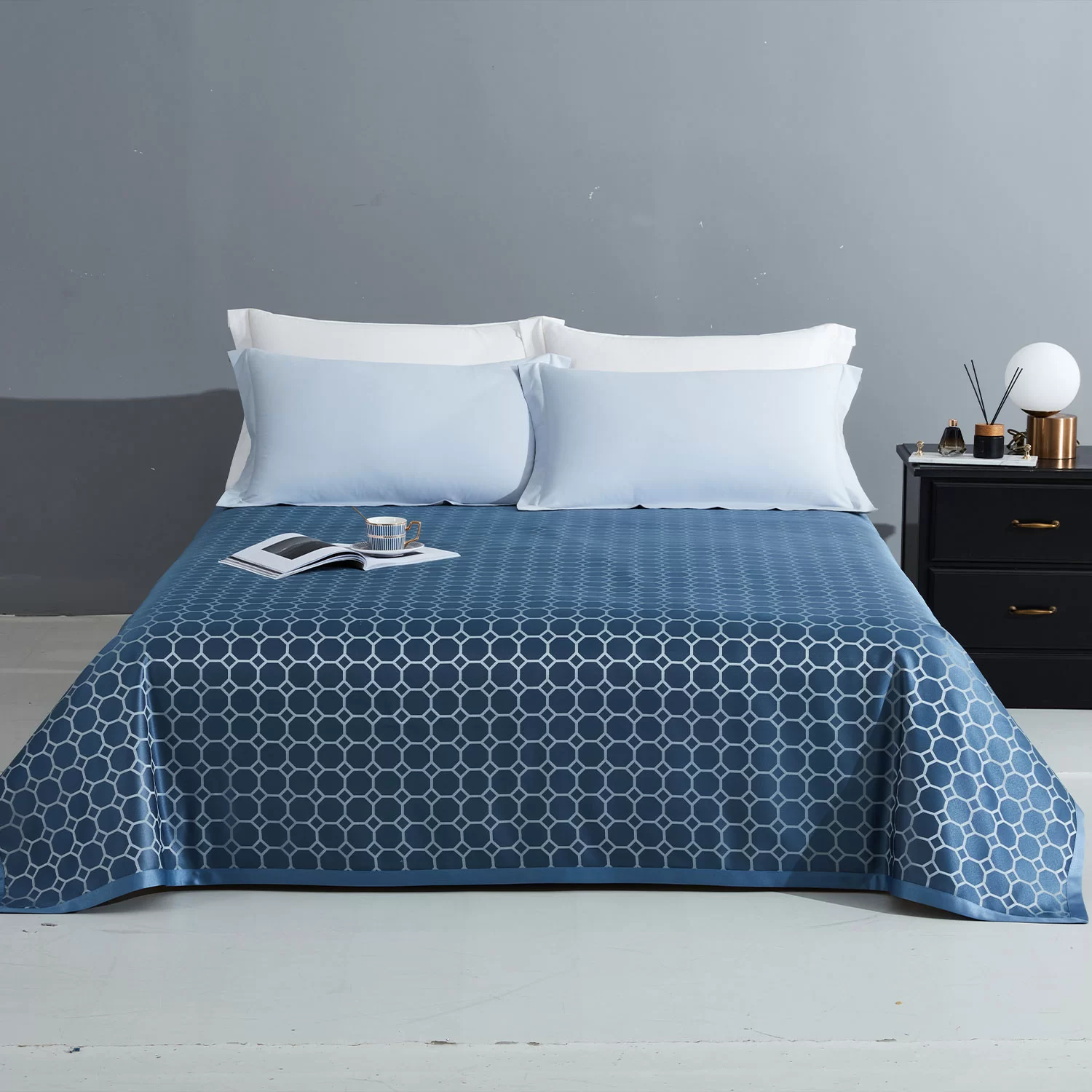
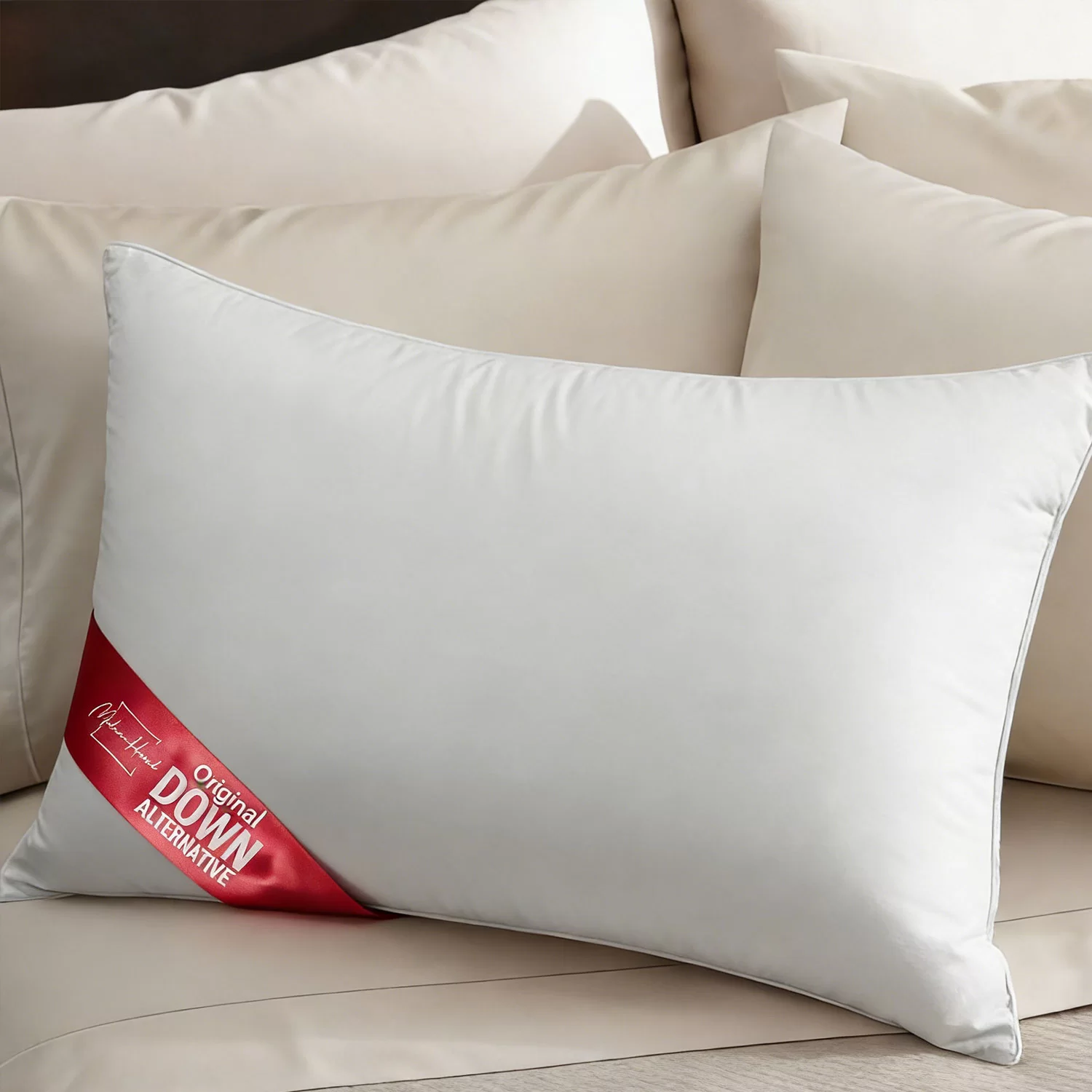
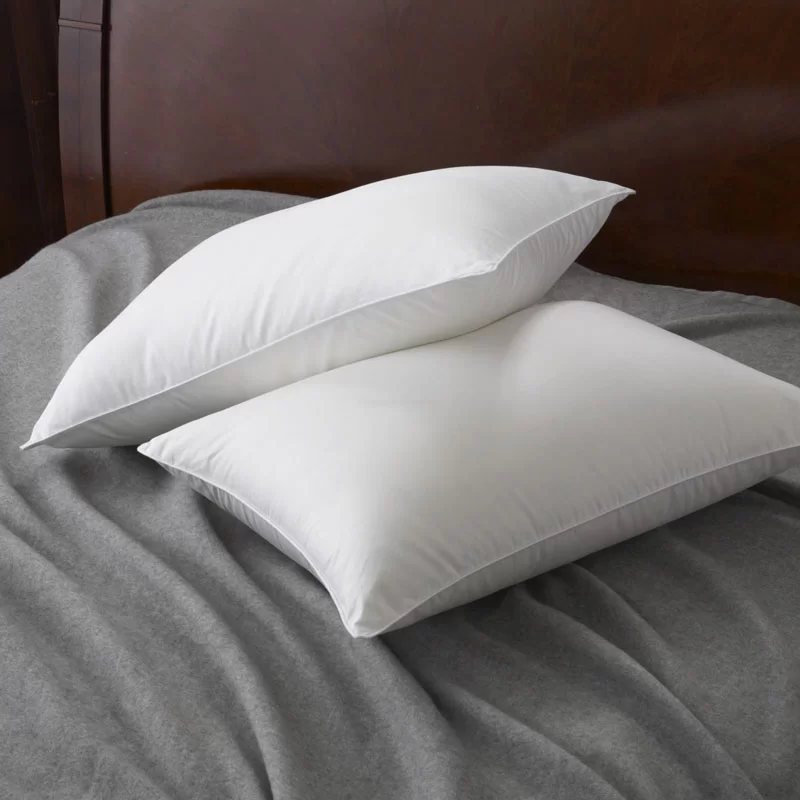
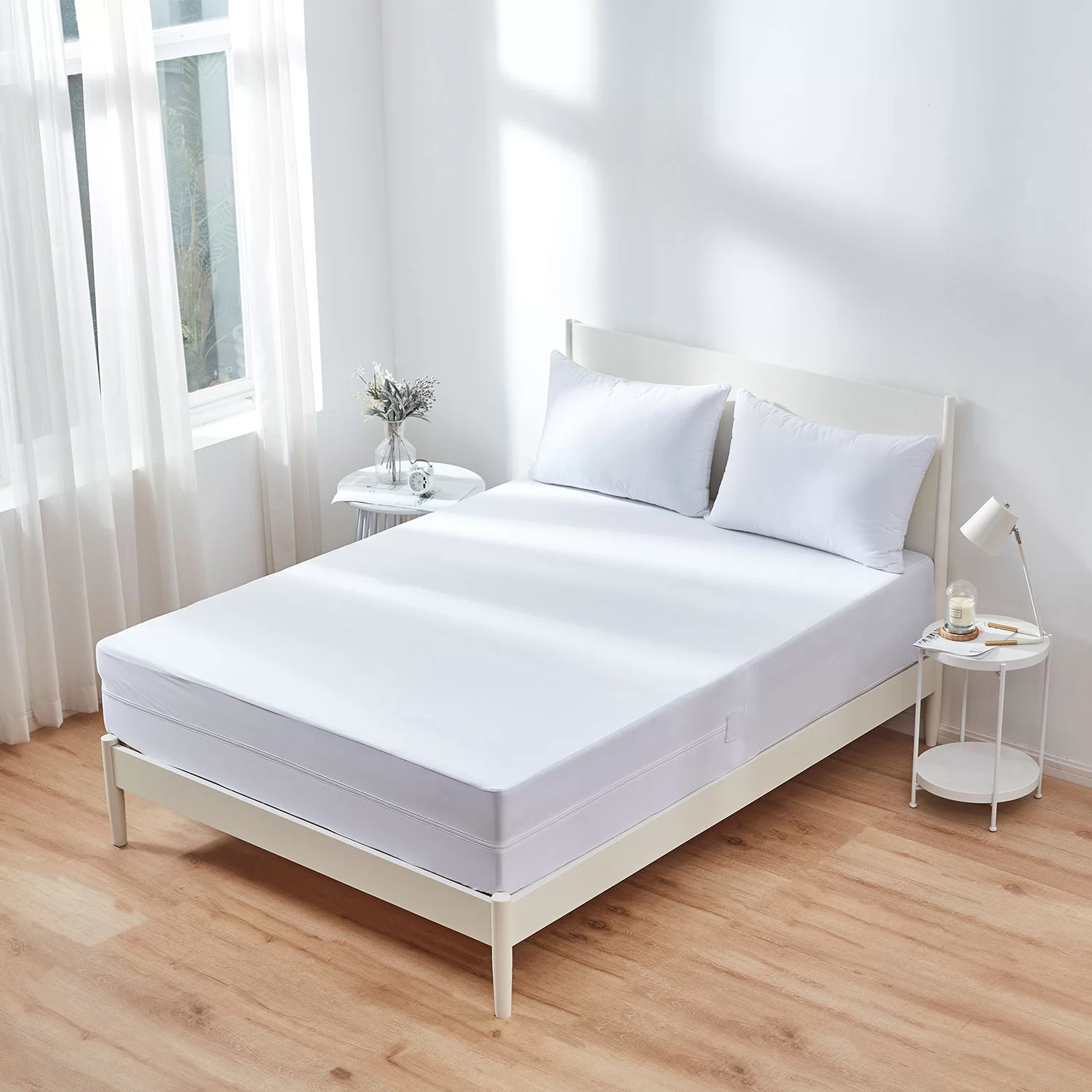
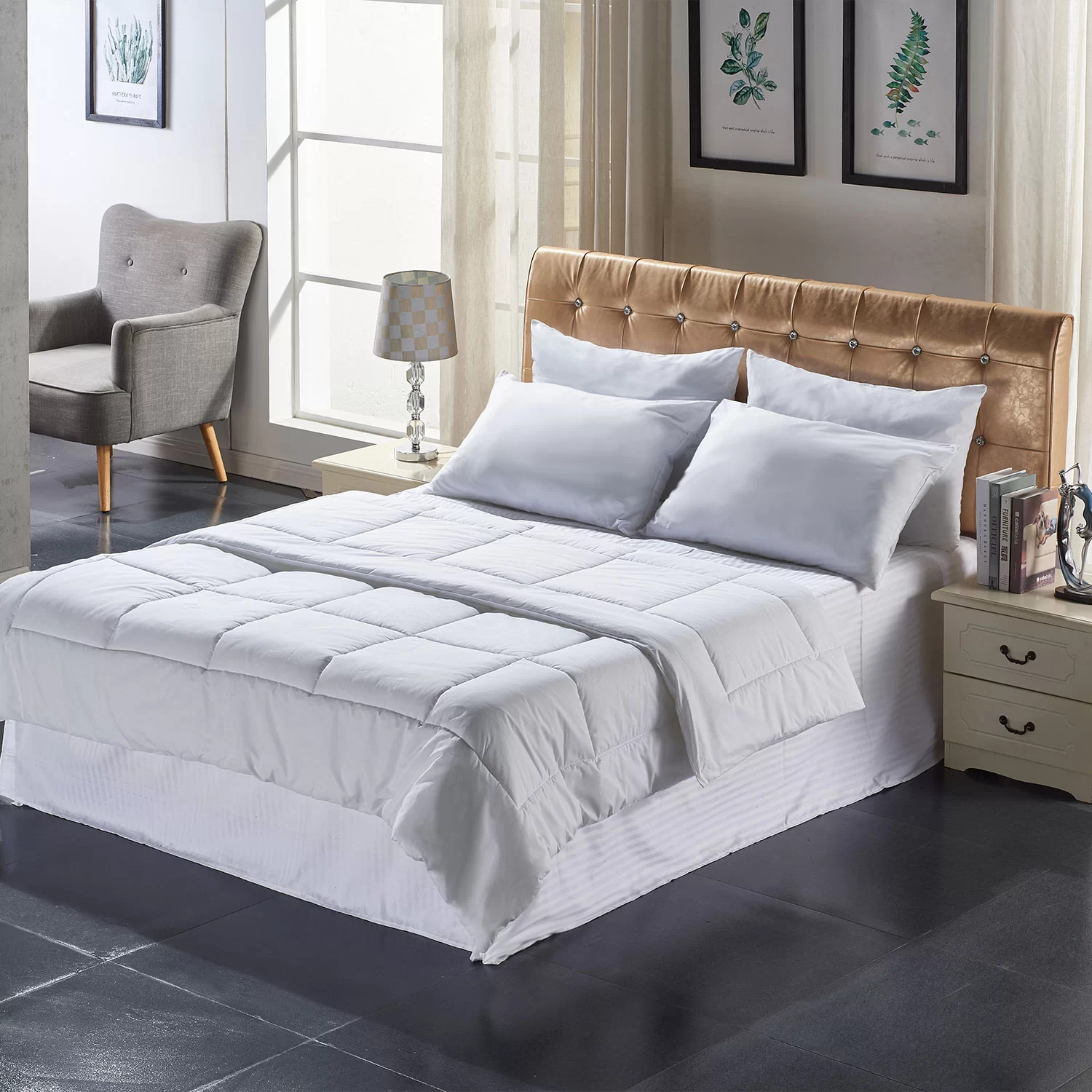
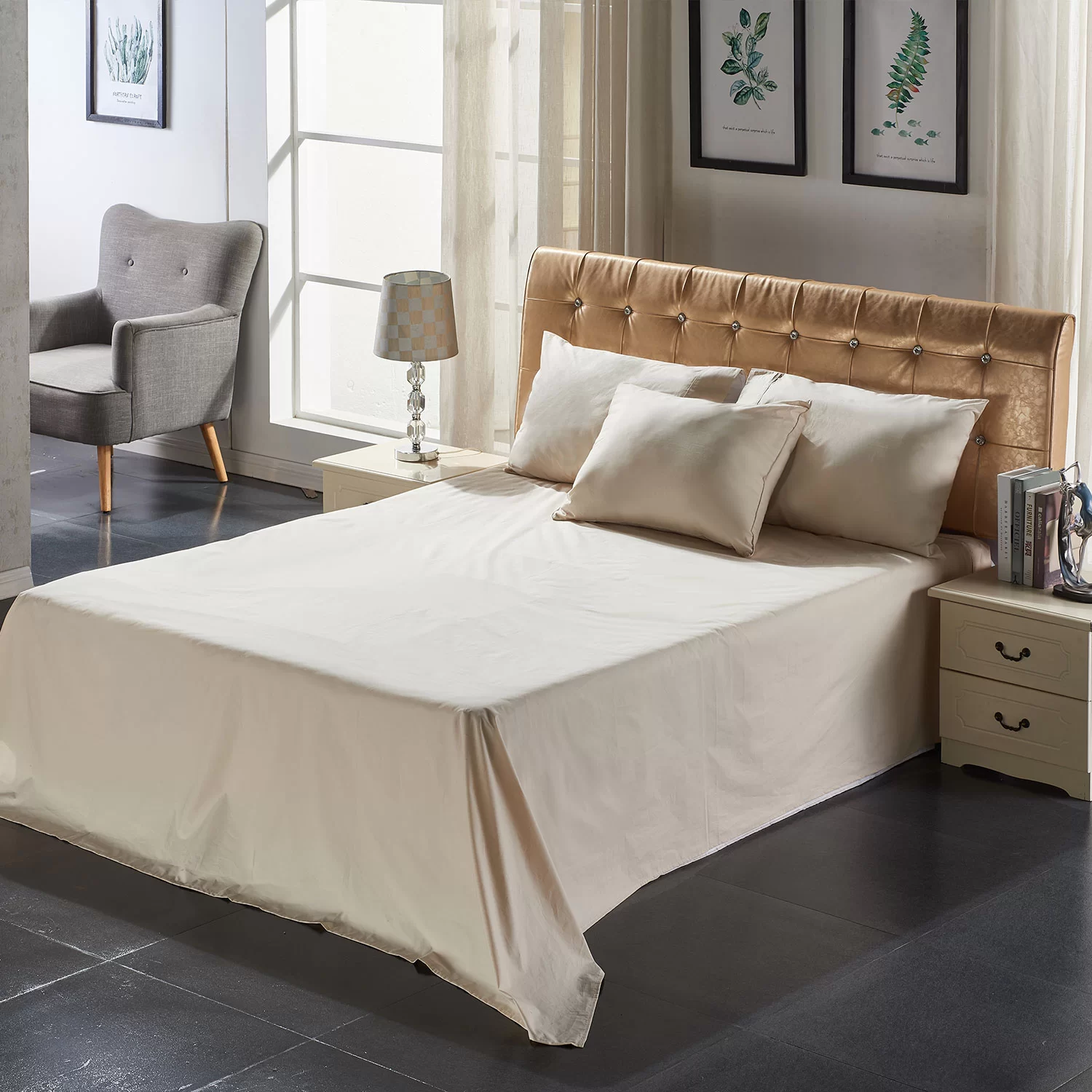
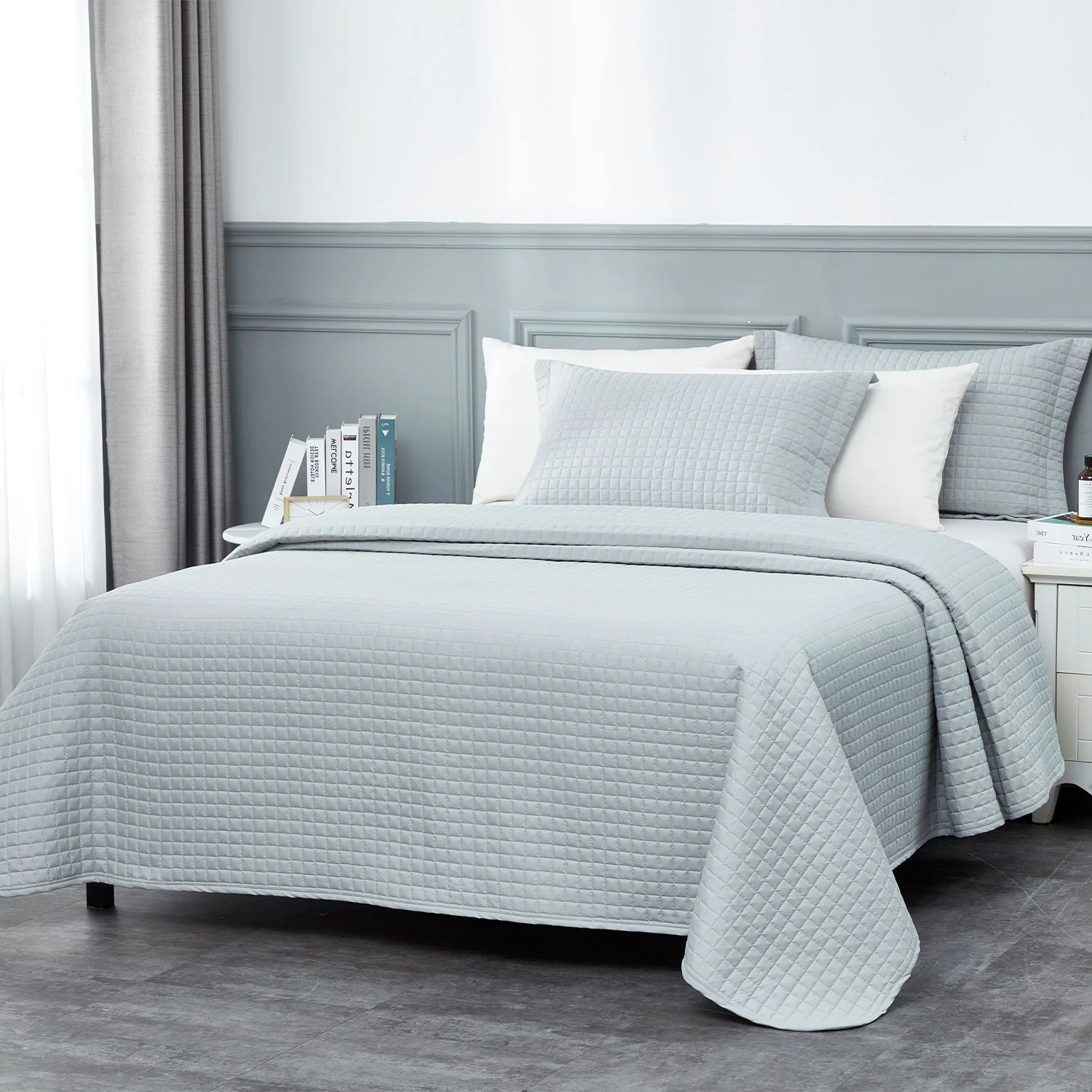
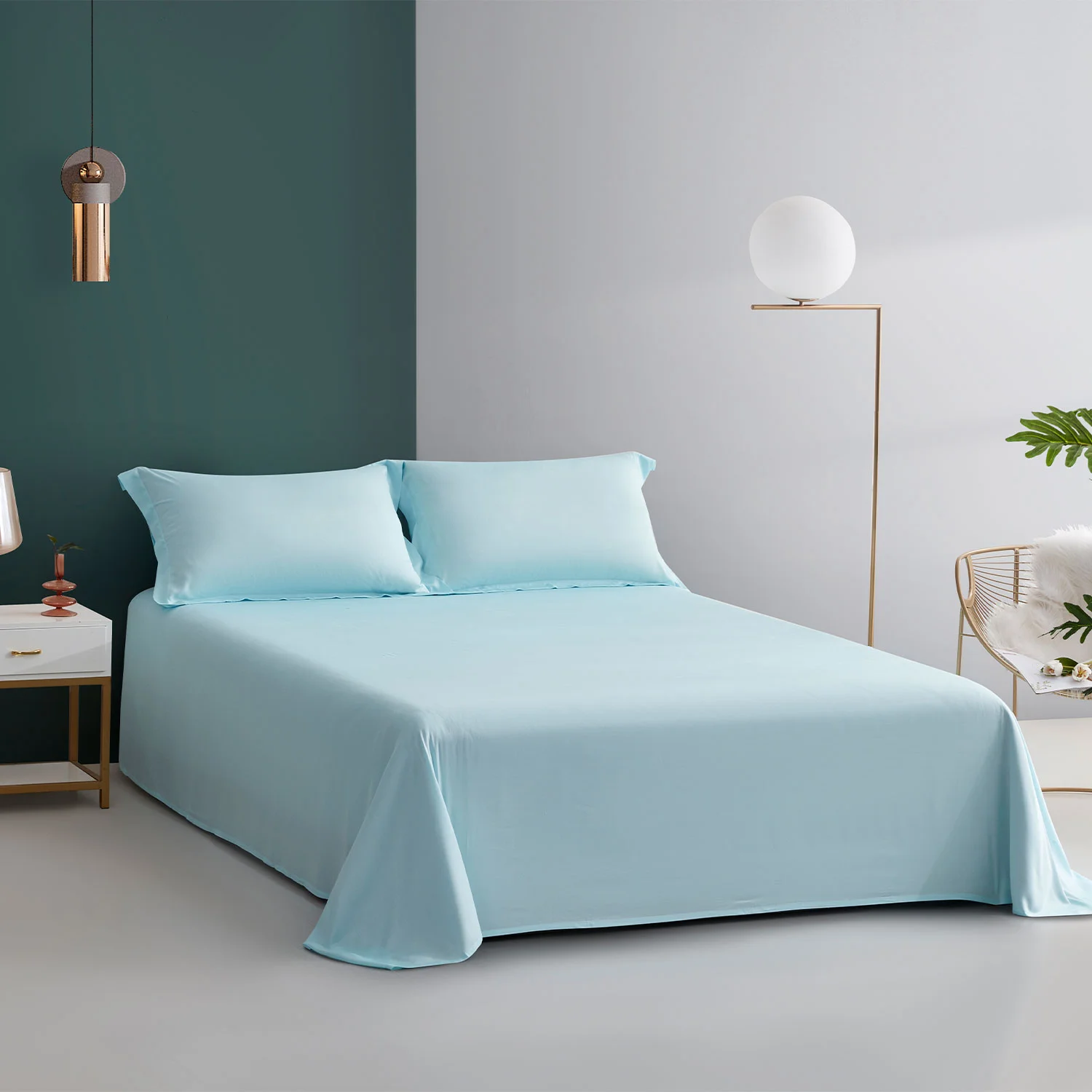
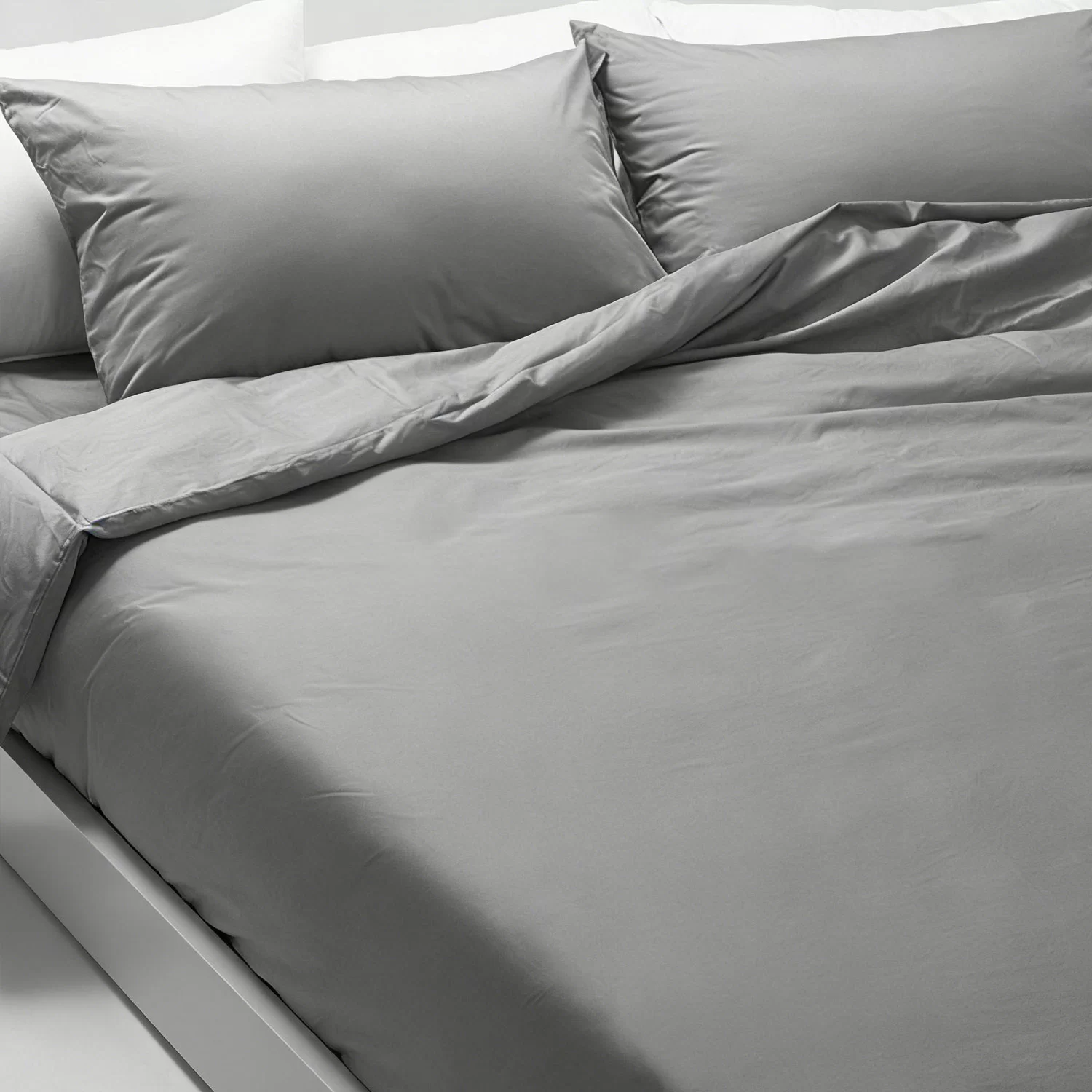
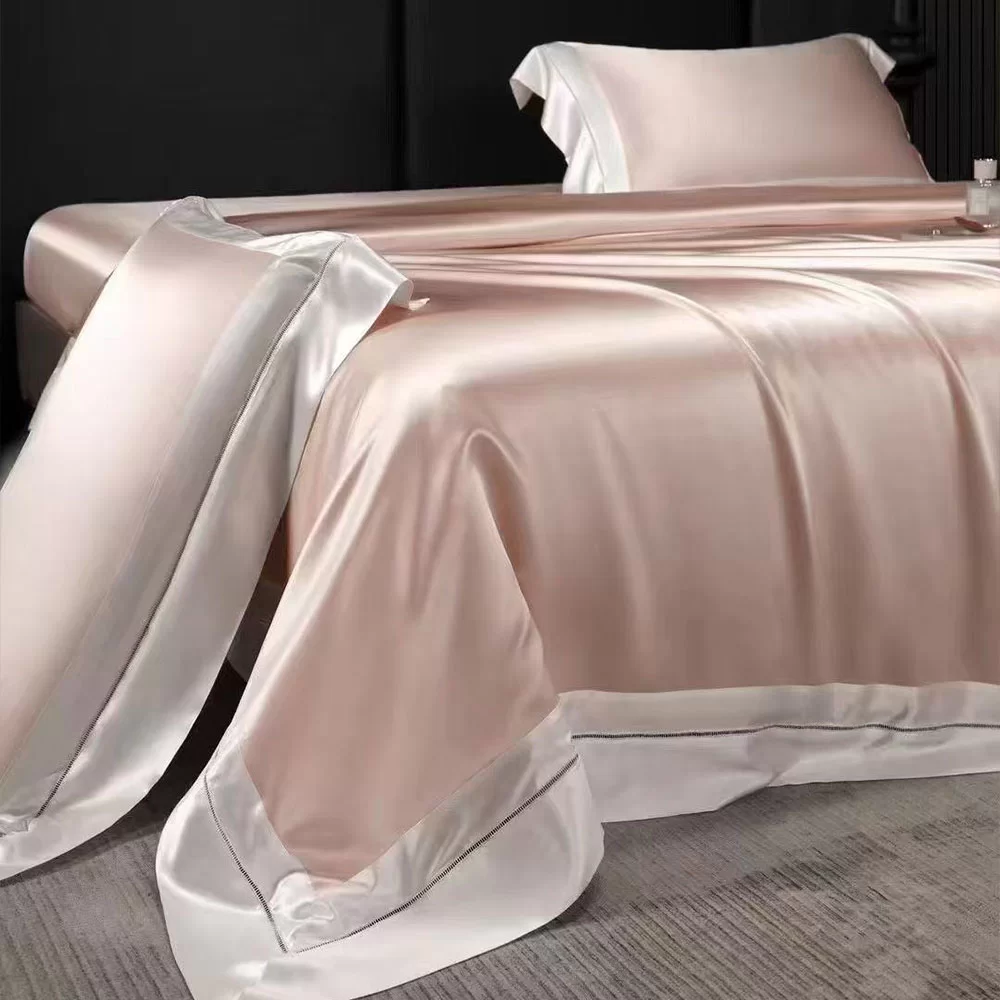
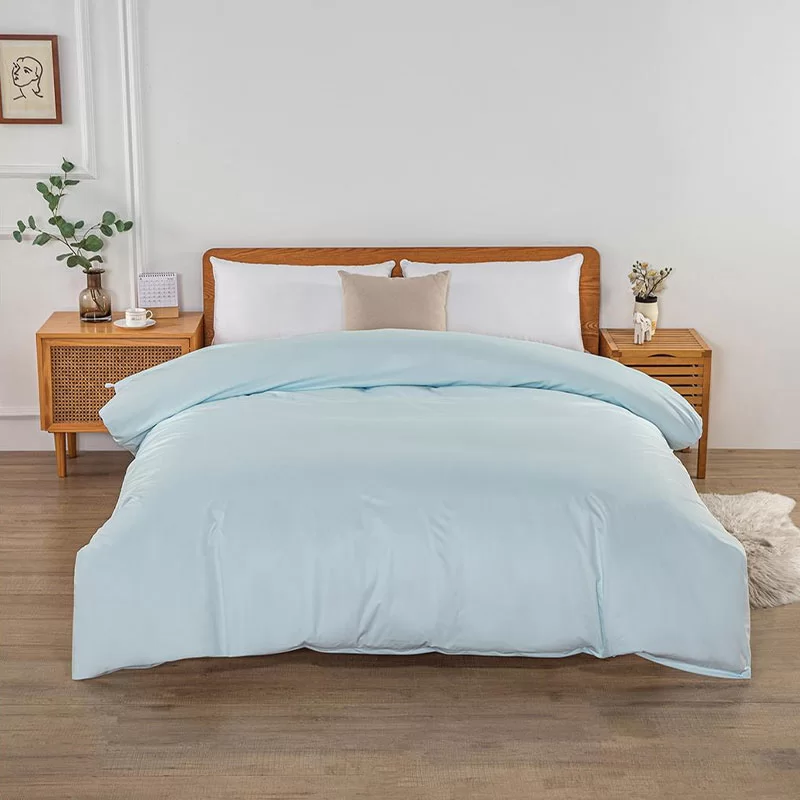
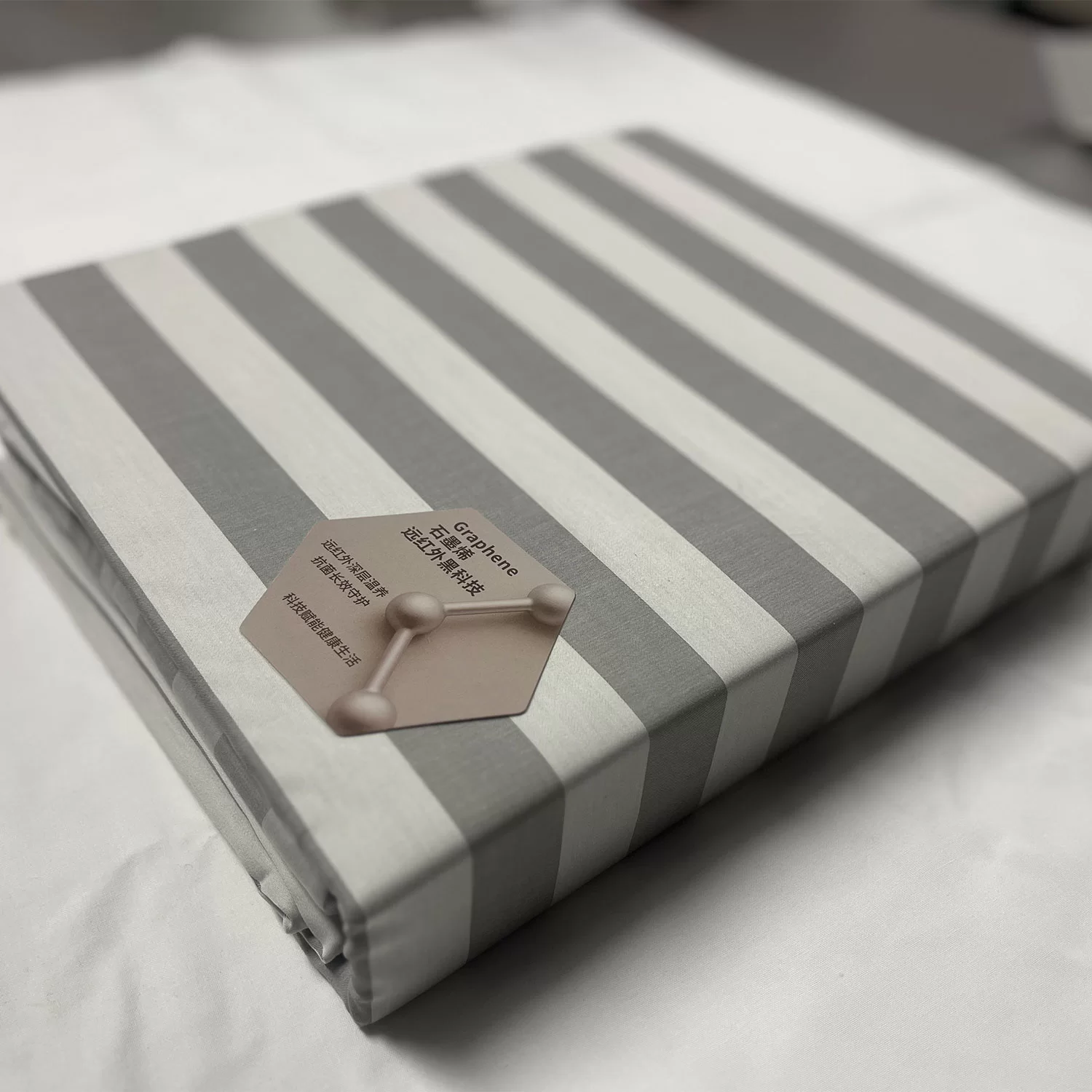
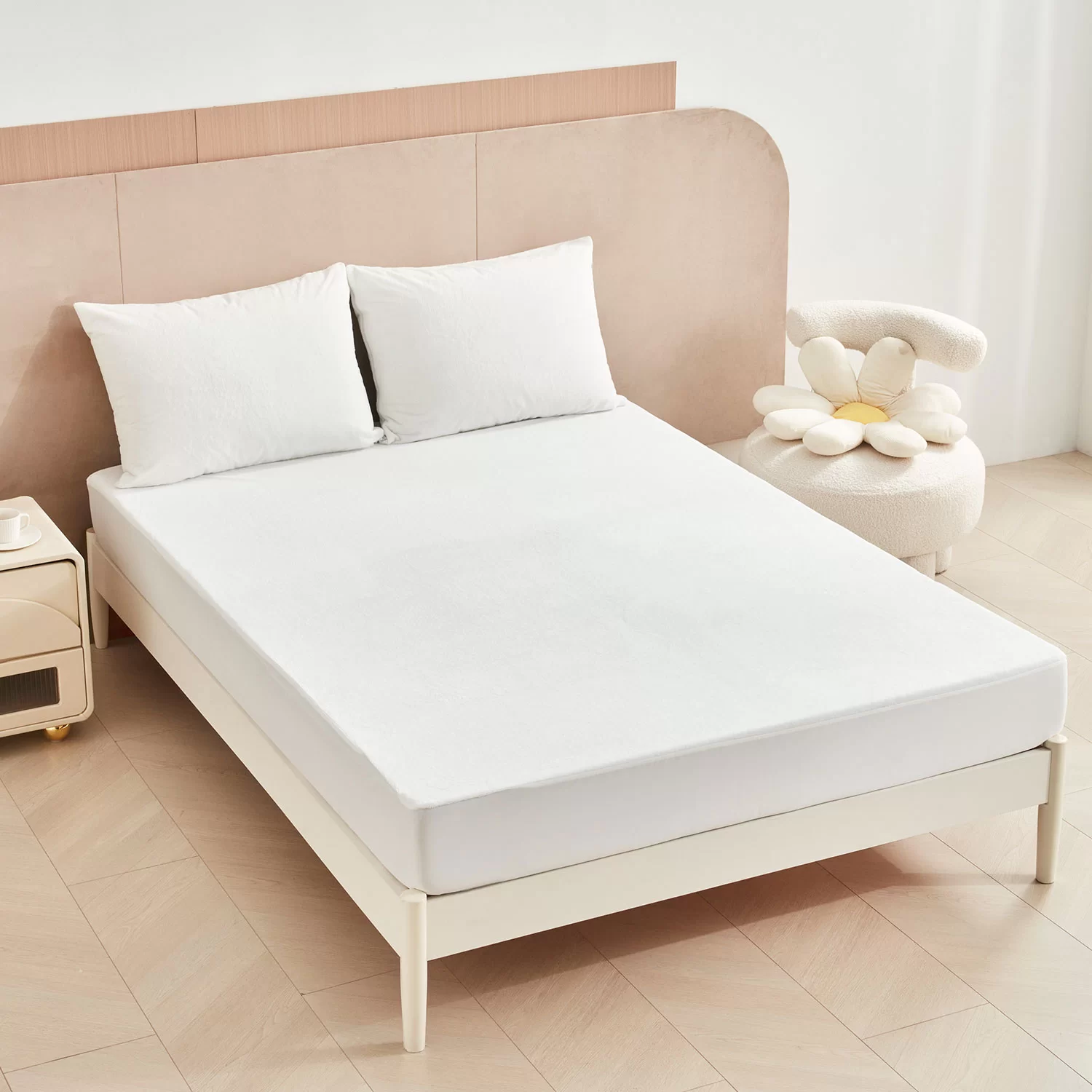
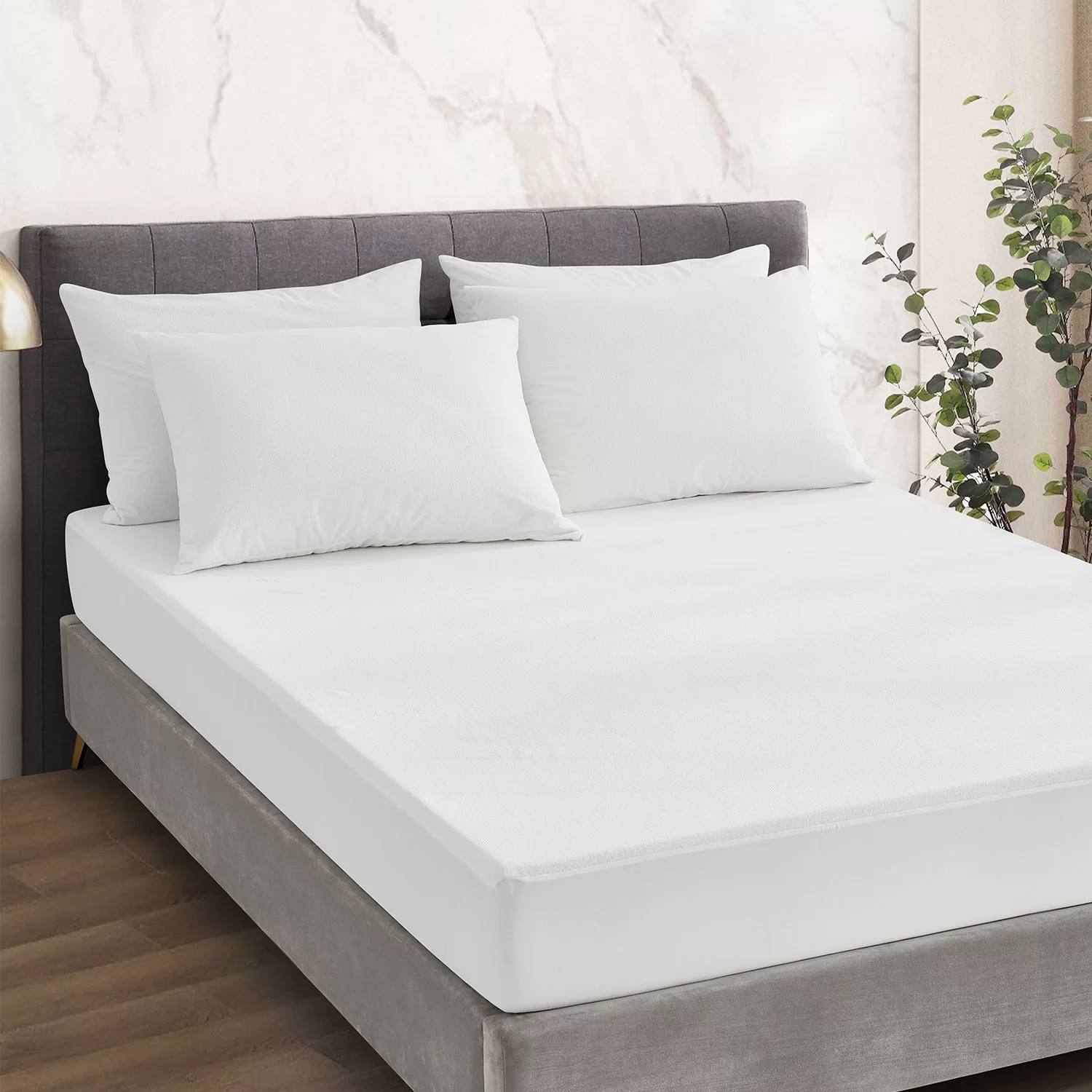
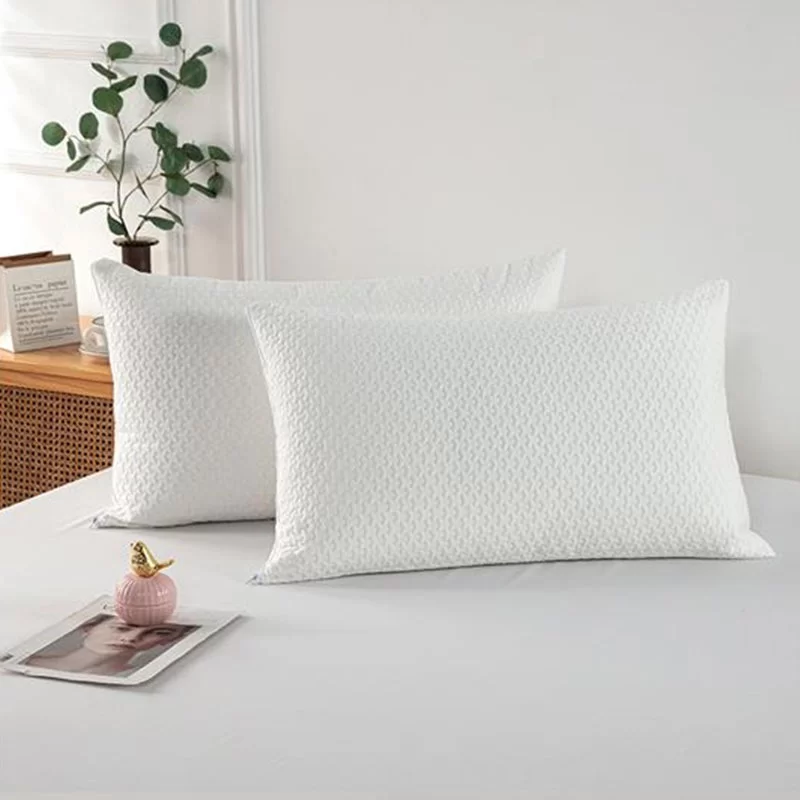
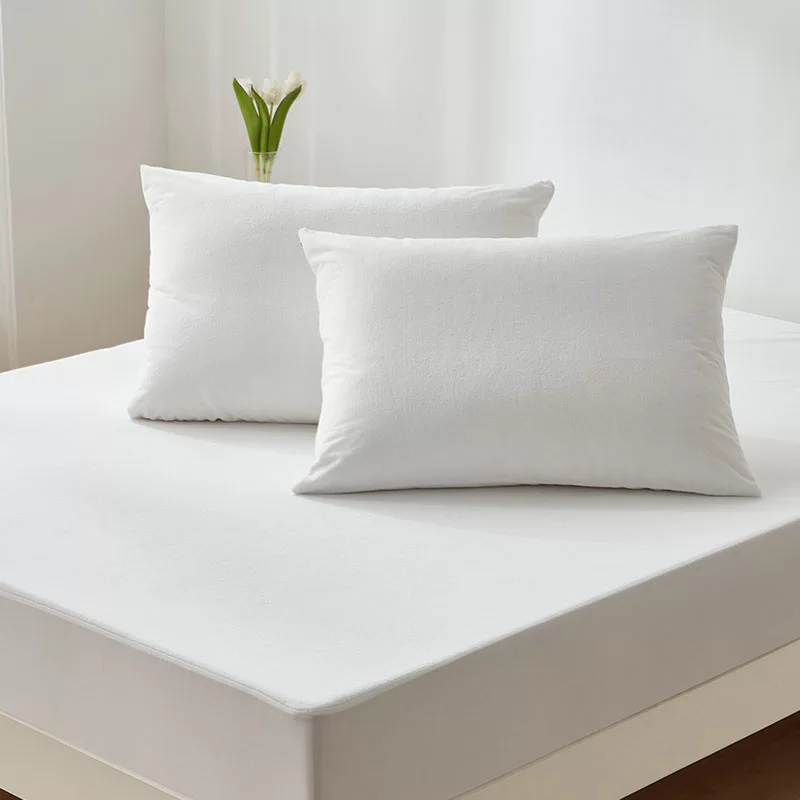
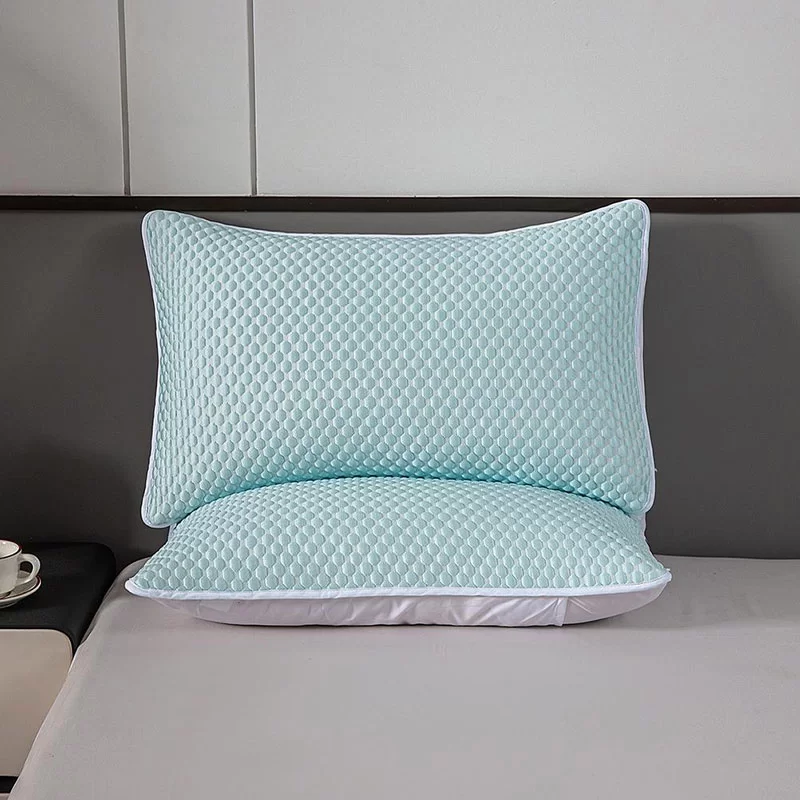
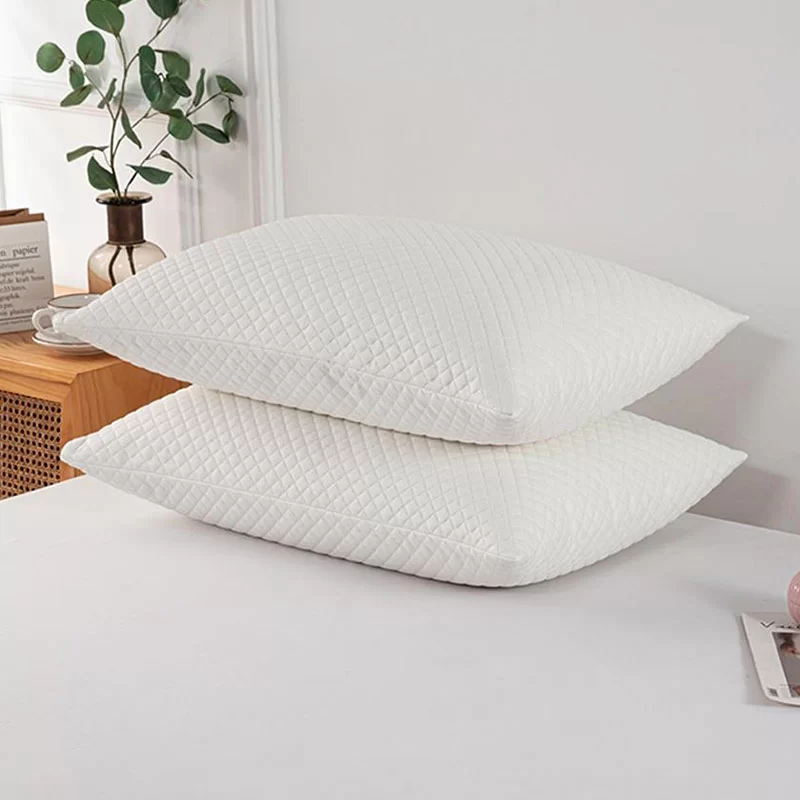
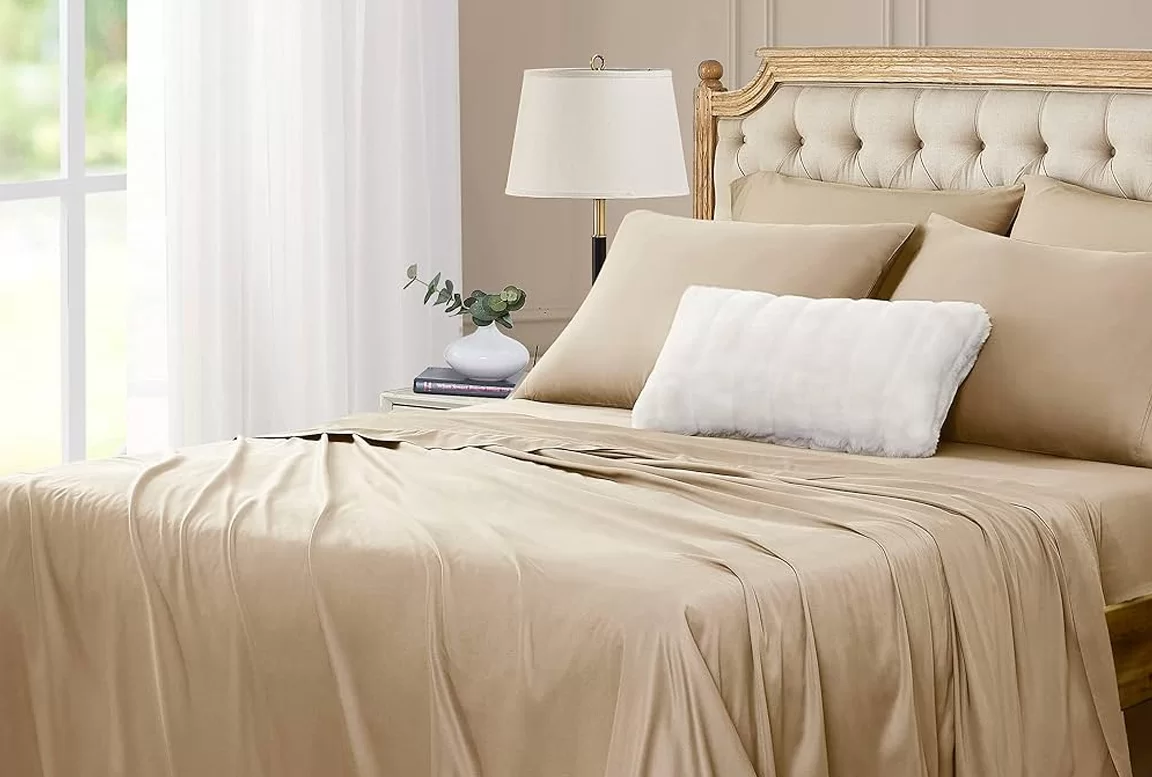
Home Textiles:Polycotton is widely used in home linens due to its wrinkle resistance and longevity. Common applications include bed sheets, pillowcases, duvet covers, curtains, tablecloths, and napkins. It balances the softness needed for bedroom linens with the sturdiness required for high-traffic areas like dining rooms.
Industrial & Commercial Uses:In commercial settings, polycotton is used for aprons, tablecloths in restaurants, and linens in hotels—where frequent washing and durability are essential. It’s also employed in lightweight bags, tote bags, and even some types of canvas for art or crafts.
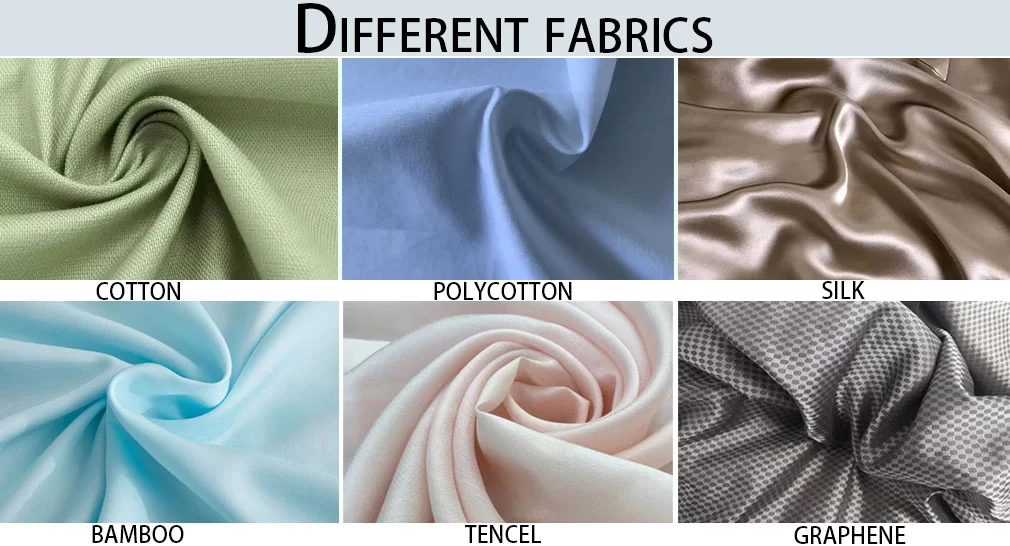
Common Weaves
Poplin: A light, crisp weave popular for shirts and uniforms.
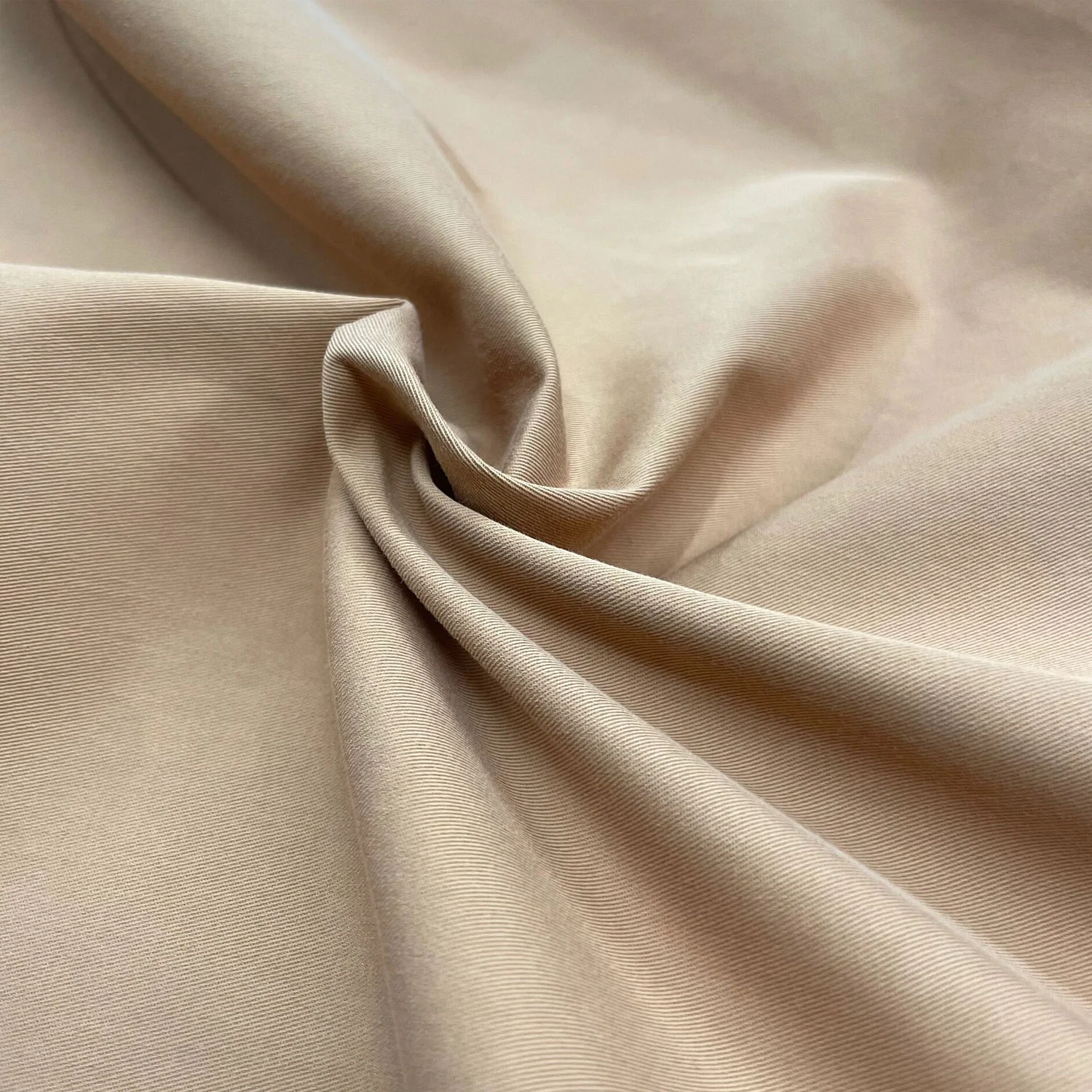
Twill: Diagonal rib pattern, durable and drapes well, used in chinos and work pants.
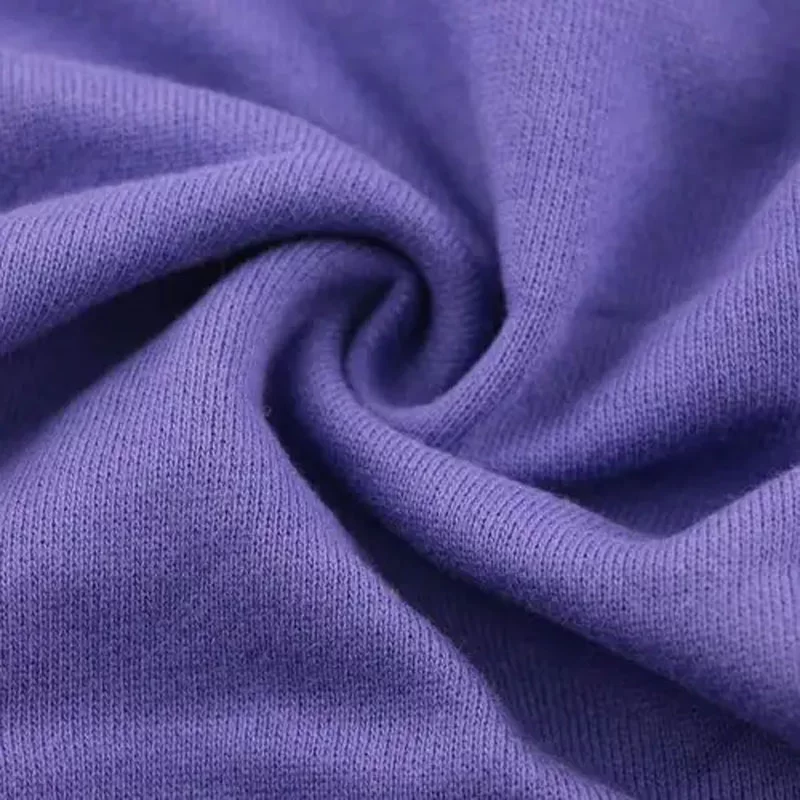
Jersey Knit: Stretchy and soft, used for T-shirts and casual wear.
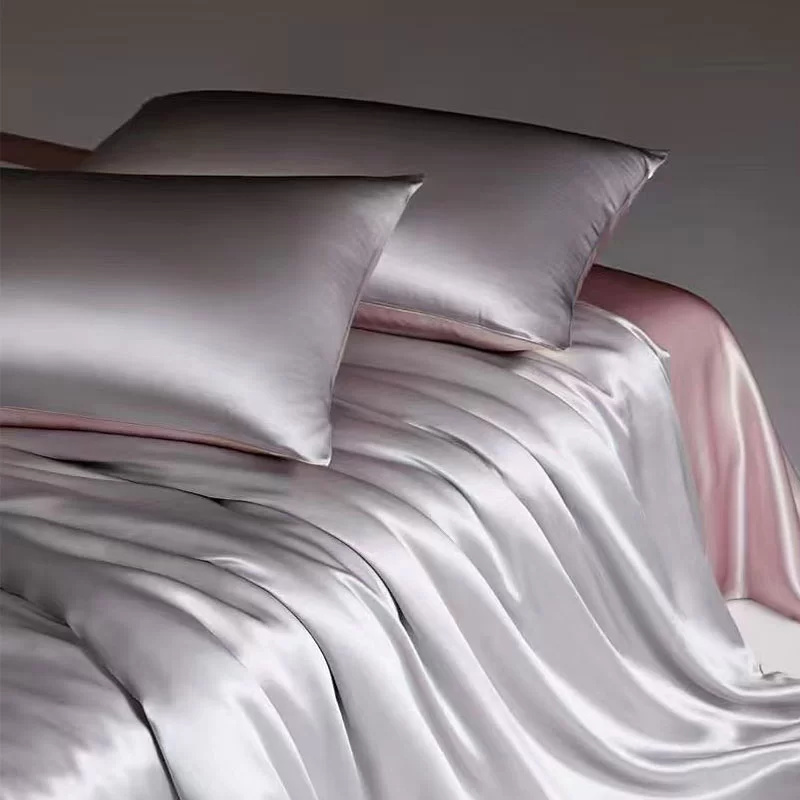
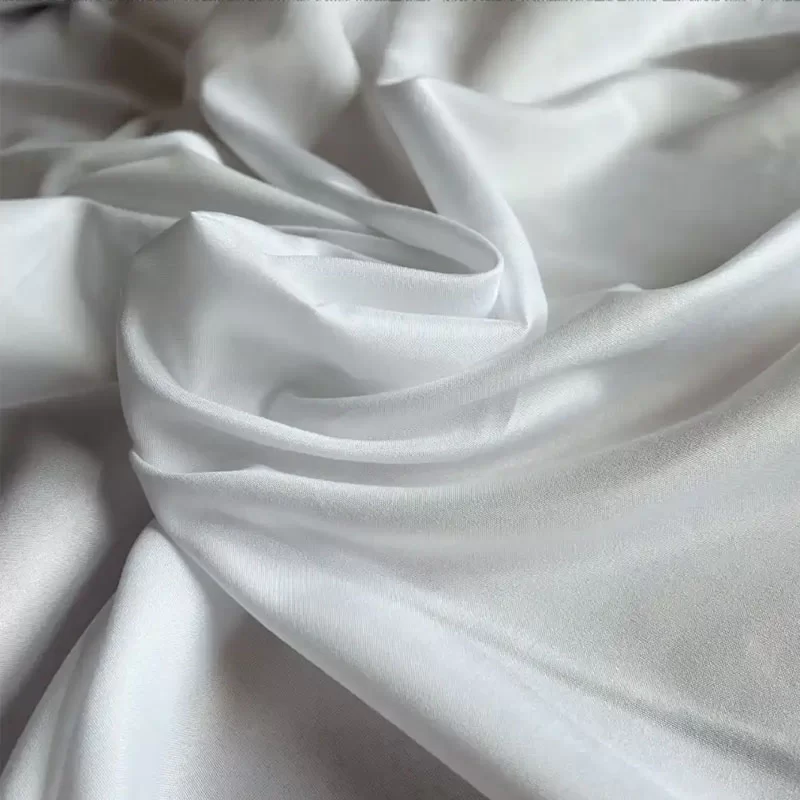
Sateen: Smooth, lustrous finish, often used for bedsheets.
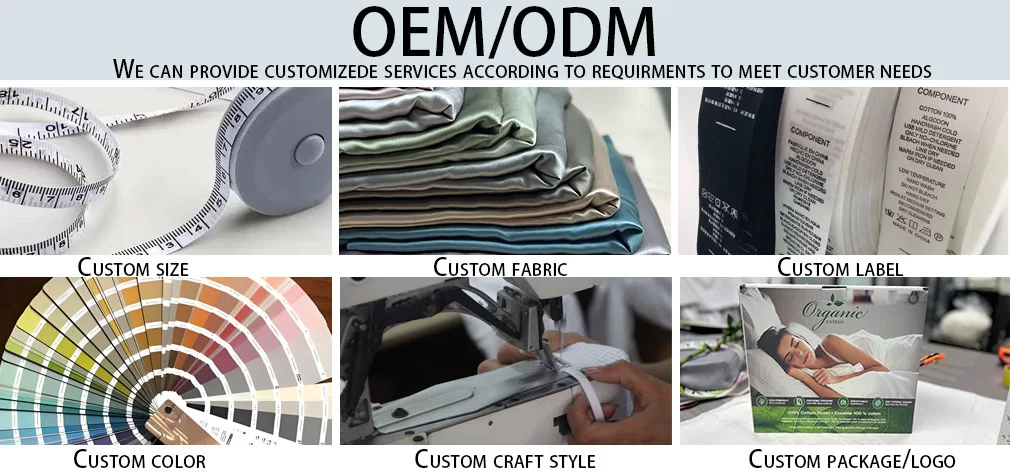
Care Guidelines
To maximize the lifespan of polycotton items, follow these simple care tips:
- Washing: Machine wash in cold or warm water (avoid hot water, which can damage the cotton component). Use a mild detergent and avoid bleach, as it can fade colors and weaken fibers.
- Drying: Tumble dry on low heat or hang to dry. High heat may cause minor shrinkage or damage the polyester’s wrinkle-resistant properties.
- Ironing: Most polycotton blends require little to no ironing. If needed, iron on a medium heat setting (avoid high heat, which can scorch cotton).
- Storage: Store in a cool, dry place to prevent mildew.Avoid overcrowding, as this can cause wrinkles.
Supply Chain Advantages
Minimum Order Quantity: 500 meters for standard, 1,000 meters for custom
Lead Time: 30-45 days for standard inventory, 60-75 days for custom development
Global Logistics: Pre-cleared customs documentation, container optimization
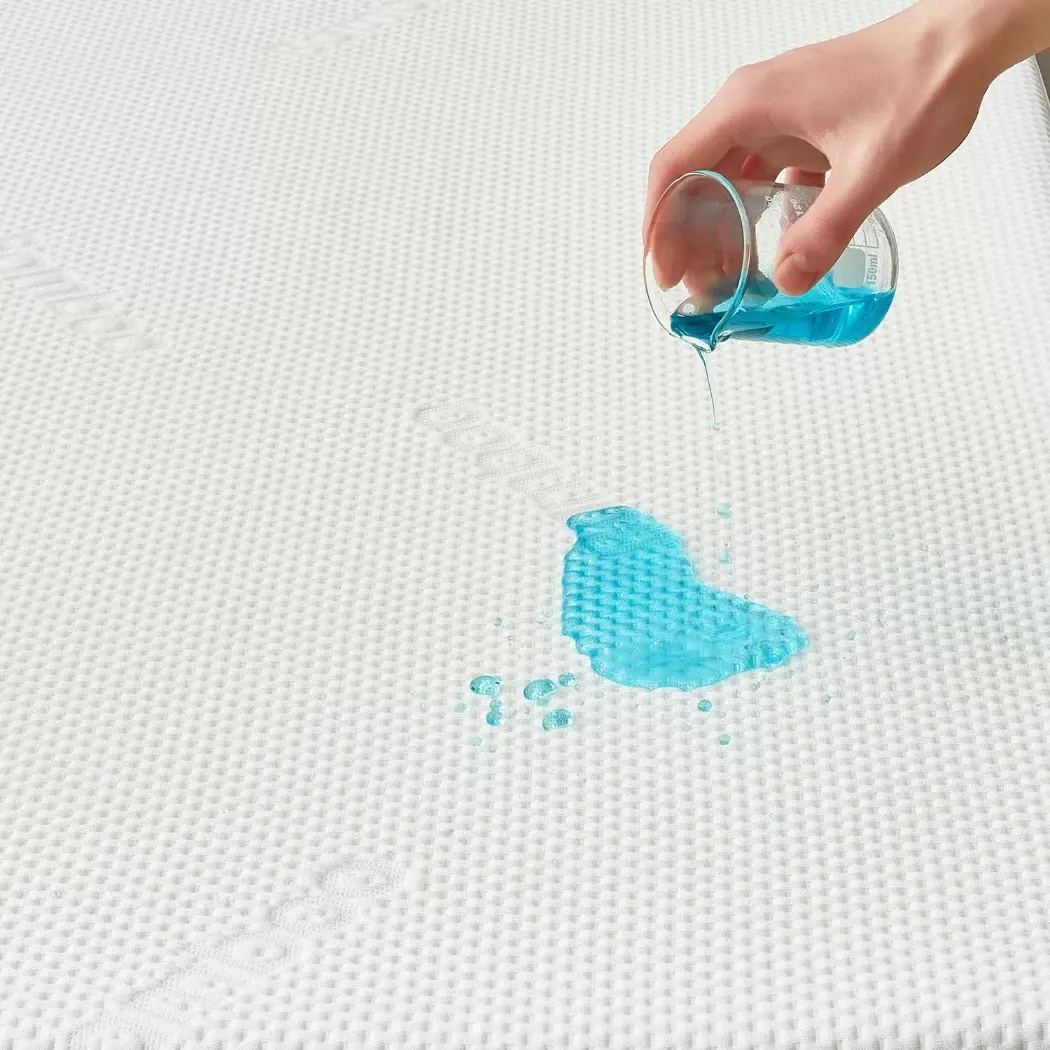
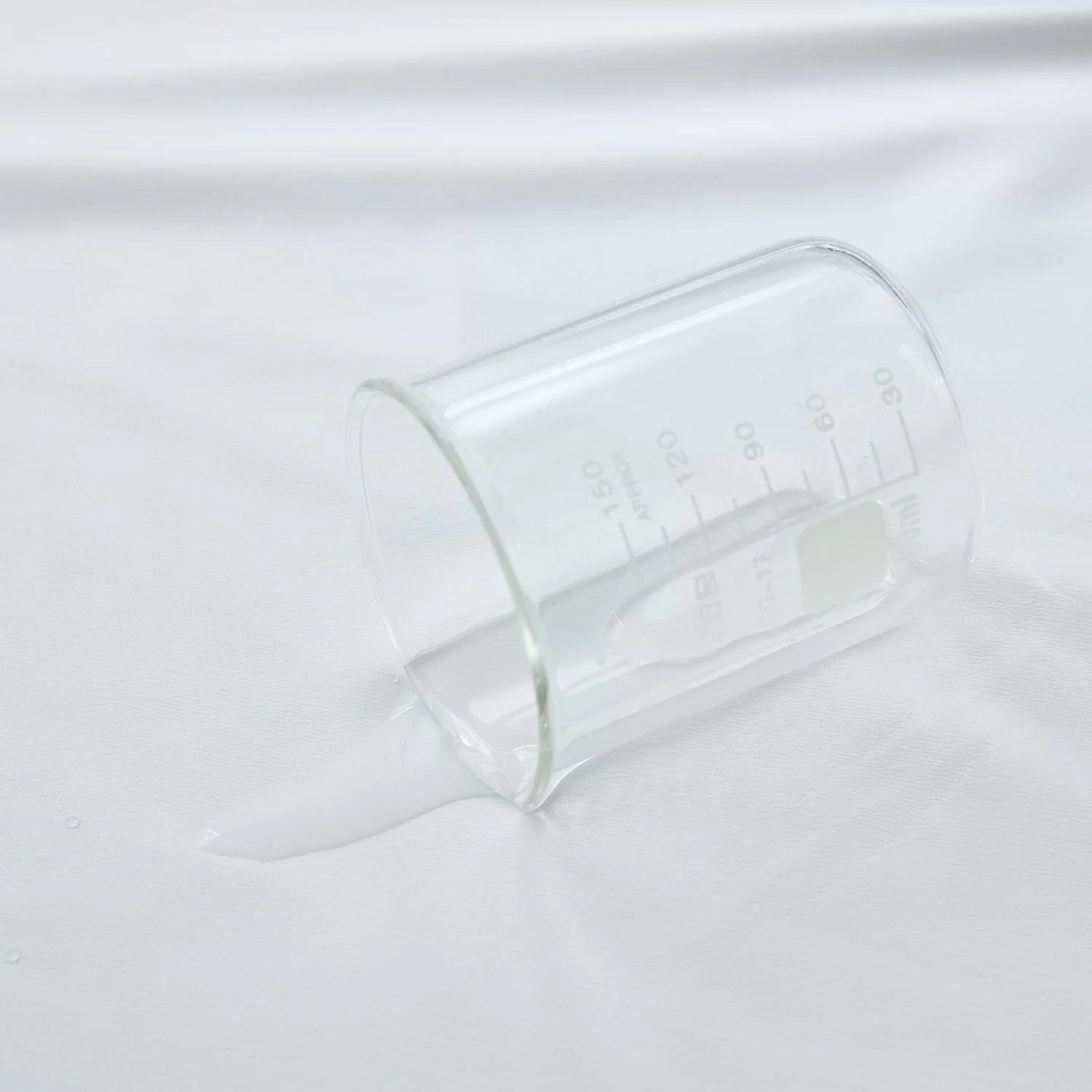
Quality Assurance: 100% waterproof testing, batch certification with traceability
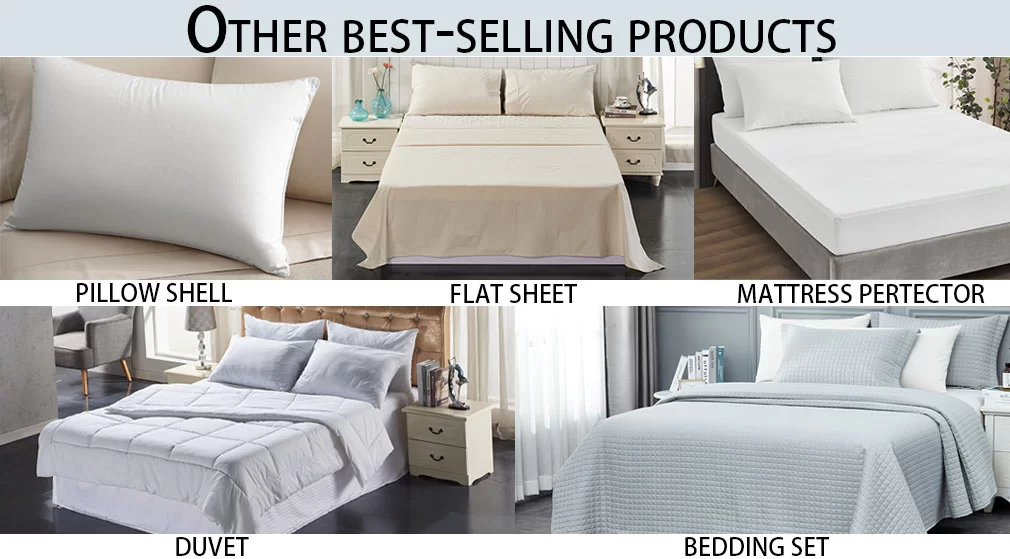
Company Introduction
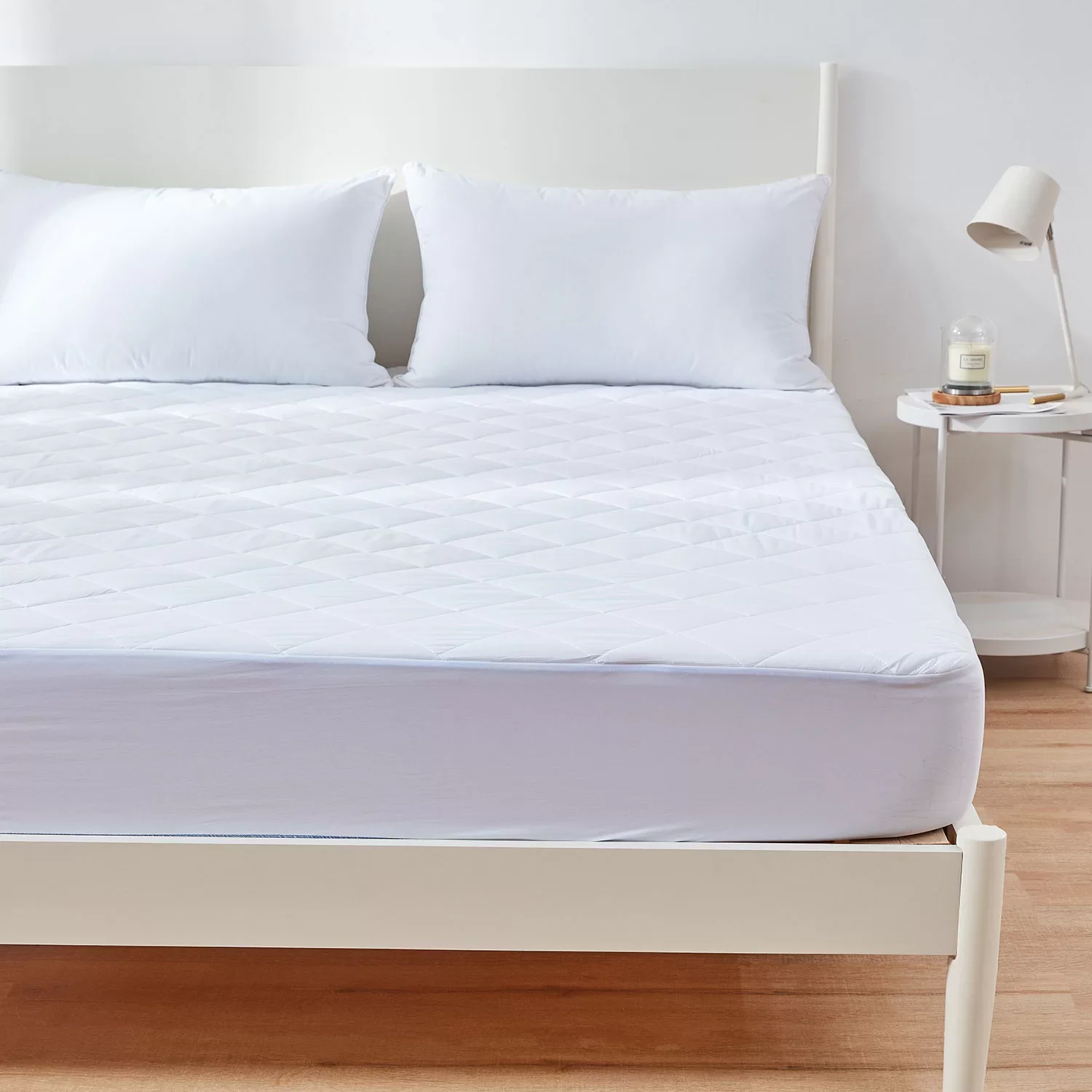
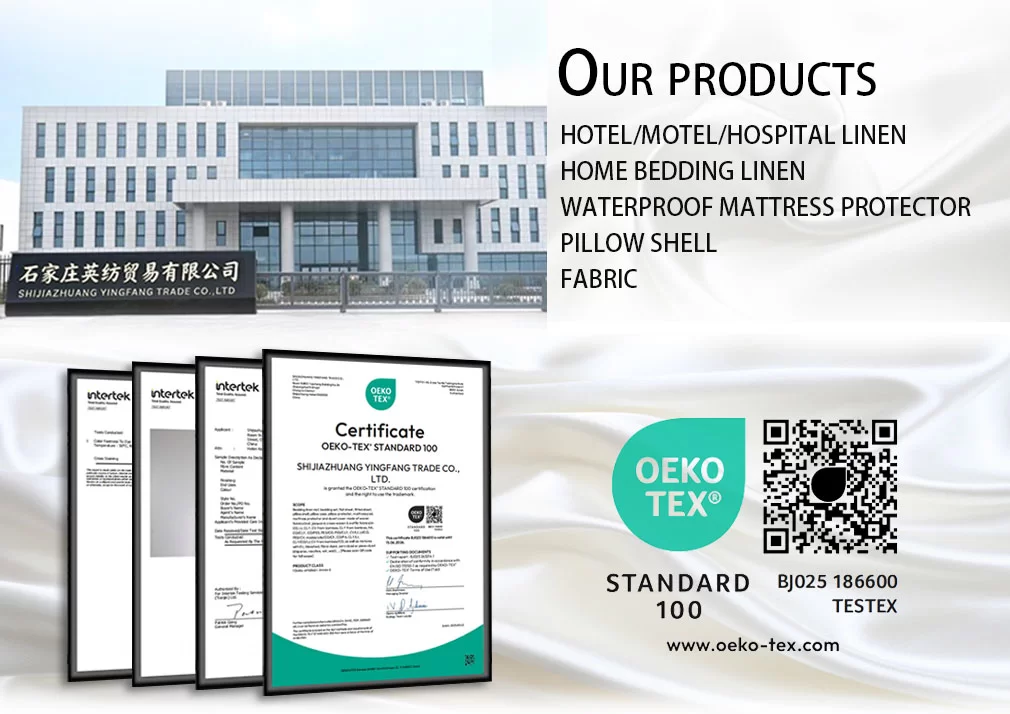
We SHIJIAZHUANG YINGFANG TRADE CO.,LTD extensive textile product range includes: high quality white & vat dye coloured bed sheets , fitted sheet and pillowcases, quilts, white satin striped & printed quilt covers, blankets, pillows, waterproof mattress & pillow protectors, quilted mattress pad ,mattress toppers,waterproof bed bug mattress encasement, pillow shell , cover, apron , accessories and so on mainly used for hospital , hotel , and home.
We located in Shijiazhuang, the capital of Hebei Province, and the factories locate in YUANSHI county , which famous for cotton . YUANSHI is only 300 km away from the capital Beijing, about 320 kilometers east of Xingang Port, 20 kilometers south of the provincial capital Shijiazhuang. The geographical environment is advantageous and traffic is very convenient. Through 15 years developed we have become a large Group , owns 2 factories and 1 trading companies, including JINZHIJI HOME Textile Factory and GAOYI ROUMENG. The company brings in advanced testing & production equipment to guarantee the quality of our products precisely. Our goods have delivery to more than 30 country including:the UK,the USA,Austria,Canada,Mexico,Belarus,Hungary, SouthKorea, Australia, France, Belgium, Cuba, Vietnam, Kuwait, Qatar, Ireland, Italy, Netherlands, Norway, Portugal, Singapore, Brunei, Philippines, Panama, Romania, Malaysia, Russia, Spain, Switzerland, Uzbekistan, Tajikistan, Thailand, Laos, Israel, Egypt, Iran, Turkey, Yemen,etc.
We set up the policy of "Quality First, Customers Priority and Price Reasonable " as our service purpose. We try to obtain the trust from the broad masses of the customers with high quality products and considerate service.We can meet all your needs and support the customization of various products.Hope we can be your trustable business partner.
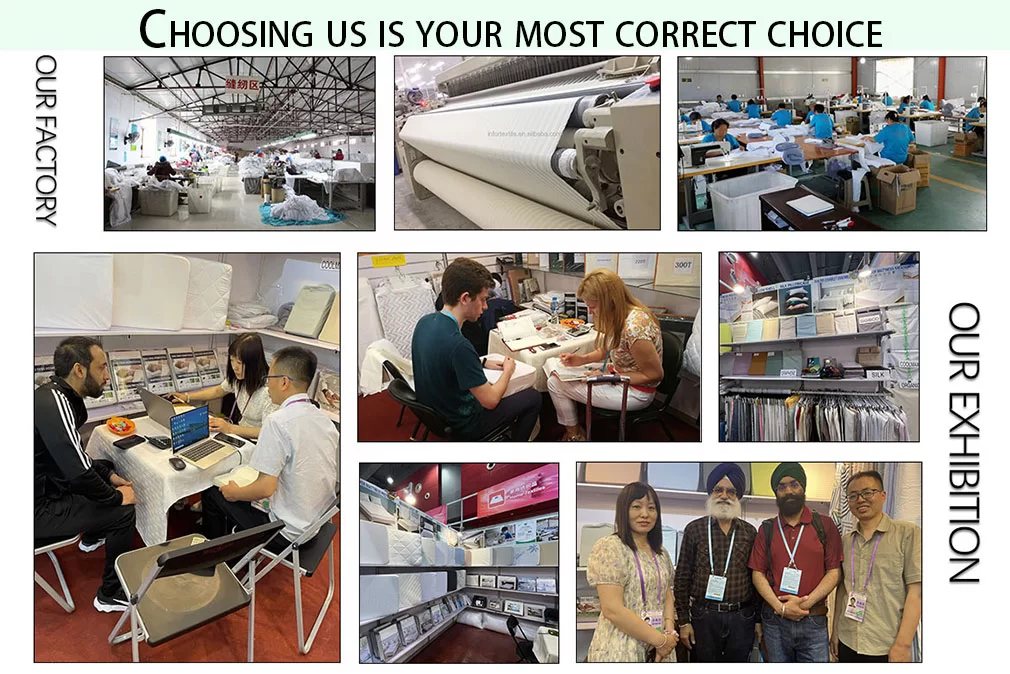
Polycotton Fabric Customer Evaluation

Polycotton Fabric FAQ
-
What is polycotton fabric?
Polycotton fabric is a blend of polyester and cotton fibers, typically with a ratio of 65% polyester to 35% cotton, though it can vary. This fabric combines the natural softness and breathability of cotton with the durability and wrinkle-resistance of polyester, creating a versatile and low-maintenance material.
-
What are the benefits of using polycotton fabric?
Polycotton fabric offers a number of benefits, including durability, easy care, and comfort. The polyester content adds strength, making the fabric resistant to shrinking and wrinkles, while the cotton provides breathability and softness. It is also more affordable compared to 100% cotton fabrics, offering a balance between natural and synthetic fibers.
-
Is polycotton fabric breathable?
Yes, polycotton fabric is breathable, though not as much as pure cotton. The cotton portion of the blend allows air to circulate, making it suitable for warm weather. However, because of the polyester content, it tends to retain heat a bit more than 100% cotton, so it may not be as cool in extremely hot conditions.
-
How do I care for polycotton fabric?
Polycotton fabric is low-maintenance and easy to care for. It can be machine washed in cold or warm water with mild detergent. You can tumble dry on a low or medium heat setting, and the fabric is generally resistant to shrinking or wrinkles. For best results, avoid using bleach or harsh chemicals, as they can weaken the fabric over time.
-
Does polycotton fabric wrinkle easily?
Polycotton fabric is more wrinkle-resistant than 100% cotton, thanks to the polyester fibers. While it may still wrinkle under certain conditions, it typically requires less ironing and can maintain a smooth appearance for longer periods. However, heavy wrinkles may form if left in a tight ball after washing, so it’s best to remove it from the dryer promptly or hang it up to dry.
Tell Us Your Needs


Apr 29, 26
Premium Hotel Stripe Bed Linen for Luxury Hospitality Success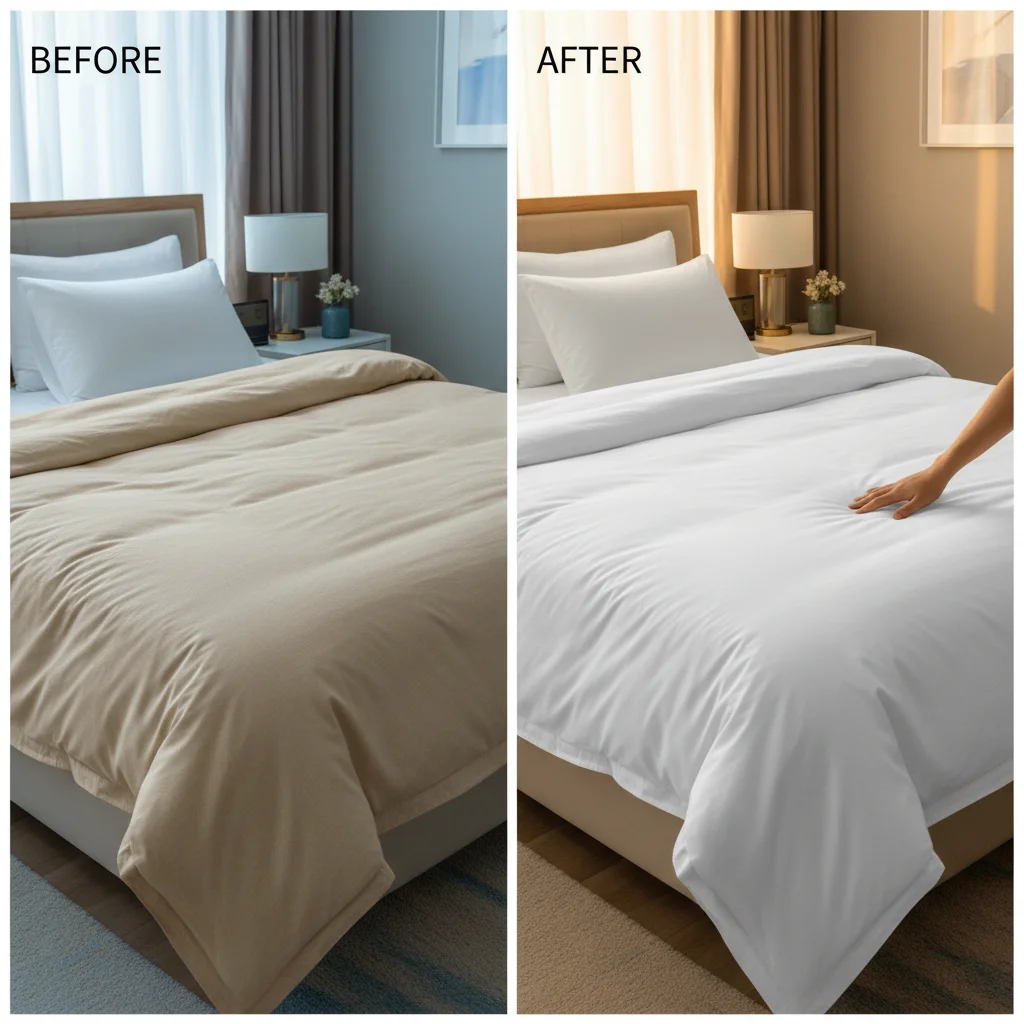
Apr 27, 26
Professional Guide to Choosing Durable Hotel Linen Bed Sheets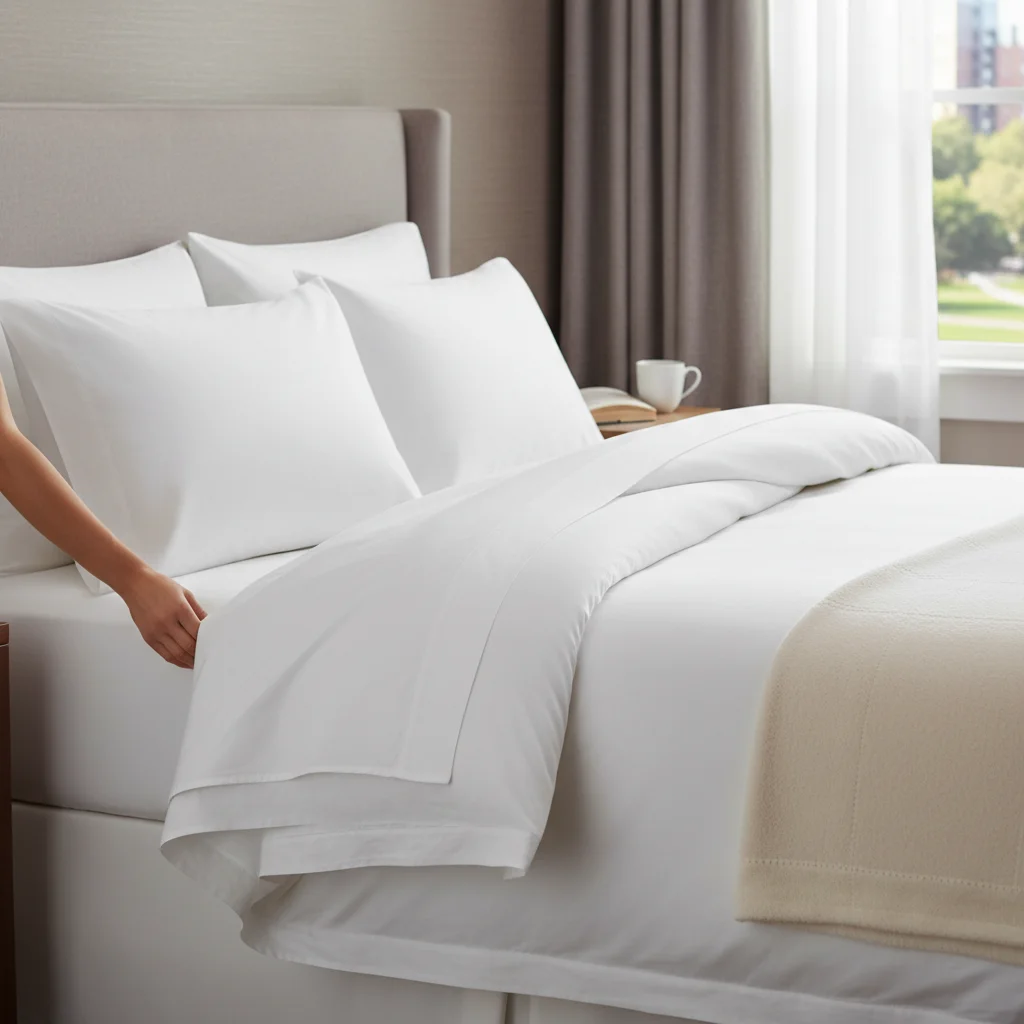
Apr 24, 26
Premium White Hotel Bed Linen for Luxury Hospitality Standards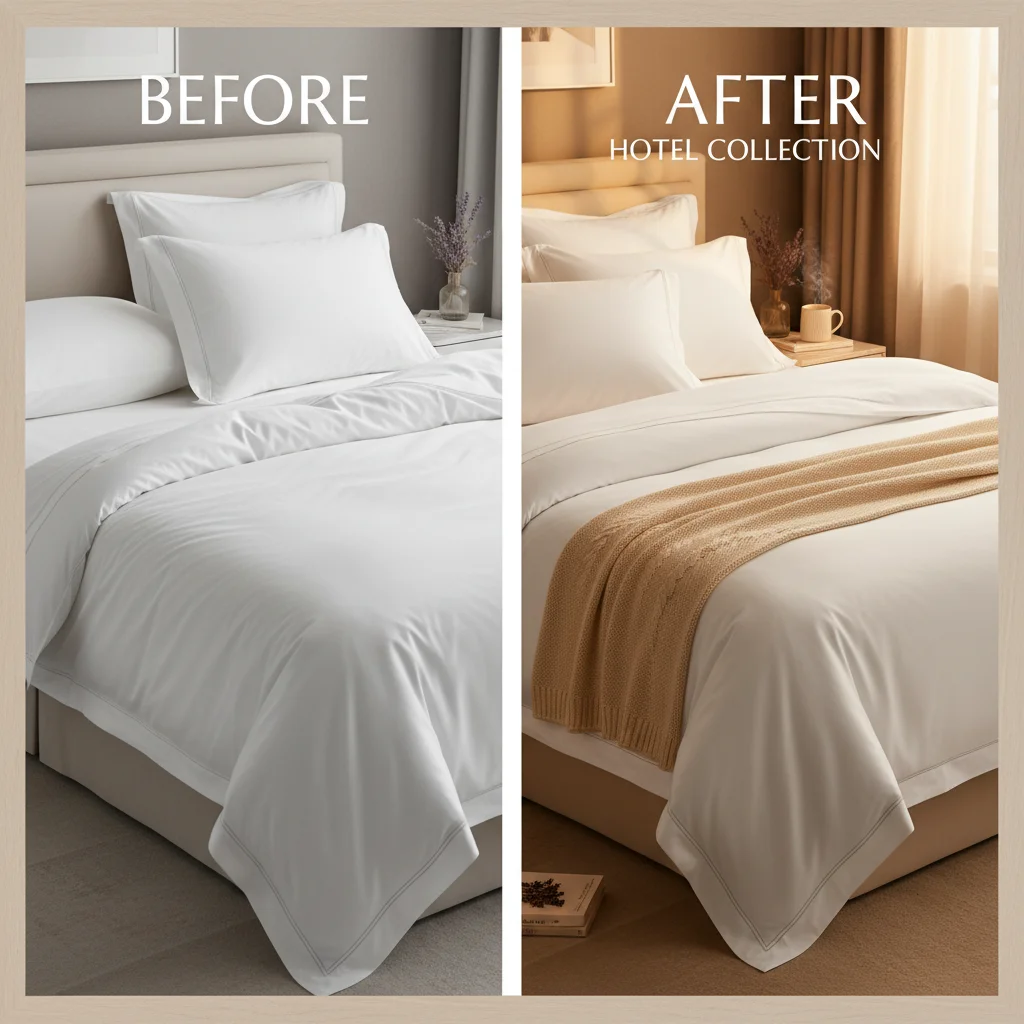
Apr 23, 26
Premium Hotel Collection Bed Linen for Luxury Guest Experience


Contact Us
Email: inforhometextile@126.com
Email: helenkou@126.com
Address
Zerun Building,No.122 Fengshou Road,Chang'an District,Shijiazhuang City,Hebei Province,China
If you are interested in our products, you can choose to leave your information here, and we will be in touch with you shortly.


