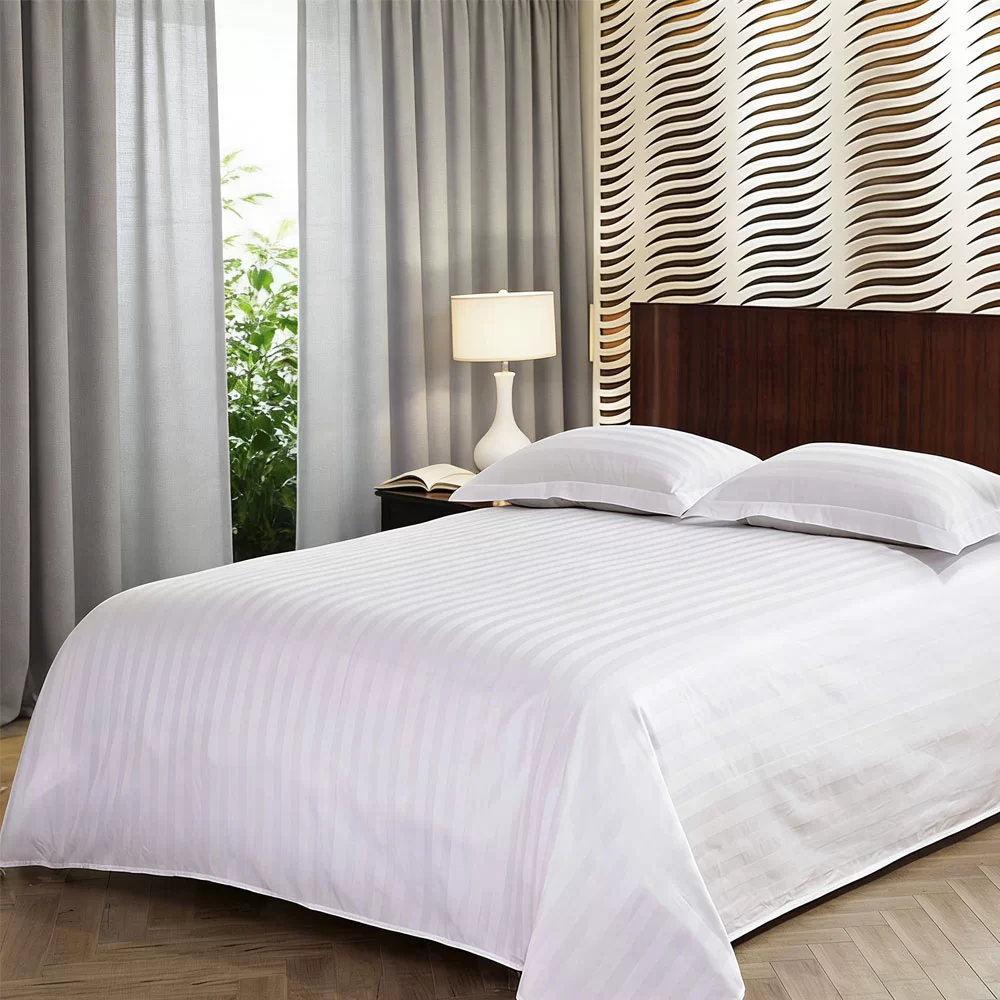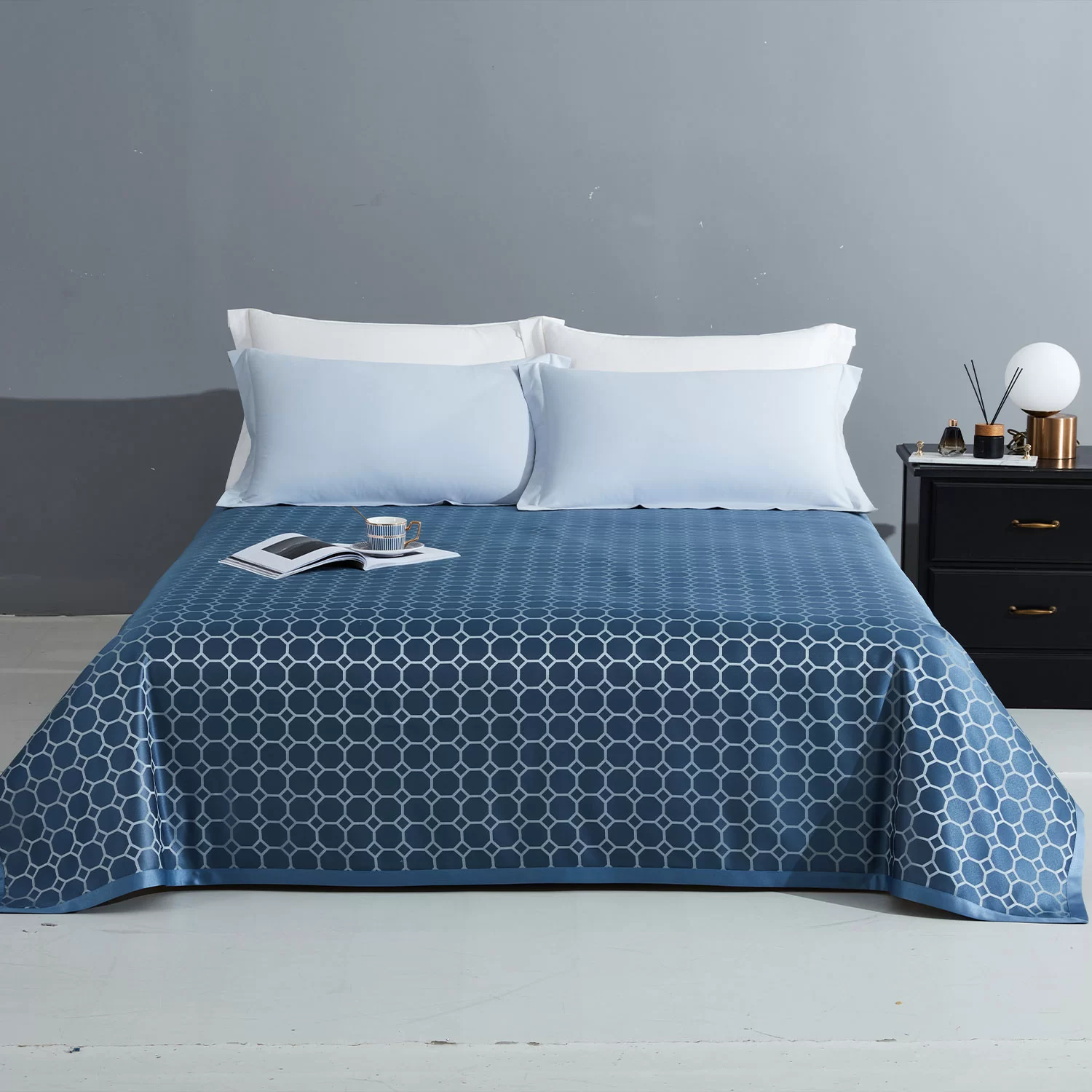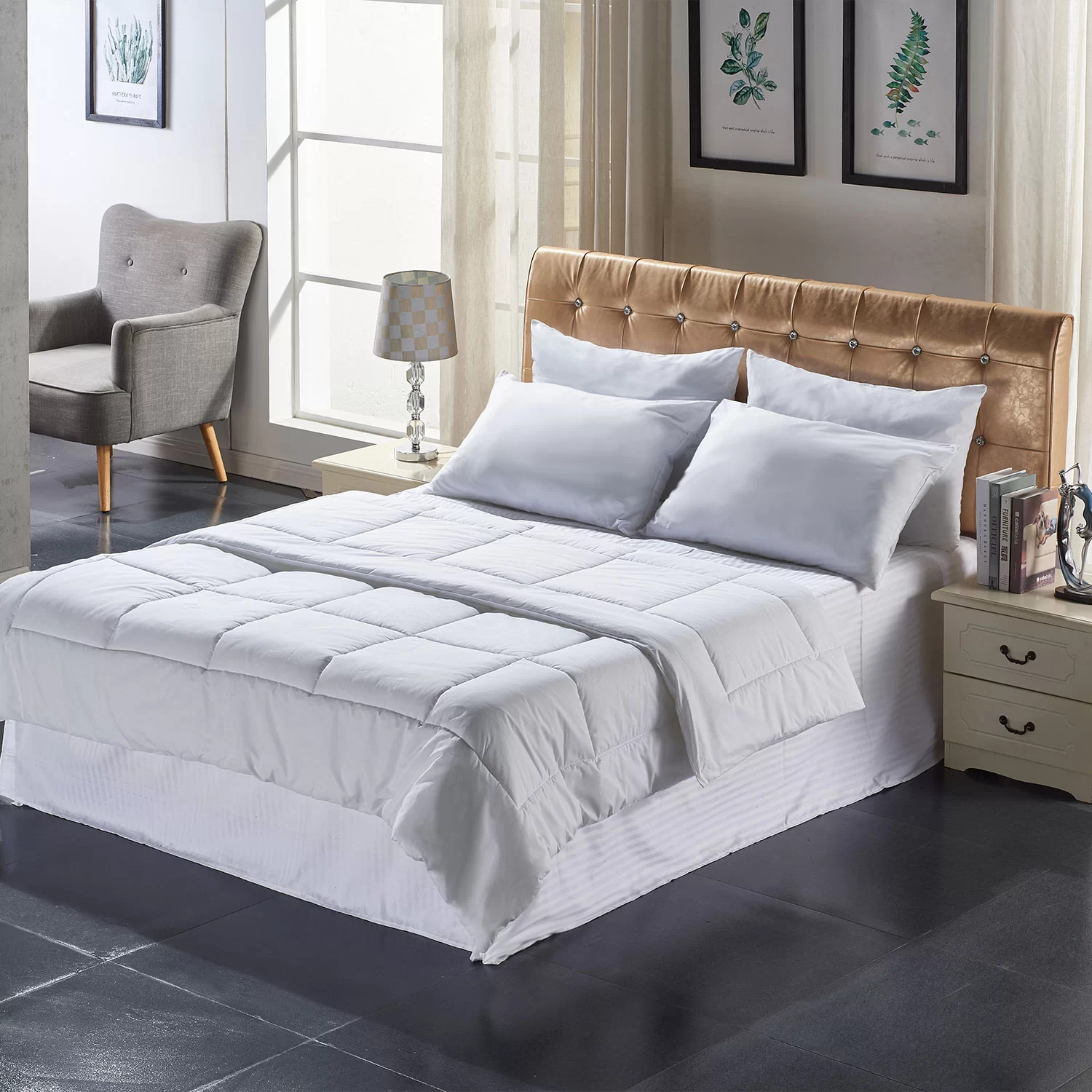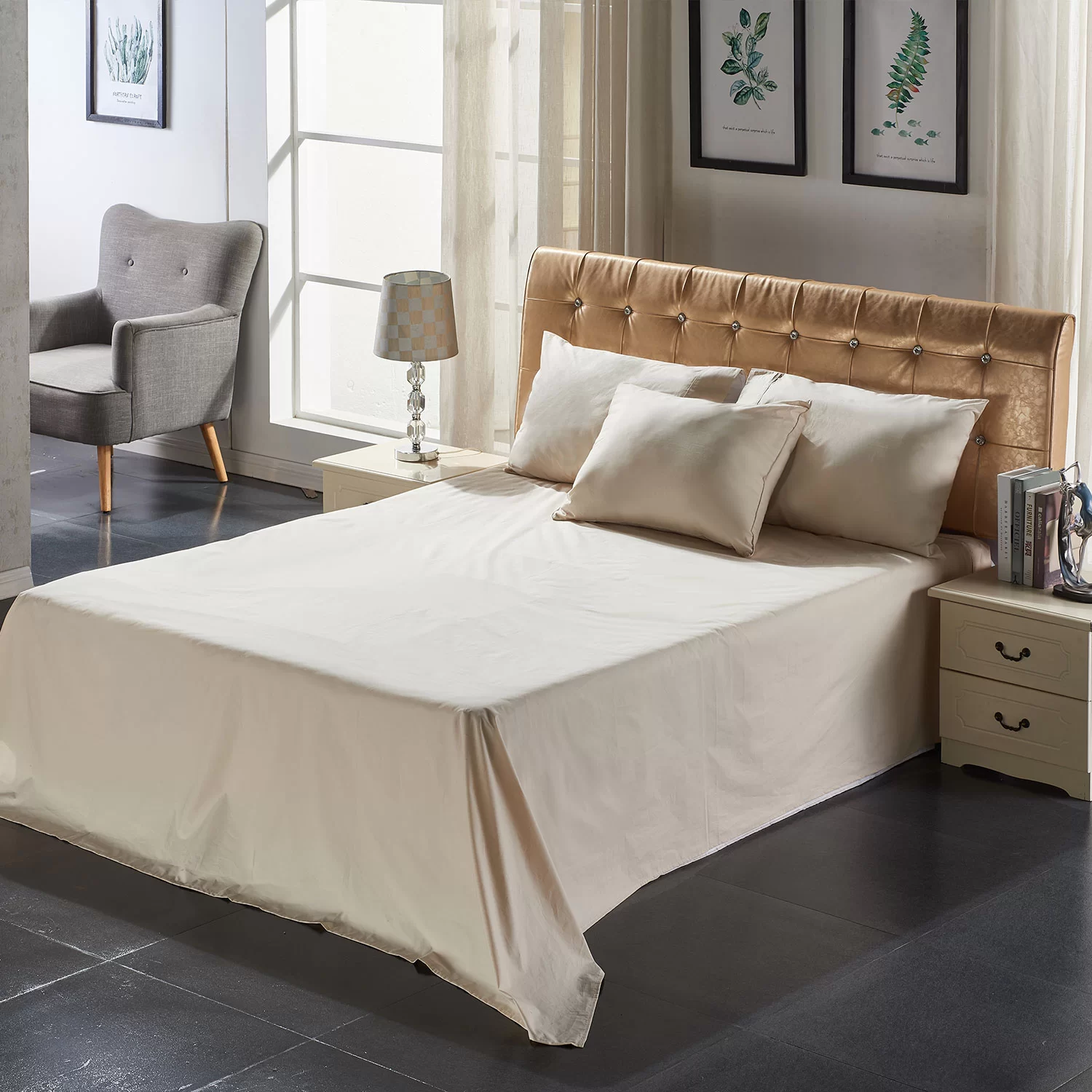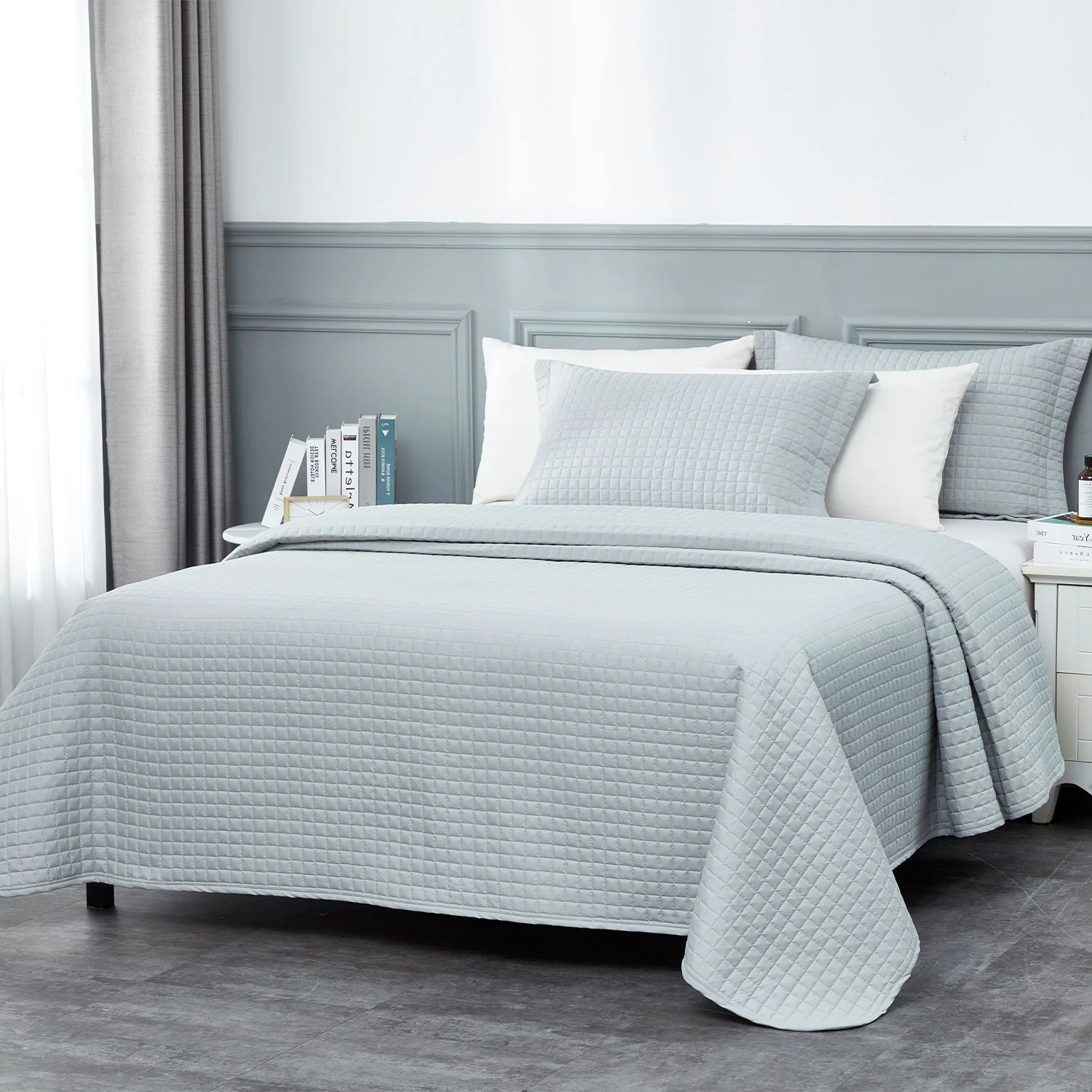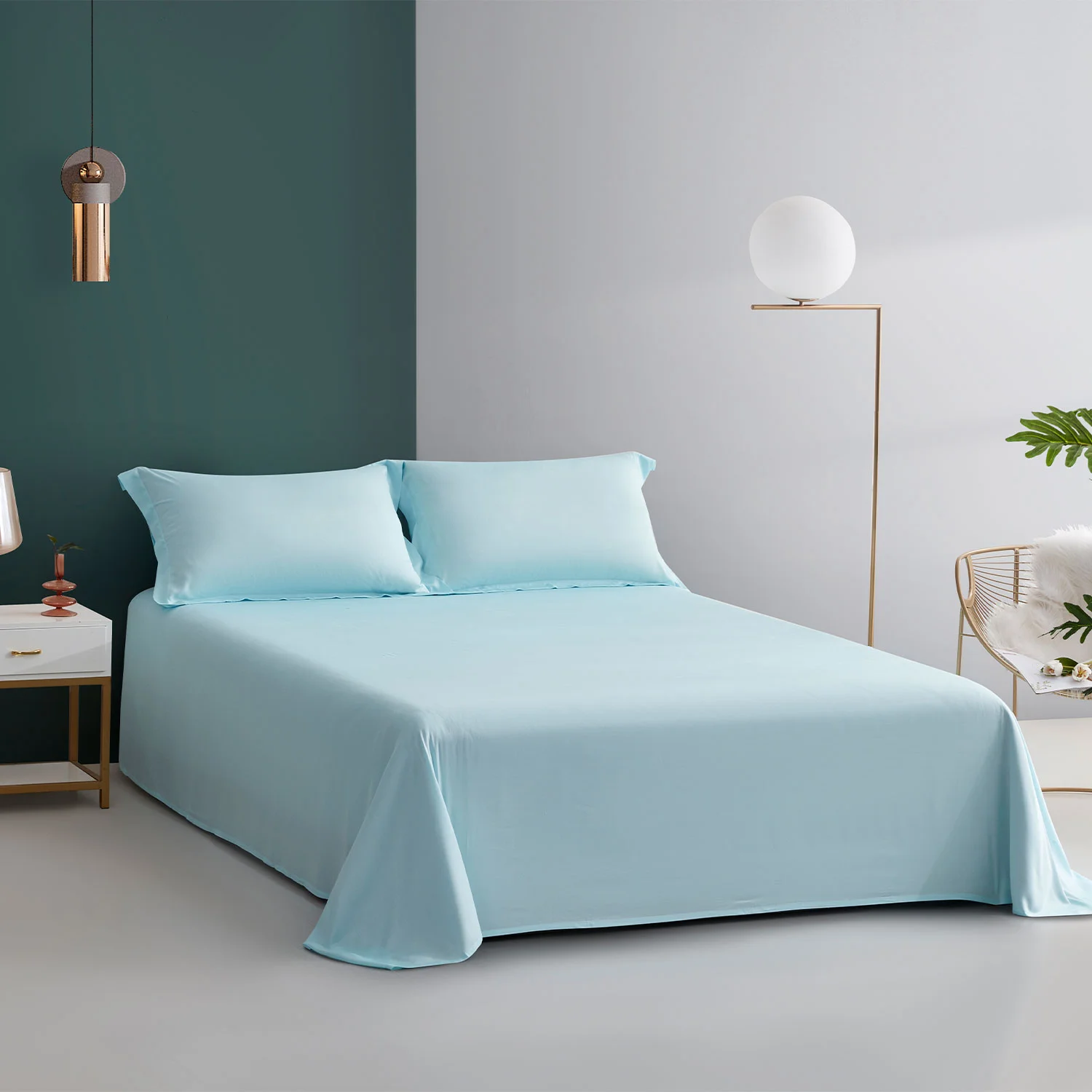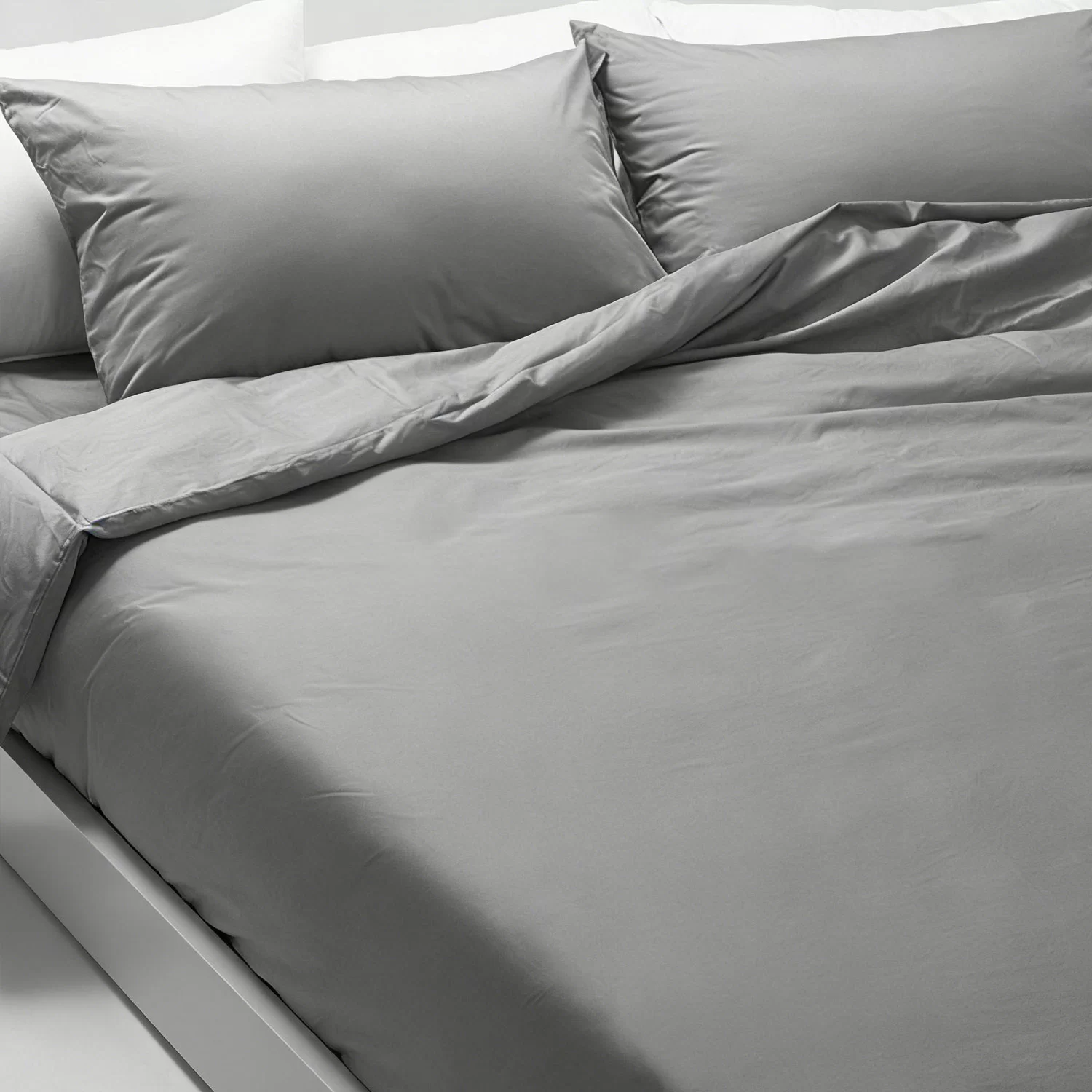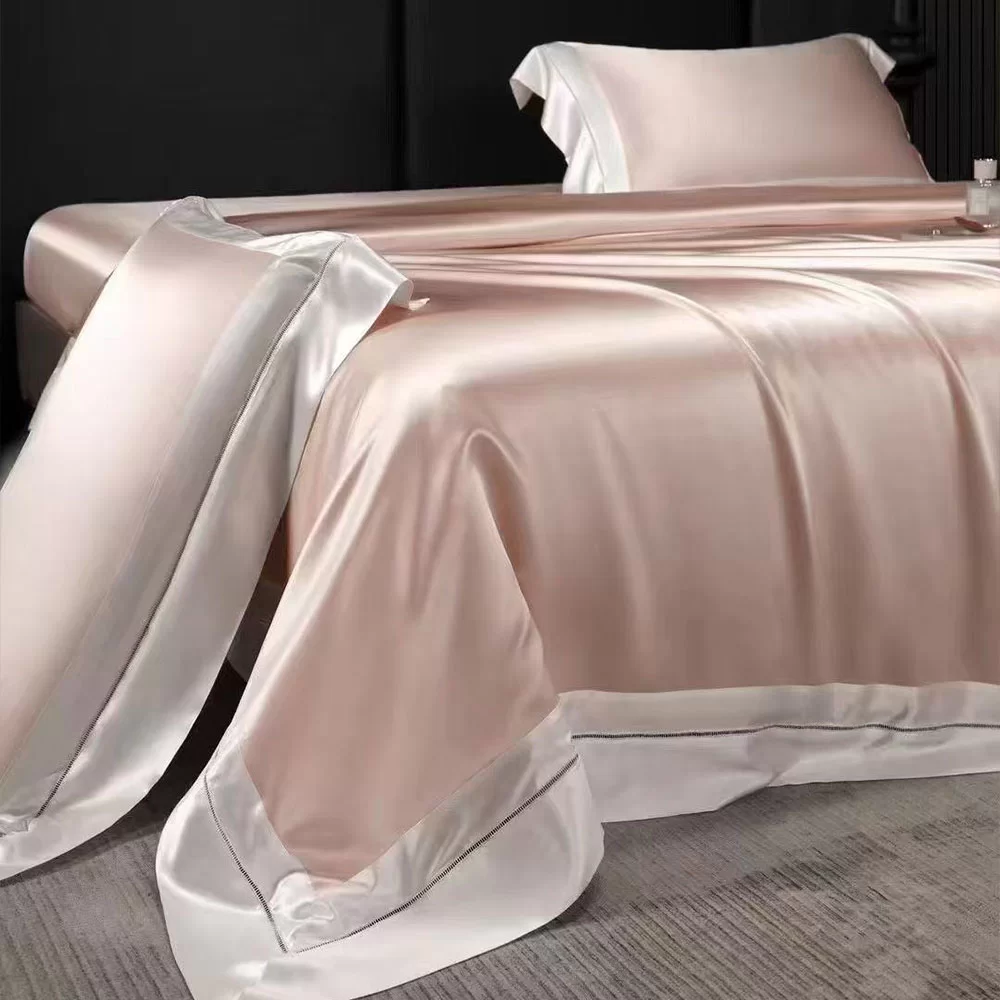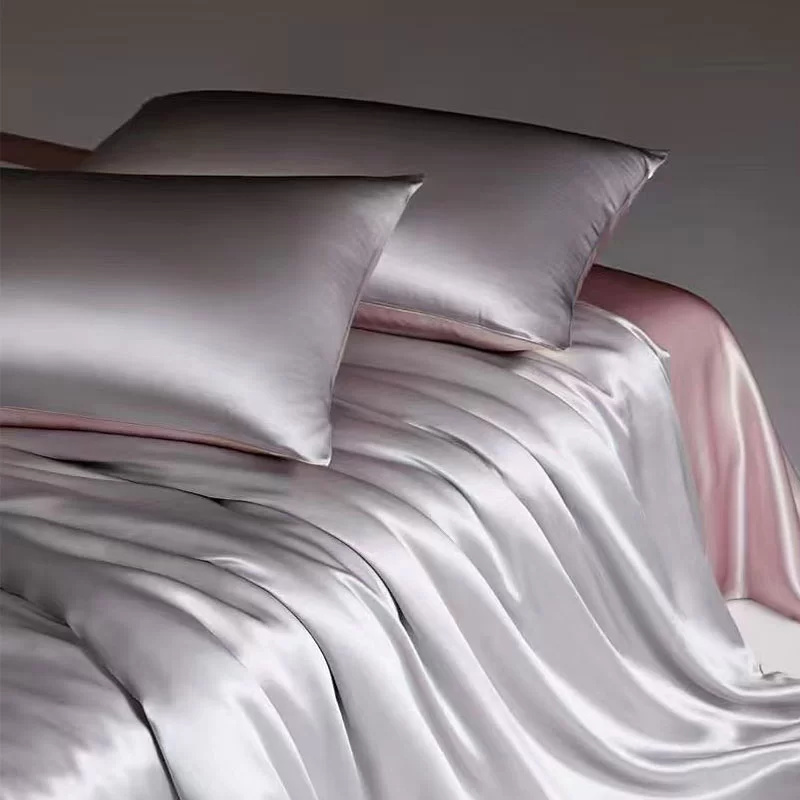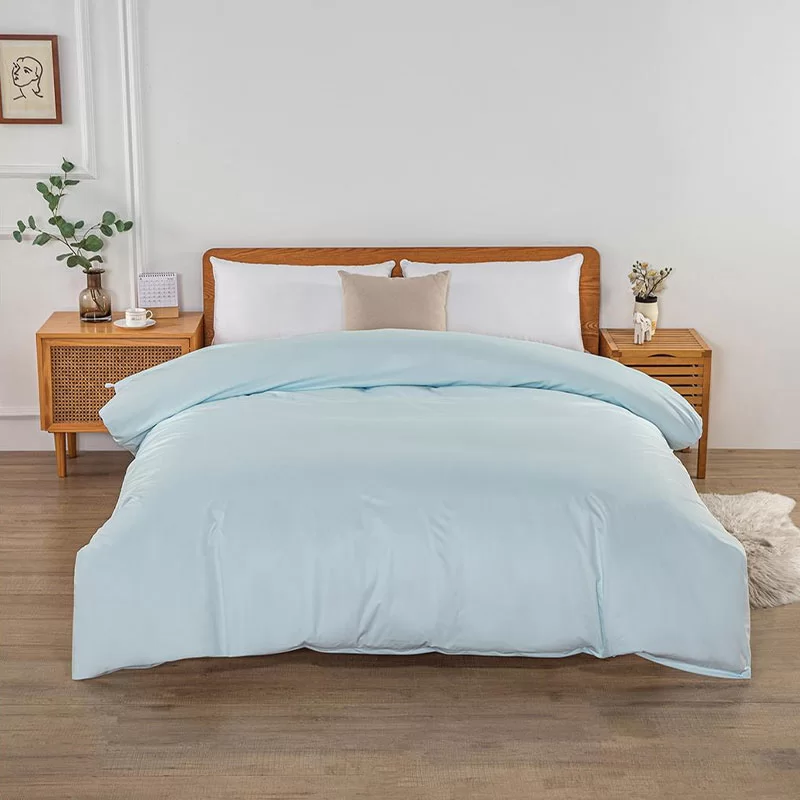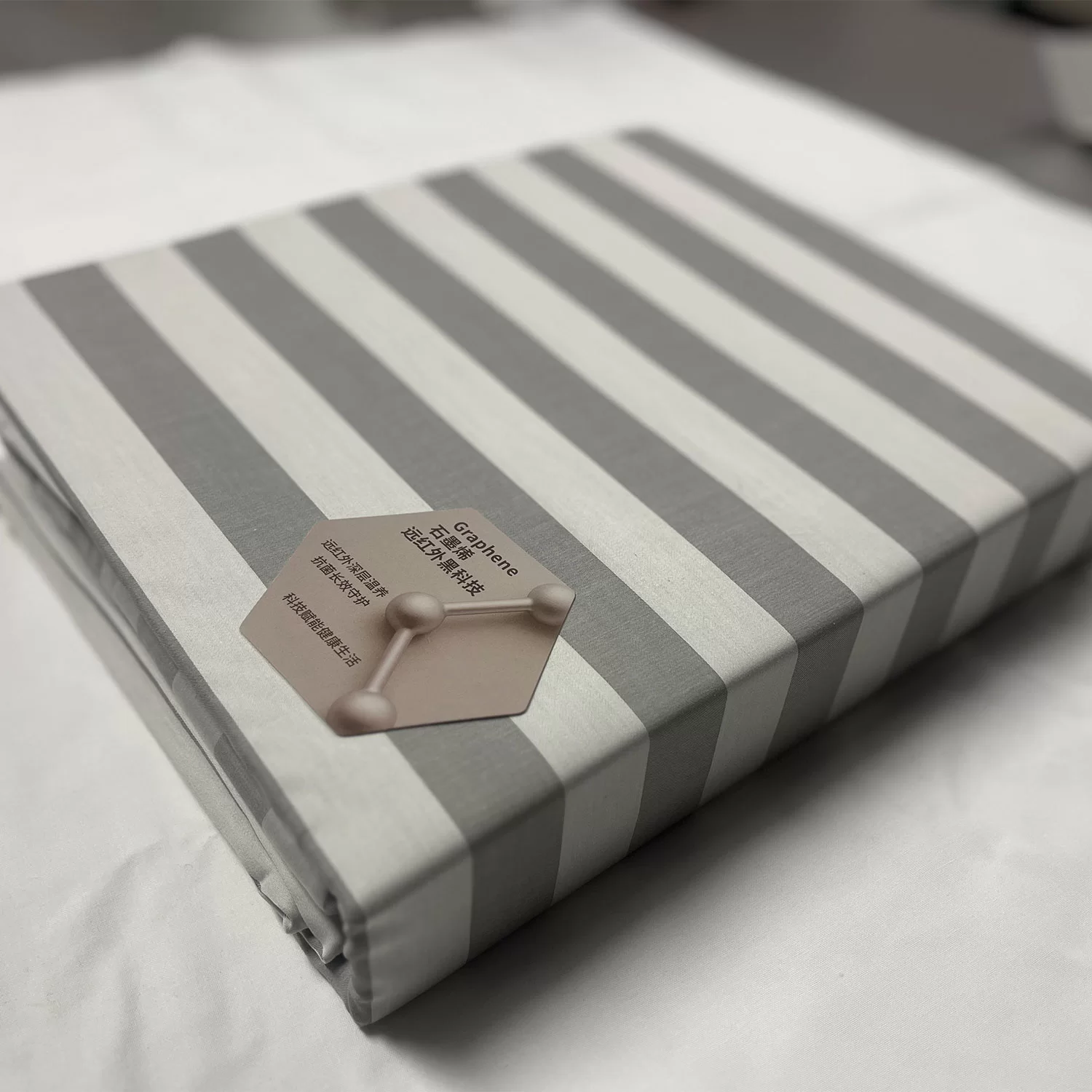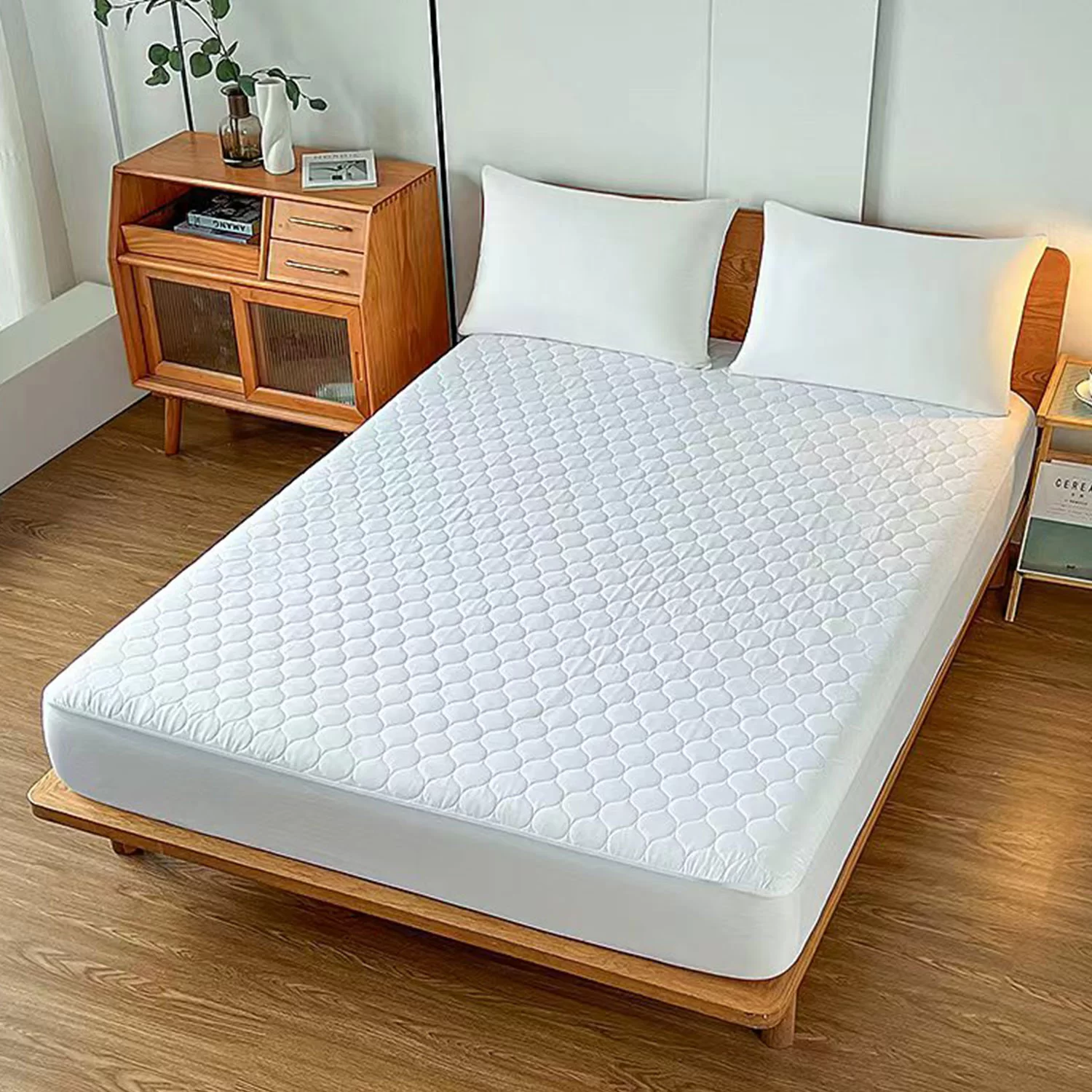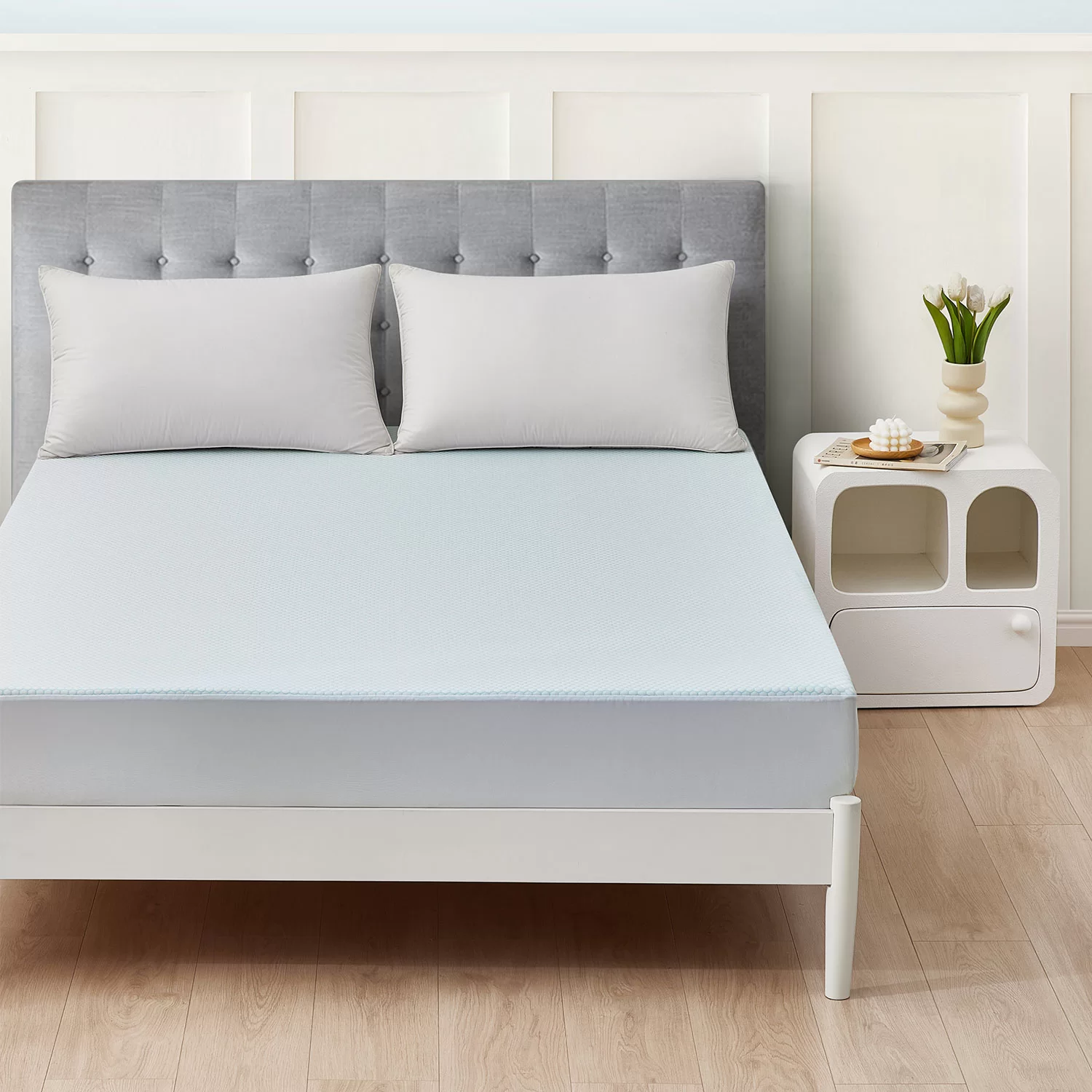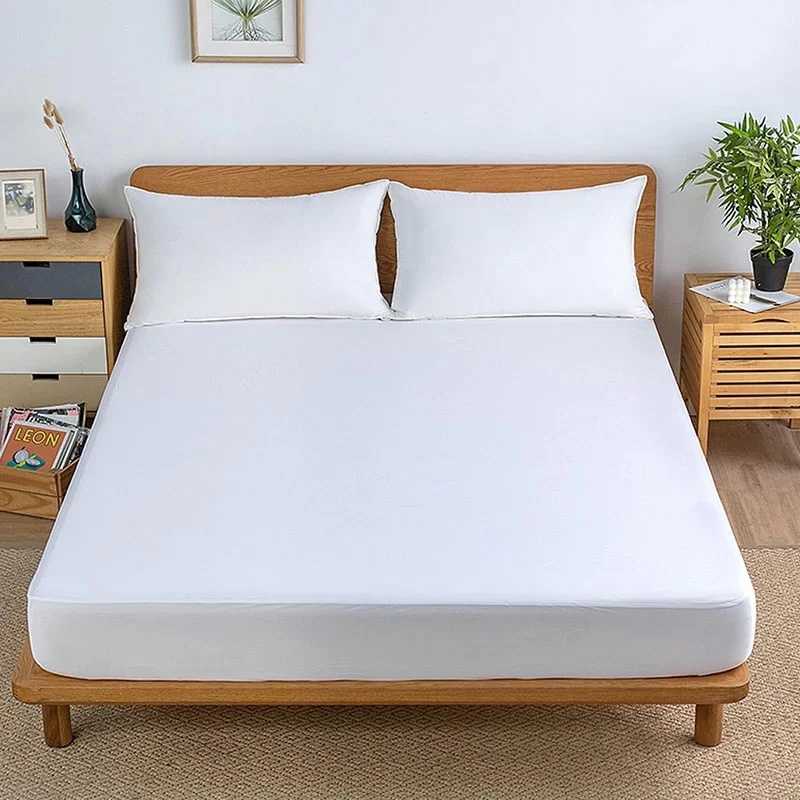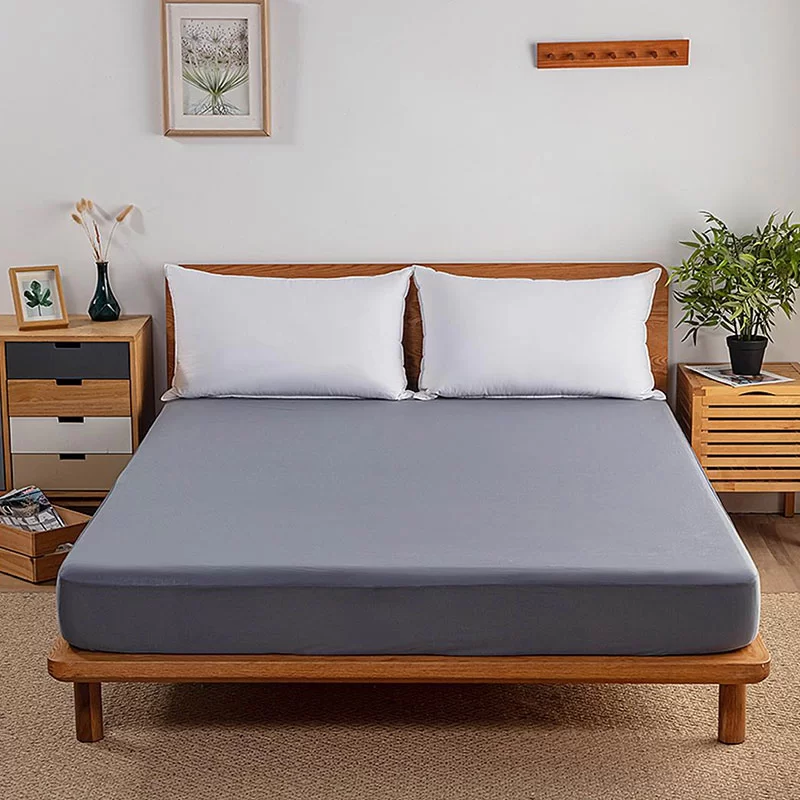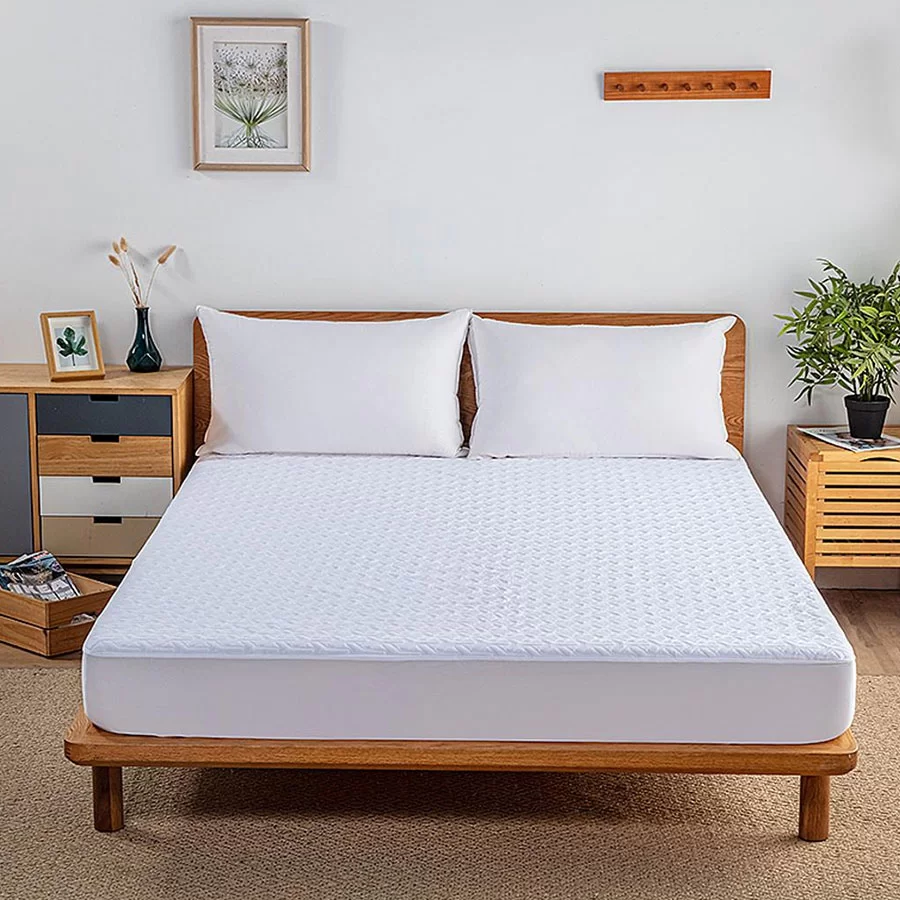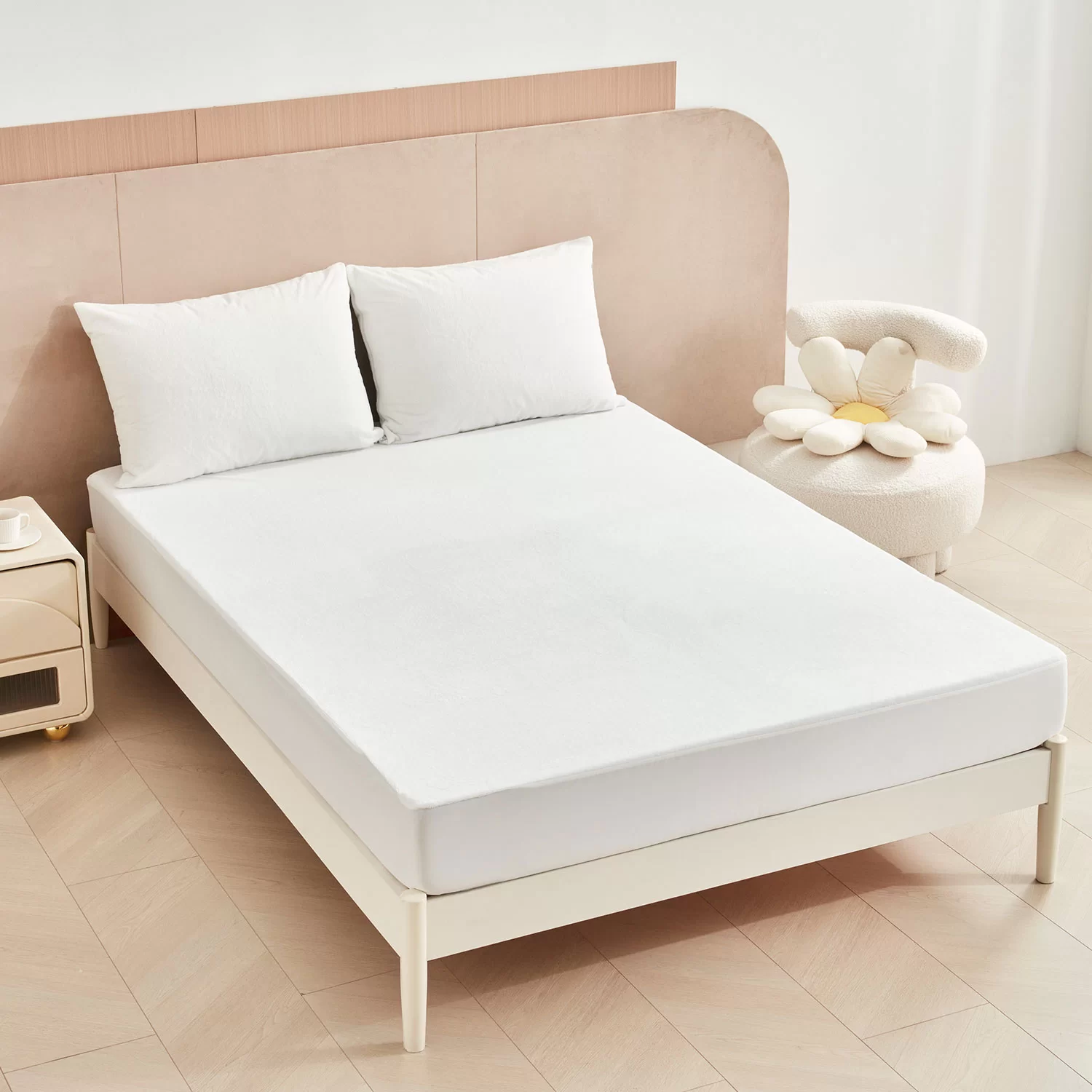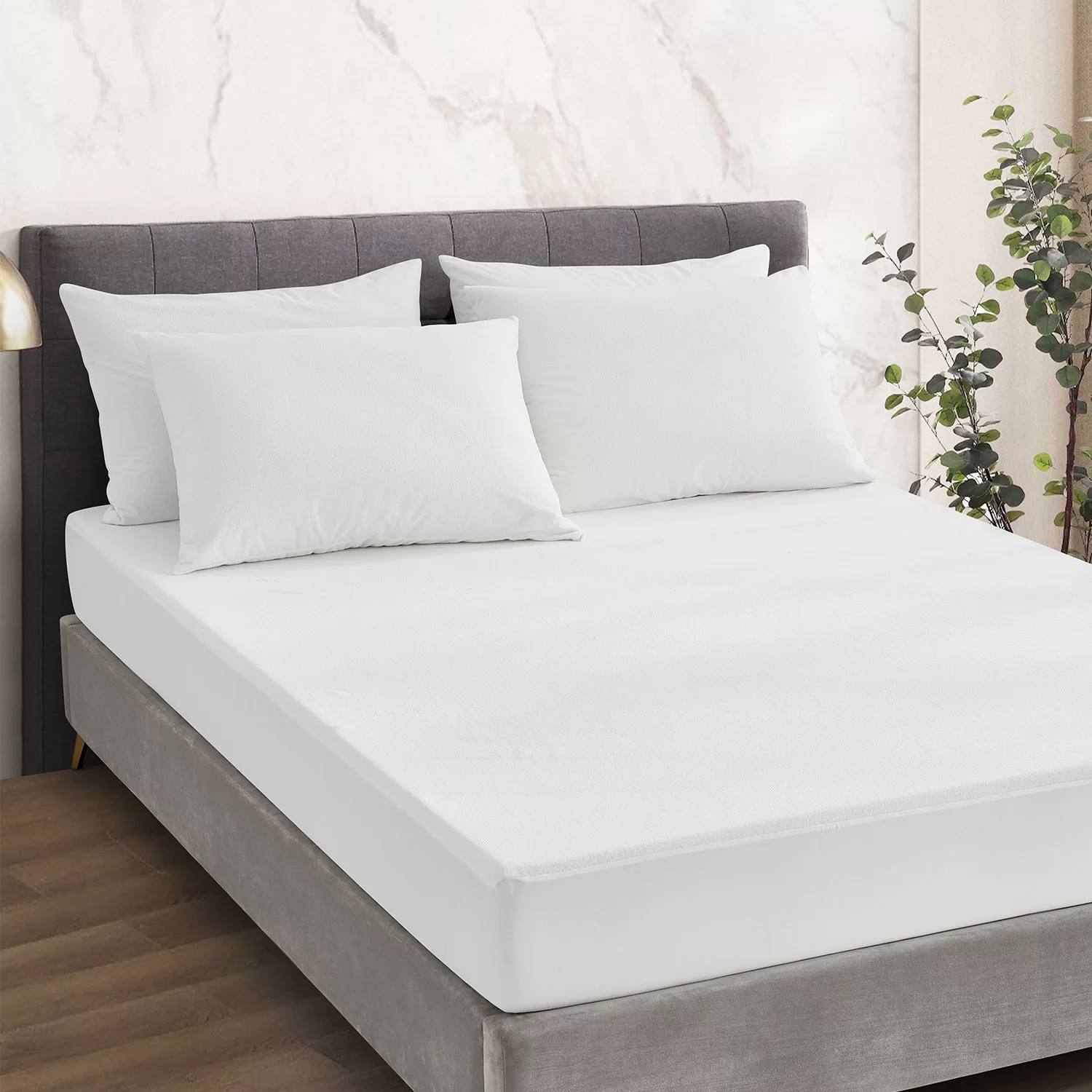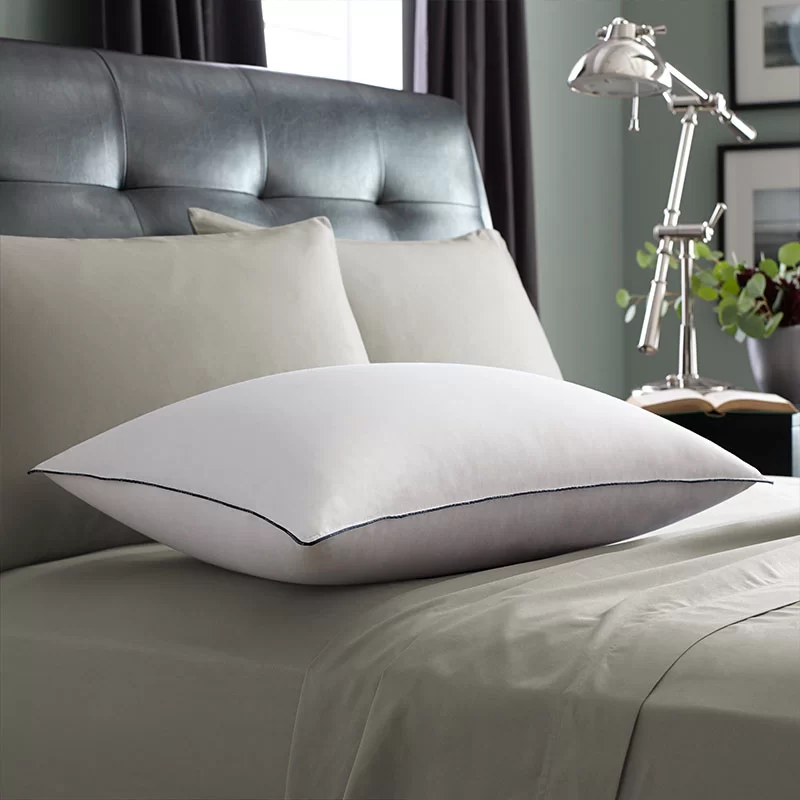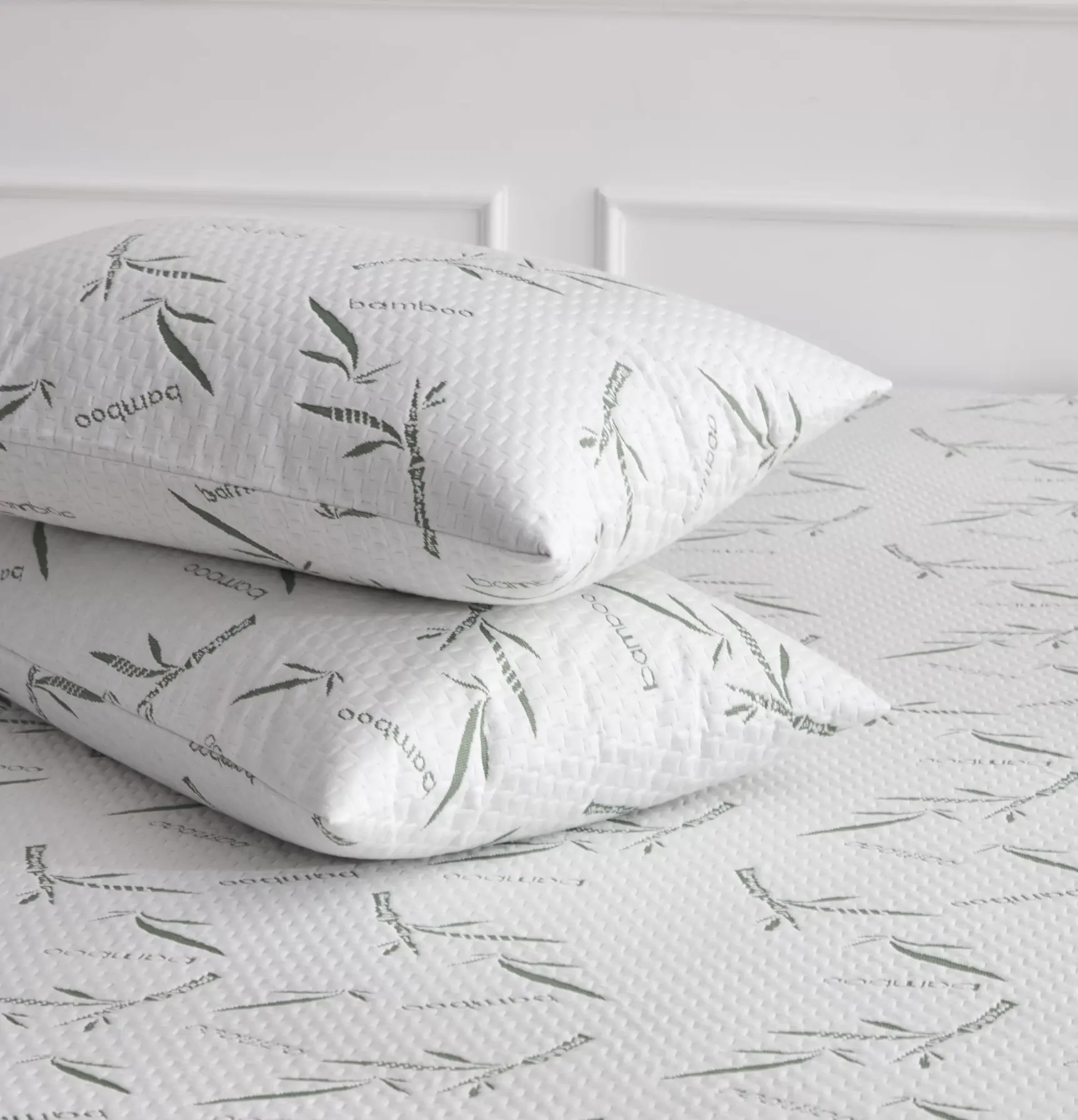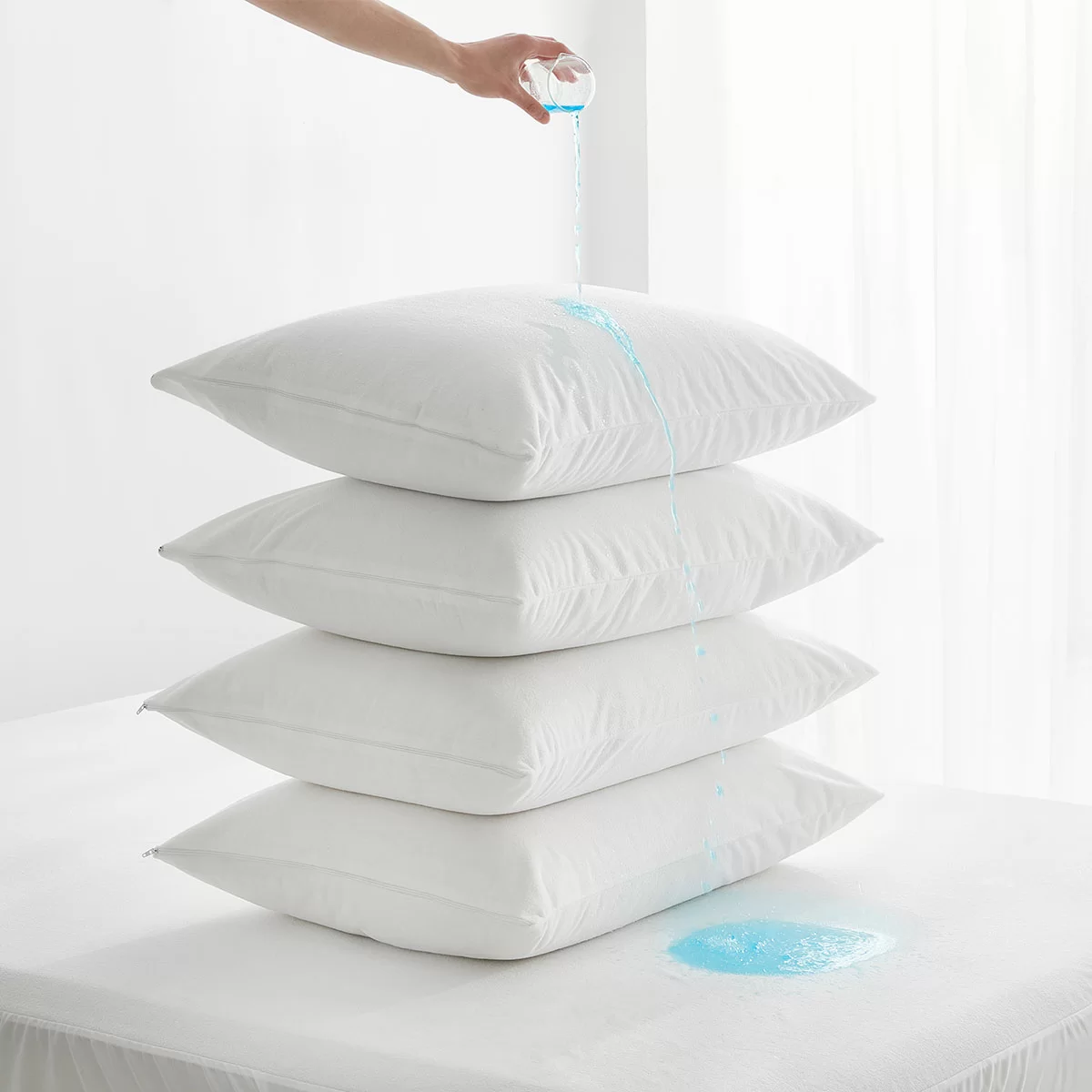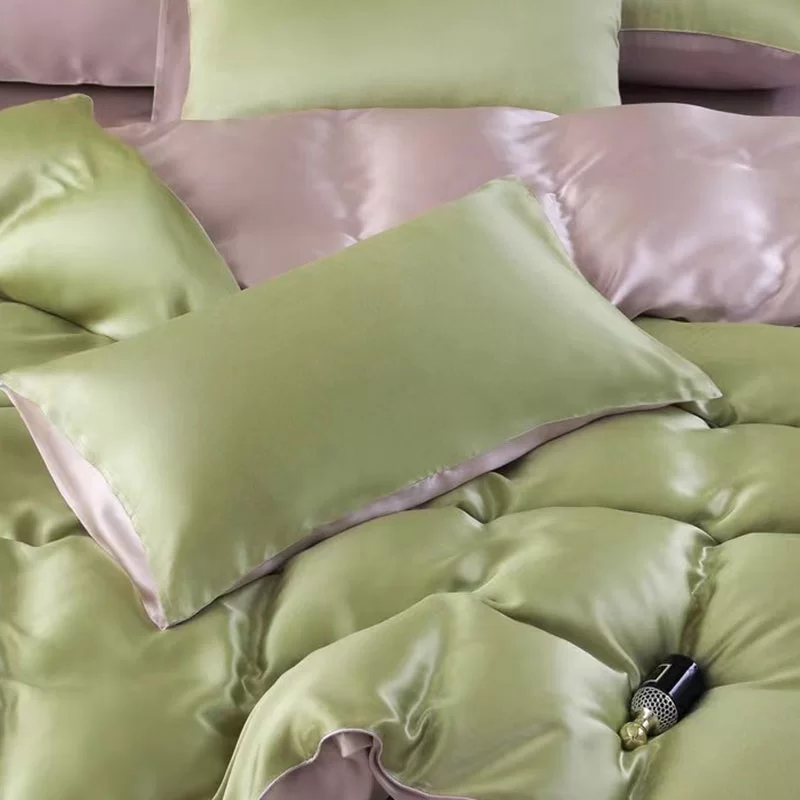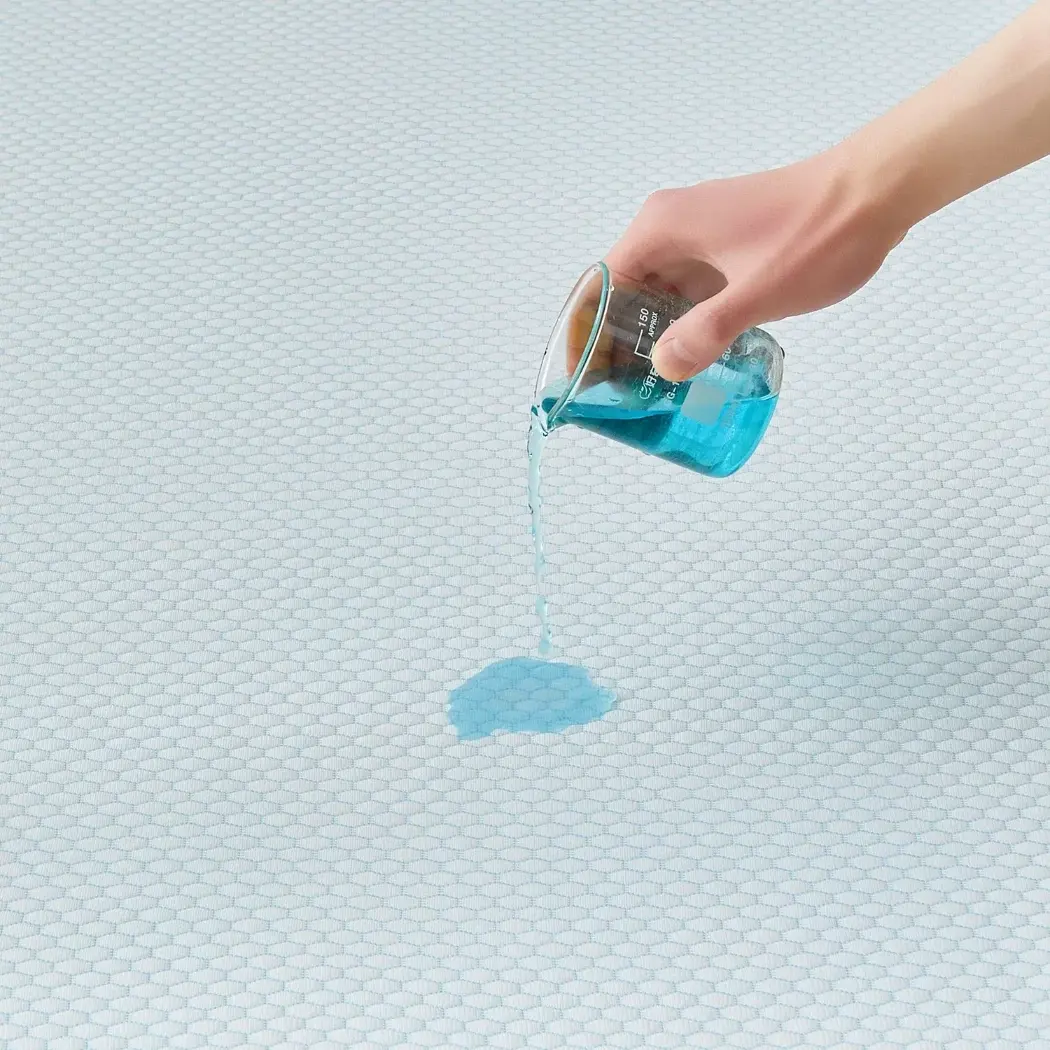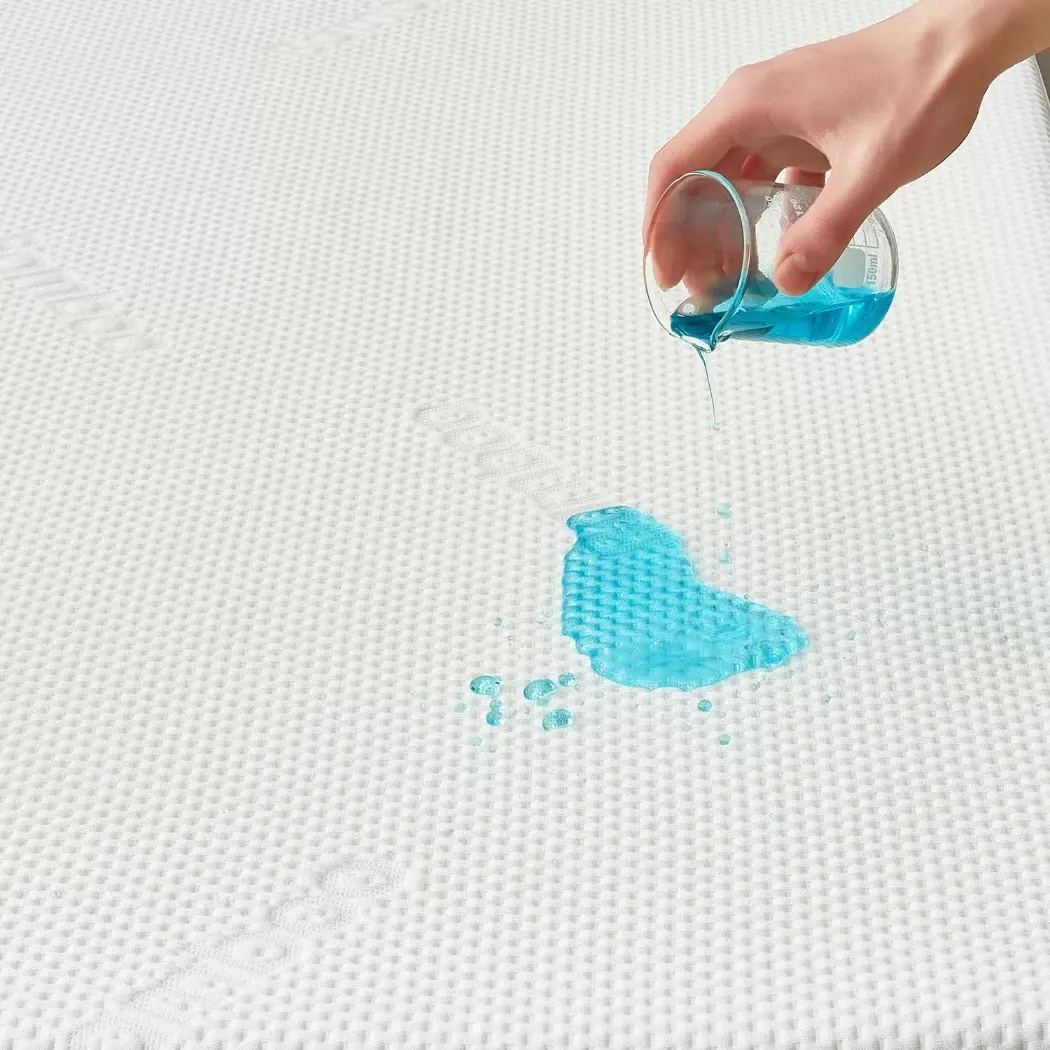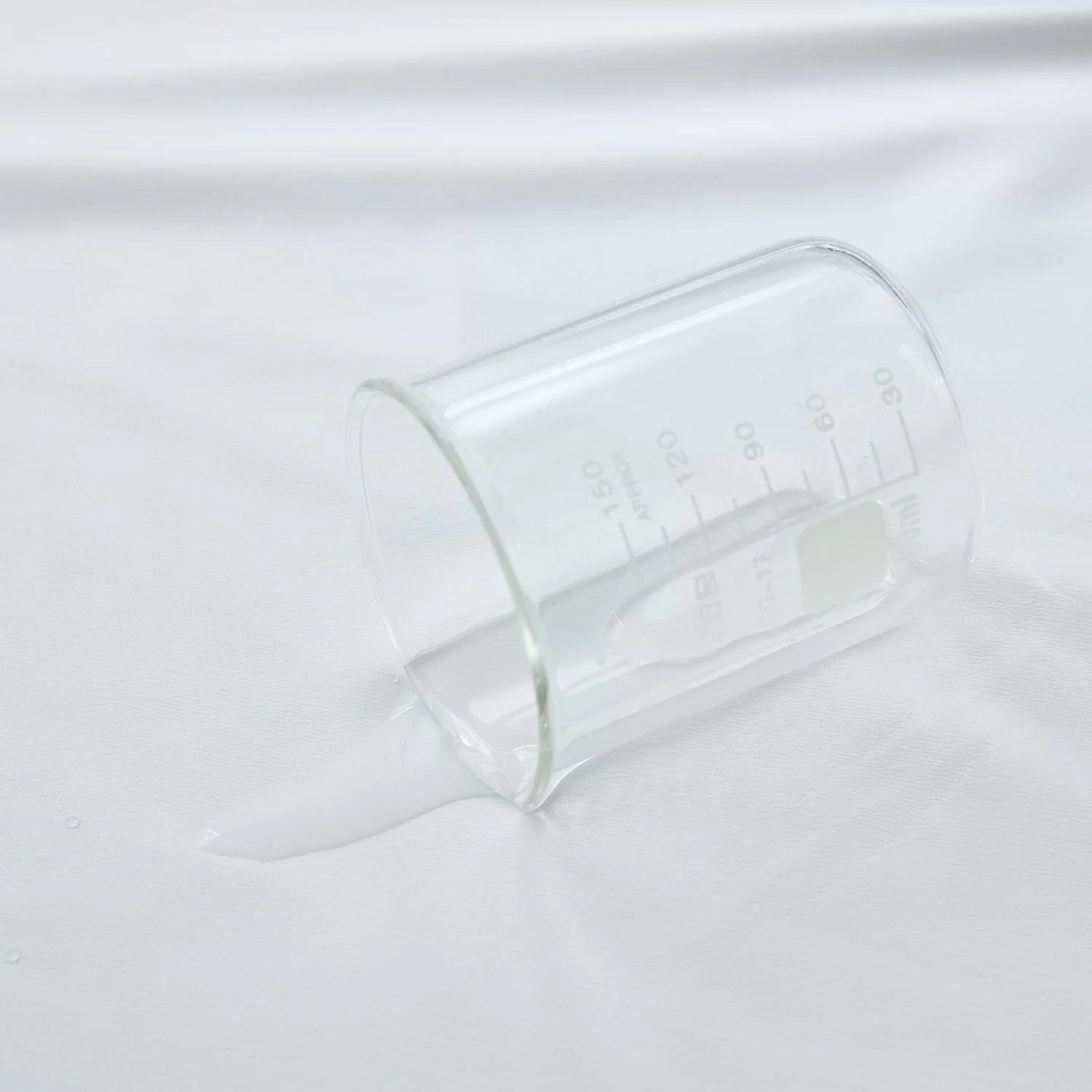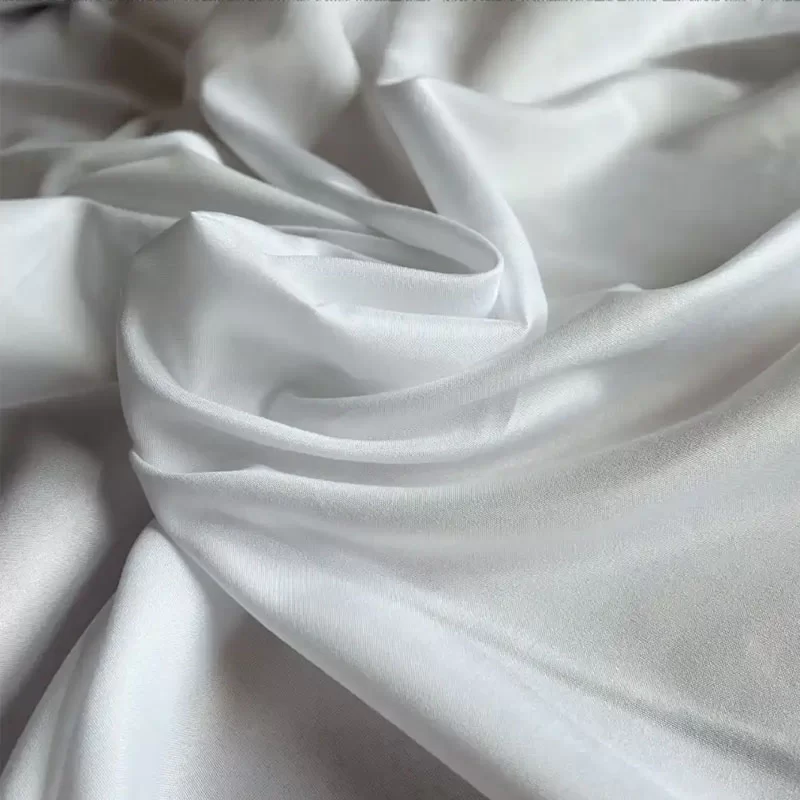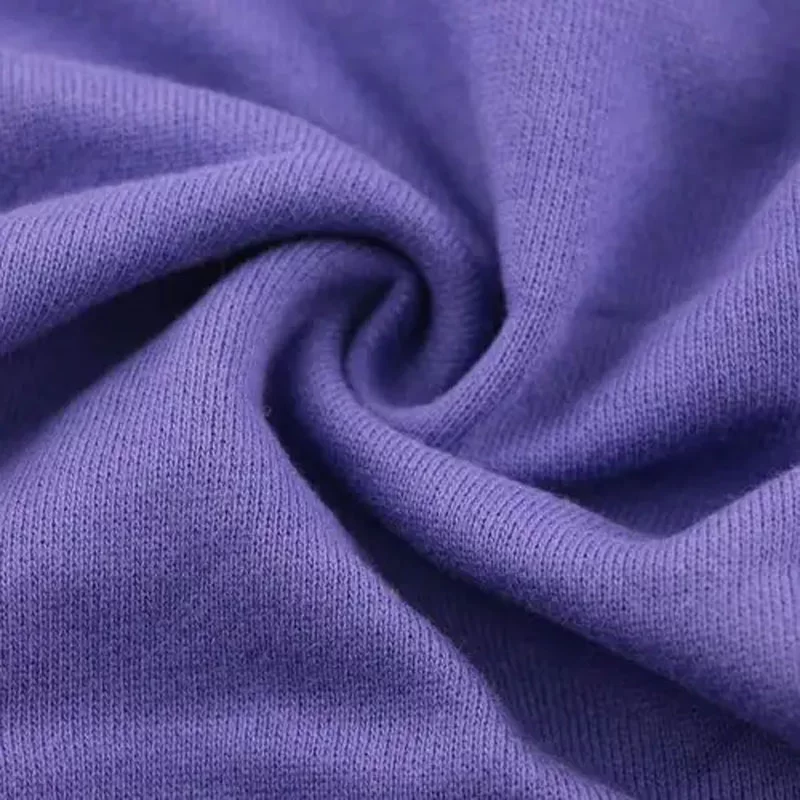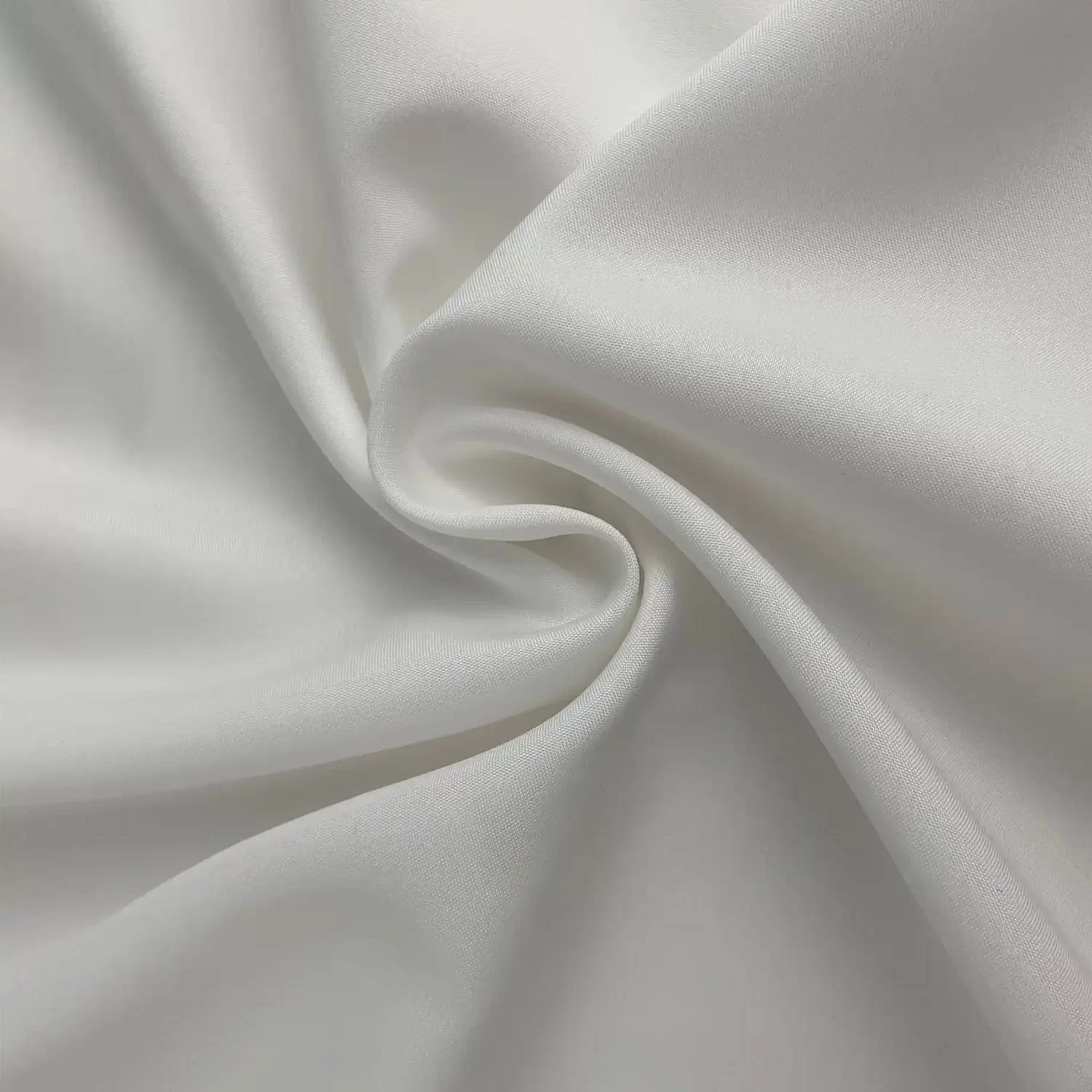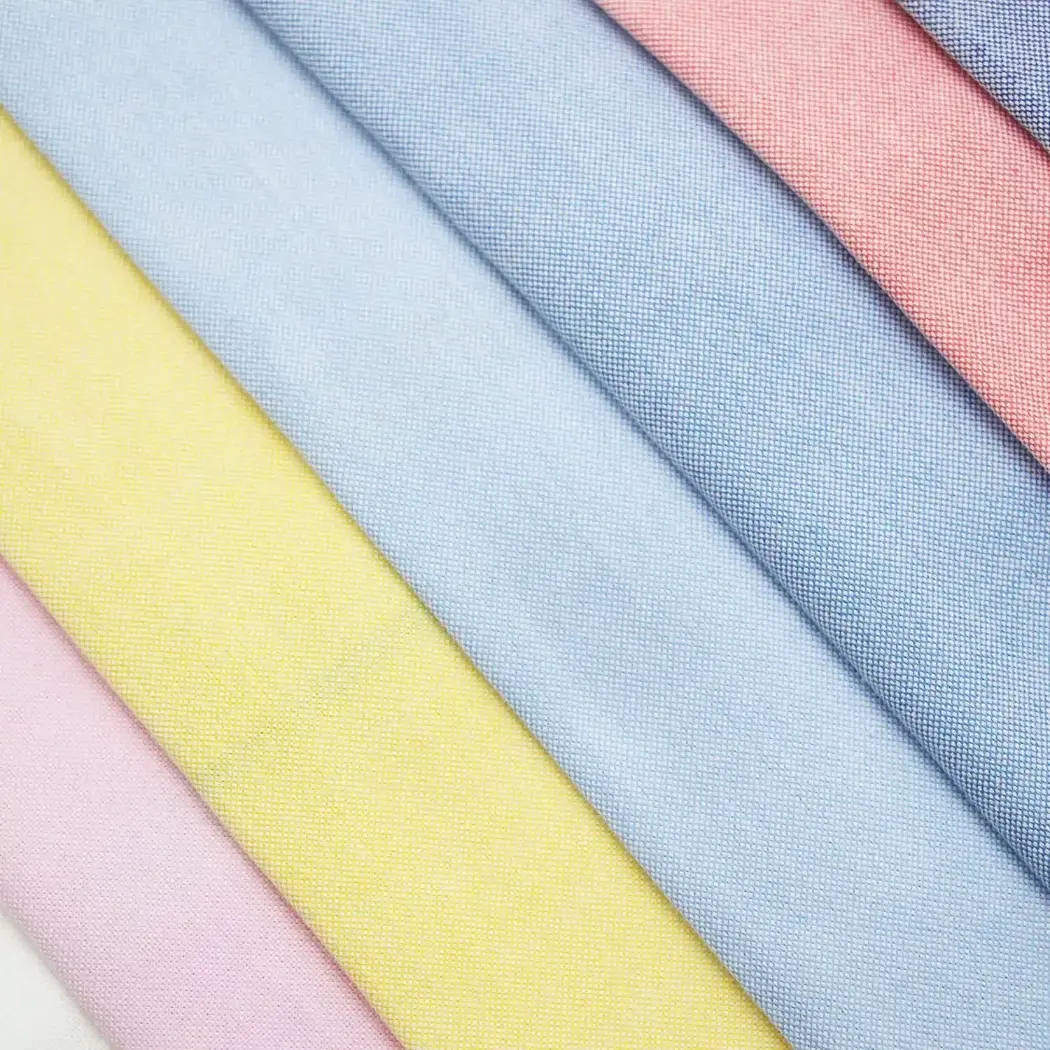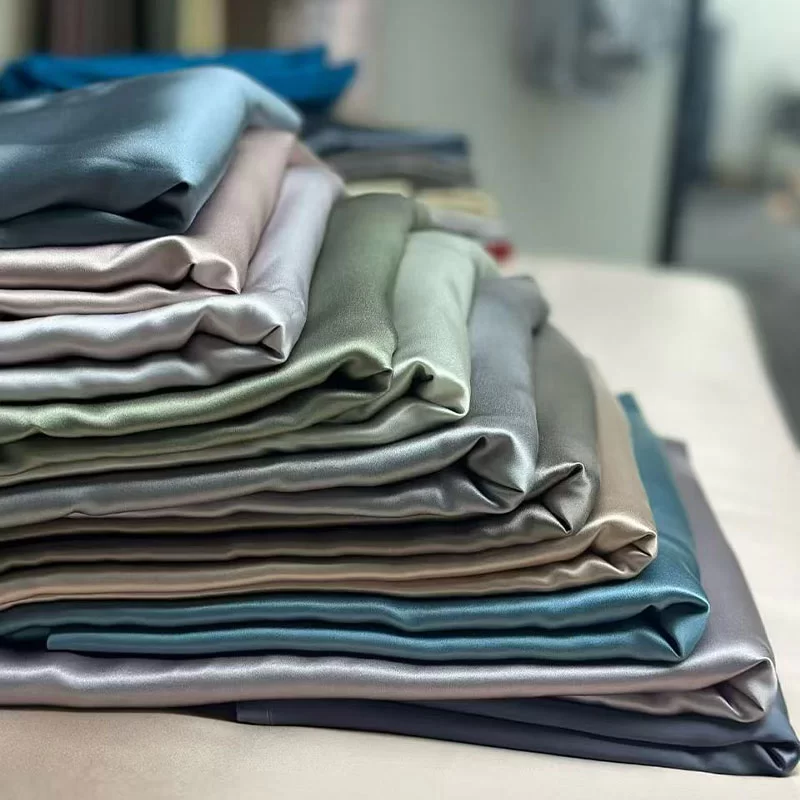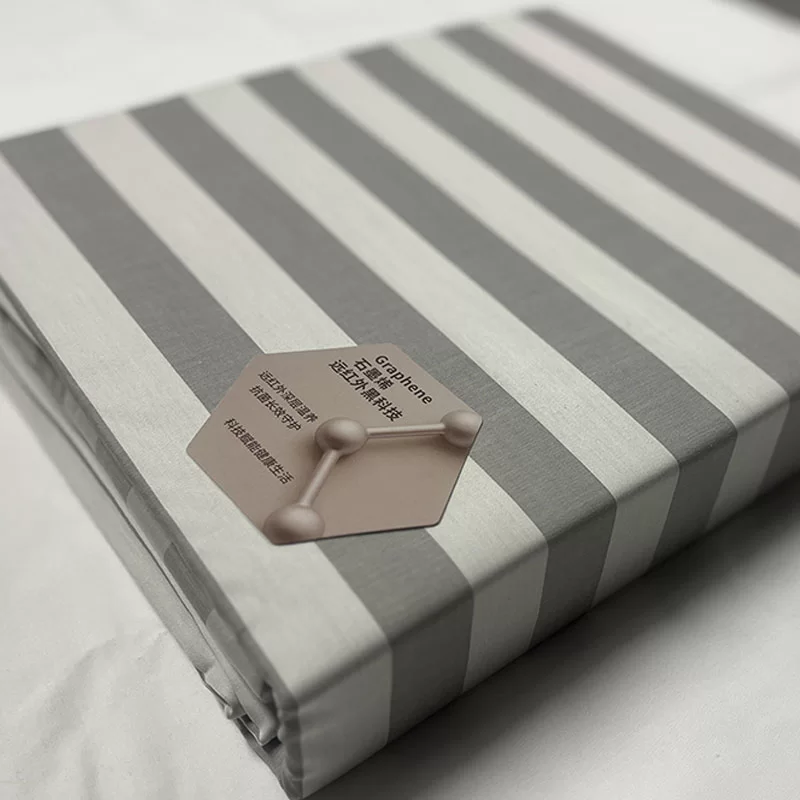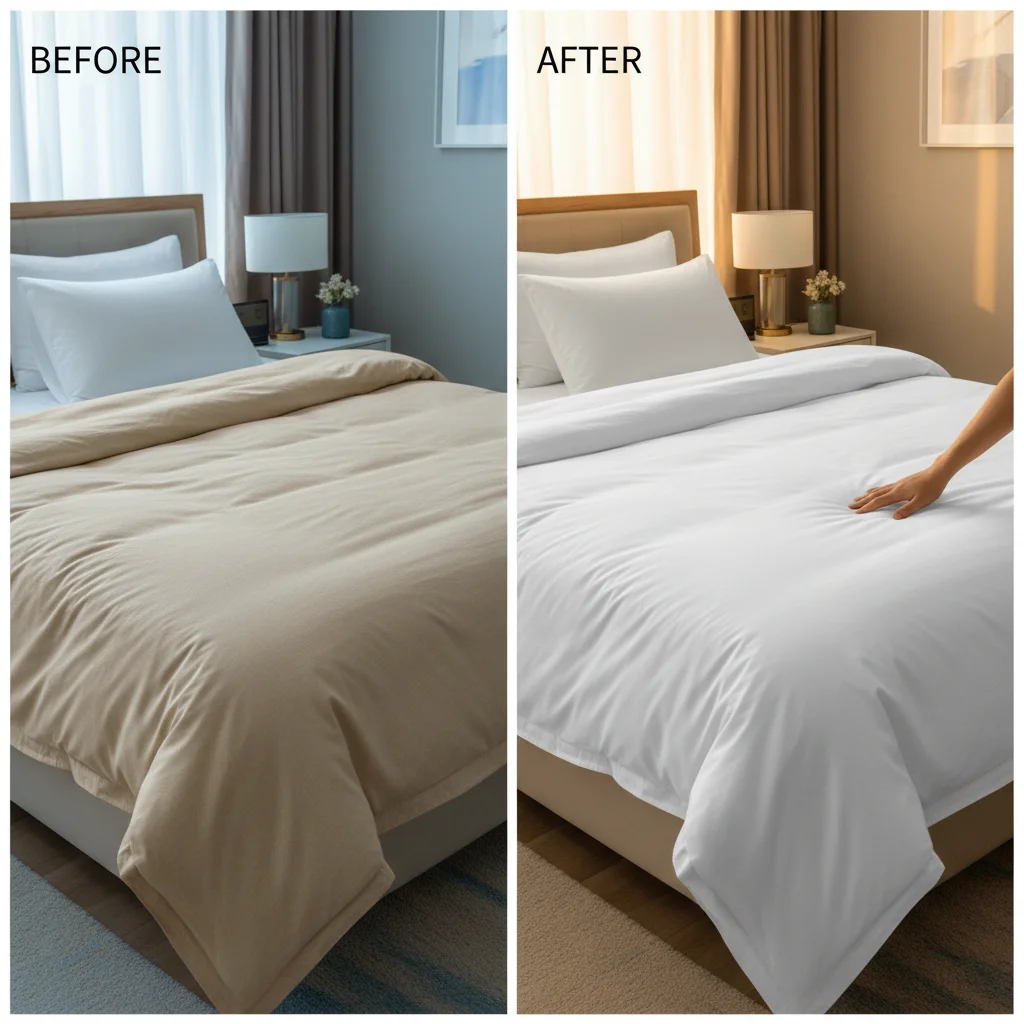
To be honest, these days everyone's talking about 'smart' everything. Smart homes, smart factories, even smart…well, you name it. But on the ground, what really matters is still stuff that just works, day in and day out. Brushed cotton flat sheets - sounds simple, right? It is. But there’s a lot more to it than people think. We’ve been seeing a real push for softer, more comfortable options, especially in hospitality and high-end rentals. Folks want that hotel feel at home, you know?
Have you noticed how everyone wants everything faster, cheaper, and better? It's relentless. It's a constant battle against cutting corners. We've had folks come to us asking for unbelievably low thread counts, thinking they can save a buck, and then complain about the sheets pilling after a single wash. It’s like, “Sir, you get what you pay for.” Seriously.
Anyway, I think a lot of designers forget what it's like to actually work with textiles. They’ll spec something out on a computer screen that sounds great, but when it gets to the factory floor, it’s a nightmare to produce. And then they wonder why it costs so much.
The Current Landscape of Brushed Cotton Flat Sheets
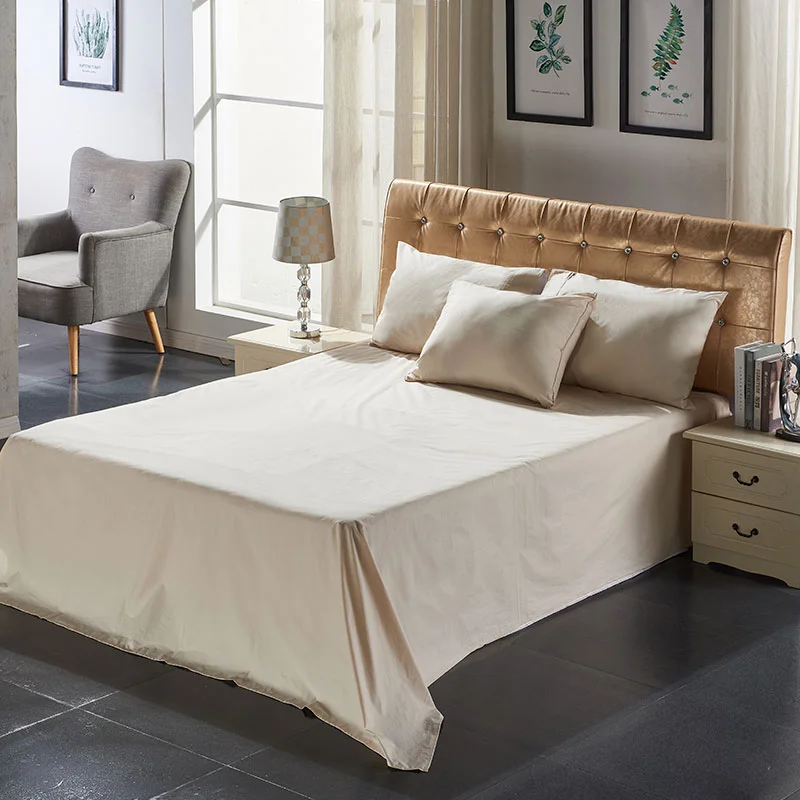
The market’s flooded with options, I’ll tell you that much. But a lot of it’s just marketing fluff. “Ultra-soft!” “Luxury feel!” Yeah, okay. The demand is definitely shifting toward brushed cotton, though. It's warmer than percale, more breathable than flannel, and just…pleasant. We're seeing a big uptick in orders from boutique hotels and Airbnb hosts. People want something that feels special without breaking the bank.
I encountered a factory in Nantong last time that was doing some really innovative things with the brushing process itself, using different bristle types to achieve different levels of softness. It was strangely fascinating, honestly.
Design Pitfalls and Common Mistakes
Okay, so here’s where it gets tricky. People think they can just slap a high thread count on something and call it luxury. That’s not how it works. Thread count is important, sure, but the quality of the cotton itself is way more important. A high thread count with cheap cotton is just going to feel stiff and scratchy. Another big mistake? Ignoring the finishing process. A poorly finished sheet will pill and fade after just a few washes. And don't even get me started on the sizing! If it's off by an inch, you're getting returns.
I’ve seen designs that look beautiful on paper, but are completely impractical to manufacture. Like, complex patterns that require a million different yarn colors. It drives up the cost and slows down production. Simplicity is key, folks. Simplicity is key.
And, strangely enough, a lot of people forget about the weight. A sheet that's too heavy can be uncomfortable, especially in warmer climates. It's all about finding that sweet spot.
Material Selection and Handling
Now, the cotton itself. Long-staple cotton – Egyptian, Pima, Supima – that’s the good stuff. You can feel the difference. It’s softer, stronger, and more durable. You can smell it too, actually. It’s got this slightly sweet, clean scent. Cheap cotton smells…well, like nothing. It’s just lifeless.
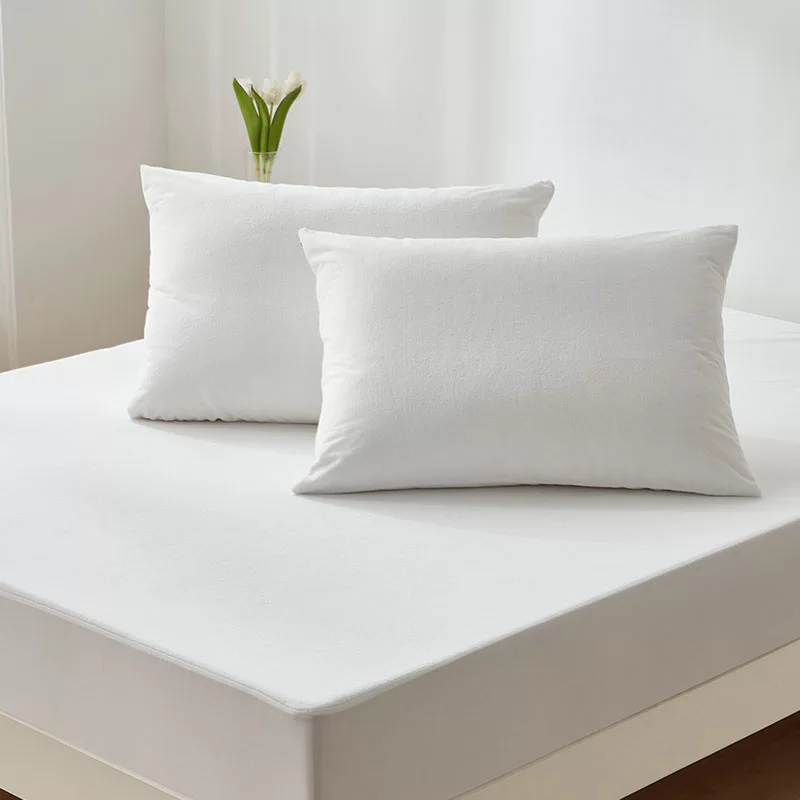
Handling it on-site, you gotta be careful. Especially with the brushed finish. It’s delicate. You don’t want to snag it on anything. And dust! It attracts dust like crazy. We have to keep the factory floor meticulously clean.
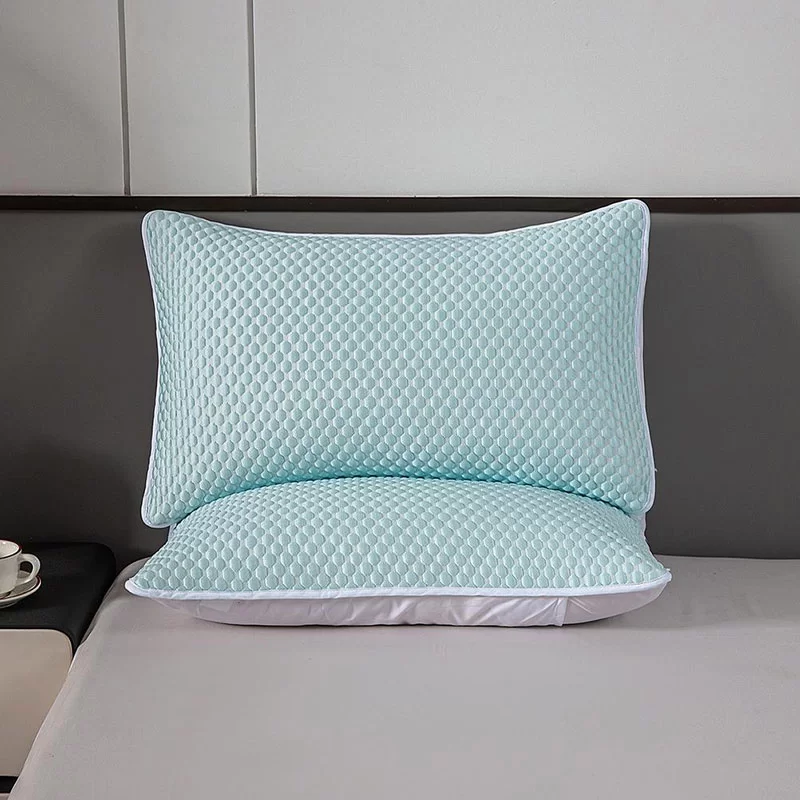
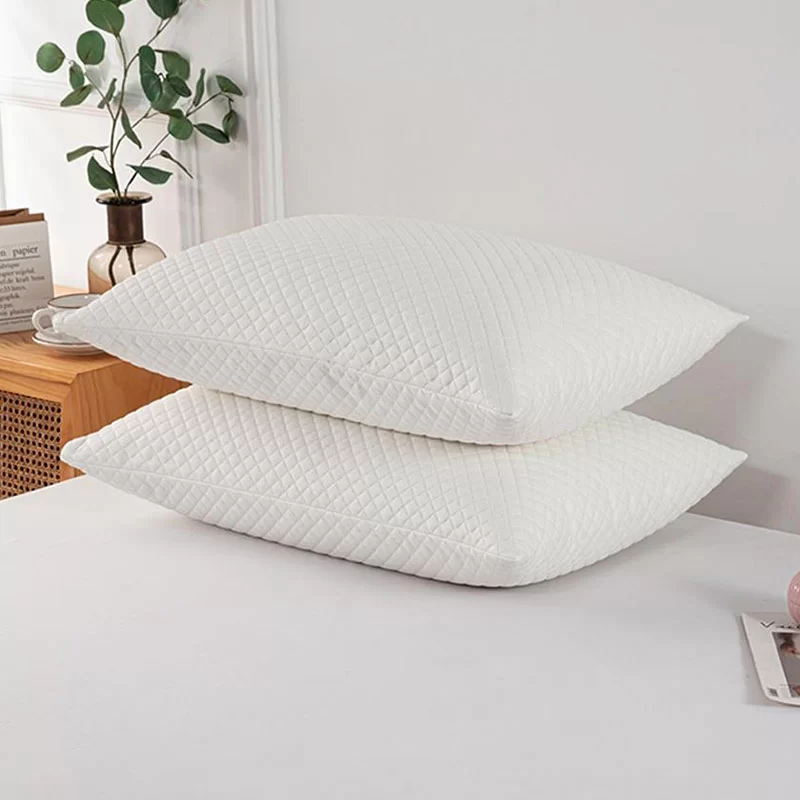
The yarn needs to be right too, not too coarse, not too fine. It's a balancing act. We also look at the dye lots. Color consistency is huge. A slightly off shade will get noticed, trust me.
Real-World Testing and Performance
Forget the lab tests. Those are good for basic stuff, but they don't tell the whole story. We put these sheets through the wringer. We wash them, dry them, iron them… repeatedly. We have people sleep on them for weeks. We even let our kids jump on them. Seriously.
We also send samples to hotels and ask for their honest feedback. They're the ones dealing with hundreds of washes and hundreds of different guests. They know what holds up. We had a hotel in Miami that ran our sheets through their industrial laundry for six months straight. It was brutal. But they held up surprisingly well.
Brushed Cotton Flat Sheet Performance Metrics
Actual User Behavior and Expectations
You’d think people would treat nice sheets with care, right? Wrong. They spill coffee on them, they let their pets sleep on them, they wash them with harsh detergents. It's a miracle they survive. We've found that most people don’t actually read the care instructions. They just throw them in the wash and hope for the best.
What they do care about is comfort. They want something that feels good against their skin. And they want it to look good. A wrinkled, faded sheet is a deal-breaker, even if it’s technically still functional.
The Benefits and Drawbacks – Let’s Be Real
Look, brushed cotton sheets are fantastic. They're soft, warm, breathable, and relatively durable. But they’re not perfect. They can pill over time, especially if they're made with cheap cotton. They can shrink if you don't wash them properly. And they’re generally more expensive than regular cotton sheets.
But for the price, the comfort factor is hard to beat. And honestly, a little bit of pilling is just part of the deal. It’s a sign that they’ve been loved and used. The main benefit is just... a good night’s sleep. It’s worth a little extra money for that, in my opinion.
Later…forget it, I won't mention the whole washing machine debacle at the Shanghai textile show.
Customization Options and Practical Examples
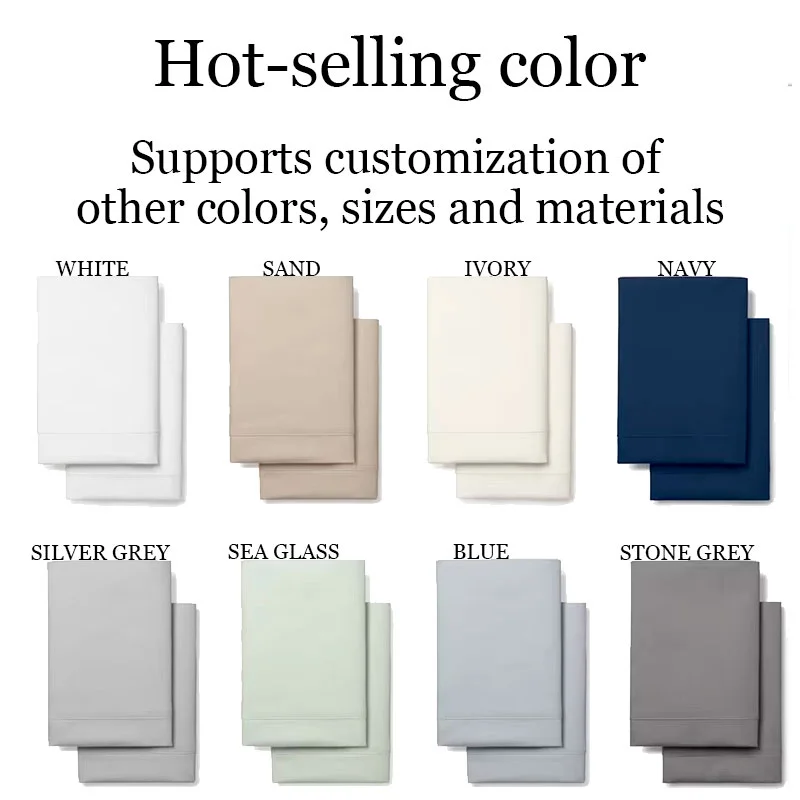
We can do a lot with customization. Different thread counts, different brushing techniques, different colors, different sizes. We even did a run with a custom embroidered logo for a luxury hotel chain. It was a pain in the neck, but the end result looked fantastic.
Just last month, that small boss in Shenzhen who makes smart home devices insisted on changing the interface to , and the result was a three-week delay and a whole lot of headaches. He wanted to be “future-proof”, but it completely messed up our existing supply chain.
And then there's the pattern thing. I had a client who wanted a sheet with a microscopic pattern woven into it. It was supposed to be some sort of anti-snoring technology. I’m not even kidding. Anyway, it didn't work, and it cost a fortune.
Summary of Key Considerations for Brushed Cotton Flat Sheet Customization
| Customization Type | Complexity Level | Cost Impact | Lead Time Extension |
|---|
| Color Change | Low | Minimal | 1-2 days |
| Thread Count Adjustment | Medium | Moderate | 3-5 days |
| Pattern Integration | High | Significant | 7-14 days |
| Embroidery Application | Medium-High | Moderate-High | 5-10 days |
| Custom Brushing Technique | High | Very High | 10-21 days |
| Specialized Fabric Blend | Very High | Extremely High | 30+ days |
FAQS
Honestly? As little as possible. Washing them too often wears them out. Once a week is usually fine, unless you spill something on them. And always use cold water and a gentle detergent. Trust me on this one. Harsh chemicals will ruin the finish.
Yeah, probably. It’s almost inevitable, especially with lower-quality cotton. But a little bit of pilling is normal and doesn't necessarily mean the sheets are falling apart. You can usually remove the pills with a fabric shaver. Just don’t go crazy with it. You don't want to damage the fabric.
They’re pretty warm, yeah. Not as warm as flannel, but definitely warmer than percale. If you live in a really cold climate, you might want to add a blanket. But for most people, brushed cotton sheets are plenty warm for winter.
Wash them in cold water and tumble dry on low heat. That’s it. Simple as that. High heat is the enemy. And don’t over-dry them. Take them out of the dryer while they’re still slightly damp.
Generally, yes. Brushed cotton is naturally soft and breathable, which can be good for sensitive skin. Just make sure you choose sheets that are made with 100% cotton and haven’t been treated with any harsh chemicals. And wash them before using them for the first time.
Percale is a plain weave, so it's crisp and cool. Brushed cotton has been mechanically brushed to create a softer, fuzzier surface. Percale is great for hot sleepers, brushed cotton is better for those who want a cozy feel. It really comes down to personal preference.
Conclusion
So, yeah, brushed cotton flat sheets. They're not rocket science, but there's a surprising amount that goes into making a good set. It's about the cotton, the finishing, the construction, and a little bit of luck. It’s a balancing act between cost, comfort, and durability. And ultimately, whether they're worth the money depends on what you're looking for.
Ultimately, whether this thing works or not, the worker will know the moment he tightens the screw. If you're looking for high-quality brushed cotton flat sheets, check out our selection at Infortextile. We’ve spent years perfecting the process, and we’re confident you’ll love the results.