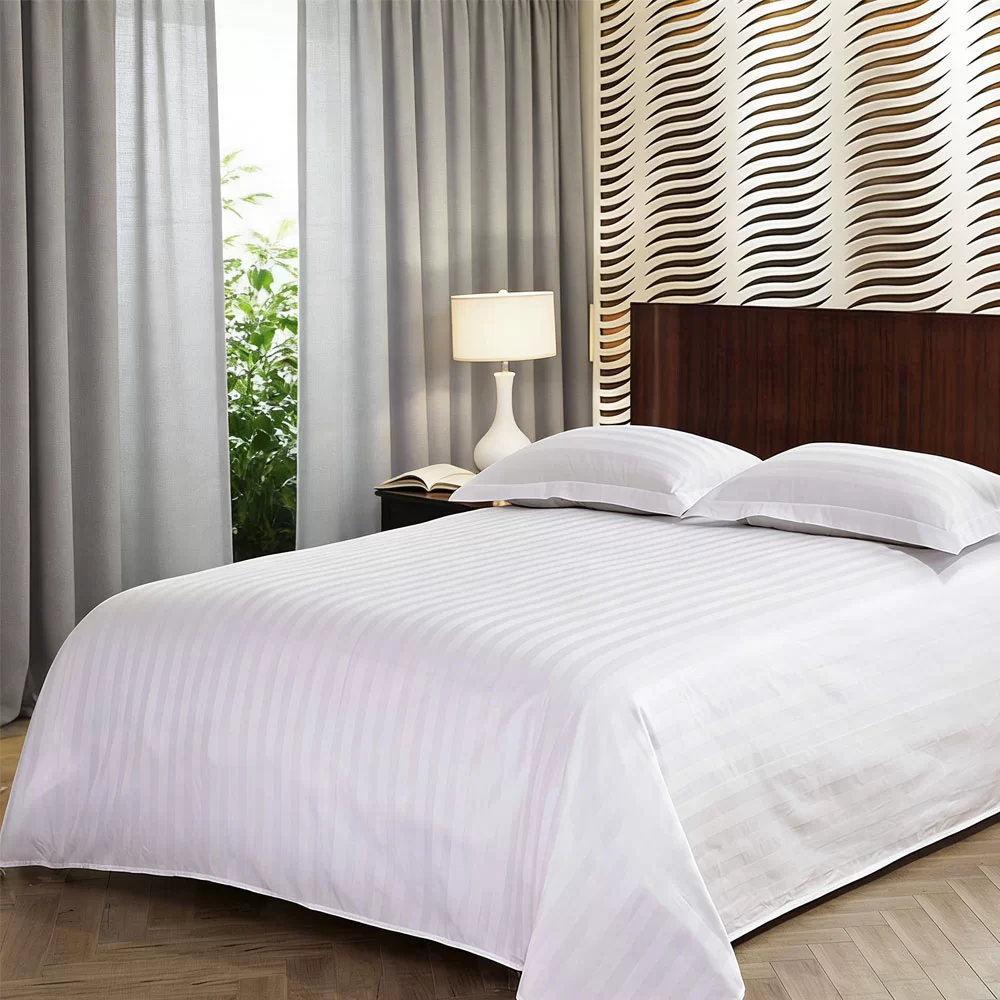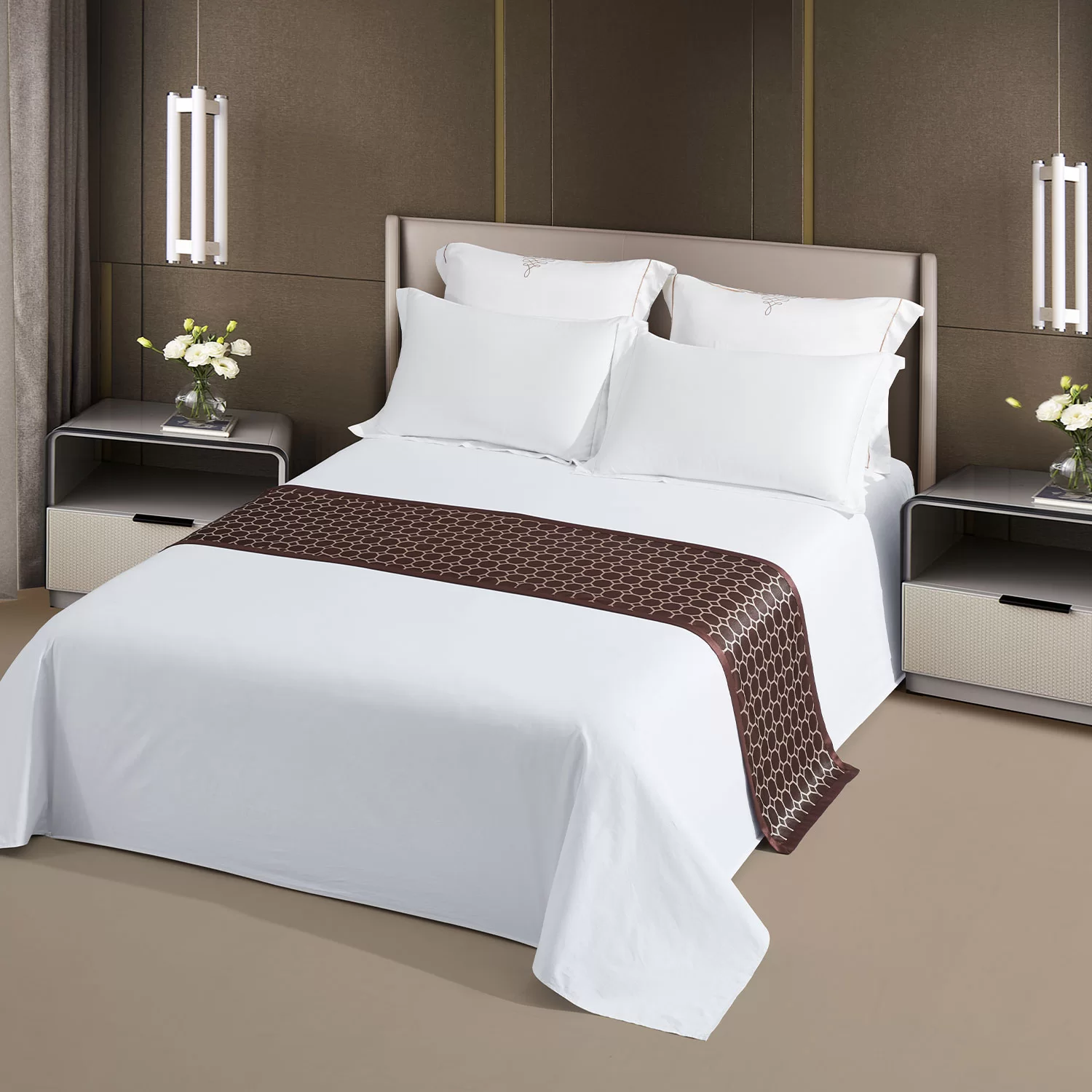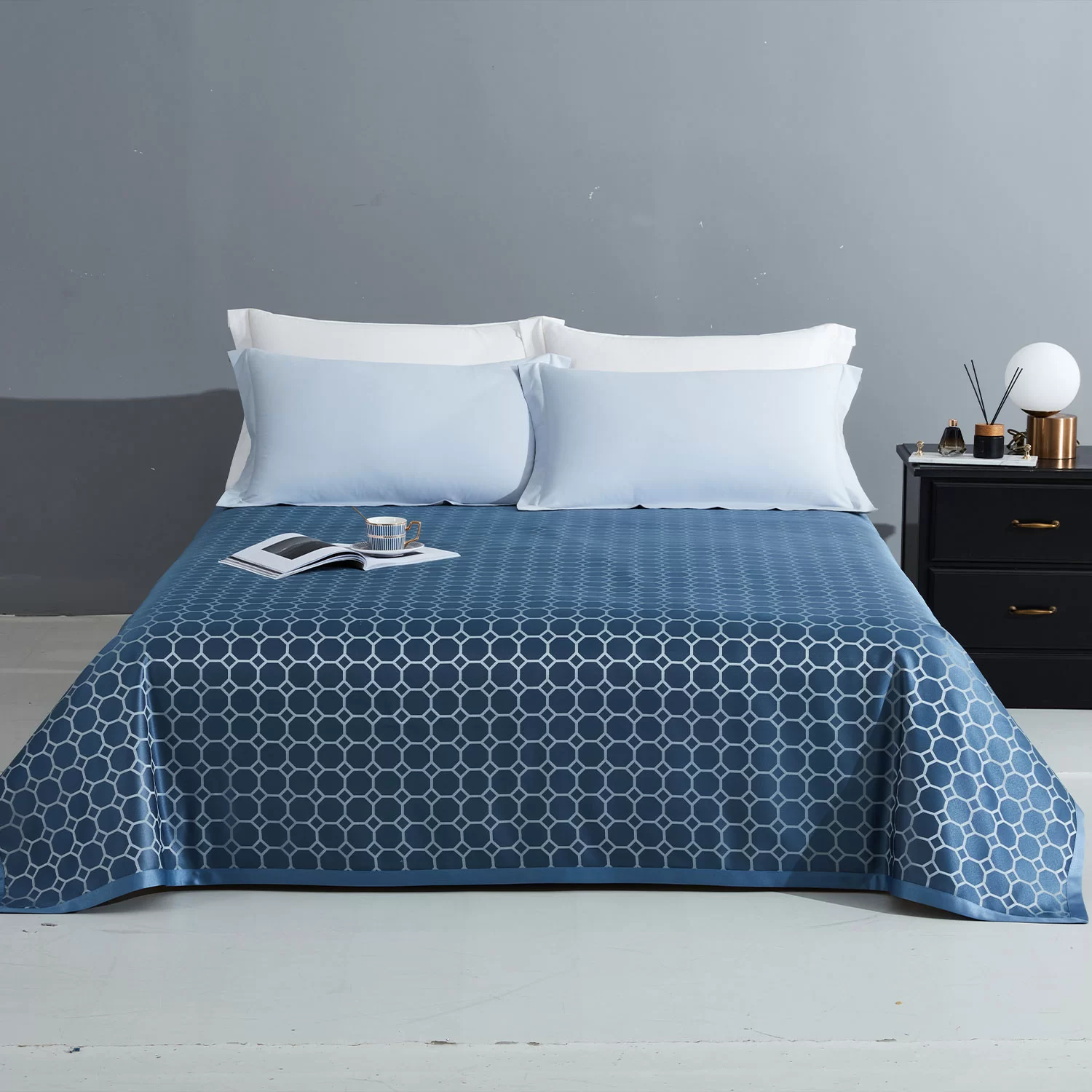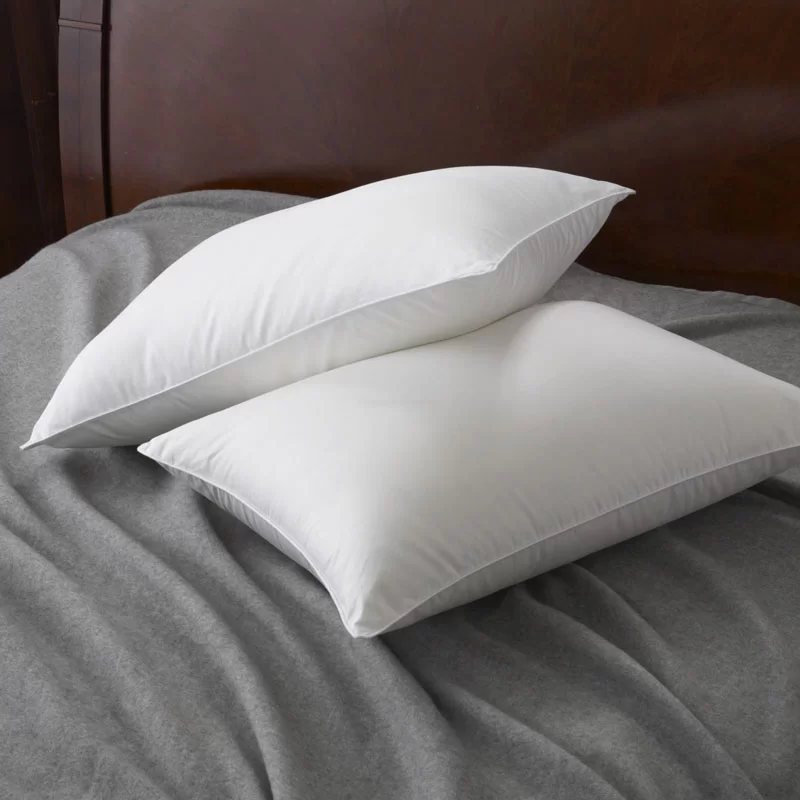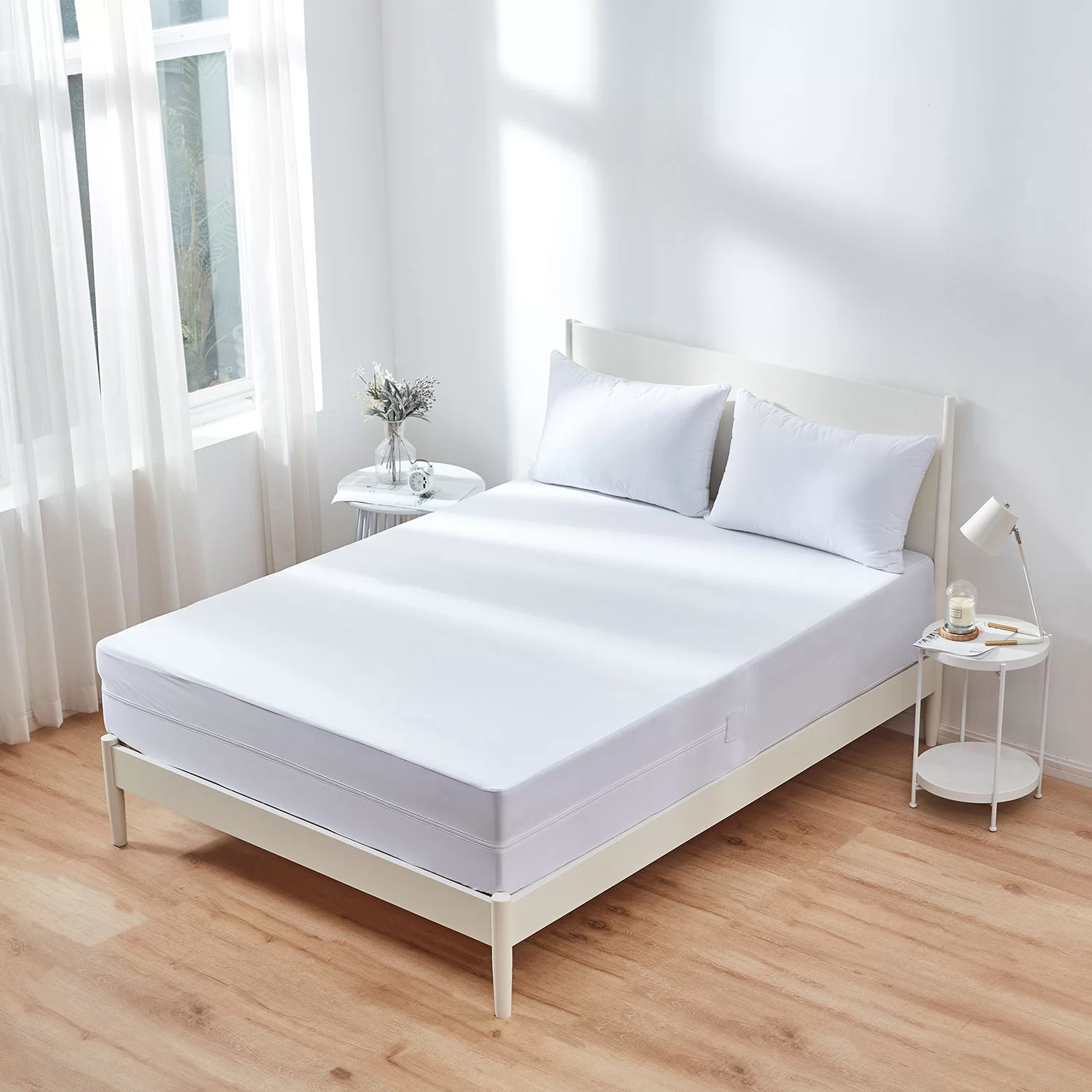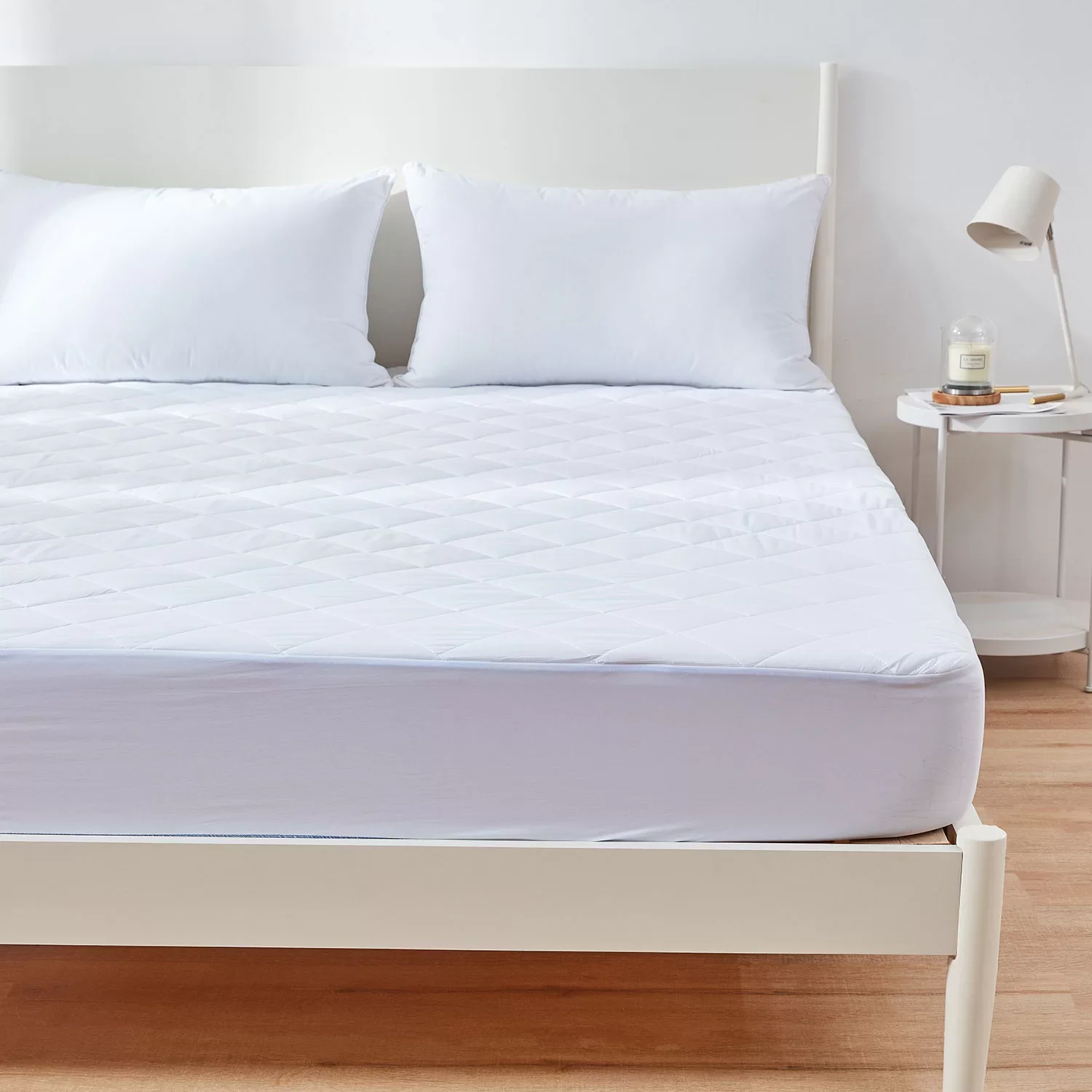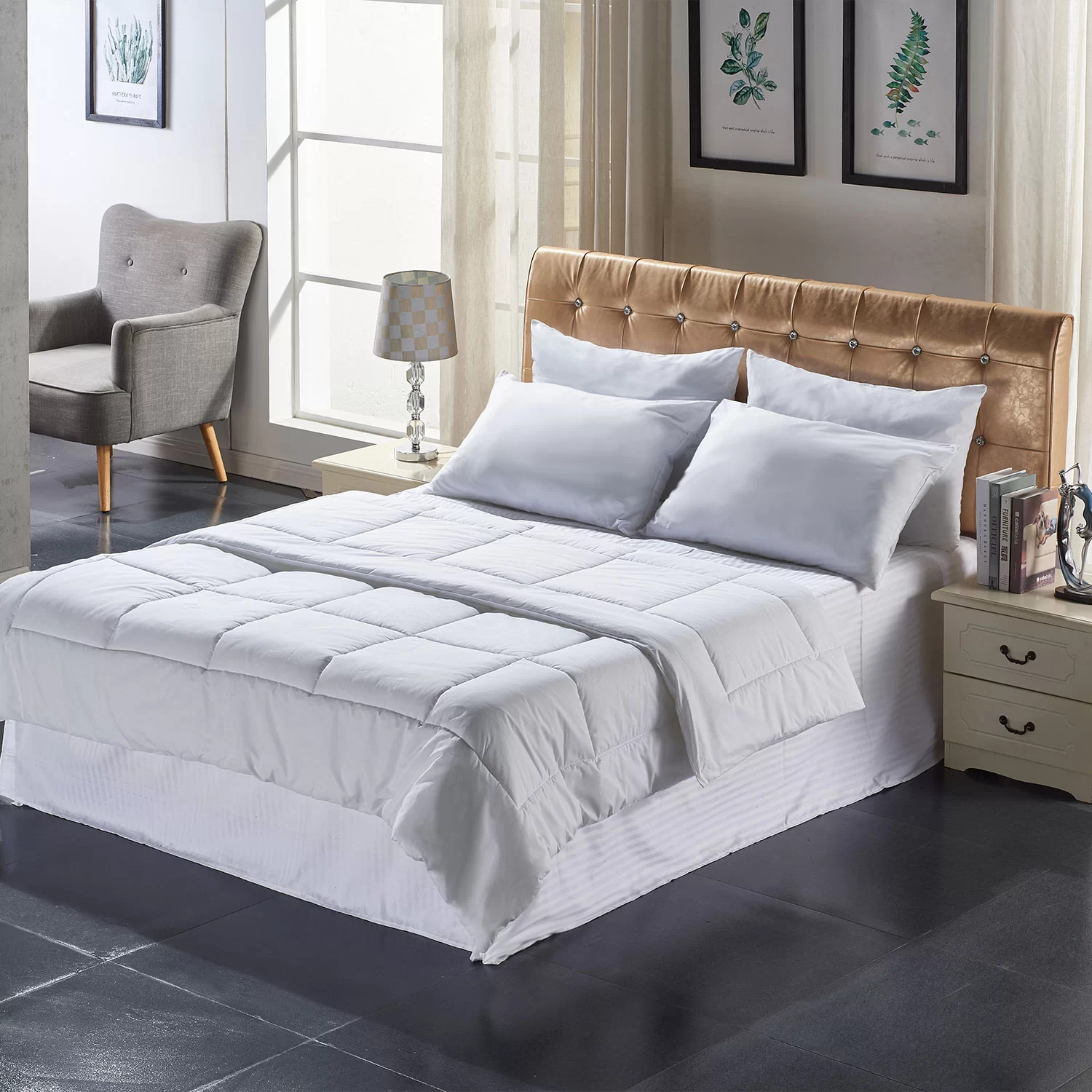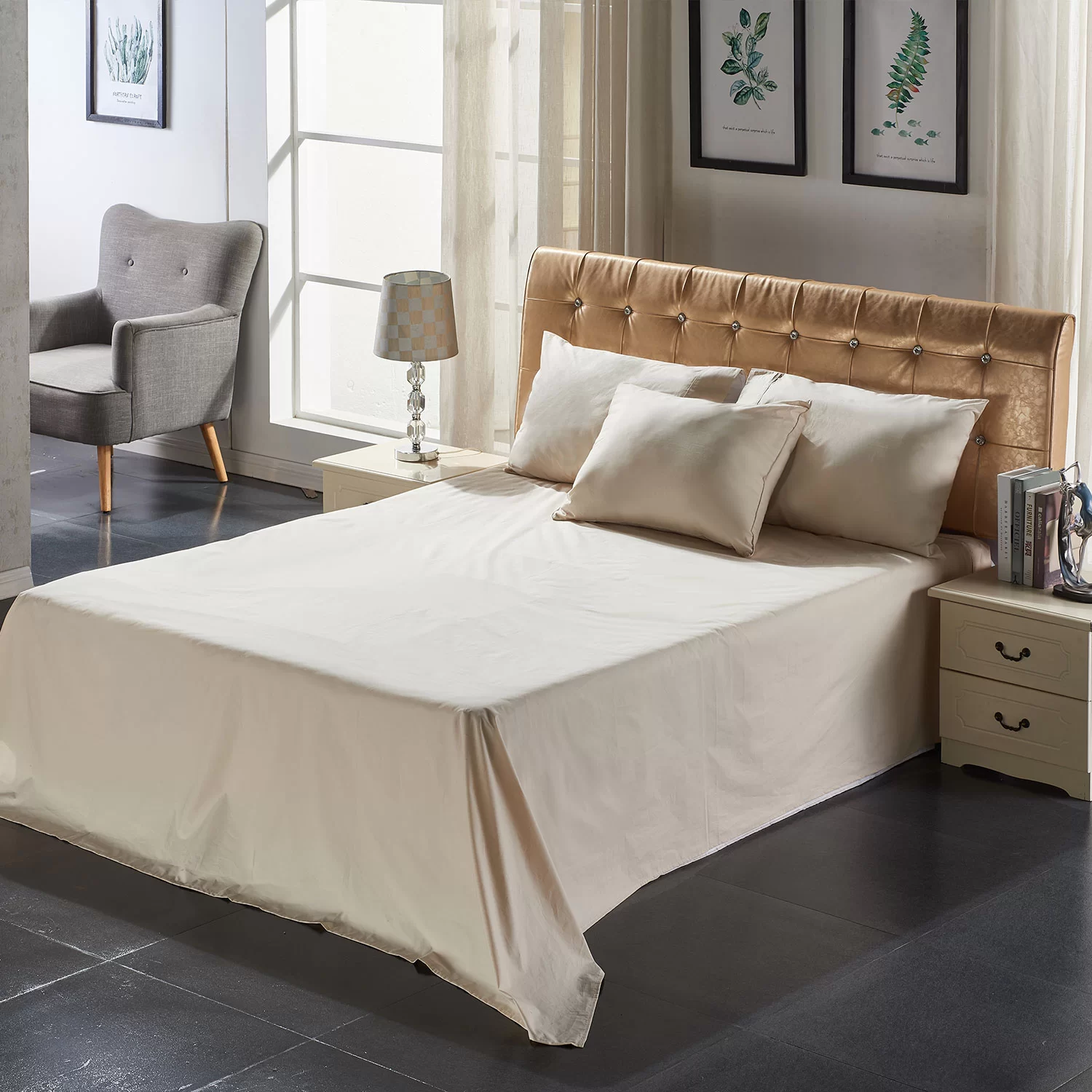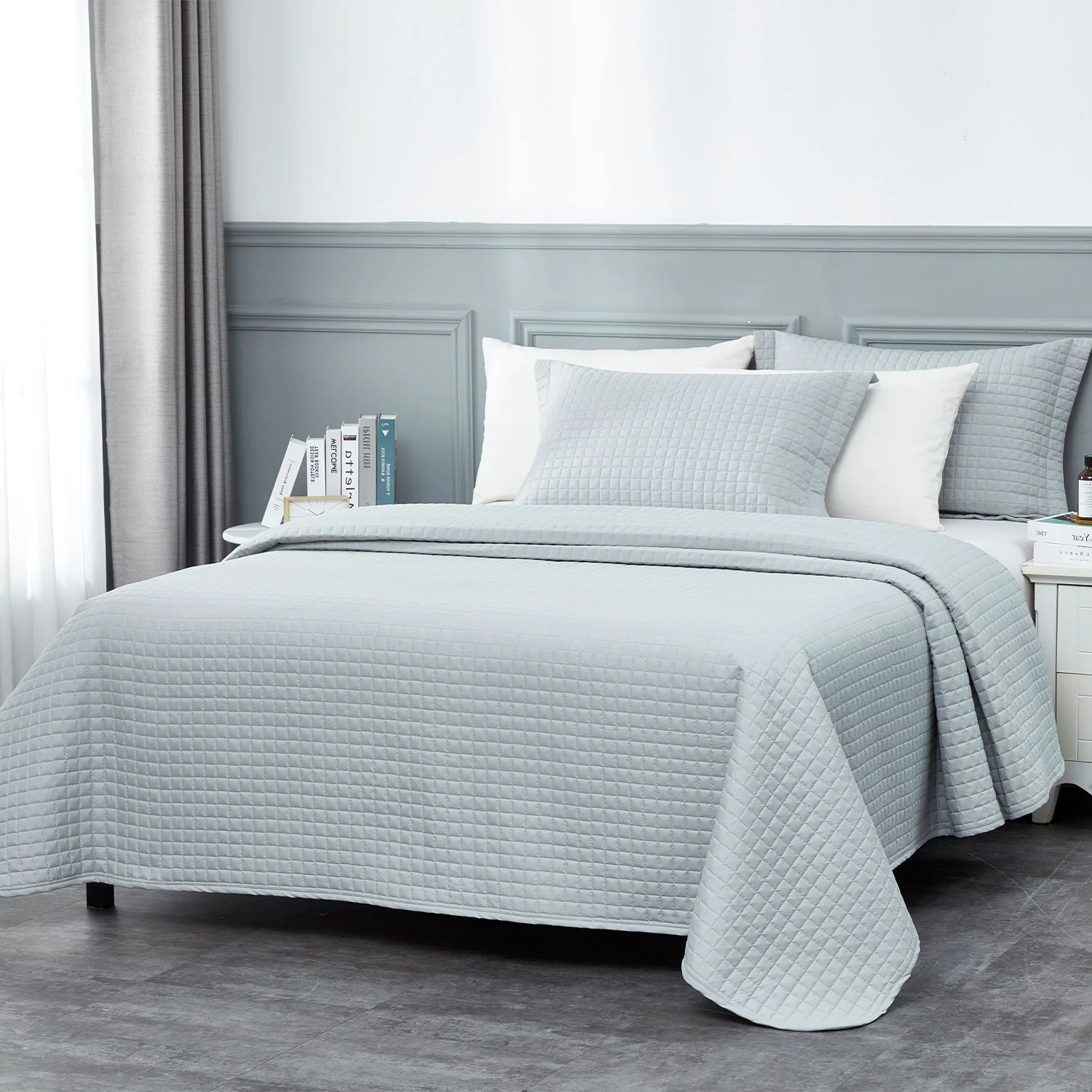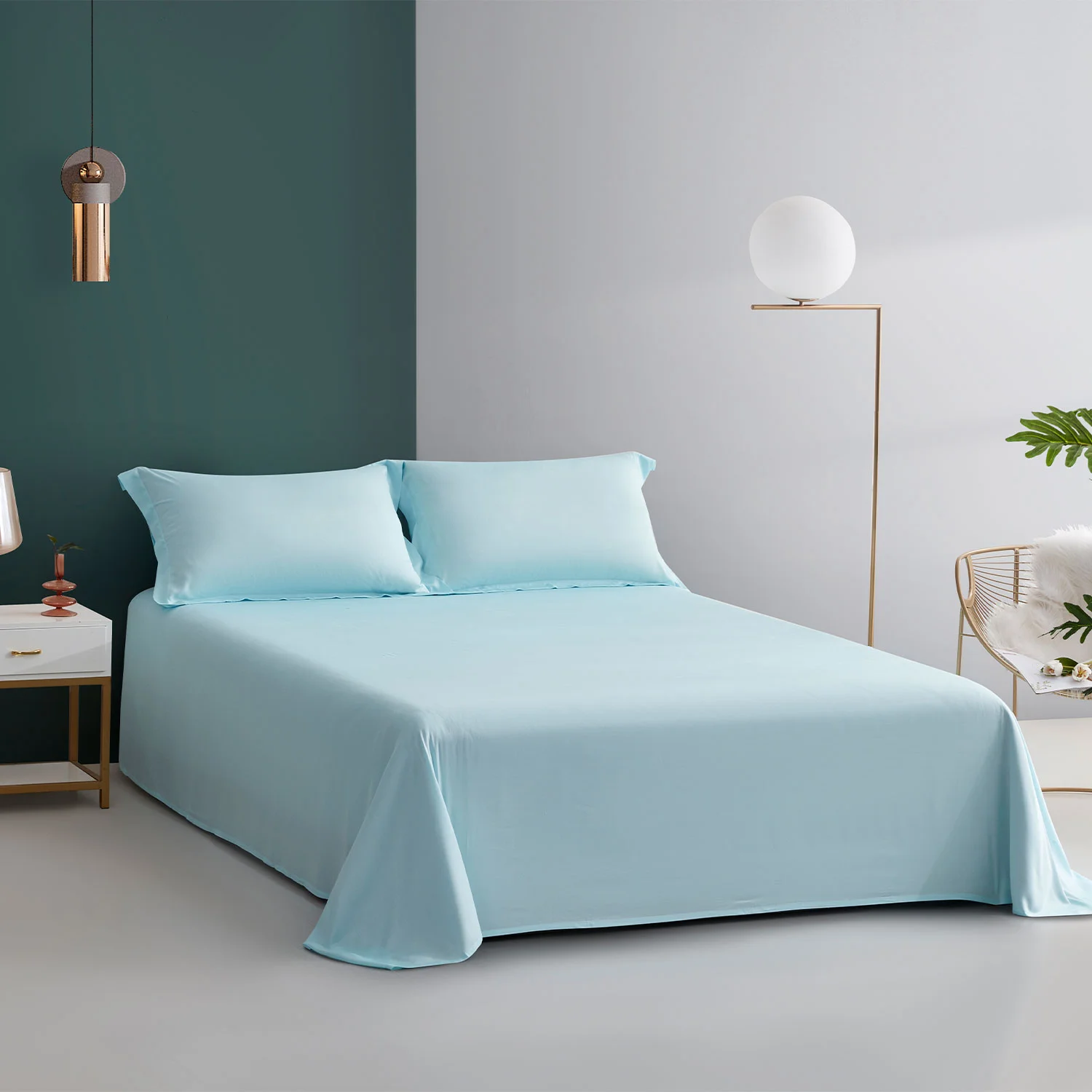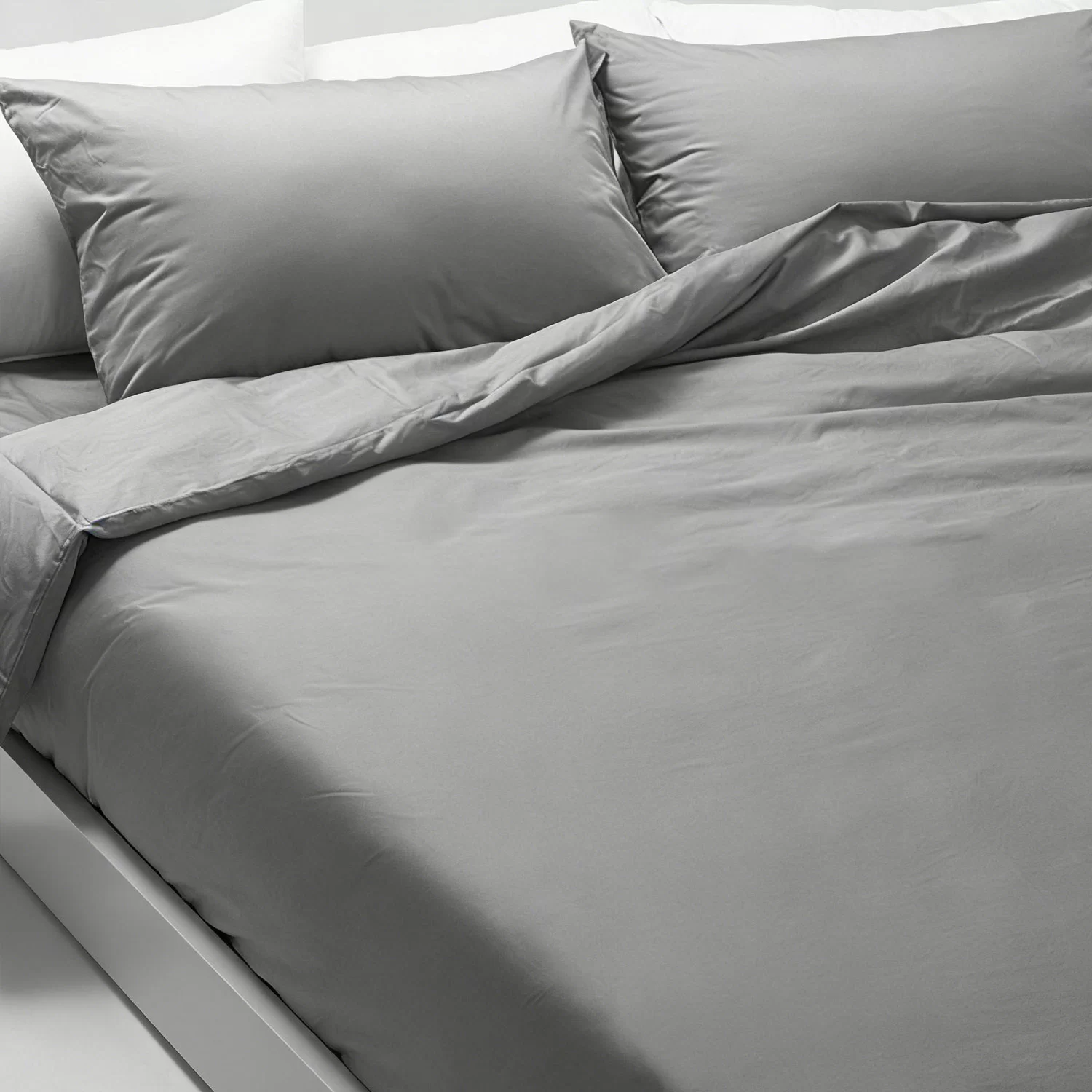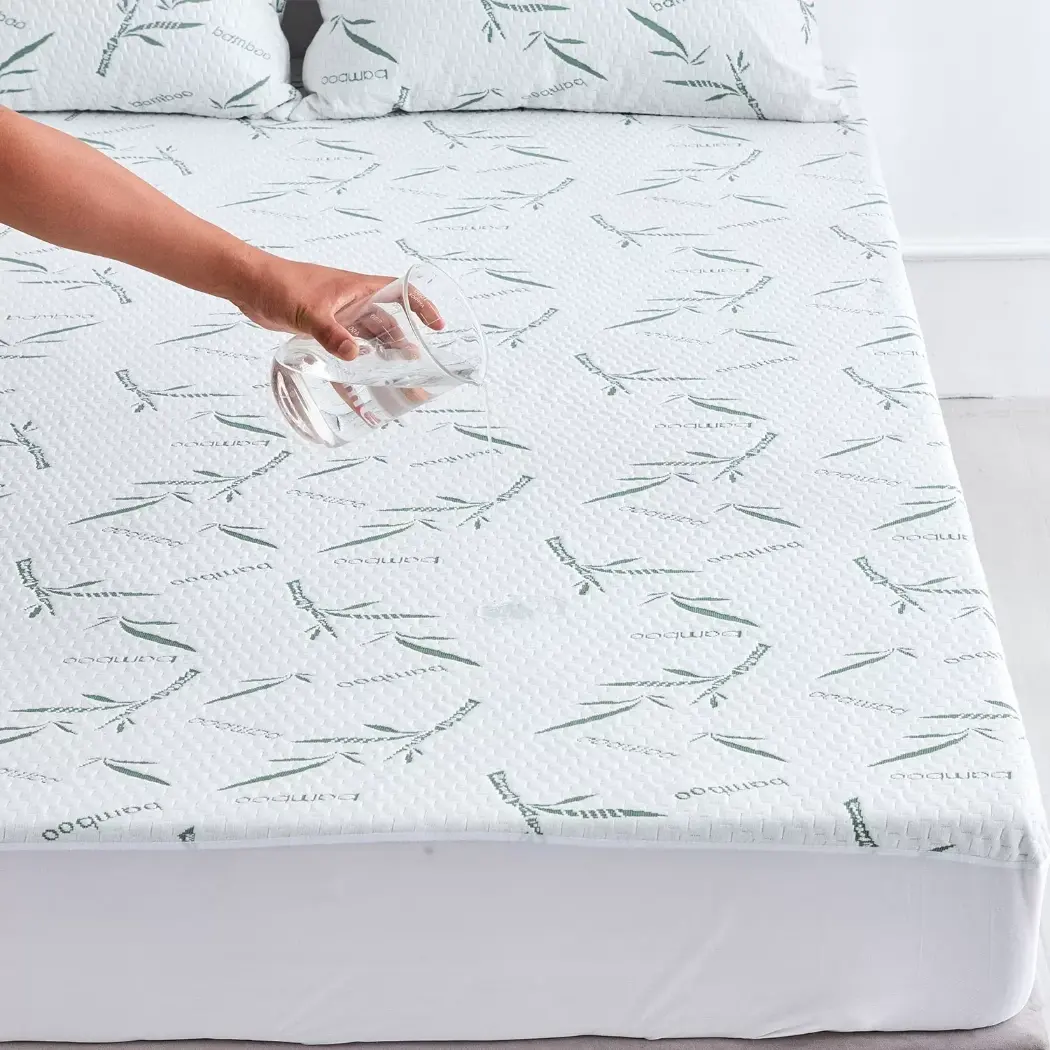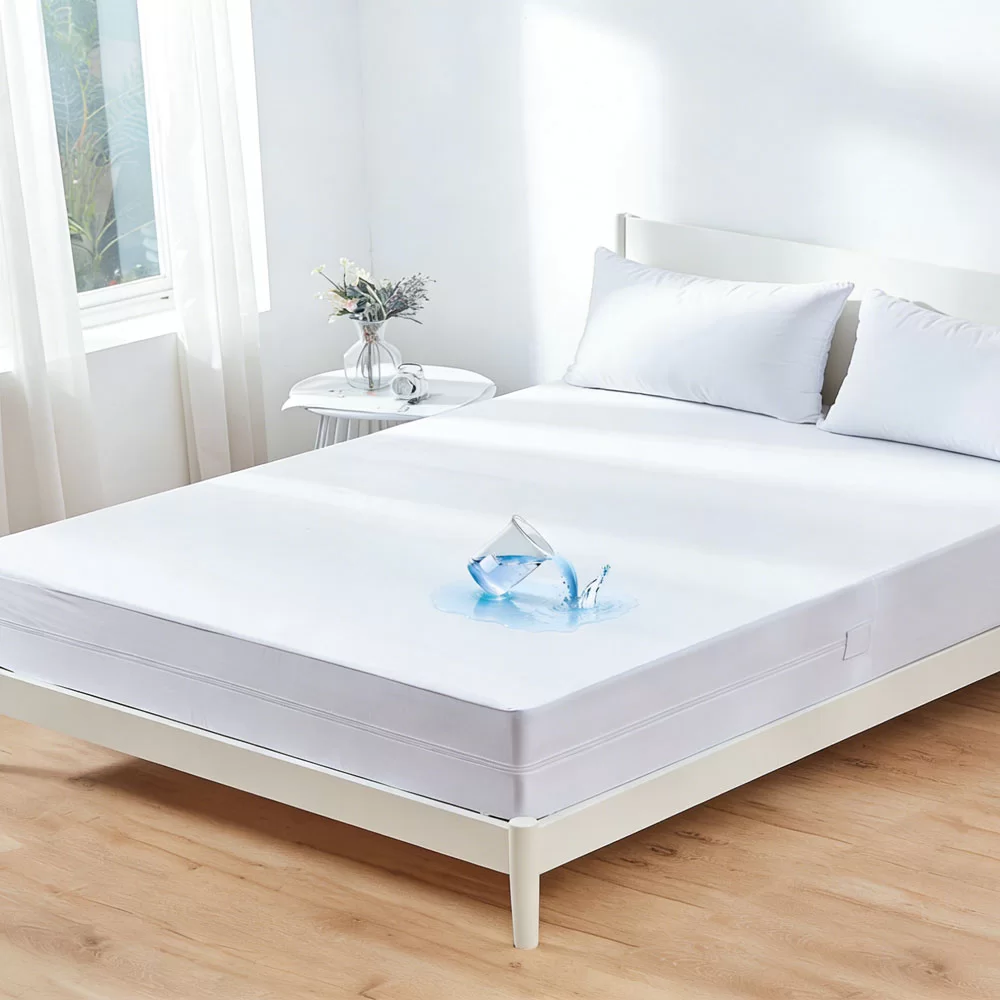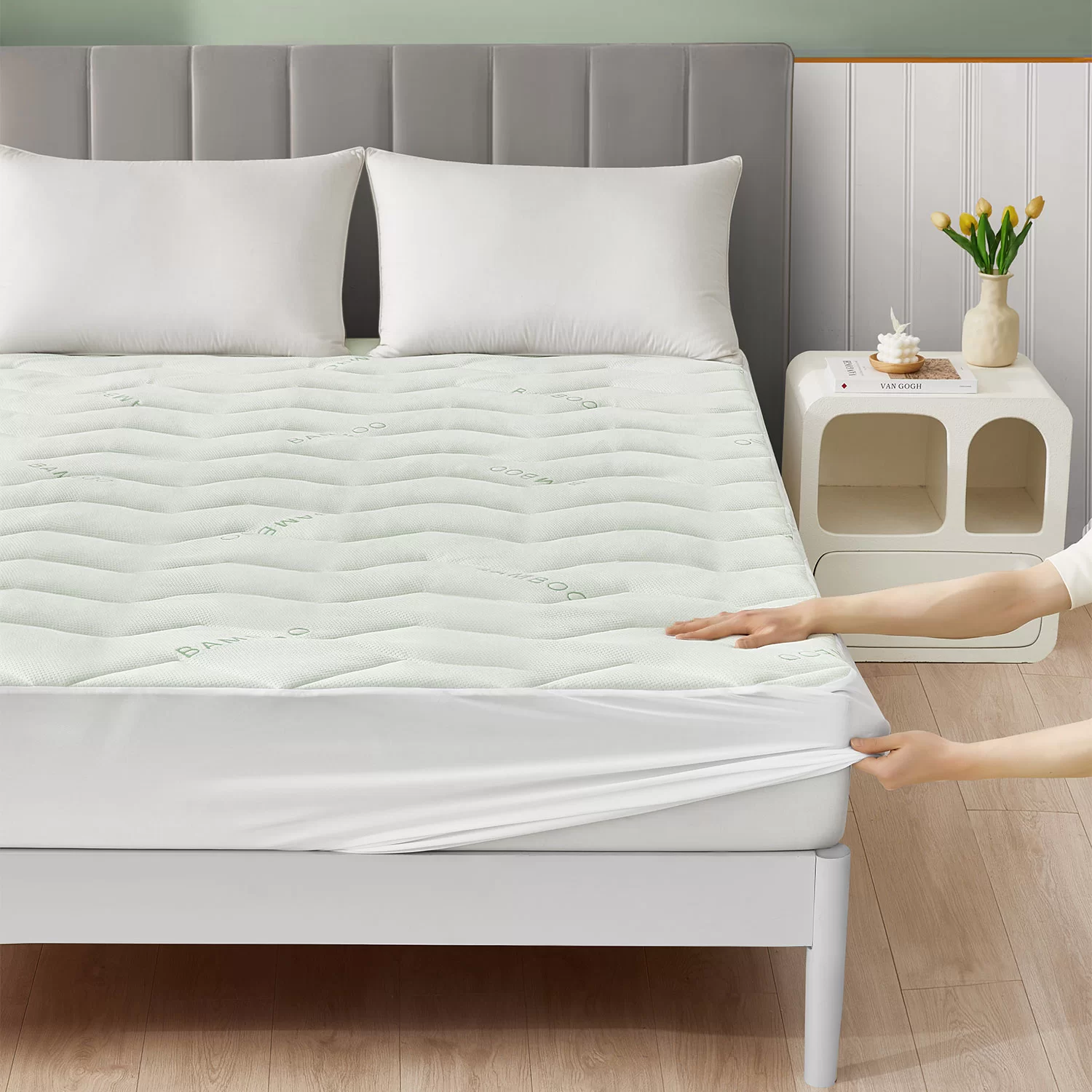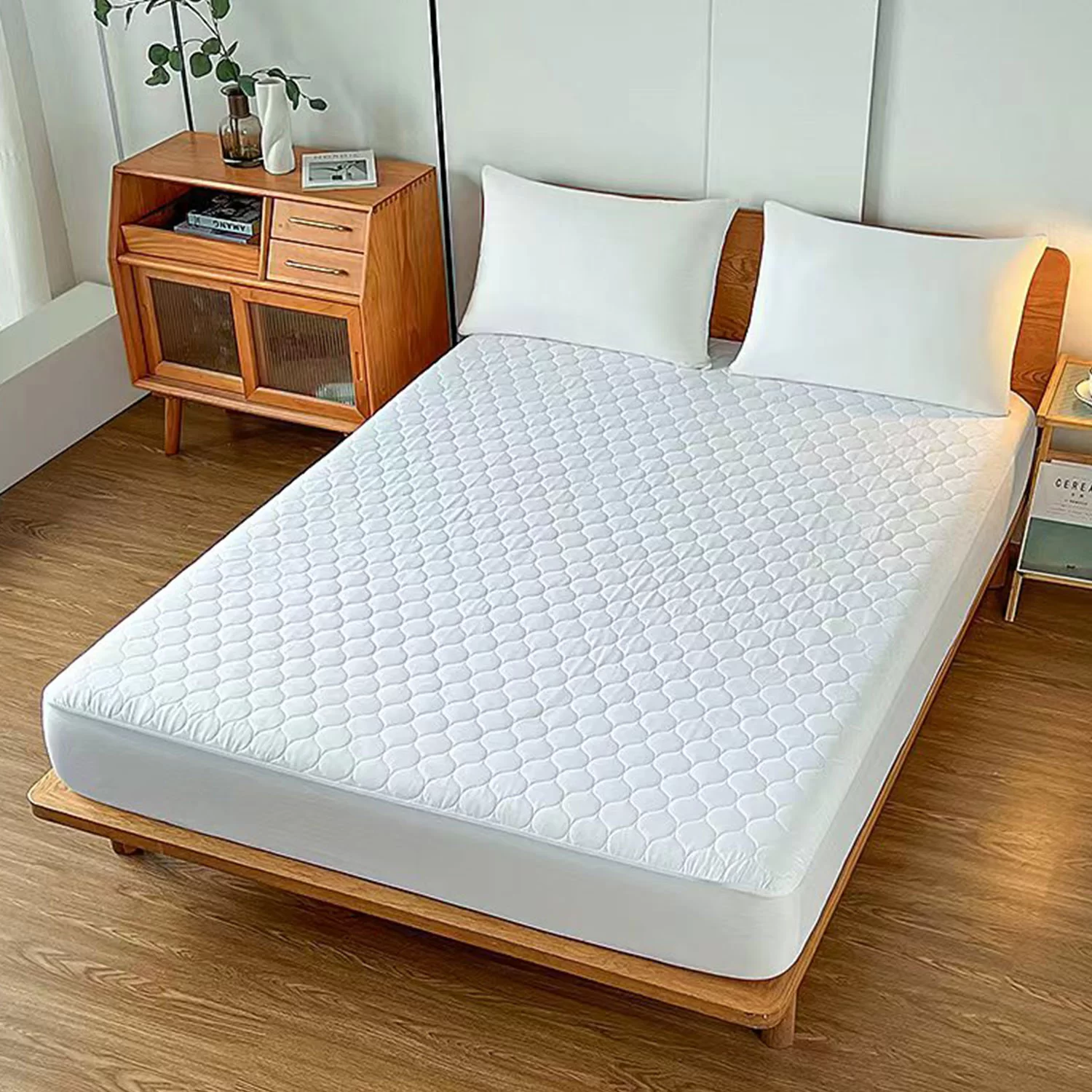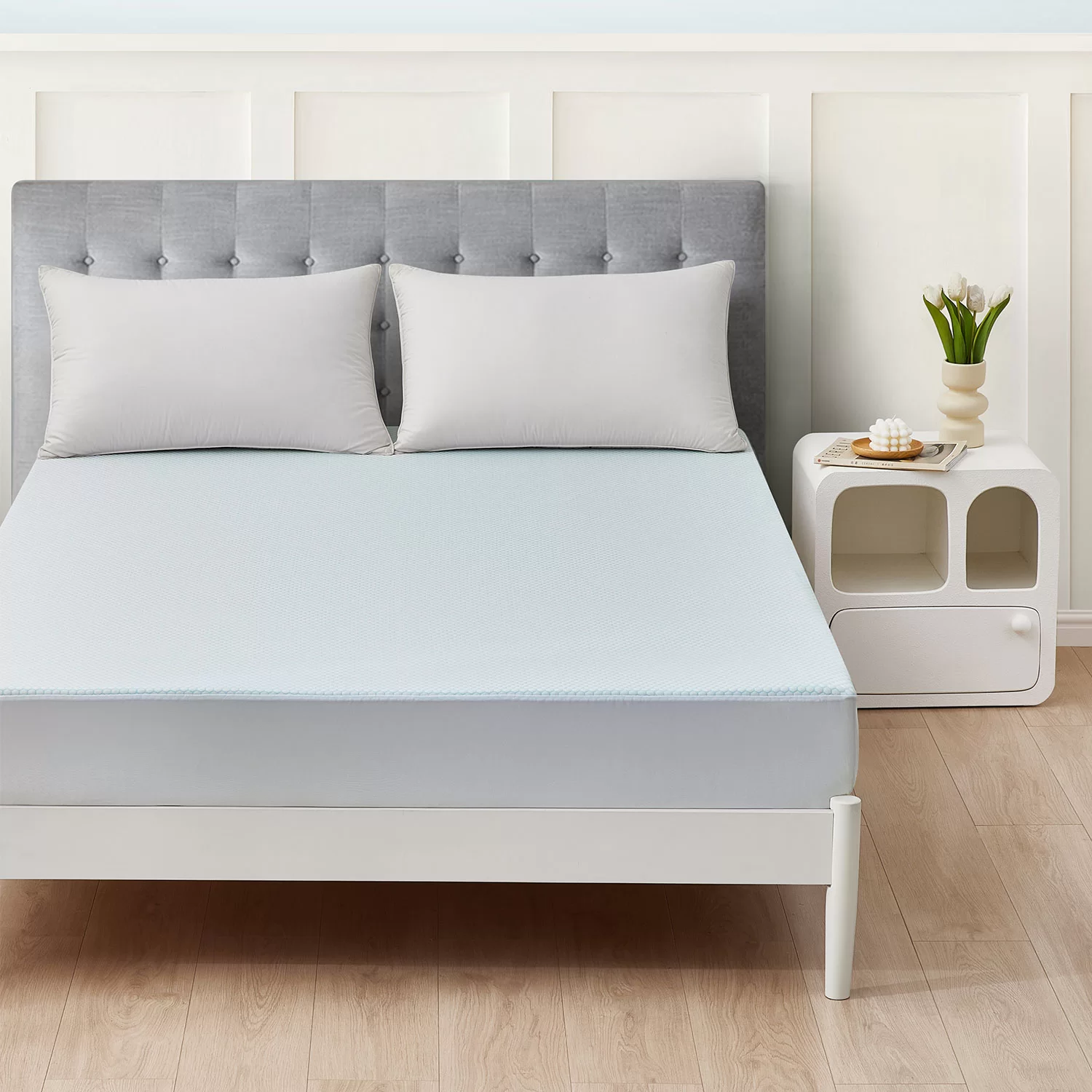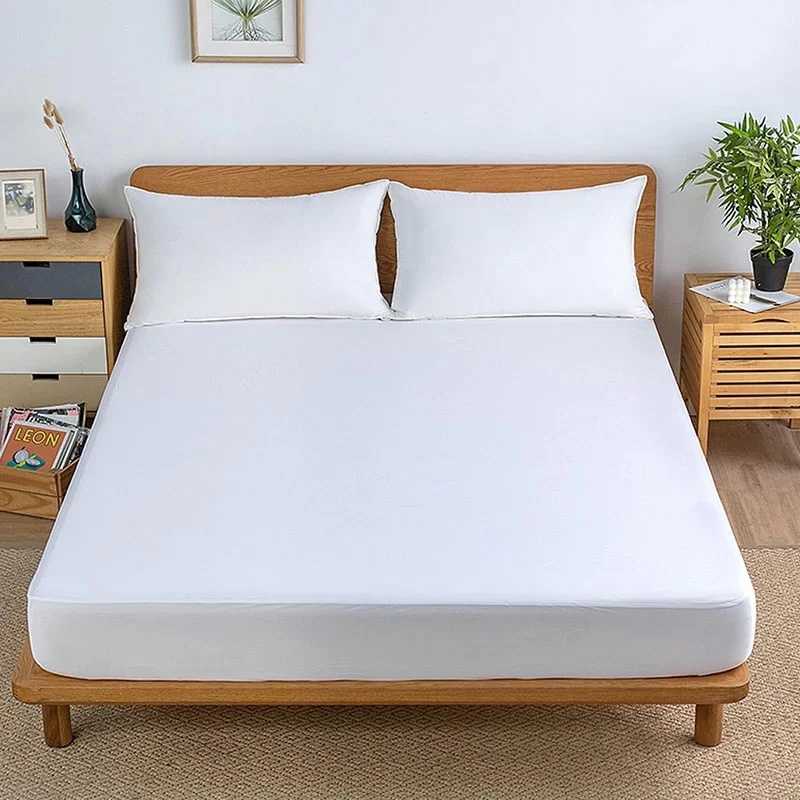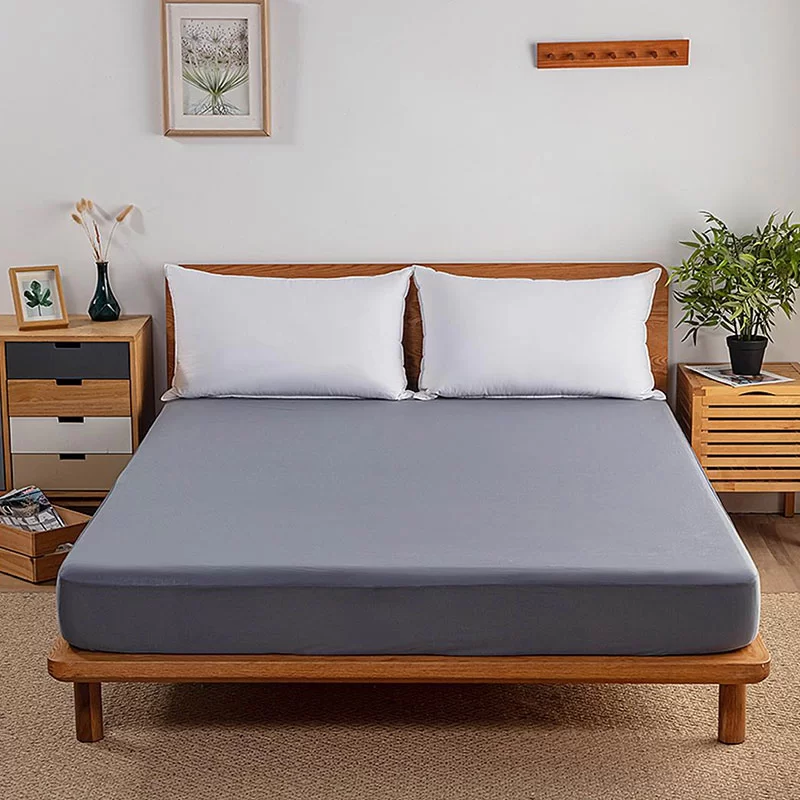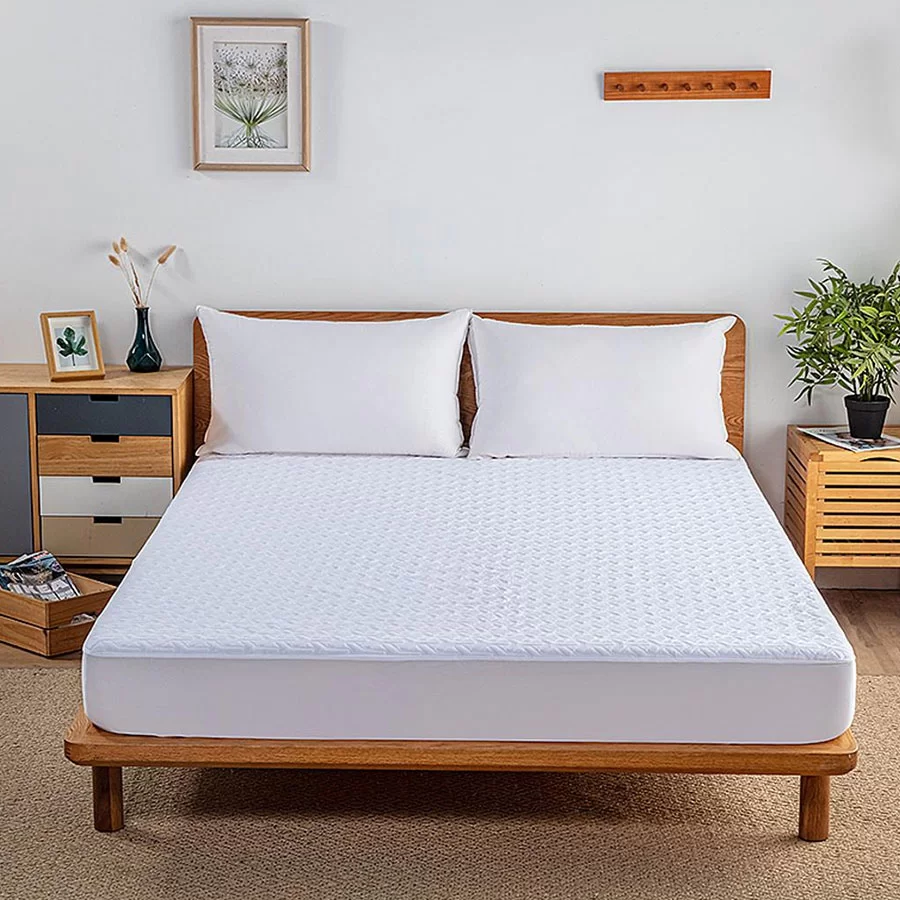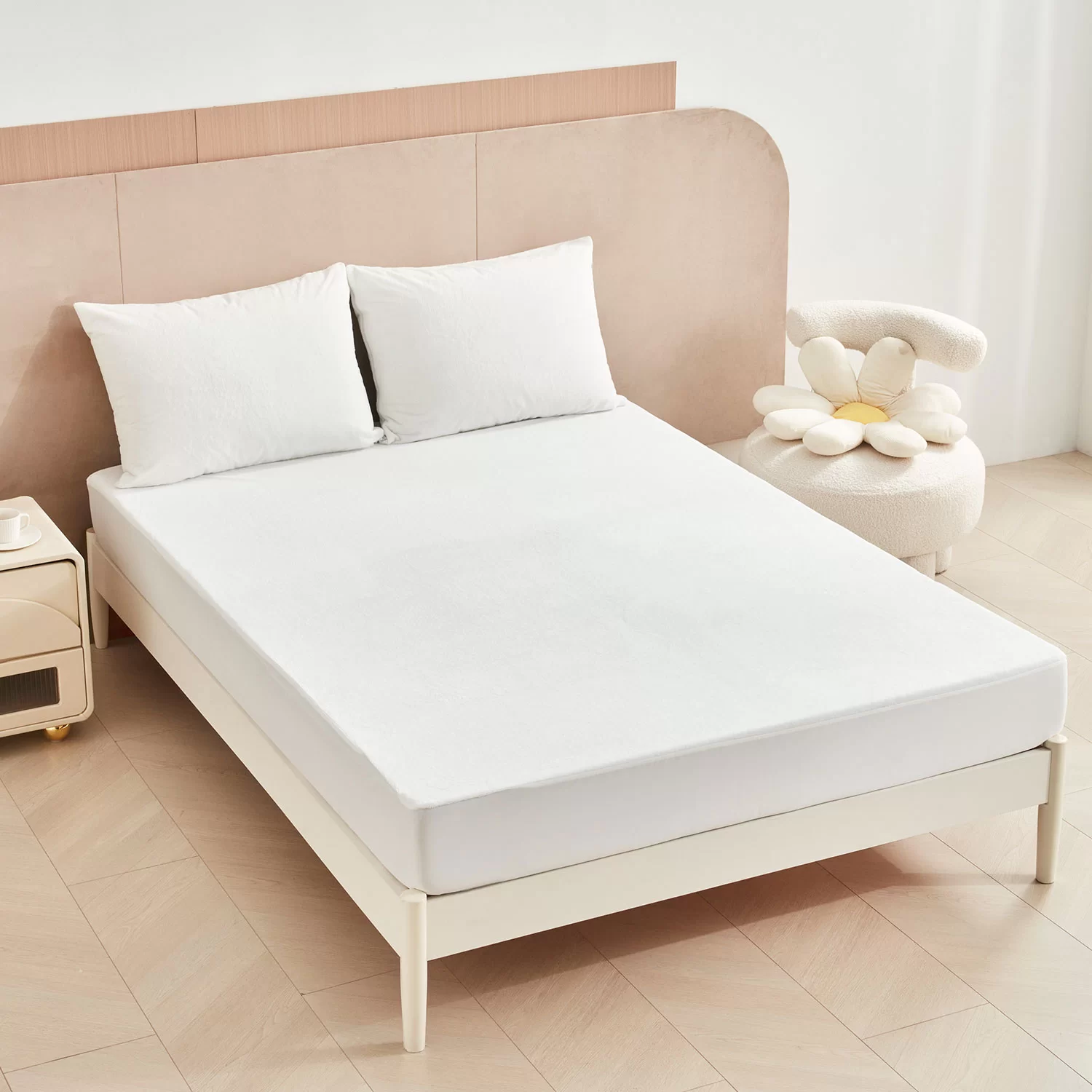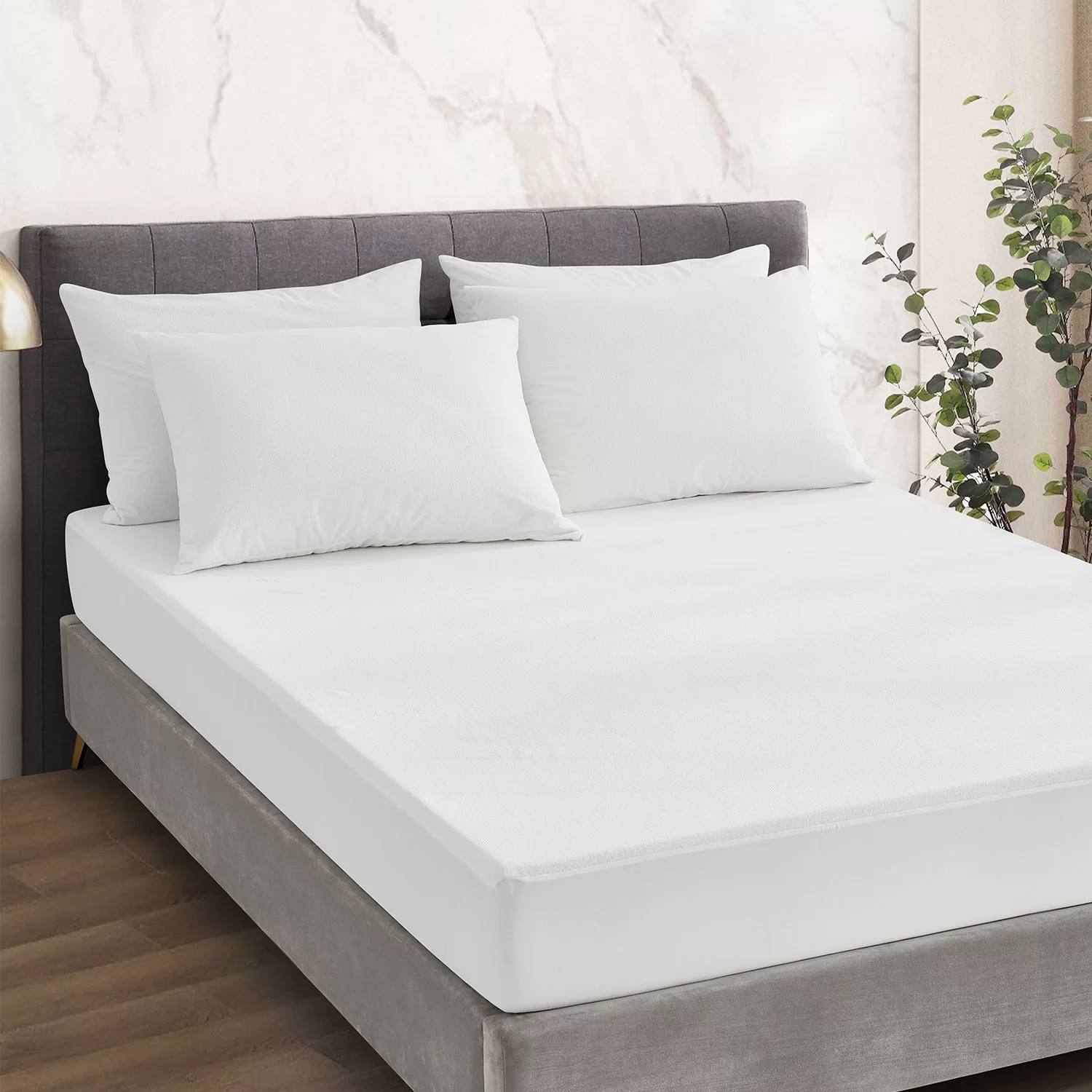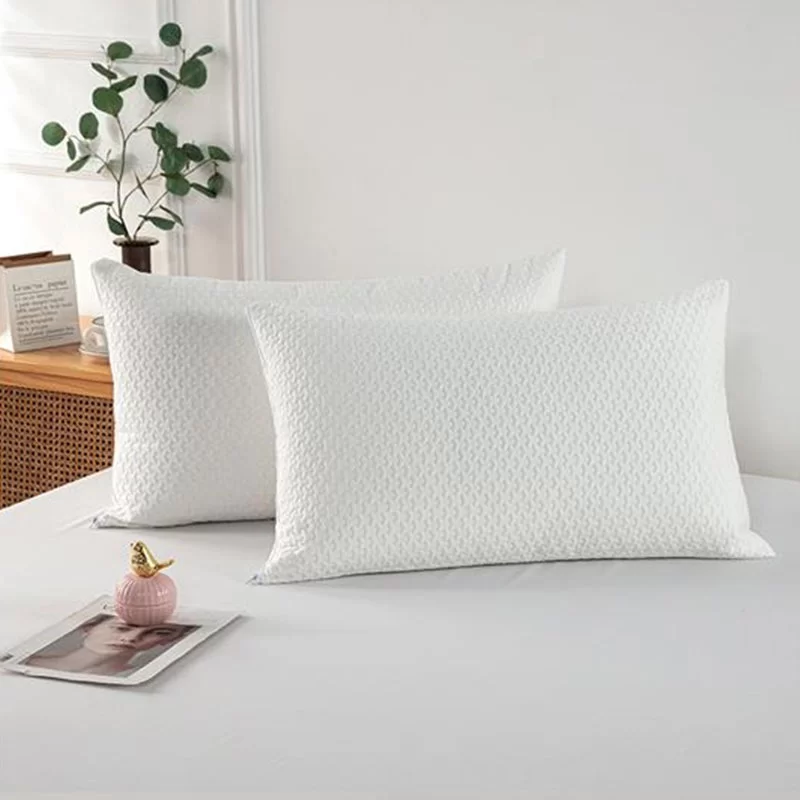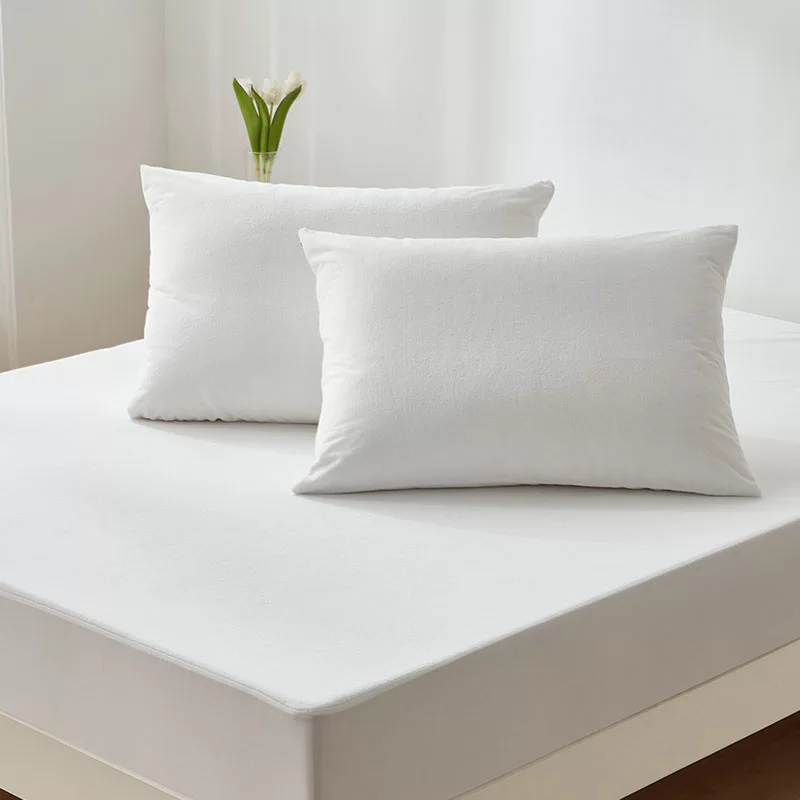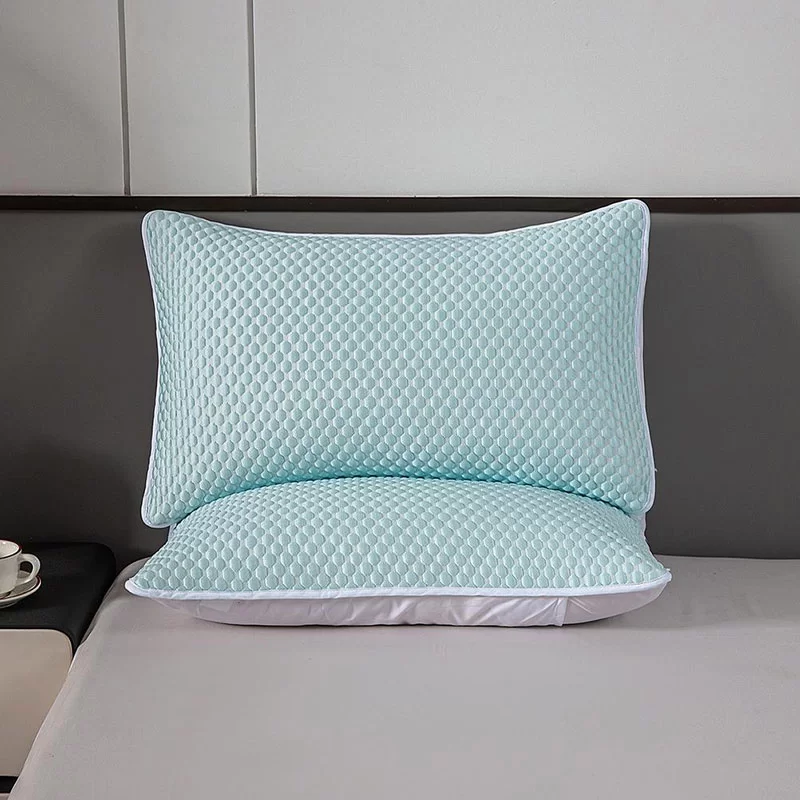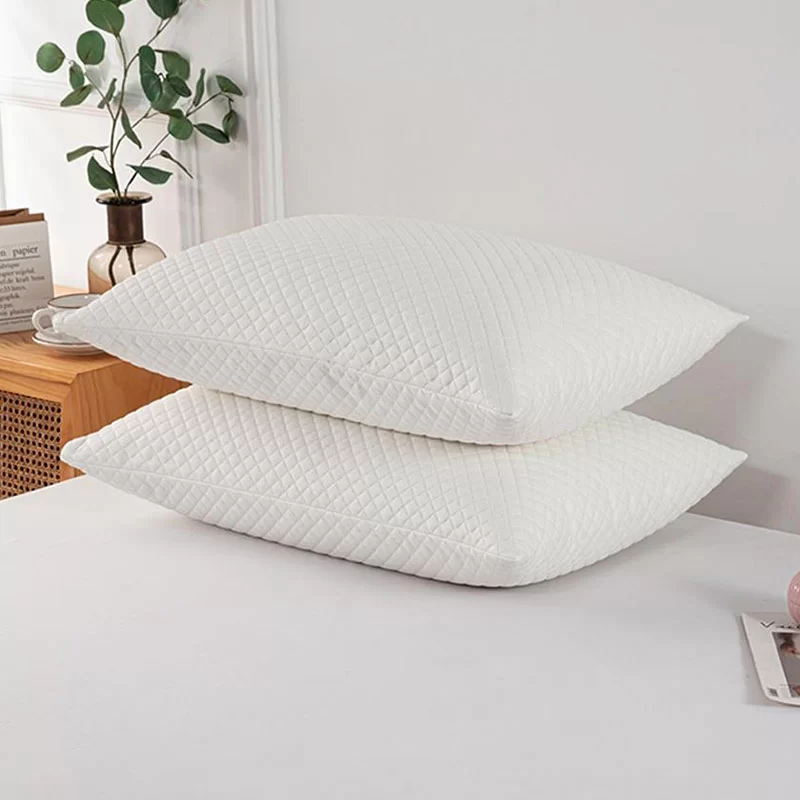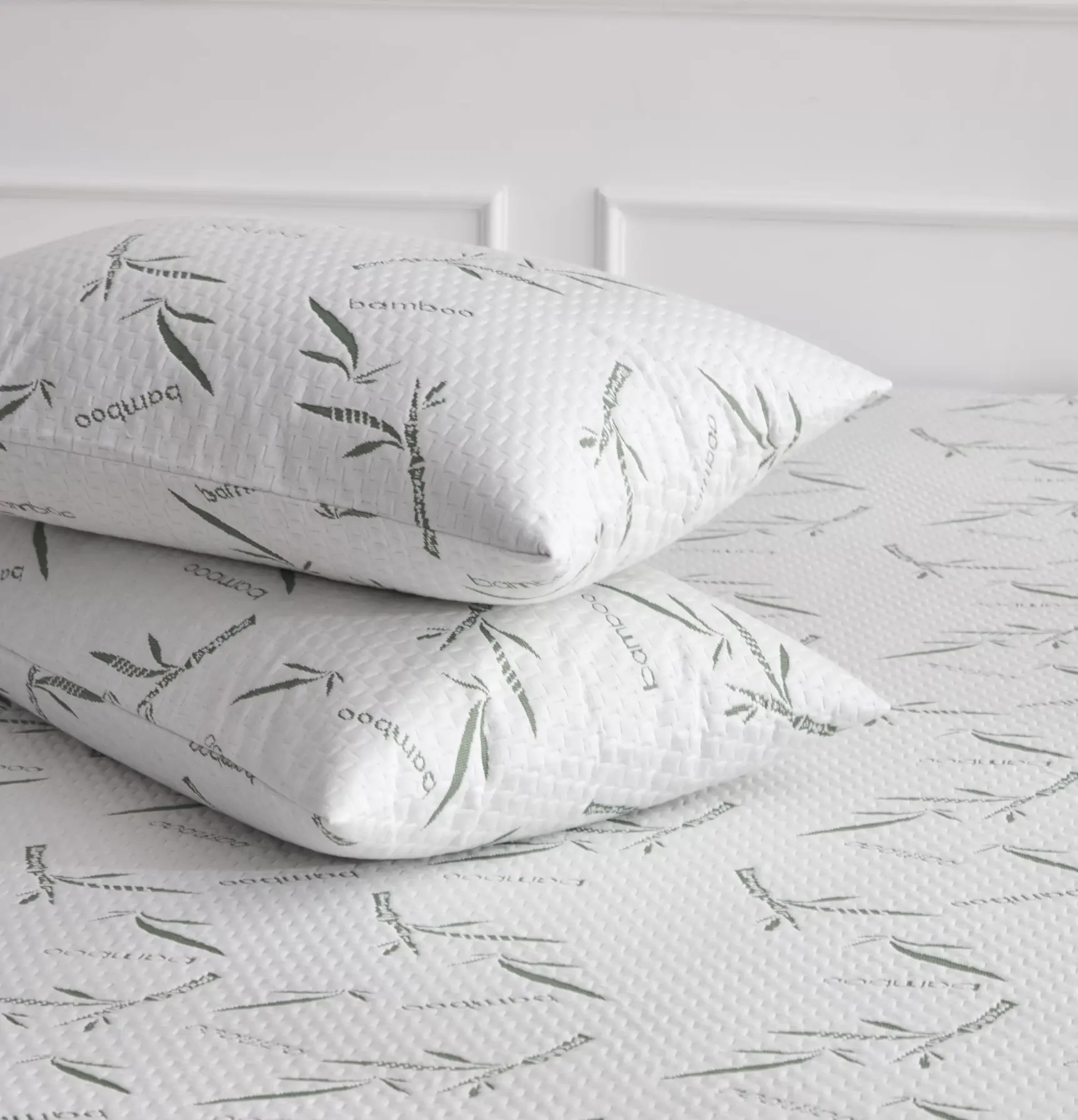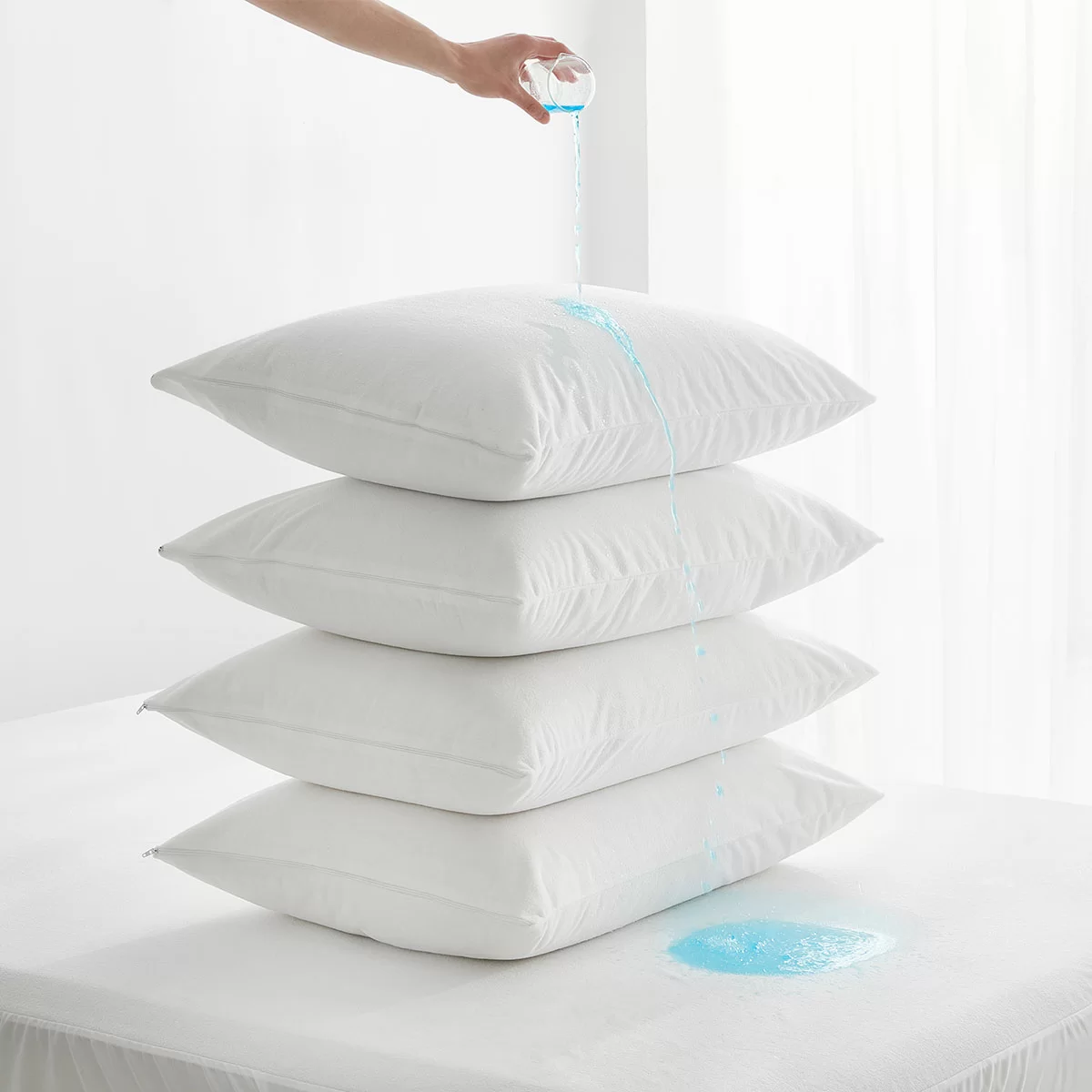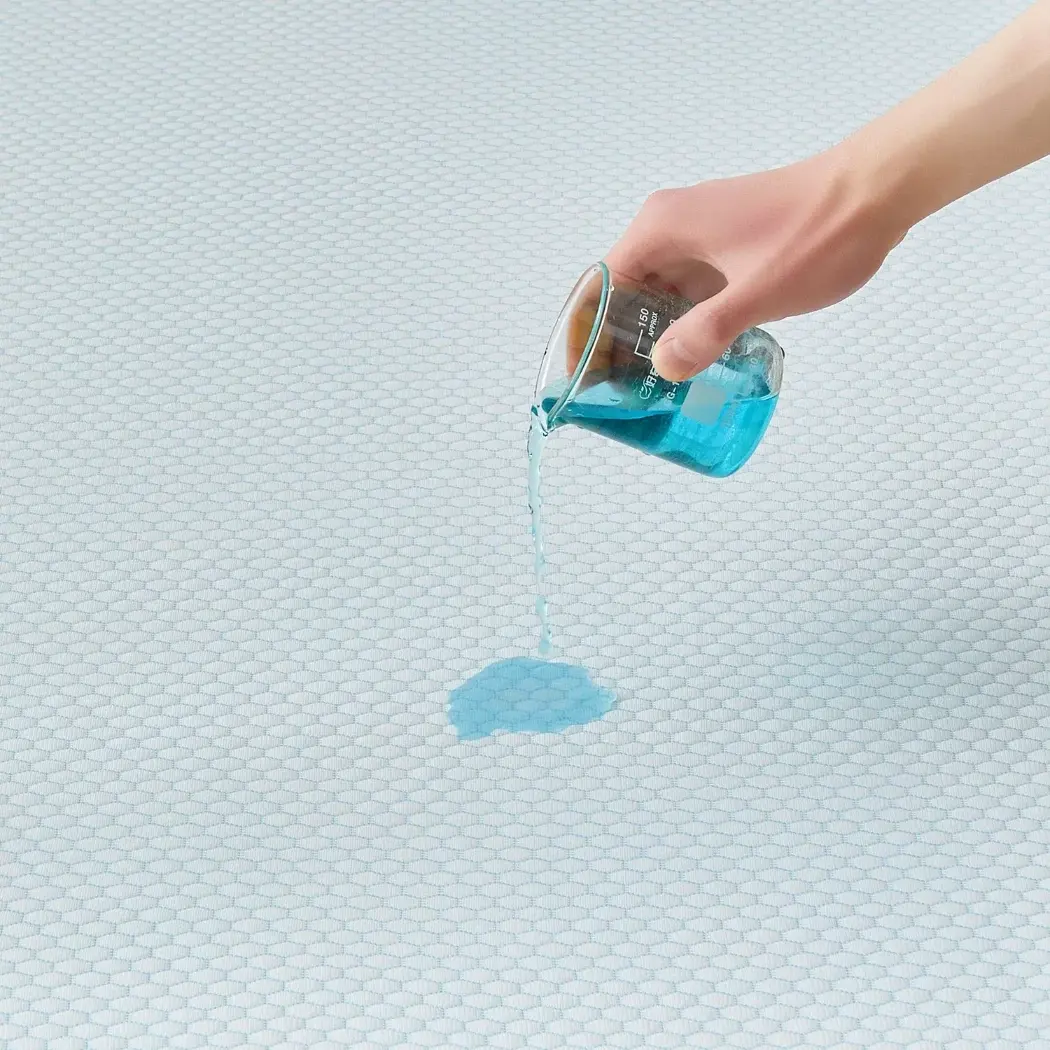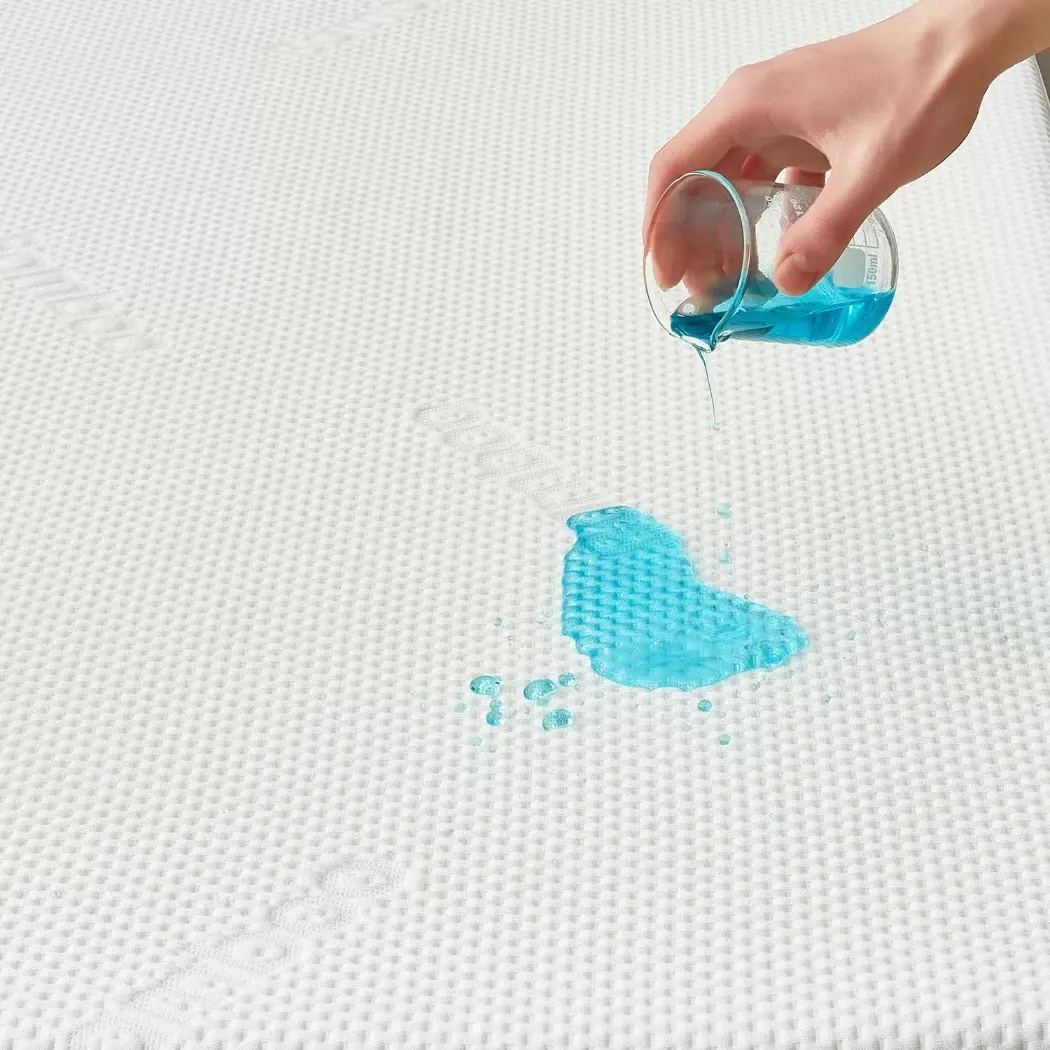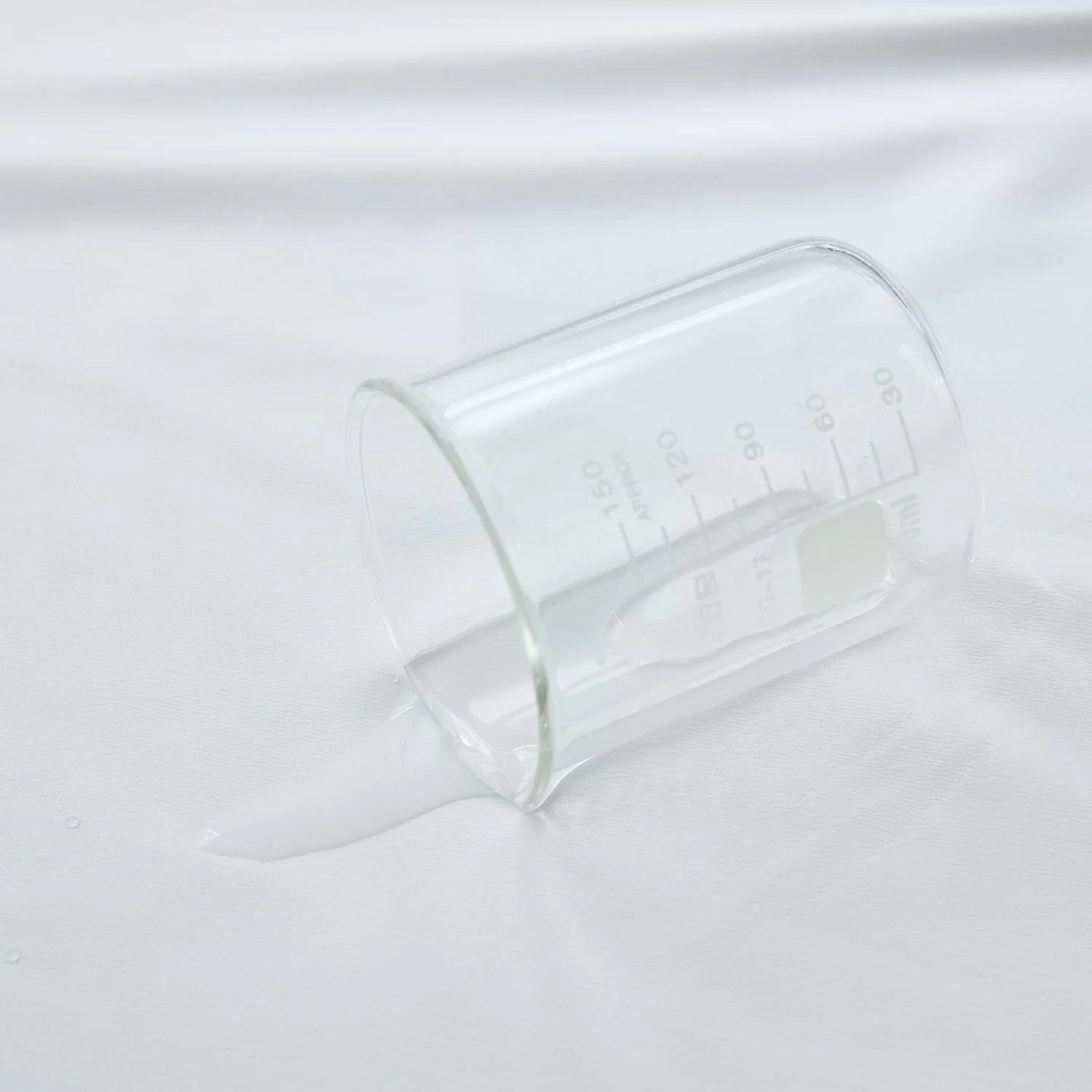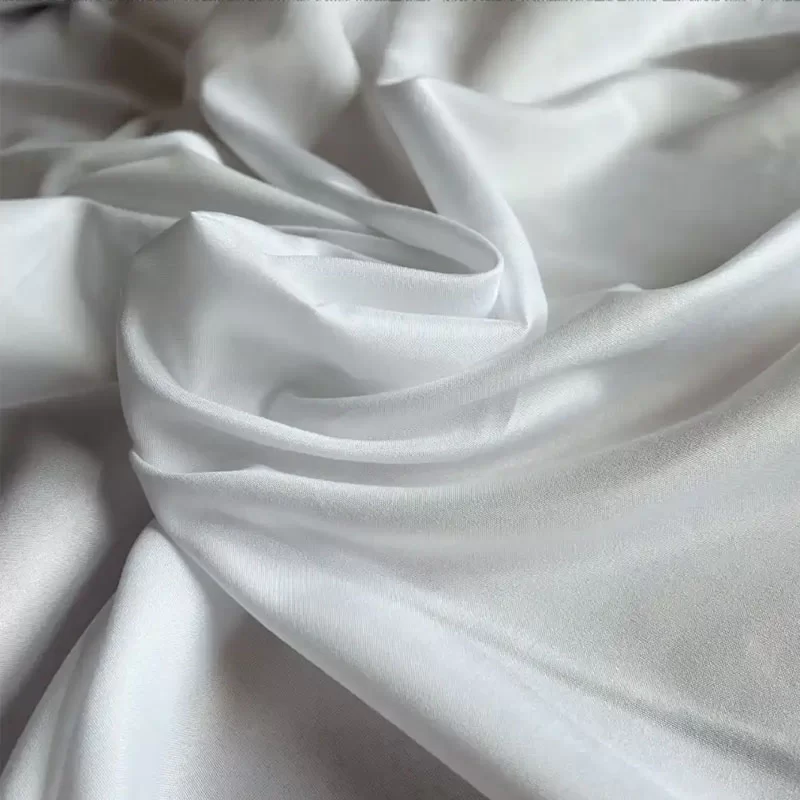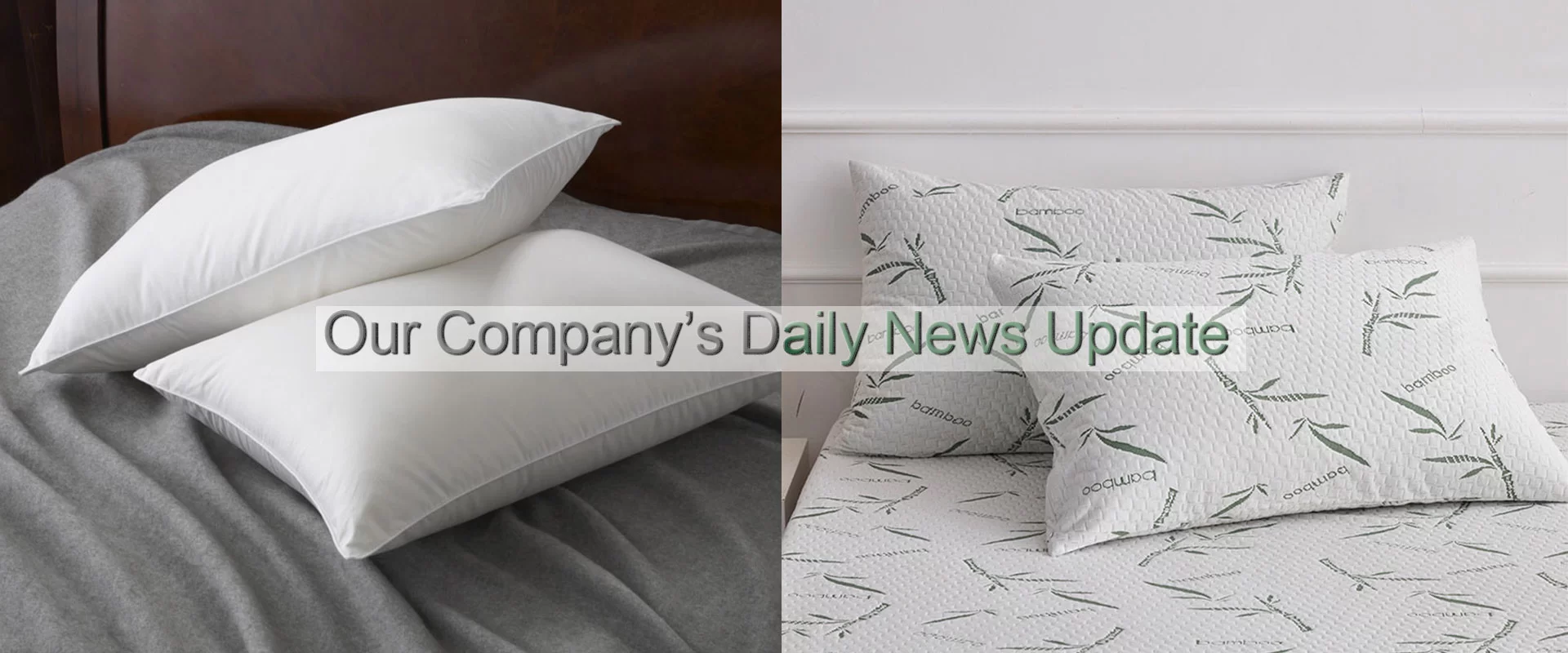
Waterproof flat sheets represent a crucial intersection of textile innovation and practical need, increasingly vital in a world facing unpredictable weather patterns and heightened demands for reliable protection. These sheets, unlike standard linens, are engineered to prevent water penetration, offering a barrier against spills, leaks, and environmental moisture. Their application spans diverse sectors, from healthcare and hospitality to outdoor recreation and emergency preparedness, making them a significant component in ensuring comfort, hygiene, and safety. Understanding the technology, applications, and future trends surrounding waterproof flat sheets is paramount for professionals and consumers alike.
The global demand for waterproof materials is driven by several factors including climate change leading to more frequent extreme weather events, growing awareness of hygiene and infection control, and increasing participation in outdoor activities. Statistics from the UN Office for Disaster Risk Reduction show a significant rise in climate-related disasters over the past two decades, highlighting the need for effective protective measures. The ISO standards for waterproof textiles are becoming increasingly stringent, reflecting a global push for quality and reliability. This creates a substantial market for products like waterproof flat sheets that offer practical solutions to these challenges.
The rising incidence of water damage – whether from accidental spills in healthcare settings or flooding during natural disasters – underscores the importance of preventative solutions. Waterproof flat sheets address this directly, protecting mattresses, furniture, and sensitive equipment from costly damage and ensuring a more comfortable and sanitary environment. This is especially critical in situations where replacement is difficult or impossible, such as during emergency response efforts.
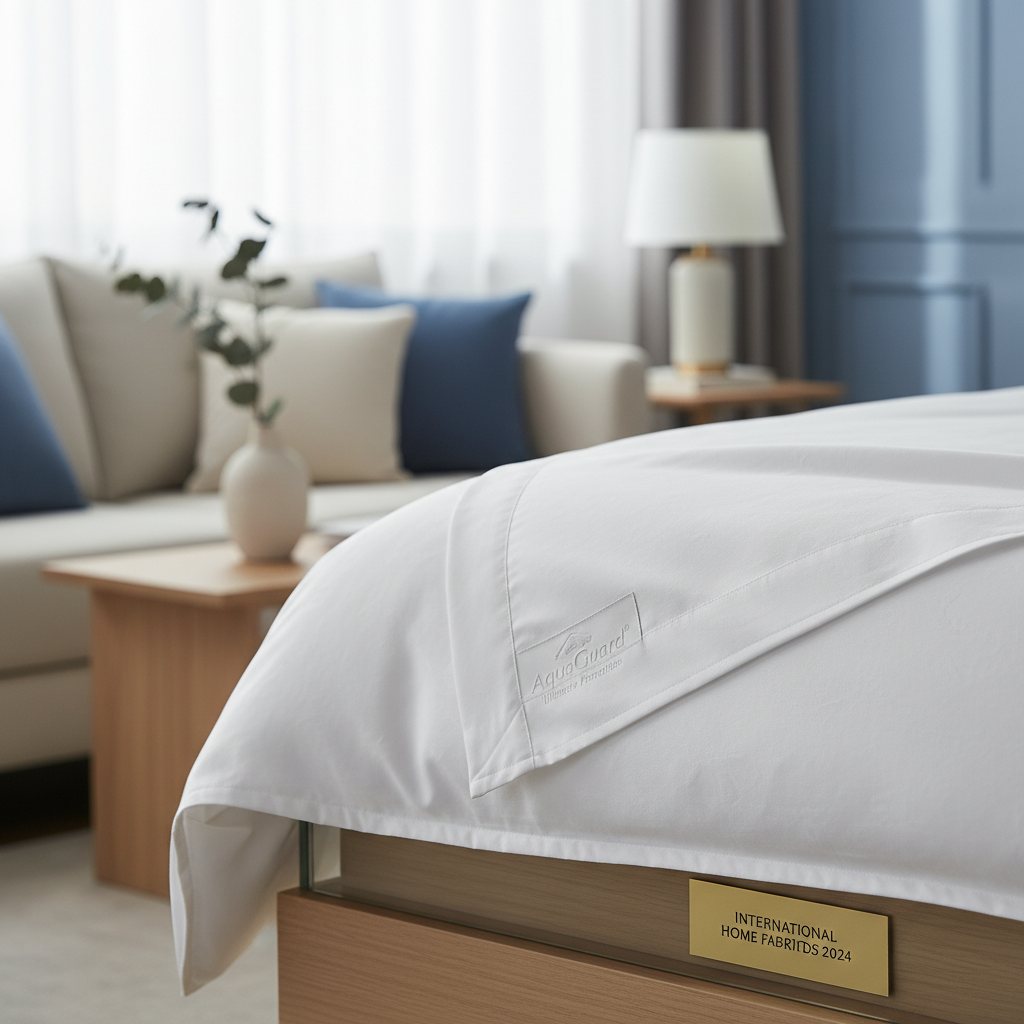
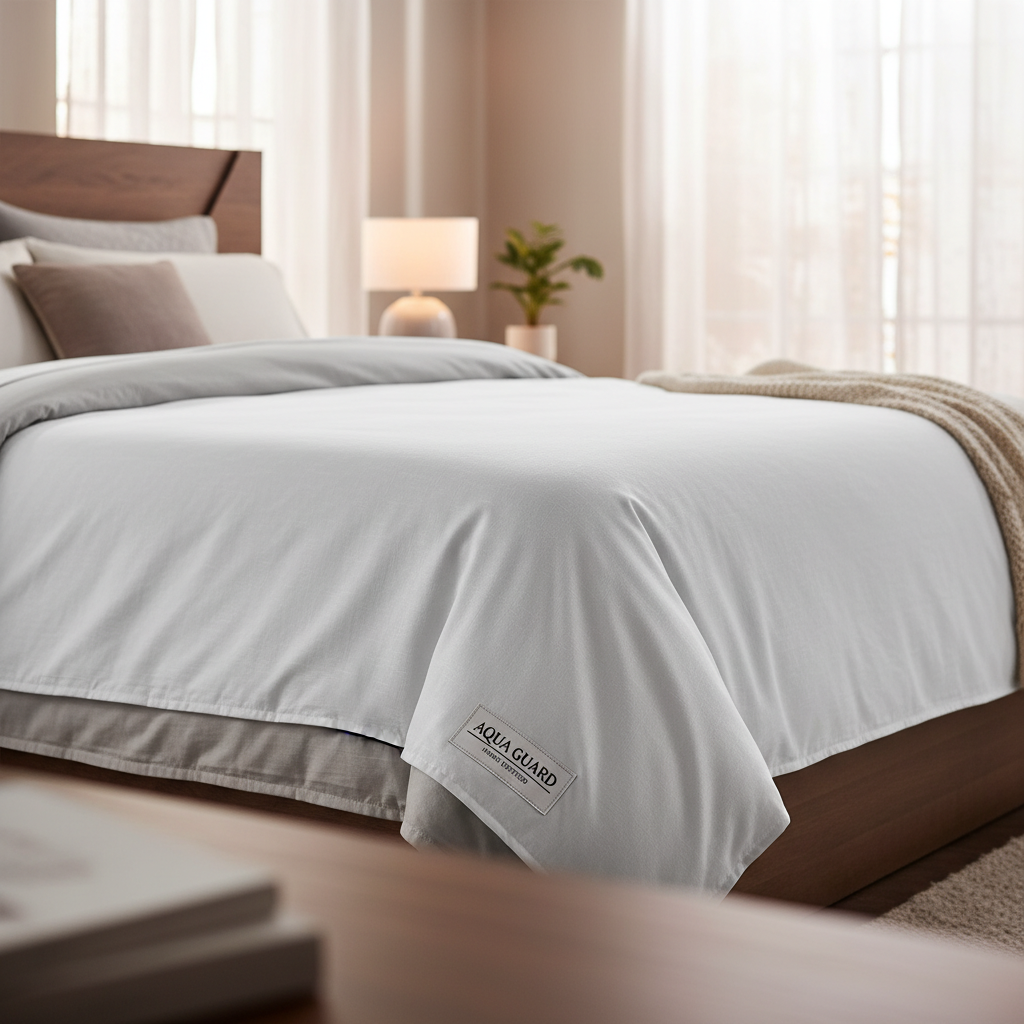
Waterproof flat sheets aren't merely an upgrade to traditional bedding; they represent a proactive approach to protection and hygiene. These sheets are specifically designed to repel liquids, safeguarding mattresses, bedding, and underlying surfaces from stains, allergens, and damage caused by spills or incontinence. The increasing need for such protective measures has made waterproof flat sheets a standard offering in healthcare facilities and a popular choice for households with children or pets.
The demand for these sheets is fueled by a growing awareness of the benefits of maintaining a clean and sanitary sleep environment. This is particularly important for individuals with allergies or asthma, as waterproof flat sheets can prevent the buildup of dust mites and other allergens. Furthermore, they provide peace of mind in situations where spills are likely, such as during travel or outdoor activities.
Waterproof sheets completely prevent liquid penetration, while water-resistant sheets only repel water to a certain degree. Waterproof sheets typically utilize a waterproof membrane like PUL or TPU, creating an impermeable barrier. Water-resistant sheets often rely on coatings that can wear off over time and may not withstand prolonged exposure to liquids. Choosing between the two depends on the level of protection required – waterproof is best for complete protection, while water-resistant is suitable for minor spills.
Most waterproof flat sheets are machine washable, but it's crucial to follow the manufacturer's instructions. Generally, you should wash them on a gentle cycle with cold or lukewarm water and mild detergent. Avoid using bleach, fabric softeners, or harsh chemicals, as these can damage the waterproof coating. Tumble dry on low heat or hang to dry. Excessive heat can degrade the waterproof properties.
Breathability is an important consideration. While waterproof materials inherently restrict airflow to some extent, many modern waterproof flat sheets are designed with breathability in mind. Materials like PUL and TPU allow some moisture vapor to escape, preventing condensation and ensuring comfort. Look for sheets with a higher MVTR (Moisture Vapor Transmission Rate) for better breathability.
Ironing is generally not recommended for waterproof flat sheets, as the heat can damage the waterproof coating. If ironing is necessary, use a very low heat setting and place a protective cloth between the iron and the sheet. However, it's best to avoid ironing altogether to preserve the sheet's waterproof properties.
Many waterproof flat sheets are designed to be hypoallergenic, making them suitable for individuals with allergies or sensitive skin. They create a barrier against dust mites, allergens, and other irritants, promoting a healthier sleep environment. However, it’s essential to look for sheets specifically labeled as hypoallergenic and made with non-toxic materials.
The lifespan of a waterproof flat sheet depends on the quality of the materials and the frequency of use and washing. With proper care, a high-quality waterproof flat sheet can last for several years. However, the waterproof coating may gradually degrade over time with repeated washing and exposure to harsh chemicals. Signs of wear include reduced water resistance and cracking of the coating.
Waterproof flat sheets have evolved from a niche product to an essential component of modern life, offering unparalleled protection, hygiene, and peace of mind. Their applications span healthcare, childcare, hospitality, and everyday home use, demonstrating their versatility and widespread benefit. Understanding the core components, performance indicators, and emerging trends in this field allows for informed decision-making and optimal utilization of these valuable products.
As technology continues to advance, we can expect to see even more innovative and sustainable waterproof flat sheet solutions emerge, further enhancing their performance and environmental friendliness. Investing in a high-quality waterproof flat sheet is not merely purchasing a product; it's investing in comfort, hygiene, and long-term protection. Visit our website at www.infortextile.com to explore our range of waterproof flat sheet options.



Contact Us
Email: inforhometextile@126.com
Email: helenkou@126.com
Address
Zerun Building,No.122 Fengshou Road,Chang'an District,Shijiazhuang City,Hebei Province,China
If you are interested in our products, you can choose to leave your information here, and we will be in touch with you shortly.