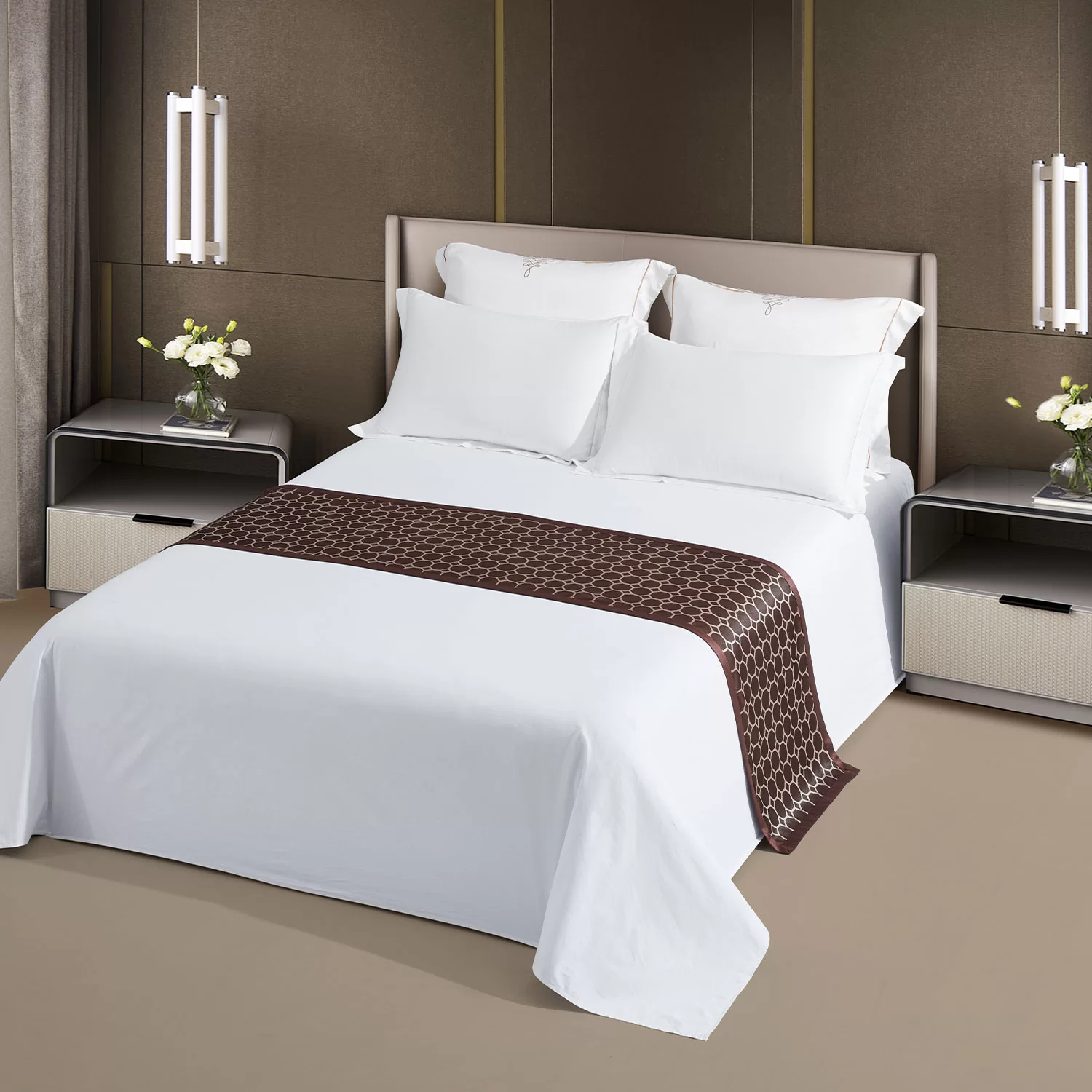

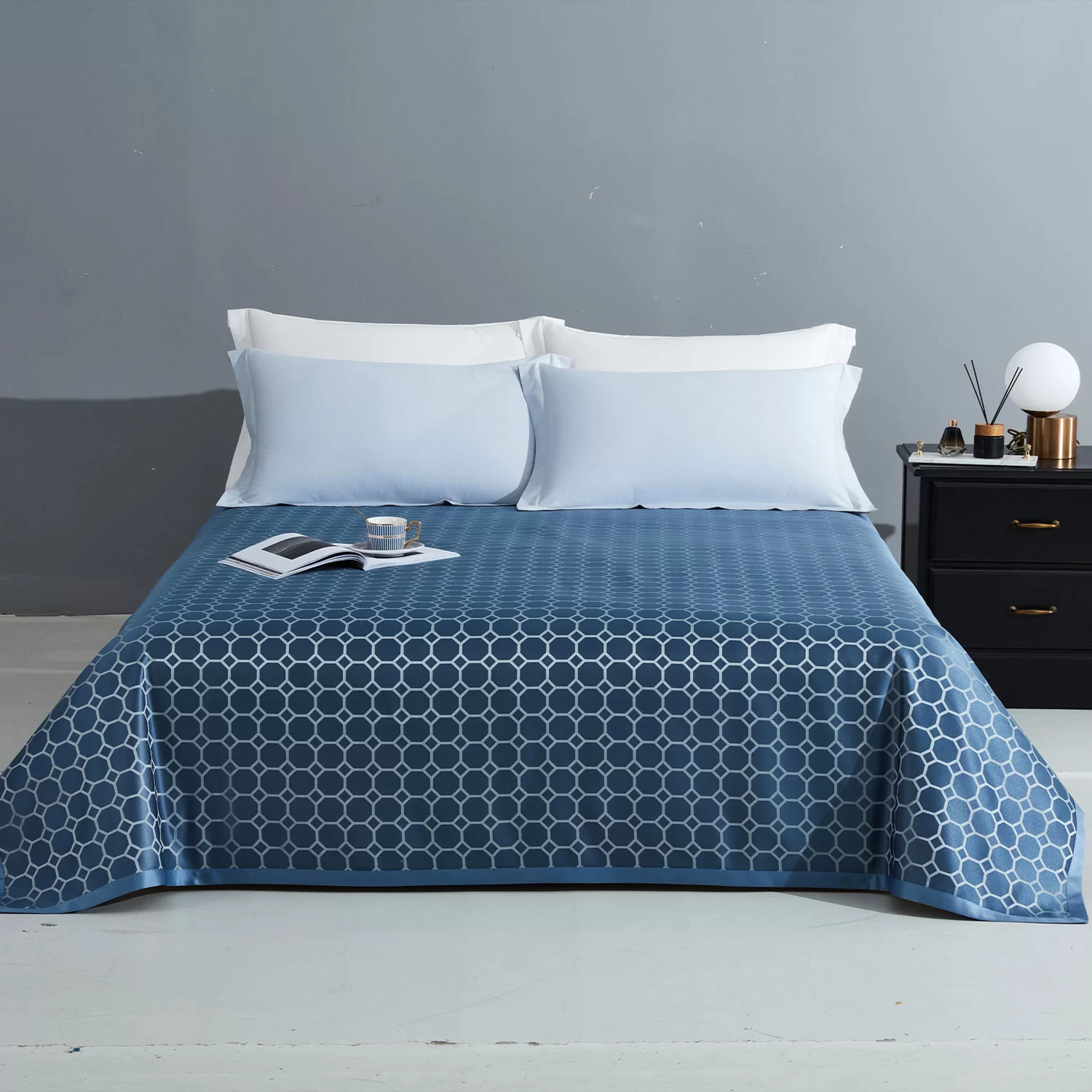
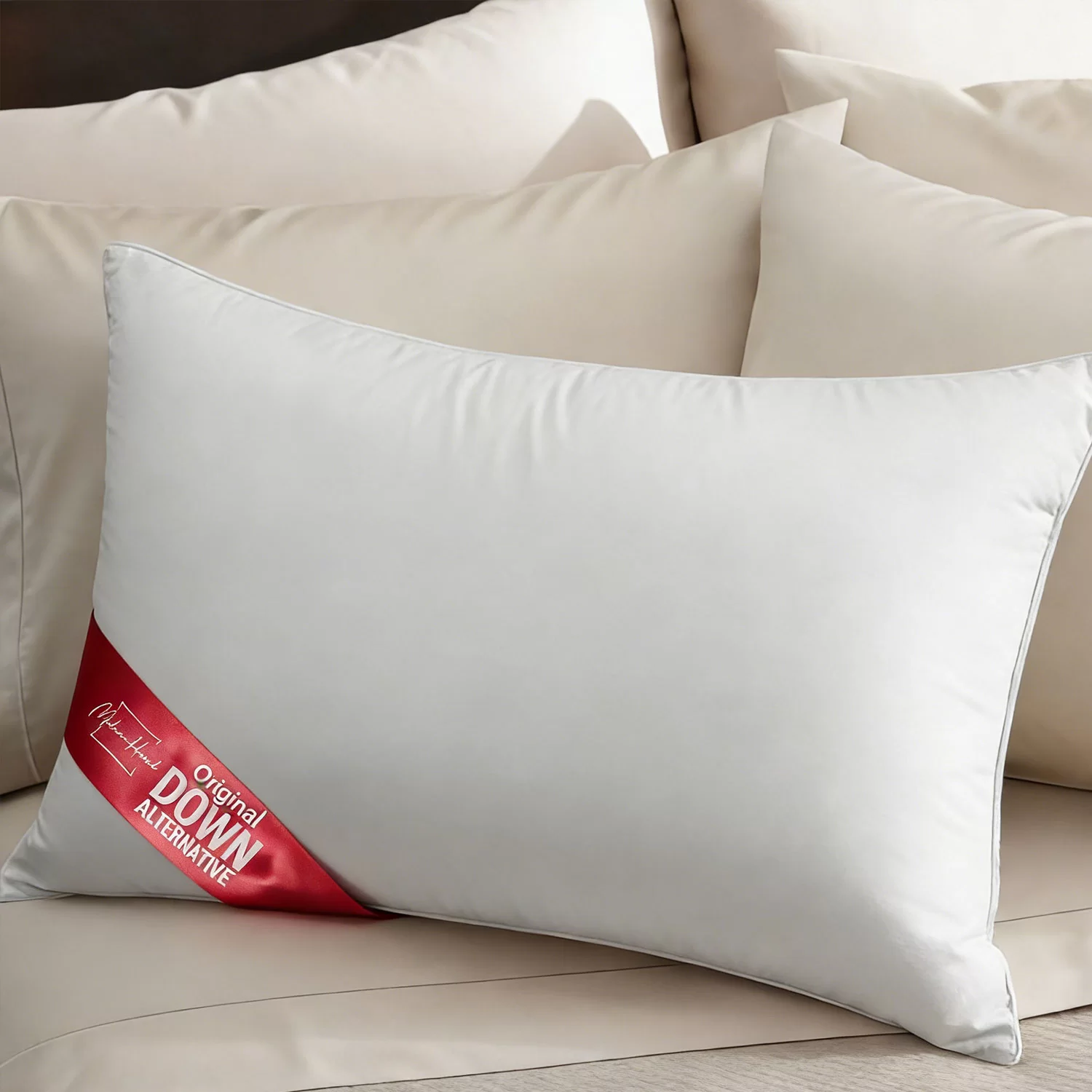
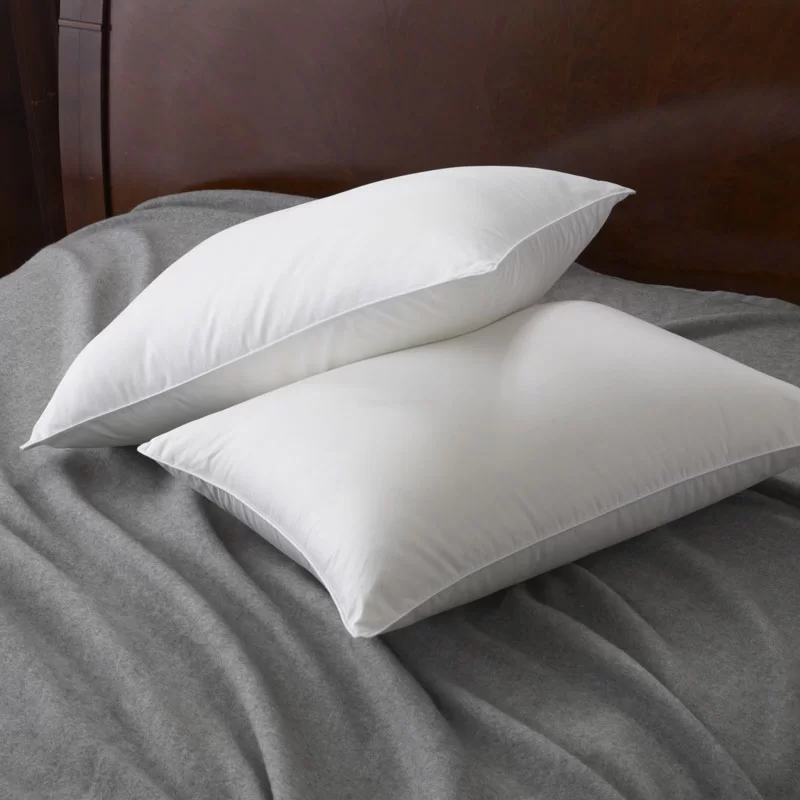
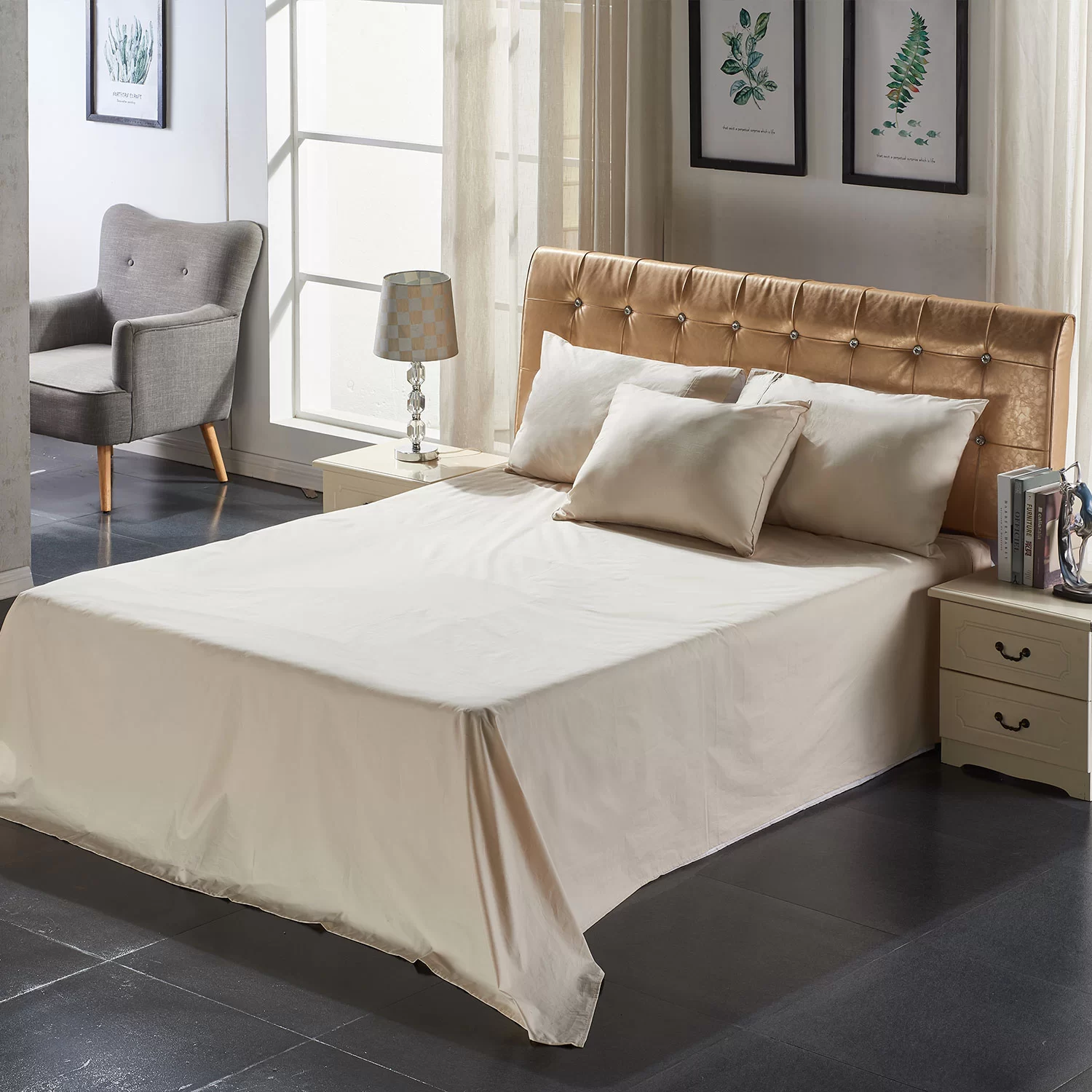
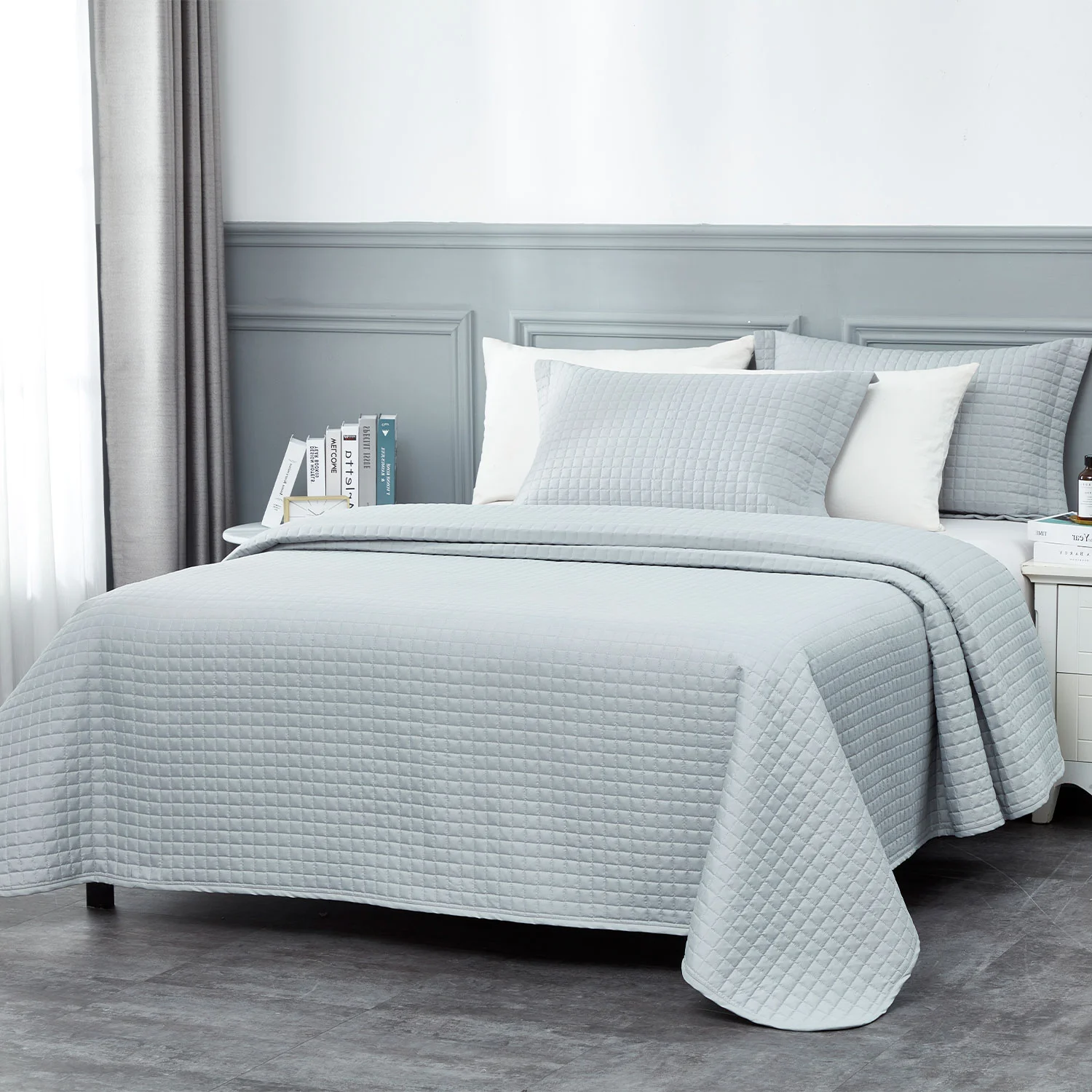
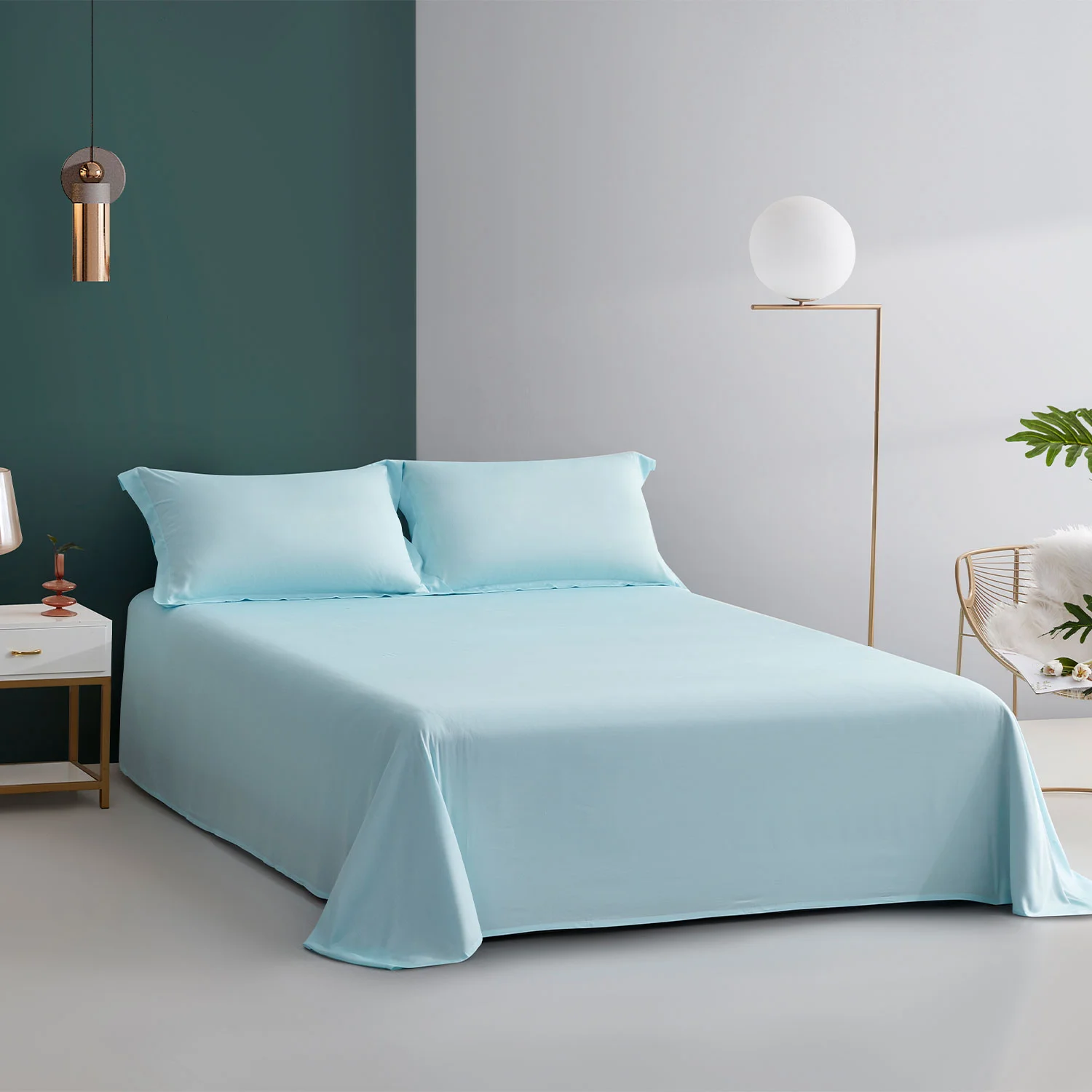
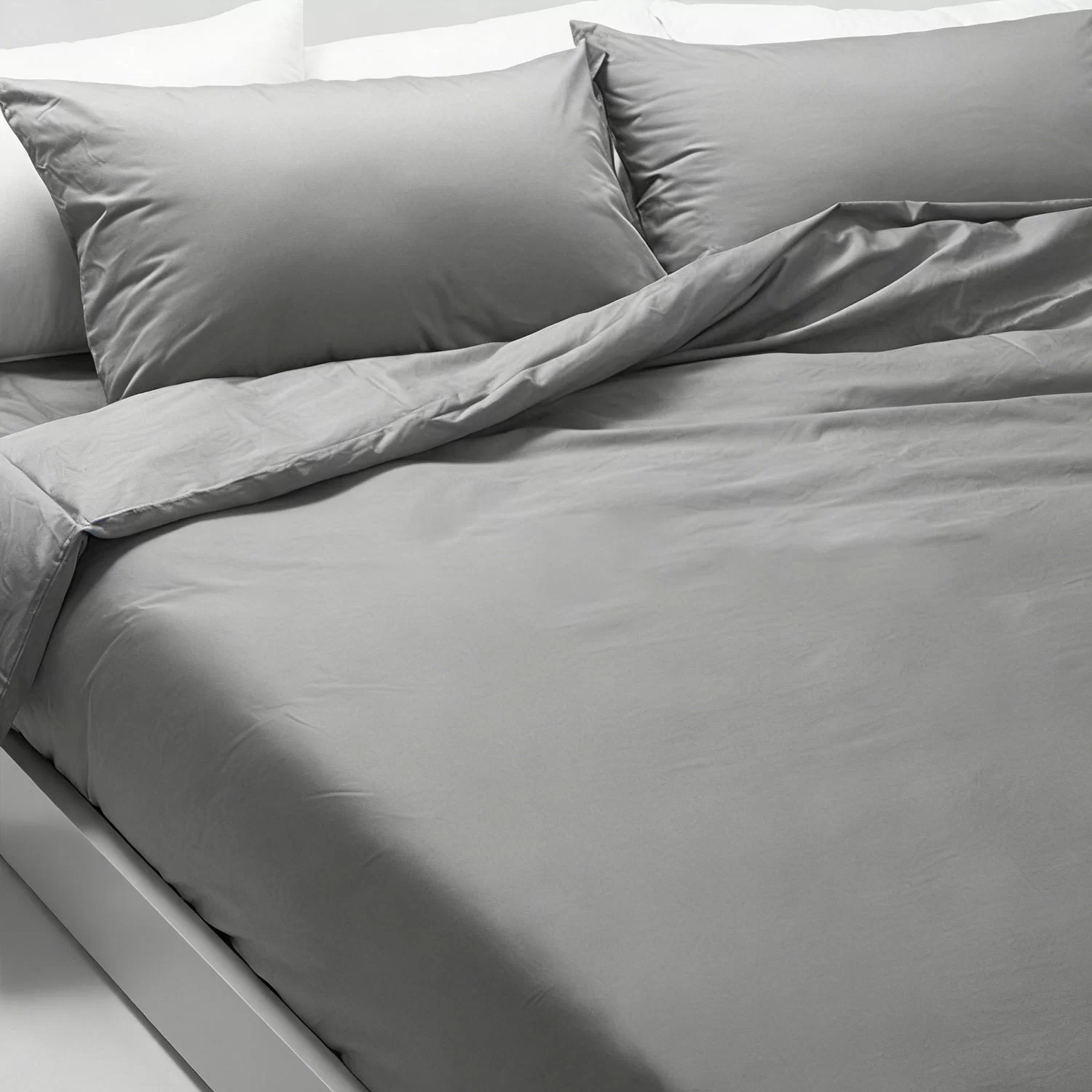
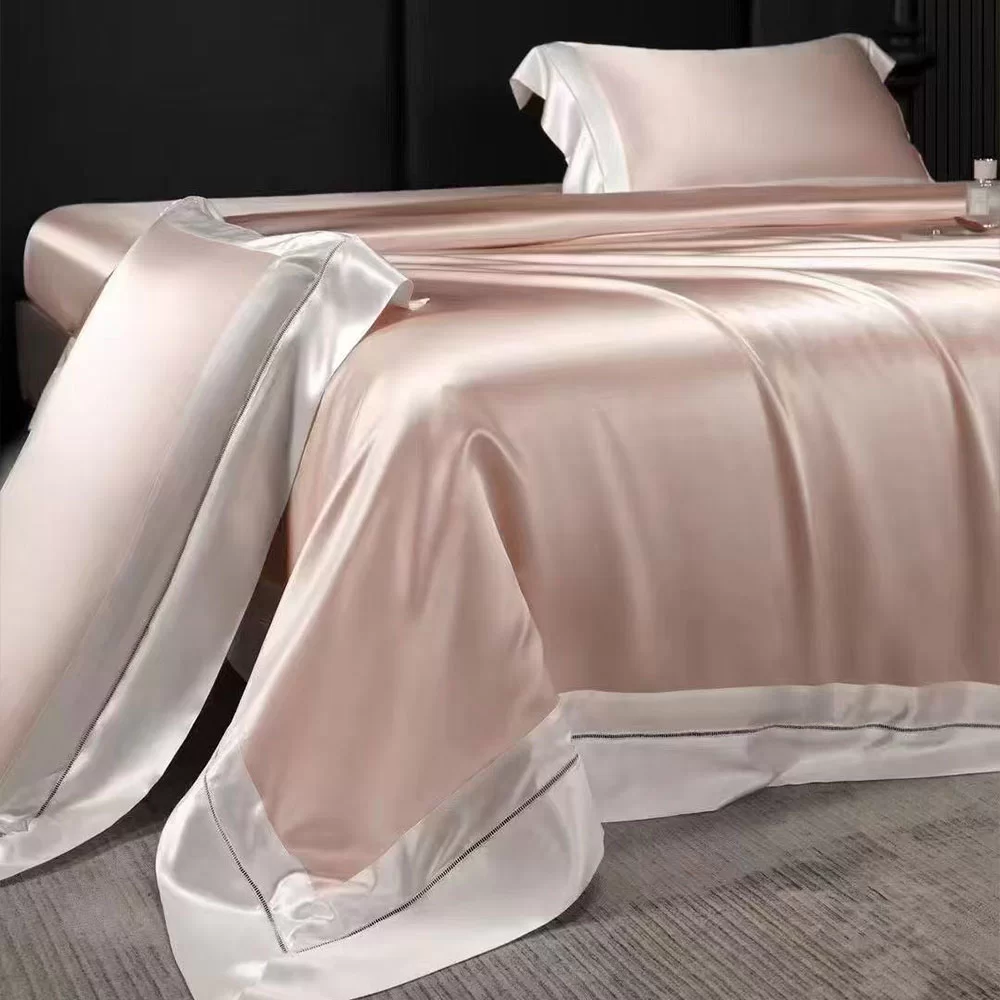
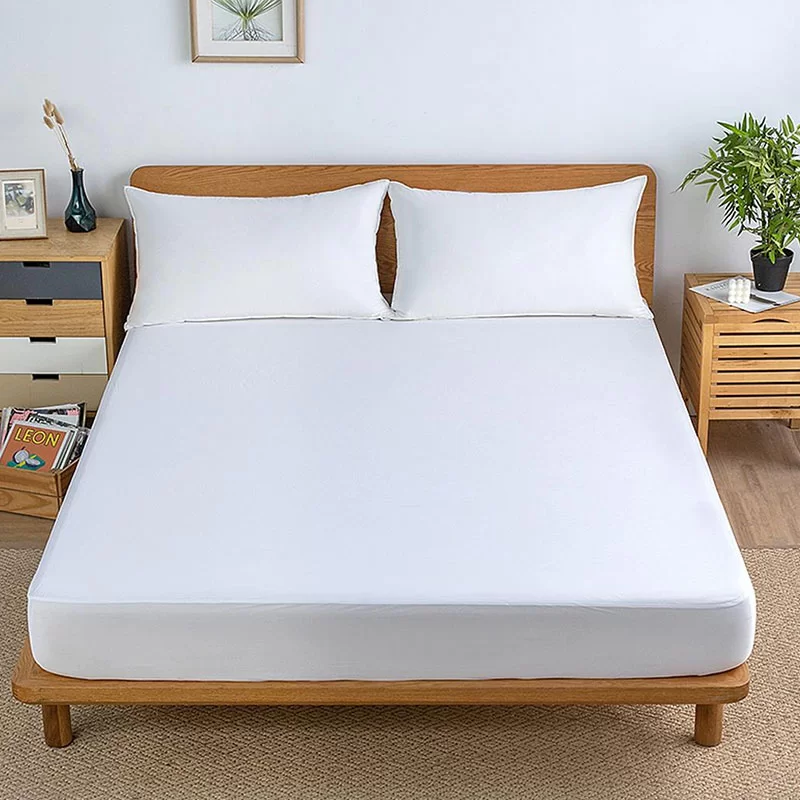

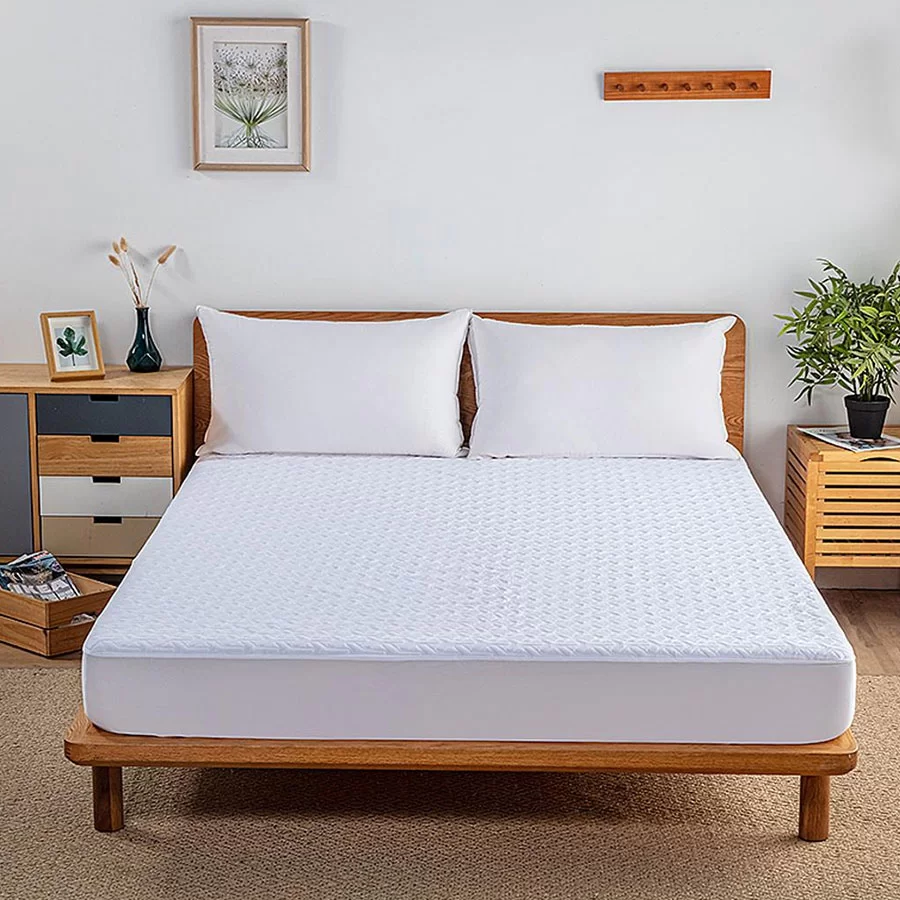
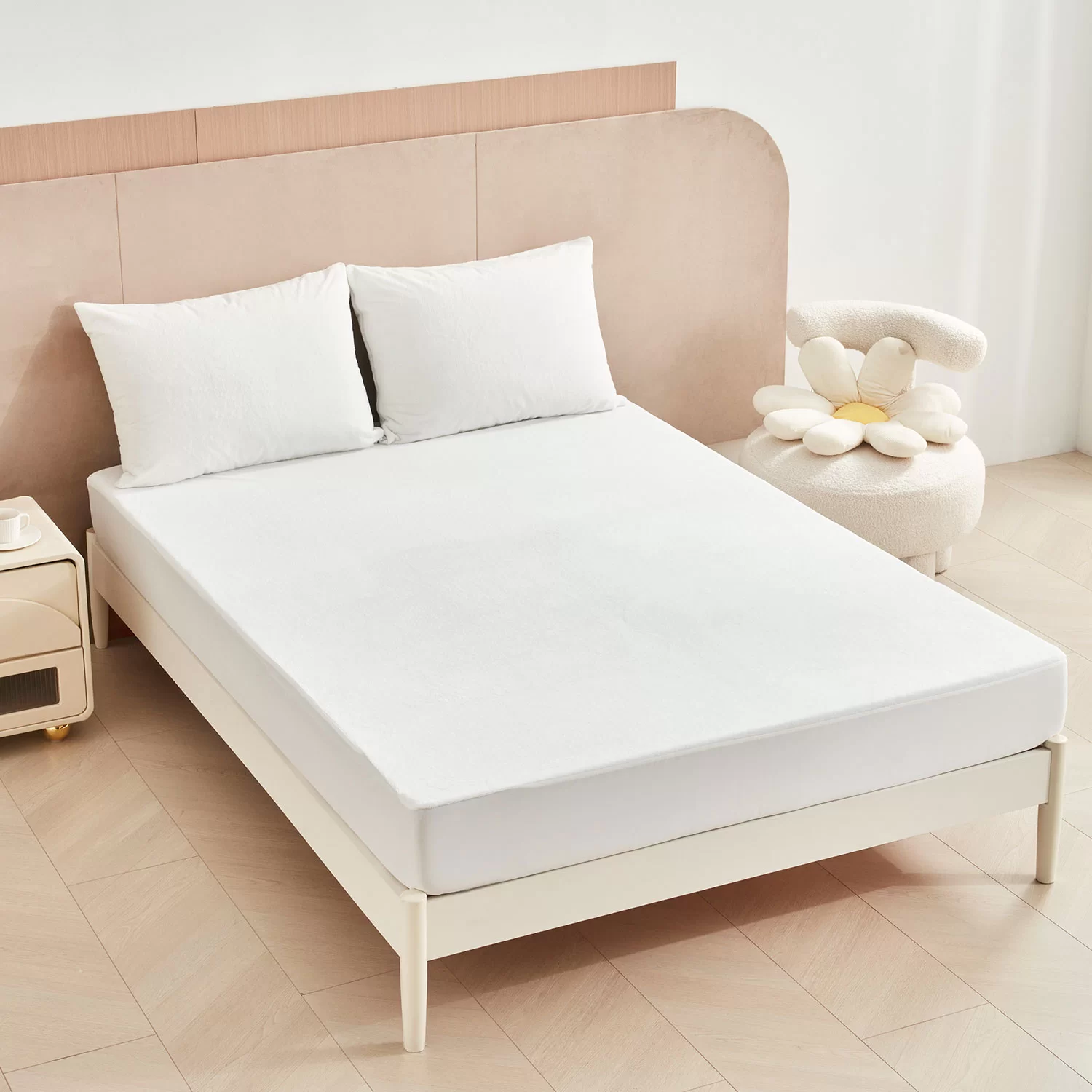
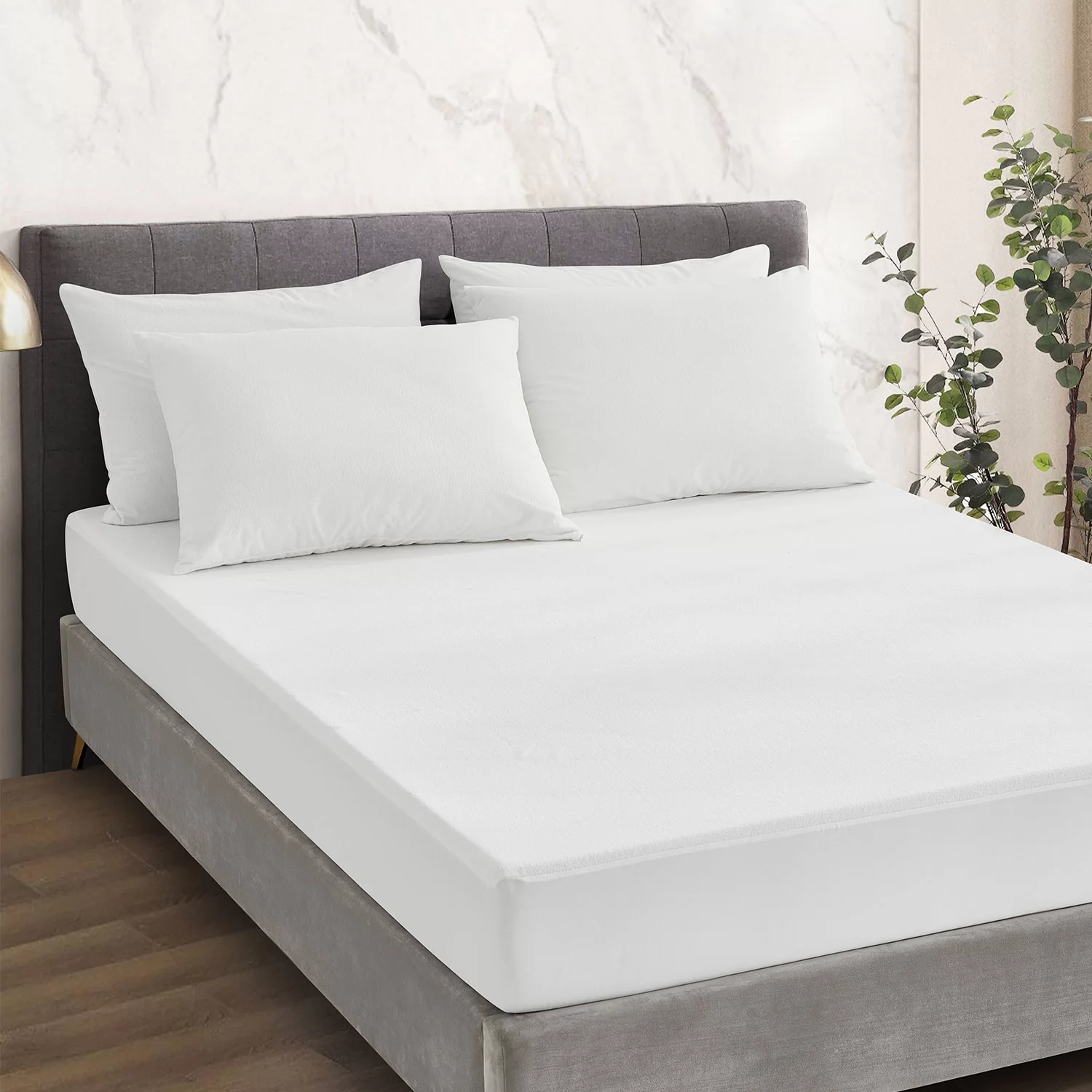
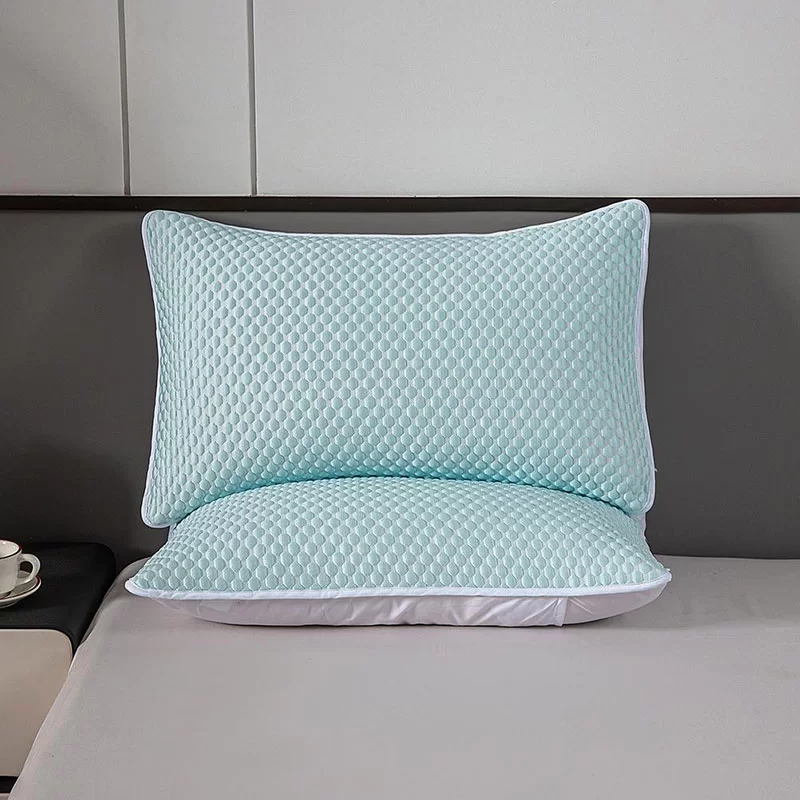
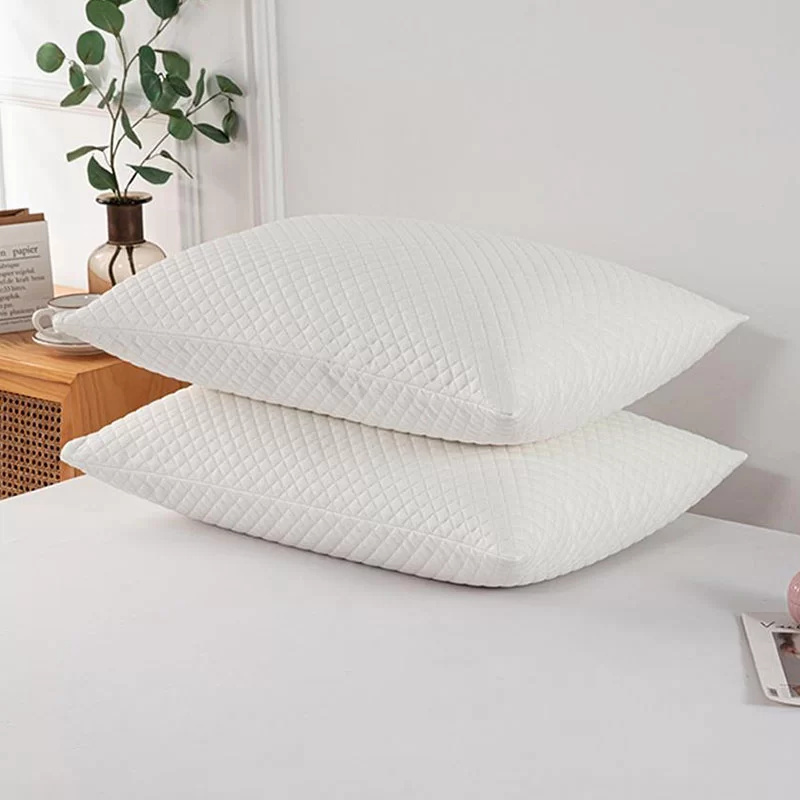


A professional flat bed sheets supplier provides high-performance linens specifically engineered for demanding environments such as hotels, motels, and hospitals. Unlike residential bedding, these industrial-grade products prioritize a balance of tensile strength, antimicrobial properties, and skin-friendly textures to ensure long-term operational viability.
For hospitality and healthcare procurement managers, the challenge lies in finding materials that withstand rigorous commercial laundering cycles without losing structural integrity or aesthetic appeal. The cost of frequent replacements often outweighs the initial investment in premium, high-thread-count cotton or polyester blends.
This guide analyzes the technical specifications, material selection criteria, and procurement strategies essential for sourcing the right bedding solutions to enhance guest satisfaction and reduce long-term overhead costs.

1Understanding Industrial Bedding Standards

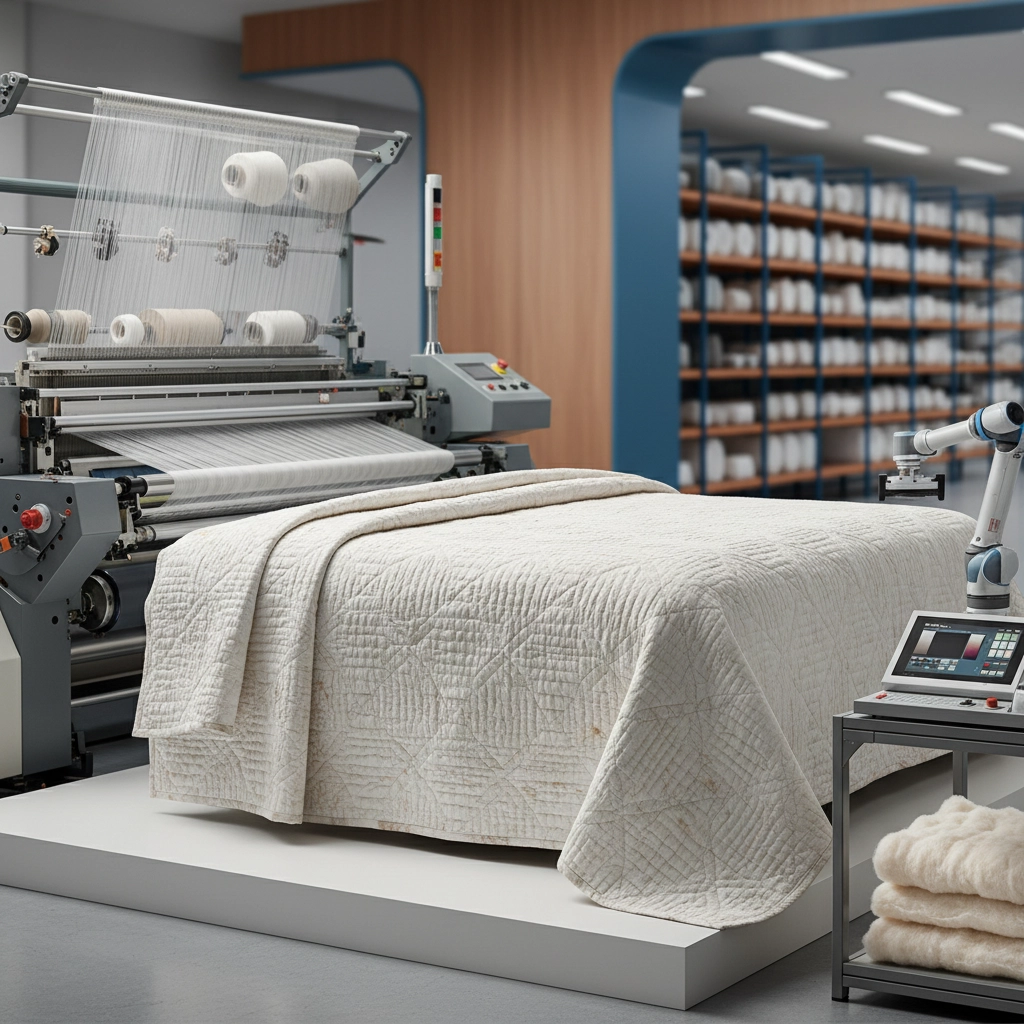
Industrial bedding standards differ significantly from home textiles due to the frequency of use and cleaning. Commercial linens must adhere to strict ISO9002 quality standards to ensure consistency in weave, thread count, and shrinkage control. For a professional flat bed sheets supplier, the focus is on creating a product that maintains its shape and whiteness even after hundreds of industrial wash cycles.
The structural integrity of these sheets is often reinforced at the seams and edges. High-traffic environments require fabrics that can withstand high-temperature sterilization and chemical detergents used in hospitals and luxury hotels to meet hygiene regulations.
By focusing on these standards, providers ensure that the bedding not only looks professional but also supports the operational efficiency of the facility by reducing the replacement frequency of the inventory.
2Material Engineering and Fabric Composition
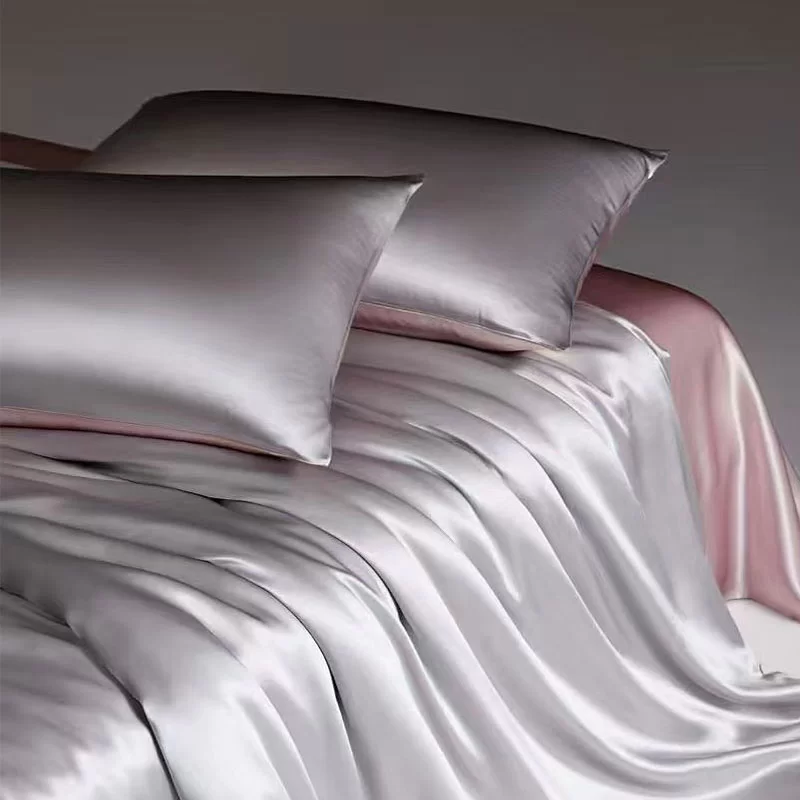
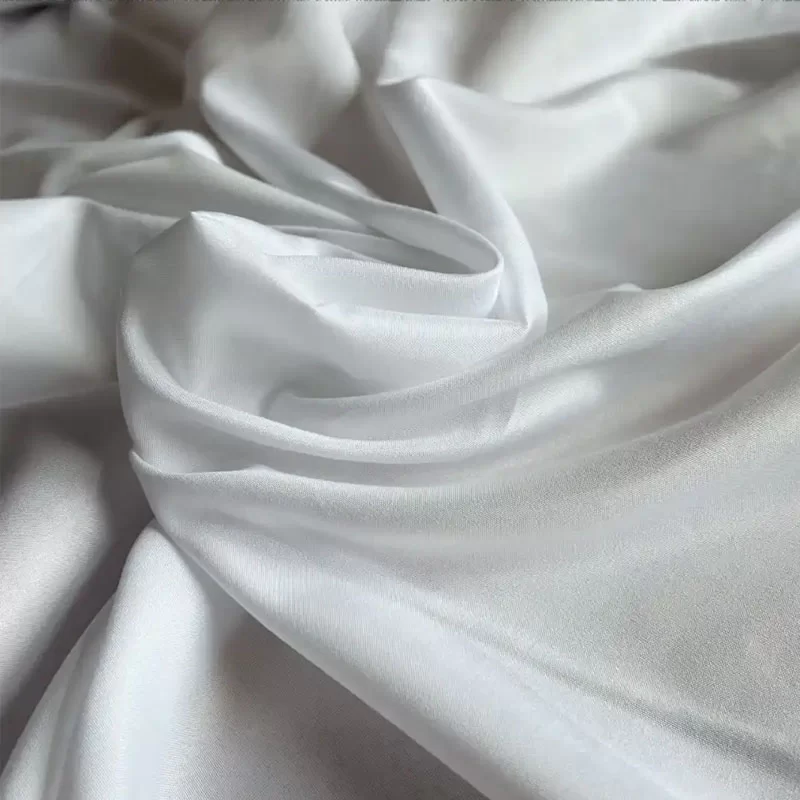
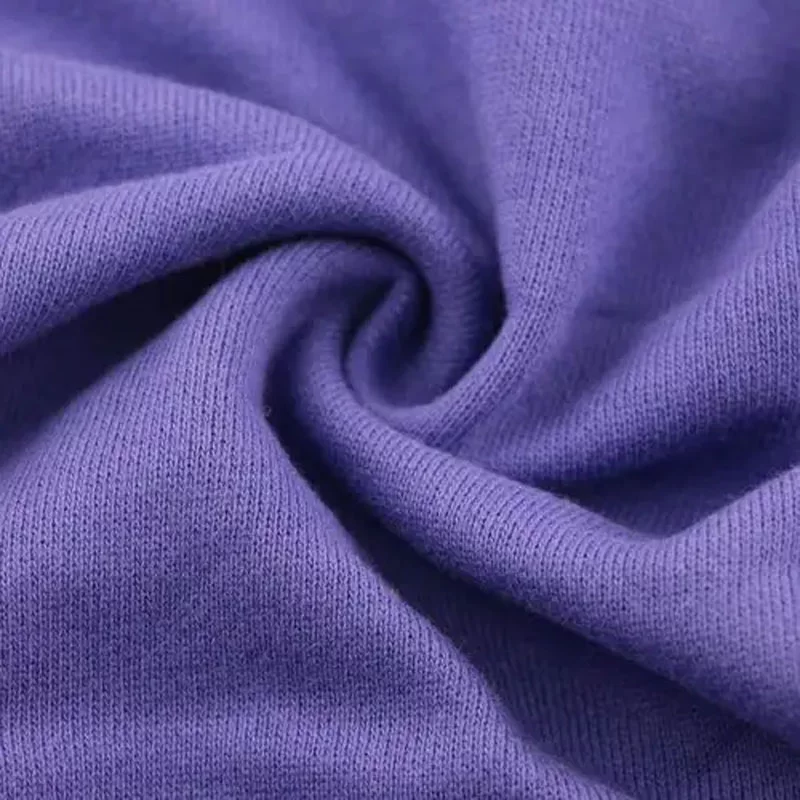
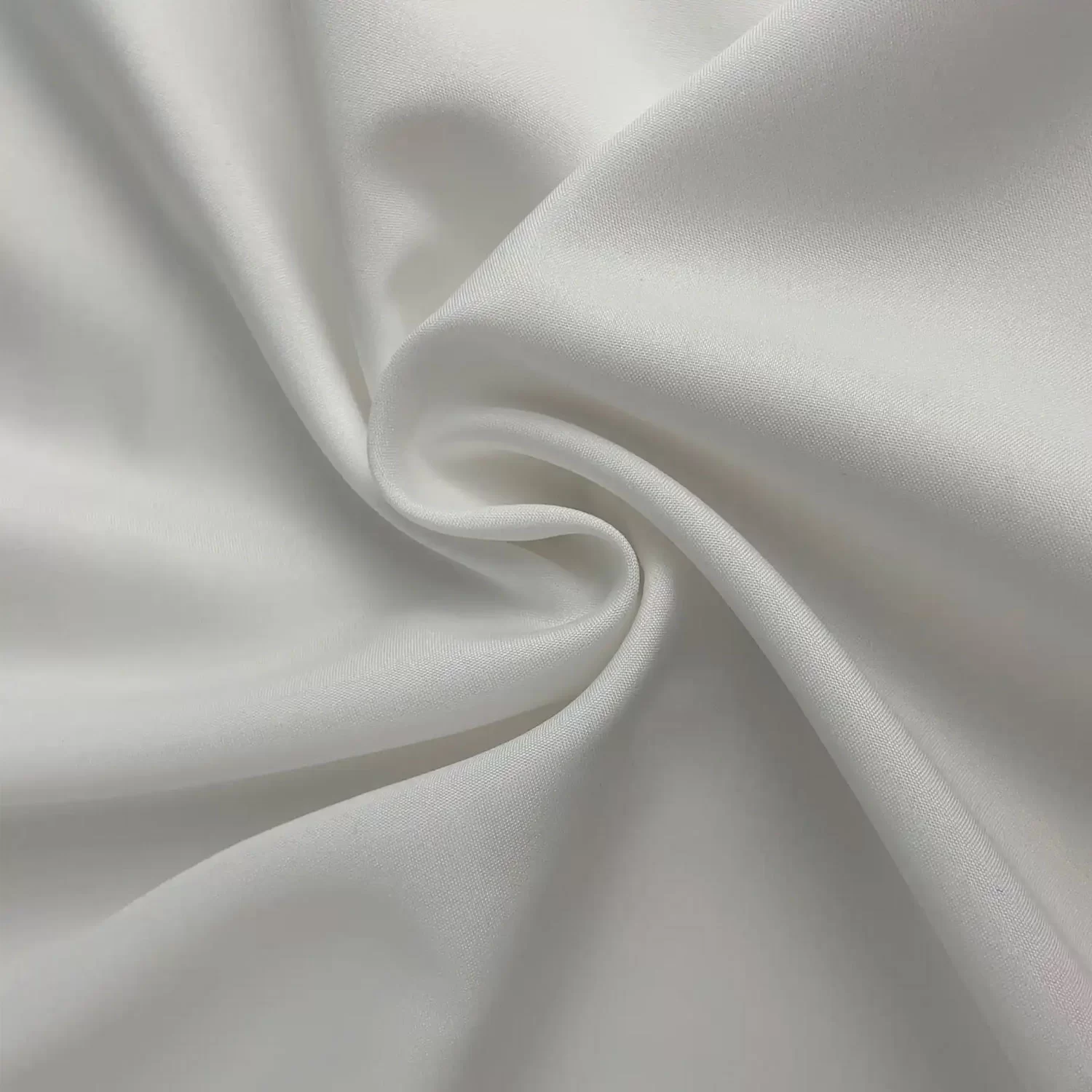
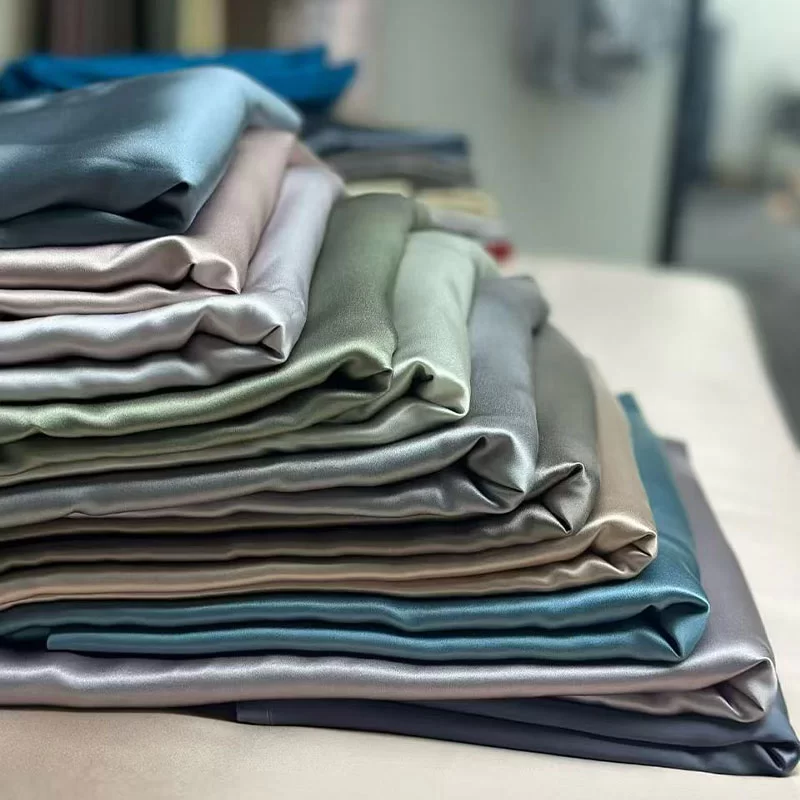
The choice of fabric determines the lifespan and comfort of the bedding. Most professional suppliers offer a range of options, including 100% long-staple cotton, polyester-cotton blends, and microfiber. Cotton provides superior breathability and softness, making it ideal for luxury suites, while polyester blends enhance durability and reduce wrinkling, which is critical for motels and budget hotels.
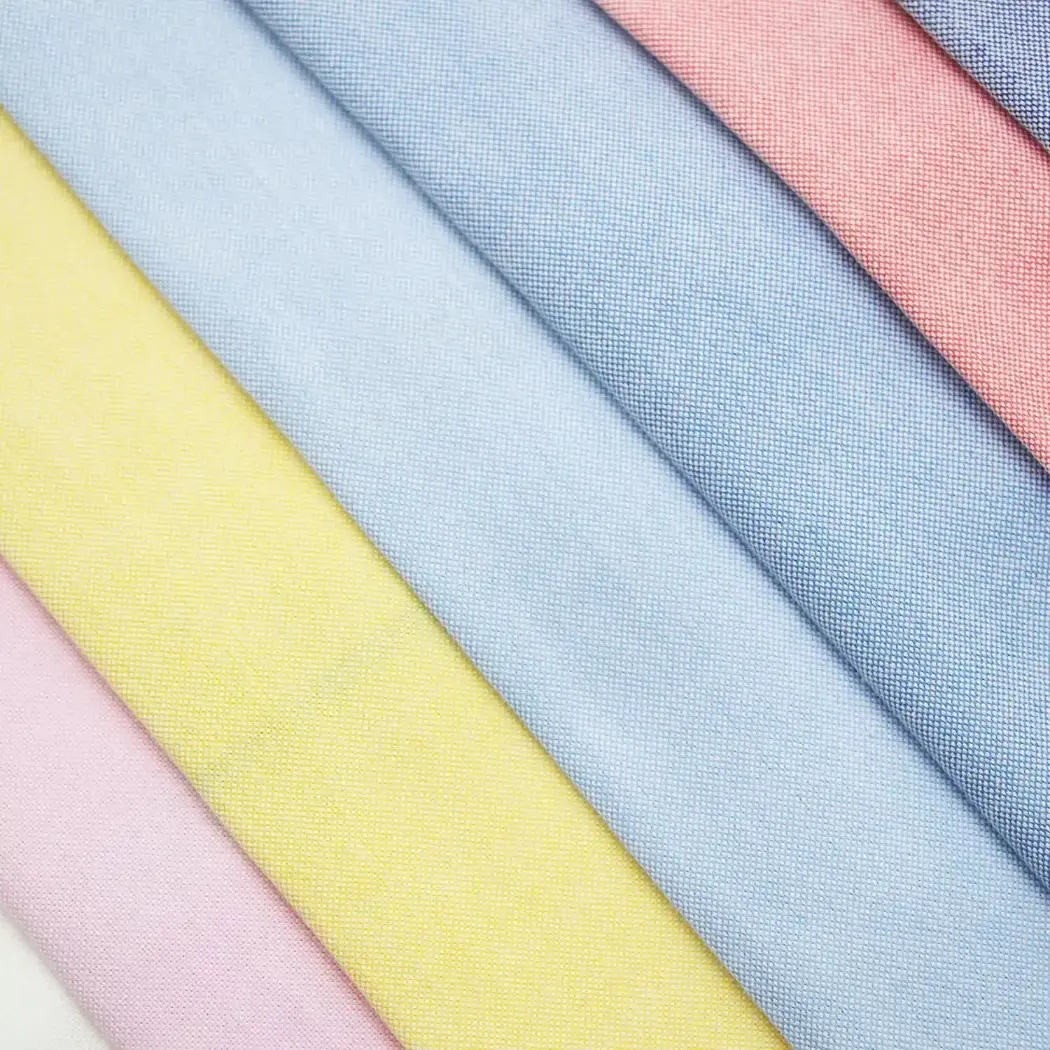
Thread count (e.g., 200T, 300T, 400T) is a primary indicator of density and feel. Higher thread counts generally offer a smoother surface but may require more careful laundering to prevent shrinkage. Advanced weaving types such as Sateen, Percale, and Jacquard are used to alter the visual texture and tactile experience.
Furthermore, specialized treatments such as anti-pilling, anti-bacterial, and anti-dust mite finishes are integrated into the fabric during the manufacturing process to meet clinical hygiene requirements in healthcare settings.
3Application Scenarios in Hospitality and Healthcare
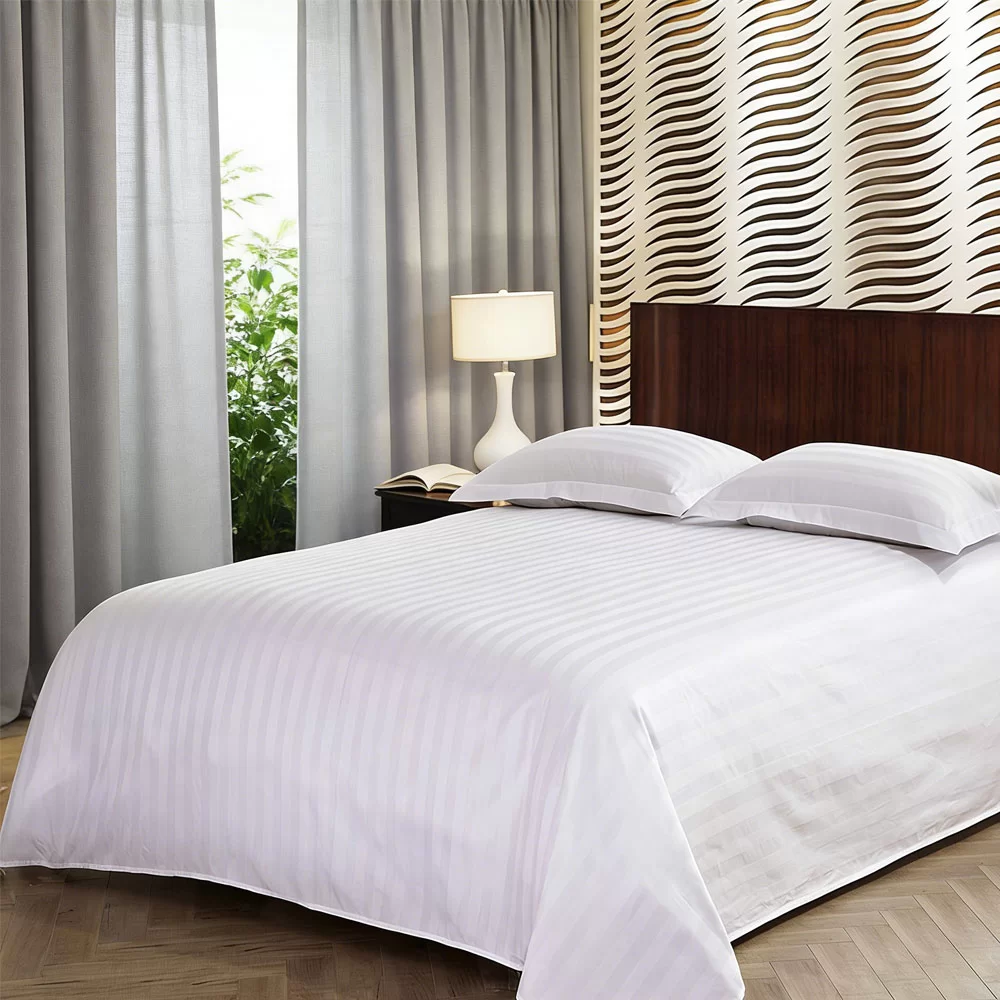
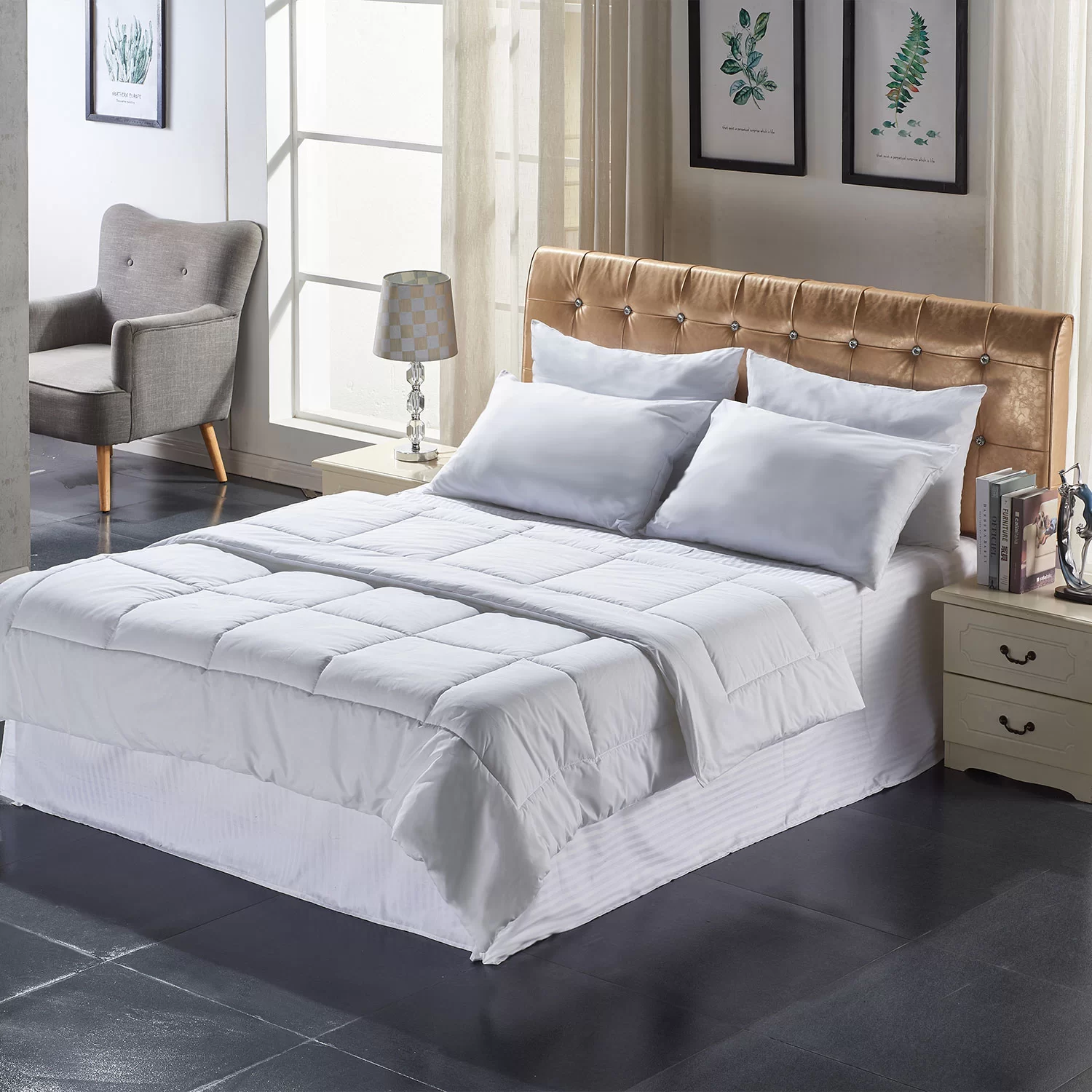
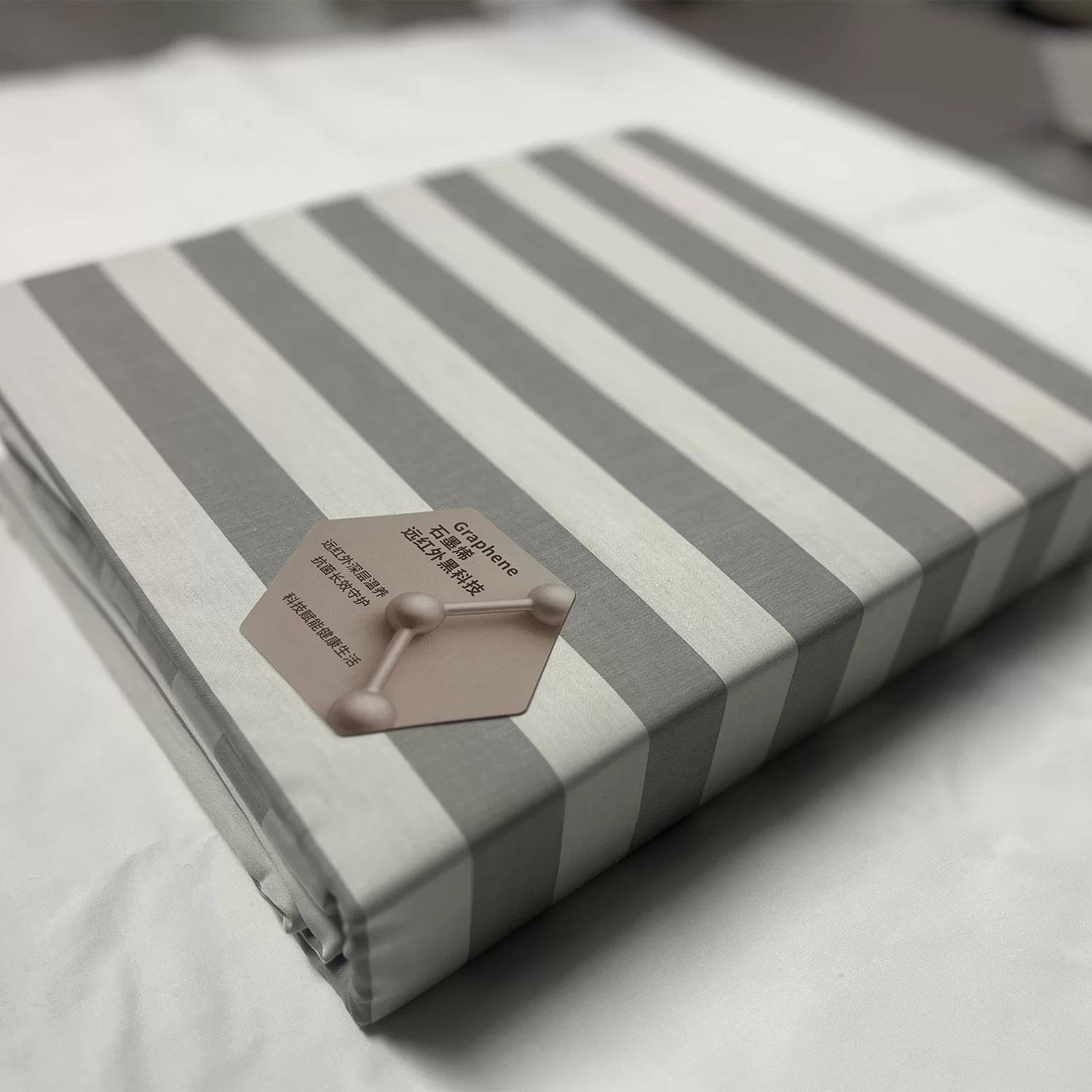
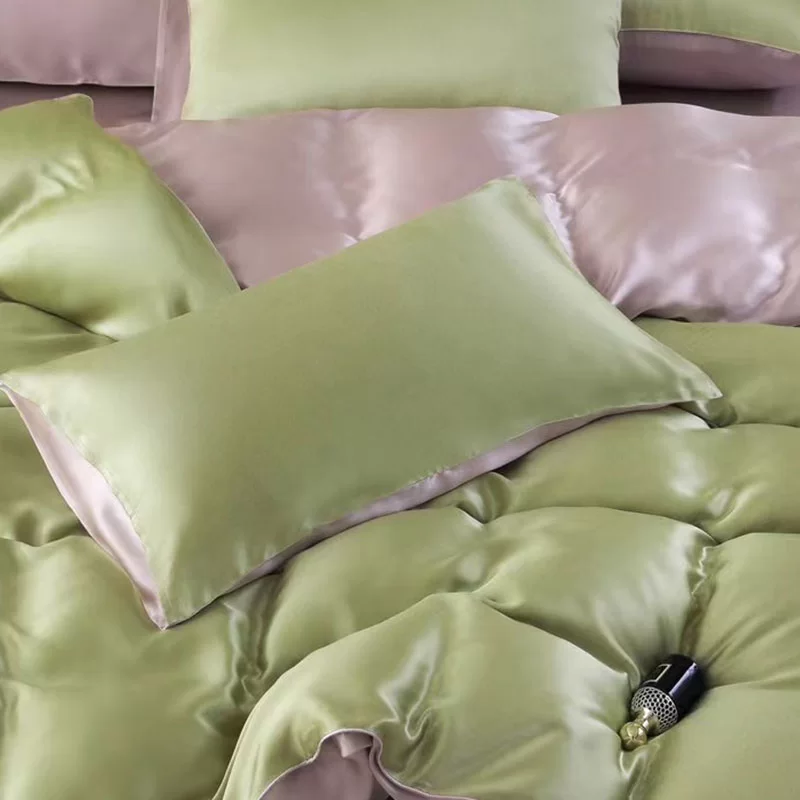
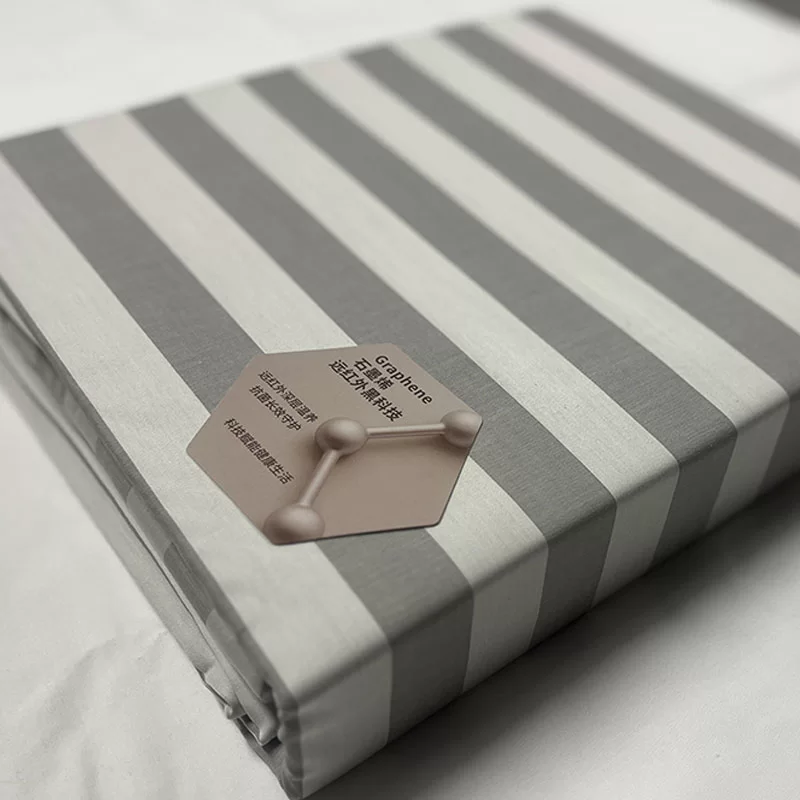
In luxury hotels, the primary goal is guest experience. Here, high-thread-count sateen or striped bedding is used to create a visual sense of luxury and a soft tactile feel. The aesthetic appeal of classic stripe patterns helps in concealing minor wrinkles, maintaining a pristine look throughout the guest's stay.
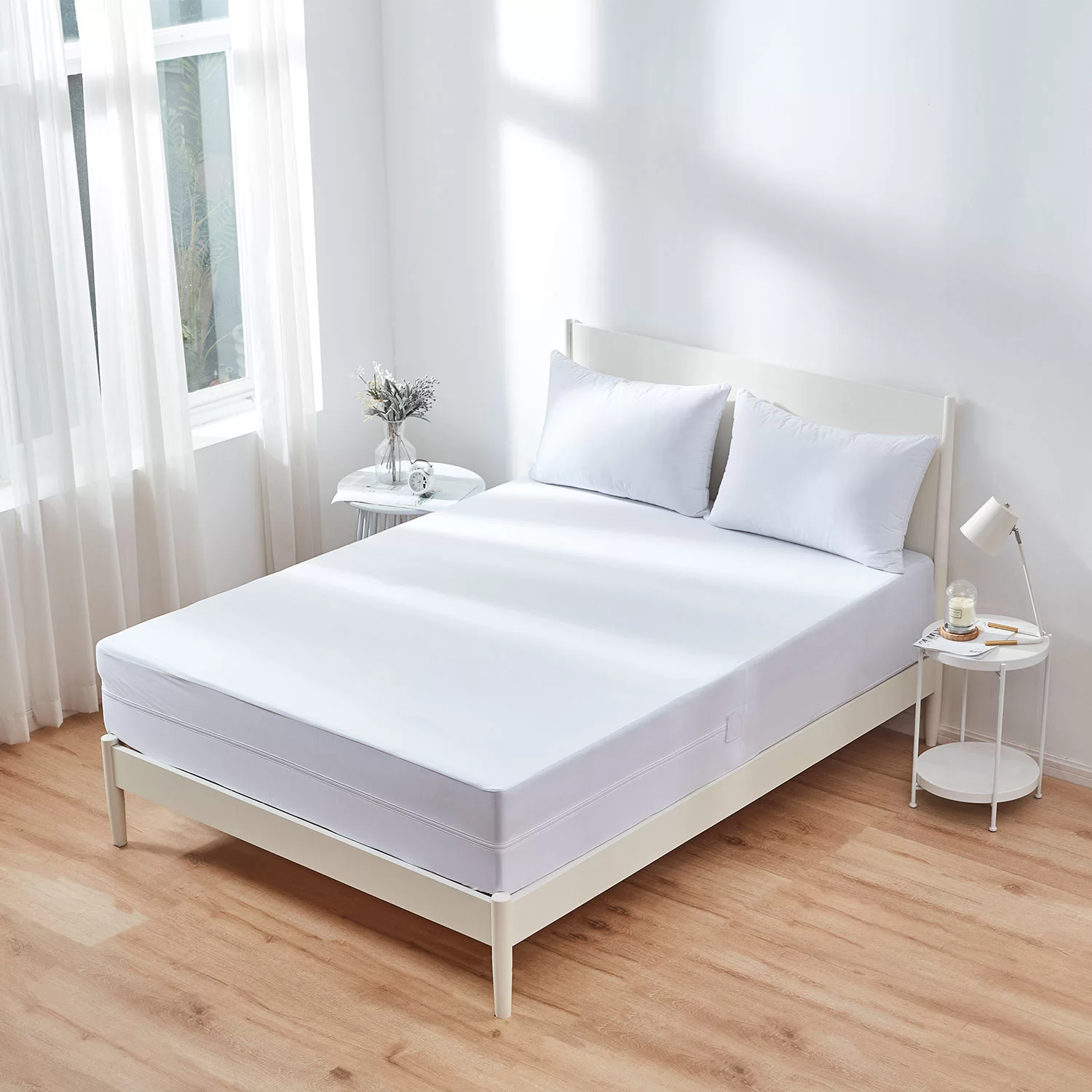
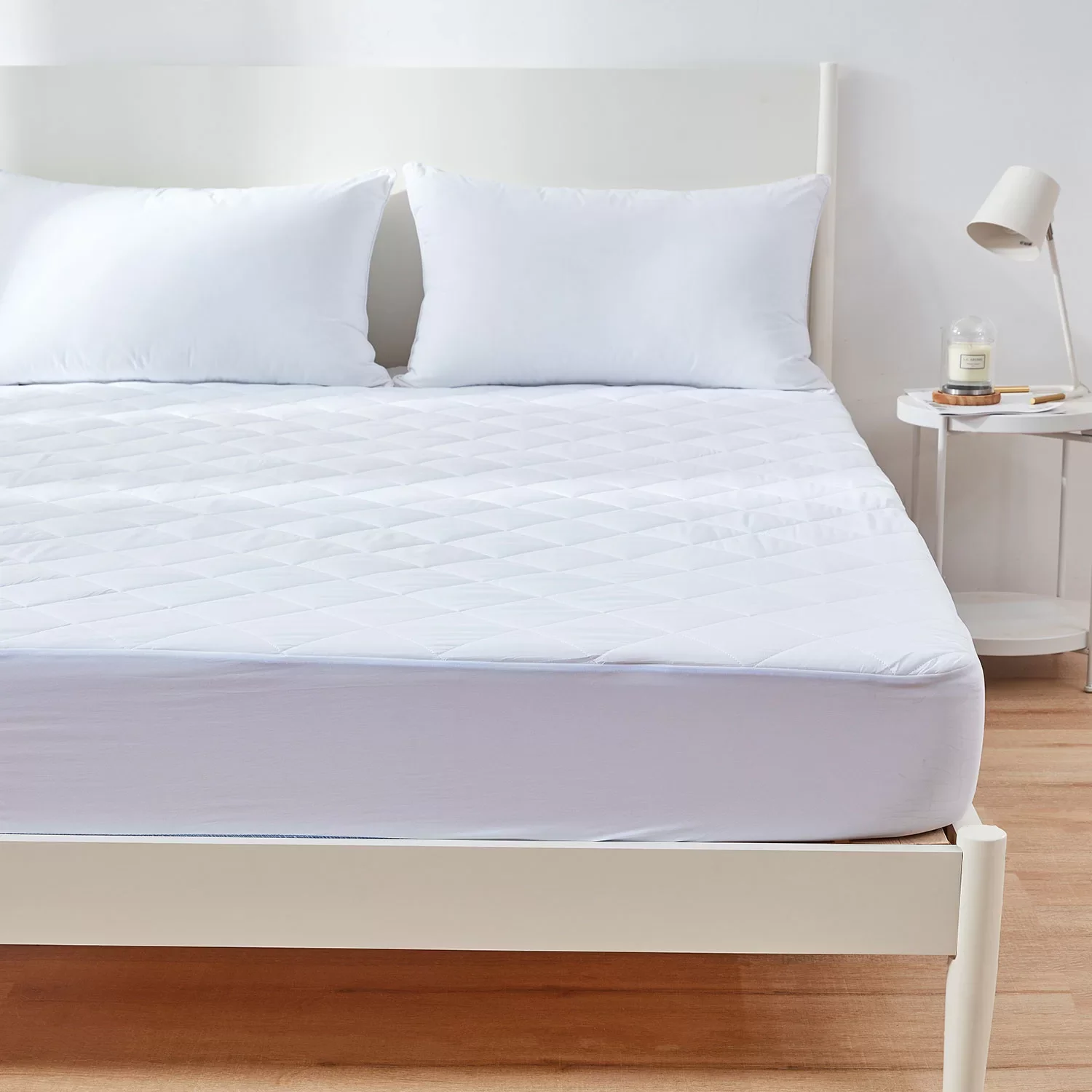
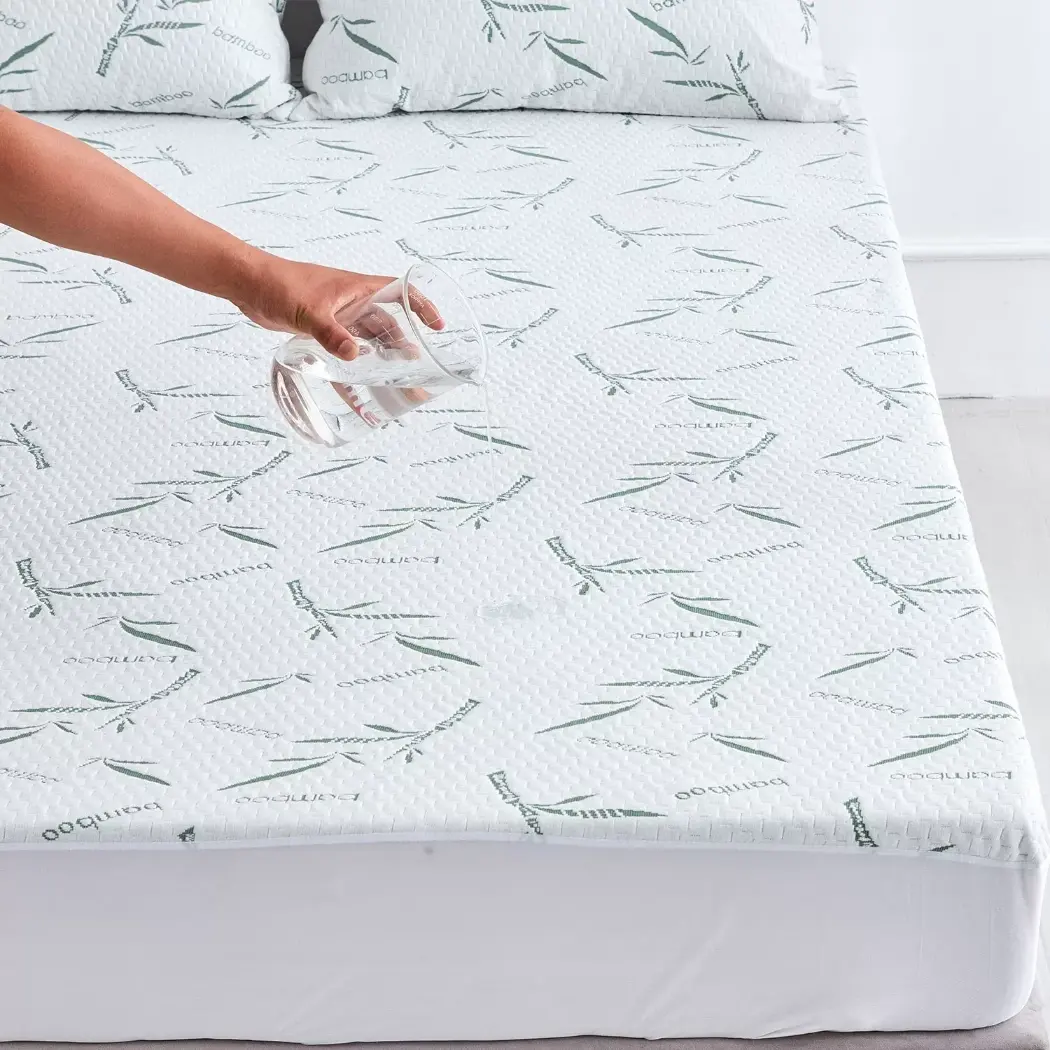
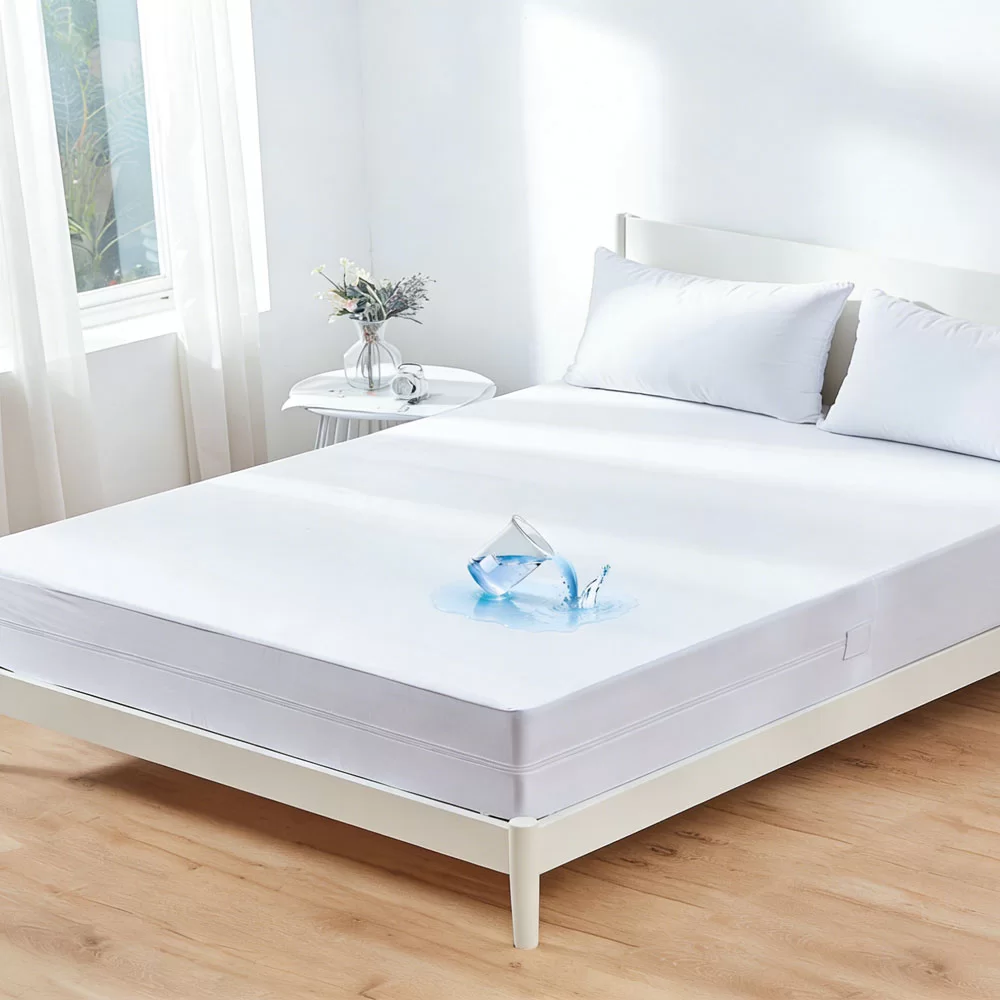
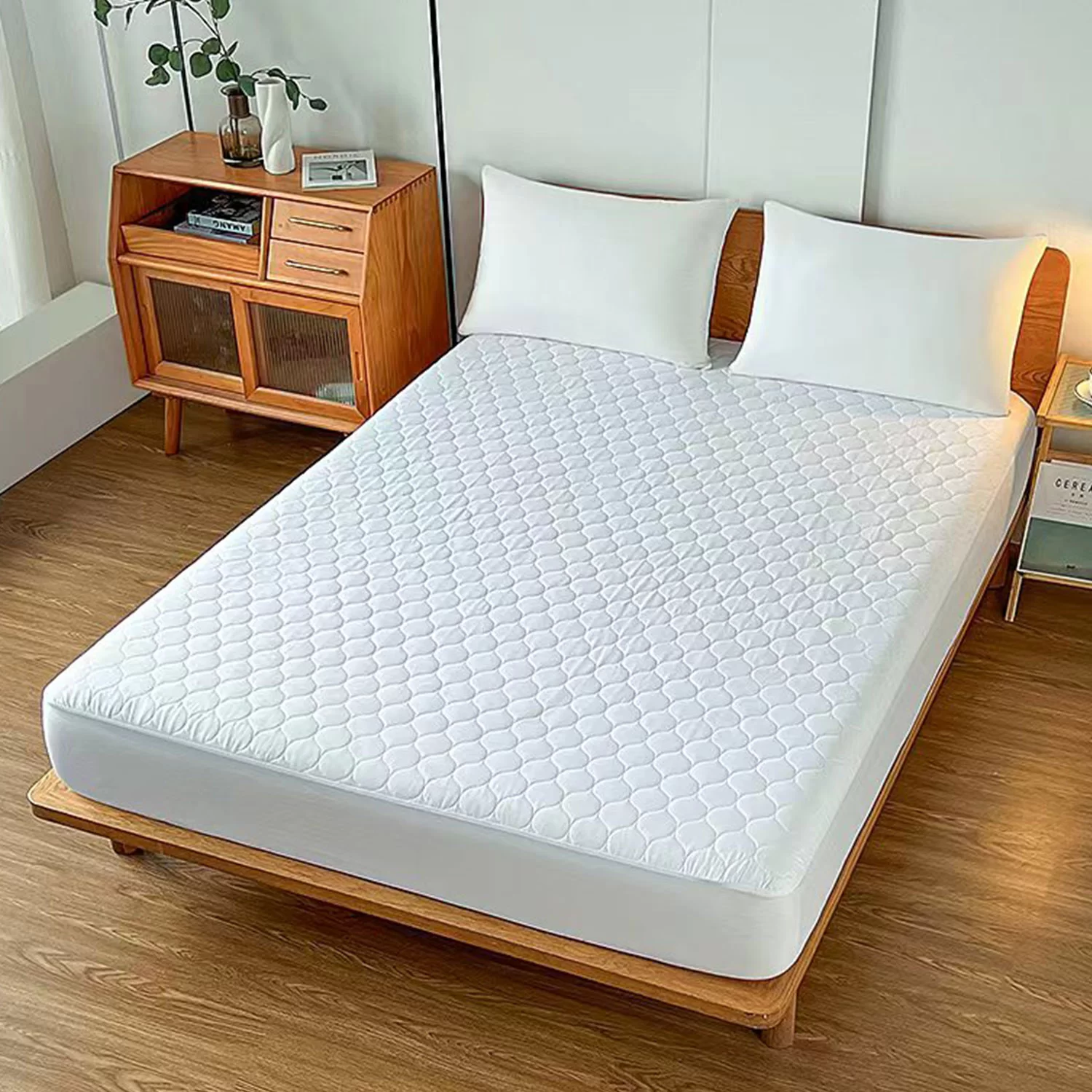
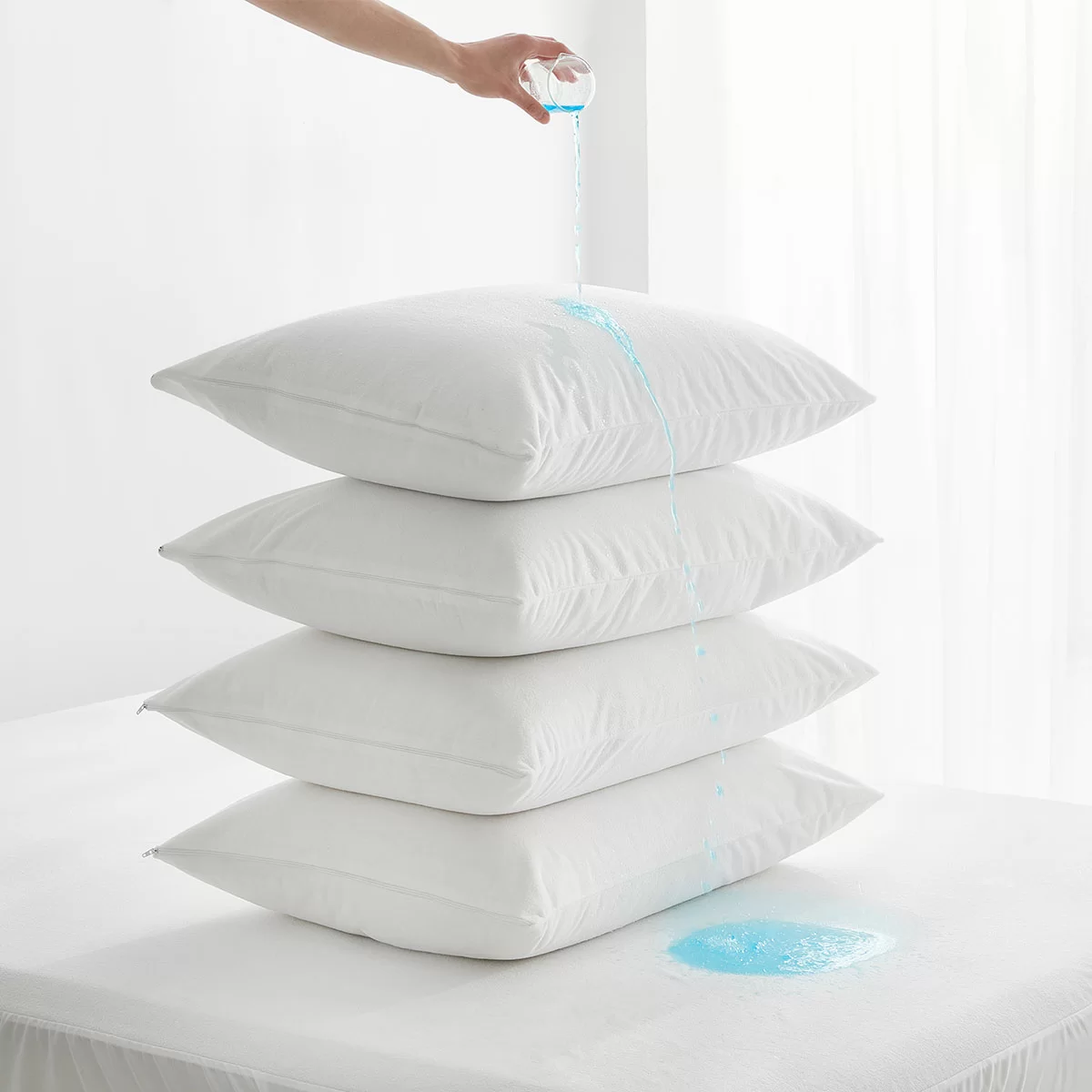
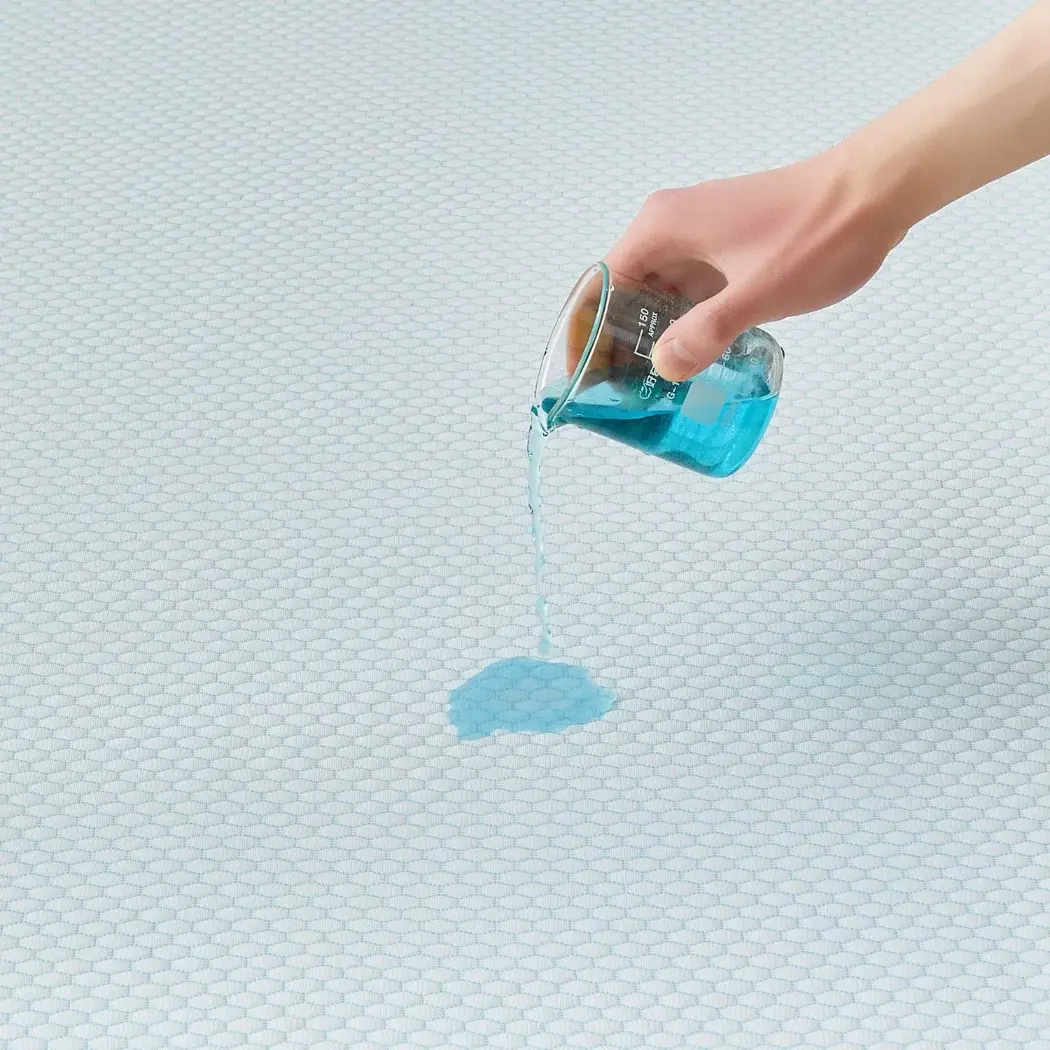
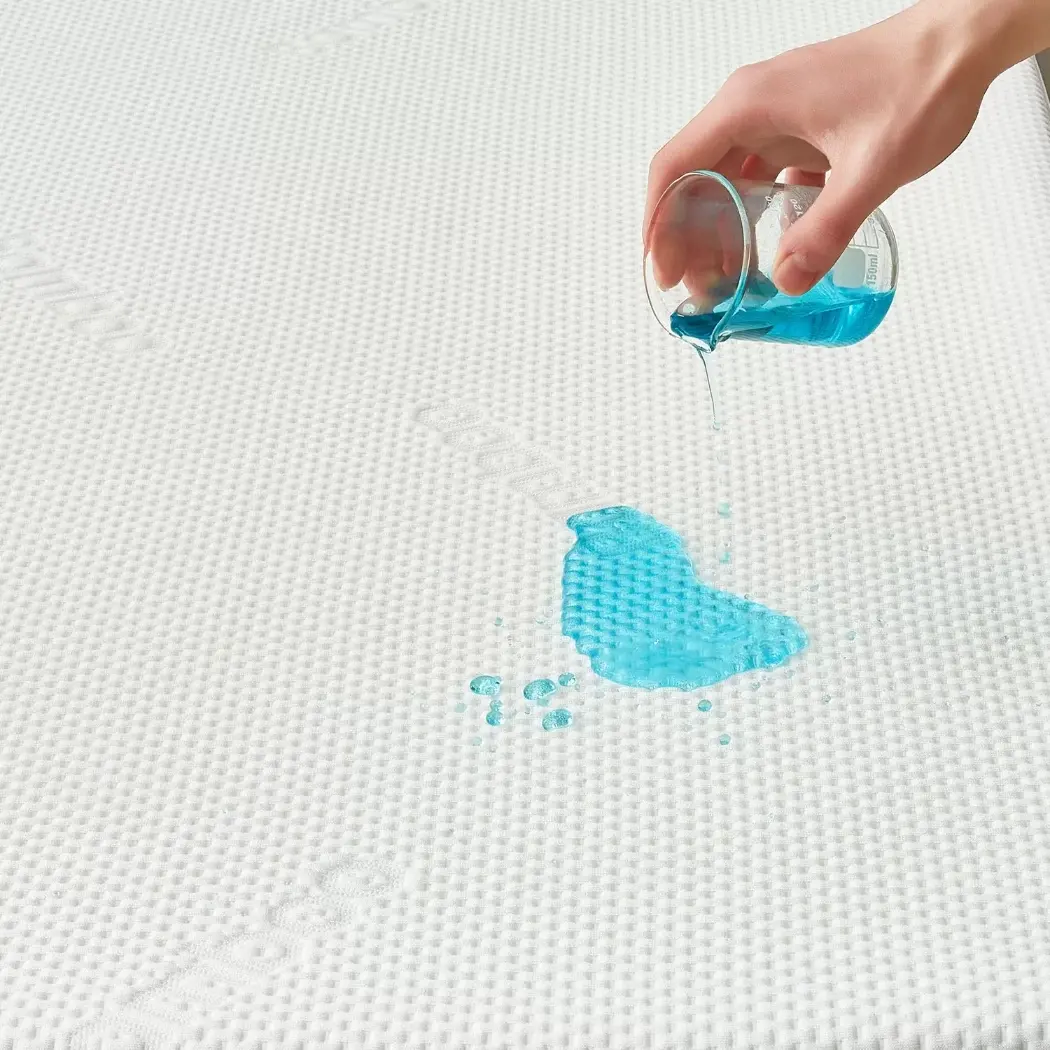
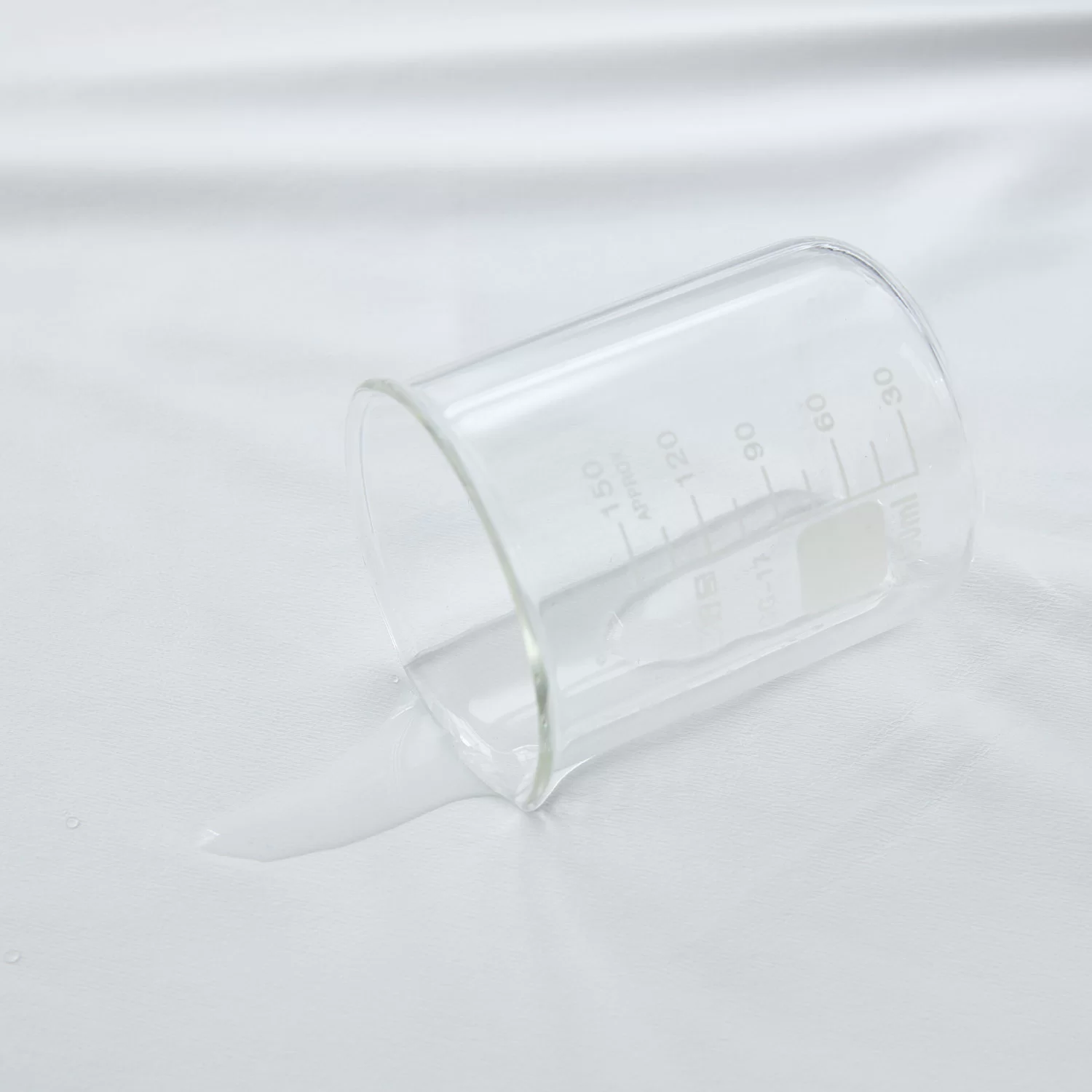
Conversely, in hospital environments, the priority shifts to sterilization and skin sensitivity. Bedding must be hypoallergenic and capable of withstanding aggressive bleaching processes. Waterproof mattress protectors and reinforced fitted sheets are essential to protect the mattress from fluids and contaminants.
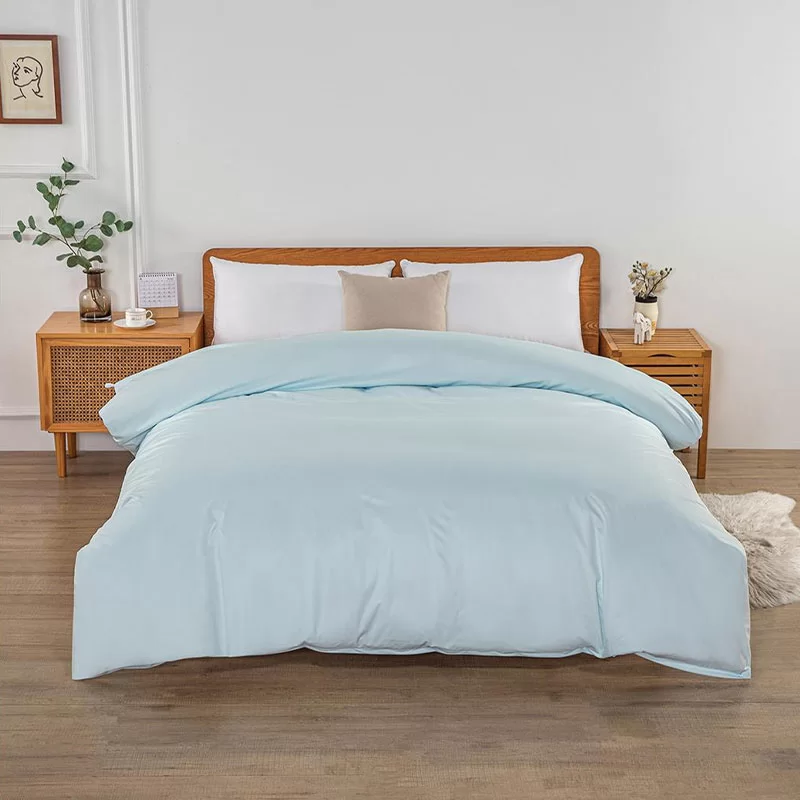
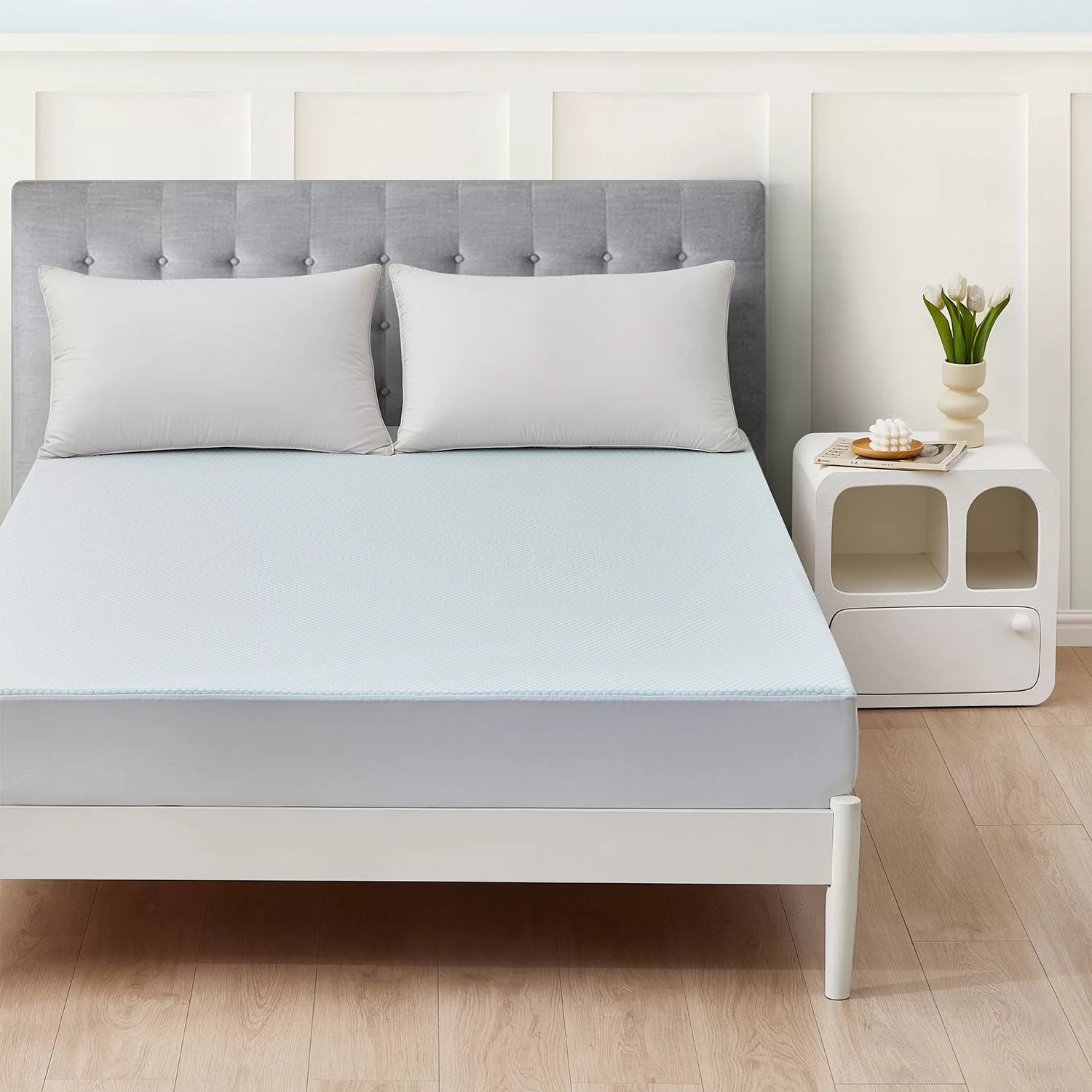
Motels often prioritize ease of bed-making. Fitted sheets with deep pockets (up to 16 inches) and strong elastic borders ensure that sheets remain secure even with frequent guest turnover and rapid housekeeping cycles.
4Performance Metrics for Commercial Linens
Evaluating a flat bed sheets supplier requires looking beyond the price tag to the total cost of ownership (TCO). This includes measuring the laundry cycle lifespan—the number of times a sheet can be washed before showing signs of wear or thinning. Professional-grade linens typically last 200+ cycles compared to residential options.
Other critical metrics include shrinkage rates and color fastness. In industrial settings, a shrinkage rate of more than 3-5% can lead to sheets that no longer fit the mattress, resulting in wasted inventory. Color fastness is particularly important for vat-dyed colored sheets used in themed hotels or specialized clinics.
flat bed sheets supplier Performance Metrics
As shown in the performance metrics, sourcing from a specialized industrial supplier significantly increases the durability and hygiene scores. This efficiency directly translates to lower operational costs as the replacement interval for bed sets is extended, optimizing the procurement budget.
5Procurement Guide for Bulk Bedding Sourcing
When sourcing bulk bedding, procurement teams should start by defining the usage intensity. High-turnover rooms require higher-durability blends, while VIP suites can accommodate pure cotton. It is essential to request samples to test the fabric's reaction to the facility's specific laundry chemicals and water hardness.
Customization is another key factor. Professional suppliers allow for customized sizes, colors, and logos to align with brand identity. Ensuring that the supplier can provide a consistent supply chain is critical to avoid stock-outs during peak tourist seasons.
Finally, evaluate the supplier's quality control certifications. Compliance with ISO standards ensures that the products delivered in the 10,000th unit are identical in quality to the first sample provided.
6Innovation in Sustainable Textile Manufacturing
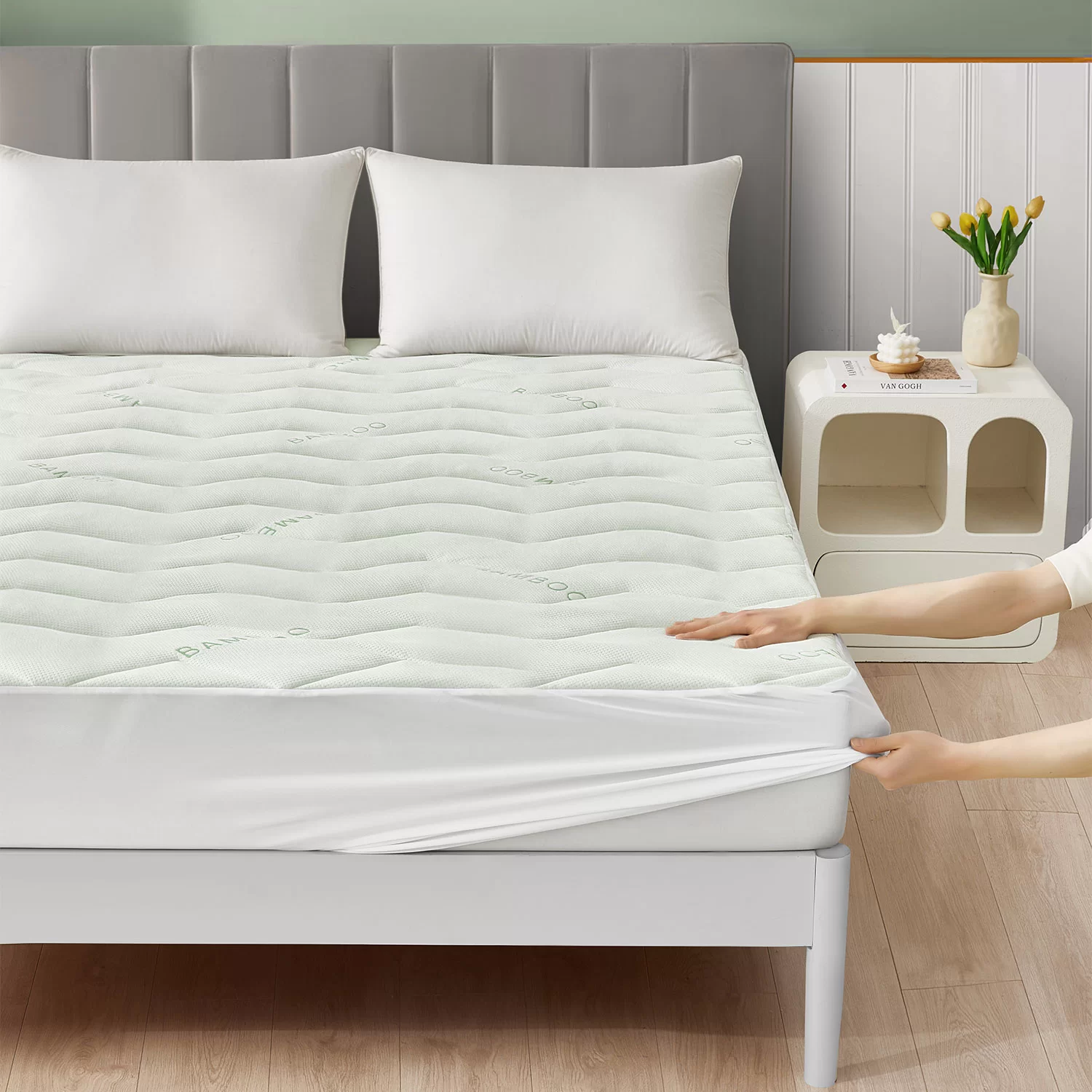
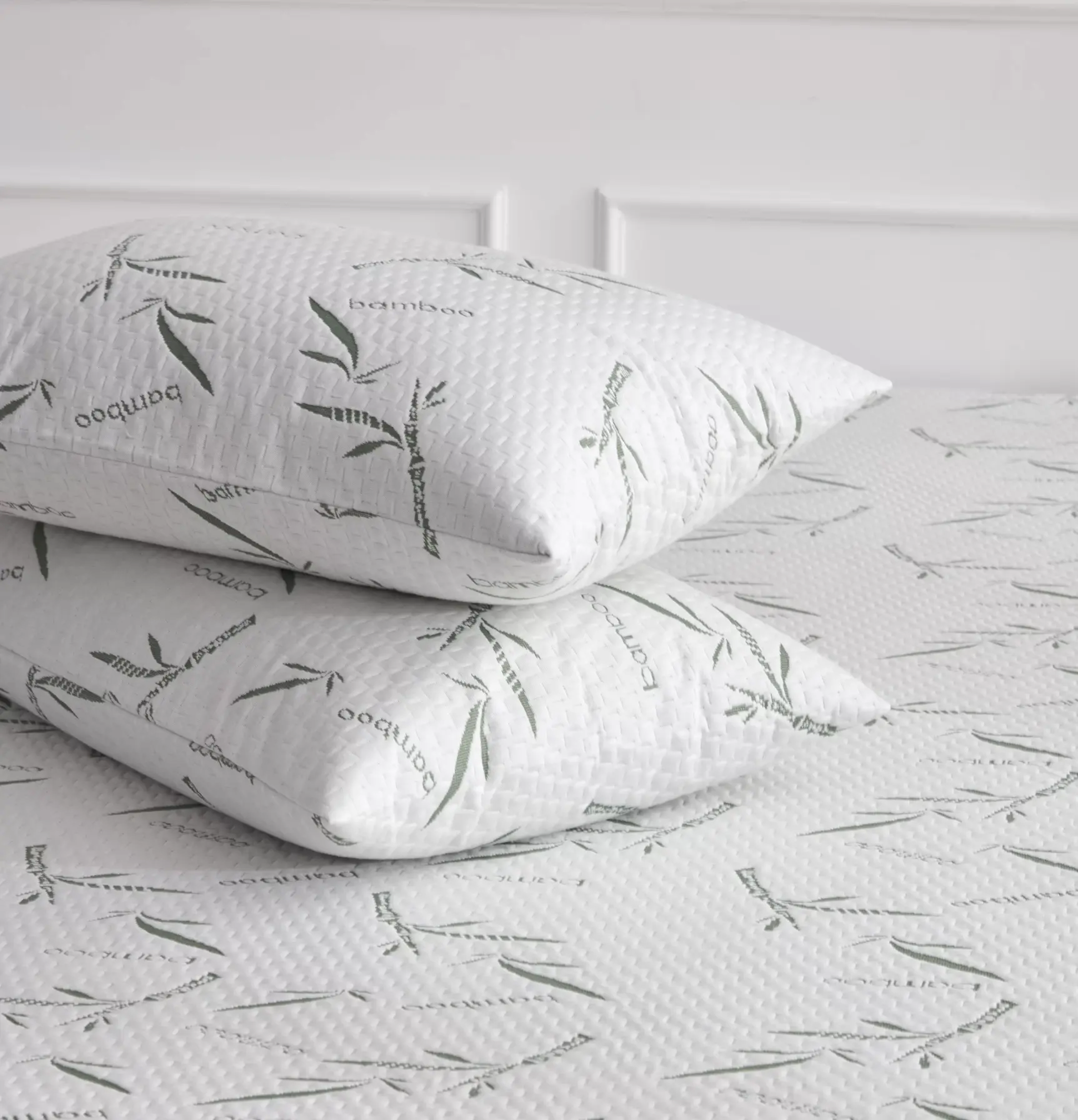
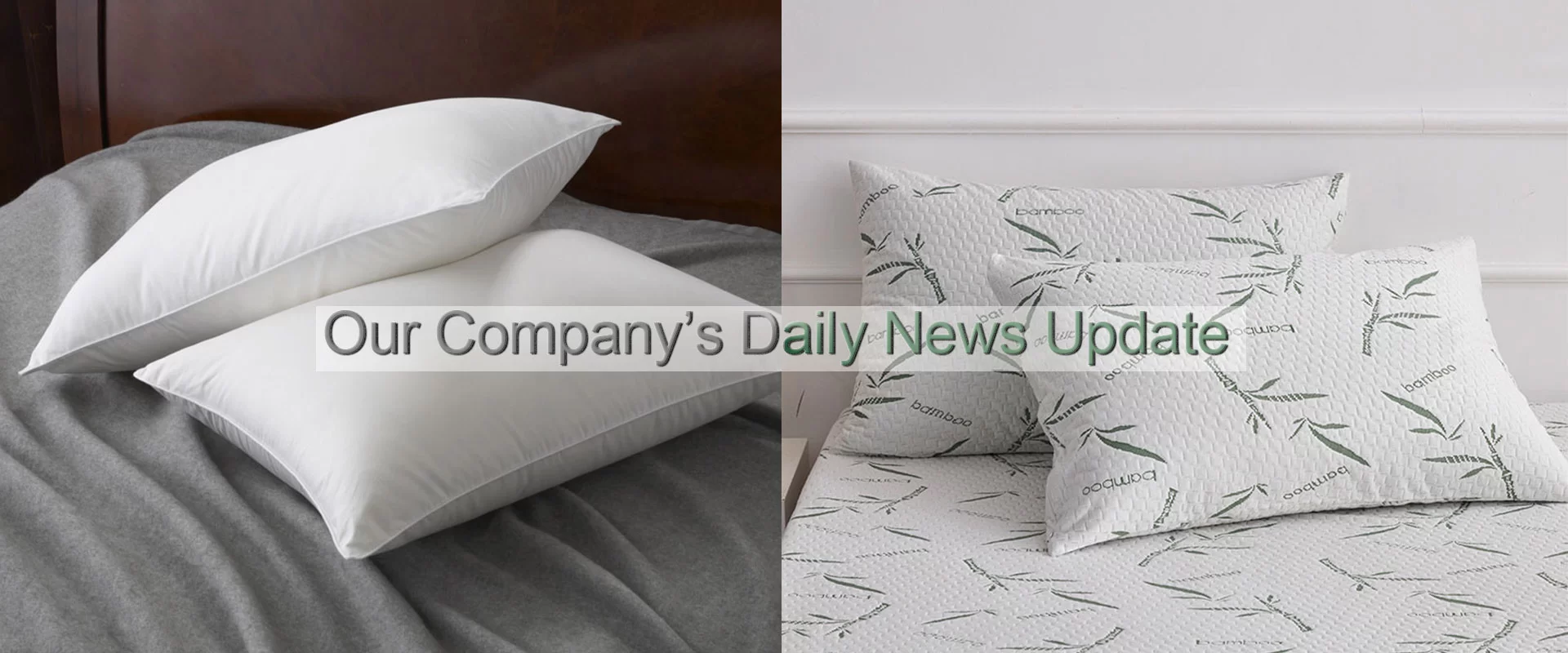
The textile industry is shifting toward sustainable practices to reduce the environmental footprint of hospitality. Innovations include the use of organic cotton and bamboo blends, which offer natural antibacterial properties and a reduced carbon footprint during production.
Water-saving dyeing techniques and the use of biodegradable fibers are becoming standard for forward-thinking suppliers. These materials not only appeal to eco-conscious guests but often provide enhanced breathability and moisture-wicking properties.
Additionally, the integration of "smart textiles" that resist stains more effectively without the use of harsh chemicals is reducing the need for aggressive bleaching, thereby extending the life of the fabric and protecting the environment.
7Comparing Bedding Material Options
Selecting the right material involves a trade-off between comfort, durability, and cost. While 100% cotton is the gold standard for luxury, it is prone to wrinkling and requires more maintenance. Polyester blends offer a pragmatic alternative for high-volume operations where speed of turnover is essential.
The following table provides a comparative analysis of the most common fabric choices used by a professional flat bed sheets supplier to help procurement managers make an informed decision based on their specific facility needs.
| Fabric Type | Best Use Case | Main Strength | Primary Limitation |
|---|---|---|---|
| 100% Cotton | Luxury Hotels | Maximum Breathability | High Wrinkling |
| Poly-Cotton Blend | Mid-range Hotels | Durability & Ease | Less Breathable |
| Microfiber | Budget Motels | Cost-Effectiveness | Synthetic Feel |
| Sateen Weave | VIP Suites | Smooth Texture | Prone to Snags |
| Percale Weave | Healthcare | Crisp & Durable | Firmer Feel |
| Bamboo Blend | Eco-Clinics | Hypoallergenic | Higher Initial Cost |
Regardless of the material chosen, the quality of the construction—such as reinforced stitching and precise sizing—remains the most critical factor in ensuring the bedding performs under commercial pressure.
Frequently Asked Questions
Conclusion
Sourcing from a specialized flat bed sheets supplier is a strategic decision that impacts both the operational budget and the end-user experience. By prioritizing material science—specifically the balance between thread count, fabric composition, and industrial durability—facilities can ensure a hygienic, comfortable, and visually appealing environment while minimizing the cost of frequent replacements.
Whether managing a luxury hotel or a clinical healthcare facility, the focus should remain on the total lifecycle of the product. For those evaluating high-performance textile solutions, detailed product specifications and customization options can be reviewed at www.infortextile.com.