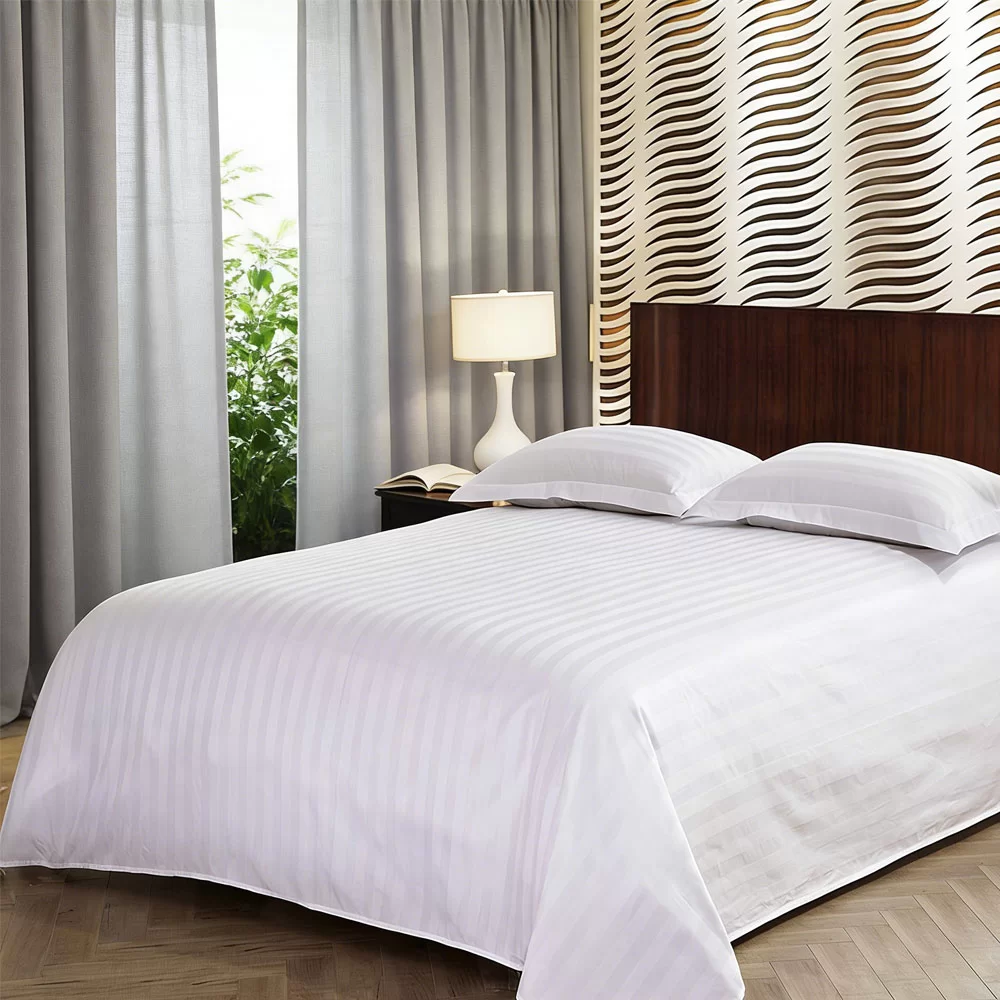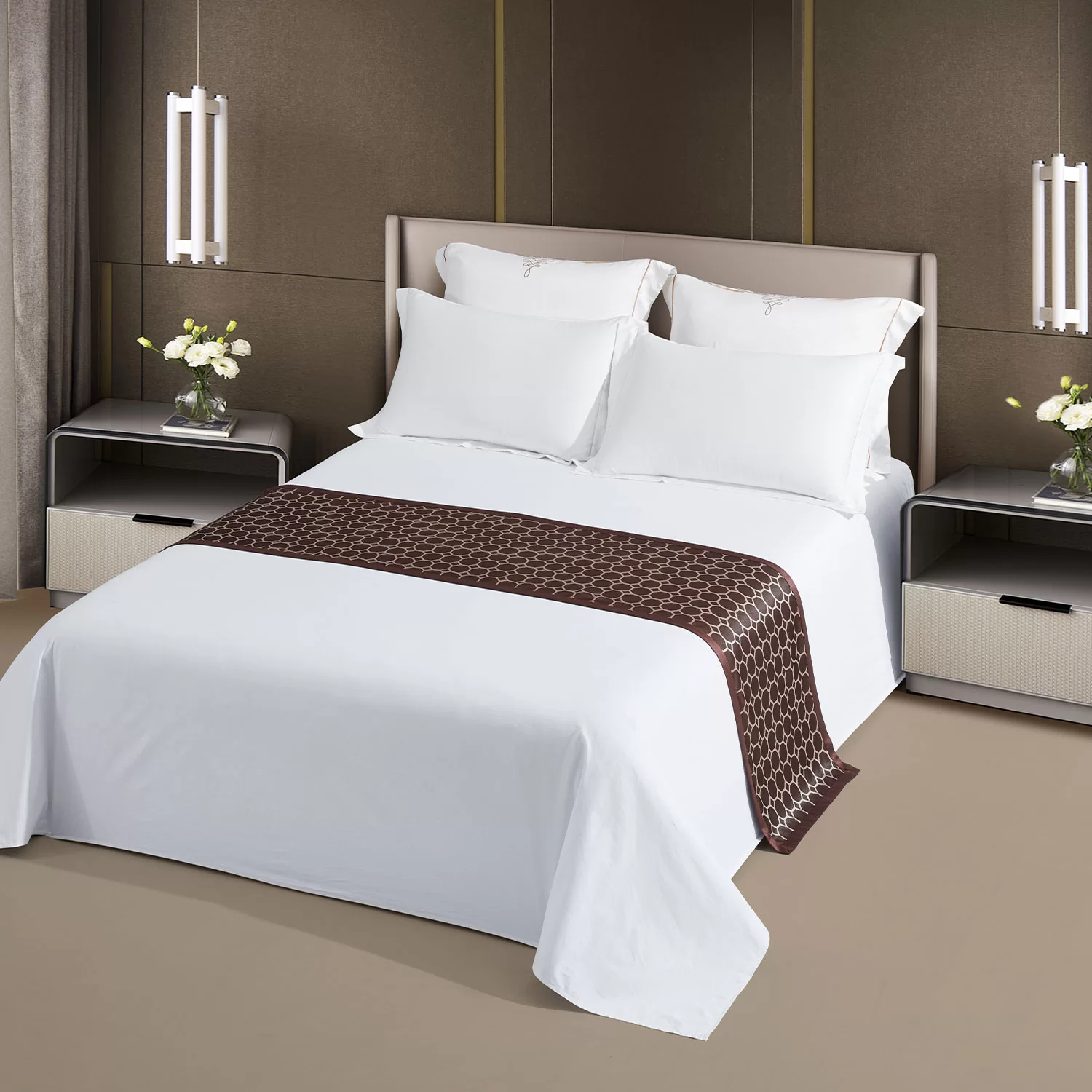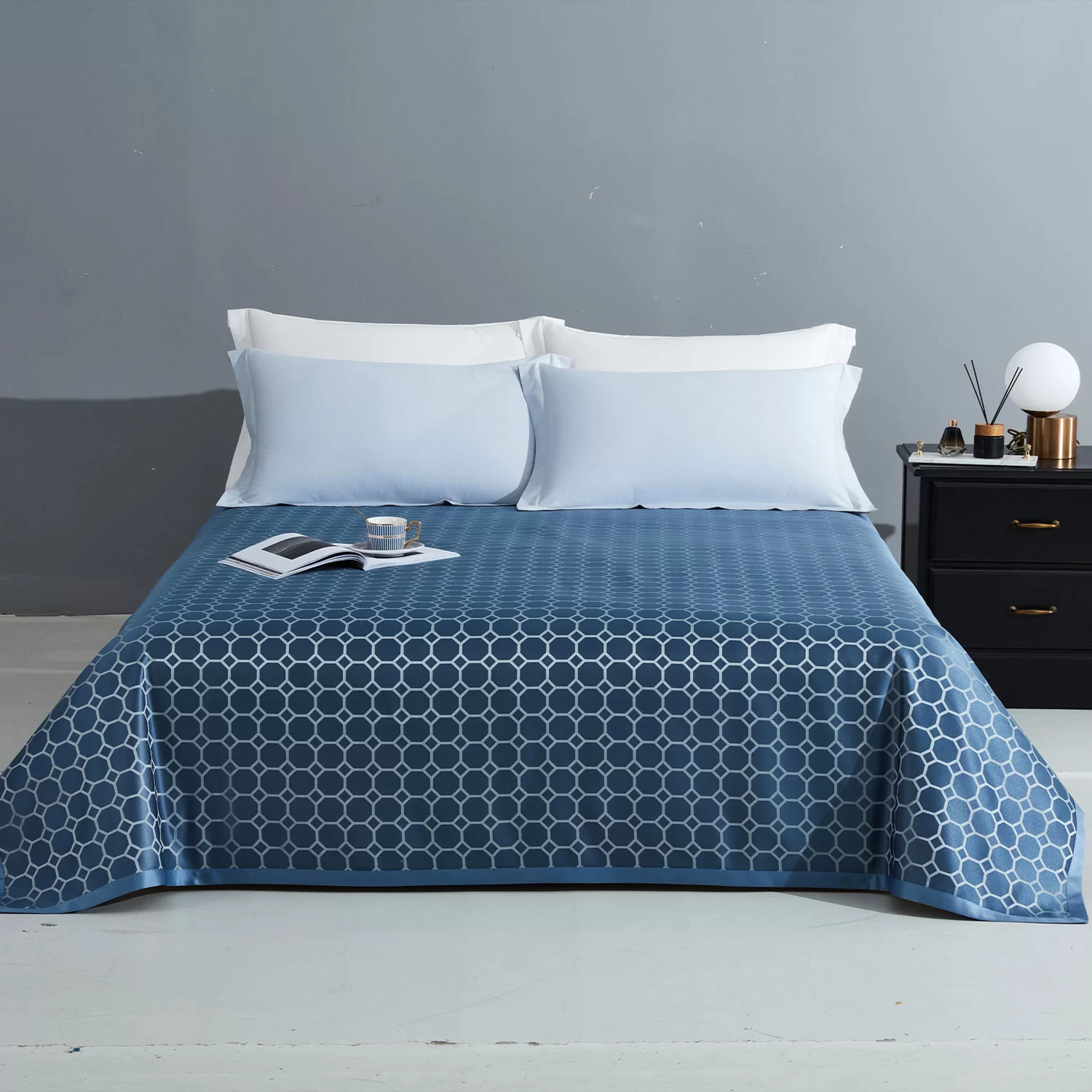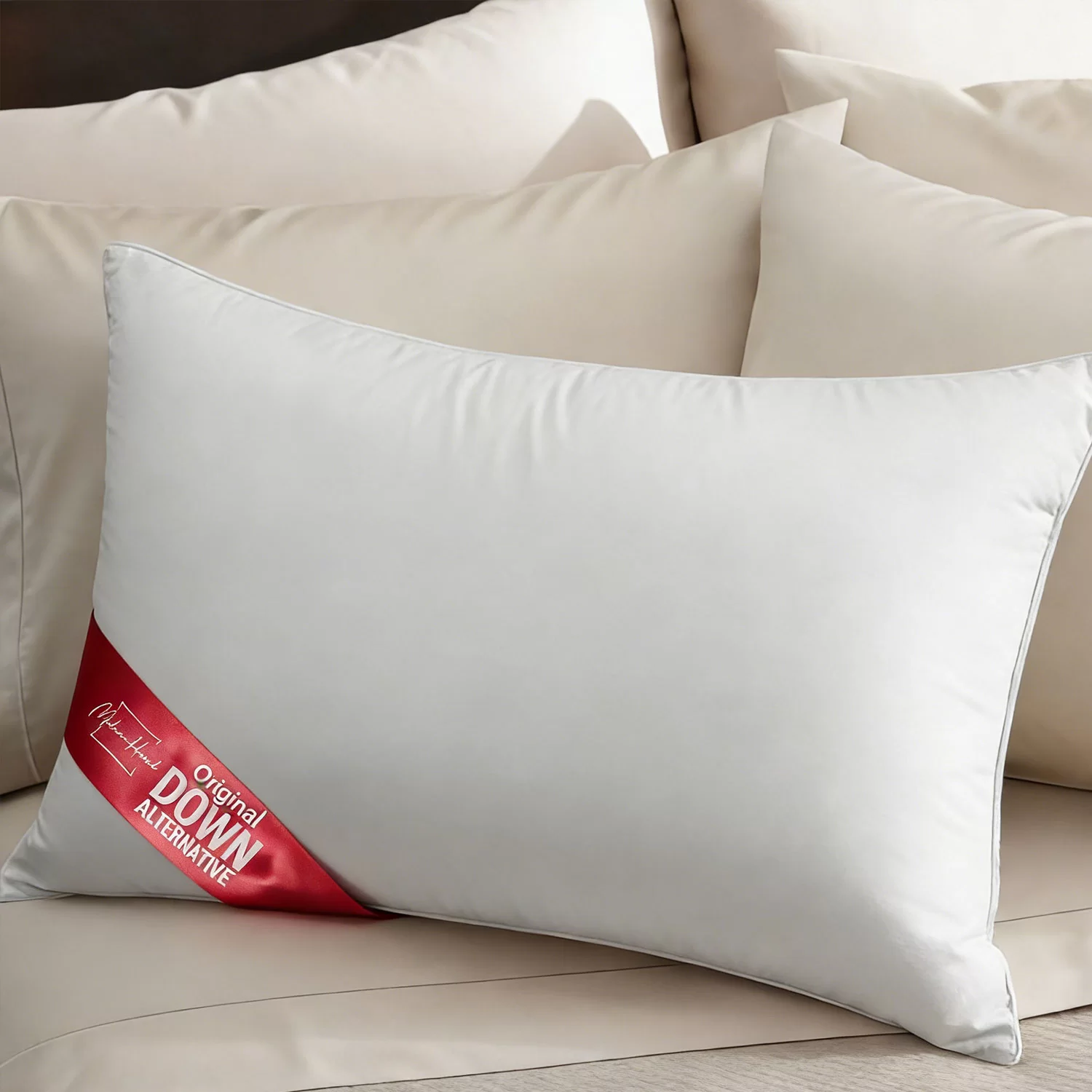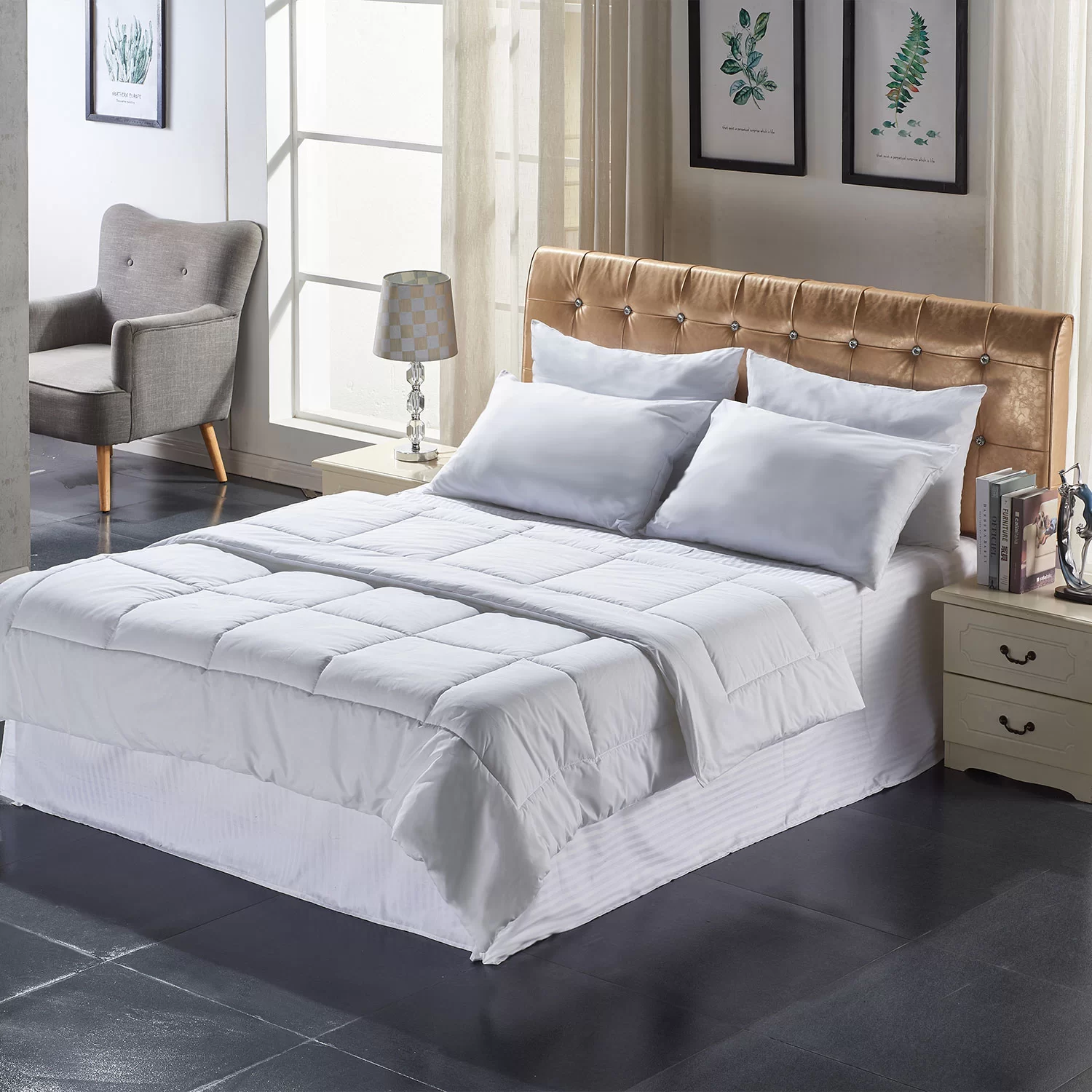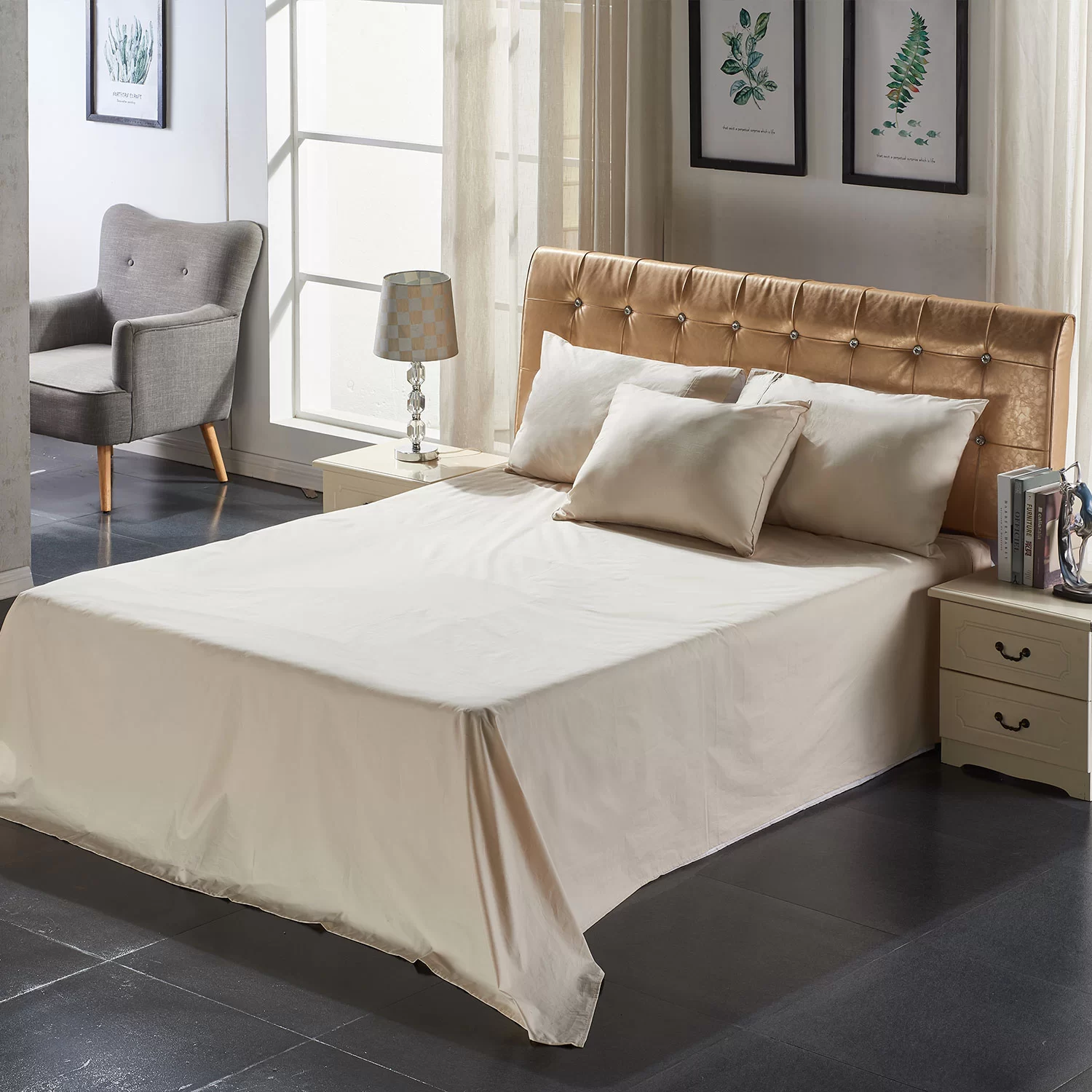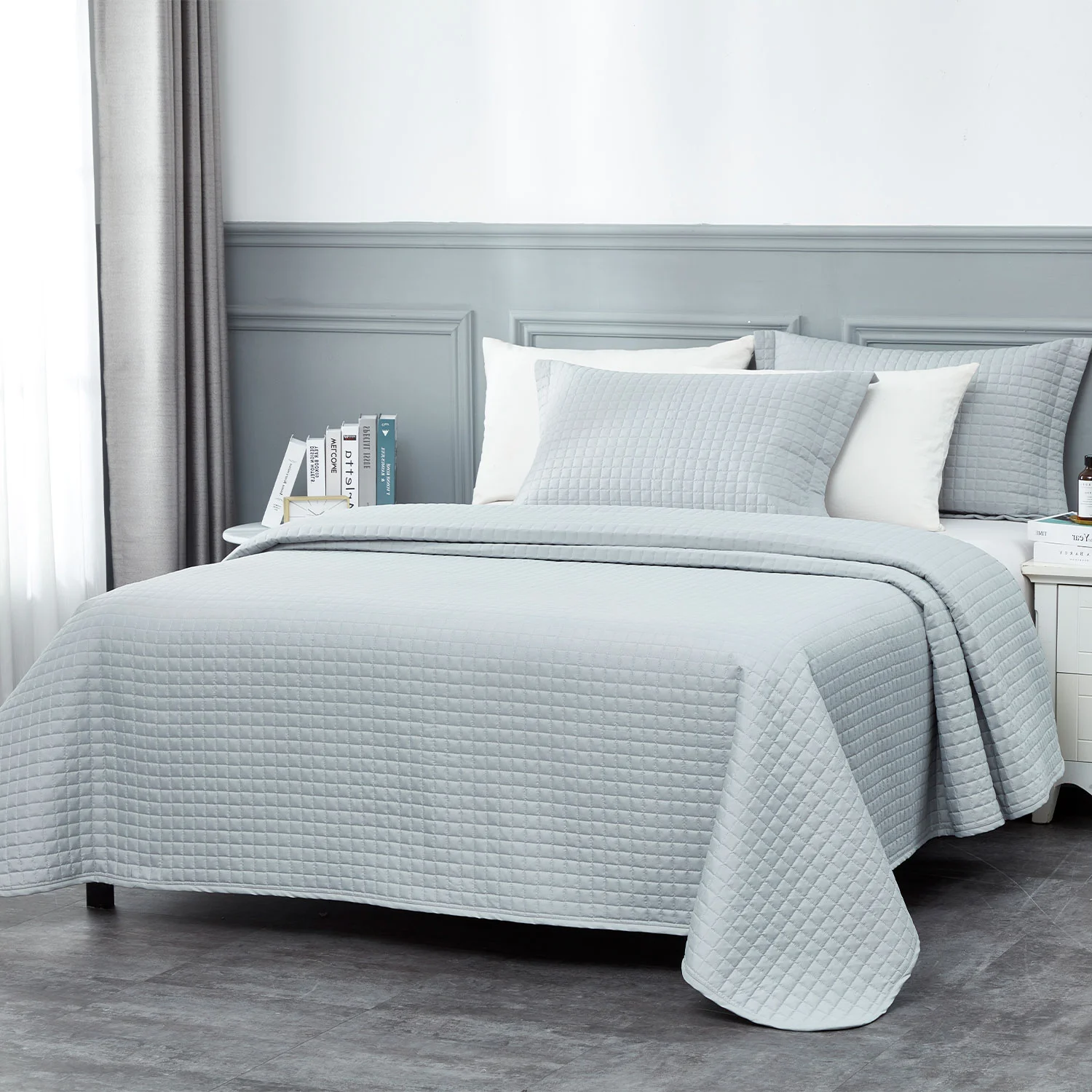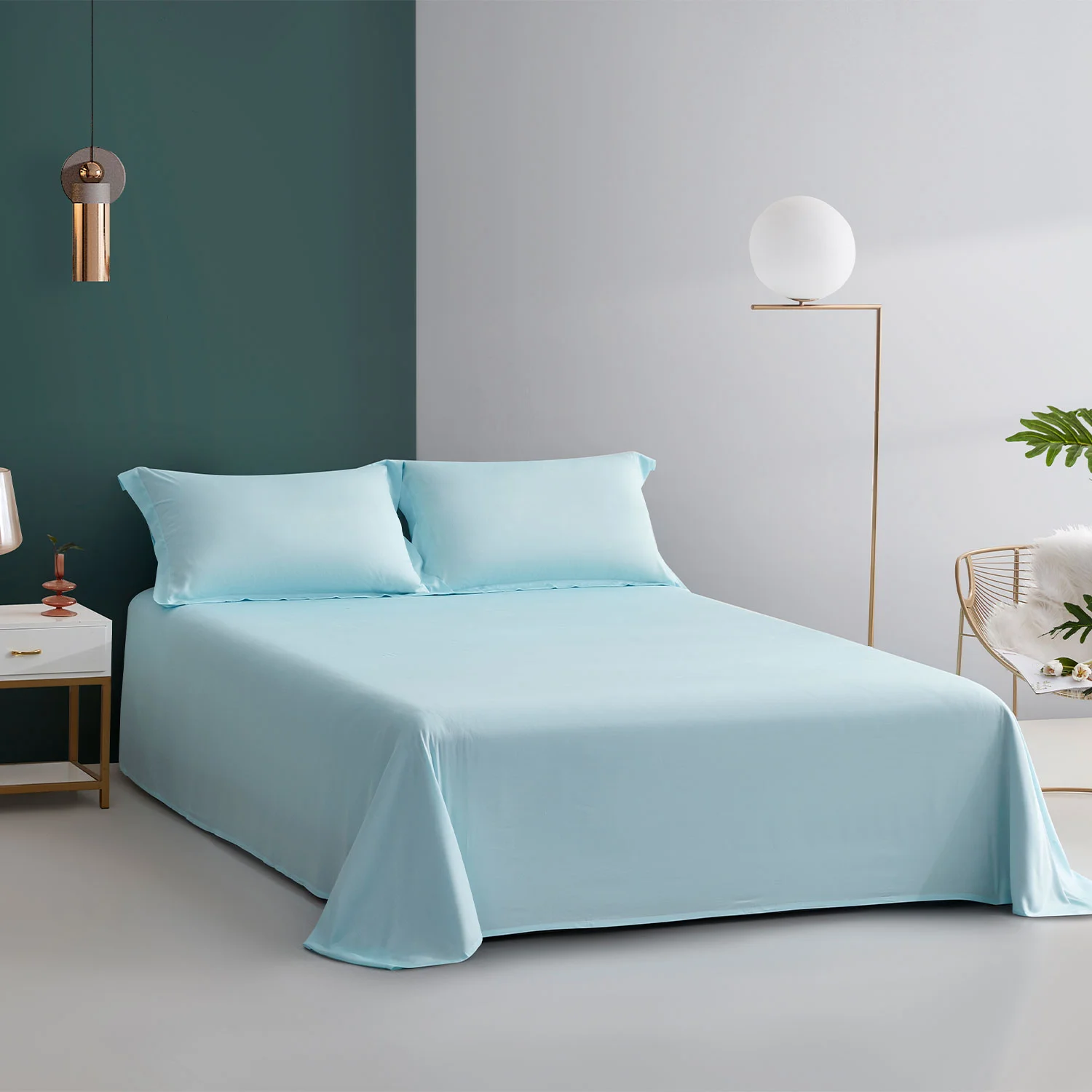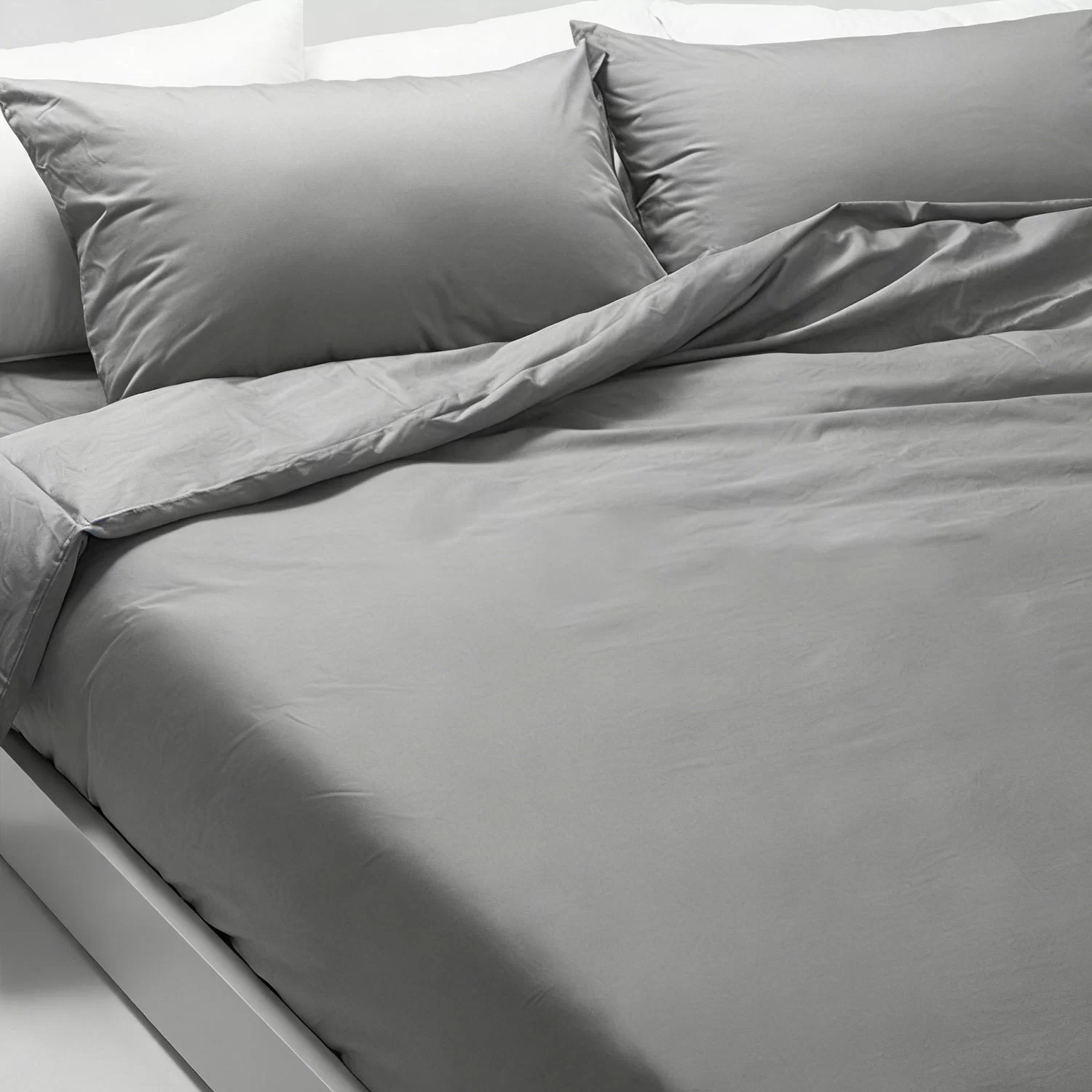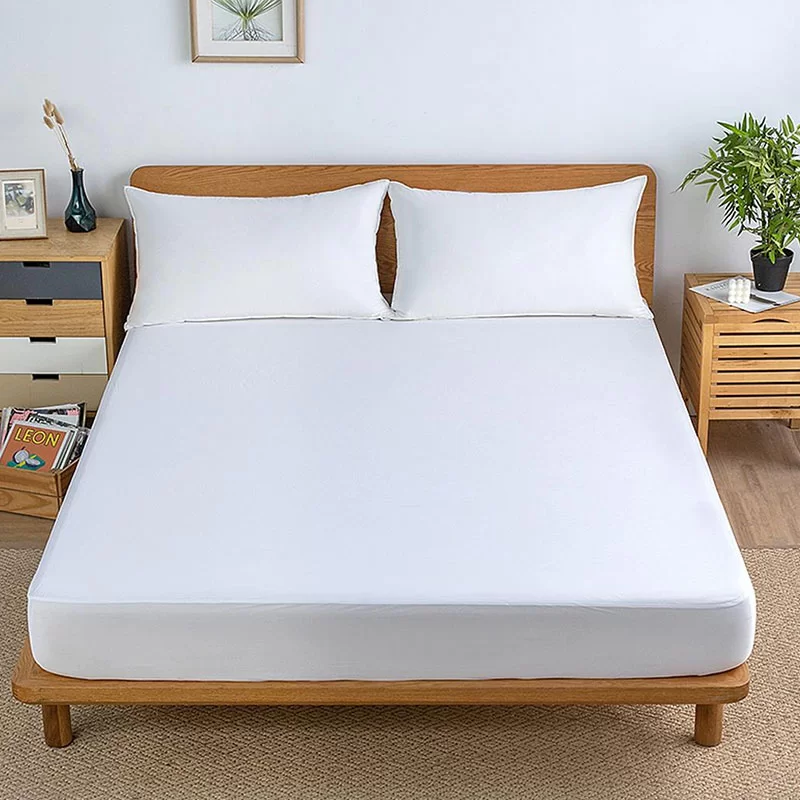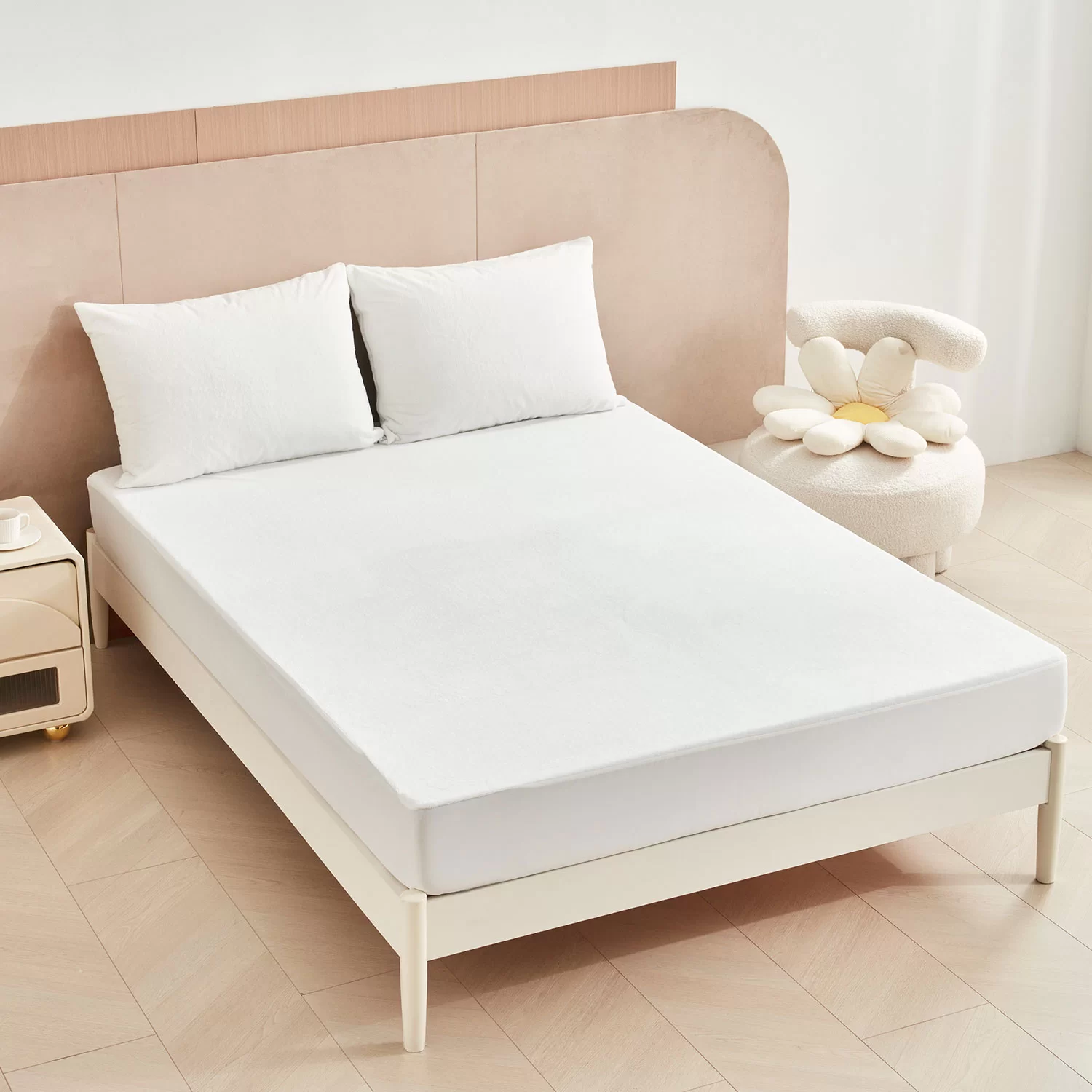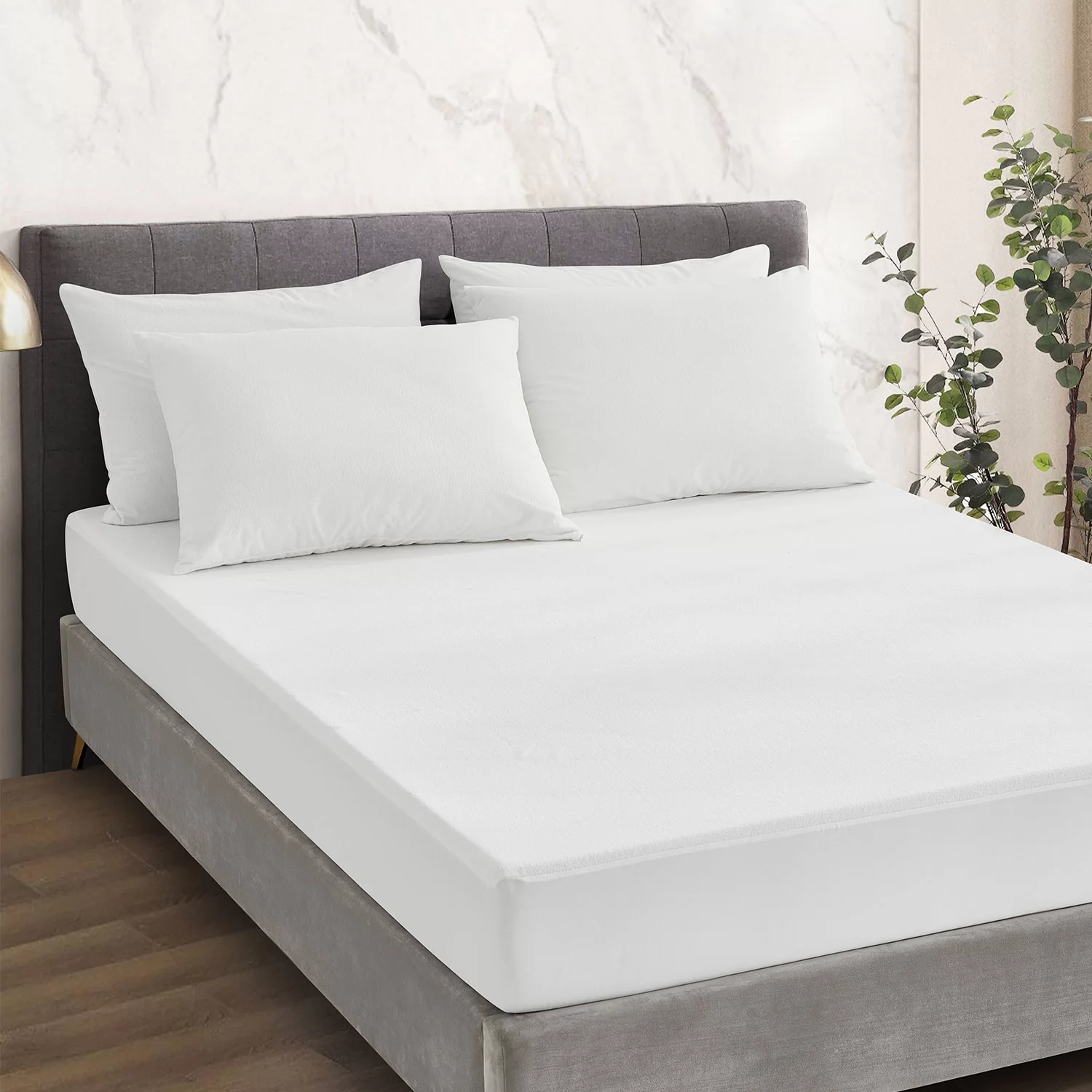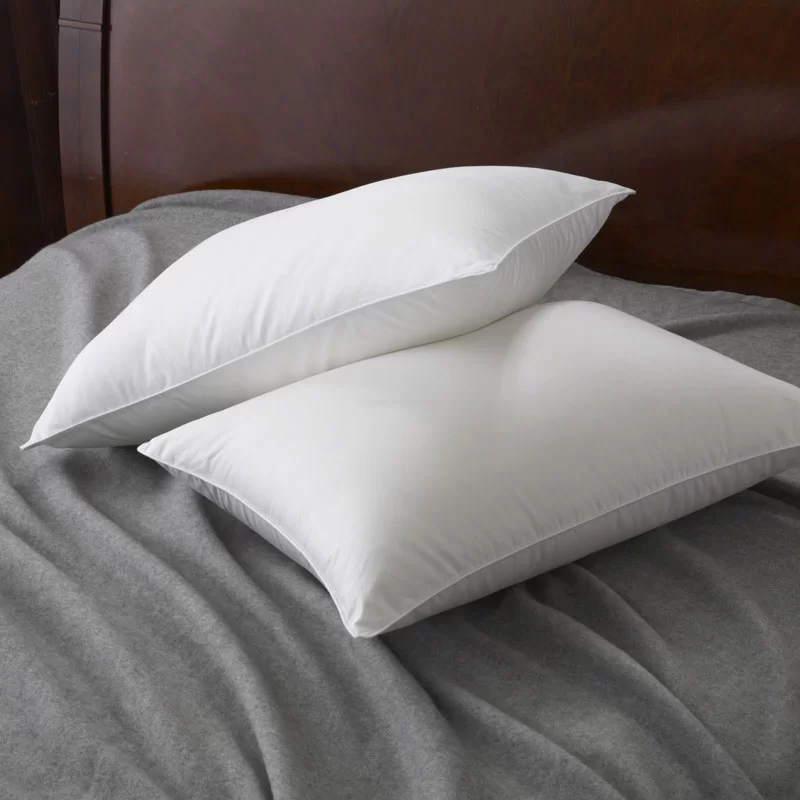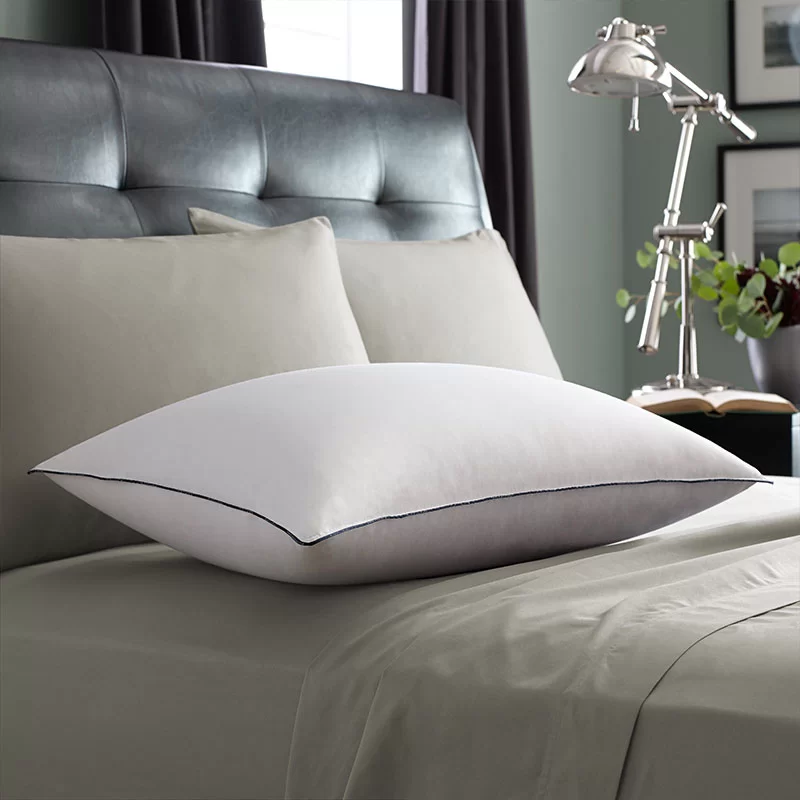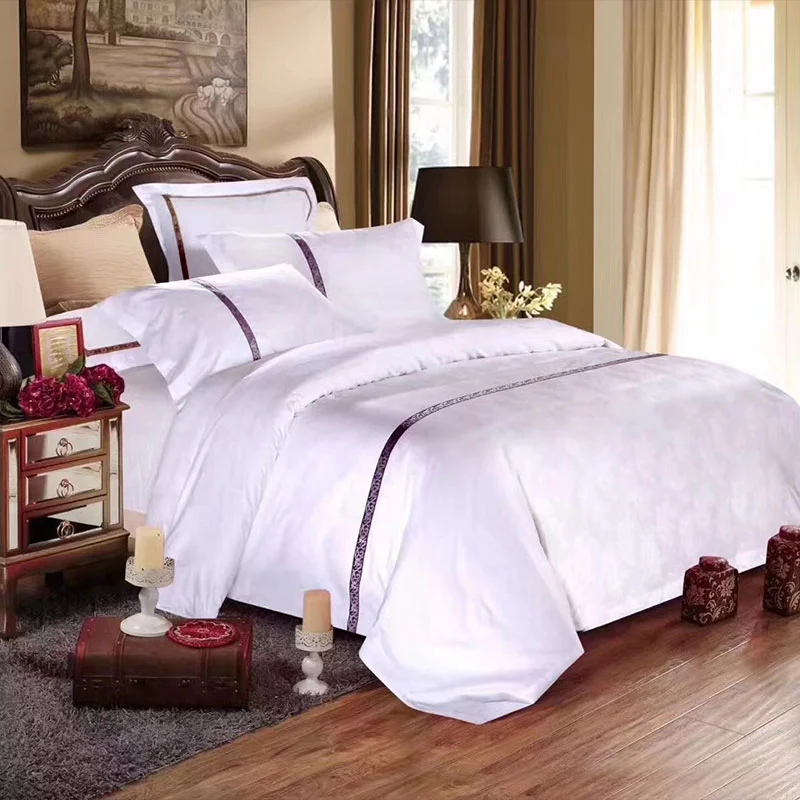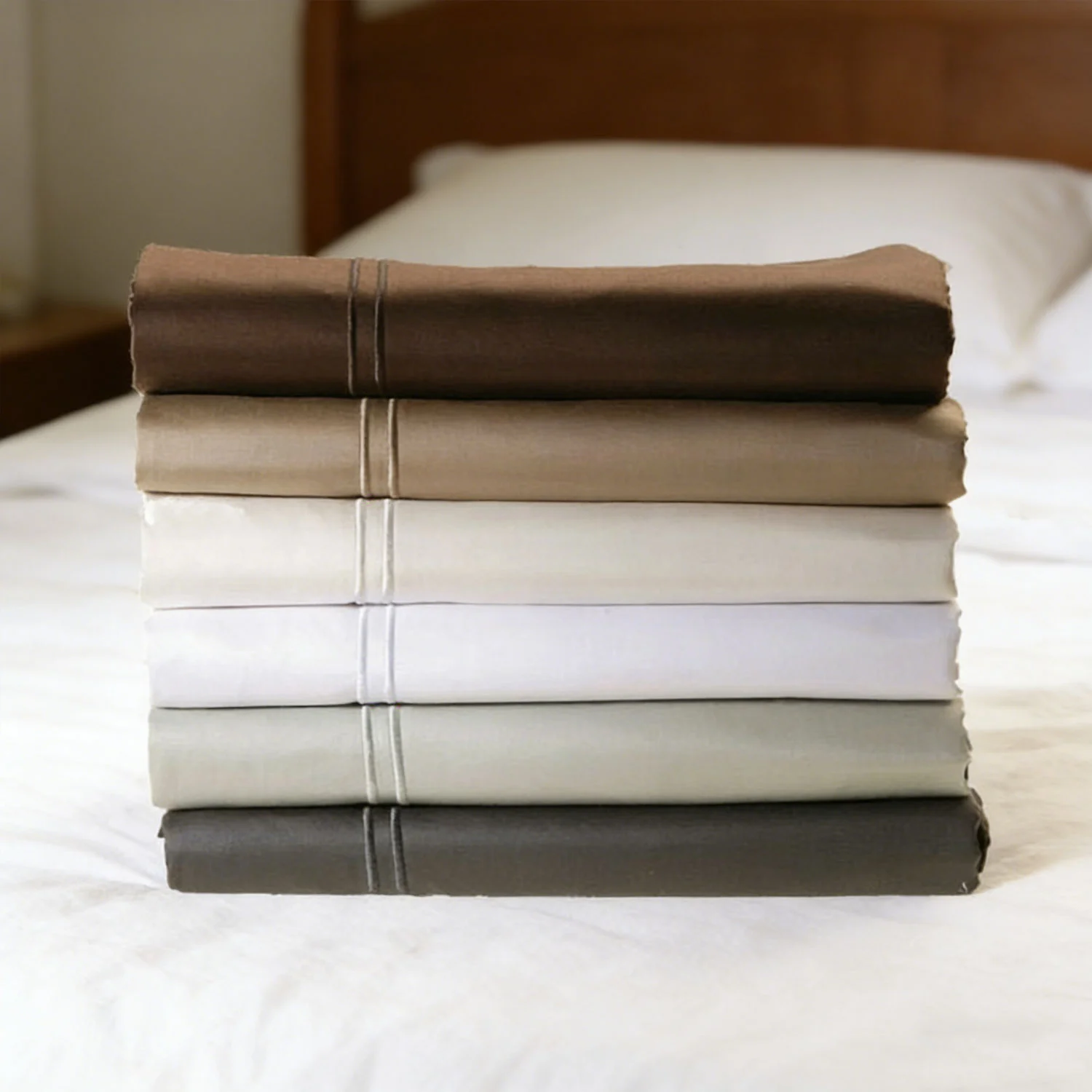
Finding high-quality bedding that balances a professional aesthetic with budget constraints often leads buyers to search for white flat sheets cheap options. However, in the commercial textile industry, "cheap" should not be synonymous with "low quality," but rather with "cost-efficient sourcing."
The challenge for hotel managers and homeowners alike is distinguishing between sheets that are merely inexpensive and those that offer a sustainable value proposition through durability and material integrity. When sourcing at scale, the difference in thread count and weave can mean the difference between a product that lasts two years and one that degrades after ten washes.
This analysis explores the technical factors that drive the cost of white flat sheets and provides a framework for identifying high-value options that maintain the crisp, clean look essential for hospitality and home environments.


The quest for white flat sheets cheap enough for bulk use requires an understanding of the supply chain. Most price reductions occur when buyers shift from retail brands to direct manufacturing sources. By eliminating intermediaries, the cost of logistics and branding is removed, allowing the focus to remain on the fabric's raw specifications.
In the context of the Hebei textile cluster, for instance, proximity to cotton sources allows manufacturers like SHIJIAZHUANG YINGFANG TRADE CO.,LTD to optimize costs without sacrificing the ISO9002 quality standards. This regional advantage reduces the "hidden costs" of transportation, translating to a lower per-unit price for the end buyer.
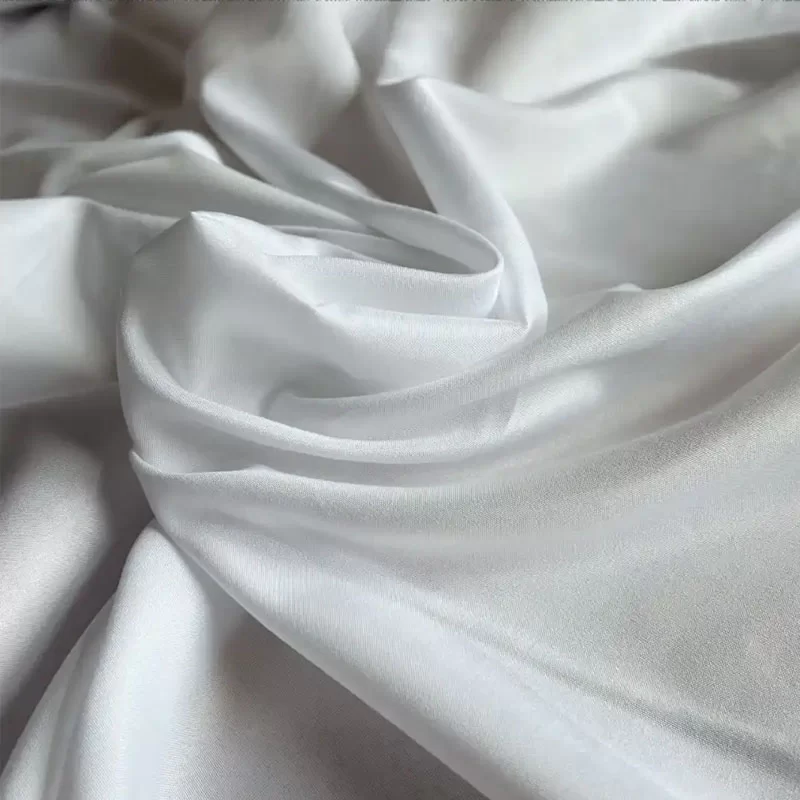
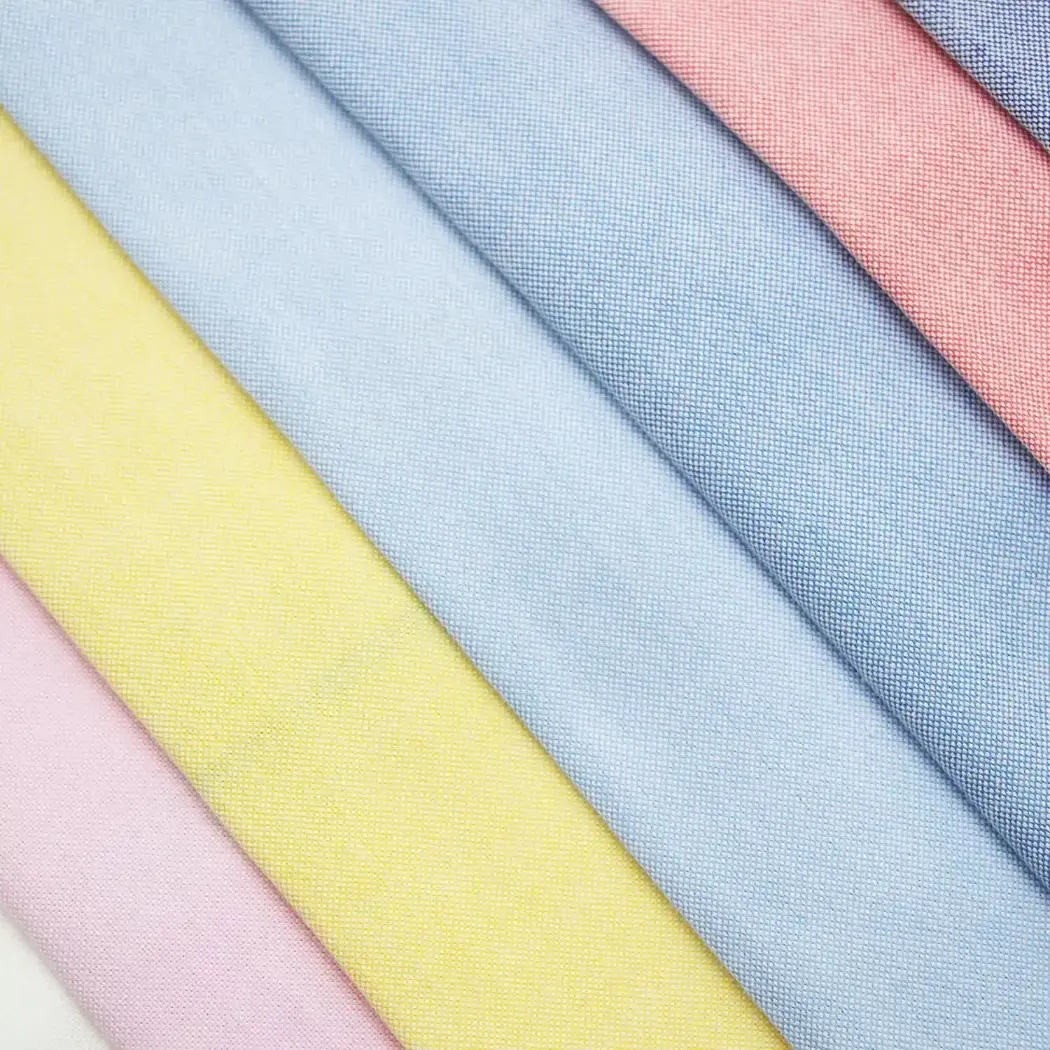
The primary driver of cost and performance in flat sheets is the fiber composition. 100% organic cotton remains the gold standard for breathability and classic luxury, but it typically carries a higher price point. For those seeking more affordable options, polyester-cotton blends (CVC or TC fabrics) provide a strategic compromise, offering the softness of cotton with the wrinkle-resistance and strength of synthetic fibers.
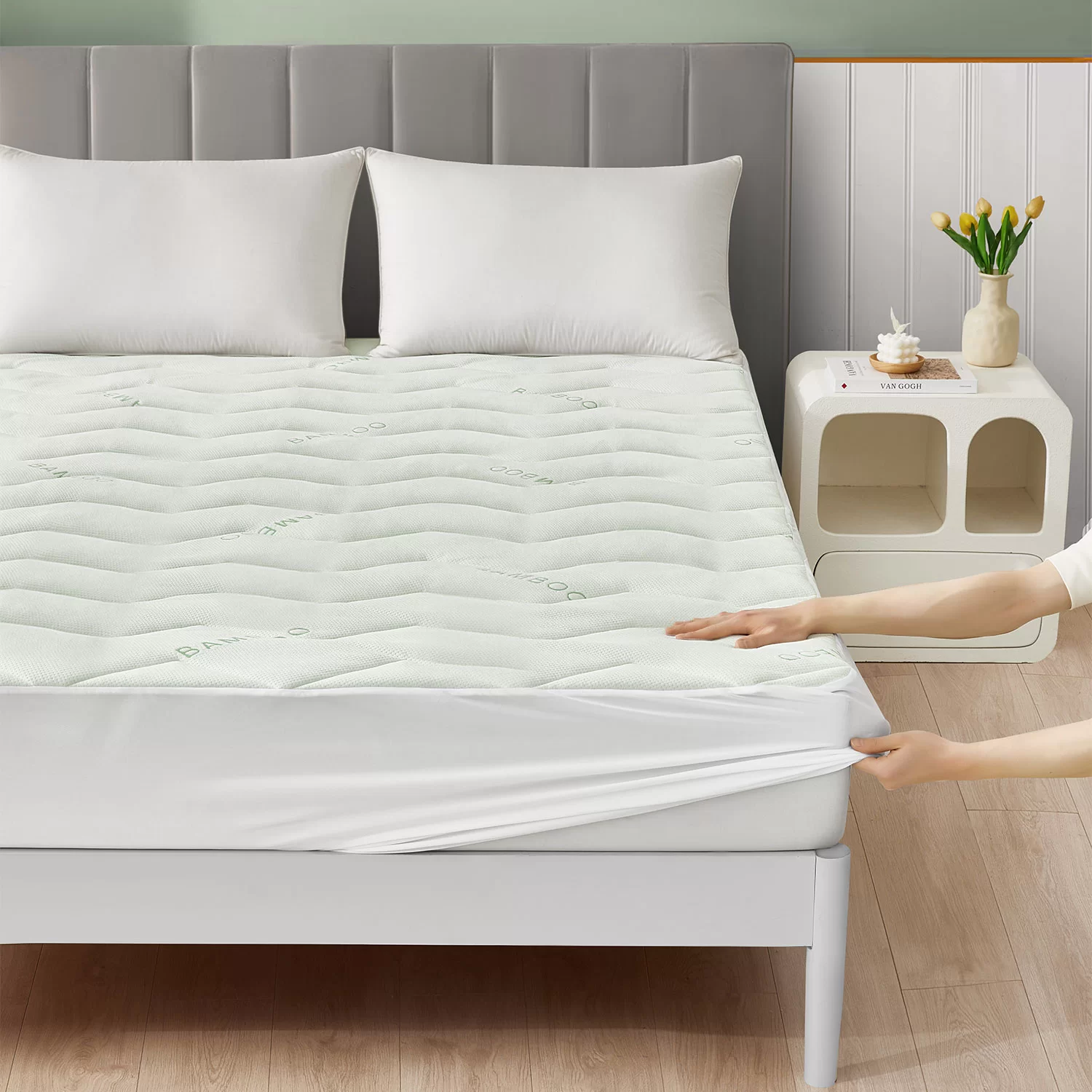
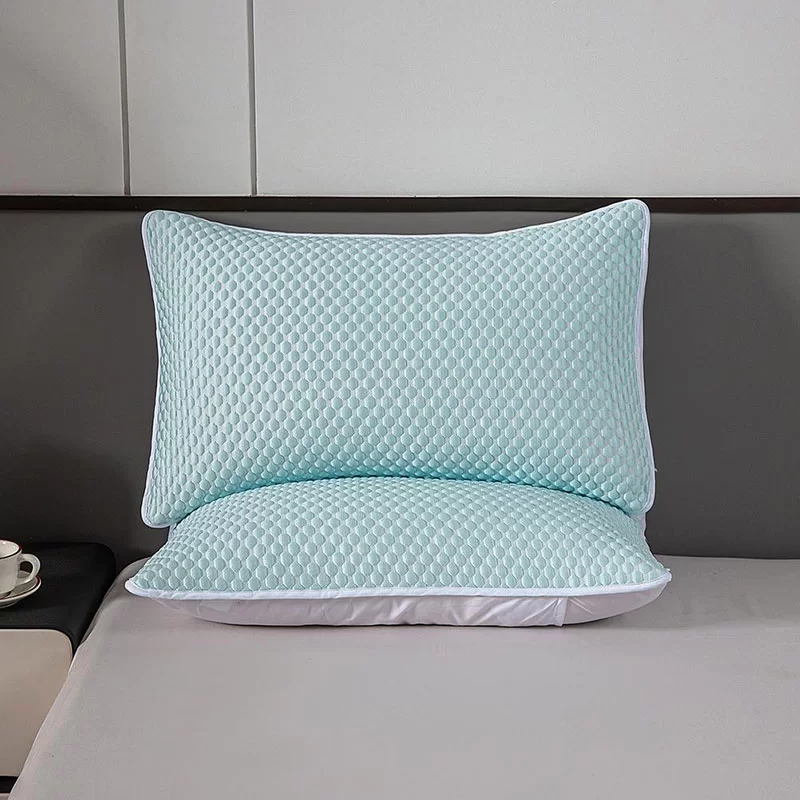
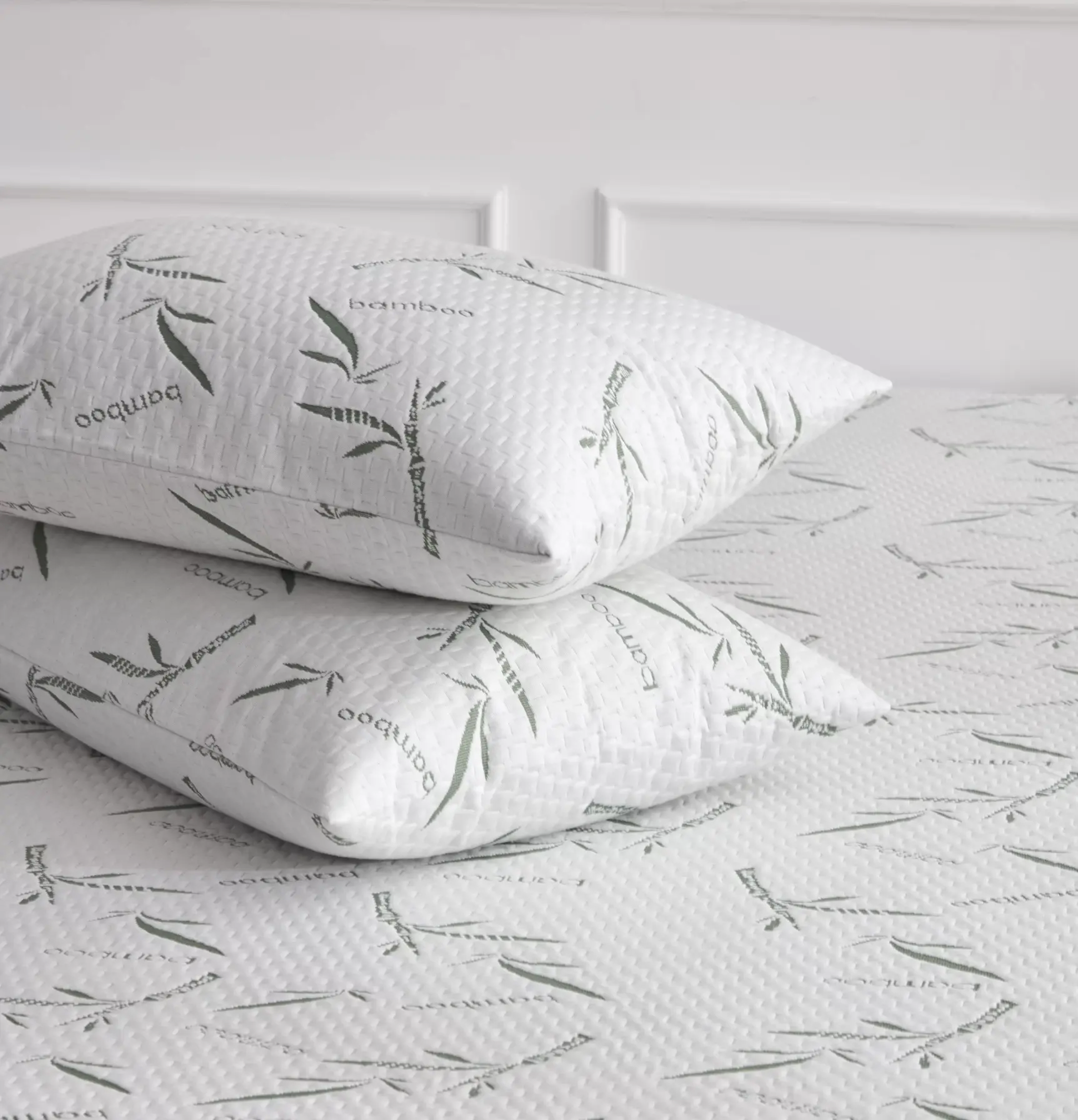
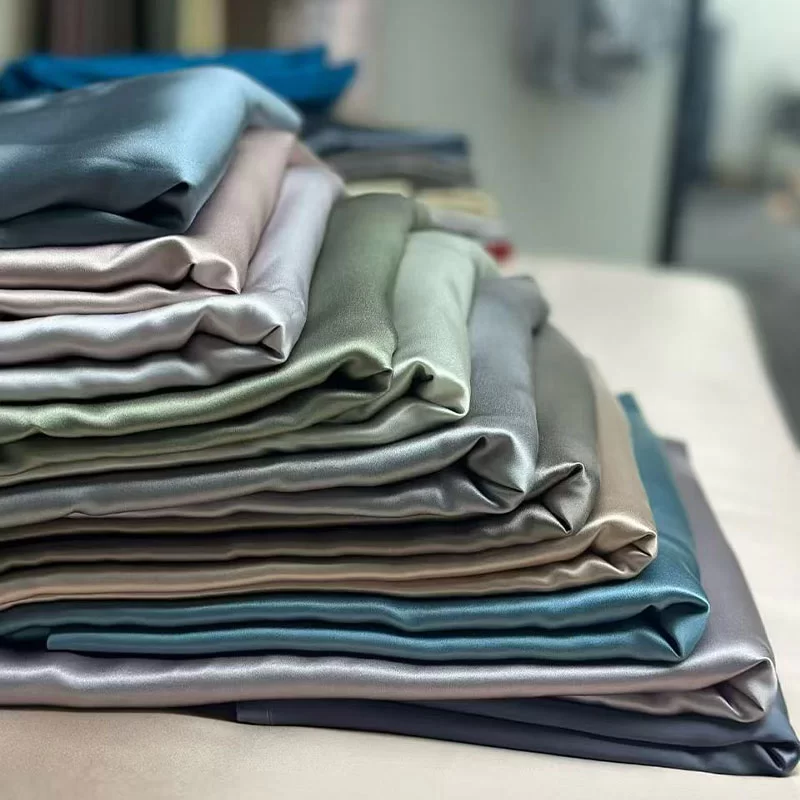
Beyond standard cotton, innovative materials such as Bamboo Viscose and Tencel have entered the commercial market. These fabrics are often valued for their moisture-wicking properties and eco-friendly footprints. While the initial cost may be higher than basic polyester, their longevity and skin-friendly nature often result in a lower "cost-per-use" over time, especially in hospital or high-end hotel settings.
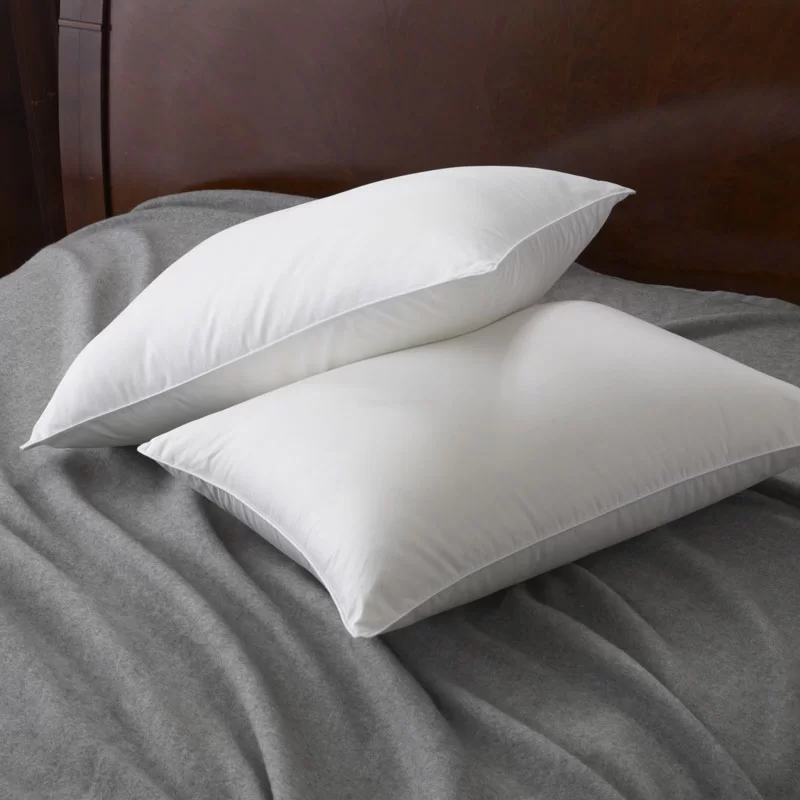
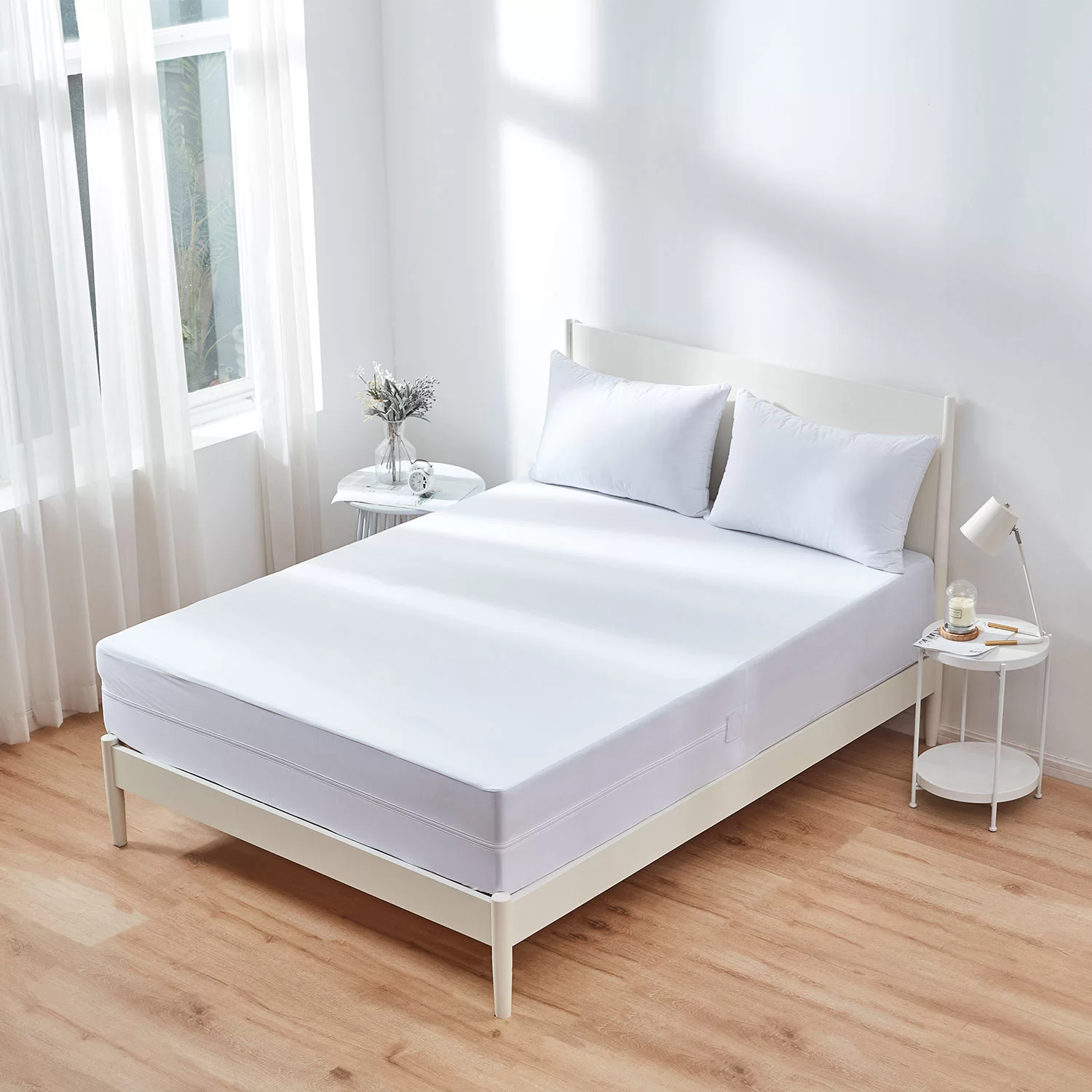
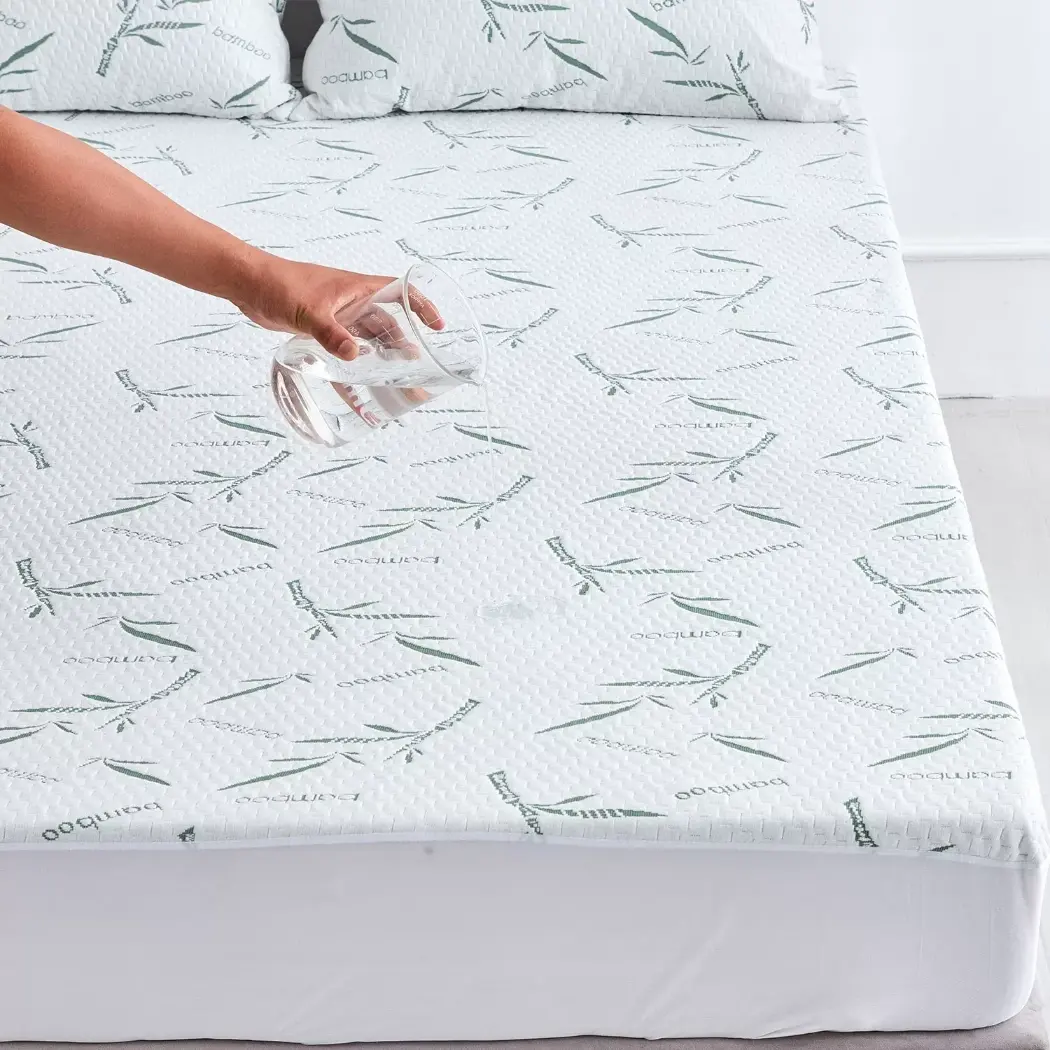
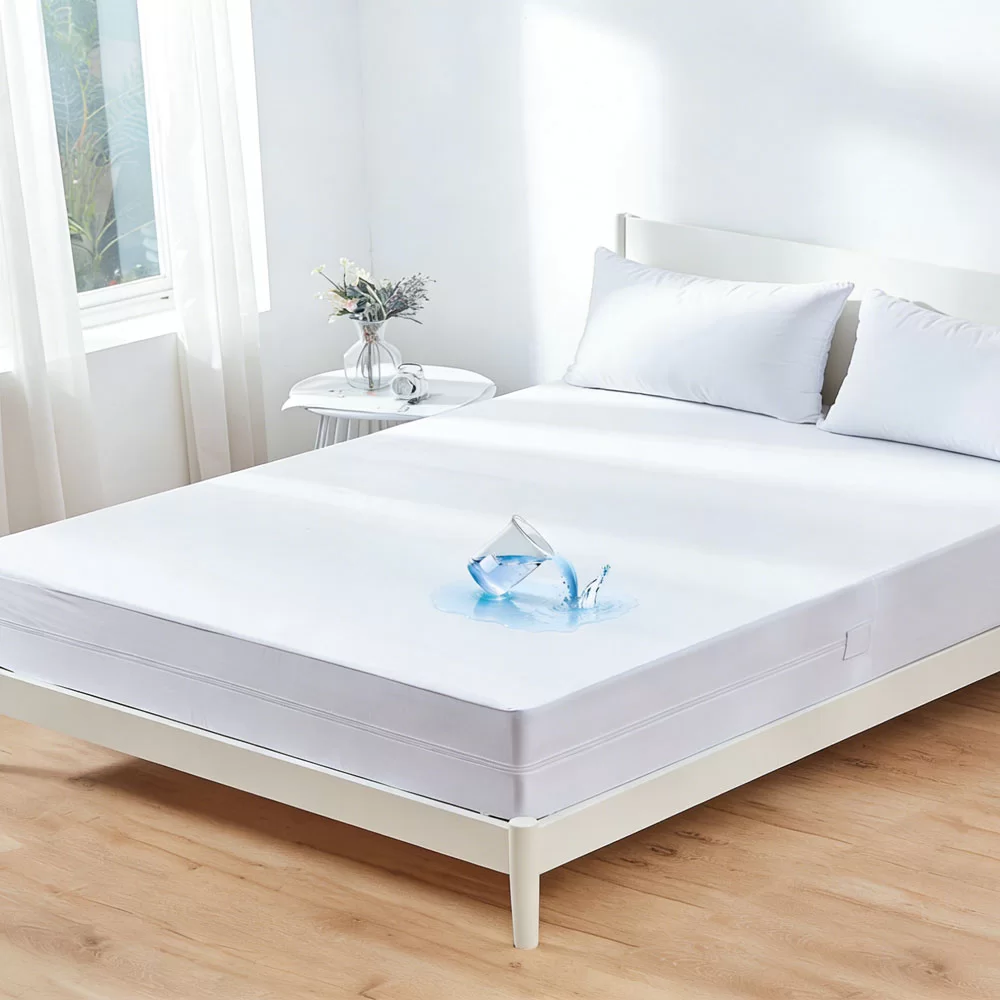
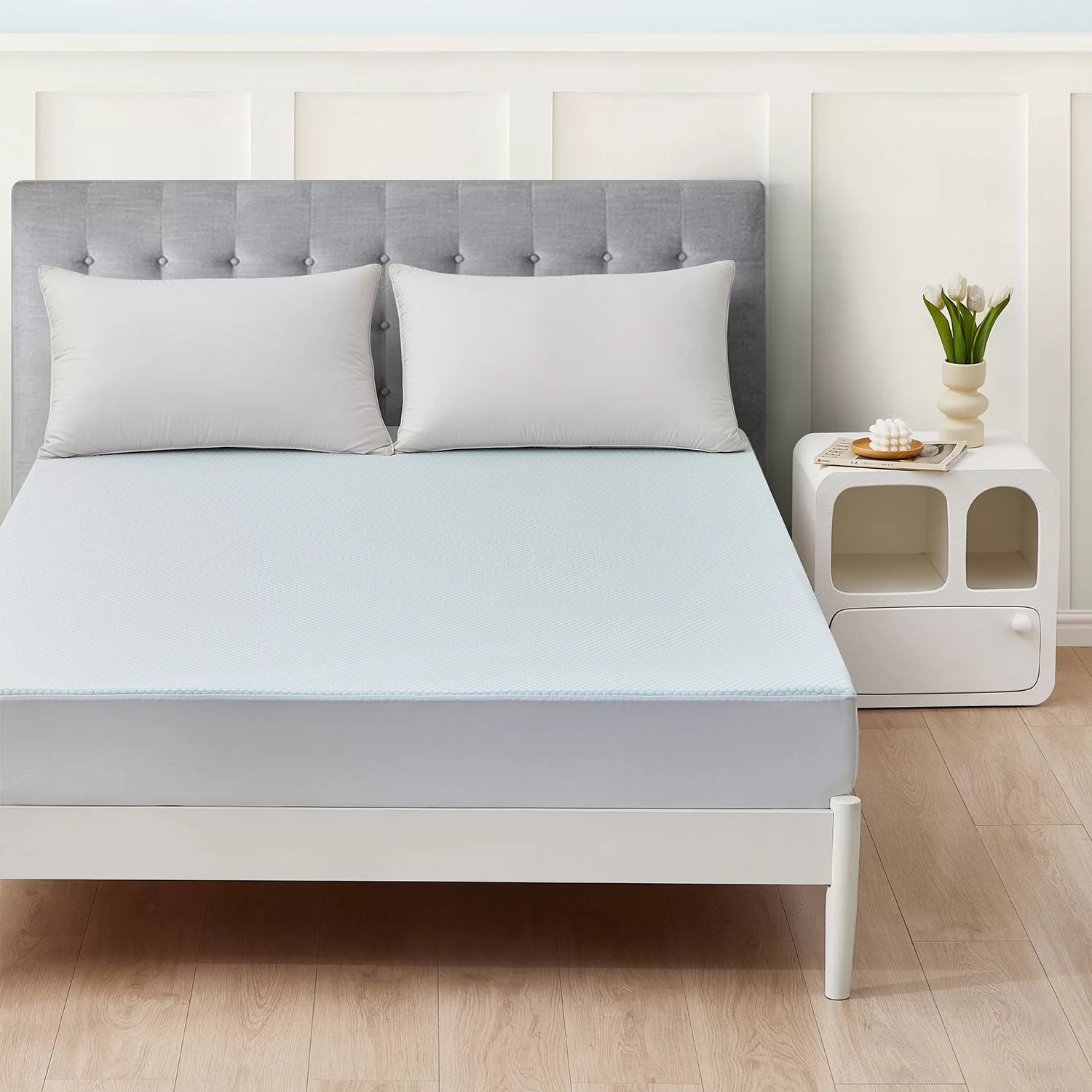
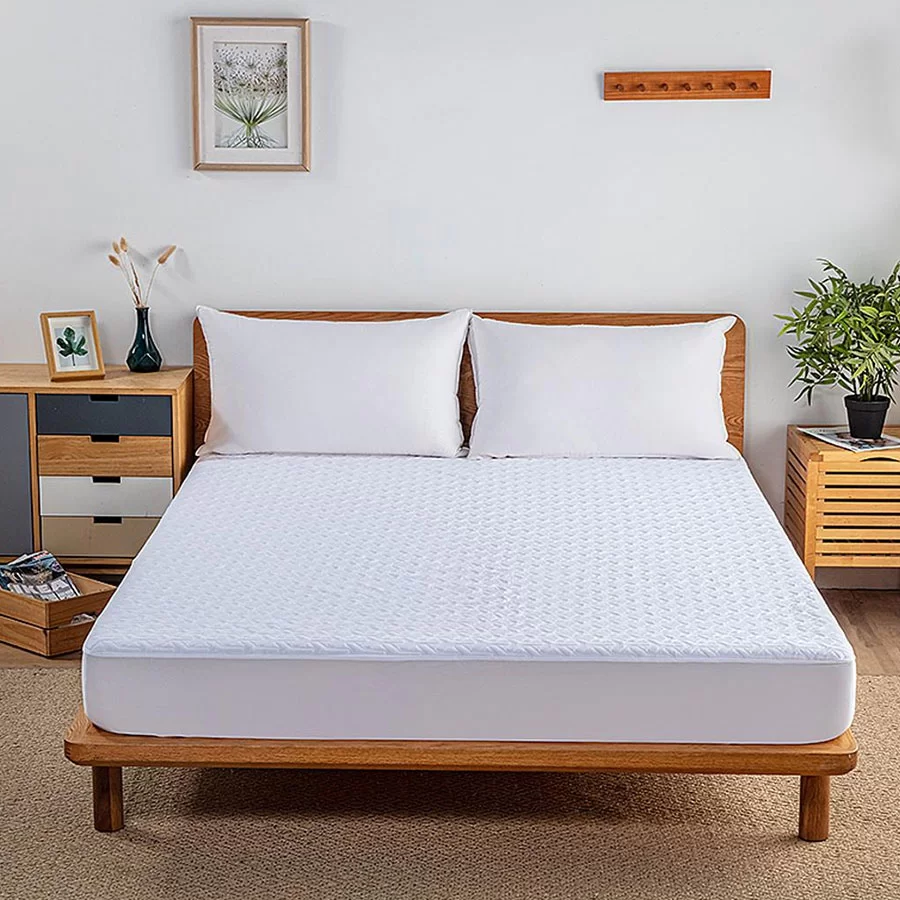
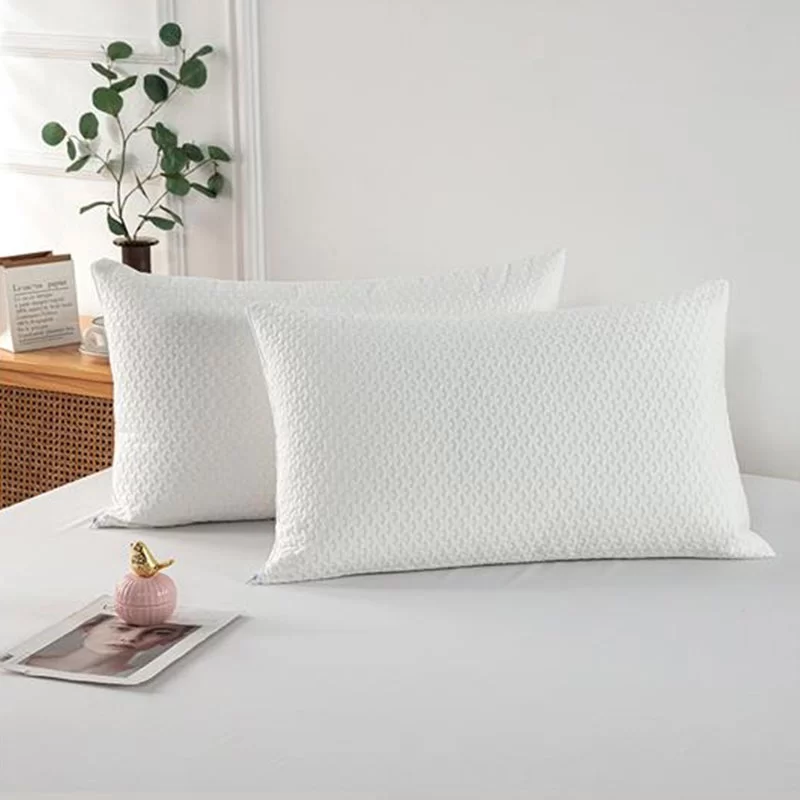
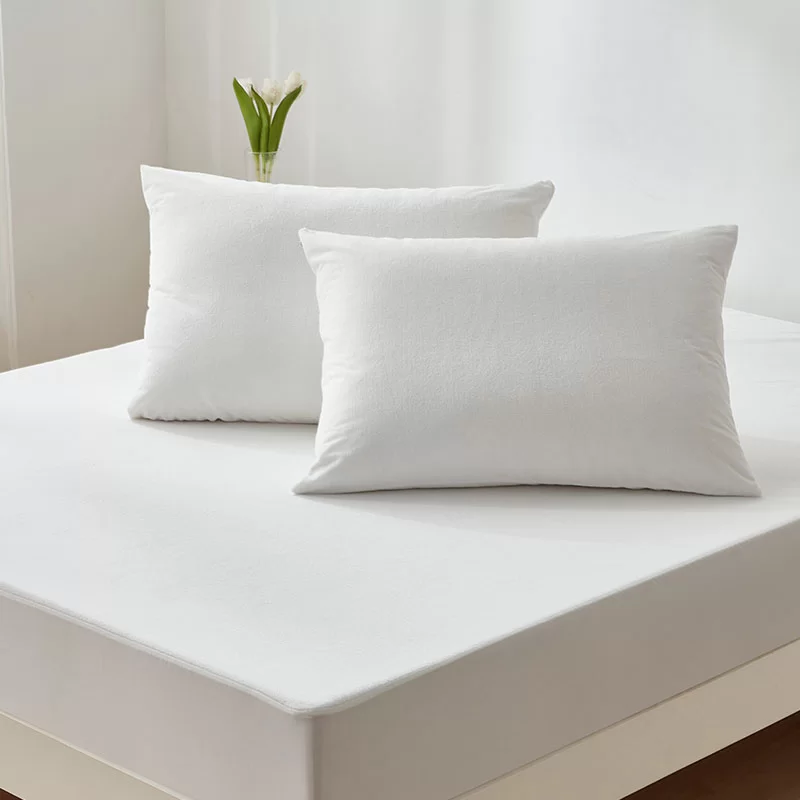
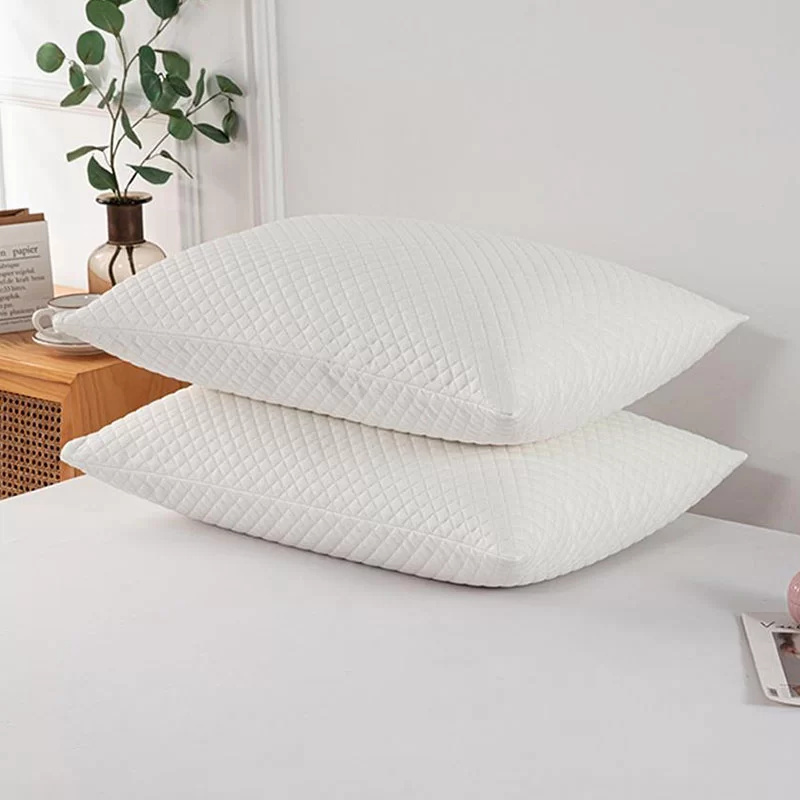
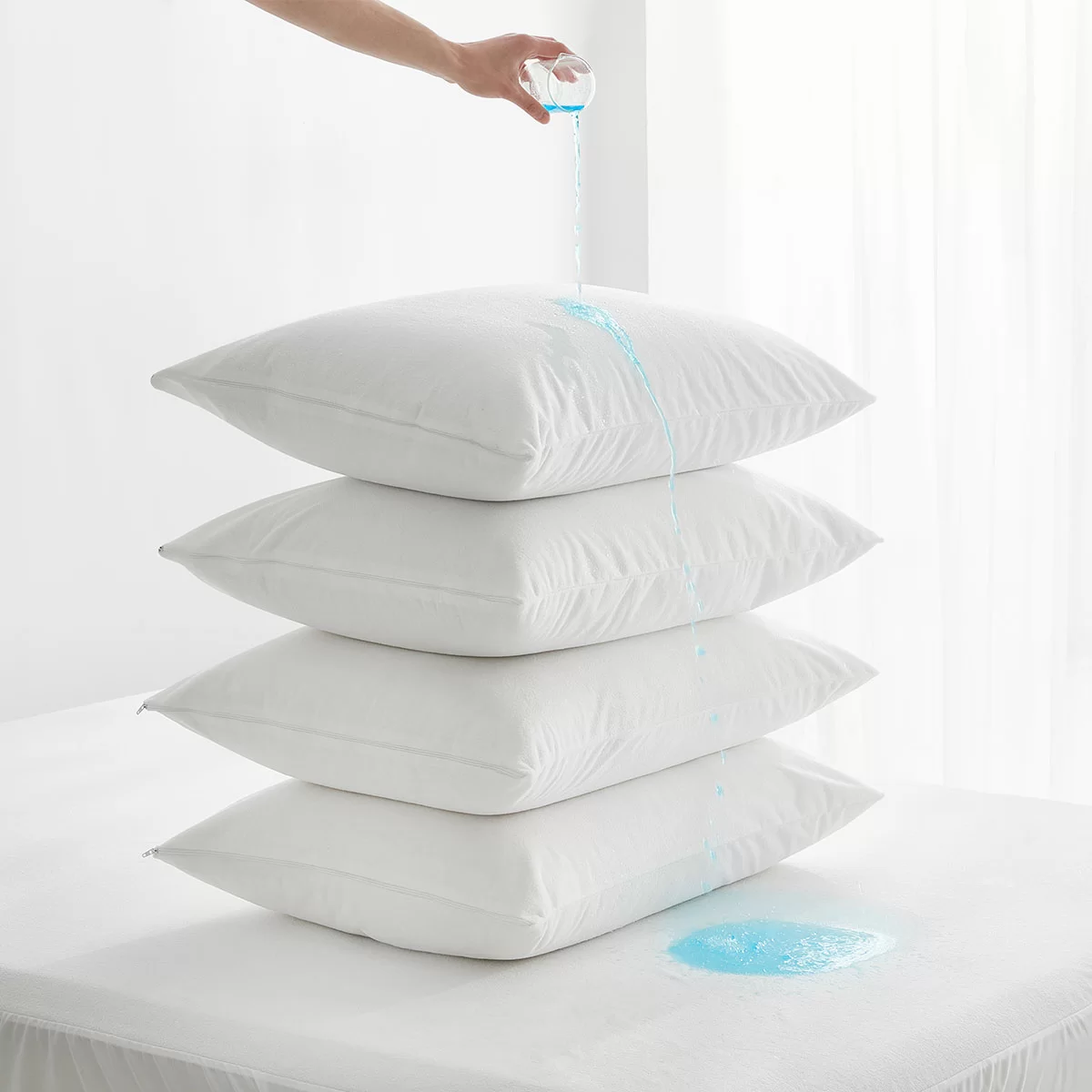
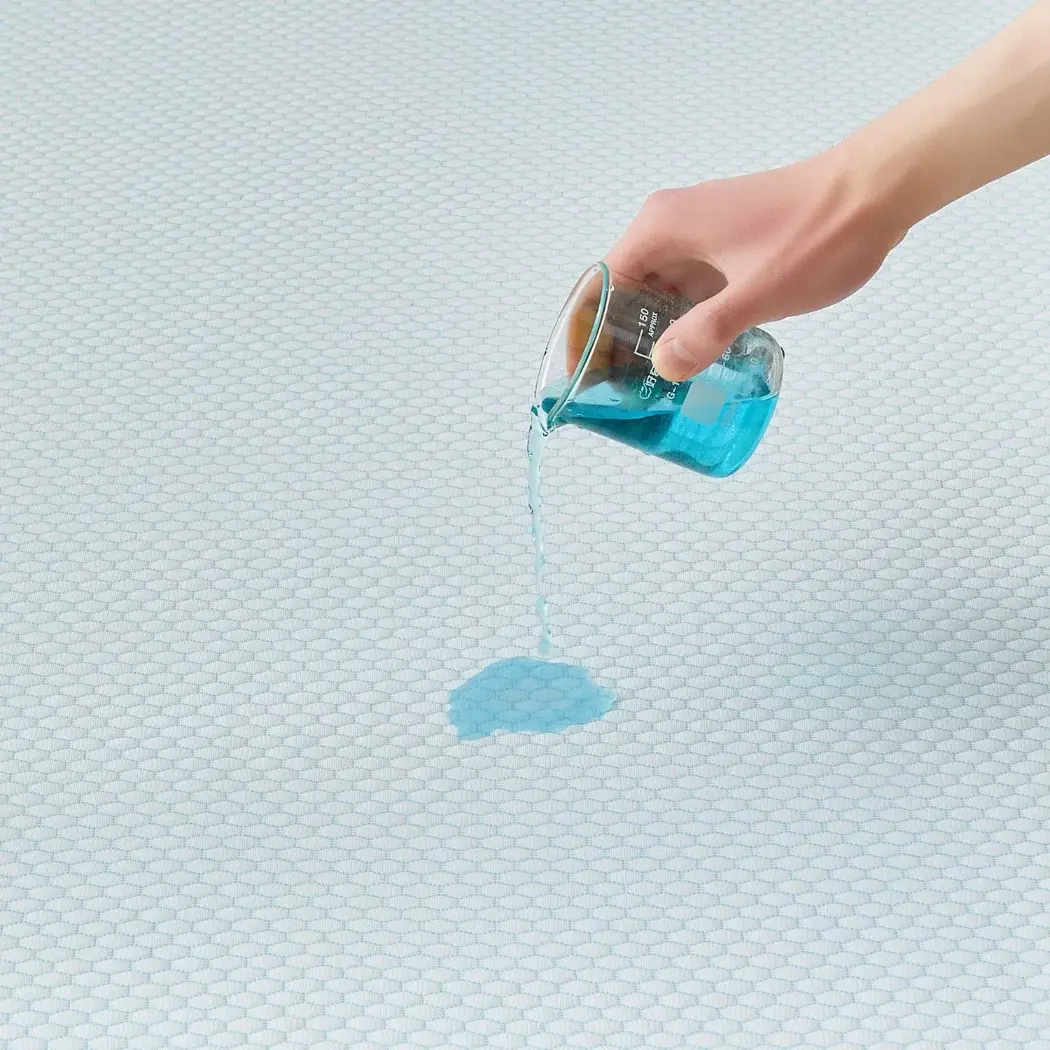
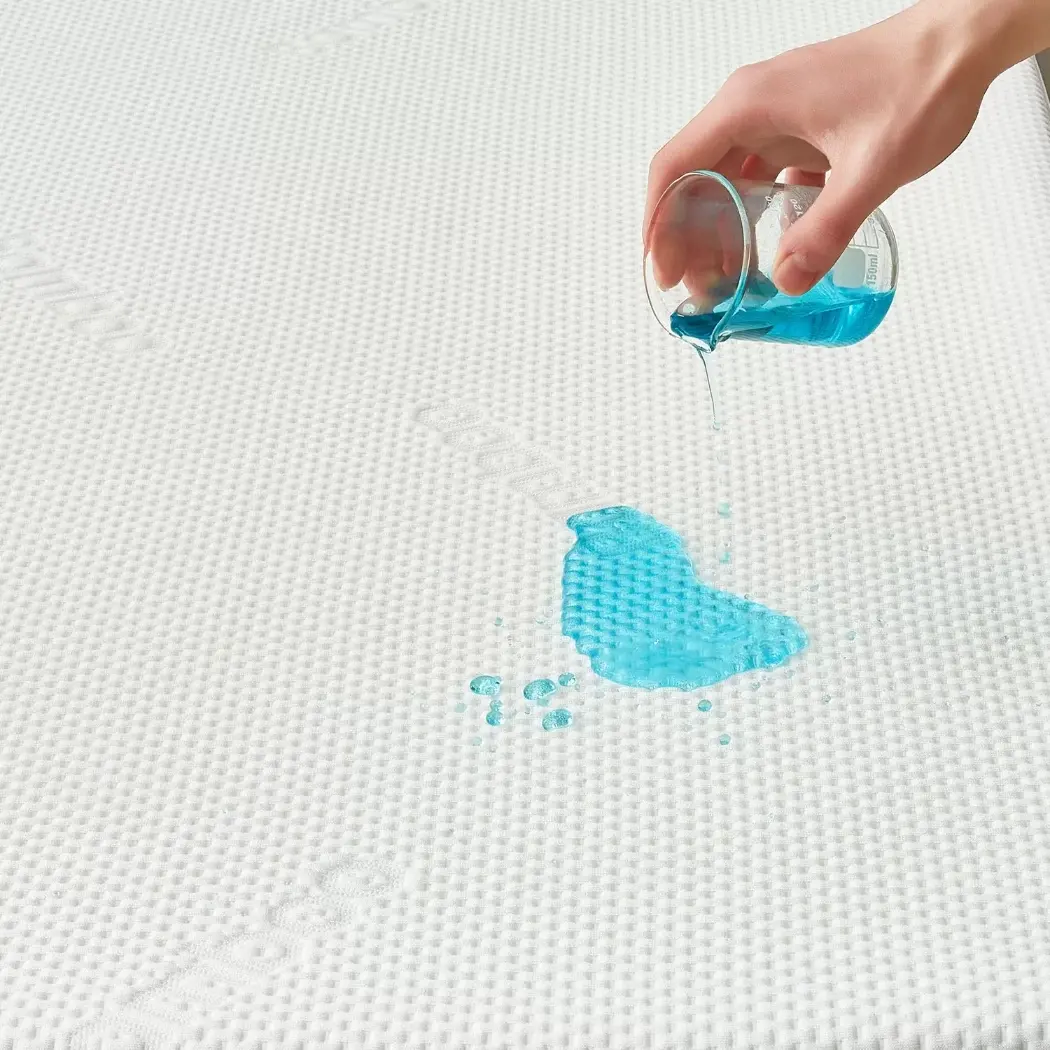
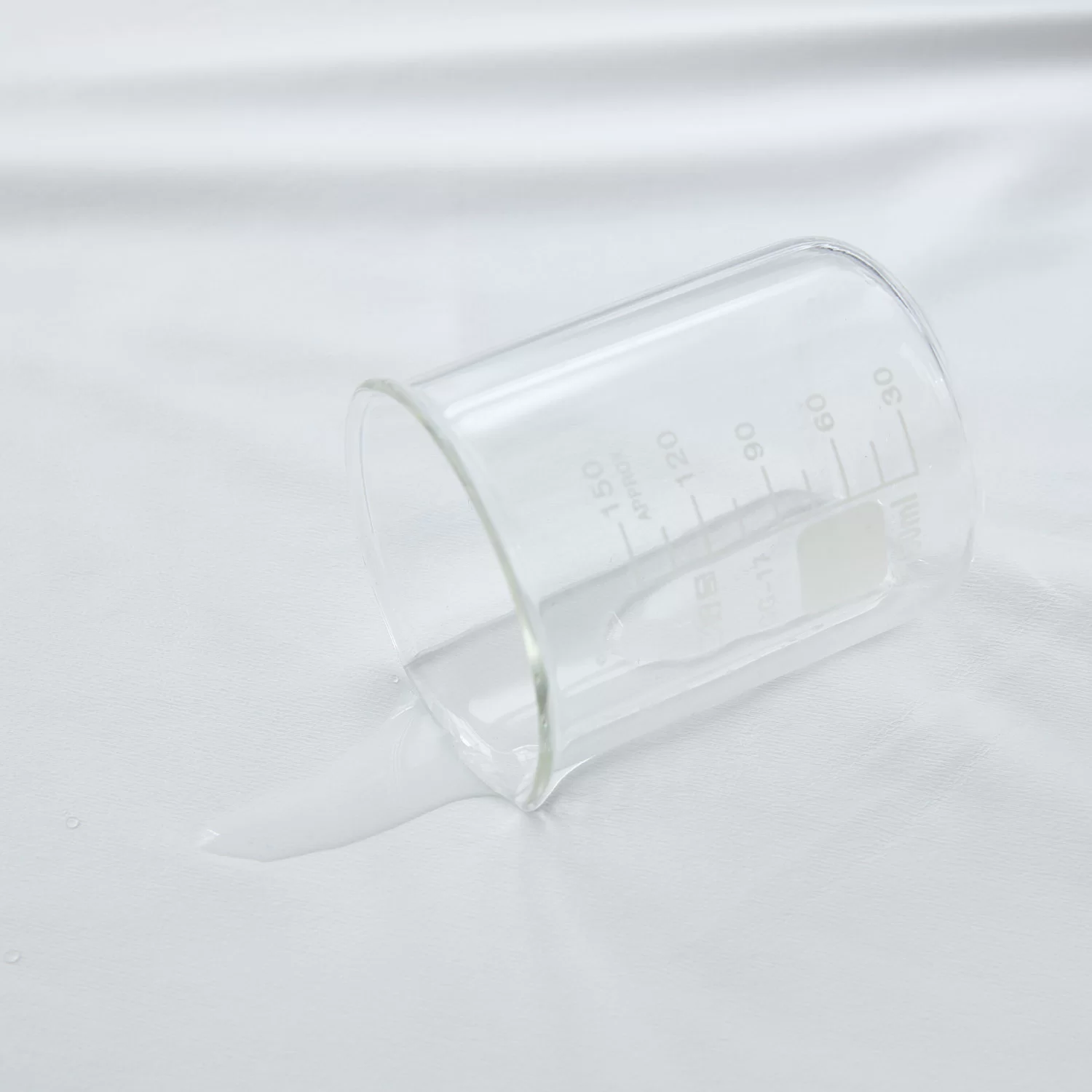
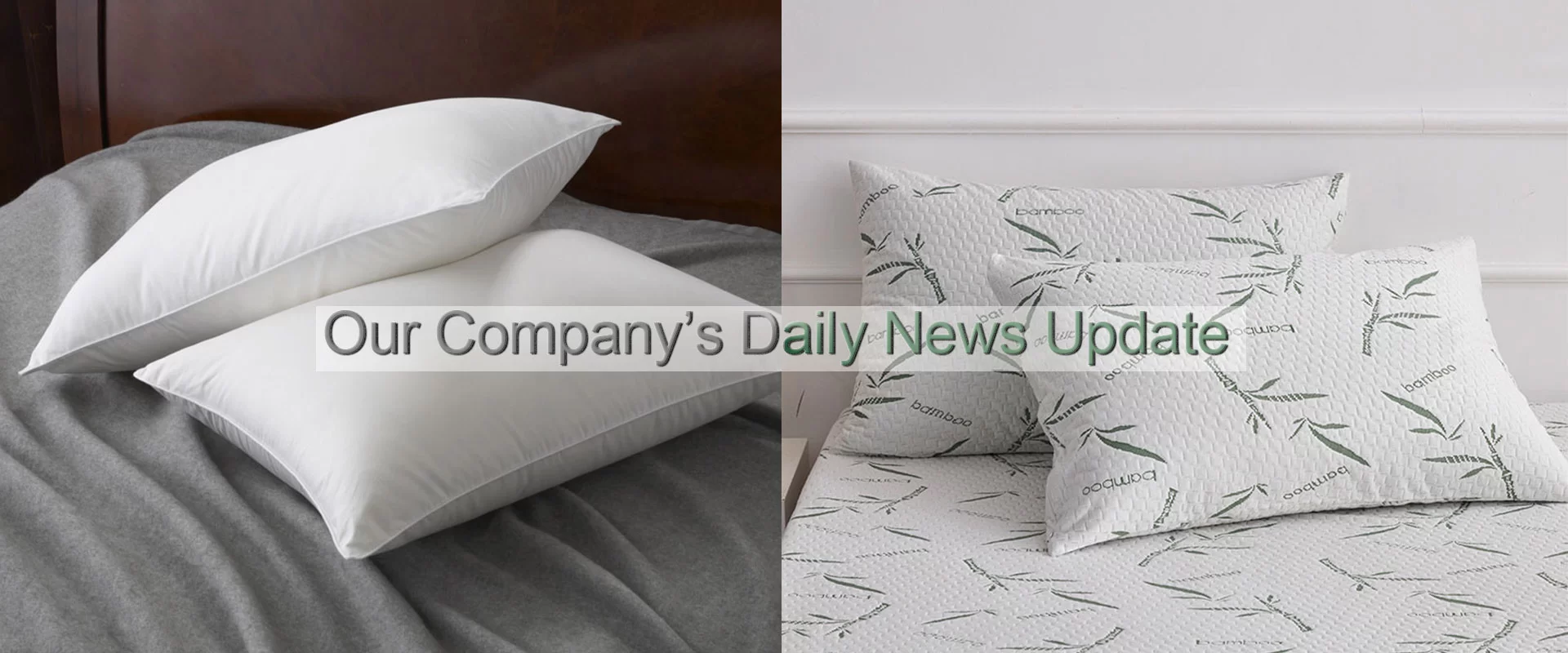
For specialized protection, the integration of TPU (Thermoplastic Polyurethane) membranes creates a waterproof barrier without the "plastic" feel. This is particularly critical for pillow protectors and mattress shells, where the goal is to prevent liquid damage while maintaining air circulation to prevent heat buildup during sleep.
Thread count is often used as a proxy for quality, but it can be misleading. A higher thread count does not always mean a better sheet; if the yarns used are thin or low-grade, a high count can actually result in a less breathable and more fragile fabric. Professional buyers look at GSM (Grams per Square Meter) and the weave type to determine actual durability.
The true value of commercial linen lies in the intersection of fiber strength, weave density, and chemical finishing. A 65-150GSM knitted or woven fabric, when produced under strict quality controls, provides the optimal balance between weight and wear-resistance for institutional use.
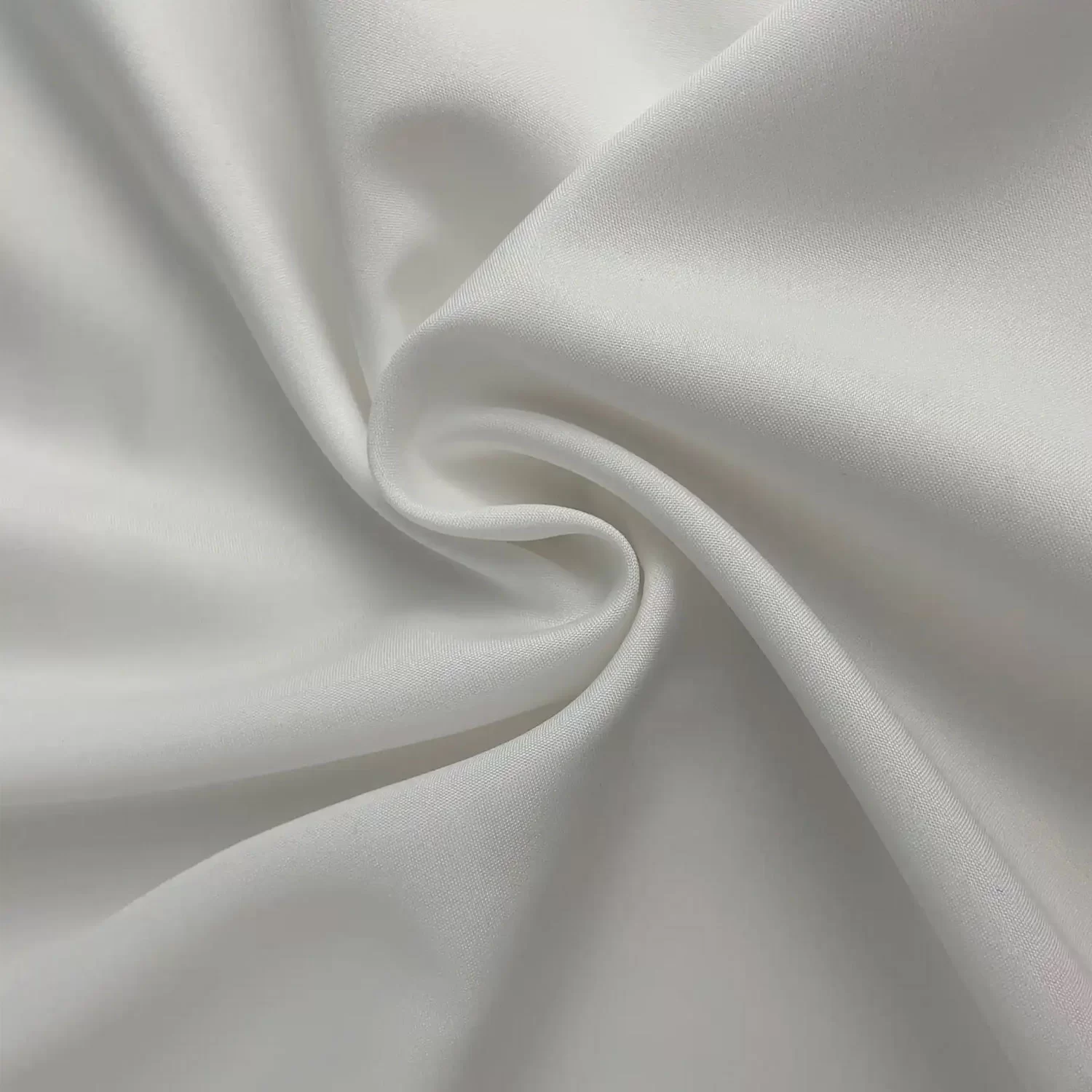
When evaluating white flat sheets, the bleaching process also plays a role in the final cost. "Optic White" achieved through high-grade fluorescent whitening agents offers a brighter, more modern look, while "Bleaching White" provides a softer, natural tone. The choice of finish affects how the fabric reacts to industrial laundering and how long it retains its brightness.
To move beyond the simple search for "cheap" options, buyers should utilize a relative value index. This index compares initial procurement costs against expected lifespan and maintenance requirements. For example, a low-cost polyester sheet may be cheap today, but if it requires replacement every six months due to pilling, its total cost of ownership is higher than a premium cotton blend.
The following data illustrates the relative performance and value index of common bedding materials based on durability, breathability, and cost-efficiency.
In environments like hotels, hospitals, and care facilities, the demand for linens goes beyond aesthetics. In a typical hospital setting, sheets must withstand aggressive chemical sterilization and high-temperature laundering. Here, the focus shifts toward "industrial-grade" white linens that prioritize hygiene and resistance to tearing over a soft "hand-feel."
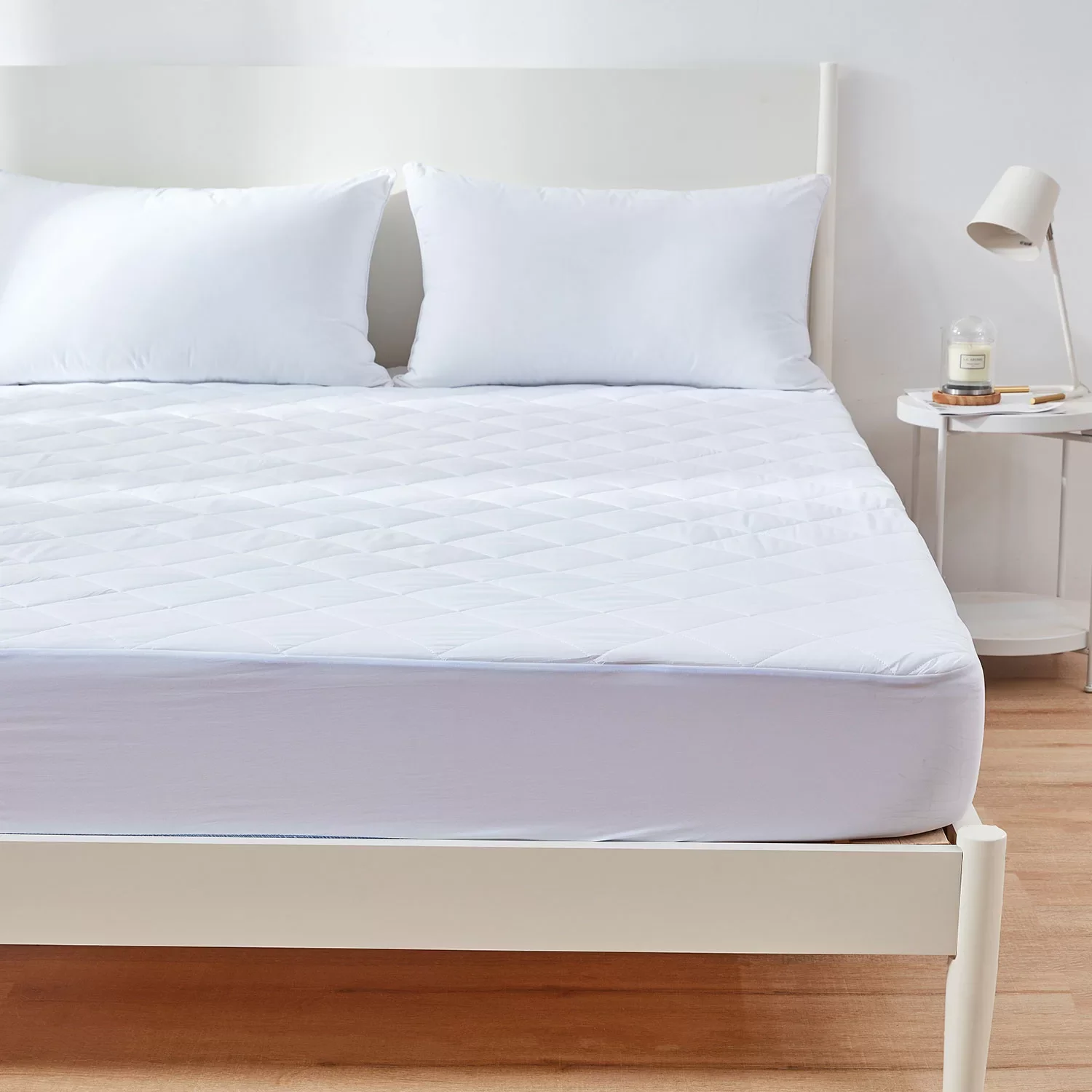
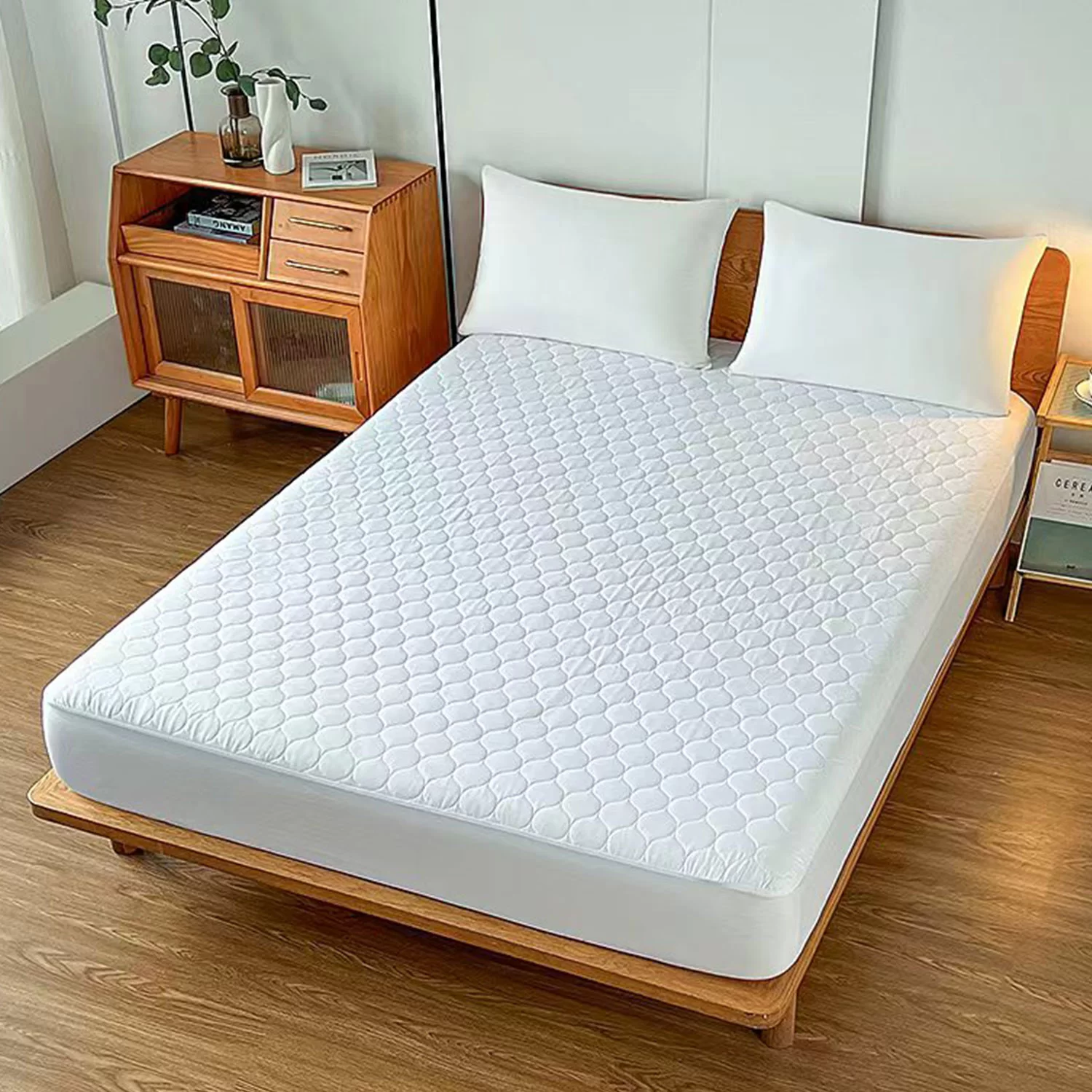
For home users, the priority is often a blend of comfort and affordability. The use of waterproof protectors for pillows and mattresses has become a standard for families with children or pets, as it extends the lifespan of the internal bedding core. By pairing a cheap yet durable flat sheet with a high-performance waterproof protector, users can achieve a luxury feel while maintaining a strict budget.
The textile industry is currently shifting toward "circularity," where the end-of-life of a product is considered during the design phase. This means that even when sourcing white flat sheets cheap, there is a growing preference for biodegradable fibers or recycled polyester. The goal is to reduce the environmental impact of mass-produced linens without significantly increasing the procurement cost.
Another significant trend is the rise of "smart fabrics"—materials that can regulate temperature or repel stains naturally without the use of heavy chemical coatings. While these are currently at a premium, the scaling of production is expected to bring these technologies into the affordable commercial segment within the next few years.
Furthermore, the demand for customized specifications (custom sizes, specific GSM, and logo integration) is allowing buyers to order exactly what they need, reducing waste and optimizing the budget. This shift toward "on-demand" manufacturing is helping companies avoid overstocking and lower the average cost per unit.
Successfully procuring linens requires a structured decision framework. Buyers should first define the primary use case: Is the priority maximum durability (hospital), luxury feel (boutique hotel), or cost-efficiency (rental property)? Once the goal is set, the material and GSM can be selected accordingly.
A common mistake is prioritizing the lowest unit price over the "replacement cycle." A sheet that costs 20% less but lasts 50% shorter is actually more expensive. Therefore, the evaluation should always include a test of the fabric's reaction to standard washing cycles.
The following table provides a comparative guide for choosing the right white linens based on common industry requirements.
| Application | Recommended Material | Key Requirement | Relative Cost |
|---|---|---|---|
| Budget Hotel | Poly-Cotton Blend | Wrinkle Resistance | Low |
| Luxury Suite | 100% Organic Cotton | Breathability/Softness | High |
| Medical Ward | High-GSM Cotton/Poly | Sterilization Tolerance | Medium |
| Short-term Rental | Microfiber/Blend | Easy Maintenance | Very Low |
| Family Home | Bamboo/Cotton Blend | Skin-Friendliness | Medium |
| Care Facility | Waterproof TPU/Cotton | Liquid Protection | Medium |
High-quality yet affordable sheets are defined by the elimination of retail markups and the use of optimized material blends. Instead of focusing solely on the price tag, look for a balance between GSM (fabric weight) and fiber strength. Sourcing directly from manufacturers who adhere to ISO standards ensures that the product is cost-effective without sacrificing the structural integrity needed for frequent washing.
Thread count is a measure of the number of threads per square inch. While a higher count can suggest softness, it can also lead to less breathability if the yarns are too thin. For commercial value, a moderate thread count with high-quality, long-staple cotton or a durable poly-blend is often more valuable than an artificially inflated high count that wears out quickly.
For high-turnover environments, a cotton-polyester blend is generally the best choice. It combines the comfort of cotton with the durability and wrinkle-resistance of polyester, which reduces the time and cost associated with ironing and pressing. This combination extends the product's lifespan despite daily industrial laundering.
Yes, because flat sheets are purely aesthetic and breathable and do not provide a barrier against liquids. A waterproof protector, often utilizing a TPU membrane, safeguards the pillow core from sweat, oils, and spills, which prevents bacteria growth and extends the life of expensive memory foam or down pillows.
Pilling is often caused by short fibers migrating to the surface. To avoid this, check the fabric composition for "combed cotton" or high-quality synthetic blends. Combed cotton removes shorter fibers, resulting in a smoother yarn that is less prone to pilling. Additionally, a tighter weave (higher GSM) typically indicates better resistance to surface wear.
Optic white uses fluorescent whitening agents to reflect more light, creating a "bright" or "cool" white appearance. Bleaching white is achieved through traditional chemical removal of natural pigments, resulting in a softer, more natural white. Optic white is generally preferred for modern hotels, while bleaching white is often used in organic or natural-themed bedding.
Achieving a professional sleep environment does not require an unlimited budget, but it does require a shift from "buying cheap" to "buying value." By focusing on technical specifications such as GSM, fiber composition, and direct-from-factory sourcing, buyers can secure white linens that offer both a crisp aesthetic and long-term durability.
Ultimately, the most cost-effective strategy is a layered approach: investing in high-durability flat sheets for the surface and integrating specialized protectors for the core bedding. This ensures a hygienic, comfortable experience while significantly reducing the frequency and cost of total bedding replacements.



Contact Us
Email: inforhometextile@126.com
Email: helenkou@126.com
Address
Zerun Building,No.122 Fengshou Road,Chang'an District,Shijiazhuang City,Hebei Province,China
If you are interested in our products, you can choose to leave your information here, and we will be in touch with you shortly.