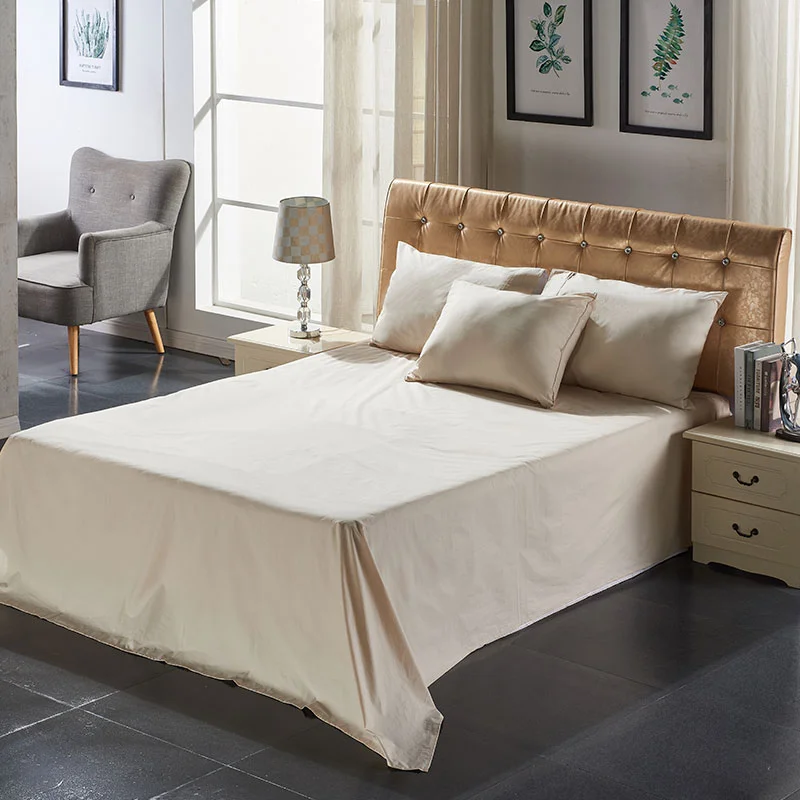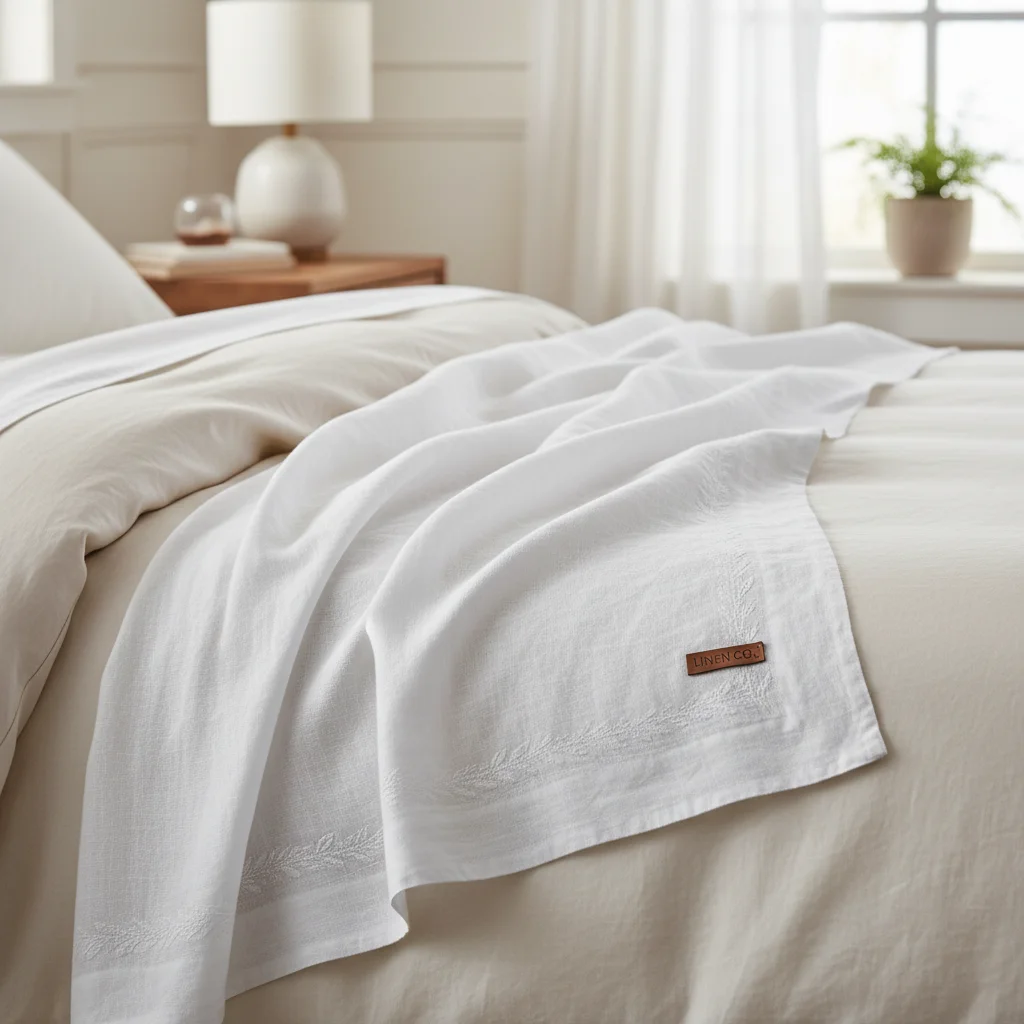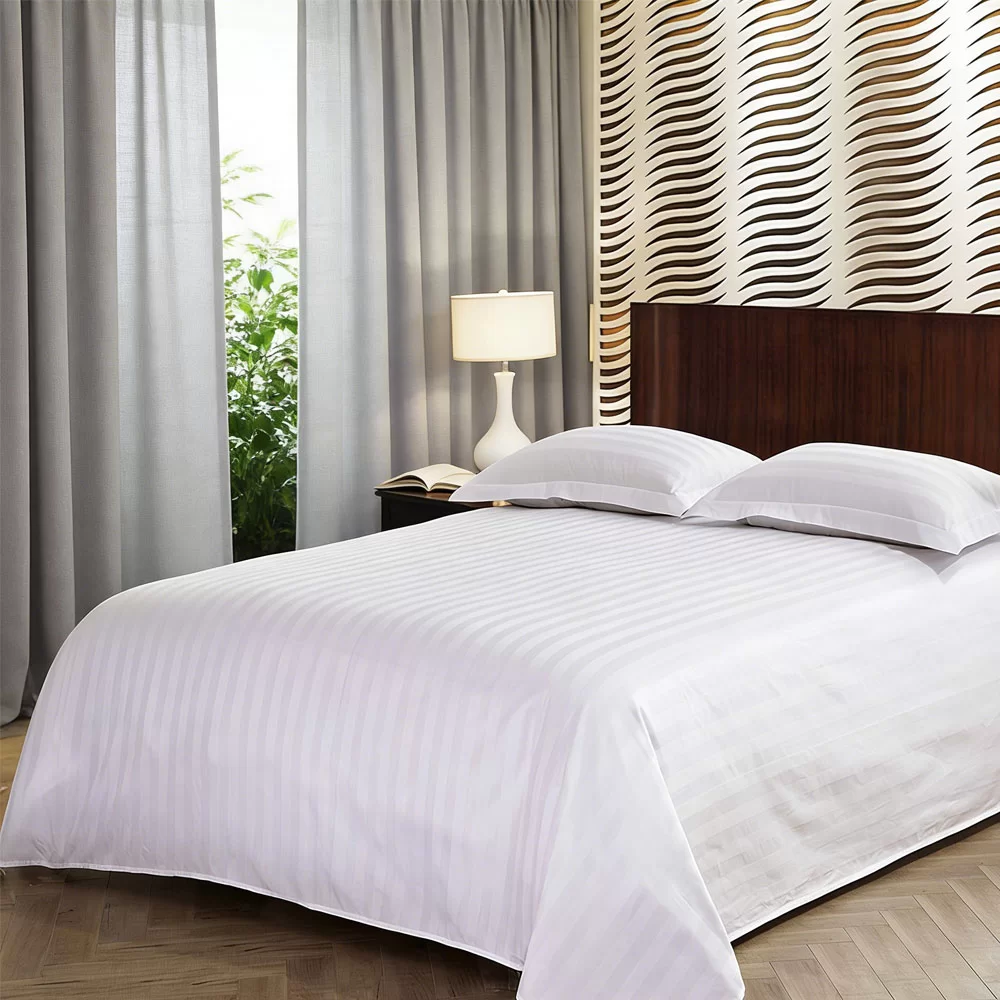
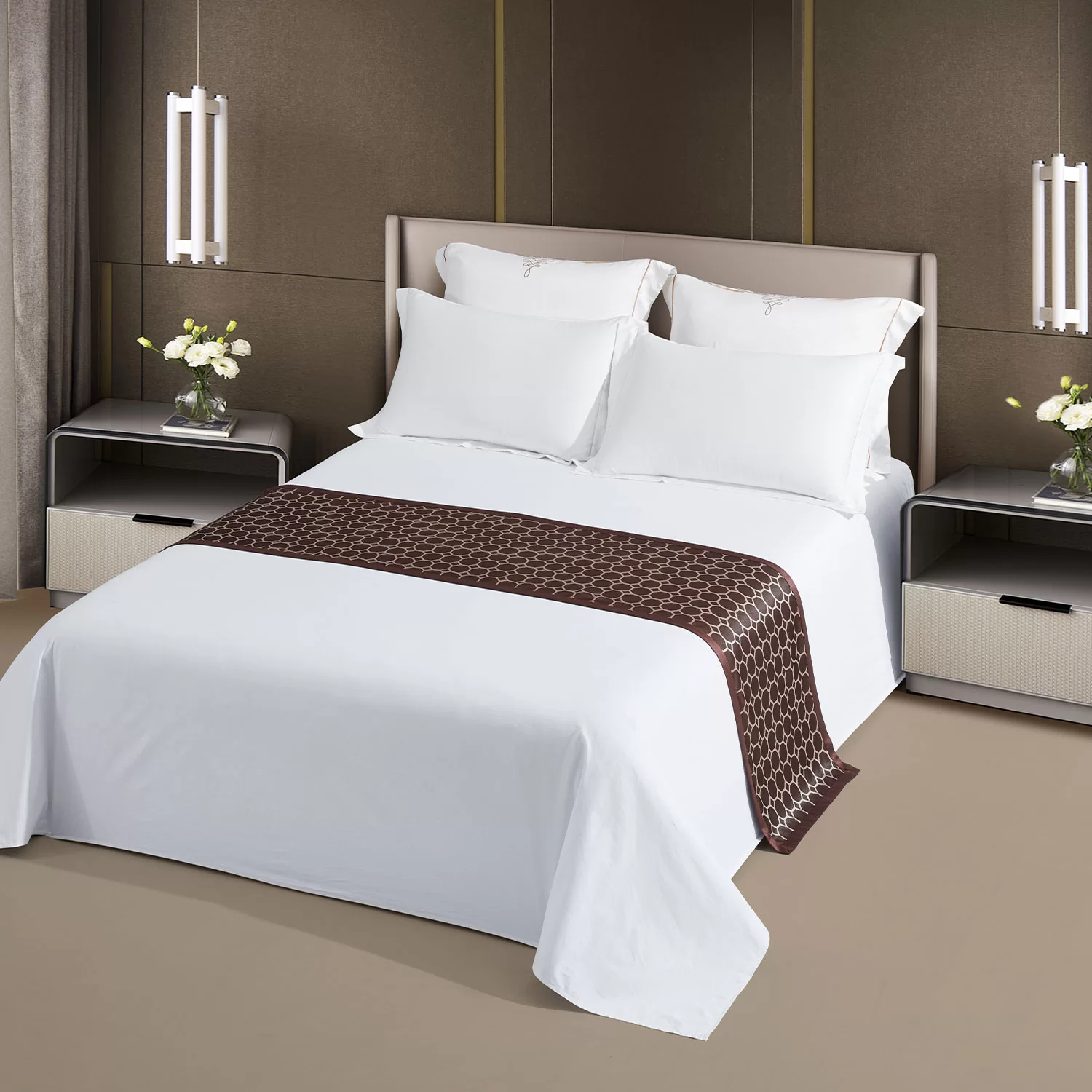

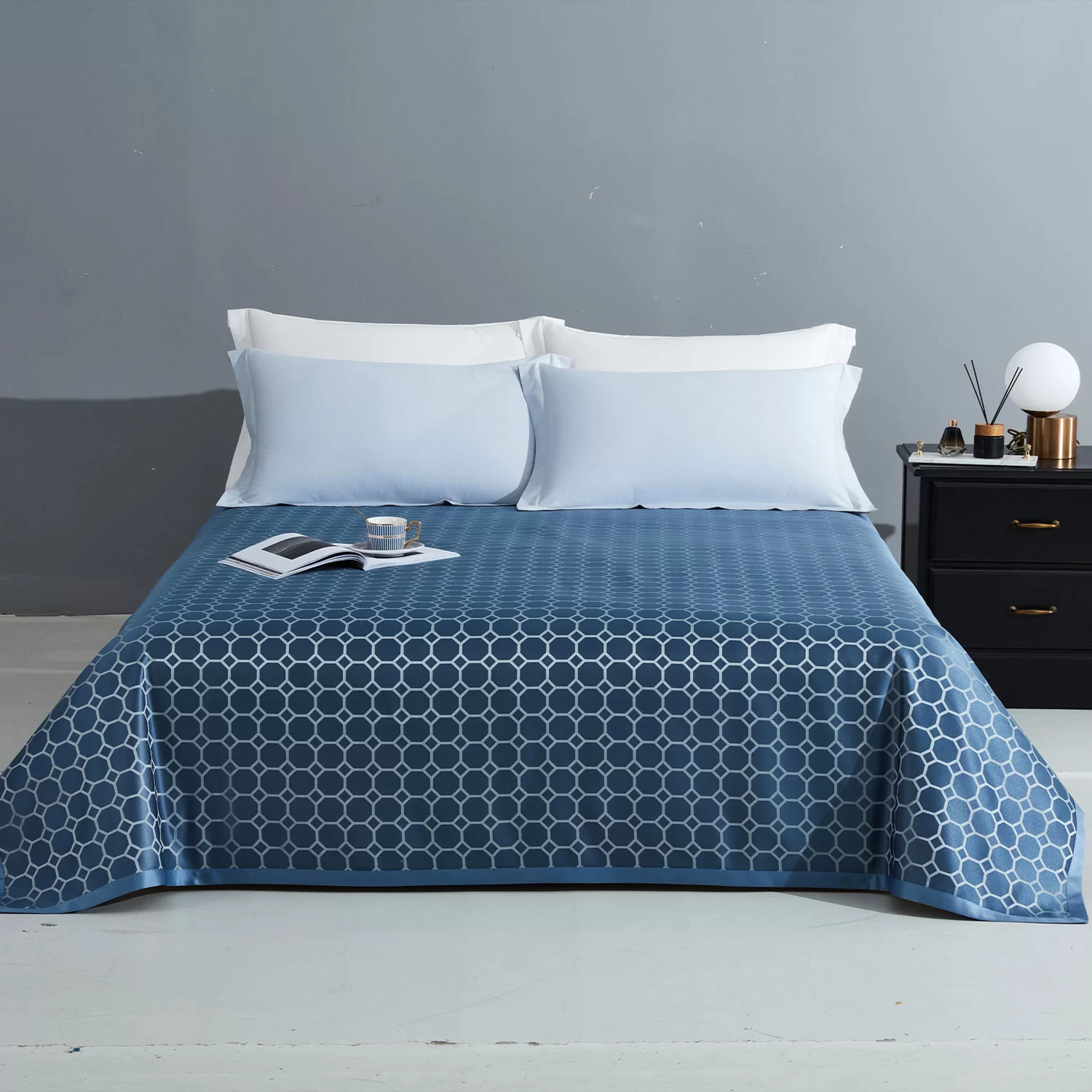
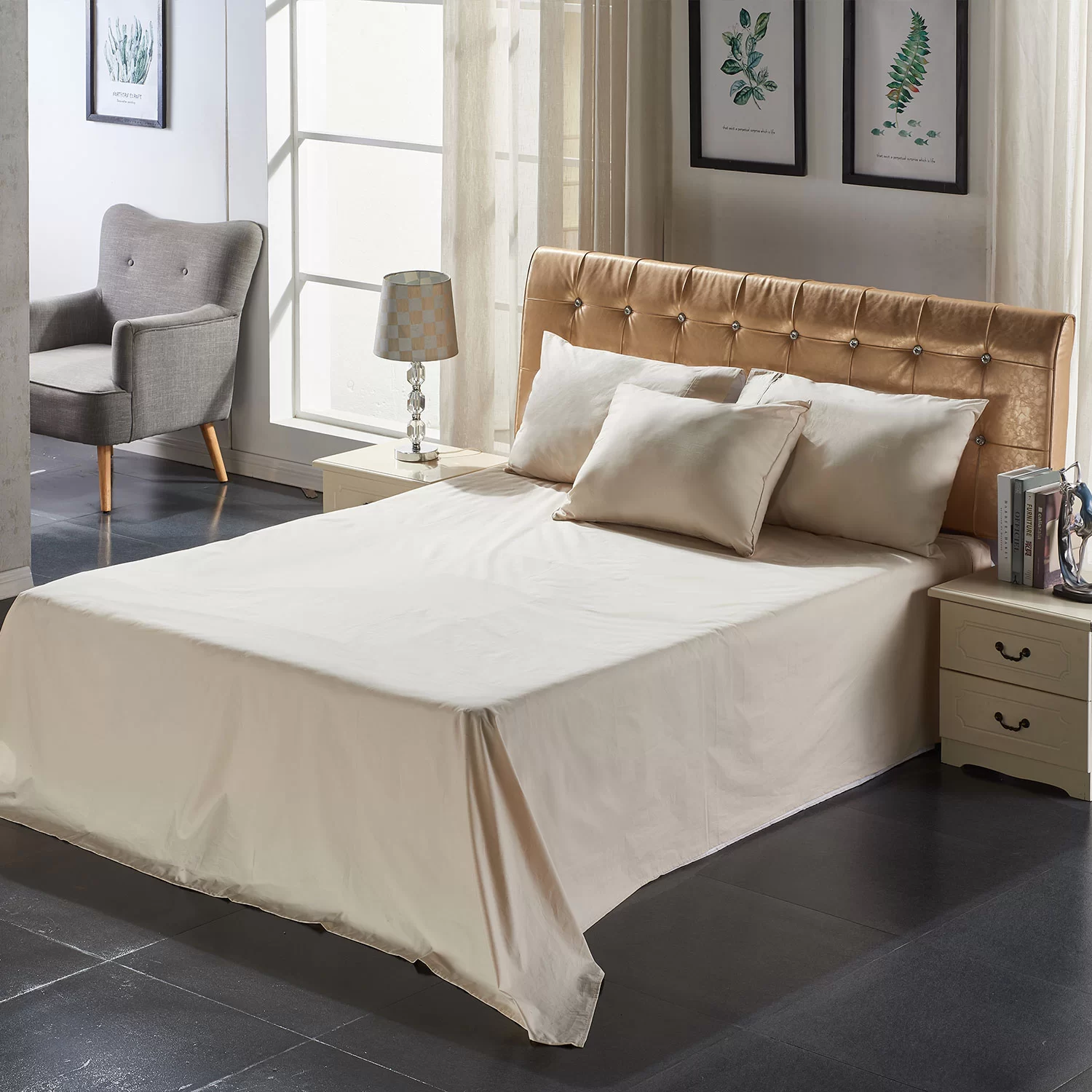
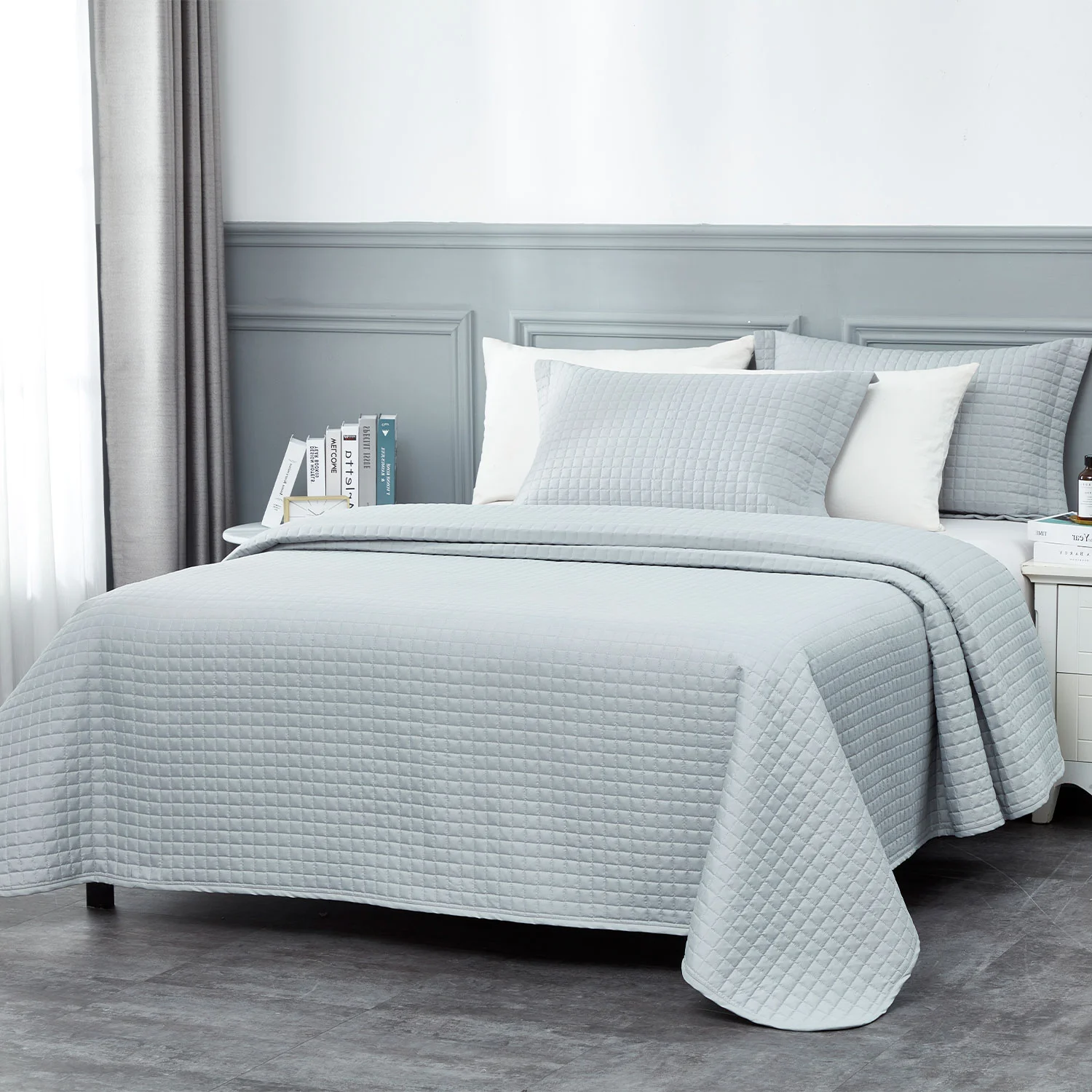
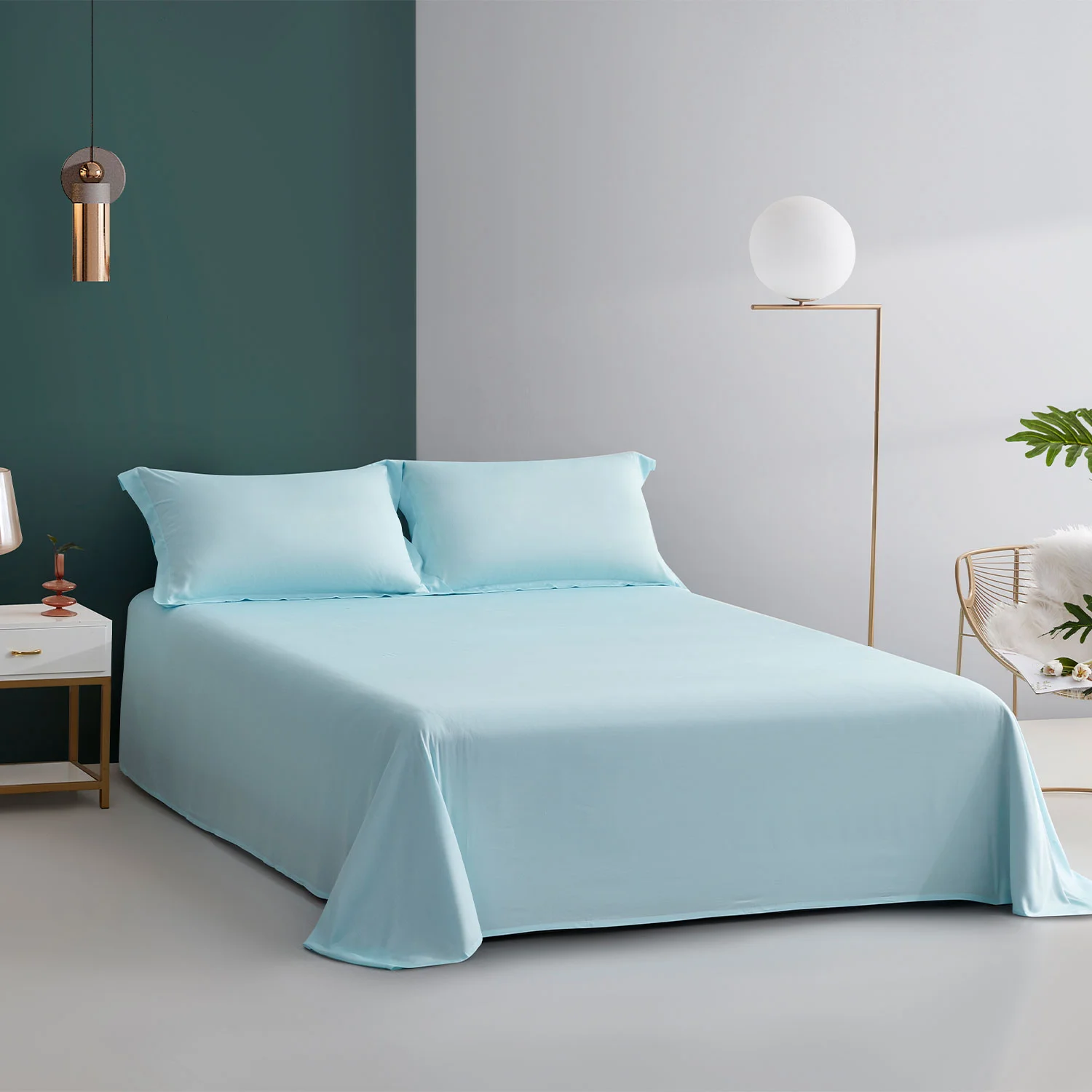
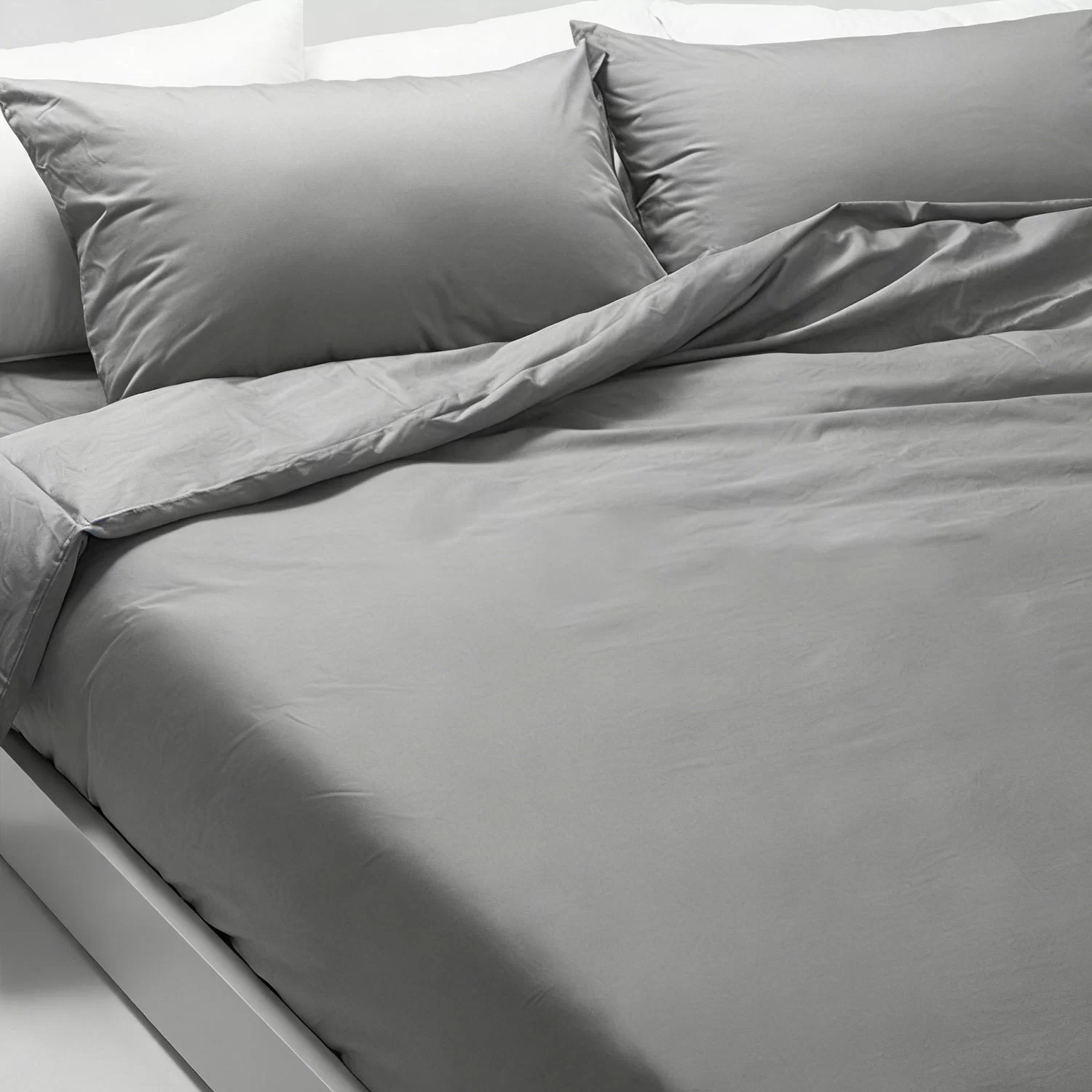
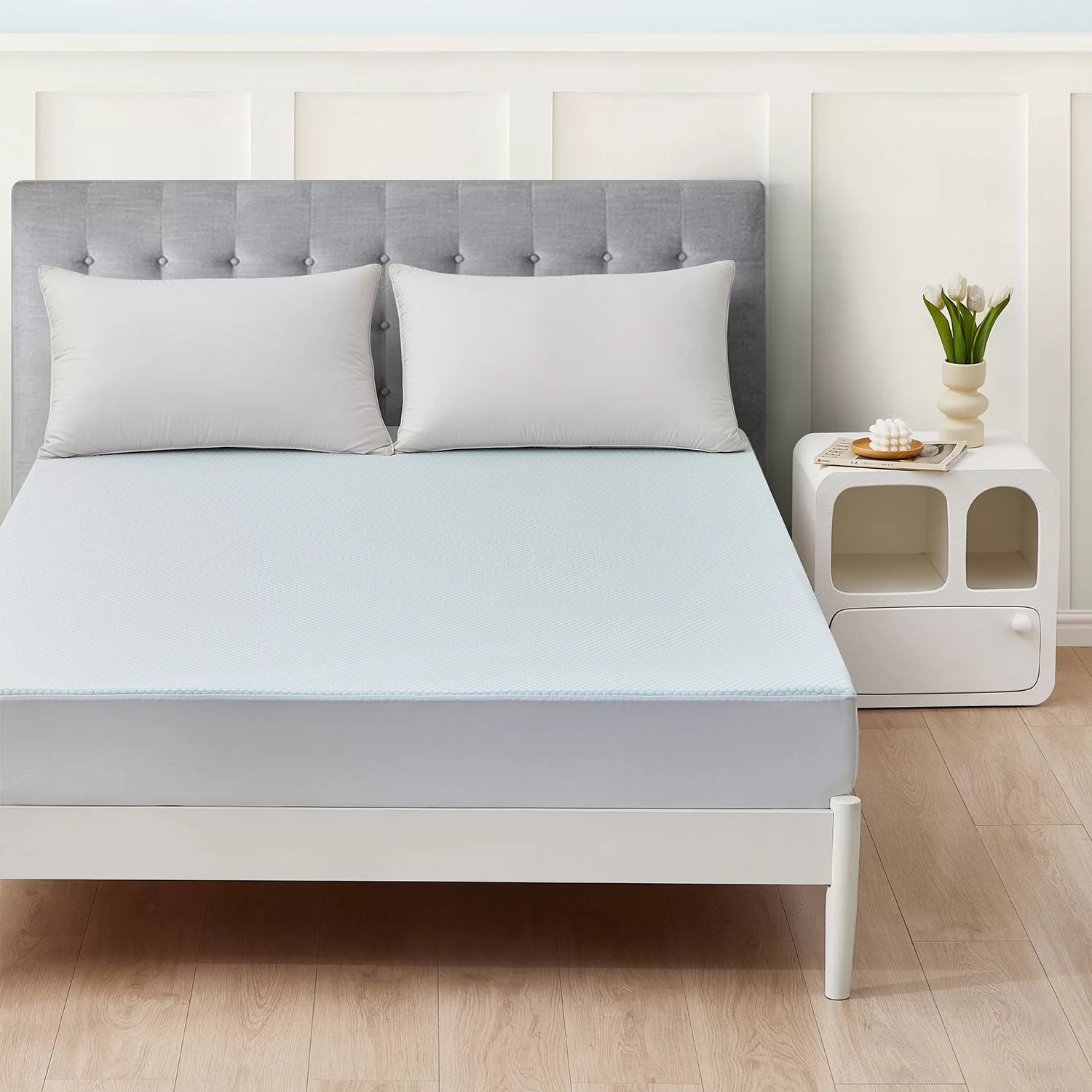
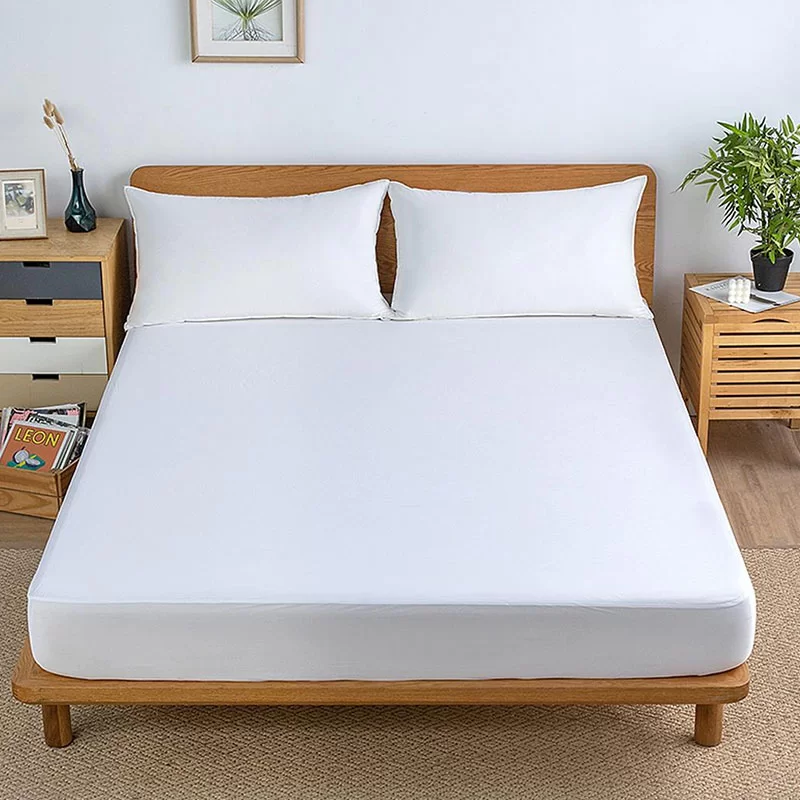

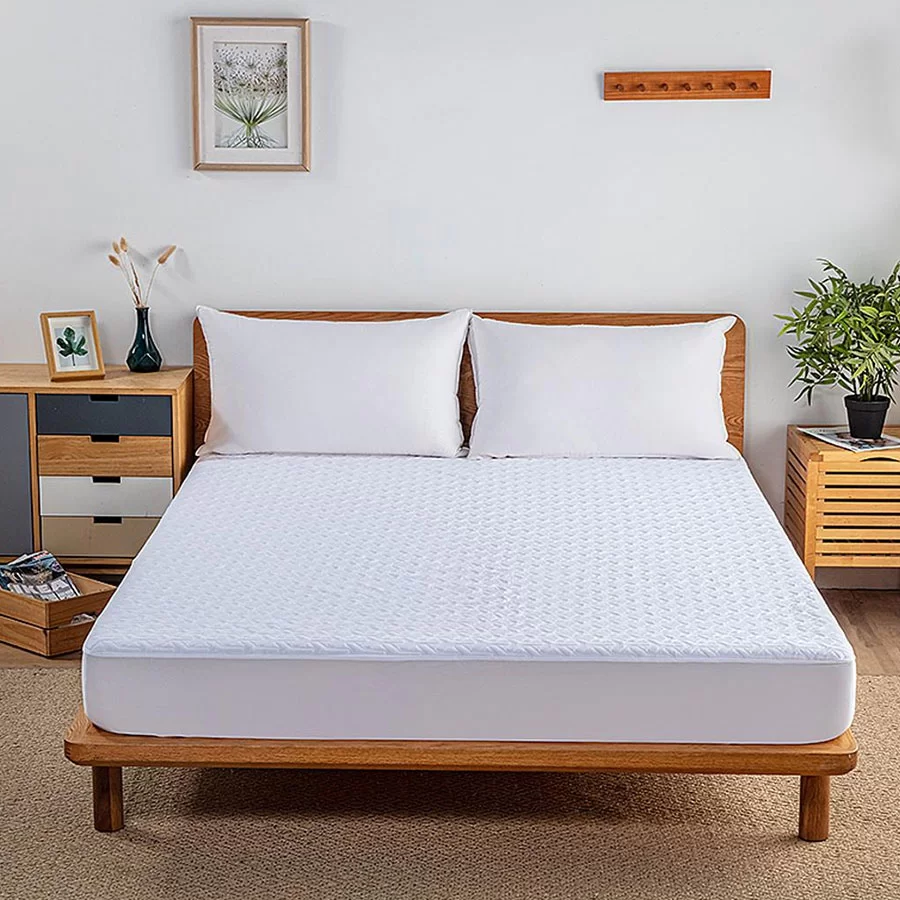
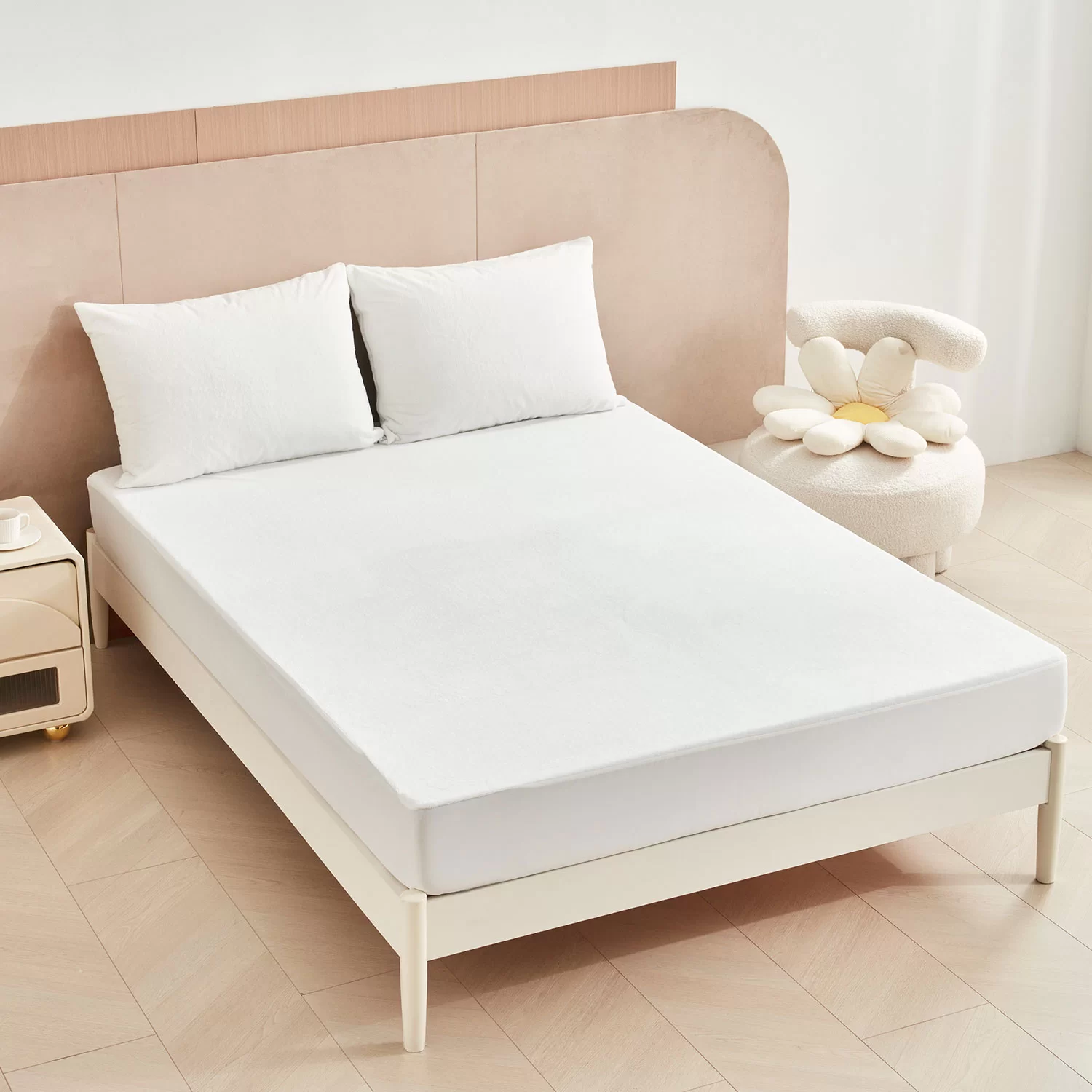
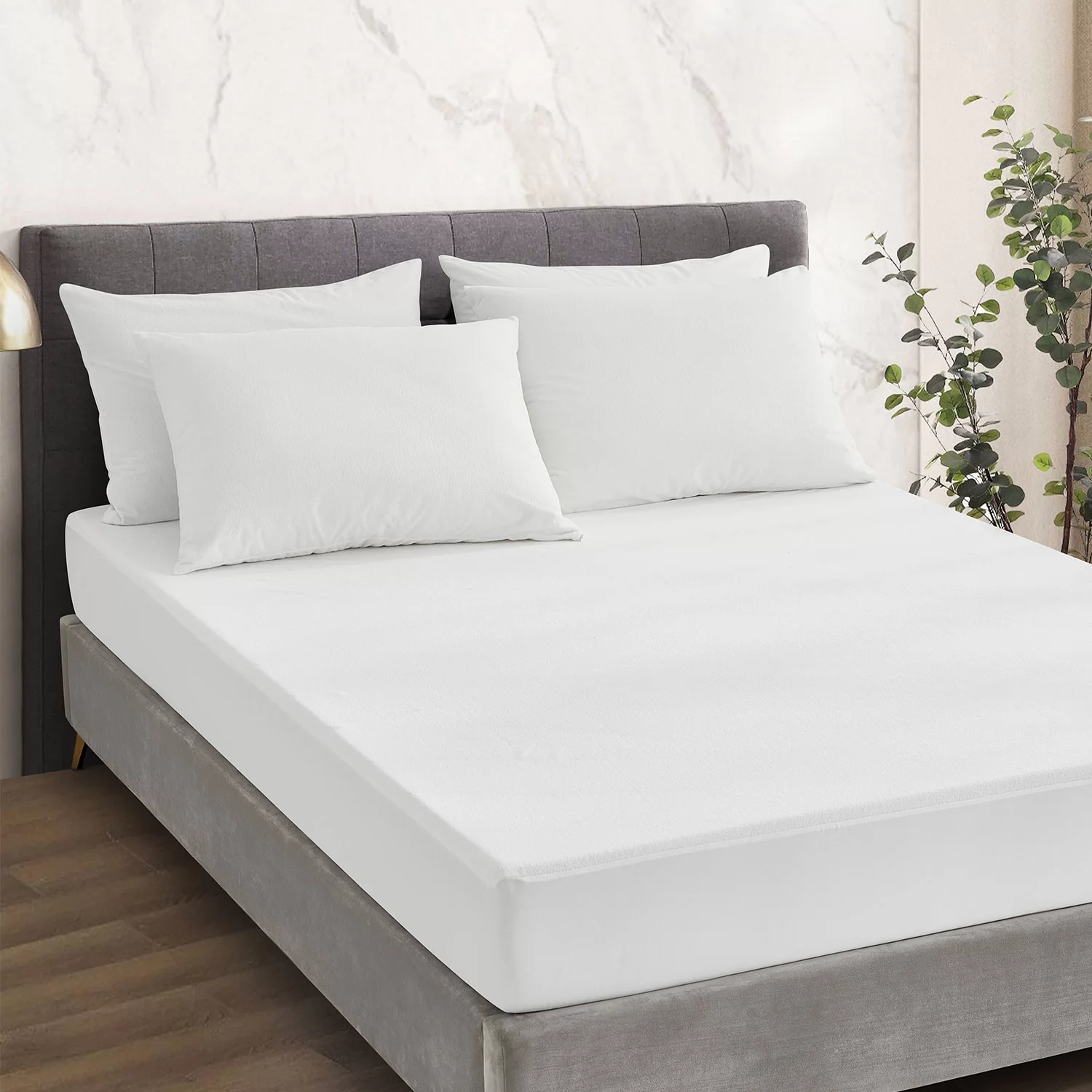
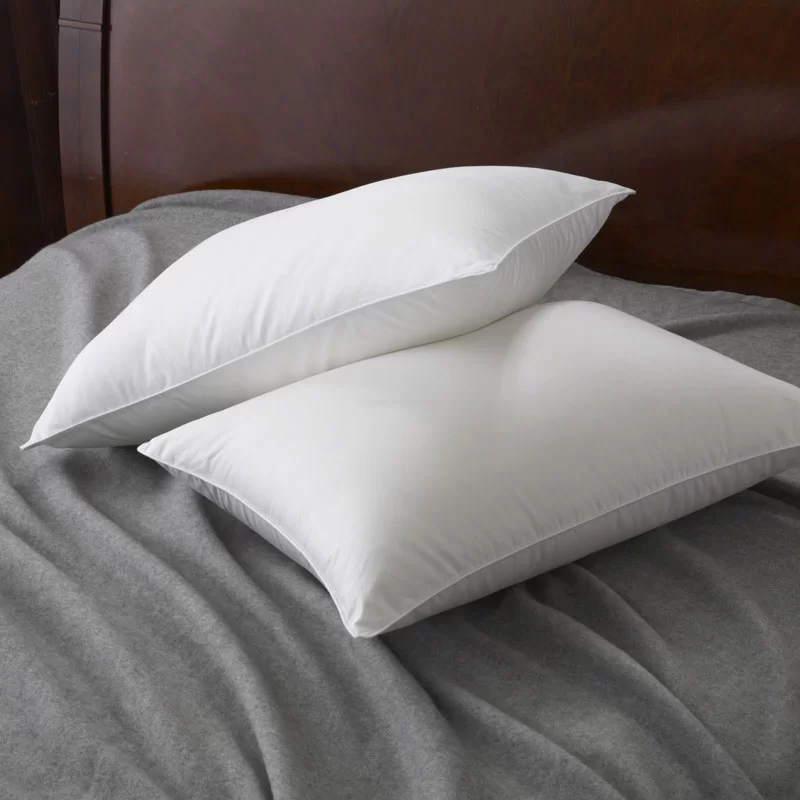

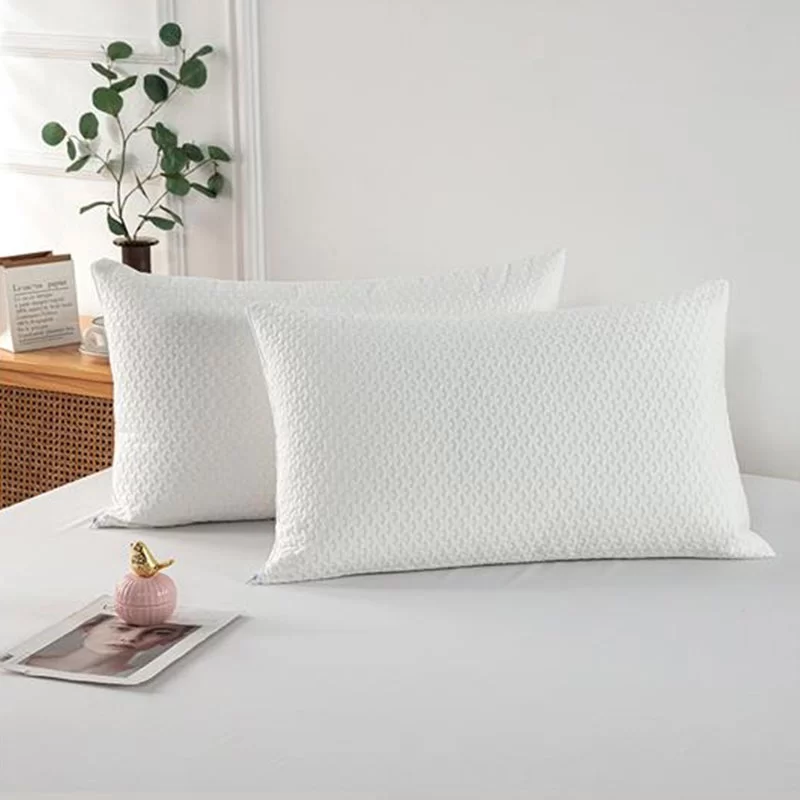
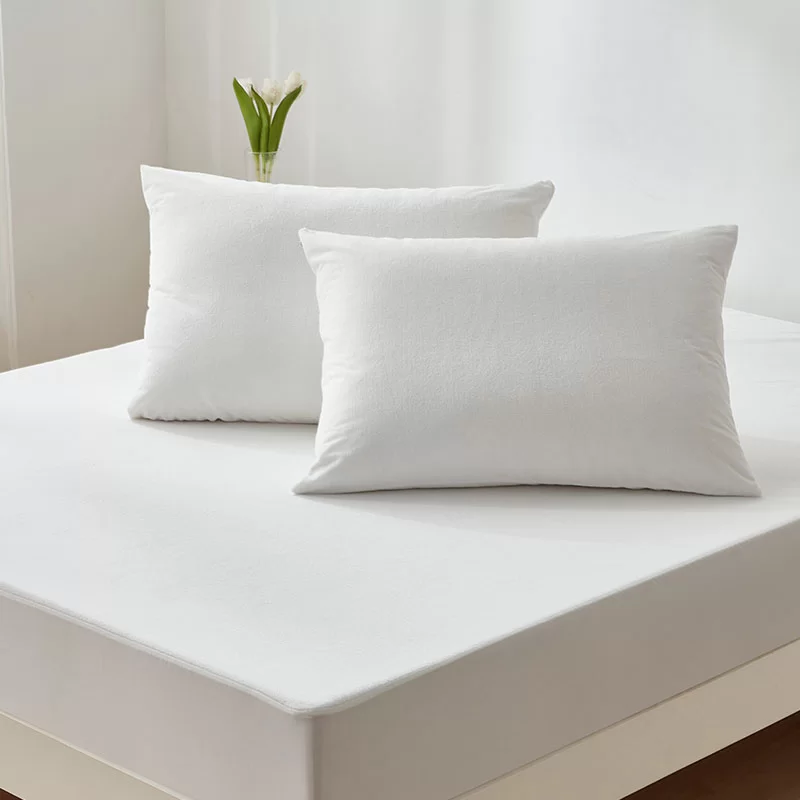
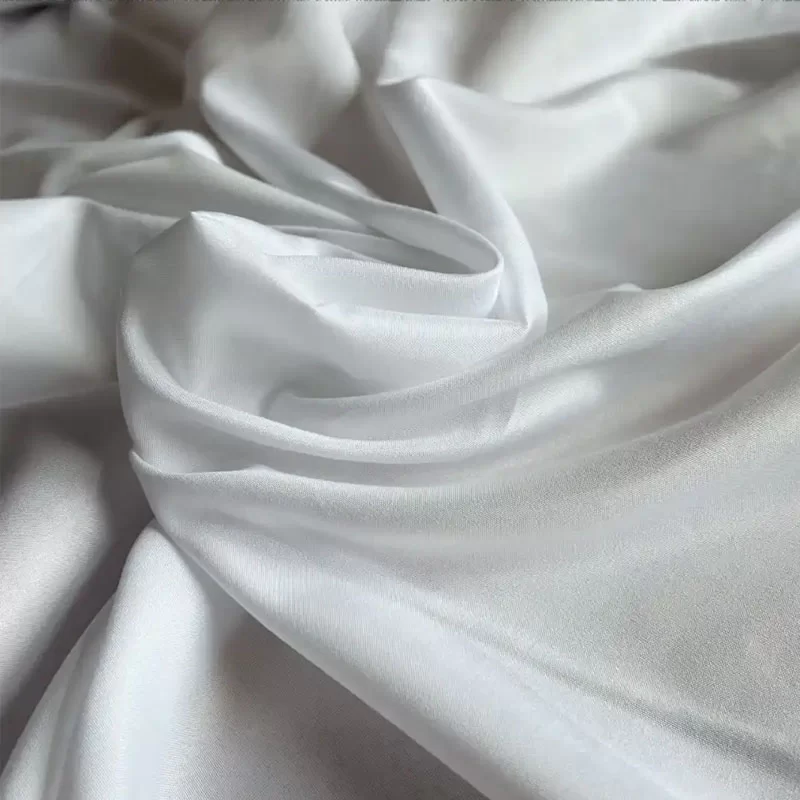
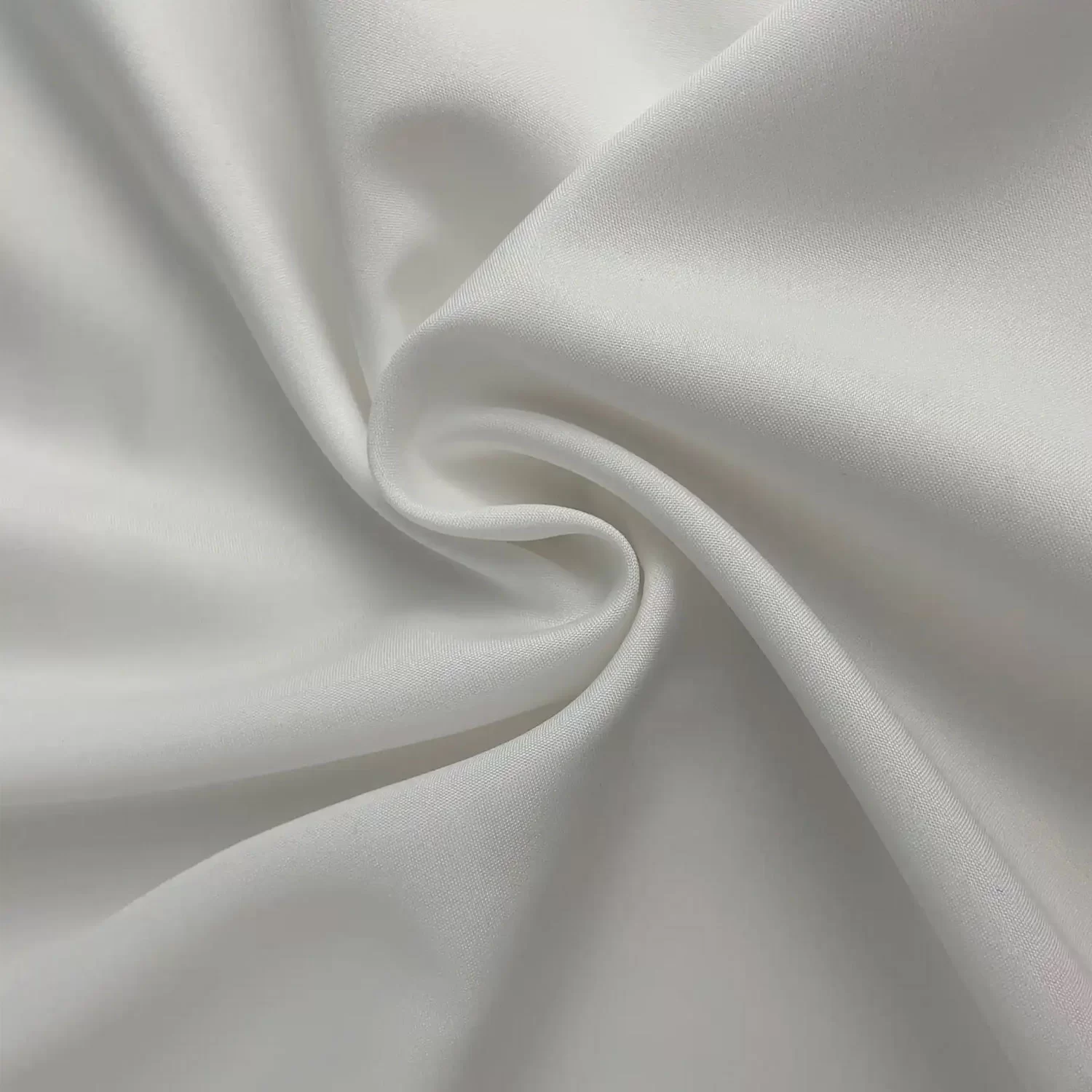


Procuring high-standard linens for commercial hospitality or healthcare environments often boils down to a single critical decision: selecting a reliable white flat sheet supplier who understands the balance between industrial durability and guest comfort. A white flat sheet is not merely a piece of fabric but a foundational asset that impacts operational costs, hygiene ratings, and the perceived quality of a facility.
For procurement managers in the hotel and hospital sectors, the challenge lies in finding materials that withstand rigorous industrial laundering without losing their brightness or structural integrity. The technical specifications of the weave, the purity of the white dye, and the consistency of the thread count are variables that separate a premium linen solution from a high-maintenance liability.
By examining the intersection of textile engineering and commercial utility, this guide provides a framework for evaluating suppliers and selecting the optimal flat sheet configurations to maximize the lifespan of bedding assets across various institutional settings.

Evaluating the Commercial Standards of White Flat Sheets

In the realm of professional bedding, a "white flat sheet" refers to a non-elasticized top or bottom sheet designed for versatility and ease of laundering. Unlike home-use linens, commercial-grade sheets must meet stringent criteria regarding tensile strength and color fastness to ensure they remain "optic white" despite frequent exposure to chlorine bleach and high-temperature drying.
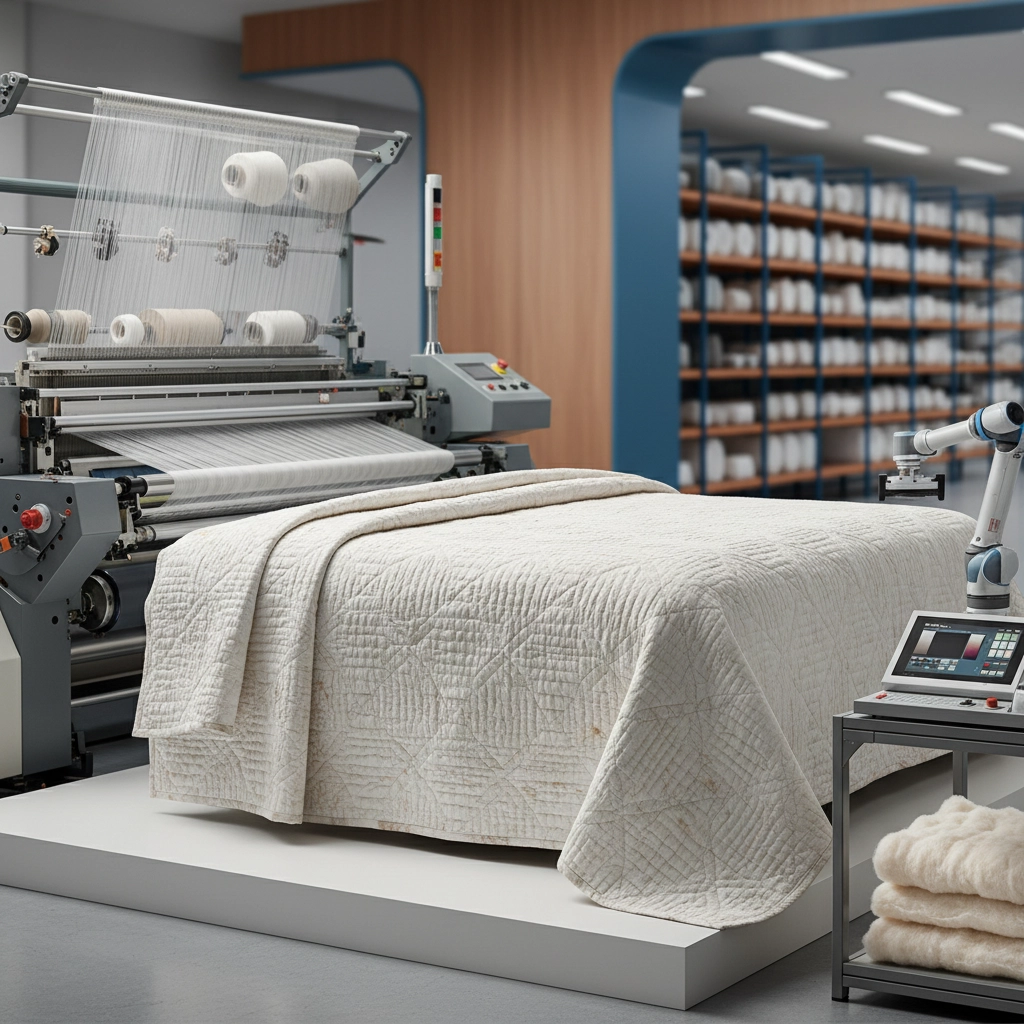
The role of a specialized supplier extends beyond mere manufacturing; it involves the sourcing of premium raw fibers—such as those from the renowned Yuan shi region—to ensure the base material can handle the mechanical stress of industrial washers. When the fabric quality is inconsistent, the result is premature pilling, thinning, and an unattractive yellowing effect that compromises the professional image of a facility.
Understanding these standards allows buyers to move beyond price-per-unit thinking and instead focus on the total cost of ownership. By prioritizing structural stability and precise weaving, institutions can reduce their replacement cycles and maintain a consistent luxury or hygiene standard across thousands of bed units.
Core Technical Attributes for High-Turnover Bedding
The performance of a flat sheet is dictated by its material composition and weave density. Most commercial suppliers offer a range from 100% cotton for luxury feel to polyester-cotton blends for increased durability and faster drying times. The "white" aspect is achieved through specific bleaching processes that must be stable enough to resist oxidation.
Thread count and GSM (Grams per Square Meter) serve as the primary benchmarks for quality. While a higher thread count often implies softness, in a commercial setting, an excessively dense weave may hinder breathability and increase drying energy costs. The ideal balance is a fabric that is opaque and crisp yet allows moisture vapor to escape, ensuring guest comfort.
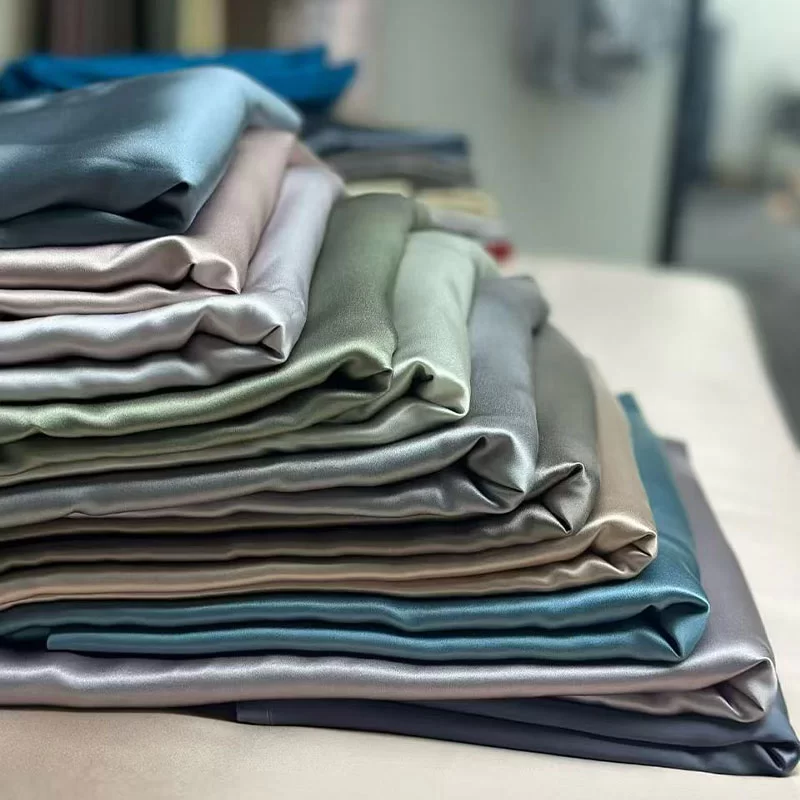
Furthermore, the finishing process—whether it is a sateen weave for a subtle sheen or a percale weave for a matte, crisp feel—determines the tactile experience. For hospitals, the focus shifts toward antimicrobial treatments and high-heat resistance, whereas boutique hotels may prioritize the "hand-feel" and draping quality of the fabric.
Application Logic Across Hospitality and Healthcare Sectors
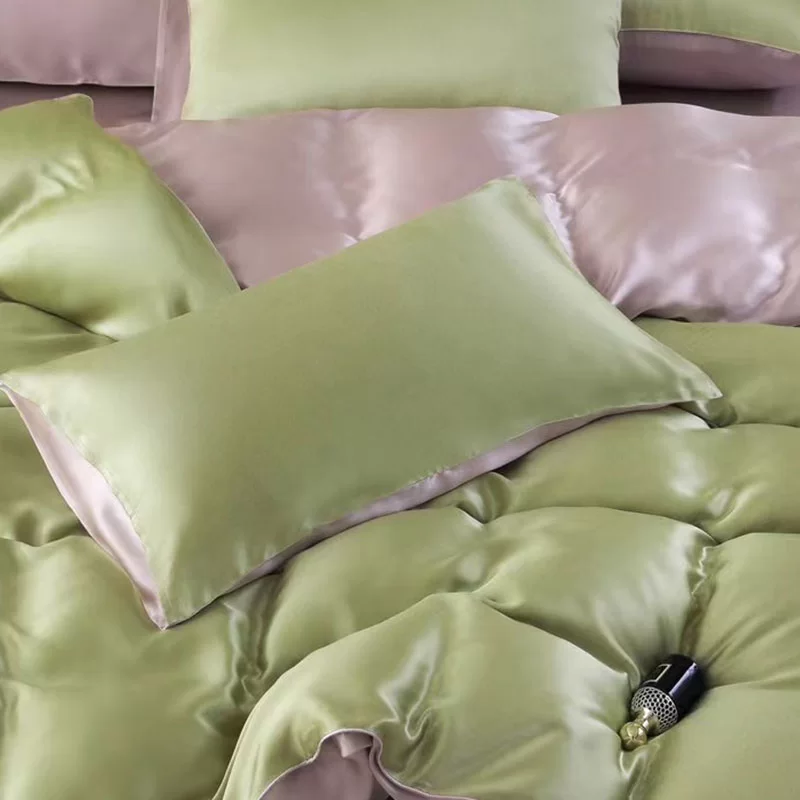
The application of white flat sheets varies significantly based on the operational requirements of the environment. In the hotel industry, the flat sheet is often used as a protective layer over the mattress or as a top sheet, where the primary goal is a "crisp, clean" aesthetic that signals luxury and cleanliness to the guest.
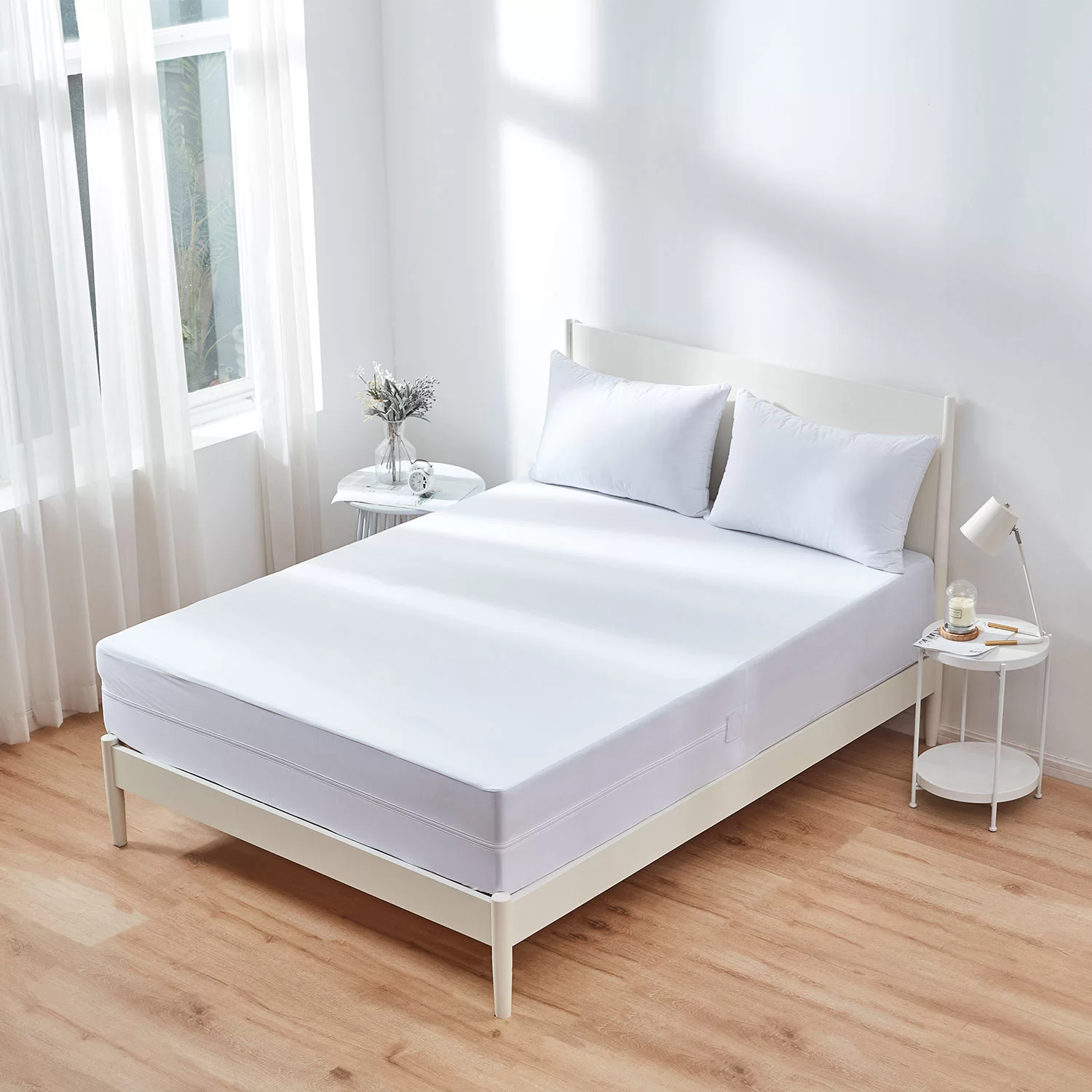
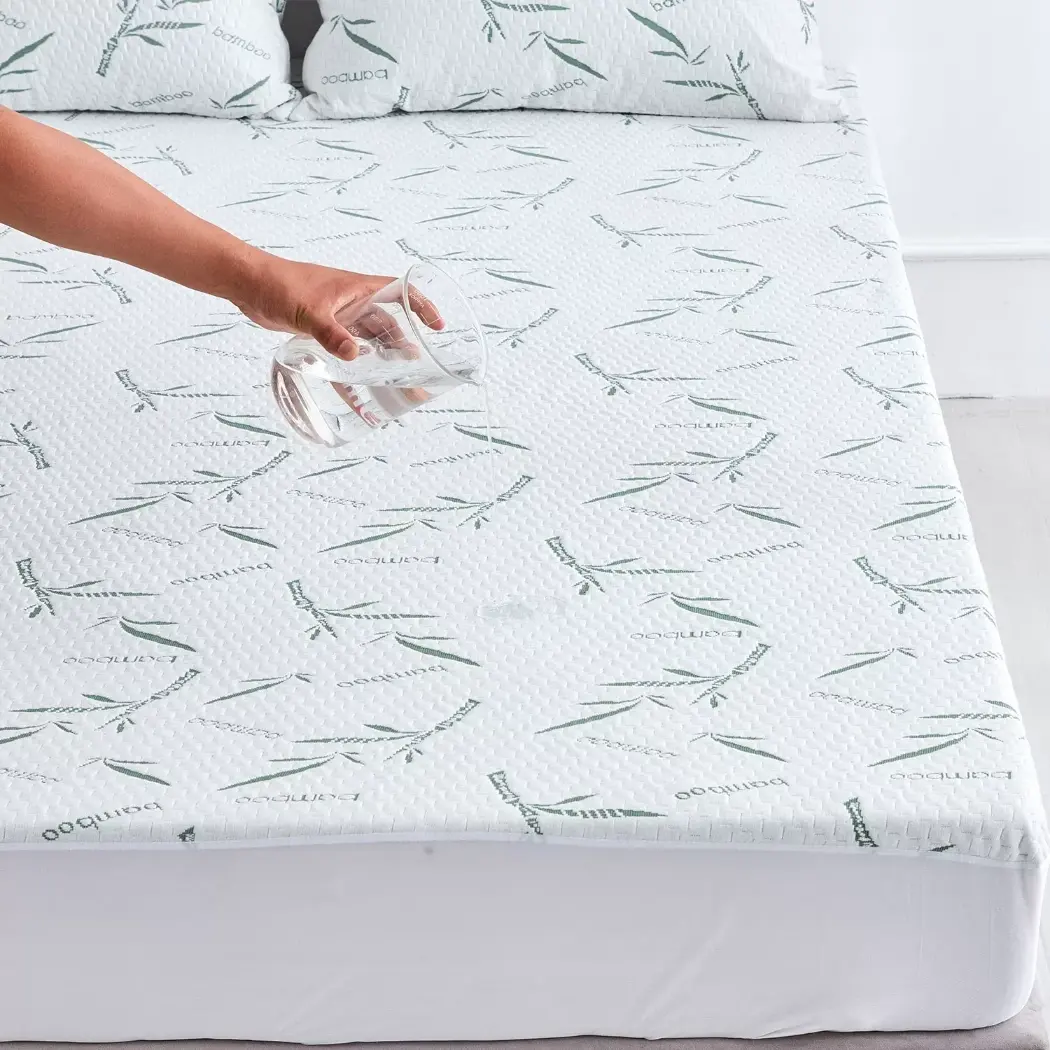
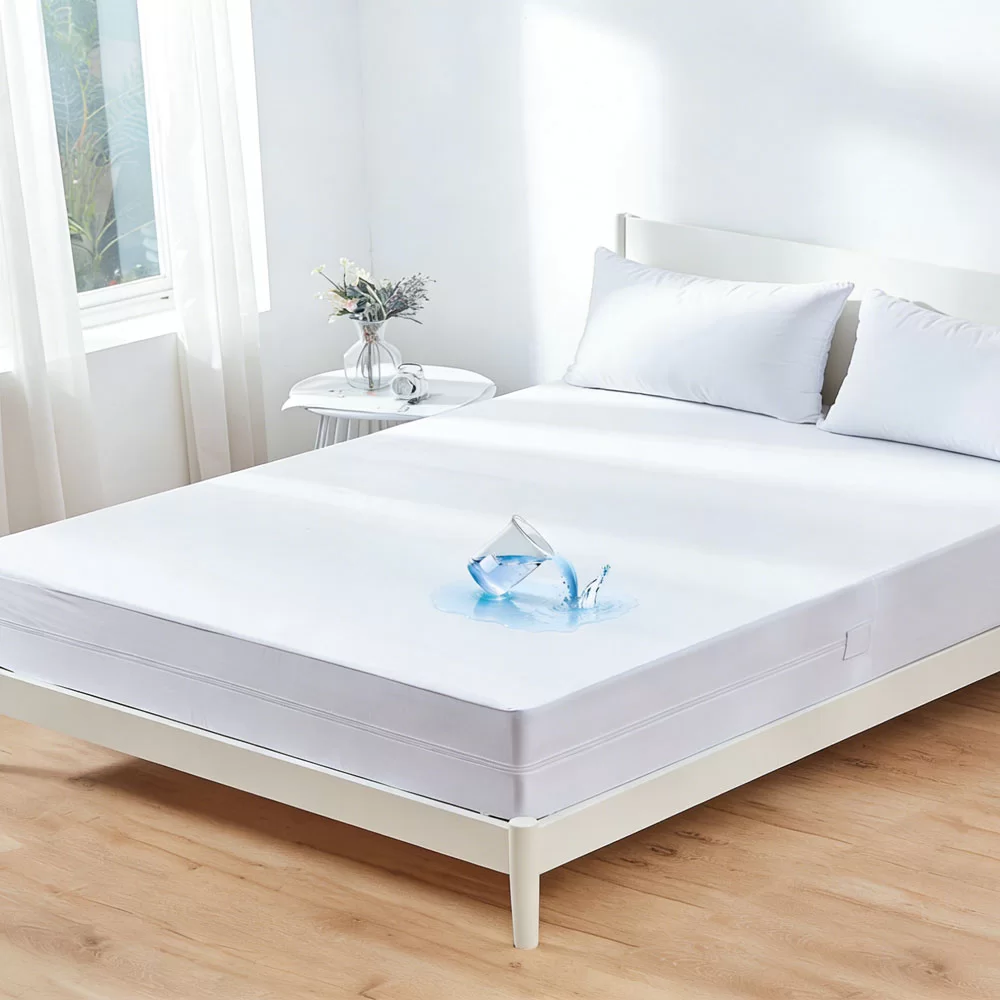
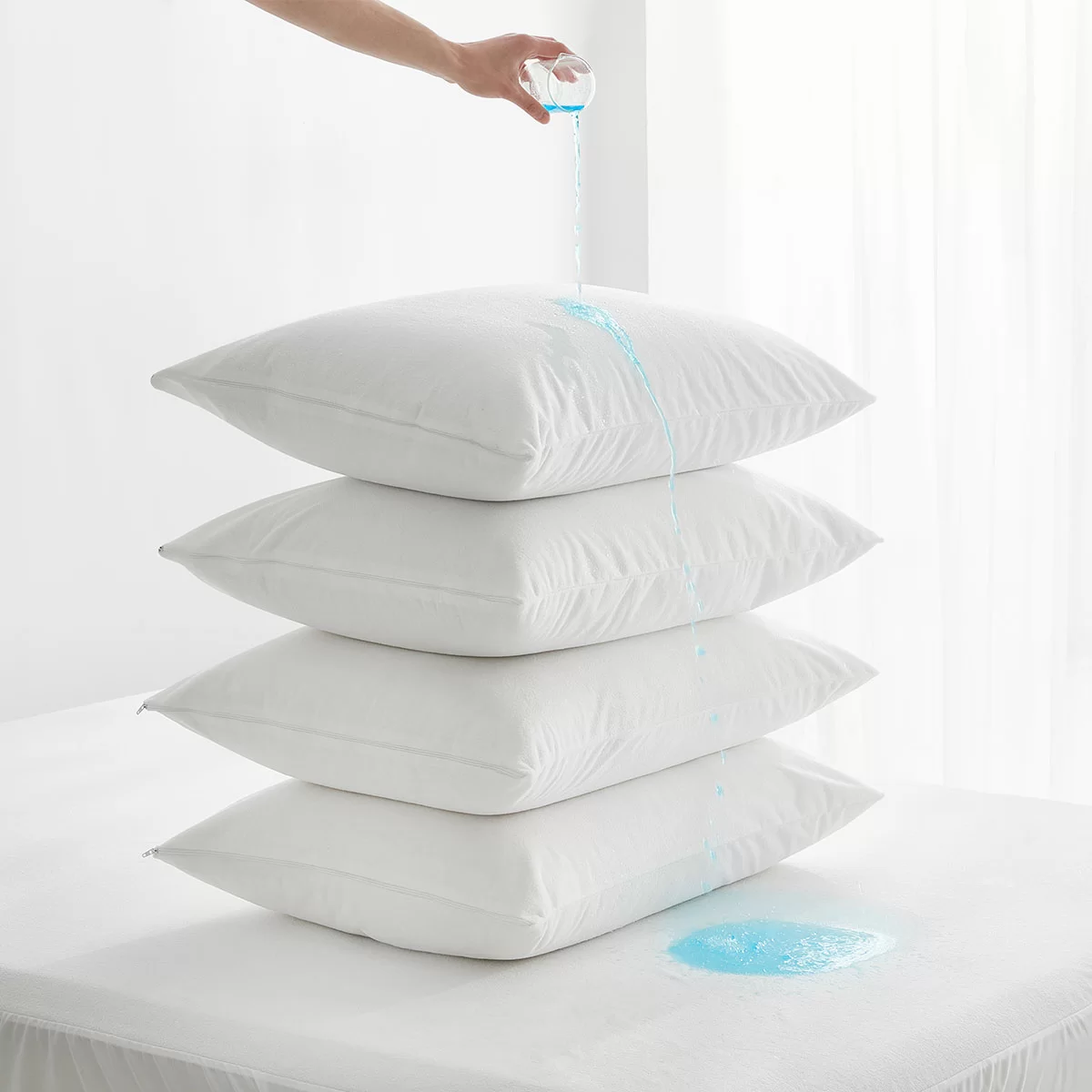
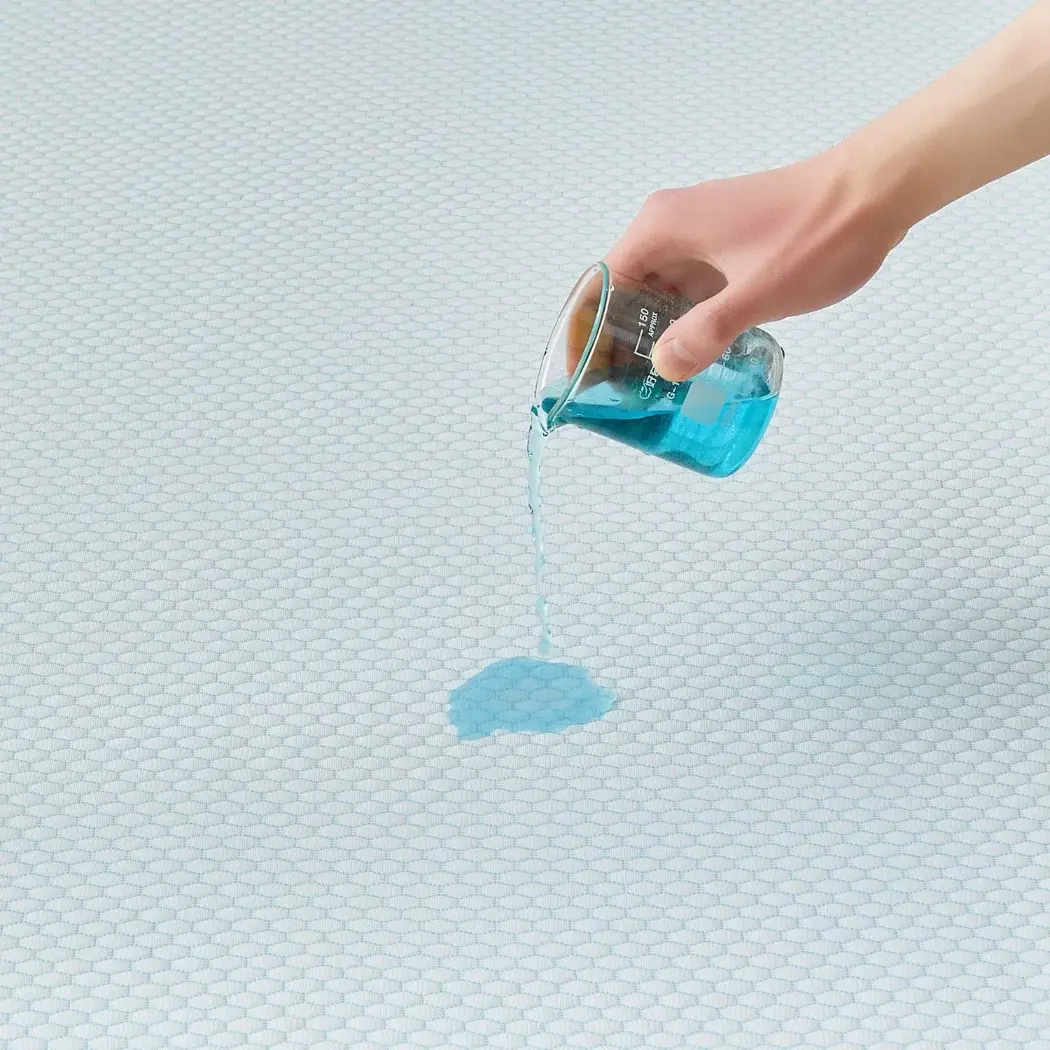
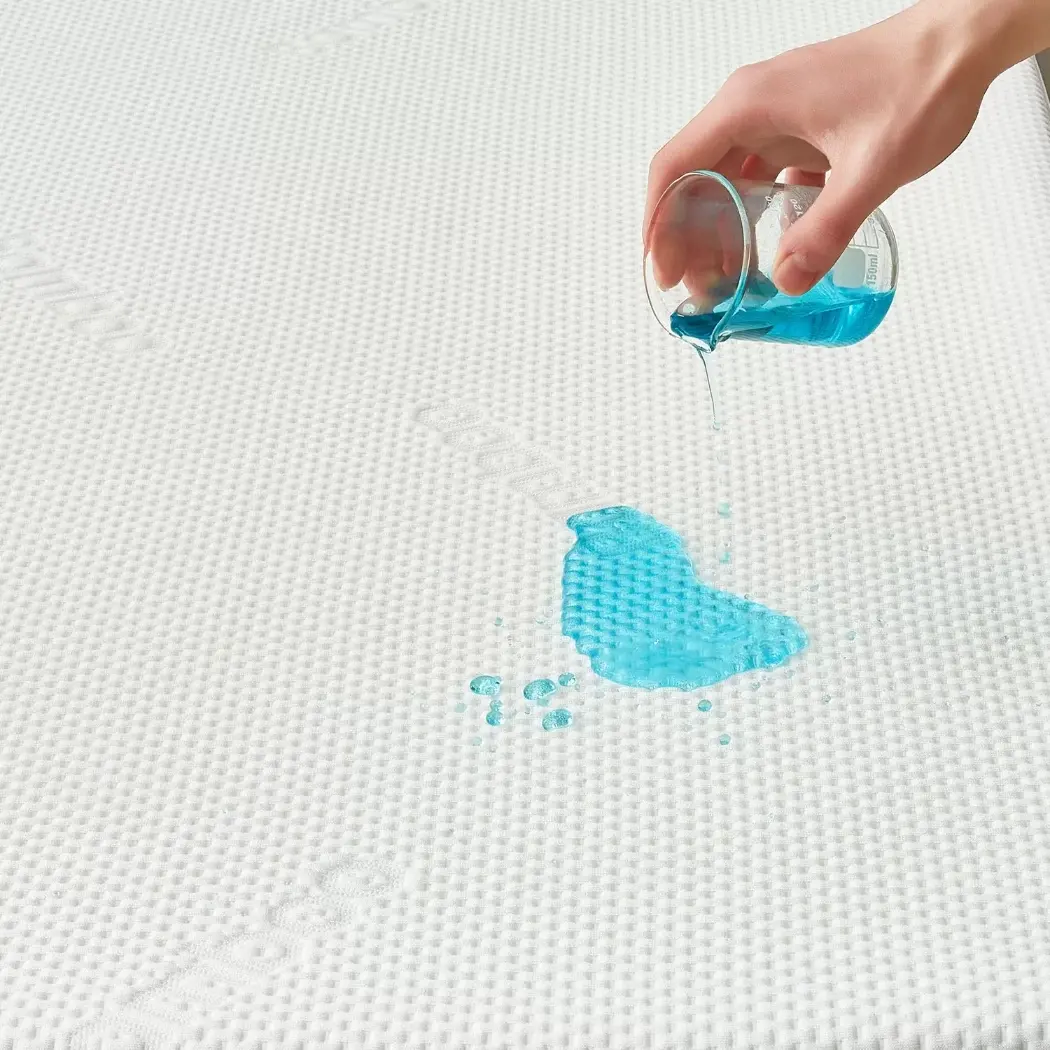
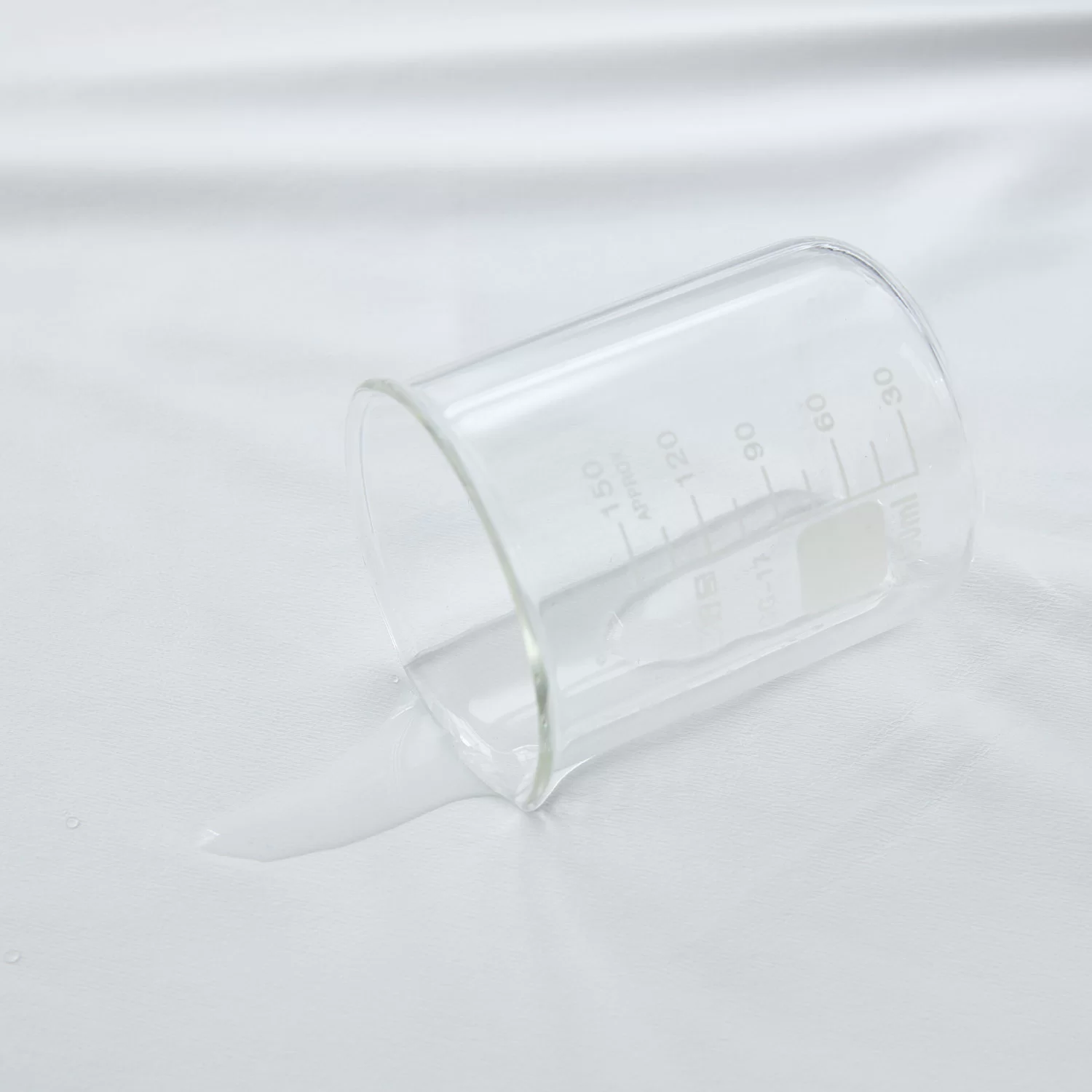
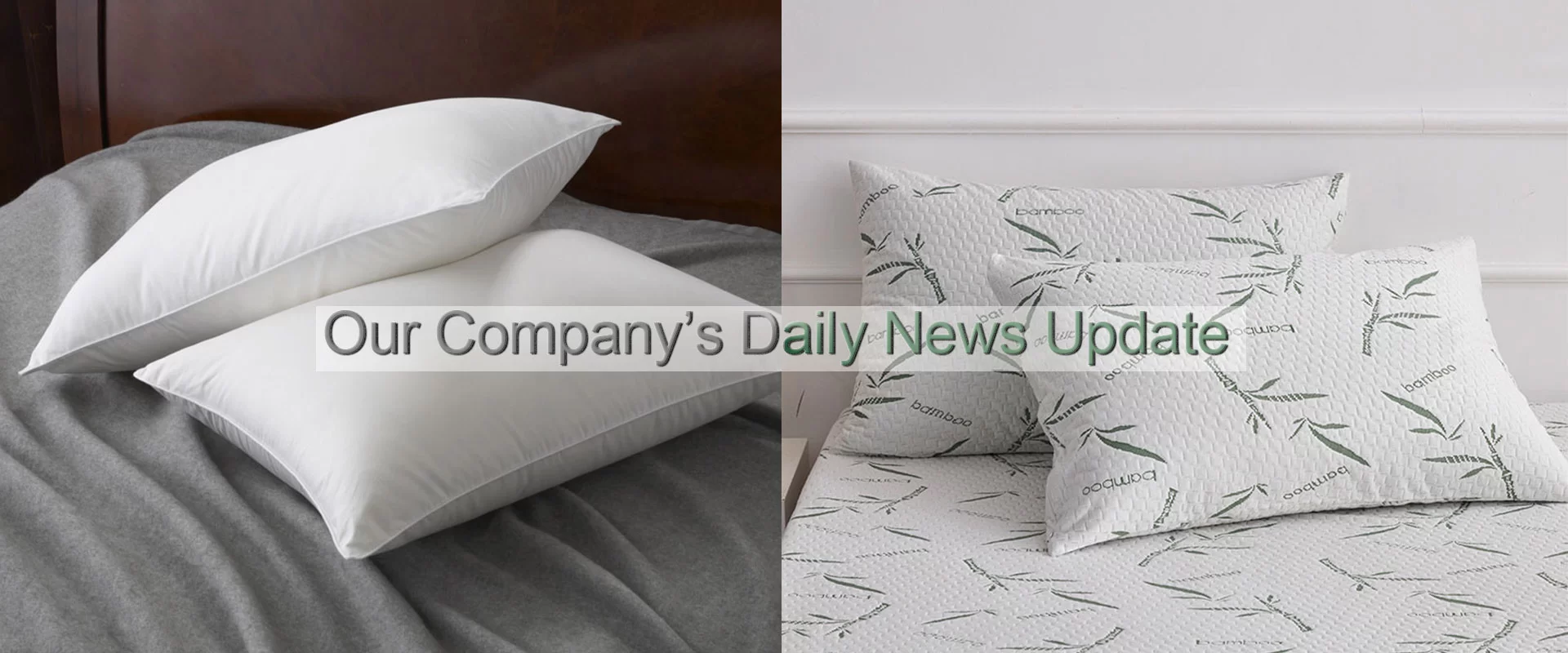
In contrast, healthcare environments utilize flat sheets for patient comfort and hygiene. Here, the fabric must be compatible with medical-grade disinfectants and capable of withstanding frequent, high-temperature sterilization. The integration of complementary products, such as waterproof mattress protectors, is essential in these settings to prevent fluid penetration into the core bedding, thereby extending the life of the sheets.
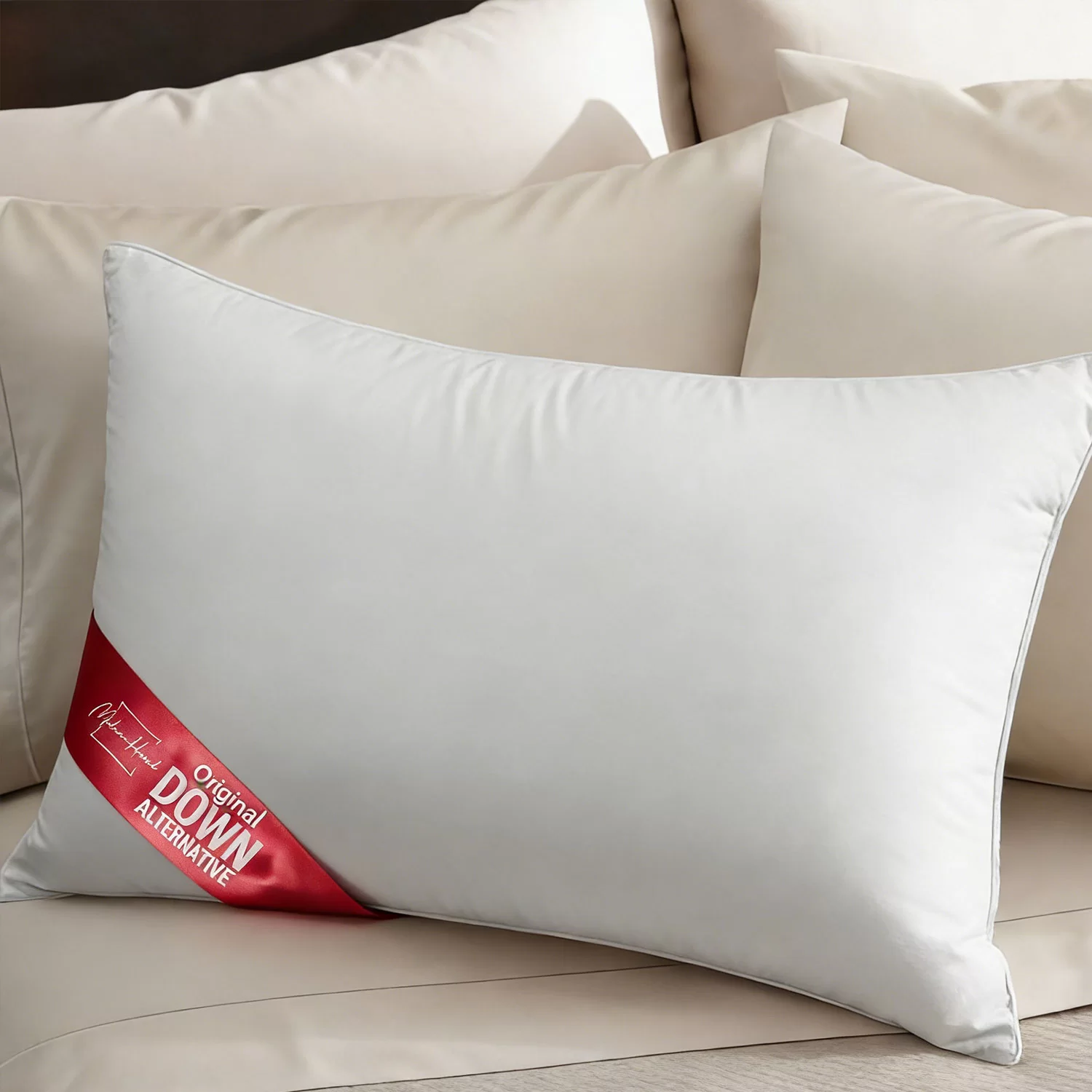
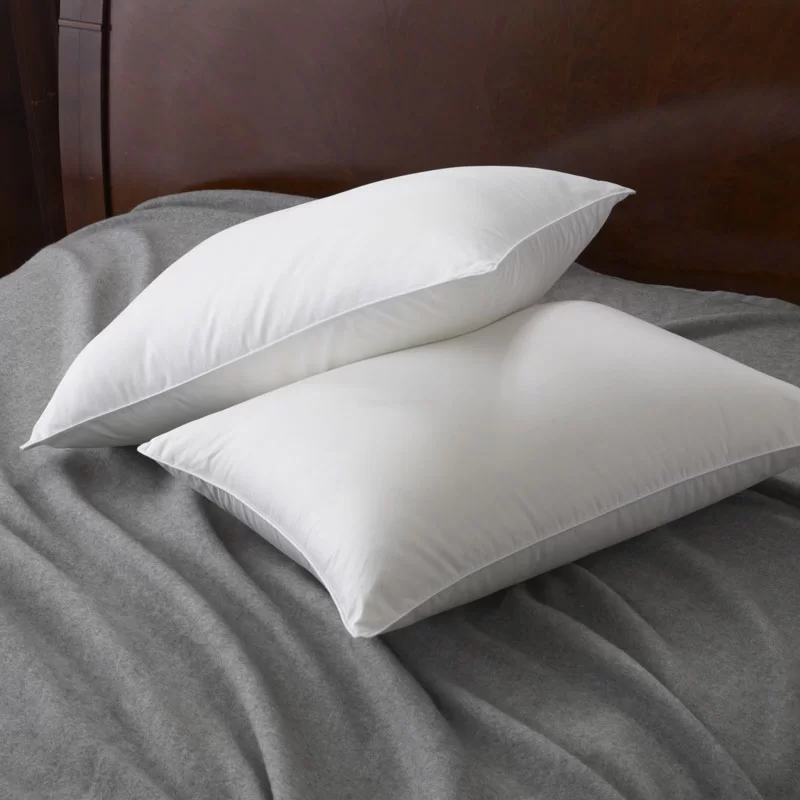
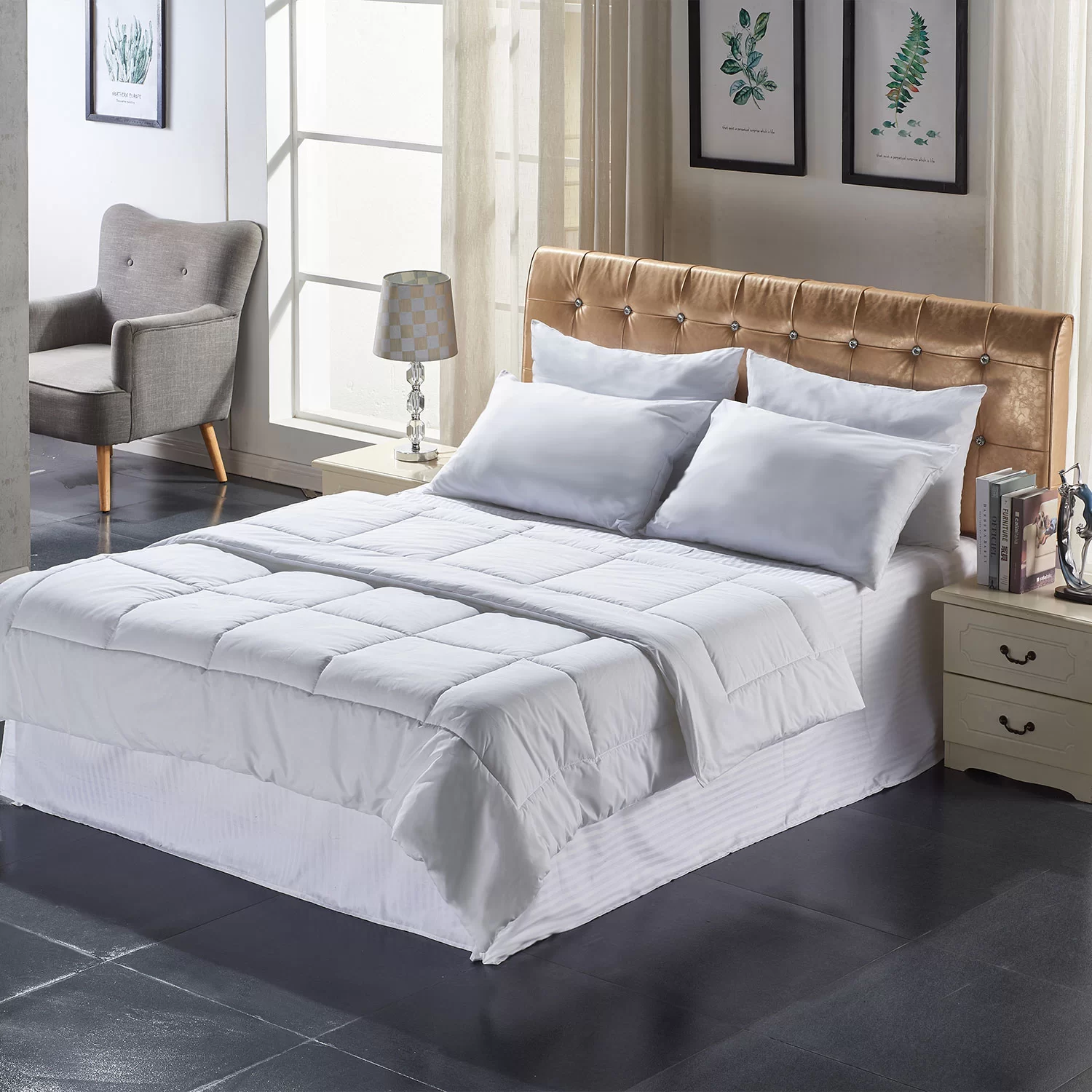
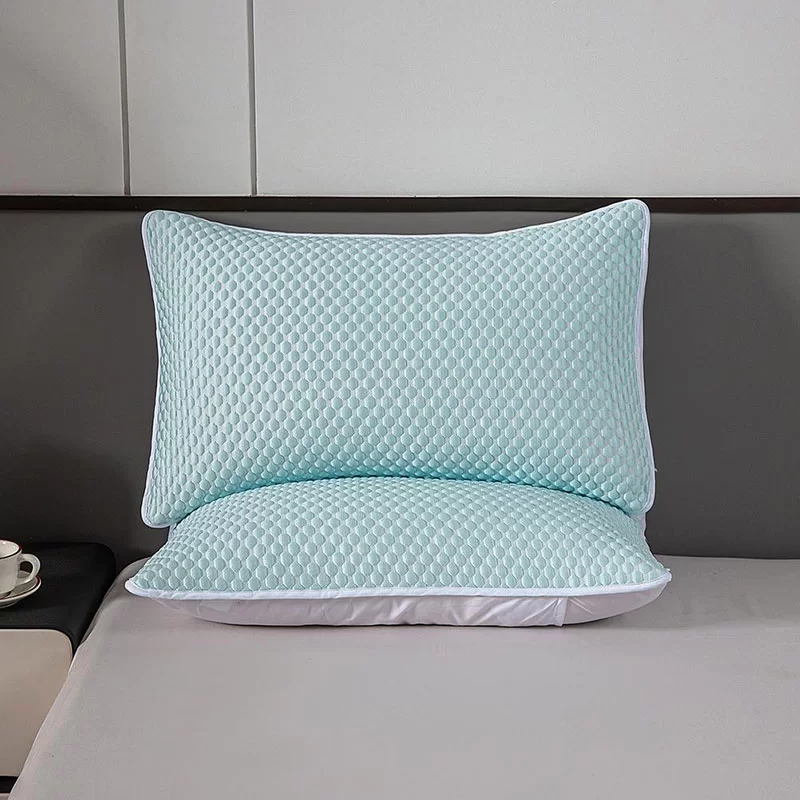
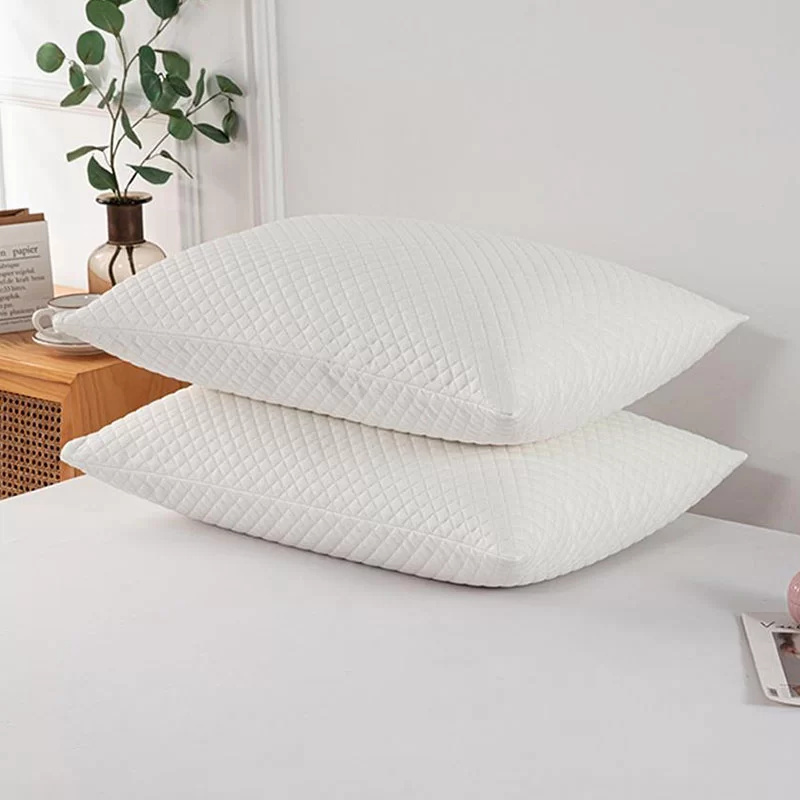
Additionally, professional property managers often implement a "layered bedding system" where flat sheets are paired with specific pillow shells and duvet covers. This modular approach allows for the replacement of individual worn components rather than the entire bedding set, significantly optimizing the operational budget.
Quantifying the Impact of Fabric Quality on Asset Life
Analyzing the longevity of linens requires a look at the degradation rate of different fabric blends. Standard low-cost sheets often exhibit significant shrinkage and thinning within the first 30 washes, whereas engineered commercial linens maintain their weight and dimensions for much longer periods.
The following data represents the relative retention of key quality markers—such as tensile strength and whiteness—comparing generic market options against sheets produced by a specialized professional supplier utilizing advanced testing and production equipment.
white flat sheet supplier Performance Metrics
As indicated, the delta in performance becomes most apparent after the 50-wash threshold. The ability to maintain high tensile strength prevents the "tearing" common in low-grade linens, while the stability of the white pigment reduces the frequency of premature replacements due to discoloration.
Strategic Procurement Guidelines for Institutional Linens
When evaluating a potential supplier, procurement officers should look beyond the sample swatch and request data on shrinkage rates and bleach resistance. A professional partnership is characterized by the supplier's ability to provide consistent batches, as variance in shade between shipments can be visually jarring in a guest room.
Key considerations include the supplier's quality control systems—such as adherence to ISO standards—and their logistical capacity to serve global markets including the USA, UK, and Canada. The ability to offer customized sizes and fabric blends ensures that the linens fit the specific mattress dimensions of the facility perfectly, reducing the time spent by housekeeping on bed-making.
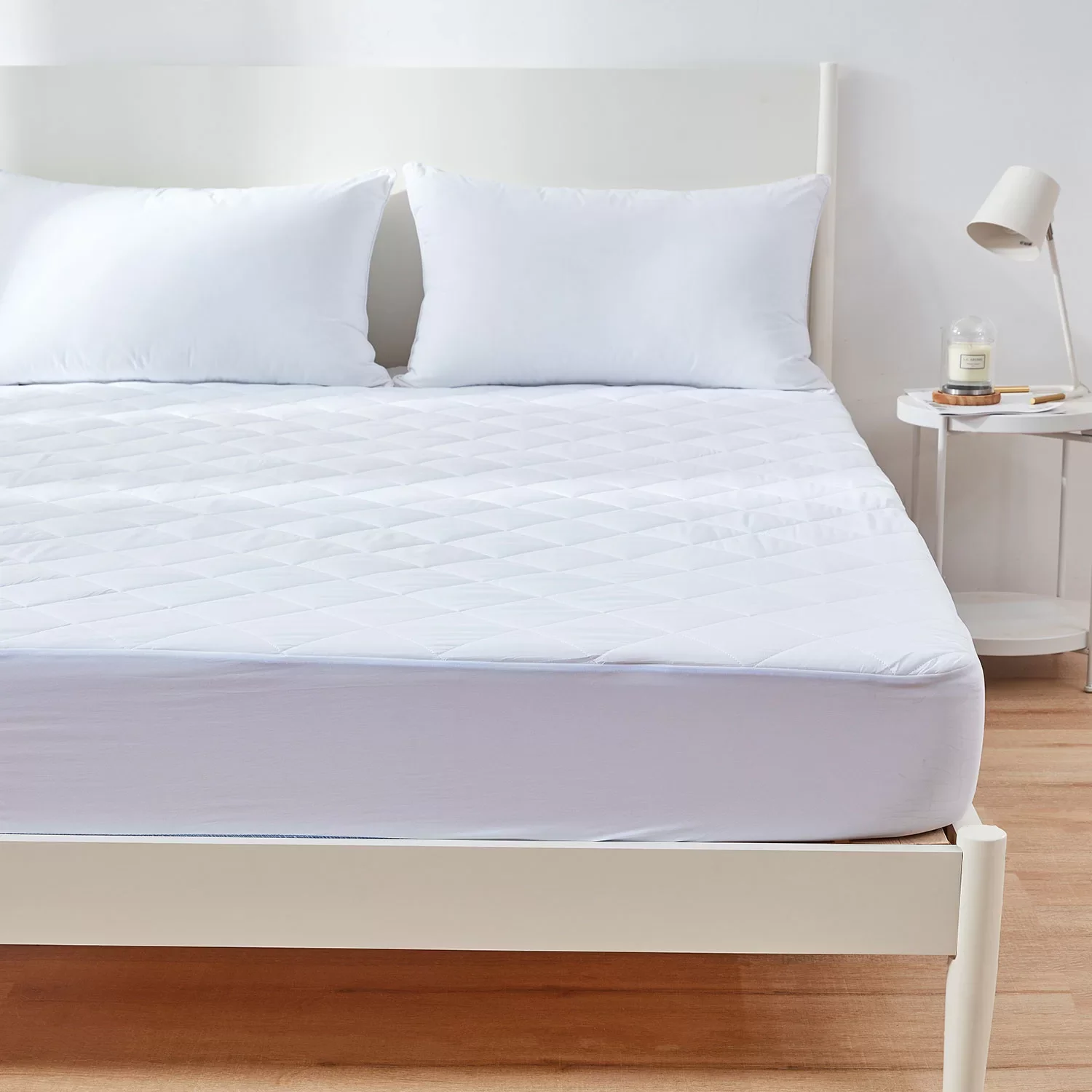
Furthermore, integrating a holistic bedding strategy—combining flat sheets with waterproof pillow protectors and mattress toppers—creates a comprehensive shield for the most expensive assets (the mattresses), resulting in a higher overall return on investment for the property.
Future Directions in Sustainable Textile Manufacturing
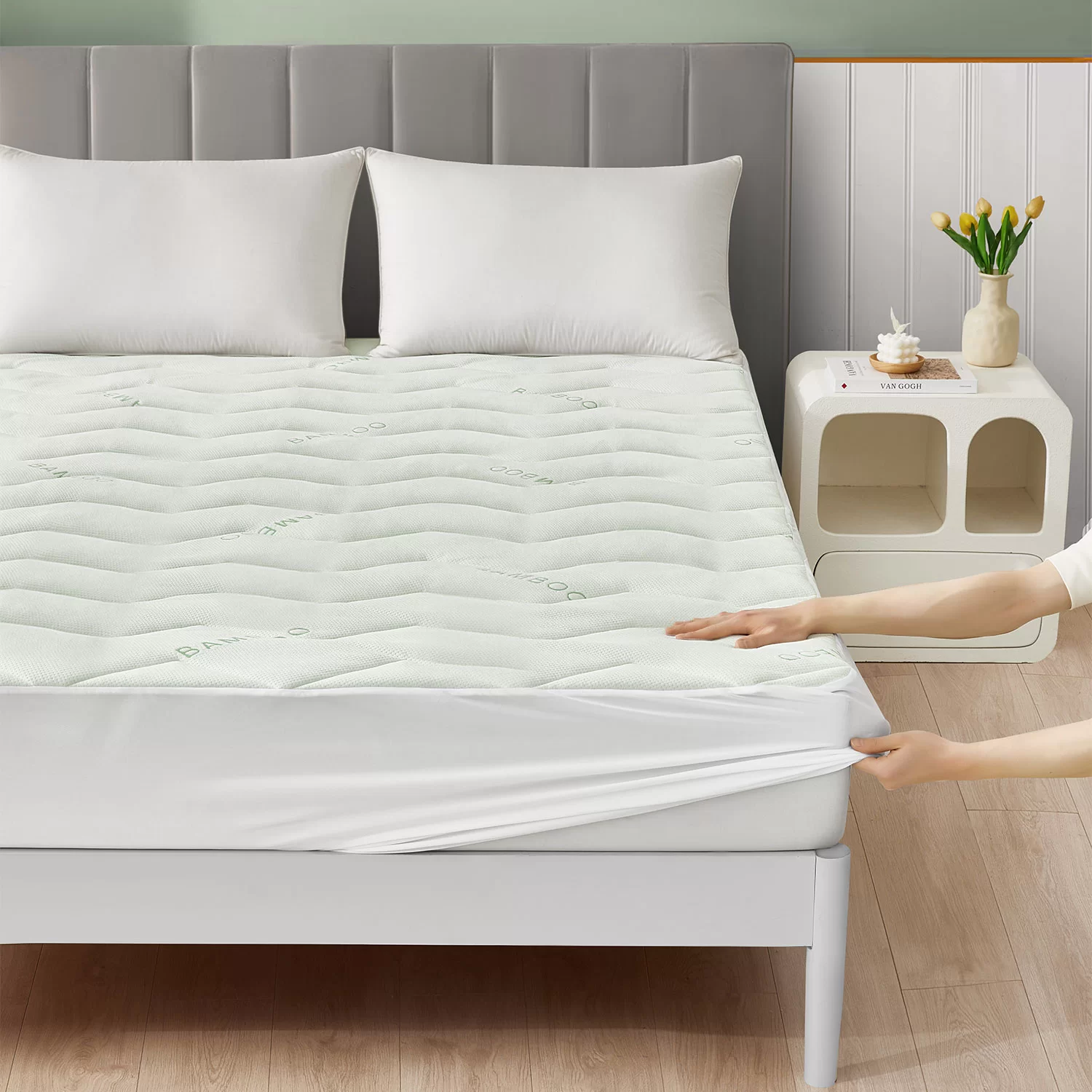
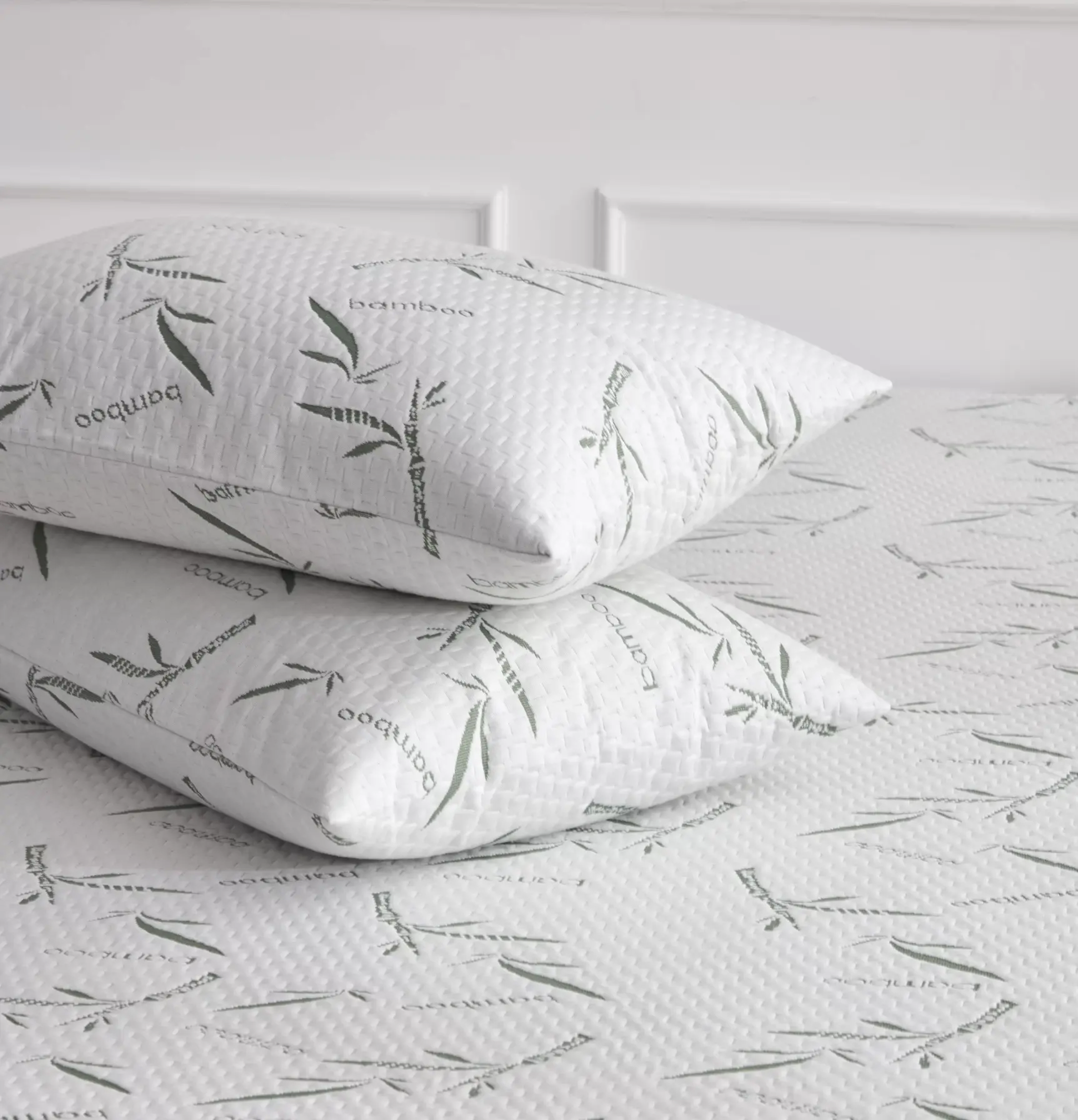
The textile industry is currently shifting toward a "circular economy" model, where the focus is on reducing water consumption during the dyeing process and utilizing sustainable fibers. We are likely to see an increase in the adoption of Tencel and Bamboo blends in commercial flat sheets due to their inherent antibacterial properties and lower environmental footprint.
Innovation in "Silent Sleep Tech" and microporous membranes is also trickling down from protectors into the sheets themselves, potentially leading to fabrics that are both waterproof and breathable without the rustling noise associated with traditional plastics. This could revolutionize the healthcare sector by improving patient comfort while maintaining strict hygiene barriers.
Moreover, the integration of smarter logistics and dual-factory setups allows suppliers to better manage lead times and quality precision. As global standards for sustainability tighten, suppliers who invest in eco-friendly bleaching and weaving technologies will likely become the preferred partners for international hotel chains.
Comparative Matrix for Commercial Flat Sheet Selection
Selecting the right product requires a trade-off analysis between initial cost, luxury feel, and durability. The following matrix outlines the typical characteristics of different fabric options available through a professional supplier to help buyers align their choice with their specific operational goals.
Whether the priority is the rapid turnover of a budget motel or the uncompromising quality of a 5-star resort, the material choice dictates the long-term maintenance budget.
| Fabric Type | Durability Rating | Primary Use Case | Maintenance Level |
|---|---|---|---|
| 100% Long-Staple Cotton | Moderate | Luxury Hotels / Resorts | High (Requires Ironing) |
| Poly-Cotton Blend (60/40) | Very High | Mid-Range Hotels / Motels | Low (Wrinkle Resistant) |
| Bamboo Viscose Blend | Moderate | Eco-Friendly / Boutique | Medium (Gentle Wash) |
| Tencel / Lyocell Blend | High | Premium Healthcare/Spa | Medium (Quick Dry) |
| Heavyweight Percale | High | Hospital General Ward | Low (High Heat Safe) |
| Customized Sateen | Moderate | Executive Suites | High (Special Care) |
By utilizing this matrix, procurement managers can avoid the common mistake of over-specifying fabric for low-turnover areas or under-specifying for high-stress environments, thereby ensuring optimal asset performance.
Frequently Asked Questions
Conclusion
The selection of a white flat sheet supplier is a strategic operational decision that directly influences a facility's overhead and guest satisfaction. By focusing on technical specifications—such as fiber origin, weave stability, and blend ratios—procurement managers can transition from a cycle of frequent replacement to a model of sustainable asset management.
For those seeking to optimize their institutional bedding, reviewing the specific fabric options and production capabilities available through www.infortextile.com can provide the necessary insights to balance comfort, hygiene, and cost-efficiency in any commercial environment.