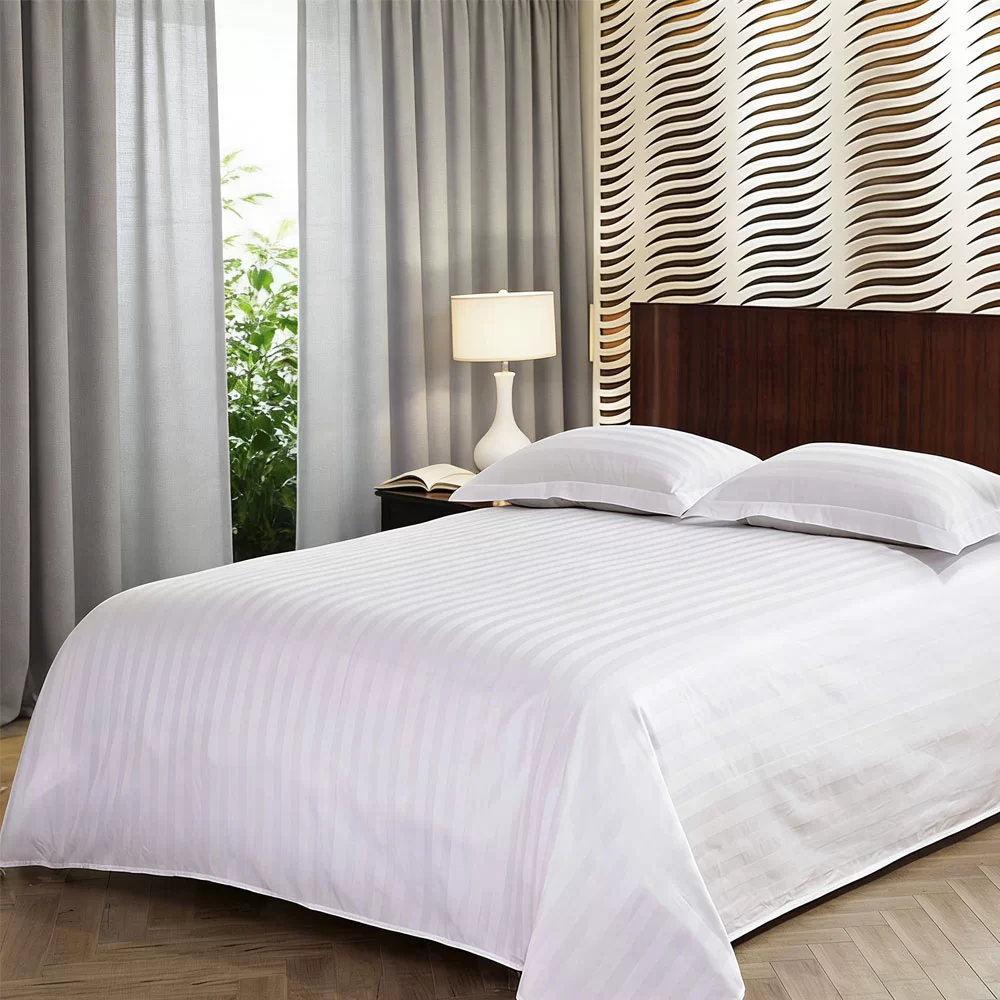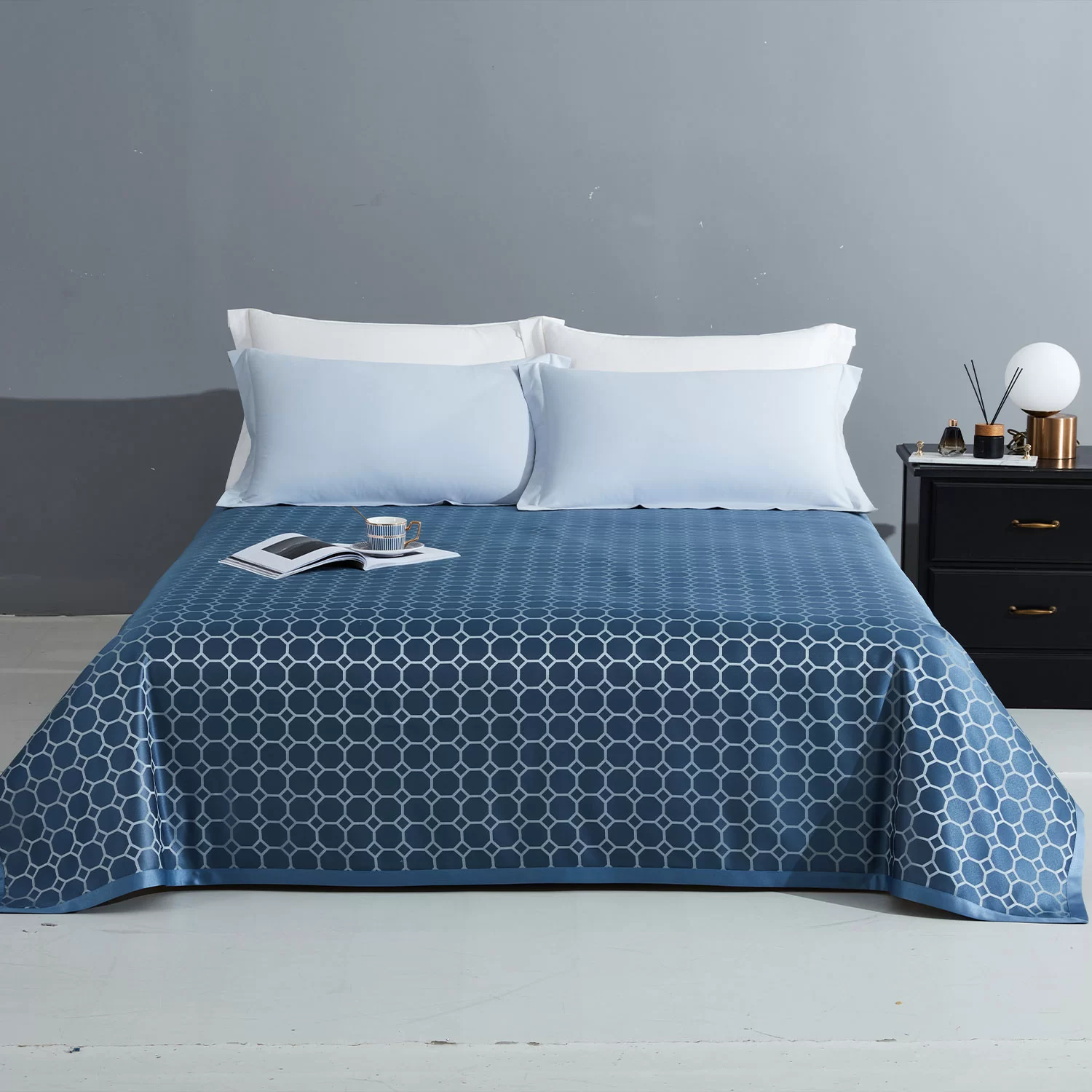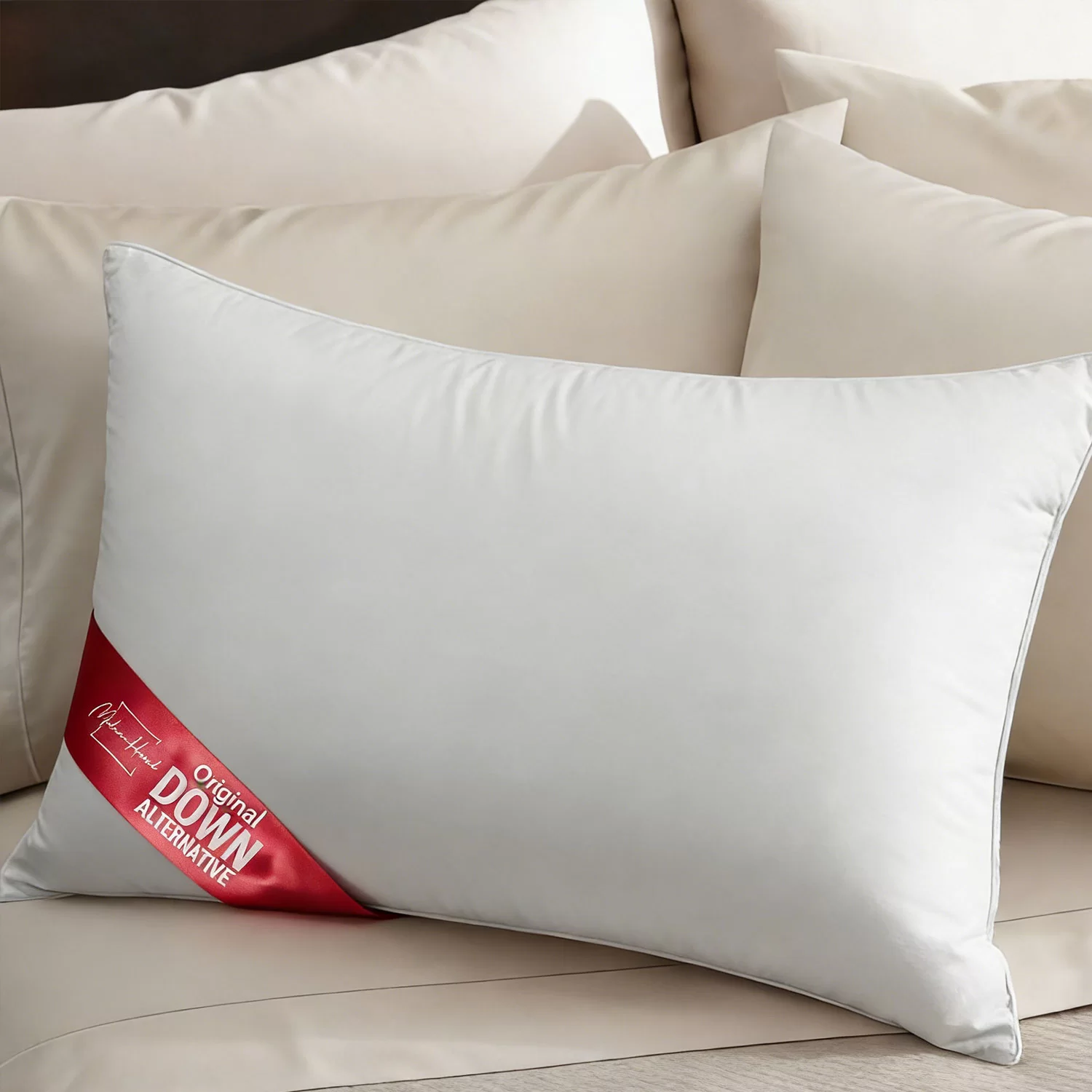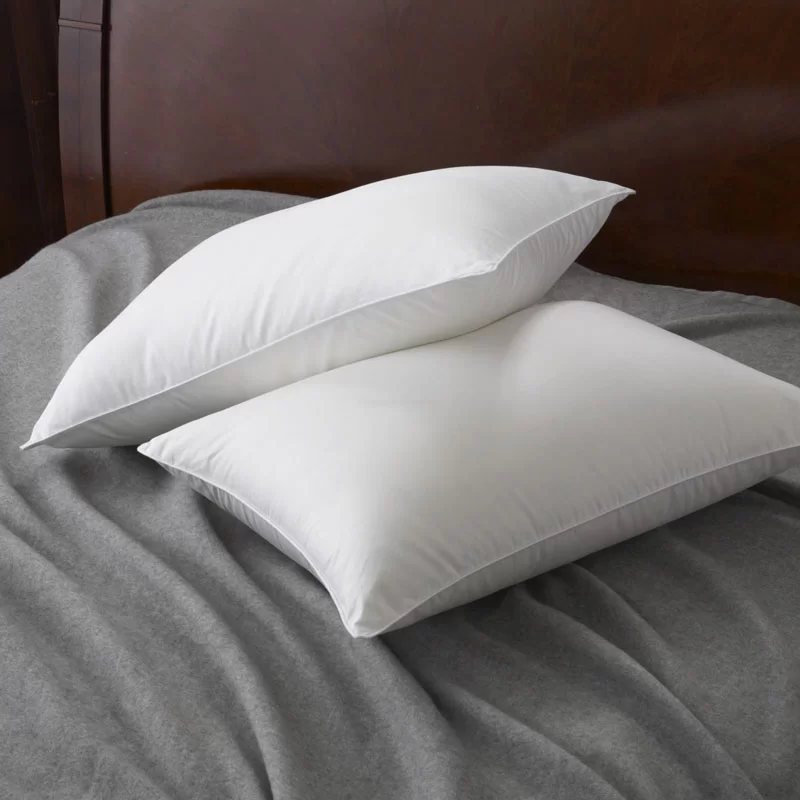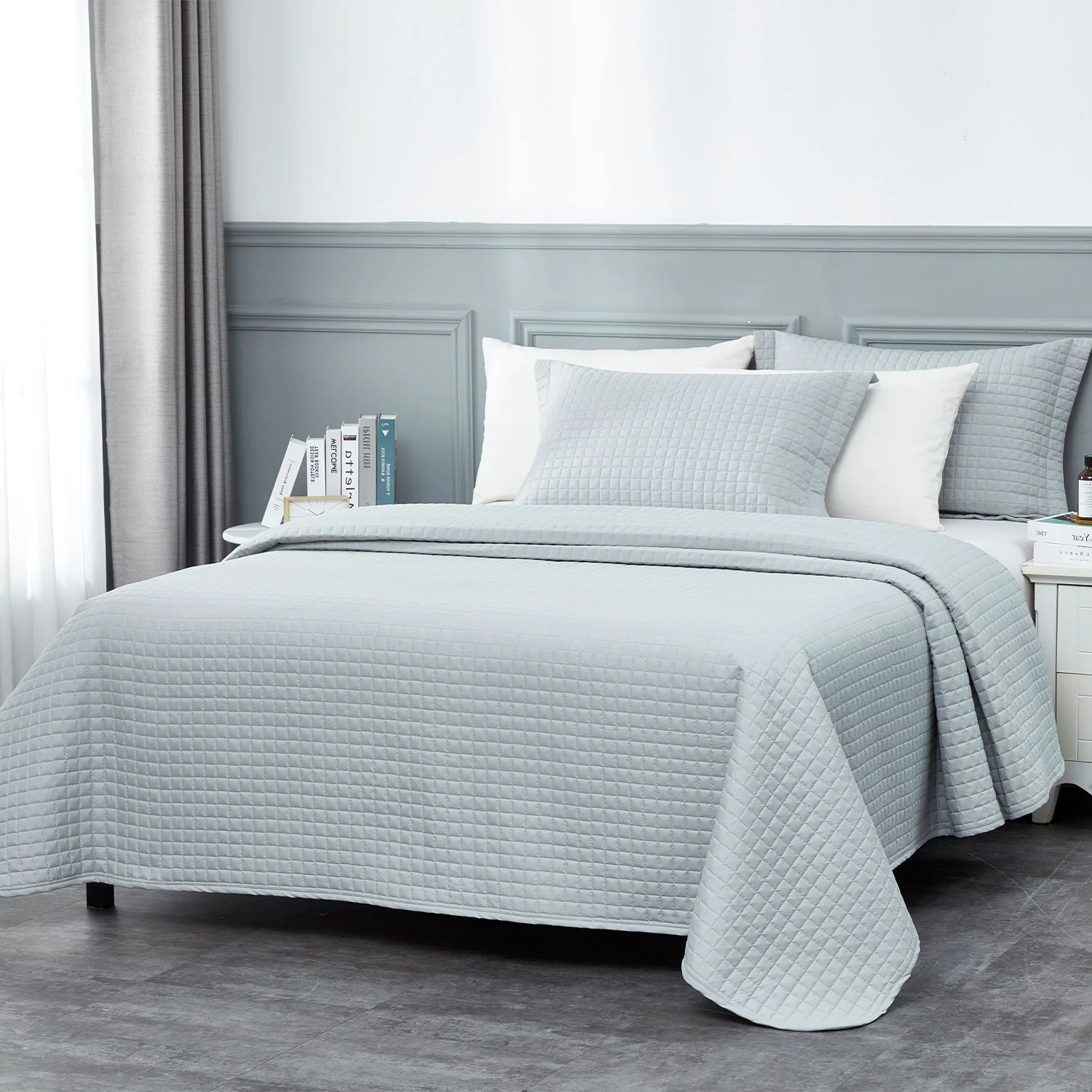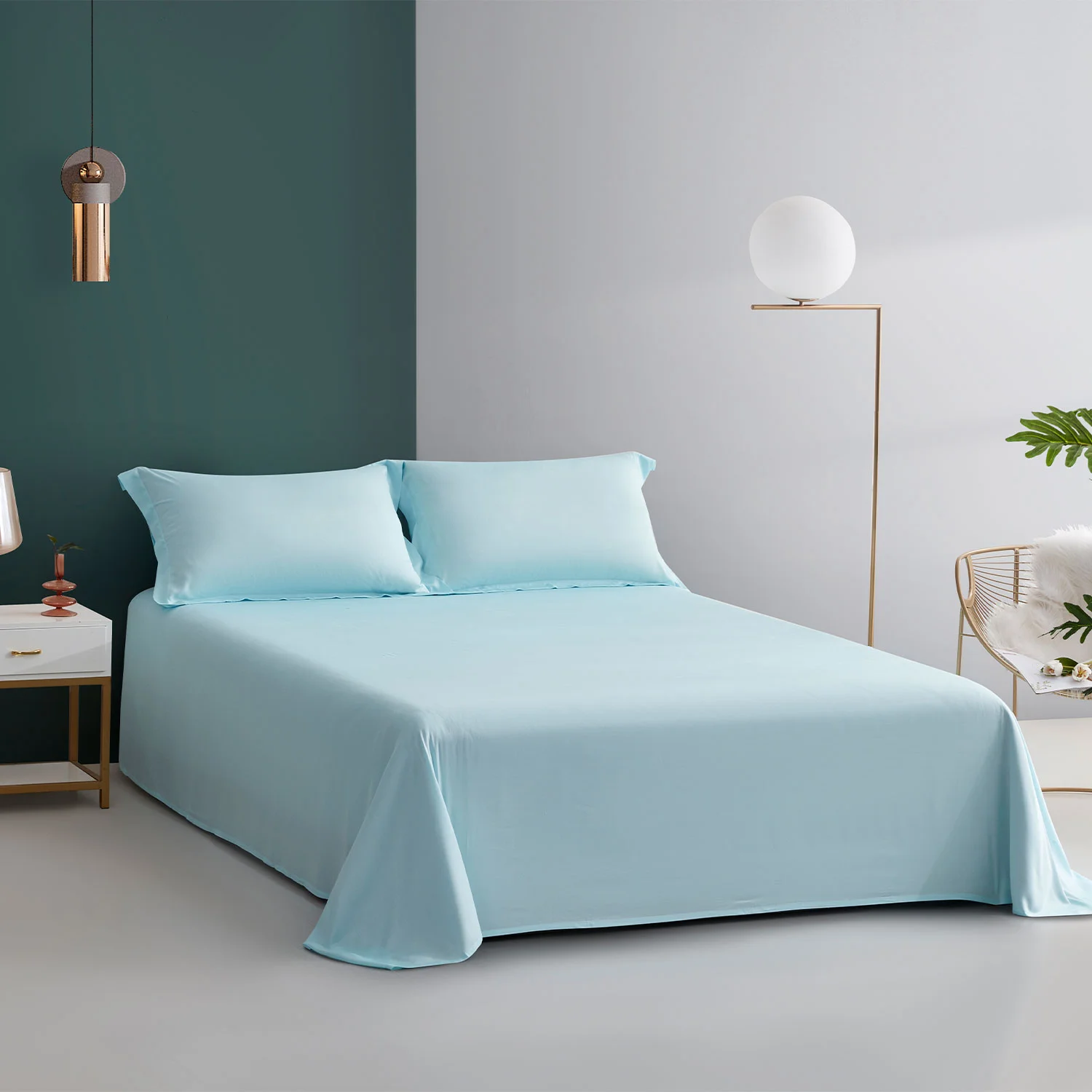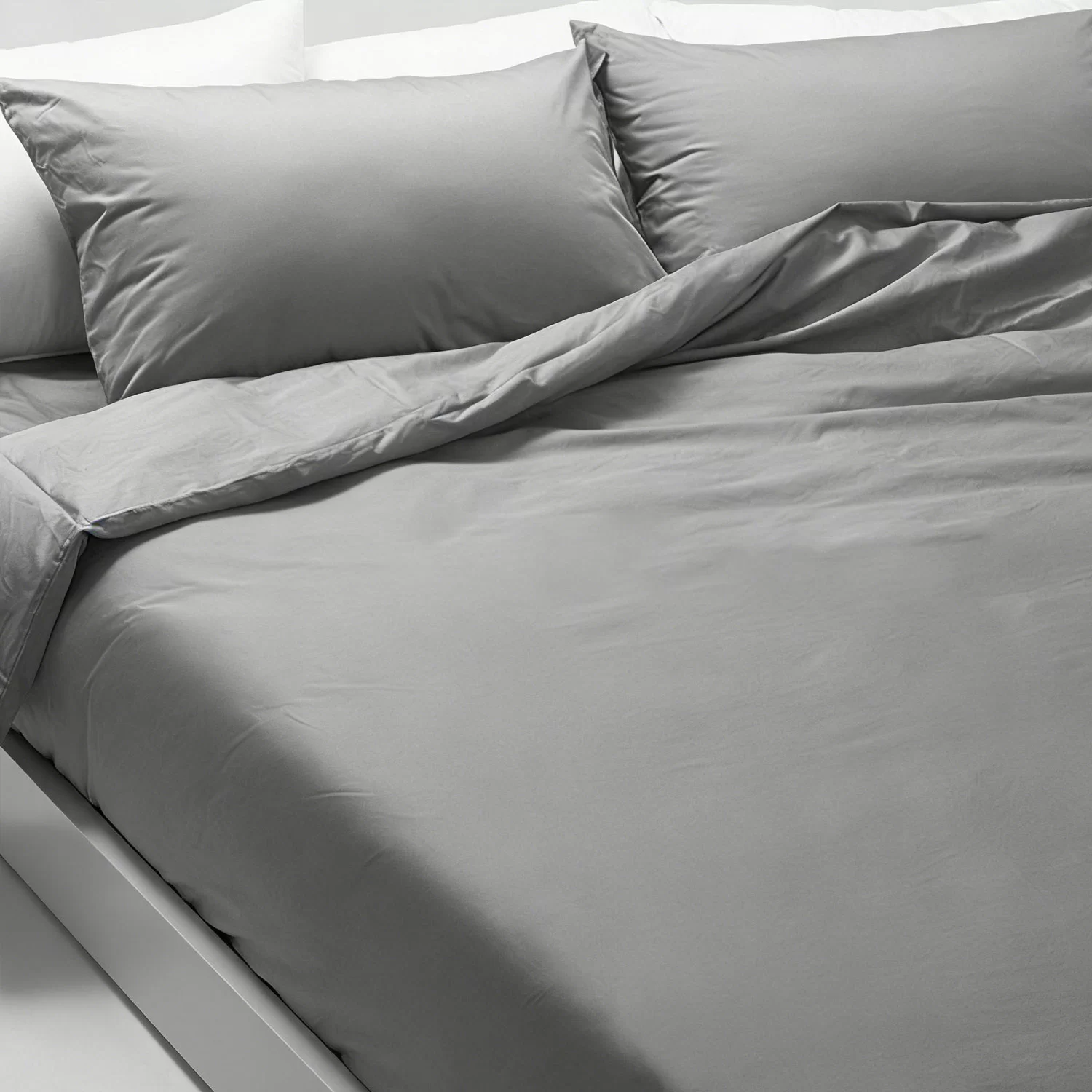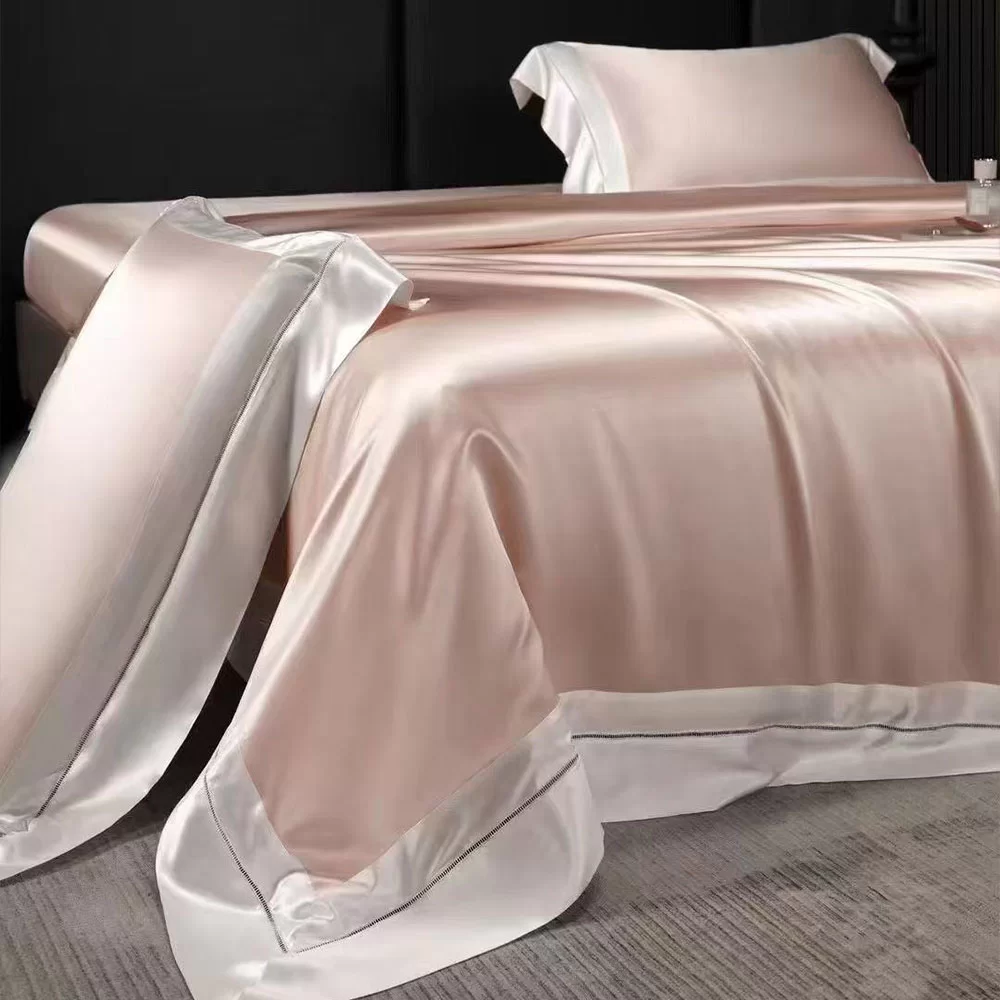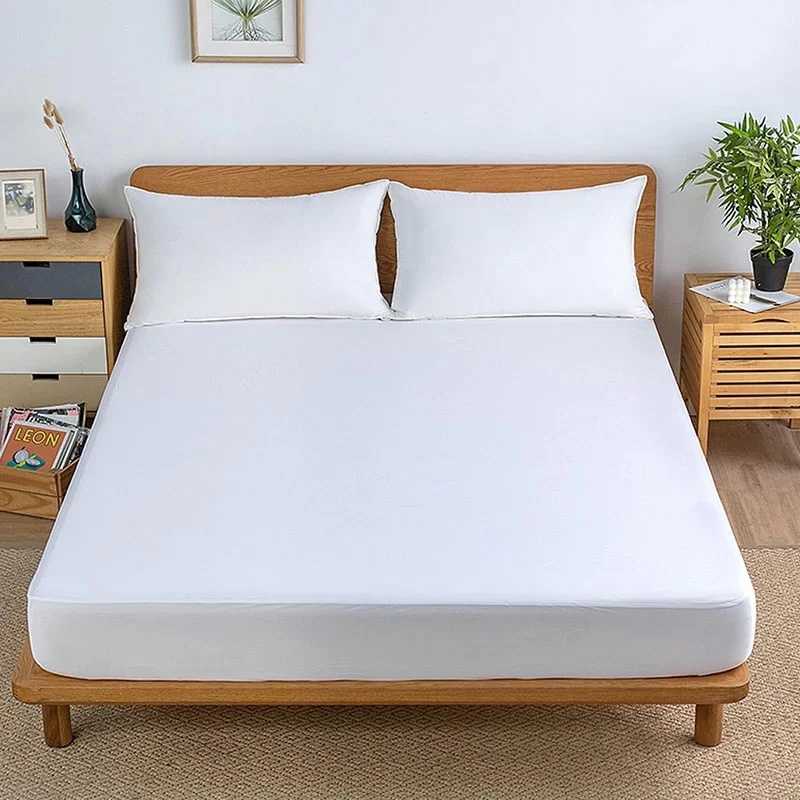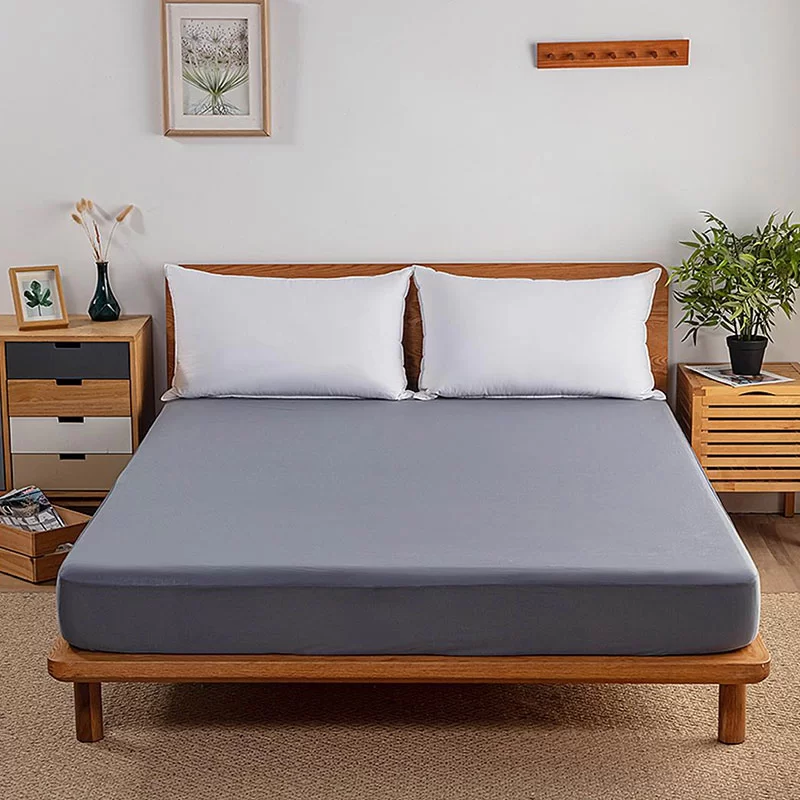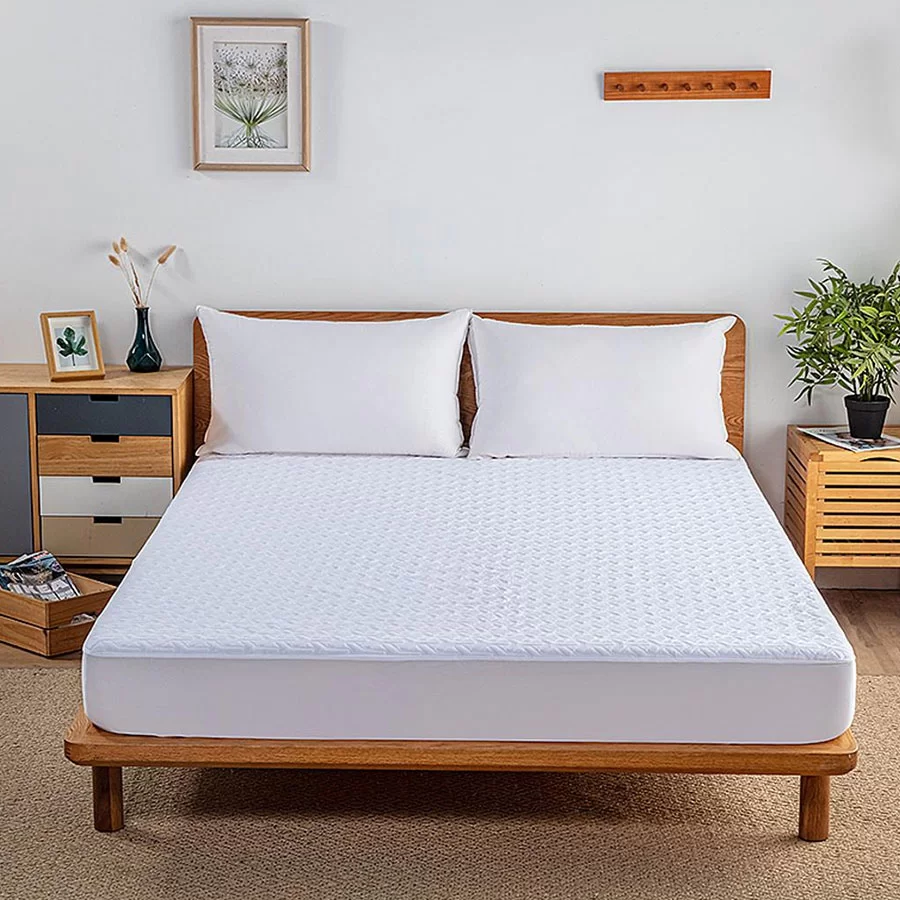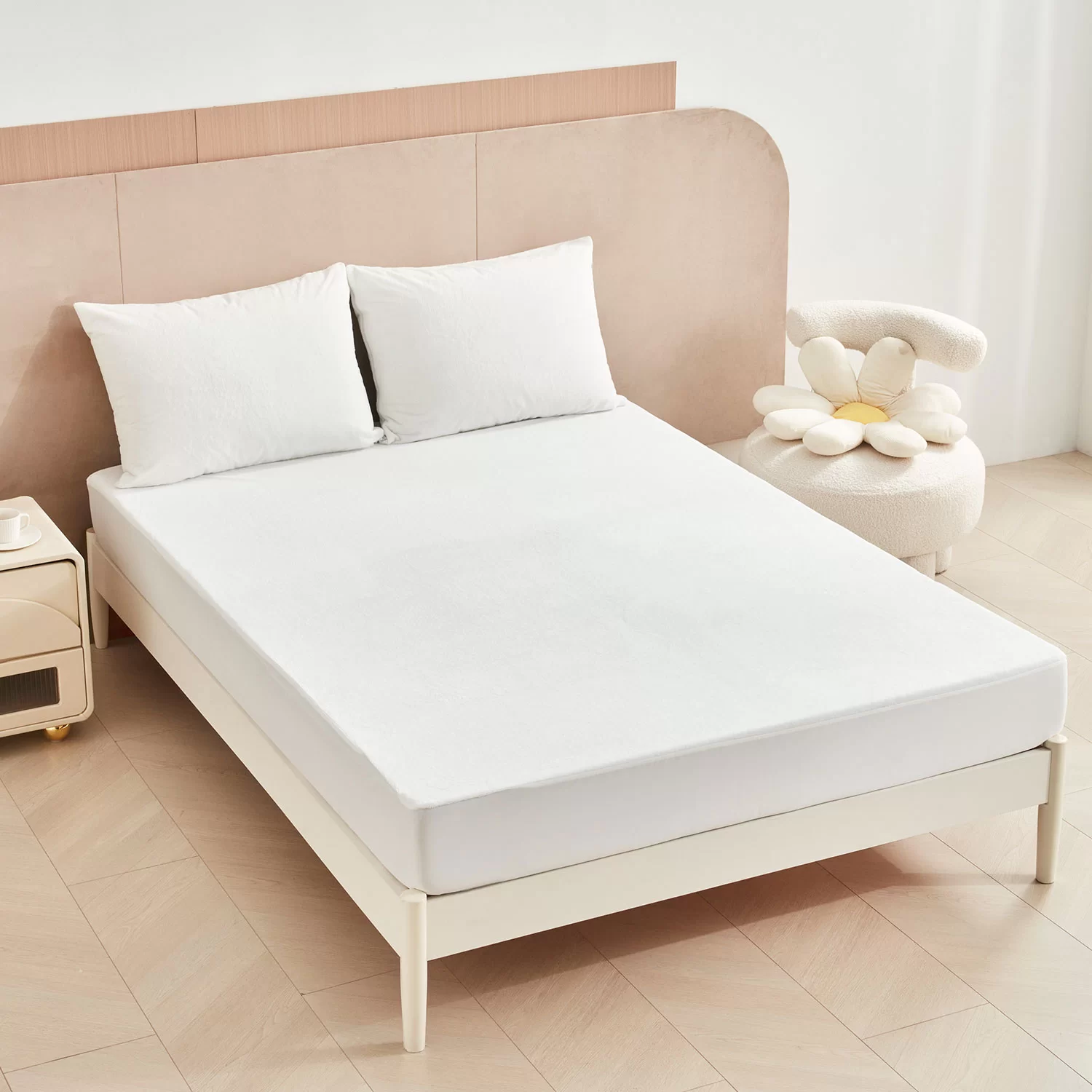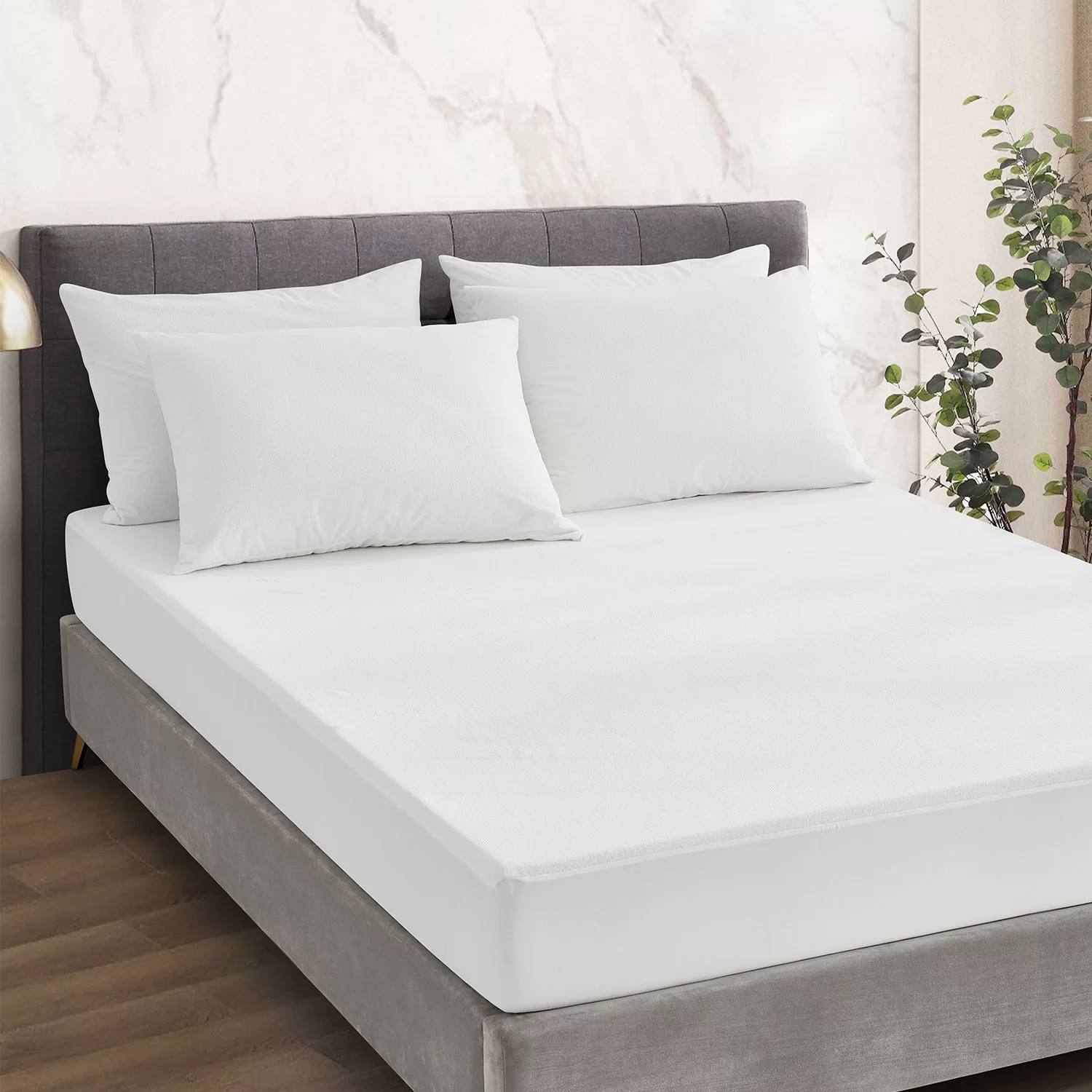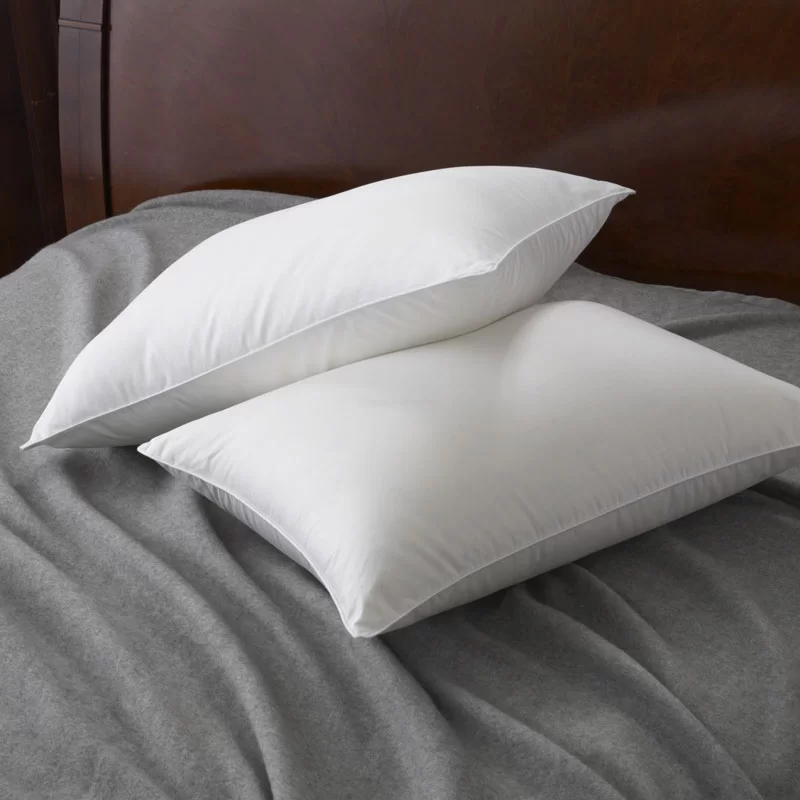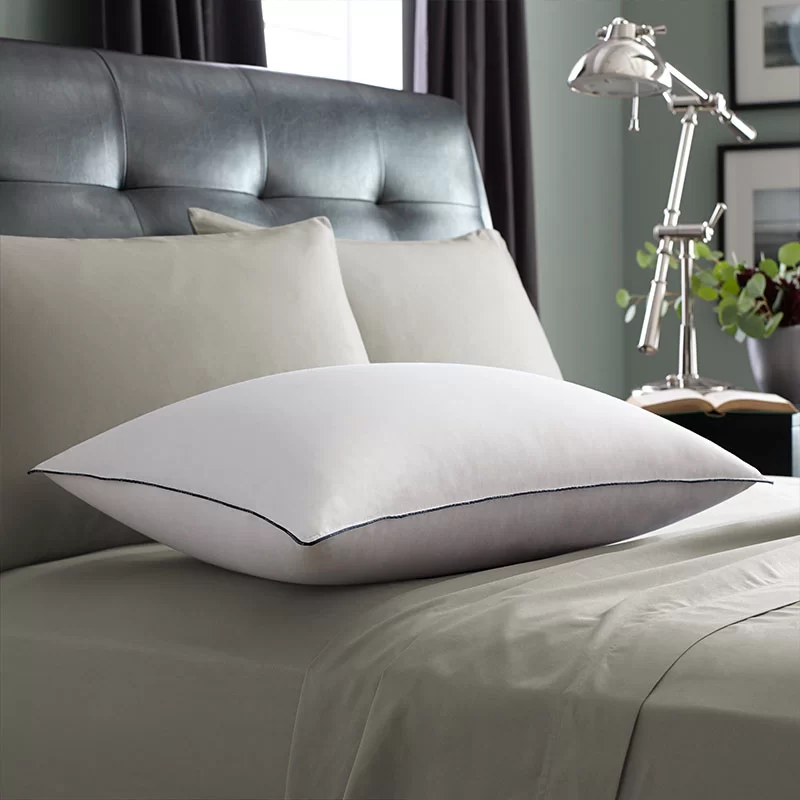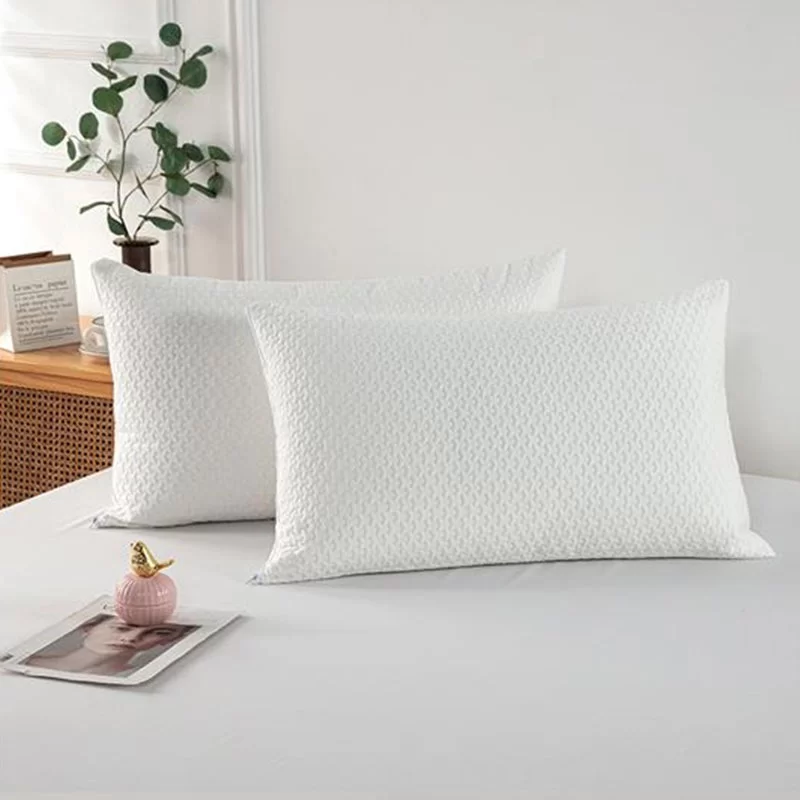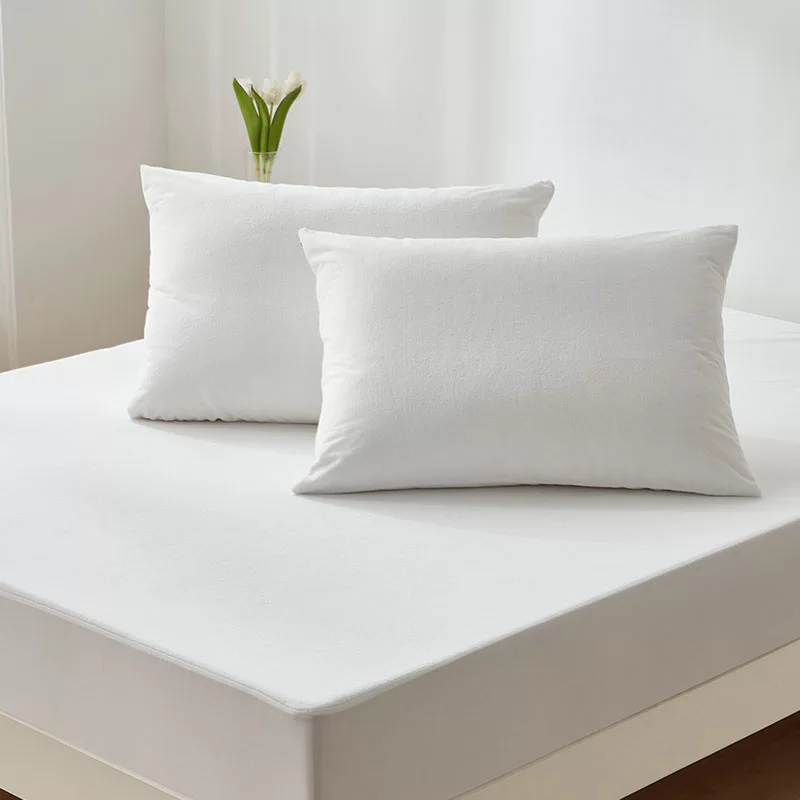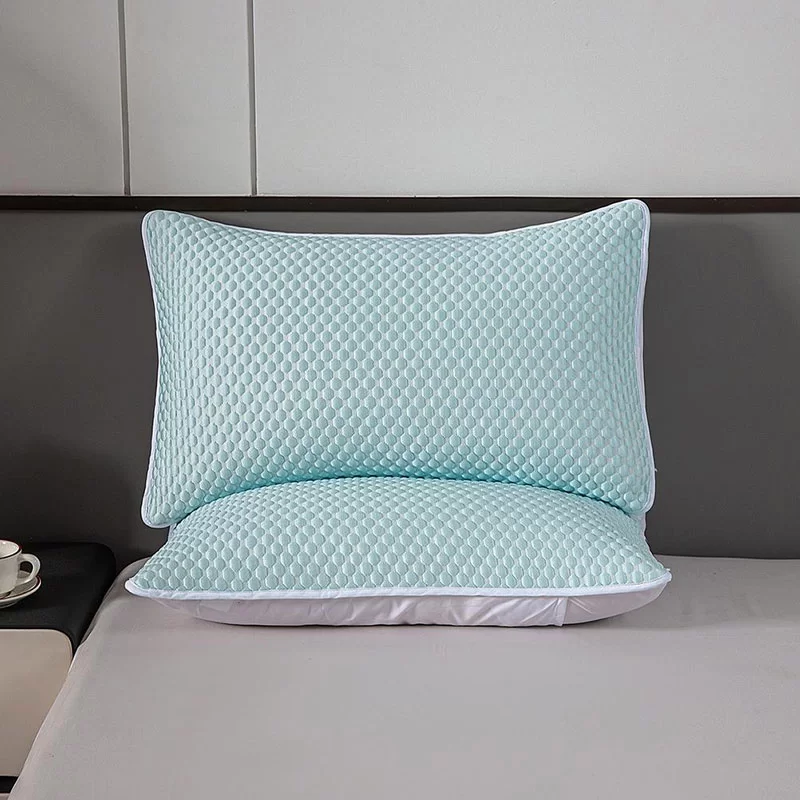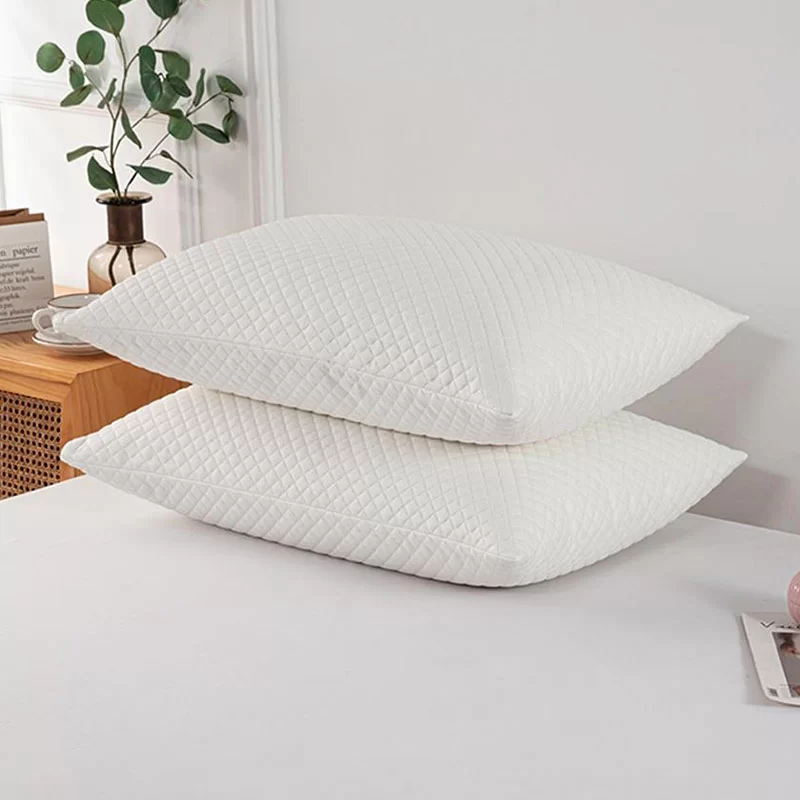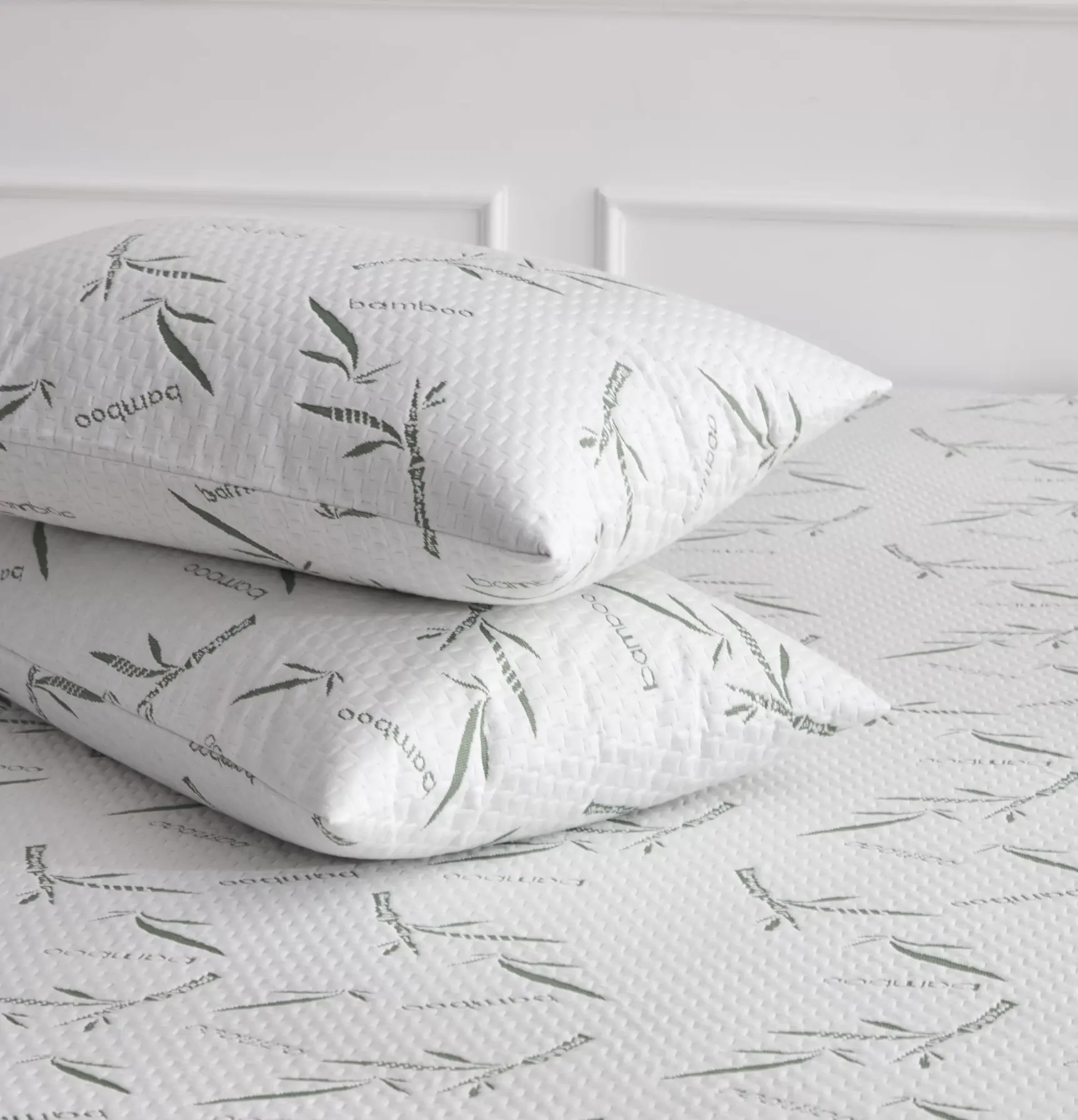
Hotel bedlinen. Sounds simple, right? But after years on construction sites – and believe me, I’ve seen a LOT of bedding in various states – you realize it’s anything but. It's the unsung hero of guest experience, and getting it right directly impacts a hotel’s reputation, operational costs, and even long-term sustainability. I’ve watched hotels hemorrhage money on cheap sheets that tear after a few washes, and I’ve seen guests complain bitterly about uncomfortable sleep. This isn’t just about thread count; it's about the entire lifecycle, the materials, the laundry processes – it all matters.
The global hotel industry is massive, constantly evolving, and incredibly demanding when it comes to linen. According to Statista, the global hotel market was valued at over $658 billion in 2023, and a significant portion of that spend is tied up in maintaining quality guest amenities, with linens being a substantial component. There’s a growing demand for both luxury and sustainability, creating a real challenge for procurement teams. They need durable, comfortable options that also align with increasingly stringent environmental standards. Ignoring the long-term implications of your hotel bedlinen choices is a costly mistake.
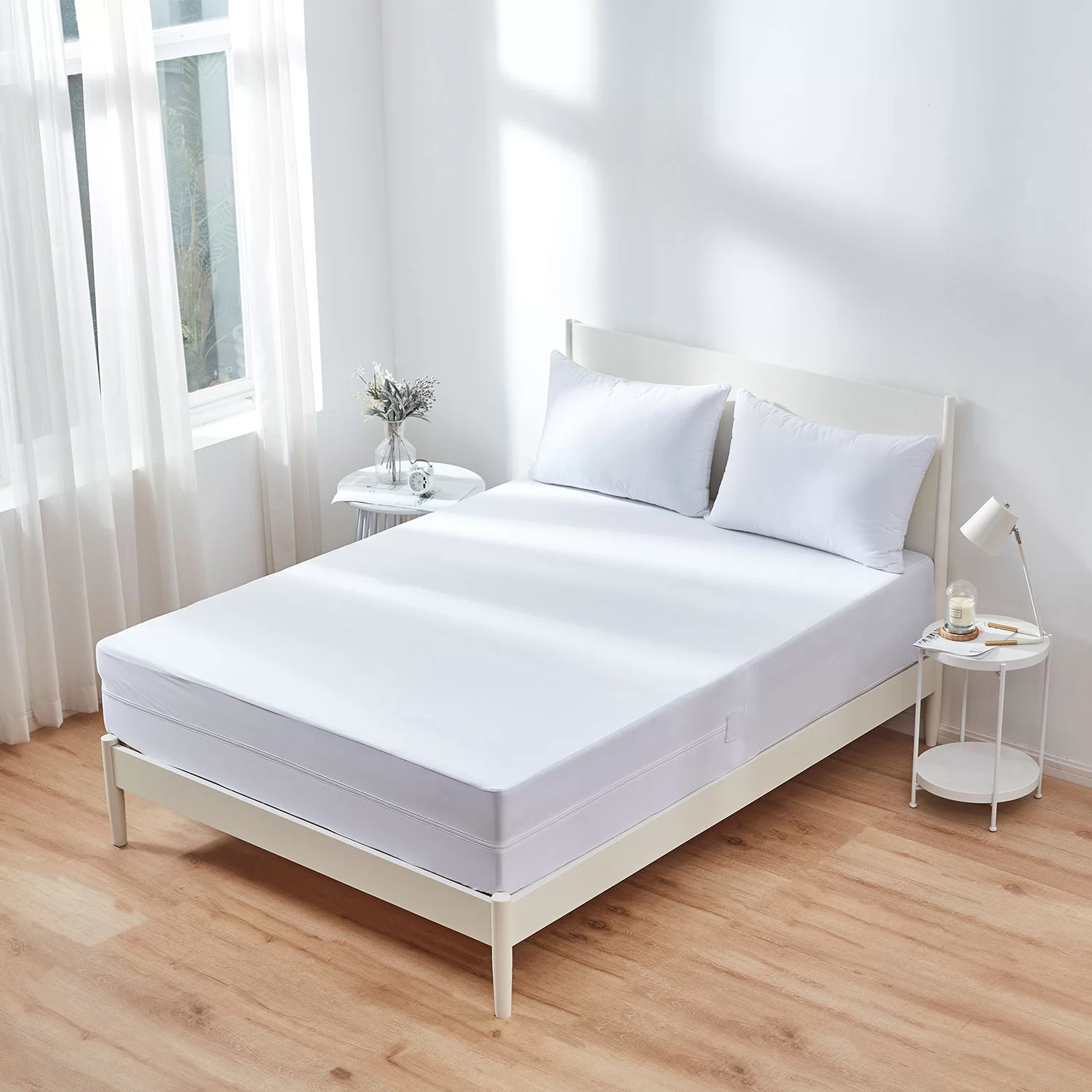
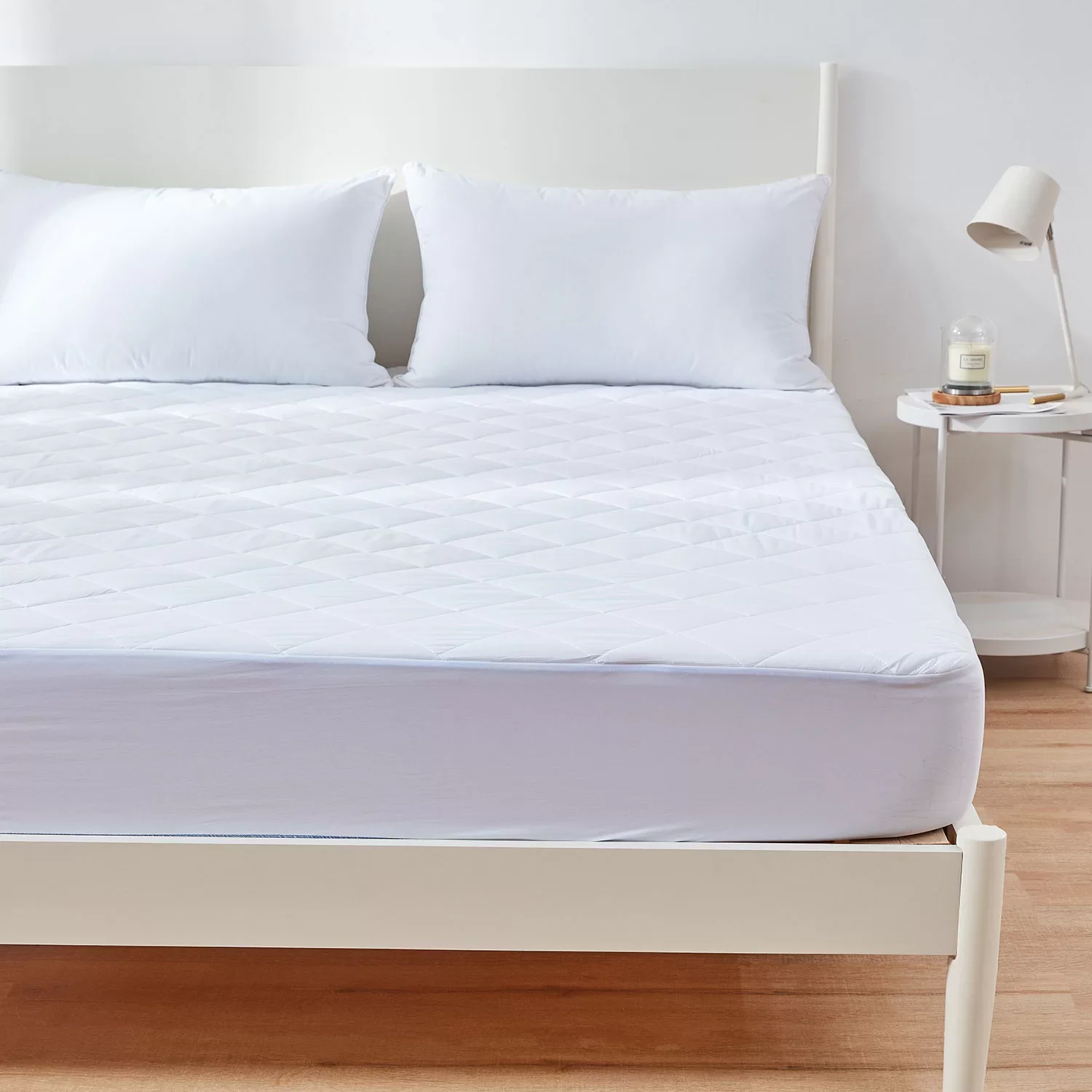
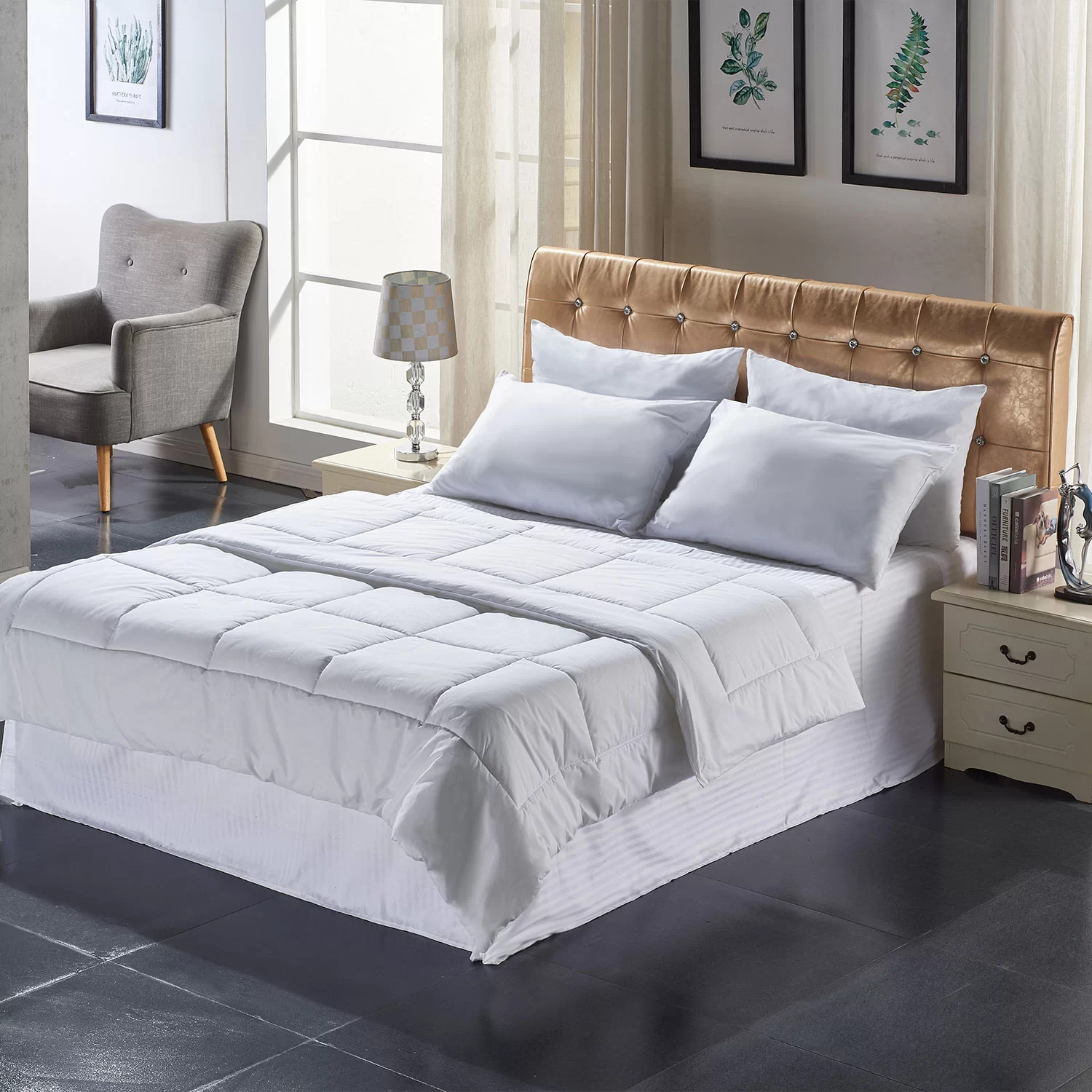
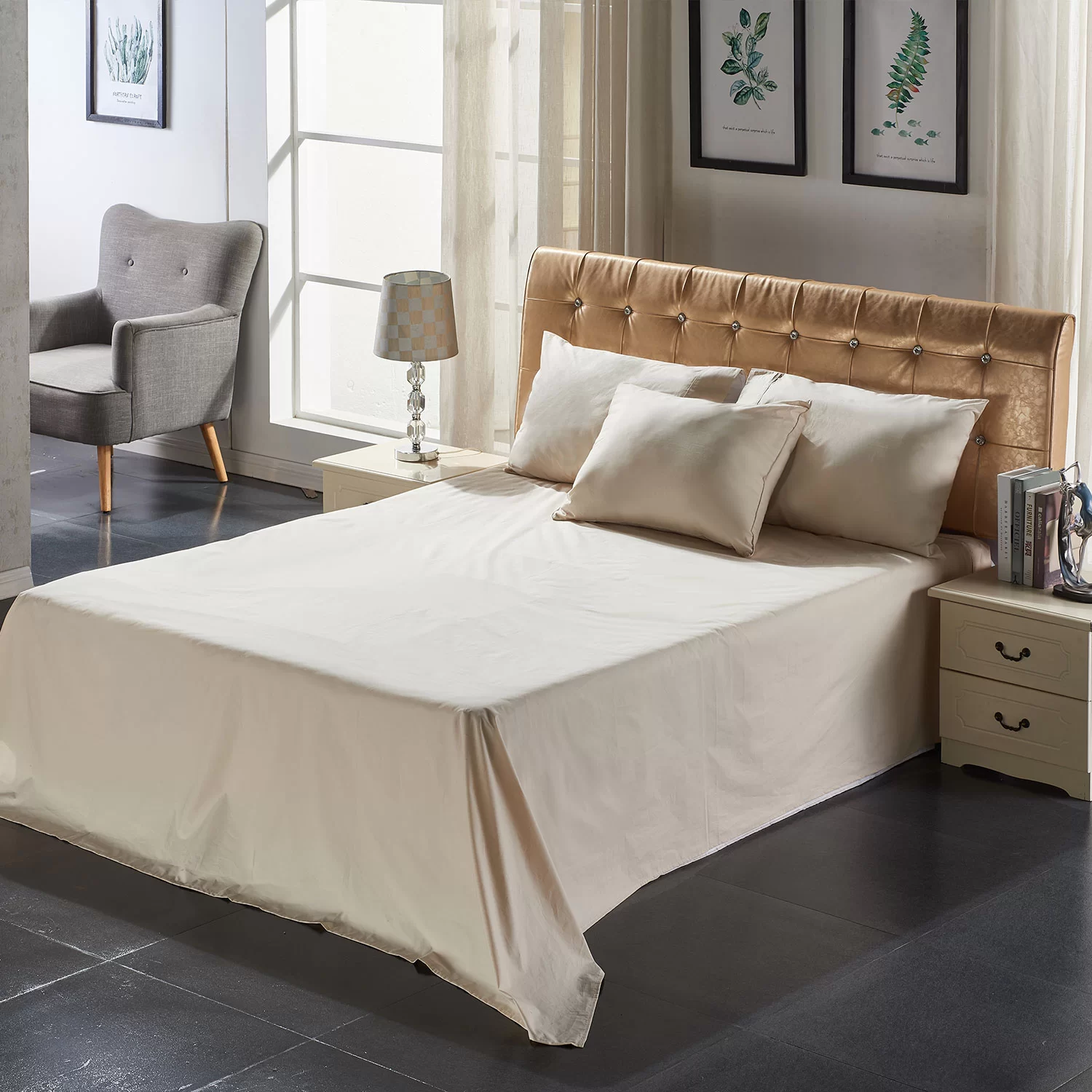
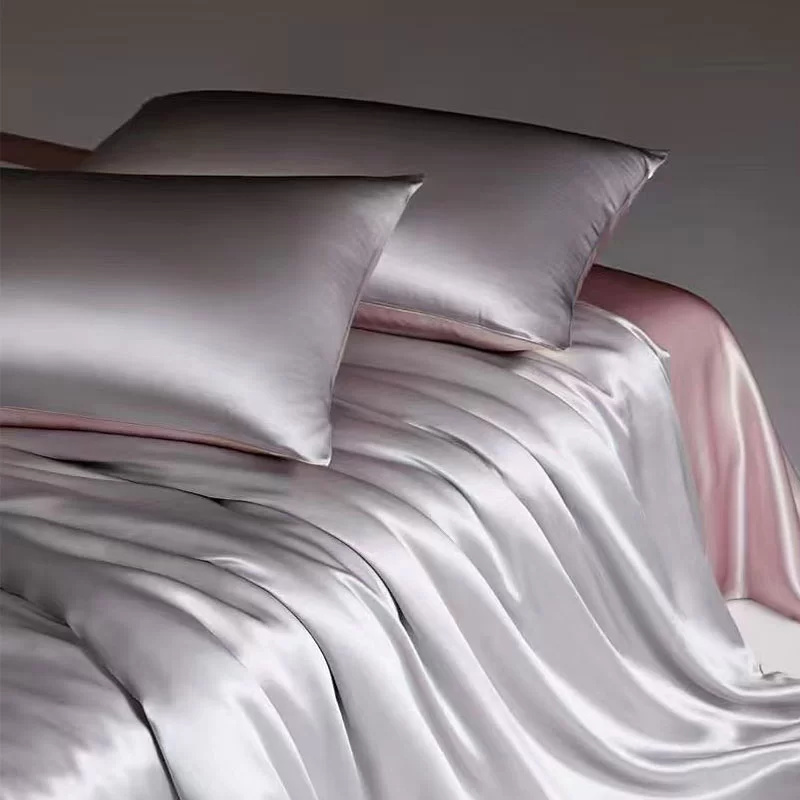
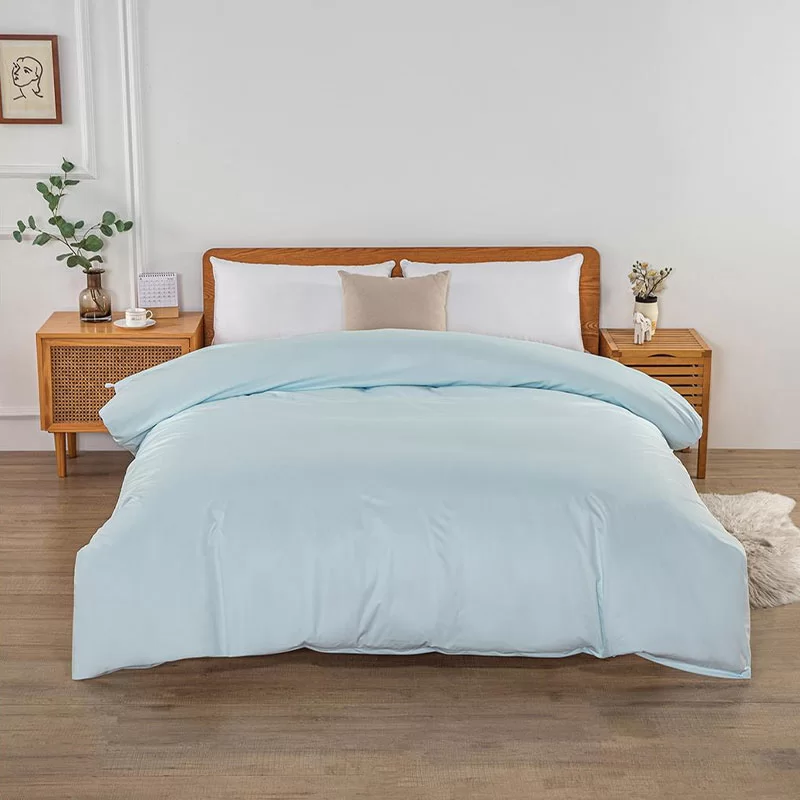
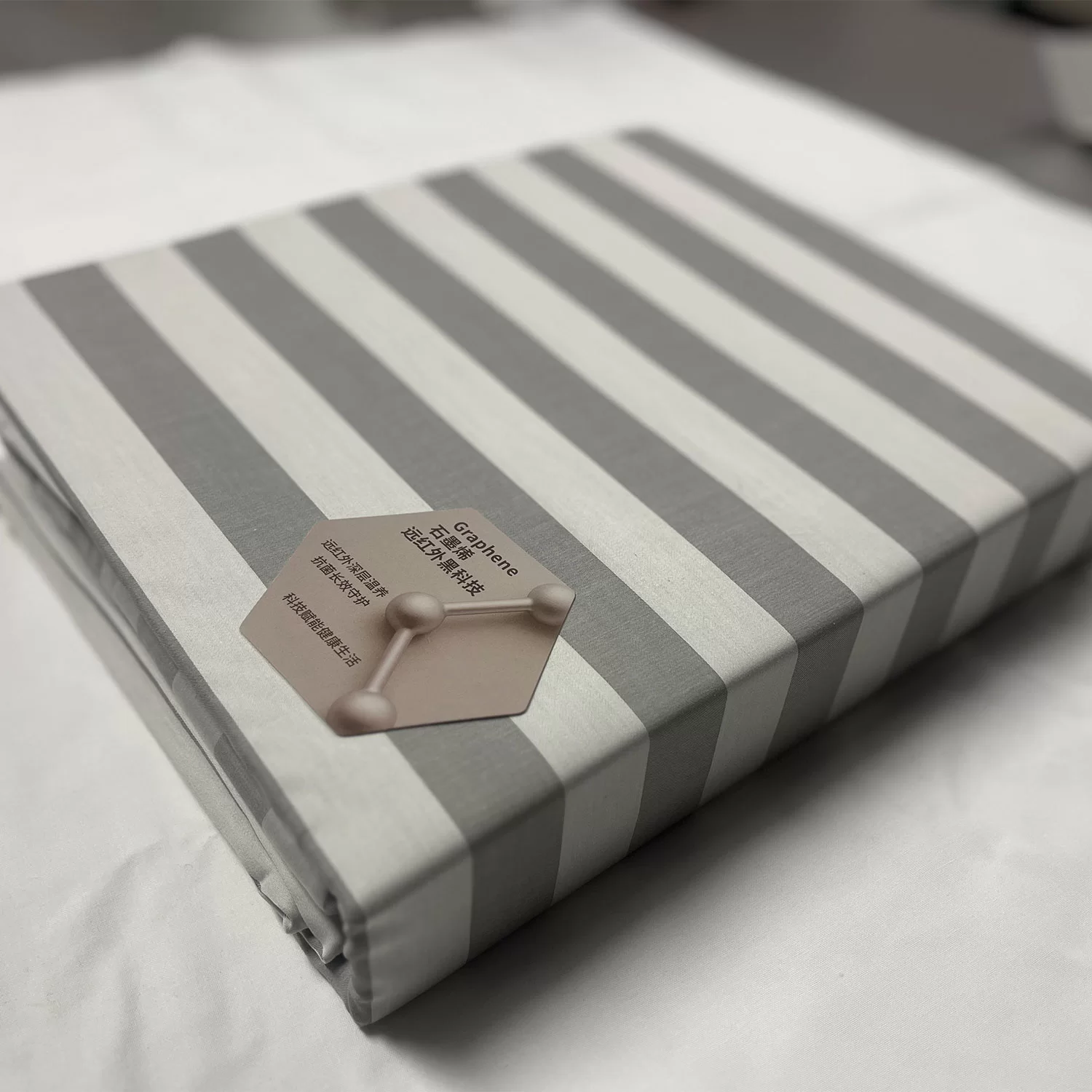
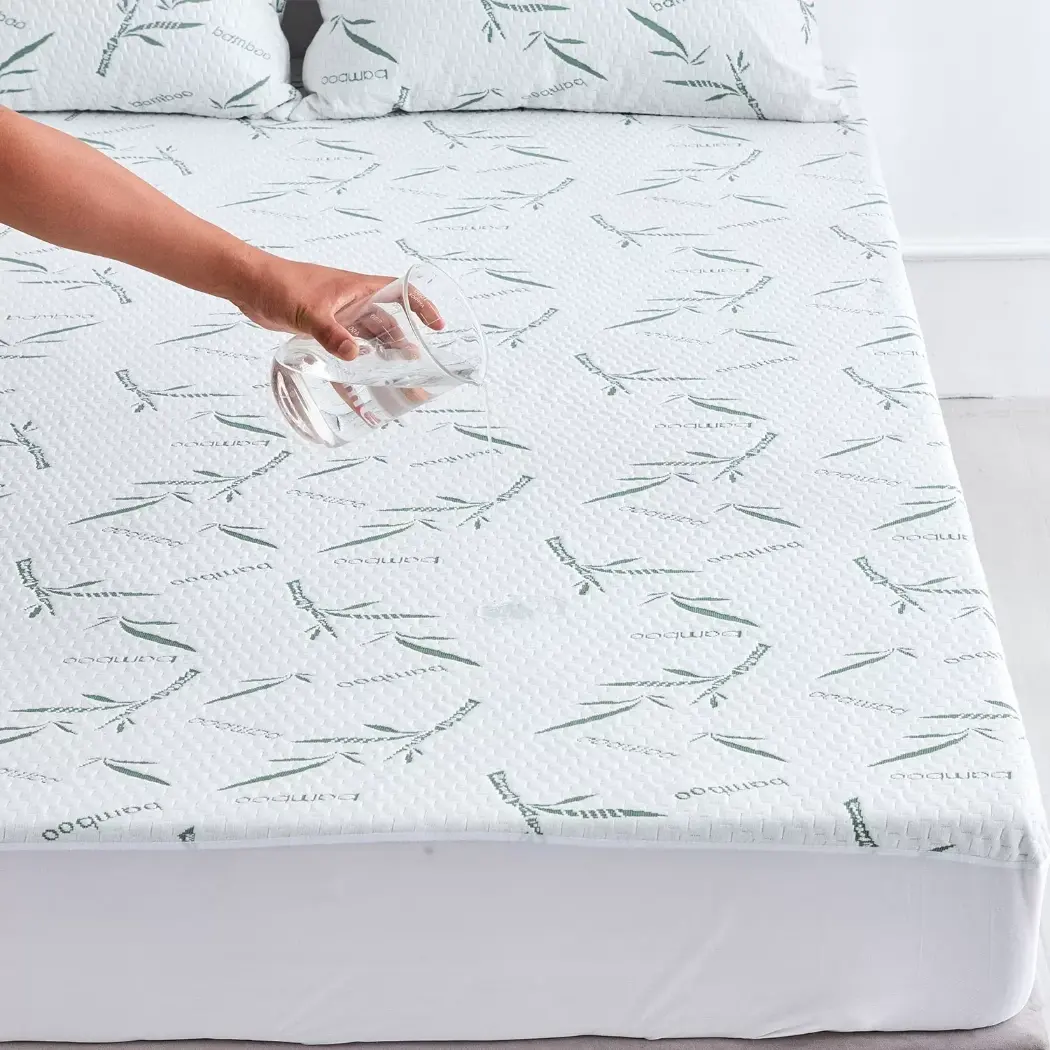
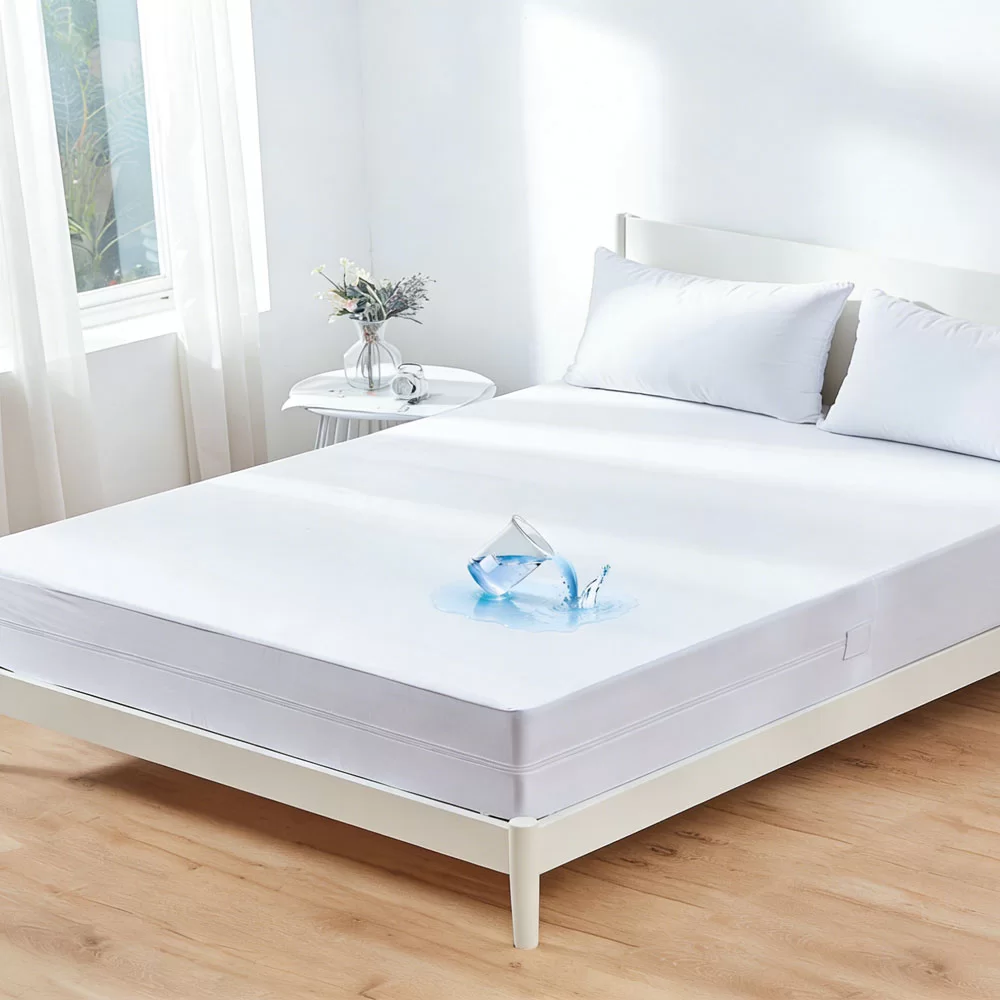
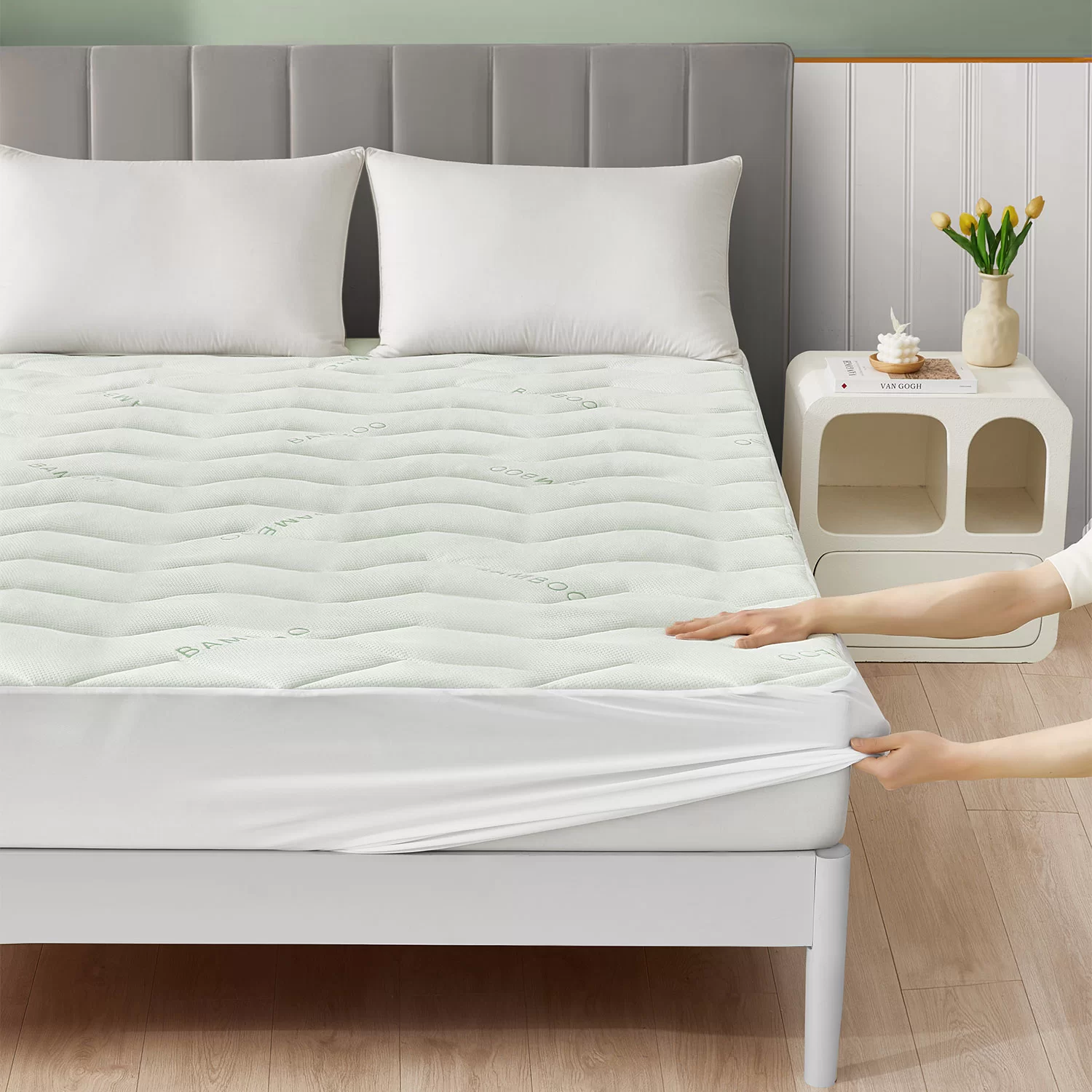
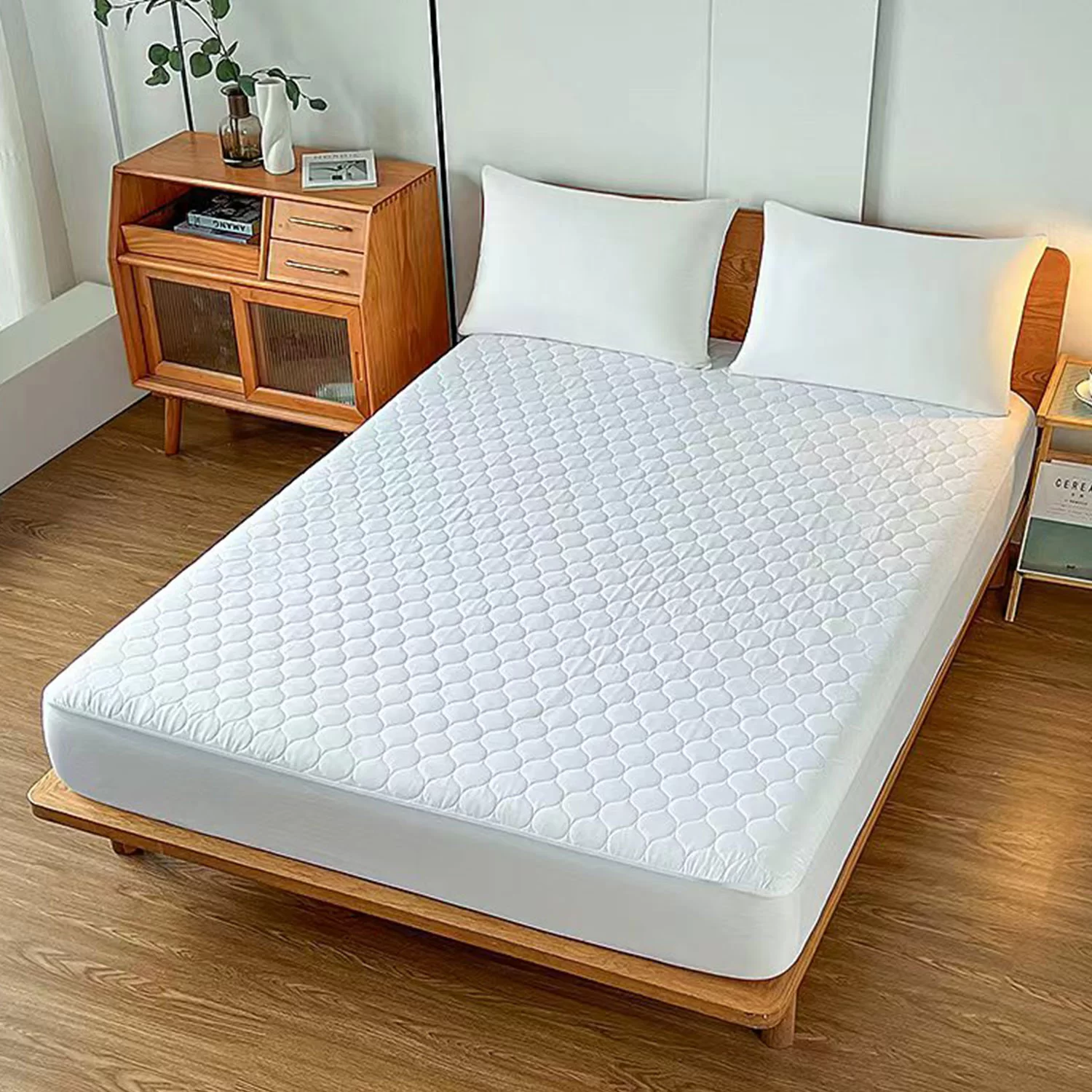
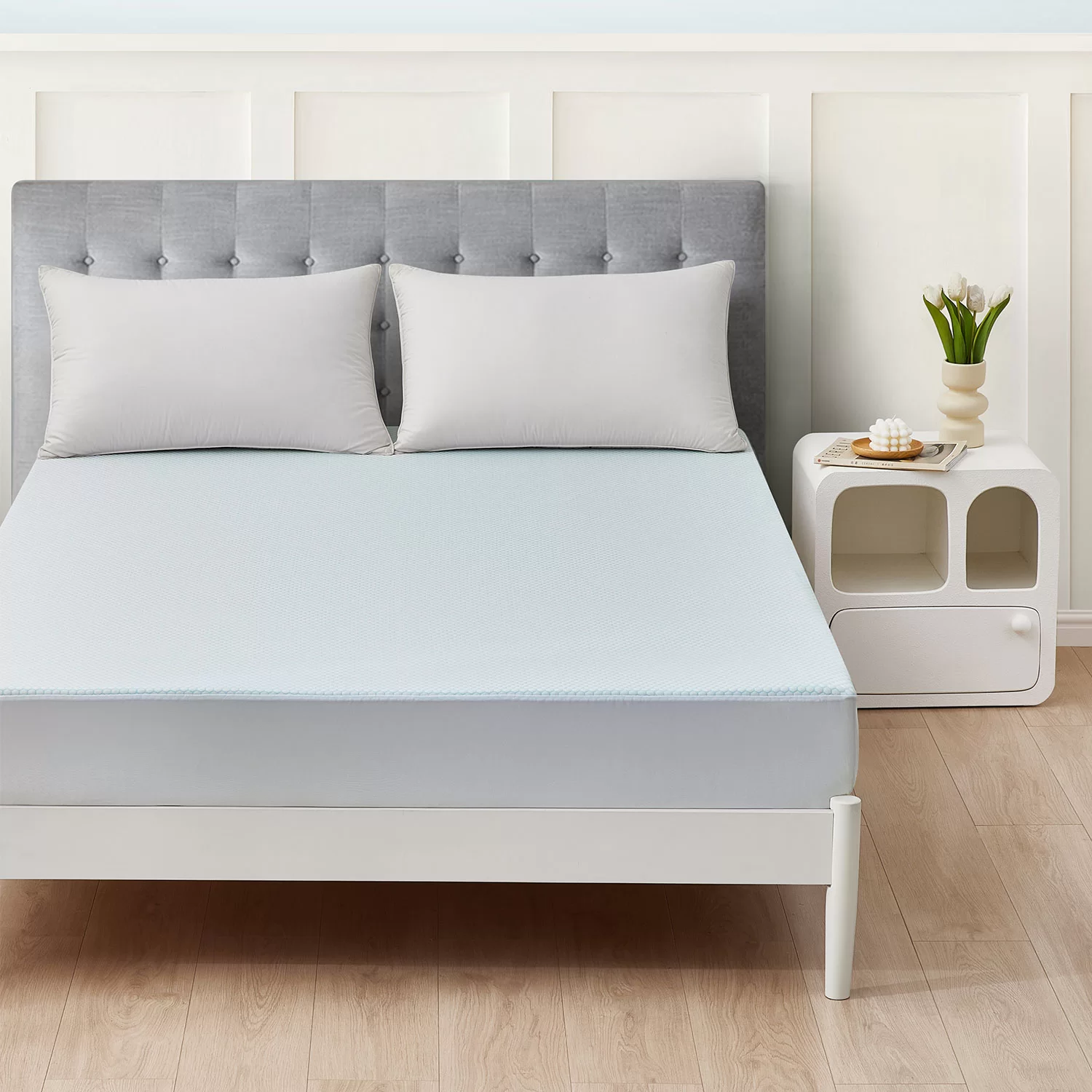
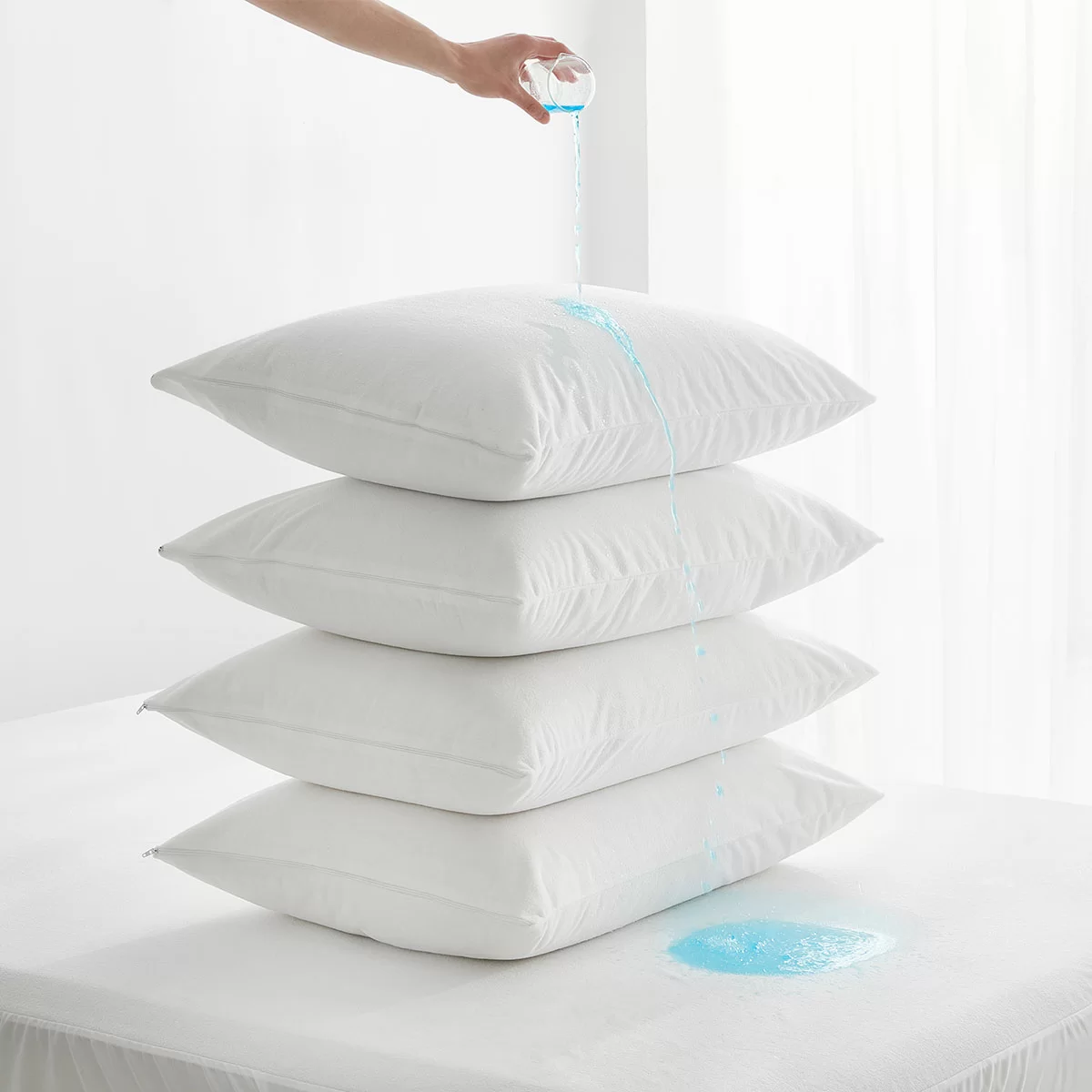
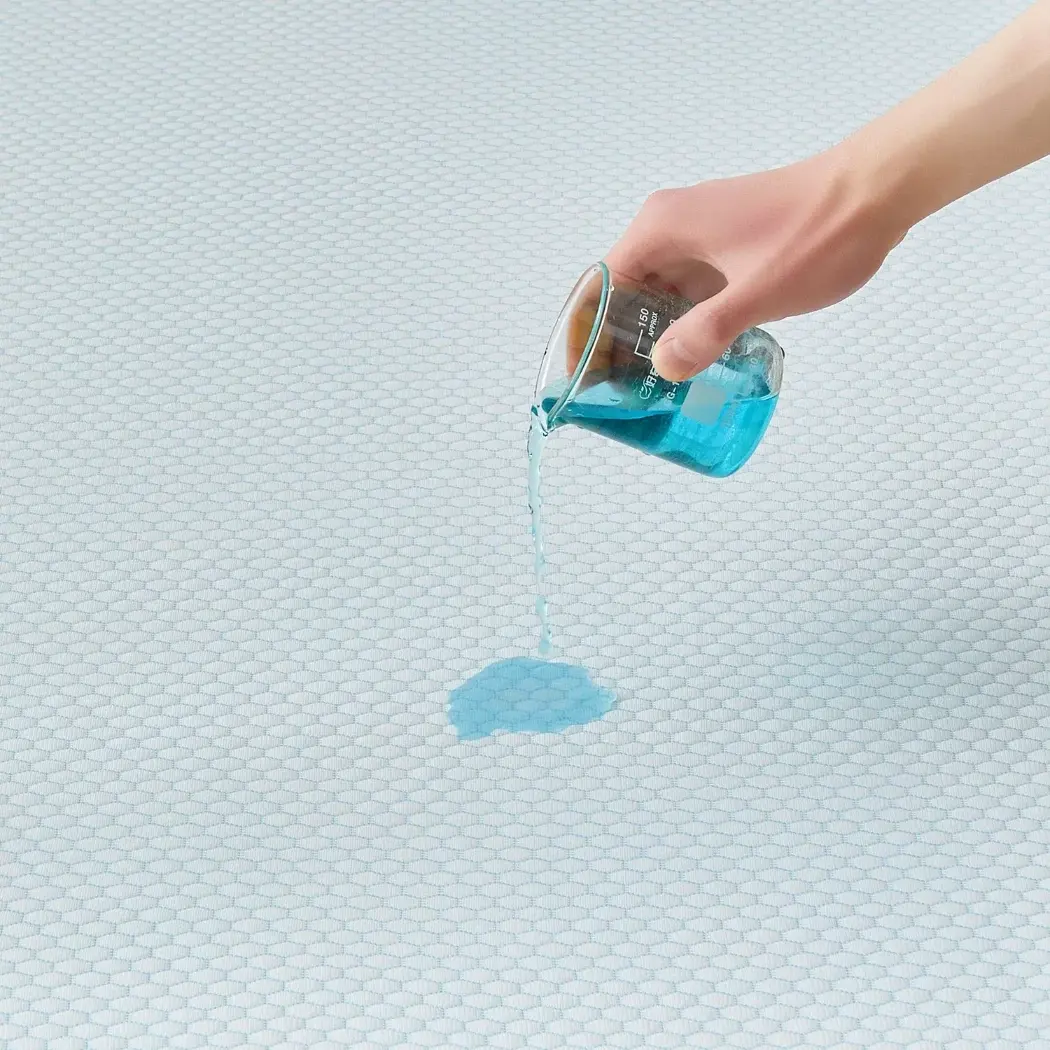
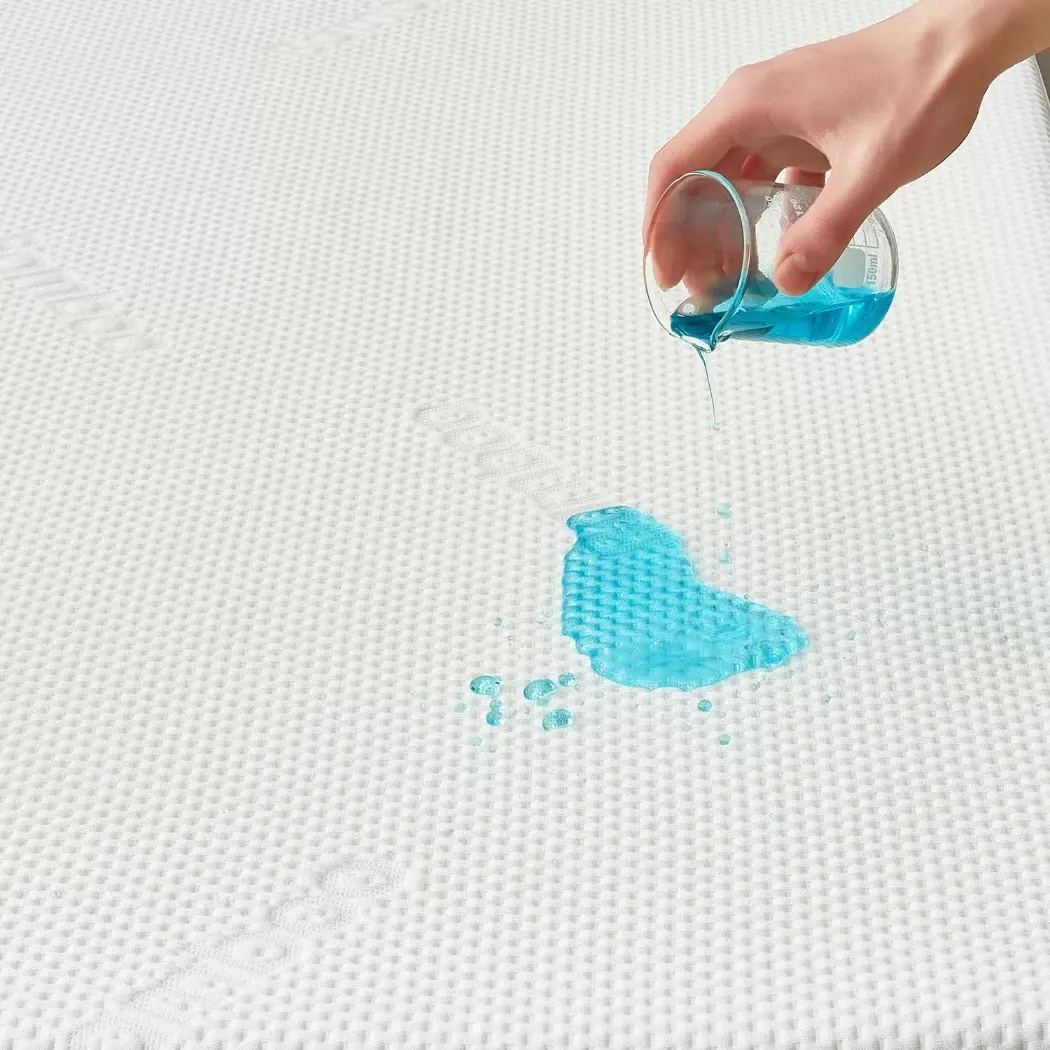
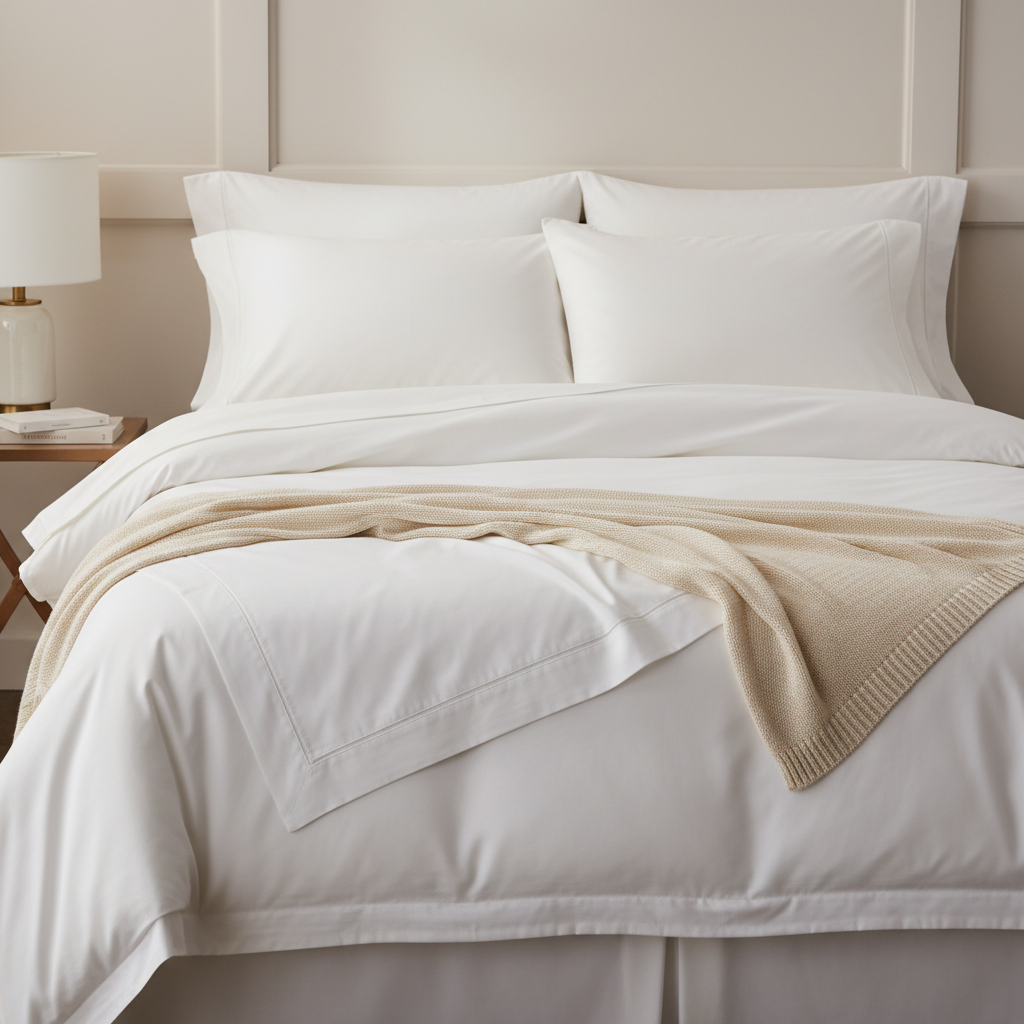
At its core, hotel bedlinen is the complete set of fabric items used to dress a hotel bed, providing comfort and hygiene for guests. This typically includes sheets, pillowcases, duvet covers, mattress protectors, and sometimes bed skirts or throws. But it’s much more than just the fabric. It's the quality control, the supply chain logistics, the industrial laundering capabilities – it's a complex system designed to deliver a consistently clean and comfortable sleeping experience. Think of it as a small, but critical, part of the overall hospitality ecosystem.
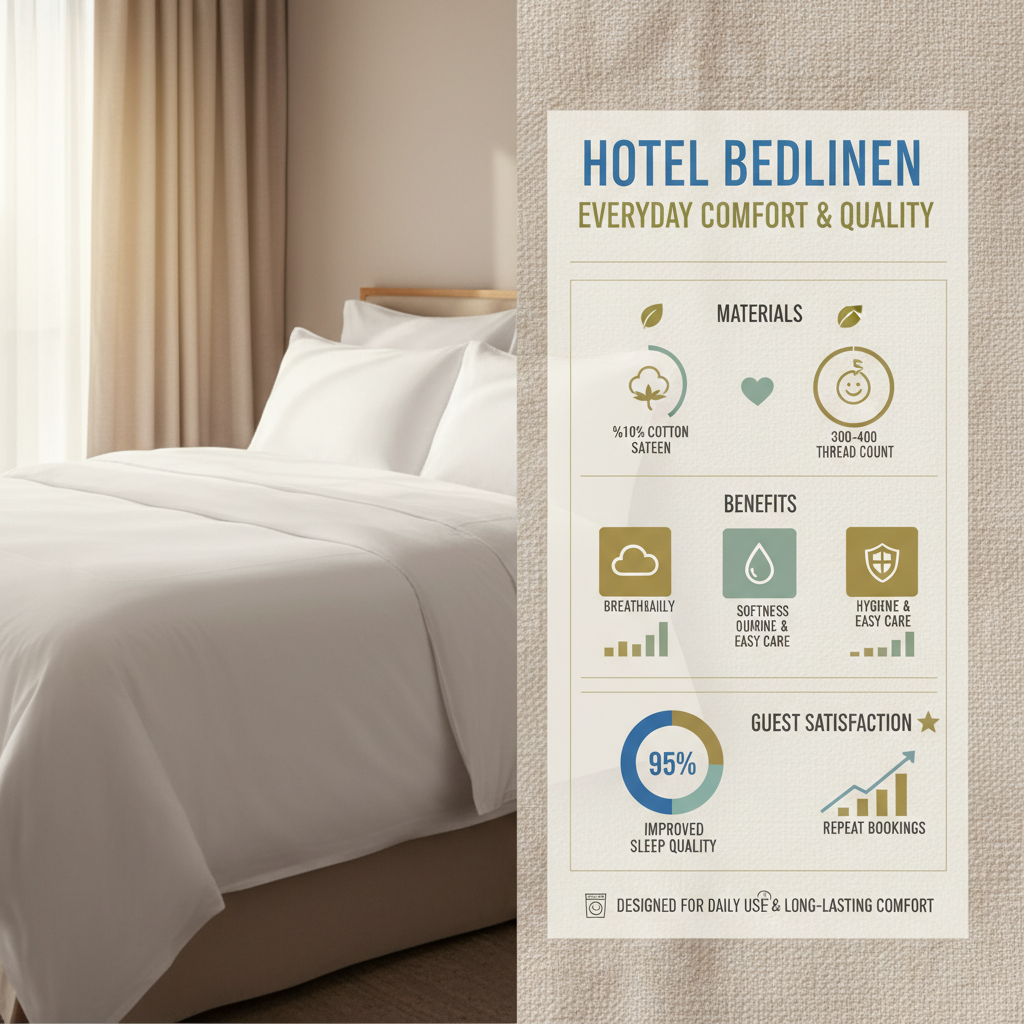
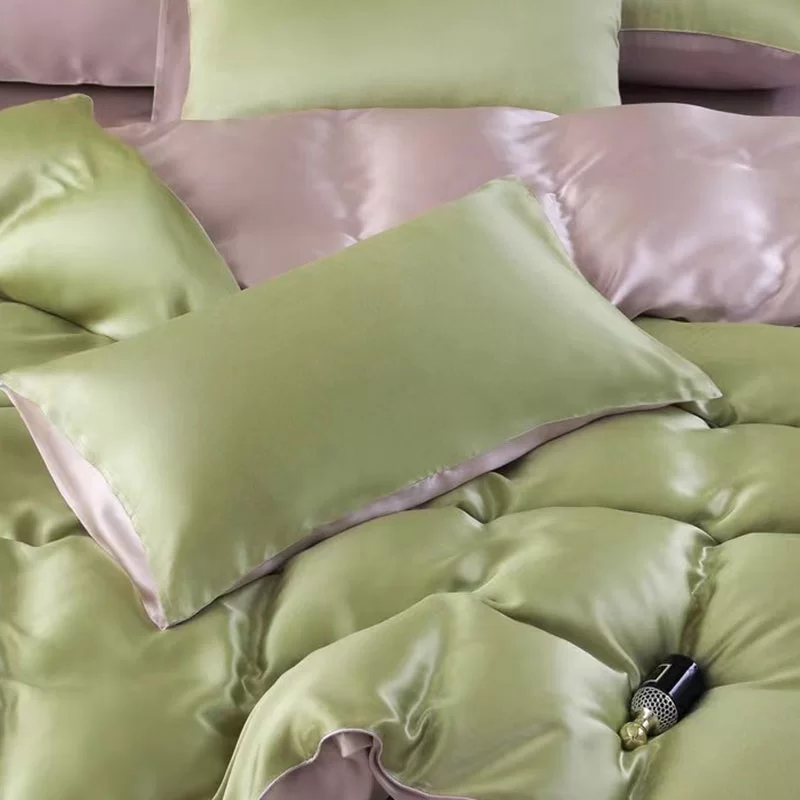
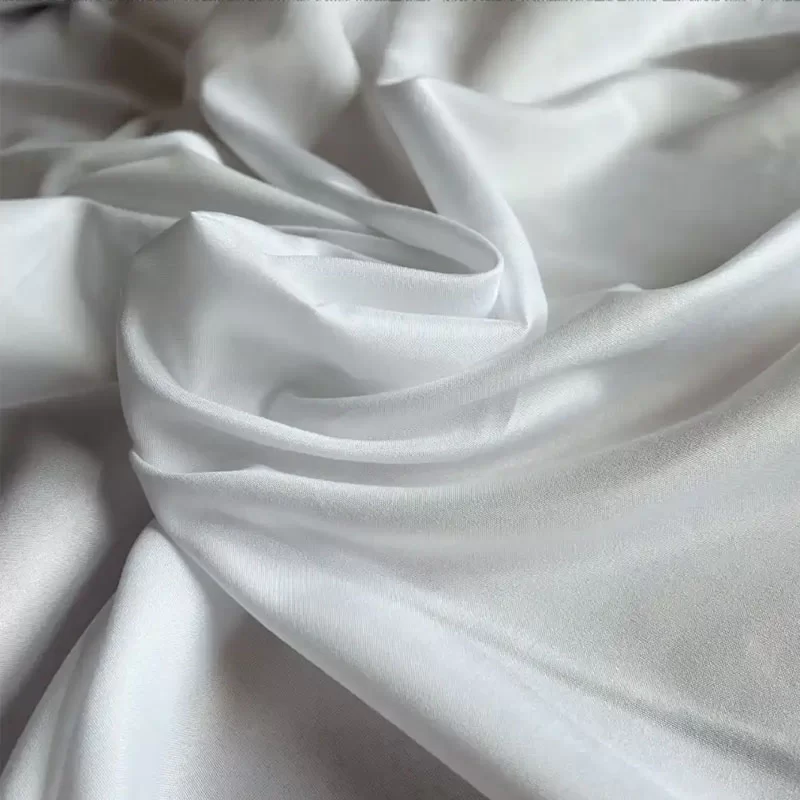
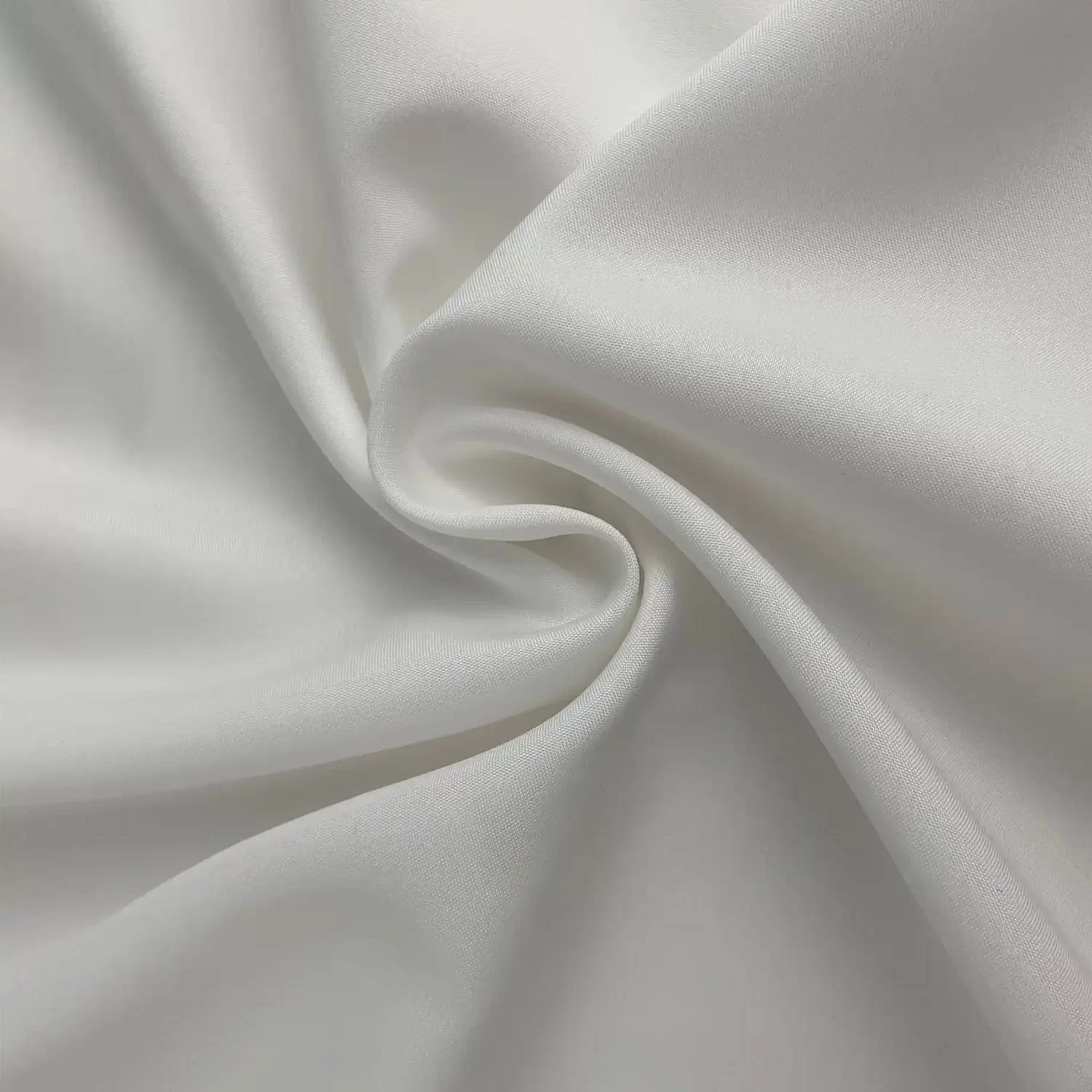
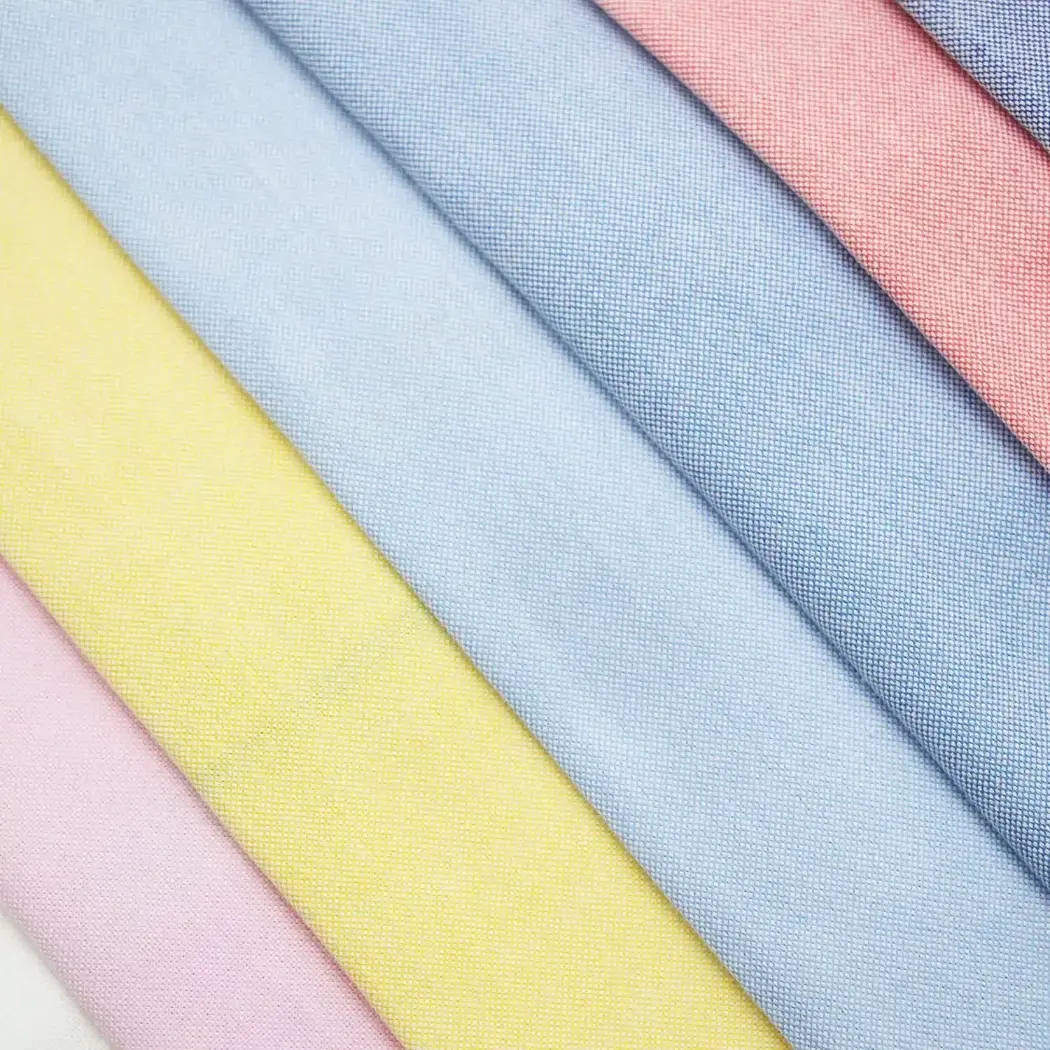
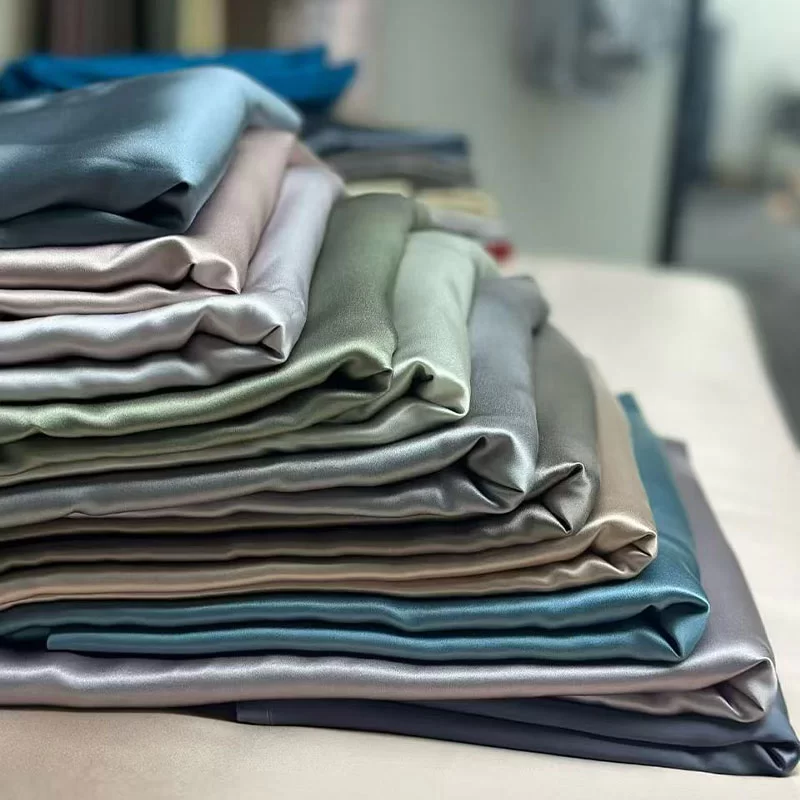
When I’m advising hotels, the conversation always comes back to a few key things. First, fiber content. Cotton is king, obviously, but the type of cotton matters. Egyptian and Pima cotton are superior, but come at a price. Polyester blends can offer cost savings and increased durability, but often sacrifice that luxurious feel. Second, weave. Percale offers a crisp, cool feel, while sateen provides a silky smooth drape. It’s a matter of preference, and what suits the hotel’s brand.
Then there's thread count. This one’s often misunderstood. Higher isn’t always better. A thread count of 300-500 in a good quality cotton is usually sufficient. Beyond that, you're often paying for marketing fluff. Construction quality is vital – properly hemmed seams, reinforced corners, and a tight weave are all indicators of a well-made product. Finally, washability is paramount. Hotel linens endure rigorous industrial laundering, so they need to withstand high temperatures, harsh detergents, and frequent use without falling apart.
Don't get caught up in chasing the highest thread count. Between 300-500 in a good quality cotton is usually sufficient. Above that, you're often paying for marketing. Focus instead on the quality of the cotton and the weave. A well-constructed linen with a moderate thread count will outperform a cheaply made one with a high thread count every time.
It depends on the quality and usage, but generally, expect to replace linens every 3-5 years. Monitor for signs of wear and tear – thinning fabric, frayed seams, discoloration. Regular rotation of linens can extend their lifespan, but eventually, they’ll need to be replaced to maintain guest comfort and hygiene.
Percale has a matte finish and a crisp, cool feel, almost like a high-quality button-down shirt. Sateen is softer and silkier, with a more luxurious drape. Percale is often preferred in warmer climates, while sateen is popular in colder regions. It really comes down to preference and brand image.
Absolutely, if sustainability is a priority. Organic cotton is grown without harmful pesticides and chemicals, making it better for the environment and potentially healthier for guests. It’s often a bit more expensive upfront, but the long-term benefits – both environmental and reputational – can outweigh the cost.
Investing in durable linens is the first step. Use a high-quality laundry detergent specifically designed for commercial use. Optimize your washing and drying cycles to minimize water and energy consumption. Consider stain removal pre-treatment to avoid excessive re-washing.
Look for a supplier with a proven track record, strong quality control processes, and a commitment to sustainability. Ask about their sourcing practices, manufacturing facilities, and certifications. And importantly, ensure they can meet your specific needs and deliver on time and within budget.
Ultimately, hotel bedlinen is a crucial component of the guest experience. It’s not just about aesthetics; it’s about comfort, hygiene, durability, and sustainability. Choosing the right linens requires careful consideration of materials, construction, cost, and environmental impact. From my years on construction sites, I've learned that investing in quality always pays off in the long run.
The industry is evolving rapidly, with new technologies and materials emerging all the time. Hotels that prioritize quality, sustainability, and innovation will be best positioned to attract and retain guests in the years to come. To learn more about how to optimize your hotel bedlinen strategy, visit our website: https://www.infortextile.com.



Contact Us
Email: inforhometextile@126.com
Email: helenkou@126.com
Address
Zerun Building,No.122 Fengshou Road,Chang'an District,Shijiazhuang City,Hebei Province,China
If you are interested in our products, you can choose to leave your information here, and we will be in touch with you shortly.