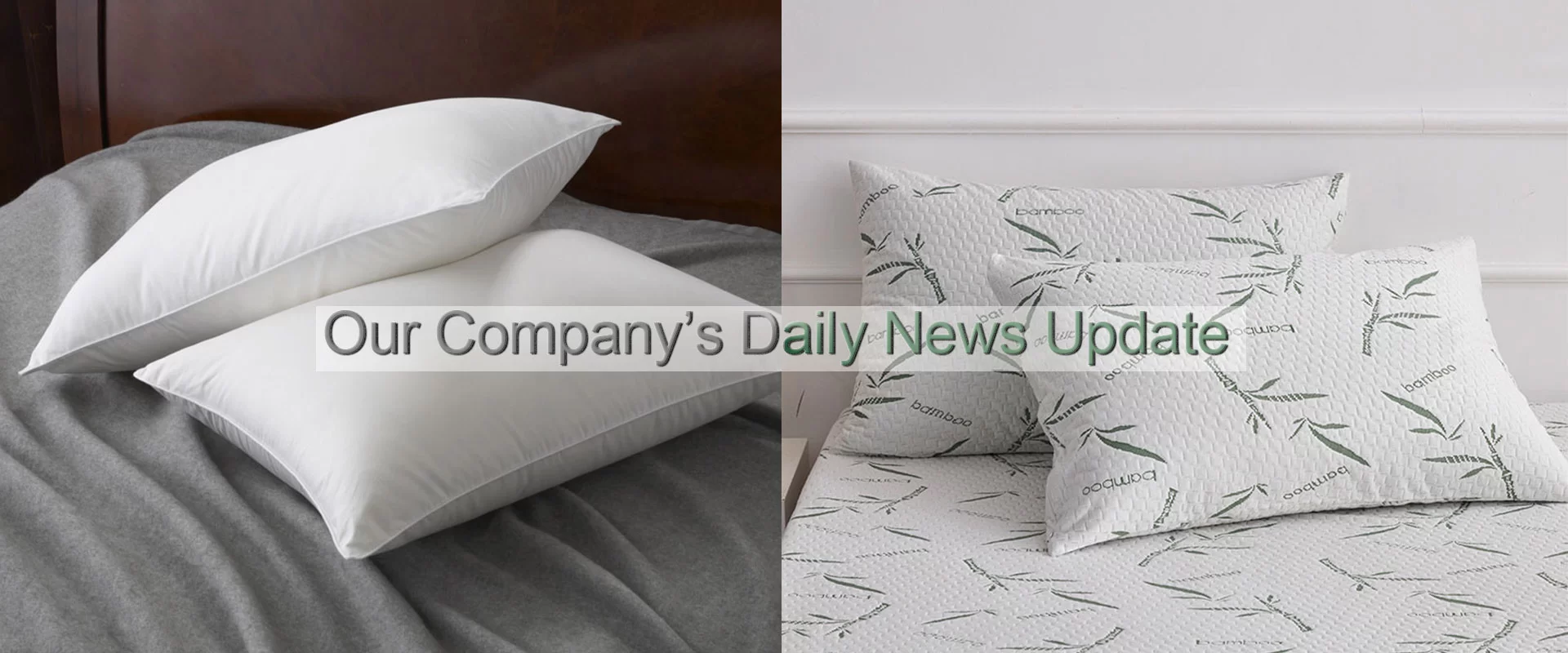
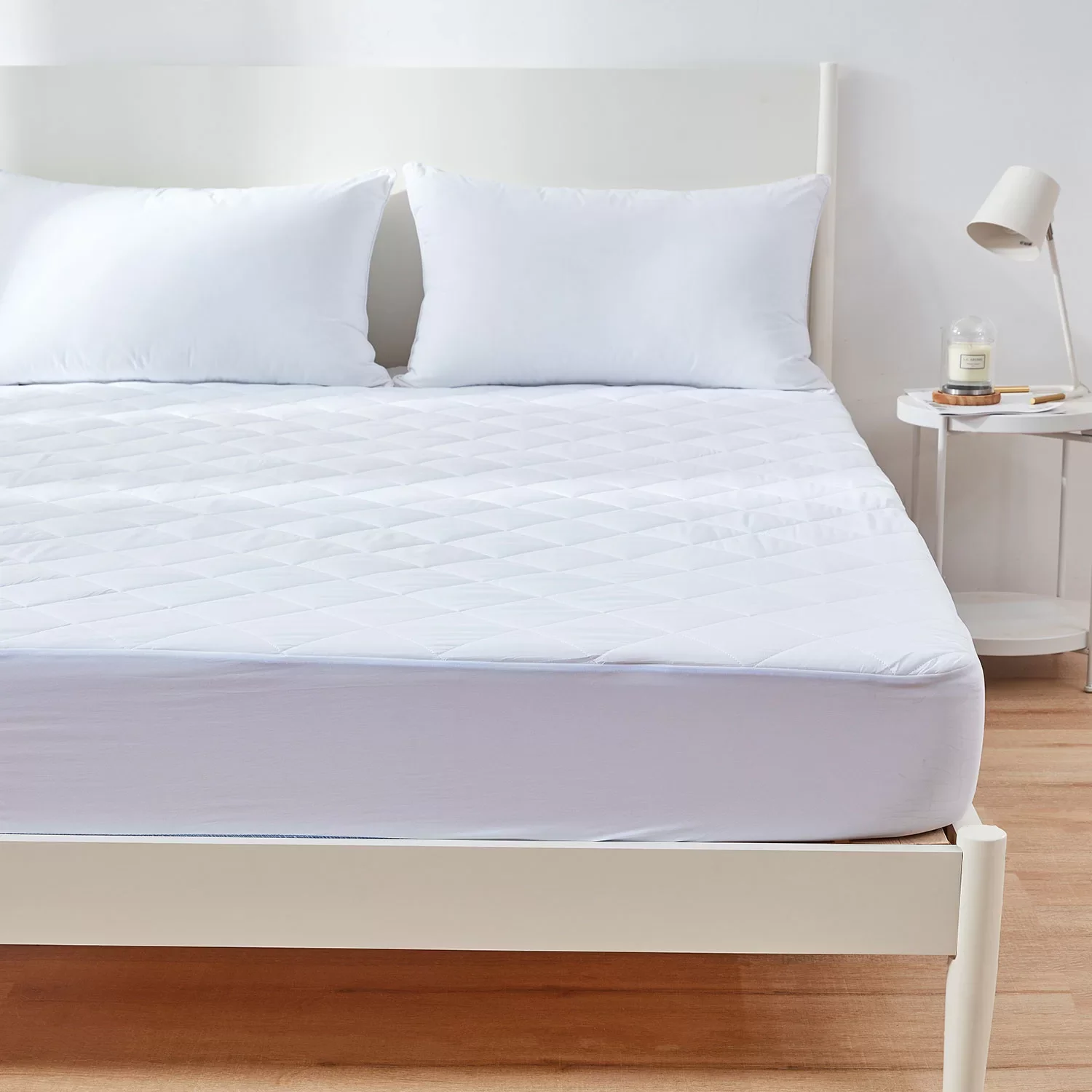
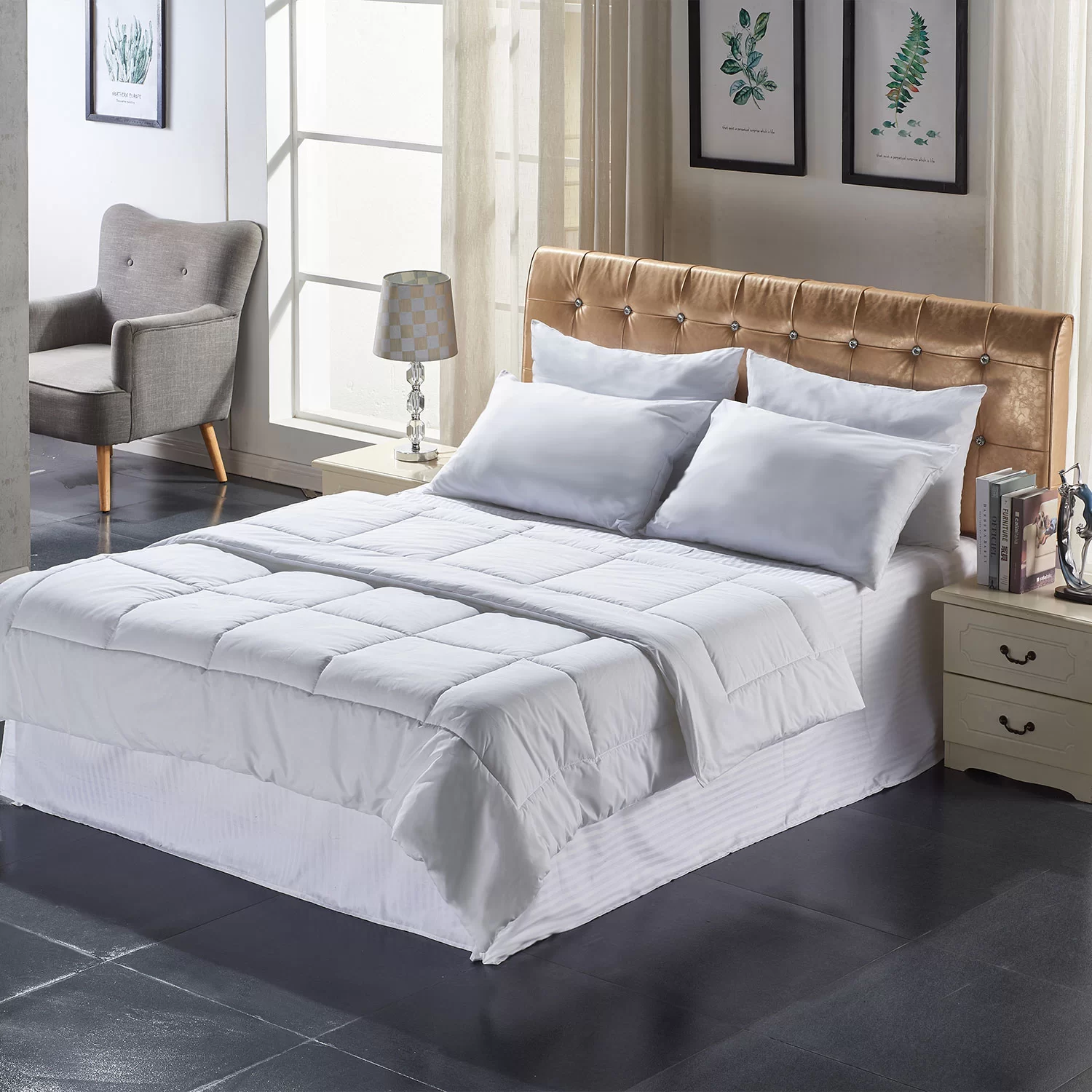
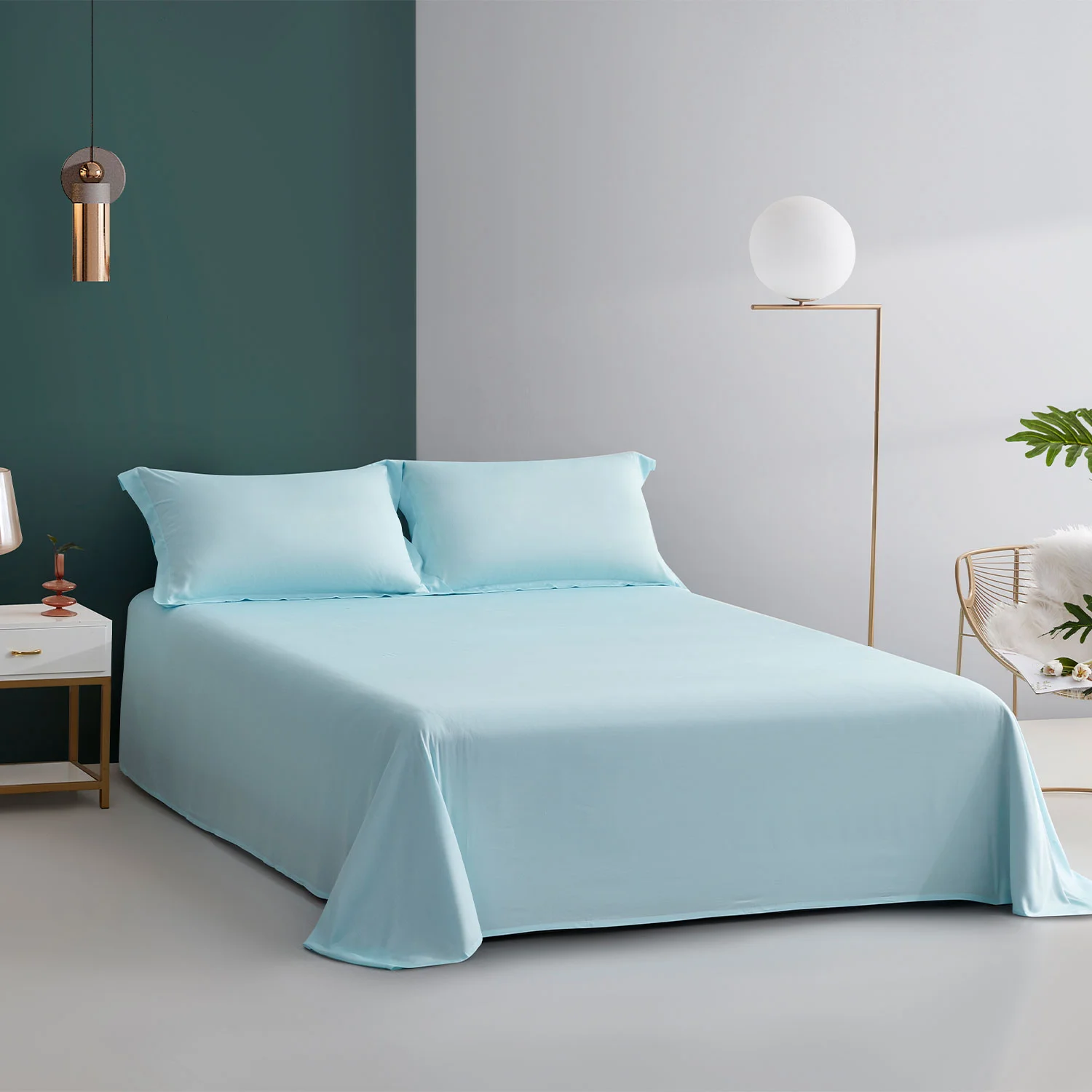
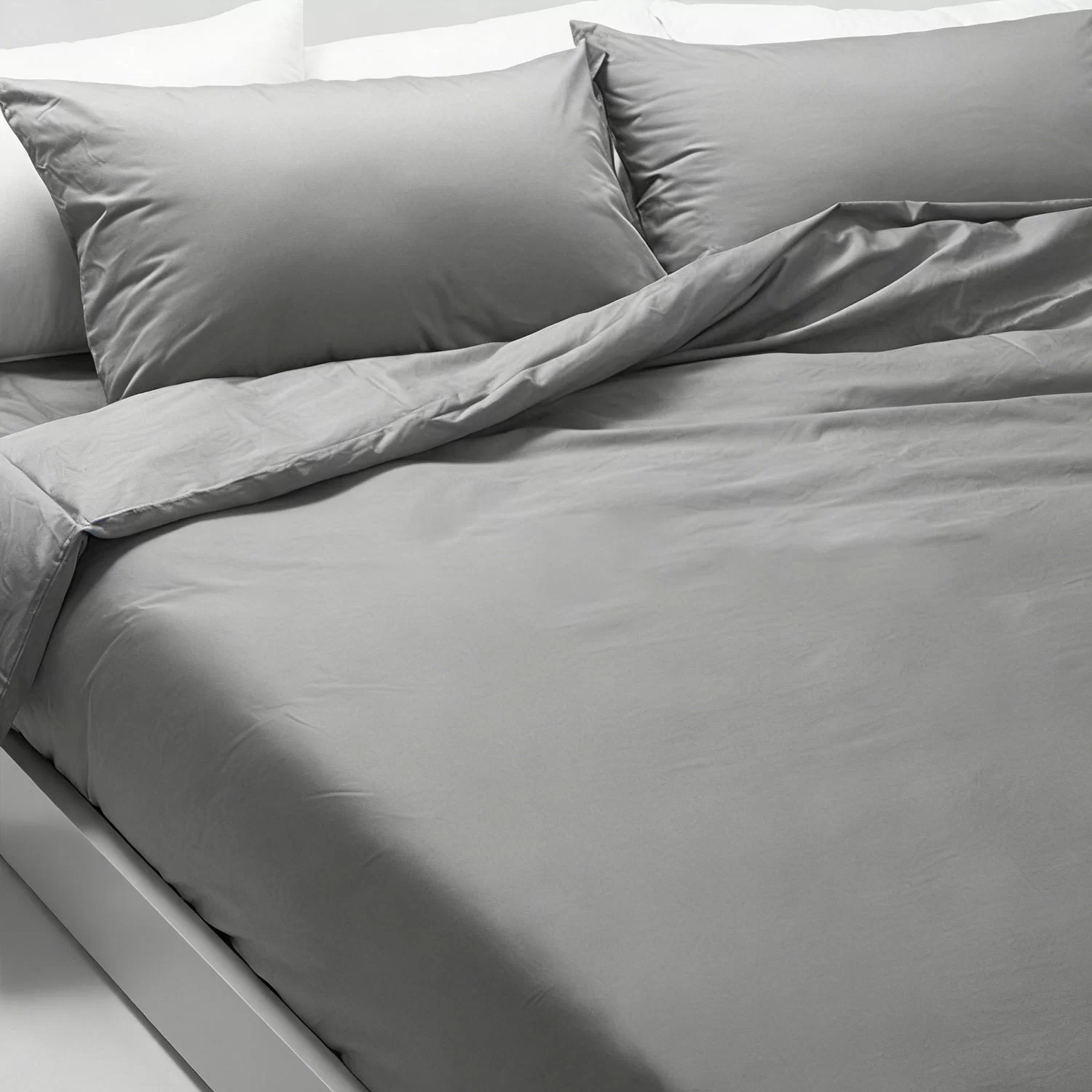
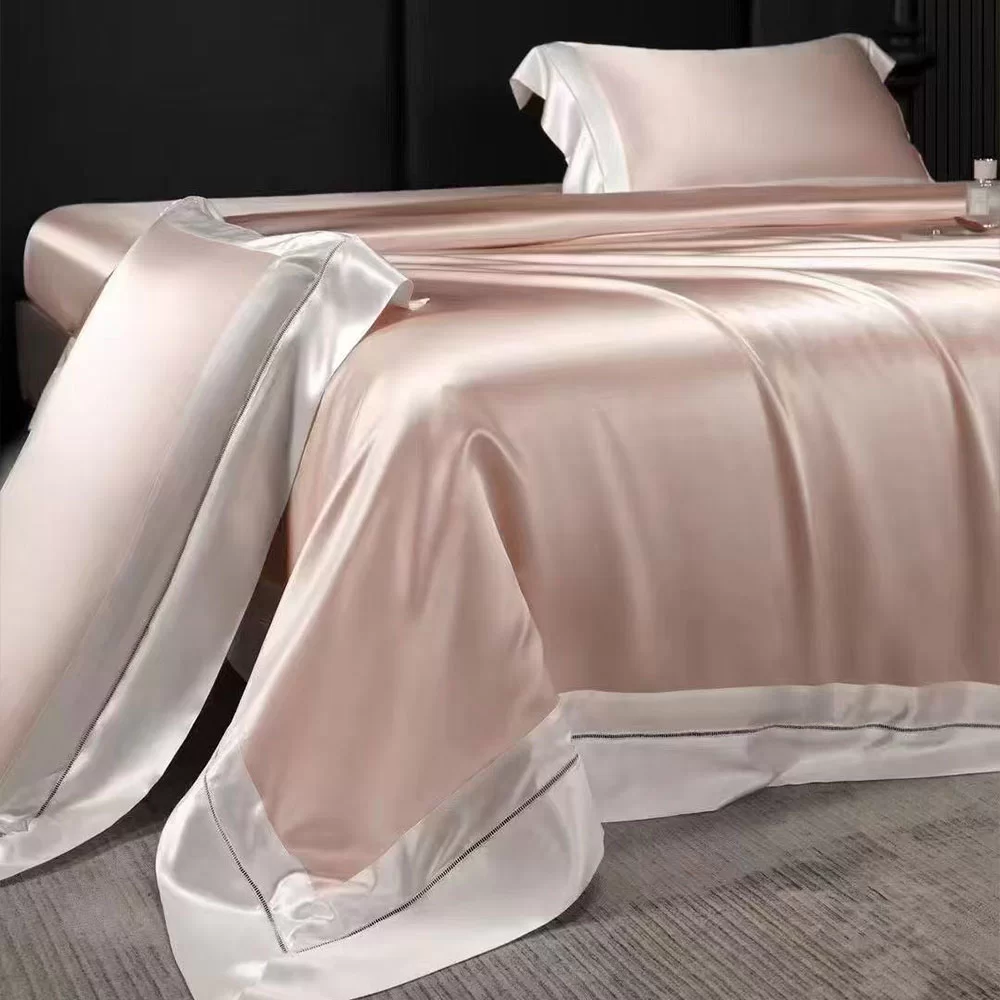
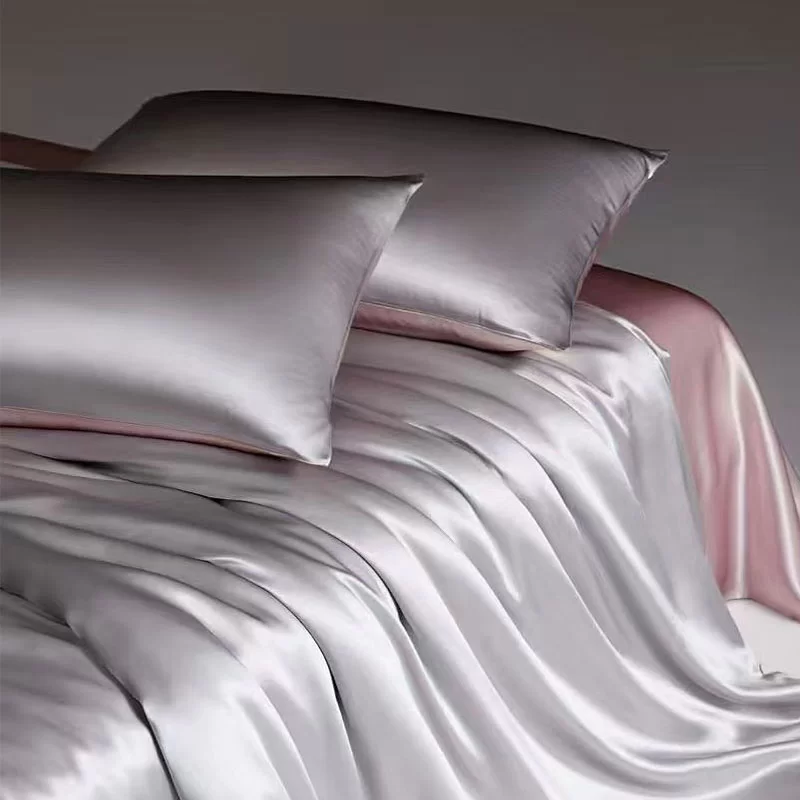
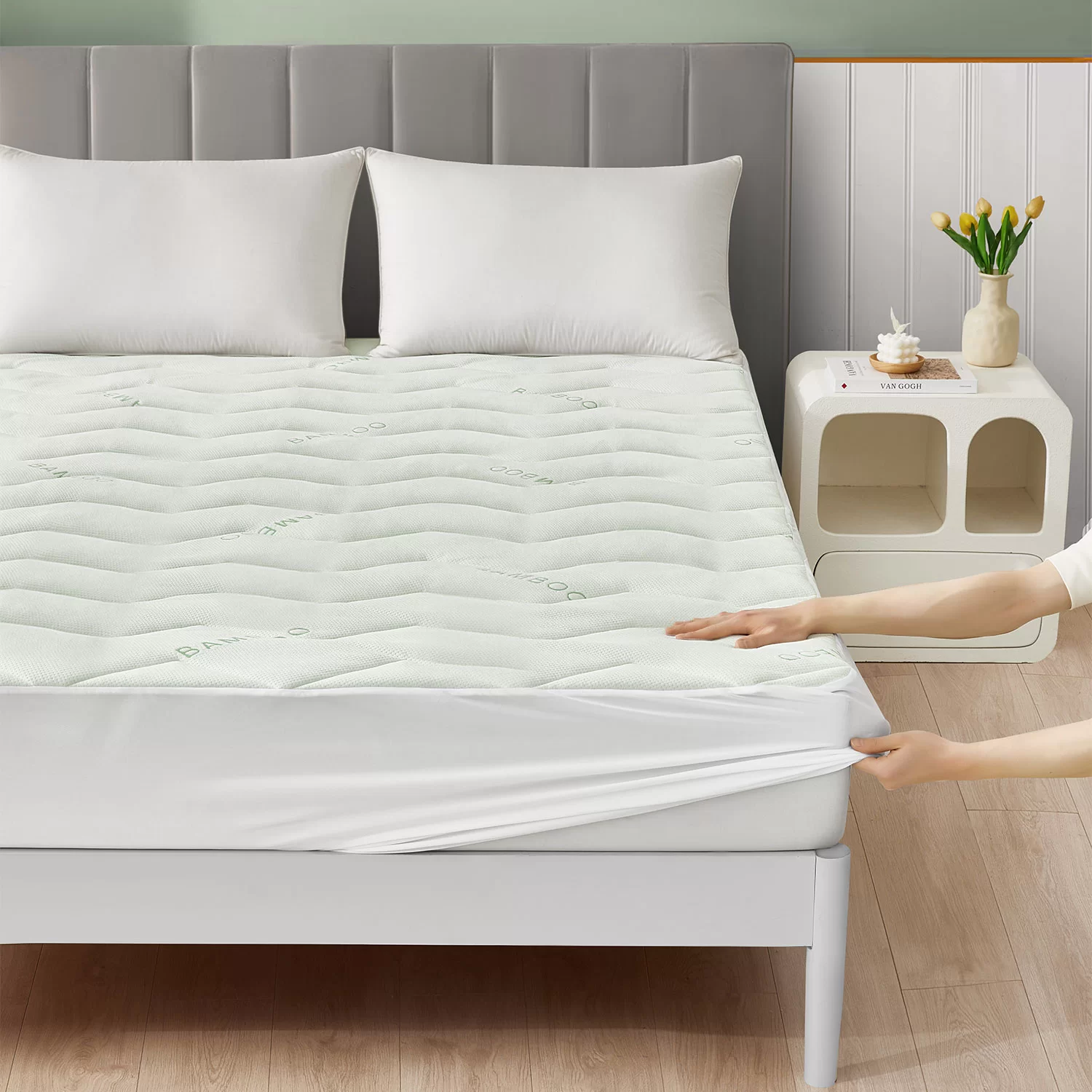
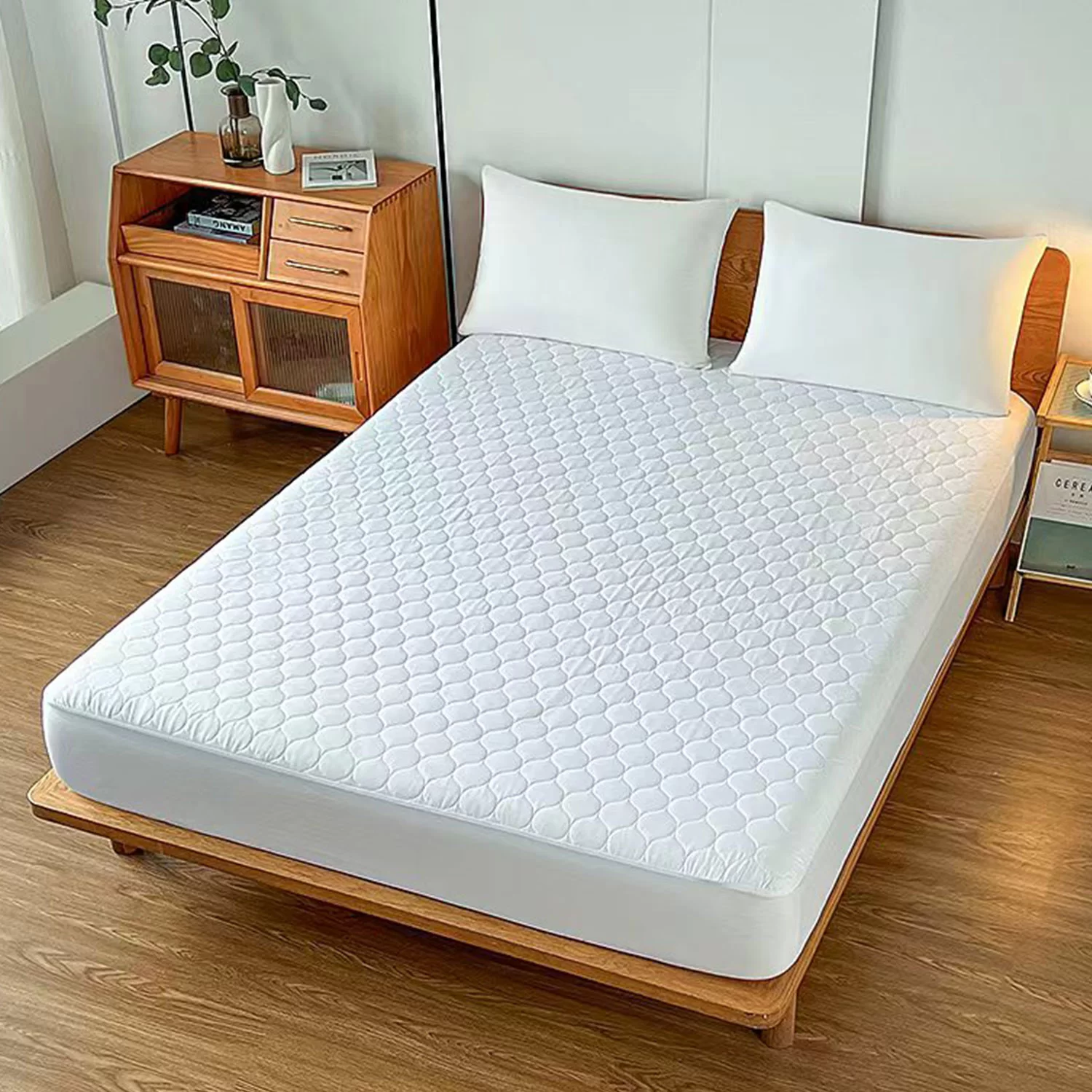
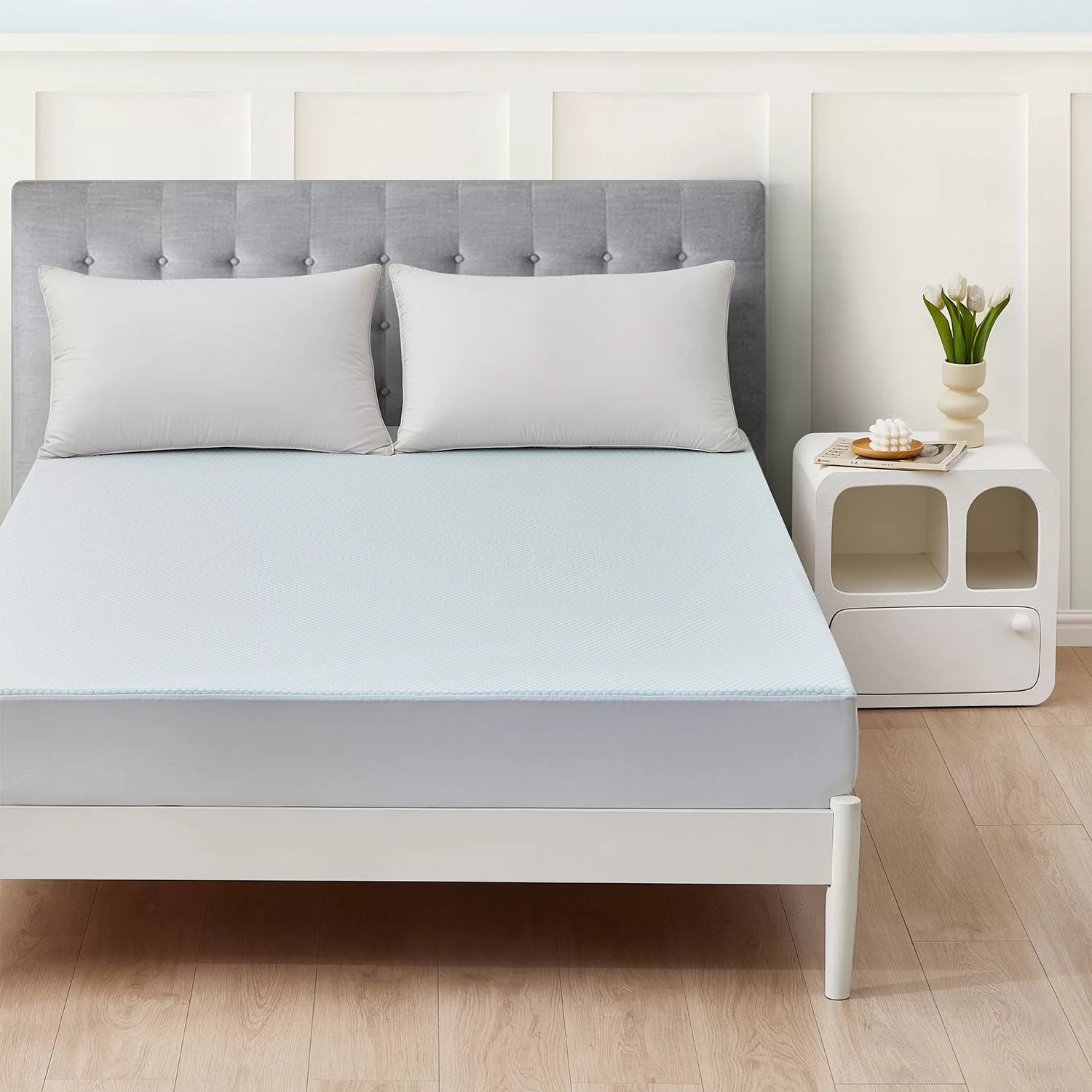
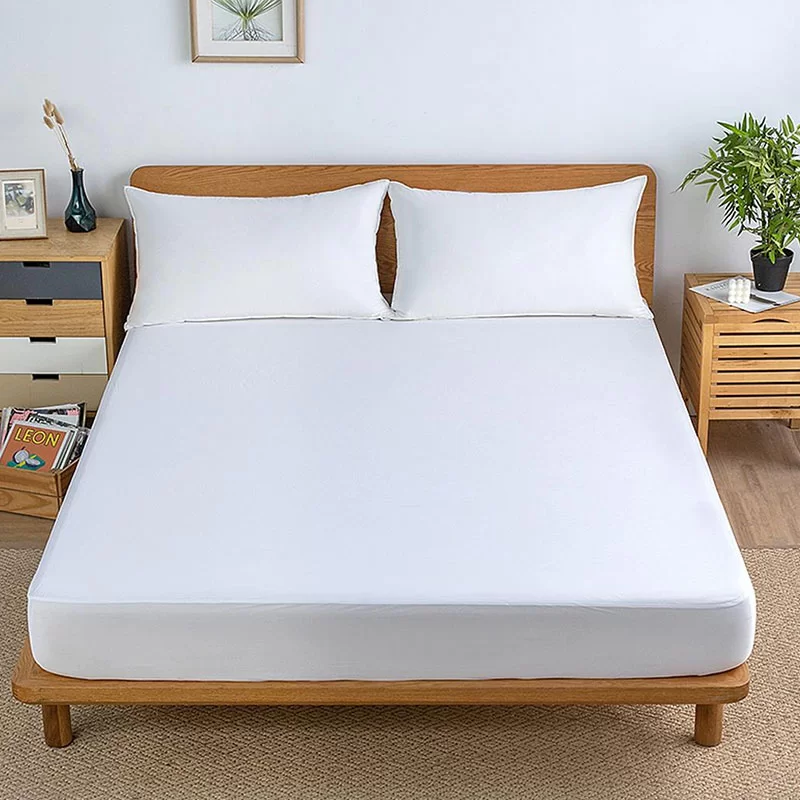
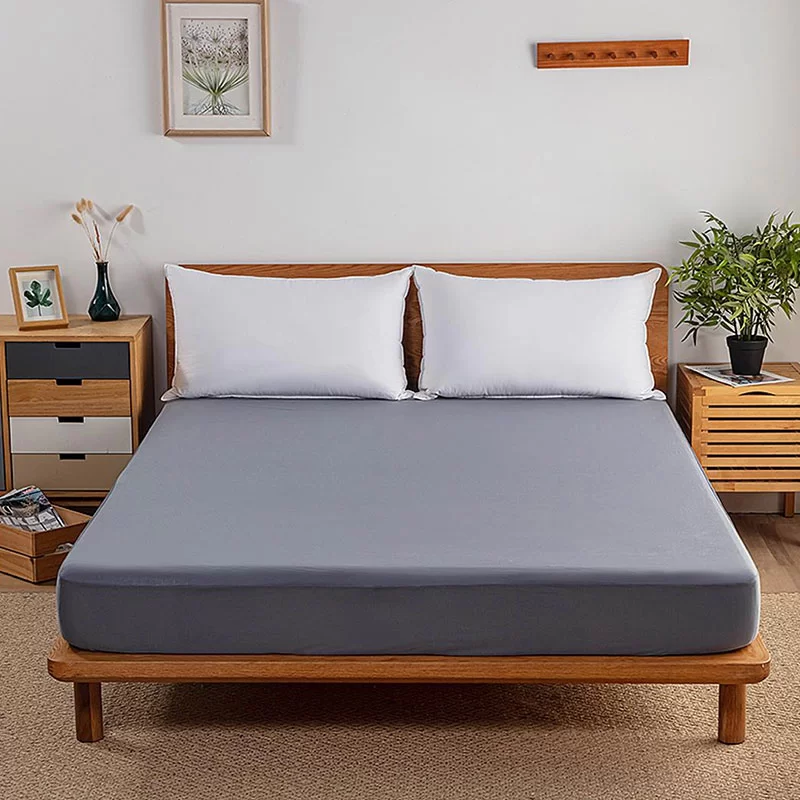
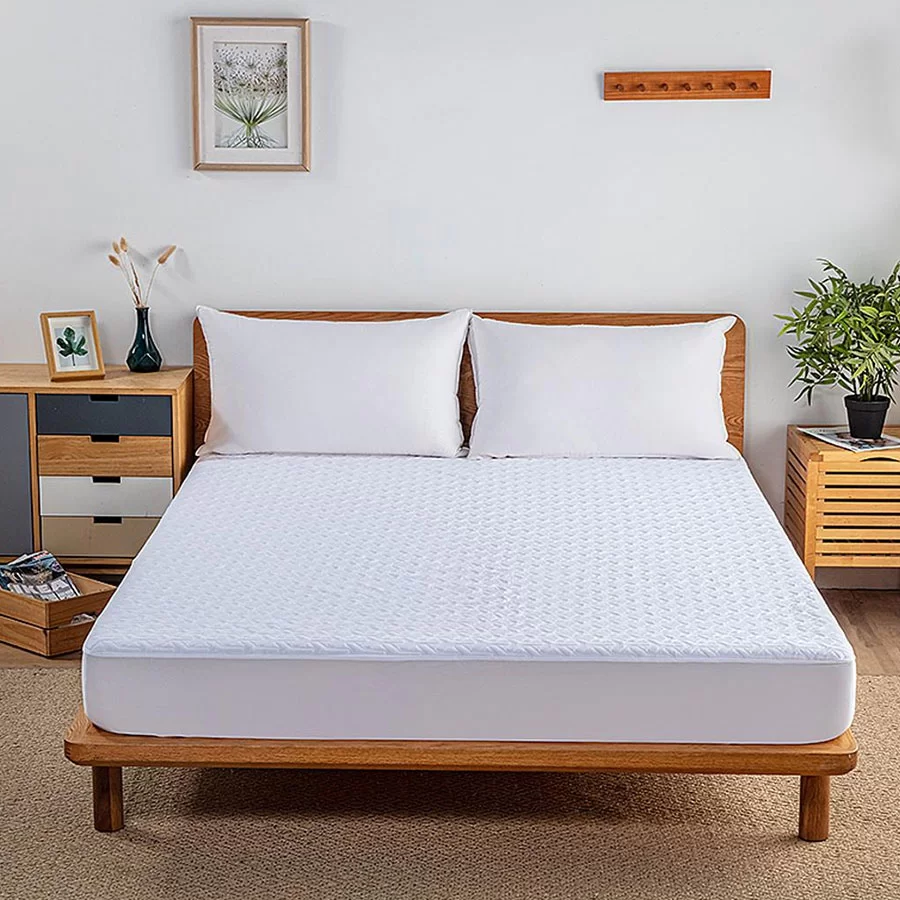
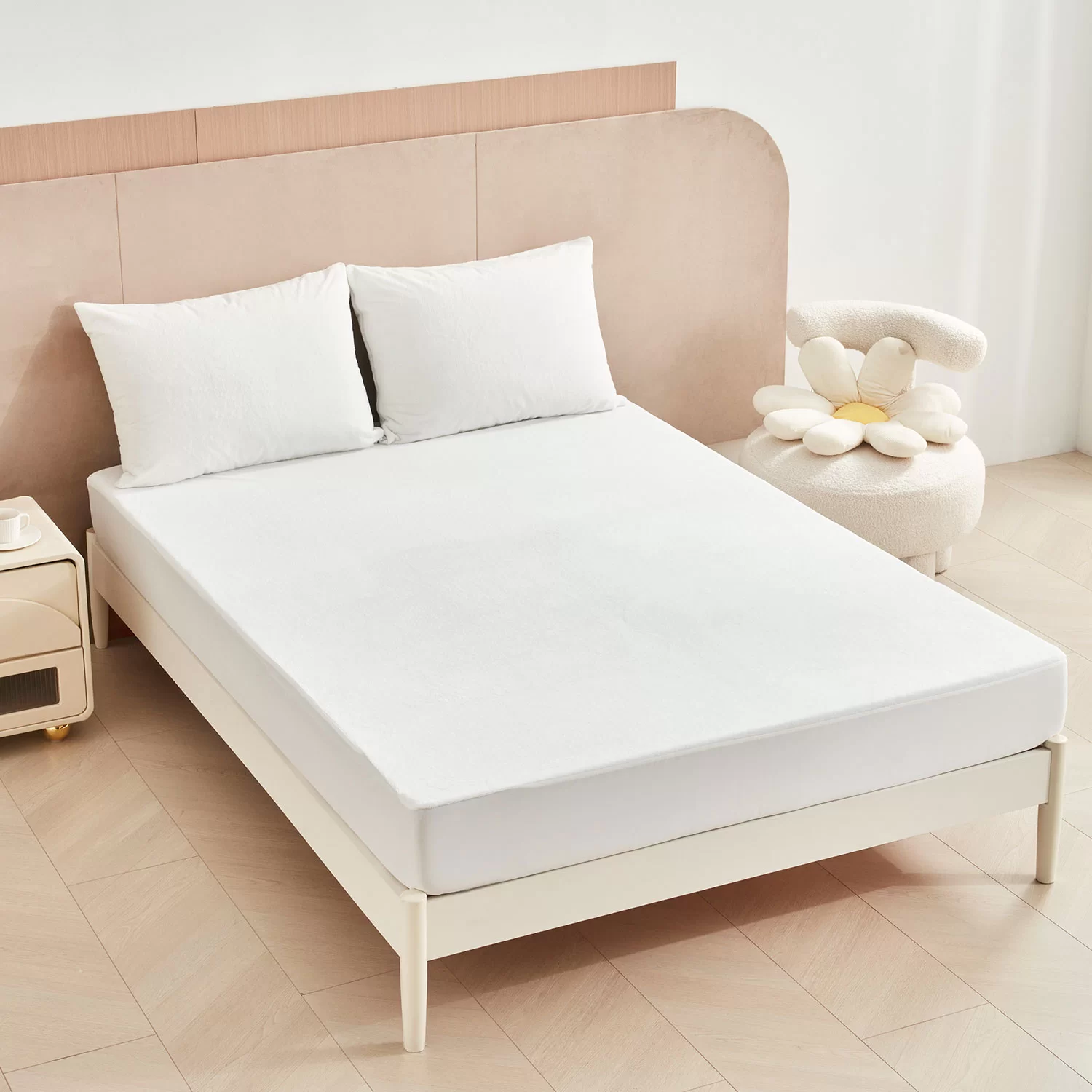
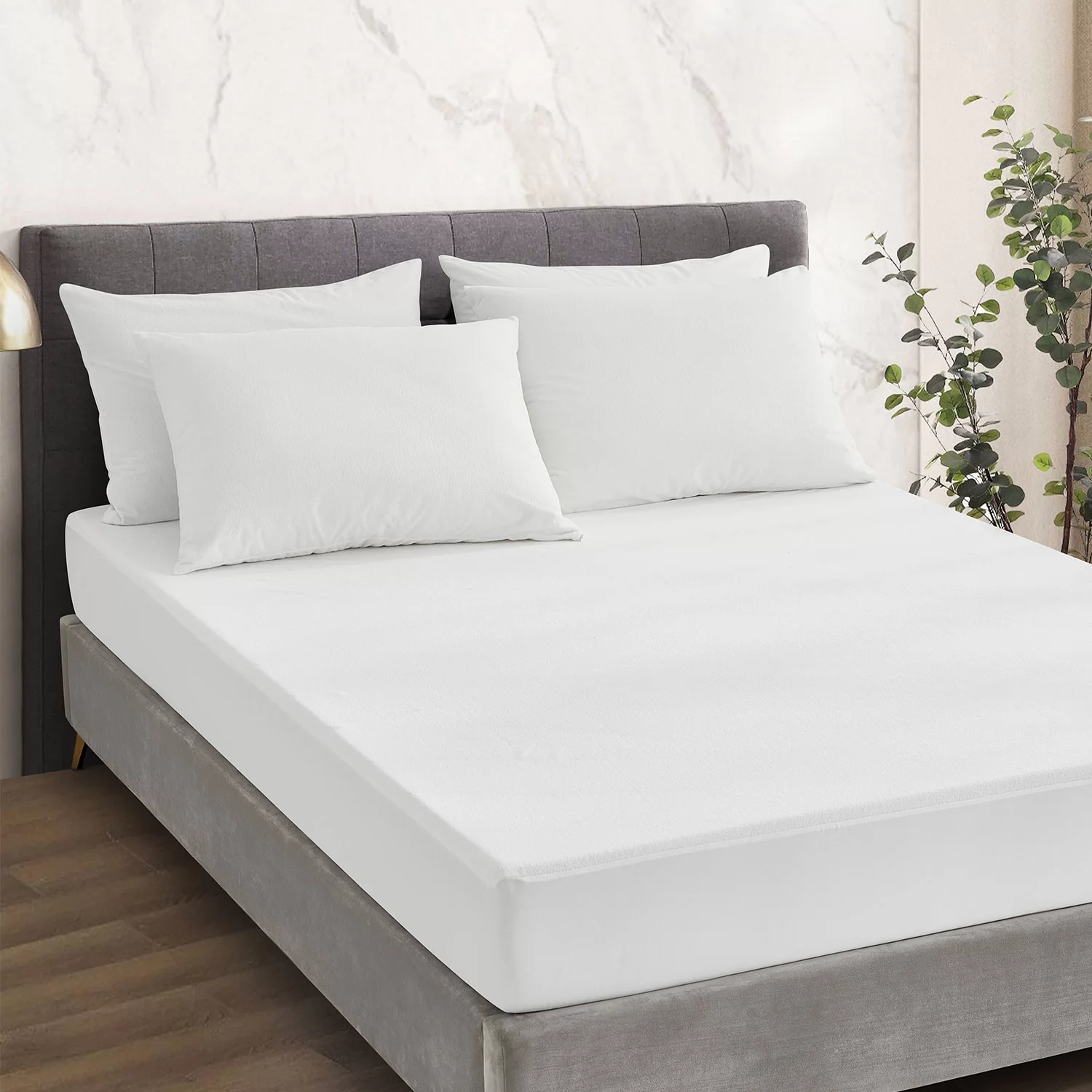
The quest for the perfect night's sleep often leads to the discovery of specialized bedding solutions designed to regulate temperature and protect the mattress. Among these, the concept of a cooling mattress pad queen has become a focal point for those seeking to eliminate nighttime overheating while maintaining a hygienic sleep environment. By combining advanced textile science with ergonomic design, these products aim to optimize the microclimate of the bed, ensuring that sleepers remain comfortable regardless of the external ambient temperature.
Global demand for breathable and waterproof bedding is rising as consumers become more aware of the link between sleep quality and overall health. The challenge lies in finding a material that provides a robust barrier against spills and allergens without creating the stifling "plastic bag" effect common in traditional synthetic protectors. This necessitates a shift toward sustainable, high-performance fabrics that can offer both moisture protection and active thermoregulation.
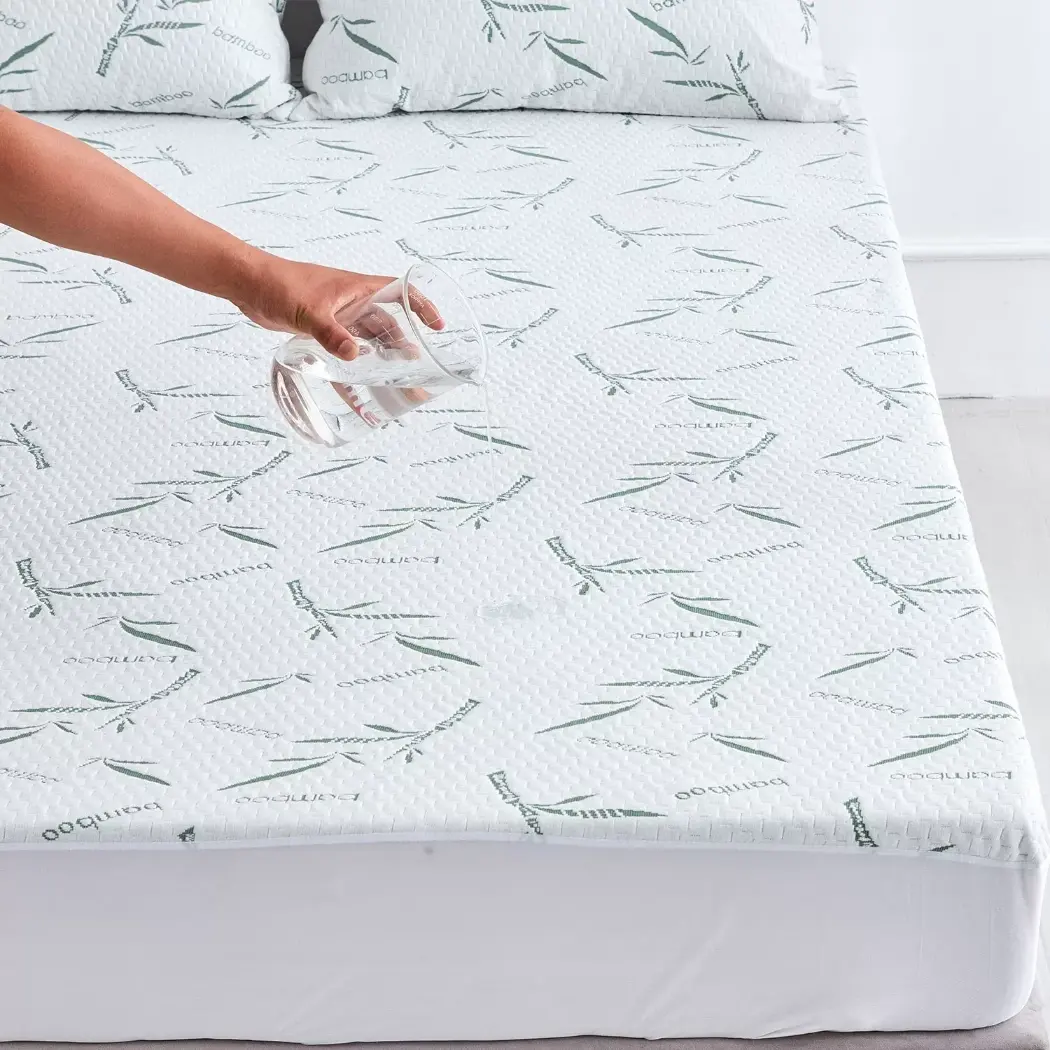
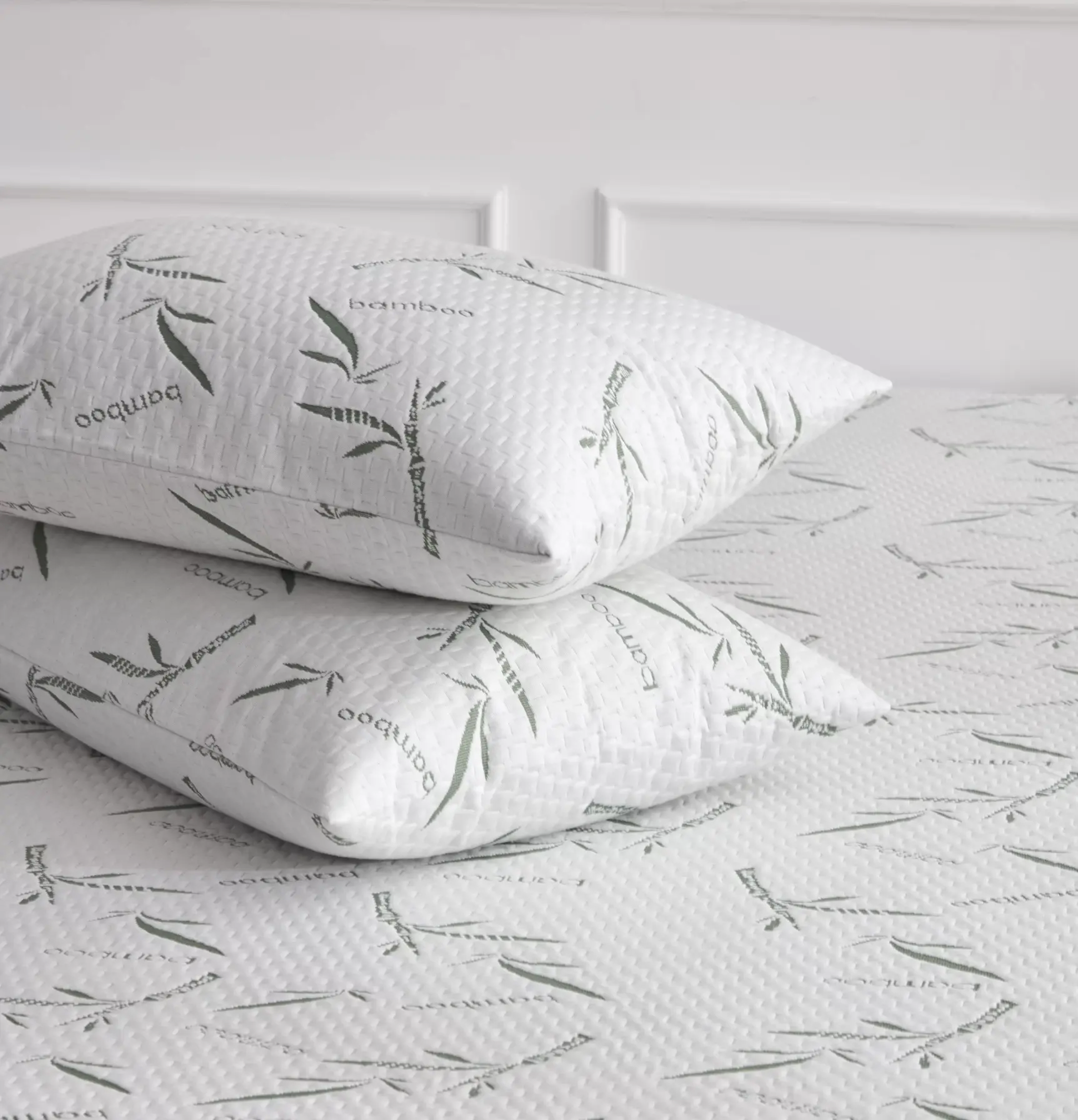
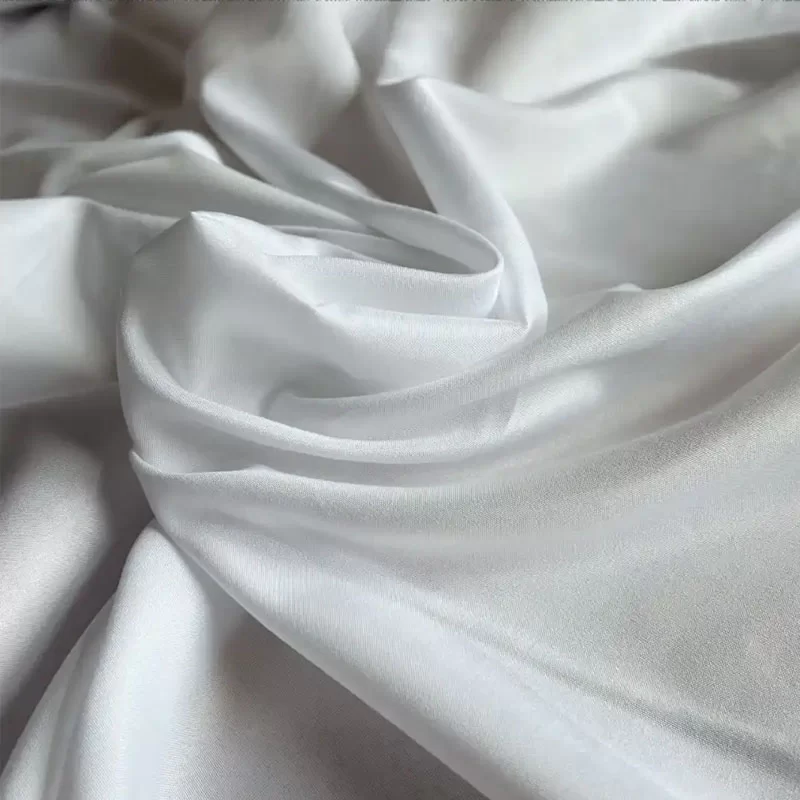
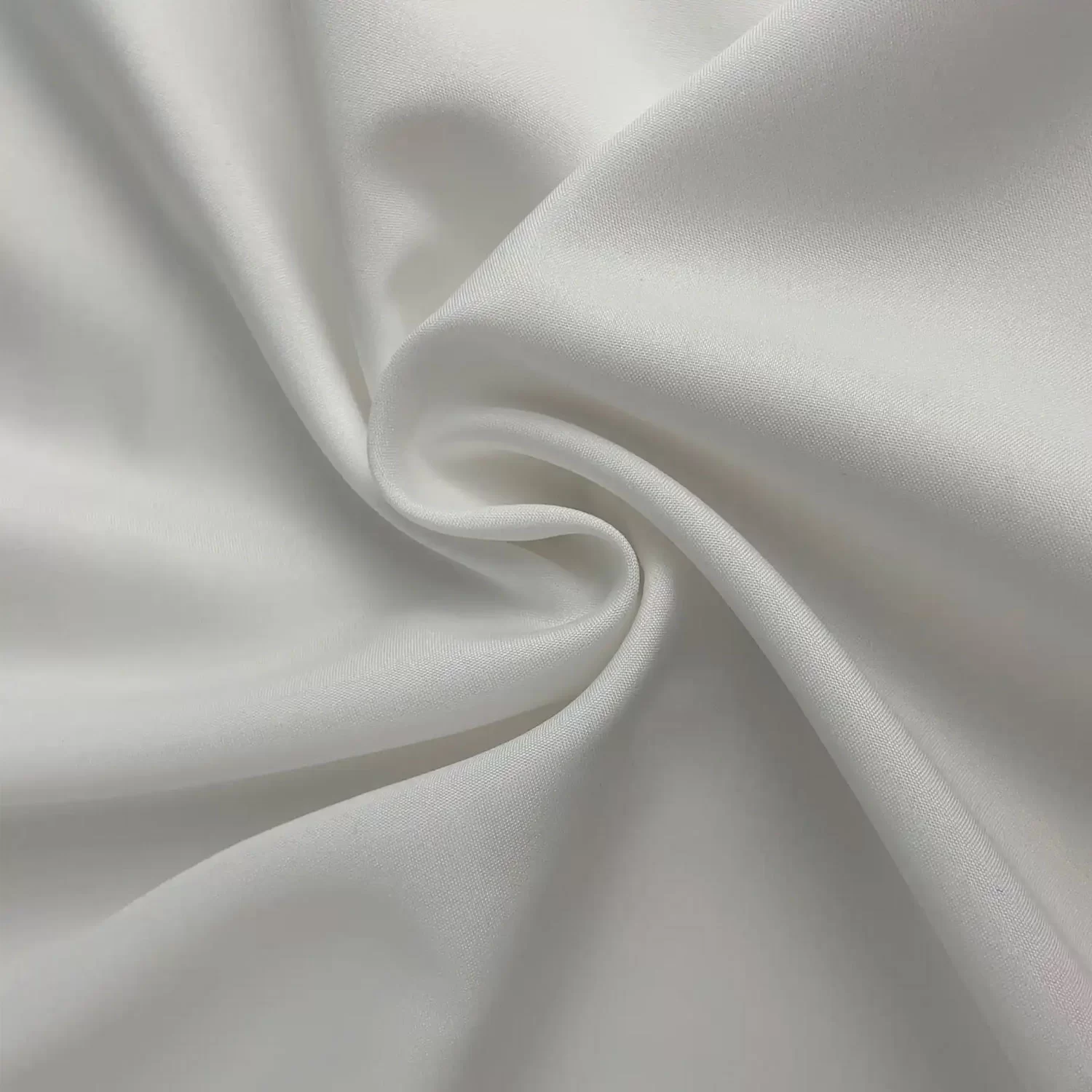
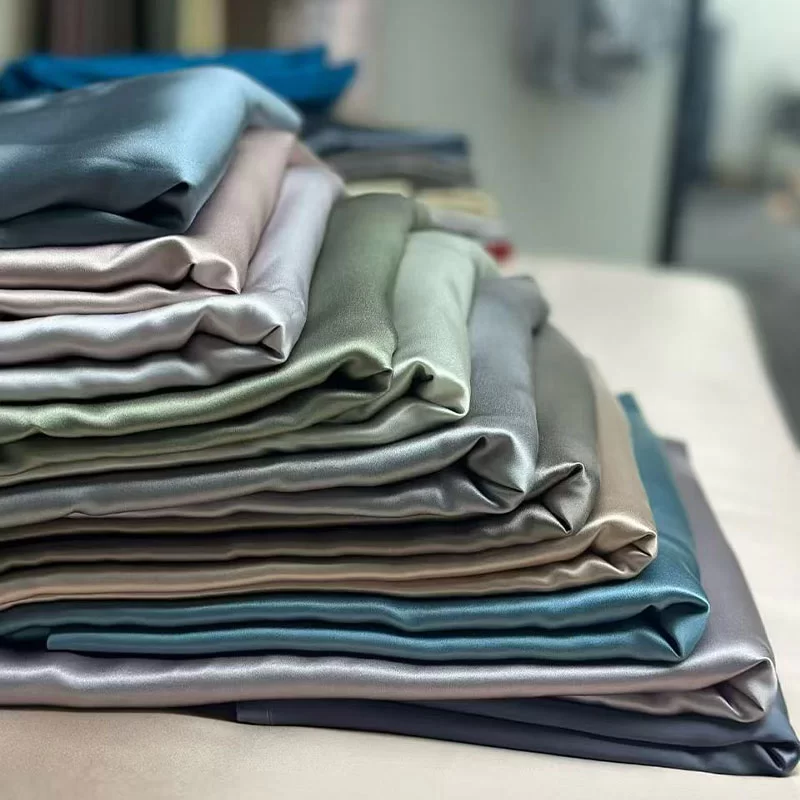
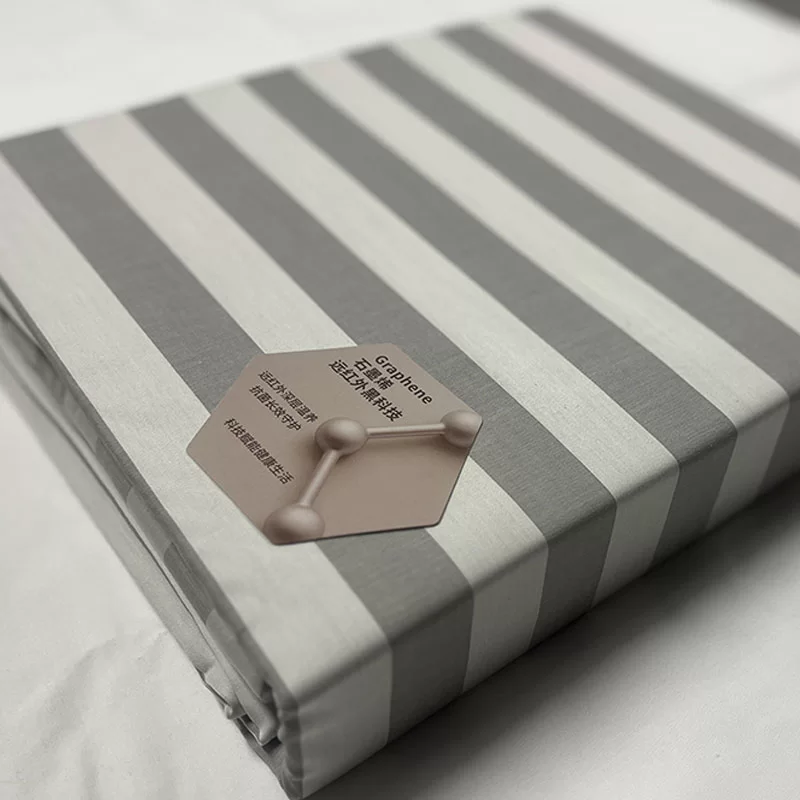
Our Waterproof Bamboo Fabric represents the pinnacle of this evolution, serving as the ideal foundation for a cooling mattress pad queen. By utilizing Oeko-Tex Standard 100 certified bamboo fibers and a non-toxic TPU laminate, we provide a solution that is naturally hypoallergenic, antibacterial, and exceptionally breathable, catering to the needs of luxury hotels, medical facilities, and eco-conscious homes worldwide.

The Science of Thermal Regulation in Bedding
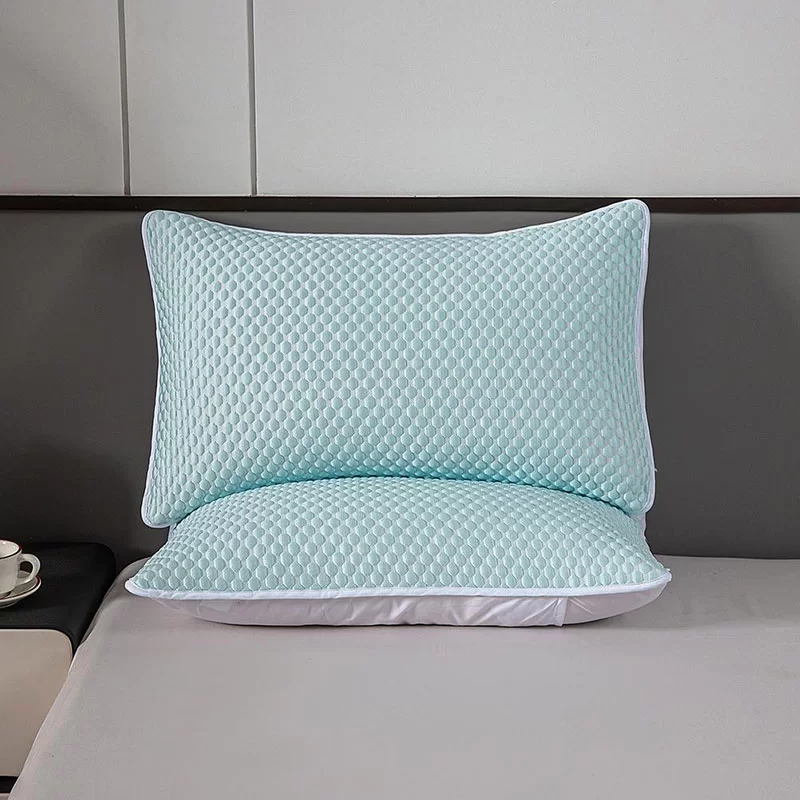
Thermal regulation in a cooling mattress pad queen depends heavily on the fiber's microstructure. Bamboo fibers possess naturally occurring microscopic gaps that facilitate superior air circulation and moisture vapor transmission. This allows the fabric to wick heat away from the body, preventing the accumulation of warmth that typically leads to disrupted sleep and restlessness.
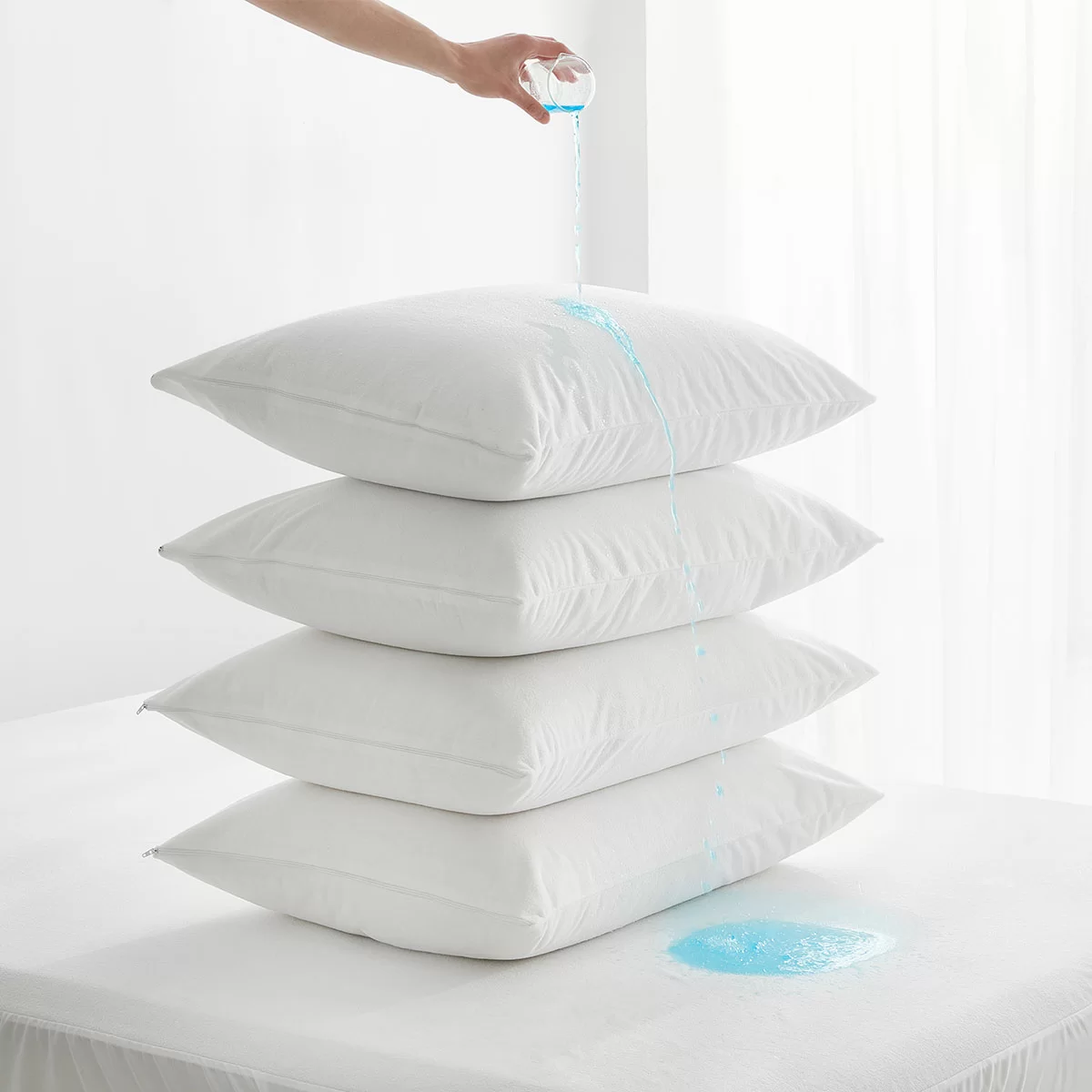
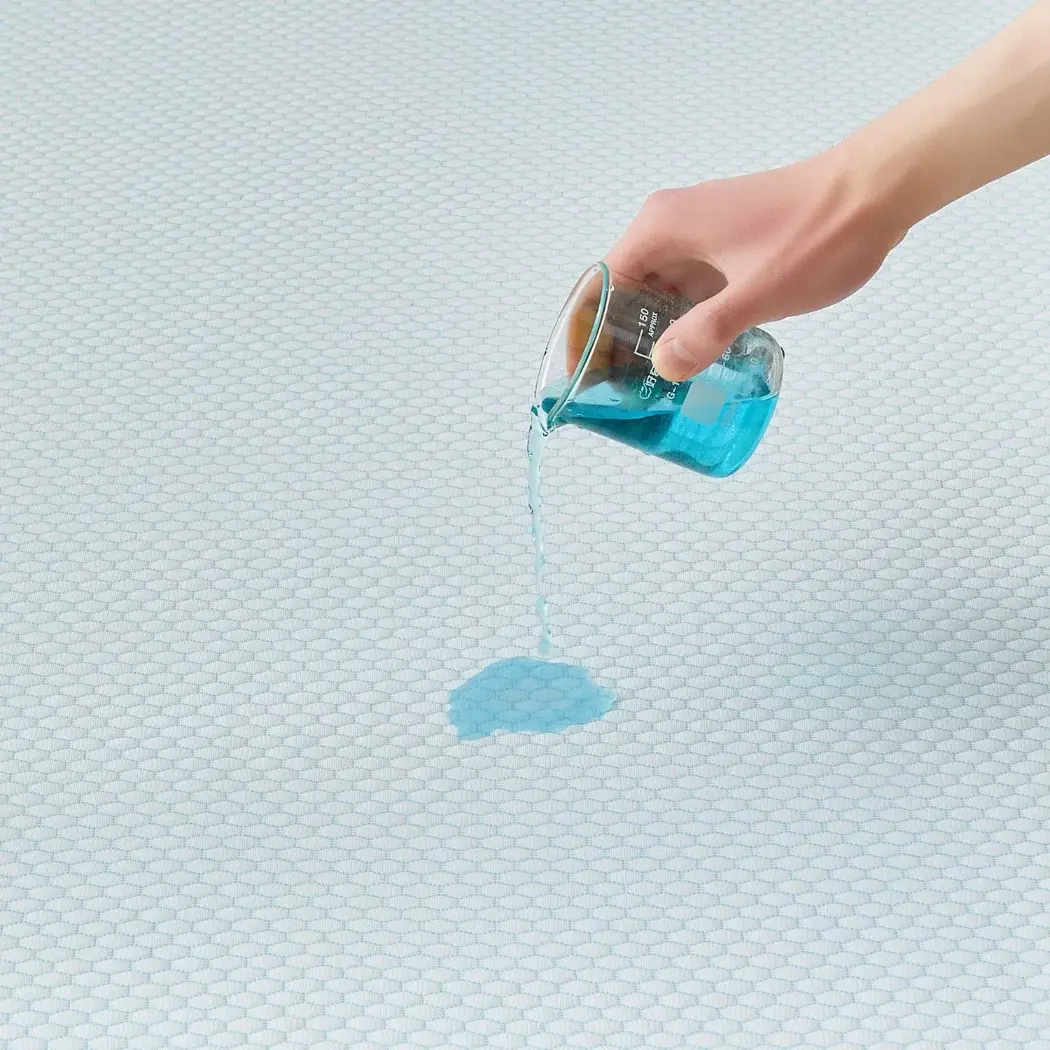
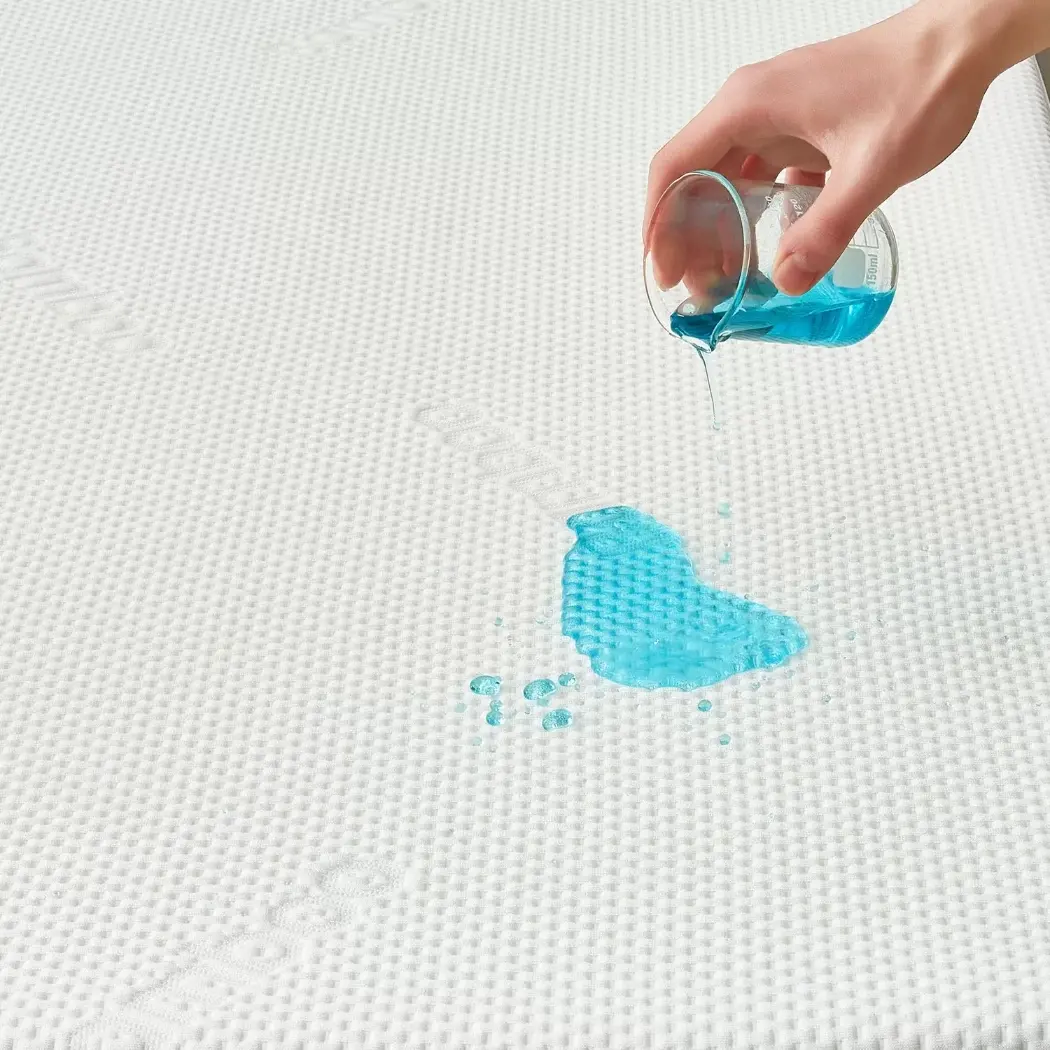
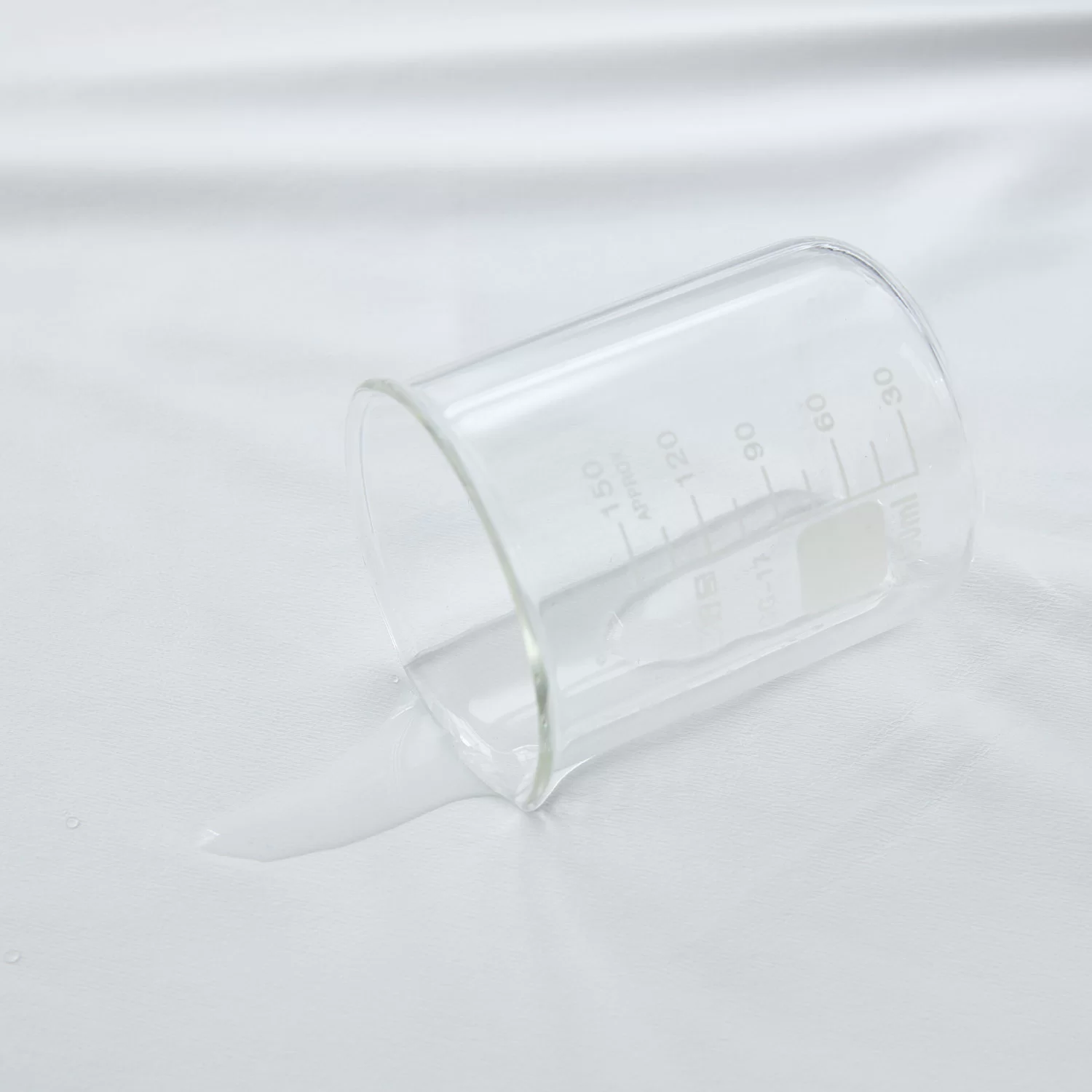
Unlike synthetic alternatives that trap heat, the inherent properties of bamboo viscose and lyocell ensure a consistent temperature. When paired with a breathable TPU membrane, the fabric maintains its cooling effect while providing a 2500mm water-resistance barrier, ensuring that the user stays dry and cool throughout the night.
Defining the Standard for Modern Cooling Protectors
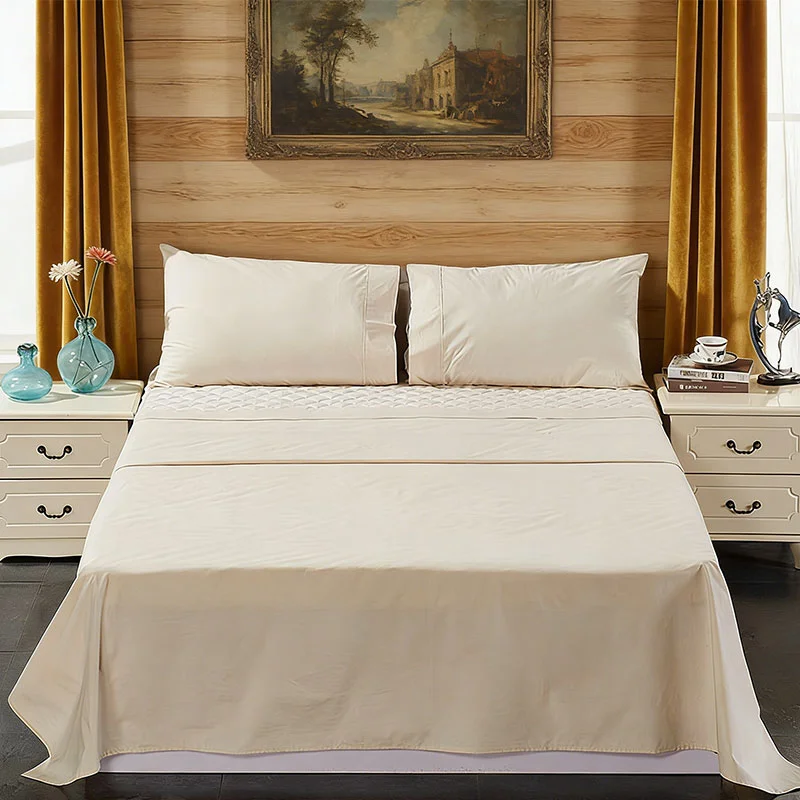
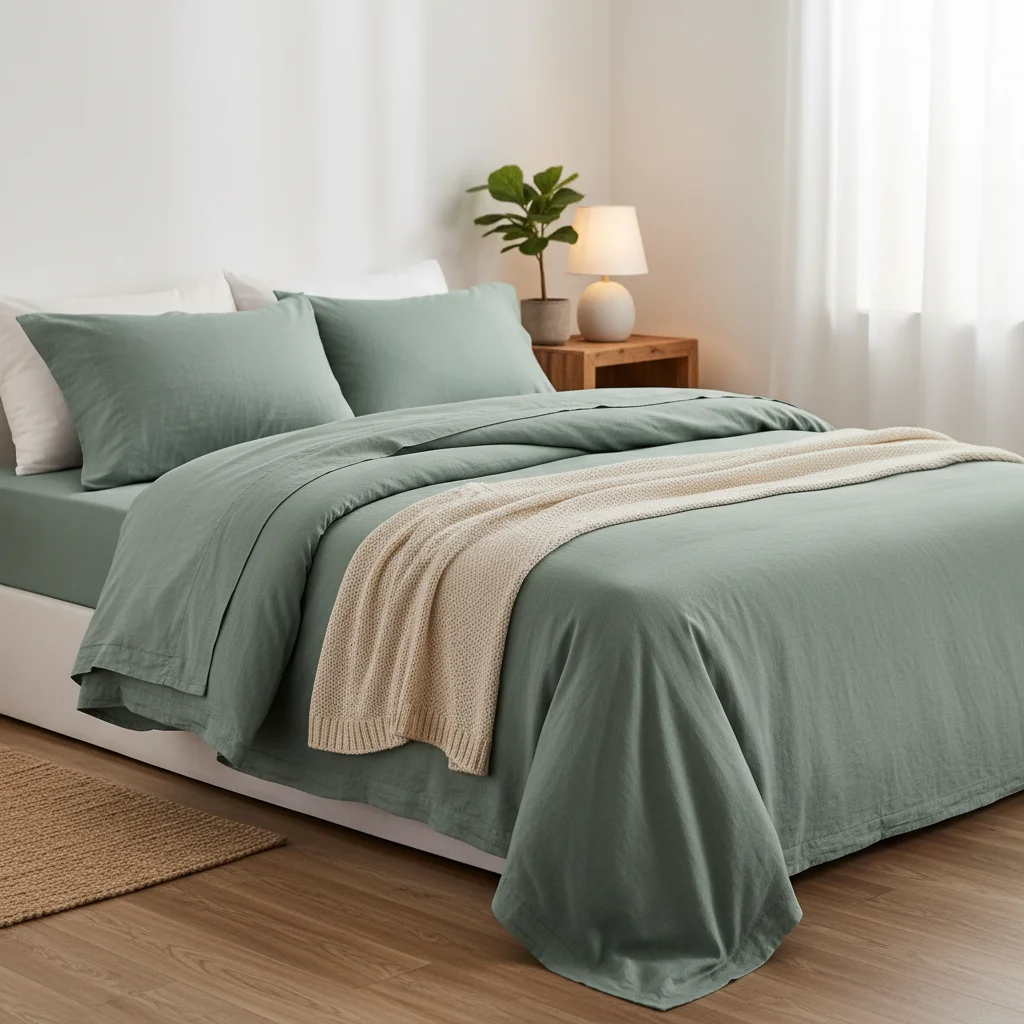
A modern cooling mattress pad queen is more than just a layer of fabric; it is a technical system designed to balance protection and comfort. The primary objective is to provide a shield against liquids, stains, and allergens without sacrificing the tactile softness that users expect from premium bedding. This is achieved through the integration of sustainable fibers and medical-grade coatings.
In the context of today's humanitarian and health needs, these protectors serve as critical tools for infection control in hospitals and luxury comfort in hotels. By utilizing non-toxic, PFC-free finishes, manufacturers can ensure that the bedding is safe for the most sensitive skin types, including infants and patients with dermatological conditions.
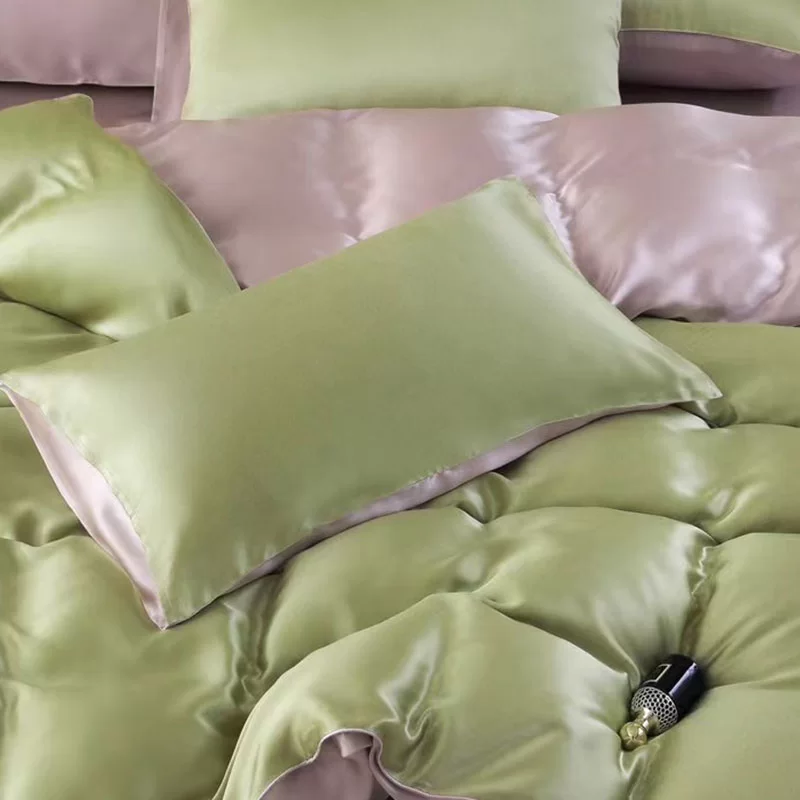
Ultimately, the standard for these products is defined by their ability to remain "invisible" to the sleeper. The fabric should feel like a silky sheet, yet perform like a high-tech barrier, blending the luxury of bamboo with the reliability of an Oeko-Tex Standard 100 Class I certification.
Core Components of Sustainable Waterproof Fabrics
The effectiveness of a cooling mattress pad queen begins with the raw material. Bamboo is a rapidly renewable resource that requires minimal water and no pesticides, making it an eco-friendly alternative to petroleum-based polyester. Its round, smooth fiber structure results in a hand-feel that is significantly softer than traditional cotton.
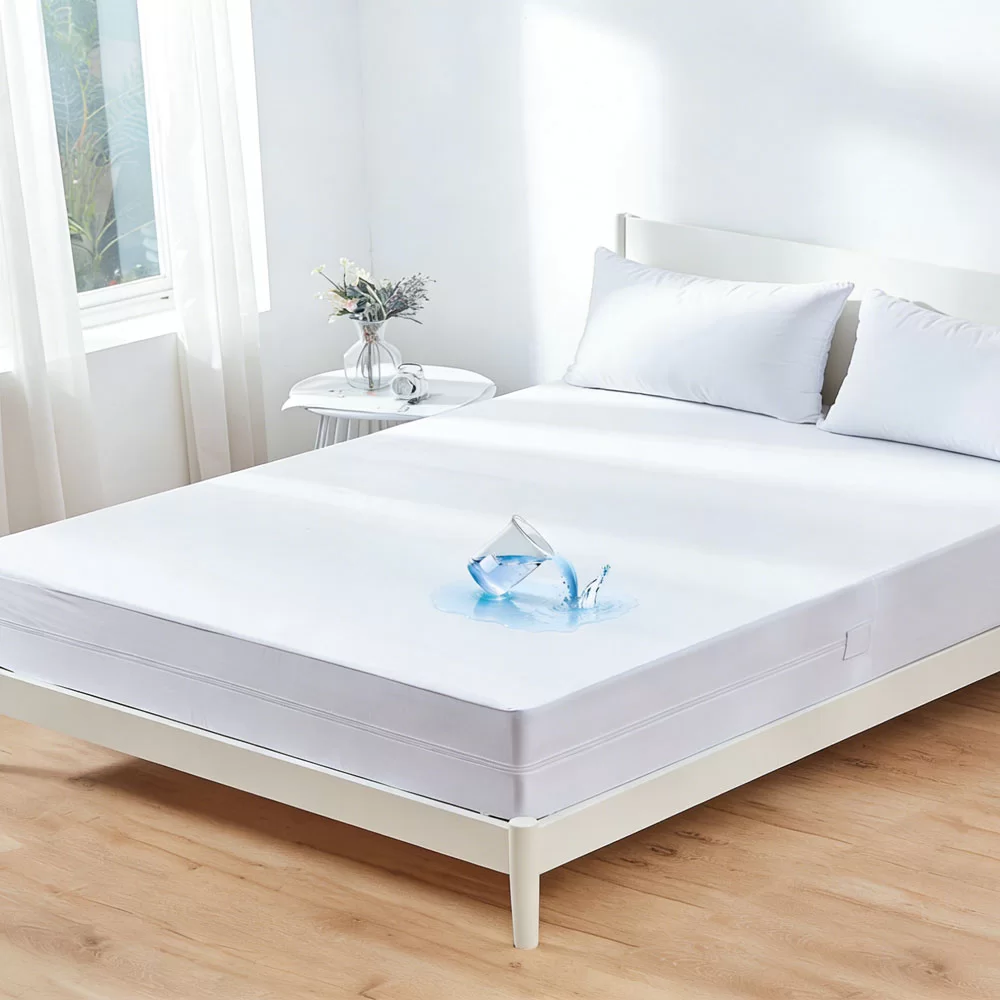
At the heart of the waterproof functionality is the TPU (Thermoplastic Polyurethane) laminate. For a high-quality cooling mattress pad queen, this layer must be engineered to allow moisture vapor to escape while blocking liquid water. Our 2500mm water-resistance rating ensures that spills are completely blocked, yet the fabric remains breathable.
Safety and hygiene are the final core components. The inherent antimicrobial properties of bamboo fibers inhibit the growth of odor-causing bacteria. When this is combined with the Oeko-Tex certification, the resulting cooling mattress pad queen is guaranteed to be free from harmful chemicals, providing peace of mind for global consumers.
Performance Metrics and Material Comparisons
Evaluating the performance of a cooling mattress pad queen requires a look at key metrics such as Moisture Vapor Transmission Rate (MVTR) and water column resistance. While standard polyester protectors often score high on waterproofing, they typically fail in breathability, leading to a heat-trapping effect that can degrade sleep quality.
Bamboo-based waterproof fabrics offer a superior balance. By comparing the tactile softness, eco-impact, and thermal regulation of different materials, it becomes clear that sustainable textiles provide a premium value that outweighs the low cost of commodity synthetic bedding.
Material Performance Comparison for Cooling Mattress Pad Queen
Global Applications in Hospitality and Healthcare
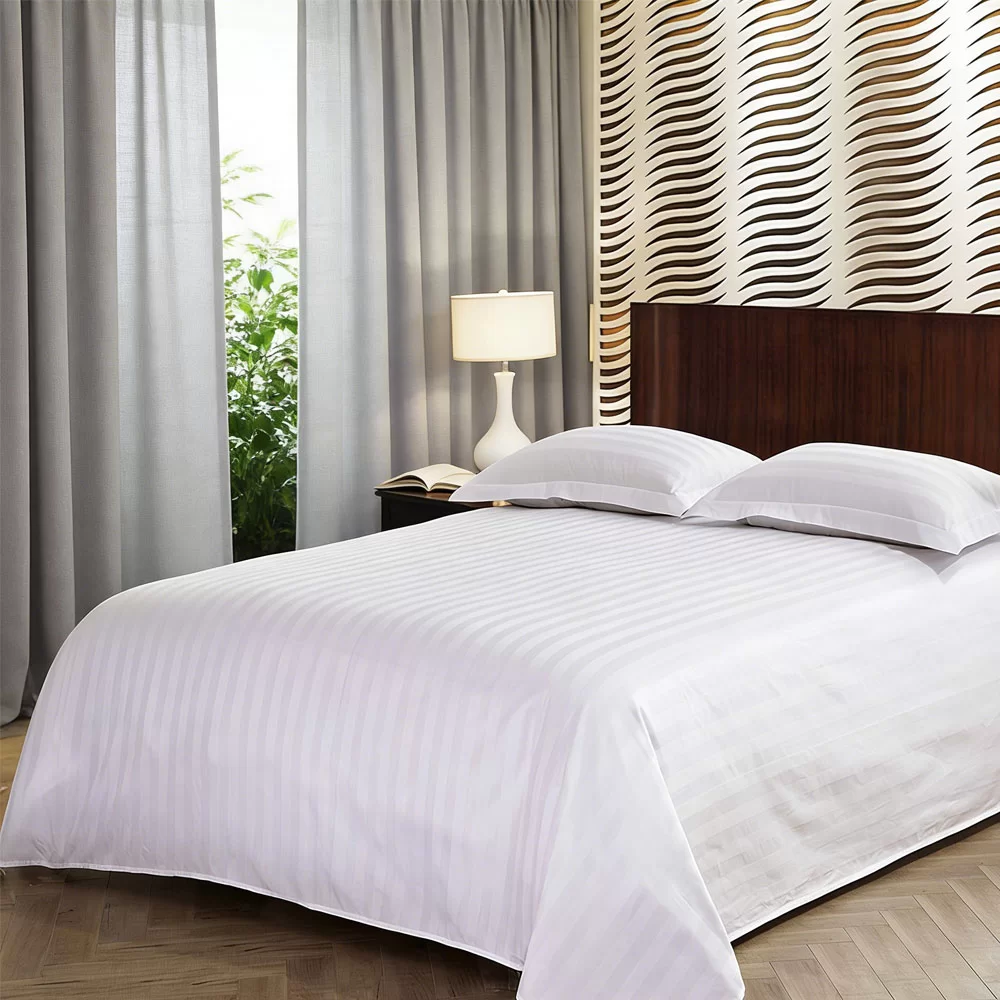
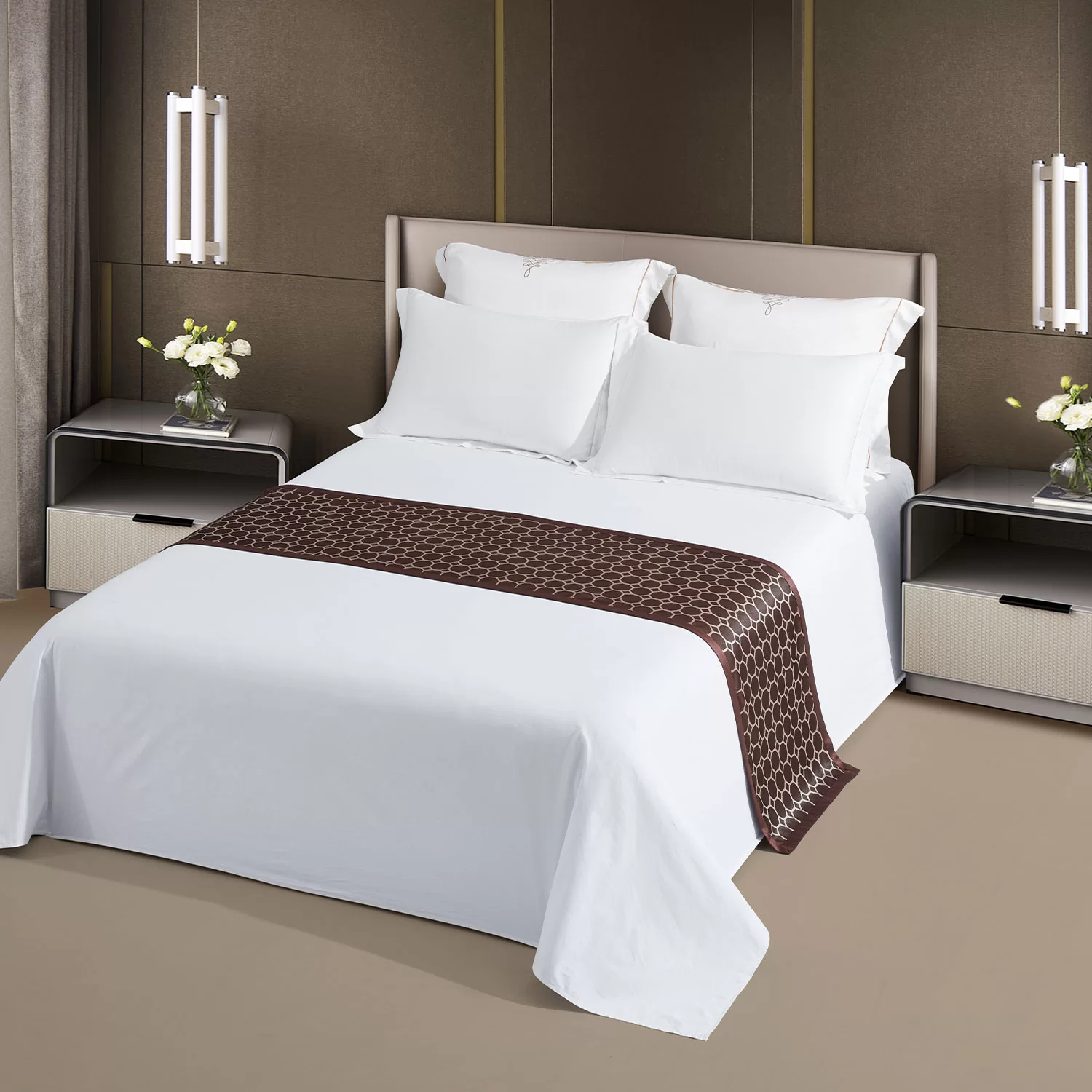
In the luxury hotel industry, the implementation of a cooling mattress pad queen ensures guest satisfaction by providing a sleep surface that is both hygienic and temperature-regulated. Hotels in warmer climates, such as Southeast Asia and the Southern USA, rely on these breathable barriers to reduce air conditioning costs while maintaining a premium feel.
Similarly, in healthcare settings, the demand for medical-grade linen is paramount. Waterproof bamboo fabrics are ideal for hospital mattress protectors because they combine anti-bacterial properties with high durability, resisting the wear and tear of frequent industrial laundering while protecting patients from skin irritation.
Long-term Value of Bamboo-Based Bedding
Investing in a cooling mattress pad queen made from sustainable bamboo provides tangible long-term benefits. Beyond the immediate comfort, the durability of the fabric—characterized by its anti-pilling and shrink-resistant properties—means a longer replacement cycle compared to cheap synthetic pads. This reduces overall waste and lower the cost of ownership over time.
From an emotional perspective, the use of biodegradable and non-toxic materials fosters a sense of trust and wellbeing. Consumers no longer have to choose between the practical need for waterproofing and the ethical desire for environmental sustainability.
Furthermore, the hypoallergenic nature of bamboo protects the respiratory health of the sleeper by preventing the accumulation of dust mites and mold, which are common in non-breathable waterproof materials. This makes it a logical choice for families with children or individuals with allergies.
Future Innovations in Breathable Barrier Textiles
The future of the cooling mattress pad queen lies in the further integration of smart textiles and bio-engineered fibers. We are seeing a shift toward "adaptive" fabrics that can change their breathability based on the sleeper's body temperature, utilizing nano-coatings that are even thinner and more permeable than current TPU laminates.
Digital transformation in the supply chain is also playing a role. With optimized container loading and pre-cleared customs documentation, sustainable textiles can be deployed globally with a smaller carbon footprint. Automation in the weaving process is allowing for custom fabric weights and densities tailored to specific regional climates.
As global policies move toward a circular economy, the focus is shifting to fully recyclable waterproof membranes. The goal is to create a cooling mattress pad queen that can be fully composted or recycled at the end of its life, closing the loop on textile production.
Comparison of Waterproof Bedding Material Specifications
| Material Type | Breathability Score | Water Resistance | Eco-Impact |
|---|
| Waterproof Bamboo | High (9/10) | 2500mm | Low Footprint |
| Standard Polyester | Low (3/10) | 3000mm | High Footprint |
| Organic Cotton TPU | Medium (6/10) | 2000mm | Medium Footprint |
| Tencel Lyocell | High (8/10) | 2200mm | Low Footprint |
| Vinyl/PVC Coating | Very Low (1/10) | 5000mm | Very High Footprint |
| Hybrid Bamboo Mix | High (7/10) | 2400mm | Medium Footprint |
FAQS
Yes, our advanced TPU laminate is specifically engineered to allow perspiration vapor to escape while blocking external liquid. This eliminates the stuffiness and "plastic bag" feel common in cheaper waterproof textiles, ensuring the cooling properties of the bamboo are fully realized.
Absolutely. Our fabric is Oeko-Tex Standard 100 Class I certified, which is the strictest certification for textiles worldwide. This ensures the material is free from harmful substances and perfectly safe for infants and people with high skin sensitivity.
We recommend machine washing cold on a gentle cycle with mild, eco-friendly detergents. To preserve the waterproof TPU membrane, avoid using fabric softeners and either line dry or tumble dry on low heat.
For standard inventory, the MOQ is 500 meters. If you require custom development, such as specific colors, weights, or custom branding for your cooling mattress pad queen line, the minimum order quantity is 1,000 meters.
Yes, the high durability, inherent antibacterial properties, and 2500mm waterproof efficiency make this fabric ideal for mattress protectors and pillowcases in high-traffic hospitality and healthcare environments where hygiene is critical.
Bamboo fibers are naturally smoother and rounder than cotton fibers. This results in a silk-like hand feel that is significantly softer and more luxurious against the skin, reducing friction and enhancing comfort during sleep.
Conclusion
The integration of sustainable bamboo fibers and high-performance TPU technology has redefined the expectations for a cooling mattress pad queen. By balancing superior breathability, 2500mm water resistance, and Oeko-Tex certified safety, this textile solution addresses the global need for healthier, more comfortable, and eco-conscious sleep environments. Whether applied in luxury hotels or medical facilities, the combination of thermal regulation and hygienic protection provides unparalleled value.
As the industry moves toward a more sustainable future, choosing materials that prioritize both human wellbeing and environmental health is no longer optional—it is a strategic necessity. We encourage manufacturers and retailers to embrace these innovations to offer their customers a superior sleep experience. For high-quality sustainable textile solutions, visit our website: www.infortextile.com.