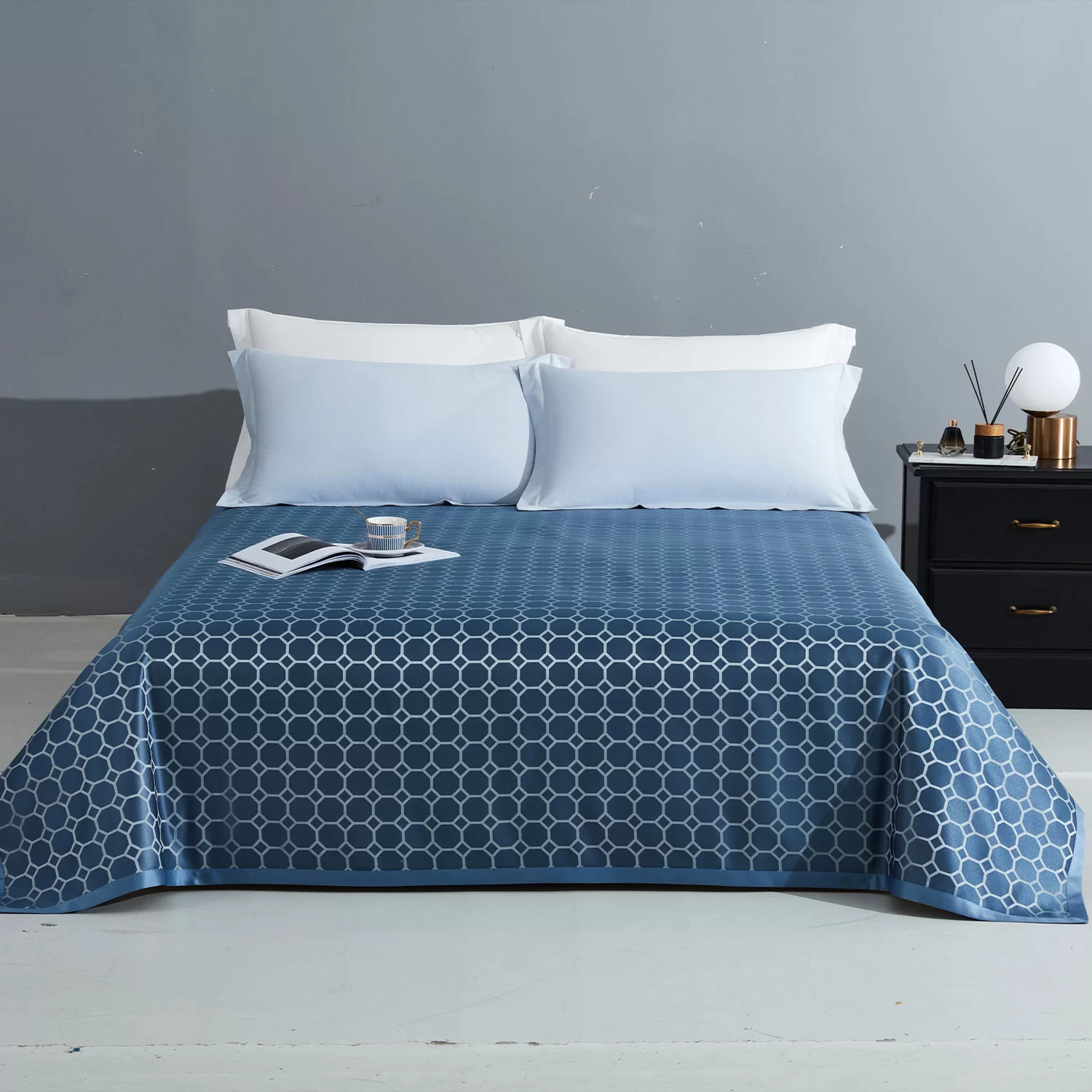
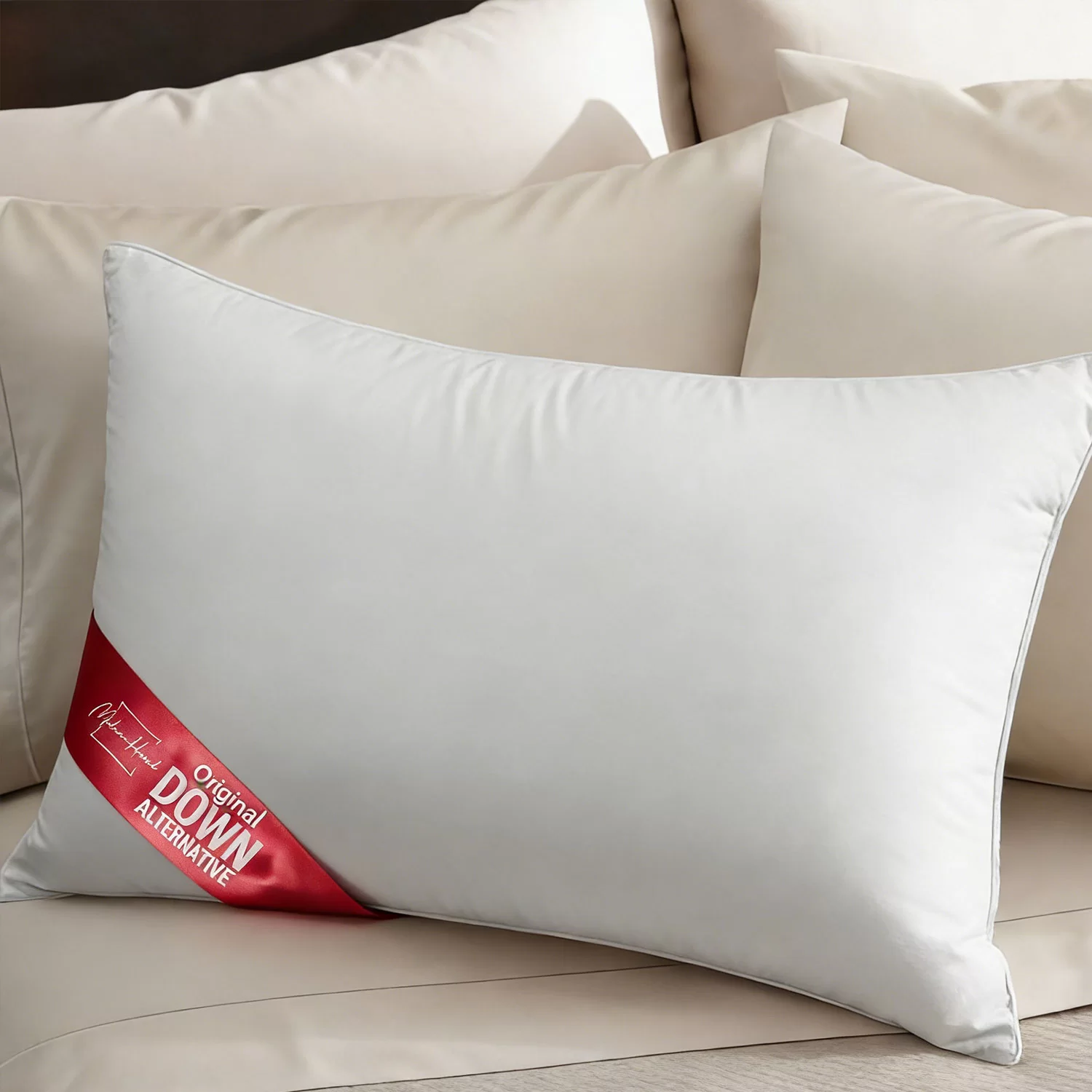
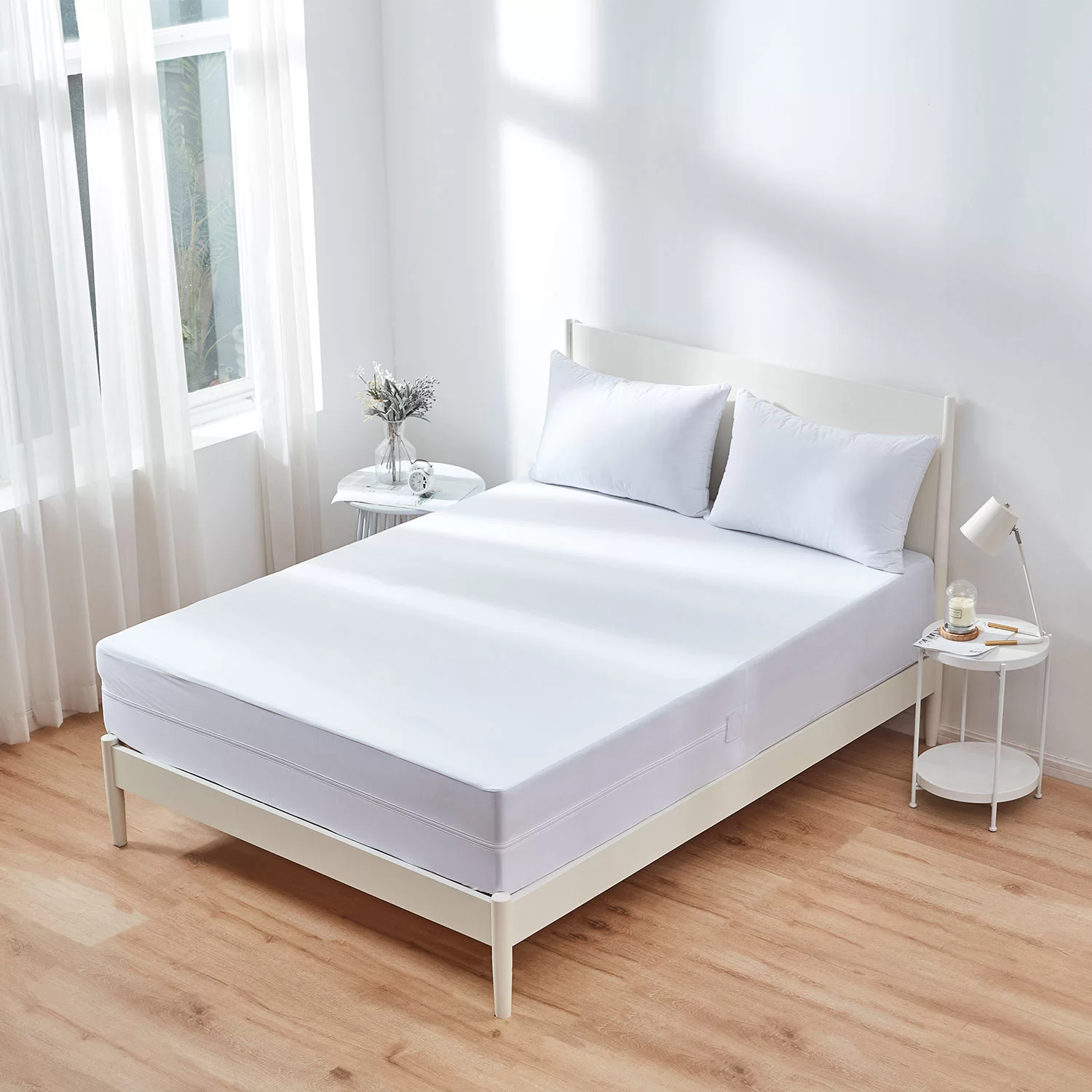
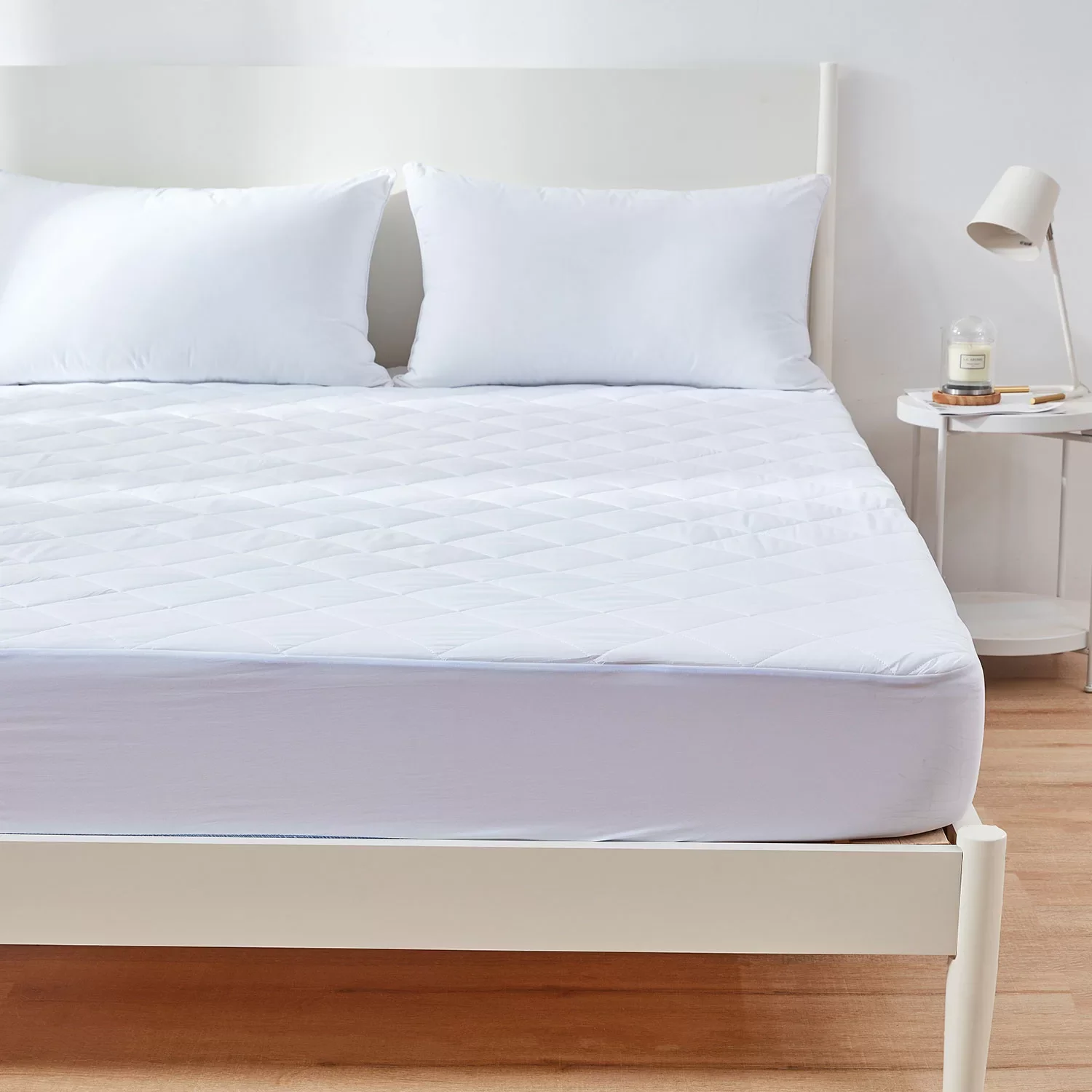
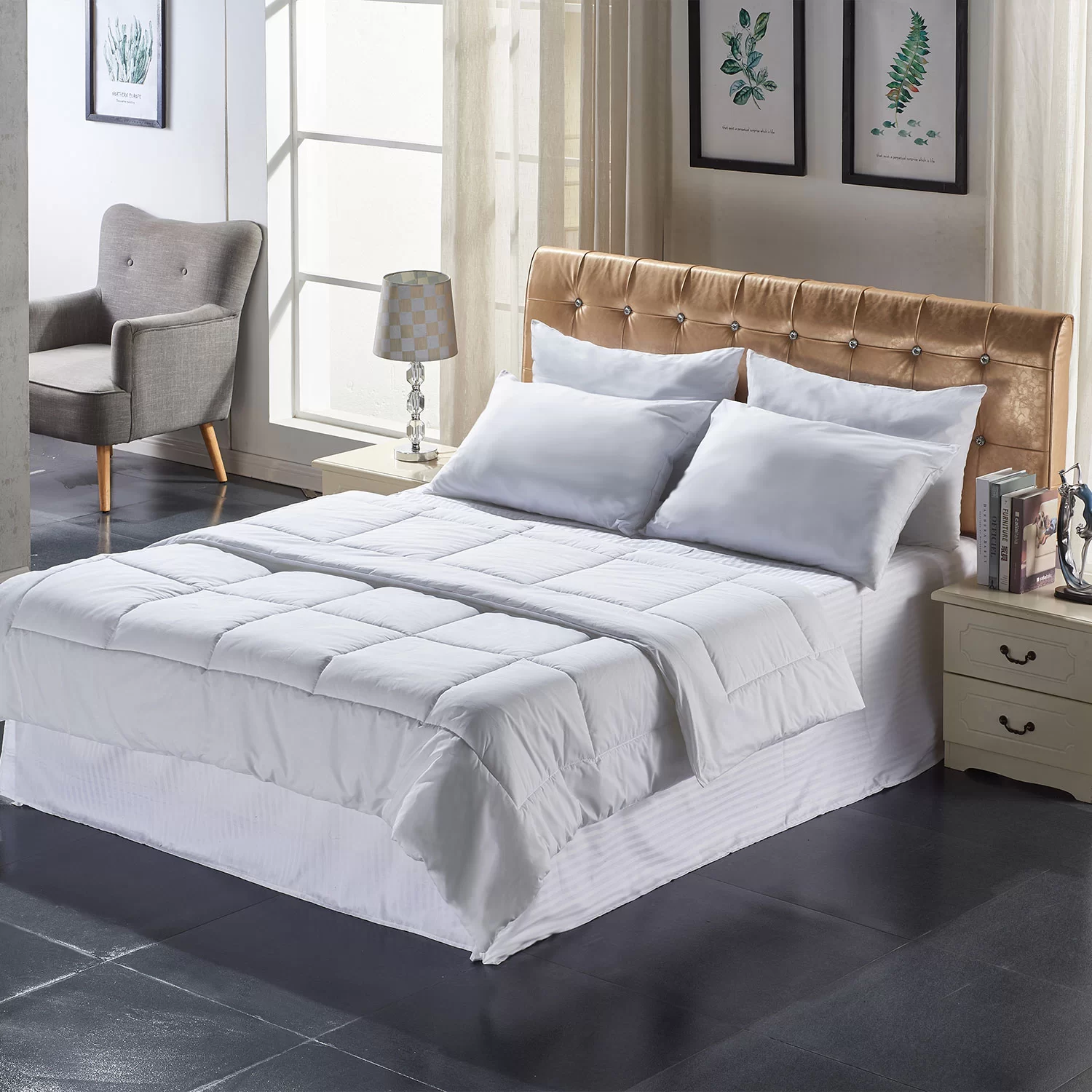
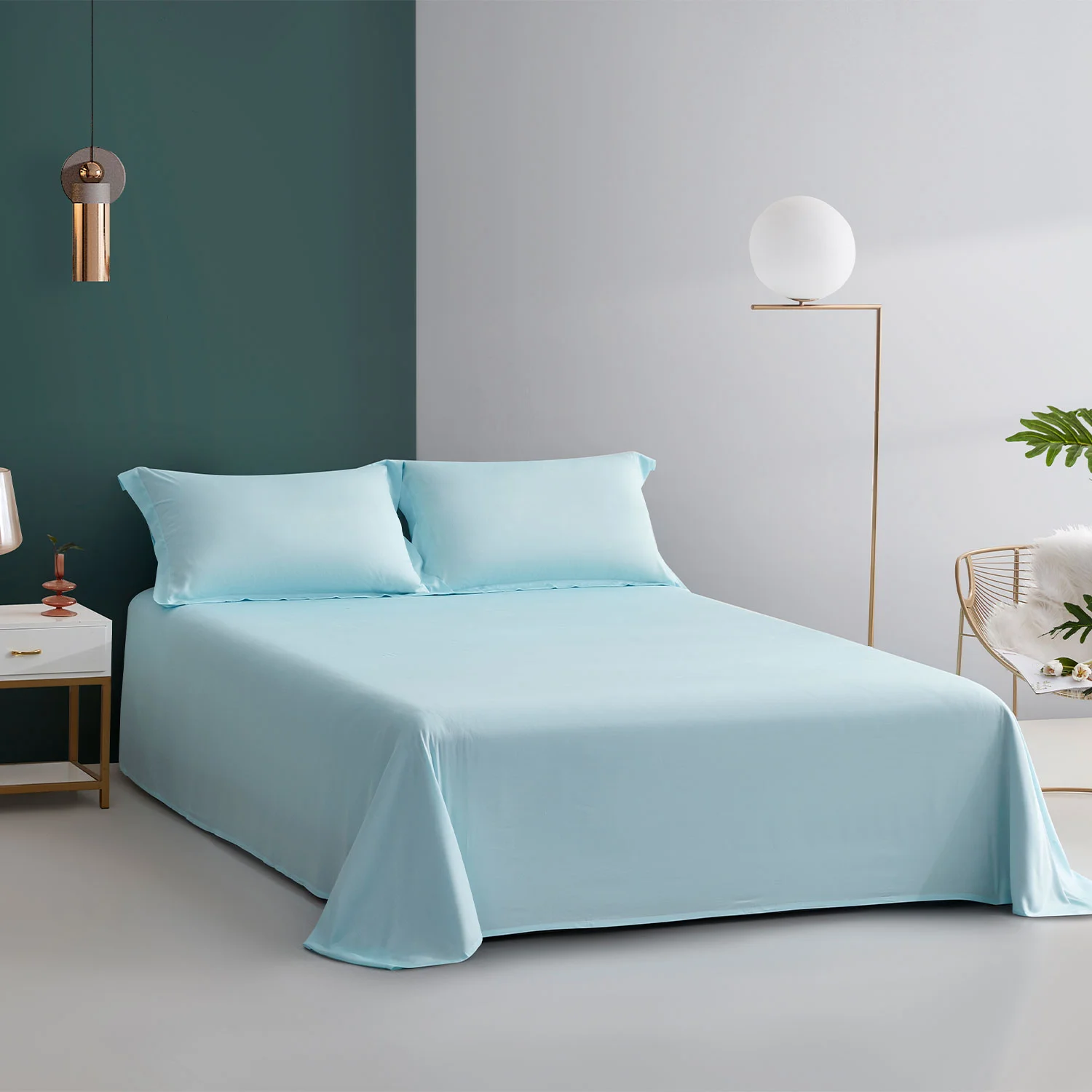
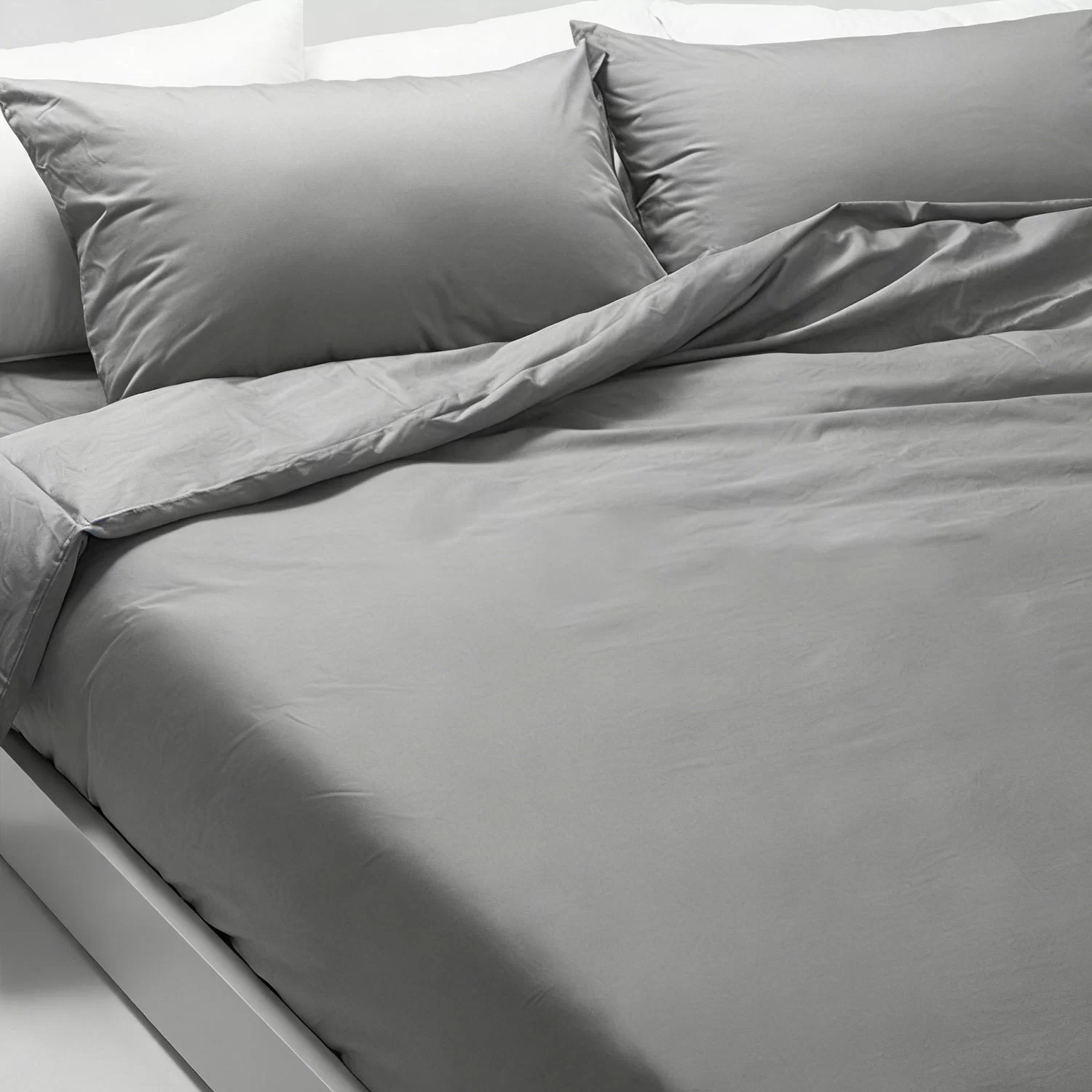
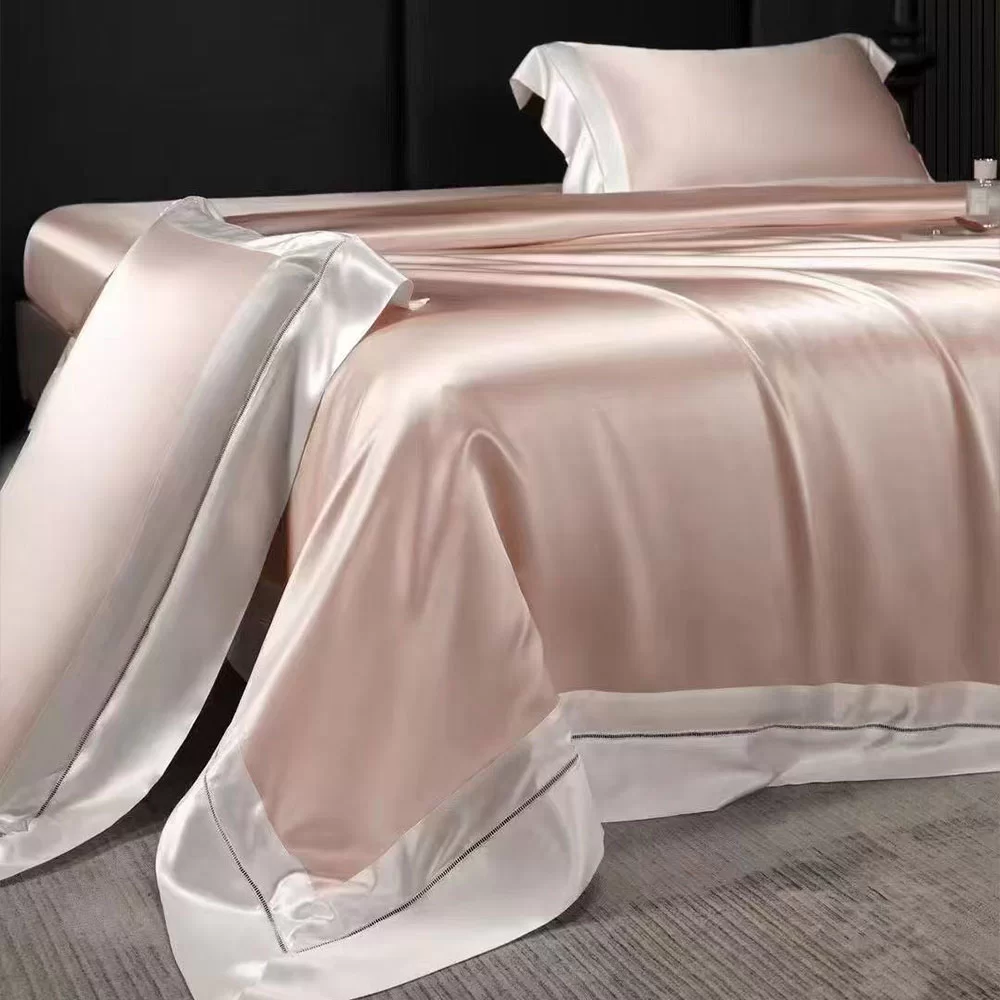
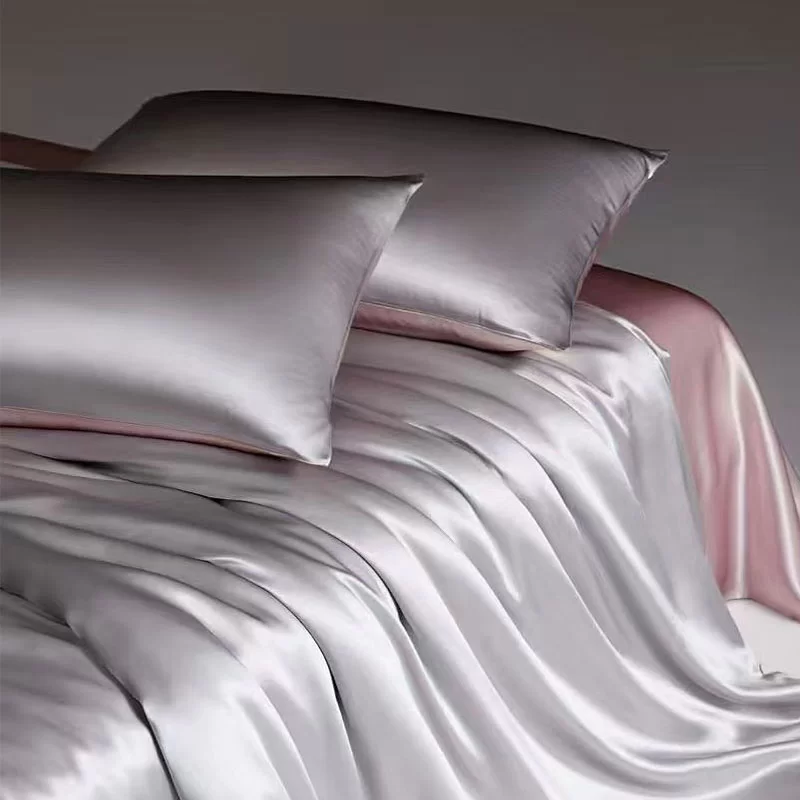
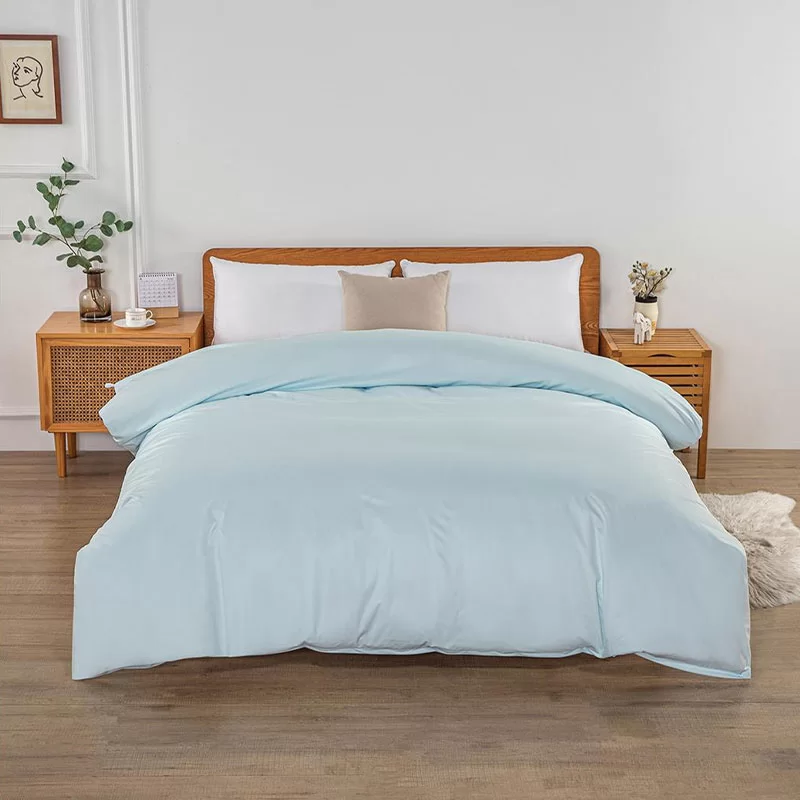
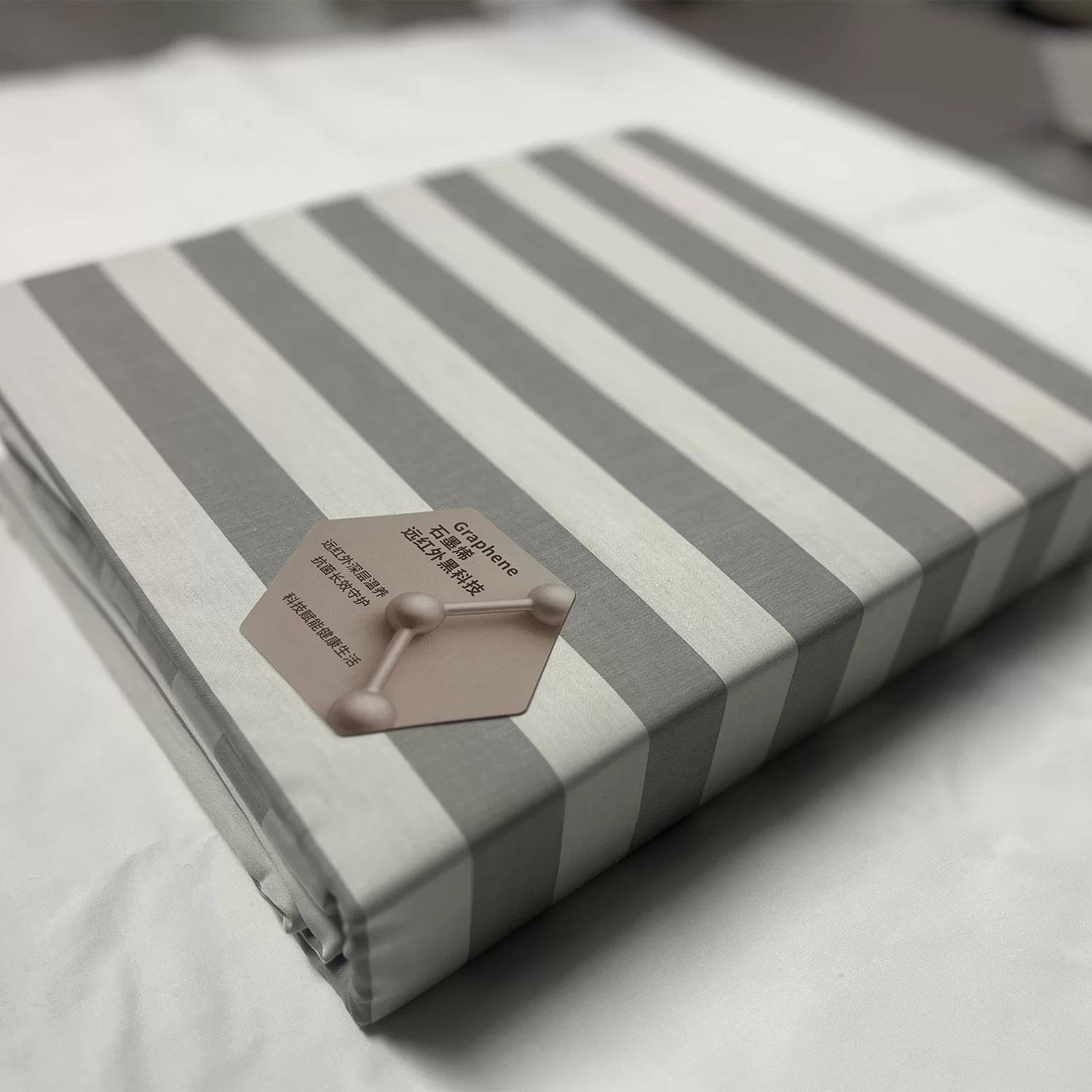
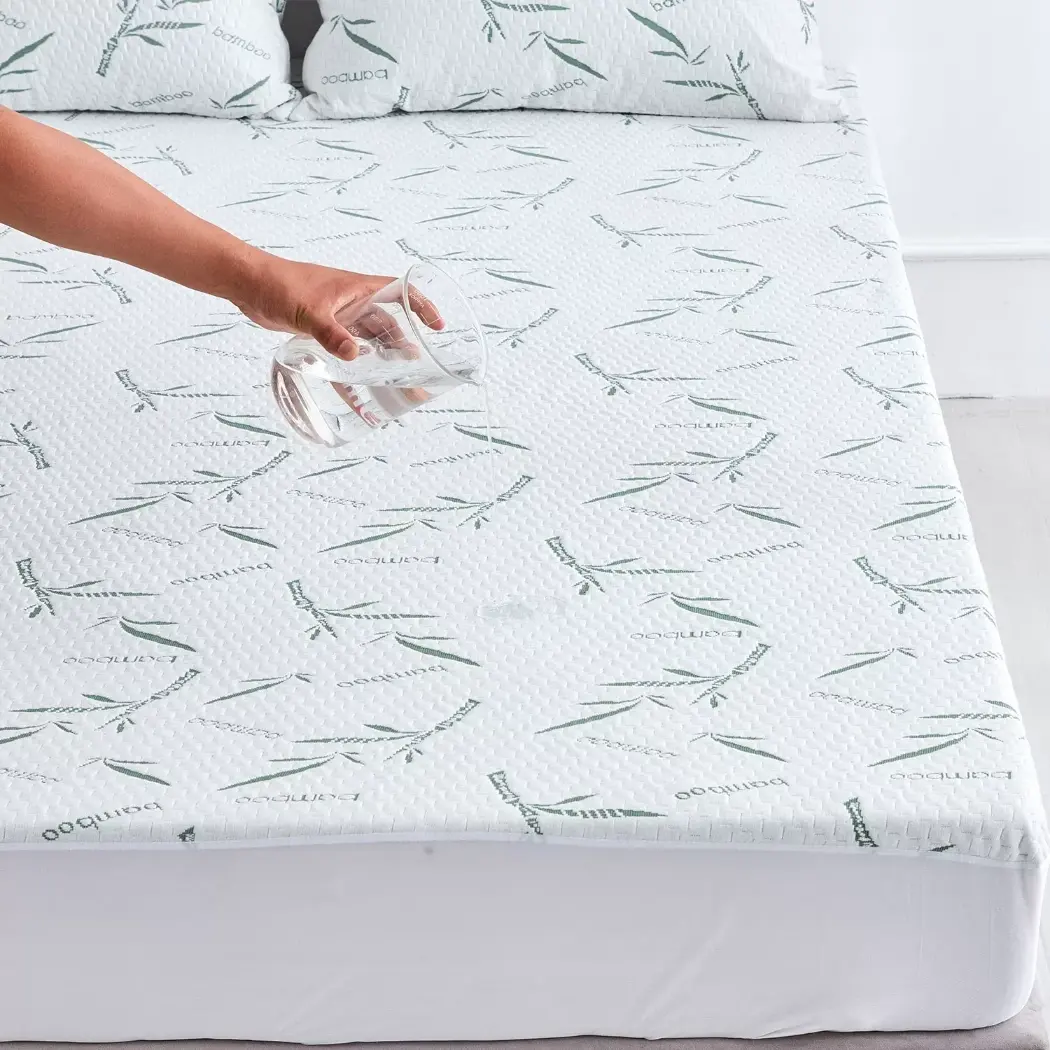
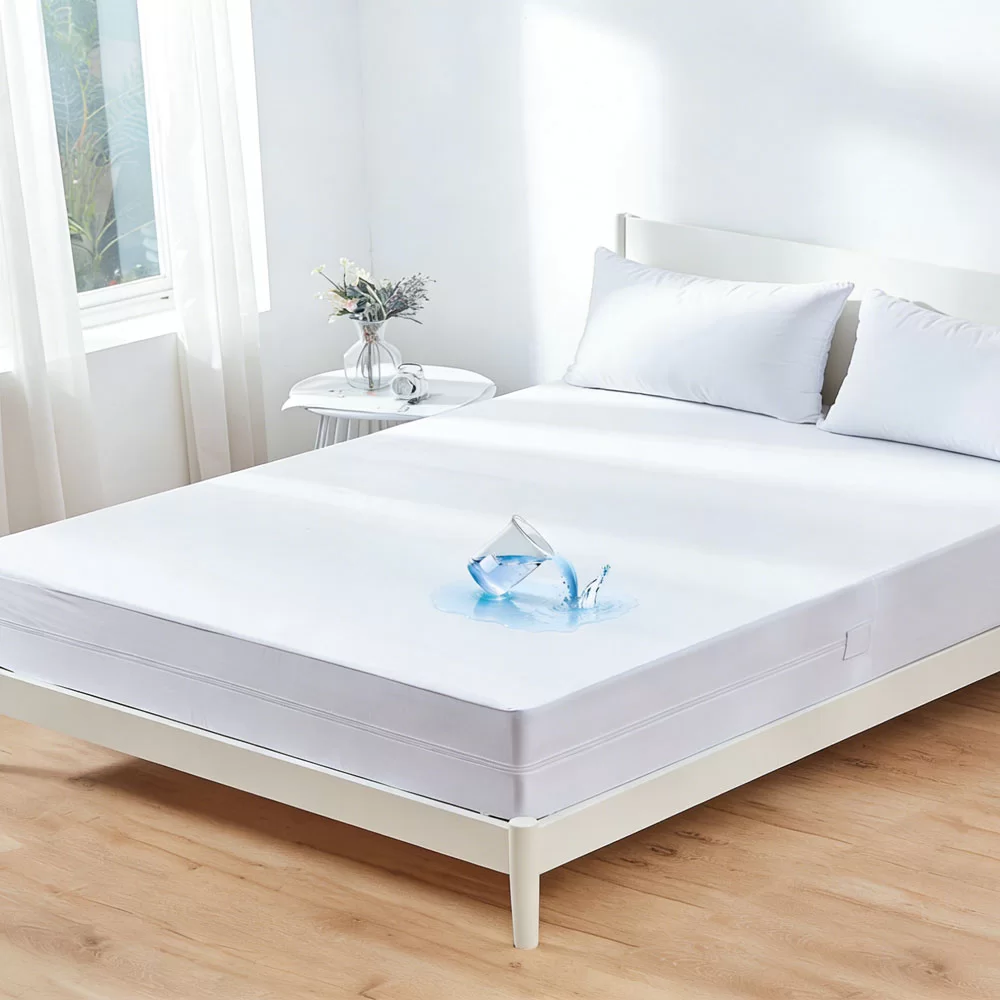
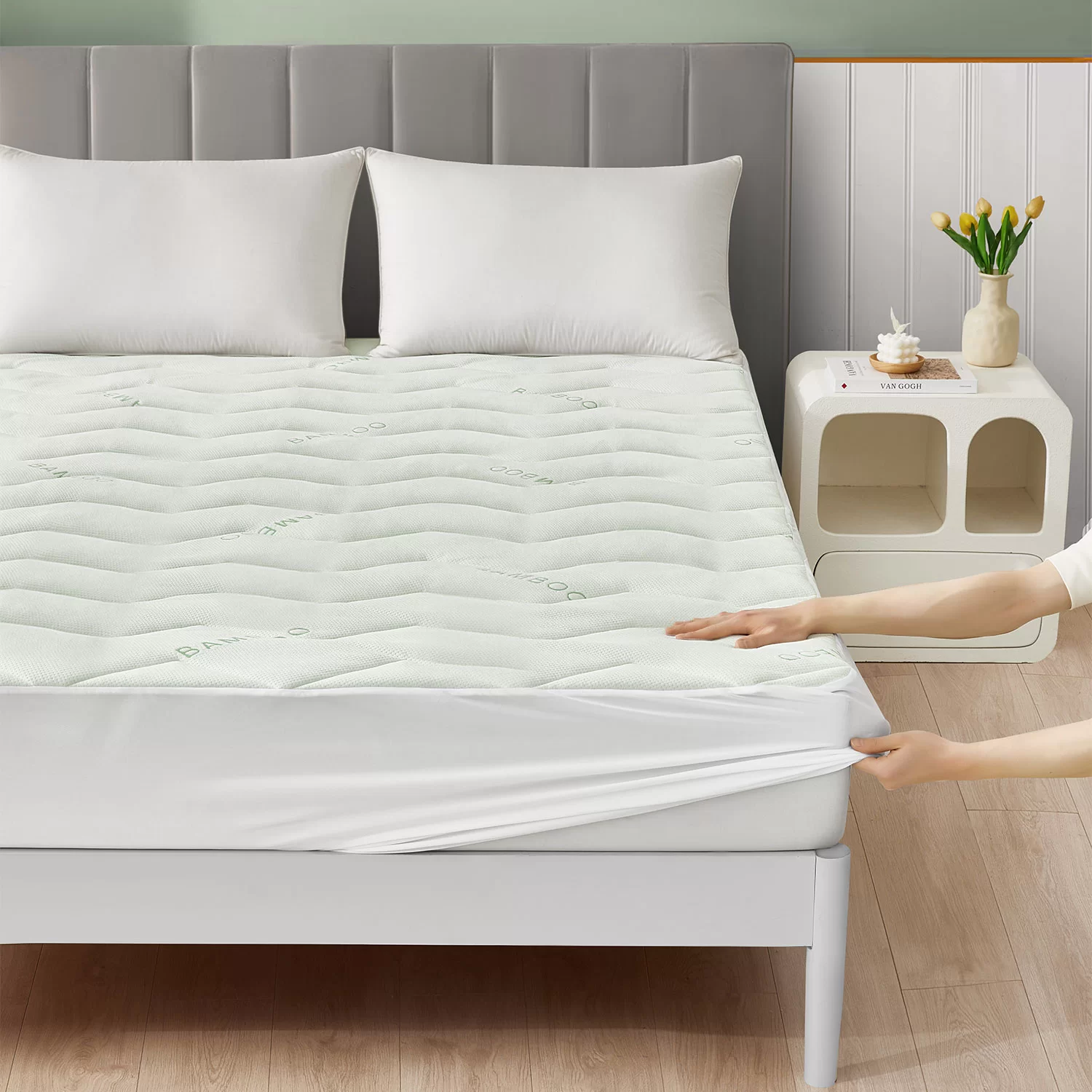
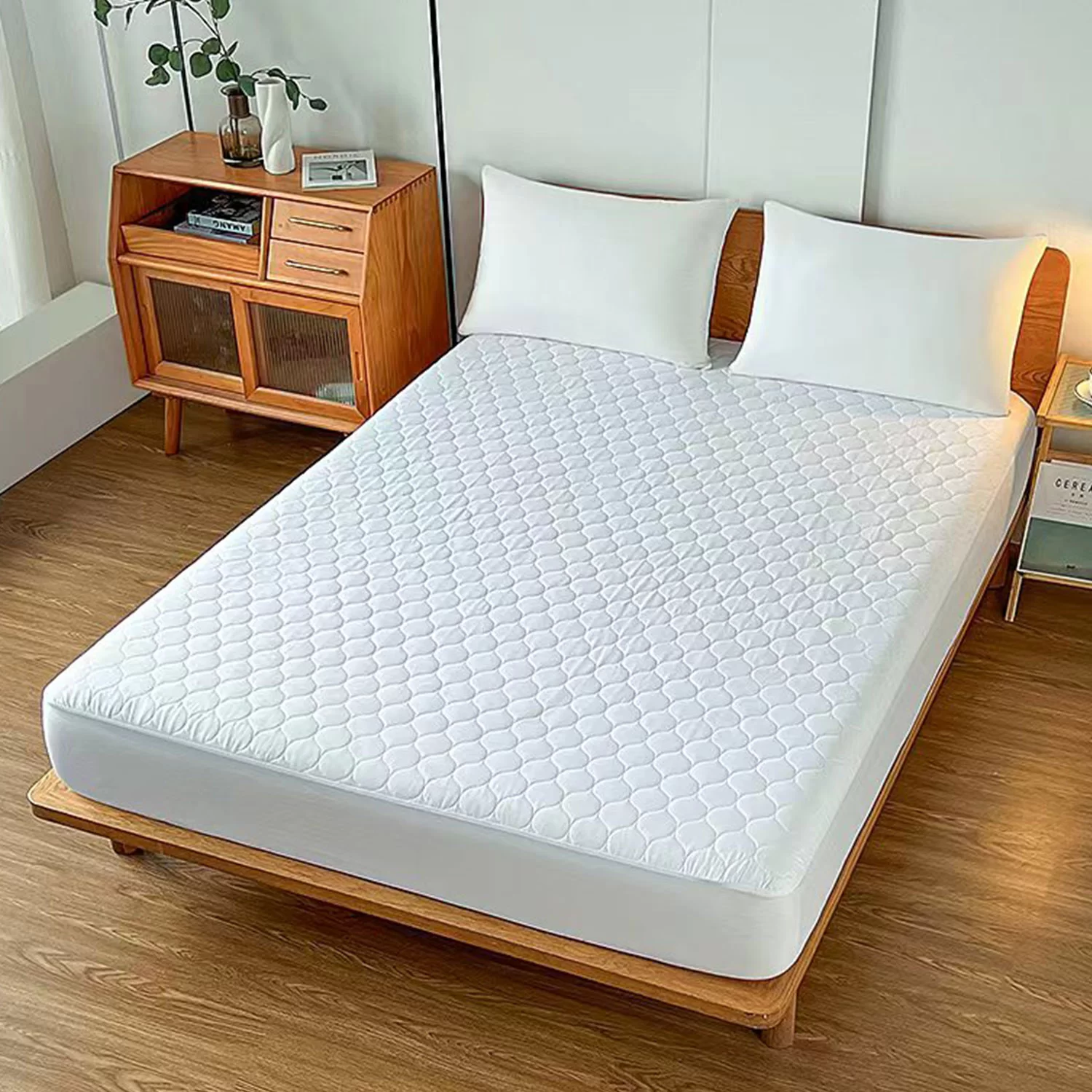
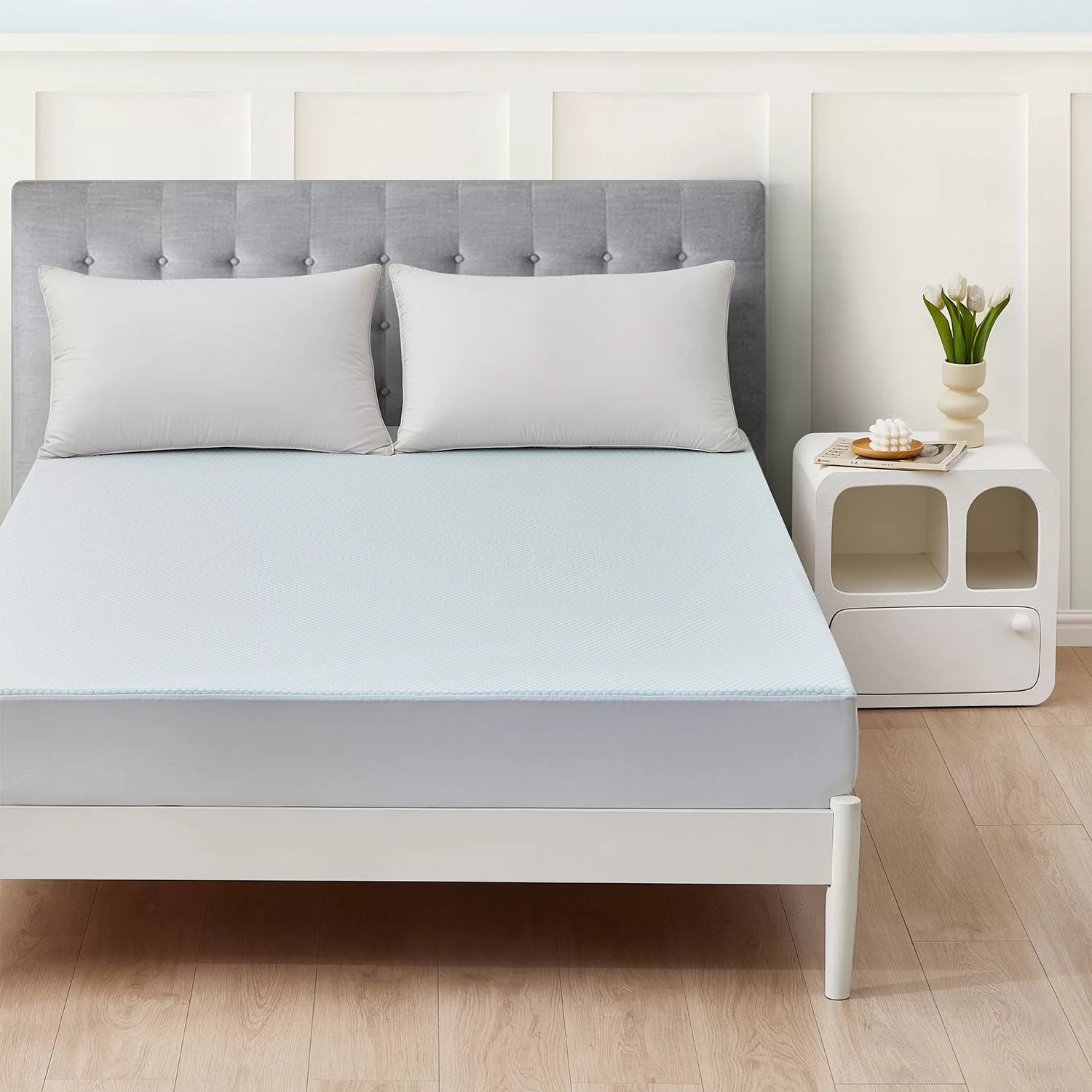
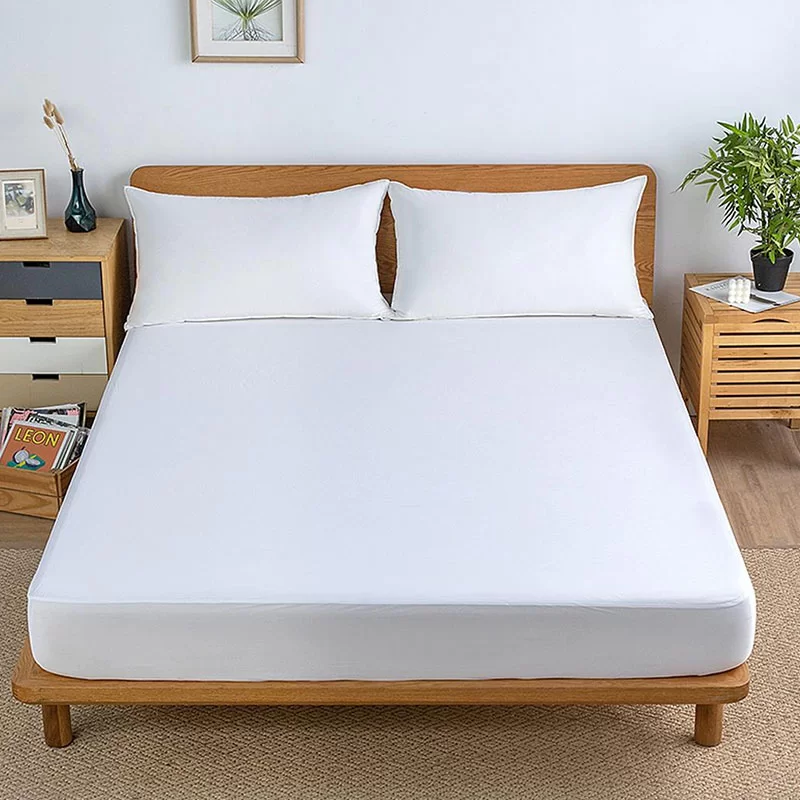
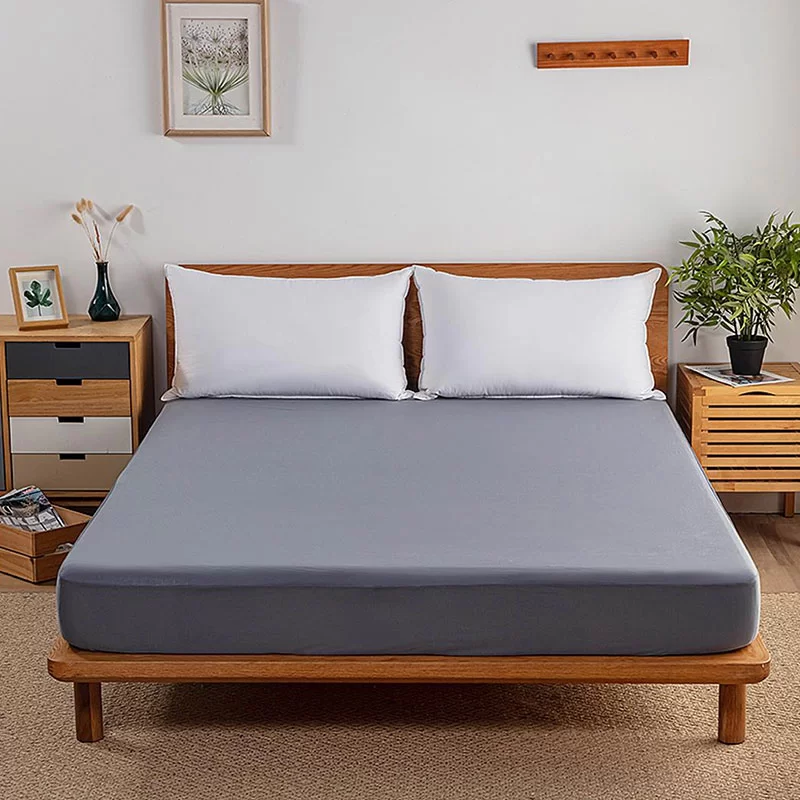
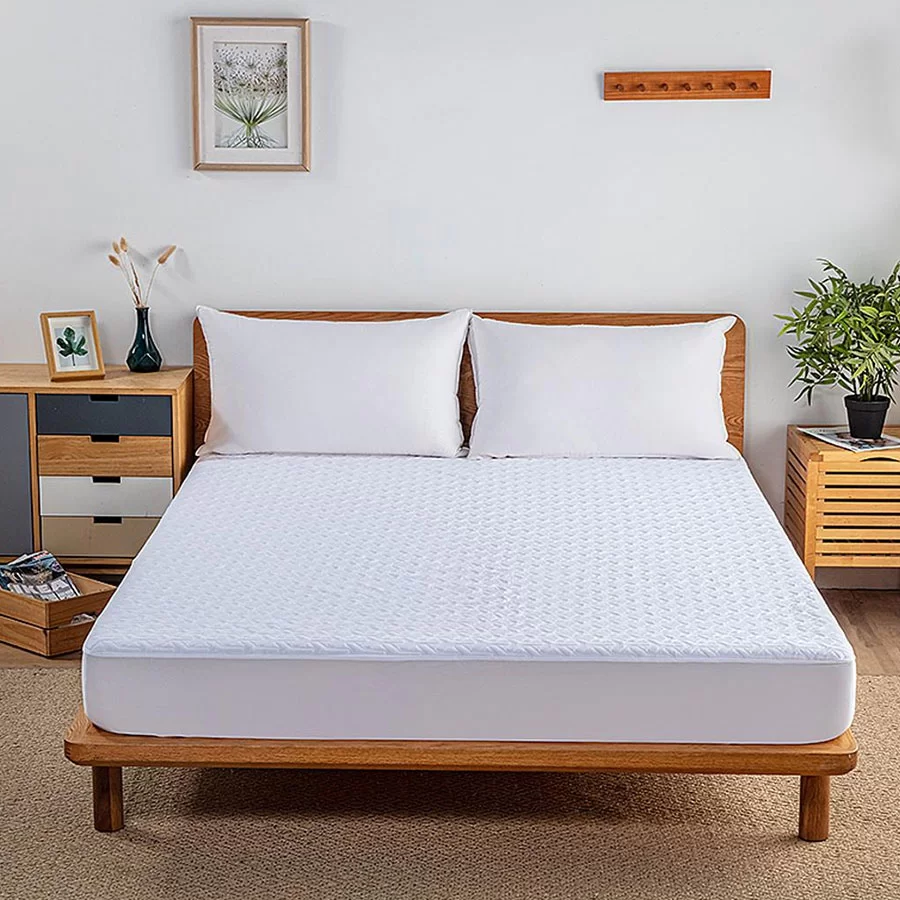
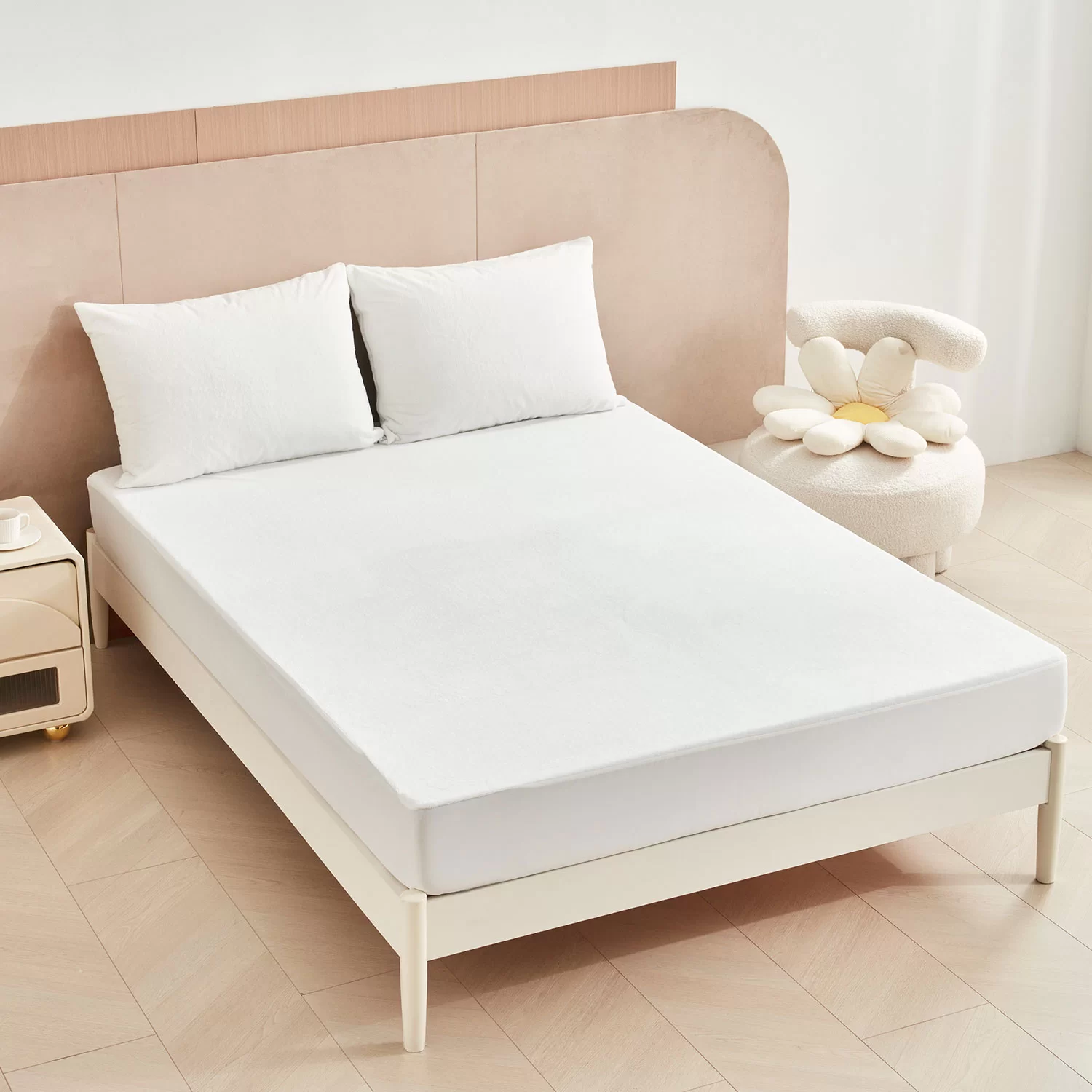
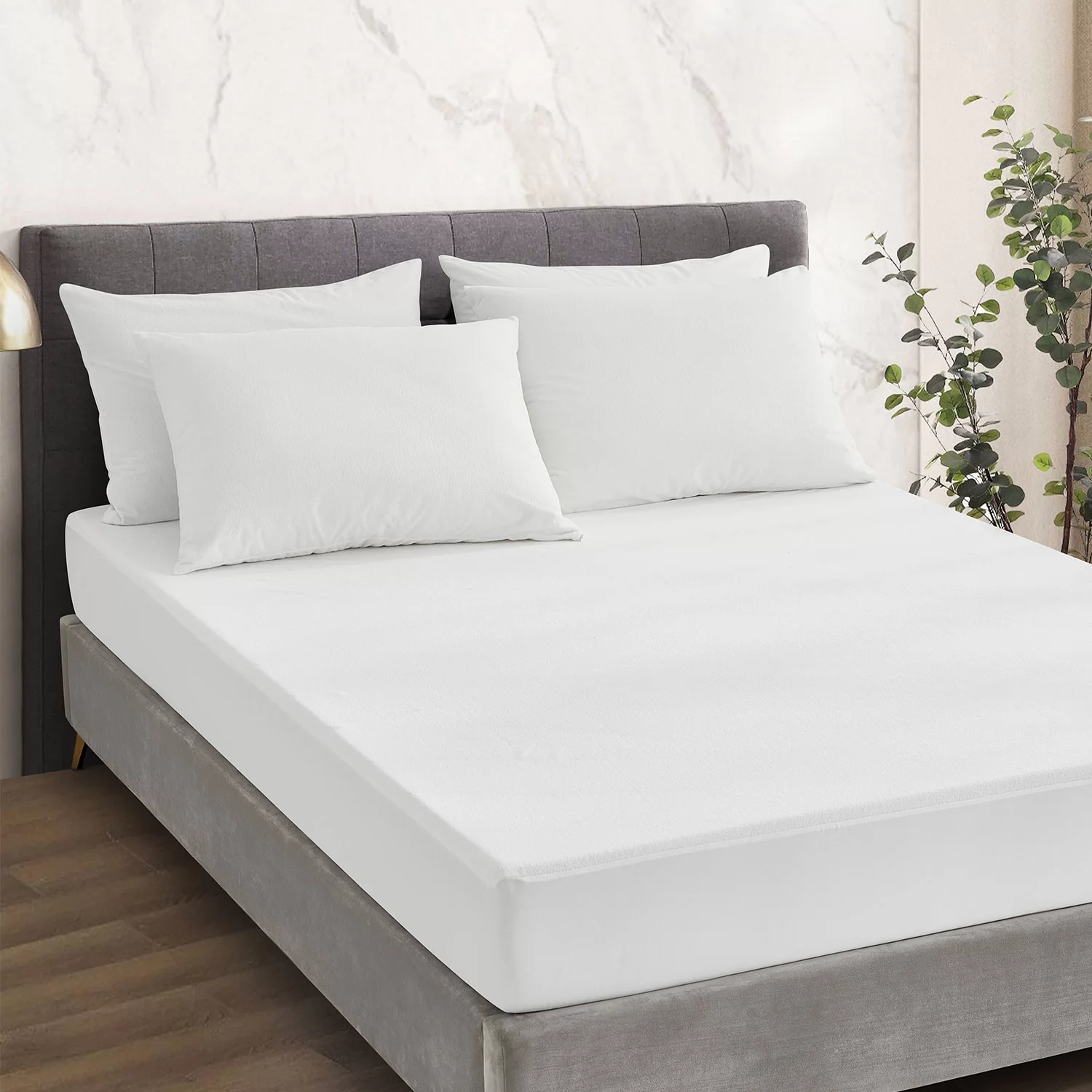
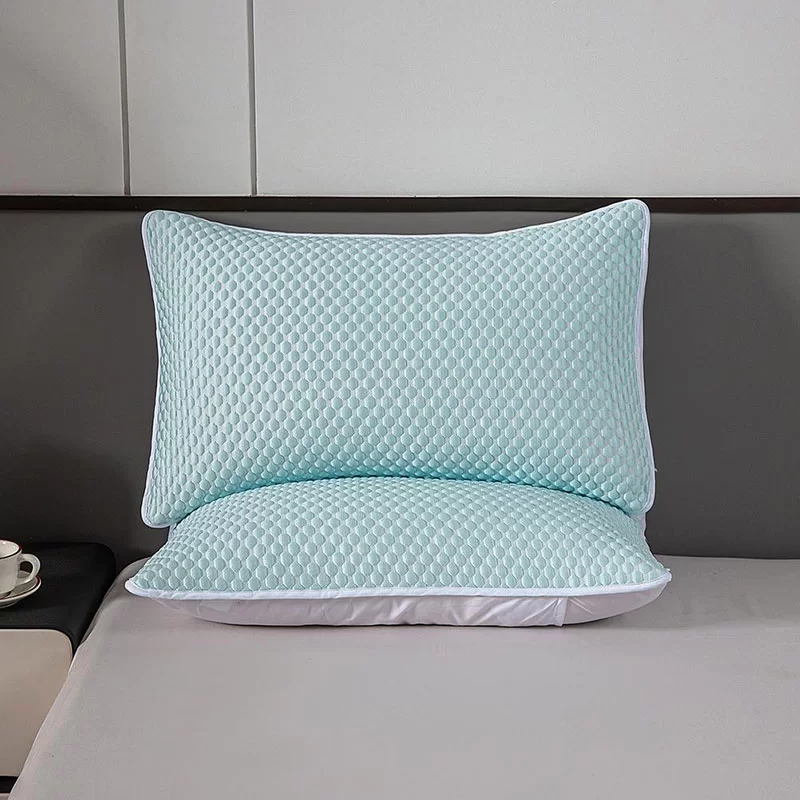
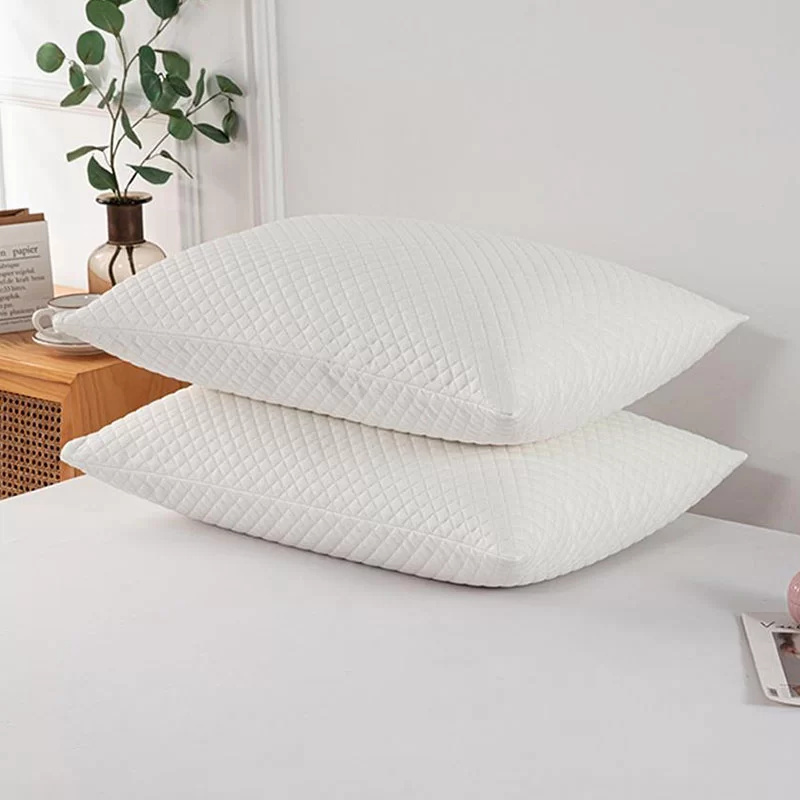
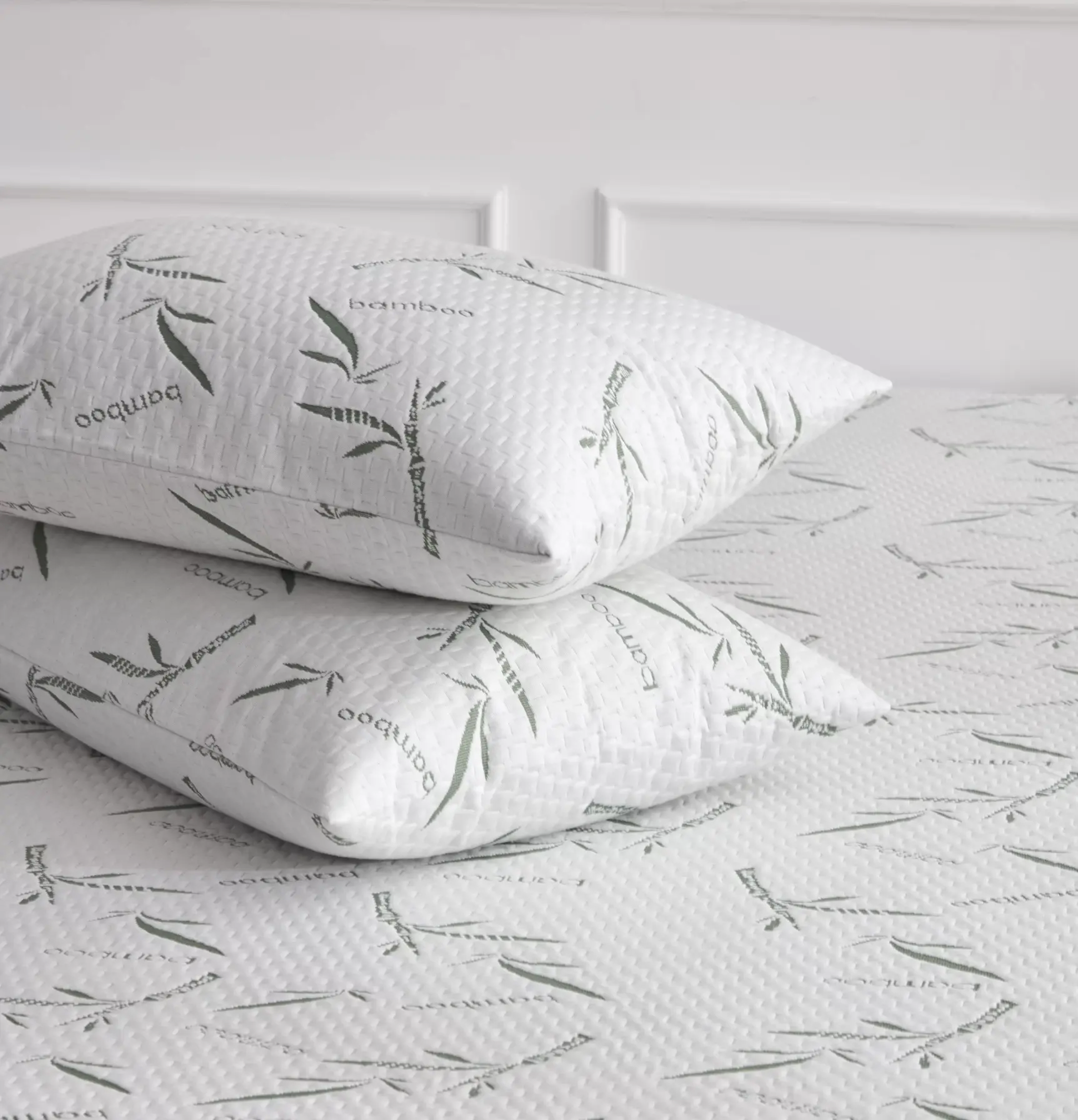
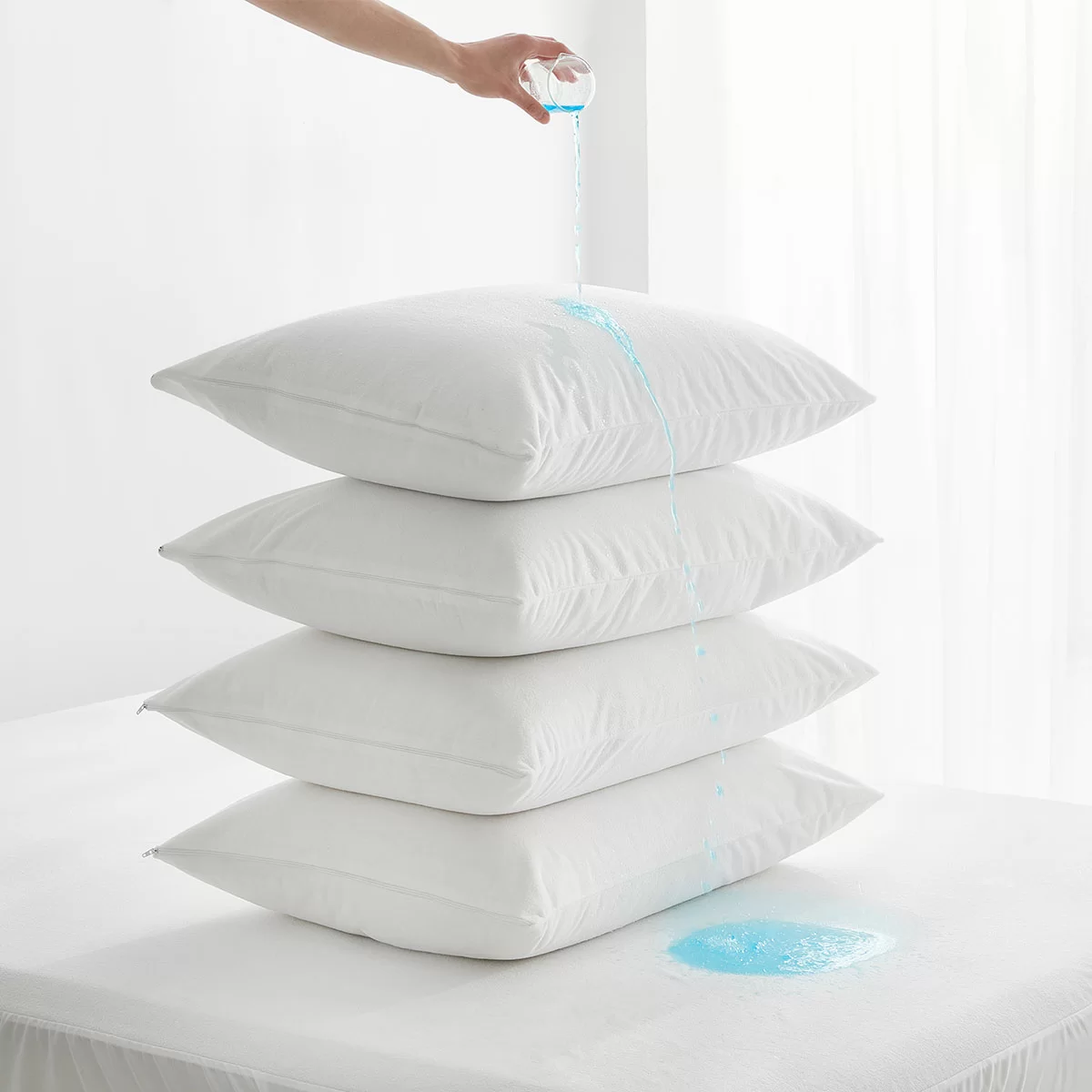
Achieving a restful night's sleep is a global priority, as the quality of our rest directly impacts our cognitive function, emotional stability, and overall physical health. In recent years, the demand for specialized sleep solutions has surged, leading to the rise of advanced temperature-regulating products designed to combat nocturnal overheating. Among these innovations, the concept of a cooling gel mattress pad has become a focal point for those seeking to optimize their sleep environment through material science.
From a global industry perspective, the shift toward "wellness real estate" and ergonomic bedding is driven by an increasing awareness of how thermal regulation affects the REM cycle. When the body cannot shed heat efficiently, sleep fragmentation occurs, leading to daytime fatigue and decreased productivity. This has pushed manufacturers to move beyond basic cottons and polyesters toward high-performance textiles and conductive materials that can actively manage heat dissipation.
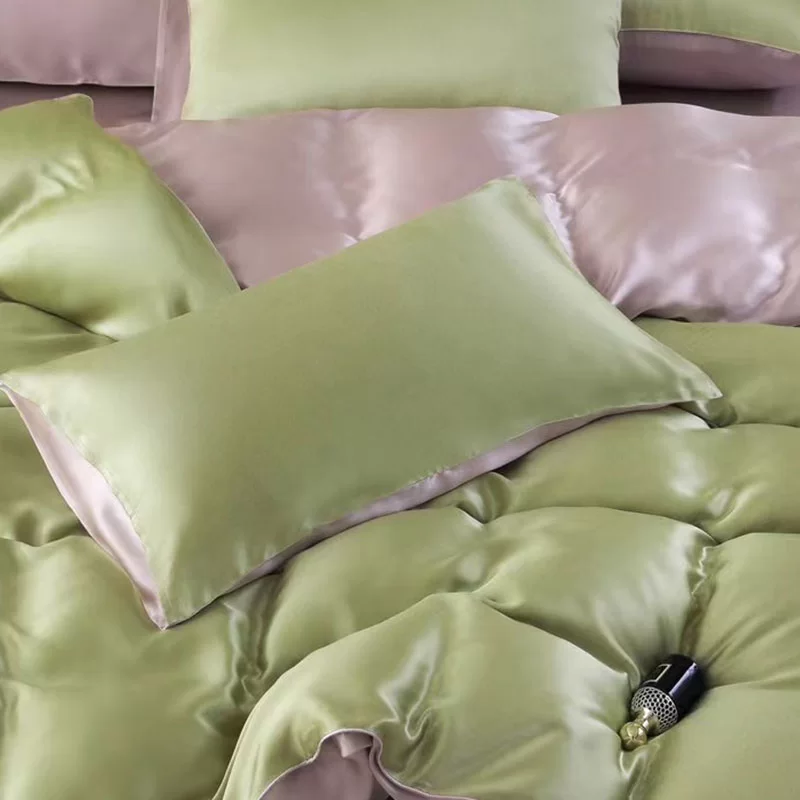
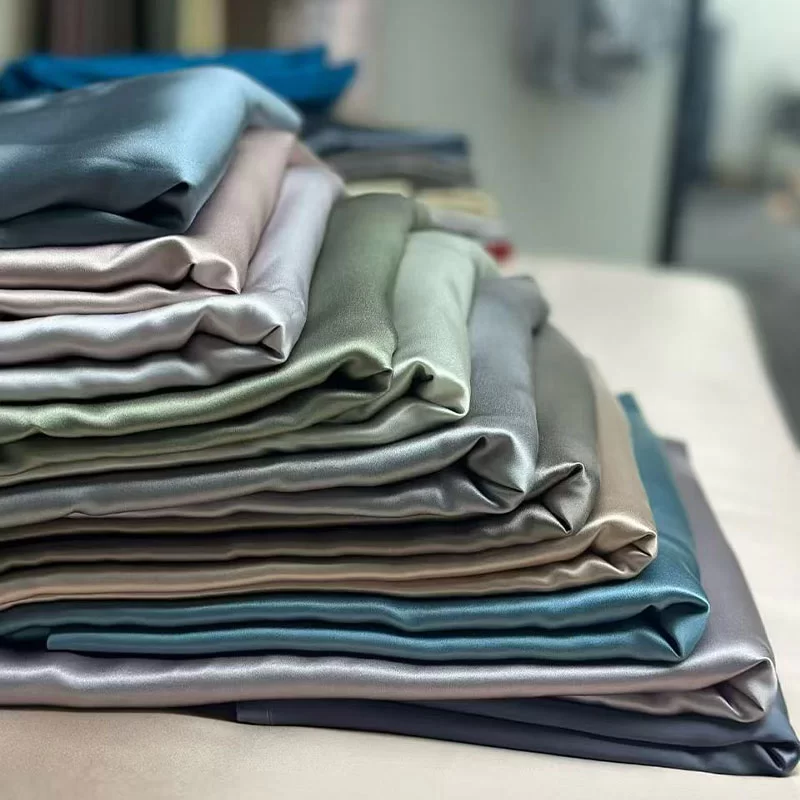
While many consumers search for a cooling gel mattress pad to solve their overheating issues, the true secret to year-round comfort often lies in the natural molecular structure of premium fabrics. By combining the thermal-regulating properties of 100% pure mulberry silk with modern bedding designs, users can achieve a balanced sleep temperature that remains cozy in winter and breathable in summer.

Global Relevance of Thermal Sleep Solutions
The global sleep economy has seen a dramatic shift toward functional textiles that address physiological needs. As urban temperatures rise and insomnia rates increase worldwide, the market for products like the cooling gel mattress pad has expanded from niche luxury to a health necessity. International standards for bedding now emphasize not just softness, but the ability of a fabric to maintain a neutral microclimate around the human body.
In the manufacturing sector, this has led to the integration of advanced polymers and natural fibers. The goal is to reduce the "sleep onset latency"—the time it takes to fall asleep—by helping the body reach its ideal core temperature more quickly. Whether through conductive gels or the natural breathability of mulberry silk, the industry is focusing on evidence-based comfort to improve global public health.
Defining the Cooling Gel Mattress Pad Concept
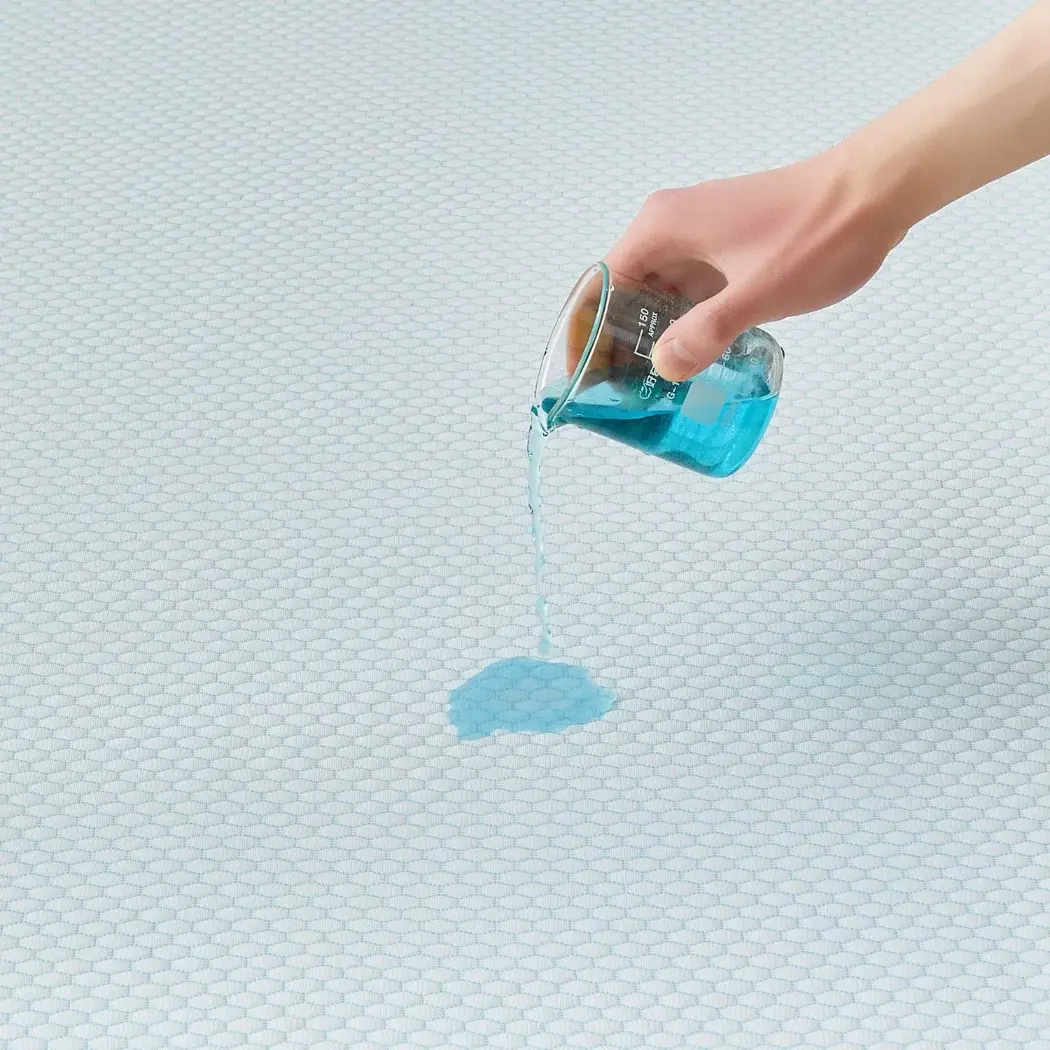
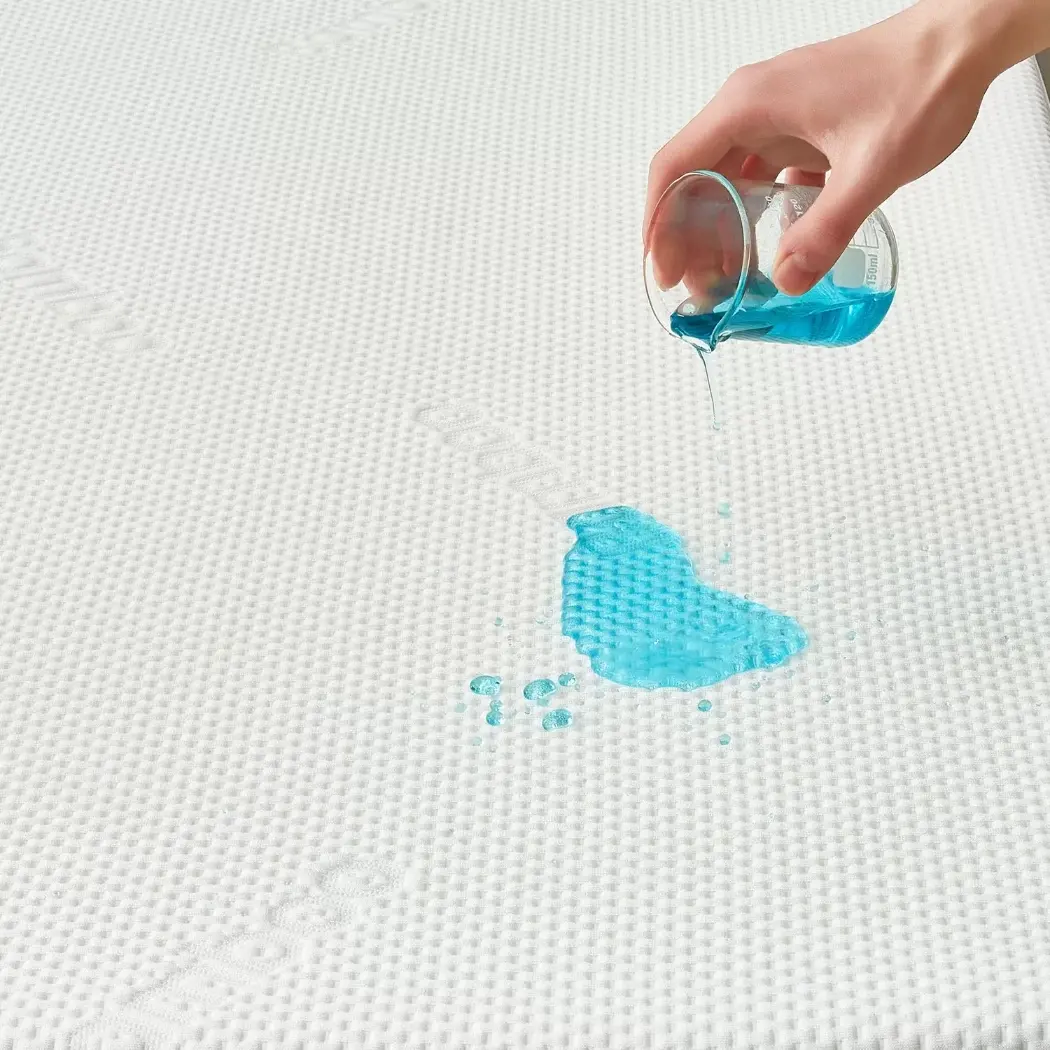
A cooling gel mattress pad is fundamentally a sleep surface designed to absorb and dissipate excess body heat during the night. Traditionally, this involves the use of thermoregulation gels embedded within memory foam or specialized layers that move heat away from the skin. The primary objective is to prevent the "heat trap" effect commonly associated with dense foam mattresses, ensuring the sleeper does not wake up due to overheating.
In a broader industrial context, this concept extends to any bedding solution that manages thermal energy. For example, high-end mulberry silk bedding functions as a natural version of this technology. Because silk fibers are protein-based and possess a unique molecular structure, they create tiny air pockets that regulate temperature dynamically, acting similarly to a cooling gel mattress pad by wicking away moisture and heat in the summer.
Modern humanitarian and healthcare needs have also adopted these principles. In clinical settings, maintaining a stable skin temperature is critical for preventing pressure ulcers and ensuring patient comfort. Consequently, the transition from synthetic heat-trapping materials to breathable, temperature-regulating fabrics represents a significant leap in patient care and overall recovery efficiency.
Core Components of Temperature Regulation
The effectiveness of a cooling gel mattress pad depends on three primary factors: thermal conductivity, moisture wicking, and breathability. Thermal conductivity refers to the material's ability to transfer heat from the body to the environment. Materials with high conductivity prevent the buildup of heat, which is essential for those who suffer from night sweats or live in tropical climates.
Moisture management is where a cooling gel mattress pad must perform optimally. If a material absorbs moisture but cannot release it, the resulting humidity increases the perceived temperature. Premium 100% Mulberry Silk excels here; unlike cotton which holds onto water, silk helps the skin retain its natural hydration while allowing excess sweat to evaporate, maintaining a dry and cool surface.
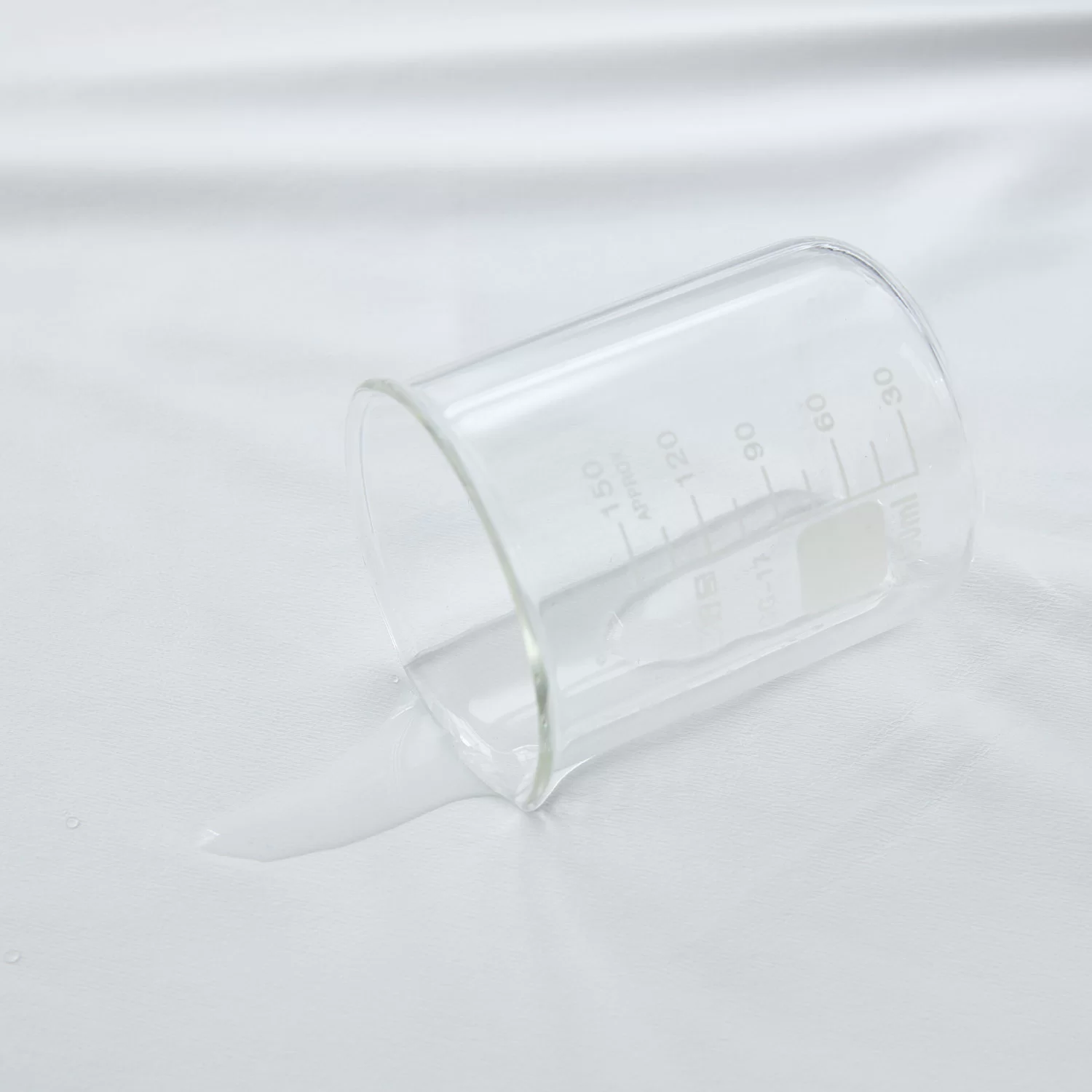
Finally, durability and hypoallergenic properties ensure that the cooling benefits are not lost over time. A high-quality cooling gel mattress pad should resist the degradation of its active cooling agents. Similarly, mulberry silk provides a hypoallergenic environment, resistant to dust mites and bacteria, ensuring that the pursuit of cooling does not compromise the purity of the sleep environment.
Practical Application and Performance Metrics
When implementing thermal solutions in the home, users typically evaluate performance based on the "Cool-to-Touch" sensation and the longevity of that effect. While some synthetic cooling gel mattress pad options provide an immediate chill, they can sometimes "bottom out" once the gel reaches body temperature. This is why the industry is moving toward hybrid solutions that combine conductive layers with breathable natural fibers.
To quantify these benefits, we look at metrics such as the Rate of Heat Dissipation (RHD) and Moisture Vapor Transmission Rate (MVTR). Higher scores in these areas correlate directly with deeper sleep stages and fewer nocturnal awakenings. The following data illustrates how different approach methods to cooling—ranging from basic foam to advanced silk—perform across various comfort metrics.
Comparative Performance of Cooling Sleep Solutions
Global Use Cases in Hospitality and Healthcare
In the luxury hotel and motel sector, the integration of a cooling gel mattress pad or premium temperature-regulating linen is a key differentiator for guest satisfaction. High-end resorts in tropical regions like Southeast Asia or the Caribbean utilize these technologies to ensure guests remain comfortable despite high humidity. By upgrading to mulberry silk or gel-infused toppers, hotels can reduce the reliance on energy-intensive air conditioning, aligning with global sustainability goals.
Similarly, in the healthcare industry, hospital linen must balance sterility with thermal comfort. Patients with limited mobility are prone to overheating in specific areas of the body, which can lead to skin irritation. Implementing breathable, antimicrobial, and cooling surfaces helps in maintaining skin integrity. The use of customized, high-thread-count fabrics that mimic the effects of a cooling gel mattress pad ensures that patient recovery is not hindered by sleep deprivation.
Long-term Value and Sustainability
Investing in a high-quality cooling gel mattress pad or pure silk bedding is not just about immediate comfort; it is an investment in long-term wellness. Cheap synthetic alternatives often lose their cooling properties within a few months as the polymers break down. In contrast, premium materials like mulberry silk are durable and maintain their luster and thermal-regulating properties for years with proper care, offering a lower total cost of ownership.
From an environmental perspective, the shift toward natural fibers reduces the proliferation of microplastics in the water supply. While some gel pads use petroleum-based chemicals, mulberry silk is a biodegradable protein fiber. This makes it a superior choice for the eco-conscious consumer who wants the benefits of a cooling gel mattress pad without the environmental footprint of synthetic polymers.
Furthermore, the emotional value of "sleep sanctuary" design cannot be overstated. The combination of a cool touch, smooth texture, and hypoallergenic properties creates a sense of security and luxury. This psychological comfort, paired with the physiological benefit of temperature regulation, leads to improved mental clarity and emotional resilience in the face of daily stress.
Future Innovations in Sleep Technology
The future of the cooling gel mattress pad is moving toward "Active Thermal Management." We are seeing the emergence of smart textiles that can change their thermal conductivity based on the sleeper's real-time body temperature. By integrating sensors with phase-change materials (PCMs), the next generation of bedding will be able to warm up in the winter and cool down in the summer automatically, without user intervention.
Automation and digital transformation are also playing a role. We anticipate the integration of IoT (Internet of Things) where a mattress pad communicates with a smart home system to adjust room temperature based on the heat signature detected by the bedding. This synergy between the physical material—like a cooling gel mattress pad—and digital controls will maximize energy efficiency and sleep quality.
Sustainability will remain the driving force for innovation. Research is currently focused on bio-engineered silks and plant-based gels that provide the same conductive properties as synthetic versions but are fully compostable. As these materials enter the mass market, the gap between "luxury" and "sustainable" will close, making high-performance sleep solutions accessible to all.
Analysis of Cooling Technology Performance by Material Type
| Material Type | Cooling Duration | Breathability Score | Durability (Years) |
|---|
| Standard Gel Foam | Short-term (2-4 hrs) | 5/10 | 2-3 |
| Advanced PCM Gel | Medium-term (4-6 hrs) | 6/10 | 3-5 |
| Pure Mulberry Silk | All-Night Regulation | 10/10 | 5-10 |
| Bamboo Viscose | Consistent Low | 8/10 | 3-4 |
| Hybrid Silk-Gel | Long-term (6-8 hrs) | 9/10 | 5-7 |
| Cotton Percale | Initial only | 7/10 | 4-6 |
FAQS
A cooling gel mattress pad typically uses chemical gels to absorb heat actively, providing an immediate "cold" sensation. Silk bedding, particularly 100% mulberry silk, provides natural temperature regulation. While the gel pad is more aggressive in heat absorption, silk is more breathable, hypoallergenic, and offers long-term regulation without the risk of the material "warming up" and trapping heat over time.
Yes, but the experience varies. Pure gel pads may feel too cold in winter. However, temperature-regulating solutions like mulberry silk are "all-season." They trap warmth in the winter and wick heat in the summer, making them more versatile than single-purpose cooling pads. For those using gel pads, layering with a breathable sheet is recommended during colder months.
Gel pads usually require spot cleaning or gentle machine washing depending on the core material. Premium mulberry silk sets are machine-washable on a gentle cycle with cold water and silk-specific detergent. Avoiding bleach and high heat is crucial for both types of products to maintain their structural integrity and cooling properties.
While some synthetic gels can cause irritation in very sensitive individuals, mulberry silk is naturally hypoallergenic and antimicrobial. It is highly recommended for those with asthma or sensitive skin as it resists dust mites and mold, providing a pristine environment while keeping the body cool.
Yes, by facilitating the body's natural cooling process, these products help the brain enter deep sleep stages more efficiently. Reducing nocturnal awakenings caused by overheating leads to better cognitive function, improved mood, and higher energy levels the following day.
Low-end synthetic gel pads may lose efficiency within 1-2 years as the gel degrades. High-quality hybrid pads or natural silk bedding can last significantly longer—often 5 to 10 years—provided they are cared for according to manufacturer instructions.
Conclusion
The pursuit of the perfect sleep environment has evolved from simple comfort to a sophisticated science of thermal management. Whether through the active heat dissipation of a cooling gel mattress pad or the natural, breathable elegance of 100% mulberry silk, the goal remains the same: to optimize the body's core temperature for restorative sleep. By understanding the interplay between moisture wicking, thermal conductivity, and material durability, consumers can make informed choices that enhance both their physical health and mental well-being.
As we look toward the future, the integration of smart textiles and sustainable bio-materials will further refine how we experience rest. We encourage you to invest in bedding that doesn't just feel luxurious but actively works to improve your sleep hygiene. For high-quality, temperature-regulating bedding solutions that combine timeless craftsmanship with modern science, visit our website: www.infortextile.com.