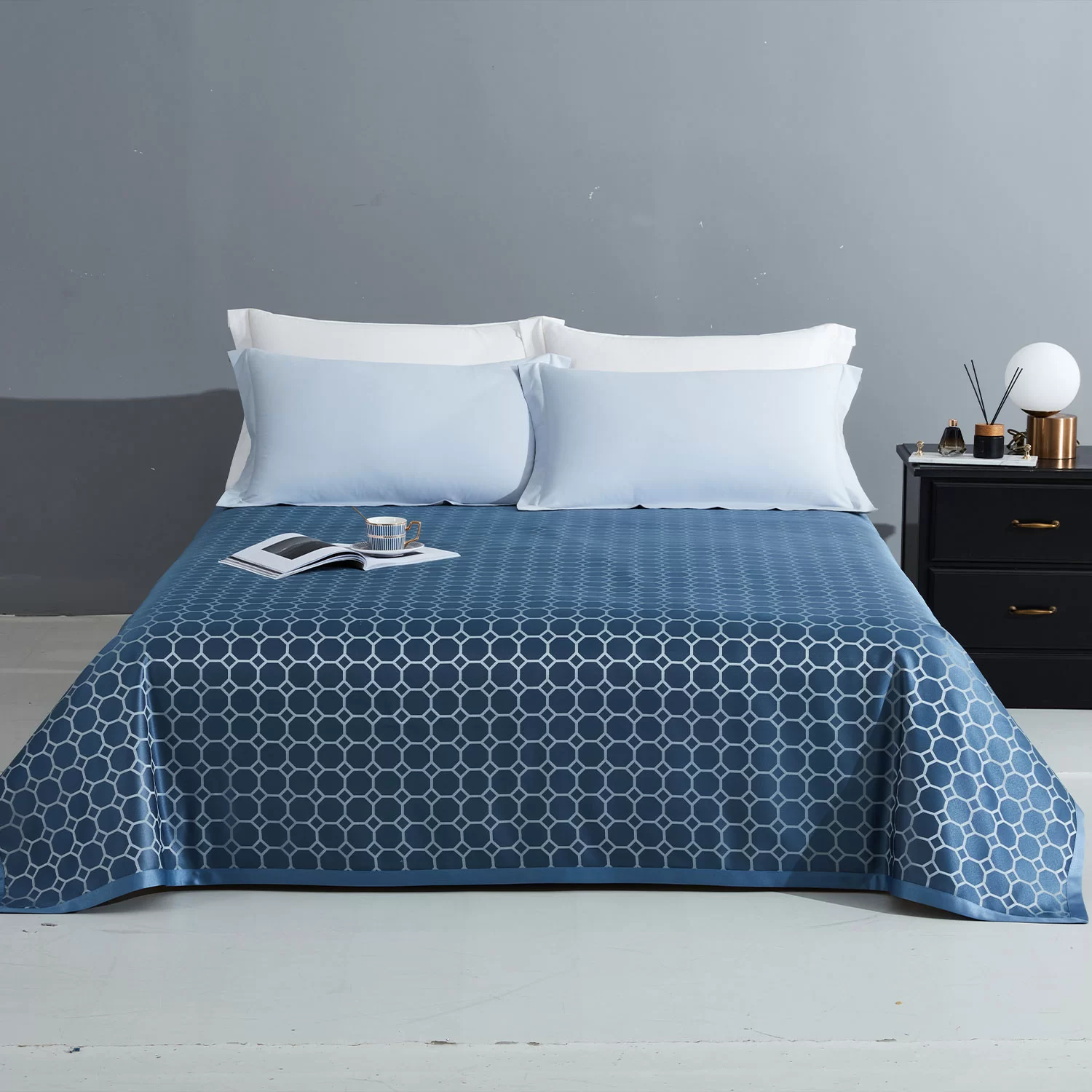
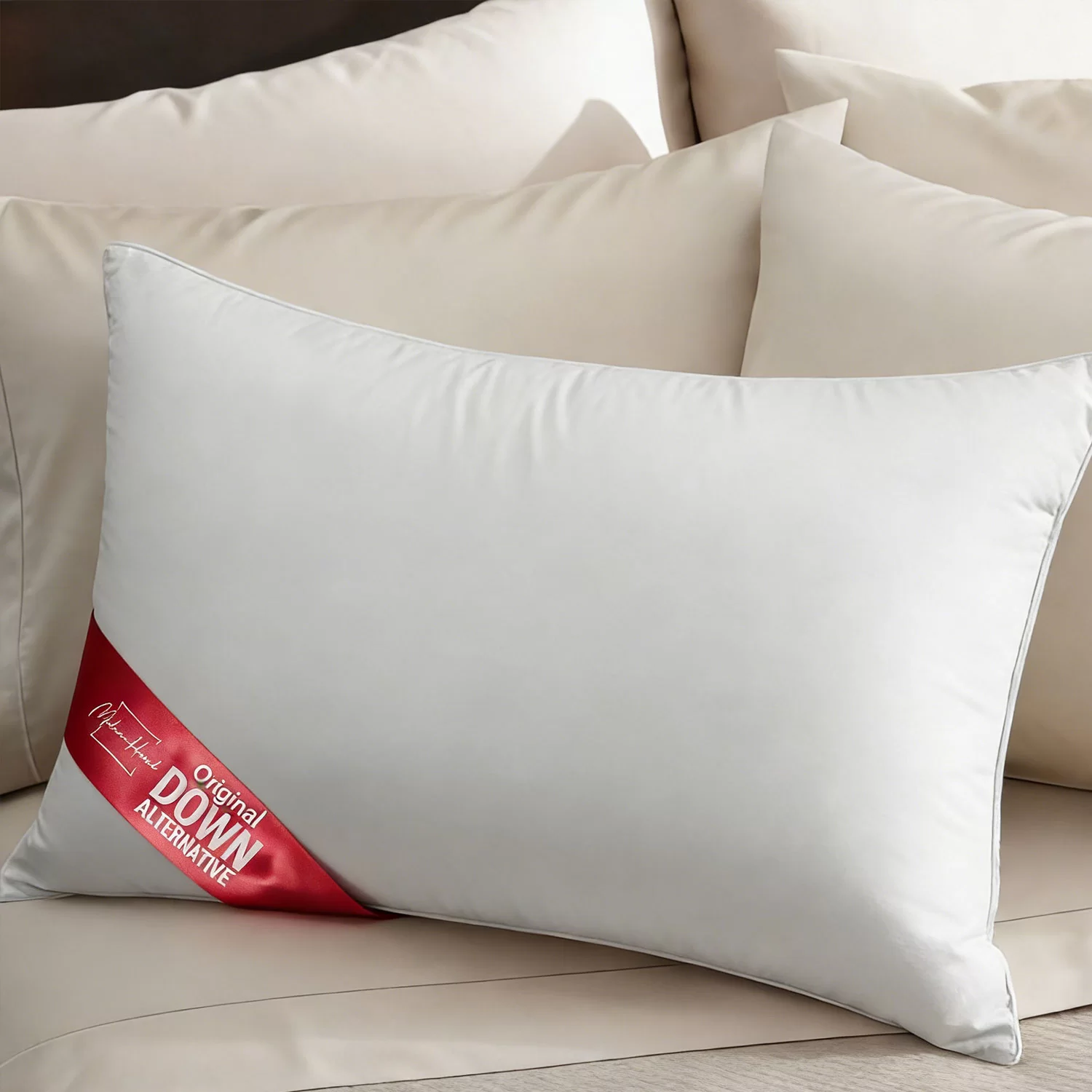
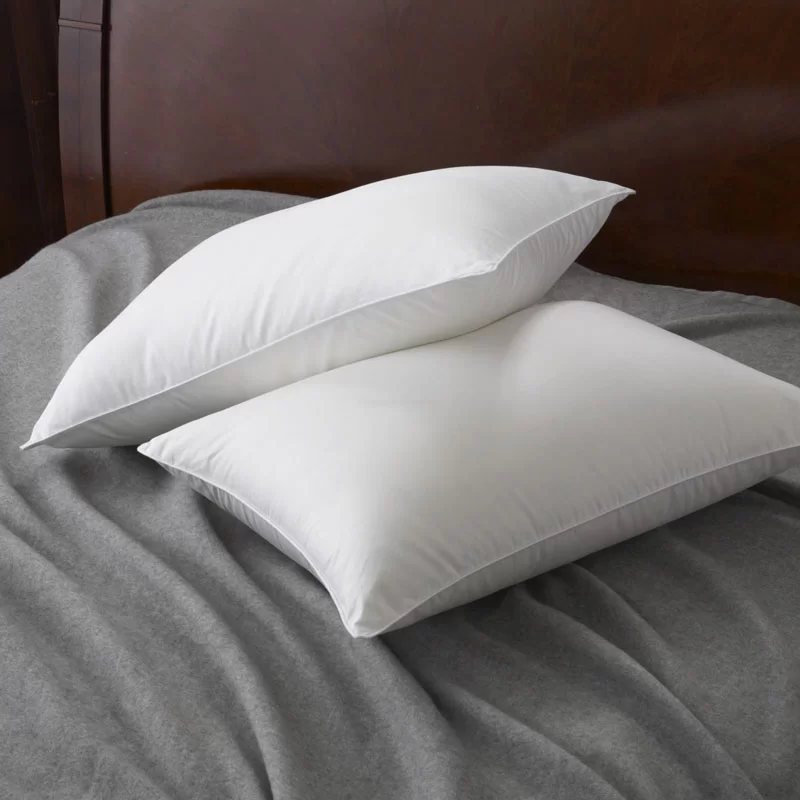
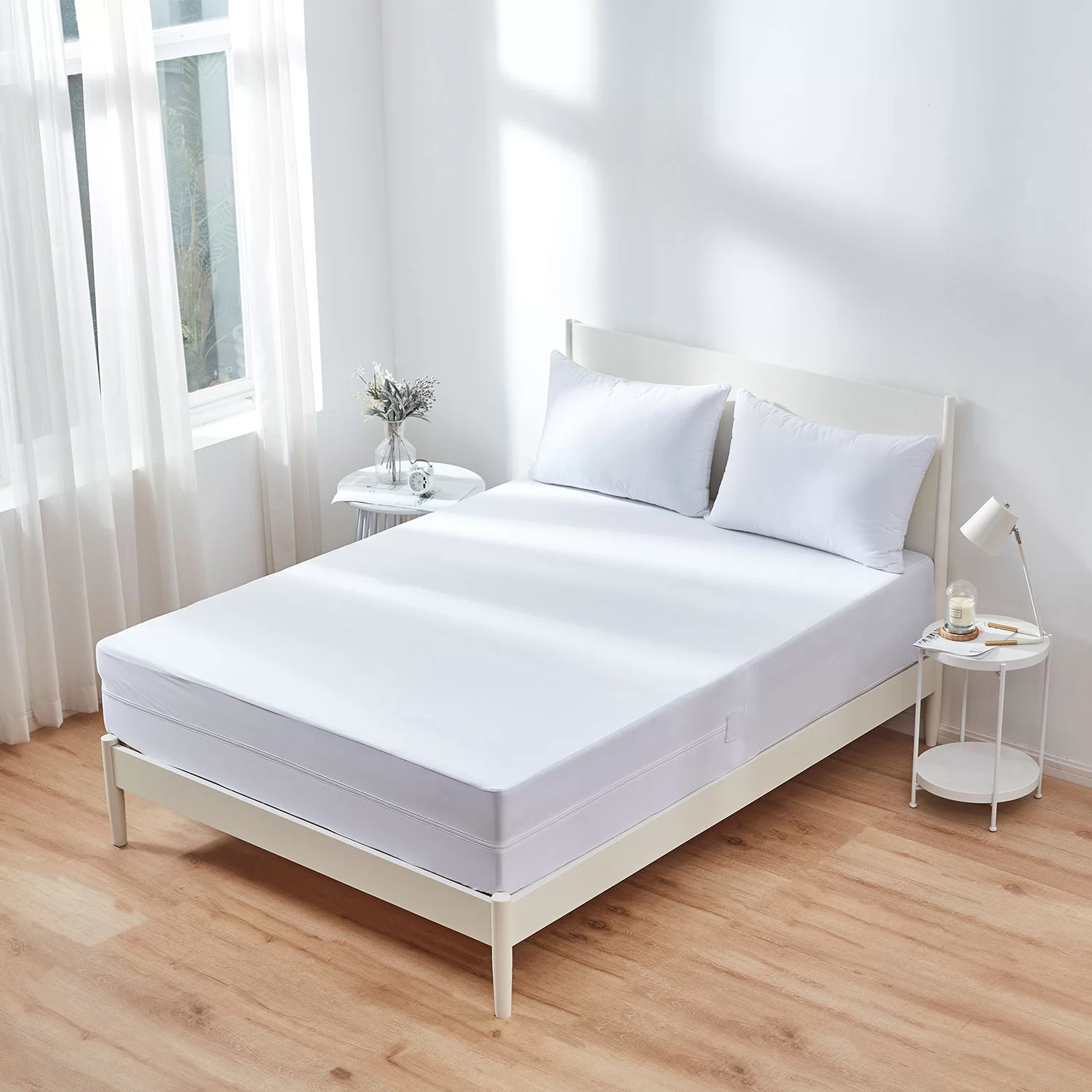
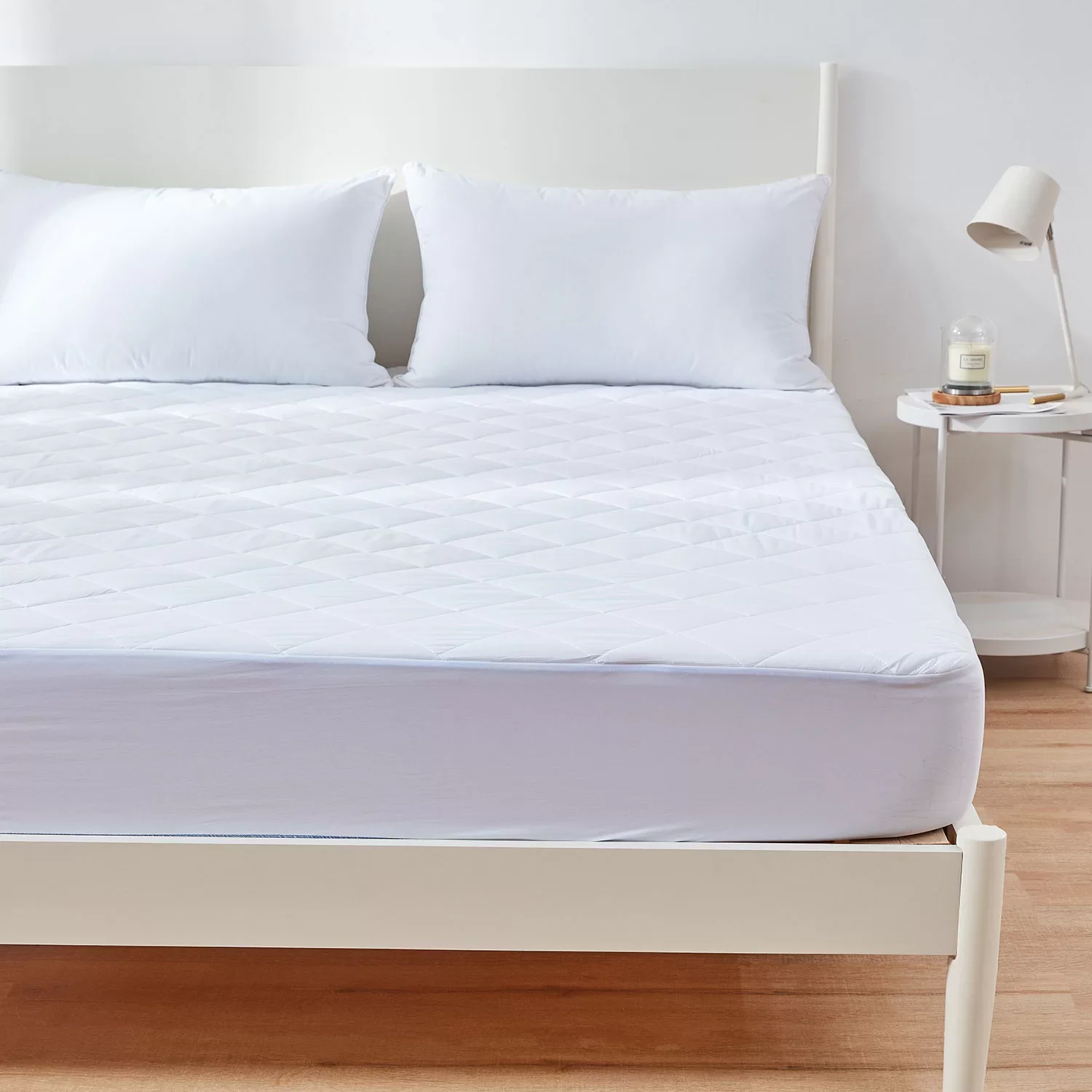
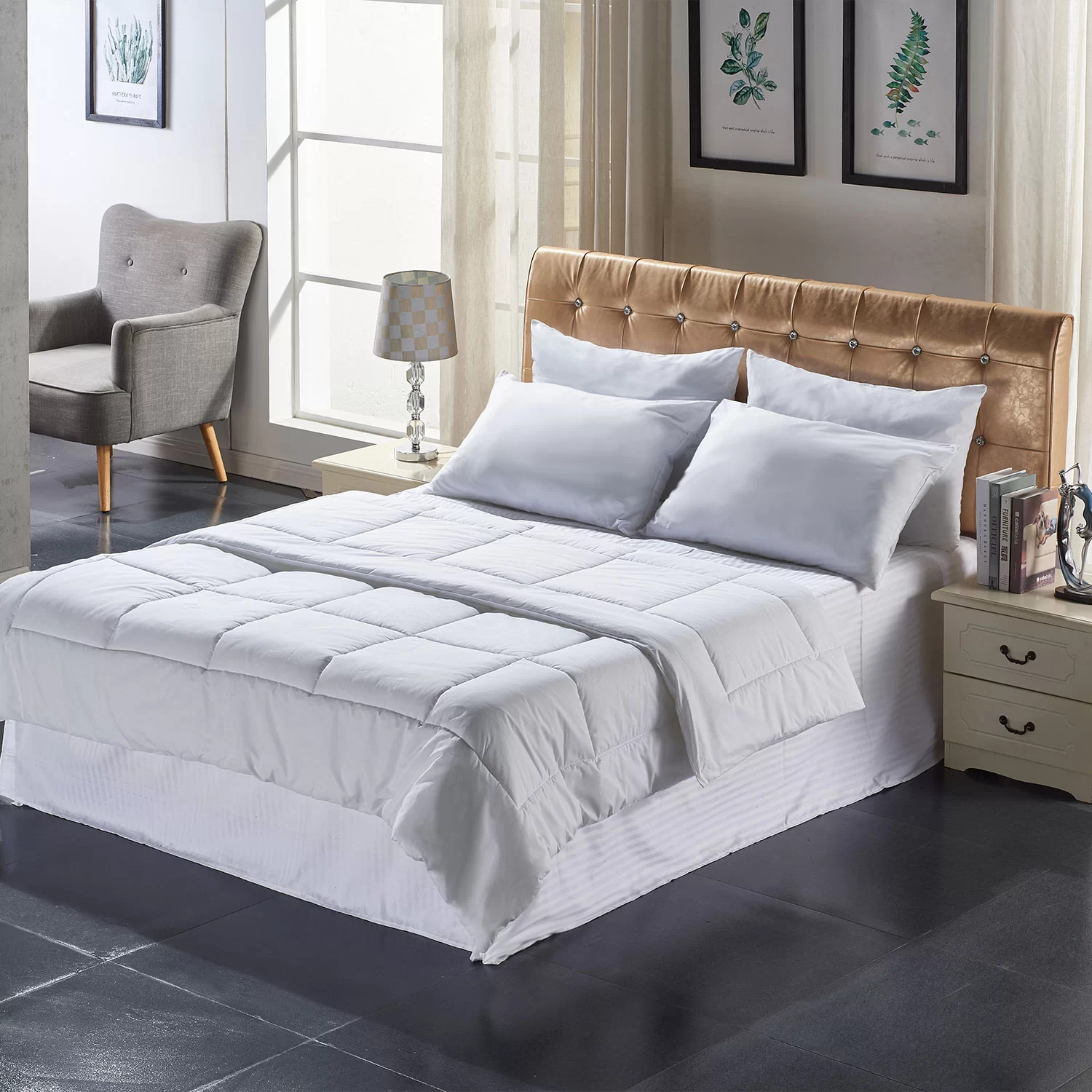
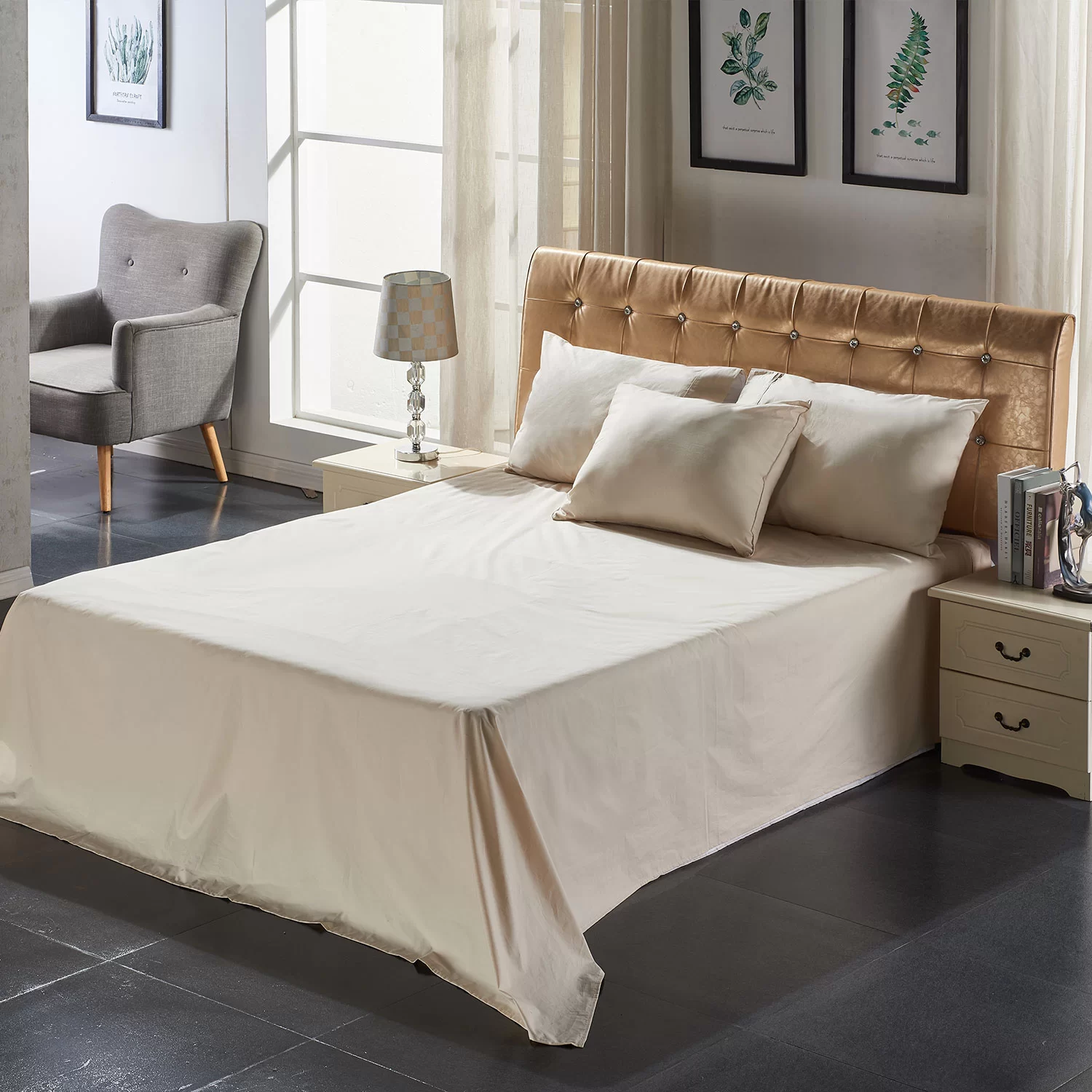
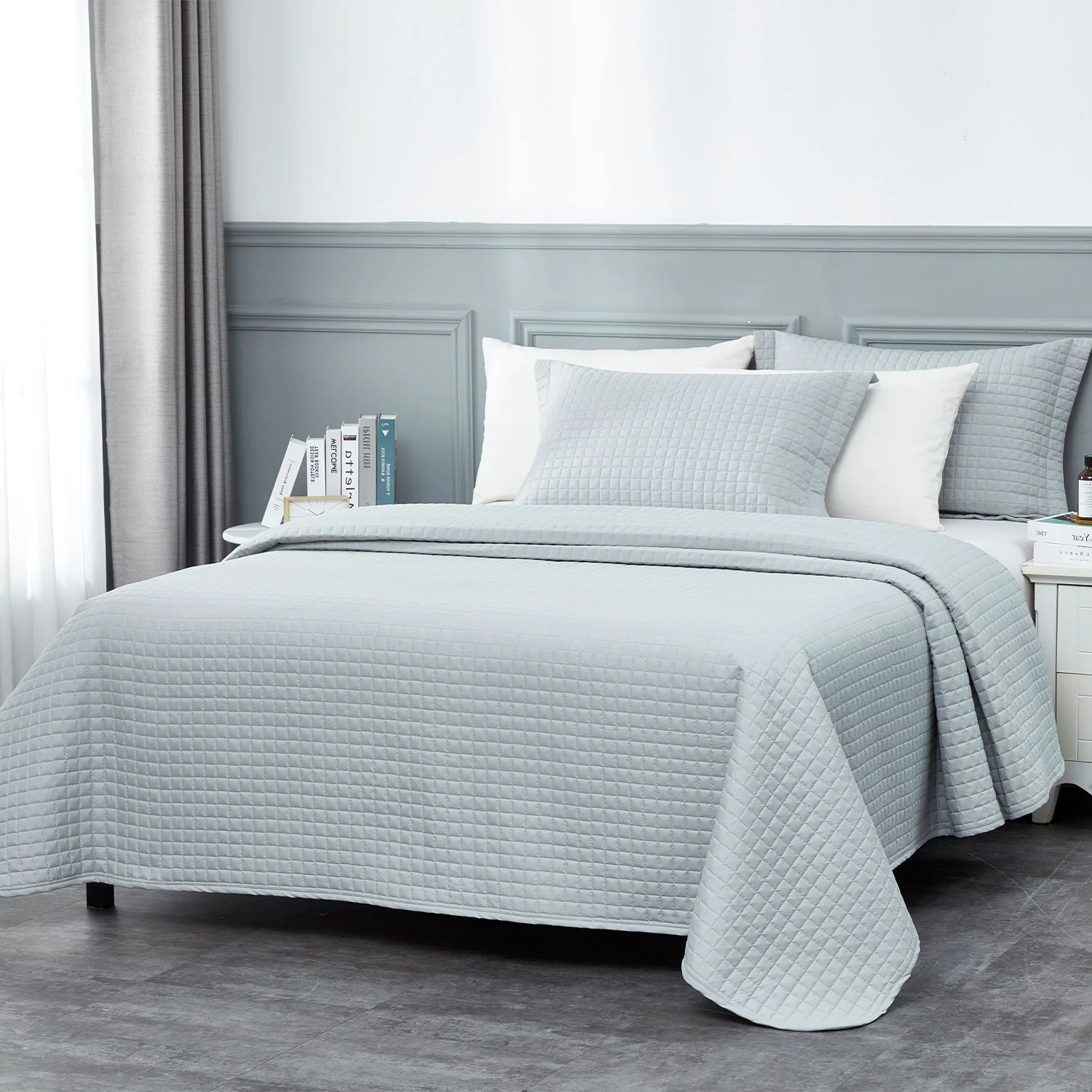
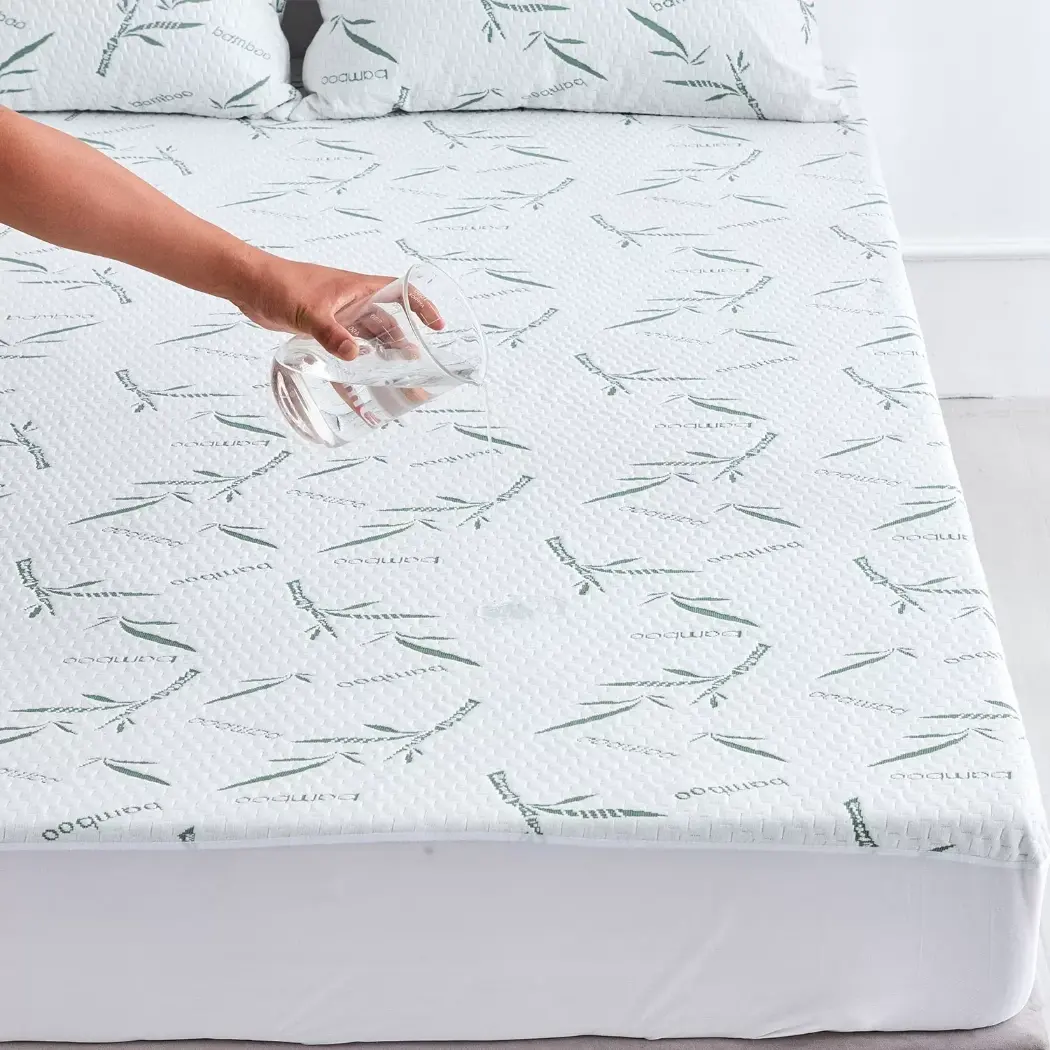
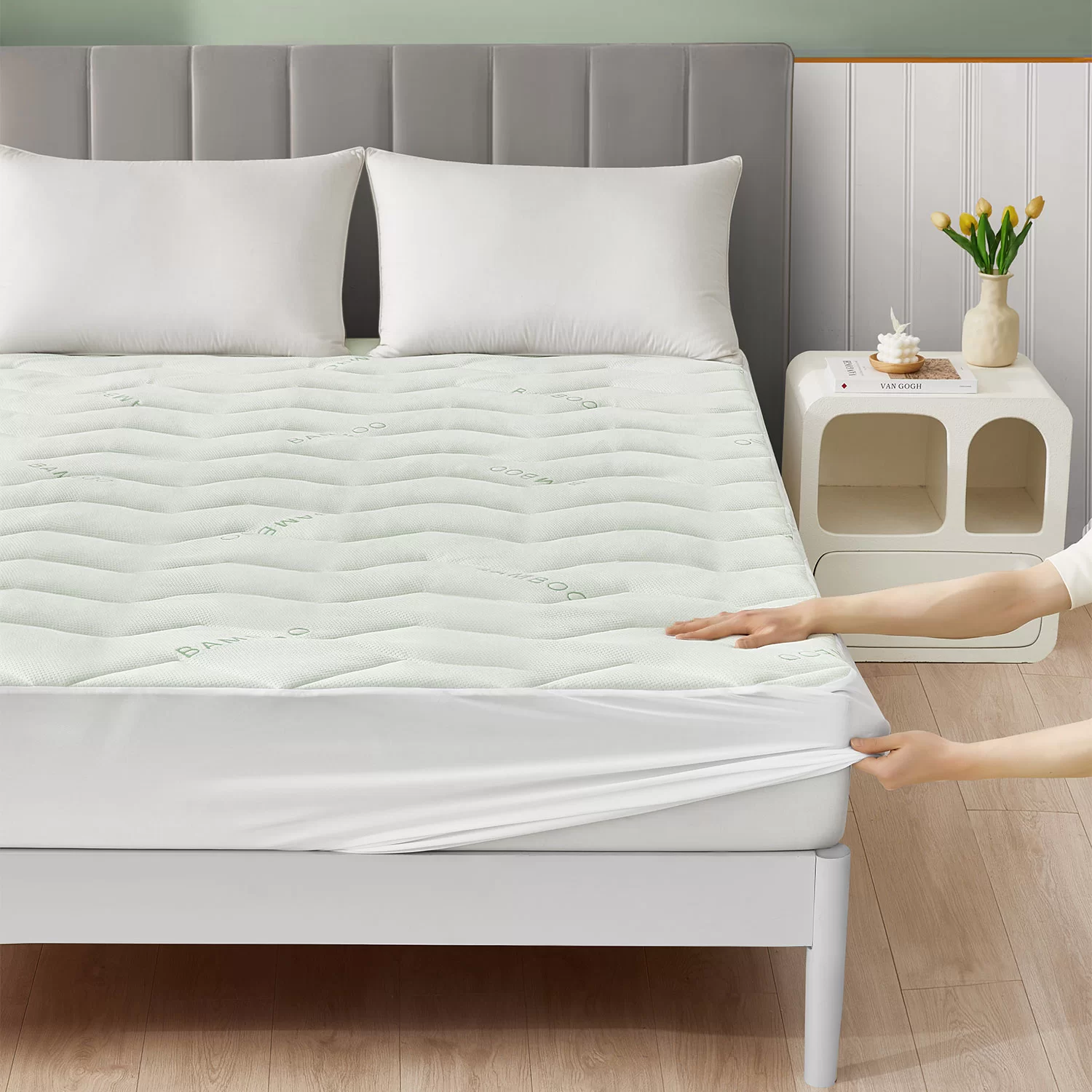
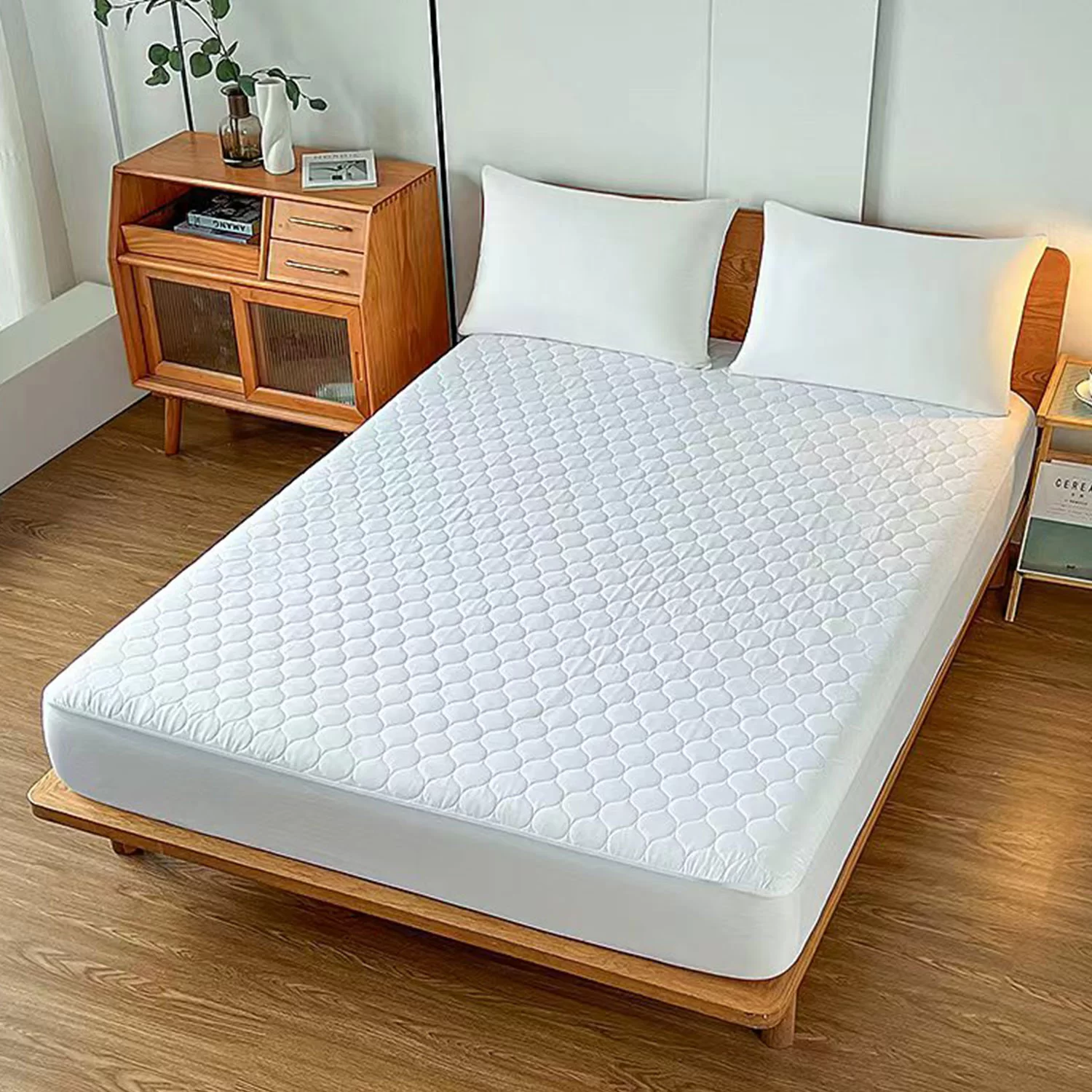
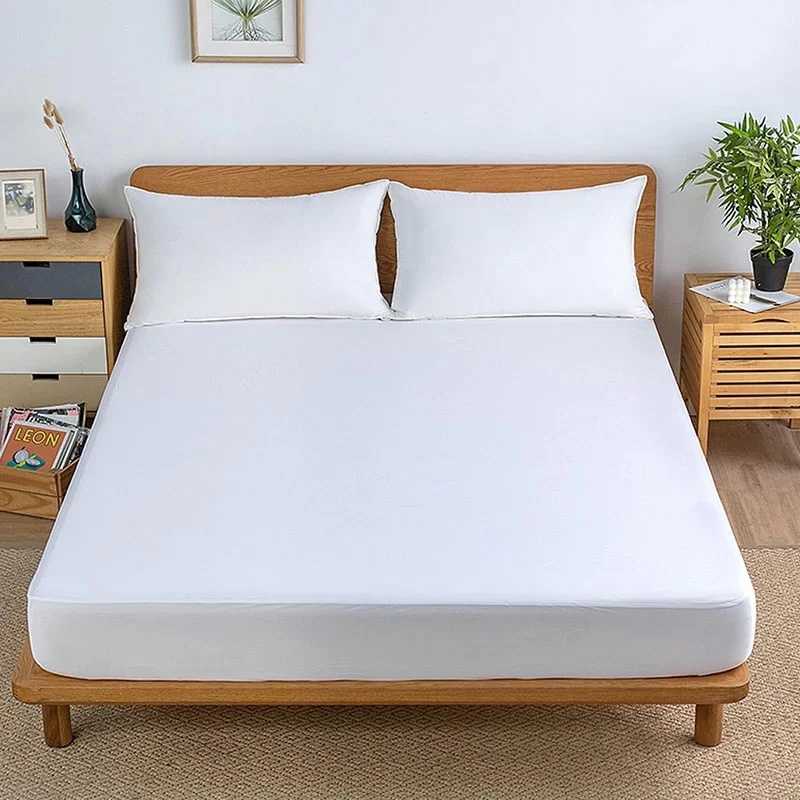
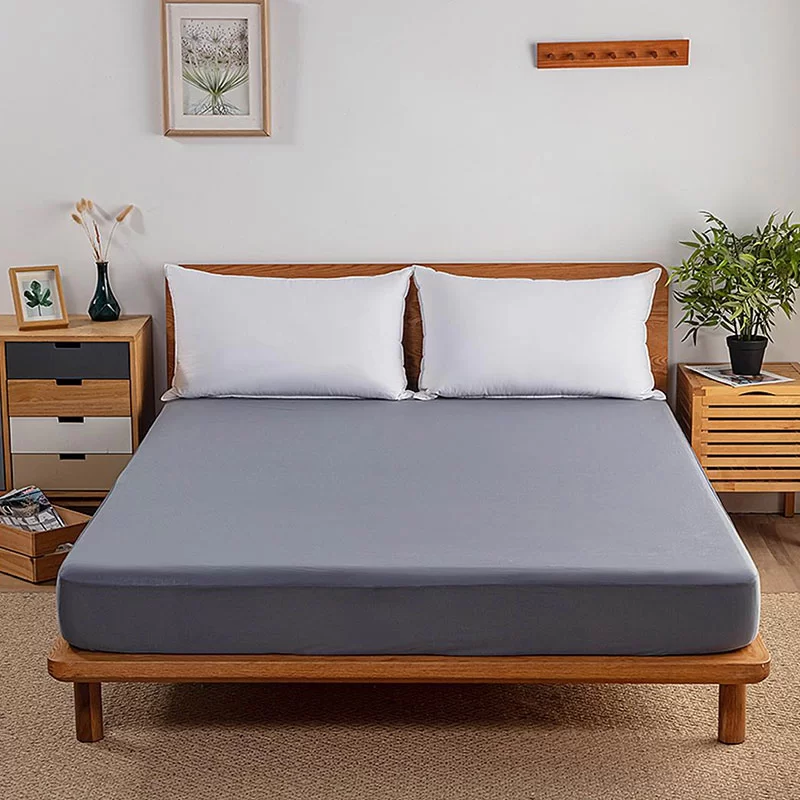
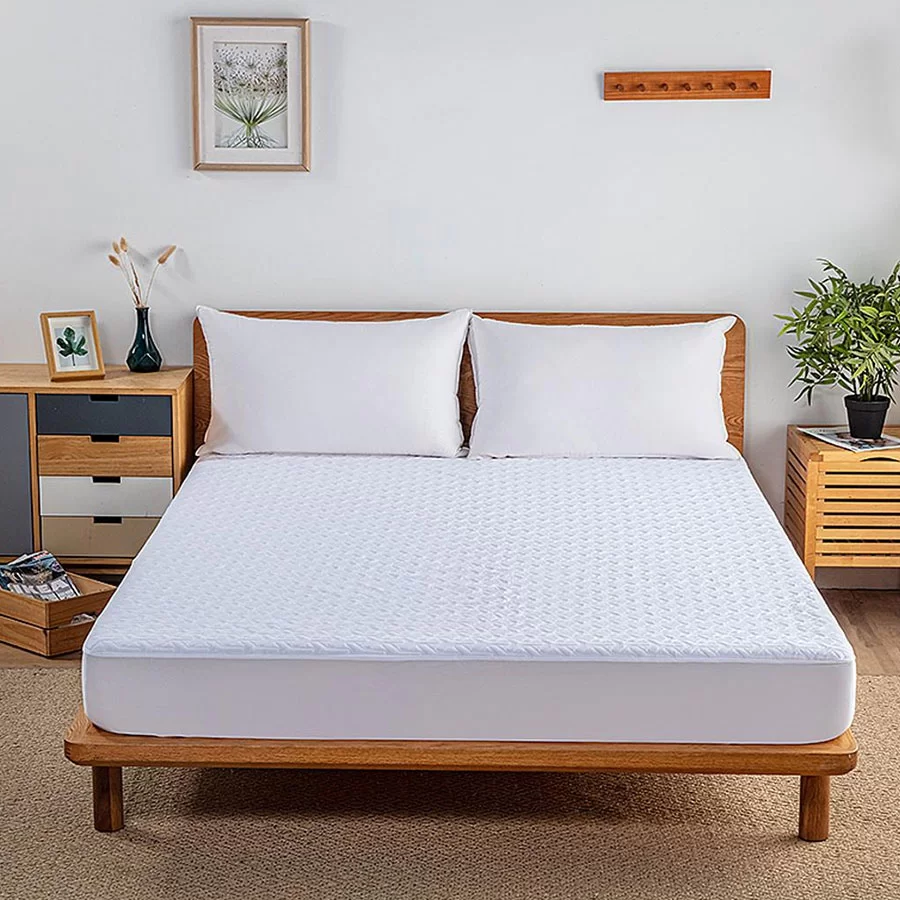
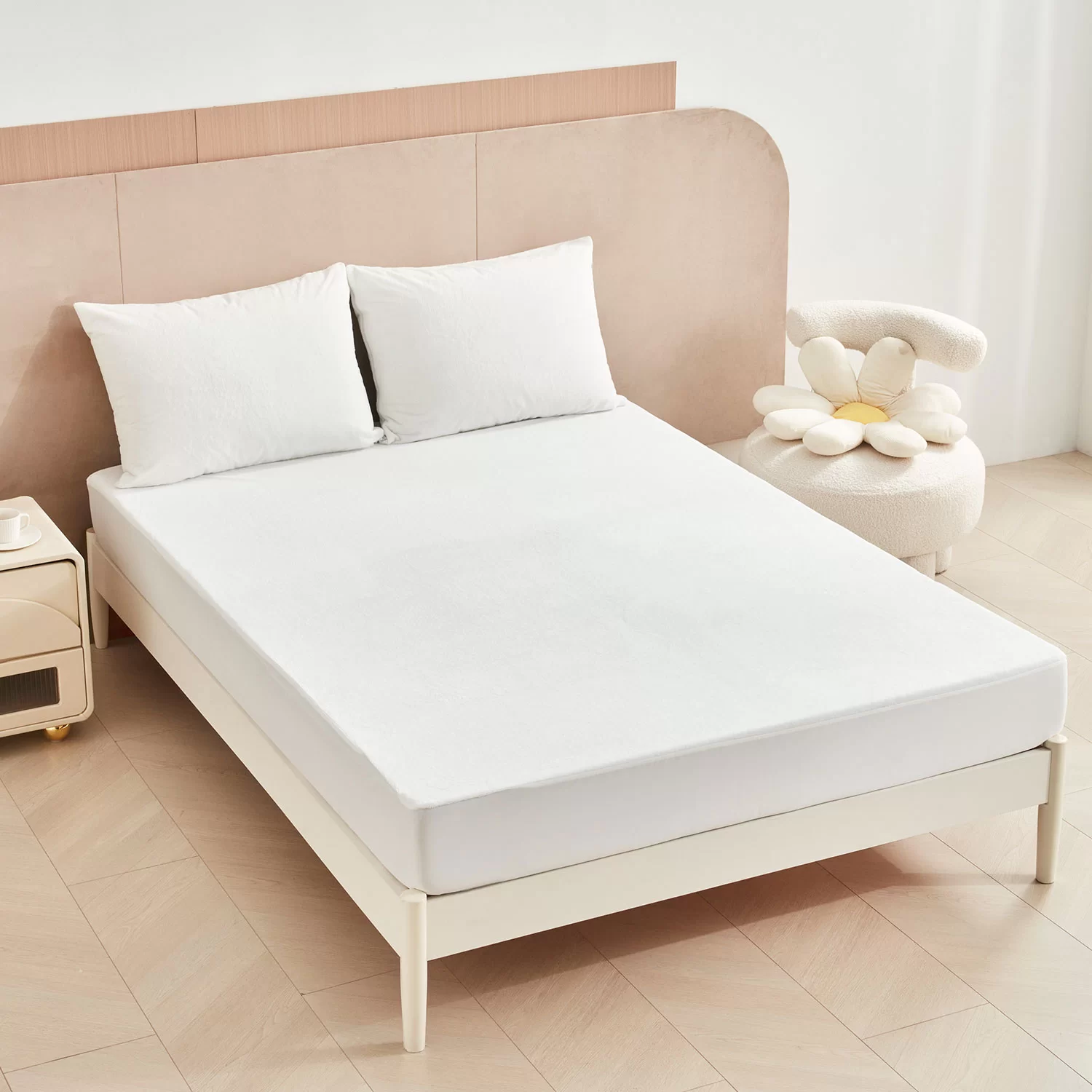
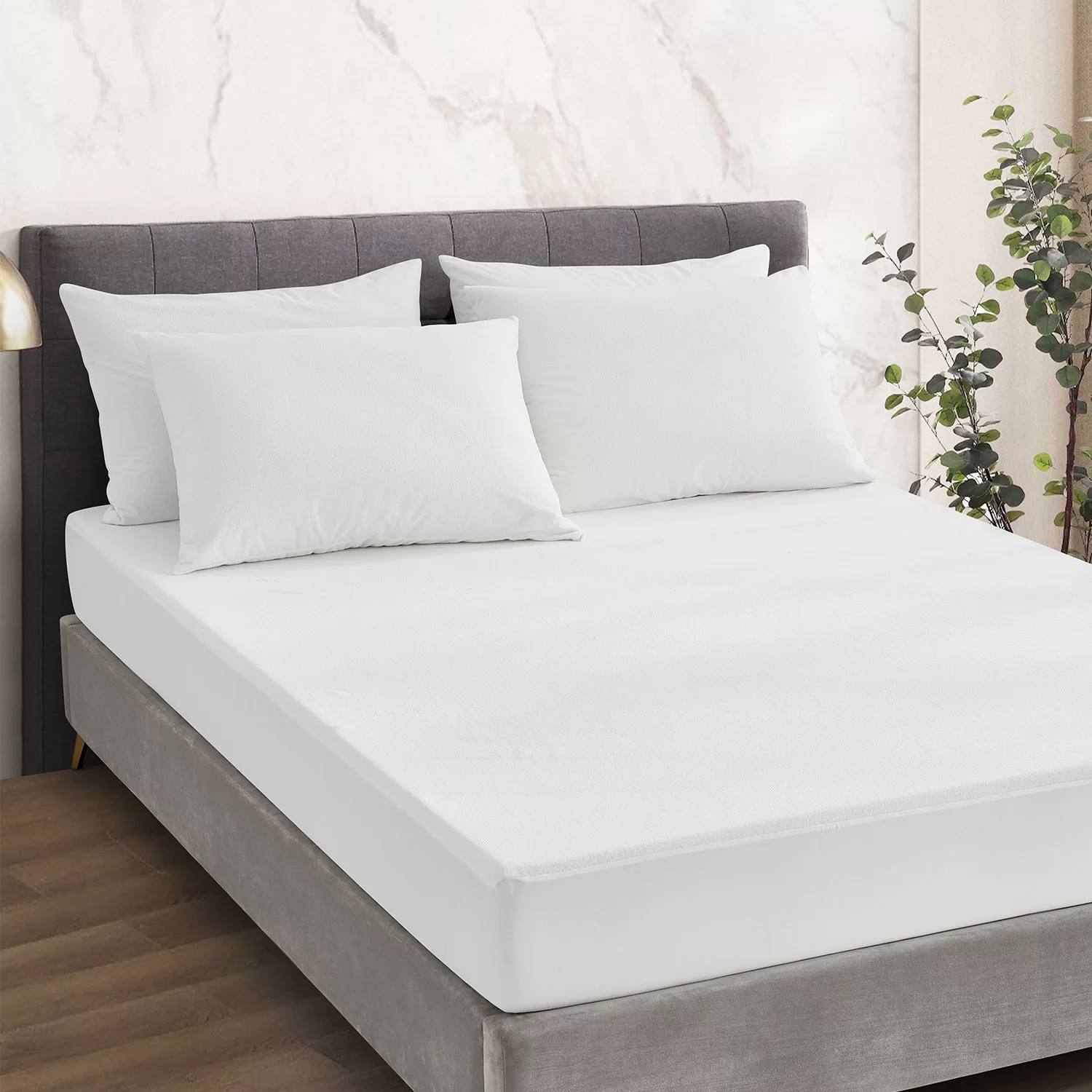
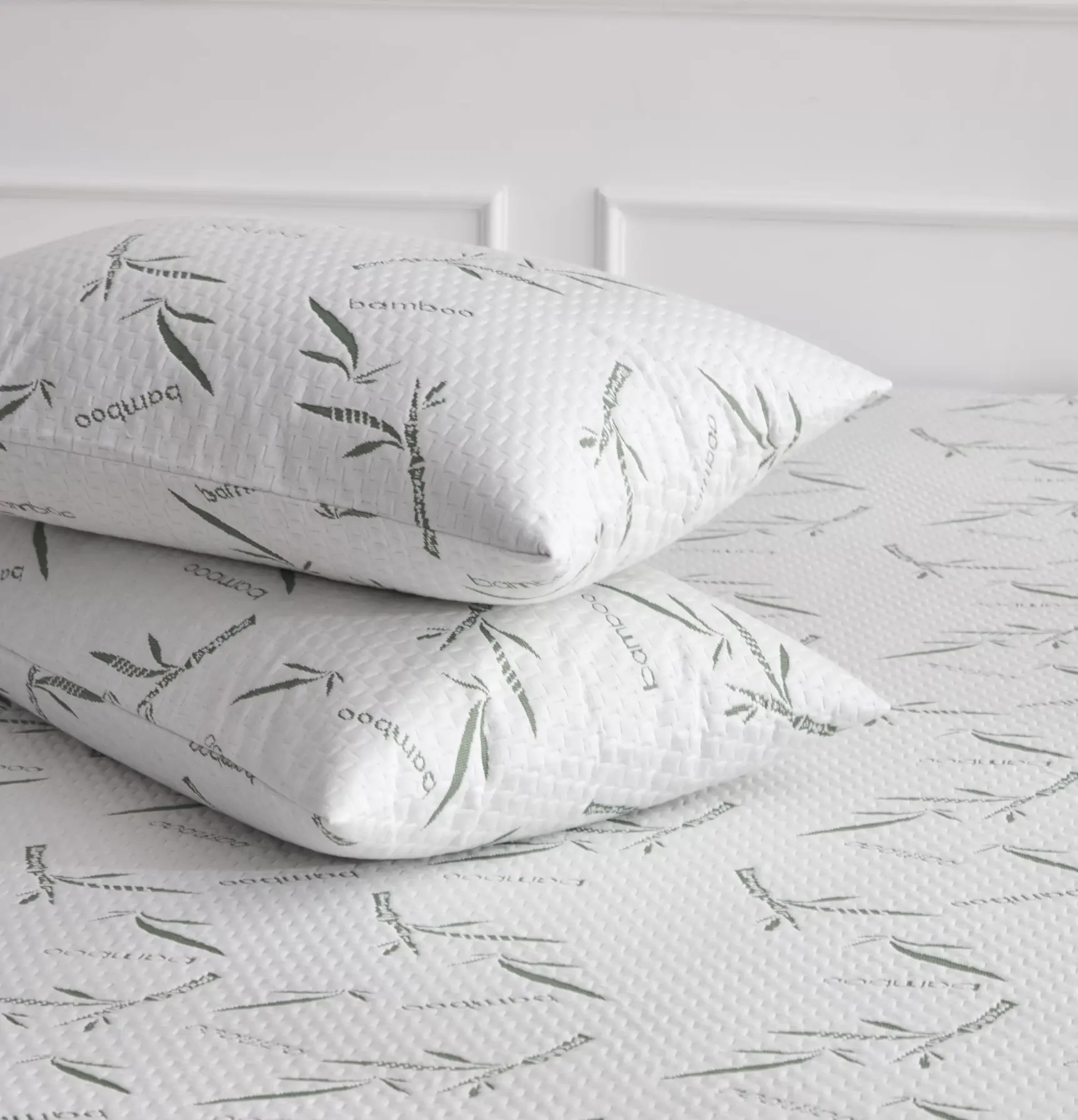
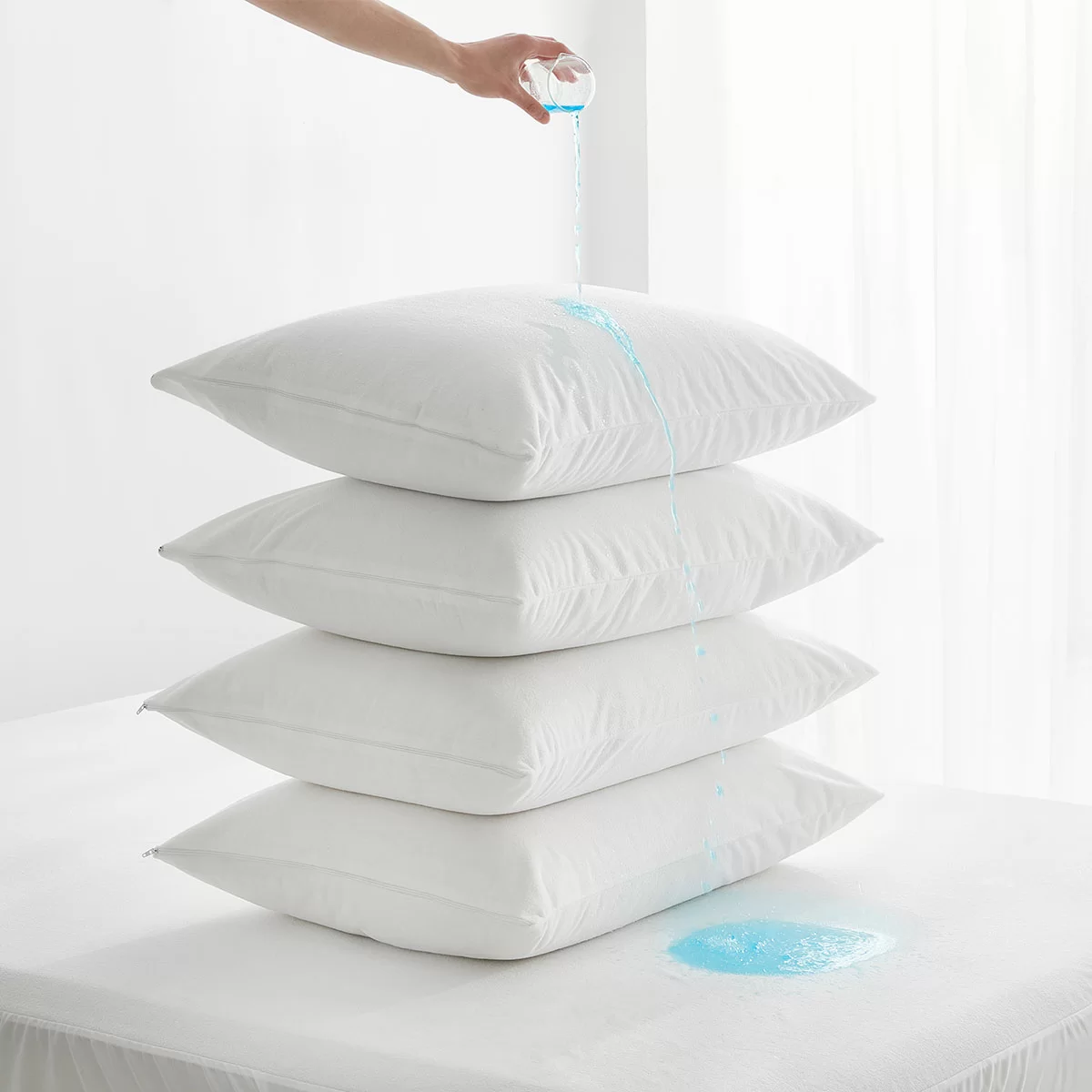
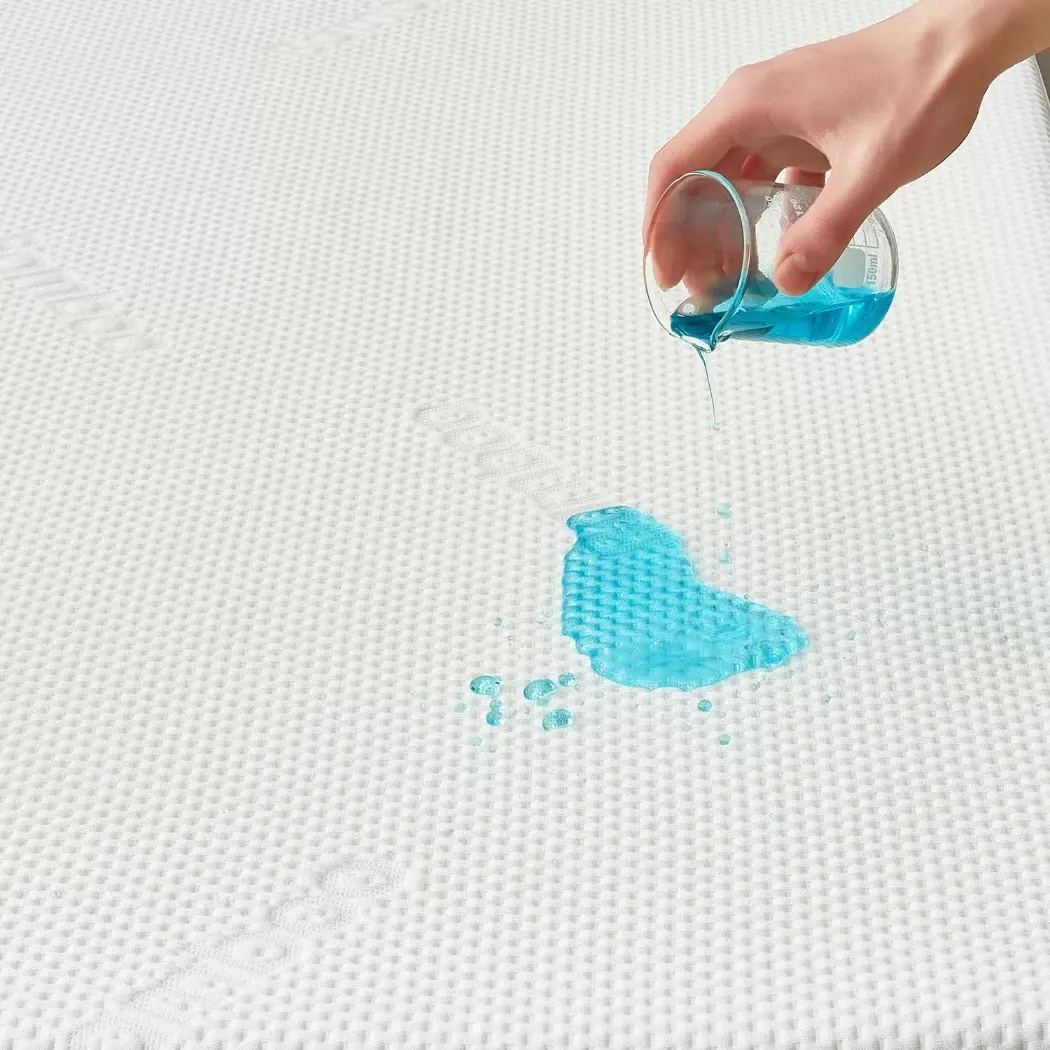
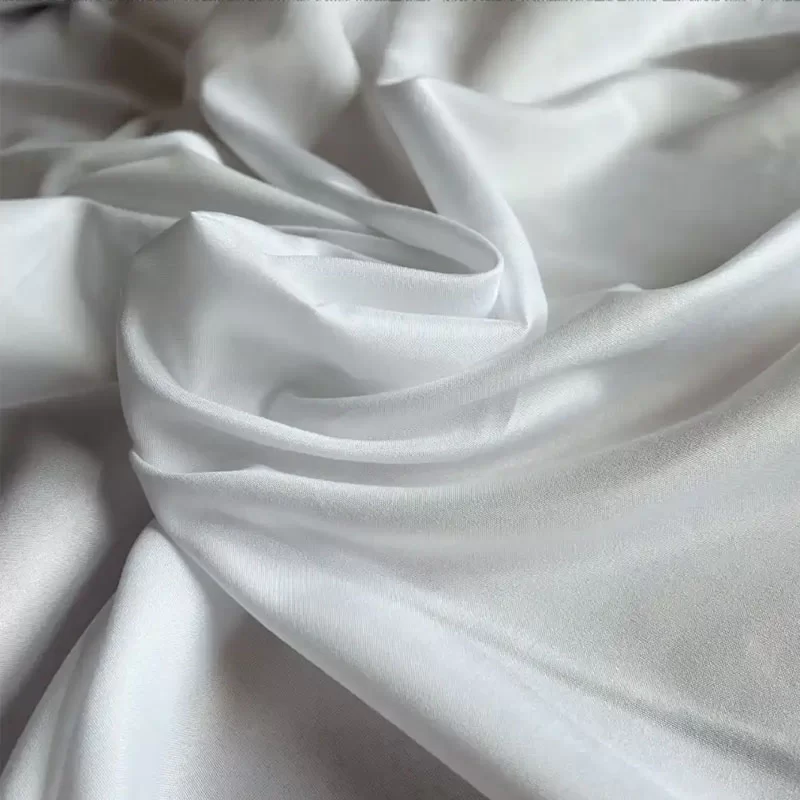
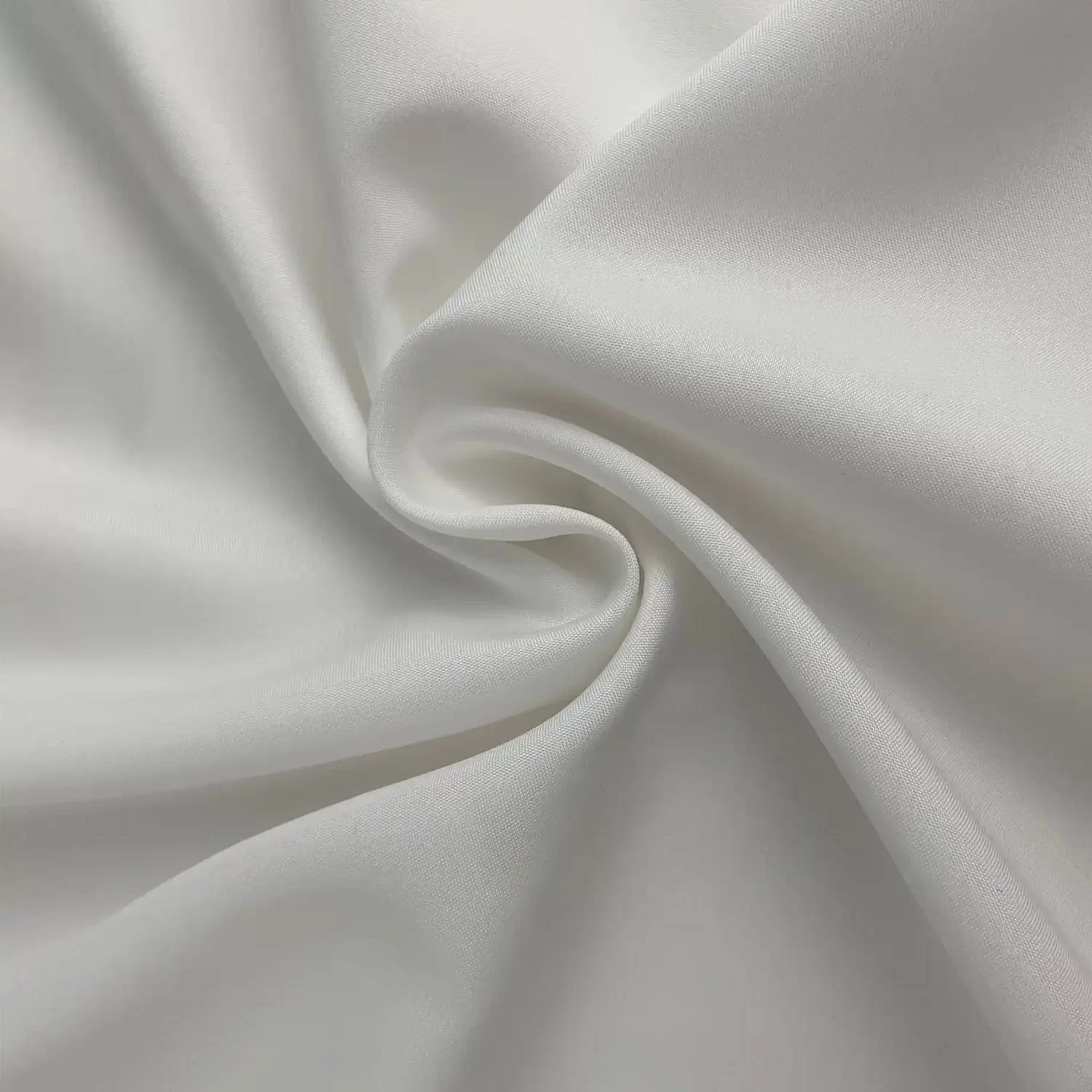
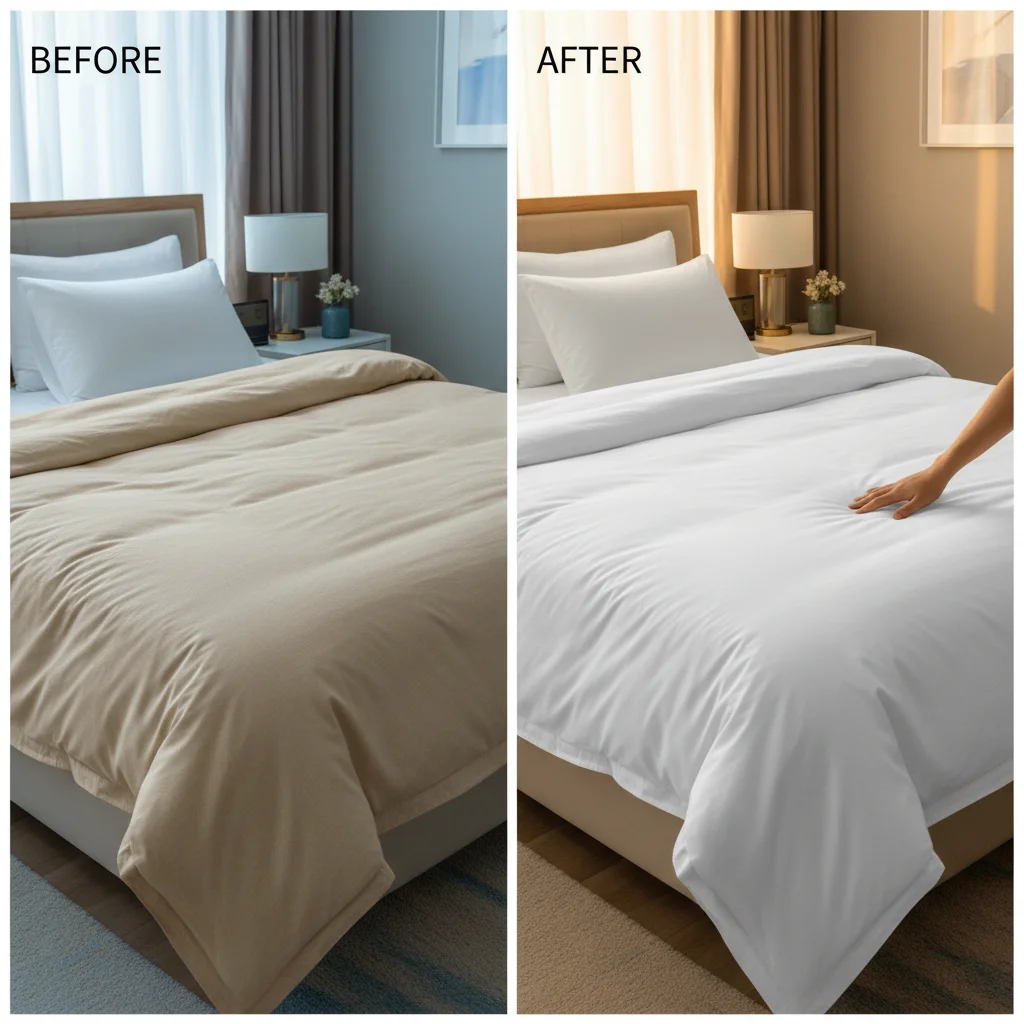
Bamboo cotton sheets are rapidly gaining prominence in the textile industry, offering a unique blend of comfort, sustainability, and practicality. These sheets combine the luxurious softness of cotton with the inherent benefits of bamboo fibers, creating a bedding solution that is both gentle on the skin and environmentally responsible. Understanding the properties and production of bamboo cotton sheets is increasingly vital for consumers seeking eco-conscious and high-quality sleep experiences.
The global textile market is witnessing a surge in demand for sustainable materials. Driven by increasing environmental awareness and consumer preference for eco-friendly products, the demand for bamboo cotton sheets is expanding across North America, Europe, and Asia-Pacific. The United Nations Sustainable Development Goals (SDGs), particularly those related to responsible consumption and production (SDG 12), are influencing consumer choices and driving the growth of this market.
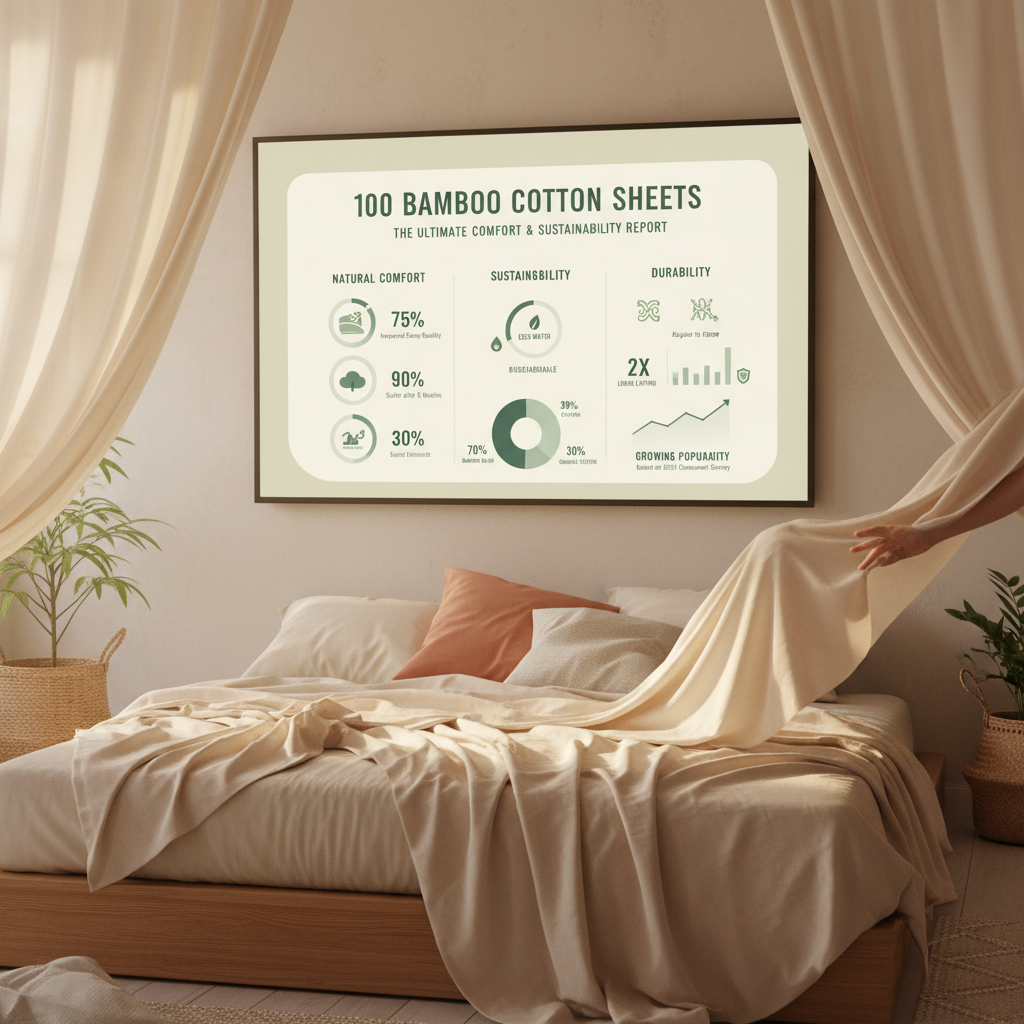
Bamboo cotton sheets address a critical need for more sustainable bedding options. Traditional cotton production is resource-intensive, requiring significant amounts of water, pesticides, and fertilizers. Bamboo, on the other hand, is a fast-growing, renewable resource that requires minimal inputs. By blending these fibers, manufacturers can offer a product that reduces environmental impact while maintaining the comfort and durability consumers expect.
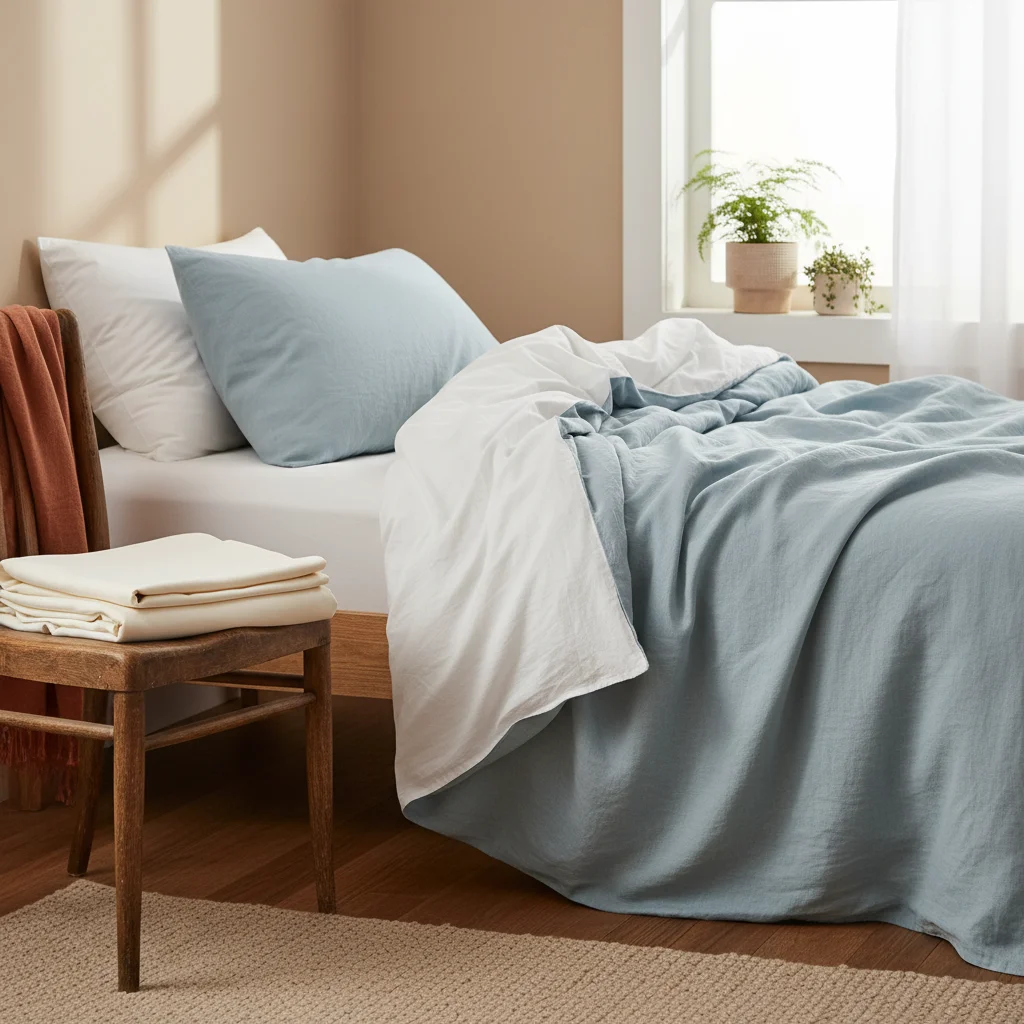
Introduction: Global or Industry Context
The global textile industry is a significant contributor to environmental pollution, and the demand for more sustainable practices is steadily increasing. Bamboo cotton sheets represent a pivotal shift towards environmentally conscious bedding choices, offering a viable alternative to traditional cotton production. Statistics show a growing market for sustainable textiles, with the bamboo fiber segment experiencing substantial growth in recent years.
The widespread adoption of bamboo cotton sheets is hindered by concerns regarding processing methods and the potential for "greenwashing." Ensuring transparency in the supply chain and verifying sustainable sourcing practices are crucial for maintaining consumer trust. Furthermore, the relatively higher cost of bamboo cotton sheets compared to conventional cotton presents a barrier to entry for some consumers. However, the long-term benefits—including enhanced comfort, durability, and reduced environmental impact—often outweigh these initial costs.
Definition & Meaning
Bamboo cotton sheets are textiles crafted from a blend of bamboo fibers and cotton fibers. The ratio of these fibers can vary, with common blends ranging from 60% bamboo/40% cotton to 90% bamboo/10% cotton. The bamboo fibers contribute to the sheets’ softness, breathability, and moisture-wicking properties, while the cotton fibers provide strength and durability.
In the context of modern industry, bamboo cotton sheets signify a move towards circular economy principles. The use of a renewable resource like bamboo reduces reliance on finite resources and minimizes waste. This aligns with the growing demand for products designed with environmental sustainability in mind, meeting the needs of eco-conscious consumers.
The emergence of bamboo cotton sheets highlights the intersection of textile innovation and consumer demand for ethical products. They demonstrate a commitment to responsible manufacturing and offer a compelling alternative for those seeking comfort without compromising their values. This represents a tangible step towards a more sustainable and equitable textile industry.
Key Factors or Core Components
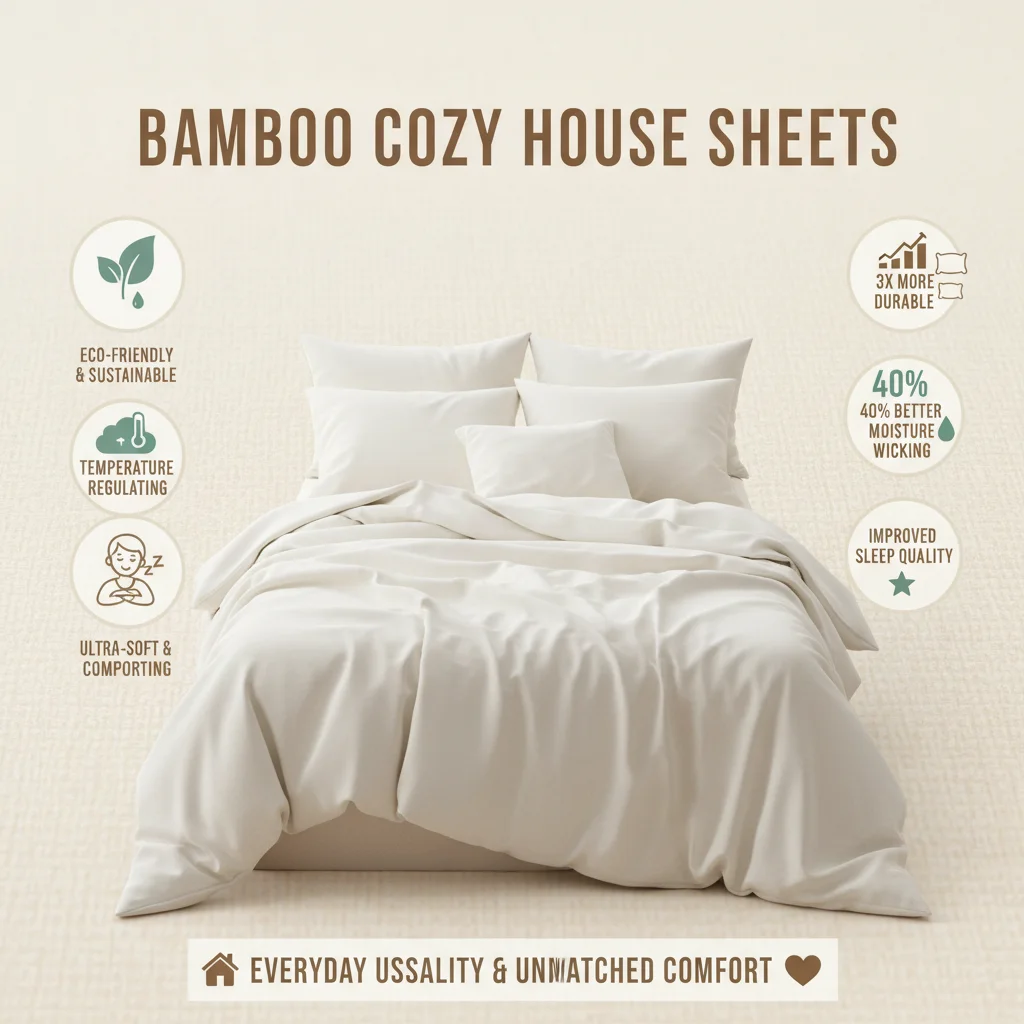
Softness and Comfort: Bamboo fibers possess a naturally smooth and round structure, resulting in a fabric that feels exceptionally soft against the skin. This softness is retained even after multiple washes, providing a consistently comfortable sleep experience. The combination with cotton further enhances the overall feel of the sheets.
Moisture-Wicking Properties: Bamboo fibers are highly absorbent and have excellent moisture-wicking capabilities. This helps regulate body temperature during sleep, keeping you cool and dry throughout the night. This is especially beneficial for individuals who tend to overheat or live in warmer climates.
Sustainability: Bamboo is a rapidly renewable resource that requires significantly less water and pesticides than traditional cotton. Using bamboo cotton sheets reduces the environmental impact associated with textile production. Choosing certified bamboo sources (e.g., OEKO-TEX Standard 100) ensures responsible forestry practices.
Global Applications & Use Cases
Bamboo cotton sheets are increasingly used in a variety of applications, ranging from residential bedding to hospitality settings. Hotels and resorts are adopting bamboo cotton sheets as a premium offering, appealing to environmentally conscious travelers. The demand is particularly strong in eco-tourism destinations.
In healthcare facilities, the hypoallergenic properties of bamboo cotton sheets make them a suitable choice for patients with sensitive skin. Their breathability and moisture-wicking capabilities contribute to patient comfort and reduce the risk of skin irritation. Many hospitals are now exploring the use of sustainable textiles like bamboo cotton to improve patient care.
Across regions like Australia and New Zealand, where warm temperatures are common, bamboo cotton sheets are gaining popularity due to their cooling properties. Similarly, in Europe and North America, the sheets are marketed towards consumers seeking eco-friendly and luxurious bedding options. Online retailers and specialty bedding stores are driving accessibility to this product.
Bamboo Cotton Sheet Production Methods
Advantages & Long-Term Value
The advantages of choosing bamboo cotton sheets extend beyond initial comfort. The inherent durability of bamboo fibers contributes to a longer lifespan compared to standard cotton sheets, reducing the need for frequent replacements. This cost-effectiveness, coupled with the sheets’ hypoallergenic properties, provides a compelling long-term value proposition.
From a sustainability standpoint, bamboo cultivation requires fewer resources and generates less pollution than cotton farming. This translates to a reduced carbon footprint and a positive impact on environmental health. The ethical sourcing of bamboo and cotton also supports fair labor practices and responsible land management.
Future Trends & Innovations
Ongoing research is focused on optimizing bamboo fiber processing to further reduce environmental impact and enhance fabric performance. Innovations in closed-loop production systems are minimizing waste and maximizing resource utilization. Advancements in dyeing techniques are exploring natural and non-toxic alternatives to conventional dyes.
The integration of smart textile technologies into bamboo cotton sheets is a potential future trend. Features such as temperature regulation, sleep tracking, and antimicrobial properties could be incorporated to create even more functional and personalized bedding solutions. Furthermore, blockchain technology may be implemented to enhance supply chain transparency and traceability.
Challenges & Solutions
One of the primary challenges facing the bamboo cotton sheet industry is the potential for misleading marketing claims. "Bamboo rayon" or "bamboo viscose" often lacks the environmental benefits associated with mechanically processed bamboo fibers. Consumers need to be educated about the different types of bamboo processing and prioritize products made with truly sustainable methods.
Addressing the higher cost of bamboo cotton sheets requires innovation in production processes and economies of scale. Developing more efficient and cost-effective manufacturing techniques can make these sheets more accessible to a wider range of consumers. Furthermore, highlighting the long-term value proposition—including durability, health benefits, and environmental responsibility—can justify the initial investment.
Ensuring ethical sourcing and fair labor practices throughout the supply chain is crucial. Third-party certifications, such as Fair Trade and OEKO-TEX Standard 100, can provide consumers with assurance that the products they purchase meet rigorous social and environmental standards. Increased transparency and traceability are essential for building trust and promoting responsible production.
Summary of Challenges and Solutions for Bamboo Cotton Sheets
| Challenge | Impact on Industry | Proposed Solution | Implementation Timeline |
|---|
| Misleading Marketing (e.g., "Bamboo Rayon") | Erosion of Consumer Trust, Undermines Sustainable Practices | Consumer Education Campaigns, Clear Labeling Standards | Short-Term (6-12 months) |
| High Production Costs | Limited Accessibility for Price-Sensitive Consumers | Process Optimization, Economies of Scale | Medium-Term (1-3 years) |
| Lack of Supply Chain Transparency | Difficulty Verifying Ethical Sourcing and Environmental Impact | Blockchain Technology, Third-Party Audits | Medium-Term (2-5 years) |
| Inconsistent Quality Standards | Variations in Fabric Performance and Durability | Standardized Testing Protocols, Industry Certifications | Short-Term (6-12 months) |
| Limited Bamboo Fiber Supply | Potential for Supply Chain Bottlenecks and Price Volatility | Expansion of Sustainable Bamboo Farms, Diversification of Sourcing | Long-Term (5+ years) |
| Consumer Awareness of Benefits | Slower Adoption Rate Compared to Traditional Cotton | Marketing Campaigns Highlighting Sustainability and Comfort | Ongoing (Continuous Effort) |
FAQS
Bamboo cotton sheets generally offer superior softness, better moisture-wicking capabilities, and enhanced breathability compared to 100% cotton sheets. Bamboo fibers are naturally smoother and more absorbent, resulting in a more comfortable sleep experience. While 100% cotton is durable, bamboo cotton blends often exhibit a longer lifespan and require less ironing. The environmental impact of bamboo cultivation is also significantly lower than conventional cotton farming.
Yes, bamboo cotton sheets are naturally hypoallergenic. Bamboo fibers contain a bio-agent called "bamboo kun," which inhibits the growth of bacteria and allergens. This makes them a good choice for individuals with sensitive skin, allergies, or asthma. However, it's important to ensure that the sheets are processed without harsh chemicals that could trigger allergic reactions. Look for certifications like OEKO-TEX Standard 100.
Bamboo cotton sheets are relatively easy to care for. Machine wash them in cold water on a gentle cycle using a mild detergent. Avoid bleach and fabric softeners, as these can damage the fibers. Tumble dry on low heat or hang to dry. Ironing is generally not necessary, but if desired, use a low heat setting. Proper care will help maintain the softness and durability of the sheets.
The ideal percentage depends on your preferences. A blend of 60% bamboo/40% cotton provides a good balance of softness, breathability, and durability. Higher bamboo content (e.g., 90% bamboo/10% cotton) maximizes the benefits of bamboo, such as moisture-wicking and hypoallergenic properties. Lower bamboo content offers increased strength and affordability. Consider your priorities when choosing a blend.
Generally, yes, bamboo cotton sheets are more sustainable than 100% cotton sheets. Bamboo is a rapidly renewable resource that requires less water and pesticides to grow. However, the processing of bamboo into fabric can be environmentally intensive. Look for sheets made with mechanically processed bamboo fibers, as chemical processes can negate some of the sustainability benefits. Certifications like OEKO-TEX Standard 100 can also ensure responsible production practices.
High-quality bamboo cotton sheets are available from a variety of retailers, including online stores and specialty bedding shops. Look for brands that prioritize sustainability, transparency, and ethical sourcing. Read customer reviews and check for certifications like OEKO-TEX Standard 100 to ensure you're purchasing a product that meets your standards. Visit bamboo cotton sheets for a curated selection.
Conclusion
Bamboo cotton sheets represent a significant advancement in sustainable bedding technology. Their unique combination of comfort, durability, and environmental responsibility positions them as a compelling alternative to traditional cotton sheets. By understanding the benefits and nuances of bamboo cotton blends, consumers can make informed choices that align with their values and enhance their sleep experience.
Looking ahead, continued innovation in bamboo fiber processing and supply chain transparency will be crucial for expanding the adoption of these sustainable textiles. Supporting brands that prioritize ethical sourcing and responsible manufacturing practices will drive positive change within the industry. Embracing bamboo cotton sheets is a step towards a more sustainable and comfortable future. Visit our website at www.infortextile.com to explore our collection.