







Choosing the Perfect Duvet Cover Set for a Restful Nights Sleep
Choosing the Perfect Duvet Cover Set: A Comprehensive Guide
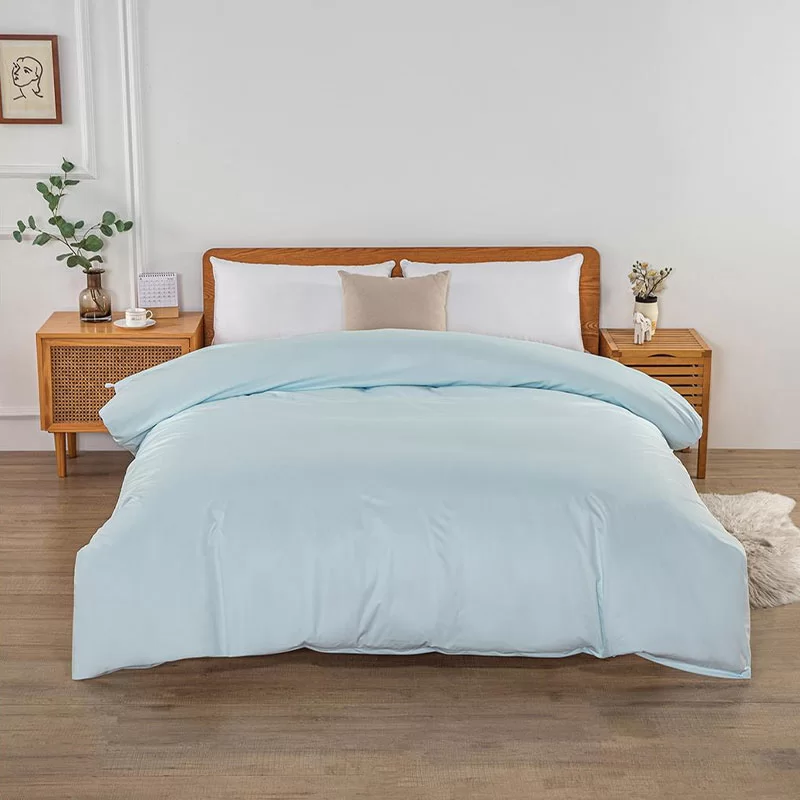
Creating a comfortable and stylish bedroom starts with the right bedding, and a high-quality duvet cover set is essential. Beyond aesthetics, a good duvet cover protects your duvet insert, keeping it clean and prolonging its life. This article will explore the key factors to consider when choosing a duvet cover set, covering materials, sizes, thread counts, and more. We'll help you navigate the options to find the perfect set for a restful and beautiful sleep experience.
Understanding Duvet Cover Materials
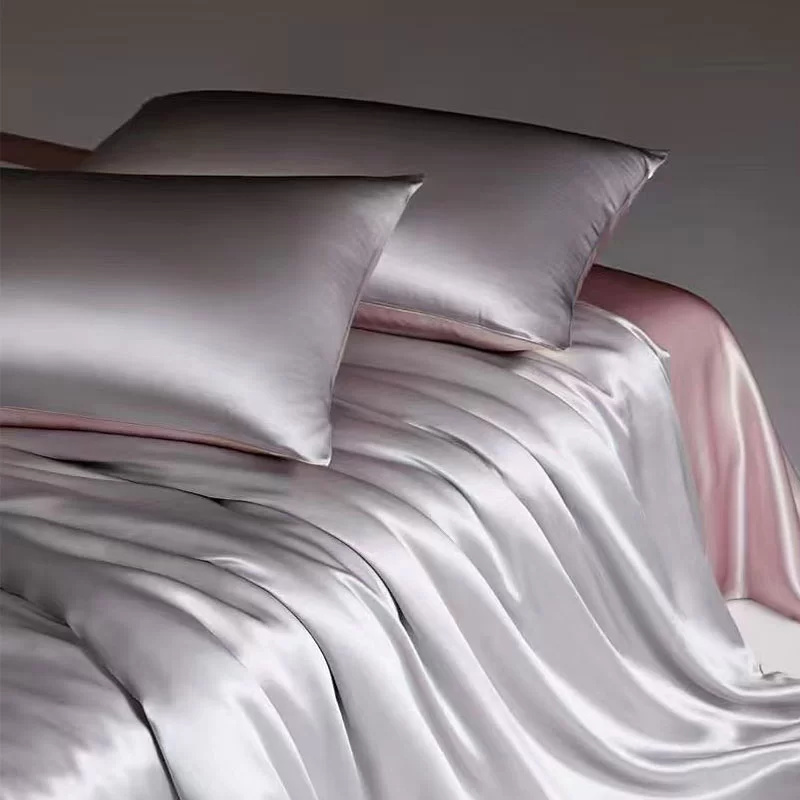
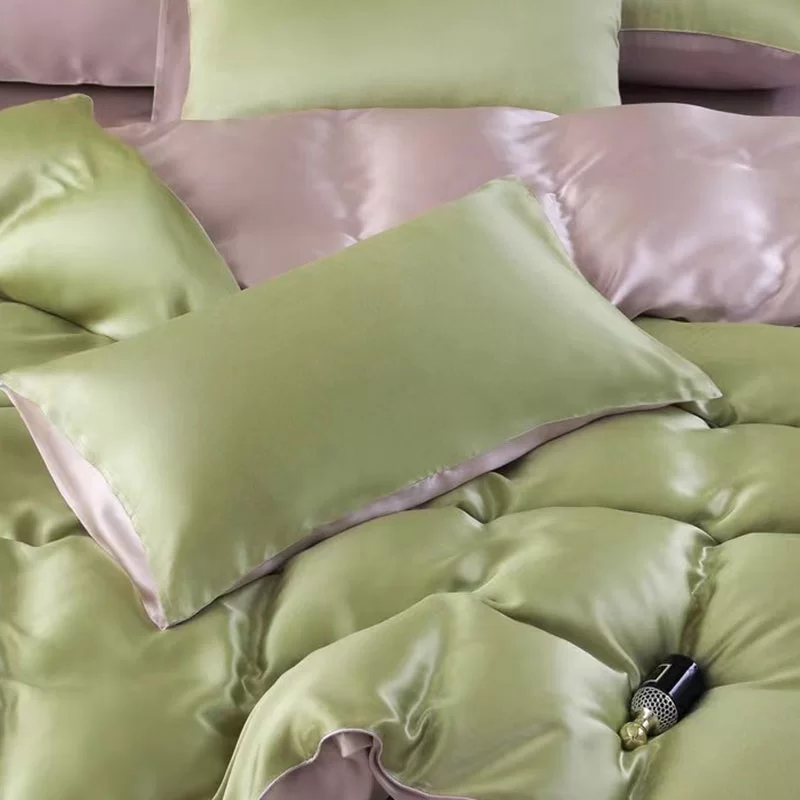
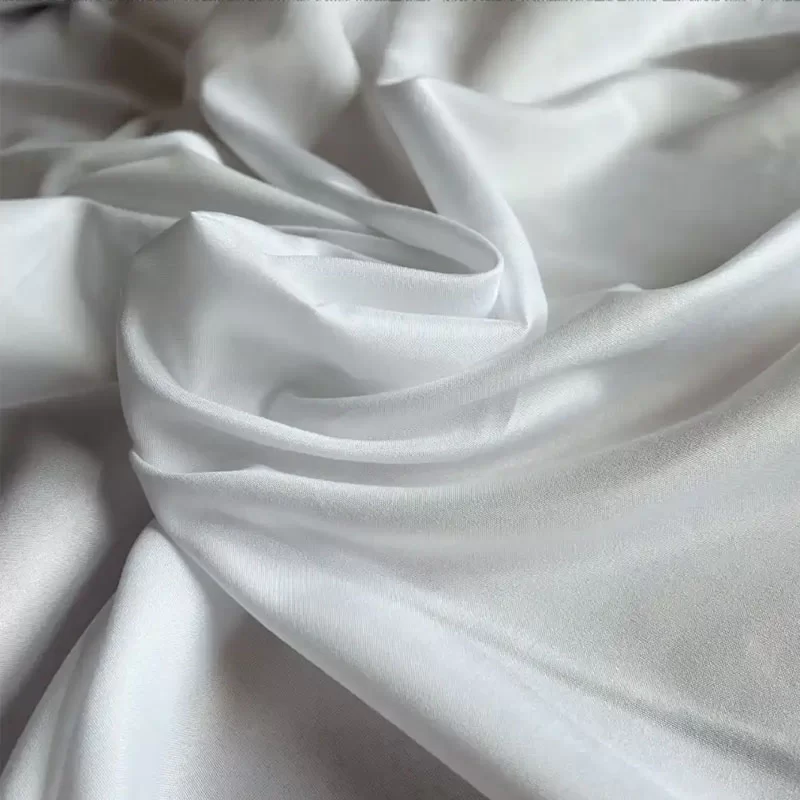
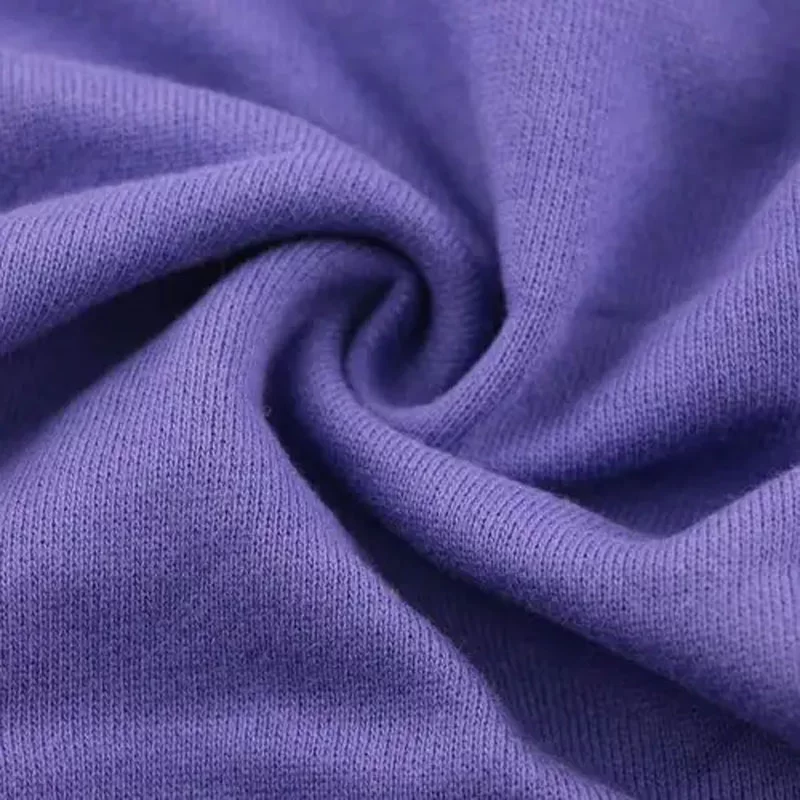
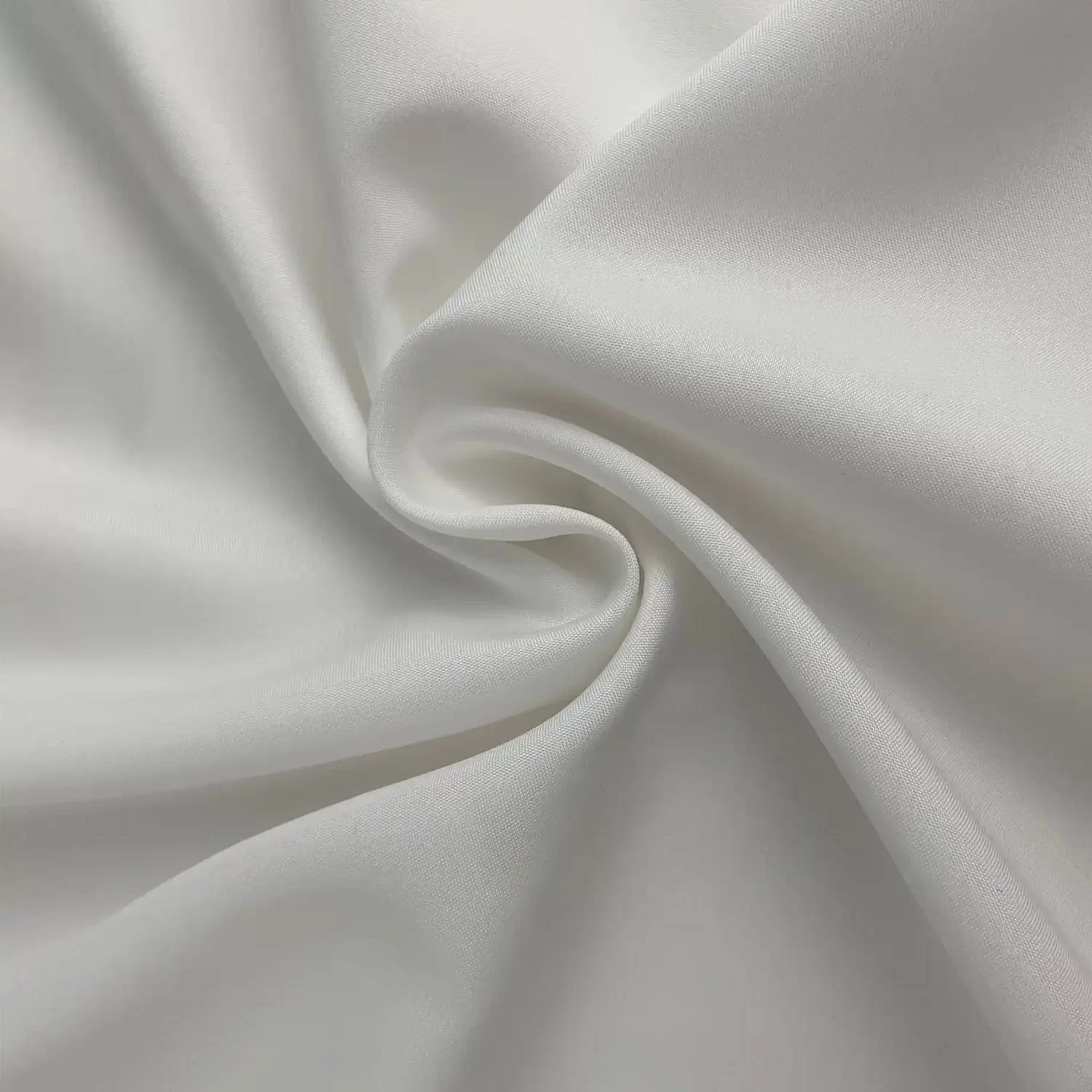
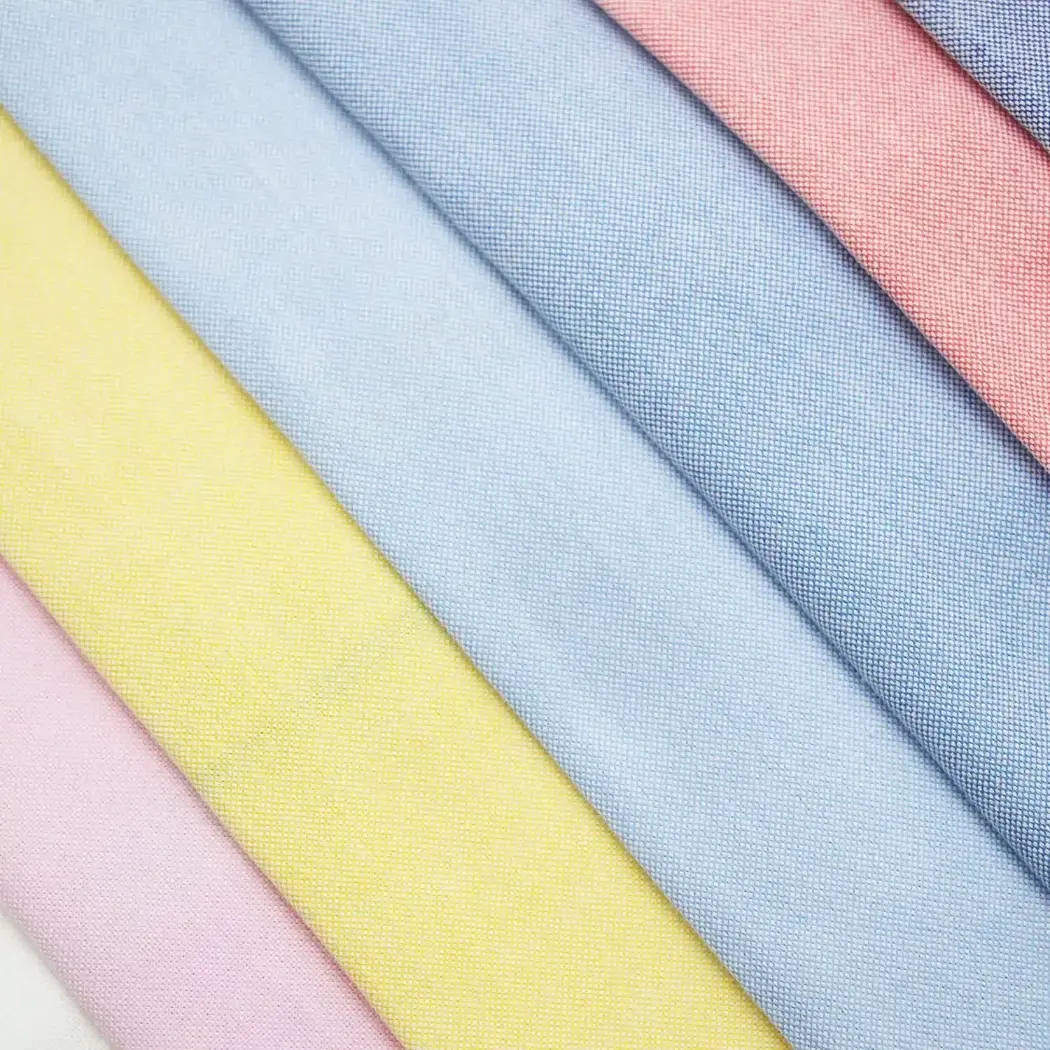
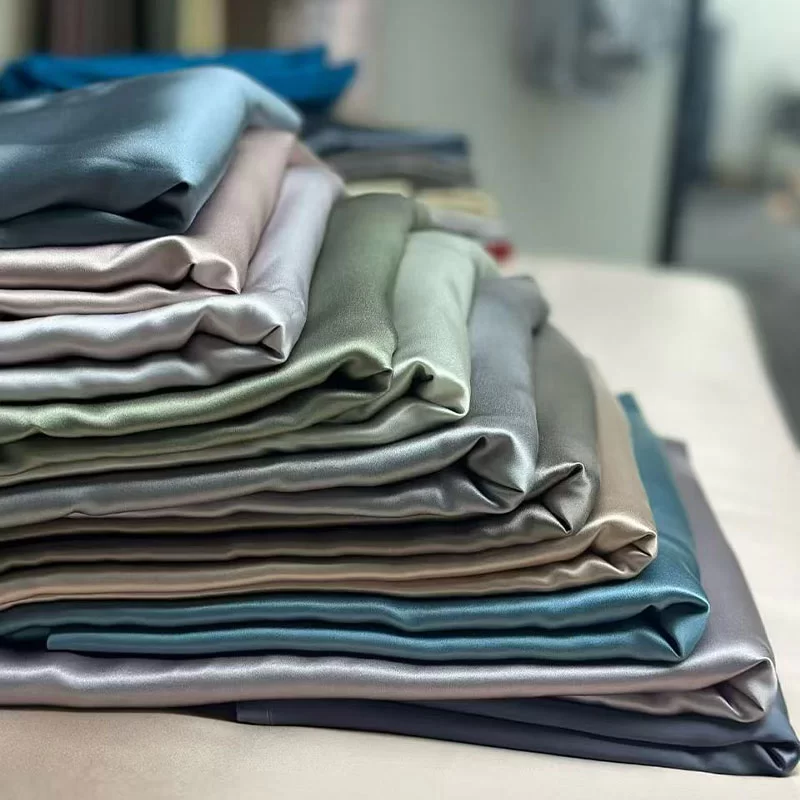
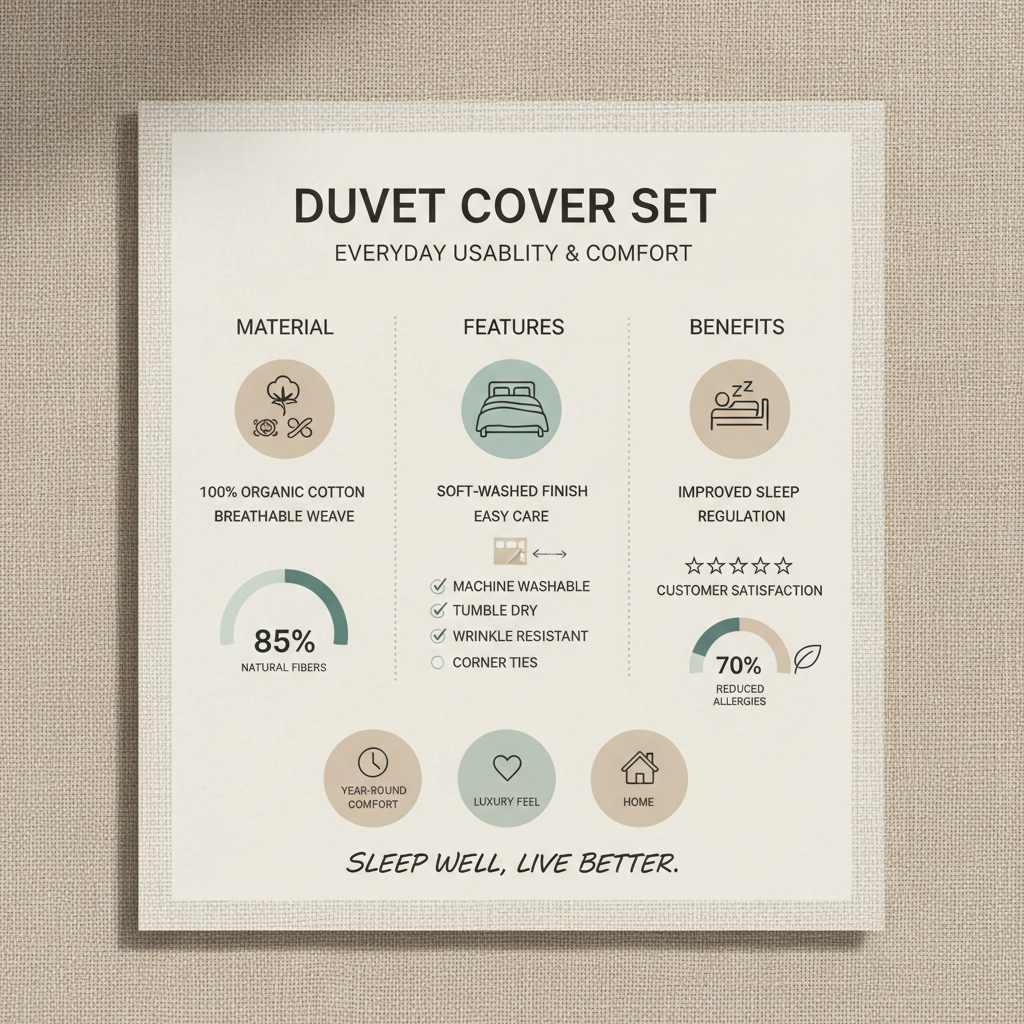
The material of your duvet cover significantly impacts its feel, durability, and maintenance. Common options include cotton, linen, silk, and microfiber. Cotton is a popular choice due to its breathability, softness, and affordability. Linen offers a luxurious feel and excellent temperature regulation, but can be more expensive and prone to wrinkling. Silk is incredibly soft and smooth, but requires delicate care. Microfiber is a synthetic option known for its affordability, wrinkle resistance, and softness. The best material will depend on your personal preferences and budget. Infortextile offers a diverse range of materials to suit every need.
Material Highlights: Cotton is breathable and affordable; Linen is luxurious and temperature-regulating; Silk is incredibly soft but delicate; Microfiber is wrinkle-resistant and budget-friendly.
Duvet Cover Set Sizes: Finding the Perfect Fit
Choosing the right size is crucial for a comfortable and aesthetically pleasing look. Duvet cover sizes typically correspond to bed sizes: Twin, Twin XL, Full/Double, Queen, King, and California King. It's essential to measure your duvet insert and bed carefully to ensure a proper fit. A duvet cover that's too small will be difficult to use, while one that's too large will look sloppy. Consider the drop – the amount of fabric that hangs over the sides of your bed – for a desired look. A larger drop creates a more luxurious feel.
Standard Duvet Cover Sizes:
• Twin: 68” x 86”
• Full/Double: 80” x 86”
• Queen: 90” x 90”
• King: 104” x 90”
• California King: 108” x 96”
Thread Count: What Does it Mean?
Thread count refers to the number of horizontal and vertical threads per square inch of fabric. While often marketed as a measure of quality, it's not the sole indicator. Generally, a thread count between 200 and 800 is considered good. Higher thread counts (over 800) don't necessarily equate to better quality and can sometimes indicate the use of thinner, weaker threads. The quality of the cotton itself is often more important than the thread count. Look for long-staple cotton like Egyptian or Pima cotton for superior softness and durability.
Closure Types and Design Considerations
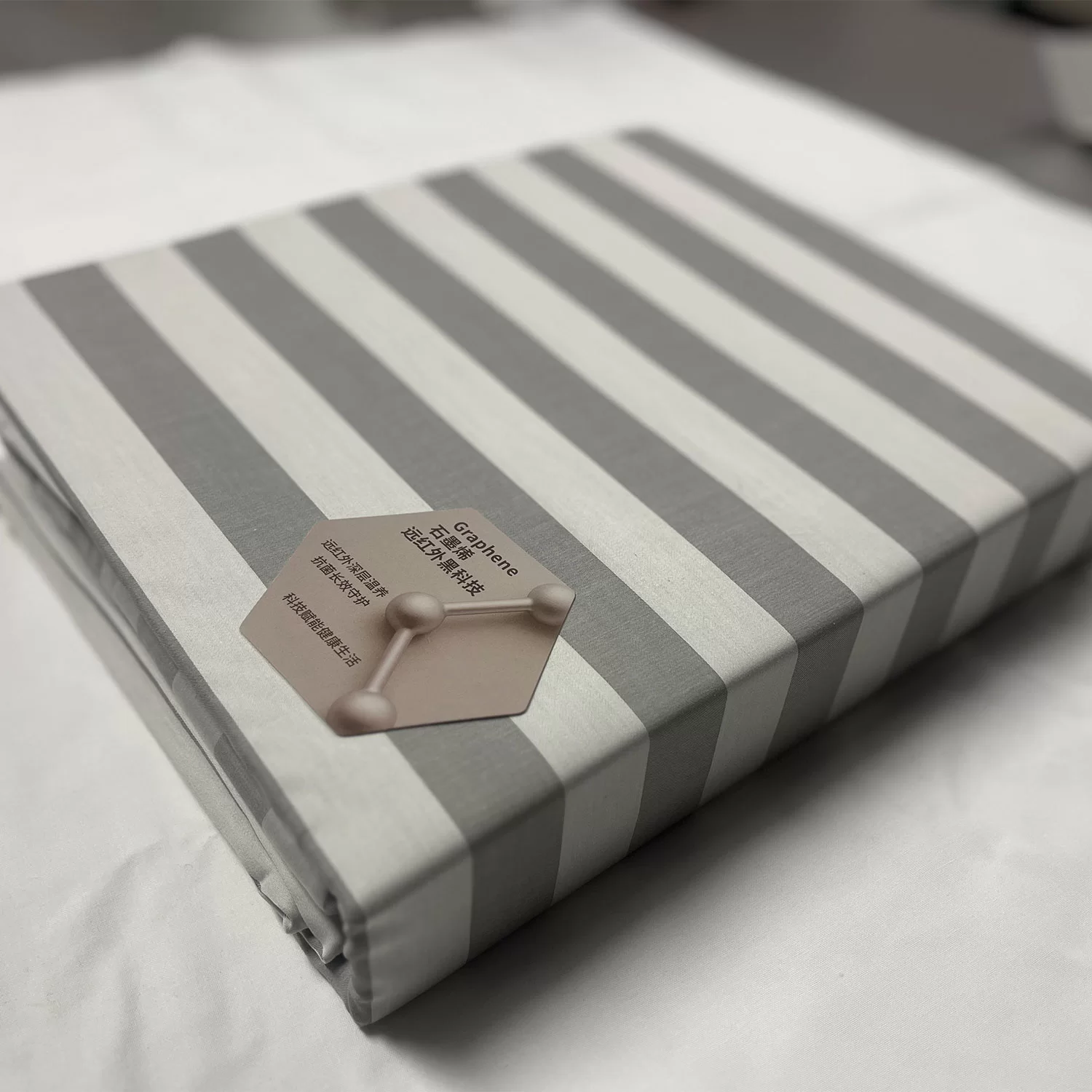
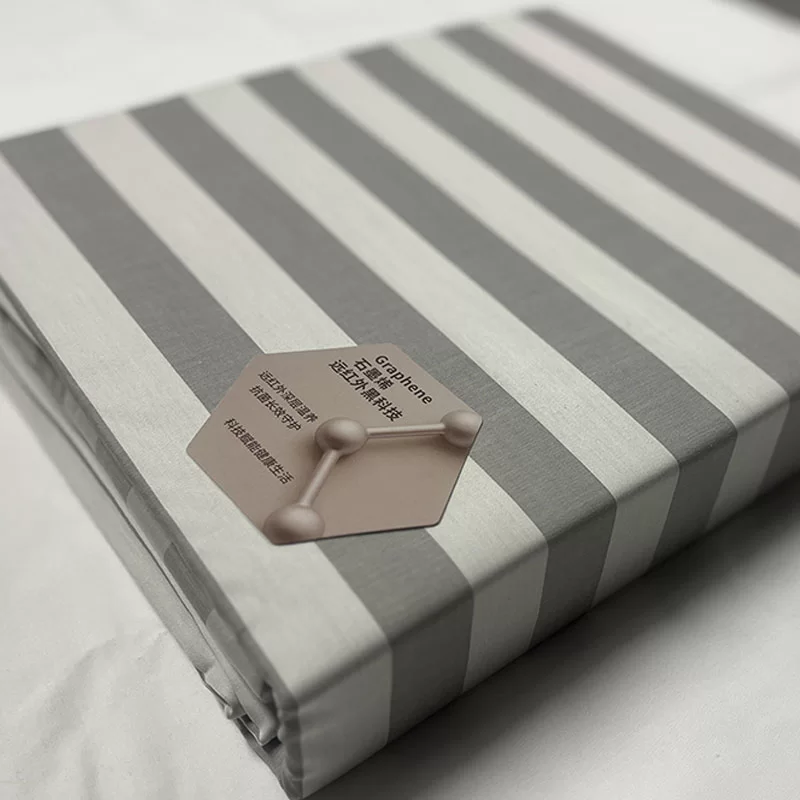
Duvet covers come with various closure types, including button, zipper, and tie closures. Button closures offer a classic look and are relatively secure. Zipper closures are convenient and easy to use, but can sometimes be noisy. Tie closures provide a more relaxed, casual look. Consider the design and color of the duvet cover set to complement your bedroom decor. Neutral colors and simple patterns are versatile, while bolder designs can add a statement to your space.
Caring for Your Duvet Cover Set
Proper care will extend the life of your duvet cover set. Always check the care label for specific instructions. Most cotton and linen duvet covers can be machine washed in cold water and tumble dried on low. Avoid using harsh detergents or bleach, as they can damage the fabric. Ironing may be necessary to remove wrinkles, especially with linen. Regularly washing your duvet cover will keep it fresh and hygienic.
Conclusion: Investing in Quality Sleep
Choosing the right duvet cover set is an investment in your sleep quality and overall well-being. By considering the material, size, thread count, and closure type, you can find a set that perfectly suits your needs and preferences. At Infortextile, we offer a wide selection of high-quality duvet cover sets to help you create the bedroom of your dreams.
Frequently Asked Questions (FAQs)
What is the difference between a duvet and a comforter?
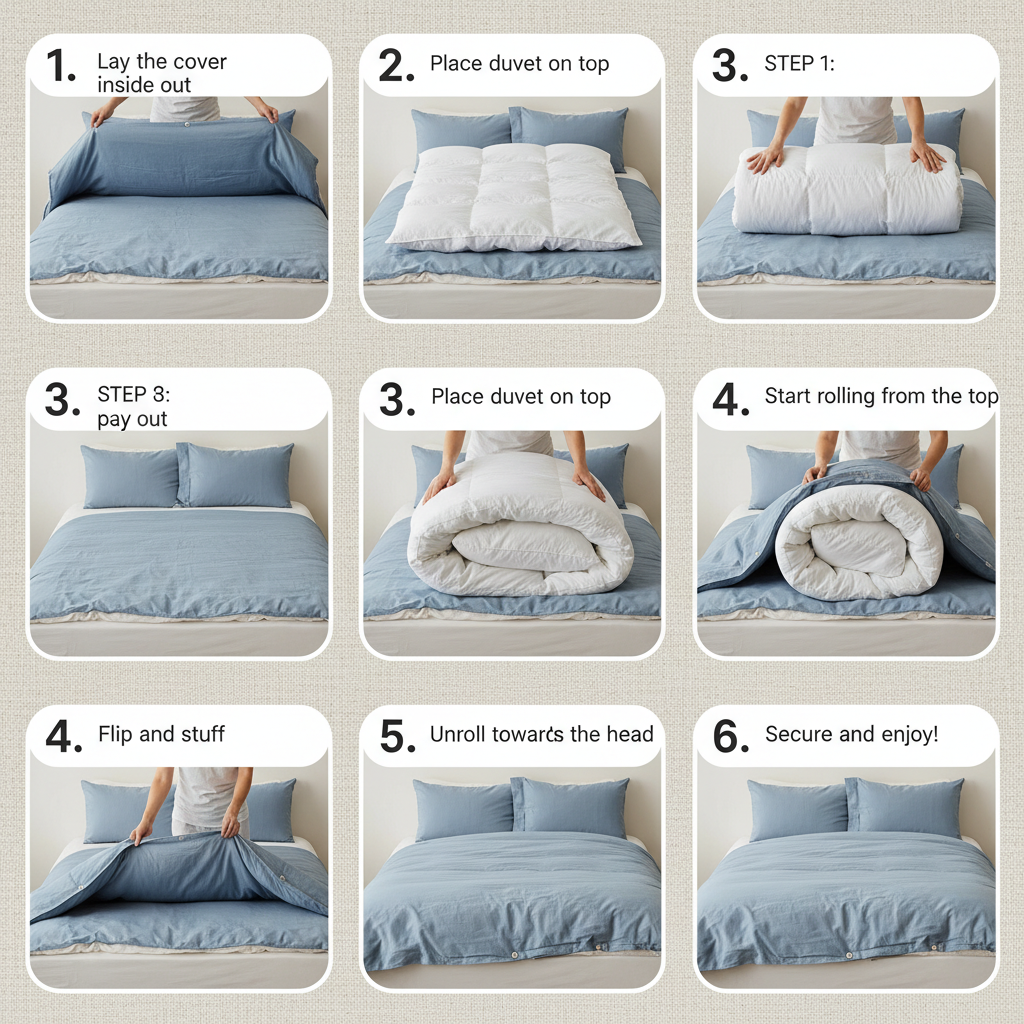
A duvet is essentially a fluffy insert, usually filled with down, feathers, or synthetic fibers. It requires a separate cover, similar to a pillow and pillowcase. A comforter, on the other hand, is a quilted blanket that is already finished and doesn't need a cover. Duvets offer more flexibility as you can easily change the look of your bed by swapping out the duvet cover. Comforters are often more convenient, but less customizable. Choosing between the two depends on your preference for style and convenience.
How often should I wash my duvet cover?
It's generally recommended to wash your duvet cover every 1-2 weeks, depending on how frequently you use it and whether you sleep with pets or have allergies. Washing the cover helps to remove dust mites, allergens, and body oils, keeping your bedding fresh and hygienic. Wash it more frequently if you sweat a lot or have sensitive skin.
What size duvet cover should I buy for a queen-size bed?
For a standard queen-size bed, you'll need a queen-size duvet cover, which typically measures 90” x 90”. However, consider your duvet insert’s thickness and the desired drop. If you prefer a more generous overhang, you might opt for a larger size, such as a king-size duvet cover, even for a queen bed. Ensure your duvet insert fits comfortably inside the cover without being stretched too tight.
Are linen duvet covers worth the investment?
Linen duvet covers are a worthwhile investment if you prioritize breathability, temperature regulation, and a luxurious feel. While they are more expensive and prone to wrinkling than cotton, linen becomes softer with each wash and is incredibly durable. They are also a great choice for hot sleepers, as linen wicks away moisture and keeps you cool. If you value comfort and longevity, a linen duvet cover is an excellent option.


Apr 29, 26
Premium Hotel Stripe Bed Linen for Luxury Hospitality Success
Apr 27, 26
Professional Guide to Choosing Durable Hotel Linen Bed Sheets
Apr 24, 26
Premium White Hotel Bed Linen for Luxury Hospitality Standards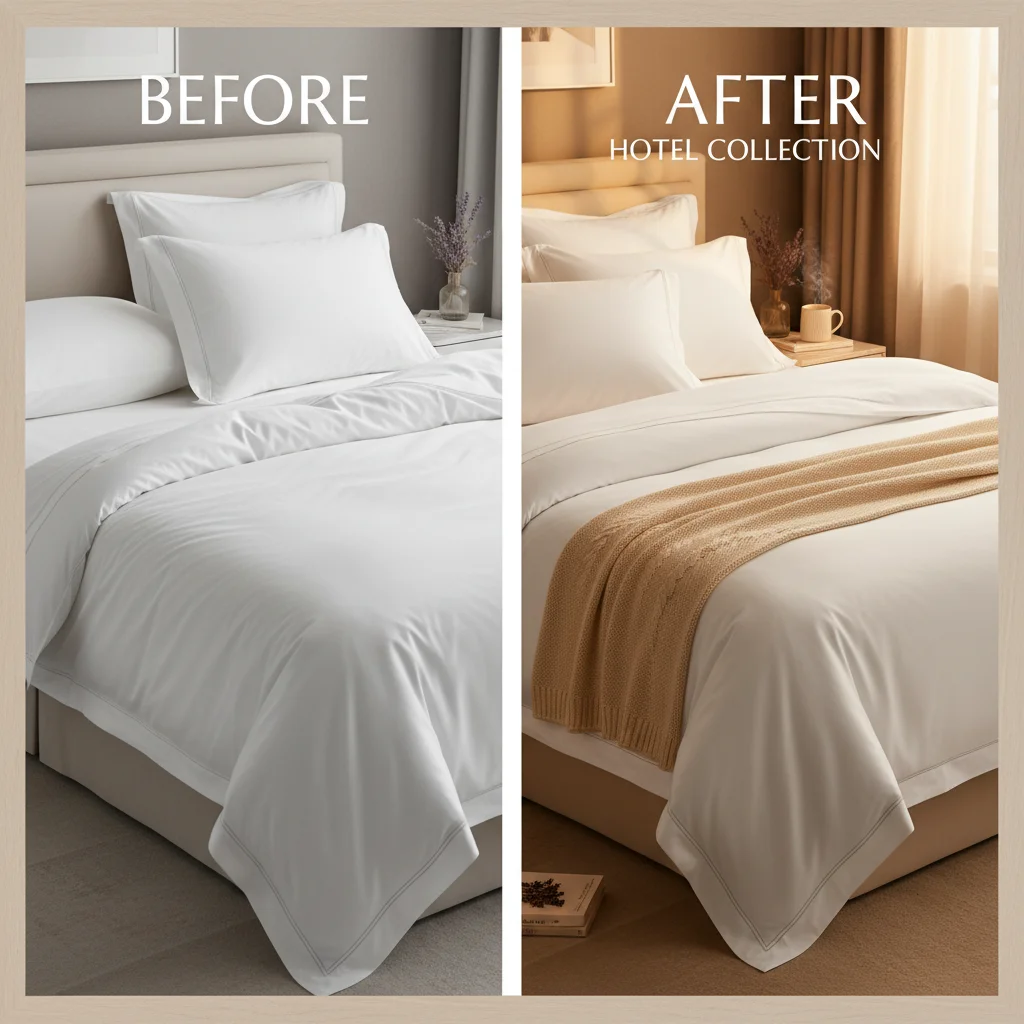
Apr 23, 26
Premium Hotel Collection Bed Linen for Luxury Guest Experience


Contact Us
Email: inforhometextile@126.com
Email: helenkou@126.com
Address
Zerun Building,No.122 Fengshou Road,Chang'an District,Shijiazhuang City,Hebei Province,China
If you are interested in our products, you can choose to leave your information here, and we will be in touch with you shortly.


