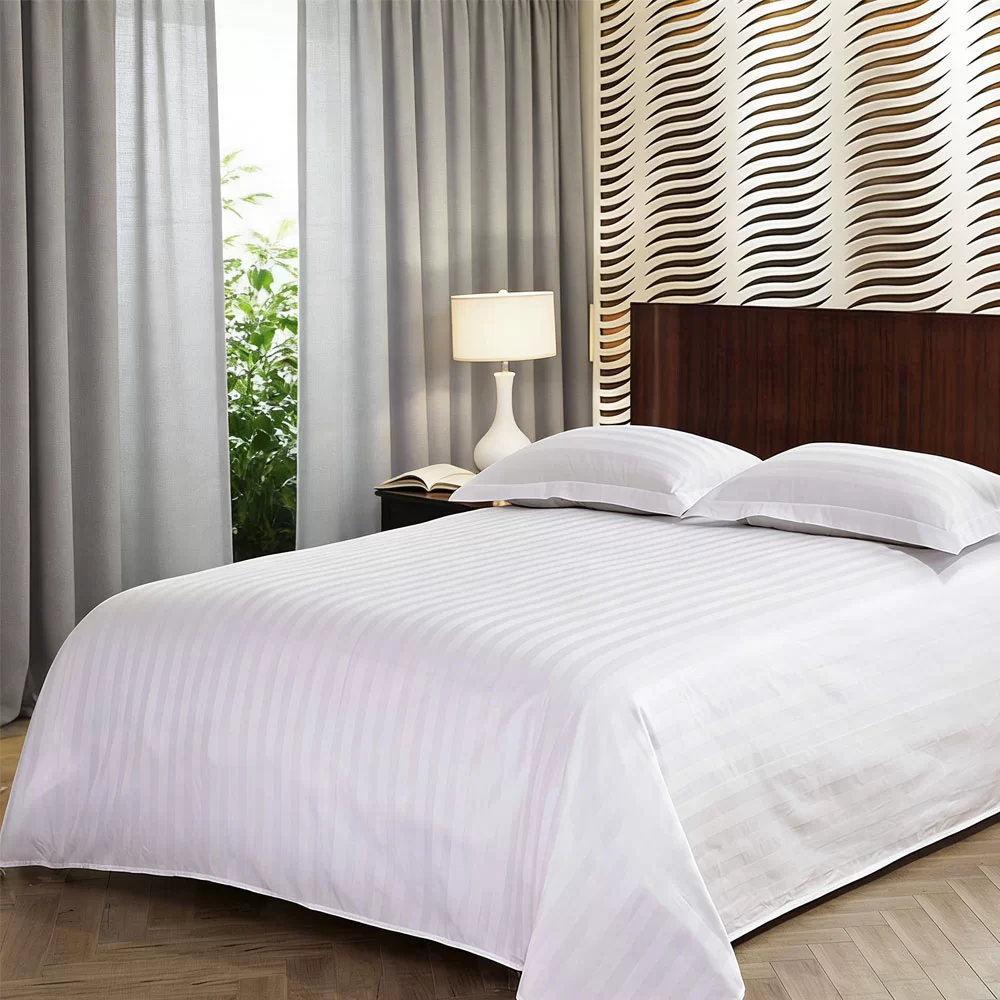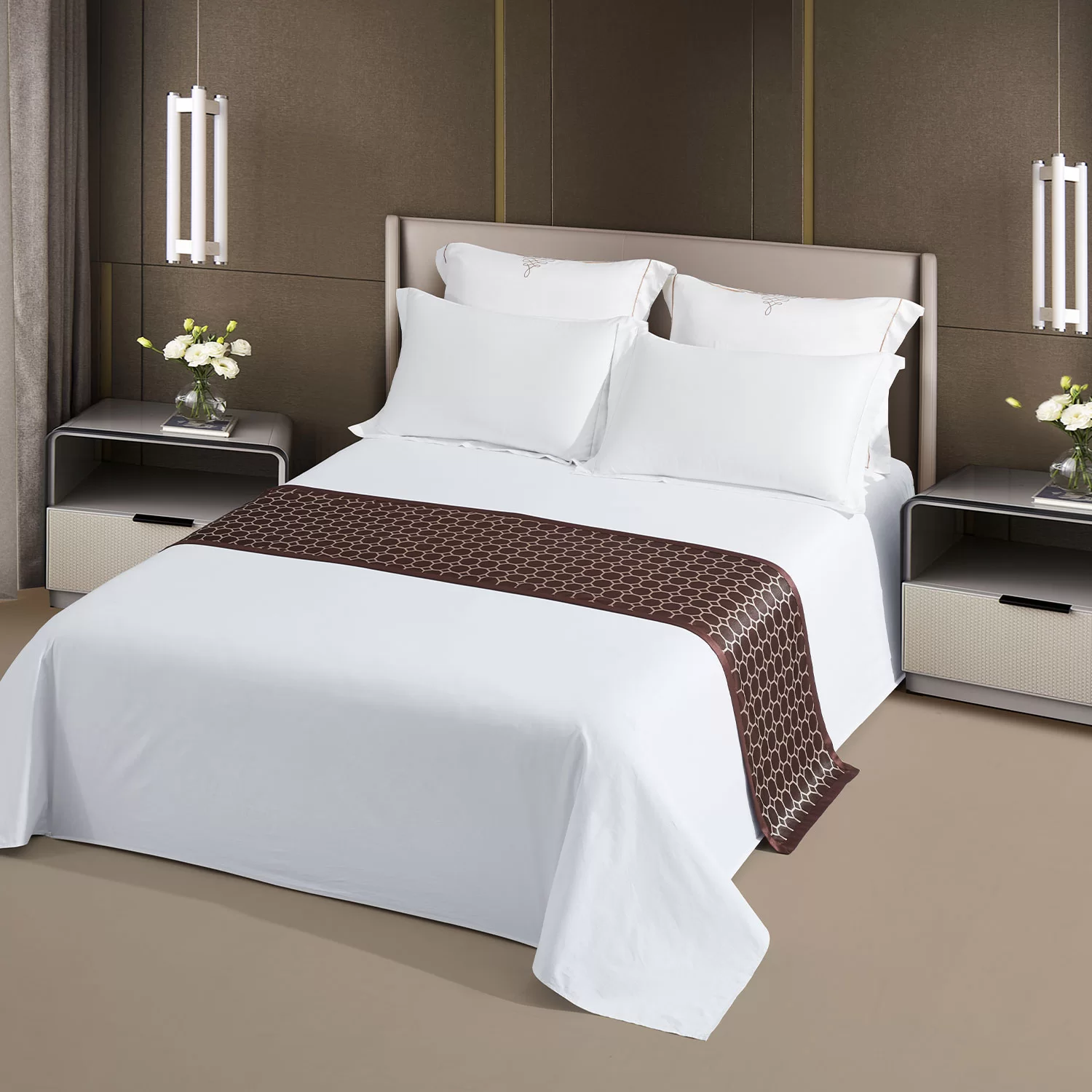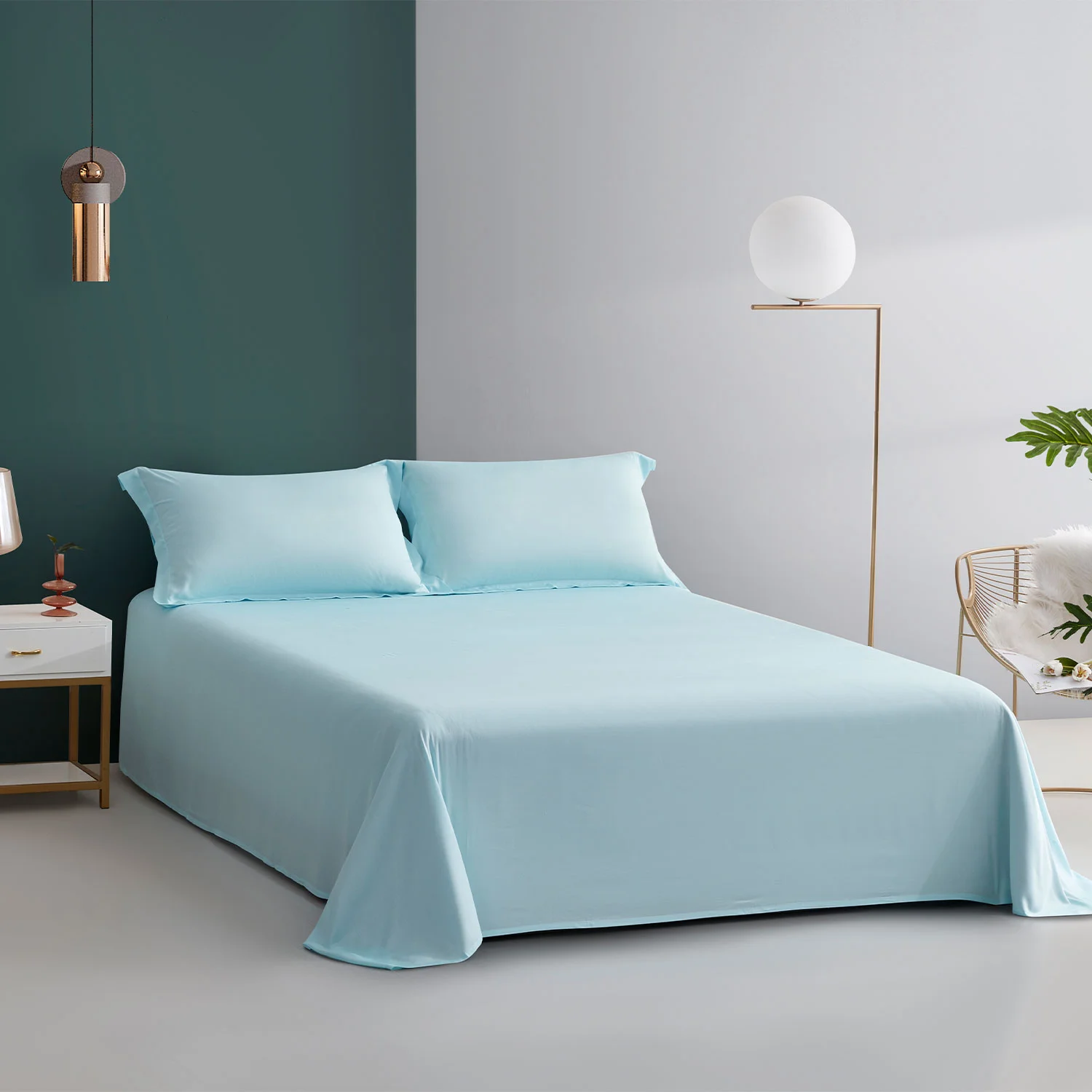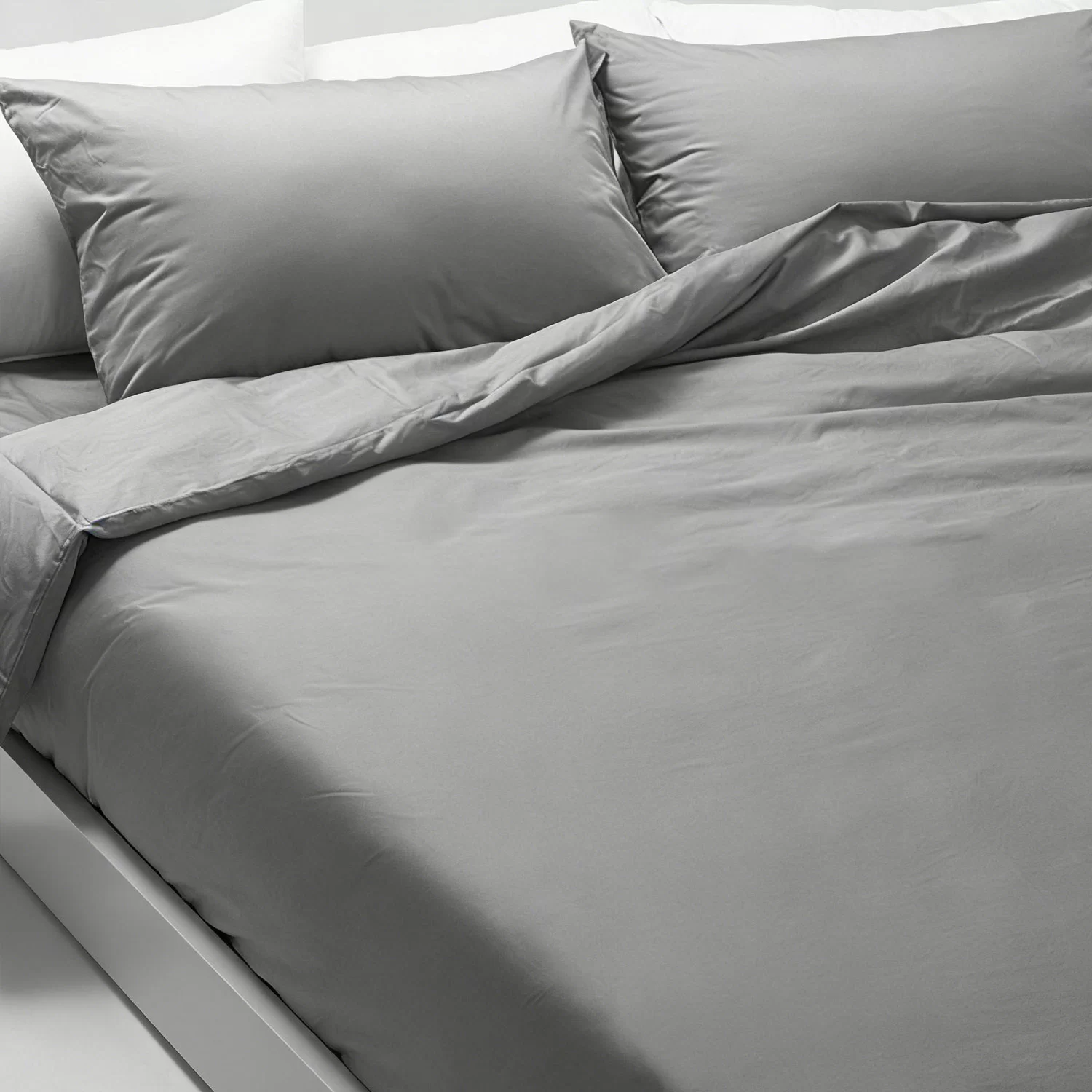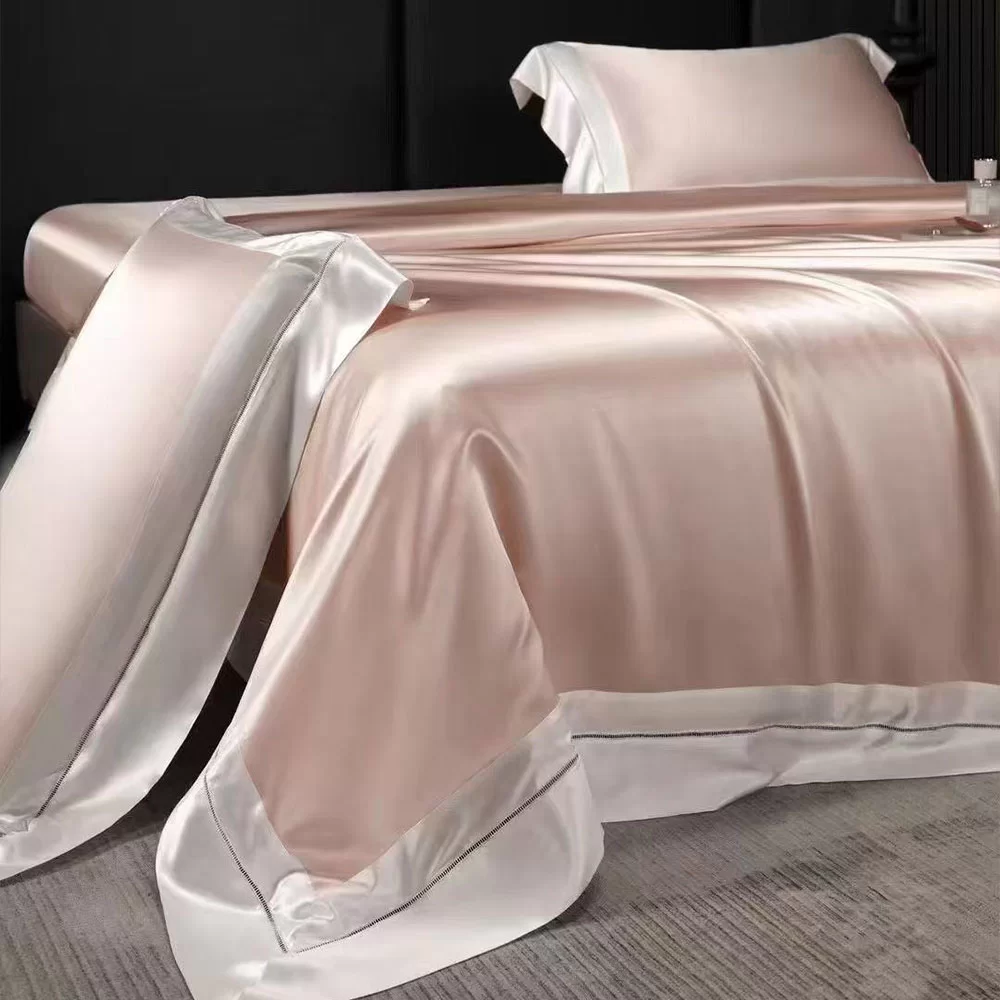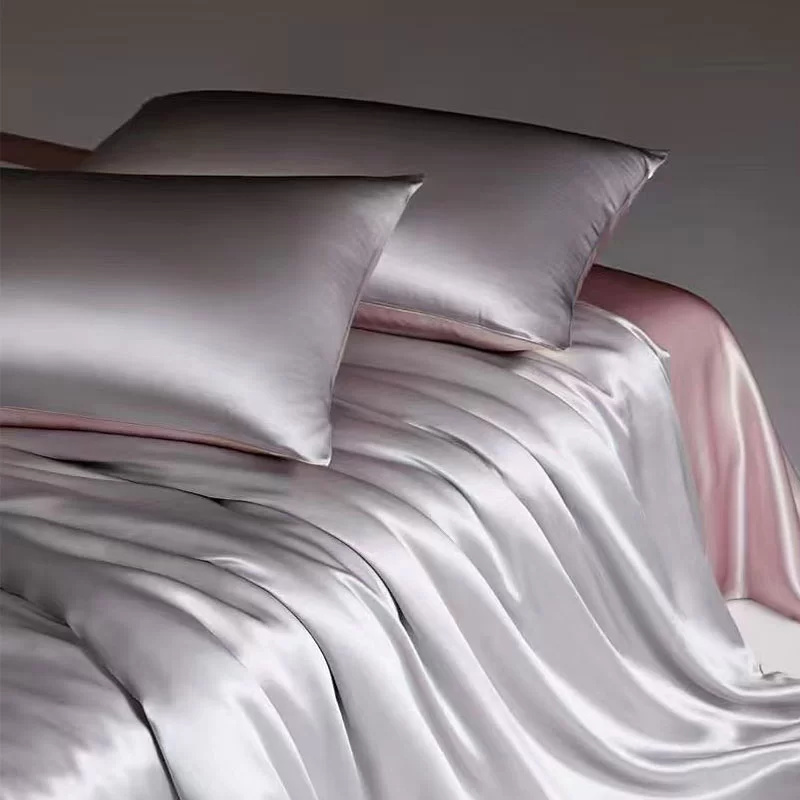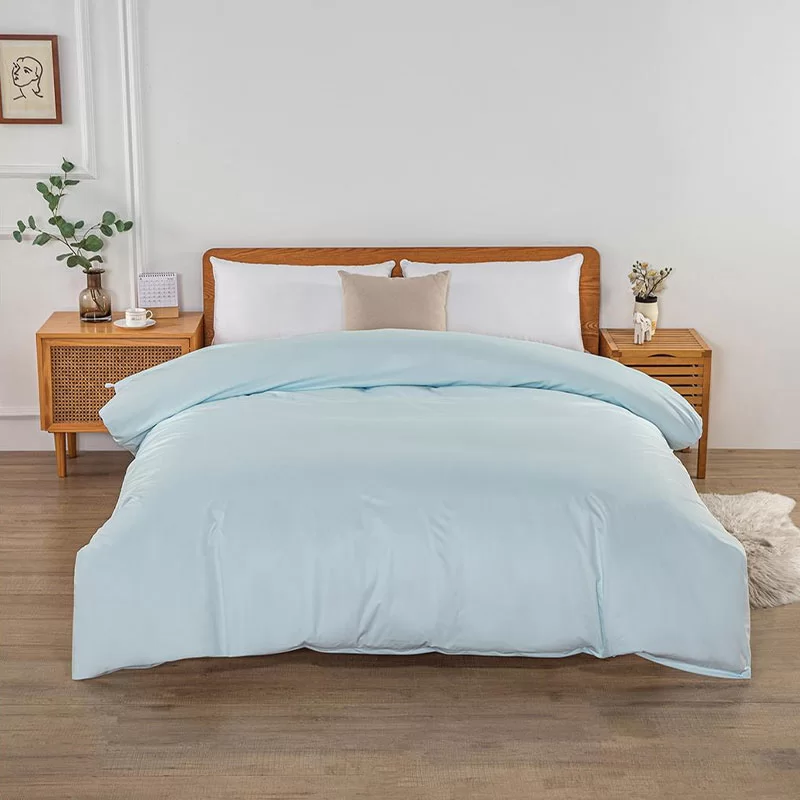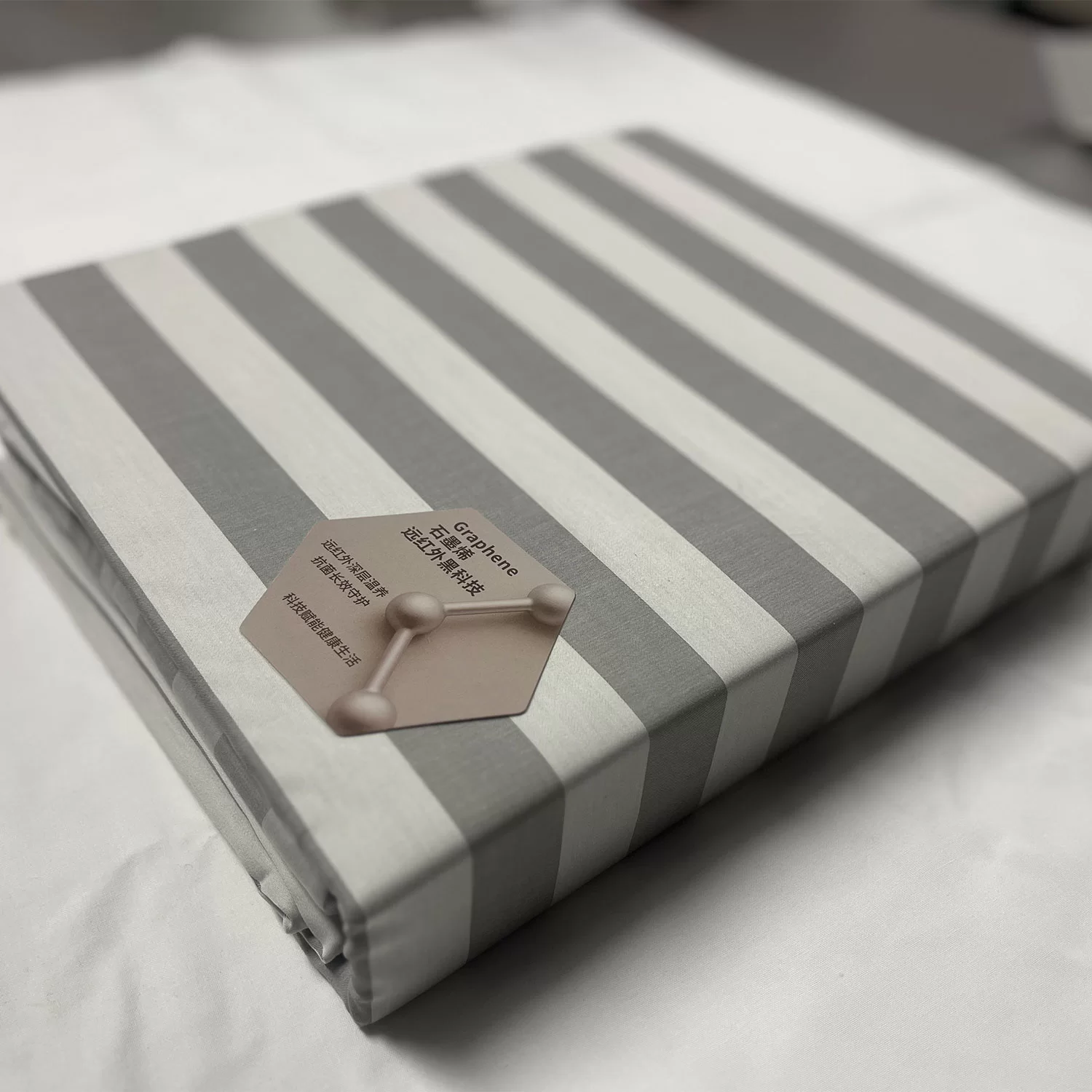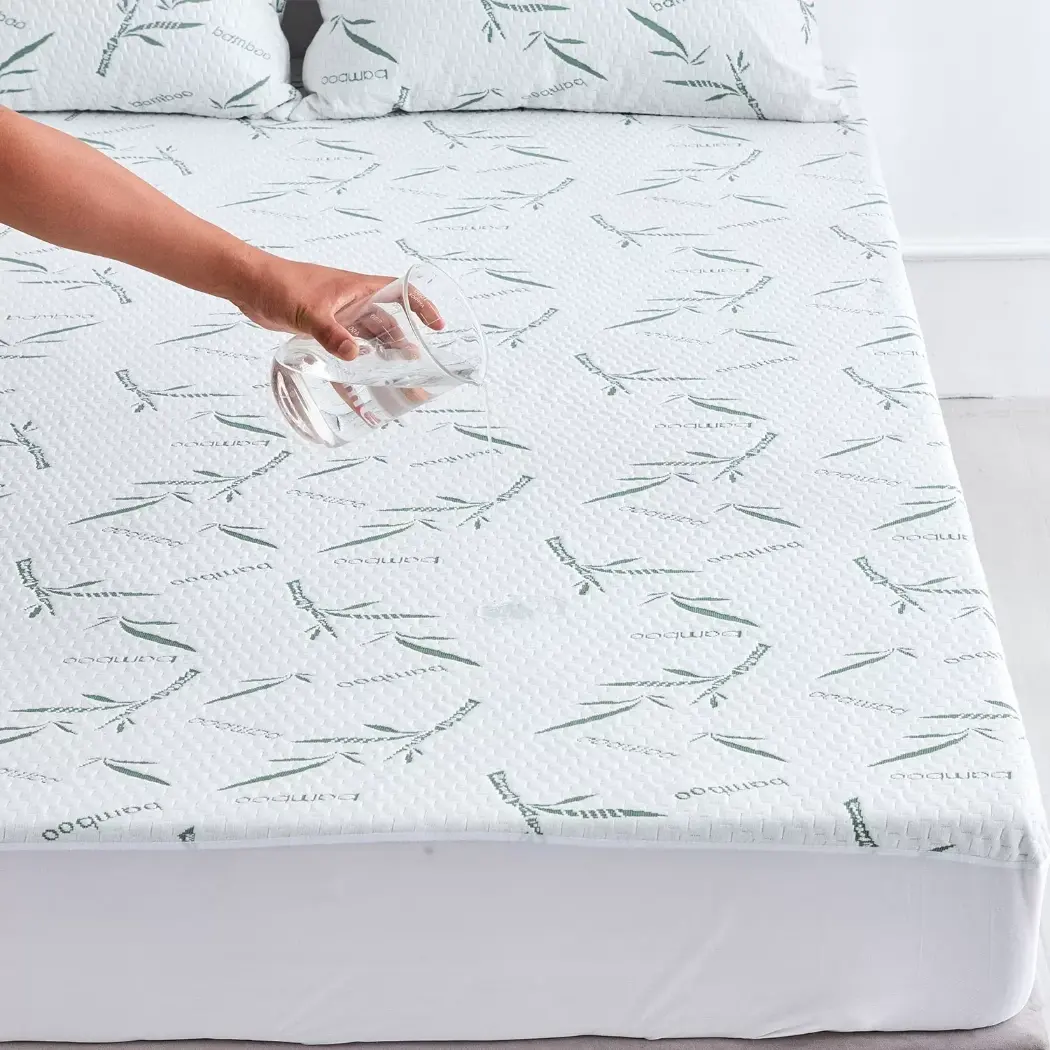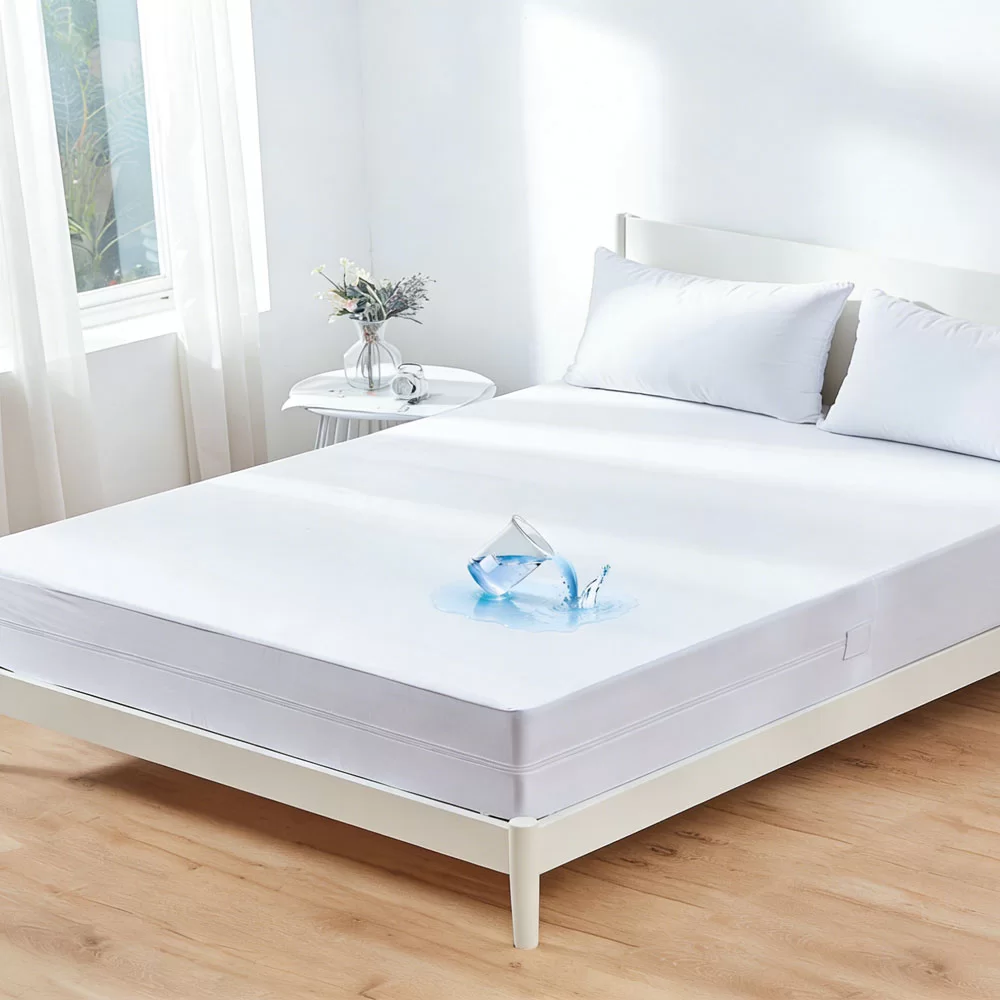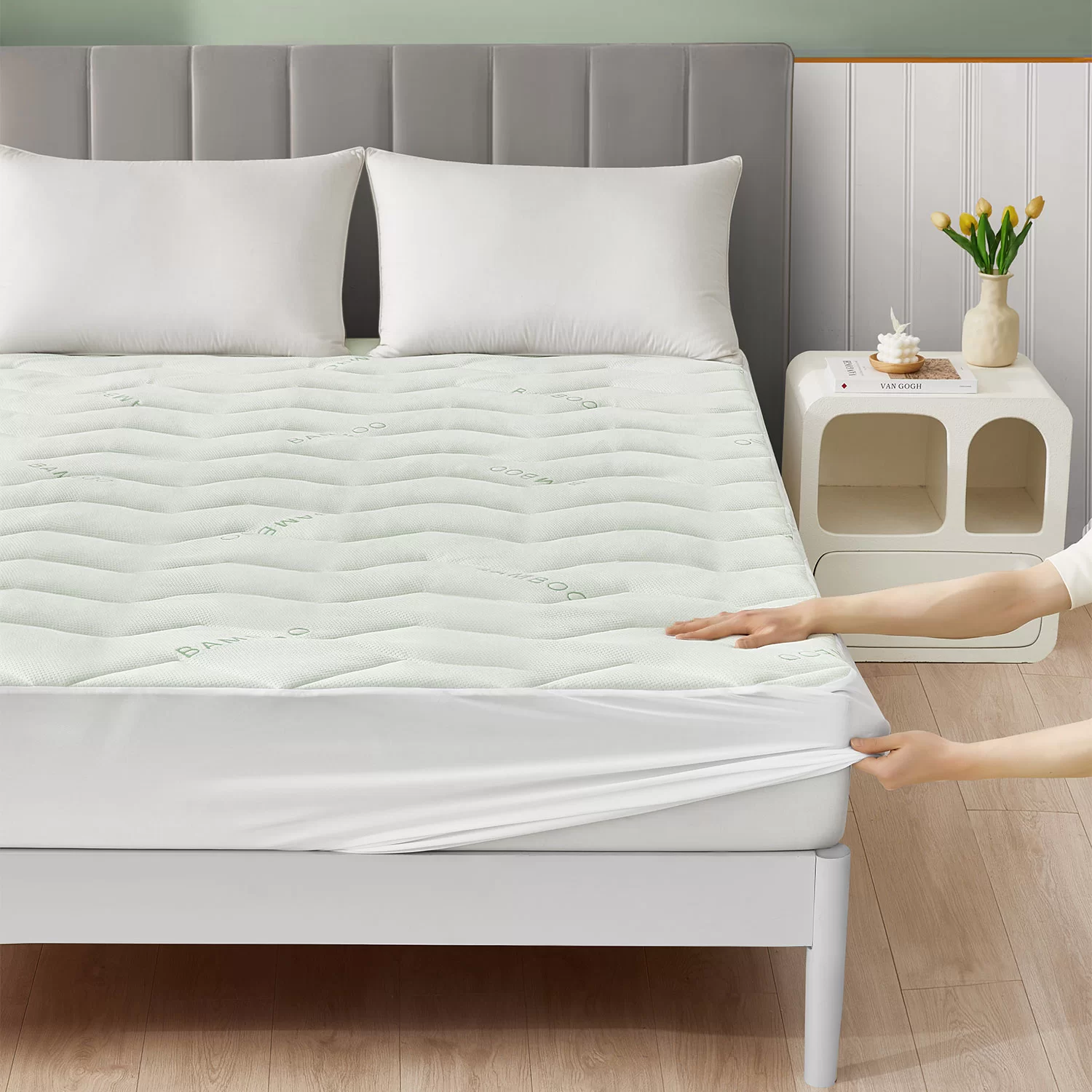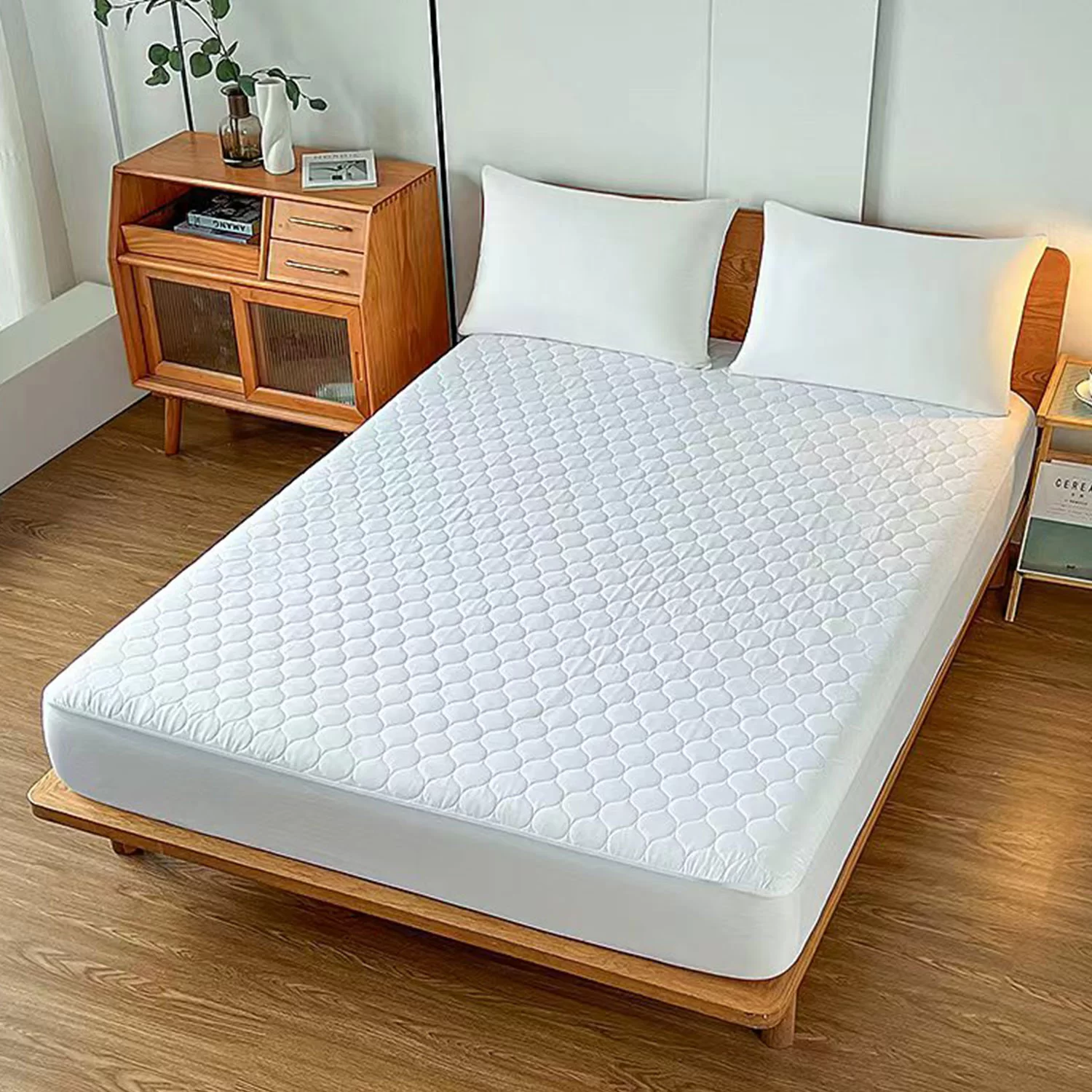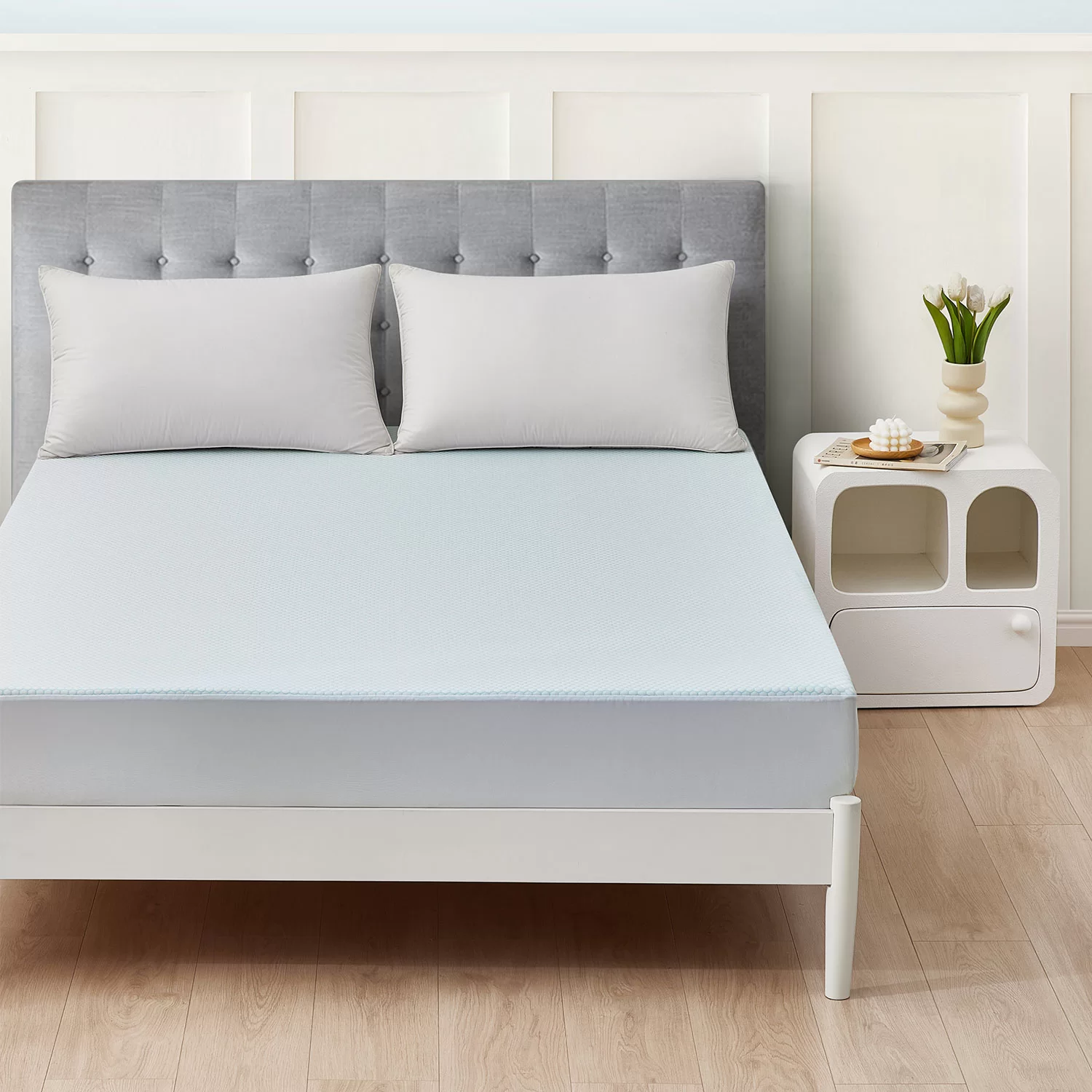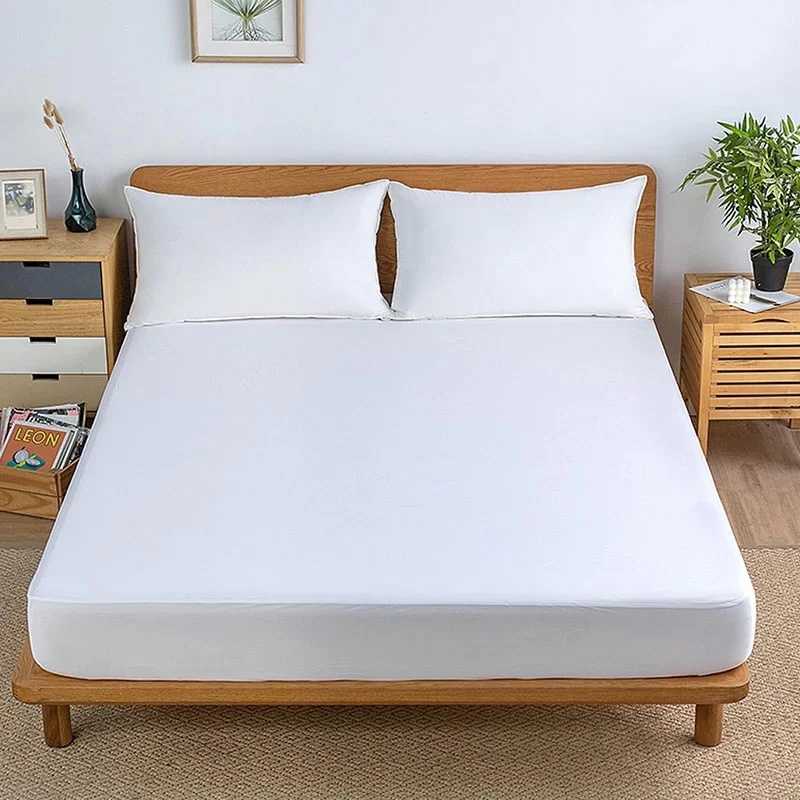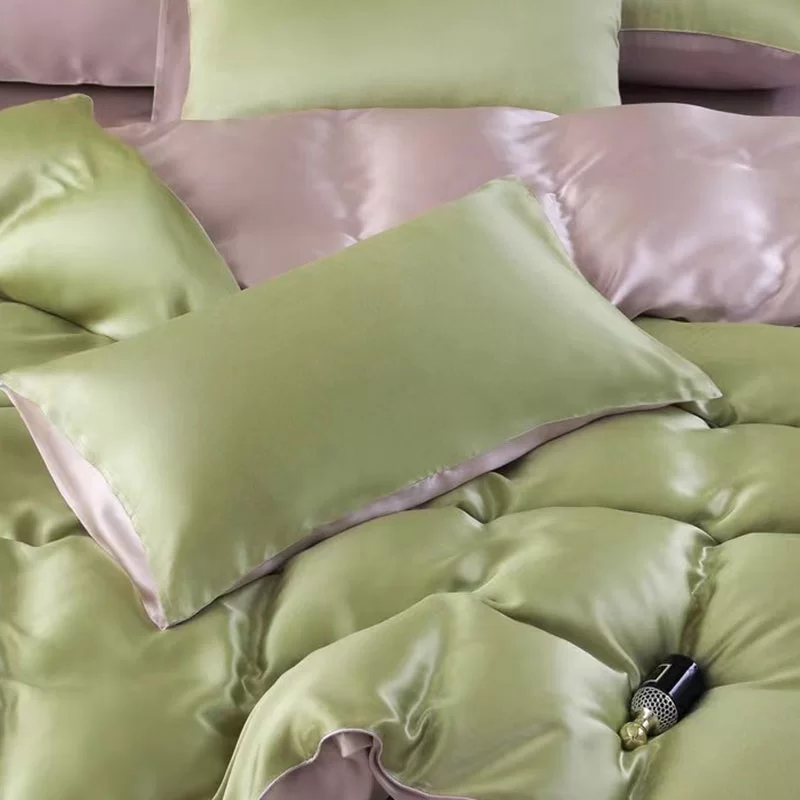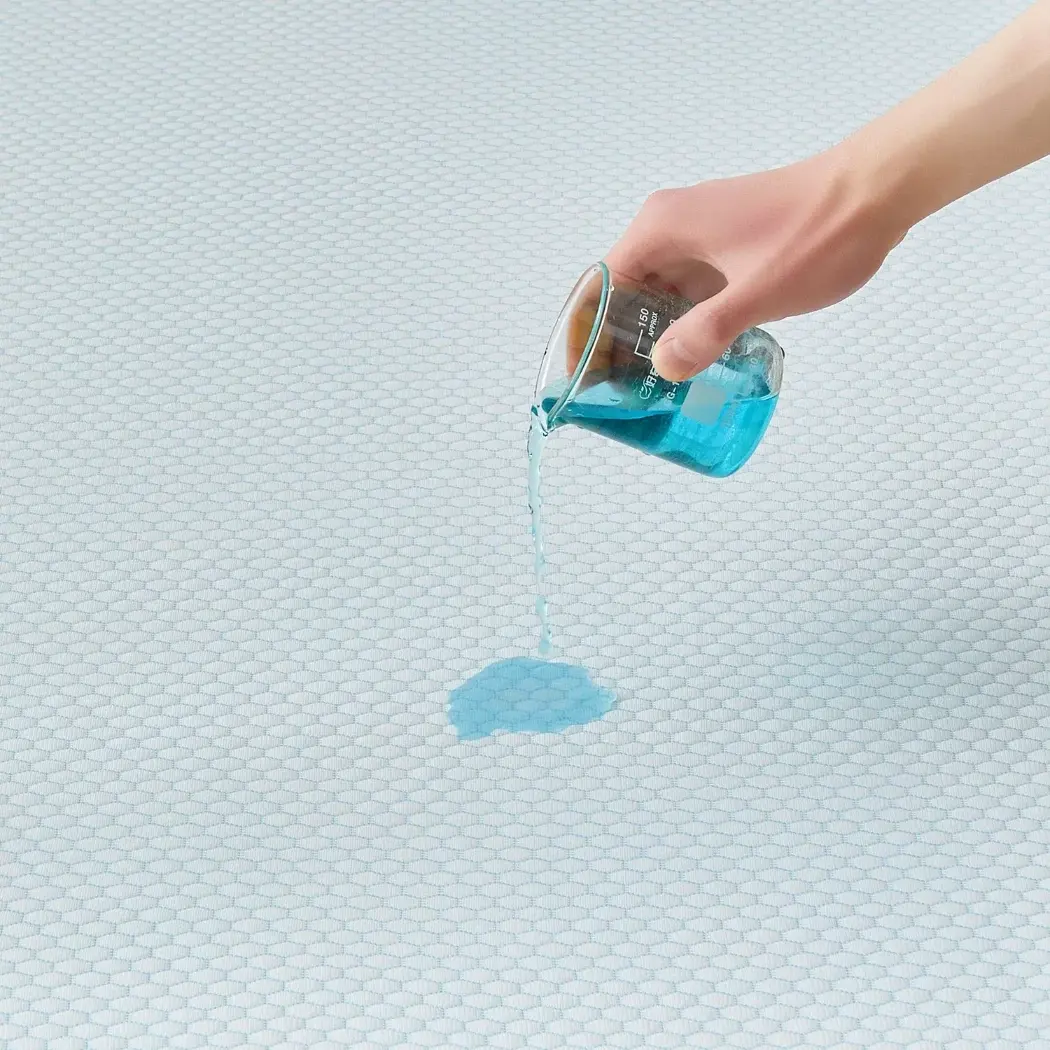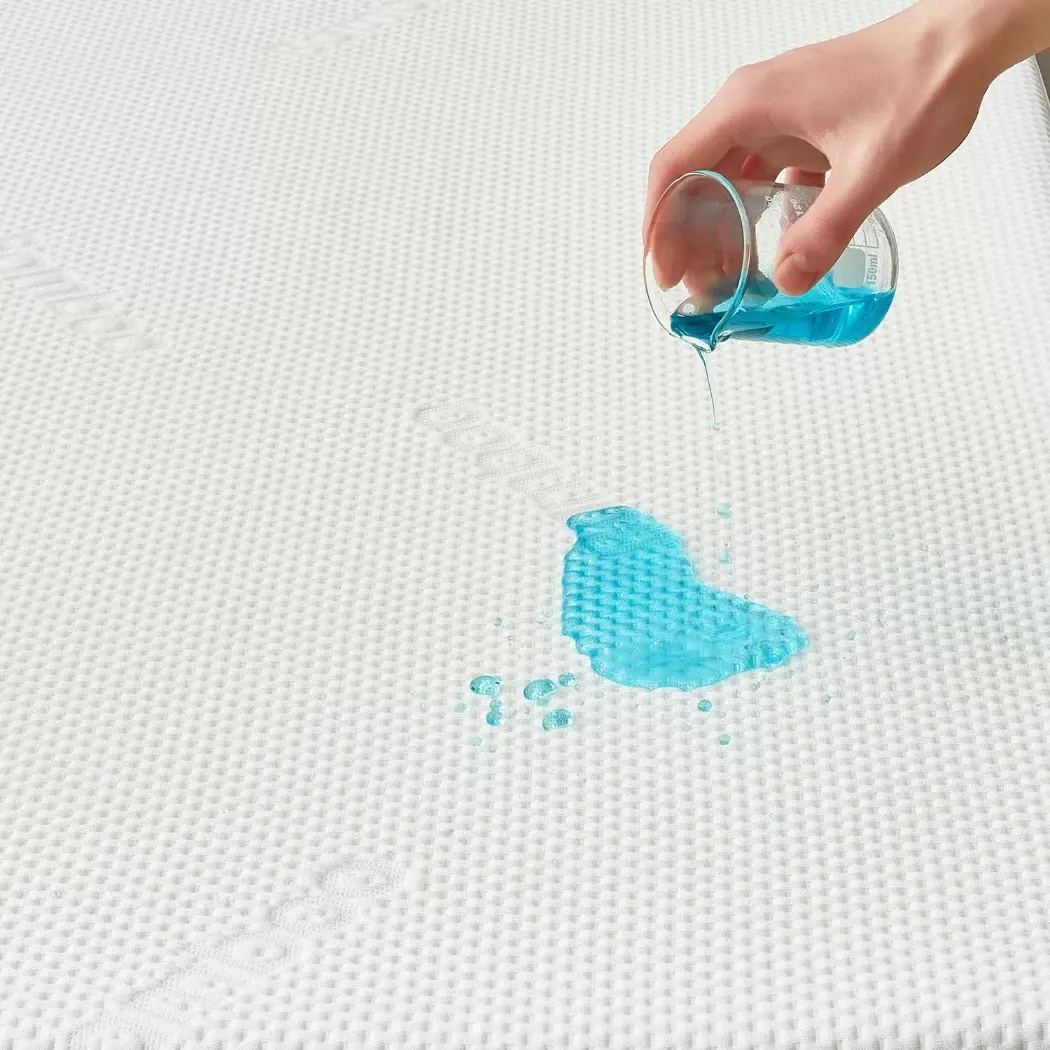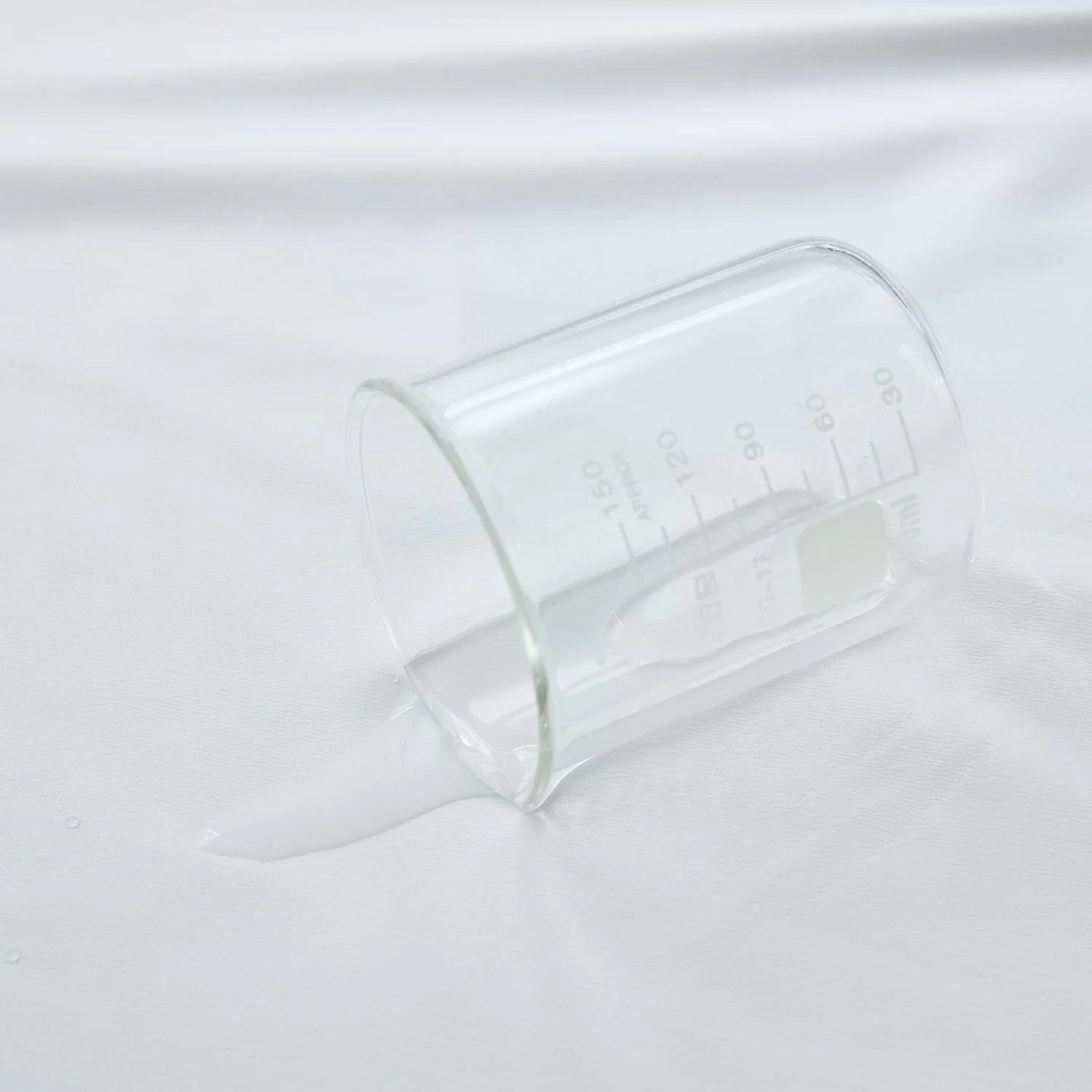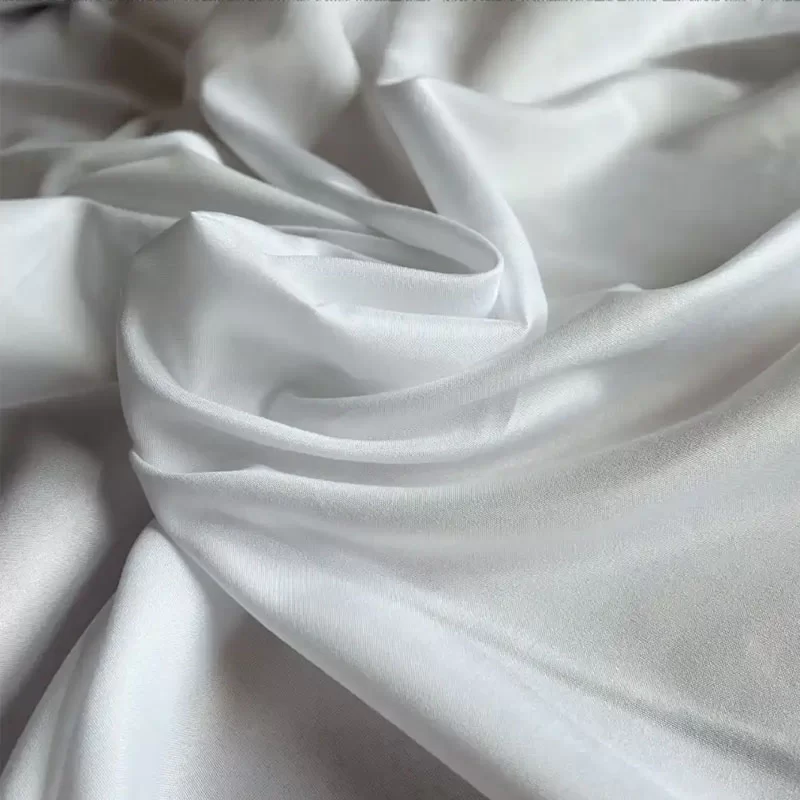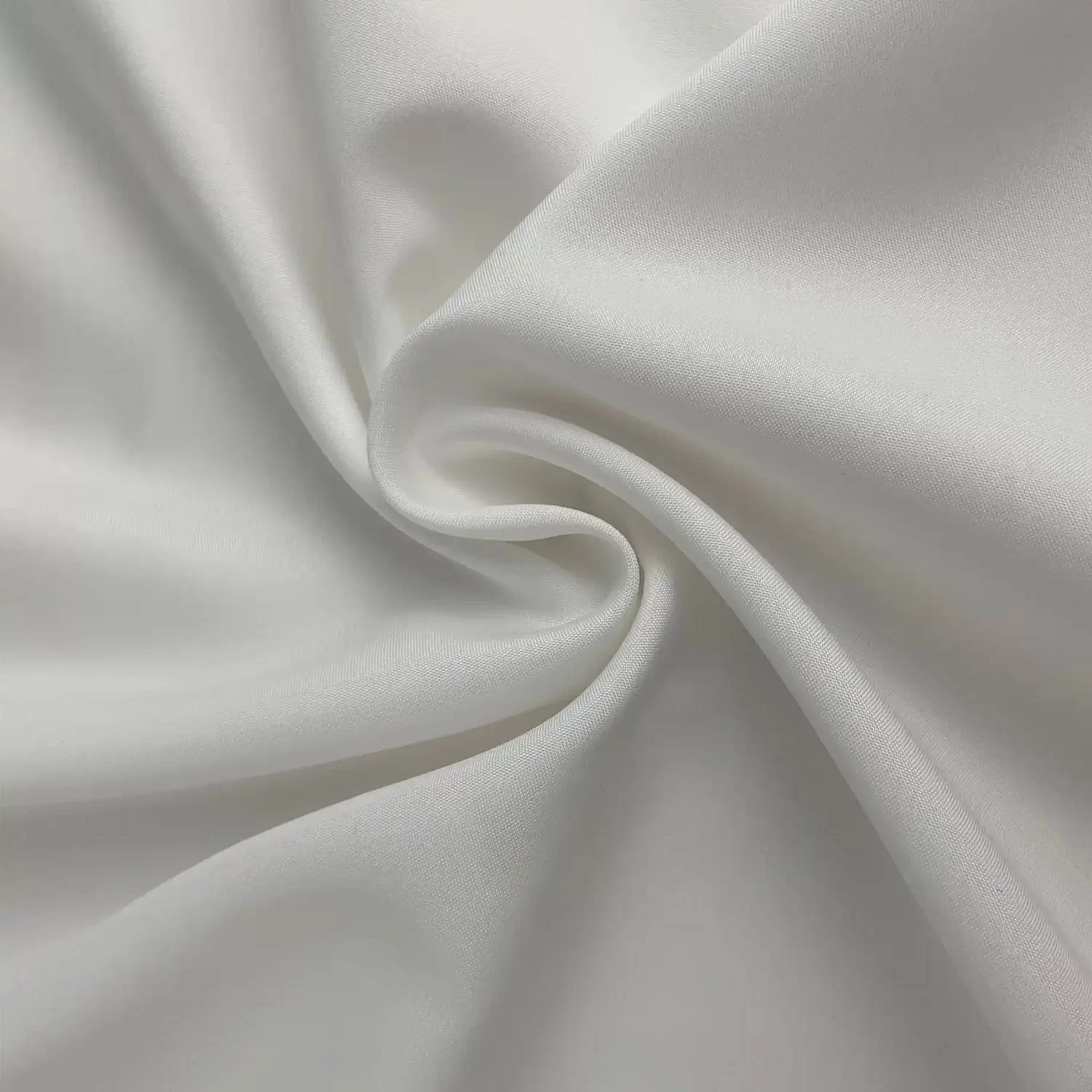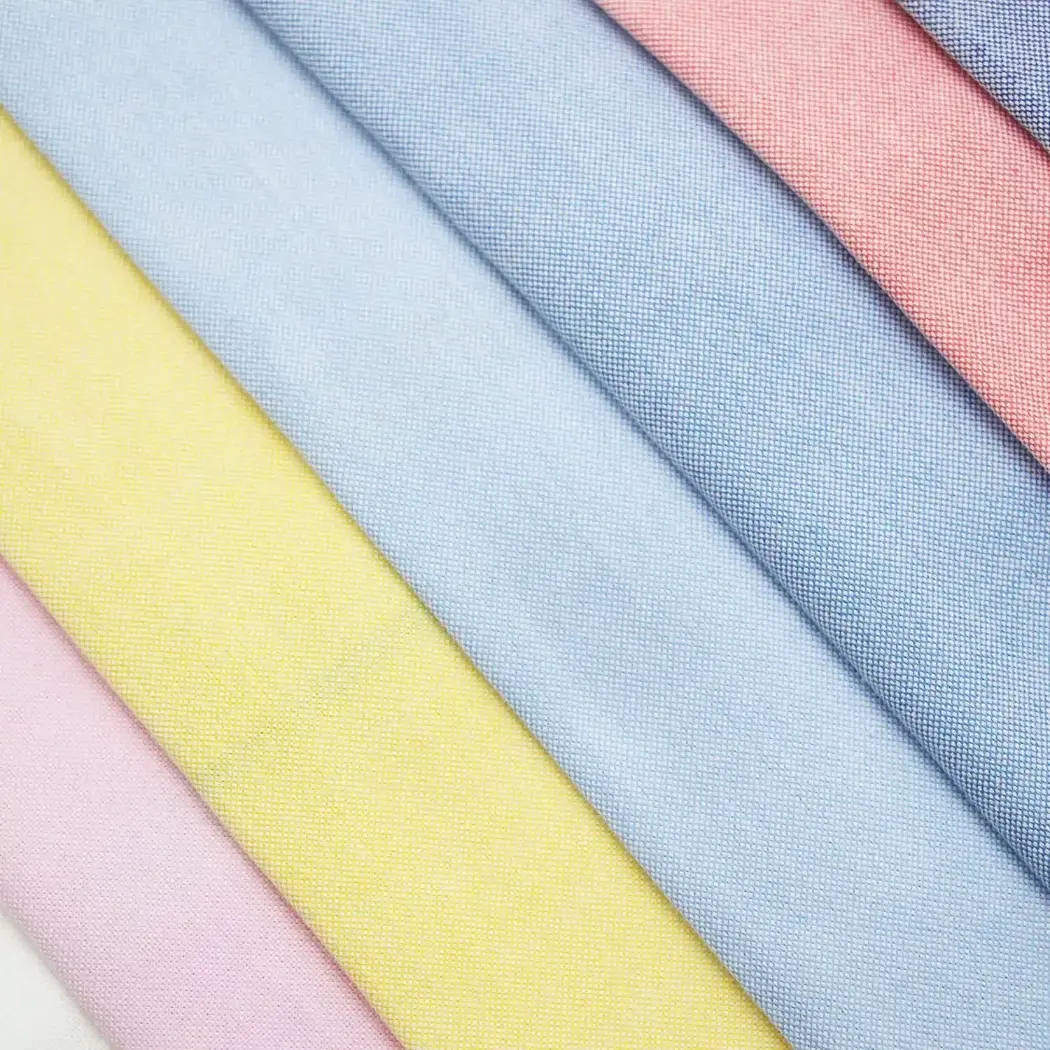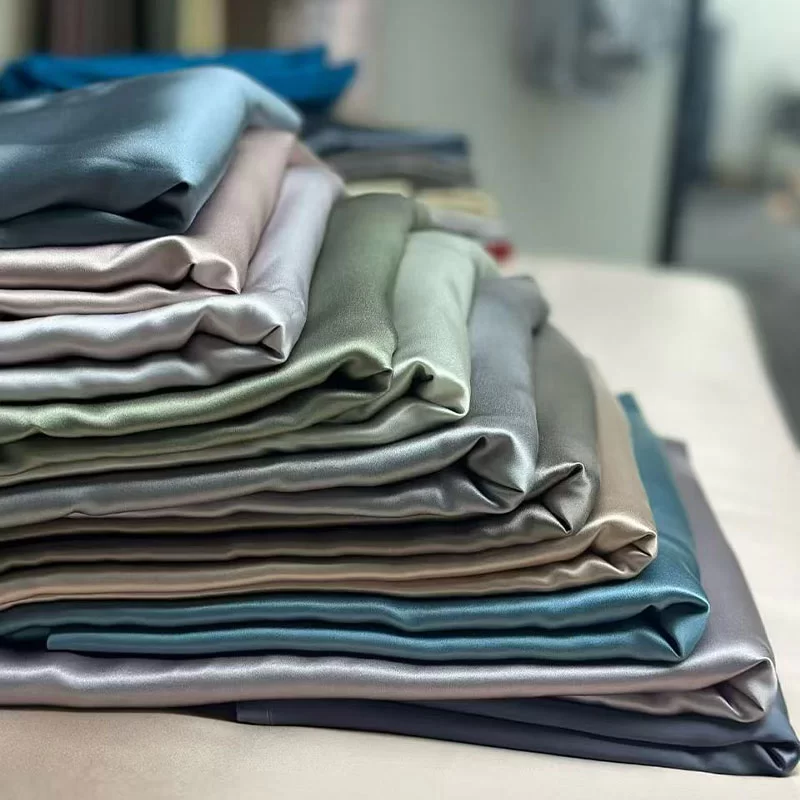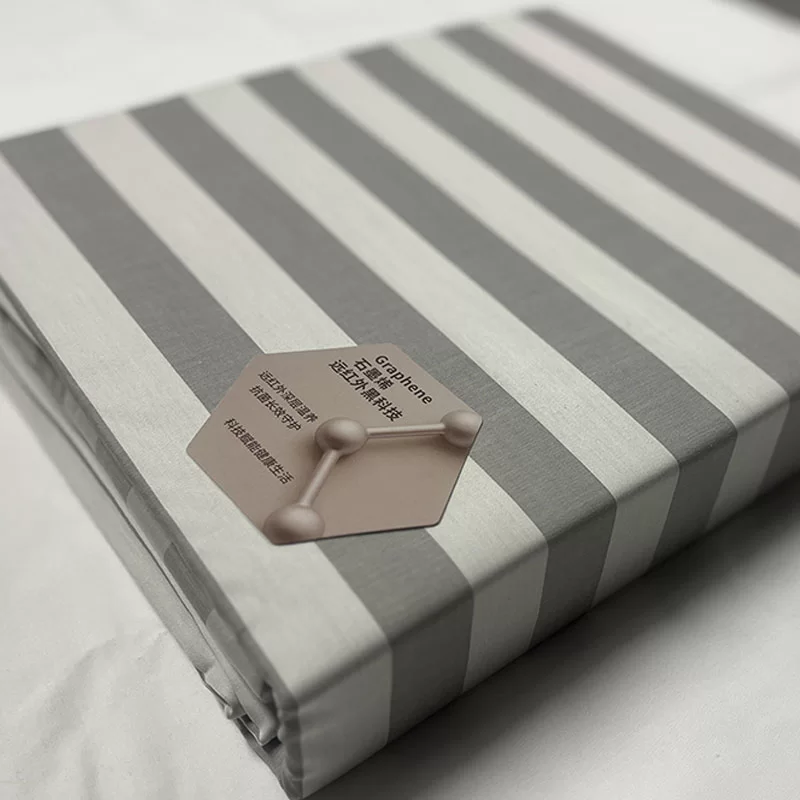
In the competitive landscape of the global hospitality industry, the tactile experience of a guest's stay is often defined by the quality of the bedding. hotel stripe bed linen has long been the gold standard for luxury establishments, blending a sophisticated aesthetic with the rigorous durability required for commercial laundering. By integrating specific weaving techniques that create the iconic sateen stripes, these linens offer a visual cue of cleanliness and prestige that resonates with travelers worldwide.
Beyond mere decoration, the choice of bed linen significantly impacts operational costs and guest satisfaction scores. The strategic use of high-thread-count cotton and specialized finishes ensures that the fabric remains crisp and inviting even after hundreds of industrial wash cycles. For hotel managers and procurement officers, understanding the nuances of weave, yarn quality, and stripe frequency is essential to maintaining a five-star brand image.
Whether it is a boutique motel or a sprawling luxury resort, the implementation of premium hotel stripe bed linen serves as a silent ambassador of quality. In this comprehensive guide, we will explore the technical specifications, global market trends, and practical maintenance strategies that make striped linens an indispensable asset in the modern hospitality toolkit.
The global demand for specialized hospitality textiles has surged as international tourism recovers and expands. According to industry trends aligned with ISO quality standards, the perceived value of a hotel room is heavily weighted by the "first touch" experience—the moment a guest interacts with the bed sheets. hotel stripe bed linen provides a universal language of luxury that transcends cultural boundaries, signaling a professional level of hygiene and comfort.
However, the industry faces a constant struggle between aesthetic desire and the harsh reality of industrial laundering. Many establishments struggle with fabric pilling or the loss of the "stripe luster" after repeated high-temperature washes. This has led to a shift toward scientifically engineered fabrics that maintain their visual appeal while adhering to strict environmental and durability benchmarks.
Technically, hotel stripe bed linen is created using a variation of the sateen or percale weave. The "stripes" are not printed but are woven into the fabric using a different weave structure (typically alternating between a sateen weave and a plain weave) at regular intervals. This creates a contrast in how light reflects off the surface, resulting in the characteristic matte and glossy stripes that define the professional hotel look.
This construction is not merely for show; the alternating weave structures can influence the breathability and drape of the fabric. By manipulating the float length of the yarns, manufacturers can create linens that feel exceptionally smooth against the skin while remaining structurally sound enough to withstand the tension of tight tucking and frequent stretching.
In the modern context, these linens are often blended with small percentages of polyester to increase tensile strength, though the highest-end luxury suites still insist on 100% long-staple combed cotton. This balance ensures that the linens meet the humanitarian need for hygienic, skin-friendly sleep surfaces while satisfying the commercial need for longevity.
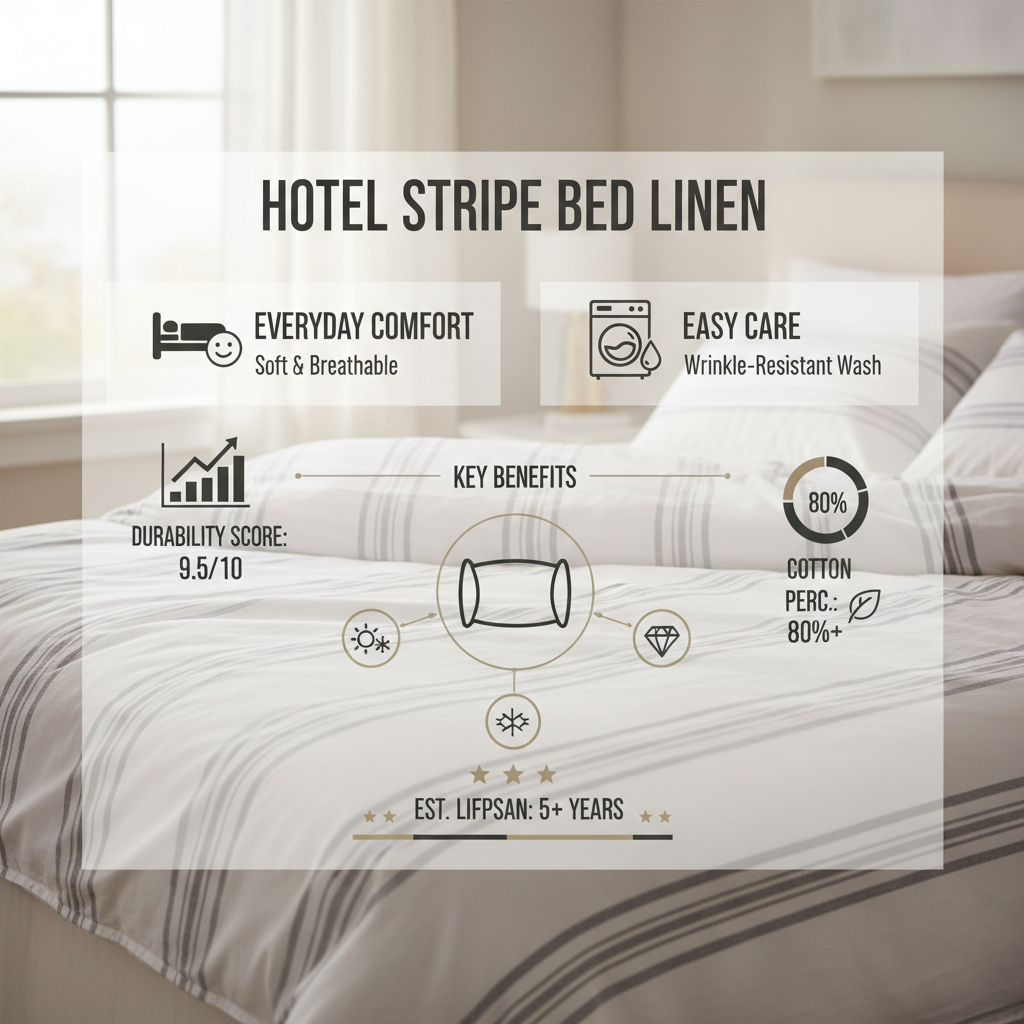
Durability is the cornerstone of any hotel stripe bed linen product. The use of combed cotton ensures that shorter, weaker fibers are removed, leaving only the long, strong strands that prevent fraying and pilling over time. This structural integrity is vital for linens that must endure the mechanical stress of industrial washers and dryers.
Breathability and Moisture Management are equally critical. Because guests have varying body temperatures, the weave of the striped linen must allow for optimal airflow. High-quality hotel stripe bed linen utilizes a specific thread count—typically between 200 and 400—to balance a dense, luxurious feel with the ability to wick moisture away from the skin.
Finally, the "Luster Retention" factor defines the long-term aesthetic value. A premium stripe linen uses high-quality dyes and finishing agents that prevent the fabric from becoming dull. This ensures that the visual contrast between the sateen and plain weave stripes remains sharp, maintaining the room's perceived luxury for a longer period.
The application of hotel stripe bed linen varies significantly depending on the target market. In ultra-luxury five-star resorts, the focus is on high thread counts and a subtle, wide-stripe pattern that evokes a sense of understated elegance. These establishments often prioritize the "hand-feel" and softness over raw durability, knowing their replacement cycles are funded by premium room rates.
Conversely, in mid-scale hotels or motel chains, the emphasis shifts toward high-efficiency durability. Here, a more pronounced stripe pattern is often used to mask minor imperfections and maintain a "crisp" look with minimal ironing. In these environments, poly-cotton blends are more common, providing a cost-effective solution that resists wrinkling and speeds up drying times.
Investing in high-grade hotel stripe bed linen is a strategic financial decision rather than a mere procurement expense. While the initial cost of premium sateen-stripe linens is higher, their extended lifecycle reduces the frequency of replacements. This leads to a lower Total Cost of Ownership (TCO) and reduces the volume of textile waste sent to landfills, aligning the hotel with modern sustainability goals.
Furthermore, the psychological impact on guests cannot be overstated. High-quality bedding is one of the most cited factors in positive online reviews. By providing a sleep surface that feels professional and luxurious, hotels can justify higher Average Daily Rates (ADR) and increase guest loyalty. The trust built through a consistent, high-quality sensory experience translates directly into brand equity.
The future of hotel stripe bed linen is being shaped by the intersection of biotechnology and digital manufacturing. We are seeing the rise of "Smart Fabrics" that incorporate antimicrobial silver ions directly into the yarn, reducing the reliance on harsh chemical disinfectants during the wash cycle. This not only protects the guest but also extends the life of the fibers.
Sustainability is another driving force, with a transition toward Tencel and organic cotton blends that maintain the traditional striped aesthetic while significantly reducing water consumption during production. Digital weaving technology now allows for more precise control over stripe width and frequency, enabling hotels to create custom "branded" stripes that are unique to their corporate identity.
Additionally, automation in laundry processing—such as RFID-tagged linens—allows hotels to track the exact number of wash cycles each piece of hotel stripe bed linen has undergone. This data-driven approach enables proactive replacement schedules, ensuring that no guest ever sleeps on a worn-out sheet, thus maintaining an impeccable standard of quality.
One of the primary challenges with hotel stripe bed linen is the tendency for the fabric to yellow or lose its brightness due to the buildup of detergents and minerals from hard water. To combat this, experts recommend the use of pH-balanced detergents and precise temperature control, which prevents the "cooking" of cotton fibers that leads to premature brittleness.
Wrinkling is another persistent issue, especially with 100% cotton variants. The solution lies in the implementation of high-pressure industrial calenders (ironing machines) that set the fabric's memory. By optimizing the moisture content of the linen before it enters the calender, hotels can achieve that iconic, smooth-as-glass finish that defines luxury bedding.
Lastly, managing the "pilling" effect in blended fabrics requires a careful selection of yarn twist. By choosing high-twist yarns for the striped sections, manufacturers can minimize the liberation of fibers during friction. This ensures the linens remain smooth to the touch for hundreds of cycles, preserving the tactile dignity of the guest experience.
| Maintenance Factor | Traditional Approach | Modern Optimized Method | Impact on Lifespan |
|---|---|---|---|
| Washing Temp | High Heat (90°C+) | Controlled Temp (60°C) | Increases by 20% |
| Detergent Type | Generic Industrial Soap | pH-Balanced Enzyme Wash | Reduces Yellowing |
| Ironing Process | Standard Steam Press | High-Pressure Calendering | Superior Smoothness |
| Water Treatment | Untreated Tap Water | Softened/Deionized Water | Prevents Stiffness |
| Cycle Tracking | Manual Estimation | RFID Lifecycle Tracking | Optimized Replacement |
| Stain Removal | Chlorine Bleach | Oxygen-Based Bleach | Prevents Fiber Decay |
The stripe is a structural design achieved through a variation in the weaving process. By alternating between a sateen weave (which creates a smooth, glossy surface) and a plain weave (which is more matte), a visual stripe is formed. This is not a print or a dye, meaning the pattern will not fade or wash off over time, ensuring the linens maintain their professional appearance for their entire lifespan.
It depends on your priorities. 100% combed cotton offers superior breathability, a softer hand-feel, and a higher luxury perception, making it ideal for high-end hotels. Poly-cotton blends, however, are more durable, wrinkle less, and dry faster, which reduces energy costs and labor in mid-range establishments. Both can be produced as hotel stripe bed linen, but the choice should align with your brand positioning.
Yellowing is usually caused by mineral buildup from hard water or residue from overusing alkaline detergents. To prevent this, we recommend installing a water softening system and using pH-neutral detergents. Additionally, avoiding excessive chlorine bleach in favor of oxygen-based bleaching agents will keep the whites bright and the sateen stripes lustrous without damaging the cotton fibers.
For commercial use, a thread count between 200 and 400 is generally ideal. While higher counts (600+) feel denser, they can be heavier to wash, slower to dry, and may actually be less breathable. A 300-thread-count sateen stripe provides the perfect balance of luxury, durability, and operational efficiency for the majority of hotel environments.
Yes, to achieve the professional "crisp" look, industrial calendering is recommended over standard steam pressing. The high pressure of a calender flattens the fibers more effectively, enhancing the contrast between the matte and glossy stripes. Ensuring the fabric is slightly damp before calendering helps set the smoothness, resulting in a high-end finish that lasts until the guest arrives.
Absolutely. Modern textile engineering now allows for striped patterns in organic cotton, GOTS-certified fabrics, and Tencel blends. These options reduce the environmental footprint by using fewer pesticides and less water during production. Many luxury brands are switching to these "green" striped linens to appeal to the growing demographic of eco-conscious travelers without sacrificing the classic aesthetic.
In summary, hotel stripe bed linen is far more than a decorative choice; it is a technical solution that balances aesthetic luxury with commercial necessity. By understanding the relationship between weave structure, fiber quality, and maintenance protocols, hospitality providers can significantly enhance the guest experience while optimizing their operational overhead. From the initial tactile sensation of a high-thread-count sateen to the long-term economic value of durable, easy-to-maintain fabrics, the right bedding is a fundamental pillar of hotel success.
Looking forward, the integration of sustainable materials and smart tracking technology will continue to refine how we produce and maintain these essential textiles. We encourage hotel owners and procurement managers to move beyond simple price-per-unit calculations and instead consider the total lifecycle value and guest impact of their linen choices. For premium, durable, and elegant bedding solutions, we invite you to explore our specialized range. Visit our website: www.infortextile.com
Contact Us
Email: inforhometextile@126.com
Email: helenkou@126.com
Address
Zerun Building,No.122 Fengshou Road,Chang'an District,Shijiazhuang City,Hebei Province,China
If you are interested in our products, you can choose to leave your information here, and we will be in touch with you shortly.