close
close
king size flannel flat sheet
Professional Guide to Choosing Durable Hotel Linen Bed Sheets
0%

Table of Contents

Selecting the right hotel linen bed sheets is more than a simple procurement decision; it is a strategic investment in guest satisfaction and operational efficiency. In the competitive hospitality landscape, the tactile experience of a bed is often the most remembered aspect of a guest's stay, directly influencing online reviews and repeat bookings. Understanding the intersection of thread count, material composition, and industrial durability is essential for any hotelier looking to balance luxury with longevity.

Globally, the demand for high-performance hospitality textiles has surged as hotels shift toward sustainable yet opulent standards. The challenge lies in finding a textile that can withstand the rigorous cycle of industrial laundering—high temperatures, chemical bleaching, and constant mechanical friction—without losing its softness or structural integrity. This tension between "commercial-grade durability" and "five-star comfort" defines the modern engineering of bedding.

By focusing on the technical specifications of hotel linen bed sheets, operators can significantly reduce their replacement costs while enhancing the perceived value of their rooms. Whether it is the crisp feel of a percale weave or the silky drape of a sateen finish, the right choice of linen serves as a silent ambassador for the hotel's commitment to quality and guest wellness.
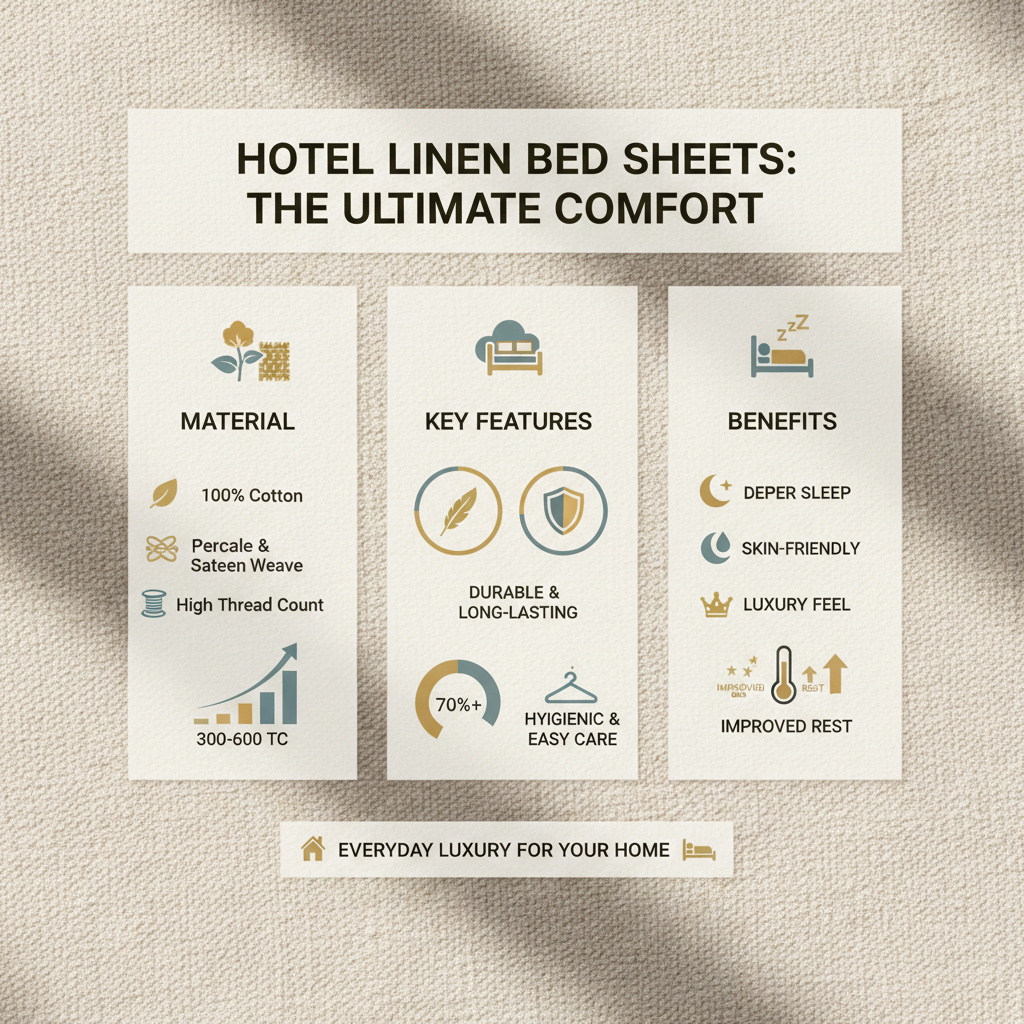
hotel linen bed sheets

Global Standards of Hotel Linen Bed Sheets

hotel linen bed sheets

The global hospitality industry adheres to stringent textile standards to ensure hygiene and comfort. According to ISO standards for textile testing, hotel linen bed sheets must meet specific tensile strength and colorfastness requirements to survive the harsh environment of commercial laundries. In North America and Europe, the trend has shifted toward OEKO-TEX certified fabrics, ensuring that the sheets are free from harmful substances, which is now a primary demand for health-conscious travelers.

Furthermore, the rise of "Eco-Tourism" has pushed manufacturers to integrate organic cotton and Tencel blends. This shift isn't just about marketing; it's a response to the environmental impact of traditional textile dyeing and finishing processes. By adopting global sustainability benchmarks, hotels can reduce their carbon footprint while maintaining the luxurious hand-feel that guests expect from high-end accommodations.

Defining Quality in Professional Bedding

In professional terms, hotel linen bed sheets are defined as specialized textile products engineered for high-frequency use and rigorous cleaning. Unlike domestic sheets, which are designed for occasional washing and personal preference, hotel linens are built for "industrial endurance." This means the fibers are often longer (long-staple cotton) to prevent pilling and ensure a smooth surface over hundreds of wash cycles.

The "meaning" of quality in this sector is a balance of breathability, moisture-wicking capabilities, and structural stability. A high-quality sheet must regulate temperature efficiently to accommodate guests from various climates, ensuring they don't overheat during the night. This functional aspect is what separates a generic fabric from a professional-grade hospitality product.

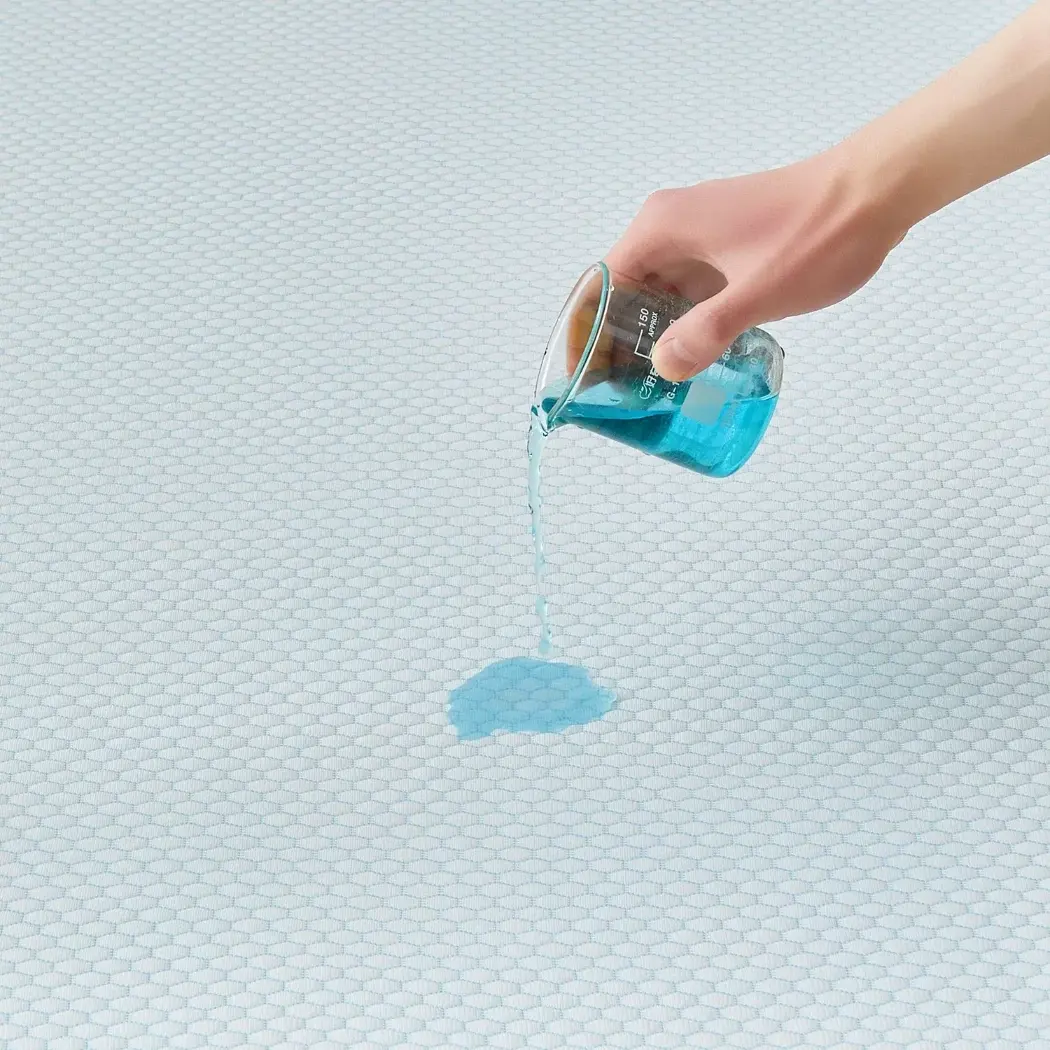
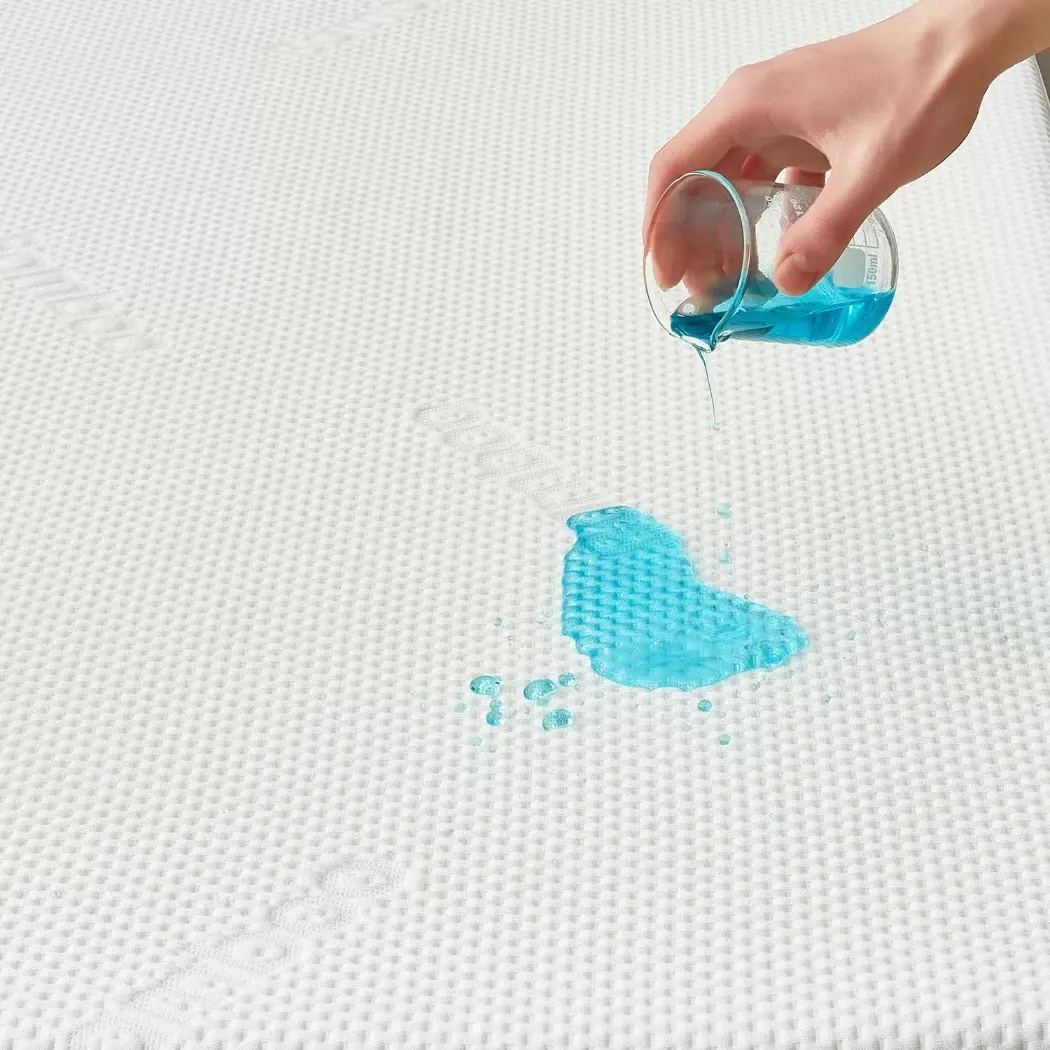
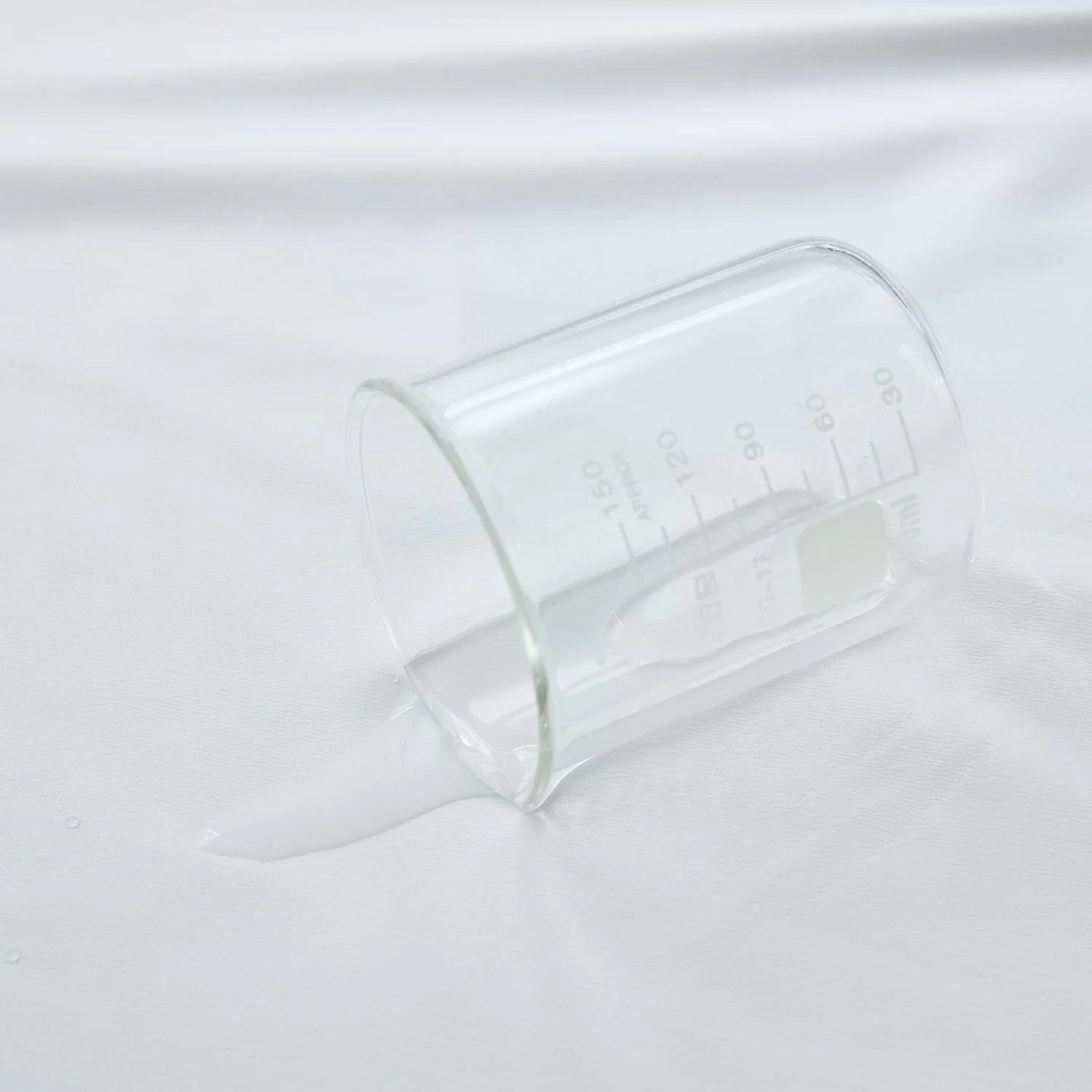
Moreover, the connection to modern industry involves the integration of "Smart Textiles." We are seeing the emergence of antimicrobial finishes and stain-resistant coatings that do not compromise the skin's breathability. This evolution ensures that bedding is not just a comfort item, but a hygienic barrier that protects both the guest and the mattress.

Core Components of High-Performance Linens

The durability of hotel linen bed sheets depends heavily on the weave construction. Percale, for instance, is a plain weave that offers a matte finish and a crisp feel, making it ideal for warmer climates and hotels that prefer a "fresh, snapped" bed look. Sateen, on the other hand, uses a four-over-one weave to create a lustrous surface and a heavier drape, often associated with luxury suites.

Thread count is often misunderstood; in professional hotel linen bed sheets, a moderate thread count (200-400) often outperforms an excessively high one. Too many threads per inch can make the fabric denser and less breathable, while also making it more prone to shrinking during industrial drying. The key is the quality of the yarn, not just the quantity.

Another critical component is the fabric blend. While 100% cotton remains the gold standard for luxury, poly-cotton blends are widely used in mid-range hotels and hospitals. These blends offer superior wrinkle resistance and faster drying times, which optimizes the laundry turnaround and reduces energy costs for the operator.

Comparative Performance Metrics

When evaluating hotel linen bed sheets, procurement managers often look at a "Life Cycle Cost" rather than the initial purchase price. This involves measuring the number of washes before the fabric shows significant wear or thinning. For example, long-staple Egyptian cotton may have a higher upfront cost but lasts 30% longer than standard cotton.

The following analysis compares different material compositions based on their performance in real-world hospitality environments, focusing on durability, comfort, and maintenance ease.

Performance Rating of Various Bed Sheet Compositions

Global Applications and Sector Use Cases

The application of hotel linen bed sheets extends beyond luxury resorts. In the medical sector, hospital linens require high-temperature sterilization and are often treated with fluid-resistant coatings. Here, the focus shifts from "luxury" to "clinical safety," yet the need for patient comfort remains a priority to aid recovery.

In remote industrial zones or disaster relief operations, modular bedding solutions are deployed. These linens must be lightweight, easy to transport, and capable of being washed in suboptimal conditions. The versatility of textile engineering allows for the creation of antimicrobial, quick-dry sheets that provide dignity and warmth to individuals in transient or high-stress environments.

Long-Term Value and Sustainability

Investing in premium hotel linen bed sheets yields tangible economic benefits through reduced replacement frequencies. A sheet that lasts 200 washes instead of 100 effectively halves the annual textile procurement budget. This logical angle is paired with an emotional one: guests perceive the quality of the linen as a reflection of the hotel's overall care and attention to detail.

From a sustainability perspective, the "slow textile" movement is gaining traction. By using biodegradable fibers and non-toxic dyes, hotels can avoid contributing to the massive amount of textile waste that ends up in landfills. Water-saving dyeing techniques and the use of recycled polyester in blends are further reducing the ecological footprint of the industry.

Ultimately, the long-term value lies in the trust built with the guest. When a guest experiences the consistent quality of a well-maintained bed, it creates a sense of safety and reliability. This emotional connection is a powerful driver of brand loyalty, far outweighing the initial cost savings of choosing cheaper, lower-quality fabrics.

Future Innovations in Textile Technology

The future of hotel linen bed sheets is being shaped by digital transformation and materials science. We are seeing the integration of "smart fibers" that can monitor guest sleep patterns or regulate temperature dynamically based on the skin's surface heat. While still in the early stages of adoption, these innovations promise a personalized sleep experience that was previously impossible.

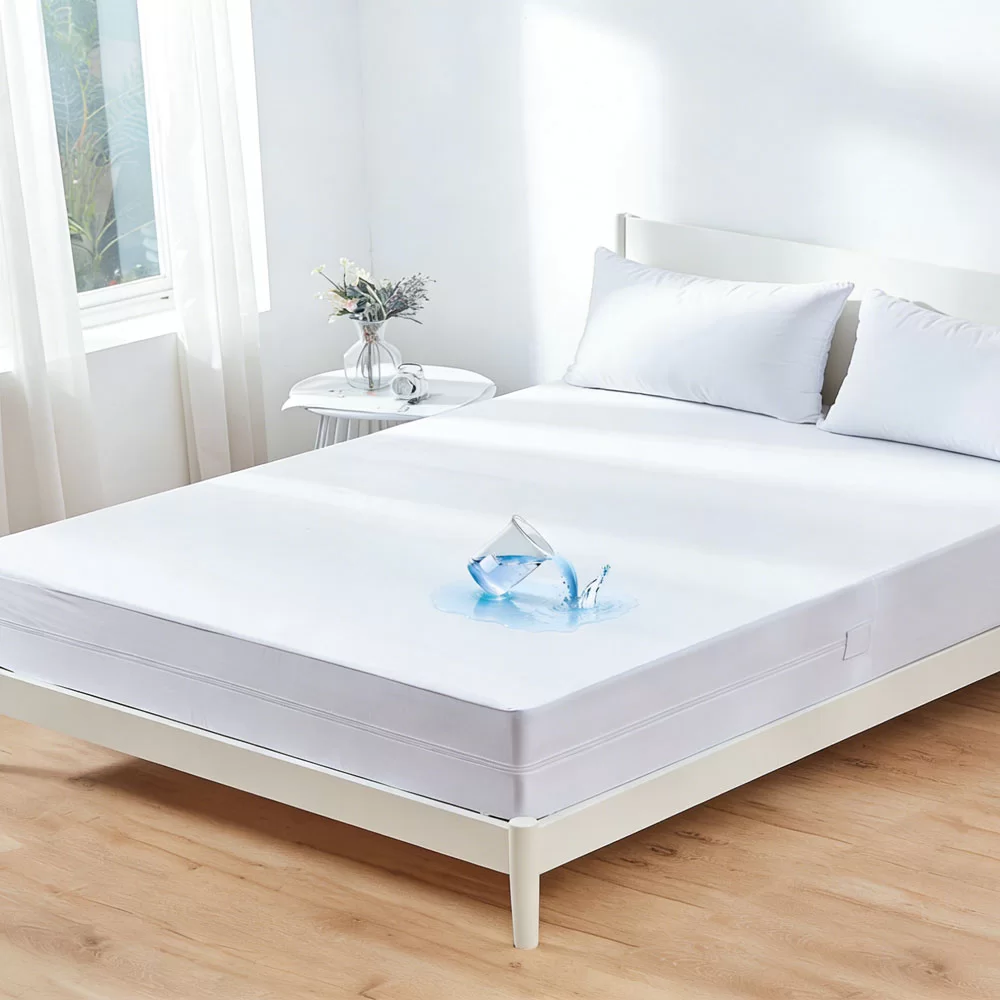
Automation in the manufacturing process is also enhancing consistency. Laser-cutting and ultrasonic welding are replacing traditional stitching in certain components, such as mattress protectors, to create seamless, waterproof barriers that are more durable and hypoallergenic. This precision engineering ensures that every sheet produced meets exact specifications.

Furthermore, the shift toward a circular economy is driving the development of "fully recyclable" linens. Future sheets will be designed to be broken down at the molecular level and reconstituted into new yarn, eliminating waste entirely. This closed-loop system will redefine the relationship between the hospitality industry and the planet.

Analysis of Material Innovations in Bedding Textiles

Material Type Key Innovation Sustainability Score Industrial Lifespan
Organic Egyptian Cotton Pesticide-free farming 9/10 High
Recycled Polyester Blend Ocean plastic conversion 8/10 Very High
Tencel Lyocell Closed-loop solvent process 10/10 Medium
Antimicrobial Cotton Silver-ion infusion 6/10 High
Bamboo Viscose Rapid regrowth fiber 7/10 Medium
Smart-Thermo Fabric Phase-change materials 5/10 Medium

FAQS

What is the ideal thread count for hotel linen bed sheets?

For most commercial hotels, a thread count between 200 and 400 is ideal. While higher counts may sound more luxurious, they often result in a heavier fabric that is less breathable and takes longer to dry in industrial machines. A 300-thread-count percale offers the perfect balance of crispness, durability, and airflow, ensuring guest comfort across different seasons while maintaining a long operational lifespan.

Should I choose 100% cotton or a poly-cotton blend?

The choice depends on your hotel's positioning. 100% cotton is essential for luxury and boutique hotels where the tactile experience is a primary selling point. However, poly-cotton blends (usually 60/40 or 80/20) are highly recommended for high-turnover environments or budget hotels because they are more resistant to wrinkles, shrink less, and have a faster laundry turnaround time, which reduces overall operating costs.

How do I prevent hotel linen bed sheets from pilling over time?

Pilling is caused by short fibers breaking and tangling. To prevent this, invest in long-staple or extra-long-staple (ELS) cotton, which has smoother fibers. Additionally, avoid over-drying on excessively high heat and use pH-neutral detergents. Regular rotation of linen stock also ensures that no single set is overworked, extending the overall life of your inventory.

Are sustainable materials like Tencel durable enough for commercial use?

Yes, but they often require different care instructions. Tencel and Bamboo blends are incredibly soft and sustainable but can be more sensitive to high-temperature bleaching than cotton. When using these materials, it is recommended to use ozone laundry systems or specialized eco-friendly detergents to maintain fiber integrity while ensuring clinical cleanliness.

How often should hotel bed linens be replaced?

While there is no fixed rule, most professional operators implement a "discard and downgrade" system. Once a sheet shows signs of thinning or permanent staining, it is removed from guest rooms and repurposed for internal use (like cleaning cloths) or recycled. On average, high-quality hotel linen bed sheets should be replaced every 12 to 24 months depending on occupancy rates and laundry intensity.

What are the benefits of OEKO-TEX certified bedding?

OEKO-TEX certification guarantees that every component of the textile—from the thread to the buttons and dyes—has been tested for harmful substances. For hotels, this is a powerful marketing tool that demonstrates a commitment to guest health and environmental responsibility, reducing the risk of skin irritation for guests with sensitive skin.

Conclusion

The strategic selection of hotel linen bed sheets is a fundamental pillar of hospitality management, bridging the gap between operational cost-efficiency and guest luxury. By understanding the nuances of weave, fiber length, and sustainable certifications, hotel operators can create a sleep environment that not only meets global hygiene standards but also fosters deep guest loyalty. The transition toward sustainable, high-performance textiles is no longer optional but a necessity for brands aiming to remain competitive in an eco-conscious market.

Looking forward, the integration of smart textiles and circular manufacturing will further revolutionize how we perceive hotel bedding. We encourage hoteliers to move beyond simple price-per-unit metrics and adopt a life-cycle value approach. Investing in premium, durable, and ethically sourced linens is an investment in the very essence of hospitality: the promise of a restful and rejuvenating night's sleep. Visit our website for professional solutions: www.infortextile.com

David Chen

David Chen

David Chen is the Lead Quality Control Manager at SHIJIAZHUANG YINGFANG TRADE CO., LTD. David is deeply committed to upholding the ISO9002 Quality Standard, overseeing all testing and production processes to guarantee product precision and reliability. He has a background in Textile Engineering and brings extensive knowledge of fabric properties,
Previous Premium White Hotel Bed Linen for Luxury Hospitality Standards
Next Premium Hotel Stripe Bed Linen for Luxury Hospitality Success
 queen size silk sheets
Can't Find The Products And Services You Need?
If you need our help,
Our staff will be happy to help and answer your questions!
Comfortable & Skin-Friendly Materials
Made from high-quality natural fibers, ensuring softness, breathability, and ultimate comfort.
Eco-Friendly & Healthy Processes
Produced with environmentally safe dyes and non-toxic techniques, protecting both family health and the environment.
Durable & Wrinkle-Resistant Design
Expert weaving ensures long-lasting use, keeping bedding smooth and attractive even after multiple washes.
Multi-Functional Smart Textiles
Incorporates temperature regulation, antibacterial, or anti-mite technology to enhance home comfort and convenience.

Contact Us

Email: inforhometextile@126.com
Email: helenkou@126.com

Cooperation

Phone: +86 15128126343
Phone: +86 15932669828

Address

Zerun Building,No.122 Fengshou Road,Chang'an District,Shijiazhuang City,Hebei Province,China

If you are interested in our products, you can choose to leave your information here, and we will be in touch with you shortly.