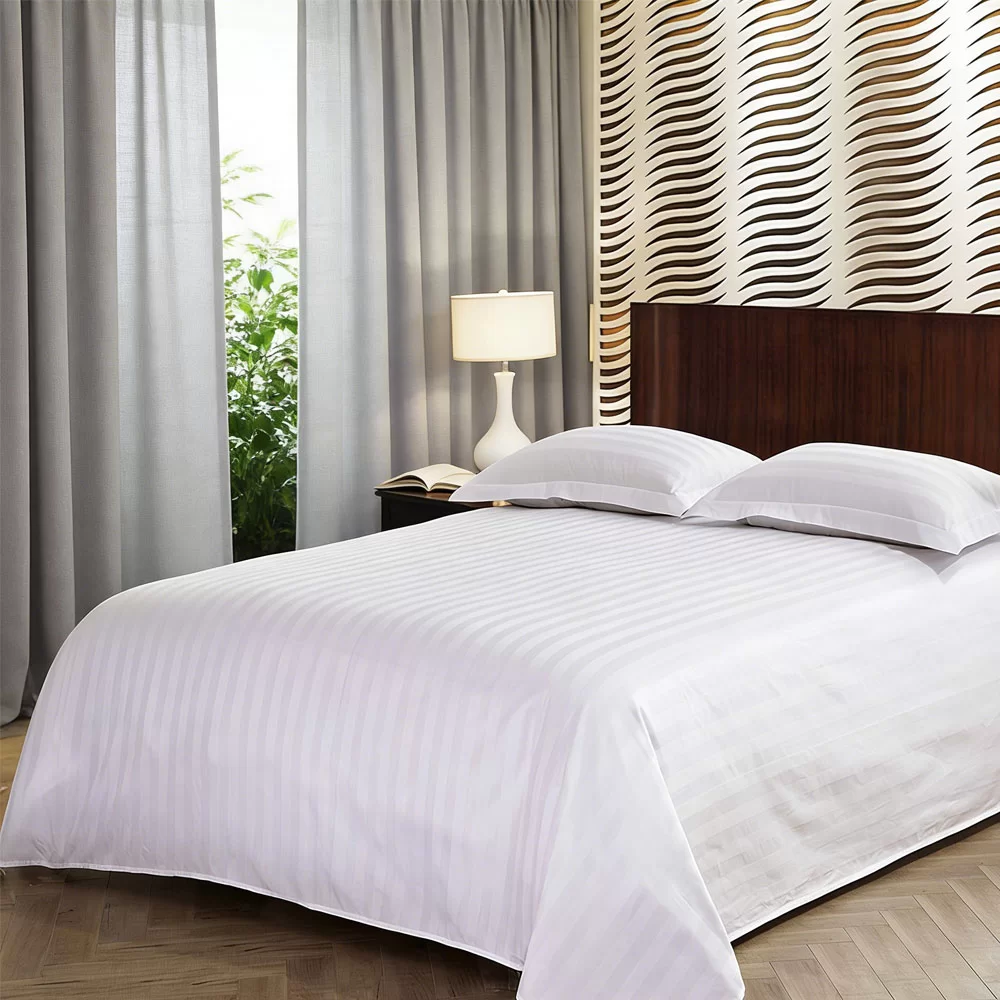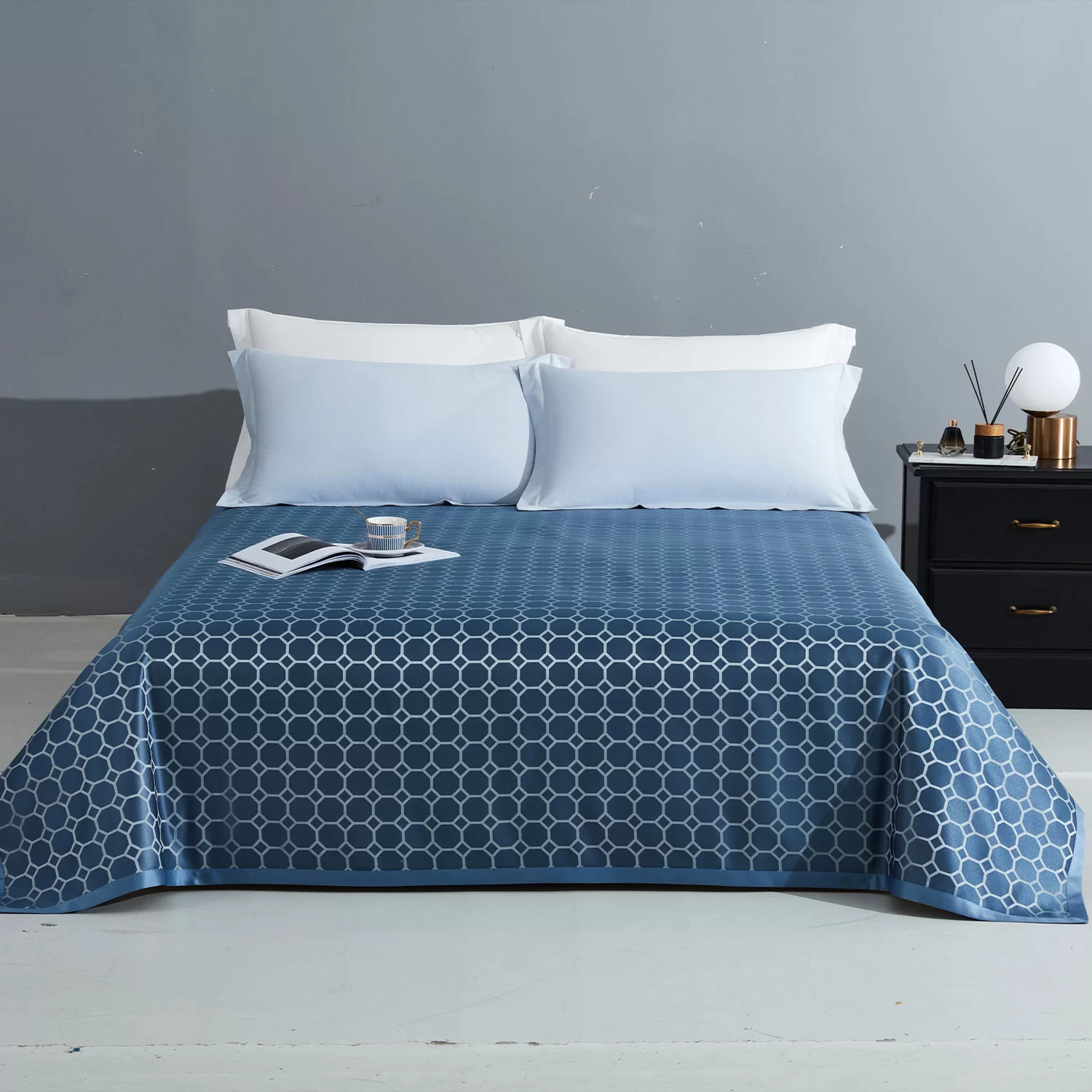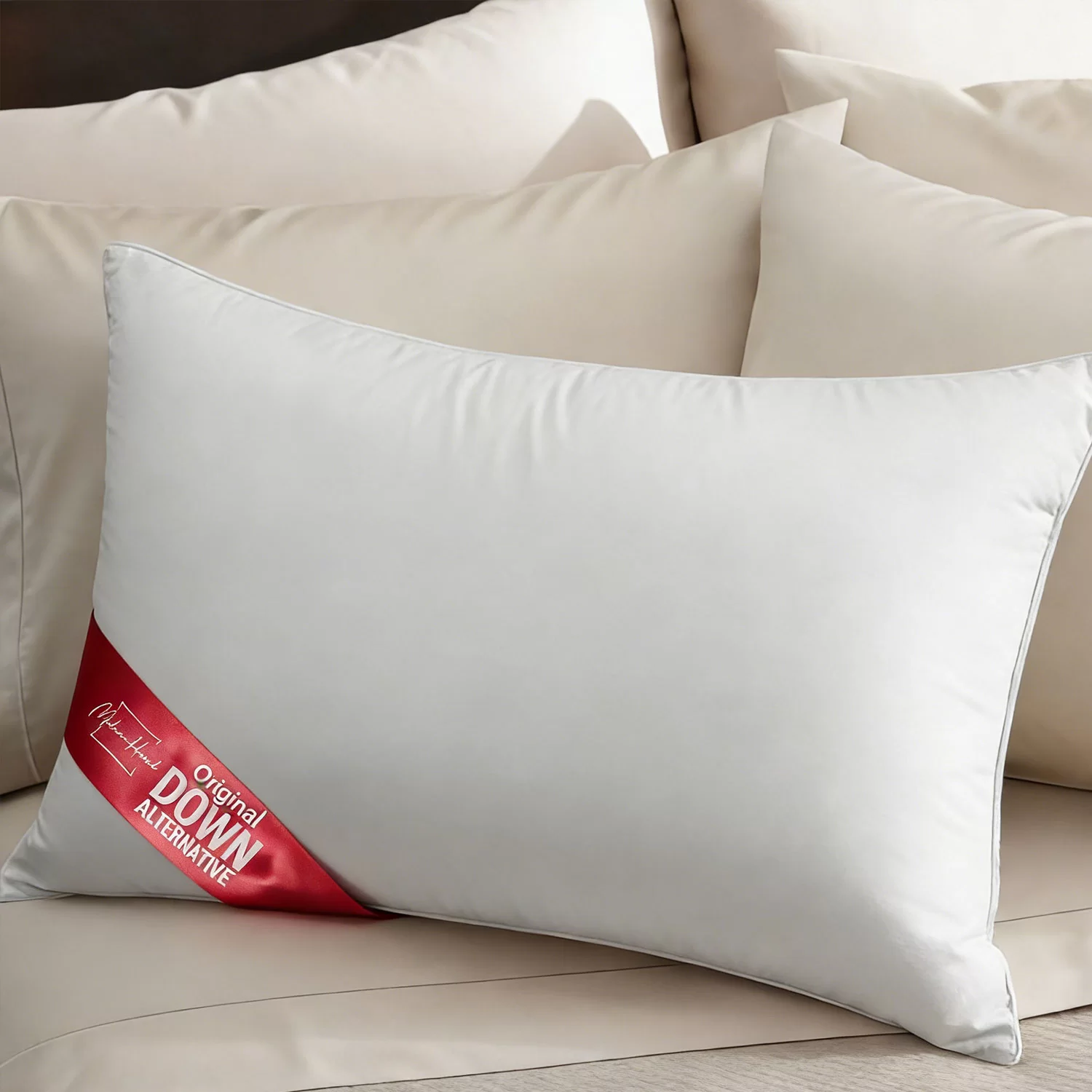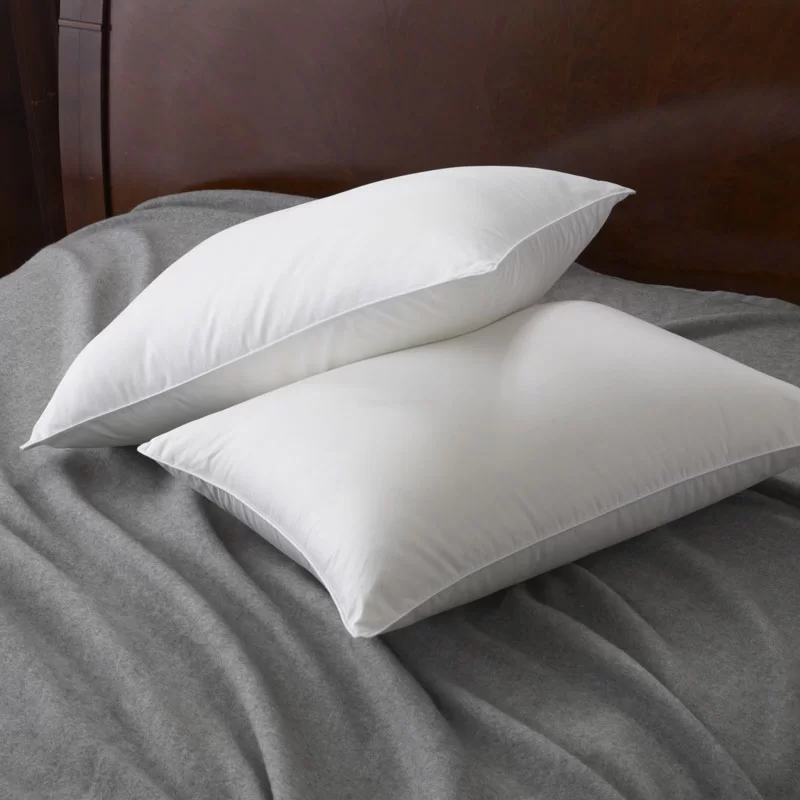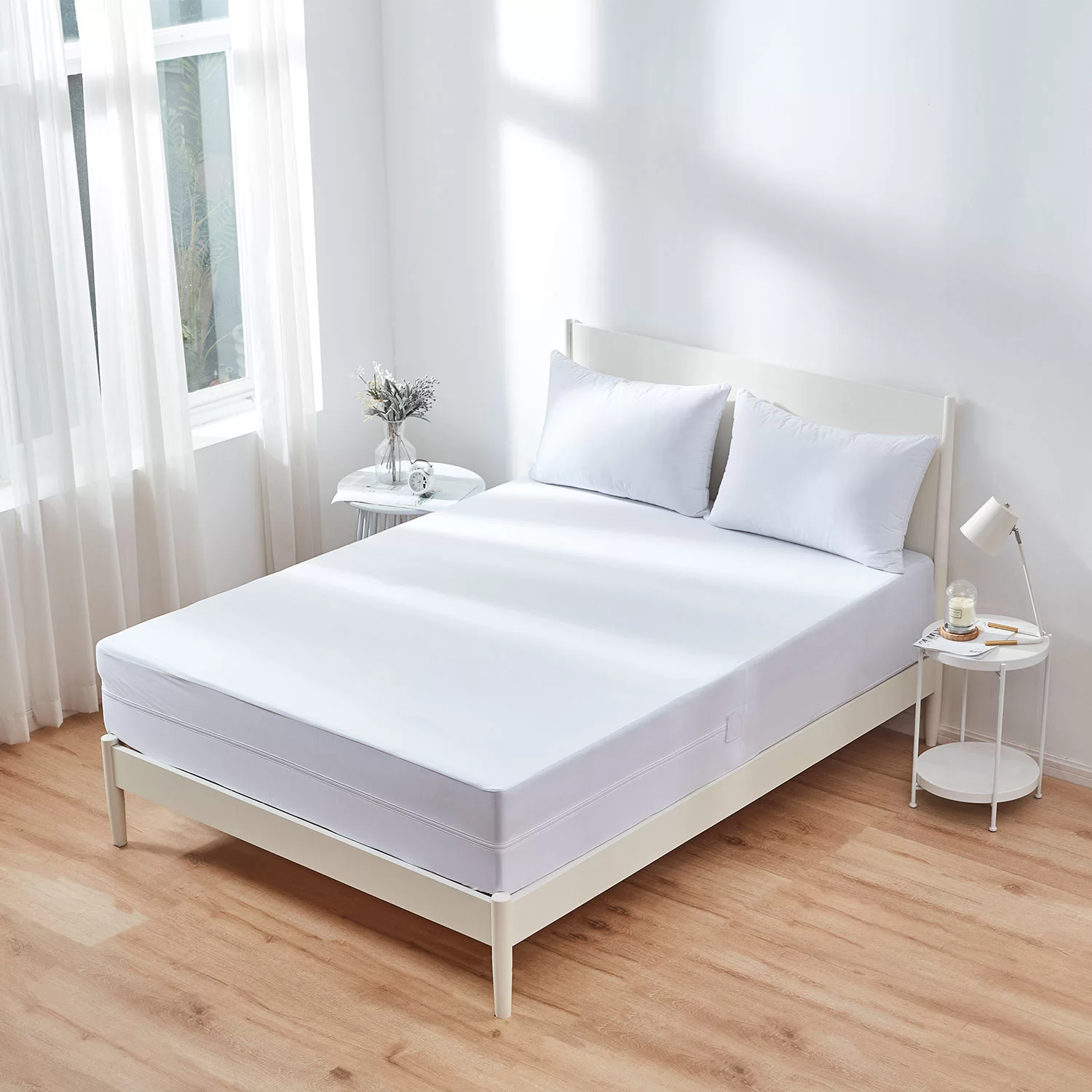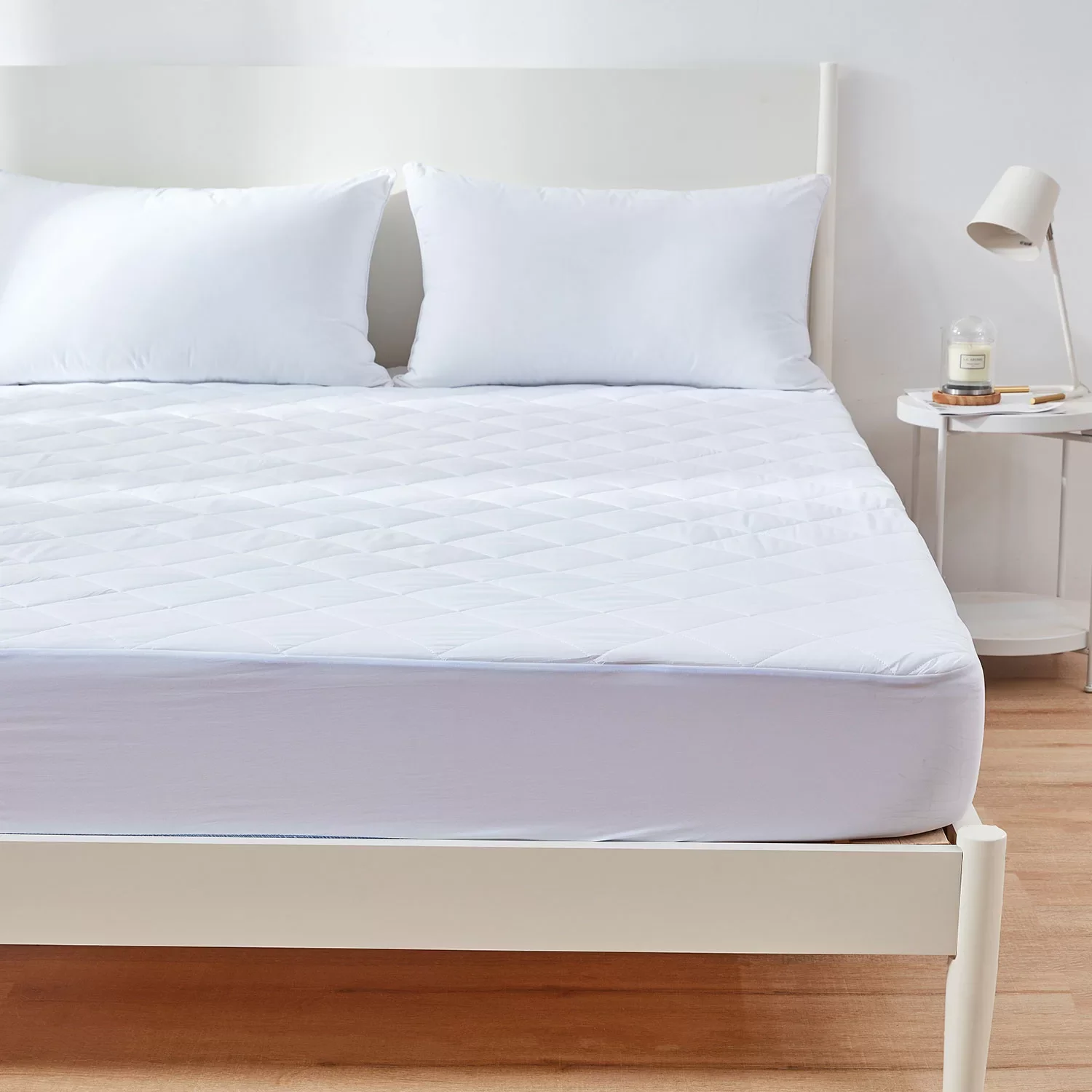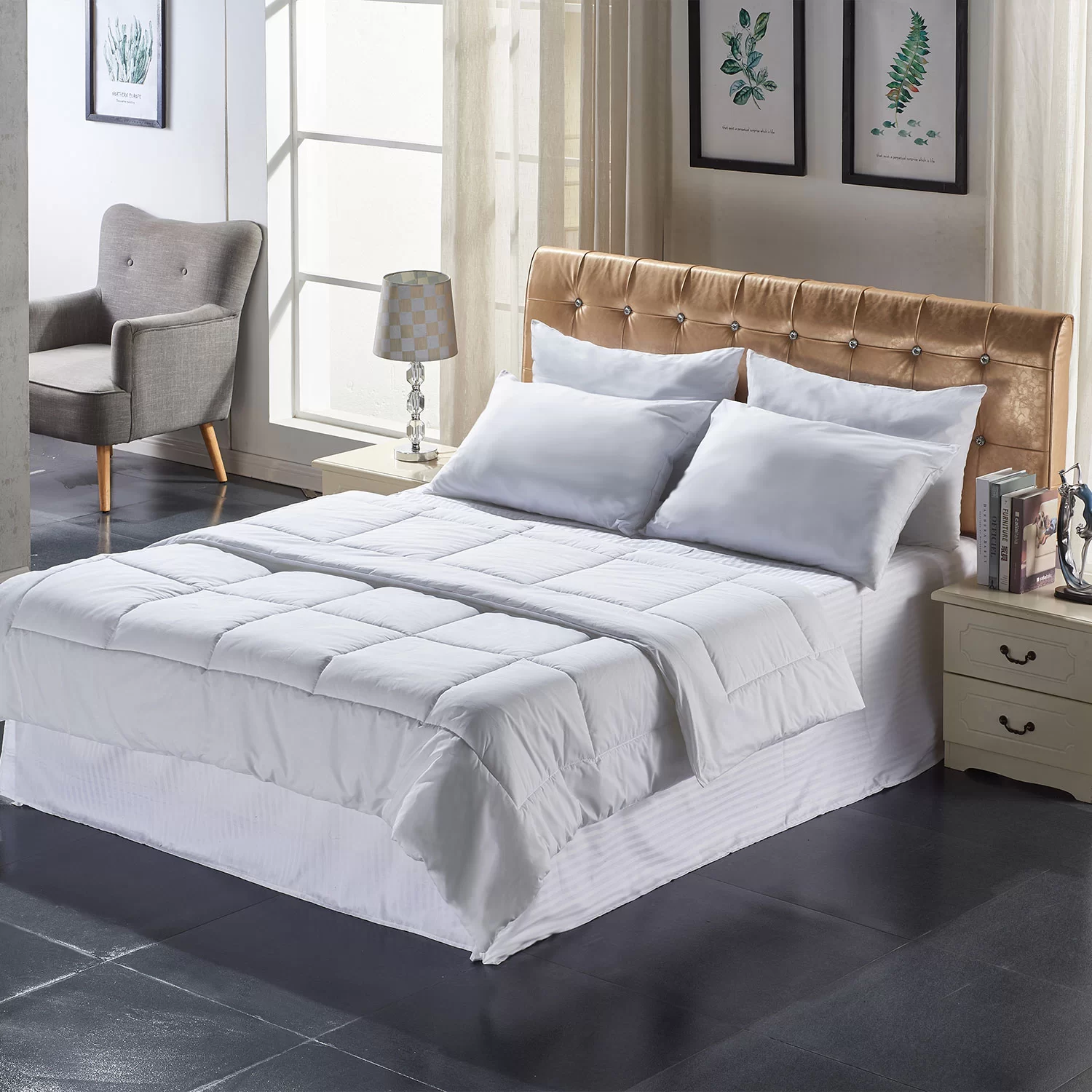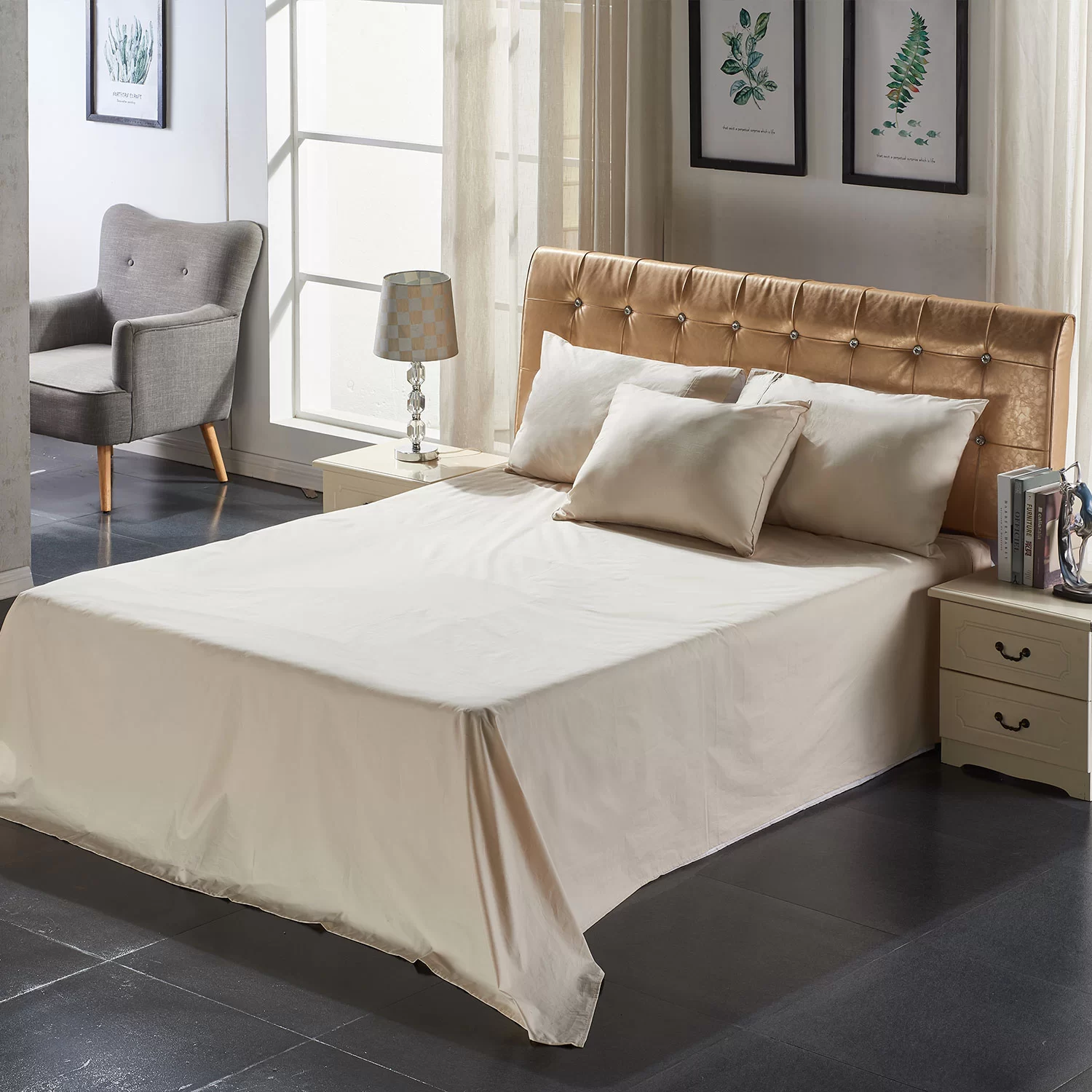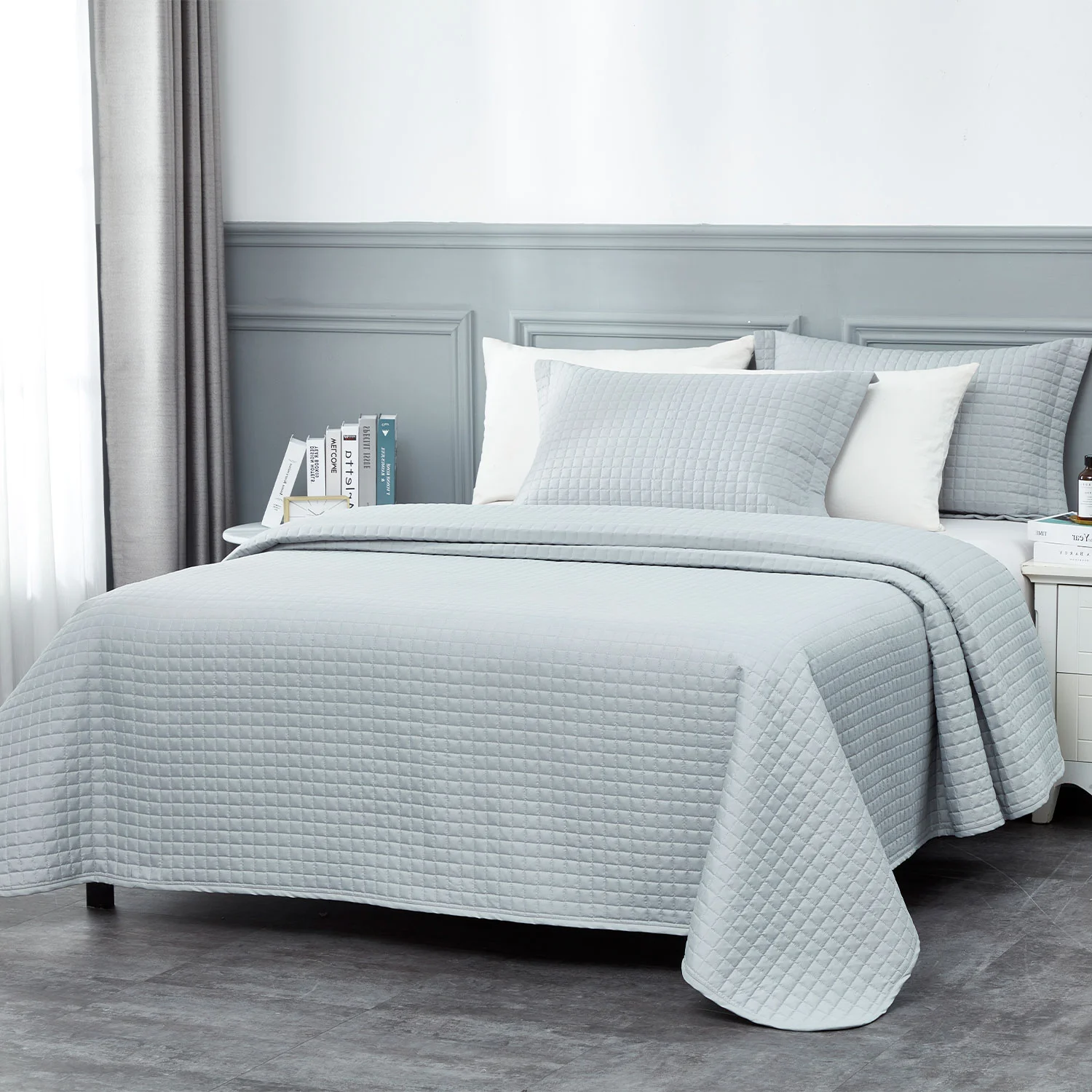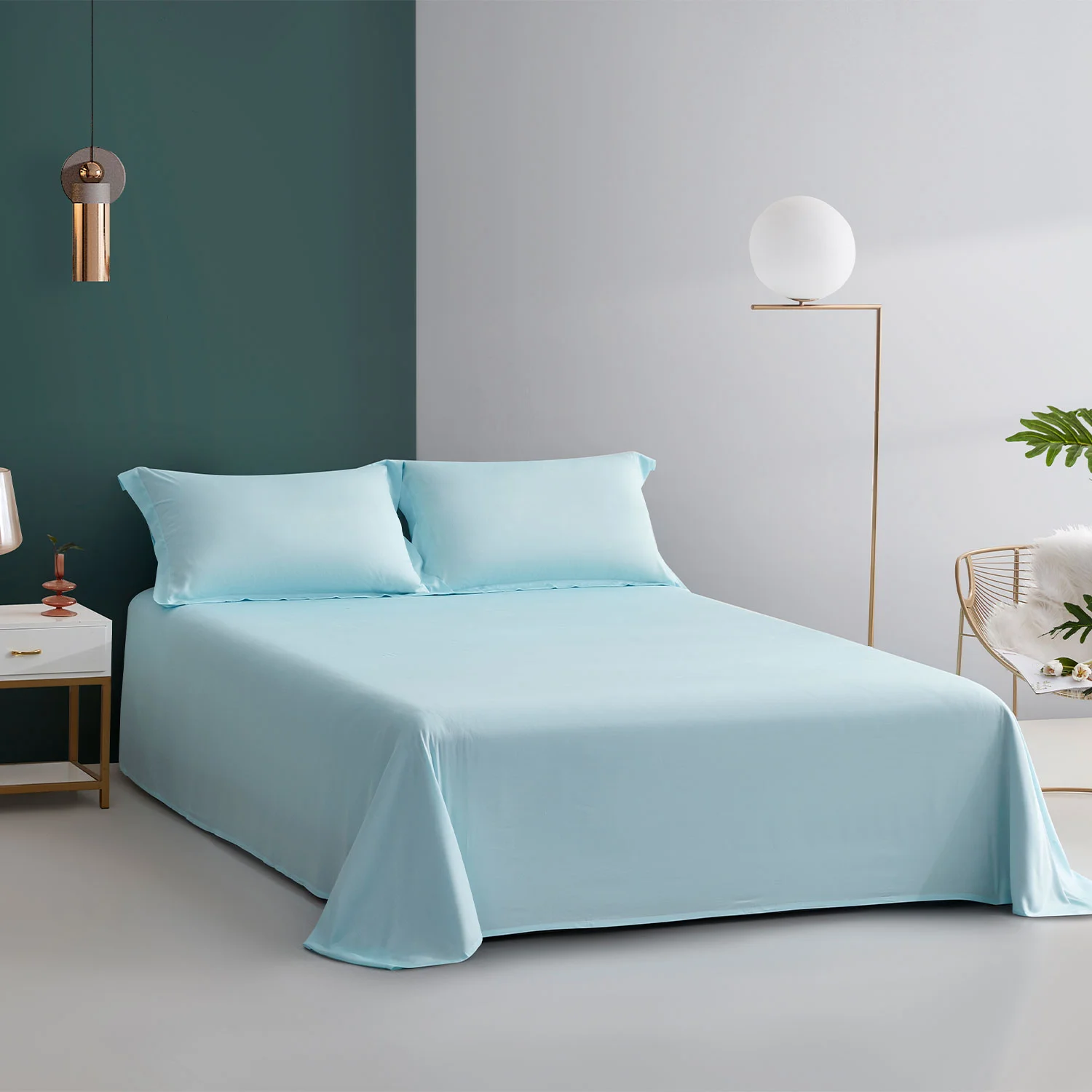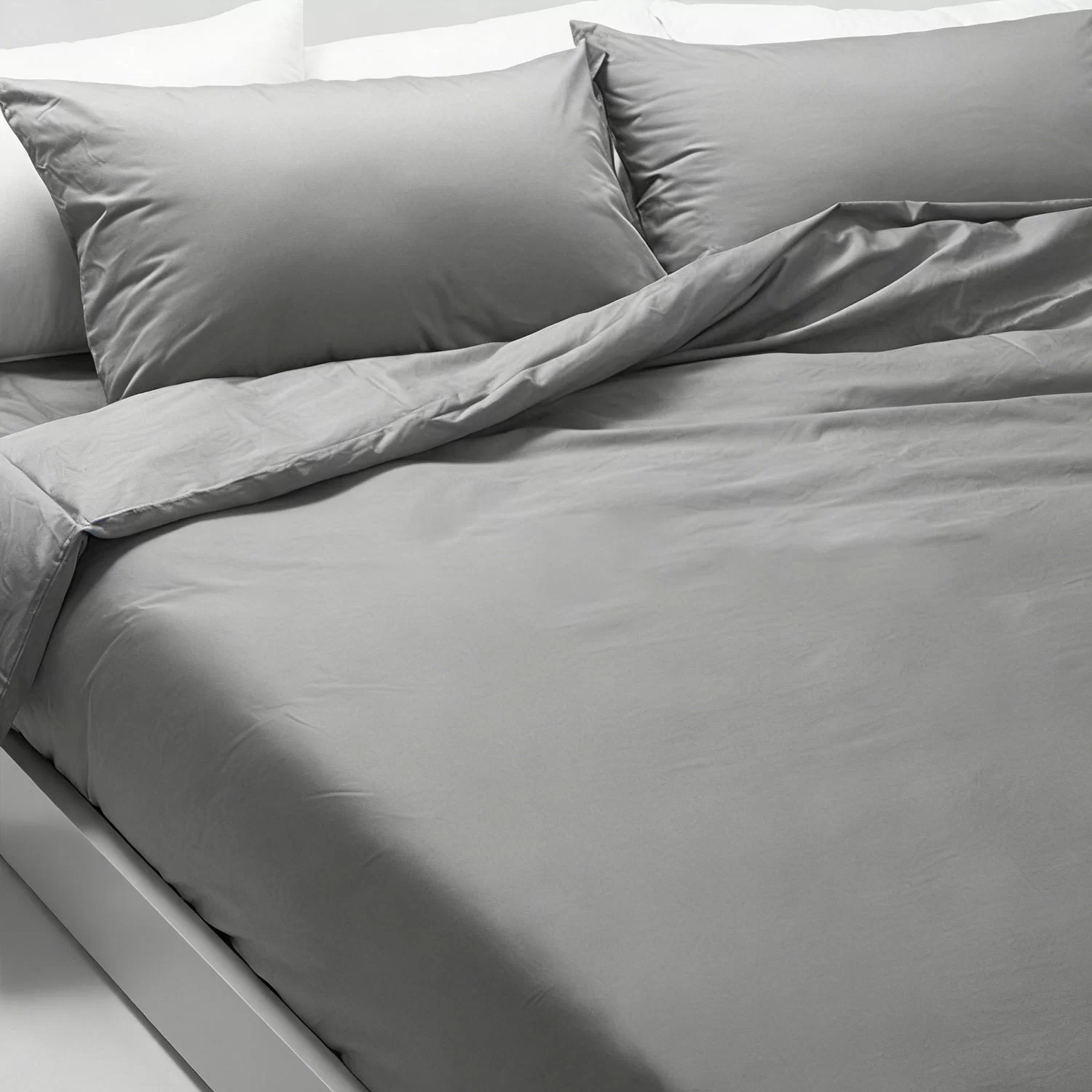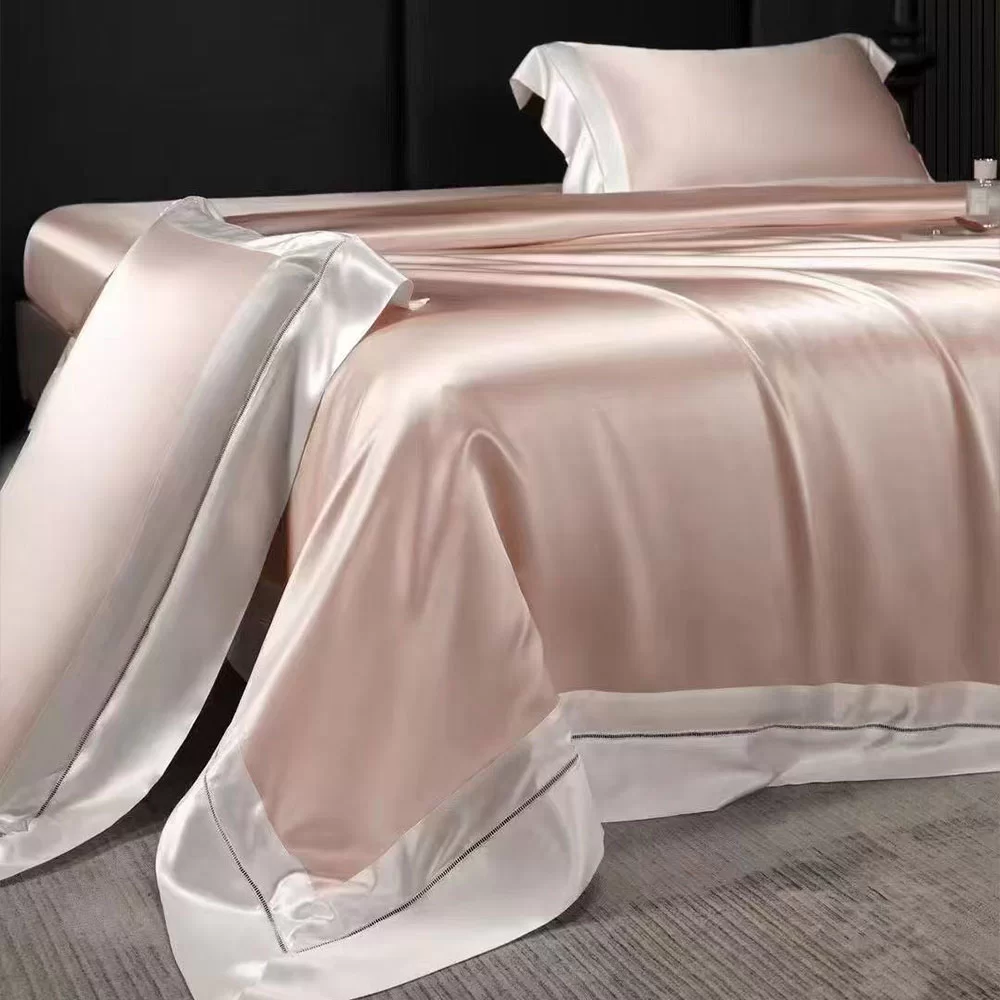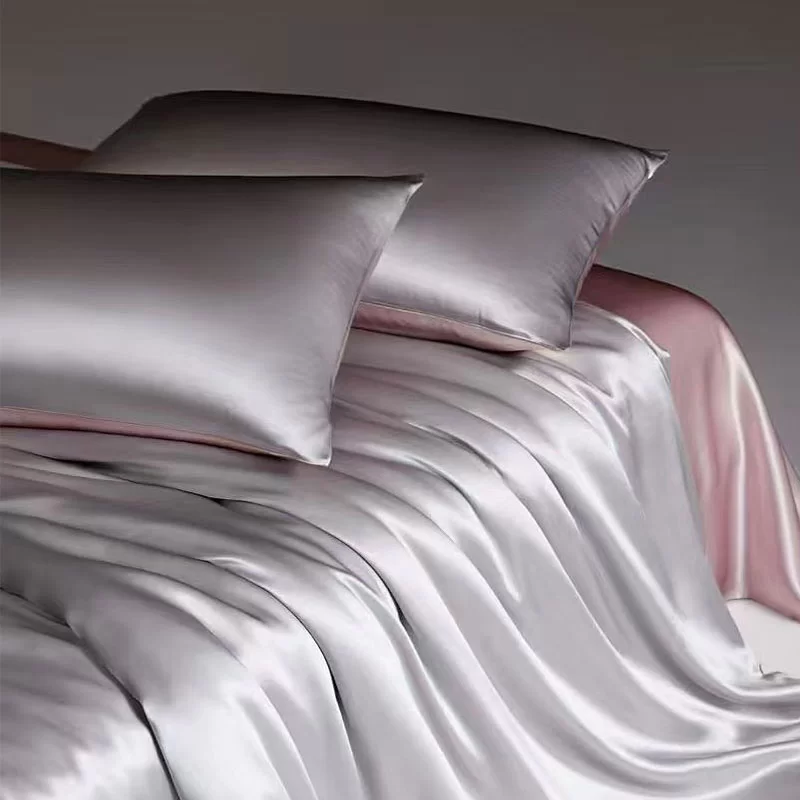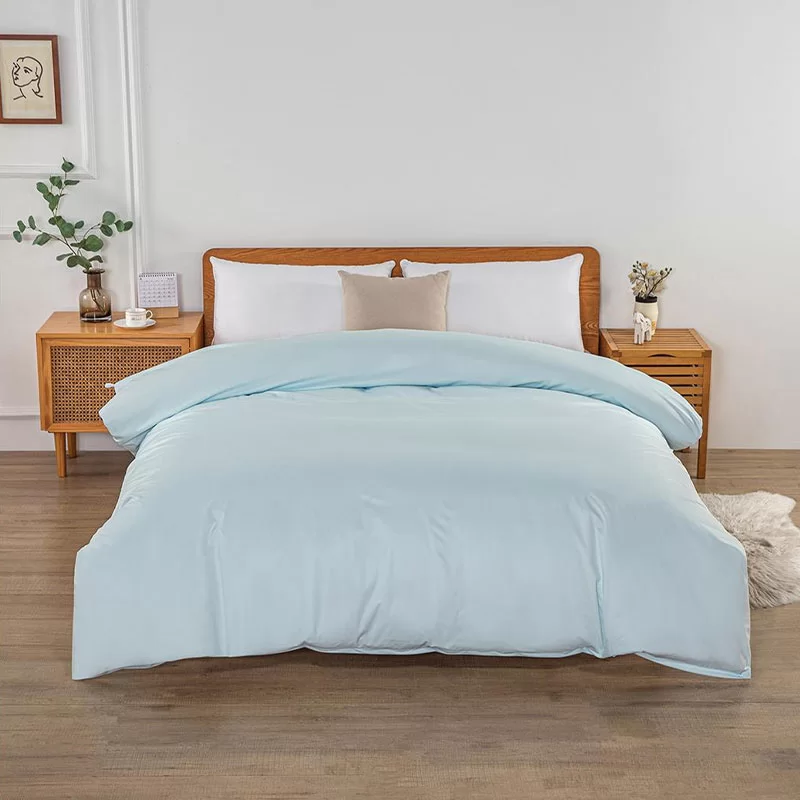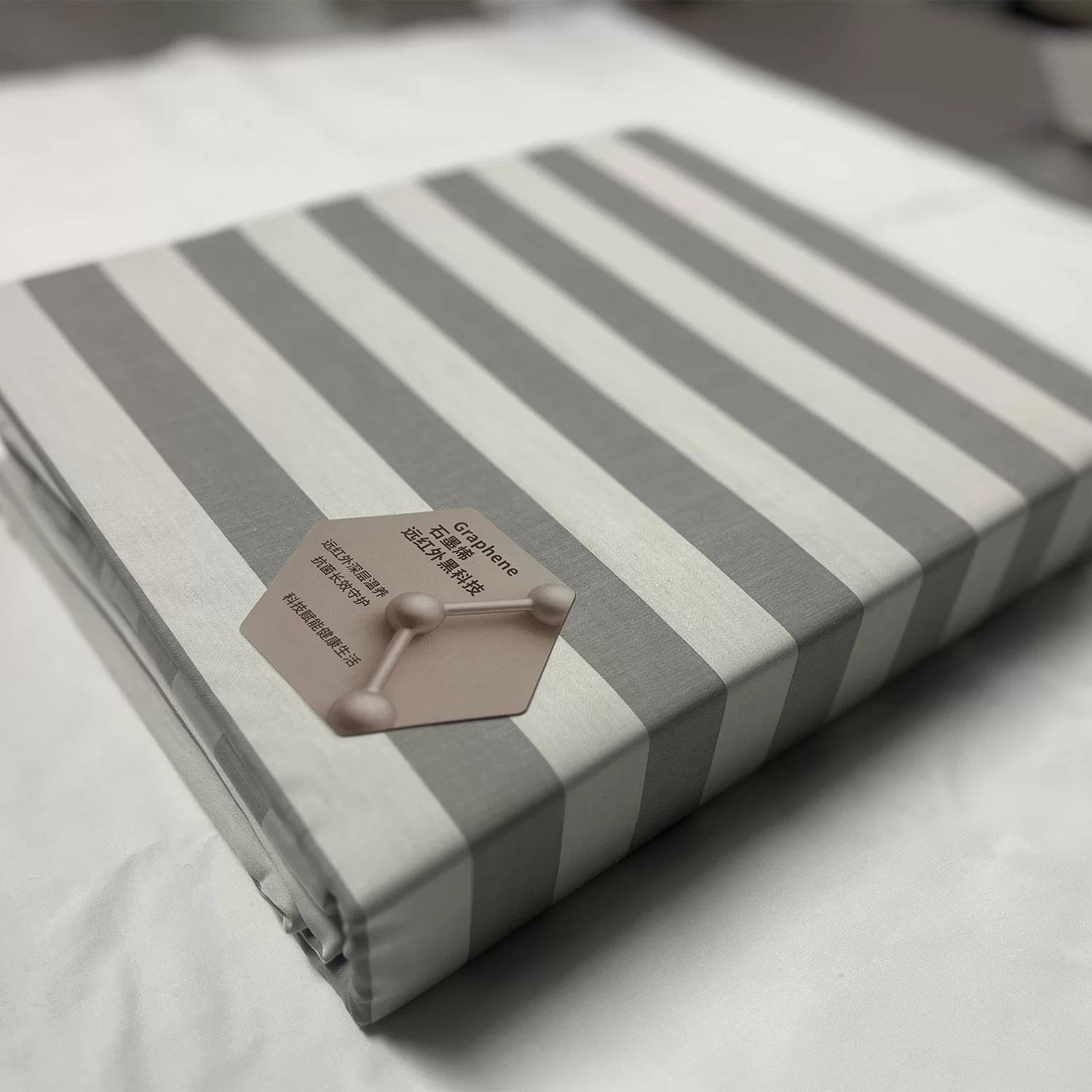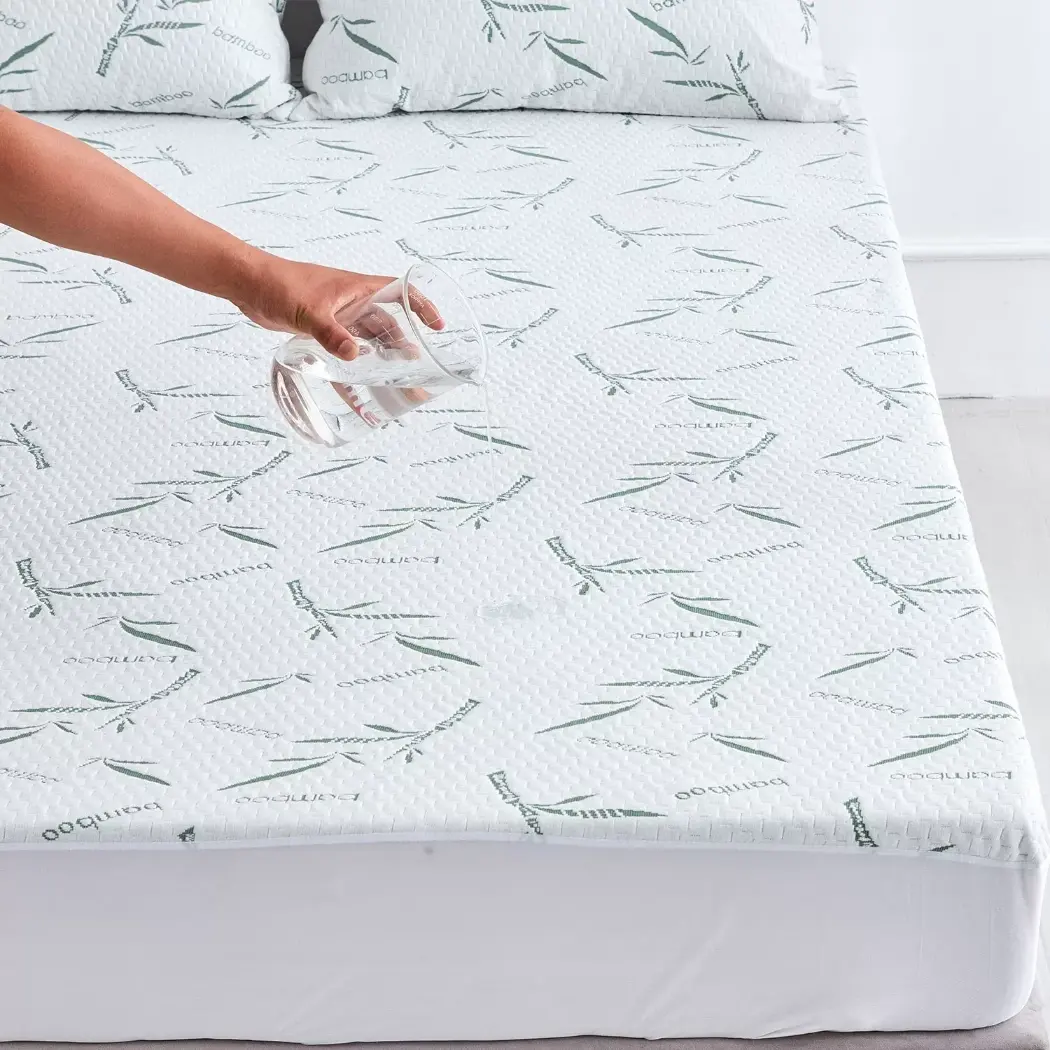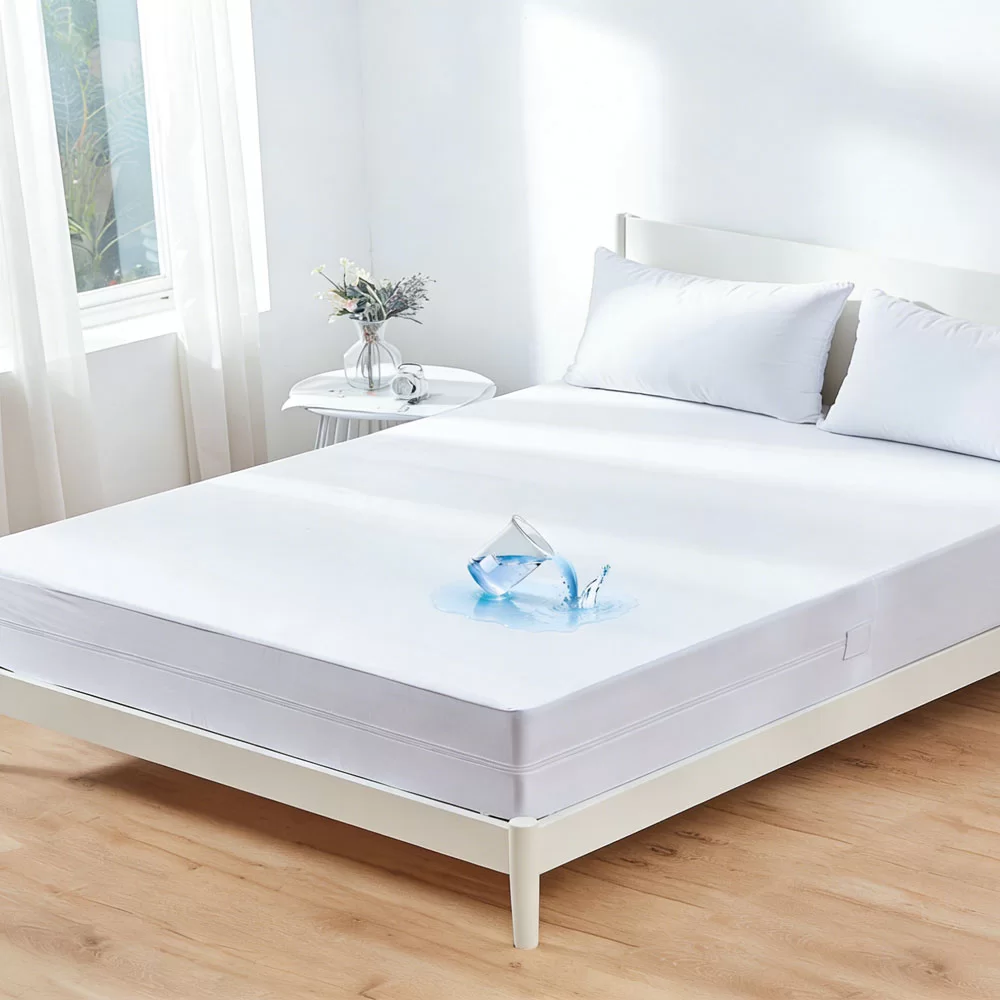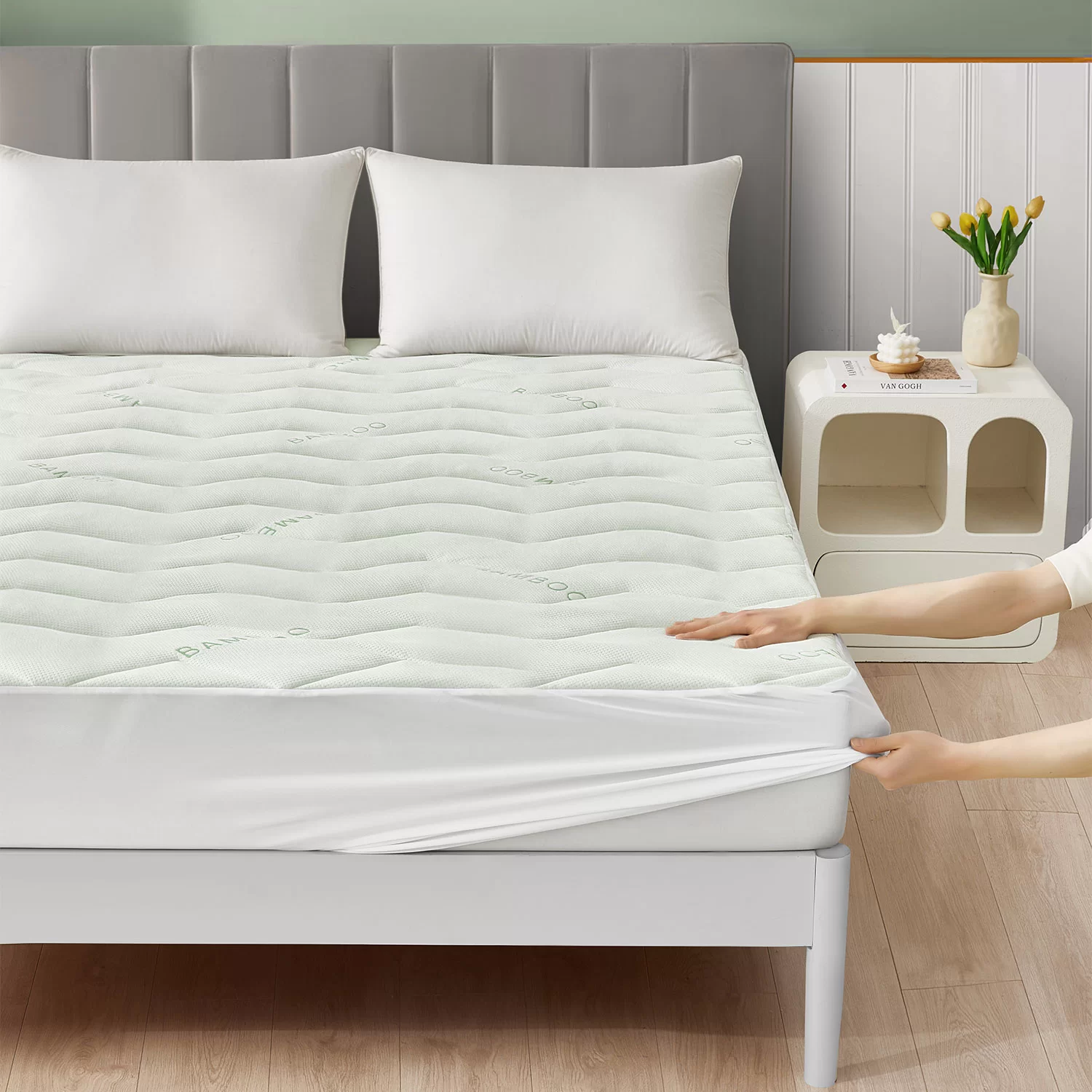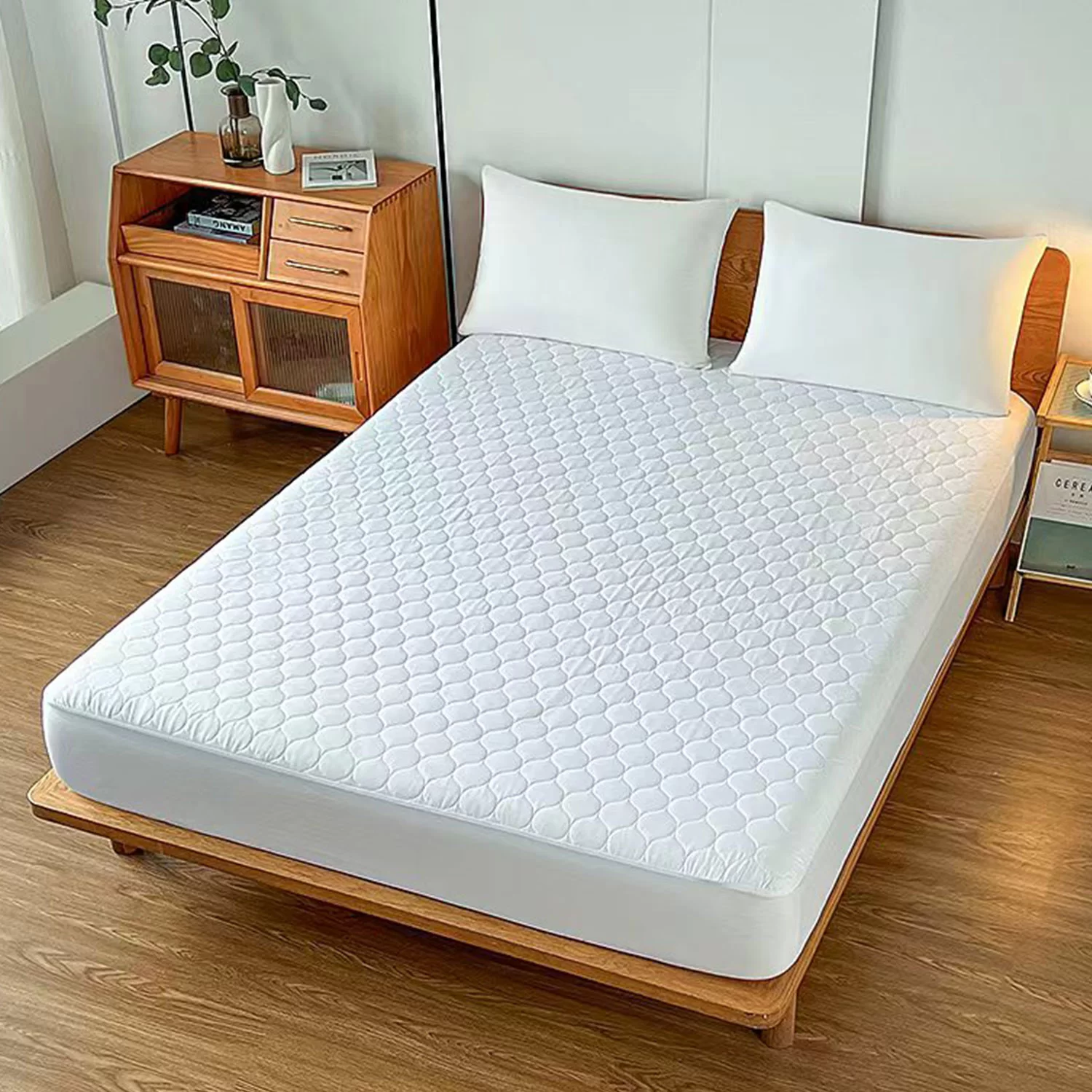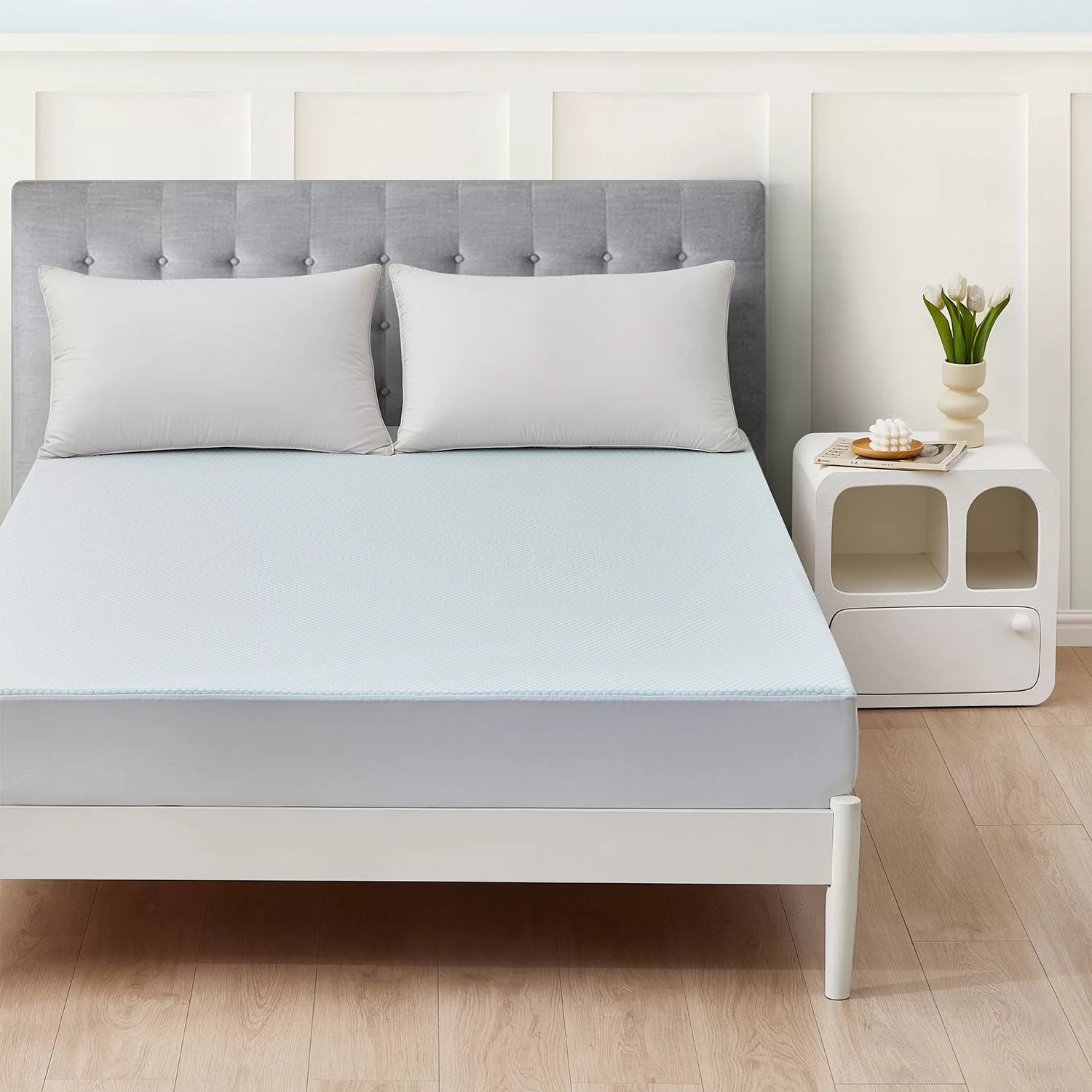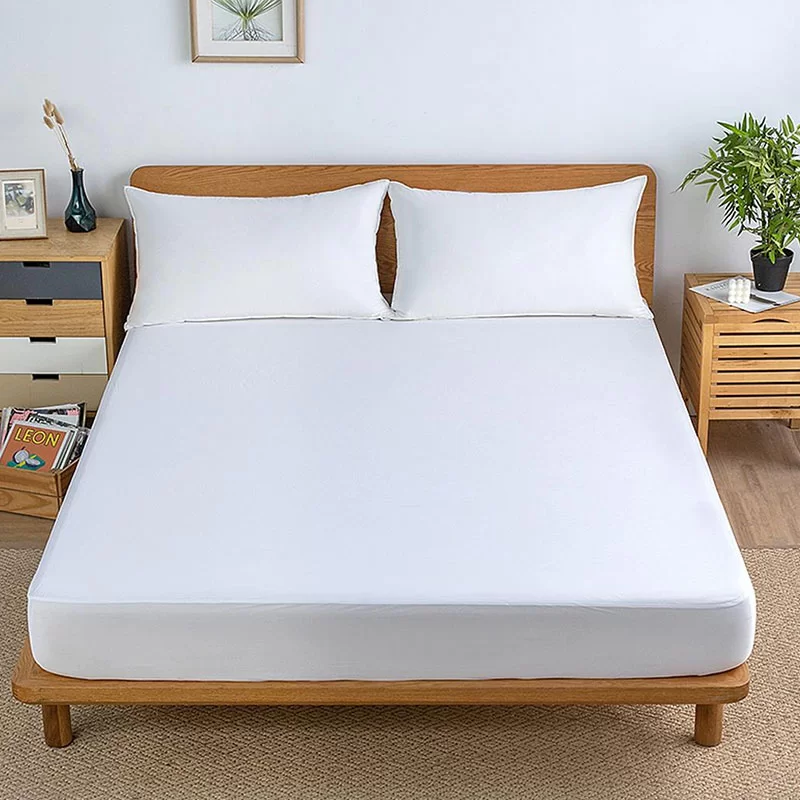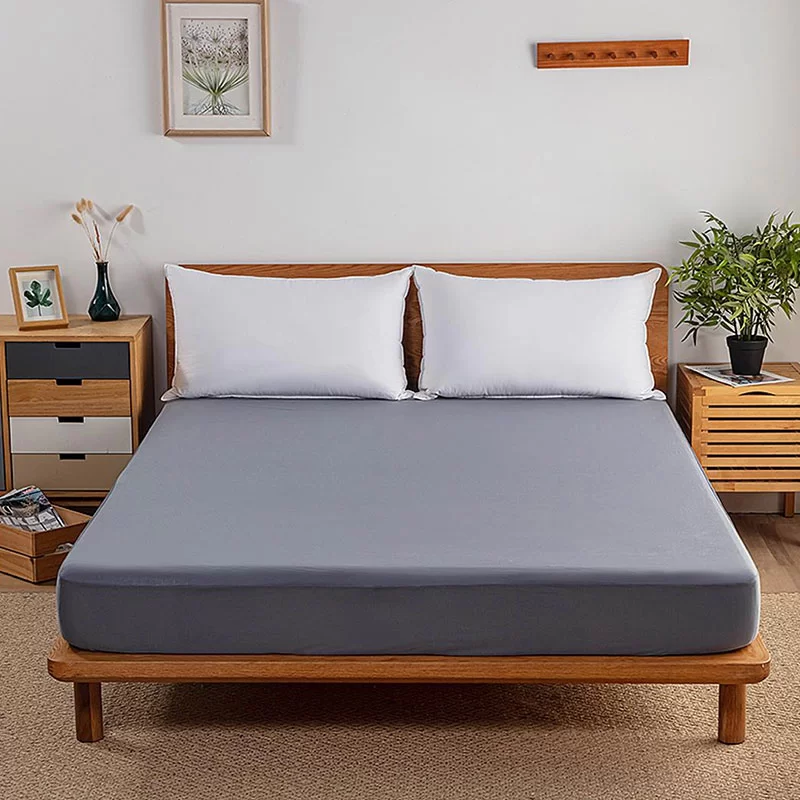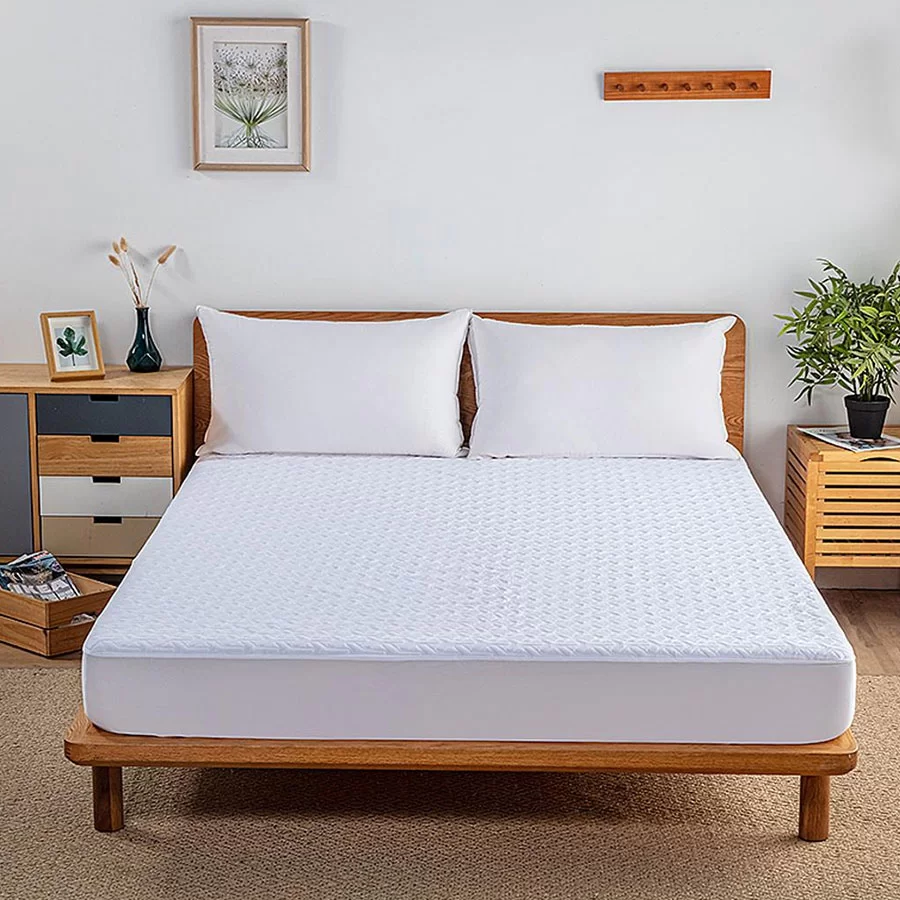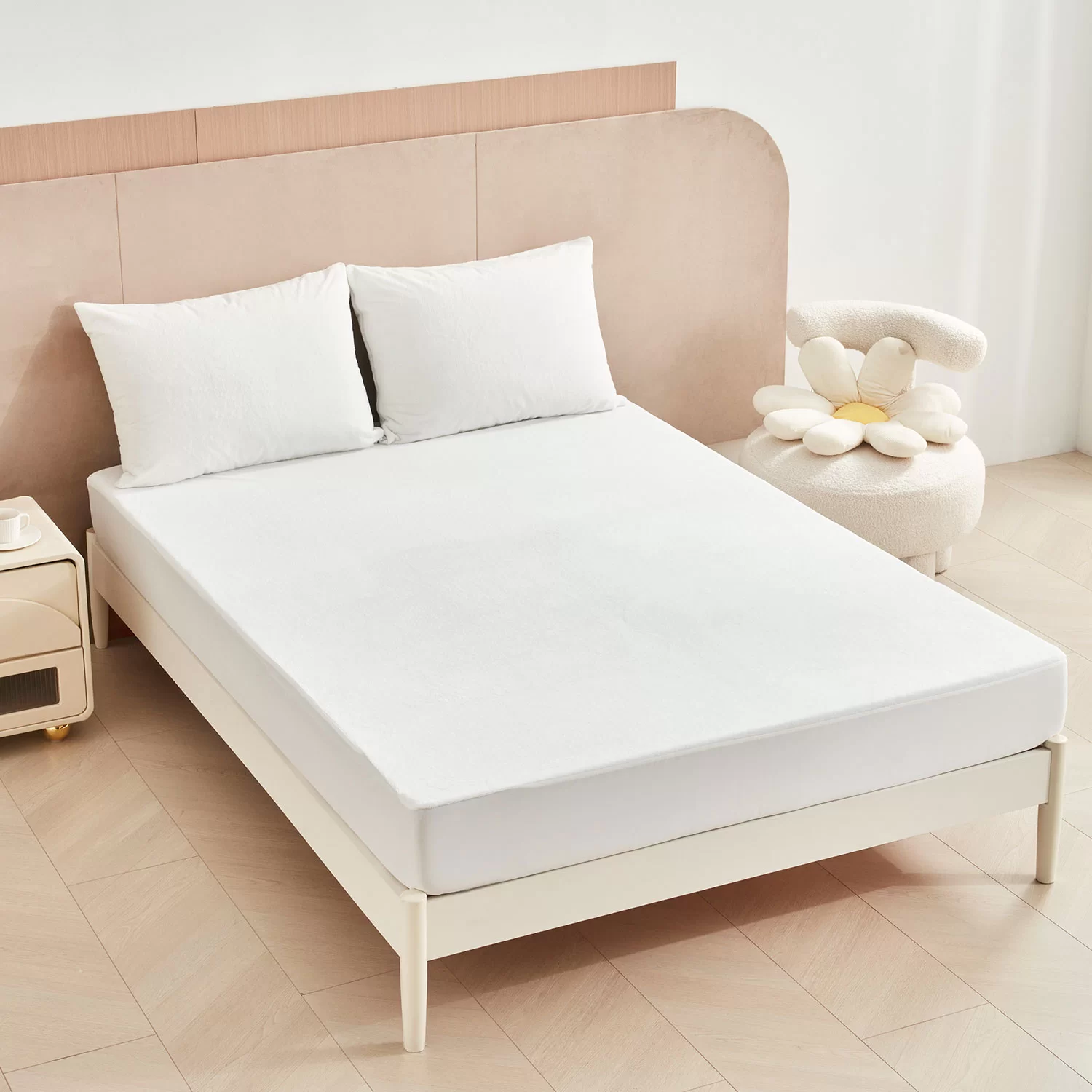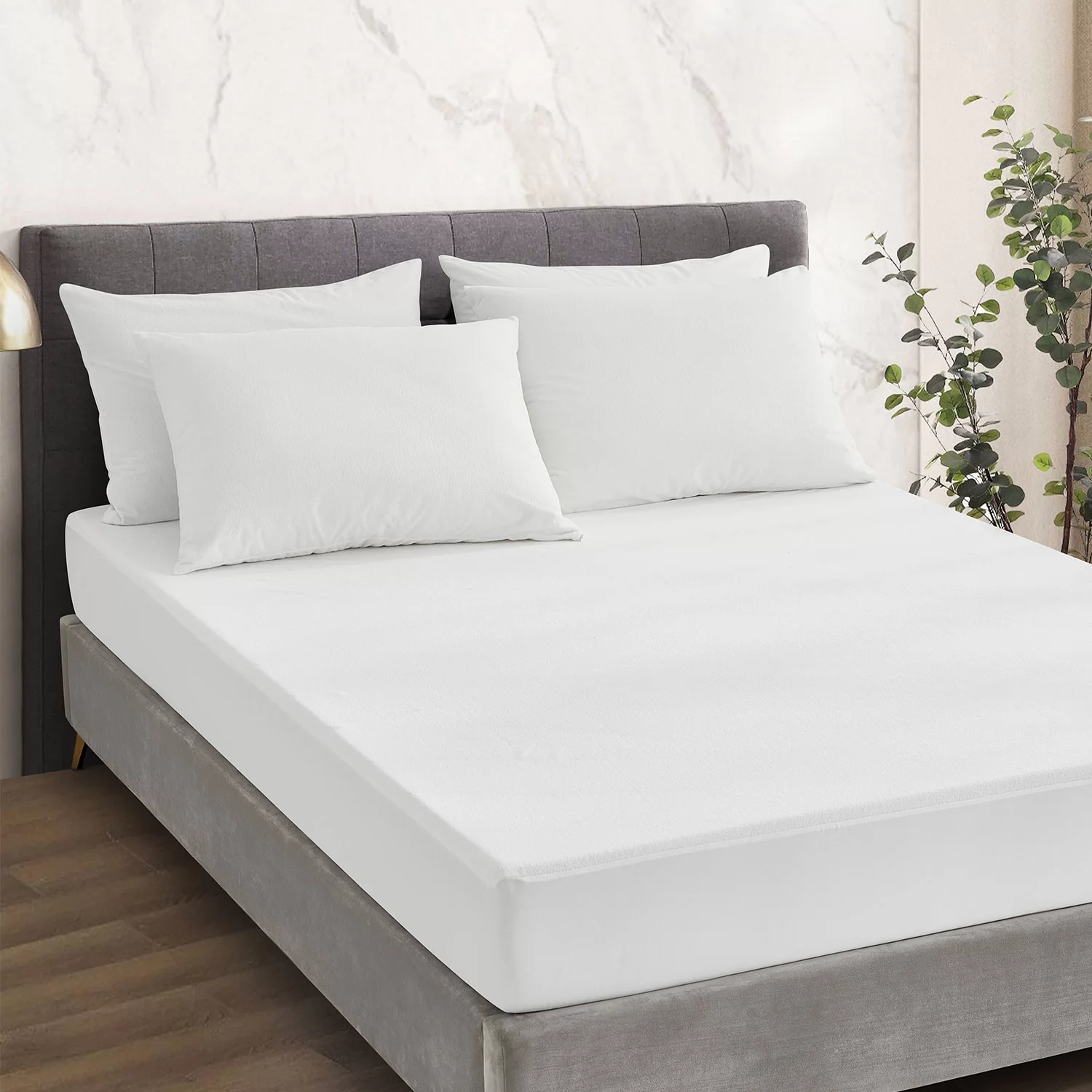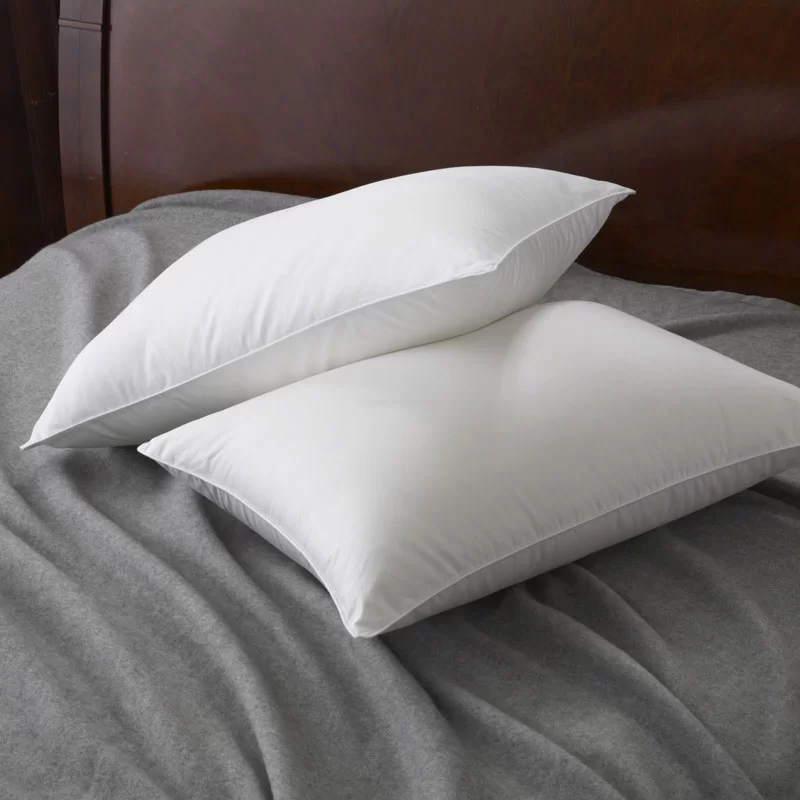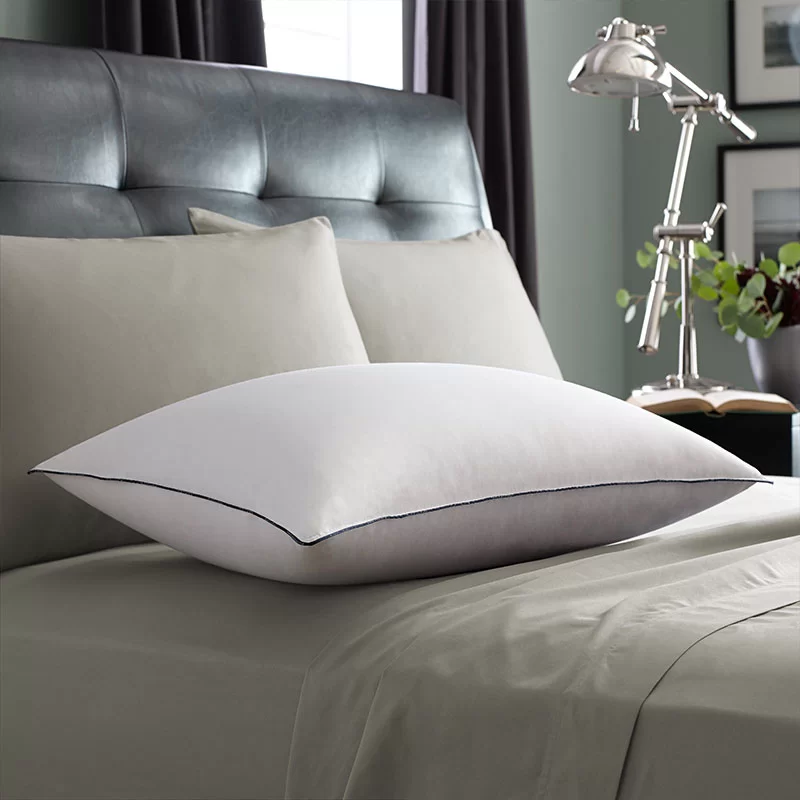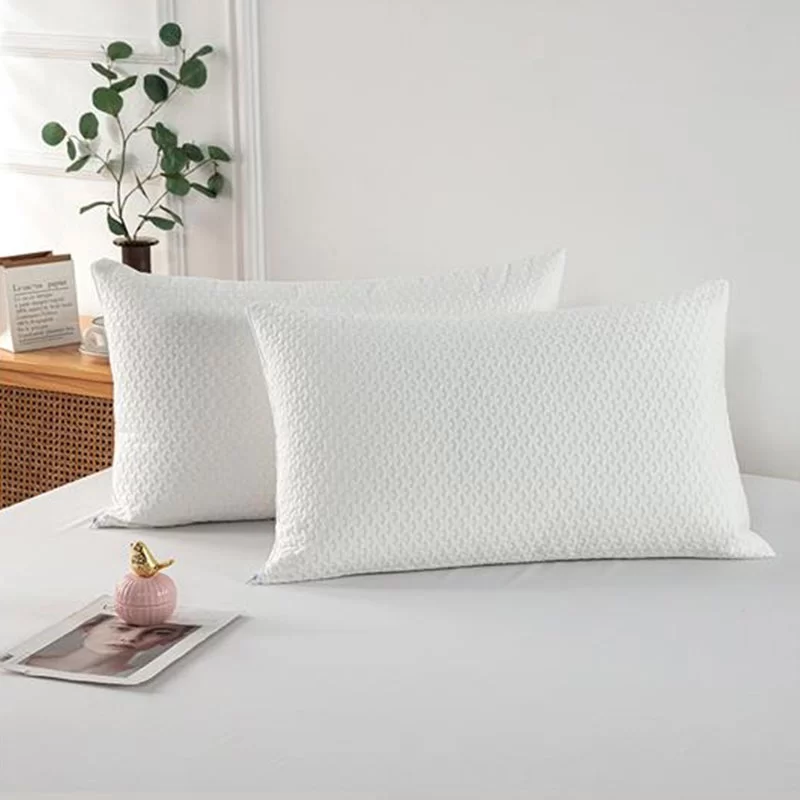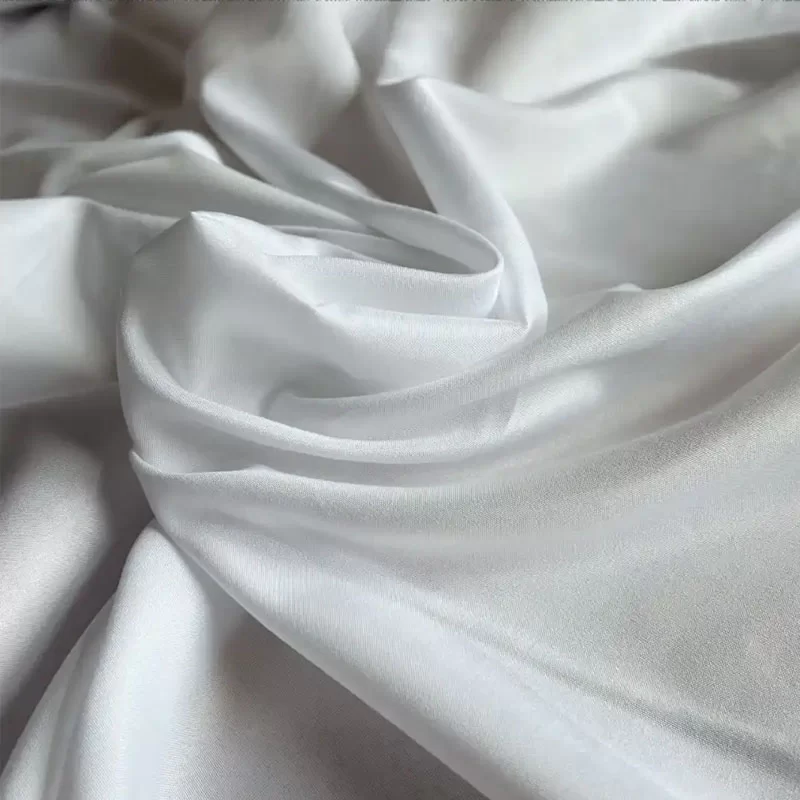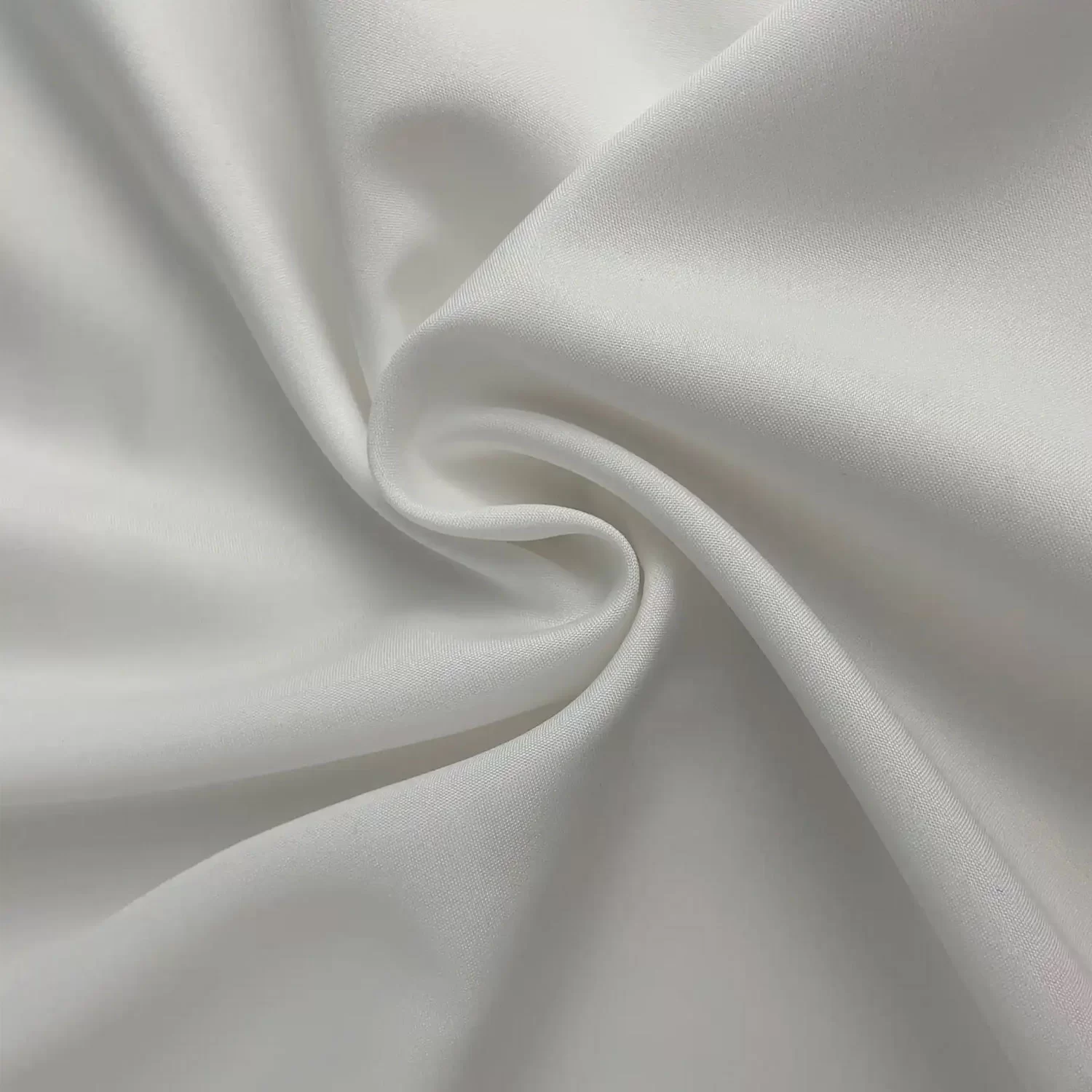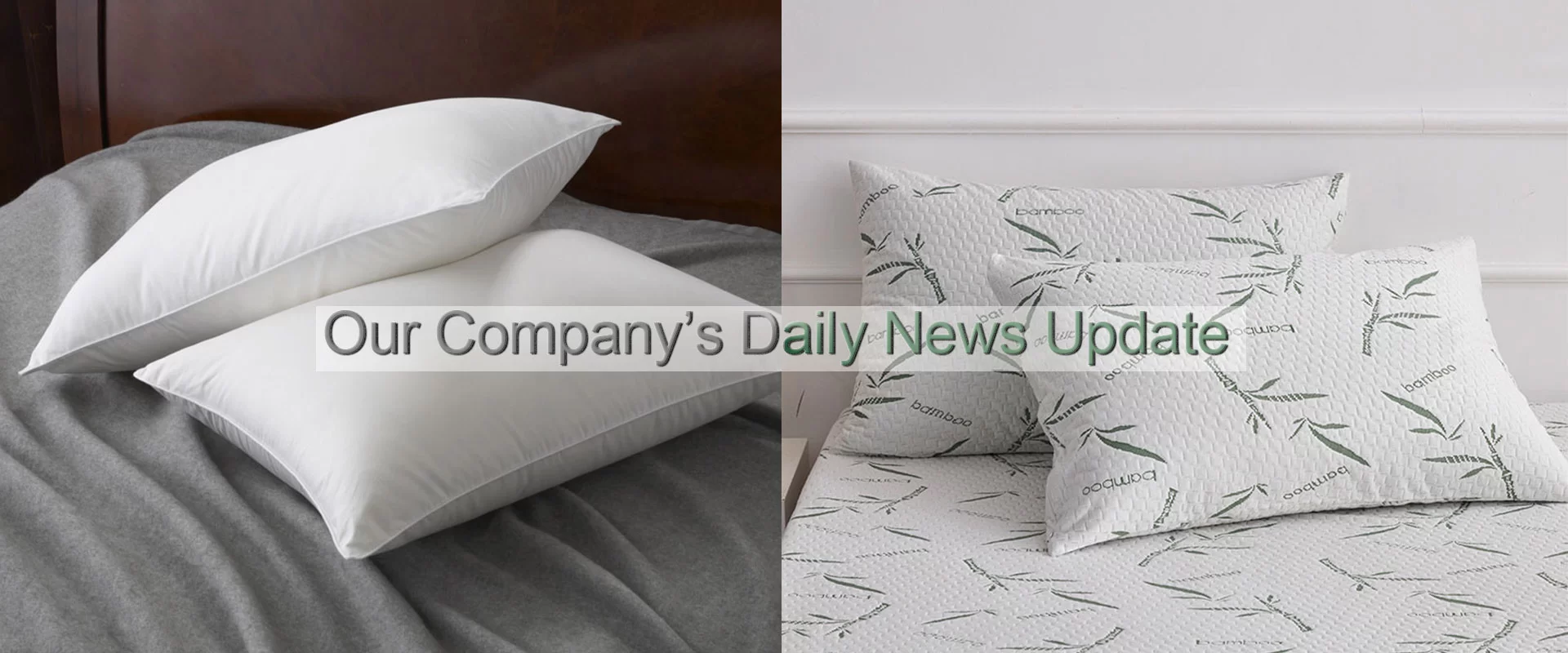
Choosing the right bedding is more than just a matter of aesthetics; it is an investment in your health and the planet's future. The rise of organic cotton sheets full represents a pivotal shift toward sustainable luxury, combining the breathable comfort of natural fibers with a commitment to ecological integrity. By eliminating synthetic pesticides and harmful dyes, these sheets provide a hypoallergenic sanctuary for sleep that caters to both sensitive skin and environmentally conscious lifestyles.
On a global scale, the textile industry has historically been one of the most resource-intensive sectors, often relying on chemical-heavy farming practices that deplete soil health. The transition to organic cultivation for organic cotton sheets full helps restore biodiversity and reduces water pollution in farming communities. As consumers increasingly prioritize "slow fashion" and ethical sourcing, the demand for certified organic linens has transformed from a niche market into a global standard for high-end home bedding.
Understanding the nuances of organic certification, thread count, and weave types is essential for anyone looking to upgrade their bedroom. Whether you are furnishing a sustainable home or managing hospitality linens for a boutique hotel, the adoption of organic cotton sheets full ensures a balance of durability, softness, and ethical production. This comprehensive guide explores the technical advantages and long-term value of switching to organic bedding.


The widespread adoption of organic cotton sheets full is directly linked to the global push for the UN Sustainable Development Goals (SDGs), particularly those focusing on responsible consumption and production. By reducing the reliance on synthetic fertilizers, organic farming preserves the groundwater quality in major cotton-producing regions, preventing the toxic runoff that often plagues traditional textile hubs.
Furthermore, the shift toward organic textiles addresses the critical issue of worker safety. Traditional cotton farming exposes millions of laborers to hazardous pesticides; however, the production of organic cotton sheets full ensures a chemical-free environment, promoting better health outcomes for farmers and a more ethical supply chain for the end consumer.
The primary difference lies in the cultivation and processing. Organic cotton sheets are grown without synthetic pesticides or GMOs and processed without toxic bleaches or dyes. This makes them significantly more hypoallergenic, softer on the skin, and far more sustainable for the environment compared to conventional cotton, which relies heavily on chemicals that can linger in the fabric.
Yes, when sourced from long-staple organic cotton. Because the fibers aren't weakened by harsh chemical treatments during manufacturing, they often maintain their tensile strength longer. For the hospitality industry, this means a longer lifespan between replacements and a consistent luxury feel that withstands frequent industrial laundering better than low-grade conventional cotton.
Look for globally recognized certifications such as GOTS (Global Organic Textile Standard) or OCS (Organic Content Standard). These certifications provide a traceable chain of custody from the farm to the finished product, ensuring that the "organic" label is backed by rigorous auditing and compliance with environmental and social criteria.
To maintain their longevity, it is recommended to wash organic cotton in cool to warm water using mild, biodegradable detergents. Avoid chlorine bleach and fabric softeners, as these can break down the organic fibers and neutralize the natural breathability of the fabric. Tumble drying on low heat or line drying is ideal to prevent shrinkage.
The investment is justified through three lenses: health, longevity, and ethics. You are paying for a product that is safer for your skin, lasts longer due to superior fiber integrity, and supports fair wages and sustainable farming. When viewed as a cost-per-use over several years, organic cotton often proves more economical than frequently replacing cheaper, synthetic alternatives.
Absolutely. Organic cotton is naturally more breathable and moisture-wicking than polyester or conventional cotton blends. By allowing air to circulate and moisture to evaporate more efficiently, organic cotton helps regulate body temperature, making it an excellent choice for "hot sleepers" or those prone to night sweats.
The transition to organic cotton sheets full is a powerful intersection of personal wellness and planetary responsibility. By prioritizing GOTS-certified materials, superior weave structures, and ethical manufacturing, we can transform the most intimate part of our home—the bed—into a sanctuary of health and sustainability. From the reduction of toxic chemical exposure to the support of fair-trade farming, the value of organic bedding extends far beyond mere comfort.
As we look toward the future, the integration of biotechnology and circular economy practices will only further enhance the quality and accessibility of organic textiles. Whether you are a homeowner seeking a better night's sleep or a business owner aiming to elevate your hospitality standards, switching to organic linens is a decisive step toward a greener future. To explore our range of professional-grade sustainable bedding, visit our website: www.infortextile.com



Contact Us
Email: inforhometextile@126.com
Email: helenkou@126.com
Address
Zerun Building,No.122 Fengshou Road,Chang'an District,Shijiazhuang City,Hebei Province,China
If you are interested in our products, you can choose to leave your information here, and we will be in touch with you shortly.