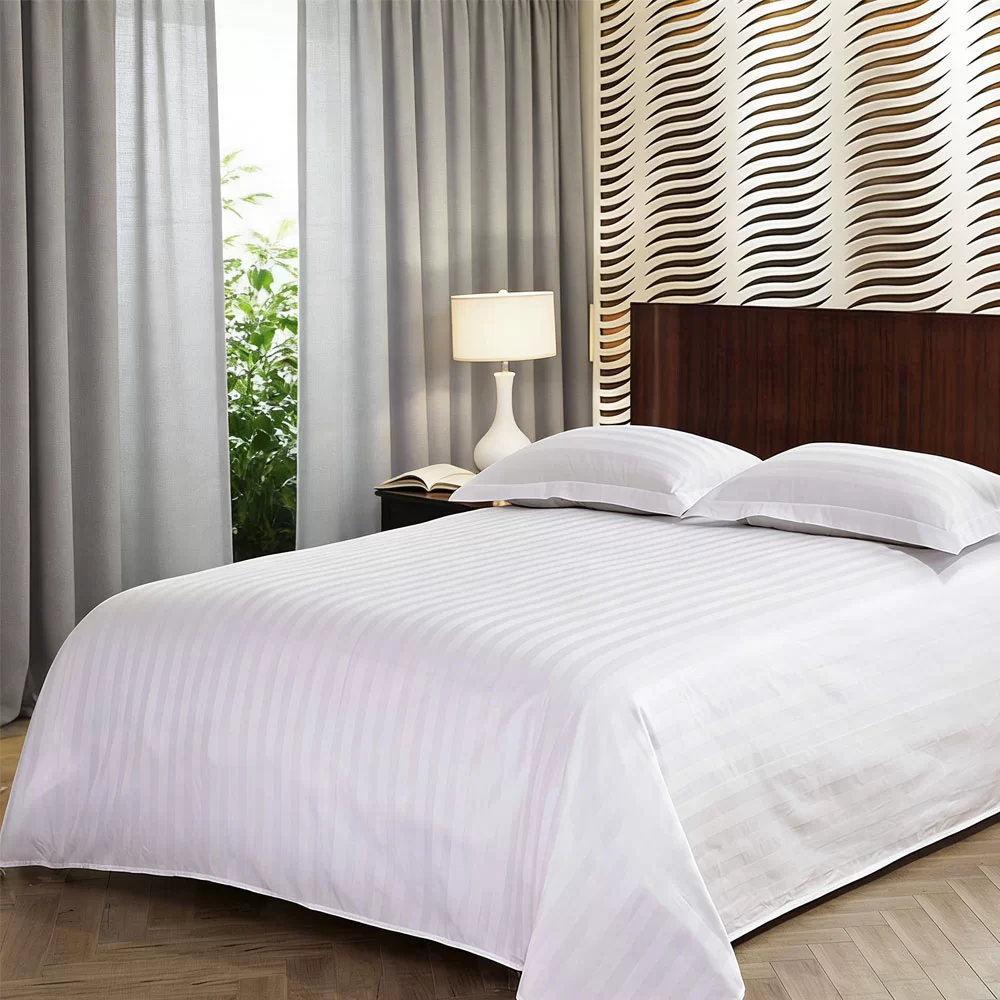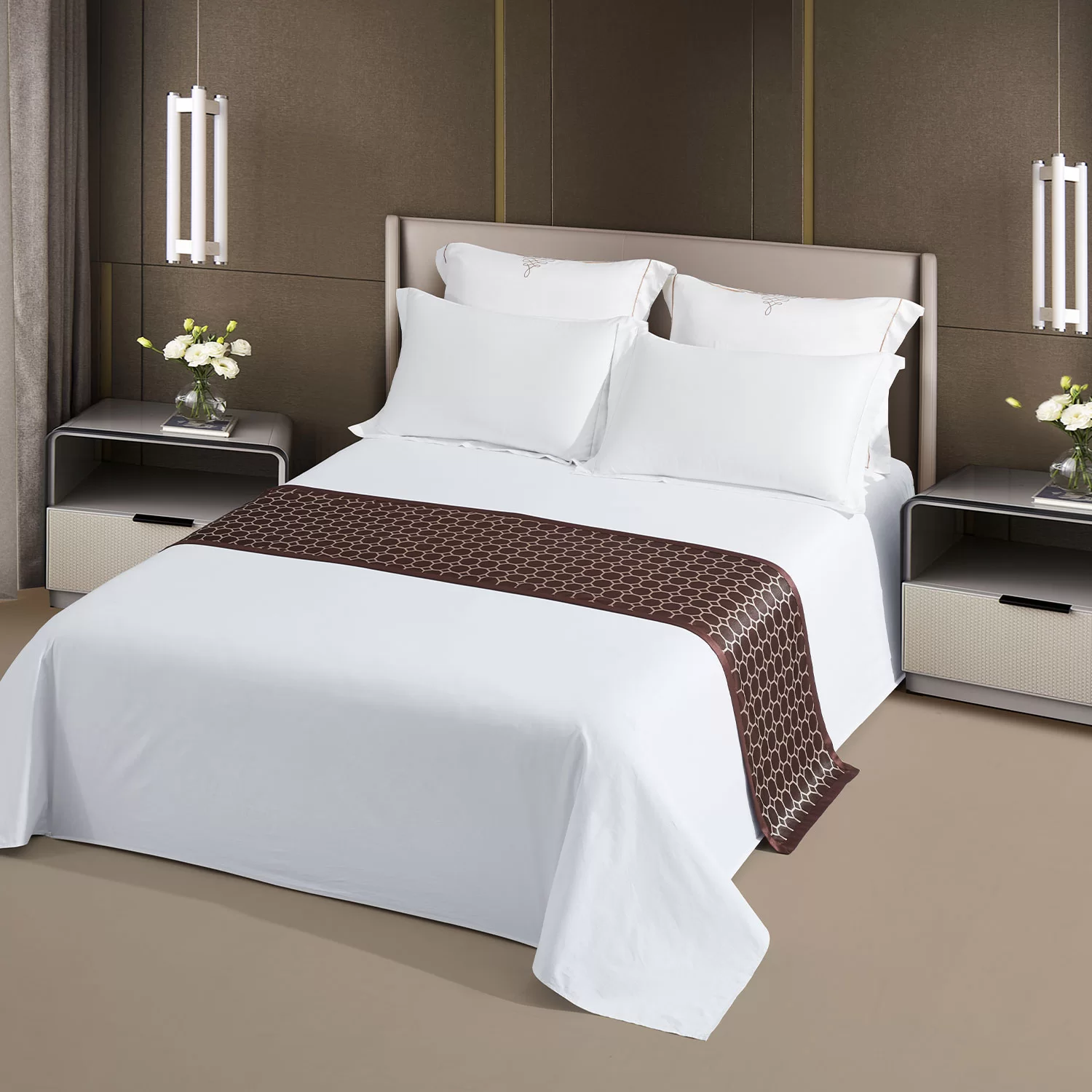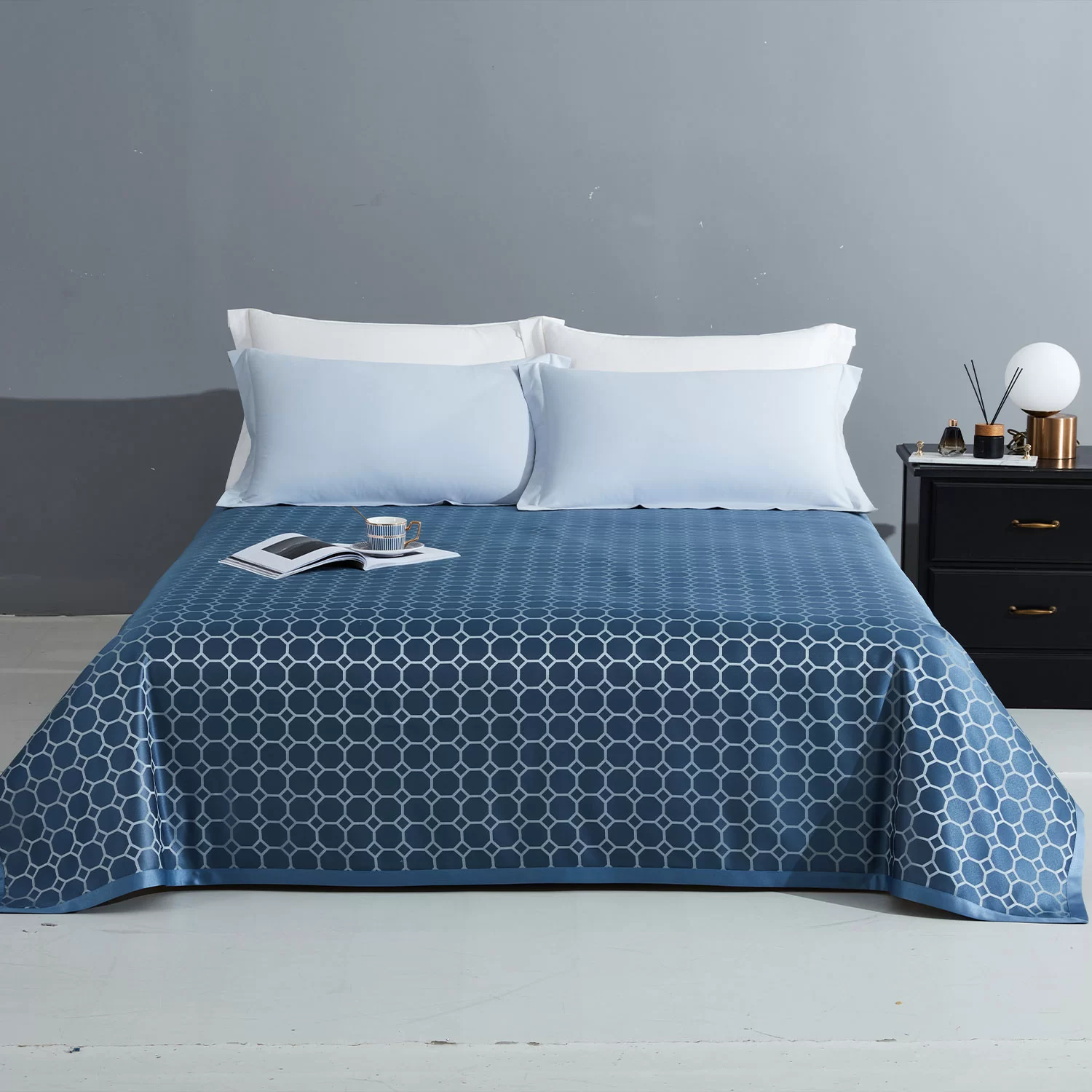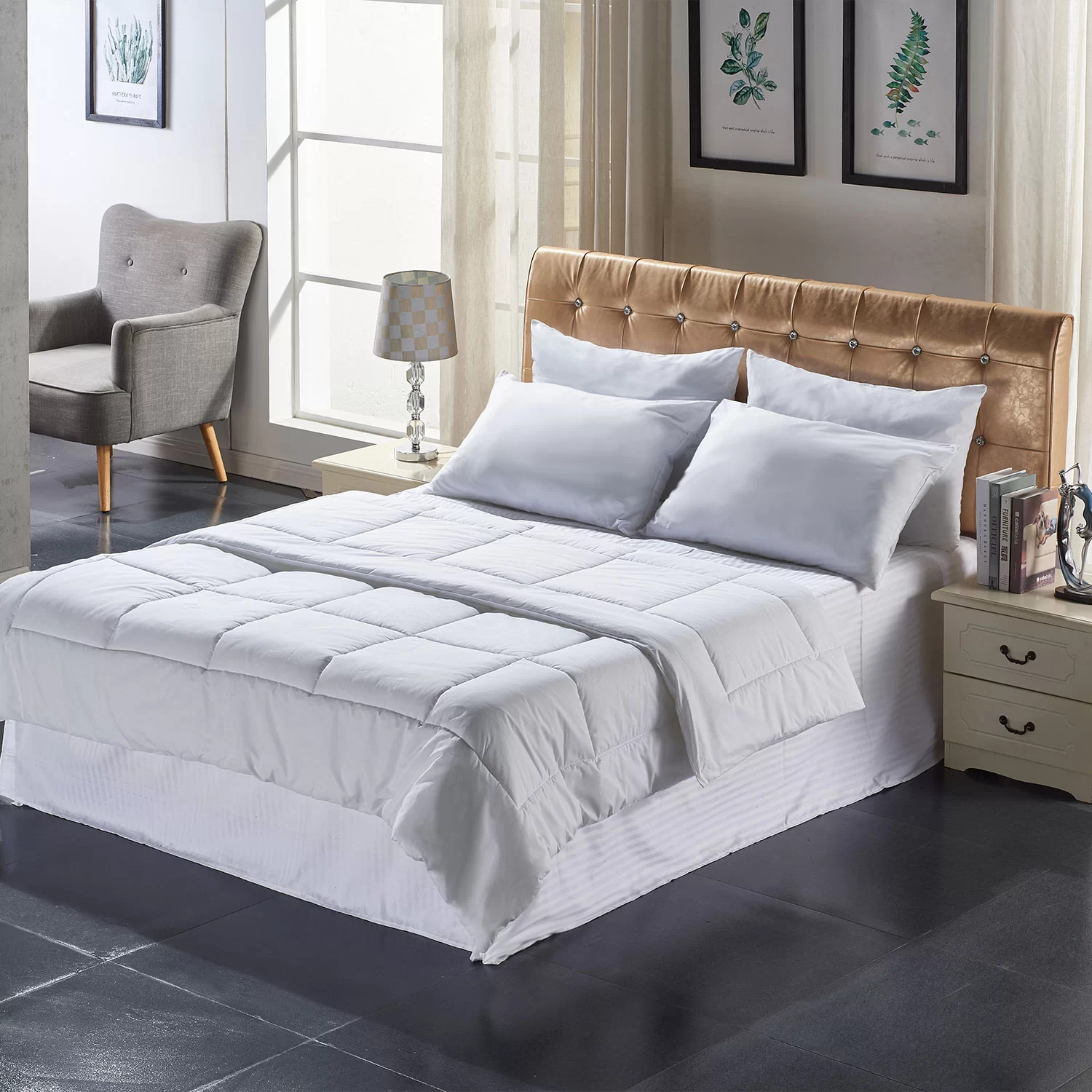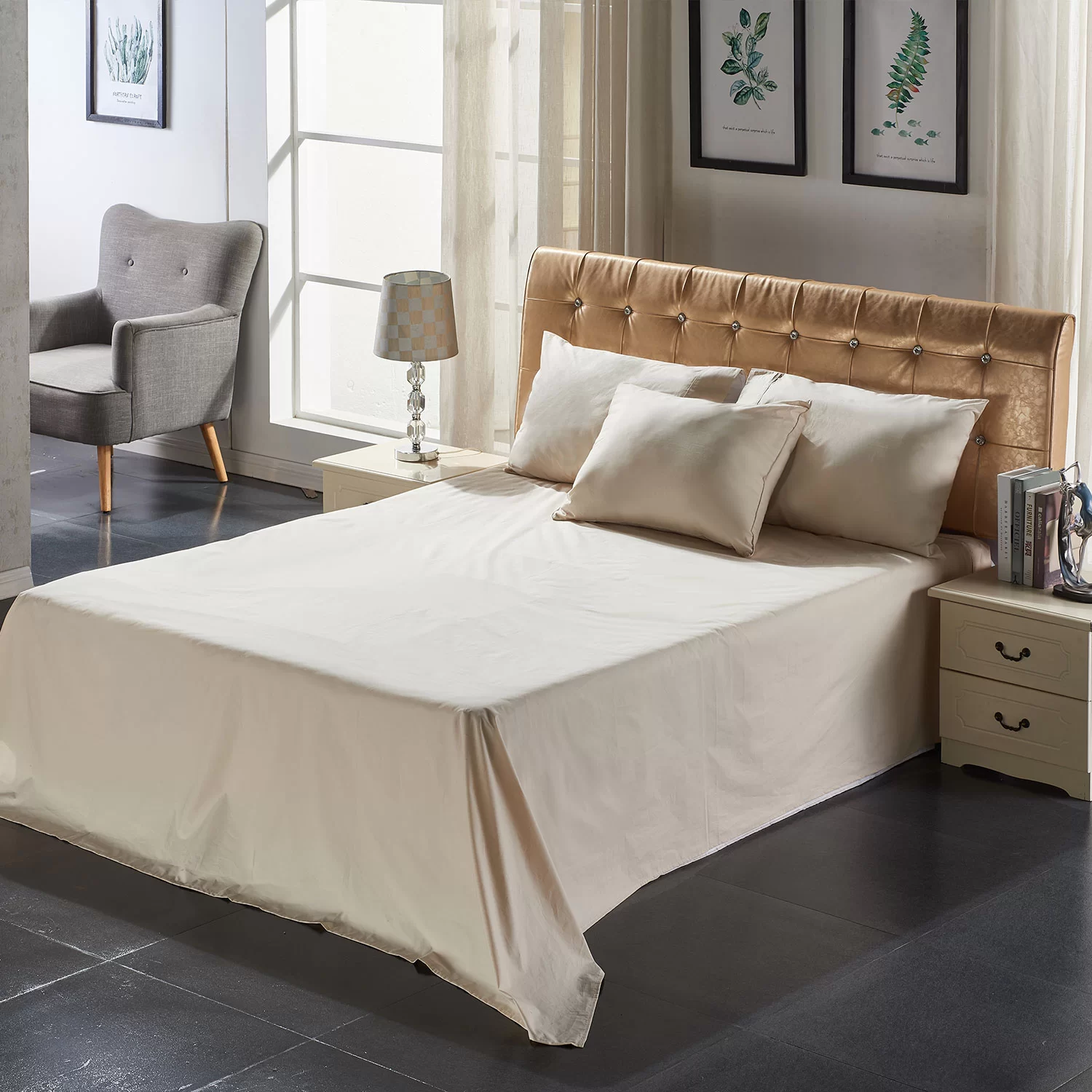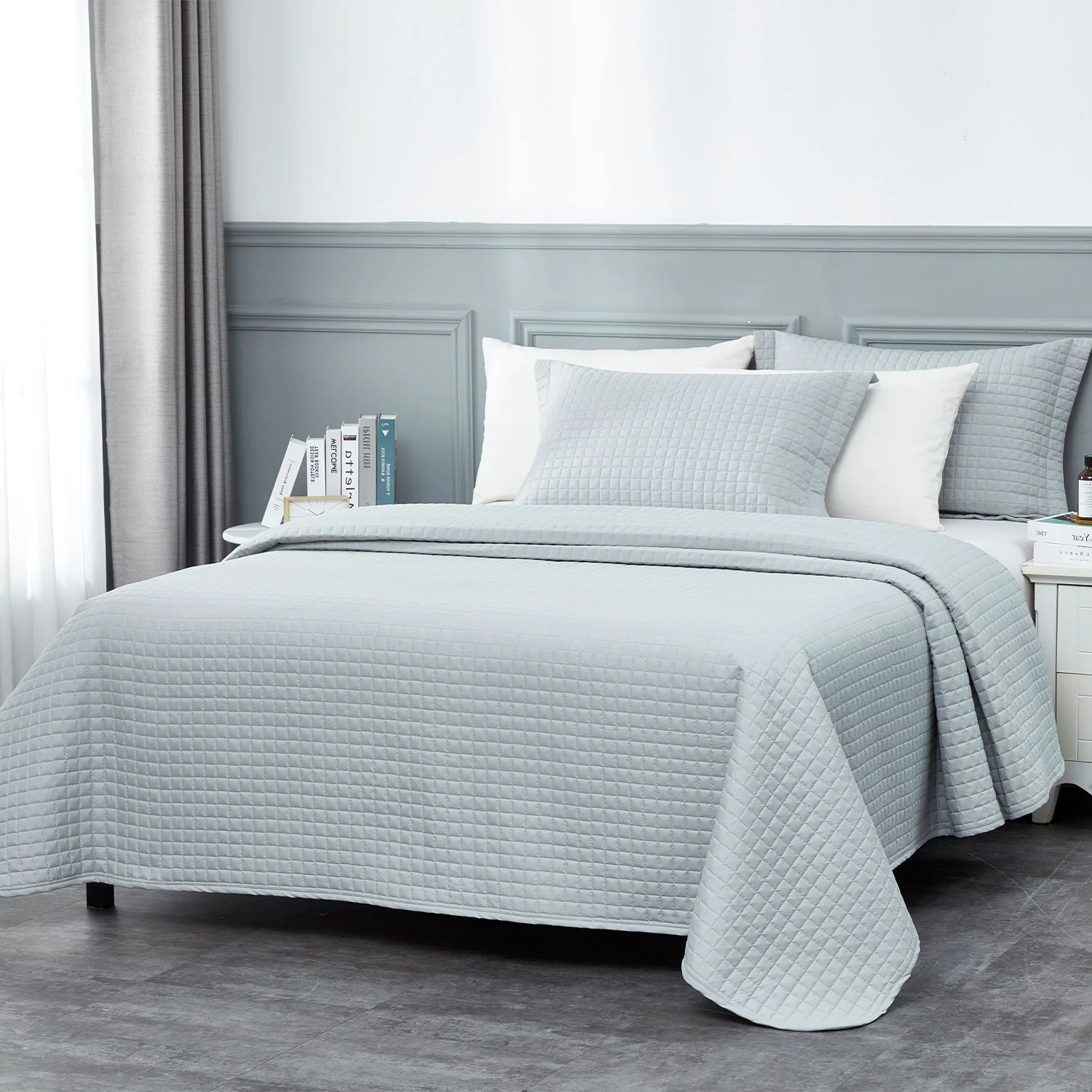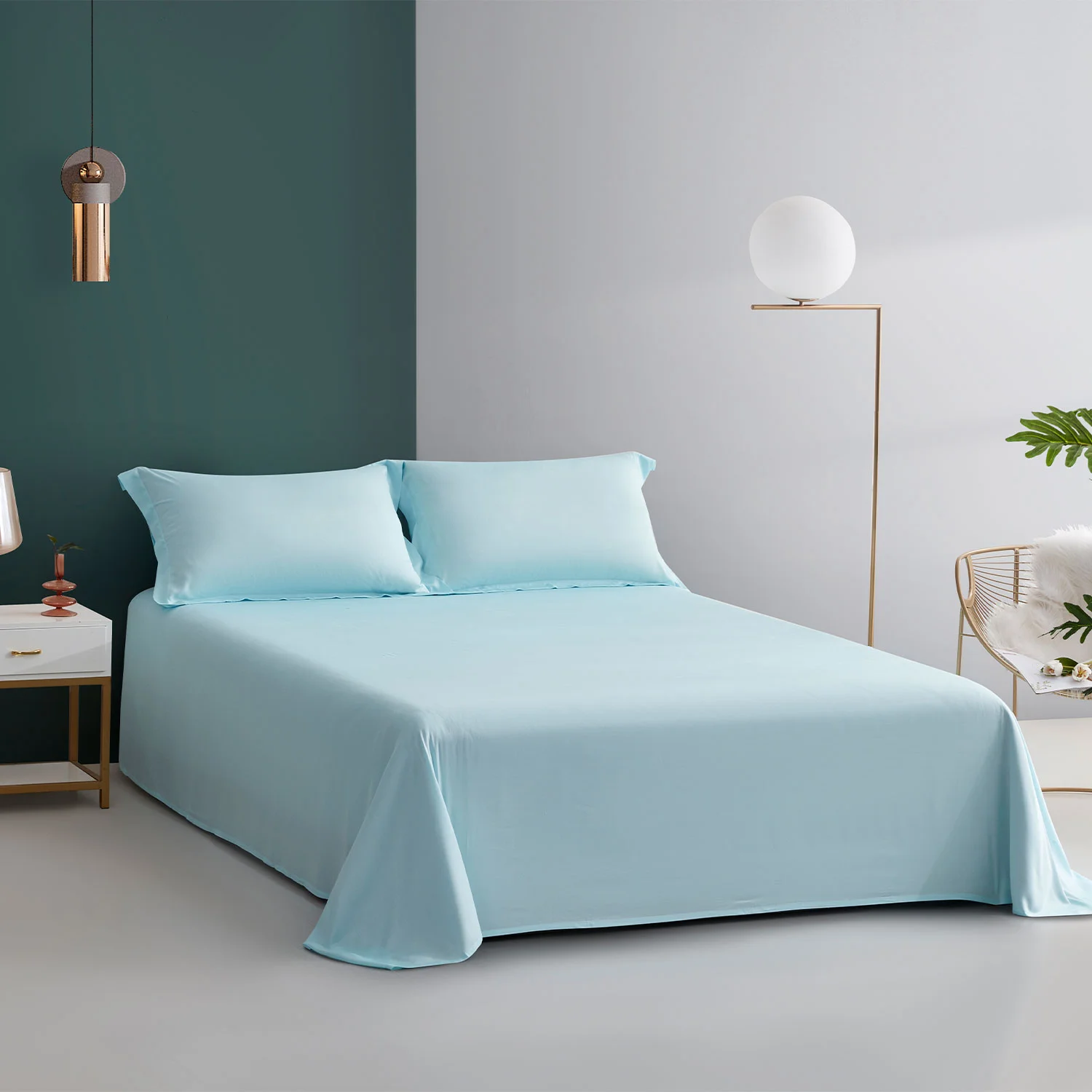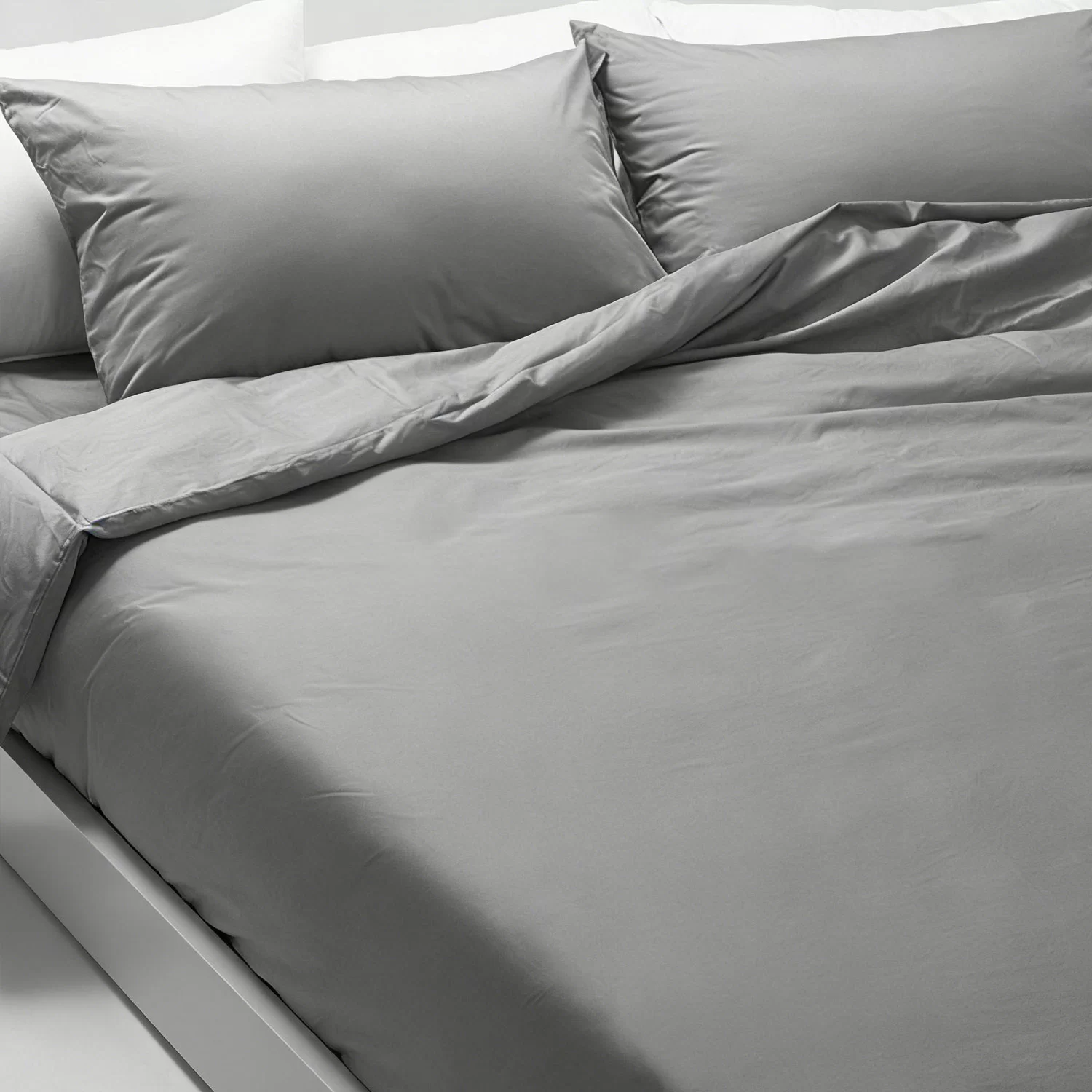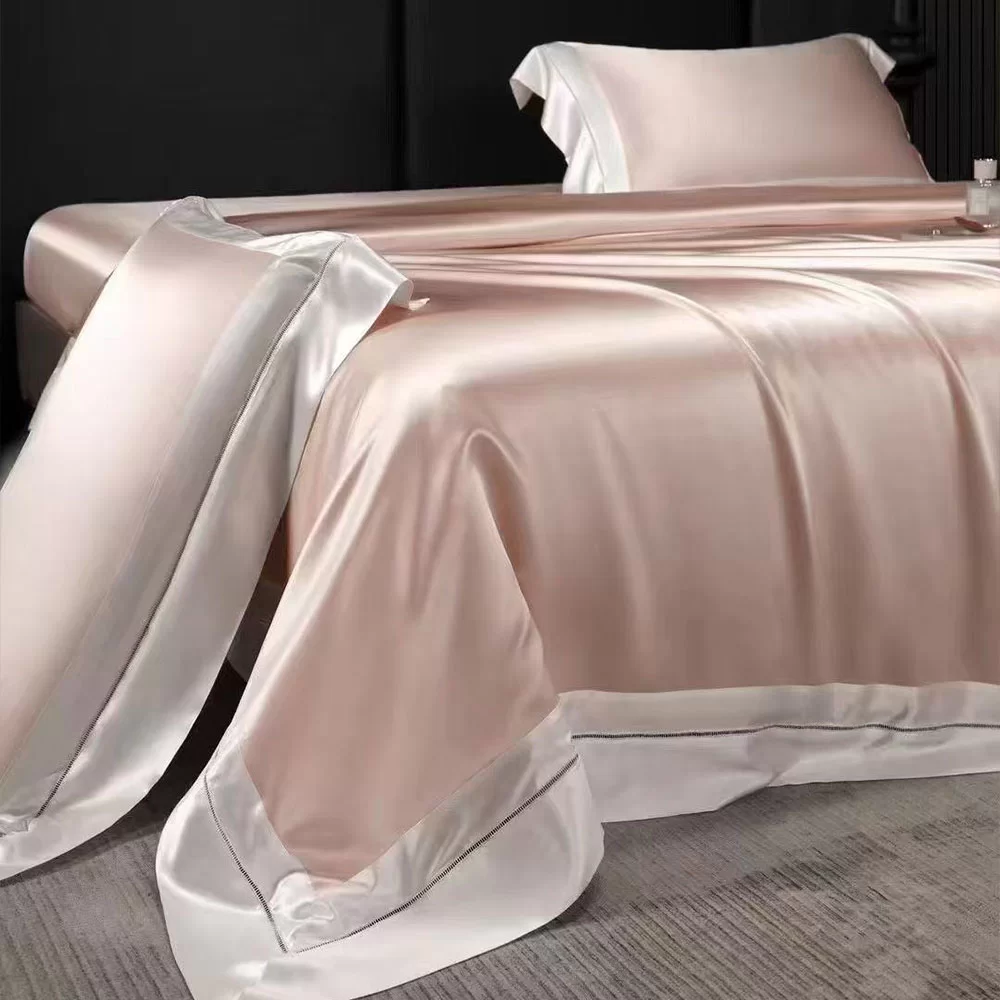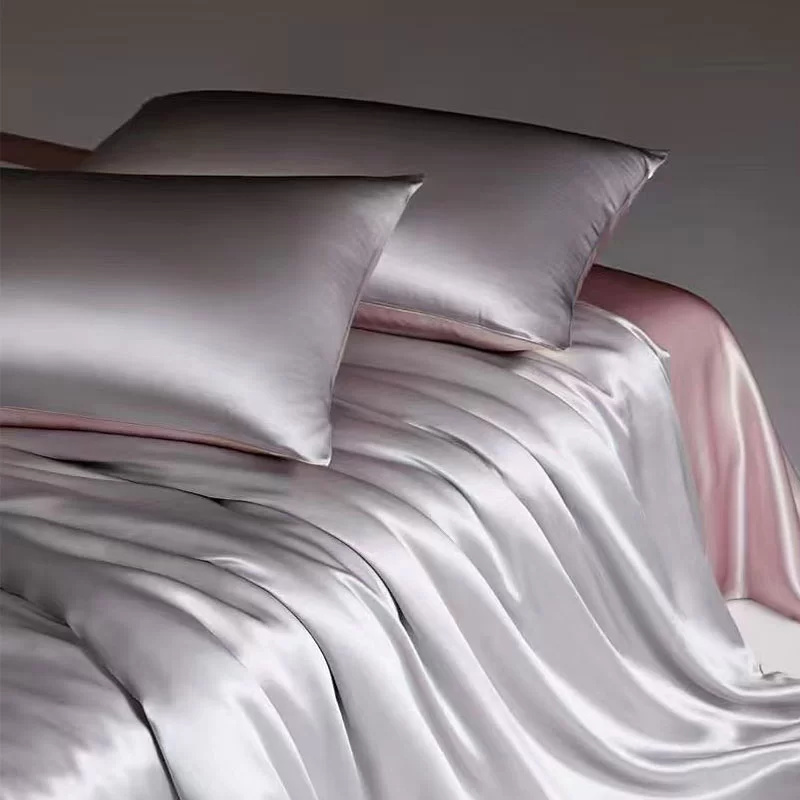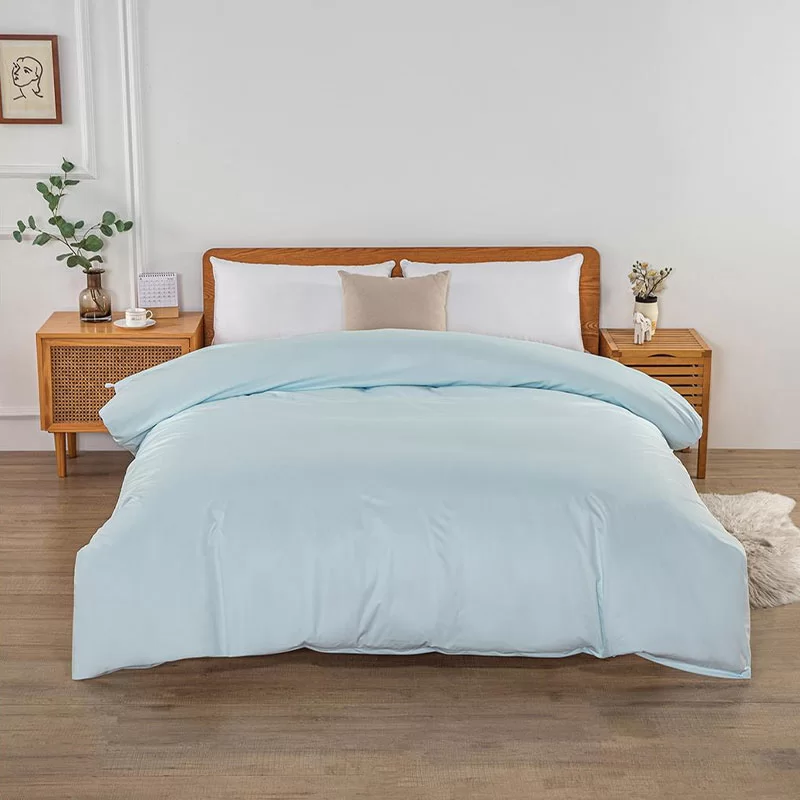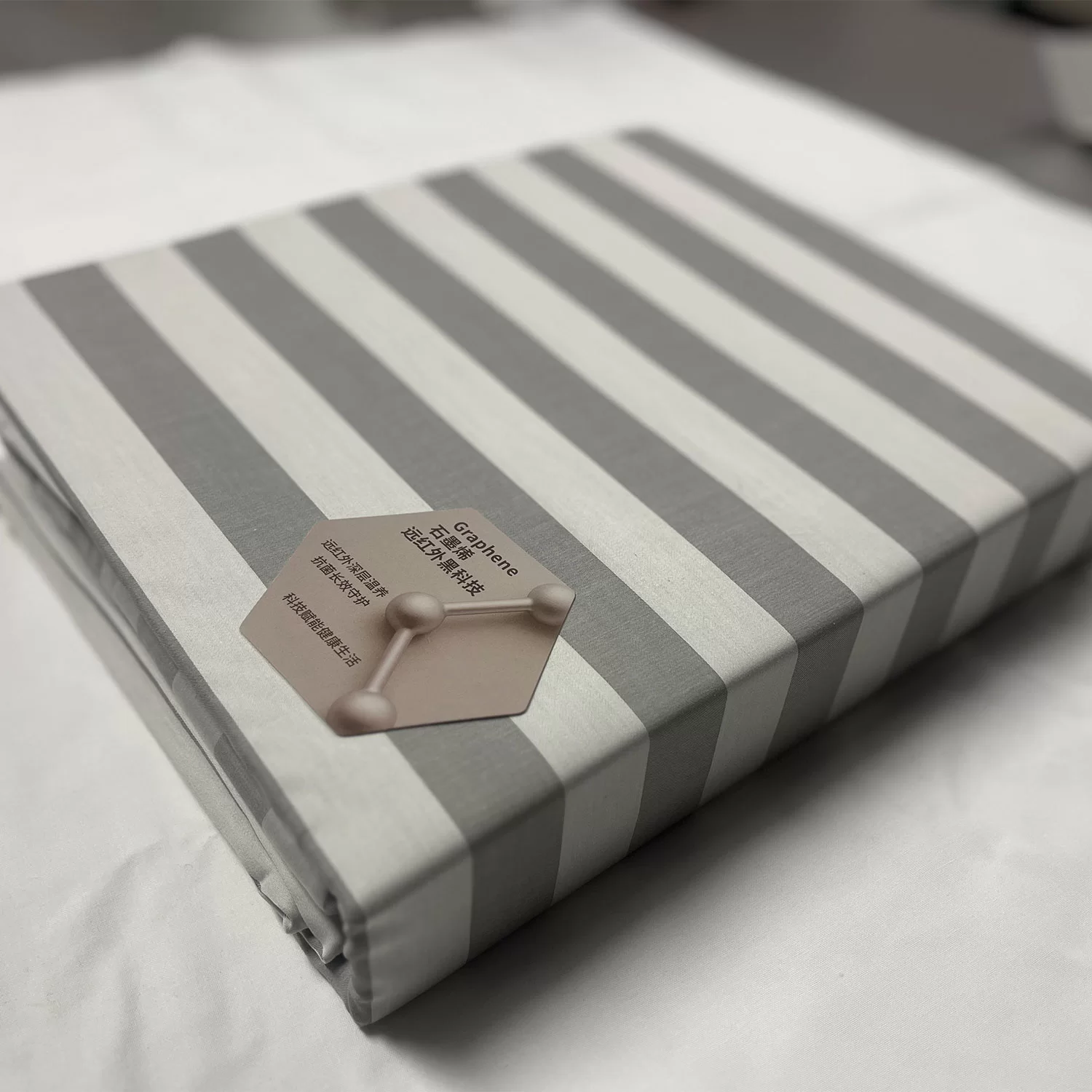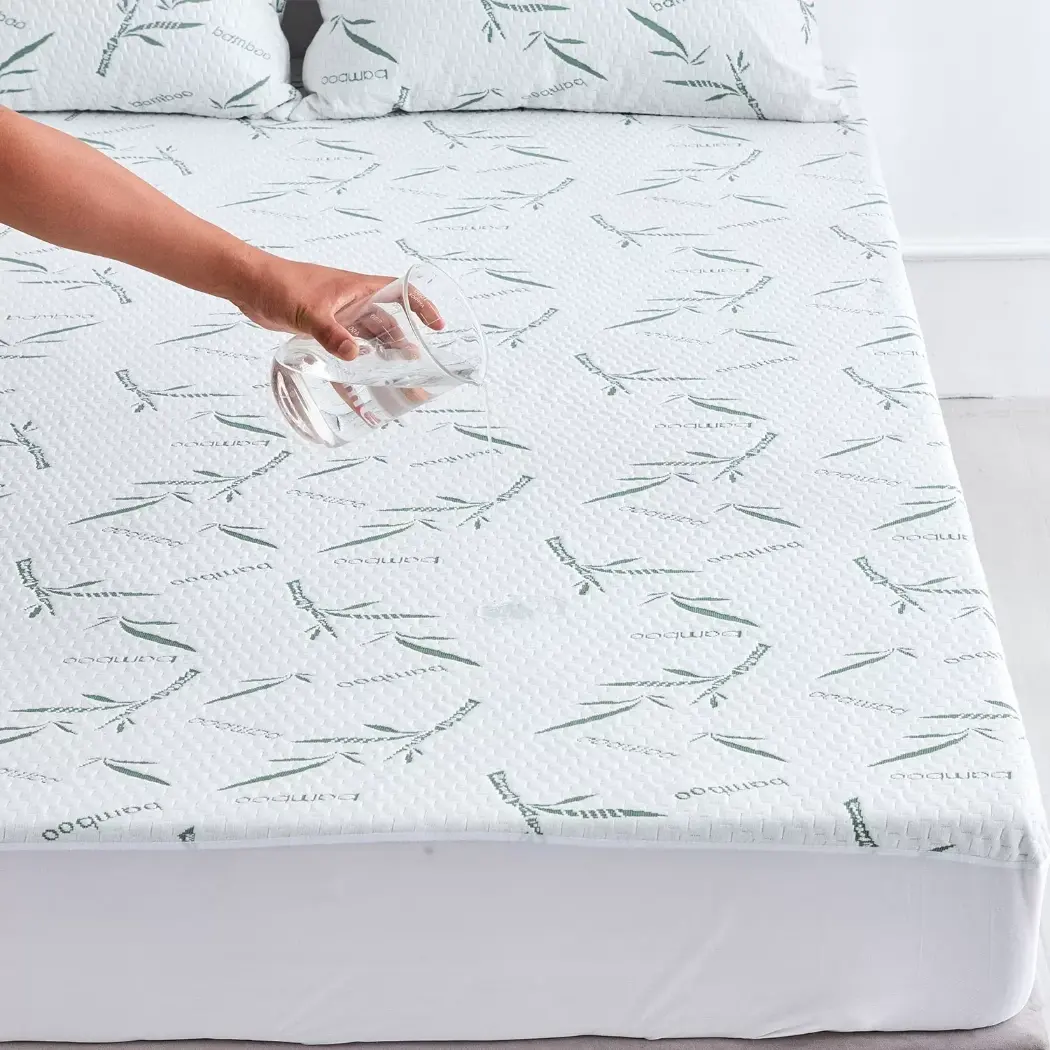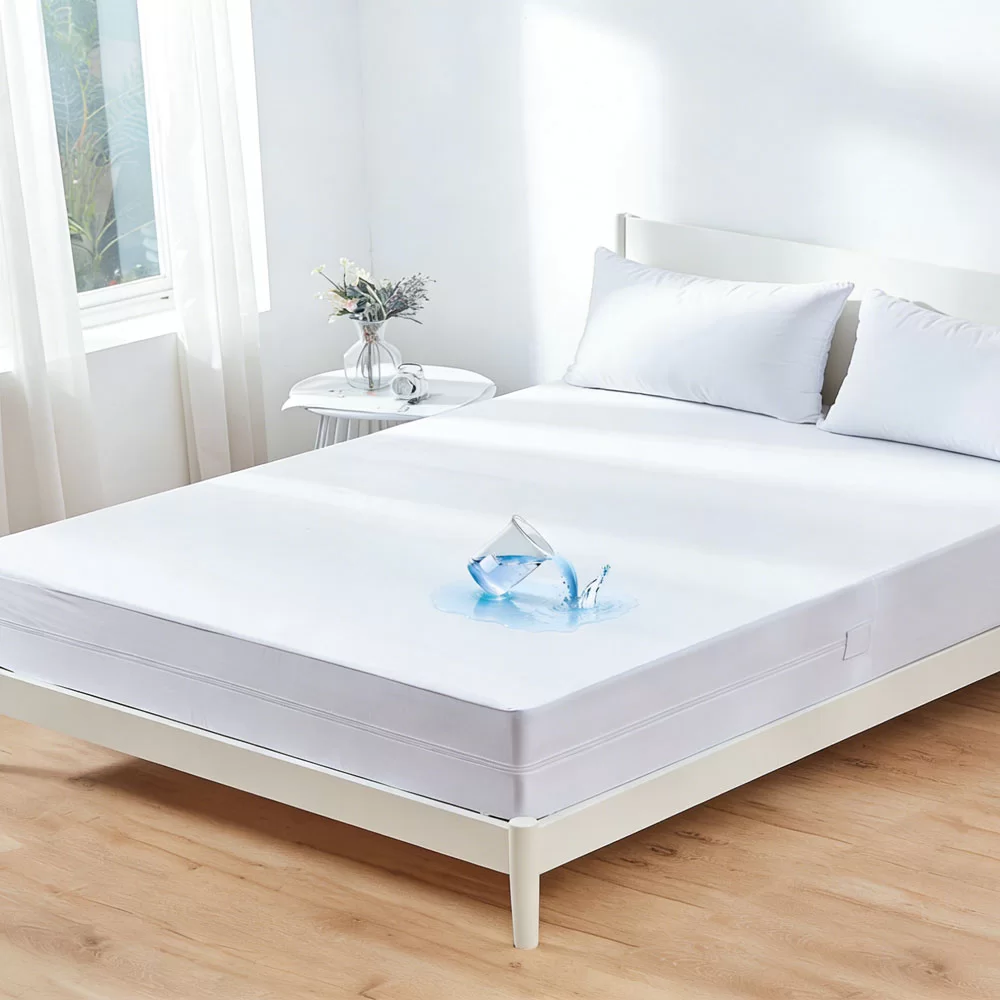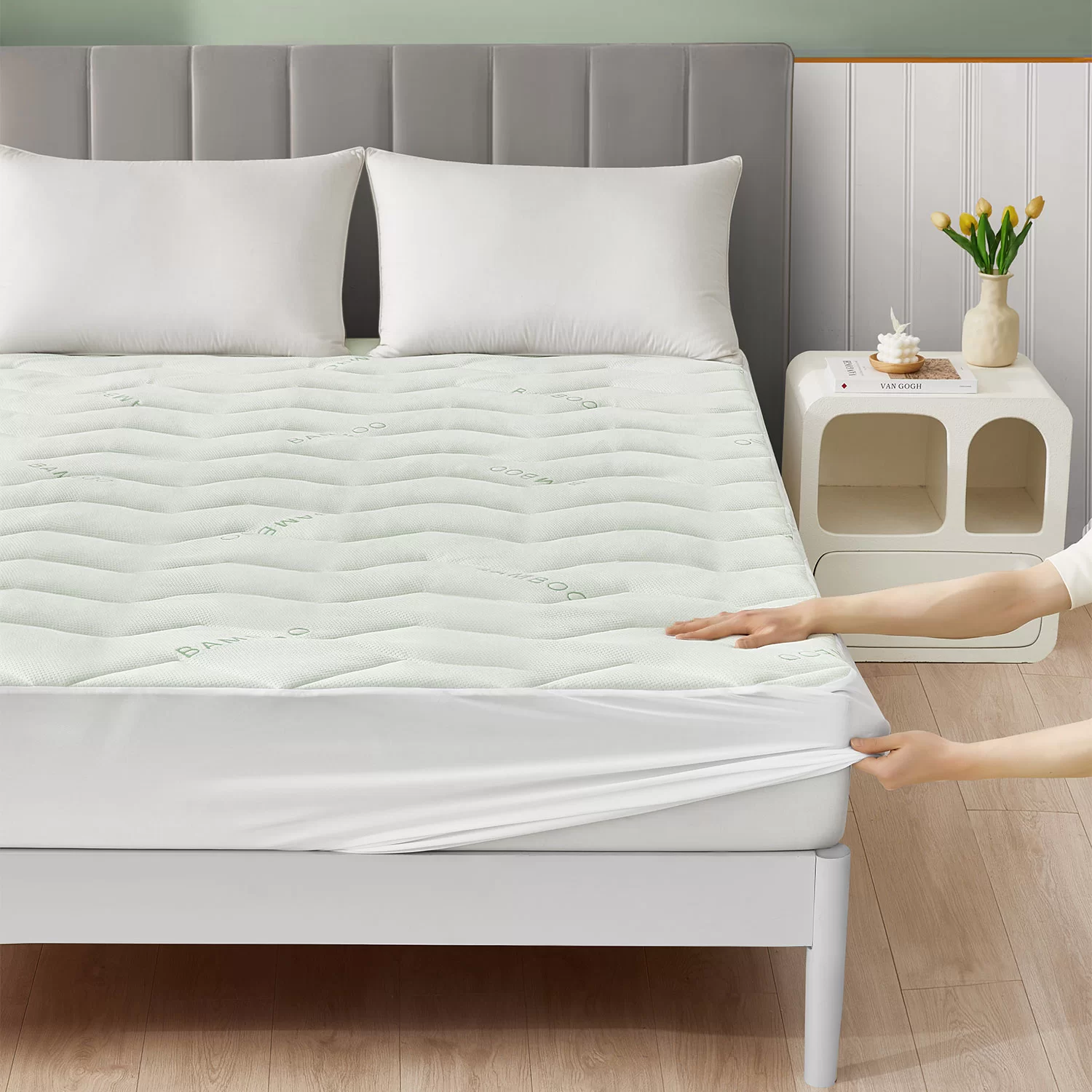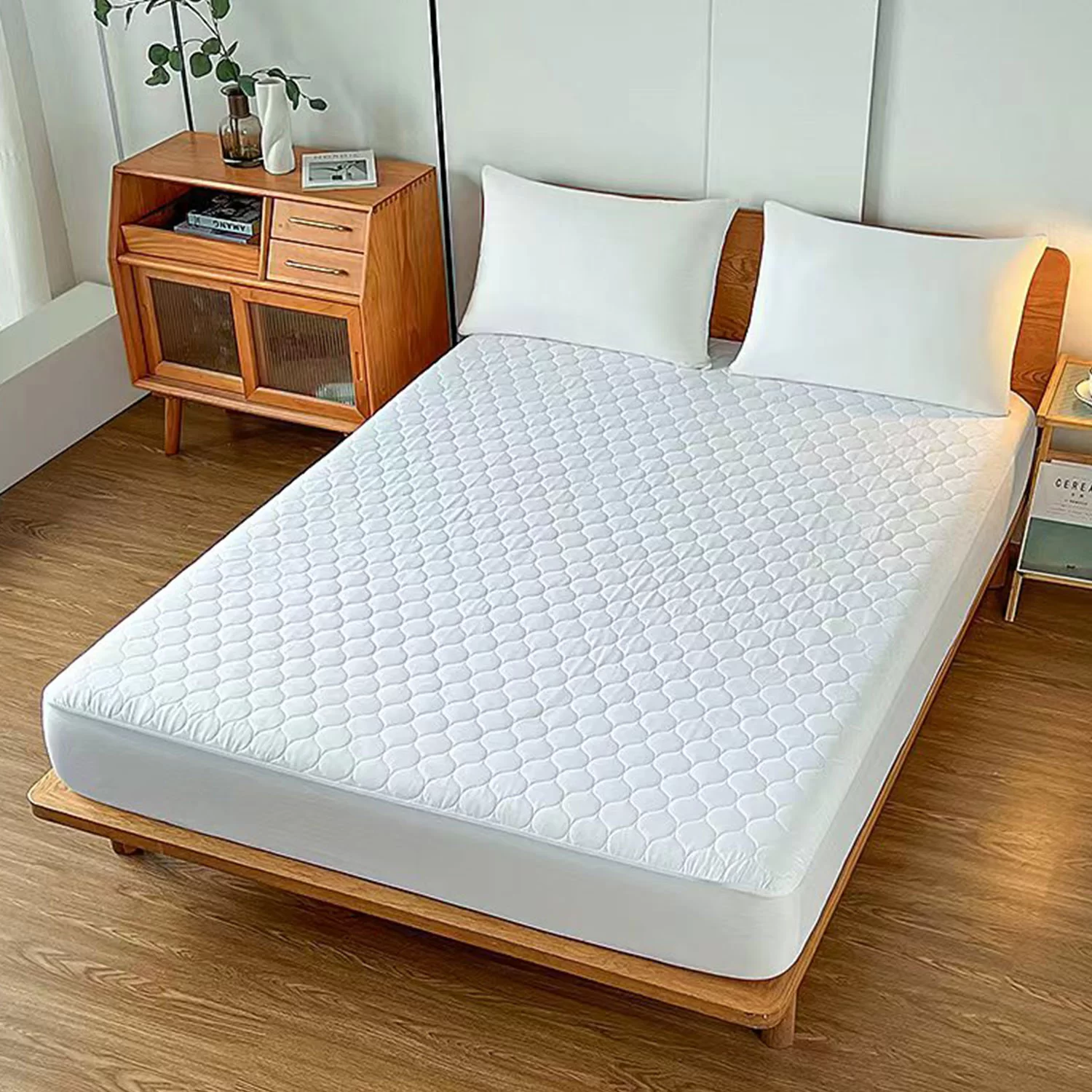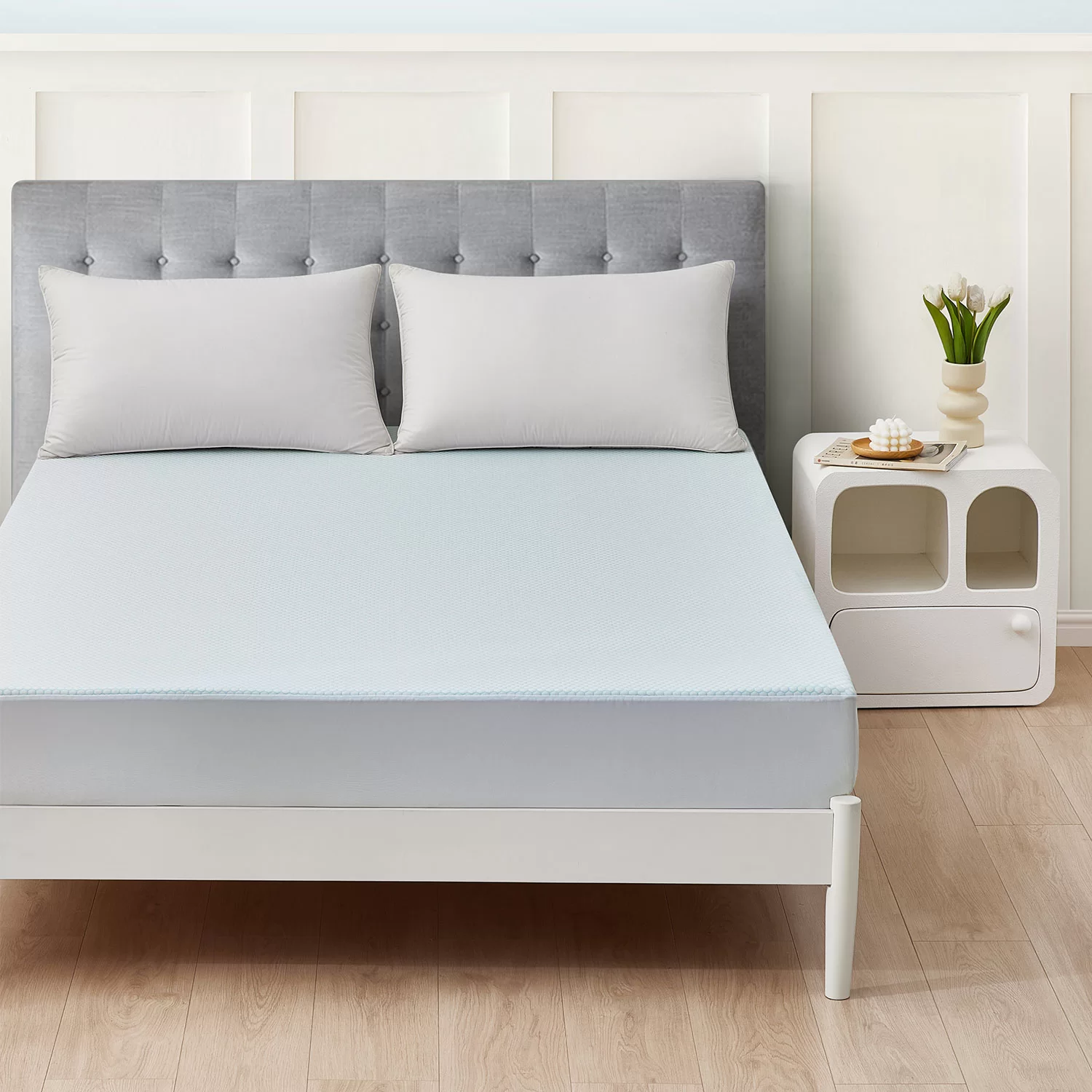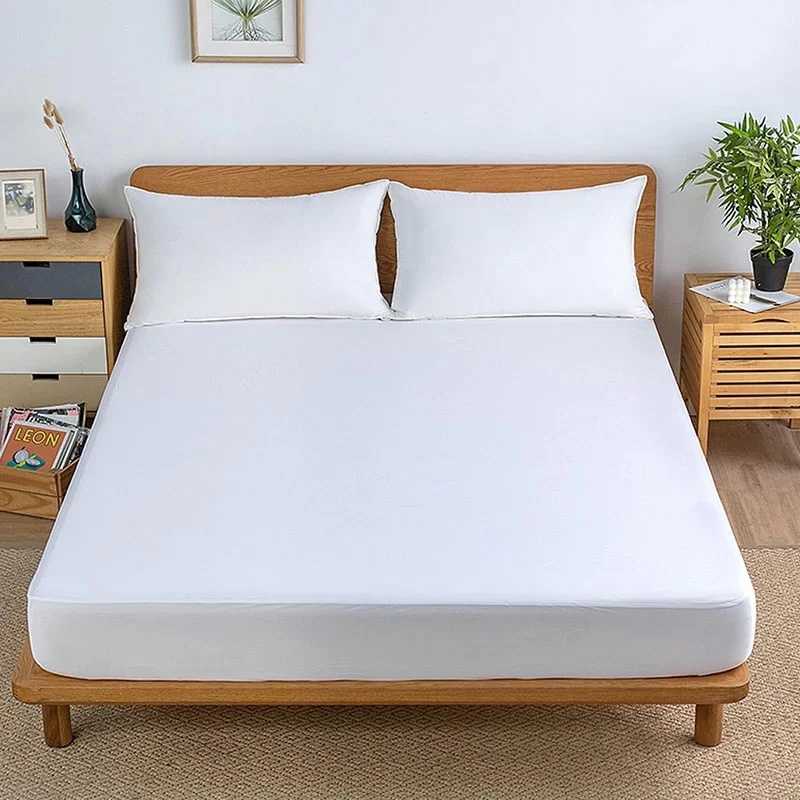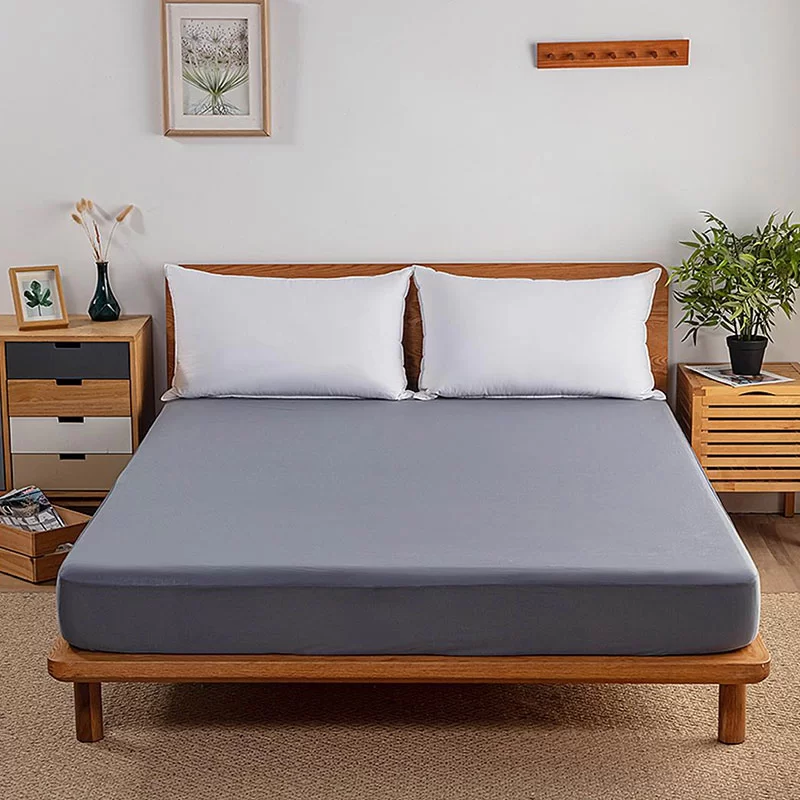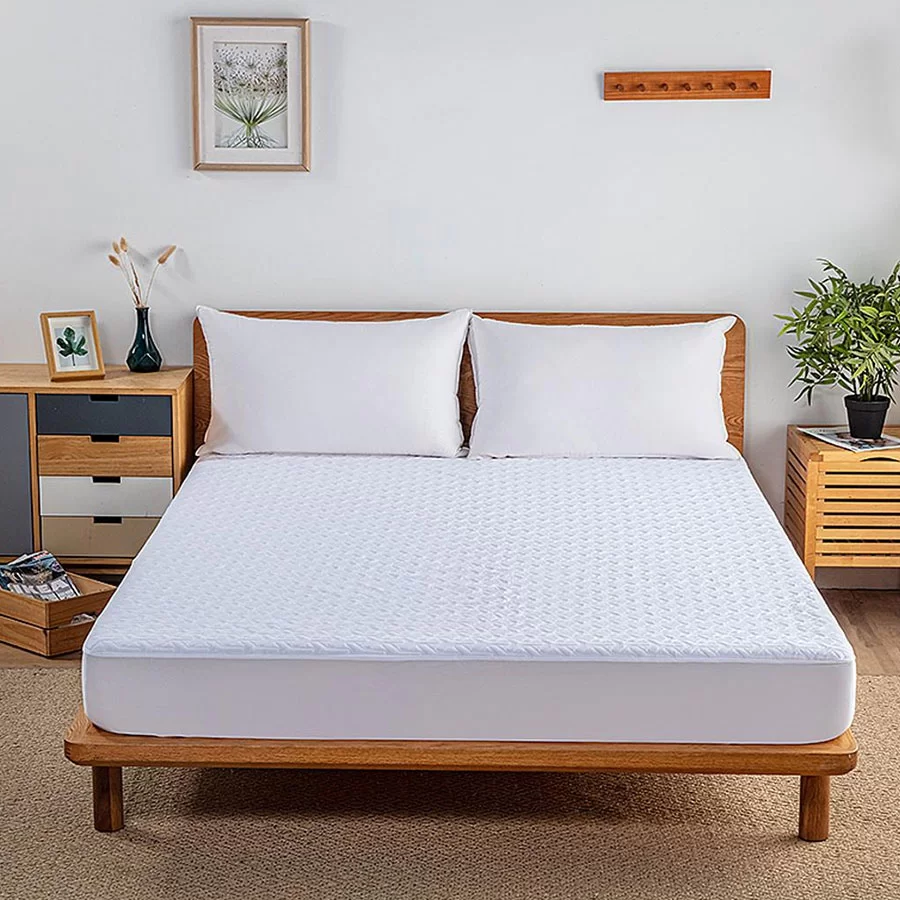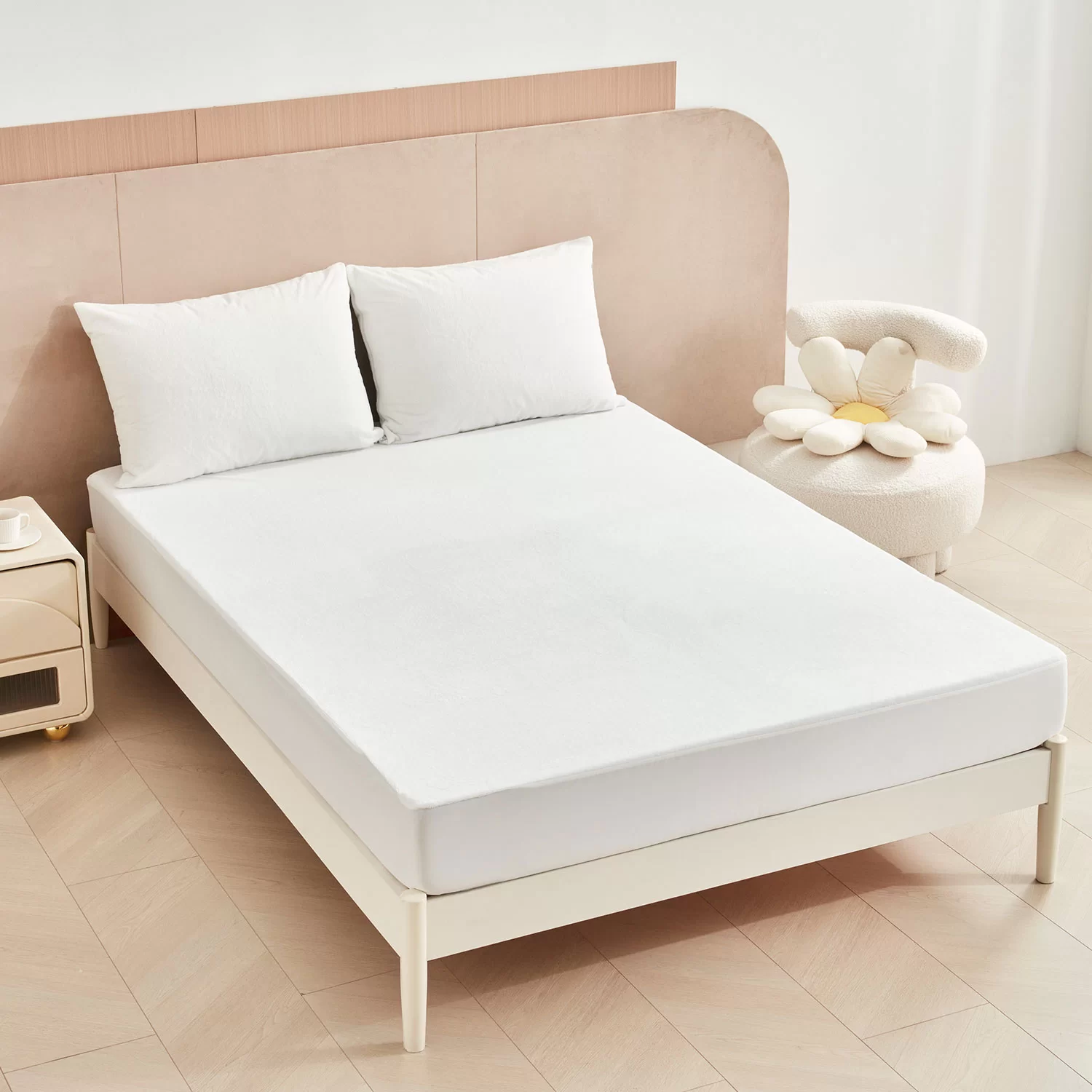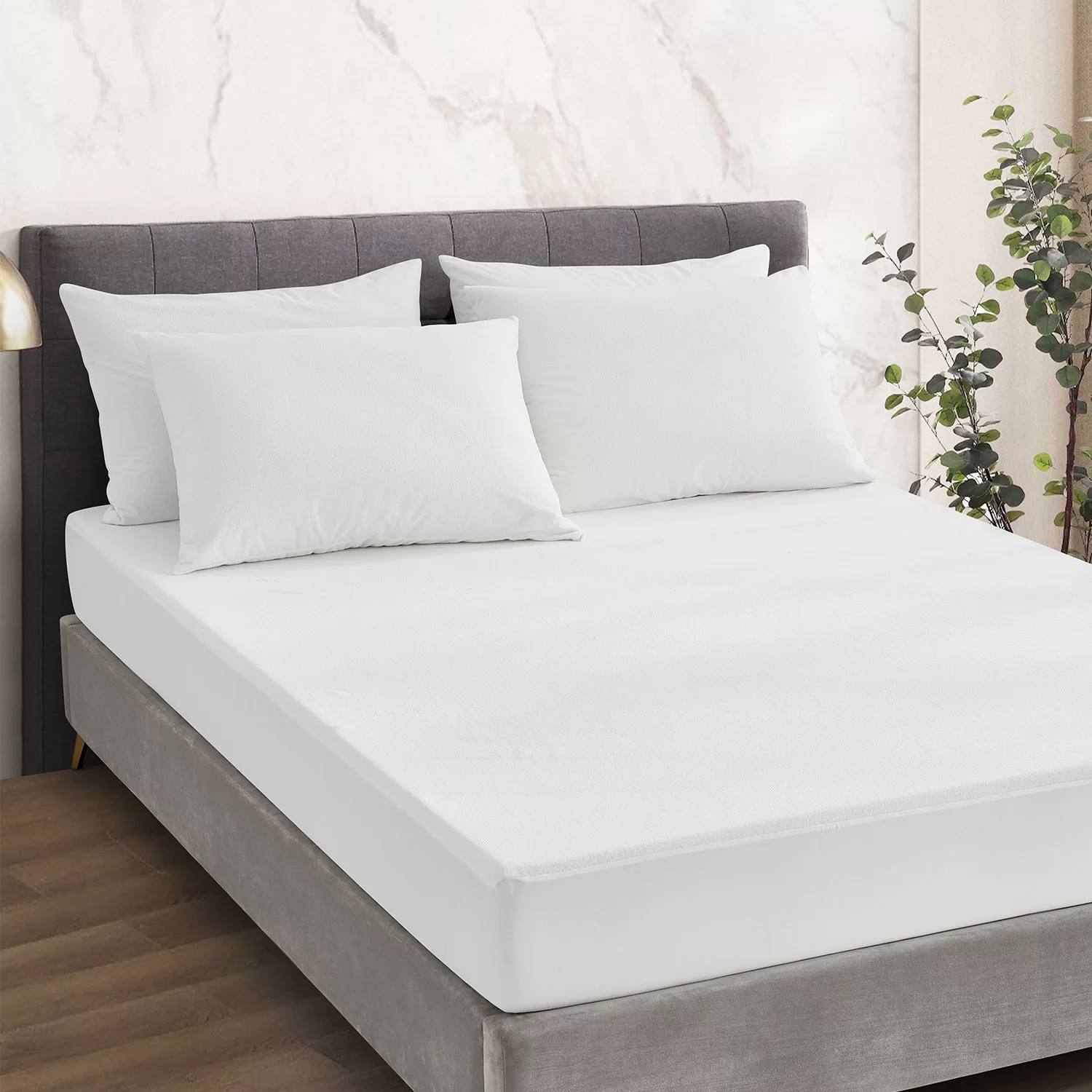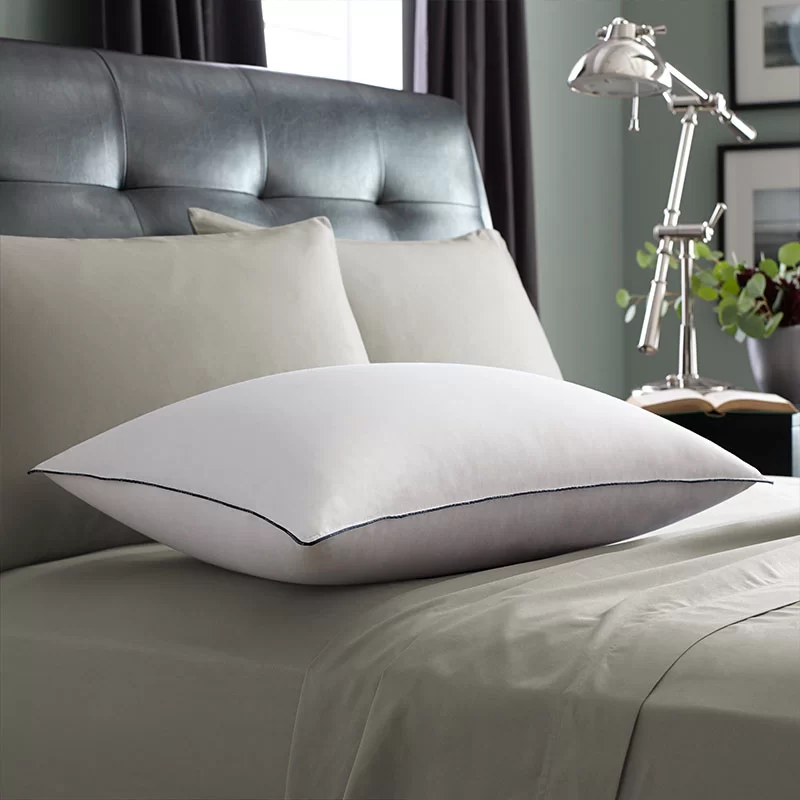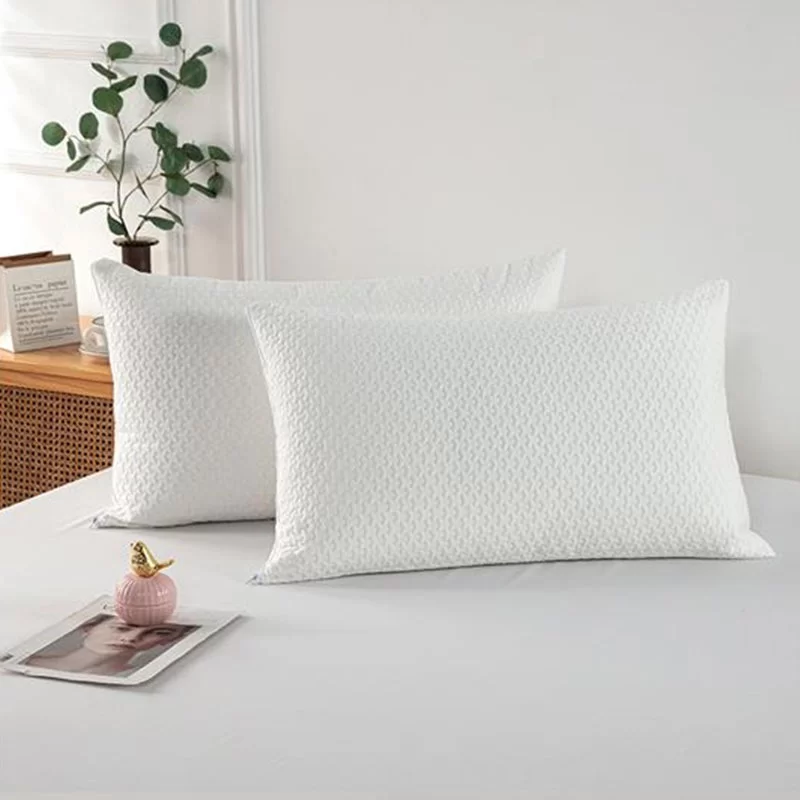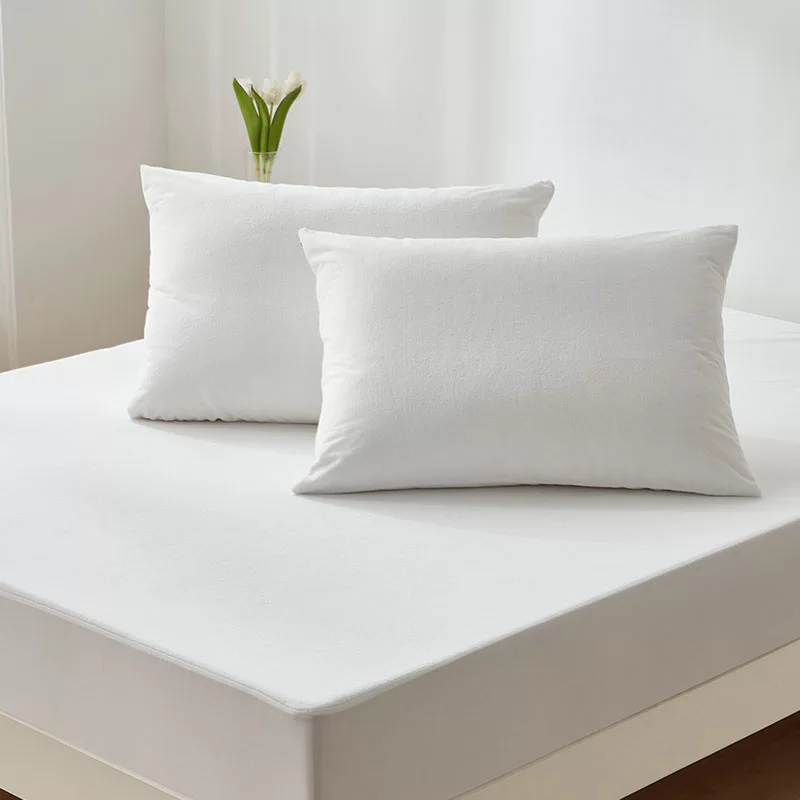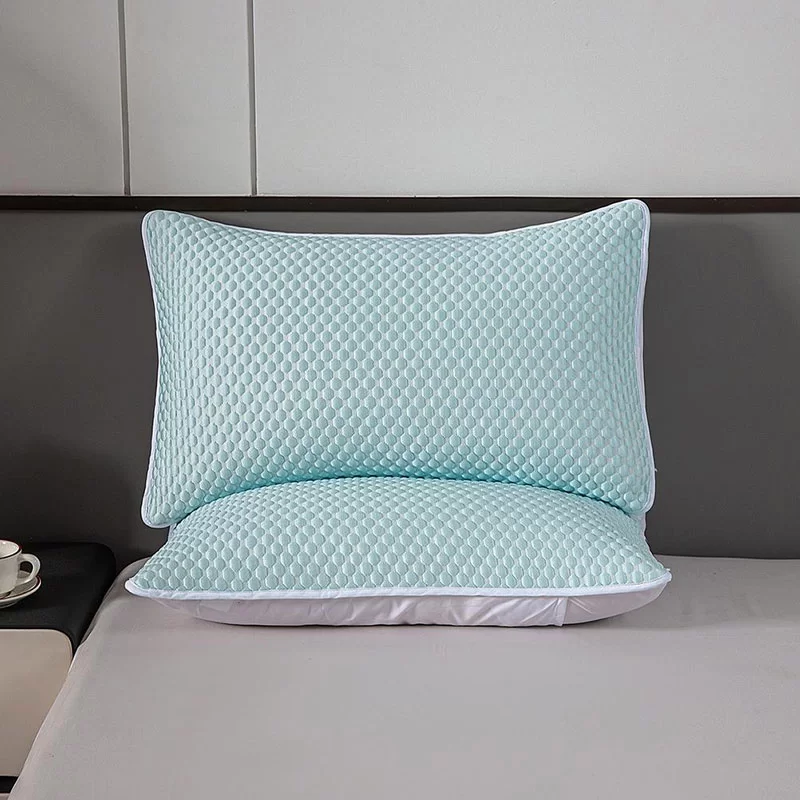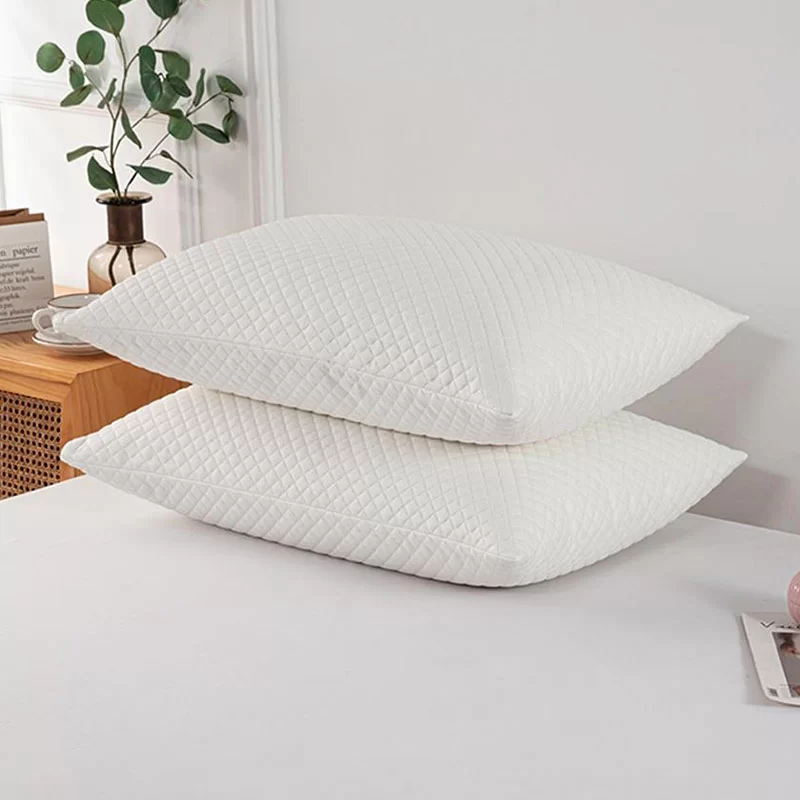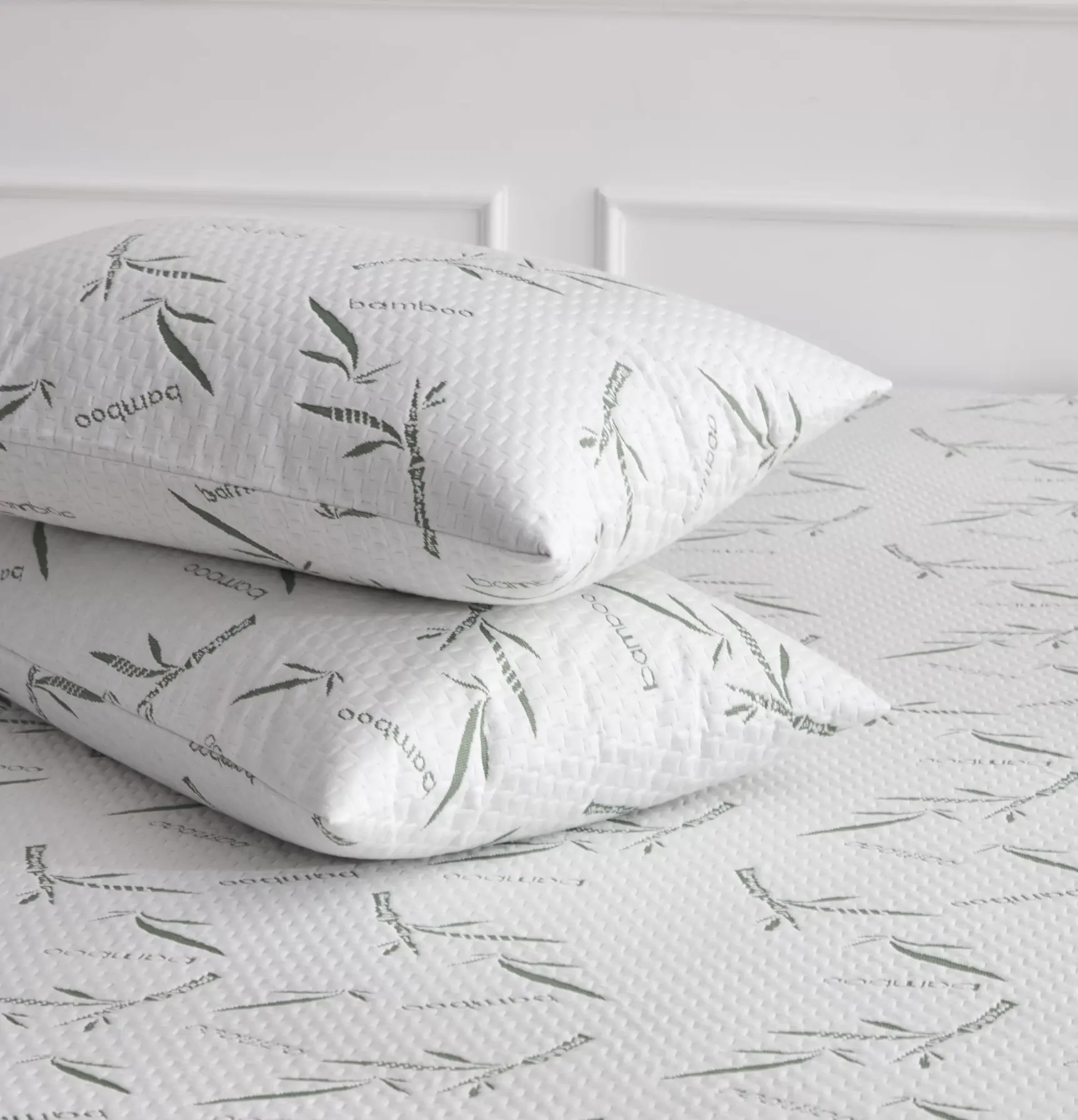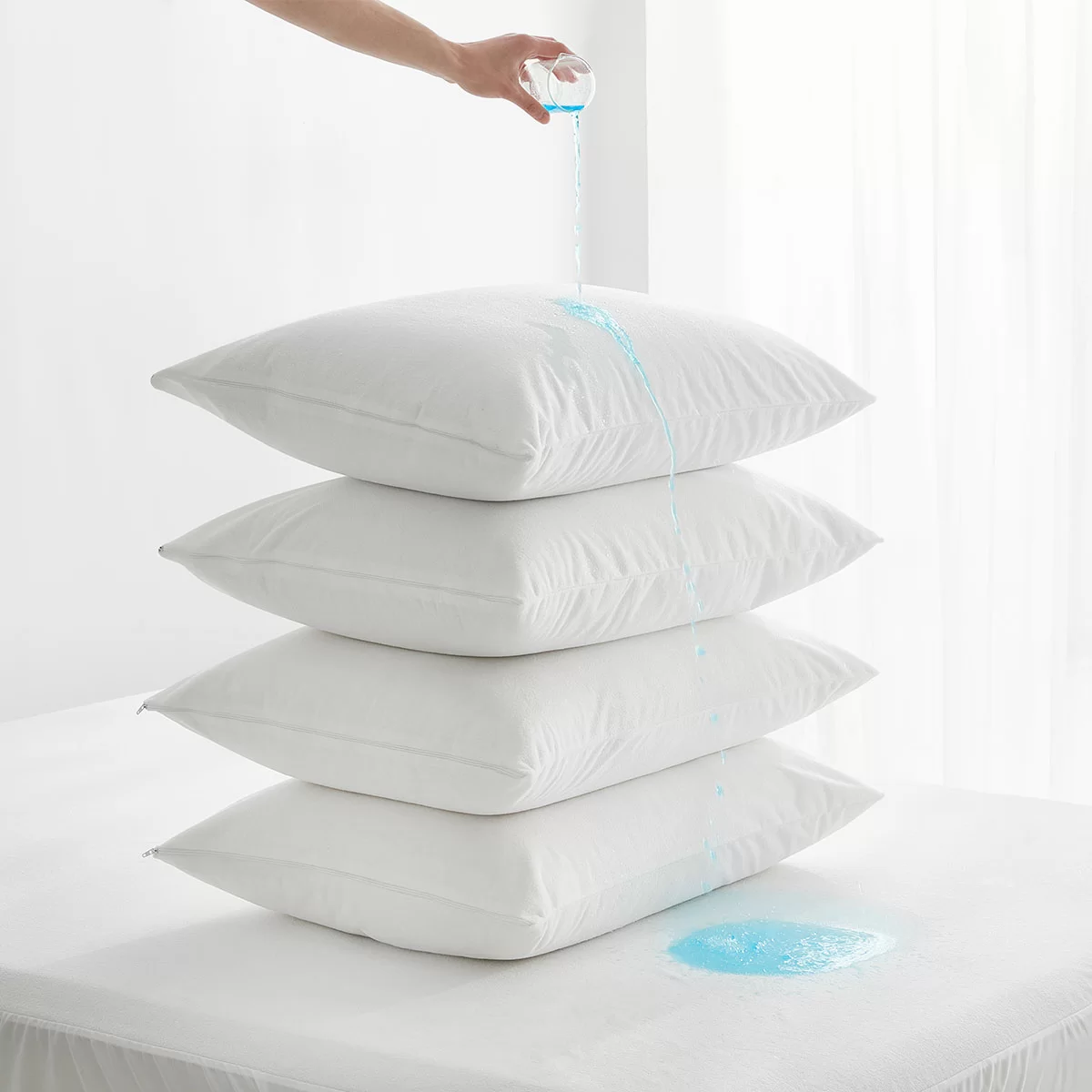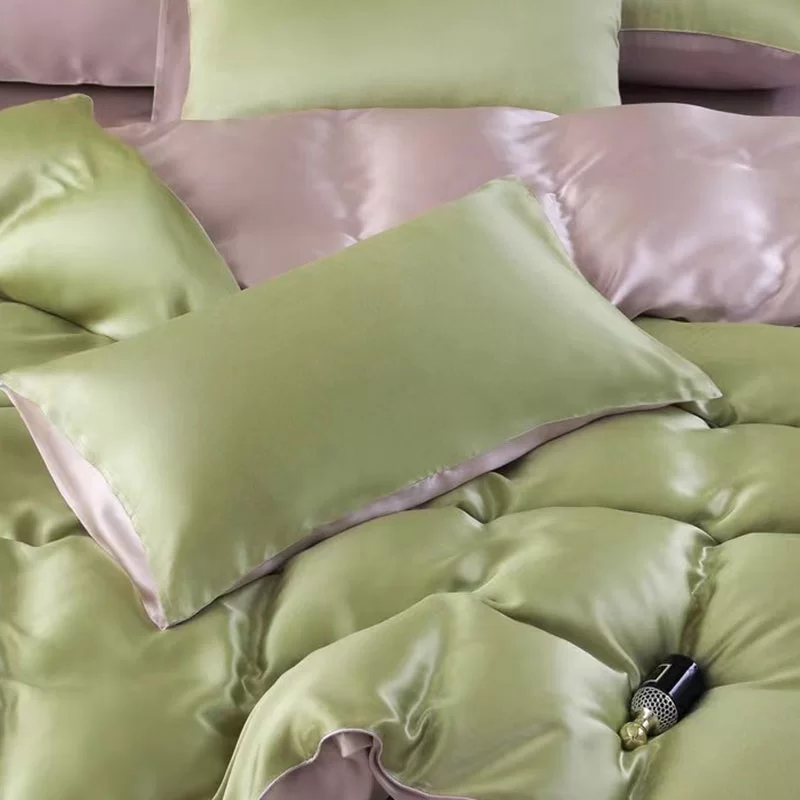
Achieving the perfect night's sleep is often seen as a luxury, but for the hospitality industry, it is a fundamental business requirement. The secret behind that crisp, cool, and inviting feeling of a luxury suite lies in the selection of hotel style bed linen, which combines high-thread-count precision with industrial-grade durability to create an unparalleled guest experience.
Across the globe, the demand for premium bedding has shifted from purely high-end hotels to residential spaces, as more people seek to replicate the "five-star feel" at home. Understanding the technical specifications of these textiles—ranging from weave patterns like sateen and percale to the specific GSM (grams per square meter) of the fabric—is essential for procurement managers and home decorators alike.
By investing in high-quality hotel style bed linen, businesses can significantly increase guest satisfaction scores and repeat bookings, while residential users can improve their sleep hygiene through breathable, hypoallergenic materials that regulate temperature throughout the night.
The global hospitality market adheres to strict ISO standards and textile certifications to ensure that hotel style bed linen meets rigorous demands for hygiene, skin safety, and longevity. With the rise of international tourism, standardized luxury bedding has become a universal language of comfort, where guests expect a specific tactile experience regardless of whether they are in Tokyo, Paris, or New York.
However, the challenge remains in balancing the "plush" feel with the necessity of surviving industrial laundering cycles. High-end establishments often struggle with the degradation of fabric fibers due to aggressive chemical cleaning, making the selection of a reinforced weave critical for maintaining a pristine appearance over hundreds of washes.
In professional textile manufacturing, hotel style bed linen refers to bedding specifically engineered for high-frequency use, characterized by a higher thread count and a specific balance of strength and softness. Unlike standard retail sheets, these products are designed to resist pilling and shrinkage, often utilizing long-staple cotton or advanced polyester-cotton blends to ensure structural integrity.
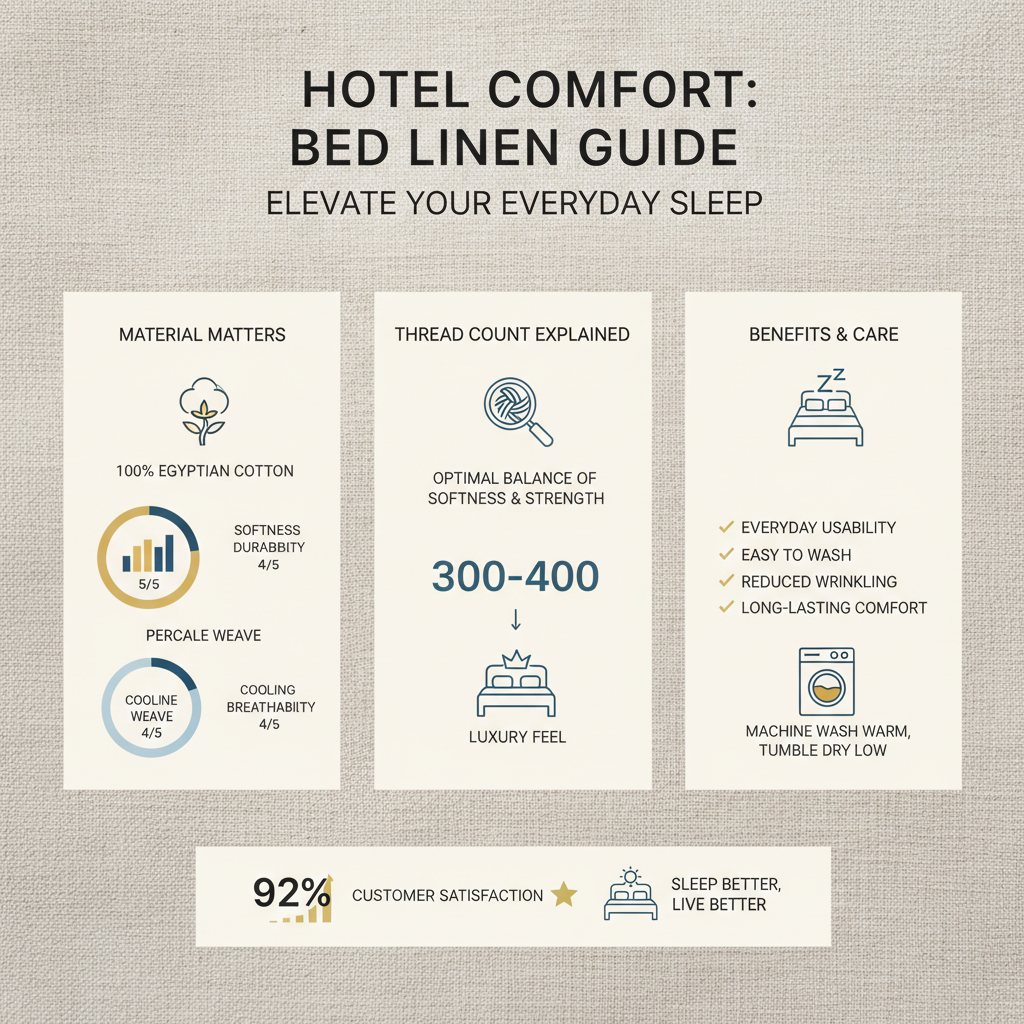
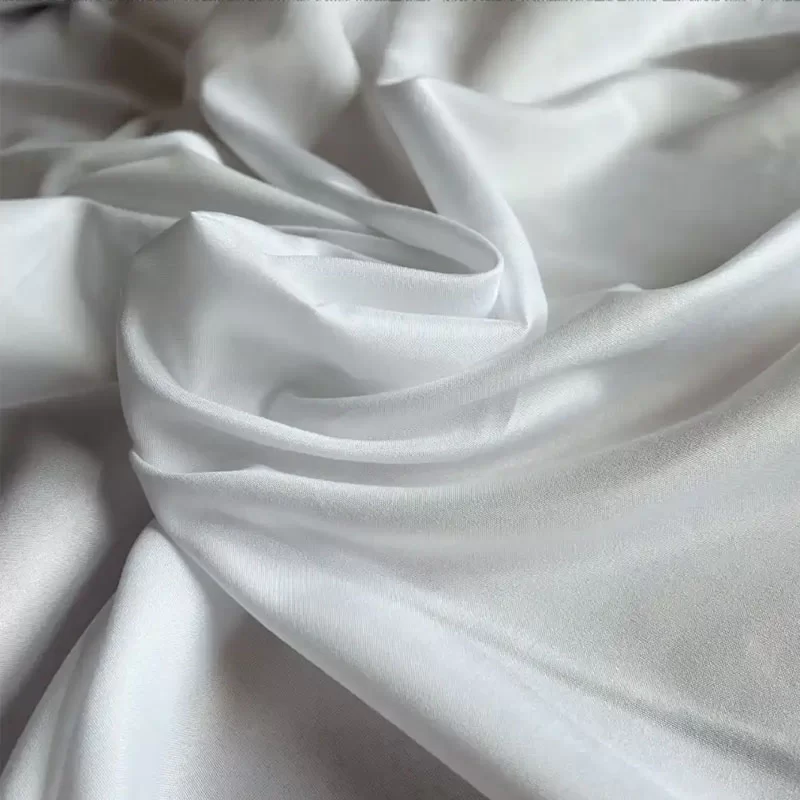
The composition typically focuses on breathable fibers that can handle high-temperature sterilization. For instance, a 100% combed cotton sateen provides a silky sheen and a smooth hand-feel, which is the hallmark of luxury resorts, while a percale weave offers a matte finish and a "crisp" feel that is preferred in warmer climates for its superior breathability.
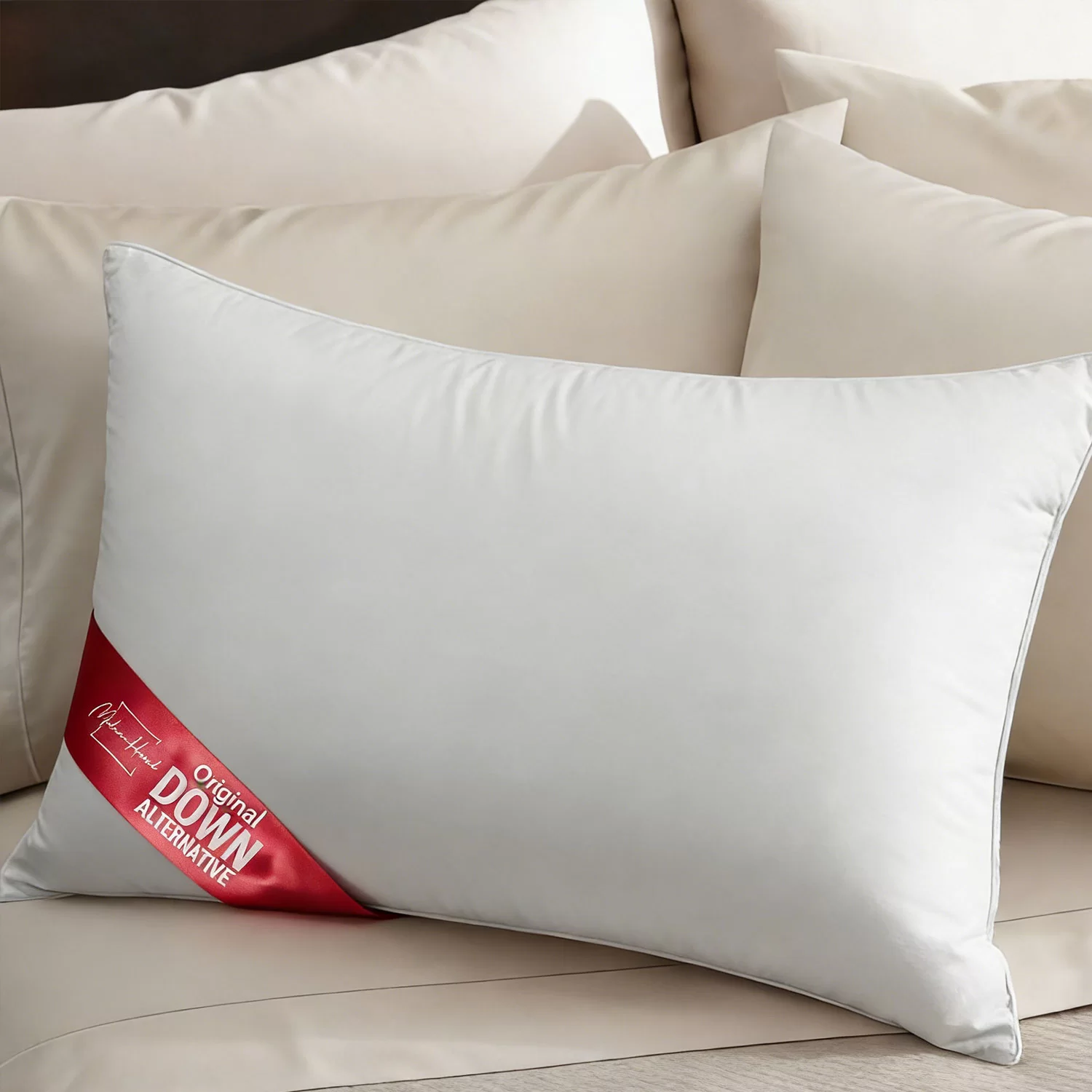
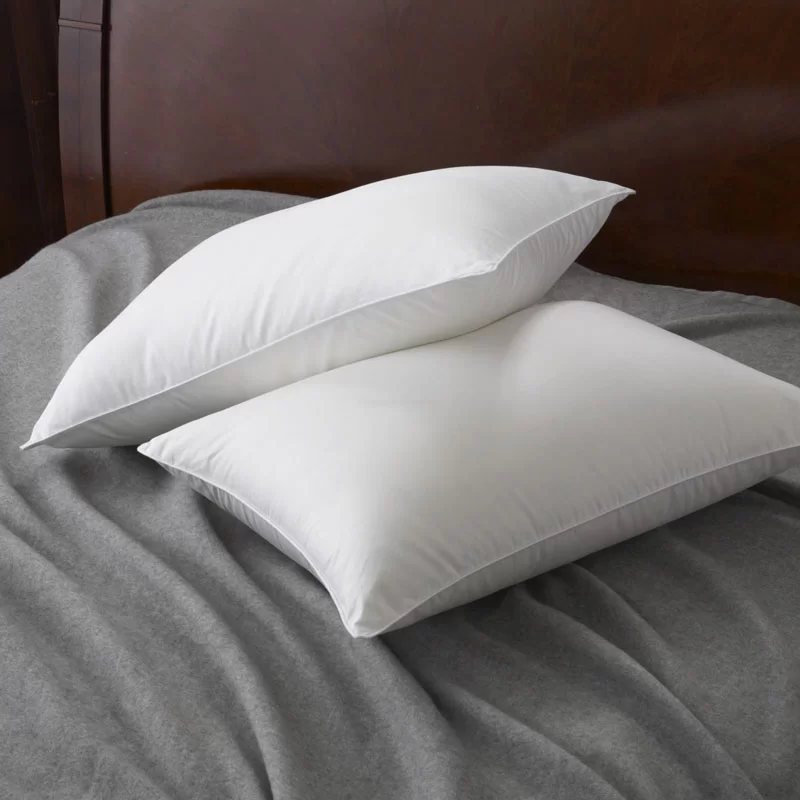
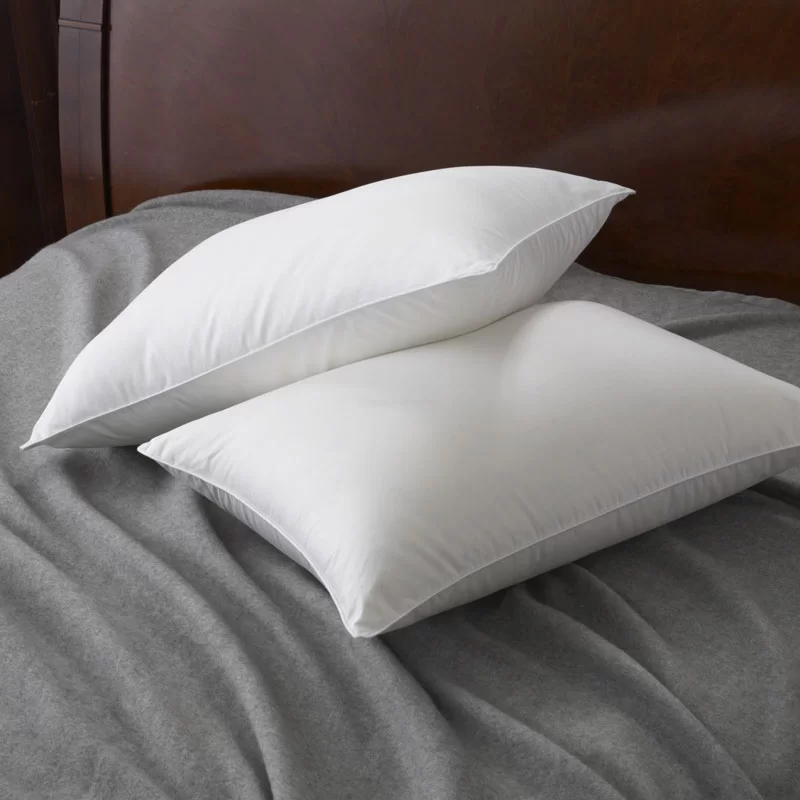
Integrating these materials into a cohesive bedding set—including the flat sheet, fitted sheet, and pillow shells—requires precise tension control during the weaving process. This ensures that the fabric does not warp after the first wash, maintaining the sharp, professional lines that define a high-end hotel room.
The first pillar of quality in hotel style bed linen is the Thread Count (TC). While consumer marketing often pushes for astronomical numbers, the industry standard for luxury is typically between 300 and 600 TC. This range provides the optimal balance between density (for smoothness) and porosity (for airflow).
Another critical component is the "Hand-Feel" or tactile softness, which is achieved through mercerization. This chemical treatment swells the cotton fibers, increasing their surface area and allowing them to absorb dye more effectively while providing a lustrous, silk-like finish to the hotel style bed linen, ensuring it remains soft even after repeated industrial laundering.
Finally, dimensional stability is paramount. Professional-grade linens undergo a "pre-shrinking" process to ensure that a king-sized sheet remains a king-sized sheet. This prevents the frustrating experience of sheets slipping off the mattress, a detail that distinguishes professional hotel style bed linen from lower-grade alternatives.
When evaluating the lifecycle of hotel style bed linen, durability is measured by the fabric's resistance to abrasion and its ability to maintain color fastness. In a high-turnover environment, sheets are subjected to extreme heat and chemical agents; therefore, the tensile strength of the yarn determines the replacement cycle of the linen.
To provide a clear comparison of different fabric types used in the industry, we analyze the performance of common weaves based on comfort, durability, and ease of maintenance. This data helps procurement officers decide which material fits their specific guest demographic and operational budget.
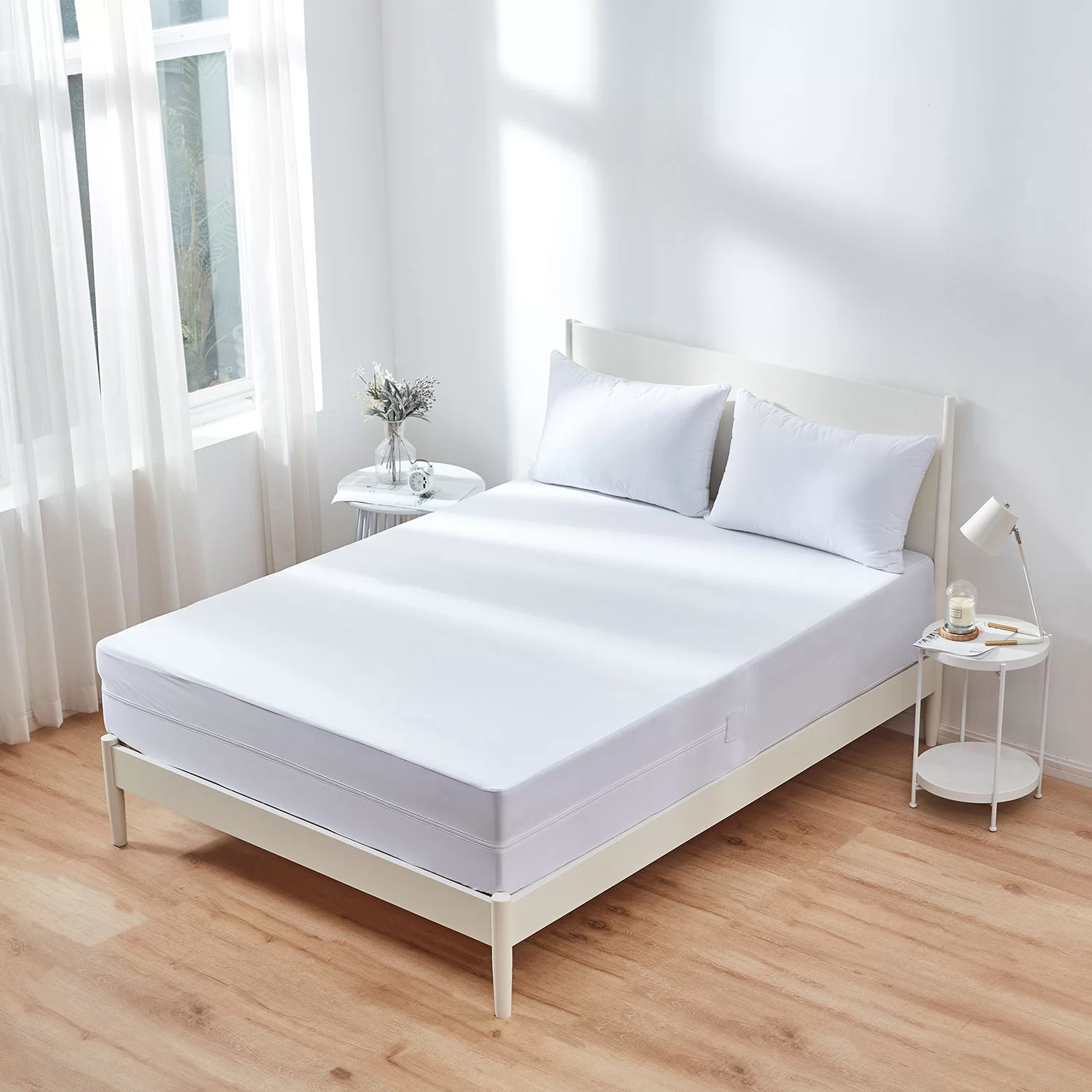
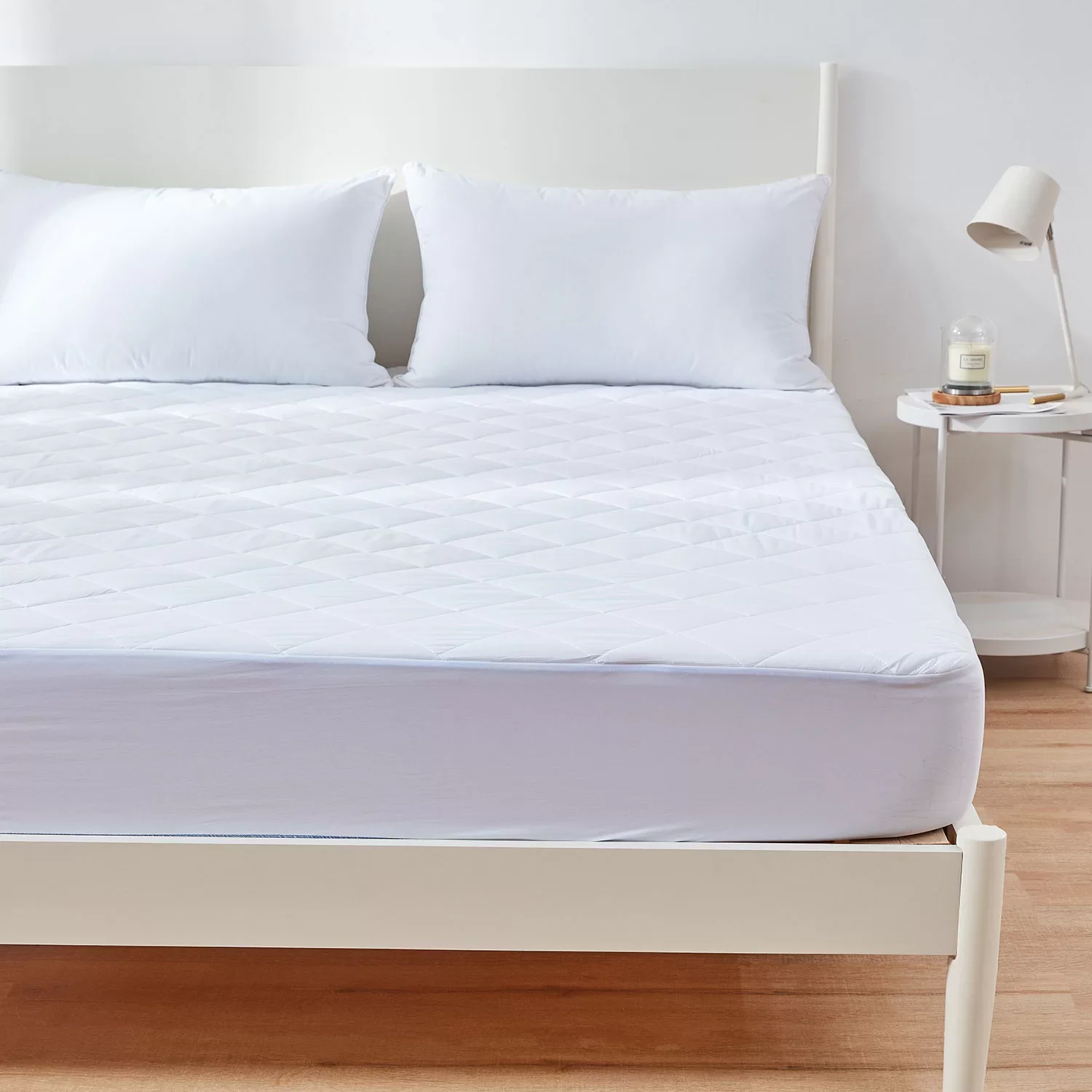
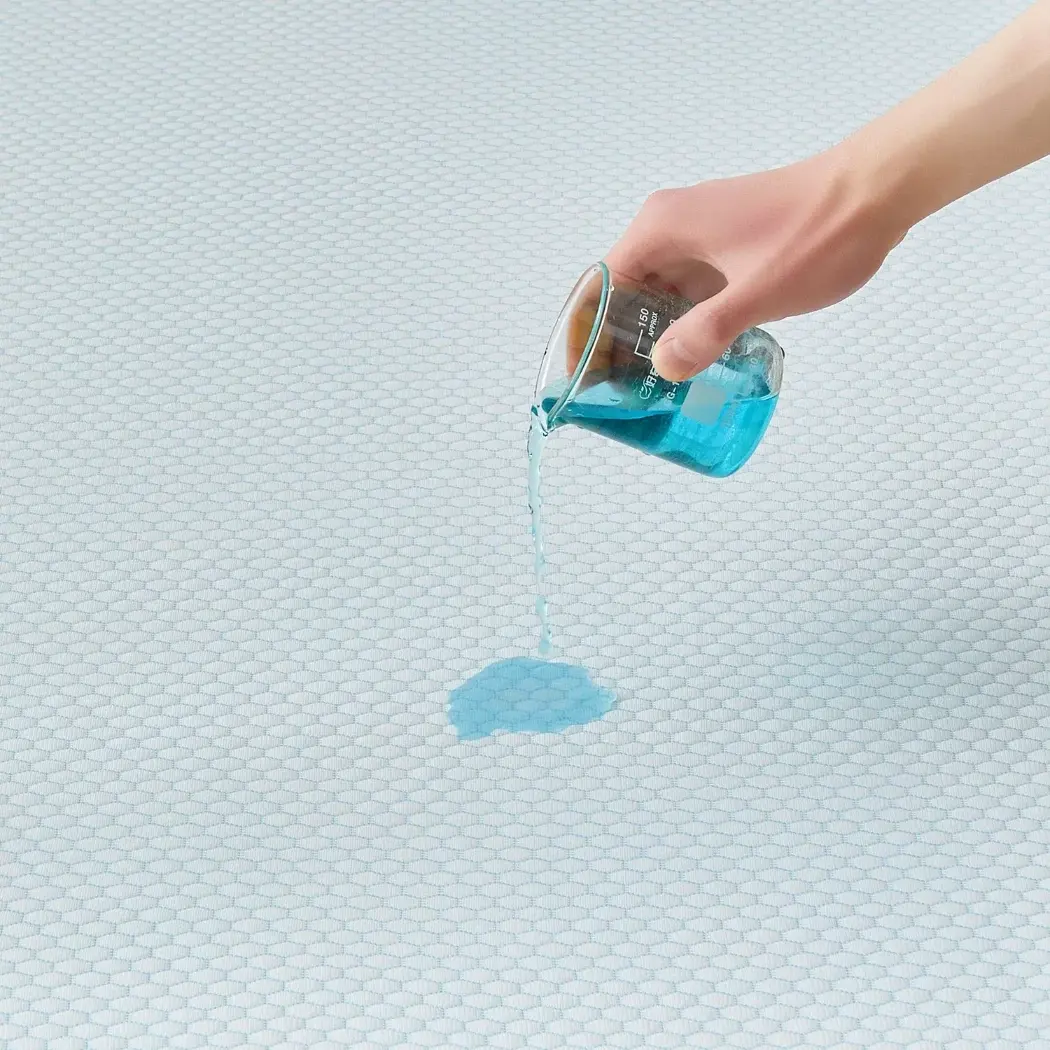
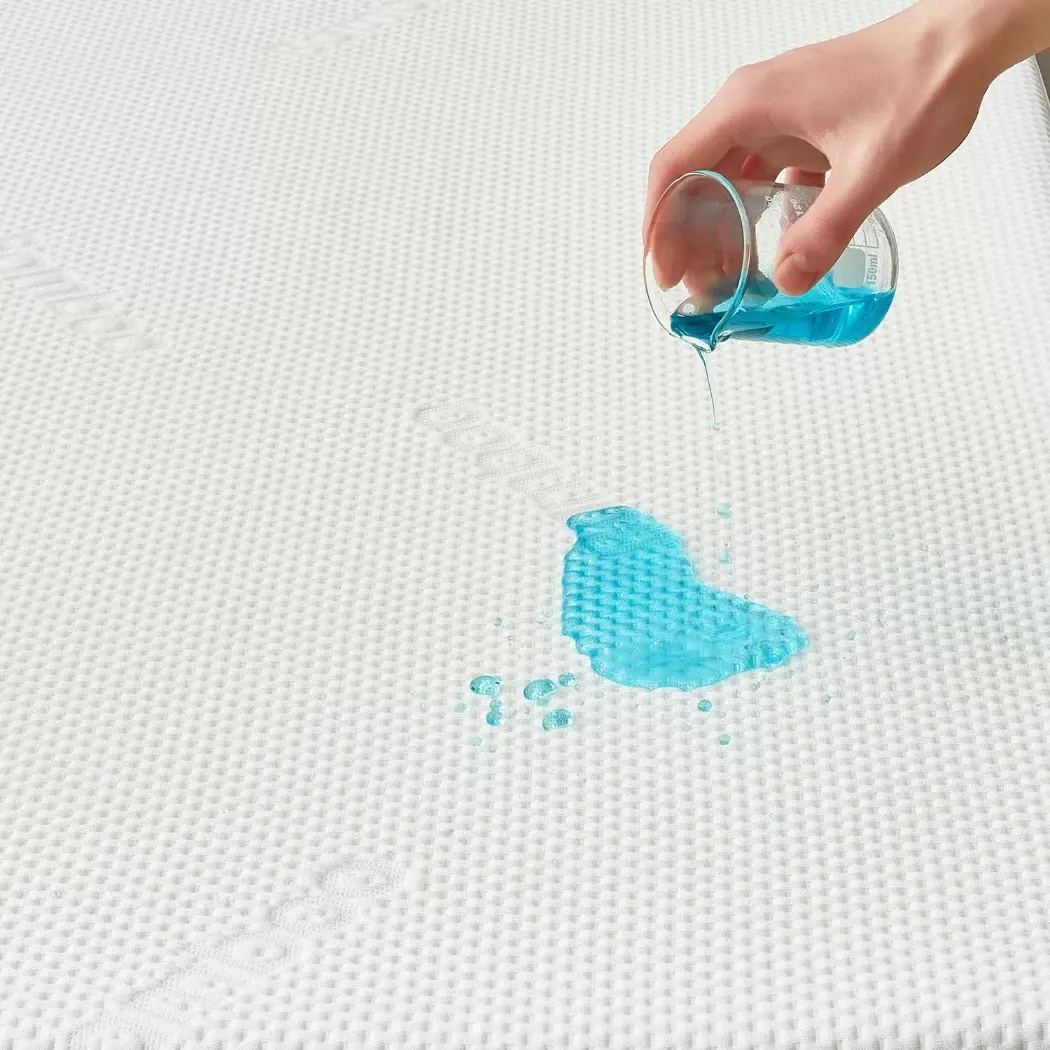
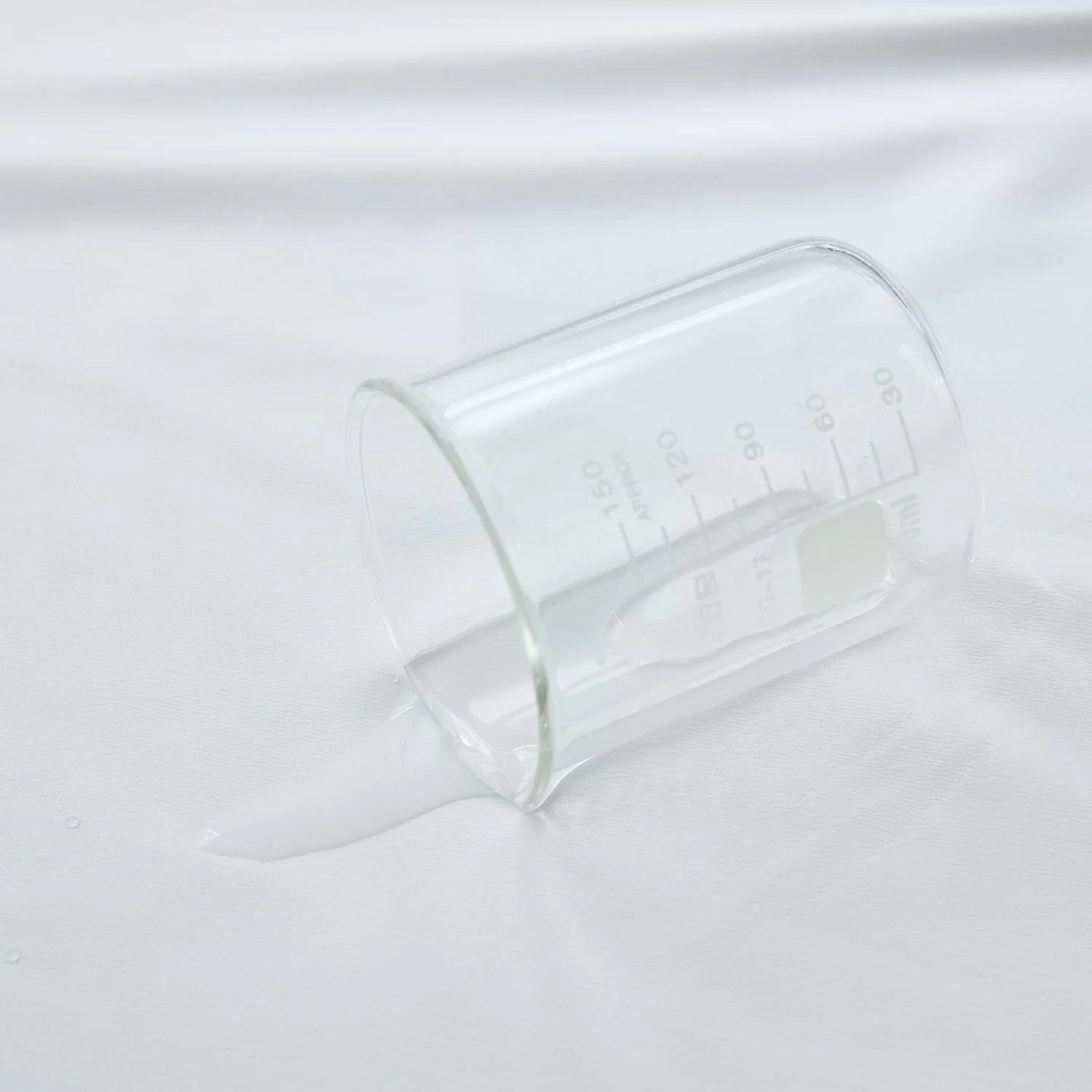
The application of hotel style bed linen extends far beyond luxury hotels. In the healthcare sector, specialized hospital linen utilizes the same high-thread-count principles but incorporates antimicrobial finishes and waterproof mattress protectors to ensure patient safety and hygiene while maintaining a level of comfort that aids in recovery.
Furthermore, in the boutique Airbnb and short-term rental market, owners are increasingly adopting professional linen standards to compete with established hotel chains. By using standardized, white, high-GSM sheets, hosts can communicate a sense of cleanliness and professionalism that significantly boosts their guest ratings and perceived value.
From a financial perspective, investing in premium hotel style bed linen is a strategy of "cost-per-use" rather than "initial purchase price." While high-grade linens have a higher upfront cost, their extended lifespan and resistance to wear-and-tear mean that the replacement frequency is significantly lower than that of budget alternatives.
Beyond the economics, there is an emotional value associated with luxury bedding. The psychological impact of sliding into crisp, clean sheets is a powerful trigger for relaxation and trust. For a hotel, this tactile experience is a tangible representation of their brand's commitment to quality and guest care.
Moreover, the shift toward organic cotton and Tencel blends in the professional linen space reflects a growing commitment to sustainability. By choosing biodegradable and ethically sourced fibers, the hospitality industry can reduce its environmental footprint without sacrificing the luxurious feel that guests demand.
The future of hotel style bed linen is being shaped by the integration of smart textiles and nanotechnology. We are seeing the development of moisture-wicking fabrics that can actively regulate body temperature, adapting to the sleeper's heat output to maintain a perfect microclimate throughout the night.
Automation in manufacturing is also allowing for more customized weave structures, enabling "hybrid" linens that combine the softness of sateen with the durability of percale in specific zones of the sheet. This targeted engineering ensures that the areas of highest friction (such as the center of the mattress) are reinforced for longer life.
Additionally, the adoption of circular economy principles is leading to "closed-loop" linen systems, where worn-out hotel linens are chemically recycled back into raw polyester or cotton fibers, creating a sustainable lifecycle that eliminates landfill waste.
| Material Type | Thread Count (TC) | Breathability Score | Industrial Wash Life |
|---|---|---|---|
| 100% Long-Staple Cotton | 400 - 600 | High (9/10) | Medium (150-200 washes) |
| CVC (Cotton-Poly Blend) | 200 - 400 | Medium (7/10) | Very High (300+ washes) |
| Egyptian Cotton Sateen | 600 - 1000 | Medium (6/10) | Medium (120-180 washes) |
| Percale Cotton | 200 - 400 | Very High (10/10) | High (200-250 washes) |
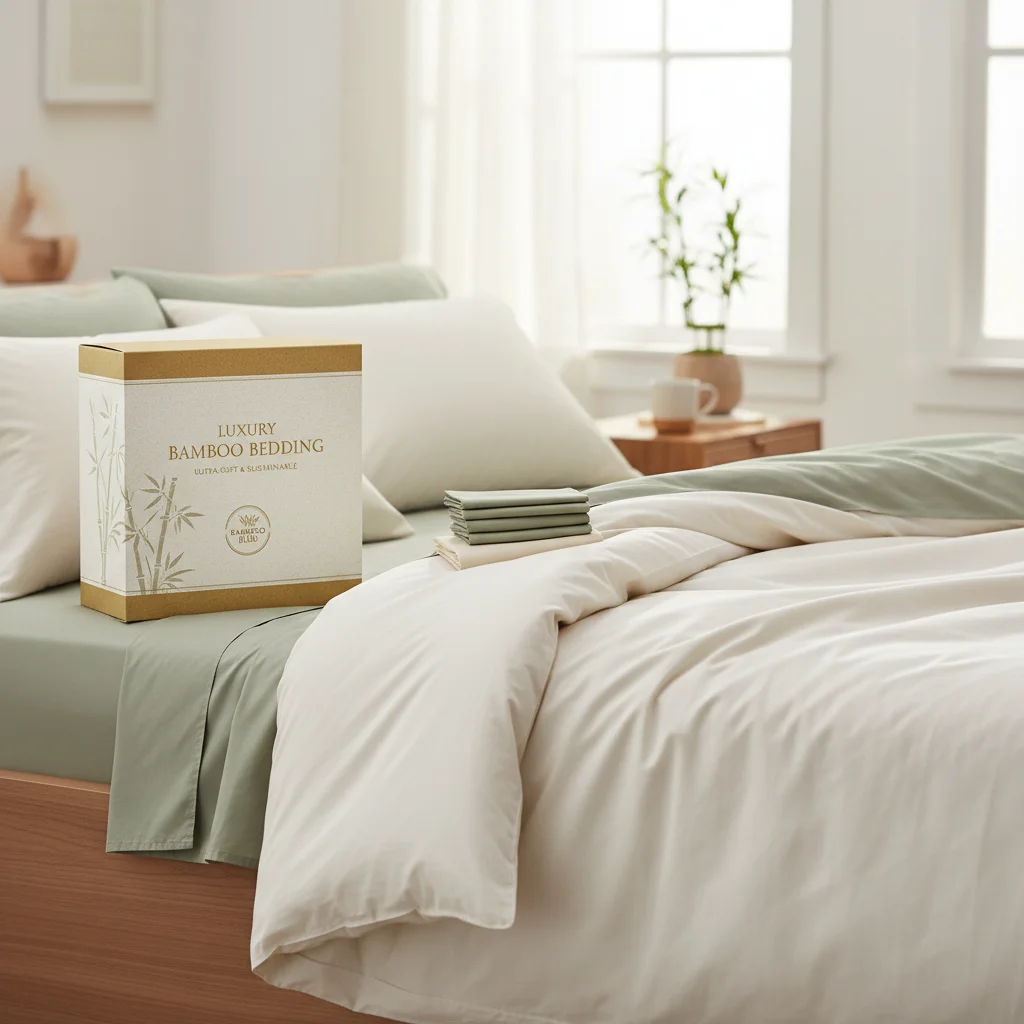
| Bamboo Lyocell Blend | 300 - 500 | High (8/10) | Low (100-150 washes) |
| Tencel Modal | 400 - 700 | High (9/10) | Medium (150-200 washes) |
Hotel style bed linen is engineered for industrial durability. It uses stronger yarns, specific weaves (like high-density percale), and undergoes mercerization and pre-shrinking to withstand high-temperature commercial washing and drying cycles without losing its shape or softness. While home linens focus on aesthetic variety, hotel linens prioritize consistency, longevity, and a specific "crisp" tactile feel.
Not necessarily. While a higher thread count generally means a denser fabric, going too high (above 800 TC) can actually reduce breathability, making the sheets feel heavy and hot. For most luxury hotels, a range of 300 to 600 TC is considered the "sweet spot," providing a perfect balance of smoothness, strength, and airflow for a comfortable night's sleep.
For hotter climates, Percale is the superior choice. Its "one-over, one-under" weave creates a more porous fabric that allows air to circulate more freely, keeping the sleeper cool. Sateen, while softer and more lustrous, has a denser weave that traps more heat, making it better suited for cooler environments or winter seasons.
Replacement cycles vary by material, but typically, high-quality cotton linens are rotated every 12 to 18 months. However, many hotels use a "rotation system" where older linens are moved from high-traffic luxury suites to lower-tier rooms or used as cleaning rags, ensuring that the guest-facing product always maintains a 5-star standard.
They offer a different kind of comfort. While 100% cotton is more breathable and natural, Poly-Cotton blends are significantly more resistant to wrinkles and shrinking. In many mid-range hotels, these blends are preferred because they look "pressed" and crisp for longer, reducing the time needed for ironing while still offering a soft feel.
The secret to that crisp feel is a combination of high-heat ironing and the use of a light starch. Washing with a mild detergent and avoiding fabric softeners (which can coat fibers and reduce breathability) helps. Most importantly, ironing the sheets while they are still slightly damp allows you to achieve those sharp, professional creases characteristic of luxury hotels.
In summary, hotel style bed linen is not merely a product but a carefully engineered textile solution that balances the opposing needs of extreme durability and luxurious comfort. From the technical precision of the thread count to the strategic selection of weaves like sateen and percale, these linens play a pivotal role in defining the quality of sleep and the overall brand perception in the hospitality and healthcare industries.
As we move toward a future of smart textiles and sustainable production, the evolution of bedding will continue to prioritize both the human experience and environmental responsibility. Whether you are a hotelier aiming to elevate your guest experience or a homeowner seeking the ultimate sleep sanctuary, investing in professional-grade linens is a commitment to long-term value and well-being. Visit our website: www.infortextile.com
Contact Us
Email: inforhometextile@126.com
Email: helenkou@126.com
Address
Zerun Building,No.122 Fengshou Road,Chang'an District,Shijiazhuang City,Hebei Province,China
If you are interested in our products, you can choose to leave your information here, and we will be in touch with you shortly.