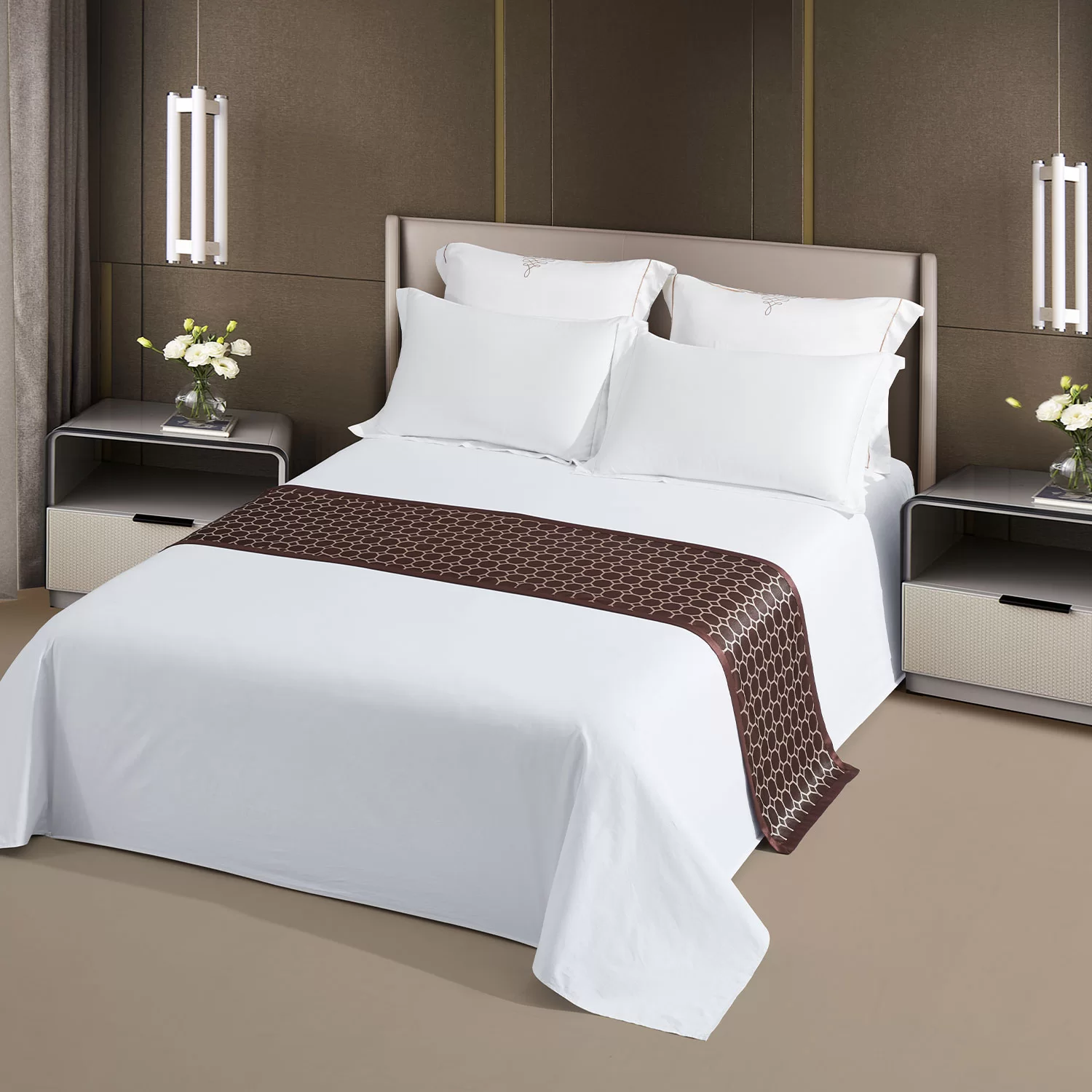
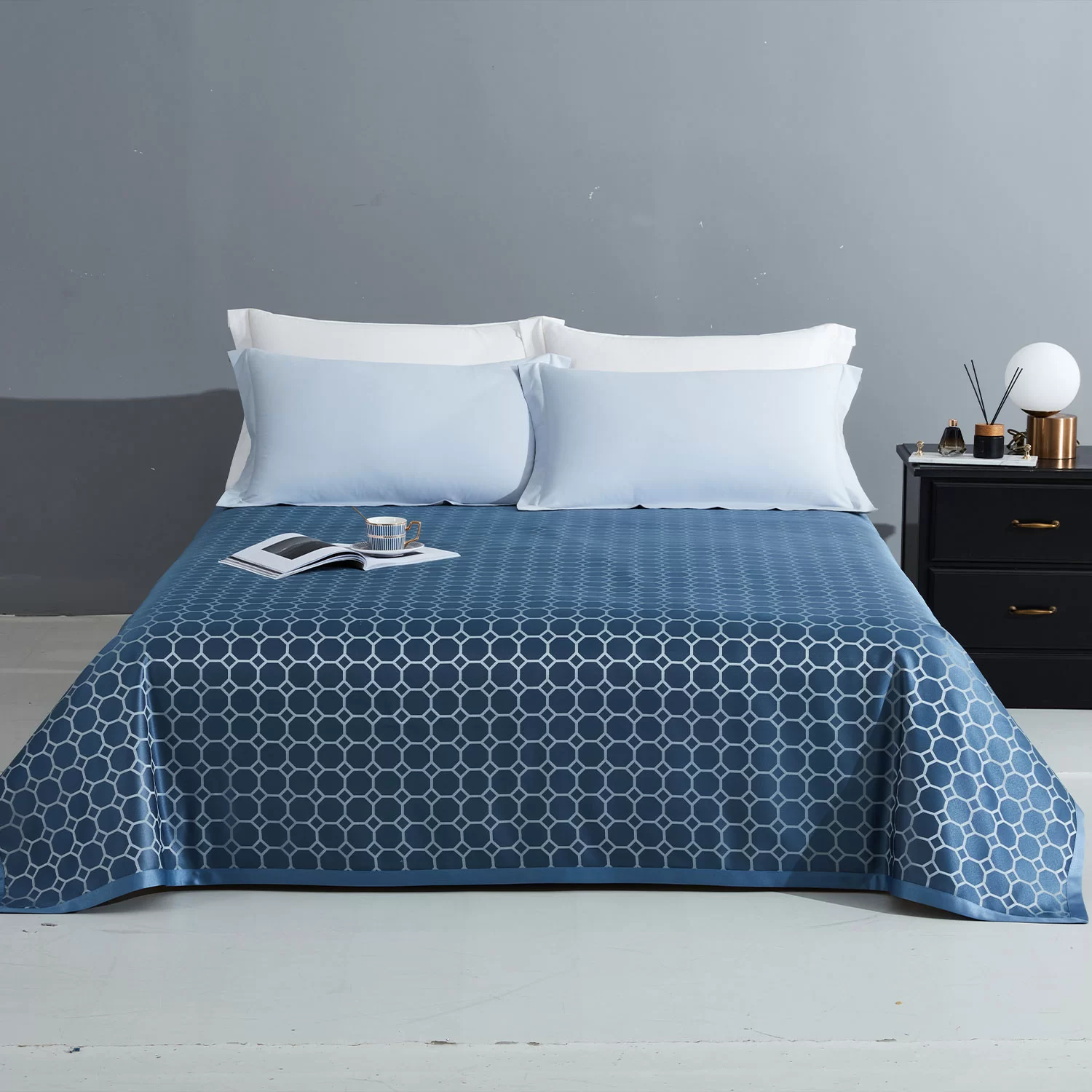
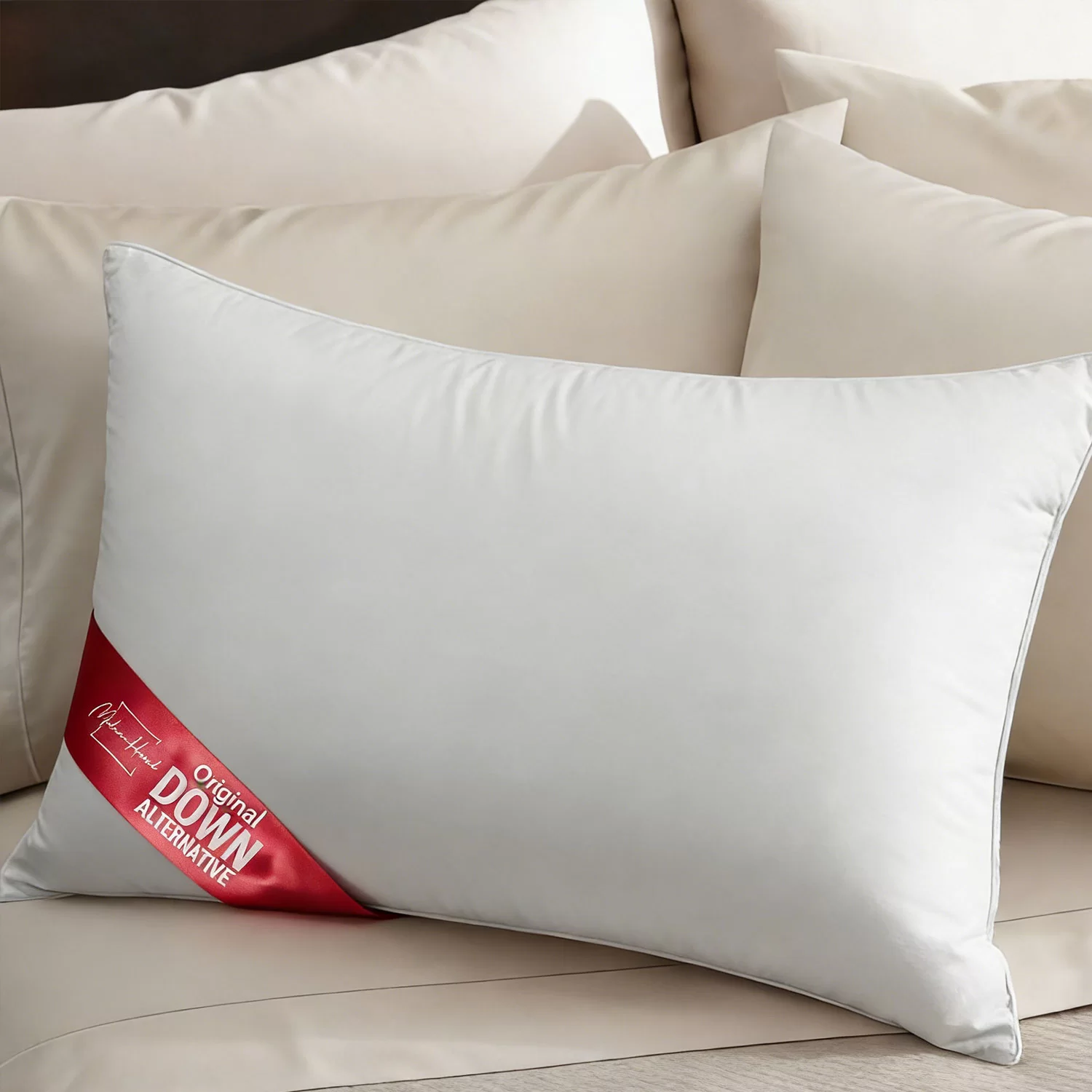
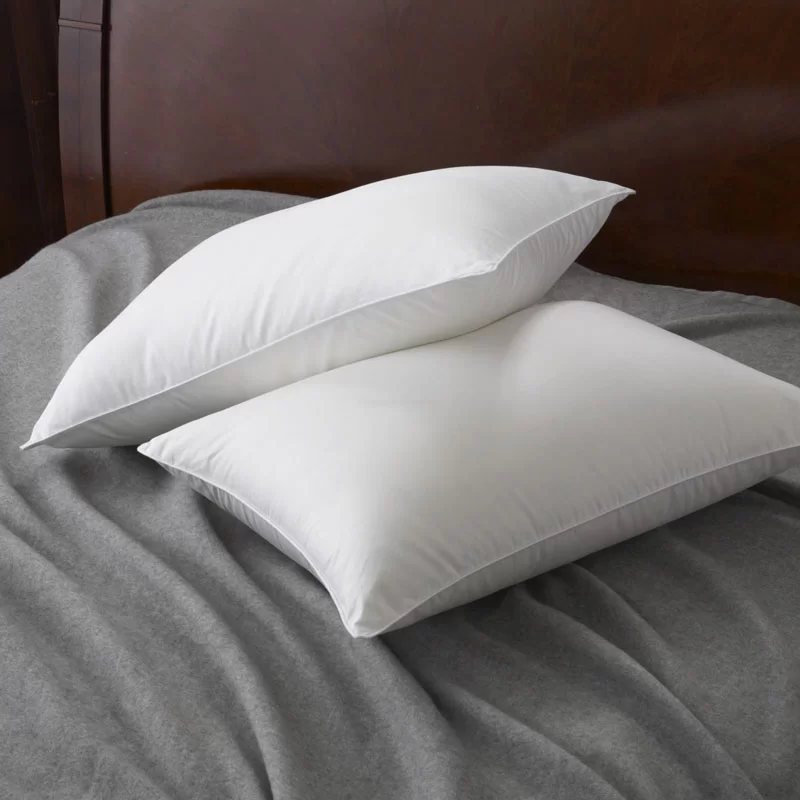
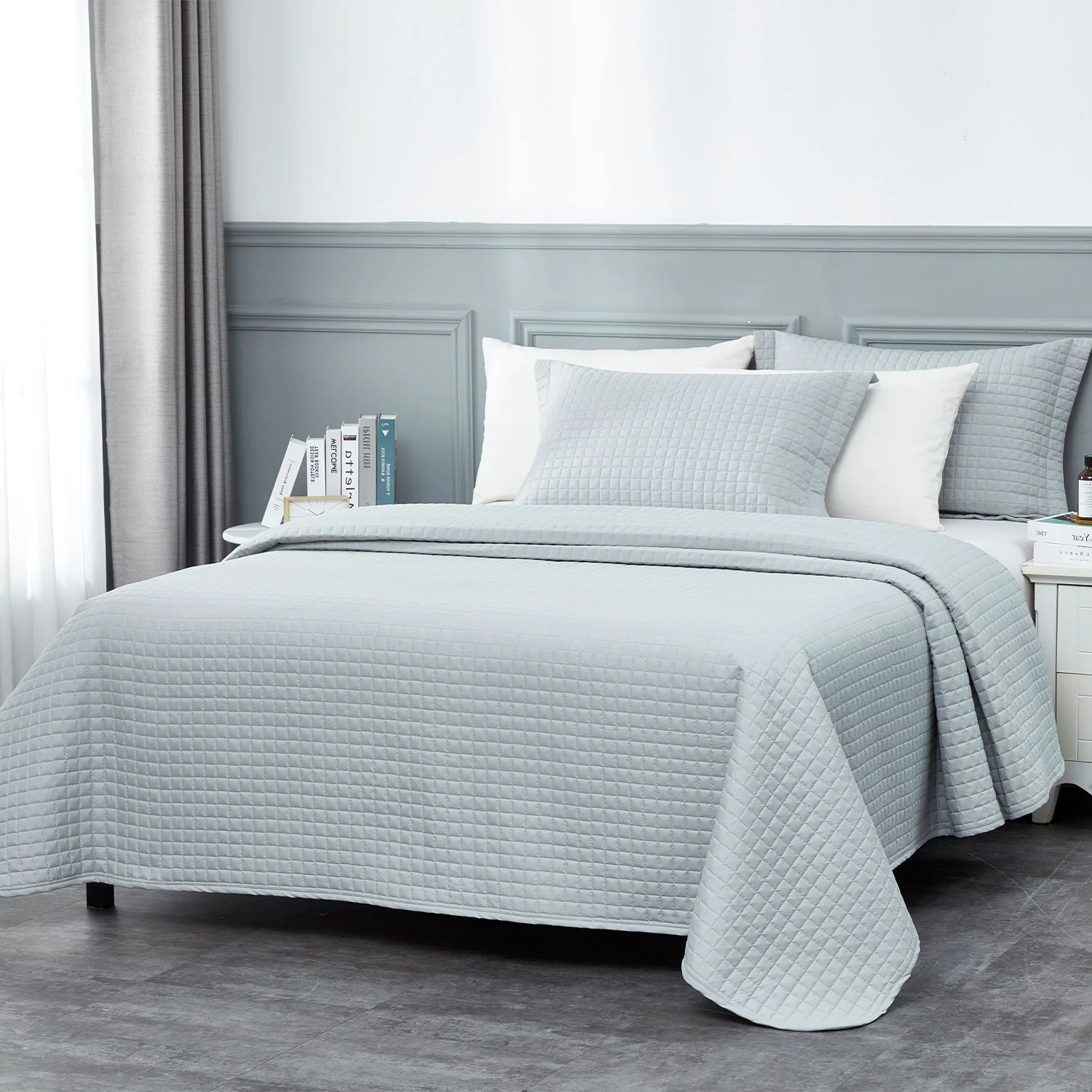
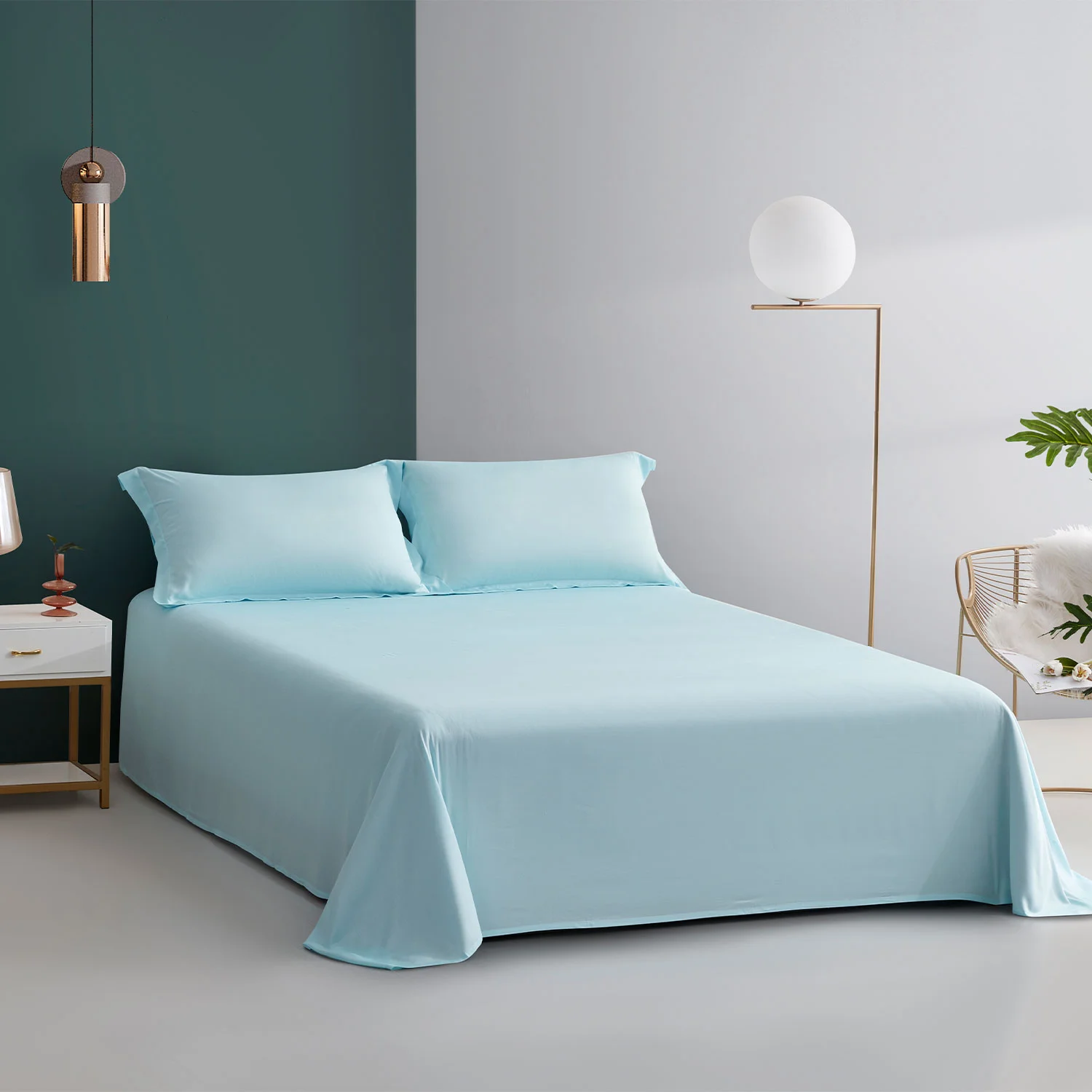
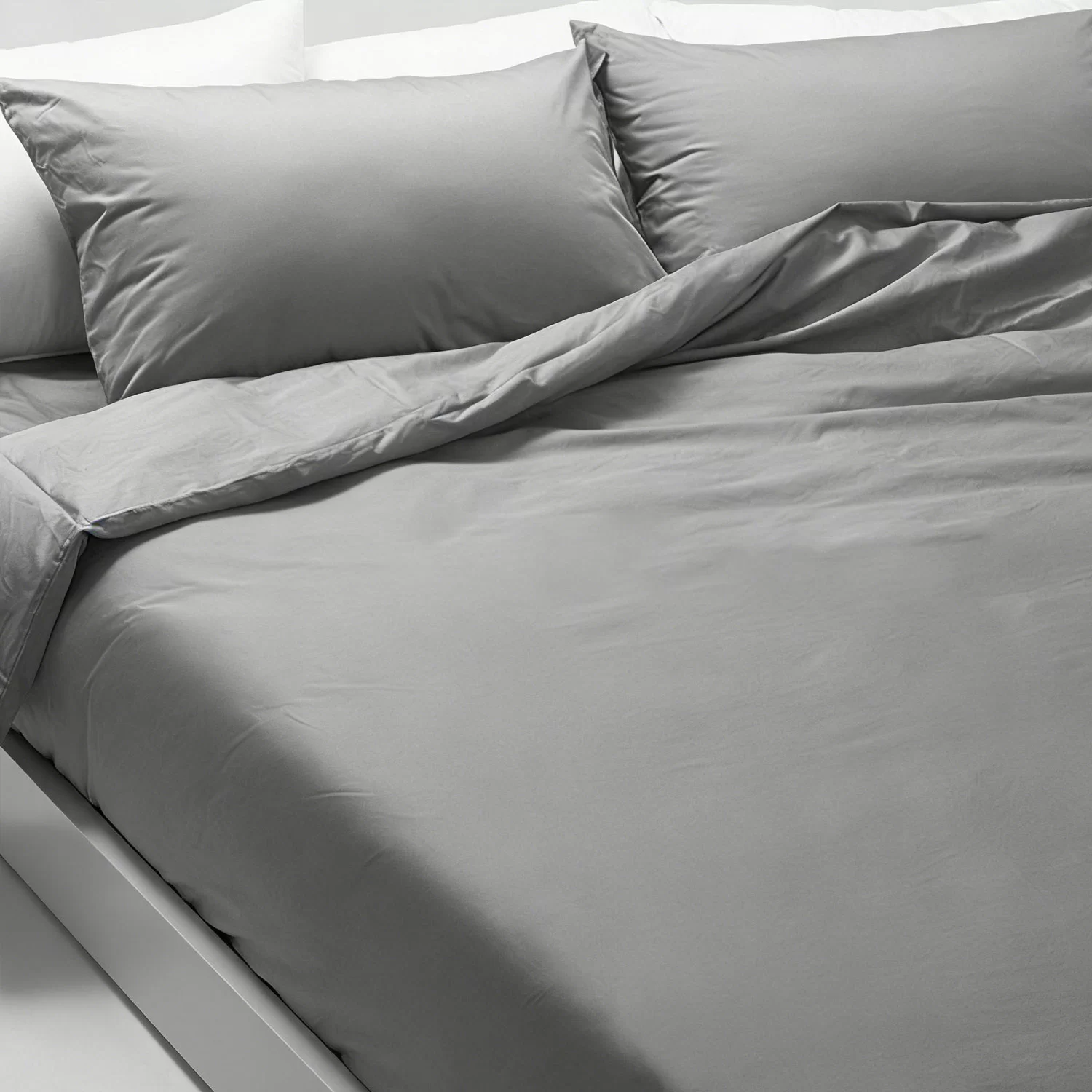
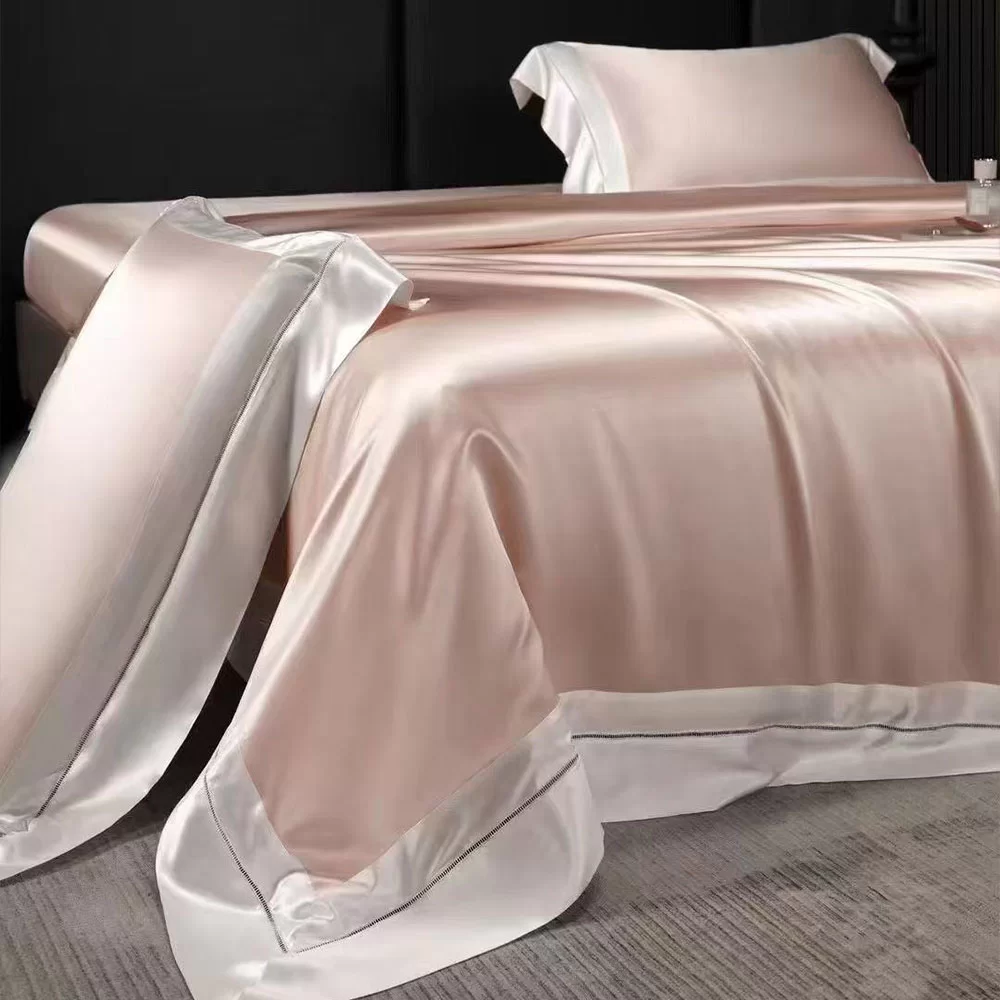
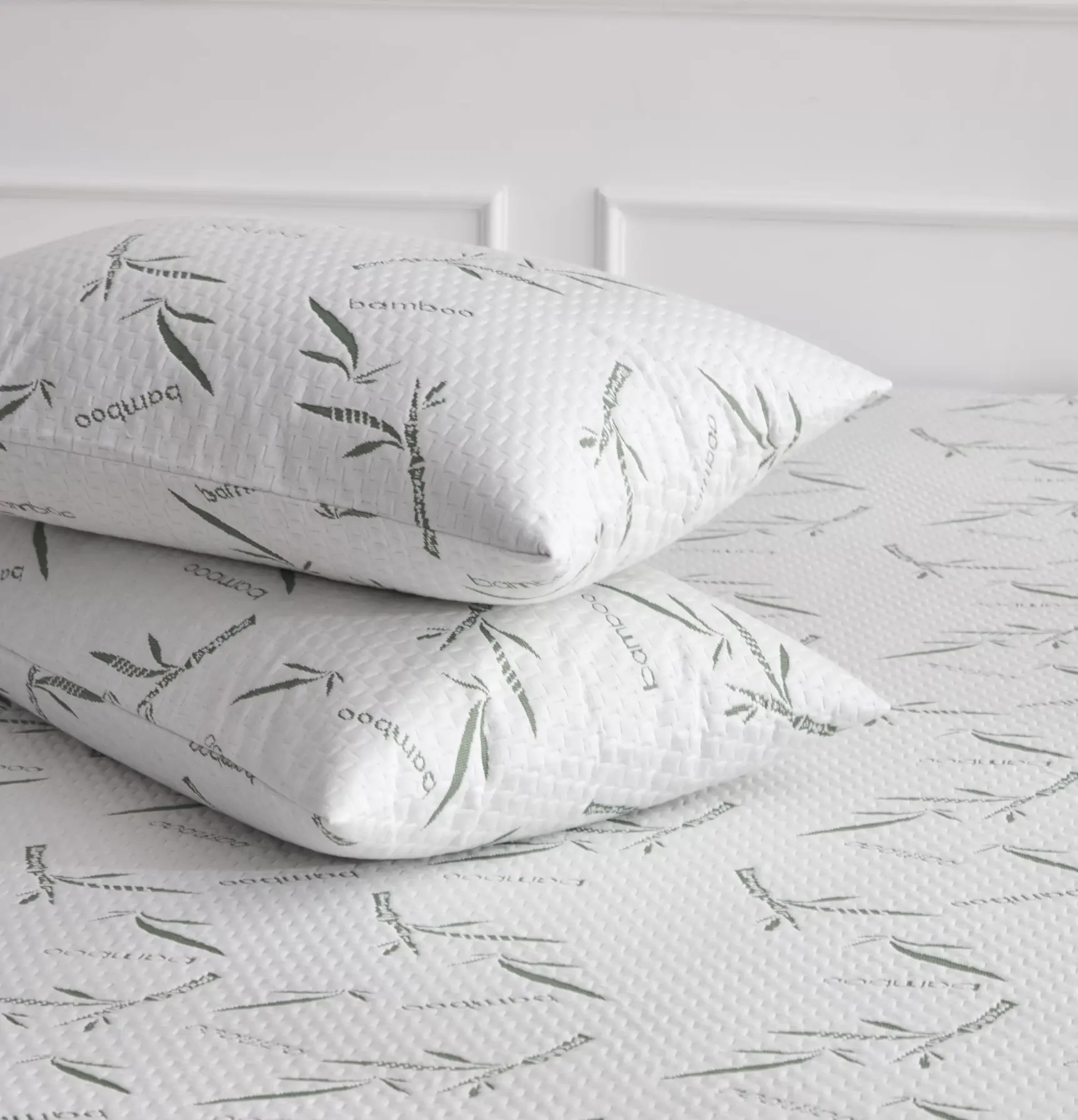
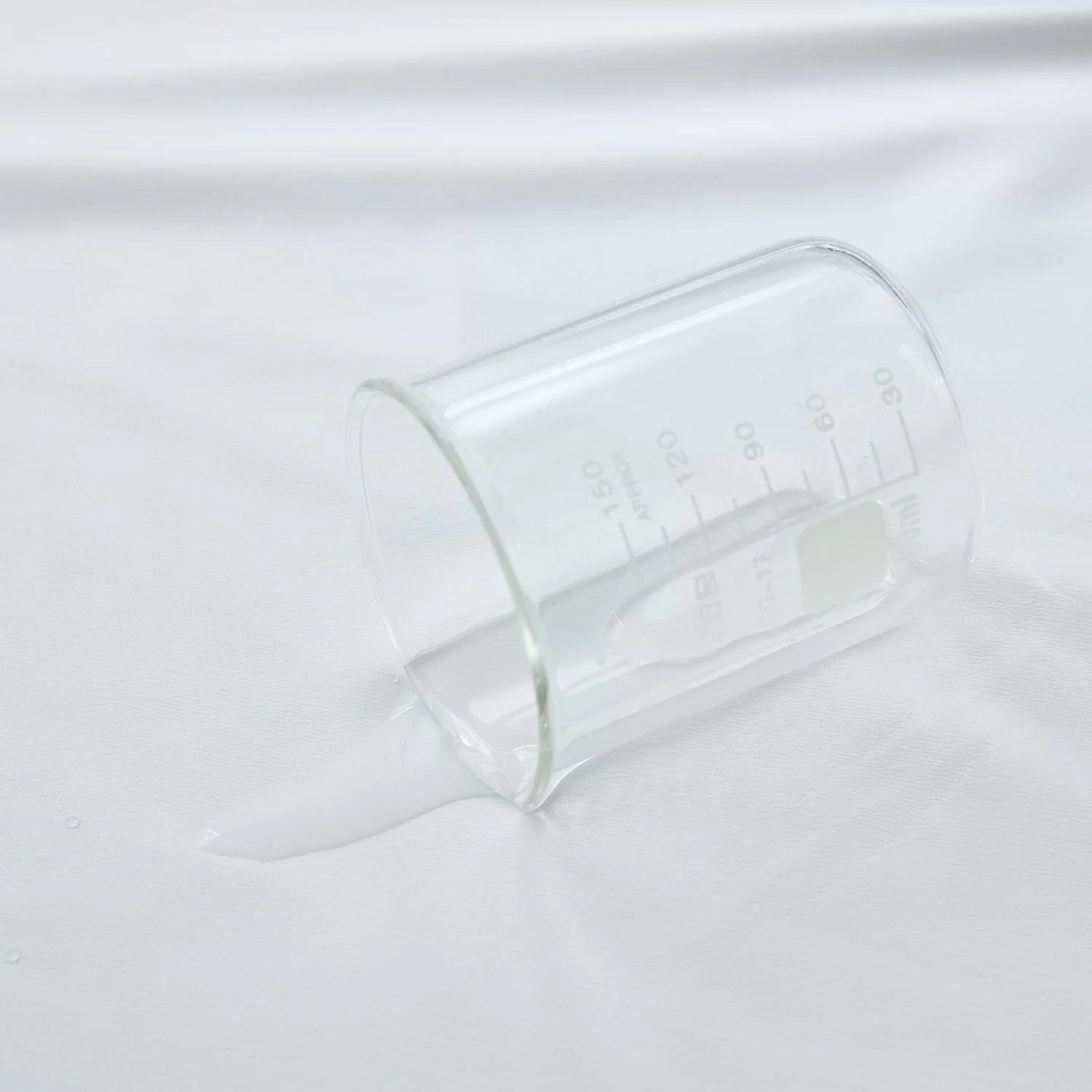
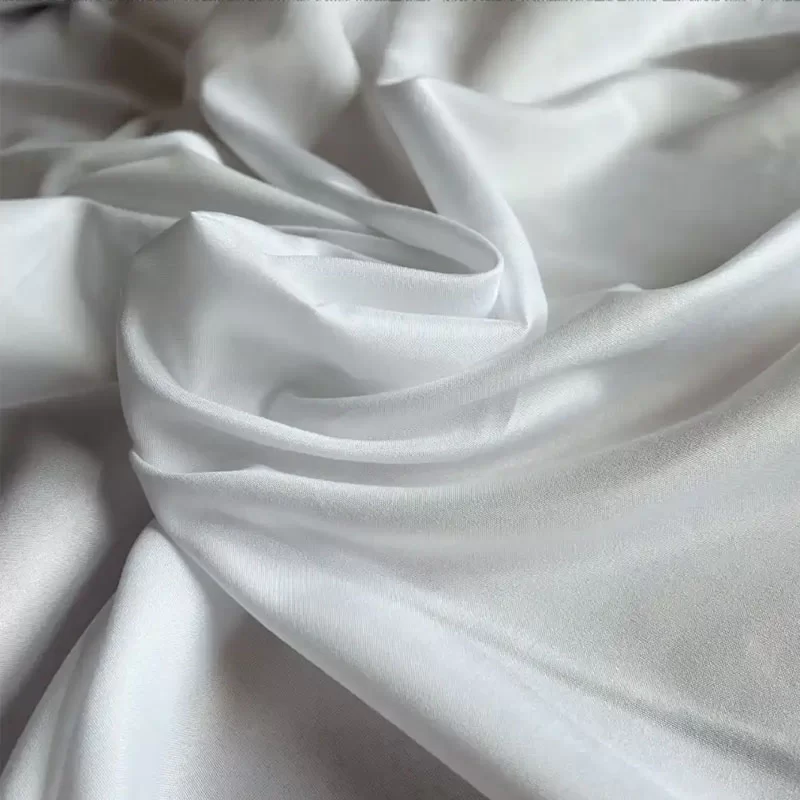
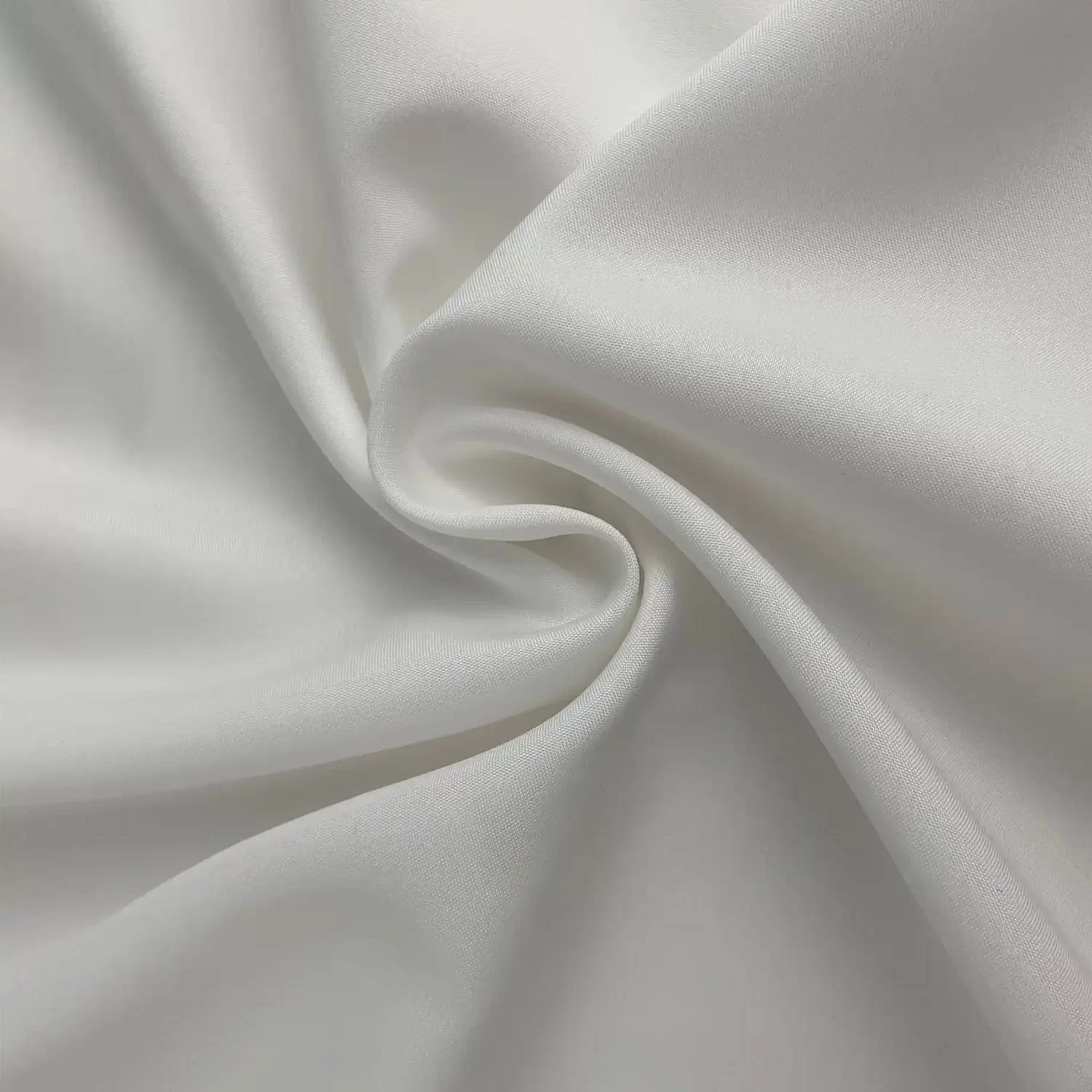
Bamboo silk sheets are rapidly gaining recognition as a premium bedding option, lauded for their exceptional softness, breathability, and eco-friendly production. Beyond the luxurious feel, these sheets offer a sustainable alternative to traditional cotton, minimizing environmental impact while providing a superior sleep experience. Understanding the properties and benefits of bamboo silk sheets is becoming increasingly important for consumers seeking both comfort and conscious consumption.
The global textile industry is undergoing a significant shift towards sustainable materials, driven by growing consumer awareness and stricter environmental regulations. Bamboo silk sheets perfectly align with this trend, offering a renewable and biodegradable alternative to resource-intensive fabrics like conventional cotton. This demand is reflected in a rising market value, projected to reach significant growth in the coming years, according to reports from organizations like the Textile Exchange.
The rising demand for eco-friendly products, coupled with increased disposable income in emerging markets, fuels the growth of the bamboo silk sheets sector. However, challenges remain in maintaining consistent quality and combating misleading “bamboo” labeling (often referring to rayon made from bamboo, which has a different production process). Understanding these nuances is crucial for both consumers and manufacturers navigating this evolving market.
Introduction to Bamboo Silk Sheets
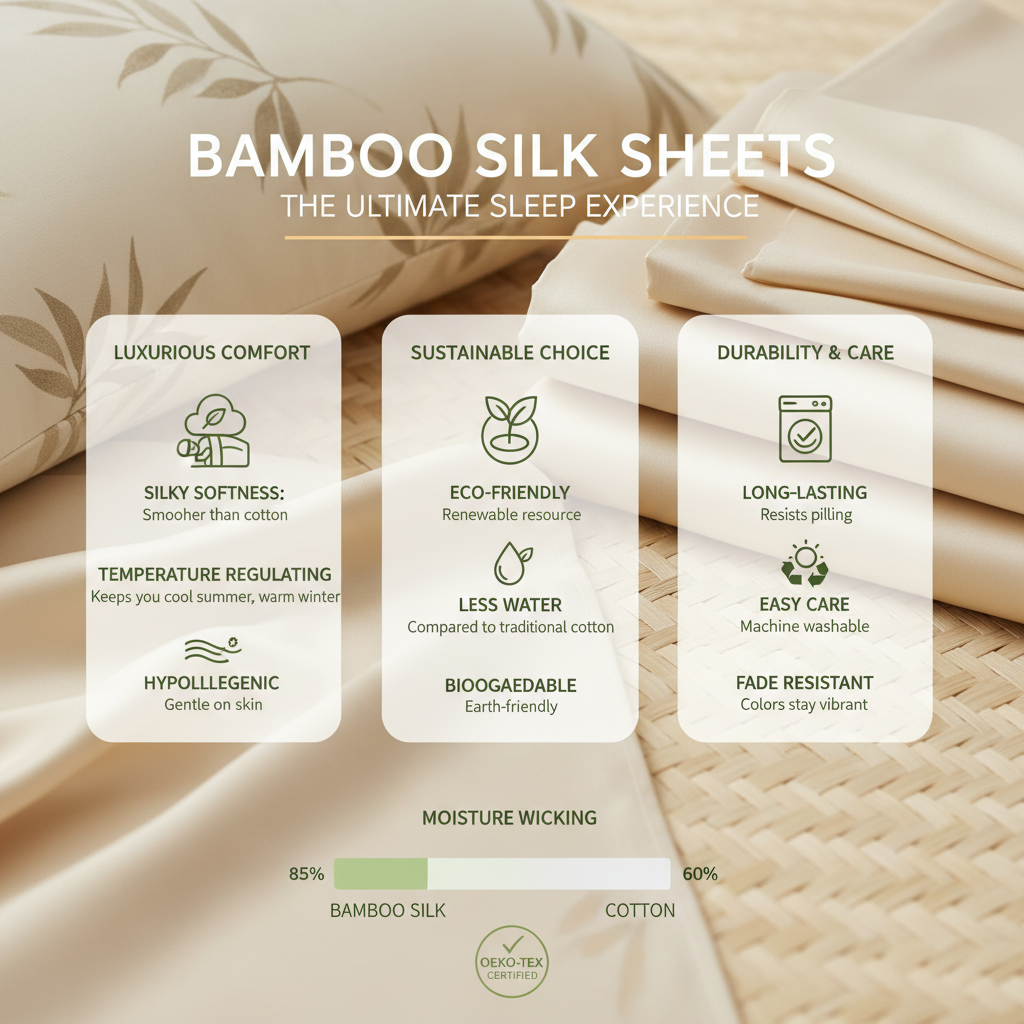
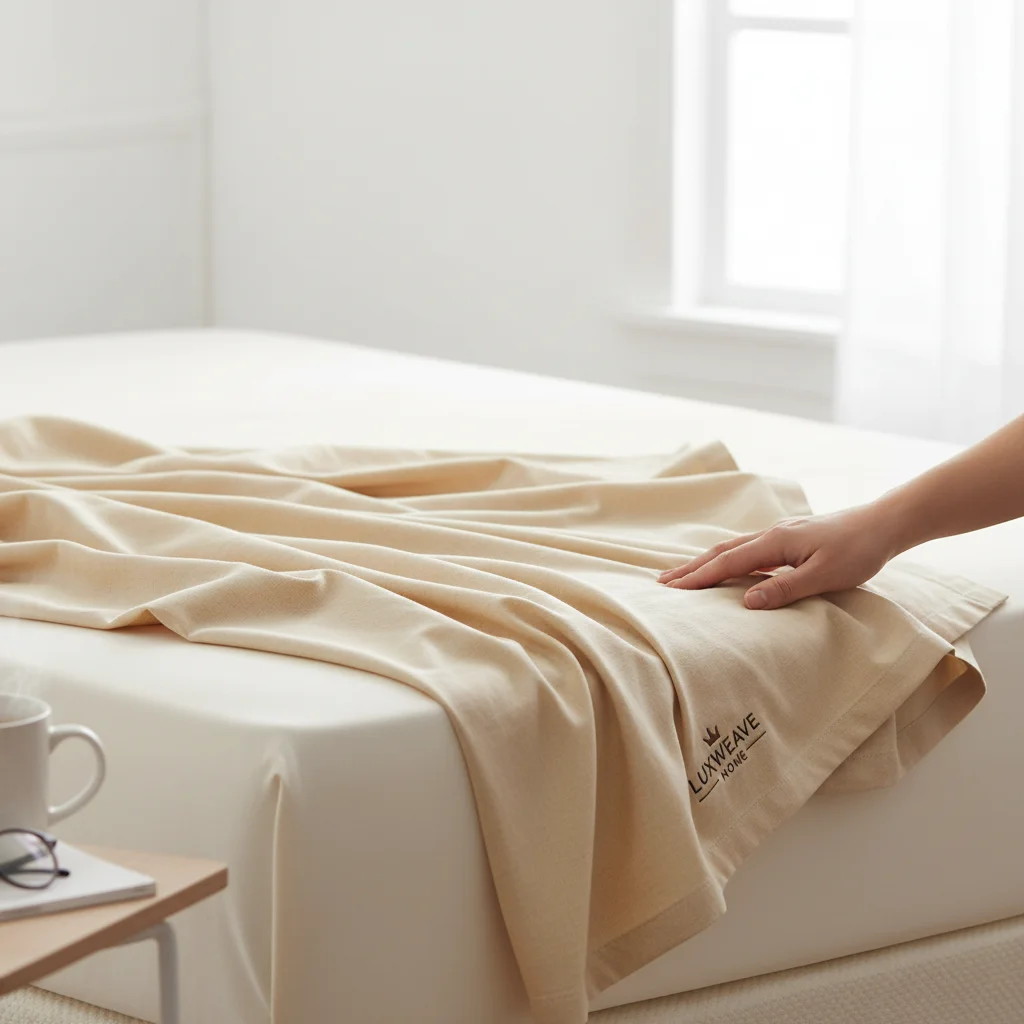
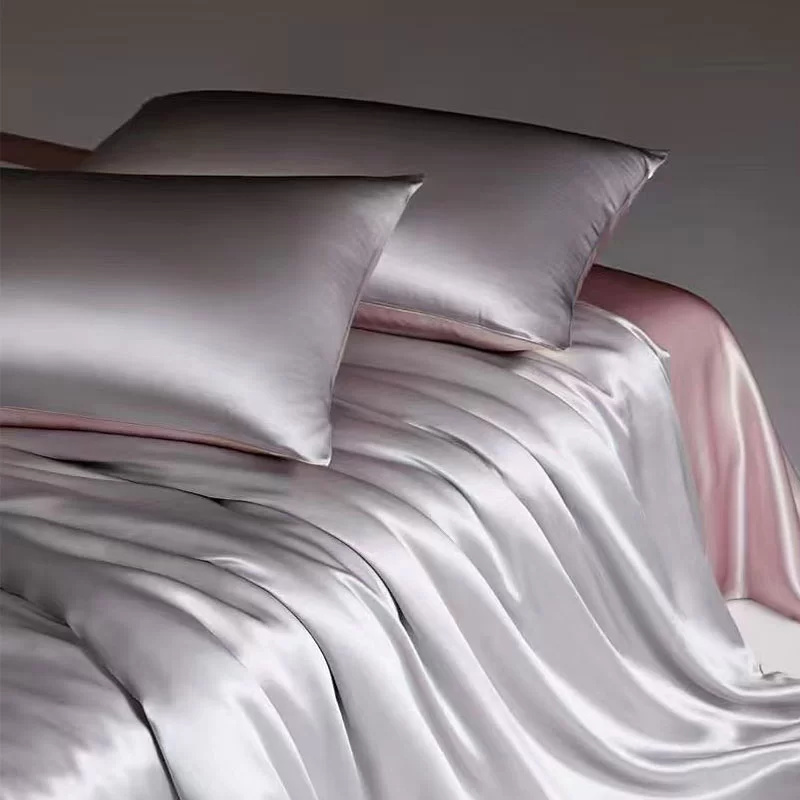
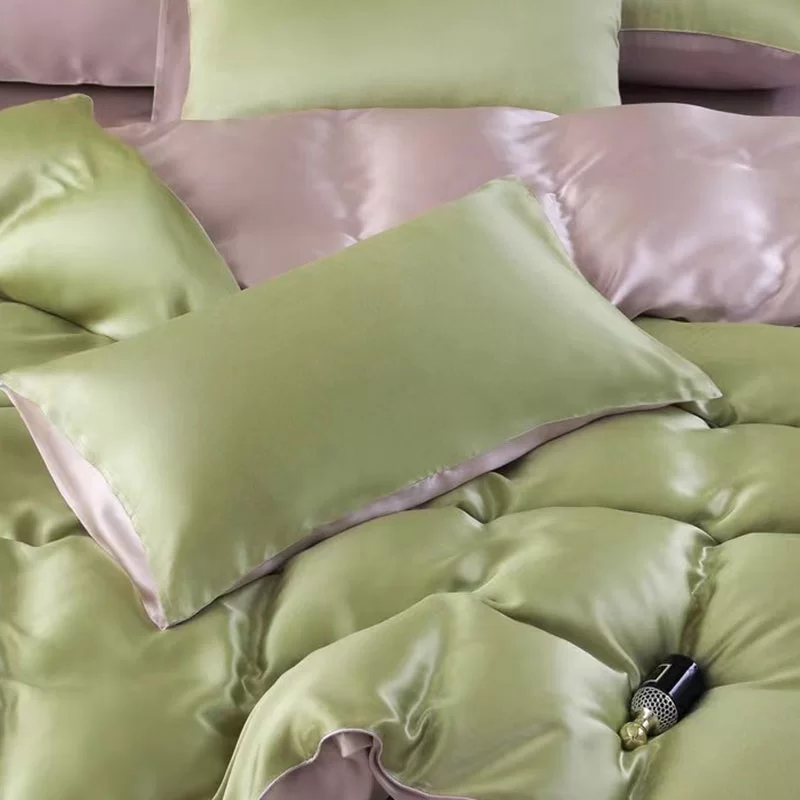
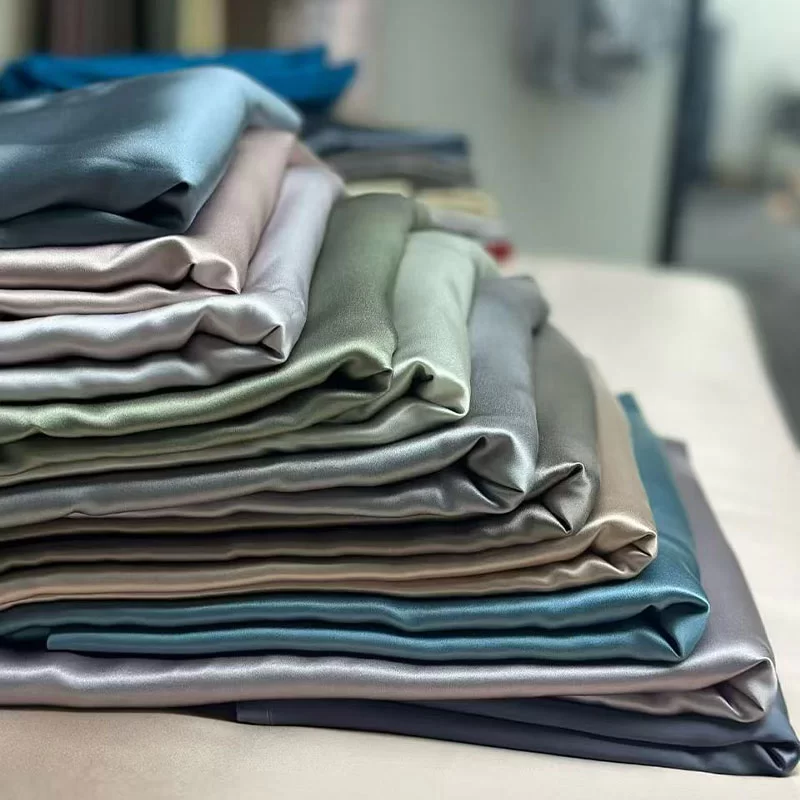
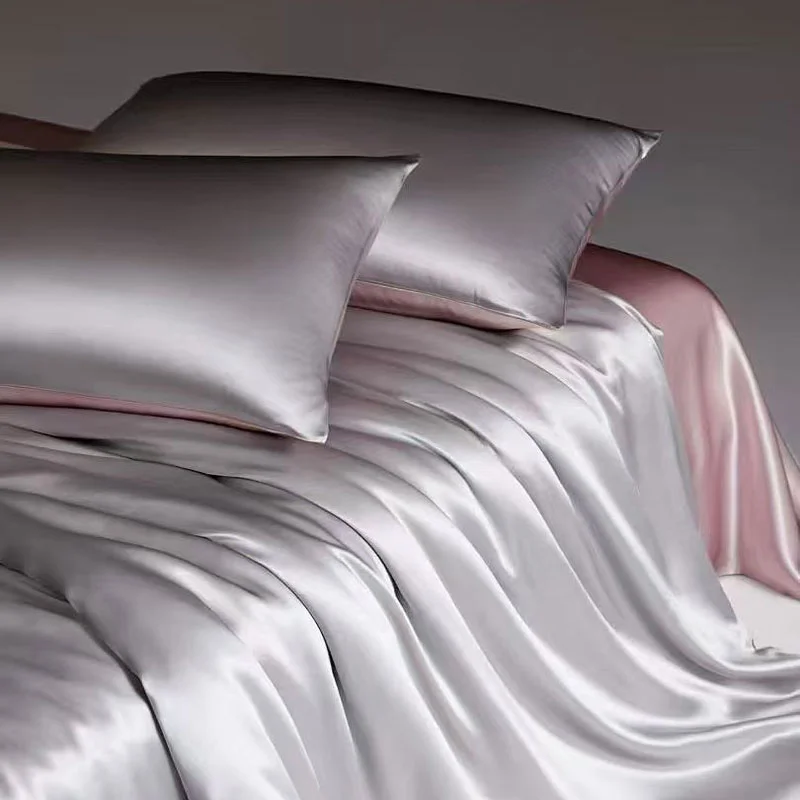
Bamboo silk sheets are quickly becoming synonymous with luxurious comfort and sustainable living. Their unique fiber structure delivers an incredibly soft and smooth texture, often compared to silk, while simultaneously offering excellent breathability and moisture-wicking properties. This makes them ideal for year-round comfort, keeping you cool in the summer and warm in the winter.
The production of bamboo silk sheets generally involves a closed-loop process, minimizing waste and reducing the environmental impact compared to traditional cotton farming. Furthermore, bamboo is a remarkably renewable resource, growing quickly and requiring minimal pesticides or fertilizers. This combination of comfort, sustainability, and ethical production makes bamboo silk sheets an increasingly attractive option for discerning consumers.
Defining Bamboo Silk Sheets
Bamboo silk sheets aren't made from traditional silk; rather, they are crafted from incredibly fine fibers derived from the bamboo plant. Specifically, they are commonly made using the Lyocell process, where bamboo pulp is dissolved and then extruded into fibers. This process creates a fabric that mimics the softness and drape of silk, but with the added benefits of bamboo’s inherent properties. It's important to distinguish this from 'bamboo rayon,' which involves a more chemically intensive process.
The connection to modern industry lies in the growing demand for sustainable textile solutions. Manufacturers are actively seeking alternatives to conventional cotton, which requires significant water and pesticide use. Bamboo silk sheets address this need by offering a rapidly renewable and environmentally friendly option. This is increasingly important as consumers prioritize ethical and sustainable brands.
Bamboo silk sheets support humanitarian needs by promoting environmentally responsible production practices, reducing the chemical load on ecosystems, and supporting farmers who adopt sustainable agriculture. The fabric itself is hypoallergenic and gentle on sensitive skin, making it beneficial for individuals with allergies or skin conditions.
Key Properties of Bamboo Silk Sheets
Bamboo silk sheets possess a unique set of characteristics that set them apart from other bedding materials. Primarily, they are incredibly soft to the touch, often described as having a luxurious, silky feel. This softness is due to the smooth, rounded fibers of bamboo, which minimize friction against the skin. These sheets also boast exceptional breathability, allowing air to circulate freely and preventing overheating during sleep.
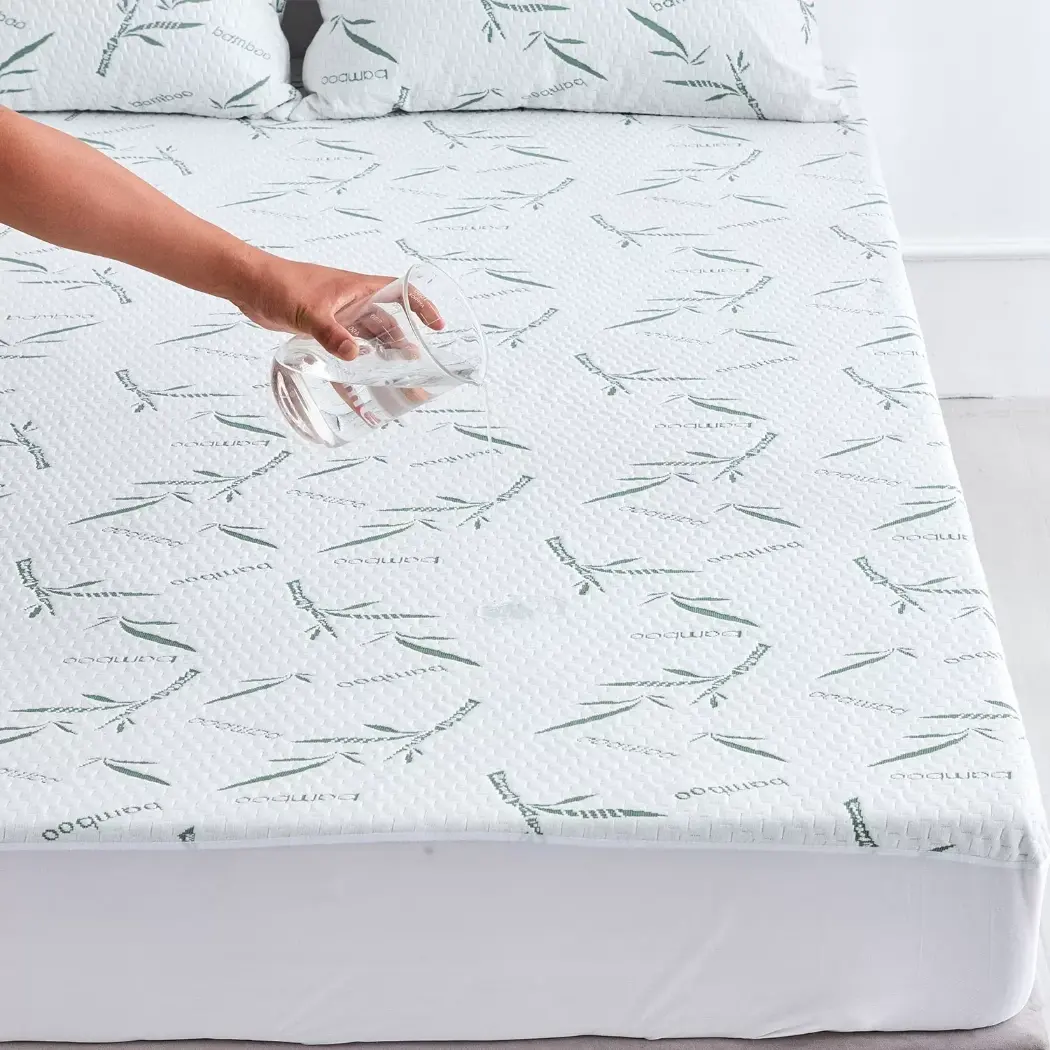
Another crucial property is their excellent moisture-wicking ability. Bamboo fibers can absorb and evaporate moisture more effectively than cotton, keeping you dry and comfortable throughout the night. This is particularly beneficial for people who tend to sweat during sleep or live in humid climates. Furthermore, bamboo silk sheets are naturally hypoallergenic, resisting dust mites and other allergens, making them ideal for allergy sufferers.
Finally, bamboo silk sheets demonstrate good thermal regulation. They can help maintain a comfortable body temperature, keeping you cool in the summer and warm in the winter. This versatility makes them a practical and comfortable choice for all seasons. Their inherent antimicrobial properties contribute to a fresher and more hygienic sleep environment.
Durability and Longevity
Contrary to some misconceptions, bamboo silk sheets can be surprisingly durable when cared for properly. While they may not possess the same ruggedness as some heavier cotton weaves, their tensile strength is comparable, and they resist pilling and tearing with regular use. The key to longevity lies in following the manufacturer’s care instructions, which typically involve gentle washing and low-heat drying.
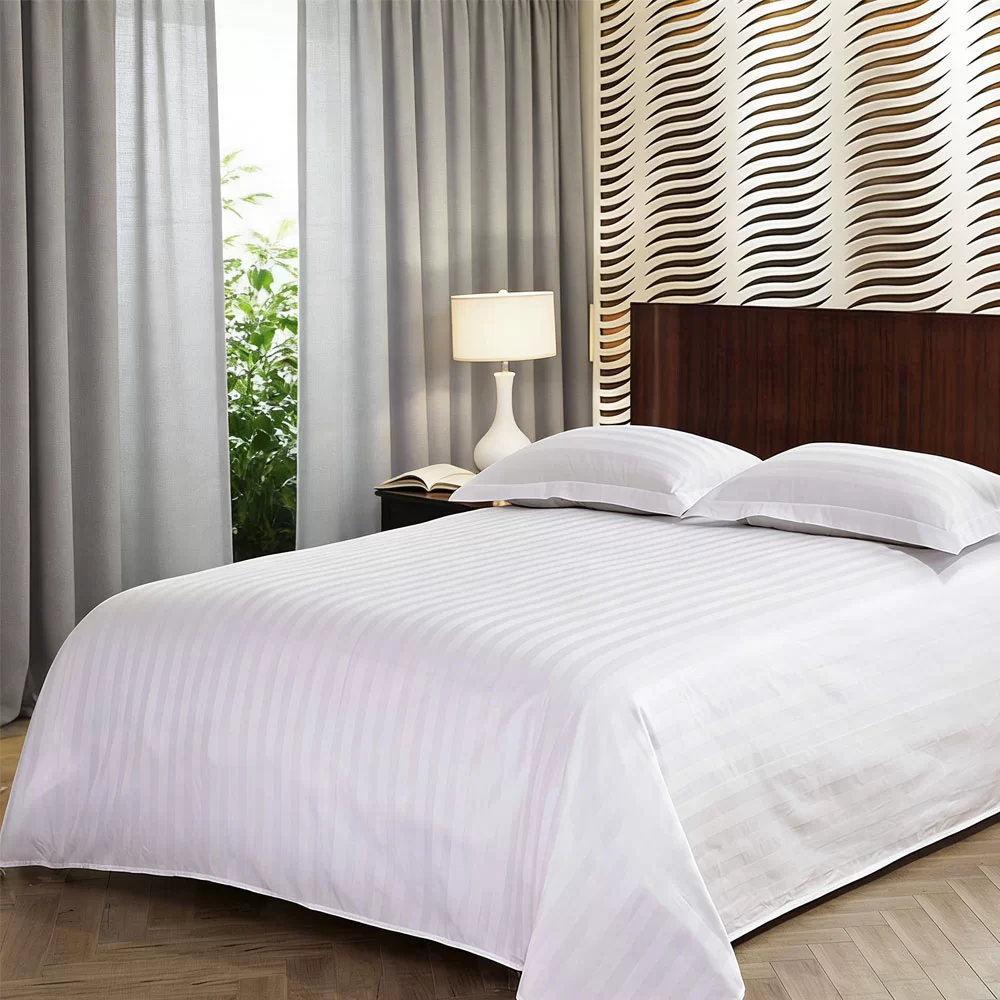
To assess durability, consider the weave. A tighter weave, such as a sateen weave, generally provides increased strength and resistance to wear. However, a percale weave, while lighter, offers excellent breathability and a crisp, cool feel. Understanding these differences allows consumers to choose sheets that best suit their needs and preferences.
Durability Comparisons: Bamboo Silk Sheet Weaves
Global Applications and Market Reach
The market for bamboo silk sheets is experiencing robust growth globally, with significant demand originating from North America, Europe, and increasingly, Asia-Pacific. These sheets are sold through a variety of channels, including online retailers, department stores, and specialty bedding shops. Direct-to-consumer brands focusing on sustainability are also gaining traction.
In the hospitality industry, luxury hotels are incorporating bamboo silk sheets into their room offerings to provide guests with a premium sleep experience and to align with sustainability initiatives. The health and wellness sector also utilizes these sheets in spas and therapeutic settings, recognizing their hypoallergenic and soothing properties.
Expanding access to bamboo silk sheets in developing nations can promote sustainable textile production and create economic opportunities for local communities. Collaborations between international organizations and local producers can facilitate the adoption of environmentally responsible manufacturing practices and ensure fair labor standards.
Advantages & Sustainable Value
The advantages of bamboo silk sheets extend beyond mere comfort. They represent a sustainable choice, reducing the environmental burden associated with traditional cotton production. Bamboo requires significantly less water and pesticides, contributing to healthier ecosystems and conserving precious resources. The biodegradable nature of the fibers further minimizes environmental impact at the end of the product’s life cycle.
From a consumer perspective, the soft, breathable, and hypoallergenic qualities of bamboo silk sheets contribute to improved sleep quality and overall well-being. The emotional benefits of a comfortable and restorative sleep environment are often underestimated, fostering a sense of calm and relaxation. The long-term value is enhanced by the sheets' durability and resistance to wear.
Future Trends in Bamboo Silk Sheet Production
Innovations in bamboo processing are driving the development of even softer and more durable bamboo silk fabrics. Research into enzymatic treatments and novel fiber extraction methods promises to further reduce the environmental impact of production. The integration of digital technologies, such as blockchain, can enhance supply chain transparency and ensure ethical sourcing.
We can expect to see an increased focus on closed-loop manufacturing systems, where waste materials are recycled and reused, minimizing environmental footprint. The development of biodegradable packaging solutions will further enhance the sustainability of the entire product lifecycle. Consumer demand for personalized bedding options may also drive the development of customized bamboo silk sheet designs and weaves.
The convergence of sustainability and technology will shape the future of bamboo silk sheet production, leading to more efficient, eco-friendly, and innovative products that cater to the evolving needs of consumers. The industry's response to growing environmental awareness will be crucial for its long-term success.
Summary of Key Production Aspects
| Production Method | Environmental Impact | Fabric Quality | Cost Effectiveness |
|---|
| Lyocell Process | Low - Closed-loop system | High - Soft and durable | Moderate |
| Rayon Process | Moderate - Chemical intensive | Good - Soft but less durable | Low |
| Mechanical Pulping | Moderate - Water usage | Moderate - Coarse texture | Moderate |
| Enzymatic Treatment | Very Low - Bio-based | Very High - Enhanced softness | High |
| Sustainable Bamboo Farming | Very Low - Minimal pesticides/water | High – Fiber quality | Moderate |
| Waste Recycling Programs | Very Low – Reduces landfill waste | Moderate - Repurposed fibers | Low-Moderate |
FAQS
Bamboo silk sheets differ from cotton in several key ways. They are significantly softer, more breathable, and possess excellent moisture-wicking properties. Bamboo is also a more sustainable resource, requiring less water and pesticides to grow. Furthermore, bamboo silk is naturally hypoallergenic, making it ideal for sensitive skin. While cotton offers durability, bamboo silk offers a luxurious feel and environmental benefits.
To best care for your bamboo silk sheets, machine wash them in cold water on a gentle cycle using a mild detergent. Avoid using bleach or fabric softeners, as these can damage the fibers. Tumble dry on low heat or hang to dry. Ironing is generally not necessary, but if desired, use a low setting. Following these instructions will help preserve the softness and longevity of your sheets.
Yes, bamboo silk sheets are considered a more eco-friendly option compared to conventional cotton. Bamboo grows rapidly and requires minimal pesticides and water. The Lyocell process used to create the fabric is a closed-loop system, minimizing waste and reducing environmental impact. However, it's important to verify that the sheets are made with a sustainable process and are not simply 'bamboo rayon' which uses more harmful chemicals.
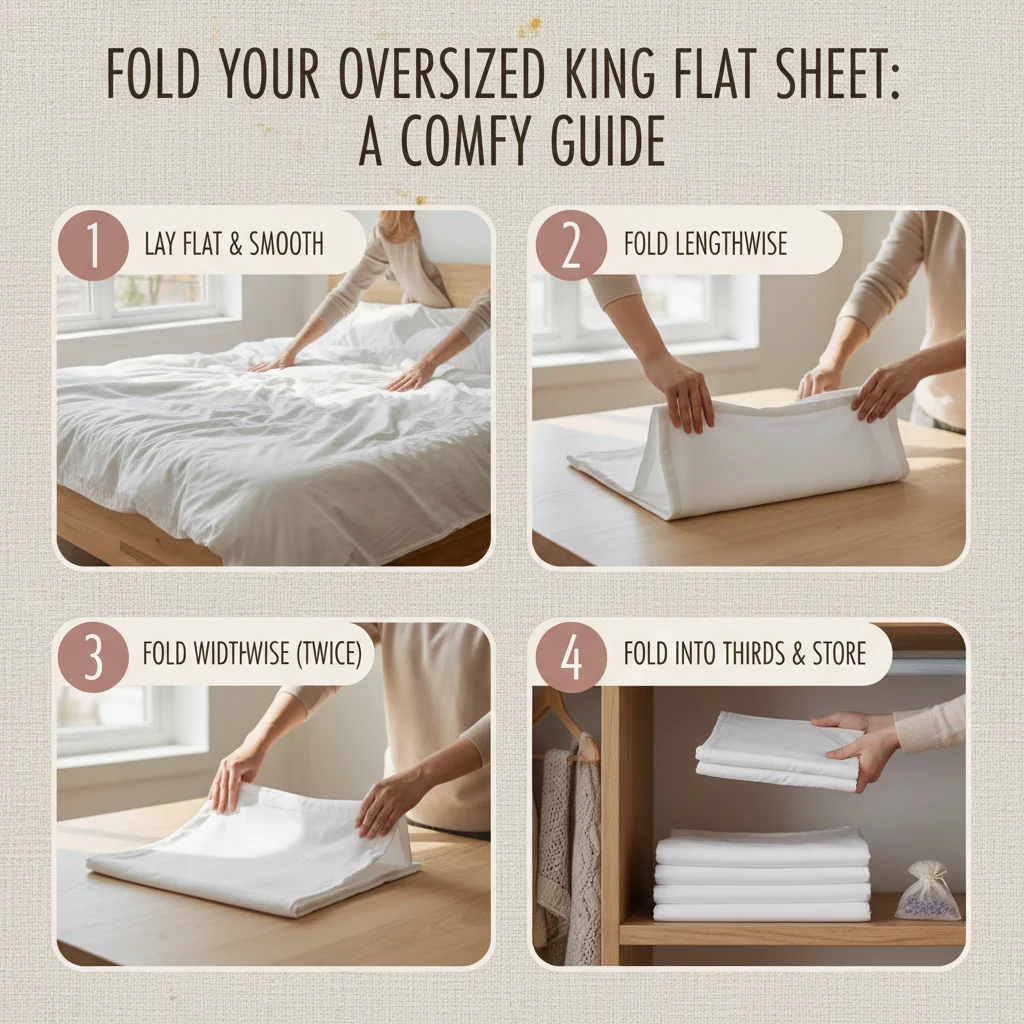
Bamboo silk sheets can wrinkle slightly, similar to cotton. However, the wrinkles tend to be less pronounced and easier to remove. Removing them from the dryer promptly and folding or storing them immediately can help minimize wrinkling. Some individuals even prefer the relaxed, lived-in look that the slight wrinkles provide, adding to the natural comfort of the sheets.
Bamboo silk sheets typically fall into a mid-to-high price range compared to standard cotton sheets, but they are often comparable in price to high-quality Egyptian cotton or linen. The initial investment may be higher, but the durability, comfort, and sustainable benefits often justify the cost in the long run. The price varies depending on the weave, thread count, and brand.
Absolutely! Bamboo silk sheets are an excellent choice for hot sleepers. Their exceptional breathability and moisture-wicking properties help regulate body temperature, preventing overheating and ensuring a cool, comfortable night’s sleep. The fabric’s ability to draw moisture away from the body further enhances this cooling effect, making them ideal for warm climates or individuals prone to night sweats.
Conclusion
In conclusion, bamboo silk sheets represent a compelling combination of luxury, sustainability, and performance. Their unique properties—softness, breathability, moisture-wicking ability, and eco-friendly production—make them a superior alternative to traditional bedding materials. As consumer awareness of sustainable practices grows, the demand for bamboo silk sheets is poised to continue its upward trajectory.
Looking ahead, continued innovation in bamboo processing and manufacturing will further enhance the quality and affordability of these sheets. Supporting brands committed to ethical sourcing and sustainable production practices is crucial for fostering a more responsible textile industry. Investing in bamboo silk sheets is not only an investment in a better night's sleep but also in a healthier planet. Visit our website: www.infortextile.com.