






Choosing the Perfect Duvet for a Comfortable and Restful Sleep
Choosing the Perfect Duvet: A Guide to Comfort and Sleep
A good night’s sleep is essential for overall health and well-being, and a key component of that restful sleep is the right duvet. From choosing the right fill material to understanding tog ratings, selecting the perfect duvet can seem daunting. This article will guide you through the essential factors to consider, helping you create the cozy haven you deserve. We'll explore the different types of duvets available and provide insights into selecting the one that best suits your needs and preferences.
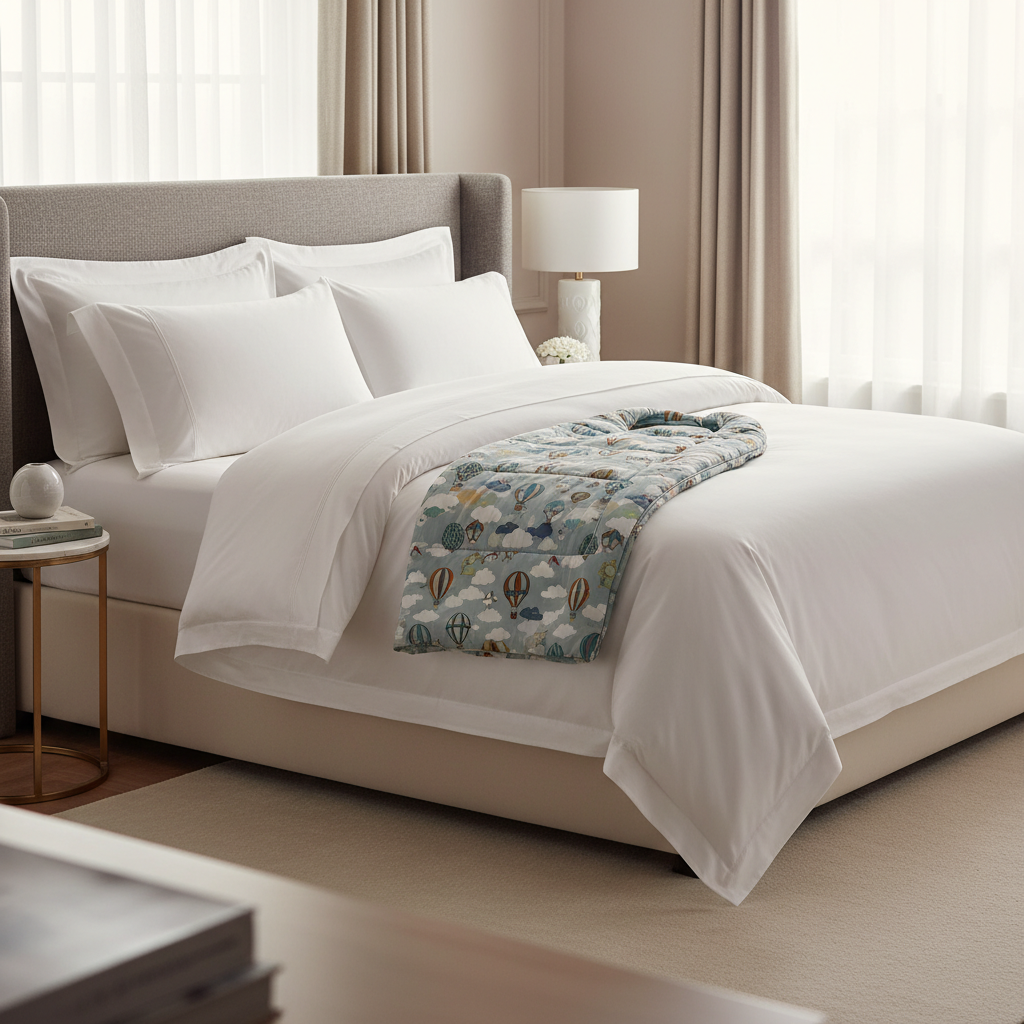
Understanding Duvet Fillings: Natural vs. Synthetic
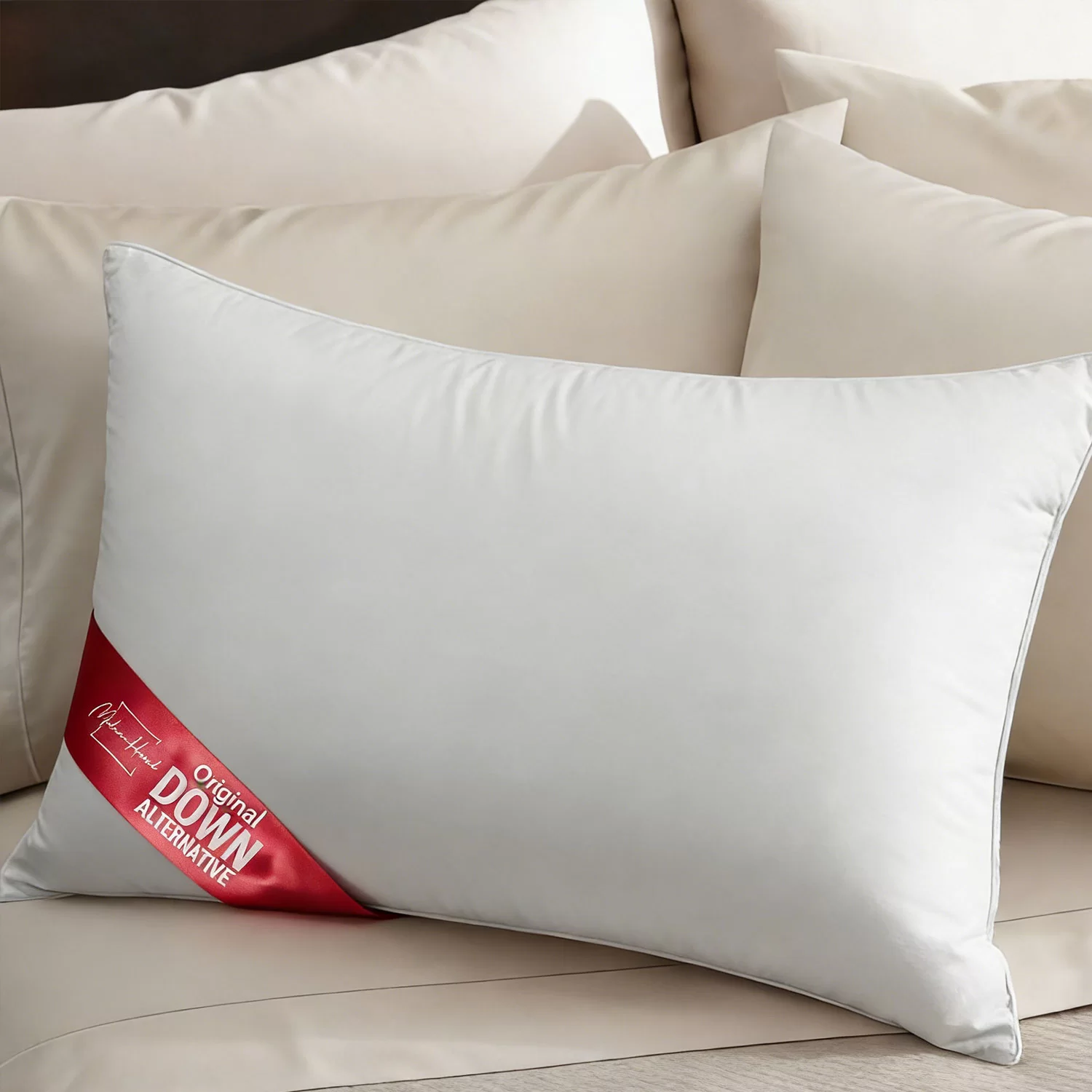
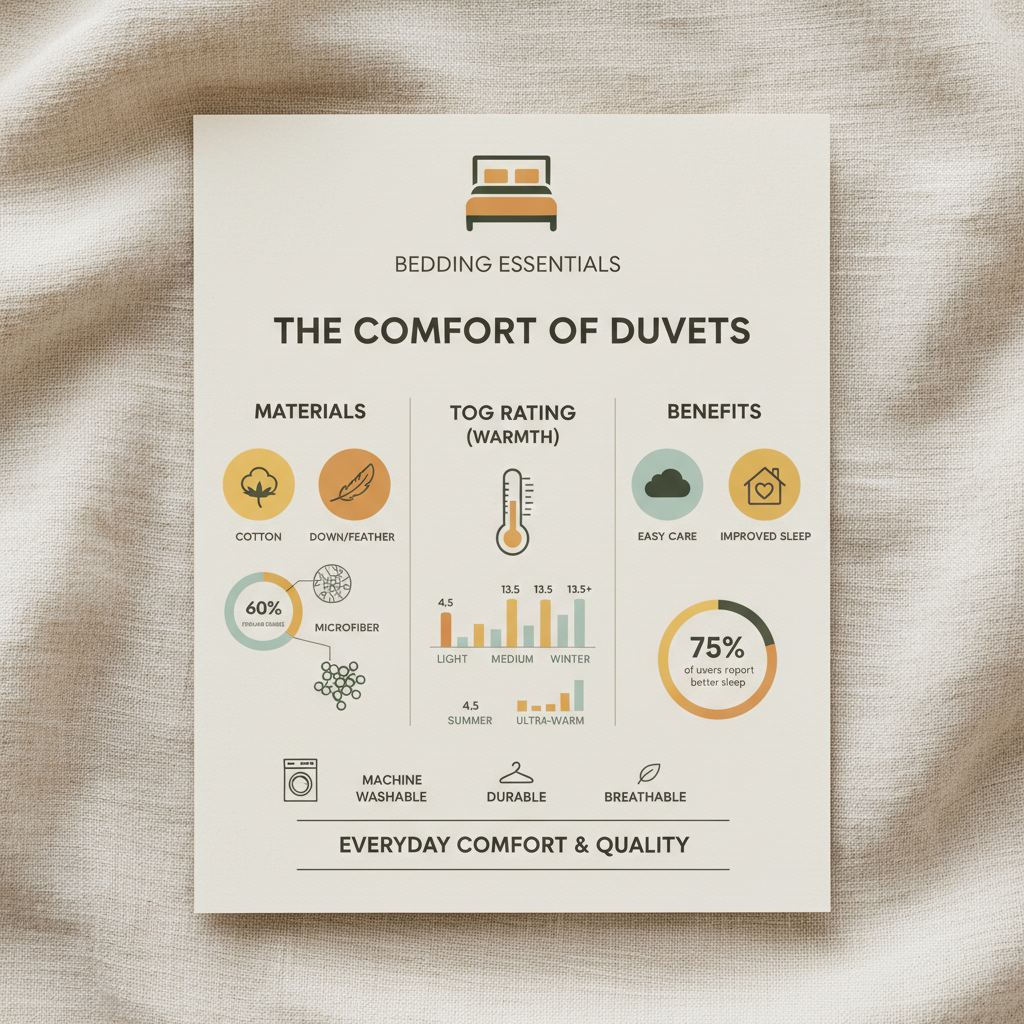
The filling of a duvet significantly impacts its warmth, weight, and price. Traditionally, duvets were filled with natural materials like down and feathers. However, synthetic alternatives like microfiber and hollowfibre have become increasingly popular. Natural fillings offer excellent insulation and breathability but can be more expensive and require special care. Synthetic fillings are hypoallergenic, easier to clean, and generally more affordable. The best choice depends on your budget, allergies, and desired level of comfort. At Infortextile we provide a wide range of duvet filling options.
The Importance of Tog Ratings for Duvets
Tog is a unit of measurement that indicates a duvet’s thermal resistance – essentially, how well it traps heat. A lower tog rating (e.g., 4.5 tog) is suitable for warmer months or warmer sleepers, while a higher tog rating (e.g., 13.5 tog) is ideal for colder climates or those who get cold easily. Choosing the right tog rating is crucial for maintaining a comfortable body temperature throughout the night. A duvet that's too warm can lead to overheating and restless sleep, while one that’s too cool can leave you shivering. Understanding these ratings ensures you pick a duvet suited to your environment.
Key Tog Rating Guide: Understanding your comfort level and climate will help you choose the ideal duvet for a perfect night’s sleep.
Duvet Fill Comparison: Natural vs. Synthetic
Here’s a detailed comparison of common duvet fillings to help you make an informed decision. We've considered factors like warmth, cost, care requirements, and suitability for allergy sufferers. Considering these factors when choosing your duvet is vital for ensuring a comfortable and healthy sleep.
Casing and Construction: Quality Matters
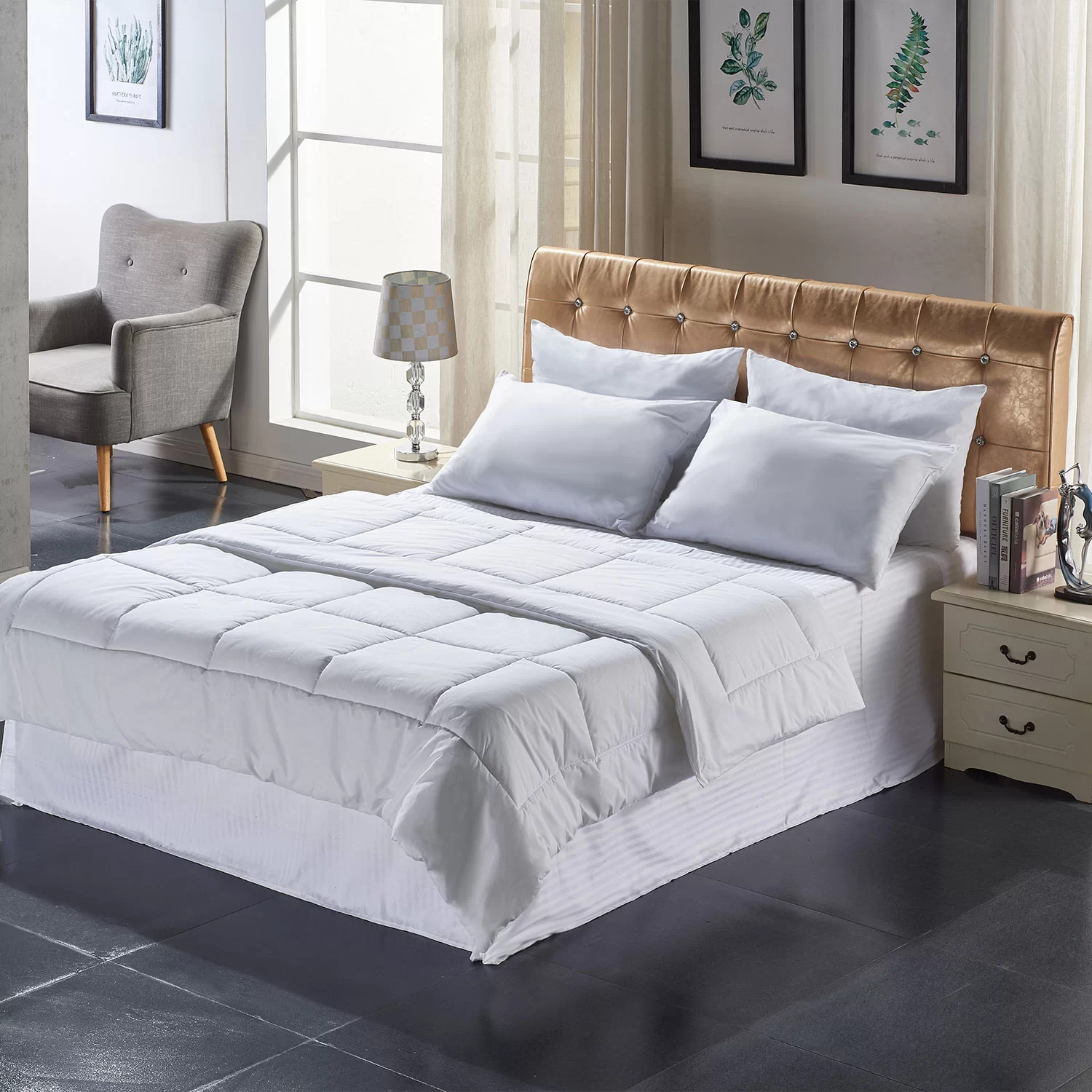
The casing of a duvet, typically made from cotton, plays a vital role in its overall quality and breathability. A higher thread count generally indicates a softer and more durable casing. Look for casings with a tight weave to prevent the filling from escaping. Construction methods like baffle box stitching ensure even distribution of the filling, eliminating cold spots and maximizing warmth. Investing in a well-constructed duvet ensures long-lasting comfort and performance.
Choosing the Right Duvet for Your Sleep Style
Your sleep style also influences the ideal duvet choice. Side sleepers often prefer a heavier duvet for added comfort and warmth, while back and stomach sleepers may benefit from a lighter, more breathable option. Consider your personal temperature preferences as well. If you tend to overheat, a cooler duvet with a lower tog rating is a better choice. At Infortextile we can provide tailored advise.
Conclusion: Investing in Restful Nights
Choosing the right duvet is an investment in your sleep quality and overall well-being. By understanding the different fillings, tog ratings, and construction techniques, you can select a duvet that perfectly meets your needs. Prioritize comfort, breathability, and quality to ensure a peaceful and restorative night’s sleep. Don't underestimate the power of a good duvet – it's the foundation for sweet dreams!
Frequently Asked Questions (FAQs)
How often should I wash my duvet?
The frequency of washing depends on the filling. Synthetic duvets can generally be machine washed every 6-12 months. Down and feather duvets require professional cleaning or careful hand washing to maintain their loft and prevent damage. Always check the care label for specific instructions. Using a duvet cover can help reduce the need for frequent washing by protecting the duvet from dirt and stains. Regular airing can also help keep your duvet fresh.
What is a duvet cover and why do I need one?
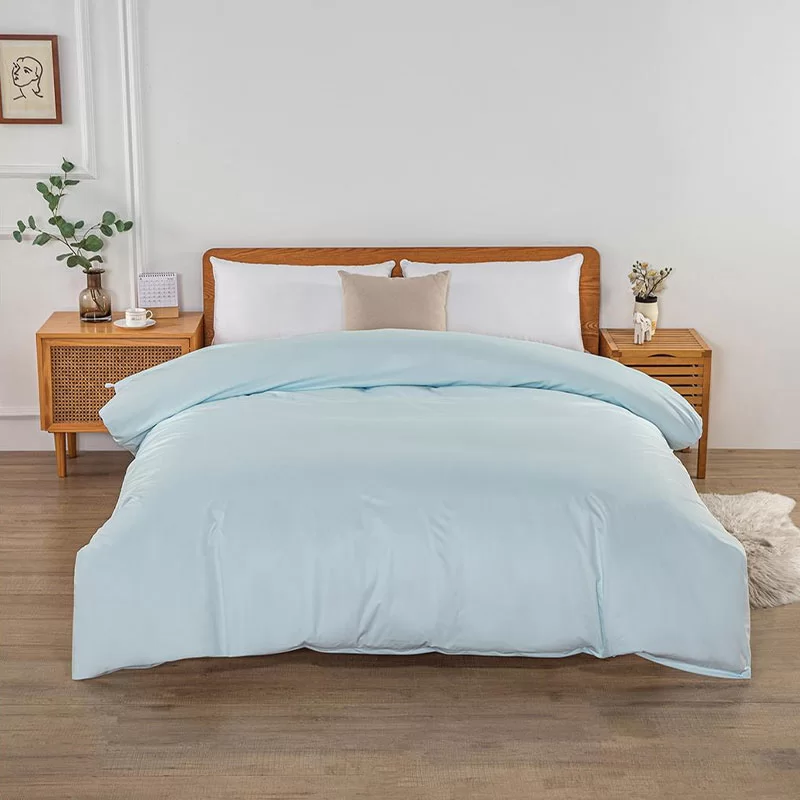
A duvet cover is a protective casing that goes around your duvet, similar to a pillowcase. It’s essential for keeping your duvet clean and hygienic. It's much easier to wash a duvet cover than the entire duvet, saving you time and money on professional cleaning. Duvet covers also come in a wide variety of colors, patterns, and materials, allowing you to easily change the look of your bedroom.
Can I use a duvet in the summer?
Yes, you can! The key is to choose a duvet with a low tog rating (typically 4.5 tog or lower). These lighter duvets provide just enough warmth without causing overheating. Alternatively, you can use a summer-weight duvet cover made from breathable materials like cotton or linen. Consider your personal preference for sleeping temperature – some people prefer a light duvet year-round.
What’s the difference between down and feathers?
Down refers to the soft, fluffy undercoating found beneath the feathers of ducks and geese. It's incredibly lightweight and provides excellent insulation. Feathers are the outer coating and are heavier and less insulating. Duvets often contain a blend of down and feathers – the higher the percentage of down, the more expensive and luxurious the duvet will be. A higher down cluster fill power indicates better quality and loft.


May 25, 26
Industrial Scale Organic Linen Bedding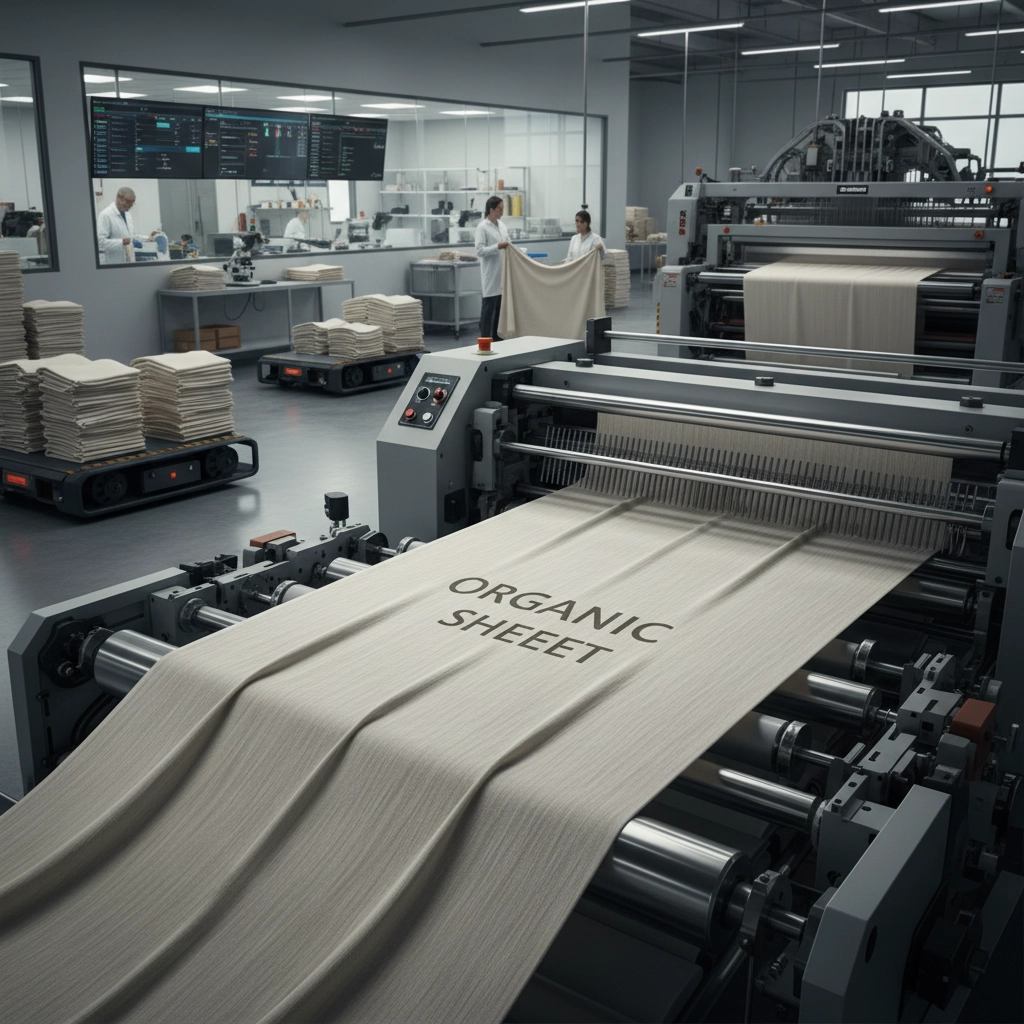
May 22, 26
Benefits of Using Organic Sheet for Sustainable Bedding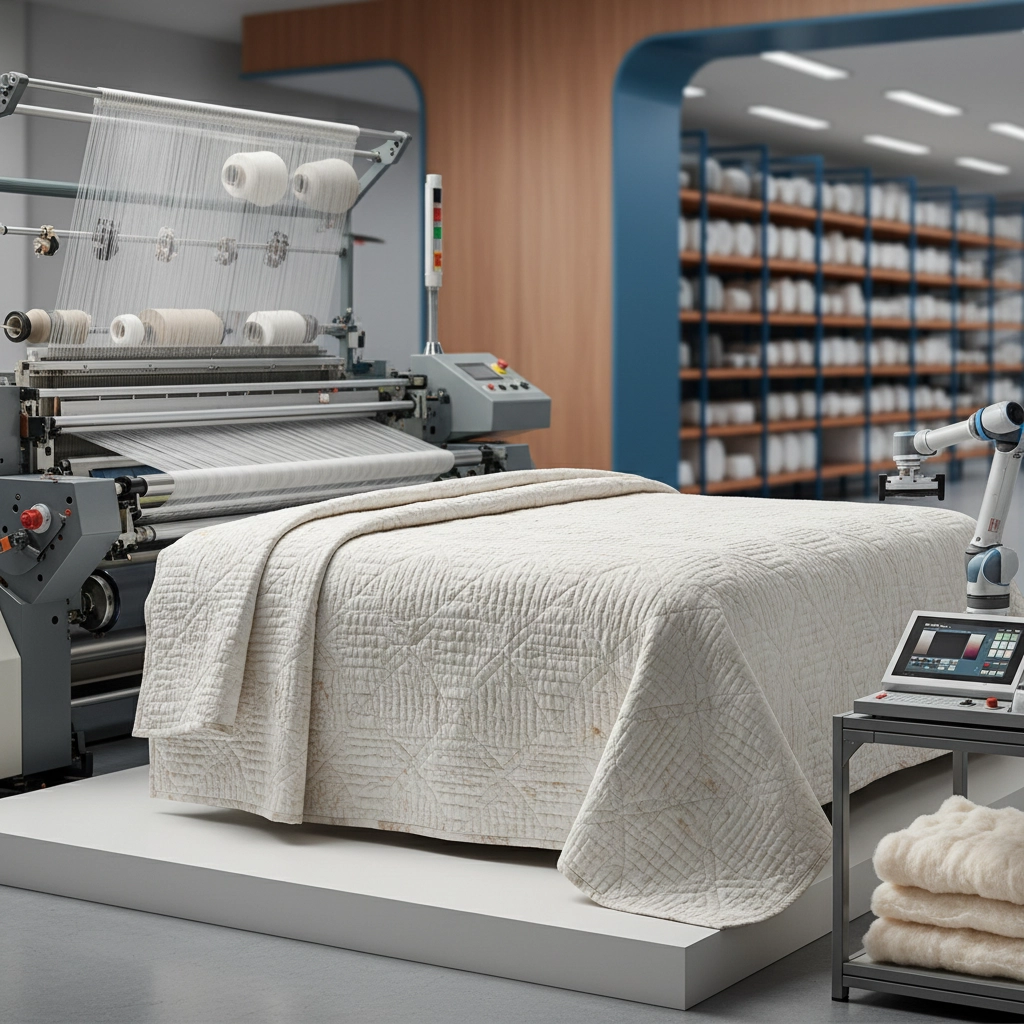
May 20, 26
Premium Organic Cotton Quilt Queen for Sustainable Sleep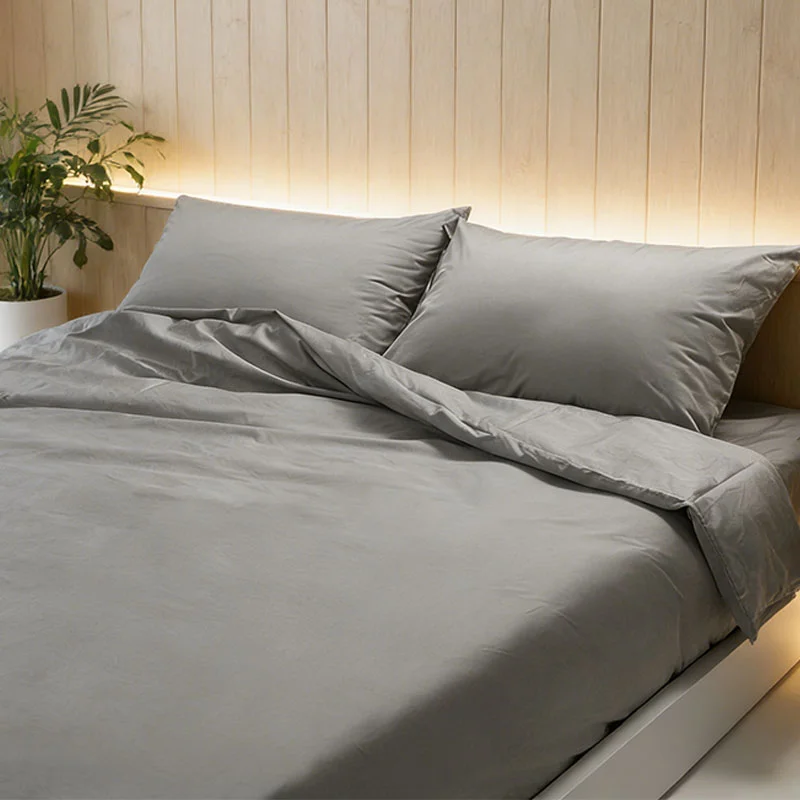
May 18, 26
Premium Organic Deep Pocket Sheets for Sustainable SleepChoosing the right bedding is no longer just about thread count; it is about the intersection of sustainability, health, and functional design. organic deep pocket sheets represent a significant shift in the home textile industry, combining the ecological benefits of GOTS-certified organic cotton with the practical necessity of fitting modern, oversized mattresses. By eliminating toxic pesticides and providing a secure fit, these linens transform the sleep experience into a wellness ritual. Globally, the demand for organic textiles has surged as consumers become more aware of the environmental footprint left by conventional cotton farming.


Contact Us
Email: inforhometextile@126.com
Email: helenkou@126.com
Address
Zerun Building,No.122 Fengshou Road,Chang'an District,Shijiazhuang City,Hebei Province,China
If you are interested in our products, you can choose to leave your information here, and we will be in touch with you shortly.


