close
close
king size flannel flat sheet
Benefits of Using Organic Sheet for Sustainable Bedding
0%

Table of Contents

The global shift toward sustainable living has placed a significant spotlight on the textiles we interact with most—our bedding. An organic sheet is more than just a luxury bedding choice; it represents a commitment to ecological integrity and personal health. By eliminating synthetic pesticides and harmful chemicals from the production cycle, organic textiles ensure that the sanctuary of your bedroom remains a toxin-free environment.

From a manufacturing perspective, the transition to organic materials addresses a critical crisis in traditional agriculture, where soil degradation and water pollution have become systemic risks. The adoption of an
organic sheet signifies a move toward regenerative farming, ensuring that the land remains fertile for future generations while reducing the carbon footprint of the home textile industry.

Understanding the nuances of organic certifications and material science allows consumers and procurement managers—whether for luxury hotels or residential use—to make informed decisions. By prioritizing an organic sheet, users benefit from superior breathability, hypoallergenic properties, and a tactile softness that improves over time, bridging the gap between industrial efficiency and environmental stewardship.
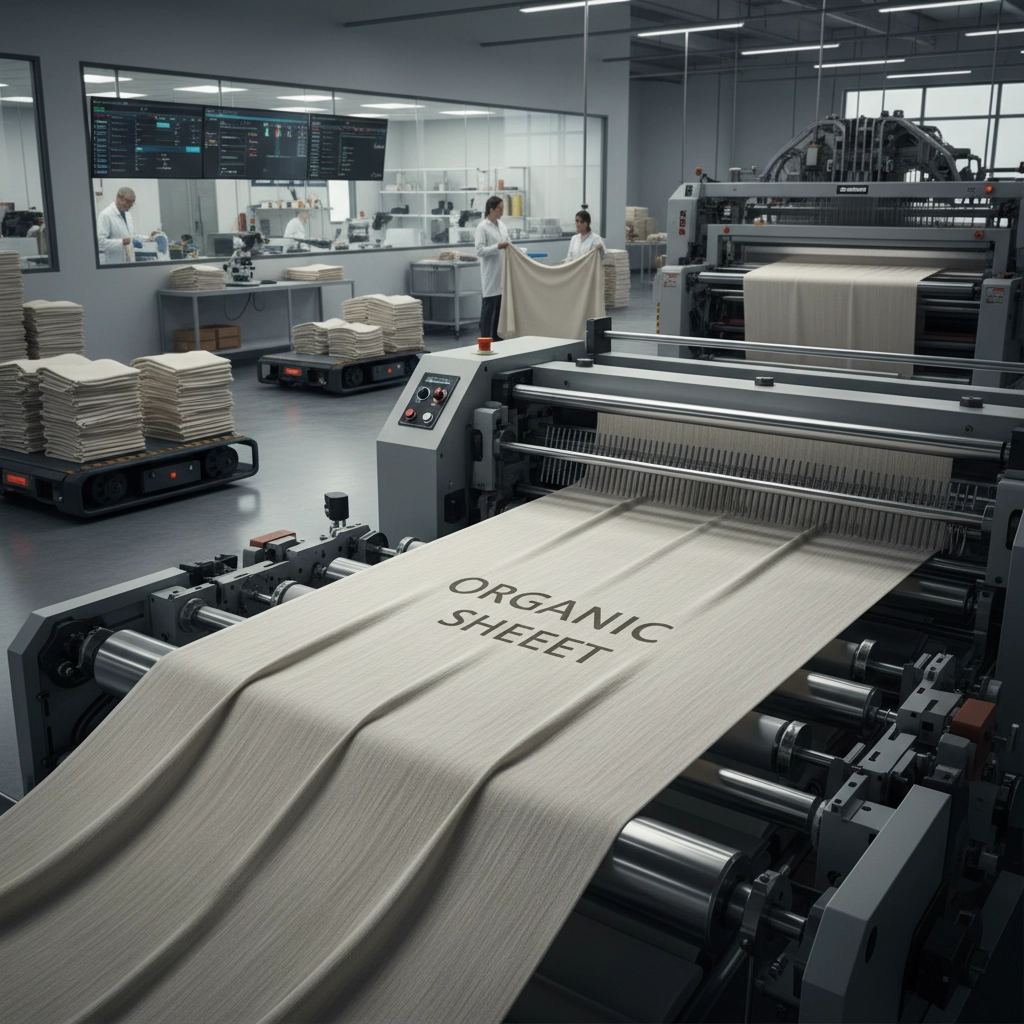
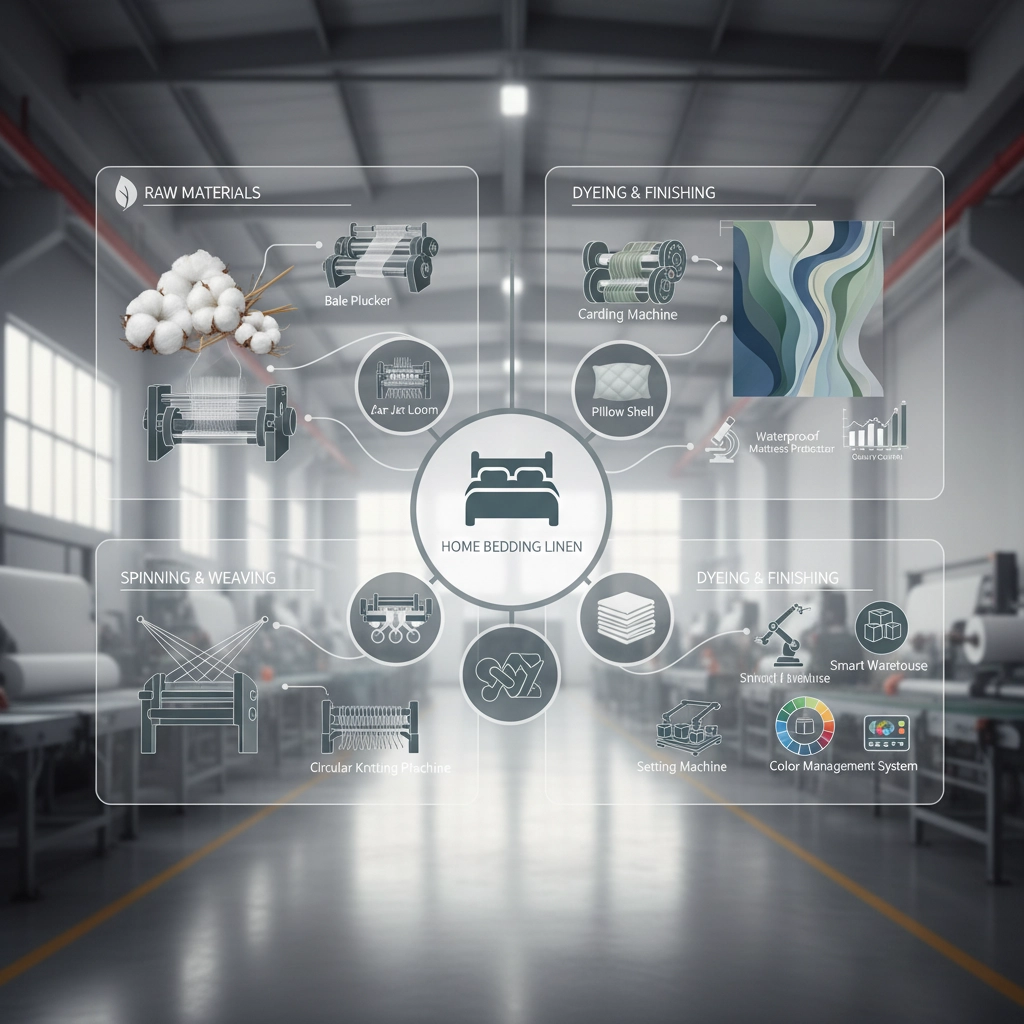
organic sheet

Global Relevance of Organic Bedding

organic sheet

The global demand for sustainable textiles has surged as consumers become increasingly aware of the environmental cost of "fast fashion" and conventional bedding. According to industry trends aligned with ISO environmental standards, the shift toward an organic sheet is driven by the need to reduce the 20% of global industrial water pollution attributed to textile dyeing and treatment.

Beyond environmental metrics, the health implications of conventional cotton—often treated with heavy metals and formaldehyde—have pushed the hospitality and healthcare sectors toward organic alternatives. An organic sheet provides a hypoallergenic solution that reduces skin irritation, making it an essential requirement for high-end wellness retreats and sensitive skin care.

Defining the Organic Sheet Standard

In simple terms, an organic sheet is a bedding product made from fibers—typically cotton, linen, or bamboo—grown without the use of synthetic fertilizers, genetically modified organisms (GMOs), or toxic pesticides. The certification process, such as GOTS (Global Organic Textile Standard), ensures that the entire supply chain, from the farm to the finished loom, adheres to strict ecological and social criteria.

This definition extends beyond the raw material. For a product to be truly categorized as an organic sheet, the processing stage must avoid hazardous bleaches and dyes. Instead, manufacturers utilize low-impact, non-toxic pigments that maintain the fabric's integrity and ensure the safety of the end-user.

Modern industry now views organic standards as a benchmark for quality rather than just a niche preference. As humanitarian needs evolve, the provision of non-toxic bedding becomes a matter of dignity and health, particularly in medical environments where patients spend extended periods in contact with linens.

Core Components of Organic Quality

The durability of an organic sheet is often superior to conventional counterparts because organic fibers are not weakened by harsh chemical processing. This leads to a higher tensile strength and a longer lifespan, reducing the frequency of replacement in high-turnover environments like hotels.

Breathability and thermal regulation are key functional aspects. An organic sheet allows for better airflow, which naturally regulates body temperature during sleep. This is achieved through the preservation of the fiber's natural structure, avoiding the "plastic-like" feel often found in synthetic blends.

Cost efficiency in the long term is realized through the "cost-per-use" model. While the initial investment in an organic sheet may be higher, its resistance to pilling and structural degradation ensures that the product maintains its commercial appeal and comfort for years.

Performance Metrics of Organic Fabrics

When evaluating the commercial viability of different textile methods, we look at softness, breathability, and durability. The organic sheet consistently outperforms synthetic blends in skin-contact comfort and moisture-wicking capabilities, which are critical for sleep quality.

The following data compares various production methods to demonstrate why the organic approach is the gold standard for modern bedding.

Comparative Performance of Organic Sheet Variants

Global Applications and Market Use Cases

In the hospitality sector, luxury hotel chains in Europe and North America are increasingly integrating an organic sheet into their room standards. This shift is not merely a marketing tactic but a response to the "Wellness Tourism" trend, where guests seek environments that promote holistic health and environmental consciousness.

Beyond hotels, the healthcare industry is adopting organic linens in maternity wards and neonatal units. The use of an organic sheet in these sensitive areas minimizes the risk of allergic reactions in newborns and ensures that the most vulnerable patients are not exposed to residual chemical dyes.

Long-term Value and Sustainability Impact

The tangible benefit of an organic sheet lies in its ability to reduce the ecological load on the planet. By utilizing rainwater and organic compost instead of synthetic irrigation and chemicals, the production of these sheets preserves biodiversity and protects the health of farming communities.

From a logical perspective, the investment in organic textiles represents a move toward a circular economy. An organic sheet is biodegradable, meaning that at the end of its long life cycle, it does not contribute to the growing problem of microplastic pollution in landfills, unlike polyester-blend sheets.

Emotionally, the use of organic materials fosters a sense of trust and safety. When a customer chooses an organic sheet, they are investing in their own well-being and the dignity of the workers who produced the fabric under fair-trade conditions.

Future Innovations in Organic Textiles

The future of the organic sheet is being shaped by digital transformation and biotech. We are seeing the emergence of "smart organic fabrics" that integrate natural antimicrobial properties—such as those found in organic hemp—with precision weaving technologies to create sheets that are both eco-friendly and highly functional.

Automation in organic weaving is also reducing waste. New AI-driven looms can optimize the cutting and sewing of an organic sheet to ensure almost zero fabric waste, further enhancing the sustainability profile of the manufacturing process.

Additionally, the integration of green energy in textile mills is making the production of organic linens carbon-neutral. The transition to solar-powered dyeing vats and closed-loop water systems ensures that every organic sheet produced has the lowest possible environmental impact.

Comparative Analysis of Organic Sheet Material Innovations

Material Type Sustainability Score Breathability Index Market Adoption
GOTS Organic Cotton 9.5 8.0 High
Organic Bamboo Lyocell 8.8 9.5 Growing
Pure Organic Linen 9.8 10.0 Moderate
Organic Hemp Blend 9.2 8.5 Low
Organic Tencel 8.5 9.0 High
Regenerative Cotton 10.0 8.0 Emerging

FAQS

What exactly makes an organic sheet different from a regular cotton sheet?

An organic sheet is produced without synthetic pesticides or fertilizers, ensuring no toxic residues remain in the fabric. Regular cotton is often one of the most chemically intensive crops in the world. Organic versions use natural pest control and non-toxic dyes, making them safer for the skin and the environment.

Are organic sheets more durable than conventional ones?

Yes, generally. Because an organic sheet avoids the harsh chemical bleaching and scouring processes that can break down natural fibers, the resulting fabric often maintains its structural integrity longer, resisting tears and thinning over time.

How can I verify if a sheet is truly organic?

Look for globally recognized certifications. The most reliable is GOTS (Global Organic Textile Standard), which monitors the entire supply chain. Other indicators include OCS (Organic Content Standard). A genuine organic sheet will typically list these certifications on its labeling.

Do organic sheets require special care or washing instructions?

To maintain the longevity of your organic sheet, it is recommended to use mild, biodegradable detergents and avoid chlorine bleach. Washing in cold water and air drying helps preserve the organic fibers and reduces the overall environmental footprint of the product.

Are organic sheets better for people with allergies?

Absolutely. Since an organic sheet is free from volatile organic compounds (VOCs) and chemical irritants, it is significantly less likely to cause contact dermatitis or respiratory irritation, making it ideal for allergy sufferers and people with sensitive skin.

Why are organic sheets usually more expensive?

The cost reflects the fair wages paid to farmers, the more labor-intensive natural farming methods, and the rigorous certification processes. When you buy an organic sheet, you are paying for a transparent supply chain and a product that does not externalize its environmental costs to the planet.

Conclusion

Choosing an organic sheet is a multifaceted decision that impacts personal health, environmental sustainability, and ethical labor practices. From the superior breathability and durability of the fabric to the reduction of toxic runoff in our waterways, the shift toward organic bedding is a critical step in evolving the textile industry toward a more responsible future.

As we move toward a world where sustainability is no longer optional but mandatory, investing in organic textiles becomes an act of foresight. We encourage businesses and individuals alike to prioritize certified organic products to ensure a healthier sleep environment and a healthier planet. Visit our website for more professional solutions: www.infortextile.com

Michael Thompson

Michael Thompson

Michael Thompson is a Senior Sales Executive at SHIJIAZHUANG YINGFANG TRADE CO., LTD, specializing in North American market development. He's been with the company for eight years, building strong relationships with hotels, hospitals, and retailers across the United States and Canada. Michael's background includes a Bachelor's degree in Marketing and
Previous Premium Organic Cotton Quilt Queen for Sustainable Sleep
Next Industrial Scale Organic Linen Bedding
 queen size silk sheets
Can't Find The Products And Services You Need?
If you need our help,
Our staff will be happy to help and answer your questions!
Comfortable & Skin-Friendly Materials
Made from high-quality natural fibers, ensuring softness, breathability, and ultimate comfort.
Eco-Friendly & Healthy Processes
Produced with environmentally safe dyes and non-toxic techniques, protecting both family health and the environment.
Durable & Wrinkle-Resistant Design
Expert weaving ensures long-lasting use, keeping bedding smooth and attractive even after multiple washes.
Multi-Functional Smart Textiles
Incorporates temperature regulation, antibacterial, or anti-mite technology to enhance home comfort and convenience.

Contact Us

Email: inforhometextile@126.com
Email: helenkou@126.com

Cooperation

Phone: +86 15128126343
Phone: +86 15932669828

Address

Zerun Building,No.122 Fengshou Road,Chang'an District,Shijiazhuang City,Hebei Province,China

If you are interested in our products, you can choose to leave your information here, and we will be in touch with you shortly.