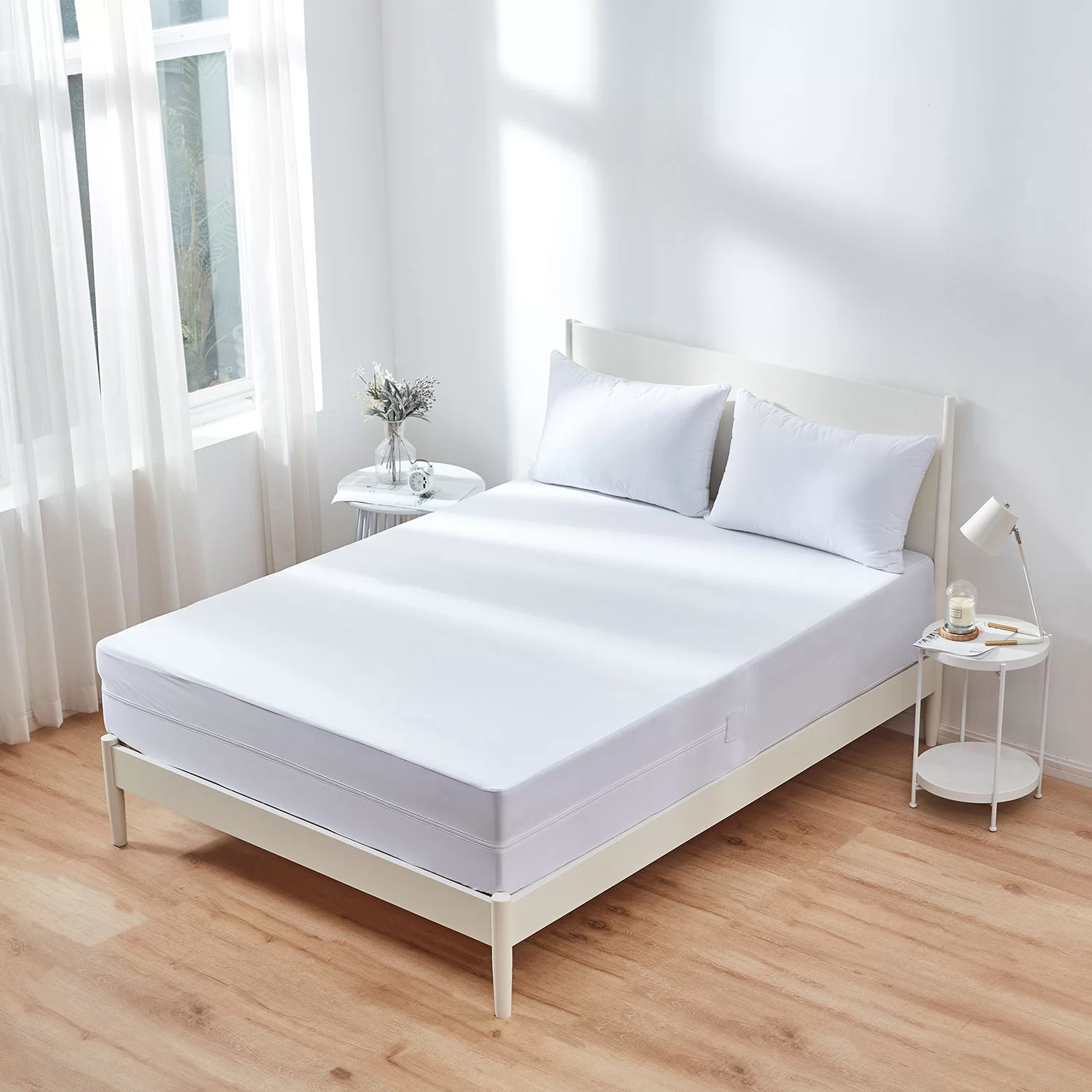
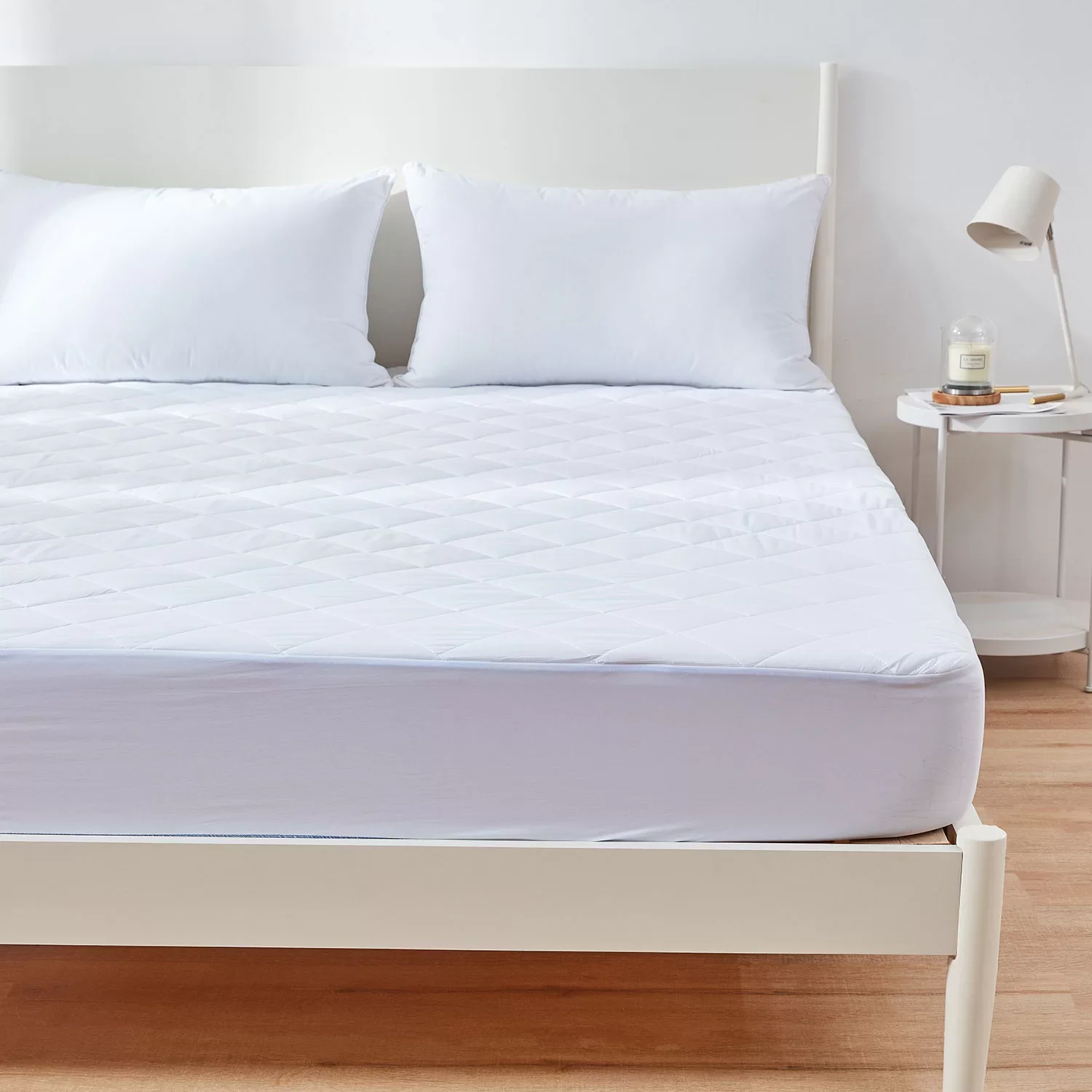
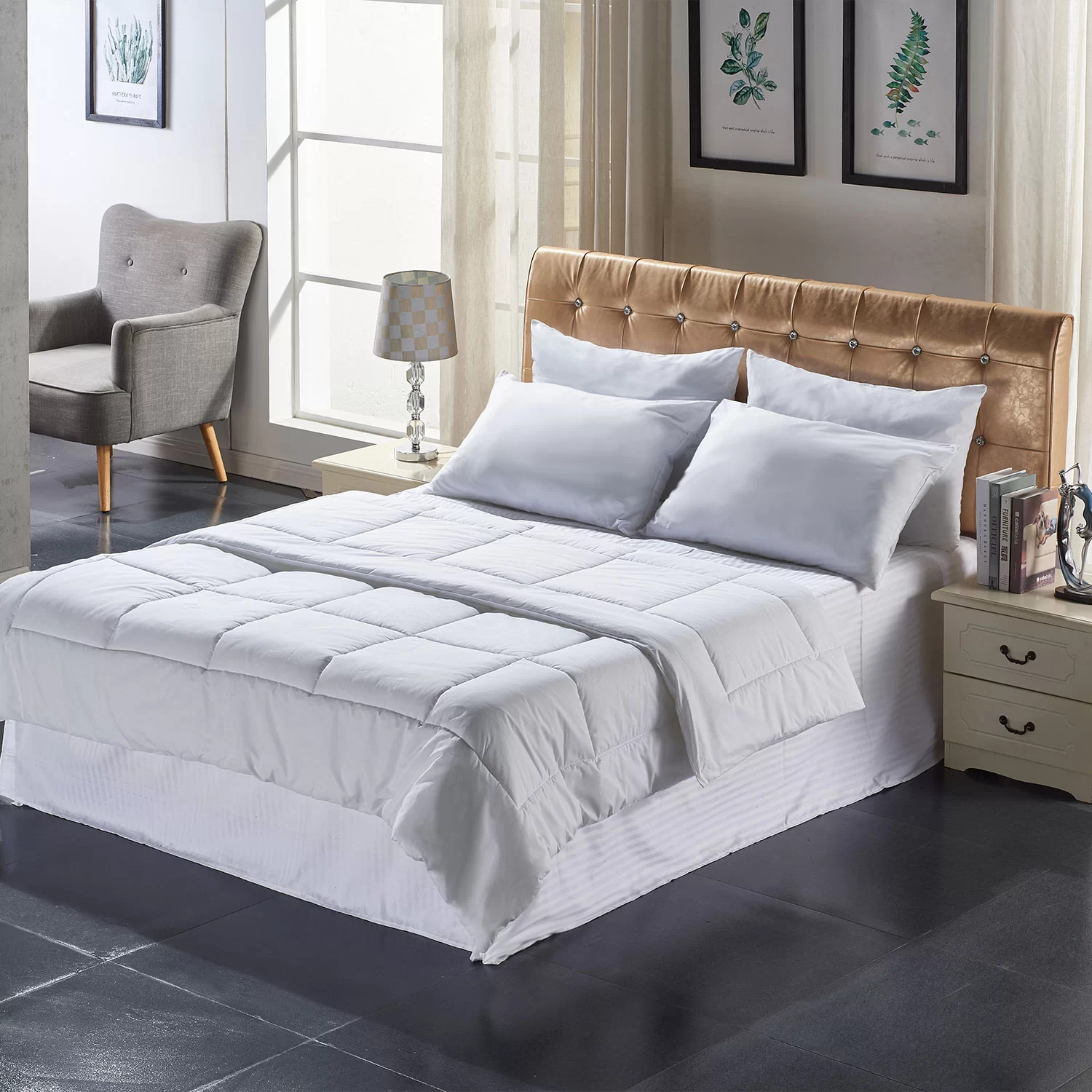
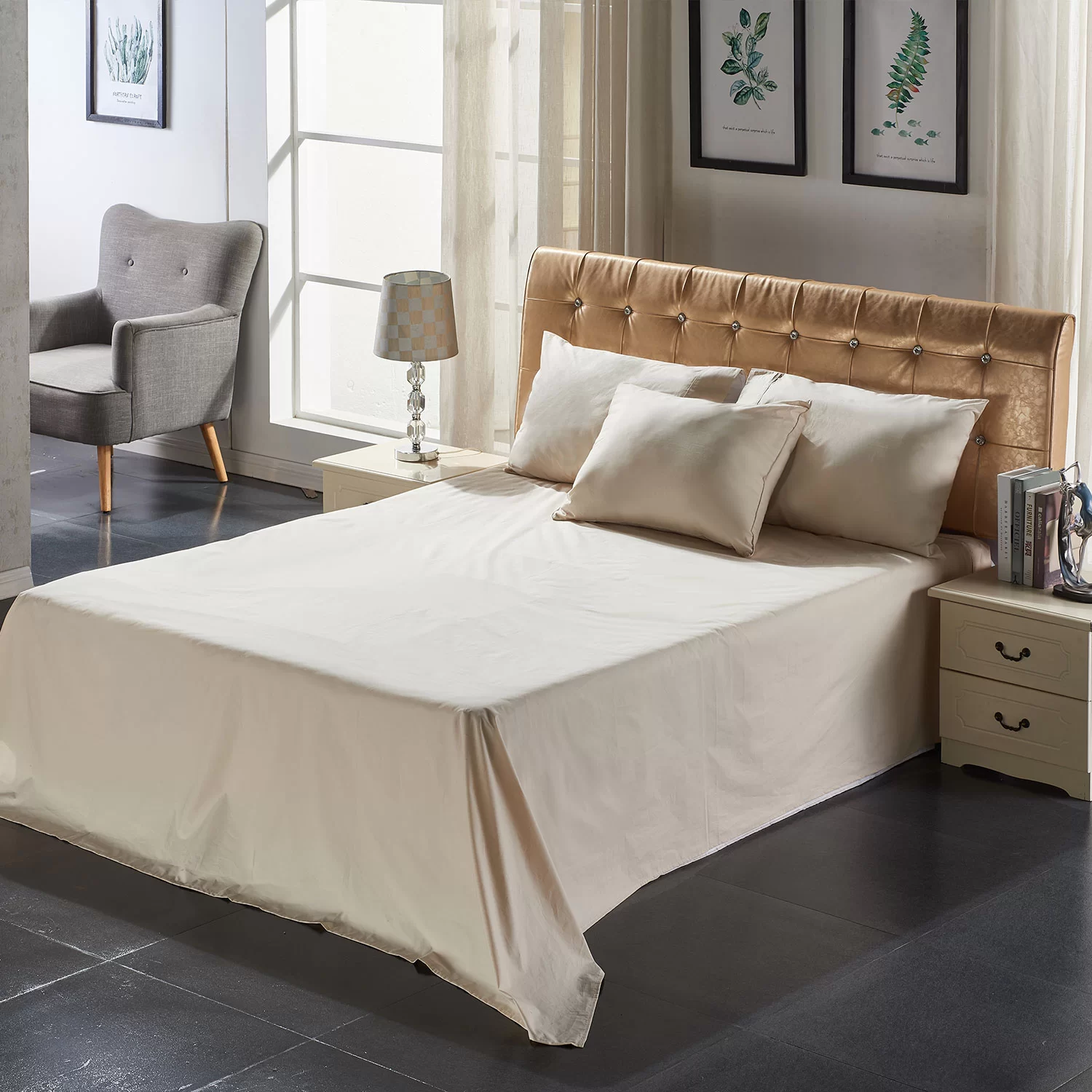
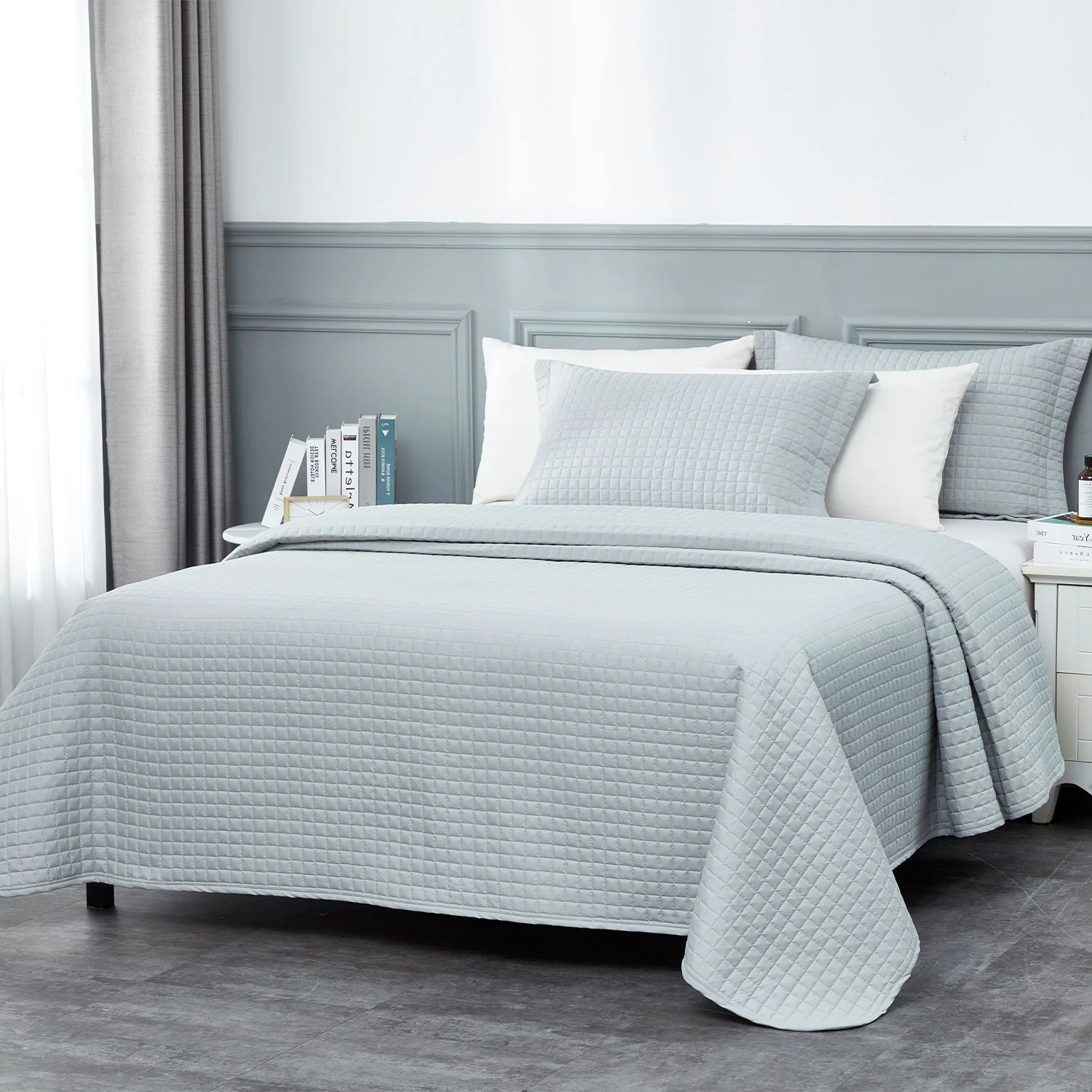
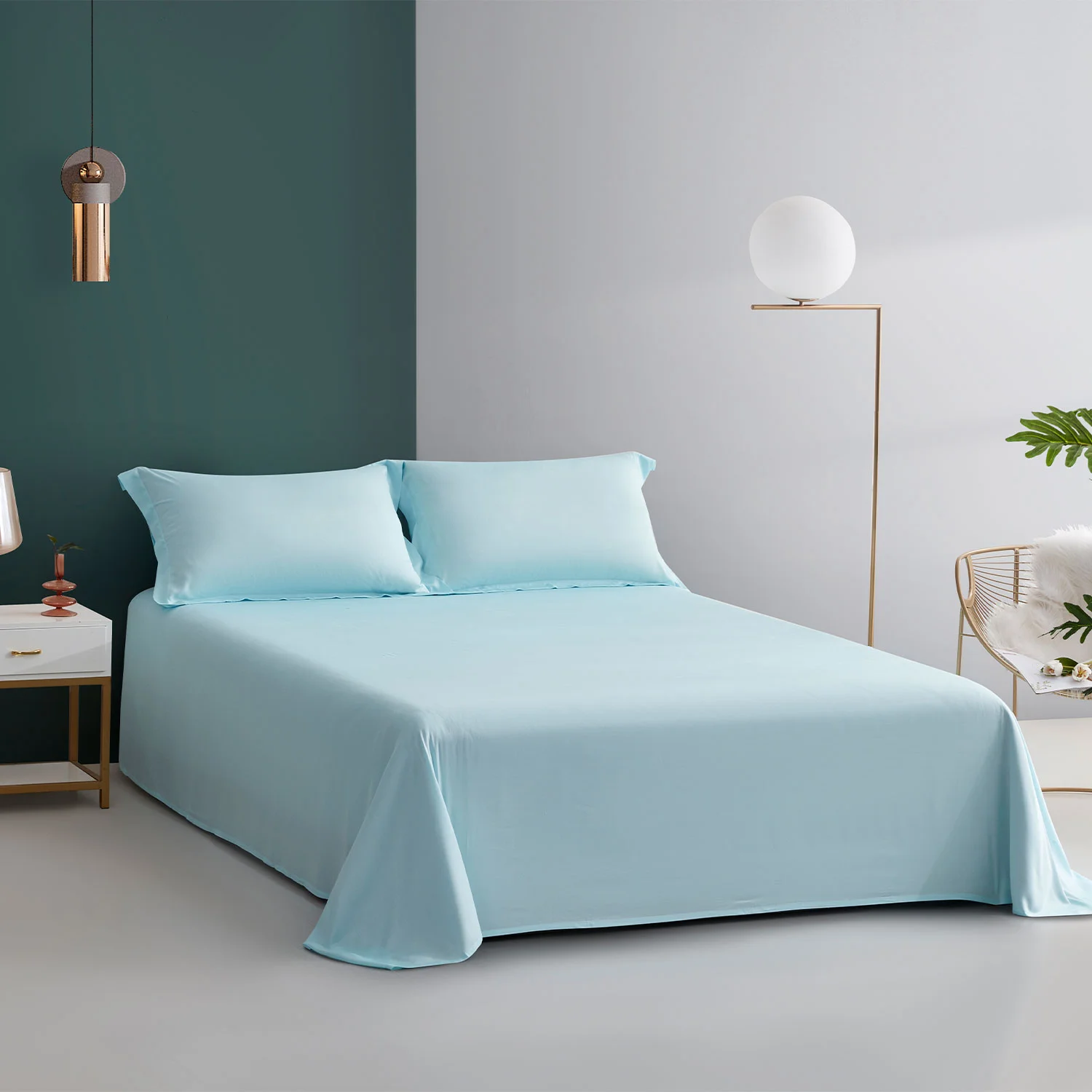
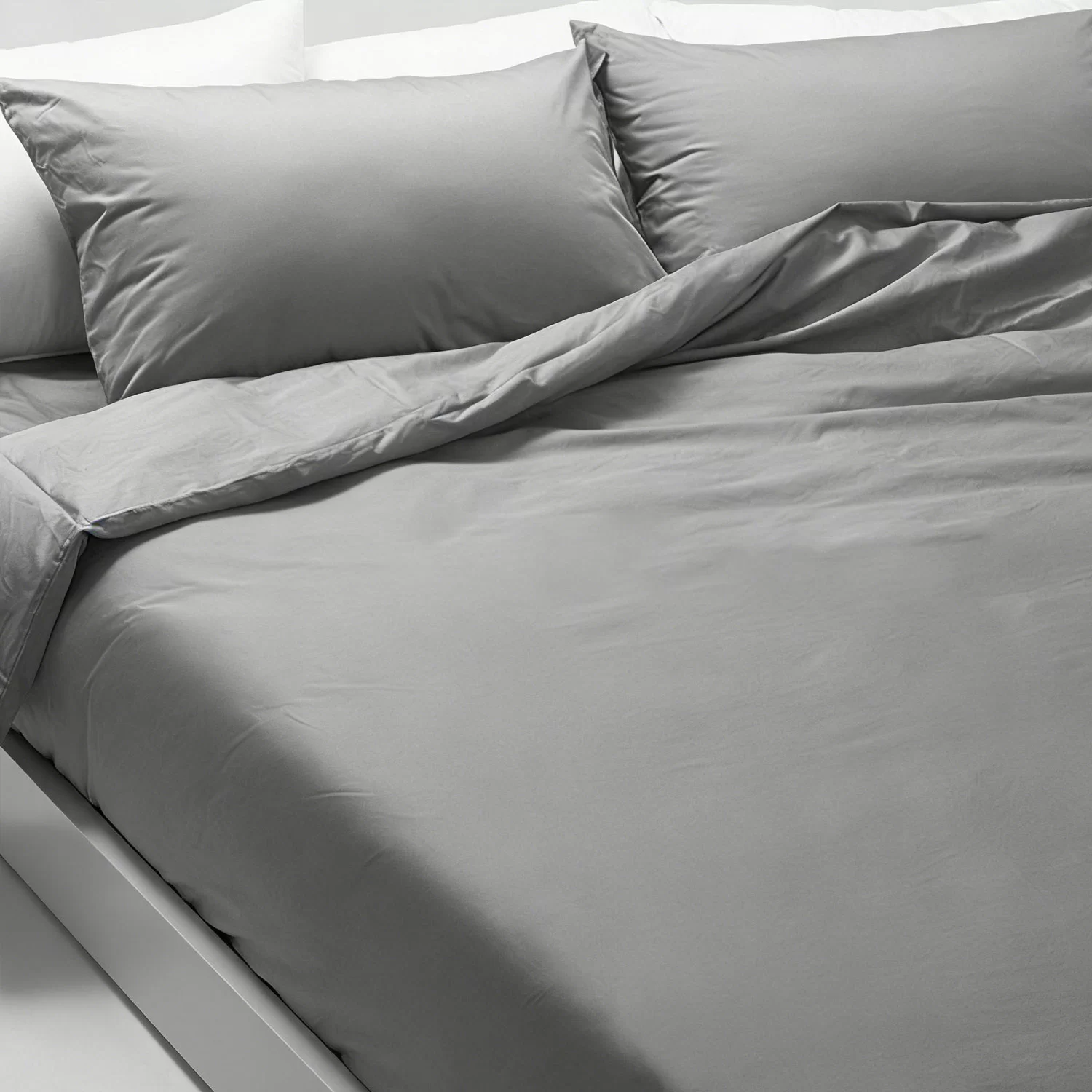
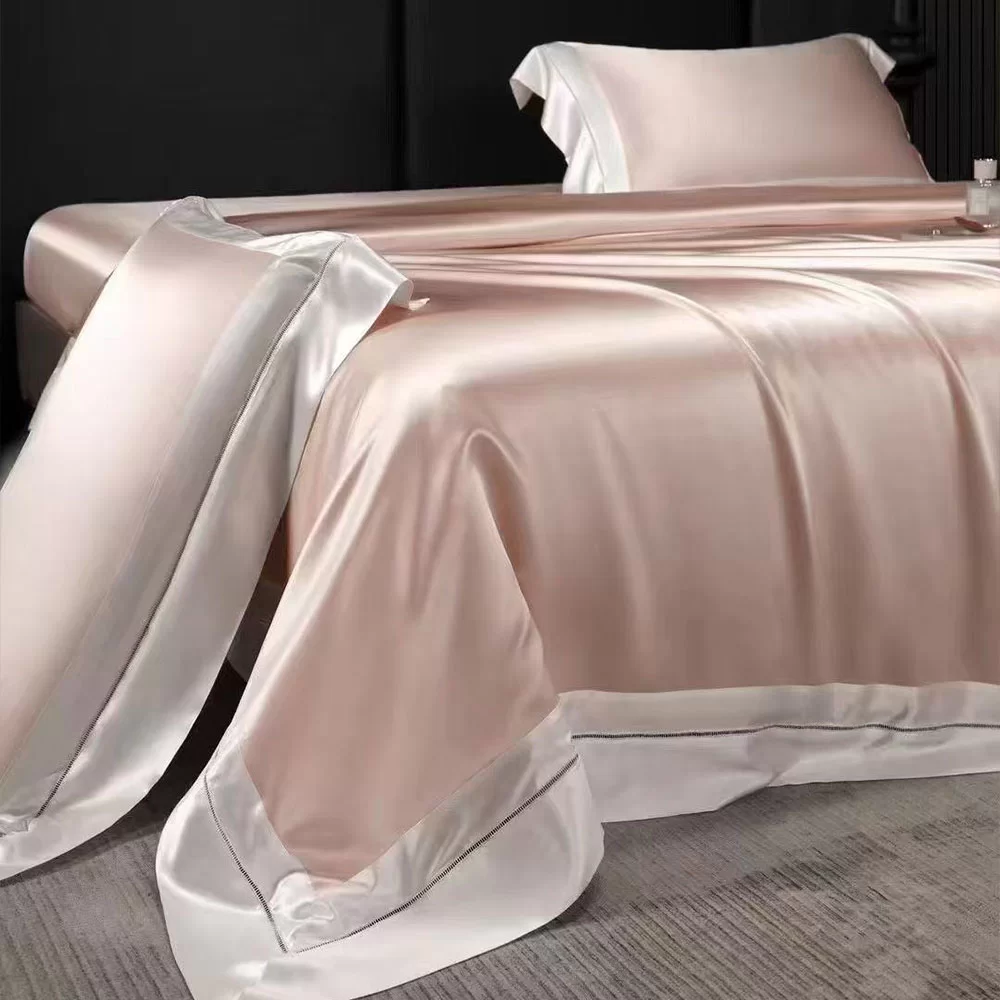
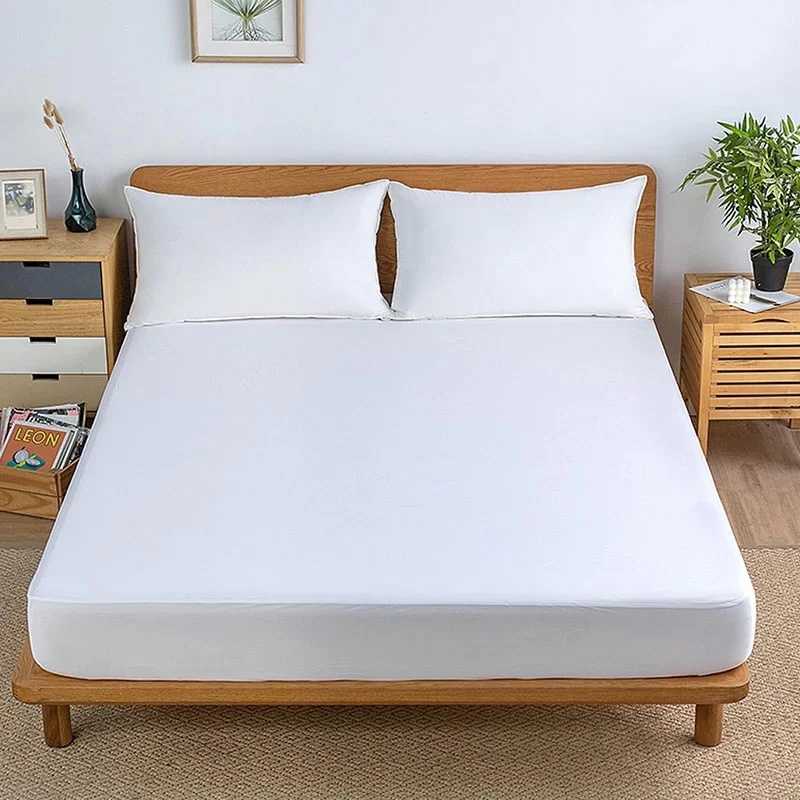
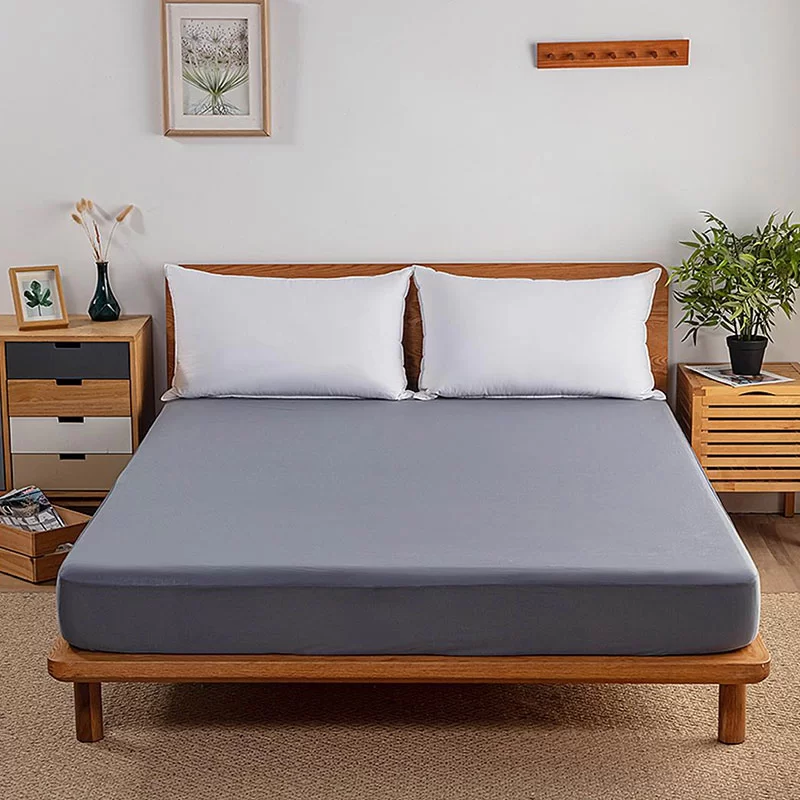
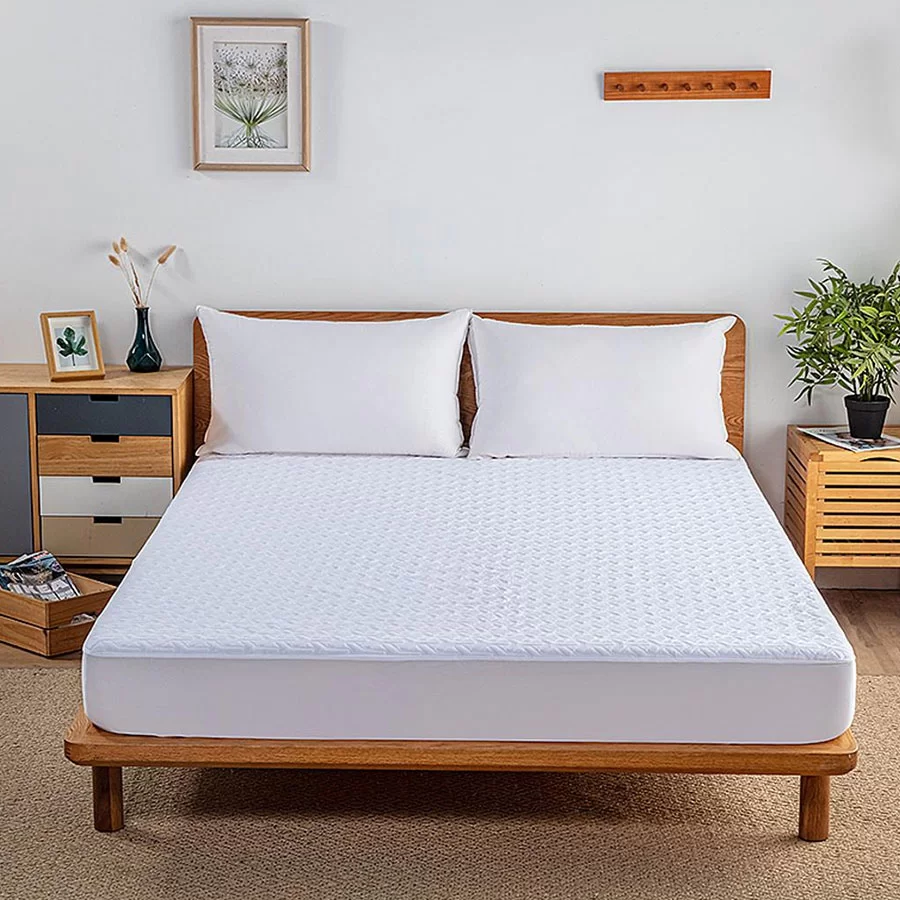
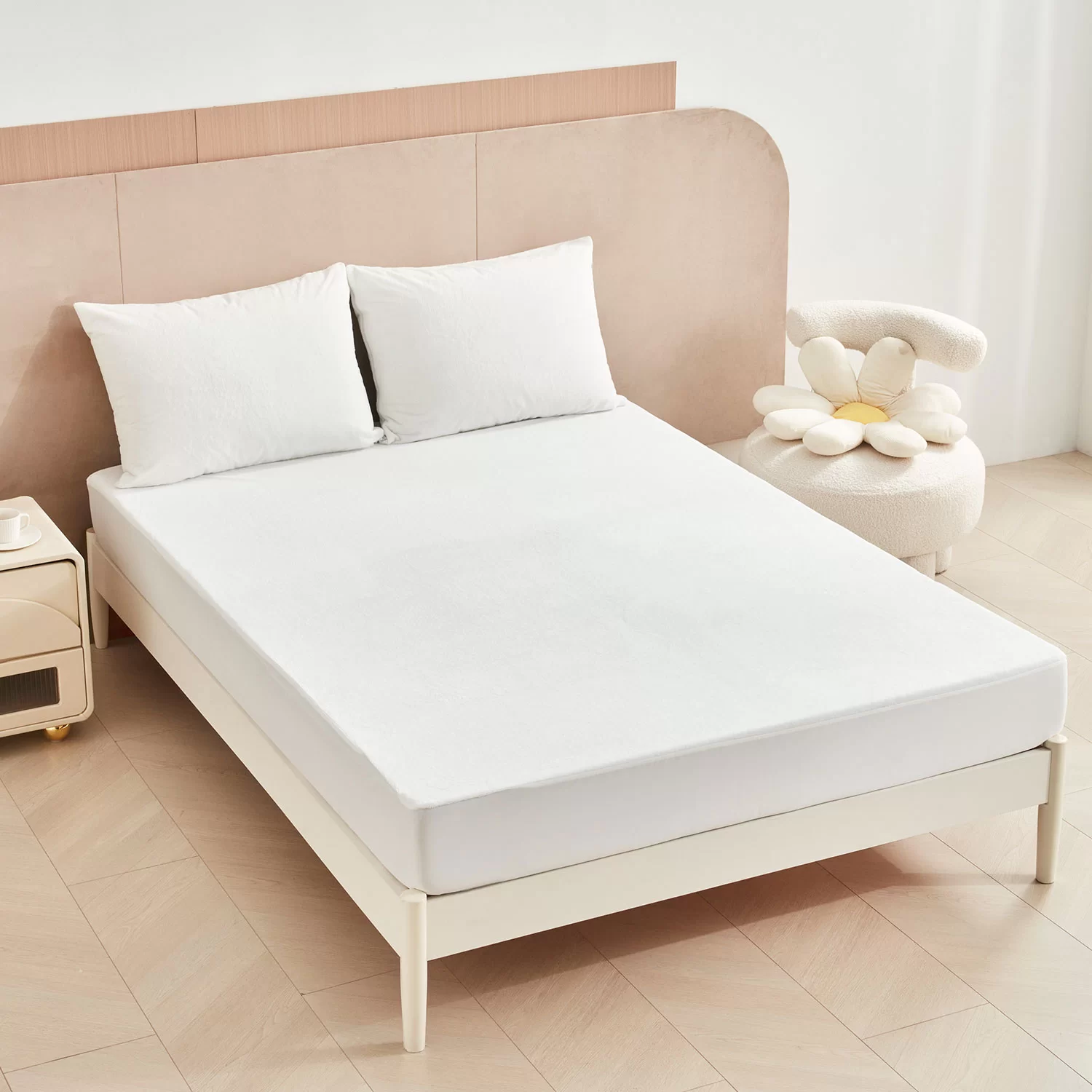
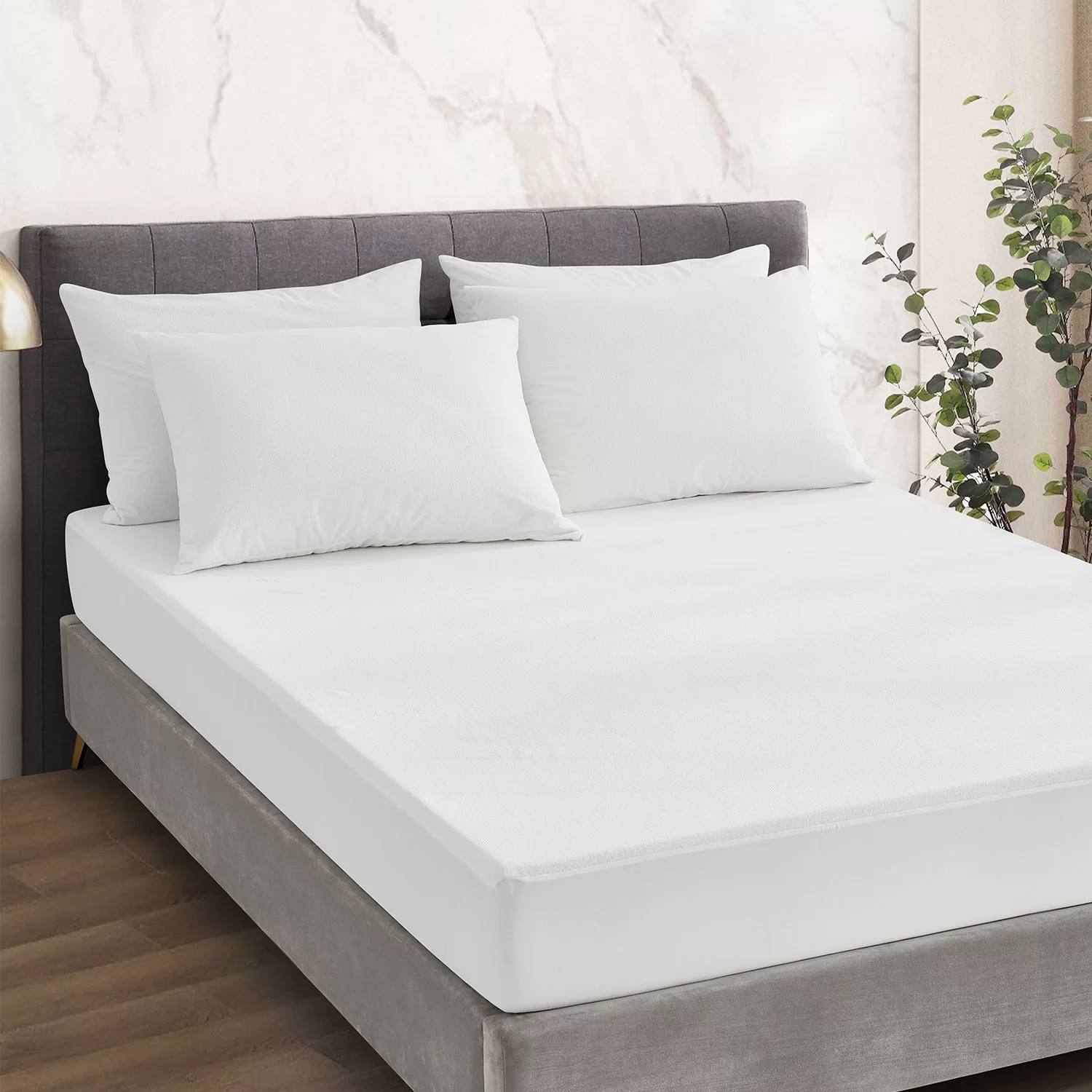
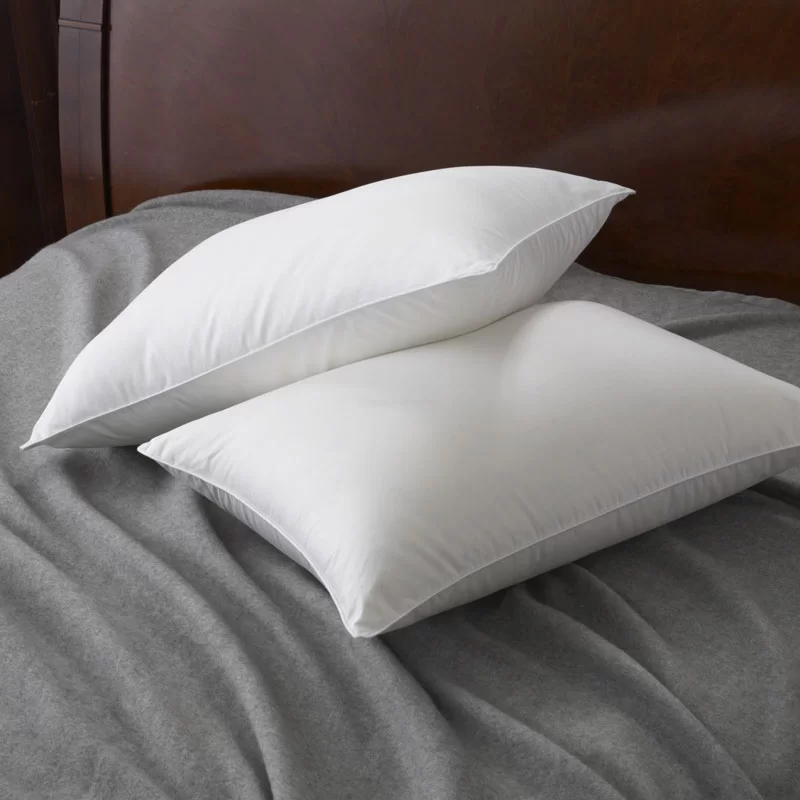
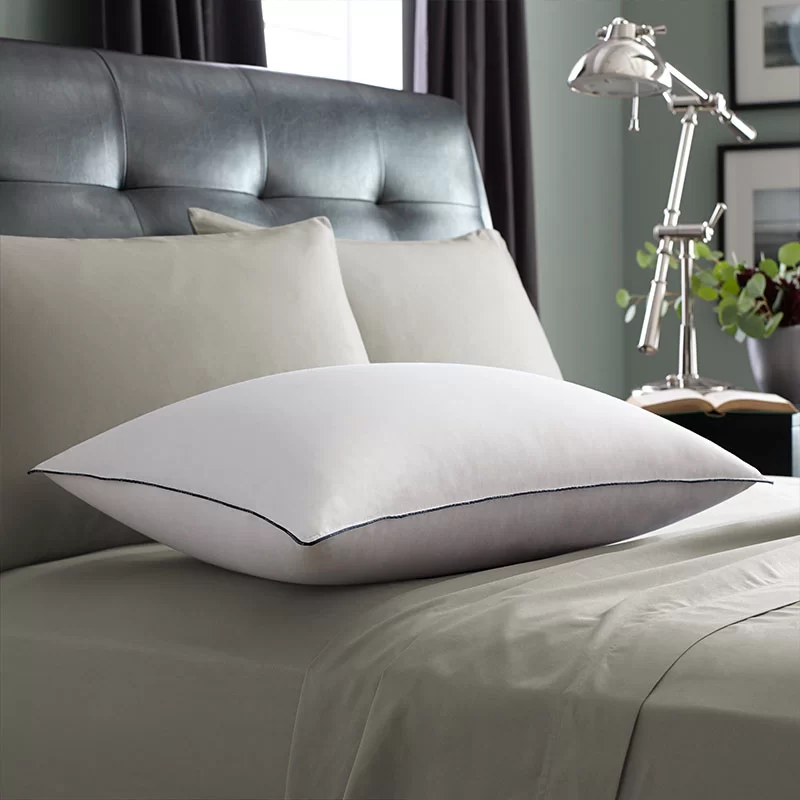
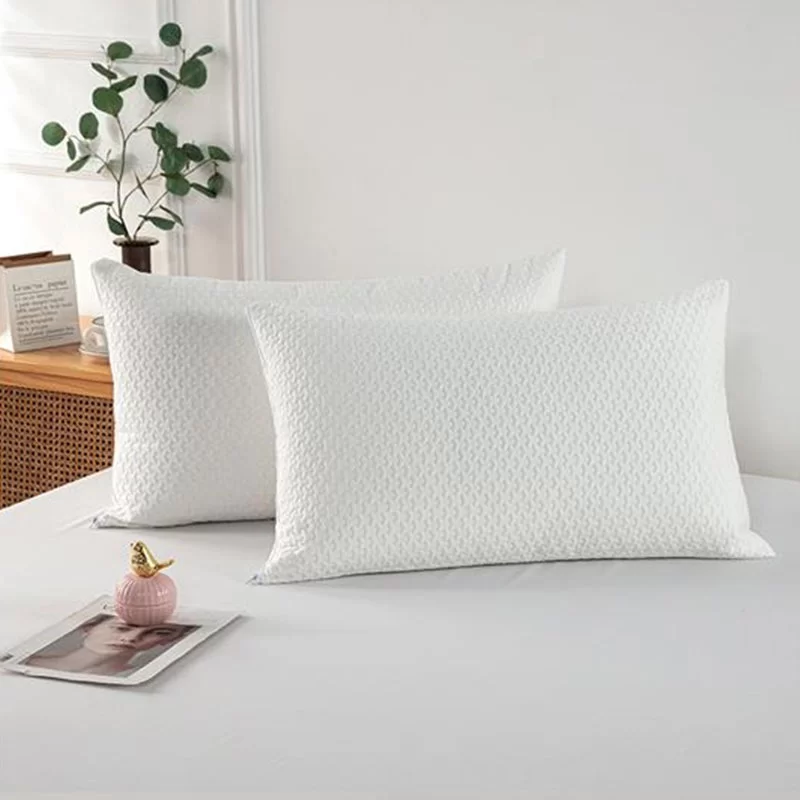
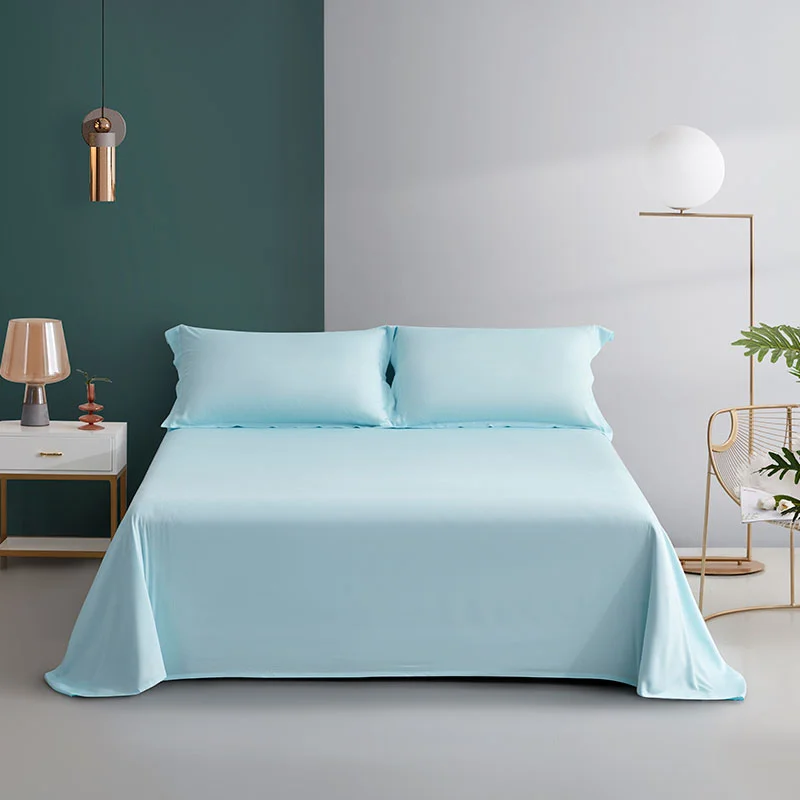
Look, I’ve spent twenty years on construction sites, wrestling with materials, talking shop with engineers, and getting my hands dirty. And let me tell you, when it comes to a good night’s sleep for the guys—and let’s be honest, a rested crew is a safe crew—hotel quality bed linen isn’t just a luxury, it’s an investment. We’re not talking about the thin, scratchy stuff that blows around in the wind. We're talking about serious comfort that allows these men and women to recover, rebuild and be ready to go again the next day. That's what matters.
For years, we settled for whatever was cheapest, thinking a bed was just a place to crash. But the truth is, consistent, quality rest impacts productivity, morale, and even injury rates. The industry has been slow to catch on, focusing on the big stuff—concrete, steel, the schedule. But good bedding? It’s the small detail that makes a huge difference in day-to-day operations and ultimately impacts the bottom line. It’s about treating the workforce with respect, and ensuring they’re physically and mentally prepared for the demands of the job.
And it’s not just about construction. Think about remote camps for mining, oil field workers, even emergency response teams. Anywhere you have people working long hours in tough conditions, hotel quality bed linen is essential. It's about creating a livable environment even when the environment itself is far from comfortable. It’s about giving people a small piece of home, no matter where the job takes them.
The Importance of Hotel Quality Bed Linen
I’ve seen firsthand how crucial proper rest is on a job site. When guys are tossing and turning on cheap bedding, they’re not recovering properly. They’re dragging the next day, making mistakes, and frankly, they’re more likely to get hurt. Hotel quality bed linen isn’t just about comfort; it's about safety and productivity. It’s about recognizing that these workers are our most valuable asset and investing in their well-being.
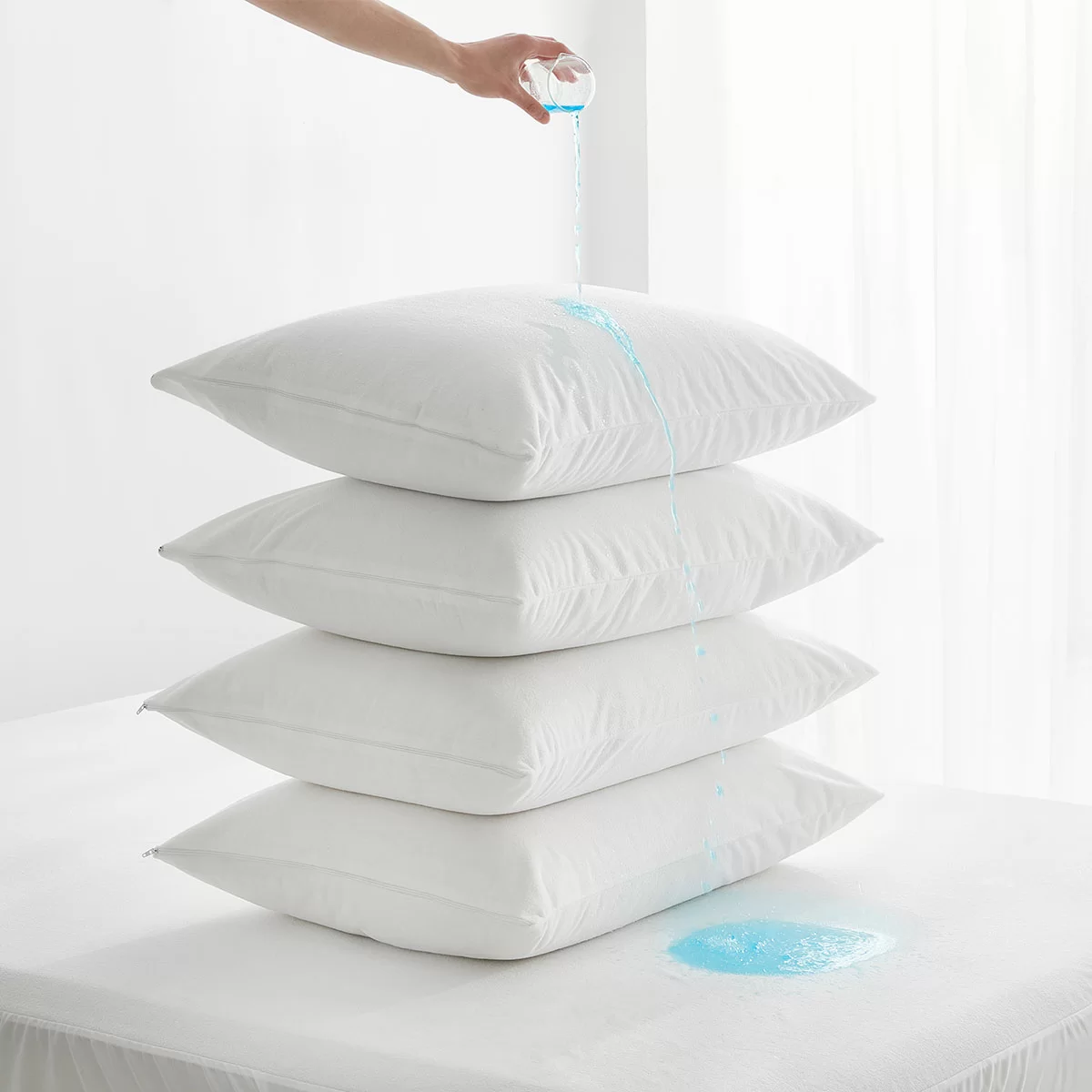
The difference isn’t just in how it feels, though that's important. It's in the durability, the washability, and the consistency of a good product. We’re talking about bedding that can withstand repeated commercial laundering and still hold its shape and comfort. It's a long-term investment that pays dividends in reduced downtime and increased efficiency.
Defining Hotel Quality Bed Linen for Practical Application
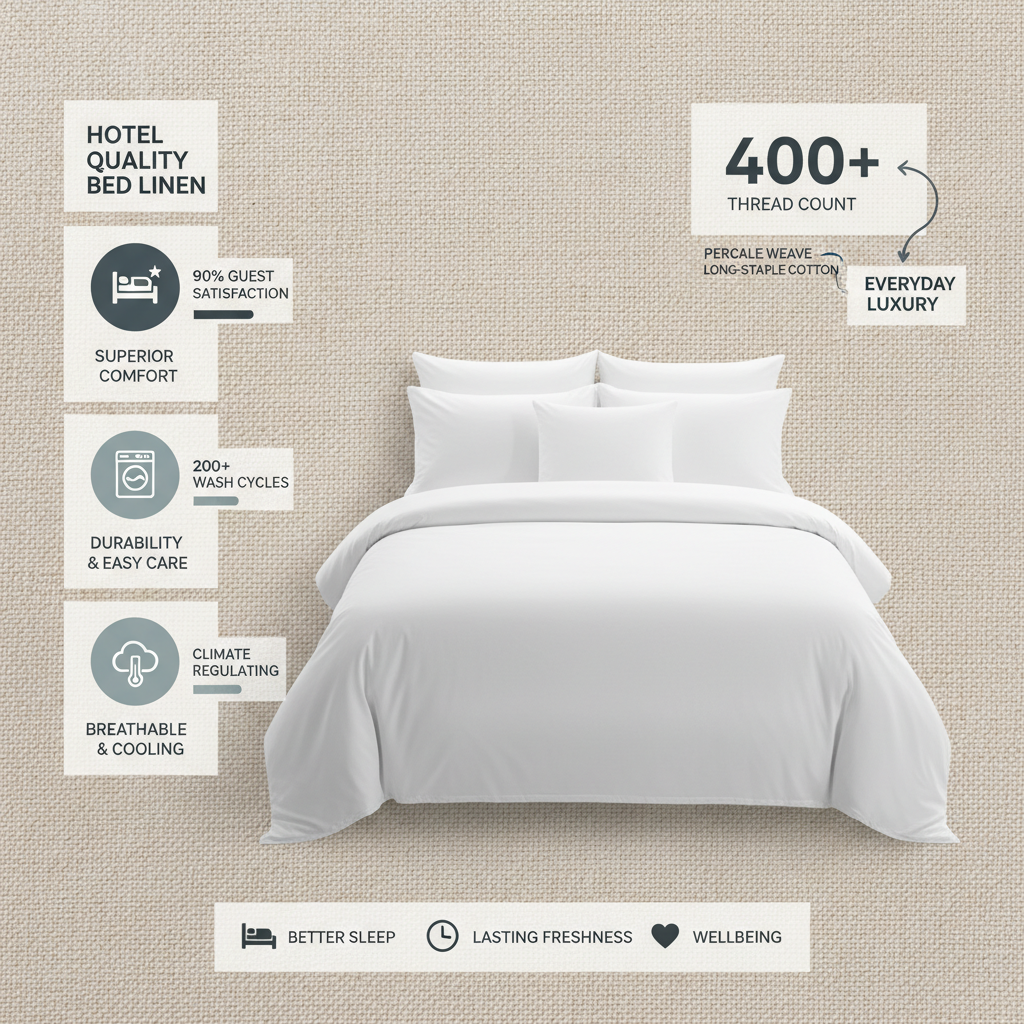
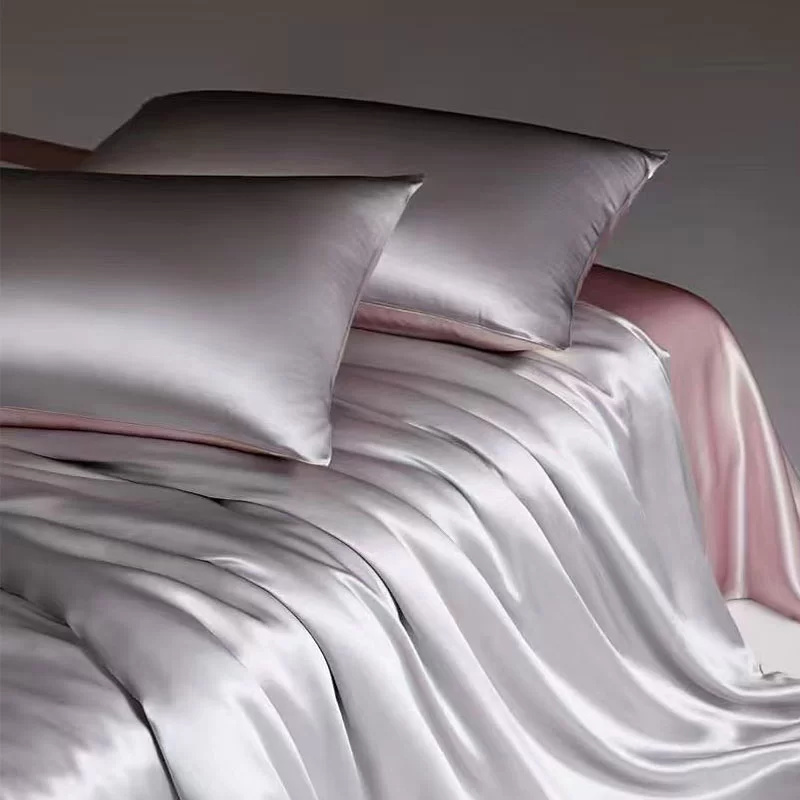
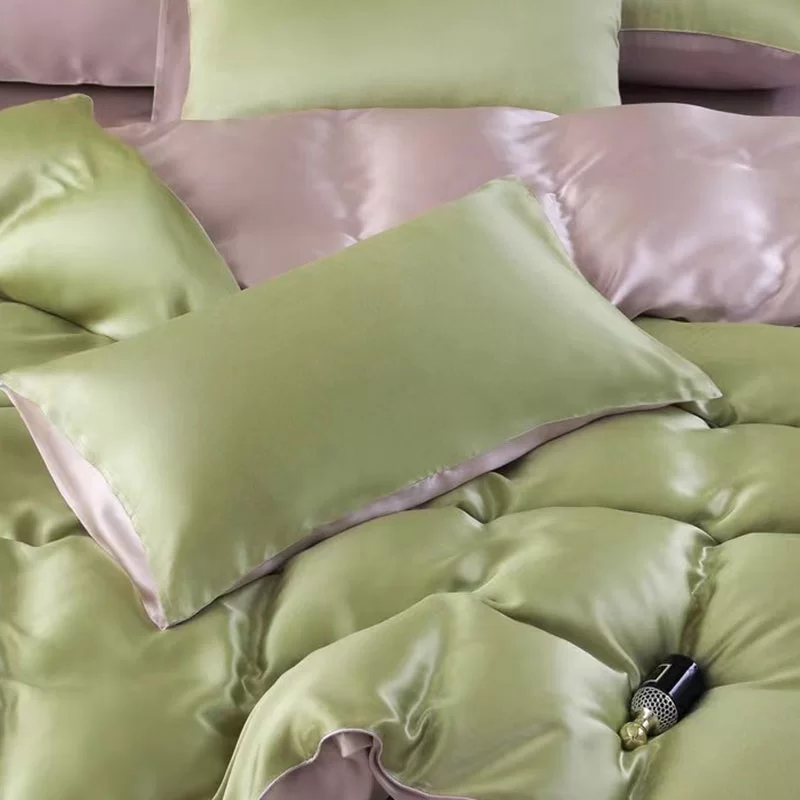
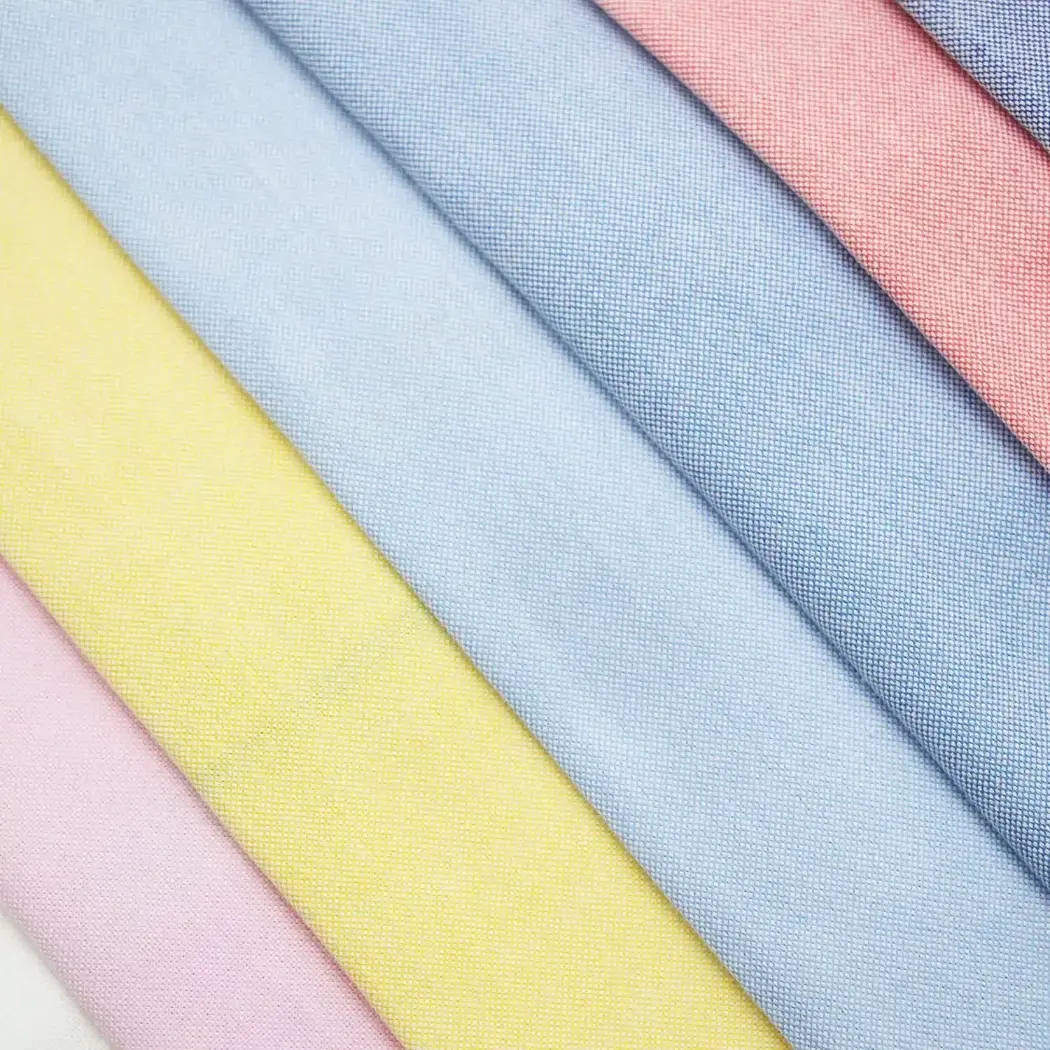
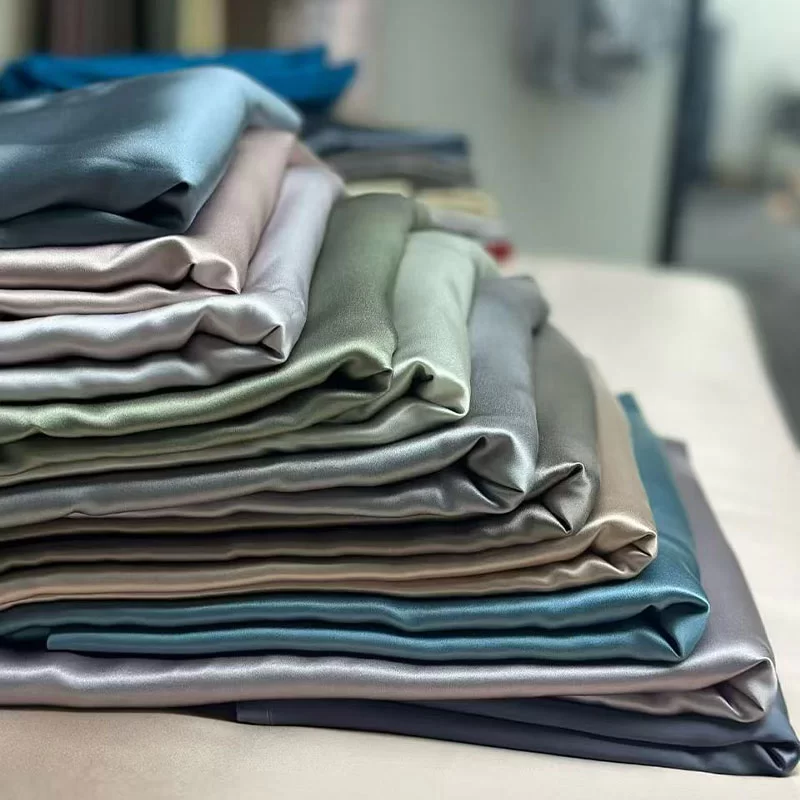
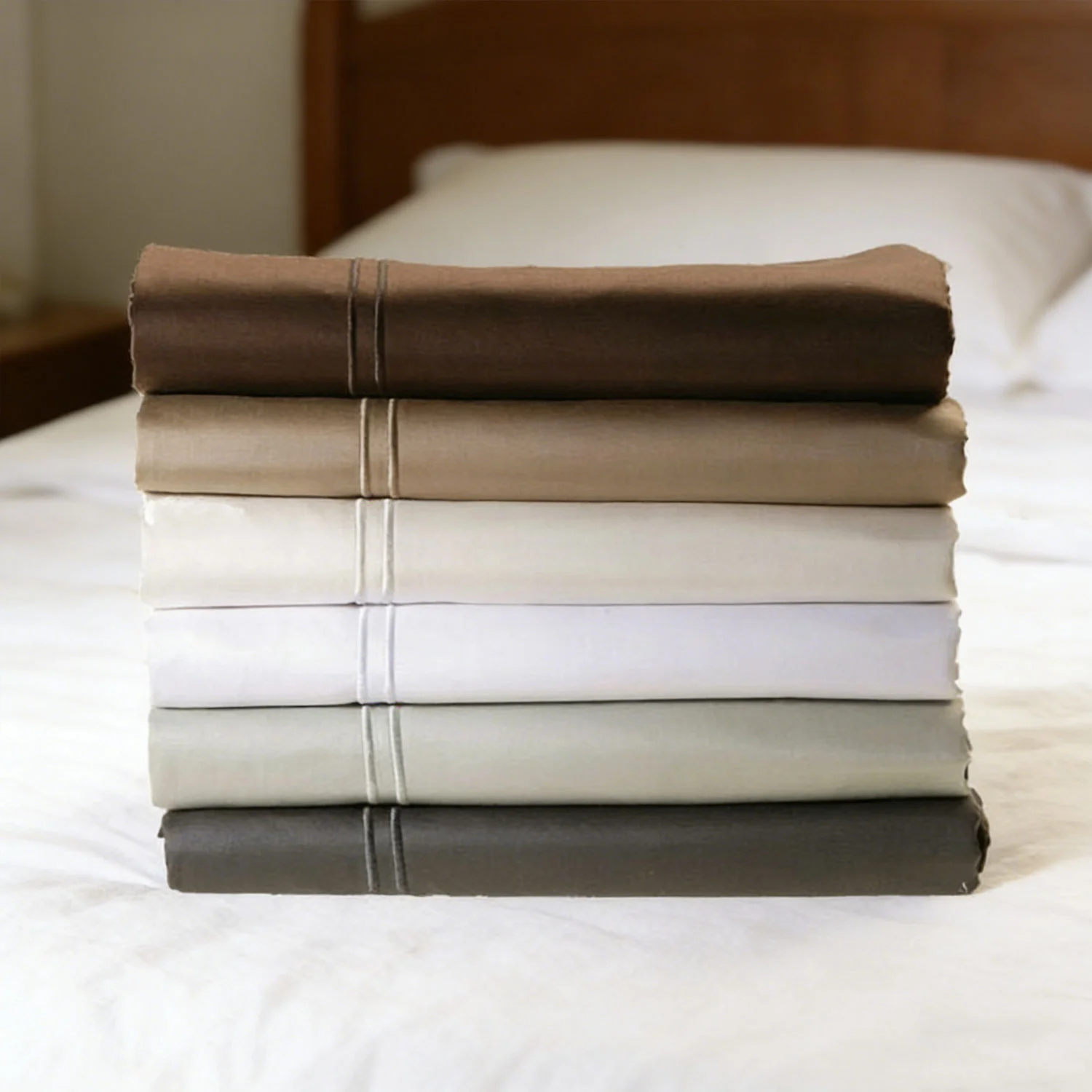
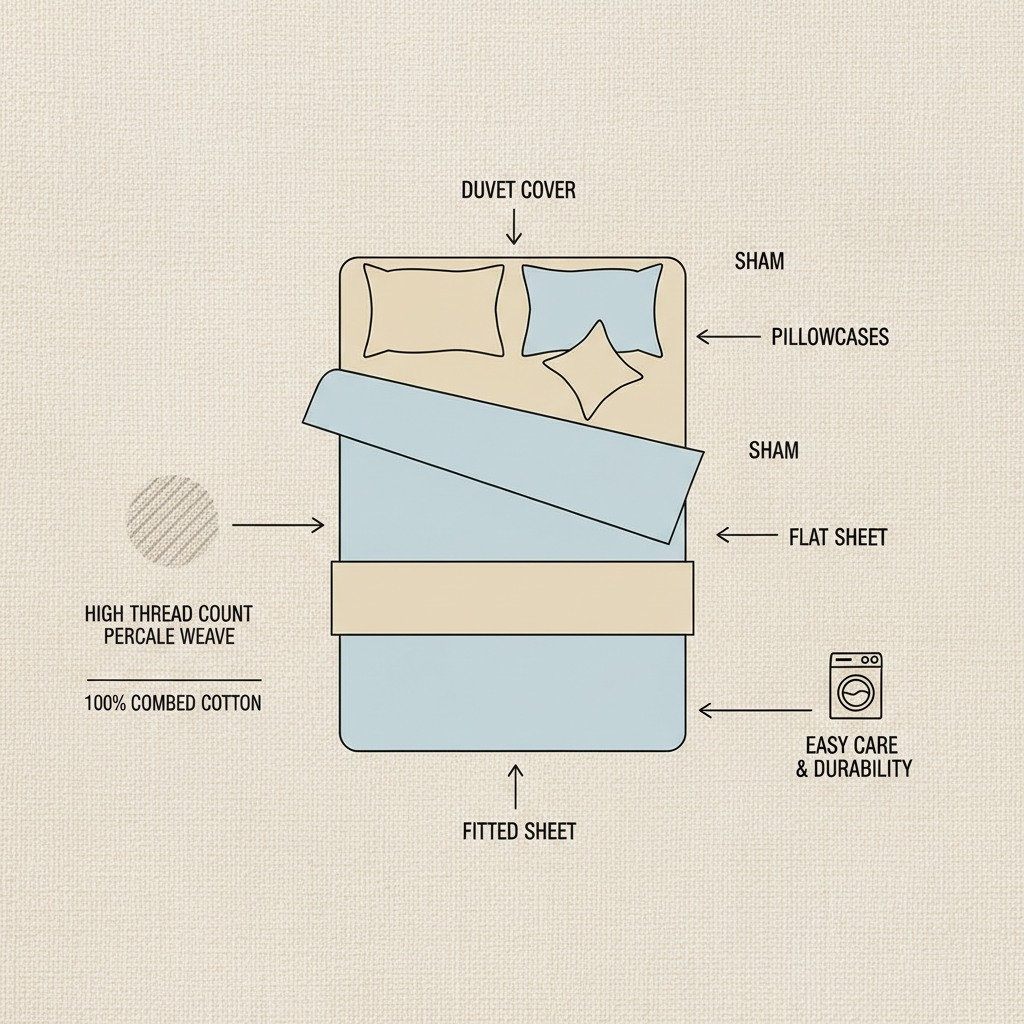
“Hotel quality” gets thrown around a lot, but what does it actually mean in a real-world setting? It's not just about a high thread count. It's about the fiber content, the weave, and the finishing processes. We're looking for long-staple cotton, typically Egyptian or Pima, for that softness and durability. A percale weave is good for its crisp, cool feel, while sateen offers a silky smoothness. But beyond that, it’s about construction. Seams need to be reinforced, fitted sheets need to stay put, and the whole package needs to be able to handle constant use and industrial washing.
In a construction environment, or a remote work camp, we need bedding that’s built to last. It needs to hold up to tough conditions, frequent washing, and rough handling. It needs to be resistant to tearing, shrinking, and fading. That’s what separates “hotel quality” from the standard stuff you find in big box stores. It's built for sustained performance under extreme conditions.
The goal isn’t to create a five-star hotel experience, but to provide a consistent, comfortable, and hygienic sleeping environment that supports the health and well-being of the workforce. And a proper night's rest achieved by using hotel quality bed linen is the key to achieving this goal.
Key Factors in Durable Bedding
Durability is paramount. We're not looking for something that lasts a few washes; we need bedding that will withstand hundreds of cycles in a commercial laundry. That means looking at fiber strength, weave density, and seam construction. Long-staple cotton is a must, as it's less prone to pilling and tearing. Reinforced seams are critical, and a tight weave prevents unraveling.
Then there's the issue of shrinkage. Nobody wants fitted sheets that pop off the mattress after a few washes. Pre-shrunk fabrics and careful finishing processes are essential to maintain the proper fit and size. We also need to consider colorfastness. Fading bedding looks worn and unprofessional, and it can be a sign of lower quality materials. Proper dyes and finishing treatments are crucial to maintaining vibrant colors over time.
Performance Metrics of Hotel Quality Bed Linen
You can’t just rely on feel. There are quantifiable metrics that tell you whether bedding is truly up to par. We look at thread count, but that’s just one piece of the puzzle. We focus on tensile strength – how much force it takes to tear the fabric. We test for shrinkage after multiple washes, and we assess colorfastness using standardized tests.
We also look at pilling resistance – how likely the fabric is to develop those annoying little balls of fluff. And, importantly, we consider washability. Can the bedding withstand commercial detergents and high temperatures without losing its integrity? We've started using abrasion tests to measure resistance to wear and tear, critical for bedding that sees a lot of action.
Performance Metrics Comparison of Bed Linen Types
Global Applications in Demanding Environments
We supply bedding to remote mining camps in Western Australia, oil rigs in the North Sea, and construction sites across the US. The conditions are drastically different, but the need for durable, comfortable bedding is the same. In post-disaster relief operations, providing clean, quality bedding is a basic humanitarian need. It's about restoring a sense of dignity and normalcy in chaotic situations.
The logistics of getting bedding to these remote locations can be challenging, so we need products that are compact, lightweight, and easy to transport. We're also seeing increased demand for bedding in large-scale industrial projects, such as pipeline construction and renewable energy installations. Anywhere you have a transient workforce working long hours in challenging conditions, hotel quality bed linen is a necessity.
Long-Term Value and Cost Analysis
I get it. Upfront, hotel quality bed linen costs more. But when you factor in the reduced replacement rate, the lower laundry costs (because they hold up better to repeated washing), and the increased productivity of a well-rested workforce, the long-term value is undeniable. You're not just buying bedding; you're investing in your people.
We’ve done the calculations on several projects, and the payback period is surprisingly short. A small increase in upfront cost translates to significant savings over the lifespan of the bedding. And, let's be honest, there's a moral imperative here. Treating your workers with respect and providing them with a comfortable sleeping environment is the right thing to do, and it builds loyalty and reduces turnover.
And let's not forget the sustainability aspect. Durable bedding means less waste, reducing your environmental footprint. It’s a win-win.
Future Trends and Innovations in Bedding Materials
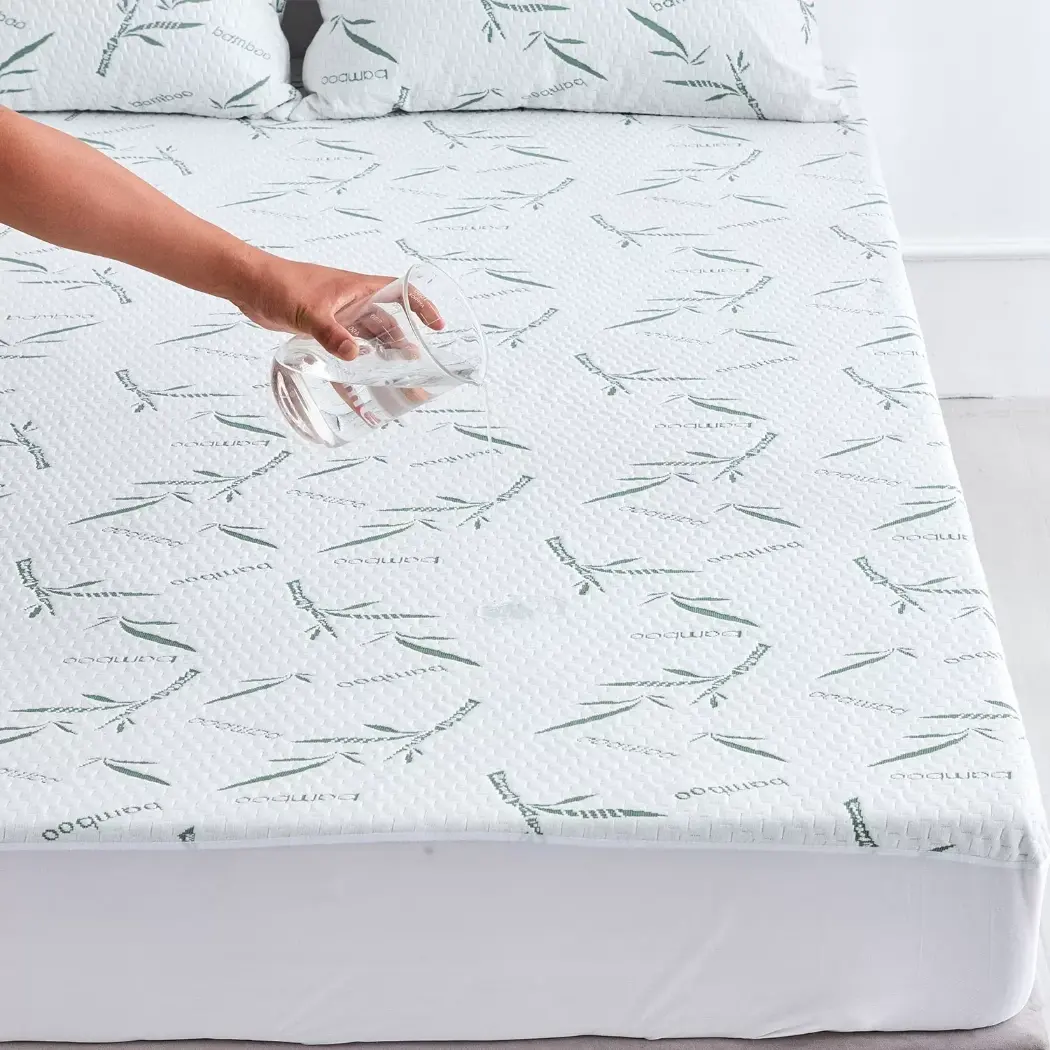
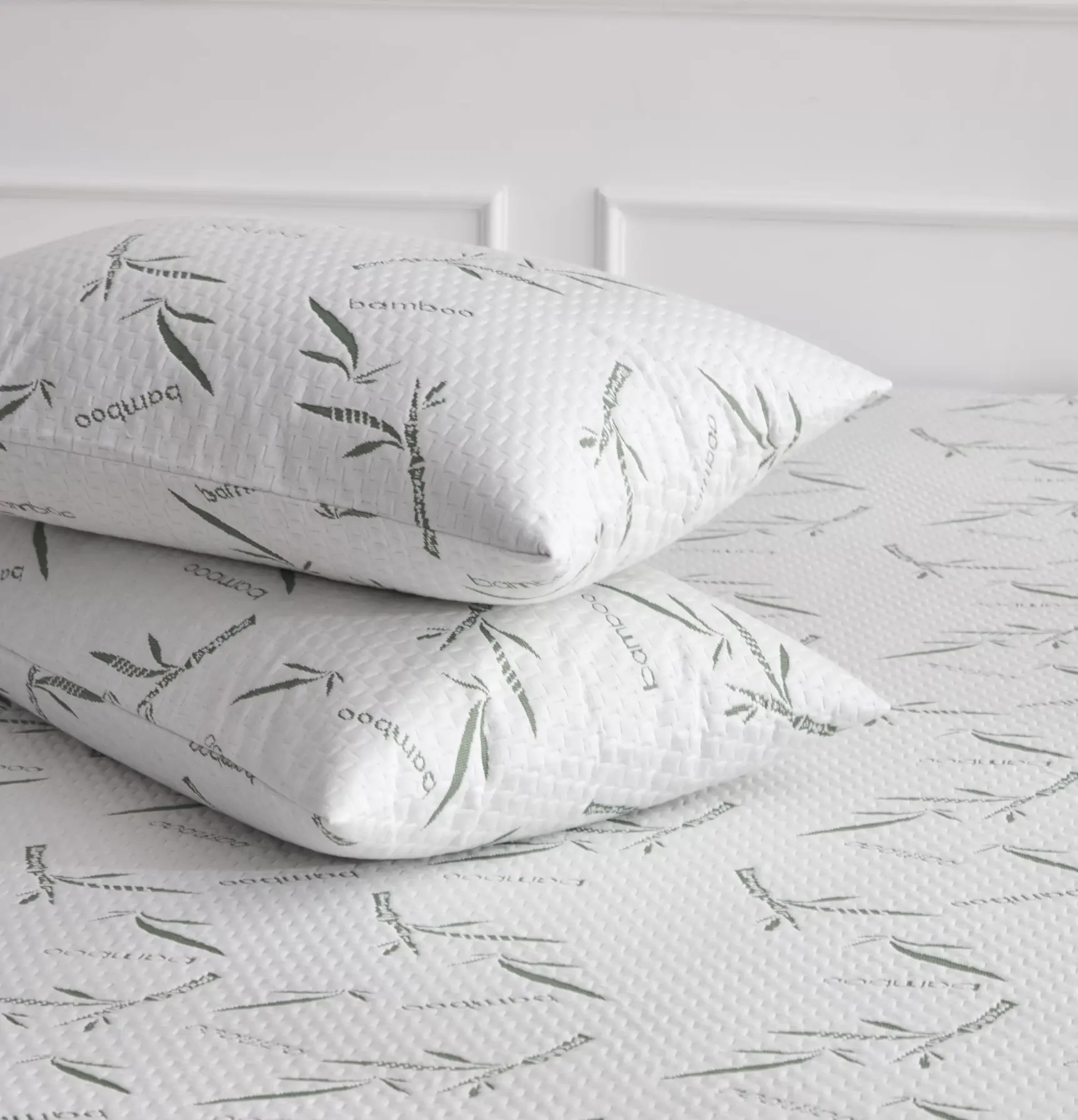
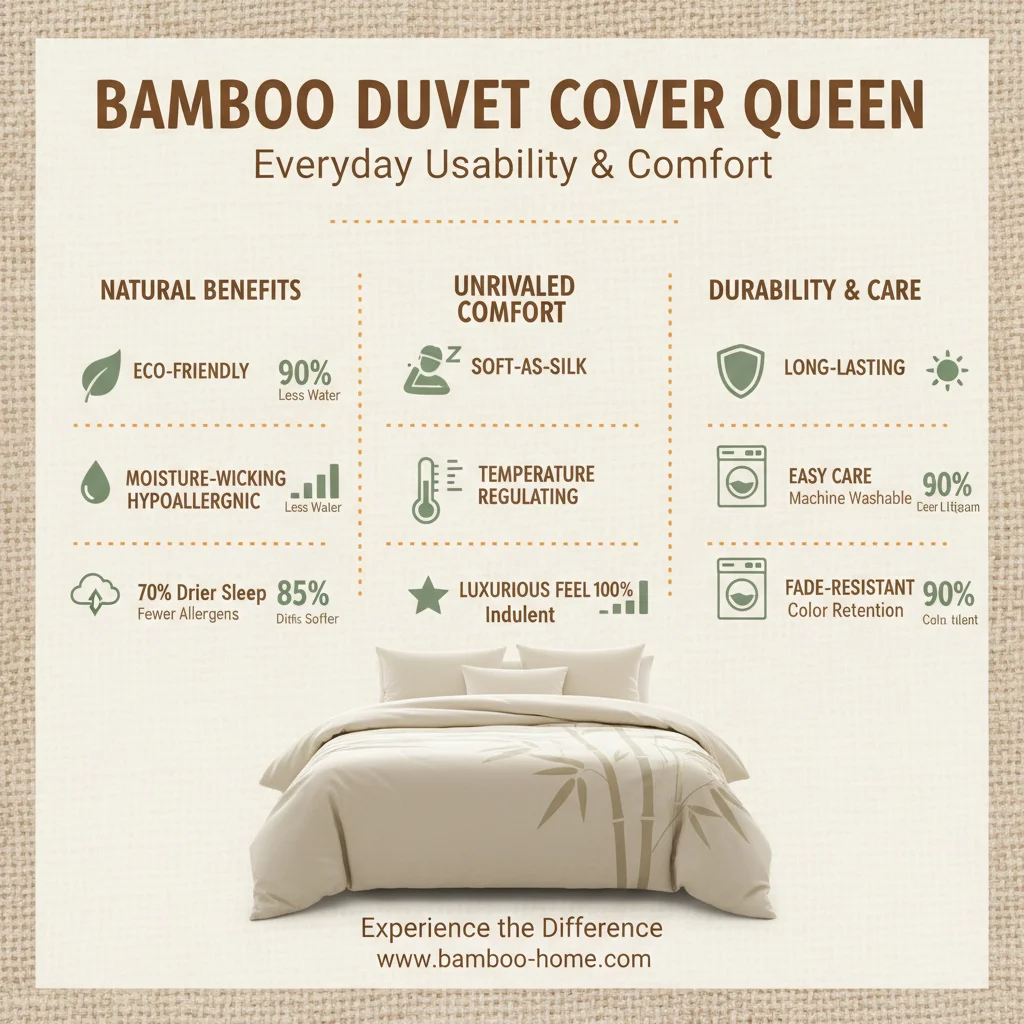
We're seeing a lot of innovation in sustainable bedding materials. Recycled cotton, bamboo, and even eucalyptus fibers are gaining traction. These materials are not only environmentally friendly but also offer excellent comfort and durability. We're also exploring antimicrobial treatments that can reduce the spread of bacteria and viruses, which is particularly important in shared living environments.
Another trend is the use of smart textiles – bedding that incorporates sensors to monitor sleep quality and adjust temperature for optimal comfort. While that’s still a bit futuristic for most job sites, I can see it becoming more common as the technology becomes more affordable. Ultimately, the goal is to create bedding that not only provides a comfortable and hygienic sleeping environment but also actively contributes to the health and well-being of the workforce.
We also foresee a move towards more traceability in the supply chain, so we can verify the ethical and environmental sourcing of materials. Transparency is becoming increasingly important to consumers and businesses alike.
Summary of Key Considerations for Sustainable Bedding
| Material Source |
Durability Score (1-10) |
Environmental Impact |
Cost per Unit |
| Recycled Cotton |
7 |
Low |
$15 |
| Bamboo |
8 |
Medium |
$20 |
| Eucalyptus |
9 |
Low |
$25 |
| Long-Staple Cotton (Organic) |
10 |
Medium |
$30 |
| Polyester (Recycled) |
6 |
Low |
$10 |
| Linen |
9 |
Medium |
$35 |
FAQS
While thread count gets a lot of attention, it's not the only factor. I’ve seen 200 thread count percale that outlasts 400 thread count sateen. Focus on fiber quality - long-staple cotton is key. A good starting point is 200-300 thread count with high-quality cotton. Don’t get caught up in inflated numbers that are often misleading.
It depends on the frequency of laundering and the level of wear and tear, but generally, you can expect 2-3 years of reliable service with high-quality bedding. Regular inspections are crucial to identify and remove damaged items before they impact comfort and hygiene. Tracking replacement rates allows for better budgeting and proactive inventory management.
Organic and sustainable bedding options reduce your environmental impact and can offer benefits for workers with sensitivities to chemicals. They're often softer and more comfortable, and they align with a growing demand for ethical and responsible sourcing. Consider certifications like GOTS to ensure authenticity.
Percale has a crisp, cool feel and is very durable, making it ideal for high-use environments. Sateen is softer and more luxurious, but may be slightly less durable. Twill is known for its strength and resistance to wrinkles, but can be heavier. The right weave depends on your specific needs and preferences.
Use a mild detergent, avoid harsh chemicals and bleach, and wash at a moderate temperature. Overloading the washing machine can damage the fabric. Proper drying is also important – avoid high heat, which can cause shrinkage and fading. Regular inspections and prompt removal of stains are crucial for maintaining appearance and hygiene.
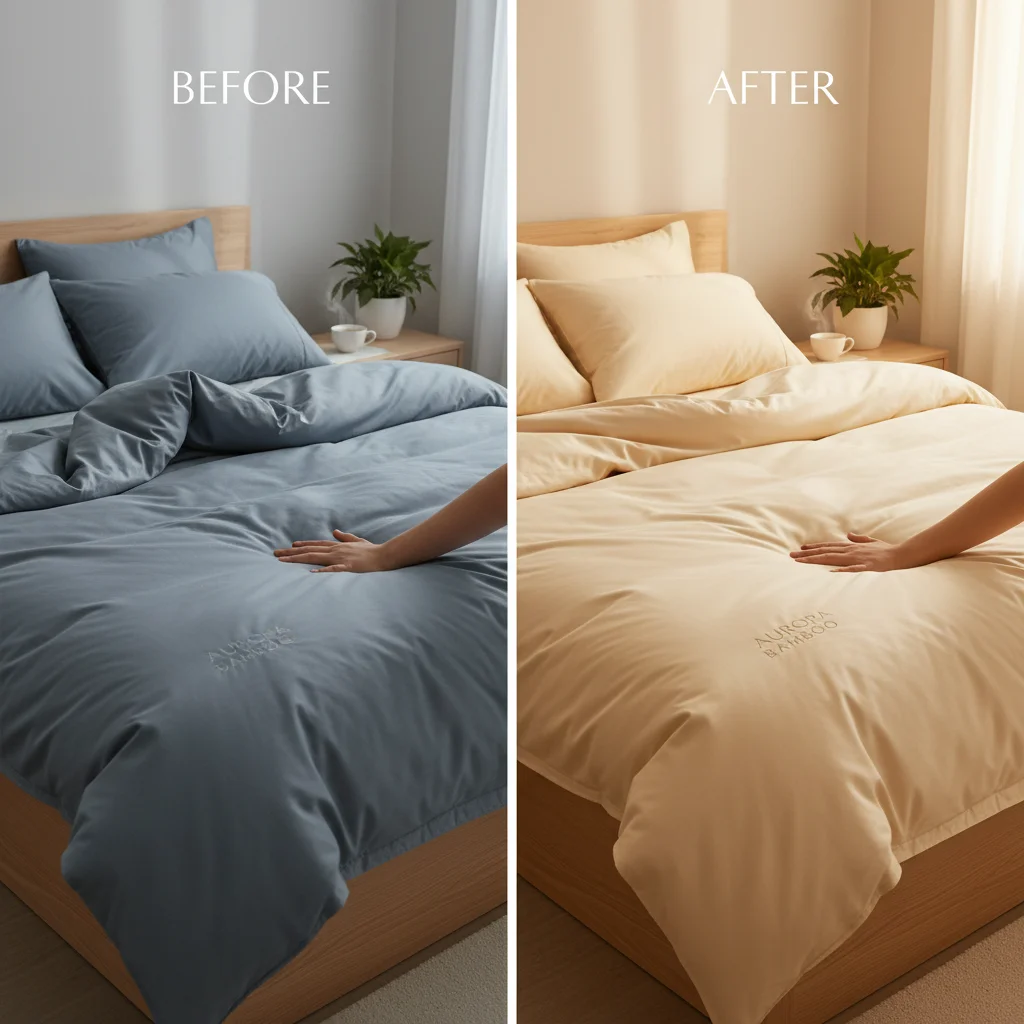
Absolutely. Many suppliers offer customization options, including embroidery of logos and the ability to select specific colors to match your branding. This can create a more professional and cohesive look for your accommodations, and also help deter theft. Just be sure to choose durable embroidery techniques that won't compromise the integrity of the fabric.
Conclusion
Hotel quality bed linen is more than just a comfort item; it’s a crucial investment in the well-being, productivity, and safety of your workforce. From construction sites to remote camps, providing a consistently comfortable and hygienic sleeping environment translates to tangible benefits—reduced downtime, increased morale, and improved performance. Don’t underestimate the power of a good night’s sleep.
Looking ahead, the industry is ripe for innovation, with a growing focus on sustainable materials, smart textiles, and traceability. By prioritizing quality, durability, and ethical sourcing, you can create a bedding program that not only meets the needs of your workforce but also aligns with your company’s values and long-term sustainability goals. Visit our website at www.infortextile.com to learn more about how we can help you elevate your bedding standards.