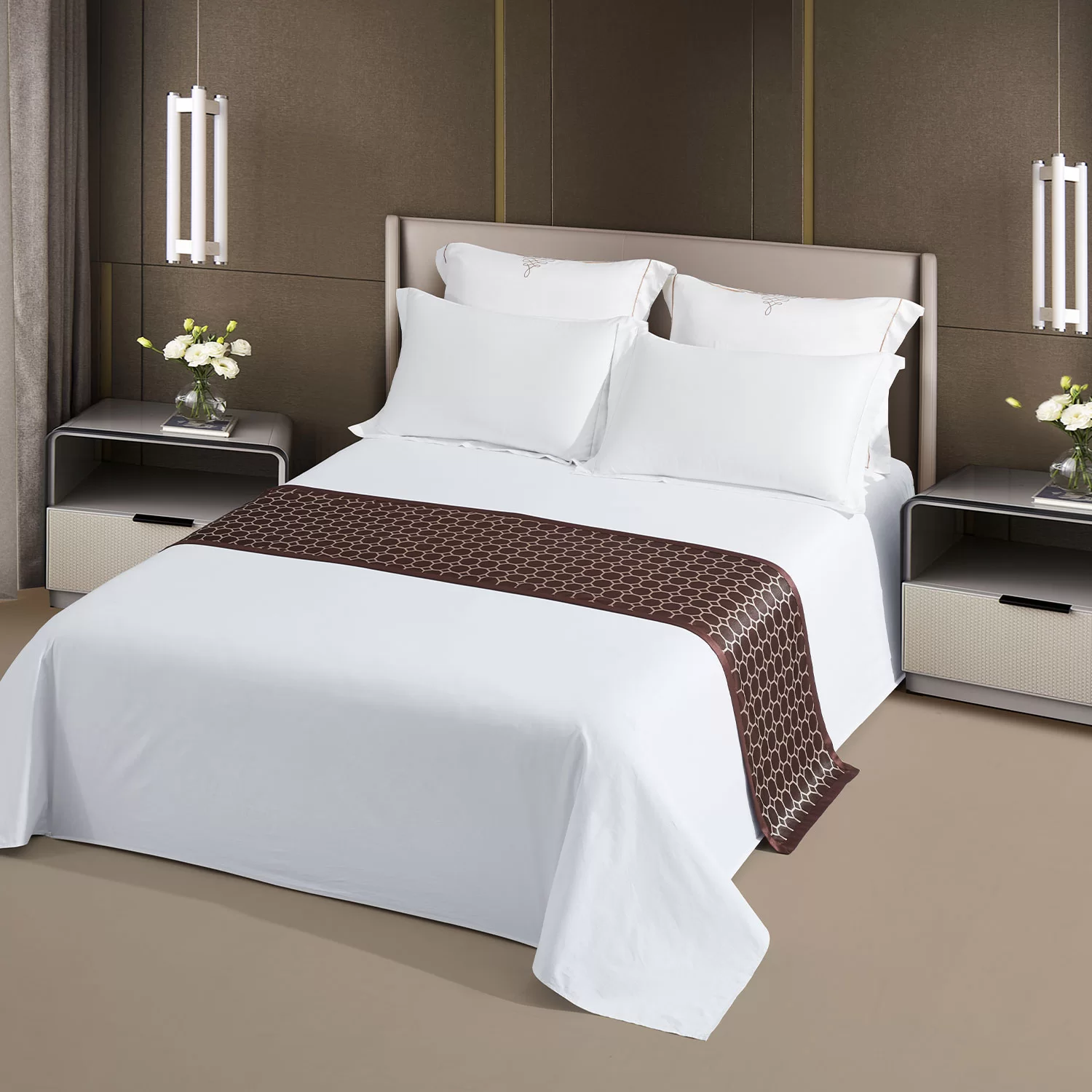
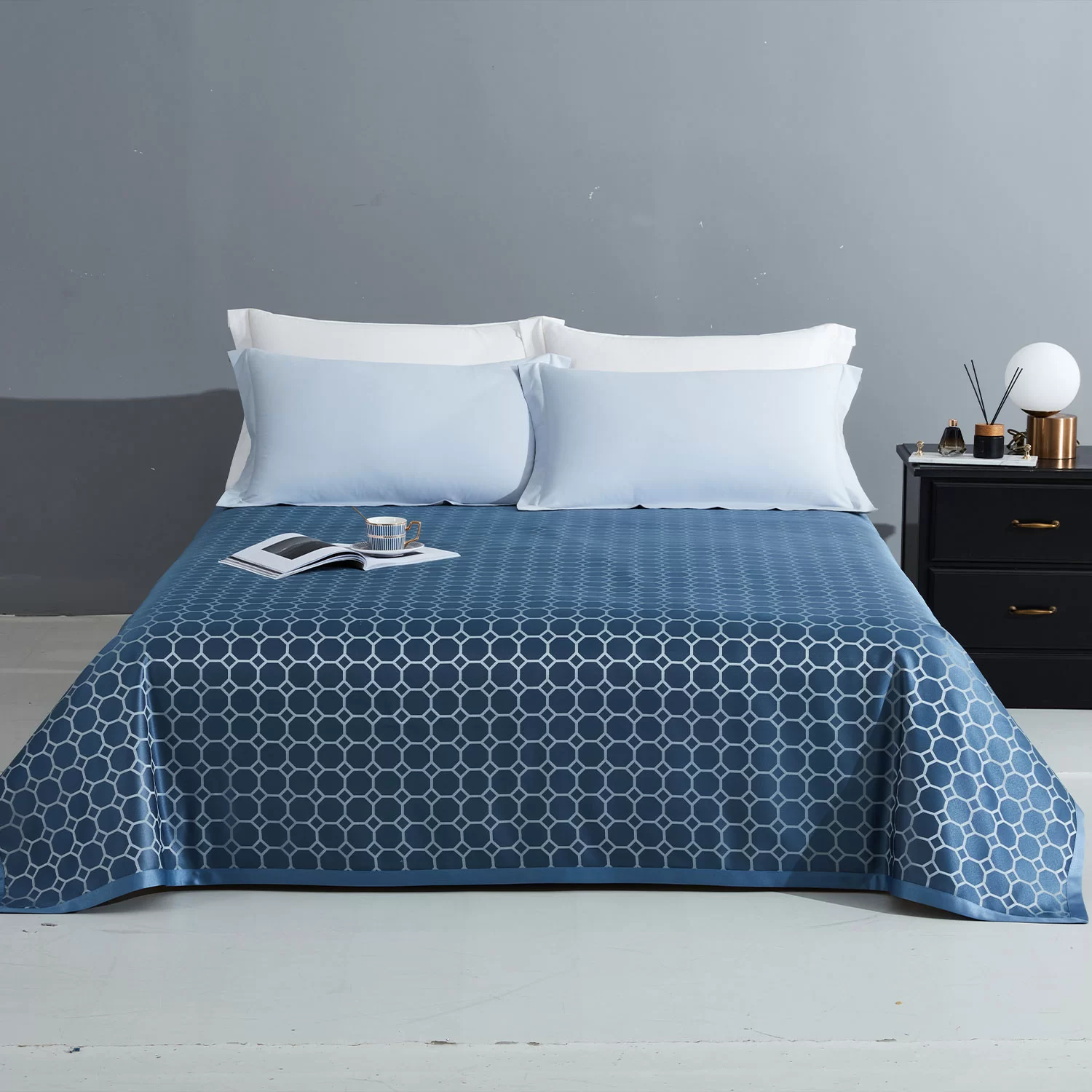
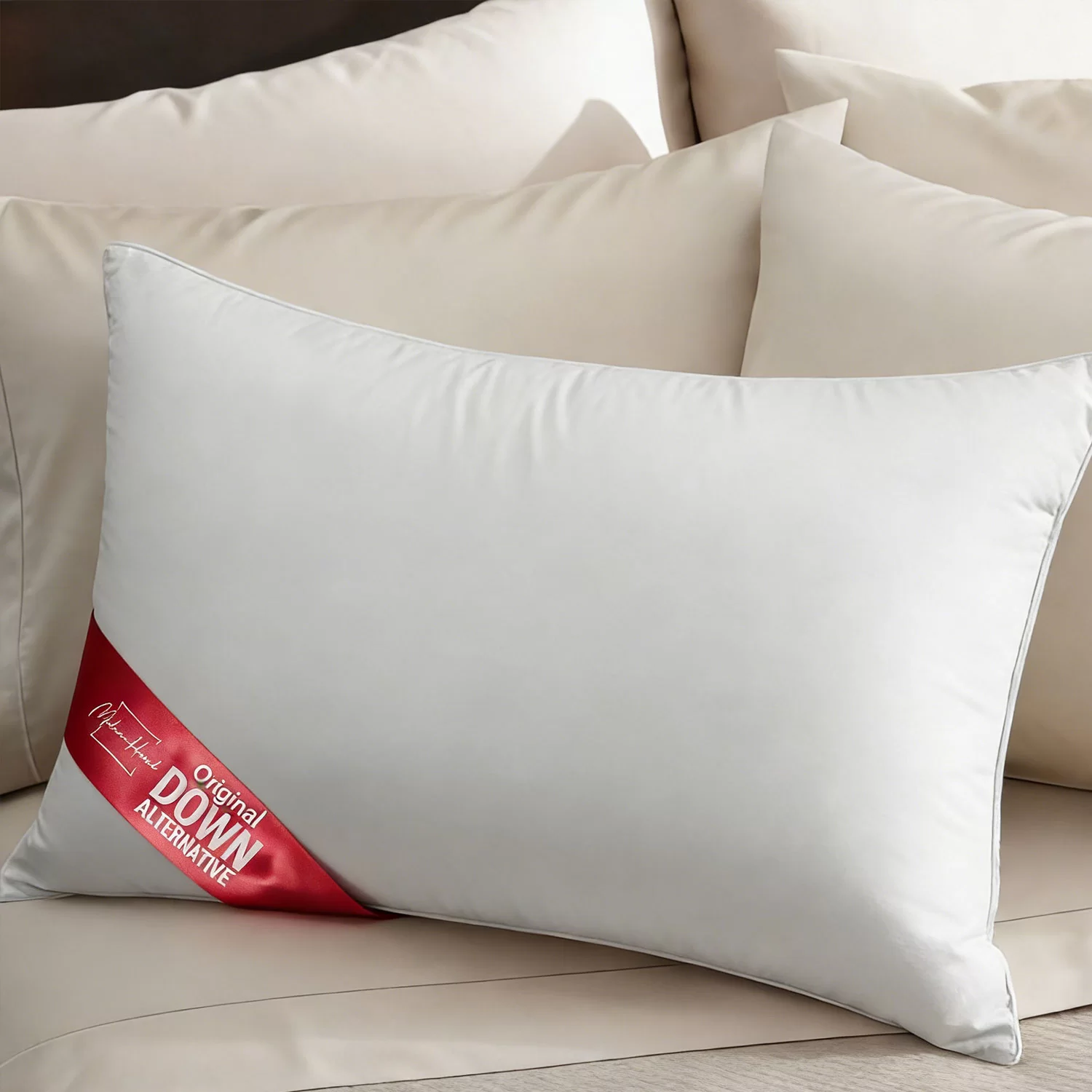
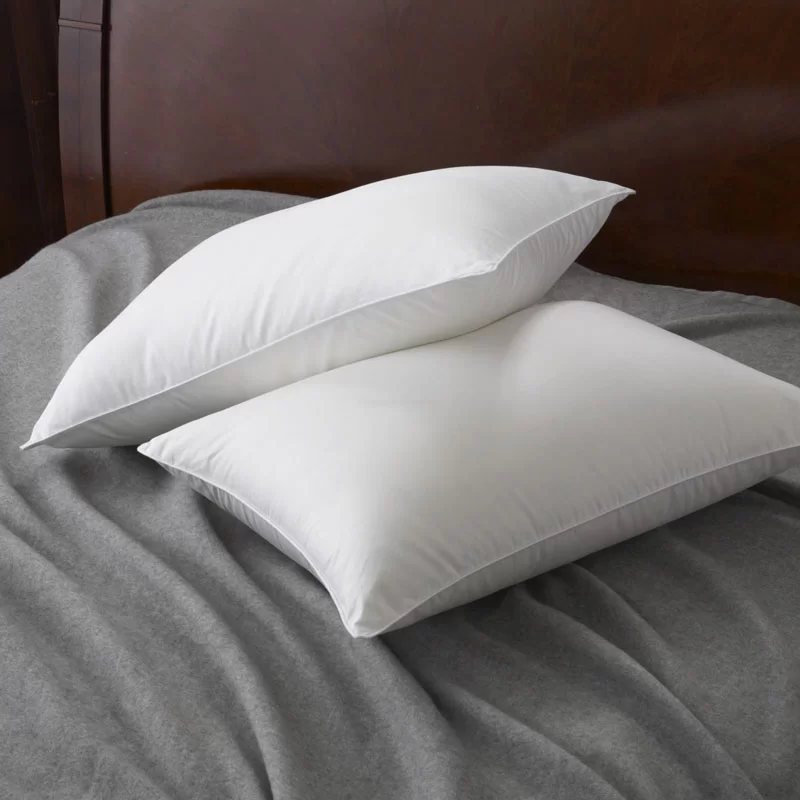
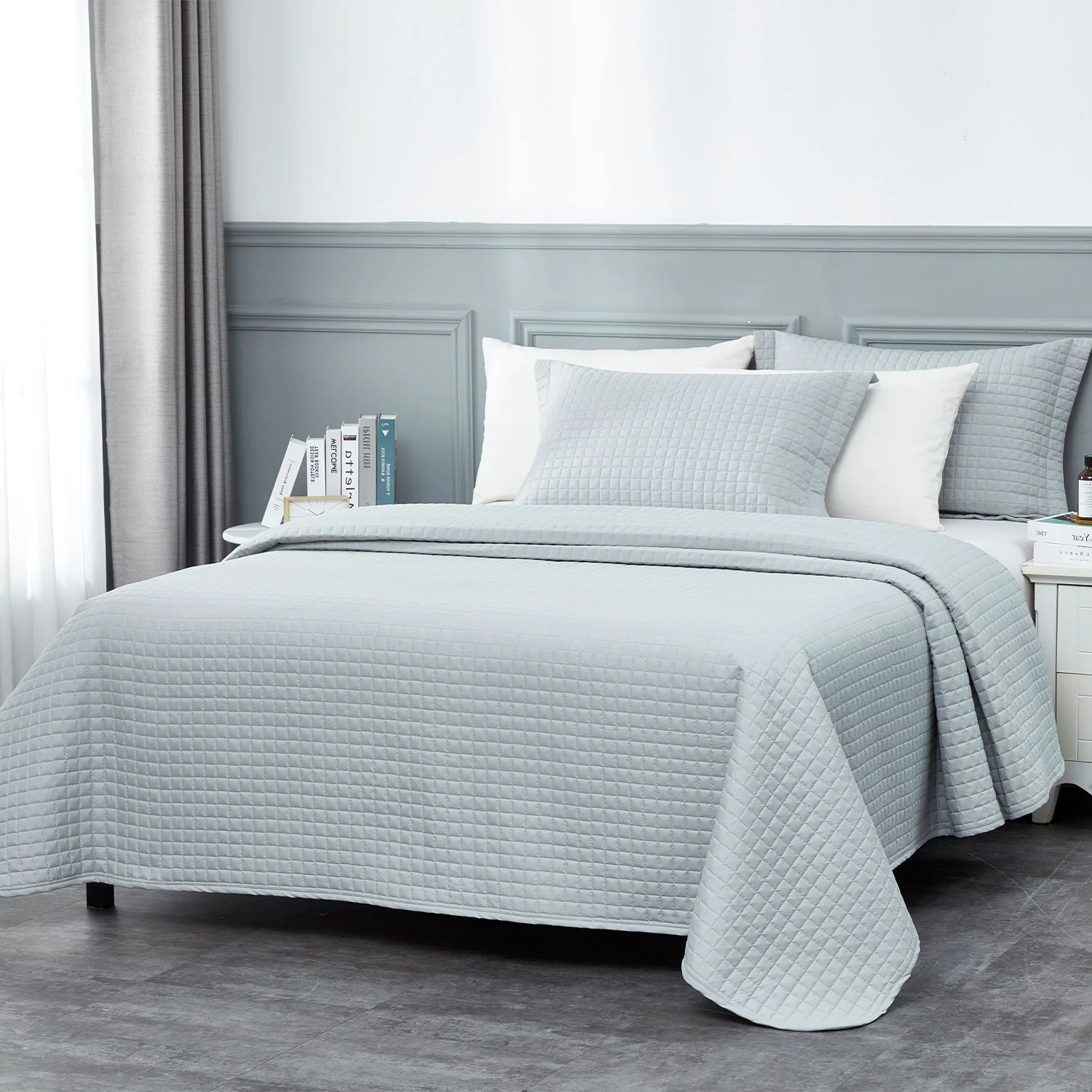
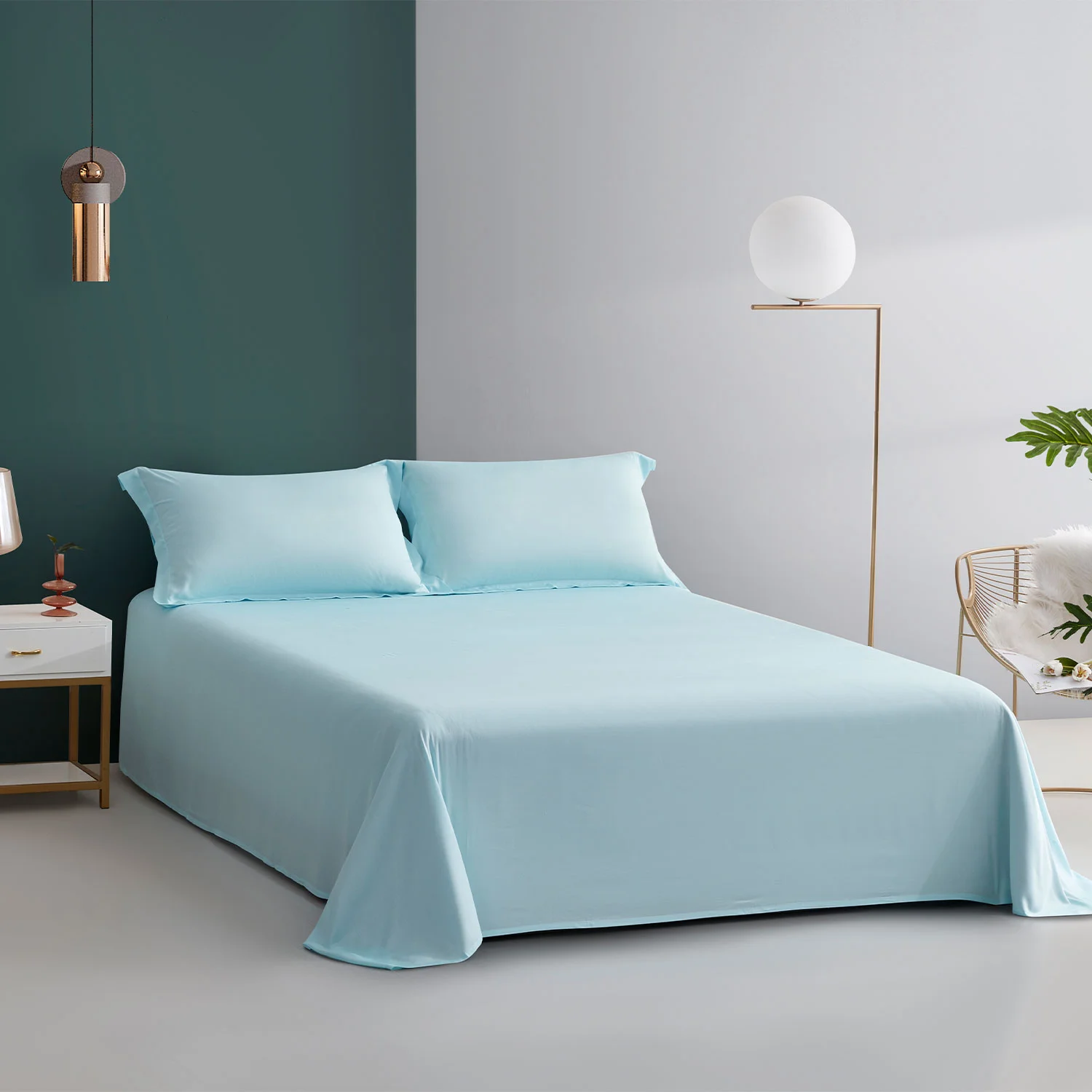
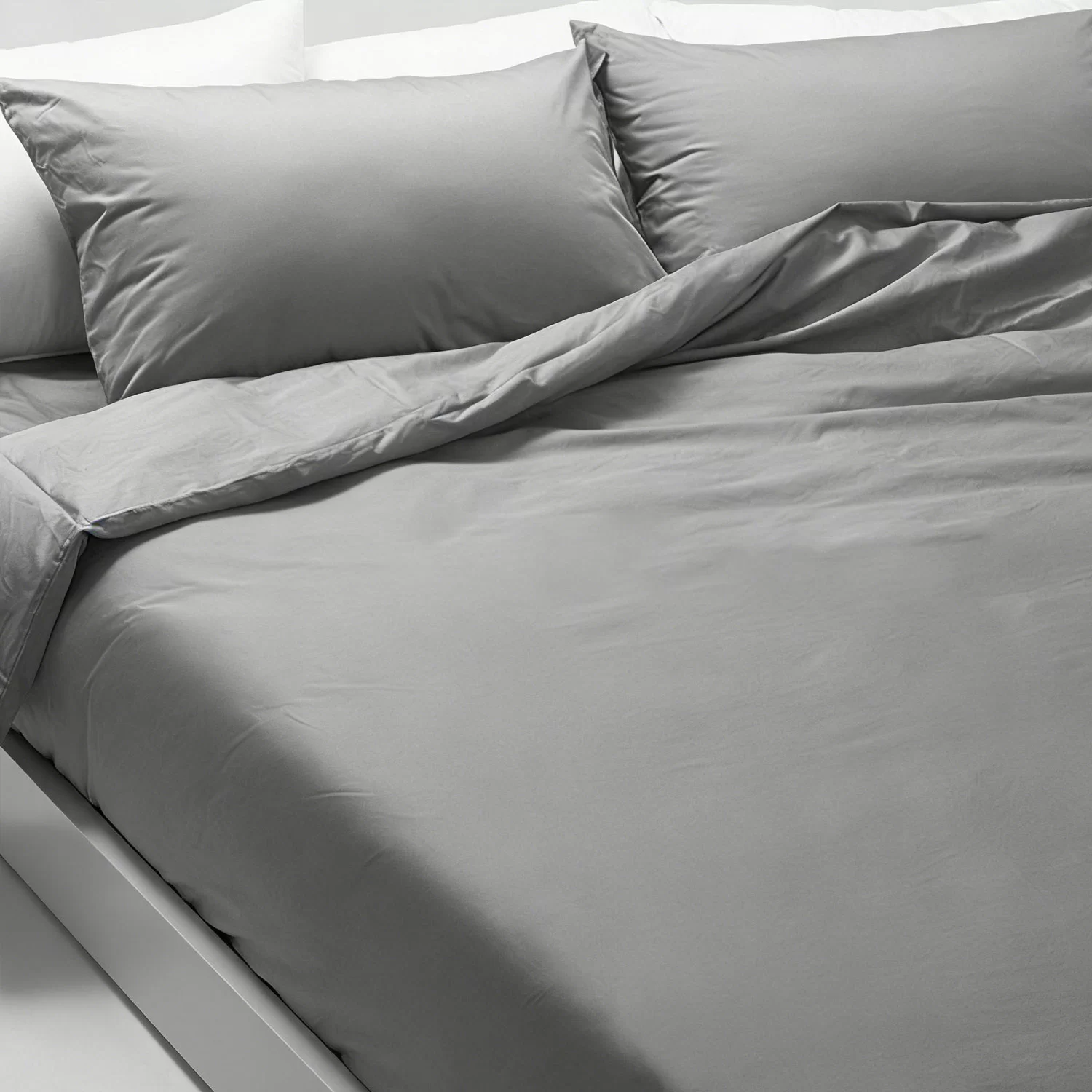
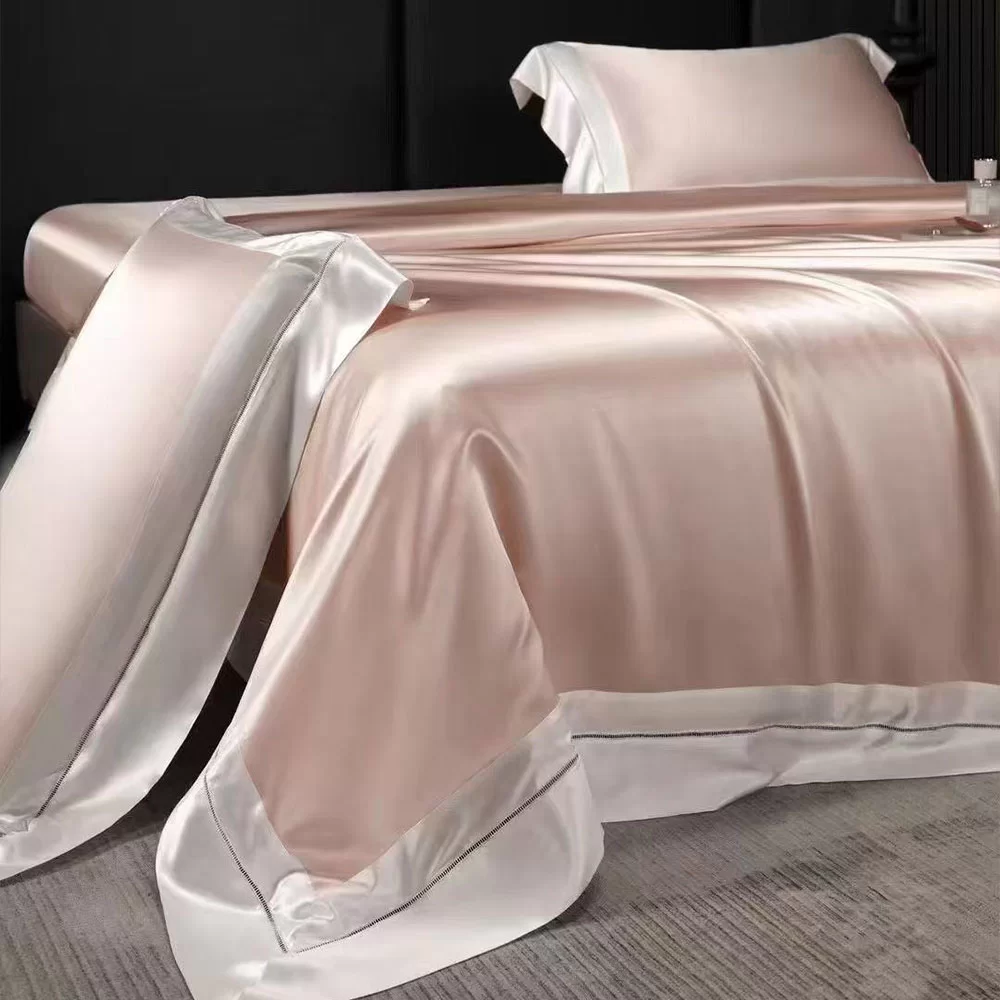
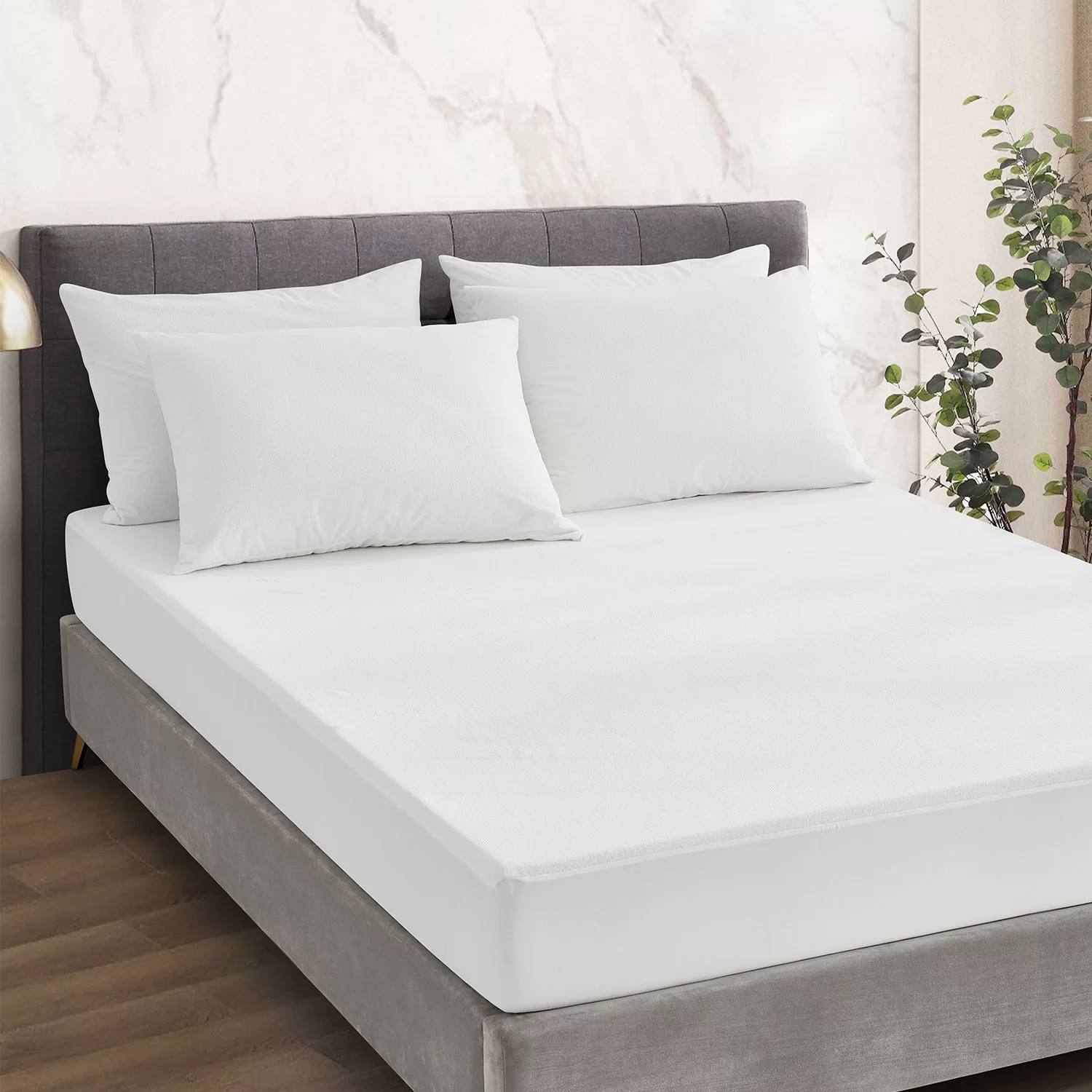
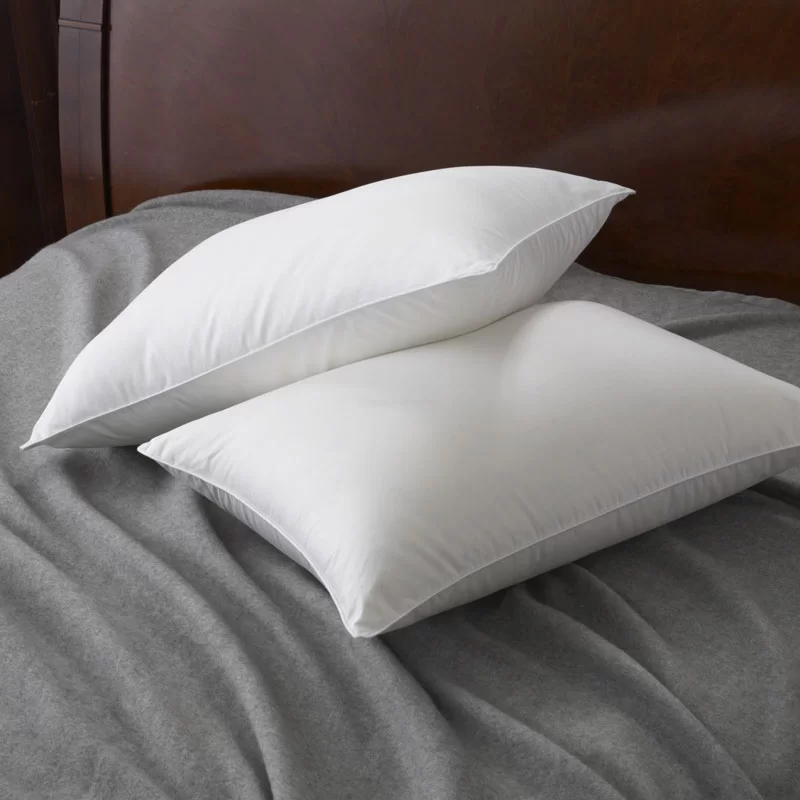
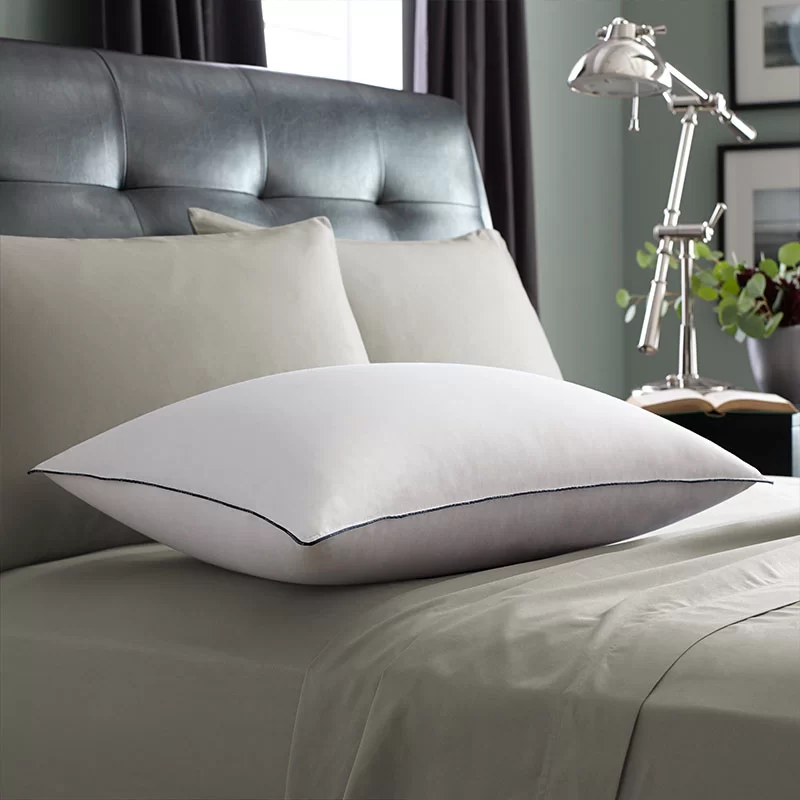
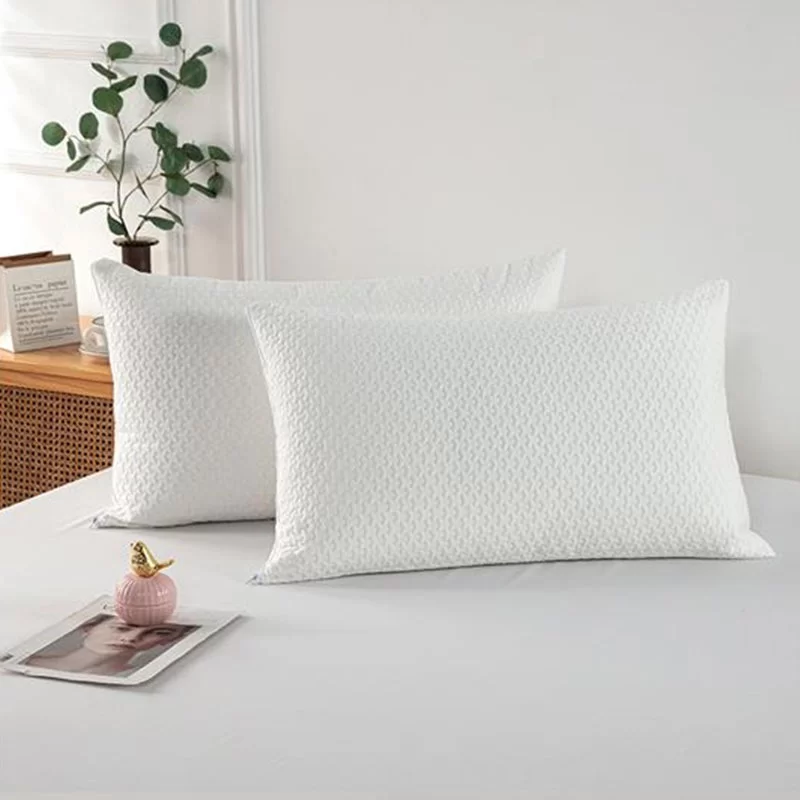
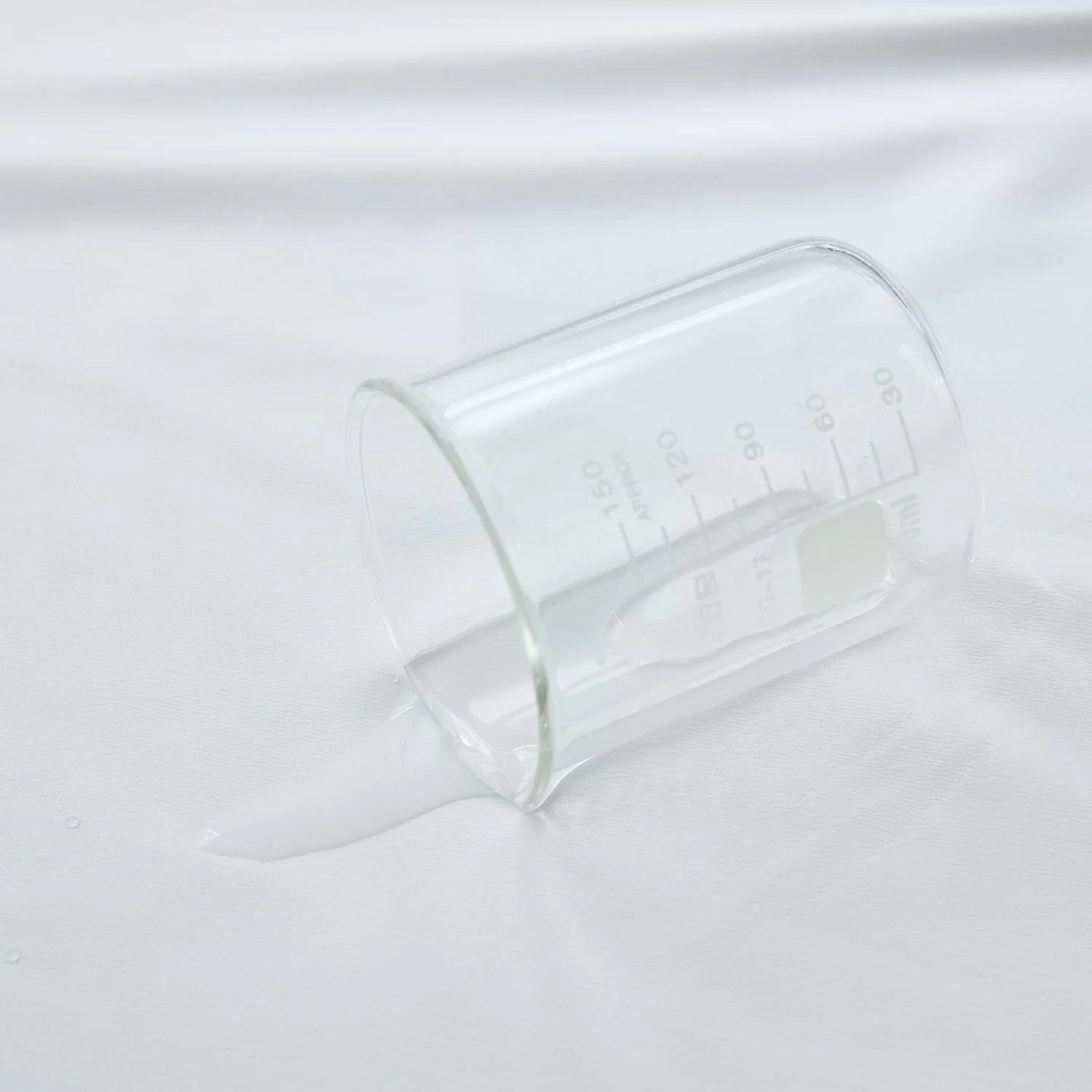
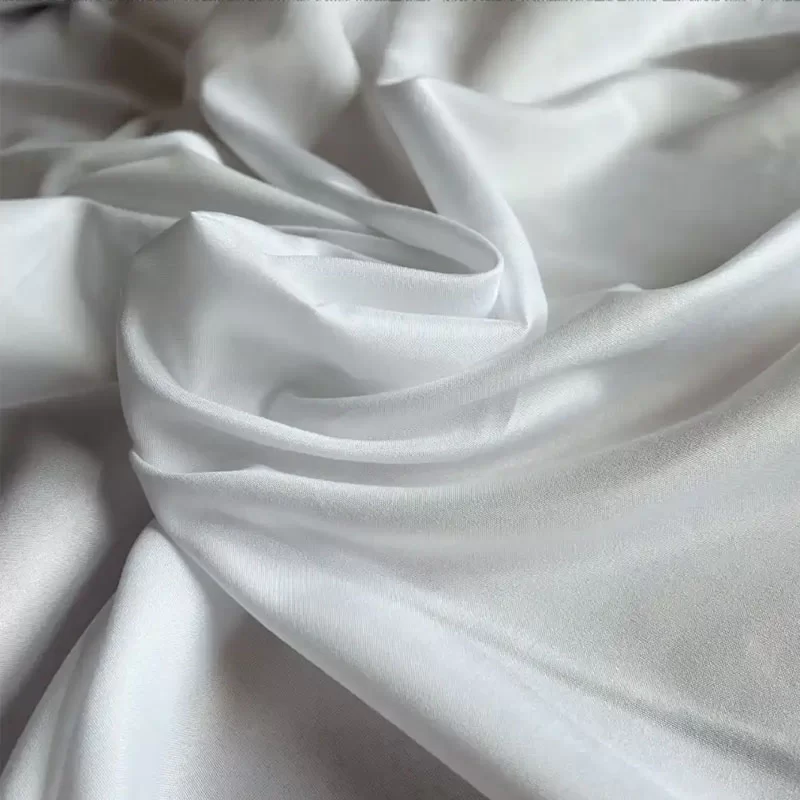
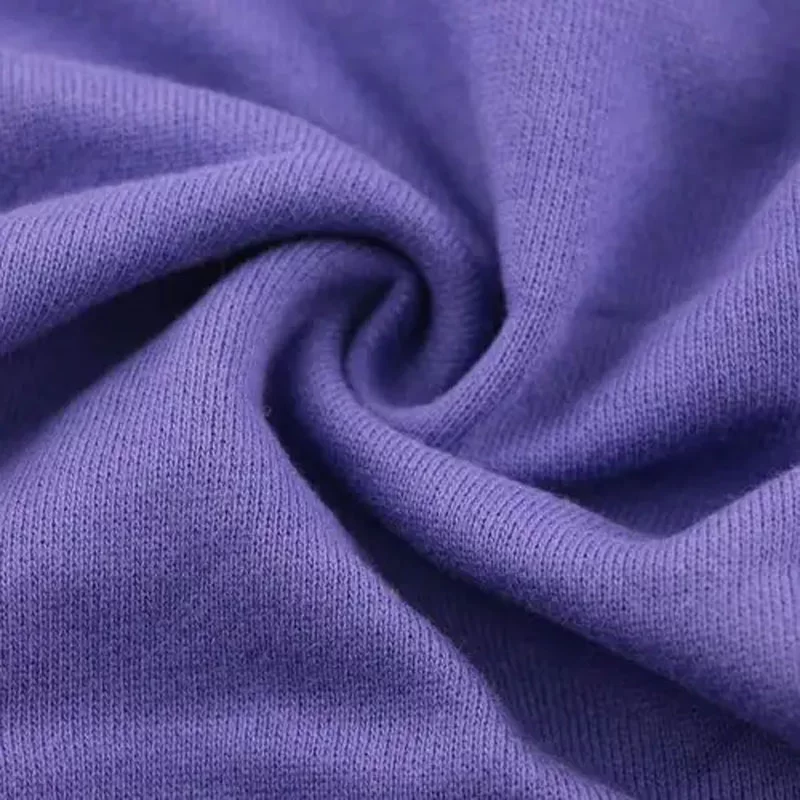
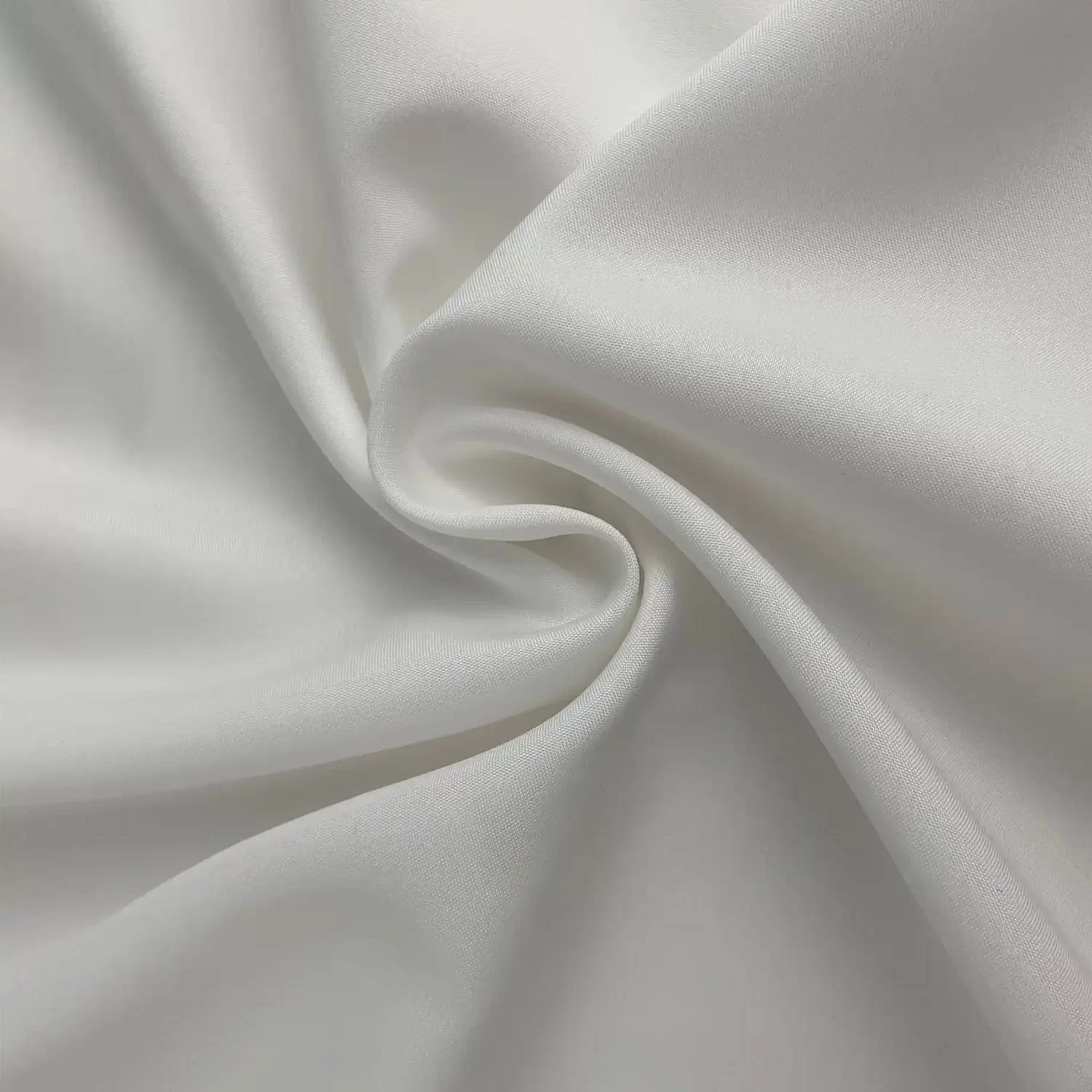
Commercial bed linen plays a pivotal role in industries demanding high volumes and consistent quality. From hospitality to healthcare, and even large-scale residential facilities, the demand for durable, comfortable, and cost-effective bedding is substantial. Understanding the intricacies of commercial bed linen is crucial for businesses aiming to optimize operational efficiency and customer satisfaction. It’s a global market deeply intertwined with textile manufacturing, logistics, and evolving hygiene standards.
The global commercial bed linen market is experiencing steady growth, driven by tourism, an aging population requiring institutional care, and increasing awareness of sleep hygiene. According to the UN World Tourism Organization, international tourist arrivals continue to rise, fueling demand for hotel linens. The World Bank highlights the increasing investment in healthcare infrastructure globally, further boosting the need for durable hospital bedding. This translates into a substantial economic impact for manufacturers and suppliers.
Addressing the challenges within this market—such as ensuring sustainable sourcing, maintaining consistent quality across large orders, and managing complex supply chains—requires specialized expertise. Understanding the nuances of different fabric blends, weave structures, and finishing treatments is paramount for meeting the diverse needs of various commercial clients.

The Significance of Commercial Bed Linen
Commercial bed linen isn’t simply about providing a place to sleep; it represents a critical component of operational efficiency and guest experience for businesses. In the hospitality industry, for example, high-quality linens contribute significantly to guest satisfaction scores, influencing repeat business and brand reputation. Selecting the right linens impacts everything from laundry costs to environmental sustainability.
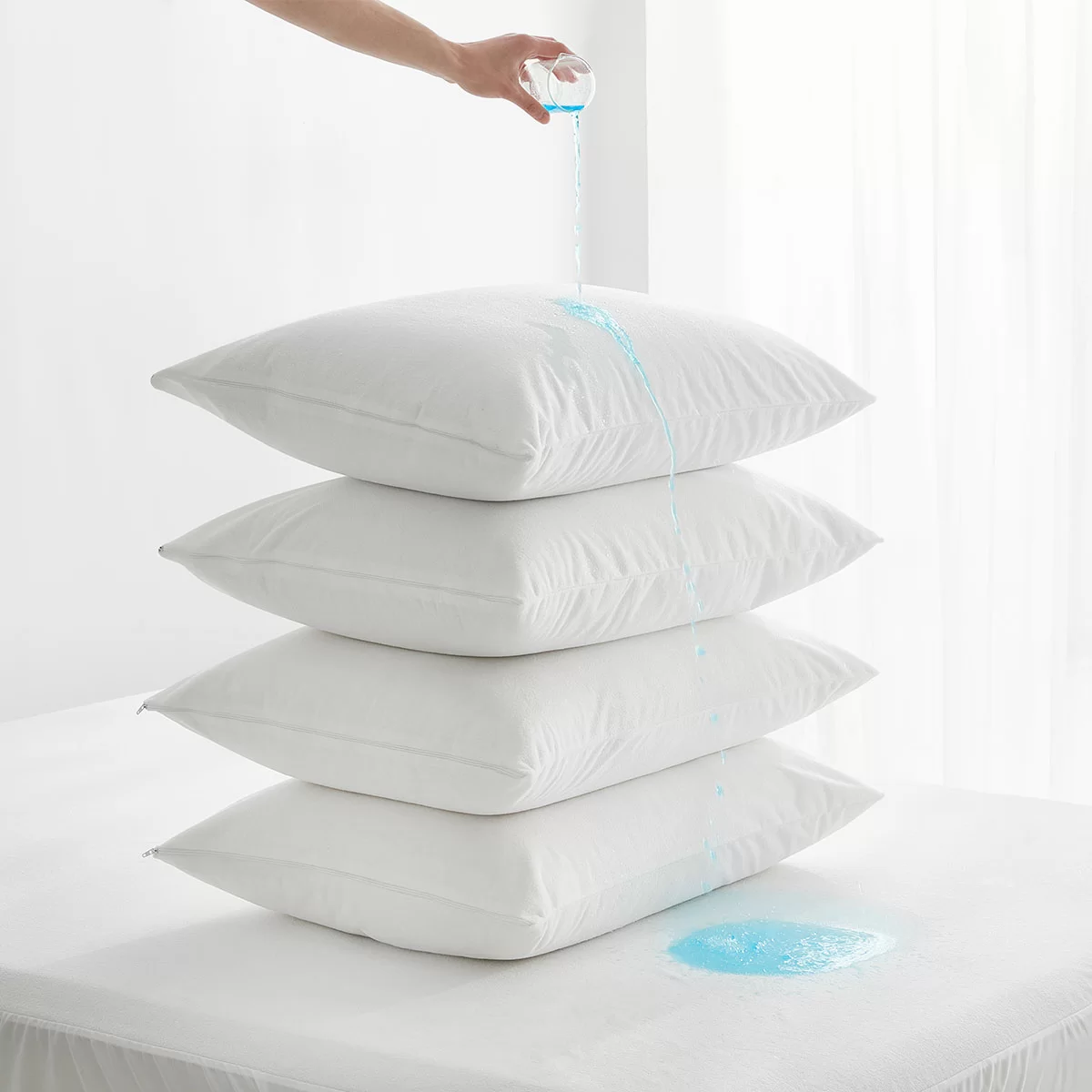
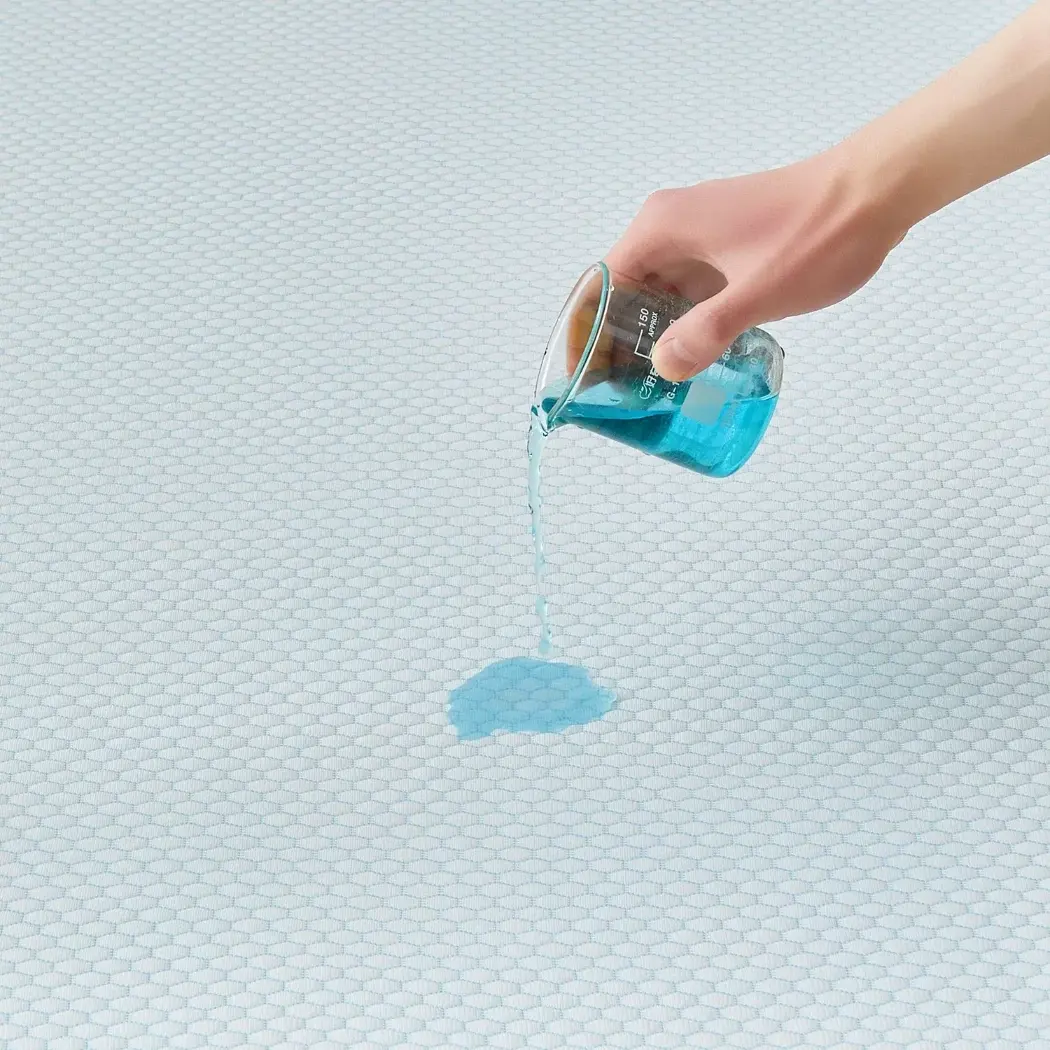
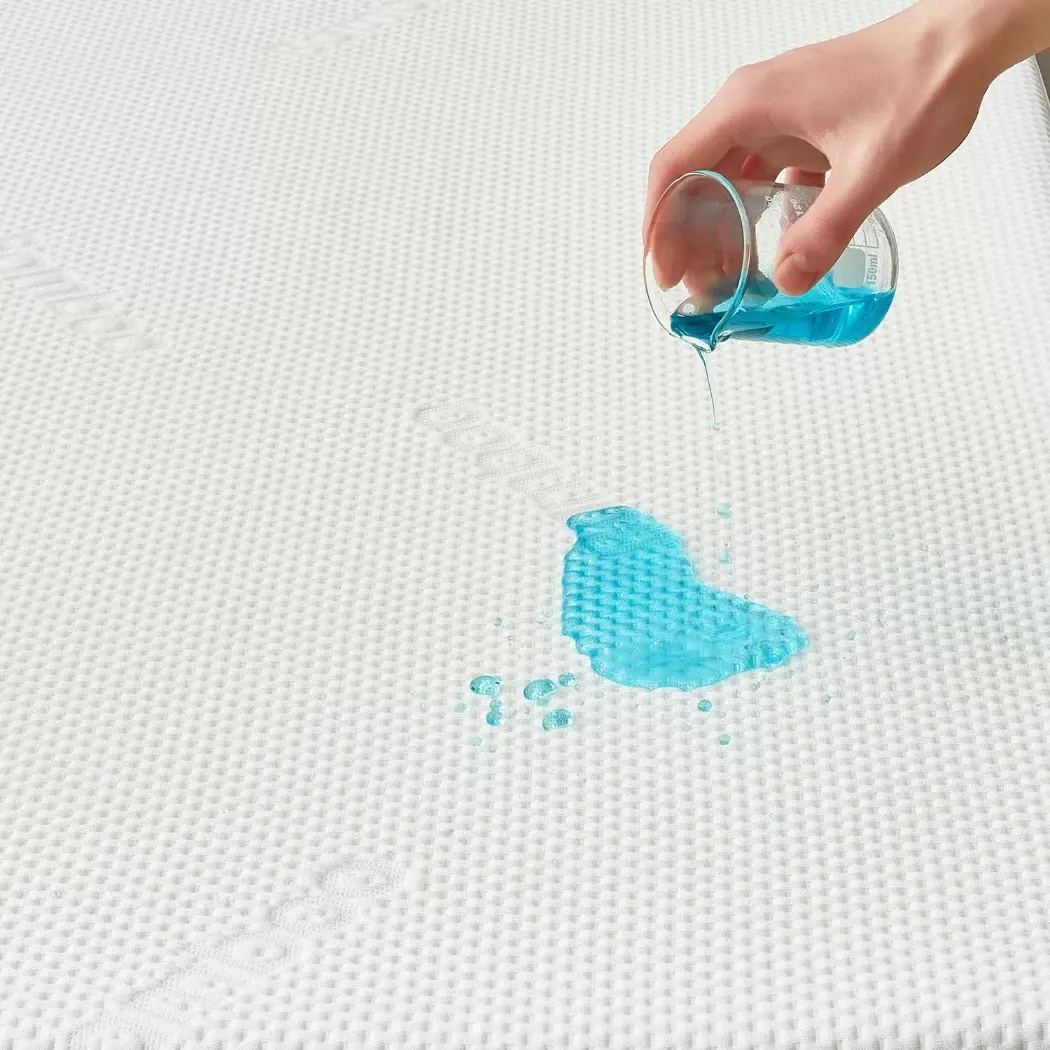
Beyond hospitality, healthcare facilities rely heavily on specialized commercial bed linen designed for hygiene and patient comfort. These linens often require specific properties like fluid resistance and antimicrobial treatments. Choosing the correct specifications can directly affect patient well-being and infection control protocols, making it a vital aspect of healthcare management.
Defining Commercial Bed Linen
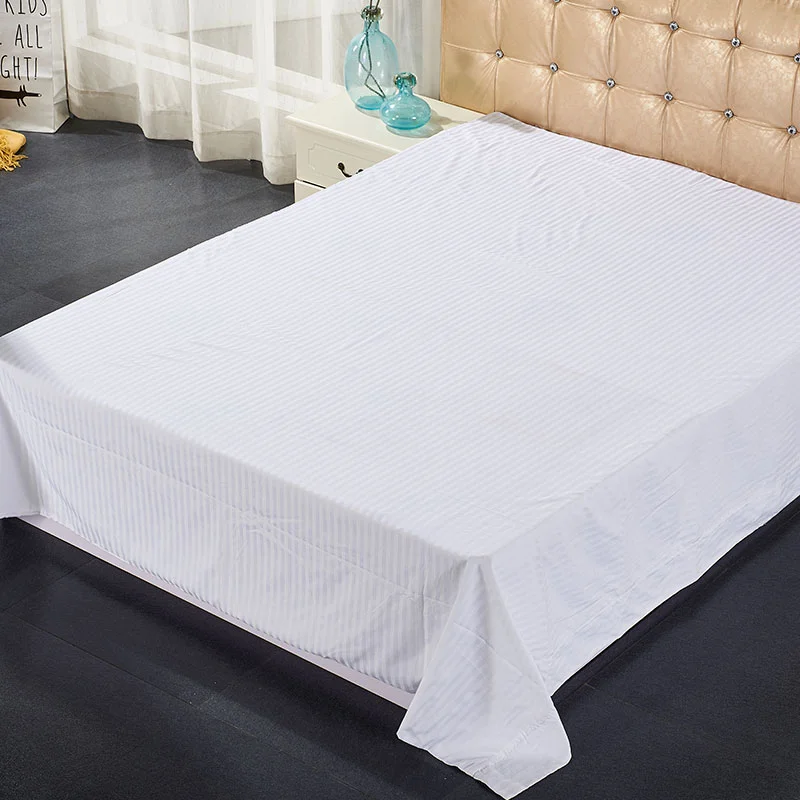
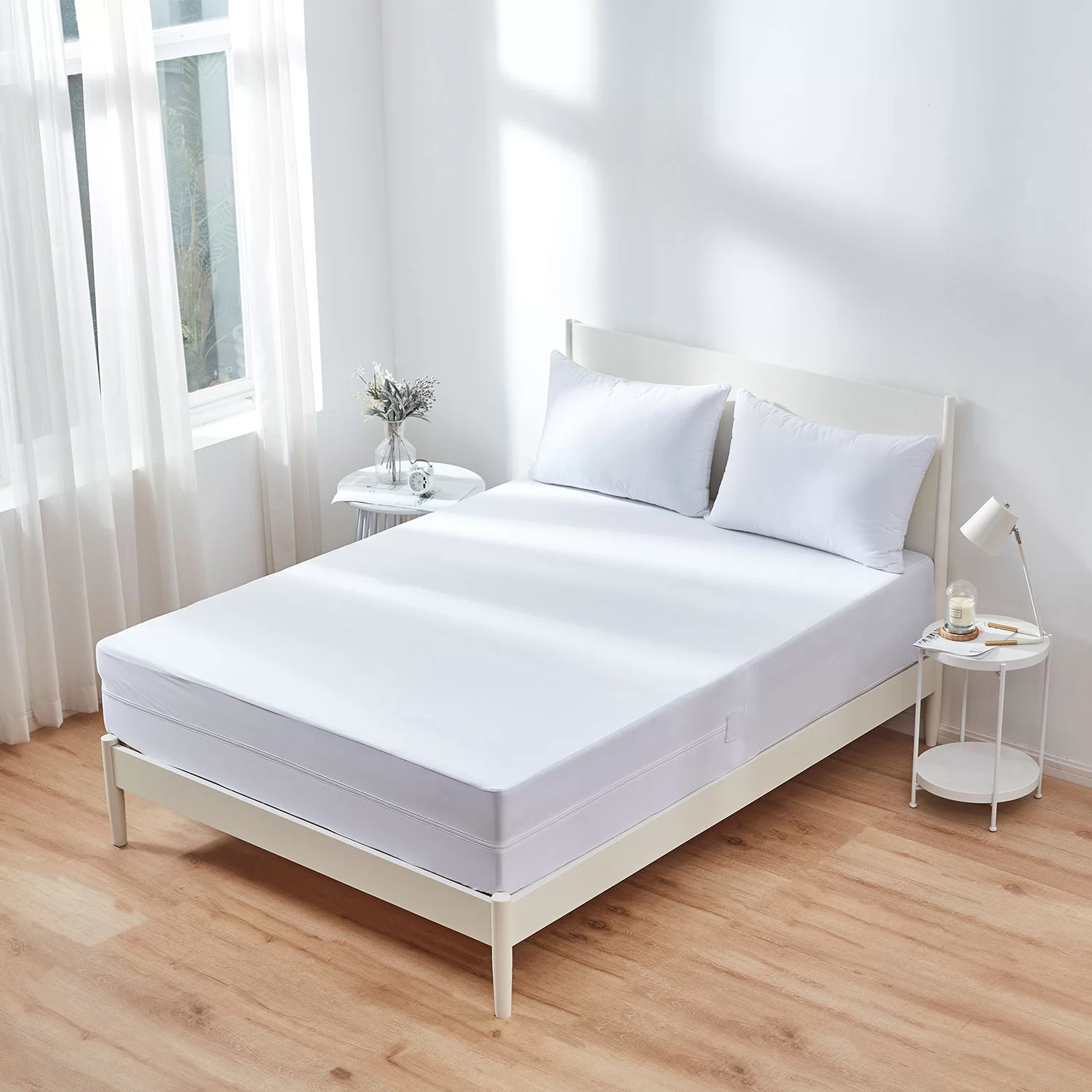
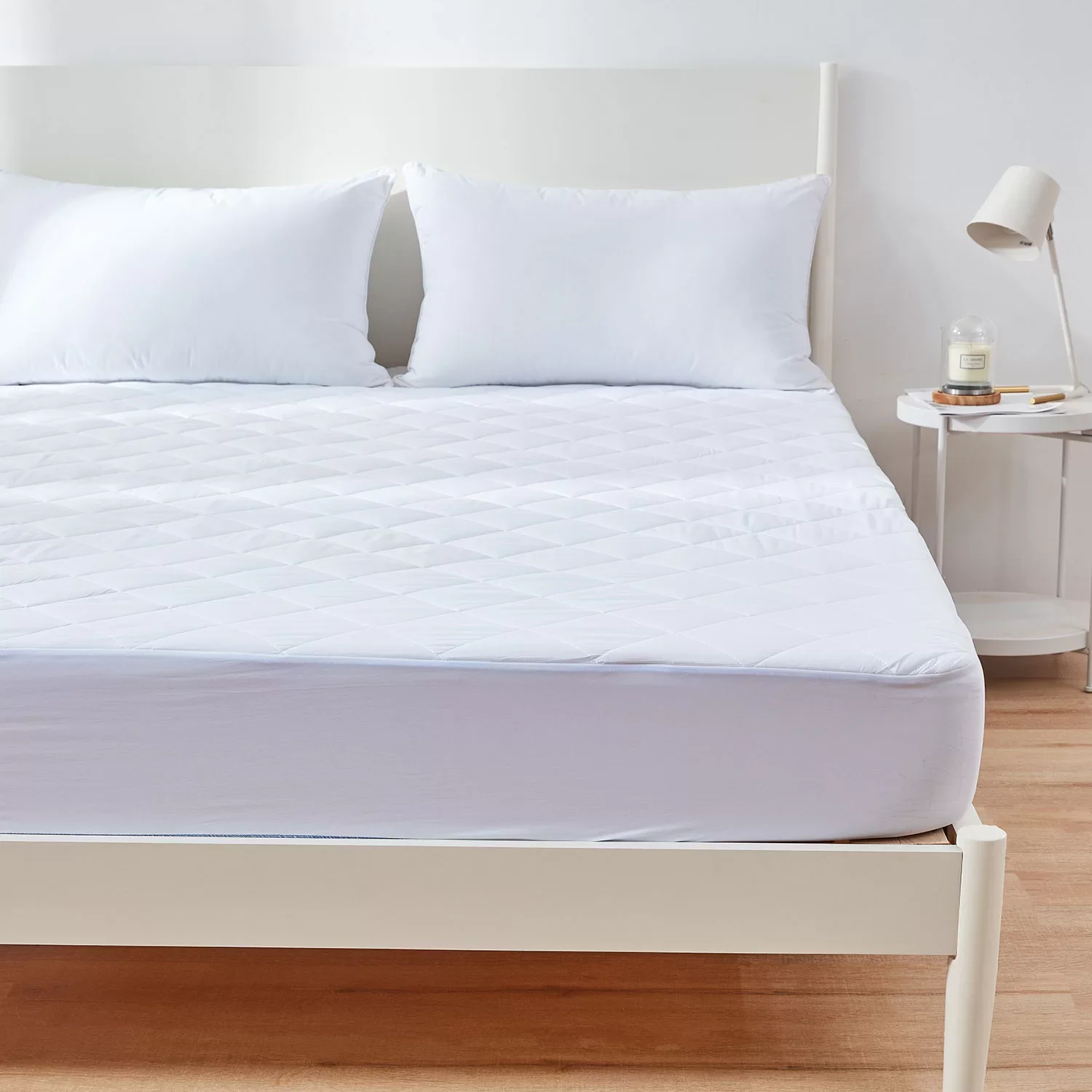
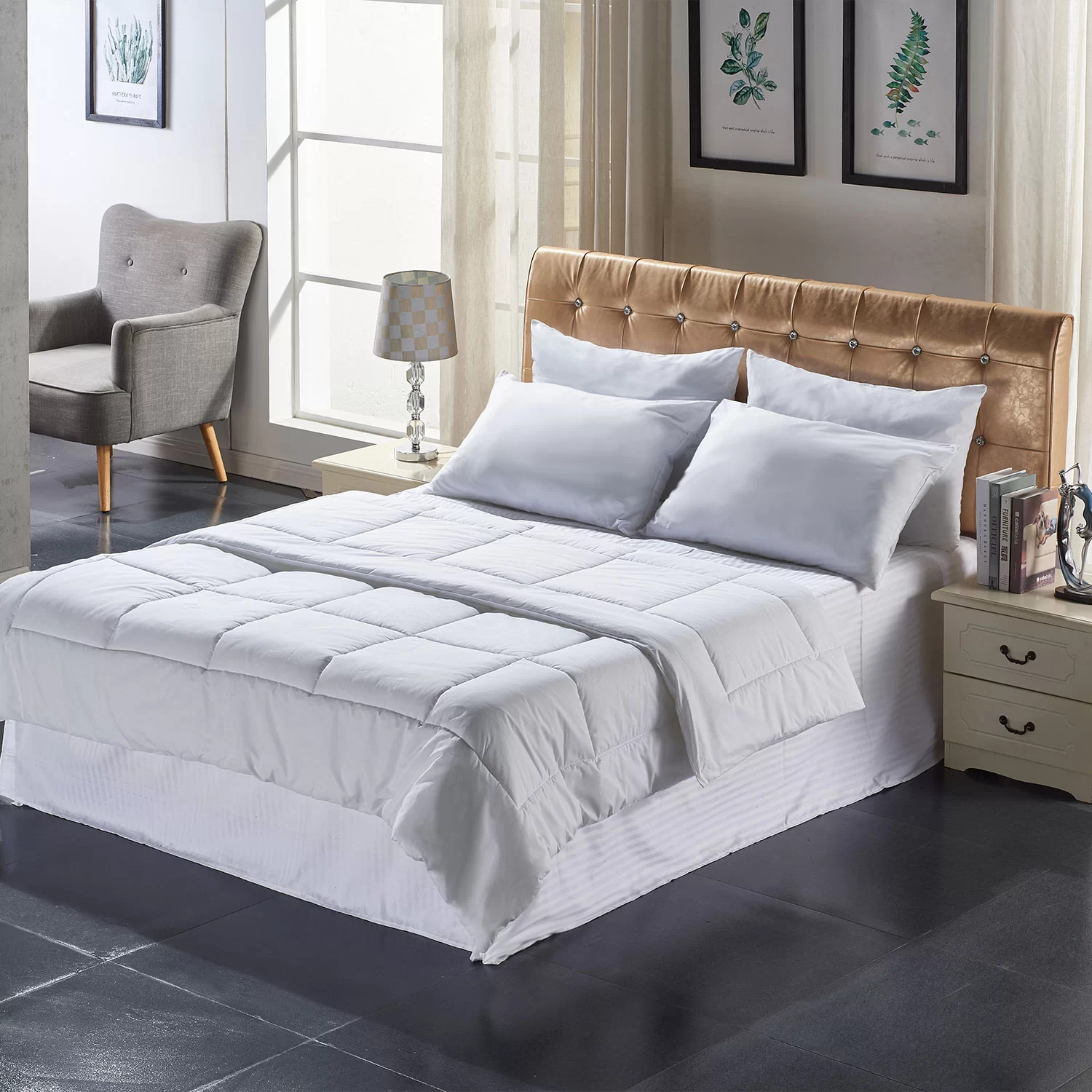
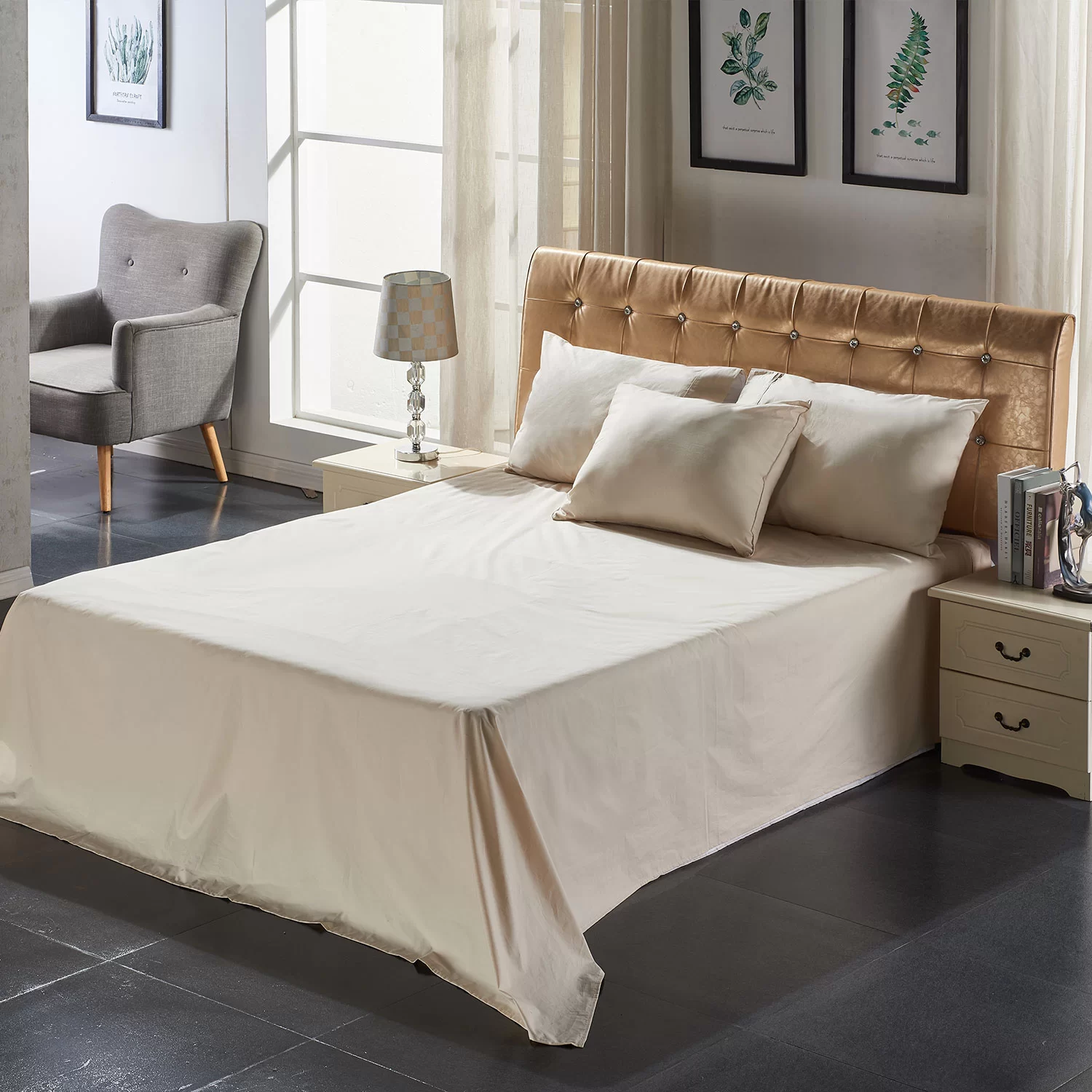
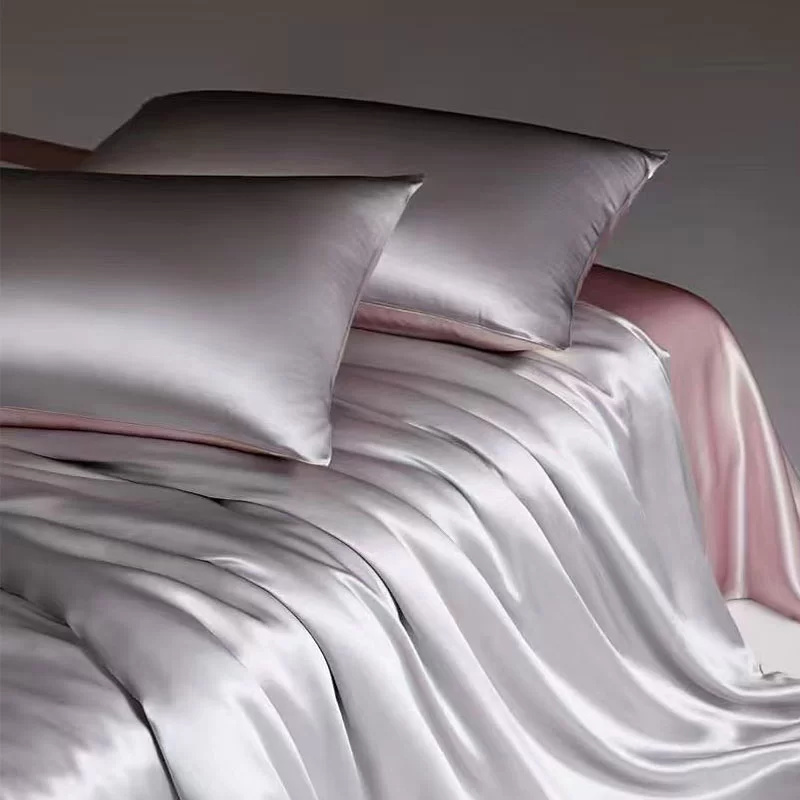
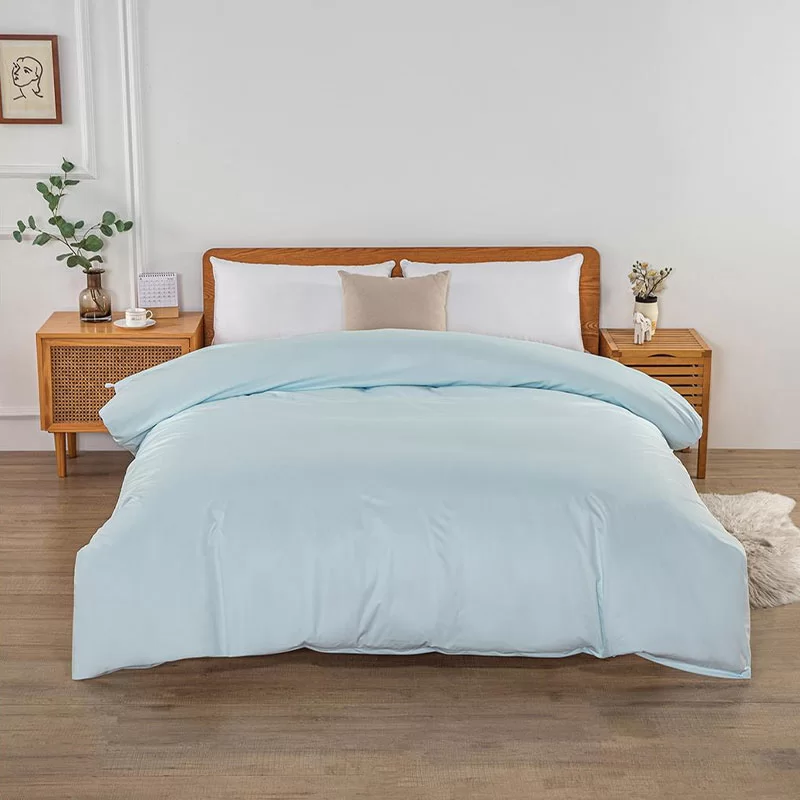
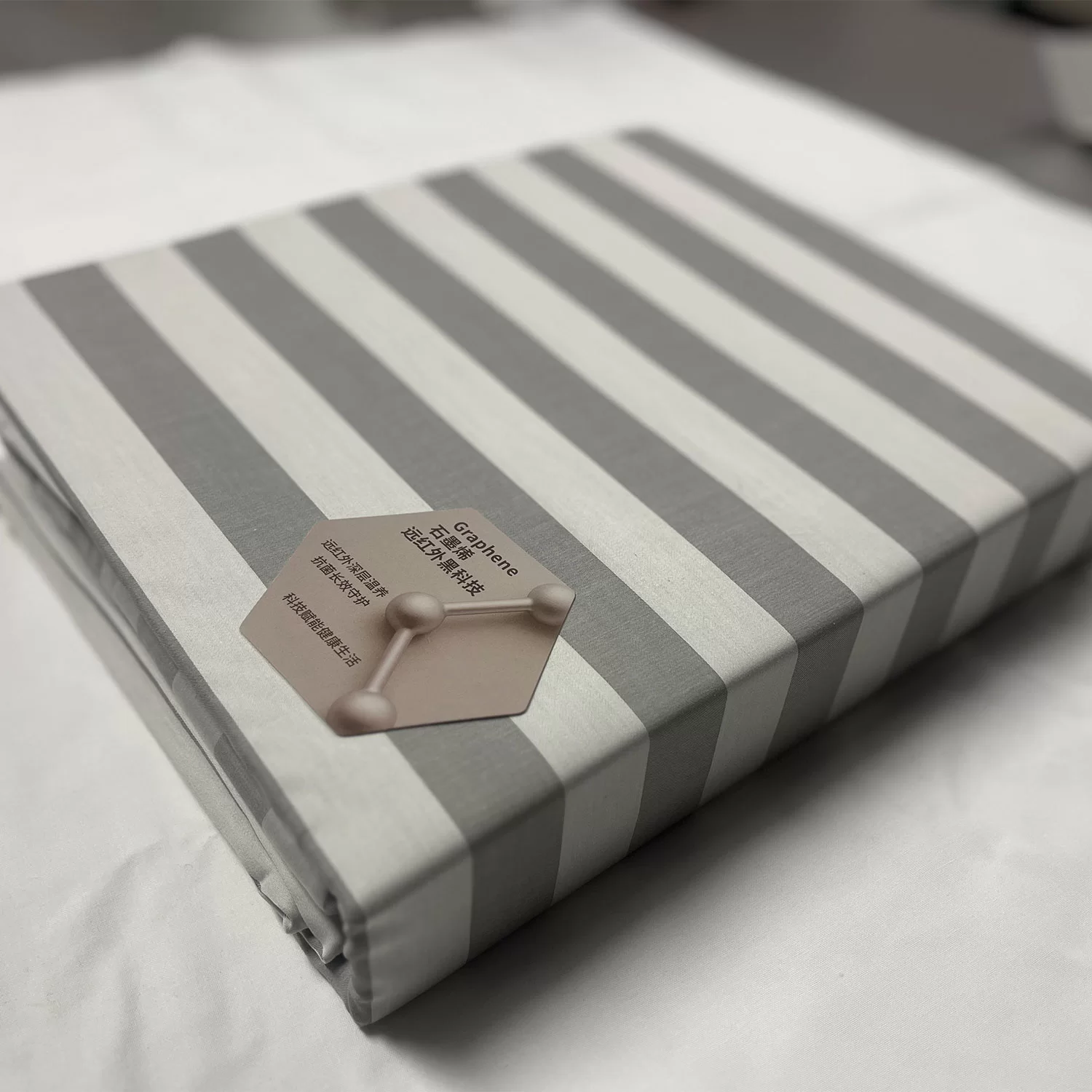
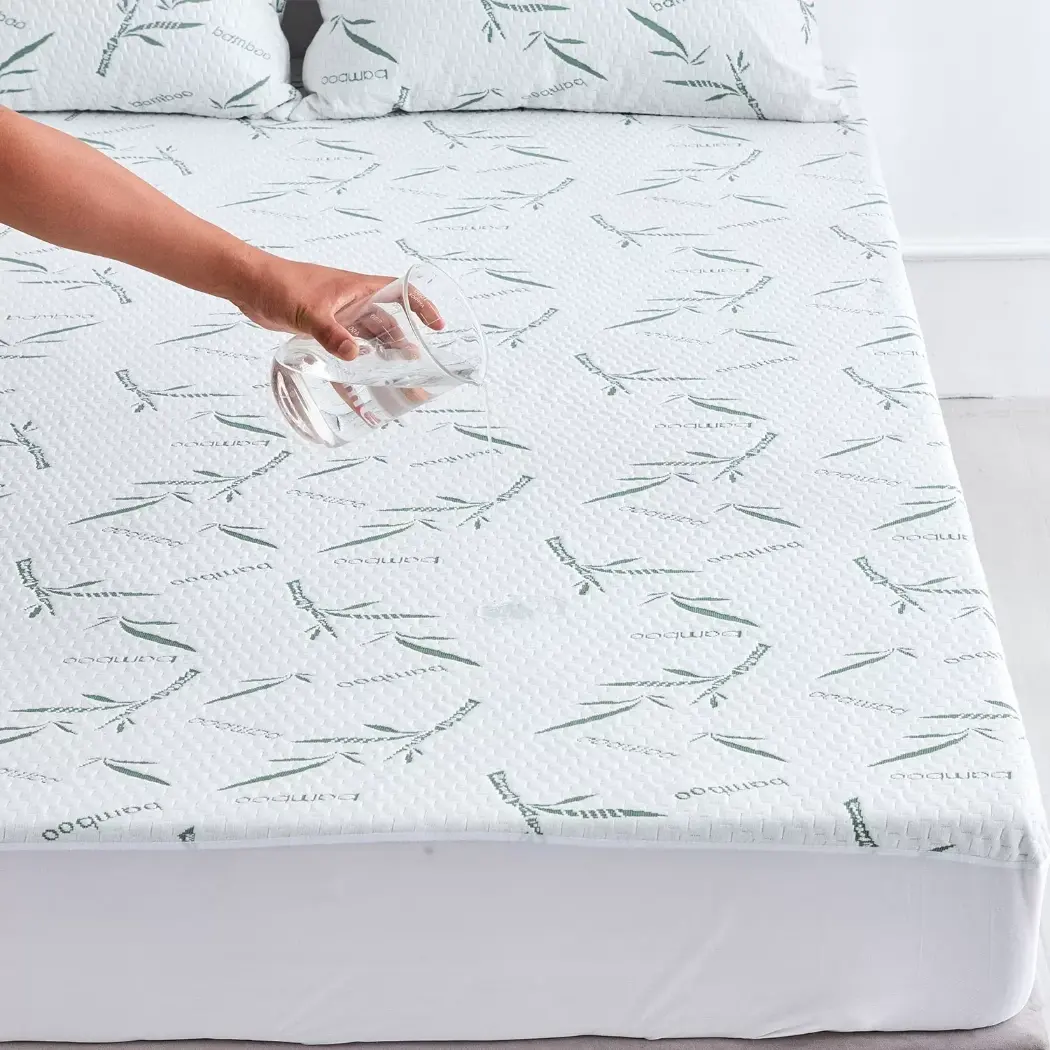
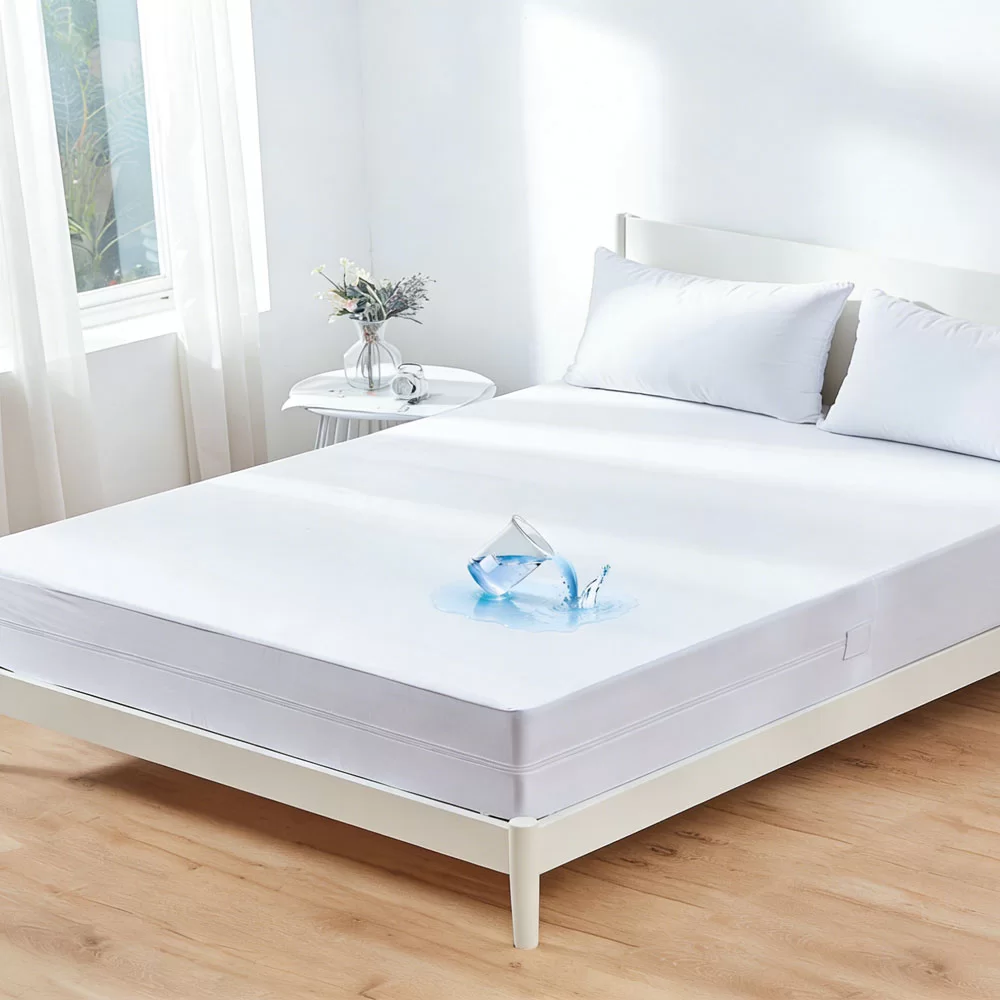
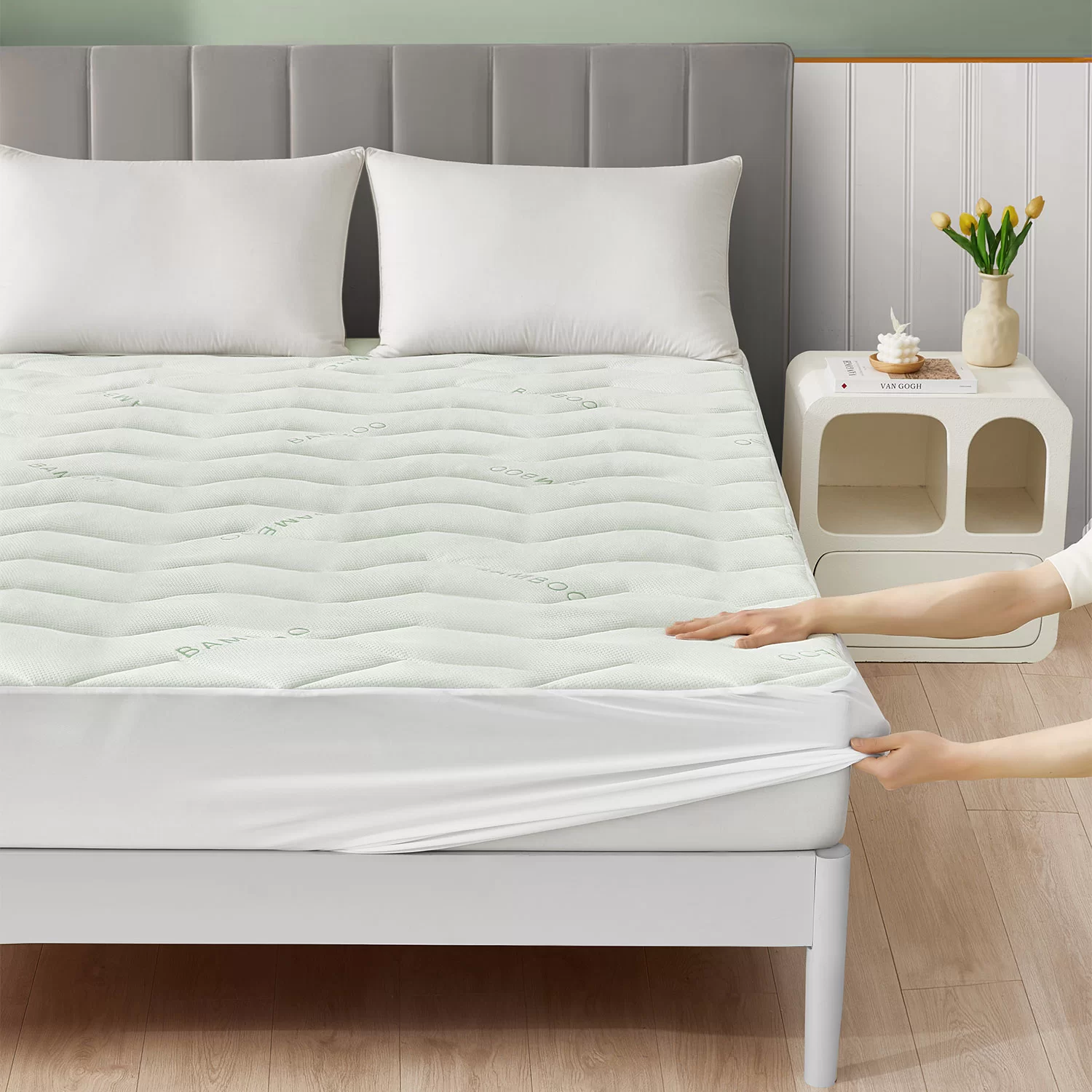
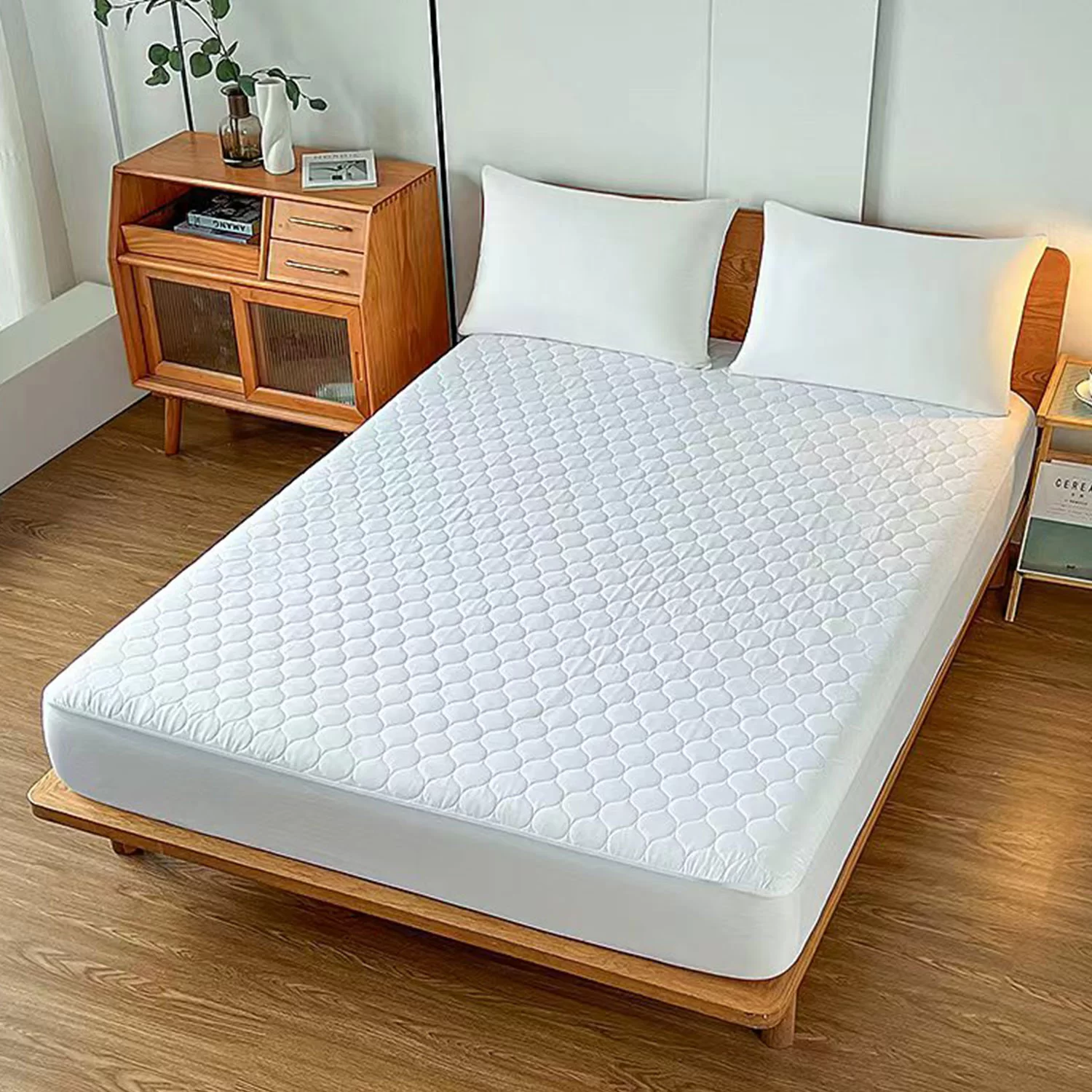
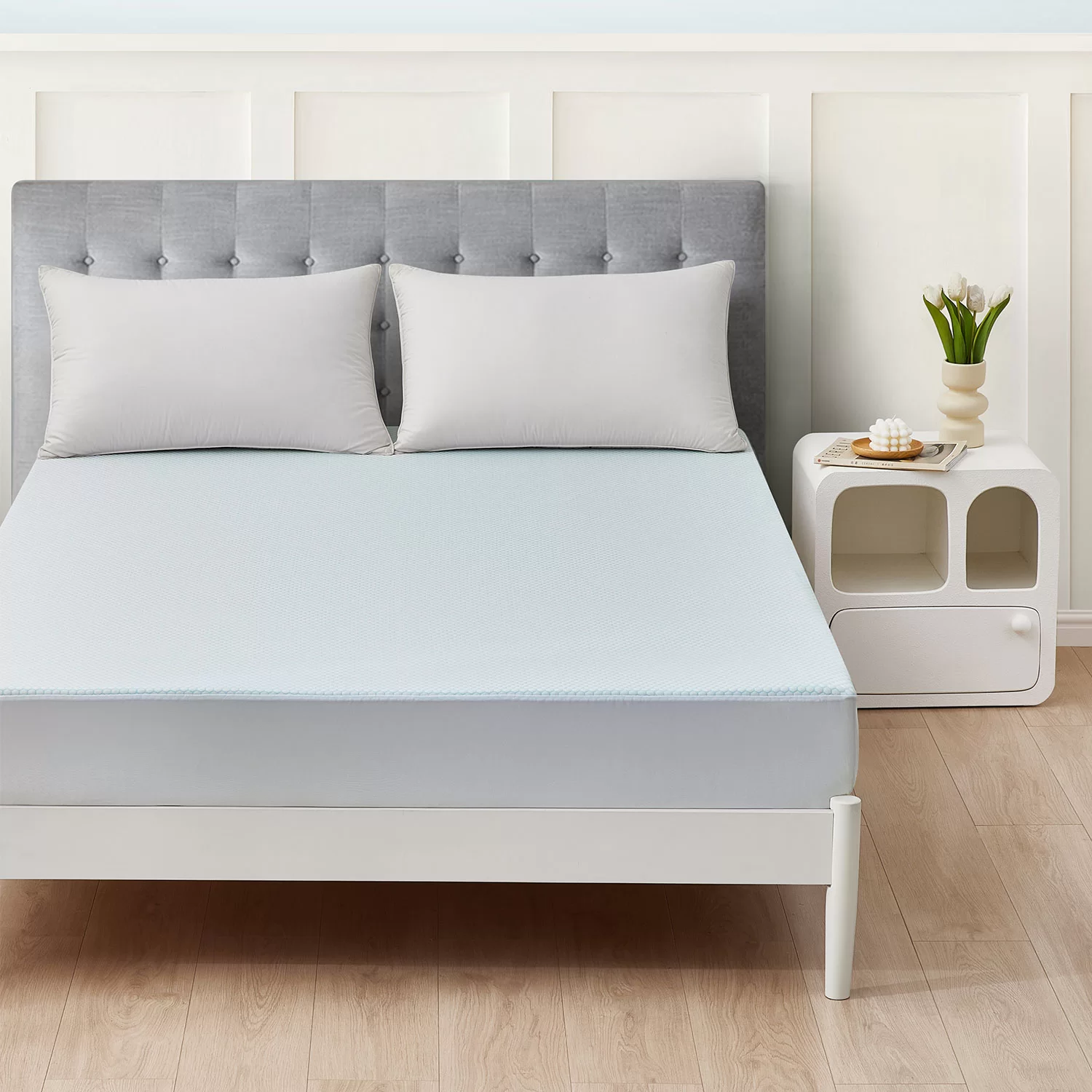
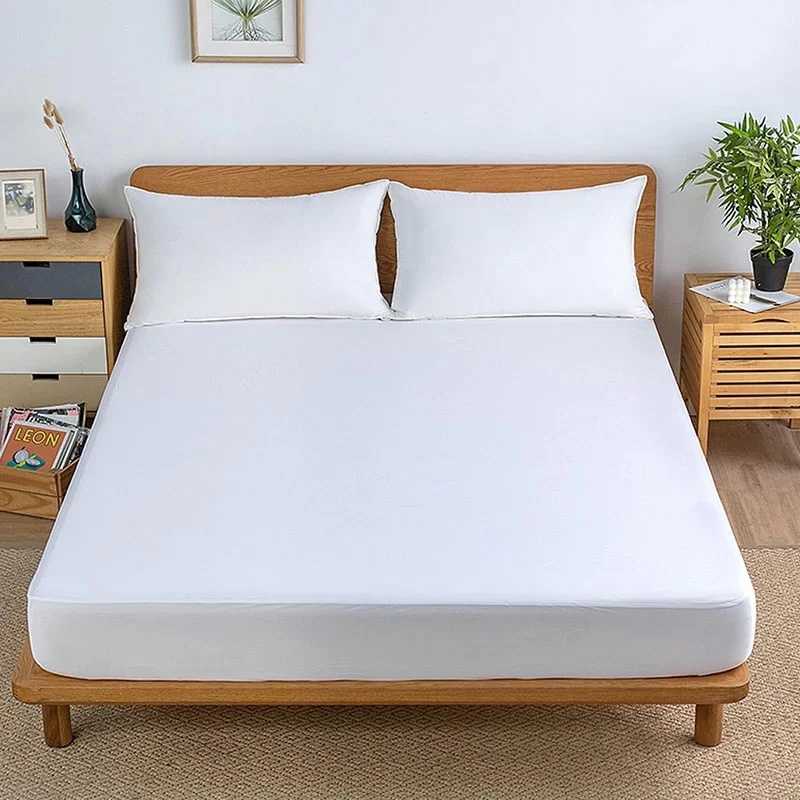
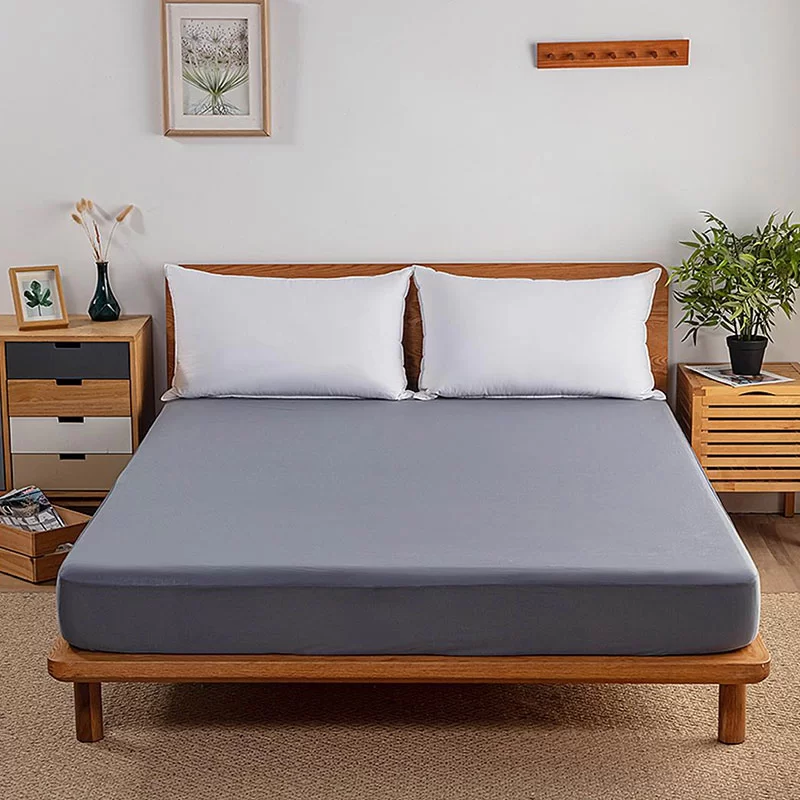
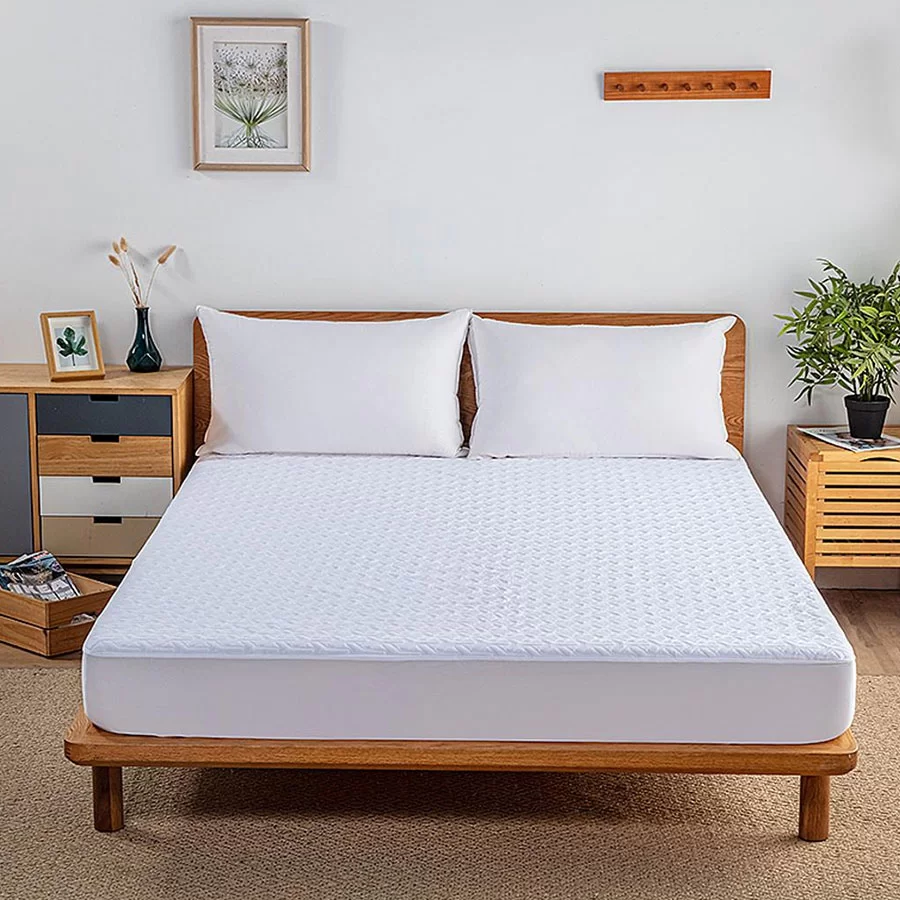
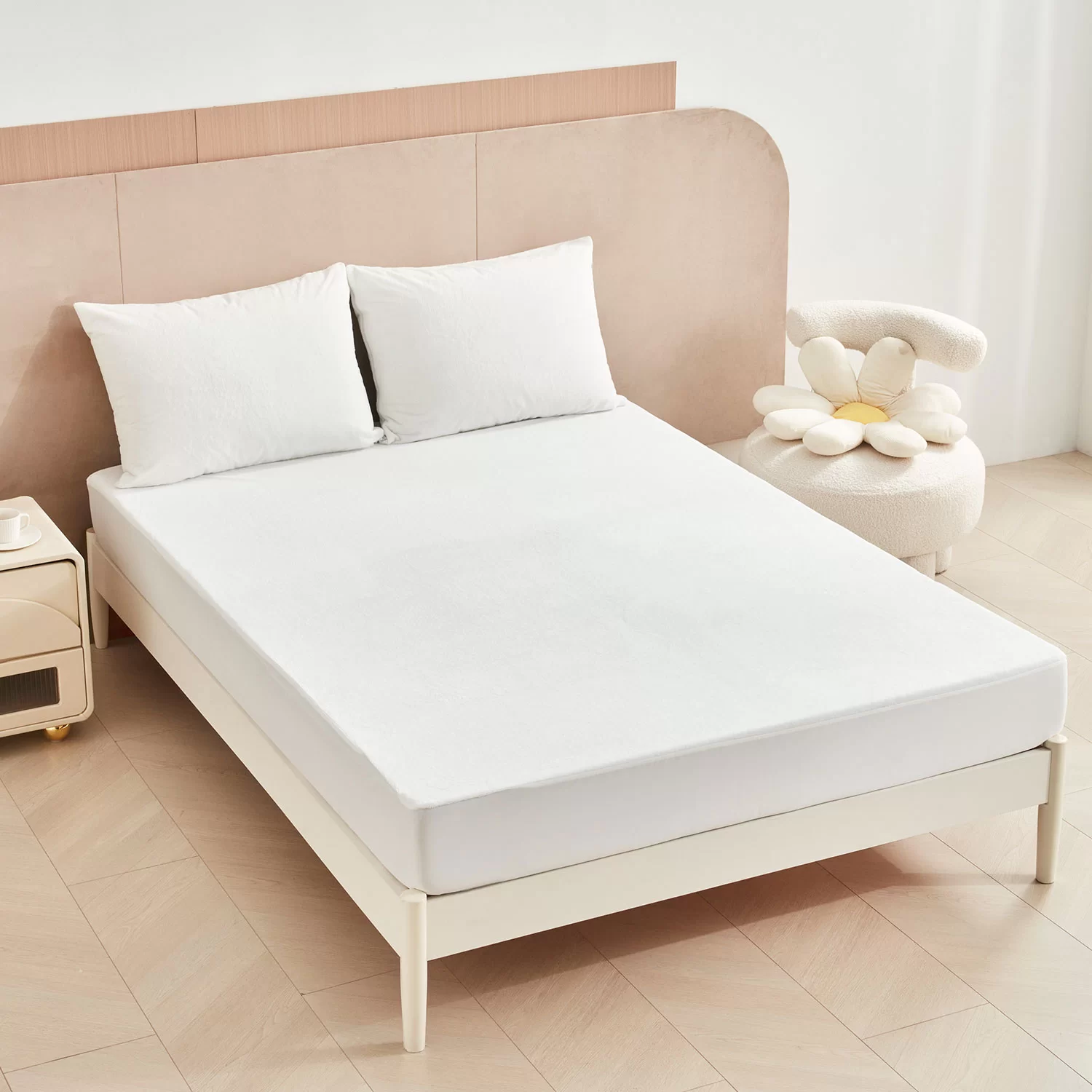
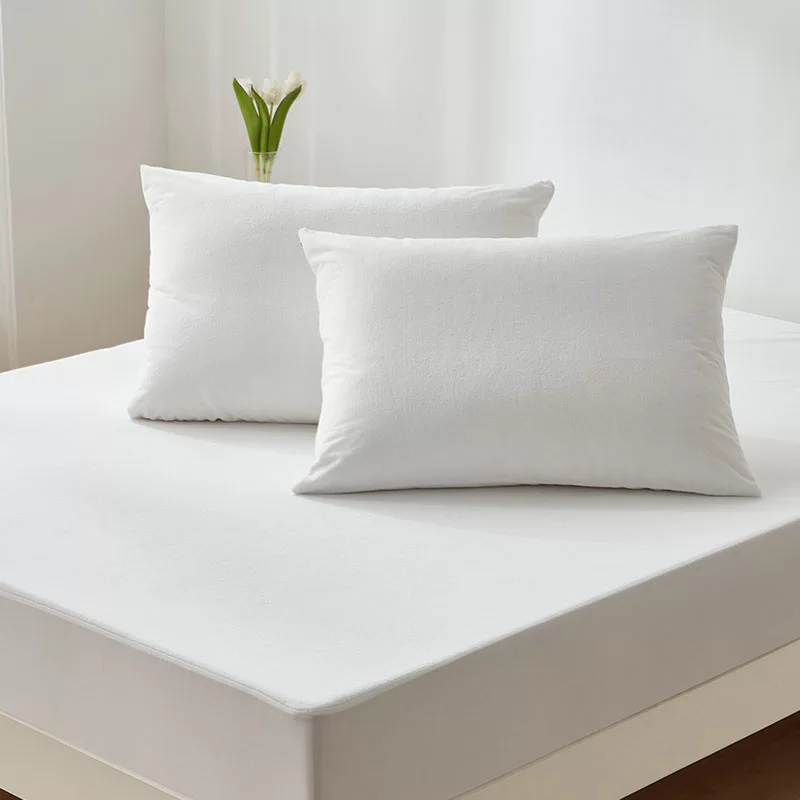
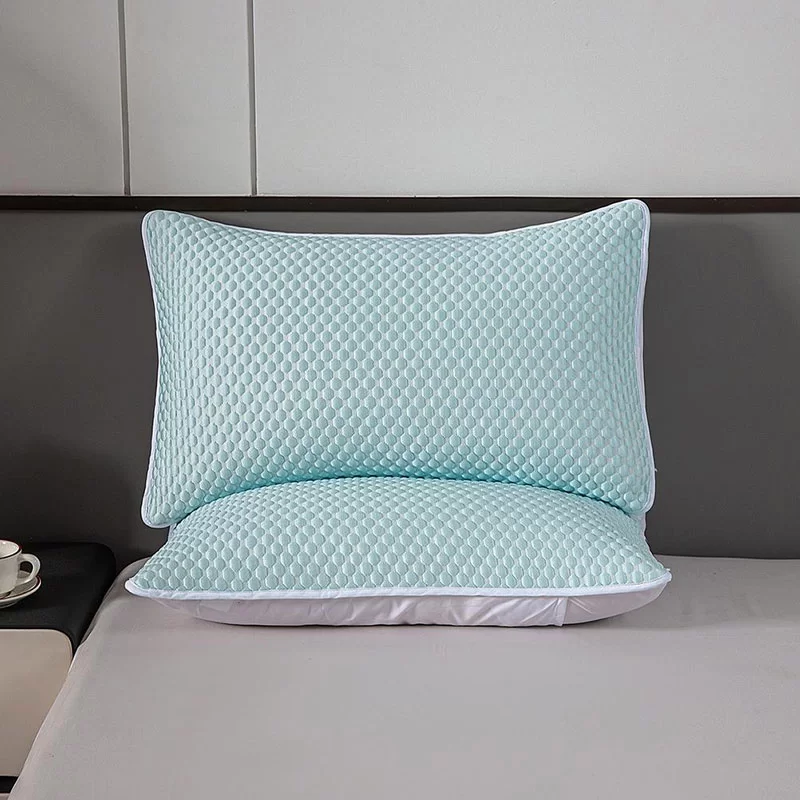
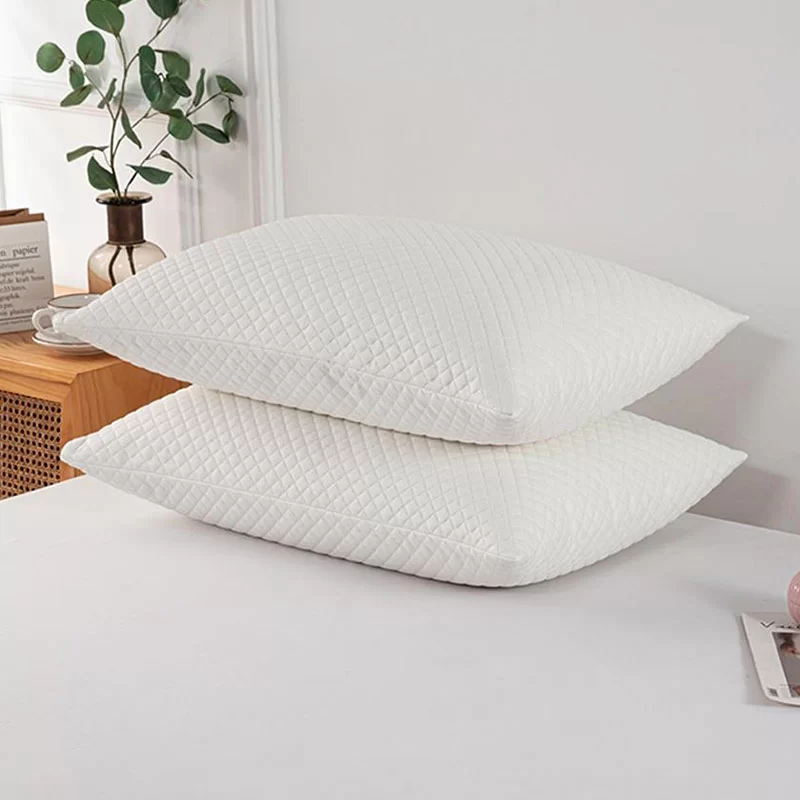
Commercial bed linen refers to bedding products – including sheets, pillowcases, duvet covers, and mattress protectors – manufactured and supplied for use in commercial settings. This distinguishes it from retail bedding intended for individual households. The key difference lies in the scale of production, durability requirements, and the specialized properties needed to withstand frequent, industrial laundering.
These linens are engineered to meet the rigorous demands of businesses, prioritizing longevity, stain resistance, and colorfastness. Unlike residential linens, where aesthetic preferences often take precedence, commercial linens are judged primarily on their performance characteristics and ability to maintain a consistent standard over repeated use.
The production of commercial bed linen directly impacts the modern textile industry, driving innovation in fabric technology, weaving techniques, and sustainable manufacturing processes. It also plays a role in humanitarian efforts, providing essential bedding for disaster relief and refugee support.
Key Factors in Commercial Bed Linen Selection
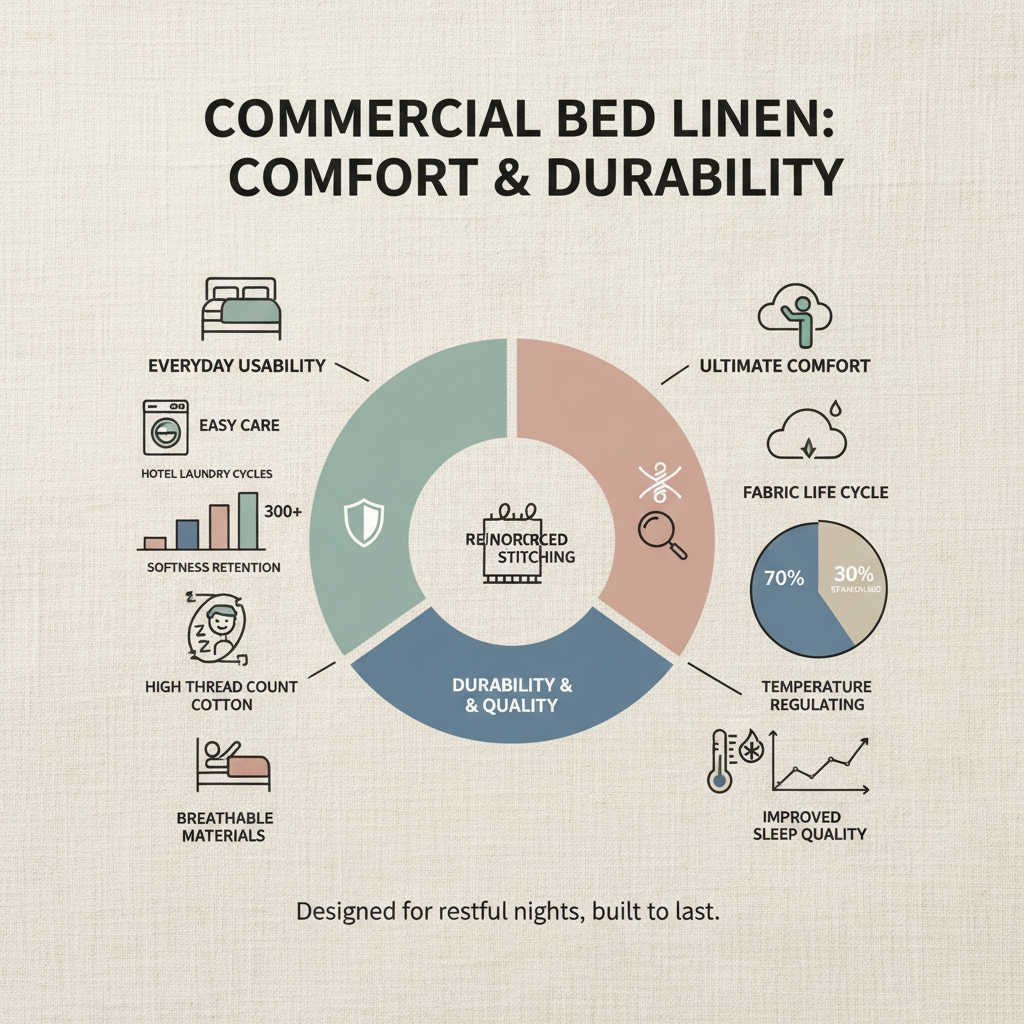
Selecting the appropriate commercial bed linen requires careful consideration of several key factors. Durability is paramount, ensuring the linens can withstand frequent washing cycles and heavy use without significant deterioration. Thread count, fabric weight, and weave structure all contribute to a linen’s lifespan and overall performance.
Cost-effectiveness is another critical consideration, encompassing not only the initial purchase price but also long-term maintenance and replacement costs. Investing in higher-quality linens upfront can often result in lower overall costs due to reduced replacement frequency. Scalability – the ability to consistently source large quantities of identical linens – is also vital for businesses with high turnover rates.
Furthermore, specific requirements relating to hygiene, safety, and environmental sustainability play an increasingly important role. Anti-allergy treatments, flame retardancy, and eco-friendly fabrics are often sought after, reflecting a growing commitment to responsible sourcing and guest well-being.
Durability and Longevity of Commercial Bed Linen
The durability of commercial bed linen is inextricably linked to the fabric composition and construction. 100% cotton remains a popular choice due to its comfort and breathability, but polyester-cotton blends offer enhanced wrinkle resistance and stain removal properties. Higher thread counts (200-400) generally indicate a softer, more durable fabric, though quality of yarn is also critical.
Weave structures, such as percale, sateen, and twill, also impact durability. Percale is known for its crisp, cool feel and durability, while sateen offers a silky-smooth texture. Twill weaves provide added strength and resistance to wear and tear, making them ideal for high-traffic applications.
Commercial Bed Linen Durability Ratings by Fabric Type
Global Applications of Commercial Bed Linen
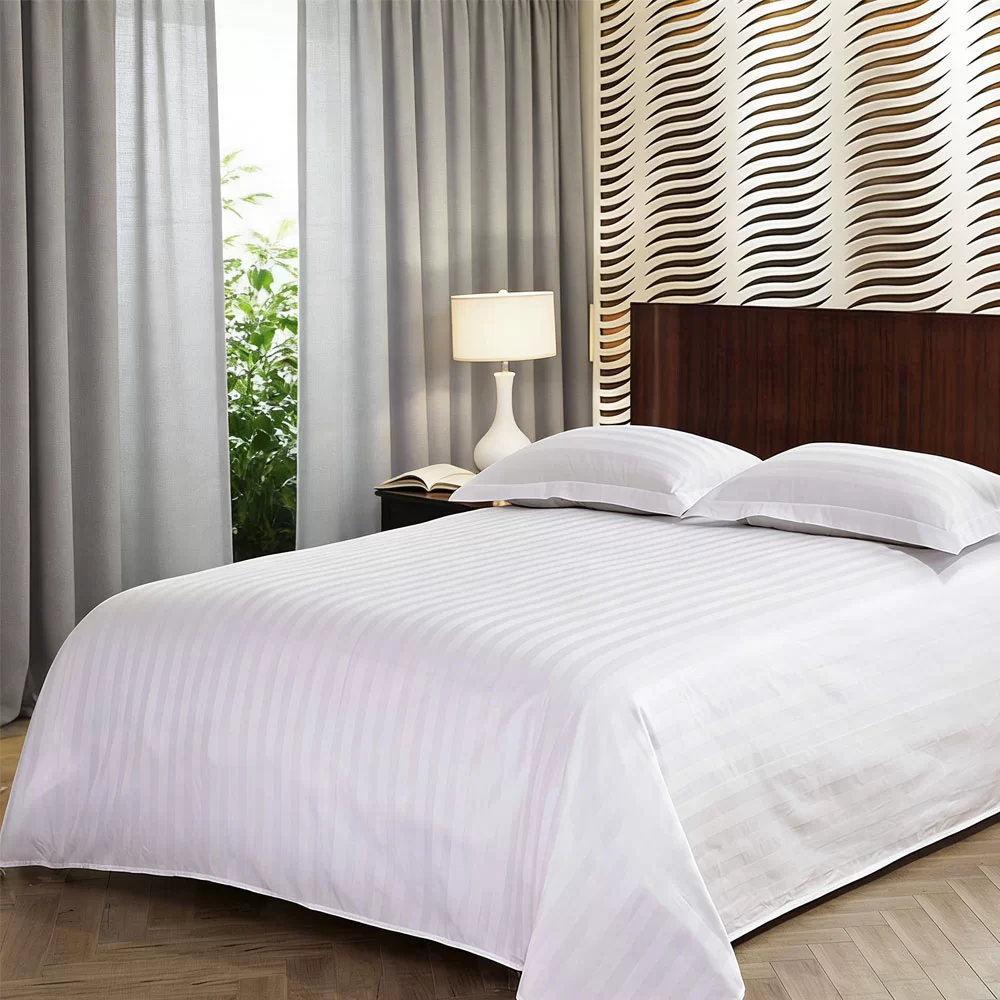
The applications of commercial bed linen are widespread and diverse. The hospitality sector, encompassing hotels, resorts, and cruise ships, is a major consumer, requiring vast quantities of linens for guest rooms and suites. The quality of these linens significantly influences guest satisfaction and brand perception.
Healthcare facilities, including hospitals, nursing homes, and assisted living communities, rely on specialized commercial bed linen designed for infection control and patient comfort. These linens often feature antimicrobial treatments and fluid-resistant properties. In remote industrial zones and work camps, durable and easy-to-maintain bedding is essential for providing comfortable accommodations for workers.
Advantages and Long-Term Value
Investing in high-quality commercial bed linen offers significant long-term advantages. Reduced replacement costs, lower laundry expenses (due to increased durability and stain resistance), and enhanced guest satisfaction all contribute to a strong return on investment. Furthermore, choosing sustainable fabrics and responsible manufacturing processes demonstrates a commitment to environmental stewardship and social responsibility.
The benefits extend beyond financial considerations. Providing comfortable, hygienic, and aesthetically pleasing bedding enhances the overall experience for guests and patients, fostering a sense of well-being and trust. This intangible value can be crucial for building brand loyalty and attracting new customers.
Future Trends and Innovation in Commercial Bed Linen
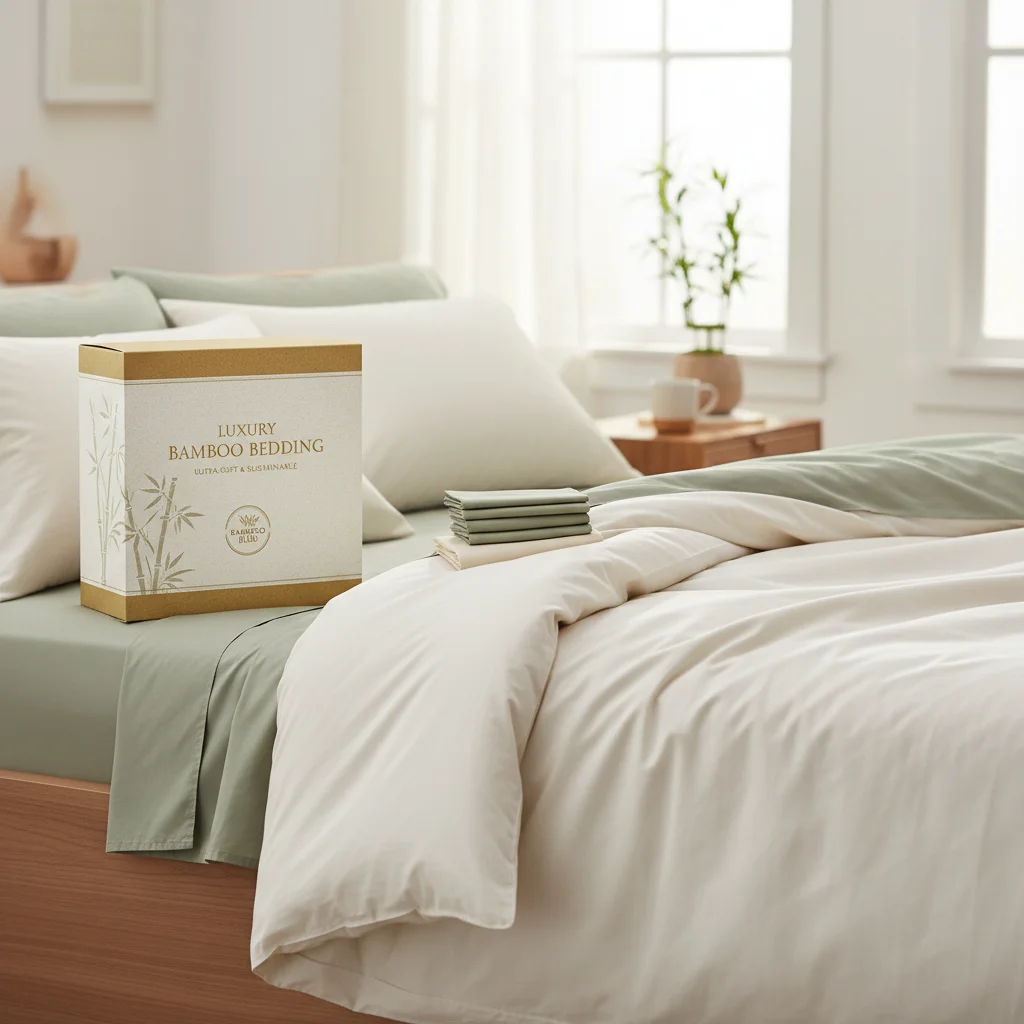
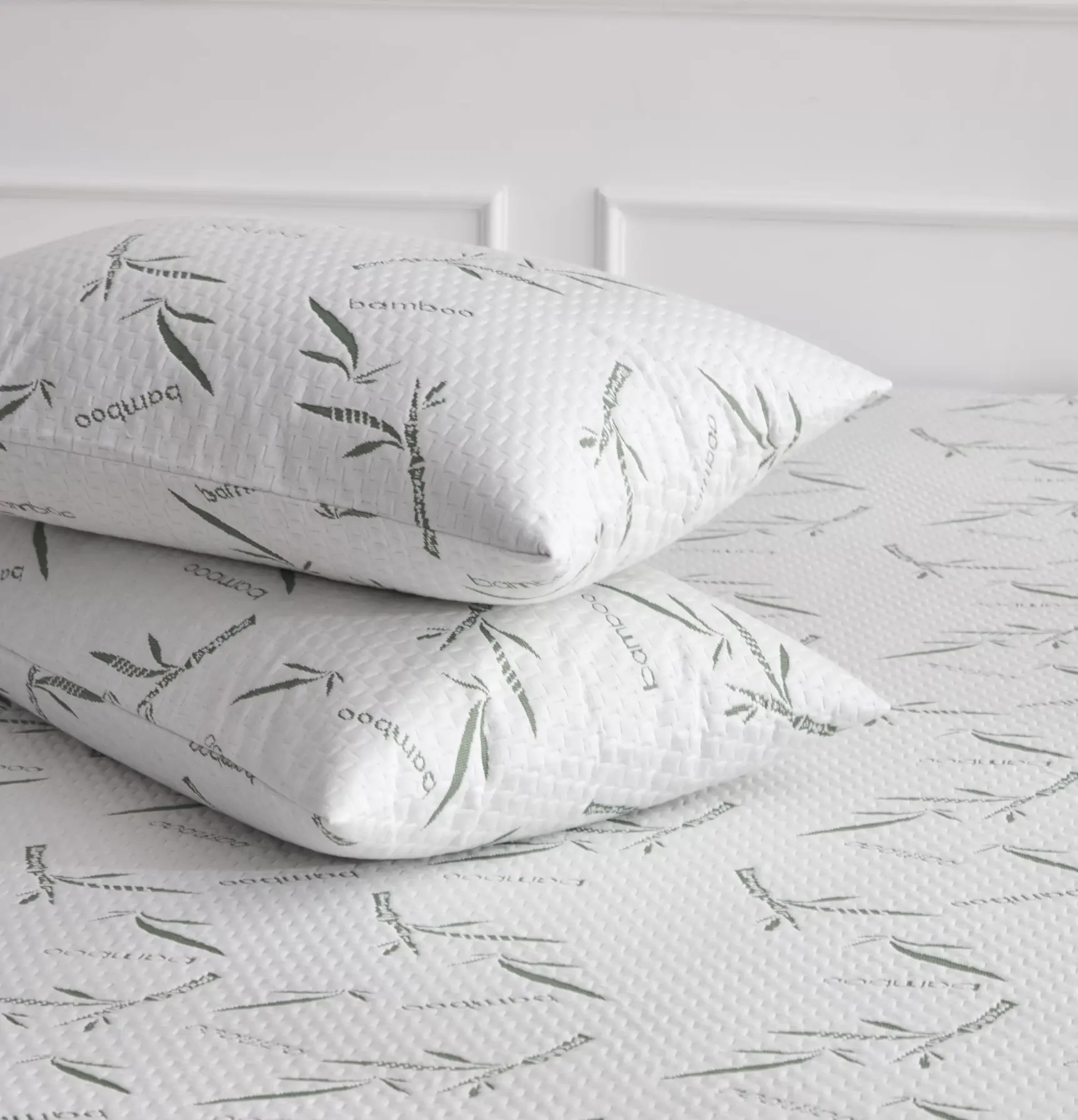
The future of commercial bed linen is being shaped by several key trends. Sustainable materials, such as organic cotton, bamboo, and recycled polyester, are gaining popularity as businesses seek to reduce their environmental impact. Innovations in fabric technology, including antimicrobial finishes and moisture-wicking properties, are enhancing hygiene and comfort.
Digitalization is also playing a role, with technologies like RFID tagging enabling improved inventory management and tracking of linens throughout their lifecycle. Automation in laundry facilities is increasing efficiency and reducing labor costs. The demand for customizable bedding solutions, tailored to specific brand standards and customer preferences, is also on the rise.
Further developments in smart textiles are also anticipated. Embedding sensors within linens could monitor sleep patterns or alert staff to hygiene concerns, adding a new dimension of functionality to traditional bedding.
Challenges and Solutions
One of the primary challenges in the commercial bed linen industry is maintaining consistent quality across large-scale orders. Variations in yarn quality, weaving tension, and finishing treatments can lead to inconsistencies in appearance and performance. Implementing rigorous quality control measures and establishing strong relationships with reliable suppliers are crucial for mitigating this risk.
Another challenge is addressing the environmental impact of textile production and laundering. Implementing water conservation strategies, utilizing eco-friendly detergents, and promoting closed-loop recycling systems can help minimize the industry's footprint. Traceability and transparency in the supply chain are also essential for ensuring ethical and sustainable sourcing.
Finally, managing the logistics of large-volume linen supply and replacement can be complex. Utilizing efficient inventory management systems and partnering with experienced logistics providers can streamline the process and minimize disruptions.
Summary of Challenges and Solutions in Commercial Bed Linen
| Challenge |
Impact on Business |
Proposed Solution |
Implementation Cost (Scale 1-10) |
| Inconsistent Quality |
Reduced Guest Satisfaction, Increased Returns |
Rigorous Supplier Audits, QC Checks |
5 |
| Environmental Impact |
Negative Brand Image, Regulatory Penalties |
Sustainable Sourcing, Water Conservation |
7 |
| Complex Logistics |
Delivery Delays, Increased Costs |
Efficient Inventory Systems, Logistics Partners |
6 |
| High Replacement Costs |
Reduced Profitability |
Durable Fabrics, Proper Laundry Procedures |
4 |
| Lack of Traceability |
Ethical Concerns, Supply Chain Risks |
Blockchain Technology, Transparent Supply Chains |
8 |
| Demand for Customization |
Increased Lead Times, Higher Production Costs |
Flexible Manufacturing, Digital Design Tools |
5 |
FAQS
The lifespan of commercial bed linen in a hotel varies based on thread count, fabric type, and laundry practices, but generally ranges from 2 to 5 years. Higher-quality linens made from durable materials like long-staple cotton or poly-cotton blends, combined with proper laundering techniques (avoiding harsh chemicals and excessive heat), will last longer. Regular monitoring for wear and tear is essential to maintain quality and guest satisfaction.
Hotel linens should be replaced when they show signs of significant wear and tear, such as thinning fabric, persistent stains, or damage. A proactive replacement schedule, typically every 2-5 years, helps maintain guest comfort and hygiene standards. However, factors like laundry volume, guest demographics, and linen care practices can influence this timeline.
Poly-cotton blends offer several advantages for commercial settings. They are more wrinkle-resistant and require less ironing than 100% cotton, saving on labor costs. They are also more durable, stain-resistant, and affordable. While they may not be as soft as high-quality cotton, the balance of cost, durability, and ease of care makes them a popular choice for many businesses.
For commercial bed linen, a thread count between 200 and 400 is generally considered optimal. While higher thread counts can indicate softer fabric, they also tend to be less durable and more expensive. Focusing on yarn quality and weave structure is more important than solely prioritizing a high thread count. A well-constructed 300 thread count linen can offer a good balance of comfort and durability.
Yes, there are increasingly more eco-friendly options available. Organic cotton, bamboo, and recycled polyester are sustainable alternatives to conventional materials. Choosing suppliers with certifications like GOTS (Global Organic Textile Standard) ensures responsible sourcing and production practices. Additionally, utilizing energy-efficient laundry equipment and eco-friendly detergents can further reduce the environmental impact.
Hotels can minimize linen loss and damage through several strategies. Implementing a robust inventory management system, providing staff training on proper handling procedures, and using durable, high-quality linens can all help. Secure linen storage areas and regular audits can also prevent theft or misplacement. Repairing minor damages promptly can extend the lifespan of linens and reduce replacement costs.
Conclusion
In conclusion, commercial bed linen is far more than just a bedding component; it’s a critical investment impacting operational efficiency, guest satisfaction, and brand reputation. Understanding the nuances of fabric composition, weave structures, and sustainable practices is crucial for making informed purchasing decisions. Prioritizing durability, cost-effectiveness, and responsible sourcing will yield long-term benefits for businesses across the hospitality, healthcare, and related sectors.
Looking ahead, the industry is poised for continued innovation, driven by a growing demand for sustainable materials, smart textiles, and optimized supply chain management. By embracing these advancements, businesses can not only enhance the quality of their bedding but also contribute to a more environmentally and socially responsible future. Visit our website at www.infortextile.com to explore our range of commercial bed linen solutions and discover how we can help you meet your specific needs.