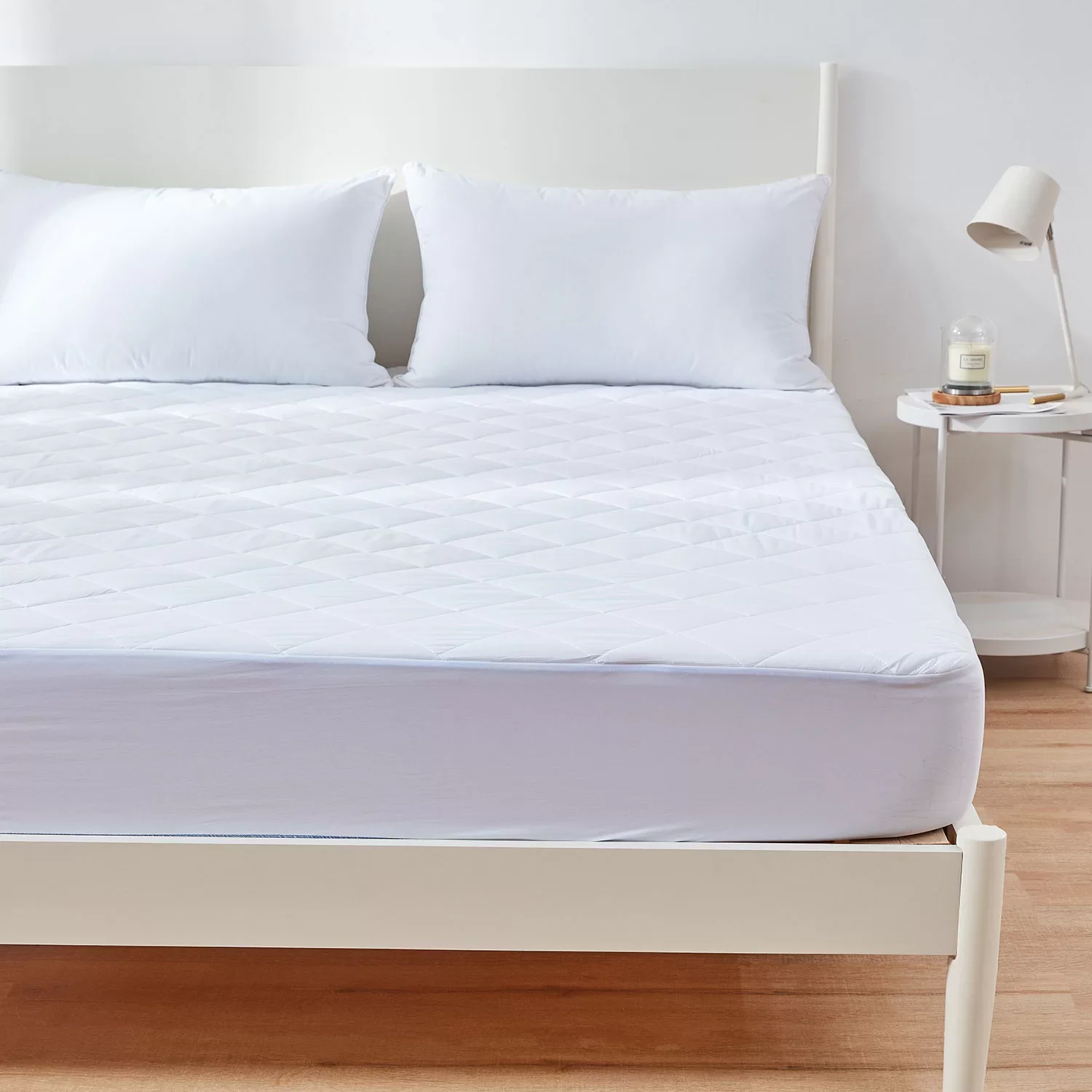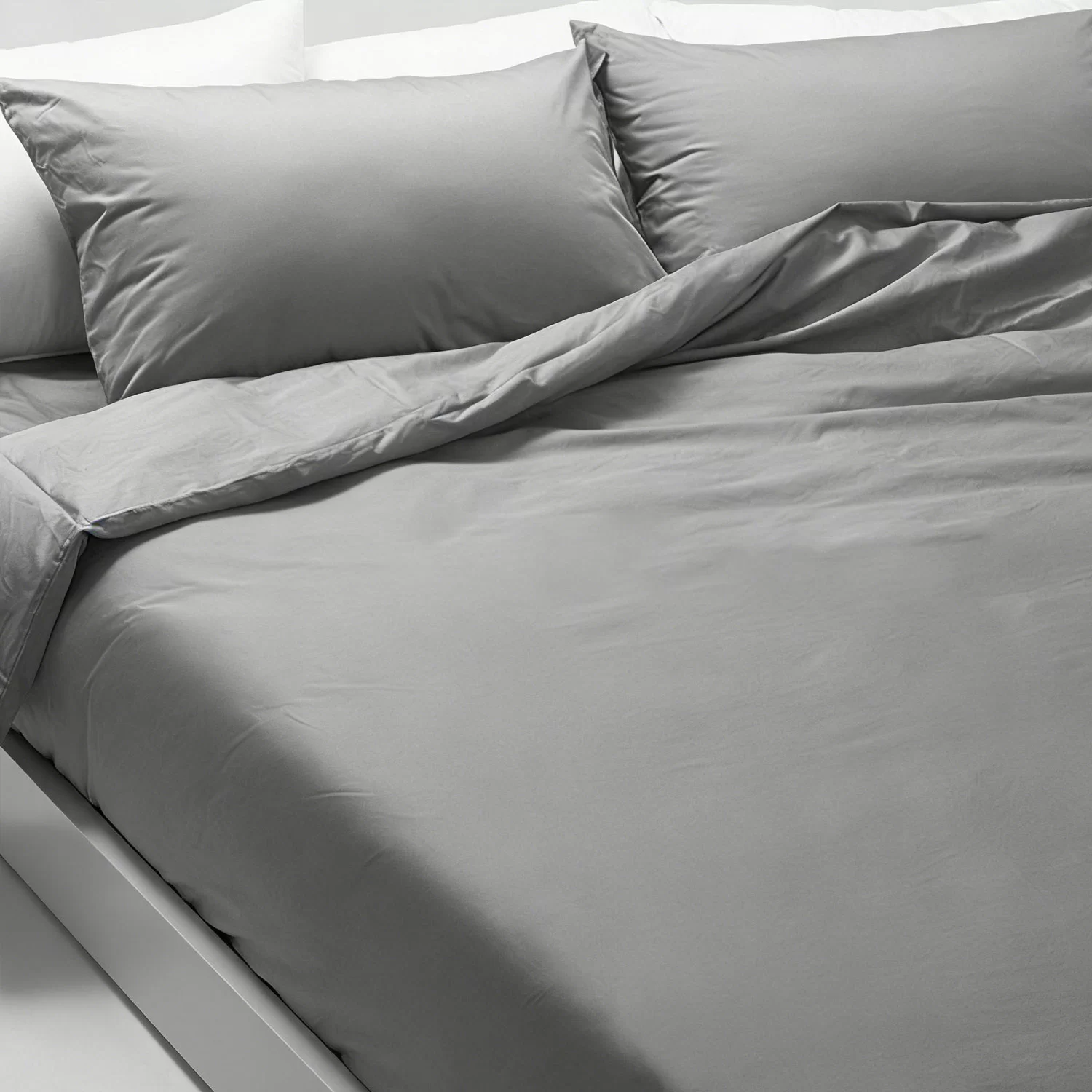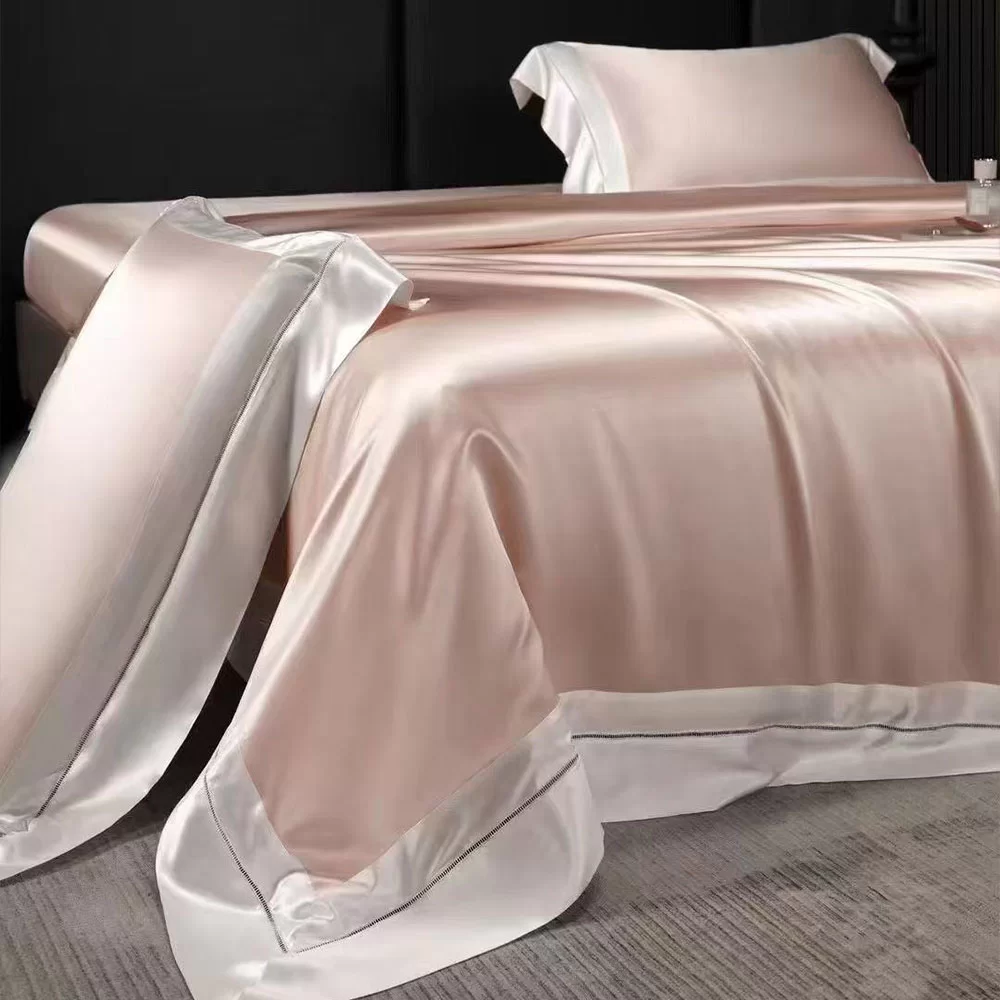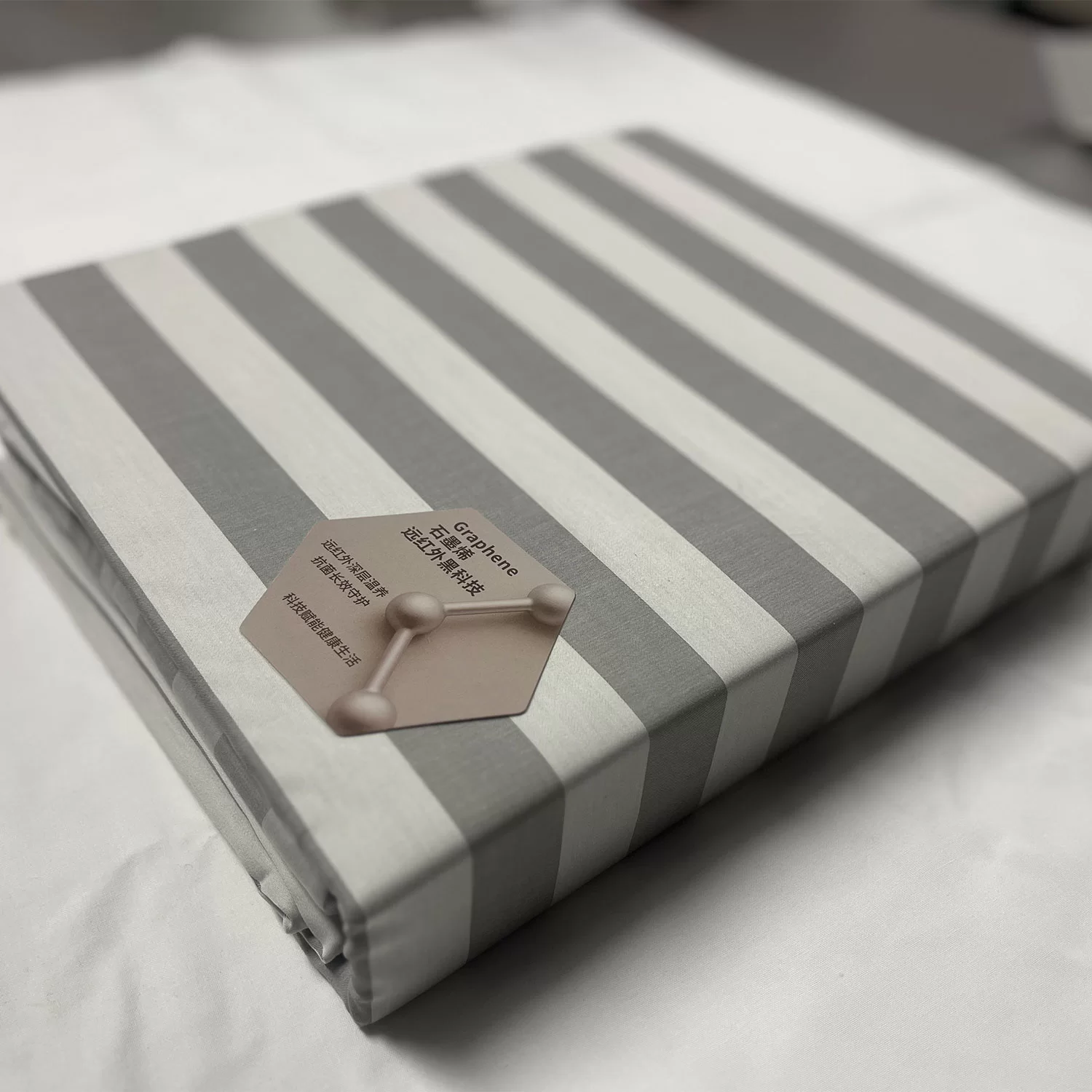
Look, the whole industry's going crazy for lightweight, high-strength stuff, right? Everyone's obsessed with carbon fiber and composites. But honestly, a lot of times, it's just marketing hype. I’ve spent the last 20 years on construction sites, and I’ve seen plenty of fancy materials fail spectacularly. It's not always about the spec sheet; it's about how it feels in your hands, how it handles the real-world abuse. To be honest, sometimes the old stuff is just more reliable.
What gets me is how many designers get caught up in the theoretical stuff. They design these beautiful interfaces and mounting systems, but they haven't spent a day wrestling with them in the mud. They forget that guys on site don't have time for fiddly bits and pieces. Keep it simple, keep it robust, that’s my motto.
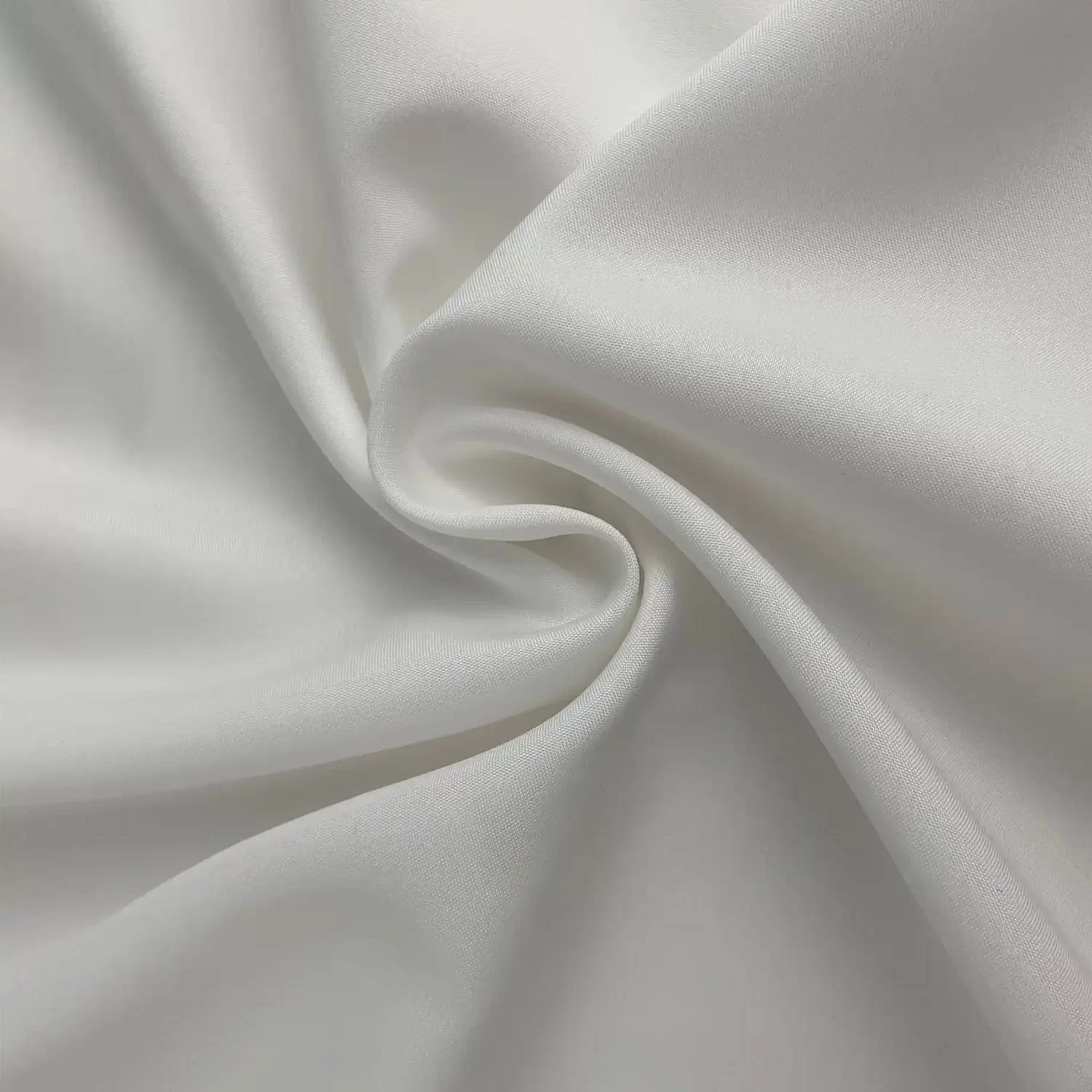
We’re talking about flat sheet materials here, primarily. Now, most folks think 'flat sheet' means just canvas, right? Wrong. It's a whole world. You’ve got your PVC-coated polyester, your polyethylene, your woven polypropylene… Each one feels different, smells different, behaves differently. Polypropylene, for example, has that weird plasticky smell that sticks to your gloves. It's durable enough, but it can get brittle in cold weather. PVC, on the other hand, it's got a heavier feel, kind of rubbery. You can practically build a bunker out of it.

Industry Trends and Design Pitfalls
Have you noticed everyone’s pushing for “smart” everything? Even with flat sheet materials, you see folks trying to embed sensors and tracking devices. It sounds good on paper, but try replacing a sensor in the middle of a job site with rain pouring down. It’s a nightmare. Strangely, the simplest solutions often work best. A well-placed grommet and a strong rope can be far more effective than some complex, sensor-laden system.
And the fixation with aesthetics! I encountered this at a factory in Ningbo last time. They wanted to use a particularly beautiful, textured PVC for a protective cover. Looked great in the showroom. But after a week on a construction site, it was scratched, faded, and covered in grime. Function over form, people! Function over form!
Material Breakdown: Feeling is Believing
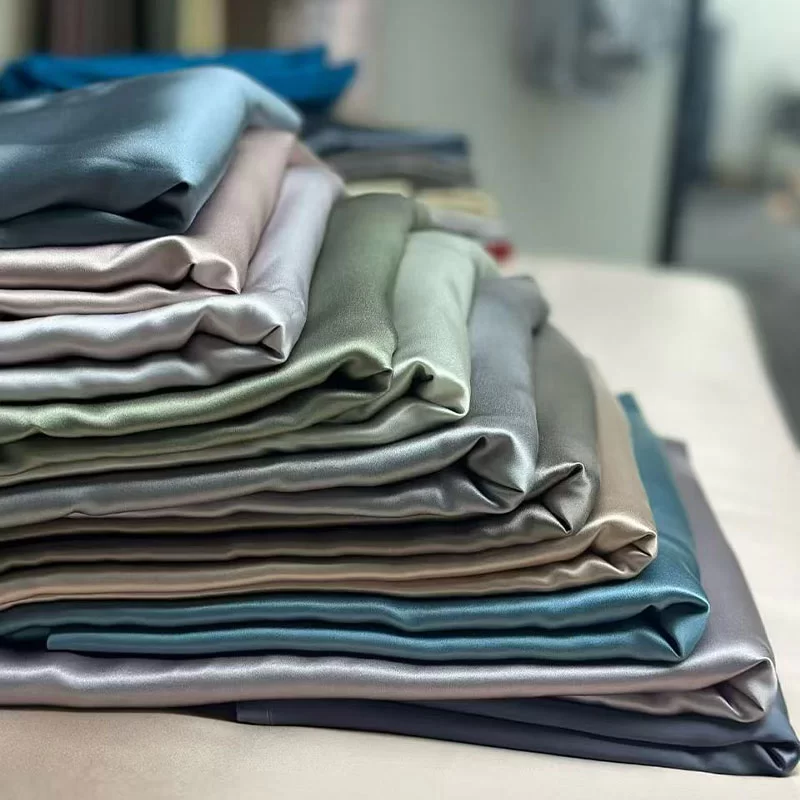
Now, back to materials. Polyethylene’s cheap, and it’s got decent water resistance, but it tears easily. Good for temporary covers, maybe, but not for something you need to rely on. Polyester, especially when coated with PVC, is a workhorse. It’s tough, it's weather-resistant, and it can handle a lot of abuse. But it's heavier, and it doesn't fold as easily. Then you have specialized fabrics, like those with integrated UV inhibitors. They cost a fortune, but they last, and that can save you money in the long run. Anyway, I think the feel test is crucial. If it feels flimsy, it probably is.

We also use a lot of woven polypropylene, particularly for silt fences and erosion control. That stuff smells…distinctive. It's surprisingly strong for its weight, but it degrades over time, especially in direct sunlight. You gotta check it regularly, or it'll fall apart.
And don’t even get me started on the different grades of PVC. You get what you pay for. The cheap stuff cracks and gets brittle, the good stuff stays flexible even in freezing temperatures. It's all about the plasticizer content, but honestly, I just judge it by how it feels.
Real-World Testing: Beyond the Lab
Lab tests are fine, but they don't tell the whole story. I’ve seen materials pass every lab test imaginable and still fail miserably in the field. We do our own testing, the old-fashioned way. We stretch it, we tear it, we leave it out in the sun, we soak it in water, we bury it in the dirt. We abuse it, basically. To be honest, sometimes we even let the guys on site use it for whatever they need and see how it holds up.
One test we do is the "rope pull" test. We attach a rope to a sample of the material and have two guys pull on it as hard as they can. Simple, but effective. You can immediately tell which materials are going to rip and which ones will hold. We also do a "puncture resistance" test using a nail and a hammer. Not very scientific, I know, but it gives you a good idea of how well it will withstand accidental damage.
The biggest thing is simulating real-world conditions. We’ll expose materials to UV radiation for extended periods, cycle them through freezing and thawing temperatures, and subject them to constant abrasion. It’s messy, it’s time-consuming, but it’s the only way to be sure.
Actual Usage vs. Expected Usage
Here’s where it gets interesting. Designers think these flat sheets are going to be used neatly and carefully. They design beautiful seams and perfect edges. But in reality? They get dragged across concrete, stepped on, scraped against sharp objects, and generally abused. I’ve seen guys use them as makeshift sleds to move materials around. Seriously.
They're often repurposed for things we never intended. A protective cover designed for a piece of equipment ends up being used as a temporary shelter. A silt fence gets used as a windbreak. People are resourceful, but it means the materials are being subjected to stresses they weren't designed for. Later... Forget it, I won't mention it.
Flat Sheet Material Durability (Field Observations)
Advantages, Disadvantages, and a Bit of Roast
The biggest advantage of these materials is their cost-effectiveness. They're relatively cheap, especially compared to more specialized solutions. They’re also versatile - you can cut them, sew them, weld them, and generally do whatever you need to do with them. But don't expect miracles. They're not going to last forever, and they're not going to withstand extreme conditions without failing.
Honestly, some of these materials are just…overhyped. Like that "self-healing" fabric I saw last year. It cost three times as much as regular polyester, and it barely healed a scratch. A waste of money, if you ask me. And the seams! So many manufacturers skimp on the seams, and that's where things fall apart.
Customization Capabilities: A Shenzhen Story
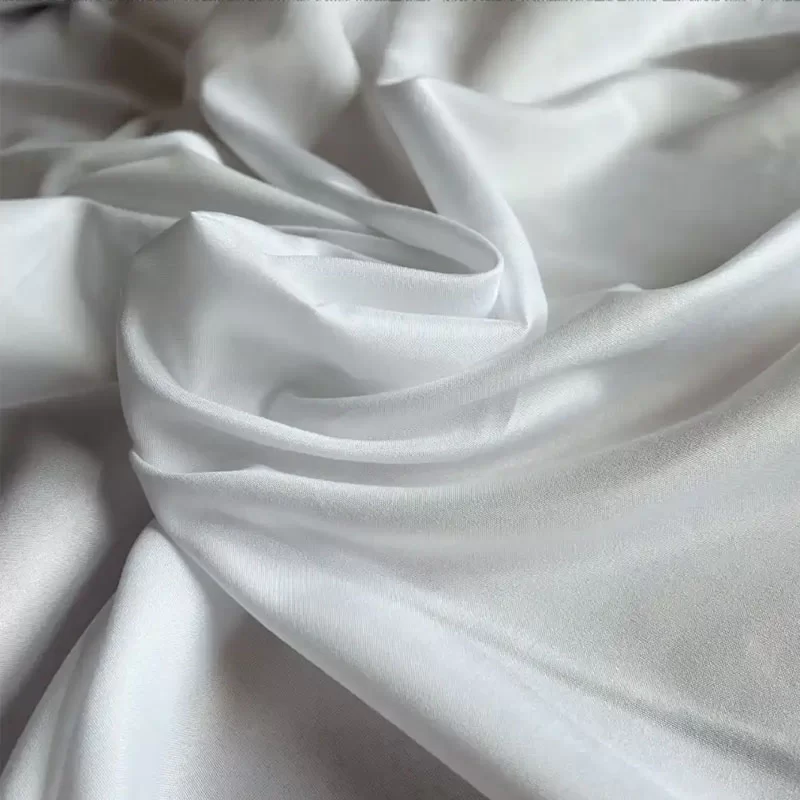
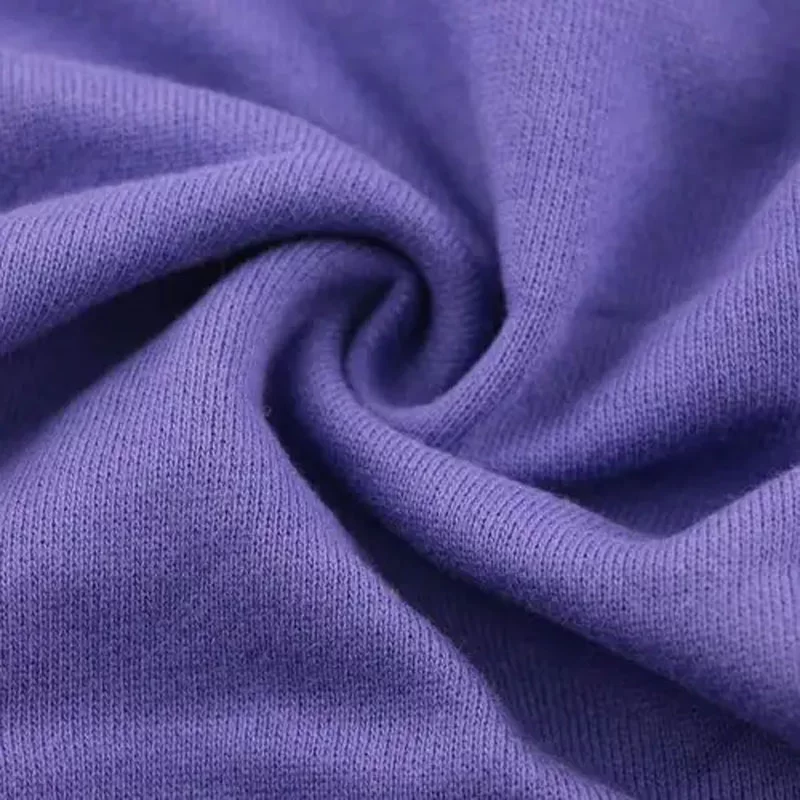
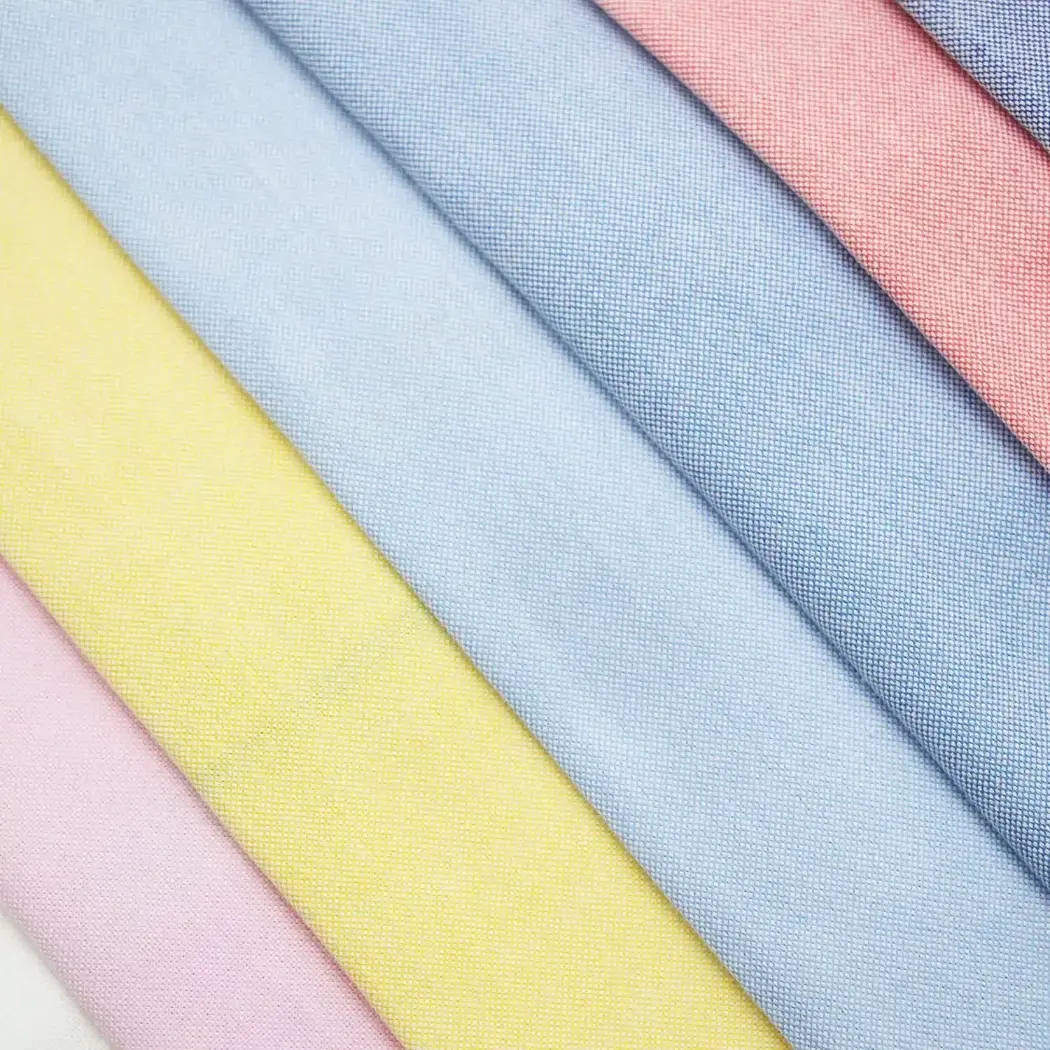
You can customize these materials to a certain extent. You can change the color, the coating, the weave, the thickness. Last month, that small boss in Shenzhen who makes smart home devices insisted on changing the interface to on a protective cover we made for their outdoor sensors. He said it was “the future.” It turned out the workers kept breaking the connector because it wasn't robust enough for the conditions. We ended up switching back to USB-A. Sometimes, sticking with what works is the best option.
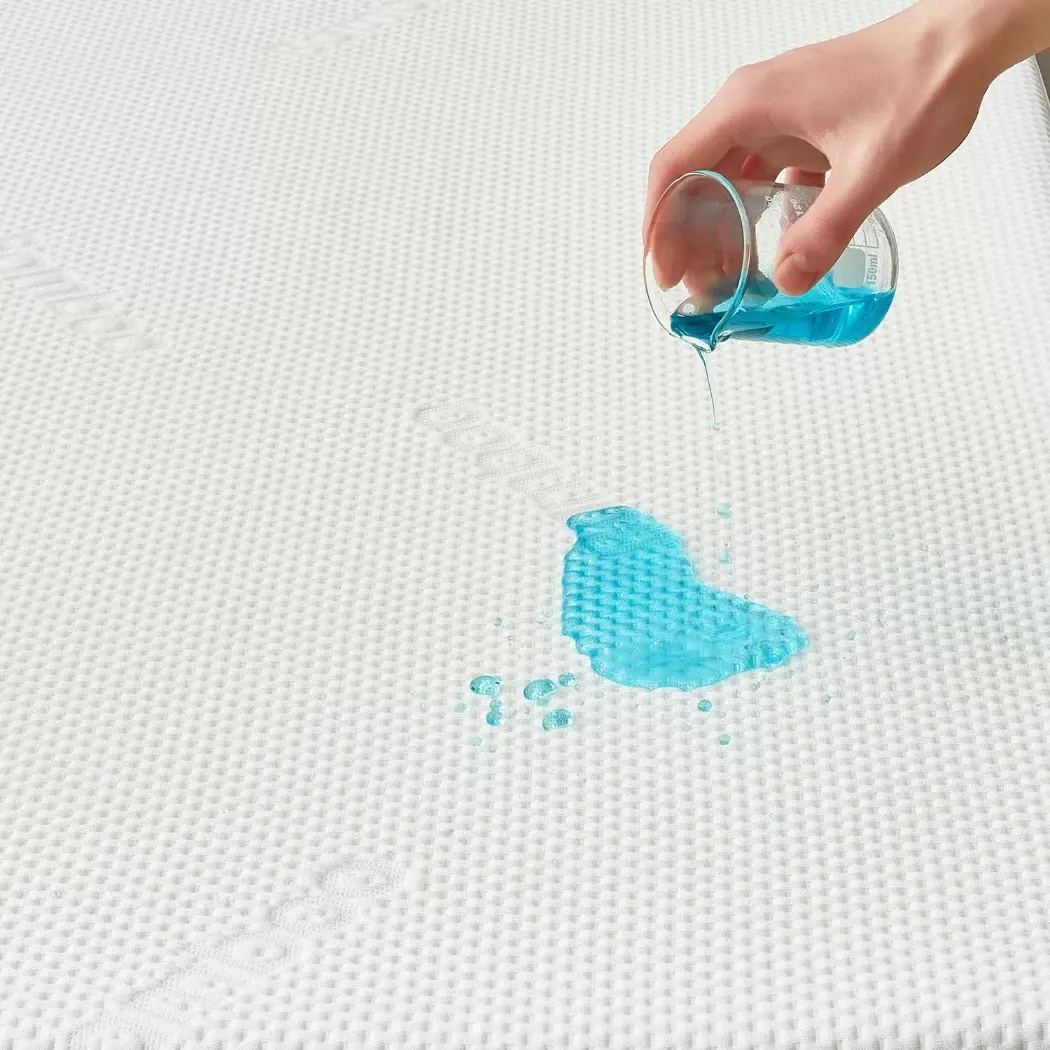
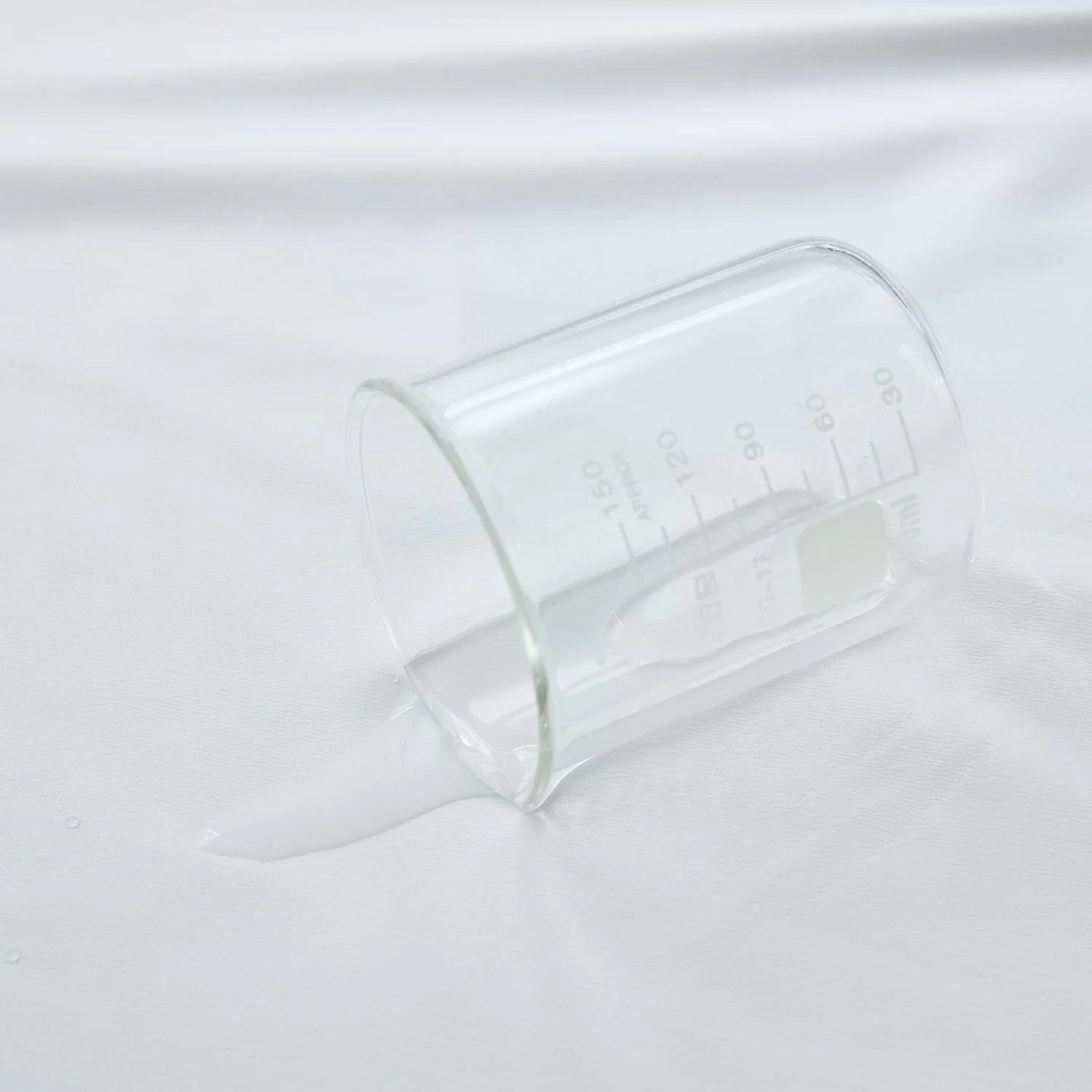
We can also add reinforcements, like webbing or grommets, to specific areas. And we can apply different coatings to enhance water resistance, UV protection, or flame retardancy. It all depends on the application and the budget.
Material Comparison: A Quick & Dirty Guide
So, you’re trying to figure out which material to use? Here’s a super rough guide, based on what I’ve seen work (and fail) on sites. Don't rely on this as gospel, but it's a starting point.
It’s all about trade-offs. Cost, durability, weight, flexibility, weather resistance… you have to balance everything. And remember, the best material for the job isn't always the most expensive one.
The important thing is to understand the limitations of each material and choose accordingly.
Quick Comparison of Common Flat Sheet Materials
| Material | Cost (Roughly) | Durability (1-10) | Best Use Case |
|---|
| PVC Coated Polyester | $3-5/sq meter | 8 | Tarps, covers, protective barriers |
| Woven Polypropylene | $1-2/sq meter | 5 | Silt fences, weed barriers, temporary covers |
| Polyethylene | $0.50-1/sq meter | 3 | Temporary drop cloths, dust sheets |
| Reinforced Polyethylene | $2-3/sq meter | 7 | Heavy-duty tarps, covers for machinery |
| Canvas (Cotton) | $4-8/sq meter | 5 | Artistic applications, older style covers |
| PVC (Uncoated) | $2-4/sq meter | 6 | Partitioning, indoor barriers |
FAQS
Honestly? They focus too much on the price and not enough on the application. Cheap materials often end up costing more in the long run because they fail quickly and need to be replaced. You gotta think long-term. I've seen it a hundred times. Always consider the environment it will be used in, the stresses it will be subjected to, and how long you need it to last.
Absolutely critical! The seams are always the weakest point. A strong material with poorly-done seams is practically useless. Look for reinforced seams, double-stitched seams, or welded seams depending on the material. And inspect them carefully before you use it. Don’t trust the manufacturer's word for it. It's always worth a quick check.
It’s complicated. Some can, some can’t. PVC is notoriously difficult to recycle, but polyethylene and polypropylene are more readily recyclable. But the infrastructure for recycling these materials isn't always in place, especially in developing countries. It’s something we need to work on as an industry. I always tell people, reducing waste in the first place is the best solution.
UV radiation breaks down the polymer chains in most materials, making them brittle and prone to tearing. Look for materials with built-in UV inhibitors. Or, you can apply a UV-protective coating. And if you're storing them, keep them out of direct sunlight whenever possible. Covering them up is always a good idea.
Depends on the material. Most can be cleaned with mild soap and water. Avoid harsh chemicals and abrasive cleaners, as they can damage the surface. For really stubborn dirt, you might need a pressure washer, but be careful not to damage the seams. And always let it dry completely before storing it.
Yeah, there's a lot of research going into bio-based plastics and more sustainable materials. They're not quite ready for prime time yet, but they're showing promise. And there's some interesting work being done on self-healing polymers, which could significantly extend the lifespan of these materials. But honestly, I'll believe it when I see it working reliably on a real construction site.
Conclusion
Ultimately, choosing the right flat sheet material comes down to understanding your needs, being realistic about the conditions it will be used in, and not falling for marketing hype. There's no magic bullet, no one-size-fits-all solution. It's about balancing cost, durability, weight, and other factors to find the material that's best suited for the job.
And remember, whether this thing works or not, the worker will know the moment he tightens the screw. That's the bottom line. If it feels right, if it holds up under pressure, then it's a good material. If it doesn't, it doesn't matter what the spec sheet says. Visit our website at Infortextile to explore our range of flat sheet solutions.