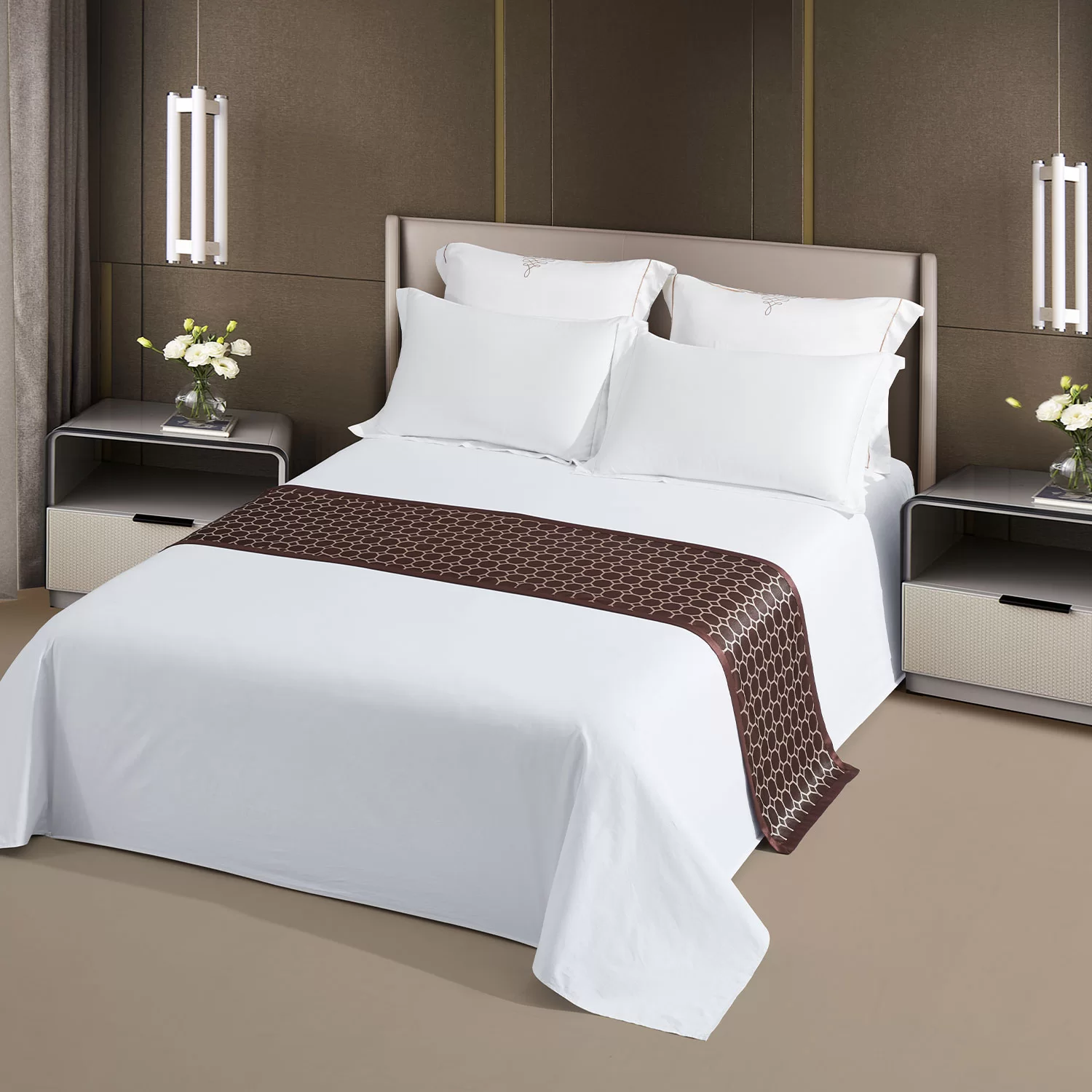
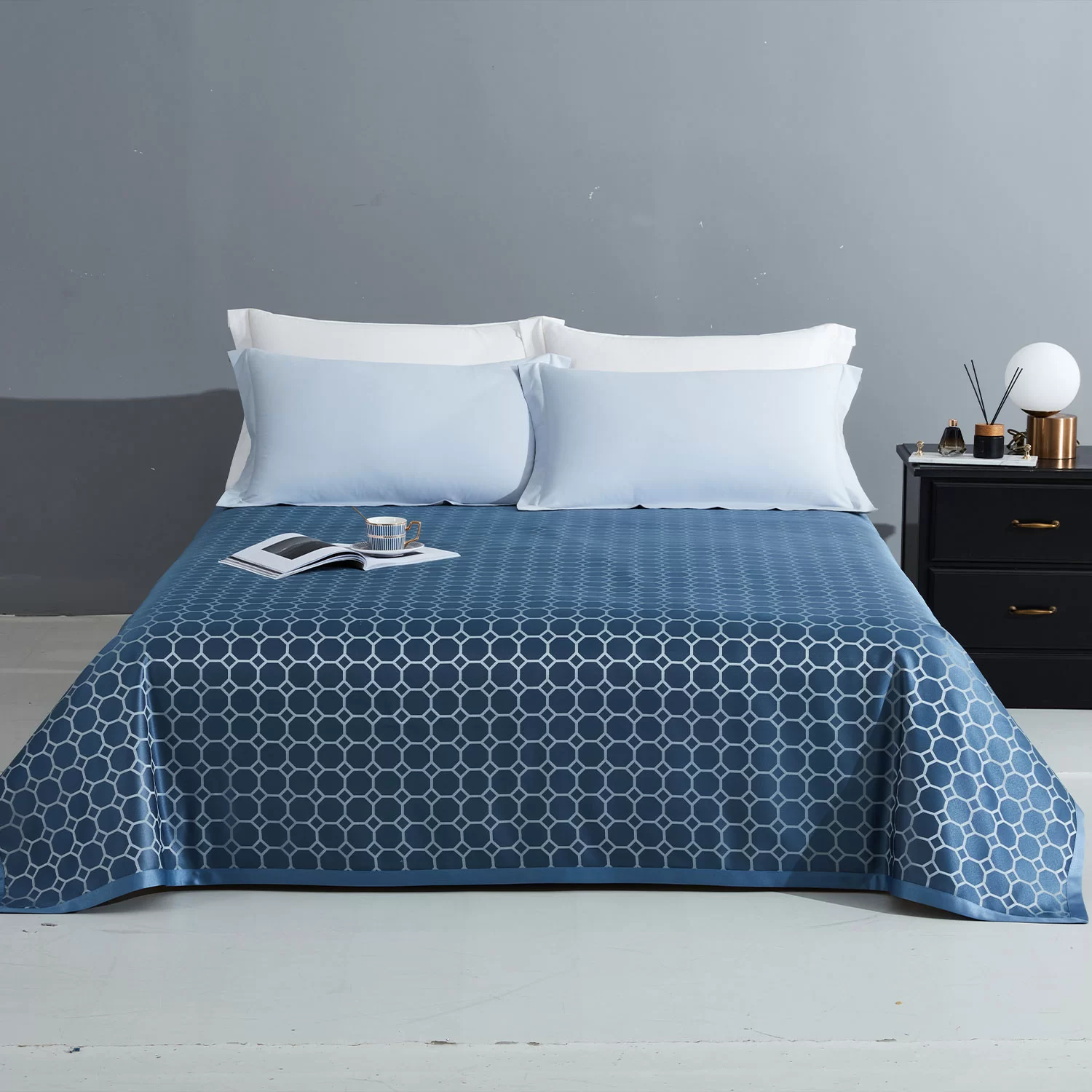
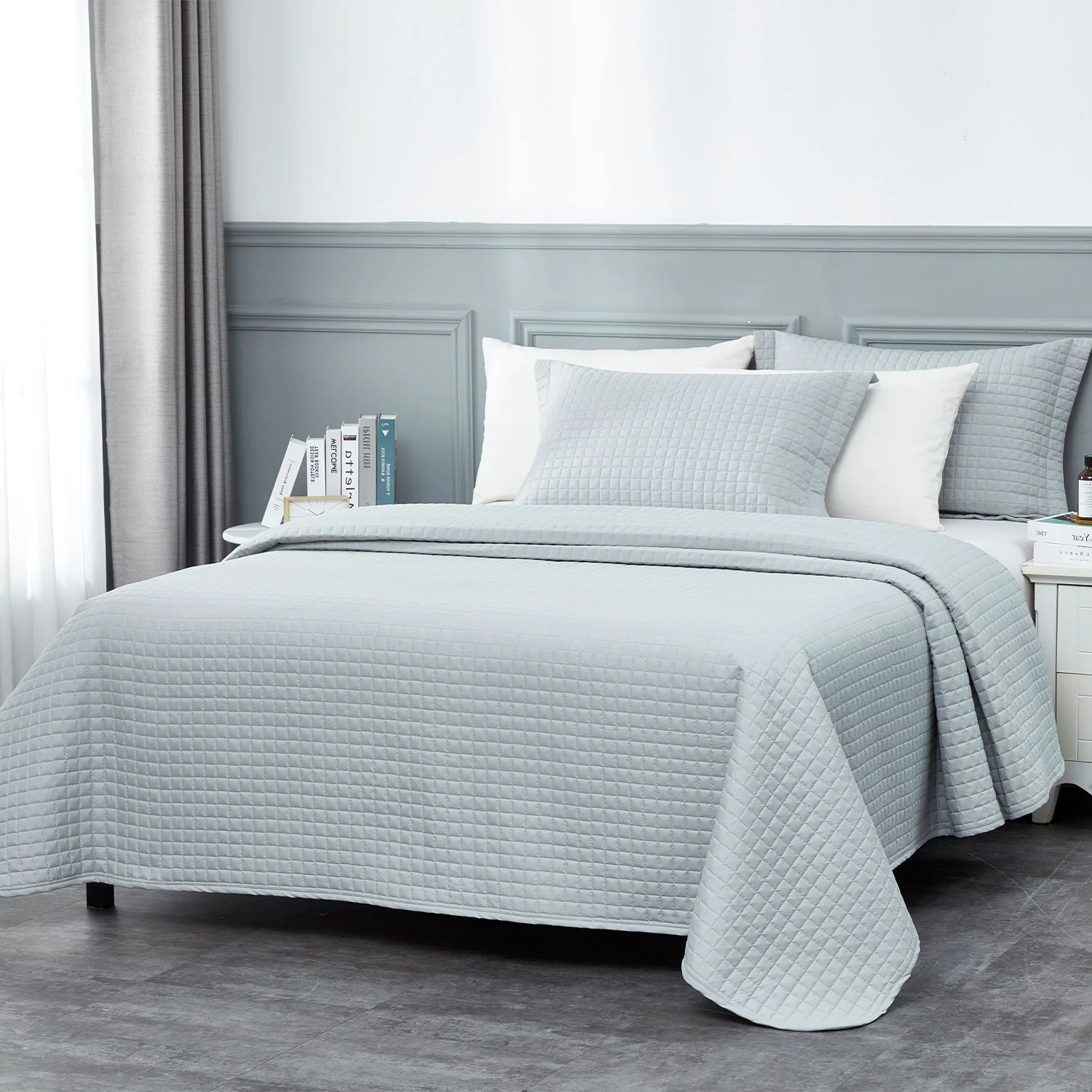
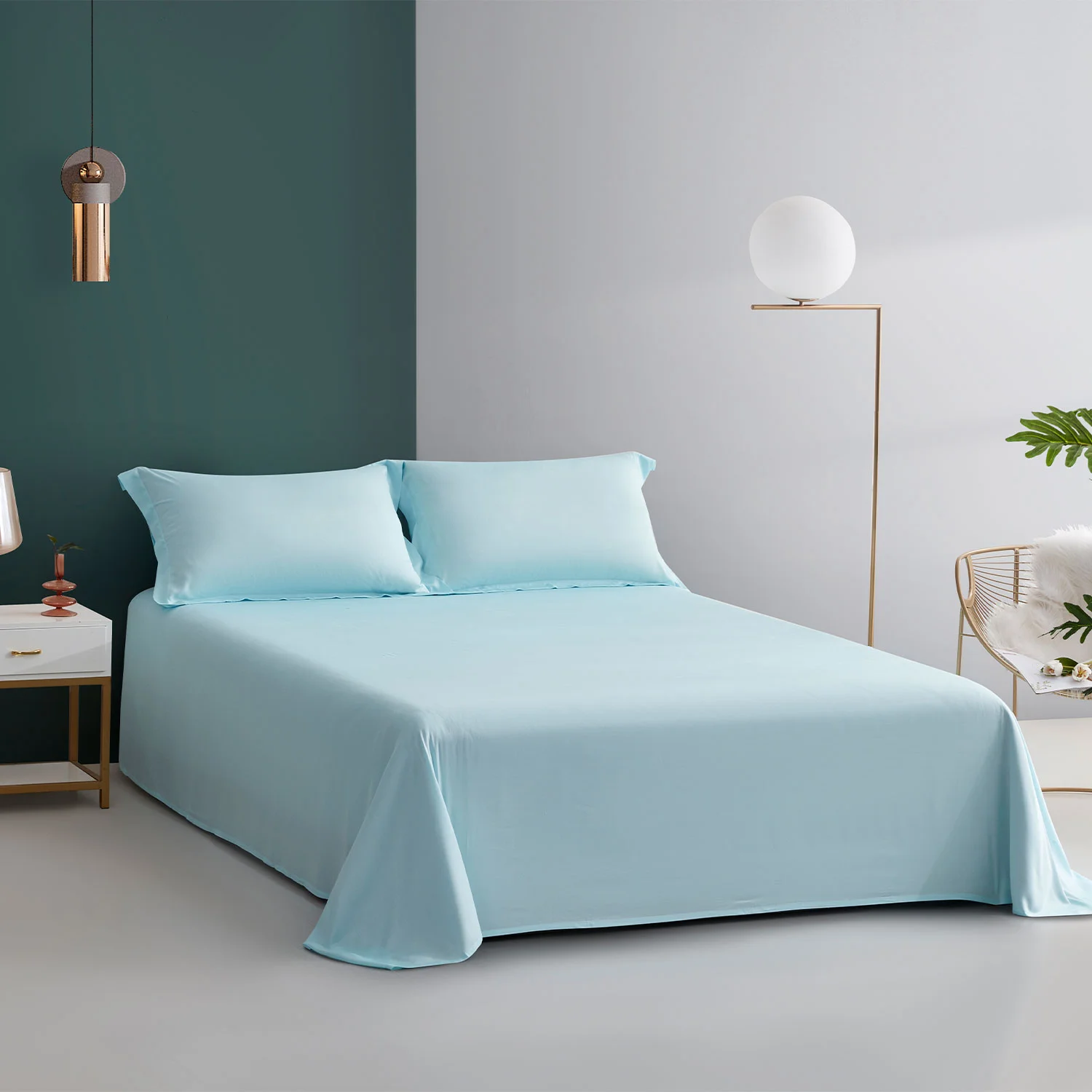
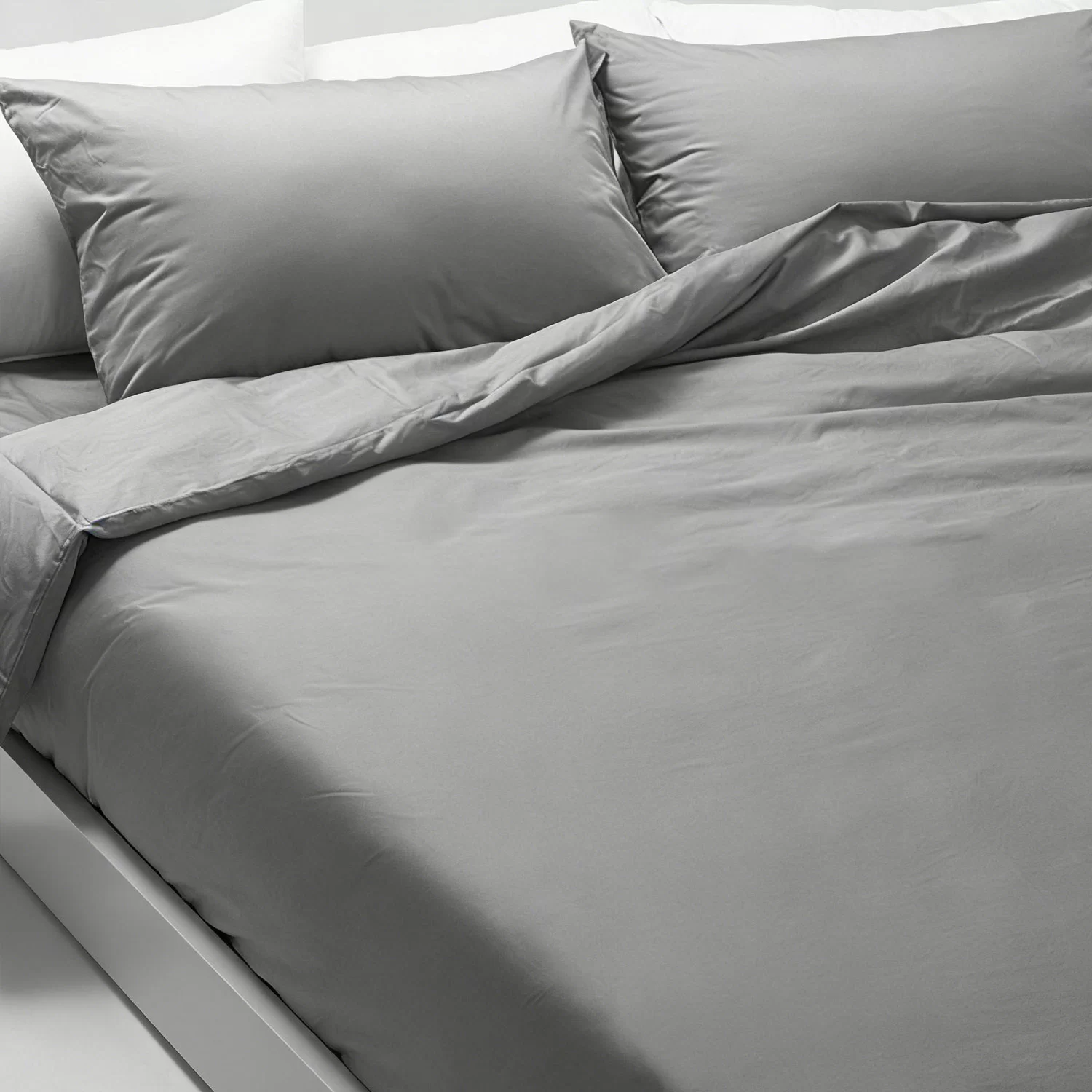
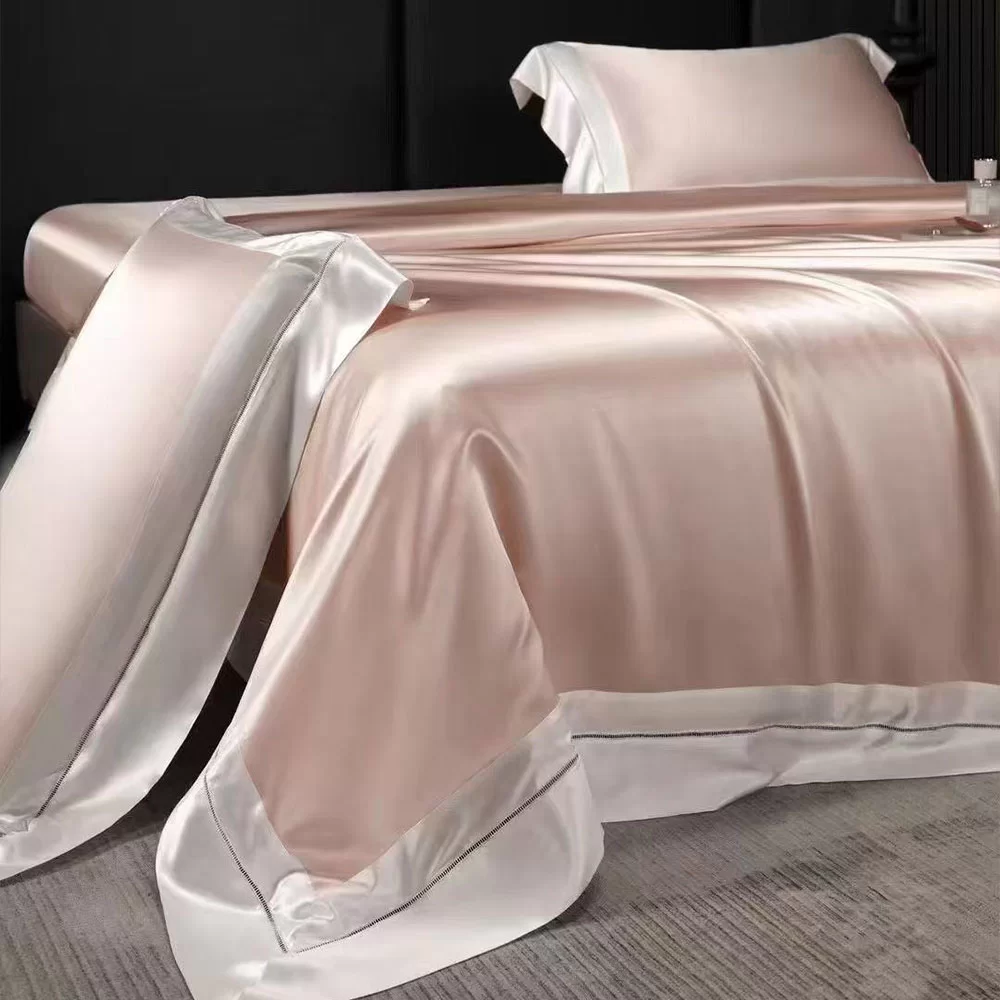
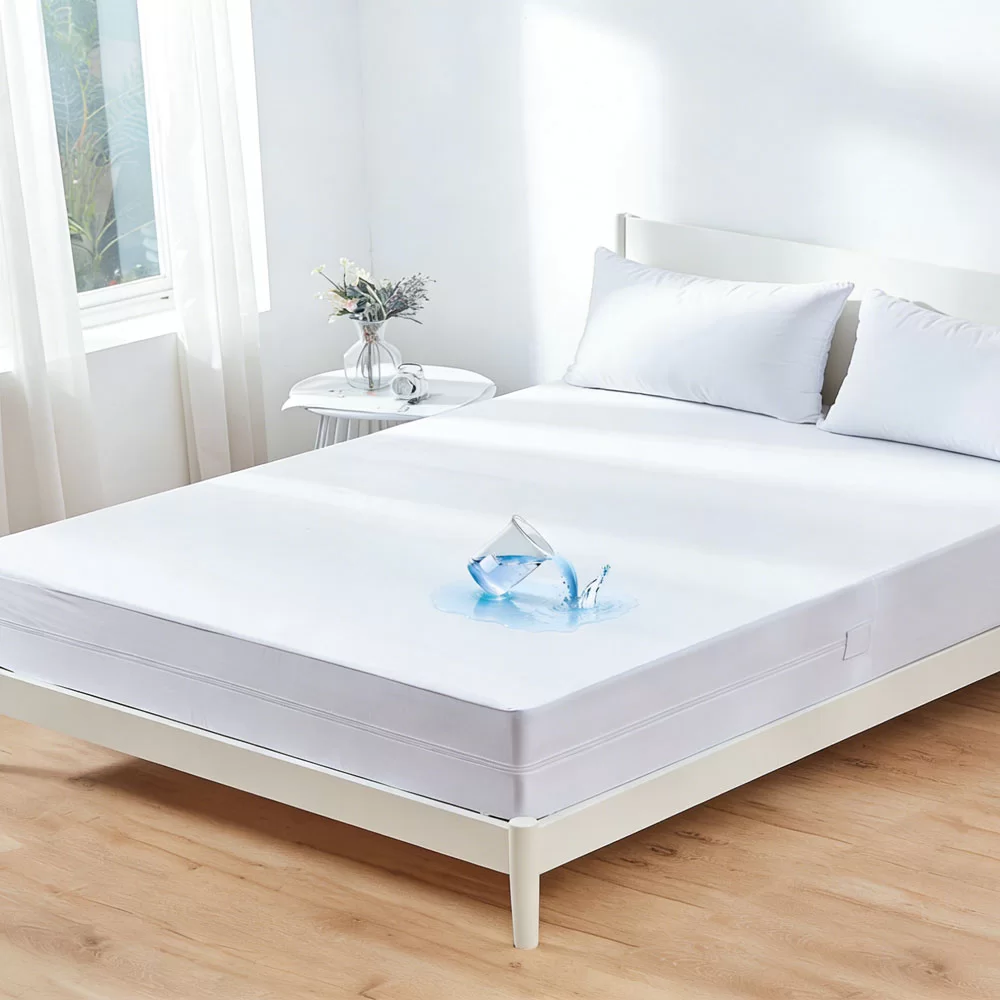
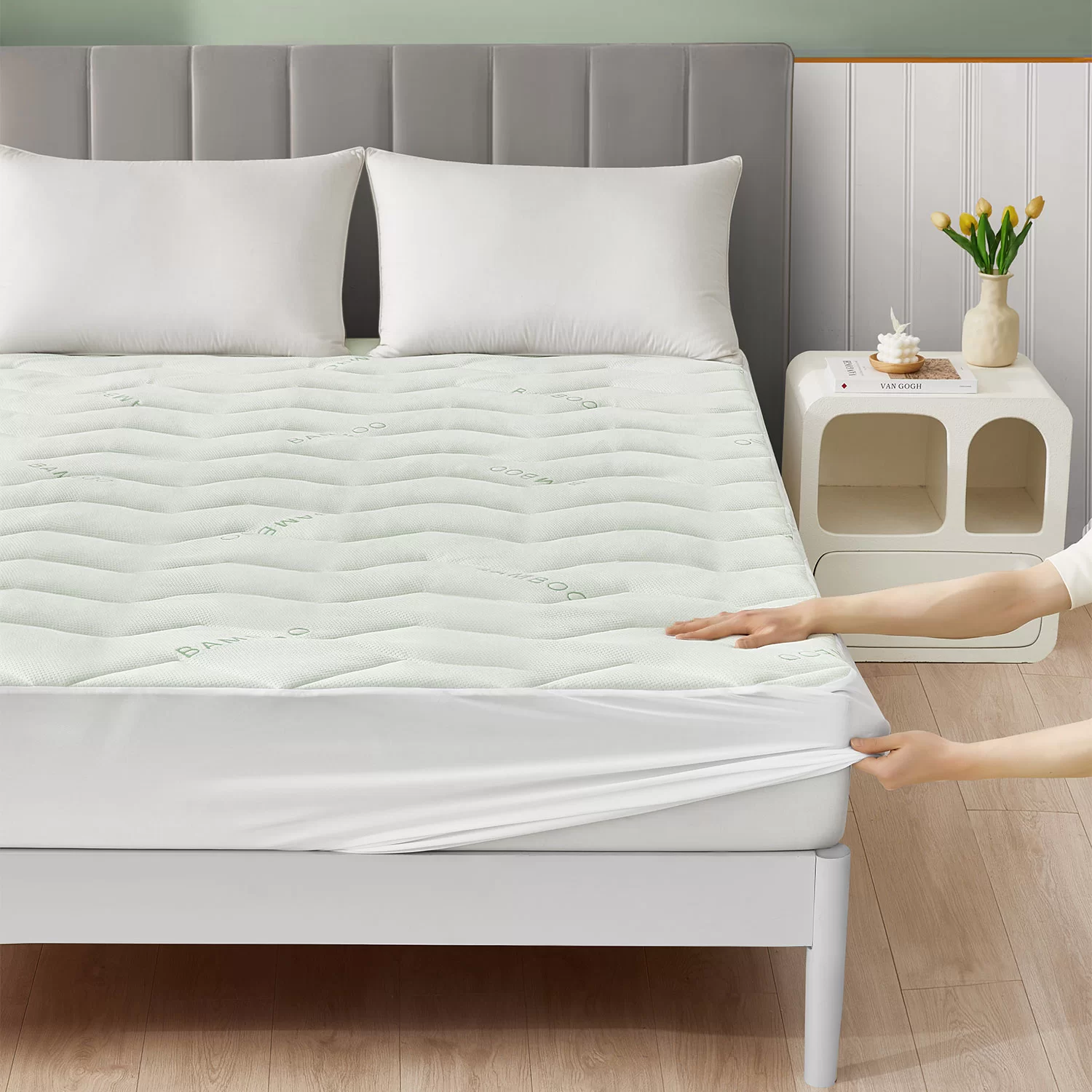
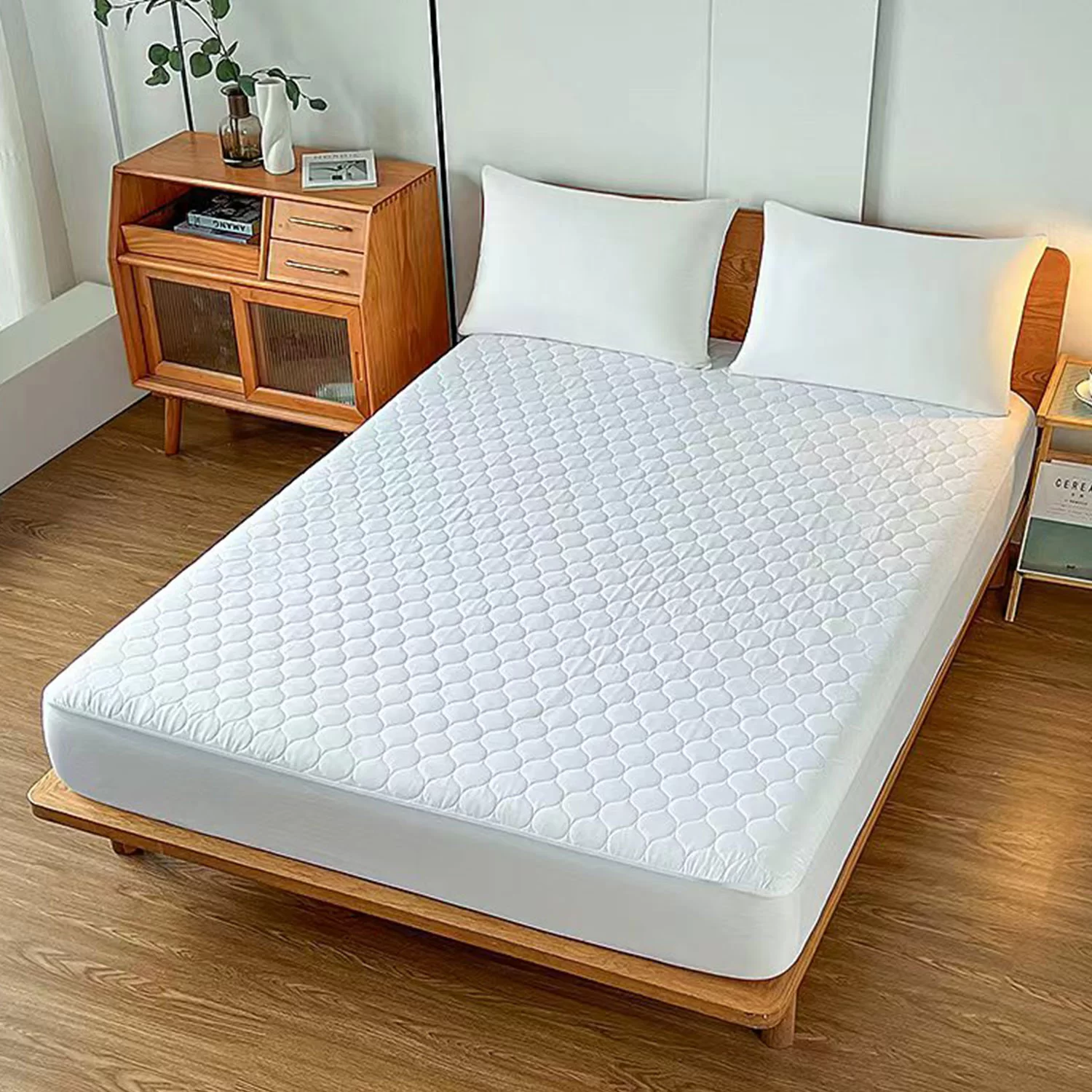
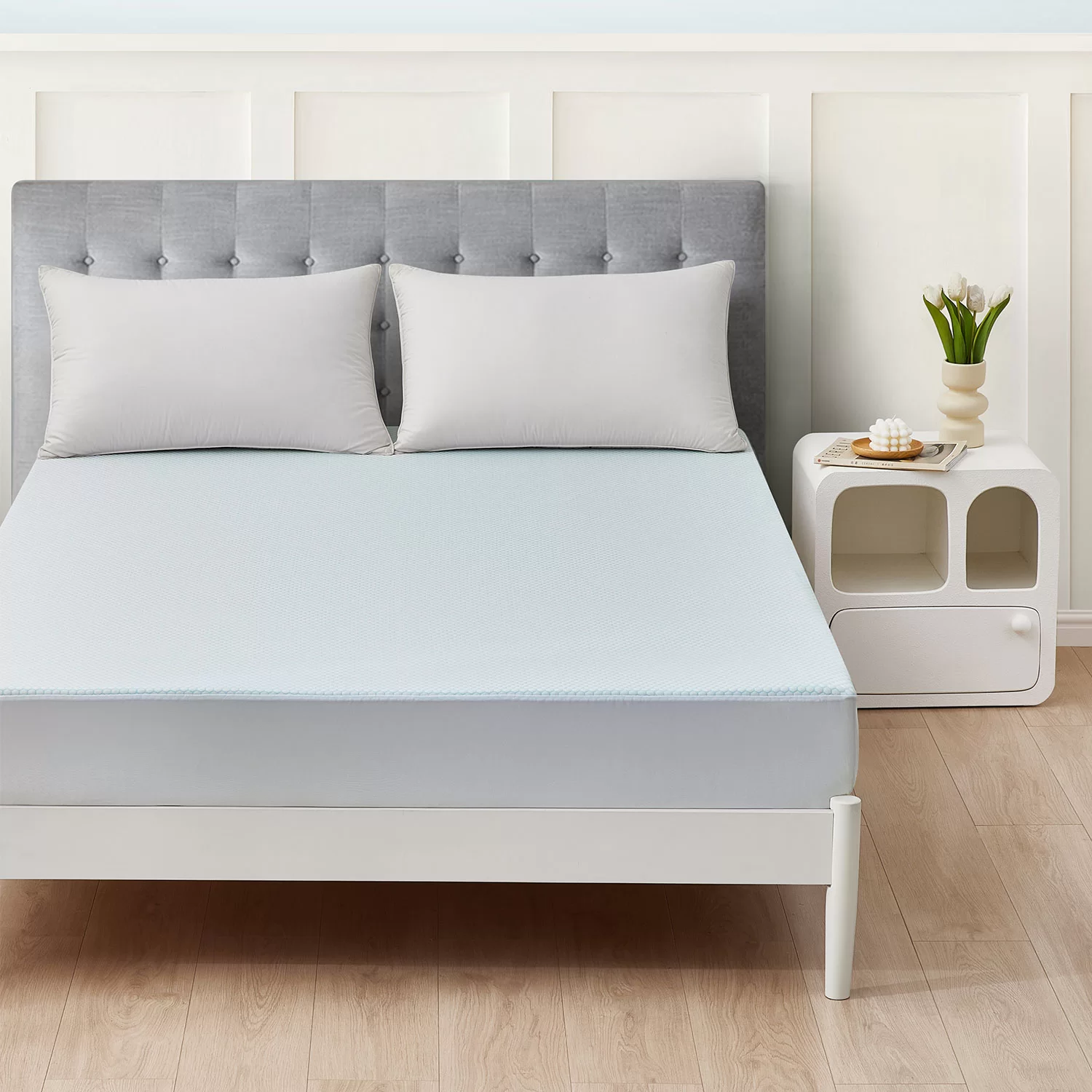
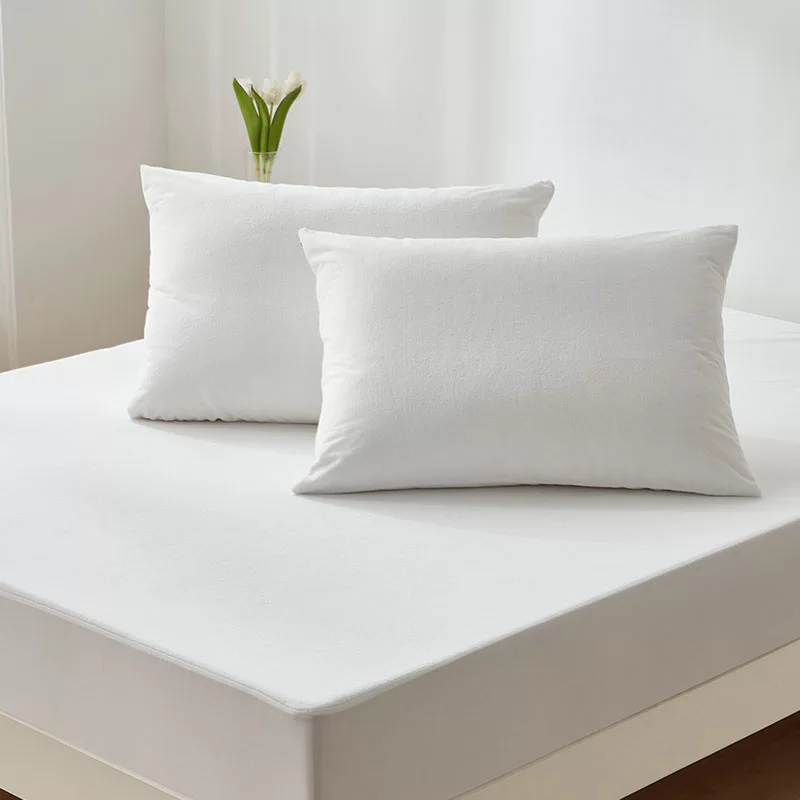
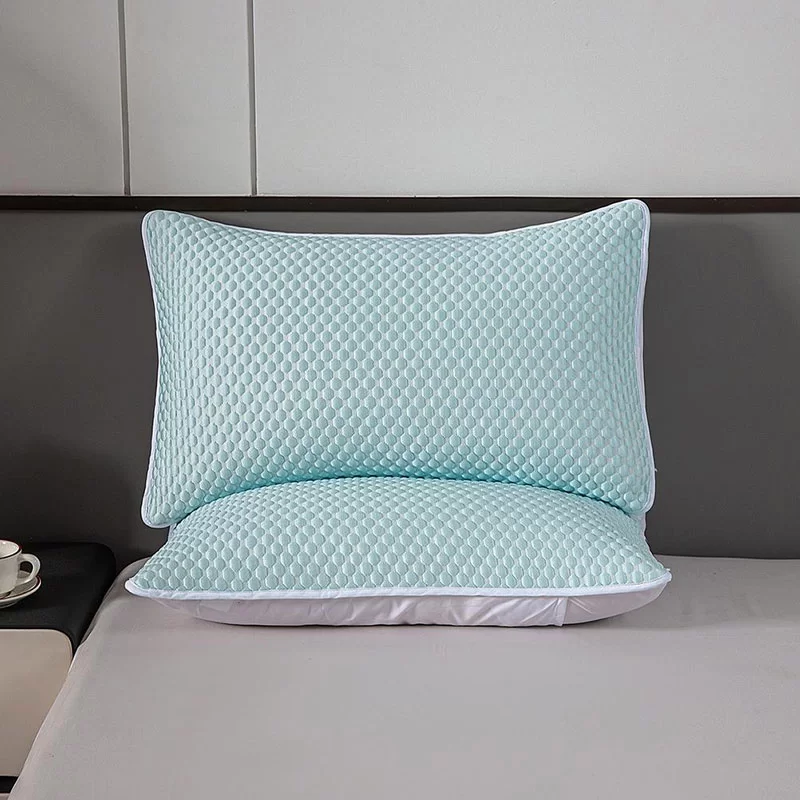
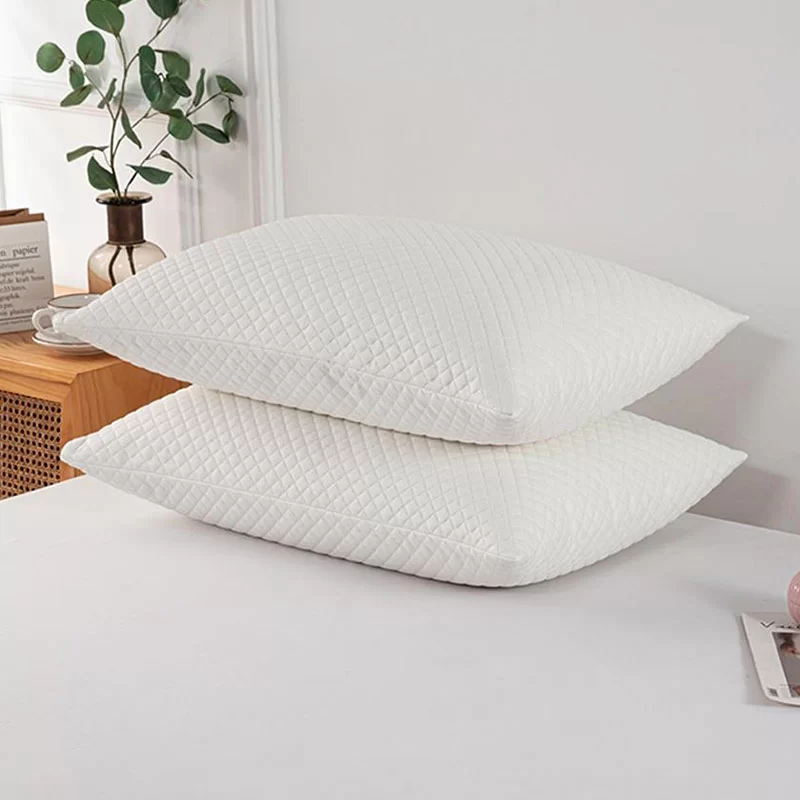
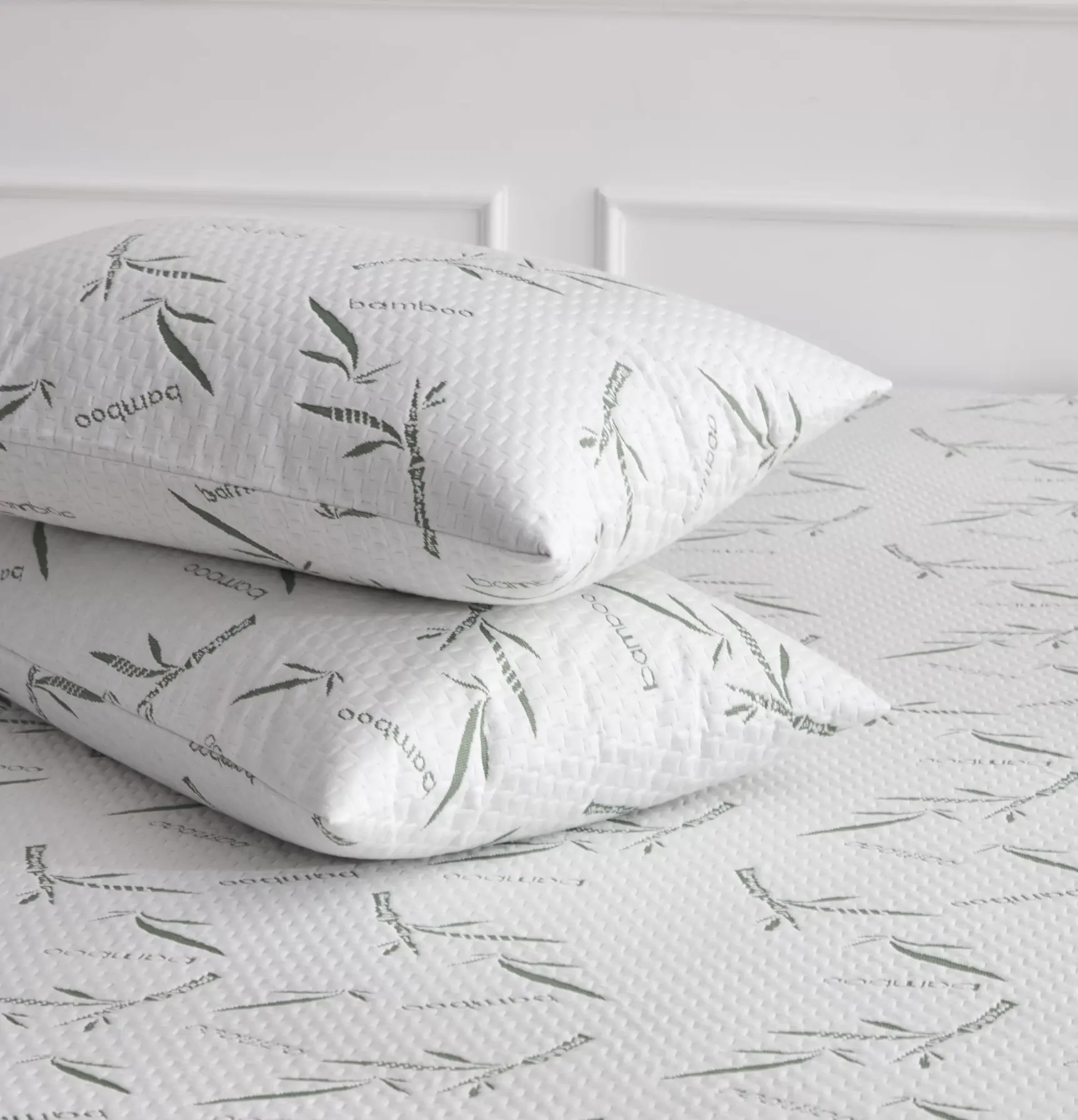
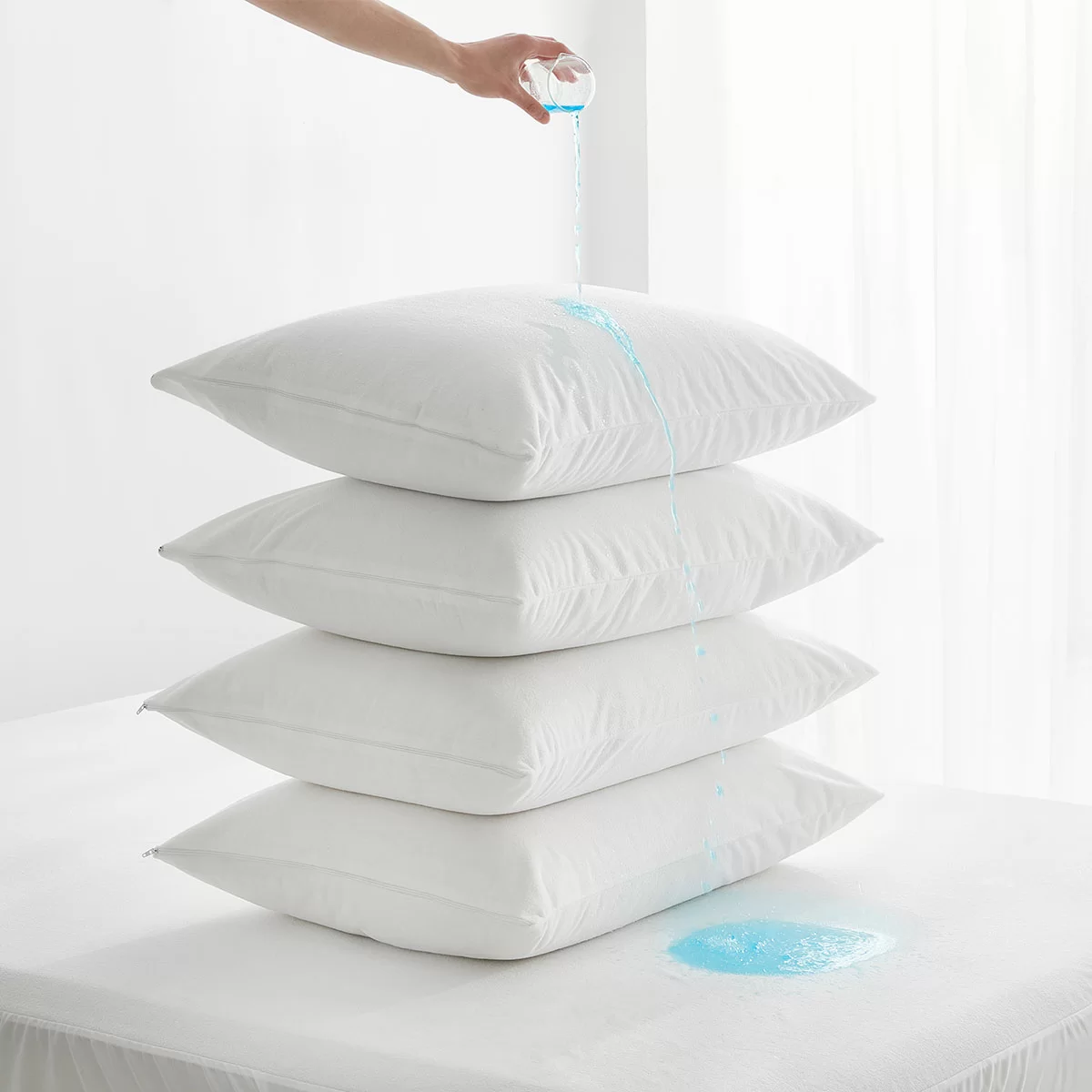
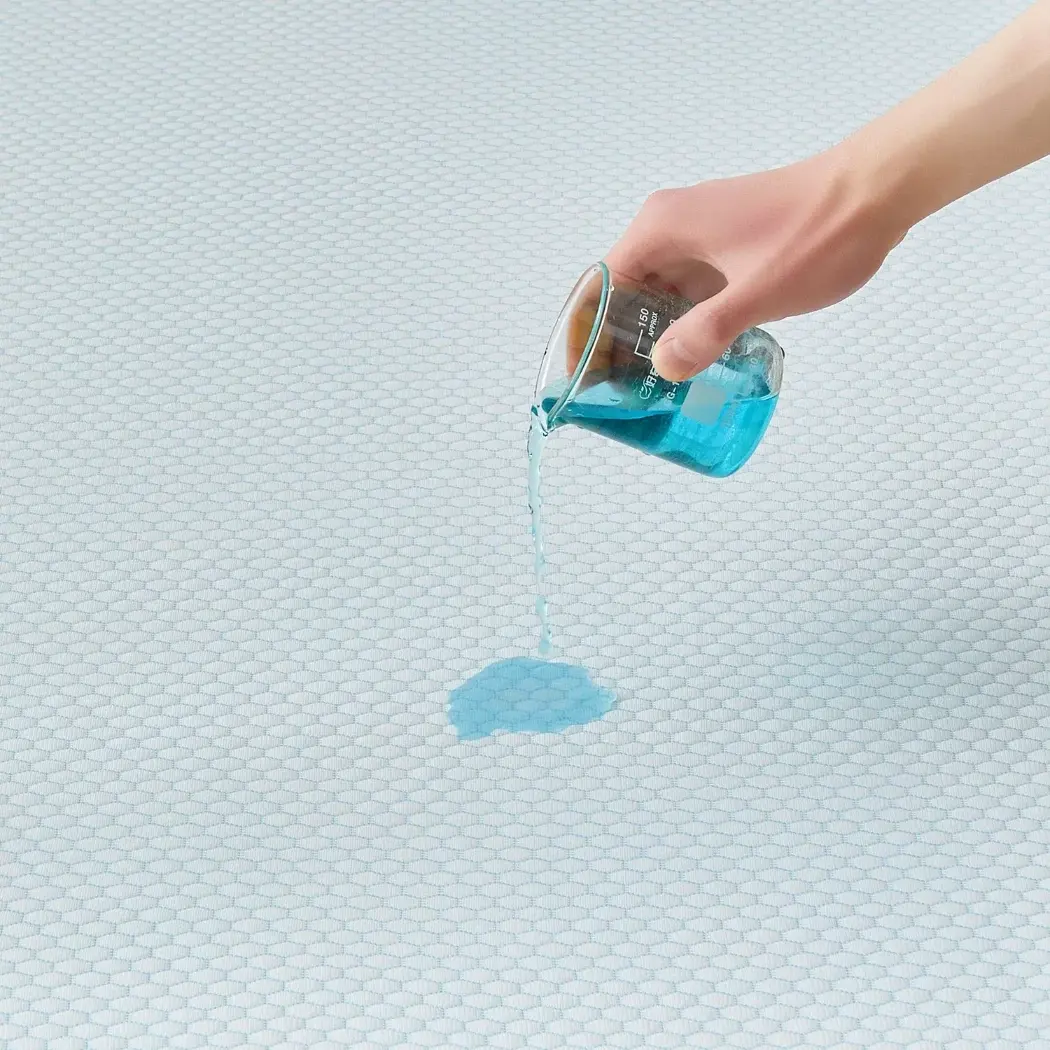
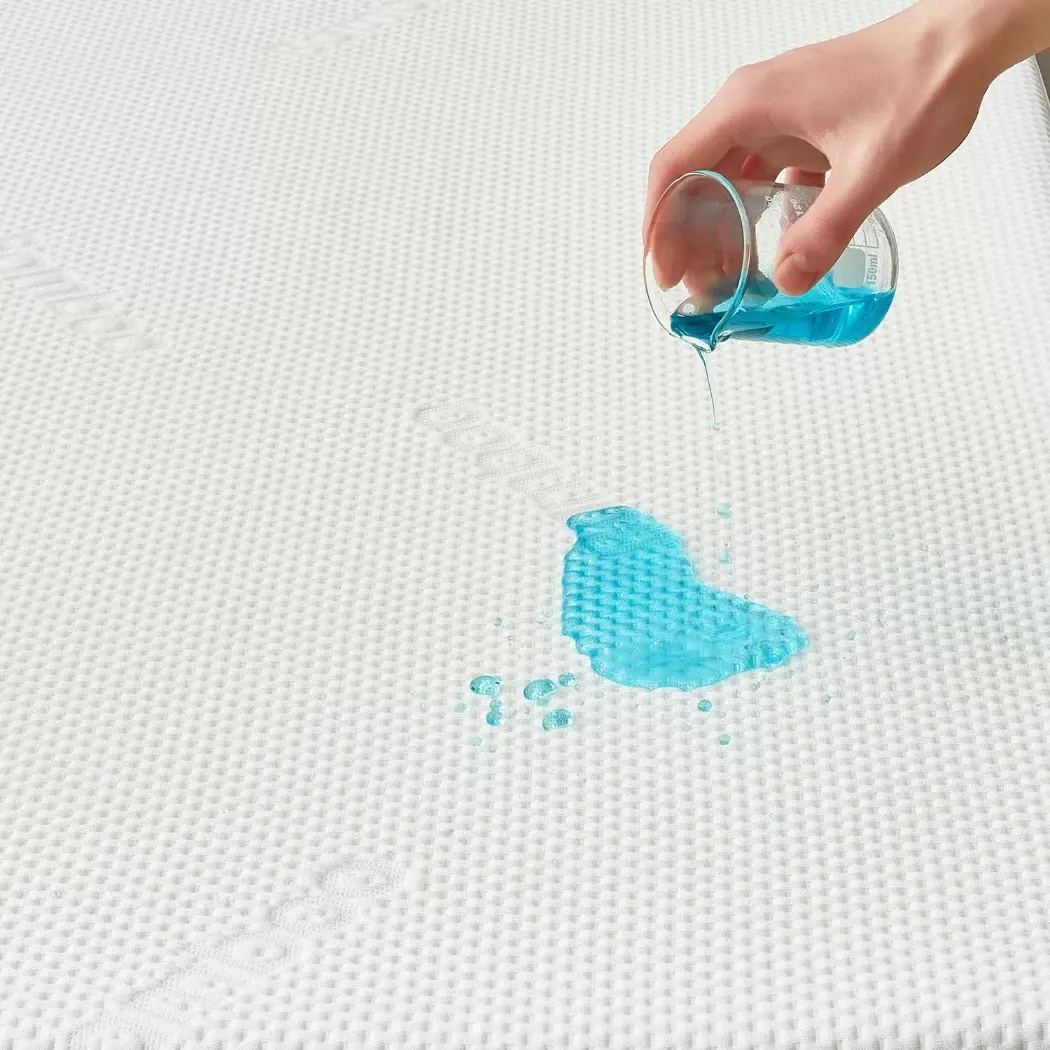
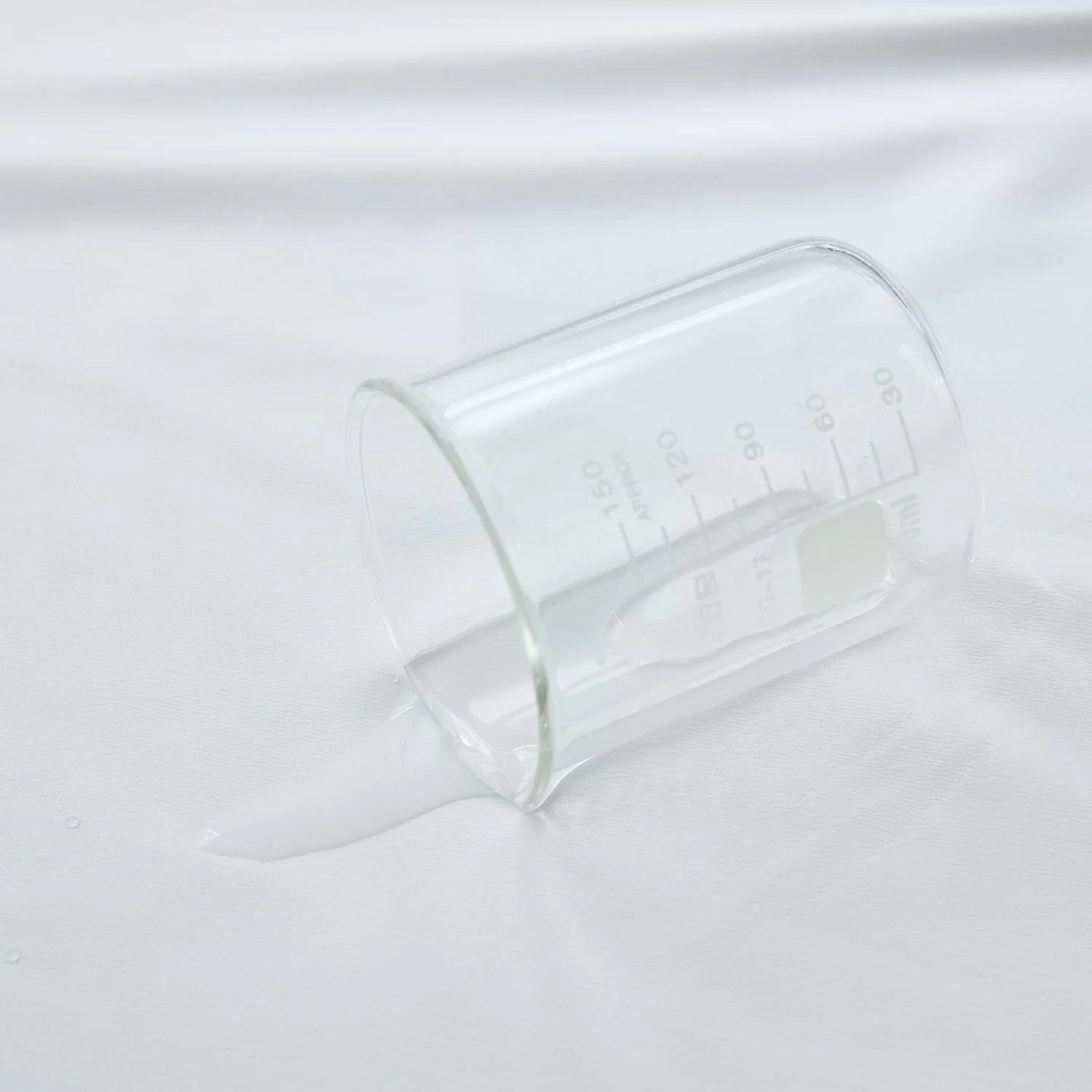
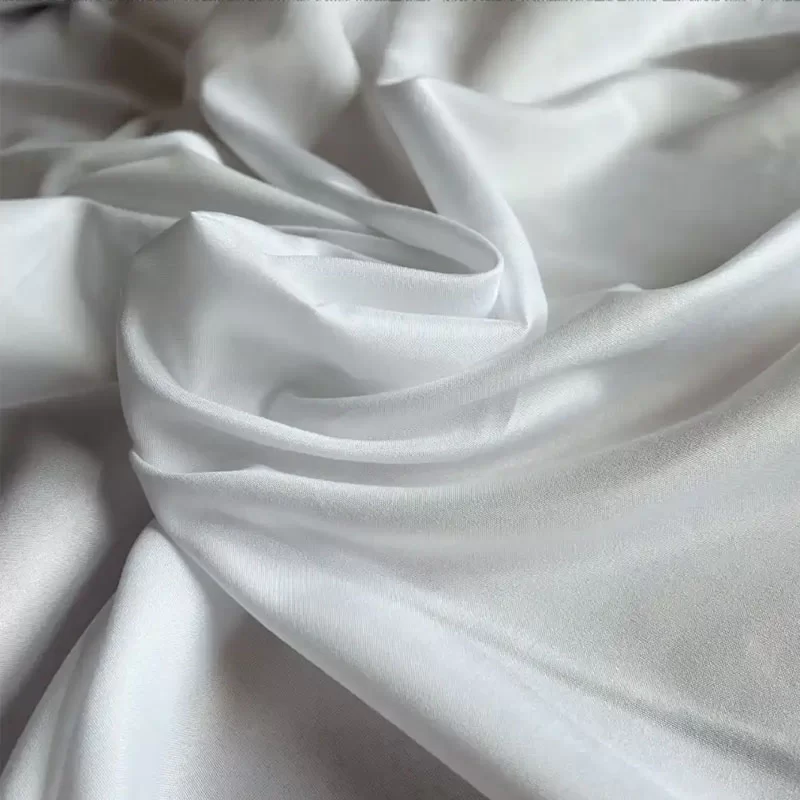
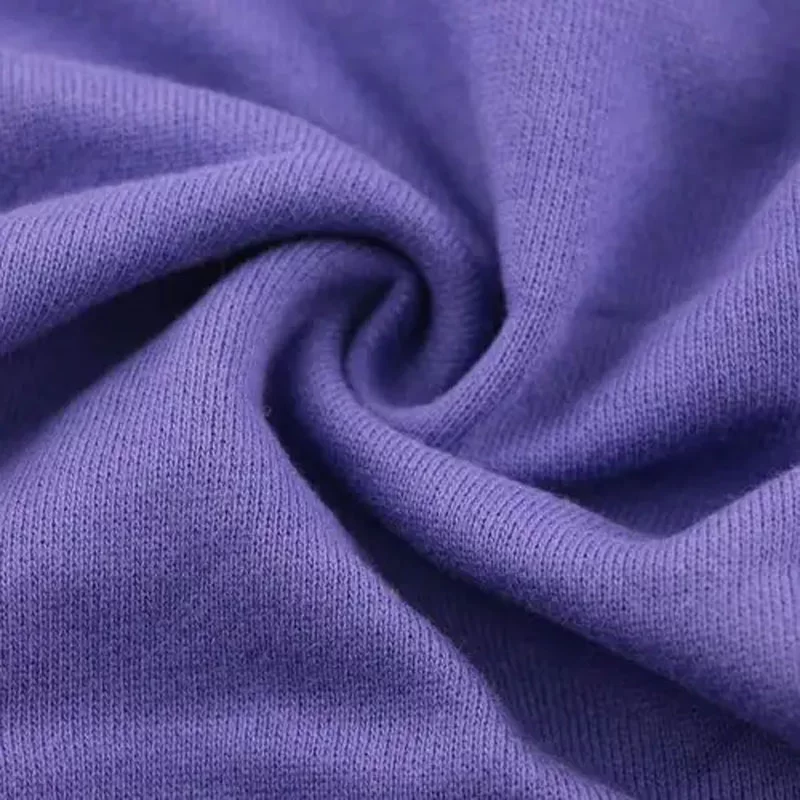
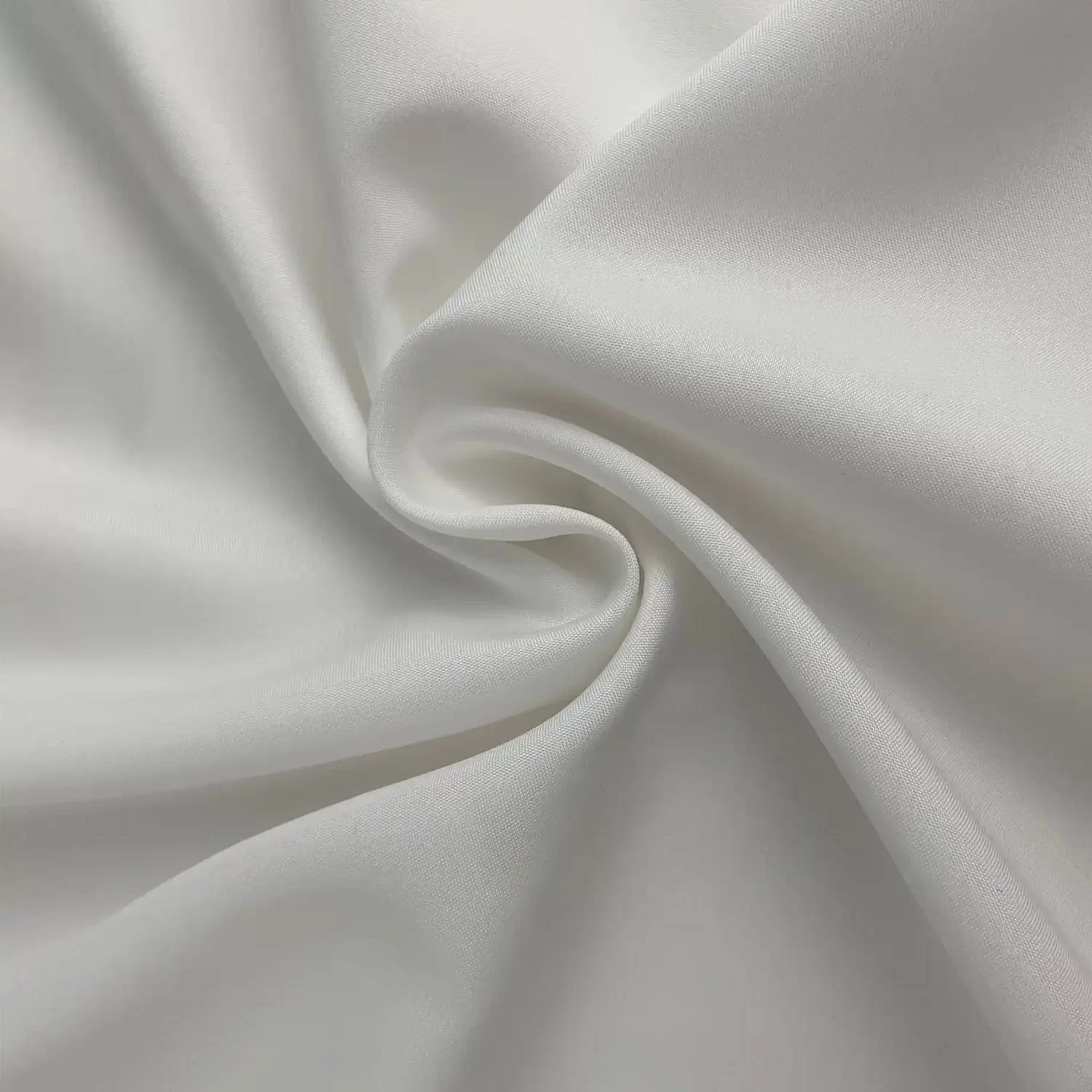
Selecting a high-quality waterproof mattress pad is more than just a purchase; it is an investment in the longevity of your sleep system and the hygiene of your home environment. In an era where wellness and home sanitation are prioritized, these protective layers serve as the first line of defense against spills, allergens, and wear and tear, ensuring that the expensive core of your mattress remains pristine.
From a global perspective, the demand for specialized bedding has surged as hospitality sectors and healthcare facilities seek ways to reduce replacement costs while maintaining strict sanitary standards. The evolution of textile technology has allowed for the creation of barriers that are not only impervious to liquids but also breathable, solving the age-old conflict between protection and comfort.
Understanding the technical nuances of a waterproof mattress pad—from TPU laminates to bamboo blends—empowers consumers and procurement managers to make evidence-based decisions. This guide explores the industry standards, material science, and practical applications that define modern mattress protection.
Global Industry Context of Waterproof Mattress Pads
The global market for sleep accessories has seen a significant shift toward functional textiles. According to international textile trade data and ISO standards for bedding, the integration of waterproof membranes into home linens is no longer a niche requirement but a standard for quality assurance. The rise of the "wellness economy" has pushed the waterproof mattress pad into the spotlight as a tool for promoting respiratory health by blocking dust mites and allergens.
In commercial sectors, such as the hotel and hospital industries, the challenge has always been balancing the rigorous need for liquid impermeability with the guest's need for a soft, quiet sleep surface. Traditional plastic covers were noisy and hot; however, modern engineering has introduced microporous films that allow air to circulate while stopping water molecules, fundamentally changing the operational efficiency of linen management worldwide.
Defining the Modern Waterproof Mattress Pad
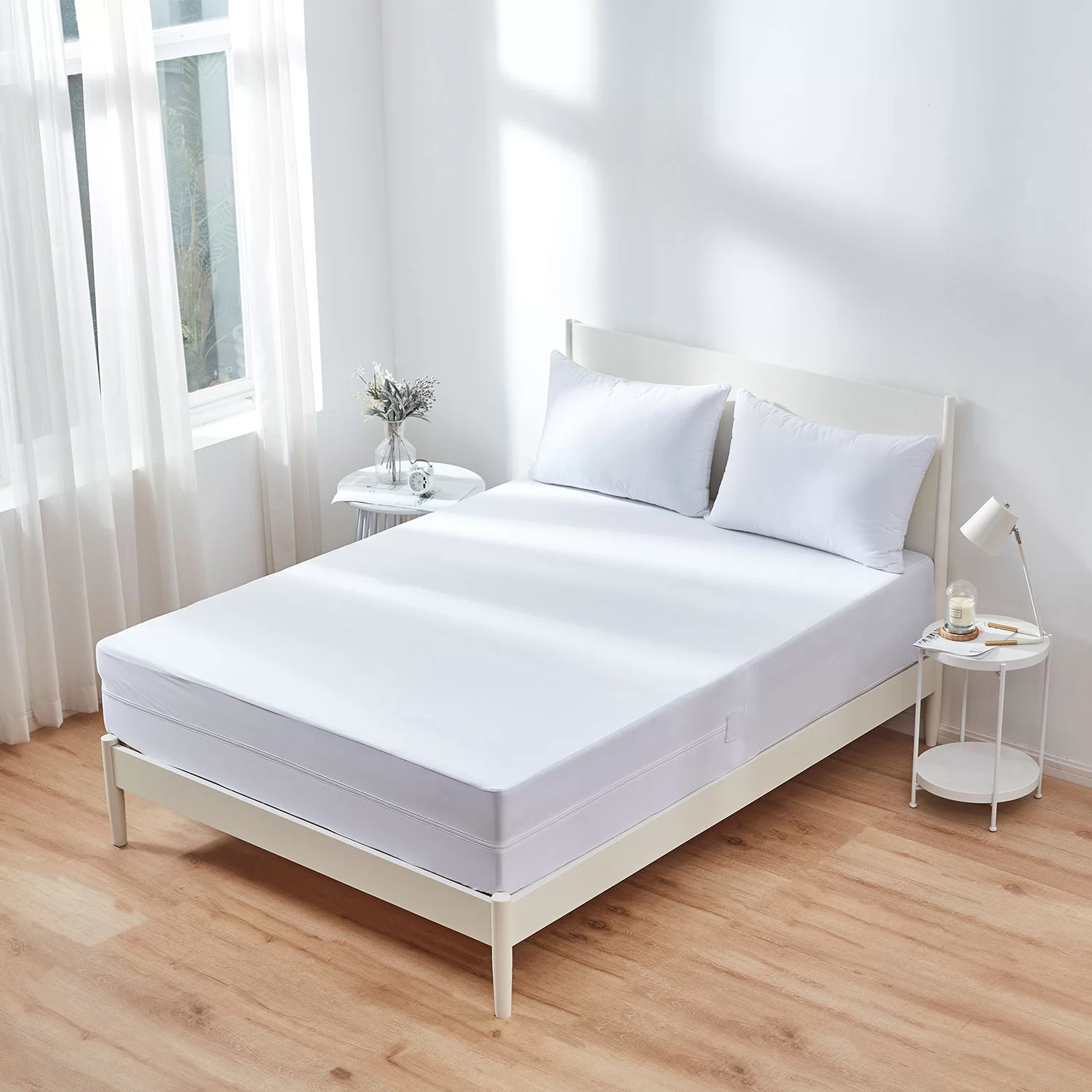
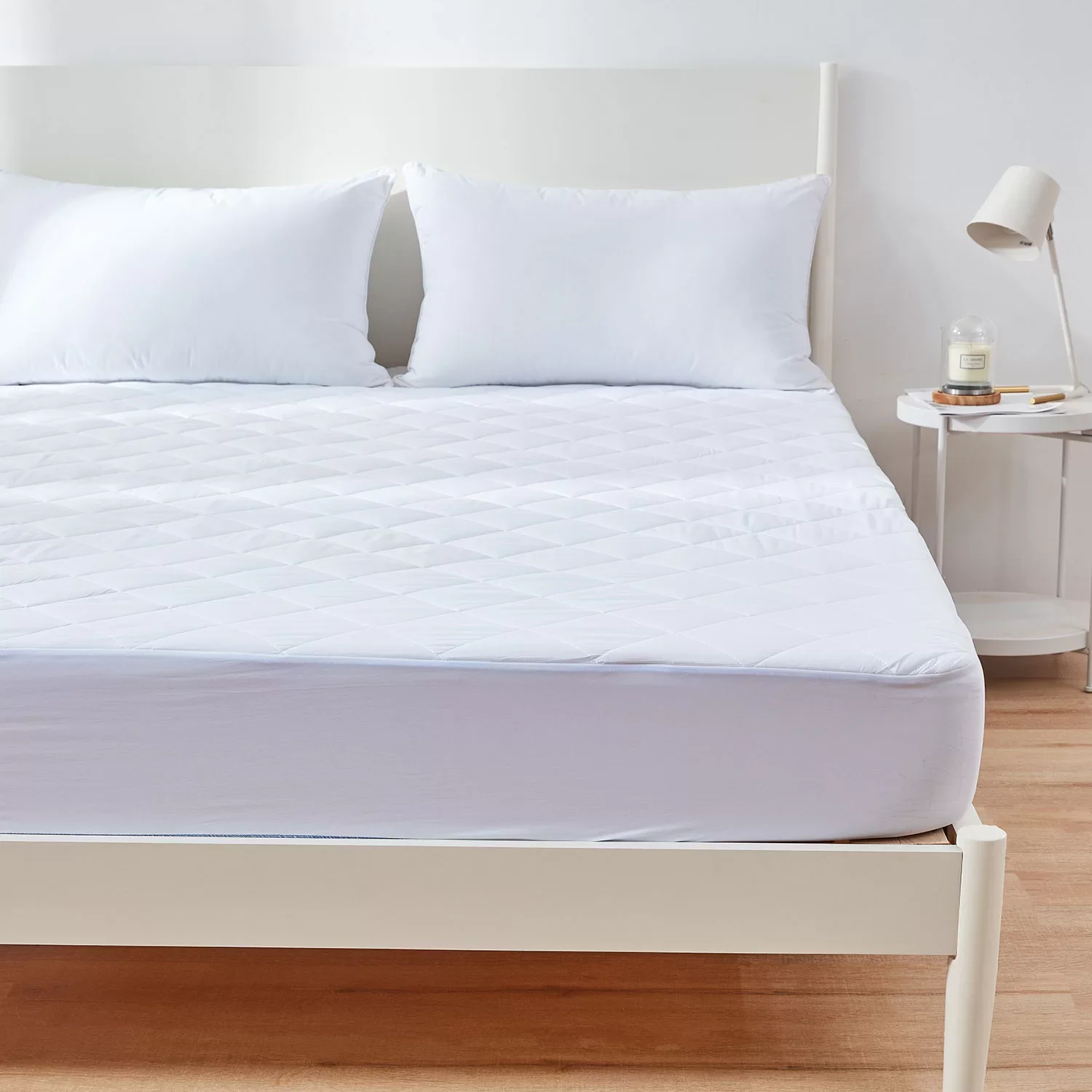
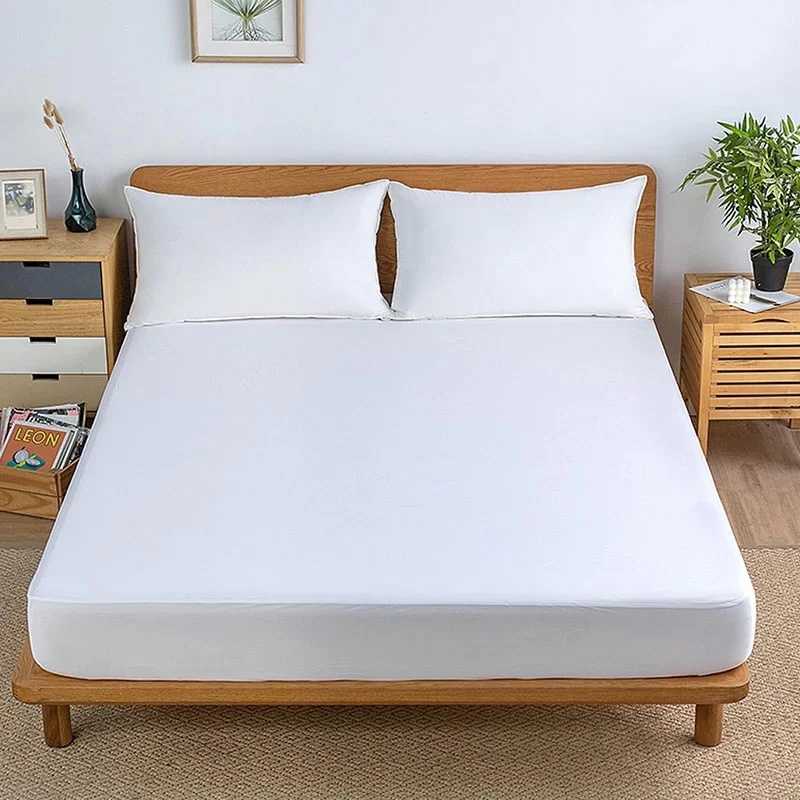
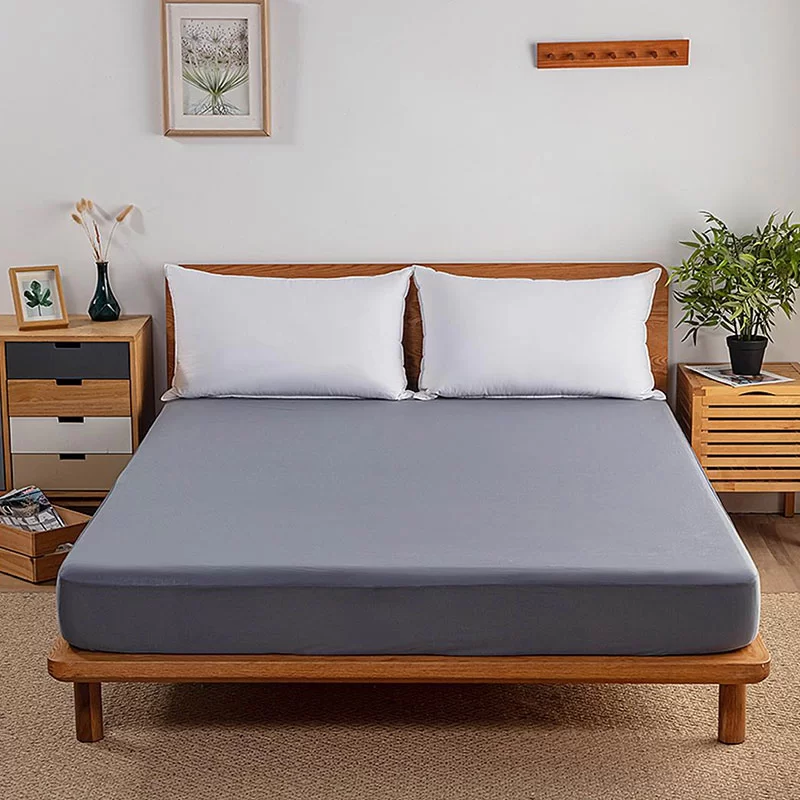
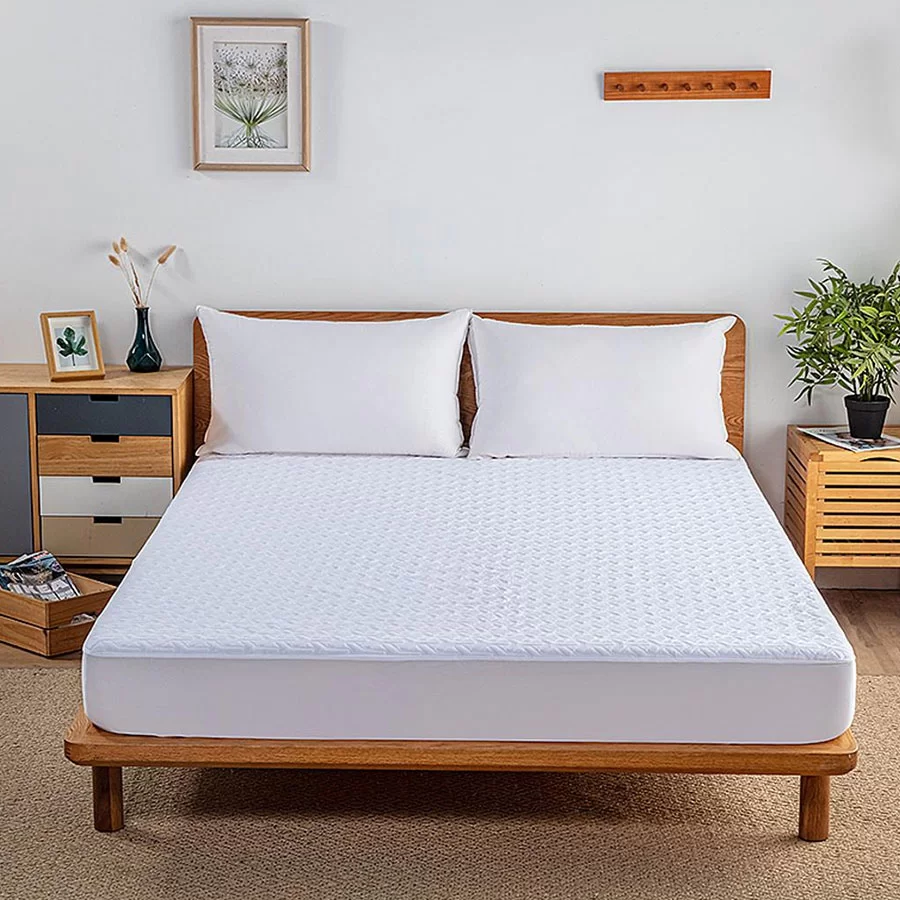
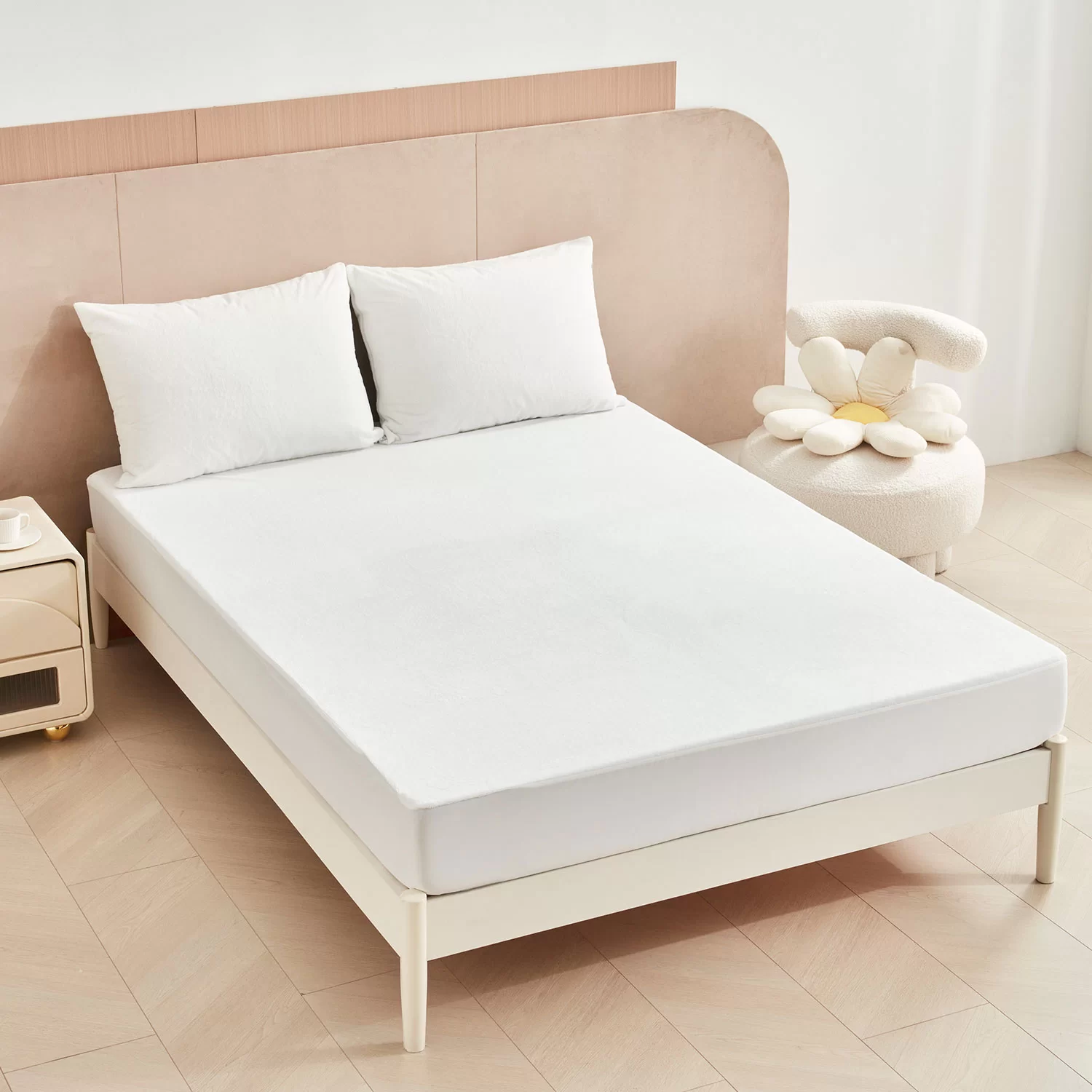
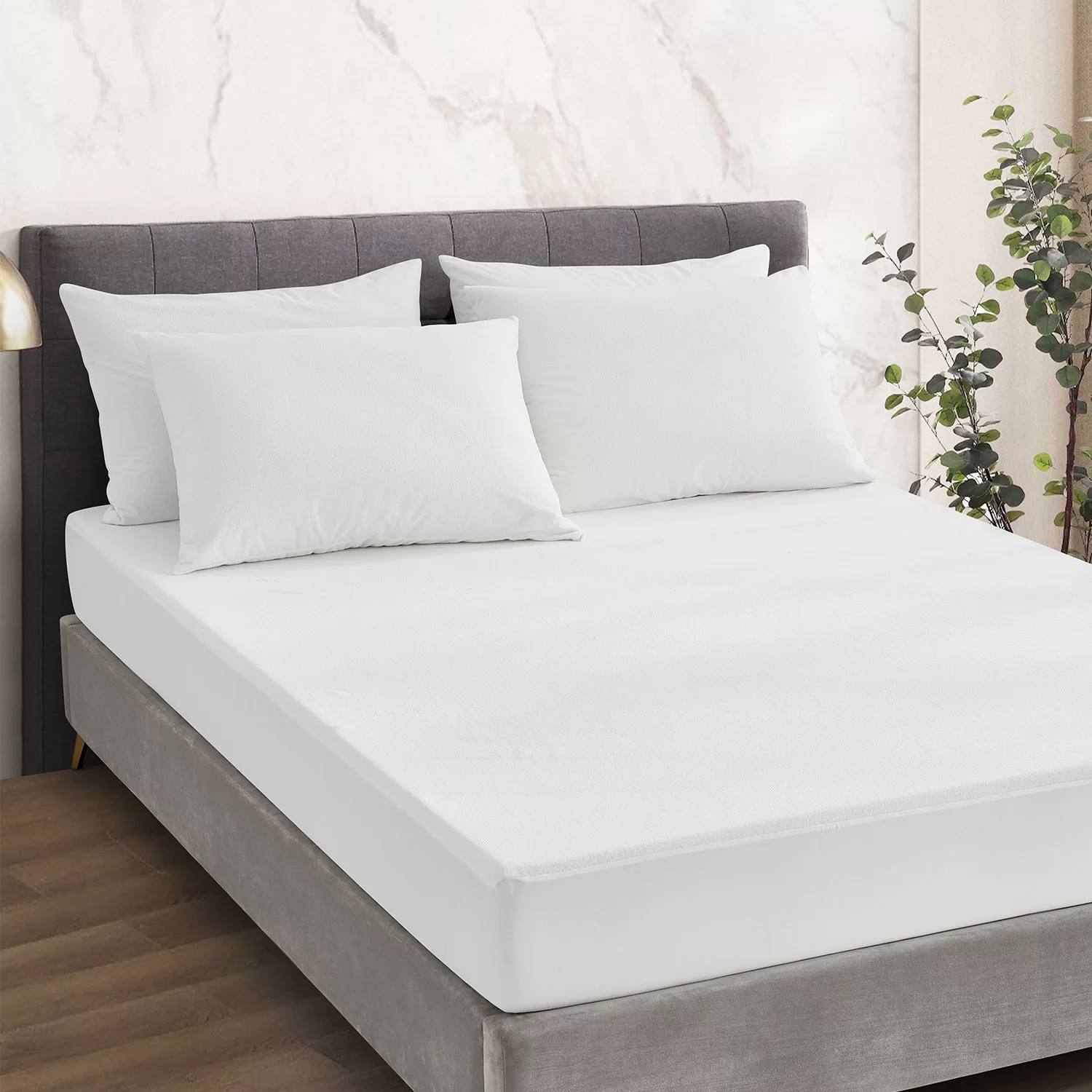
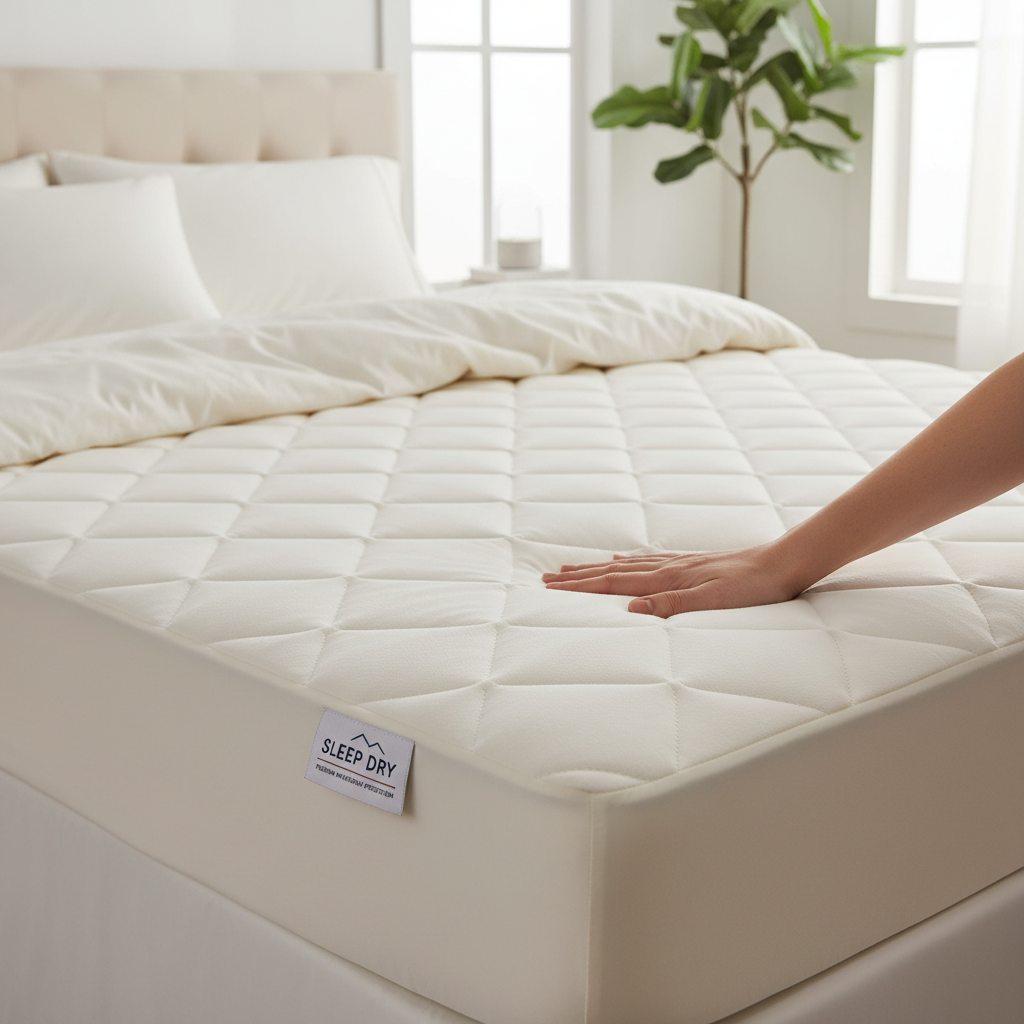
At its core, a waterproof mattress pad is a protective textile layer designed to prevent liquids, stains, and bacteria from penetrating the mattress. Unlike a simple mattress cover, a "pad" typically includes a quilted top layer for comfort, combining the utility of a protector with the feel of a mattress topper. This dual-purpose design makes it an essential component in modern bedroom ergonomics.
The connection to humanitarian and industrial needs is profound. In clinical settings or elderly care, these pads provide a dignified solution for incontinence management, reducing the frequency of mattress replacements and lowering biological waste. By creating a sterile barrier, the industry addresses a critical hygiene gap that directly impacts patient health and facility maintenance costs.
Modern versions of these products utilize advanced bonding techniques. Instead of heavy coatings, manufacturers now use Thin Polyurethane (TPU) films laminated to organic cotton, bamboo, or polyester fabrics. This ensures that the product remains flexible, silent, and highly effective, bridging the gap between industrial-grade protection and luxury home comfort.
Core Components and Material Science
The effectiveness of a waterproof mattress pad relies heavily on the "Breathability-to-Barrier" ratio. The surface layer is usually a knitted or woven fabric that manages moisture and provides a tactile interface, while the hidden membrane does the heavy lifting of blocking liquids.
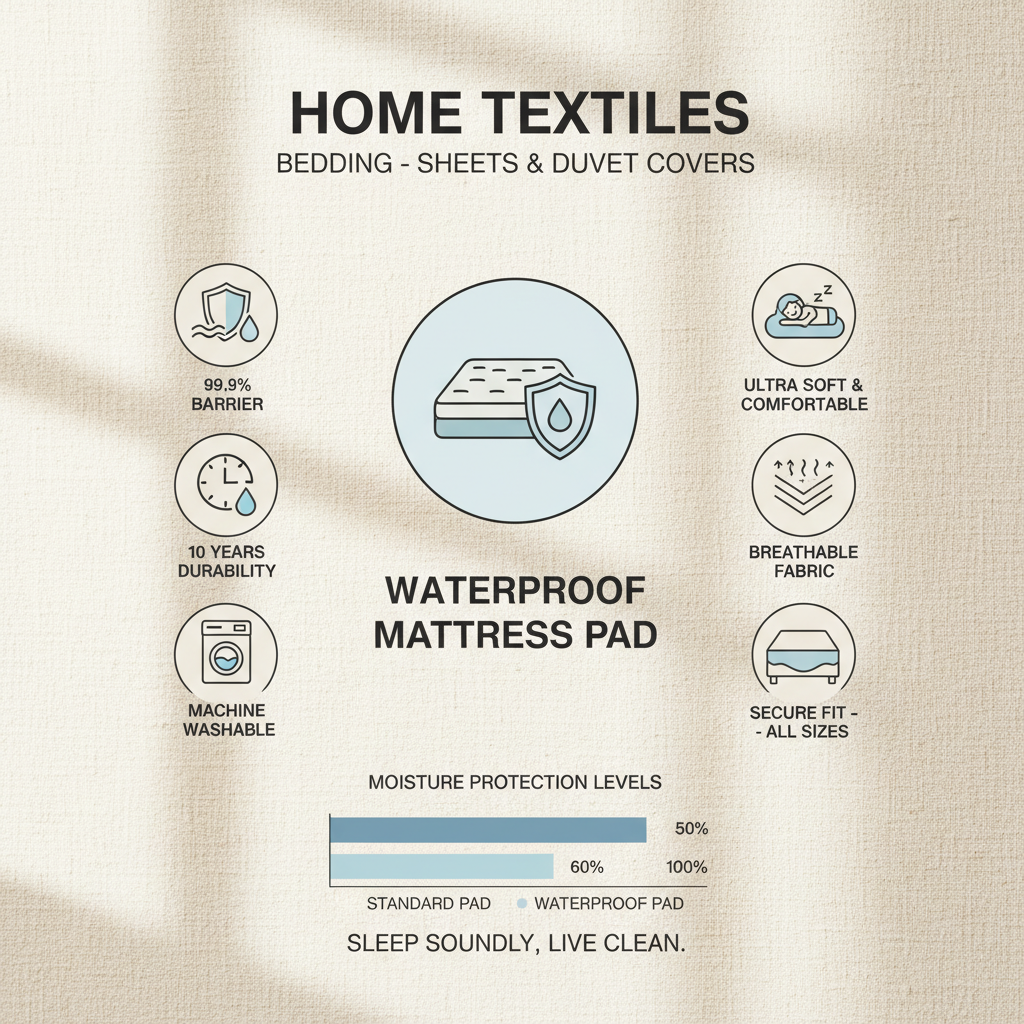
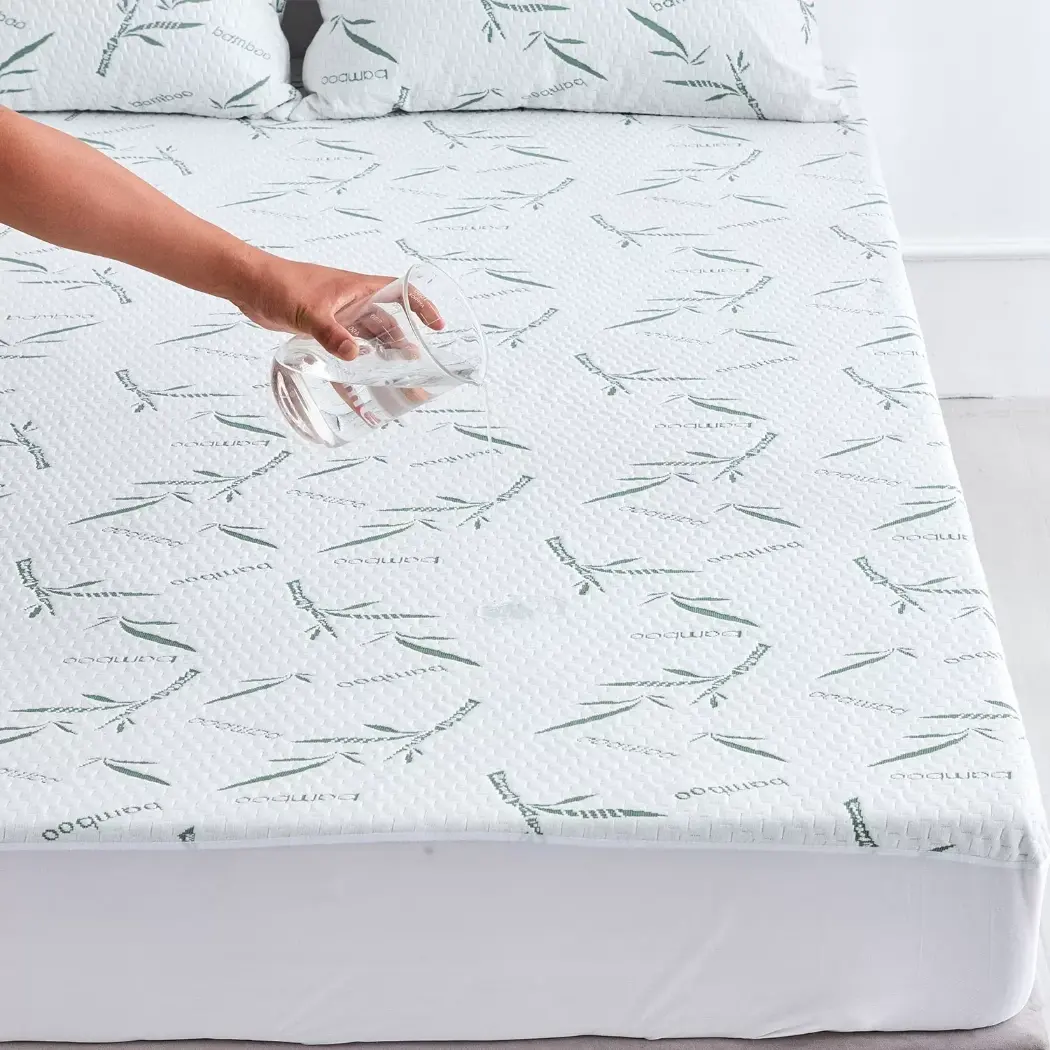
Central to this technology is the TPU (Thermoplastic Polyurethane) layer. Unlike PVC, which can be rigid and emit harmful odors, TPU is an eco-friendly, flexible polymer that creates a microscopic shield. This allows a waterproof mattress pad to be waterproof yet "breathable," meaning water vapor (sweat) can escape, but liquid water cannot enter.
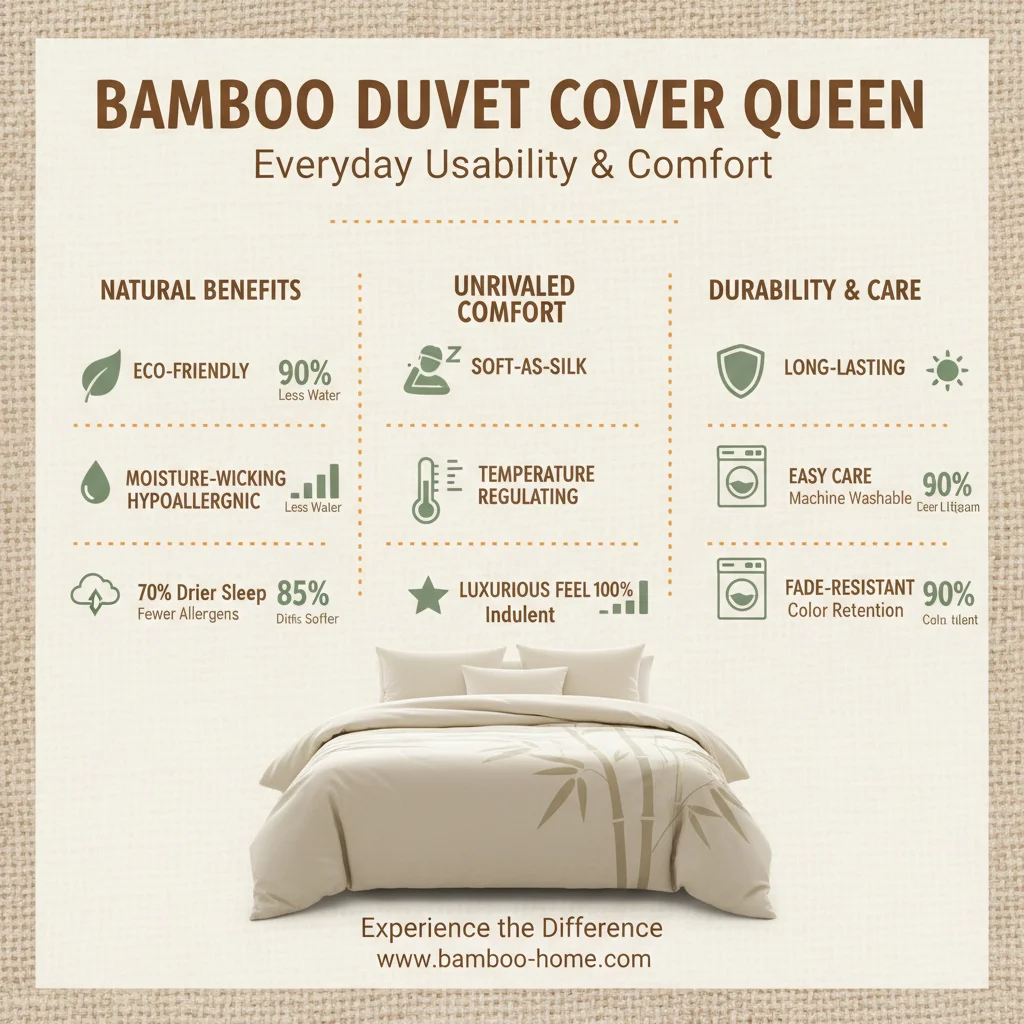
Furthermore, the quilting process—where the top fabric is stitched to a layer of batting—adds a thermal regulatory component. By selecting materials like Tencel or bamboo viscose, manufacturers can enhance the cooling properties of the pad, ensuring that the waterproof nature of the product does not lead to overheating during sleep.
Performance Metrics and Durability Factors
When evaluating the quality of a waterproof mattress pad, industry experts look at hydrostatic pressure tests and abrasion resistance. A high-performing pad must withstand repeated laundry cycles without the waterproof membrane cracking or peeling, a common failure point in low-end products.
Scalability and cost-efficiency are also key. For institutional buyers, the "cost per wash" is more important than the initial purchase price. A durable, high-GSM (grams per square meter) fabric ensures that the pad maintains its structural integrity over hundreds of uses, providing a better return on investment.
Comparative Performance of Mattress Protection Methods
Global Applications and Use Cases
In the hospitality sector, the waterproof mattress pad is an indispensable asset for luxury hotels and motels. By implementing these protectors, hotels can significantly extend the lifespan of their premium mattresses, which often cost thousands of dollars. This is particularly critical in high-turnover environments where accidental spills are inevitable.
Beyond commercial use, these products are vital in healthcare and post-disaster relief operations. In temporary medical shelters or refugee camps, maintaining a dry and hygienic sleeping surface is crucial for preventing skin infections and maintaining the dignity of displaced individuals. The portability and ease of cleaning make waterproof pads a primary requirement for NGOs operating in remote industrial or disaster zones.
Long-Term Value and Sustainability
The long-term value of investing in a premium waterproof mattress pad manifests in both financial and psychological benefits. Logically, the cost of a high-quality pad is a fraction of the cost of replacing a mattress ruined by moisture or mold. By preventing deep-core contamination, the pad ensures that the mattress remains a safe, allergen-free zone for years.
From a sustainability perspective, the industry is moving away from disposable plastic protectors toward reusable, biodegradable materials. Using a durable pad reduces the amount of bulky mattress waste ending up in landfills. The shift toward OEKO-TEX certified fabrics ensures that the protection does not come at the cost of chemical exposure for the sleeper.
Emotionally, the peace of mind provided by a reliable barrier is invaluable. Whether it is a parent with a toddler or a pet owner, the removal of "spill anxiety" allows for a more relaxing home environment. Trust in the product's reliability translates directly into improved sleep quality and overall well-being.
Future Trends in Bedding Innovation
The future of the waterproof mattress pad lies in the intersection of nanotechnology and smart textiles. We are seeing the emergence of "intelligent barriers" that can sense moisture levels and adjust breathability in real-time. Furthermore, antimicrobial silver-ion infusions are becoming standard, providing an active layer of defense against bacteria and odors.
Automation in manufacturing is also playing a role. Precision ultrasonic welding is replacing traditional stitching in some areas to create seamless, 100% leak-proof zones without the need for bulky seams. This results in a sleeker product that fits tighter and feels more integrated with the mattress.
As green energy and circular economy principles take hold, we expect to see pads made from recycled ocean plastics that maintain the same TPU-level performance. The goal is a closed-loop system where the protector can be fully recycled at the end of its life cycle without sacrificing its waterproof integrity.
Analysis of Waterproof Mattress Pad Material Performance and Market Fit
| Material Type |
Waterproof Rating |
Breathability Score |
Primary Use Case |
| TPU + Bamboo |
High (9/10) |
Excellent (9/10) |
Luxury Home / Eco-conscious |
| TPU + Polyester |
High (9/10) |
Good (7/10) |
Hotel / Motel Standard |
| PVC Coated Fabric |
Absolute (10/10) |
Poor (2/10) |
Heavy Duty Medical/Industrial |
| Laminated Cotton |
Medium (7/10) |
Fair (6/10) |
Budget Home Use |
| Tencel Membrane |
High (8/10) |
Superior (10/10) |
Premium Wellness/Hospitality |
| Recycled PET TPU |
High (9/10) |
Good (8/10) |
Sustainable Corporate Sourcing |
FAQS
Low-quality PVC pads often create a "crinkling" sound. However, a modern waterproof mattress pad using TPU (Thermoplastic Polyurethane) is designed to be silent and flexible. When paired with a quilted top layer, the TPU membrane is dampened, ensuring a quiet, hotel-like sleep experience without any plastic noise.
Yes. This is achieved through semi-permeable membranes. These materials have pores that are small enough to block liquid water droplets but large enough to allow individual water vapor molecules (gas) to pass through. This means sweat can evaporate away from your body, preventing the "clammy" feeling associated with old-fashioned waterproof covers.
To preserve the waterproof membrane, it is recommended to wash the pad in cold or lukewarm water on a gentle cycle. Avoid using bleach or fabric softeners, as these chemicals can break down the TPU layer over time. Tumble dry on low heat or air dry to prevent the membrane from melting or cracking.
While primarily designed for liquids, a high-quality waterproof mattress pad with a tight-weave TPU layer acts as an effective physical barrier. This prevents bed bugs from entering or exiting the mattress and stops dust mites and pet dander from settling into the foam or springs, significantly improving air quality for allergy sufferers.
A protector is typically a thin, fitted sheet that focuses purely on blocking liquids. A waterproof mattress pad adds a layer of cushioning (quilting) on top. It provides both the protective benefits of a protector and the comfort benefits of a topper, making it a more versatile choice for those who want added softness.
Traditional PVC pads are not eco-friendly. However, modern pads using TPU and organic materials like bamboo or recycled polyester are much more sustainable. By extending the life of the mattress—which is a bulky item that is difficult to recycle—these pads actually reduce the overall environmental footprint of the bedroom.
Conclusion
In summary, the waterproof mattress pad has evolved from a simple utility item into a sophisticated piece of textile engineering. By combining advanced TPU membranes with breathable, sustainable fabrics, these products now offer a perfect balance of absolute liquid protection and luxurious comfort. Whether used in a high-traffic hotel, a clinical healthcare environment, or a family home, the core benefit remains the same: the preservation of health, hygiene, and financial value.
Looking forward, the integration of smart materials and circular economy manufacturing will continue to elevate the standards of mattress protection. For businesses and individuals alike, prioritizing quality materials over low-cost alternatives is the only way to ensure long-term reliability and environmental responsibility. To experience the gold standard in textile protection, we invite you to explore our professional solutions. Visit our website: www.infortextile.com