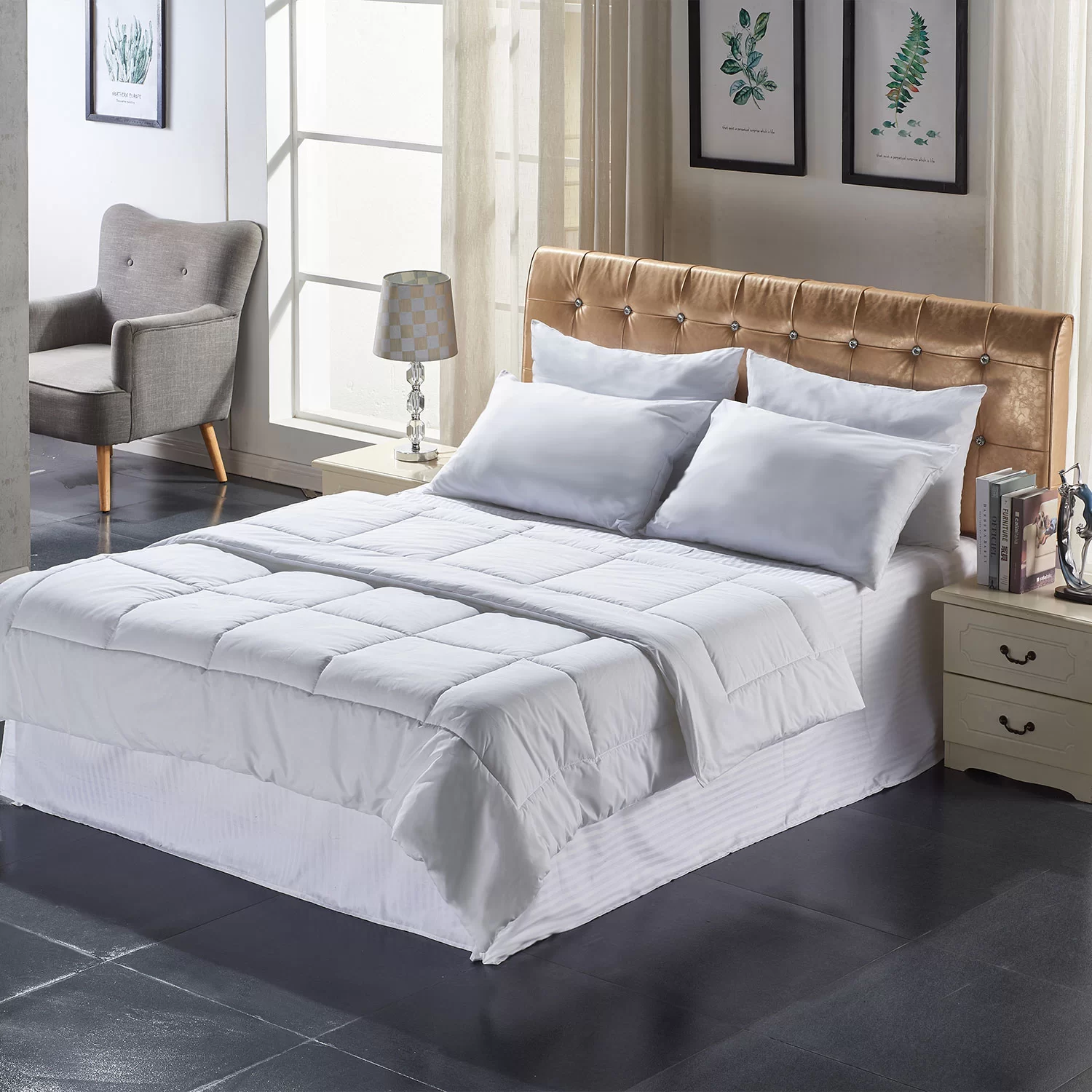
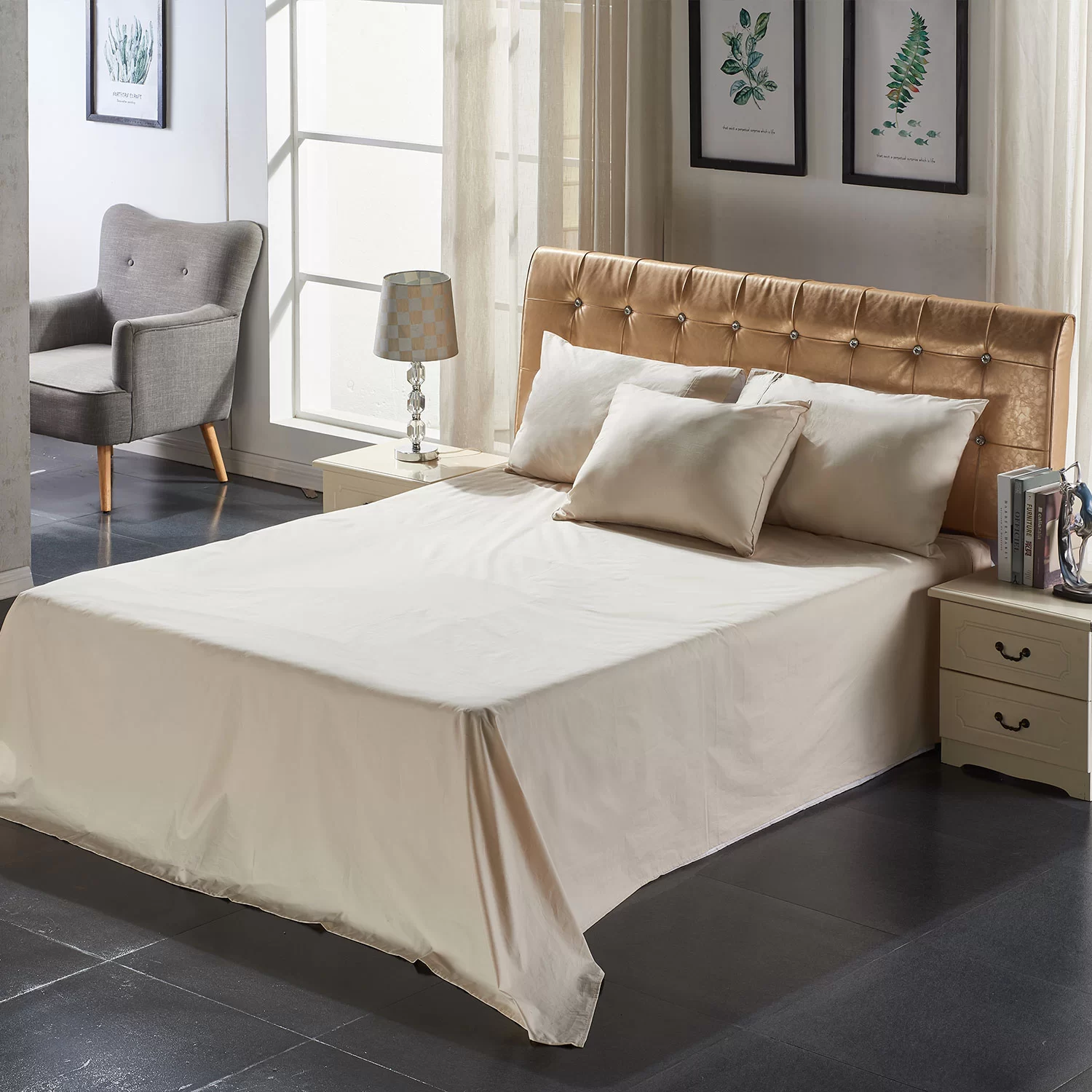
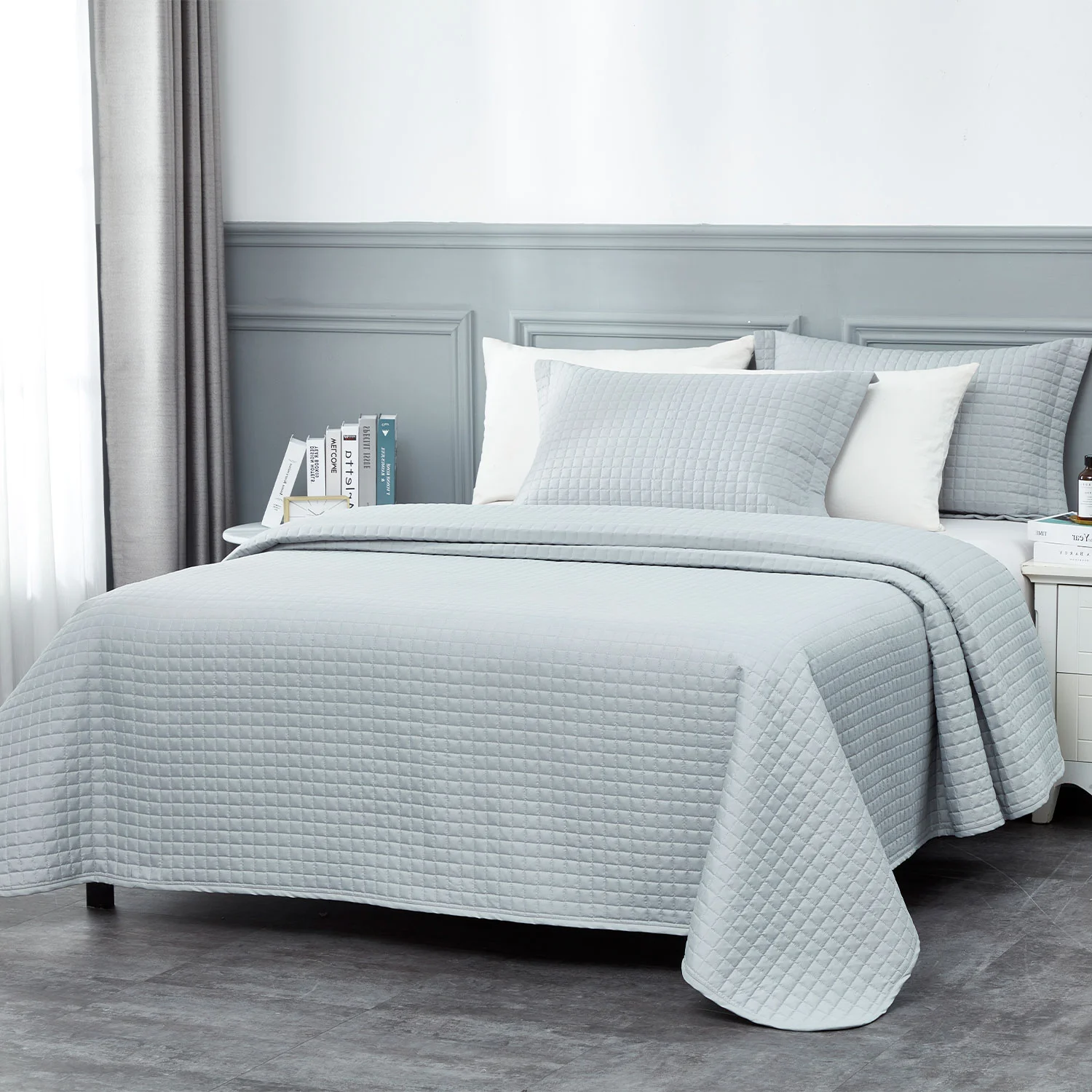
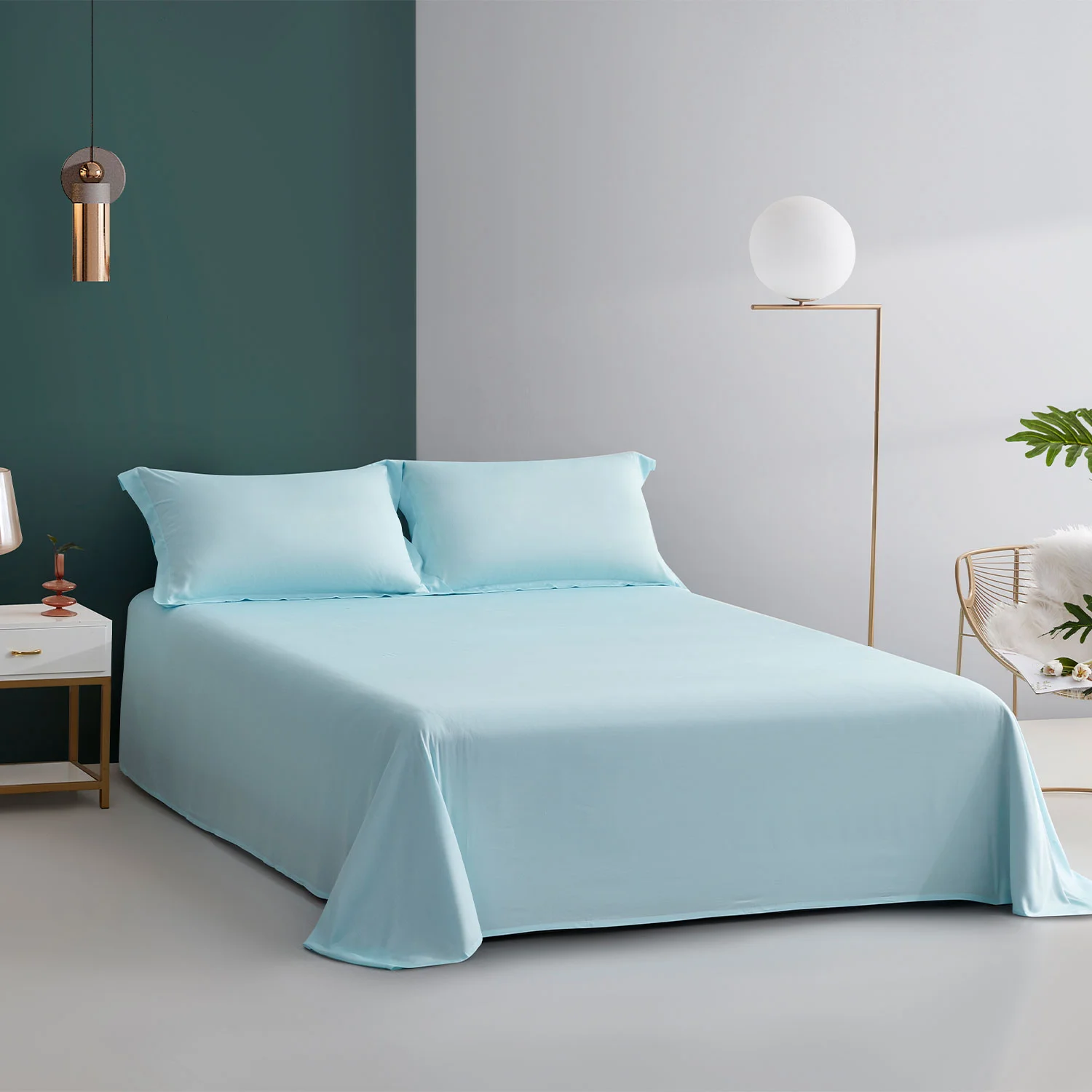
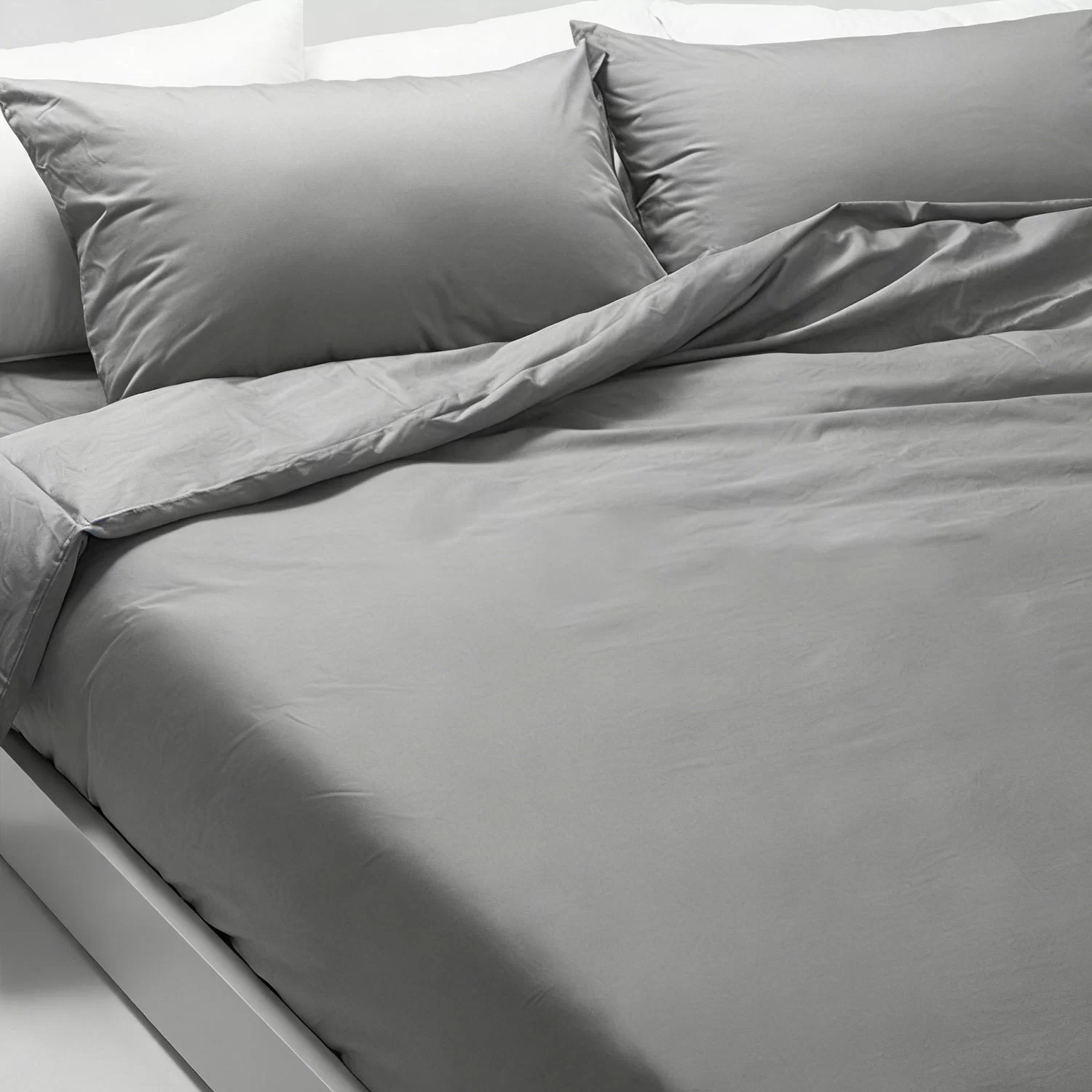
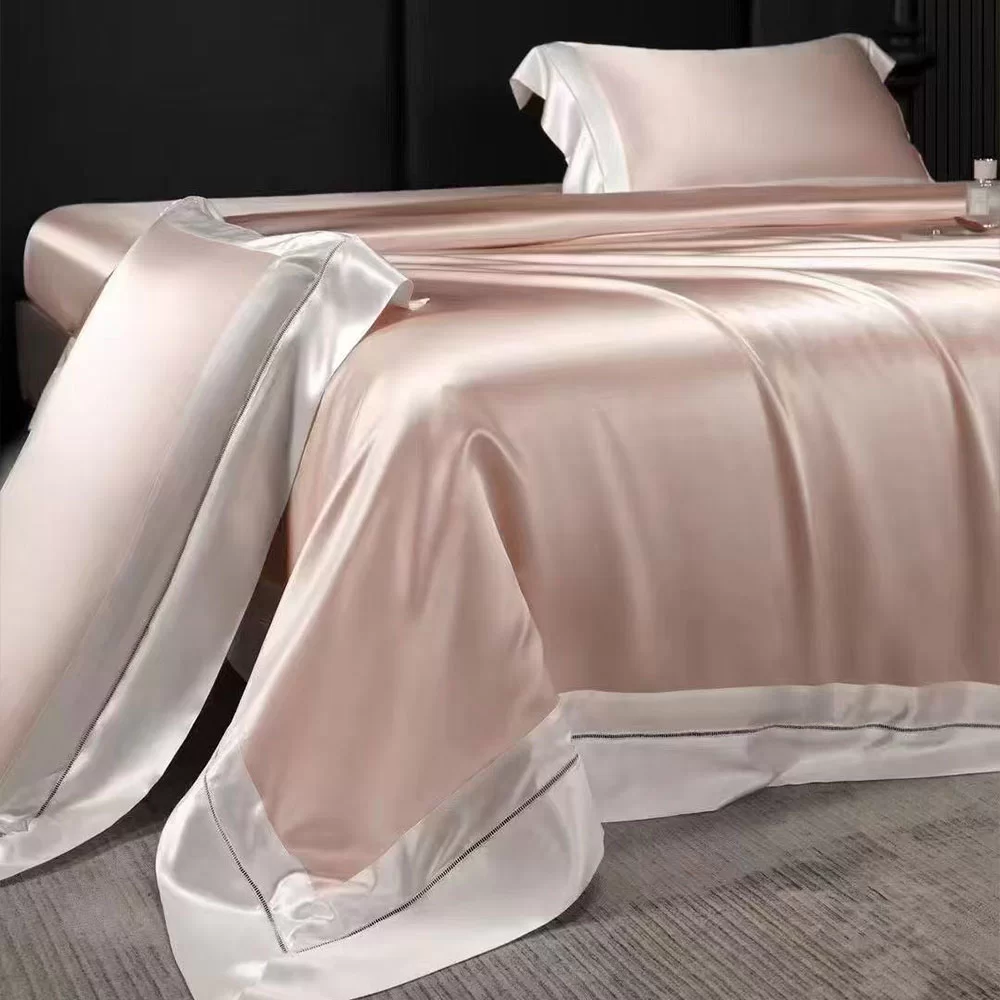
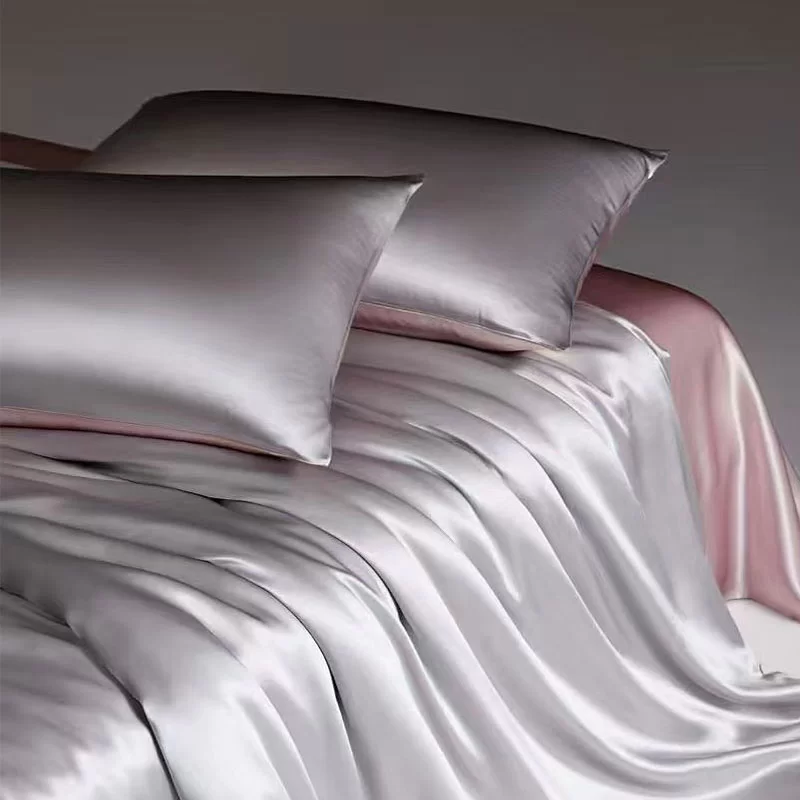
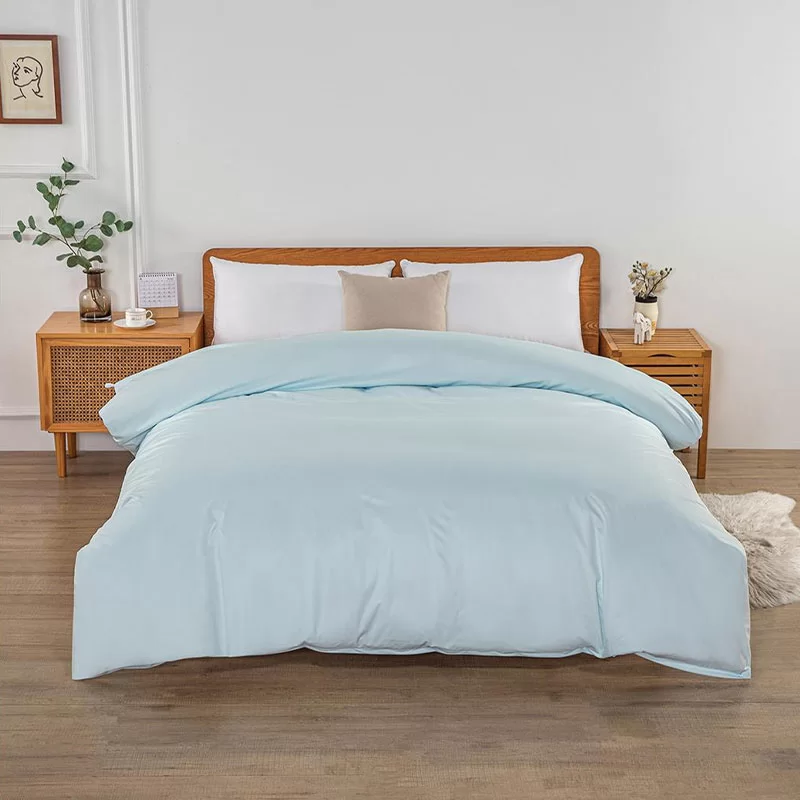
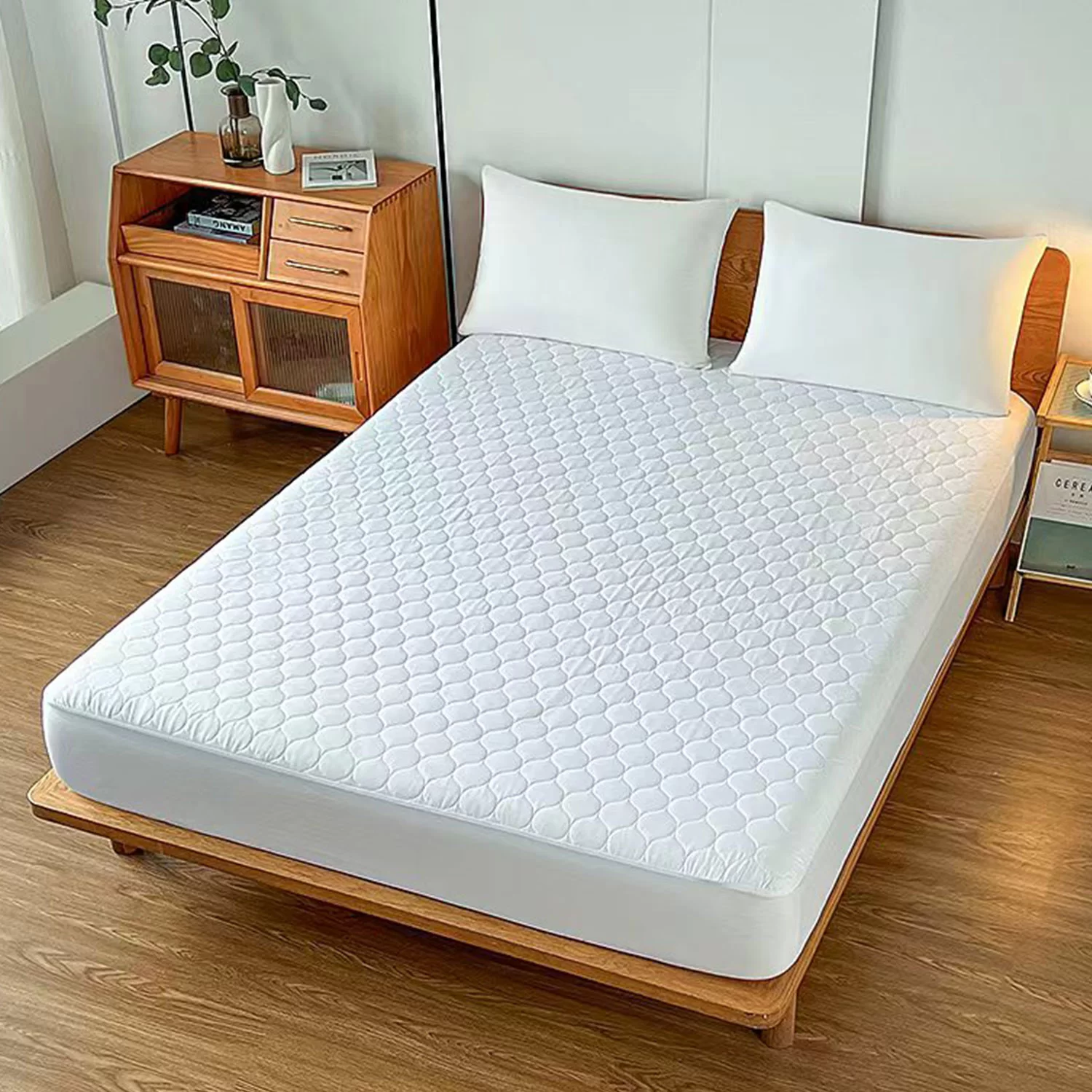
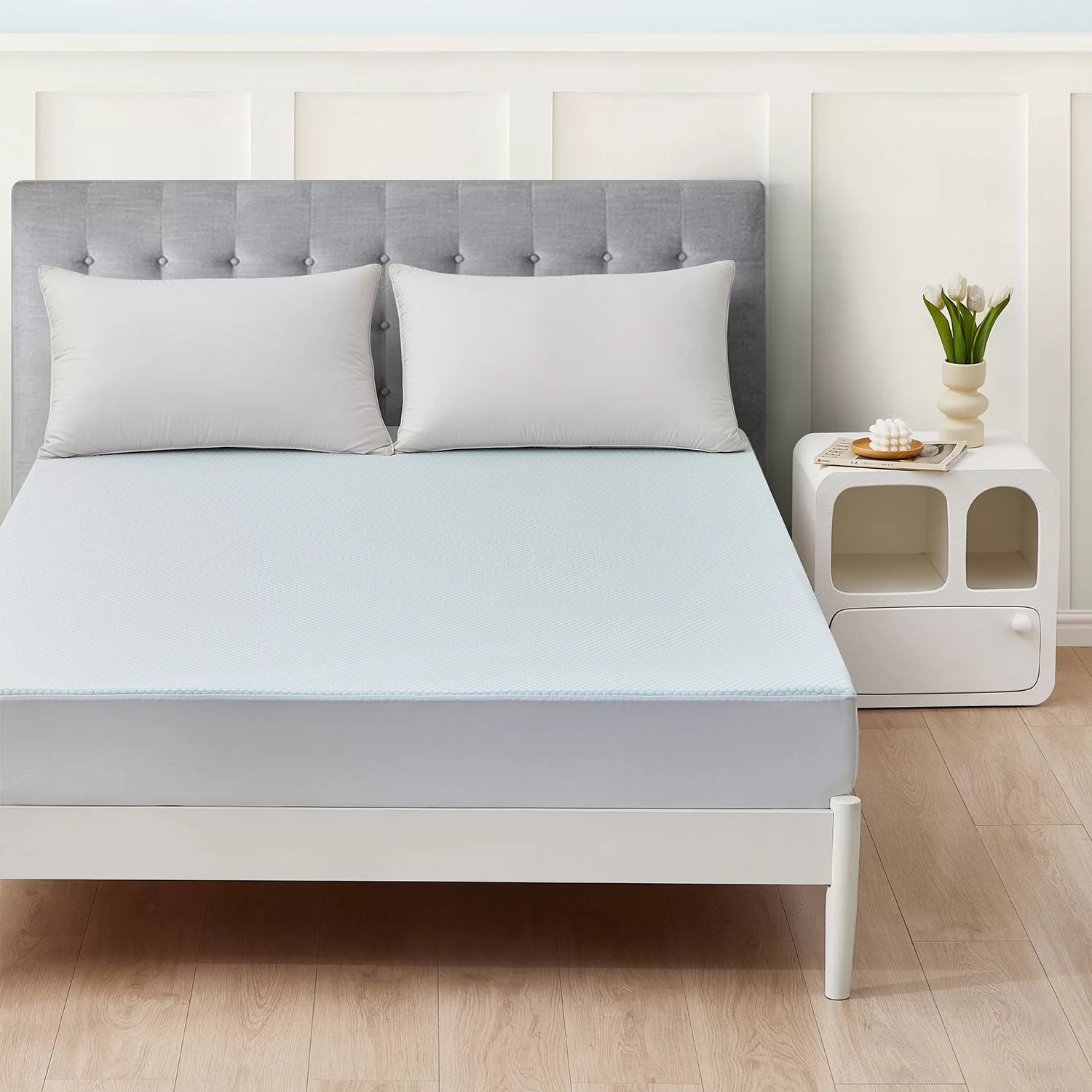
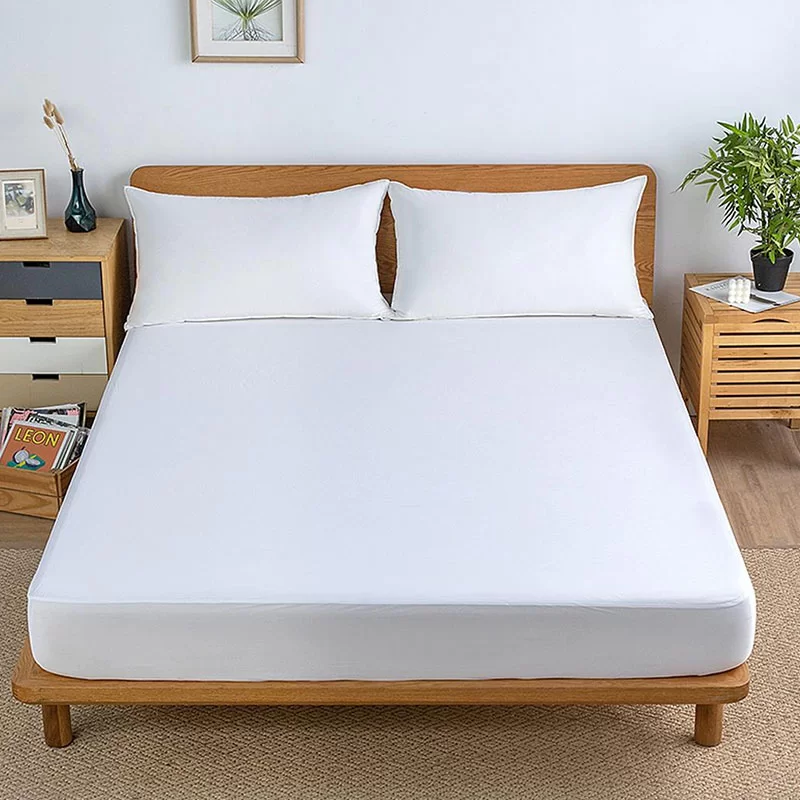
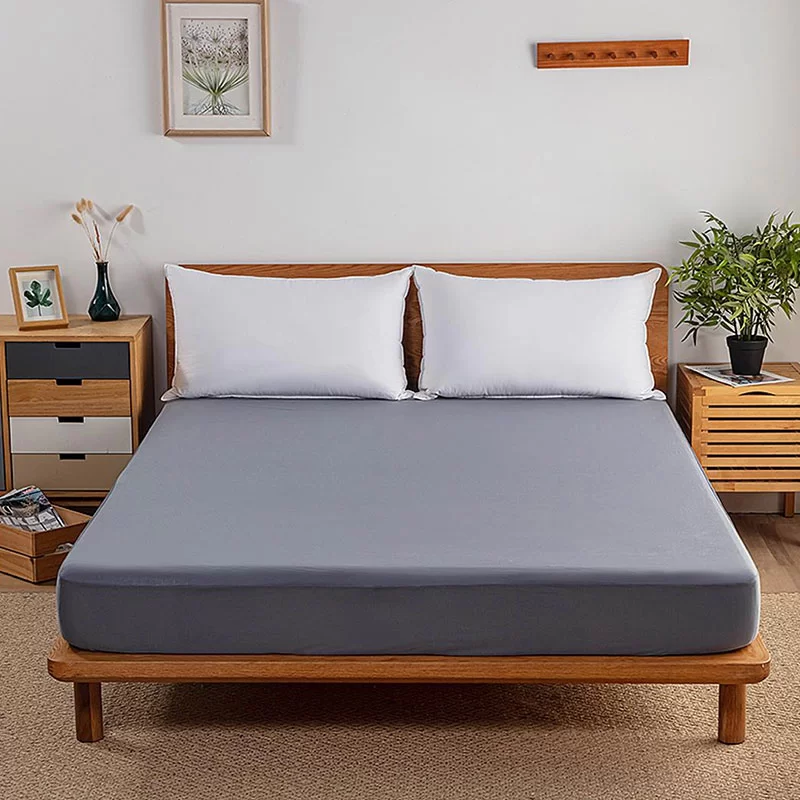
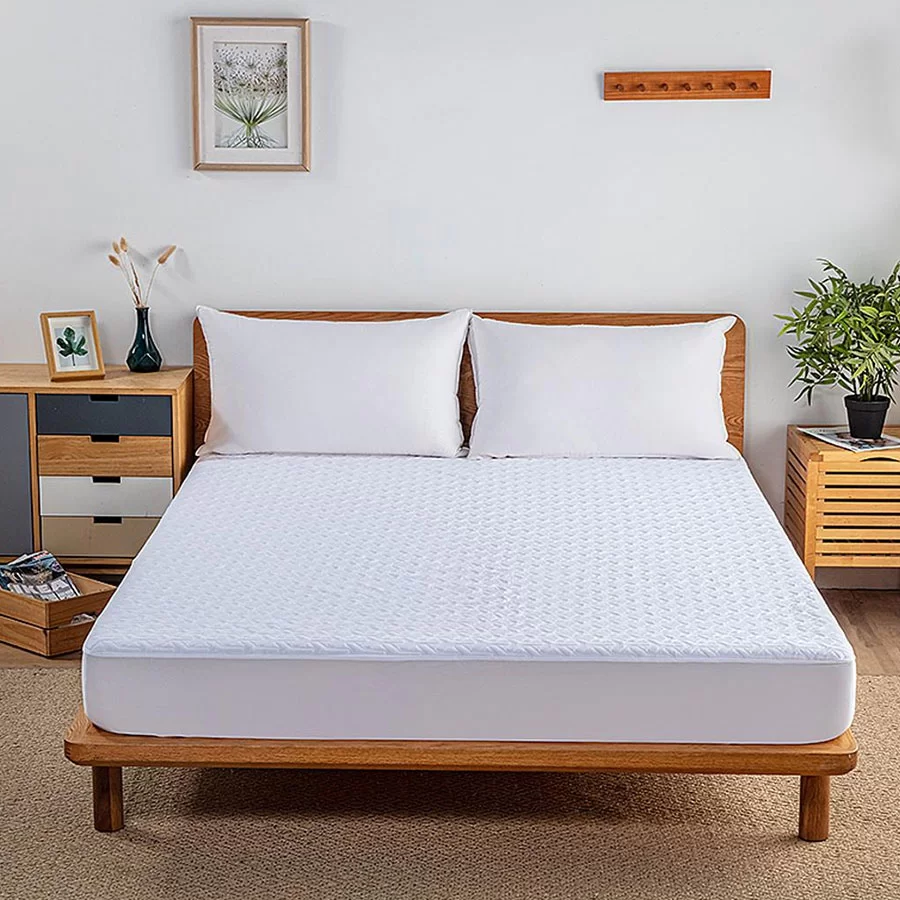
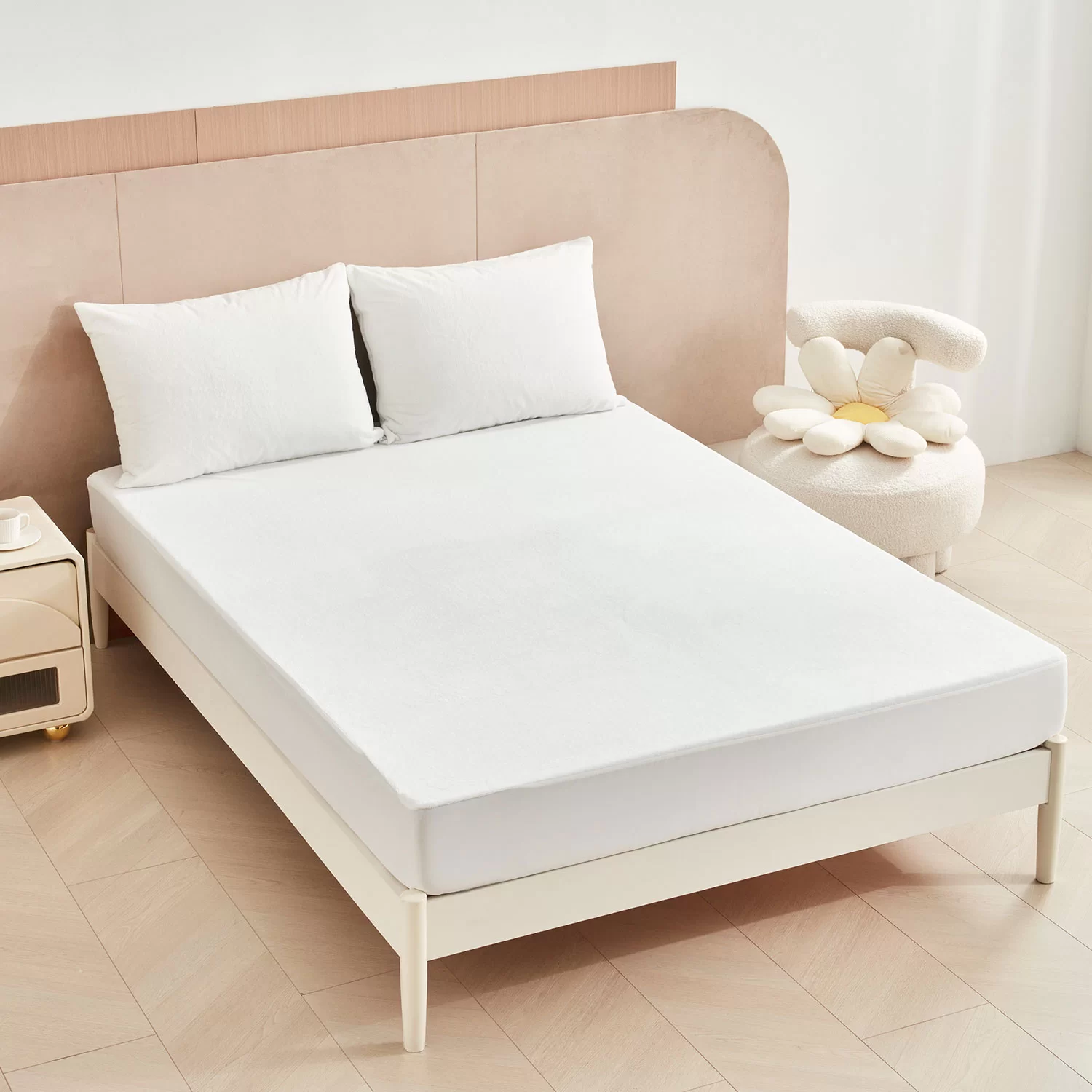
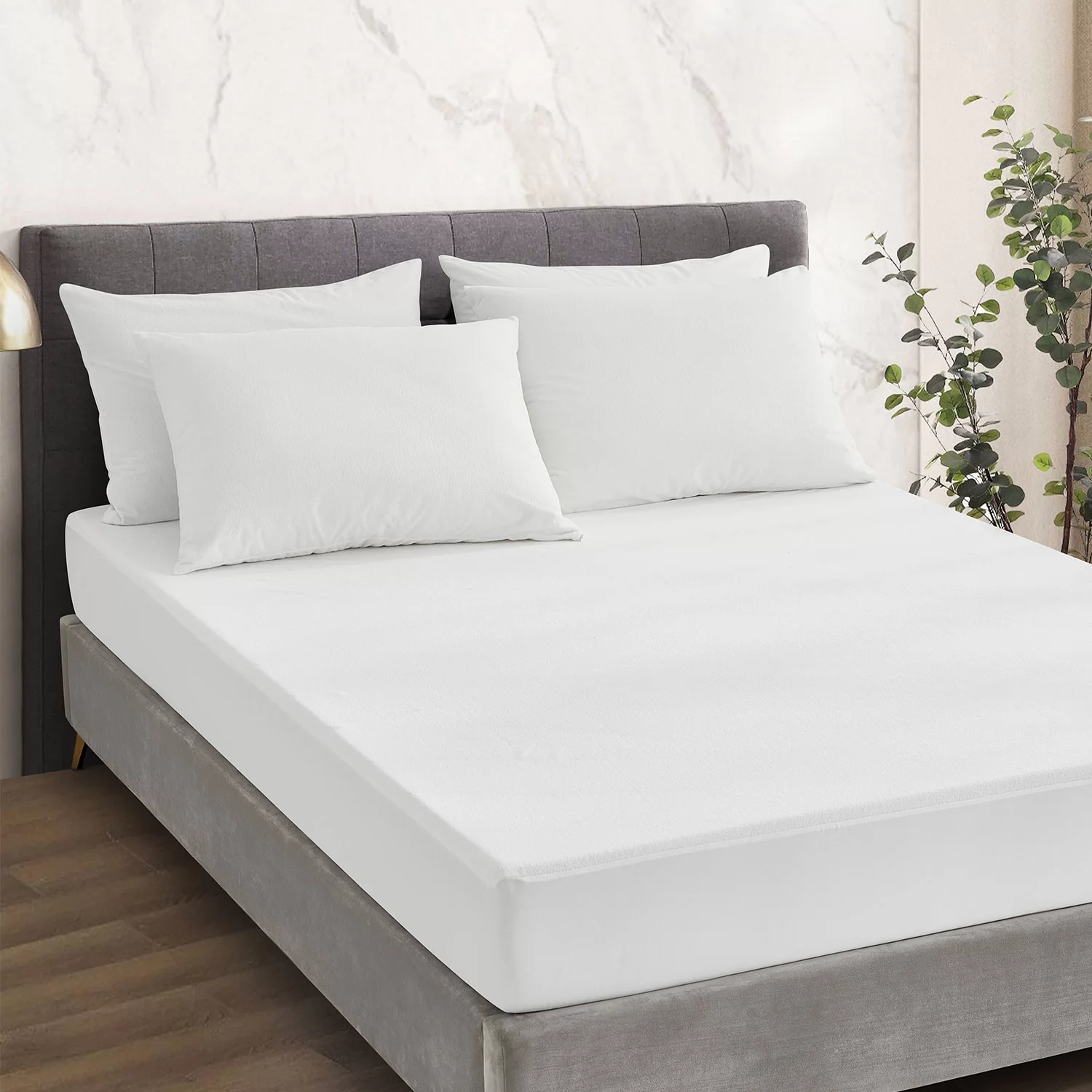
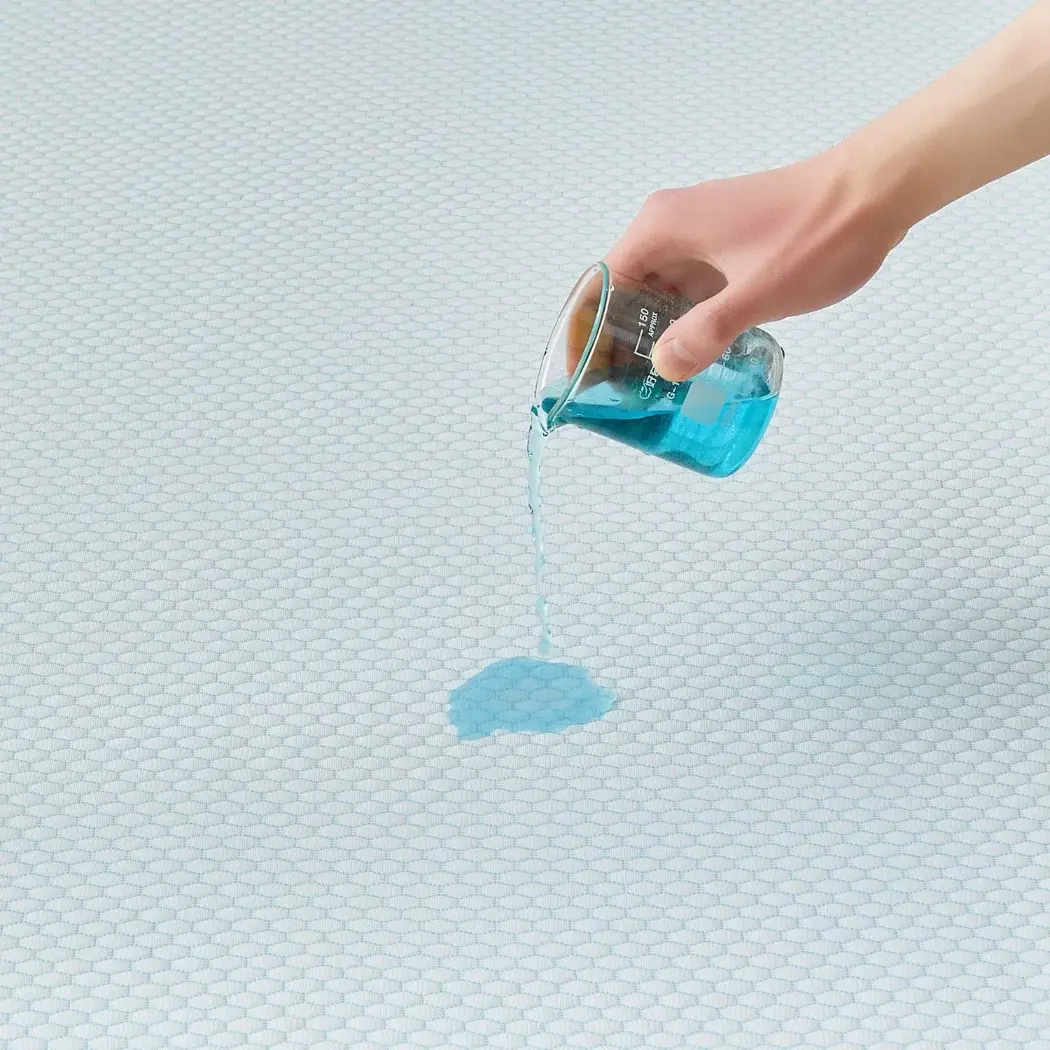
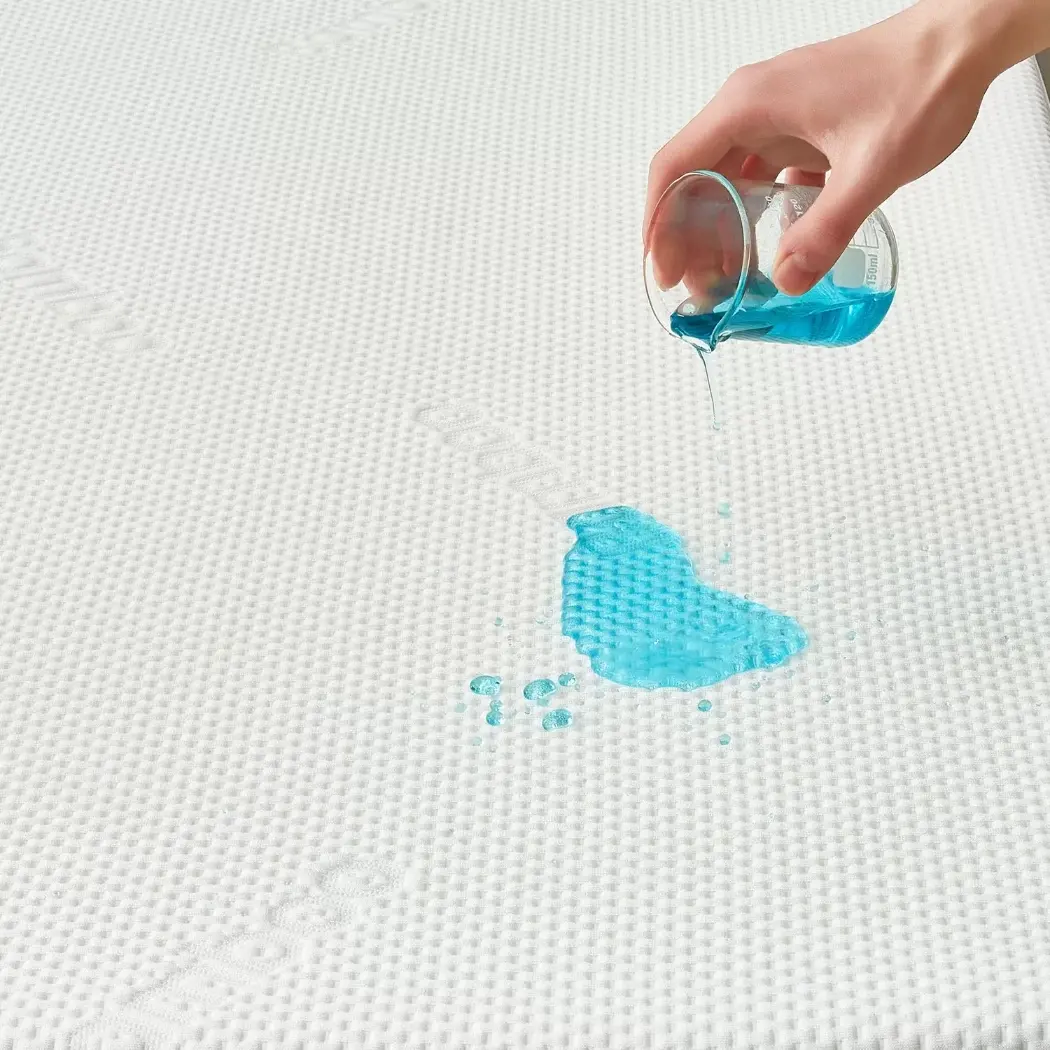
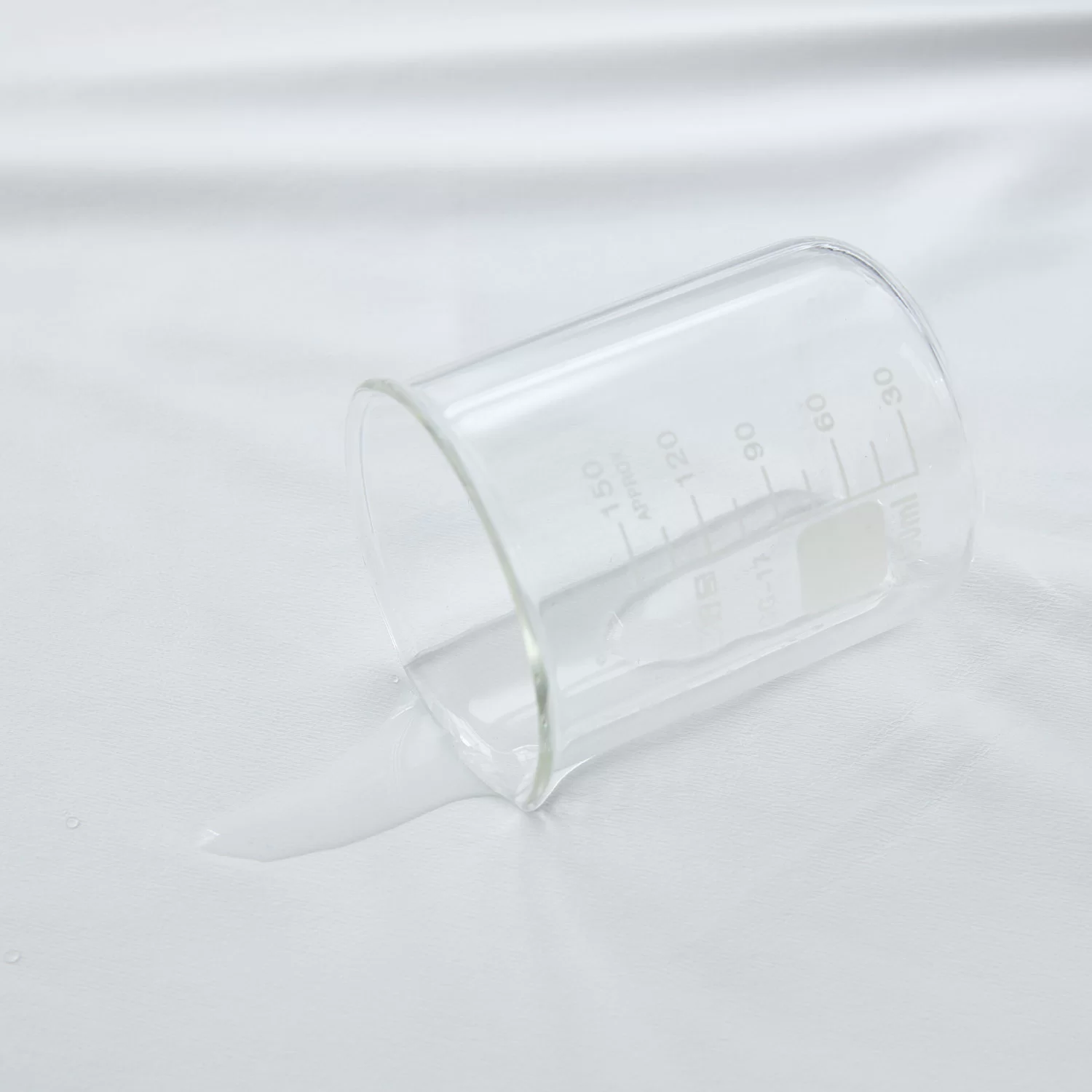
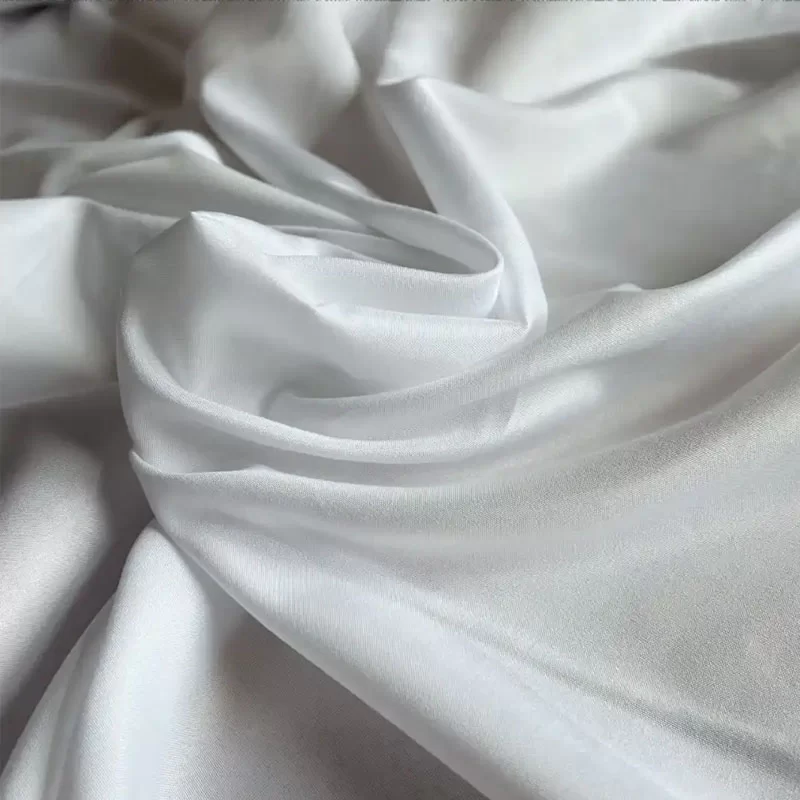
Selecting the right bedding is more than just an interior design choice; it is an investment in your health and the planet's future. The organic cotton twin duvet cover has emerged as a premier choice for conscious consumers, combining the compact efficiency of twin-sized bedding with the purity of GOTS-certified organic fibers. By eliminating synthetic pesticides and harmful dyes, these covers provide a hypoallergenic sanctuary for sleepers of all ages.
Globally, the shift toward sustainable textiles is accelerating as consumers recognize the environmental toll of conventional cotton farming. The integration of organic standards into home linens addresses critical issues such as soil degradation and water scarcity. A high-quality organic cotton twin duvet cover not only ensures a breathable, soft touch against the skin but also supports a supply chain that respects both the farmer and the ecosystem.
Understanding the technical nuances—from thread count to weaving patterns—allows buyers to distinguish between genuine organic luxury and mere marketing claims. Whether you are furnishing a child's room, a guest suite, or a specialized healthcare environment, the choice of organic materials ensures long-term durability and superior comfort. This comprehensive guide explores why the organic cotton twin duvet cover is the gold standard for modern, sustainable living.

Global Relevance of Organic Bedding
The global demand for an organic cotton twin duvet cover is driven by a systemic shift toward "slow fashion" and sustainable home goods. According to recent textile industry reports, the organic cotton market is expanding at a CAGR of over 10%, as ISO standards for environmental management become the benchmark for manufacturers worldwide. This trend is not merely aesthetic; it is a response to the heavy chemical load found in conventional linens, which can trigger skin sensitivities and respiratory issues.
By prioritizing organic certifications, the industry is addressing the critical challenge of water pollution. Conventional cotton is one of the most water-intensive crops and relies heavily on synthetic fertilizers. Transitioning to organic twin-sized bedding reduces the chemical runoff into local watersheds, ensuring that the luxury of a soft bed does not come at the expense of global biodiversity or the health of agricultural communities.
Defining the Organic Twin Standard
At its core, an organic cotton twin duvet cover is a protective and decorative layer for a twin-sized duvet, crafted from cotton grown without the use of synthetic pesticides, herbicides, or genetically modified organisms (GMOs). Unlike standard cotton, organic fibers are cultivated using crop rotation and natural composting, which preserves the integrity of the soil and results in a fiber that is naturally softer and more resilient over time.
In the context of modern industry, "organic" refers to a traceable supply chain. From the seed to the final stitch, every step is monitored to ensure no toxic dyes or formaldehyde-based finishes are used. This is particularly vital for twin-sized bedding, which is frequently used in children's rooms or hospitals, where the occupants may have more sensitive skin or compromised immune systems.
The connection to humanitarian needs is evident in the fair trade practices often bundled with organic certifications. By choosing an organic cotton twin duvet cover, consumers support a system that mandates fair wages and safe working conditions for farmers, bridging the gap between luxury consumption in developed nations and ethical labor practices in textile-producing regions.
Core Components of Quality Fabric
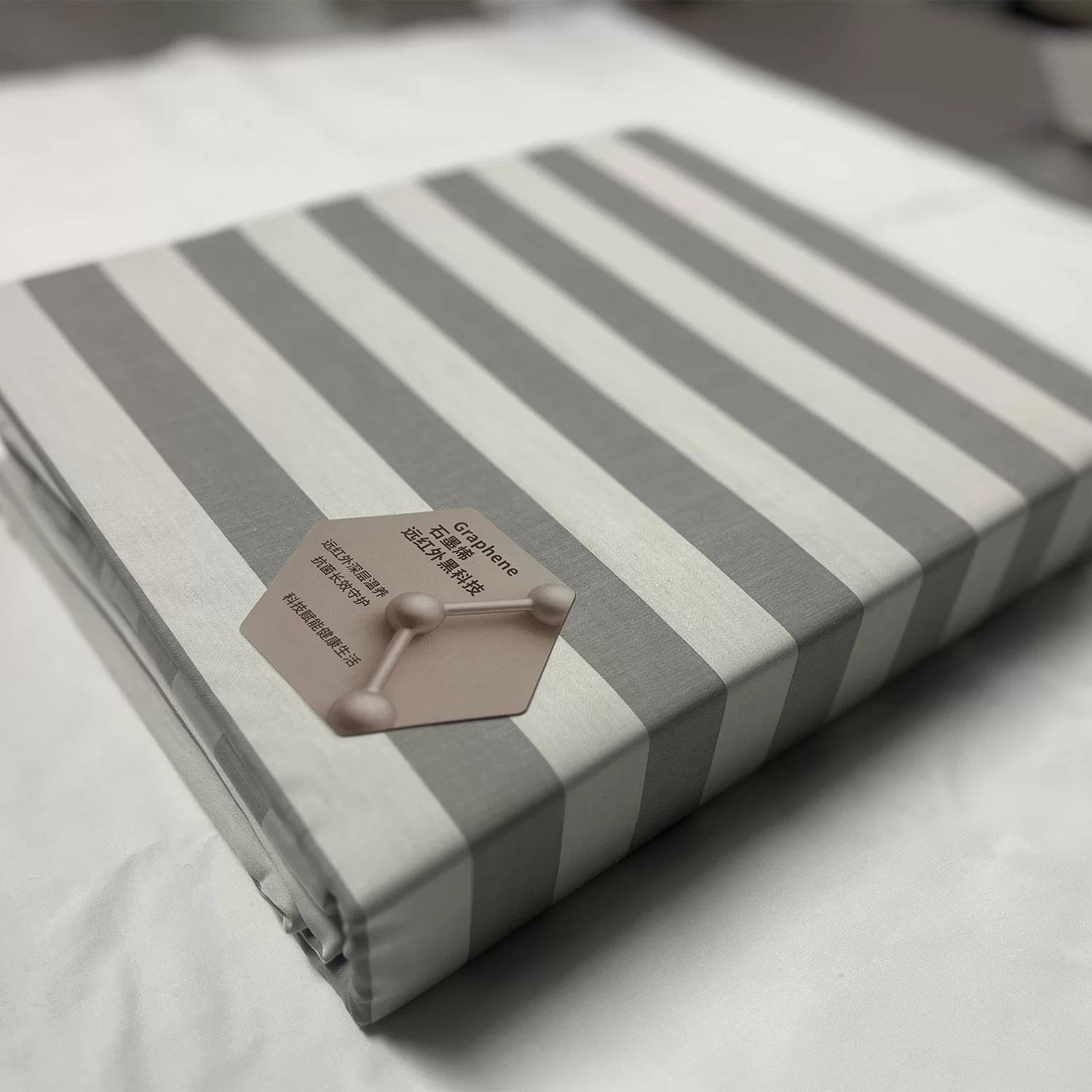
When evaluating an organic cotton twin duvet cover, the first key factor is the weave. Whether it is a crisp percale or a silky sateen, the weave determines the breathability and sheen of the fabric. Percale is ideal for hot sleepers due to its matte finish and air-permeable structure, while sateen offers a heavier drape and a luxurious feel.
Another critical component is the thread count. While higher is often marketed as "better," the real value of an organic cotton twin duvet cover lies in the quality of the long-staple fibers. A moderate thread count (300-500) using premium organic cotton often outperforms a high-thread-count synthetic blend in terms of longevity, moisture-wicking, and skin-friendliness.
Lastly, the closure system—such as hidden zippers or fabric buttons—plays a significant role in the product's practicality. A well-engineered organic cotton twin duvet cover ensures that the inner comforter remains secure, preventing shifting during the night and maintaining a tidy aesthetic in bedrooms or guest houses.
Performance Metrics and Durability
Durability in organic textiles is often misunderstood. Some believe that without chemical strengtheners, organic fabrics wear out faster. However, the opposite is true; because organic fibers are not stripped of their natural waxes and pectins during harsh chemical processing, an organic cotton twin duvet cover typically maintains its structural integrity longer than conventional treated cotton.
From a scalability perspective, manufacturers are now optimizing the weaving process to ensure that these covers can withstand industrial laundering, making them suitable for high-turnover environments like boutique hotels or private clinics without losing their softness or color depth.
Comparative Performance of Organic Twin Duvet Cover Variations
Real-World Applications of Organic Linens
The application of an organic cotton twin duvet cover extends far beyond the standard residential bedroom. In the hospitality sector, specifically eco-resorts and wellness retreats, these covers are used to signal a commitment to guest health and environmental stewardship. By providing chemical-free bedding, these establishments enhance the "sleep hygiene" experience, which is a growing priority for luxury travelers.
In more specialized contexts, such as pediatric wards or allergy-sensitive clinics, the hypoallergenic nature of organic cotton is indispensable. Unlike synthetic blends that can trap heat and moisture—creating a breeding ground for allergens—the organic twin cover allows for optimal thermoregulation, ensuring that patients remain comfortable and their skin remains undisturbed during recovery.
Long-Term Value and Sustainability
Investing in an organic cotton twin duvet cover provides tangible economic and emotional value. While the initial purchase price may be higher than mass-produced polyester blends, the lifespan of organic cotton is significantly longer. This reduces the frequency of replacement, lowering the long-term cost per use and reducing the volume of textile waste entering landfills.
Beyond the finances, there is a psychological benefit to knowing your sleeping environment is free from toxins. Sleep is the most vulnerable state of the human body; eliminating endocrine disruptors and skin irritants fosters a deeper sense of safety and dignity. This emotional trust in the product creates a stronger bond between the consumer and the brand.
From a social impact perspective, the demand for these products drives the transition of thousands of hectares of farmland from chemical-dependent to regenerative agriculture. This not only protects the soil for future generations but also safeguards the health of the farmers who no longer have to handle toxic pesticides in their daily work.
Future Innovations in Textile Tech
The future of the organic cotton twin duvet cover is being shaped by digital transformation and bio-engineering. We are seeing the rise of "smart" organic fabrics that integrate natural antimicrobial finishes derived from plant extracts, further enhancing the hygienic properties of the bedding without relying on silver nanoparticles or synthetic chemicals.
Automation in the weaving process is also allowing for "zero-waste" cutting techniques, ensuring that the production of twin-sized covers generates minimal fabric scrap. Furthermore, the integration of blockchain technology is enabling total transparency, allowing a consumer to scan a QR code on their duvet cover and trace the cotton back to the specific organic farm where it was harvested.
As global policies regarding "Green Procurement" tighten, we expect to see organic standards become mandatory for government-funded housing and healthcare facilities. This shift will transition organic cotton from a "premium niche" to an industrial baseline, driving prices down and making sustainable sleep accessible to all socio-economic groups.
Comparison of Organic Cotton Twin Duvet Cover Production Standards
| Certification Type |
Environmental Impact |
Skin Safety Score |
Market Tier |
| GOTS Certified |
Lowest Footprint |
10/10 |
Premium Luxury |
| OEKO-TEX Standard |
Moderate (Chemical Free) |
9/10 |
Mid-to-High |
| Fair Trade Organic |
High Social Value |
9/10 |
Ethical Niche |
| Conventional Cotton |
High Water Usage |
5/10 |
Budget/Mass Market |
| Recycled Cotton Blend |
Low Waste |
7/10 |
Eco-Budget |
| BCI Cotton |
Improved Practice |
6/10 |
Commercial Standard |
FAQS
Yes, absolutely. Conventional cotton is often treated with bleach, formaldehyde, and synthetic dyes that can trigger dermatitis or allergic reactions. Organic versions are processed using non-toxic, biodegradable dyes and avoid harsh chemical finishes, making them significantly gentler on the skin and reducing the risk of irritation for babies and people with eczema.
Look for recognized third-party certifications. The Global Organic Textile Standard (GOTS) is the gold standard, as it certifies the entire supply chain from field to factory. OEKO-TEX is also valuable, though it focuses more on the absence of harmful substances in the final product rather than the organic nature of the farming process itself.
Like all natural fibers, organic cotton can experience minor shrinkage if washed in very hot water. However, high-quality organic fabrics are often pre-shrunk during the manufacturing process. To maintain the fit, we recommend washing in cool or lukewarm water and tumble drying on low heat or air drying.
While traditionally associated with children, twin-sized bedding is widely used by adults in guest rooms, studio apartments, or for those who prefer a narrower bed to maximize room space. An organic cotton twin duvet cover provides the same luxury and health benefits regardless of the sleeper's age.
The price reflects the higher cost of sustainable farming, the absence of cheap chemical fertilizers, and the fair wages paid to laborers. Additionally, the certification process (like GOTS) requires rigorous audits and documentation, ensuring that you are receiving a genuine, ethically produced product that lasts longer than conventional options.
Yes, organic cotton is an excellent choice for the hospitality industry. Its breathability and durability make it ideal for high-frequency use. Many boutique hotels are switching to organic linens to appeal to the growing market of eco-conscious travelers who prioritize wellness and sustainability during their stay.
Conclusion
The transition to an organic cotton twin duvet cover is more than a simple purchase; it is a commitment to a healthier lifestyle and a more sustainable planet. By prioritizing GOTS-certified materials, we eliminate toxic chemicals from our most intimate environments, ensuring that sleep remains a restorative and safe experience. From the superior breathability of the fabric to the ethical treatment of farmers, the long-term value of organic bedding far outweighs the initial cost.
As we look toward the future of home textiles, the integration of transparency and regenerative agriculture will only increase the significance of these products. We encourage consumers and business owners alike to audit their linens and move toward organic alternatives that protect both the skin and the soil. For those seeking the perfect blend of luxury, ethics, and durability, the organic twin standard is the only logical path forward. Visit our website to explore our range: www.infortextile.com