close
close
king size flannel flat sheet
High Quality Waterproof Bed Pad for Hygiene and Protection
0%

Table of Contents

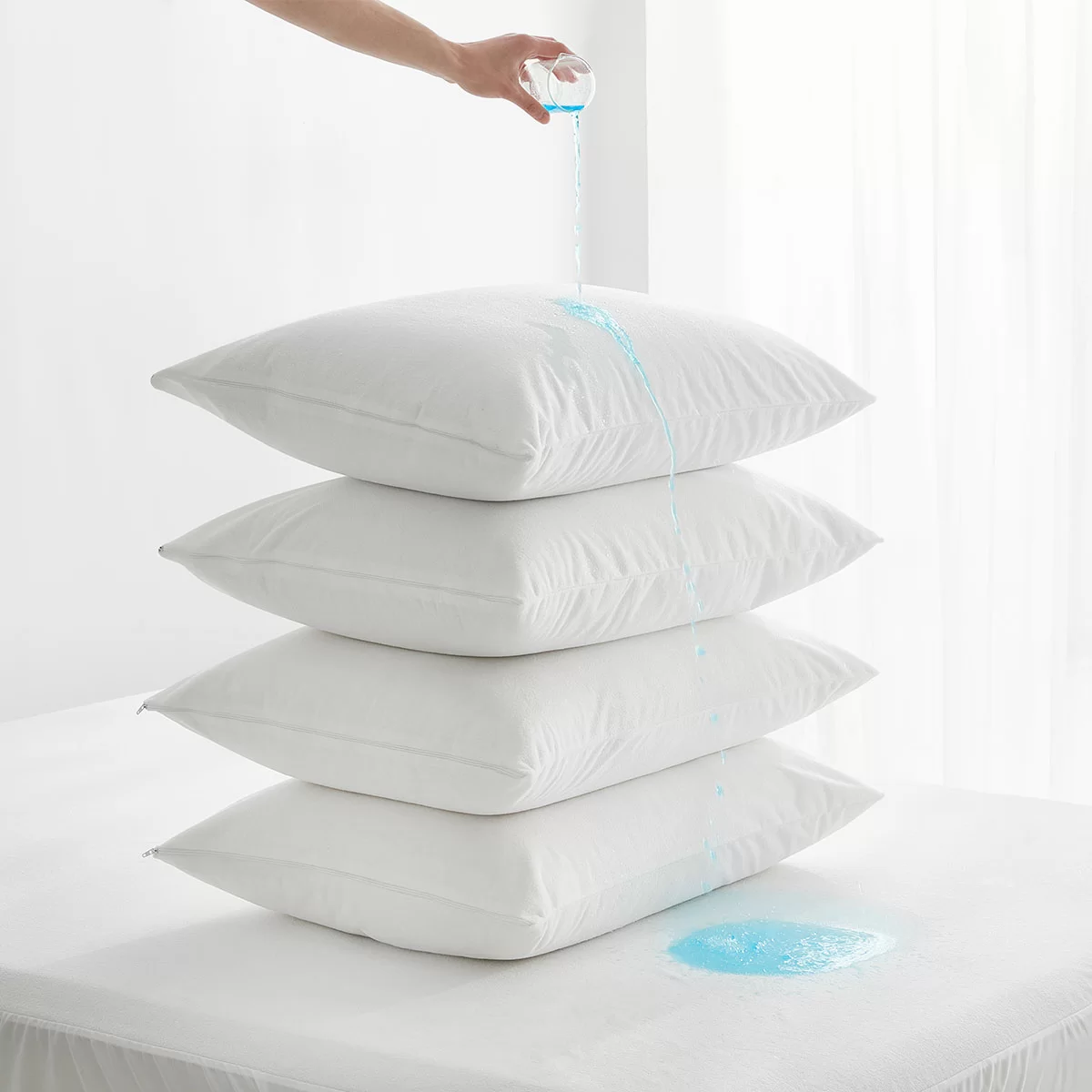
Maintaining hygiene and mattress longevity in professional and home environments has become a global priority, leading to the widespread adoption of the waterproof bed pad. These specialized textile products serve as a critical barrier against fluids, allergens, and contaminants, ensuring that the sleeping surface remains pristine and sanitary over extended periods of use.        

       Beyond simple liquid protection, a high-quality waterproof bed pad integrates advanced material science to balance breathability with impermeability. This prevents the "plastic feel" often associated with early waterproof liners, providing a comfortable sleep experience while offering peace of mind for caregivers, hotel managers, and homeowners alike.        

       Understanding the technical specifications and application methods of these pads is essential for optimizing cost-efficiency in linen management. By investing in the right textile technology, institutions can significantly reduce mattress replacement costs and improve the overall health standards of their facilities.
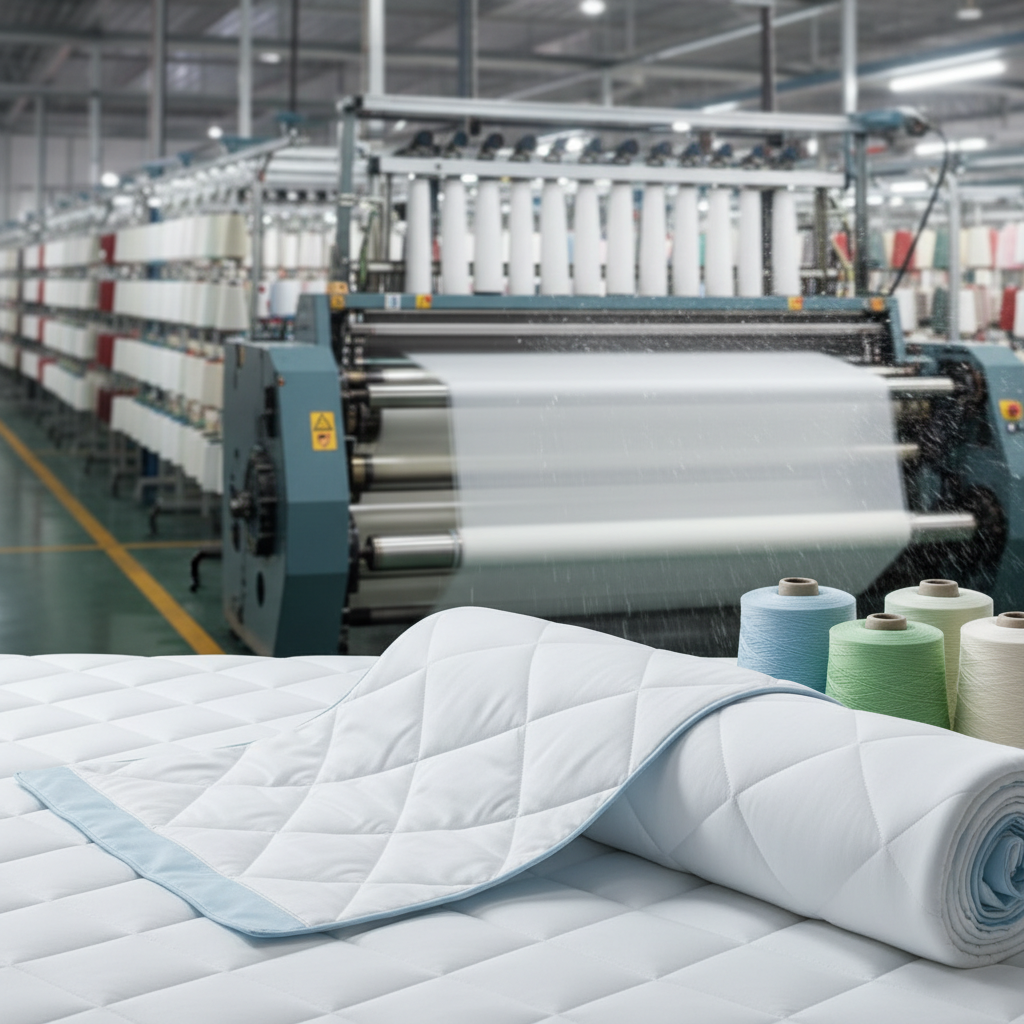
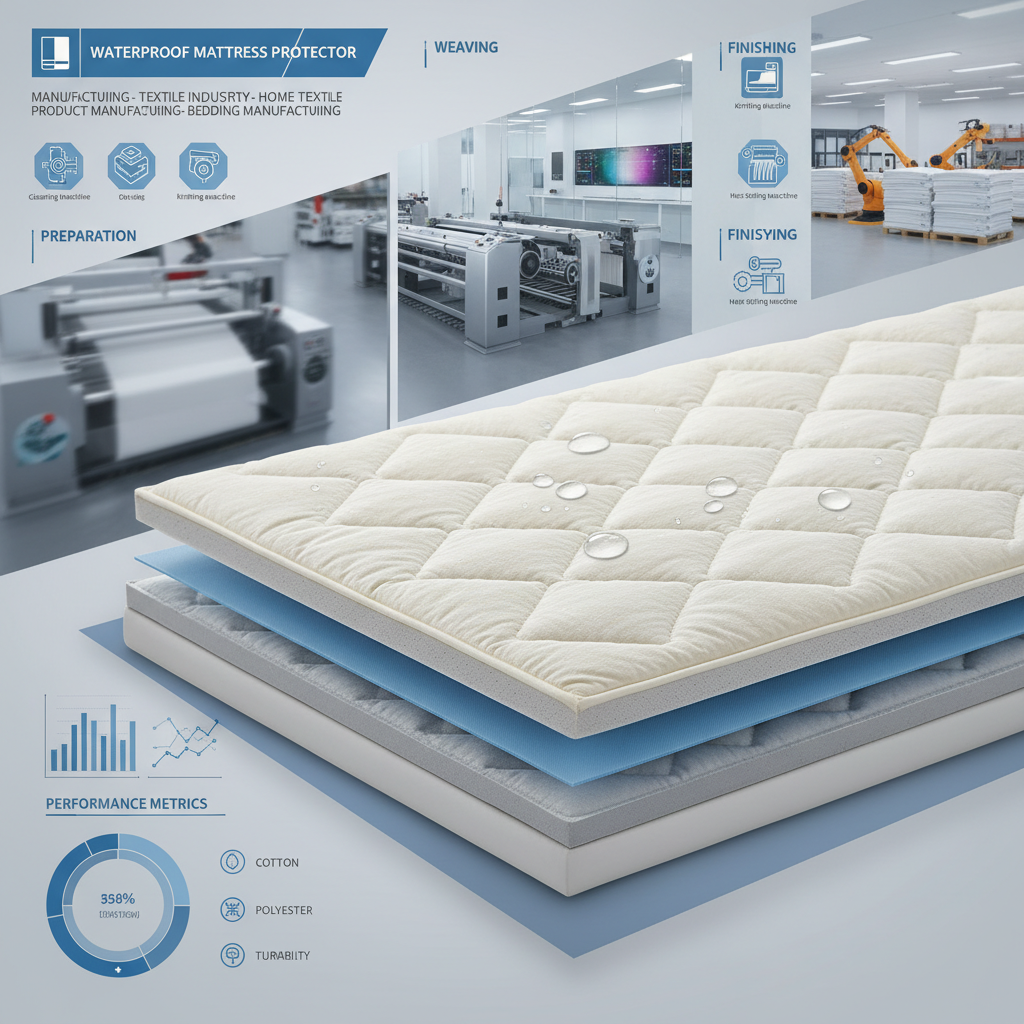
waterproof bed pad    

Global Relevance and Market Demand for Waterproof Bed Pads

waterproof bed pad            

On a global scale, the demand for a reliable waterproof bed pad has surged due to the aging global population and the expansion of healthcare infrastructure. According to data aligned with ISO quality standards for textiles, the necessity for fluid-resistant bedding is no longer limited to clinical settings but has permeated the hospitality and residential sectors to mitigate hygiene risks and preserve asset value.            

           The primary challenge addressed by these products is the degradation of mattresses caused by moisture, which can lead to mold growth and bacterial proliferation. In high-turnover environments like hotels or hospitals, the lack of a proper waterproof barrier results in frequent, costly mattress replacements and potential health hazards for guests or patients.

Defining the Engineering of a Waterproof Bed Pad

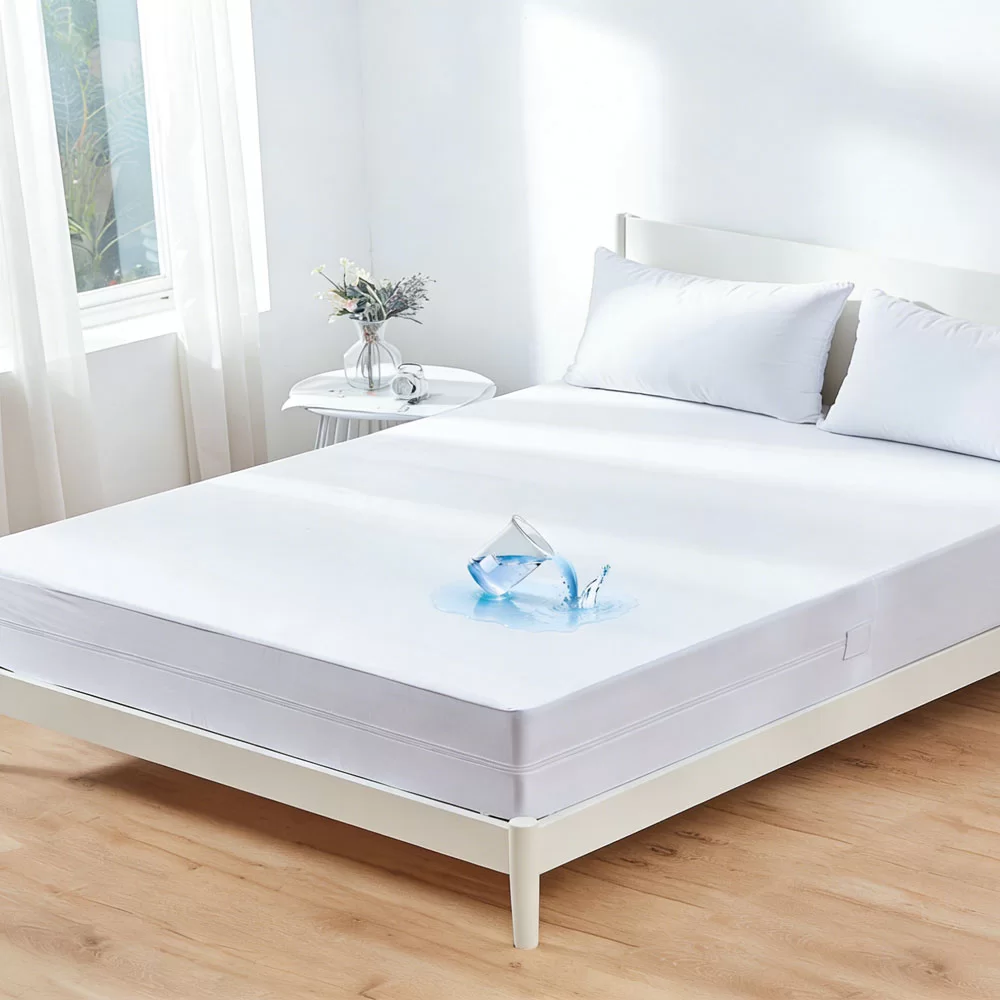
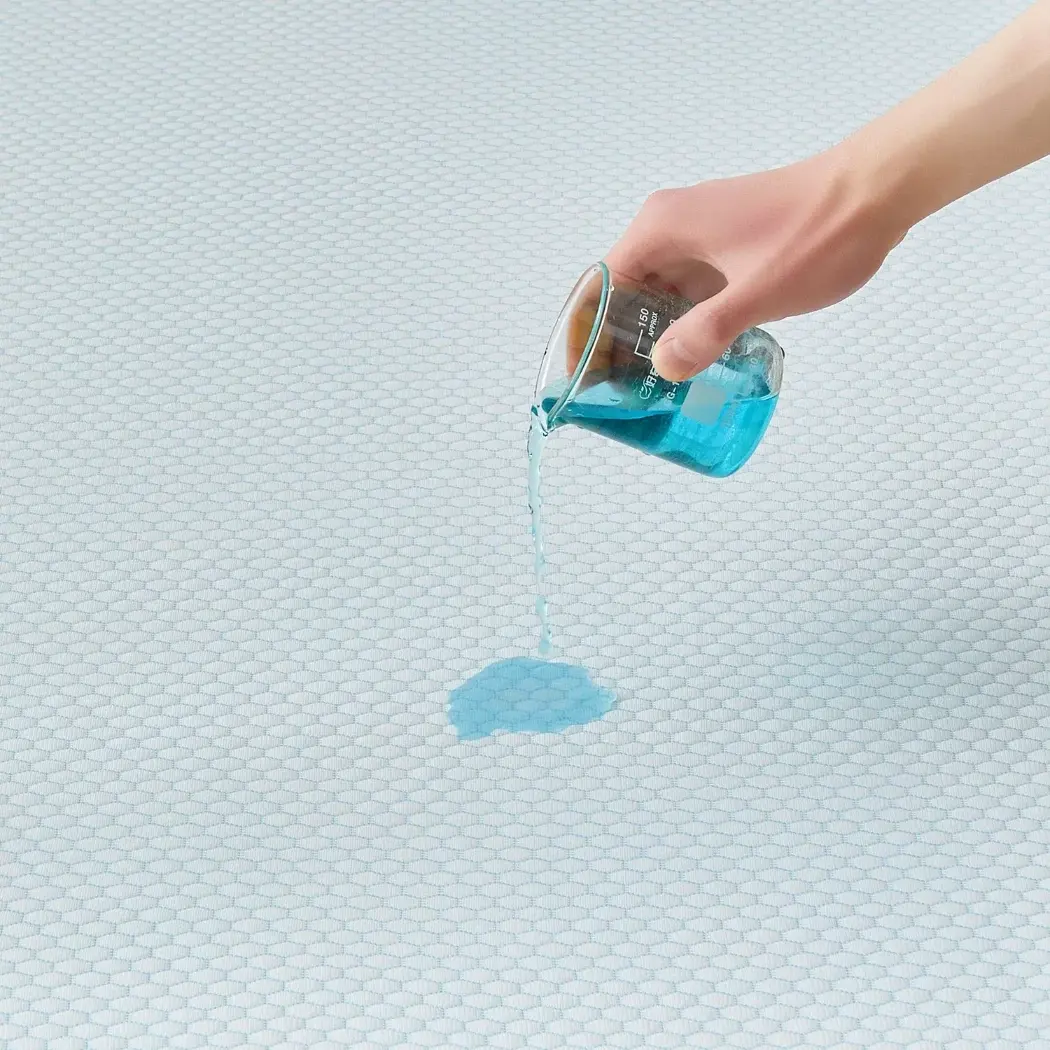
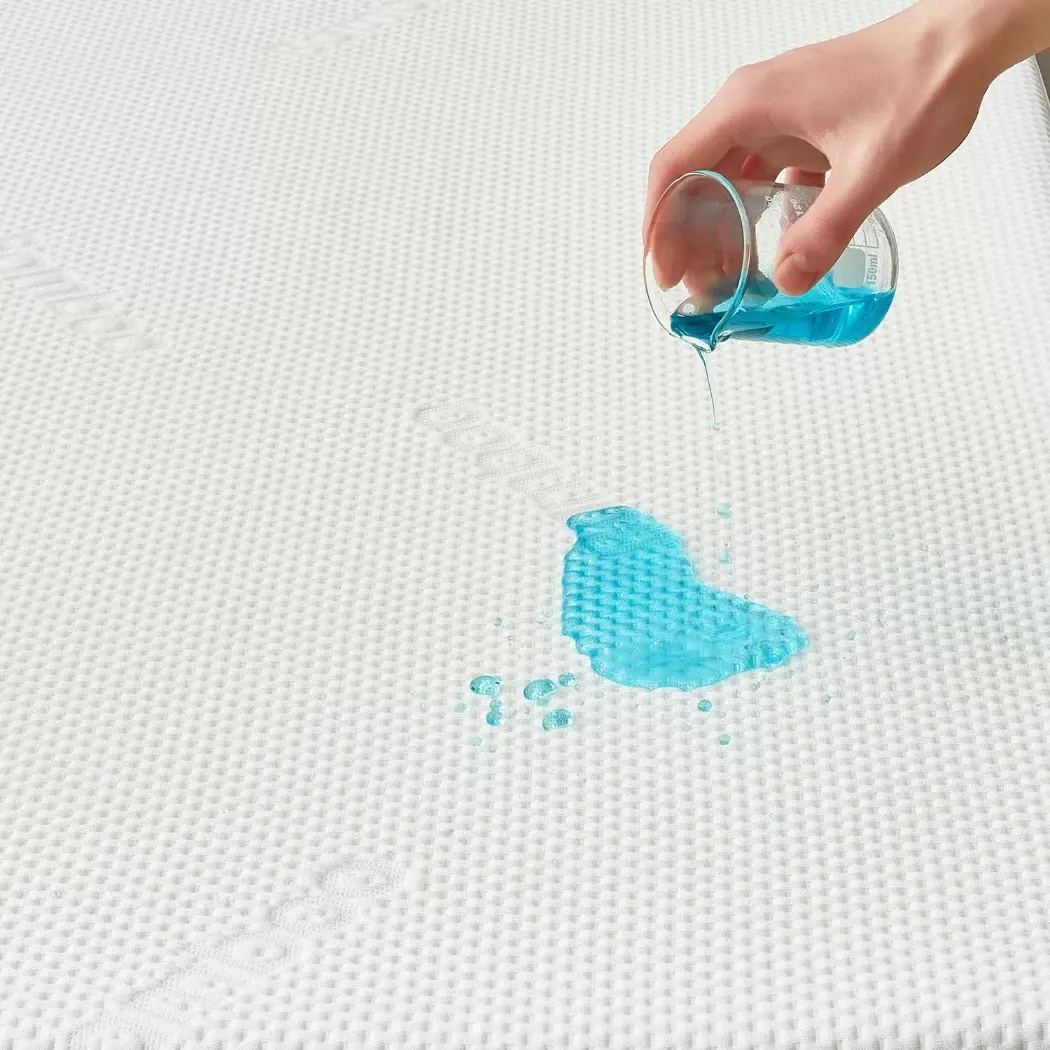
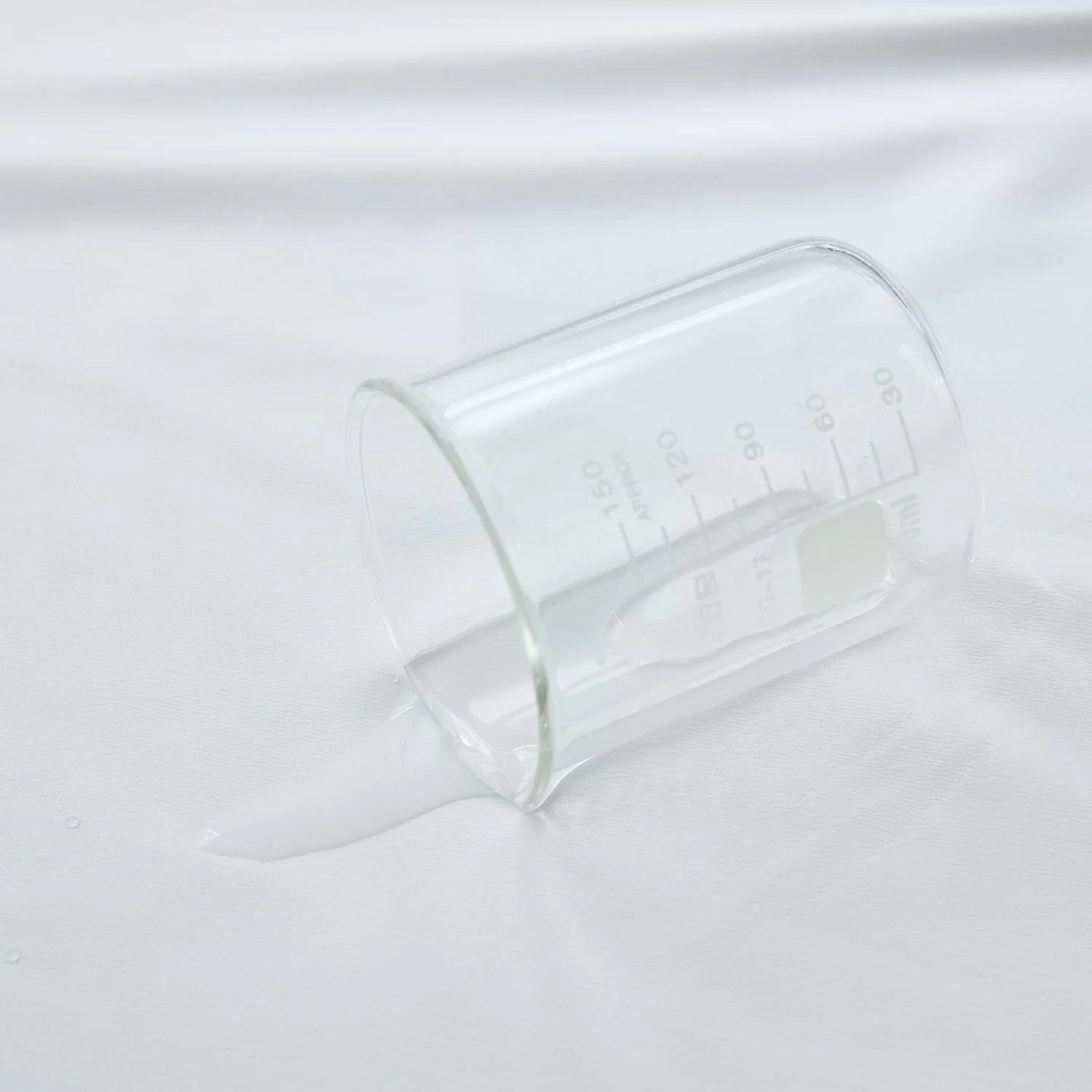
In simple technical terms, a waterproof bed pad is a multi-layered textile engineered to prevent liquids from penetrating the mattress while maintaining a comfortable surface for the user. Unlike simple plastic sheets, modern versions utilize a combination of absorbent top layers and a semi-permeable membrane that blocks water molecules but allows air and vapor to circulate.        

       This intersection of textile engineering and humanitarian need is most evident in elderly care and pediatric wards, where incontinence is a frequent reality. By utilizing advanced TPU (Thermoplastic Polyurethane) laminates, these pads provide a dignified solution that protects the environment without compromising the skin's need to breathe, reducing the risk of pressure ulcers.        

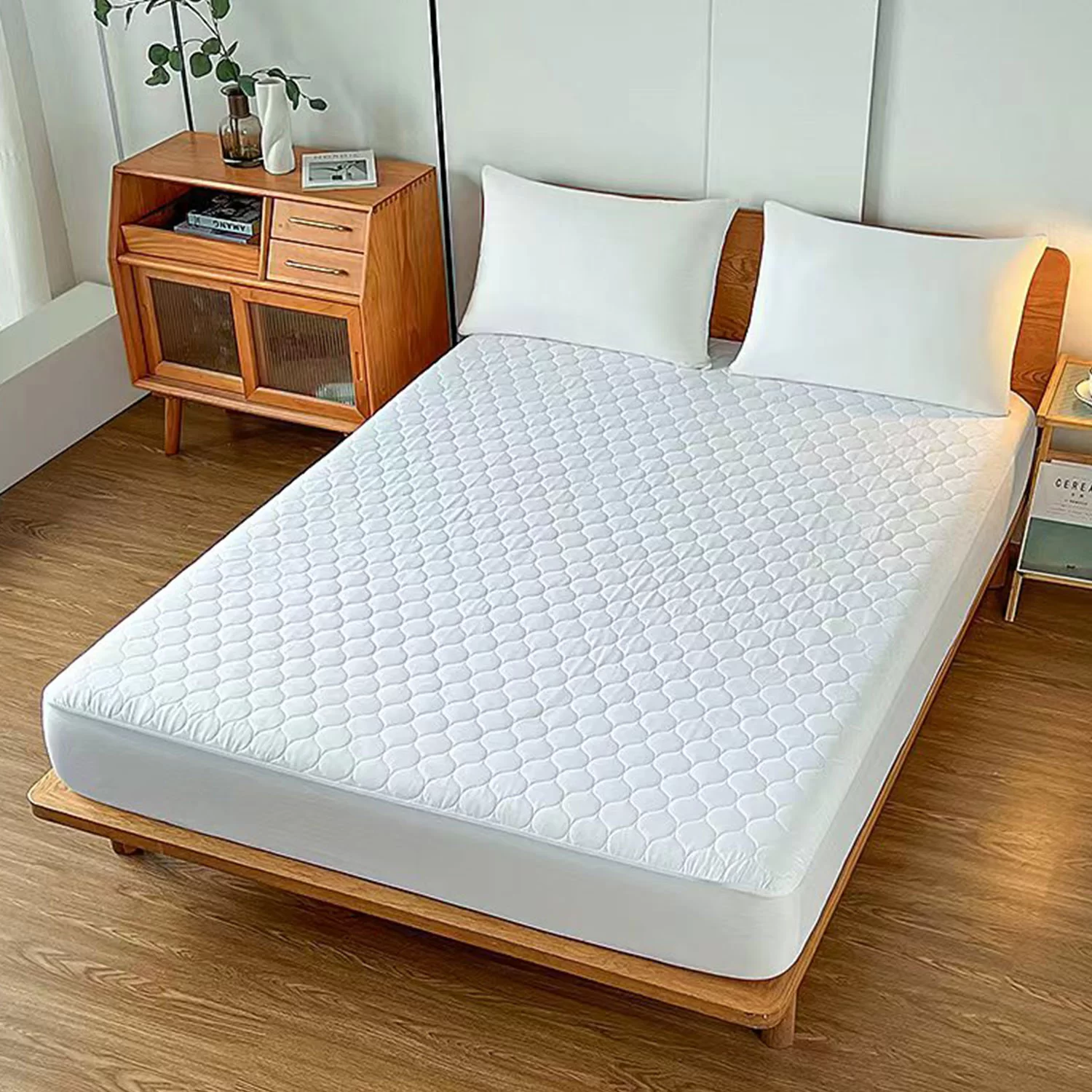
       From an industrial perspective, the manufacturing of these pads involves precision bonding and quilting techniques. This ensures that the waterproof layer does not shift during high-temperature industrial laundering, a critical requirement for the "Hotel/Motel/Hospital Linen" category where durability is paramount.

Core Components of High-Performance Bed Protection

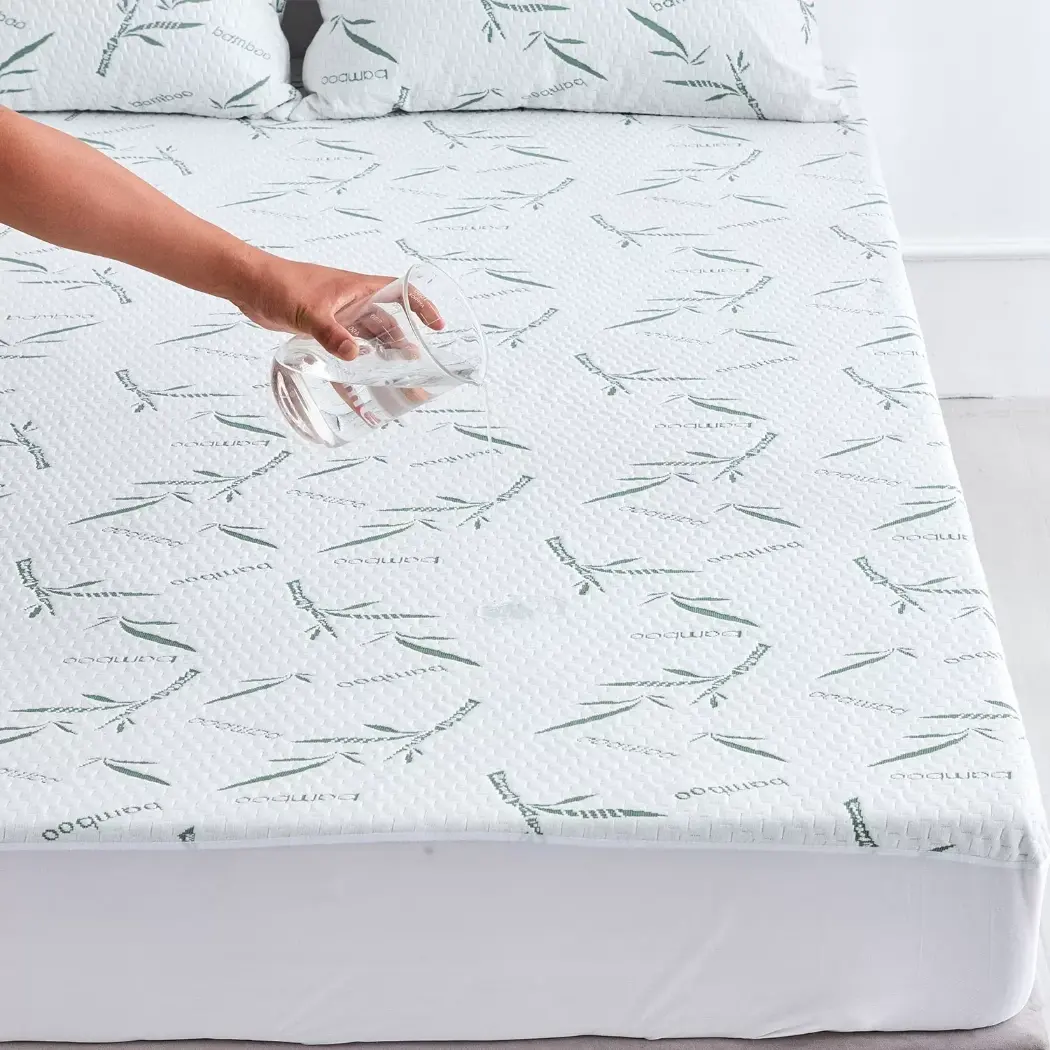
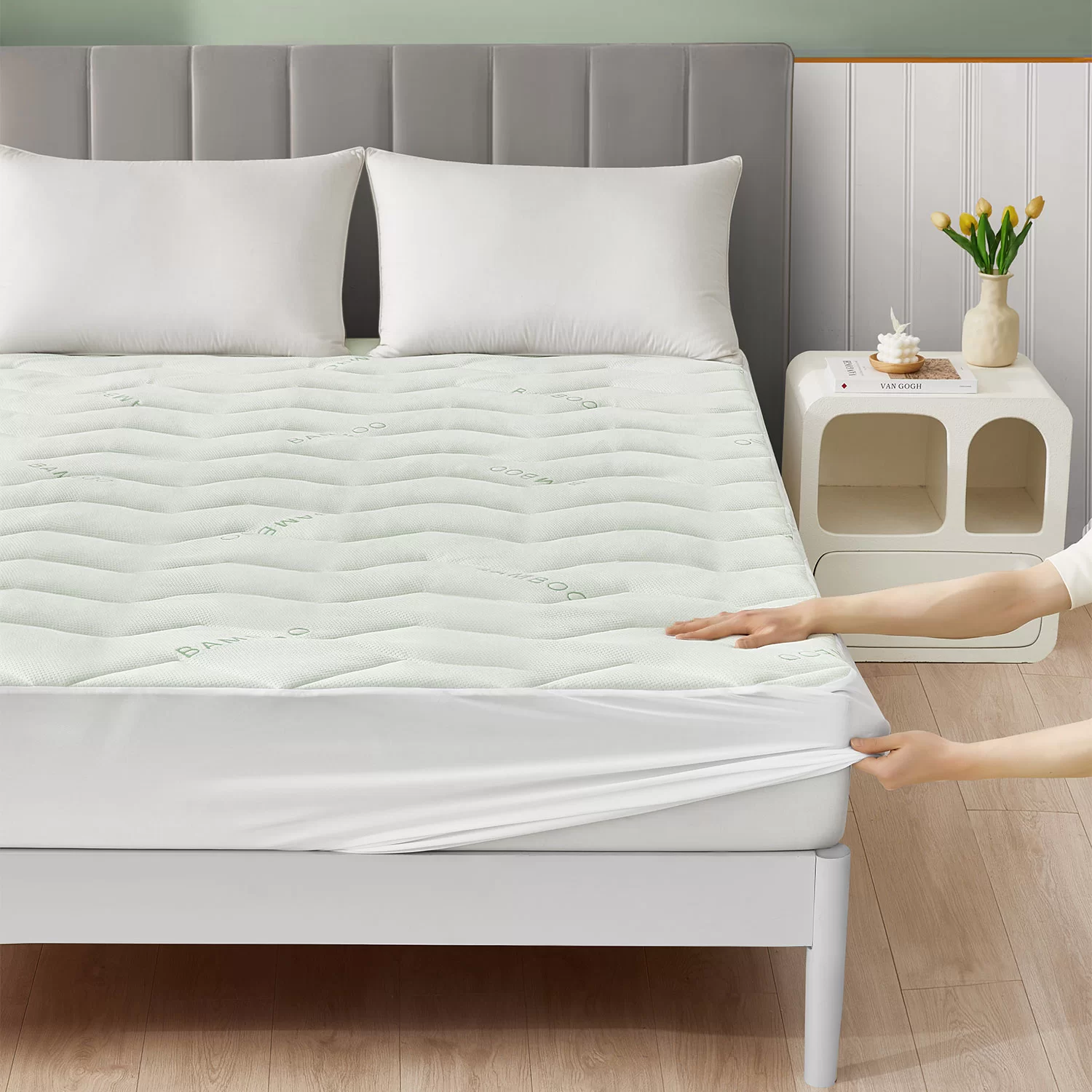
The efficacy of a waterproof bed pad depends heavily on its material composition. The top layer is typically crafted from soft cotton, bamboo, or microfiber to ensure skin-friendliness and initial moisture absorption, which is vital for preventing the "pooling" effect on the surface.

At the core of the product lies the waterproof membrane. A high-quality waterproof bed pad employs TPU rather than PVC, as TPU is more flexible, odorless, and environmentally friendly, providing a superior seal against liquids while remaining silent—avoiding the crinkling noise associated with cheaper alternatives.

Finally, the backing and edging must be reinforced to withstand the mechanical stress of commercial washing machines. The integration of elasticized corners or secure straps ensures that the protector stays in place, maintaining the integrity of the barrier throughout the night.

Practical Applications Across Different Industries

The application of the waterproof bed pad extends far beyond the bedroom. In the healthcare sector, specifically in ICU and surgical recovery wards, these pads are indispensable for managing surgical drains and unexpected fluid leaks, ensuring a sterile environment and reducing the workload of nursing staff.        

       In the hospitality industry, luxury resorts and motels use these protectors to safeguard their high-end mattresses from spills and stains, thereby extending the lifecycle of their assets. Similarly, in post-disaster relief operations, lightweight and portable waterproof pads are deployed in temporary shelters to provide a sanitary sleeping base for displaced populations in humid or damp conditions.

Performance Comparison of Waterproof Bed Pad Types

Long-Term Value and Economic Advantages

The long-term value of implementing a professional waterproof bed pad is primarily measured in cost avoidance. By preventing liquid penetration, facilities avoid the massive capital expenditure required to replace mattresses that have become contaminated or developed odors, which can happen in as little as six months without protection.        

       Beyond the financial metrics, there is a significant emotional and psychological benefit. For patients and the elderly, the use of a high-quality, silent, and breathable pad preserves dignity and promotes better sleep quality. In the hospitality sector, it builds trust with guests who value a guaranteed hygienic environment, directly impacting brand loyalty and online reviews.

Future Innovations in Waterproof Textile Technology

The future of the waterproof bed pad is leaning heavily toward sustainability and "green" chemistry. We are seeing a shift from petroleum-based polymers to bio-based TPU and recycled polyester, reducing the carbon footprint of the manufacturing process without sacrificing the waterproof barrier.        

       Another emerging trend is the integration of antimicrobial nanotechnology. By embedding silver ions or other bio-active agents into the fabric, next-generation pads will not only block water but actively neutralize bacteria and odors on contact, creating a self-sanitizing surface that reduces the frequency of laundry cycles.        

       Automation in the textile industry is also allowing for "smart" zoning. Future pads may feature variable absorption levels—higher in the center and lower at the edges—to optimize material use and improve the drying time during industrial laundering, furthering the goal of operational efficiency.

Overcoming Implementation Challenges in Linen Care

One of the most common challenges in using a waterproof bed pad is the risk of "delamination" or the waterproof layer peeling away after repeated high-heat washing. This is often caused by using incorrect detergents or exceeding the recommended temperature thresholds for the TPU membrane.        

       To solve this, experts recommend a transition to low-temperature, high-efficiency (HE) laundry cycles and the use of pH-neutral detergents. Furthermore, implementing a strict rotation schedule ensures that no single pad is over-stressed, extending the operational lifespan of the entire linen inventory.        

       Another hurdle is the balance between waterproofing and heat dissipation. To overcome the "sweat factor," designers are incorporating 3D spacer fabrics that create a micro-gap between the sleeper and the waterproof layer, allowing air to flow horizontally and maintaining a thermoneutral sleep environment.

Comparative Analysis of Waterproof Bed Pad Technical Specifications

Material TypeWaterproof RatingBreathability ScoreDurability (Washes)
TPU LaminateHigh (10/10)Medium (7/10)100+ Cycles
PVC CoatedVery High (10/10)Low (2/10)50+ Cycles
Bamboo-TPU BlendHigh (9/10)High (9/10)80+ Cycles
Poly-Cotton BlendMedium (7/10)Medium (6/10)120+ Cycles
Disposable Non-wovenMedium (6/10)Medium (5/10)Single Use
Eco-Bio TPUHigh (9/10)High (8/10)90+ Cycles

FAQS

What is the difference between a waterproof bed pad and a mattress protector?            

While often used interchangeably, a waterproof bed pad is typically a smaller, often absorbent layer placed on top of the mattress or under the sheet for targeted protection. A mattress protector usually covers the entire mattress, including the sides, providing a comprehensive shield. Both utilize waterproof membranes, but the pad is more focused on convenience and frequent laundering.

Do waterproof bed pads cause overheating during sleep?            

Older PVC-based pads often caused overheating because they blocked all airflow. However, modern waterproof bed pad products use breathable TPU membranes and moisture-wicking top fabrics (like bamboo or cotton) that allow air vapor to escape while blocking liquid water, significantly reducing heat buildup.

How should I wash my waterproof bed pad to ensure it lasts?            

To maintain the integrity of the waterproof layer, wash pads in cool or warm water (avoiding boiling temperatures) and use a mild detergent. Avoid bleach and fabric softeners, as these can break down the TPU membrane. Tumble dry on low heat or air dry to prevent the laminate from shrinking or cracking.

Are TPU waterproof bed pads safe for sensitive skin?            

Yes, TPU is generally hypoallergenic and odorless, making it much safer for sensitive skin than PVC, which may contain phthalates. When paired with a natural top layer like organic cotton or bamboo, these pads are ideal for newborns and patients with skin allergies.

How often should a waterproof bed pad be replaced in a hospital setting?            

In high-intensity medical environments, pads should be inspected weekly for signs of wear or leaking. Typically, industrial-grade pads last between 6 to 12 months depending on the laundry frequency and the aggressiveness of the cleaning chemicals used. Immediate replacement is necessary if the waterproof membrane shows any signs of peeling.

Can I use a waterproof bed pad with an electric heating pad?            

It depends on the material. High-quality TPU pads are generally heat-resistant to moderate temperatures. However, you should always check the manufacturer's guidelines. Excessive heat can potentially degrade the waterproof membrane over time, so it is recommended to place the heating element between the mattress and the waterproof pad if possible.

Conclusion

The integration of a high-performance waterproof bed pad into bedding management is a strategic decision that combines hygiene, asset preservation, and user comfort. From the precise engineering of TPU membranes to the selection of breathable top fabrics, these products solve the critical problem of moisture contamination in both residential and professional settings. By understanding the balance between durability and breathability, users can ensure a sanitary environment that upholds the highest standards of care and hospitality.        

       As we look forward, the evolution toward bio-based materials and antimicrobial textiles will further enhance the sustainability and efficacy of bed protection. We encourage facility managers and homeowners to prioritize quality over cost, as the long-term savings in mattress replacement and the improvement in sleep hygiene far outweigh the initial investment. For premium, industry-standard bedding solutions, visit our website: www.infortextile.com.
Robert Miller

Robert Miller

Robert Miller serves as the Head of Market Analysis at SHIJIAZHUANG YINGFANG TRADE CO., LTD. With over 15 years of experience in the textile industry, Robert is responsible for identifying emerging trends in the hospitality and healthcare sectors, particularly concerning bedding and linen demands. He holds a Bachelor's degree in
Previous Premium Bedding Waterproof Solutions Experts
Next Premium Waterproof Bed Pads Washable for Home and Hospital Use
 queen size silk sheets
Can't Find The Products And Services You Need?
If you need our help,
Our staff will be happy to help and answer your questions!
Comfortable & Skin-Friendly Materials
Made from high-quality natural fibers, ensuring softness, breathability, and ultimate comfort.
Eco-Friendly & Healthy Processes
Produced with environmentally safe dyes and non-toxic techniques, protecting both family health and the environment.
Durable & Wrinkle-Resistant Design
Expert weaving ensures long-lasting use, keeping bedding smooth and attractive even after multiple washes.
Multi-Functional Smart Textiles
Incorporates temperature regulation, antibacterial, or anti-mite technology to enhance home comfort and convenience.

Contact Us

Email: inforhometextile@126.com
Email: helenkou@126.com

Cooperation

Phone: +86 15128126343
Phone: +86 15932669828

Address

Zerun Building,No.122 Fengshou Road,Chang'an District,Shijiazhuang City,Hebei Province,China

If you are interested in our products, you can choose to leave your information here, and we will be in touch with you shortly.