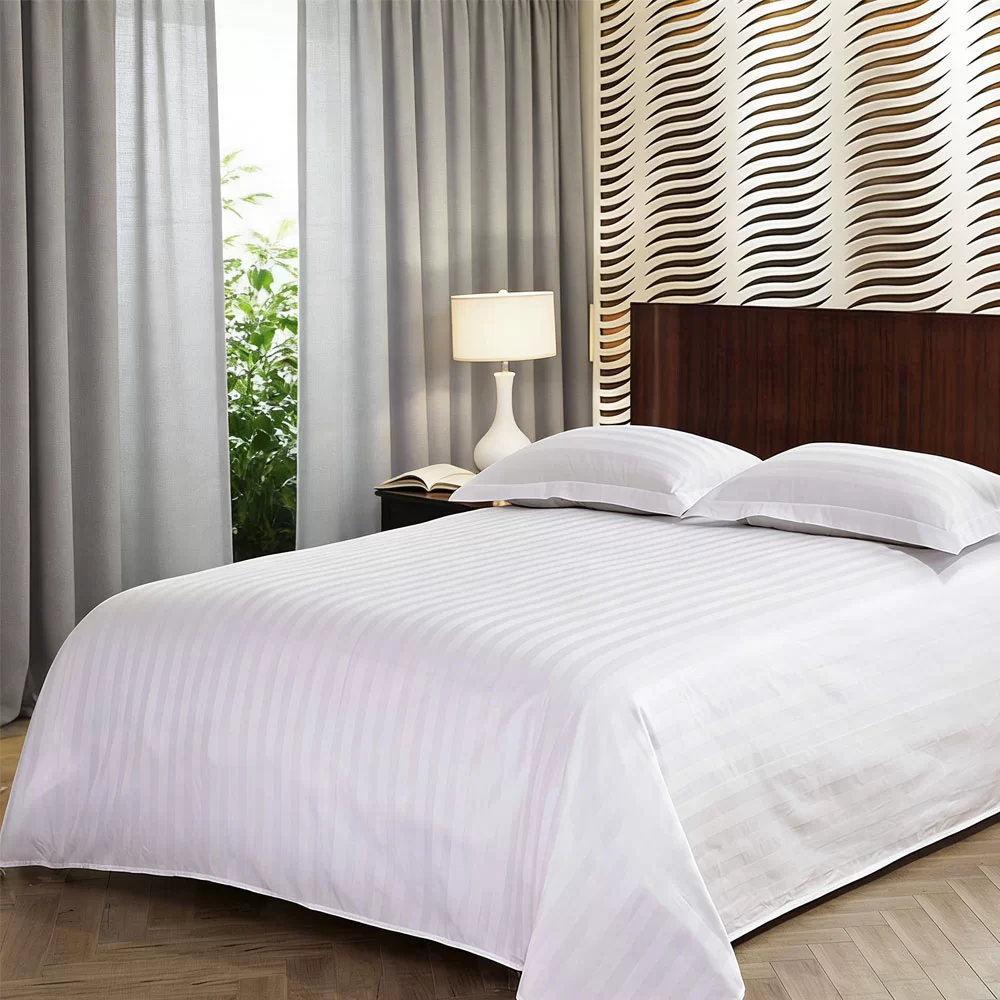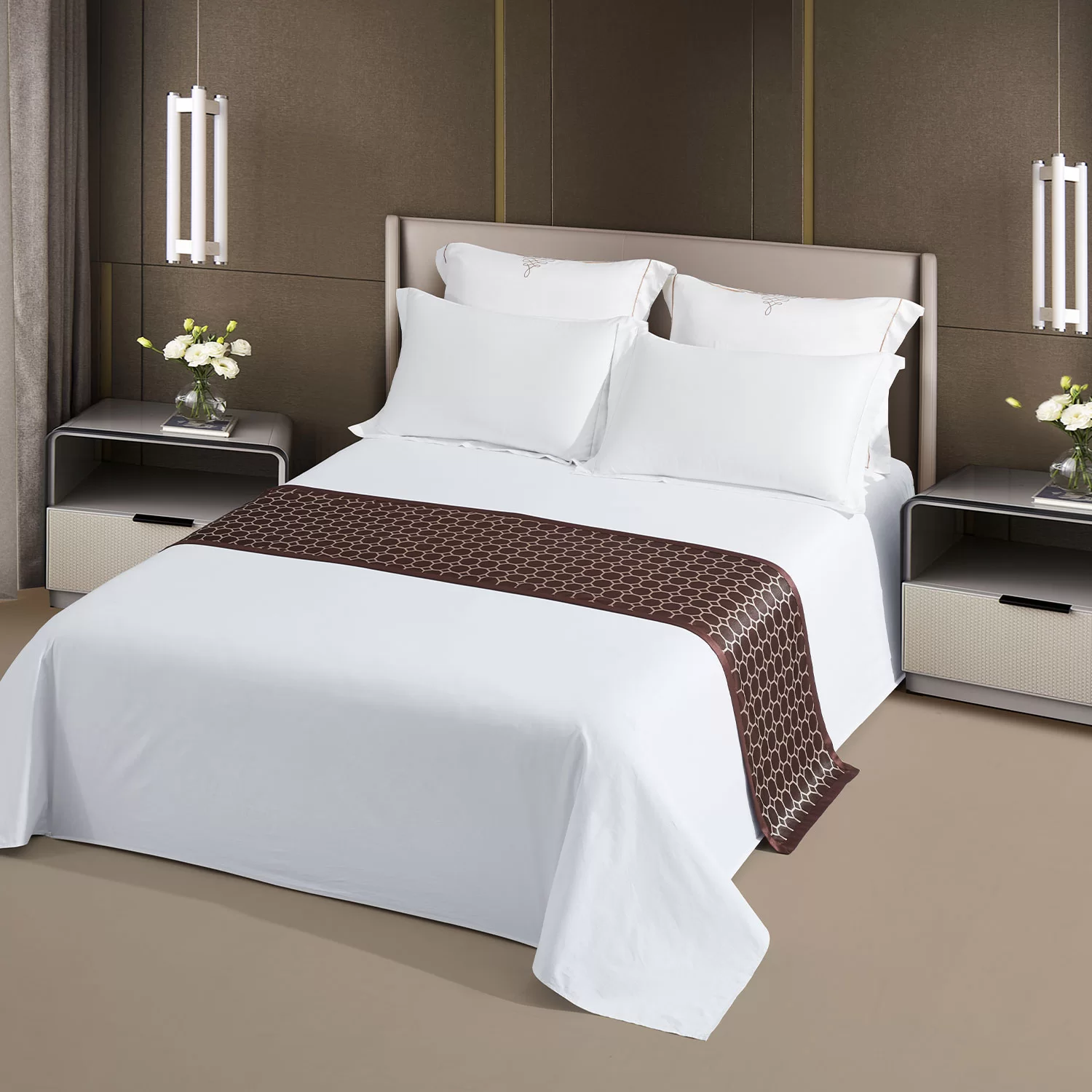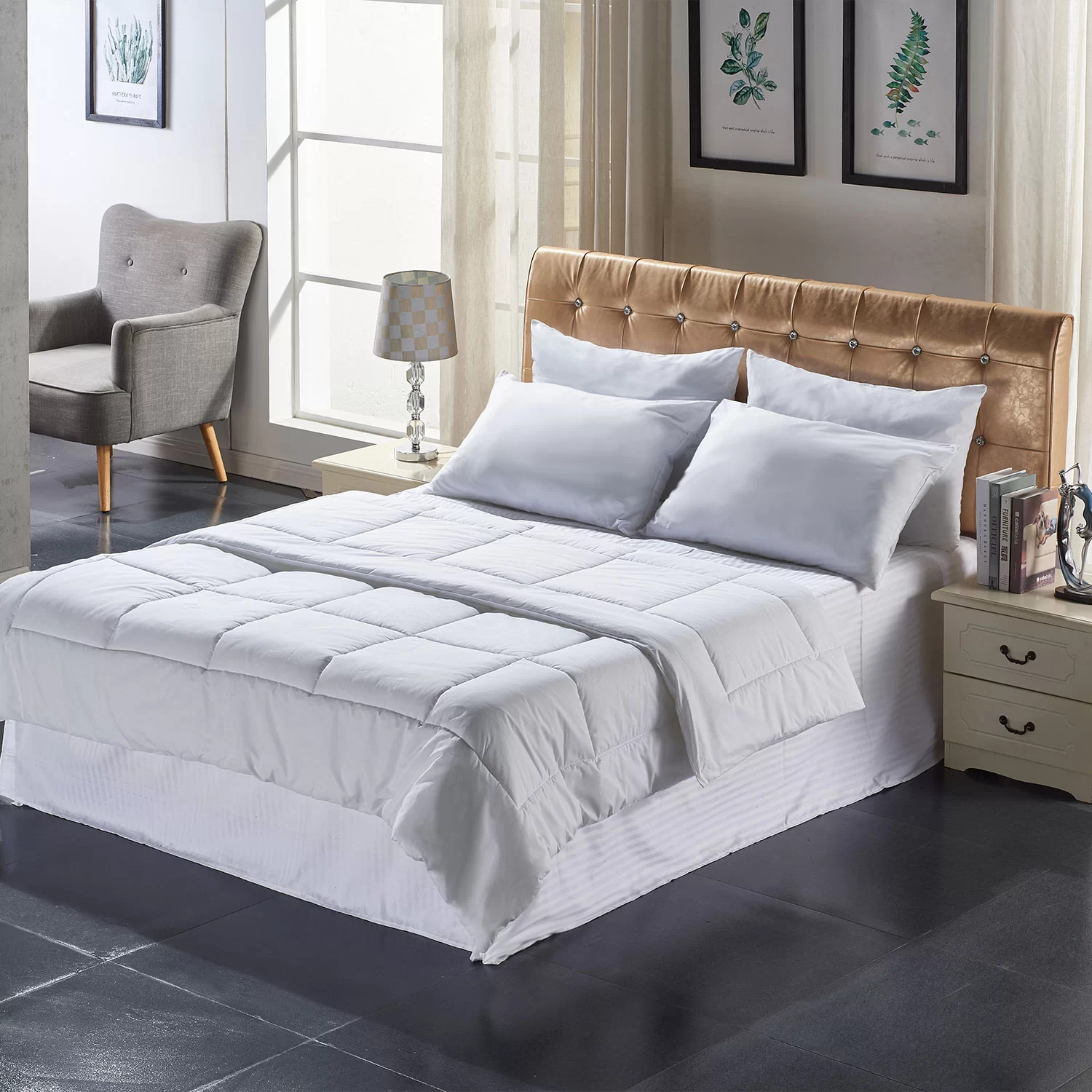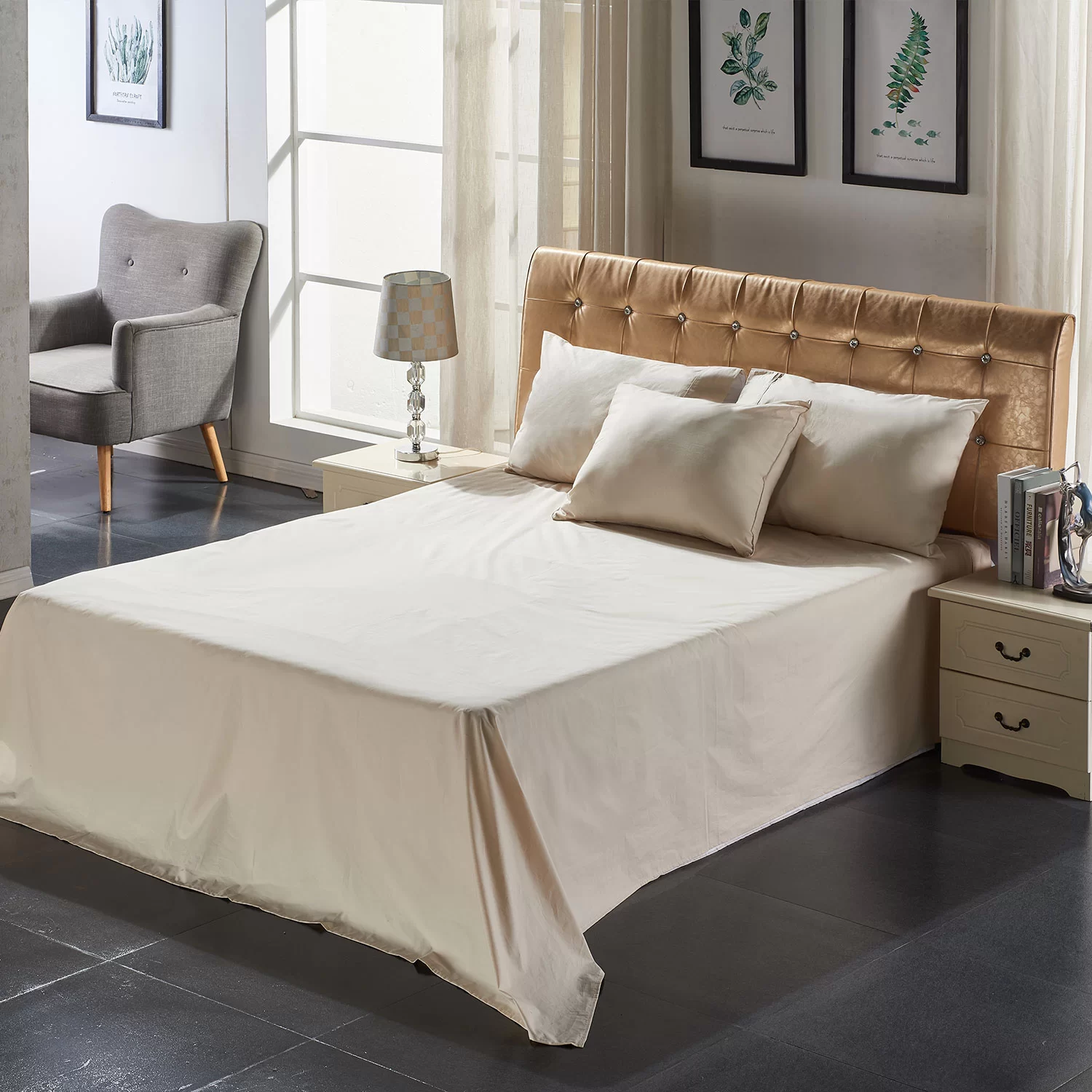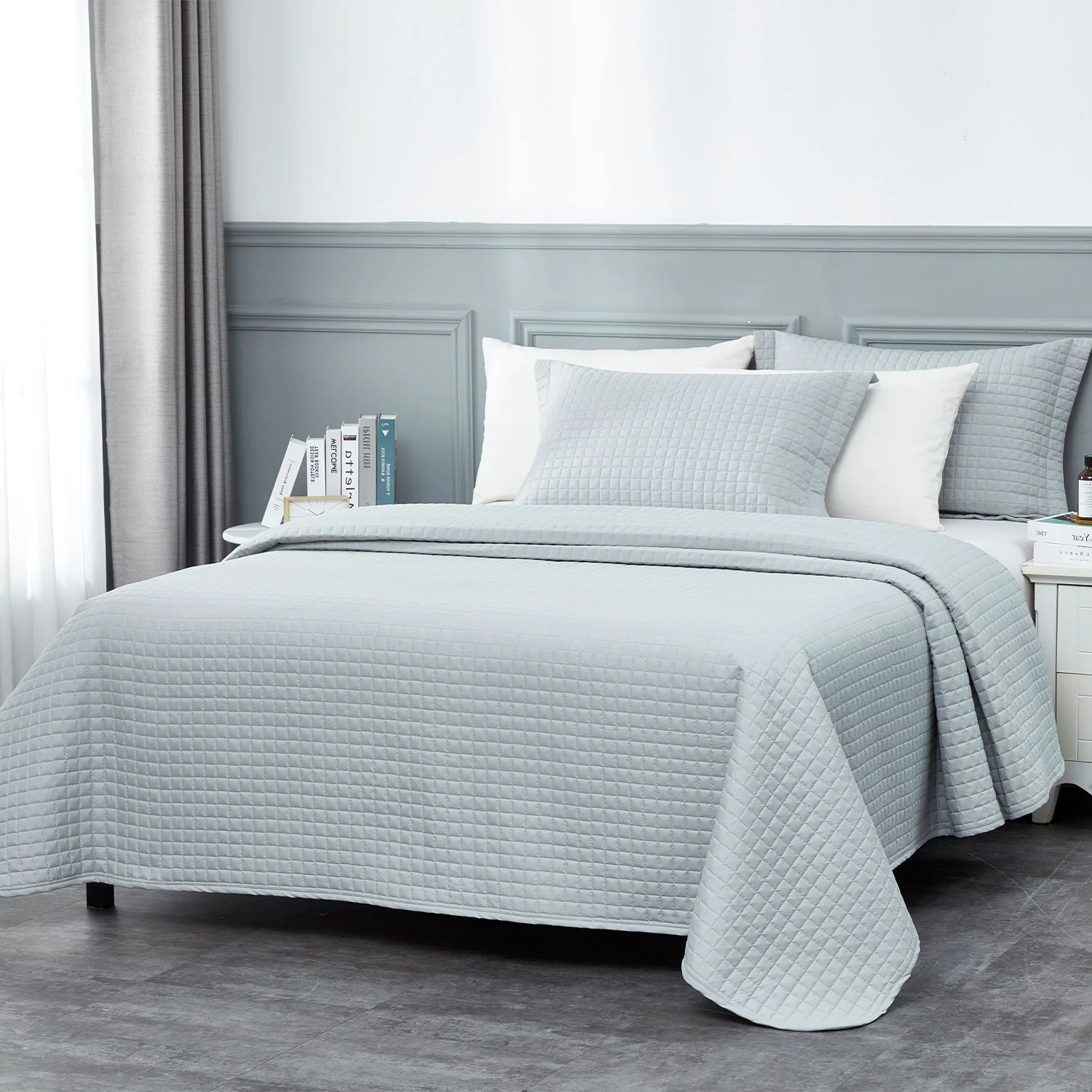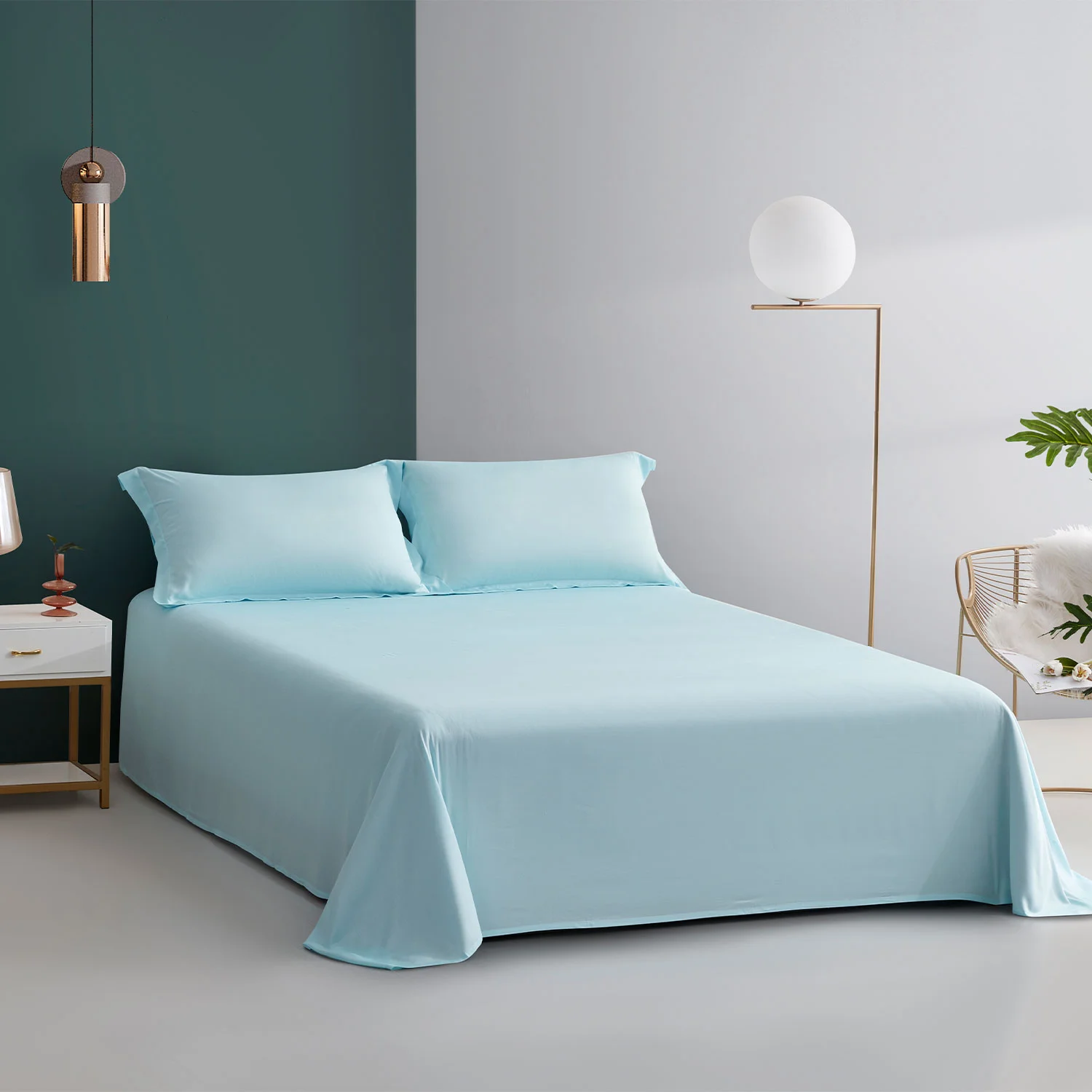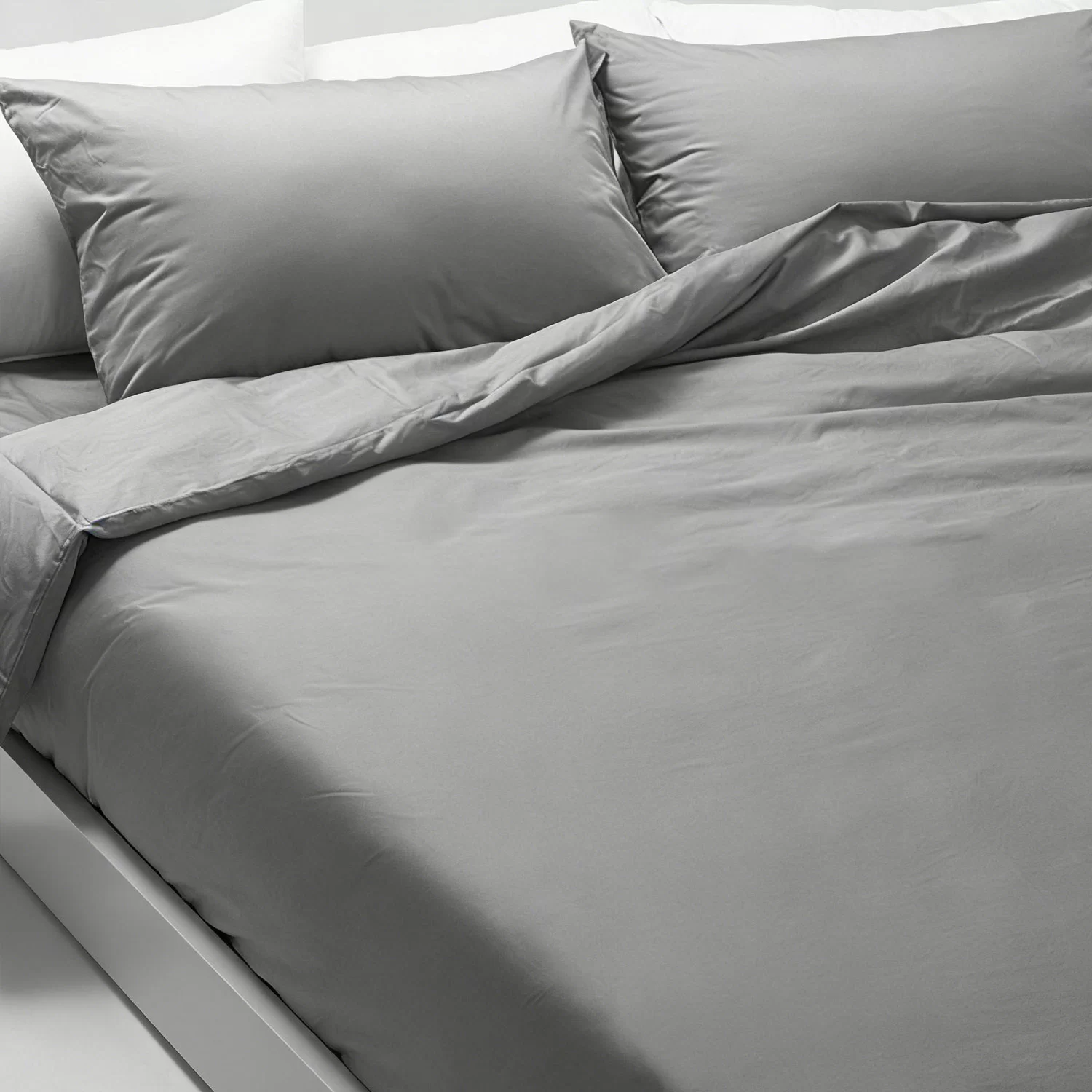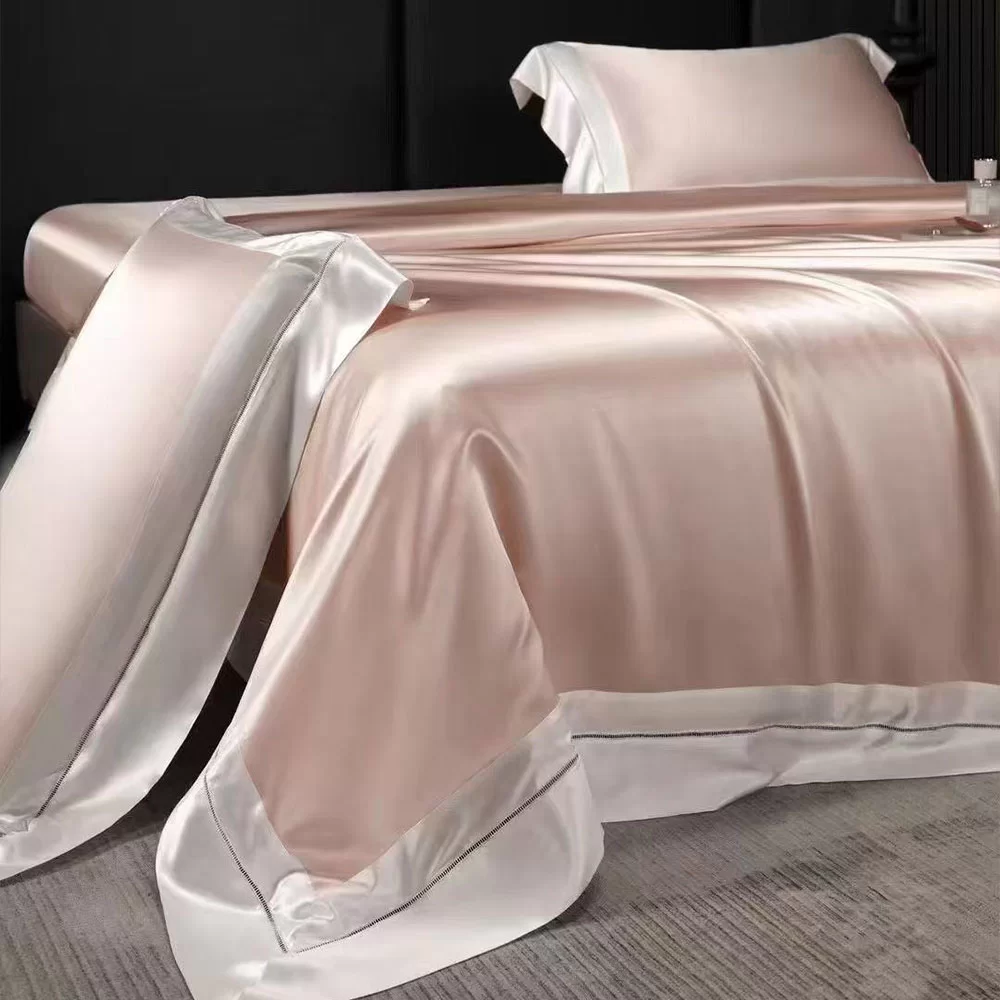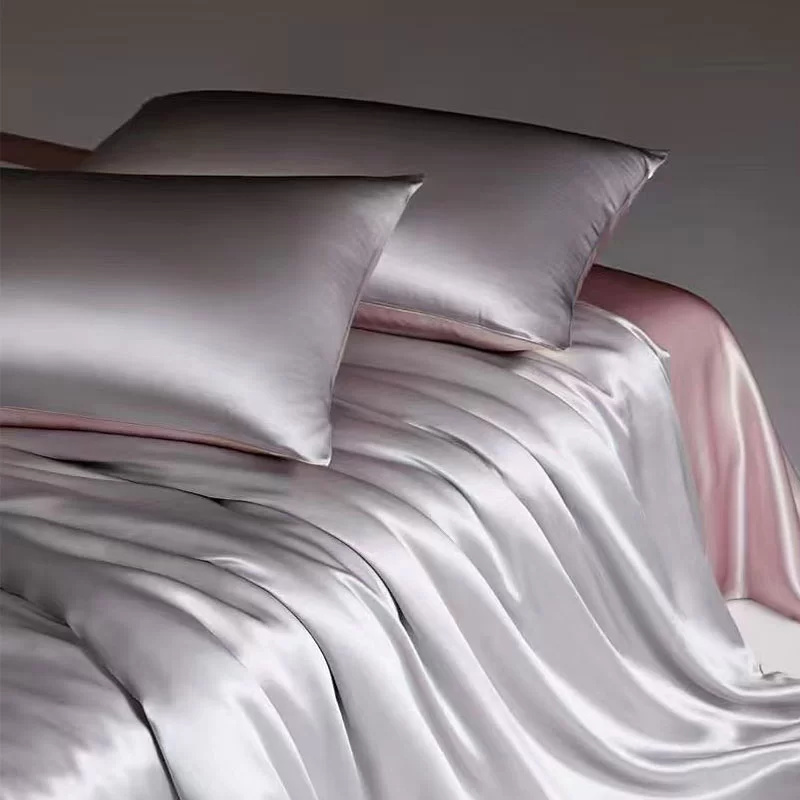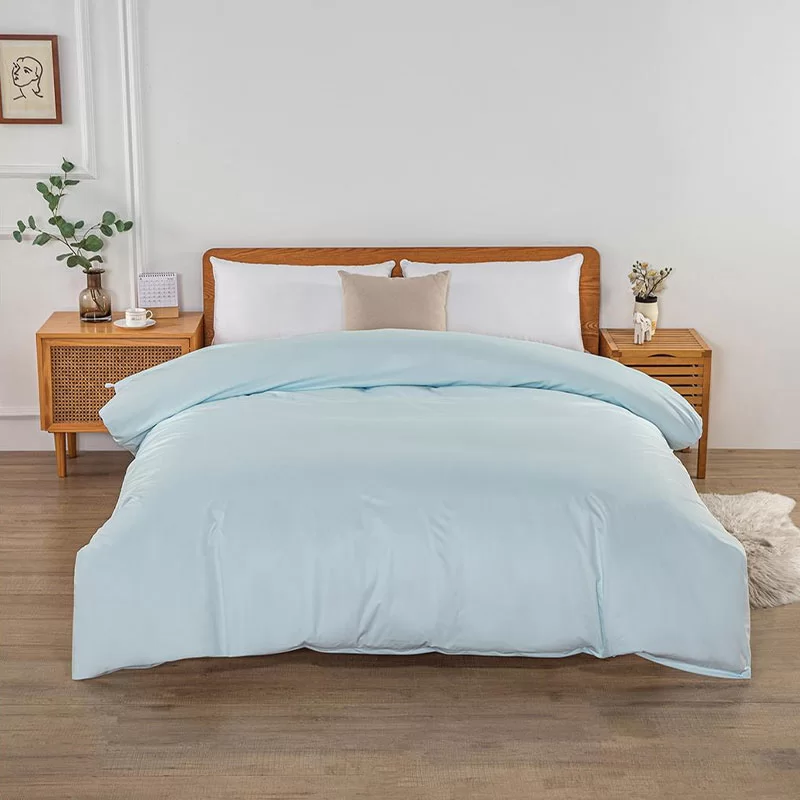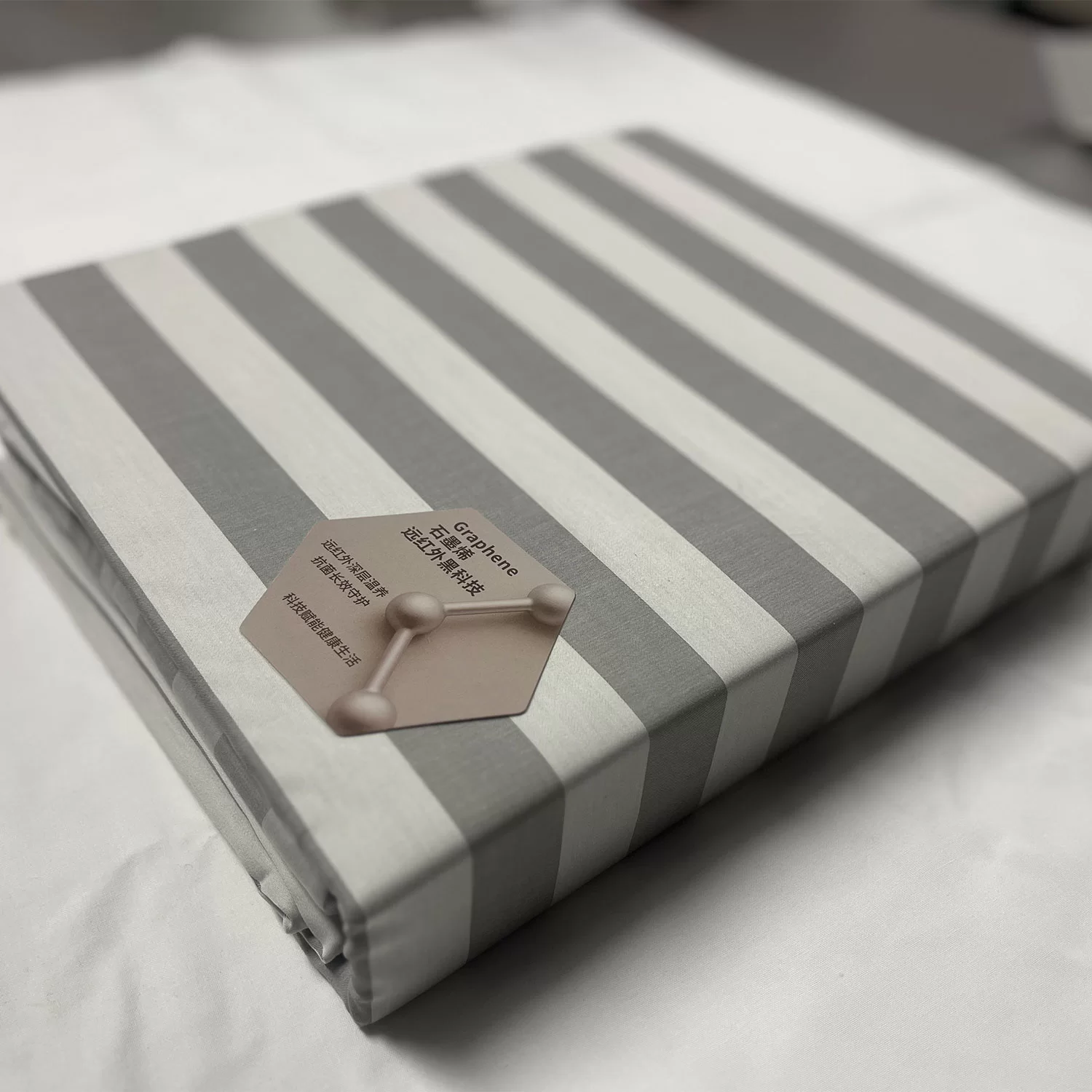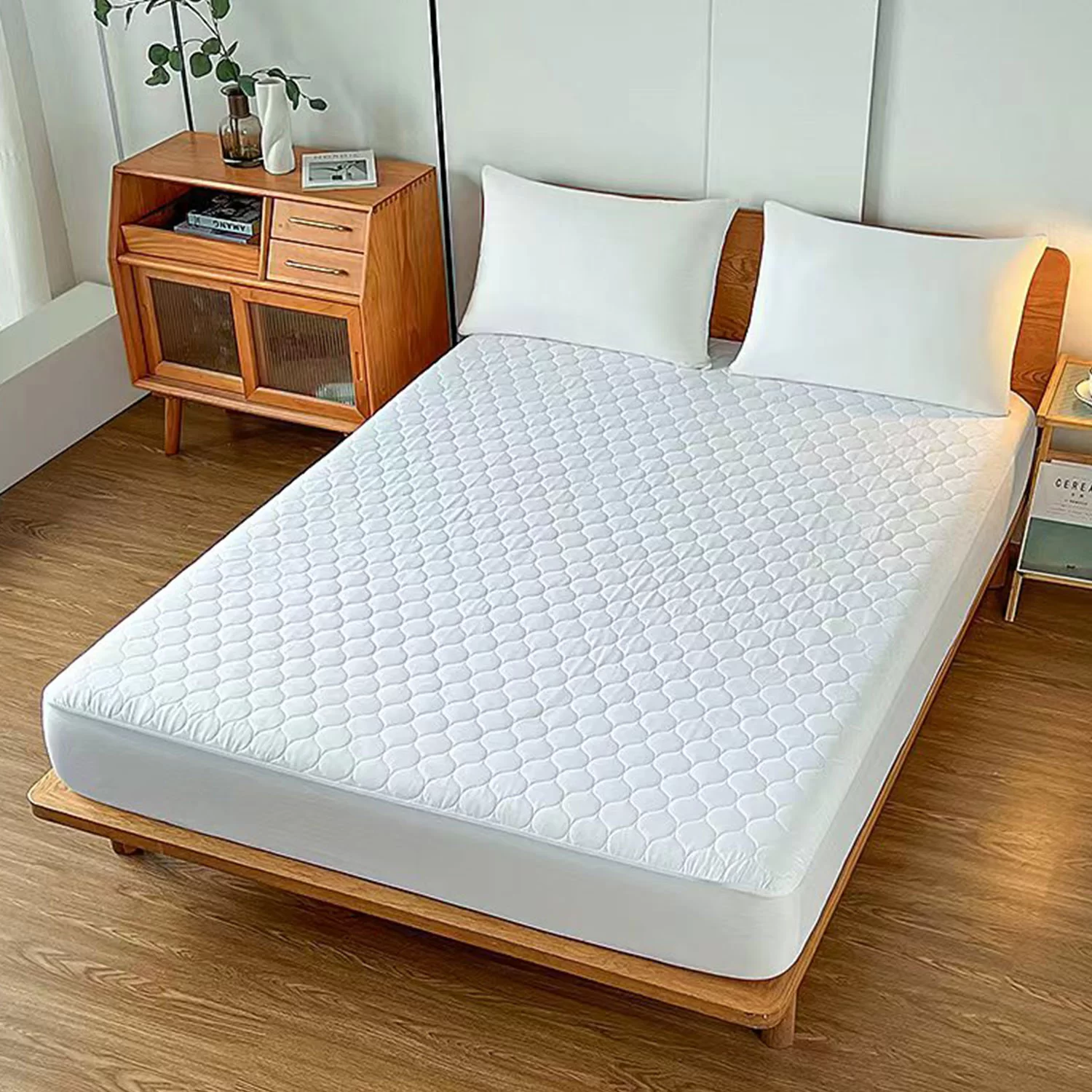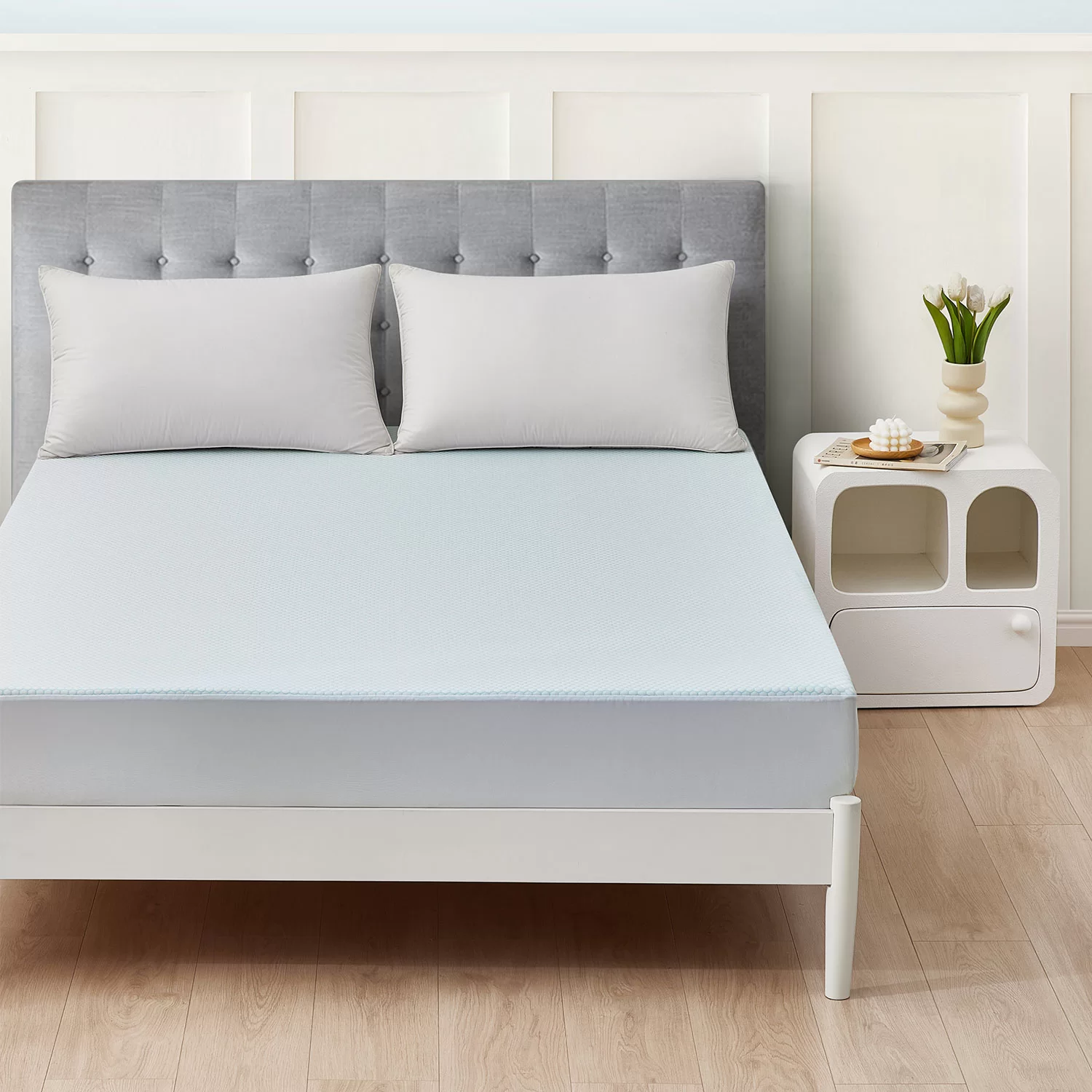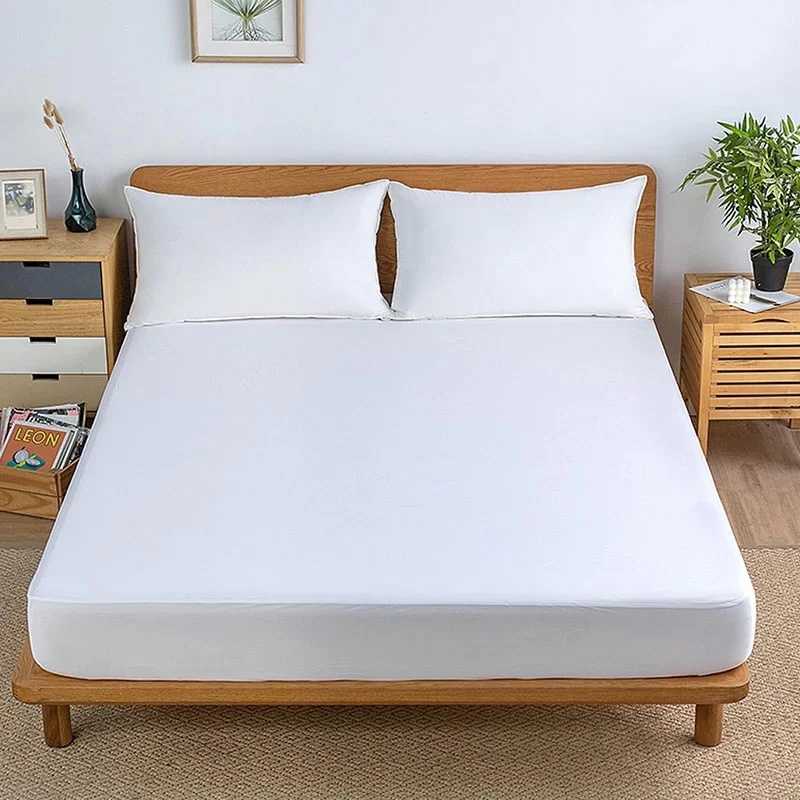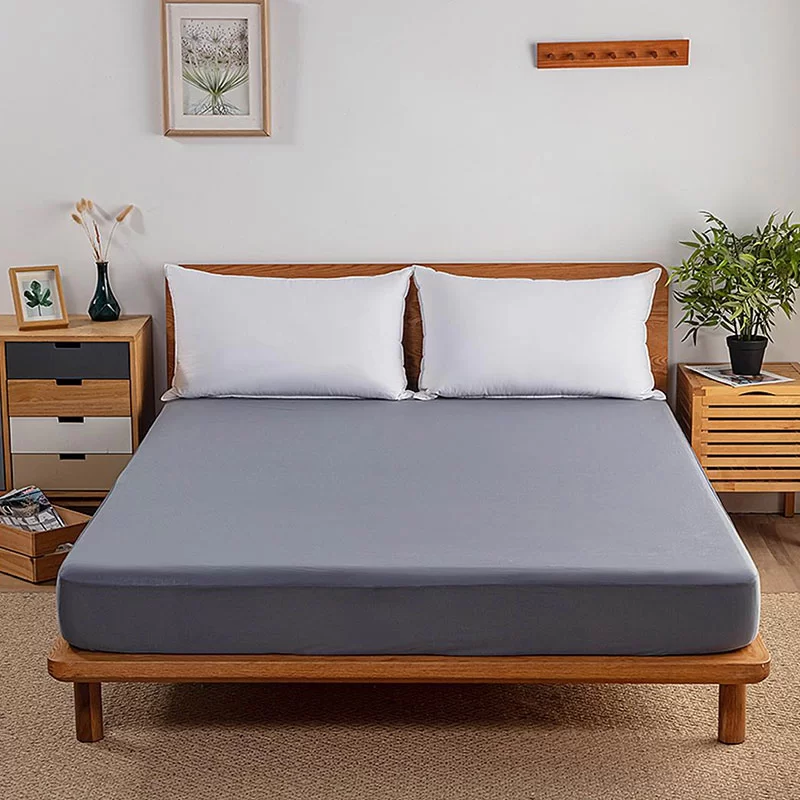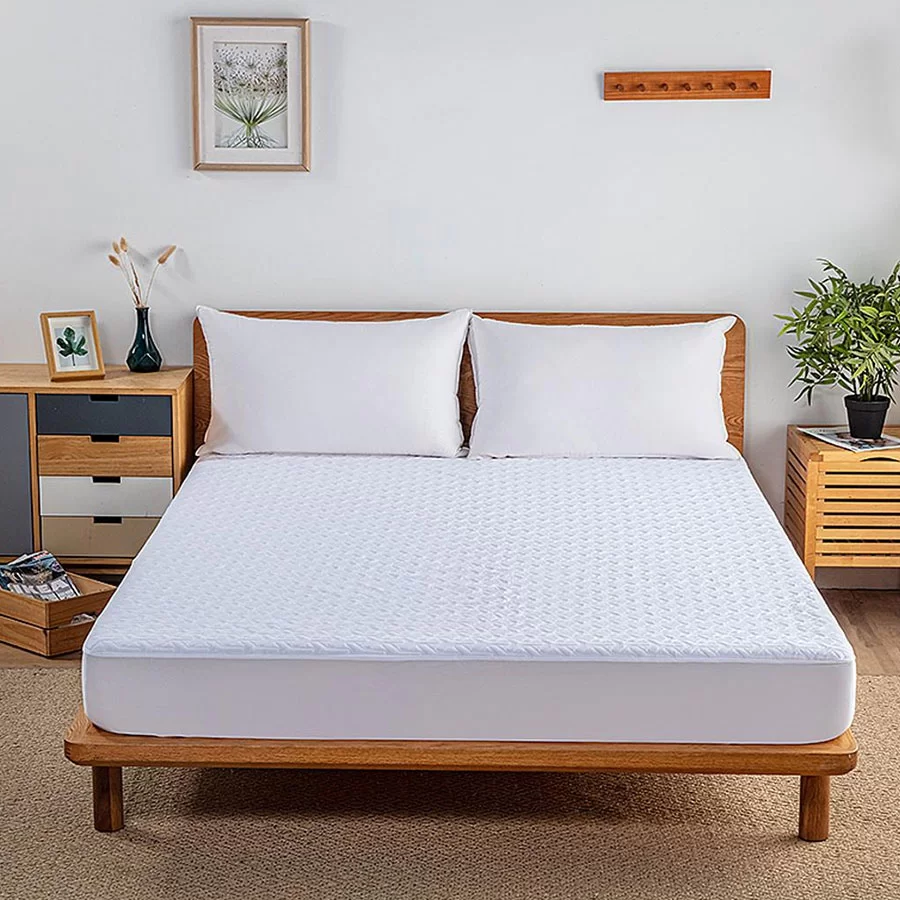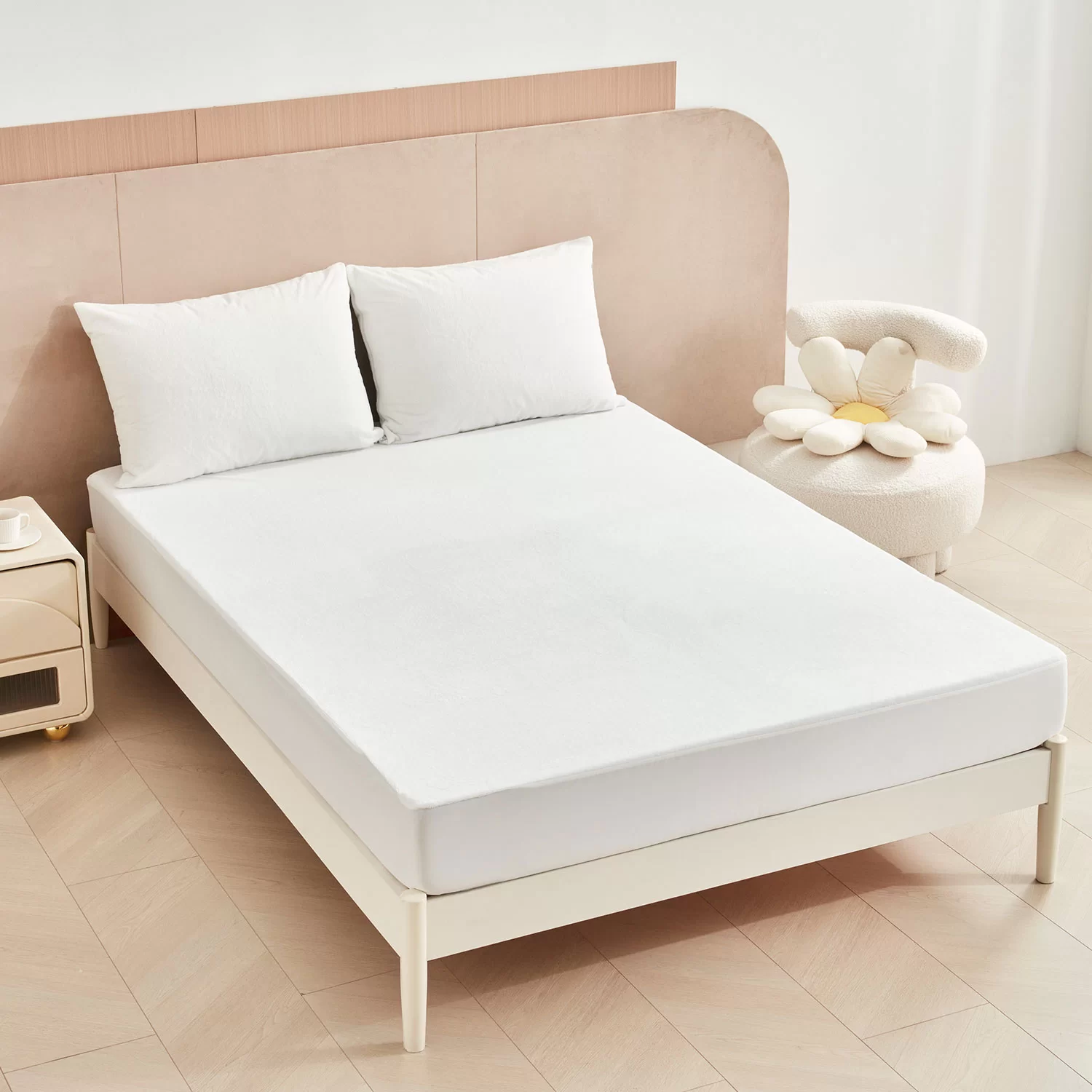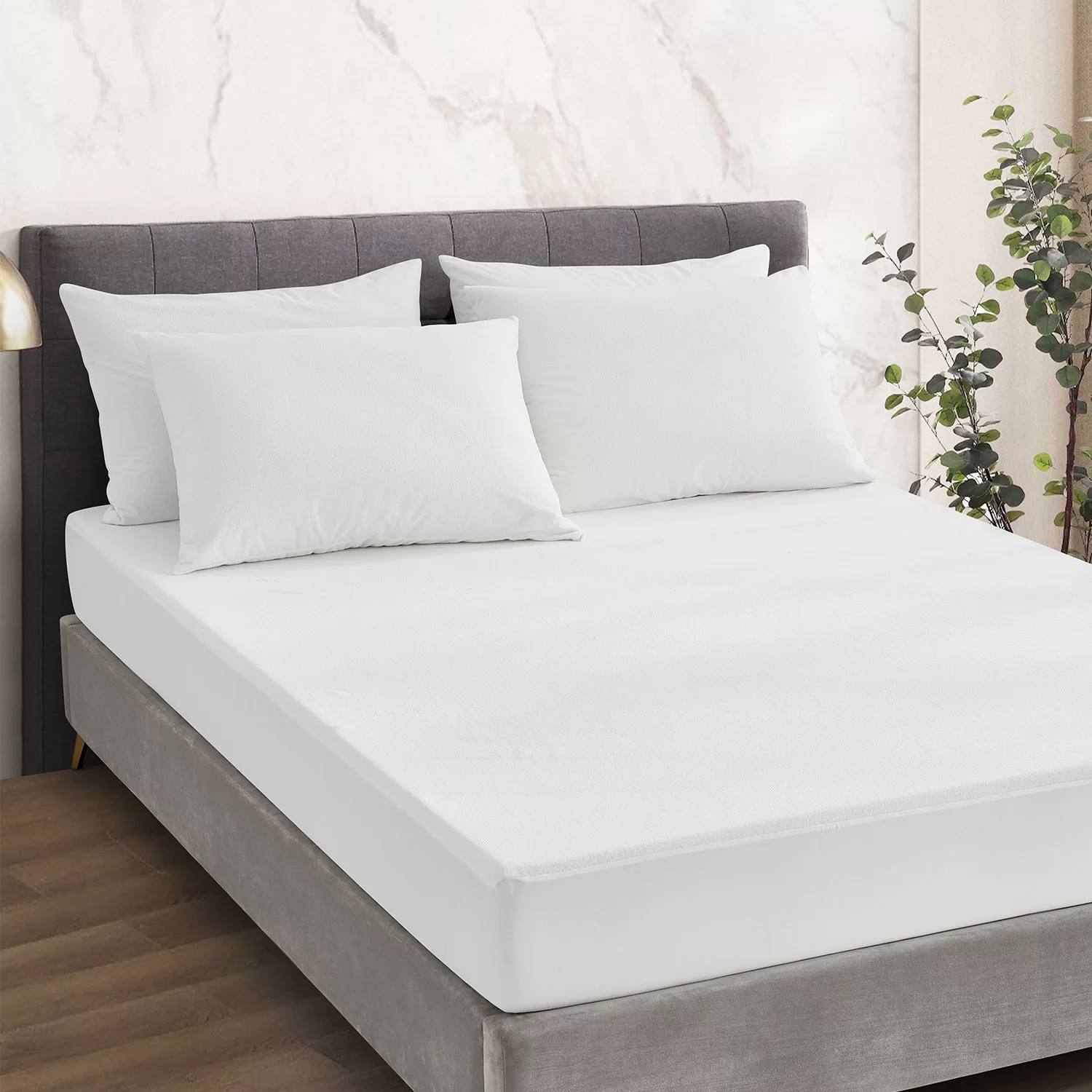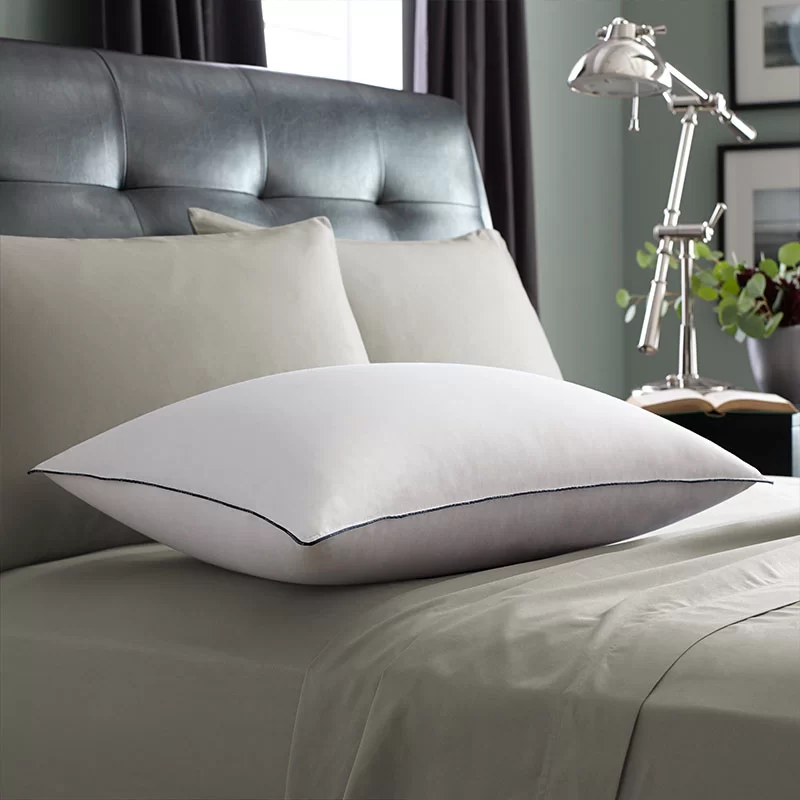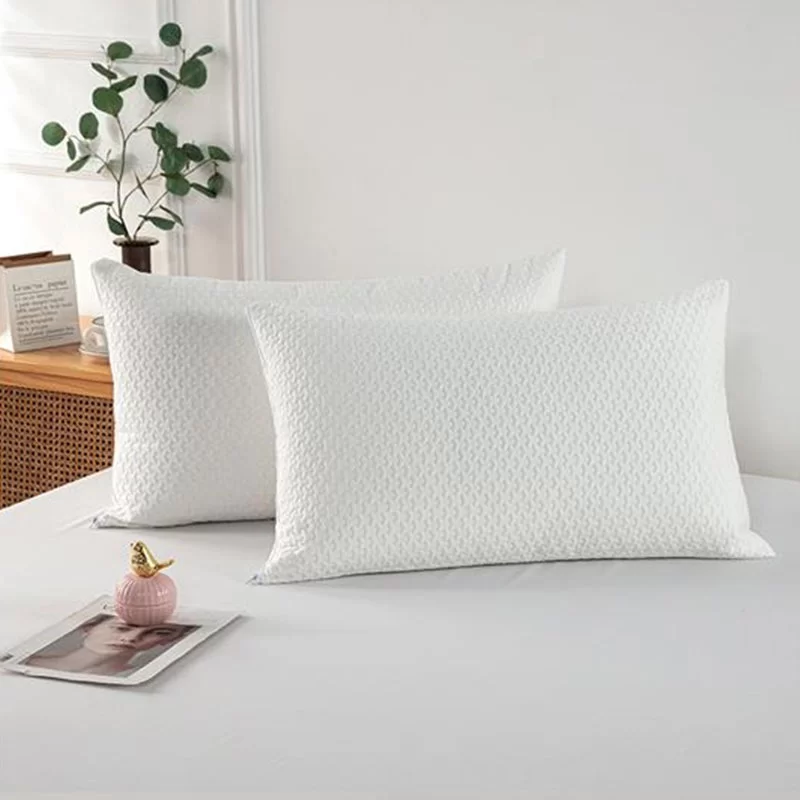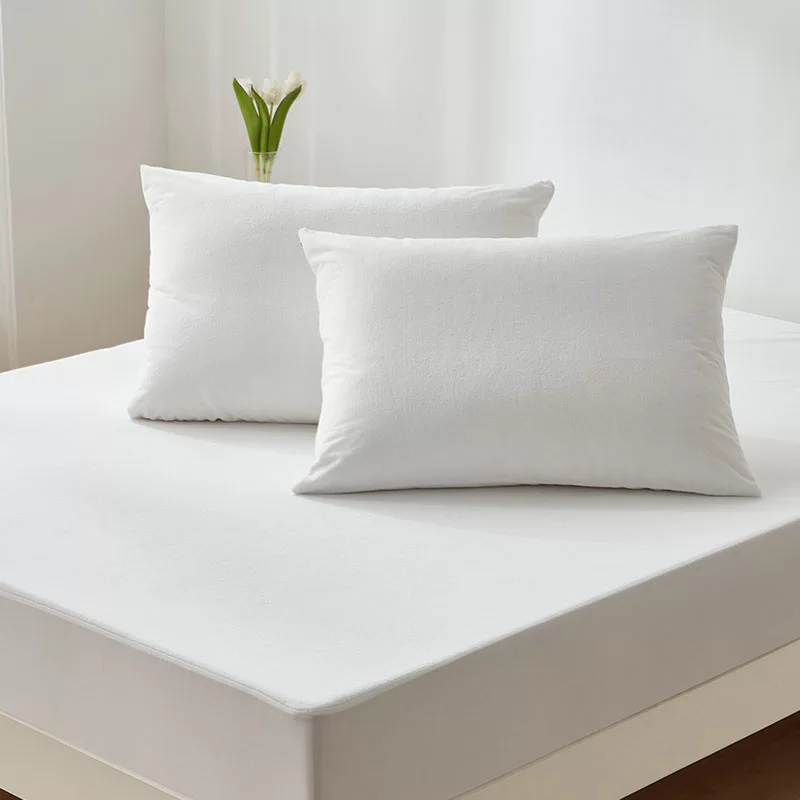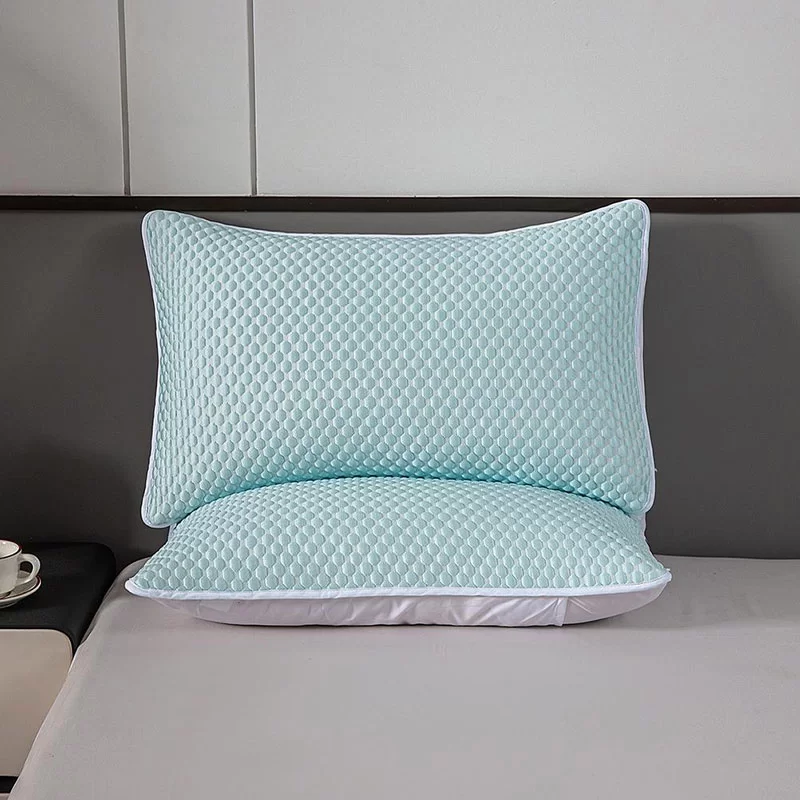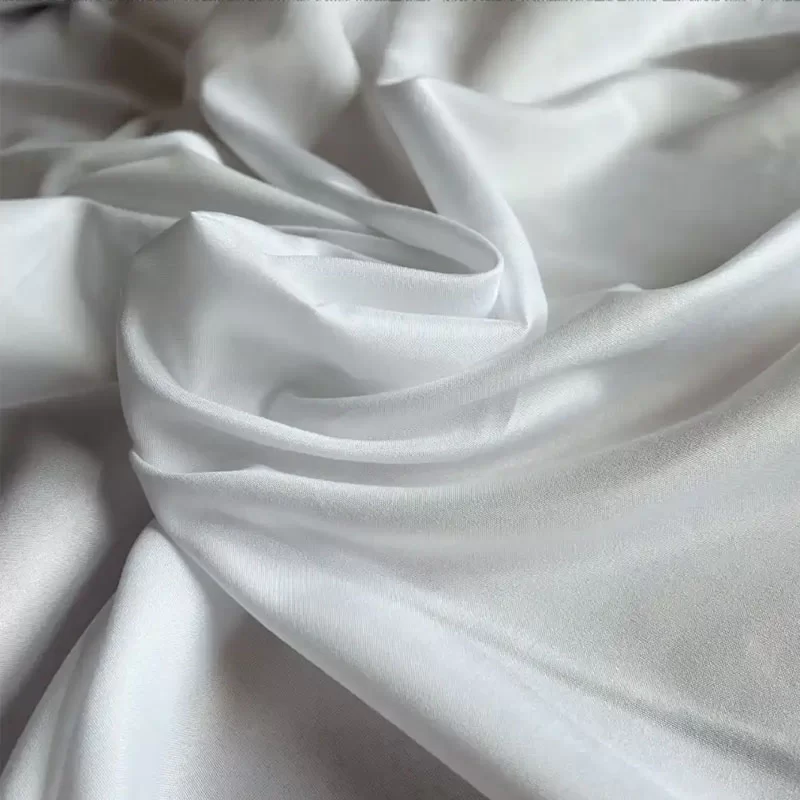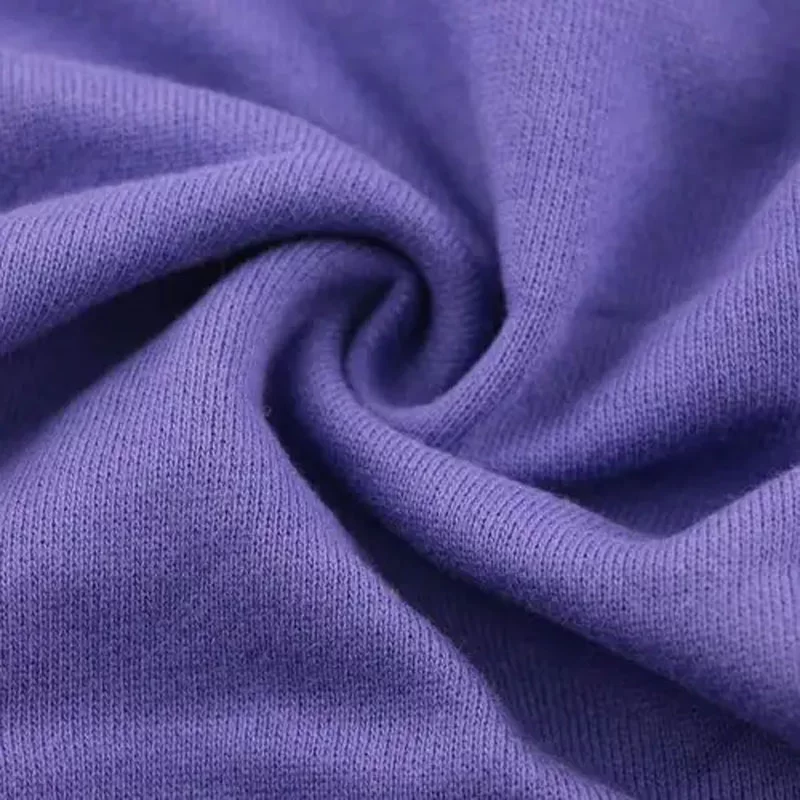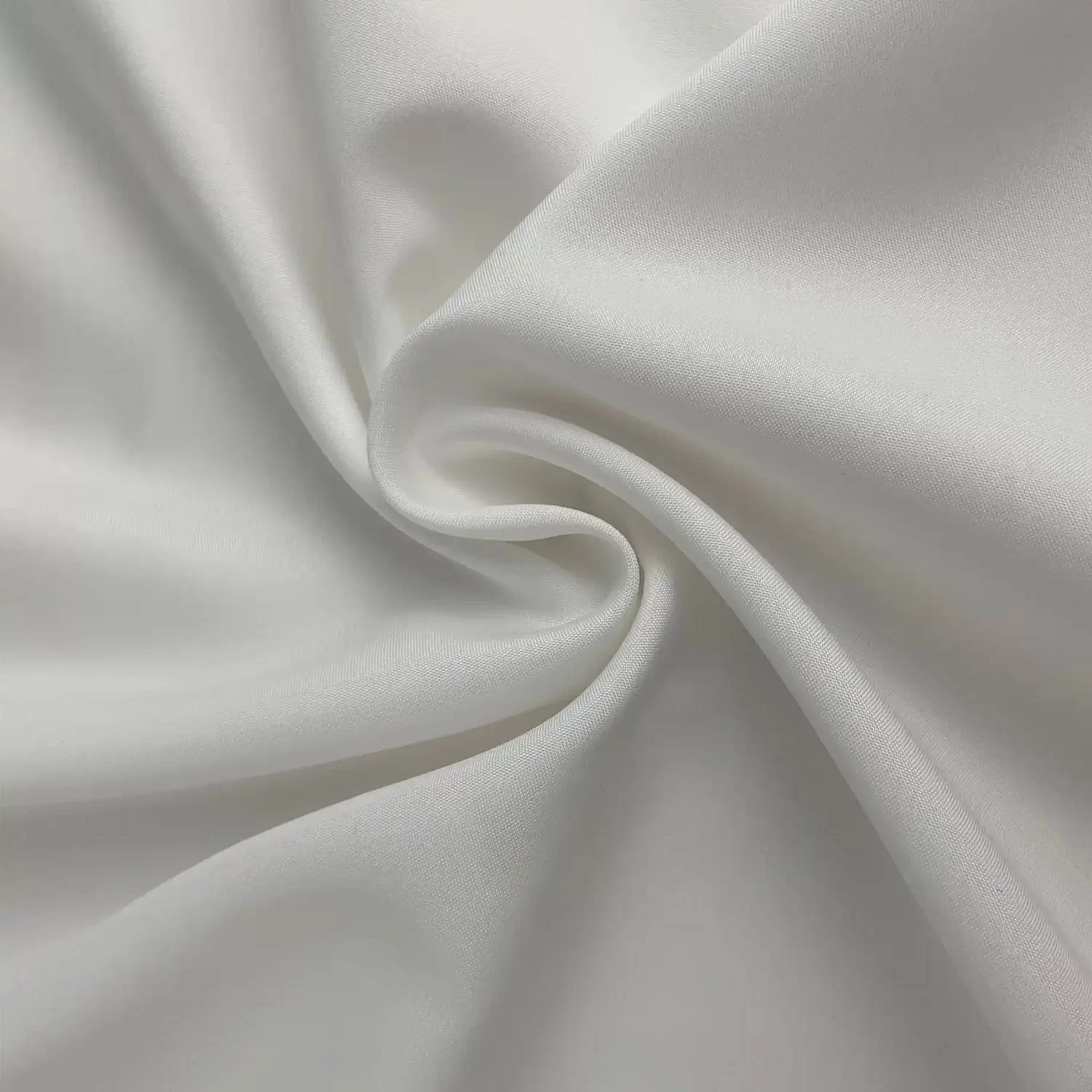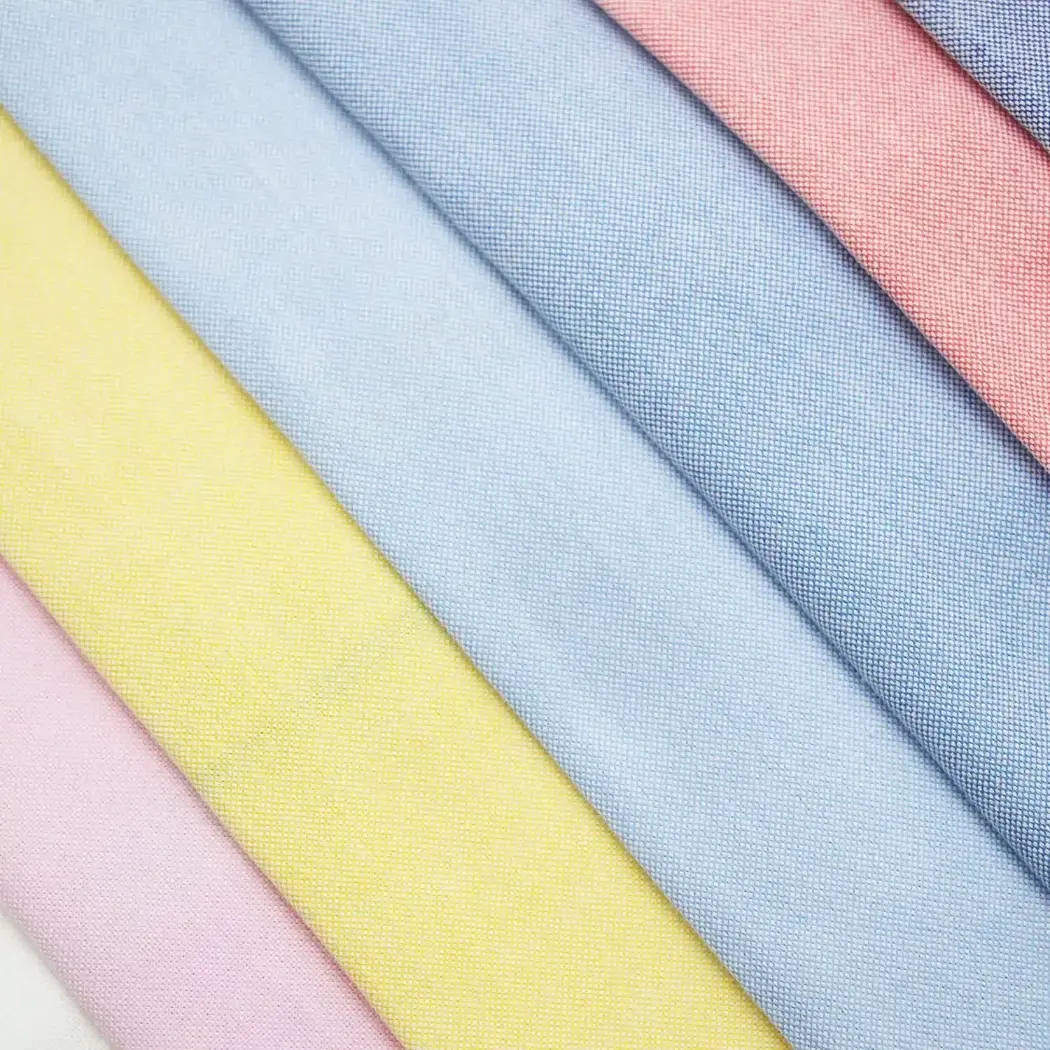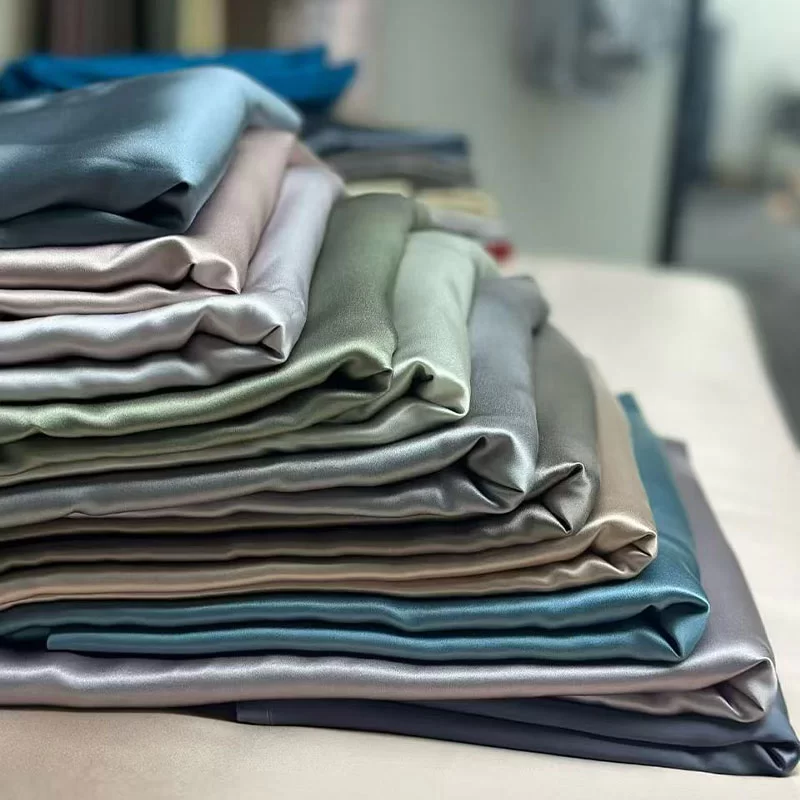
In the competitive landscape of the global hospitality industry, the visual and tactile experience of a guest room serves as the primary indicator of quality and hygiene. The strategic choice of white hotel bed linen is not merely an aesthetic preference but a calculated business decision designed to evoke feelings of purity, professionalism, and luxury. By establishing a universal standard of cleanliness, white linens reassure guests that their environment is sanitized and meticulously maintained.
Beyond the psychological impact, the operational efficiency of managing high-turnover bedding requires materials that can withstand rigorous industrial laundering without losing their luster. The transition toward high-thread-count cotton and sustainable blends ensures that white hotel bed linen provides the necessary breathability and durability required for diverse climates and guest demographics. This balance of form and function is what separates a standard stay from a premium guest experience.
Understanding the technical specifications—from weave types like sateen and percale to the specific bleach-resistance of the fibers—is essential for procurement managers and hotel owners. Investing in high-grade white hotel bed linen minimizes long-term replacement costs and maximizes guest satisfaction scores, directly influencing the hotel's online reputation and repeat booking rates.
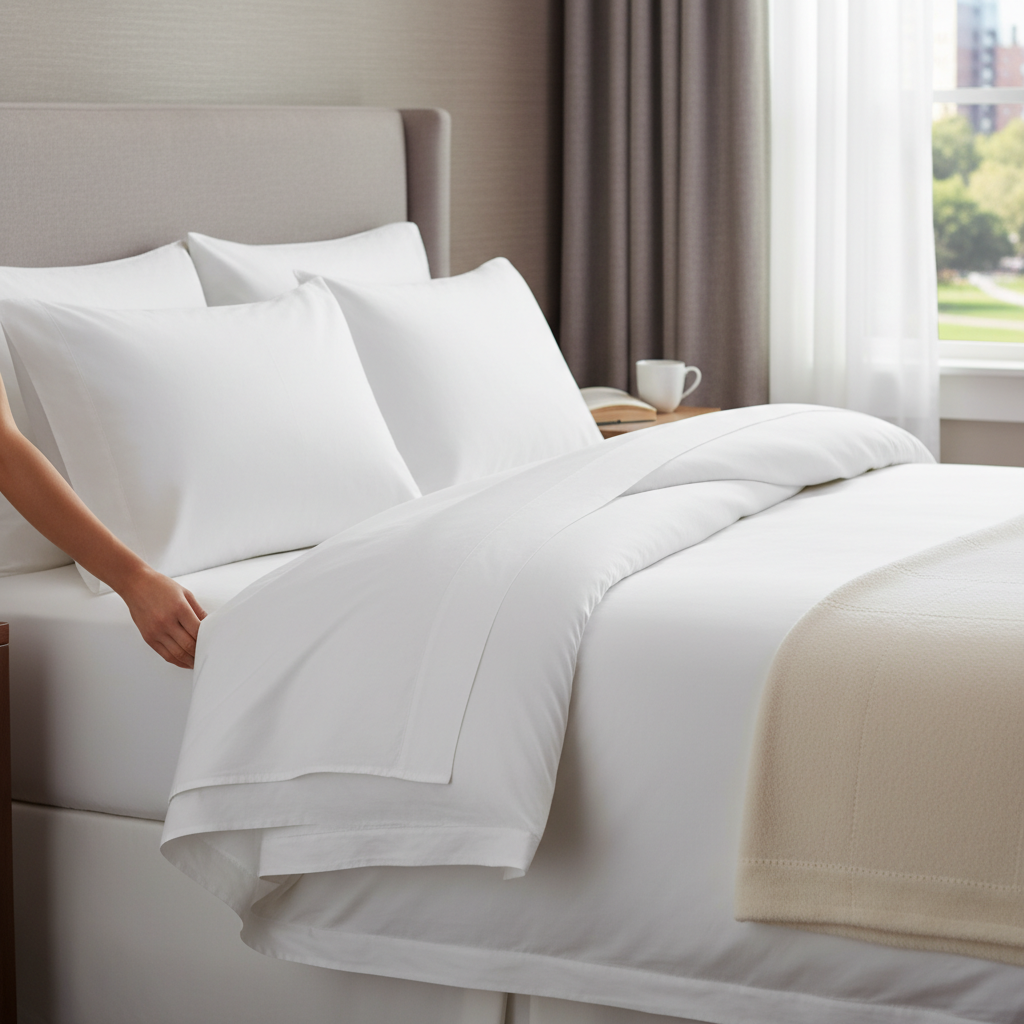
The dominance of white hotel bed linen in the global hospitality market is rooted in the psychology of trust. According to international hospitality standards, white is the only color that can be bleached and chemically treated to ensure total sterilization without causing visible fading or discoloration. This transparency in cleanliness is a critical requirement for luxury chains and boutique hotels alike, serving as a silent promise of hygiene to the guest.
From a design perspective, white acts as a neutral canvas that complements any interior decor style, whether it be minimalist, baroque, or contemporary. By utilizing high-quality white hotel bed linen, establishments can create a sense of spaciousness and brightness in the room, which significantly enhances the perceived value of the accommodation.
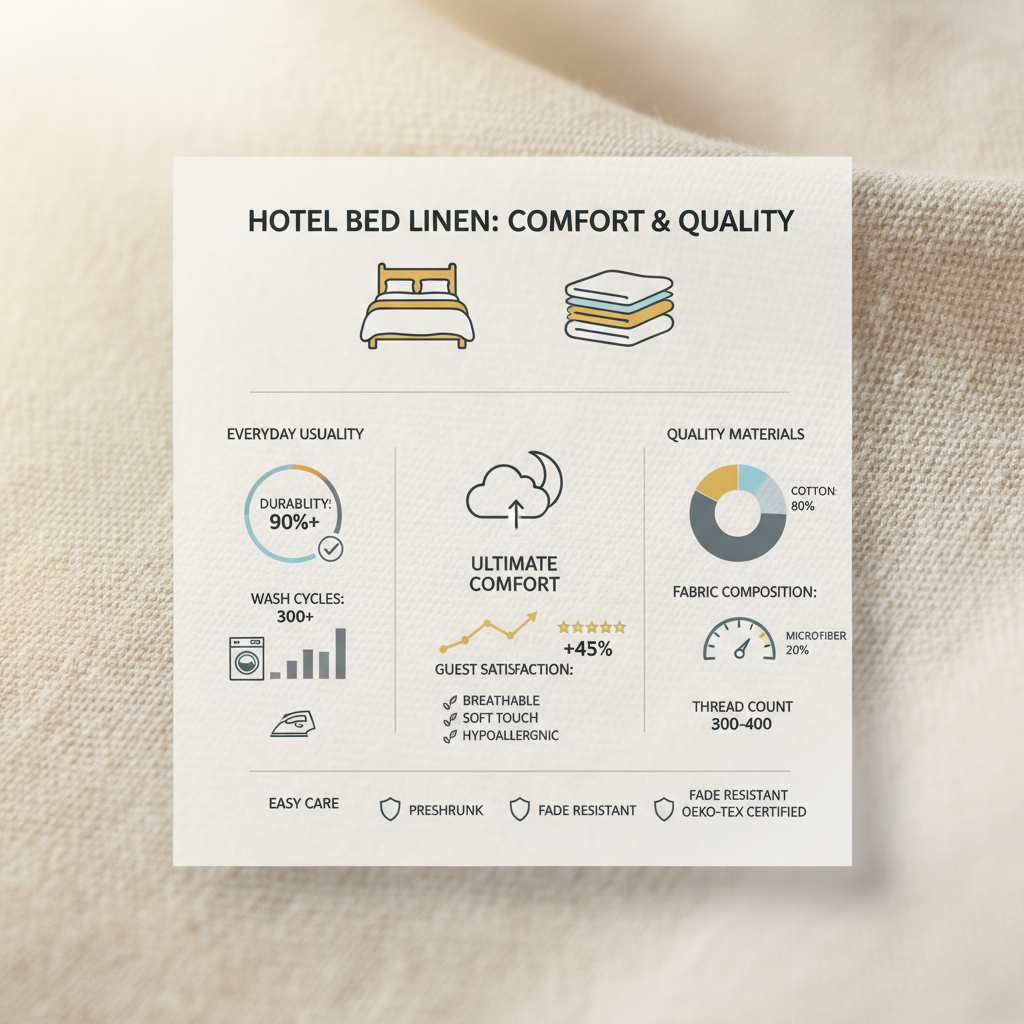
The quality of white hotel bed linen is primarily determined by the thread count and the weave. A higher thread count typically indicates a denser fabric, which offers a smoother feel and greater durability; however, the type of yarn—long-staple cotton versus short-staple—is what truly defines the luxury level. Percale weaves provide a crisp, cool feel ideal for warmer climates, while sateen weaves offer a silky sheen and warmth preferred in luxury suites.
Another core component is the finish of the fabric. Professional-grade linens undergo specific mercerization processes to increase the luster and strength of the cotton fibers. This ensure that the white hotel bed linen remains soft against the skin even after dozens of industrial wash cycles, preventing the "stiffness" often associated with low-end commercial linens.
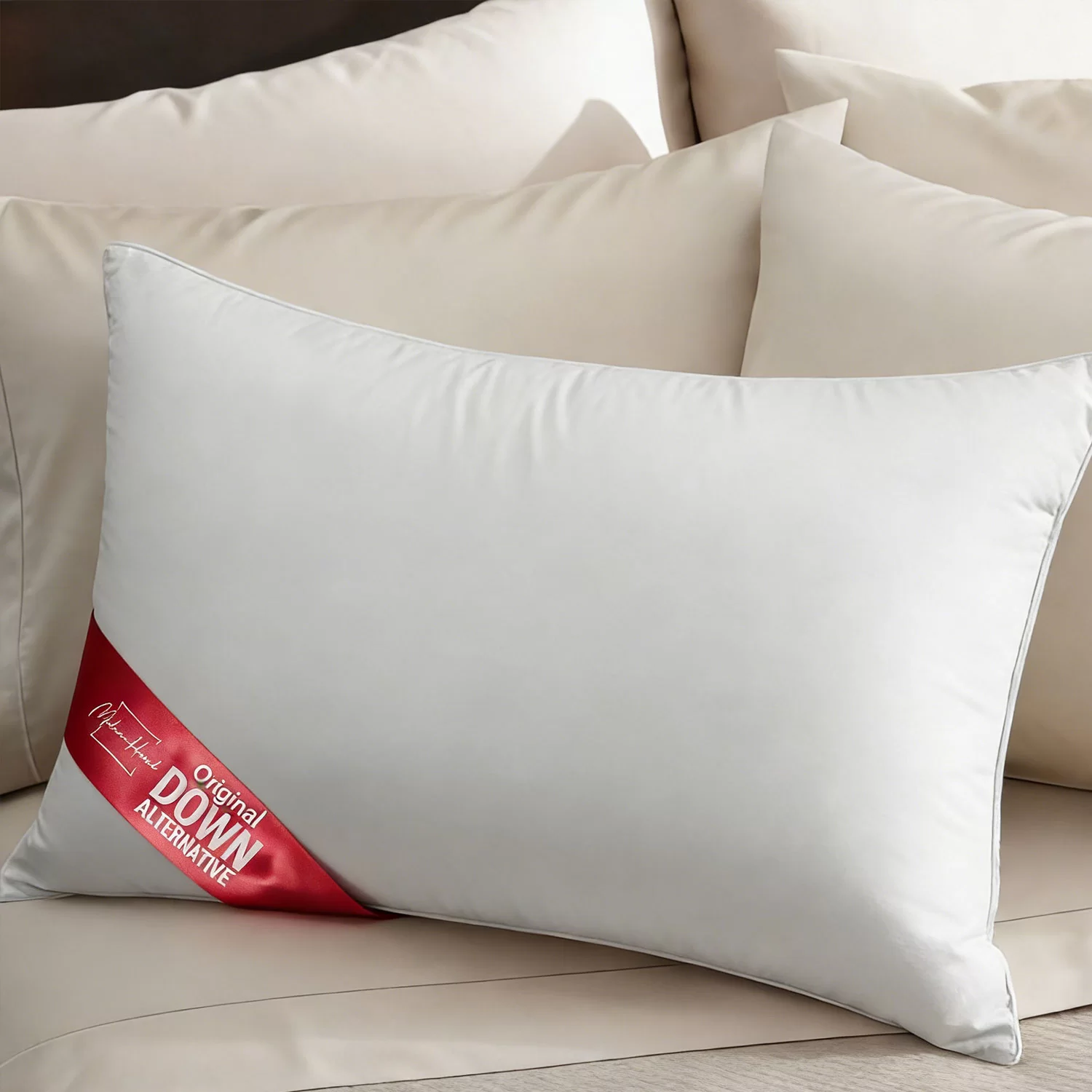
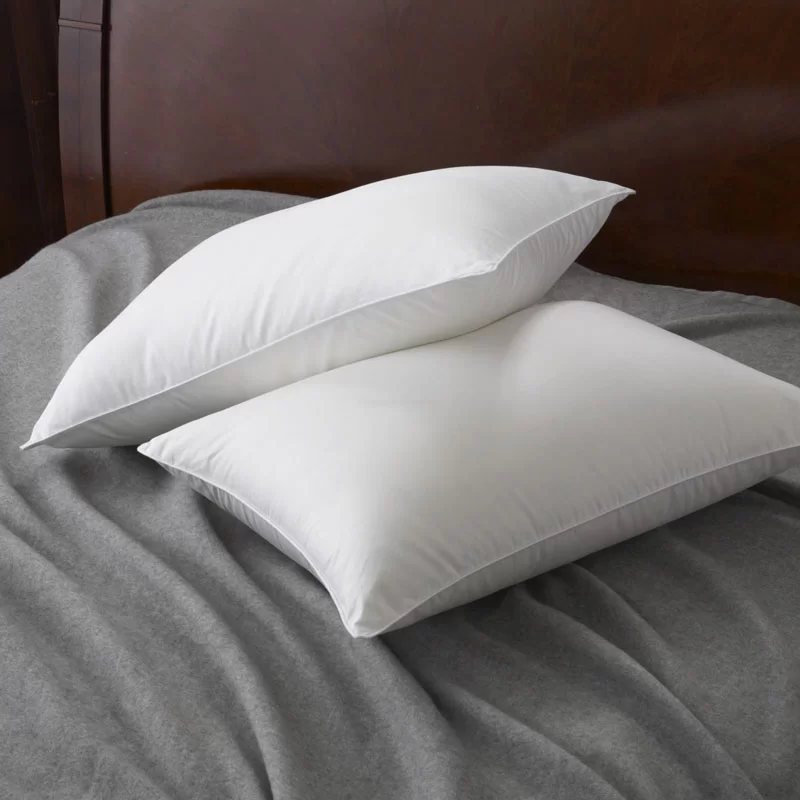
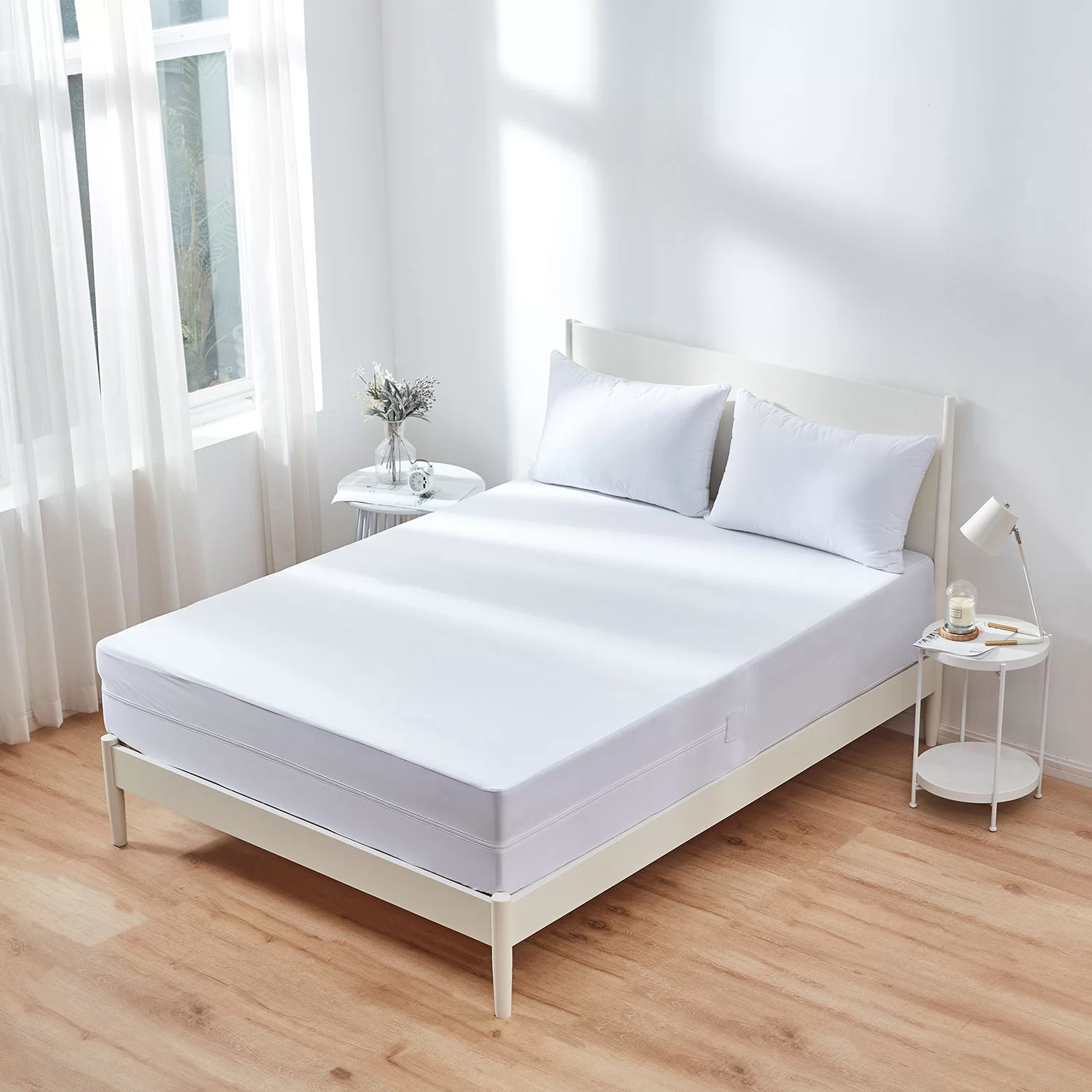
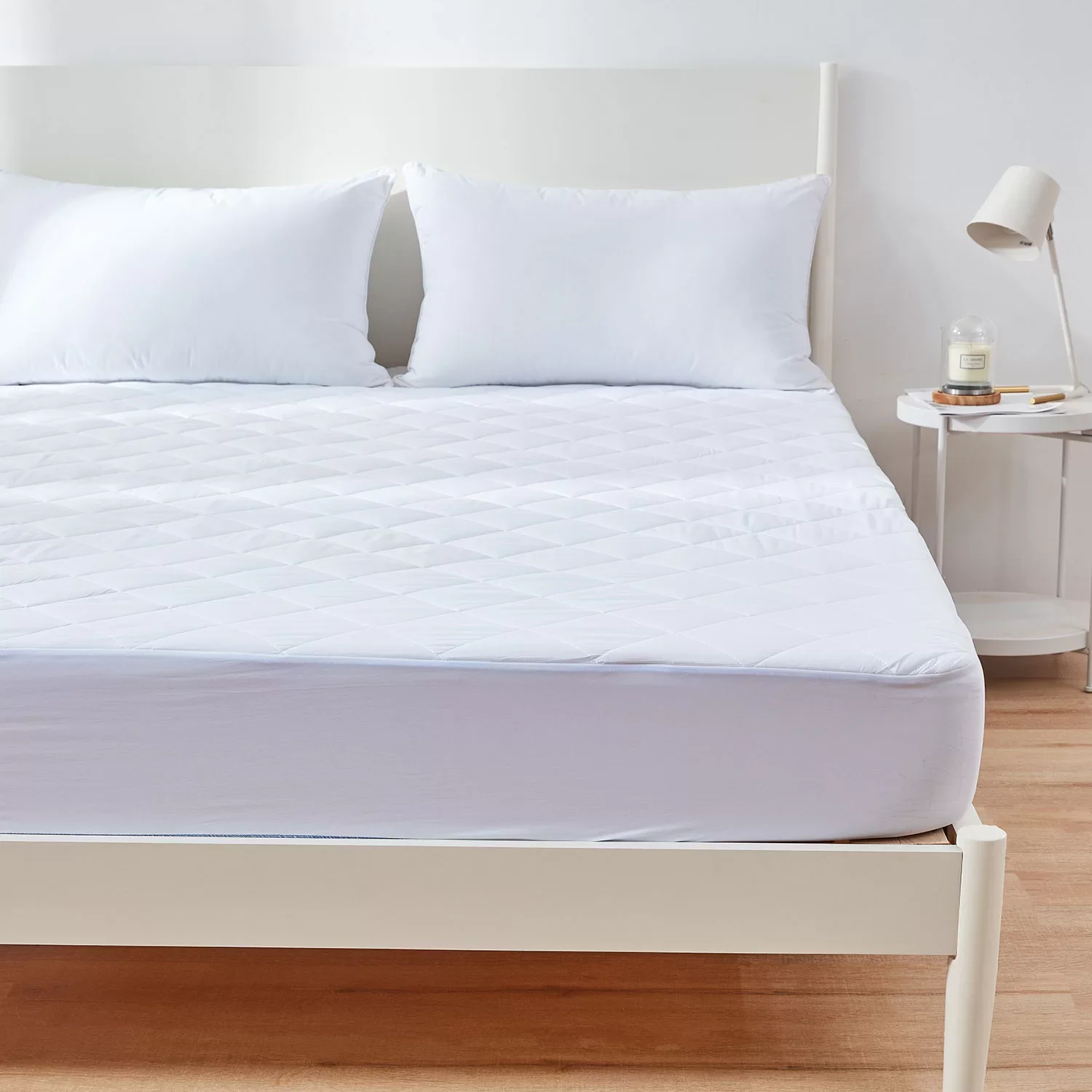
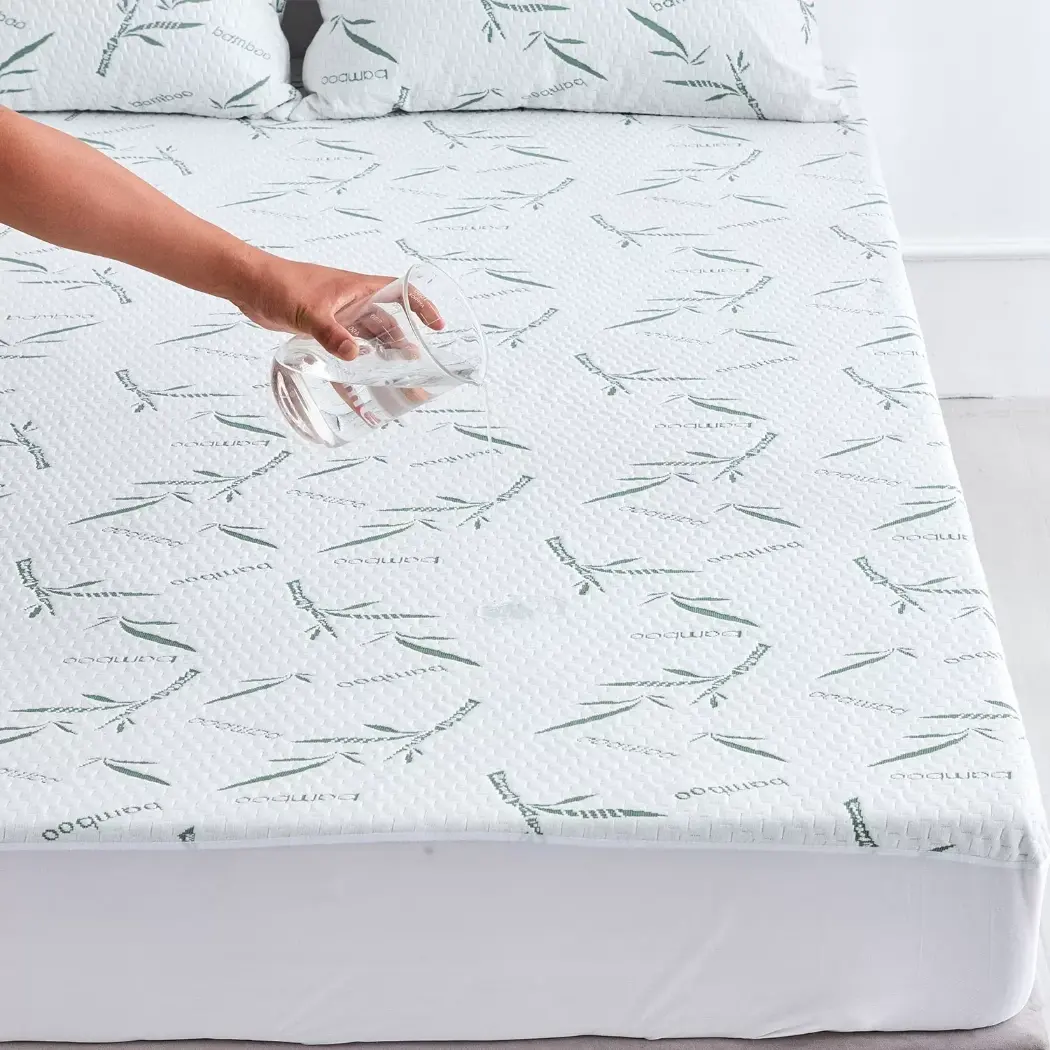
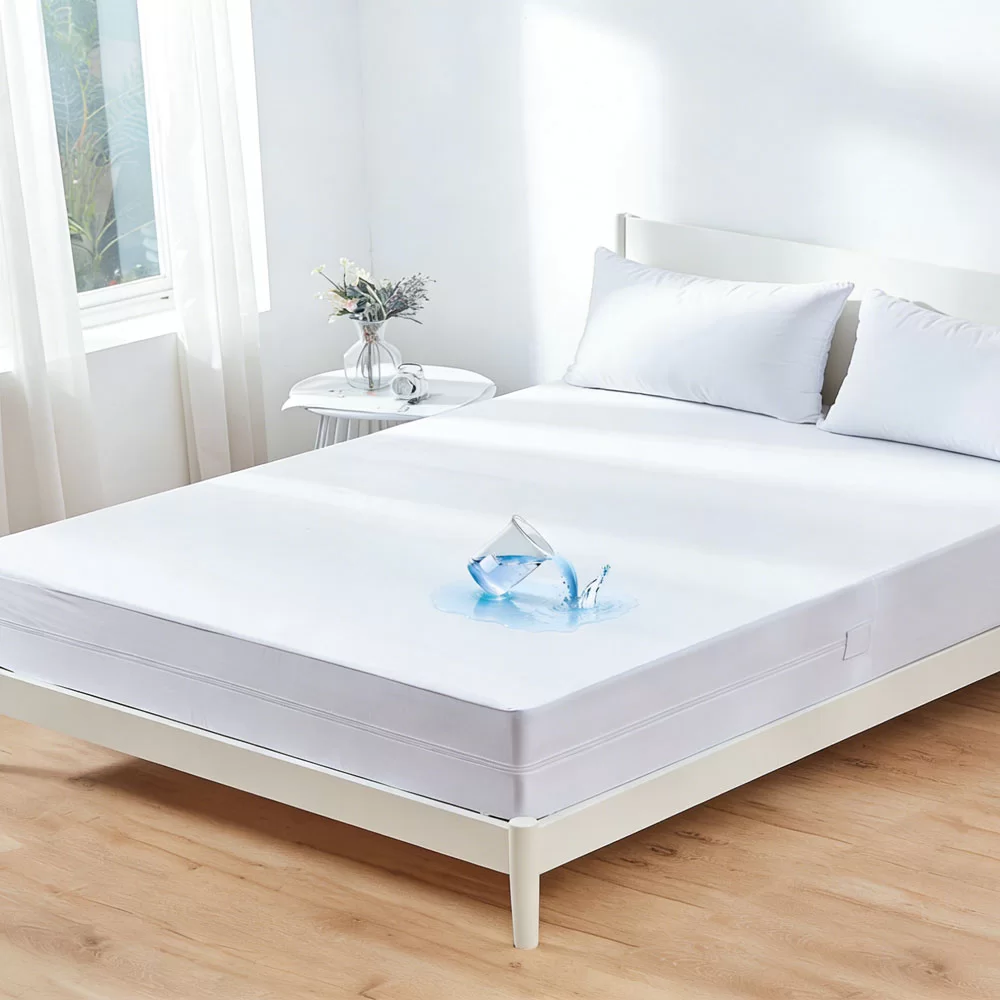
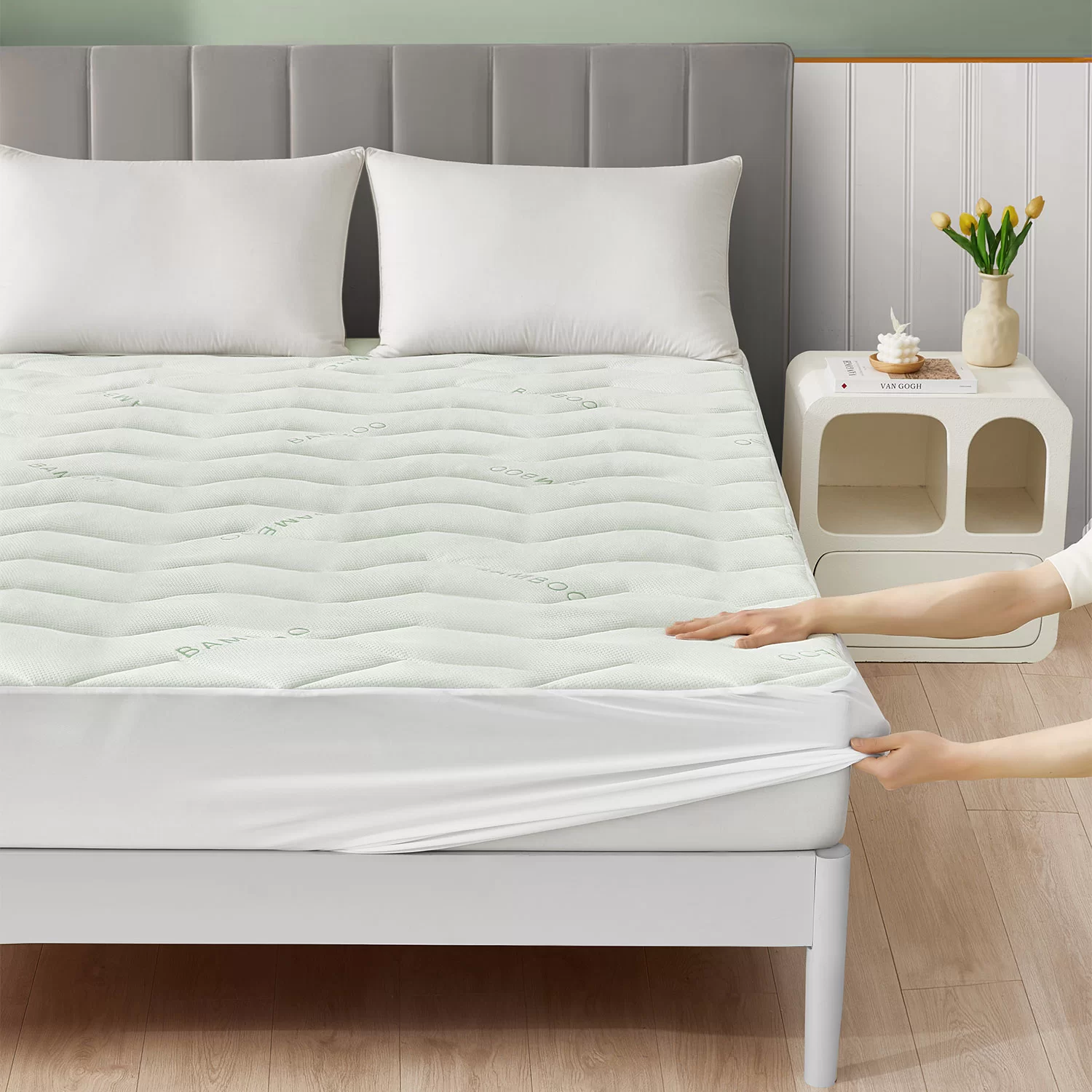
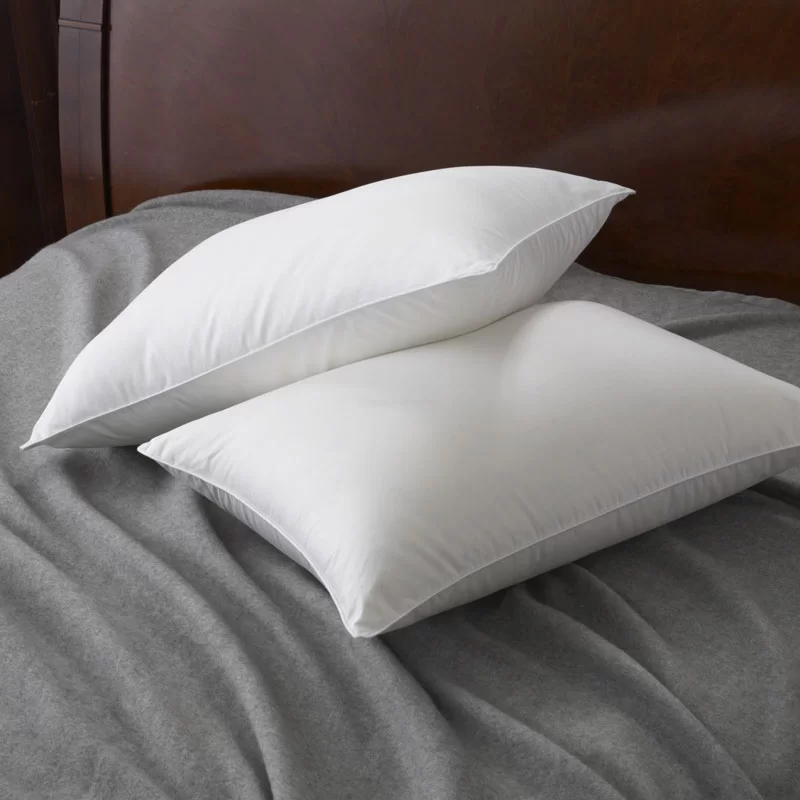
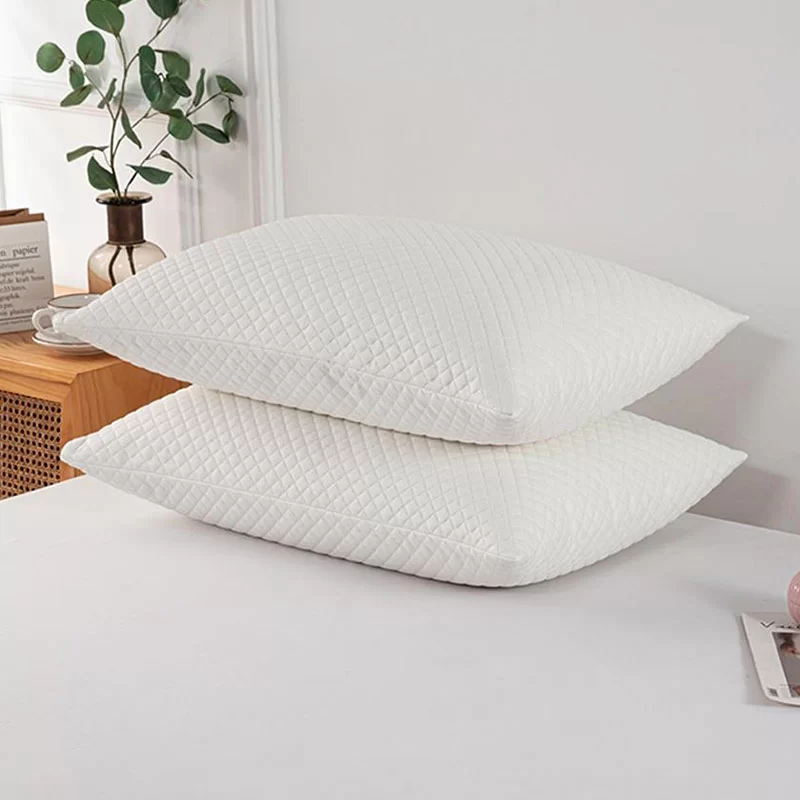
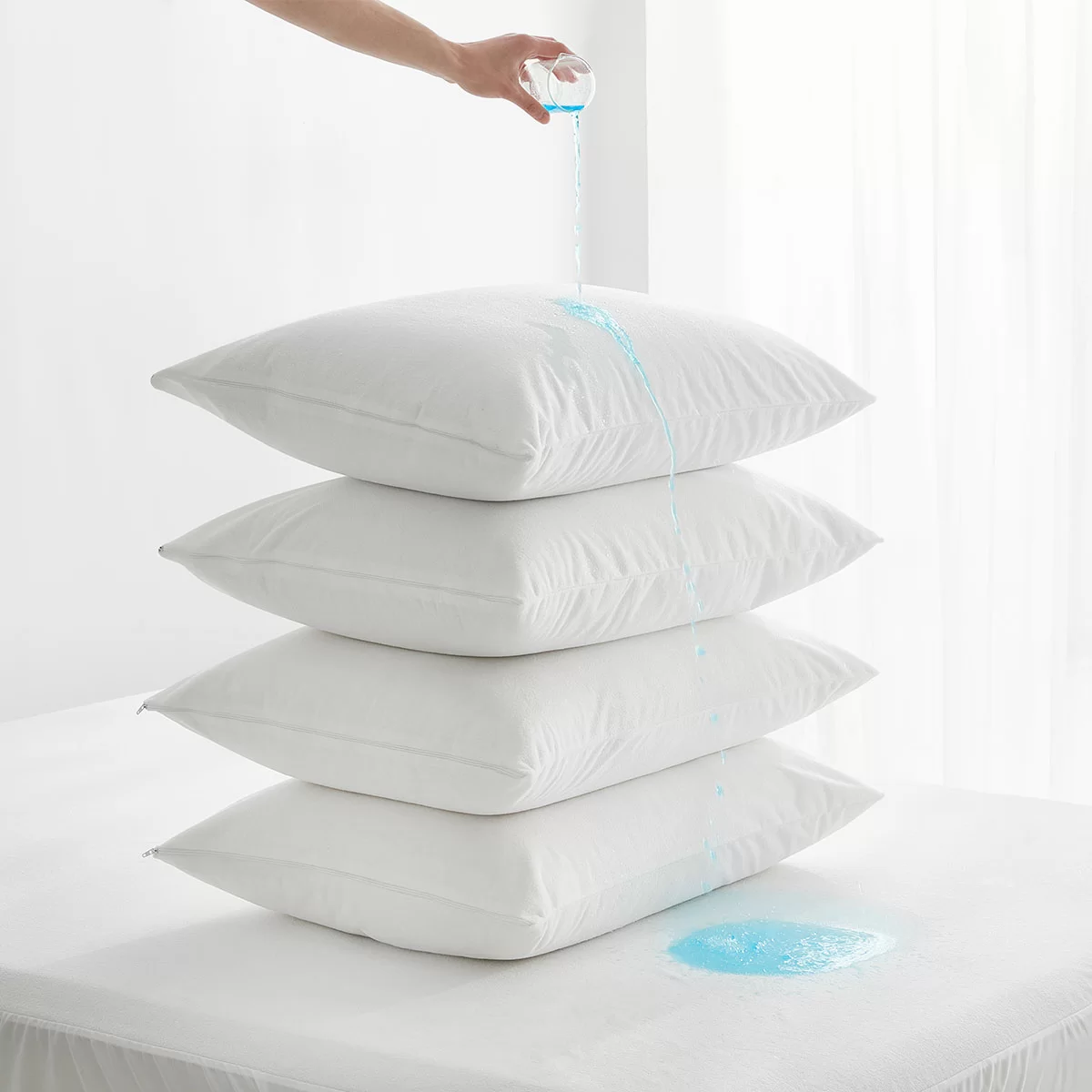
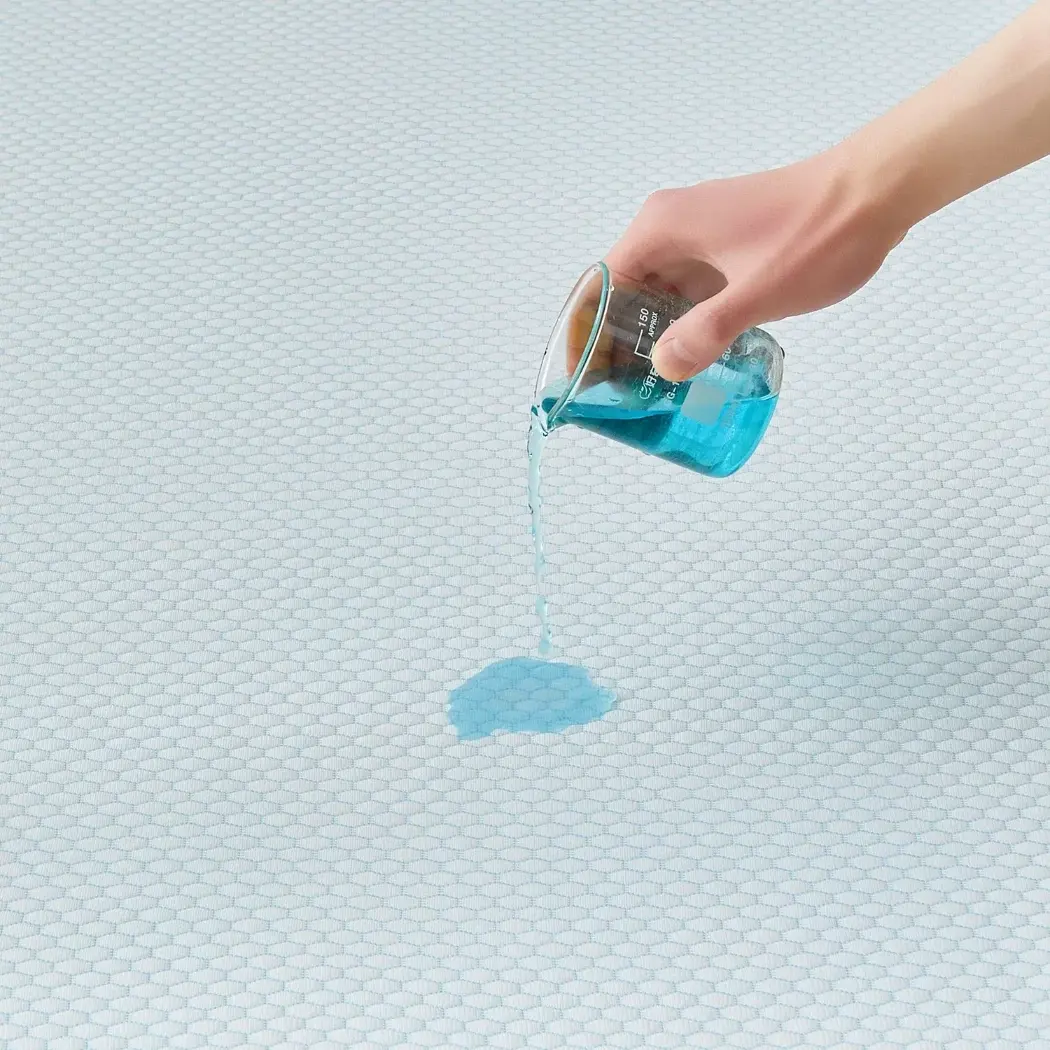
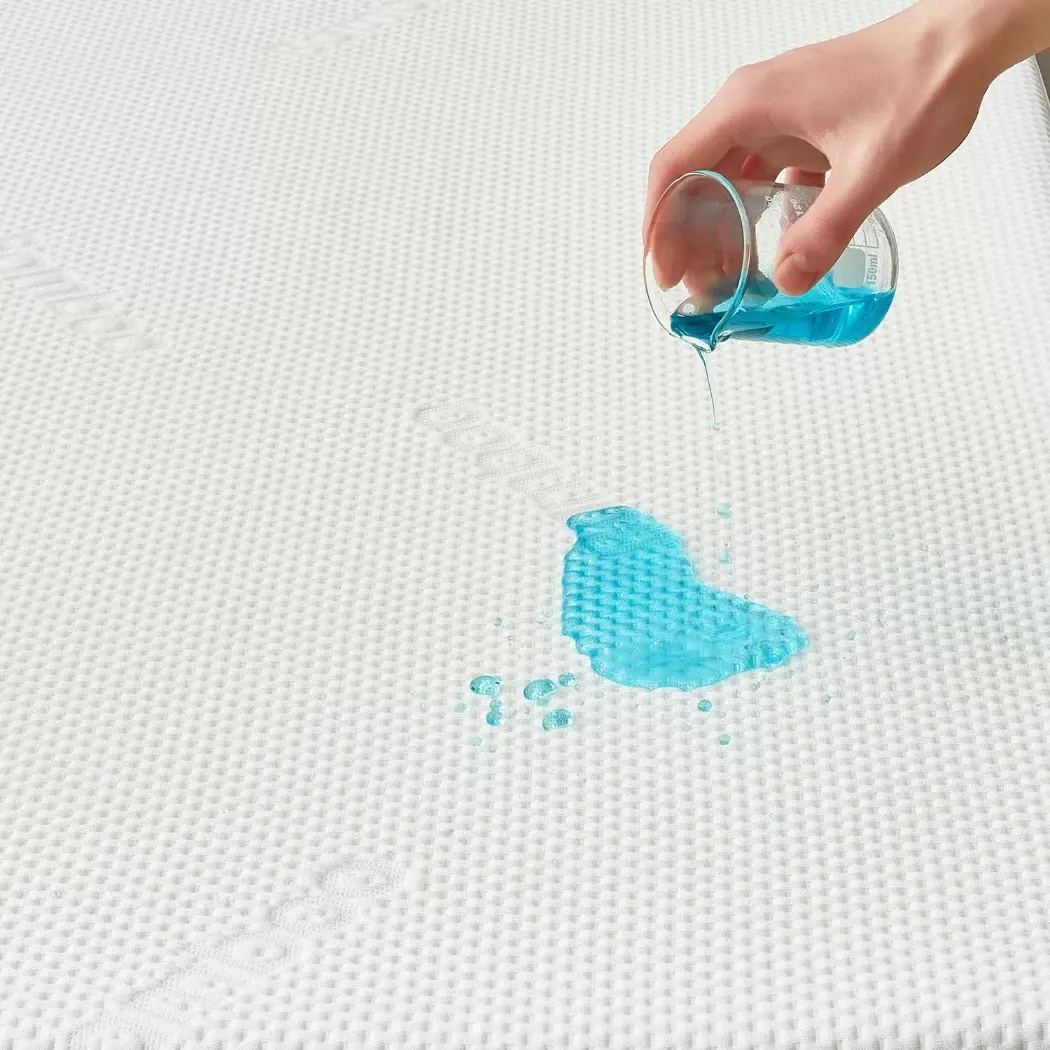
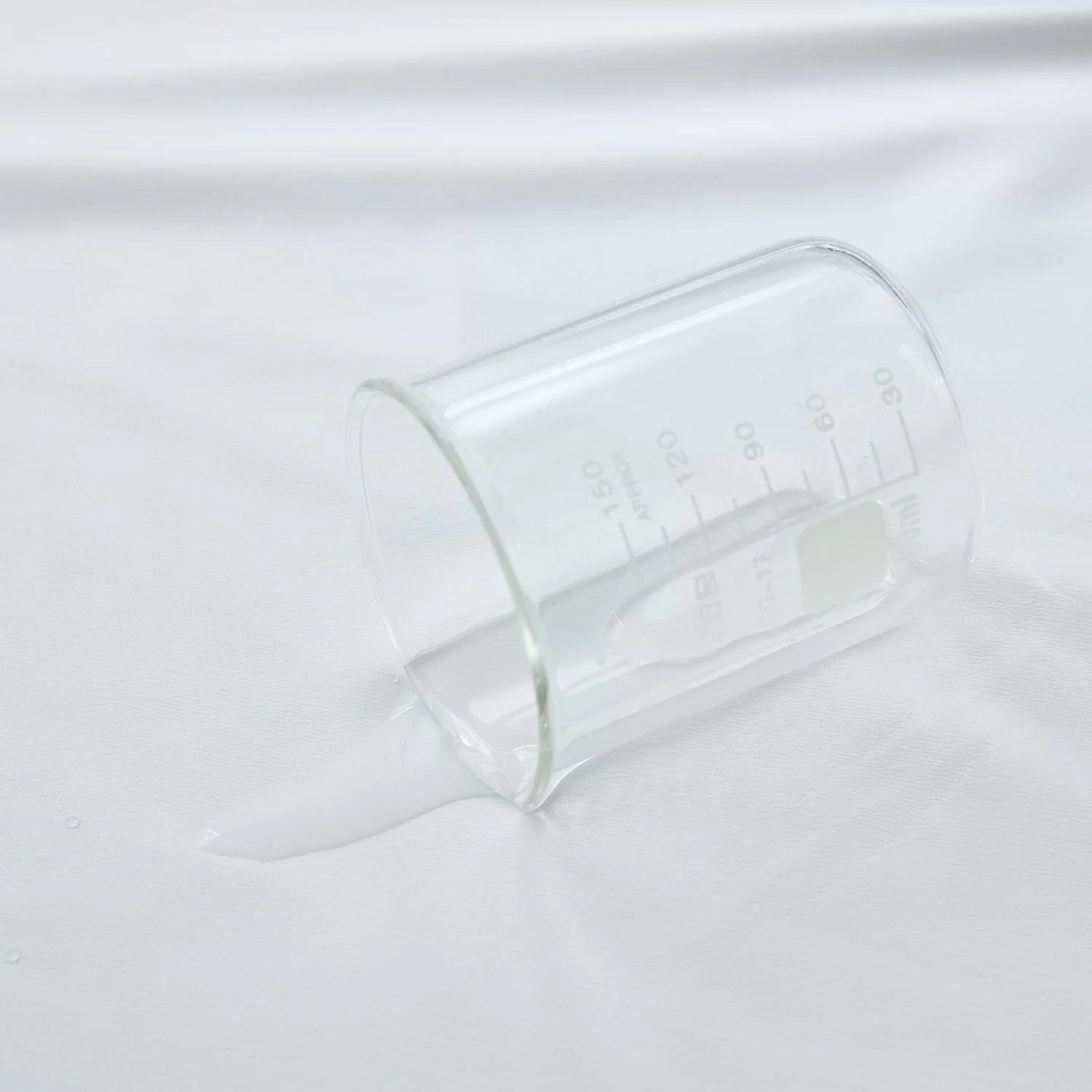
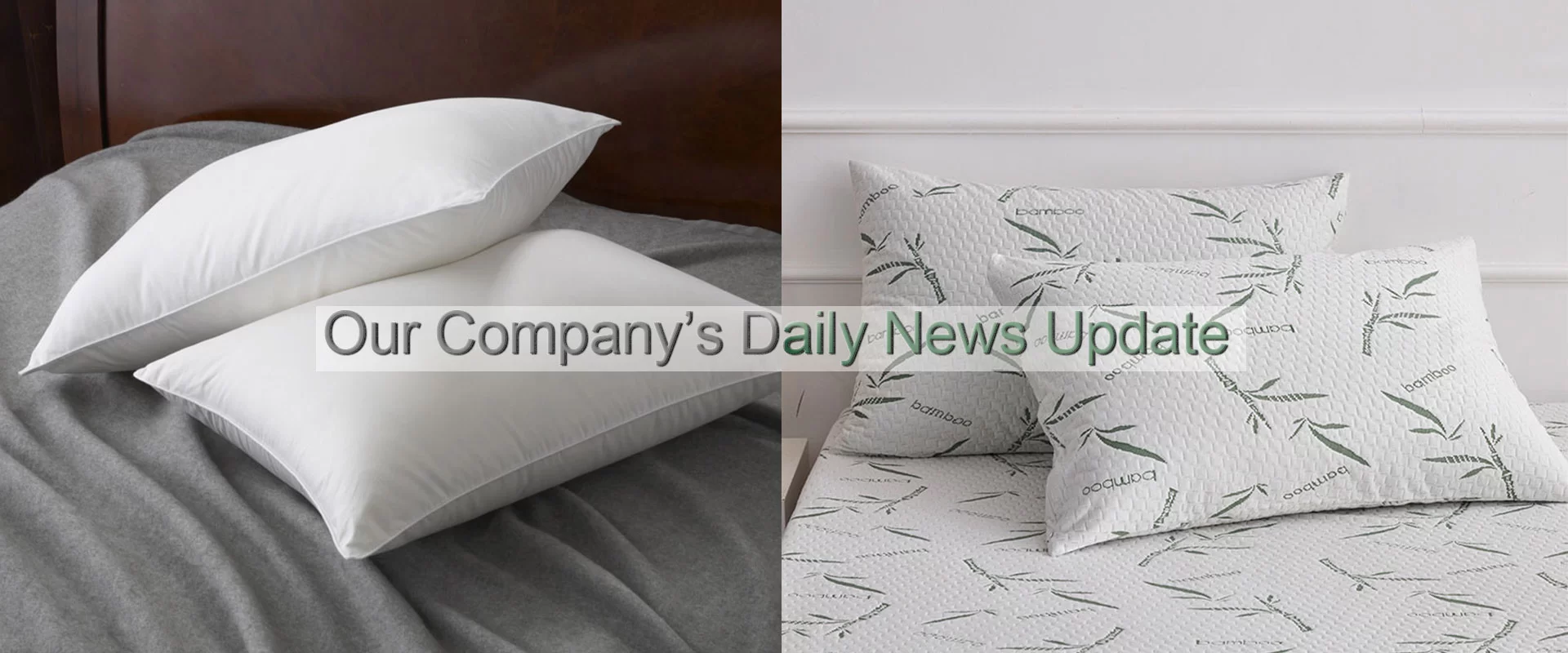
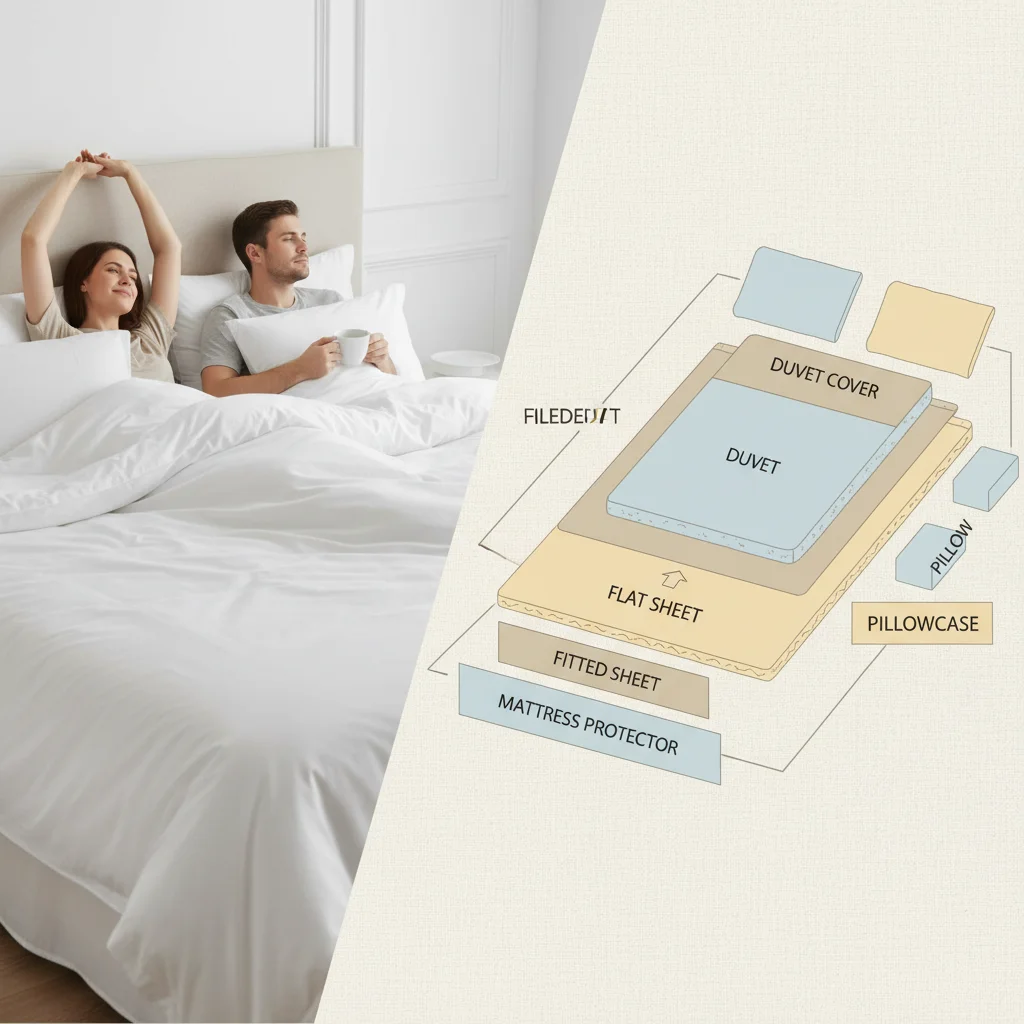
Lastly, the integration of complementary products such as waterproof mattress protectors and high-density pillow shells is essential. A complete bedding system ensures that the primary linens are protected from stains and wear, extending the lifecycle of the white hotel bed linen and reducing the frequency of costly replacements.
The evolution of white hotel bed linen involves a deep dive into polymer science and textile engineering. Modern linens often employ a blend of Egyptian cotton and Tencel or polyester to achieve a balance between the natural breathability of cotton and the wrinkle-resistance of synthetic fibers.
Technological advancements have introduced "Easy-Care" finishes to white hotel bed linen, which reduce the time required for ironing and pressing. This is a crucial development for large-scale operations where labor costs for housekeeping are a significant overhead expense.
Furthermore, the development of antimicrobial treatments embedded within the fibers of white hotel bed linen helps in reducing the growth of bacteria and allergens. This is particularly vital for hospitals and medical-themed resorts where hygiene standards are non-negotiable.
Evaluating the performance of white hotel bed linen requires looking at tensile strength and pilling resistance. In an industrial setting, linens are subjected to high-temperature washing and mechanical drying, which can break down fibers over time. Premium linens are tested for "wash-fastness," ensuring the brilliant white color does not turn grey or yellow after repeated exposure to chlorine-based bleaches.
To provide a data-driven approach to selection, we analyze different fabric compositions based on guest comfort, durability, and cost-efficiency. The following chart illustrates how different versions of white hotel bed linen perform across key hospitality metrics.
The application of white hotel bed linen varies significantly depending on the establishment's tier. In ultra-luxury five-star hotels, the focus is on "hand-feel" and exclusivity, often utilizing 600+ thread count linens that provide a weighted, sumptuous experience. Here, the white color is maintained through meticulous, low-impact cleaning processes to preserve fiber integrity.
Conversely, in budget hotels or motels, the priority for white hotel bed linen is scalability and rapid turnover. These establishments rely on highly durable cotton-polyester blends that can be washed at very high temperatures and dried quickly, ensuring a constant supply of fresh linens for high-occupancy periods.
The textile industry is under increasing pressure to adopt green practices, and the production of white hotel bed linen is no exception. The shift toward organic cotton and OEKO-TEX certified fabrics ensures that the linens are free from harmful chemicals, which is not only better for the environment but also for the skin sensitivity of the guests.
Water conservation in the laundering process is another critical factor. Many hotels are now adopting "low-water" wash cycles and eco-friendly detergents that maintain the brightness of white hotel bed linen without the need for aggressive, environmentally damaging bleaching agents.
Furthermore, the concept of a circular economy is being applied to end-of-life linens. Old white hotel bed linen that is no longer fit for guest use is being repurposed into cleaning rags or recycled into new textile fibers, reducing landfill waste and promoting a sustainable supply chain.
Extending the lifespan of white hotel bed linen requires a scientific approach to laundering. Over-drying is one of the most common causes of fiber degradation; by implementing moisture-sensing dryers, hotels can prevent the "scorching" of cotton fibers and maintain the softness of the fabric.
Chemical balance is equally important. The use of pH-neutral detergents and the careful titration of chlorine levels ensure that the white hotel bed linen remains a crisp, brilliant white without becoming brittle. Professional laundry managers often implement a "rotation system" to ensure that no single set of linens is over-processed.
Consistent quality control checks—inspecting for small tears or stains before they become permanent—allow for early intervention. This proactive maintenance of white hotel bed linen ensures that only the highest quality products reach the guest room, maintaining the brand's prestige.
| Fabric Type | Wash Cycle Intensity | Bleach Sensitivity | Expected Lifespan (Washes) |
|---|---|---|---|
| 100% Long-Staple Cotton | Moderate | Low | 150-200 |
| Cotton-Poly Blend (60/40) | High | Very Low | 250-300 |
| Luxury Sateen | Low/Gentle | Medium | 100-120 |
| Industrial Percale | Moderate-High | Low | 200-220 |
| Tencel/Cotton Mix | Low | High | 120-150 |
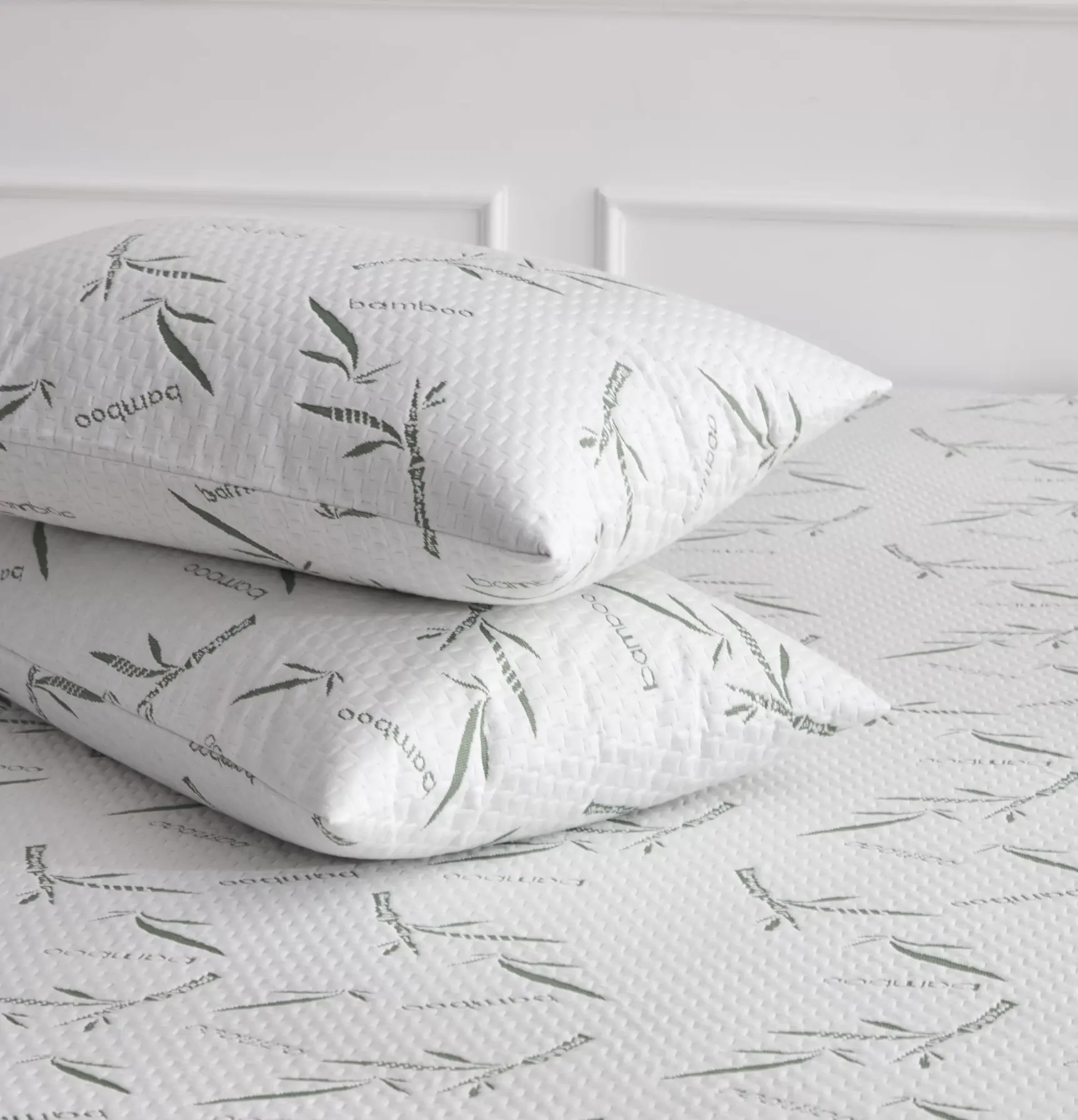
| Bamboo Blend | Low | High | 100-130 |
White is the industry standard because it visually communicates cleanliness and hygiene to guests. From an operational standpoint, white hotel bed linen can be laundered using strong bleaching agents and high temperatures to ensure sterilization without the risk of color fading, which is impossible with dyed fabrics.
For luxury tiers, a thread count between 300 and 600 is generally considered ideal. While higher numbers suggest more density, the quality of the cotton fiber (such as Egyptian or Pima) is more important than the count itself. A 300-thread-count sateen can often feel more luxurious than a low-grade 800-thread-count fabric.
Yellowing is usually caused by a buildup of body oils, minerals in hard water, or over-exposure to chlorine. To prevent this, use a high-quality laundry detergent with oxygen-based bleaches rather than excessive chlorine, and ensure that linens are thoroughly rinsed to remove all chemical residues before drying.
It depends on the hotel's goals. 100% cotton provides superior breathability and a premium feel, making it ideal for high-end luxury. However, cotton-poly blends are more wrinkle-resistant and durable, making them more cost-effective for high-turnover environments where fast laundering is the priority.
Replacement cycles vary, but most hotels rotate their white hotel bed linen every 6 to 12 months. Linens should be retired once they show signs of thinning, pilling, or permanent stains that cannot be removed through standard industrial cleaning processes.
Percale is a plain weave that creates a matte finish and a "crisp" feel, which is cooler and better for hot climates. Sateen uses a four-over-one-under weave, resulting in a lustrous sheen and a smoother, silkier feel that provides more warmth, making it a favorite for luxury suites.
The strategic selection and maintenance of white hotel bed linen are fundamental to the success of any hospitality venture. By balancing material science—such as thread count and weave—with rigorous industrial maintenance and sustainability practices, hotels can provide an environment that feels both luxurious and impeccably clean. The integration of high-quality linens not only enhances guest satisfaction but also optimizes operational costs through increased fabric longevity.
Looking forward, the industry will likely see a greater shift toward bio-engineered fibers and waterless dyeing technologies, further refining the purity of white hotel bed linen while reducing the ecological footprint. For hotel owners and procurement managers, the goal remains clear: investing in premium bedding is an investment in the guest's peace of mind. Visit our website for more professional textile solutions: www.infortextile.com
Contact Us
Email: inforhometextile@126.com
Email: helenkou@126.com
Address
Zerun Building,No.122 Fengshou Road,Chang'an District,Shijiazhuang City,Hebei Province,China
If you are interested in our products, you can choose to leave your information here, and we will be in touch with you shortly.