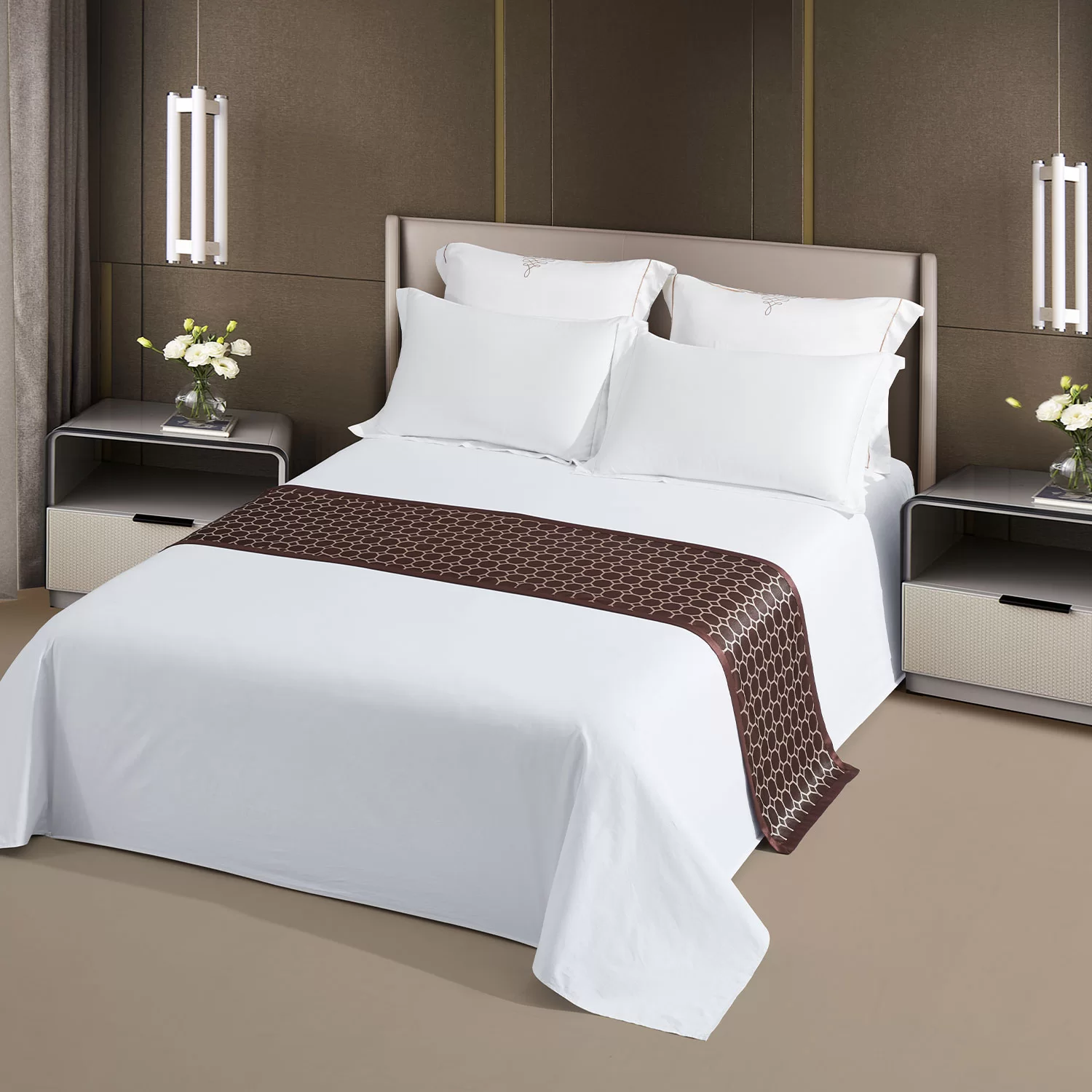
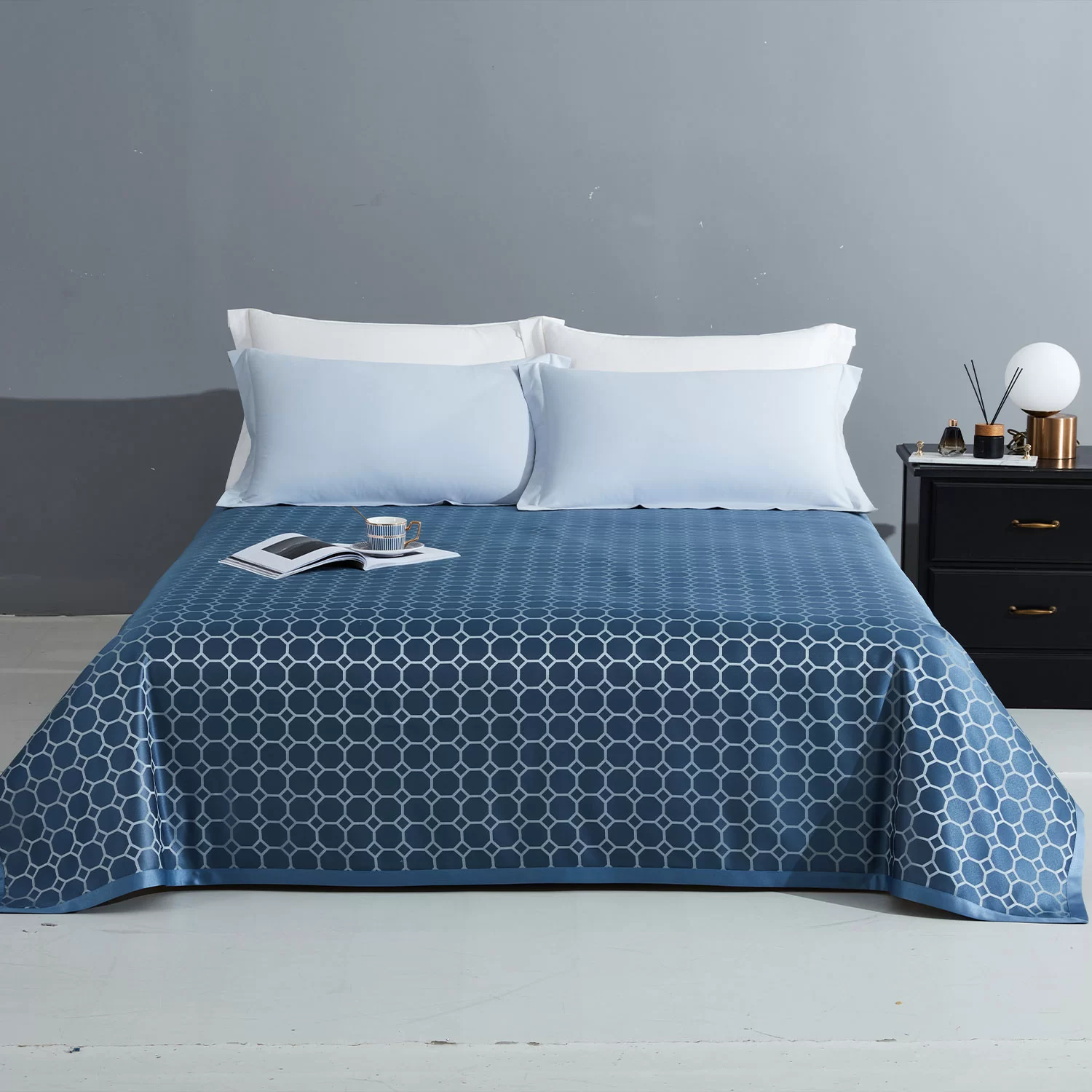
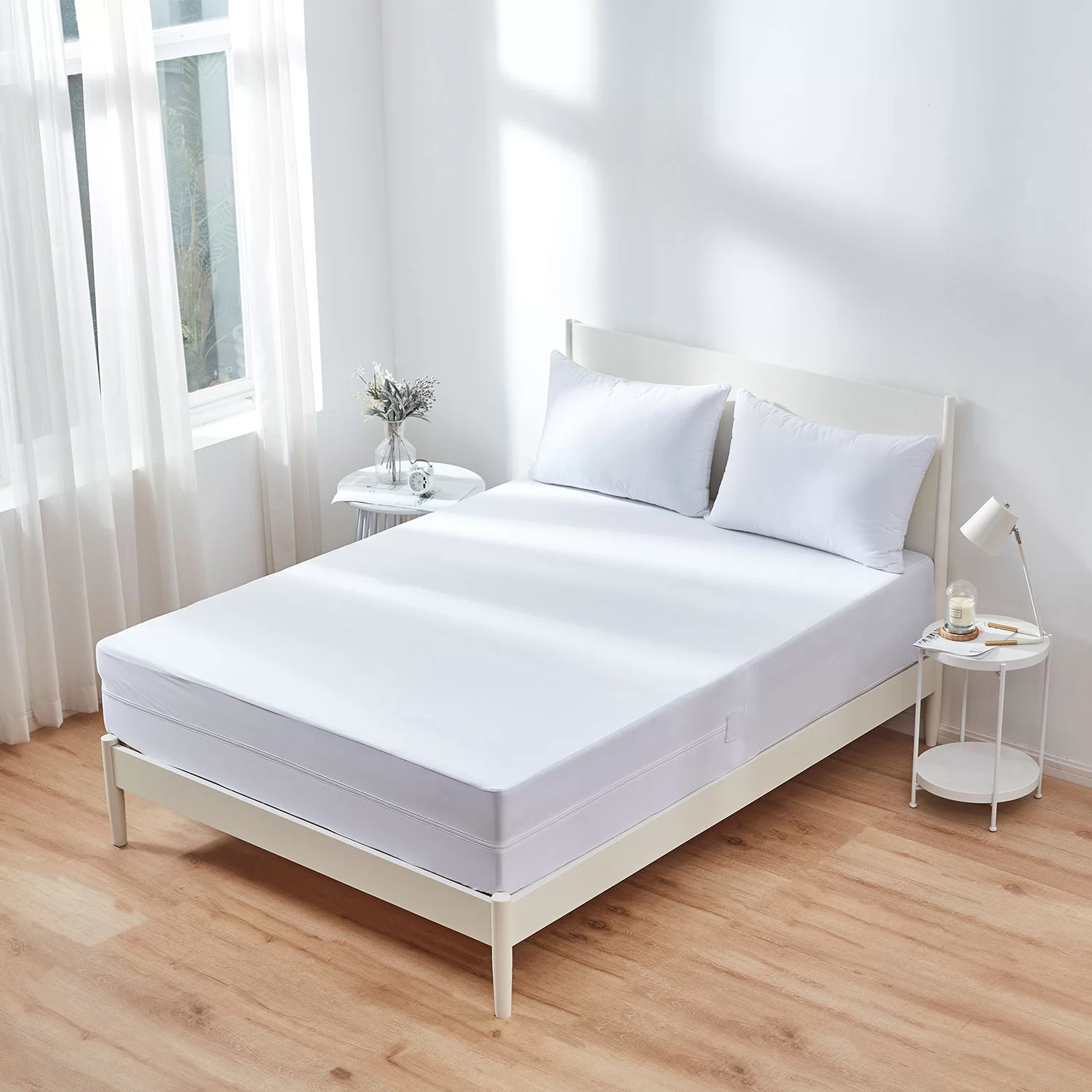
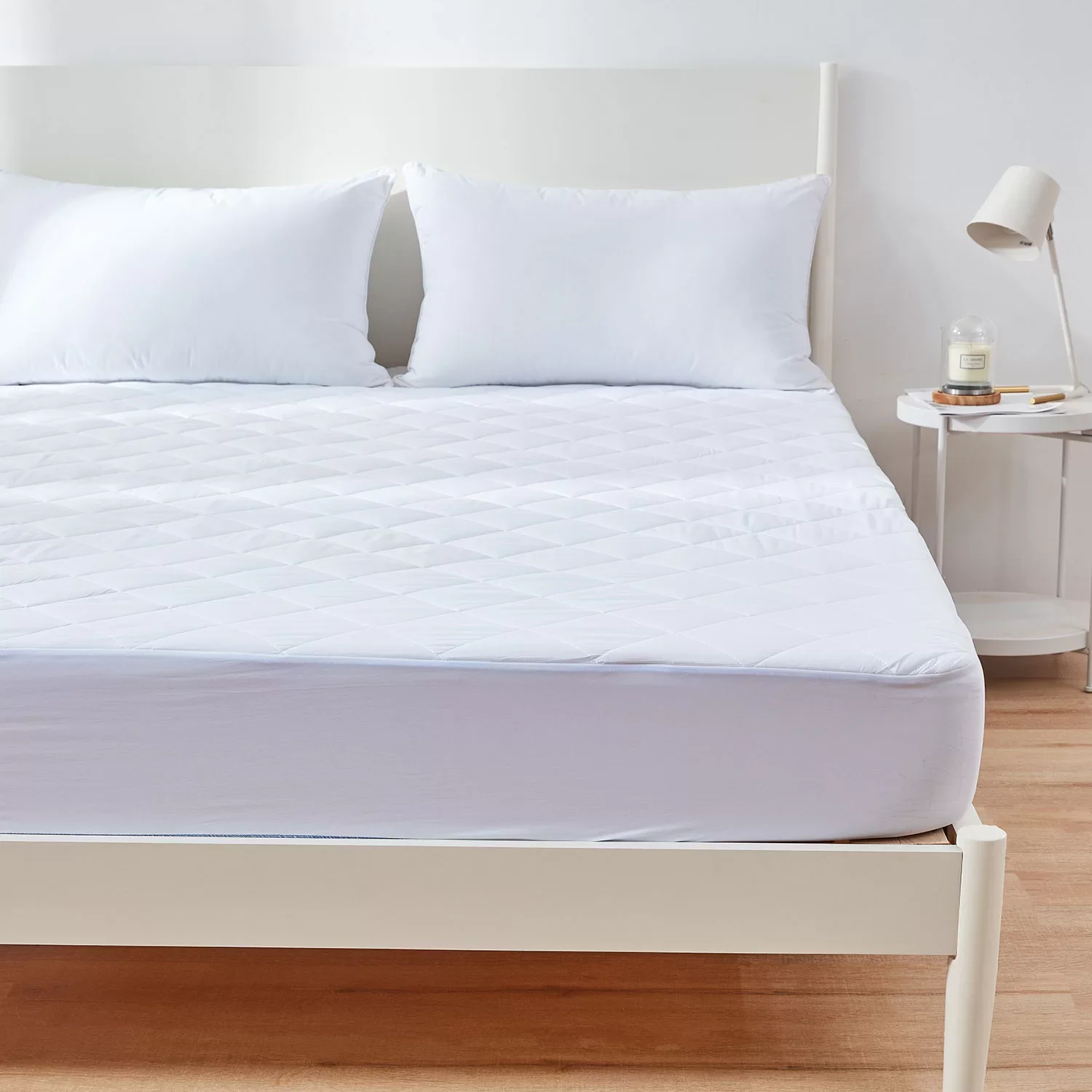
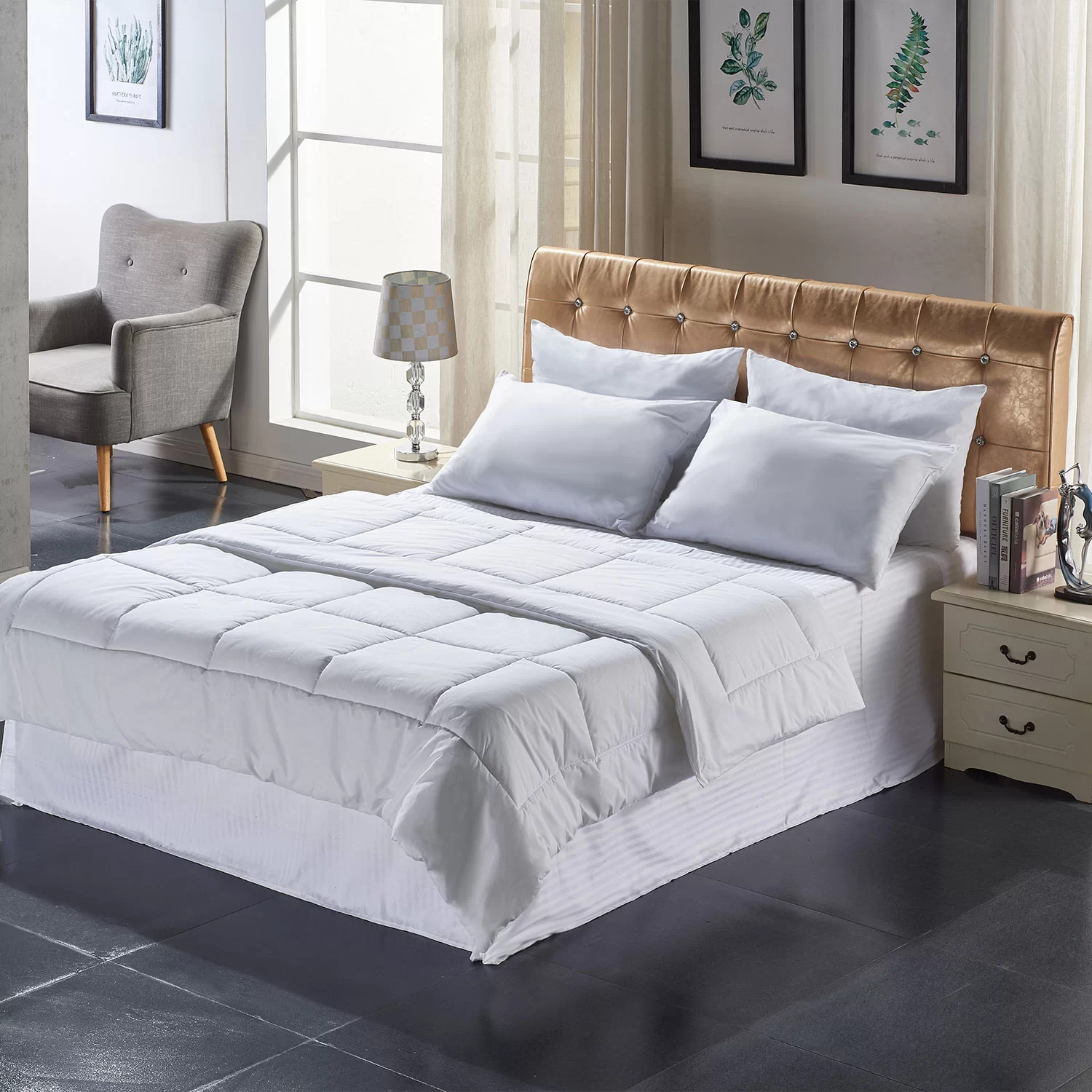
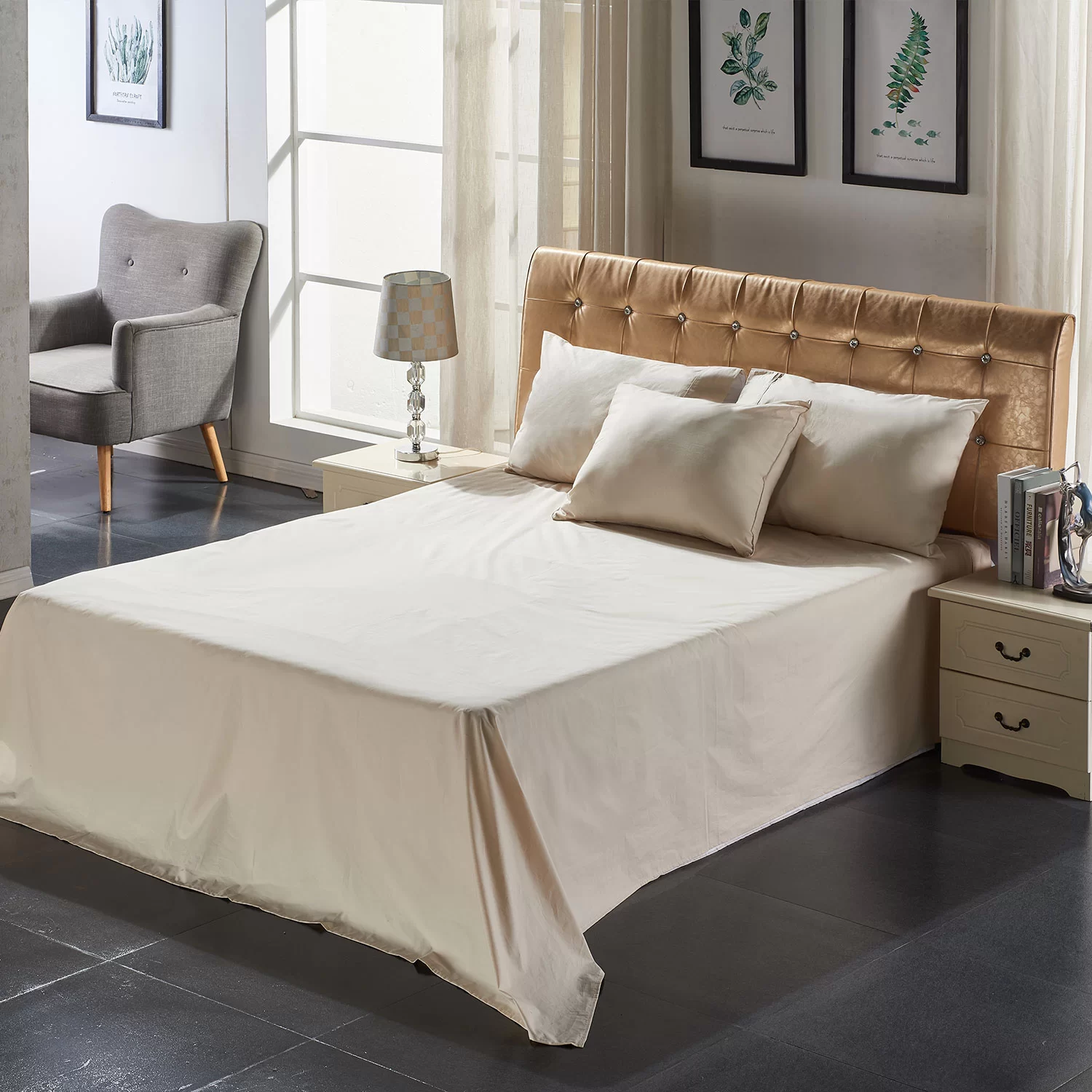
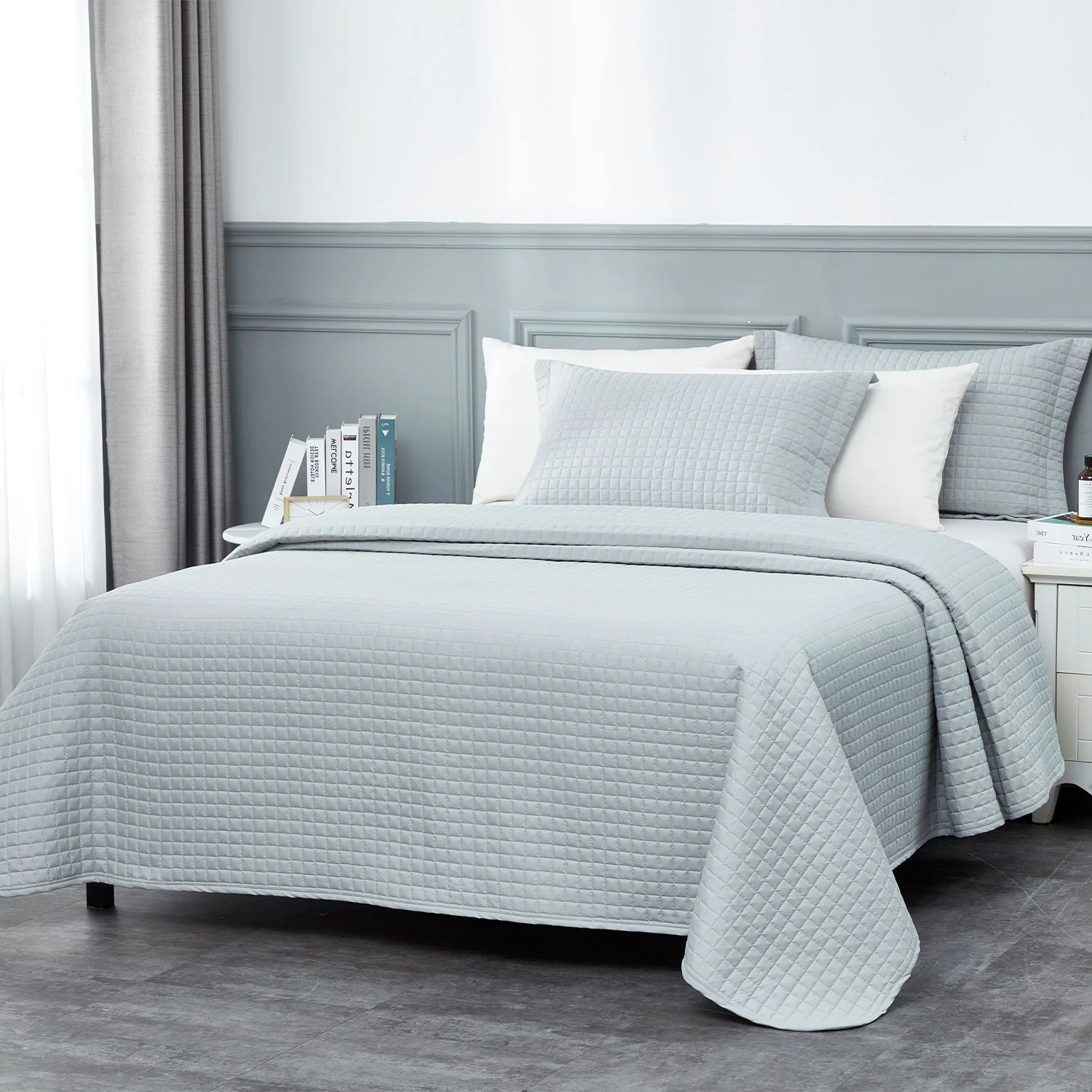
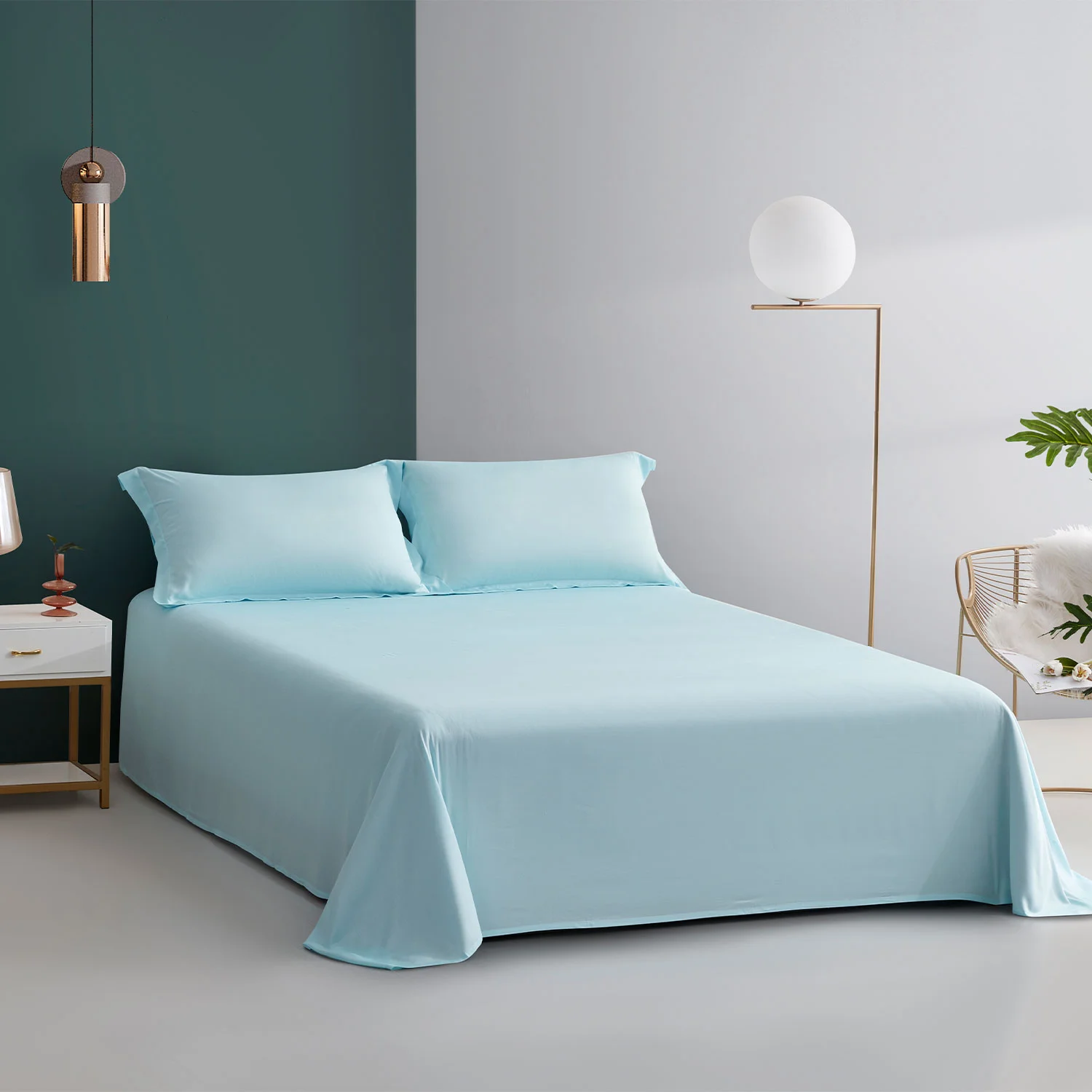
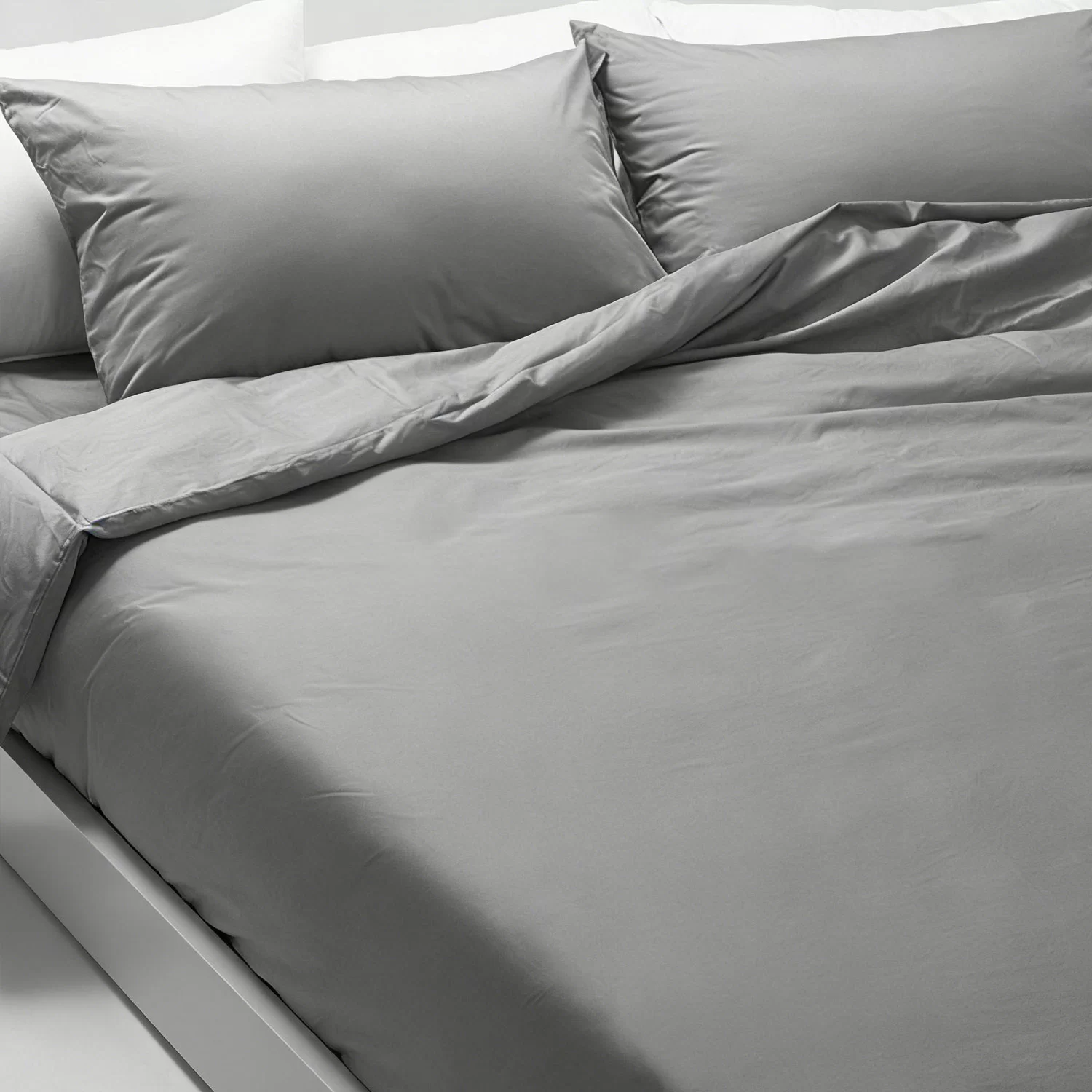
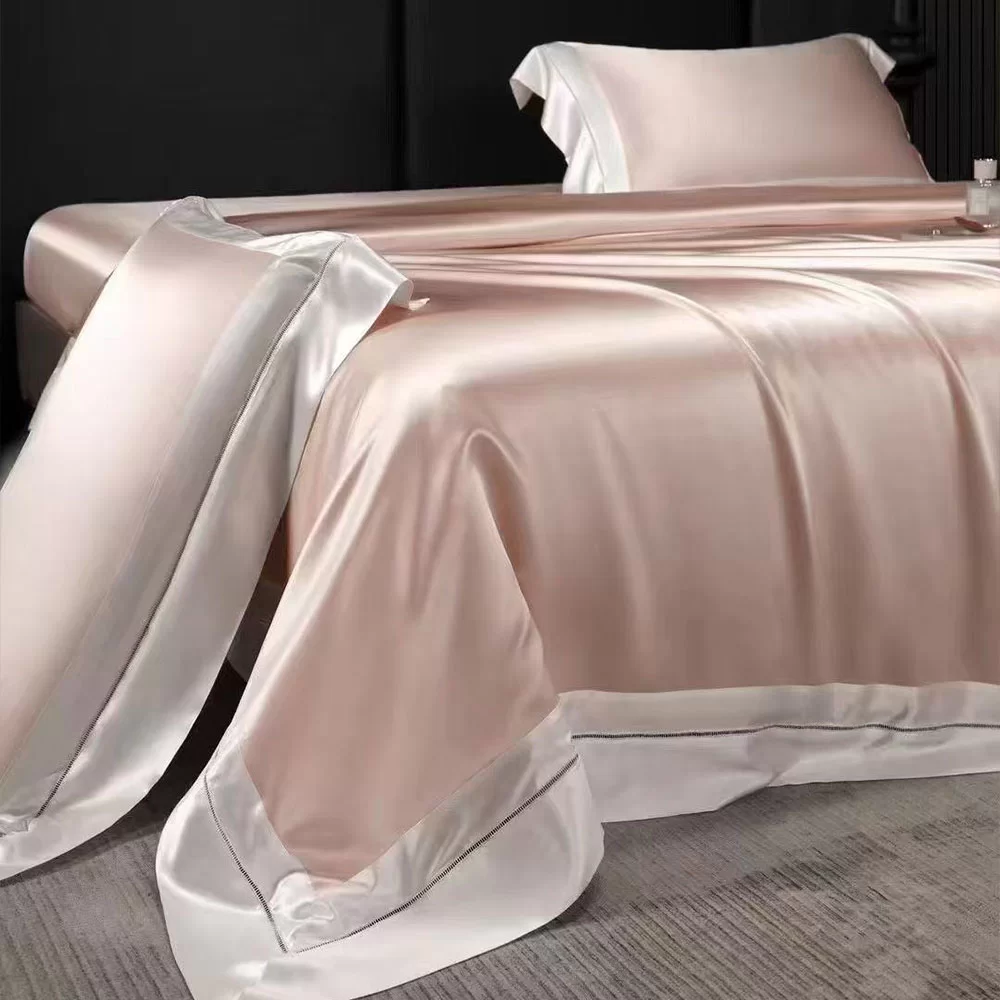
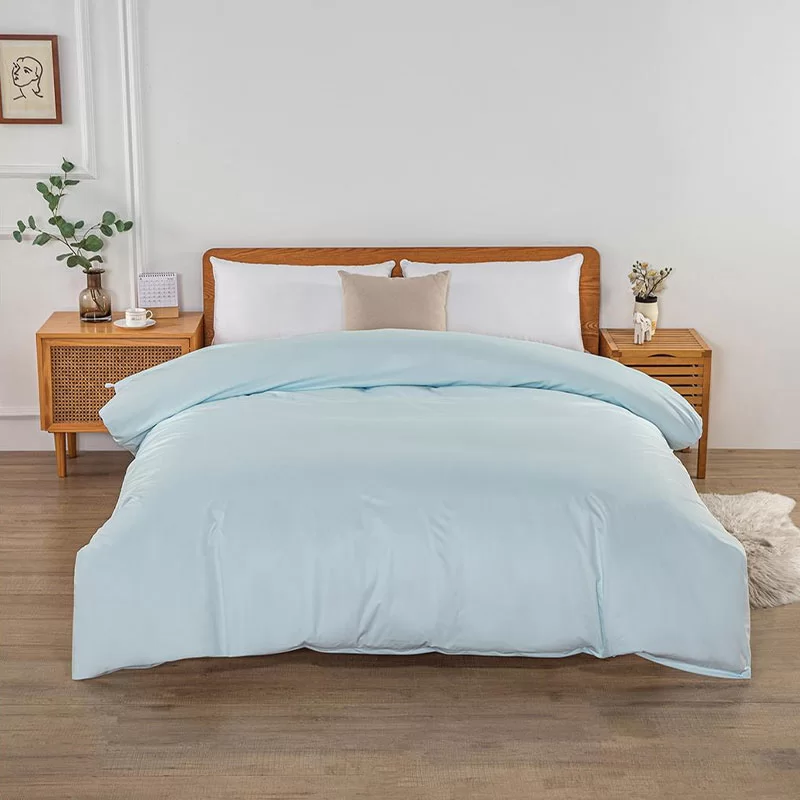
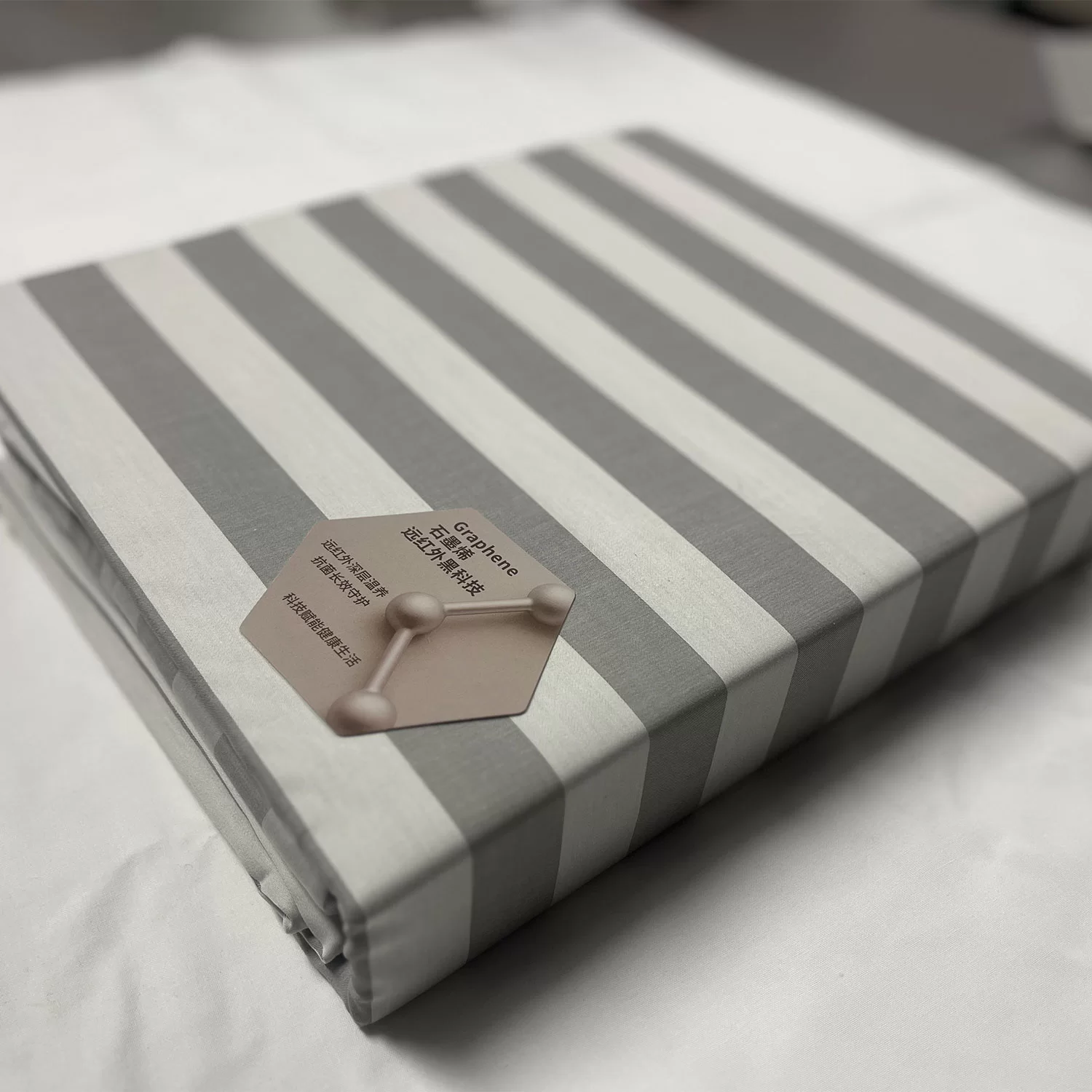
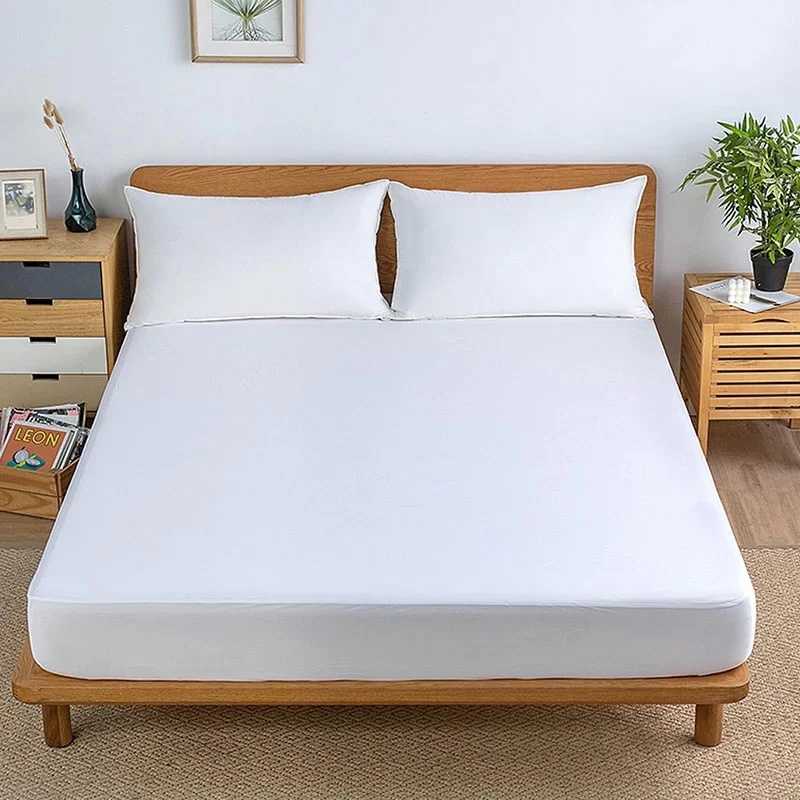
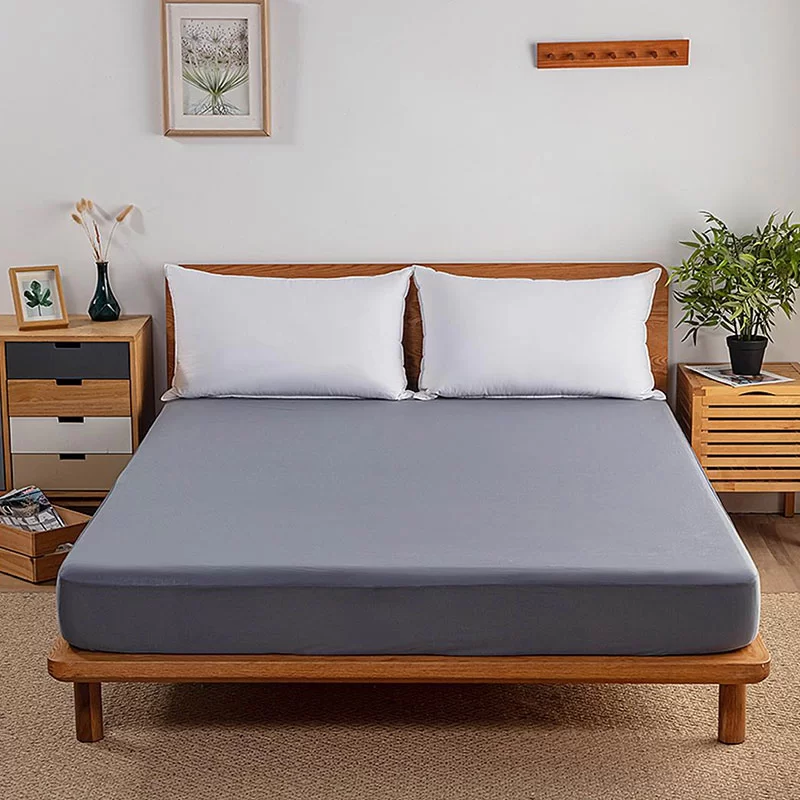
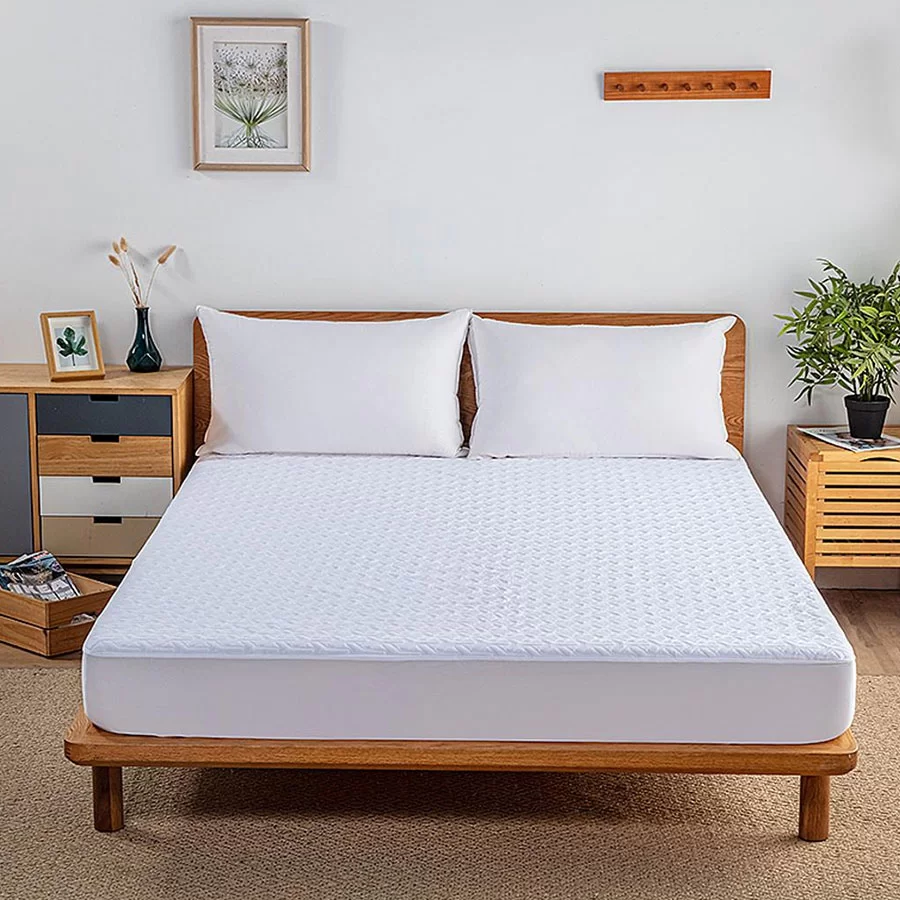
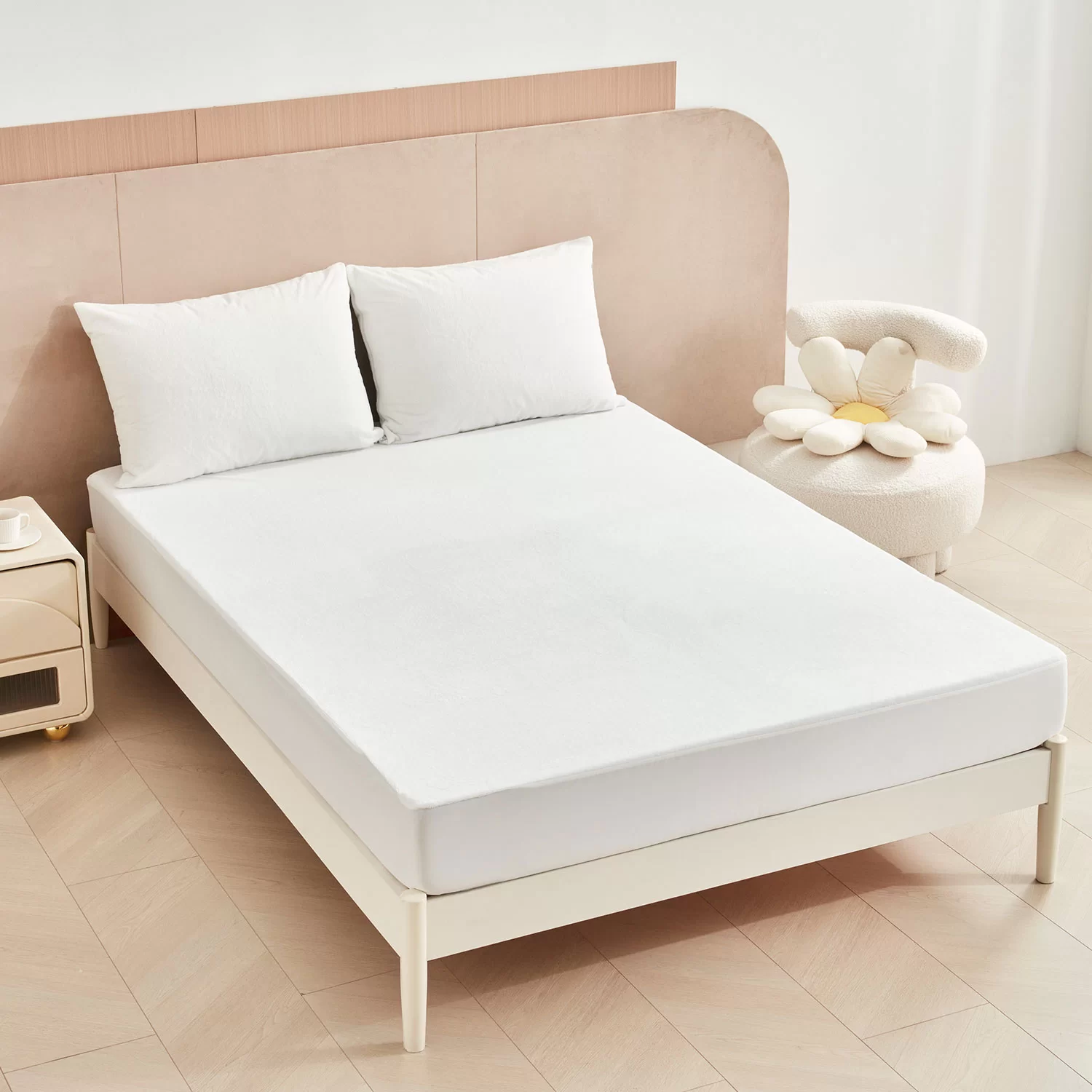
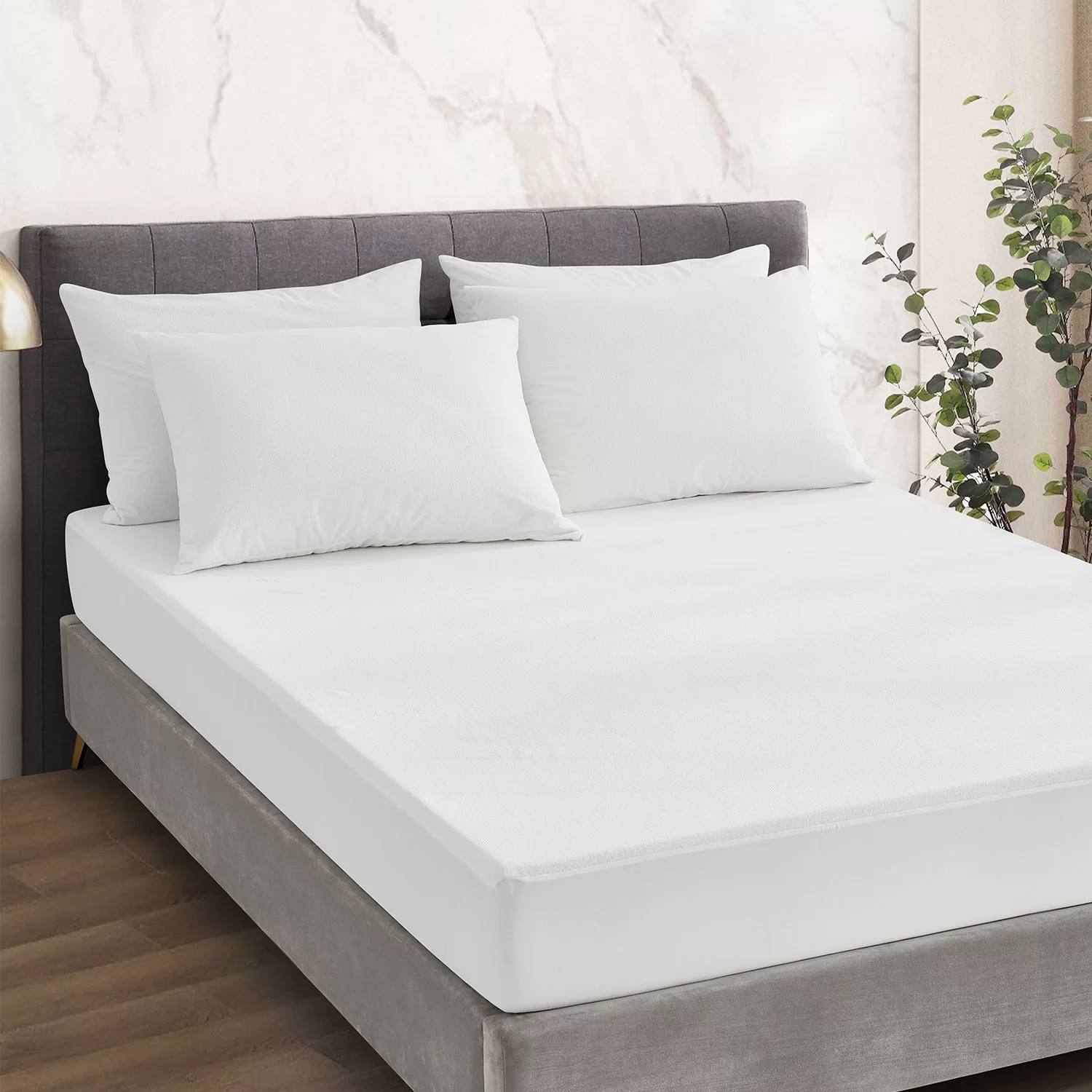
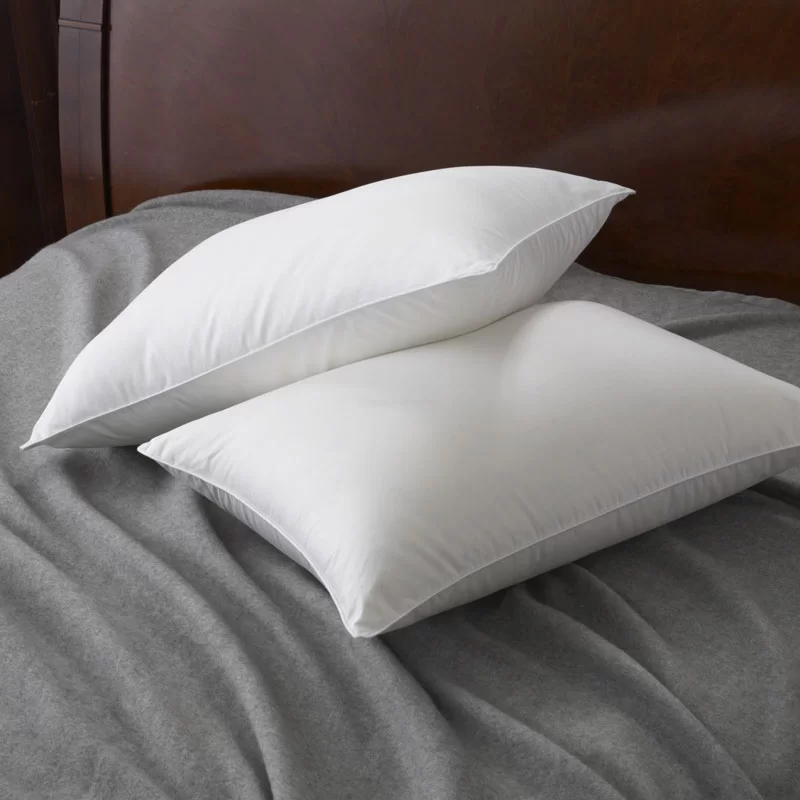
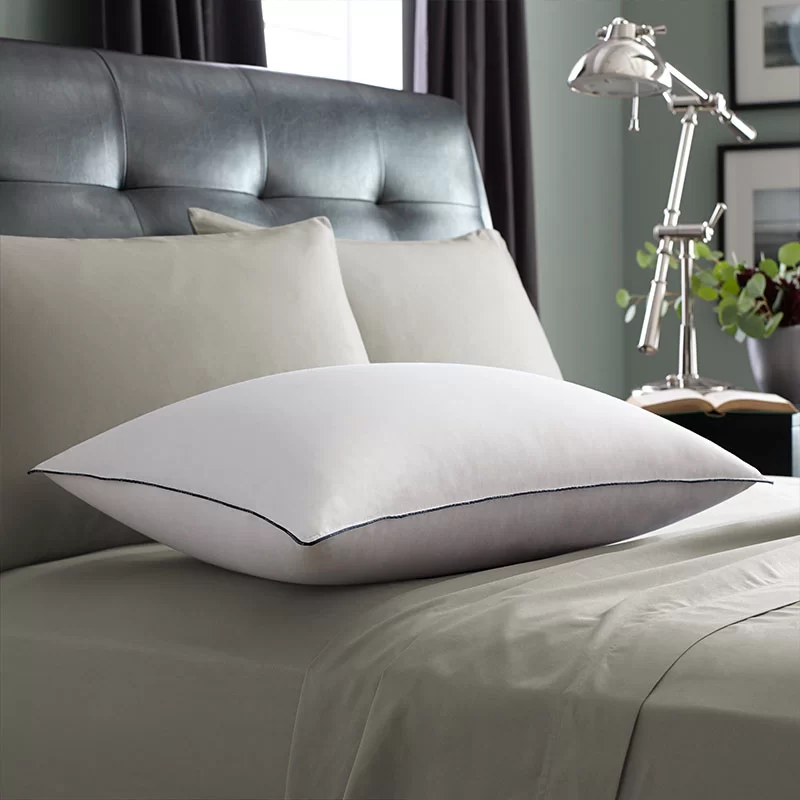
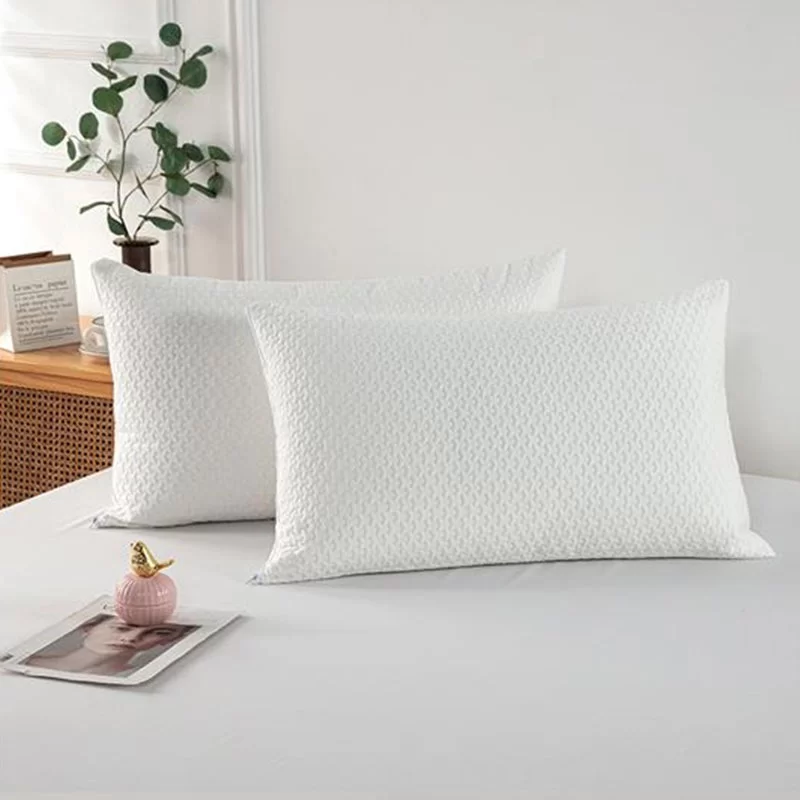
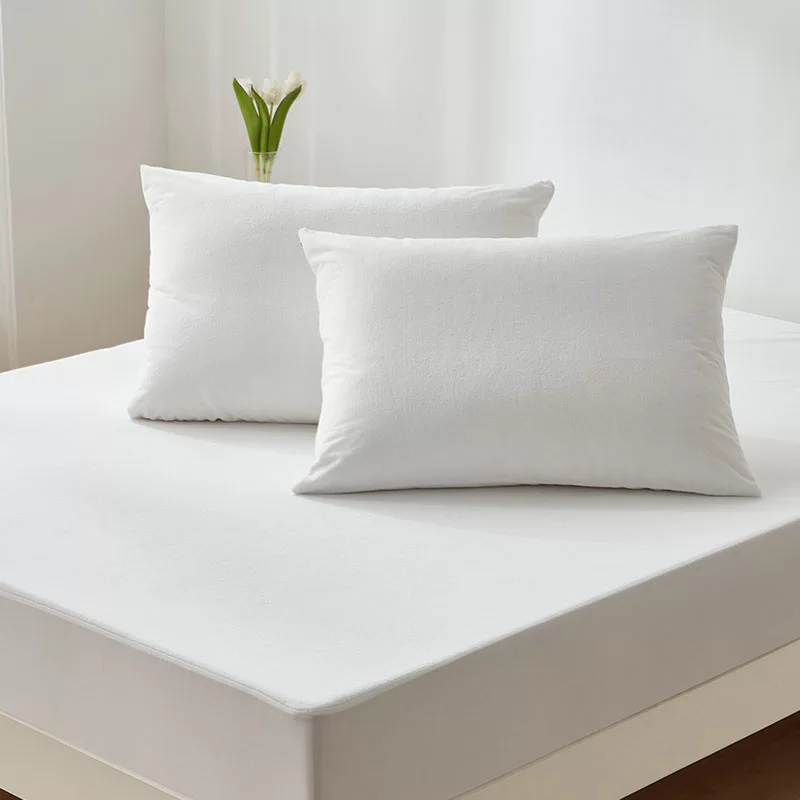
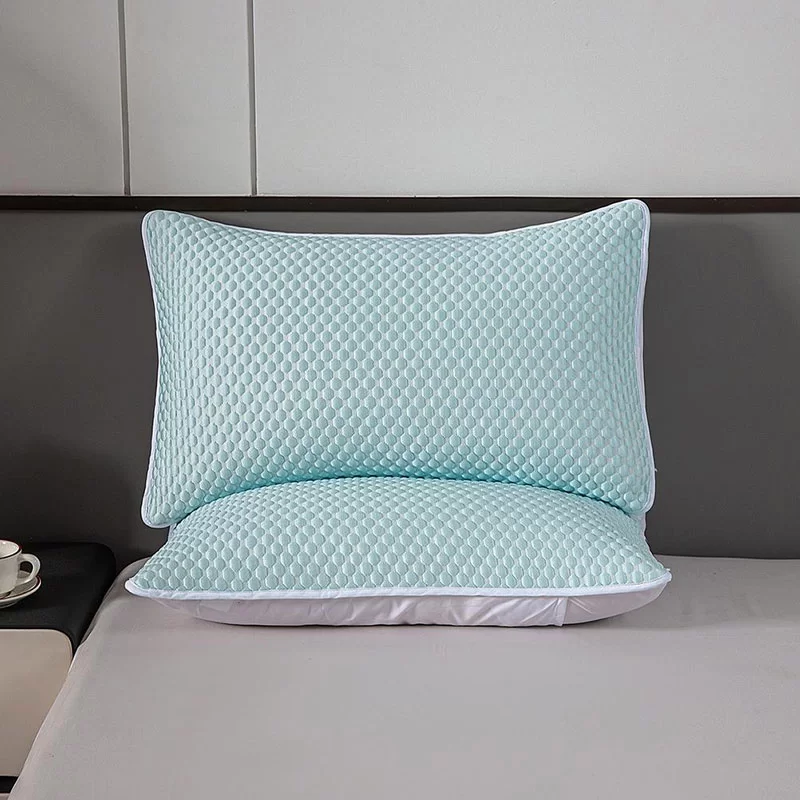
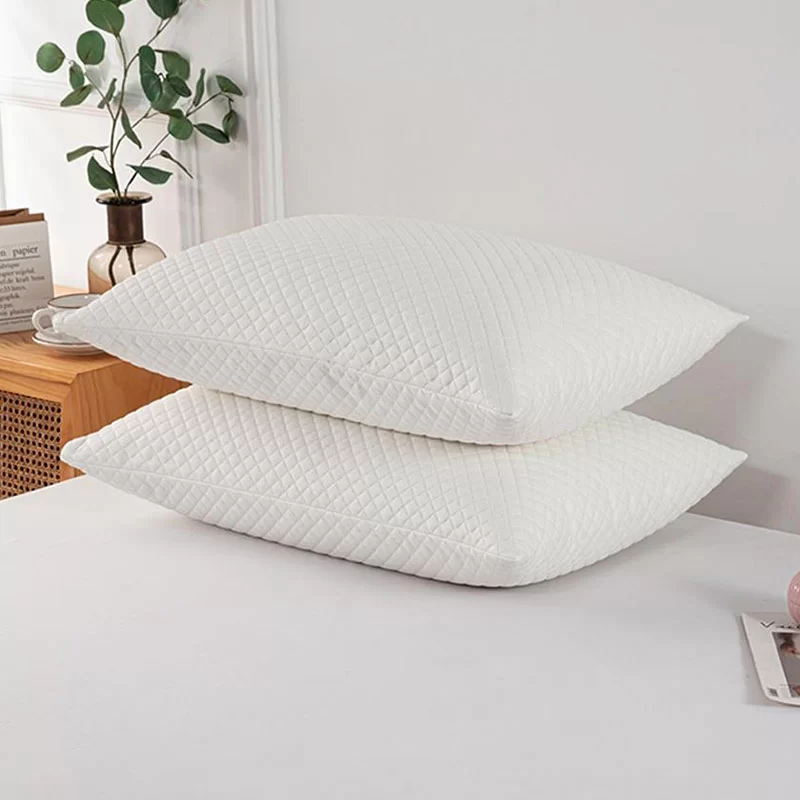
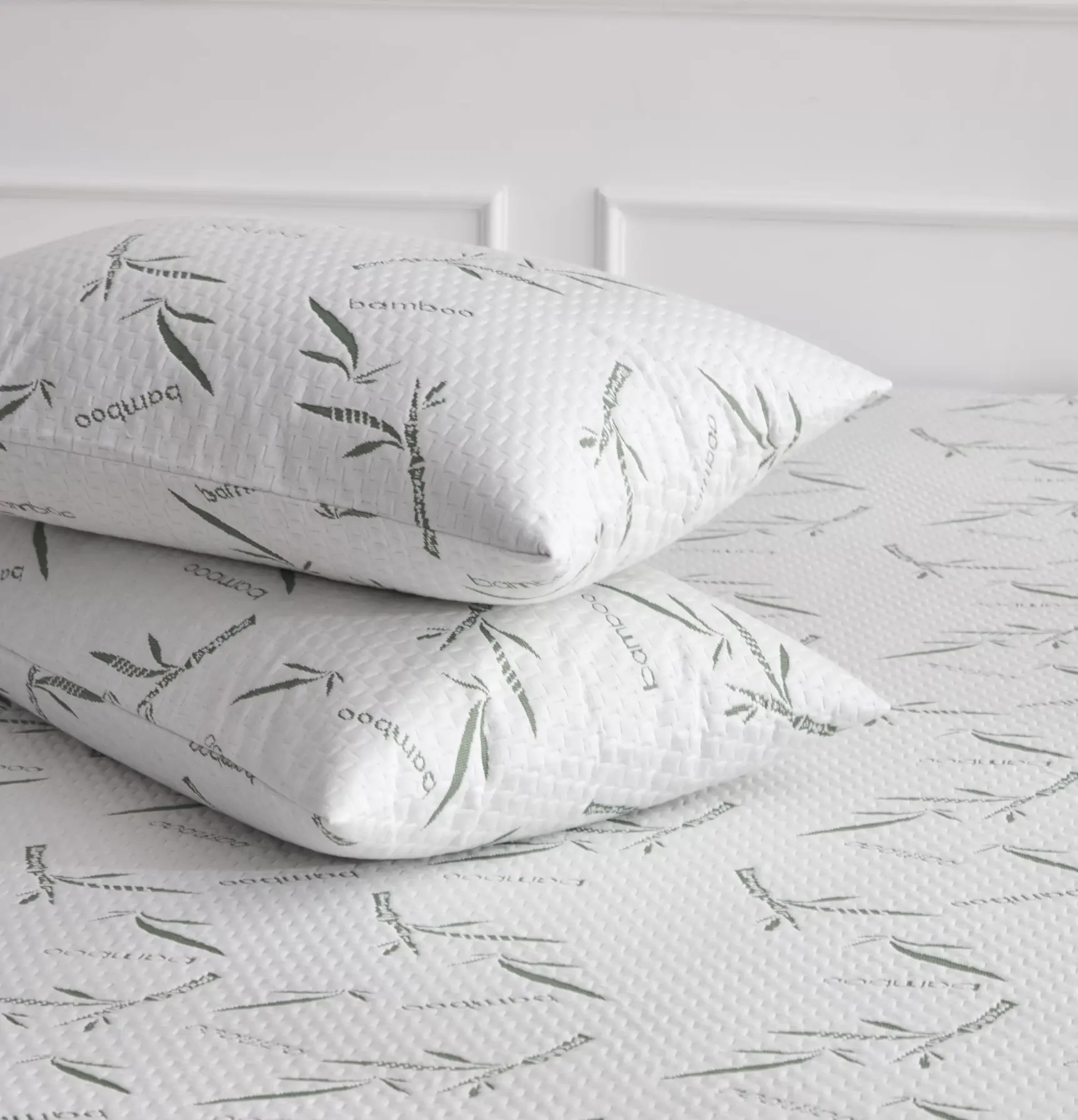
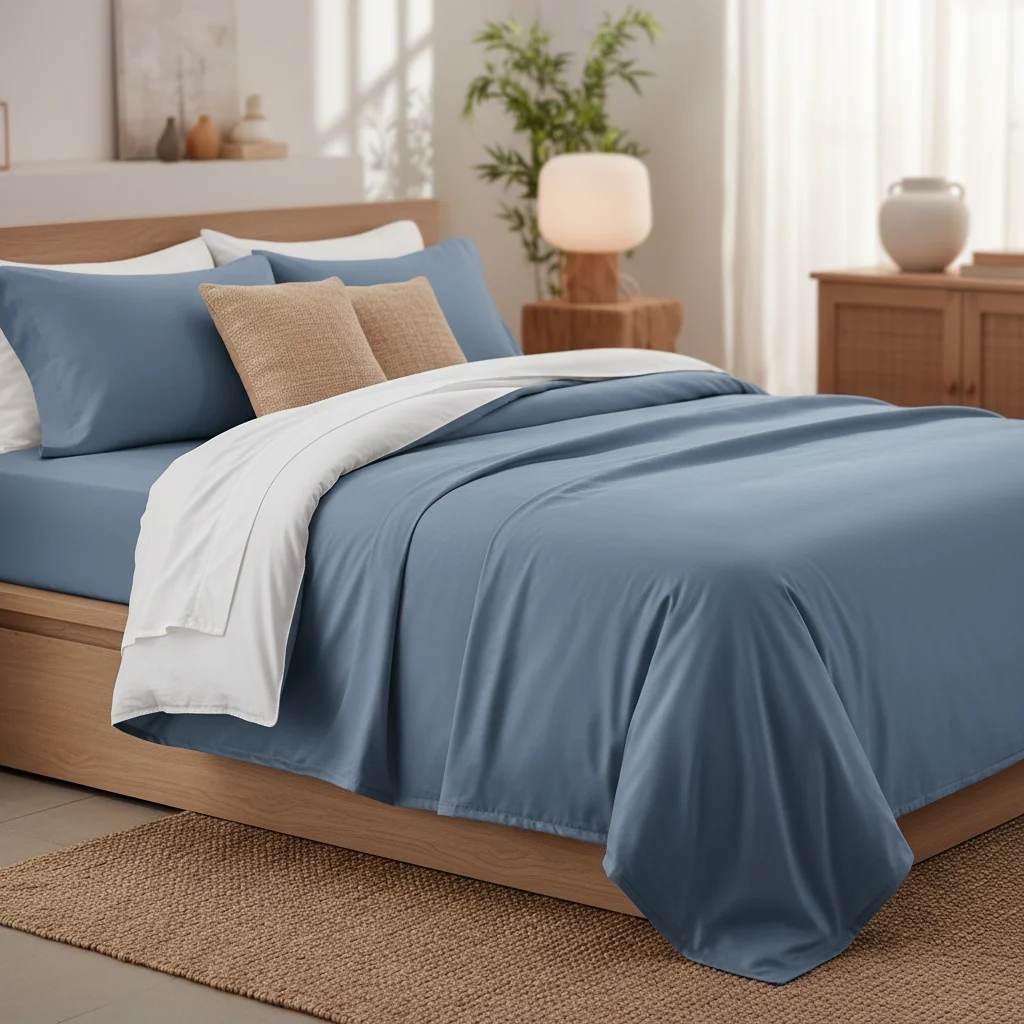
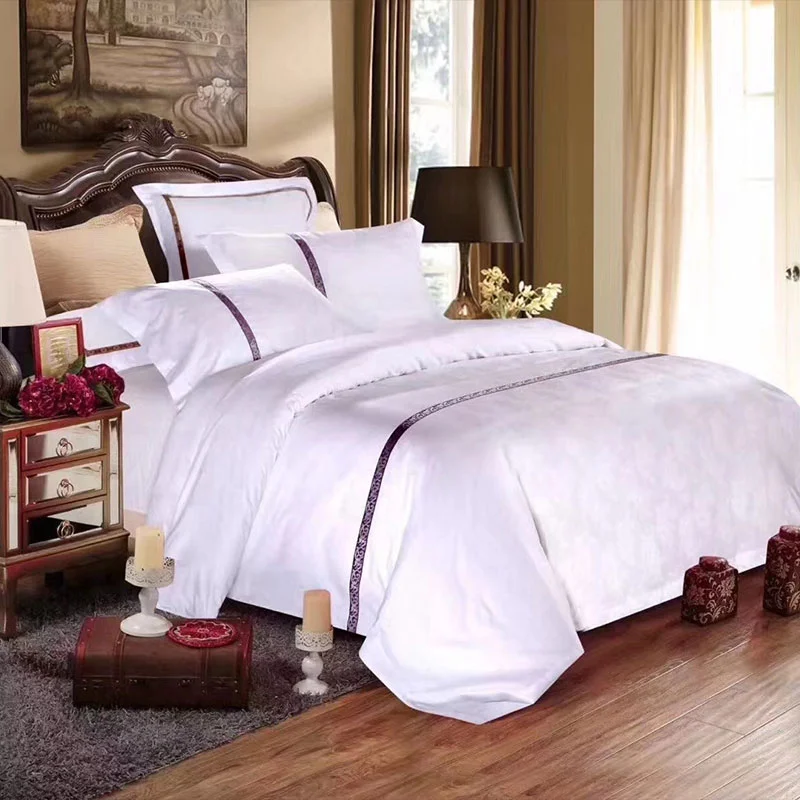
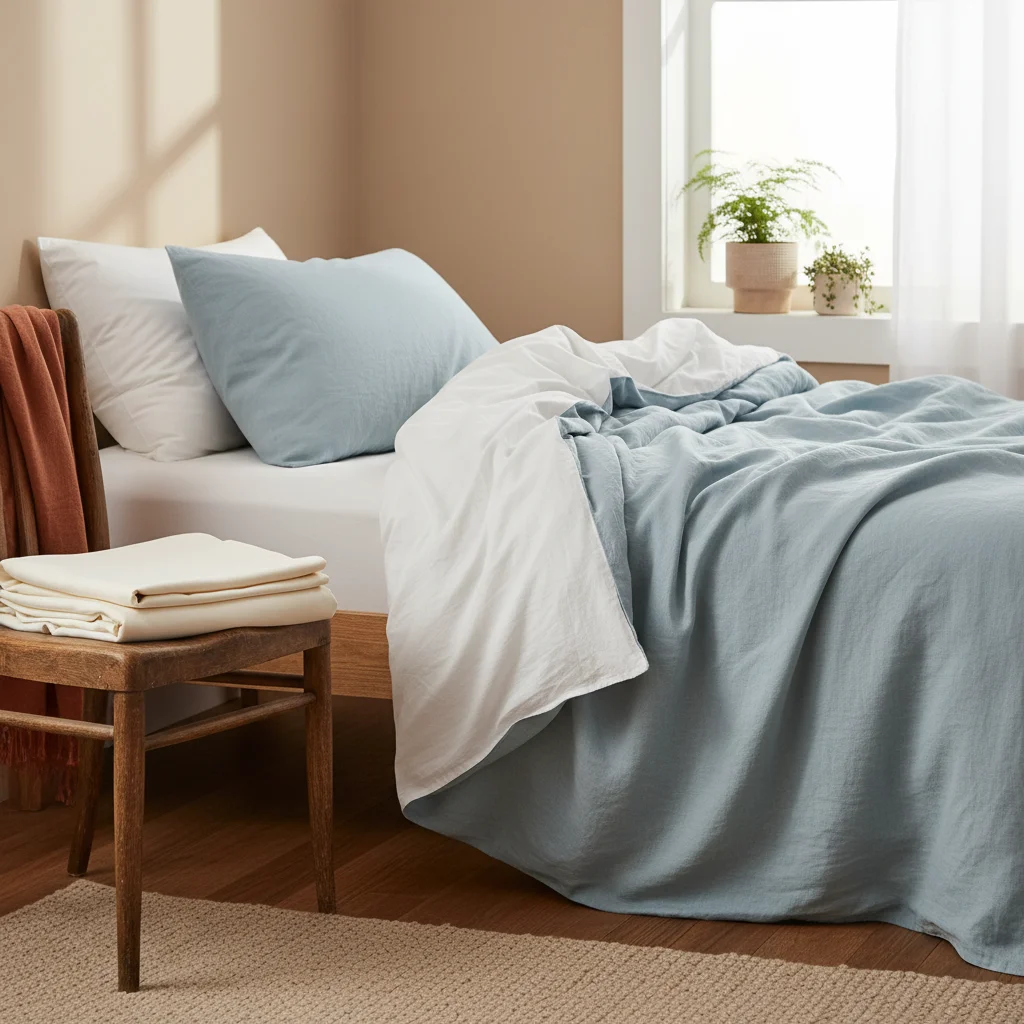
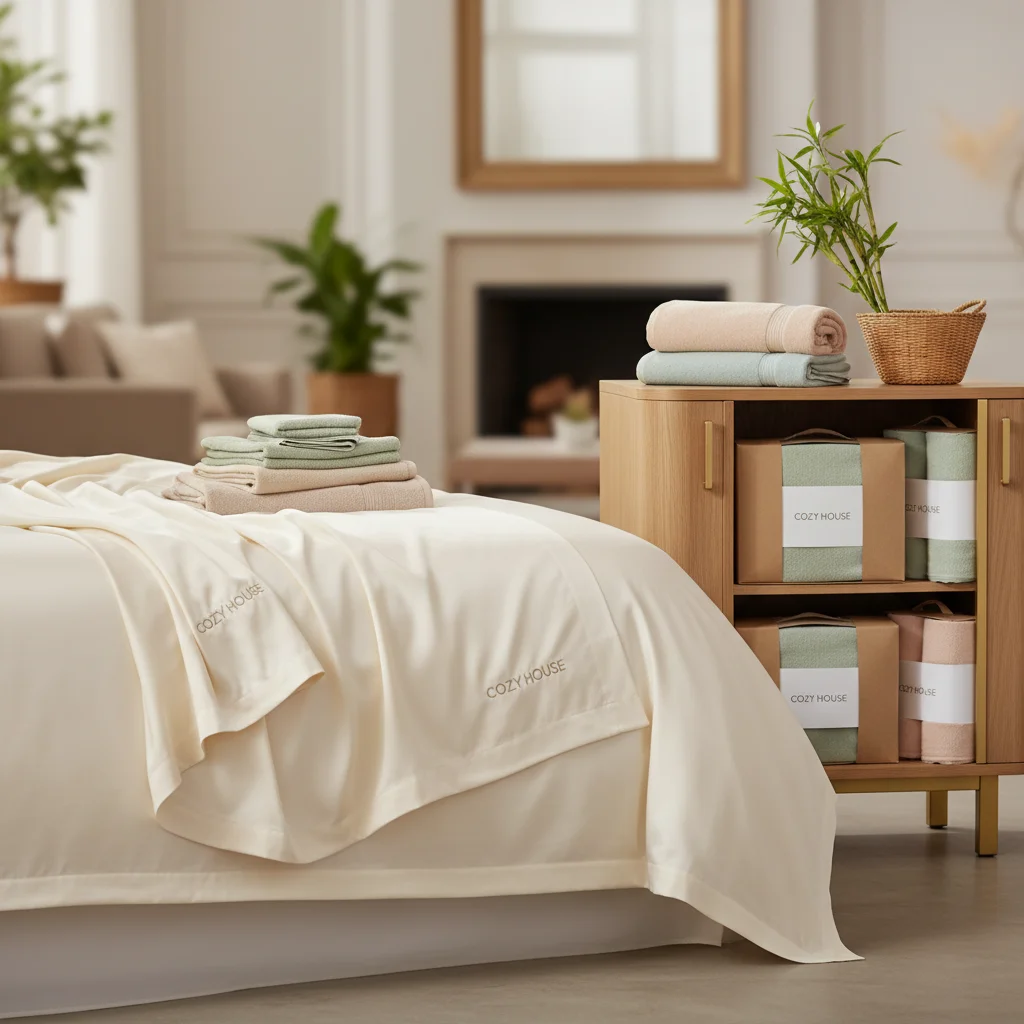
In the competitive landscape of the global hospitality industry, the tactile experience of a guest's stay is often defined by the quality of the bedding. hotel standard bed linen represents more than just a functional necessity; it is a critical touchpoint of luxury, hygiene, and comfort that directly influences guest satisfaction and brand loyalty. By adhering to rigorous manufacturing standards, hotels can ensure a consistent sleep experience that meets the expectations of international travelers.
Understanding the nuances of professional-grade linens involves analyzing thread counts, fabric compositions, and the ability of the material to withstand industrial laundering. From the crisp feel of high-grade percale to the buttery softness of sateen, the selection of the right fabric determines the thermal regulation and breathability of the sleeping environment. For procurement managers and hotel owners, investing in high-quality textiles is a strategic move to reduce replacement costs and enhance the overall guest perception.
Globally, the shift toward sustainable tourism has pushed the production of hotel standard bed linen toward eco-friendly fibers and ethical sourcing. As guests become more conscious of their environmental footprint, the industry is pivoting toward organic cottons and recycled polyesters without compromising on the "five-star" feel. This evolution ensures that luxury and sustainability can coexist, providing a foundation for a more responsible hospitality ecosystem.
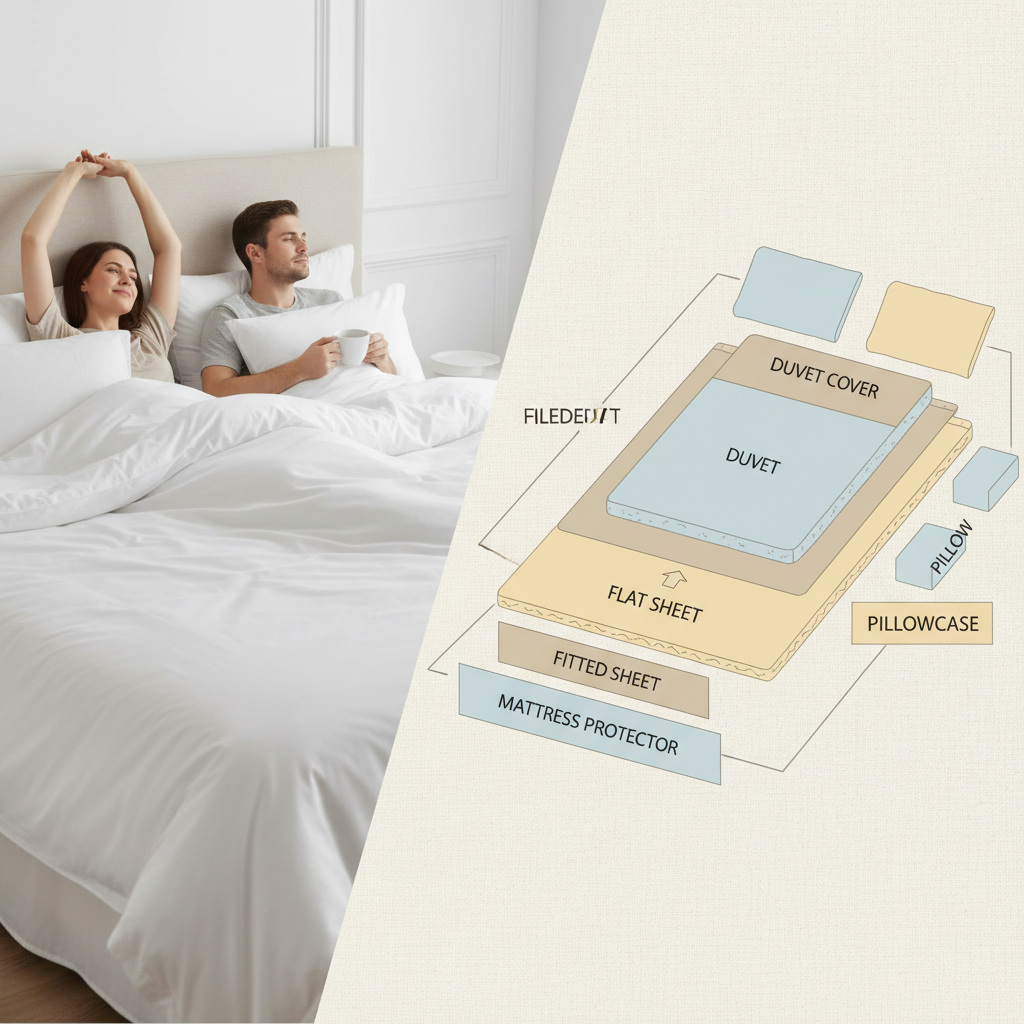
The Global Importance of Hotel Standard Bed Linen
On a global scale, the hospitality industry relies on standardized quality to maintain brand consistency across different continents. hotel standard bed linen serves as the universal language of comfort, where ISO certifications and textile grade standards ensure that a guest in Tokyo experiences the same level of luxury as a guest in New York. This standardization is vital for luxury chains that market a "guaranteed sleep experience."
The challenge lies in balancing this high standard with the rigors of industrial maintenance. Bed linens in high-occupancy hotels undergo frequent, high-temperature washing and chemical treatments to ensure hygiene. Therefore, the global demand is not just for "soft" fabric, but for engineered textiles that can survive hundreds of wash cycles while maintaining their whiteness and structural integrity.
Defining the Technical Specifications of Luxury Linens
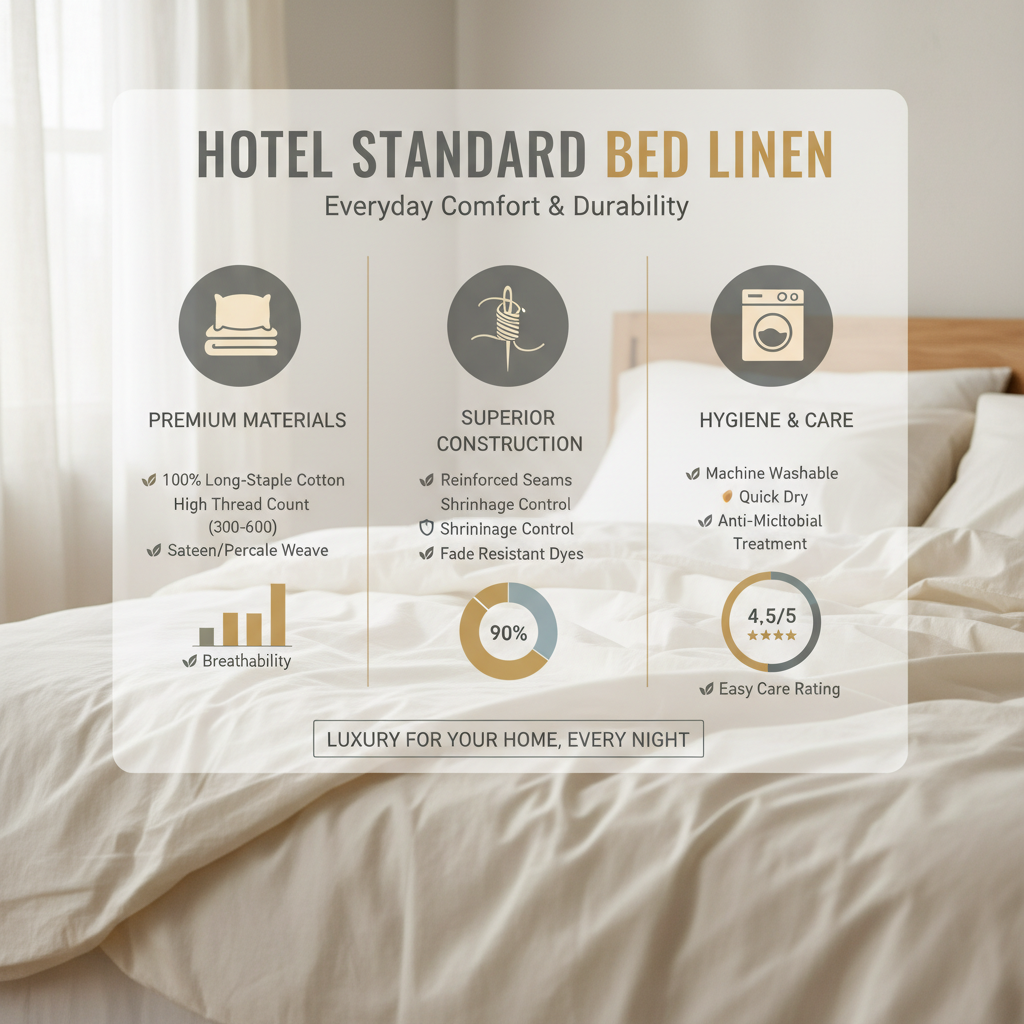
At its core, hotel standard bed linen refers to textile products designed specifically for the commercial lodging industry, emphasizing durability, hypoallergenic properties, and a specific aesthetic. Unlike residential linens, these are crafted to resist pilling and shrinkage, often utilizing long-staple cotton or high-performance polyester-cotton blends to achieve a balance between a premium feel and operational longevity.
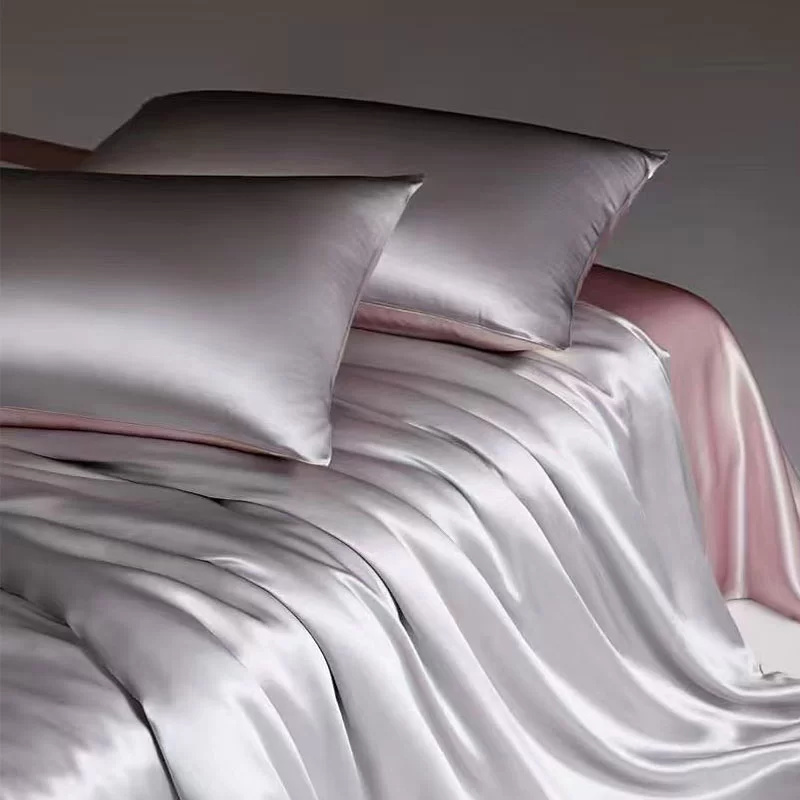
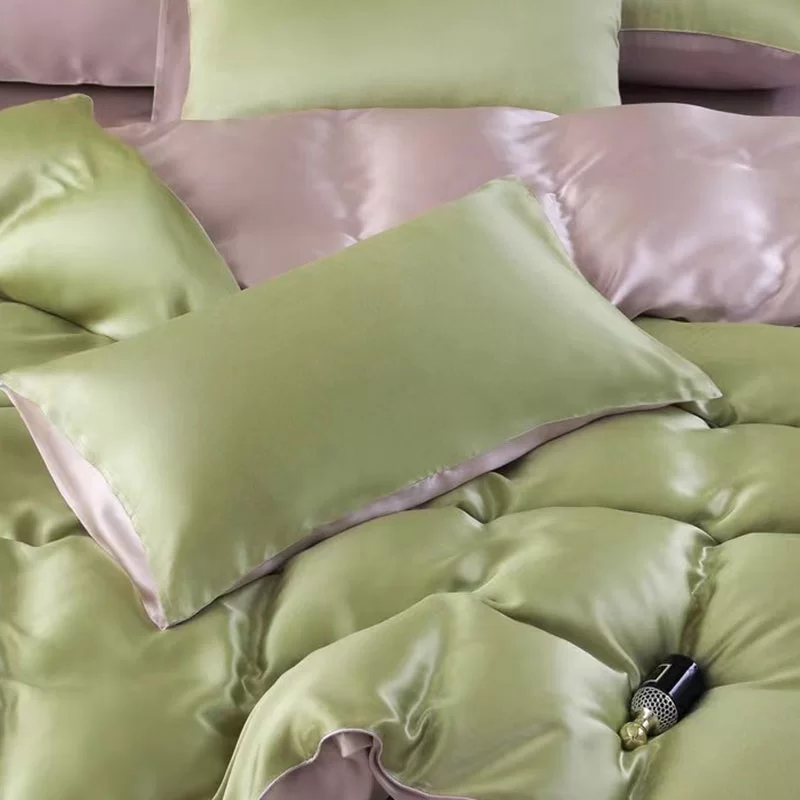
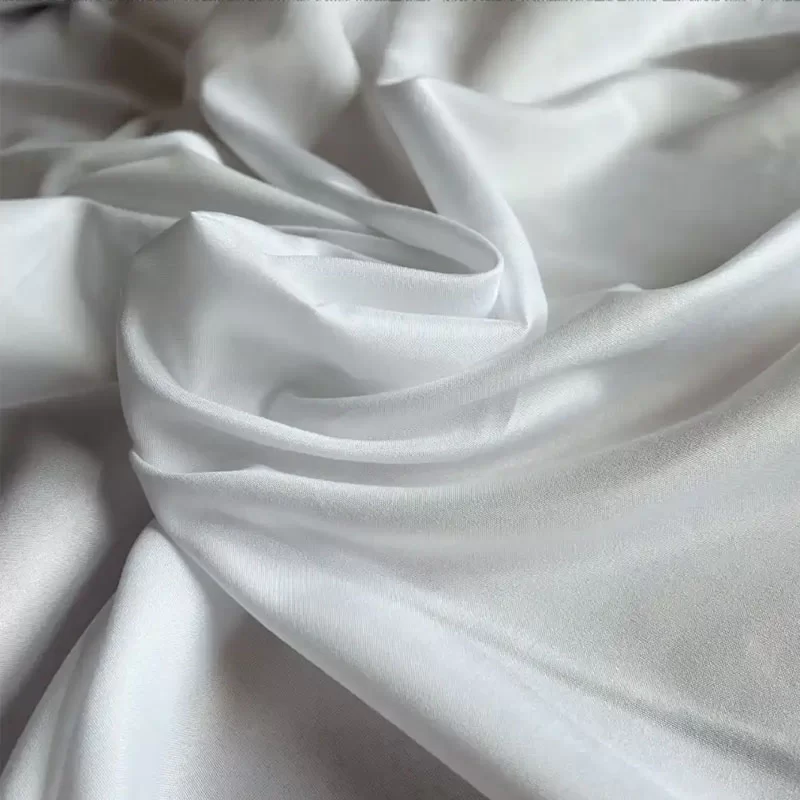
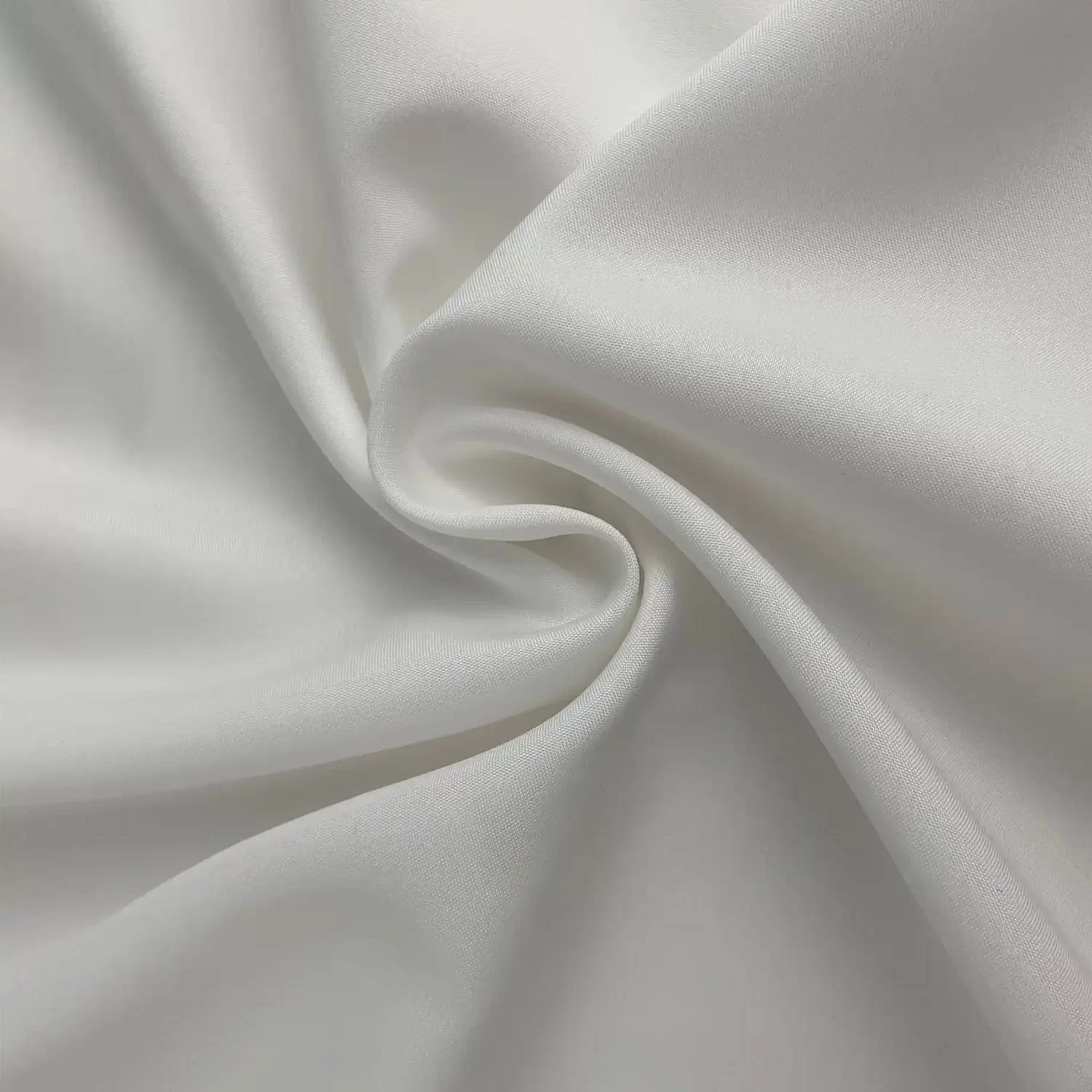
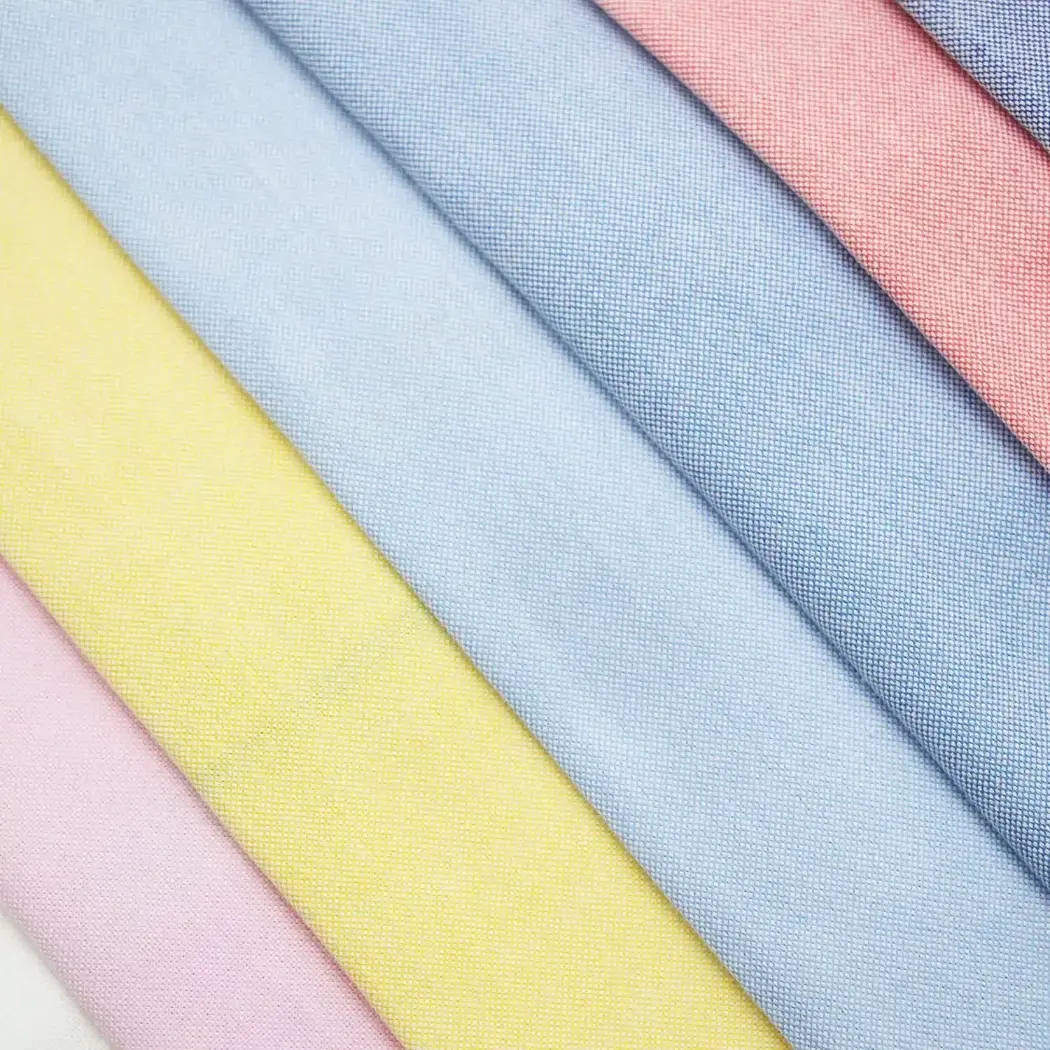
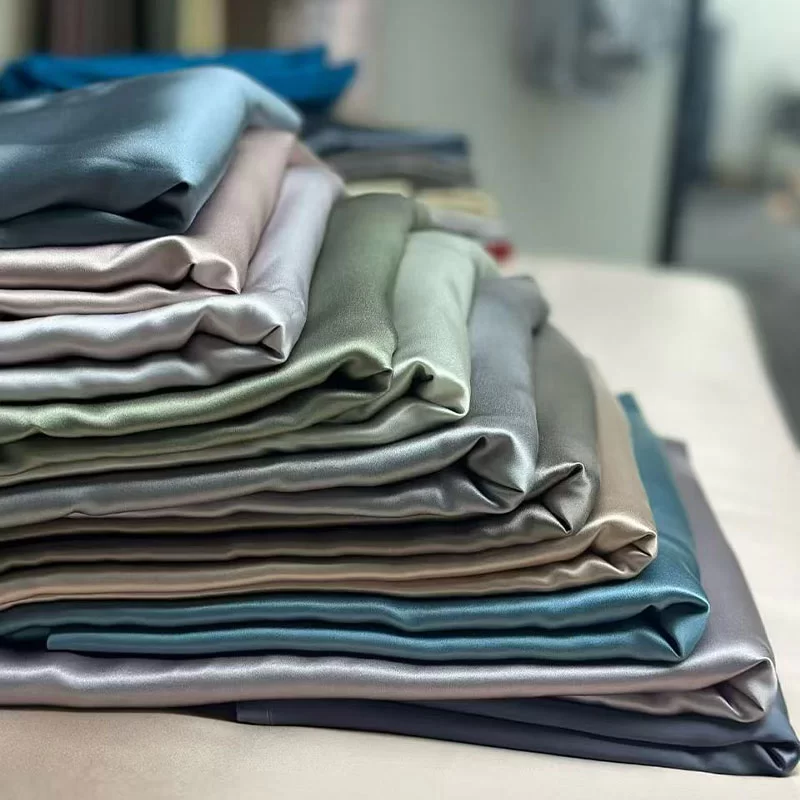
The technical definition extends to the weave. Percale, for instance, is a plain weave that offers a matte finish and a crisp, cool feel, ideal for warmer climates. Sateen, conversely, uses a satin weave that creates a lustrous surface and a smoother touch, often preferred in luxury boutique hotels. Both must meet the strict "hotel standard" of being opaque, wrinkle-resistant, and capable of being pressed to a sharp, professional finish.
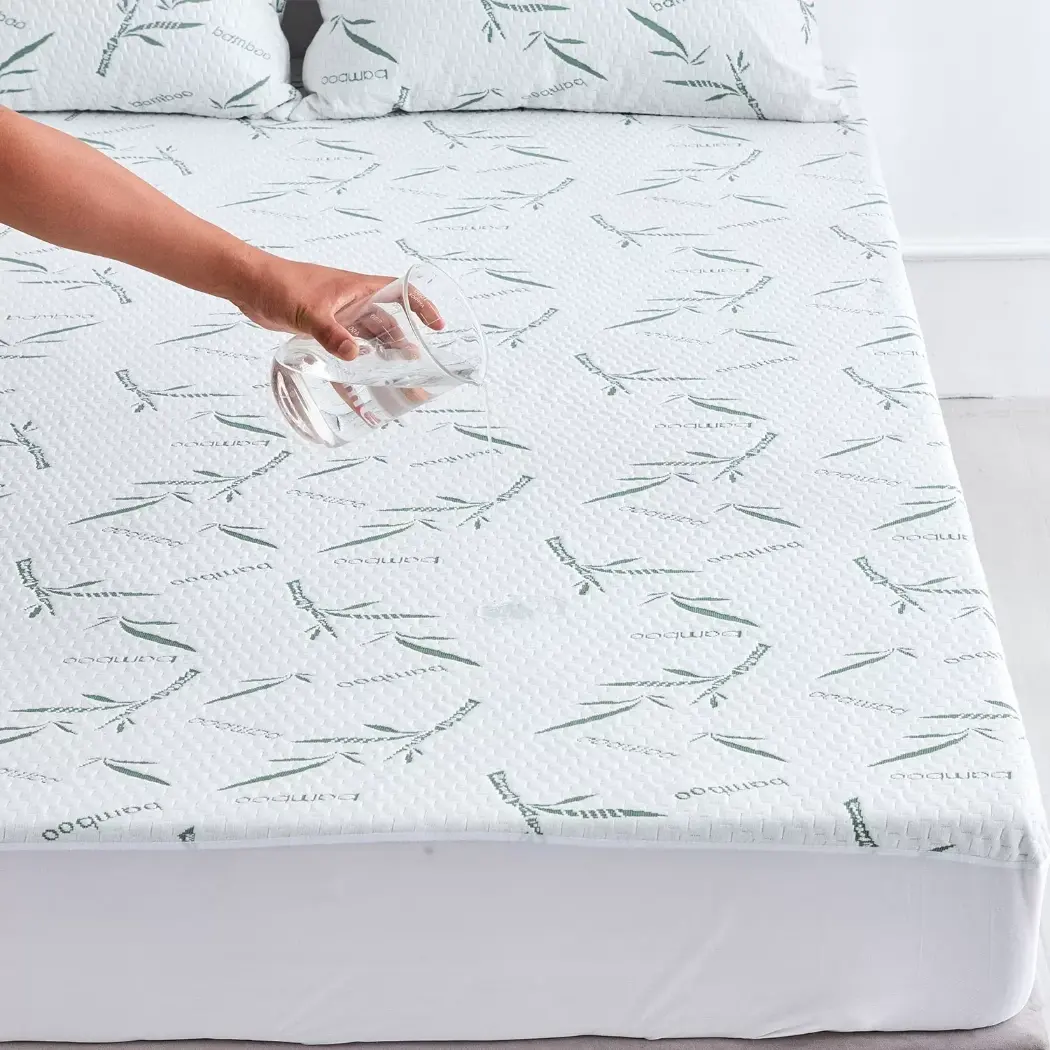
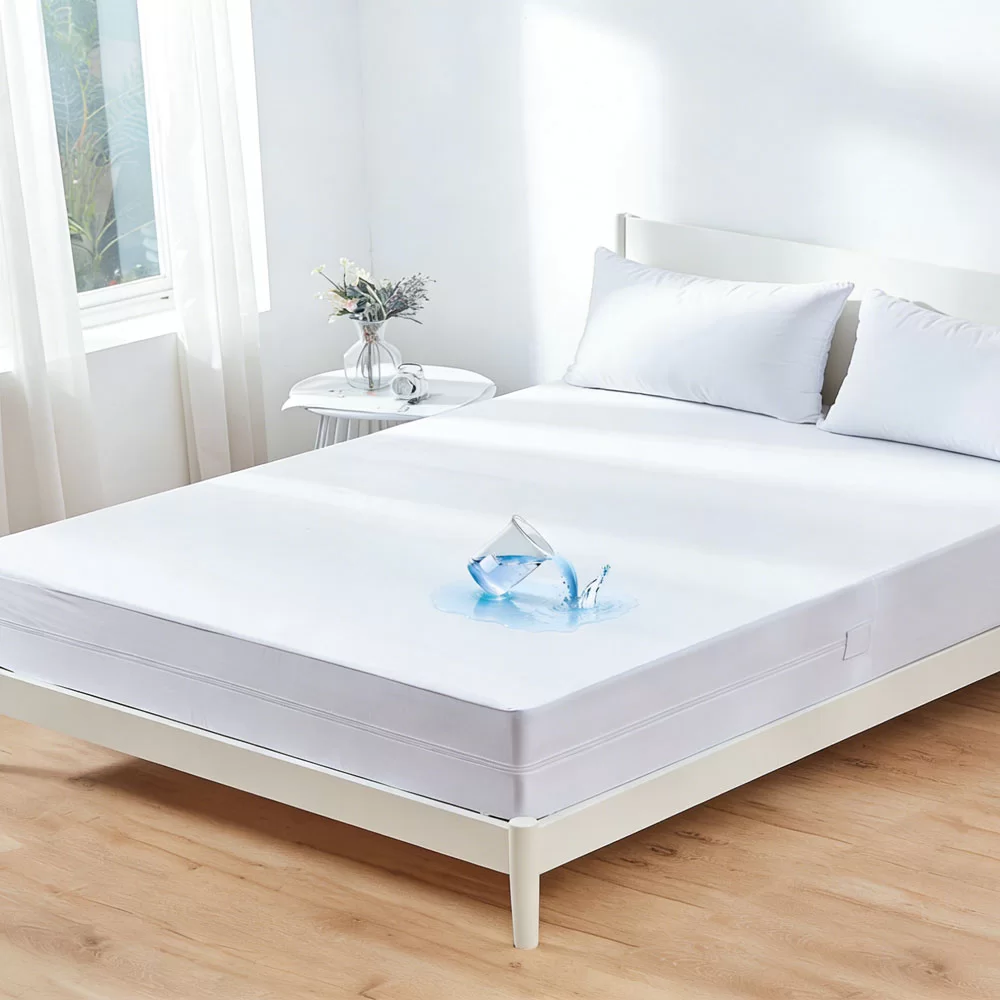
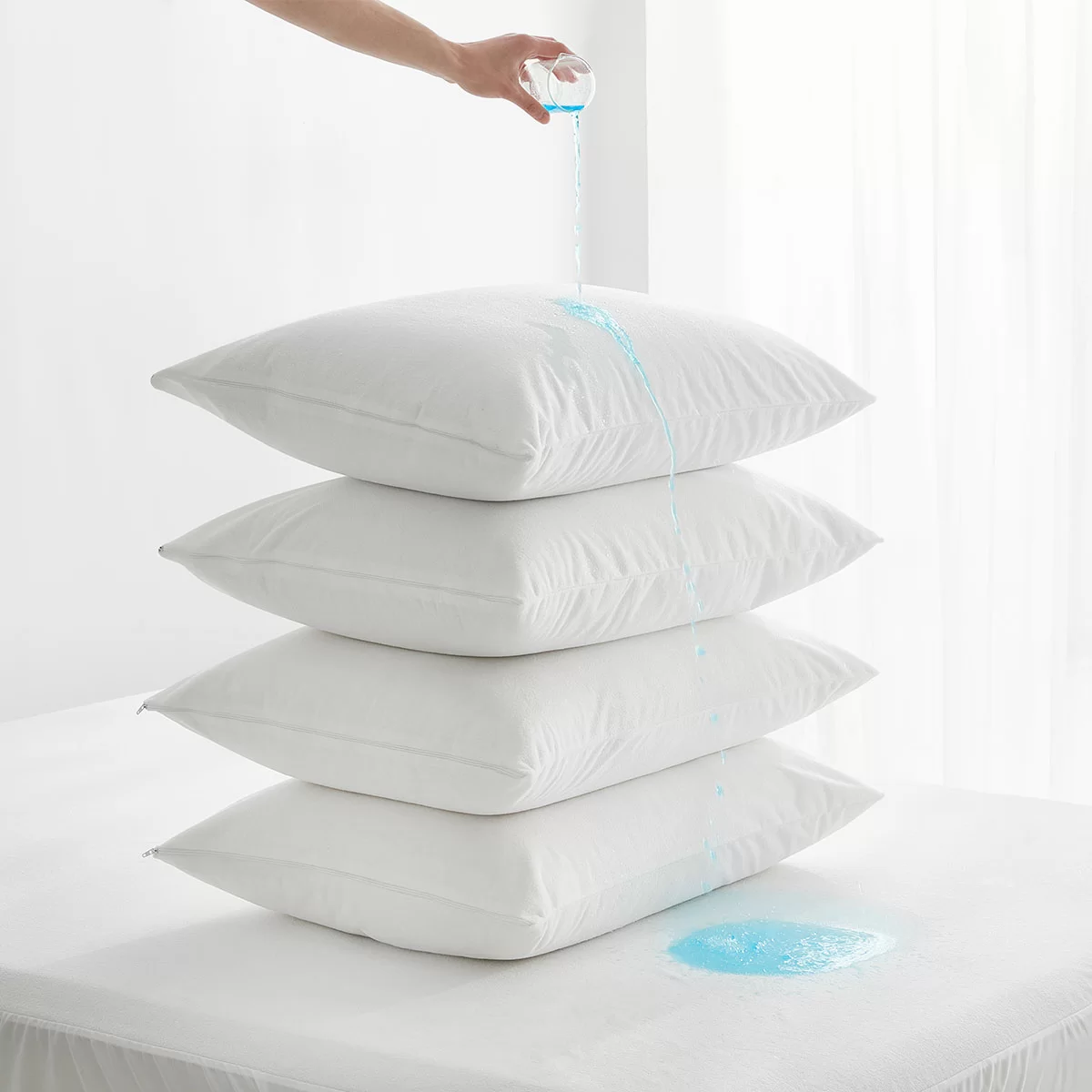
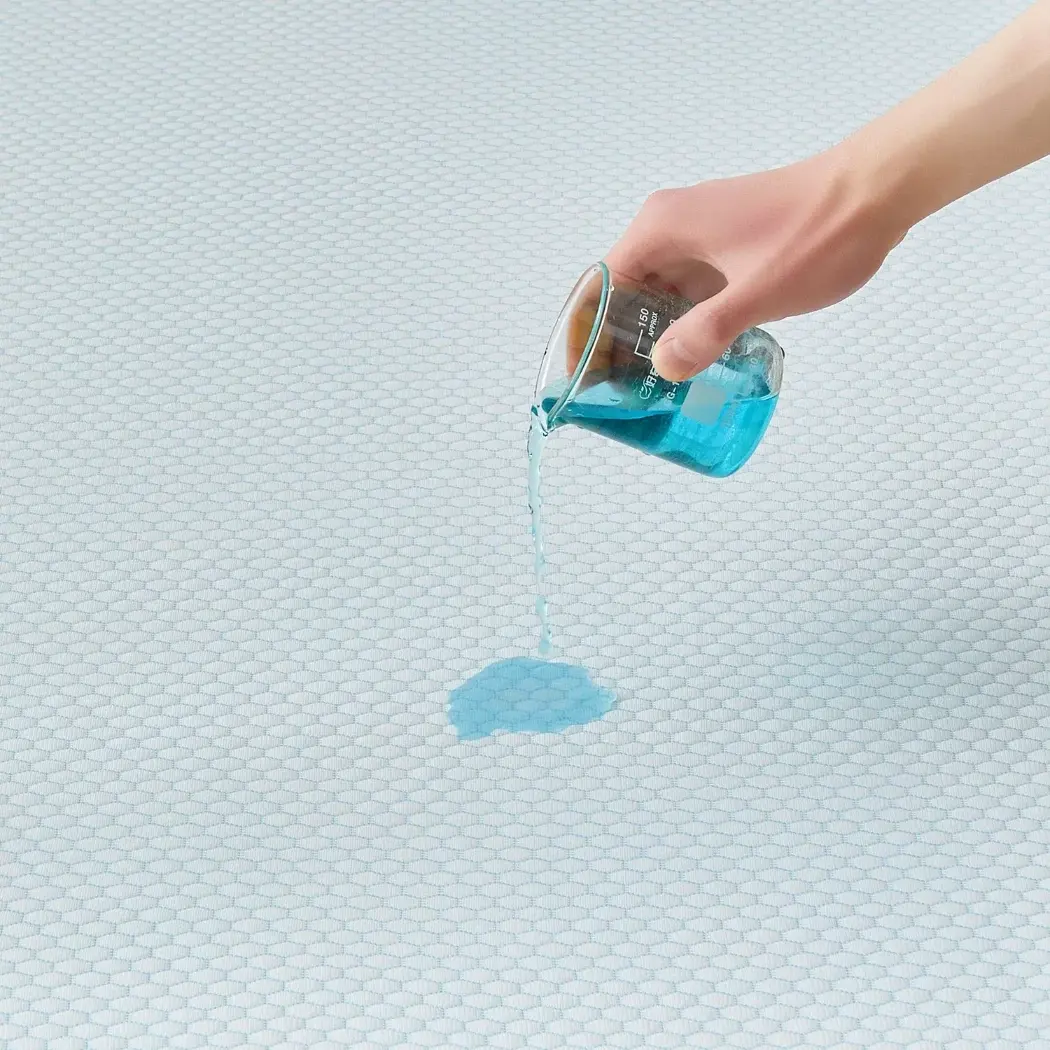
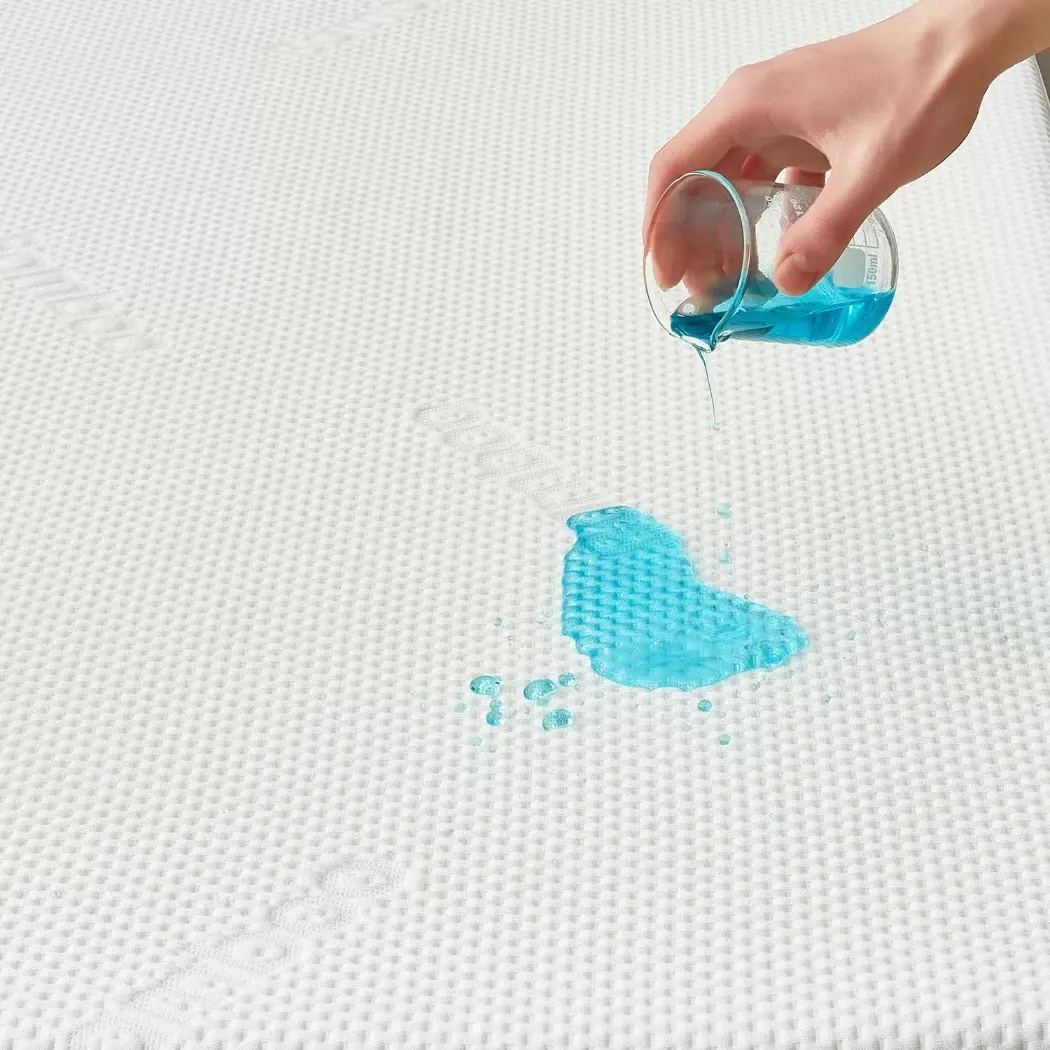
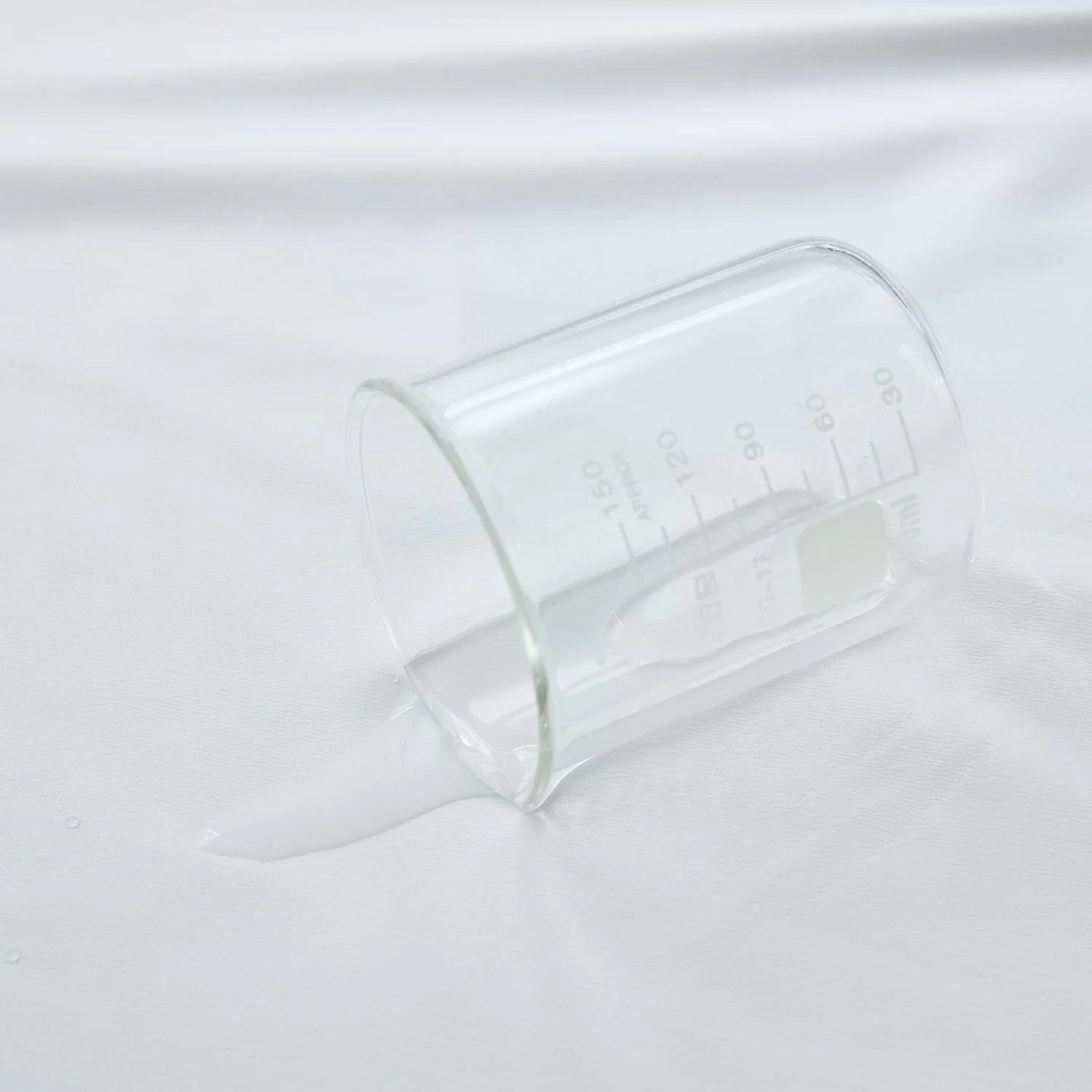
Furthermore, these specifications are closely tied to humanitarian and health needs. In hospitals or high-end care facilities, hotel-grade linens are often modified to be antimicrobial or waterproof while remaining breathable. This intersection of hospitality and healthcare demonstrates that the "hotel standard" is actually a benchmark for hygiene and human dignity in any environment where people sleep.
Core Components of High-Performance Bedding
Durability is the foremost pillar of hotel standard bed linen. This is achieved through the use of high-tensile strength yarns and reinforced seams. In a commercial setting, the cost of ownership is measured by the "cost per wash," meaning that a slightly more expensive set of sheets that lasts 200 washes is significantly more economical than a cheap set that degrades after 50.
The second critical component is breathability and thermal regulation. Professional hotel standard bed linen must accommodate a wide range of guest body temperatures. This is why moisture-wicking properties are engineered into the fabric, ensuring that sweat is drawn away from the body, which prevents discomfort and reduces the buildup of organic matter that can lead to fabric yellowing.
Lastly, aesthetic consistency and "whiteness" are non-negotiable. The industry standard for white linen is not merely a stylistic choice but a psychological one; white signifies cleanliness and transparency. Achieving this requires advanced optical brightening agents and high-purity raw cotton that can withstand bleach without losing its fiber strength, ensuring the bedding looks new for as long as possible.
Economic Impact and Scalability in Procurement
For large-scale operators, the procurement of hotel standard bed linen is an exercise in scalability. When equipping a 500-room hotel, the inventory must include "par levels"—usually 3 to 4 sets per bed (one on the bed, one in the laundry, one in the cupboard, and one in transit). This requires a supply chain capable of delivering thousands of identical units with zero variance in color or size.
The economic value is found in the optimization of the laundry cycle. Linens that dry faster and iron more easily reduce energy costs and labor hours. By choosing a fabric blend that optimizes the drying time, a hotel can significantly lower its utility bills and increase the turnover rate of its linen inventory, thereby reducing the total capital expenditure on fabric.
Comparative Performance of Hotel Standard Bed Linen Materials
Global Applications Across Hospitality Sectors
The application of hotel standard bed linen extends far beyond luxury hotels. In the cruise industry, linens must be treated to resist mildew and humidity, as the saline environment accelerates fabric degradation. Similarly, in the boutique motel sector, the focus shifts toward "rugged luxury"—linens that feel high-end but can withstand faster, more aggressive cleaning cycles.
Beyond commercial lodging, these standards are applied in remote industrial zones and luxury worker camps (e.g., mining or oil rigs), where providing a high-quality sleep environment is crucial for worker mental health and productivity. Even in post-disaster relief operations, the transition from temporary tents to modular housing often involves introducing hotel-standard linens to restore a sense of dignity and normalcy to displaced populations.
Long-Term Value and Guest Psychology
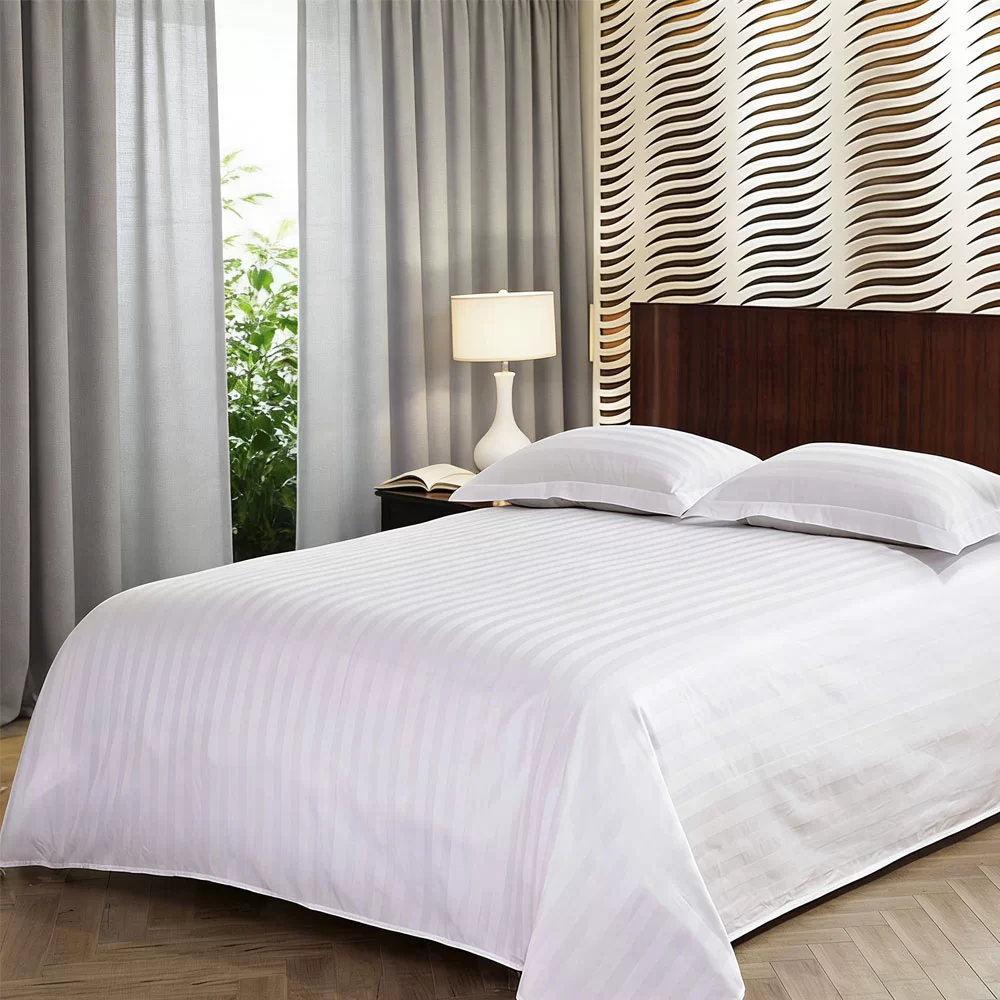
From a psychological perspective, the feel of hotel standard bed linen triggers an immediate emotional response of safety and indulgence. The "crispness" of a perfectly pressed sheet signals to the guest that the establishment is meticulous about hygiene. This trust is the foundation of the hospitality experience; if the bed is not pristine, the guest begins to question the cleanliness of the rest of the facility.
Moreover, the long-term value of investing in premium textiles manifests in online reviews and guest ratings. In the era of TripAdvisor and Google Reviews, "comfortable bedding" is one of the most frequently cited positive attributes. This creates a direct link between the technical specifications of the fabric and the financial performance of the hotel through increased occupancy rates.
Reliability is the final component of value. When a hotel uses standardized linens, they reduce the risk of "odd-lot" matching, where different beds in the same room have slightly different shades of white. This visual cohesion reinforces the brand's professionalism and commitment to quality, turning a simple commodity into a powerful marketing tool.
Future Trends in Smart and Sustainable Textiles
The future of hotel standard bed linen is being reshaped by the "Green Revolution." We are seeing a massive shift toward organic GOTS-certified cotton and the integration of Tencel (lyocell), which requires significantly less water to produce than traditional cotton. These materials not only appeal to the eco-conscious traveler but also offer superior moisture management and softness.
Digital transformation is also entering the bedroom. "Smart linens" embedded with conductive fibers are being developed to monitor sleep patterns or adjust temperature dynamically. While still in the early adoption phase, this integration of IoT into hotel bedding will allow luxury resorts to offer personalized sleep environments, adjusting the fabric's thermal properties based on the guest's real-time biological data.
Automation in laundry is further driving fabric innovation. New linens are being engineered to be "anti-wrinkle" at a molecular level, reducing the need for energy-intensive industrial ironing. This convergence of sustainability, technology, and efficiency is redefining what it means to be "hotel standard" in the 21st century.
Comparative Analysis of Modern Bed Linen Materials and Their Performance
|
Material Type
|
Durability Score (1-10)
|
Eco-Friendliness
|
Guest Comfort Level
|
| Egyptian Cotton |
8 |
Medium |
Ultra-High |
| CVC Poly-Cotton |
10 |
Low |
Medium |
| Organic Cotton |
7 |
High |
High |
| Tencel Lyocell |
7 |
Ultra-High |
High |
| Bamboo Blend |
6 |
High |
Medium-High |
| Standard Percale |
9 |
Medium |
High |
FAQS
While many brands market 1000+ thread counts, the true hotel standard for luxury usually falls between 300 and 600. At this range, the fabric remains breathable and durable. Excessively high thread counts can actually make the sheets heavier and less breathable, which is counterproductive for guest comfort and industrial drying times.
Replacement cycles vary by hotel grade, but generally, linens should be rotated out every 6 to 12 months. The key is monitoring "graying" or "pilling." Once the fabric loses its luster or develops a rough texture, it should be downgraded to secondary use or recycled to maintain the brand's luxury image.
It depends on the priority. 100% cotton provides a superior luxury feel and breathability. However, CVC (Chief Value Cotton) blends are significantly more durable, wrinkle less, and dry faster. Most mid-scale hotels prefer blends for operational efficiency, while five-star properties stick to high-grade cotton for prestige.
Prevention starts with selecting linens specifically engineered for commercial bleach. Additionally, controlling the pH level of the laundry water and avoiding the over-use of harsh chemicals can prevent fiber breakdown. Using a high-quality hotel standard bed linen with optical brighteners also helps maintain that crisp white look.
Yes, modern sustainable fabrics like Tencel and organic cotton are now engineered to meet commercial durability standards. While some early eco-fabrics were fragile, current manufacturing processes ensure they can withstand industrial laundering while offering a smaller environmental footprint.
Percale is a one-over-one weave that feels crisp, cool, and matte—perfect for warm climates or guests who prefer a "fresh" feel. Sateen is a four-over-one weave that feels silky, smooth, and has a slight sheen—ideal for luxury settings and cooler climates where a heavier, cozy feel is desired.
Conclusion
In summary, hotel standard bed linen is a complex intersection of textile engineering, operational economics, and guest psychology. From the precise selection of thread counts and weave types to the implementation of sustainable sourcing and industrial-grade durability, every detail contributes to the overall success of a hospitality brand. By prioritizing quality and consistency, operators can ensure a superior guest experience that transcends simple utility and becomes a hallmark of luxury.
Looking forward, the industry must continue to embrace the synergy between high-performance materials and environmental stewardship. As the demand for sustainable luxury grows, those who invest in innovative, eco-friendly, and smart textiles will lead the market. Whether you are managing a boutique B&B or a global hotel chain, the quality of your linens remains one of the most powerful tools for communicating value and care to your guests. For professional procurement solutions, visit our website: www.infortextile.com