


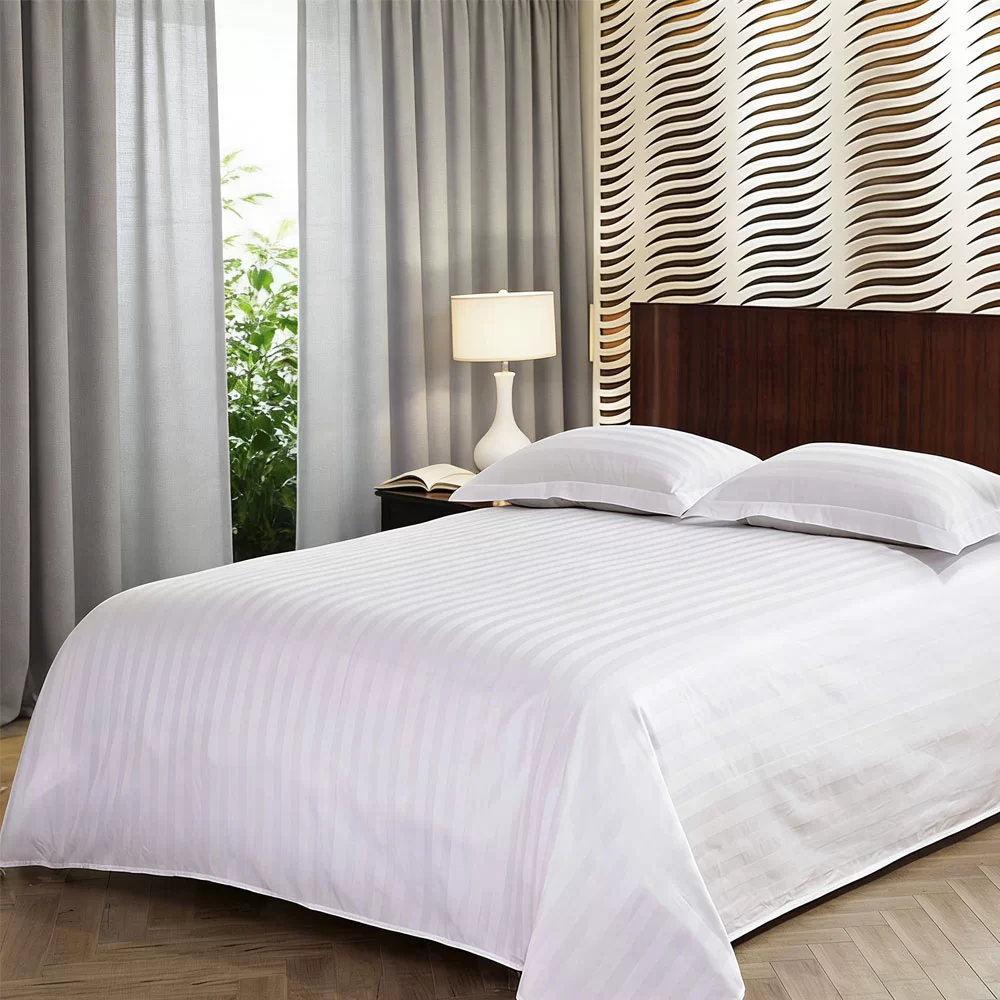
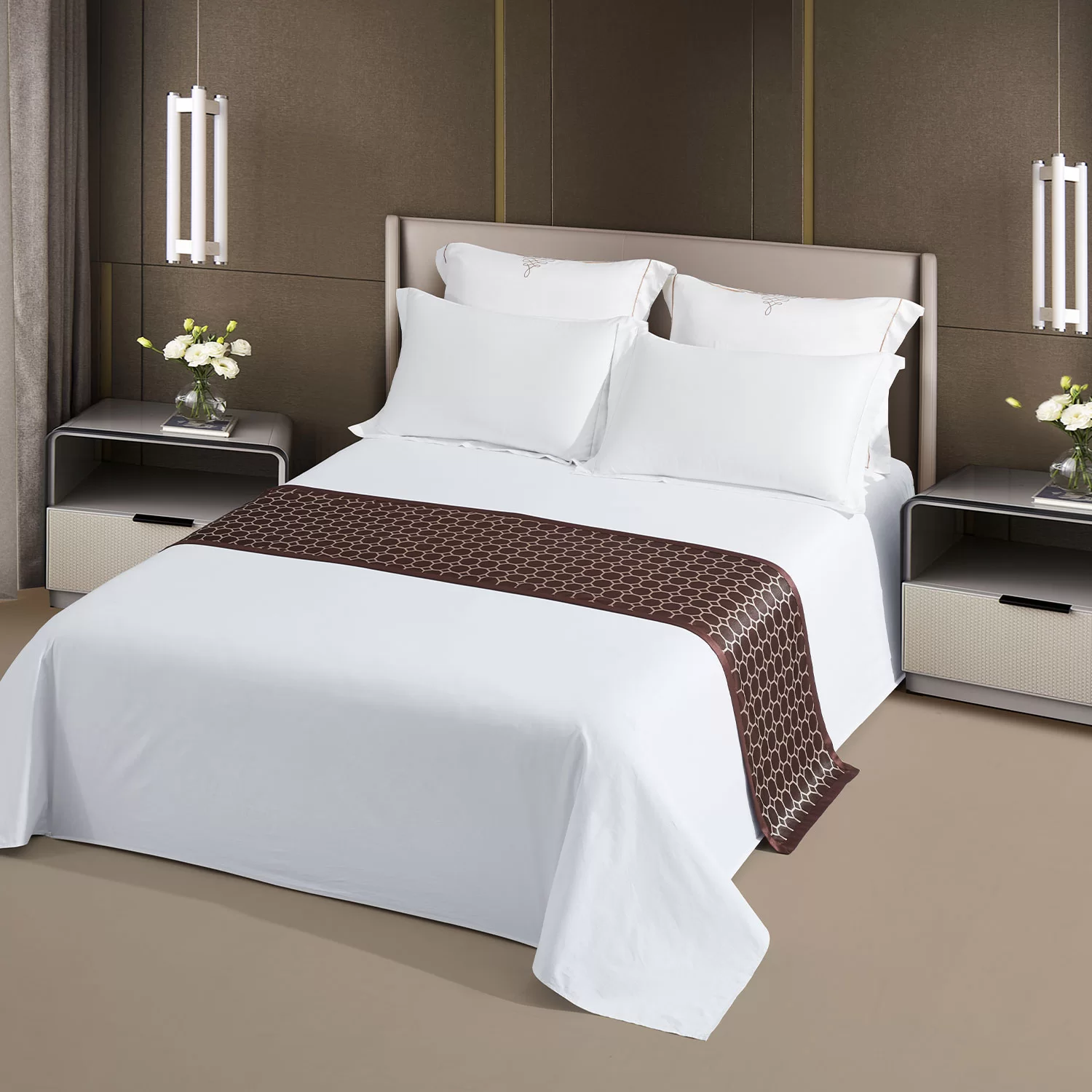

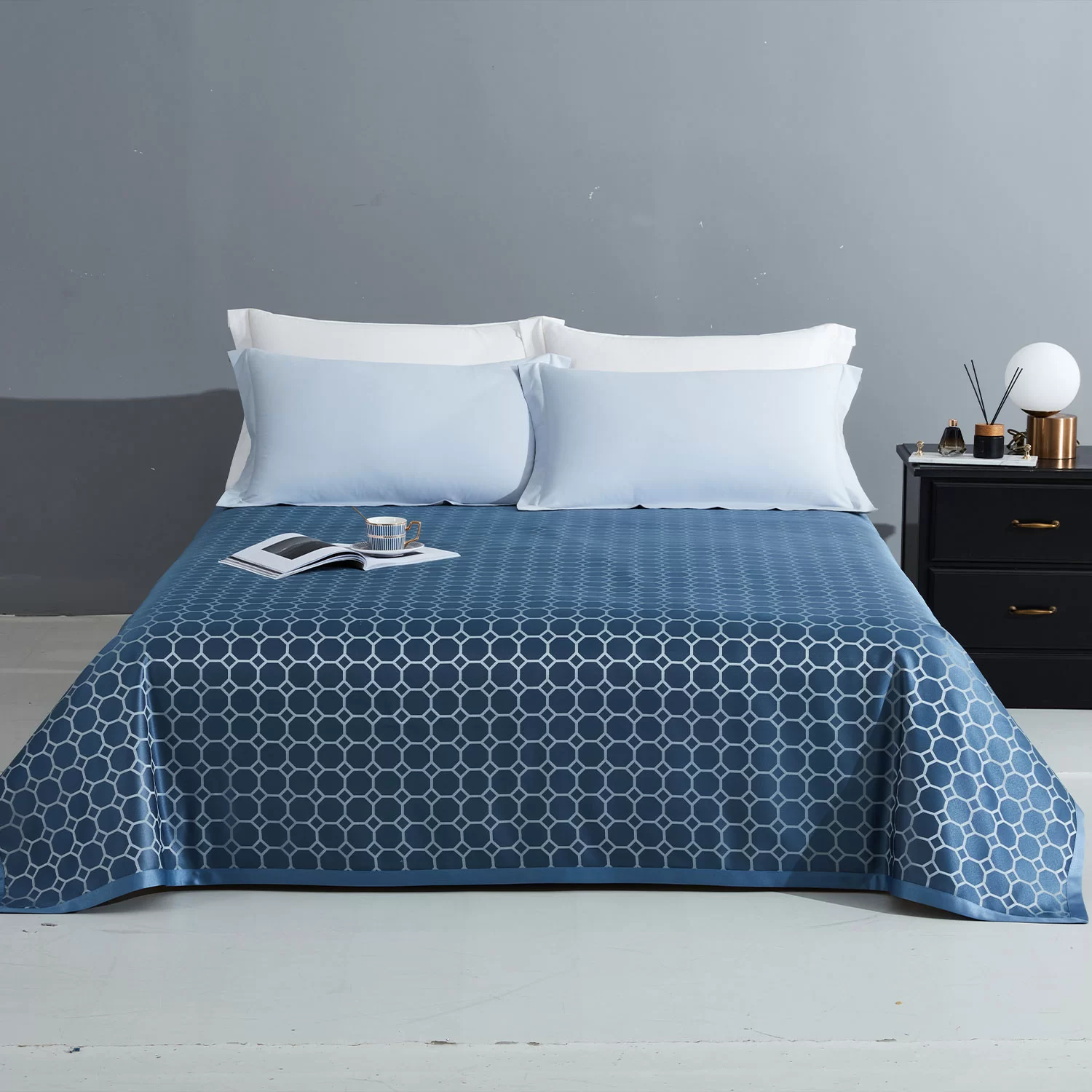
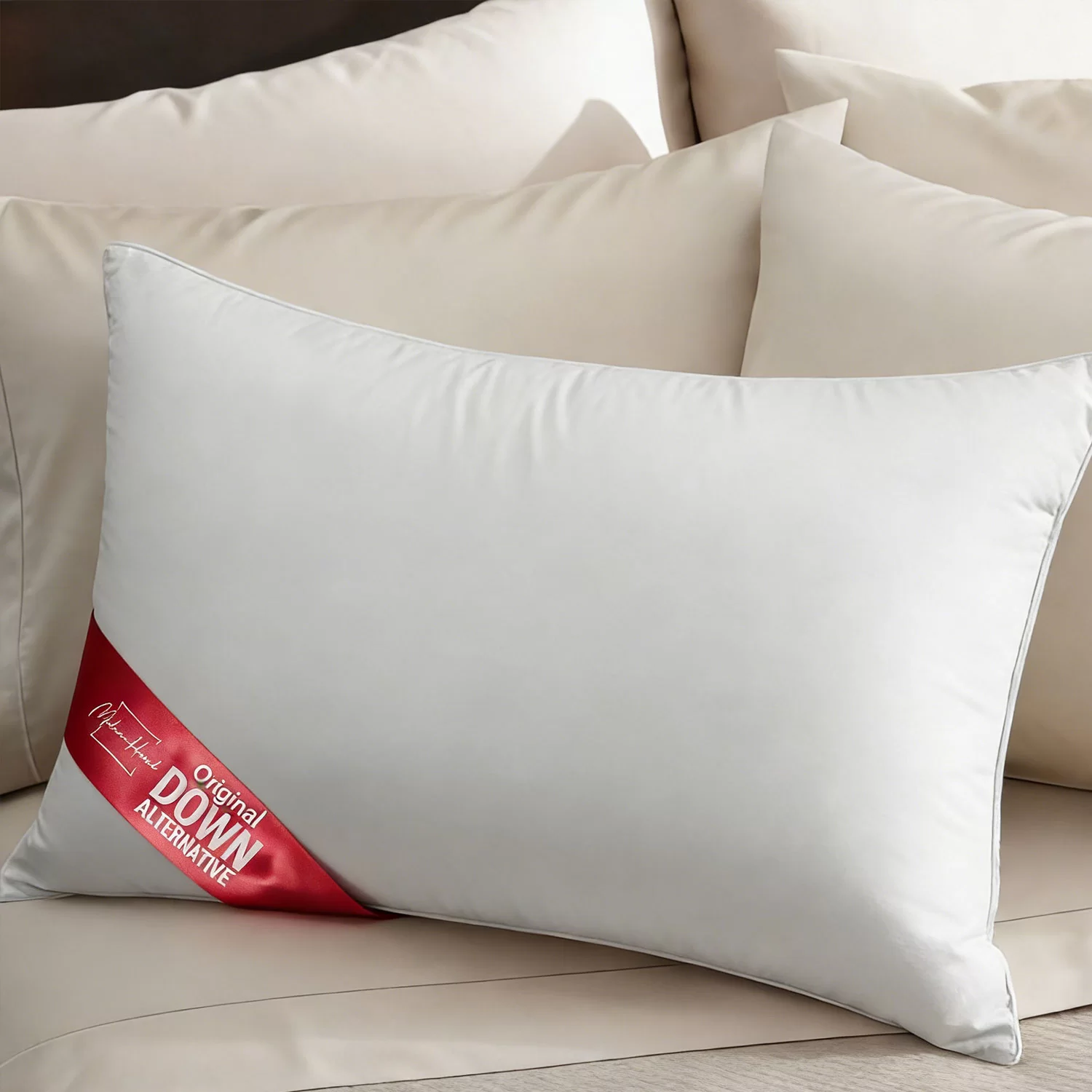
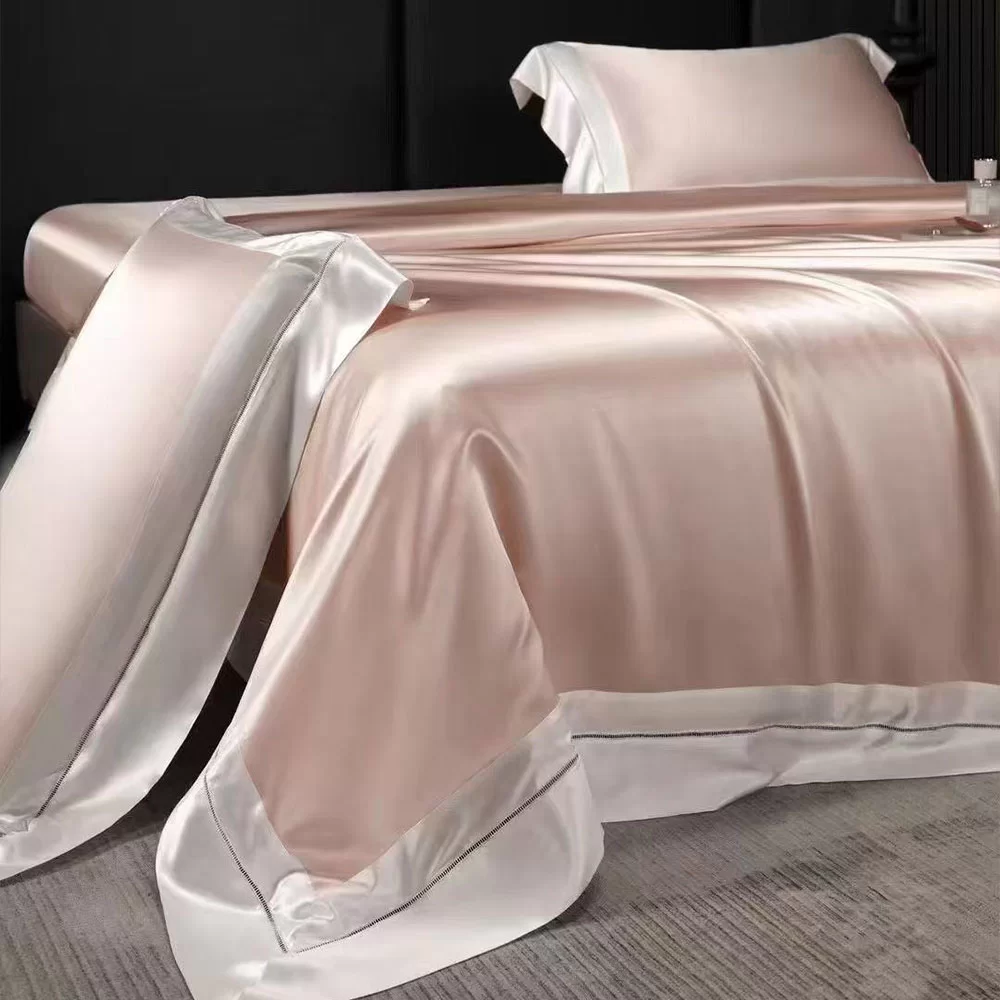
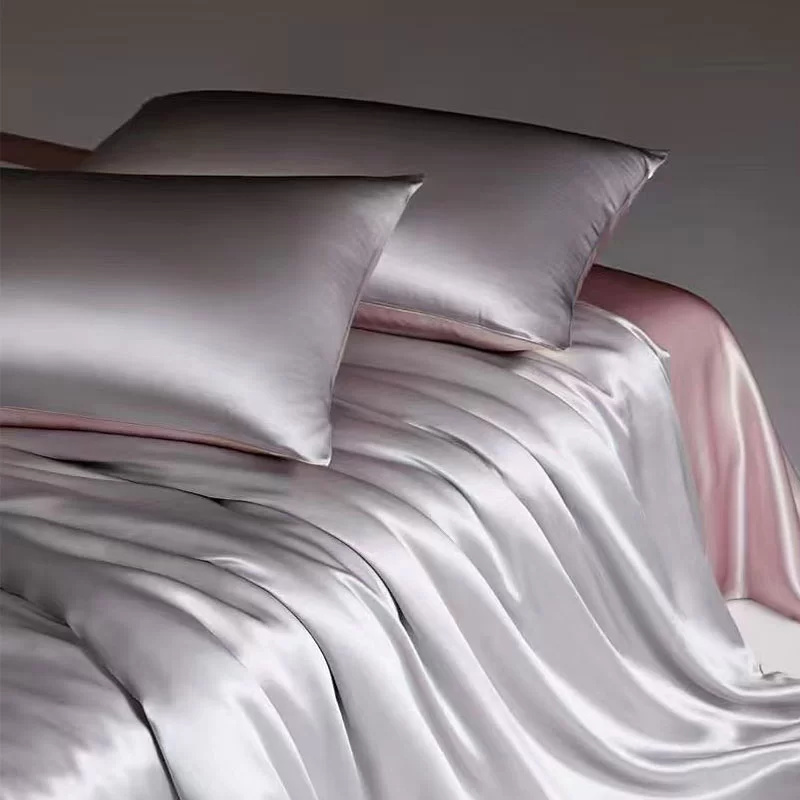
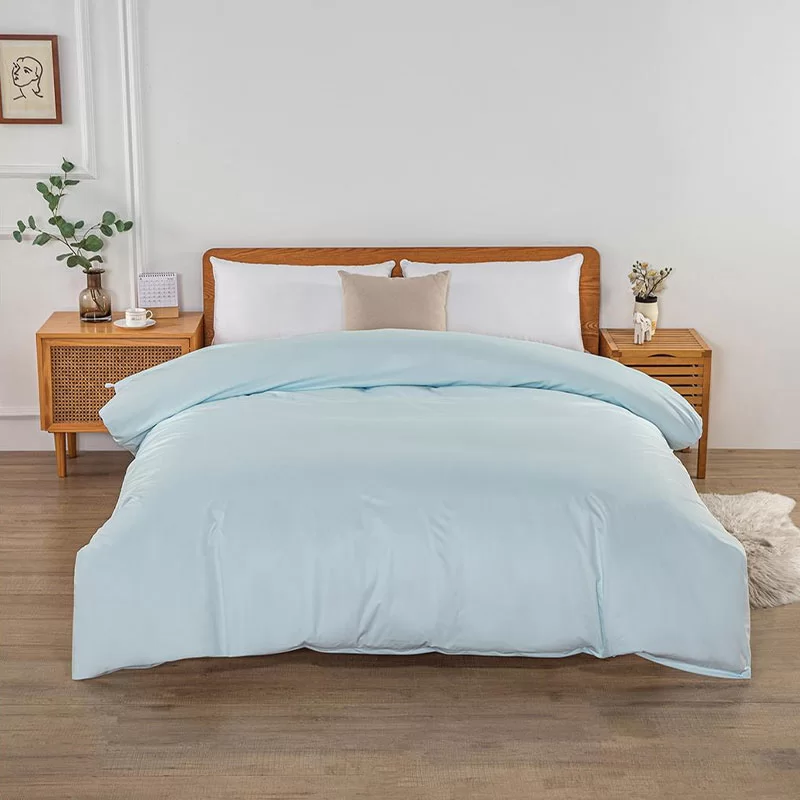
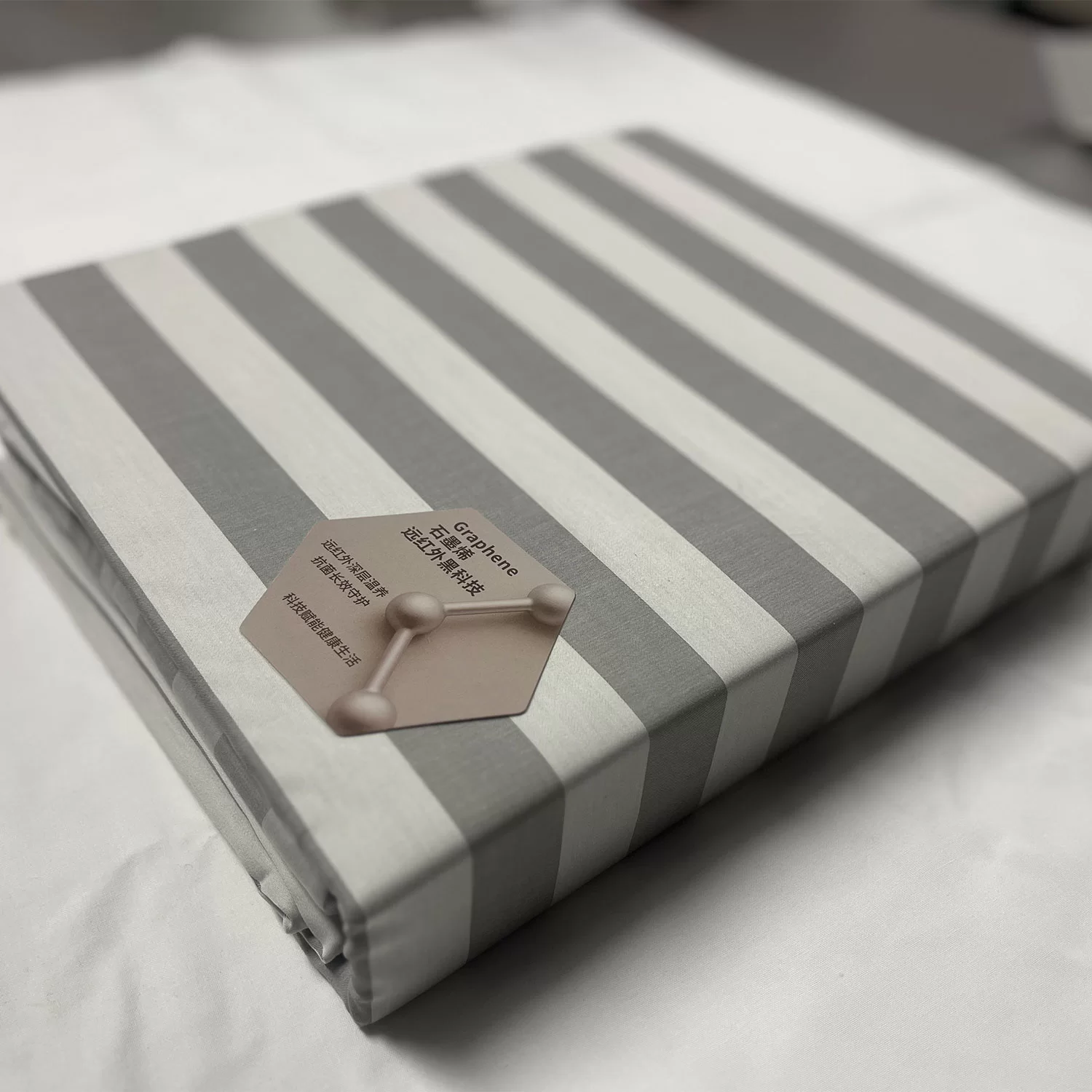


Premium Commercial Bed Linen Guide for Hospitality Industry
The Ultimate Guide to Choosing Premium Commercial Bed Linen
In the hospitality industry, the quality of sleep is the cornerstone of guest satisfaction. Investing in high-grade commercial bed linen is not just about aesthetics; it is about blending durability with an unparalleled tactile experience. Whether you manage a boutique hotel, a luxury resort, or a healthcare facility, the linens you choose directly impact your brand reputation and operational costs. This guide explores the critical factors in selecting linens that withstand industrial laundering while maintaining a crisp, inviting feel for every guest.
Understanding Fabric Compositions for Commercial Bed Linen
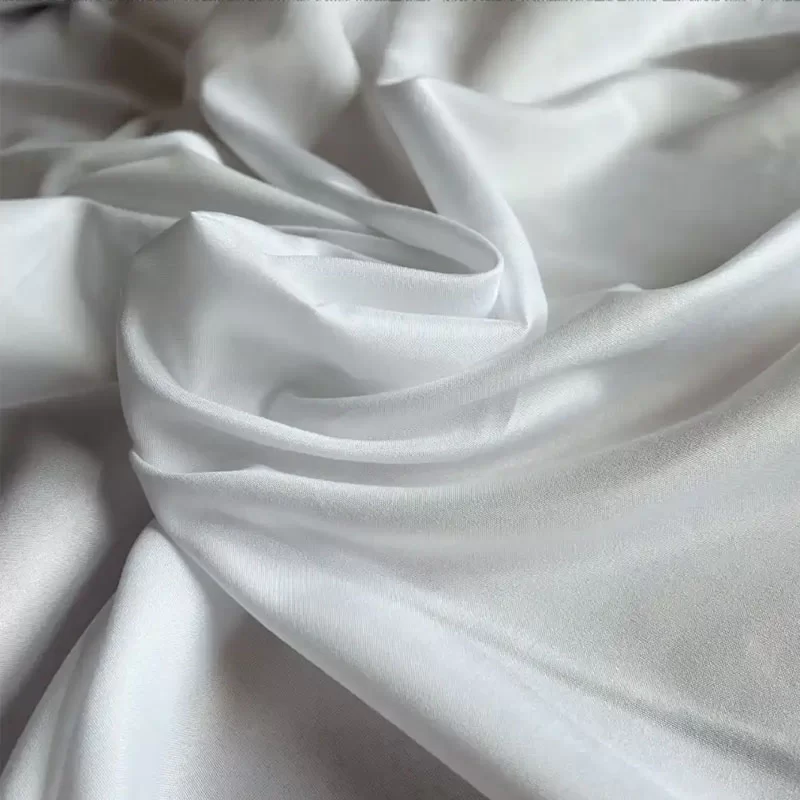
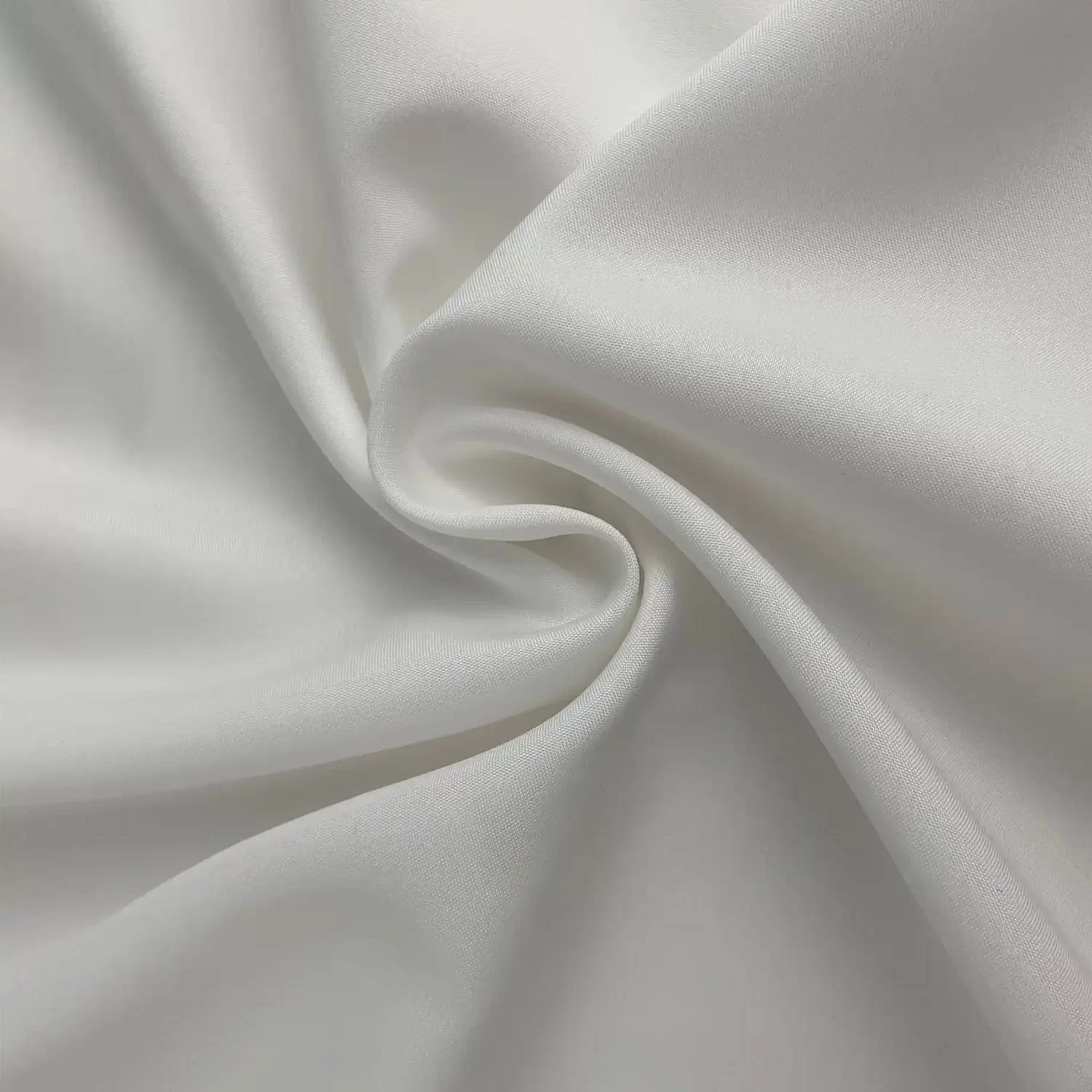
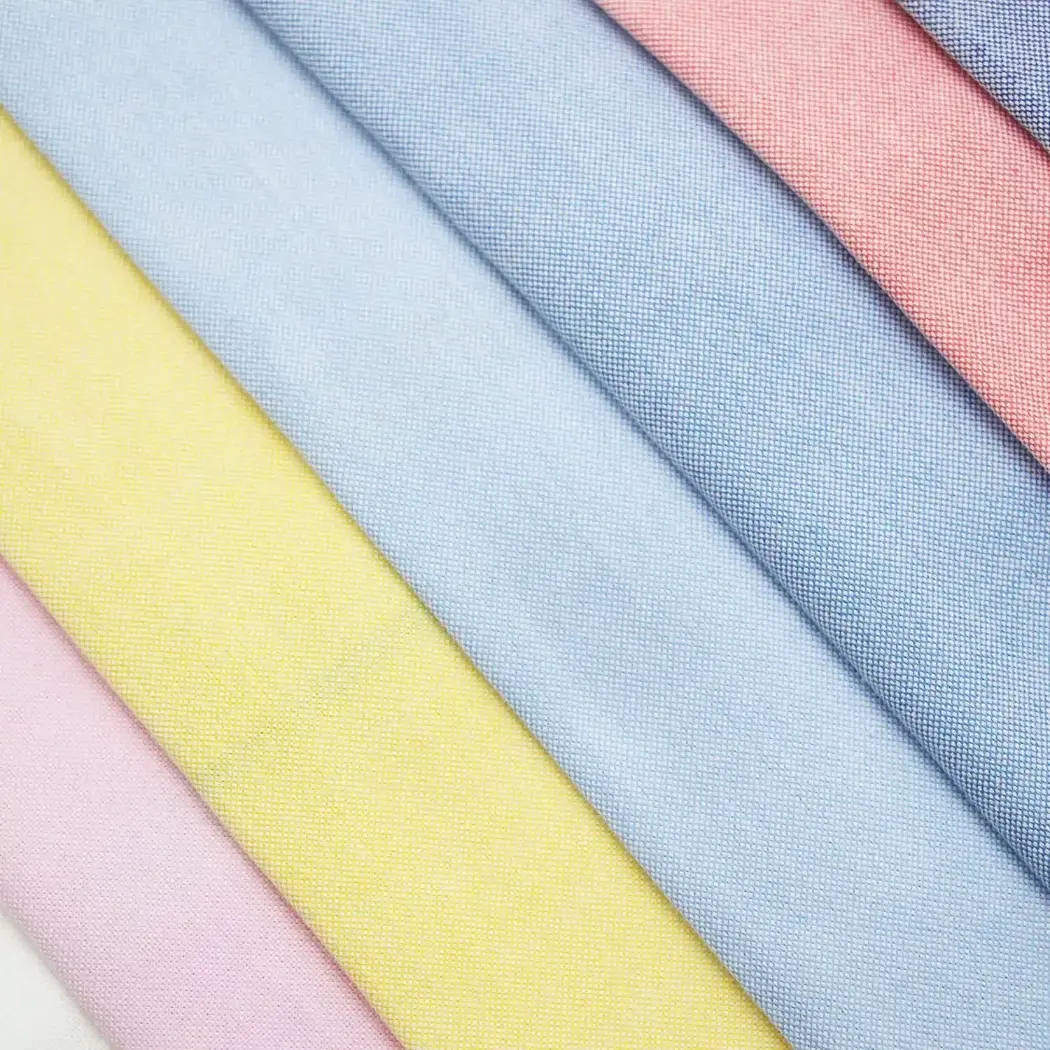
The foundation of any great bedding set is the material. For commercial bed linen, the most common choices are 100% cotton, cotton-polyester blends, and sateen weaves. 100% cotton offers maximum breathability and a classic feel, making it ideal for luxury segments. However, poly-cotton blends are often preferred for high-turnover environments because they are more wrinkle-resistant and dry faster, significantly reducing energy costs during the laundry process. Choosing the right blend ensures a balance between the "five-star" feel and the practicalities of daily maintenance.
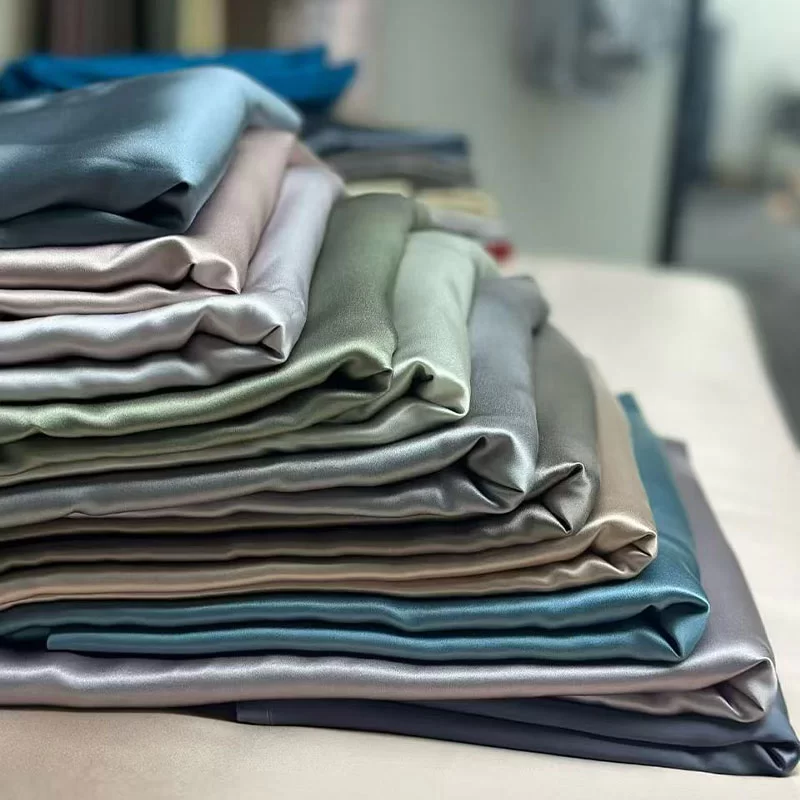
Pro Tip: Percale weaves are tighter and more matte, offering a cool, crisp feel, while Sateen weaves are smoother and have a subtle sheen, providing a more opulent experience for the guest.
Thread Count vs. Durability in Hospitality Linens
There is a common misconception that a higher thread count always equals higher quality. In the world of commercial bed linen, an excessively high thread count can actually make the fabric less breathable and more prone to pilling under industrial heat. The key is finding the "sweet spot"—typically between 200 and 400 threads per square inch. This range provides a sophisticated softness while ensuring the fabric is robust enough to withstand frequent high-temperature washing and chemical treatments common in commercial laundries.
Comparing Material Performance for Commercial Bed Linen
To help procurement managers make an informed decision, it is essential to compare how different materials perform across key metrics. While 100% cotton is the gold standard for comfort, the operational efficiency of blends cannot be overlooked. Below is a detailed comparison to guide your selection based on your specific business needs.
Maintaining the Longevity of Commercial Bed Linen
Buying high-quality commercial bed linen is only half the battle; the other half is maintenance. To prevent premature thinning and yellowing, hotels must implement a strict laundry protocol. This includes avoiding over-loading machines, using pH-balanced detergents, and controlling drying temperatures to prevent "scorching" the fibers. Implementing a rotation system where linens are retired after a set number of cycles ensures that the guest always encounters a product that looks and feels new, maintaining the visual integrity of the room.
Standard Specifications for Hotel Bedding
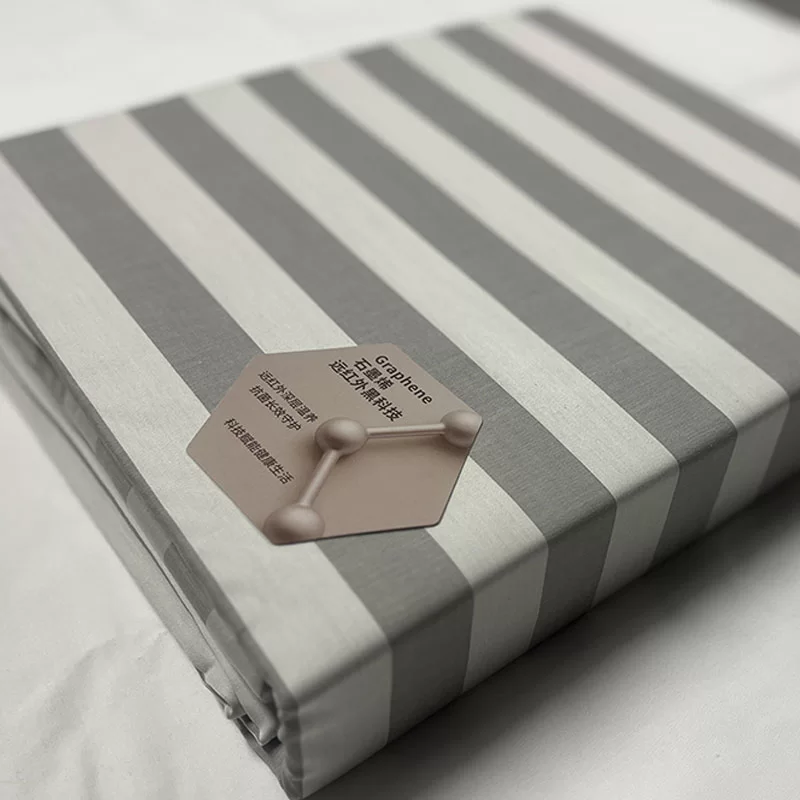
Consistency is key in commercial settings. Standardizing the size and weight of your commercial bed linen ensures that housekeeping can make beds quickly and efficiently. From the depth of the fitted sheets to the overhang of the flat sheets, every detail is engineered for a tailored look. Below are the typical technical specifications adopted by international hotel chains.
Conclusion: Elevating Guest Experience through Quality Linens
Selecting the right commercial bed linen is a strategic decision that balances luxury with longevity. By focusing on the correct fabric blend, optimal thread count, and rigorous maintenance schedules, hospitality providers can ensure a superior sleep experience for their guests while optimizing their operational budget. Quality linens are an investment in your brand's promise of comfort and cleanliness. Choose wisely, and your guests will return.
Frequently Asked Questions (FAQs)
What is the best fabric for high-turnover hotels?
For hotels with high occupancy and rapid turnover, a poly-cotton blend (usually 60% cotton and 40% polyester) is highly recommended. This blend offers the natural softness and breathability of cotton combined with the durability and wrinkle-resistance of polyester. This means less time spent ironing and a longer lifespan for the linens, as polyester fibers are more resistant to the wear and tear of industrial washing machines. It effectively lowers the total cost of ownership while keeping guests comfortable.
How often should commercial bed linen be replaced?
While there is no one-size-fits-all answer, most luxury hotels implement a rotation cycle every 6 to 12 months. Linens should be replaced when they show signs of "thinning" in high-friction areas, visible staining that cannot be removed by professional laundering, or a loss of softness. Regular audits of your linen inventory help prevent a sudden drop in quality that could lead to negative guest reviews. Using a high-quality supplier like Infor Textile can extend this cycle due to superior fabric strength.
Does a higher thread count always mean better quality?
Not necessarily. In commercial settings, a thread count that is too high can result in a heavier fabric that takes longer to dry and feels less breathable. The "quality" of the linen depends more on the length of the cotton staple (long-staple cotton is superior) and the weave type than the number itself. A 300-thread-count long-staple cotton percale is often far more durable and comfortable for a guest than a 600-thread-count linen made from short-staple cotton. Balance is key for industrial performance.
How can I prevent my commercial linens from yellowing?
Yellowing is typically caused by a buildup of detergent residues, minerals in hard water, or over-drying. To prevent this, ensure that your laundry team uses the correct amount of detergent and a high-quality rinse cycle. Using a water softening system can also significantly reduce mineral deposits. Additionally, avoiding excessive heat during the drying process is crucial, as "scorching" the fibers can lead to permanent yellowing. Implementing these professional laundry standards will keep your white linens bright and crisp.


Apr 29, 26
Premium Hotel Stripe Bed Linen for Luxury Hospitality Success
Apr 27, 26
Professional Guide to Choosing Durable Hotel Linen Bed Sheets
Apr 24, 26
Premium White Hotel Bed Linen for Luxury Hospitality Standards
Apr 23, 26
Premium Hotel Collection Bed Linen for Luxury Guest Experience


Contact Us
Email: inforhometextile@126.com
Email: helenkou@126.com
Address
Zerun Building,No.122 Fengshou Road,Chang'an District,Shijiazhuang City,Hebei Province,China
If you are interested in our products, you can choose to leave your information here, and we will be in touch with you shortly.


