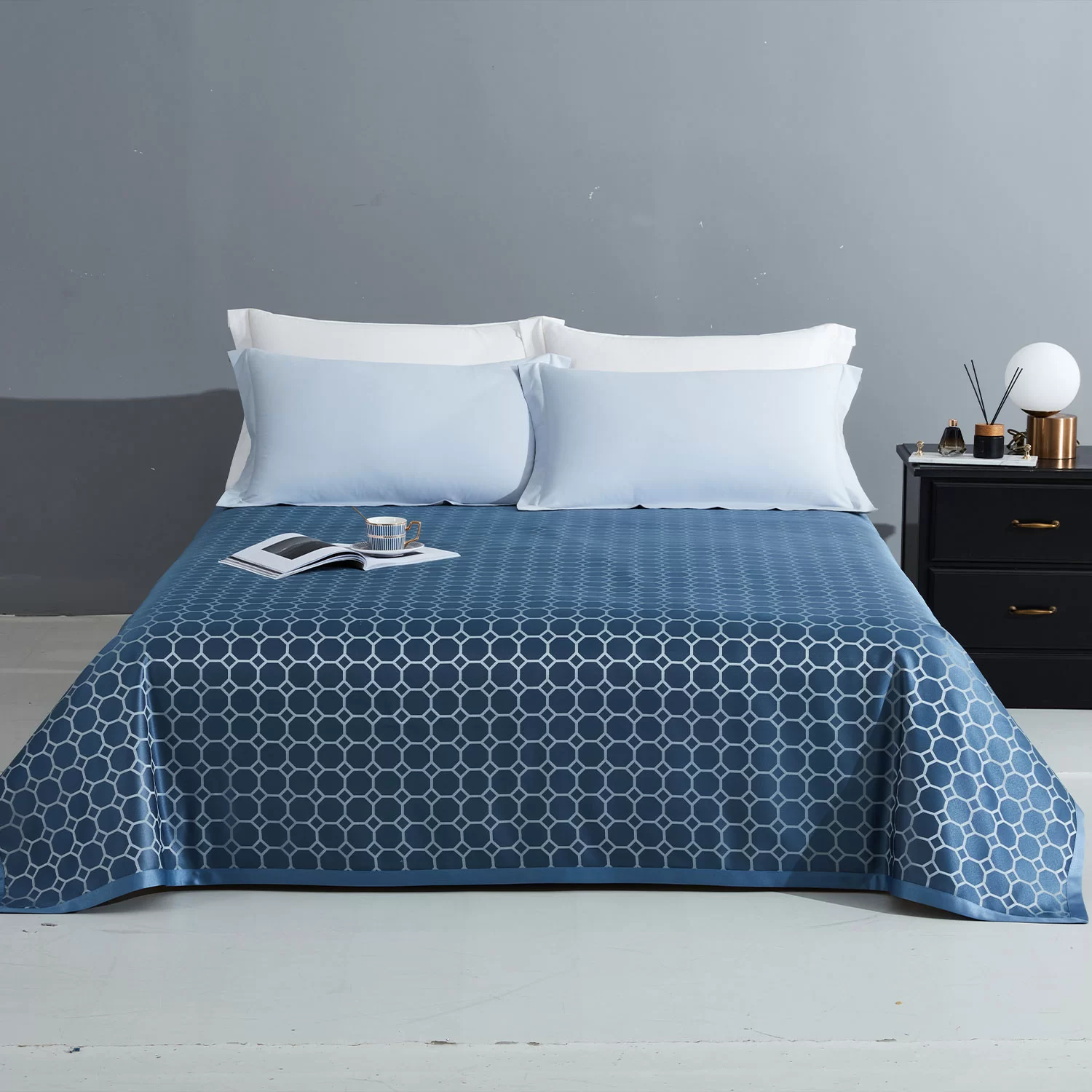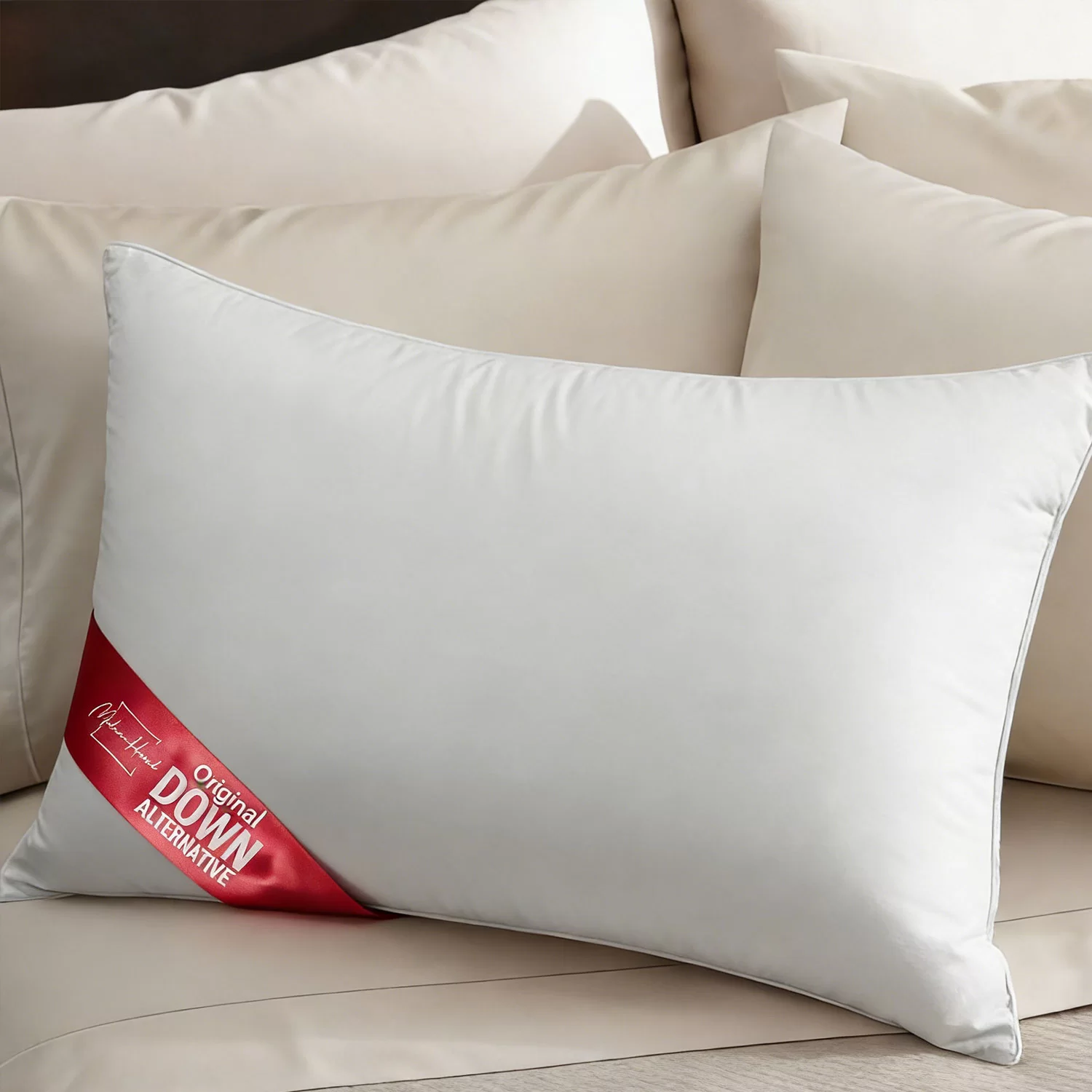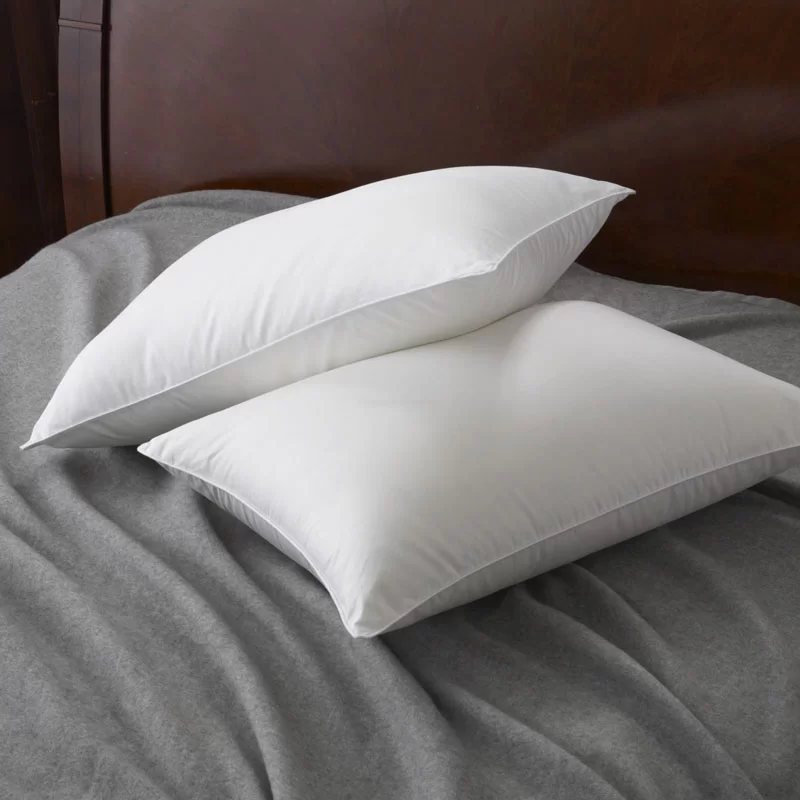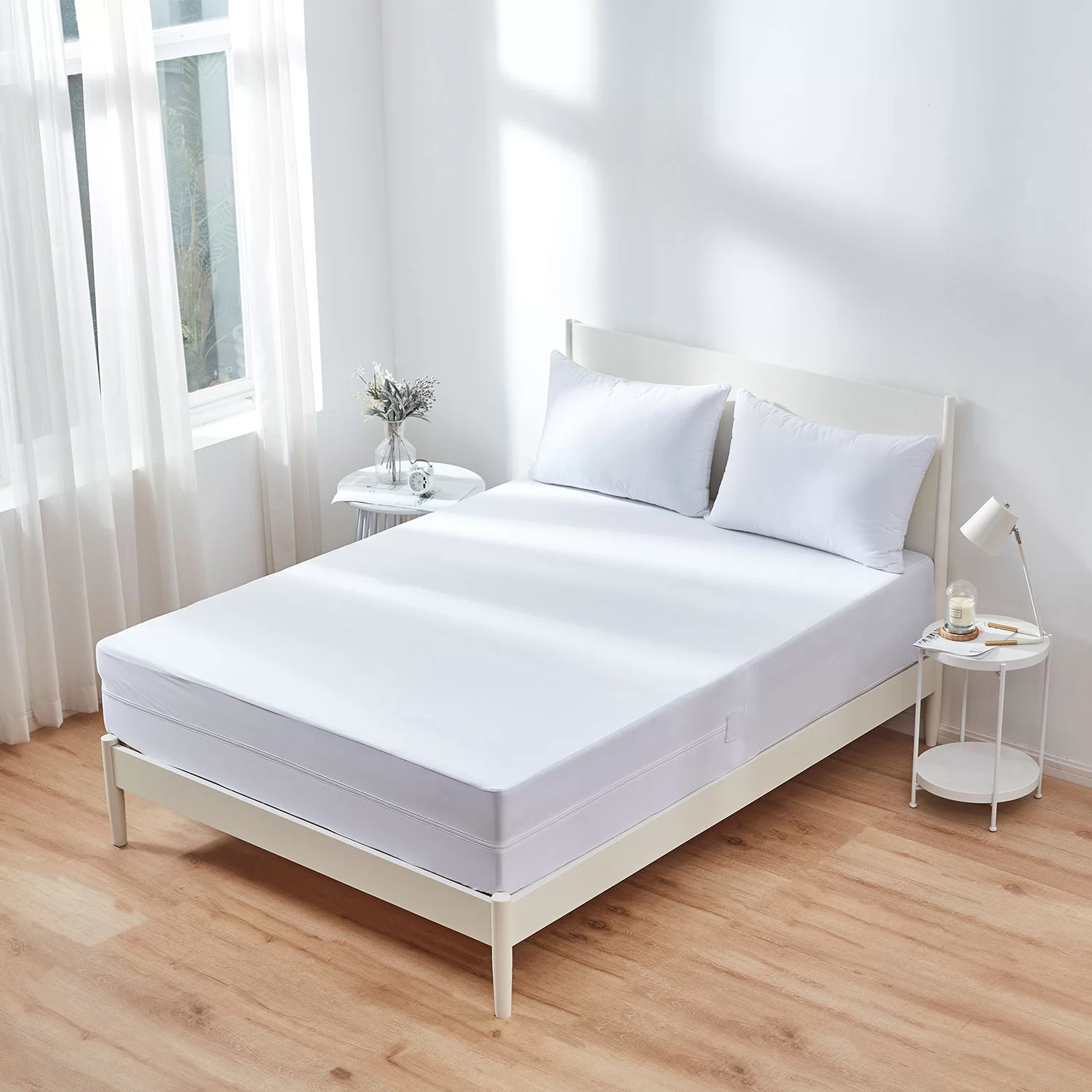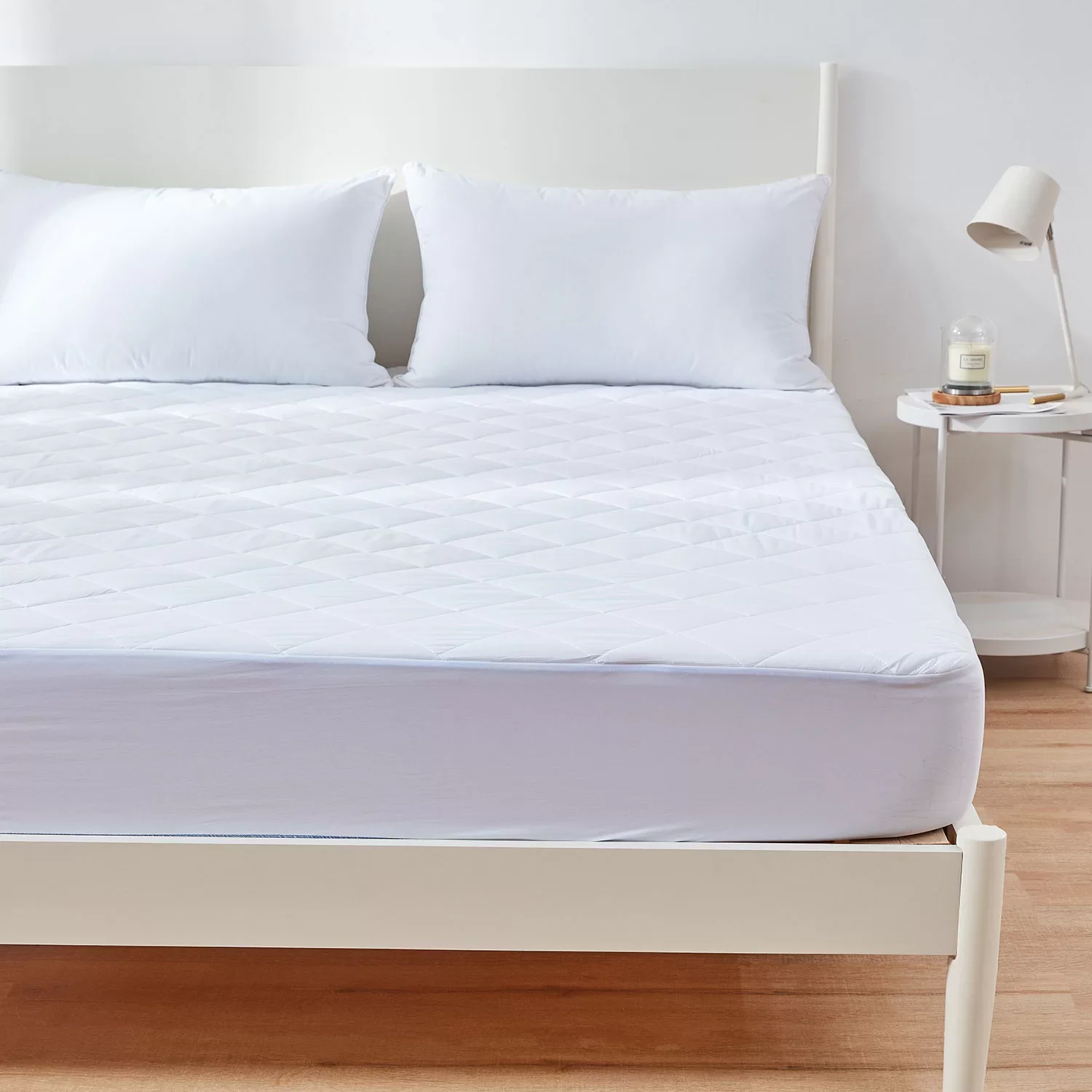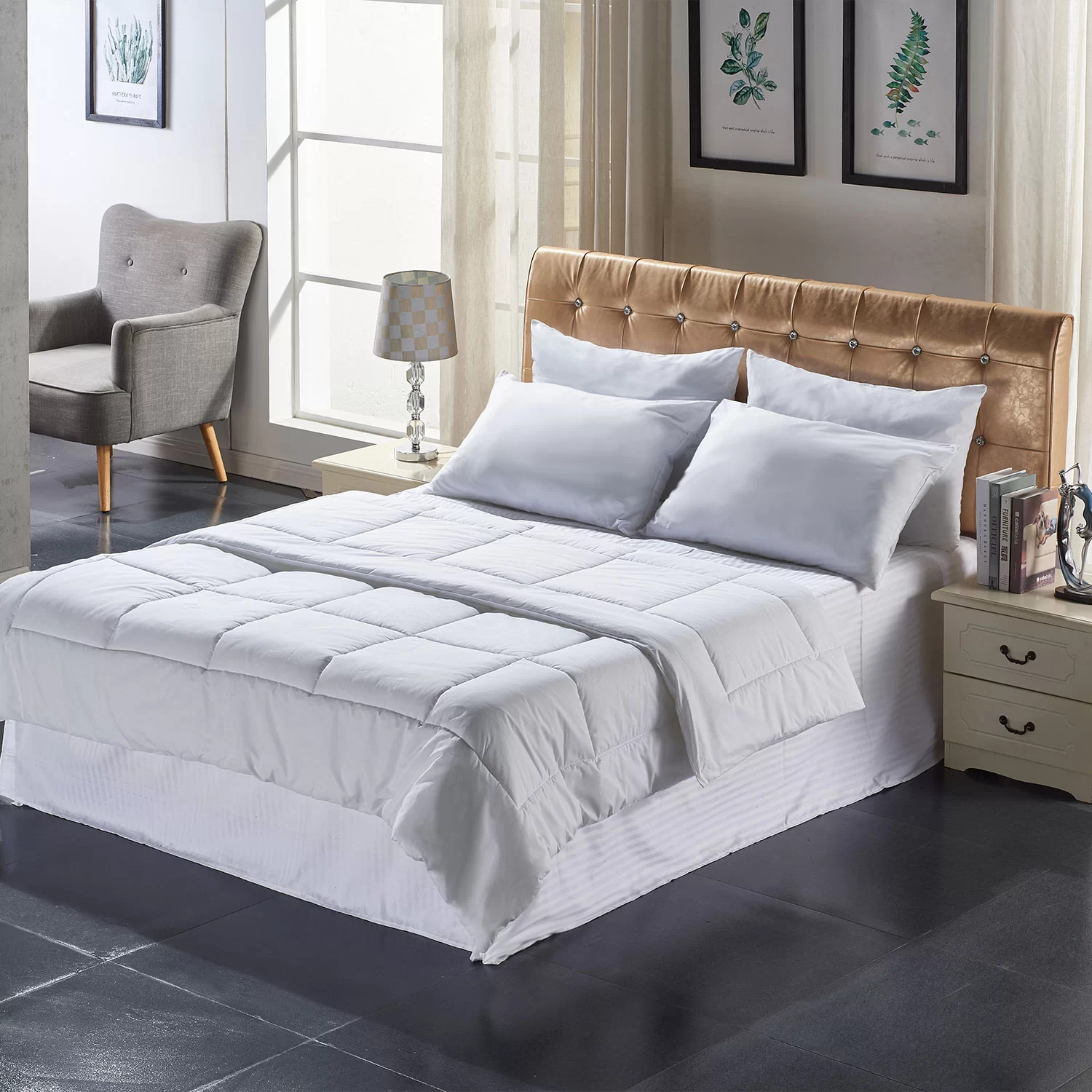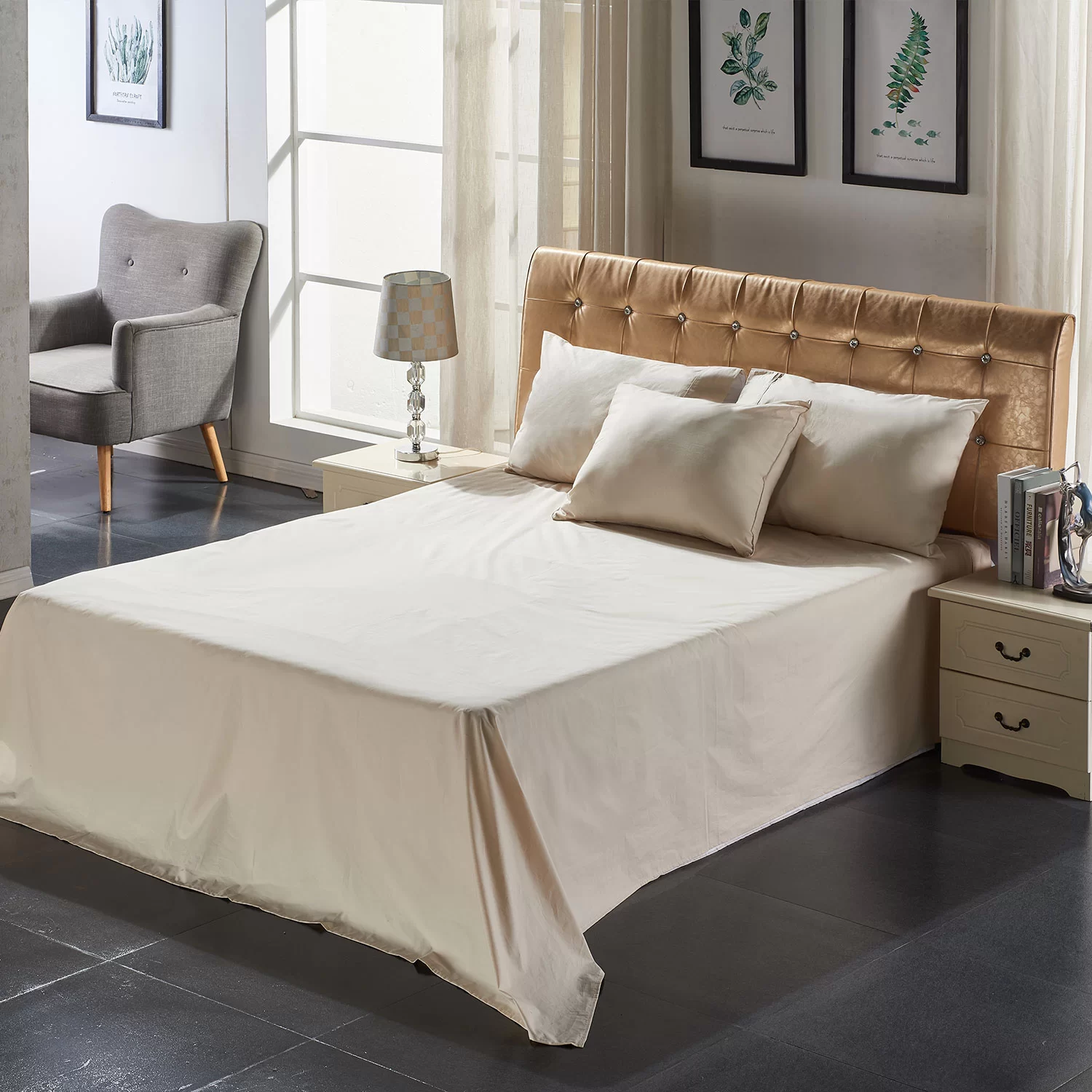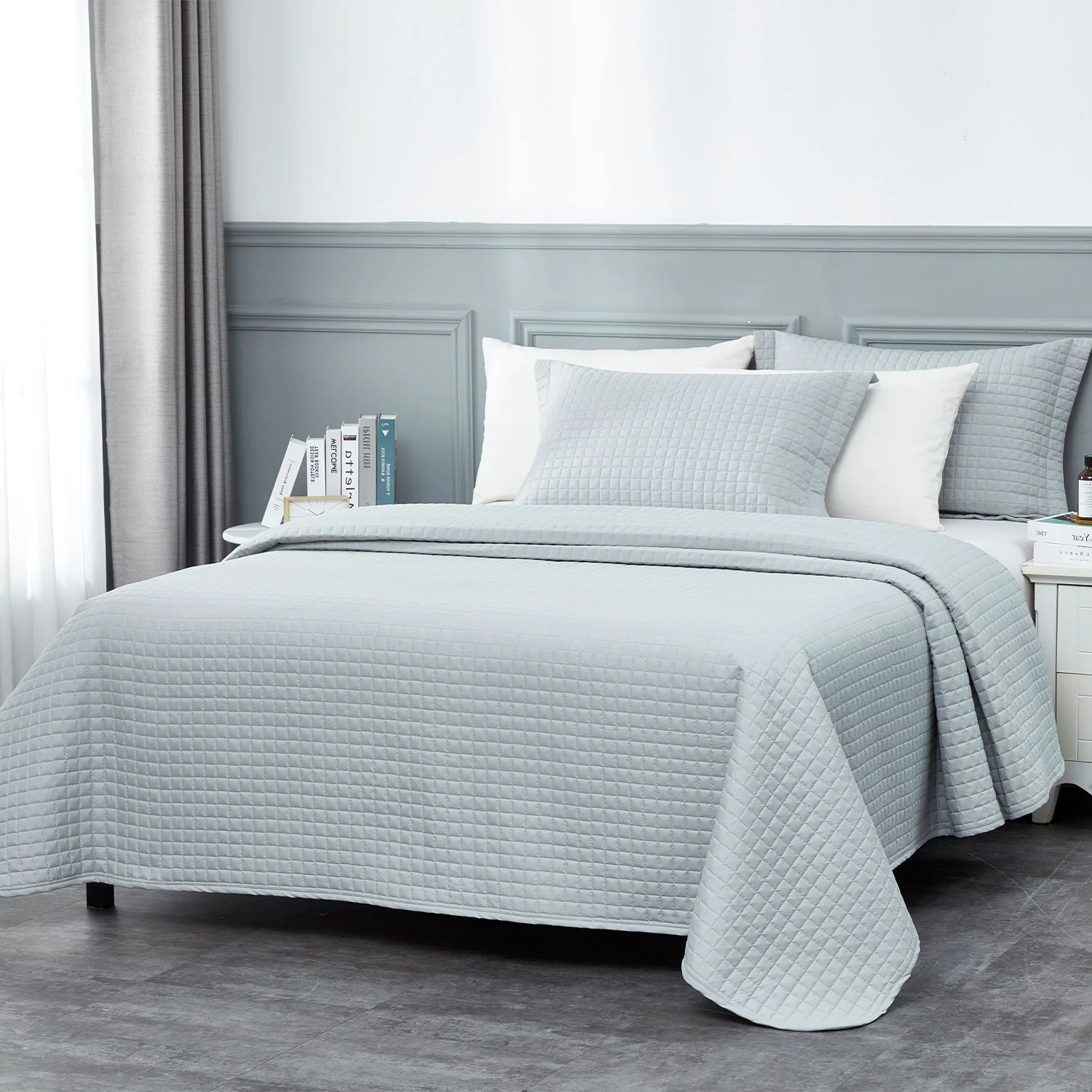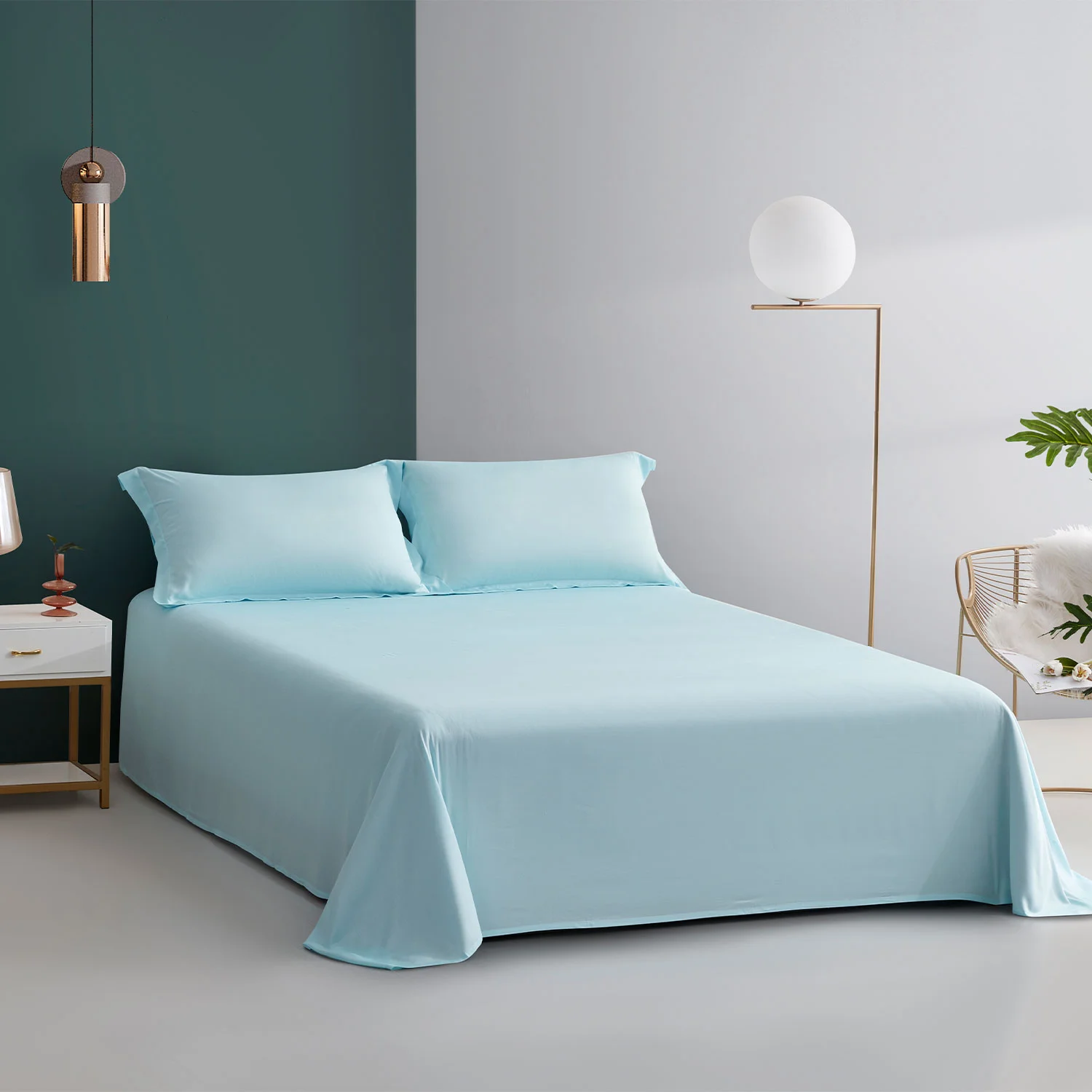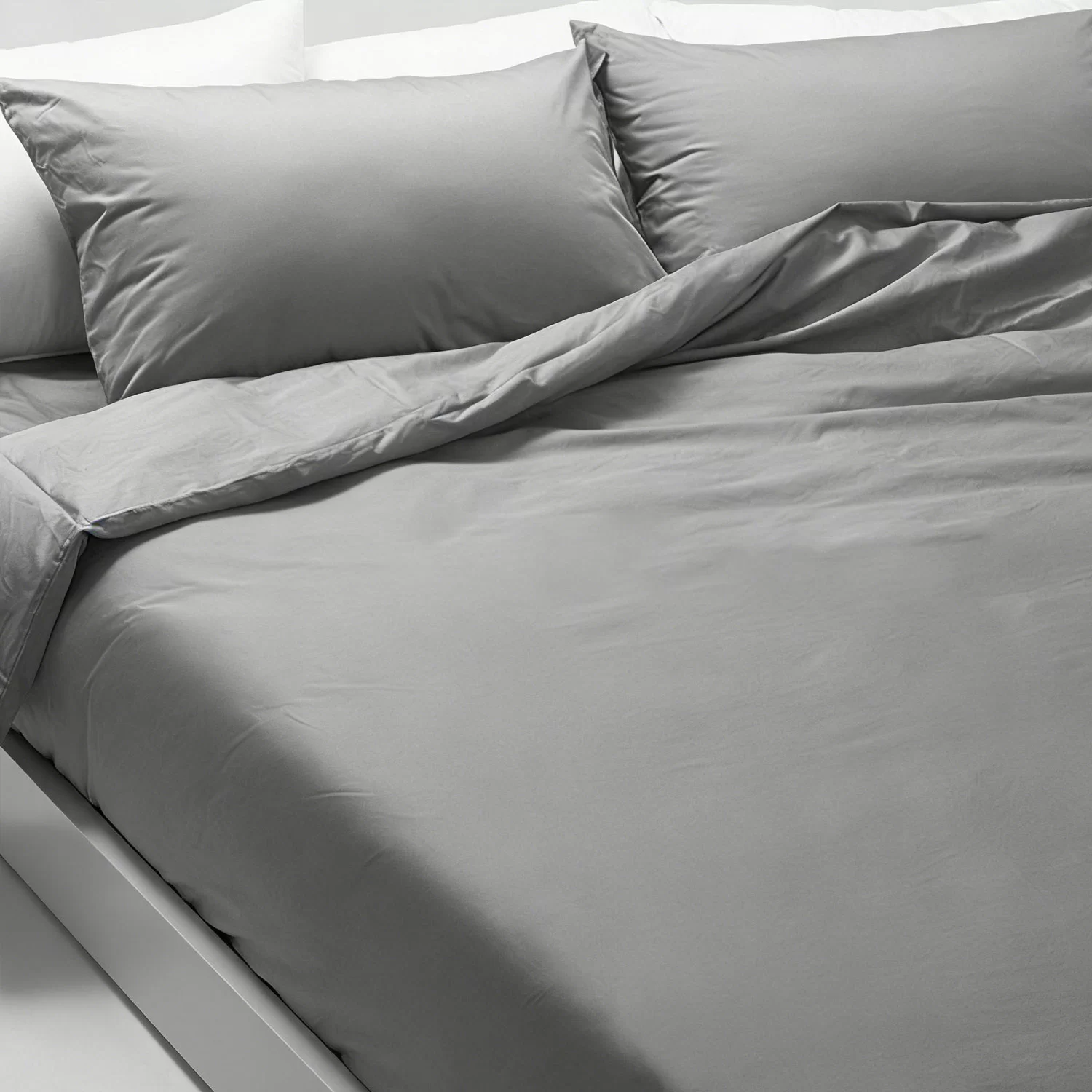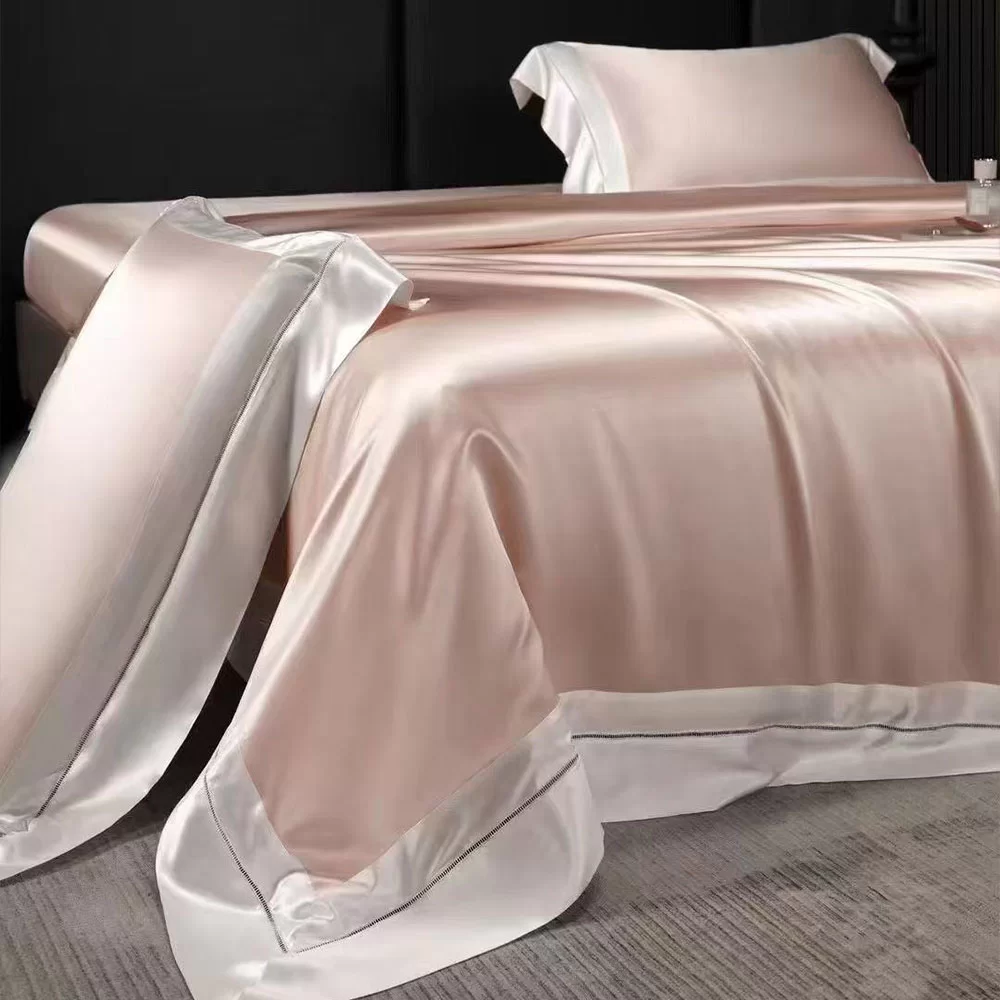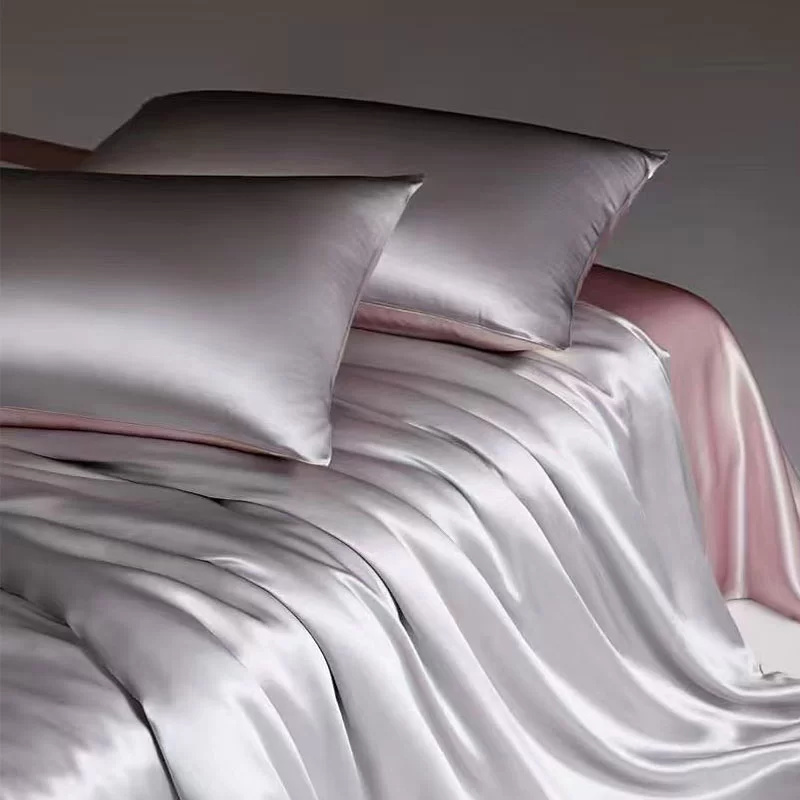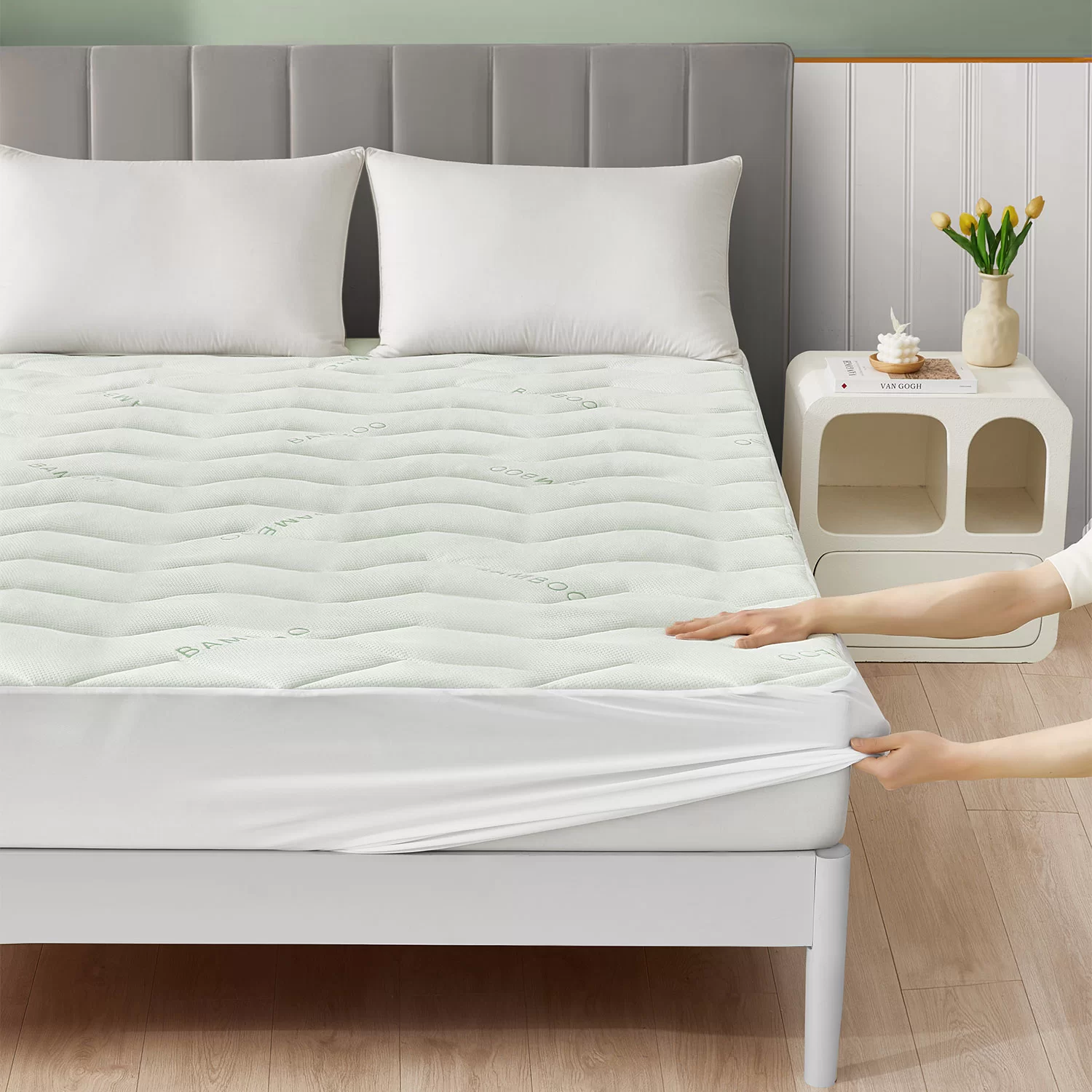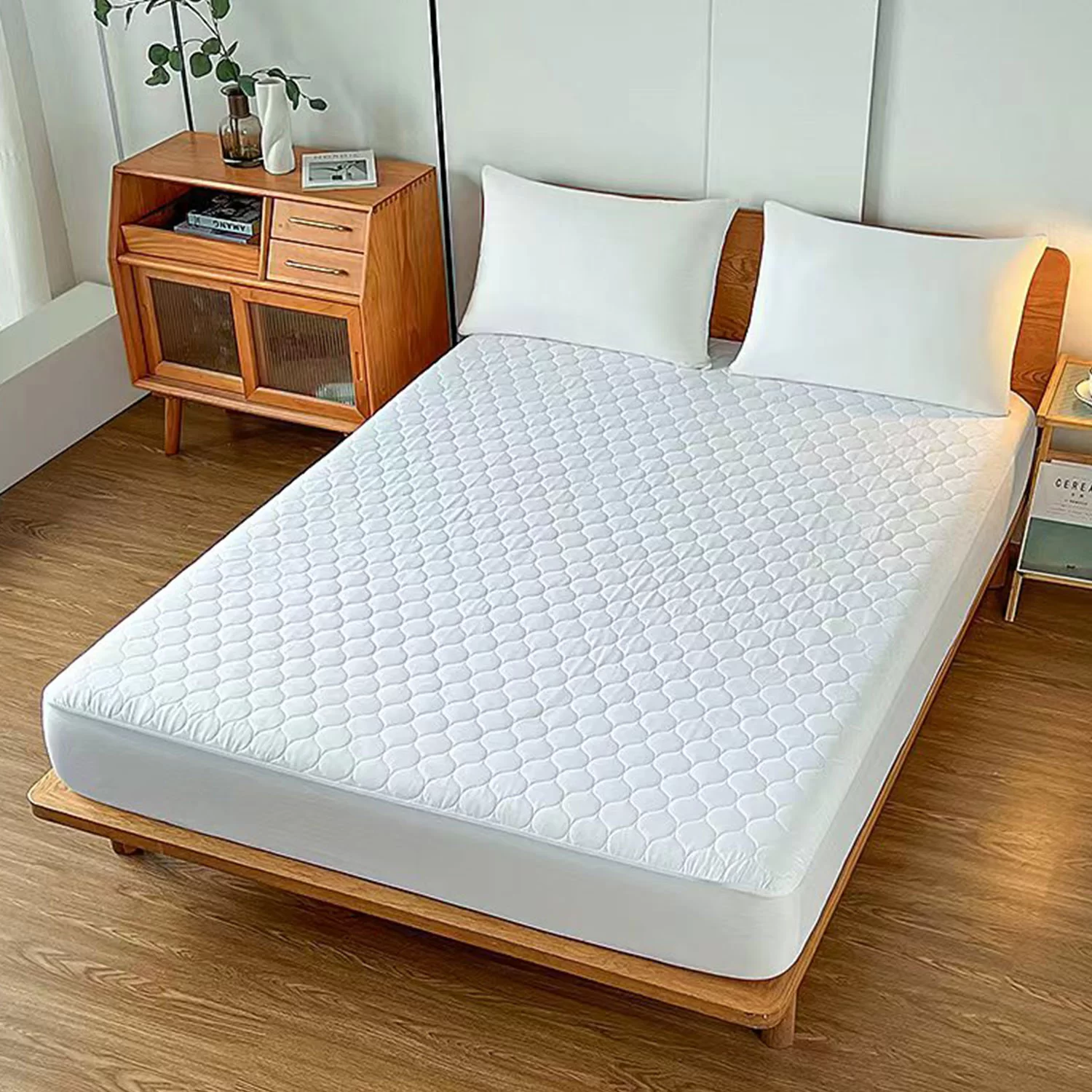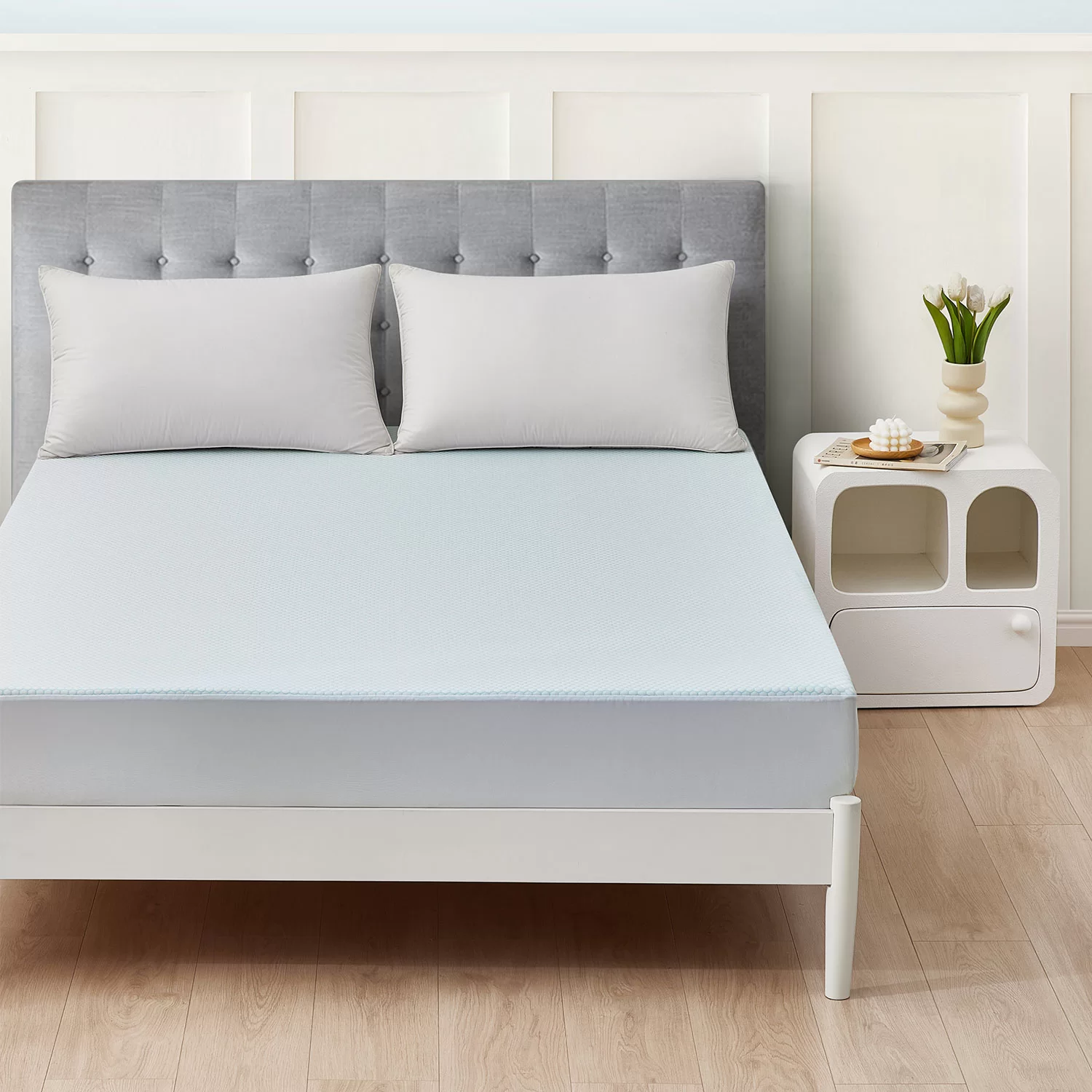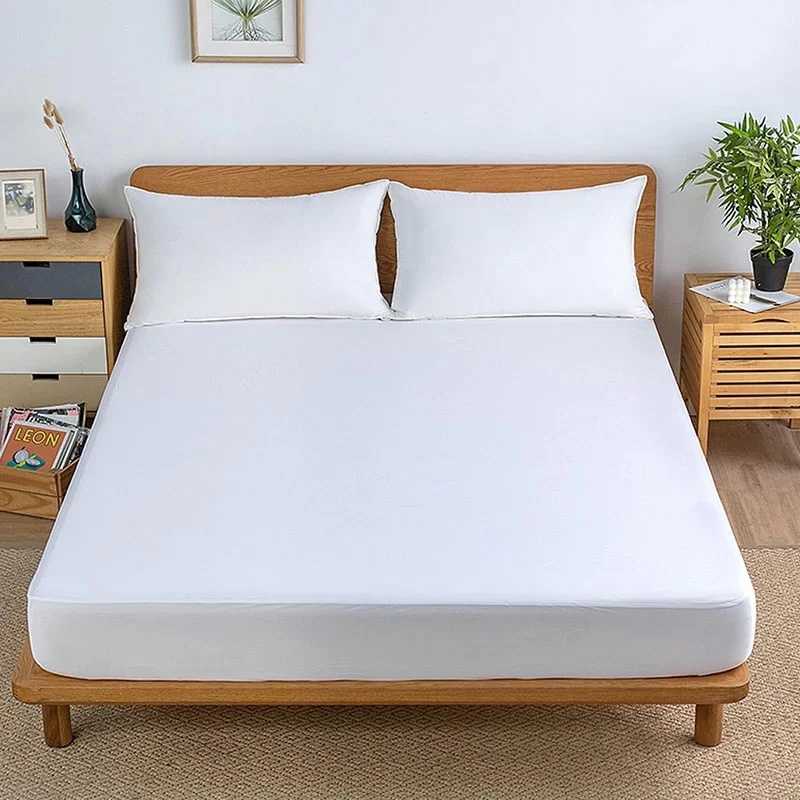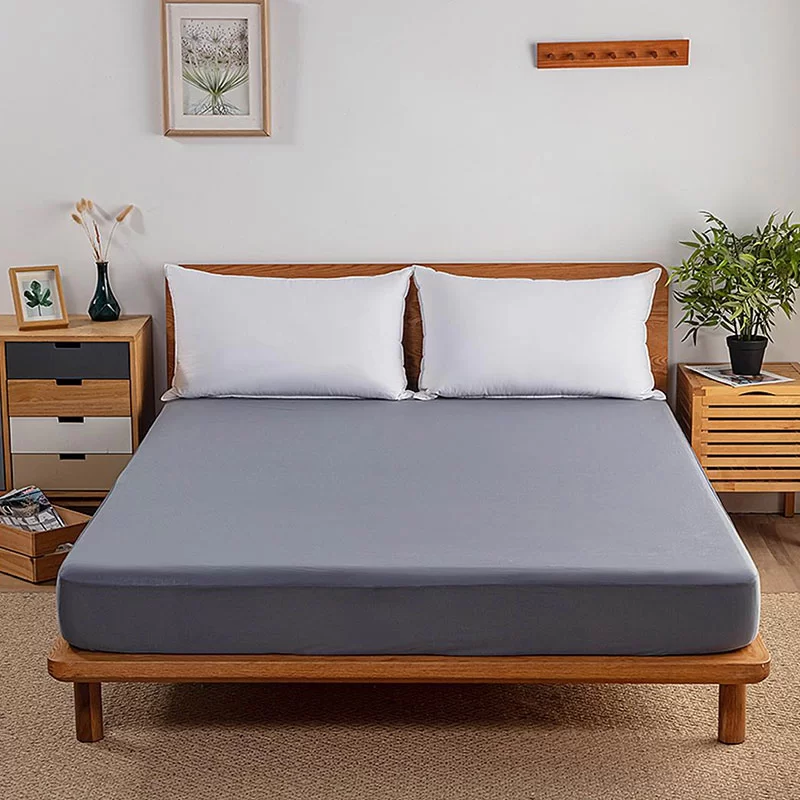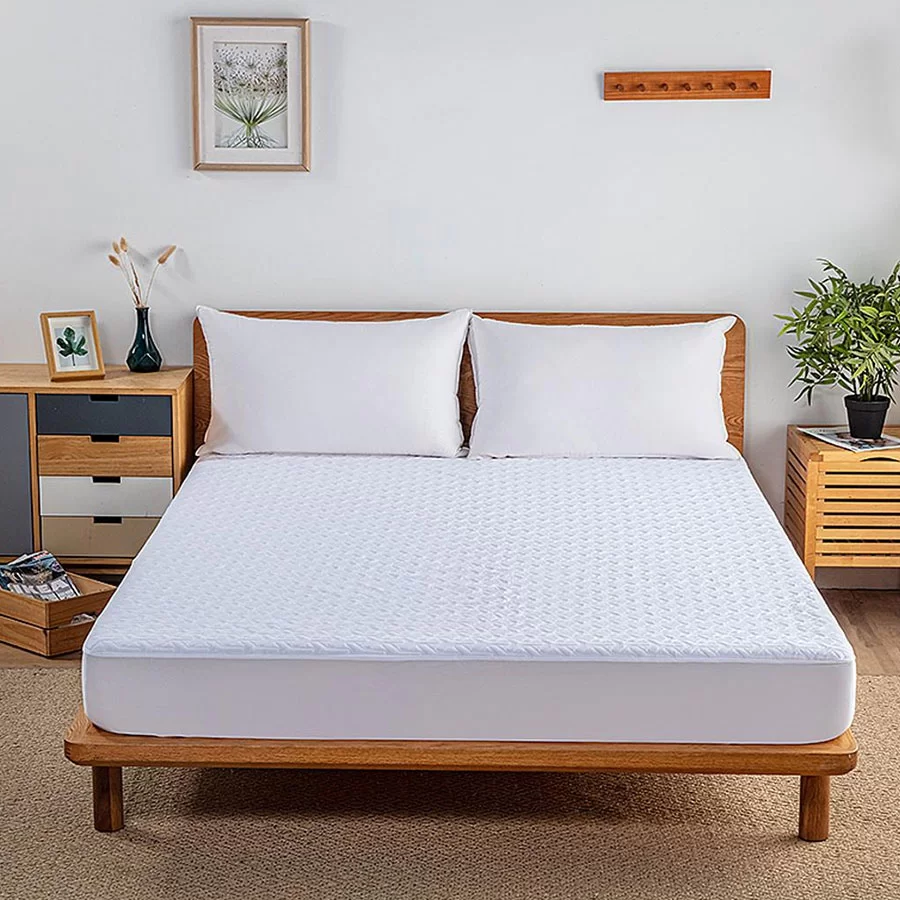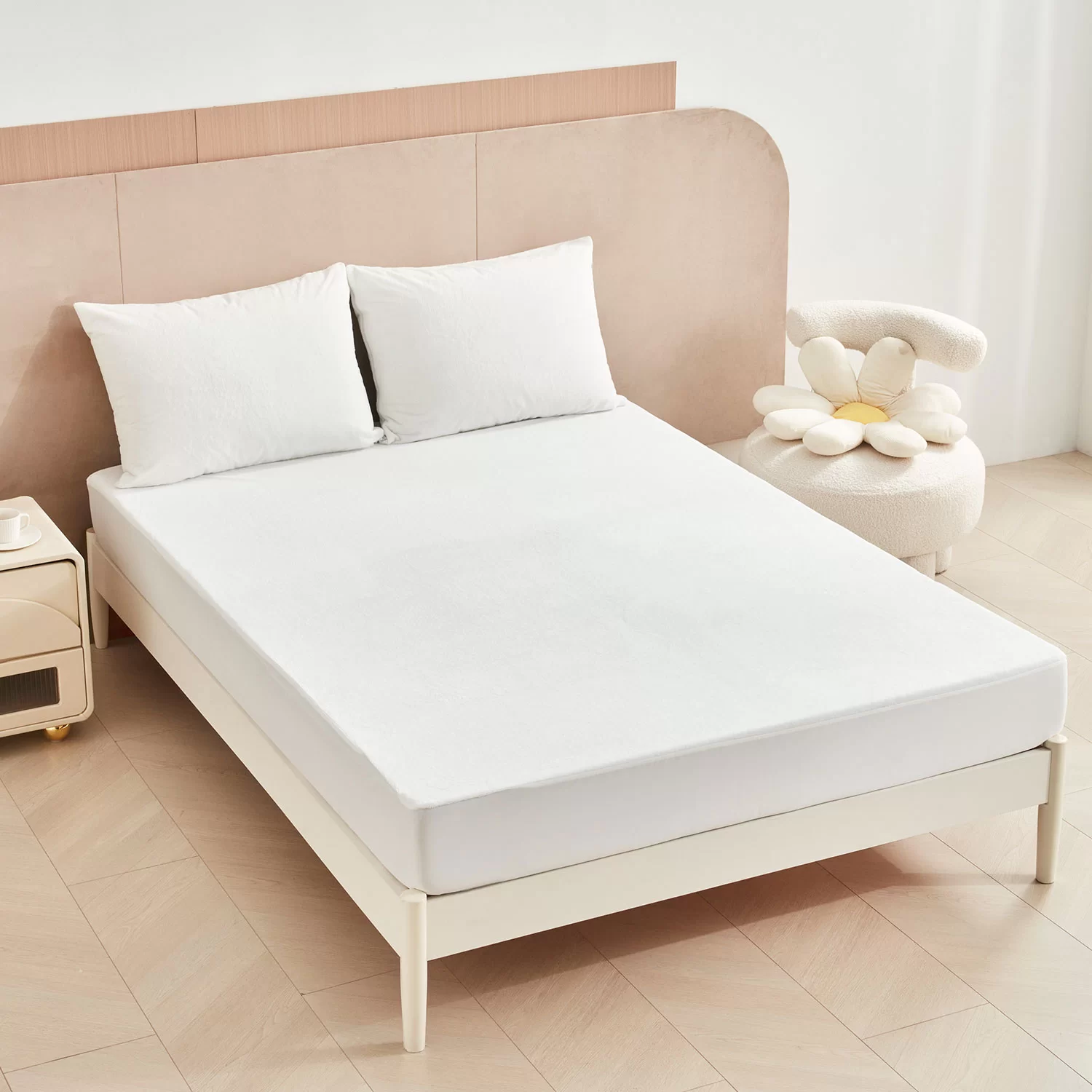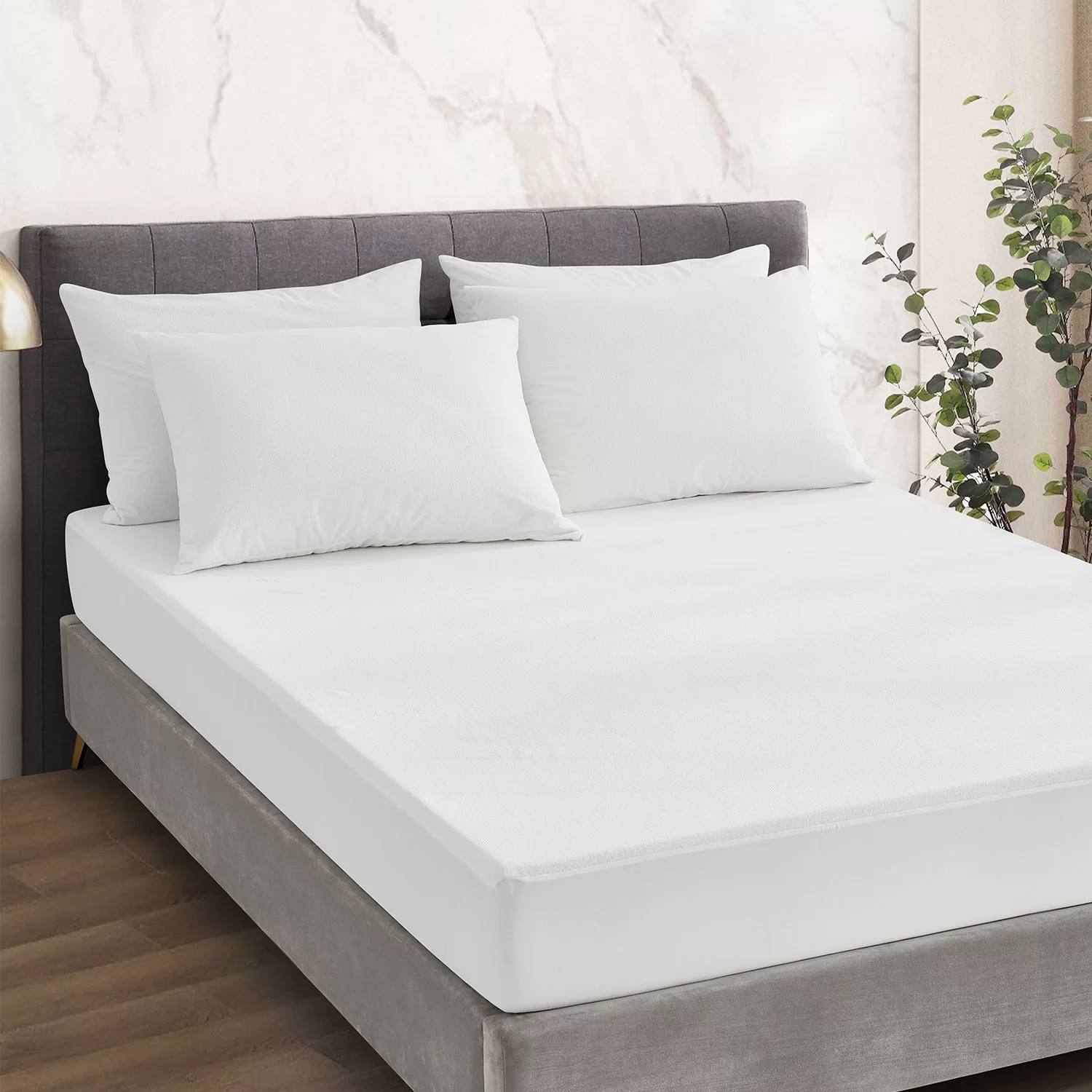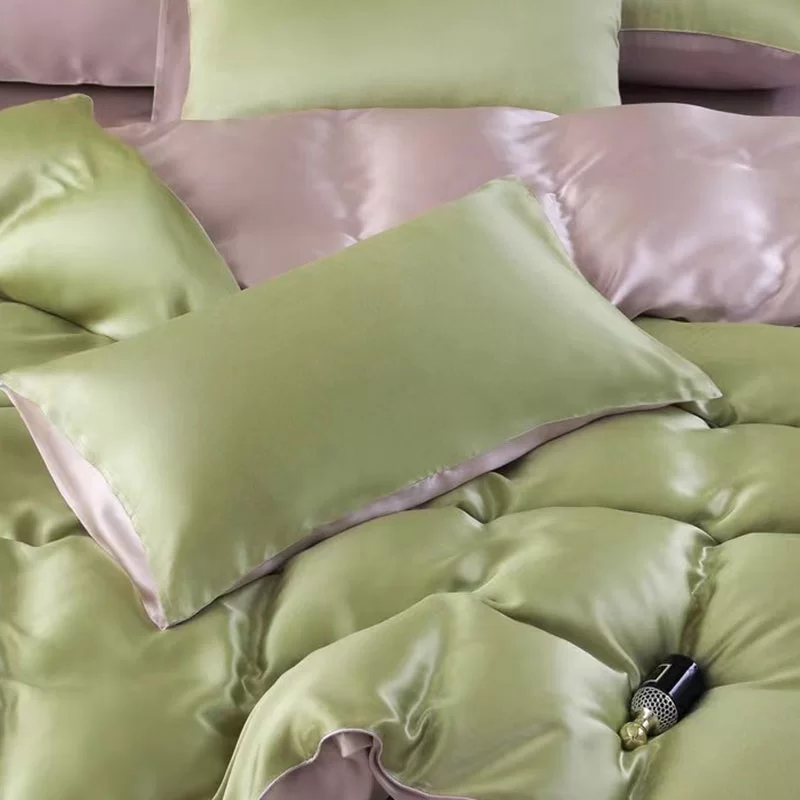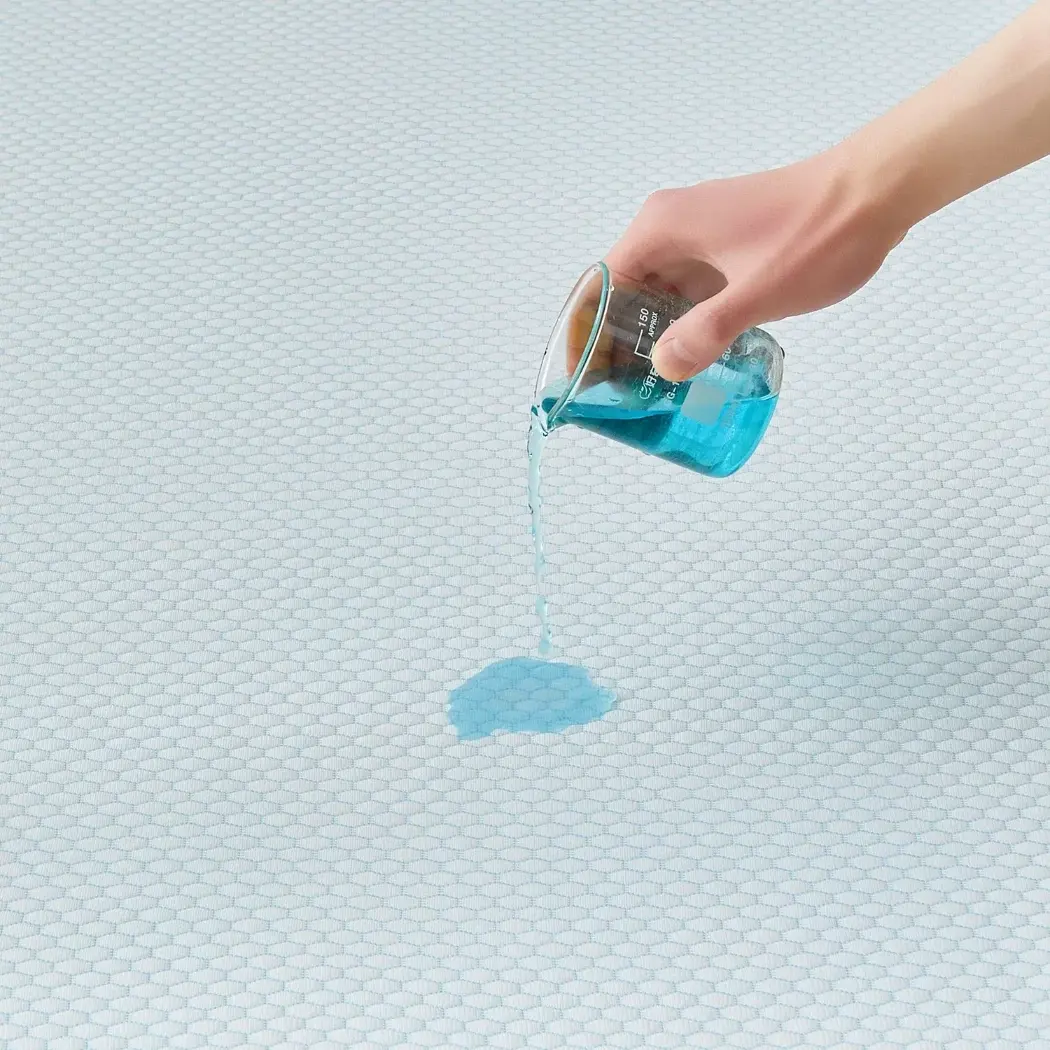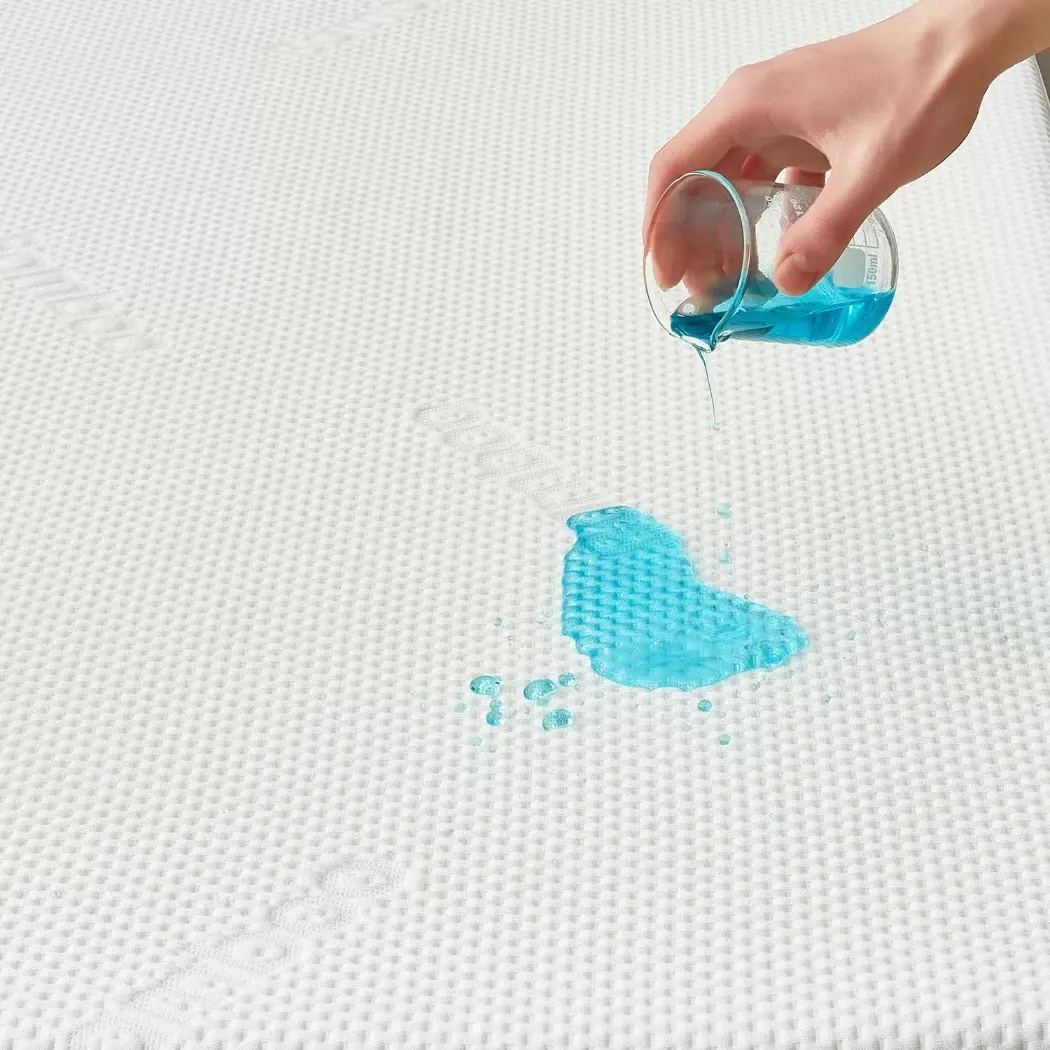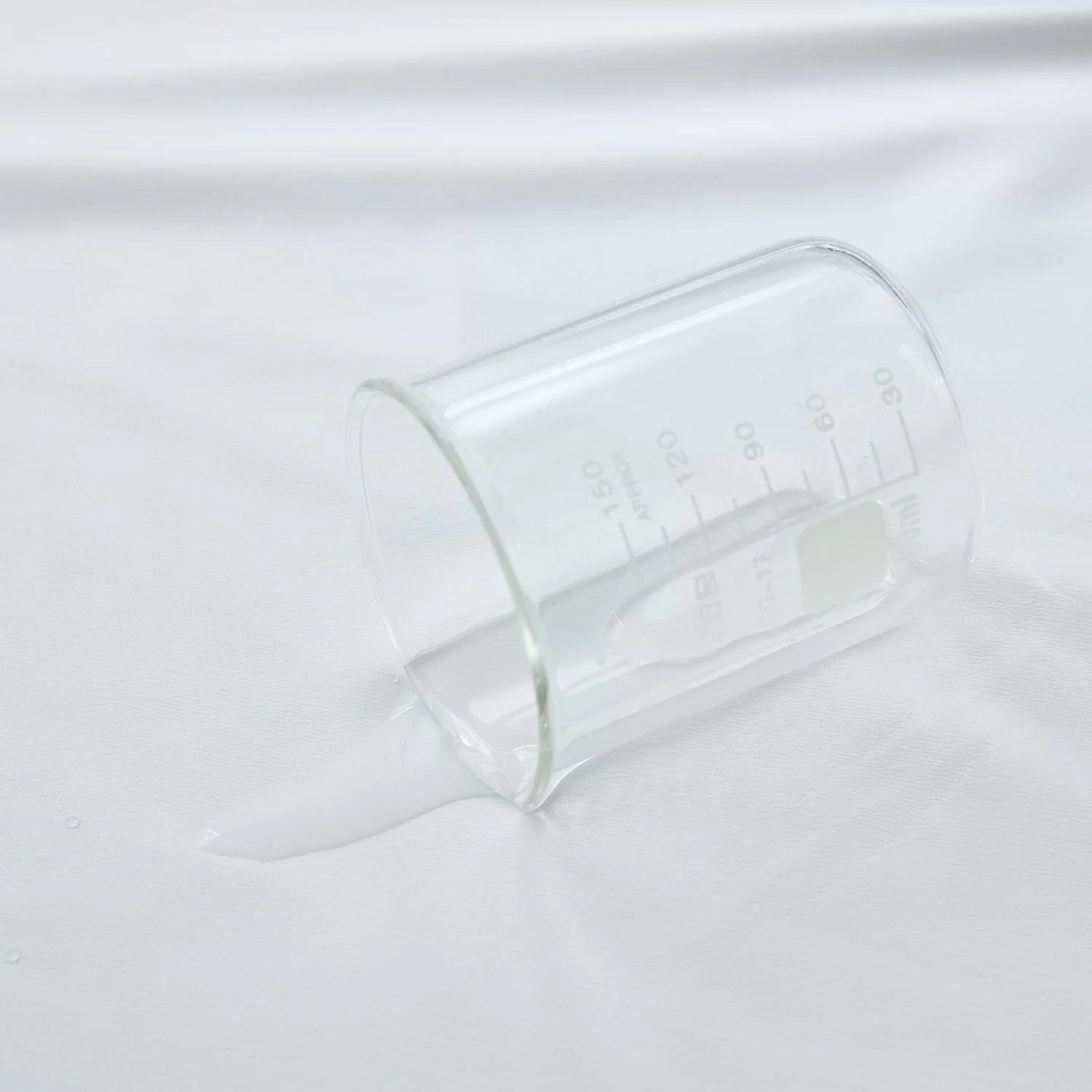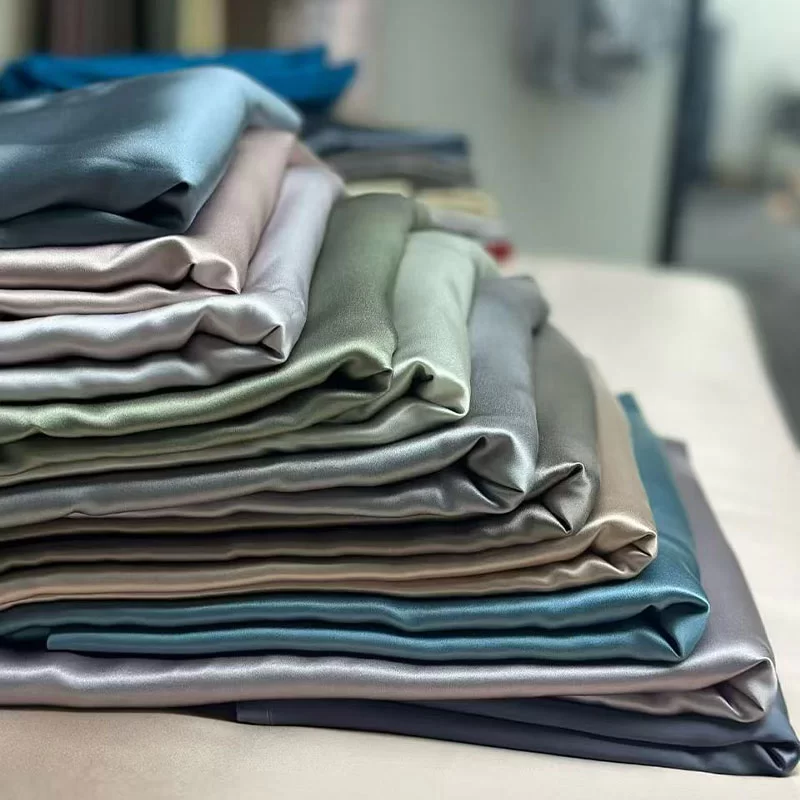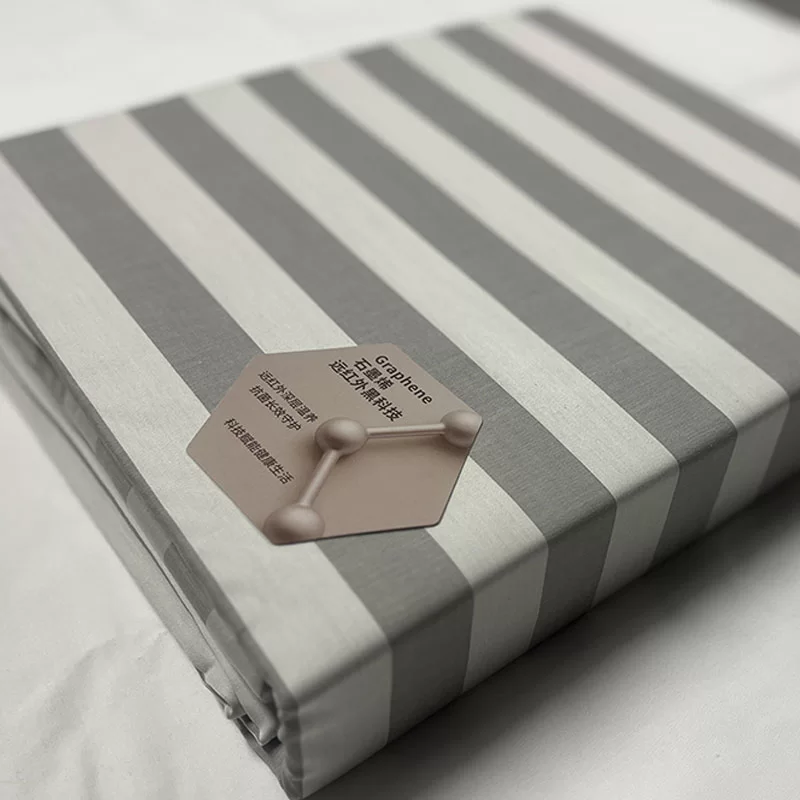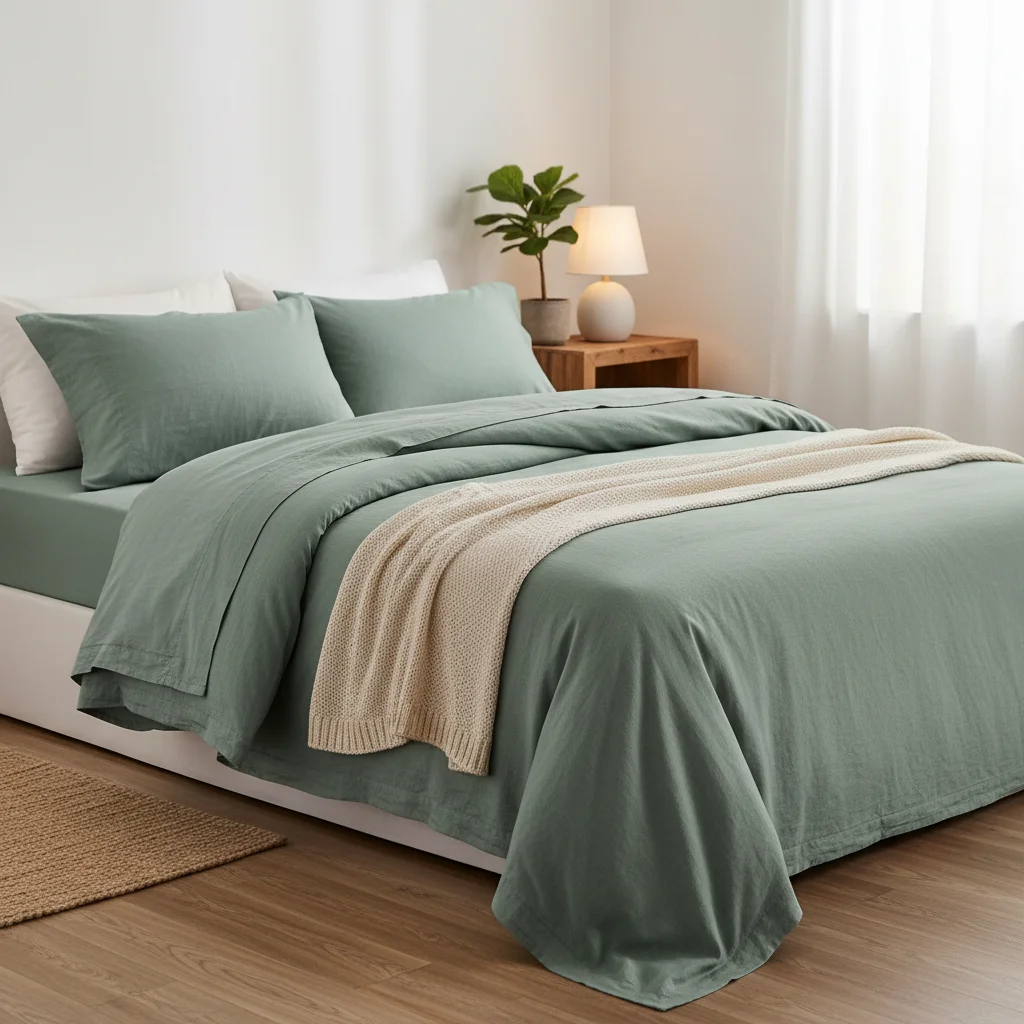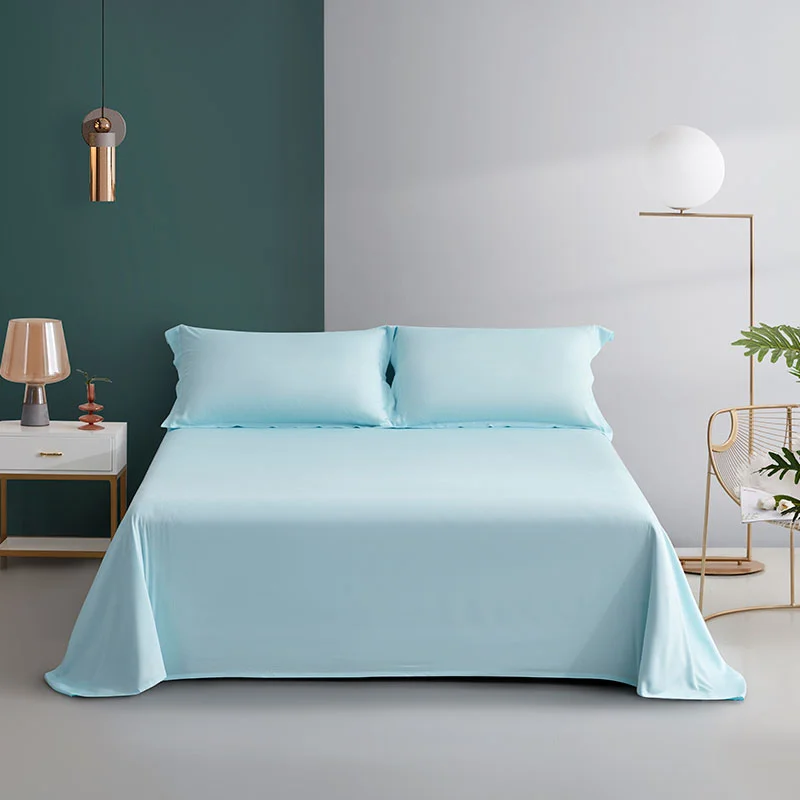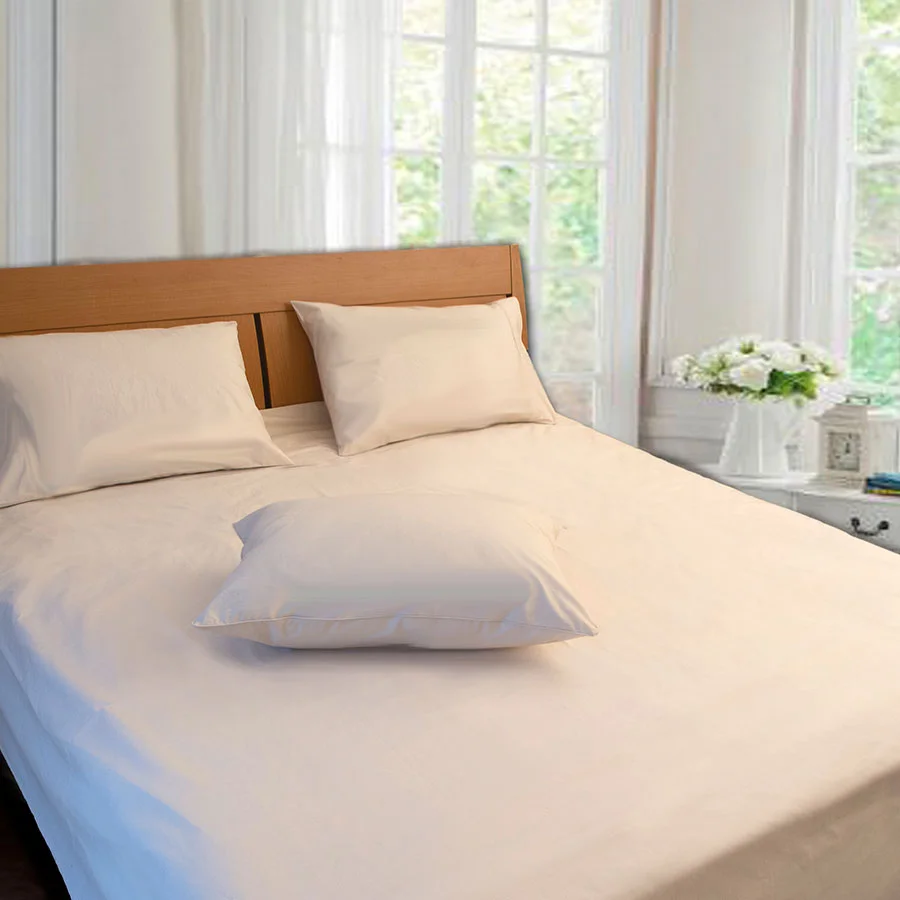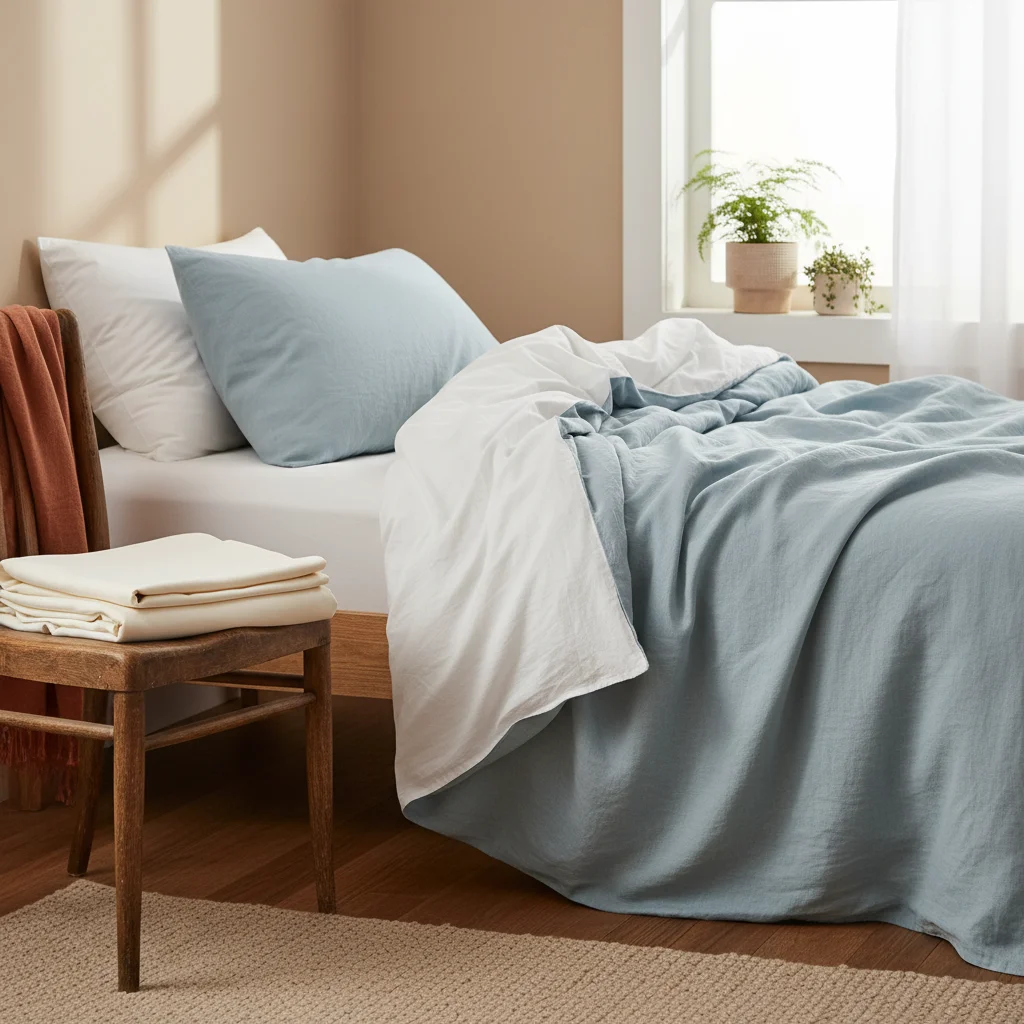
The hospitality industry consistently seeks ways to elevate the guest experience, and the foundation of that experience often begins with a restful night’s sleep. luxury hotel bed linen is more than just fabric; it's an investment in guest satisfaction, brand reputation, and ultimately, revenue. From the thread count of the sheets to the weave of the duvet cover, every detail contributes to a feeling of opulence and comfort that differentiates a superior hotel from its competitors.
Globally, the demand for high-end hospitality is growing, particularly in emerging markets. This growth fuels a corresponding demand for luxury hotel bed linen capable of withstanding the rigors of commercial laundering while maintaining a luxurious feel. According to the World Tourism Organization, international tourist arrivals continue to rise, placing increasing pressure on hotels to deliver exceptional experiences.
The selection of appropriate luxury hotel bed linen is a complex decision involving considerations of cost, durability, thread count, material composition, and aesthetic appeal. Hotels need to balance these factors to provide a superior guest experience without incurring unsustainable costs. This necessitates a deep understanding of the various options available and their long-term implications.
In the competitive hospitality landscape, guest comfort is paramount. Luxury hotel bed linen significantly influences a guest's perception of a hotel's quality and service. It contributes directly to a restorative sleep experience, leading to higher guest satisfaction scores and increased brand loyalty. Hotels investing in premium bedding are often perceived as more attentive to detail and committed to providing a superior overall experience.
Beyond guest comfort, the choice of bed linen impacts operational efficiency. Durable, high-quality fabrics withstand frequent commercial laundering, reducing the need for frequent replacements and lowering long-term costs. Selecting the right materials can also minimize shrinkage and fading, maintaining a consistent aesthetic appeal throughout the hotel.
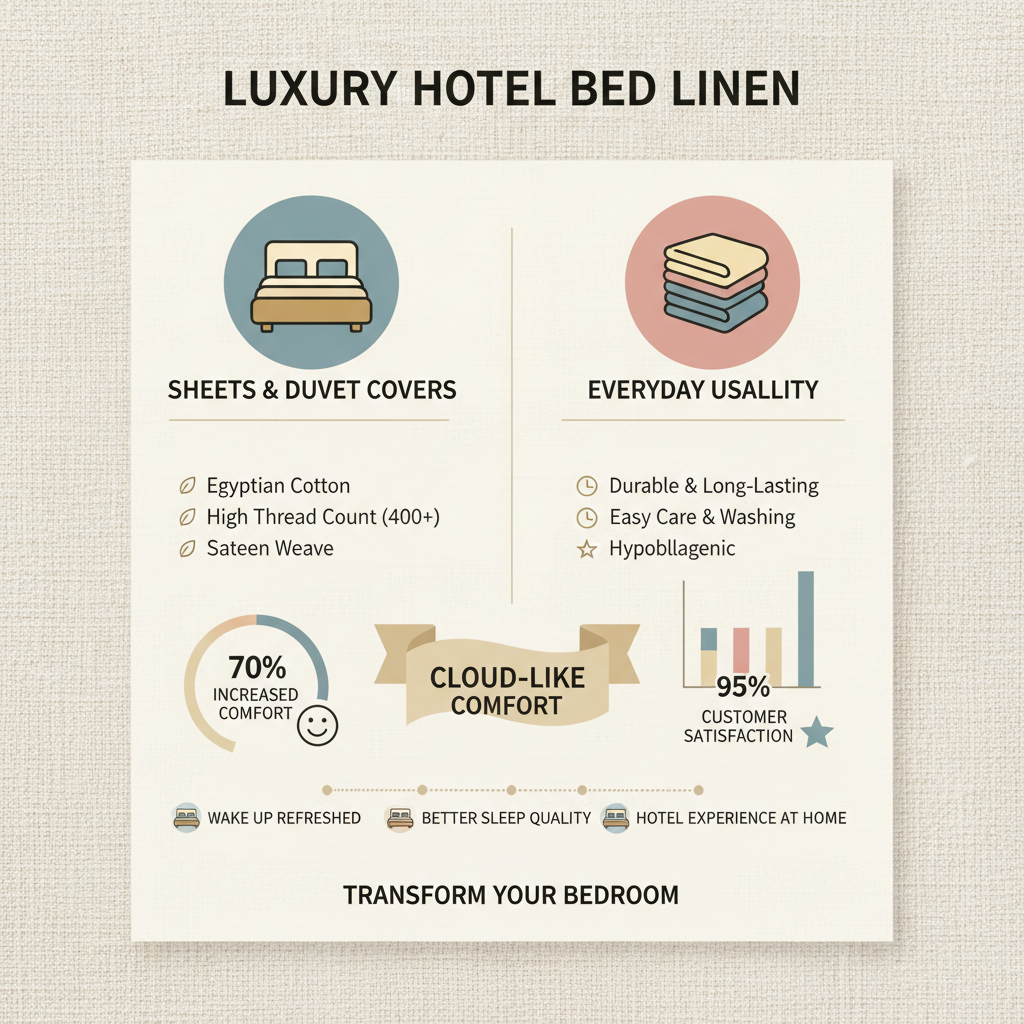
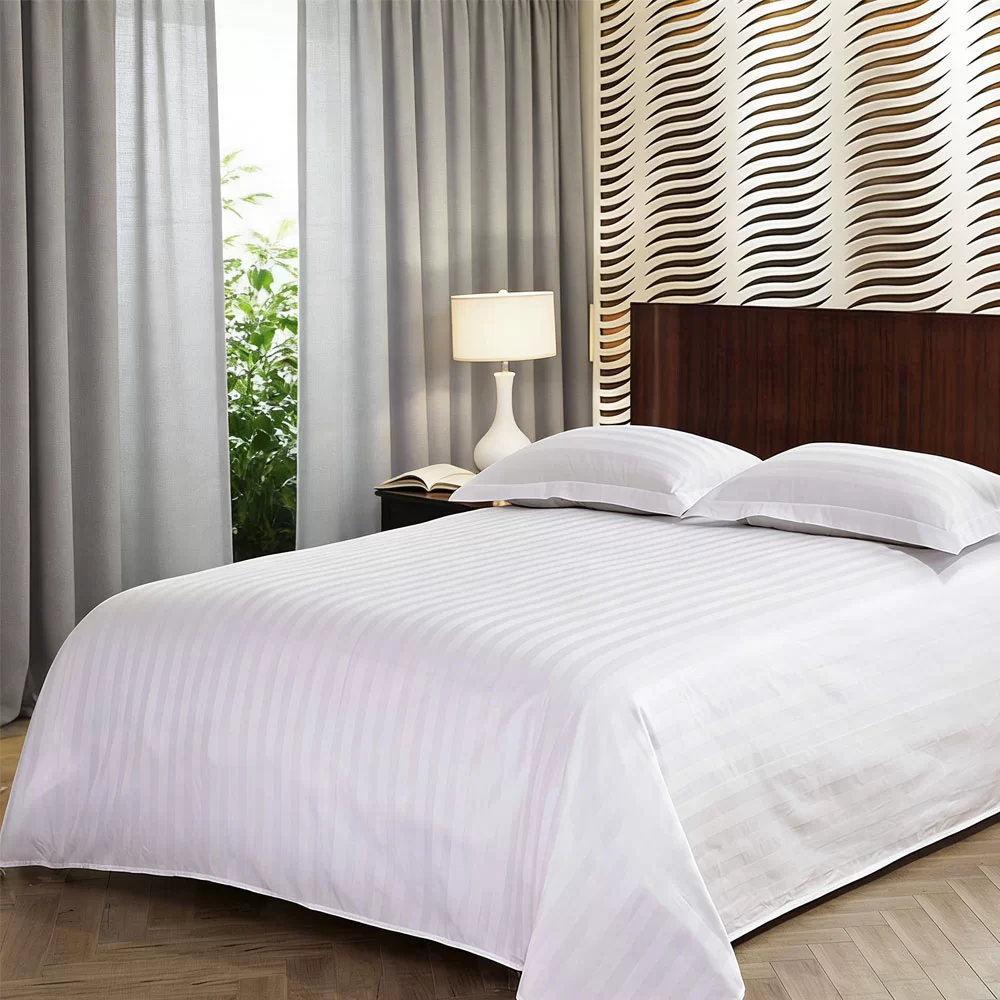
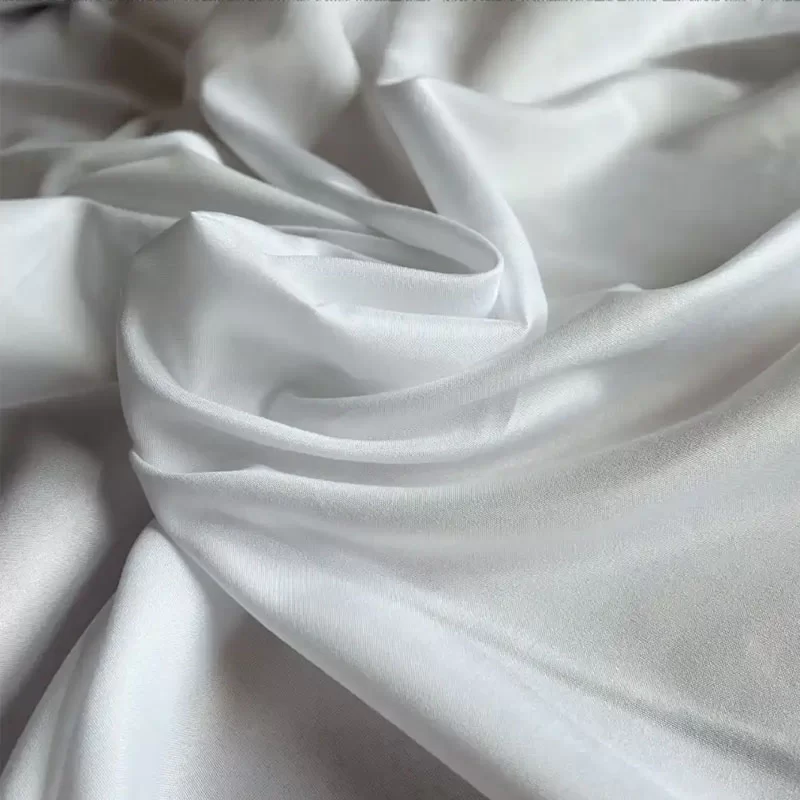
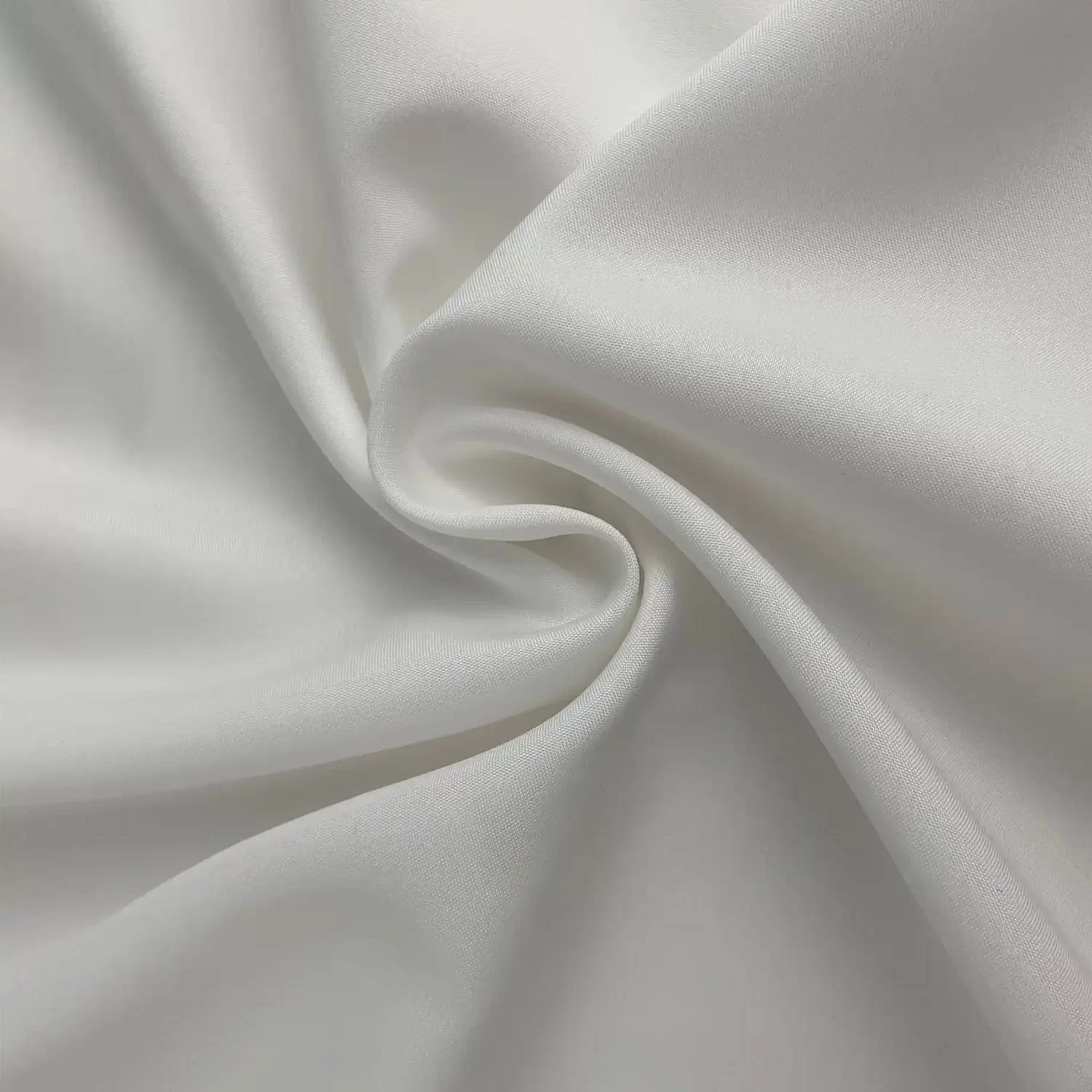
Luxury hotel bed linen generally refers to bedding crafted from premium materials, such as long-staple cotton (like Egyptian or Pima), silk, or linen, with a high thread count—typically 300 or above, though thread count is only one factor in determining quality. The weave, finishing, and construction of the fabric also play crucial roles in defining its luxuriousness. These materials are known for their softness, durability, and breathability.
Unlike standard bedding intended for residential use, luxury hotel bed linen is specifically engineered to withstand the demands of commercial laundering processes. This involves resisting fading, shrinking, and pilling even after hundreds of washes. The fabric’s ability to maintain its quality and appearance over time is a key characteristic.
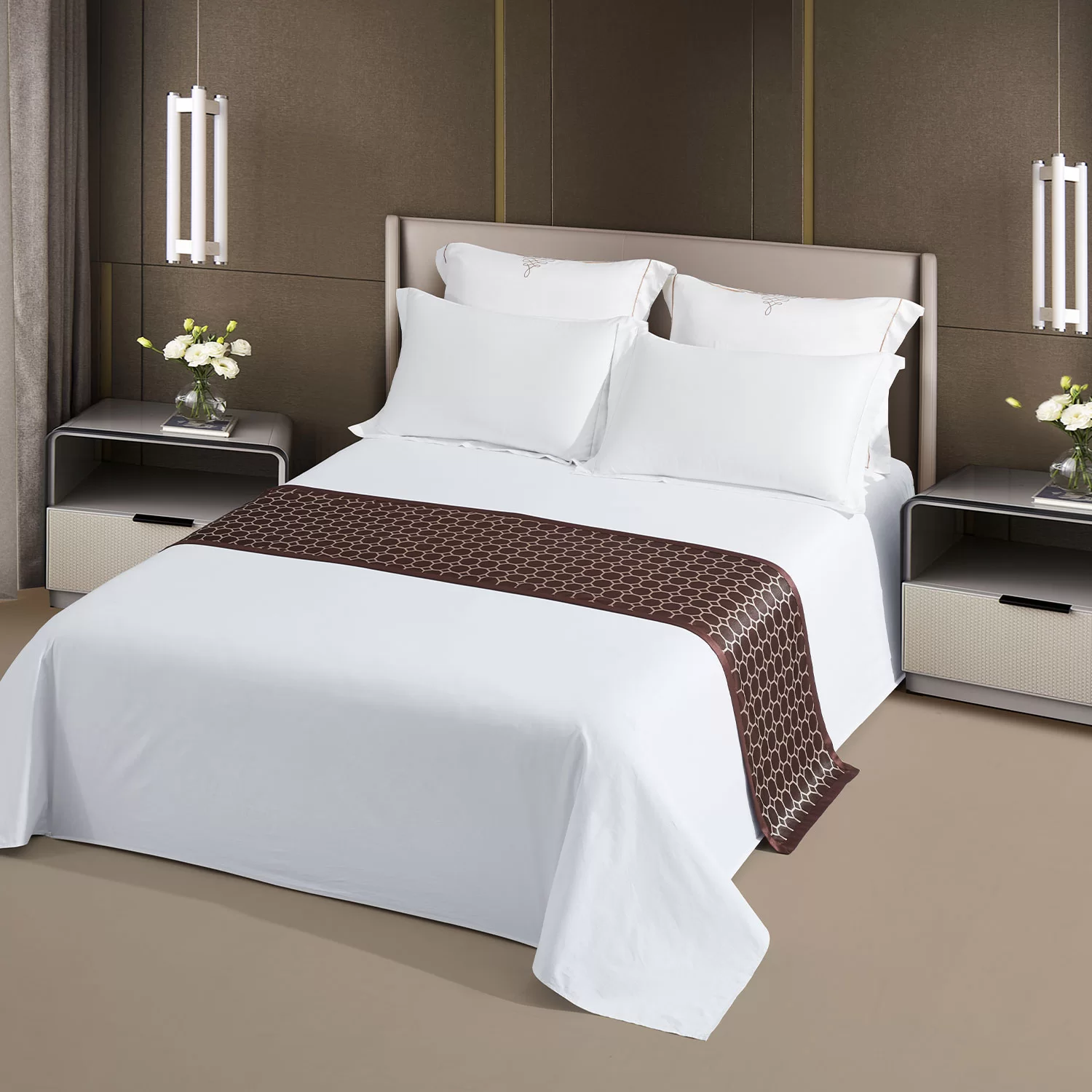
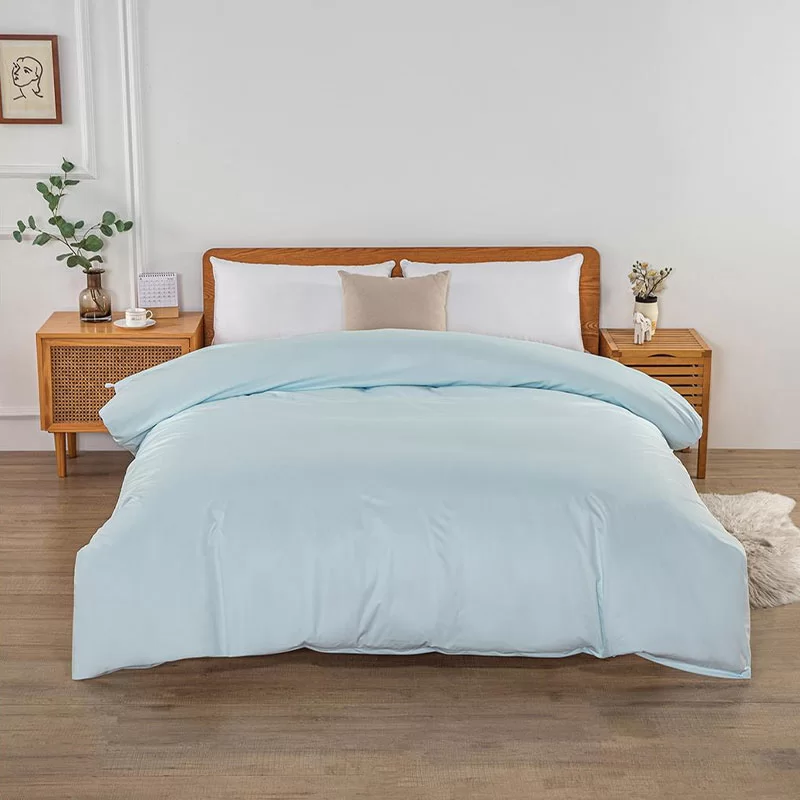
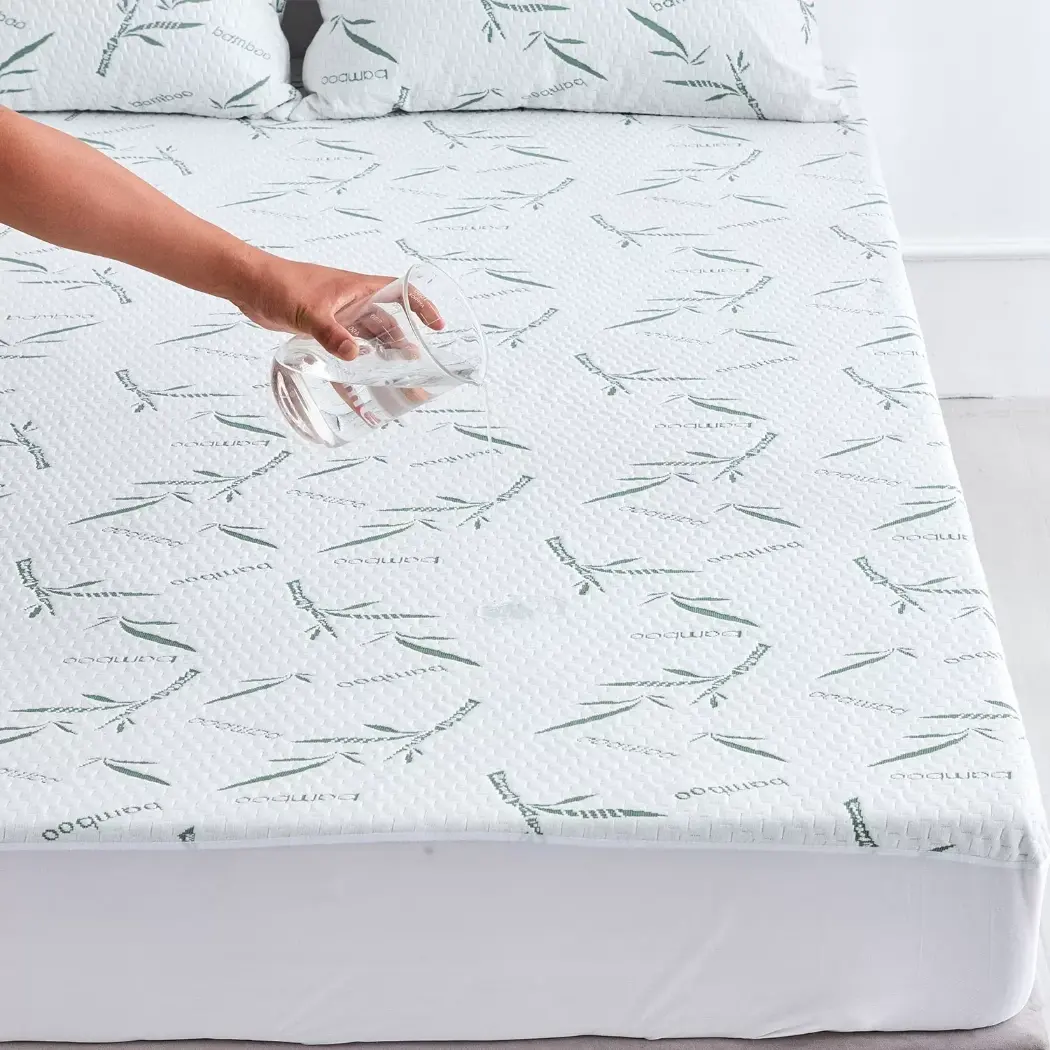
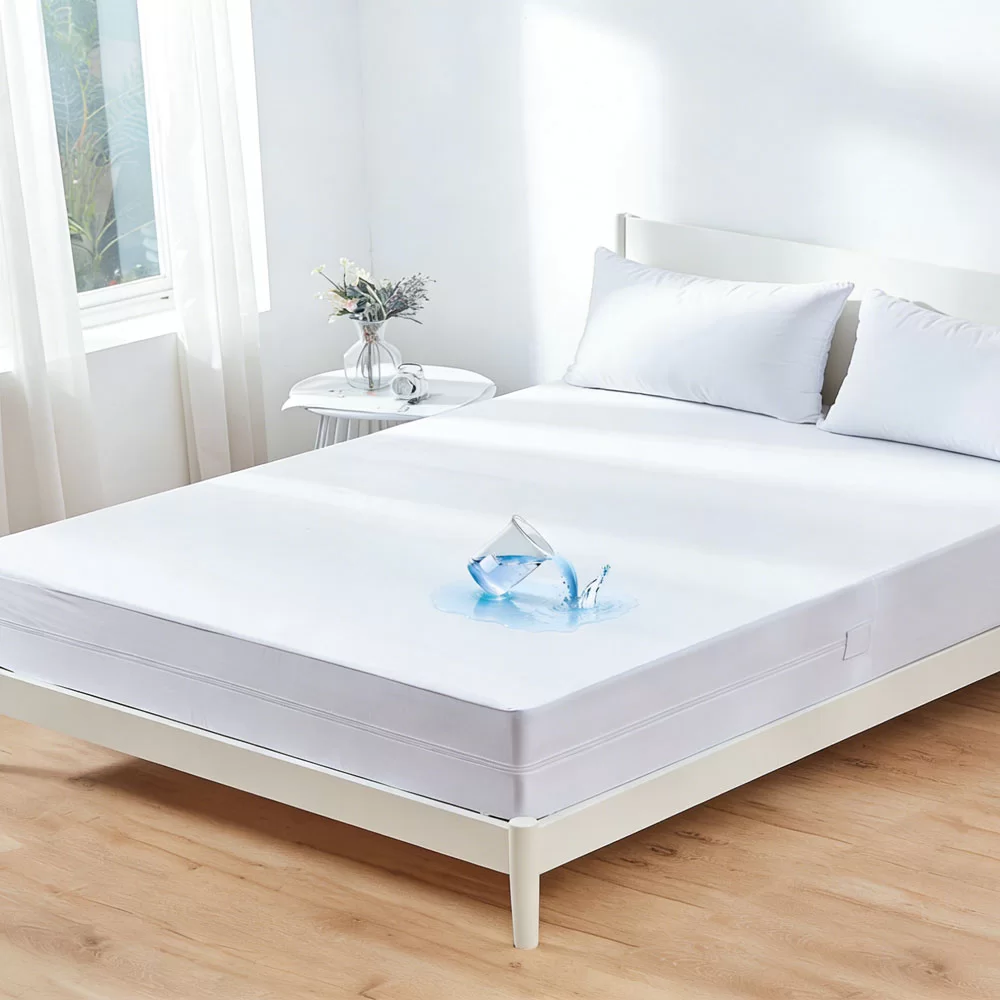
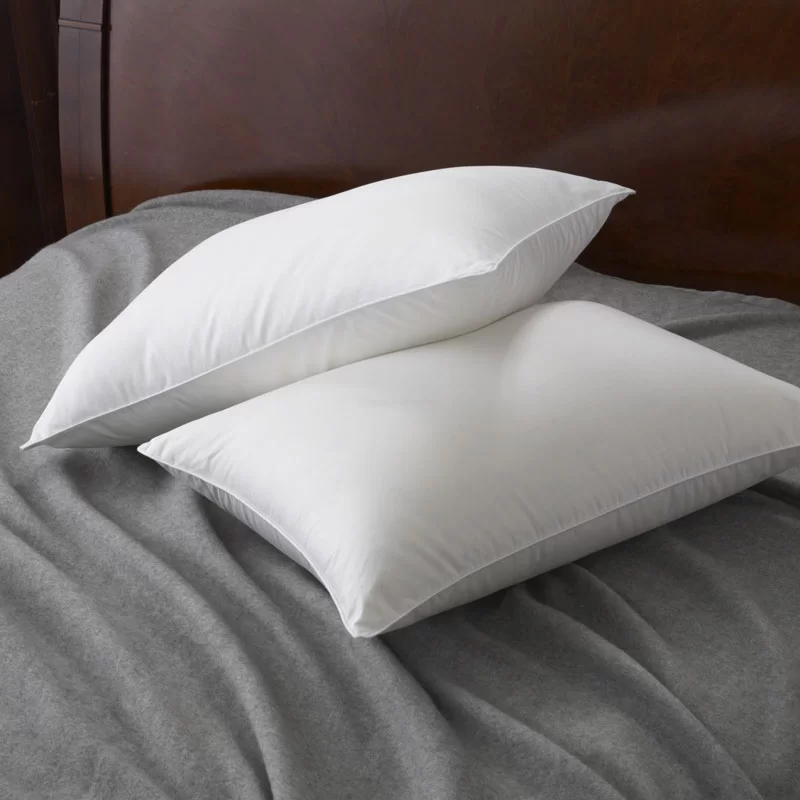
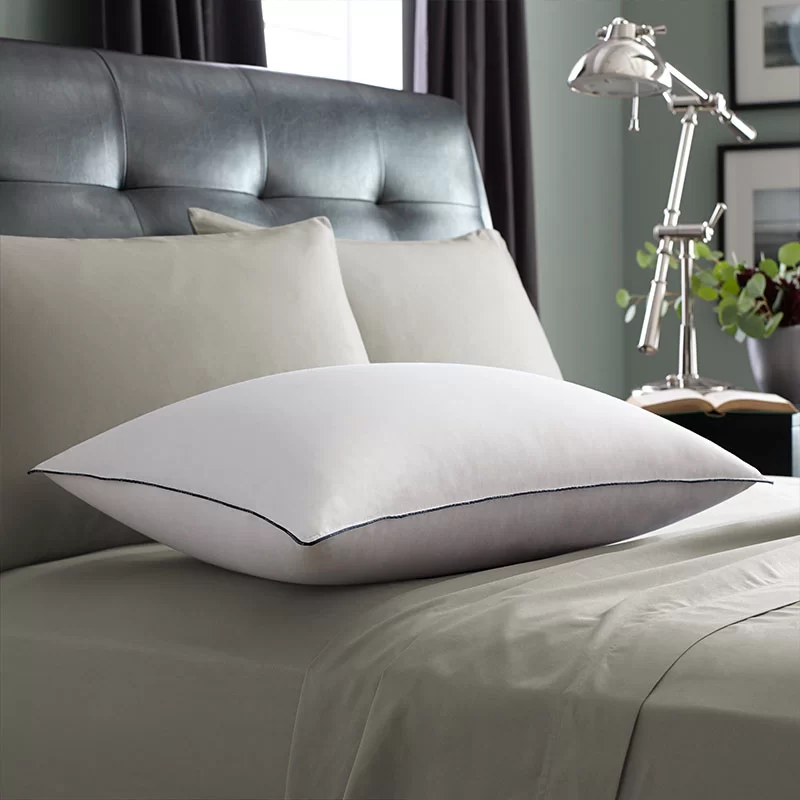
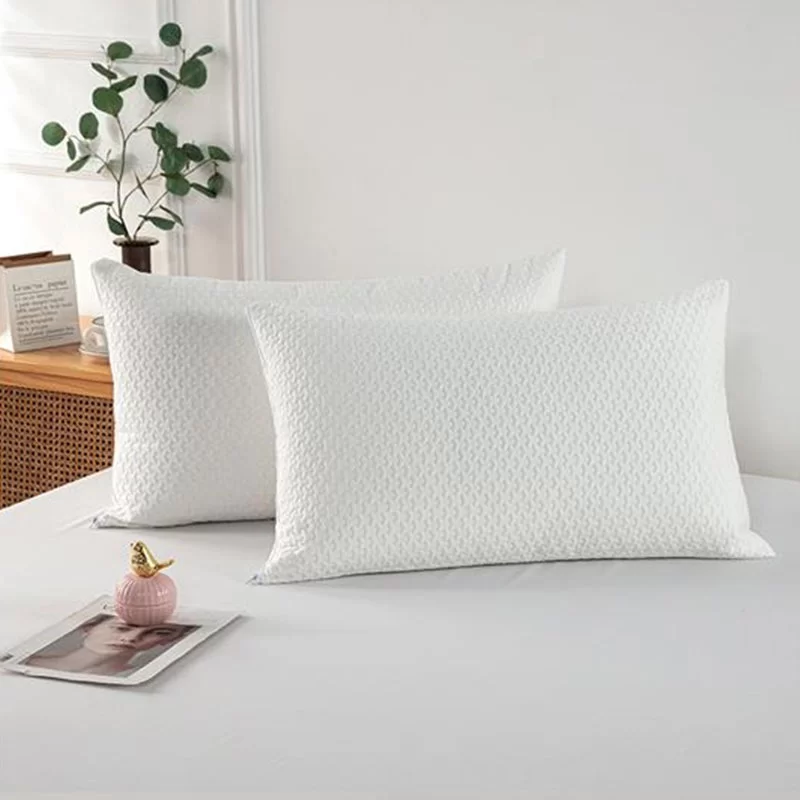
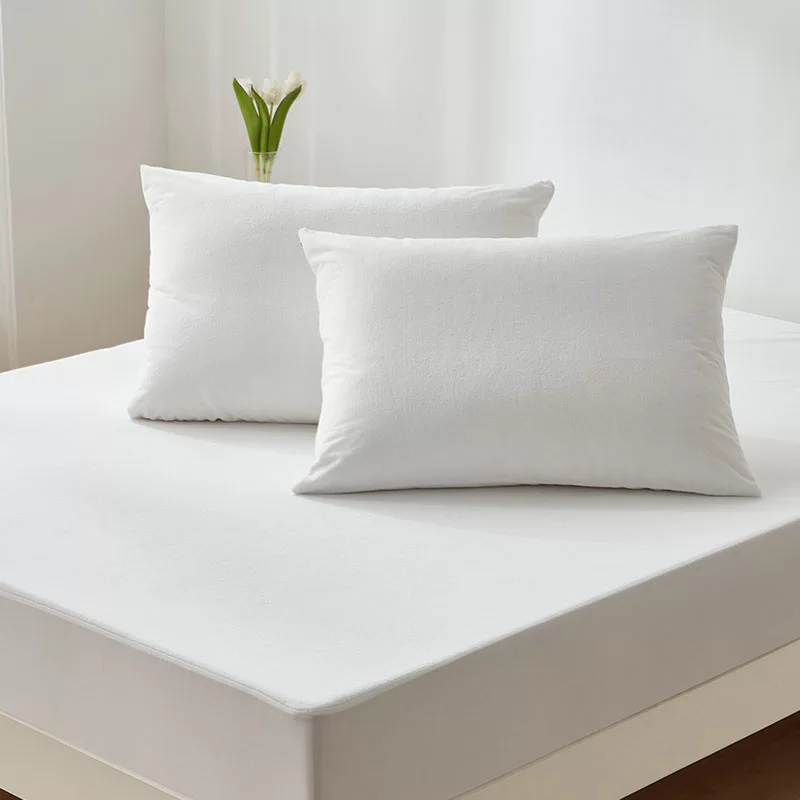
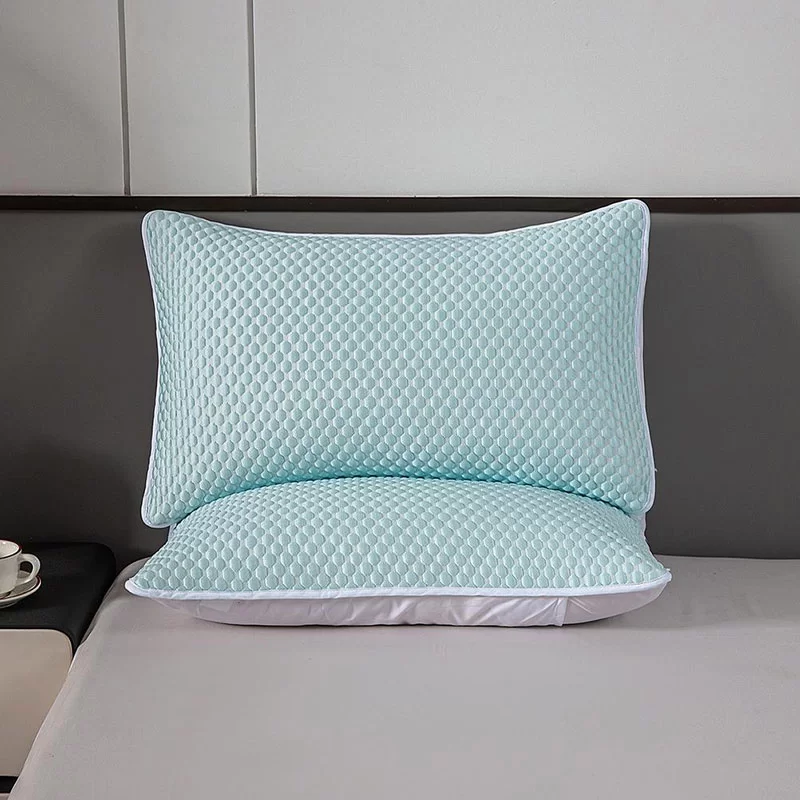
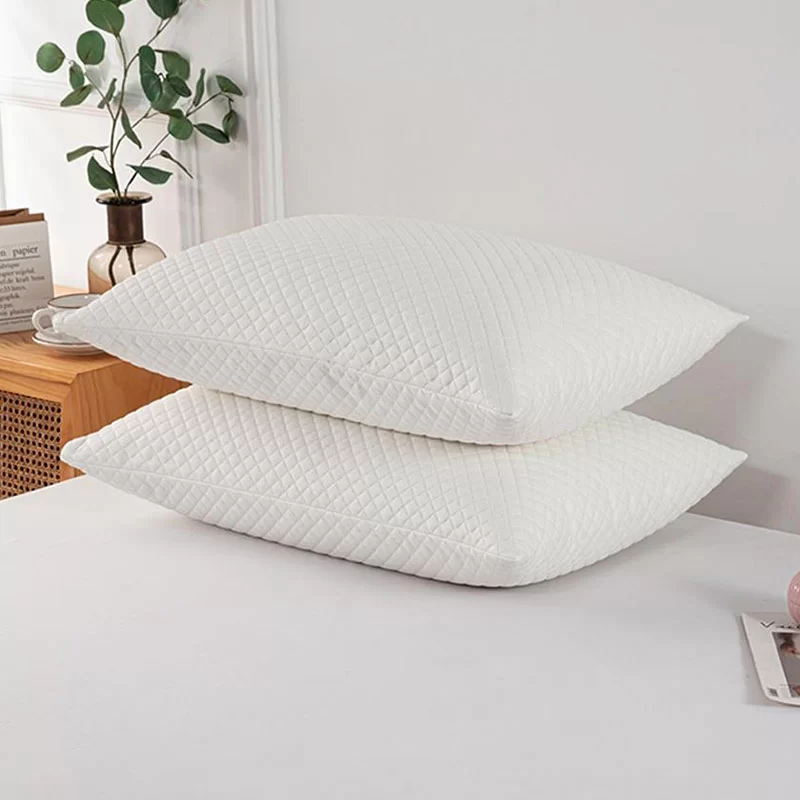
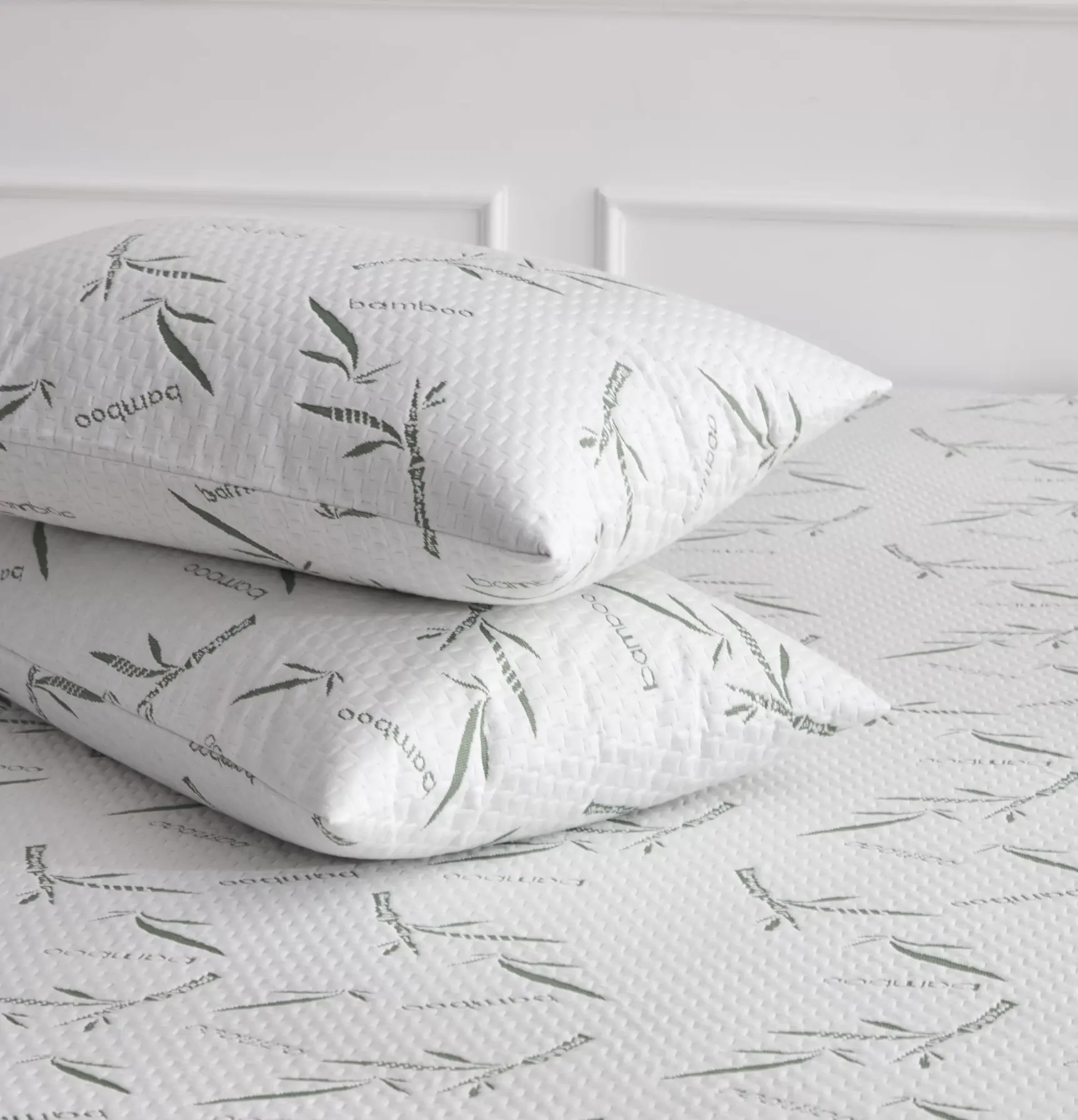
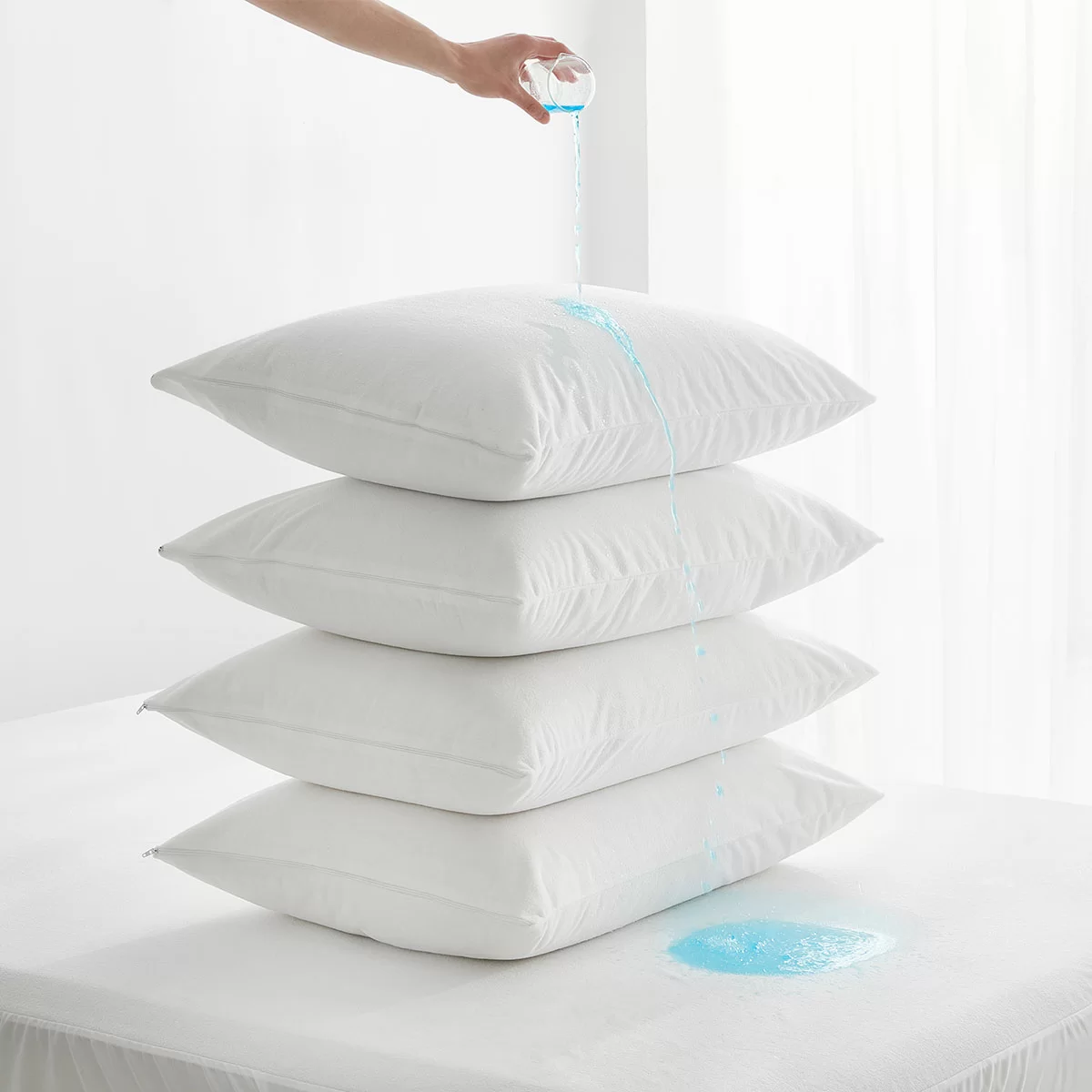
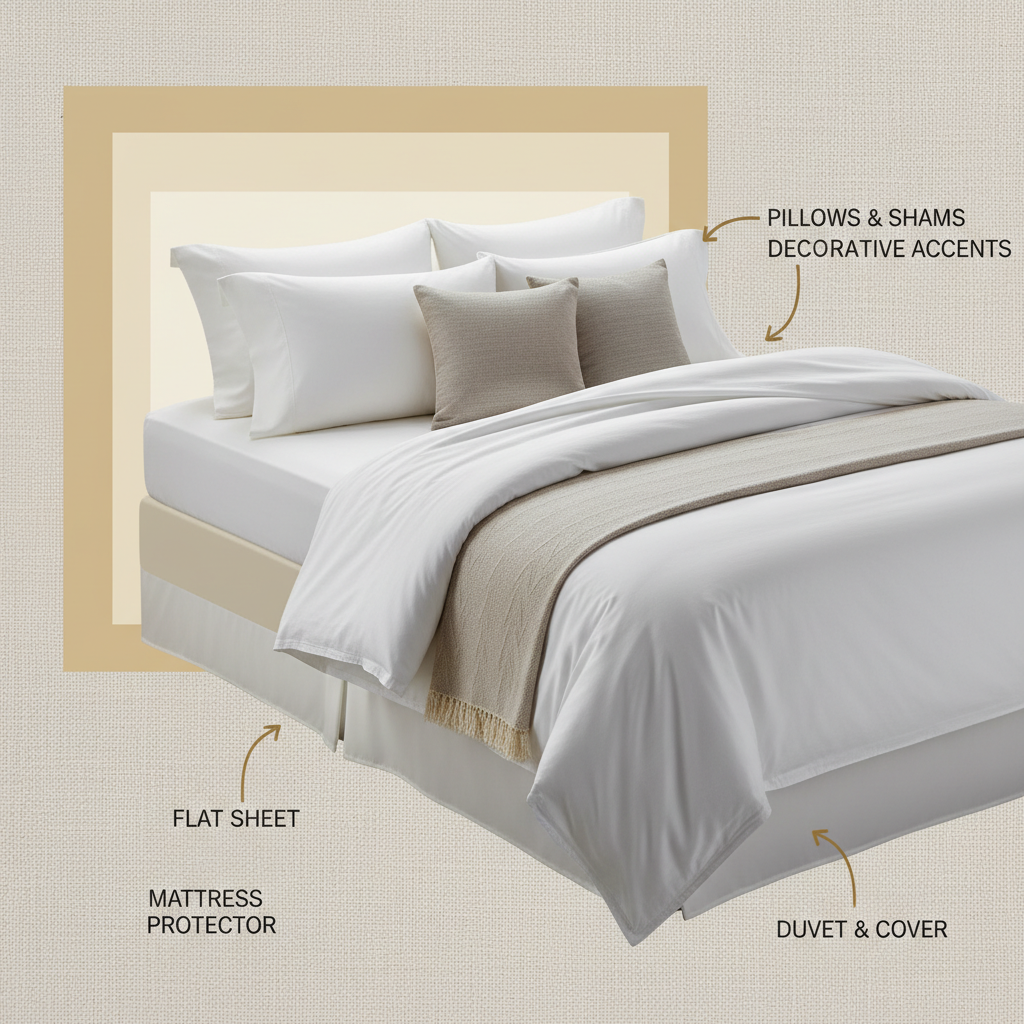
The concept extends beyond just the sheets and pillowcases. A complete luxury hotel linen set includes duvet covers, pillow protectors, mattress pads, and often specialized items like bed skirts or throws. The coordination of these elements contributes to an overall aesthetic of sophistication and comfort.
Material Quality: The foundation of luxury bedding lies in the quality of the raw materials. Long-staple cotton fibers produce softer, more durable fabrics. Egyptian and Pima cotton are particularly prized for their exceptional softness and strength.
Thread Count & Weave: While thread count isn’t the sole determinant of quality, a higher thread count generally indicates a denser, softer fabric. The weave—such as percale, sateen, or twill—affects the fabric's texture and drape. Percale offers a crisp, cool feel, while sateen is known for its silky smoothness.
Construction & Finishing: The way the fabric is constructed (e.g., single-ply vs. multi-ply yarns) impacts its durability. Finishing processes, such as mercerization, enhance the fabric’s luster, strength, and dye uptake. Proper finishing is crucial for maintaining the quality of luxury hotel bed linen.
luxury hotel bed linen is utilized globally across a spectrum of hospitality settings, from five-star resorts and boutique hotels to cruise ships and luxury trains. Demand is particularly strong in regions with thriving tourism industries, such as Europe, North America, and Asia-Pacific. Hotels seeking to attract high-spending clientele understand the importance of investing in premium bedding.
Industry standards, such as those set by hospitality associations and textile certification bodies (like OEKO-TEX®), guide the production and selection of hotel linen. These standards ensure that fabrics are free from harmful substances and meet specific quality requirements. Compliance with these standards is often a prerequisite for supplying linen to major hotel chains.
The benefits of investing in luxury hotel bed linen extend beyond immediate guest satisfaction. Reduced replacement costs due to increased durability represent a significant long-term financial advantage. The higher upfront investment is often offset by the reduced need for frequent re-purchases.
Furthermore, premium bedding contributes to a hotel’s sustainability efforts. Durable fabrics require less frequent replacement, reducing textile waste and minimizing the environmental impact associated with production and disposal. This aligns with growing consumer demand for eco-conscious hospitality options.
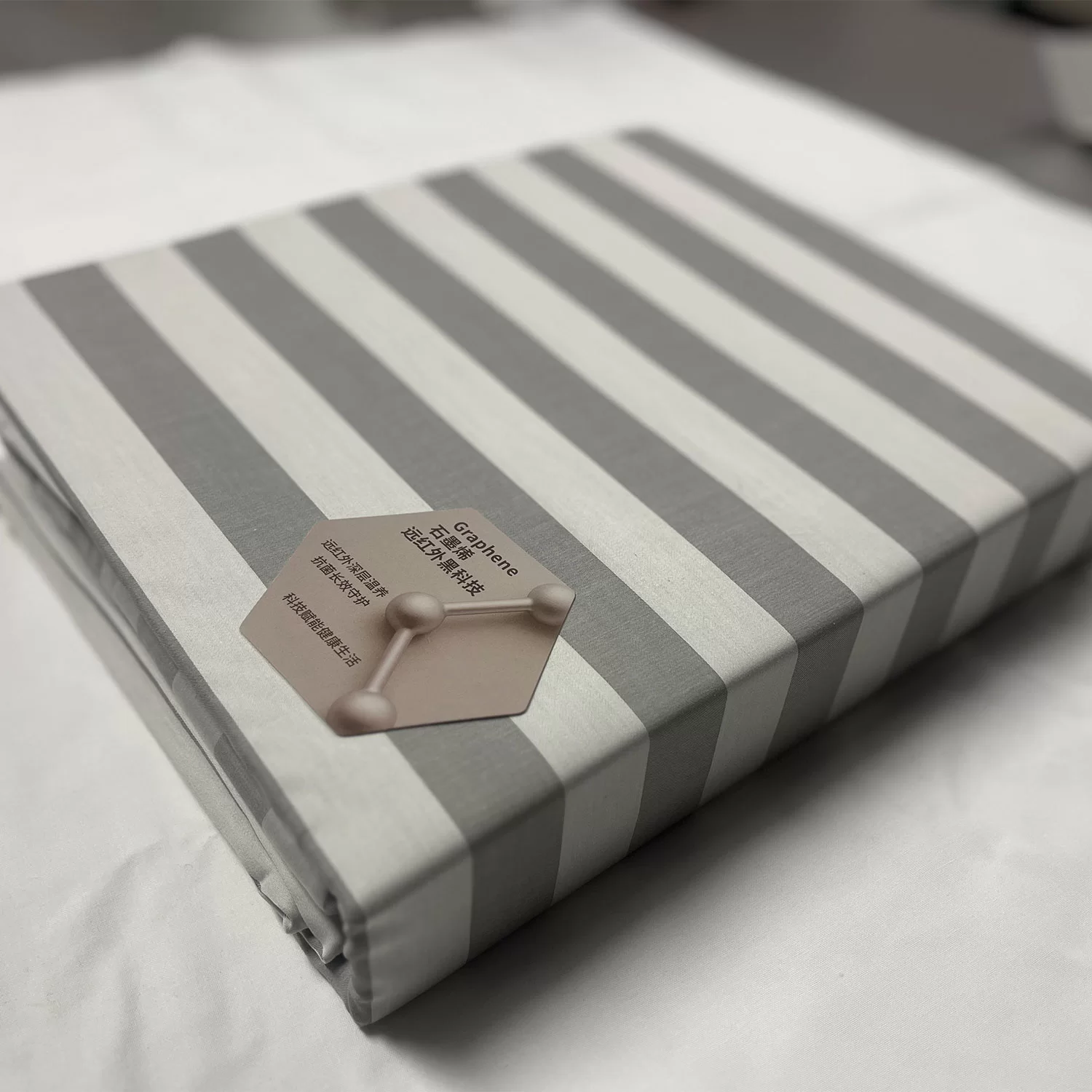
Innovation in textile technology is driving the development of new materials and finishes for hotel linen. Anti-microbial treatments are gaining popularity, enhancing hygiene and reducing the spread of germs. Smart textiles, incorporating sensors to monitor sleep patterns or temperature, are also emerging as a potential future trend.
Sustainability is a key focus, with increasing demand for organic cotton, recycled polyester, and other eco-friendly materials. Manufacturers are also exploring more efficient dyeing and finishing processes to minimize water usage and reduce chemical waste.
One of the primary challenges facing the hotel linen industry is maintaining quality and consistency across large-scale operations. Commercial laundering can be harsh on fabrics, leading to premature wear and tear. Effective linen management programs, including proper sorting, washing procedures, and rotation schedules, are crucial for mitigating this issue.
Another challenge is the rising cost of raw materials, particularly high-quality cotton. Innovative solutions, such as blending cotton with recycled fibers or utilizing alternative materials like bamboo or Tencel, can help reduce costs without compromising quality.
Supply chain disruptions represent another concern. Diversifying sourcing and establishing strong relationships with reliable suppliers are essential for ensuring a consistent supply of luxury hotel bed linen.
| Challenge | Impact on Luxury Hotel Bed Linen | Proposed Solution | Implementation Cost (1-10) |
|---|---|---|---|
| Commercial Laundering | Accelerated Fabric Wear | Optimized Washing Cycles & Detergents | 4 |
| Raw Material Costs | Increased Linen Prices | Material Blending & Alternative Fibers | 6 |
| Supply Chain Disruptions | Delayed Deliveries & Stock Shortages | Diversified Sourcing & Strategic Partnerships | 7 |
| Maintaining Consistent Quality | Variation in Guest Experience | Rigorous Quality Control & Inspections | 5 |
| Environmental Concerns | Growing Demand for Sustainable Options | Eco-Friendly Materials & Processes | 8 |
| Meeting Hygiene Standards | Increased Guest Health Concerns | Anti-Microbial Treatments & Enhanced Laundering | 6 |
While higher thread counts are often associated with luxury, the quality of the cotton and weave are equally important. A thread count between 300 and 600, utilizing long-staple cotton like Egyptian or Pima, generally provides the optimal balance of softness, durability, and breathability for luxury hotel bed linen. Focus on the fiber quality rather than solely on the thread count.
The replacement frequency depends on usage and laundering practices. Generally, luxury hotel bed linen should be replaced every 2-3 years to maintain its quality and appearance. However, regular inspections can help identify items needing earlier replacement due to excessive wear or damage. Implement a linen rotation system for even wear and tear.
Percale is a plain weave known for its crisp, cool feel and matte finish. Sateen is a weave that exposes more yarn surface, creating a silky-smooth texture with a subtle sheen. Percale is generally more durable and breathable, while sateen offers a more luxurious drape. The choice depends on the desired guest experience and aesthetic.
Look for certifications like OEKO-TEX® Standard 100, GOTS (Global Organic Textile Standard), or Fairtrade. These certifications verify that the linen is free from harmful substances and produced under socially responsible conditions. Choosing organic cotton or recycled materials is also a sustainable option when sourcing luxury hotel bed linen.
Anti-microbial treatments involve applying finishes to the fabric that inhibit the growth of bacteria and other microorganisms. These treatments enhance hygiene and reduce odors, contributing to a cleaner and more comfortable guest experience. It’s important to choose treatments that are durable and safe for both guests and the environment.
Calculate the total cost of the linen (purchase price + shipping) and divide it by the estimated number of washes it will withstand before needing replacement. Consider the cost of laundry detergent, water, and energy in your calculation for a comprehensive cost-per-use analysis. Investing in quality luxury hotel bed linen often results in a lower long-term cost per use.
Investing in luxury hotel bed linen is a strategic decision that extends far beyond mere aesthetics. It's an investment in guest satisfaction, brand reputation, operational efficiency, and sustainability. By prioritizing quality materials, thoughtful construction, and responsible sourcing, hotels can create a truly exceptional experience that sets them apart from the competition.
As the hospitality industry continues to evolve, staying abreast of the latest innovations in textile technology will be crucial. Embracing sustainable practices, exploring new materials, and prioritizing guest comfort will be key to attracting discerning travelers and building lasting brand loyalty. Visit our website at www.infortextile.com to explore our extensive range of premium hotel linen solutions.

Contact Us
Email: inforhometextile@126.com
Email: helenkou@126.com
Address
Zerun Building,No.122 Fengshou Road,Chang'an District,Shijiazhuang City,Hebei Province,China
If you are interested in our products, you can choose to leave your information here, and we will be in touch with you shortly.