





Choosing the Right Duvet for a Comfortable and Restful Sleep
Choosing the Perfect Duvet: A Comprehensive Guide
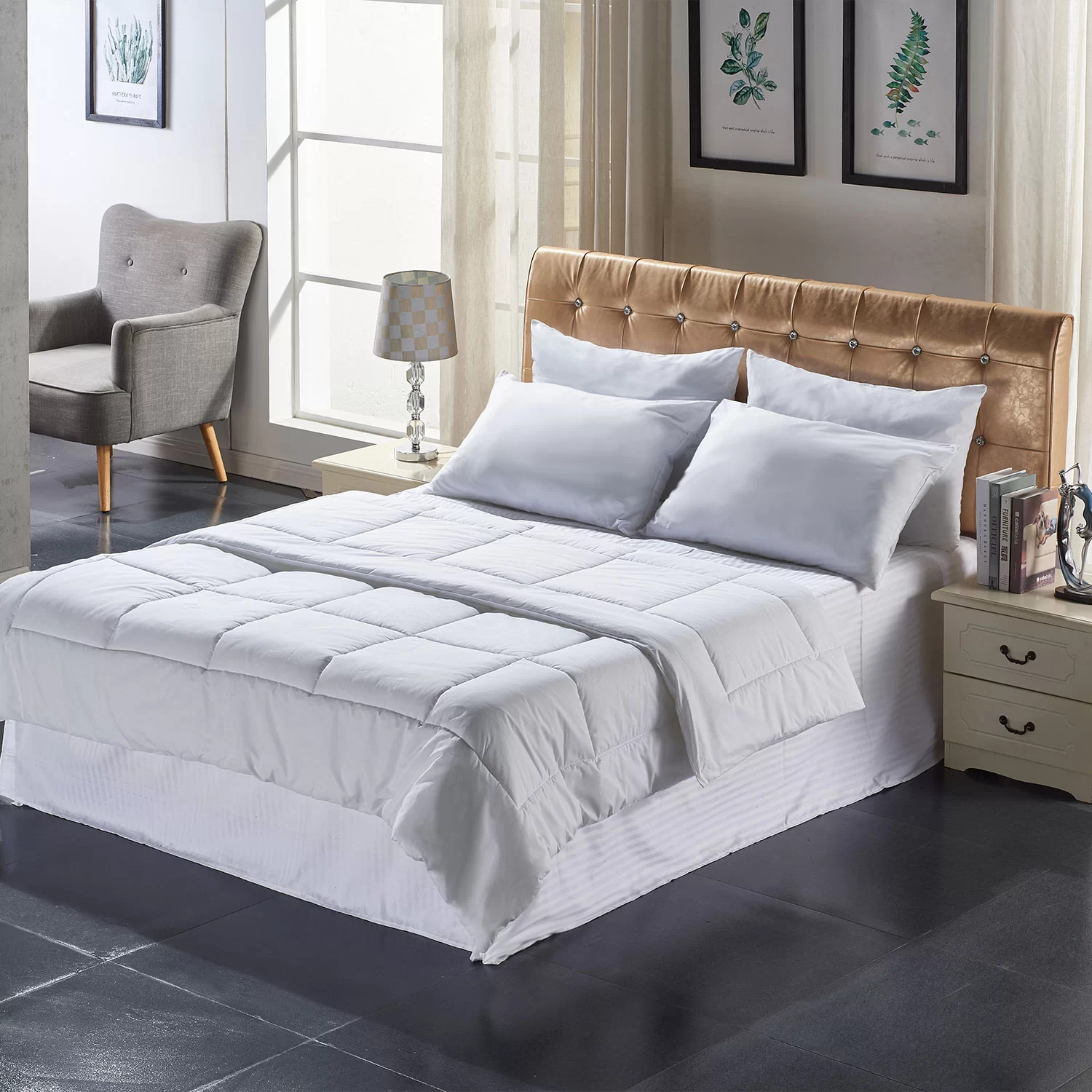
A comfortable night’s sleep is often dictated by the quality of your bedding, and at the heart of that lies the humble duvet. Selecting the right duvet isn’t just about warmth; it's about finding the perfect balance of comfort, breathability, and suitability for your individual needs. This guide will delve into the world of duvets, exploring different fillings, tog ratings, and materials to help you make the best choice. Understanding these factors will ensure you invest in a duvet that will provide years of restful sleep. Infortextile offers a wide range of high-quality duvets to suit every preference.
Understanding Duvet Fillings: Down vs. Synthetic
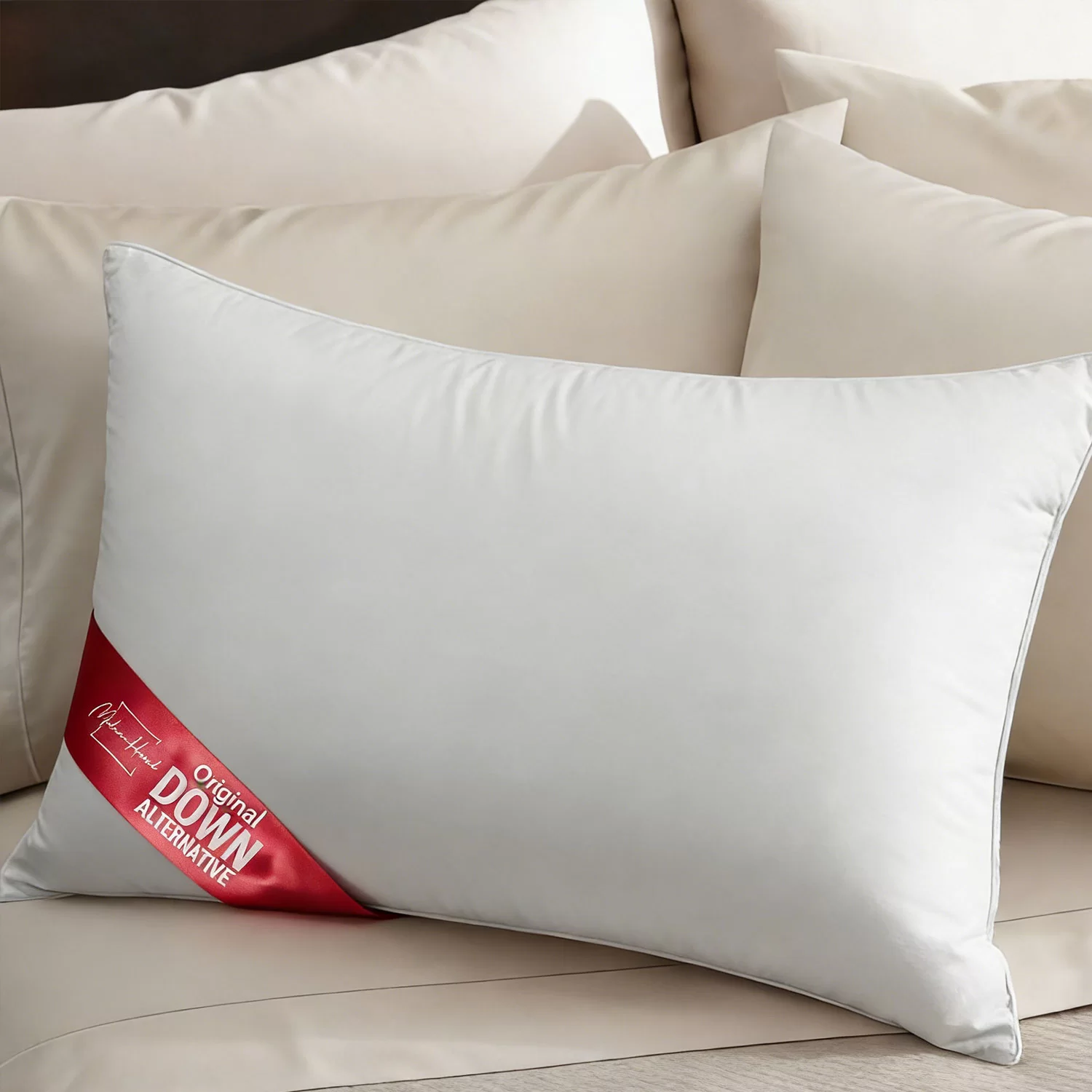
The filling of a duvet is arguably its most important characteristic. Two primary options dominate the market: down and synthetic. Down, derived from the plumage of ducks or geese, is renowned for its exceptional warmth-to-weight ratio and luxurious softness. However, it can be more expensive and may trigger allergies in sensitive individuals. Synthetic fillings, such as polyester or microfibre, offer a more affordable and hypoallergenic alternative. While they may not match the loft and breathability of down, advancements in technology have significantly improved their performance, making them a viable option for many. Choosing between down and synthetic comes down to budget, allergy concerns, and desired levels of warmth and comfort.
Key Highlights: Down offers superior warmth and softness, while synthetic fillings are more affordable and hypoallergenic. Understanding your priorities is key.
The Importance of Tog Ratings
The tog rating of a duvet indicates its thermal resistance, or its ability to trap heat. A higher tog rating means a warmer duvet. Tog ratings typically range from 1.5 to 15. For summer, a lightweight duvet with a tog rating of 1.5 to 4.5 is ideal. Spring and autumn call for a medium-weight duvet (7 to 10.5 tog), while winter requires a warmer duvet (12 to 15 tog). Consider your personal sleep temperature and the climate you live in when selecting a tog rating. Layering duvets is also an option to customize your warmth level throughout the year. Infortextile provides detailed information on tog ratings for each of their duvets.
Tog Rating Guide:
• 1.5-4.5 Tog: Summer
• 7-10.5 Tog: Spring/Autumn
• 12-15 Tog: Winter
Duvet Cover Materials: Cotton, Silk, and More
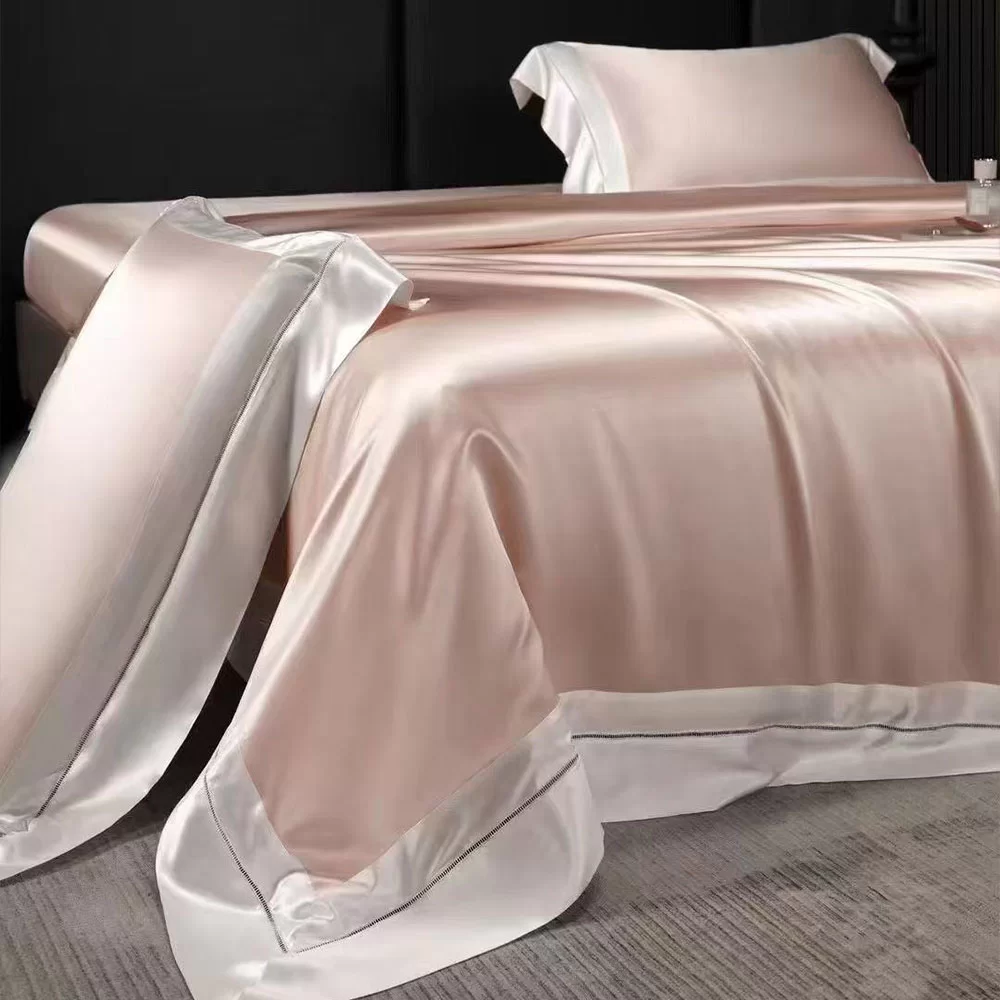
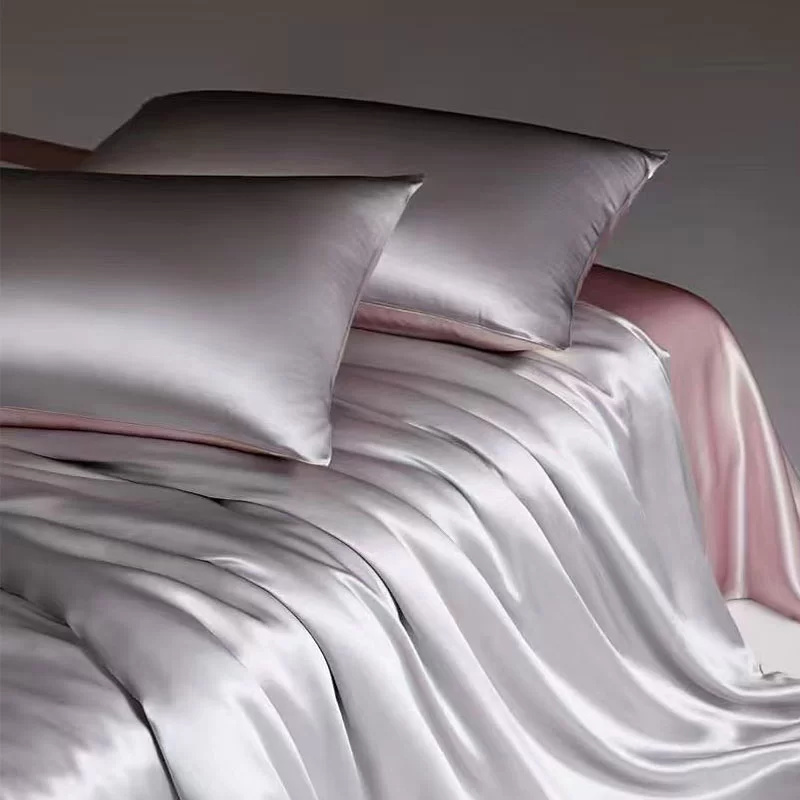
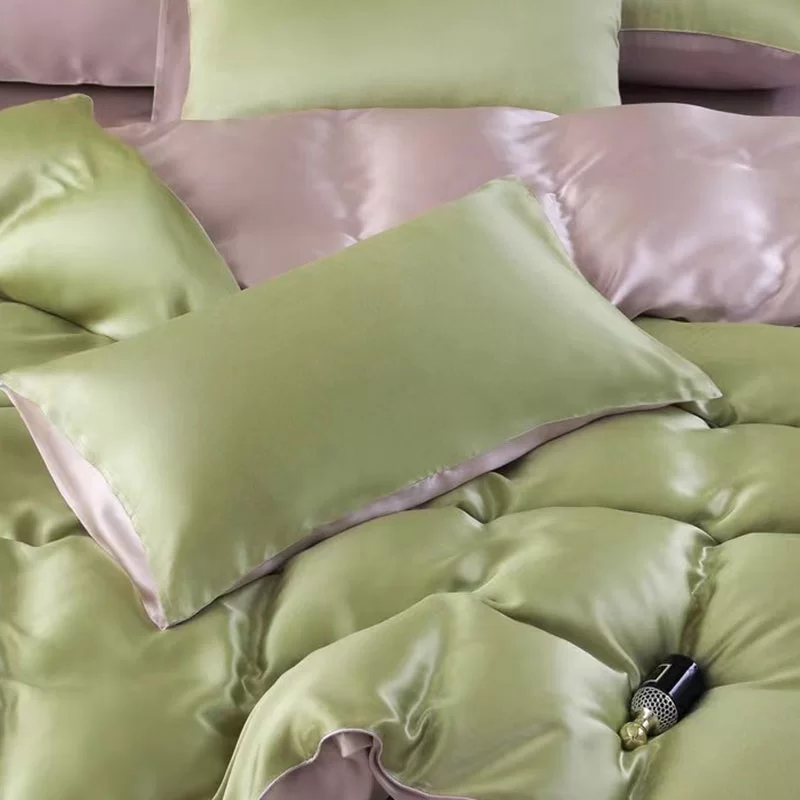
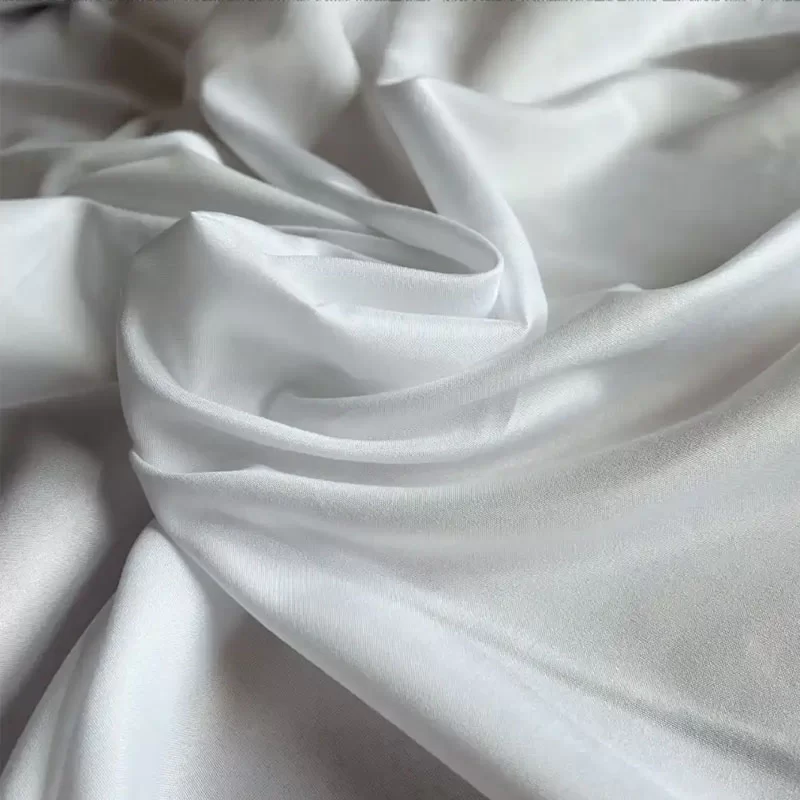
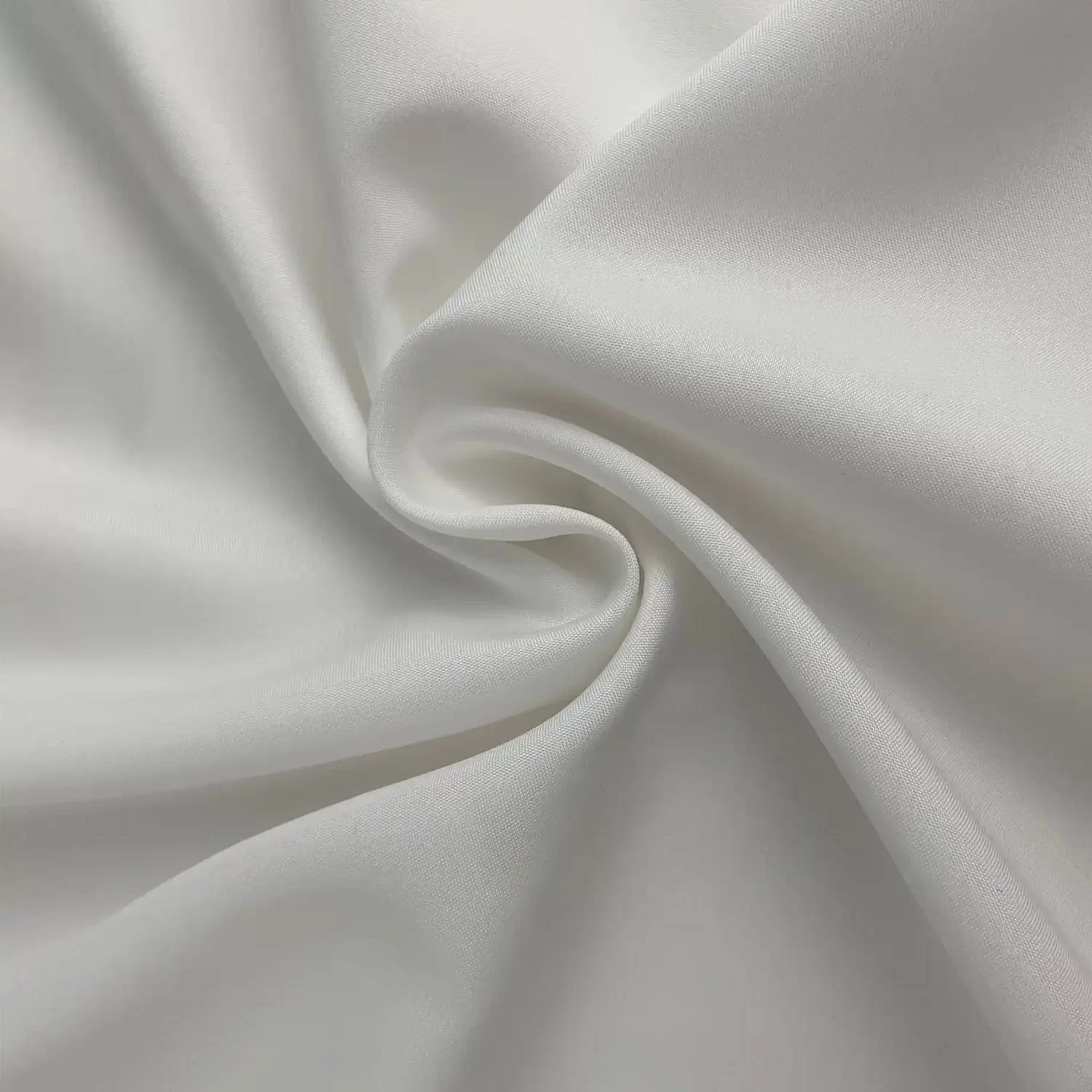
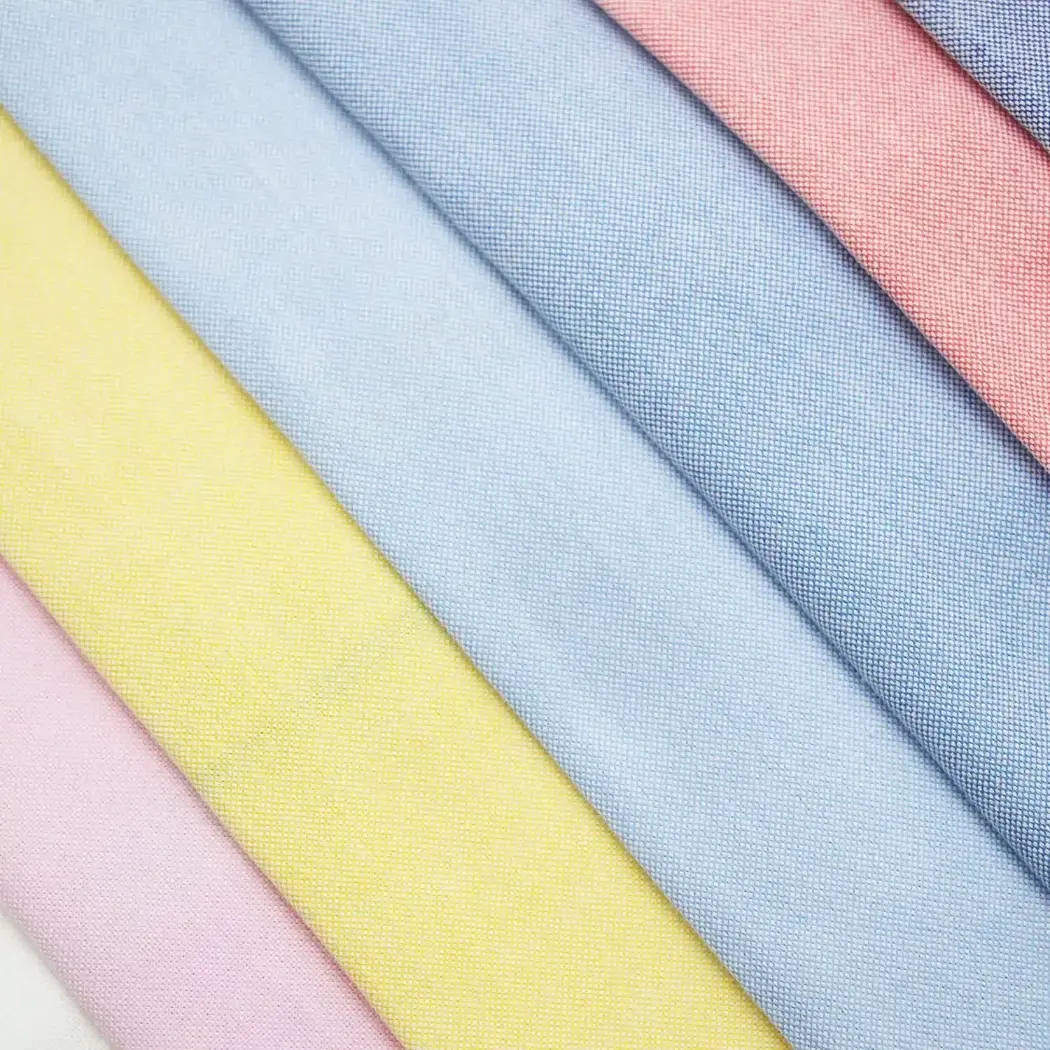
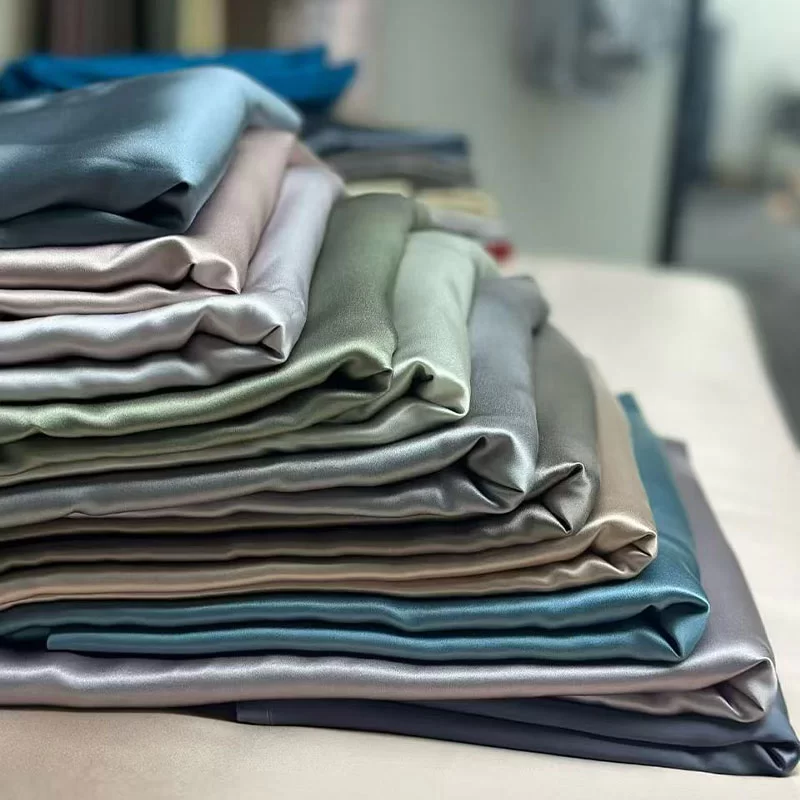
While the duvet itself provides the warmth, the cover plays a crucial role in comfort and breathability. Cotton is the most popular choice, known for its softness, durability, and affordability. Silk duvet covers offer a luxurious feel and are naturally hypoallergenic, but they require more delicate care. Linen provides excellent breathability and a relaxed, textured look, but can be prone to wrinkling. Microfibre is a synthetic option that is soft, wrinkle-resistant, and easy to care for. The best duvet cover material ultimately depends on your personal preferences and lifestyle.
Choosing a Duvet: A Summary
Ultimately, the best duvet for you depends on your individual needs and preferences. Consider your climate, sleep temperature, allergy concerns, and budget when making your selection. Don't hesitate to research different options and read reviews. Infortextile's extensive collection of duvets offers something for everyone, with detailed product descriptions and expert advice to guide your decision. Prioritize quality and comfort, and you'll be well on your way to enjoying a truly restful night’s sleep.
Conclusion: Invest in a Good Night’s Sleep
Choosing the right duvet is an investment in your well-being. By considering factors like filling, tog rating, and cover material, you can create a sleep environment that promotes relaxation and restorative rest. Explore the wide range of options available at Infortextile and discover the perfect duvet for your needs.
Frequently Asked Questions (FAQs)
How often should I wash my duvet?
Most duvets don't require frequent washing. Generally, washing your duvet 2-3 times per year is sufficient. However, always check the care label for specific instructions, as different fillings and materials require different cleaning methods. Down duvets often require professional cleaning, while synthetic duvets can typically be machine washed. Airing your duvet regularly between washes can help maintain freshness and prevent dust buildup. Spot cleaning any spills immediately is also recommended.
Can I use a duvet cover without a top sheet?
Yes, many people choose to use a duvet cover directly against their skin without a top sheet. However, this depends on your personal preference. A duvet cover can provide a comfortable and breathable sleeping surface, especially if it's made from a soft material like cotton or silk. Some people may prefer the added layer of a top sheet for extra comfort or hygiene. Regularly washing your duvet cover is essential when using it directly against your skin.
What is the best duvet for allergy sufferers?
Synthetic duvets, particularly those with a microfibre filling, are generally the best choice for allergy sufferers. They are hypoallergenic and resistant to dust mites, which are common allergens. If you prefer down, look for duvets that have been treated to remove allergens and are encased in a tightly woven cover to prevent dust mites from penetrating. Regularly washing your duvet cover in hot water can also help minimize allergens.
How do I store my duvet during the summer months?
Before storing your duvet for the summer, ensure it is thoroughly cleaned and completely dry. Store it in a breathable cotton or linen bag to prevent mildew and dust buildup. Avoid storing it in a plastic bag, as this can trap moisture. Choose a cool, dry, and well-ventilated storage location, away from direct sunlight. Consider using moth repellents if storing a down duvet.


Apr 29, 26
Premium Hotel Stripe Bed Linen for Luxury Hospitality Success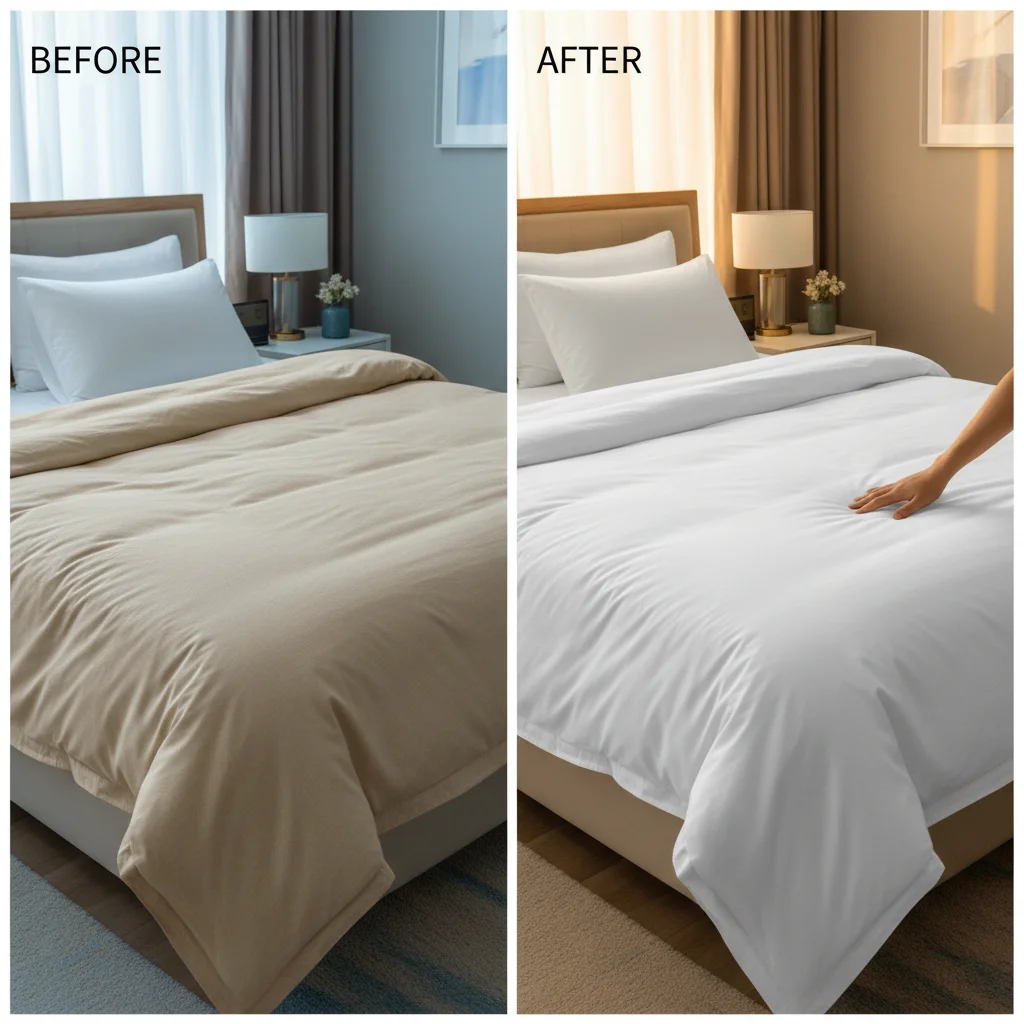
Apr 27, 26
Professional Guide to Choosing Durable Hotel Linen Bed Sheets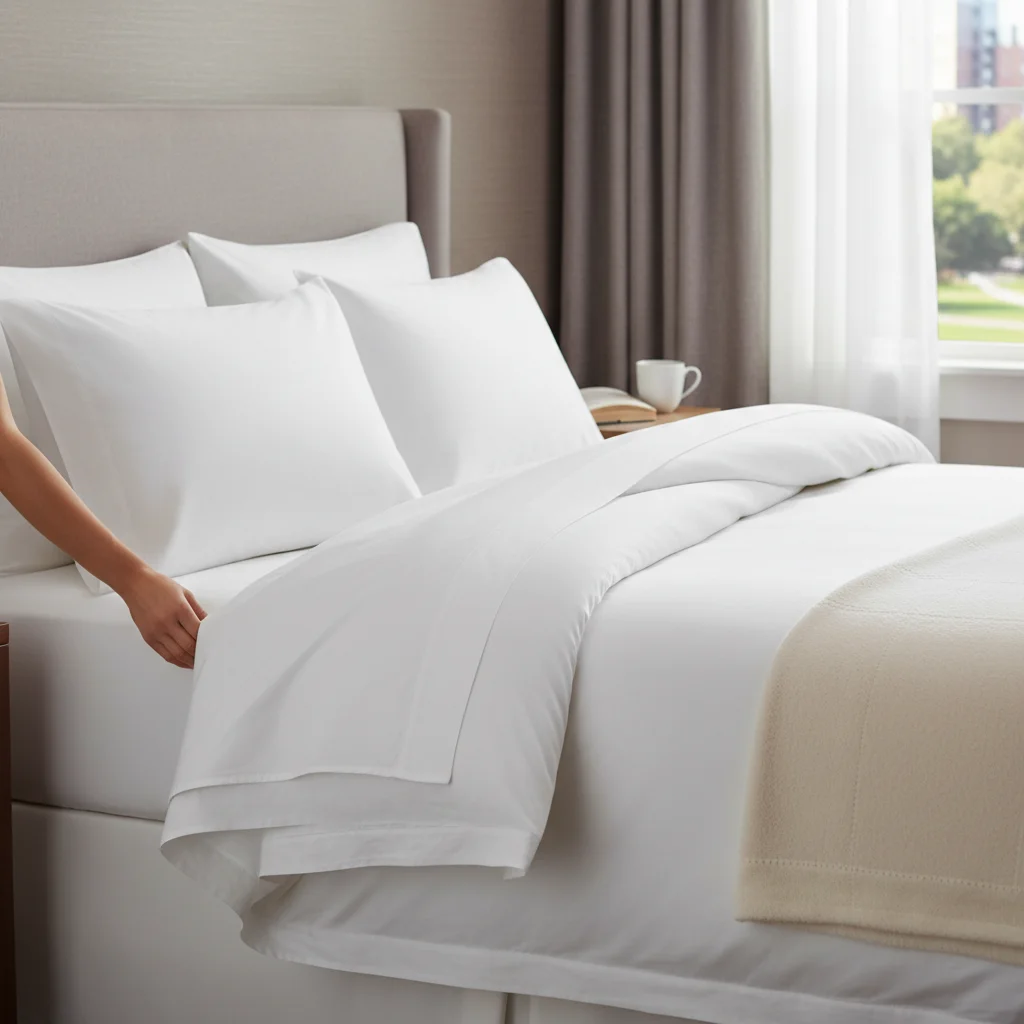
Apr 24, 26
Premium White Hotel Bed Linen for Luxury Hospitality Standards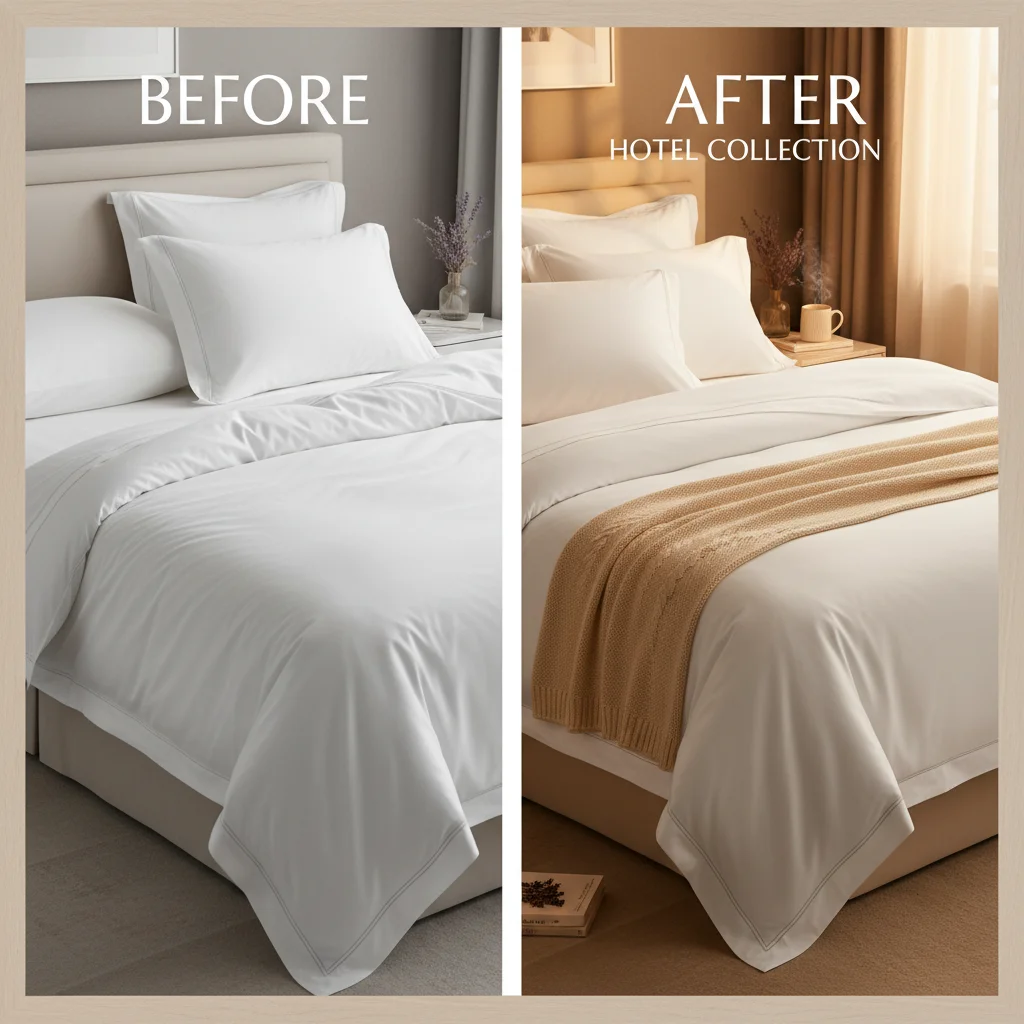
Apr 23, 26
Premium Hotel Collection Bed Linen for Luxury Guest Experience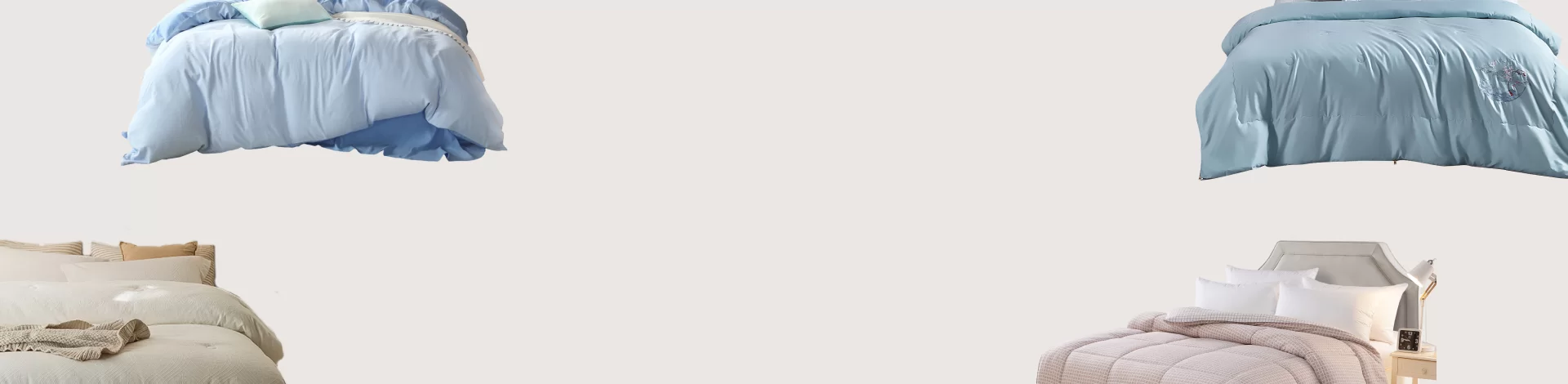


Contact Us
Email: inforhometextile@126.com
Email: helenkou@126.com
Address
Zerun Building,No.122 Fengshou Road,Chang'an District,Shijiazhuang City,Hebei Province,China
If you are interested in our products, you can choose to leave your information here, and we will be in touch with you shortly.


