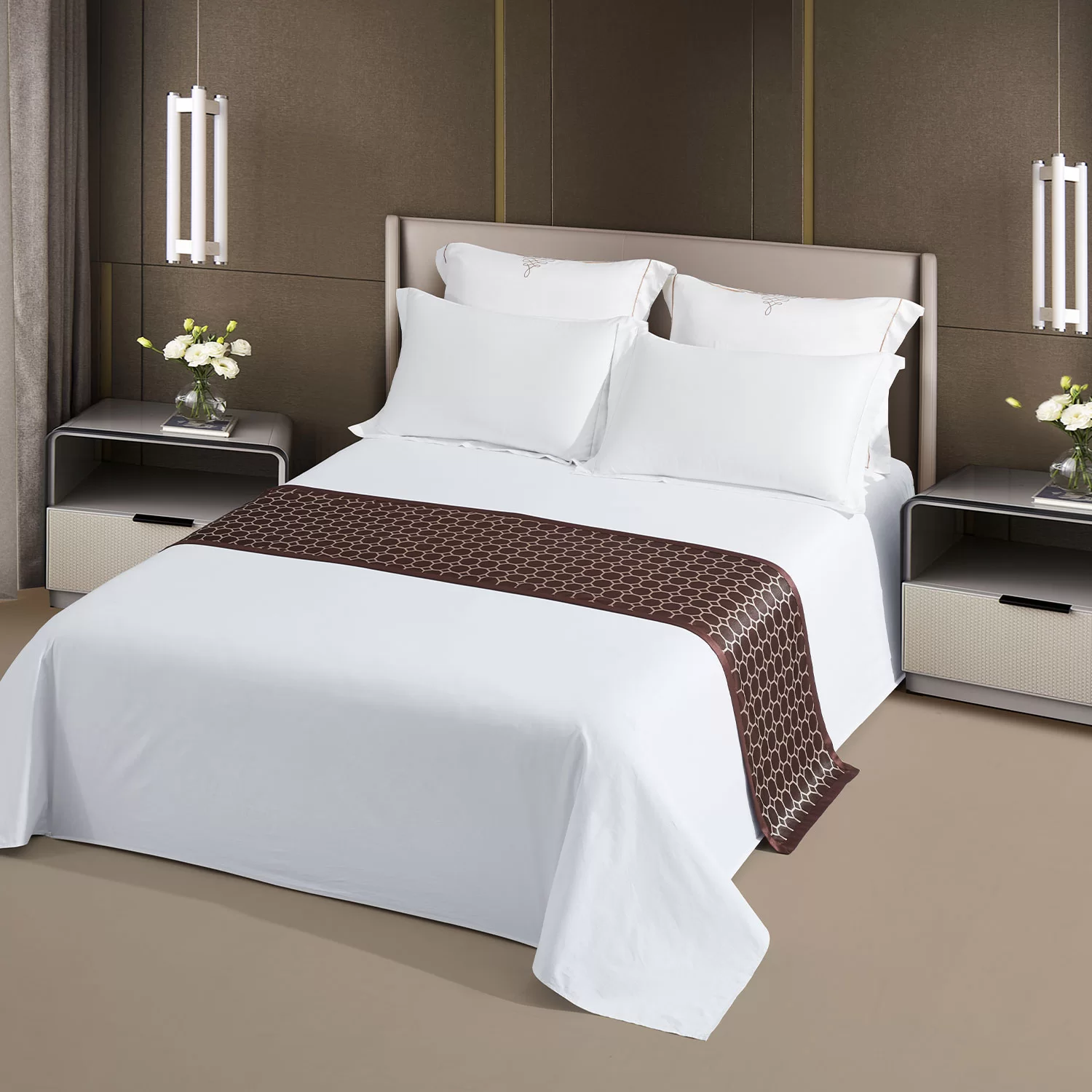
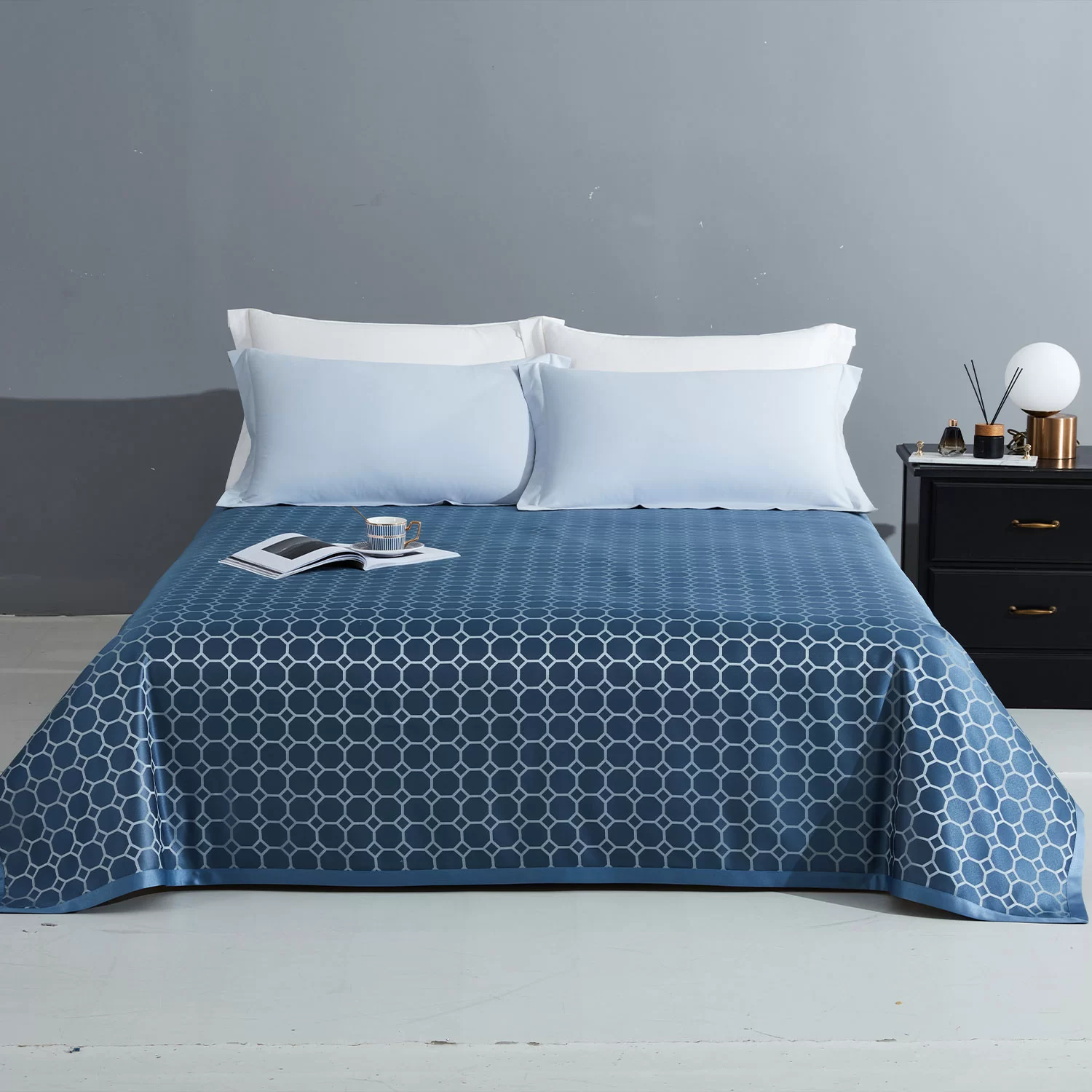
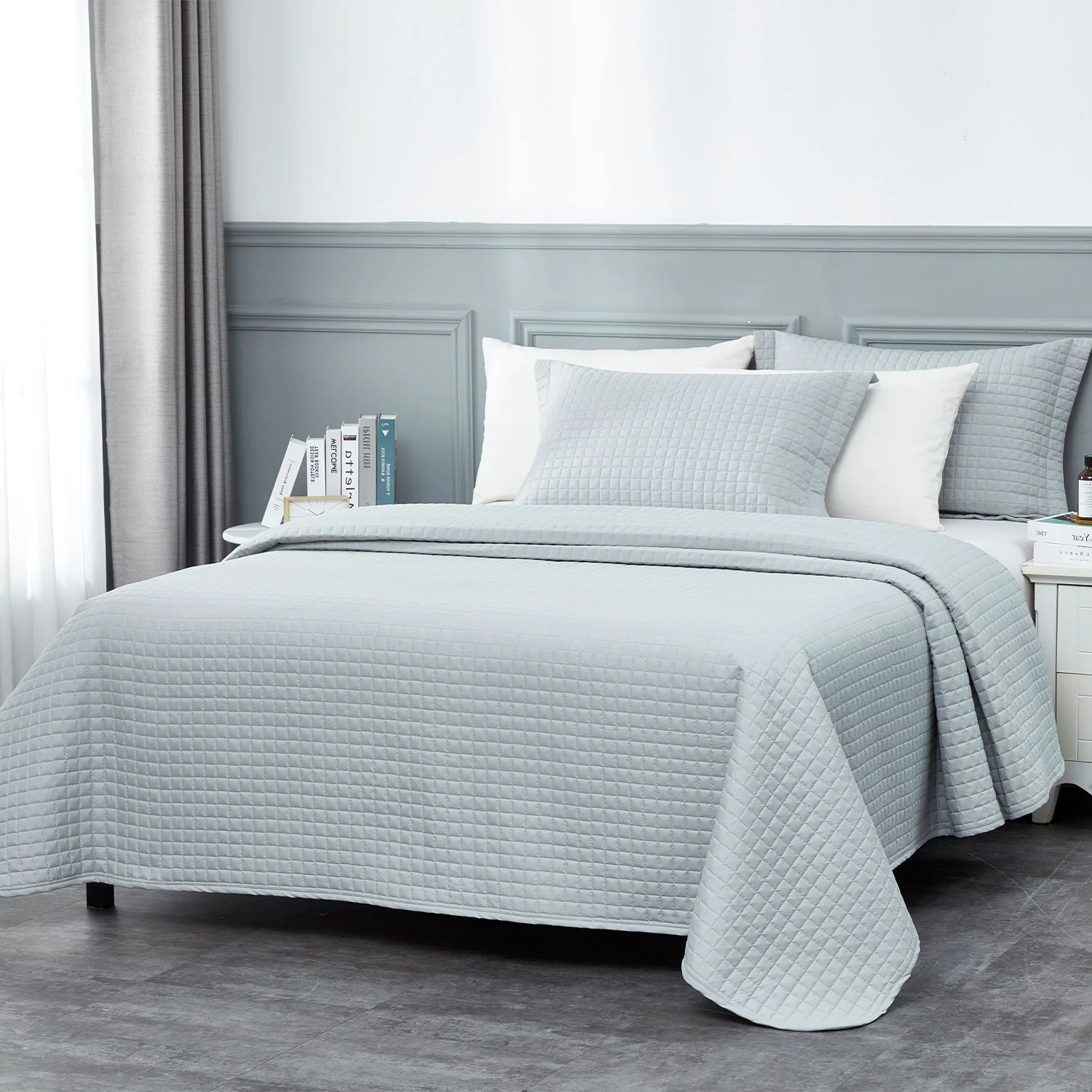
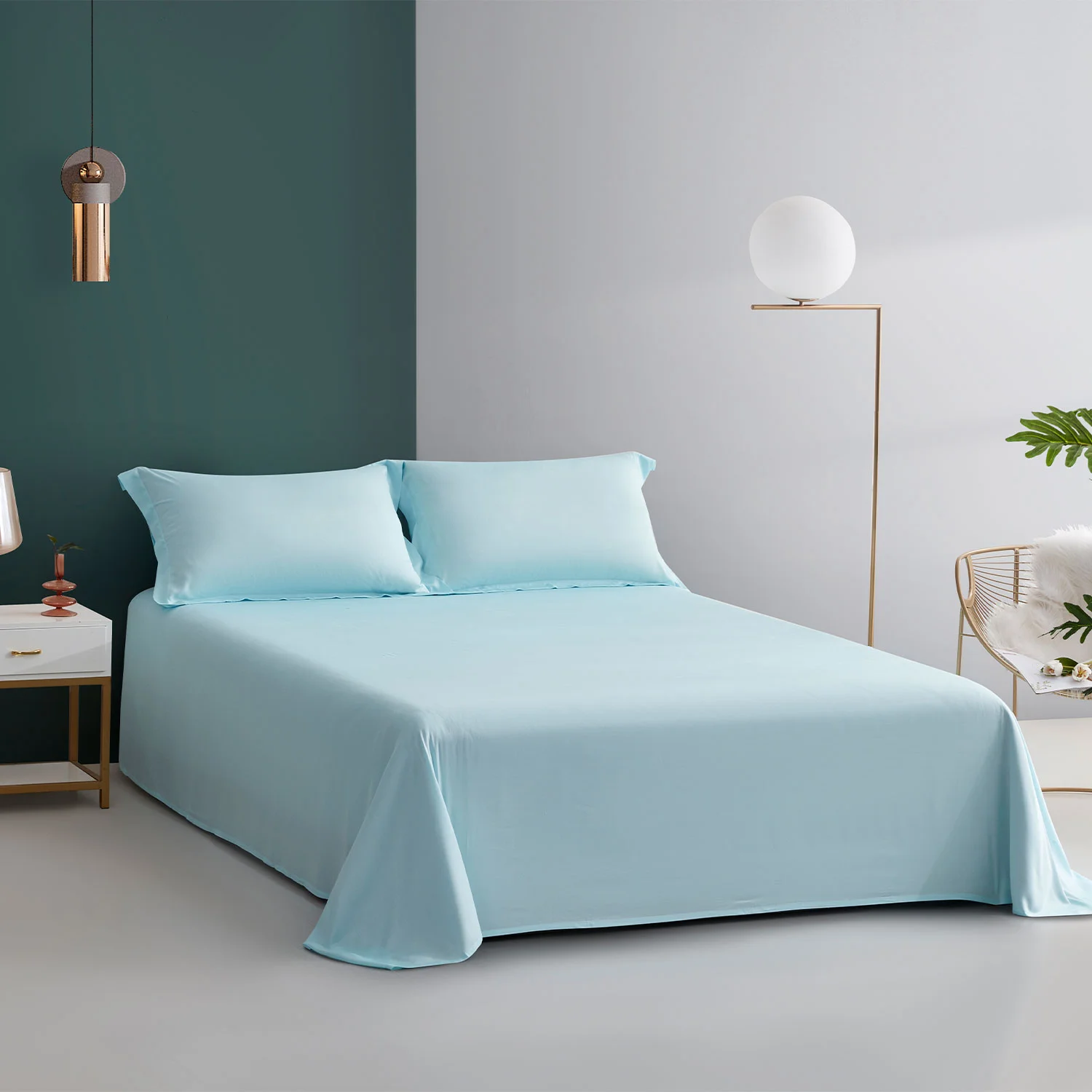
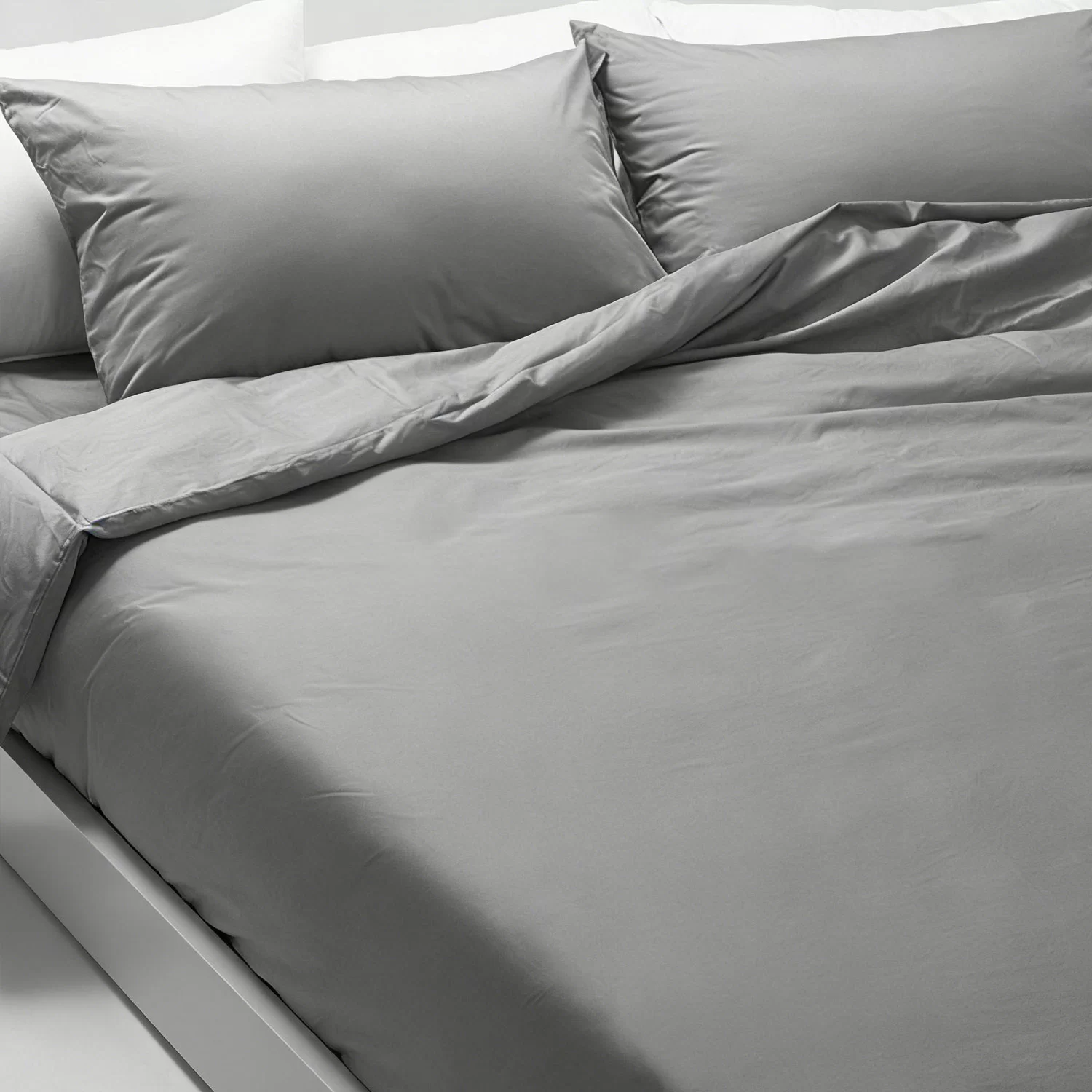
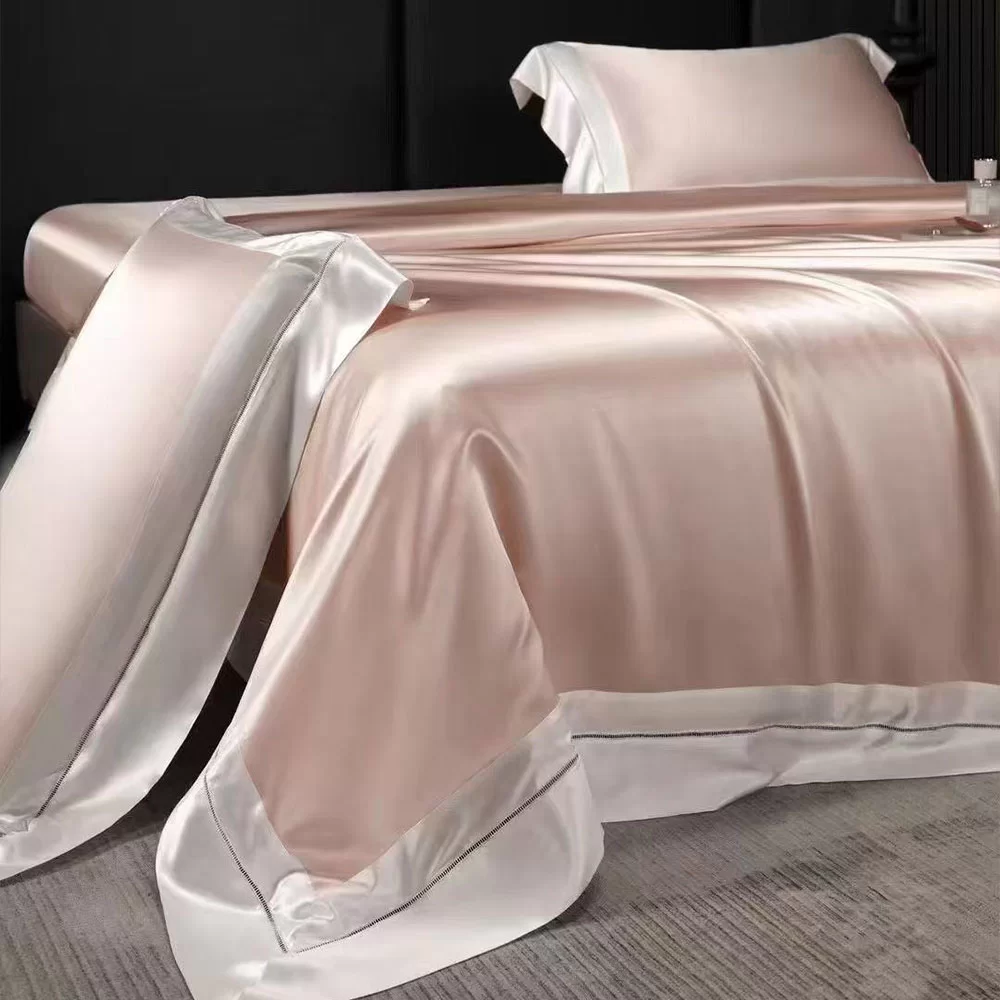
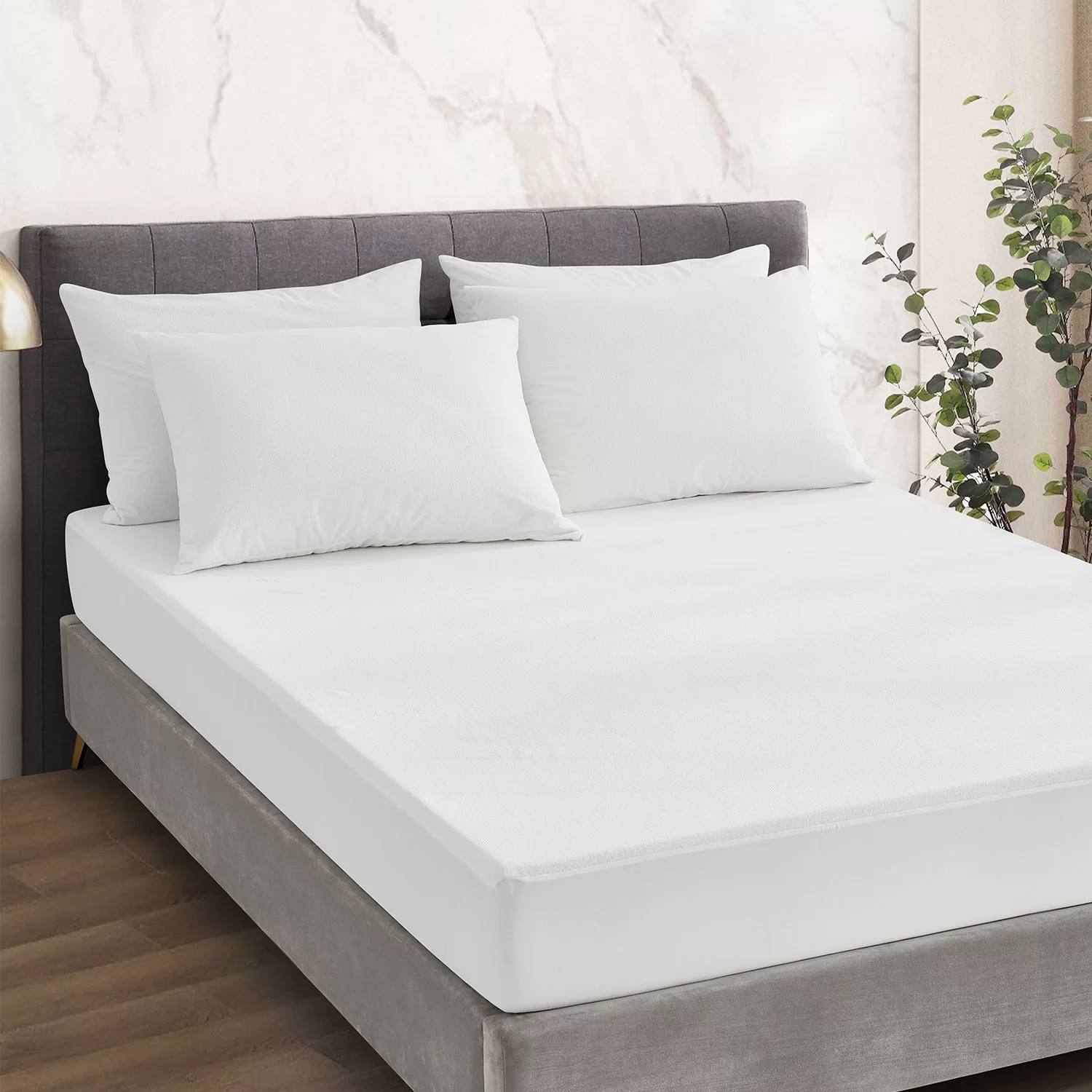
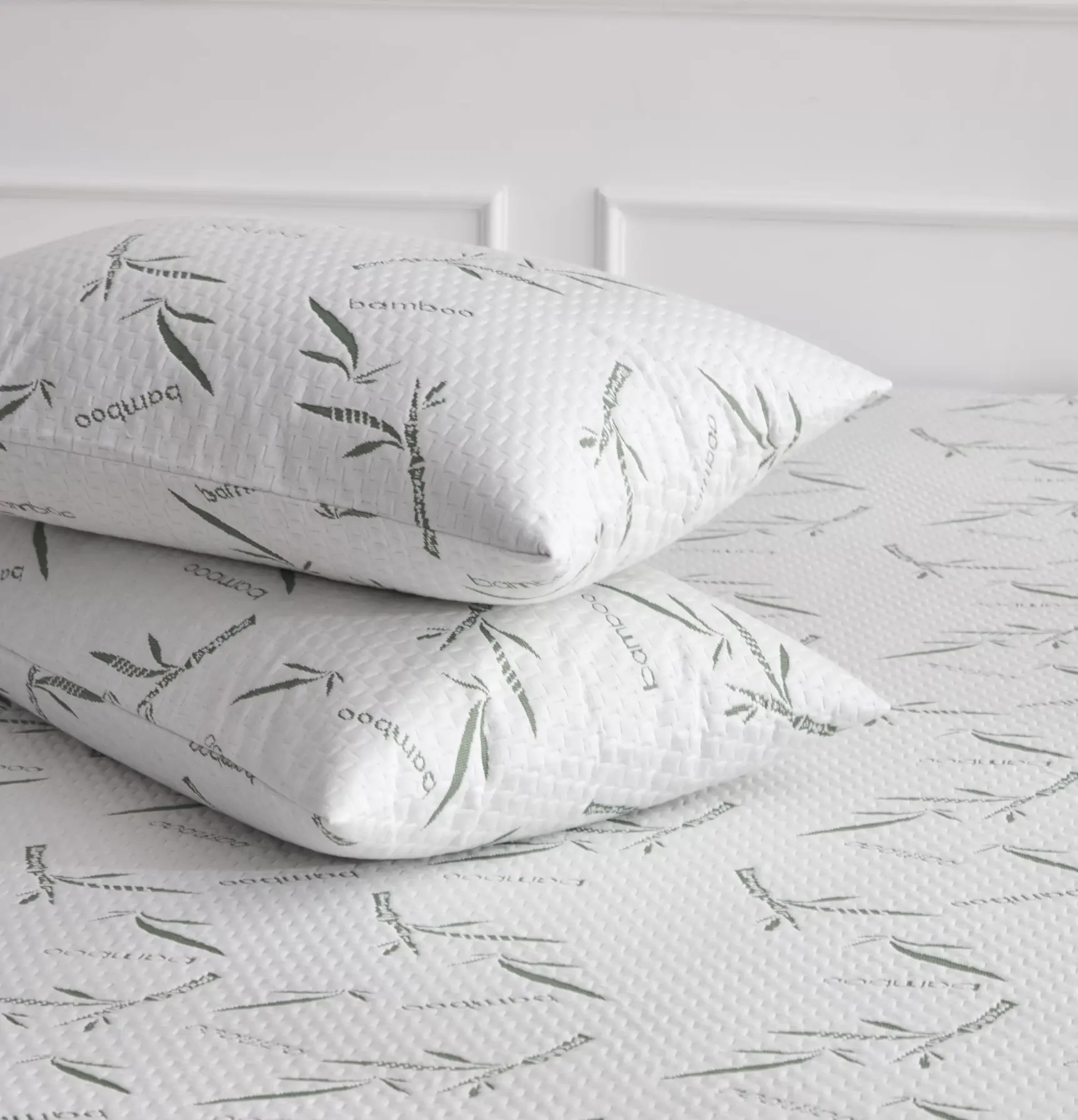
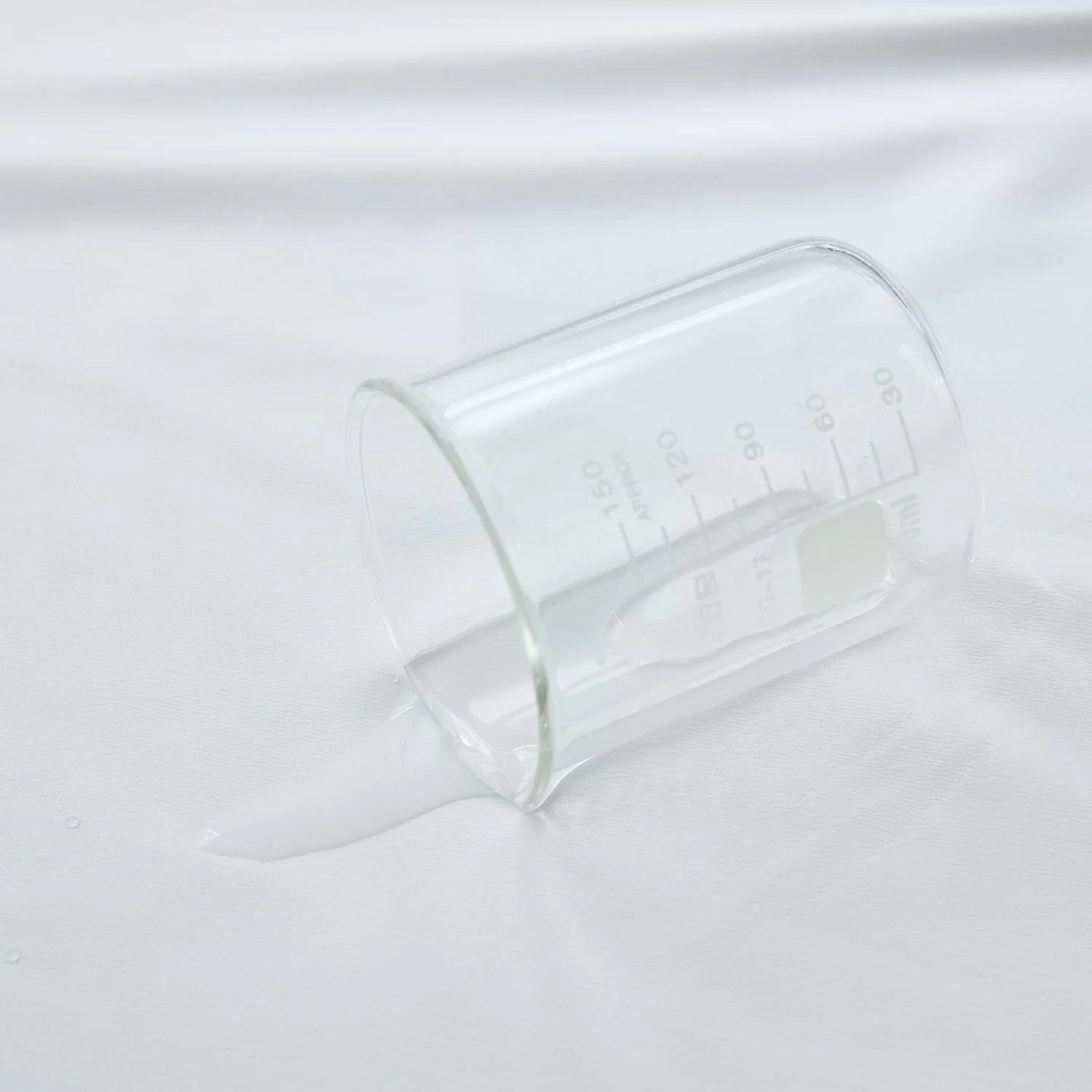
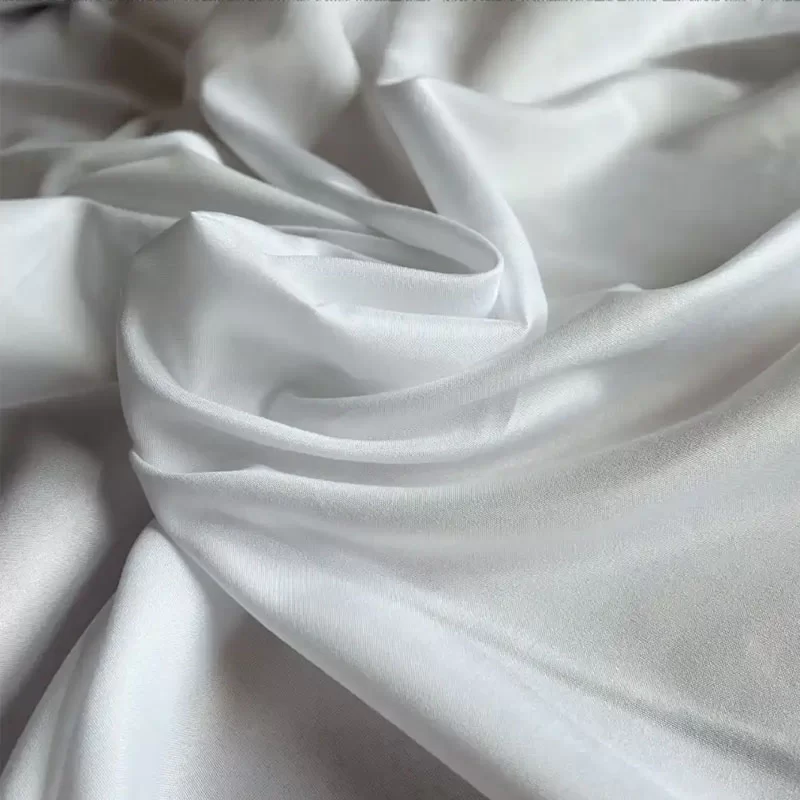
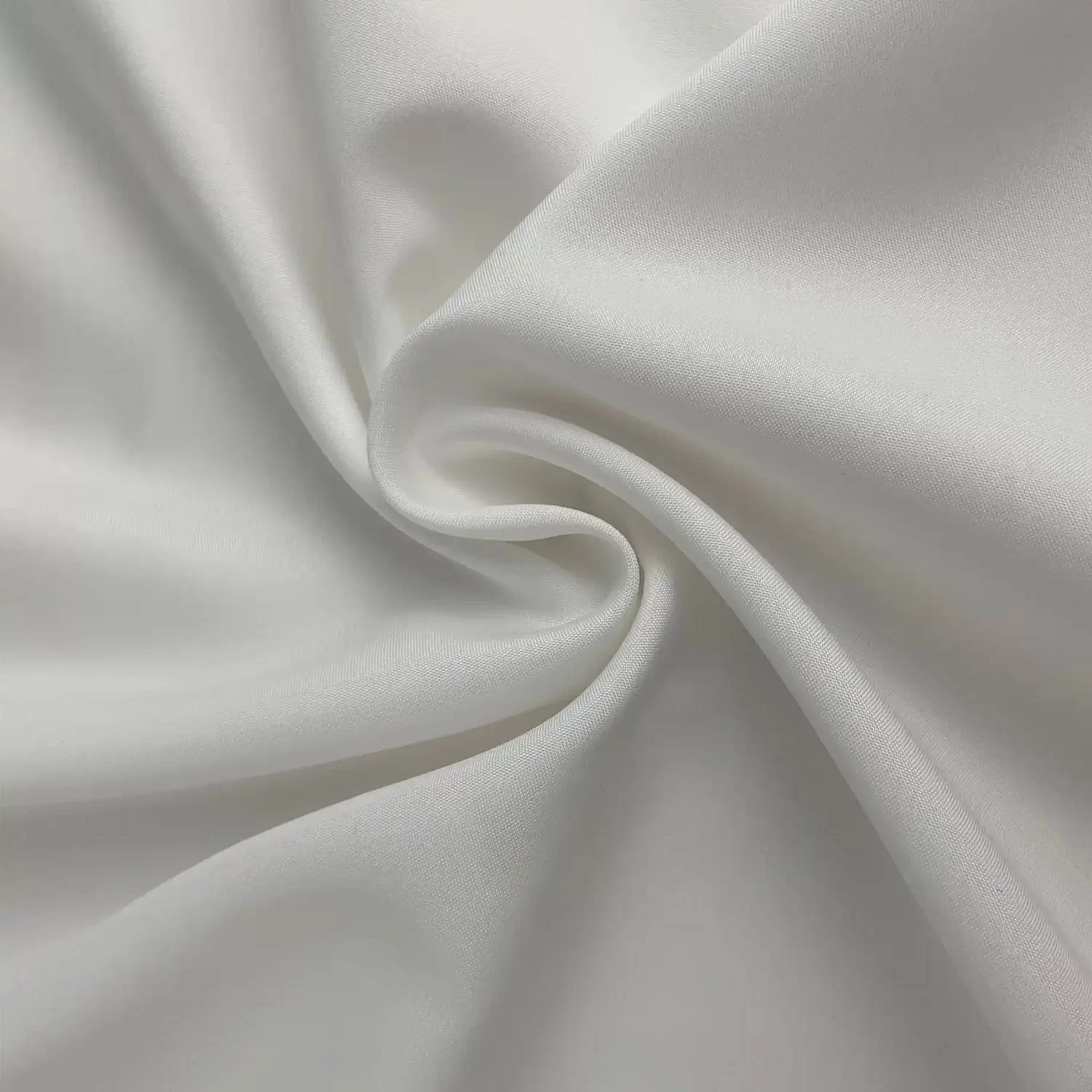
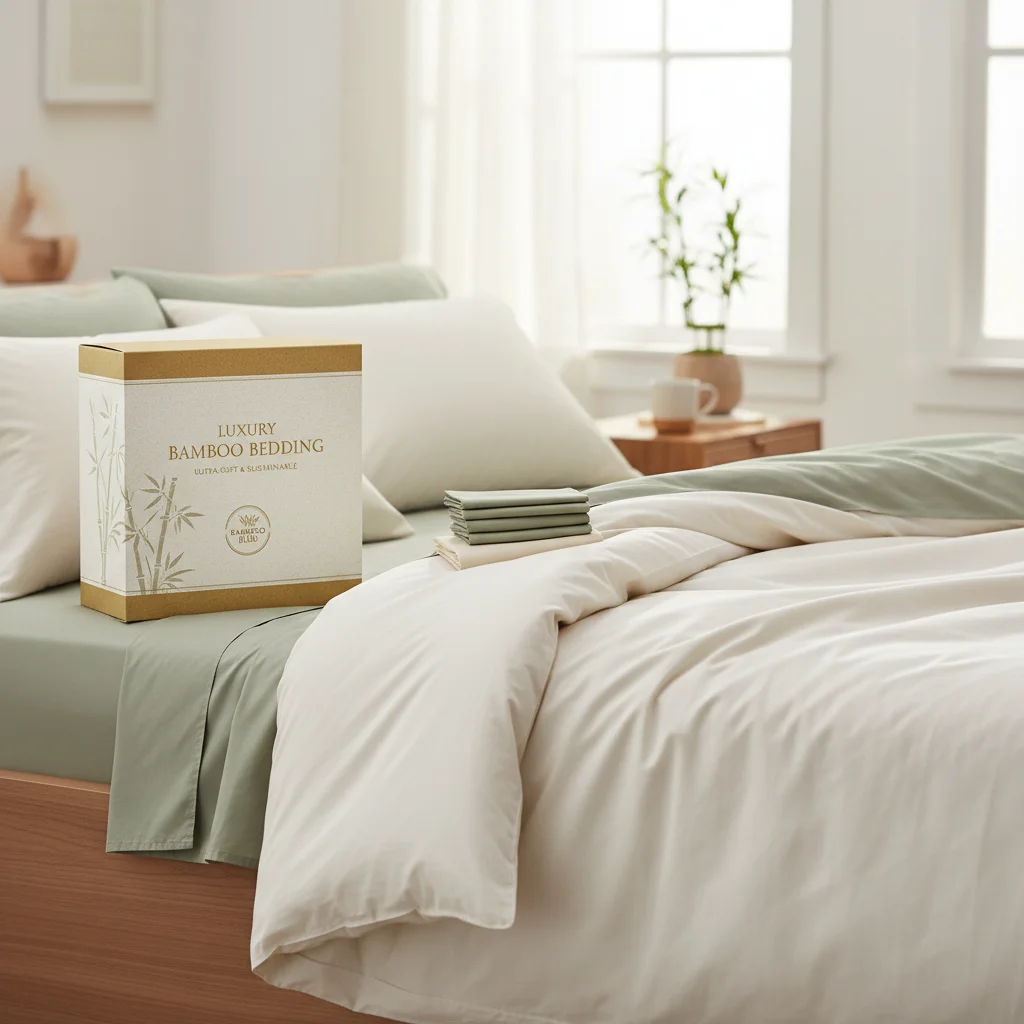
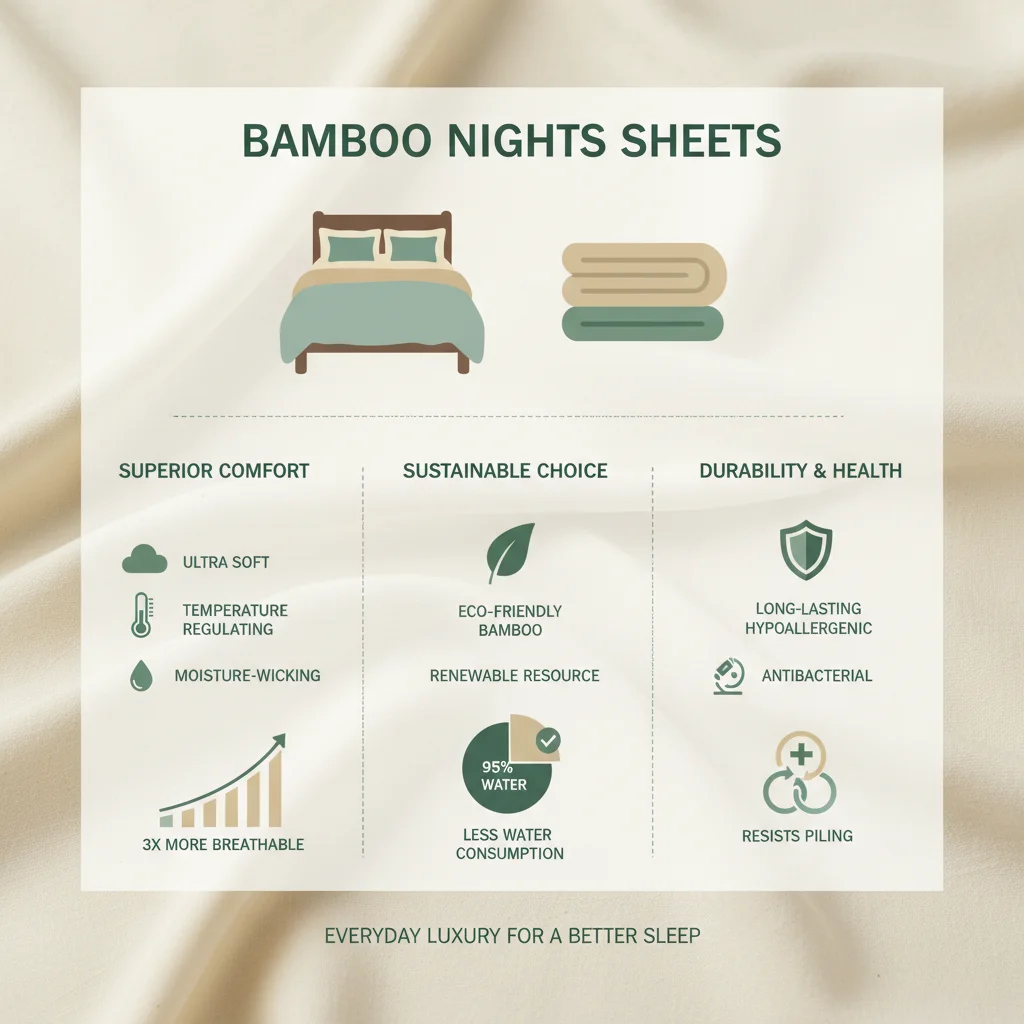
Bamboo linen sheets are gaining prominence as a sustainable and luxurious bedding option, blending the comfort of linen with the eco-friendly benefits of bamboo. Increasingly, consumers are seeking alternatives to traditional cotton, driven by concerns about environmental impact and a desire for hypoallergenic materials. These sheets offer a unique combination of breathability, durability, and softness, making them a compelling choice for discerning consumers.
The global textile industry is undergoing a significant shift towards sustainable practices. Demand for eco-friendly materials like bamboo is steadily rising, fueled by growing awareness of the environmental costs associated with conventional textile production. The United Nations Sustainable Development Goals, particularly those related to responsible consumption and production (Goal 12), are driving innovation and consumer choices in this sector.
Bamboo linen sheets represent a tangible step toward a more sustainable future for the textile industry. Their production requires significantly less water and fewer pesticides compared to cotton, and bamboo is a rapidly renewable resource. This makes them an attractive option for environmentally conscious consumers and businesses seeking to reduce their carbon footprint.
Introduction to Bamboo Linen Sheets
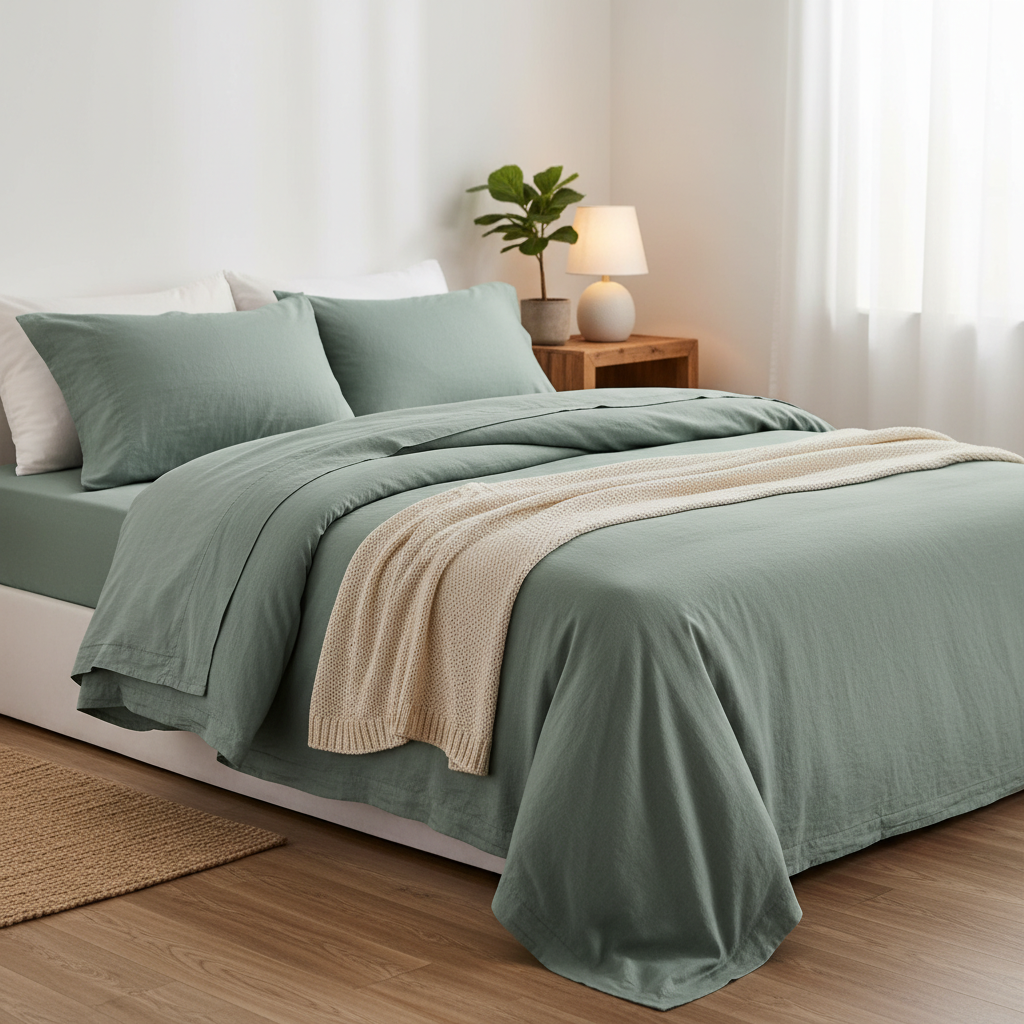
Bamboo linen sheets are rapidly emerging as a premium bedding choice, praised for their exceptional softness, breathability, and eco-friendliness. Unlike traditional cotton, which can contribute to water scarcity and pesticide pollution, bamboo is a remarkably sustainable resource, growing quickly and requiring minimal inputs.
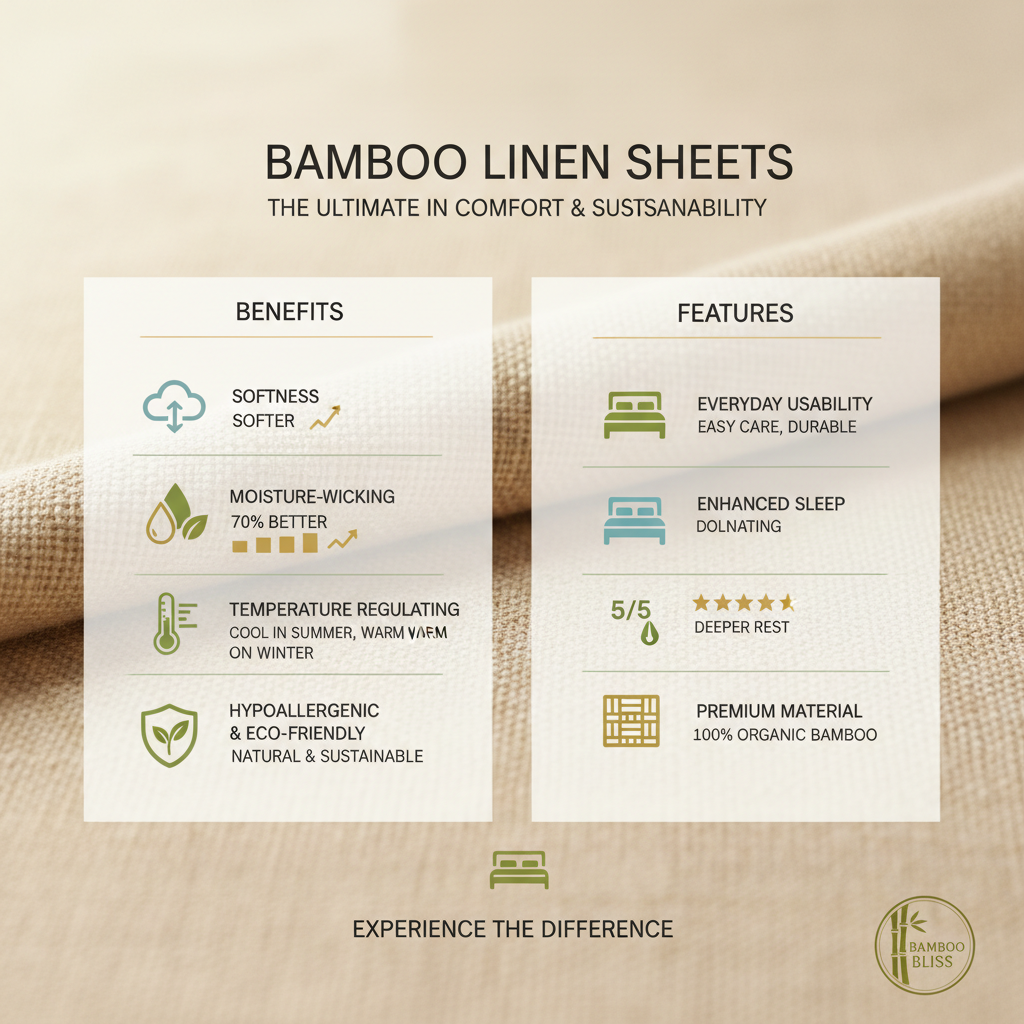
The appeal of bamboo linen sheets extends beyond environmental concerns. Their unique fiber structure creates a fabric that is naturally cooling, making them ideal for warm sleepers or warmer climates. They also boast excellent moisture-wicking properties, ensuring a comfortable and restful night's sleep. These features contribute to a growing consumer base seeking both comfort and sustainability.
Defining Bamboo Linen Sheets
Bamboo linen sheets are crafted from the fibers of the bamboo plant, processed to create a textile that mimics the feel and drape of traditional linen. However, unlike flax linen, bamboo linen is considerably softer and more breathable. The process involves converting bamboo cellulose into a fiber that can then be spun into yarn and woven into fabric.
It's important to distinguish between different types of bamboo fabric. While "bamboo rayon" or "bamboo viscose" are common, they involve a chemically intensive process. True bamboo linen utilizes a mechanical process to extract and process the fibers, minimizing environmental impact. Look for certifications that verify the linen is made using a more sustainable process.
This material seamlessly bridges the gap between luxury and sustainability. As consumer demands for ethically sourced and environmentally friendly products continue to rise, bamboo linen sheets stand out as a responsible and comfortable bedding choice, aligned with modern industry trends and a growing emphasis on conscious consumption.
Core Characteristics of Bamboo Linen Sheets
One of the defining characteristics of bamboo linen sheets is their exceptional softness. The natural fibers are incredibly smooth, providing a luxurious feel against the skin. This softness doesn't diminish with washing, ensuring long-lasting comfort.
Breathability is another key feature. The structure of bamboo fibers allows for excellent airflow, preventing overheating during sleep. This makes them particularly suitable for individuals who tend to sleep hot or live in warmer climates. The natural wicking properties of the fiber also help to draw moisture away from the body, keeping you dry and comfortable.
Bamboo linen sheets are also known for their durability. The fibers are strong and resilient, resisting wear and tear over time. Proper care – typically involving gentle washing and avoiding harsh chemicals – will ensure these sheets remain a comfortable and reliable part of your bedding for years to come.
Performance Metrics of Bamboo Linen Sheets
Evaluating the performance of bamboo linen sheets requires considering several key metrics, including breathability, durability, moisture wicking, and hypoallergenic properties. Compared to conventional cotton, bamboo linen consistently outperforms in areas related to sustainability and comfort.
Here's a comparative look at key performance indicators, showcasing the strengths of bamboo linen sheets.
Comparative Performance of Bamboo Linen Sheet Methods
Global Applications of Bamboo Linen Sheets
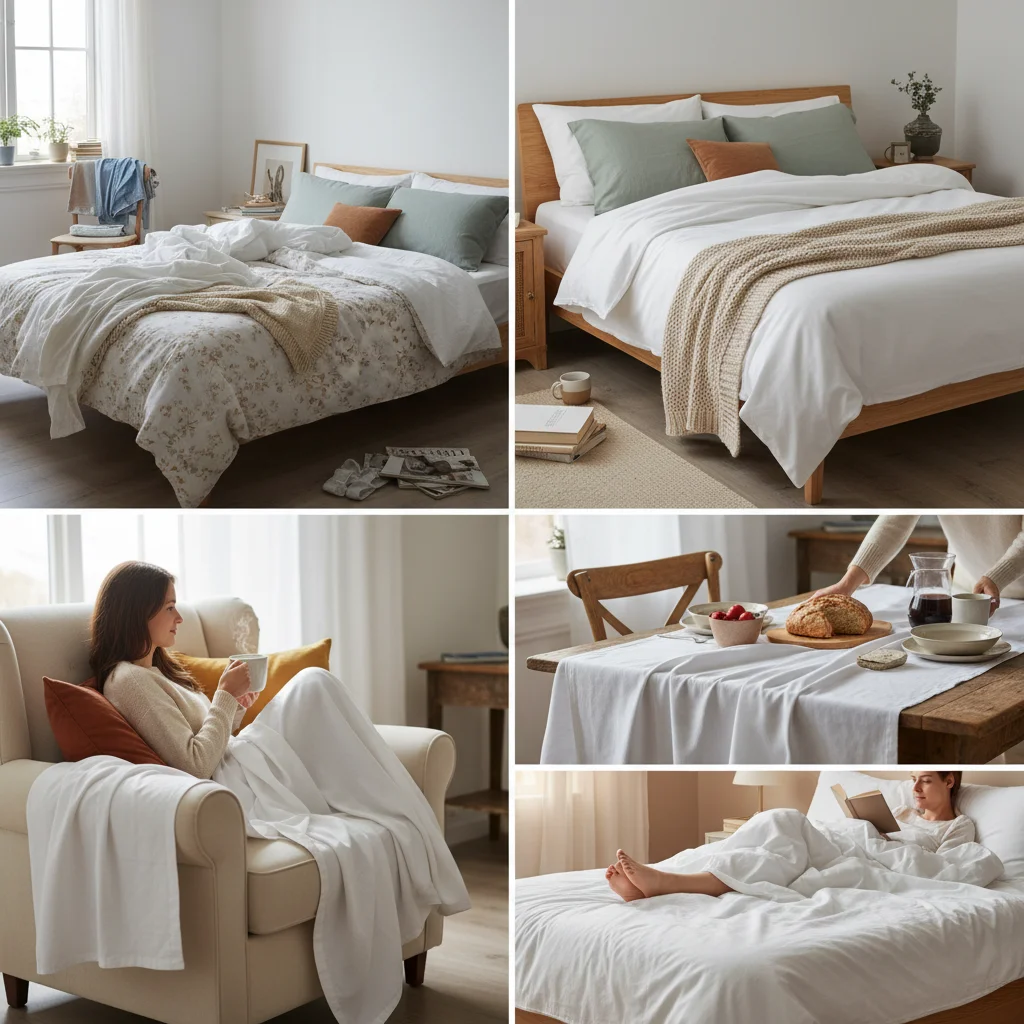
The applications of bamboo linen sheets are expanding globally, driven by increasing consumer awareness of sustainable products and a desire for enhanced comfort. Beyond residential use, these sheets are finding their way into hospitality, wellness centers, and even healthcare settings.
In the hospitality industry, hotels are adopting bamboo linen sheets as part of their sustainability initiatives, appealing to environmentally conscious travelers. Wellness centers and spas utilize these sheets for their hypoallergenic and breathable qualities, providing a soothing and comfortable experience for clients. The demand is particularly strong in regions with warm climates, such as Southeast Asia and the Mediterranean.
Advantages and Long-Term Value
The advantages of investing in bamboo linen sheets extend far beyond initial comfort. The long-term value is rooted in their durability, sustainability, and potential health benefits. Unlike faster fashion items, these sheets are designed to last, reducing the need for frequent replacements and minimizing textile waste.
From an environmental perspective, the lower water consumption and reduced pesticide use associated with bamboo cultivation contribute to a smaller carbon footprint. Socially, supporting sustainable bamboo farming practices can empower local communities and promote responsible land management. Choosing bamboo linen sheets is an investment in a more ethical and sustainable future.
The inherent hypoallergenic properties of bamboo linen sheets can offer relief to individuals with sensitive skin or allergies, providing a healthier and more comfortable sleep environment. These benefits, coupled with the sheets' luxurious feel, create a compelling value proposition for consumers.
Future Trends and Innovations
The future of bamboo linen sheets is bright, with ongoing innovations focusing on optimizing production processes and enhancing the fabric's properties. Researchers are exploring new techniques to further reduce the environmental impact of bamboo fiber extraction and weaving.
We're also seeing advancements in blending bamboo linen with other sustainable fibers, such as organic cotton or Tencel, to create hybrid fabrics with unique characteristics. The integration of smart textile technologies, such as moisture sensors or temperature regulators, could further enhance the functionality and comfort of bamboo linen bedding.
Furthermore, increasing transparency in the supply chain, enabled by technologies like blockchain, will allow consumers to trace the origin of their bamboo linen sheets and verify their sustainable credentials. This increased traceability will build trust and promote responsible consumption.
Challenges and Solutions
Despite the numerous benefits, the bamboo linen sheet industry faces challenges related to cost, scalability, and ensuring truly sustainable production practices. True bamboo linen, produced using mechanical processes, can be more expensive than bamboo rayon, making it less accessible to some consumers.
Scaling up production to meet growing demand requires investment in infrastructure and the development of more efficient processing technologies. Ensuring the traceability and sustainability of the bamboo supply chain is crucial, requiring robust certification systems and independent audits.
Solutions include incentivizing the adoption of mechanical bamboo linen production methods, supporting research into cost-effective processing techniques, and promoting collaboration between farmers, manufacturers, and retailers to establish transparent and sustainable supply chains.
Summary of Key Challenges and Potential Solutions for Bamboo Linen Sheet Production
| Challenge |
Impact on Industry |
Proposed Solution |
Implementation Timeline |
| High Production Costs |
Limits market accessibility. |
Invest in efficient mechanical processing. |
Short-term (1-2 years) |
| Scalability Constraints |
Inability to meet growing demand. |
Expand bamboo cultivation areas responsibly. |
Medium-term (3-5 years) |
| Lack of Transparency |
Difficulty verifying sustainability claims. |
Implement blockchain for supply chain tracking. |
Medium-term (3-5 years) |
| Competition from Bamboo Rayon |
Consumer confusion and price sensitivity. |
Educate consumers on the benefits of true linen. |
Ongoing |
| Certification Complexity |
Difficulty navigating certification standards. |
Harmonize and simplify certification processes. |
Long-term (5+ years) |
| Environmental Impact of Transport |
Carbon emissions from long-distance shipping. |
Promote regional bamboo cultivation and processing. |
Medium-term (3-5 years) |
FAQS
Bamboo linen is made mechanically from the bamboo plant's fibers, similar to how flax linen is produced, resulting in a more sustainable and durable fabric. Bamboo rayon (or viscose) uses a chemical process to break down the bamboo into a soluble pulp, and while soft, it's not as environmentally friendly. Linen is more breathable and generally more expensive than rayon.
Bamboo linen sheets are best washed in cool or lukewarm water on a gentle cycle. Avoid harsh detergents, bleach, and fabric softeners. Tumble dry on low heat or hang to dry. Ironing on a low setting can help maintain their smooth appearance, but is often unnecessary.
Yes, bamboo linen sheets are naturally hypoallergenic due to the smooth, round fibers that reduce friction against the skin. This makes them a good choice for people with sensitive skin, allergies, or eczema. The breathable nature of the fabric also helps to minimize moisture build-up, which can exacerbate skin irritation.
Bamboo linen sheets are generally considered more durable than traditional cotton sheets. Bamboo fibers are strong and resilient, and the fabric can withstand repeated washing and use without significant wear and tear. Properly cared for, bamboo linen sheets can last for many years, making them a sustainable investment.
Like traditional linen, bamboo linen sheets can wrinkle. However, the wrinkles often contribute to the fabric’s relaxed and natural aesthetic. Ironing on a low setting can minimize wrinkles, but many people prefer the slightly rumpled look. Washing and drying correctly can also help reduce wrinkling.
The bamboo used for high-quality bamboo linen sheets is typically sourced from sustainably managed bamboo forests, often in regions like China and Southeast Asia. Look for certifications like OEKO-TEX or Forest Stewardship Council (FSC) to ensure the bamboo is grown and harvested responsibly. Transparency in sourcing is key to guaranteeing sustainability.
Conclusion
In conclusion, bamboo linen sheets represent a compelling fusion of luxury, sustainability, and performance. Their exceptional softness, breathability, and durability, coupled with their eco-friendly production, make them an increasingly attractive alternative to traditional bedding materials. As consumers become more conscious of their environmental impact and prioritize comfort, the demand for bamboo linen sheets is poised to continue its upward trajectory.
Looking ahead, continued innovation in bamboo fiber processing and supply chain transparency will be crucial to unlocking the full potential of this remarkable material. By investing in sustainable practices and embracing new technologies, we can create a future where comfortable, luxurious, and environmentally responsible bedding is accessible to all.