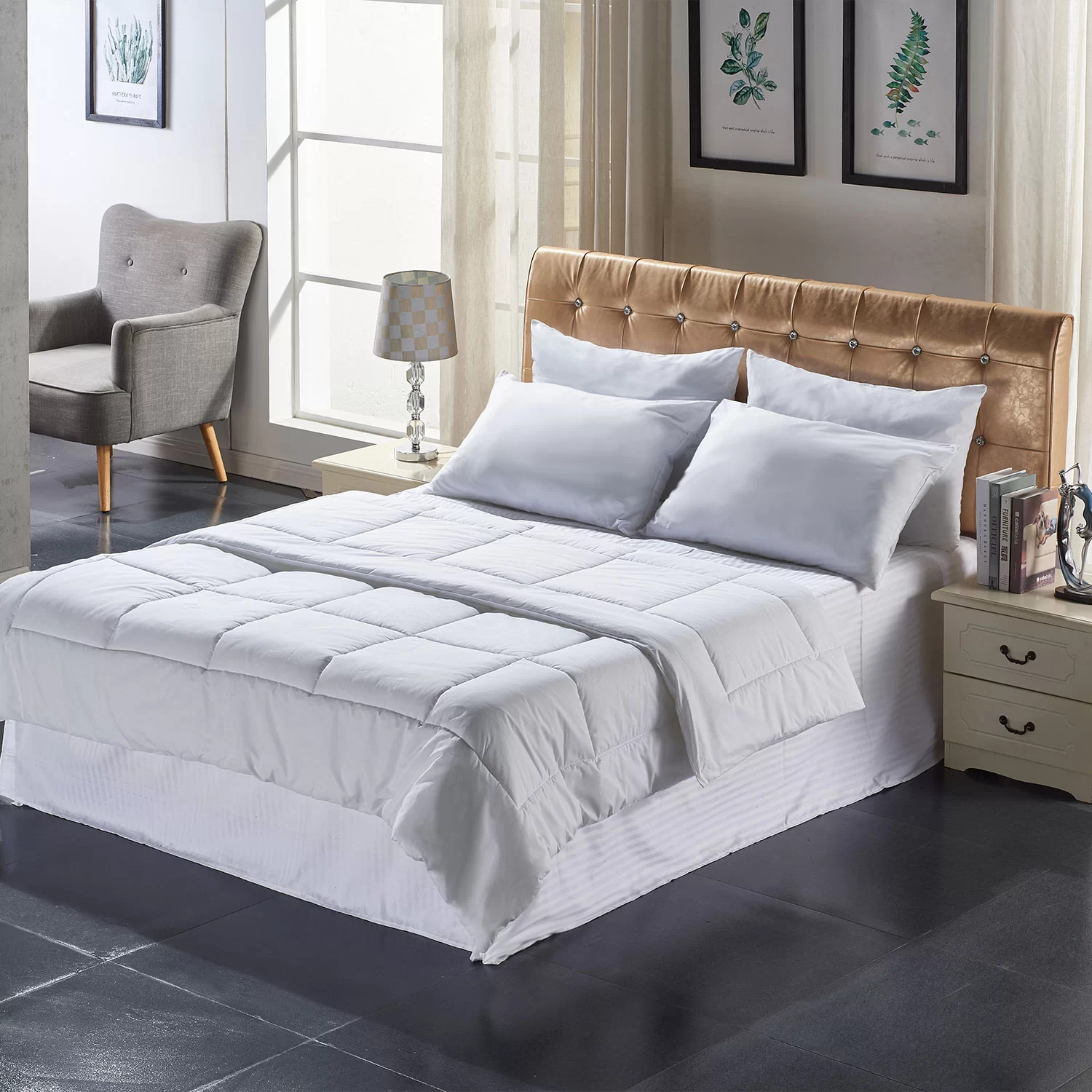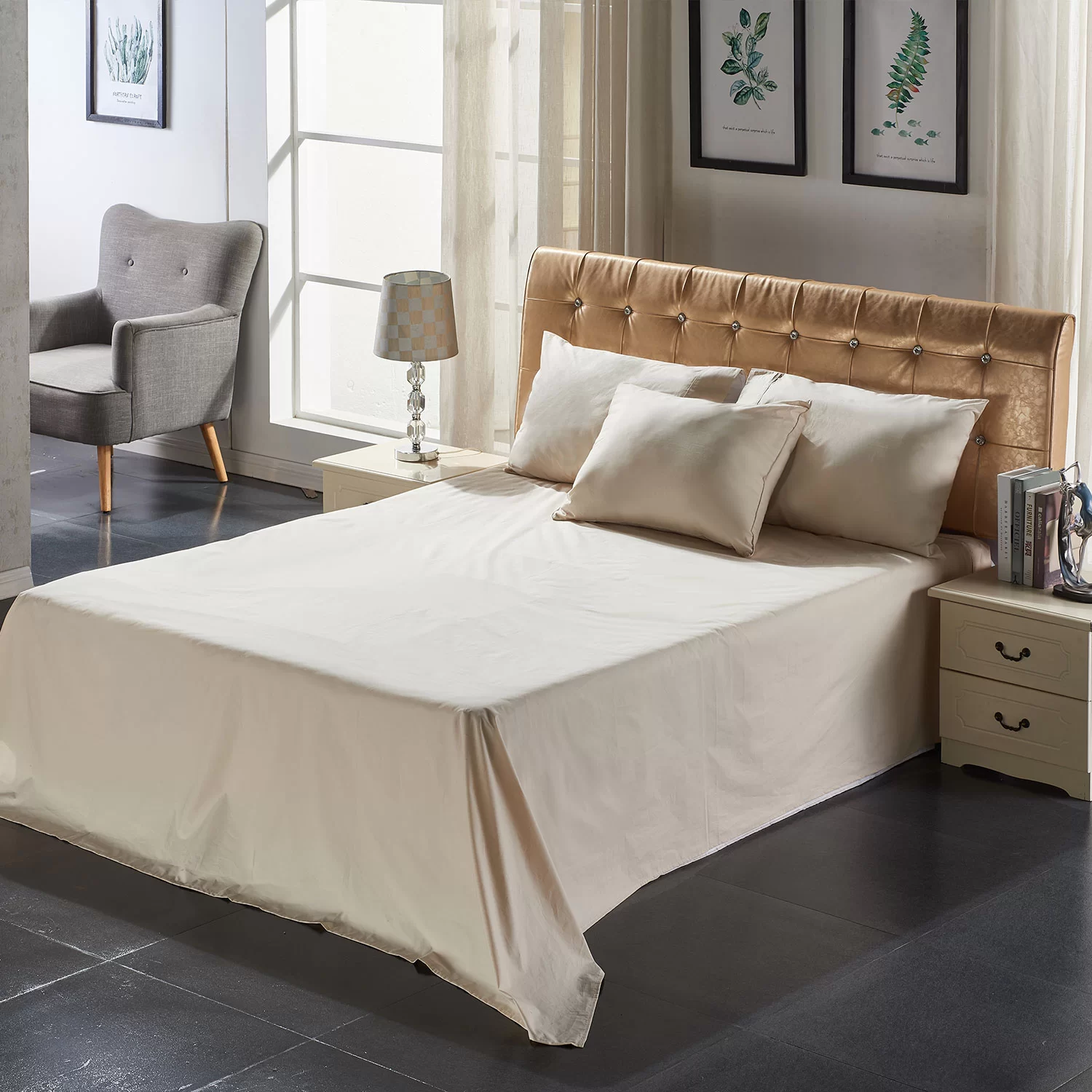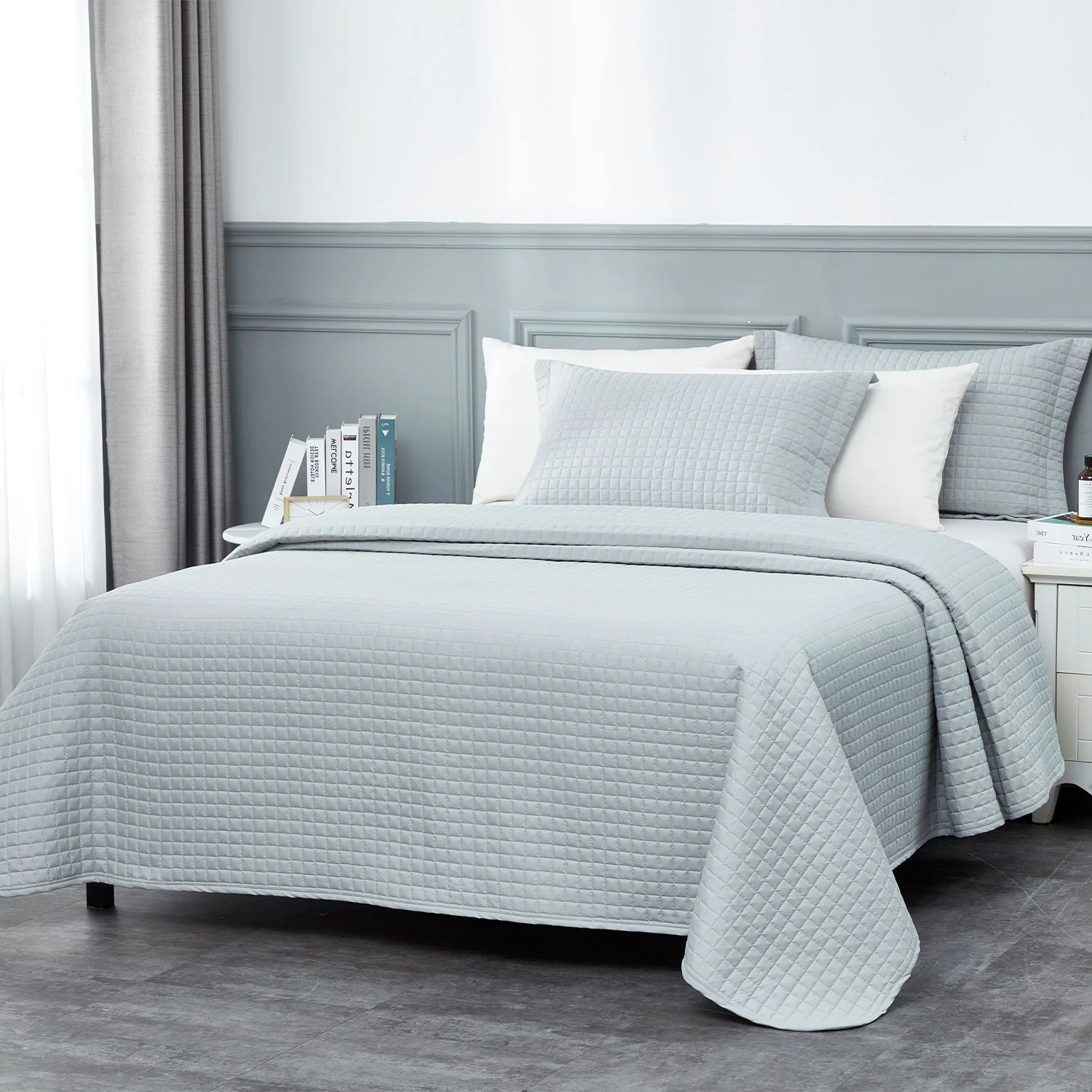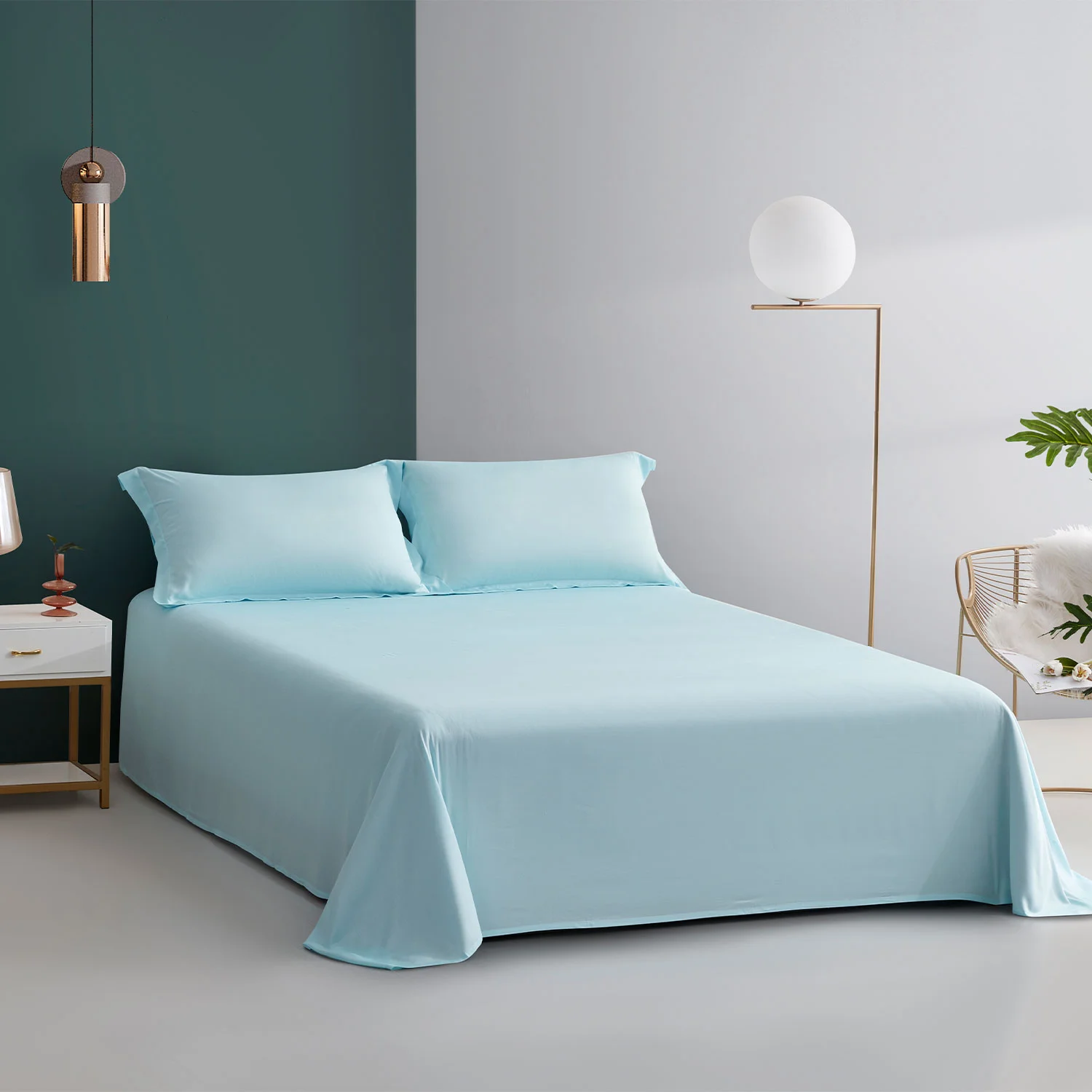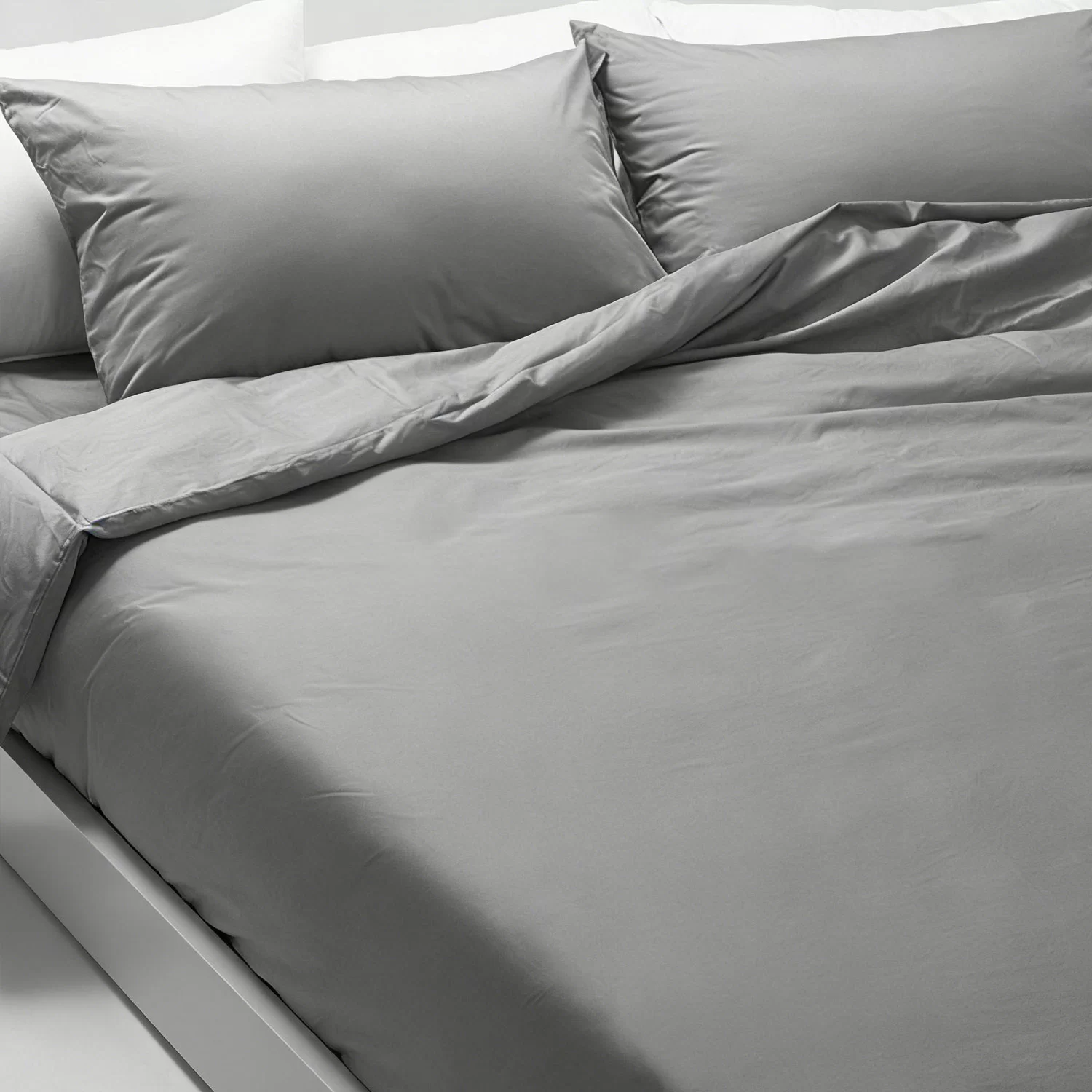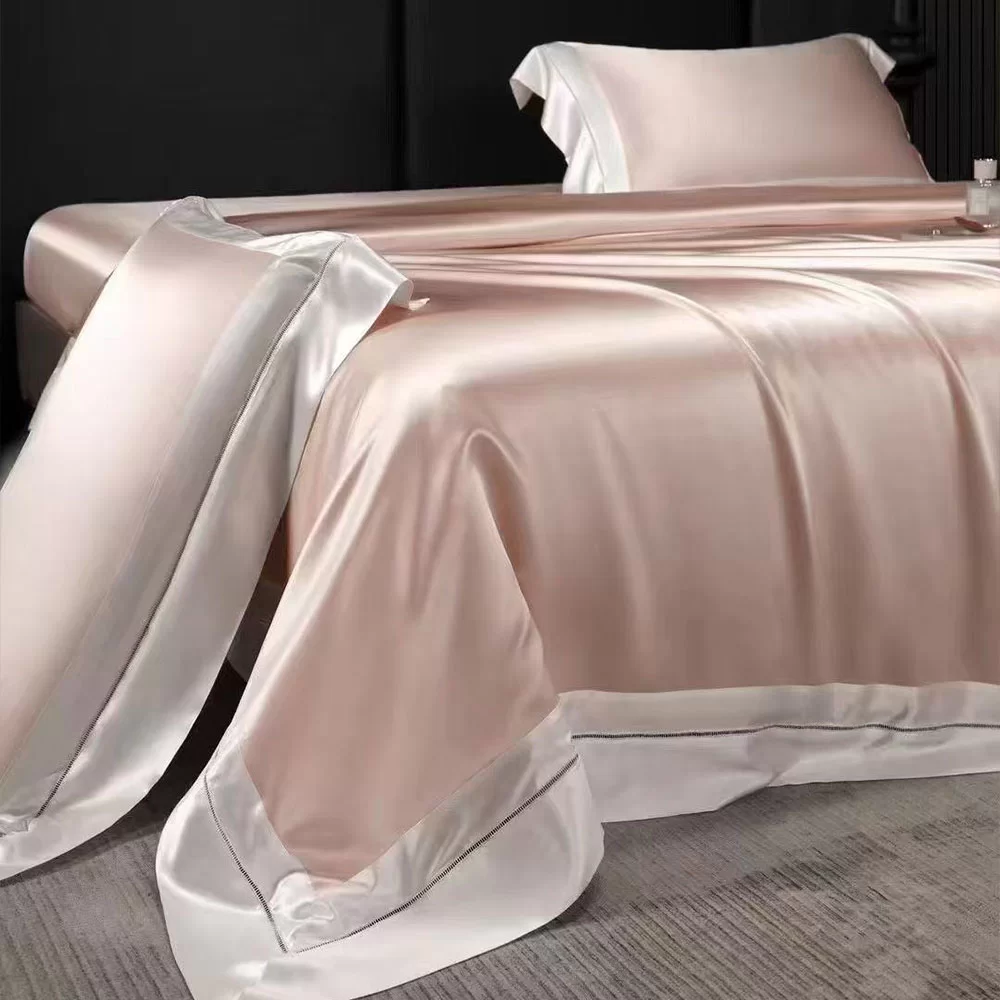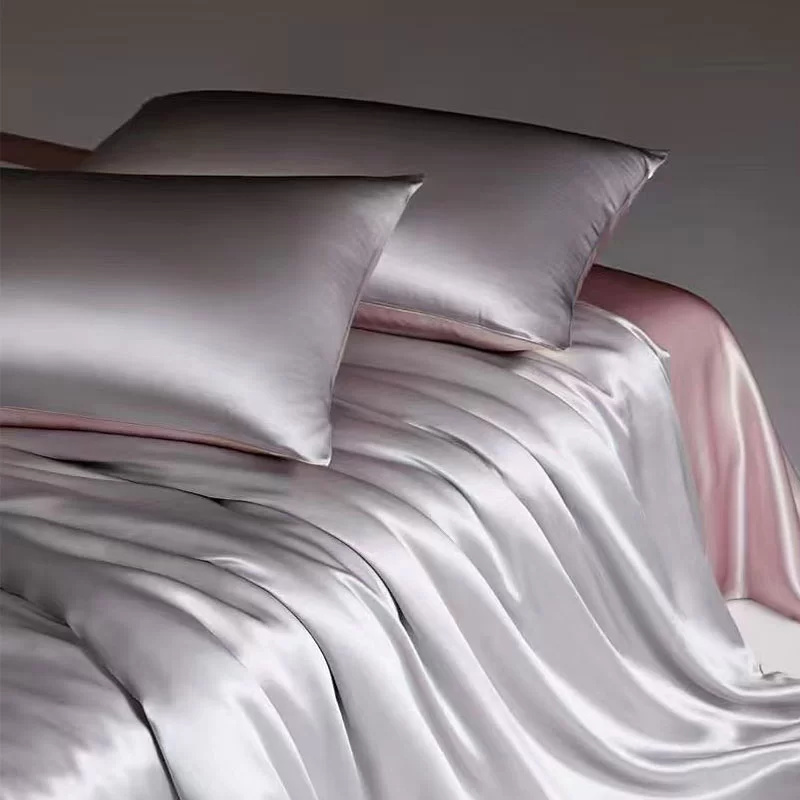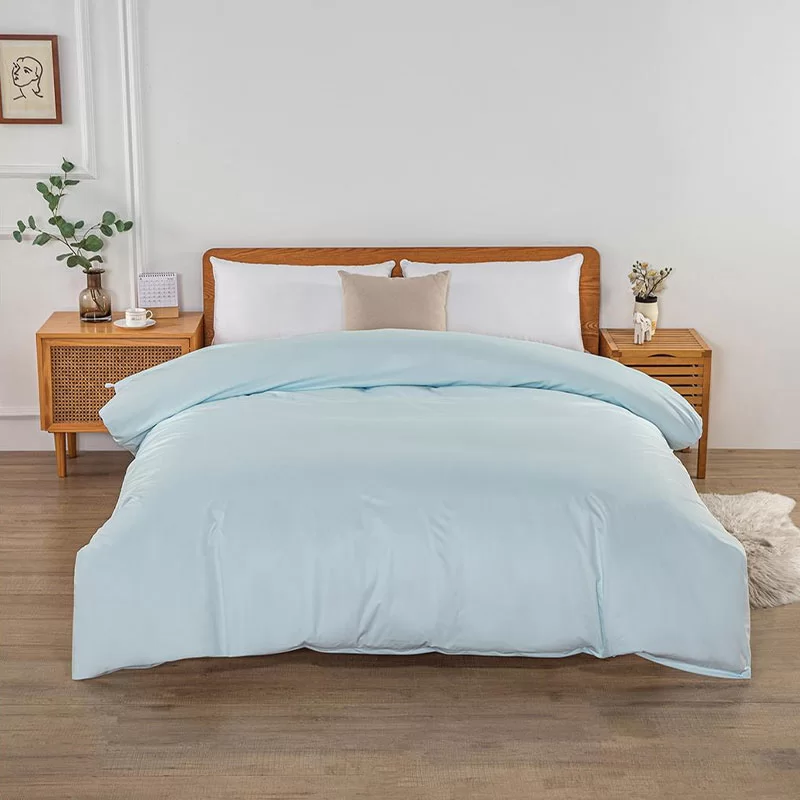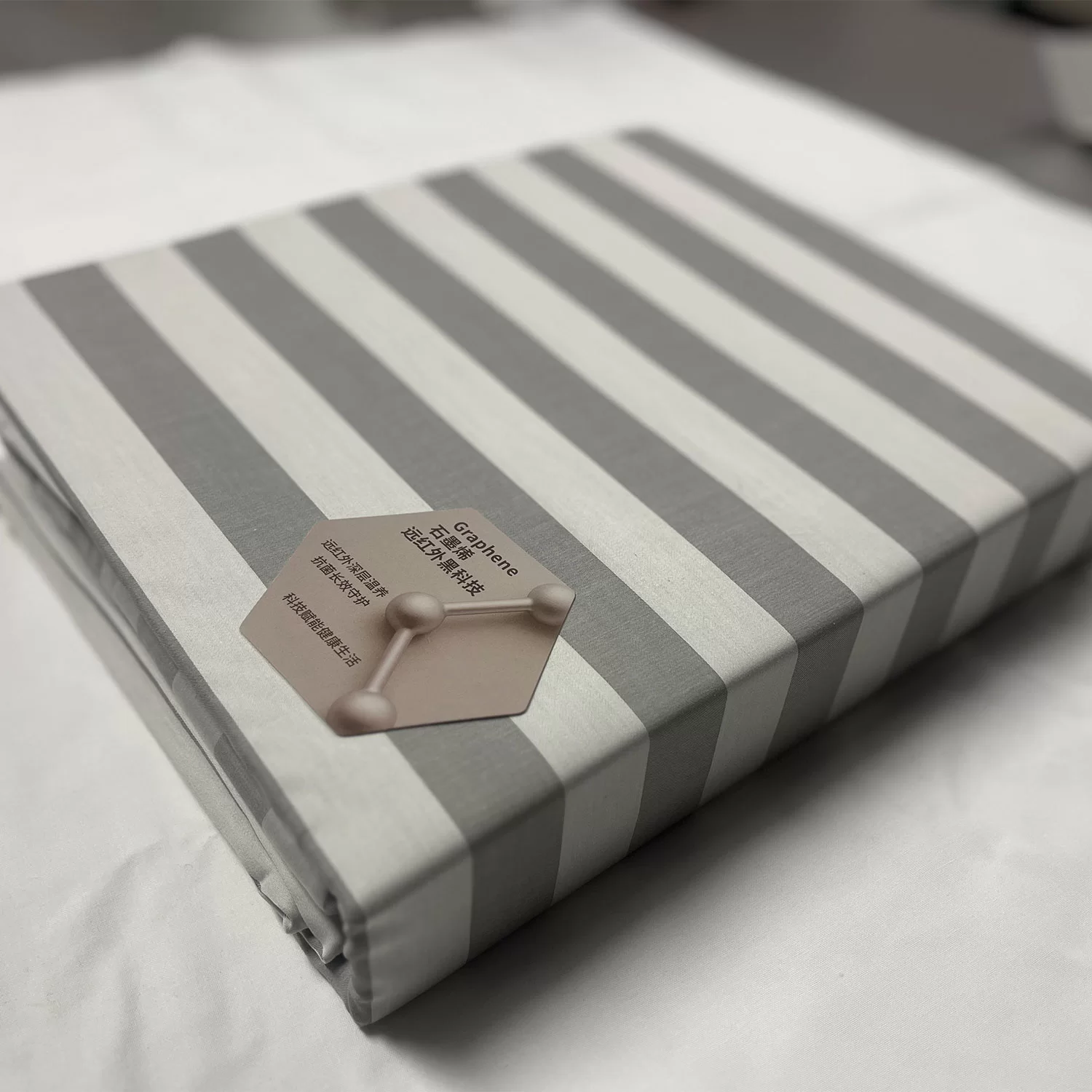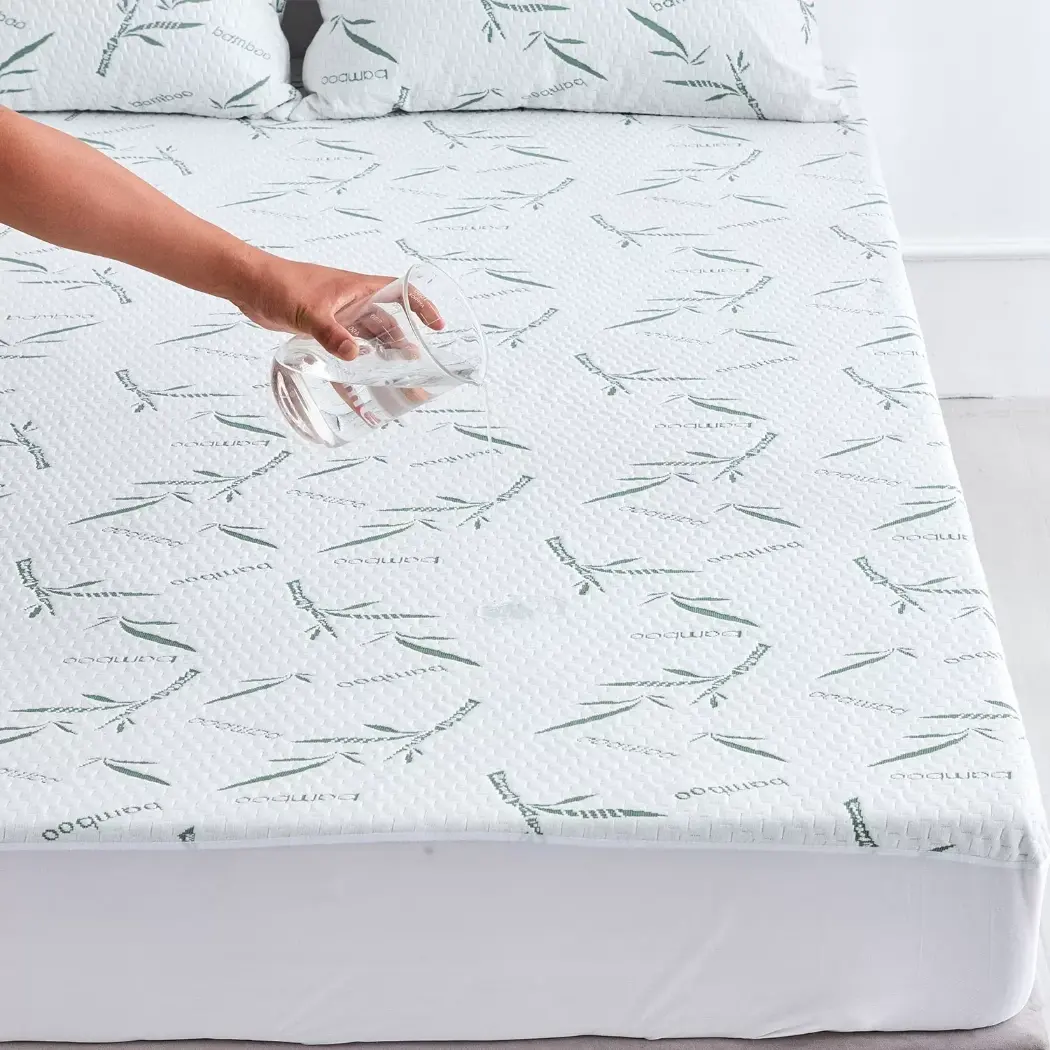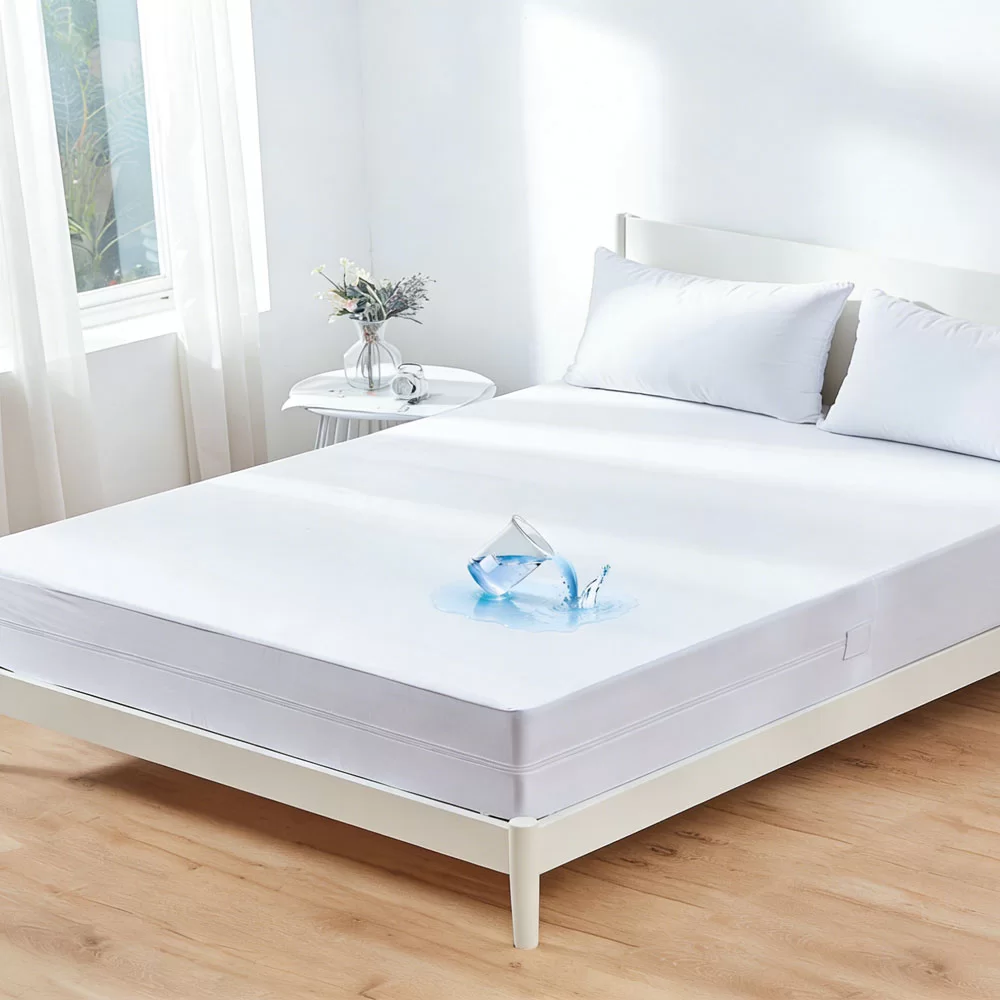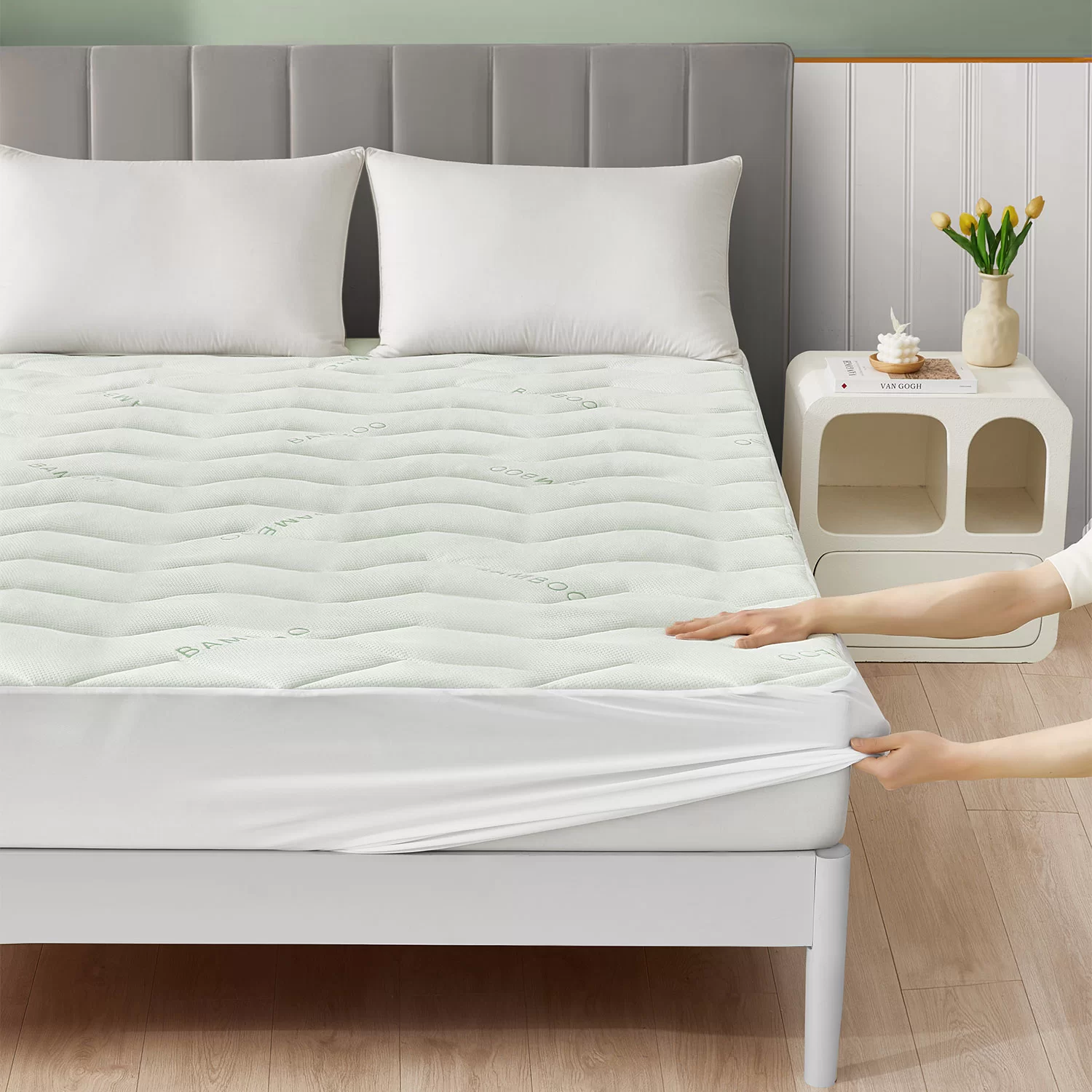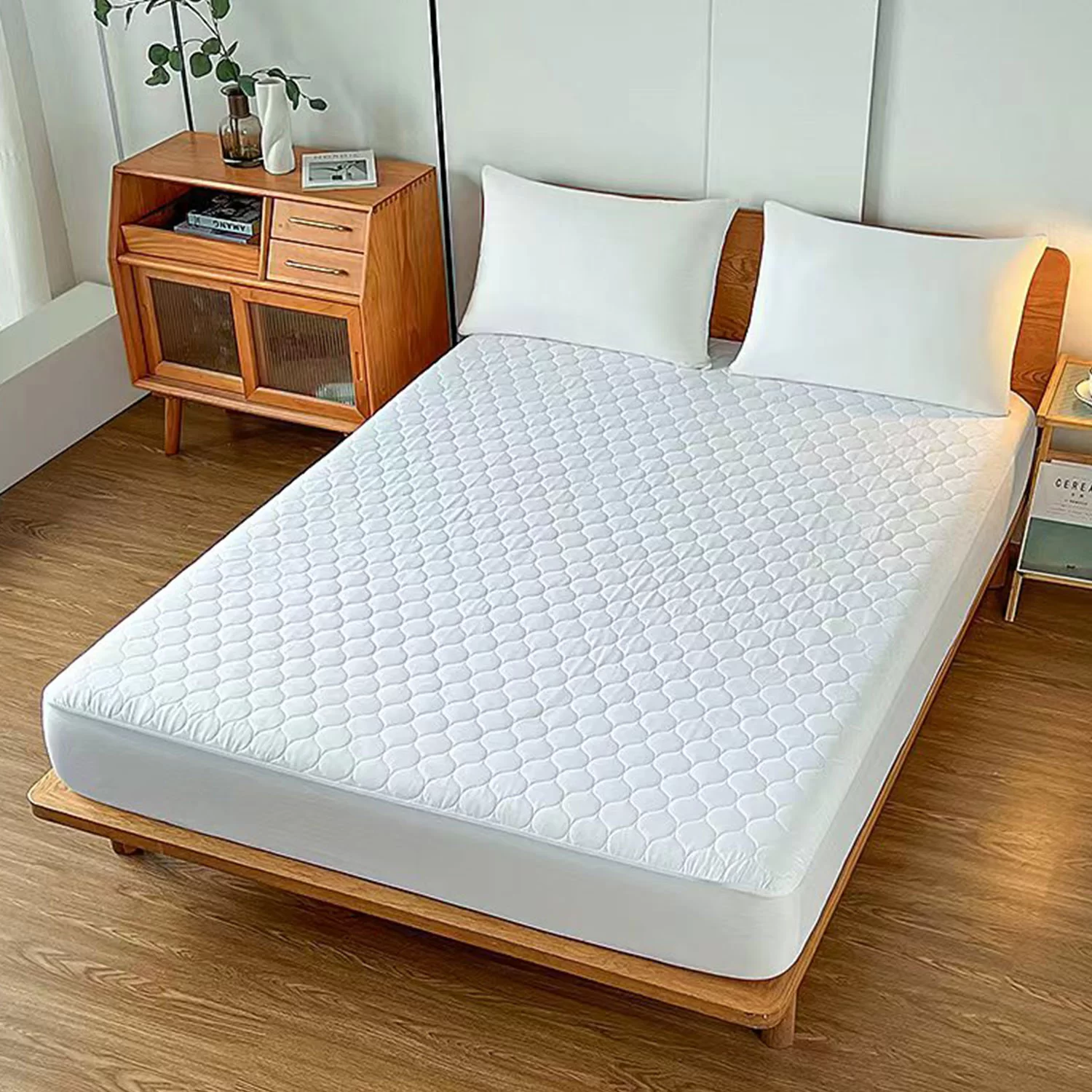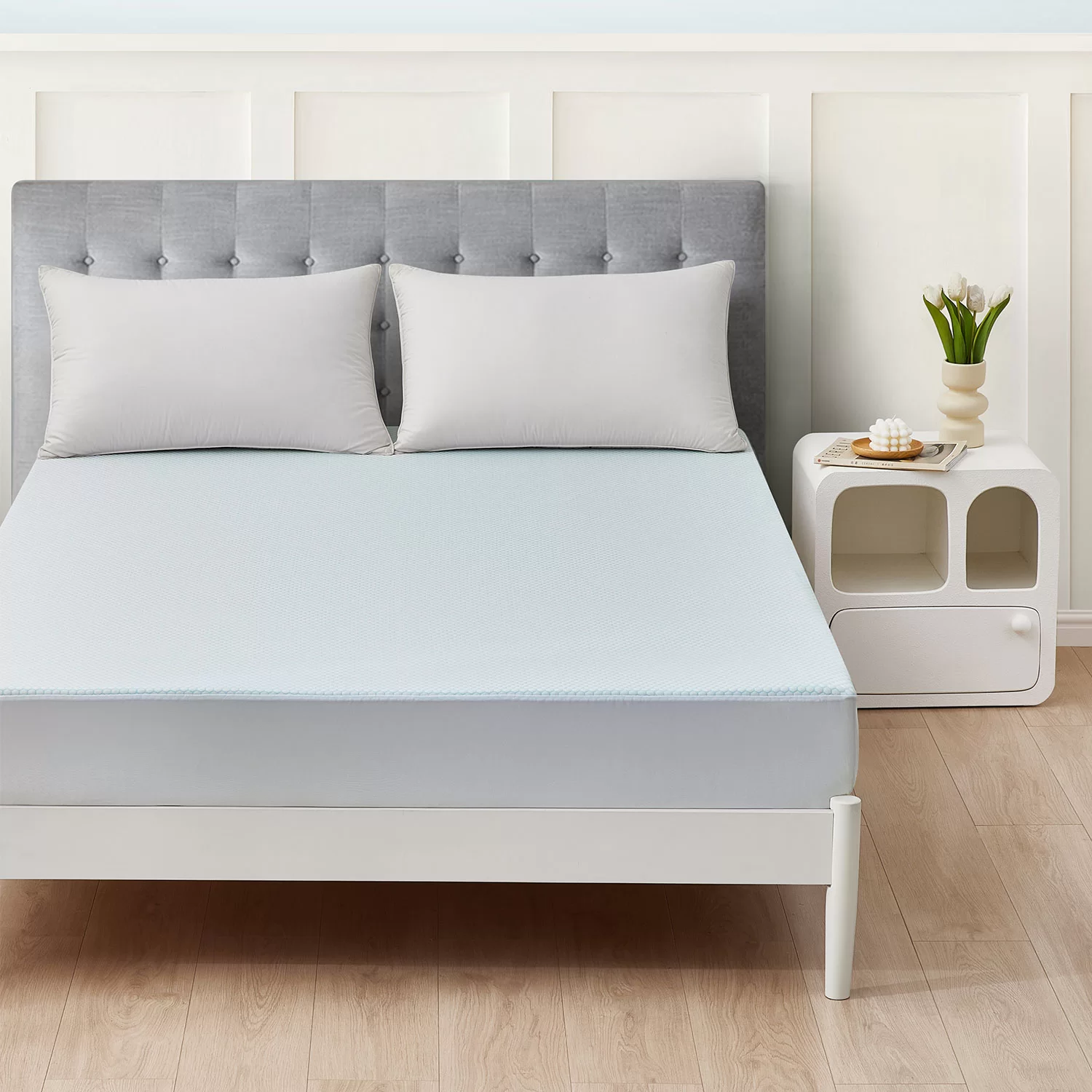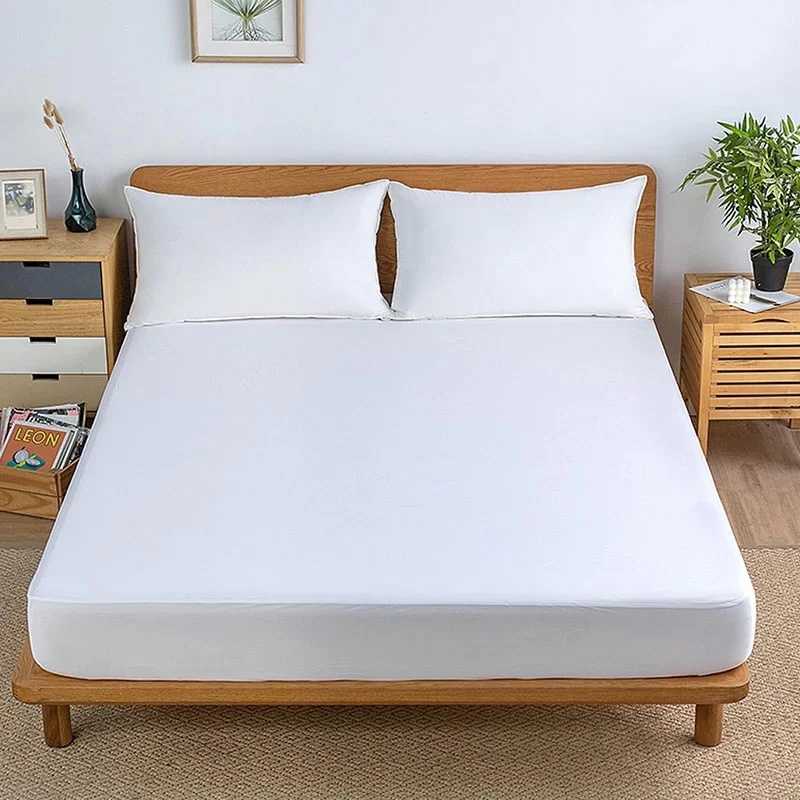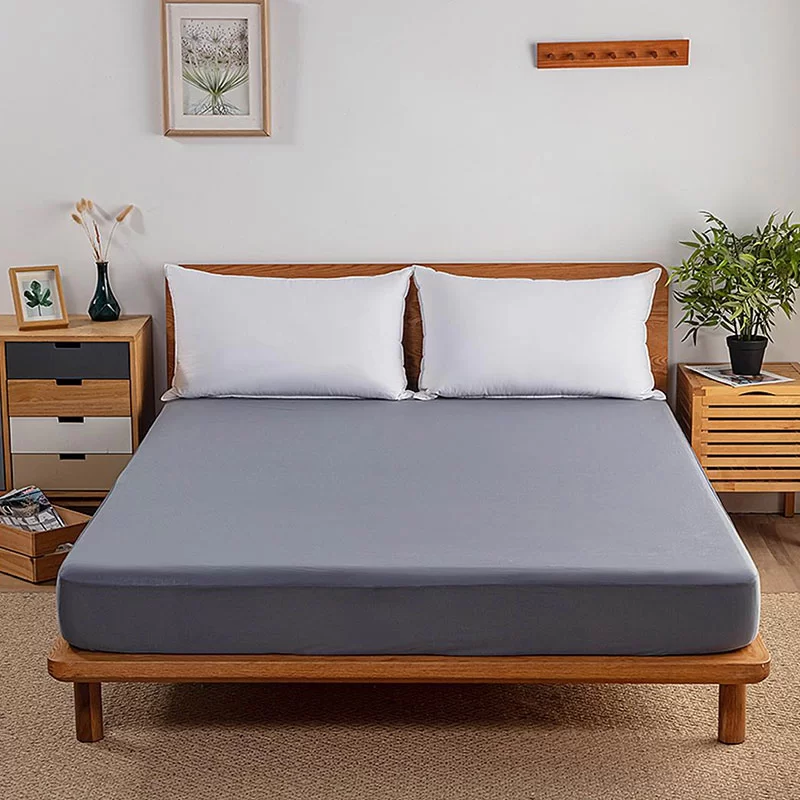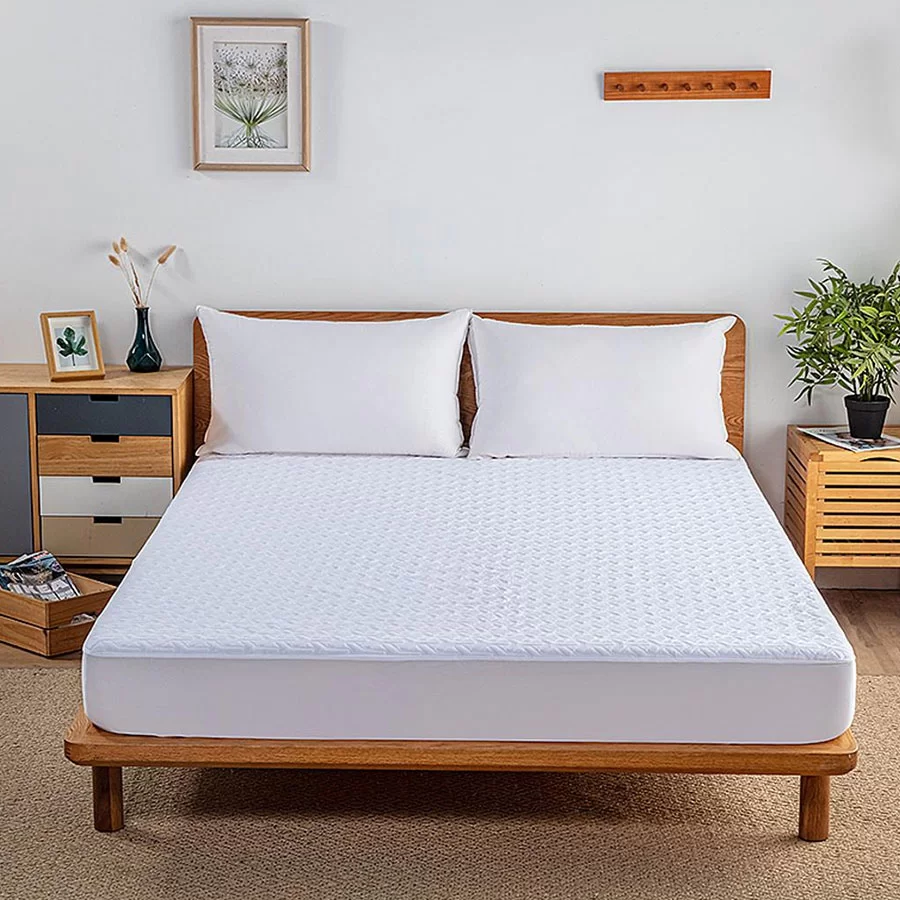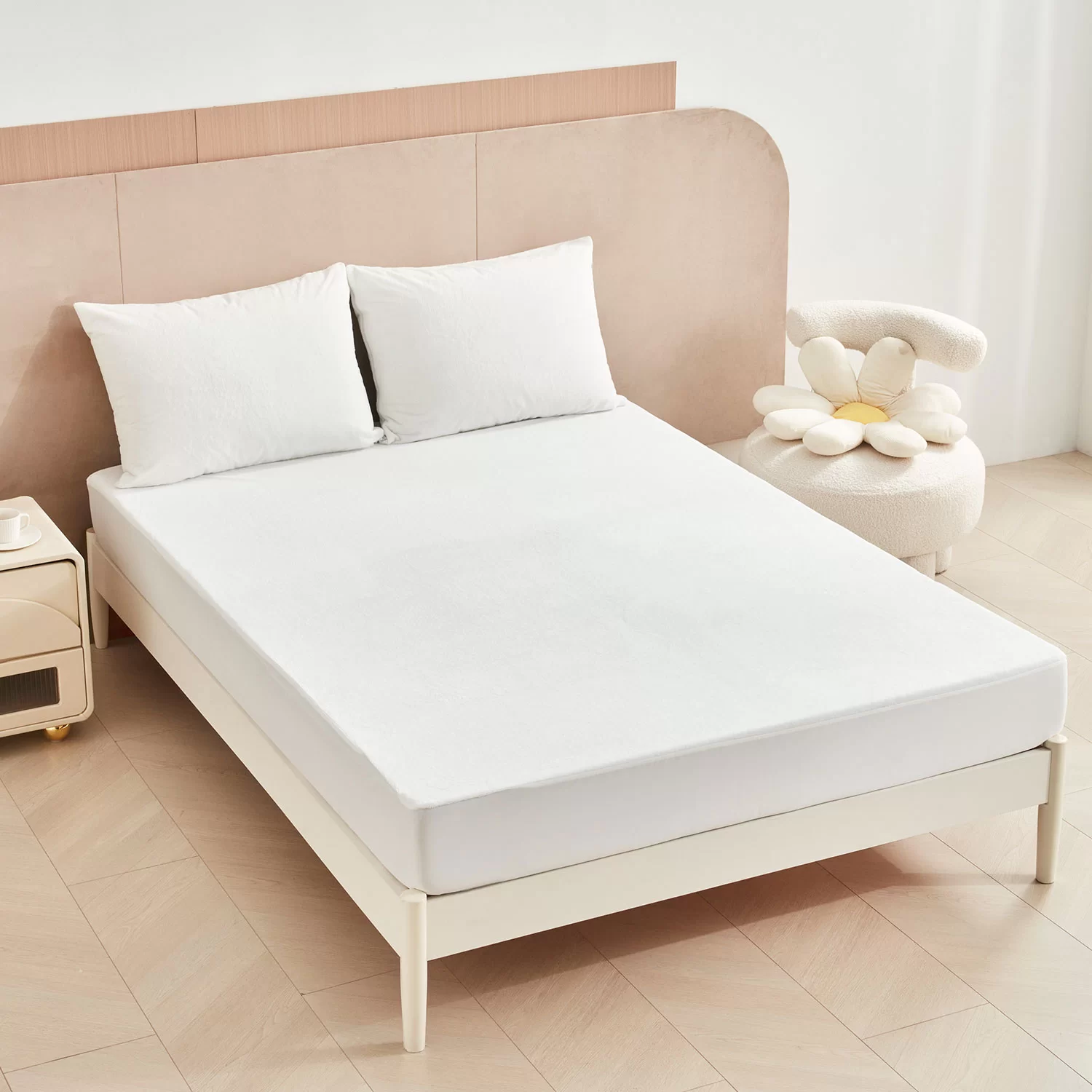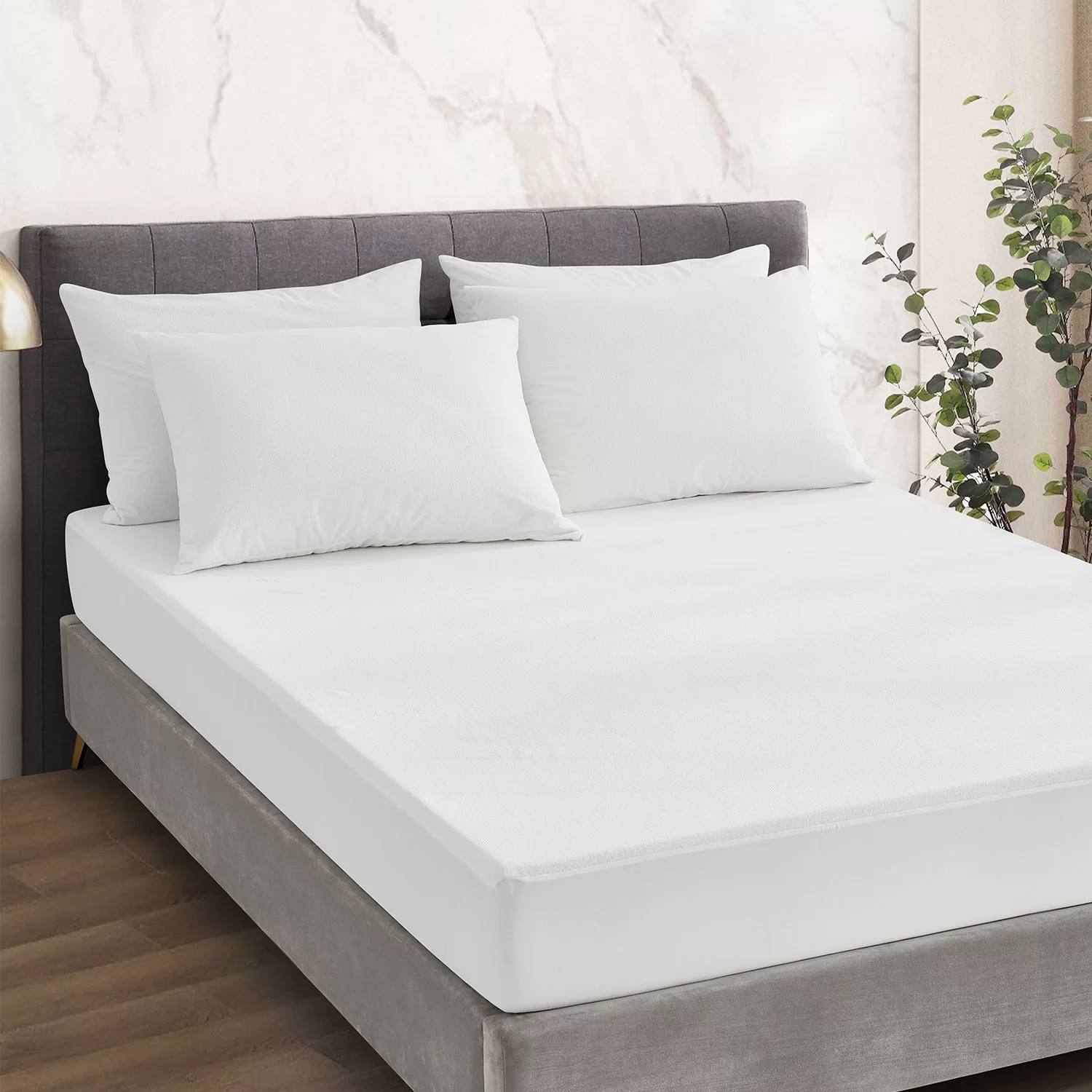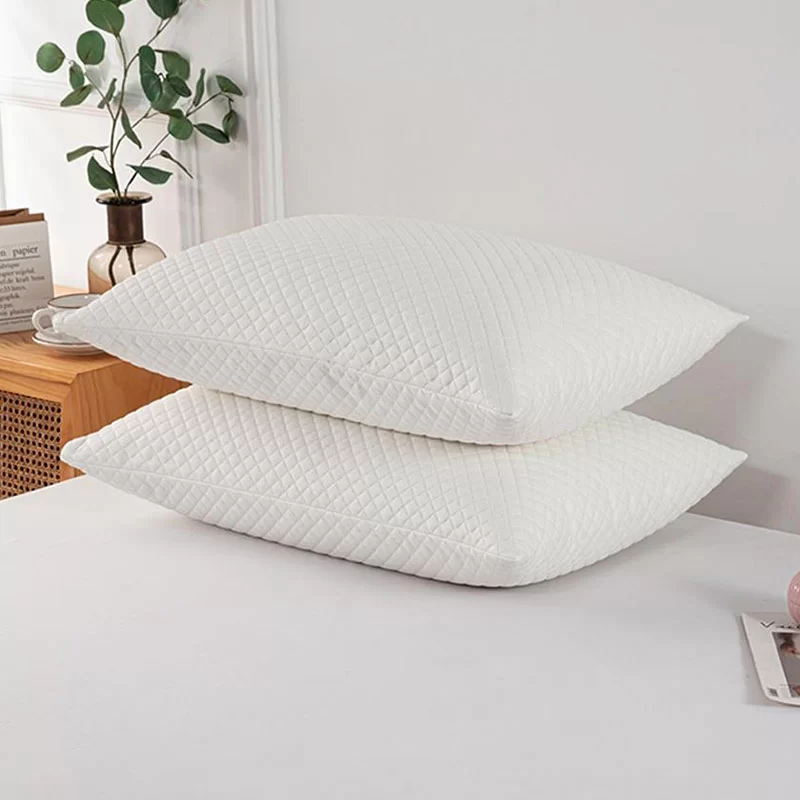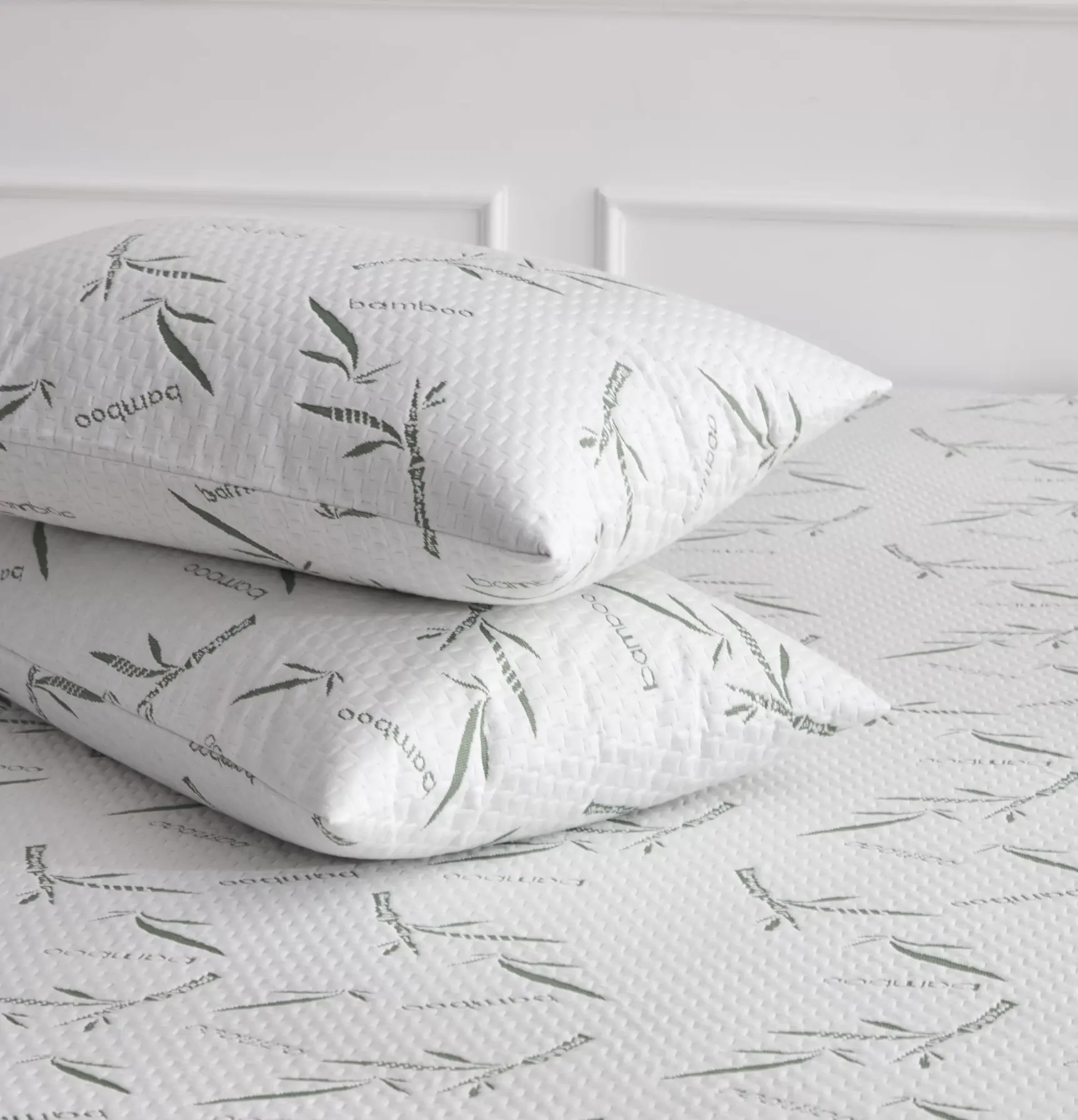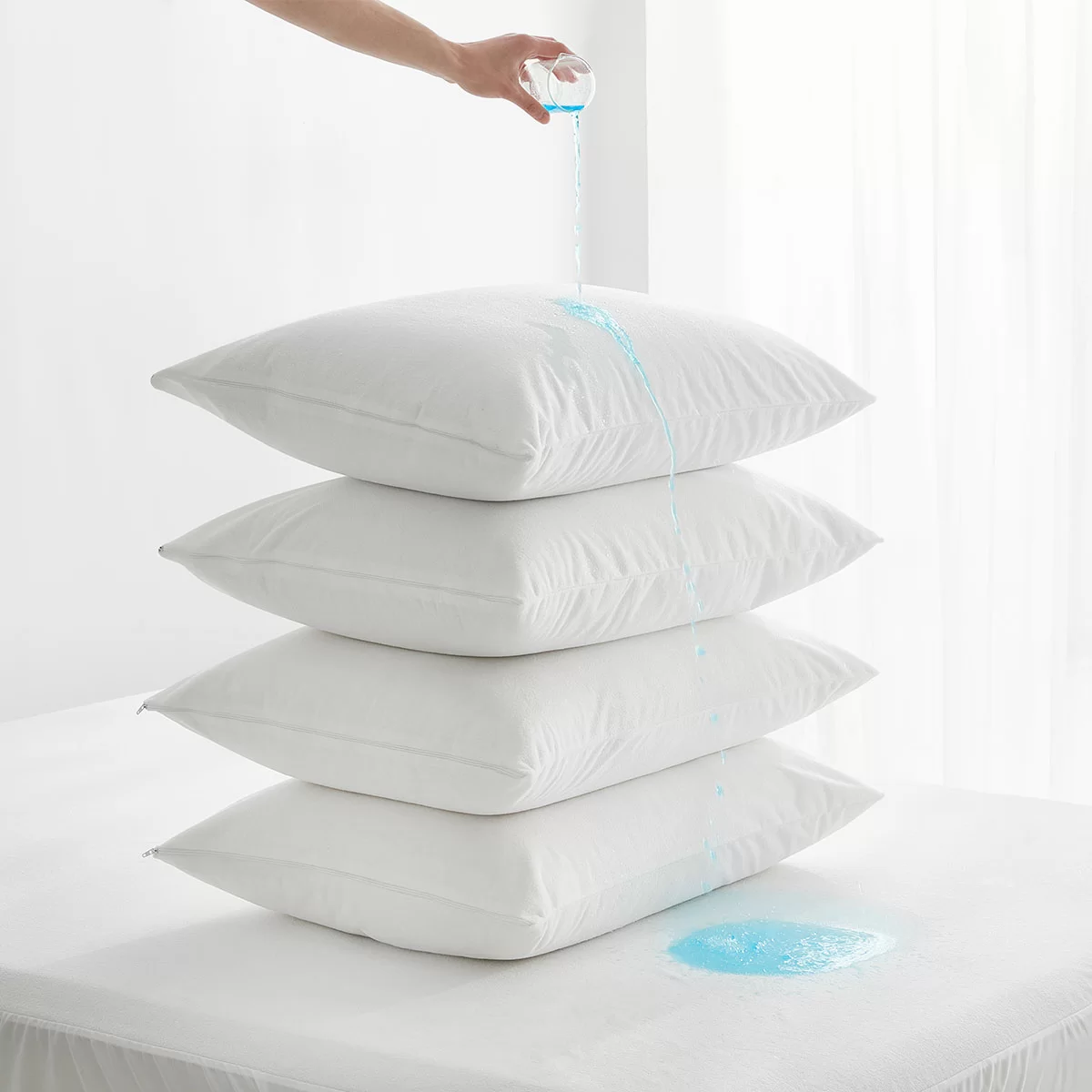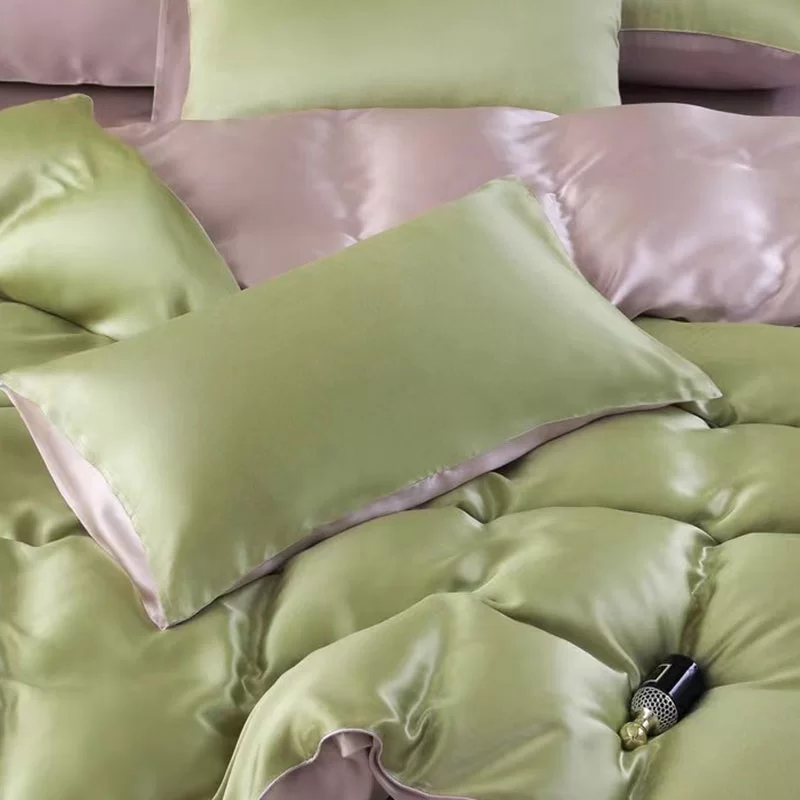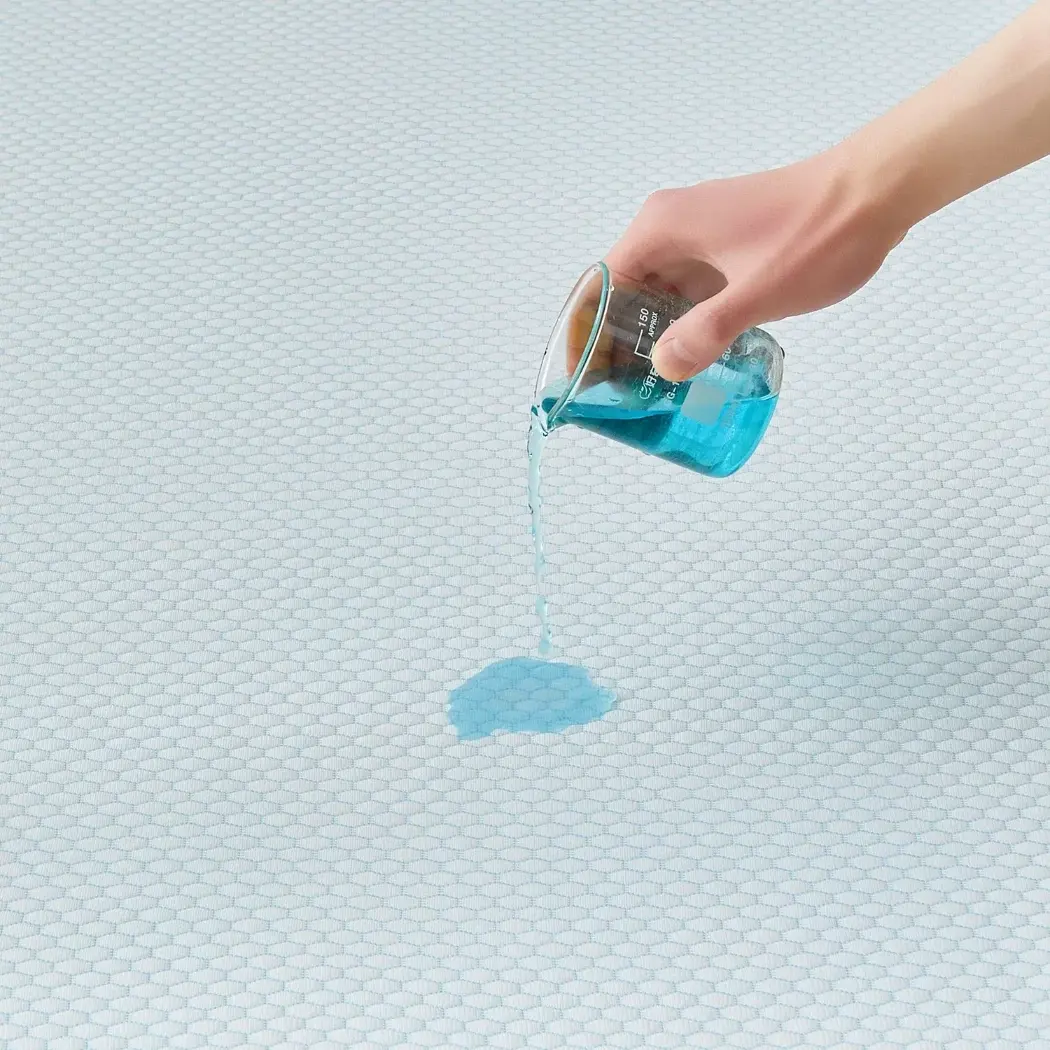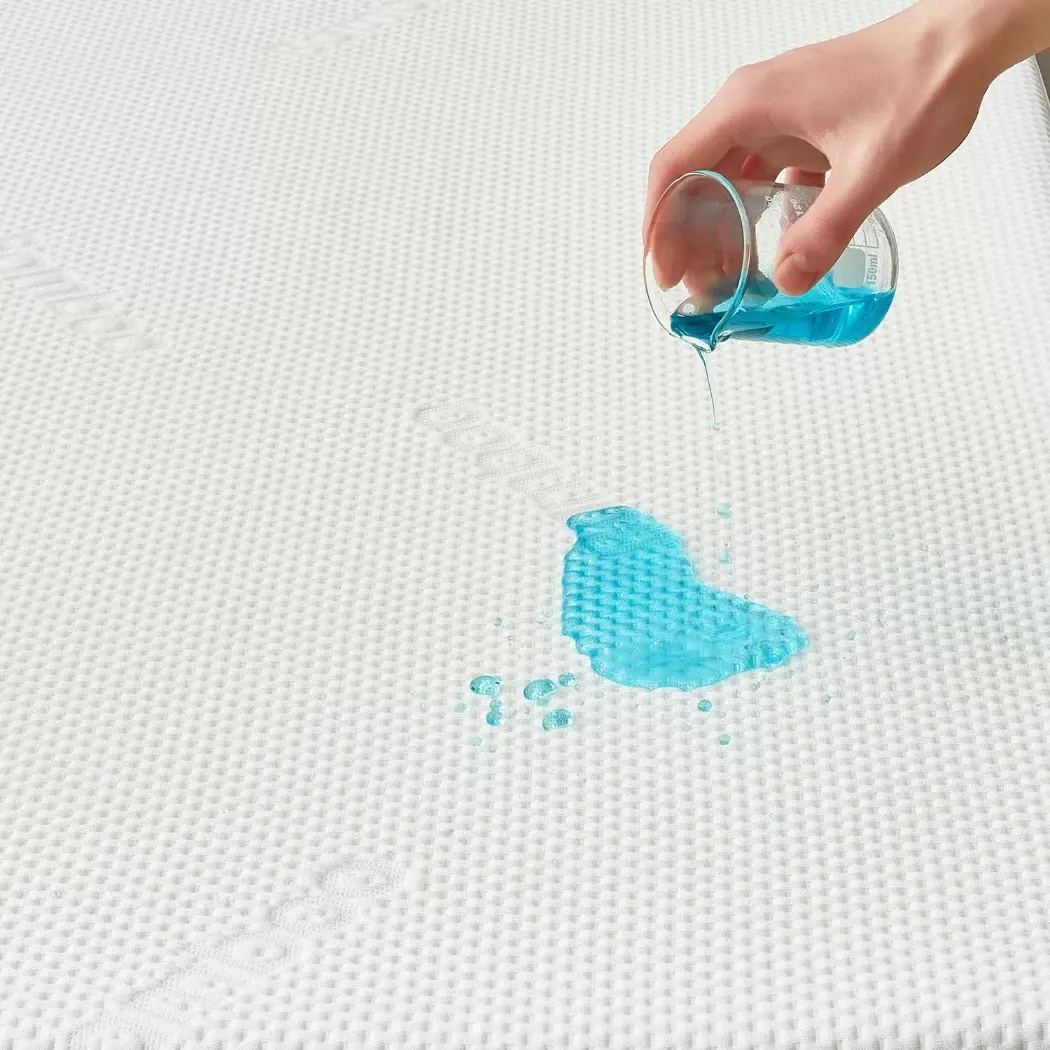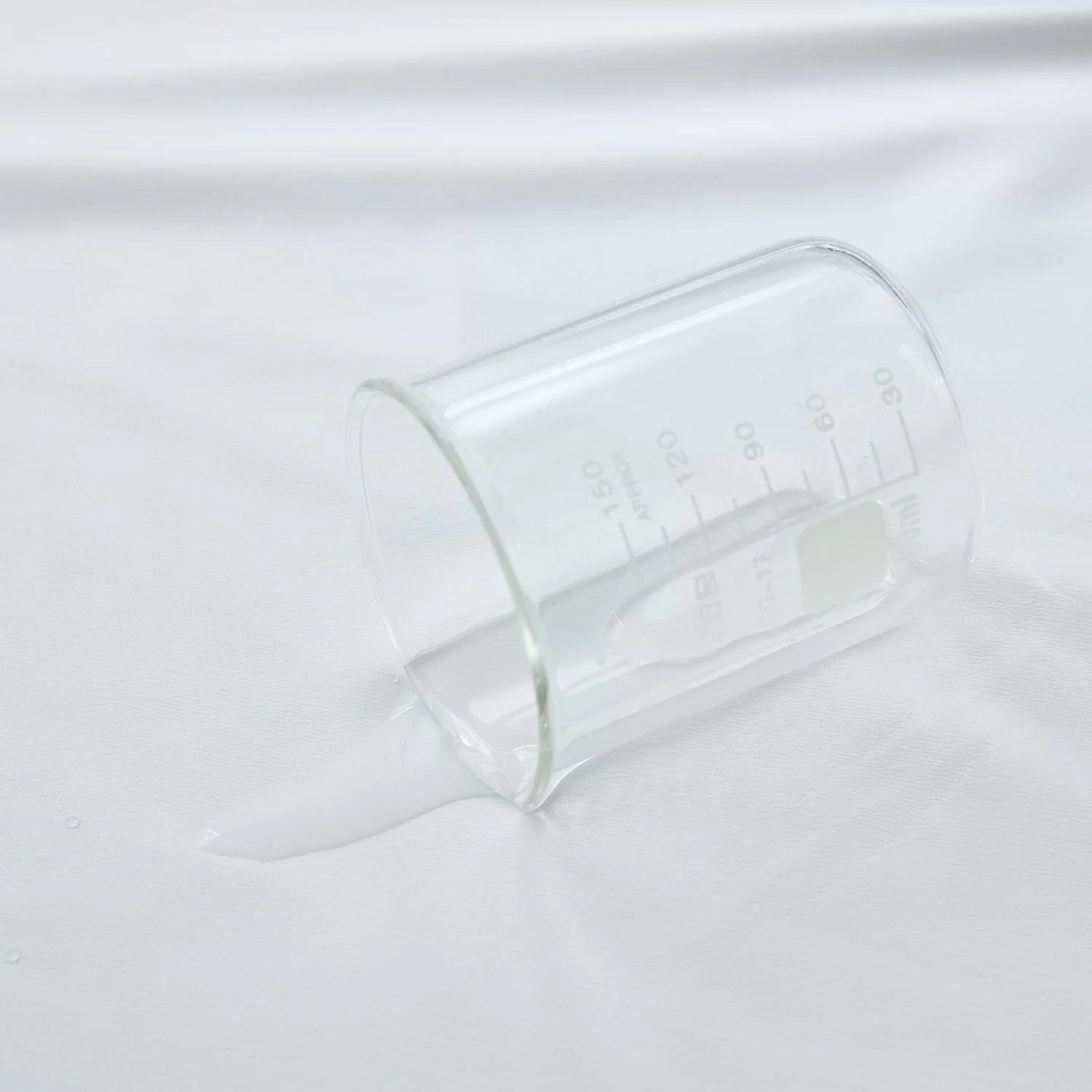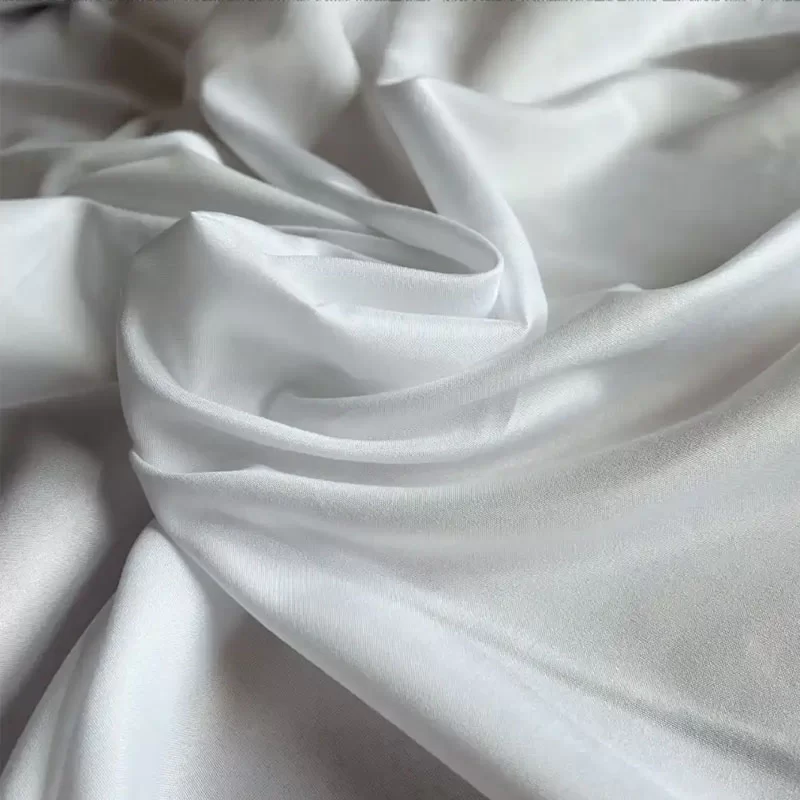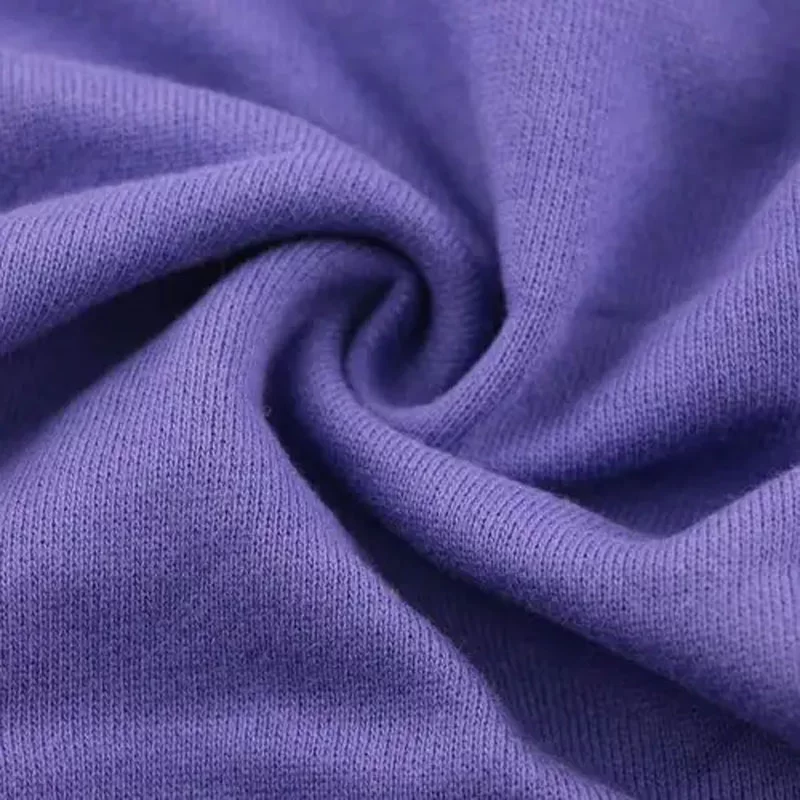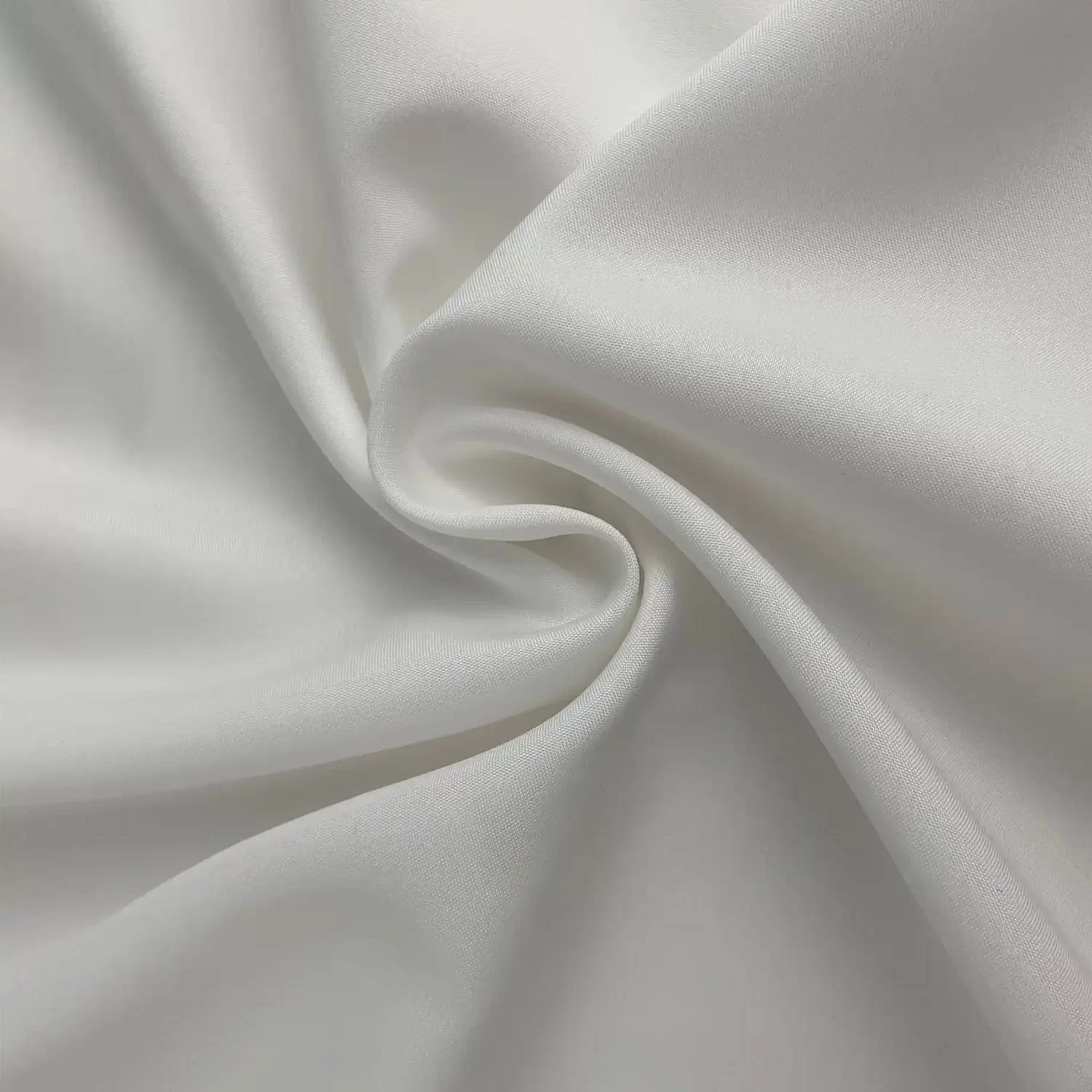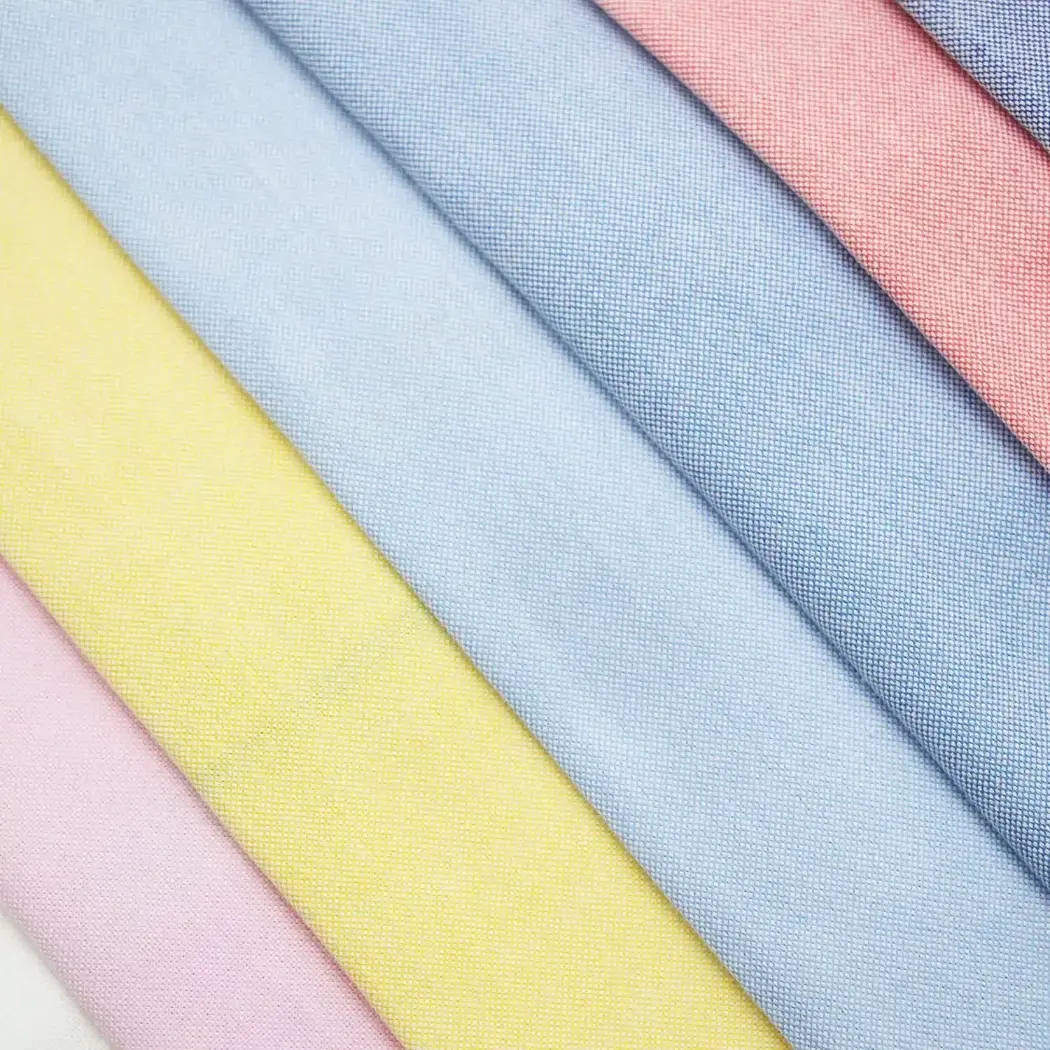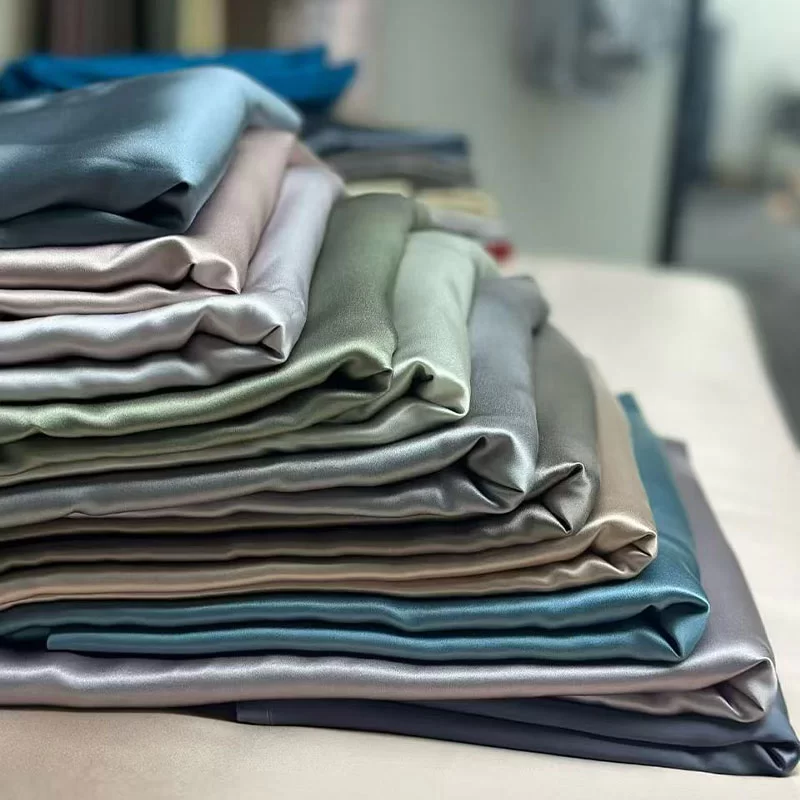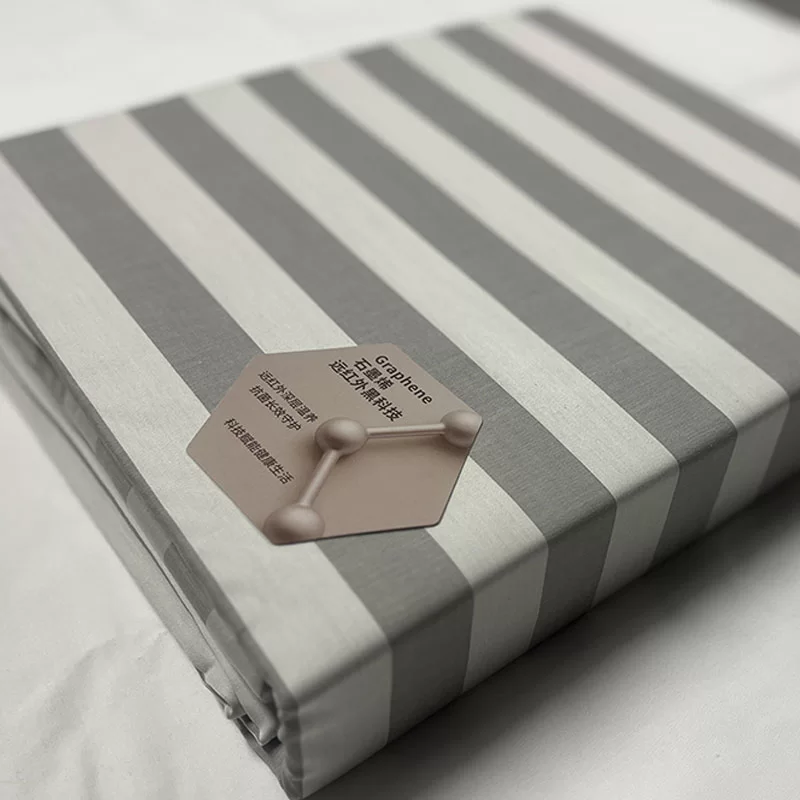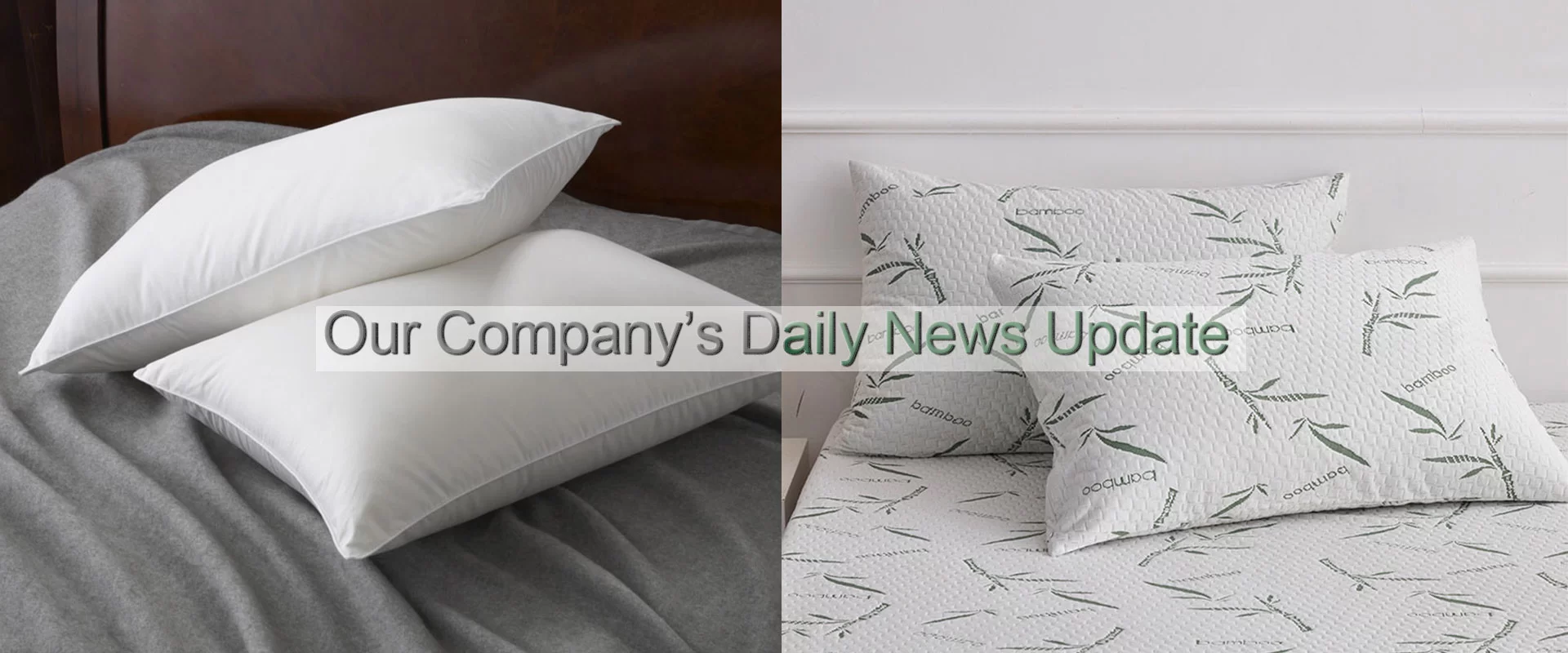
Bamboo sateen sheets are rapidly gaining popularity as a luxurious and sustainable bedding option. Crafted from bamboo fibers, these sheets offer a silky-soft texture that rivals traditional cotton sateen, but with enhanced breathability and eco-friendly credentials. The growing consumer demand for sustainable products, coupled with the exceptional comfort of bamboo sateen, positions it as a key player in the modern bedding market.
The global textile industry is increasingly focused on reducing its environmental footprint, and bamboo sateen sheets represent a significant step in that direction. Bamboo is a fast-growing, renewable resource that requires minimal water and pesticides compared to cotton. This makes bamboo sateen a compelling choice for environmentally conscious consumers. According to the UN Environment Programme, sustainable textile production is crucial for achieving global sustainability goals.
Beyond sustainability, the unique properties of bamboo fibers contribute to a superior sleep experience. Bamboo sateen sheets are naturally hypoallergenic, moisture-wicking, and temperature-regulating, making them ideal for individuals with sensitive skin or those who tend to overheat during the night. As awareness of the link between sleep quality and overall health grows, the demand for performance bedding like bamboo sateen sheets will continue to rise.
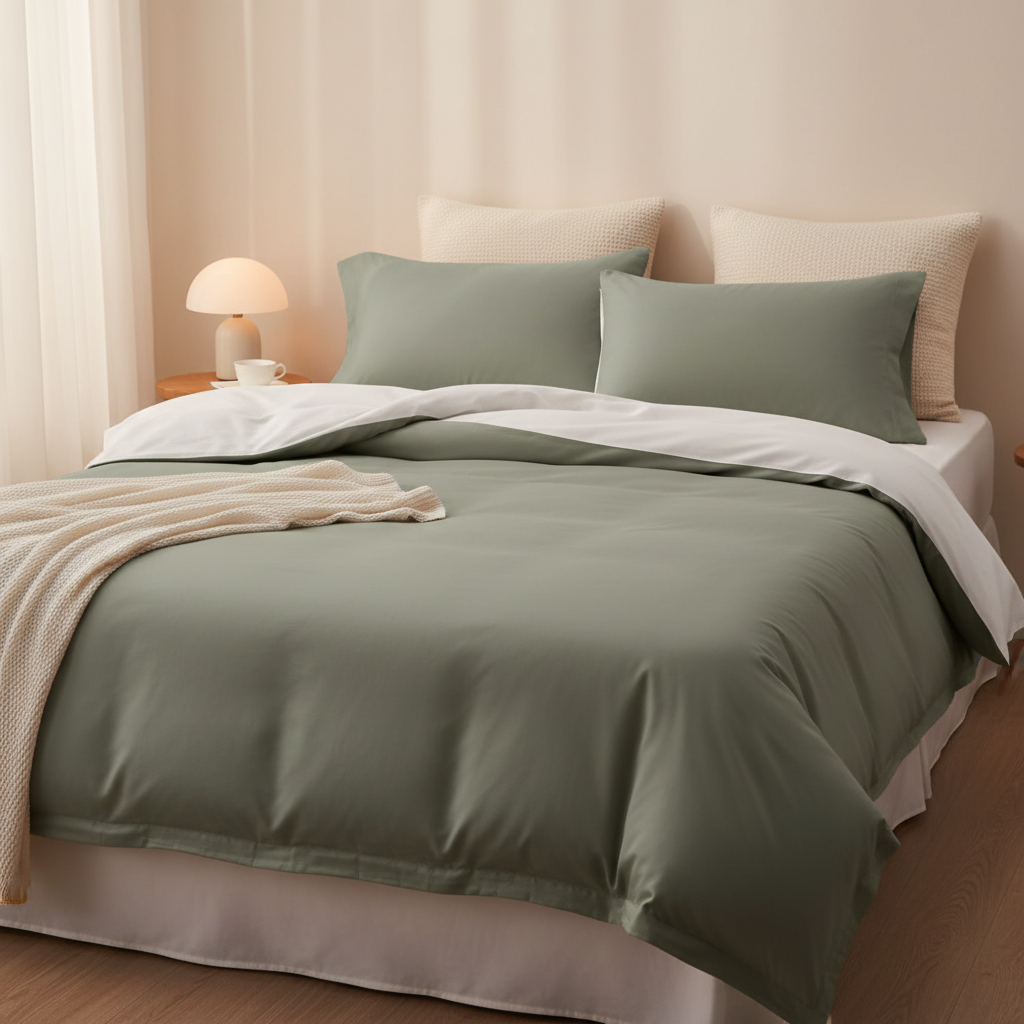
The market for bamboo sateen sheets has experienced significant growth in recent years, driven by increased consumer awareness of sustainable textiles and a desire for luxurious comfort. Initially a niche product, bamboo sateen is now becoming a mainstream alternative to traditional cotton, polyester, and silk bedding options. This growth is fueled by both direct-to-consumer brands and established bedding companies expanding their product lines to include bamboo offerings.
This surge in popularity is not simply a trend; it reflects a fundamental shift in consumer values. People are increasingly prioritizing products that are both good for them and good for the planet. Bamboo sateen sheets align perfectly with this ethos, offering a guilt-free indulgence that doesn’t compromise on quality or comfort.
The global textile industry is a major contributor to environmental pollution and resource depletion. Conventional cotton farming, for example, requires vast amounts of water, pesticides, and fertilizers. The industry also generates significant textile waste, much of which ends up in landfills. Bamboo sateen sheets offer a viable solution to mitigate these environmental impacts, representing a move towards a more circular and sustainable textile economy.
According to the World Bank, the textile industry is one of the most polluting industries globally. The demand for sustainable textiles is projected to grow exponentially in the coming years, driven by increasing environmental regulations and consumer pressure. ISO standards for sustainable textiles are also becoming more prevalent, providing a framework for manufacturers to demonstrate their commitment to responsible production practices.
The increasing demand for ethical and sustainable sourcing is particularly strong in developed markets like North America and Europe. Consumers are willing to pay a premium for products that align with their values, creating a significant market opportunity for brands offering bamboo sateen sheets and other sustainable bedding options.
Bamboo sateen sheets are woven from fibers derived from the bamboo plant, specifically using a sateen weave. Unlike plain weave, the sateen weave floats the warp yarns over multiple weft yarns, creating a smooth, lustrous surface that feels incredibly soft to the touch. This is similar to the weave used in many high-end cotton sheets.
The bamboo fibers themselves are extracted from the bamboo plant using a variety of methods, most commonly the viscose or lyocell process. Lyocell is generally considered a more environmentally friendly process, as it uses a closed-loop system that recycles the solvents used in production. The resulting bamboo fibers are then spun into yarn and woven into fabric.
While often marketed as "bamboo," it’s important to understand that most bamboo sateen sheets are made from bamboo rayon or lyocell. The plant itself is a grass, and the process converts the cellulose from the bamboo into a usable fiber. These sheets differ significantly from sheets made directly from the raw bamboo stalk, which would be far too rough and rigid for bedding.
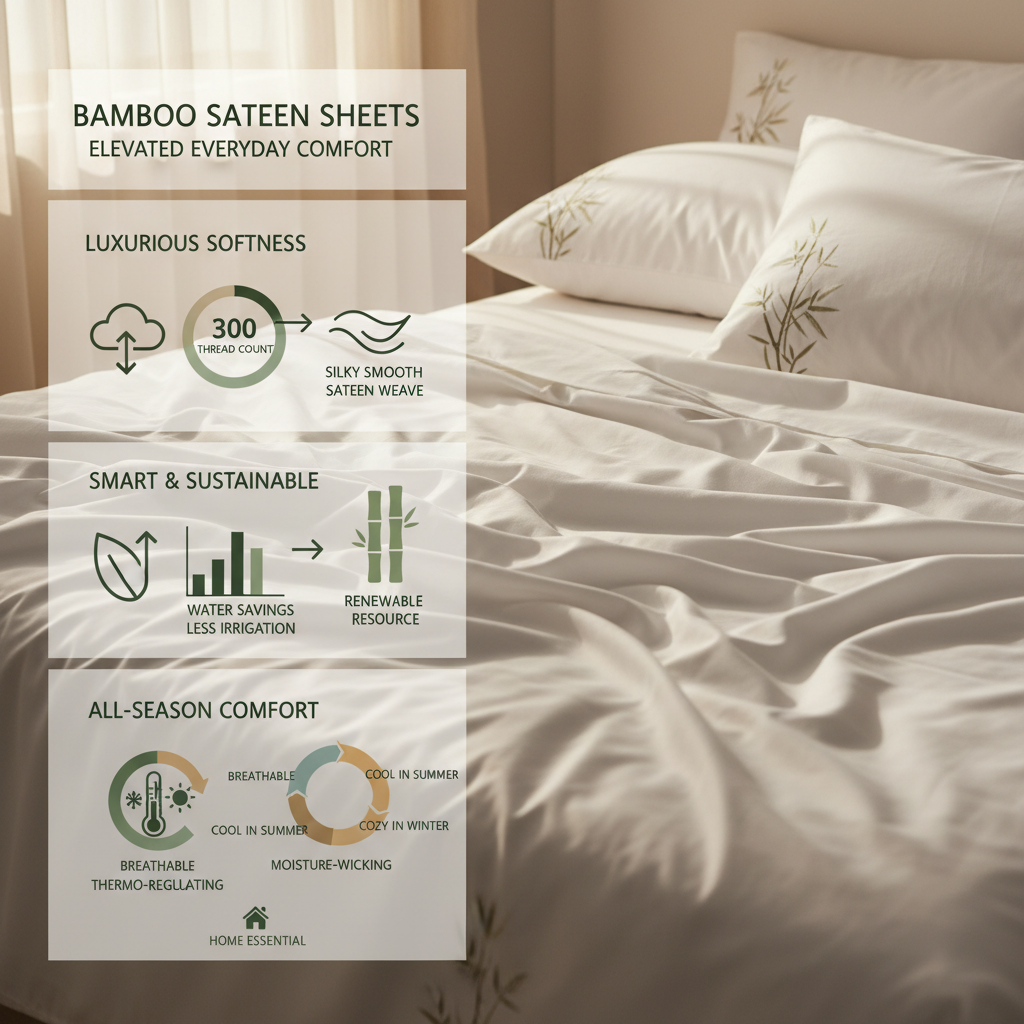
Bamboo sateen sheets stand out from other bedding materials due to their unique combination of properties. One key characteristic is exceptional softness. The sateen weave, coupled with the naturally smooth bamboo fibers, creates a luxurious feel against the skin.
Another crucial trait is breathability. Bamboo fibers are naturally porous, allowing for excellent airflow and helping to regulate body temperature during sleep. This makes bamboo sateen sheets a comfortable choice for all seasons.
Bamboo sateen sheets are finding widespread use in both residential and commercial settings. In the home, they are popular among consumers seeking a luxurious and comfortable sleep experience. They are often chosen for master bedrooms and guest rooms where a high-quality bedding experience is desired.
Within the hospitality industry, hotels and resorts are increasingly adopting bamboo sateen sheets to enhance guest satisfaction and demonstrate a commitment to sustainability. The durable nature of bamboo sateen, combined with its exceptional softness, makes it an ideal choice for high-volume laundering and frequent use.
The benefits of investing in bamboo sateen sheets extend beyond immediate comfort. Their inherent durability means they withstand repeated washing without losing their softness or shape, offering a longer lifespan than many conventional bedding materials, reducing the need for frequent replacements.
From a sustainability perspective, bamboo is a rapidly renewable resource that requires significantly less water and pesticides than cotton. Choosing bamboo sateen supports environmentally responsible farming practices and reduces the overall carbon footprint associated with textile production. The peace of mind knowing you've made an ethical choice adds significant value.
The hypoallergenic properties of bamboo fibers are a major benefit for individuals with sensitive skin or allergies. By reducing exposure to allergens and irritants, these sheets contribute to improved sleep quality and overall health and wellbeing.
Ongoing research and development are focused on further enhancing the sustainability and performance of bamboo sateen sheets. Innovations in fiber extraction and weaving techniques are aimed at reducing the environmental impact of production and improving the quality of the finished product.
One promising area of development is the use of closed-loop lyocell processing, which minimizes waste and recovers solvents for reuse. Another trend is the exploration of alternative bamboo species and cultivation methods to optimize fiber yield and reduce water consumption.
The integration of digital technologies, such as AI-powered quality control systems, is also helping to streamline production and ensure consistent quality. These innovations are paving the way for a more sustainable and efficient bamboo textile industry.
| Fiber Source | Weave Type | Thread Count | Processing Method |
|---|---|---|---|
| 100% Bamboo Viscose | Sateen Weave | 300-500 | Viscose Process |
| 100% Bamboo Lyocell | Sateen Weave | 300-600 | Lyocell Process |
| Bamboo Blend (e.g., 70% Bamboo/30% Cotton) | Sateen Weave | 250-400 | Viscose/Lyocell |
| Organic Bamboo | Sateen Weave | 350-550 | Lyocell Process |
| Recycled Bamboo | Sateen Weave | 200-350 | Viscose Process |
| Bamboo/Cotton Blend (Organic) | Sateen Weave | 300-450 | Lyocell/Viscose |
Bamboo sateen sheets are made from fibers derived from the bamboo plant, processed into rayon or lyocell, and woven in a sateen weave. Unlike cotton sateen, bamboo sateen is significantly more sustainable due to bamboo's rapid growth and minimal need for pesticides. They are also naturally more breathable, moisture-wicking, and hypoallergenic compared to cotton, offering a cooler and more comfortable sleep experience.
To best care for your bamboo sateen sheets, machine wash them in cold water on a gentle cycle using a mild detergent. Avoid using bleach or fabric softeners, as these can damage the fibers. Tumble dry on low heat or hang to dry. Proper care will ensure your sheets remain soft, smooth, and durable for years to come.
Bamboo sateen sheets are considered more eco-friendly than conventional cotton sheets, but it's important to understand the processing method. Lyocell processing is the most sustainable option, as it uses a closed-loop system that recycles solvents. Viscose processing, while more common, has a greater environmental impact. Look for sheets certified by organizations like OEKO-TEX to ensure responsible production practices.
Like most sateen weave fabrics, bamboo sateen sheets can wrinkle. However, they generally wrinkle less than standard cotton sateen. Removing them promptly from the dryer and folding or storing them immediately can help minimize wrinkles. A quick iron on a low setting can also easily smooth out any wrinkles.
Yes, bamboo sateen sheets are an excellent choice for people with allergies or sensitive skin. Bamboo fibers are naturally hypoallergenic and antibacterial, which helps to inhibit the growth of allergens and irritants. The smooth texture of the sateen weave also minimizes friction and irritation, making them ideal for those with eczema or other skin conditions.
While thread count isn’t the only indicator of quality, a thread count between 300 and 600 is generally considered ideal for bamboo sateen sheets. Focusing on the quality of the fibers and the weave is more important than a very high thread count, as excessively high thread counts can sometimes compromise the fabric’s breathability and durability.
In conclusion, bamboo sateen sheets represent a compelling combination of luxury, sustainability, and performance. From their exceptional softness and breathability to their environmentally friendly production process, these sheets offer a significant upgrade over traditional bedding materials. The rising demand for sustainable and high-quality home goods positions bamboo sateen as a key player in the future of the bedding industry.
As innovation continues to drive improvements in bamboo fiber processing and weaving techniques, we can expect to see even more sustainable and luxurious bamboo sateen options emerge. By choosing bamboo sateen sheets, consumers are not only investing in their own comfort but also contributing to a more responsible and sustainable future for the textile industry.
Contact Us
Email: inforhometextile@126.com
Email: helenkou@126.com
Address
Zerun Building,No.122 Fengshou Road,Chang'an District,Shijiazhuang City,Hebei Province,China
If you are interested in our products, you can choose to leave your information here, and we will be in touch with you shortly.