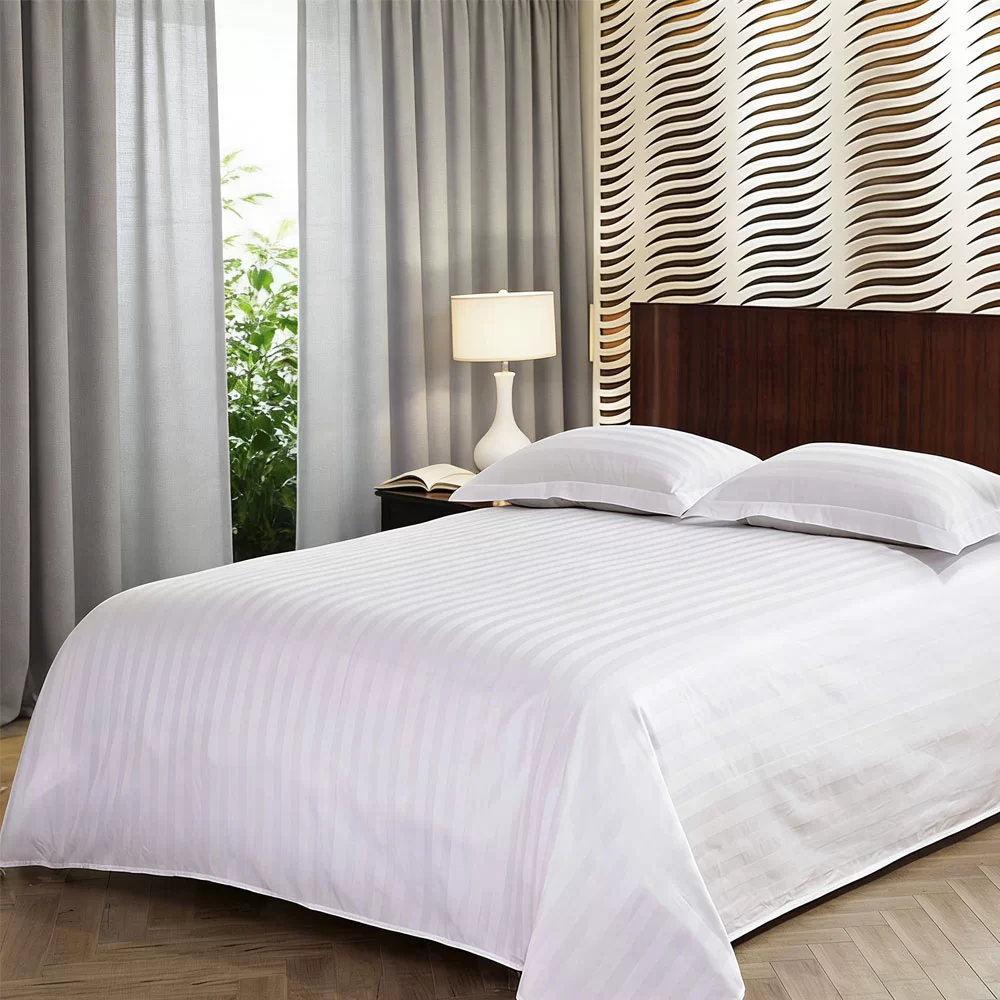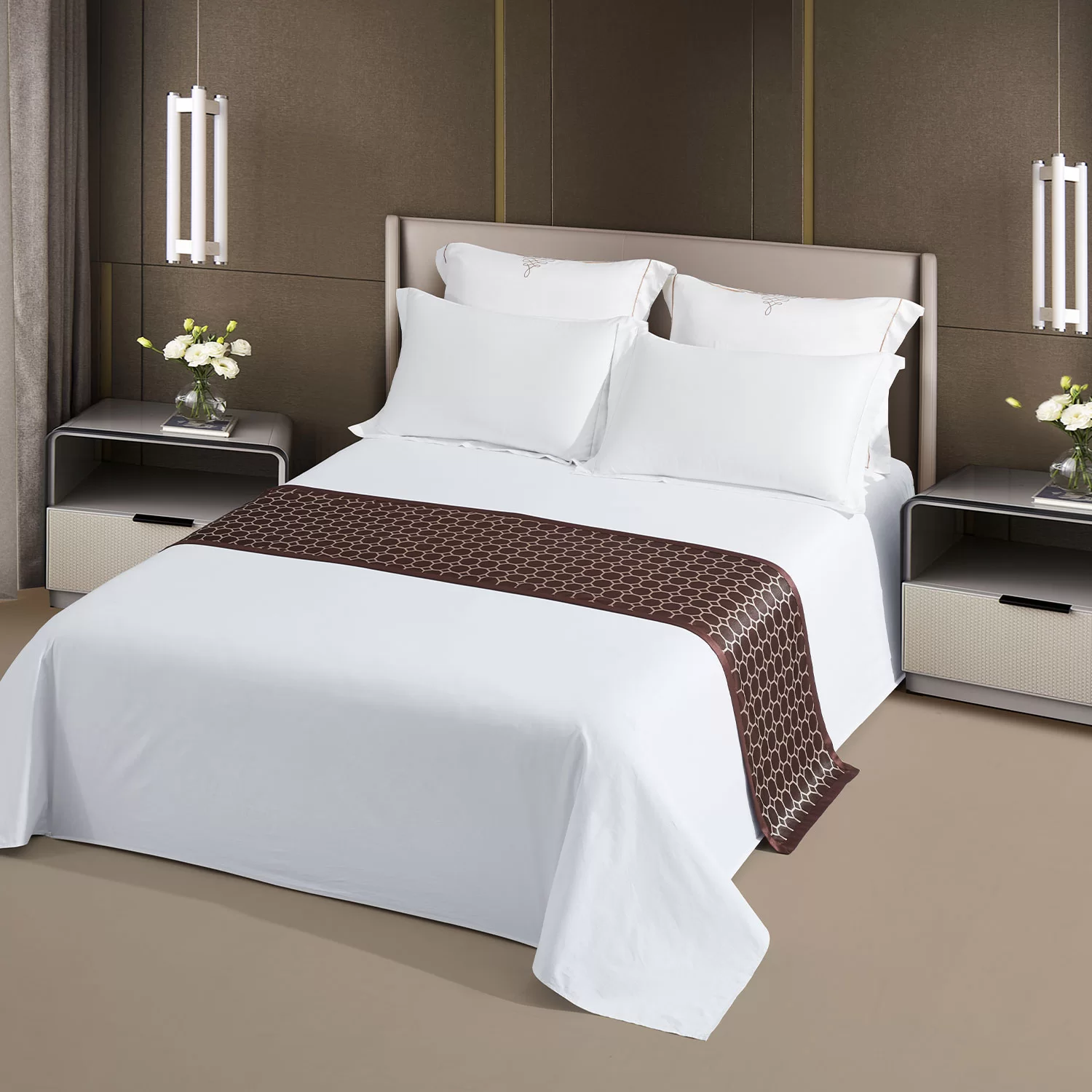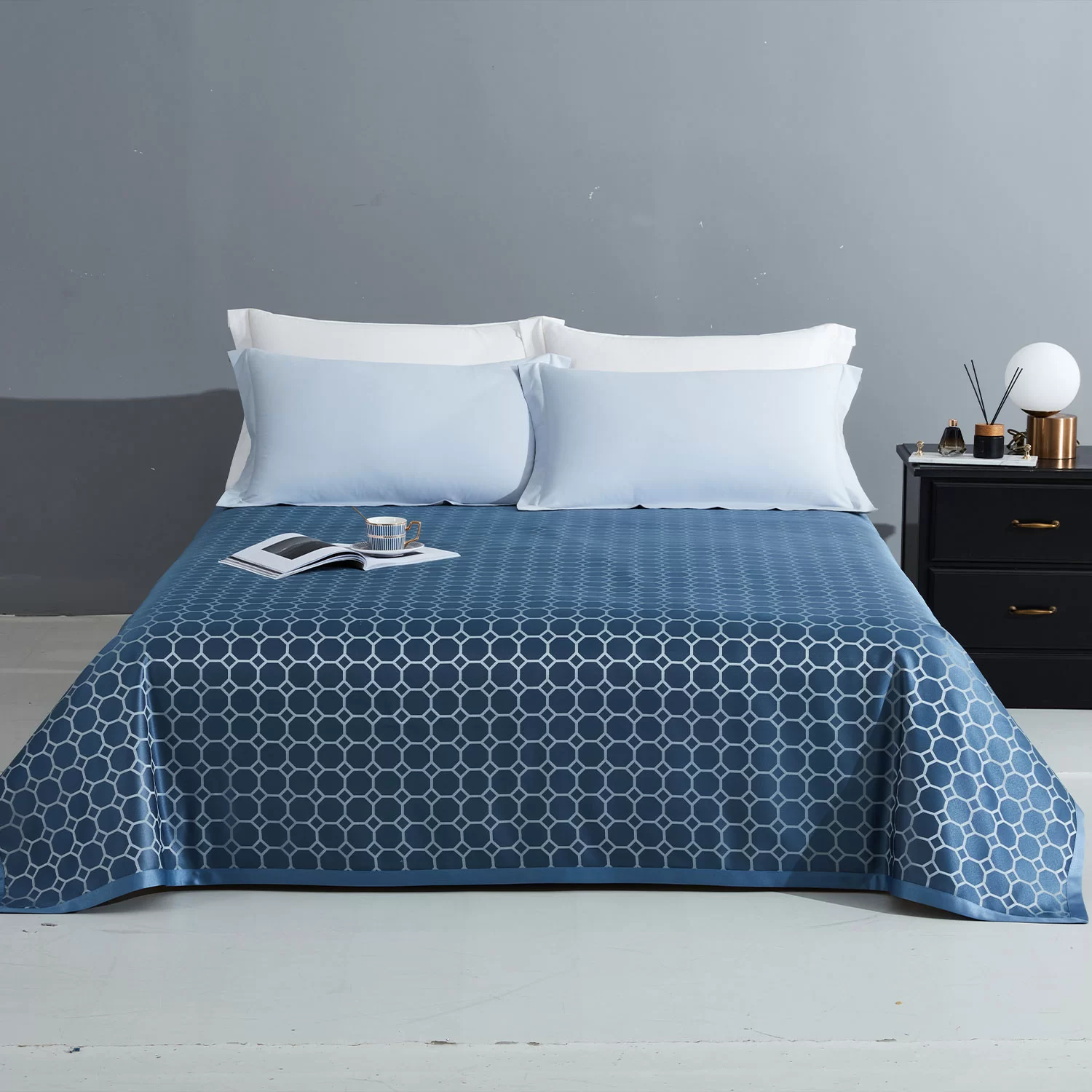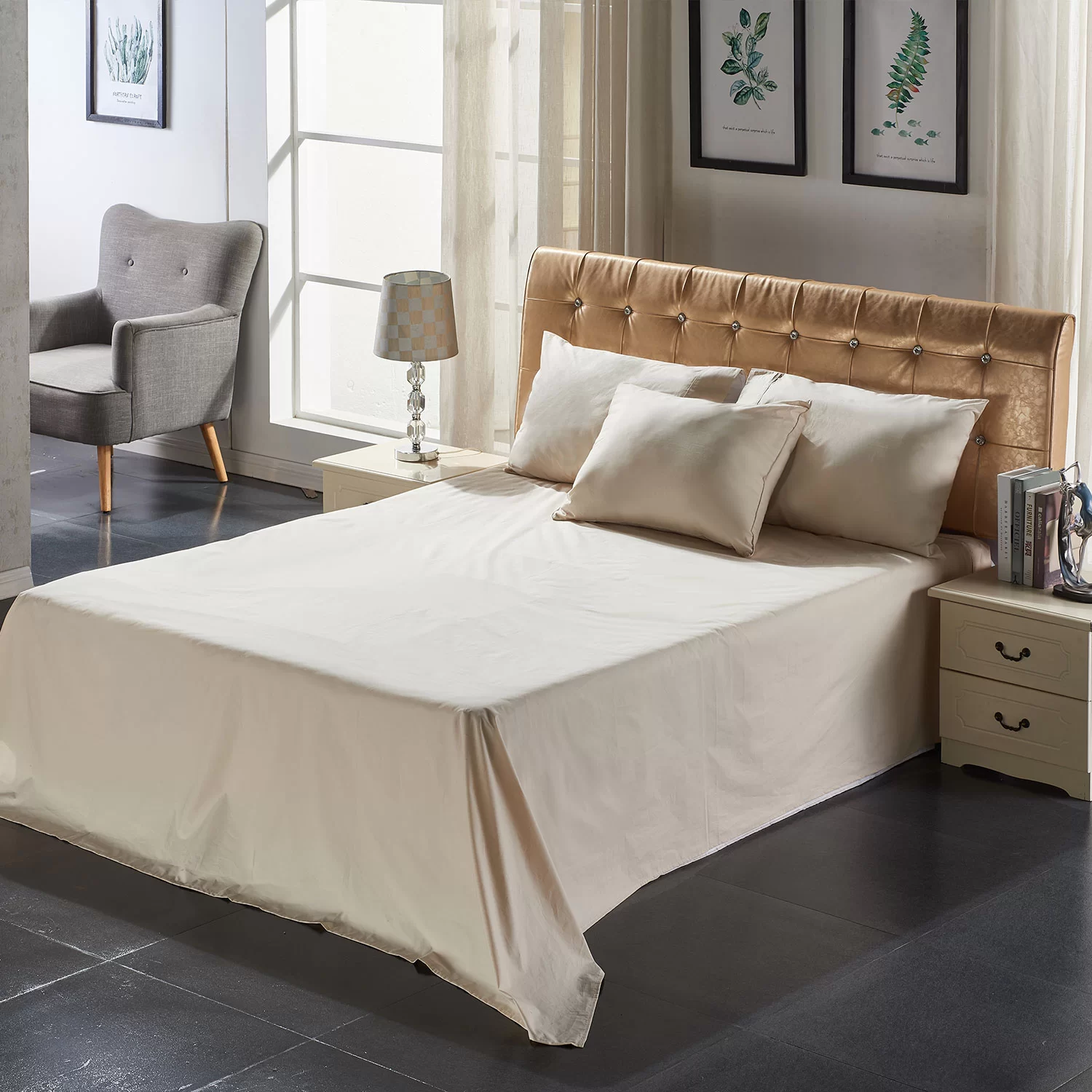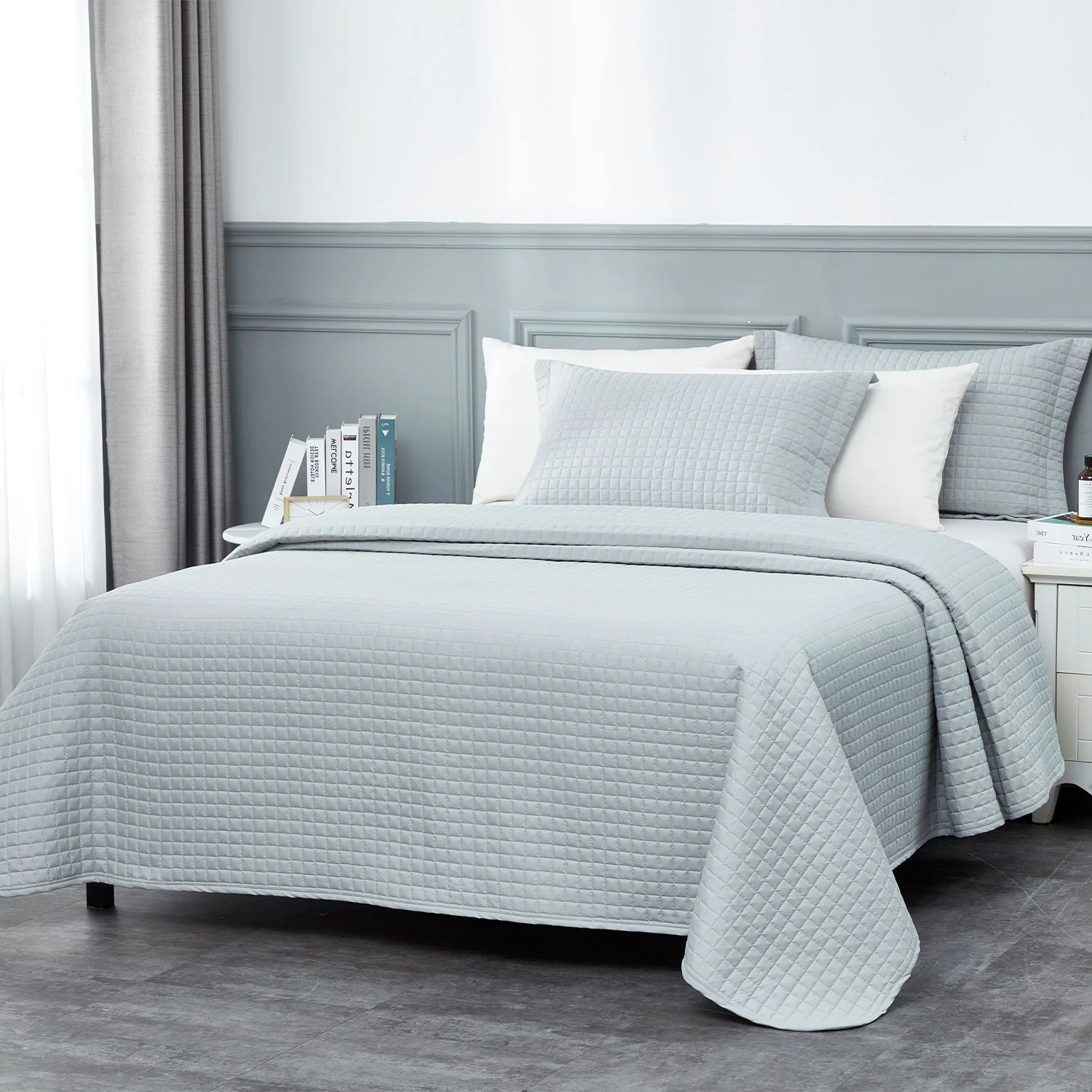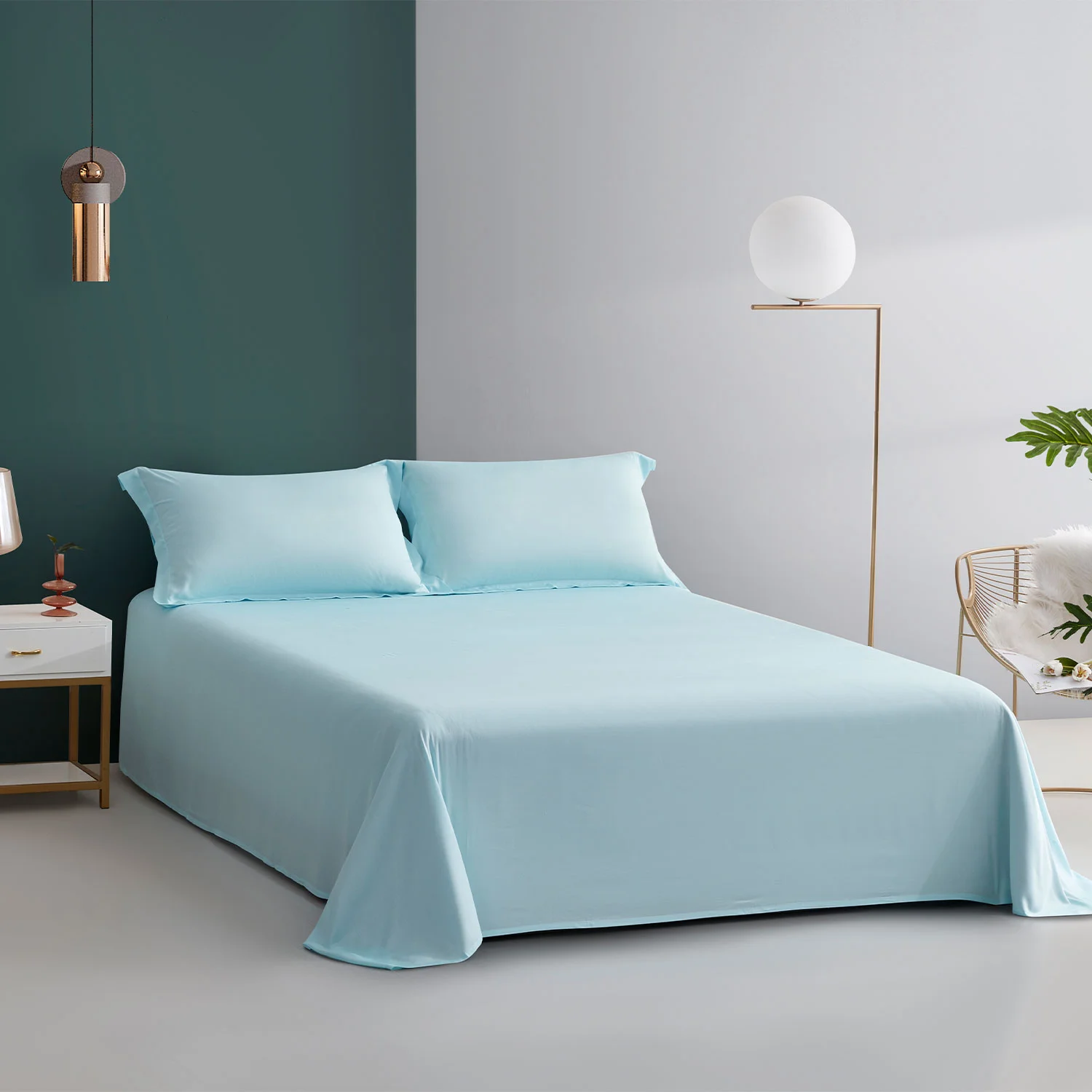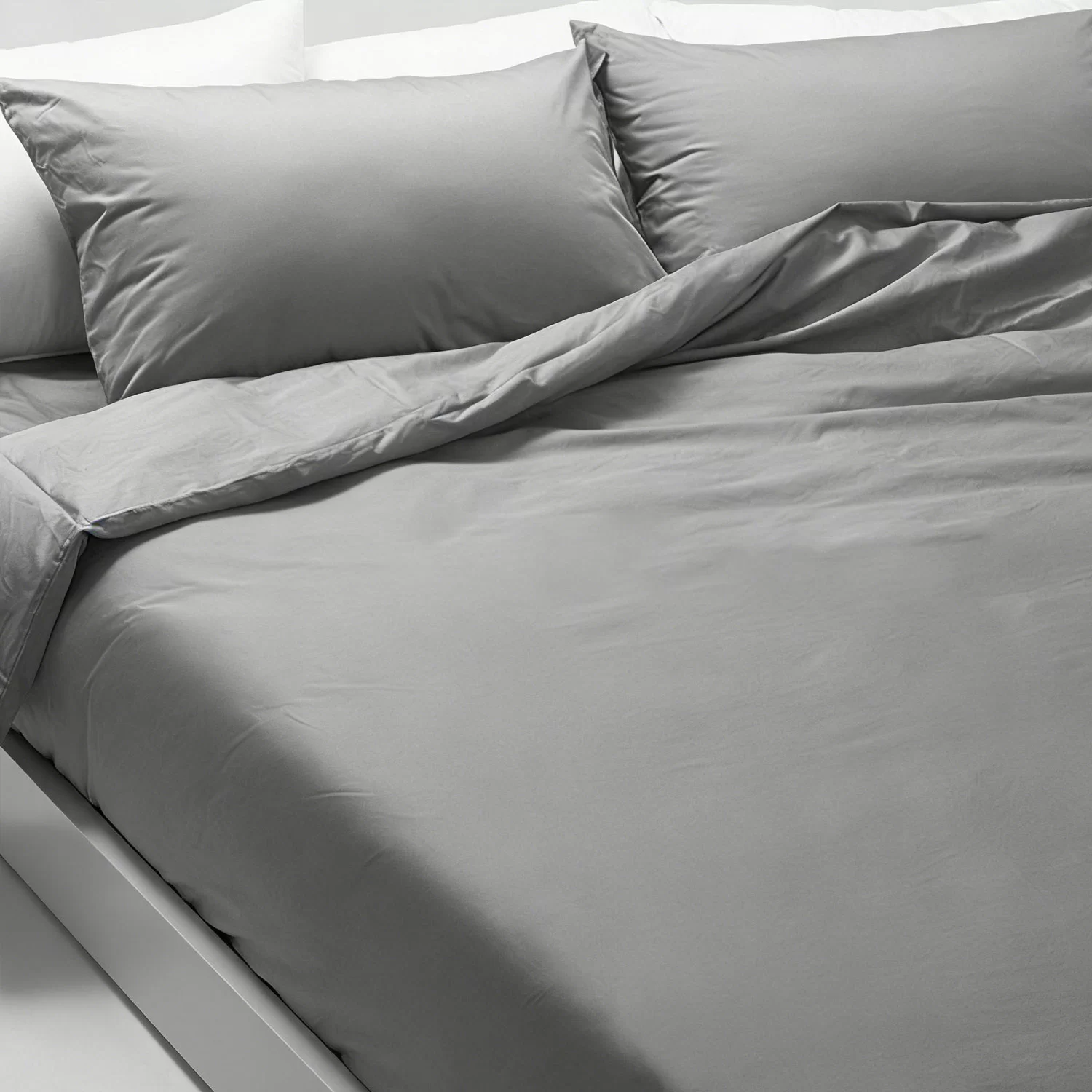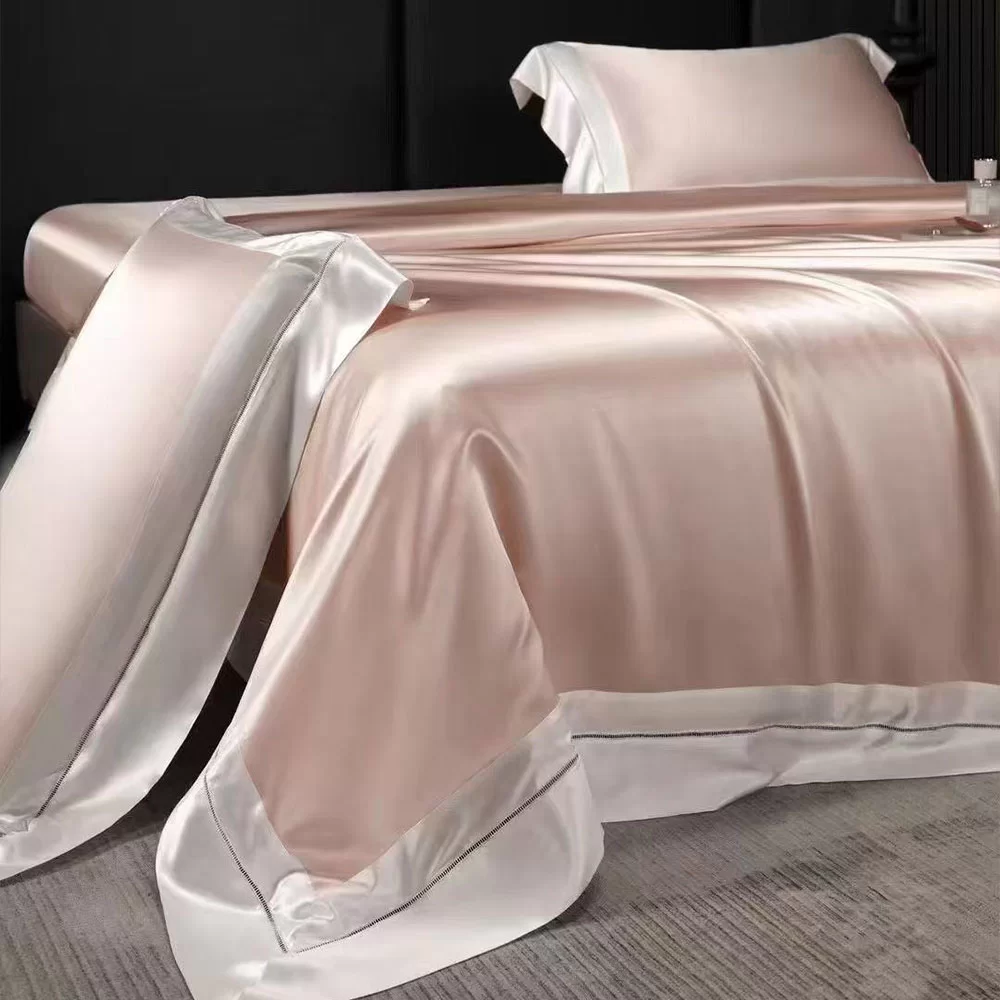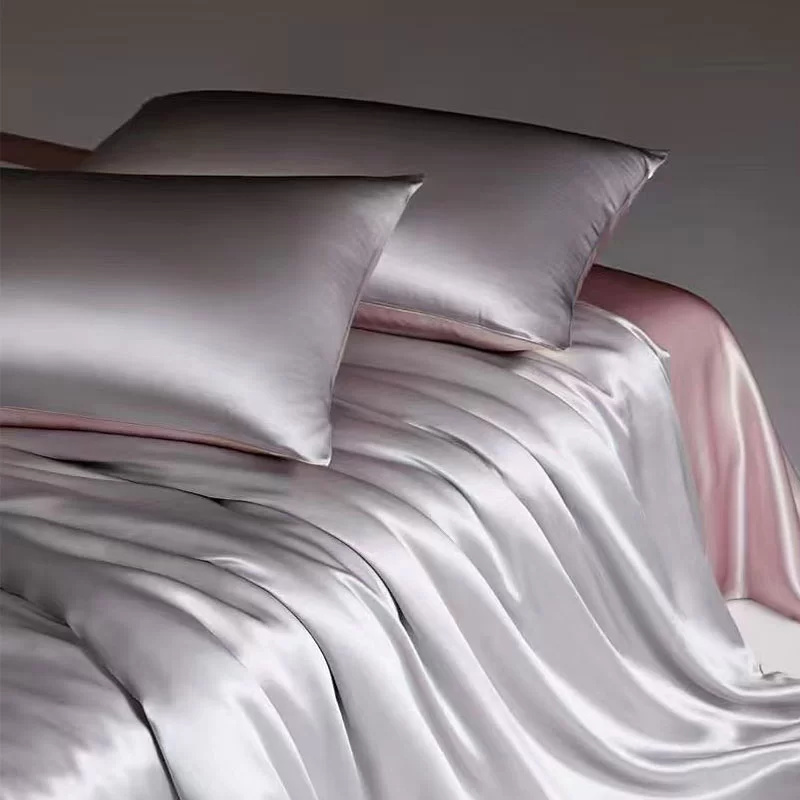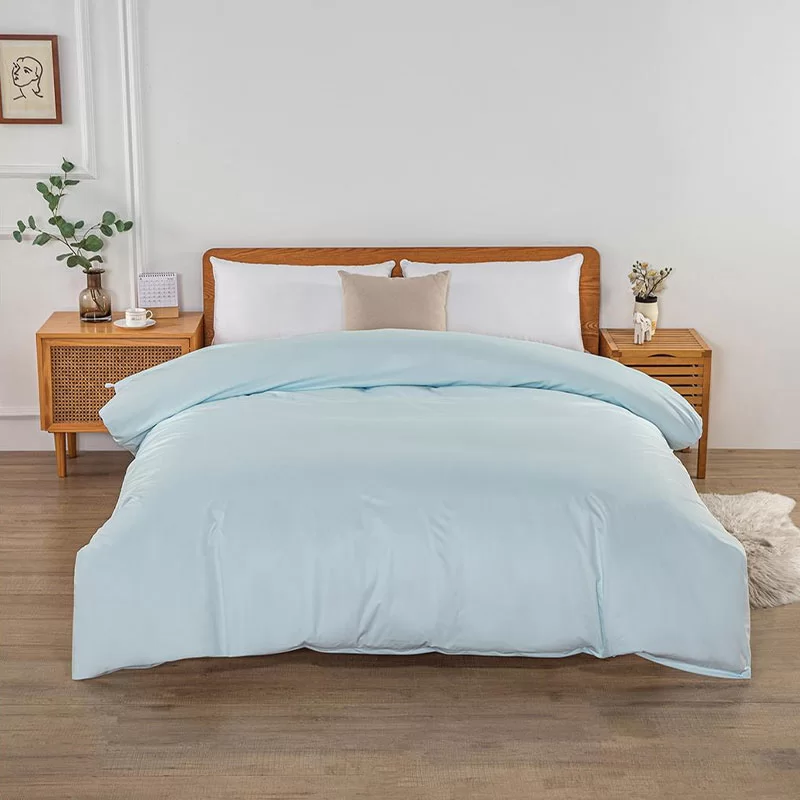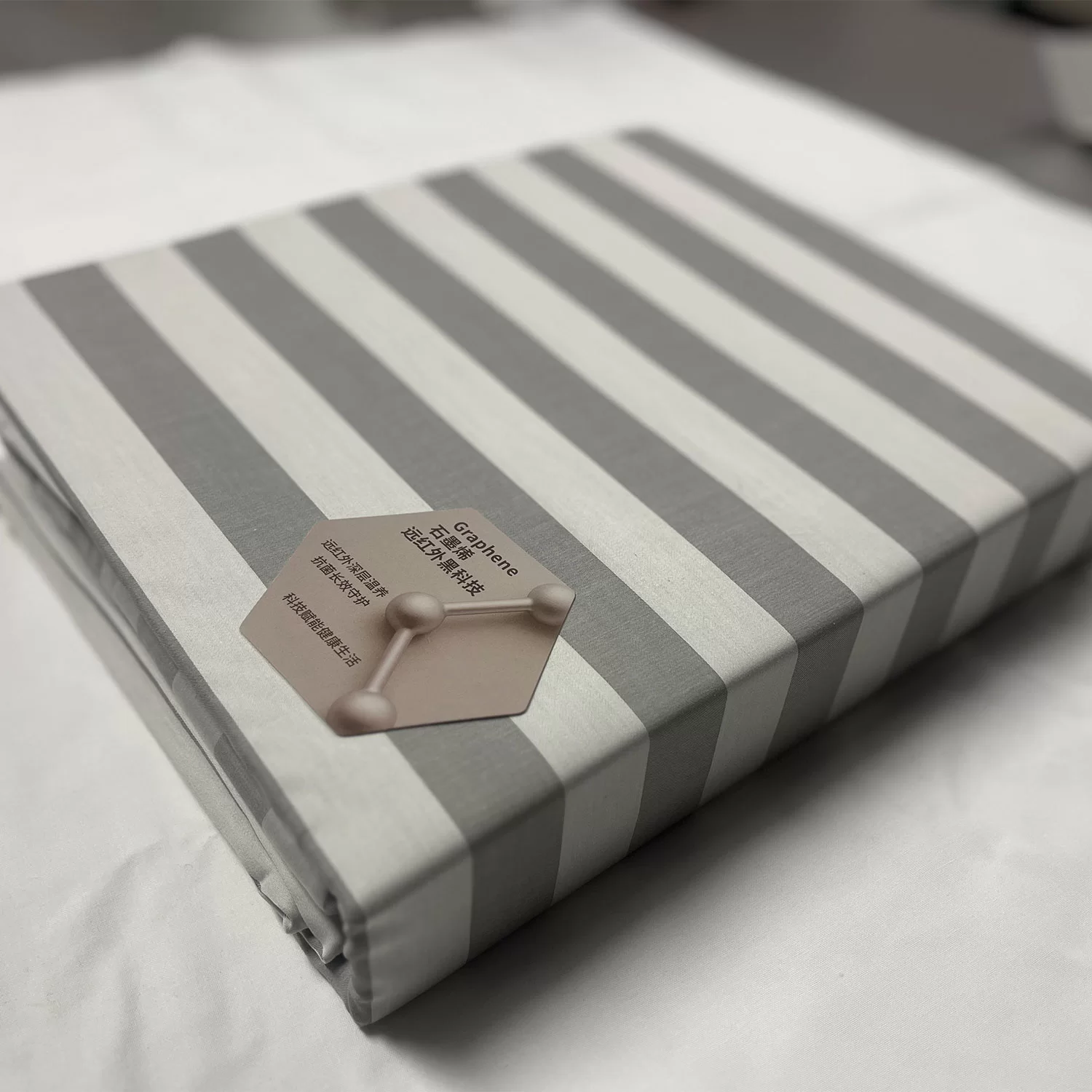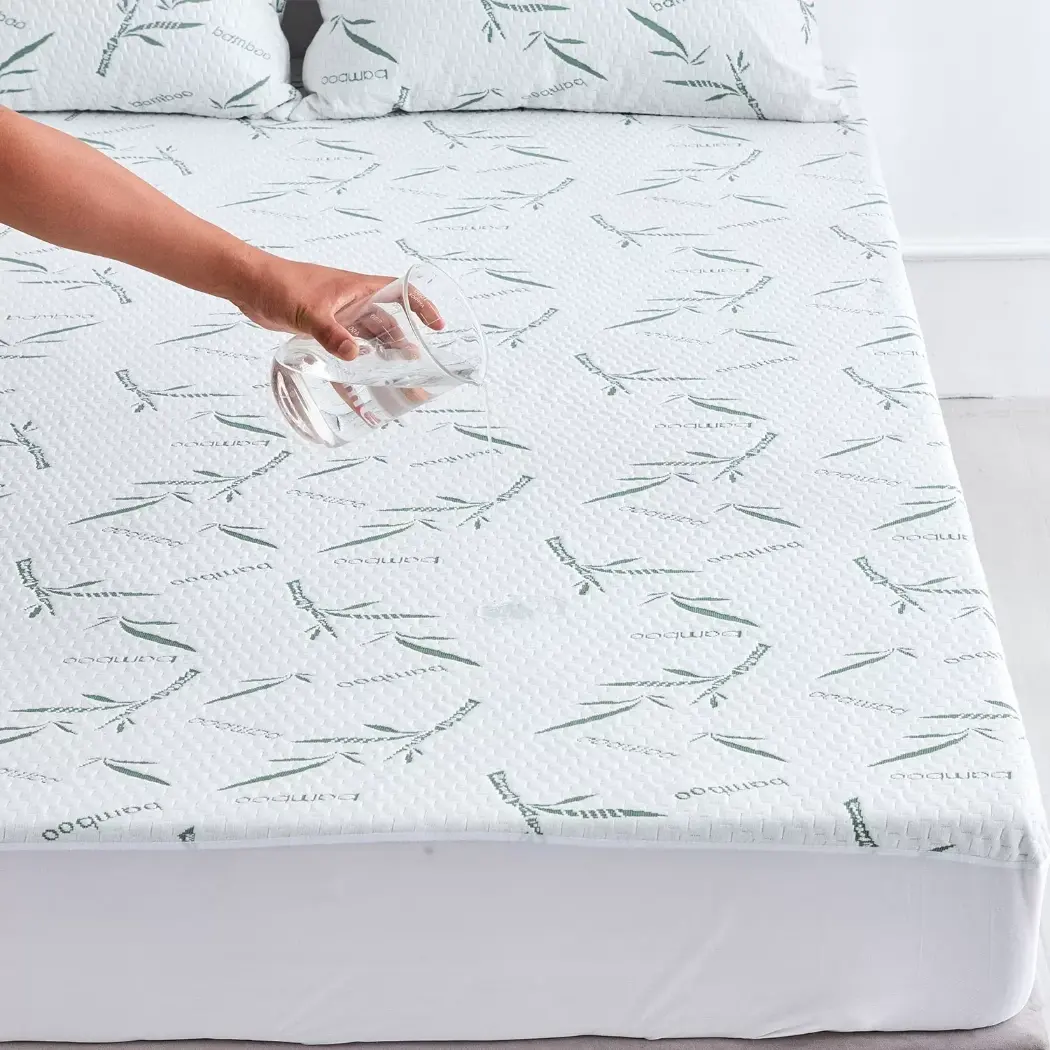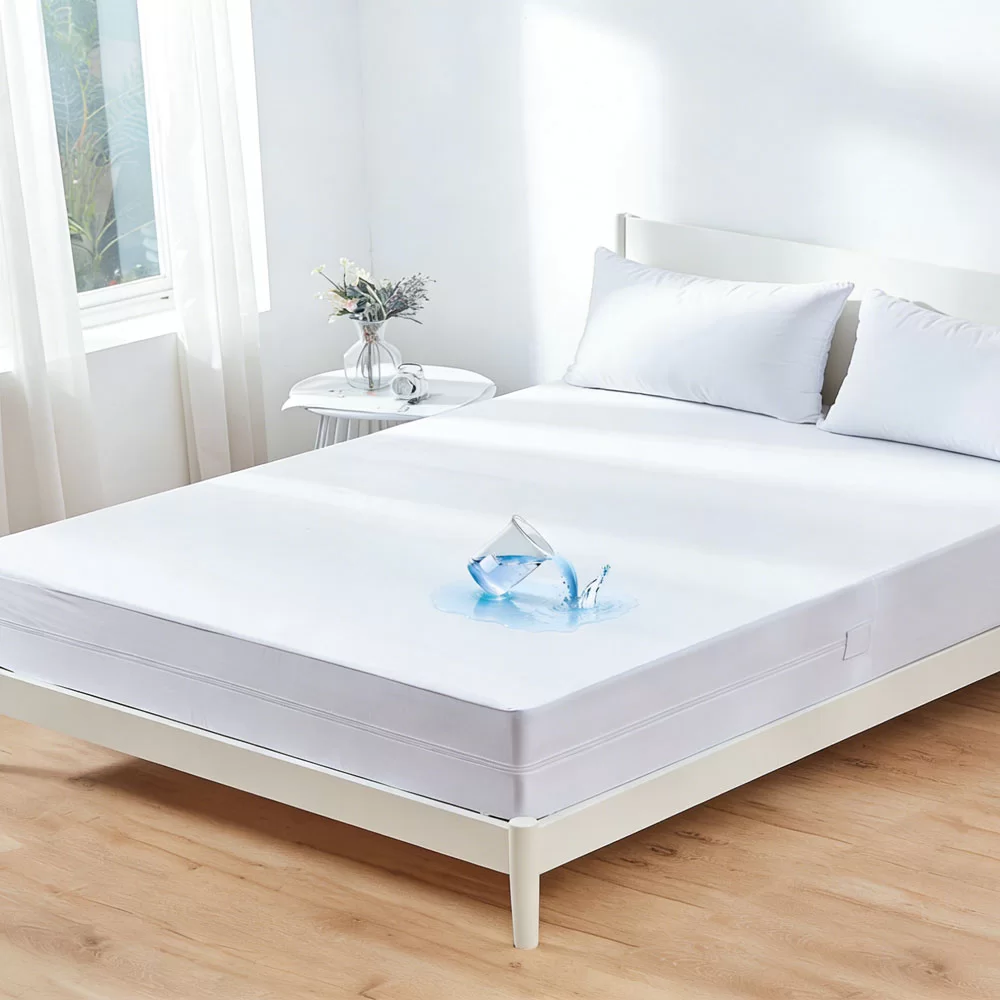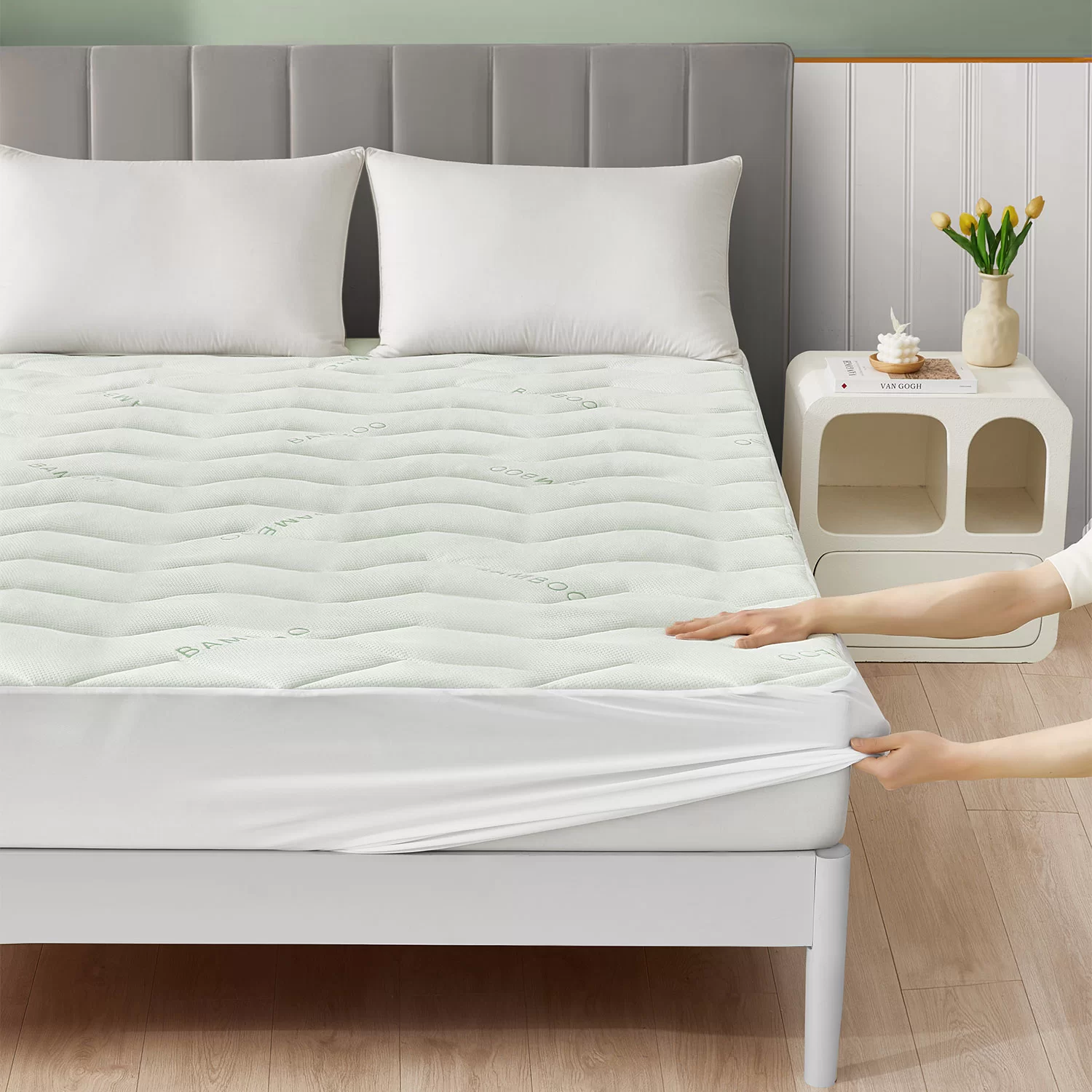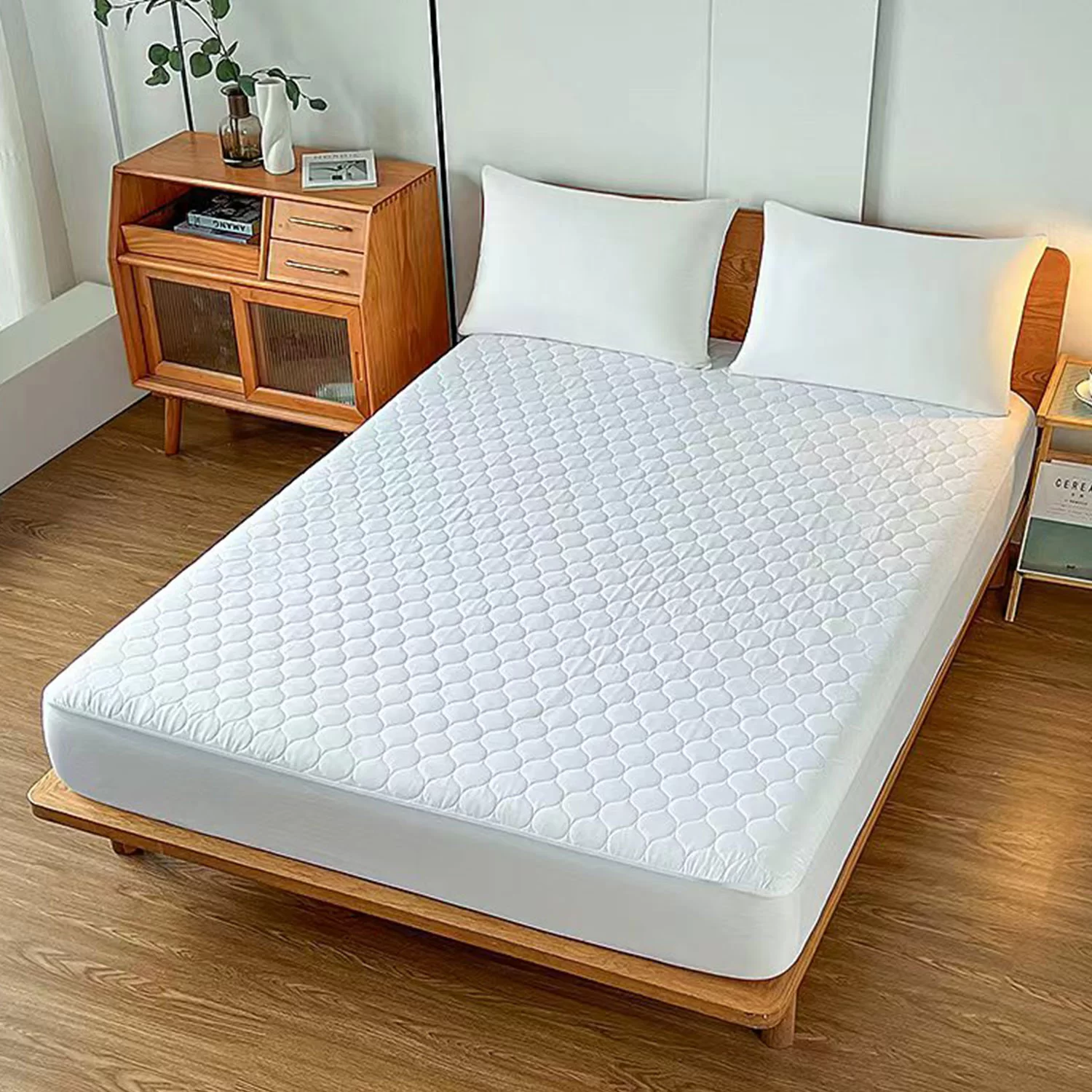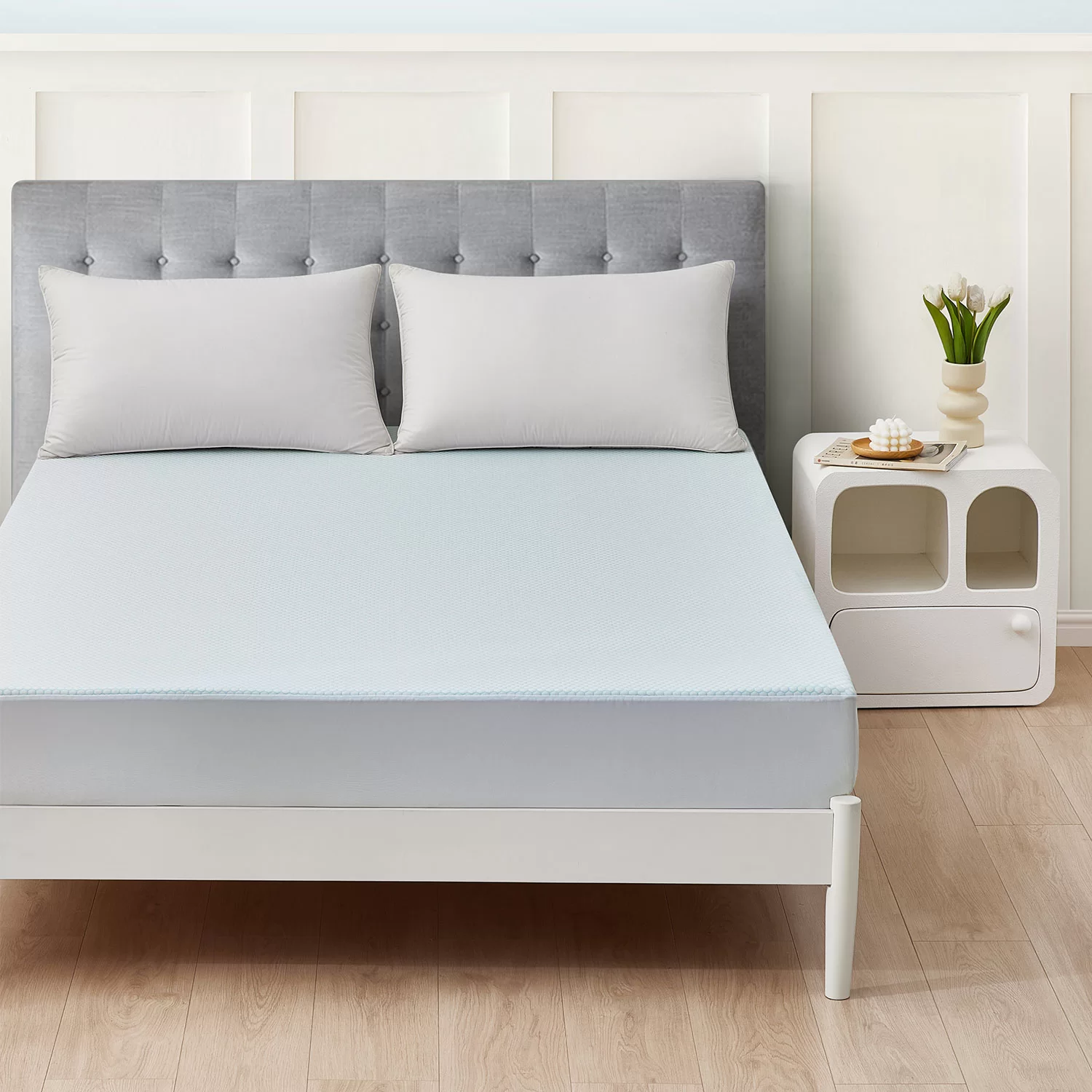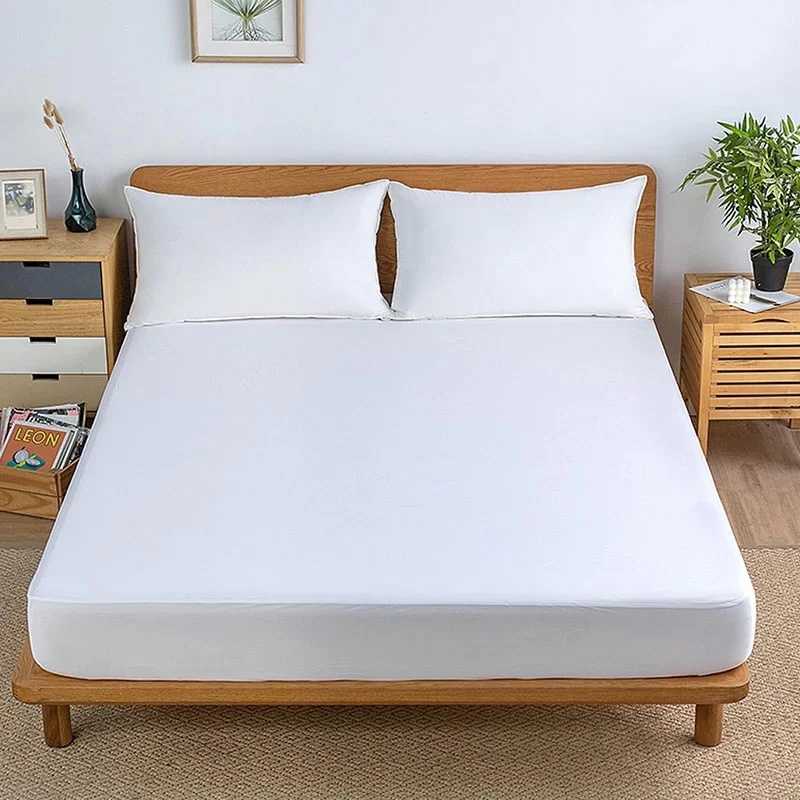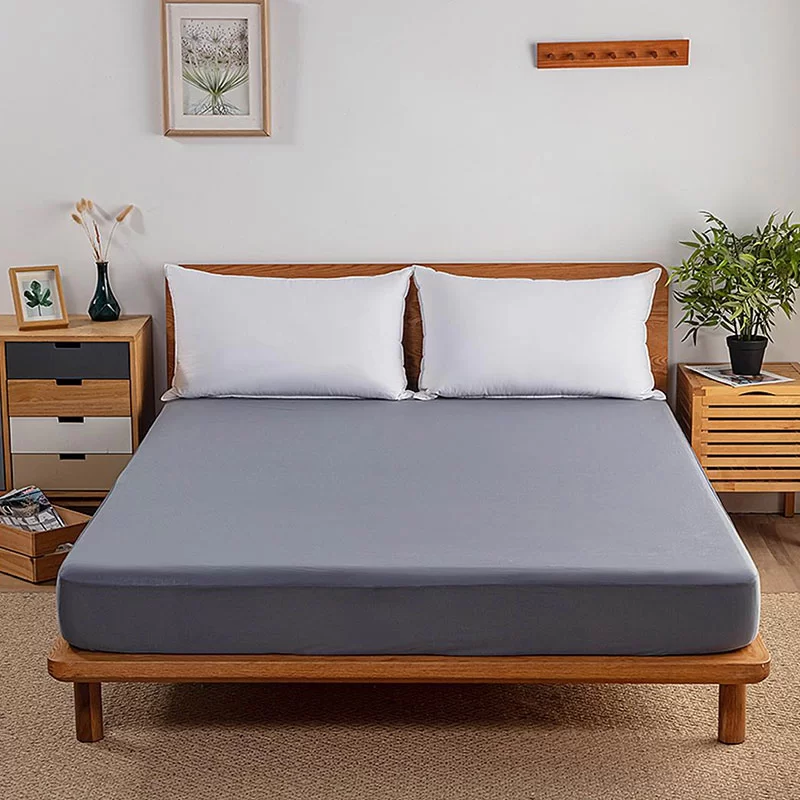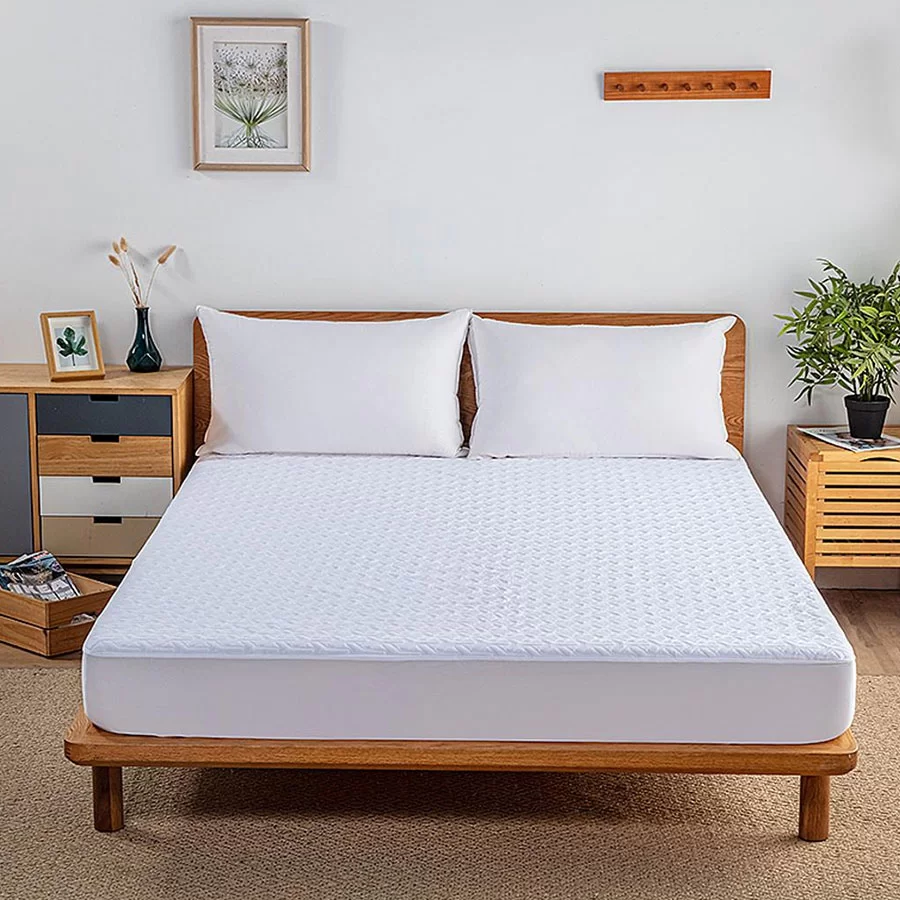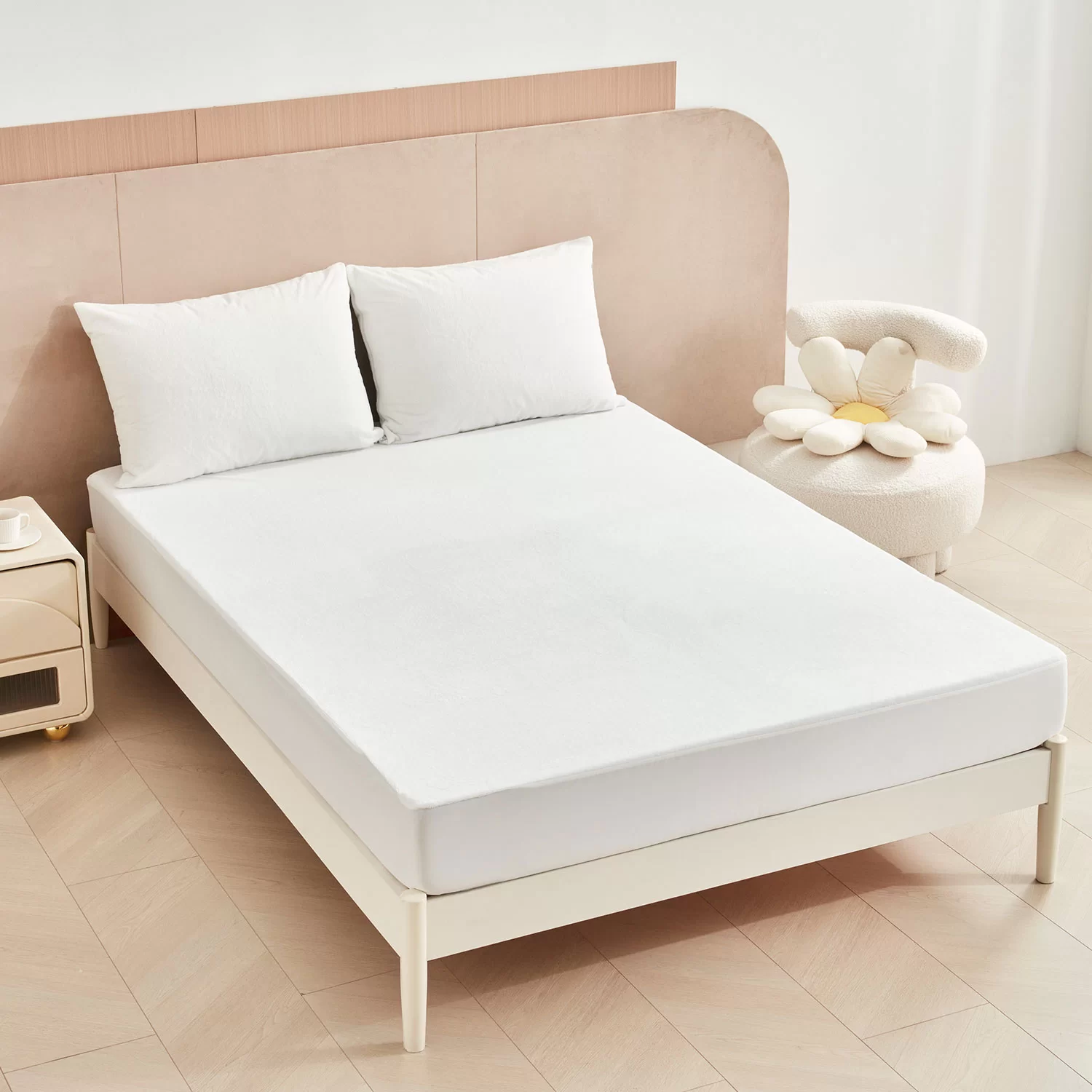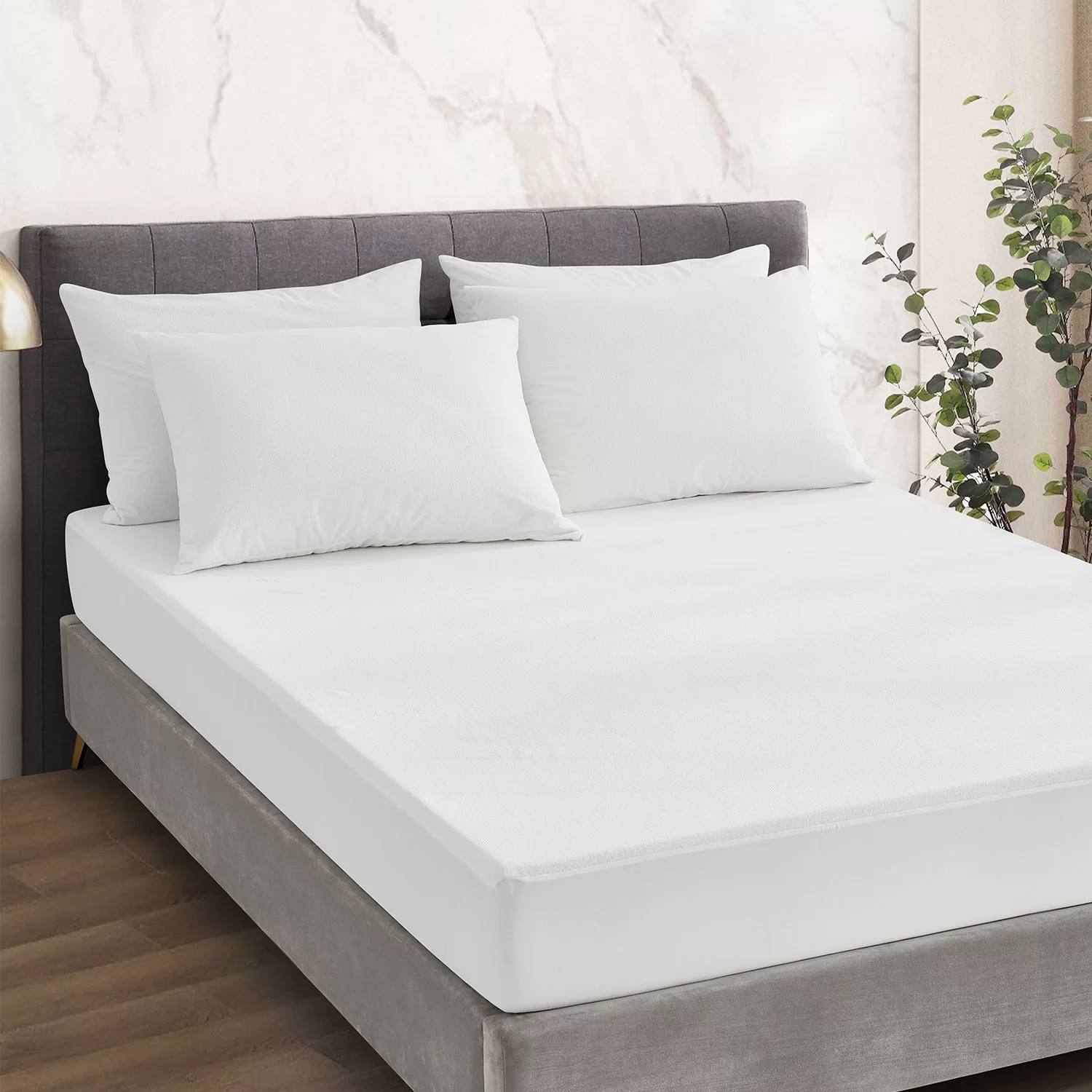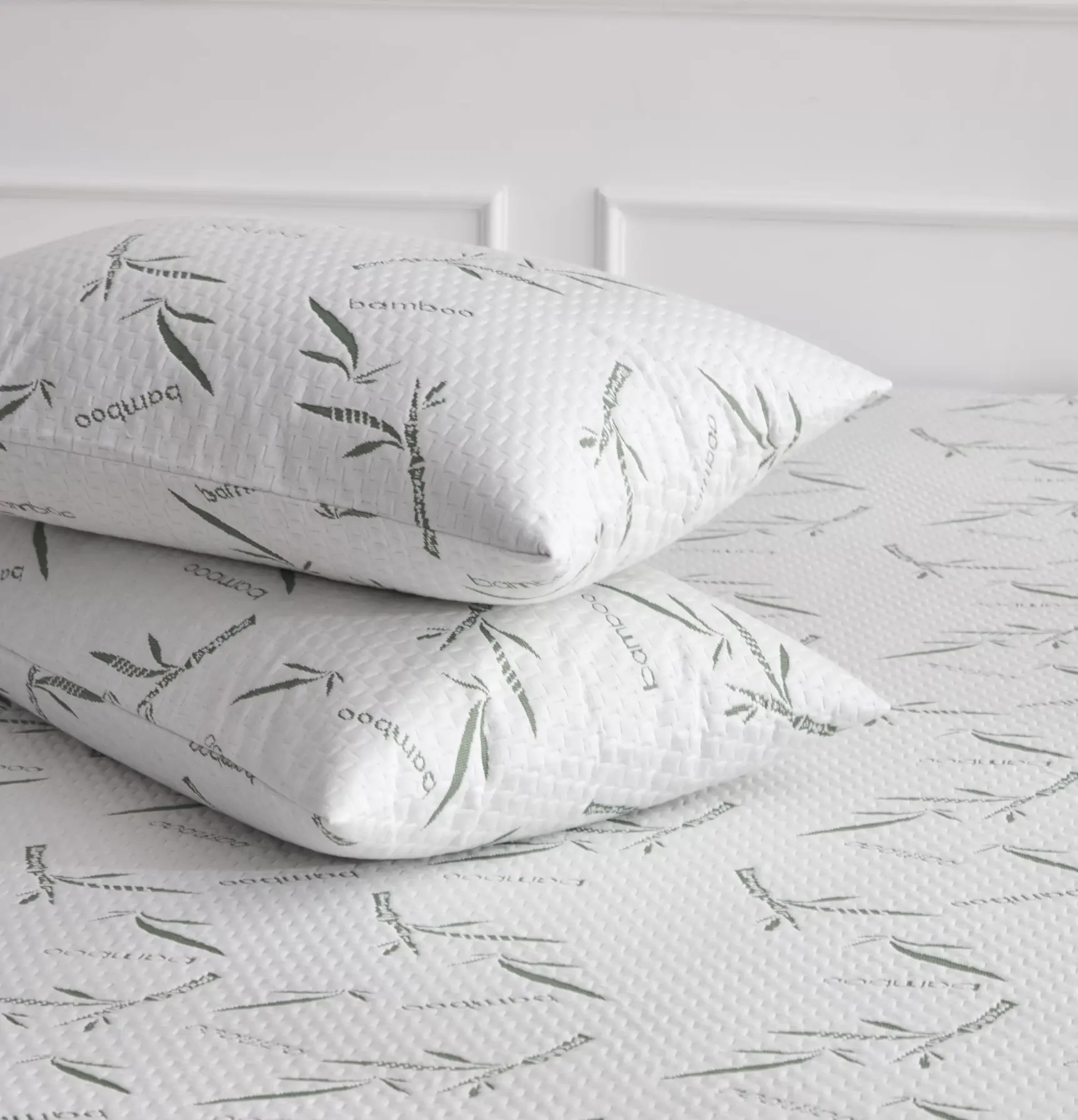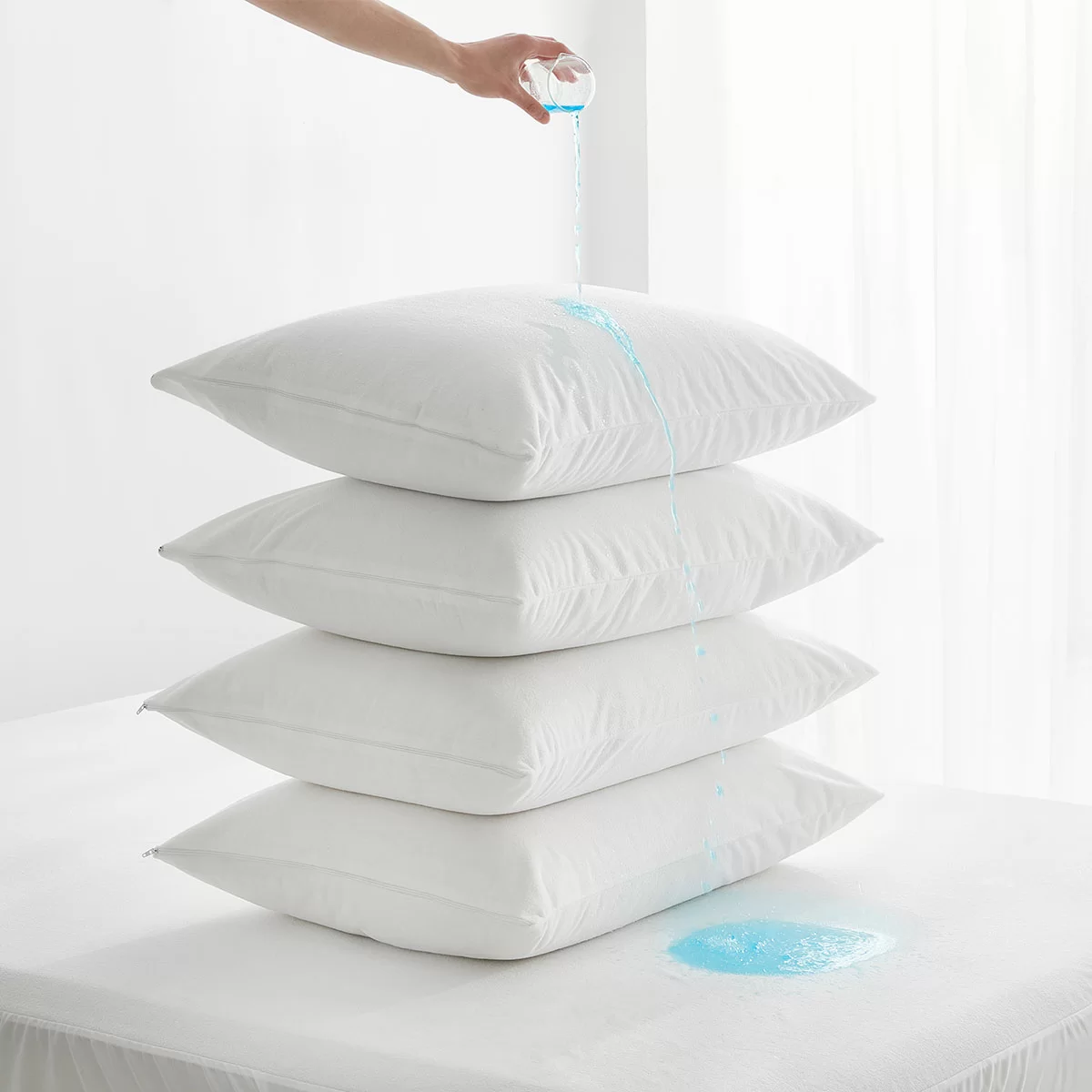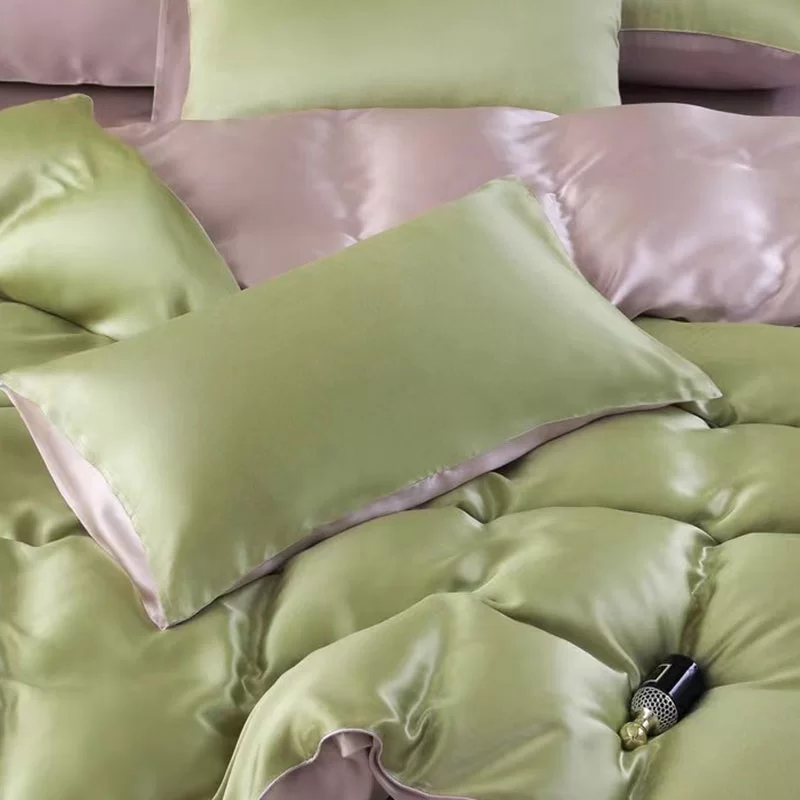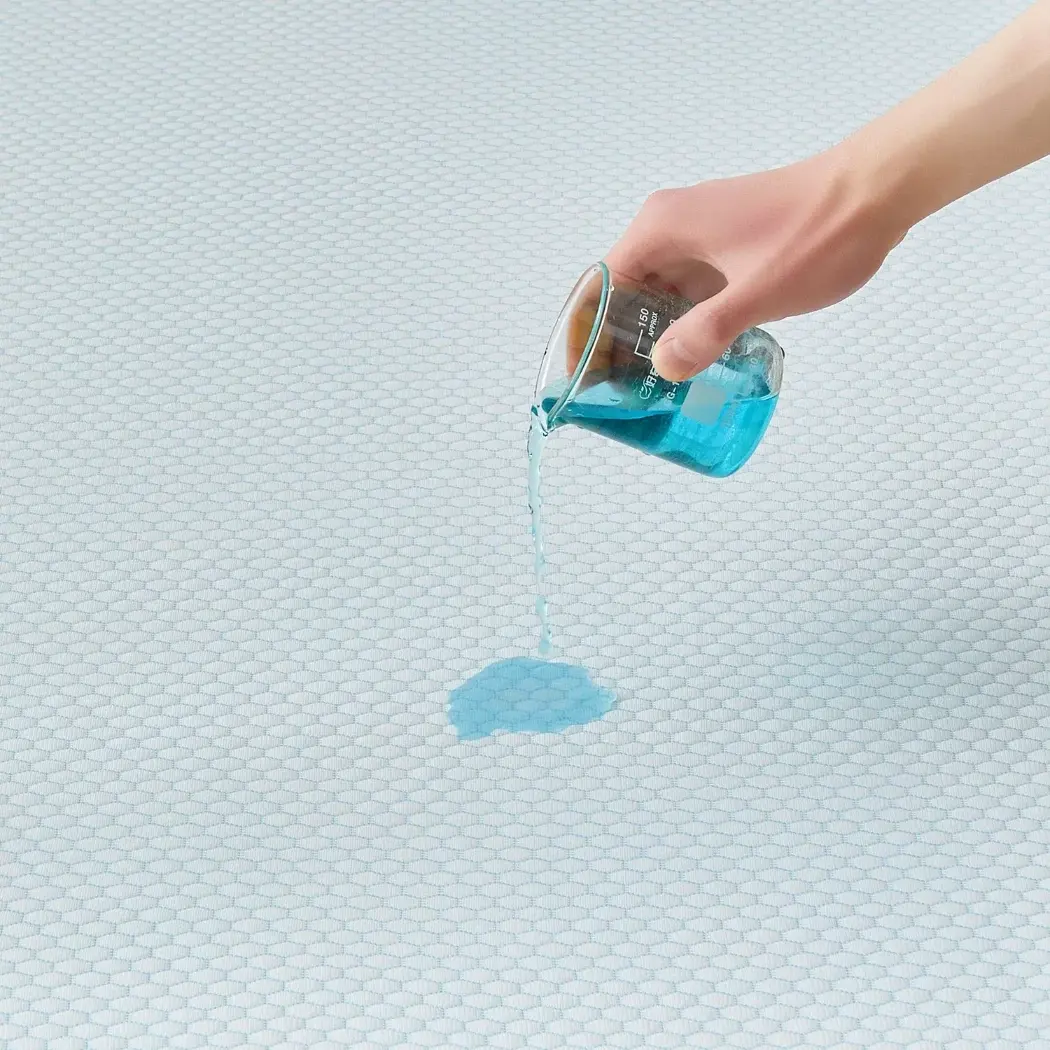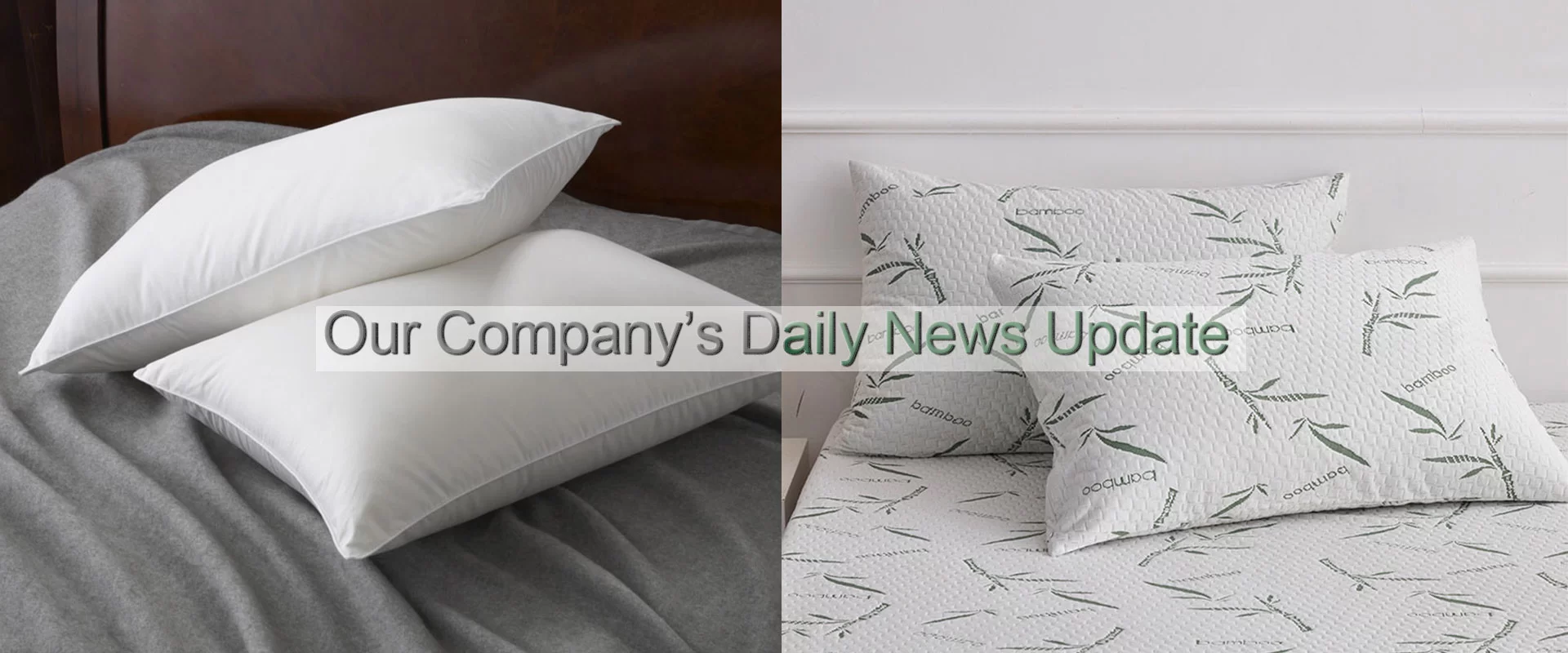
Bamboo bed sheets are rapidly gaining popularity as a sustainable and luxurious alternative to traditional cotton bedding. Globally, there's a growing consumer demand for eco-friendly products, driven by increased awareness of environmental issues and ethical sourcing. Bamboo, a remarkably renewable resource, offers a compelling solution, boasting rapid growth and minimal water requirements compared to cotton. This surge in demand is fuelled by the inherent benefits of bamboo fabric – its exceptional softness, breathability, and hypoallergenic properties.
The shift towards bamboo bed sheets isn't merely a trend; it represents a fundamental change in consumer priorities. Increasingly, individuals are seeking bedding that aligns with their values, prioritizing sustainability without compromising comfort or quality. Global textile production is a significant contributor to pollution, and bamboo offers a chance to mitigate this impact. The UN Sustainable Development Goals (SDGs) – particularly those related to responsible consumption and production (SDG 12) and climate action (SDG 13) – are driving this demand for more sustainable materials.
Ultimately, understanding the advantages of bamboo bed sheets extends beyond personal comfort. It's about contributing to a more responsible and environmentally conscious textile industry. From its sustainable sourcing to its beneficial properties for sensitive skin, choosing bamboo bedding is a small yet impactful step towards a healthier planet and a more comfortable night’s sleep.
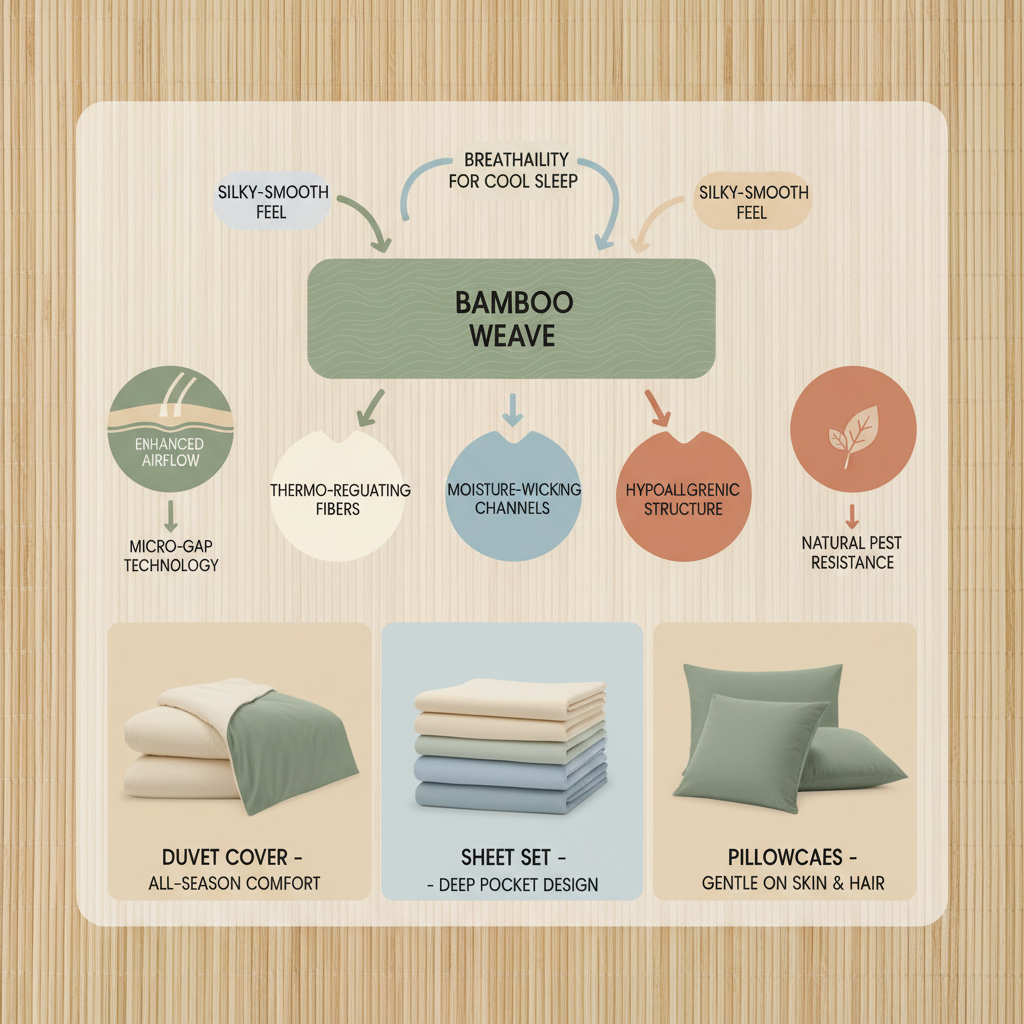
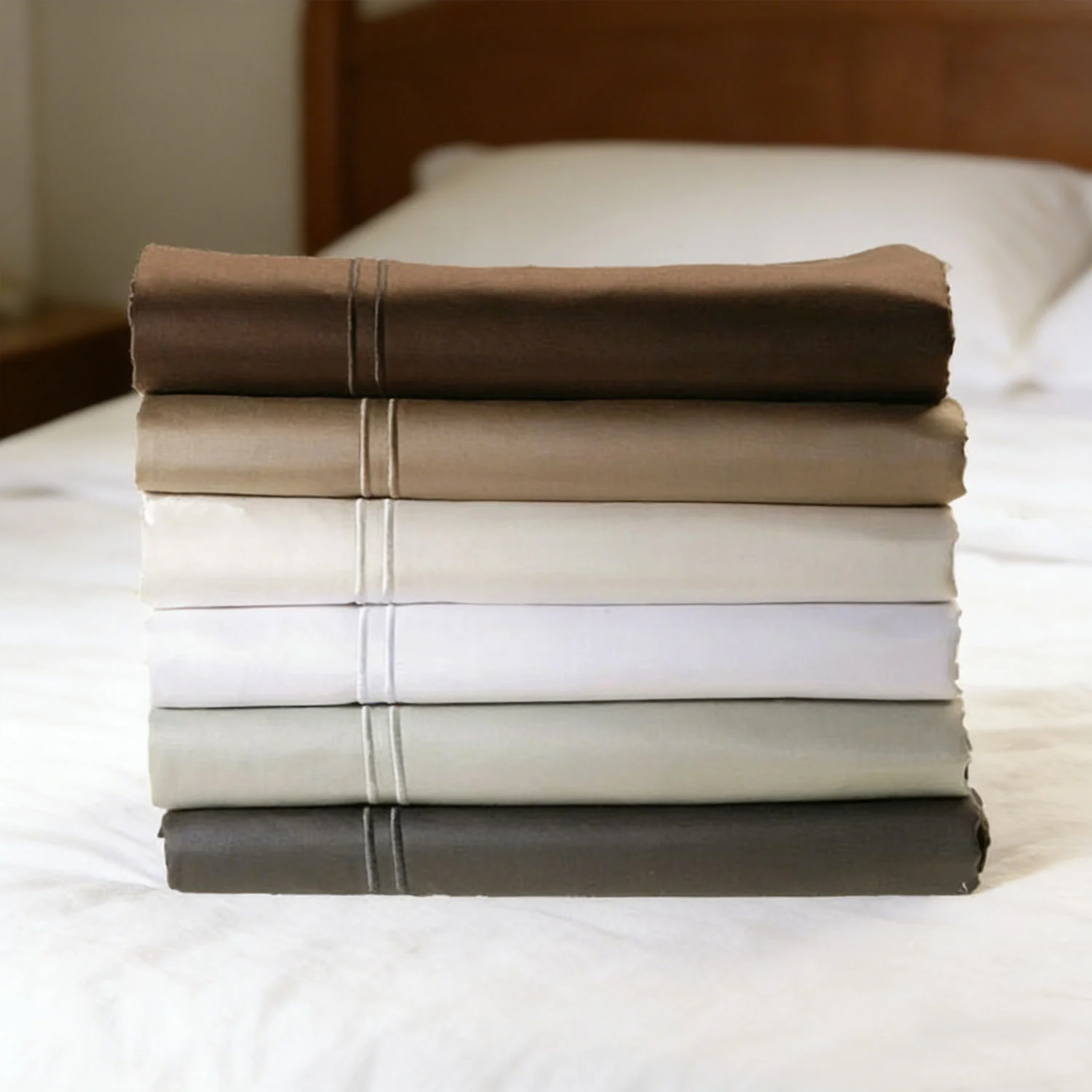
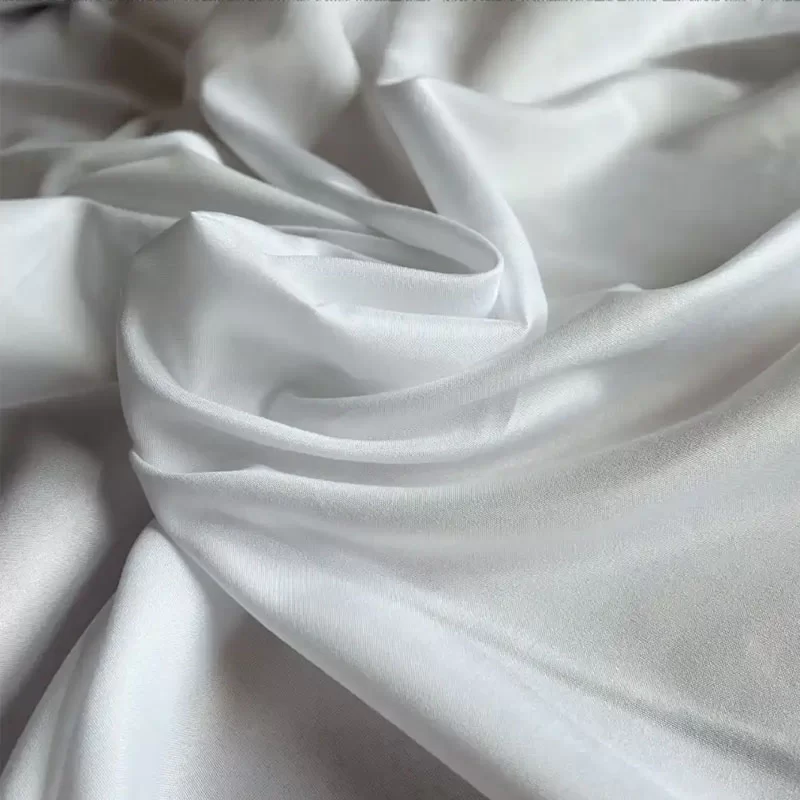
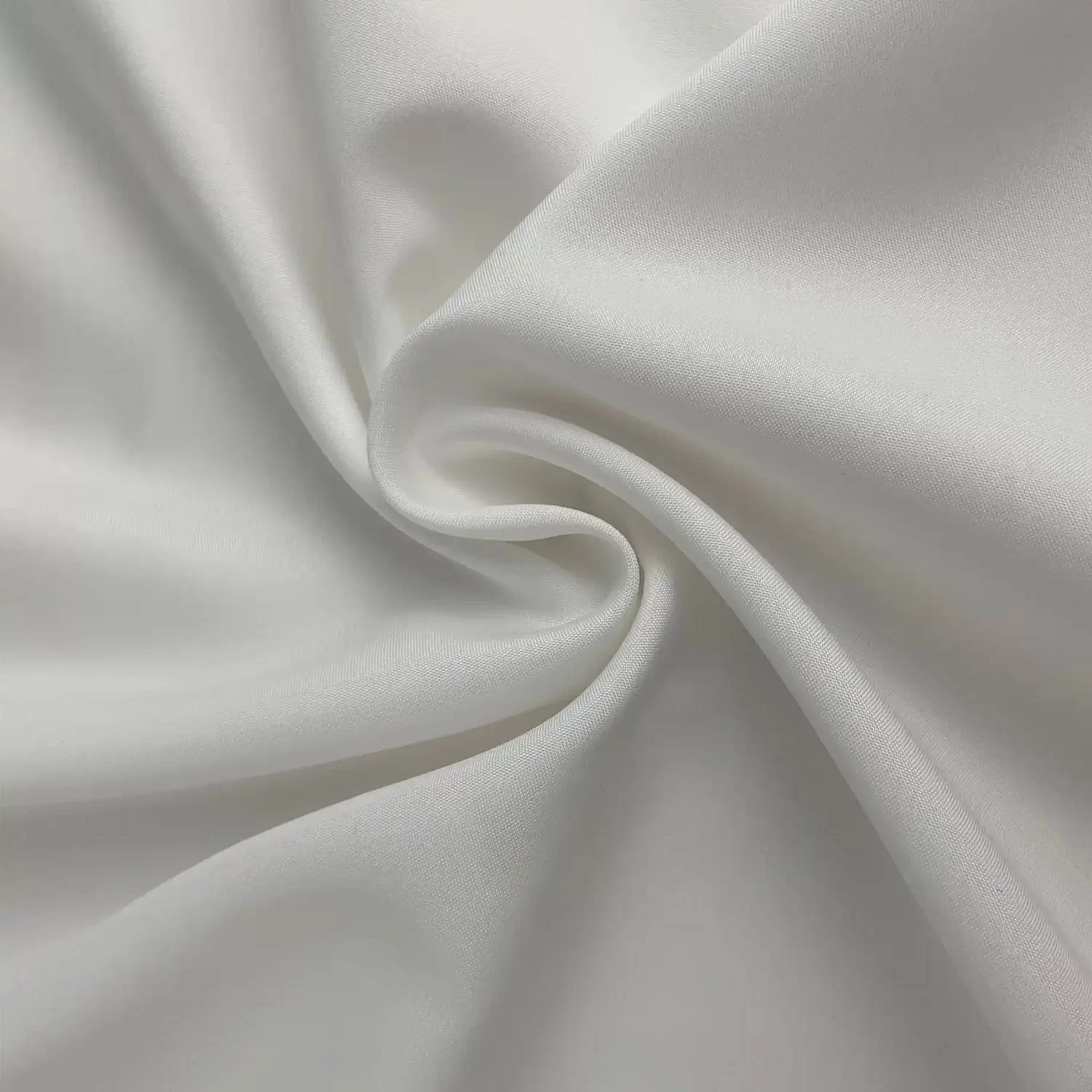
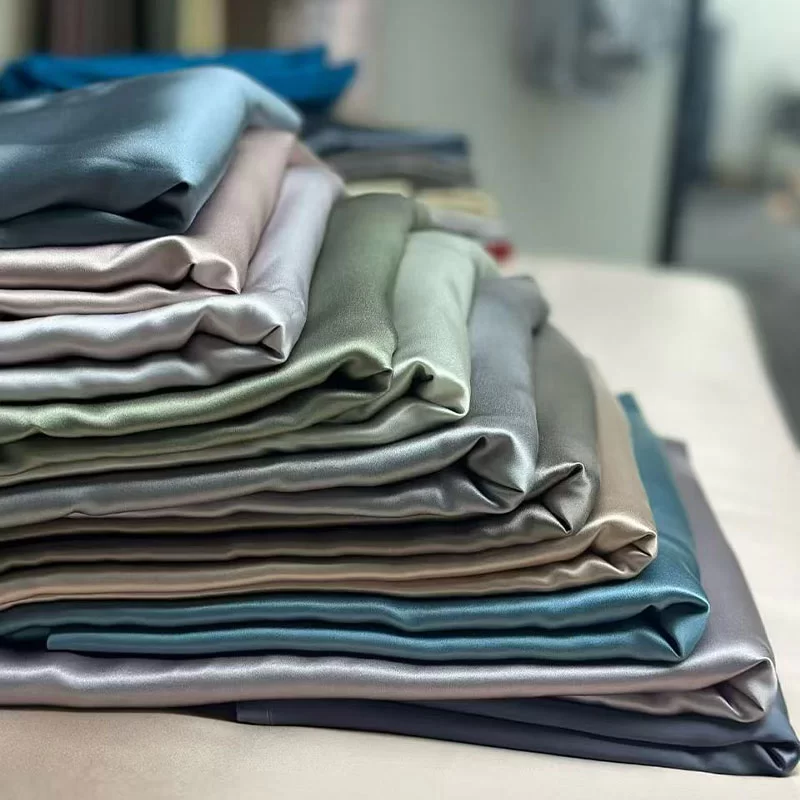
Bamboo bed sheets have emerged as a leading choice for consumers seeking eco-friendly and exceptionally comfortable bedding. The process of transforming bamboo into a usable fabric, such as bamboo viscose or lyocell, is what distinguishes these sheets from traditional options. This process results in a material that’s remarkably soft, breathable, and boasts excellent moisture-wicking properties.
The increased accessibility of bamboo bed sheets reflects a broader trend towards sustainable living. While traditionally more expensive than cotton, advancements in manufacturing and increased demand are making bamboo bedding increasingly affordable. This affordability, coupled with its environmental benefits and superior comfort, is driving significant growth in the global bamboo textile market.
Bamboo viscose is the more common and generally less expensive method of turning bamboo into fabric. It involves a chemically intensive process. Bamboo lyocell, however, uses a closed-loop system, recycling water and solvents, making it a far more environmentally friendly option. Lyocell sheets also tend to be softer and more durable but are typically pricier than viscose sheets. Choosing lyocell supports more sustainable textile production.
Bamboo bed sheets generally outperform cotton in terms of breathability. The micro-gaps within the bamboo fiber allow for greater airflow, helping to regulate body temperature and prevent overheating during sleep. This makes bamboo sheets an excellent choice for hot sleepers or those living in warmer climates. Cotton, while breathable, doesn’t offer the same level of ventilation as bamboo.
Bamboo fabric possesses natural antimicrobial properties that inhibit the growth of bacteria and dust mites, common allergens. This makes bamboo bed sheets a good option for individuals with sensitive skin, allergies, or asthma. However, it’s important to note that allergies can vary, and some individuals may still experience sensitivities. Look for certifications like OEKO-TEX to ensure the fabric is free from harmful chemicals.
Bamboo bed sheets are generally machine washable. It’s recommended to wash them in cold water on a gentle cycle with a mild detergent. Avoid using bleach or fabric softeners, as these can damage the fibers. Tumble dry on low heat or hang to dry. Proper care will help maintain the softness and durability of your bamboo sheets.
Initially, bamboo bed sheets often have a higher upfront cost compared to standard cotton sheets. However, the price difference is decreasing as bamboo production becomes more efficient. Consider the long-term value – bamboo sheets are durable and last longer. Additionally, their sustainability benefits can be seen as an investment in a healthier planet.
Look for certifications like OEKO-TEX Standard 100, which ensures the fabric is free from harmful chemicals. The Forest Stewardship Council (FSC) certification confirms the bamboo is sourced from responsibly managed forests. Certifications provide assurance of the product's quality, sustainability, and ethical production practices, helping you make an informed purchase.
In conclusion, bamboo bed sheets represent a significant advancement in the textile industry, offering a compelling combination of comfort, sustainability, and durability. From their renewable sourcing and hypoallergenic properties to their breathable nature and long-lasting quality, they provide a superior sleep experience while minimizing environmental impact. The growing demand for bamboo bedding signals a broader shift towards conscious consumerism and a desire for ethically produced products.
Looking ahead, continued innovation in bamboo processing technologies, coupled with increased consumer awareness and responsible forestry practices, will be crucial for unlocking the full potential of this versatile material. Investing in bamboo textiles is not just about enhancing your sleep; it’s about supporting a more sustainable and equitable future for the planet. Visit our website to explore our range of luxurious and eco-friendly bamboo bed sheets.



Contact Us
Email: inforhometextile@126.com
Email: helenkou@126.com
Address
Zerun Building,No.122 Fengshou Road,Chang'an District,Shijiazhuang City,Hebei Province,China
If you are interested in our products, you can choose to leave your information here, and we will be in touch with you shortly.