You know, things are moving fast these days. Everyone’s chasing lighter, stronger, more…something. Lately, it's all about prefabrication, modular stuff. Less waste, faster build times. Sounds good on paper, right? But honestly, I’ve seen a lot of pre-fab that falls apart the second you look at it wrong. The devil's in the details, as they say.
Have you noticed how everyone wants everything to be “smart” now? Even the single flat sheet they’re trying to embed sensors into. Sensors! Like a worker is going to be reading data off his tarp. Anyway, I think there’s a real push towards sustainability too. Not just the buzzword kind, but genuinely trying to reduce the environmental impact. It's starting to trickle down, slowly.
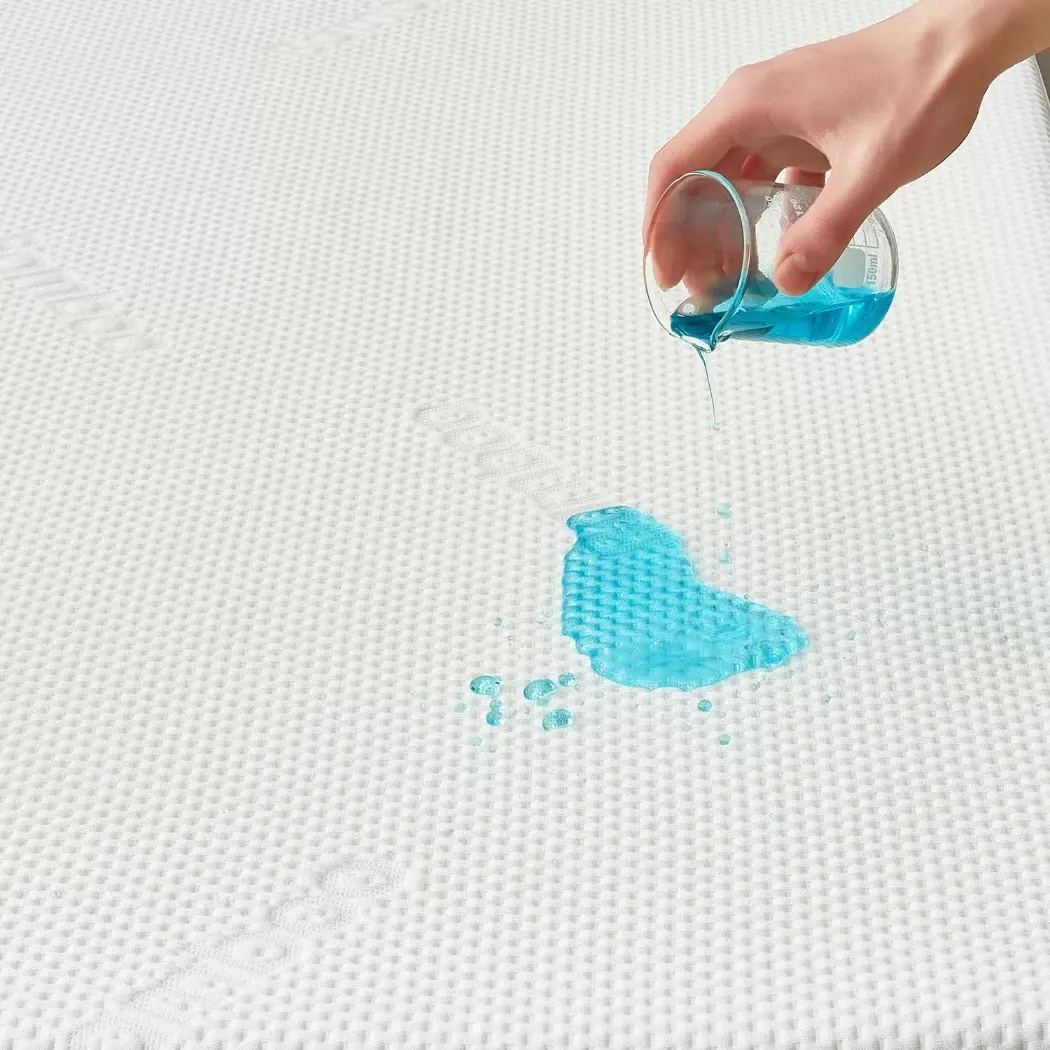
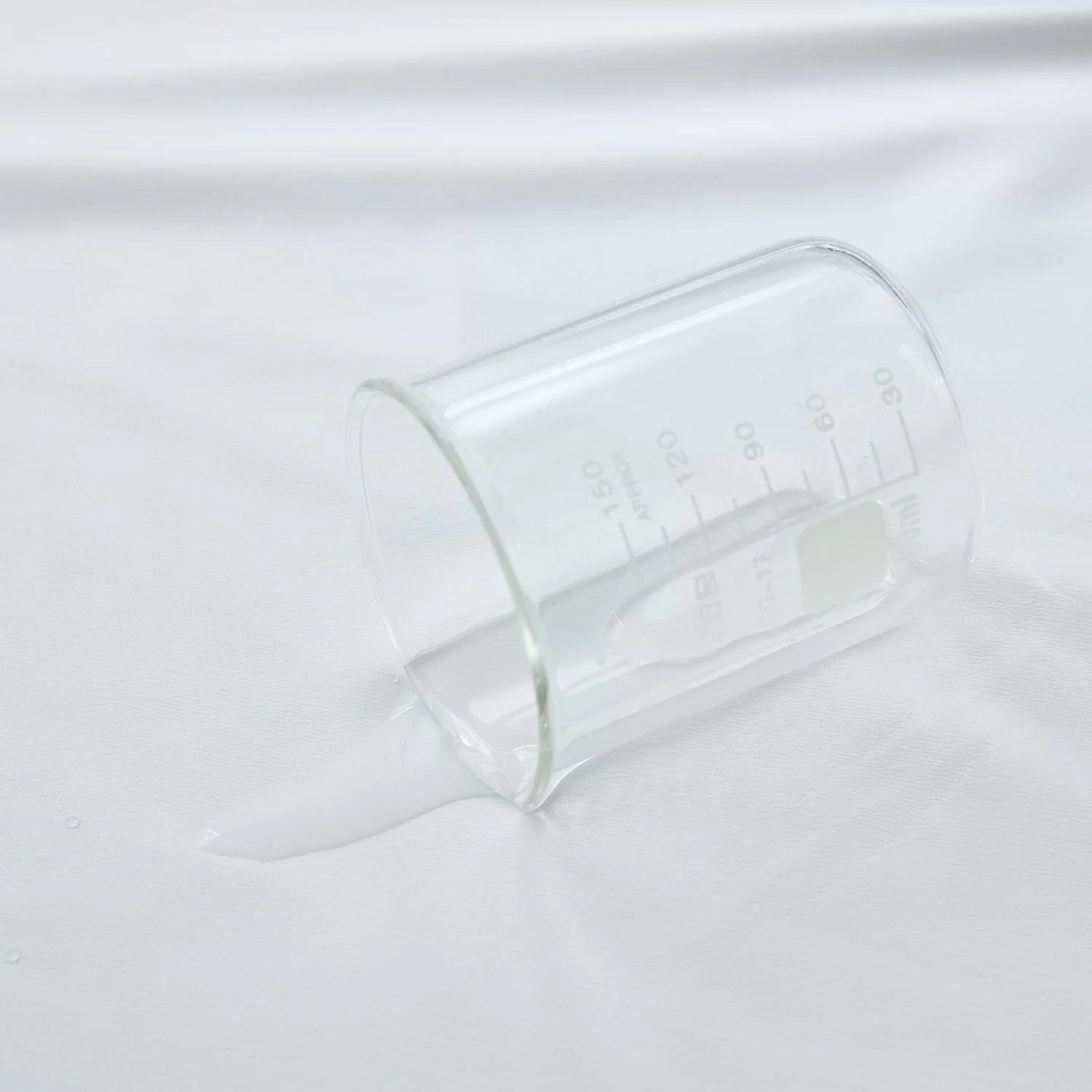
The single flat sheet… It seems simple, doesn't it? But it's surprisingly complex when you start digging into it. It's not just slapping some polyethylene together. It's about the weave, the denier, the coating. And the coating is huge. Because if the coating isn’t right, you get cracking, splitting, and a whole lot of frustration.
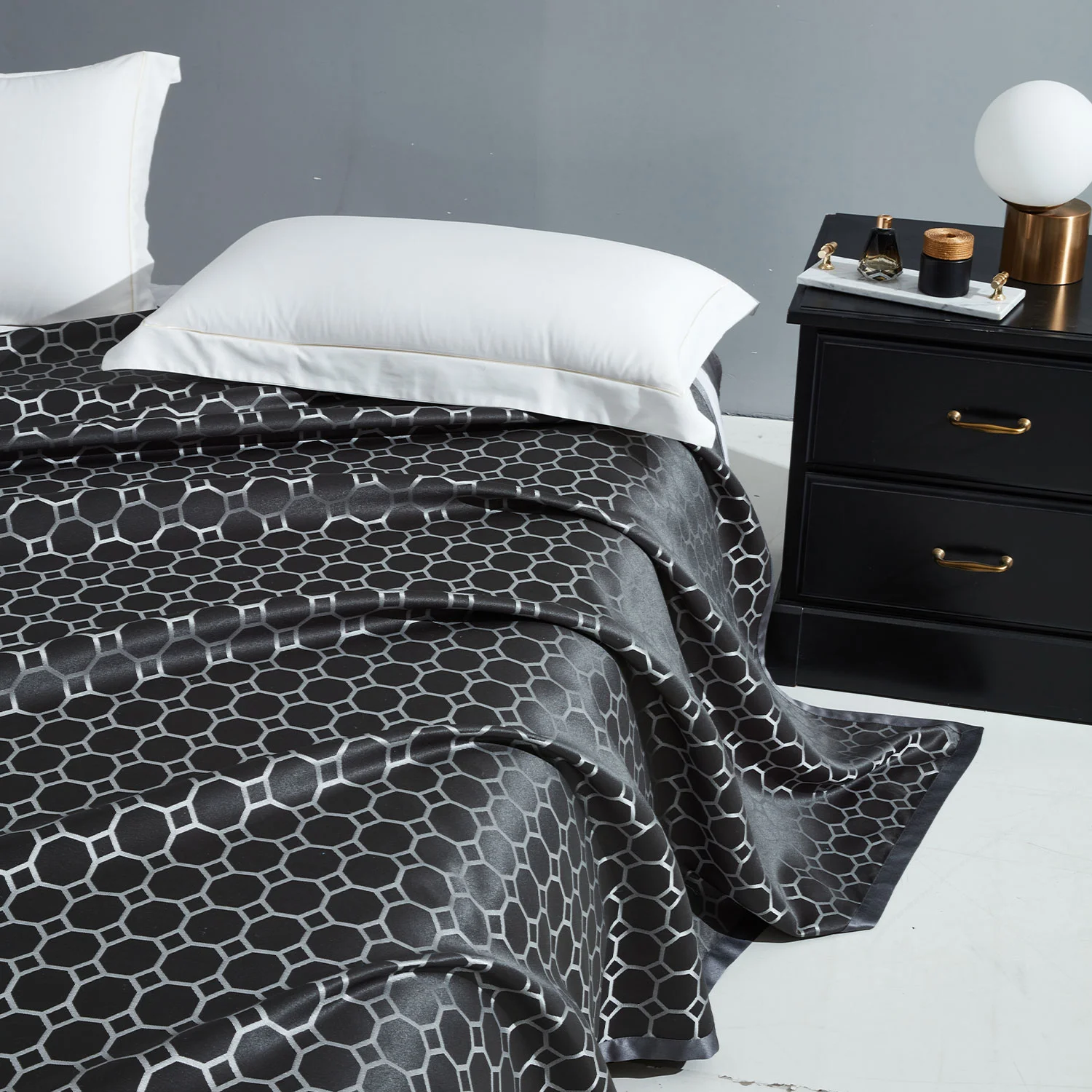
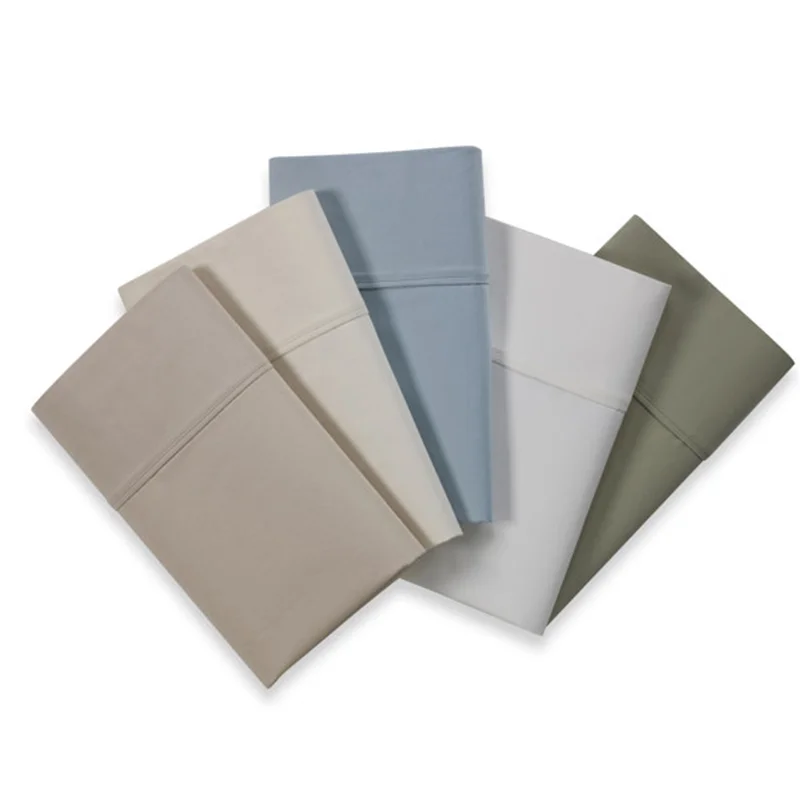
To be honest, the demand is… weird. It fluctuates wildly. One minute everyone needs heavy-duty tarps, the next it’s all about lightweight options. I encountered this at a factory in Jiangsu province last time – they were sitting on a mountain of heavy-duty stuff and couldn't give it away.
It’s driven by the construction boom, obviously, but also by disaster relief, agriculture, even film sets. Anything that needs temporary protection, really. Strangely, the biggest demand recently has been from the event industry – festivals, concerts, that kind of thing. They go through tons of these things.
Honestly, it depends. If you treat it well – fold it properly, don't drag it across concrete, don't leave it exposed to UV for months – you might get six months to a year. But realistically, most of them are shredded within a few weeks. It’s a disposable product, let’s face it.
Reinforced grommets are key. And make sure you secure it properly. Use plenty of rope or straps, and tie them off to something solid. Don't just rely on a few flimsy knots. I've seen tarps take flight in a strong gust of wind, and it’s not a pretty sight.
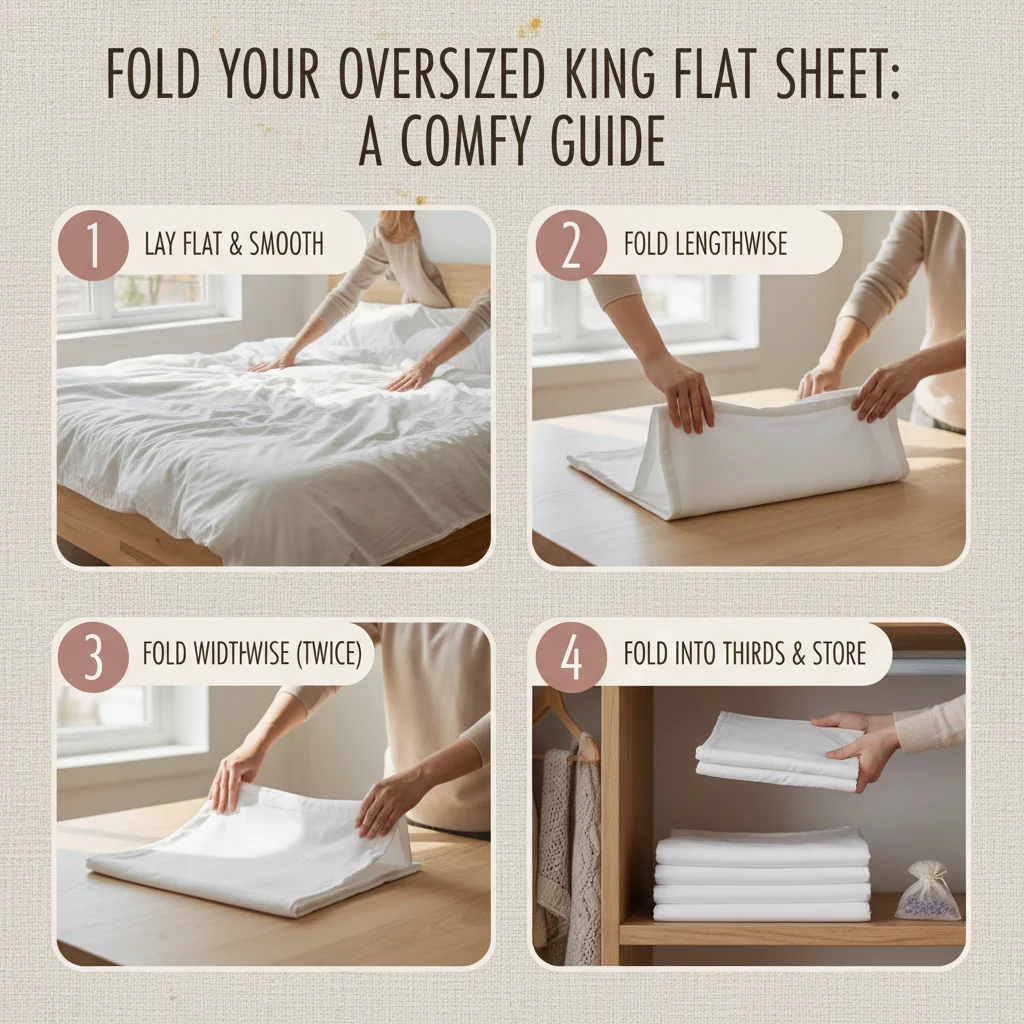
Fold it neatly. Seriously, a neat fold prevents creases and tears. And keep it dry. Mold and mildew will destroy it faster than anything. A cool, dry place is ideal, but let's be realistic - it usually ends up in a heap in the corner of the yard.
There are some. Recycled polyethylene is one option, but it's often more expensive. There's also some experimentation with bio-based plastics, but they're not widely available yet. And honestly, they don’t always perform as well. It's a trade-off.
Gentle soap and water. A soft brush. Don't use harsh chemicals or a pressure washer. You'll just end up damaging the coating. And honestly, most of the time, you're better off just replacing it.
Denier refers to the thickness of the individual fibers, GSM (grams per square meter) refers to the weight of the material. Higher denier and GSM generally mean a stronger and more durable tarp. But it’s not a perfect correlation. The weave and coating also play a big role.
So, there you have it. The single flat sheet. Seems simple, right? But it’s a surprisingly complex little piece of plastic. It’s not glamorous, it’s not high-tech, but it’s essential. It keeps things dry, it protects equipment, it saves time and money. And, let's be real, it's probably going to end up in a landfill eventually.
Ultimately, whether this thing works or not, the worker will know the moment he tightens the screw. You can talk about specs and materials all day, but at the end of the day, it’s about functionality. If it does its job, it’s a good tarp. If it doesn't, it's not. Check out our selection at infortextile.com to find the right tarp for your needs.




Contact Us
Email: inforhometextile@126.com
Email: helenkou@126.com
Address
Zerun Building,No.122 Fengshou Road,Chang'an District,Shijiazhuang City,Hebei Province,China
If you are interested in our products, you can choose to leave your information here, and we will be in touch with you shortly.