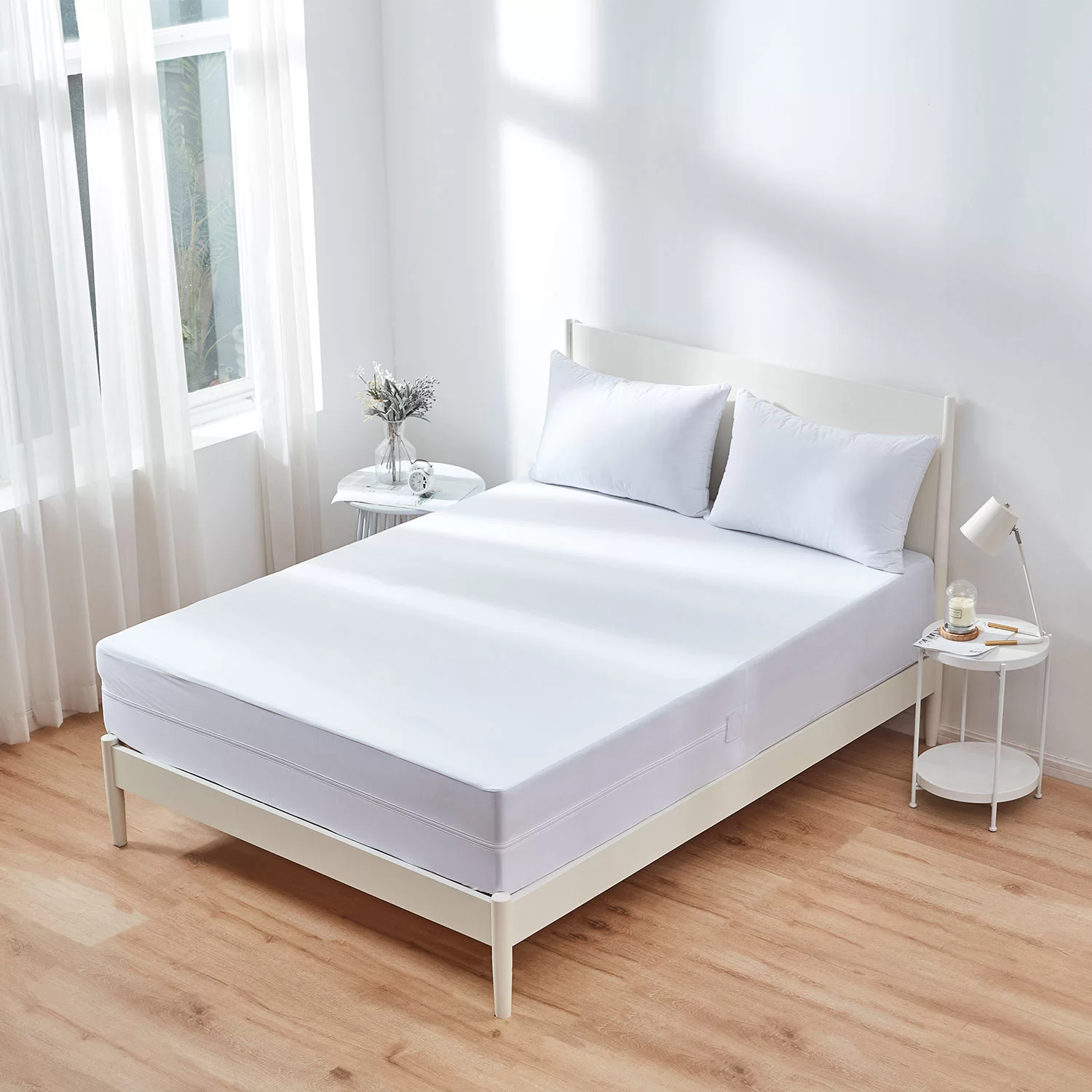
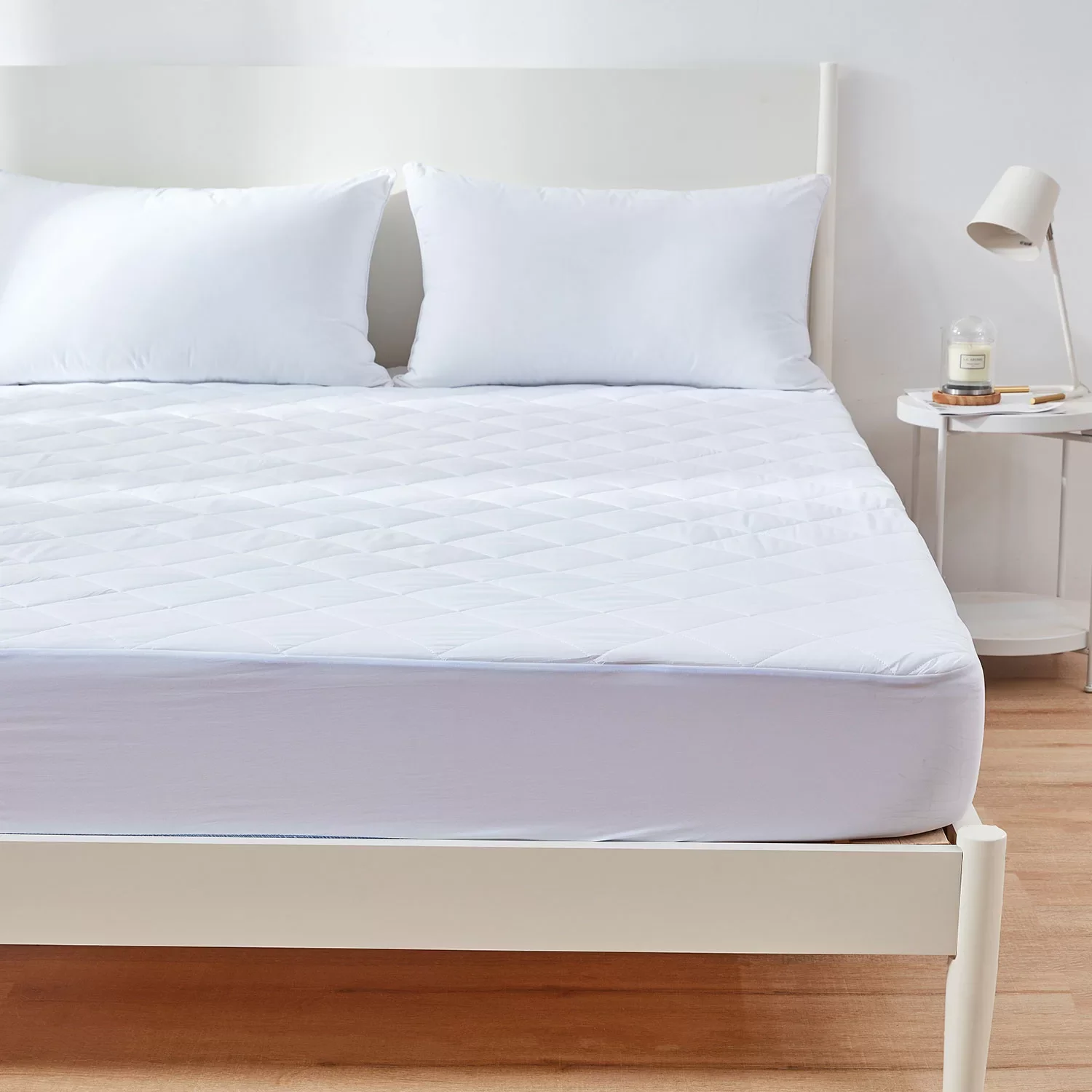
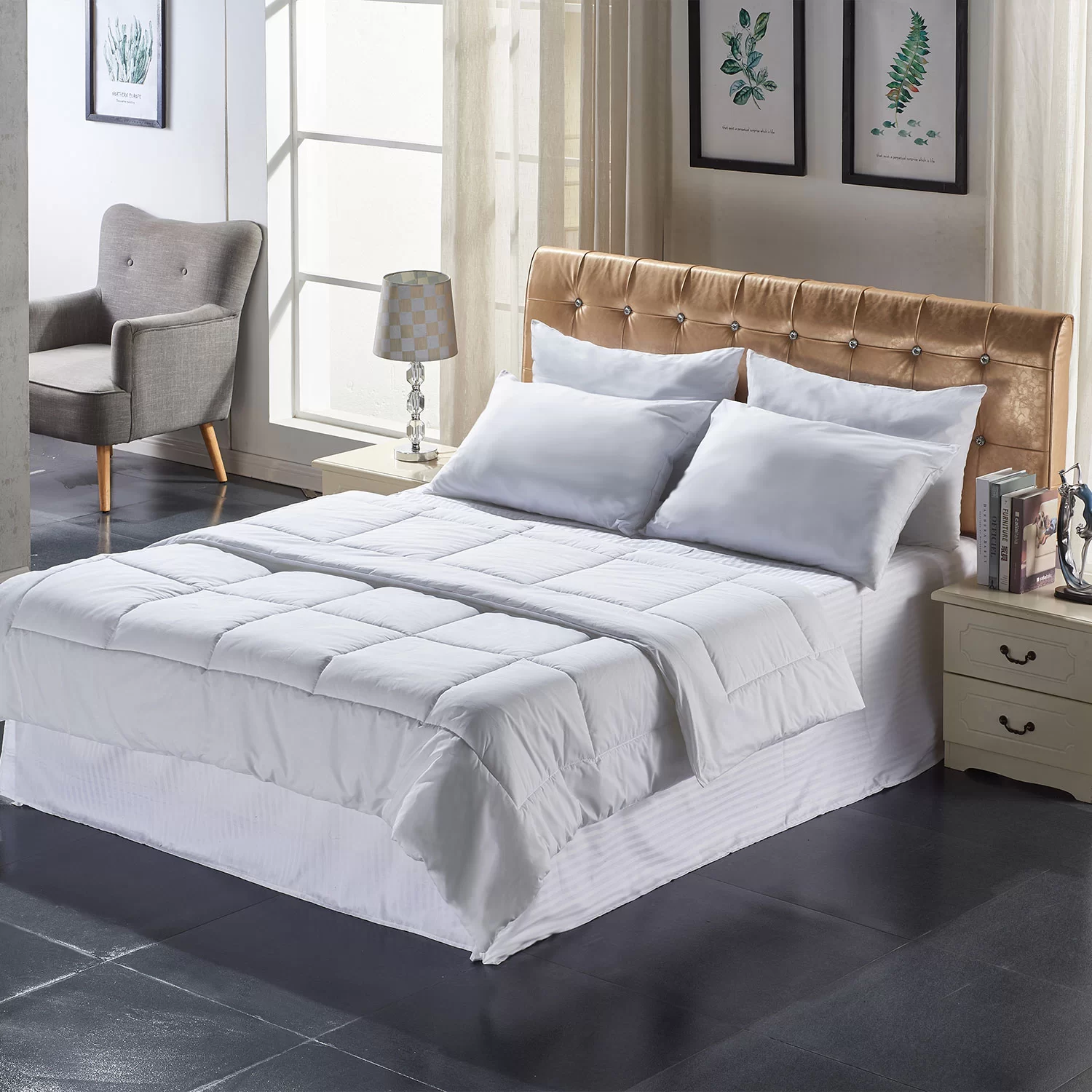
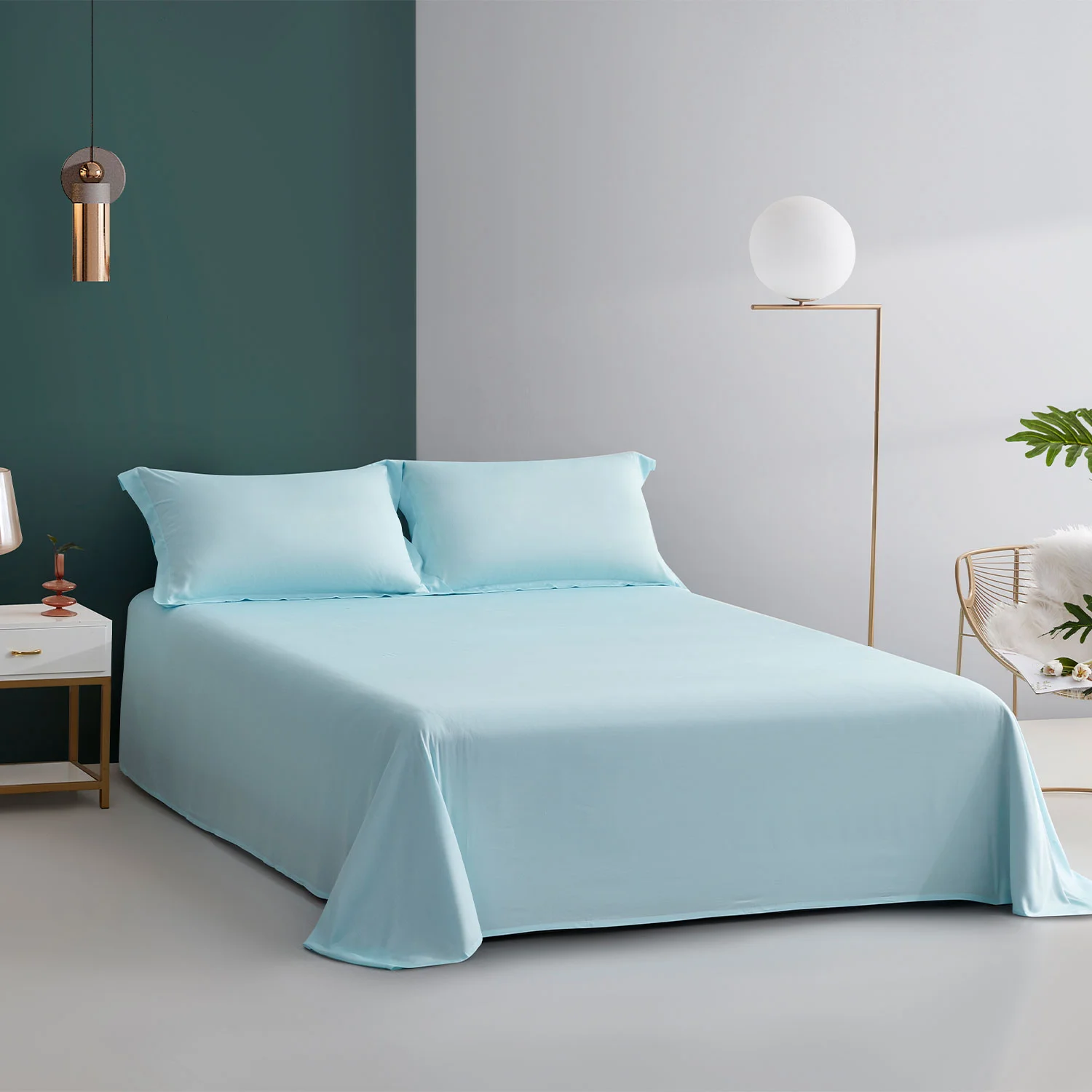
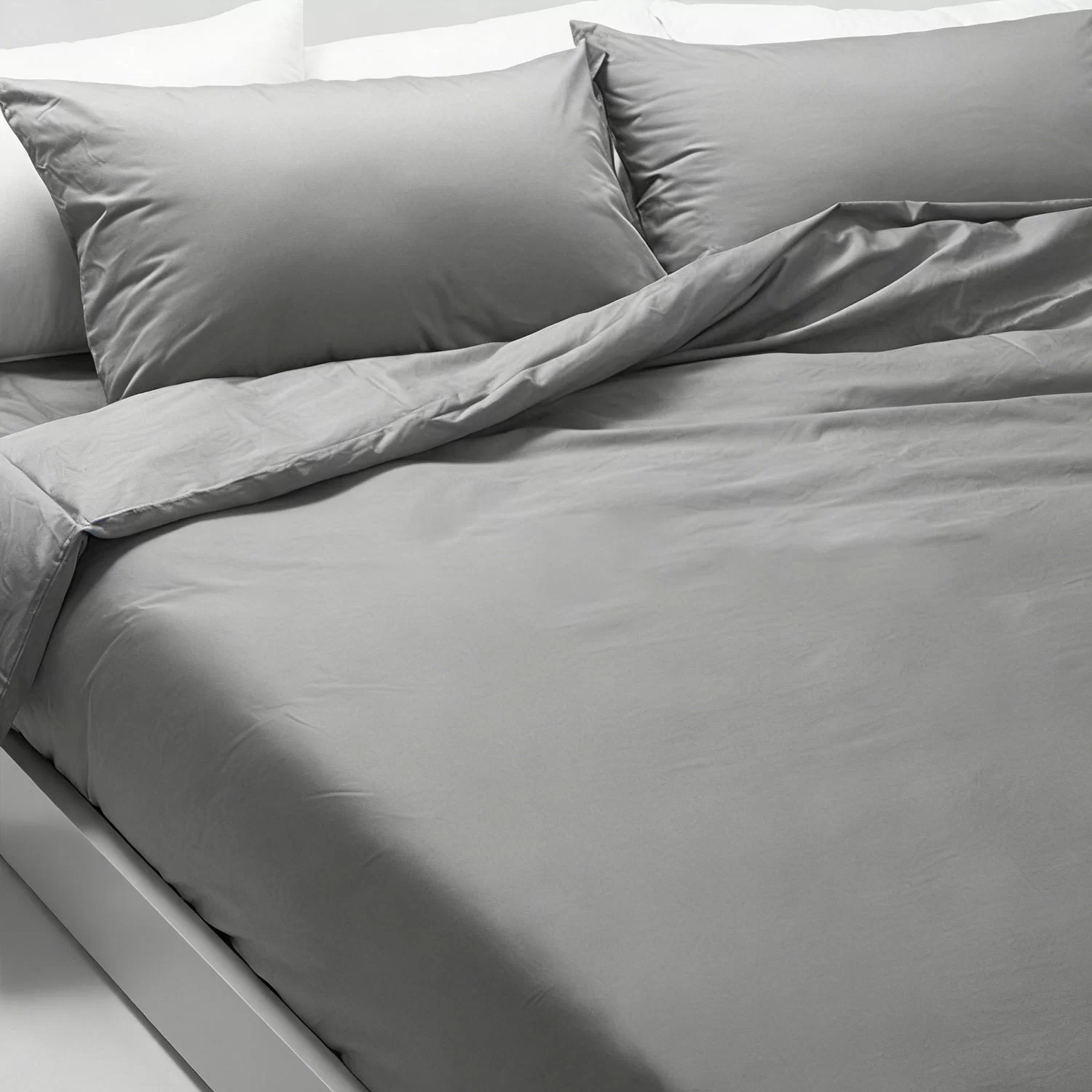
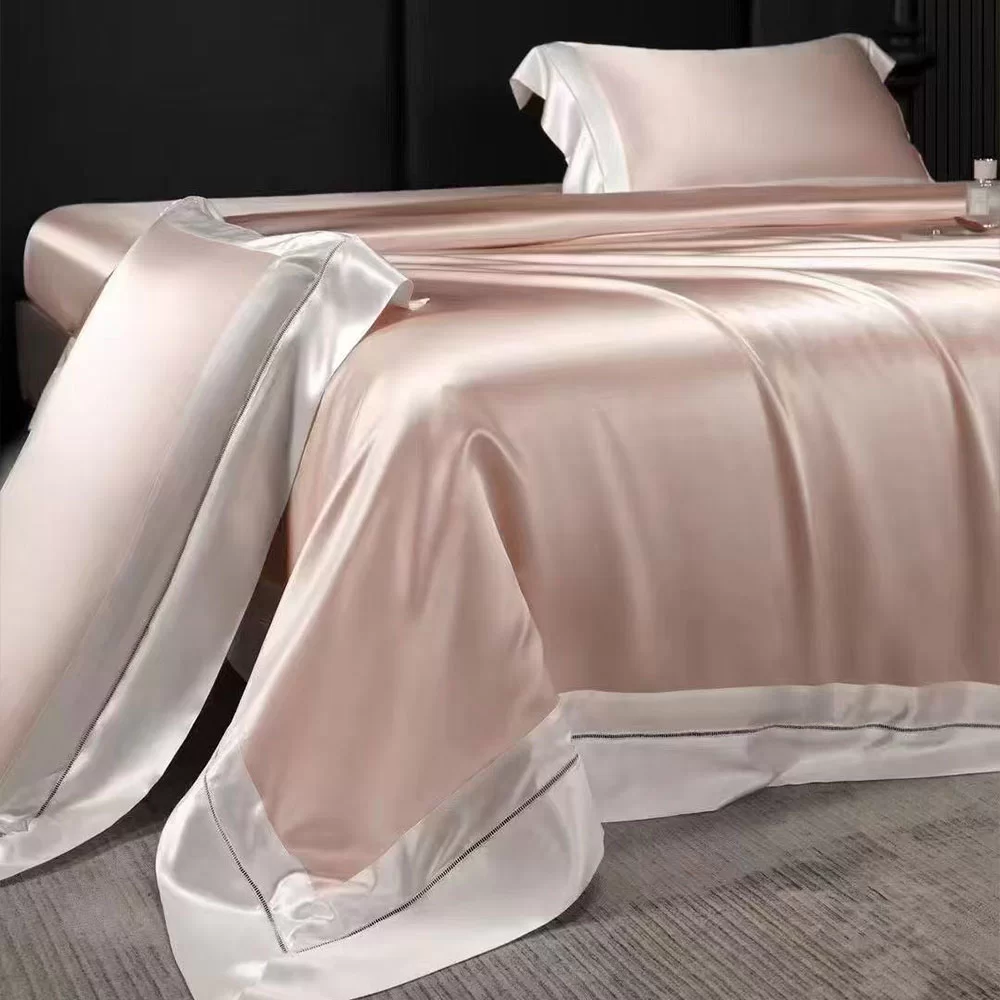
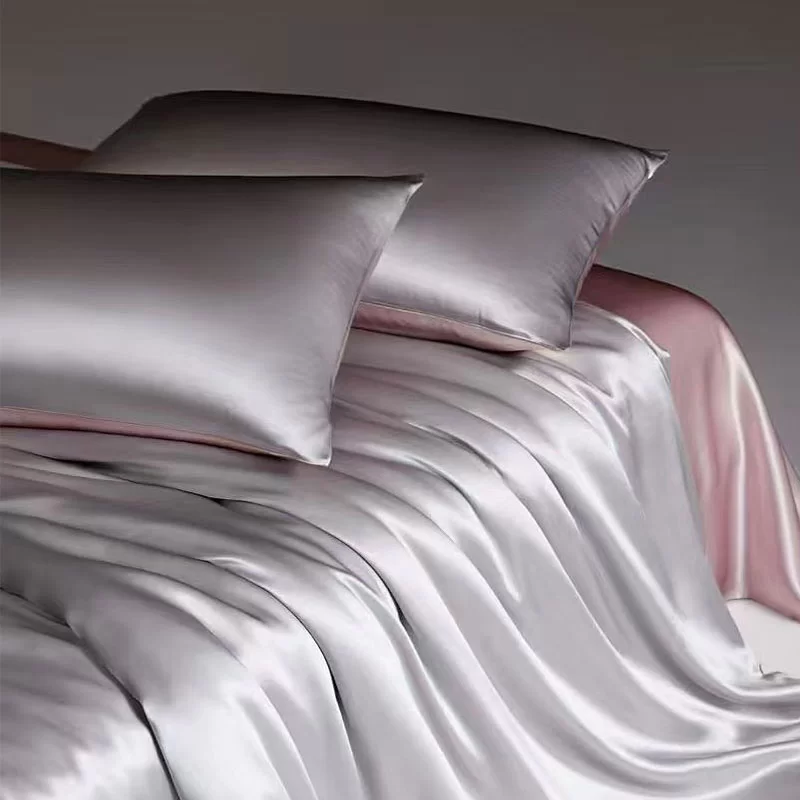
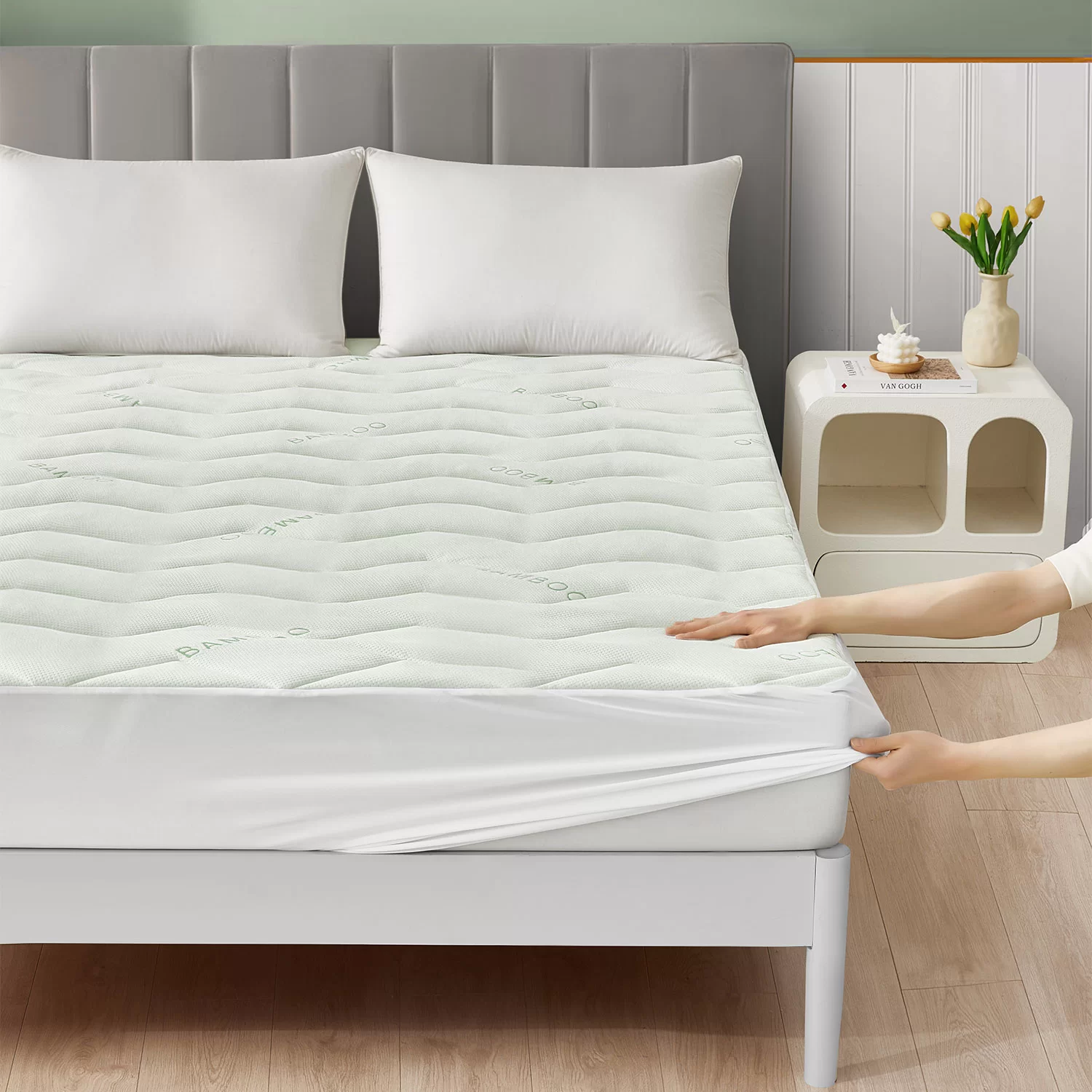
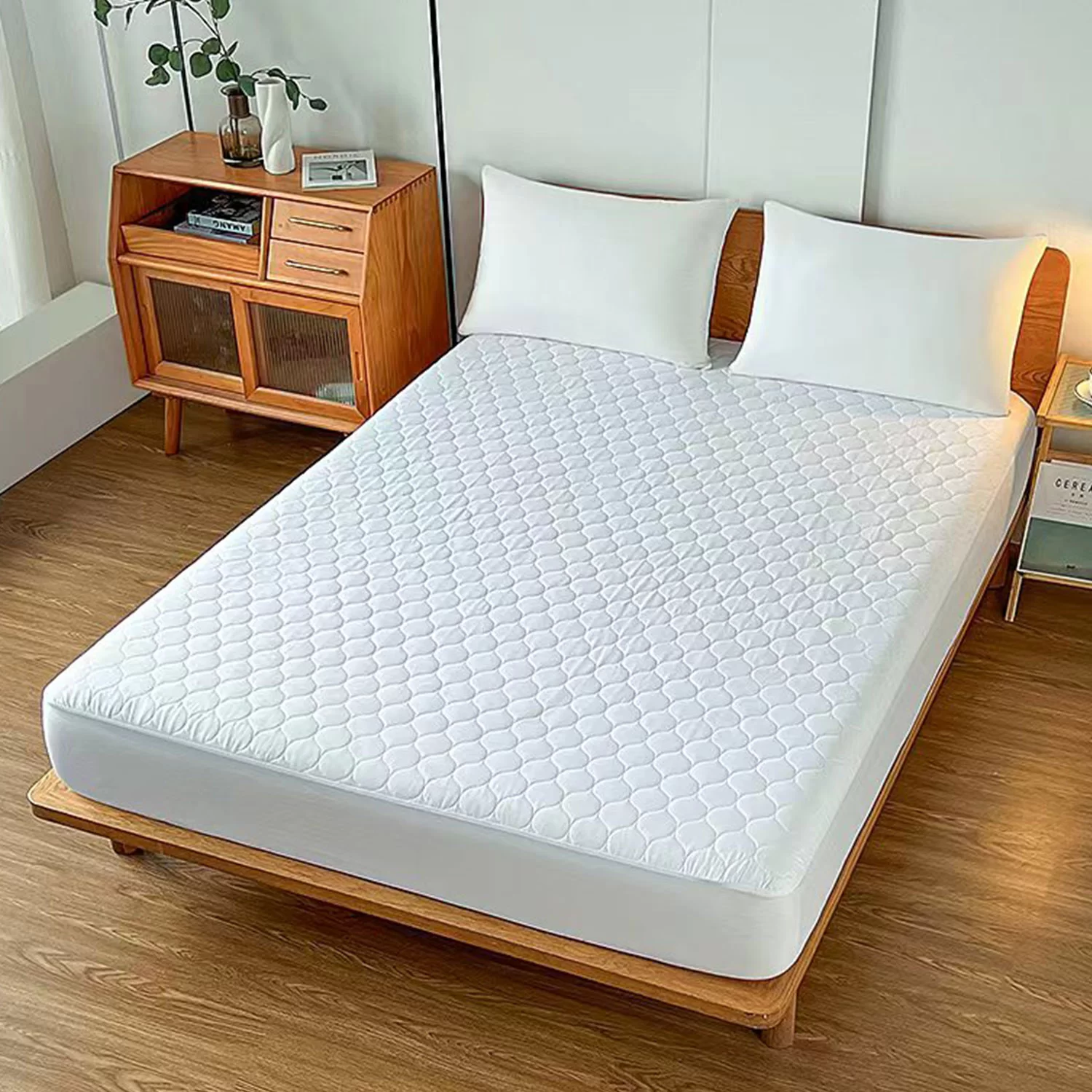
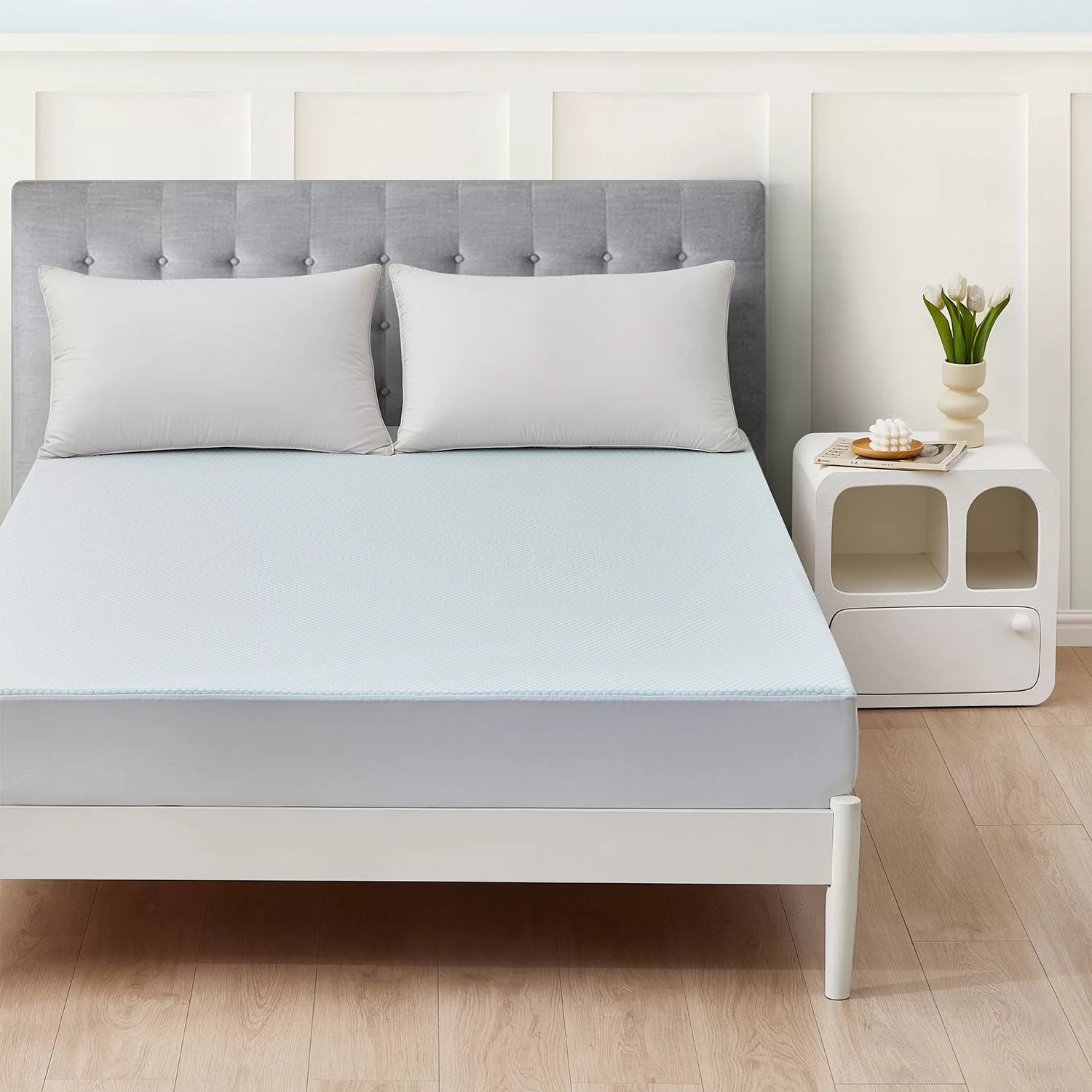
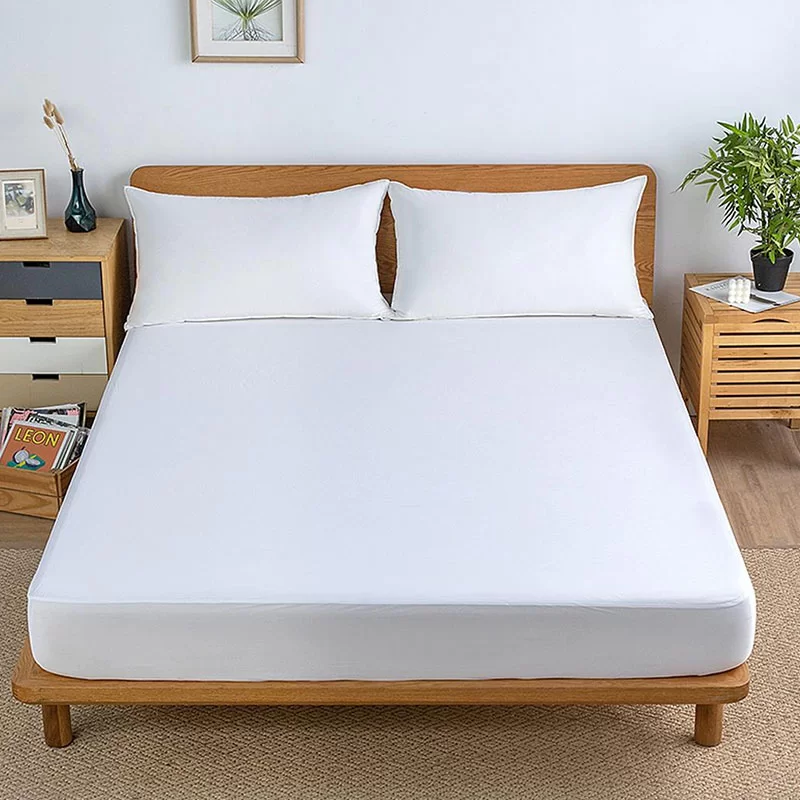
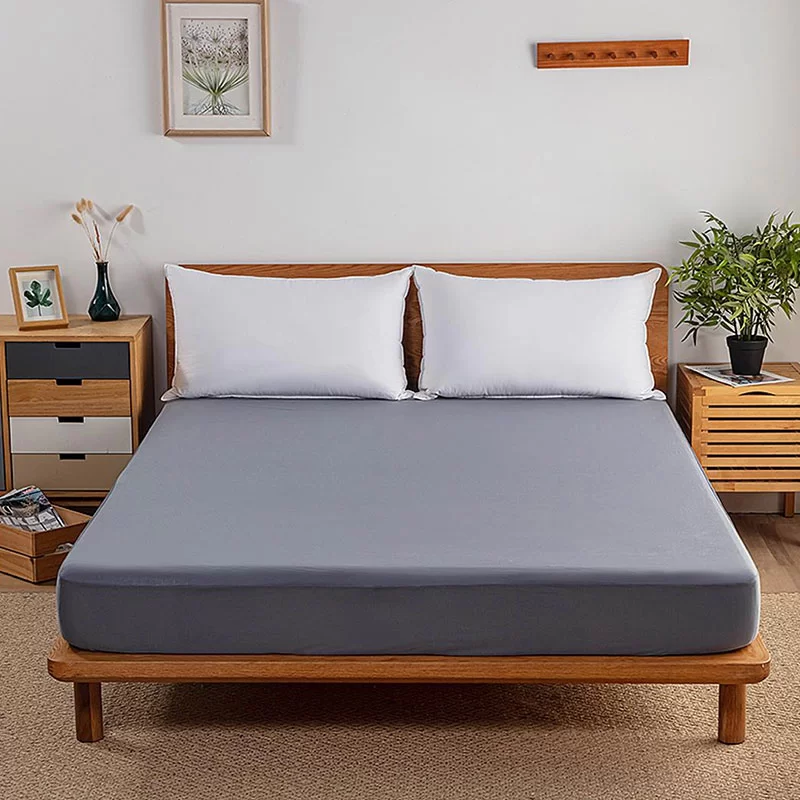
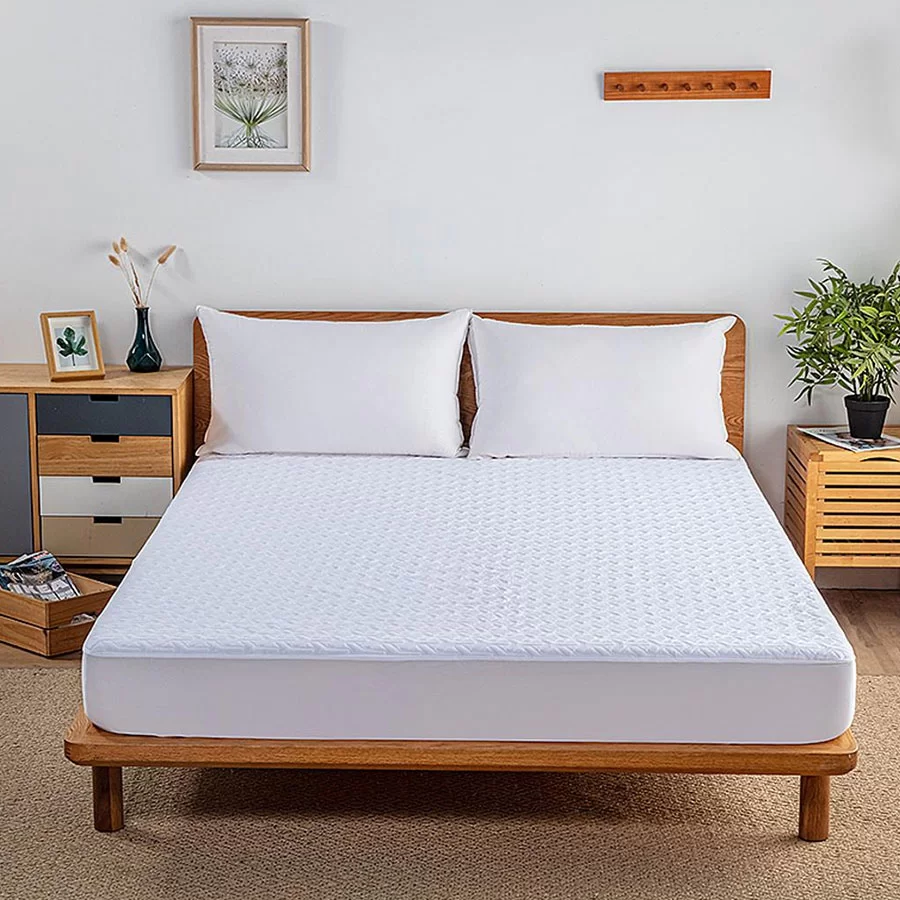
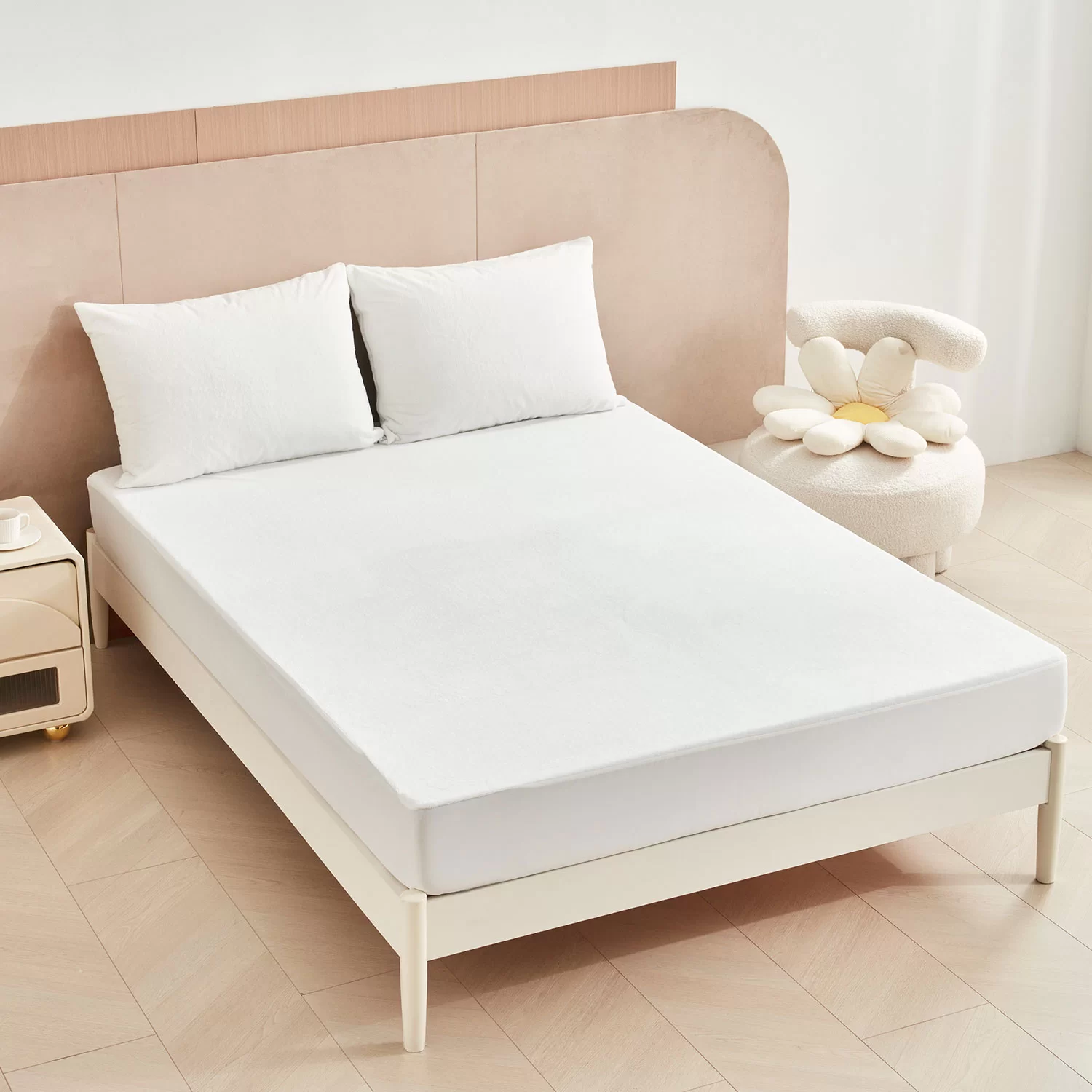
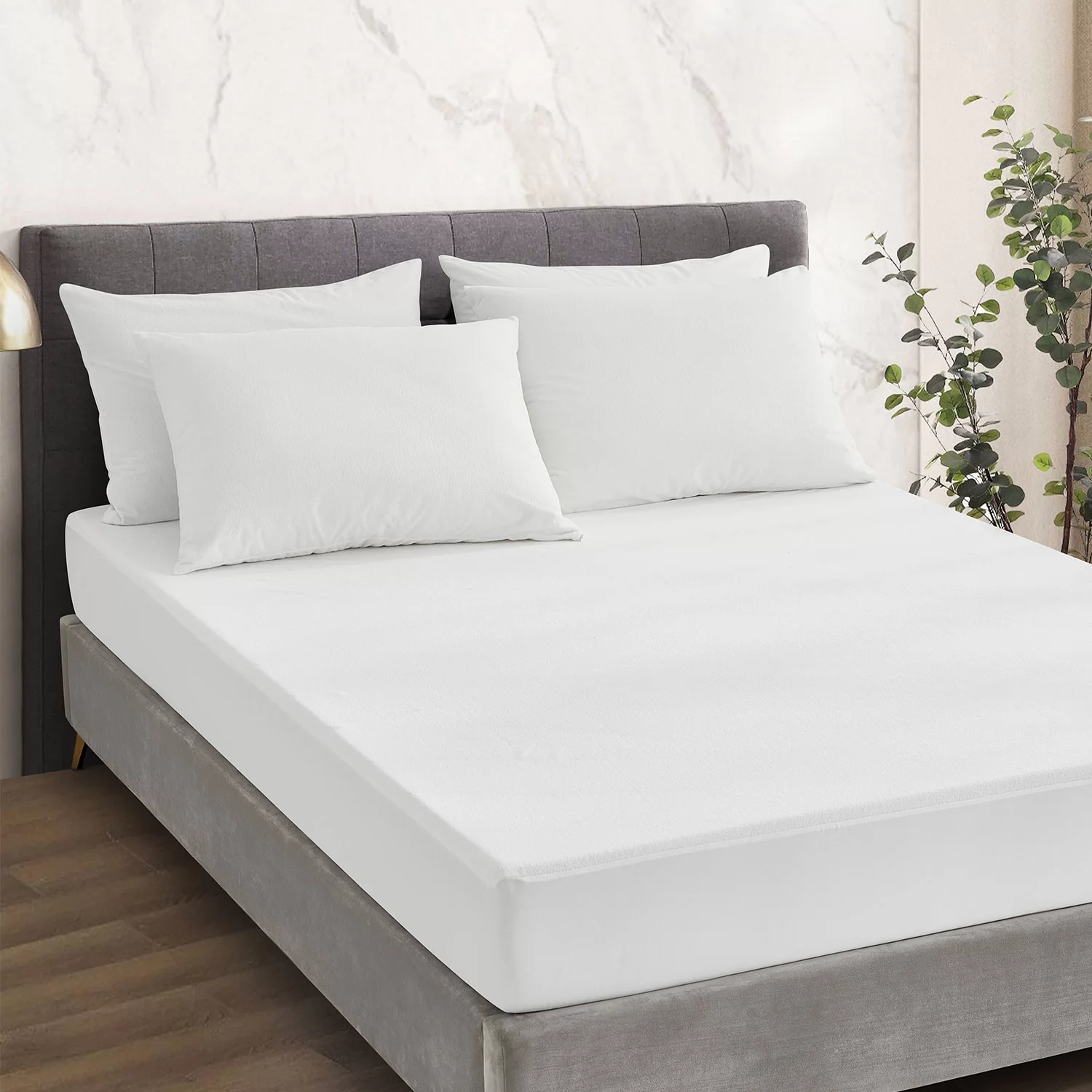
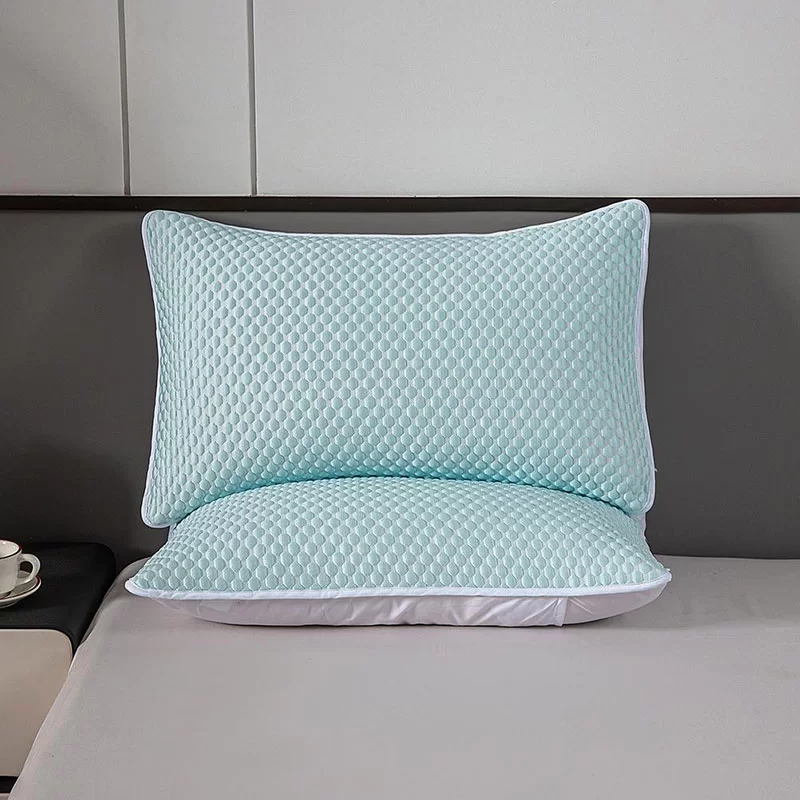
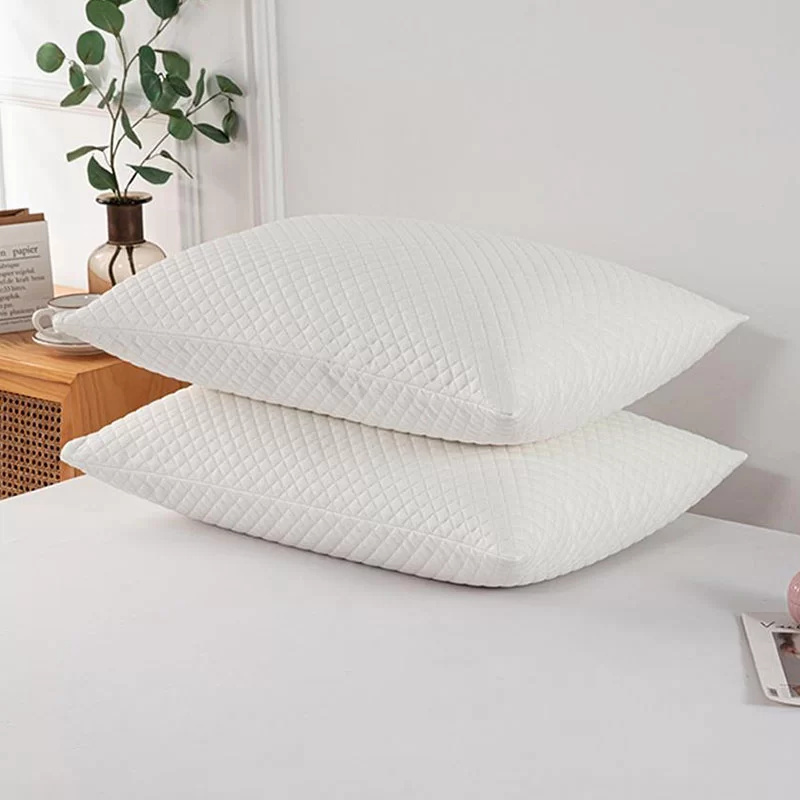
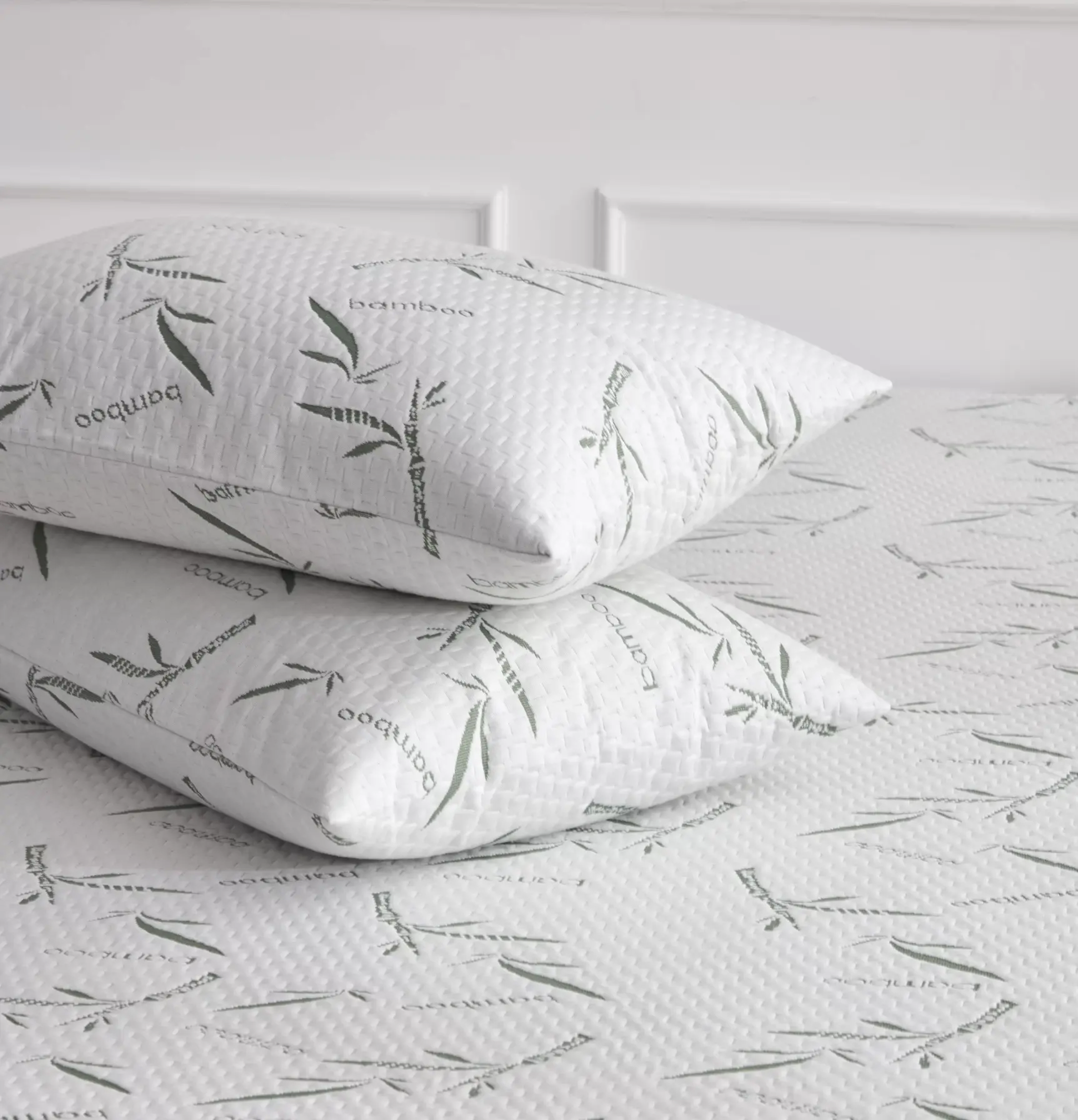
Selecting the right bedding is more than a matter of aesthetics; it is a critical component of sleep hygiene and overall health. A high-quality cooling mattress cover serves as a vital interface between the sleeper and the mattress, designed to regulate temperature and protect the sleeping surface from external contaminants. In an era where sleep quality is directly linked to productivity and mental well-being, the demand for advanced textile solutions that offer both thermal comfort and hygiene has never been higher.
From a global perspective, the textile industry is shifting toward "technical fabrics"—materials that do not just cover a surface but provide a specific function. The integration of ultra-fine microfibers and TPU lamination in a cooling mattress cover represents this evolution, combining the soft touch of luxury linens with the industrial strength of waterproof barriers. This balance ensures that users can enjoy a cool, dry environment without sacrificing the tactile comfort of traditional home textiles.
Understanding the technical specifications of these products, such as denier count, water resistance ratings, and breathability indices, allows consumers and commercial buyers to make informed decisions. Whether for a high-turnover hotel environment or a sensitive home setting, a specialized cooling mattress cover provides long-term value by extending the lifespan of the mattress while enhancing the biological quality of sleep through moisture management and anti-bacterial properties.

The Material Engineering of Cooling Mattress Covers
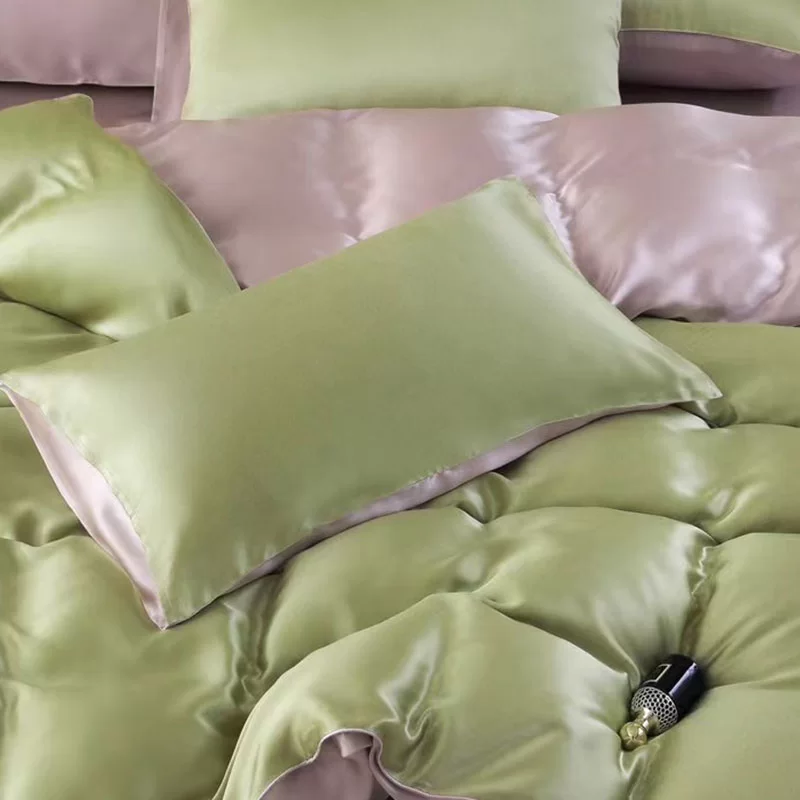
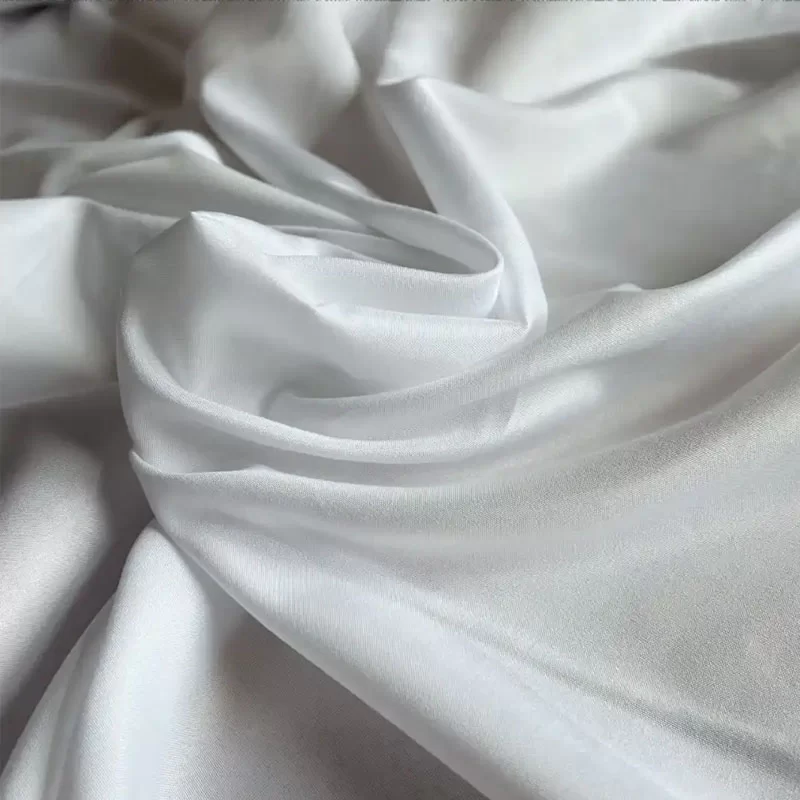
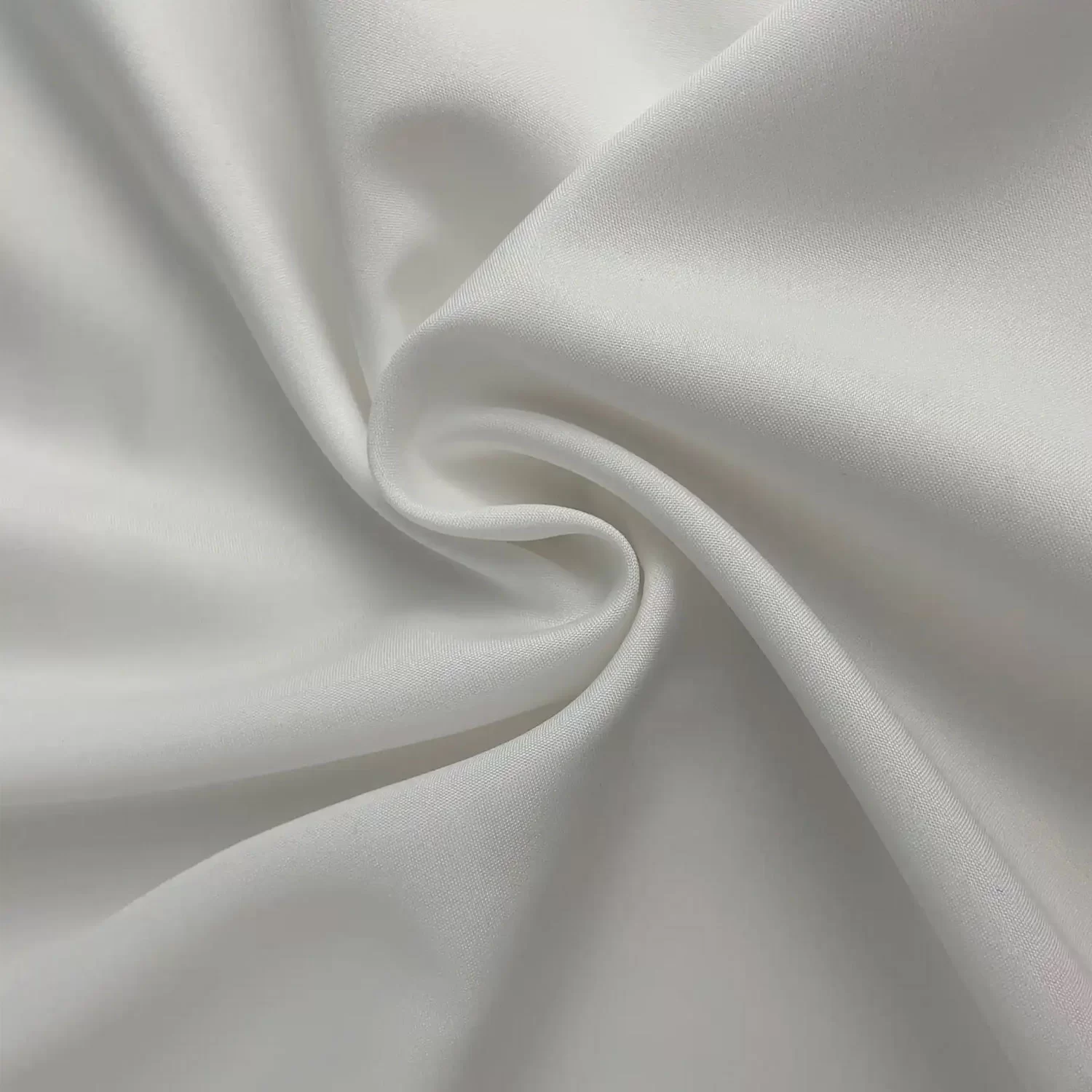
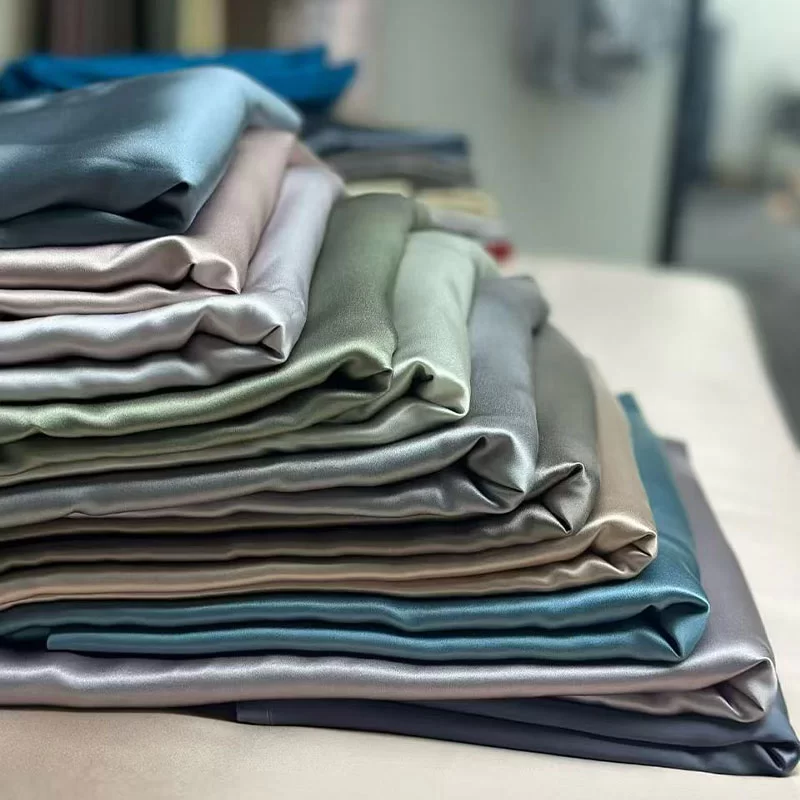
The foundation of a premium cooling mattress cover lies in the use of ultra-fine polyester microfibers, typically ranging between 0.8 to 1.2 denier. These fibers are thinner than a human hair, allowing for a dense weave that creates a silky, smooth handfeel comparable to natural silk or high-thread-count cotton. This engineering ensures that the skin does not experience the friction or "cling" often associated with synthetic waterproof materials.
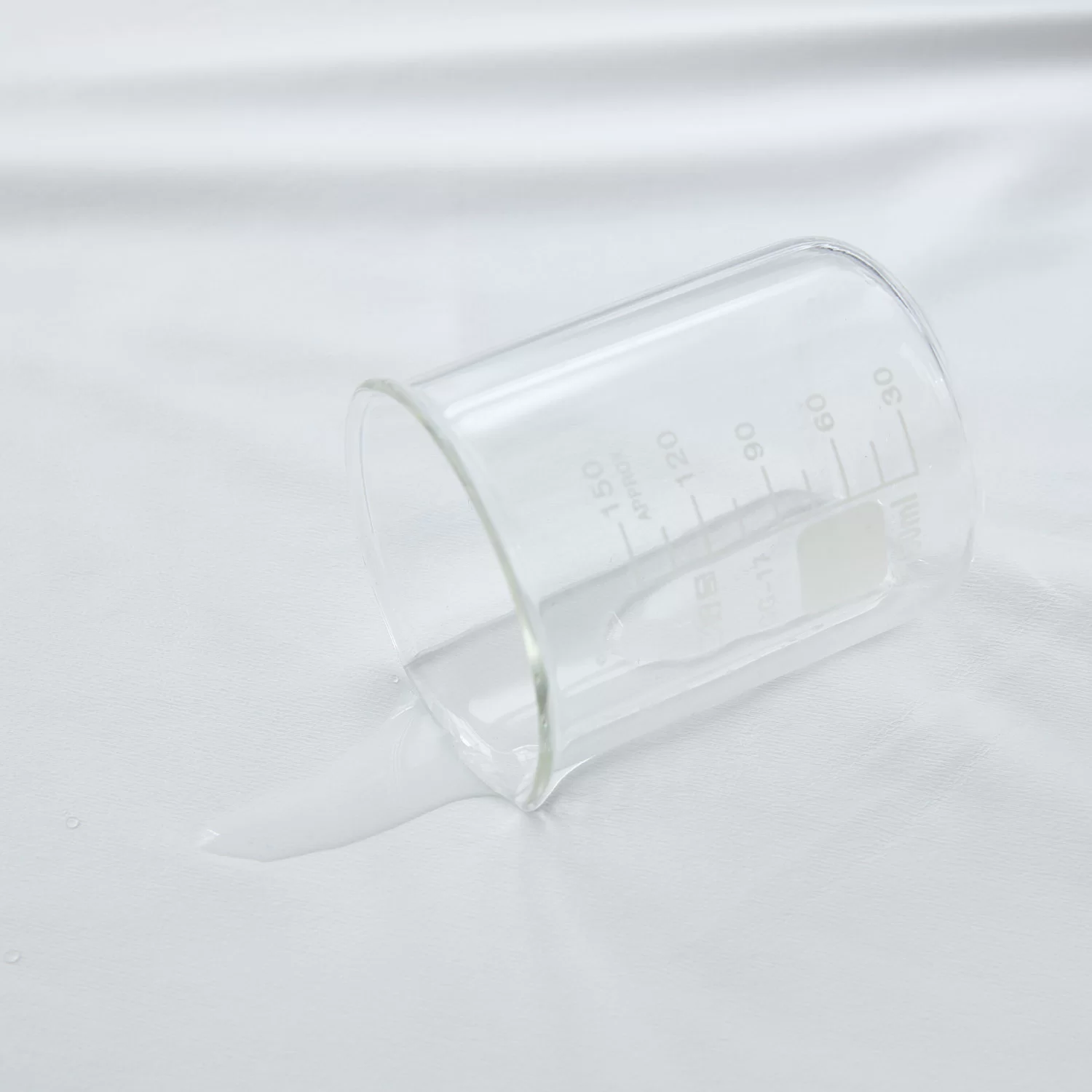
Beyond the surface feel, the structural integrity is reinforced through TPU (Thermoplastic Polyurethane) lamination. This process bonds a waterproof membrane to the microfiber fabric, creating a composite material that blocks liquids while remaining flexible. This combination is what allows the cooling mattress cover to maintain its shape and functionality even after repeated stretching and movement during sleep.
Waterproof Performance and Breathability Standards
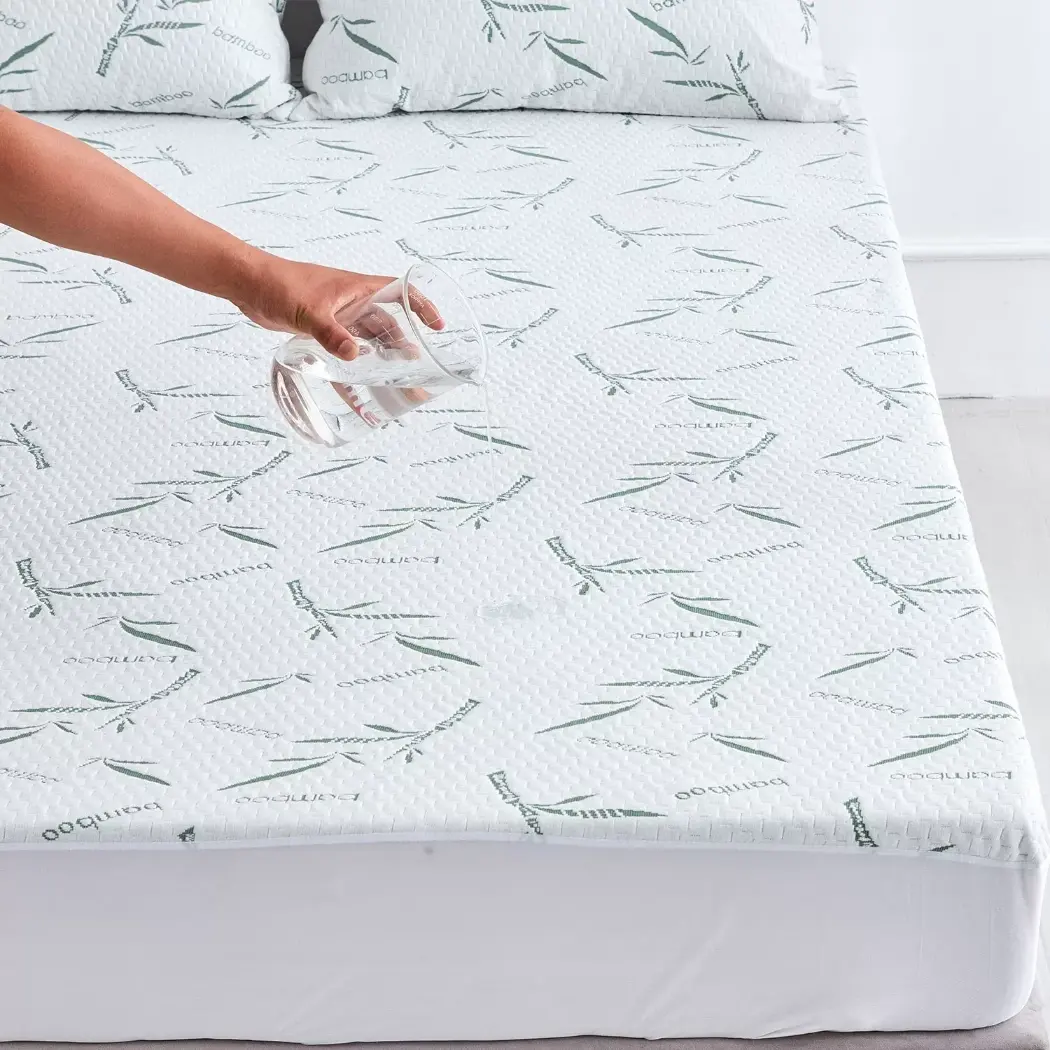
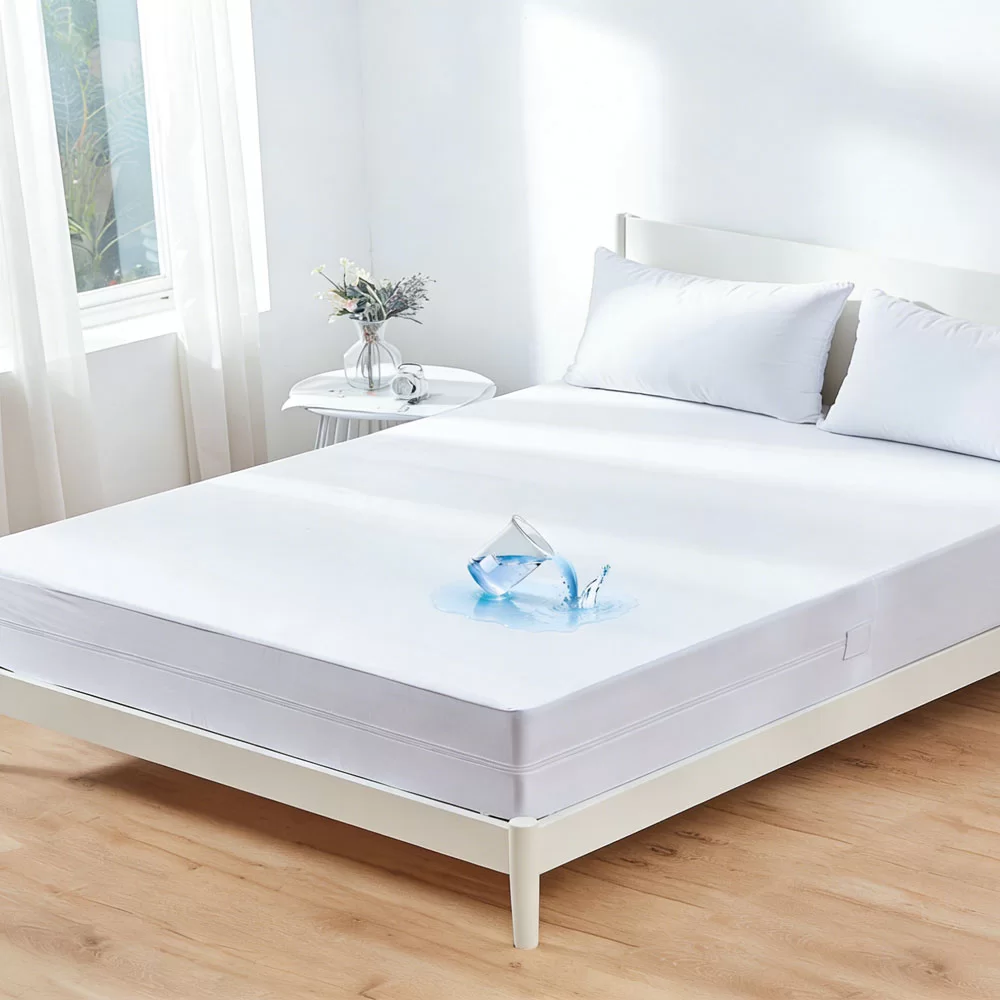
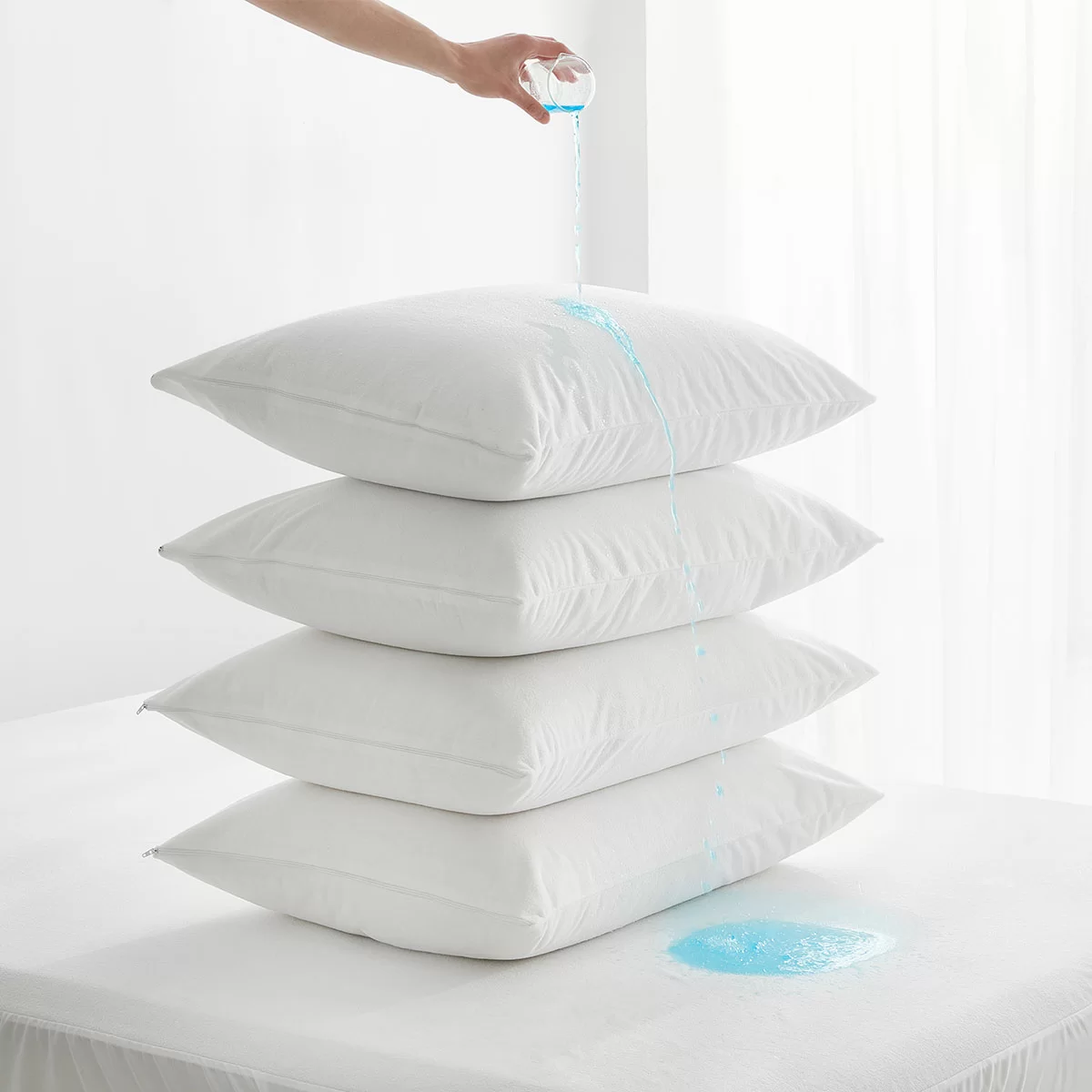
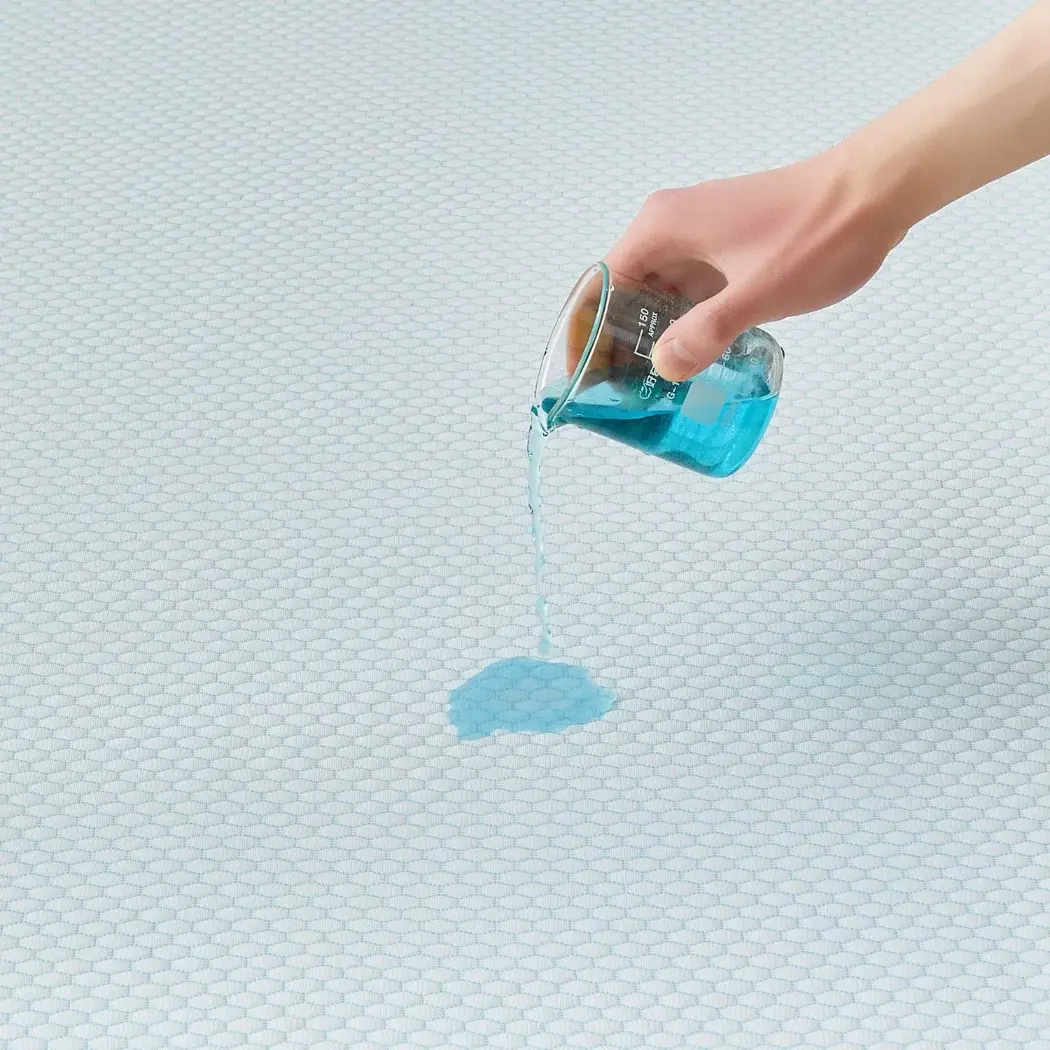
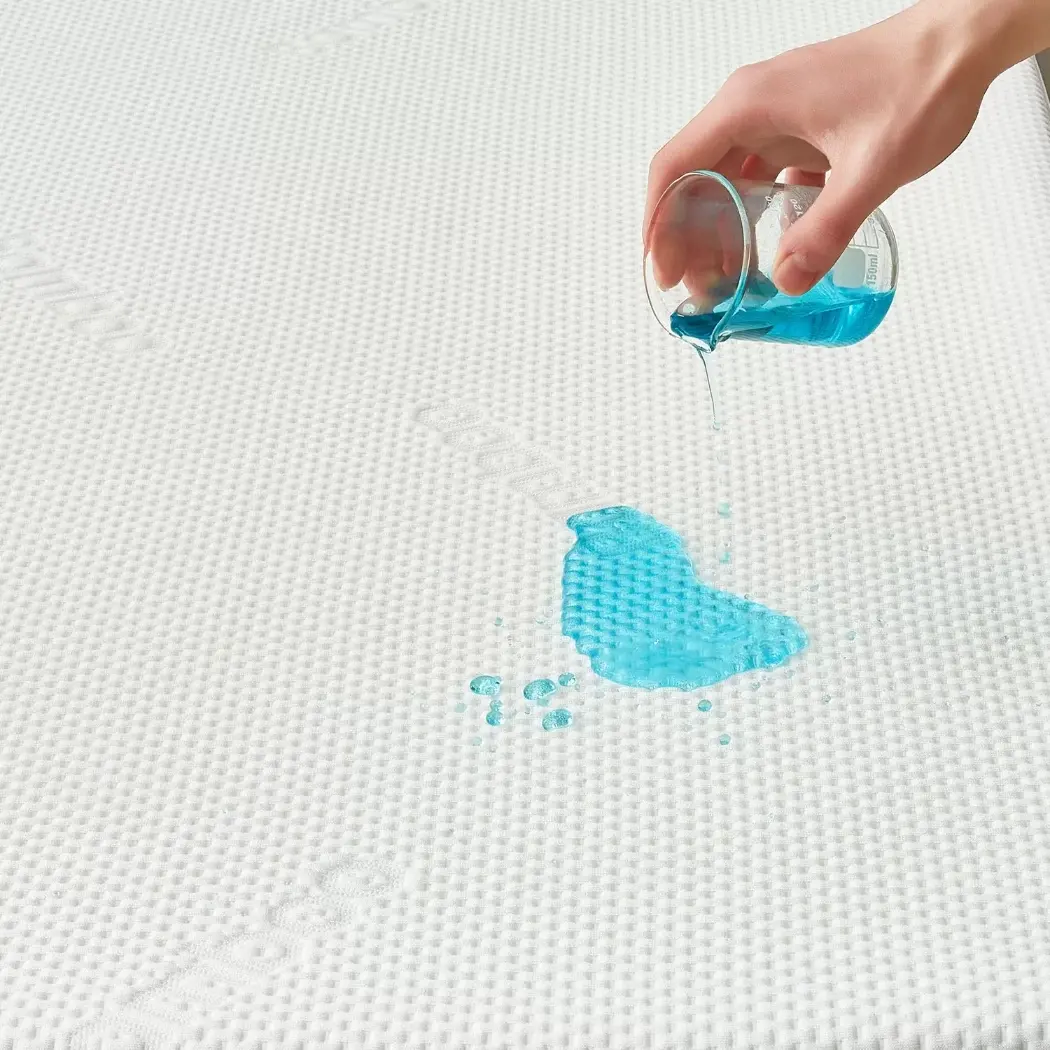
A critical challenge in the design of a cooling mattress cover is the "breathability paradox": the material must be tight enough to stop water but open enough to let air pass. Our technical fabric achieves this through a hydrophobic coating and a precision-engineered weave. By utilizing ASTM D751 standards, these covers can achieve a water resistance rating of up to 3000mm, ensuring that spills, sweat, and accidental leaks never reach the mattress core.
Unlike traditional PVC-based protectors that trap heat and create a "plastic" feeling, the advanced microfiber structure facilitates air circulation. This prevents the buildup of moisture and heat—the primary cause of night sweats—effectively acting as a cooling mattress cover by allowing body heat to dissipate rather than reflecting it back toward the sleeper.
This dual-action performance is essential for maintaining a hygienic sleep environment. By repelling liquid penetration while permitting vapor escape, the fabric inhibits the growth of mold and mildew, which typically thrive in damp, non-breathable mattress environments.
Durability and Wear Resistance in High-Use Environments
For commercial entities like hotels and hospitals, the longevity of a cooling mattress cover is a key financial metric. The technical microfiber used in our production is specifically designed for high tensile strength and superior abrasion resistance. This ensures that the fabric does not thin or tear under the pressure of frequent guest turnover or medical equipment movement.
Rigorous testing via the Martindale abrasion test proves that our cooling mattress cover materials can exceed 20,000 cycles without significant pilling or structural failure. This level of durability is far superior to standard home-grade linens, making it an ideal choice for heavy-duty industrial applications where reliability is non-negotiable.
Furthermore, the fabric's resistance to shrinkage and fading ensures that the product maintains its professional appearance and fit. Even after multiple cycles of industrial machine washing and quick-drying, the cooling mattress cover retains its waterproof integrity and silky texture, reducing the frequency of replacement and lowering overall operational costs.
Comparative Analysis of Cooling Mattress Cover Efficacy
When evaluating different types of bedding protectors, it is important to look at the balance between softness, waterproof capability, and breathability. A standard cooling mattress cover utilizing TPU-laminated microfiber outperforms traditional polyester or PVC options by providing a more skin-friendly interface without compromising the barrier's strength.
The following data illustrates how various technical approaches to cooling mattress cover construction score across key performance indicators, emphasizing the superiority of high-denier microfiber combined with hydrophobic coatings.
Performance Metrics of Cooling Mattress Cover Technologies
Hygienic Properties and Anti-Bacterial Integration
Hygiene is the cornerstone of a professional cooling mattress cover. Beyond simple water resistance, the moisture-wicking design of ultra-fine microfibers actively inhibits the growth of bacteria, mold, and mildew. By keeping the mattress dry and allowing air to circulate, the fabric prevents the creation of damp micro-climates where allergens and pathogens typically proliferate.
Additionally, our fabrics are certified to Oeko-Tex Standard 100, ensuring that the cooling mattress cover is free from harmful chemicals and non-toxic. This is especially critical for users with sensitive skin or for medical environments where direct skin contact for extended periods is common, providing a safe, hypoallergenic barrier that protects both the user and the investment in the mattress.
Versatile Applications Across Residential and Commercial Sectors
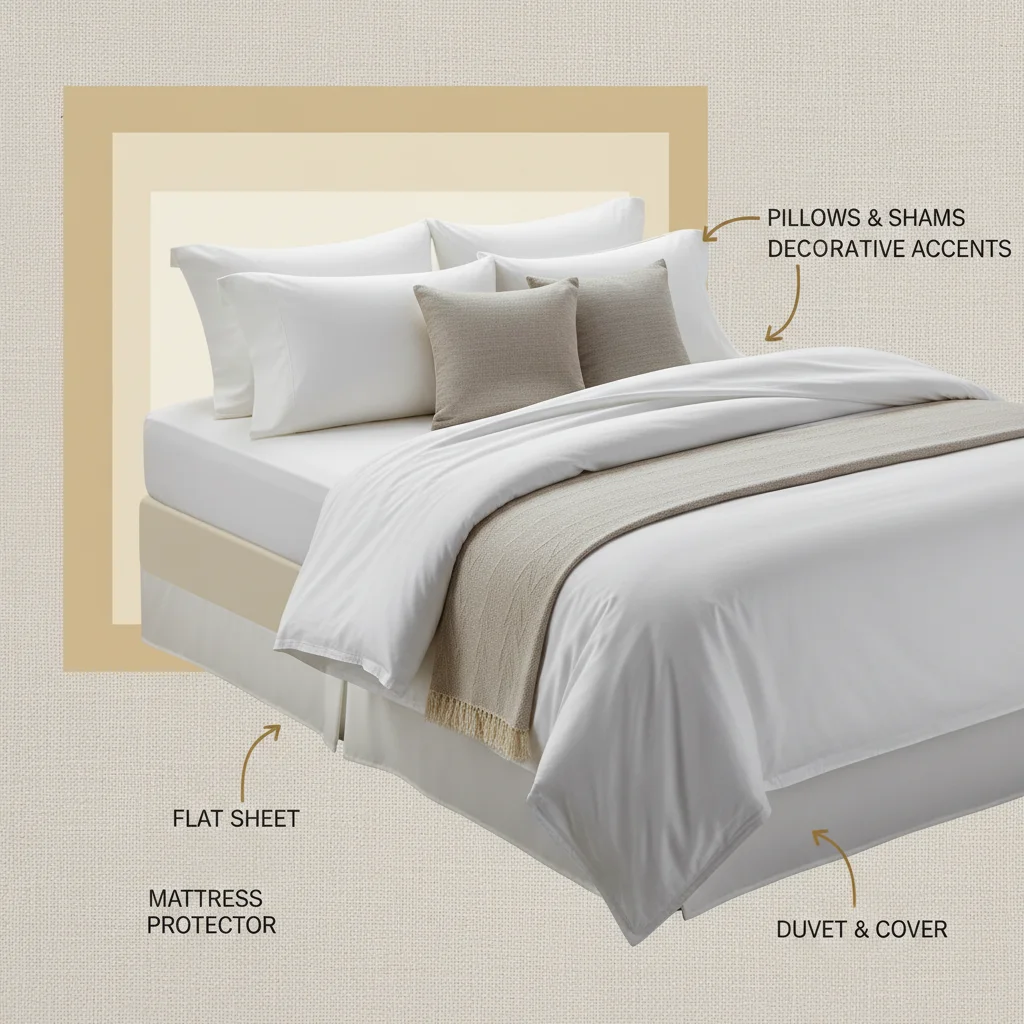
The flexibility of waterproof microfiber makes it suitable for a vast array of uses. In the residential market, a cooling mattress cover is indispensable for families with children or pets, where spill protection and easy-clean surfaces are priorities. The stain-resistant nature of the fabric allows most coffee or oil spills to be wiped away with a damp cloth, maintaining a pristine bedroom environment.
In the commercial sector, the application expands to hotel linens, motel bedding, and medical accessories. Hospitals utilize these high-performance fabrics for bed bug encasements and waterproof protectors to maintain strict sanitation protocols. The ability to withstand rigorous sterilization and frequent laundering makes our cooling mattress cover materials a gold standard for facility managers.
Beyond the bedroom, these technical textiles are adapted for outdoor gear, such as camping mattress pads and rainproof accessories. The same core technology—breathability combined with an impenetrable liquid barrier—ensures that whether in a five-star hotel or a remote campsite, the user remains dry and comfortable.
Future Innovations in Technical Bedding Textiles
The future of the cooling mattress cover is moving toward "smart textiles." We are seeing a trend where hydrophobic coatings are being combined with phase-change materials (PCMs) that can actively absorb and release heat to maintain a constant skin temperature. This will evolve the current passive cooling (breathability) into active thermal regulation.
Sustainability is also driving innovation. The industry is shifting toward recycled polyester microfibers and bio-based TPU laminations to reduce the environmental footprint of mattress protection. These "green" cooling mattress cover solutions aim to maintain the same 3000mm water resistance and Martindale durability while using biodegradable or recycled inputs.
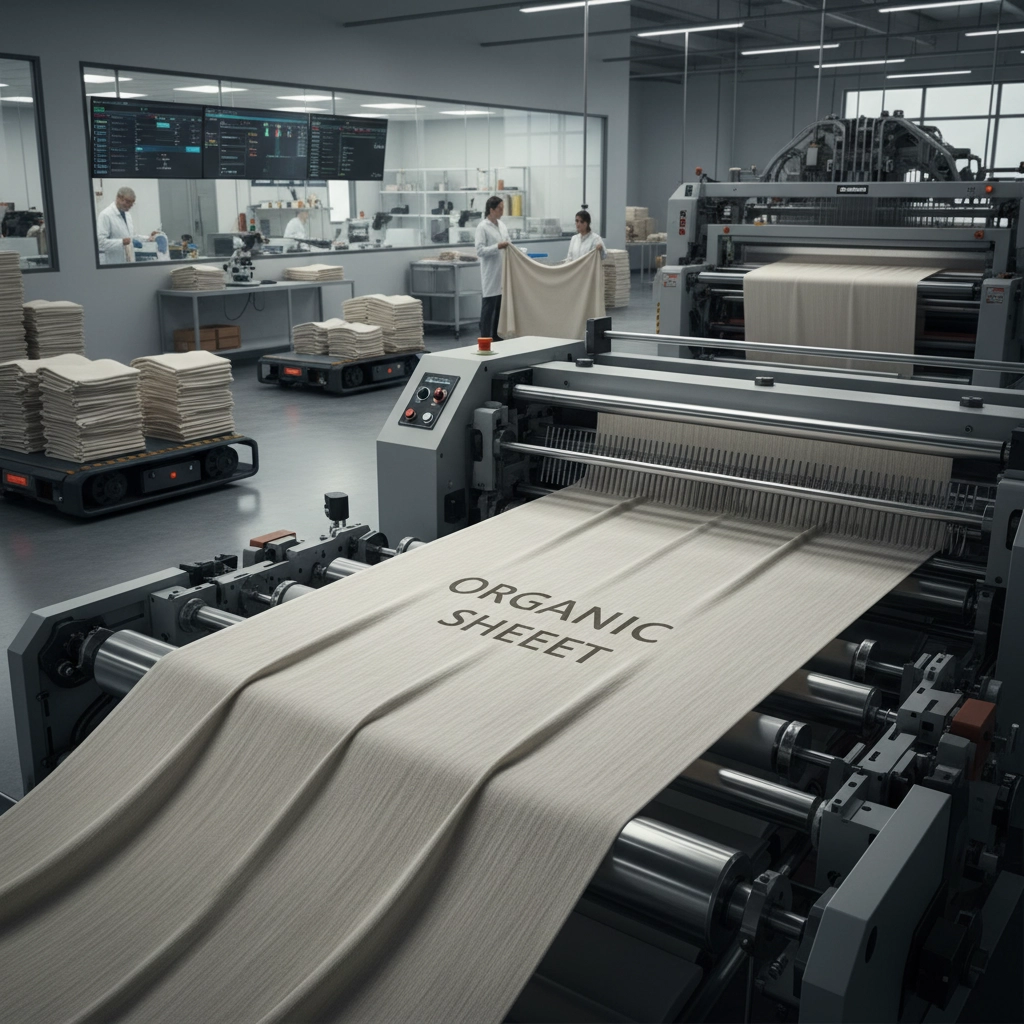
Automation in the weaving process is allowing for even more precise control over denier consistency and pore size, further enhancing the breathability of waterproof fabrics. As we refine these processes, the gap between "waterproof" and "breathable" will continue to close, delivering an unprecedented level of comfort.
Technical Specification Analysis for Advanced Cooling Mattress Covers
| Material Grade | Water Resistance (mm) | Breathability Score (1-10) | Durability (Cycles) |
|---|
| Premium Microfiber TPU | 3000mm | 9 | 20,000+ |
| Standard Poly-blend | 1500mm | 6 | 12,000 |
| Medical Grade Laminated | 5000mm | 5 | 25,000 |
| Eco-Recycled Fiber | 2500mm | 8 | 18,000 |
| Basic PVC Coating | 3000mm | 2 | 8,000 |
| Hybrid Cotton-TPU | 2000mm | 7 | 15,000 |
FAQS
Yes, by utilizing ultra-fine microfibers and a breathable TPU membrane, these covers prevent heat from being trapped against your body. Unlike non-breathable plastic protectors, a technical cooling mattress cover allows air circulation and moisture wicking, which helps regulate your body temperature and reduces night sweats.
Traditional PVC covers are often noisy, but our advanced microfiber covers are designed for silence. Because we use a flexible TPU lamination and ultra-fine fibers, the fabric remains soft and supple, providing a silky handfeel without the characteristic crinkling sound of old-fashioned waterproof protectors.
Our cooling mattress cover is designed for low maintenance. It is fully machine-washable and quick-drying. For minor spills, the stain-resistant surface allows you to simply wipe the area with a damp cloth. We recommend using a gentle cycle to maintain the integrity of the hydrophobic coating over time.
Absolutely. The dense, tight weave structure of the microfiber combined with the TPU barrier creates an impenetrable shield that prevents bed bugs from entering or exiting the mattress. Additionally, the moisture-wicking properties inhibit the growth of bacteria and mold, ensuring a hygienic sleeping environment.
A mattress pad is typically for comfort and cushioning, while a cooling mattress cover is a functional technical textile. The cover provides specific benefits like 3000mm waterproof protection, anti-bacterial properties, and thermal regulation, making it a protective barrier rather than just a comfort layer.
Yes, our fabrics are certified to Oeko-Tex Standard 100, meaning they are tested for harmful substances and are safe for direct skin contact. The ultra-fine fibers provide a smooth, non-irritating surface, making them ideal for individuals with allergies or sensitive skin conditions.
Conclusion
In summary, the integration of ultra-fine microfiber and TPU lamination transforms a simple bedding accessory into a high-performance cooling mattress cover. By balancing waterproof efficacy (up to 3000mm) with exceptional breathability and a silk-like touch, these technical textiles address the most common challenges of sleep hygiene: temperature regulation, moisture control, and long-term durability. Whether utilized in a residential bedroom or a high-traffic hotel suite, the value lies in the intersection of comfort and industrial-grade protection.
As the bedding industry evolves, the shift toward certified, non-toxic, and highly durable materials will only accelerate. Investing in a professional-grade cooling mattress cover is not just about protecting a mattress—it is about enhancing the human experience of rest. We invite you to explore our full range of technical textiles and customization options to find the perfect fit for your specific needs. Visit our website: www.infortextile.com