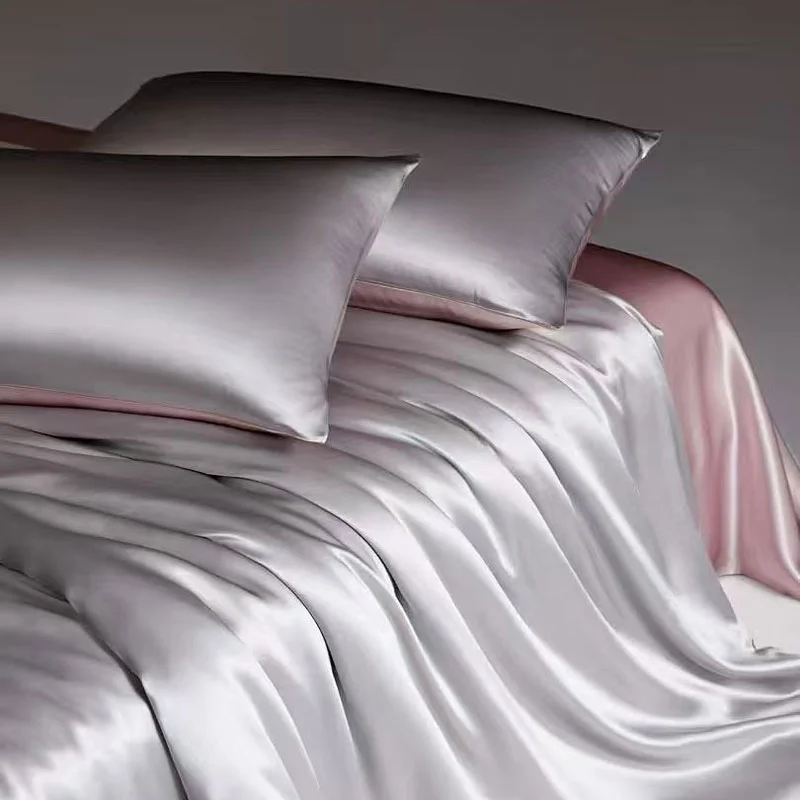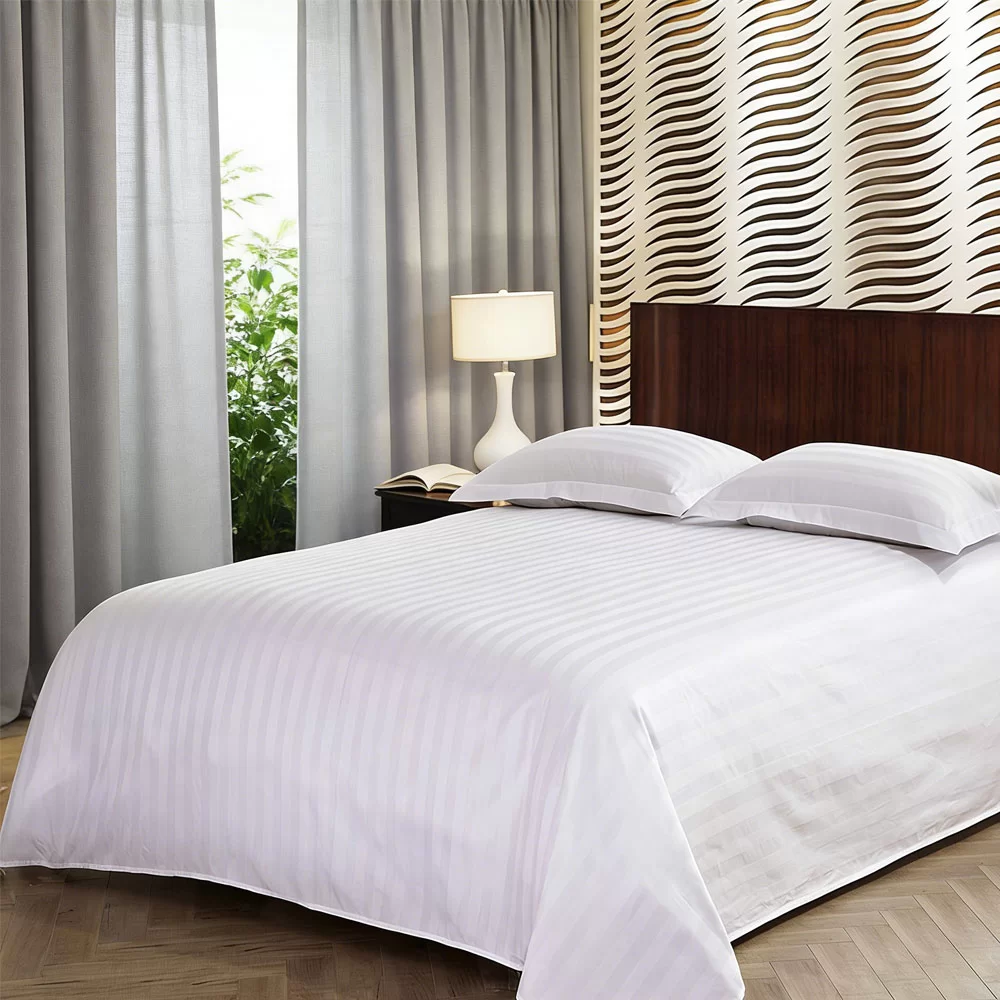
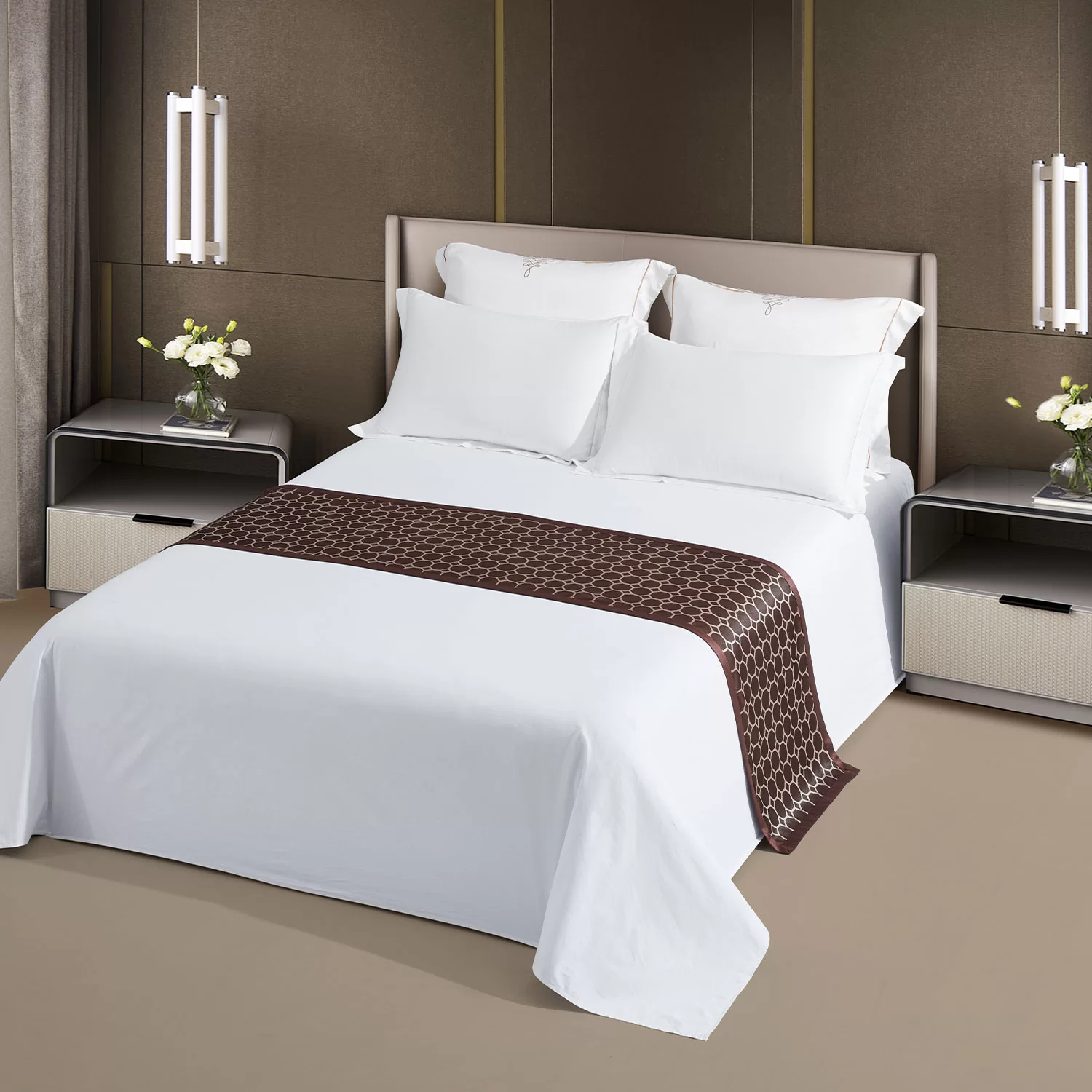

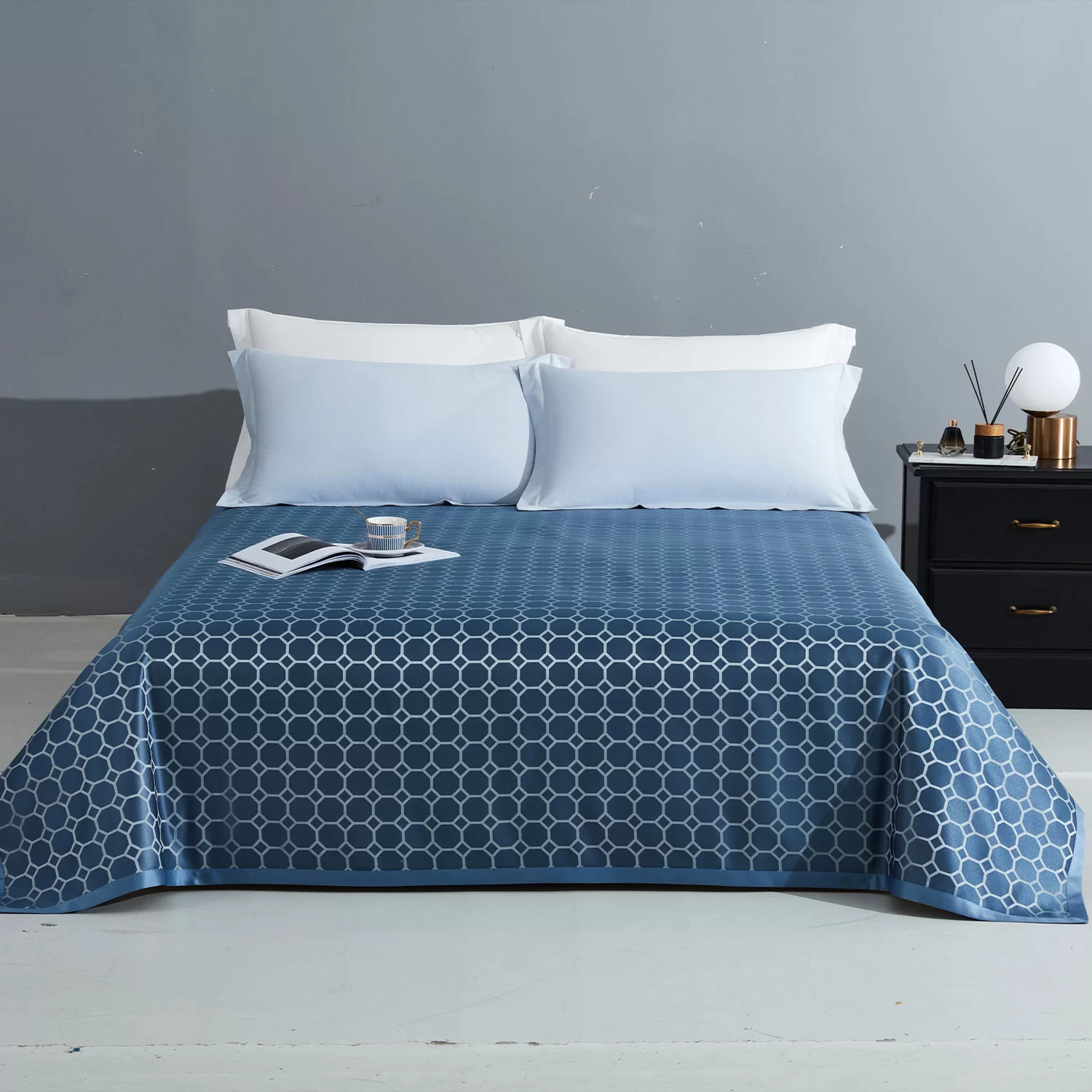
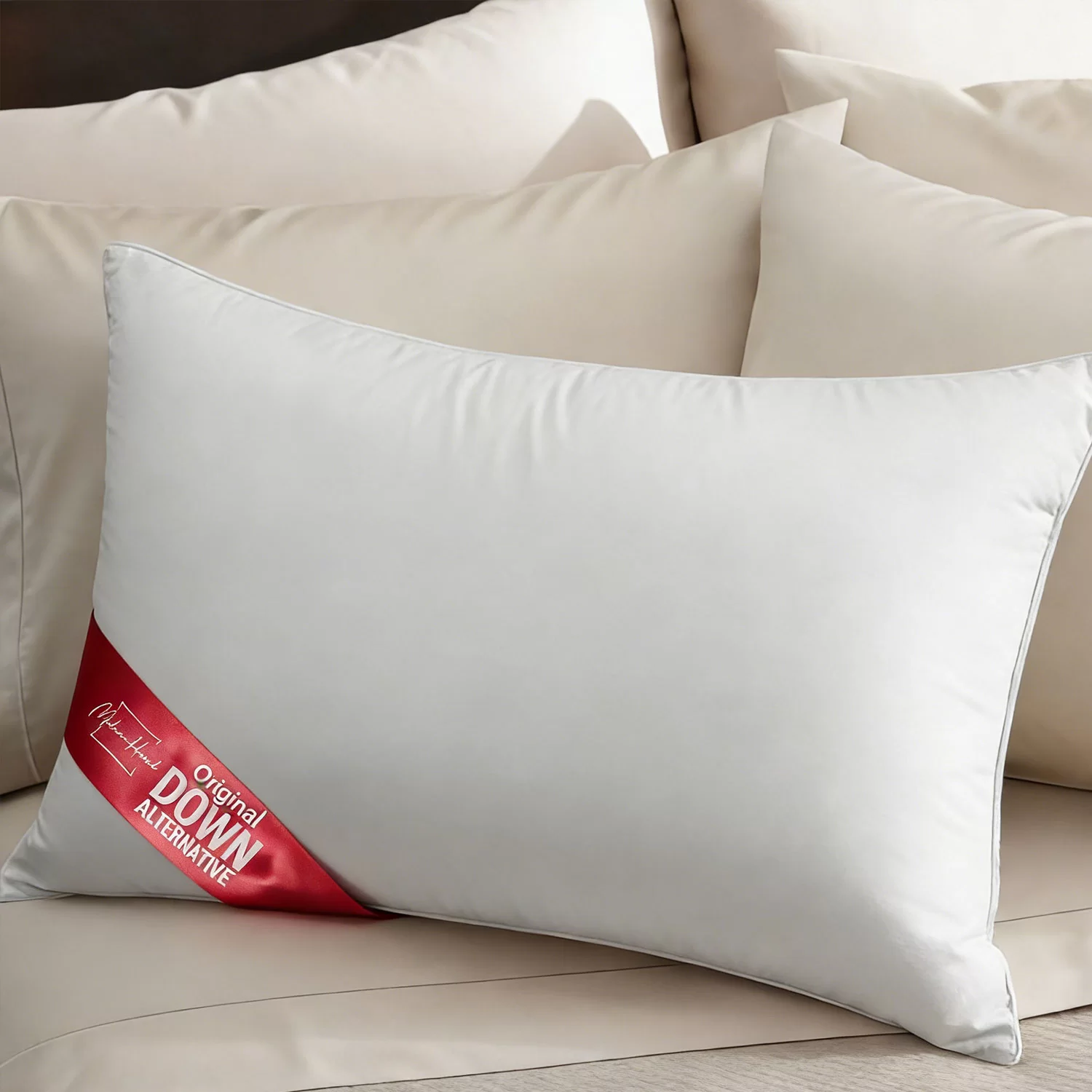
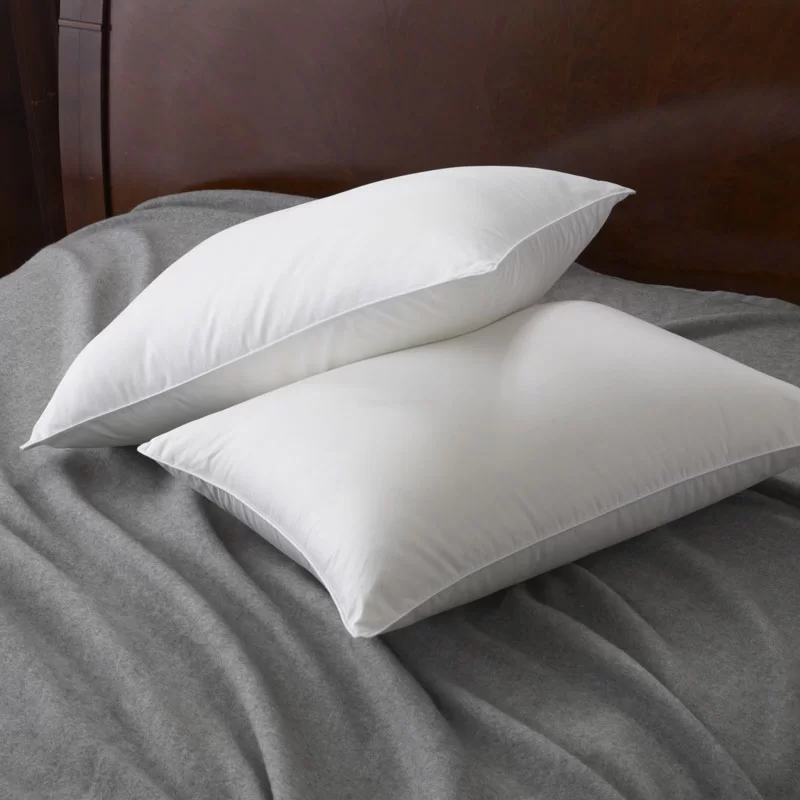
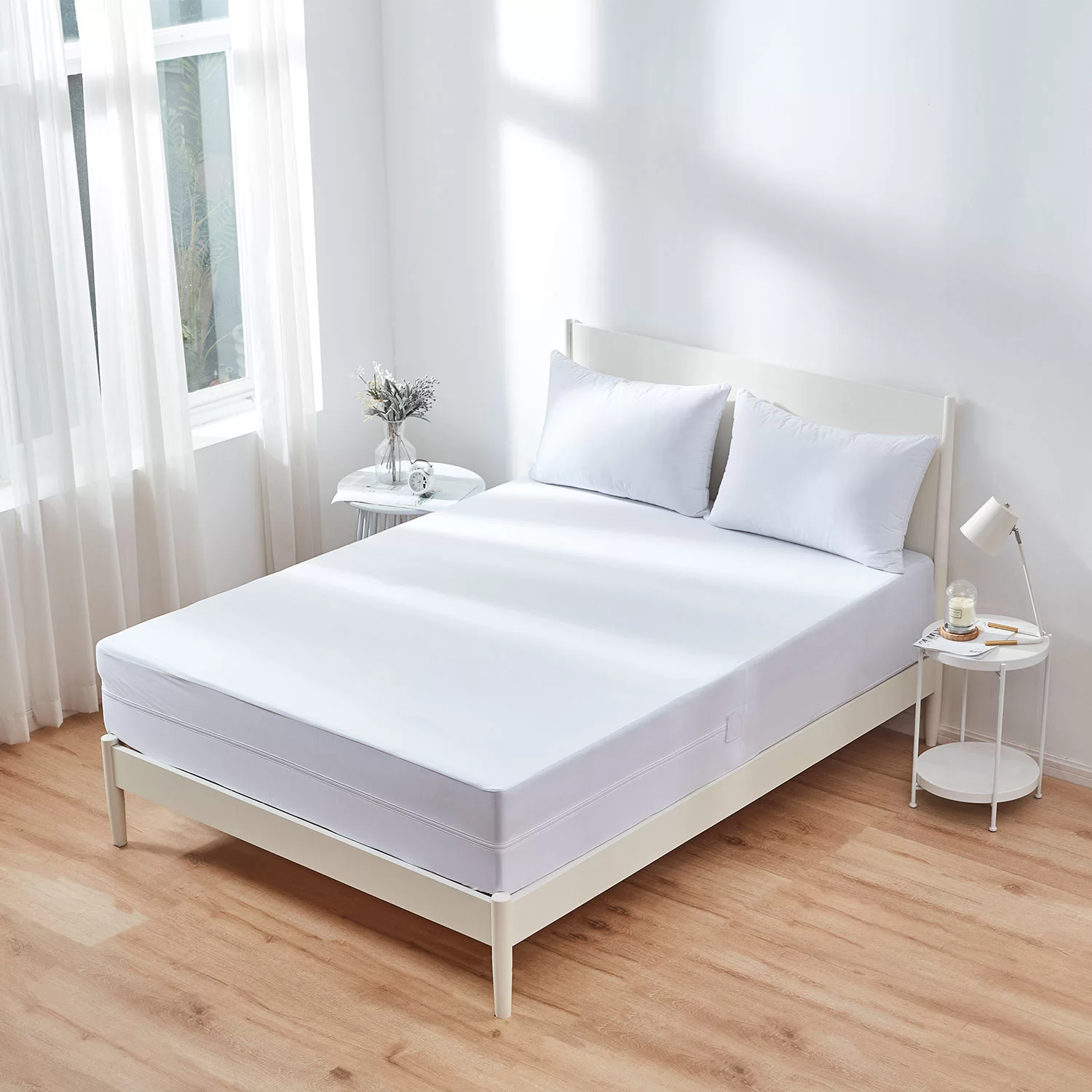
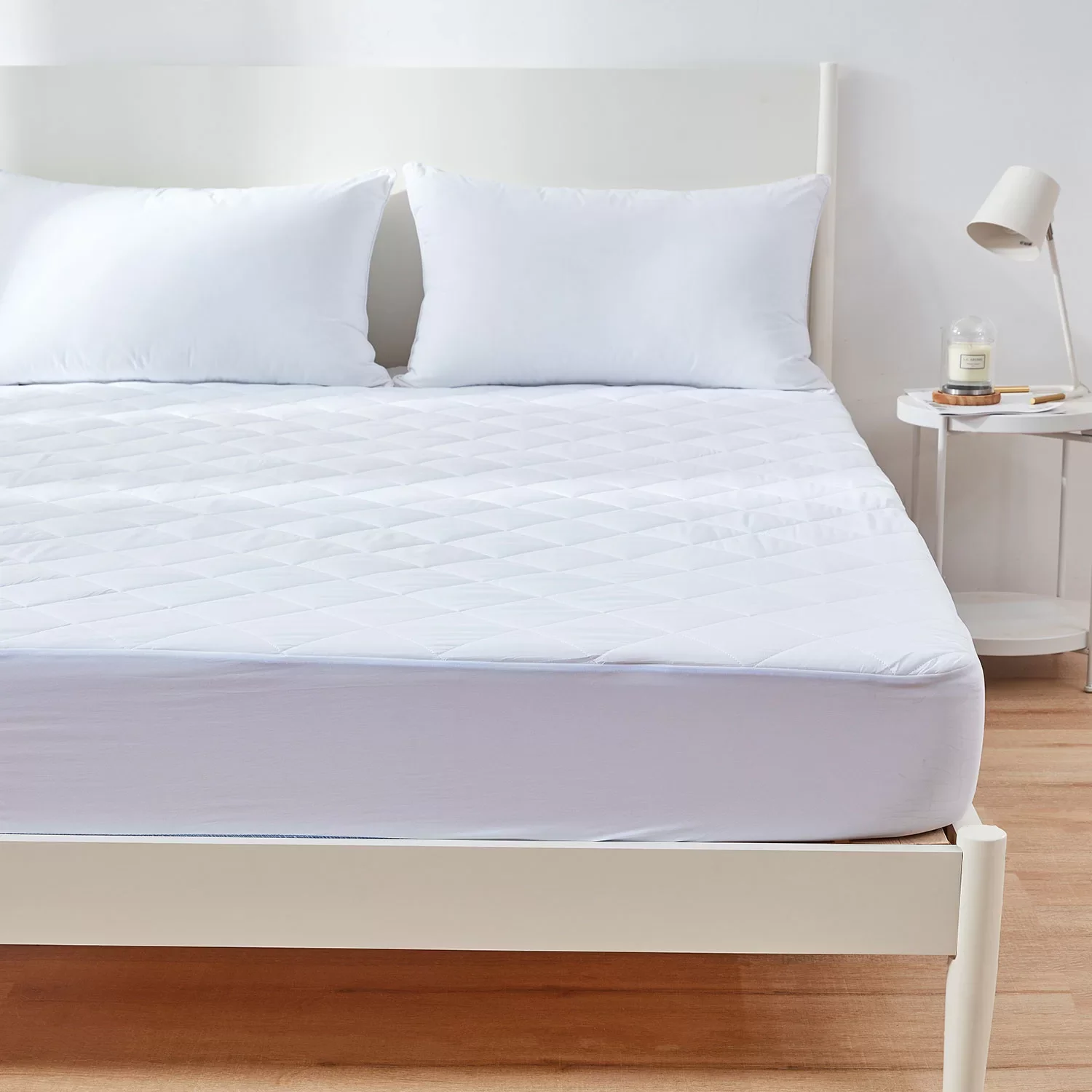
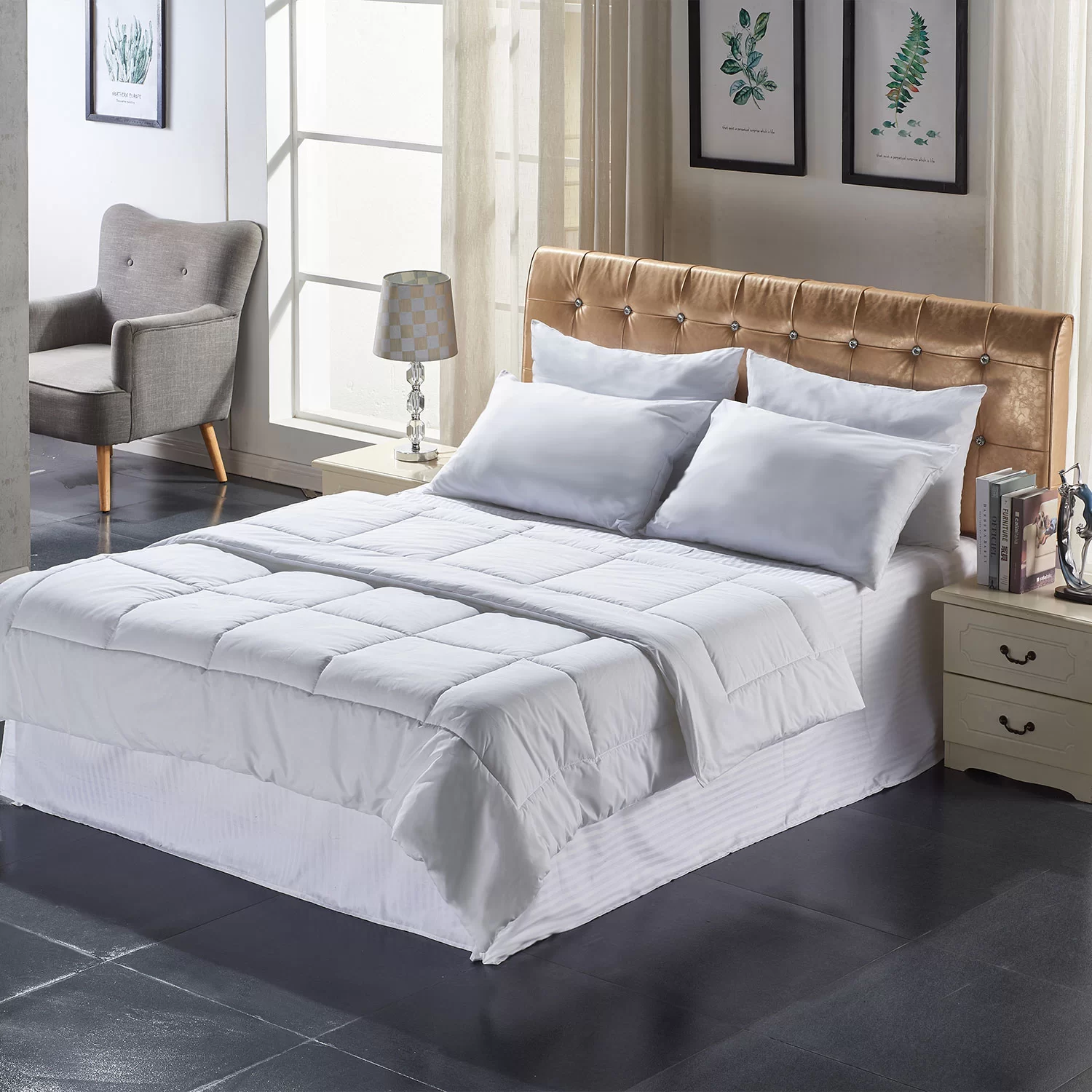
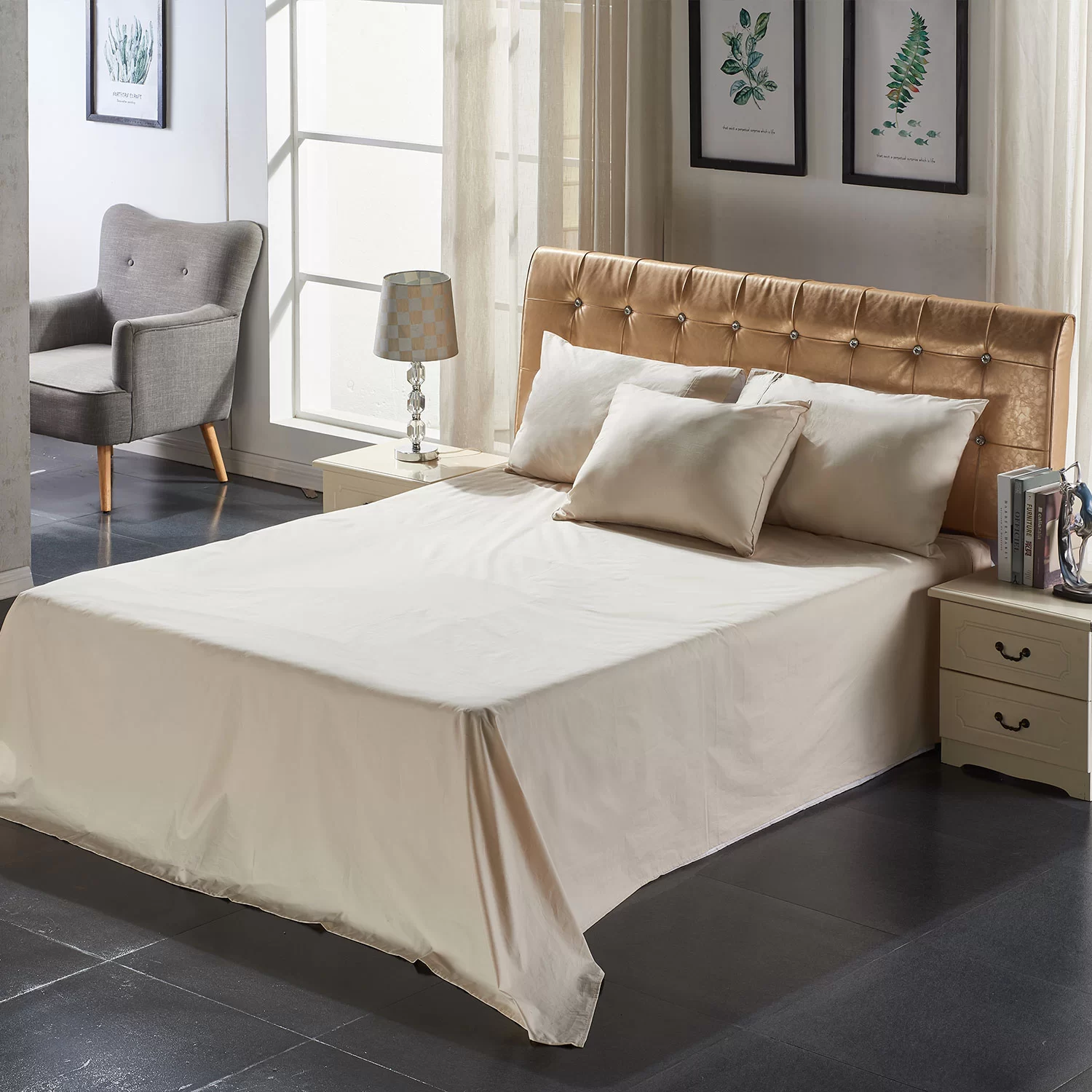
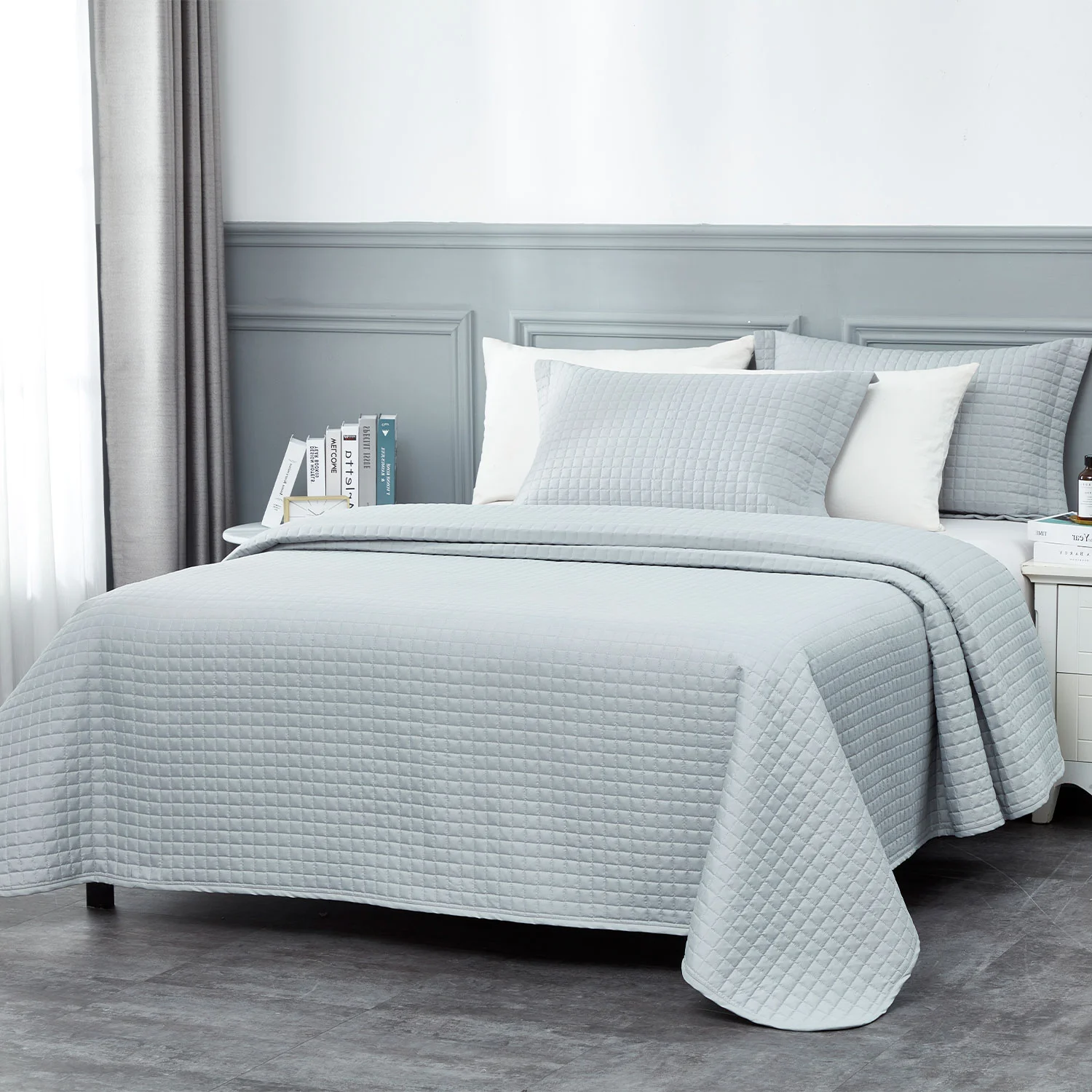
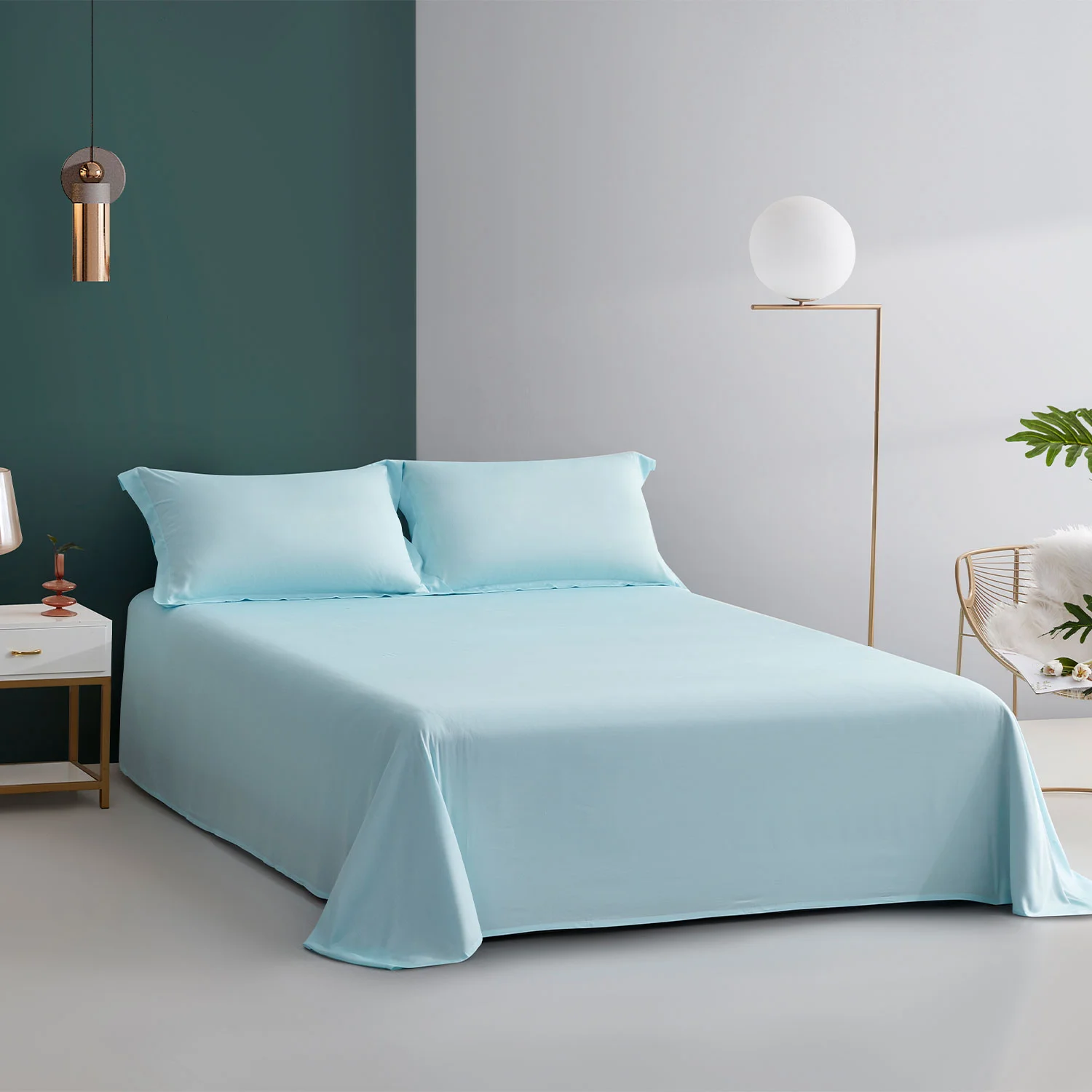
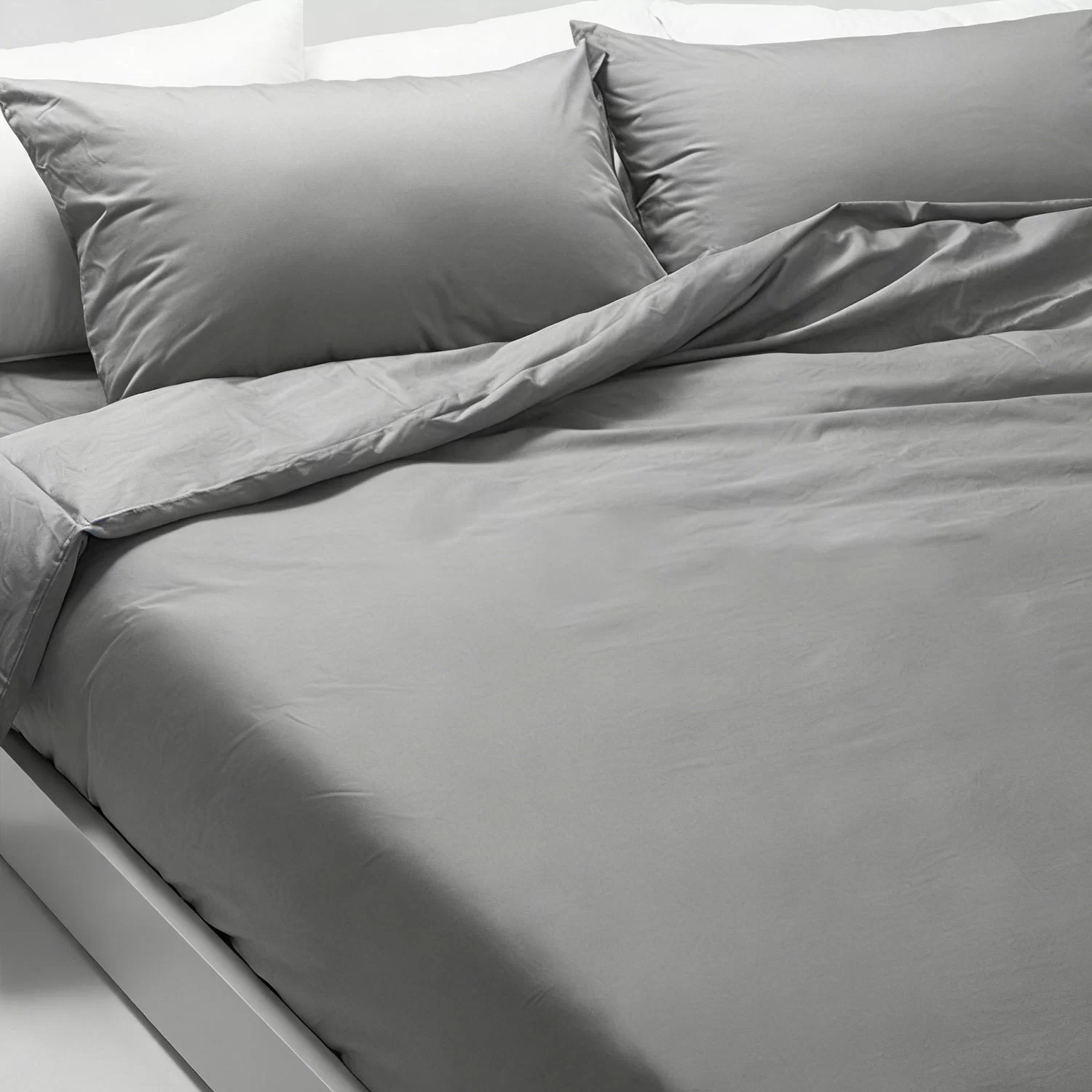
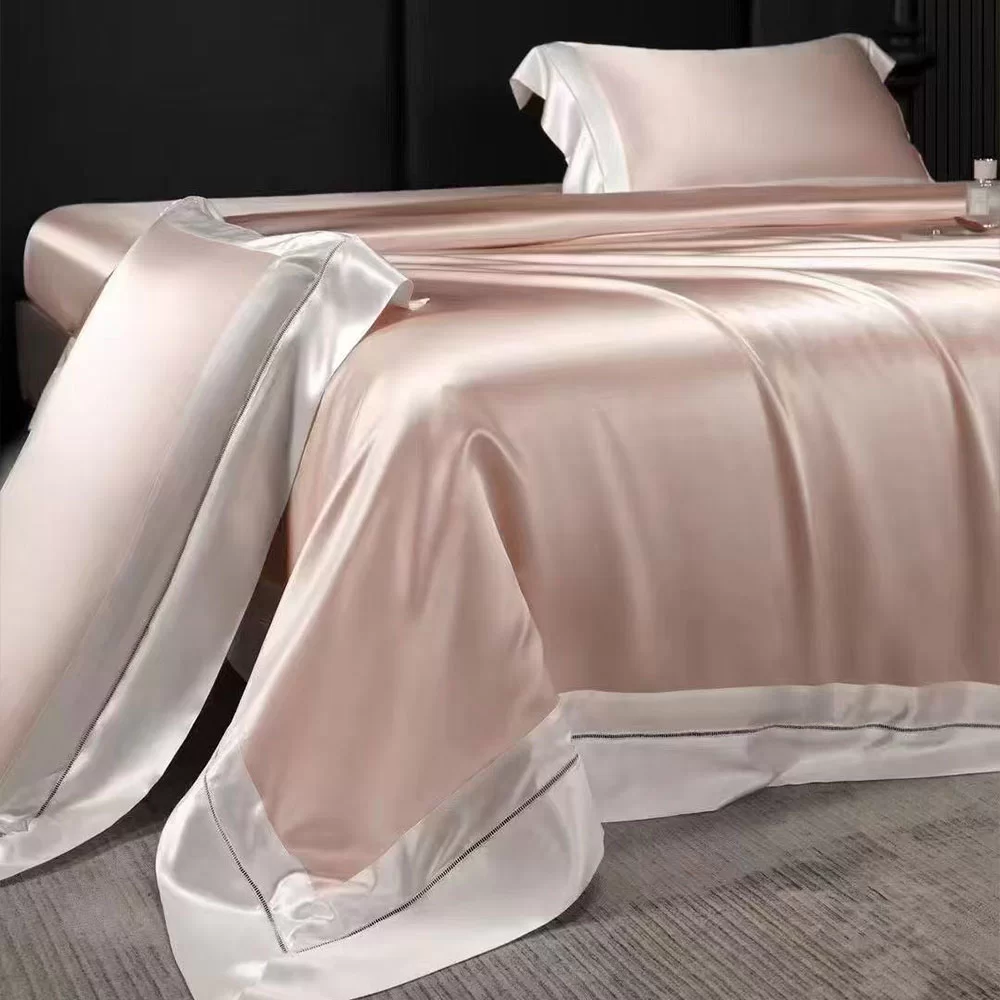
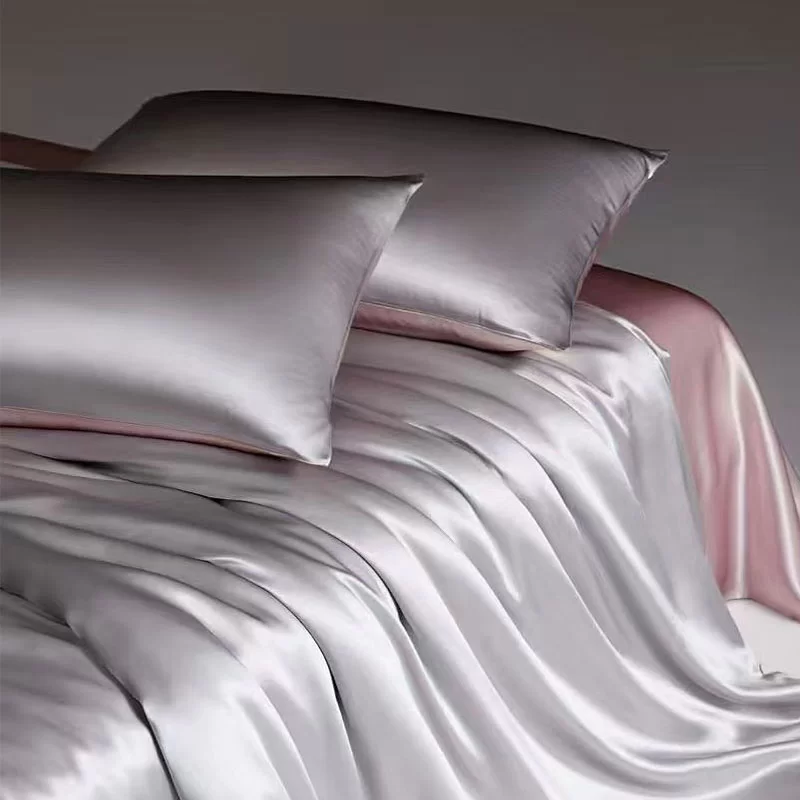
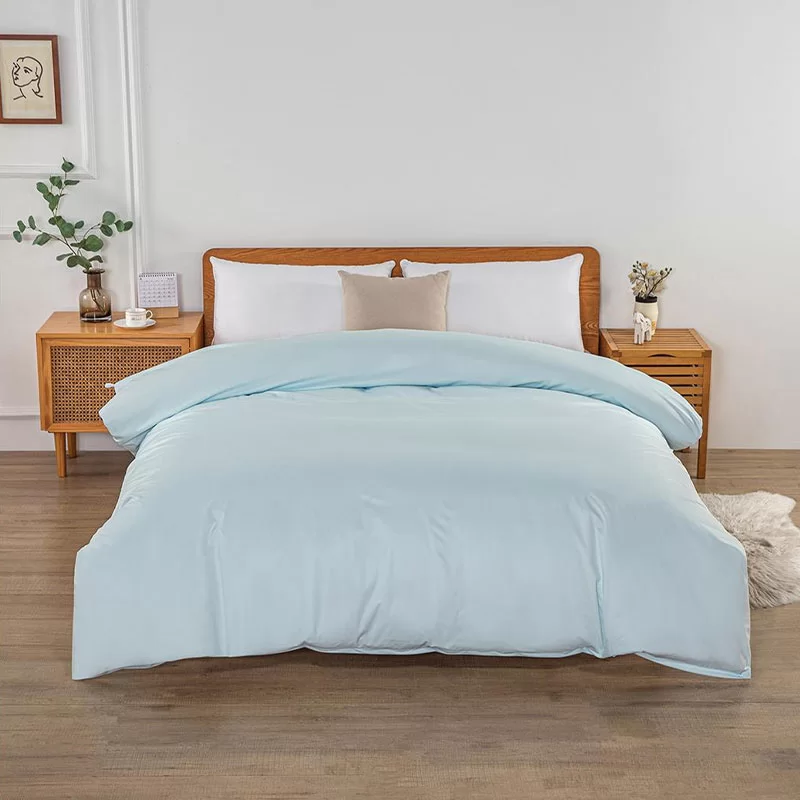
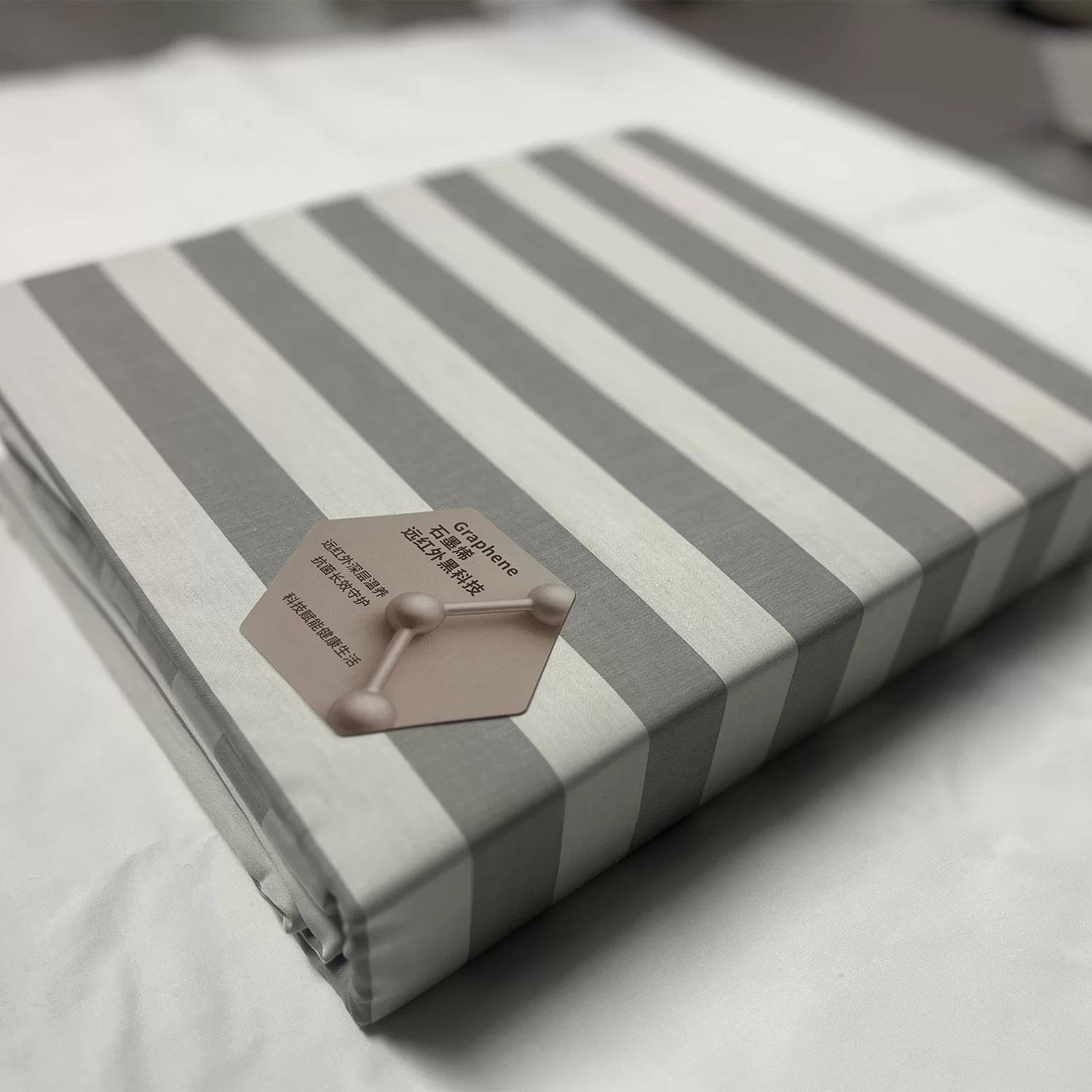
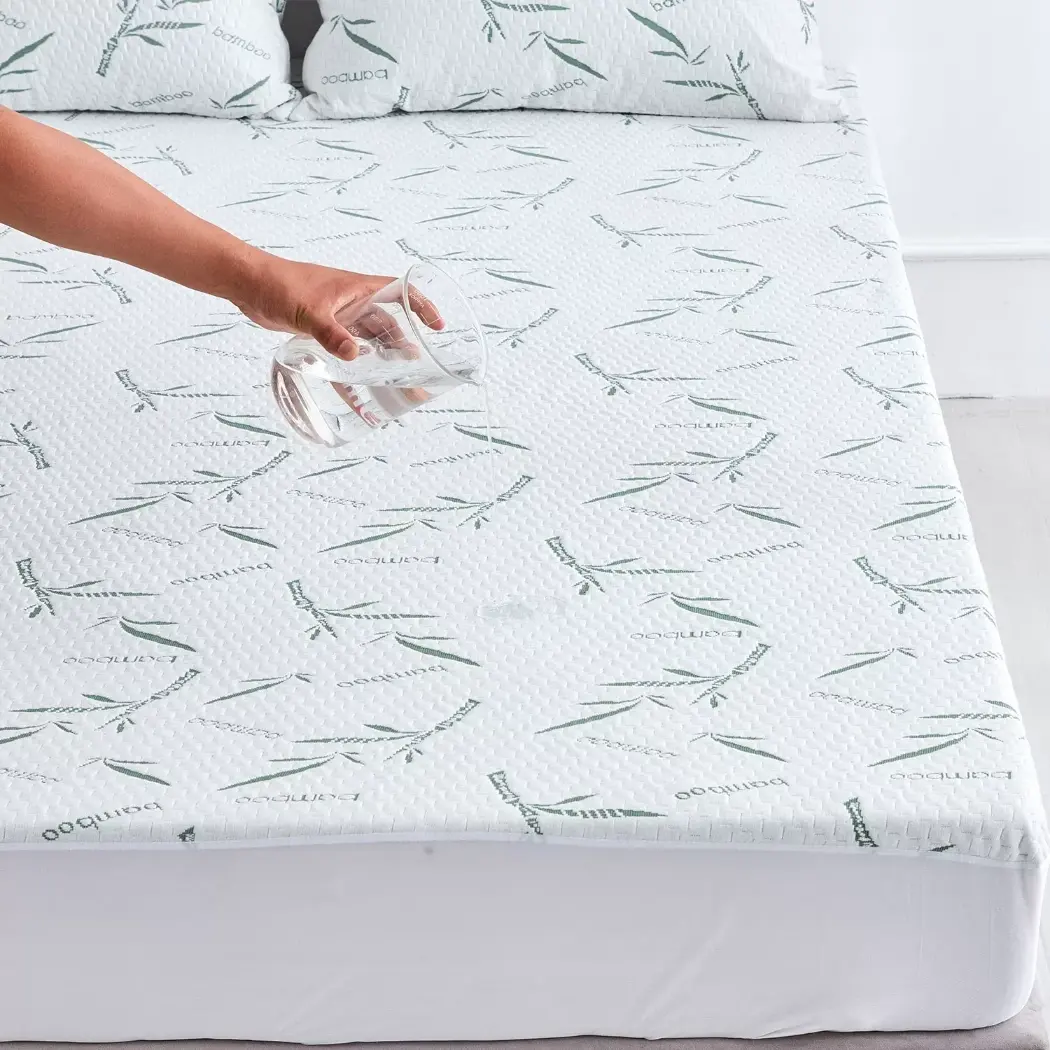
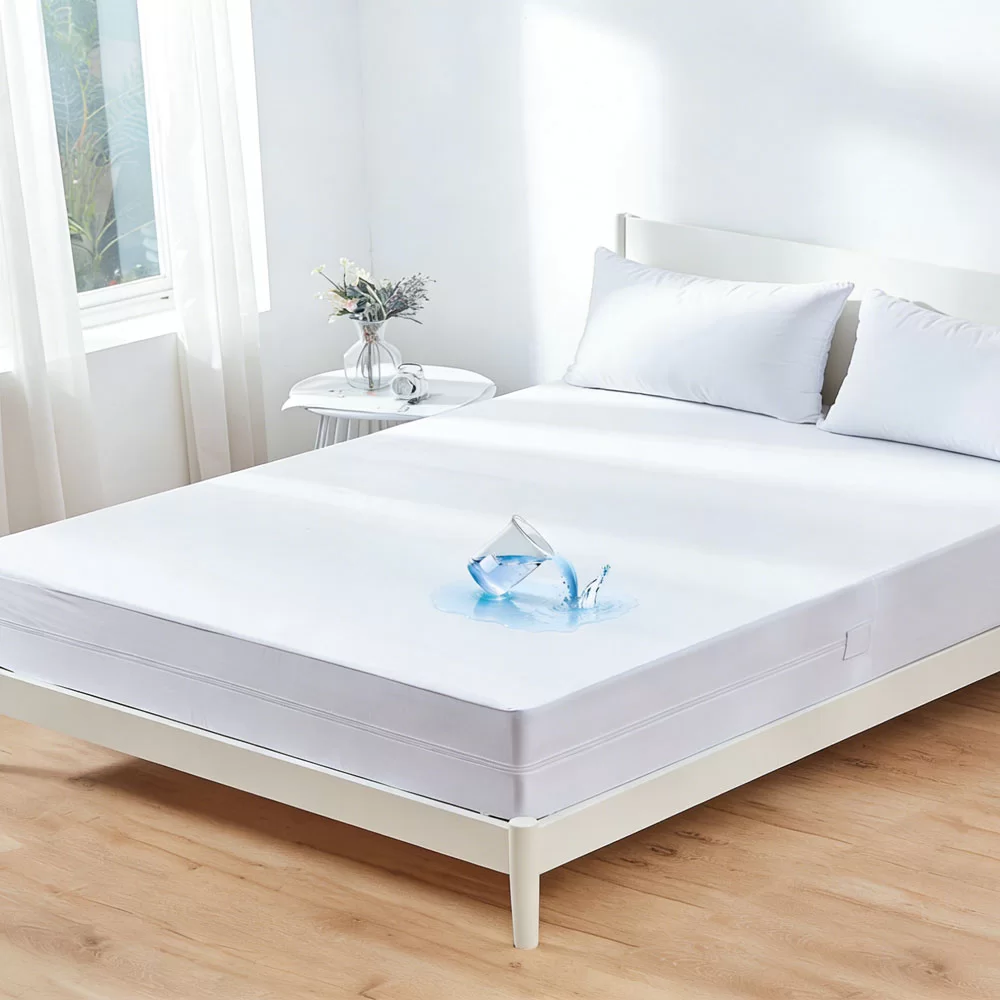
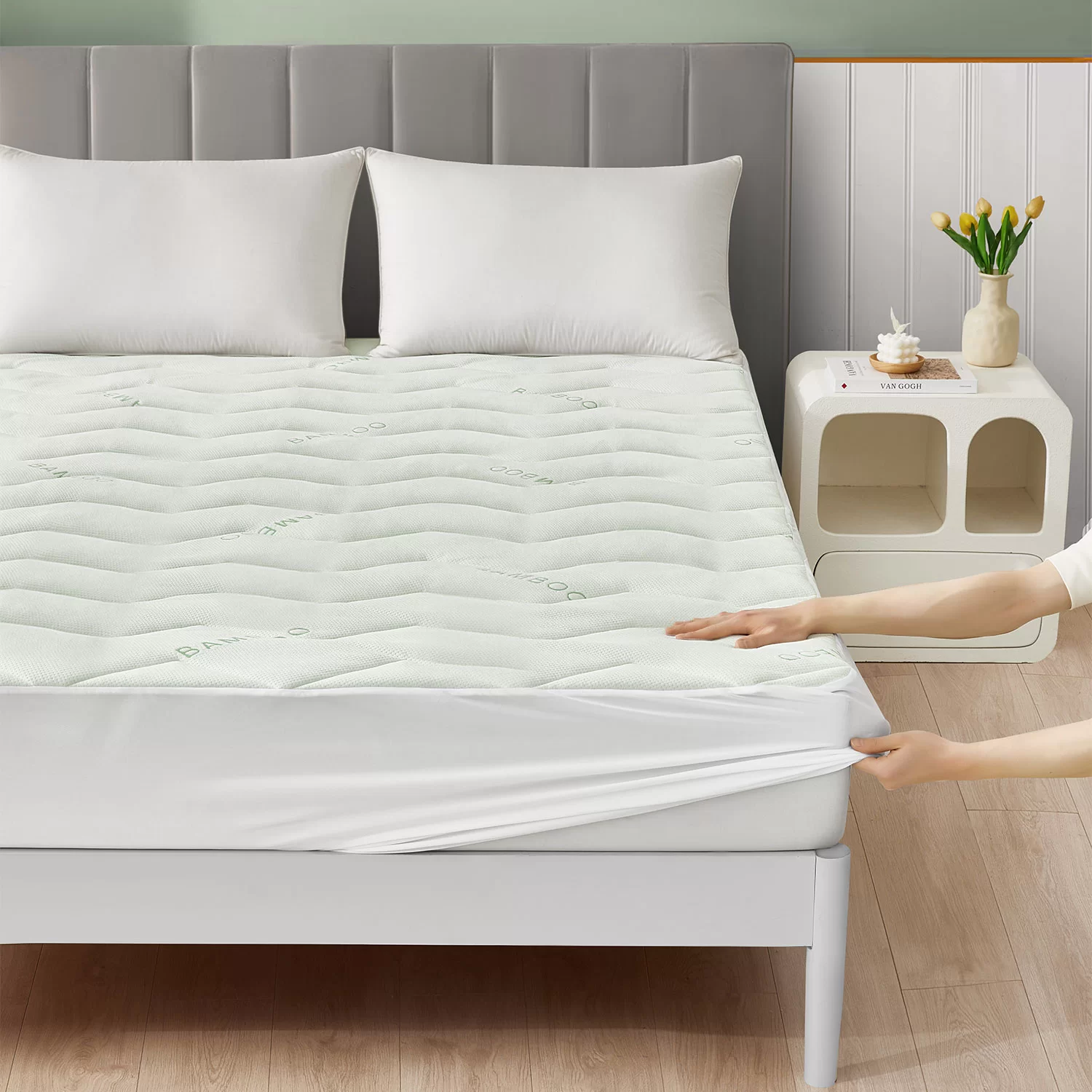
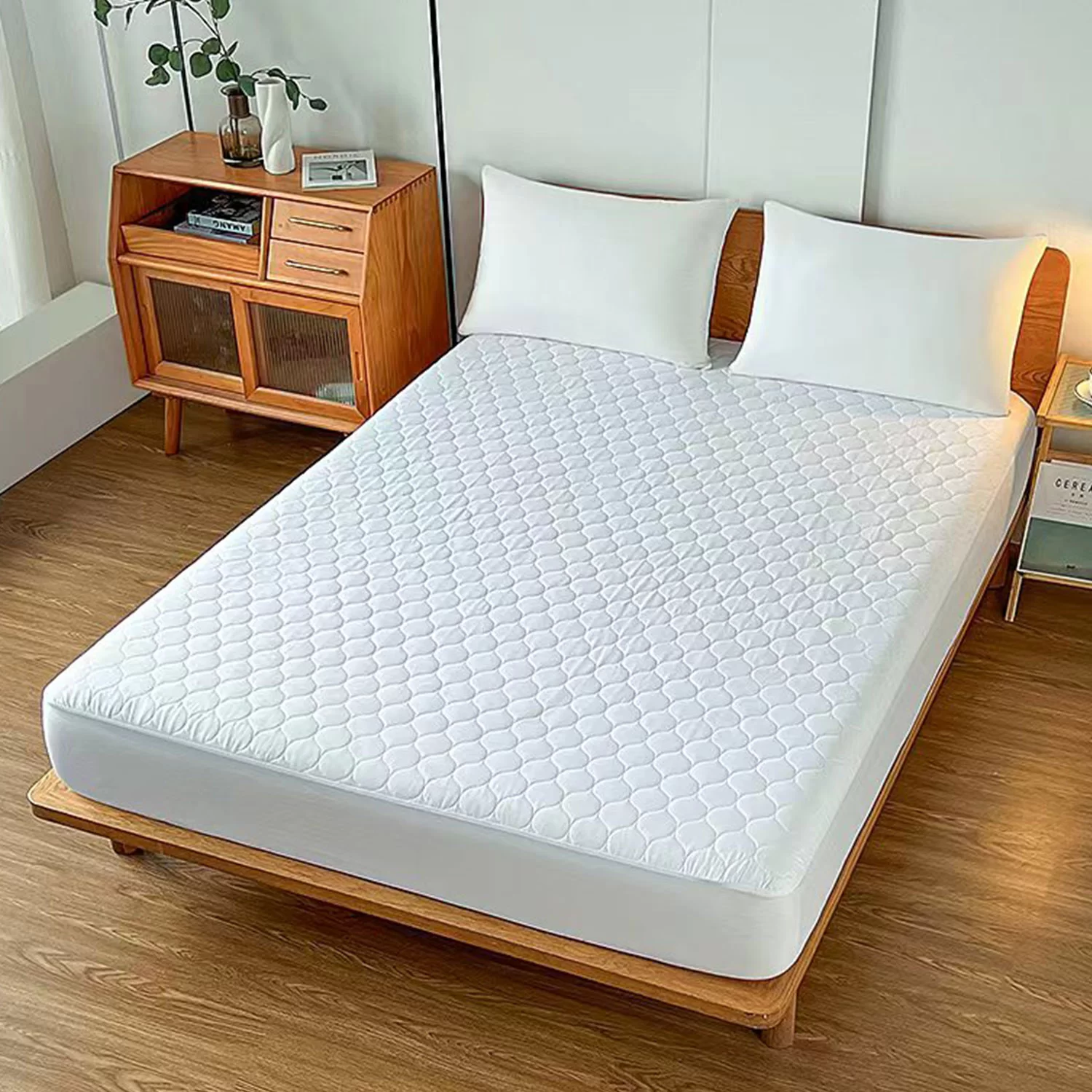
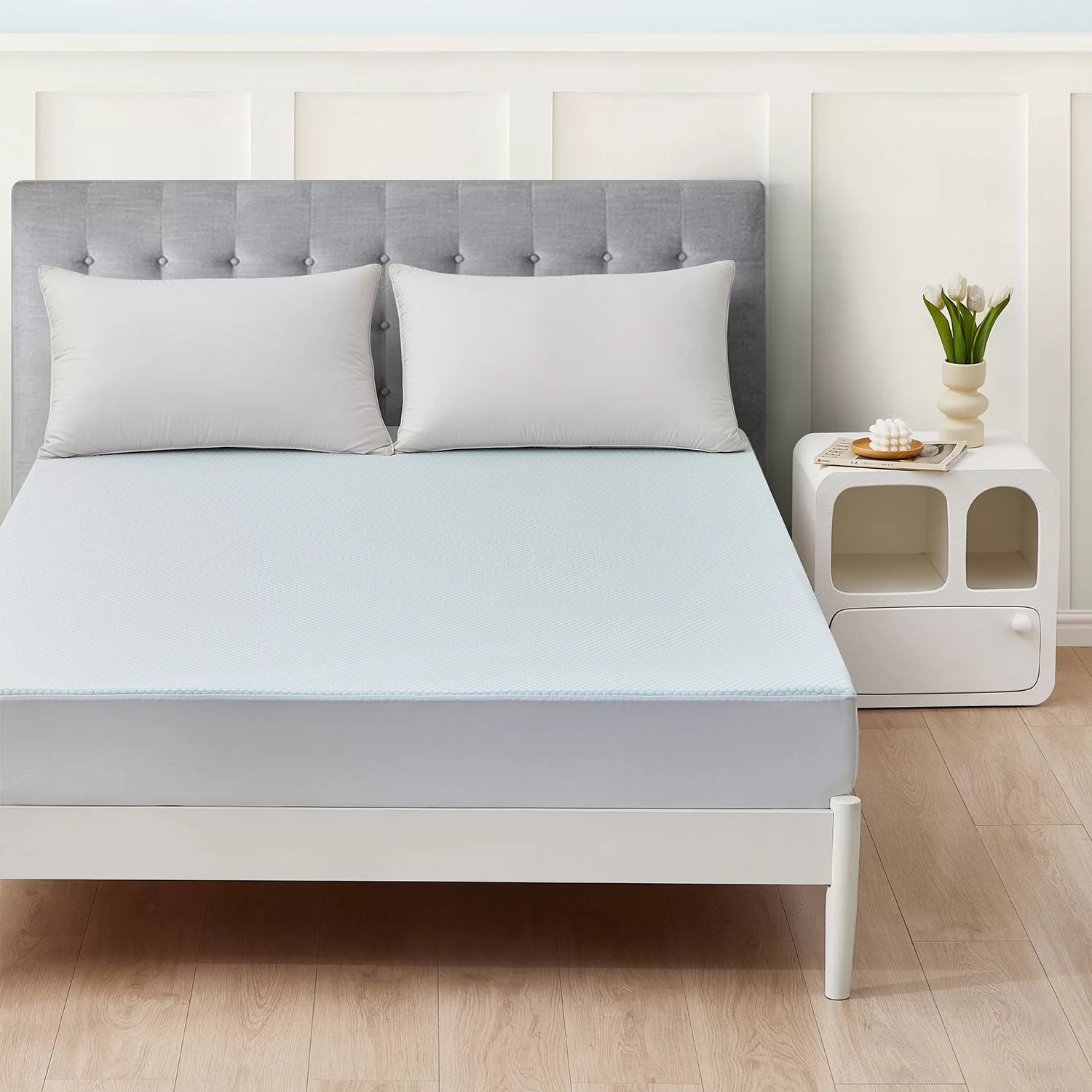
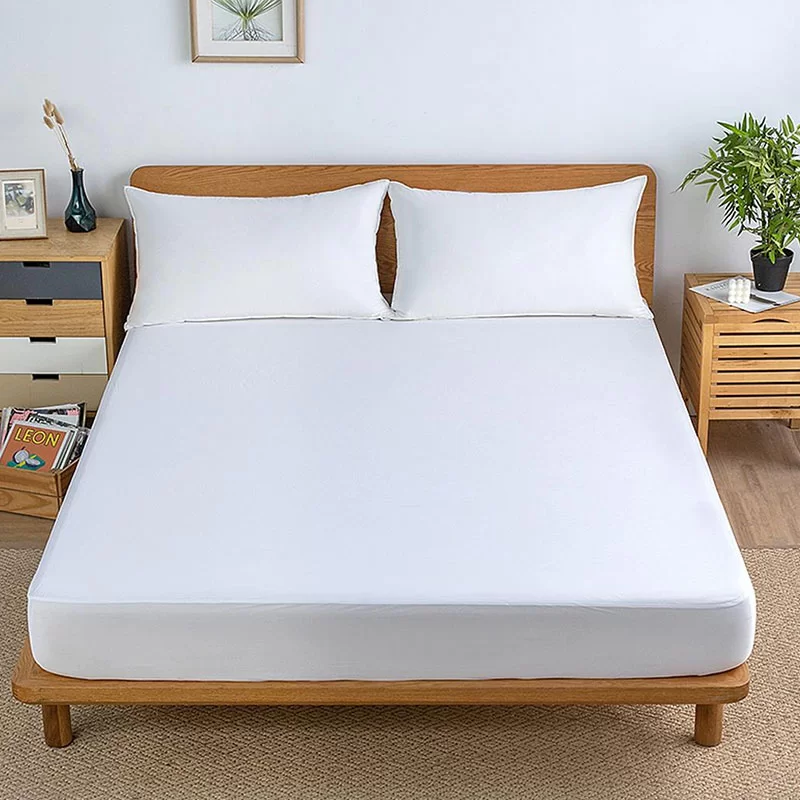
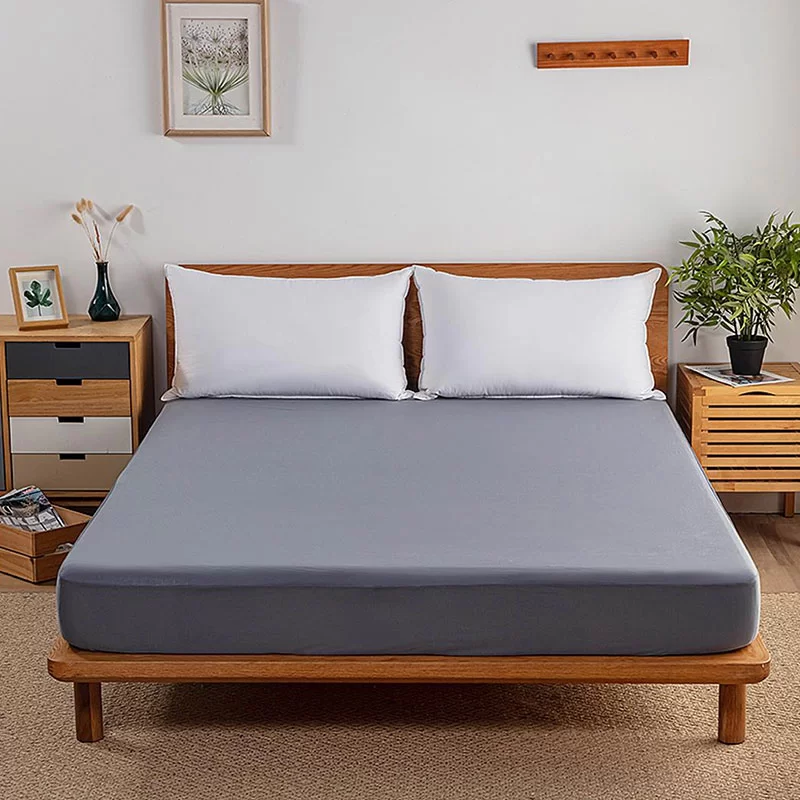
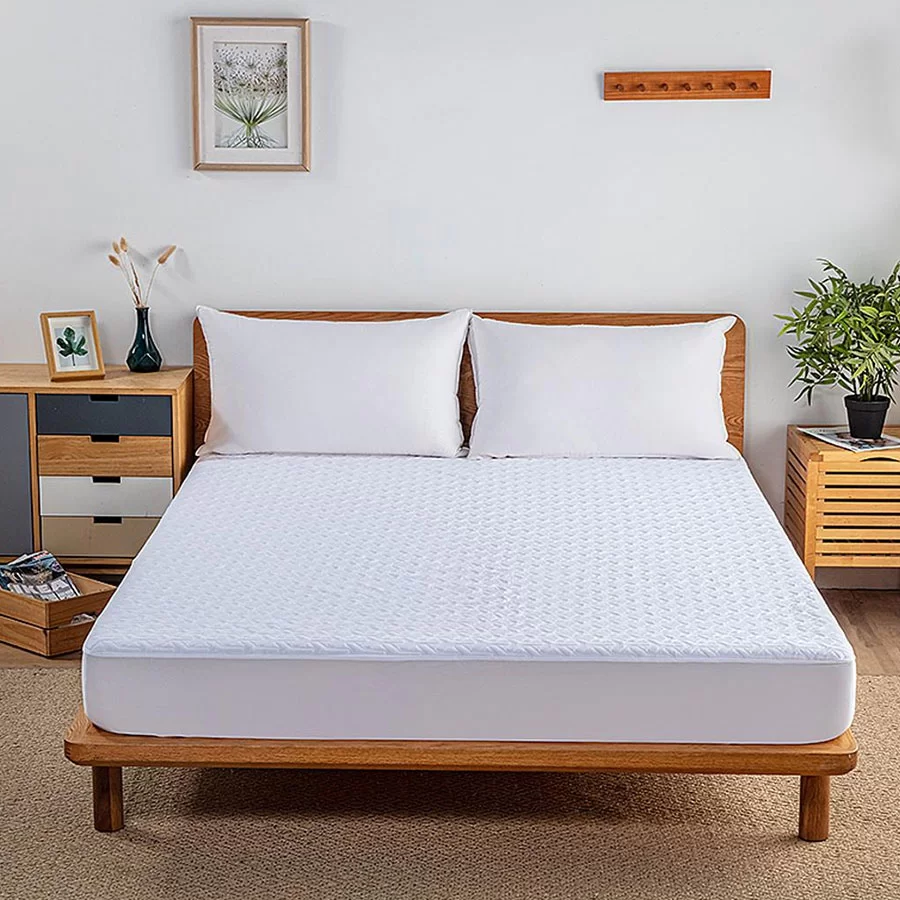
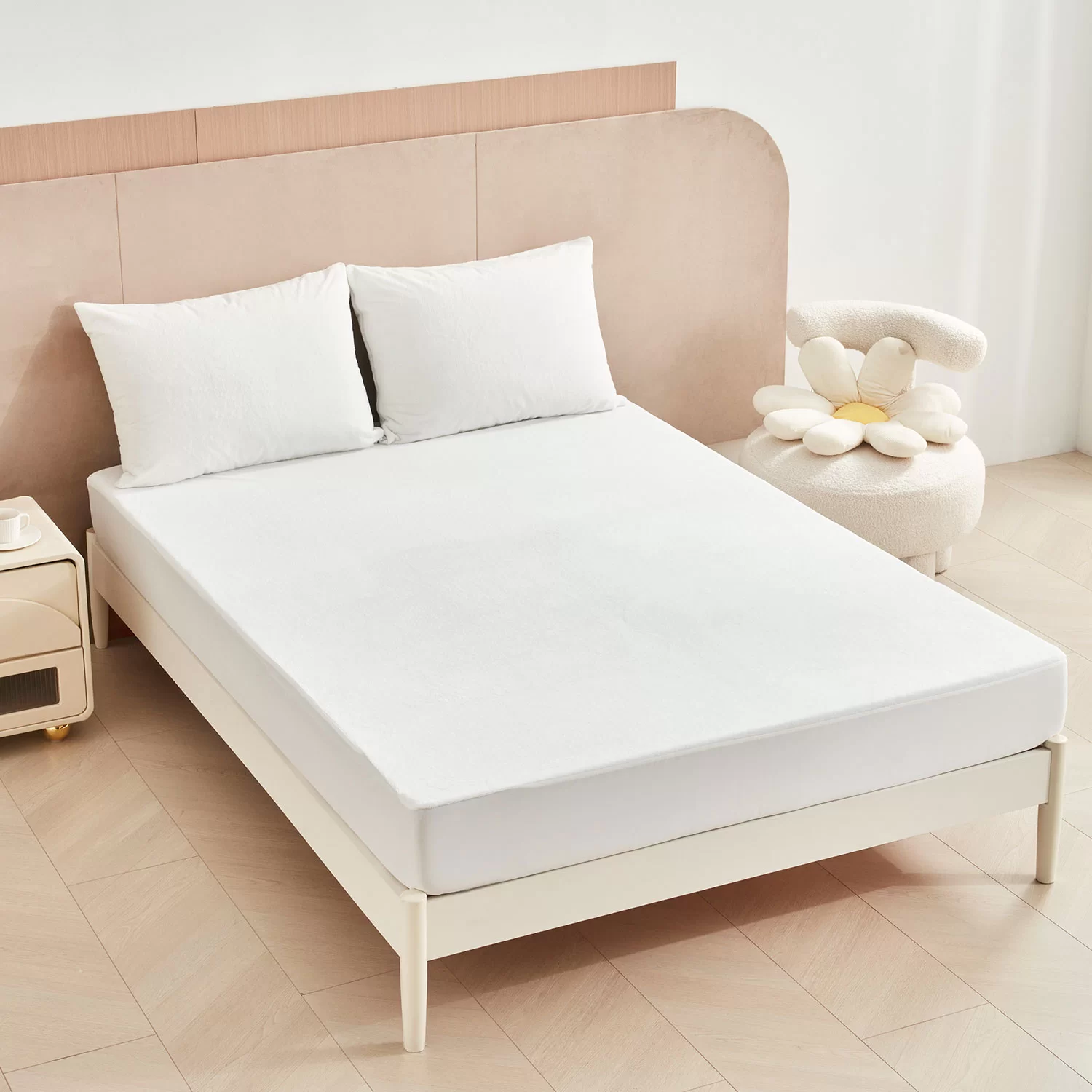
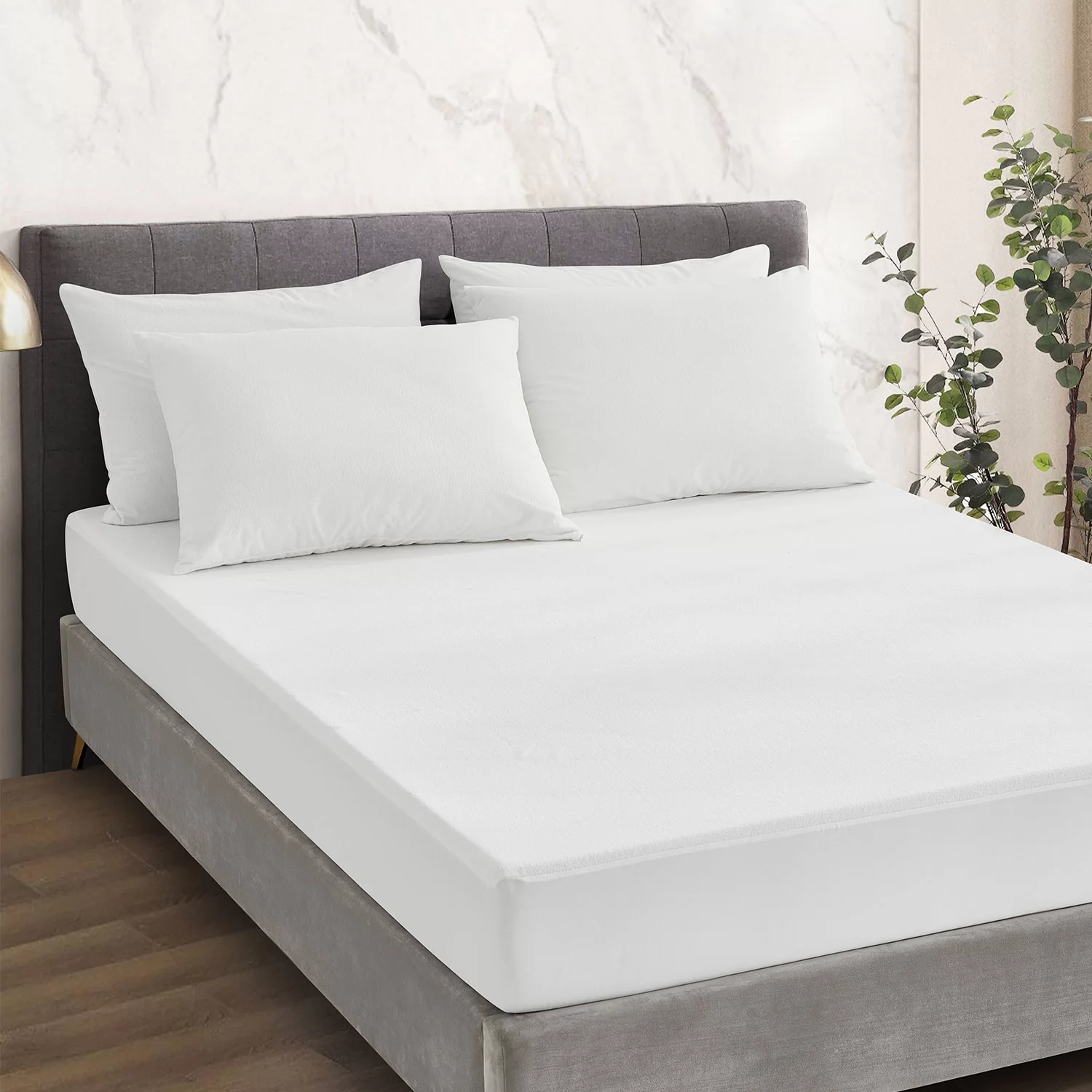

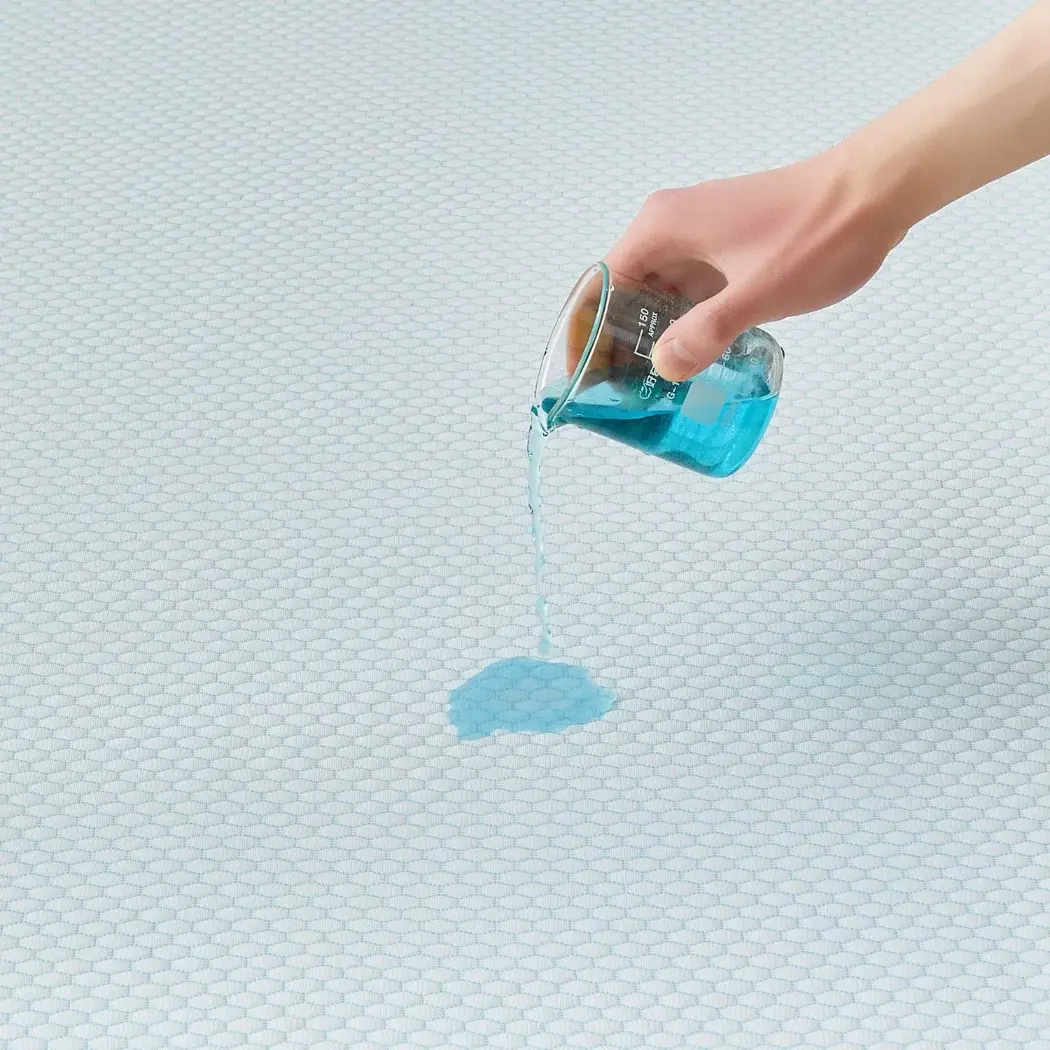
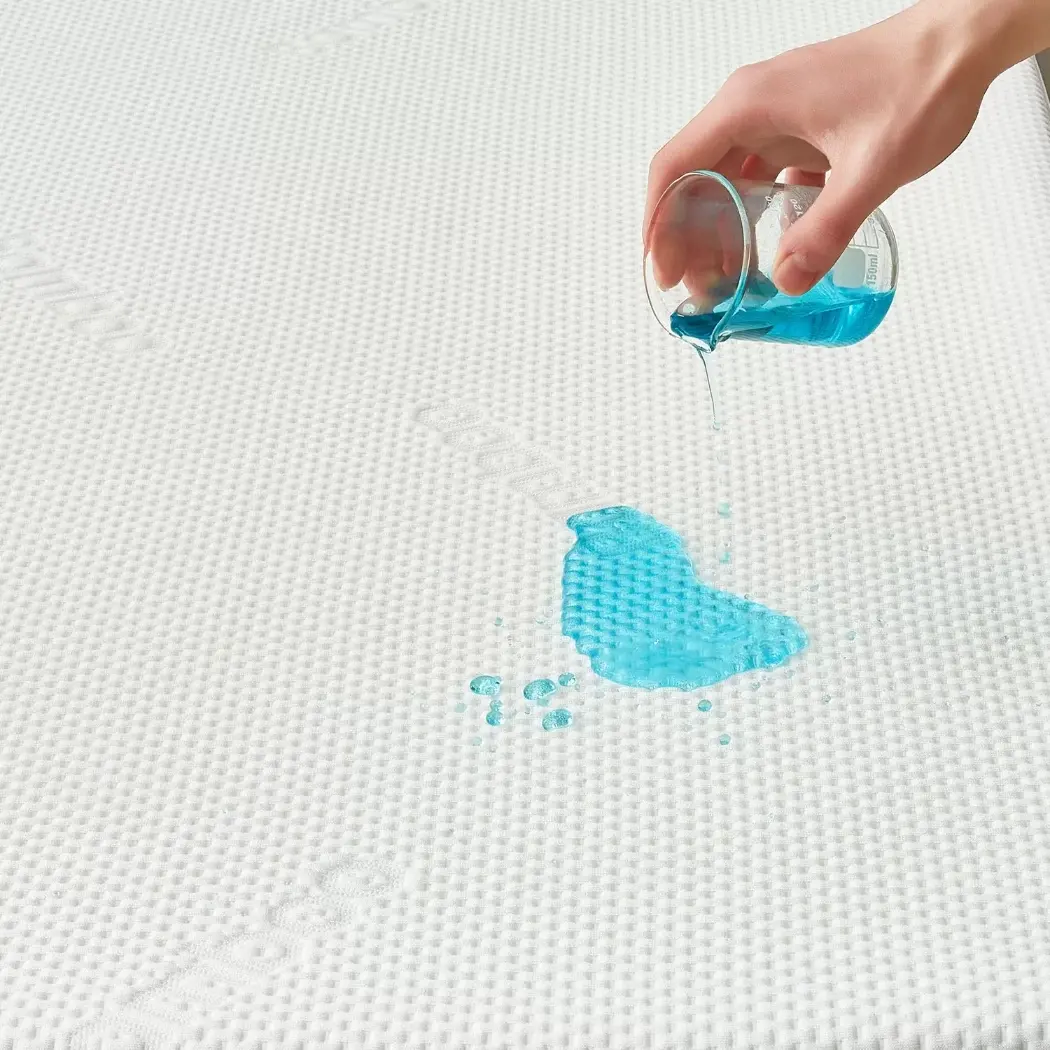
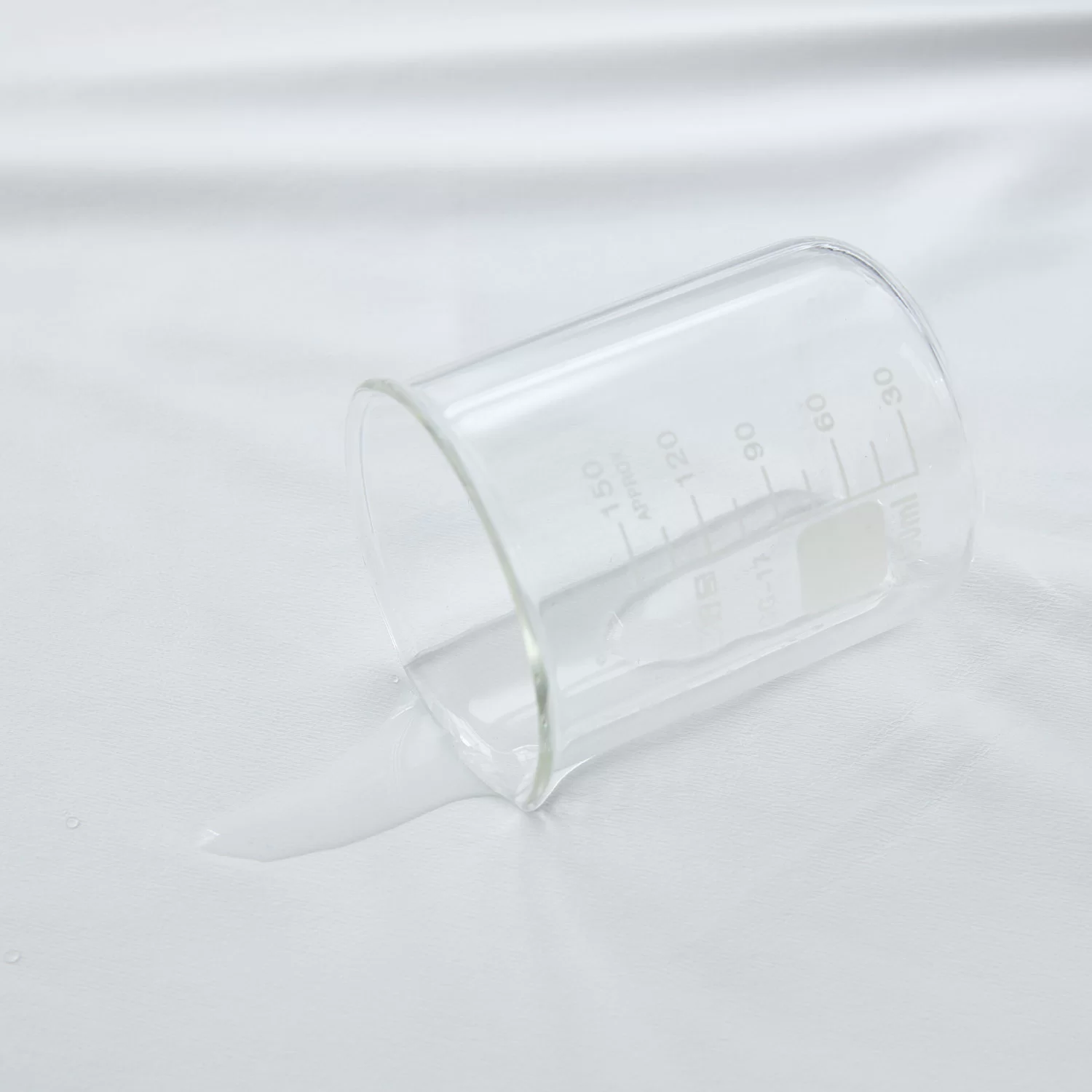
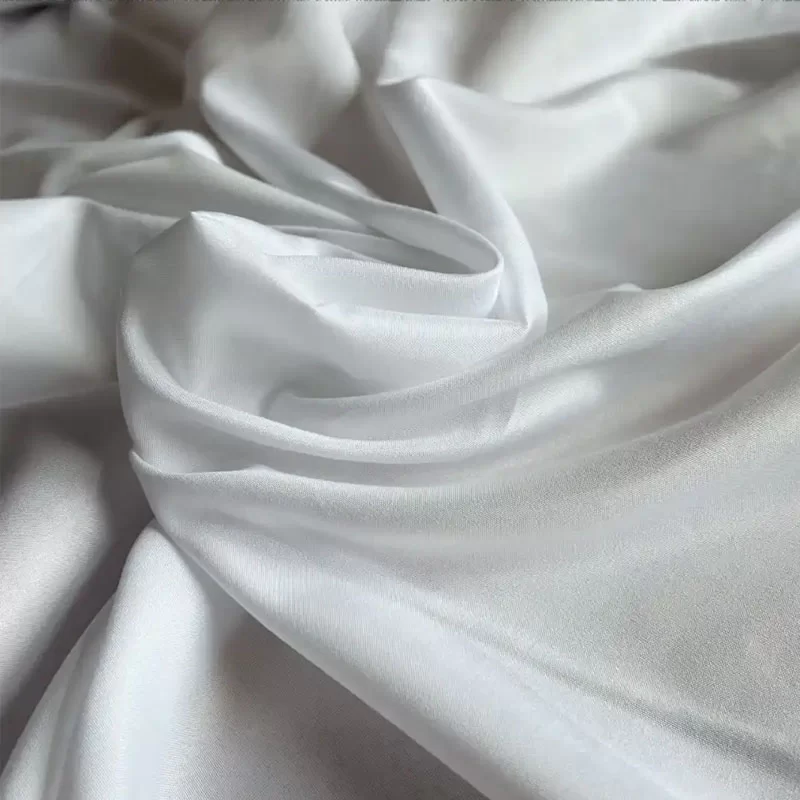
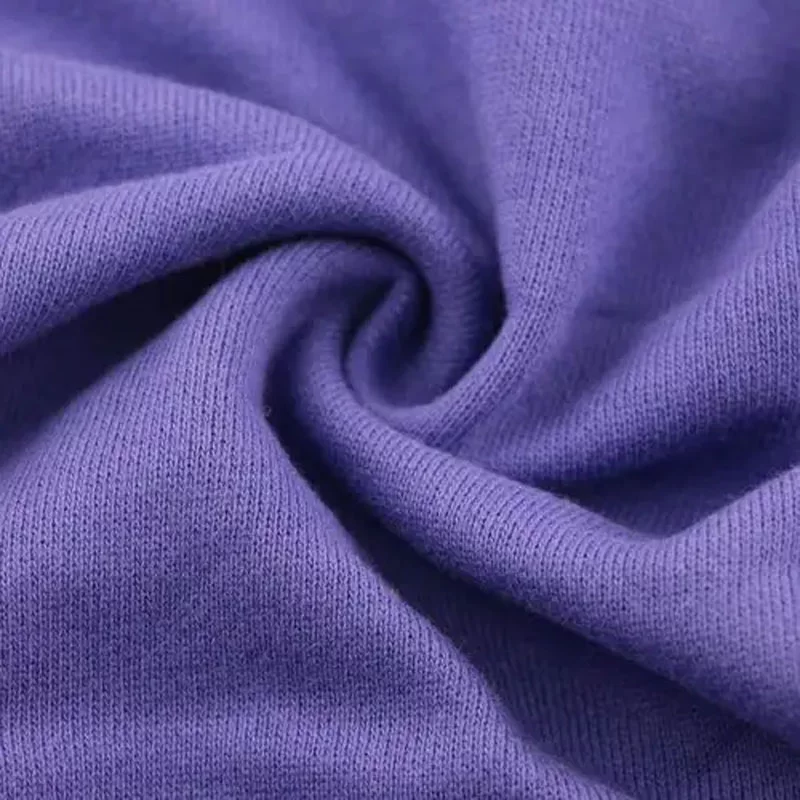
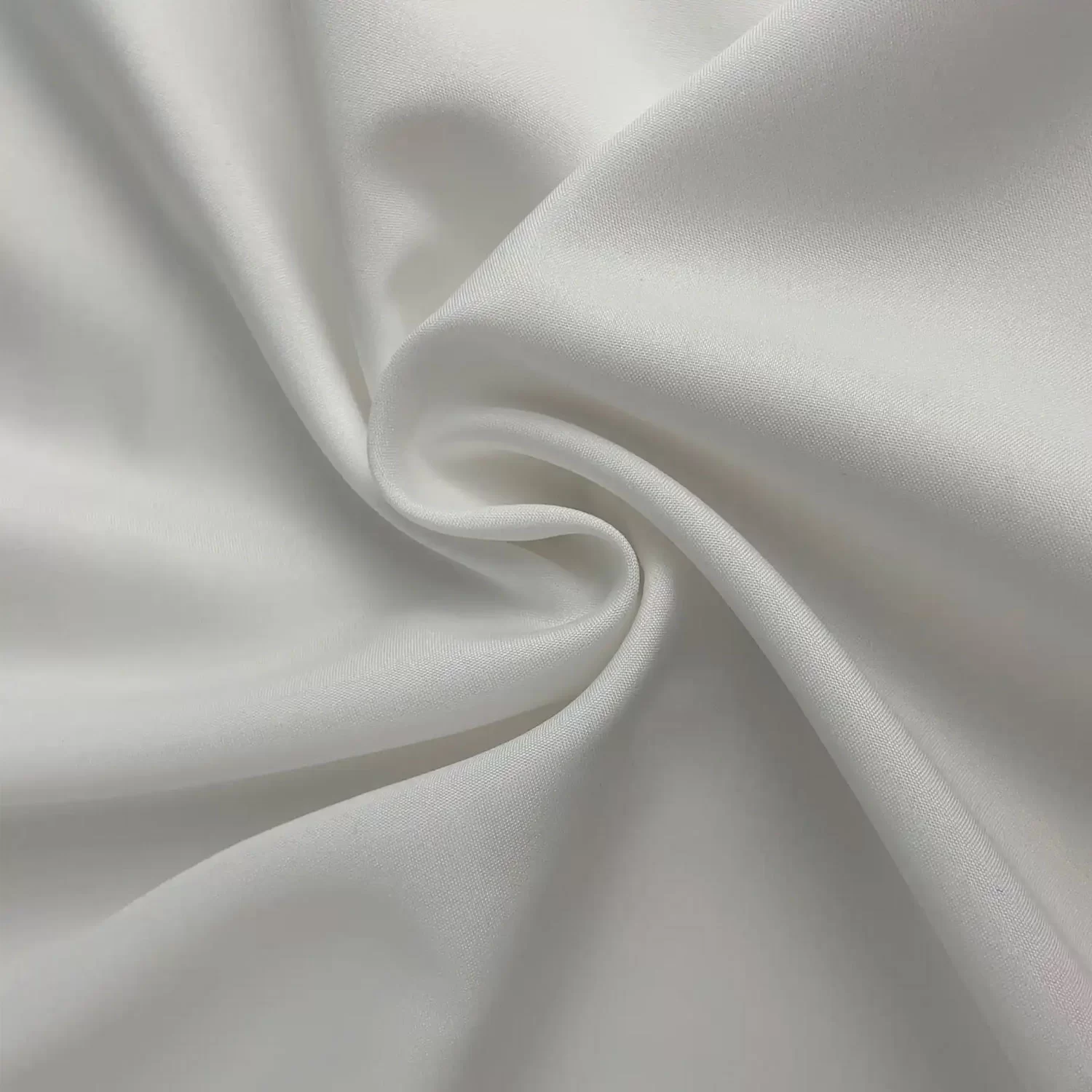
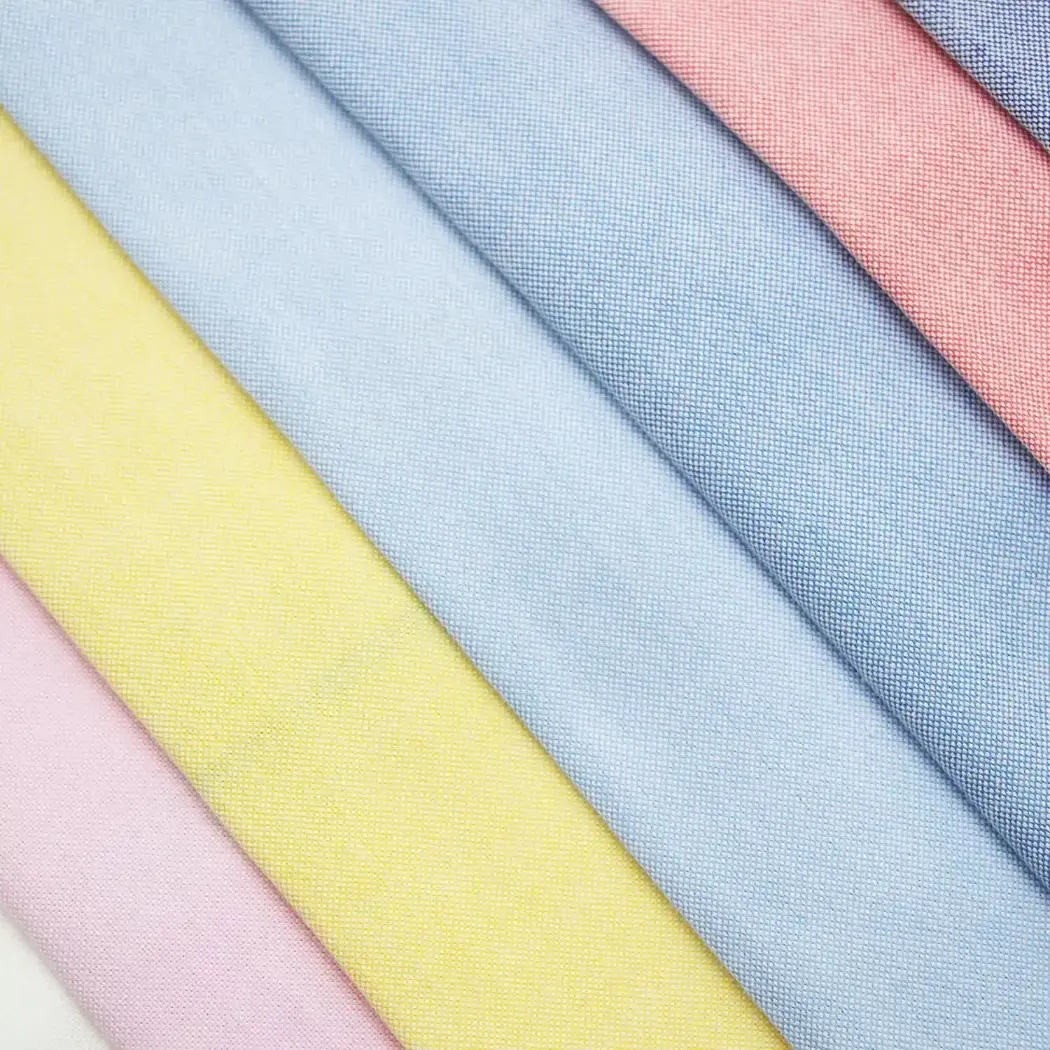
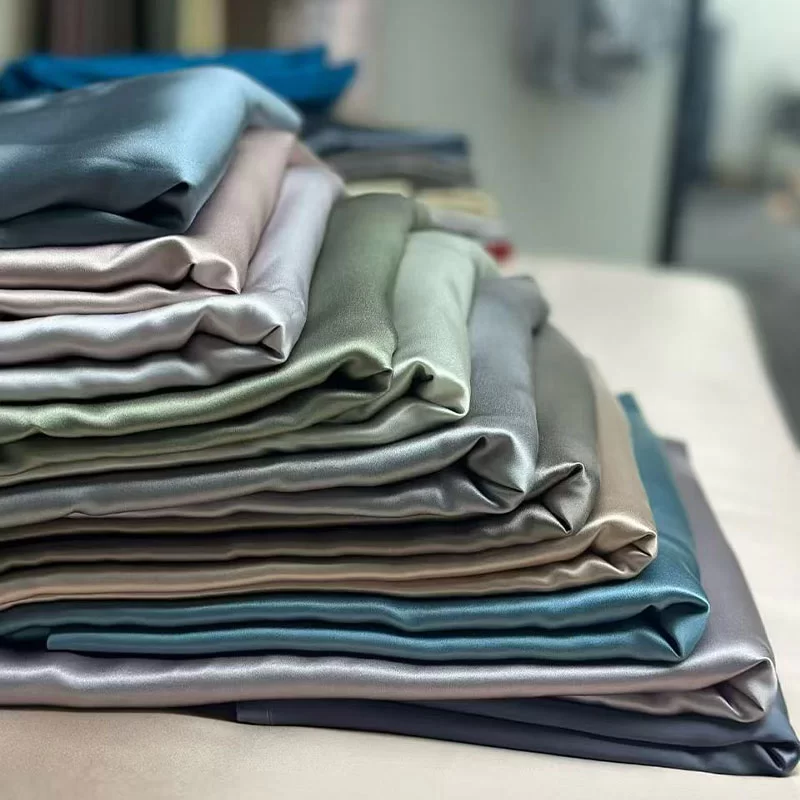
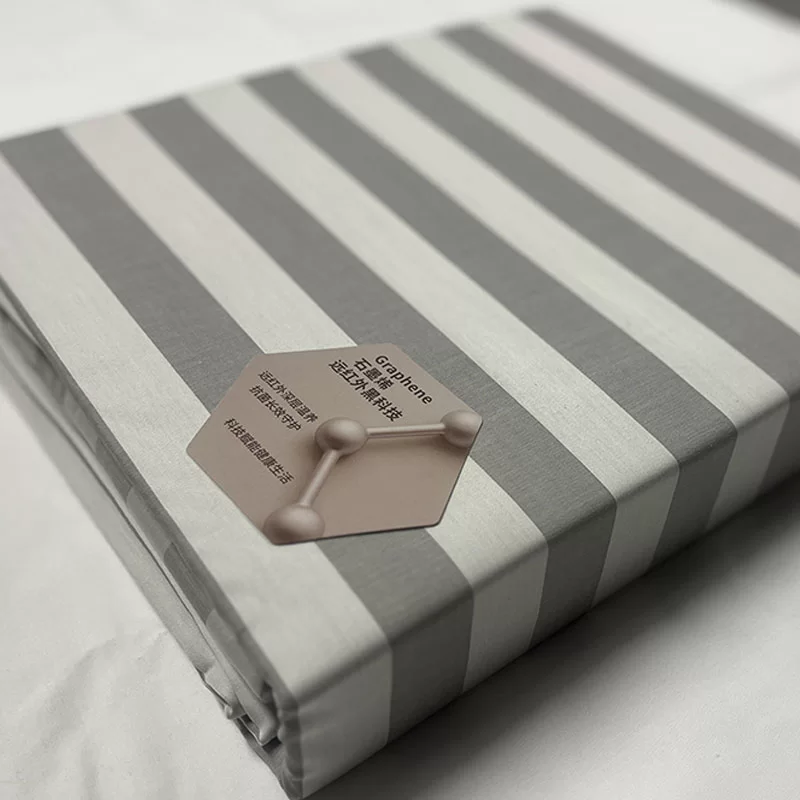


Selecting the right bedding for extended mattresses often leads buyers to the twin xl flat sheet, a critical component for dormitory, healthcare, and hospitality environments where standard twin sizes fall short. Unlike fitted sheets, the flat sheet provides a versatile layer of protection and comfort, acting as the primary barrier between the sleeper and the mattress or blanket.
For professional procurement managers in the hotel and hospital sectors, the challenge lies in balancing high-frequency laundering durability with the tactile softness required for patient and guest satisfaction. The technical specifications of these sheets—ranging from thread count to fiber purity—directly impact the operational lifespan of the linen inventory.
By understanding the structural differences between various cotton weaves and the specific dimensions of the Twin XL format, buyers can optimize their procurement strategy to reduce replacement costs while enhancing the overall sleep experience.

The Strategic Role of Twin XL Flat Sheets in Institutional Bedding

The Twin XL format is specifically designed to accommodate taller individuals, typically adding 5 inches of length to a standard twin mattress. In high-turnover environments like universities or hospitals, the flat sheet serves as more than just a cover; it is a hygienic layer that prevents direct contact with the mattress protector and absorbs moisture during sleep.
From a textile engineering perspective, the "flat" design allows for greater flexibility in tucking and layering, which is essential for medical staff when positioning patients or for housekeeping staff in hotels to achieve a crisp, professional look. This versatility makes it a staple in any comprehensive bedding set.
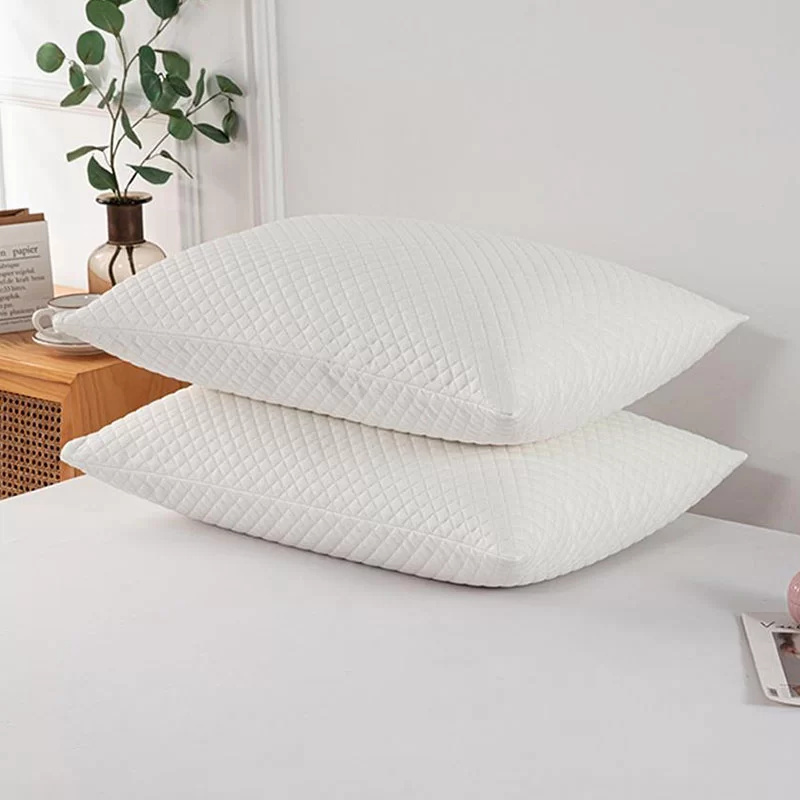
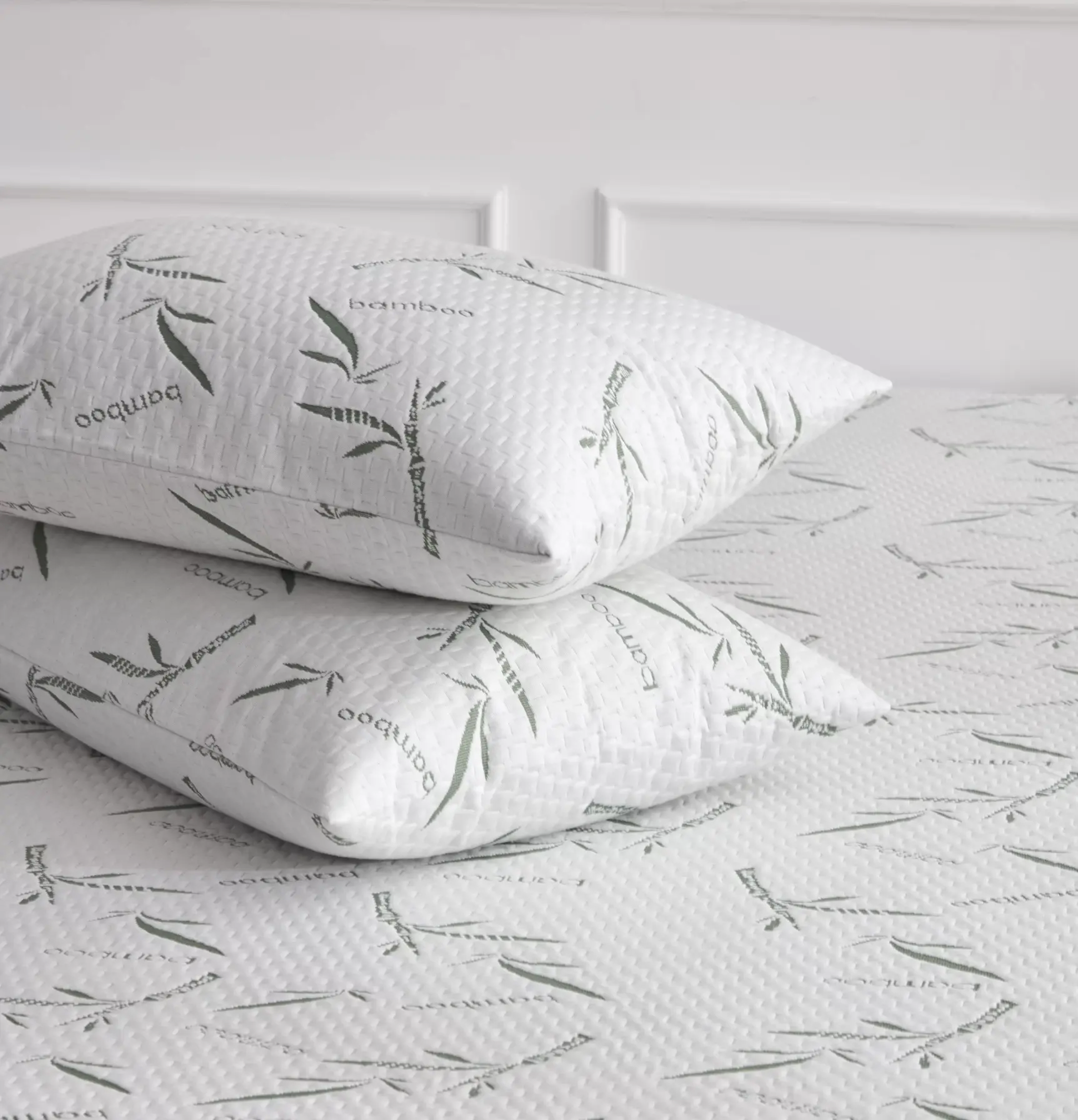
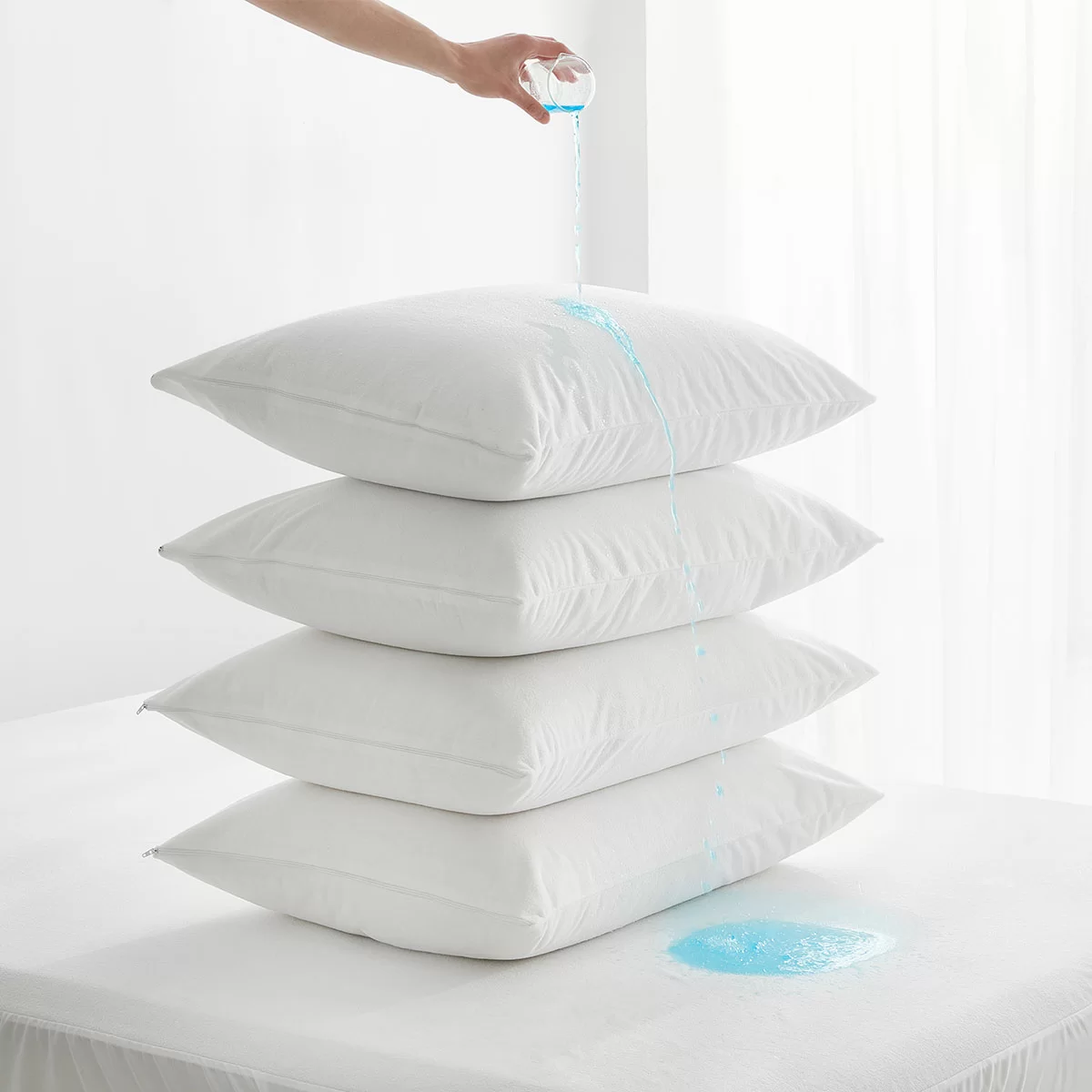
When integrated into a larger system of linens, including pillow shells and mattress protectors, the flat sheet completes the protective envelope, ensuring that the internal filling of the bed remains uncontaminated while providing the user with a breathable, skin-friendly surface.
Technical Dimensions and Fabric Engineering for Extended Sheets
The quality of a flat sheet is determined by its yarn count and weaving technique. For institutional use, a tight weave is necessary to resist pilling and fraying. Using long-staple cotton fibers reduces the occurrence of breakage during high-temperature industrial washing, extending the product's lifecycle.
Thread count (T) is a common metric, where 233T represents a balanced point between luxury softness and industrial durability. Higher counts may feel smoother but can sometimes compromise breathability or increase drying times in commercial laundry facilities.
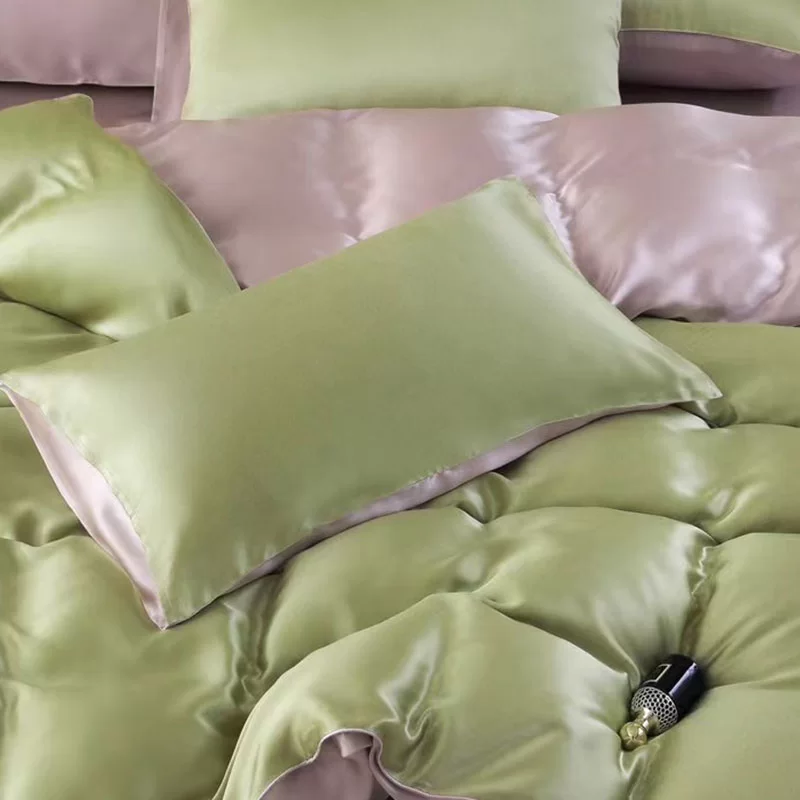
Additionally, the finish of the fabric—whether it be bleached white for a sterile hospital appearance or vat-dyed for a modern hotel aesthetic—affects how the material reacts to chemical disinfectants. Pure cotton remains the gold standard due to its natural hypoallergenic properties and superior moisture-wicking capabilities.
Application Scenarios across Hospitality and Healthcare Sectors
In the hospitality sector, specifically in motels and boutique hotels, the Twin XL flat sheet is used to create a "triple sheeting" effect. This technique involves layering a flat sheet between two blankets, providing a high-end feel while ensuring that the blankets—which are laundered less frequently—do not touch the guest's skin.
In healthcare settings, the priorities shift toward hygiene and skin integrity. For patients with limited mobility, the breathability of 100% cotton is vital to prevent heat buildup and reduce the risk of pressure sores. The ability to withstand frequent sterilization without losing shape is a non-negotiable requirement.
Student housing represents a third major market, where durability must be paired with ease of care. These environments demand linens that can be machine-washed and dried quickly without requiring intensive ironing, making anti-wrinkle cotton blends or high-quality percale weaves ideal choices.
Evaluating Durability and Breathability Performance Benchmarks
Measuring the performance of bedding requires looking at several key indicators: tensile strength, moisture absorption rates, and resistance to pilling. Industrial benchmarks often compare synthetic blends against pure cotton to determine the total cost of ownership over a two-year cycle.
While polyester blends may offer faster drying times, pure cotton significantly outperforms them in thermal regulation. This is particularly evident in "hot sleepers" or warm climates where airflow through the fabric determines the quality of sleep.
twin xl flat sheet Performance Metrics
The data indicates that while the initial cost of high-grade cotton is higher, the perceived value and skin-friendliness lead to higher guest satisfaction scores and lower long-term irritation risks in clinical settings.
Procurement Considerations for Bulk Institutional Linen Orders
When sourcing linens in bulk, procurement officers must look beyond the unit price. The "cost per wash" is a more accurate metric for evaluating value. This involves analyzing the fabric's reaction to industrial detergents and the frequency of replacement due to tears or thinning.
Customization is another critical factor. Many institutions require specific dimensions or reinforced stitching at the corners to prevent fraying. Ensuring the supplier can provide consistent quality across thousands of units is essential to maintain brand standards in hotels.
Verification of certifications, such as ISO quality standards, ensures that the manufacturing process is stable and the materials are free from harmful chemical residues, which is a primary concern for hospitals catering to sensitive patients.
Future Innovations in Sustainable Textile Manufacturing
The textile industry is moving toward more eco-friendly production methods. Water-saving dyeing processes and the use of organic cotton are becoming more prevalent as corporations aim to meet sustainability goals. These changes may influence the cost structure of institutional bedding in the coming years.
Innovations in fabric finishing, such as bio-based anti-wrinkle treatments, are likely to replace traditional chemical softeners. This not only reduces the environmental impact but also enhances the hypoallergenic nature of the sheets, making them safer for long-term skin contact.
The integration of smarter supply chain tracking may allow institutions to monitor the lifecycle of each sheet more accurately, optimizing the rotation of stock and reducing waste through better inventory management.
Comparative Analysis of Bedding Material Selection Logic
Choosing between different fabric types depends entirely on the intended use case. A hospital requires a different specification than a luxury hotel or a college dormitory. The following analysis breaks down the selection logic based on operational priorities.
By comparing the trade-offs between durability, comfort, and maintenance, buyers can select the material that aligns with their specific institutional goals.
| Use Case | Recommended Material | Primary Priority | Maintenance Level |
|---|---|---|---|
| Luxury Hotel | High-T Cotton Percale | Guest Comfort | High (Ironing Req) |
| Acute Care Hospital | Long-Staple Cotton | Hygiene/Breathability | Industrial Wash |
| University Dorms | Cotton-Poly Blend | Durability/Cost | Low (Easy Care) |
| Boutique Airbnb | Sateen Weave Cotton | Aesthetic Feel | Moderate |
| Elderly Care Home | Soft Brushed Cotton | Skin Sensitivity | High Frequency |
| Budget Motel | Standard 200T Cotton | Replacement Cost | Moderate |
Ultimately, the selection of a twin xl flat sheet should be a data-driven decision based on the specific environmental stresses the fabric will encounter and the expected level of user comfort.
Frequently Asked Questions
Conclusion
The selection of a twin xl flat sheet is a strategic decision that balances operational efficiency with the fundamental need for human comfort. Whether the priority is the sterile requirements of a hospital or the luxury expectations of a high-end hotel, the choice of fiber and weave determines the long-term success of the bedding program.
By focusing on long-staple cotton and appropriate thread counts, procurement managers can ensure a sustainable investment that enhances the user experience. For those evaluating specific technical requirements or bulk sourcing options, detailed product and company information is available through www.infortextile.com.