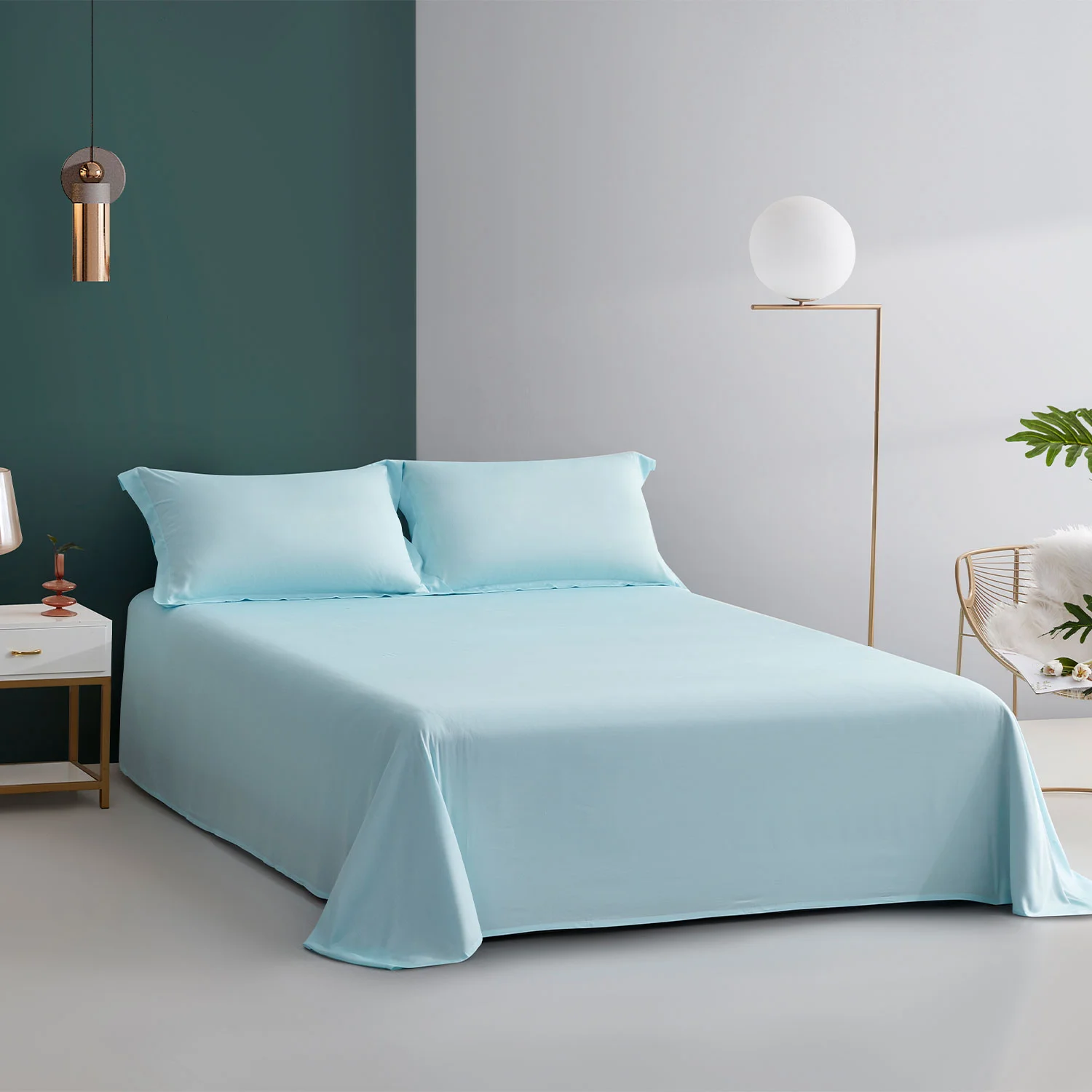
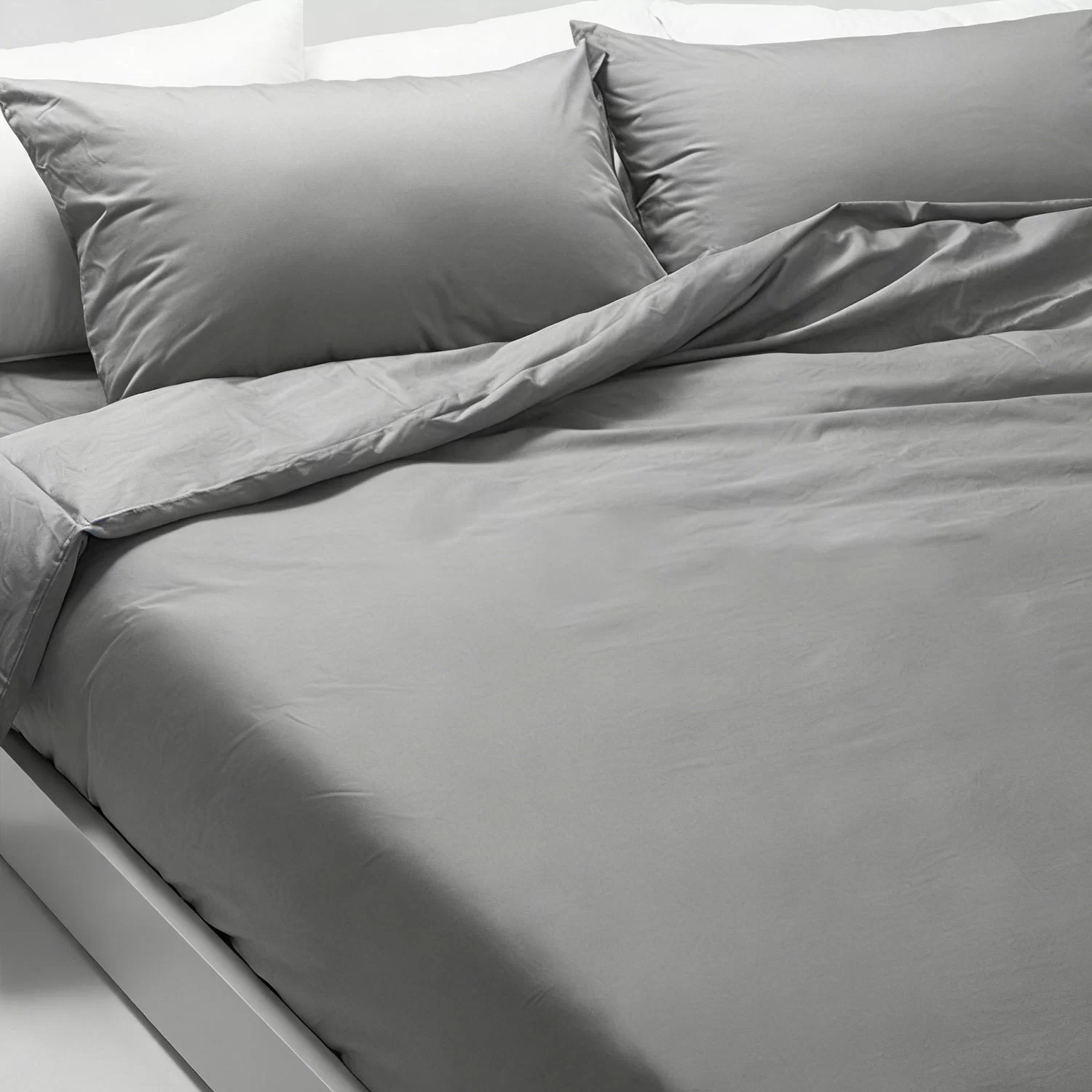
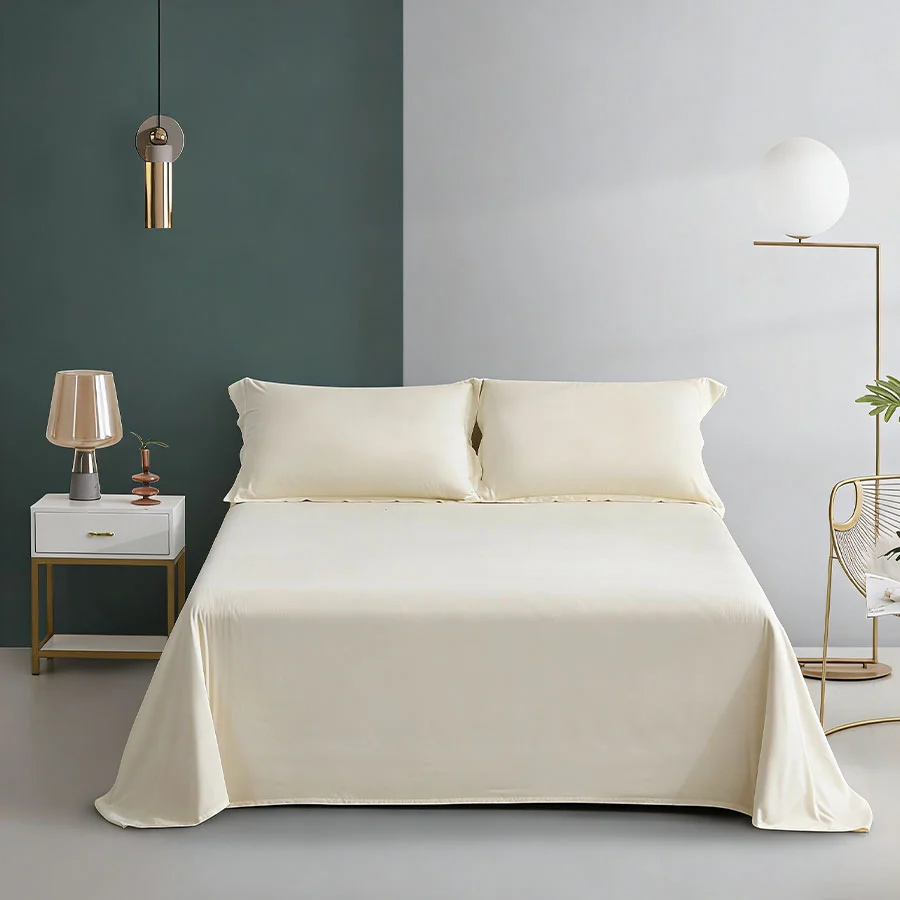
In the global pursuit of optimal sleep hygiene, the choice of bedding materials has evolved from simple utility to a sophisticated science of wellness. Among the various options available, the concept of a flannel top sheet represents a commitment to thermal comfort and tactile luxury, providing a crucial layer of insulation during colder months. Understanding the interplay between fabric breathability and heat retention is essential for anyone looking to enhance their nocturnal recovery and overall health.
The textile industry has seen a significant shift toward materials that cater to specific physiological needs, whether it be moisture-wicking for athletes or hypoallergenic surfaces for sensitive skin. While many are familiar with basic cotton, the specialized nature of a flannel top sheet offers a distinct advantage in temperature regulation, ensuring that the body remains at a stable temperature throughout the sleep cycle, which is critical for entering deep REM stages.
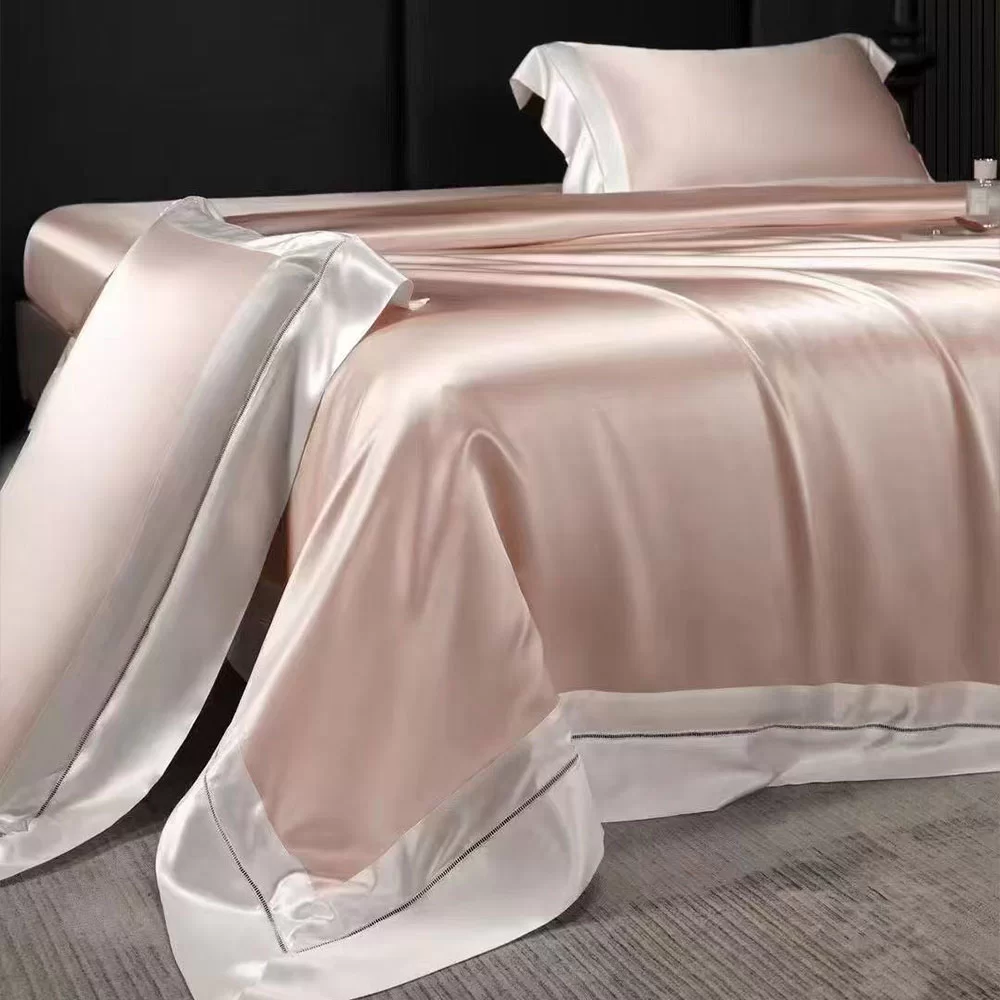
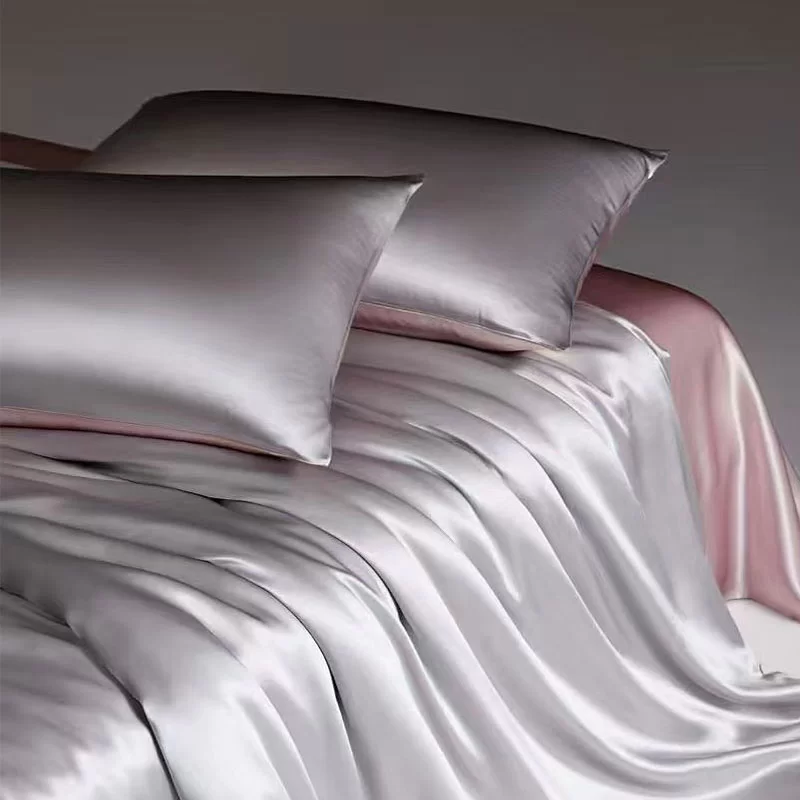
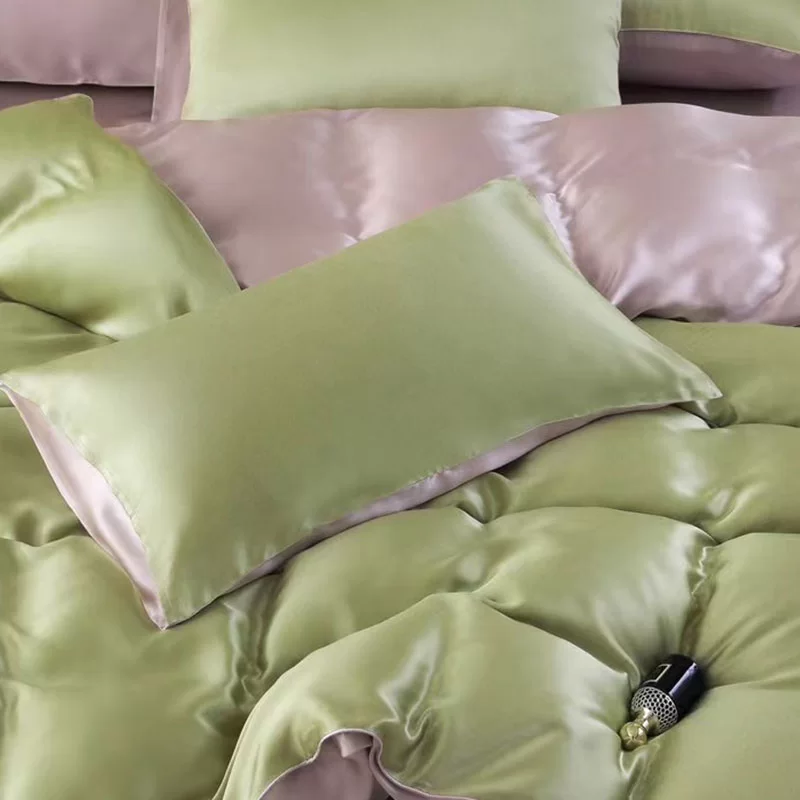
For those seeking the pinnacle of luxury, integrating premium fabrics into their bedding ensemble is a transformative investment. While a flannel top sheet provides warmth, combining it with high-end accessories like mulberry silk pillowcases creates a holistic environment that protects both the skin and the hair. This synergy of warmth and smoothness defines the modern standard for high-end home bedding.

Global Relevance of Flannel Top Sheet Materials
The global demand for specialized bedding has surged as more populations move toward "sleep tourism" and wellness-centric lifestyles. In regions experiencing harsh winters, such as Northern Europe, Canada, and Northern China, the implementation of a flannel top sheet is not merely a luxury but a functional necessity. According to textile industry trends, there is a growing preference for brushed fabrics that can trap air and provide a thermal barrier without the oppressive weight of heavy quilts.
This global shift is further driven by an increasing awareness of how temperature affects sleep quality. ISO standards for textile breathability and thermal resistance highlight the importance of materials that prevent overnight chills, which can lead to fragmented sleep. By utilizing a flannel top sheet, consumers can maintain a consistent microclimate around the body, reducing the reliance on high-energy heating systems and promoting a more sustainable way of staying warm.
Defining the Flannel Top Sheet in Modern Textiles
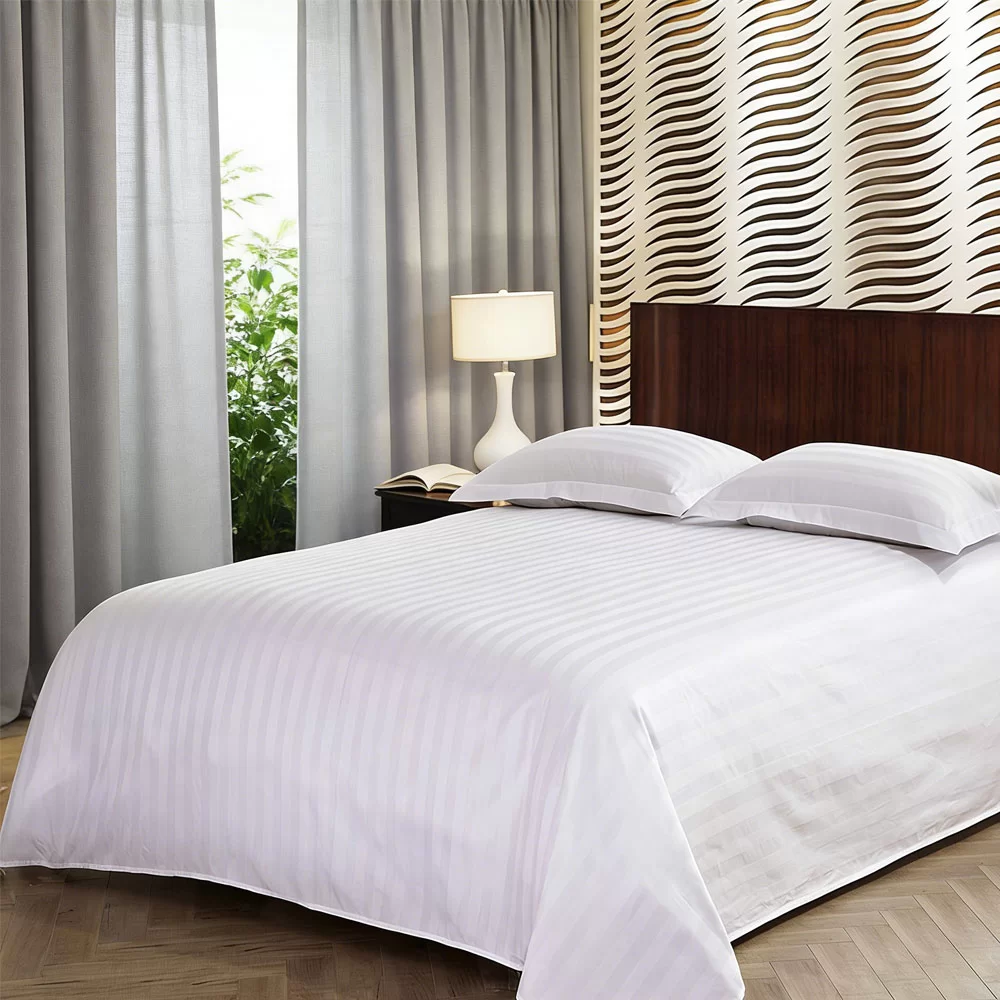
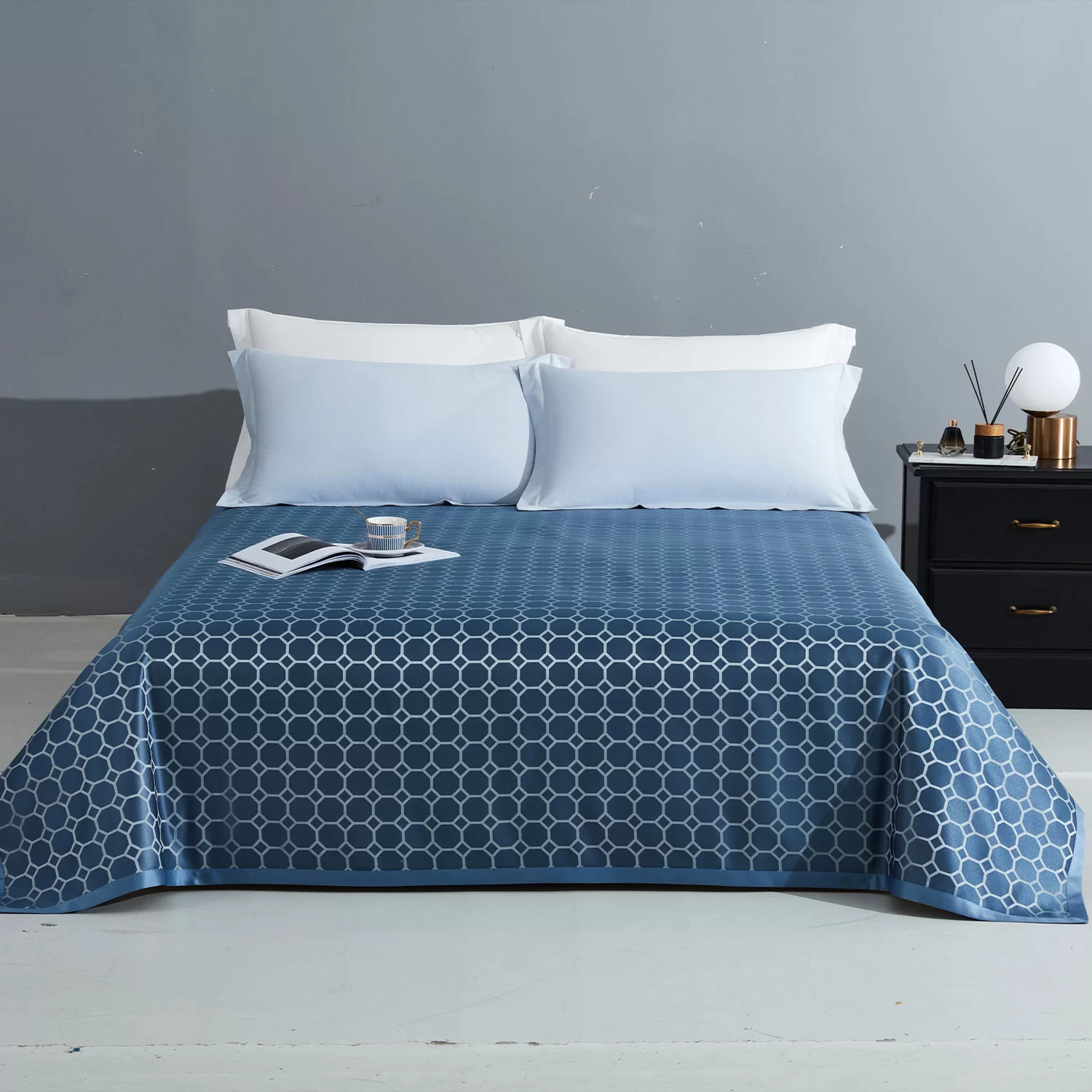
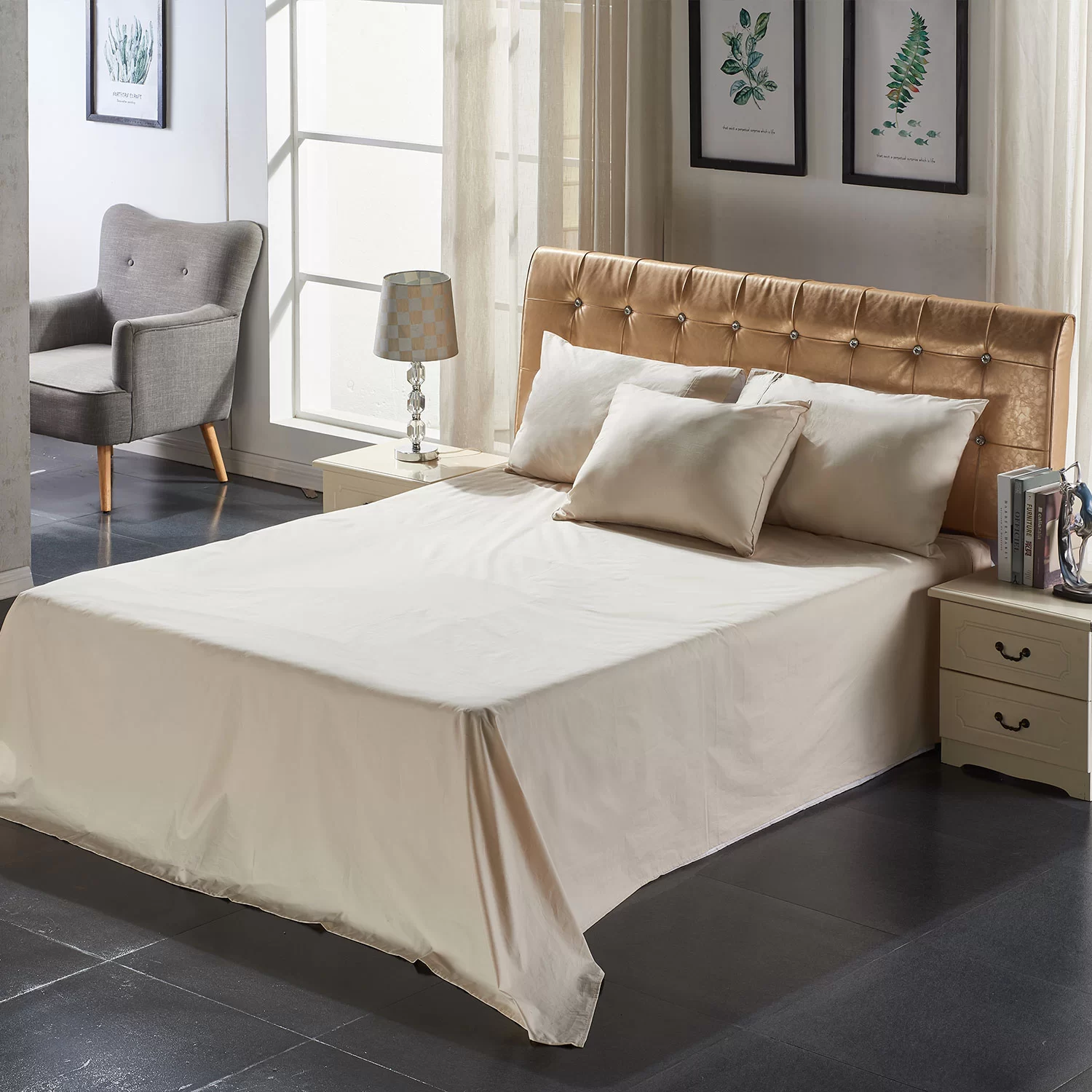
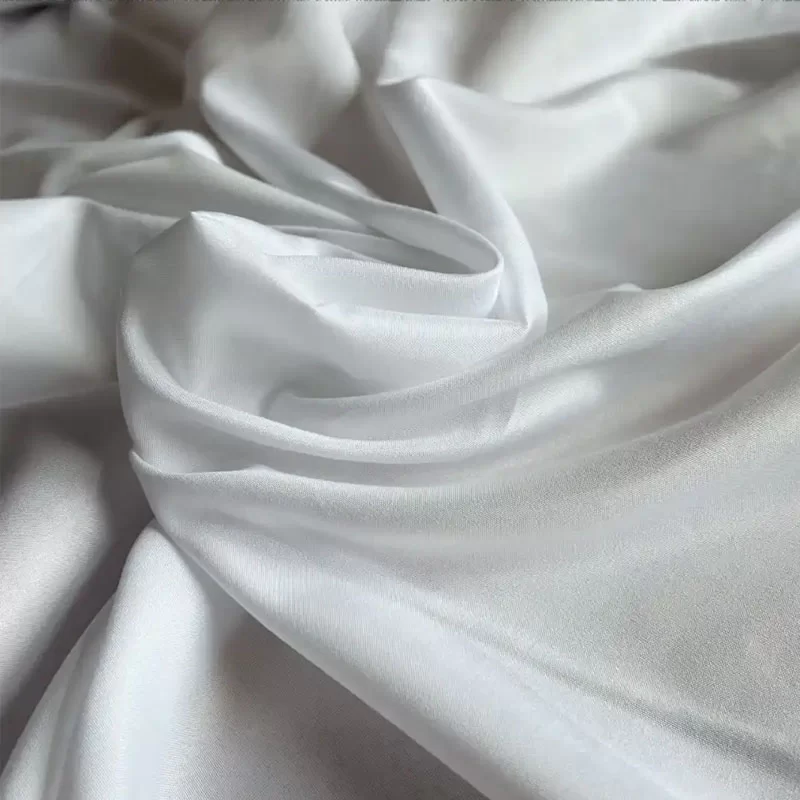
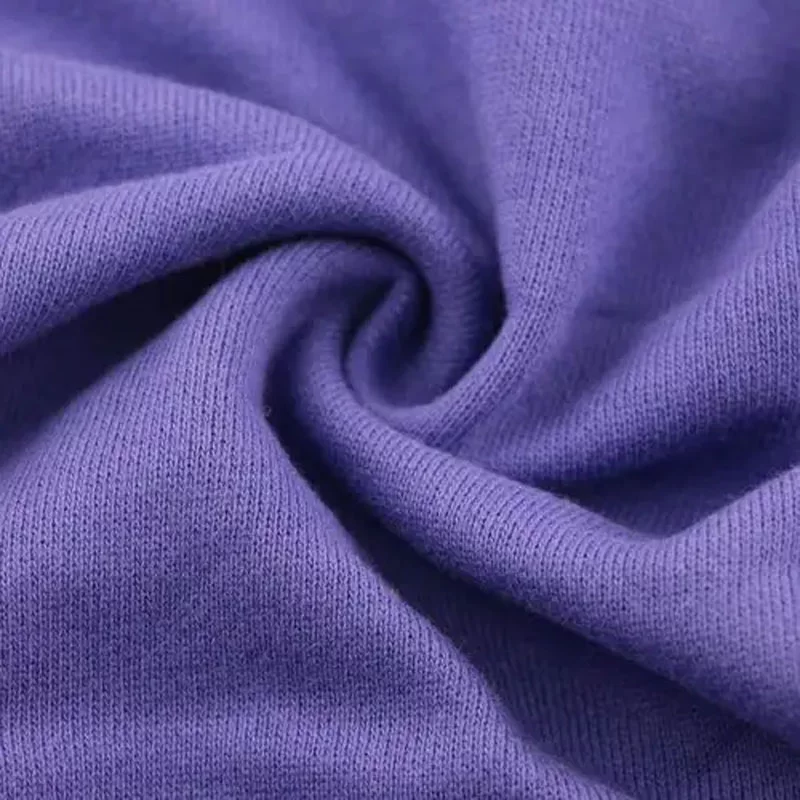
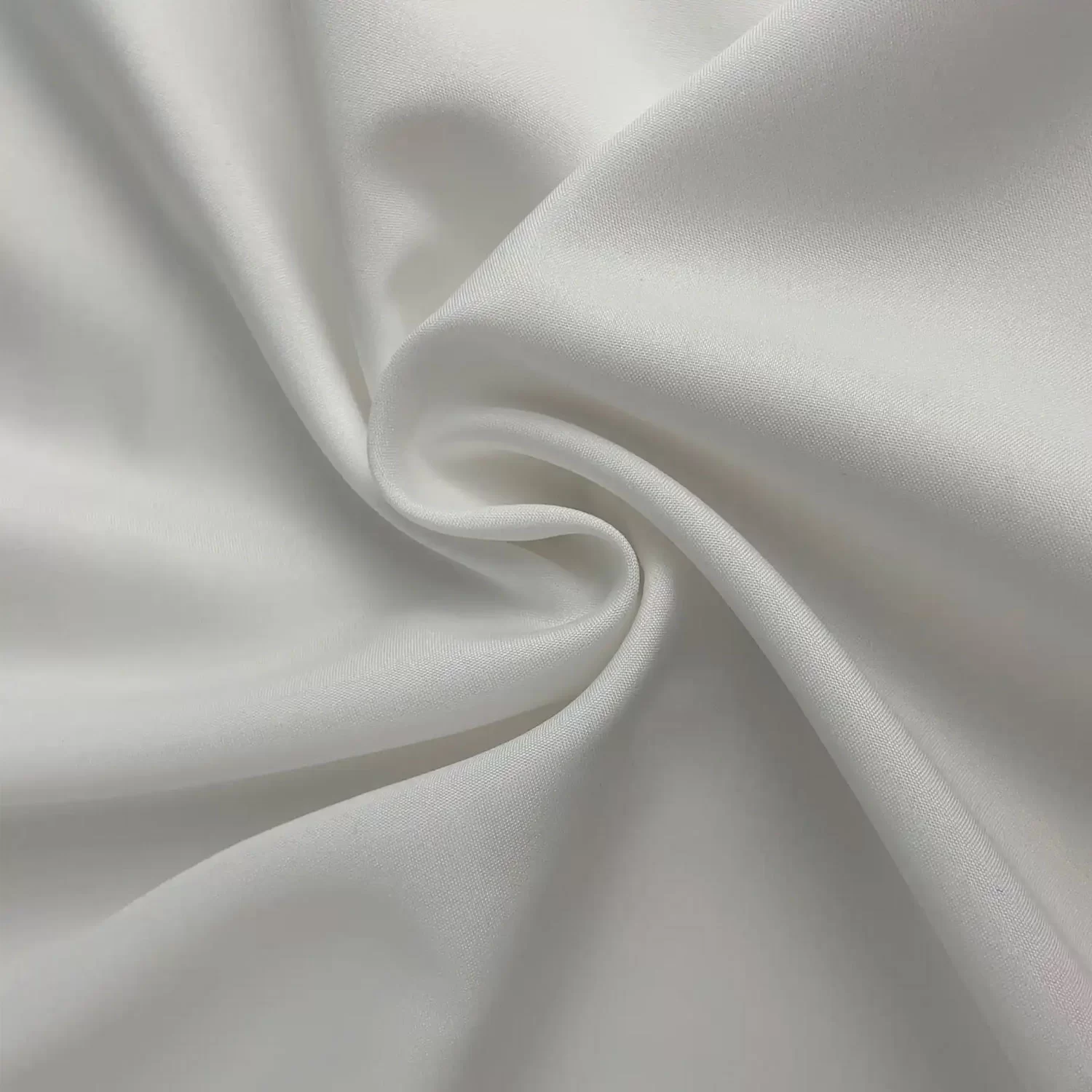
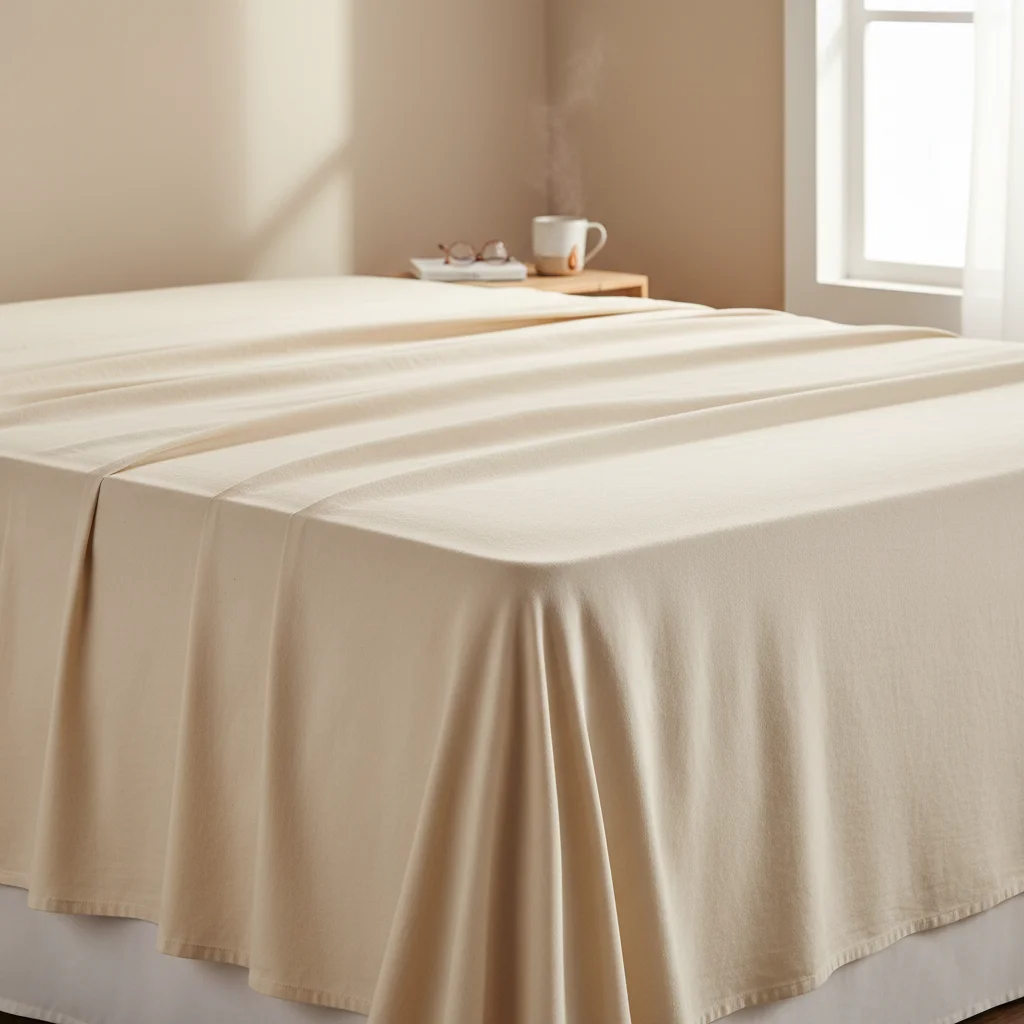
In simple terms, a flannel top sheet is a flat sheet made from fabric that has been "brushed" to create a soft, nap-like surface. This brushing process lifts the fibers, creating tiny pockets of air that act as natural insulators. Unlike a standard percale or sateen sheet, which is designed for crispness and coolness, the flannel variety is engineered specifically for warmth, softness, and a cozy tactile experience.
In the context of modern industrial manufacturing, these sheets are often produced from high-quality cotton or synthetic blends to balance durability with comfort. The goal is to create a protective layer that sits between the sleeper and the heavier blankets, providing a skin-friendly surface that does not feel cold to the touch upon entry into the bed. This makes it an essential component for those with sensitivity to cold temperatures.
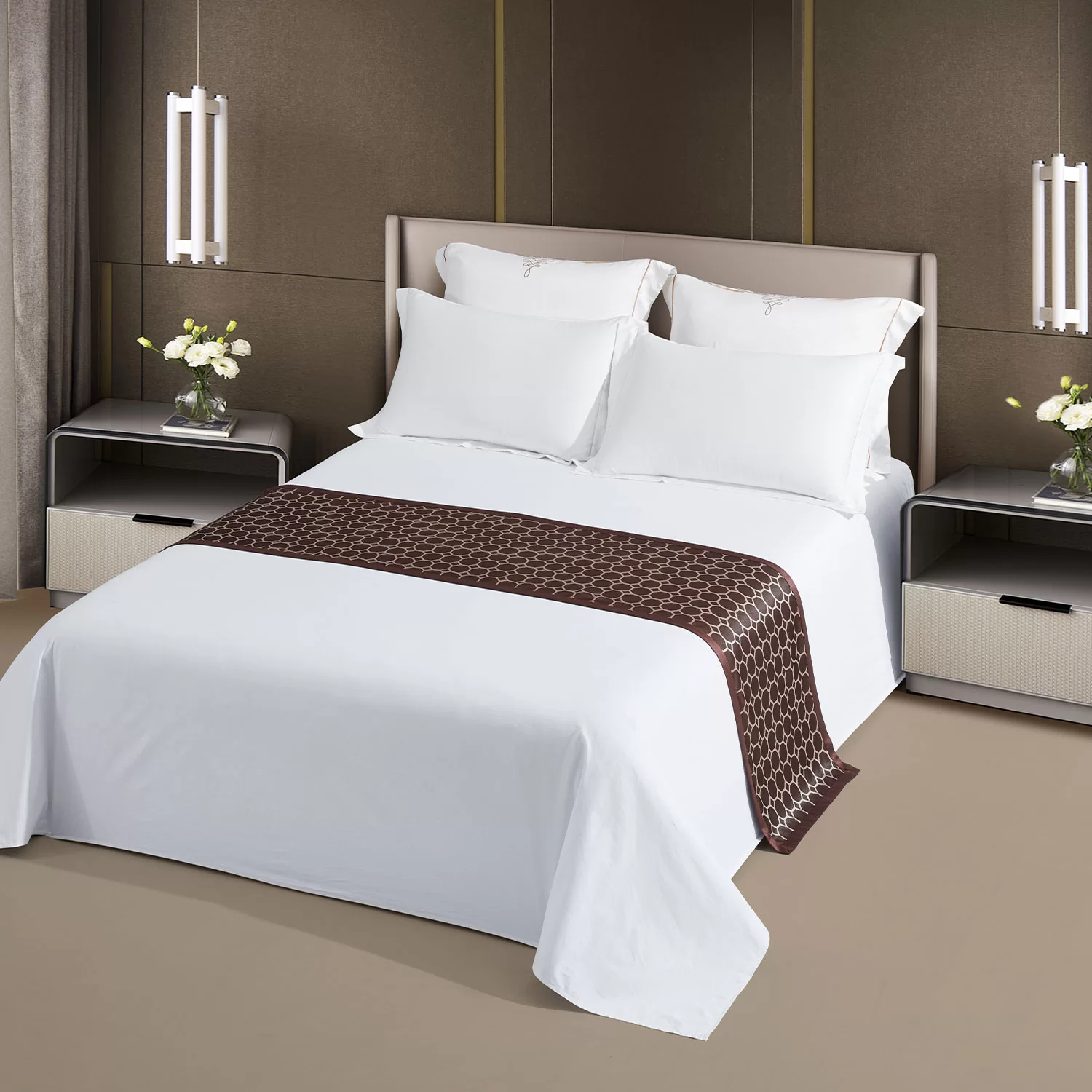
Beyond residential use, the adoption of these insulating layers has extended into the hospitality sector. Luxury hotels in mountainous regions now prioritize high-GSM (grams per square meter) flannel options to enhance guest satisfaction. By integrating a flannel top sheet into their linen rotations, hotels can provide a personalized warmth experience that aligns with the expectations of high-end travelers seeking comfort and coziness.
Core Components of Thermal Bedding Performance
The effectiveness of a flannel top sheet depends largely on the quality of the brushing process and the base yarn used. A high-density weave ensures that the sheet remains durable over time, while the depth of the nap determines how much heat is trapped. When selecting these products, consumers often look for the balance between "loft" (the thickness of the fibers) and breathability to avoid overheating.
Durability is another critical factor; a premium flannel top sheet must withstand frequent laundering without losing its soft texture or developing excessive pilling. Advanced weaving techniques now allow for a tighter structure that maintains the plush feel while increasing the lifespan of the fabric, making it a cost-effective investment for long-term home use.
Finally, the integration of hypoallergenic properties is becoming a standard. Many modern manufacturers treat their flannel top sheet options with antimicrobial finishes or use organic cotton to ensure that the warmth does not come at the cost of skin irritation. This ensures that even those with eczema or highly sensitive skin can enjoy the cozy benefits of winter bedding without worry.
Practical Applications Across Different Climates
The application of insulating bedding varies significantly by geography. In temperate zones, a flannel top sheet is often used as a seasonal transition piece, swapped in during autumn and removed in spring. This flexibility allows users to customize their sleep environment without needing to replace their entire bedding set, simply by adding a layer of brushed fabric.
In extreme cold climates or remote industrial zones, these sheets are often paired with other luxury layers, such as silk pillowcases, to create a comprehensive wellness sanctuary. For example, in high-altitude resorts, providing a flannel top sheet is a standard practice to ensure guests remain warm despite the drop in indoor temperatures during the night.
Comparative Performance of Bedding Layers
Long-Term Value and Sustainability Benefits
Investing in a high-quality flannel top sheet offers significant logical and emotional value. Logically, the increased insulation reduces the need for electric blankets or excessive home heating, leading to lower utility costs over several winters. Emotionally, the tactile softness of the fabric provides a sense of security and comfort, which is essential for reducing stress and anxiety before sleep.
From a sustainability perspective, choosing durable, long-lasting brushed cotton over cheap synthetic alternatives reduces textile waste in landfills. Premium flannel, when cared for correctly, maintains its structural integrity for years, embodying the principle of "slow fashion" in home textiles. This commitment to quality ensures that the product remains functional and luxurious throughout its lifecycle.
Future Innovations in Insulating Bedding
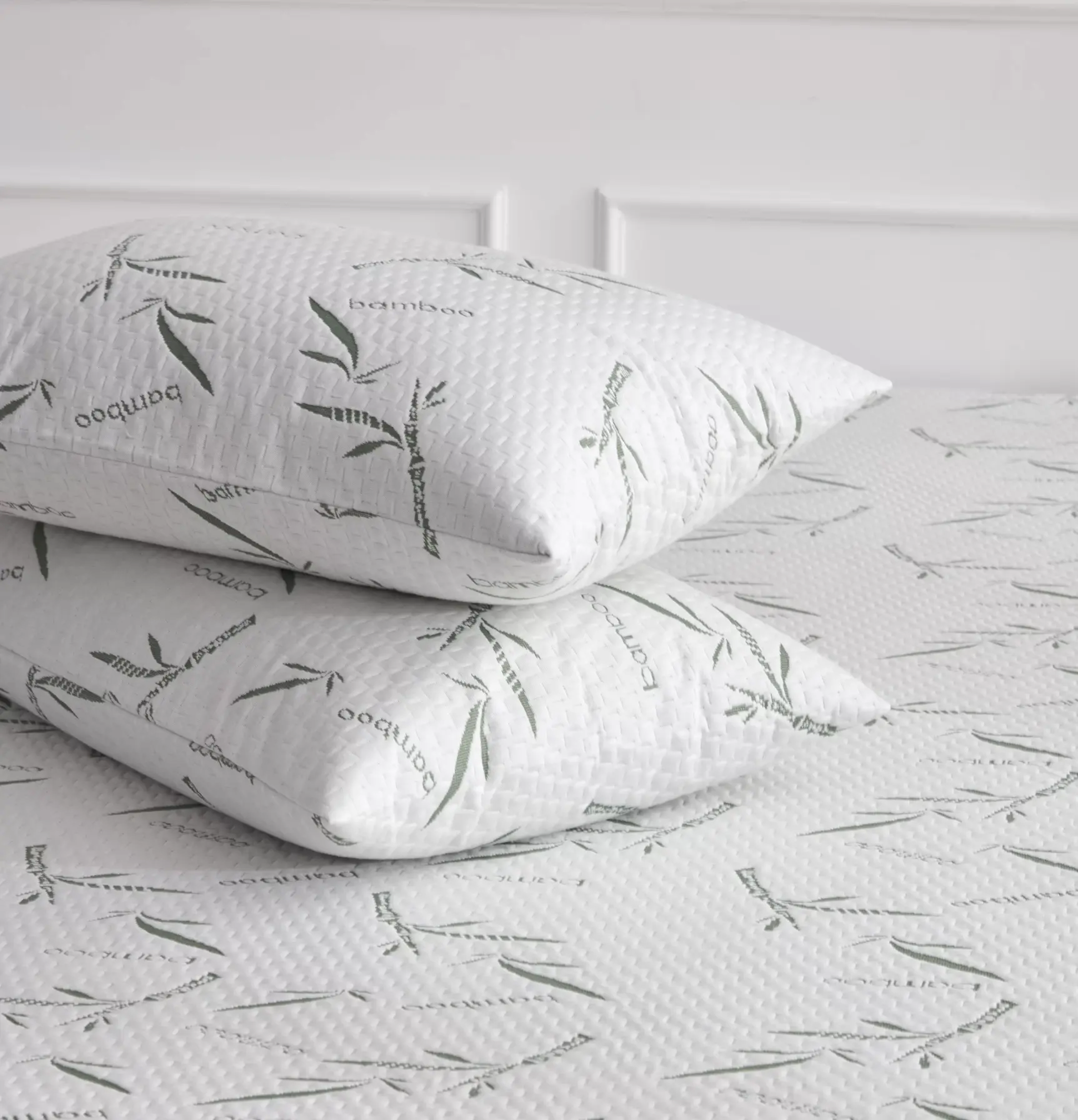
The future of the flannel top sheet lies in the integration of smart textiles and sustainable fiber sources. We are seeing a rise in the use of Tencel and bamboo-derived flannels, which offer the same warmth as cotton but with superior moisture-wicking properties and a lower environmental footprint. These innovations aim to solve the common problem of "night sweats" associated with traditional heavy winter bedding.
Furthermore, digital transformation in manufacturing is allowing for precision brushing. Using automated laser-guided systems, manufacturers can now create variable nap depths across a single sheet, optimizing warmth in the center and breathability at the edges. This level of customization ensures that the sleeper stays warm without feeling suffocated.
Automation in the supply chain is also reducing the cost of these premium materials, making high-GSM insulating sheets accessible to a wider demographic. As we move toward a more circular economy, the development of fully biodegradable flannel top sheet options will likely become the industry standard, aligning luxury with planetary health.
Challenges and Expert Solutions for Bedding Care
One of the primary challenges with brushed fabrics is the tendency for them to pill or lose their softness over time. This occurs when short fibers break and tangle into small balls on the surface. To overcome this, experts recommend washing a flannel top sheet in cold water on a gentle cycle and avoiding the use of fabric softeners, which can actually coat the fibers and reduce their natural insulating properties.
Another common issue is the shrinkage associated with high-cotton content fabrics. To prevent this, air drying or tumble drying on the lowest heat setting is highly advised. By treating the fabric with a pH-neutral detergent, the integrity of the nap is preserved, ensuring the sheet remains plush and inviting for several seasons.
For commercial users, such as hotels, the challenge is maintaining the "luxury feel" under the stress of industrial laundering. The solution lies in choosing a flannel top sheet with a reinforced weave and a specific blend of long-staple cotton, which is naturally more resistant to abrasion and pilling.
Analysis of Flannel Bedding Performance and Maintenance
| Fabric Material |
Warmth Score (1-10) |
Breathability |
Maintenance Level |
| Pure Cotton Flannel |
9 |
High |
Moderate |
| Bamboo Flannel |
7 |
Very High |
Low |
| Polyester Blend |
8 |
Medium |
Very Low |
| Organic Cotton |
9 |
High |
Moderate |
| Tencel Blend |
6 |
Excellent |
Low |
| Heavy-Duty Industrial |
10 |
Low |
High |
FAQS
The primary difference is the "brushing" process. A flannel top sheet undergoes a mechanical brushing that lifts the fibers to create a soft nap, which traps air for superior warmth. Regular flat sheets, like percale, are smooth and designed to be cool, making them better for summer, whereas flannel is ideal for winter.
While flannel is designed for warmth, high-quality cotton flannel is still breathable. If you are a "hot sleeper," we recommend choosing a lower GSM (grams per square meter) flannel or blending it with bamboo to ensure moisture-wicking properties while still enjoying the cozy texture.
To minimize pilling, wash your sheets inside out on a gentle cycle with cold water. Avoid using bleach or strong fabric softeners, as these can break down the fibers. Air drying or using a low-heat tumble setting is the best way to maintain the fabric's smooth, plush surface.
Yes, they are excellent for these environments, especially in colder regions. However, for commercial use, it is best to choose industrial-grade flannel that is specifically woven for durability and frequent high-temperature laundering to ensure the longevity of the investment.
Pure cotton flannel is naturally hypoallergenic. However, some synthetic blends may cause irritation for very sensitive skin. We recommend choosing organic cotton flannel or bamboo blends for the most gentle experience, especially for individuals with eczema or respiratory sensitivities.
Depending on the quality, a premium flannel top sheet should last 3-5 years. You should consider replacing them when you notice significant thinning of the fabric or when the nap has worn down to the point where it no longer provides the same level of warmth.
Conclusion
The integration of a flannel top sheet into a sleep system is more than a simple choice of fabric; it is a strategic decision to prioritize thermal regulation and psychological comfort. By combining the warmth of brushed textiles with the luxury of accessories like silk pillowcases, users can create a high-performance sleep environment that caters to both the body's need for heat and the skin's need for gentleness.
As textile technology continues to evolve toward sustainable and smart materials, the value of quality insulating bedding will only increase. We encourage consumers and business partners to invest in high-GSM, ethically sourced linens to ensure a healthier, more restful sleep experience. For premium textile solutions and customization, visit our website: www.infortextile.com