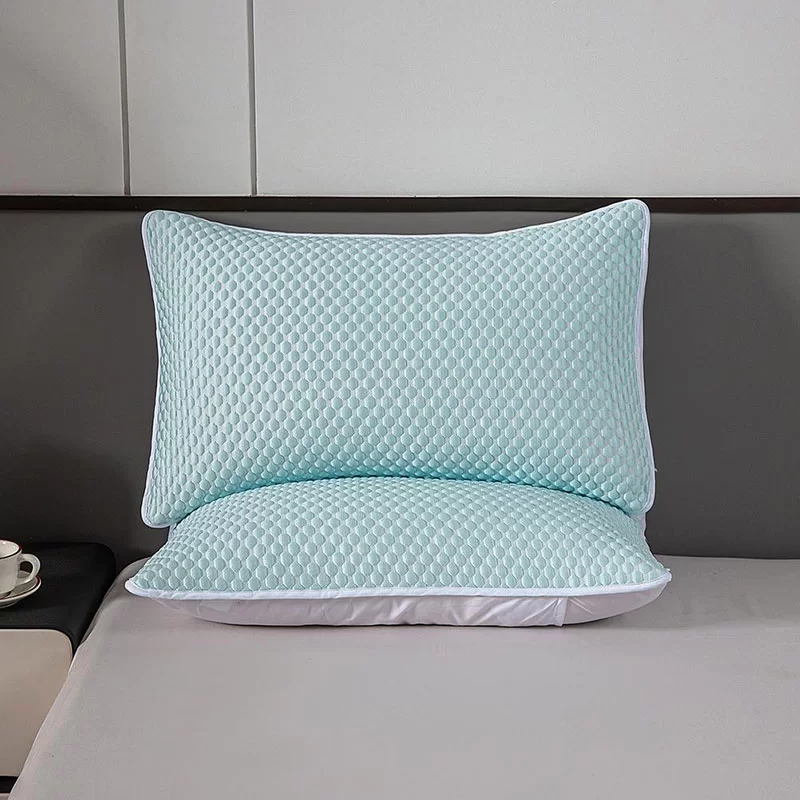
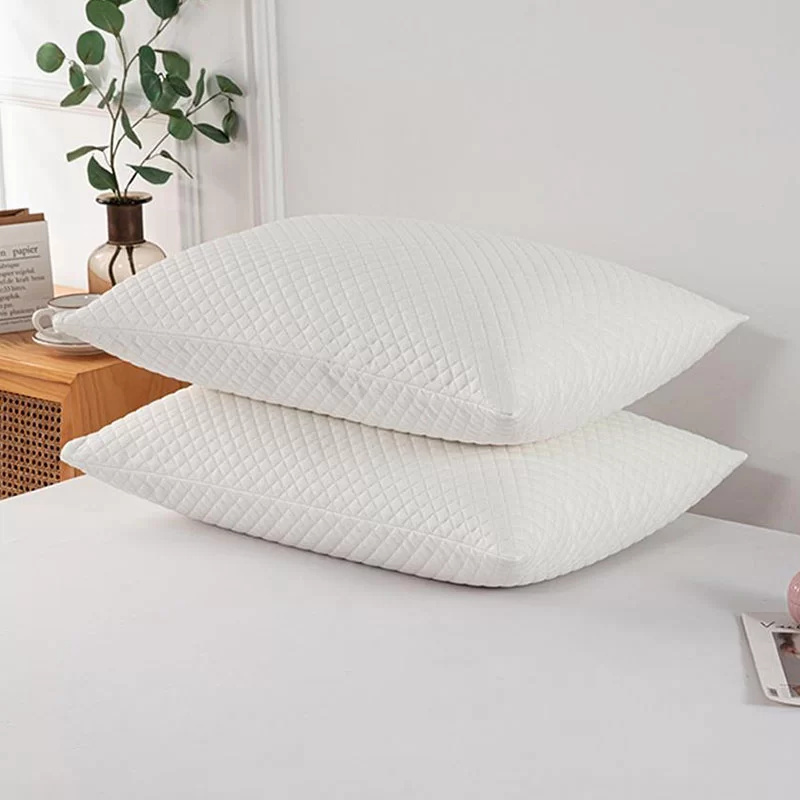
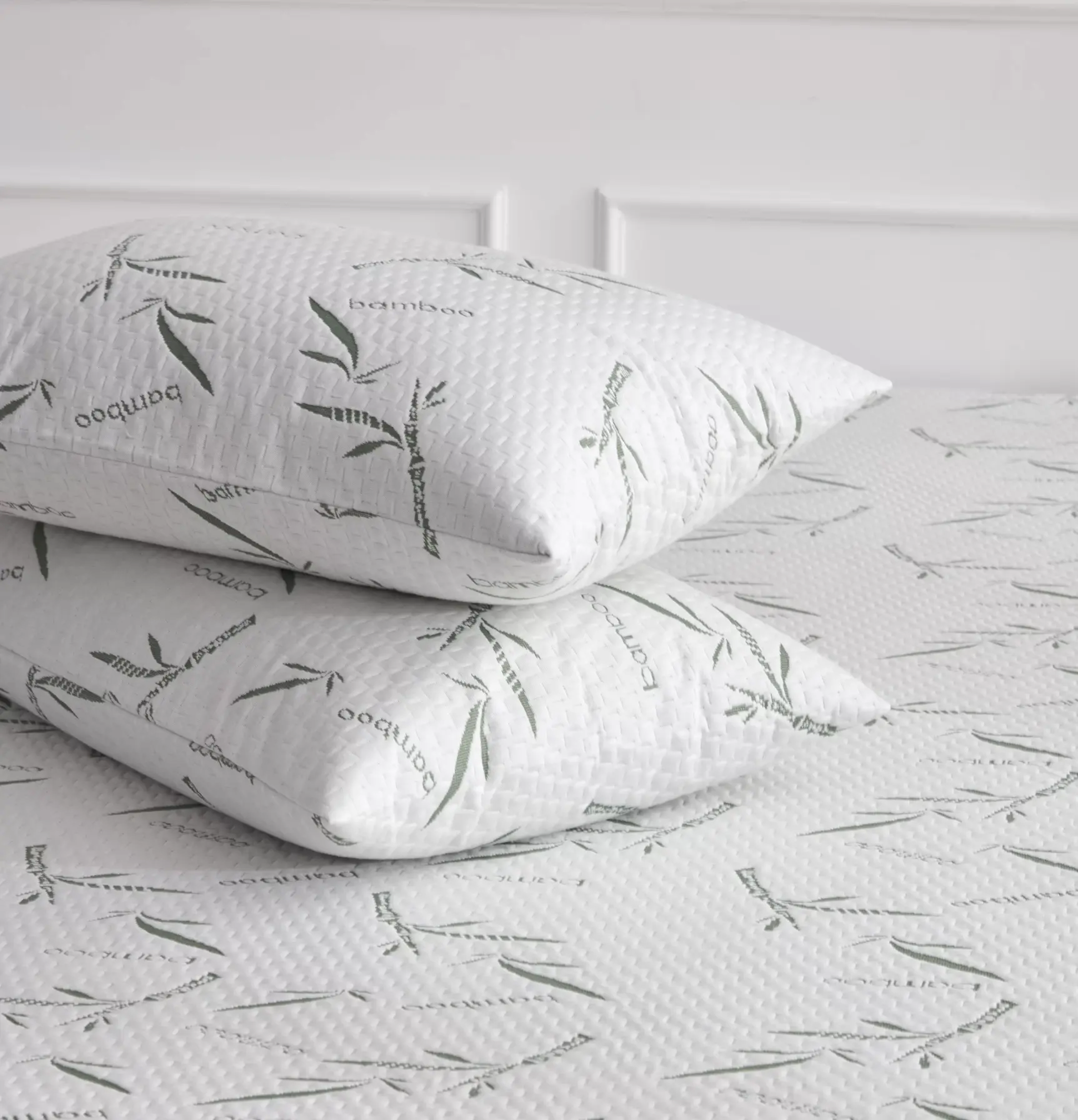
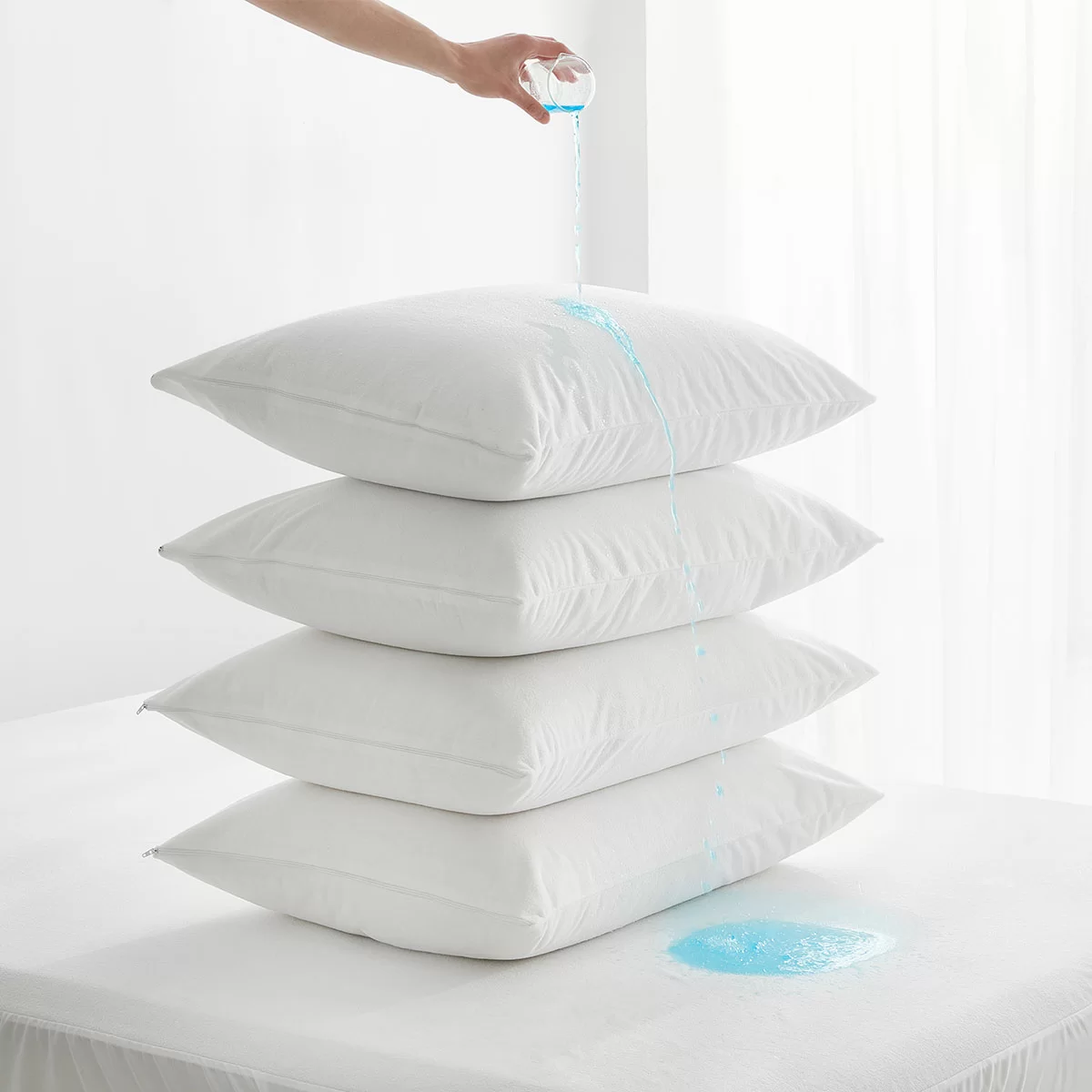
Ensuring a hygienic and comfortable sleep environment is a global priority, especially when it comes to specialized bedding solutions for children and infants. A high-quality quilted cot mattress protector serves as an essential barrier, safeguarding the mattress from spills, allergens, and wear, which ultimately promotes a healthier respiratory environment for the most vulnerable sleepers.
In the competitive landscape of home textile manufacturing, the demand for durable and breathable protectors has surged. Modern consumers seek products that combine the softness of natural cotton with the technical precision of down-proof weaving, ensuring that the bedding not only protects the mattress but also enhances the overall sleep quality through superior temperature regulation.
Choosing the right quilted cot mattress protector involves understanding the balance between thread count, fabric composition, and the structural integrity of the quilting. By investing in professional-grade bedding, parents and hospitality providers can significantly extend the lifespan of their mattresses while maintaining the highest standards of hygiene.

Global Relevance of Specialized Mattress Protection
On a global scale, the textile industry has seen a shift toward health-centric home products. The integration of high-thread-count fabrics in a quilted cot mattress protector is not merely a luxury but a response to the increasing prevalence of allergies and the need for hypoallergenic environments. ISO standards for textile safety have pushed manufacturers to adopt OEKO-TEX certifications, ensuring that the materials contacting a child's skin are free from harmful chemicals.
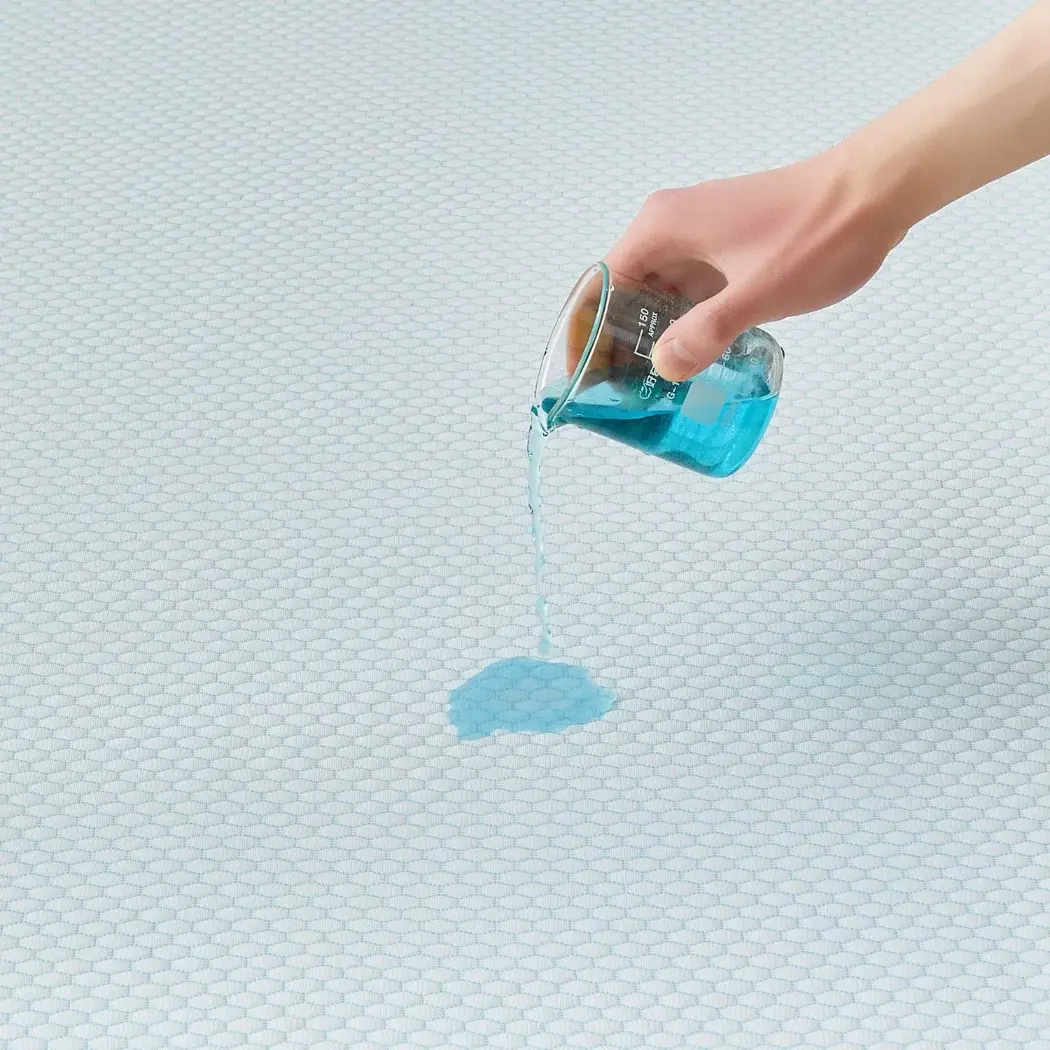
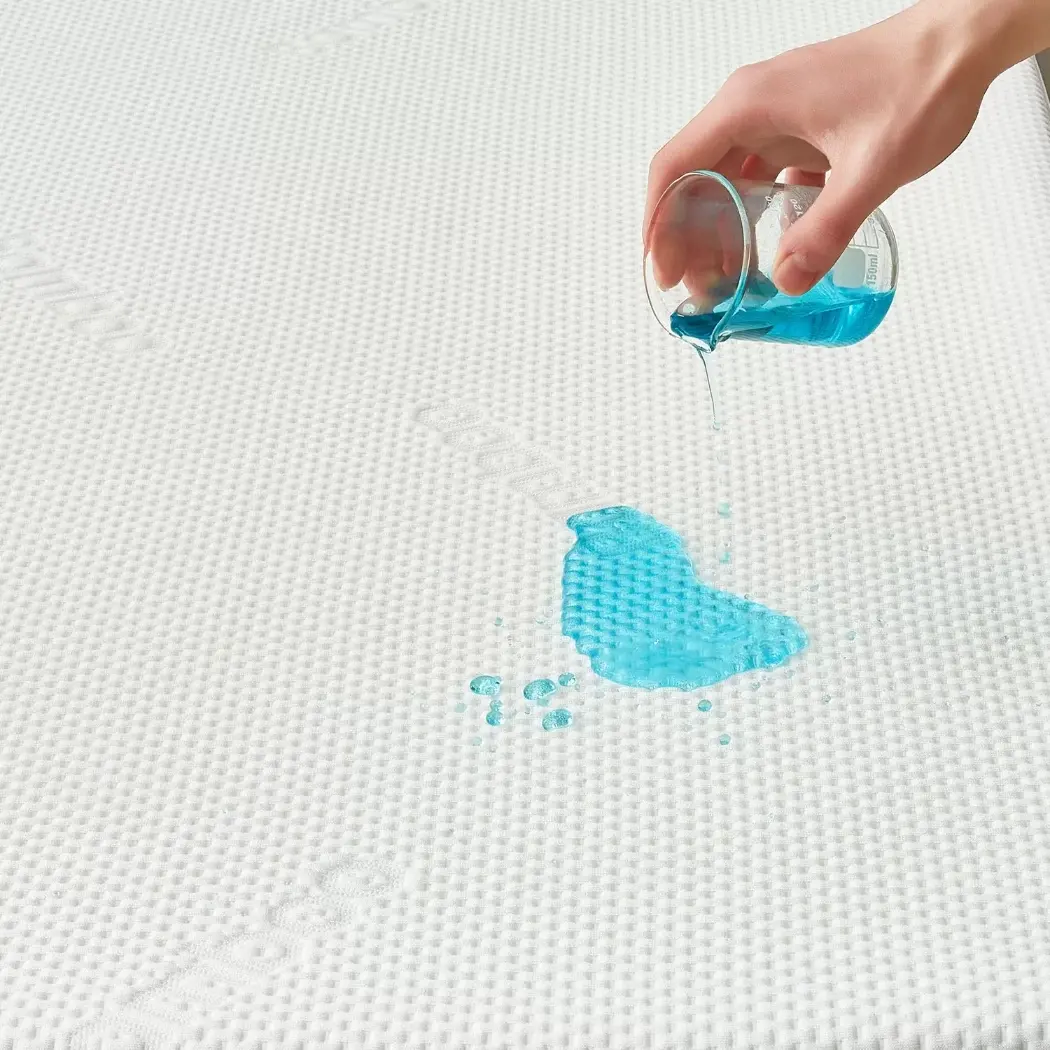
The challenge lies in balancing absolute protection—preventing liquids and dust from penetrating the mattress—with the necessity of airflow. Without proper breathability, mattresses can trap heat and moisture, leading to mold growth. This is why advanced weaving techniques, such as those used in down-proof shells, are being adapted into the design of the modern quilted cot mattress protector to ensure a safe, dry, and temperate sleeping surface.
Defining the Modern Quilted Cot Mattress Protector
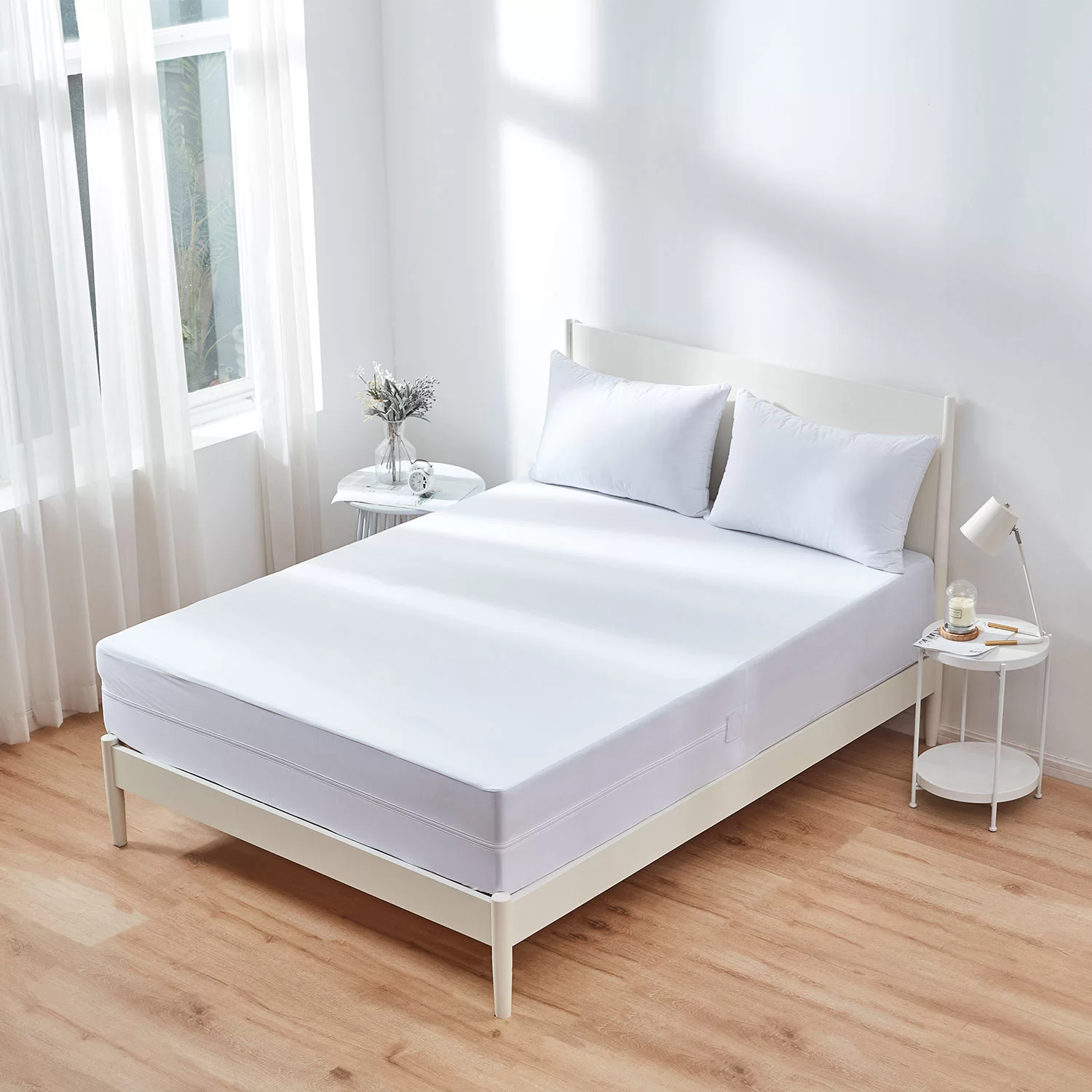
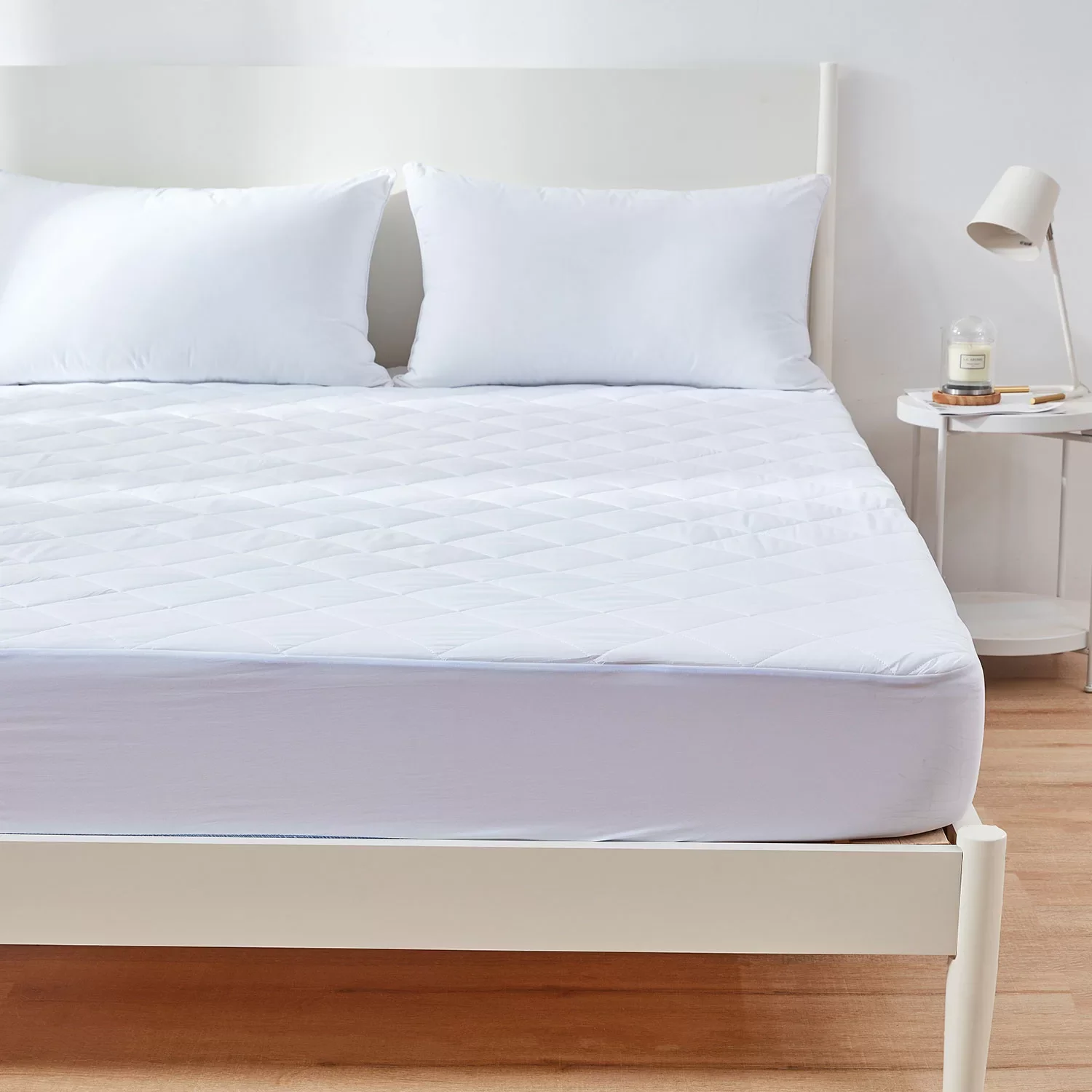
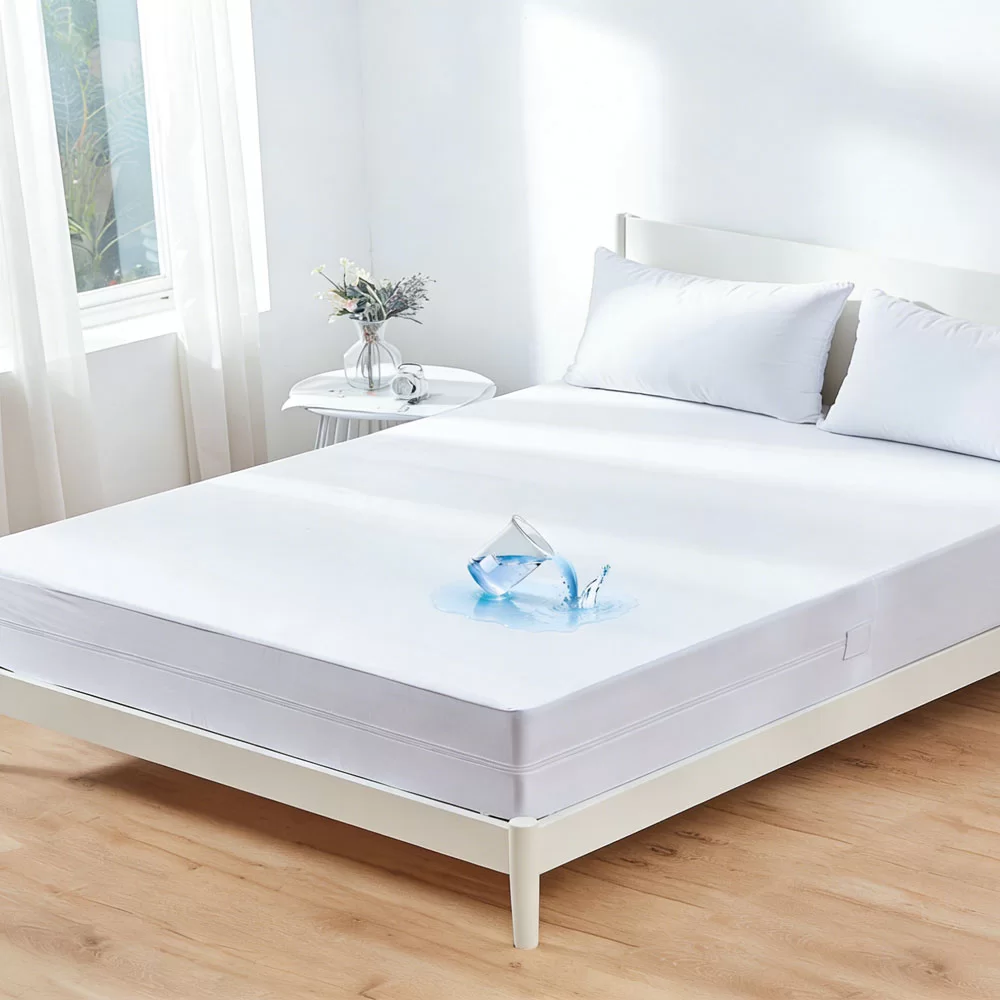
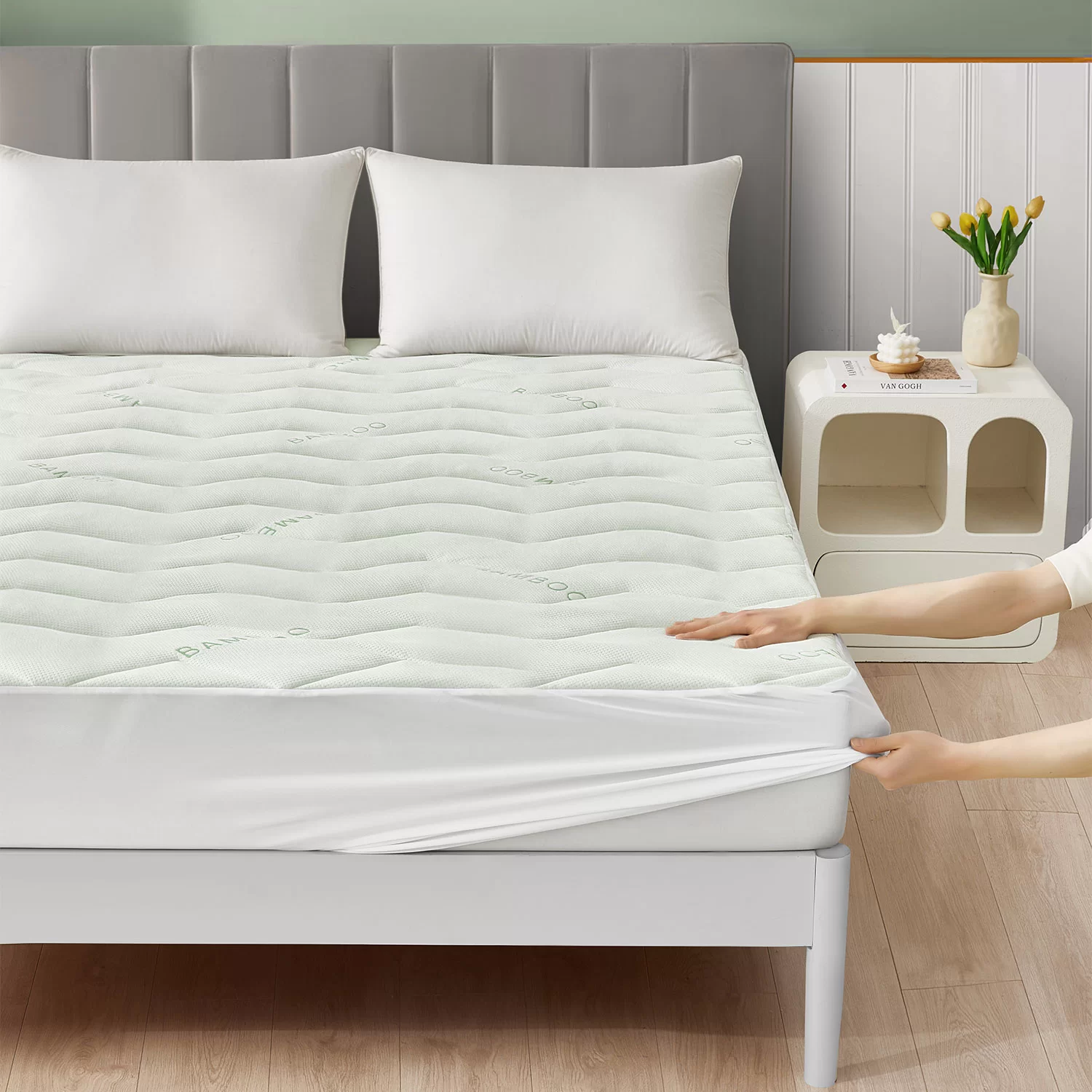
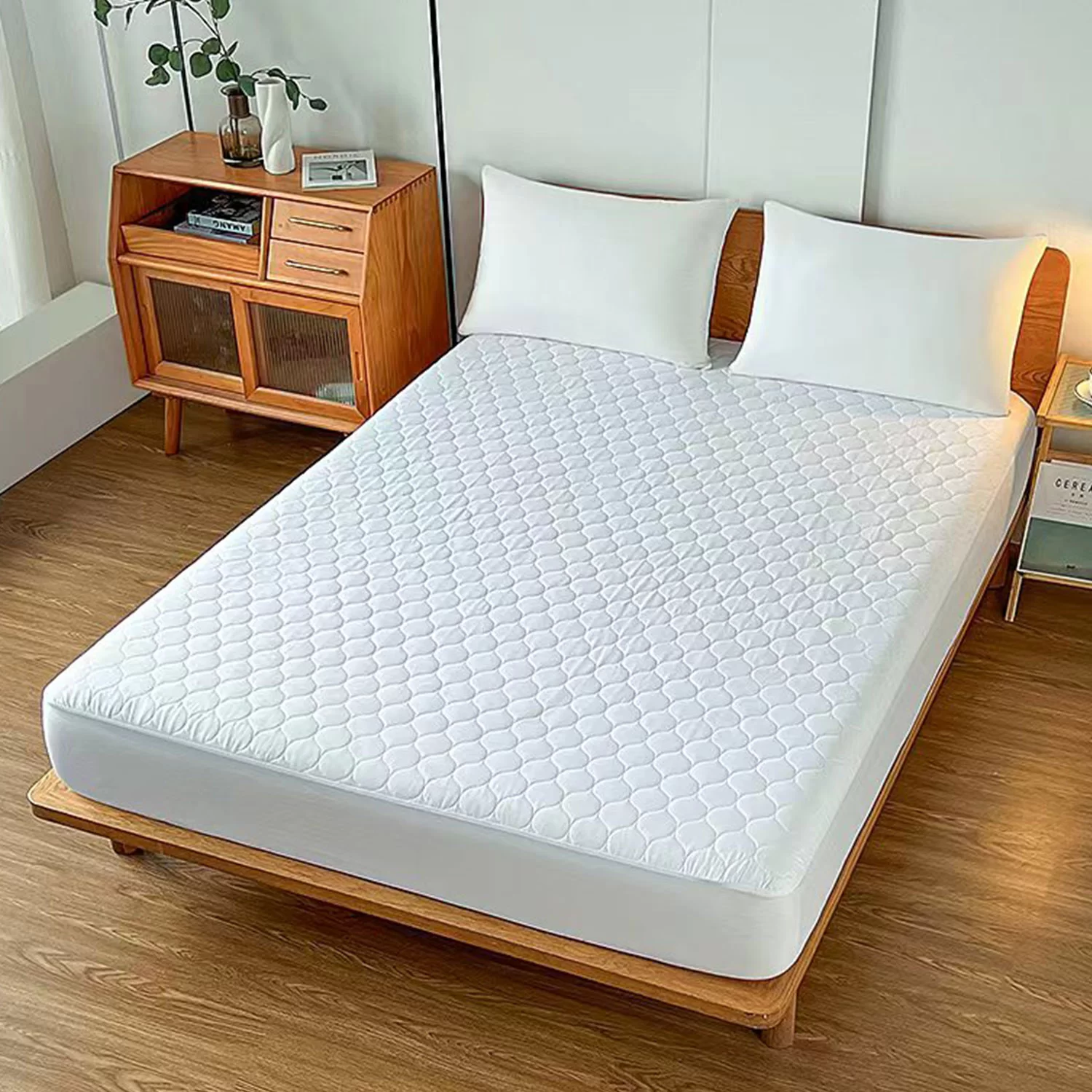
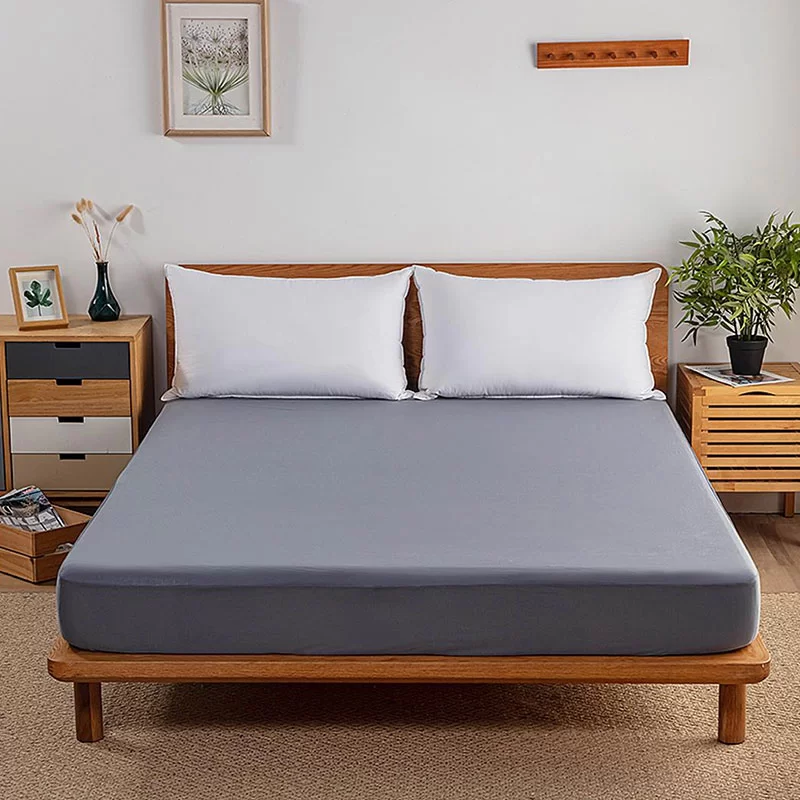
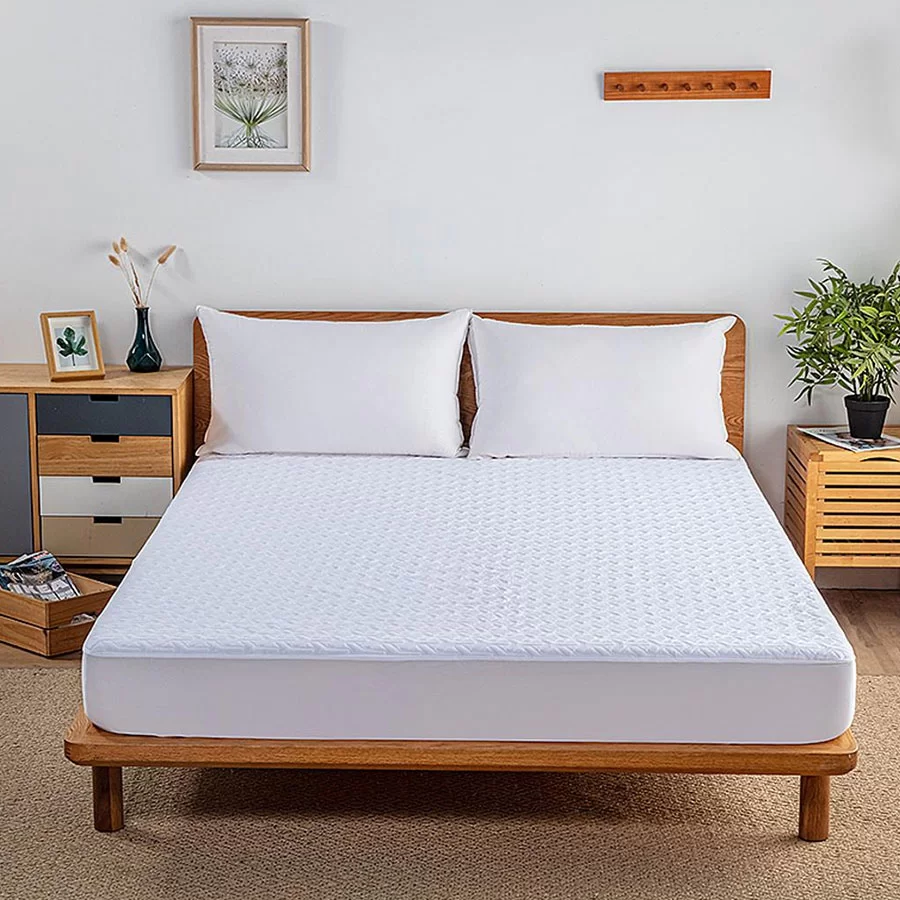
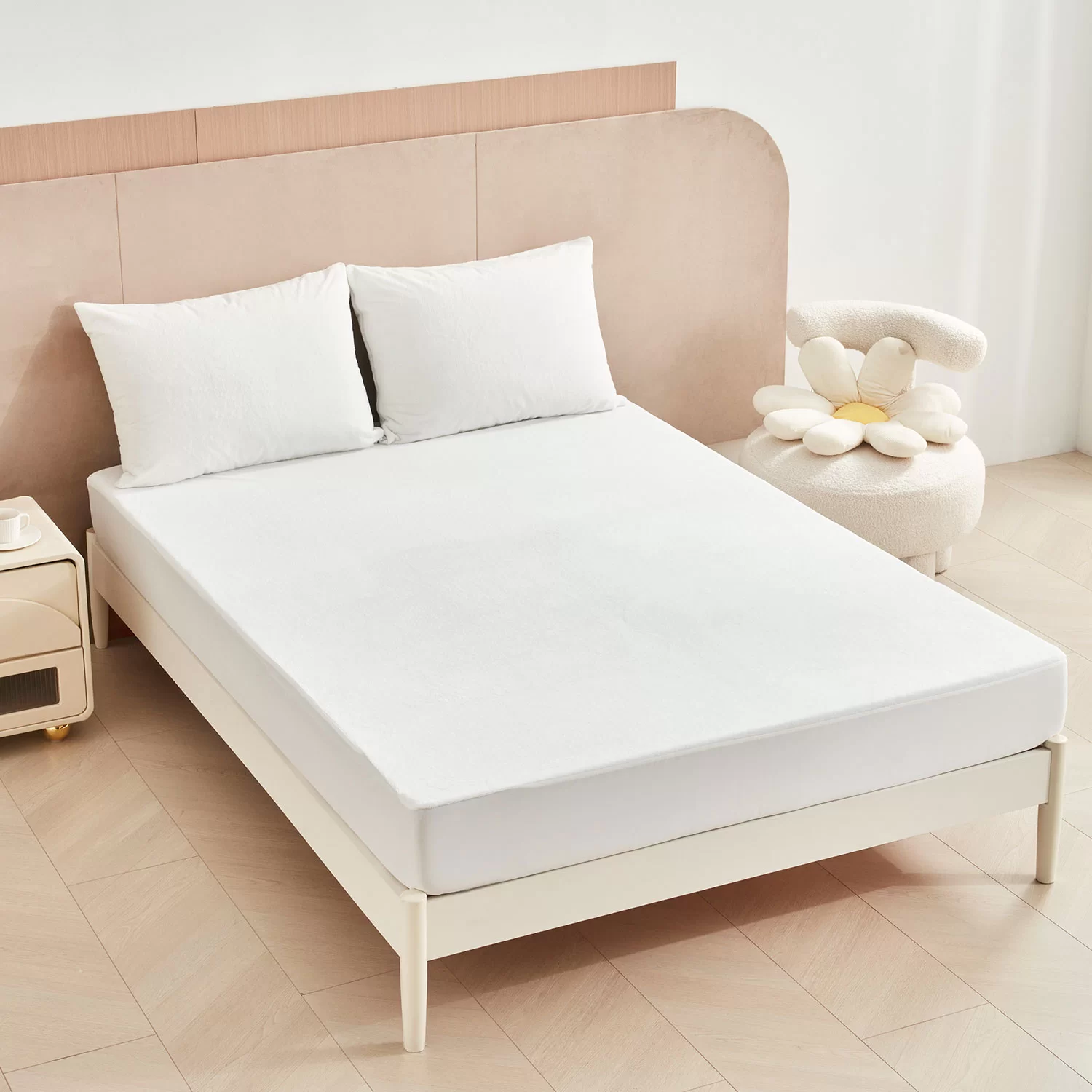
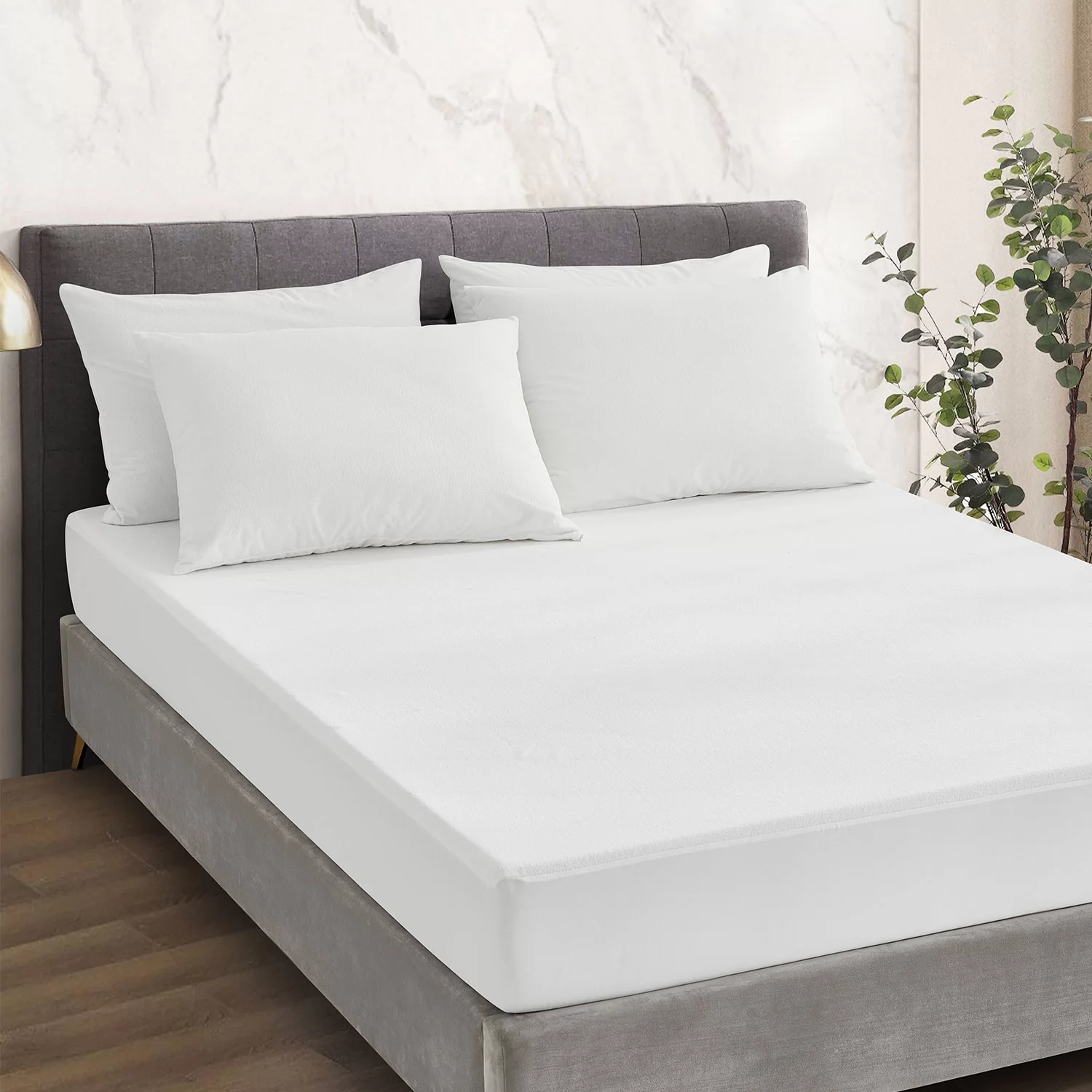
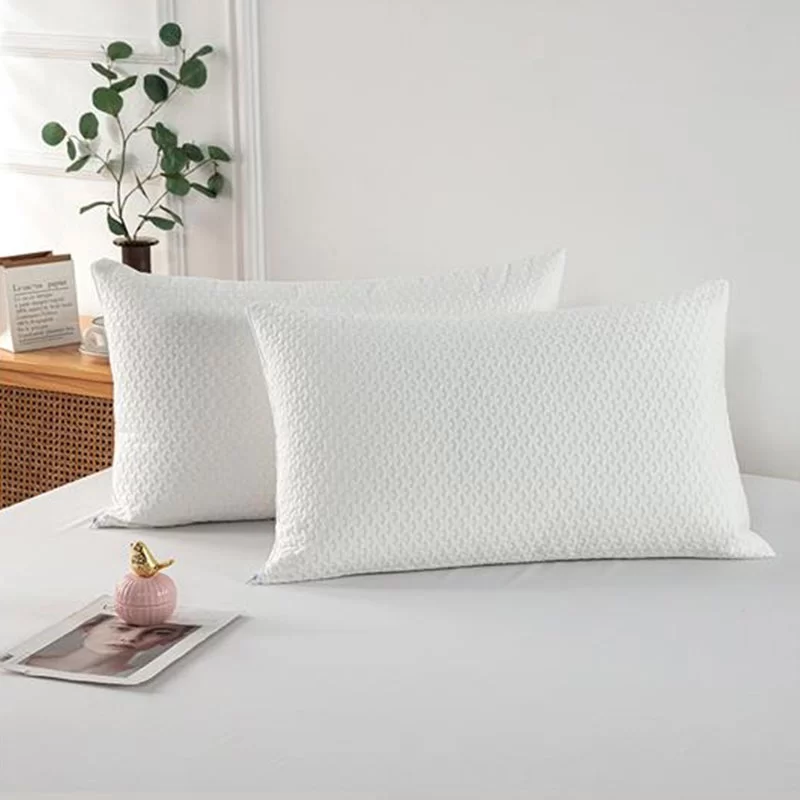
A quilted cot mattress protector is a specialized bedding layer designed to encase a cot mattress, providing both a cushioning effect and a defensive barrier. Unlike simple sheets, the quilted nature refers to the stitching that holds a layer of padding between two fabric sheets, which prevents the filling from shifting and adds an extra level of comfort and loft.
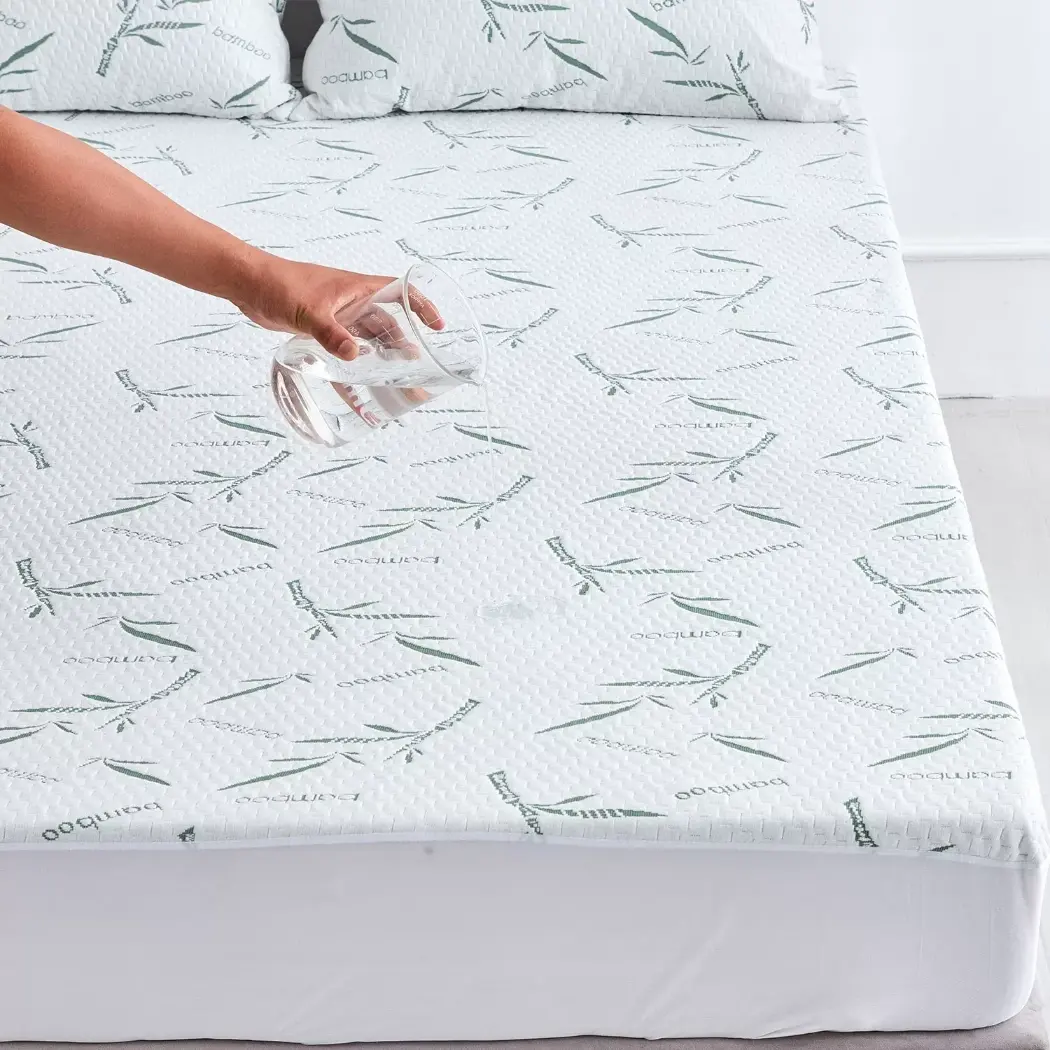
In the context of modern manufacturing, these protectors often employ "down-proof" logic, utilizing tightly woven cotton or poly-cotton blends. This ensures that if the protector is used over a feather-filled mattress or paired with down pillows, no plumes leak through, while simultaneously blocking dust mites and environmental allergens from entering the mattress core.
Beyond the domestic sphere, these products meet critical humanitarian and hospitality needs. In hotels or medical facilities, the ability to maintain a sterile yet comfortable environment is paramount. A high-quality quilted cot mattress protector allows for easy maintenance through machine washing, ensuring that the investment in the mattress is preserved over years of heavy usage.
Core Components of Premium Bedding Fabrication
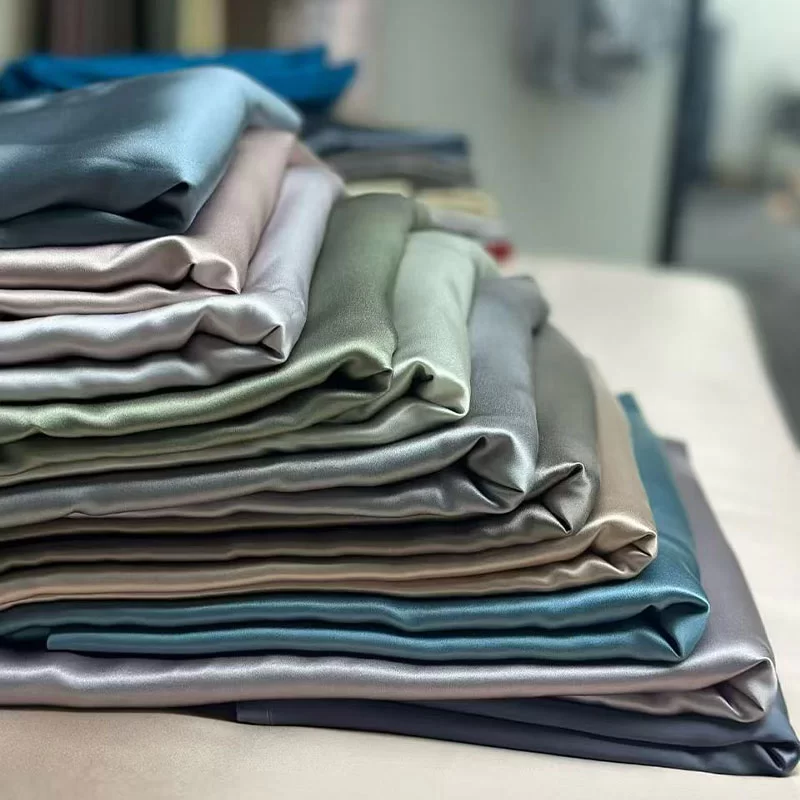
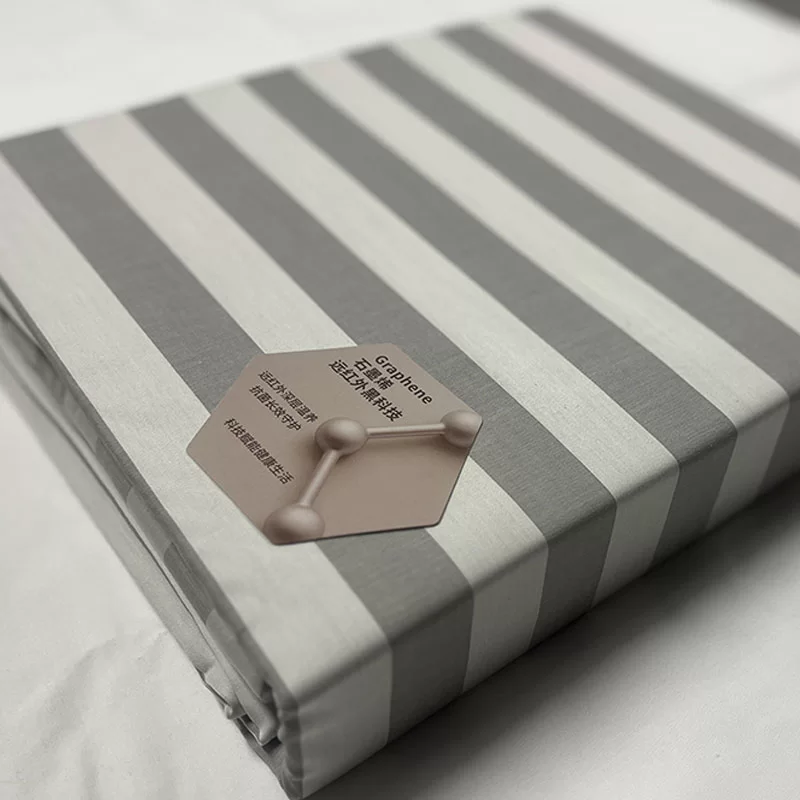
The foundation of any high-performance quilted cot mattress protector is the fabric selection. Using 100% cotton or premium poly-cotton blends allows for a natural touch that is gentle on sensitive skin. Thread counts ranging from 233T to 400T are typically employed to create a dense weave that remains breathable yet impenetrable to dust and small particulates.
Another critical factor is the quilting technique. The precision of the stitching determines how well the quilted cot mattress protector maintains its shape after multiple washes. Reinforced edges and high-quality piping prevent the edges from fraying, ensuring that the protector stays securely in place on the cot mattress without bunching or sliding.
Finally, the integration of hypoallergenic properties is essential. By utilizing a tight weave and avoiding synthetic additives, the quilted cot mattress protector acts as a physical barrier against bacteria and allergens. This focus on purity and structural integrity is what separates commercial-grade protectors from standard retail options.
Performance Metrics in Textile Durability
When evaluating the efficacy of bedding, manufacturers look at key performance indicators such as tensile strength, pilling resistance, and breathability ratings. A professional quilted cot mattress protector must withstand frequent high-temperature laundering without losing its loft or shrinking, which is why the choice of yarn count (such as 40S40S or 60S60S) is so critical to the final product's lifespan.
The relationship between fabric density and air permeability is a delicate balance. While a tighter weave provides better protection against leaks and allergens, it must not compromise the user's ability to regulate body temperature. The following data represents how different fabric types used in protectors perform across these essential categories.
Performance Analysis of Quilted Cot Mattress Protector Materials
Industrial Applications and Global Use Cases
The application of a quilted cot mattress protector extends far beyond the home nursery. In the hospitality sector, specifically in hotels and boutique guesthouses that offer family suites, these protectors are indispensable. They provide a standardized level of hygiene and luxury, ensuring that every guest experiences a fresh, clean bed while protecting the hotel's capital investment in high-end mattresses.
In medical settings, such as pediatric wards in hospitals, the requirements are even more stringent. Here, the quilted cot mattress protector must be compatible with medical-grade disinfectants and capable of withstanding industrial sterilization processes. By utilizing customized fabrics and reinforced stitching, manufacturers can provide solutions that prevent the cross-contamination of pathogens while remaining soft enough for patient comfort.
Long-Term Value and Sustainable Sleep Health
Investing in a premium quilted cot mattress protector yields significant long-term economic value. By shielding the inner mattress from sweat, oils, and accidental spills, the protector prevents the degradation of the mattress foam and springs. This reduces the frequency of mattress replacement, which is both a cost-saving measure for the consumer and a reduction in landfill waste.
From a health perspective, the long-term value is found in the prevention of respiratory issues. A dense, quilted barrier effectively traps dust mites and dander, which are common triggers for childhood asthma. This creates a proactive health shield, ensuring that the sleep environment remains pure and undisturbed by environmental irritants.
Furthermore, the use of sustainable materials like organic cotton reflects a commitment to eco-friendly manufacturing. As the global textile industry moves toward a circular economy, protectors that are biodegradable and produced with water-saving dyeing processes offer a guilt-free luxury that aligns with modern environmental ethics.
Future Innovations in Protective Bedding
The future of the quilted cot mattress protector lies in the integration of "smart" textiles. We are seeing the emergence of phase-change materials (PCMs) that can actively absorb and release heat, maintaining a constant temperature on the sleep surface regardless of the ambient room temperature. This innovation will further enhance the sleep quality for infants who cannot yet regulate their own body heat efficiently.
Digital transformation in manufacturing, such as AI-driven precision cutting and automated quilting, is allowing for more complex designs and better fitment. Future protectors will likely feature adaptive sizing and antimicrobial coatings that are bonded at the molecular level, providing permanent protection without the need for chemical sprays or frequent replacements.
Sustainability will also drive innovation through the use of recycled ocean plastics blended with natural fibers to create hybrid protectors that are both waterproof and breathable. This evolution ensures that the quilted cot mattress protector remains a cornerstone of bedding hygiene while adapting to the ecological needs of the 21st century.
Comparative Analysis of Mattress Protector Specifications
| Material Type | Breathability Score | Down-Proof Ability | Maintenance Ease |
|---|
| 100% Cotton Sateen | 9/10 | High | Easy |
| Poly-Cotton Blend | 7/10 | Medium | Very Easy |
| Microfiber Synthetic | 5/10 | High | Easy |
| Bamboo Organic | 10/10 | Medium | Moderate |
| Custom Hybrid Weave | 8/10 | Very High | Easy |
| Heavy Duty Canvas | 4/10 | Extreme | Moderate |
FAQS
A quilted protector provides a thick, padded layer that adds cushioning and absorbs impact, whereas a flat sheet is merely a thin layer of fabric. The quilting process secures the filling, preventing it from bunching, and creates a more robust barrier against liquids and allergens, significantly extending the life of the mattress.
Yes, high-quality 100% cotton is naturally breathable and allows for optimal air circulation. When woven with a high thread count (such as 233T or 300T), it provides the necessary protection against dust while preventing the baby from overheating, making it an ideal choice for sensitive skin and temperature regulation.
For maximum hygiene, it is recommended to wash the protector once every one to two weeks. Since it acts as the primary shield against sweat and skin cells, regular machine washing on a gentle cycle with mild detergent ensures a sterile sleeping environment without damaging the down-proof weave.
Absolutely. When a quilted cot mattress protector is constructed with "down-proof" fabric, the weave is so tight that it physically blocks feather quills and down clusters from penetrating the surface. This eliminates the uncomfortable "pokes" often associated with down-filled bedding.
Yes, manufacturers offer organic cotton options that are free from synthetic additives and chemical dyes. These are often OEKO-TEX certified, ensuring the product is hypoallergenic and safe for long-term skin contact, effectively reducing the risk of allergic reactions.
Measure your mattress length and width precisely. Most protectors come in standard Twin, Queen, or King sizes, but for cots, custom dimensions are often available. Ensure the protector has a secure fit or piping to prevent it from shifting during the night.
Conclusion
The implementation of a high-quality quilted cot mattress protector is a critical decision for anyone prioritizing sleep hygiene and mattress longevity. By combining the breathability of premium cotton with the technical superiority of down-proof weaving and reinforced quilting, these protectors offer a comprehensive solution to the challenges of allergens, spills, and wear. From residential nurseries to professional hospitality environments, the value lies in the seamless integration of comfort and protection.
Looking ahead, the bedding industry will continue to evolve through sustainable materials and smart textile integration. We encourage buyers and brand owners to prioritize certified, breathable, and durable materials to ensure a healthier future for sleepers worldwide. To explore our full range of professional bedding solutions, visit our website: www.infortextile.com.